
Category: Aquarium Care

  • How to Properly Care for and Maintain Your Aquarium Plants

    How to Properly Care for and Maintain Your Aquarium Plants

    Tips for Keeping Your Aquarium Plants Healthy and Beautiful

    Aquarium plants may transform any fish tank into a visually appealing, vibrant underwater habitat. They create a visually pleasing backdrop while also boosting the overall health of your aquarium. Aquarium plants require regular care and maintenance to live and thrive. This comprehensive book will teach you everything you need to know about keeping aquarium plants healthy.

    Understanding the Importance of Aquarium Plants

    Before delving into the nuances of caring for aquarium plants, it’s important to understand why they’re such a good addition to your fish tank. Here are a few reasons why aquarium plants are important:

    Oxygen Production: Aquarium plants’ photosynthesis emits oxygen into the air, improving water quality for fish and other marine life.
    – Waste Absorption: Plants help to absorb excess nutrients, waste, and pollutants from water, such as ammonia, nitrates, and phosphates, reducing the risk of imbalances and preserving water quality.
    – Natural Habitat: Aquarium plants offer refuge and hiding places for your fish, reducing stress and increasing general health.
    – Algae Control: A well-planted tank prevents excessive algae growth by competing for nutrients and obstructing light.

    Understanding these benefits will encourage you to develop the best maintenance regimen for your aquarium plants.

    Aquarium Plants

    Choosing the Right Aquarium Plants

    Choosing the right plants for your aquarium is critical to its success. Several variables must be considered.

    Light Requirements:

    Plants have varying light requirements, which are low, medium, and high. Understanding the lighting requirements of your chosen plants will enable you to provide the appropriate illumination. Tank Size: Consider the size and dimensions of your aquarium. Some plants may require taller or larger tanks, but others thrive in smaller spaces. Water parameters: Some plants prefer specific water conditions, such as temperature, pH, and hardness. Check the preferred specifications of your chosen plants to ensure they are suitable for your tank conditions.

    Plants can develop slowly, steadily, or fast. Choose one that matches your preferences and is simple to manage.

    Java Fern, Anubias, Amazon Sword, and Cryptocoryne are some of the most commonly recommended aquarium plants for beginners.

    Creating a Suitable Environment for Your Aquarium Plants

    Once you’ve determined which aquarium plants are best suited to your needs, providing them with an acceptable environment is necessary. Here’s how to create an optimal atmosphere for your plants:

    Proper lighting is not a luxury; it is essential for the growth of your aquarium plants. Whether you use fluorescent, LED, or specialist plant lights, selecting the appropriate spectrum and intensity for your plants is critical. This ensures that they receive the light required for photosynthesis and growth. Remember not to overlook the importance of light in your aquarium habitat.

    Water Circulation: Proper water circulation is essential for aquarium plants’ overall health and growth. Ensure filtration systems and water pumps are placed so nutrients flow and are appropriately distributed.

    CO2 Injection: Carbon dioxide (CO2) injection is optional but extremely useful, particularly in high-light planted tanks. CO2 promotes robust plant development and prevents algae outbreaks. Several CO2 injection methods, including DIY yeast-based systems and pressurised CO2 setups, are available.

    Maintaining Optimal Water Quality

    The well-being of your aquarium plants depends on your diligent attention to water quality. Poor water quality can stunt plant growth and render plants vulnerable to various diseases. Here are some crucial points to consider:

    Perform regular water changes to remove pollutants, extra nutrients, and contaminants. Ten to twenty per cent of the tank’s volume should be changed weekly.

    Water Parameters: The stability and balance of water parameters are crucial for the health of your plants. Maintaining the recommended range for your plants’ needs is essential. Regular testing for pH, ammonia, nitrites, and nitrates is a proactive step towards a healthy aquatic environment for your plants.

    Fertilisation: Certain plants may require additional fertilisation to thrive. Liquid fertilisers or root tabs can provide nitrogen, potassium, and phosphorus.

    Algae Control: Proper plant care helps to control algae growth. Decaying or dying leaves should be removed soon to avoid excess nutrients and algae problems. Introduce algae-eating fish or prawns to help keep algae under check.

    Pruning and Propagation Techniques

    Aquarium plants require regular trimming and propagation to ensure good development and prevent overcrowding. Here are some pointers to bear in mind:

    Trimming: It’s not just about removing dead or decaying leaves; it’s about managing the size and shape of your plants. This promotes bushier growth and keeps surrounding plants from being shaded, a key responsibility in plant care.

    Many aquarium plants are easily propagated through division, stem cuttings, or runners. Investigate the propagation methods for your plant species to enlarge your collection or replant overgrown plants.

    Plant placement: Consider their growth tendencies when arranging the plants in your tank. Leave enough space between plants to allow for growth and avoid overcrowding.

    Planted aquarium

    Troubleshooting Common Issues

    You may need help caring for your aquarium plants despite your best efforts. Here are a few common problems and solutions:

    Yellowing leaves can indicate a food deficit, insufficient illumination, or poor water quality. Adjust the fertiliser, lighting, and watering conditions accordingly.

    Algae Overgrowth: If algae overgrow your aquarium plants, check the lighting duration and intensity, water parameters, and fertiliser levels. Adjust these parameters accordingly, and consider introducing algae-eating fish or invertebrates.

    Melting Plants: Sudden plant melting frequently indicates insufficient acclimatisation, improper water conditions, or incompatible tankmates. Improve water quality and ensure compatibility with other occupants.

    Pests and Diseases: Look for snails, aphids, and fungal infections. Quarantine and treat afflicted plants with aquarium-safe medicines, or seek professional assistance.

    Most Popular Questions and Answers

    How often should I fertilize my aquarium plants?
    The frequency of fertilization depends on the nutrient requirements of your plants. While some plants may require regular fertilization, others can thrive with minimal supplementation. Monitor the growth and appearance of your plants to determine the required frequency.

    Can I use regular soil for my aquarium plants?
    Regular garden soil may contain additives or fertilizers that can harm your aquarium plants and impact water quality. It is best to use specialized aquatic soil or substrates specifically designed for aquarium use.

    Do all aquarium plants require CO2 injection?
    Not all aquarium plants require CO2 injection. Low- to moderate-light plants generally do well without additional CO2 supplementation. However, CO2 injection can significantly enhance growth and prevent algae outbreaks for high-light plants or demanding species.

    Can I use tap water for my aquarium plants?
    Tap water can be used for aquarium plants, but it is essential to remove chlorine and other harmful compounds. Treat tap water with a quality water conditioner, or let it sit for 24 hours before adding it to your aquarium.

    How can I prevent algae growth in my aquarium plants?
    Proper lighting, nutrient balance, and regular plant maintenance can help prevent excessive algae growth. Introducing algae-eating fish or invertebrates can also help keep algae under control.

    Now, armed with the knowledge of how to care for and maintain your aquarium plants, you can create a stunning aquatic oasis that enhances the beauty of your fish tank and provides a healthy environment for your aquatic inhabitants. Your aquarium plants will flourish with proper care and attention, creating a captivating underwater landscape for years.

    References

    The Ultimate Care Guide For Betta Fish. https://aquaticbuddy.com/betta-fish/care/

    Aquarium Thriving: Pro Tips For Long-Term Success. https://ourmarinespecies.com

    The post How to Properly Care for and Maintain Your Aquarium Plants appeared first on Unity Pets.

    The Article How to Properly Care for and Maintain Your Aquarium Plants Was Found On https://limitsofstrategy.com

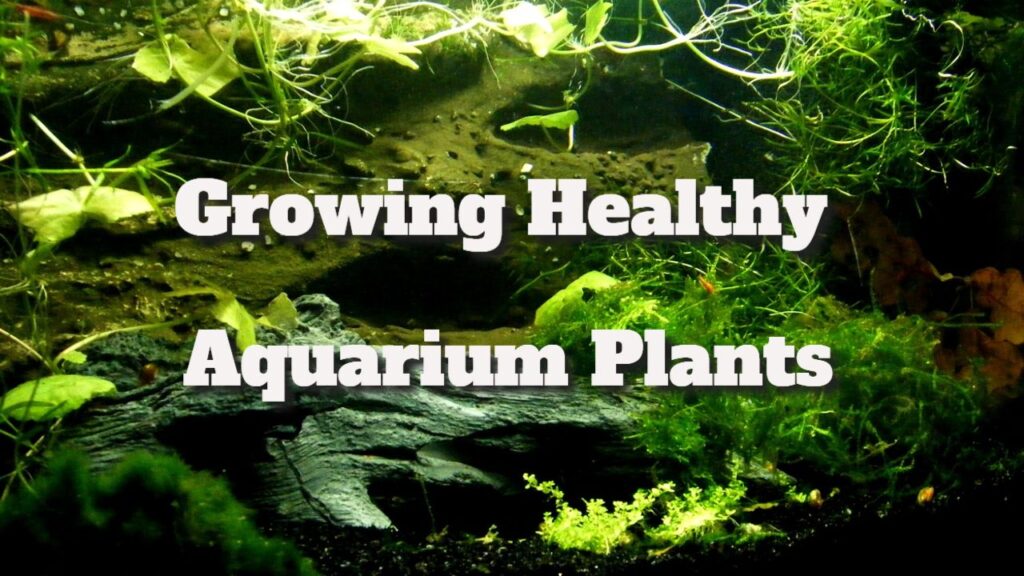
  • Growing Healthy Aquarium Plants

    Growing Healthy Aquarium Plants

    Growing Healthy Aquarium Plants

    Keeping a lovely aquarium at home entails far more than just fishkeeping. Healthy aquatic plants are essential to a visually beautiful and balanced aquarium.

    They not only bring colour and vitality to the aquarium, but they also help to maintain the environment. A well-planted aquarium gives your fish a lush environment replicating their natural habitat.

    However, caring for aquarium plants involves devotion, knowledge, and consistency.
    Our tutorial will help you understand how to keep your aquarium plants healthy.

    Selecting the Right Plants

    Only some aquatic plants you like will be suitable for your aquarium.

    When selecting plants, consider light circumstances, temperature requirements, water parameters, growth rates, and fish in your aquarium.

    As a result, performing appropriate study or seeking professional guidance to ensure your chosen plants will live and grow in your unique conditions is critical. Anubias, Amazon Sword, Java Moss, and Vallisneria are popular aquarium plants that require little maintenance.

    growing healthy aquarium plants

    Correct Planting Methods

    Knowing how to grow aquatic vegetation correctly is critical to their survival. Typically, it would help if you gently press the roots into the substrate, taking care not to damage them.

    Also, leave the crown slightly above the substrate, which connects the stem and roots. Some species, such as Anubias and Java Fern, should be connected to driftwood or rocks rather than buried.

    Lighting requirements.

    Photosynthesis, the process by which plants make food, requires adequate lighting.

    Aquarium plants require specialised underwater lighting that mimics the spectrum of natural sunshine. Low-light plants, such as Anubias and Java Fern, require approximately 0.25 watts of light per litre, but high-light plants, like Dwarf Baby Tears, require 1 watt per litre.

    Furthermore, limiting the length of time exposed to light is crucial. A maximum of 10-12 hours of light exposure per day is recommended.

    Water parameters.

    To keep your plants healthy, the pH, temperature, and hardness of the water in your aquarium must be consistent and within acceptable limits. Plants require slightly acidic to neutral pH values (6.5-7.5). However, it varies, so understanding your plants’ needs is critical.

    Proper Nutrition

    Aquatic plants, like terrestrial plants, require nutrients for proper growth and development. Nitrogen, phosphorus, potassium, iron, and manganese are essential nutrients.

    While fish waste and leftover food can provide some of these minerals, most planted aquariums require professional plant fertiliser to achieve a complete nutrient solution.

    Substrate Quality.

    The substrate, or the material at the bottom of your aquarium, has a purpose beyond decoration. It serves as a rooting substrate for the plants and promotes nutrient delivery. Sand, gravel, and professionally manufactured planted tank substrates rich in minerals required for plant life are all examples of high-quality substrates.

    plant in aquarium

    Proper Pruning

    Pruning, or eliminating overgrown or unhealthy sections of a plant, is an essential activity for promoting healthy and controlled growth. However, you must understand the appropriate technique to avoid injuring your plants.

    Never lift plants by their stems because this might damage the roots and strain the plant. To ensure a clean cut, use sharp, sterilised aquatic scissors.

    CO2 Systems

    Most aquariums, particularly those with many plants or that proliferate will benefit from more CO2. Several CO2 injection systems on the market can help provide this essential component for photosynthesis.

    Dealing with Algae

    Algae growth is a typical problem in planted aquariums. Although some algae might be helpful, excessive development can harm plants by blocking light and nutrients.

    Algae can be managed in various ways, including light and nutrients, using algae-eating organisms, and even applying algaecide chemicals when needed.

    Routine maintenance.

    Maintaining a clean aquarium is essential for plant health. This includes cleaning your tank regularly, analysing water parameters, changing water frequently, and monitoring the health of your fish and plants.

    Aquarium plants need more than just water to grow. Their health, development, and vibrancy depend on correct care and maintenance.

    A magnificent aquatic environment can be achieved by carefully balancing lighting, water parameters, fertilisers, and pruning. A well-kept, healthy, plant-filled aquarium is aesthetically pleasing and valuable to any home.

    Anyone with the correct knowledge and effort may successfully manage a healthy aquatic paradise.

    Remember, a lush green planted tank does not appear overnight. Patience is your buddy in this endeavour. Each plant species has unique requirements, growth rates, and care needs.

    1. Use Appropriate Lighting: Different aquarium plants require varying light levels. Some plants require high-intensity light to thrive, whilst others require low-intensity light. Make sure you understand the lighting requirements for your specific plant.

    2. Check Water Parameters: The pH, temperature, hardness, and alkalinity of the water are all critical for the health of your aquarium plants. Try to keep the pH between 6.5 and 7.5.

    3. Regular Cleaning: Thoroughly clean the aquarium and remove any decaying plant materials. Excessive rotting plants can degrade water quality, affecting both fish and plants.

    4. Nutrient Supply: Ensure the aquarium plants receive essential nutrients such as iron, potassium, and carbon dioxide. If the plant does not get these nutrients from the water or the fish, add fertilisers specifically developed for aquarium plants.

    5. Pruning: Like any other plant, Aquarium plants require regular pruning to maintain their health. Pruning not only keeps the plant healthy but also promotes growth.

    6. Install a Good Quality Filter: A good filter circulates water and balances your aquarium’s ecology.

    7. Adequate Space: Ensure your aquarium plants have enough room to thrive. If they are overcrowded, they may need more light or nutrients.

    8. Select the Right Substrate: Choosing a suitable substrate is critical for your plants’ growth. A nutrient-rich substrate allows root-feeding plants to absorb critical nutrients straight from their roots.

    9. Carbon Dioxide Supply: Plants require carbon dioxide to perform photosynthesis. If your tank is extensively planted, consider installing a CO2 system.

    10. Proper Planting: Some plants are supposed to be rooted in the substrate, while others should be attached to decorations. Make sure to investigate how your unique plant likes to be planted.

    Remember that caring for your aquarium plants entails growing them and maintaining their overall health, resulting in a more vivid and energetic aquarium.

    The post Growing Healthy Aquarium Plants appeared first on Unity Pets.

    The Article Growing Healthy Aquarium Plants was found on https://limitsofstrategy.com

  • When And How Much Aquarium Water Needs Chemical Treatment

    When And How Much Aquarium Water Needs Chemical Treatment

    When And How Much Aquarium Water Needs Chemical Treatment

    Many fishkeepers have questions concerning the role of water preparation chemicals in aquatics, the dangers of overdosing, and the distinctions between disinfectant brands.

    Based on available research findings and our significant experience with water purifiers, we want to give you the truth about them and answer your most often-asked questions.

    Do fish require water preparation?

    Vielleicht. Assume your drinking water comes from a municipal or another public water system. In such cases, it was probably treated with chlorine or chloramine to kill bacteria, viruses, and other germs that could cause illness.

    These compounds harm aquatic life and beneficial microbes and must be removed from the water with a disinfectant. If you do not add a water conditioner to the tap water, your fish’s heads may become inflamed, causing them to keel or struggle to breathe.

    If your drinking water comes from a well or another non-chemically treated source, your aquarium may not need a water purifier.

    We recommend testing your Well water for heavy metals since various disinfectants can help eliminate them.

    water chemical treatment

    Does the chlorination of the water stop?

    Yes, chlorine is volatile and typically evaporates from water. Many water treatment plants, however, prefer to utilise chloramine instead of chlorine since it is a more stable disinfectant made by mixing ammonia with chlorine.

    Chloramine cannot be eliminated from water simply by dissolution; it must be neutralised using an anti-chlorine agent. If you are confident that your drinking water has chlor and no chloramines, you can leave it for 1–5 days to decrease the chlorine.

    What function does a dechlorinator serve?

    The fundamental purpose of water preparation chemicals is to generate chlorine and chloramine while also making the water safe for fish. Almost all disinfectants contain sodium thiosulphate, which interacts with chlorine and chloramine to form harmless byproducts.

    Sodium thiosulphate resembles stone salt or white powder and is typically dissolved in water to form a liquid disinfectant.

    Some water conditioners include pH buffers, Aloe Vera (to repair fish gills), and other chemicals.

    How can you get rid of ammonia-based cleaning products?

    Some of them do exactly as indicated on the package. The fundamental reason is that dechlorination, used to treat chlorine, only reacts with the chlorine molecule and not with the ammonia.

    The remaining ammonia ions in the water are poisonous to fish. As a result, several disinfectants, such as Fritz Complete Water Conditioner, Seachem Prime, and Kordon AmQuel, include extra chemicals that convert ammonia to an inert form (ammonium) for up to 24 hours.

    During this time, ammonium produced by beneficial bacteria in your aquarium and filter may be destroyed.

    Is dechlorinator terrible for fish?

    Generally not. However, in some rare and unusual circumstances, it may be hazardous. When the reducing agent in the de-chlorinator eliminates chlorine from the water, it consumes oxygen, which can be hazardous in water with low oxygen levels.

    For example, goldfish and diskus aquariums may require a 90% water change. Using low-oxygen water with disinfectants might limit available oxygen, potentially harming fish and beneficial microbes.

    Most aquarium owners attempt to avoid this by increasing surface movement in their tanks, which promotes gas exchange as carbon dioxide (CO2) escapes and fresh oxygen enters the aquarium water.

    Hobbyists who employ planted high-tech aquariums to produce CO2 under pressure typically attempt to reduce surface movement. As a result, gas exchange should be minimised, leaving more CO2 in the water for plant usage.

    Plants consume CO2 during the day and oxygen at night.

    When you perform a water change early in the morning, when the lights are switched on, the dissolved oxygen in the water is at its lowest. Adding sulphur-free water and a dechlorinator may result in disaster for your aquatic critters.

    small aquariums

    How much dechlorinator should I use per gallon?

    Each extractor is unique; thus, follow the dosing directions on the package. For example, with Fritz Complete, 1 mL of dechlorinator is required for every 10 litres of water.

    These comments are perplexing since different localities use varying quantities of chlorine in their water. How can you determine what concentration is appropriate for your water?

    Because disinfectant manufacturers need to know how much chlorine is used in your community, they recommend broad rules for all citizens’ tap water.

    How long does the dechlorinator take to work?

    Because it takes around 2-5 minutes to neutralise chlorine and chloramine, many firms recommend storing the disinfectant in a separate container before adding water to the aquarium.

    However, we have always placed the water heater in the tank and added fresh distilled water, and there have been no issues.

    Can you use too much chlorine in your aquarium? Fritz Complete can treat abnormally high levels of chloramin, nitrite, and other toxic substances by administering five times the necessary quantity within 24 hours.

    This is an ample space with plenty of opportunity for error. Keep in mind that high disinfectant concentrations rapidly diminish the amount of dissolved oxygen. As a result, adding an airstone for the next 3 to 4 hours will enhance the oxygen level of the water.

    It may be beneficial to investigate chlorine guidelines in your town and conduct a few trials at home. Assume you discover that your city uses two ppm (Teile per Million) of chlorine.

    If you change 30% of the water in a 100-gallon aquarium and use three Fritz Complete pumps to deliver 30 gallons of water, will the chlorine test indicate 0 ppm?

    The post When And How Much Aquarium Water Needs Chemical Treatment appeared first on Unity Pets.

    The Article When And How Much Aquarium Water Needs Chemical Treatment was found on https://limitsofstrategy.com