

Category: Seafood Recipes

  • Grilled Shrimp Tacos: A Spicy Culinary Adventure

    Grilled Shrimp Tacos: A Spicy Culinary Adventure

    Essential Ingredients for Crafting Irresistibly Flavorful Spicy Grilled Shrimp Tacos

    Choosing the Right Fresh Shrimp to Elevate Your Taco Experience

    Spicy Grilled Shrimp Tacos: Large, freshly caught shrimp at a vibrant seafood market, perfect for grilling into spicy tacos.

    When crafting spicy grilled shrimp tacos, selecting the most suitable fresh shrimp is absolutely essential to achieve an irresistible flavor and delightful texture. Opt for shrimp that are large, ideally sized at 16-20 count per pound, as this size guarantees a satisfying, meaty bite that will hold up exceptionally well on the grill. Look for fresh shrimp that exhibit a firm, translucent appearance, which is a strong indicator of their peak quality. Avoid any shrimp that appear dull or emit a strong, unpleasant odor, as these symptoms may signify spoilage. By prioritizing the freshest shrimp accessible, you significantly enhance the flavor profile of your tacos, ensuring they remain juicy and packed with flavor during grilling. If you’re in the U.S., consider obtaining shrimp from local seafood markets or farmers’ markets for the highest quality options.

    In addition to freshness, it’s increasingly vital to select sustainable shrimp. Don’t hesitate to inquire about the sourcing practices of the shrimp you purchase. Whether you opt for wild-caught or farmed varieties, emphasizing freshness is crucial to ensuring that your tacos are vibrant, flavorful, and utterly delicious.

    Creating a Flavor-Packed Marinade to Amplify Your Shrimp’s Taste

    Crafting a bold and fiery marinade is vital for infusing rich and deep flavors into your shrimp. A well-designed marinade for spicy grilled shrimp tacos typically incorporates ingredients such as chili powder, freshly squeezed lime juice, and minced garlic. The chili powder introduces an intense heat that perfectly complements the natural sweetness of the shrimp, while the lime juice not only tenderizes the shrimp but also contributes a zesty brightness that balances the richness of the dish beautifully.

    To elevate your marinade further, consider adding spices such as cumin or smoked paprika, which can introduce extra depth and complexity to the flavor profile. A hint of sweetness from honey or agave syrup can also enhance the overall taste experience. As you blend these ingredients together, whisk them thoroughly until you achieve a cohesive mixture, ensuring that every shrimp is enveloped in a flavor-packed marinade. This marinade is versatile and can be adjusted to suit your personal taste preferences. Whether you prefer a milder flavor or crave a fiery kick, this adaptable recipe allows for customization, making it perfect for every palate.

    Enhancing Your Tacos with Delicious Toppings and Garnishes

    The toppings you select can transform your spicy grilled shrimp tacos from ordinary to extraordinary. Consider making a vibrant and fresh salsa featuring diced tomatoes, onions, jalapeños, and chopped cilantro. This colorful combination not only enhances the visual appeal but also delivers a burst of fresh flavors that beautifully counterbalance the spiciness of the shrimp. Creamy avocado slices or a generous dollop of guacamole add richness and depth, creating a delightful contrast in every bite.

    Moreover, don’t underestimate the importance of garnishes like crumbled queso fresco or a drizzle of creamy sauce. These additions provide another layer of flavor and visual interest, enriching the overall taco experience. Fresh herbs, particularly cilantro, contribute significantly to the dish’s freshness, creating a delightful contrast that encourages you to take another bite and showcases the complexity of flavors in your tacos.

    Mastering the Art of Preparing an Inviting Spicy Marinade

    Chef expertly mixing vibrant, fiery marinade with chilies, garlic, and spices in rustic kitchen.

    Combining High-Quality Ingredients for a Flavorful Marinade

    Creating a zesty and aromatic marinade for your spicy grilled shrimp tacos starts with the selection of high-quality ingredients. Begin by measuring out your chili powder, which will serve as the star of your marinade; select a variety that suits your preferred heat level. Pair it with freshly squeezed lime juice to introduce a tangy brightness that elevates the shrimp’s natural flavors. Minced garlic adds savory depth and a pungent counterpoint to the heat of the chili powder, enriching the overall flavor profile.

    As you whisk these ingredients together, focus on achieving the ideal consistency. A well-blended marinade should be smooth and slightly thick to allow it to adhere effectively to the shrimp. For additional flavor, consider including spices like cumin or smoked paprika, which can imbue your dish with a smoky essence, transforming your tacos into a gourmet delight.

    Maximizing Flavor Absorption Through Effective Marinating

    The marinating process is crucial for developing the flavor profile of your spicy grilled shrimp tacos. Once you’ve prepared your marinade, place the shrimp in a resealable plastic bag or a bowl and pour the marinade over them. Ensure every shrimp is thoroughly coated to maximize flavor absorption. Allow the shrimp to marinate for a minimum of 30 minutes; this timeframe is essential for the shrimp to soak up the zesty, spicy goodness of the marinade.

    For even more intense flavor, consider marinating the shrimp for up to two hours. However, be cautious not to exceed this duration, as the acidity from the lime can cause the shrimp to become mushy. Once adequately marinated, remove the shrimp from the marinade, allowing any excess to drip off before grilling. This step ensures that your shrimp are perfectly seasoned and primed to deliver an explosion of flavor in every delightful bite.

    How to Personalize Heat Levels in Your Marinade

    Spicy grilled shrimp tacos with customizable heat levels, featuring chili powder, jalapeños, serrano peppers, and honey.

    Customizing the heat level in your marinade is simple and can significantly influence the overall spiciness of your grilled shrimp tacos. If you enjoy a blazing hot taco experience, consider increasing the amount of chili powder or adding minced fresh jalapeños or serrano peppers directly into the marinade. On the other hand, if you prefer a milder flavor, start with less chili powder and gradually adjust according to your taste preferences.

    Incorporating elements like honey or agave syrup can provide a pleasant contrast to the spiciness, beautifully balancing the overall flavor. Always taste the marinade before adding the shrimp, allowing you to make necessary modifications from the start, ensuring your tacos are tailored precisely to your liking.

    Properly Storing Leftover Marinade for Future Use

    If you find yourself with extra marinade, proper storage can save you time for future taco nights. Refrigerate any leftover marinade in an airtight container for up to 24 hours. This method allows the flavors to meld further, enhancing the overall taste for your next batch of spicy grilled shrimp tacos.

    Before using any stored marinade, always give it a good stir to redistribute the ingredients, as they may separate during refrigeration. This step ensures that your shrimp will be flavorful and vibrant when they hit the grill again. Remember, storing the marinade not only saves you time but also allows you to effortlessly replicate the deliciousness of your previous meal.

    Grilling Shrimp to Perfection Every Time

    Preheating the Grill for Optimal Cooking Results

    Achieving the perfect char on your shrimp is a pivotal step in creating exceptional spicy grilled shrimp tacos. Start by preheating your grill to a high temperature, typically between 400°F and 450°F. A hot grill ensures that the shrimp will sear quickly, locking in their natural juices and forming a flavorful crust that enhances the overall taste of your tacos.

    Before placing the shrimp on the grill, ensure that the grates are clean and well-oiled to prevent sticking. An oiled grill not only promotes a better sear but also simplifies cleanup afterward. This initial step is crucial for achieving deliciously grilled shrimp, imbuing them with that coveted smoky flavor and beautiful grill marks that enhance both the visual and flavor appeal of your tacos.

    Employing Effective Grilling Techniques for Perfect Shrimp Every Time

    Timing is everything when grilling shrimp for your spicy grilled shrimp tacos. Place the marinated shrimp on the grill and cook for approximately 2-3 minutes on each side, turning once. You’ll know they are done when they turn pink and opaque, with slight charring for added flavor. Avoid overcrowding the grill; providing each piece with enough space to cook evenly maximizes those delicious grill marks and smoky flavors.

    Using skewers can be an excellent technique for grilling shrimp, especially when preparing a larger quantity. Soak wooden skewers in water for at least 30 minutes before grilling to prevent them from burning. This method keeps your shrimp intact, making it easier to flip them. Remember, overcooked shrimp can become rubbery, so keep a close eye on them during the grilling process to ensure perfectly tender results.

    Determining the Ideal Doneness for Grilled Shrimp

    Recognizing the doneness of shrimp is a crucial skill when grilling spicy grilled shrimp tacos. Properly cooked shrimp should appear opaque and possess a firm texture. A reliable way to check is by pulling one off the grill and cutting it open—there should be no translucent areas remaining. It’s essential to avoid overcooking, as this negatively affects both texture and flavor.

    Using a food thermometer can help you achieve the ideal internal temperature, which should be around 125°F. This ensures that your shrimp are not only safe to eat but also remain deliciously succulent. Once cooked, remove the shrimp from the grill and allow them to rest for a couple of minutes; this helps the juices redistribute, enhancing the flavor of your taco filling.

    Assembling Your Flavor-Packed Shrimp Tacos

    Warming Tortillas for Enhanced Texture and Flavor

    Warmed tortillas are a critical component of any successful spicy grilled shrimp taco recipe. To achieve perfectly pliable tortillas, heat them on the grill or in a skillet for about 30 seconds on each side. This warming process enhances their flavor and texture, making them easier to fold without cracking.

    Consider wrapping the warmed tortillas in a clean kitchen towel to keep them warm while you assemble your tacos. This method not only helps maintain heat but also adds an authentic touch to your meal. Opt for soft corn tortillas for a traditional approach, or choose flour tortillas if you prefer a different texture. In any case, the goal is to create a warm, inviting base for your succulent shrimp.

    Expertly Layering Ingredients for Maximum Flavor Impact

    Constructing the perfect spicy grilled shrimp tacos involves thoughtfully layering your ingredients. Start with a generous base of fresh salsa, which provides a juicy, flavorful counterpoint to the spicy shrimp. Following that, place your perfectly grilled shrimp on top, allowing their vibrant color and texture to shine through.

    To elevate your tacos further, add creamy avocado slices or a generous dollop of guacamole. This addition enhances the flavor while providing a creamy texture that beautifully balances the spices. Finally, sprinkle fresh cilantro over the top, adding both a pop of color and a herbal note that complements the dish wonderfully. Each layer should work in harmony, generating a delightful explosion of flavors with every single bite.

    Balancing Flavors and Textures for an Unforgettable Taco Experience

    Achieving a harmonious balance of flavors and textures is essential in creating unforgettable spicy grilled shrimp tacos. Each ingredient plays a significant role in this balance—spicy shrimp, fresh salsa, creamy avocado, and aromatic cilantro all contribute to a delightful culinary experience.

    To ensure that every bite is harmonious, aim for a mix of spicy, fresh, and creamy elements. This diversity keeps the palate engaged and enhances the overall enjoyment of the dish. Feel free to experiment with different textures; consider adding crunchy cabbage or pickled onions for an extra layer of flavor and crunch. The key is to create tacos that are not only delicious but also visually stunning and utterly satisfying.

    Irresistible Serving Suggestions to Enhance Your Taco Meal

    Perfect Side Dishes to Complement Your Taco Feast

    The right side dishes can elevate your spicy grilled shrimp tacos into a full-fledged feast. Consider serving them alongside classic Mexican rice, which pairs perfectly with the robust flavors of the shrimp. A simple salad featuring mixed greens, cherry tomatoes, and a light vinaigrette offers a refreshing palate cleanser.

    For a more substantial side, grilled corn on the cob seasoned with lime and chili powder provides delightful crunch and sweetness that pairs wonderfully with spicy tacos. The combination of textures and flavors transforms your meal into a vibrant and colorful experience that’s perfect for any gathering or celebration.

    Refreshing Beverage Pairings to Perfectly Complement Your Tacos

    Choosing the right beverage can significantly enhance the overall experience of your spicy grilled shrimp tacos. A cold beer, particularly a light lager or refreshing pale ale, can provide a crisp contrast to the heat of the shrimp. For a more festive option, consider pairing your tacos with a classic margarita, which cools the palate while beautifully complementing the flavors.

    If you prefer non-alcoholic beverages, iced tea or lime-infused sparkling water are excellent choices. These options offer a refreshing and zesty accompaniment that is easy to prepare and enjoy alongside your tacos. The key is to select a drink that balances the spiciness while enhancing the overall flavor experience of your meal.

    Presentation Tips for an Eye-Catching Taco Display

    The visual appeal of your spicy grilled shrimp tacos can significantly enhance the dining experience. Arrange your tacos on a beautiful platter, adorned with vibrant toppings such as fresh salsa, sliced avocados, and colorful garnishes. Consider using plates or bowls in various colors to make the dish pop and draw attention.

    Garnishing with lime wedges and sprigs of cilantro not only adds color but also invites your guests to customize their tacos to their taste. This approach creates an inviting atmosphere, encouraging everyone to dig in and enjoy the flavors you’ve created. A beautifully presented dish can elevate a simple meal into a festive occasion that everyone will remember.

    Delightful Dessert Options to Sweeten Your Meal’s Conclusion

    No meal is complete without a sweet ending, and some delightful dessert options can beautifully round out your spicy grilled shrimp tacos. Consider serving churros dusted with cinnamon sugar, accompanied by a side of rich chocolate sauce for dipping; this indulgent treat contrasts beautifully with the spices in your meal.

    Alternatively, a light fruit sorbet made from mango or lime offers a refreshing conclusion that cleanses the palate after the spicy tacos. This balance of rich and light desserts ensures that your meal leaves a lasting impression, making the entire dining experience memorable and enjoyable for both you and your guests.

    Exploring Creative Variations and Customizations for Your Tacos

    Discovering Alternative Proteins for an Exciting Taco Night

    While shrimp is a standout choice for spicy grilled shrimp tacos, there are numerous alternative proteins you can explore. Fish, such as mahi-mahi or tilapia, can offer a unique flavor and texture, allowing you to switch up the dish while maintaining a light and fresh profile.

    Chicken is another versatile option; marinate it in the same spicy marinade and grill until perfectly cooked. For those seeking vegetarian alternatives, consider using tofu or tempeh, which absorb the marinade wonderfully and provide a hearty, satisfying bite. Each protein option opens the door to creativity and adapts to various dietary preferences, ensuring that everyone can enjoy this flavorful dish.

    Adjusting Spice Levels to Suit Your Personal Taste Preferences

    Customizing the heat level of your spicy grilled shrimp tacos can be easily achieved by adding ingredients that cater to your taste. For those who crave extra heat, incorporating sliced jalapeños or dashes of your favorite hot sauce into the marinade can amplify the spice factor. Conversely, for a milder version, consider using paprika or smoked paprika, which provides a subtle warmth without overwhelming the palate.

    Another option is to include fresh herbs like parsley or mint, which help to soften the heat while still providing a burst of flavor. The beauty of this recipe lies in its adaptability; feel free to experiment with various spices and heat levels to find the perfect balance that works for you and your guests.

    Making Dietary Modifications for Inclusive Taco Options

    If you’re looking to adapt your spicy grilled shrimp tacos to accommodate specific dietary needs, there are plenty of modifications you can make. For a gluten-free option, use corn tortillas instead of flour tortillas. This substitution maintains the taco’s integrity and ensures that everyone can enjoy them, regardless of dietary restrictions.

    For a vegan alternative, consider replacing shrimp with marinated and grilled tofu or jackfruit, both of which can provide a satisfying texture and robust flavor. These modifications open up a world of possibilities, allowing you to enjoy the essence of spicy tacos while catering to various diets and preferences.

    Essential Tips for a Memorable Taco Night

    Preparing Ahead for a Seamless Cooking Experience

    A successful taco night begins with smart preparation. Marinate the shrimp and prepare your toppings well in advance to ensure a stress-free cooking experience. Consider chopping your vegetables, making the salsa, and even warming the tortillas ahead of time to save time during cooking. This preparation allows you to focus on grilling the shrimp when it’s time to eat, making the process smooth and enjoyable for everyone involved.

    Additionally, setting the table with all the necessary condiments and garnishes can create a festive atmosphere and encourage guests to customize their tacos to their liking. Proper preparation is key to a successful taco night, allowing you to savor the experience with your friends and family without feeling rushed or overwhelmed.

    Effortlessly Cooking for a Larger Gathering

    If you’re hosting a larger gathering, consider doubling or tripling your spicy grilled shrimp tacos recipe to cater to a crowd without a lot of extra effort. Grilling shrimp in batches allows you to serve everyone hot, delicious tacos that are sure to please.

    Consider setting up a taco bar, complete with all the necessary toppings and condiments, to allow guests to assemble their tacos. This not only simplifies serving but also adds an interactive element to your meal, allowing guests to customize their experience and engage with one another in a fun, communal way that makes the evening even more memorable.

    Creative Ideas for Repurposing Leftovers into New Meals

    Leftovers from your spicy grilled shrimp tacos can be just as delicious as the original meal. Consider transforming them into a flavorful shrimp salad by tossing the leftover shrimp with fresh greens, avocado, and a zesty vinaigrette. Alternatively, create a shrimp quesadilla for a quick and satisfying lunch the next day.

    Another idea is to incorporate the shrimp into pasta or rice dishes, adding a spicy kick to your next meal. The versatility of these leftovers ensures that you won’t waste any delicious flavors while also providing new meal options throughout the week.

    Frequently Asked Questions About Shrimp Tacos

    What type of shrimp is best for taco preparation?

    For the best texture and flavor in your tacos, opt for large, fresh shrimp, ideally sized 16-20 count per pound. Look for shrimp that are firm and translucent to achieve optimal results in your dish.

    How long should I marinate shrimp to enhance its flavor?

    Shrimp should be marinated for a minimum of 30 minutes and a maximum of 2 hours. Avoid marinating longer than this, as the lime juice may cause the shrimp to become mushy and lose their desirable texture.

    Can I use frozen shrimp in this recipe?

    Yes, frozen shrimp can be utilized. Just ensure they are fully thawed before marinating and grilling to achieve the best flavor and texture in your tacos.

    Which toppings complement spicy grilled shrimp tacos?

    Fresh salsa, creamy avocado, cilantro, lime wedges, and crumbled queso fresco are all excellent toppings that beautifully complement the flavors of the shrimp in your tacos.

    How can I adjust the spice level of the marinade?

    You can easily modify the spice level by increasing the chili powder, adding fresh jalapeños, or including hot sauce in the marinade. Tailor it to suit your personal heat preference for the best results.

    Can these tacos be made gluten-free?

    Absolutely! Simply replace the flour tortillas with corn tortillas to create gluten-free tacos that still deliver delicious flavor and texture.

    What side dishes pair well with shrimp tacos?

    Serving your tacos with Mexican rice, grilled corn on the cob, or a light salad are great side dish options that beautifully enhance the flavors of shrimp tacos.

    How can I store leftover shrimp tacos for later enjoyment?

    Store leftover shrimp in an airtight container in the refrigerator for up to 2 days. Gently reheat before serving or repurpose them into a salad or quesadilla for a quick meal.

    Are shrimp tacos a healthy dining choice?

    Yes, shrimp are low in calories and high in protein, making them a healthy choice. Pairing them with fresh vegetables and whole-grain tortillas further enhances their nutritional value, resulting in a wholesome meal.

    Which drinks pair well with shrimp tacos?

    Light beers, margaritas, or refreshing iced tea are excellent beverage choices that pair beautifully with the spiciness of shrimp tacos, enhancing the overall dining experience.

    Connect with us on Facebook!

    The Article Spicy Grilled Shrimp Tacos: A Sizzling Delight appeared first on https://pitmastersarsenal.com

    The Article Spicy Grilled Shrimp Tacos for a Sizzling Experience Was Found On https://limitsofstrategy.com

  • Cedar Wood Flavor Guide for Seafood Cooking

    Cedar Wood Flavor Guide for Seafood Cooking

    Explore the Varied Types of Cedar Wood to Enhance Your Seafood Smoking Techniques

    Unlock the Distinctive Flavors of Western Red Cedar for Seafood Dishes

    Salmon smoking on Western Red Cedar plank, with sweet smoke, in Pacific Northwest forest.

    The exciting journey of utilizing cedar wood for seafood smoking begins with the exceptional flavor profile of Western Red Cedar. This particular type of cedar is highly valued for its mild yet sweet flavor, making it a favored choice among both professional chefs and home cooks, especially for smoking salmon. Salmon possesses a natural inclination to absorb the subtle flavors of cedar, which elevates its rich taste. Predominantly found in the Pacific Northwest, Western Red Cedar is packed with natural oils that generate a sweet and aromatic smoke, ideally suited for enhancing various seafood dishes. When selecting this wood, consider its compatibility with your seafood choices—salmon’s creamy richness pairs seamlessly with the gentle aromatic hints of Western Red Cedar, transforming your culinary creation into something extraordinary.

    The tradition of cedar smoking is deeply rooted in the histories of Indigenous communities across North America, where cedar planks played a vital role in traditional cooking practices. This wood enriches flavor while establishing a connection between modern culinary artists and a profound cultural heritage that cherishes natural ingredients and traditional cooking techniques. In contemporary culinary settings, the method of cooking salmon on cedar planks infuses the fish with a delightful smokiness, making it a beloved dish in homes and restaurants throughout the United States. The next time you prepare salmon, reflect on the transformative impact of utilizing cedar wood for seafood smoking—it promises to elevate your cooking experience to an unparalleled level.

    Delight in the Subtle Flavor Profile of Eastern White Cedar for Seafood Dishes

    As we delve deeper into the enchanting realm of cedar, Eastern White Cedar emerges as a unique option for seafood smoking. This variety offers a more understated smoke profile, making it an ideal choice for lighter fish such as trout and whitefish. The gentle aroma produced by Eastern White Cedar allows the inherent flavors of the seafood to shine through while adding a captivating layer of complexity, enriching the overall dining experience for guests and family alike.

    In many respects, the delicate nature of Eastern White Cedar reflects the serenity of the waters where its favored fish reside. Its softer smoke enhances the fish’s flavor without overpowering its natural characteristics. Trout, often found in the peaceful lakes of New England, benefits tremendously from this subtle infusion. When smoked on an Eastern White Cedar plank, the fish absorbs just the right amount of flavor, enchanting the palate and embodying the balance that defines any exceptional dish. This technique conjures serene images of picturesque streams and the timeless beauty of America’s natural landscapes, further enhancing the culinary experience.

    Enhance Your Seafood Recipes with the Unique Flavor of Alaska Yellow Cedar

    Celebrated for its subtly sweet smoke, Alaska Yellow Cedar introduces a unique dimension to the culinary scene when utilizing cedar wood for seafood smoking. This variety is especially favored for shellfish, such as clams and oysters, which greatly benefit from its aromatic characteristics. The sweetness imparted by the smoke beautifully intensifies the briny flavors of shellfish, creating a delightful harmony that seafood enthusiasts will cherish.

    Alaska Yellow Cedar is not merely about enhancing flavor; it encapsulates the spirit of the breathtaking Alaskan wilderness. Its robust characteristics have made it a favorite among those who appreciate the art of seafood smoking in an environmentally conscious manner. As you prepare to smoke your next batch of shellfish, consider how the infusion of this wood can elevate your dish. The essential oils found in Alaska Yellow Cedar produce a rich, mildly sweet smoke that complements the natural salinity of clams and oysters, transforming a simple meal into a remarkable culinary experience that tantalizes the senses.

    Essential Techniques for Preparing Cedar Wood to Smoke Seafood Perfectly

    Cedar wood planks on a rustic table with smoking preparation tools under sunlight.

    Master the Soaking Technique for Cedar Planks to Optimize Smoking

    Preparation is crucial for achieving success in utilizing cedar wood for seafood smoking, with soaking your cedar planks being a fundamental step. Before subjecting them to heat, cedar planks should be immersed in water for a minimum of one hour. This soaking technique not only prevents the wood from igniting but also encourages a gradual release of aromatic smoke during the cooking process, enhancing flavor.

    By hydrating the planks, you create a moisture-laden environment that significantly improves the smoking experience. As the cedar planks heat up, they smolder rather than combust, producing a continuous stream of fragrant smoke that envelops your seafood. This method is particularly vital when preparing delicate fish like salmon, as the gentle infusion of smoke elevates the dish without overpowering its natural flavors. In a culinary landscape where complexity reigns, mastering the art of soaking cedar planks is essential for achieving the perfect smoke infusion.

    Furthermore, soaking cedar planks can enhance the flavor profile of your seafood. The moisture from the hydrated wood can carry the natural oils present in cedar, ensuring an even release during cooking. This technique contributes not only to flavor but also to the tenderness of the seafood, resulting in a deliciously finished product that showcases the charm of this traditional cooking method.

    Cutting Cedar to the Ideal Dimensions for Optimal Seafood Smoking

    The dimensions of your cedar wood are crucial to the success of the smoking process. Carefully cutting cedar to fit your grill or smoker is a vital step that can significantly enhance the effectiveness of utilizing cedar wood for seafood smoking. The ideal plank size should be sufficient to accommodate your seafood while permitting even heat distribution.

    Typically, planks should be cut to around one inch thick, approximately 6 inches wide, and up to 12 inches long, although exact measurements may vary based on your specific cooking setup. When cutting your cedar, consider the specific seafood type you are preparing. For larger fish fillets, a more substantial plank may be required to prevent the seafood from overlapping or falling through the grates. In contrast, smaller portions of seafood, such as shrimp or scallops, can be arranged on smaller segments, facilitating a more efficient smoking process.

    Additionally, the quality of the cedar wood is paramount. Always select untreated, food-grade cedar to ensure that no harmful chemicals leach into your seafood. This emphasis on quality resonates deeply with those who appreciate the culinary arts, highlighting that exceptional meals are not solely about the ingredients but also about the integrity of the cooking methods employed.

    Elevate Cedar Flavor with Proper Seasoning Techniques

    Cedar plank with olive oil, garlic powder, and paprika, topped with seafood for smoking.

    Seasoning your cedar wood can further refine the flavor nuances when utilizing cedar wood for seafood smoking. Lightly seasoning the wood involves applying a mixture of oil and spices, enhancing both the aroma and taste of the seafood. Popular choices include olive oil, which adds moisture and richness, and spices such as garlic powder or paprika, which impart depth to the overall flavor profile.

    Before placing your seafood on the cedar plank, generously rub the seasoned mixture over the wood surface. This technique not only elevates the flavor of the cedar itself but also creates a barrier that prevents the seafood from sticking, ensuring a perfect presentation when it’s time to serve. The outcome is a beautifully caramelized exterior that captivates the senses and enhances the dining experience.

    Moreover, the act of seasoning reflects the essence of culinary creativity. Chefs and home cooks alike can experiment with various oils and spices, customizing their seasoning blends to match the specific flavors of the seafood being prepared. This personalization guarantees that each meal is unique, allowing for endless experimentation and innovation in the kitchen. Through thoughtful seasoning, you can transform the simple act of smoking seafood into a culinary adventure that honors the traditions of cedar smoking while embracing your individual cooking style.

    Top Seafood Choices Perfect for Cedar Smoking

    Enjoy the Rich Flavors of Cedar-Smoked Salmon

    Salmon is a standout choice for smoking with cedar. The bold flavors and rich texture of salmon are perfectly enhanced by the gentle smokiness that utilizing cedar wood for seafood smoking provides. The natural oils in salmon enable it to absorb the sweet, aromatic qualities of cedar without compromising its distinctive character, making it an ideal candidate for this cooking method.

    When smoking salmon, the selection of cedar wood is critical. Western Red Cedar is particularly favored for this purpose; its mild flavor enhances the fish without overwhelming its natural qualities. As the salmon cooks, the wood produces a light smoke that permeates the flesh, creating a delicate balance between the robust taste of the fish and the fragrant notes of cedar. This culinary method is deeply rooted in tradition, especially prevalent in the Pacific Northwest, where cedar-planked salmon has become a cherished staple of regional cuisine.

    Experimenting with various marinades can further elevate your smoked salmon experience. A simple blend of olive oil, lemon juice, and dill can enhance the flavor profile, while a brown sugar rub can introduce a delightful touch of sweetness to the smoky essence. Regardless of your approach, the result is a luscious dish that exemplifies the best of American culinary traditions and encapsulates the essence of cedar smoking.

    Relish the Tenderness of Cedar-Smoked Shrimp

    The delicate nature of shrimp makes it an exemplary candidate for cedar smoking. The mild, sweet flavor of shrimp harmonizes beautifully with the subtle smokiness imparted by cedar wood. When considering utilizing cedar wood for seafood smoking, envision a dish where the gentle smoke accentuates the natural sweetness of shrimp, creating an unforgettable dining experience for seafood lovers.

    When preparing cedar-smoked shrimp, consider the cooking method. Skewering shrimp on cedar sticks can infuse the seafood with flavor while ensuring even cooking. As the shrimp grill, the cedar wood will smolder, producing smoke that wraps around the shrimp, creating a mouthwatering aroma that will entice anyone nearby.

    What makes cedar smoking particularly appealing for shrimp is the swift cooking time. In just a few minutes, the shrimp become perfectly cooked and infused with cedar flavor, making it an ideal choice for gatherings and summer barbecues. Pair smoked shrimp with a refreshing cocktail or a bright citrus salad to balance the richness of the smoke, crafting a well-rounded dish that embodies the essence of outdoor dining in the United States.

    Experience the Gourmet Elevation of Cedar-Smoked Scallops

    Scallops, renowned for their tender, sweet flavor, are a true delicacy that greatly benefits from being smoked over cedar. The unique depth that utilizing cedar wood for seafood smoking brings to scallops transforms a simple preparation into a gourmet experience. When smoked correctly, scallops become infused with a rich, smoky essence that enhances their natural sweetness, making them an exquisite choice for any seafood enthusiast.

    To effectively smoke scallops, starting with fresh, high-quality seafood is essential. The size and thickness of the scallops will dictate the smoking time; larger scallops may require a bit more time to fully absorb the smoky flavor. The process can be straightforward, such as placing the scallops directly on the cedar plank or skewering them for more even cooking, ensuring that every bite is packed with flavor.

    As the scallops cook, the cedar wood releases its aromatic oils, allowing the scallops to absorb this delightful flavor. Once smoked, scallops can be served in various ways—over pasta, in salads, or simply as a standalone appetizer. Pairing them with a light, citrus-based sauce can provide a refreshing counterpoint to the richness of the smoke, resulting in a dish that showcases the artistry of seafood cooking in a distinctly American style.

    Enjoy the Subtle Flavor of Cedar-Smoked Halibut

    Halibut, with its mild flavor and firm texture, serves as an ideal candidate for cedar smoking. The gentle smokiness imparted by cedar wood elevates halibut, enhancing its natural sweetness without overpowering it. When utilizing cedar wood for seafood smoking, halibut acts as a canvas for flavors, allowing chefs to unleash their creativity with marinades and seasonings.

    Smoking halibut is a technique deeply rooted in fishing communities along the coasts of the United States. The tradition of using cedar planks for smoking halibut not only elevates flavor but also celebrates the connection between land and sea. As the halibut cooks, the cedar releases its aromatic properties, creating a warm, inviting dish that embodies the essence of coastal cooking.

    Halibut is versatile, making it suitable for various culinary applications. Whether grilled on a cedar plank, served with lemon and herb butter, or incorporated into a seafood stew, cedar-smoked halibut is sure to impress. The smoky aroma melds beautifully with fresh herbs and bright flavors, resulting in a dish that captures the spirit of American coastal cuisine and showcases the beauty of cedar smoking.

    Savor the Freshness of Cedar-Smoked Trout

    Trout is a classic selection for cedar smoking, particularly in regions abundant with this freshwater fish. The subtle, earthy flavor of trout pairs excellently with the mild smoke provided by cedar. When utilizing cedar wood for seafood smoking, trout transforms into a beautifully complex dish that celebrates the simple joys of cooking.

    Smoking trout is a tradition steeped in history, often seen within fishing communities throughout the United States. The gentle infusion of cedar smoke enhances the trout’s natural flavors, creating a dish that is both comforting and delicious. When prepared correctly, smoked trout can be flaky and tender, with a beautifully caramelized exterior that captivates the senses and invites diners to relish every bite.

    To enhance the flavor of smoked trout, consider marinating it briefly in a mix of herbs and citrus. This technique can complement the smoky essence of cedar while bringing out the natural sweetness of the fish. Serve your smoked trout alongside fresh bread or on a bed of greens for a rustic, satisfying meal that reflects the simplicity and richness of American culinary traditions.

    Expert Cedar Smoking Techniques for Perfect Seafood Results

    Direct Smoking: A Bold Flavor Infusion Approach

    Direct smoking is a powerful technique when utilizing cedar wood for seafood smoking, allowing the rich aromas of cedar to infuse seafood directly. This method involves placing your seafood directly on a cedar plank set over heat, creating immediate contact between the smoke and the fish. The intensity of direct smoking enhances the flavor profile, offering a robust smoky experience that can be particularly appealing for heartier fish such as salmon or halibut.

    To achieve optimal results, ensure that your cedar plank is properly soaked beforehand. A soaked plank will smolder gently, releasing fragrant smoke rather than catching fire. As the seafood cooks, the oils from the cedar will permeate through the flesh, enhancing the natural flavors and creating a mouthwatering dish that delights the senses.

    When employing direct smoking, it’s equally important to carefully monitor the cooking time. Overcooking can lead to dryness, particularly with delicate fish such as trout or scallops. When executed flawlessly, direct smoking can yield succulent seafood with a beautifully caramelized crust, showcasing the delightful marriage of cedar flavor and fresh fish.

    This method is not just about flavor; it embodies the essence of culinary craftsmanship. Direct smoking fosters a bond between the cook and the food, allowing for creativity and experimentation in flavor development. With each successful attempt, the cook may feel a sense of accomplishment, deepening their appreciation for this time-honored tradition.

    Indirect Smoking: A Subtle Technique for Delicate Seafood

    Indirect smoking offers a more nuanced approach to utilizing cedar wood for seafood smoking, allowing for controlled flavors and moisture retention. This method involves using cedar chips in a smoker or grill to create an indirect heat source, allowing the smoke to circulate around the food rather than directly touching it. The outcome is a milder flavor that complements more delicate seafood options like shrimp, scallops, and trout beautifully.

    When employing indirect smoking, it’s crucial to select the right equipment that facilitates proper airflow and smoke dispersion. Smokers equipped with a water tray can help maintain moisture during the cooking process, ensuring that the seafood remains tender and juicy while absorbing the gentle cedar smoke.

    One of the primary advantages of indirect smoking is the gradual infusion of flavors. The fish absorbs the cedar essence without becoming overwhelmed, creating a harmonious balance between seafood and smoke. This method is especially beneficial for creating smoked seafood dips or incorporating smoked flavors into sauces and marinades.

    By mastering indirect smoking, cooks can experiment with a variety of flavor profiles by combining cedar with other wood types or utilizing infused marinades. This versatility opens up a world of possibilities, encouraging culinary experimentation and creativity. Ultimately, the art of indirect smoking celebrates the delicate interplay of flavors and textures, resulting in memorable seafood dishes that resonate with the heart of American cuisine.

    Combination Methods: Merging Direct and Indirect Smoking Techniques

    For those seeking the best of both worlds, combination methods offer an exciting way to enhance flavor while utilizing cedar wood for seafood smoking. By employing both direct and indirect smoking techniques, cooks can achieve a balanced cedar smoke profile that captures the essence of the seafood being prepared. This approach allows for the bold infusion of flavor from direct smoking, combined with the subtler, more nuanced qualities of indirect smoking.

    To utilize a combination method, start by placing your seafood on a soaked cedar plank over direct heat for a brief period. This initial phase allows for strong smoke infusion and caramelization of the outer layer. After adequately searing the seafood, transfer it to an indirect heat source to finish cooking slowly and gently. This multi-step process ensures that the seafood remains moist while developing a rich, smoky flavor that tantalizes the palate.

    This technique is particularly effective for larger cuts of fish or hearty shellfish. For instance, starting with a cedar plank salmon can create a flavorful crust while maintaining moisture through indirect heat. The result is an exquisitely smoked dish that showcases the best characteristics of both methods.

    Exploring combination methods inspires creativity in the kitchen, encouraging cooks to experiment with different smoke profiles and flavor enhancements. By tailoring the smoking process to the specific seafood being prepared, you can create dishes that not only deliver on taste but also tell a story through their carefully crafted flavors. This journey into the art of smoking celebrates the rich culinary traditions of the United States, honoring both the seafood and the wood that elevates it.

    Regional Specialties in Cedar Smoking Practices

    Pacific Northwest: Upholding Cedar Smoking Traditions

    In the Pacific Northwest, cedar smoking is deeply embedded in tradition, particularly among Native American tribes who have diligently passed down these culinary practices through generations. The use of cedar planks for smoking salmon has become a defining hallmark of regional cuisine, reflecting cultural significance and a profound respect for local resources.

    Western Red Cedar is the preferred wood in this region, celebrated for its mild, aromatic smoke that beautifully complements the rich flavors of salmon. This technique transcends mere cooking; it serves as a tribute to the natural environment, showcasing the splendor of the land and its bounty. The practice of cedar-planked salmon has evolved into a symbol of Pacific Northwest culinary identity, cherished in homes and restaurants throughout the locale.

    When preparing cedar-smoked salmon, the process often involves marinating the fish in a mixture of brown sugar, soy sauce, and citrus, adding layers of flavor that amplify the salmon’s natural richness. The final product is a visually stunning dish that captures the essence of the Pacific Northwest’s culinary heritage.

    This cooking method not only nourishes the body but also fosters a connection to the cultural landscape of the region. The traditions surrounding cedar smoking inspire appreciation for local ingredients and the stories they convey. As more individuals embrace this technique, the legacy of cedar smoking continues to thrive, inviting new generations to discover the beauty of this timeless culinary art.

    New England: Honoring Cedar Smoking Heritage

    New England’s coastal communities have embraced cedar smoking as a cherished culinary tradition, particularly for seafood staples like lobster and clams. The region’s rich maritime heritage is reflected in its use of cedar wood to enhance the natural flavors of these local delicacies, creating a unique dining experience that resonates with seafood aficionados.

    Eastern White Cedar is often favored in this region for its more subtle smoke profile, which pairs beautifully with the delicate flavors of clams and lobster. When smoking shellfish, the smoke amplifies the briny notes while contributing a warmth that elevates the dish. The method of cedar smoking has enabled New England chefs to express their culinary creativity, experimenting with diverse seasonings and marinades that complement the natural sweetness of the seafood.

    The tradition of cedar smoking is celebrated in seaside restaurants and community gatherings, where families share meals that reflect the abundance of the sea. The act of smoking seafood with cedar wood not only creates unforgettable flavors but also fosters a sense of community and connection to the region’s rich history.

    As New England continues to embrace this culinary tradition, it invites both locals and visitors alike to explore the rich array of flavors that cedar smoking creates. The combination of fresh seafood and the aromatic essence of cedar results in dishes that celebrate the beauty of the region’s coastal bounty, ensuring that this timeless practice remains a treasured part of New England’s culinary landscape.

    Southern U.S.: The Art of Cedar Smoking in Southern Cuisine

    In the Southern U.S., cedar smoking has carved out a significant niche among the diverse culinary traditions that define the region. From shrimp to catfish, the use of cedar wood for smoking seafood highlights the South’s deep appreciation for bold flavors and creative cooking.

    Cedar-smoked shrimp, often marinated with a blend of spices and grilled to perfection, exemplifies the region’s love for vibrant, bold flavors. The delicate sweetness of shrimp is elevated by the aromatic smoke, resulting in a dish that is both comforting and delectable. Cedar-smoked catfish has also gained popularity among Southern cooks, reflecting the culinary heritage of the area.

    The tradition of utilizing cedar wood for smoking seafood in the South is often celebrated in backyard gatherings and family reunions, where cherished recipes are passed down through generations. These gatherings not only satisfy hunger but also foster a sense of community and togetherness. The act of preparing cedar-smoked seafood has become a means for families to connect with their cultural heritage while enjoying the flavors of their region.

    As Southern cooks continue to explore the possibilities of cedar smoking, they add their own unique twists and innovations to traditional recipes. This creativity ensures that the practice remains vibrant, inviting new generations to discover the rich flavors and cultural stories that cedar smoking embodies. In the South, cedar smoking is more than just a cooking method; it represents a celebration of community, tradition, and the joy of sharing food with loved ones.

    Delicious Side Dishes to Perfectly Complement Cedar-Smoked Seafood

    Enhance Your Meal with Charred Grilled Vegetables

    The delightful smokiness of cedar-smoked seafood pairs wonderfully with charred grilled vegetables. The natural sweetness of seasonal vegetables, amplified by the grill’s char, beautifully complements the rich flavors of smoked fish. When utilizing cedar wood for seafood smoking, elevate your meal by incorporating a vibrant assortment of grilled vegetables alongside your cedar-smoked seafood.

    Popular choices for grilling include bell peppers, zucchini, and asparagus, all of which take on a lovely smokiness when cooked over an open flame. Toss the vegetables in olive oil, salt, and your favorite herbs before grilling to enhance their natural flavors and create a delightful contrast to the richness of the smoked seafood.

    The combination of cedar-smoked seafood and grilled vegetables offers not just a feast for the palate but also a visually appealing presentation on the plate. The contrast of textures and flavors brings an element of freshness to the meal, ensuring that every bite offers a new experience.

    Pairing your dish with a light vinaigrette or a squeeze of fresh lemon can brighten the overall flavor profile, making the meal feel both satisfying and refreshing. This harmonious combination celebrates the essence of seasonal cooking, inviting diners to enjoy the bounty of nature while indulging in the art of cedar smoking.

    Complement Cedar-Smoked Seafood with Flavorful Rice Pilaf

    Rice pilaf serves as an excellent side dish that pairs beautifully with cedar-smoked seafood. Its light and fluffy texture provides a perfect backdrop for the rich flavors of smoked fish, creating a balanced and satisfying meal. The subtle nuttiness of the rice complements the cedar smoke, enhancing the overall experience of utilizing cedar wood for seafood smoking.

    To prepare a flavorful rice pilaf, consider incorporating aromatics such as onions, garlic, or shallots. Sautéing these ingredients in olive oil before adding the rice infuses the dish with depth and complexity. You might also choose to add herbs, nuts, or even dried fruit to create a dish that is both visually appealing and delicious.

    As rice pilaf serves as a neutral canvas, it allows the cedar-smoked seafood to shine. The combination of flavors creates a dish that is not only satisfying to the palate but also nourishing to the body. With each mouthful, diners can appreciate the intricacies of cedar smoking while enjoying the comforting familiarity of rice pilaf.

    This pairing reflects the beauty of American cuisine, where traditional techniques meld seamlessly with fresh ingredients. The outcome is a meal that honors culinary heritage while celebrating the art of cooking, inviting everyone to delight in the delightful experience of cedar-smoked seafood.

    Brighten Your Meal with Zesty Citrus Salads

    The freshness of citrus salads offers a bright contrast to the robust flavors of cedar-smoked seafood. When utilizing cedar wood for seafood smoking, consider pairing your dish with a refreshing citrus salad that highlights seasonal fruits and greens. The acidity of citrus not only balances the richness of the smoked fish but also enhances the overall flavor profile, creating a well-rounded meal.

    A classic citrus salad may include a mix of oranges, grapefruits, and lemons, tossed with a variety of greens such as arugula, spinach, or mixed greens. Adding elements like avocado, nuts, or feta cheese can provide additional texture and flavor, making the salad a delightful accompaniment to your cedar-smoked seafood.

    Dressing your salad with a light vinaigrette made from olive oil, lemon juice, and a touch of honey can elevate the dish and tie together the flavors. The combination of fresh produce and the aromatic qualities of cedar-smoked seafood creates a vibrant dining experience that resonates with the essence of seasonal cooking.

    This pairing emphasizes the importance of balance in culinary arts, where contrasting flavors can create harmony on the plate. By incorporating citrus salads into your meal, you not only enhance the enjoyment of cedar-smoked seafood but also celebrate the beauty of fresh ingredients, inviting diners to savor every bite.

    Pair Cedar-Smoked Seafood with Crispy Roasted Potatoes

    Crispy roasted potatoes make for a hearty and comforting side that beautifully complements the smoky essence of cedar-smoked seafood. The earthy flavors of potatoes, enhanced by a touch of seasoning, provide a satisfying contrast to the rich textures and flavors created through cedar smoking. When utilizing cedar wood for seafood smoking, consider adding roasted potatoes to your meal for a delightful pairing that captures the essence of comfort food.

    To prepare roasted potatoes, choose a variety such as Yukon Gold or fingerling potatoes. Toss them in olive oil, salt, and your favorite herbs, then roast them in the oven until golden and crispy. The result is a side dish that is not only flavorful but also adds an inviting warmth to the overall meal.

    The combination of cedar-smoked seafood and roasted potatoes creates a rustic yet refined dining experience. The hearty potatoes provide a satisfying base, allowing diners to fully appreciate the nuances of the smoked fish. This pairing is particularly appealing for gatherings and family meals, where the warmth of comfort food encourages connection and shared enjoyment.

    By incorporating roasted potatoes into your cedar-smoked seafood meal, you celebrate the beauty of simple, nourishing ingredients while highlighting the artistry of cooking. This balance of flavors and textures invites diners to savor the richness of the meal, creating a satisfying experience that resonates with the heart of American culinary traditions.

    Enhance Your Dish with Tender Asparagus and Lemon Butter

    Tender asparagus drizzled with lemon butter creates a refreshing and tangy contrast to the rich flavors of cedar-smoked fish. This side dish not only elevates the overall dining experience but also highlights the beauty of seasonal produce, showcasing the versatility of asparagus as a perfect companion to utilizing cedar wood for seafood smoking.

    To prepare asparagus, lightly steam or grill the spears until they are tender yet crisp. Drizzling them with melted lemon butter—made by mixing butter, fresh lemon juice, and zest—adds brightness and richness to the dish. The tangy notes of lemon perfectly complement the smoky essence of cedar-smoked seafood, creating a delightful balance of flavors that enhances the overall meal.

    This pairing not only elevates the smoked fish but also reflects the importance of fresh, local ingredients in American cuisine. The combination of cedar-smoked seafood and asparagus with lemon butter celebrates the beauty of simplicity and highlights the artistry of cooking, inviting diners to appreciate the richness of the meal.

    The inclusion of asparagus as a side dish also serves to enhance the visual appeal of the plate, creating a colorful presentation that is as pleasing to the eye as it is to the palate. As you explore the world of cedar smoking, consider how the addition of seasonal sides can elevate your culinary creations, ensuring that each meal is a celebration of flavor and freshness.

    Health Benefits of Enjoying Cedar-Smoked Seafood

    Enhance Heart Health with Omega-3 Fatty Acids from Cedar-Smoked Seafood

    Cedar-smoked fish, particularly varieties like salmon and trout, are rich in omega-3 fatty acids, essential nutrients that promote cardiovascular health. These beneficial fats can assist in lowering blood pressure, reducing triglycerides, and supporting overall heart function. When utilizing cedar wood for seafood smoking, the high levels of omega-3s present in the fish remain intact, ensuring that you receive the nutritional advantages while indulging in the delightful flavors of cedar smoking.

    The significance of omega-3 fatty acids cannot be overstated; they play an essential role in brain health, inflammation reduction, and overall well-being. Consuming cedar-smoked seafood is not only a culinary delight but also a smart choice for those looking to enhance their diets with nutrient-rich foods that support heart health.

    Incorporating omega-3-rich cedar-smoked fish into your meals can be a simple and enjoyable affair. Whether served atop a salad, in a sandwich, or as a main course, these dishes offer a delicious way to reap the benefits of healthy fats while savoring the rich flavors that cedar smoking brings to the table.

    Ultimately, the health benefits of cedar-smoked seafood extend beyond mere nutrition. They represent a commitment to quality ingredients and culinary practices that honor both the body and the environment. As more people seek to adopt healthier eating habits, the allure of cedar-smoked seafood continues to grow, showcasing the powerful combination of flavor and nutrition.

    Enjoy Low-Calorie Dining with Cedar-Smoked Seafood

    When it comes to preparing seafood, smoking on cedar planks is a low-calorie cooking method that preserves the nutritional value of the fish. Unlike frying or using heavy sauces, smoking seafood enhances flavor without adding unnecessary calories. The result is a satisfying way to enjoy delicious meals while maintaining a focus on health.

    Cedar smoking allows the natural flavors of the fish to shine through, eliminating the need for excess oils or fats that can contribute to a higher calorie count. This technique is particularly appealing for health-conscious individuals seeking flavorful options without compromising their dietary goals.

    When utilizing cedar wood for seafood smoking, you can indulge in meals that are both delicious and nourishing. Dishes featuring cedar-smoked fish can easily fit into a balanced diet, providing essential nutrients and satisfying flavors without the burden of added calories.

    Focusing on wholesome, flavorful preparations can inspire a deeper appreciation for the culinary arts. The art of cedar smoking embodies a commitment to cooking with intention, honoring the ingredients while promoting healthier eating patterns. By emphasizing low-calorie methods, cedar-smoked seafood invites everyone to enjoy the rich flavors of cooking without guilt.

    Leverage Antioxidant Properties with Cedar-Smoked Seafood

    Cedar wood, particularly when used for smoking seafood, possesses natural antioxidants that can enhance the health benefits of the dish. Antioxidants are vital for combatting oxidative stress in the body, helping to reduce the risk of chronic diseases and promoting overall health. When you smoke seafood on cedar planks, these beneficial compounds are infused into the fish, creating a delectable dish that supports your well-being.

    The use of cedar wood for smoking not only enriches flavor but also provides a nutritional edge to your meals. Incorporating antioxidant-rich foods into your diet can support immune function and protect against cellular damage. The combination of cedar-smoked seafood and fresh ingredients allows for a balanced approach to nutrition, emphasizing the importance of whole foods in health and wellness.

    As more people become aware of the health benefits associated with antioxidants, the appeal of cedar-smoked seafood continues to rise. These dishes not only satisfy the palate but also contribute to a larger conversation about mindful eating and the role of nutrition in maintaining a healthy lifestyle.

    By celebrating the antioxidant properties of cedar wood, you can inspire others to explore the potential of this time-honored cooking method. The journey of cedar smoking invites a deeper appreciation for flavors, ingredients, and the connections they create between food and well-being.

    Fuel Your Body with Essential Vitamins and Minerals Found in Cedar-Smoked Seafood

    Cedar-smoked seafood is not just a treat for the senses; it is also rich in essential vitamins and minerals. Fish like salmon, trout, and halibut provide vital nutrients, such as vitamin D and selenium, which support bone health and immune function. When utilizing cedar wood for seafood smoking, these nutrients remain intact, allowing you to indulge in delicious meals that nourish your body.

    Vitamin D plays a critical role in calcium absorption, promoting strong bones and reducing the risk of osteoporosis. Selenium, an important antioxidant, helps protect cells from damage and supports proper thyroid function. The natural smoking process preserves these nutrients, making cedar-smoked seafood a smart choice for those looking to enhance their diet with nutrient-dense foods that promote overall health.

    Incorporating cedar-smoked seafood into your meals is a straightforward way to boost your intake of essential vitamins and minerals. Whether enjoyed as a main course or incorporated into salads and wraps, these dishes offer a flavorful approach to supporting health and well-being.

    By emphasizing the nutritional benefits of cedar-smoked seafood, you can inspire others to explore new ways of cooking and eating. The art of smoking with cedar wood embodies a commitment to quality ingredients and culinary practices that honor both the body and the environment, ensuring that meals are as nourishing as they are delicious.

    Stimulate Your Appetite with Flavorful Cedar-Smoked Seafood

    The unique flavor profile of cedar-smoked seafood can stimulate appetite and encourage healthier eating habits. The aromatic qualities of cedar wood infuse the fish with a delightful smokiness, creating an enticing dish that draws people in. When utilizing cedar wood for seafood smoking, the emphasis on flavor can motivate individuals to embrace healthier options and explore new culinary experiences.

    For those who find it challenging to maintain a balanced diet, the alluring flavors of cedar-smoked seafood can inspire a more adventurous approach to eating. The combination of smoked fish with fresh sides and colorful presentations encourages a sense of excitement around meals, promoting a more positive relationship with food.

    Additionally, the act of preparing cedar-smoked seafood can foster a greater appreciation for cooking and the ingredients used. As individuals engage with the process of smoking seafood, they become more attuned to the flavors, textures, and aromas that make cooking a fulfilling experience. This connection to food can inspire healthier choices, creating a harmonious relationship between nourishment and enjoyment.

    As more people discover the joys of cedar smoking, the art of cooking can take center stage in conversations about health and nutrition. The delightful flavors of cedar-smoked seafood invite everyone to explore the beauty of cooking while promoting healthier eating patterns.

    The Art of Cedar Smoking: Techniques and Practices

    Understand the Techniques Behind Cedar Smoking for Optimal Flavor

    Cedar smoking is a revered culinary practice that not only enhances flavor but also connects us to traditions that span generations. By mastering the techniques and practices surrounding cedar smoking, one can unlock a world of flavor possibilities while honoring the ingredients and methods that make this cooking style so special.

    The art of cedar smoking involves more than merely placing seafood on a plank; it requires careful attention to detail, an understanding of flavor balance, and a commitment to quality ingredients. Soaking cedar planks, carefully cutting them to size, and seasoning the wood are essential steps that lay the groundwork for successful smoking. Each technique contributes to the overall experience, ensuring that every dish created resonates with the essence of cedar-infused flavor.

    Experimenting with different types of cedar wood can also impact the final results. Western Red Cedar, Eastern White Cedar, and Alaska Yellow Cedar all present unique flavor profiles, allowing cooks to explore diverse flavor combinations and enhance their culinary repertoire.

    Cedar smoking is a celebration of creativity and connection. It invites individuals to engage with the natural world, appreciating the beauty of locally sourced ingredients while mastering the art of smoking seafood. By embracing these practices, cooks can elevate their meals and share the joy of cedar-smoked seafood with family and friends, fostering a deeper appreciation for the culinary journey.

    Looking Ahead: The Future of Cedar Smoking in Culinary Arts

    As culinary trends continue to evolve, the art of cedar smoking remains steadfast, capturing the hearts of home cooks and chefs alike. The future of cedar smoking holds immense potential as more individuals seek to explore flavors that connect them to the land and their cultural heritage.

    The growing movement toward sustainable and locally sourced ingredients aligns seamlessly with the principles of cedar smoking, which emphasizes the importance of quality wood and fresh seafood. As more people become aware of the benefits of traditional cooking methods, cedar smoking is poised to regain its prominence in kitchens across the country.

    Innovations in smoking techniques, such as the use of infused cedar planks or combinations of different woods, can further expand the flavor possibilities, inviting adventurous cooks to experiment and create new taste profiles. This willingness to explore and adapt ensures that cedar smoking remains a relevant part of contemporary culinary discourse.

    In this ever-changing landscape, the enduring appeal of cedar smoking serves as a reminder of the beauty and simplicity found in traditional cooking methods. As we embrace the future of cedar smoking, we celebrate the rich tapestry of flavors and stories that accompany each dish, inviting everyone to partake in the delicious journey of smoking seafood.

    Building Culinary Connections Through Cedar Smoking Practices

    Cedar smoking represents more than just a cooking technique; it embodies the connections we forge with food, culture, and community. Through the shared experience of preparing and enjoying cedar-smoked seafood, we celebrate the richness of culinary traditions and the bonds that bring us together.

    The act of smoking seafood on cedar planks encourages mindfulness in the kitchen, inviting cooks to appreciate the ingredients they use while fostering creativity. As we experiment with flavors and techniques, we discover the unique stories that each dish tells, weaving a narrative that connects us to our heritage and to one another.

    As we share meals featuring cedar-smoked seafood, we create moments of togetherness, fostering conversations that celebrate the beauty of food. These gatherings remind us of the importance of nourishing not only our bodies but also our relationships, highlighting the role that food plays in fostering connection and community.

    Ultimately, cedar smoking is not just about flavor; it is about the journey we take as cooks and eaters. It invites us to explore the depths of culinary tradition while forging new paths forward. As we continue to embrace the art of cedar smoking, we honor the past while looking toward the future, celebrating the joy and richness that come from cooking and sharing our food with those we love.

    Frequently Asked Questions About Cedar Smoking Techniques

    Which Types of Cedar Wood Are Optimal for Seafood Smoking?

    Western Red Cedar, Eastern White Cedar, and Alaska Yellow Cedar are among the best options. Each variety offers distinctive flavors that enhance different types of seafood, providing a delightful smoking experience.

    What Preparation Steps Should I Take for Cedar Planks Before Smoking?

    Cedar planks should be soaked in water for at least an hour prior to use. This crucial step prevents burning and ensures even smoke distribution during cooking, leading to the best flavor infusion.

    What Seafood Pairs Best with Cedar Smoking Techniques?

    Salmon, shrimp, scallops, halibut, and trout are excellent choices. Each type of seafood benefits from the unique flavor profile of cedar wood, making for a delightful culinary experience.

    Is It Possible to Use Cedar Chips Instead of Planks for Smoking?

    Yes, cedar chips can be effectively used in a smoker or grill for a different smoking method. This approach provides a subtler flavor compared to direct smoking on planks and can yield delicious results.

    How Long Should I Smoke Seafood on Cedar Planks?

    Smoking times vary based on the type and thickness of the seafood. Generally, it takes about 15 to 30 minutes for smaller pieces, while larger cuts may require more time to ensure they are cooked through and infused with flavor.

    What Health Benefits Are Associated with Cedar-Smoked Seafood?

    Yes, cedar-smoked seafood retains omega-3 fatty acids, is low in calories, and is rich in essential vitamins and minerals, supporting overall health and well-being while providing a delicious dining experience.

    What Sides Pair Well with Cedar-Smoked Seafood Dishes?

    Grilled vegetables, rice pilaf, citrus salads, roasted potatoes, and asparagus with lemon butter are great side dishes that beautifully complement the flavors of cedar-smoked seafood.

    Can I Smoke Seafood with Cedar Indoors?

    While cedar smoking is best suited for outdoor grilling, it can be accomplished indoors using dedicated electric smokers designed for such purposes. Always ensure proper ventilation to avoid smoke buildup indoors.

    How Can I Experiment with Flavors When Smoking with Cedar?

    Try marinating your seafood with different herbs and spices before smoking. You can also combine cedar with other wood types for unique flavor profiles, allowing for creativity in your culinary creations.

    What Cultural Significance Does Cedar Smoking Hold in Culinary Traditions?

    Cedar smoking is deeply rooted in Indigenous culinary traditions in North America, symbolizing a connection to local ingredients and sustainable practices, and showcasing respect for nature and the environment in cooking.

    Connect with Us on Facebook!

    The Article Using Cedar Wood for Seafood Smoke Flavor: A Guide appeared first on https://pitmastersarsenal.com

    The Article Cedar Wood for Seafood: A Flavor Guide Was Found On https://limitsofstrategy.com

  • Chili Crab Recipes: Experience the Singaporean Culinary Delight

    Chili Crab Recipes: Experience the Singaporean Culinary Delight

    Discover the Secrets to Authentic Flavours with Essential Ingredients

    Proven Strategies for Choosing the Perfect Fresh Crab

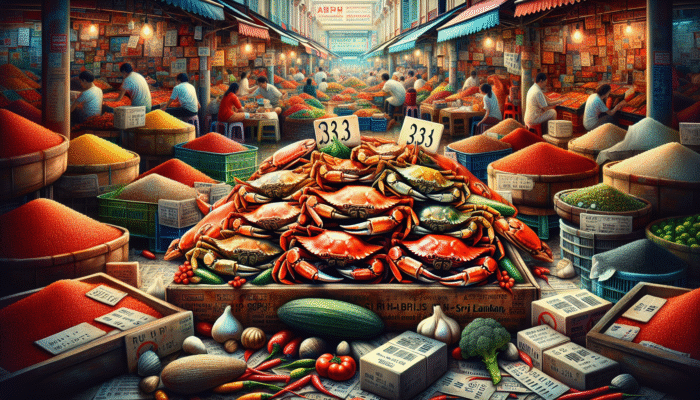
    Best Singaporean Chili Crab Recipes: Lively Sri Lankan and Mud crabs at a Singaporean market, ideal for chili crab recipes.

    When diving into the realm of best Singaporean chilli crab recipes, your choice of crab plays an essential role in achieving the desired taste and texture. Among the most popular selections for this beloved dish are the Sri Lankan and Mud crab. These varieties are celebrated for their sweet, tender meat, which greatly enriches the dish’s overall flavour. As you navigate your local market, resist the urge to grab the first crab you encounter. Instead, concentrate on crucial factors such as freshness, size, and shell hardness. A fresh crab should be lively, with a tight shell and minimal unpleasant odour, traits that are directly linked to taste, ensuring each bite is a delightful explosion of flavour.

    Seek out crabs that feel heavy relative to their size; this added weight indicates a superior meat-to-shell ratio, promising a more fulfilling culinary experience. To ensure you are purchasing the highest quality and freshest crabs, frequent local fishmongers or seafood markets, as they often provide crabs in optimal condition, usually sourced from nearby waters. By prioritizing high-quality, fresh crab, you lay the groundwork for an unforgettable dining experience that truly reflects the essence of Singaporean cuisine.

    Key Spices and Sauces for Crafting an Unforgettable Culinary Experience

    The soul of the best Singaporean chilli crab recipes resides in a vibrant assortment of spices and sauces. Fundamental components include fiery chilli, aromatic garlic, and rich soy sauce. Embark on your culinary journey with either dried or fresh red chillies, which impart the signature heat that renders the dish unforgettable. The addition of garlic contributes a robust depth of flavour, while soy sauce introduces an umami richness that expertly balances the overall taste profile, resulting in an exciting dish that captivates the palate.

    To achieve an authentic culinary experience, contemplate integrating sambal chilli paste. This versatile condiment can elevate your dish, infusing it with layers of spiciness and complexity that transform it from simply good to truly extraordinary. Feel free to experiment with various types of chilli sauces, as each variant brings its unique flair to the table, allowing for personalization in your cooking.

    Striking the right balance among these ingredients is paramount; an overabundance of one can easily overshadow the others, leading to an unbalanced dish. Aim for a harmonious blend that allows each flavour to shine while working together seamlessly. The artistry of crafting the sauce is where you can showcase your culinary skills, fine-tuning spiciness and depth to cater to your individual palate and preferences.

    Achieving the Ideal Sweet and Savory Balance in Your Dish

    Striking the perfect balance between sweet and savoury elements is the secret to the best Singaporean chilli crab recipes. The classic chilli crab sauce often incorporates a hint of sugar or sweet soy sauce to establish that delightful interplay of flavours. This touch of sweetness works beautifully to counterbalance the heat from the chilli, making the dish irresistibly moreish and satisfying.

    Incorporating brown sugar or palm sugar can provide a richer, more complex sweetness that enhances the overall taste experience. It’s crucial to remember that the goal is to create a synergy where neither the sweet nor savoury components overpower one another. As you cook, be sure to taste your food frequently and adjust the seasoning as necessary. The beauty of this dish lies in personal preference; some may prefer a hint more sweetness to mitigate the heat, while others might lean towards a bolder savoury profile.

    Ultimately, feel free to play with the proportions until you find your ideal balance. This exploratory approach not only hones your culinary skills but also ensures that each rendition of this classic dish is uniquely tailored to your taste buds, making every meal a personal masterpiece.

    Enhancing Flavours with Fresh Herbs and Aromatic Ingredients

    To genuinely encapsulate the essence of the best Singaporean chilli crab recipes, incorporating fresh herbs and aromatics is essential. Ingredients such as coriander, lemongrass, and even kaffir lime leaves can dramatically elevate your dish’s flavour profile. These herbs not only add freshness but also introduce aromatic complexity that is crucial to authentic crab dishes, creating a multi-dimensional culinary experience.

    For example, coriander lends a vibrant green note that beautifully complements the richness of the crab and sauce, adding a refreshing layer to the dish. Lemongrass, with its citrusy aroma, infuses your dish with invigorating freshness, particularly appealing during warmer seasons. Do not skimp on these vital ingredients; their inclusion could be the deciding factor between a good dish and an exceptional one that leaves a lasting impression on your guests.

    Consider garnishing your dish with fresh herbs just before serving, allowing their aromatic oils to waft above the dish, enticing the senses. The striking visual contrast of bright greens against the fiery red sauce will not only tantalize the taste buds but also engage the senses, creating a multi-faceted dining experience that is both visually captivating and delicious.

    Your Detailed Step-by-Step Path to Culinary Excellence

    Thoroughly Preparing the Crab for Optimal Cooking

    Properly preparing the crab is a crucial initial step in crafting a stellar dish when exploring the best Singaporean chilli crab recipes. Begin by meticulously cleaning the crab under cold running water. This essential step helps eliminate any sand or grit that could detract from the overall taste experience, ensuring a clean and enjoyable dish for all. This attention to detail sets the foundation for a successful culinary journey.

    Following the cleaning process, the next step is to dispatch the crab humanely. Place it in the freezer for approximately 15-20 minutes. This technique numbs the crab, making it easier to handle while minimizing any discomfort for the creature. After this brief period, proceed to break the crab into manageable pieces. Utilize a heavy kitchen knife or crab cracker to split the shell, being cautious to avoid crushing the meat inside, which is crucial for achieving the best presentation.

    When cutting, aim for sections that allow for even cooking and optimal sauce absorption. Each piece should reveal tender, succulent meat that is prepared to soak up the rich flavours of your chilli sauce. Properly preparing the crab not only enhances its texture but also facilitates better integration with the sauce, resulting in a seamless and enjoyable dining experience that showcases the dish’s true potential.

    Crafting the Perfect Chilli Sauce for Maximum Impact

    A vibrant wok with sizzling garlic, ginger, and chilies, blending into a glossy chili sauce in a Singaporean kitchen.

    The art of crafting the perfect chilli sauce is a defining aspect of your rendition of the best Singaporean chilli crab recipes. Begin by heating oil in a wok or a large pan until it shimmers invitingly, then add minced garlic and ginger. This aromatic combination lays the groundwork for a fragrant sauce that will envelop your crab in delightful flavours. As the aromatics sizzle, introduce your chopped fresh chillies, ensuring they are cooked until fragrant but not burnt, preserving their vibrant essence and bringing out their full potential.

    Next, it’s time to incorporate your sauces—soy sauce, tomato ketchup, and, if you’re feeling adventurous, a splash of rice vinegar for a hint of acidity that enhances the depth of flavour in your sauce. Stirring these ingredients together creates a glossy, vibrant sauce that is both rich and spicy, setting the stage for an unforgettable culinary experience. The key to success is allowing the flavours to meld together; simmer gently until the sauce thickens slightly, achieving the ideal consistency.

    Don’t forget to taste and adjust the sauce as you go. A touch of sugar can help balance the heat, while a splash of water can assist if the sauce becomes too thick. The goal is to create a cohesive sauce that clings lovingly to the crab, enhancing its natural sweetness and setting the stage for a memorable dining experience that guests will rave about.

    Cooking the Crab with the Flavourful Sauce to Perfection

    Now that your crab is expertly prepared and your sauce is ready, it’s time to unite these two elements for a glorious marriage of flavours characteristic of the best Singaporean chilli crab recipes. Begin by gently adding the crab pieces into the bubbling sauce, ensuring each piece is generously coated. The sauce should envelop the crab, infusing it with an exquisite mix of heat and savoury goodness that will tantalize the taste buds of everyone at the table.

    Cover the wok or pan and allow the crab to simmer in the sauce for about 10-15 minutes. This slow-cooking process allows the crab meat to absorb the sauce, resulting in succulent and flavour-packed pieces that melt in your mouth. Stir occasionally to ensure even cooking and prevent sticking, allowing all components to meld perfectly and create a unified dish.

    As the crab takes on a beautiful hue from the sauce, you can be confident you’re on the right path to creating a culinary masterpiece. A final taste test is crucial; adjust the seasoning as needed before serving, ensuring a balanced and delightful flavour profile. Once cooked, remove the dish from the heat and let it rest for a moment. This brief pause allows the flavours to settle, enhancing the overall dining experience and ensuring your guests will be clamouring for seconds and thirds.

    Delicious Variations to Suit Every Taste Preference

    Finding the Right Heat Level for Spicy and Mild Preferences

    When it comes to the best Singaporean chilli crab recipes, identifying the appropriate heat level is vital for satisfying all diners. Not everyone appreciates a fiery dish, so your preparation can easily cater to both spicy and mild preferences. Start by using a variety of chillies to suit different tastes. For those who enjoy a kick, opt for fresh red chillies or even Thai bird’s eye chillies for that extra zing. Conversely, for a milder version, consider using fewer chillies or substituting with sweet bell peppers, which add flavour without the heat, ensuring everyone can enjoy the dish without discomfort.

    Another effective approach is to create a two-part sauce. Prepare a basic sauce and then divide it, adding extra chilli oil or fresh chillies to one portion for those who prefer a spicier experience. This way, everyone at the table can enjoy their meal tailored to their spice tolerance, and you won’t have to compromise on the authentic flavour that defines the dish. Please encourage your guests to customize their heat level by providing chilli flakes or hot sauce at the table. This interactive dining experience allows each person to tailor their plate to their liking, ensuring that the essence of the dish remains intact, regardless of individual spice tolerance.

    Creative Vegetarian Adaptations That Don’t Skimp on Flavor

    Vegetarians need not miss out on the sensational experience of the best Singaporean chilli crab recipes. With a touch of creativity, you can replicate the dish using plant-based ingredients that absorb flavours beautifully. Consider substituting crab with tofu or jackfruit, both of which can serve as worthy stand-ins for the star ingredient, allowing you to create a dish that is just as satisfying and delicious.

    Tofu can be pan-fried until golden and crispy before being tossed in the chilli sauce, allowing it to soak up all the deliciousness. Alternatively, young jackfruit can be shredded and seasoned, providing a texture reminiscent of crab meat that will impress even the most discerning palates. These options make it easy to create a vegetarian-friendly dish that retains the essence of the original without sacrificing flavour.

    Enhance the dish with additional vegetables such as bell peppers or mushrooms, which lend a satisfying bite, ensuring the dish is hearty enough to please. By employing these methods, you can delight friends and family with a vegetarian-friendly version that doesn’t skimp on flavour or experience, creating a meal that is both memorable and inclusive for everyone at the table.

    Exploring Fusion Flavours for an Exciting Culinary Twist

    Introducing fusion flavours into the best Singaporean chilli crab recipes can lead to exhilarating new culinary adventures. Feel free to riff on the traditional recipe by incorporating elements from other cuisines. Picture adding a splash of coconut milk for a creamy, tropical finish that enhances the richness of the dish, creating a delightful contrast with the spices and elevating the overall experience.

    Consider blending in ingredients like miso paste for an umami punch or even employing spices from Indian cuisine, such as garam masala, for a completely different twist that adds depth and character to your dish. This fusion approach not only broadens the flavour spectrum but also encourages creative expression in your cooking, allowing you to tailor the dish to your unique taste preferences.

    Encourage experimentation with herbs and garnishes as well. Adding fresh basil or mint can create a refreshing finish, transforming a traditional dish into something entirely novel and exciting. This playful exploration of flavours can lead to unexpected yet delightful results, making your cooking journey all the more rewarding and enjoyable.

    Thoughtful Gluten-Free Alternatives for Inclusive Dining Options

    With an increasing number of individuals seeking gluten-free options, adapting the best Singaporean chilli crab recipes to meet dietary restrictions is a considerate approach that ensures everyone at the table can enjoy the meal. Fortunately, many of the dish’s core ingredients are naturally gluten-free. However, when it comes to sauces and condiments, it’s essential to read labels carefully to avoid hidden gluten that could affect those with sensitivities.

    Instead of regular soy sauce, opt for tamari, a gluten-free alternative that still delivers that distinctive umami flavour essential to the dish. Similarly, ensure your chilli sauces are free from gluten-containing ingredients. You can even create your sauce from scratch, giving you complete control over the ingredients and ensuring they meet dietary requirements without sacrificing taste.

    Pairing the dish with gluten-free sides, such as rice or gluten-free bread, ensures that everyone can enjoy a complete meal without concern. By being mindful of ingredient choices, you can present a dish that celebrates flavours while accommodating diverse dietary needs, making your dinner not only delicious but also inclusive for all guests.

    Innovative Low-Carb Variations to Satisfy Health-Conscious Diners

    As low-carb diets gain popularity, reimagining the best Singaporean chilli crab recipes to meet this trend is both exciting and achievable. One effective method is to serve the dish over a bed of zoodles (zucchini noodles) instead of traditional rice. This not only reduces carb content but also adds a fresh element that beautifully complements the rich sauce, making for a lighter yet satisfying meal that doesn’t compromise on flavour.

    Additionally, you can experiment with other low-carb vegetables, such as cauliflower rice, which can be easily flavoured to mimic traditional rice. When crafting the sauce, be cautious with your sugar content and opt for low-carb sweeteners like erythritol or stevia to maintain the dish’s sweetness without the added carbs.

    This way, you can preserve the essence of the dish while catering to those mindful of their carb intake. The result is a satisfying meal that feels indulgent without the guilt, showcasing the versatility of this iconic recipe while appealing to a broader audience with diverse dietary preferences.

    Expert Tips for Perfecting Your Culinary Creation

    Mastering Timing and Temperature for Optimal Cooking Results

    Mastering timing and temperature is crucial for cooking the best Singaporean chilli crab recipes to perfection. Begin by heating oil over medium-high heat, ensuring that the oil reaches the right temperature before adding ingredients. If it’s too low, you risk ending up with a soggy dish, and if it’s too high, you could burn your aromatics, compromising the overall flavour and aroma of the dish.

    When cooking the crab, keep a vigilant eye on the time. Overcooking can lead to tough, rubbery meat, which detracts from the overall dining experience. Typically, simmering for 10-15 minutes in the sauce is sufficient for the crab to absorb the flavours while remaining tender and juicy. Use a food thermometer if necessary; the crab should reach an internal temperature of 60°C to ensure food safety while retaining its juicy texture. By respecting these cooking elements, you’ll create a beautifully prepared dish that showcases the best of what chilli crab has to offer, delighting your guests with every bite.

    Achieving the Ideal Sauce Consistency for Maximum Enjoyment

    The consistency of your sauce can make or break your dish when it comes to the best Singapore chilli crab recipes. The desired outcome is a thick, glossy sauce that adheres to the crab, enhancing each bite with its rich flavour and texture. If your sauce is too runny, it won’t cling properly, leading to a disappointing dining experience.

    As you cook, allow the sauce to simmer gently, stirring occasionally to prevent sticking. If it’s too thin, consider adding a cornstarch slurry—a mixture of cornstarch and water—to thicken it effectively. This technique can enhance the sauce’s texture, providing a pleasing finish to your dish that elevates it beyond the ordinary.

    Conversely, if your sauce is too thick, a splash of water or stock can help return it to the correct consistency. Always taste and adjust as necessary; the goal is to create a sauce that beautifully complements the crab without overwhelming its delicate flavours, ensuring a harmonious dining experience that your guests will remember.

    Effective Presentation Techniques to Impress Your Guests

    Presentation plays a significant role in creating an enticing dining experience for the best Singapore chilli crab recipes. Serve the dish on a large platter, artfully arranging the crab pieces to create a visually appealing display that invites diners to indulge. Consider garnishing with fresh herbs—cilantro or spring onions can add a vibrant touch that contrasts beautifully against the red hues of the sauce, enhancing visual appeal.

    Utilizing colourful accompaniments like sliced cucumbers or vibrant bell peppers not only adds visual interest but also provides a refreshing crunch that balances the rich flavours of the dish. When plating, don’t hesitate to drizzle some of the sauce over the crab, ensuring each piece glistens with flavour, making it irresistible. Remember, we eat with our eyes first, so making your dish visually stunning is an essential part of the culinary journey that enhances the overall dining experience.

    Complementing Your Dish with Ideal Pairings for a Complete Meal

    Choosing the Best Side Dishes to Elevate Your Meal

    When considering the perfect accompaniments to complement the best Singaporean chilli crab recipes, aim for balance. You desire side dishes that enhance rather than overshadow the main event. Light, fresh salads with a citrus dressing can provide a crisp contrast to the richness of the chilli crab, cleansing the palate between bites and enhancing the overall dining experience.

    Another excellent choice is stir-fried vegetables, which can add both colour and nutrition to the meal. Incorporate ingredients like bok choy, snow peas, or baby corn, lightly seasoned to enhance their natural flavours without overpowering the dish. This not only adds nutritional value but also creates a vibrant plate that is visually appealing.

    For those desiring a heartier option, a bowl of steamed jasmine rice or garlic fried rice can effectively soak up the delicious sauce, making for a comforting pairing that guests will appreciate. The goal is to create a harmonious spread that elevates the entire dining experience, offering a well-rounded meal that delights the senses and satisfies the appetite of everyone around the table.

    Finding the Right Beverage Pairings to Enhance Your Experience

    Choosing the right drinks to accompany the best Singapore chilli crab recipes can significantly enhance your dining experience. Given the rich and spicy nature of the dish, consider a crisp white wine, such as Sauvignon Blanc or a light-bodied Riesling. The acidity of these wines cuts through the richness, beautifully balancing the heat and enhancing the overall flavour profile of the meal.

    For those preferring non-alcoholic options, a refreshing iced tea with citrus notes or a tangy lemonade can serve as an excellent counterpoint to the spices, providing a refreshing contrast. Ginger beer, with its effervescence and subtle spice, can also complement the dish without overpowering it, making it an ideal accompaniment that enhances the overall experience.

    Encouraging guests to explore these pairings can lead to delightful discoveries, transforming the meal into a memorable occasion filled with flavours that dance on the palate, creating lasting impressions that will be talked about long after the meal is finished.

    Refreshing Dessert Options to Conclude Your Meal on a Light Note

    After indulging in the bold flavours of the best Singaporean chilli crab recipes, a light and refreshing dessert is the perfect way to cleanse the palate and conclude the meal. Consider serving tropical fruits, such as mango, pineapple, or coconut-based desserts, which align beautifully with the dish’s origins and provide a sweet, complementary finish that everyone will appreciate.

    A coconut sorbet can provide a creamy, cooling conclusion, while a fruit salad dressed with lime juice keeps things refreshing and light, perfect for an after-dinner treat that leaves diners feeling satisfied but not overly full. Alternatively, a delicate panna cotta infused with coconut or lime can offer a sweet, custardy contrast to the spiciness of the crab, completing the dining experience on a high note that delights the senses.

    The key is to keep desserts simple and not overly rich, allowing the vibrant flavours of the main dish to linger while providing a sweet note to wrap up the meal, leaving everyone satisfied and content as they reflect on the wonderful dining experience they just shared.

    Choosing the Right Bread and Rice Pairings for the Perfect Accompaniment

    When it comes to pairing bread and rice with the best Singapore chilli crab recipes, numerous options abound to enhance the dining experience. Traditional jasmine rice serves as the quintessential base, soaking up the rich sauce beautifully. Consider serving it in a generous mound, allowing guests to ladle the crab and sauce over it, creating a comforting and satisfying meal that is sure to please.

    For a twist, try garlic naan or freshly baked roti, both of which are excellent for sopping up the sauce. The soft, pillowy texture of these breads provides an enjoyable contrast to the crab’s texture, enhancing the overall experience and making every bite flavorful.

    Offering a variety of bread options ensures that all palates are catered to, creating an interactive experience where diners can customize their meals based on personal preferences. The ultimate goal is to create a cohesive dining experience, where every flavour and texture complements the next, leaving diners feeling satisfied and delighted after enjoying such a wonderful meal.

    Light Appetiser Recommendations to Start the Meal on a Fresh Note

    To set the stage for indulging in the best Singapore chilli crab recipes, light appetisers are a great way to whet the appetite without overpowering the main course. Consider serving spring rolls filled with fresh vegetables and herbs, offering a crunchy and refreshing start to the meal that excites the palate and prepares guests for the delightful flavours to follow.

    Another excellent option is prawn crackers, which add a delightful crunch and pair beautifully with the richness of chilli crab. Their subtle flavour allows the main dish to shine while providing a fun textural contrast that enhances the overall dining experience.

    Even a simple salad with crisp greens and a tangy dressing can serve as an ideal prelude to the bold flavours of the crab. The key is to ensure that appetisers are light and refreshing, properly setting the tone for the culinary journey ahead, building anticipation for the main event and making every guest eager to dive into the delicious offerings.

    Avoiding Common Mistakes to Ensure Optimal Results

    Preventing Overcooking the Crab for Perfect Texture

    One of the most common pitfalls when preparing the best Singapore chilli crab recipes is overcooking the crab, which leads to tough, chewy meat that detracts from the overall quality of the dish. Timing is everything, and paying close attention during the cooking process is essential. Aim for that sweet spot where the meat remains tender and succulent, delivering a delightful mouthfeel that enhances the overall dining experience.

    As a general guideline, simmering the crab in the sauce for about 10-15 minutes is typically sufficient to achieve optimal results. Keep an eye on the cooking time and conduct taste tests to ensure you catch the moment when the crab is perfectly cooked and ready to shine. Remember, the crab will continue to cook slightly even after being removed from the heat, so it’s better to err on the side of slightly undercooked rather than overdone, ensuring a juicy and flavorful experience for all your guests.

    Avoiding Incorrect Sauce Proportions for Balanced Flavours

    Getting the sauce proportions right is crucial in avoiding a diluted or overpowering flavour profile in the best Singapore chilli crab recipes. Utilize a kitchen scale or measuring cups to ensure accuracy when adding ingredients, as a common mistake is to eyeball measurements, which can lead to an unbalanced sauce that detracts from the dish’s overall quality and appeal.

    Balance is key; an excess of soy sauce can result in excessive saltiness, while too much sugar can mask the essential flavours of the dish, leading to a less enjoyable experience. A well-executed sauce brings the dish together, enhancing the crab’s natural sweetness without overwhelming it with competing flavours. Don’t hesitate to taste as you go, adjusting ingredients until you achieve that harmonious blend of sweet, savoury, and spicy. This continuous refinement process is vital for a successful dish, allowing your culinary instincts to shine and ensuring that every element of your dish works in perfect harmony to create an unforgettable meal.

    Prioritizing Freshness in Ingredients for Optimal Taste

    Fresh ingredients are the backbone of any culinary masterpiece, especially in the best Singapore chilli crab recipes. Always prioritize fresh crab, herbs, and spices, as these elements contribute significantly to the dish’s authenticity and appeal. Using fresh ingredients ensures that your dish bursts with flavour and offers the vibrant taste profile that defines this iconic meal.

    When sourcing ingredients, opt for local markets or suppliers known for their freshness and quality. If you’re using dry spices, check their expiry dates; old spices can lose their potency, resulting in a less vibrant sauce that fails to excite the palate. Make it a habit to inspect your ingredients before cooking. A quick sniff and look can save you from a subpar experience. Opt for vivid colours and robust aromas; in cooking, fresh truly translates to flavourful, ensuring that your Singapore chilli crab will be the highlight of the meal.

    Enhancing the Overall Dining Experience for Memorable Meals

    Creating the Perfect Ambience for Your Dinner Gathering

    The dining experience extends beyond the plate when enjoying the best Singapore chilli crab recipes. Setting the right atmosphere can transform a meal into a truly memorable experience. Consider using soft lighting, such as candles or fairy lights, to create a warm and inviting environment that encourages relaxation and enjoyment among your guests.

    Background music can also enhance the dining experience. Select tunes that align with the theme, such as some light jazz or instrumental music that enhances the culinary experience and complements the rich flavours of the dish. This auditory backdrop can elevate the mood and create a more immersive dining experience.

    Presentation matters too; thoughtfully arranged tables with beautiful tableware can elevate the meal to new heights. Adding small touches like fresh flowers or themed décor can enhance the mood, inviting guests to immerse themselves fully in the dining experience. This attention to detail ensures that your dinner becomes an event, making every bite even more enjoyable and memorable.

    Encouraging Guest Engagement for a Communal Dining Experience

    Engaging all diners during the meal can foster a sense of community and shared enjoyment when serving the best Singapore chilli crab recipes. Encourage guests to share their thoughts on the dish and perhaps even share their own experiences or memories associated with crab or seafood, creating a warm and inclusive atmosphere that brings people together around the table.

    Consider making it an interactive experience by presenting the crab on a large platter, inviting guests to serve themselves and customize their portions. This communal approach not only makes the meal more engaging but also promotes conversation and connection among diners, enhancing the overall experience of sharing a wonderful meal together.

    Incorporate a quick lesson on how to crack crab shells; these small touches can enhance the experience, ensuring everyone leaves with not just full bellies but fond memories of the meal shared, creating connections that go beyond the table and enriching the overall dining experience.

    Frequently Asked Questions to Expand Your Culinary Knowledge

    Which type of crab is best for chilli crab dishes?

    The mud crab, also known as Sri Lankan crab, is ideal due to its sweet and tender meat, which is essential for authentic chilli crab recipes that impress and delight.

    Can I make a vegetarian version of chilli crab?

    Absolutely! Substitute crab with tofu or jackfruit to create a vegetarian-friendly version while maintaining the rich flavours of the dish that everyone loves and enjoys.

    How can I adjust the spiciness of the dish?

    Use fresh chillies according to your preference, or create a milder version using fewer chillies or sweet peppers. You can also serve chilli flakes on the side for added heat, allowing diners to customize their experience based on their spice tolerance.

    What are the best side dishes to serve with chilli crab?

    Ideal accompaniments include steamed rice, stir-fried vegetables, or light salads that complement the richness of the dish and enhance the overall meal experience.

    Is it possible to make the sauce in advance?

    Yes, the chilli sauce can be prepared ahead of time and stored in the fridge. Just remember to reheat it before adding the cooked crab to maintain its flavour and freshness for the best dining experience.

    What drinks pair well with chilli crab dishes?

    Crisp white wines, such as Sauvignon Blanc, or light-bodied beers, are excellent choices that enhance the meal. Non-alcoholic options include ginger beer or iced tea, both of which provide refreshing contrasts to the dish’s bold flavours.

    How do I prevent overcooking the crab?

    Simmer the crab for about 10-15 minutes, and always monitor the cooking process closely to prevent toughness and ensure a tender texture that everyone will enjoy.

    Can I freeze leftover chilli crab?

    Yes, leftover chilli crab can be frozen. Just ensure it’s stored in an airtight container to maintain its flavour and quality for future enjoyment.

    What can I do if the sauce is too thin?

    A cornstarch slurry can be added to the sauce while it is simmering, or it can be allowed to reduce further on low heat for thickening to achieve the desired consistency that clings to the crab beautifully.

    What is the best method to crack crab shells?

    Use a heavy kitchen knife or a crab cracker to gently break the shells, ensuring not to crush the meat inside for the best presentation and enjoyment of the dish.

    Join our Facebook Community!

    The post Best Singaporean Chili Crab Recipes: A Culinary Delight appeared first on https://cookinggods.com

    The Article Singaporean Chili Crab Recipes: A Must-Try Culinary Delight Was Found On https://limitsofstrategy.com

  • Spicy Shrimp Tacos: A Fiery Culinary Delight

    Spicy Shrimp Tacos: A Fiery Culinary Delight

    Essential Ingredients for Crafting Delicious Spicy Shrimp Tacos

    Choosing the Highest Quality Shrimp for Your Tacos

    High-quality Gulf shrimp on a seafood market counter, surrounded by taco spices and ingredients.

    Embarking on your culinary journey to create spicy shrimp tacos begins with one critical choice: selecting the finest shrimp available. The freshness of the shrimp is paramount, profoundly influencing the texture and flavor of your tacos. Opt for either fresh or frozen shrimp that are peeled and deveined for your convenience. Fresh shrimp should evoke the essence of a gentle sea breeze and have a firm texture, indicating their exceptional quality. When choosing frozen shrimp, ensure they are devoid of freezer burn and have been handled properly during storage. For novice cooks, varieties like Gulf or Pacific shrimp are excellent choices, celebrated for their naturally sweet flavor and plumpness, making them perfect for absorbing the bold taco spices.

    Shrimp is a remarkably versatile ingredient, featured in numerous global cuisines, easily adapting to diverse flavor profiles. Whether aiming for an authentic Mexican taco or an innovative dish inspired by Asian flavors, your choice of shrimp can elevate your culinary masterpiece significantly. If sustainability is a priority for you, consider sourcing shrimp from responsible fisheries or aquaculture, which not only enhances the taste of your meal but also promotes ethical seafood practices that benefit our oceans and marine life.

    Crafting a Flavorful Spice Blend for Your Tacos

    The unique and signature flavor of your tacos hinges on a carefully crafted spice blend. The fundamental components of this blend typically encompass a medley of chili powder, cumin, and cayenne pepper. Chili powder introduces warmth and a subtle smokiness that enriches the overall experience, while cumin adds a grounding earthiness. Adjust the amount of cayenne pepper, known for its heat, to align with your personal taste preferences, thereby allowing you to customize the spice level in your tacos to your liking.

    To achieve a harmonious flavor explosion, consider adding garlic powder and onion powder to your spice blend; these ingredients will significantly enhance the aromatic properties of your seasoning. Each spice contributes its unique character to the dish, resulting in a complex and enticing flavor profile that pairs beautifully with the shrimp. Striking the right balance in this spice blend not only elevates the shrimp but also sets the stage for the fresh toppings and sauces that will accompany your tacos, creating a well-rounded and satisfying meal.

    Selecting Fresh and Flavorful Toppings for Your Tacos

    A taco transcends just its filling; it’s a delightful assortment of flavors and textures that creates a truly memorable eating experience. Fresh toppings play an essential role in crafting the perfect taco. Start with diced tomatoes, which infuse juiciness and a hint of sweetness. Add shredded lettuce for a satisfying crunch, and incorporate sliced jalapeños for an extra kick of heat, which can be adjusted according to your spice tolerance.

    Enhance your tacos further with diced red onions or thinly sliced radishes for added crunch and vibrant color. Fresh coriander, widely used in various cuisines, imparts a bright, herbal note that beautifully elevates the flavors. Avocado or guacamole are also fantastic options, adding a creamy richness that balances the heat from the shrimp. These toppings not only enhance the flavor profile but also improve the visual appeal of your tacos, encouraging everyone at the table to dive in. The combination of fresh ingredients is vital to mastering the art of crafting spicy shrimp tacos that are both well-balanced and utterly satisfying.

    Mastering Shrimp Preparation Techniques

    A chef deveining and butterflying shrimp in a professional kitchen with tools and seasonings.

    Marinating Shrimp for Maximum Flavor Infusion

    The vital process of marinating shrimp is transformative, amplifying the flavors in your tacos. Begin by mixing freshly squeezed lime juice with your chosen spice blend to create a zesty and aromatic marinade. This mixture not only infuses the shrimp with incredible flavor but also tenderizes it, ensuring that each bite is juicy and bursting with taste.

    Allow the shrimp to soak in this marinade for at least 30 minutes; this duration ensures that the flavors penetrate deeply without overwhelming the delicate shrimp. It’s crucial to note that marinating for too long can lead to a mushy texture, particularly with seafood. For an added layer of richness, consider incorporating minced garlic or a splash of soy sauce into your marinade. These enhancements will contribute depth and a savory umami punch that elevates your taco creations to new culinary heights.

    As you prepare to cook, remember that the quality of your shrimp will shine through in the final dish. Well-marinated shrimp, infused with vibrant flavors, will undoubtedly take center stage in your spicy taco experience, making every bite a delightful culinary adventure.

    Cooking Techniques for Perfectly Cooked Shrimp

    The choice of cooking technique for your shrimp can significantly affect the overall texture and taste of your tacos. Sautéing is one of the most effective methods for achieving succulent and juicy shrimp. Heat a skillet over high heat and add a splash of oil to prevent sticking. This quick cooking method is essential since shrimp cook rapidly, often within just a few minutes.

    When sautéing, arrange the marinated shrimp in a single layer to ensure even cooking. Turn them only once to develop a nice sear, enhancing both flavor and texture. Keep a close watch, as overcooking can lead to rubbery shrimp; they should turn pink and opaque when they are ready to be removed from the heat. The goal is to achieve perfectly cooked shrimp that are tender and brimming with flavor, ready to elevate your taco night to the next level.

    For an exciting twist, consider grilling your shrimp on an outdoor barbecue or an indoor grill pan. This technique not only imparts a delightful smoky flavor but also creates beautiful grill marks that enhance the visual presentation of your tacos. Each cooking method offers unique benefits, so select the one that aligns with your preferences and available equipment for a satisfying meal that everyone will enjoy.

    Finding Your Perfect Spice Level for Tacos

    A lively kitchen scene where people adjust the spice in shrimp tacos, using hot sauces and cayenne pepper.

    Determining the right level of heat is crucial when learning how to make spicy shrimp tacos. The beauty of cooking lies in its adaptability; you can easily modify the spice levels to cater to your individual preferences. Everyone has a different threshold for heat, making it essential to consider these differences, especially when serving guests.

    If you find yourself particularly sensitive to spice, begin with a smaller amount of cayenne pepper in your marinade and gradually increase it until you find your ideal balance. Alternatively, provide a selection of hot sauces on the side, allowing guests the freedom to personalize their tacos to their liking. This approach encourages interaction and creativity, transforming your taco night into a fun and engaging experience for everyone involved.

    To enhance the flavor without overwhelming heat, balance spicy elements with cooling ingredients like sour cream or avocado. This contrast not only adds complexity to the dish but also helps manage the overall spice level, ensuring that everyone can savor your delicious creation, regardless of their spice tolerance.

    Deveining Shrimp for Enhanced Presentation

    Deveining shrimp may seem like a tedious task, but it’s essential for both aesthetics and flavor. The dark vein that runs along the back of the shrimp is not harmful, yet it can affect the texture and taste of your finished dish. To devein, use a sharp knife or a specialized deveining tool to make a shallow cut along the back, then carefully lift out the vein, ensuring your shrimp look clean and appealing.

    Ensuring your shrimp are deveined not only enhances the presentation of your tacos but also promotes a cleaner eating experience. If you’re less familiar with shrimp preparation, consider watching online tutorials or seeking guidance from a knowledgeable friend. As you gain confidence in your skills, you’ll appreciate how this simple step can significantly elevate your culinary creations and impress your guests.

    Choosing high-quality shrimp is also paramount in this process. Fresh shrimp should feel firm and be free from any black spots, while frozen shrimp should maintain their integrity and lack any strong fishy odors. Quality shrimp will make the effort of deveining well worth it, resulting in a more enjoyable meal for everyone at your table.

    How to Select the Freshest Shrimp for Your Tacos

    Selecting the freshest shrimp is vital when mastering spicy shrimp tacos. Freshness can be assessed through several indicators. When purchasing from a market, look for shrimp that possess a mild sea scent, signifying they were caught recently. The texture should be firm, and the shells should appear shiny and intact. Avoid shrimp with black spots or strong fishy odors, as these are signs of seafood that has surpassed its prime and may compromise the quality of your dish.

    If you’re opting for frozen shrimp, ensure they are appropriately packaged. They should be tightly sealed to prevent freezer burn. It’s advisable to buy shrimp that were frozen while still fresh, as this helps preserve their quality. Additionally, knowing the source of your shrimp can offer reassurance regarding sustainability and ethical seafood sourcing practices, benefiting both the environment and your meals.

    When preparing shrimp, remember that their quality will directly impact the overall flavor of your tacos. Fresh, high-quality shrimp will beautifully absorb your spices, resulting in a delicious and satisfying experience for all who partake in your meal.

    Creating the Ultimate Taco Sauce

    Base Ingredients for a Rich and Creamy Taco Sauce

    Creating a delectable taco sauce is an essential aspect of making spicy shrimp tacos. Start with a creamy base of mayonnaise and sour cream, which serve as the foundation for your sauce. This combination provides a rich, velvety texture that pairs perfectly with the bold flavors of the spicy shrimp, ensuring each bite is delightfully satisfying.

    Mayonnaise contributes a subtle tanginess, while sour cream introduces a slight acidity that beautifully balances the dish. For a healthier alternative, consider using Greek yogurt, which offers a similar creaminess with the added benefit of protein. Regardless of the base you choose, the goal is to create a sauce that enhances and elevates the overall taco experience, making it unforgettable for everyone at the table.

    Experimentation is key to discovering your ideal sauce blend. Feel free to incorporate a dash of mustard or a hint of honey for an additional layer of complexity. These adjustments can yield a unique sauce that reflects your personal taste, making your taco night truly special and memorable.

    Infusing Heat into Your Taco Sauce

    To elevate your taco sauce, incorporating heat is essential. Adding sriracha or a high-quality hot sauce will deliver that exhilarating kick that keeps everyone coming back for more. Begin with a small amount, tasting as you go, to ensure that the heat enhances rather than overwhelms the sauce, allowing the flavors of the other ingredients to shine.

    The type of hot sauce you choose can also influence the flavor profile. If you prefer a smokier taste, opt for chipotle-based sauces. For a fruity twist, consider sauces made with habanero or jalapeño. Each variety offers its unique nuances, allowing you to customize the sauce to your liking and enhance the overall taco experience.

    A well-balanced taco sauce is one that complements the spicy shrimp while providing a counterpoint to the heat. The goal is to create a harmonious blend of flavors that enhances each ingredient, allowing the shrimp and toppings to shine through and deliver a satisfying culinary delight.

    Enhancing Flavor in Your Taco Sauce

    To transform your taco sauce into a flavor powerhouse, adding ingredients that enhance its taste is crucial. Incorporate fresh lime juice, which not only brightens the sauce but also balances the richness of the mayonnaise and sour cream. A pinch of salt is vital for elevating the overall flavor, ensuring that all the ingredients work in harmony to create a delectable experience.

    Additionally, consider adding minced garlic or onion for a deeper savory profile. These ingredients provide an aromatic foundation that elevates the sauce from ordinary to extraordinary, making it a standout component of your tacos. If you desire a touch of sweetness, a small amount of honey or agave nectar can help balance the heat, resulting in a well-rounded sauce that pleases the palate and ties the dish together beautifully.

    As you mix these flavor enhancers, taste frequently to ensure you’re achieving the desired balance. Your taco sauce should be vibrant, zesty, and full of character, setting the stage for an unforgettable taco experience that will impress your guests.

    Incorporating Freshness into Your Taco Sauce

    Incorporating fresh ingredients is an excellent way to elevate your taco sauce. Adding chopped coriander provides a burst of freshness and a pleasant herbal note that complements the shrimp beautifully. Diced tomatoes also contribute juiciness and vibrant color, making the sauce visually appealing and flavorful, inviting everyone to dig in.

    Finely chopped green onions or scallions can add an extra layer of complexity, providing crunch and a subtle onion flavor that enhances the overall taste. These freshness boosters not only enhance the flavor but also contribute to the visual appeal of your taco sauce. When all these ingredients come together, they create a vibrant blend that contrasts beautifully with the spicy shrimp, leading to a delightful taco experience that is sure to impress.

    Consider preparing your taco sauce ahead of time, allowing the flavors to meld in the fridge for a few hours. This resting period can intensify the taste, making each bite of your tacos even more enjoyable and memorable for your guests.

    Achieving the Perfect Texture and Thickness in Taco Sauce

    Achieving the ideal texture and thickness in your taco sauce is vital for a satisfying taco experience. If you desire a creamier consistency, consider folding in a bit of Greek yogurt or mashed avocado. Both ingredients add creaminess without overwhelming the flavor, resulting in a thick, luscious sauce that clings beautifully to the shrimp and toppings, enhancing each bite.

    As you adjust the texture, keep in mind the balance of flavors. A sauce that’s too thick may lack the brightness of acidity, while one that’s too runny may detract from the overall enjoyment. Strive for a consistency that allows the sauce to complement and enhance the flavors of your spicy shrimp tacos, creating a delightful culinary experience.

    For those who prefer a lighter option, consider thinning your sauce with a splash of water or additional lime juice. This adjustment can create a drizzle that adds freshness without overpowering the dish. Ultimately, the right texture will make your taco sauce irresistible, leading to a taco night that everyone will rave about and remember fondly.

    Expert Tips for Assembling Your Tacos

    Warming Tortillas for a Superior Taco Experience

    Warming your tortillas is a crucial step in ensuring the ultimate taco experience. Soft, pliable tortillas serve as the perfect vessel for your fillings, enhancing the overall enjoyment of spicy shrimp tacos. Heat a skillet over medium heat and lightly toast your tortillas for about 30 seconds on each side. This process not only warms them but also imparts a delightful toasty flavor that enhances every bite.

    If you’re preparing a large batch, consider wrapping stacked tortillas in foil and placing them in a preheated oven at a low temperature. This method keeps them warm and ready for assembly, guaranteeing a seamless taco night experience for your guests. Warm tortillas will elevate every bite, providing a comforting contrast to the spicy shrimp and fresh toppings, making the meal even more enjoyable.

    For an exciting twist, consider using different types of tortillas, such as corn, flour, or even gluten-free options. Each type brings its unique flavor and texture, allowing for a customized taco experience that caters to all dietary preferences and enhances your taco night.

    Layering Ingredients for Perfectly Assembled Tacos

    The art of assembling your tacos lies in the careful layering of ingredients. Start with a generous base of taco sauce, creating a flavor-packed foundation for your shrimp. Next, add the sautéed shrimp, ensuring even distribution so that every bite contains the perfect balance of shrimp and sauce, resulting in a harmonious flavor experience.

    Follow this with a medley of fresh toppings, such as diced tomatoes, shredded lettuce, and sliced jalapeños. These ingredients contribute complementary flavors and create a vibrant, visually appealing dish that invites everyone to dig in. The layering of textures is crucial—crunchy toppings paired with tender shrimp lead to a satisfying eating experience that delights the senses.

    Encourage creativity in assembly by providing a variety of toppings, allowing each person to customize their tacos according to their preferences. This interactive element adds to the fun of taco night, fostering a sense of community and enjoyment around the table, making the meal a memorable occasion.

    Enhancing Presentation for Your Tacos

    An inviting presentation can elevate your tacos from simple fare to a feast for the eyes. Arrange your assembled tacos neatly on a plate, ensuring they are securely placed to avoid spilling and maintaining their integrity. Garnish with fresh coriander or a sprinkle of crumbled cheese to enhance their visual appeal and make the dish even more enticing.

    Consider serving the tacos on a colorful platter or alongside vibrant sides, such as a fresh salad or bowls of salsa and guacamole. This attention to detail not only enhances the dining experience but also creates a warm atmosphere that encourages everyone to dig in and enjoy the meal together.

    For an additional touch, consider using small flags or picks to identify different taco variations, especially if you’ve provided a selection of toppings and sauces. This small detail adds a fun, festive element, making your taco night even more memorable and enjoyable for everyone involved.

    Adding Final Touches for Flavor Enhancement

    The final touches can transform your tacos from good to extraordinary. A sprinkle of cheese adds a savory richness that beautifully complements the spicy shrimp. Options like feta cheese or cotija cheese are fantastic choices, providing a salty burst that enhances the overall flavor profile and elevates the taco experience.

    A squeeze of fresh lime juice just before serving can brighten up the dish, cutting through the richness and adding a zing that ties all the flavors together beautifully. Offer additional toppings on the side, such as diced onions, sliced radishes, or extra jalapeños, allowing guests to personalize their tacos to their preferences, making the meal even more enjoyable.

    Don’t overlook the importance of serving your tacos with sides like salsa, guacamole, or even a fresh, zesty coleslaw. These accompaniments not only enhance the meal but also provide different flavor profiles that can further elevate each taco bite, ensuring a satisfying culinary experience for everyone at the table.

    Serving Suggestions to Enhance Your Taco Night

    The experience of enjoying your tacos extends beyond the dish itself—it’s about creating a complete dining experience. Serve your tacos alongside sides like rice or seasoned beans for a hearty complement that rounds out the meal beautifully. These staples are common in many cuisines worldwide, making them a perfect addition for a globally-inspired taco night that everyone will appreciate.

    Drink pairings are essential for balancing the heat from your spicy shrimp tacos. A cold beer can be refreshing, while a citrus-infused drink, such as limeade or a fruity cocktail, can also provide a delightful contrast to the spiciness and enhance the overall dining experience.

    Encourage your guests to customize their tacos with additional toppings, fostering a sense of interaction and creativity. This flexibility caters to diverse tastes and makes for a fun and engaging dining experience, creating lasting memories that everyone will cherish.

    Best Practices for Storing and Reheating Leftovers

    Effective Storage Techniques for Taco Leftovers

    Properly storing leftovers is crucial for maintaining the quality of your spicy shrimp taco dish. To preserve freshness, store leftover shrimp and toppings separately in airtight containers in the fridge. This practice prevents moisture from making the shrimp soggy and ensures that your toppings remain crisp and ready to use.

    Label your containers with the date to keep track of freshness. Generally, leftover shrimp should be consumed within two days for optimal flavor and quality. Toppings like diced tomatoes or lettuce can spoil more quickly, so plan to use them within a day or so to ensure the best quality and enjoy them at their peak freshness.

    For longer storage options, consider freezing your shrimp and toppings separately in airtight containers or freezer bags. This method prolongs their shelf life and allows you to enjoy your delicious tacos at a later date without sacrificing quality, ensuring that you can savor the flavors whenever you desire.

    Gentle Reheating Techniques for Shrimp

    When reheating shrimp, gentle methods are key to preserving their texture and flavor. Avoid using the microwave, as this can lead to overcooking the shrimp quickly and compromising their quality. Instead, opt for a stovetop approach where you can control the heat. Place the shrimp in a non-stick pan over medium-low heat, adding a splash of water or broth to prevent drying out and keep them juicy.

    Stir occasionally to ensure even heating, being careful not to cook them longer than necessary—typically, just a few minutes will suffice. This method ensures the shrimp remain juicy and tender, ready to be assembled into fresh tacos that taste just as good as when they were first prepared.

    If you’ve frozen your shrimp, allow them to thaw in the fridge overnight before reheating. This gradual defrosting process helps maintain both texture and flavor, ensuring that your tacos taste just as fresh as they did when first cooked, making leftovers a delight to enjoy.

    Reviving Leftover Tacos for Maximum Enjoyment

    Reassembling your tacos for an enjoyable experience is key to taco revival. Start by gently reheating your shrimp while keeping your toppings chilled. When you’re ready to serve, warm fresh tortillas to create a comforting base for your fillings, enhancing the overall experience.

    Assemble the tacos with the reheated shrimp, adding your fresh toppings just before serving. This method ensures that the contrast between warm, spicy shrimp and cool, crisp toppings remains intact, enhancing the overall enjoyment of your dish and making each bite a delightful experience.

    For an added twist, consider offering a variety of sauces or toppings that weren’t used during the initial taco night. This allows for a refreshing take on your leftovers, creating an entirely new experience from the same ingredients and making your meal feel like a special occasion once again.

    Guidelines for Freezing Taco Ingredients

    Freezing shrimp and taco toppings can be an excellent way to reduce waste and ensure you have delicious components ready for future meals. When freezing shrimp, ensure they are clean and deveined. Place them in airtight containers, removing as much air as possible to prevent freezer burn and maintain quality. It’s best to label your containers with the date and contents to keep track of freshness and usability.

    For toppings like lettuce or tomatoes, it’s advisable to freeze only those that can withstand freezing. Certain vegetables may become mushy when thawed, so consider freezing only sturdy ingredients such as peppers, onions, or corn, which will hold their texture and flavor well.

    When you’re ready to use frozen ingredients, allow them to thaw in the fridge overnight. This gradual thawing helps maintain their quality, ensuring that when you’re ready to make tacos again, the flavors and textures are at their best, making your next meal just as enjoyable as the first.

    Frequently Asked Questions About Spicy Shrimp Tacos

    Which type of shrimp is ideal for tacos?

    Fresh or frozen shrimp that are peeled and deveined work best for tacos. Look for varieties like Gulf or Pacific shrimp for optimal flavor and texture, ensuring a delicious experience.

    How can I modify the spice level in my tacos?

    You can adjust the spice level by varying the amount of cayenne pepper in the marinade and using different types and amounts of hot sauce in the taco sauce, allowing for customization to suit every palate.

    Is it possible to prepare taco sauce in advance?

    Yes, preparing taco sauce a few hours ahead of time allows the flavors to meld beautifully. Just store it in the fridge and stir well before serving to maximize taste.

    What is the best method for storing leftover tacos?

    Store leftover shrimp and toppings separately in airtight containers in the fridge. Consume within two days for the best quality and flavor, ensuring a satisfying meal every time.

    What’s the most effective way to reheat shrimp?

    Reheat shrimp gently on the stovetop over medium-low heat with a splash of water or broth to prevent them from drying out and maintaining their succulent texture.

    Can I freeze shrimp and taco toppings?

    Yes, you can freeze shrimp and sturdy toppings. Ensure they are in airtight containers and properly labeled for freshness and usability, allowing for convenient meal prep in the future.

    What are some ideal side dishes to serve with shrimp tacos?

    Serve shrimp tacos alongside sides like rice, beans, or a fresh salad for a balanced meal that complements the spicy flavors beautifully and enhances the overall dining experience.

    How can I make my tacos more visually appealing?

    Arrange tacos neatly on a platter, garnish with fresh coriander, and serve with colorful sides like salsa and guacamole to enhance visual appeal and create an inviting presentation.

    What toppings can I use for my shrimp tacos?

    Great toppings include diced tomatoes, shredded lettuce, sliced jalapeños, diced red onions, avocado, and fresh coriander, allowing for a variety of flavors and textures that delight the palate.

    Can I use different types of tortillas for my tacos?

    Absolutely! You can use corn, flour, or gluten-free tortillas, allowing for a customized taco experience that caters to different tastes and dietary preferences, ensuring everyone can enjoy this delicious meal.

    Stay updated with our latest offerings on Facebook!

    The post Spicy Shrimp Tacos: A Fiery Culinary Delight appeared first on https://cookinggods.com

    The Article Spicy Shrimp Tacos: A Deliciously Fiery Treat Was Found On https://limitsofstrategy.com

  • Queen Conch Season: Enjoy These Local Seafood Delights!

    Queen Conch Season: Enjoy These Local Seafood Delights!

    The arrival of Conch season signifies one of the most anticipated culinary adventures along the stunning Caribbean coastline, inviting you to indulge in a delightful gastronomic exploration! As a highly sought-after seafood delicacy, Queen Conch offers a unique blend of sweet and tender meat that talented local chefs transform into an array of mouthwatering dishes. Throughout the islands, you will encounter various preparations of these marine mollusks, ranging from fresh and raw options to expertly cooked creations. Your culinary journey begins with locally sourced, sustainable catches available from certified vendors. Before indulging in these exquisite delicacies, it’s crucial to familiarize yourself with the local fishing regulations and seasonal restrictions to ensure responsible consumption of this safeguarded species.

    Delve Into the Captivating World of Queen Conch

    The Queen Conch (Strombus gigas) is a remarkable marine mollusk that thrives in the warm, inviting waters of the Caribbean Sea. This protected species has become a cultural symbol in Caribbean cuisine, renowned for its vibrant pink shell and the highly coveted meat that delivers an exceptional range of flavors. Beyond being a food source, the conch plays a vital role in the region’s tradition and heritage, establishing itself as an essential component of the local culinary identity and cultural significance.

    Explore Key Characteristics and Seasonal Availability of Queen Conch

    In Belize, the Queen Conch you encounter will be harvested during the legally designated season from October 1 to June 30. Your chances of spotting these fascinating creatures are highest in shallow waters, where they actively feed on seagrass and algae. The conch meat is celebrated for its firm texture and light, sweet flavor profile, making it a versatile ingredient for a multitude of culinary masterpieces. Gaining insight into the life cycle and habitat of Queen Conch will enhance your admiration for this extraordinary seafood delicacy.

    Discover the Nutritional Advantages of Queen Conch

    A modest serving of conch meat provides your body with high-quality protein and essential nutrients. By enjoying conch, you receive a significant amount of vitamin B12, iron, and magnesium, all while keeping your calorie intake low. Notably, the meat is naturally low in fat and abundant in lean protein, making it an excellent option for health-conscious diners.

    Additionally, conch meat boasts nutritional advantages that extend beyond basic sustenance. A mere 3-ounce serving can fulfill a substantial portion of your daily protein needs, providing around 22 grams of protein. Furthermore, the meat is a source of omega-3 fatty acids, which are known for their benefits to heart health, alongside minerals like selenium and vitamin E that contribute to a robust immune system.

    Embark on a Culinary Exploration of Popular Queen Conch Dishes

    Prepare to immerse yourself in the variety of delicious ways to experience Queen Conch through local culinary traditions. From raw delicacies to expertly cooked meals, each dish accentuates the unique sweet-salty flavor profile that makes this seafood so beloved. Your culinary journey through these diverse preparations will unveil why Queen Conch is a staple in Caribbean gastronomy, delighting your taste buds with every mouthful.

    Savor Traditional Conch Preparations That Capture Authenticity

    If you’re eager to indulge in authentic conch cuisine, your adventure should kick off with conch ceviche and conch fritters. These time-honored recipes have been cherished through generations, encapsulating the essence of Caribbean flavors. You can discover these delightful dishes offered at local restaurants and beachside eateries across Belize during the official conch season, from October 1 to June 30, making them a must-try for any food enthusiast.

    Experience Innovative Culinary Creations Featuring Conch

    Modern chefs are reinventing traditional conch recipes, crafting them into thrilling new culinary experiences. Today, you can savor conch tacos, conch pasta, and even inventive conch sushi rolls. These contemporary dishes preserve the seafood’s inherent flavors while introducing creative culinary twists that tantalize the palate.

    To elevate your dining experience, numerous local restaurants now present fusion dishes that artfully blend Caribbean flavors with influences from international cuisines. You can indulge in conch spring rolls, conch wontons, and conch bruschetta, all of which showcase the versatility of conch while honoring its delicate texture and taste.

    Master Essential Techniques for Preparing Queen Conch

    Once you have fresh Queen Conch, mastering proper preparation techniques is crucial for crafting delectable dishes. Here are some vital steps to follow for optimal results:

    • Carefully extract the conch from its shell using a hammer and chisel.
    • Thoroughly clean the meat to remove any dark skin and internal organs.
    • Score the meat in a cross-pattern to improve seasoning absorption.
    • Use a meat mallet to tenderize the conch until it becomes pliable.

    While proper preparation may require some time and effort, these steps are essential for ensuring the best texture and flavor in your dishes, ultimately enhancing your culinary experience.

    Implement Effective Cleaning and Tenderizing Techniques

    Even those new to conch preparation can achieve excellent results with the right methods. Begin by washing the meat in saltwater to eliminate impurities, then ensure that all remaining dark spots are removed. For tenderizing, you can opt for the traditional method of pounding with a mallet or use the modern technique of a food processor for quicker results. Properly tenderized conch should feel flexible without becoming mushy, ensuring a perfect cooking experience.

    Follow Guidelines for Storage and Preservation of Conch

    Proper storage is a vital aspect of conch preparation that must not be overlooked. Fresh conch should be refrigerated at 40°F (4°C) and consumed within three days, or it can be frozen for up to six months. It’s important to tightly wrap the meat in plastic wrap or place it in an airtight container to maintain its freshness.

    To optimize preservation, consider these tips: never refreeze thawed conch, always pat the meat dry before storage, and divide it into portion-sized packages prior to freezing. For the best quality, vacuum-sealing portions and labeling each package with the storage date can help; maintaining frozen conch at 0°F (-18°C) or lower will keep it fresh for an extended period.

    Step-by-Step Cooking Techniques for Perfectly Prepared Conch Dishes

    Many conch dishes necessitate meticulous preparation steps to ensure both flavor and food safety. It’s essential to clean and tenderize the conch properly before initiating the cooking process.

    Basic Preparation Steps

    Step Description
    Cleaning Remove membrane and clean thoroughly
    Tenderizing Pound meat until tender

    Foundational Methods for Preparing Conch with Precision

    Cooking conch starts with proper cleaning. Rinse the meat thoroughly in saltwater to remove impurities and dark spots. After cleaning, tenderize the meat effectively by pounding it until it reaches the desired softness for cooking.

    Advanced Techniques for Cooking Conch to Perfection

    1. Score the meat with a crosshatch pattern.
    2. Marinate for at least 2 hours to enhance flavor.
    3. Cook at medium-high heat for optimal results.
    Temperature Guide for Cooking Conch to Ensure Quality

    Method Temperature
    Frying 350°F
    Grilling 400°F

    With the right techniques, you can create tender and flavorful conch dishes. Keep in mind that overcooking can lead to tough meat, so it’s critical to monitor the cooking time closely to achieve the best results.

    Understanding Factors Influencing the Quality of Queen Conch

    Recognizing the various factors that determine the quality and taste of your Queen Conch is vital for culinary success. These factors include:

    • Water temperature
    • Harvesting depth
    • Handling methods
    • Storage conditions

    Becoming aware of these elements will guide you in selecting the finest conch for your culinary creations and ensure an exceptional dining experience.

    Impact of Harvesting Conditions on Conch Quality

    It’s imperative to understand that proper harvesting significantly influences the quality of conch. Typically, conch harvested from depths of 20-30 feet yields the best meat texture. Generally, conch caught from clean, cool waters results in superior-tasting meat with a firmer consistency, which enhances your overall culinary experience.

    Criteria for Selecting the Finest Queen Conch

    When choosing Queen Conch, it’s essential to focus on specific details. Look for clear, bright shells with undamaged edges. The meat should emit a fresh ocean scent and display a pinkish-white hue. Additionally, the conch must feel firm to the touch, avoiding any slimy or mushy textures.

    Being able to recognize quality indicators enables you to make informed choices. Aim for shells measuring at least 7 inches in length, which signifies mature conch. Avoid specimens exhibiting dark spots or discoloration on the meat. The lip of the shell should be fully flared and thick, indicating it has been legally harvested. Lastly, ensure the selected conch has meat that is elastic when pulled, indicating freshness and quality.

    Evaluating the Advantages and Disadvantages of Various Cooking Techniques

    Unlike other seafood, Queen Conch requires specific preparation methods to achieve the ultimate flavor and texture in your dishes. Your choice of cooking technique can significantly influence the flavor and nutritional profile of the final dish.

    Comparison of Cooking Methods for Optimal Results

    Pros Cons
    Raw (Ceviche): Preserves nutrients Requires very fresh conch
    Frying: Quick and crispy texture Higher fat content
    Steaming: Retains moisture Can become chewy if overcooked
    Grilling: Enhanced flavor Risk of drying out
    Stewing: Tenderizes meat Longer cooking time

    Benefits of Traditional Cooking Techniques for Conch

    Embracing traditional methods of cooking conch provides advantages such as enhanced flavor development and a tender texture. Slow-cooking techniques, often passed down through generations, effectively break down the tough fibers in the meat, resulting in a more digestible and flavorful dish that reflects the rich culinary heritage of the Caribbean.

    Advantages of Modern Cooking Techniques for Conch

    Modern cooking methods offer quick and efficient options for preparing conch, allowing you to achieve precise temperature control and consistent results. With these techniques, your conch dishes can be prepared in a shorter time frame while still preserving their nutritional value through methods like flash-frying and pressure cooking.

    Furthermore, contemporary preparation techniques enable you to maintain freshness through vacuum sealing and blast freezing, extending the shelf life of conch while ensuring that food safety standards are rigorously upheld.

    Embark on an Unforgettable Culinary Adventure with Queen Conch

    Ultimately, your culinary journey through Belize’s Queen Conch season presents the chance to indulge in three standout dishes until June 30. Savor crispy conch fritters from local vendors, relish fresh ceviche on boat tours, and enjoy comforting conch stew in traditional restaurants. Each dish provides a unique taste of Belizean seafood culture. As you plan your visit, be sure to sample these local favorites to fully appreciate the rich flavors of Belize’s coastal cuisine. The straightforward preparation methods and high-quality ingredients will make your dining experience truly unforgettable.

    Get Answers to Your Questions: FAQ on Queen Conch

    Q: What are the dates for Queen Conch season in Belize?

    A: Queen Conch season in Belize runs from October 1st to June 30th. During this timeframe, you can find a diverse array of fresh conch dishes available at restaurants, local diners, and street vendors throughout the country.

    Q: What ingredients are typically found in Belizean conch fritters?

    A: Belizean conch fritters are crafted using diced conch meat mixed with onions, sweet peppers, garlic, herbs, and habanero peppers for an added kick. These ingredients are combined into a batter and fried until they achieve a golden, crispy texture.

    Q: How is traditional Belizean conch ceviche crafted?

    A: Traditional Belizean conch ceviche is prepared by dicing fresh conch meat and soaking it in lime juice. The conch is then mixed with tomatoes, onions, and cilantro, with optional additions such as carrots or cucumbers. The dish is seasoned with black pepper and salt and served alongside Belizean tortilla chips for a delightful culinary experience.

    The Article Queen Conch Season is Here: Must-Try Local Delicacies! appeared first on Belize Travel Guide

    The Article Queen Conch Season: Savor These Local Delicacies! Was Found On https://limitsofstrategy.com