
Category: Cultural Celebration

  • Day of the Dead in San Miguel de Allende: What to Expect

    Day of the Dead in San Miguel de Allende: What to Expect

    Welcome to an exciting journey of discovery:

    Travelers frequently describe the Day of the Dead celebration in San Miguel de Allende as an extraordinary cultural immersion that envelops the city in a stunning tapestry of tradition and remembrance. The streets come alive with intricate altars, pathways lined with vibrant marigolds, and locals adorned in elaborate skeletal makeup, creating a captivating spectacle. Your adventure through this UNESCO World Heritage site during the Día de los Muertos guarantees unforgettable experiences, ranging from candlelit cemetery vigils to colorful parades honoring departed loved ones. As you stroll through the cobblestone streets, you’ll uncover a profound celebration that intertwines indigenous and Catholic traditions, offering intimate insights into Mexican cultural heritage.

    Understanding the Significance of the Day of the Dead Celebration

    The Day of the Dead (Día de los Muertos) is a vibrant Mexican holiday that celebrates life while honoring the memories of deceased loved ones. This tradition is intricately linked with indigenous cultural practices, merging ancient pre-Hispanic rituals with Catholic influences. In San Miguel de Allende, you’ll experience a distinctive interpretation of this festive observance, transforming sorrow into a joyous celebration of memory and connection that resonates deeply with both visitors and locals. This unique blend of customs creates a rich tapestry that provides insight into the resilience of cultural identity amidst the complexities of modern life.

    Exploring the Historical Roots of Day of the Dead

    The deep reverence for deceased ancestors is firmly embedded in Mexican culture, with roots tracing back to the Aztec and Mixtec civilizations. This tradition pre-dates Spanish colonization and signifies a profound spiritual connection between the living and the deceased. The rituals embody the belief that death is not the end of life but a continuation of its journey, allowing your loved ones to temporarily return to partake in the joyous celebrations that honor their existence.

    The Cultural Significance of Honoring Memories

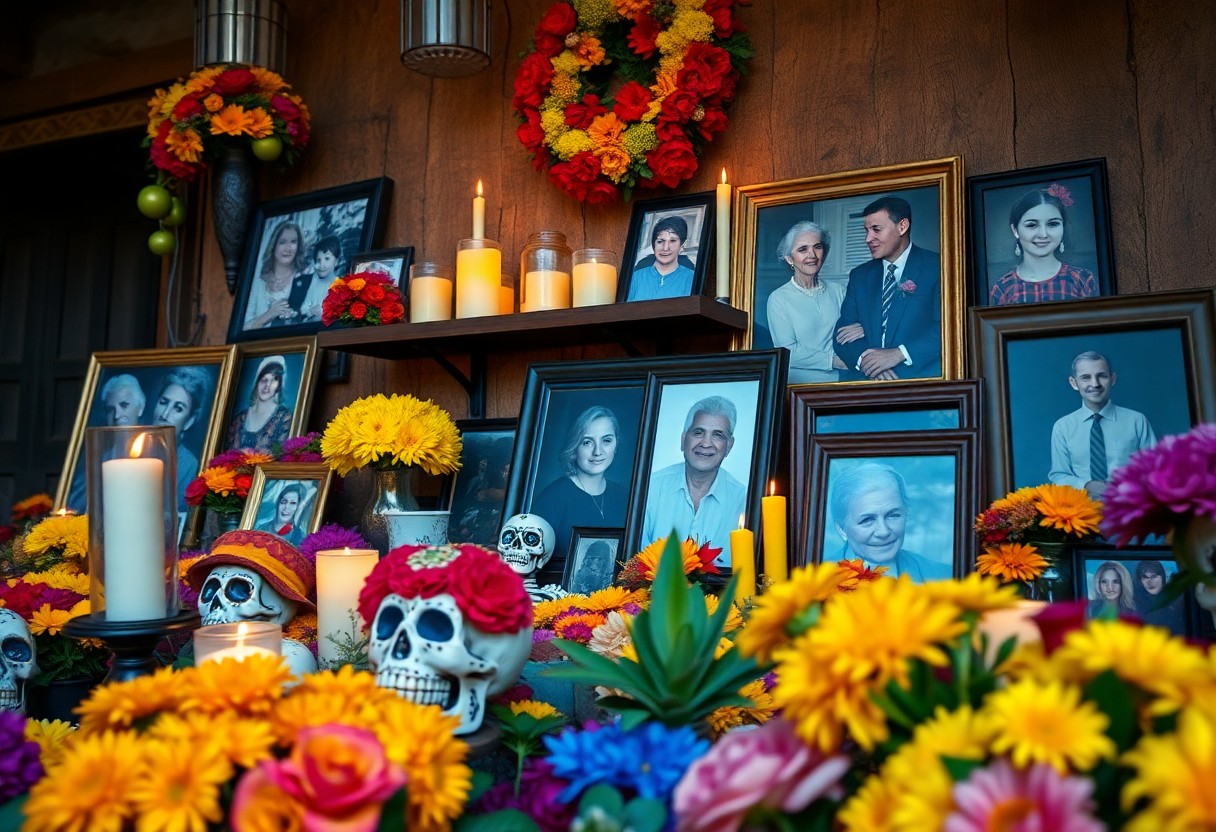
    Honoring deceased loved ones is achieved through elaborate altars, vibrant decorations, and heartfelt offerings. You’ll witness families crafting intricate ofrendas adorned with photographs, favorite foods, and meaningful objects that celebrate the lives of those who have passed. This practice serves as a powerful means of preserving family memories and nurturing spiritual connections that bind generations together. The act of remembrance through such personalized tributes fosters a sense of unity and continuity within families, allowing stories to be shared and cherished across time.

    A comprehensive understanding of the Day of the Dead unveils its profound psychological and social significance. This tradition assists communities in processing grief, celebrating individual lives, and fostering intergenerational connections. The rituals provide a structured, communal approach to mourning that transforms potential sorrow into a celebration of life’s continuity, reinforcing bonds among family and community members.

    Modern Expressions of Day of the Dead Traditions

    Exploring contemporary Day of the Dead celebrations in San Miguel de Allende reveals how traditional practices evolve over time. You’ll encounter artistic interpretations that seamlessly blend historical customs with modern aesthetic sensibilities, resulting in visually stunning and emotionally resonant experiences that captivate both locals and visitors alike. This dynamic interplay between tradition and innovation enriches the celebration, illustrating how cultural practices can adapt while maintaining their core significance.

    The importance of these modern expressions extends beyond mere visual appeal. You’ll observe younger generations reinterpreting ancestral traditions, incorporating global artistic influences while upholding fundamental cultural values. This ongoing evolution ensures that the tradition remains relevant and meaningful within contemporary Mexican society, fostering pride in cultural heritage and encouraging community engagement.

    Here’s the content for the blog post section:

    Discovering the Various Celebrations in San Miguel de Allende

    San Miguel de Allende showcases a rich assortment of Day of the Dead celebrations that capture the essence of this profound cultural event. The city offers multiple avenues to immerse yourself in this meaningful tradition:

    • Traditional altar displays
    • Street parades
    • Cemetery visits
    • Community gatherings
    • Cultural performances

    By exploring these vibrant commemorations, you’ll gain a deeper understanding of the local customs that make San Miguel de Allende’s Day of the Dead celebration truly unique and unforgettable.

    Celebration Type Description
    Traditional Observances Home-based altar creation and family remembrances
    Public Parades Colorful street processions featuring costumes and celebrations
    Cemetery Rituals Cleaning and decorating family graves with love and honor
    Community Events Shared meals and cultural performances that foster community spirit
    Art Exhibitions Local artistic interpretations of the holiday’s significance

    Engaging with Traditional Observances

    On this special day, you’ll witness families creating intricate altars adorned with photographs, favorite foods, and personal items belonging to their deceased loved ones. These personal shrines represent a profound connection between the living and the departed, celebrating their lives and memories in a visually stunning and heartfelt manner. The act of altar creation becomes a ritual of love, allowing families to express their grief and joy in a tangible form.

    Experiencing Vibrant Parades and Processions

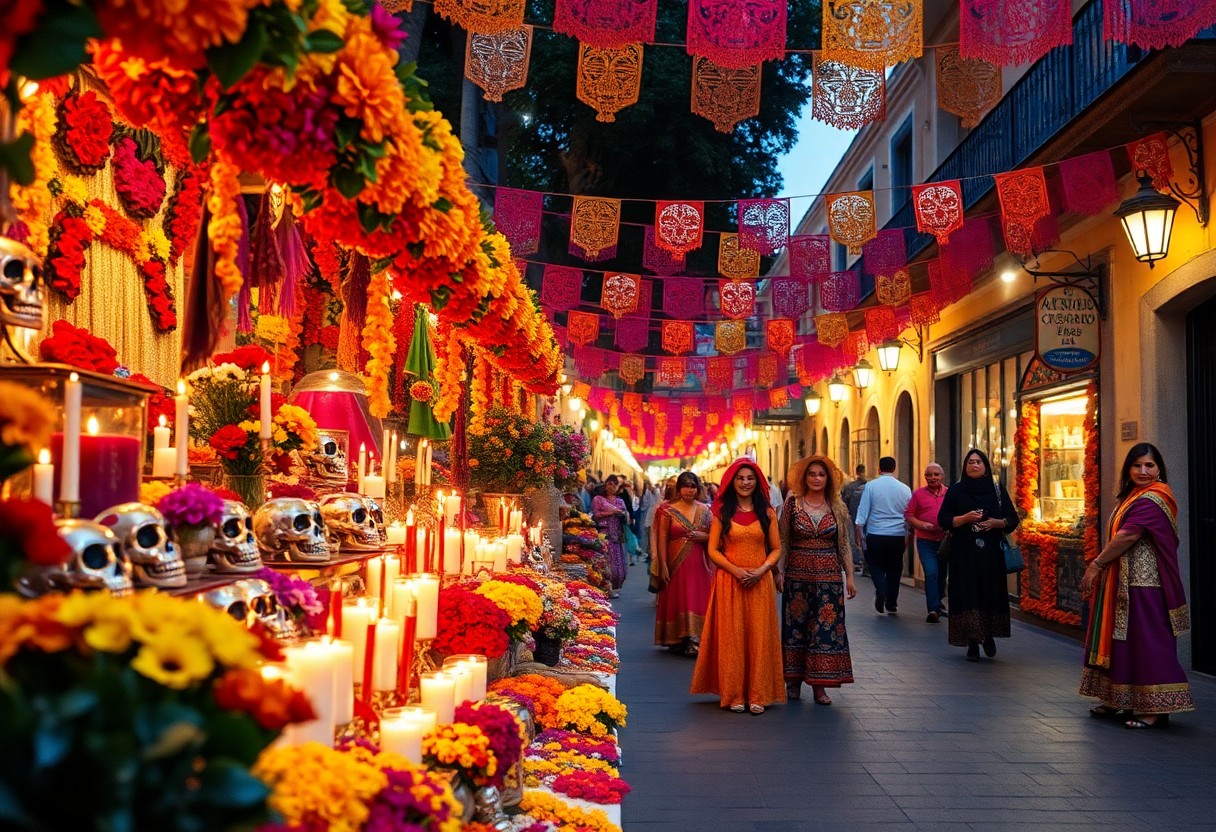
    An extraordinary display of cultural expression unfolds through colorful street parades featuring elaborate costumes and makeup that evoke the spirit of the occasion. During these festivities, participants dress as calaveras (skeletons), adorned with ornate makeup and traditional clothing, creating a stunning visual tableau that embodies the celebration’s essence. The processions typically include music, dancing, and community participation, transforming the city streets into a spectacular cultural celebration that brings together everyone in joyful remembrance of the departed.

    Participating in Community Gatherings

    A vital aspect of the celebration involves communal experiences where both locals and visitors share meals, stories, and traditions in a spirit of unity and joy. These gatherings foster a sense of togetherness, allowing participants to connect through shared memories and cultural expressions.

    Another captivating facet of these gatherings is the sense of collective remembrance and joy. You’ll find neighborhoods coming together, sharing traditional foods like pan de muerto, and reminiscing about loved ones who have passed away, creating a strong sense of community and connection that enhances the meaningfulness of the celebration.

    A Detailed Guide for Participating in the Festivities

    As you immerse yourself in the lively Day of the Dead celebrations in San Miguel de Allende, here’s a detailed guide to help you navigate the festivities effectively and respectfully:

    Step Action
    1 Prepare your traditional altar
    2 Select culturally appropriate attire
    3 Participate in local ceremonies and events

    Preparing for the Celebration

    A critical aspect of Day of the Dead in San Miguel involves gathering specific items for your altar. You’ll want to collect photographs of deceased loved ones, their favorite foods, marigold flowers, candles, and personal mementos that honor their memory and invite their spirits to join the celebration. Each item holds significance, reflecting the unique personality of the departed and serving as a bridge between worlds.

    Engaging in Ceremonies

    With deep cultural significance, you’ll find numerous opportunities to participate in local rituals and community events throughout San Miguel de Allende. These events provide a chance to connect with the community and understand the true essence of Día de los Muertos.

    For instance, you can join public processions where participants wear elaborate skeleton makeup and traditional costumes, showcasing the festive spirit of the occasion. These vibrant events often include live music, dancing, and theatrical performances that celebrate life and death in a uniquely Mexican tradition that reflects the heart of Día de los Muertos, inviting you to engage fully in the experience.

    Visiting Local Cemeteries for Reflection

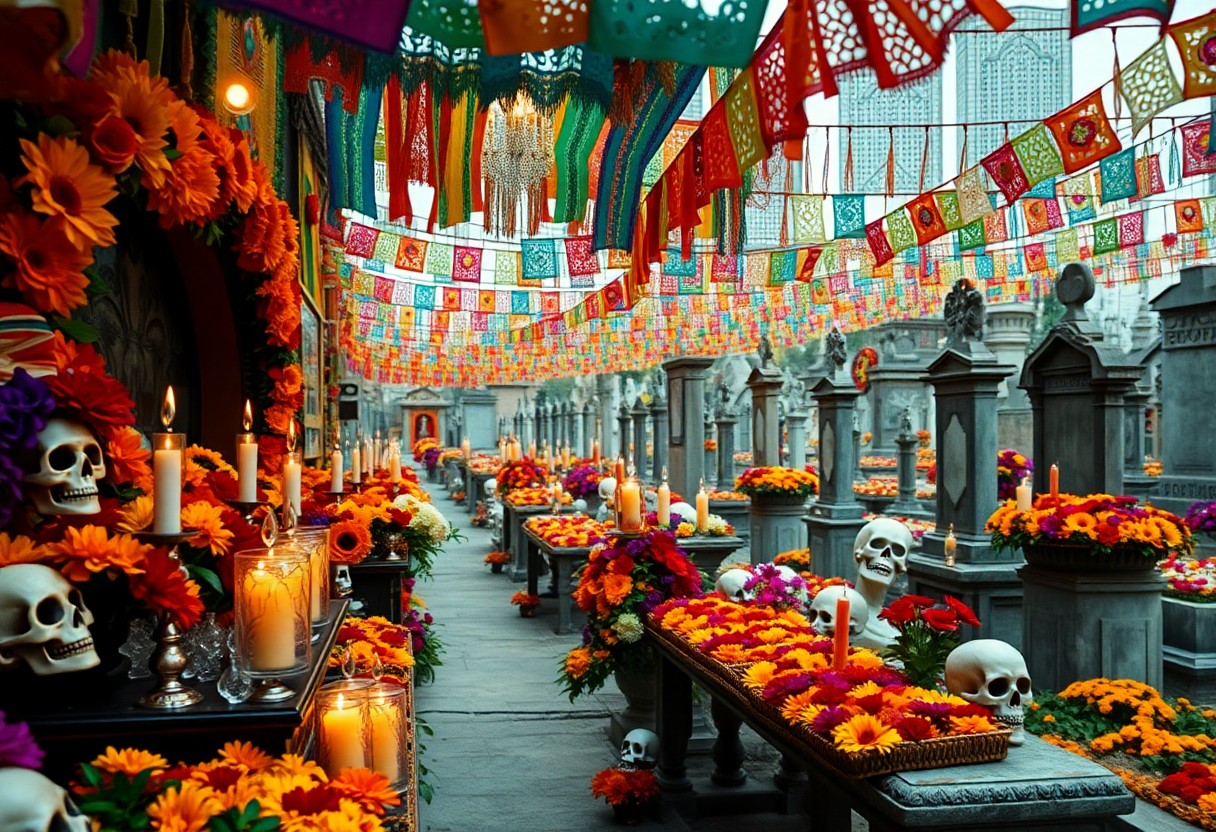
    Engaging with local cemeteries during Day of the Dead offers a profound cultural experience. You’ll witness families cleaning and decorating graves, sharing meals, and creating beautiful memorials for their loved ones. The atmosphere is one of reverence and celebration, as families come together to honor their ancestors.

    Ceremonies at local cemeteries involve intricate rituals where you can observe families gathering to honor their ancestors. Nighttime visits create a particularly magical atmosphere, as candlelight illuminates decorated gravesites, enveloping the area in a deeply spiritual environment that resonates with love, remembrance, and the enduring bonds of family.

    Understanding the Elements of Ofrendas

    It’s important to note that ofrendas are deeply symbolic altars created during Day of the Dead to honor deceased loved ones. These intricate displays blend spiritual significance with personal memories, serving as a bridge between the living and the dead. You’ll find these altars meticulously arranged with meaningful objects that welcome spirits back for a temporary reunion during this sacred celebration, representing the love and connection that transcends death.

    Essential Traditional Items to Include on Your Ofrenda

    Items typically featured on an ofrenda include candles, photographs, favorite foods, and personal mementos of the deceased. You’ll want to incorporate elements like sugar skulls, marigold flowers, salt, water, and incense, each carrying profound cultural and spiritual meaning. These traditional components create a welcoming environment for the returning souls, inviting them to partake in the celebration and reinforcing the connection between the living and the departed.

    Personalizing Your Ofrenda for a Unique Touch

    Even within traditional frameworks, you can make your altar uniquely meaningful. Your personal touch transforms the ofrenda from a ritual display into a heartfelt tribute that reflects your individual connection with the departed. Personalized offerings showcase the love and memory you hold for your loved ones, making the altar a truly special representation of their lives.

    Personalizing an ofrenda goes beyond standard elements. You might include specific objects that represent your loved one’s passions, such as musical instruments, sports memorabilia, or work tools that tell their unique story. In San Miguel de Allende, artisans often craft intricate, personalized altar decorations that capture the essence of individual lives and memories, enhancing the emotional depth of the celebration and creating a lasting tribute.

    The Symbolic Significance of Each Item on the Ofrenda

    Each item on an ofrenda is not chosen randomly; they carry deep symbolic weight. Marigolds guide spirits back to the world of the living, candles symbolize light and hope, while water represents purification and the journey of life. Each component serves a purpose in the ritualistic honoring of the deceased.

    This complex ritual symbolism connects tangible objects with spiritual beliefs. Each element—from photographs to favorite foods—serves as an invitation and pathway for spirits to return, creating a profound connection between earthly memories and spiritual realms during San Miguel de Allende’s vibrant Day of the Dead celebrations.

    Best Locations to Experience Day of the Dead in San Miguel

    To fully immerse yourself in San Miguel de Allende’s vibrant Day of the Dead celebrations, it’s essential to explore several key locations that showcase the richness of this cultural tradition. Each venue offers a unique perspective on the holiday, allowing you to witness the profound connection between life and death that defines this remarkable commemoration.

    Visiting Local Cemeteries for Intimate Experiences

    Often overlooked by tourists, San Miguel’s local cemeteries become extraordinary spaces of remembrance during Day of the Dead. You’ll find families meticulously cleaning and decorating graves, placing marigolds, candles, and personal mementos that honor their departed loved ones. These intimate moments offer you a deeply moving glimpse into the authentic Mexican tradition of celebrating ancestral memory and the enduring love that persists even after death.

    Exploring Vibrant Public Squares for Festivities

    While cemeteries hold traditional significance, San Miguel’s public squares transform into spectacular celebration zones. You’ll encounter vibrant altars, traditional dancers, and locals in elaborate skull makeup, creating a festive atmosphere that captures the holiday’s spirit of joyful remembrance and cultural pride.

    Public spaces like El Jardín become epicenters of Day of the Dead festivities. You’ll witness elaborate community-created altars, street performances, and cultural demonstrations that showcase the depth of San Miguel’s traditions. Musicians, dancers, and artisans converge to create a living exhibition of cultural heritage, inviting you to participate and deepen your understanding of the profound meanings behind each ritual.

    Visiting Historic Churches for Spiritual Reflection

    For a spiritual dimension of Day of the Dead, be sure to visit San Miguel’s historic churches. These sacred spaces offer profound spiritual connections, featuring special masses and decorative altars that blend religious reverence with cultural celebration.

    Experience the deeply moving religious ceremonies within San Miguel’s churches during this period. Parroquia de San Miguel Arcángel and other historic churches become focal points of spiritual reflection, showcasing elaborate ofrendas (altars) that demonstrate the intricate relationship between faith, memory, and cultural tradition. You’ll witness how religious practices intertwine with the community’s commemoration of life and death, enriching your understanding of this significant moment in Mexican culture.

    Culinary Delights to Savor During the Celebration

    Day of the Dead in San Miguel de Allende not only offers vibrant cultural experiences but also presents a delightful culinary journey. You’ll discover an array of traditional and seasonal delicacies that capture the essence of this festive celebration. From street vendors to local restaurants, your taste buds will be treated to authentic Mexican flavors that make this holiday truly special.

    Indulging in Traditional Foods that Honor the Departed

    Food plays a central role in Day of the Dead festivities. You’ll encounter pan de muerto, a sweet bread shaped like bones, symbolizing the departed. Tamales, mole, and sugar skulls are also prominent, each carrying deep cultural significance. These traditional dishes are not merely food but a way of honoring and remembering loved ones who have passed away, making every bite a tribute to their memory and an important part of the celebration.

    Seasonal Beverages to Enhance the Experience

    Food and drink intertwine during this festive period. You’ll find warm atole, a thick corn-based beverage, and hot chocolate served alongside traditional meals. These comforting drinks provide warmth and reflect the season’s spirit, enhancing the celebratory atmosphere and creating a cozy environment for gathering and remembrance.

    A variety of seasonal beverages define the Day of the Dead experience in San Miguel de Allende. Beyond atole and hot chocolate, you might encounter mezcal and special fruit punches that are prepared specifically for this celebration. Local bars and restaurants often create unique cocktails that blend traditional ingredients with modern mixology techniques, offering you a truly memorable drinking experience that adds to the joy of the festivities.

    Discovering Local Specialties that Define the Celebration

    During your culinary exploration, you’ll discover unique local specialties that distinguish San Miguel de Allende’s Day of the Dead celebration. Street food like enchiladas, gorditas, and regional tamales will tempt you on every corner, inviting you to savor the rich flavors of the region and engage with local culinary traditions.

    Understanding the local food culture reveals the depth of San Miguel de Allende’s culinary traditions. Each dish tells a story of heritage and community, with recipes passed down through generations. Local chefs and home cooks take pride in preparing dishes that not only taste exceptional but also carry profound emotional and cultural significance during this commemorative period, enriching your overall experience and connection to the celebration.

    Here’s the blog post section as requested:

    Essential Tips for First-Time Visitors to San Miguel de Allende

    Preparing for Day of the Dead in San Miguel de Allende requires strategic planning to enhance your experience. Consider several key aspects:

    • Book your accommodations early to secure a good location
    • Understand local festival schedules to make the most of your visit
    • Carry cash for local activities and vendors
    • Learn basic Spanish phrases to enhance your interactions

    Assuming that careful preparation will significantly improve your festival experience is essential. Being informed and respectful will deepen your connection to the local culture.

    Arriving at the Right Time for Maximum Experience

    There’s a specific window for experiencing the most vibrant Day of the Dead celebrations in San Miguel de Allende. Plan your visit between October 31st and November 2nd, when the city transforms with colorful altars and traditional processions that embody the spirit of this cherished holiday. This timing allows you to participate fully in the celebrations and witness the unique atmosphere that envelops the city.

    Choosing Appropriate Attire for the Festival

    When dressing for the festival, consider wearing comfortable walking shoes and respecting local cultural traditions. You might incorporate traditional Mexican colors or subtle skull-themed accessories to blend in with the festive atmosphere and show your respect for the occasion.

    First-time visitors should understand that while festive attire is appreciated, it’s important to balance creativity with cultural sensitivity. Avoid overly theatrical costumes that might seem disrespectful to local mourning traditions, and instead opt for outfits that honor the spirit of the occasion while allowing for comfort and mobility.

    Understanding Cultural Etiquette During the Festivities

    Navigating cultural norms requires awareness and respect. Always ask permission before photographing altars or participants to ensure a respectful experience. Approach ceremonies with genuine respect and quiet reverence, acknowledging that Day of the Dead is a profound spiritual celebration, not merely a festive event.

    Engage with locals respectfully, show genuine interest in traditions, and participate thoughtfully to foster a positive connection with the community during this significant celebration. Your respectful demeanor will enhance your understanding of the cultural significance of the event.

    Comparative Analysis of Day of the Dead Celebrations Across Mexico

    After exploring Day of the Dead in different regions, you’ll find fascinating variations across Mexico. Here’s a comparative overview:

    Region
    Key Characteristics
    San Miguel de Allende Artistic, intimate celebrations infused with colonial charm
    Oaxaca Elaborate cemetery rituals and rich indigenous traditions
    Mexico City Large-scale parades and theatrical performances

    Unique Aspects of San Miguel de Allende’s Celebration

    Even among Mexican celebrations, San Miguel de Allende offers a distinctive Day of the Dead experience. You’ll encounter intimate gatherings, art-infused altars, and a more personal approach to honoring departed loved ones that resonates deeply with participants. This unique atmosphere invites participants to engage meaningfully with traditions, fostering a sense of belonging and shared memory.

    Contrasting Celebrations in Major Urban Areas

    The celebration in San Miguel de Allende significantly differs from those in larger metropolitan areas. You’ll notice smaller, more community-driven events compared to the massive urban spectacles that dominate larger cities. This intimate setting allows for deeper connections between participants and the cultural expressions of the holiday.

    Moreover, San Miguel’s celebration reflects its artistic heritage. You’ll see more personalized altar designs, intricate local crafts, and a deeper connection to familial memories that distinguish it from more commercialized urban commemorations, allowing visitors to experience the heart of the celebration.

    Shared Traditions and Customs Across Regions

    One core element remains consistent across Mexico: the profound respect for ancestral spirits. You’ll witness familiar traditions like creating ofrendas (offerings) and decorating with marigolds, which provide a sense of unity across regional differences. This shared reverence creates a collective cultural identity that transcends geographical boundaries.

    This nationwide connection transcends regional variations. You’ll experience a spiritual unity that binds Mexican communities, with each location adding its unique cultural nuances to the Day of the Dead commemoration, enriching the overall tapestry of this significant celebration.

    Factors to Consider When Visiting San Miguel de Allende for Day of the Dead

    Unlike other destinations, San Miguel de Allende’s Day of the Dead requires thoughtful planning. You’ll want to consider several key factors before embarking on your trip:

    • Timing of festival events to maximize your experience
    • Cultural sensitivity guidelines for respectful participation
    • Your personal travel preferences and interests
    • Budget constraints to manage your expenses

    Recognizing these elements will help you navigate the unique experience of this vibrant Mexican celebration and enrich your understanding of its significance.

    Weather Conditions to Prepare For During Your Visit

    Weather conditions in San Miguel during Day of the Dead typically range from mild to cool, with temperatures averaging between 60-70°F. You’ll want to pack layers, including a light jacket for evening events. Prepare for potential temperature drops after sunset, especially in late October and early November, ensuring you stay comfortable while participating in outdoor festivities.

    Accommodations and Transportation Planning for Your Trip

    Any visit requires advance planning for lodging and mobility. Book accommodations early, as hotels fill quickly during the festival. Consider staying near the historic center to maximize your experience of traditional celebrations and ensure easy access to key locations and events.

    To facilitate smooth travel, explore multiple transportation options. San Miguel offers various choices, including local taxis, walking tours, and rental services. Book transportation in advance to avoid last-minute complications during the busy festival period, helping you navigate the city effortlessly.

    Understanding Local Laws and Regulations for a Respectful Experience

    Regulations surrounding public celebrations in San Miguel require respectful participation. You should be aware of local customs and photography guidelines during Day of the Dead events. Obtain necessary permissions before capturing images of traditional ceremonies to ensure a respectful and enjoyable experience that honors the significance of the celebration.

    Understanding local legal expectations is crucial for a positive experience. You’ll need to be mindful of alcohol consumption laws, public behavior standards, and specific festival-related guidelines. Respect local cultural practices to ensure a harmonious interaction with community members during this significant celebration.

    Pros and Cons of Celebrating Day of the Dead in San Miguel de Allende

    Many travelers find San Miguel de Allende’s Day of the Dead celebration complex, with unique aspects to consider before participating. Here’s a comprehensive breakdown of your potential experiences:

    Pros Cons
    Authentic cultural experience Crowded tourist areas during peak events
    Vibrant street performances reflecting local traditions Higher accommodation prices due to demand
    Stunning visual displays of altars and decorations Potential language barriers for non-Spanish speakers
    Engaging local traditions that foster connections Limited personal space in crowded areas
    Photographic opportunities to capture beautiful moments Potential cultural misunderstandings if not respectful

    Advantages of Engaging with Local Culture

    Little-known details about San Miguel de Allende’s Day of the Dead reveal a deeply spiritual and communal celebration. You’ll discover intricate altar designs, passionate community involvement, and a profound respect for ancestral traditions that make this experience truly unique and fulfilling. Engaging with locals allows you to learn the stories behind the traditions, enriching your understanding of the cultural context.

    Potential Drawbacks to Consider During Your Visit

    With the festival’s popularity, you might encounter significant logistical challenges. Overcrowded streets, limited accommodation, and higher prices can impact your travel experience. This celebration attracts thousands of tourists, creating intense competition for resources. You’ll need to plan meticulously, book accommodations early, and prepare for potential navigational difficulties in the bustling historic center during the festivities.

    Overall Experience and Cultural Insights from Participation

    Local participants transform San Miguel de Allende into a mesmerizing cultural spectacle during Day of the Dead, offering you an immersive journey through Mexican traditions that resonate on many levels. This celebration provides a unique opportunity to connect with the heart of the community and gain insights into their values, beliefs, and collective memory.

    Understanding the nuanced layers of this celebration requires openness and respect. You’ll witness a profound cultural expression that goes beyond typical tourist experiences, providing deep insights into Mexican spiritual practices and community connections that are both enlightening and moving.

    Engaging with the Local Community During the Celebration

    Unlike typical tourist experiences, San Miguel de Allende’s Day of the Dead celebration invites you to deeply connect with local traditions. The community is incredibly welcoming, offering genuine opportunities to understand the cultural significance of this profound commemoration. By approaching the festivities with respect and genuine curiosity, you can transform your visit from passive observation to an immersive cultural experience.

    Ways to Build Meaningful Connections with Locals

    Even small gestures can help you forge meaningful connections during the Day of the Dead. You might learn basic Spanish phrases, engage in conversations with local artisans, or show genuine interest in their altar decorations. Authentic interactions will enrich your understanding of this deeply personal Mexican tradition, allowing you to experience the celebration beyond its visual spectacle and fostering a sense of belonging.

    Participating in Local Events and Rituals

    On every street corner in San Miguel de Allende, you’ll discover vibrant community gatherings during the Day of the Dead. From neighborhood processions to public altar displays, these events provide you with unique opportunities to witness and participate in local customs. Your respectful presence can transform you from a visitor into an honorary participant, deepening your connection to the culture.

    Engaging in Day of the Dead events requires cultural sensitivity and an open heart. You’ll find numerous opportunities to join communal activities, such as cemetery visits, traditional dance performances, and shared meals that offer profound insights into Mexican commemorative practices, allowing you to understand the deep emotional significance of honoring deceased loved ones.

    Exploring Volunteering Opportunities to Deepen Cultural Engagement

    You can extend your cultural engagement by exploring volunteering options during the festivities. Local organizations often seek assistance in preparing community altars, helping with event logistics, or supporting cultural preservation initiatives. Your involvement can create meaningful cross-cultural connections that enhance your experience and provide you with a deeper appreciation of the cultural significance of the celebrations.

    Ways to volunteer in San Miguel de Allende during Day of the Dead are diverse and impactful. You might assist local art schools in creating community altars, help coordinate neighborhood events, or support cultural education programs. These opportunities not only contribute to the community but also provide you with deep, authentic experiences that transcend typical tourist interactions, allowing you to engage with the celebration on a deeper level.

    Photography and Documentation Tips for Capturing the Celebration

    For photographers, San Miguel de Allende’s Day of the Dead offers an extraordinary visual feast. You’ll want to document the vibrant colors, intricate altars, and emotional performances that characterize this profound cultural celebration. Your camera becomes a powerful tool for capturing the depth and complexity of this traditional Mexican commemoration, allowing you to preserve memories of your experience.

    Capturing the Spirit and Essence of the Celebration

    An immersive photography experience requires sensitivity and respect. You’ll find opportunities to capture breathtaking moments of community connection during processions, cemetery visits, and public gatherings. Focus on candid shots that reveal the emotional essence of the celebration, showcasing the genuine interactions and cultural richness of San Miguel de Allende.

    Ethical Considerations in Photography During Cultural Events

    In the context of photography at cultural events, consent is paramount. Always ask permission before photographing individuals, especially during intimate ritual moments. Respect local customs and be mindful of the spiritual significance of the events you’re documenting. Understanding and honoring the traditions you’re witnessing is crucial to maintaining the celebration’s integrity.

    A deeper understanding of ethical photography involves recognizing the cultural sensitivity surrounding Day of the Dead. You’ll need to approach your documentation with profound respect, understanding that this is not merely a photographic opportunity but a deeply meaningful cultural practice. Avoid treating participants as mere subjects, and instead seek to understand and honor the traditions you’re witnessing.

    Sharing Your Unique Experience with a Wider Audience

    The digital age offers numerous platforms for sharing your photographic journey. You can use social media, blogs, or photography websites to showcase your unique perspective on San Miguel’s Day of the Dead. Ensure your narrative is respectful and educational, contributing to a greater understanding of this rich cultural heritage.

    Considerations for sharing your photographic experience extend beyond simple image posting. You’ll want to provide context, explain cultural nuances, and help your audience understand the profound meaning behind the images. Storytelling becomes as important as the visual documentation, transforming your photographs from mere images into powerful cultural narratives that bridge understanding between different cultural experiences.

    Here’s the blog post section as requested:

    Family Involvement in Day of the Dead Celebrations

    In San Miguel de Allende, families embrace Day of the Dead as a profound collective experience. You’ll witness generations coming together, honoring ancestral memories through shared rituals and emotional connections. Each family creates elaborate altars, prepares traditional foods, and participates in commemorative activities that strengthen familial bonds during this significant cultural event, ensuring that the spirit of their loved ones continues to live on.

    Activities Designed for All Ages to Participate

    Celebrations in San Miguel offer engaging experiences for every family member. Expect children painting faces, creating papel picado decorations, and participating in cemetery visits alongside their parents and grandparents. Elderly relatives share stories, while younger generations learn about their family history through interactive and meaningful traditions that make Day of the Dead a multi-generational celebration that fosters a sense of continuity.

    Sharing Traditions with the Younger Generation for Cultural Continuity

    Celebrations of Day of the Dead provide an extraordinary opportunity for cultural education. You’ll see parents and grandparents explaining the symbolic meanings behind altars, teaching children about honoring deceased loved ones, and introducing them to intricate customs that connect past and present generations in San Miguel. This transmission of cultural knowledge goes beyond simple storytelling.

    You’ll witness children learning intricate altar-building techniques, understanding symbolic colors and offerings, and developing deep emotional connections to their family’s ancestral heritage through hands-on experiences and guided participation in Day of the Dead rituals, ensuring that the rich traditions are passed down through generations.

    Participating in Community Workshops for Deeper Engagement

    Some local organizations in San Miguel offer free cultural workshops during Day of the Dead. You can participate in mask-making classes, learn traditional cooking techniques, and engage in community art projects that celebrate this profound cultural tradition while connecting with local residents. These workshops provide valuable insights into the significance of the celebrations and create opportunities for meaningful interactions.

    With numerous community centers and cultural institutions hosting specialized workshops, you’ll have opportunities to dive deep into authentic Day of the Dead practices. These sessions provide immersive learning experiences where local artisans and cultural experts share detailed insights about decorative techniques, symbolic meanings, and the historical significance of various Day of the Dead traditions, enriching your understanding of this vibrant celebration.

    In Summary: A Profound Cultural Experience Awaits

    Ultimately, you’ll find San Miguel de Allende’s Day of the Dead celebration to be a profoundly immersive cultural experience that transcends typical tourist encounters. Expect vibrant altars, elaborate costumes, and street processions that honor ancestral traditions with deep respect and artistic flair. Your journey through this UNESCO World Heritage city during the festival will expose you to intricate sugar skulls, marigold-adorned ofrendas, and community gatherings that blend reverence with joy. By participating, you’ll gain insights into Mexican commemorative practices that celebrate life through the remembrance of those who have passed, making your visit an unforgettable exploration of cultural richness and spiritual connection.

    Frequently Asked Questions About Day of the Dead

    Q: When does the Day of the Dead celebration occur in San Miguel de Allende?

    A: The Day of the Dead in San Miguel de Allende takes place annually from October 31 to November 2. Locals and visitors participate in vibrant events honoring deceased loved ones, with the main celebrations happening on November 1 (All Saints’ Day) and November 2 (All Souls’ Day). The city transforms with colorful altars, marigold decorations, and festive processions throughout these days, creating a vibrant atmosphere filled with love and remembrance.

    Q: What are the most significant cultural activities during San Miguel’s Day of the Dead?

    A: San Miguel de Allende hosts several traditional events, including elaborate altar displays at local cemeteries, street parades with participants dressed in intricate skeleton makeup, and community gatherings in the Jardín Principal. Visitors can explore public altars, watch traditional dance performances, and witness families commemorating their ancestors through music, food, and artistic expressions that reflect the city’s rich cultural heritage.

    Q: How can tourists respectfully participate in San Miguel’s Day of the Dead celebrations?

    A: Tourists can engage respectfully by attending public events, photographing celebrations with permission, purchasing local crafts, and joining guided tours that explain the cultural significance. It’s recommended to dress appropriately, show genuine interest in the traditions, and understand that this is a deeply meaningful spiritual celebration for local families honoring their deceased loved ones, encouraging a respectful and enriching experience.

    The Article: San Miguel de Allende’s Day of the Dead: What to Expect appeared first on https://fallinginlovewithsanmiguel.com/

    The Article Day of the Dead in San Miguel de Allende: What to Anticipate Was Found On https://limitsofstrategy.com

  • Ofrenda for Day of the Dead: A Celebration in San Miguel

    Ofrenda for Day of the Dead: A Celebration in San Miguel

    During the vibrant celebration of Día de Muertos in San Miguel de Allende, the ofrenda, or altar, transforms into a colorful and heartfelt centerpiece of remembrance. These altars are meticulously decorated with marigold flowers, flickering candles, and cherished photographs of the departed, each carefully selected to honor the memories of loved ones and guide their spirits back to the world of the living. This historic city beautifully intertwines indigenous roots with modern artistic expression, creating a distinctive way to engage with Mexican culture. Explore how these altars serve as a celebration of life, death, and the unbreakable bonds of family in one of Mexico’s most captivating destinations.

    Unveiling the Deep Cultural Importance of the Ofrenda in Mexican Traditions

    The ofrenda, often perceived as a simple altar, embodies profound cultural and spiritual significance within Mexican traditions. This sacred space is created to honor those we have lost, based on the belief that their spirits return during Día de Muertos to savor the offerings lovingly prepared by their families. These altars are typically adorned with marigold flowers, candles, incense, and favorite foods of the departed, symbolizing love, remembrance, and the intricate connection between life and death. In San Miguel de Allende, the ofrenda stands out as a dynamic centerpiece of the festivities, showcasing the city’s rich cultural heritage and the enduring ties that bind the living to their ancestors.

    Diving into the Historical Roots of the Ofrenda Tradition

    The tradition of the ofrenda is deeply rooted in ancient history, tracing its origins back to pre-Hispanic civilizations such as the Aztecs, who paid homage to their deceased through rituals and offerings. The arrival of the Spanish introduced Catholic practices, which were skillfully blended with indigenous customs to give rise to the vibrant Día de Muertos celebration we recognize today. Currently, the ofrenda serves as a powerful symbol of unity between the realms of life and death, embodying the belief that the spirits of the departed return to visit the living during this sacred time. In San Miguel de Allende, this cherished tradition flourishes, providing an incredible opportunity for visitors to witness a rich cultural fusion that has stood the test of time.

    Witnessing the Evolution of the Ofrenda Through the Ages

    Historically, ofrendas were simple altars constructed in homes or cemeteries, reflecting regional traditions and familial customs. As time progressed, the ofrenda evolved, adapting to modern influences while preserving its core purpose of honoring the dead. In San Miguel de Allende, contemporary altars now harmoniously blend traditional elements, such as marigolds and candles, with innovative art and design, showcasing the creativity of the community. Despite these transformations, the ofrenda continues to be a potent symbol of the connection between the living and the deceased. This evolution highlights the resilience of Mexican culture, ensuring that this cherished tradition endures and thrives in both private homes and public spaces.

    Essential Components of a Traditional Day of the Dead Altar You Should Know

    Several key components define a traditional Day of the Dead altar, with each item holding significant meaning. Photographs of the deceased serve as a tribute to their memory, while cempasúchil (marigold flowers) guide their spirits with their bright colors and enchanting fragrance. Candles illuminate the path for souls, and incense (copal) purifies the surrounding space. You’ll often encounter food and beverages, like pan de muerto and tequila, thoughtfully prepared to nourish the returning spirits. Salt symbolizes purification, while sugar skulls represent life’s cyclical nature. Additionally, papel picado adds a festive flair, serving as a reminder of the delicate nature of life. In San Miguel de Allende, these elements converge to create altars that are both deeply personal and rich in cultural significance.

    Top Locations to Experience the Breathtaking Altars of San Miguel de Allende

    If you’re eager to immerse yourself in the vibrant spirit of Día de Muertos, San Miguel de Allende showcases some of the most breathtaking ofrendas. Begin your journey at the Jardín Principal, where public altars and lively performances breathe life into this cherished tradition. Explore local art galleries and cultural hubs such as Casa de la Cultura and La Aurora, where artists creatively merge traditional and contemporary elements in their displays. These venues not only highlight the city’s rich cultural tapestry but also ensure your visit is a memorable experience. Make plans to explore these altars and immerse yourself in the heart of this beloved Mexican celebration.

    Engage with the Heartfelt Tradition of Día de Muertos Today!

    Clearly, the Day of the Dead in San Miguel de Allende provides a unique opportunity to engage with a time-honored tradition. By visiting the city’s vibrant ofrendas, you partake in a celebration that intertwines indigenous roots with Catholic influences, creating a powerful homage to both life and death. The altars, adorned with marigolds, candles, and pan de muerto, invite deep reflection on the beauty of memories and the lasting connections between the living and the departed. Embrace this tradition to experience the deeply felt spirit of Mexican culture firsthand and honor the lives of those who have come before.

    Key Insights About Día de Muertos and Ofrendas You Shouldn’t Miss

    Ultimately, the Day of the Dead ofrenda in San Miguel de Allende offers a profound means to connect with Mexican heritage and celebrate the vibrancy of life. By visiting the city during this significant time, you will witness stunning altars adorned with marigolds, candles, and personal keepsakes, each telling a story of love and remembrance. The streets and plazas of San Miguel de Allende transform into a living tribute to this cultural legacy, inviting you to experience the beauty of honoring the past while celebrating the present. This heartfelt celebration serves as a poignant reminder of the enduring bond between the living and the departed.

    Your Questions Answered About Día de Muertos in San Miguel de Allende

    What role does the ofrenda play during Día de Muertos in San Miguel de Allende?

    The ofrenda is a pivotal element of the Día de Muertos celebration in San Miguel de Allende, serving as a heartfelt way to honor and remember loved ones who have passed. Families create these altars filled with offerings such as food, drinks, and cherished photographs to warmly welcome the spirits of the deceased. Symbolizing the connection between life and death, the ofrenda beautifully fuses indigenous traditions with Catholic elements, reflecting the cultural richness of the region.

    What essential items are typically found on a Day of the Dead altar in San Miguel de Allende?

    A traditional Day of the Dead altar in San Miguel de Allende is characterized by several essential elements. These include photographs of the deceased, vibrant marigold flowers (cempasúchil), flickering candles, fragrant incense (copal), traditional foods such as pan de muerto, salt, sugar skulls (calaveras), and decorative papel picado. Each item carries significant symbolic meaning, whether it’s guiding spirits, purifying the altar space, or representing the cyclical nature of life and death.

    Where can visitors explore Day of the Dead altars in San Miguel de Allende?

    Visitors can discover Day of the Dead altars at various prominent locations throughout San Miguel de Allende. Key sites include the bustling Jardín Principal, where public ofrendas and engaging performances take place, as well as local art galleries, Casa de la Cultura, and La Aurora, an esteemed art and design center. These venues showcase both traditional and modern altars, offering an enriching cultural experience during this vibrant celebration.

    The Article: The Day of the Dead Ofrenda: Honoring Tradition and Celebrating Life in San Miguel de Allende appeared first on https://fallinginlovewithsanmiguel.com/

    The Article Ofrenda for Day of the Dead: Celebrating Life in San Miguel Was Found On https://limitsofstrategy.com

  • Day of the Dead in San Miguel de Allende: Embrace Life and Death

    Day of the Dead in San Miguel de Allende: Embrace Life and Death

    While many cultures shun discussions about death as a taboo topic, in San Miguel de Allende, the approach is refreshingly different. Here, death is celebrated with an explosion of vibrant colors, heartfelt traditions, and joyful remembrances. During the Day of the Dead, visitors can witness streets overflowing with marigolds, families gathering to pay homage to their departed loved ones, and intricately designed altars adorned with offerings. This celebration transcends sorrow; it embraces death as an essential aspect of life’s cycle. In San Miguel de Allende, you’ll encounter a captivating fusion of ancient rituals and modern festivities, making it an essential destination for exploring this profound cultural tradition that emphasizes both life and remembrance.

    Uncover the Fascinating Historical Roots of the Day of the Dead Celebration

    Long before the Spanish colonizers arrived, the Day of the Dead (Día de los Muertos) was deeply rooted in ancient Mesoamerican cultures. Indigenous civilizations, particularly the Aztecs, honored their ancestors through a month-long festival during the Aztec month of Miccailhuitontli, dedicated to the goddess Mictecacihuatl, known as the “Lady of the Dead.” These rituals highlighted the cyclical relationship between life and death, establishing a solid foundation for the contemporary celebration that continues to resonate with people today. This historical backdrop enriches the current festivities, making them a profound expression of cultural identity and community values.

    Delve Into Timeless Ancient Rituals and Customs

    For over 2,500 years, indigenous civilizations in Mexico have conducted sacred rituals to honor their deceased ancestors. These meaningful traditions included offerings of food, fragrant flowers, and incense, symbolizing the enduring bond between the living and those who have passed on. The Aztecs believed that death was not a conclusion but a transition to another realm. This perspective profoundly influences the essence of the Day of the Dead today, where the celebration revolves around life and the joyous remembrance of those who have transitioned to the afterlife. Engaging with these ancient customs allows participants to appreciate the depth and richness of Mexican culture.

    Examine the Transformative Influence of Spanish Colonization on the Day of the Dead

    The arrival of Spanish colonizers in the 16th century brought significant changes to the Day of the Dead celebration. The Catholic Church integrated indigenous rituals with the observances of All Saints’ Day (November 1st) and All Souls’ Day (November 2nd), condensing the month-long festivities into a two-day celebration. This remarkable fusion resulted in the modern iteration of the holiday, intertwining pre-Hispanic traditions with Catholic practices, leading to a distinctive cultural expression that honors both heritage and faith. This blending of customs enriches the celebration, making it a unique cultural experience reflective of Mexico’s diverse history.

    This cultural convergence introduced vibrant elements such as the striking use of marigold flowers and ofrendas (altars), which have become central to the festivities. Despite attempts by the Spanish to suppress indigenous practices, the resilience and vibrancy of these traditions ensured their survival, resulting in a rich cultural hybrid. Today, the Day of the Dead in San Miguel de Allende serves as a living testament to this illustrious history, offering a vibrant and profoundly meaningful experience for both locals and visitors alike.

    Explore the Profound Significance of the Day of the Dead Celebration

    One of the most remarkable aspects of the Day of the Dead is its focus on celebrating life rather than mourning death. In San Miguel de Allende, this unique tradition transforms grief into joy, as families honor their departed loved ones with vibrant altars, lively music, and heartfelt offerings. The belief holds that the spirits of the deceased return to join in the festivities, creating a spiritual reunion that is both uplifting and deeply significant. This unique perspective on death, grounded in ancient Mesoamerican and Catholic traditions, transforms the Day of the Dead into an emotionally rich experience filled with reverence and appreciation for life.

    Uncover the Meaningful Role of Ofrendas in the Day of the Dead Celebrations

    Ofrendas, or altars, serve as the heart and soul of the Day of the Dead festivities in San Miguel de Allende. These beautifully crafted altars are embellished with vibrant marigold flowers, flickering candles, cherished photographs, and the favorite foods and drinks of the deceased. The ofrendas create a welcoming space for the spirits, symbolizing love, remembrance, and connection between the living and the departed. By constructing these altars, families ensure that the memory of their loved ones remains alive, intertwining tradition with personal connection and heartfelt sentiment, thereby enriching the overall experience of the celebration.

    Observe the Evolution of the Day of the Dead Celebration Over Time

    As time progresses, the Day of the Dead in San Miguel de Allende has gracefully adapted to modern influences while remaining true to its essential roots. Although some urban areas may incorporate elements reminiscent of Halloween, the core essence of honoring the deceased remains unchanged. The celebration has grown in popularity, drawing visitors from around the globe who come to witness its unique blend of tradition, culture, and festivity, making it an unforgettable experience. This evolution reflects the community’s ability to embrace change while preserving the sacredness of their customs.

    With the influence of globalization, the Day of the Dead has garnered increased international attention, leading to a fascinating interplay of cultural influences. In San Miguel de Allende, this has introduced both opportunities and challenges. While the festival’s rising popularity has significantly boosted tourism, there are ongoing concerns about preserving its authenticity. Nevertheless, the community remains steadfastly committed to maintaining the sacred and joyful spirit of the celebration, ensuring that it continues to honor the deceased with the utmost respect and reverence.

    Gain Insight Into Mexico’s Unique Perspective on Death and Remembrance

    Mexico’s relationship with death is distinctly different from many other cultures. Here, death is viewed not as an end but as a natural continuation of life, a perspective deeply rooted in indigenous traditions and Catholic beliefs. During the Day of the Dead, this view is celebrated with vibrant colors, lively music, and joyful remembrance, transforming what might be a somber occasion elsewhere into a vibrant tribute to life. In San Miguel de Allende, this celebration is particularly vivid, featuring ofrendas (altars) adorned with marigolds, photographs, and offerings that welcome the spirits of loved ones back home. Here, death is embraced with open arms rather than shunned, creating a unique cultural experience that is unparalleled.

    Contrast the Day of the Dead and Halloween: Two Distinct Cultural Celebrations

    Although both the Day of the Dead and Halloween feature themes of death and skeletons, they fundamentally differ in their approach and significance. The Day of the Dead, or Día de los Muertos, is a joyful celebration focused on honoring deceased loved ones and is deeply embedded in Mexican culture. In contrast, Halloween revolves around a festival of spooky fun with origins in Celtic traditions, primarily emphasizing fear and mystery. While Halloween highlights eerie themes, the Day of the Dead showcases remembrance and celebration of life, offering a richer emotional experience that resonates deeply with participants.

    Investigate the Origins of Both Celebrations and Their Cultural Significance

    The Day of the Dead traces its origins back over 3,000 years to ancient Mesoamerican civilizations, such as the Aztecs, who honored the goddess Mictecacihuatl during their rituals. With the arrival of Spanish colonization, this tradition blended with Catholic holidays, specifically All Saints’ Day and All Souls’ Day, resulting in the modern celebration recognized today. Halloween, conversely, originated as the Celtic festival of Samhain, which marked the thin veil between the living and the dead, eventually being Christianized by the Church over time.

    Grasp the Purpose and Significance Behind Each Celebration

    The Day of the Dead serves as a time to celebrate the lives of departed loved ones, embracing the reality of death as an inherent part of life’s journey. Families create ofrendas (altars) adorned with marigolds, photographs, and favorite foods to welcome the spirits back into their homes. Conversely, Halloween is characterized by fun and fright, featuring costumes, trick-or-treating, and spooky themes that often prioritize entertainment over reflection.

    Additionally, the Day of the Dead carries a deeply spiritual essence, emphasizing the reconnection with ancestors and honoring their legacy. It provides an opportunity for families to gather, share stories, and celebrate the continuity of life. In contrast, while Halloween offers entertainment, it lacks the profound cultural and emotional depth that the Day of the Dead embodies, making it a uniquely enriching experience.

    Examine Traditions and Activities Associated with Both Celebrations

    In San Miguel de Allende, the vibrant traditions of the Day of the Dead come alive through ofrendas, lively parades, and families adorning graves with marigolds. Participants often dress as Catrinas or skeletons, while traditional foods like <a href=”https://fallinginlovewithsanmiguel.com/top-5-reasons-to-retire-in-san-miguel/”>pan de muerto</a> are shared among friends and family. In contrast, Halloween festivities typically include trick-or-treating, pumpkin carving, and costume parties heavily influenced by American culture.

    Halloween celebrations in San Miguel de Allende are more common among expatriates and urban locals, while the Day of the Dead remains a deeply rooted tradition for many Mexican families. The city’s celebrations offer a beautiful blend of solemn remembrance and lively festivities, resulting in a unique and rich experience that cannot be found elsewhere.

    Immerse Yourself in the Lively Celebration in San Miguel de Allende

    Despite its colonial charm, San Miguel de Allende transforms into a vibrant hub of activity during the Day of the Dead. Visitors will witness streets brimming with vibrant marigold flowers, intricate papel picado, and families uniting to honor their loved ones. The city hosts lively parades, where locals don costumes as Catrinas and skeletons, beautifully blending tradition with artistic expression. You can explore exquisitely crafted ofrendas in public spaces, each telling a poignant story of remembrance. While the celebration is brimming with joy and festivity, it’s essential to respect the sacred nature of the event, particularly in cemeteries where families gather privately to honor the lives of those they have lost.

    Experience and Appreciate Typical Day of the Dead Traditions

    For centuries, Day of the Dead traditions in San Miguel de Allende have harmoniously blended indigenous and Catholic influences, creating a vibrant celebration that honors both life and death. Families construct ofrendas (altars) adorned with photographs, candles, and favorite foods of the deceased. The streets come alive with marigolds, calaveras (decorated skulls), and papel picado (perforated paper banners), which are integral to the festivities. These cherished traditions serve as a powerful tribute to loved ones, inviting their spirits to return and celebrate alongside the living. The atmosphere is vibrant, filled with music, parades, and communal gatherings that reflect the Mexican embrace of death as an integral part of life’s journey.

    Understand the Importance of Alfeñiques and Papel Picado in the Celebration

    Integral to the Day of the Dead festivities, alfeñiques are intricate sugar sculptures crafted in the shape of skulls, animals, or other figures. These delightful works of art symbolize the sweetness of life and are often personalized with the names of the deceased. Complementing these edible creations, papel picado—delicately cut tissue paper banners—adds color and movement to the celebrations. The perforations in the paper are believed to guide spirits to the ofrendas, while the vibrant designs serve as a poignant reminder of life’s fleeting nature, enhancing the overall sensory experience of the celebration.

    Explore the Cultural Significance of Marigolds and Calaveras

    If you visit San Miguel de Allende during the Day of the Dead, you will find yourself immersed in the striking orange hues of marigolds, known as cempasúchil. These flowers are thought to guide spirits with their bright colors and fragrant aroma. Alongside them, calaveras (decorated skulls) are omnipresent—adorning altars, appearing in parades, and even serving as face paint. These whimsical and colorful skulls embody the playful acceptance of death prevalent in Mexican culture.

    A deeper examination of marigolds and calaveras reveals their significant cultural meanings. Marigolds are not merely decorative; their petals create pathways leading to ofrendas, ensuring that spirits can find their way home. Calaveras, whether crafted from sugar, clay, or painted on faces, serve as a reminder that death is not to be feared but embraced. In San Miguel de Allende, these elements coalesce to create a visually stunning and spiritually meaningful experience, honoring the cycle of life and death in a way that is simultaneously joyful and respectful.

    Embrace Life and Memory During Your Visit to San Miguel de Allende

    From a broader perspective, experiencing San Miguel de Allende during the Day of the Dead provides a profound opportunity to embrace death through its vibrant celebrations. You will observe a captivating blend of ancient traditions and modern expressions, where families honor their loved ones with colorful altars, marigold flowers, and joyous gatherings. The city’s streets come alive with parades, papel picado, and the enticing aroma of pan de muerto, inviting you to immerse yourself in a cultural perspective that views death as a natural part of life. In San Miguel de Allende, you don’t just witness the Day of the Dead—you feel its spirit, celebrating life and memory in an authentically Mexican manner.

    Get Answers to Your Questions About the Day of the Dead

    Q: Why is San Miguel de Allende a Distinctive and Special Location for Day of the Dead Celebrations?

    A: San Miguel de Allende is celebrated for its vibrant and authentic Day of the Dead festivities. The city expertly blends traditional Mexican customs with local nuances, resulting in elaborate parades, colorful altars, and heartfelt community gatherings. The historic streets and colonial architecture provide a picturesque setting for the festivities, making it an unforgettable experience for all visitors looking to immerse themselves in this unique cultural celebration.

    Q: What Key Traditions are Associated with the Day of the Dead in San Miguel de Allende?

    A: Key traditions include the creation of ofrendas (altars) adorned with beautiful marigold flowers, cherished photographs of the deceased, and their favorite foods. Families participate in cleaning and decorating graves, and many individuals dress as skeletons or Catrinas. The city also hosts lively parades, live music, and cultural performances, offering a unique blend of solemn remembrance and joyful celebration that reflects the community’s dedication to honoring their ancestors.

    Q: How Can Visitors Respectfully Engage in Day of the Dead Celebrations in San Miguel de Allende?

    A: Visitors should approach the celebrations with respect and cultural sensitivity. It is advisable to avoid intrusive photography in cemeteries, as these spaces hold profound significance for families. Engaging in public events like parades and workshops is encouraged, as is gaining a deeper understanding of the traditions beforehand. Supporting local artisans by purchasing handmade crafts or traditional foods is also a meaningful way to connect with the culture and contribute to the community.

    The Article: Day of the Dead: A Unique Way to Embrace Death in San Miguel de Allende appeared first on https://fallinginlovewithsanmiguel.com/

    The Article Embrace Death: Discover Day of the Dead in San Miguel de Allende Was Found On https://limitsofstrategy.com