Category: Animals & Pets

  • How To House Train A Puppy

    How To House Train A Puppy

    house train puppy

    Do you ever look at your adorable new puppy and wonder how to successfully house-train this little furball? I have, and let me tell you, it lingers in the minds of even the most experienced pet owners. House-training a puppy can sometimes feel like an uphill battle, with the odds stacked against you. Rest assured! Approaching the task with patience, consistency, and humor can make it much more manageable.

    Why House Training Matters

    The Importance of a Routine

    Similar to humans, puppies flourish with a consistent routine.

    In its absence, disorder takes hold, encompassing more than just the destruction of shoes and furniture.

    I soon realized that lack of consistency not only confuses puppies but also prolongs the challenges of house training.

    Establishing a consistent routine for feeding, playtime, and bathroom breaks is crucial for maintaining your sanity.

    Minimizing Stress—for Both of You

    Understanding Your Puppy’s Signals

    Observing Behavior

    Are you curious about how to determine when your puppy needs to go outside? From my experience, the key lies in careful observation.

    When a puppy begins to explore with an intensity that rivals a truffle pig, diligently circling an area as if preparing to set up miniature traffic cones, or displaying a contemplative gaze as if pondering the mysteries of the universe—these behaviors are all indications that nature is beckoning.

    Decoding the Whine and Pace

    At times, it can be even more nuanced. There is a slight whine in the background, accompanied by restless pacing. It’s important to remember that each puppy has its own unique characteristics. For example, my cat sat by the door, fixating on it as if it held a mysterious secret.

    Setting Up a Designated Potty Area

    Indoor vs. Outdoorout door potty area
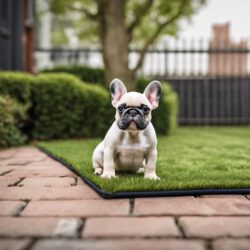
    Consider the option that best suits your living situation: indoor pads or heading outside. If you’re outdoors, it’s best to stay in one location. Consistent pad placement is crucial for effective indoor training.

    It can be challenging for puppies to navigate their surroundings and remember changes in their environment, such as moving a pad from the kitchen to the living room. They rely on your guidance to help them adapt.

    Pros and Cons Table

    Option Pros Cons
    Outdoor Fresh air is better for long-term Weather dependent, more challenging at night
    Indoor Convenient, suitable for apartments It can be confusing for the pup later

    728 x 90


    Creating a Positive Association

    The goal is to transform this designated potty area into an exciting and enjoyable space for your furry friend. Imagine a heavenly treat.

    When they successfully relieve themselves in the correct spot, give them plenty of praise and the occasional treat as a reward. Imagine this as unveiling a luxurious experience fit for canines—puppies adore it.

    Tools You’ll Need

    Leash and Collar

    Investing in a high-quality leash and a well-fitting collar will significantly enhance your pet’s comfort and safety. These items are more than just accessories; they are essential for survival. With the leash, you can keep your puppy safely contained in the designated area, while the collar helps you manage their energetic pre-potty movements.
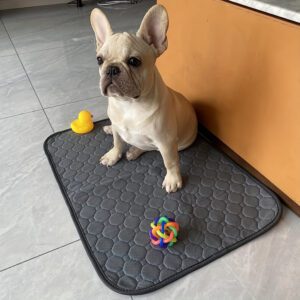
    puppy padsPuppy Pads and Cleaning Supplies

    Puppy pads are essential for effective indoor training. Consider them your furry friend’s designated potty pads.

    Remember to replenish your cleaning supplies. Mistakes are bound to occur, and timing is inevitable. Embrace them as a natural part of the process and continue forward.

    Treats for Positive Reinforcement

    Your puppy’s training centers on the irresistible treats that bring them pure joy. Using rewards as positive reinforcement can be highly effective in creating a positive connection between your pet and the desired behavior of using the designated area for their needs.

    However, it is important to exercise caution when overfeeding and to avoid any future issues when introducing your puppy to a treadmill.

    Establishing a Schedule

    Morning Routine

    First things first: start your day by taking a bathroom break. Prioritize taking your puppy to their designated spot before indulging in your morning coffee.

    Taking advantage of puppies’ waking-up opportunity is essential, as they often need to go outside immediately.

    Mealtime and Post-Meal Breaks

    Puppies typically need to go potty after meals. The optimal time for maximum effectiveness is typically 10-20 minutes after feeding. This window serves as your prompt to guide them to the designated toilet area.

    Incorporate this practice into your routine after every meal and witness the transformative power of conditioning.

    Bedtime Routine

    Lastly, make sure your puppy relieves itself before going to sleep. This minimizes the chances of waking up at 3 a.m. by a restless and whiny dog who urgently needs to go outside. It saves you from enduring those dark, cold nights of unexpected mishaps.
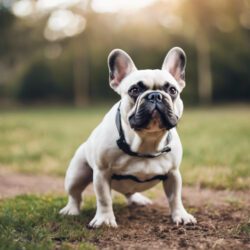
    take to designated spot

    Handling Accidents Calmly

    Immediate Clean-Up

    Mishaps are bound to occur, and they’re common during the early stages of owning a puppy. Please tidy up right away. Use enzymatic cleaners that eliminate urine odor, preventing your puppy from being drawn back to the same spot as a biological homing device.

    Avoiding Punishment

    Using a harsh or stern tone can easily cause your puppy to become fearful and uncertain about house training. Remain composed. Instead, concentrate on strengthening desired behaviors through positive reinforcement and rewards.

    After all, who wants to be criticized whenever they make a mistake while learning something new?


    728 x 90


    Gradually Increasing Independence

    Lengthening Time Between Breaks

    As your puppy becomes more accustomed to the routine, you can gradually extend the intervals between potty breaks. It’s akin to progressively granting them more freedom, testing their ability to handle it.

    Monitoring Progress

    Stay organized and monitor your puppy’s development by using a convenient chart or keeping notes on your phone. Note the duration between breaks and any incidents, and make necessary adjustments to your schedule. Consistency is of the utmost importance in this context.

    Progress Monitoring Table

    Day Accidents Time Between Breaks Notes
    Day 1 2 30 minutes Getting used to the pads
    Day 7 1 1 hour Improved signaling
    Day 14 0 1.5 hours Consistent success

    What to Do for Stubborn Puppies

    Re-evaluating Your Methodstubborn puppy

    There’s no need to worry if things aren’t going according to your expectations. Perhaps it is worth considering a fresh approach.

    Maybe the location isn’t perfect, or you’re not picking up on their subtle hints. Modifications may be required, and that’s completely acceptable.

    Seeking Professional Help

    When everything else seems to go wrong, experienced trainers can be a true savior. They possess expertise, a calm demeanor, and invaluable insights that would never have crossed your mind.

    Frequently, a single consultation can provide a significant breakthrough.

    Building a Stronger Bond

    The Rewards Beyond House Training

    House training goes beyond simply teaching your puppy where to relieve themselves; it involves fostering trust and developing a mutual understanding. This process cultivates a deep connection that goes beyond mere practicalities. It offers valuable insights into patience, empathy, and mutual respect.

    Celebrating Milestones Together

    Every achievement is a collective triumph. Embrace and appreciate every achievement, no matter how small or significant. Rewards, compliments, a fresh plaything—anything that brings joy to your beloved pet. These milestones form the foundation of your bond with your furry companion.


    728 x 90


    Final Thoughts

    Training a puppy to use the toilet indoors may initially appear daunting, but it is entirely possible with patience, consistency, and a bit of understanding of canine behaviour.

    Mastering the intricate art of cues, rewards, and routines is a fulfilling adventure for you and your furry companion. As I sit here, observing my well-behaved pup peacefully falling asleep, I can’t help but savor each little victory we accomplished together.

    By implementing a carefully crafted strategy and displaying unwavering determination, you can transform house training your puppy from a daunting task into a rewarding experience that fosters a strong bond.

    Your Training Guide at a Glance

    Step Key Actions
    Understanding Signals Observe and interpret behavior cues
    Setting up Potty Area Choose indoor vs. outdoor, create positivity
    Gathering Tools Leash, pads, cleaning supplies, treats
    Establishing Schedule Morning, post-meal, bedtime routines
    Handling Accidents Clean immediately, no punishment
    Increasing Independence Lengthen breaks, monitor progress
    Dealing With Challenges Adjust methods, seek professional help
    Building Bond Celebrate achievements, enjoy the journey

    So here it is: my journey unraveled and pieced together for the next hopeful pet owner. May it guide you and your new companion toward a clean, happy household and many cherished moments.


    728 x 90


    The Article: How To House Train A Puppy Was Found On https://happypetsgroomingtable.com/

    The Article: How To House Train A Puppy Was Found On https://ai.ezi.gold

    The Article How To House Train A Puppy Was Found On https://limitsofstrategy.com

  • Diet for Pets: Raw Paws

    Diet for Pets: Raw Paws

    My dog’s health and happiness were transformed entirely when I came upon the Raw Paws Pet Food Diet. They make sure my dog receives all the nutrition he needs by delivering premium, ethically sourced meat, bones, and organs in their Raw Paws Dog Food right to my home. The variety of meats (beef, chicken, and lamb) and serving sizes allow me to meet my pet’s specific dietary demands. My endurance, dental health, and frequency of trips to the vet have all improved since I made the change. Additionally, their home delivery service is unparalleled in terms of ease.

    What makes feeding your dog with Raw Paws Raw Dog Food so convenient is that it brings the advantages of an ideal diet to your door. This raw feeding method guarantees your pet a better, happier life with reduced shedding and fewer bugs by improving heart health and immunity. Our convenient delivery service lets you choose from various ethical protein sources. Are you prepared to transition? Check out what they offer and see the massive difference for yourself.

    My Dive into the World of Raw Dog Food

    Let your mind wander to a normal Sunday. The type that makes you wonder why you wore trousers in the first place. “Hey, you’ve got food, right?” is the expression on Max’s face as he looks up at me. At that very moment, I became engrossed in the Raw Paws Pet Food Diet and their Uncooked Dog Food. I was first reluctant to bring raw meat to my finicky eater. Spoiler alert: it has changed our lives in profound ways.

    Raw Paws Pet Food offers a service that delivers what seems to be high-end raw dog food. Although the program makes you think, “I might be one step away from hiring a doggy psychiatrist,” there’s no denying its benefits and convenience. Let me explain my raw feeding experience with Max before you assume I’ve gone crazy.

    Raw Dog Food Roundup

    Click to view the Raw Dog Food Review.

    The Allure of Raw Paws Raw Dog Food

    Max hides his identity—he is a Labrador retriever and a vacuum sweeper mixed up. Because of this, he will eat anything—and I mean anything—you give him. But he has a delicate digestive system, just like a romantic comedy heroine. My search for the best dog food began at that point. Raw Paws is a brand of raw dog food.

    Why did I decide on Raw Paws? The reason is that their wares make canine health magazine covers:

    1. Protecting Max’s heart like the Hope Diamond: Improving Heart Health.
    2. Enhanced Endurance: Enjoy more pleasant, longer walks as a result.
    3. Perfect Weight Maintenance: Say goodbye to saggy Labs.
    4. I hope that Max can live into old age with improved health.
    5. Maintaining Good Dental Health: A beautiful grin on a dog’s face is priceless.
    6. Immunity Boost: Couldn’t we spend less time at the doctor’s?
    7. Reduced Indigestion: I was ecstatic at the prospect of fewer tummy troubles.

    The Revelation in Raw Feeding

    I delved into the details since I am an overanalyzer. Pets’ natural diet consists of 80% meat, 10% bone, and 10% organ; Raw Paws’ food reflects this. The Paleo Diet is a good analogy.

    The filling buffet is broken out as follows:

    • Protein Options: From beef to rabbit, the variety is staggering.
    • Selection of Cuts: Options ranging from patties to pounds of pure meaty goodness.
    Protein Formats Available Benefits
    Beef 8 oz Patties, 1 lb Rolls, 3 lb Rolls Rich in iron and B vitamins
    Chicken 8 oz Patties, 1 lb Rolls, 3 lb Rolls Lean protein, lower fat content
    Duck 8 oz Patties, 1 lb Rolls, 3 lb Rolls Omega-3 fatty acids
    Lamb 8 oz Patties, 1 lb Rolls, 3 lb Rolls Rich in zinc and selenium
    Rabbit 8 oz Patties, 1 lb Rolls, 3 lb Rolls Low-fat protein
    Tripe 8 oz Patties, 1 lb Rolls, 3 lb Rolls Digestive enzymes
    Turkey 8 oz Patties, 1 lb Rolls, 3 lb Rolls Lean protein alternative
    Pork 8 oz Patties, 1 lb Rolls, 3 lb Rolls Rich in thiamine
    Goat 8 oz Patties, 1 lb Rolls, 3 lb Rolls Low-cholesterol protein

    Transitioning to Raw Dog Food

    The thought of transitioning Max crossed my mind while I stood before my kitchen counter, contemplating different types of raw meat. Would he scoff at this new feast like the picky eater he is?

    To make the change easier, there are three main feeding techniques:

    1. Alpha-Prey Model: Strictly raw meat and organs—no extras.
    2. BARF (Biologically Appropriate Raw Pet Food): A balanced mix of muscle meat, bones, veggies, organs, nuts, and fruits.
    3. Prey-Model Raw: Closest to the diet of wild dogs, involving whole prey.

    First, we looked at the BARF model. From what I could see, Max would probably want some crunch with his snack. It was a shock, but he had been reborn as a culinary reviewer who had discovered a five-star dish. I was surprised to see my neighbourhood hoover train into a dog expert.

    Get your own Raw Dog Food Review today.

    The Benefits, As Promised

    Here’s where the magic truly unfolds. As sceptical as I was, the results are hard to argue with.

    • Heart Health: I swear I saw Max strut like he had the heart of a young athlete.
    • Stamina: Our walks became marathons—a testament to his newfound energy.
    • Weight Maintenance: His formerly squishy belly turned into a lean physique that would make any fitness buff proud.
    • Senior Health: Though not a senior yet, I can see how the raw diet is a grinder against age-related ailments.
    • Dental Health: Once capable of wilting flowers, his breath became remarkably tolerable.
    • Boosted Immunity: Fewer vet trips meant more weekend adventures.
    • Better Digestion: Less upset stomachs meant more rest and fewer midnight emergencies.

    The Moral Importance of the Meal

    Raw Paws’ commitment to ethical sourcing is one of their selling points. Their organs and bones are sourced from nearby farms, guaranteeing high-quality and compassionate operations. Bones from various animals, including goats, and organs from beef, such as hearts and livers, are available. Knowing that Max was eating healthily and responsibly made me feel wonderful.

    I Conquered My Doubts

    At first, I was apprehensive about transitioning Max to a raw diet. Because of my fear of germs, I avoided handling raw meat. Nevertheless, everything went smoothly when I followed Raw Paws’ instructions.

    Playtime Increased, Vet Visits Decreased

    Let me describe a normal night in my house before you believe I’m making this up: Max, in his canine shape, used to laze about after work. He now bounces up to me when we meet. He is no longer shedding as much. Now, fleas and ticks are as rare as Friday night social events.

    The Restorative Team

    An enormous perk? Having a neater house. My black work trousers would have less fur if I shaved, which was a classic beginner error. My mother-in-law ceased offering medicines at every visit when fleas and ticks decreased—living a better, cleaner life is connected with owning a pet-fed raw food.

    Final Thoughts: The Decision Is In

    A year ago, you would have scoffed at my suggestion that my dog eat raw food. But look at me now—completely and utterly converted. The unexpected advantages of the Raw Paws Pet Food Diet extended well beyond improving Max’s health into our everyday lives.

    The cherry on top, or should I say, the extra marrow on top, was the fact that you could get some packs shipped for free. If the idea of raw feeding is about to overwhelm you, then jump in. If my picky hoover can accomplish this, any dog can become a fan of raw food.

    Methods of Contact

    If you’re intrigued, you may check out their website. In addition to my personal experience, you will find consumer testimonials covering all the bases.

    Raw Paws Pet Food – Because Your Pets Deserve the Best.

    See the Raw Dog Food Review in detail.

    The Article: Raw Paws Pet Food Diet Was Found On https://happypetsgroomingtable.com/

    The Article: Diet for Pets: Raw Paws Was Found On https://ai.ezi.gold

    The Article Diet for Pets: Raw Paws Was Found On https://limitsofstrategy.com

  • Tips for Peaceful Pet Ownership: Stopping Dog Barking

    Tips for Peaceful Pet Ownership: Stopping Dog Barking

    dog barking behaviourUnderstand the Canine Language: Identifying Why Your Dog is Barking

    Mastering canine sign language is essential in developing a mutually beneficial relationship with your canine friend. Dogs have various vocalizations, from barking to other nonverbal clues like facial expressions and body language.

    Finding the source of your dog’s excessive barking is the first step in stopping it.

    There are several reasons why dogs bark. Dogs might show signs of hunger, boredom, worry, or even sheer excitement when they see an old acquaintance again.

    The environment can have a significant impact on a dog’s barking behaviour.

    When feeling threatened or overwhelmed, a dog’s primary mode of communication is to bark. When left alone, dogs frequently bark to show distress or warn others of danger.

    Recognize Different Bark Types and What TRecognizePay close attention to your dog’s barking; it could tell you a lot about its mental and physical health. Barking may convey a wide range of emotions in dogs, from joy to sadness.

    Knowing what triggers your dog’s barking might help you meet its requirements while minimizing its barking. Finding out what minimizingequencies and conditions cause your dog to bark is the best approach to addressing its requirements and ending its barking.

    If a dog barks at a medium level, it’s typically because it’s terrified or wants attention. Recognizing the signs and responding appropriately helps you deal with your dog’s excessive barking, which can be annoying.

    Effective Training Techniques to Control Your Dog’s Barking

    Effective dog training techniques

    You may now teach your dog to quit barking after identifying the cause.​

    You must be patient and trustworthy while teaching your pet, so the process goes smoothly.

    When dogs are properly trained, they not only behave much better, but their owners’ lives become much more peaceful and enjoyable as a consequence.​

    Dogs learn that constantly barking isn’t cool after a while and seek alternative communication methods.​


    728 x 90


    Use Positive Reinforcement

    Positive reinforcement is an excellent tool for dog trainers. When your friend stops barking, you tell them to congratulate them and give them their favourite treat.​

    Maintain a constant training regimen by rewarding good behaviour and discouraging bad behaviour. Dogs learn and obey routines and standards when their owners are consistent.​

    Every dog has its preferred toy or treats as a reinforcement during training. Adding a little more TLC to your training sessions will help them go more smoothly.​mental stimulation

    Physical Exercise and Mental Stimulation: Essential Elements to Halt Problematic Barking

    Any dog that is active and happy is good. A dog’s tendency to bark excessively is inversely proportional to its mental health, which is correlated with its physical health.​

    Excessive barking in dogs is often caused by boredom and pent-up energy; regular physical exercise can help ease these issues.​

    Anxieties and destructive inclinations can be better managed with regular walks, outdoor play, and appropriate chew toys.​

    Actionable Tips for Keeping Your Dog Mentally Engaged

    Ensure your dog has a stimulating environment to help him develop his brain. Puzzle toys that challenge your pet’s thinking, hidden treats, and toy rotation are all great ways to keep their environment exciting and active.​

    Every day, play with your dog and take them on adventures, whether to a new park or to learn some instructions. This will keep their mind busy and interested. Minimizing boredom results in a decrease in barking.​

    Explore the Role of Professional Help: Veterinary and Behavioural Experts

    vet help for barking

    If your dog’s barking persists after you’ve exhausted the previously stated solutions, it could be time to consult a professional.​

    Your dog’s annoying barking can have a medical cause or be a long-term behavioural issue that requires the help of a dog trainer.​

    Veterinarians conduct thorough physical examinations to detect and treat medical issues, such as hormone imbalances or throat problems, that might be the cause of excessive barking.​

    Behaviour analysis and modification experts can design a unique training programme for your dog and handle more complicated behavioural difficulties.​

    Working With a Professional: What to Expect?

    The first step in hiring a dog trainer is for them to observe your pet, assess its needs, and create a personalized training plan.

    Regularly, the professional will teach your dog new commands, assess your progress, and adjust the programme as needed. Not only will you receive training, but you will also receive guidance and instructions for use outside of class time.​

    Questions commonly asked:

    Why does my dog bark incessantly?

    Barking can signify enthusiasm, fear, boredom, or hunger in dogs. It’s a really basic kind of communication for them. If your dog’s barking continues, it may be time to see an expert or look into other environmental stresses.​

    Can daily exercise reduce my dog’s barking?

    Regular exercise can be helpful in controlling excessive barking because it reduces boredom and releases surplus energy.​

    What is positive reinforcement in dog training?

    Use positive reinforcement techniques if you want your dog to continue acting positively. A toy, praise, or treat might serve as an incentive.​

    Do professional trainers guarantee to stop my dog’s barking?

    Expert dog trainers may use their knowledge and expertise to develop unique training programmes for each dog. While they can’t promise that your dog will stop barking altogether, they can greatly assist.​

    How can mental stimulation help in reducing my dog’s barking?

    Keeping his mind active and engaged may keep your dog from becoming emotionally unstable and eventually barking excessively.​

    References:

    American Kennel Club – Understanding Why Dogs Bark

    American Society for the Prevention of Cruelty to Animals


    728 x 90


    The post Guide to Peaceful Pet Ownership: Techniques to Stop Your Dog Barking appeared first on Ultimate Guide To Dog Care.

    The post Tips for Peaceful Pet Ownership: Stopping Dog Barking appeared first on Ai Ninja Toolbox.

    The Article Tips for Peaceful Pet Ownership: Stopping Dog Barking Was Found On https://limitsofstrategy.com

  • Can A Beagle Really Be Left Alone Indoors?

    Can A Beagle Really Be Left Alone Indoors?

    Understanding Your Beagle’s Independence: Can A Beagle Be Left Alone Indoors?lonely beagle

    While a dog’s love remains unwavering and steadfast, life can present challenges for its owners, leading to difficult decisions about parting ways with their beloved furry companions. Can a beagle be left alone indoors?

    Leaving their dog can evoke guilt as if they are failing as parents, not providing enough care, or being selfish. What is the boundary between what’s considered unacceptable and acceptable when dogs eat crumbs of human food?

    We will address all of that shortly, but let’s first consider whether a dog can be content alone at home.

    Getting to Know Your Beagle’s Personality and Inclinations

    The Beagle is a unique creature. Although known for their generally friendly and easygoing nature, every dog possesses its unique personality. Understanding how your puppy’s temperament will develop and what changes during adolescence is important.

    Social connections play a vital role in our beloved pets’ overall happiness and welfare. It is essential to recognize that Beagles are not inherently more or less friendly than other breeds. However, we must acknowledge their potential to experience suffering due to loneliness.

    Naturally, dogs possess remarkable adaptability and exhibit a diverse range of individual requirements. However, their journey’s initial six to ten months are incredibly flexible and educational.

    custom dog food plan

    Nurturing Independence in Beagles: Enhancing their Ability to Be Alone

    Helping a dog become comfortable alone requires a gradual and patient approach. Change happens consistently and gradually, day after day. It is crucial to introduce the change of your Beagle being by himself in a controlled and gradual manner to help them become more comfortable with it.

    When your dog experiences severe anxiety before you leave the house, it becomes crucial to tackle this problem head-on. People often make a standard error when they try to comfort and reassure their dogs just before leaving. However, this approach can exacerbate the problem. Instead, give your dog something valuable to him only in your absence.

    One important factor to consider is that Beagles struggle with being alone due to their strong desire for companionship. Can a Beagle be left alone indoors?

    nurturing independance

    The Role of Training in Beagles’ Adaptability

    Training is crucial for Beagles, as it enables them to acquire the essential skills needed to be independent and adapt to the lifestyle of owners who are often absent. Now, let’s explore how beagles can be trained to follow specific commands and conclude with strategies for gradually and successfully increasing the time owners can leave their beagles alone.

    Proper conditioning is crucial when training a beagle to be comfortable being alone and preventing separation anxiety. Due to the Beagle’s nature as a leashed and tractive breed, it is particularly susceptible to developing separation anxiety. It is highly recommended that beagle owners start training their dogs to be comfortable being alone for short periods from the beginning. Conditioning in this context does not involve confining the Beagle in a crate for extended periods.

    How Long Can You Leave A Beagle Alone: Analyzing Duration Limits

    The amount of time your Beagle can handle being alone varies depending on age, well-being, and temperament. Puppies and elderly Beagles need a lot of attention and care. The young are similar to human infants and cannot do much alone. The older ones have more limitations due to their declining health.

    Beagles in their prime and optimal health can typically handle being alone for four to six hours. However, anything beyond that can feel like an eternity to them, leading to feelings of neglect.

    custom dog food plan

    Beagle’s Age and Duration of Solitude

    The age and overall health of your Beagle can significantly impact its ability to handle being alone. Young Beagle puppies require a significant amount of attention and positive reinforcement. It can be quite challenging for them to be separated from their human caretaker for extended periods, especially when they are accustomed to receiving frequent reassurance and verbal affection throughout the day.

    The issue emphasized by the authors in their paper is crucial as it significantly impacts numerous households that own dogs. According to the American Kennel Club, beagles are considered a unique dog breed due to their innate ability to communicate effectively in various situations. Unlike other breeds like the West Highland White Terrier, beagles rely on their exceptional communication skills to navigate life.

    Due to their friendly nature, beagles often struggle to separate themselves from their human companions.

    mischievious beagleFinal Thoughts: Balancing a Beagle’s Social Needs and Your Unique Lifestyle

    Can a Beagle be left alone indoors? Several factors, such as the dog’s age, health, training, and personality, must be considered when determining the answer. Gaining a deeper understanding of your canine companion and its needs can help you better support it during solitude.

    If you’ve worked to train your Beagle properly, it should be able to handle being alone for a few hours without any issues.

    These are the essential facts about Beagles and spending time alone indoors:

    Frequently Asked Questions

    Q1: Can I leave my Beagle puppy alone?

    A: It is generally not advisable to leave Beagle puppies alone for extended periods. They require frequent feeding, intense socialization, and consistent potty training.​

    Q2: Will my Beagle be depressed if left alone?

    A: Similar to other breeds, Beagles may experience sadness and loneliness if they are frequently left alone for extended periods.

    Q3: What are some signs my Beagle misses me?

    A: Signs of stress in dogs can manifest in various ways, such as pacing, incessant barking or howling, destructive behaviour, loss of appetite, and signs of anxiety.

    Q4: What can I do to prevent separation anxiety?

    A: Establish a serene environment and gradually extend your Beagle’s alone time to mitigate the risk of separation anxiety.

    Q5: How long can an adult Beagle be left alone?

    A: The average adult Beagle can spend four to six hours without human company.​

    Related Resources:

    1.​ Beagle Training: A Step-By-Step Guide To Crate Training, Basic Commands, and More – YourPureBredPuppy

    2.​ How To Leave a Dog Alone: 10 Simple Tips – Rover

    3.​ Dealing with a Beagle’s Separation Anxiety – Happy-Tale

    custom dog food plan

    The post Can A Beagle Be Left Alone Indoors? Appeared first on The Ultimate Guide To Dog Care.

    The post Can A Beagle Really Be Left Alone Indoors? appeared first on Ai Toolbox.

    The Article Can A Beagle Really Be Left Alone Indoors? Was Found On https://limitsofstrategy.com

  • Buyer’s Guide: ROOMTEC 36-Inch Dog Grooming Table

    Buyer’s Guide: ROOMTEC 36-Inch Dog Grooming Table

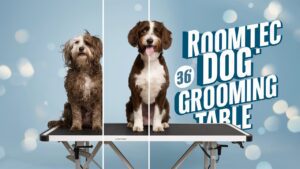
    After much study, we have settled on the ROOMTEC 36″ Dog Grooming Table as the best option for professional dog groomers. This table is widely used and offers all the necessary characteristics for your job.

    So that you may swiftly assess the critical areas of interest, we will describe the features and highlight the most important ones in this Buyers Guide.

    Three key points, along with consumer feedback, will be provided. Before buying this Dog Grooming Table, check out what others say about it online.

    In case you’re short on time:

    Click here to check out the ROOMTEC 36″ Dog Grooming Table at Amazon.com…

    Roomtec 36" Dog Grooming TableManufacturer’s features:

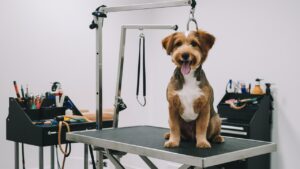
    【Grooming table for large and small dogs】The pet table is suitable for the majority of dog breeds thanks to its 36″*24″*29.3″ dimensions and 300BLS weight capacity; the high-quality stainless steel construction also ensures the table will survive for a long time.

    【Adjustable arm and armrest】 The H-shaped arm design provides a more stable attachment; the top-mounted grooming arm can be knob-adjustable to any height; and the lasso position can be easily modified to fit dogs of varying sizes thanks to the remaining holes.

    【Safe table top】 The pet grooming table is constructed from a sturdy MDF sheet and coated with a non-slip, waterproof insulating material. Its rounded corners ensure that both pets and people are protected from potential bumps and injuries.

    【Storage basket for pet grooming supplies】The storage basket is ideal for all your grooming necessities since it is easy to remove and install. Its dimensions are 25.6″ by 12.6″, and it can hold 22 pounds of weight.

    【Easy to carry pet table】 Featuring convenient foldable legs for convenient storage and transport, sturdy triangular fixed brackets for further stability, and non-slip insulated rubber foot pads for optimal performance on smooth floors, this pet table is a must-have.

    Features at a GlanceManufacturers features

    The ROOMTEC 36″ Dog Grooming Table has several features to enhance the grooming experience. Here are the main highlights:

    This versatile grooming table can support your dog’s weight up to 300 pounds, making it ideal for both large and small breeds.

    Secure H-shaped design with height-adjustable armrests.

    The top of the table is sturdy MDF with a non-slip, waterproof finish for your peace of mind.

    Grooming Supply Storage Basket: Simple to Set Up and Very Convenient.

    Stable and Foldable: Legs that fold up and have rubber feet to prevent sliding.

    Three Reasons to Buy

    Here are the three most compelling arguments in favour of the ROOMTEC 36″ Dog Grooming Table over competing options:

    Practicality and Longevity: Its sturdy stainless steel build and large weight capacity make it ideal for dog breeds.

    The foldable legs and detachable storage basket make storing and moving around incredibly convenient.

    The tabletop’s stable construction, rounded corners, and non-slip surface make it an ideal place for safe grooming.

    Click here to check out the ROOMTEC 36″ Dog Grooming Table at Amazon.com…

    In-Depth Look at FeaturesIndepth look at features

    Grooming Table for Large and Small Dogs

    The table’s dimensions are 36 x 24 x 29.3 inches, and it has a weight capacity of 300 pounds, so it’s great for dogs of all sizes. A dependable surface for your pets’ grooming needs, the stainless steel design guarantees long-lasting durability.

    No matter your level of expertise, this will provide you with adaptability as a dog groomer.

    Adjustable Arm and Armrest

    Your pet will remain securely positioned as you groom them thanks to the H-shaped arm design, which offers stable attachment. The knob allows you to modify the arm’s height to suit pets of varying sizes, and the lasso position can be easily moved thanks to the holes that have been provided for that purpose.

    The adjustable arm allows you to create the perfect grooming configuration for any pet, no matter their size or the type of grooming job you need.

    This is also an excellent feature since the adjustable arm is often an extra cost, but it is included in the price of this table.

    Safe Table Top

    The table’s construction is based on thick MDF, which gives it a solid and dependable surface.

    The countertop is coated with an insulating material that is waterproof and non-slip, so your pet will be safe while grooming.

    Rounded Corners: Designed to make the grooming procedure safer for people and pets by preventing bumps and maximizing protection.

    Storage Basket for Grooming Supplies

    The table’s included storage basket is 25.6 x 12.6 inches and has a capacity of 22 pounds, making it ideal for storing personal care items. With this function, you can easily store all your grooming essentials close at hand.

    Adding to the grooming table’s convenience, the storage basket is intended for quick installation and removal.

    This fantastic upgrade will make storing your tools easier and faster.

    Portable and Stable

    The legs fold up for compact storage and effortless transportation, making them perfect for usage around the house or on the go with your grooming routine.

    The table provides additional stability through these triangle-fixed brackets, which keep the table from wobbling when in use.

    Add stability and safety to your table with non-slip rubber foot pads. These pads prevent slipping and ensure the table functions well on flat floors.

    Unstable furniture is the last thing a dog grooming table needs. The rubberized foot pads on this grooming table make it portable and stable.

    what people are sayingWhat People Are Saying

    After perusing the Amazon.com reviews, we have compiled the following summary of consumer sentiment.

    You may view the pros and cons and an overall score based on consumer comments.

    Ease of Assembly: 4.7/5

    Conveniently Folds Up: 4.7/5

    Ease of Cleaning: 4.6/4

    The hardness level is 4.5.

    Customer Feedback

    This table’s sturdy construction and adaptability are its main selling points. The simplicity of folding and assembly has been praised by many customers, who appreciate how easy it is to store and travel. Grooming has never been safer because of the adjustable arm and secure construction, which have received nothing but praise. Users have noted that the rounded corners and non-slip surface make it safer for their pets to use when grooming.

    In general, I give it a 9.

    Final Thoughts

    This table is an excellent option for those who own pets or work as professional groomers. If you want to upgrade your grooming regimen, this is a great pick, thanks to its adaptable design, sturdy build, and user-friendliness. This table is an effective and dependable tool for grooming dogs of all sizes.

    There are many options for quality dog grooming tables, but if you’re looking for a famous brand that provides everything you need at a reasonable price, we suggest Roomtec.

    Click here to check out the ROOMTEC 36″ Dog Grooming Table at Amazon.com…

    The Post: ROOMTEC 36″ Dog Grooming Table Buyers Guide appeared first on The Ultimate Guide To Dog Care.

    The post Buyer’s Guide: ROOMTEC 36-Inch Dog Grooming Table appeared first on Ai Ninja Toolbox.

    The Article Buyer’s Guide: ROOMTEC 36-Inch Dog Grooming Table Was Found On https://limitsofstrategy.com
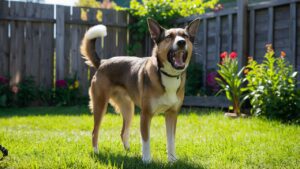
  • 7 Must-Know Dog Grooming Tips for New Owners

    7 Must-Know Dog Grooming Tips for New Owners

    Master the Essentials of Dog Grooming

    benefits grooming

    Acquiring a new canine companion can be a source of joy, but it also entails specific responsibilities, such as maintaining your pet’s health and hygiene. Grooming dogs is often overlooked by those who have had dogs for a long time.

    Even seasoned pet owners may sometimes feel uncertain about the proper grooming techniques for their dogs.

    As a new dog owner, it’s essential to ensure that your puppy maintains a well-groomed appearance and optimal health. There’s nothing quite like a proper grooming routine to enhance the overall well-being of our beloved furry companions. However, grooming goes beyond primary care for the coat and skin. It’s crucial support for the mental well-being of dog owners.

    When you and your furry companion are impeccably groomed, it’s hard not to feel like you’re on top of the world. Following these seven essential dog grooming tips can elevate your skills to a professional level. These tips have been gathered from years of experience and will help you stand out among the best.

    Understand Your Dog’s Grooming Needs

    Learn about the grooming needs of different dog breeds.

    Understanding your dog’s grooming needs thoroughly is crucial, not only for basic care but also for maintaining a smooth and efficient routine. Every breed has unique grooming needs that must be met.

    For example, Poodles need their hair trimmed regularly, whereas Greyhounds are content with the occasional bath. With extensive experience in dog grooming, I possess the skills to handle dogs of any breed or mix and deliver the desired appearance for your furry companion.

    I take great pride in ensuring that dogs leave my care with a clean coat and a stylish and comfortable look that suits their needs. This includes providing scissor trims, clipping, and hand-stripping when required. I specialise in working with dogs of all temperaments and offer a range of grooming options to accommodate even the most sensitive pups. This includes offering basic “fur-cutting” options for dogs who may not be comfortable with a more extensive scissor trim. I also conduct thorough skin and coat analyses before and throughout grooming.

    custom dog food plan

    Seek expert advice from your veterinarian for grooming recommendations.

    Consulting with an expert in the field, such as a veterinarian, can provide valuable insights into your dog’s grooming requirements. They possess the expertise to assist you in developing a customised grooming plan for your beloved pet.

    They possess extensive knowledge about dog grooming, including the fundamentals of grooming and identifying specific skin or hair problems that may arise in your particular breed. Their expertise in grooming is a result of their regular interactions with dogs.

    Remember that conducting thorough research and finding a reputable dog grooming programme where you can gain knowledge and seek guidance is crucial for your success. Grooming the dog requires a certain level of determination, but rest assured, it’s not as daunting as it may seem.

    Regular Brushing is Key

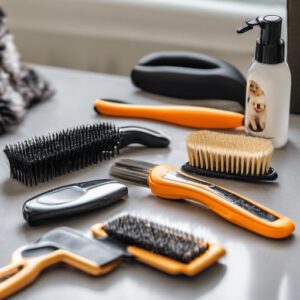
    Find the Right Brush for Your Dogbrushes

    Regular brushing is essential for maintaining a healthy coat of fur in dogs. However, it’s important to use the appropriate brush that suits the length and texture of the fur.

    If you have a long-haired dog as your companion, it’s worth considering getting a slicker brush. This type of curved bristle brush can be really helpful for grooming. A high-quality brush should have long, delicate, and flexible pins. Proper grooming eliminates excess hair and safeguards against troublesome tangles that could result in severe matting issues. The slicker brush, also known as the “carding” brush, is an invaluable tool for short-haired dogs.

    It resembles a bristle brush, combining bristle-like pins with very fine-toothed ones. It is highly effective in eliminating dirt and promoting skin stimulation.

    Create a consistent schedule for regular brushing.

    Proper grooming is crucial. It’s important to prioritise both the appearance and health of your pet.

    I employ a range of grooming tools and exert considerable effort to ensure that my dog is impeccably groomed, maintaining his appearance and well-being. With my extensive dog grooming experience, I deeply understand the essential practices required to maintain a dog’s cleanliness and overall well-being.

    Before starting my dog grooming journey, I dedicated years to honing my skills under the guidance of experienced professionals in the field. I understand the importance of proper grooming in preserving a dog’s health and appearance. Whether you’re a novice or an experienced dog owner, these grooming tips will be beneficial.

    all natural raw food

    Nail Trimming: A Non-Negotiable

    Mastering the Art of Safe and Effective Nail Trimming

    Trimming a dog’s nails is essential to their maintenance, but unfortunately, not all pet owners are aware of this. Understanding the importance of nail trimming for your furry friend and learning the proper technique is essential.

    First and foremost, it’s essential to remember that your furry friend’s nails are quite different from your own. Understanding the intricacies of canine anatomy is crucial to ensure the well-being of your furry friend.

    Numerous errors in nail trimming can be attributed to a limited comprehension of the dog’s nails and inadequate grooming equipment.

    Bathing: Not as often as You’d Think

    Tips for Properly Bathing Your Dog

    Many people believe that dogs require regular bathing, just like humans. However, it’s crucial to carefully consider the frequency of bathing our pets, as excessive baths can result in unforeseen and unpleasant problems in the future.

    Considering the skin’s status as the body’s largest organ, it’s essential to be mindful of how frequently we bathe and remove its natural oils. Excessive bathing can lead to skin issues over time, not just in the immediate future. If you typically wash your dog in the tub and use a hair dryer or towel, then the following information will be beneficial.

    Oral Care: Regular Brushing isn’t Just for Humans

    Maintaining Your Dog’s Dental Health

    Ensuring our pets’ oral health is as crucial as caring for ourselves. However, dogs can develop serious dental problems that can quickly go unnoticed.

    While some pets can manage without regular teeth brushing, many would benefit from it, and with a slow and patient approach, most can be trained to tolerate it. With years of experience in dog grooming, I have witnessed the remarkable impact it can have on the lives of dogs and their owners.

    freeze dried

    Use Only Dog-Specific Products

    Opt for products specifically designed for dogs to ensure their safety and well-being.

    Using shampoo on your dog may not be the best choice, despite any temptation you may have. It appears that humans and dogs have varying pH levels in their skin. Using products not specifically designed for dogs can negatively affect their skin and coat, resulting in discomfort and making it difficult to groom them properly. Instead, it is crucial to use the appropriate products designed for the unique needs of dogs.

    Regular Vet Checks: Prevention is Better than Cure

    Importance of Regular Vet Visits

    Maintaining your dog’s grooming at home is crucial. However, routine visits to the veterinarian are extremely valuable. Professionals can detect potential health problems in advance, significantly benefiting your pet.

    Maintaining the well-being and contentment of your furry companion necessitates routine visits to the veterinarian. I have extensive experience in dog grooming and exceptional skills in this area.
    Mastering these crucial grooming techniques enables new pet owners to guarantee their dogs’ well-being, contentment, and impeccable appearance.

    Establishing proper grooming practices for your pet is essential to ensuring its overall health and happiness. What an excellent chance for you to develop an even stronger bond with your furry companion! Feel free to contact a skilled pet groomer if you have any inquiries or issues regarding grooming. As a seasoned dog groomer with extensive experience and a genuine passion for my work, I am thrilled to be here today to assist you with this presentation on the subject of canine grooming.

    With my expertise and meticulous attention to detail, your furry friend will receive exceptional care and genuine affection. Rest assured that your dog will receive top-notch grooming services from me. After their appointment, your furry friend will leave looking and feeling better.

    Trending FAQs

    Q: How often should you groom a dog?
    A: The frequency of grooming your dog can vary significantly and is influenced by various factors. Factors to consider are the breed of the dog, the length of its hair, and its living conditions. Certain dogs require grooming daily, while others can manage with a weekly session.

    Q: Should you bathe a dog before or after grooming?
    A: It is generally recommended that dogs receive a bath before their grooming session. Grooming is a breeze when the dog is squeaky clean, and their fur is freshly washed and conditioned.

    Q: How can I make my dog comfortable during grooming?
    A: Start by gradually introducing your dog to the grooming routine, and keep those initial sessions short. Providing incentives and showing positive reinforcement can help your dog develop a positive association with grooming, transforming it into a beneficial and enjoyable experience.

    Q: When should you start grooming your puppy?
    A: Starting grooming at a young age is crucial. It helps the puppy get accustomed to grooming and view it as a regular and enjoyable aspect of their daily routine.

    Introducing grooming techniques to puppies at a young age is crucial to familiarise them with the process. This helps them become comfortable and cooperative with these essential routines.

    Q: What’s the most critical part of dog grooming?
    A: To ensure a dog’s well-being and comfort, all aspects of grooming, including brushing its fur, maintaining dental hygiene, trimming its nails, and providing a refreshing bath, must be addressed.

    Mastering the finest elements of each component is crucial in ensuring that every dog maintains optimal health. Grooming a dog requires serious attention and care.

    Sources

    1. American Kennel Club – Puppy Grooming Tips

    2. Pet WebMD – Dog Grooming Basics

    3. The Spruce Pets – Basic Dog Grooming 101

    dog chews

    The 7 Essential Dog Grooming Tips for New Pet Owners first appeared on Guide To Dog Care.

    The post 7 Must-Know Dog Grooming Tips for New Owners appeared first on Ai Ninja Toolbox.

    The Article 7 Must-Know Dog Grooming Tips for New Owners Was Found On https://limitsofstrategy.com
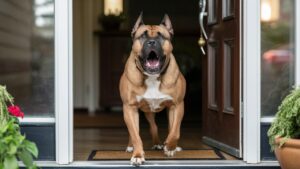
  • How To Take Care Of A Senior Dog: Golden Years

    How To Take Care Of A Senior Dog: Golden Years

    Understanding Your Senior Dog’s Needssenior dog care

    Knowing how to take care of a senior dog and spot the symptoms of aging is crucial when your dog reaches its senior years. Your dog may seem less energetic and sluggish than usual. Greying their once-vibrant coat, particularly around the snout, is possible. Navigating their environment may be more challenging if their vision is impaired or cloudy. Older canines often have hearing loss as well.

    Deterioration in cognitive abilities is a devastating development. Your dog could become bewildered occasionally and stop responding to your orders. Stay calm and understanding since it’s going to be tough.

    Specialized health problems also affect older canines more frequently. Conditions such as arthritis and joint discomfort may hinder their mobility. Tooth decay, gum disease, and other dental issues can make eating painful and difficult. Diseases of the heart, kidneys, and cancer tend to manifest more frequently in older dogs.

    Your senior dog can age more quickly and gracefully if you take the time to learn what they require. Visiting your vet often might help detect health problems in their early stages. Changes in eating habits and exercise programs can improve their health and happiness. Most importantly, you can make their golden years golden by showering them with love and care.

    What percentage of senior dogs develop each of these health conditions?

    Several health problems are more common in older dogs (defined as seven years of age and up), according to the AAHA. Some data on the frequency of each condition is presented here:

    Adjusting Your Senior Dog’s Diet

    Dietary requirements for dogs fluctuate with age. Discussing the matter with your veterinarian is crucial to ensuring your older dog’s continued health and happiness.

    Change to a lower-calorie diet for your sedentary dog. Doing so can lessen your risk of gaining weight and the health problems it causes. Choose meals rich in fiber for your dog’s digestive health and fullness.

    Older dogs need a diet high in protein to maintain their muscular mass. Your doctor may suggest a high-protein dog diet designed for older dogs.

    Older dogs, especially those suffering from musculoskeletal problems or cognitive loss, might benefit from supplements. Glutamine and chondroitin can help with joint discomfort and limited movement. Omega-3 fatty acids benefit the brain and may even delay cognitive deterioration.

    To prevent gastrointestinal problems, gradually introduce new foods to your senior dog’s diet. Over a week or two, gradually increase the percentage of new food by mixing it with their existing meal.

    Dietary requirements for dogs might differ from one dog to another depending on factors like breed and current health condition. Consult your doctor to ensure your older dog gets the right food.

    adjust senior dog exerciseModifying Your Senior Dog’s Exercise Routine

    As your dog ages, its activity requirements will naturally change, so it’s important to make those adjustments. Although regular exercise is essential for a senior dog’s physical and mental health, you’ll need to make some adjustments to make it safe and comfortable for him.

    To start, rather than going for a few lengthy walks per day, try going for shorter ones more often. This way, your dog may obtain the required activity without becoming too tired. If your dog shows symptoms of exhaustion, such as dragging or panting excessively, paying attention to his energy levels is essential.

    Swimming and other low-impact exercises are perfect for older dogs since they engage the entire body without putting too much strain on the joints. Look into canine hydrotherapy classes or take your water-loving dog to a dog-friendly beach if it likes being in the water.

    For older dogs, mental stimulation is as vital as physical activity. To stimulate your dog’s intellect, try using puzzle toys, mild teaching methods, and activities using his nose. This can assist them in maintaining mental acuity and delay the onset of cognitive loss.

    Because of the wear and tear on their joints, older dogs should not participate in vigorous play or exercises that require them to leap or make sharp turns. Instead, they should engage in mild pursuits such as swimming, quiet strolls, and games that stimulate the mind.

    Lastly, ensure your older dog has a soft spot to relax after a workout. Create a cozy, supportive bed in a warm and free-of-drafts room. This will allow your dog to rest and recuperate after an active day, essential for its health and happiness as it ages.

    dog rampAdapting Your Home for Your Senior Dog’s Comfort

    It is essential to make adjustments around the house to ensure your dog’s safety and comfort as they age. Several easy adjustments are as follows:

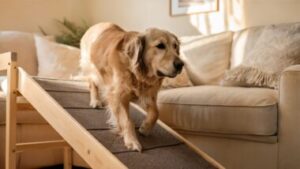
    • Install ramps or steps to simplify accessing the outdoors or furnishings. This is a lifesaver for dogs suffering from joint discomfort or arthritis.
    • Use non-slip mats on slick flooring, such as tile or hardwood. This will give your dog self-assurance and reduce its likelihood of tumbles.
    • Find a suitable height for the bowls of food and drink. Your elderly dog may feel less tension in their neck and back.
    • Make sure there’s a well-padded bed available. You could get your dog a bed with orthopedic or memory foam to ease the joint strain.

    A warm, draft-free house is a comfortable home. Make sure your older dog has a warm, cozy place to sleep, away from drafts, because they are more easily frightened by sudden changes in temperature.

    These simple adjustments can significantly improve your older dog’s quality of life. By making the necessary adjustments to your home, you can ensure your dog has all it needs to live out its elderly years comfortably.

    Staying on Top of Your Senior Dog's HealthStaying on Top of Your Senior Dog’s Health

    More than ever before, once your dog reaches its senior years, you must pay close attention to its health. You are the one who knows your dog best. Therefore, you will probably pick up any changes in their behavior or health first.

    If your dog is seven or older, you should take them in for a checkup at least every six months. Doing so will aid in the early detection of any possible health problems. At these checkups, mention any changes—big or little—in your dog’s health or behavior.

    Make sure to prioritize your oral health! To avoid the discomfort of gum disease and tooth decay, it’s essential to maintain a regular dental cleaning and brushing schedule. Your vet can teach you how to brush your dog’s teeth at home.

    Your dog’s skin and coat need constant attention. Watch for any changes in skin color, texture, or tender spots. If you observe anything unusual, consult a veterinarian.

    Keep an eye on how much water and food your dog drinks. Look for any changes in your thirst, eating habits, or frequency of restroom breaks; these can indicate potential health issues. If your dog abruptly stops eating or drinking, a trip to the clinic is in order.

    Lastly, ensure your dog’s vaccines and parasite preventatives are current. Even if your elderly dog stays indoors most of the time, it still requires health care to prevent parasites and infections.

    By being watchful and collaborating closely with your veterinarian, you can ensure your senior dog’s health and comfort during its golden years.

    end of life care for senior dogProviding End-of-Life Care for Your Senior Dog

    Prioritizing your dog’s comfort and quality of life should be your priority as they approach their golden years. Discuss openly with your vet the many alternatives for pain treatment and the times when euthanasia may be necessary.

    Keep food and water within easy reach, and make sure your older dog has a comfortable, supportive bed. During this time, shower them with lots of tender, loving care.

    Hospice care and in-home euthanasia options should be considered if your dog’s quality of life is deteriorating. Your dog can spend their last days at home with you and all of their favorite things by choosing one of these alternatives.

    When you love a pet, it’s never easy to say goodbye. Give yourself time to grieve and reflect on the wonderful times you spent with your aging dog.

    You might want to make a keepsake, like a picture album or a unique piece of jewelry, to remember them by. Contact loved ones or a support group if you need comfort at this challenging time.

    The ultimate act of love is giving end-of-life care to your senior dog. Even if it’s challenging to let go, you prioritize their needs and comfort.

    FAQ for “Understanding Your Senior Dog’s Needs”

    Q1: What are some common signs of aging in senior dogs?

    A1: As dogs enter their senior years, you may notice decreased activity, graying around the muzzle, cloudy eyes, and hearing loss. They might also experience cognitive decline, arthritis, dental issues, and more susceptibility to diseases like heart disease, kidney disease, and cancer.

    Q2: How should I adjust my senior dog’s diet to meet their changing needs?

    A2: Adjusting your senior dog’s diet involves consulting with your vet to ensure they receive adequate nutrition. Lower-calorie foods should be considered to prevent weight gain, higher fiber should be consumed for digestive health, and increased protein should be consumed to maintain muscle mass. Supplements like glucosamine, chondroitin, and omega-3 fatty acids can also support joint and cognitive health.

    Q3: What are some low-impact exercises suitable for senior dogs?

    A3: Low-impact exercises like shorter, frequent walks and swimming are ideal for senior dogs. These activities provide necessary physical activity without stressing their joints. Additionally, mental stimulation through puzzle toys, gentle training, and nose work games is beneficial for keeping their minds sharp.

    Q4: How can I make my home more comfortable for my senior dog?

    A4: To make your home senior-dog-friendly, add ramps or stairs to help them access furniture or outdoors, use non-slip mats on slippery surfaces, raise food and water bowls to a comfortable height, and provide a relaxed, supportive bed. Keeping the home warm and draft-free also ensures their comfort.

    Q5: How often should I take my senior dog to the vet for checkups?

    A5: For senior dogs (ages seven and older), it’s recommended to schedule regular vet checkups every six months. These visits help catch potential health issues early. Discuss any changes in behavior or health with your vet, keep up with dental cleanings, monitor their skin and coat, and ensure vaccinations and parasite prevention are current.

    Resources for Senior Dog Care

    You can find more information and support for caring for your senior dog through these helpful resources:

    Remember, your veterinarian is always the best resource for personalized advice on your senior dog’s care. Don’t hesitate to reach out with any questions or concerns about your aging furry friend.

    The post How To Take Care Of A Senior Dog: Golden Years appeared first on Happy Pets Grooming Table.

    The post How To Take Care Of A Senior Dog: Golden Years appeared first on Ai Ninja Toolbox.

    The Article How To Take Care Of A Senior Dog: Golden Years Was Found On https://limitsofstrategy.com

  • Explaining Dog Grooming Table Benefits

    Explaining Dog Grooming Table Benefits

    Why Would You Want To Use A Dog Grooming Table?

    As an individual who values the importance of providing top-notch grooming care for your beloved pet, you understand the pride of being a dedicated dog groomer. Proper grooming is crucial to keeping your dog’s coat in top shape and ensuring its overall health and happiness. Owning a dog grooming table can significantly enhance your grooming routine. In this blog post, we will explore the advantages of incorporating a dog grooming table into your routine and emphasise its significance as an indispensable tool.

    Enhanced Accessibility and Convenience

    A notable benefit of using a dog grooming table is improved accessibility. Expertly raising your dog to a comfortable height can eliminate the discomfort of straining your back or knees during grooming. This is especially beneficial for individuals who struggle with mobility or physical tasks, as it removes the need for bending and stooping during grooming.

    Ensuring you have a dedicated grooming area on a table ensures that all your grooming supplies, such as brushes, combs, and clippers, are easily within reach. Being organised and prepared is crucial for a successful grooming session.

    Enhancing Your Grooming Experience to the Next Level

    Improving your dog’s grooming experience involves using a grooming table to enhance visibility and make accessing your furry friend’s coat easier. With extensive knowledge in recognising and resolving grooming issues such as mats, tangles, or dirt, your furry companion will receive a thorough grooming session. The height of the grooming station is designed to minimise physical strain, resulting in a more comfortable and sustainable grooming experience over time.

    Elevating Your Grooming Experience

    It is convenient to have all of your grooming tools easily accessible. You can seamlessly switch between brushes, combs, and clippers without any interruption to your workflow or focus, improving the efficiency and effectiveness of the grooming process.

    Optimising Your Grooming Process

    Utilising a grooming table can help establish a highly efficient grooming routine. Dogs rapidly develop a positive association with the grooming table, leading to increased cooperation and relaxation during their appointments. Developing a regular schedule enables you and your beloved pet to indulge in a serene grooming experience.

    In addition to the physical benefits, there are significant mental and emotional advantages to using a grooming table. Creating a structured environment and sticking to a consistent routine can establish a strong bond of security and trust between you and your beloved pet. Grooming will become a delightful and satisfying experience for both of you.

    Want To Learn the A To Z of Dog Training and Care?

    Discover An Amazing Training System Designed for Dogs that will turn your dog into a
    Completely Obedient, Disciplined, Trained & Well-Behaved Pet in 15 Days or Less!

    Sign up for a FREE mini course on training your dog. Click Here NOW

    Prioritising Safety and Maintaining Control

    When grooming your dog, prioritising safety is essential. A dog grooming table ensures a safe and controlled environment for you and your furry friend. The table’s nonslip surface helps your furry friend stay in place while you complete your tasks. This is ideal for dogs that may feel anxious or restless during grooming sessions.

    Establishing a Secure Environment for Grooming

    For optimal safety during grooming, it is crucial to use a grooming table with a sturdy and slip-resistant surface. When using a nonslip harness for your dog, you can securely connect the grooming arms and loops to various tables. These safety harnesses are designed to keep your dog secure and prevent unnecessary movement, ensuring their safety and reducing the risk of accidents.

    With the grooming table’s superior stability and control, you can confidently groom your dog without any concerns about accidents. A private and secure environment is the perfect solution for young dogs or dogs with anxiety issues to ensure their comfort during grooming sessions.

    Reducing the chances of accidents during grooming

    Utilising a grooming table can safeguard both you and your furry companion, shielding you from any potential harm. With the raised surface, you can effortlessly find comfort and support for your back, knees, and joints, promoting a more ergonomic posture. Individuals who frequently groom their pets or spend significant time doing so will find this ergonomic advantage highly advantageous.

    Furthermore, due to the controlled environment, your dog is less prone to making sudden movements that could potentially lead to injuries while resting on a grooming table. Your pet’s grooming experience will be transformed into a delightful and calming affair.

    Effortless Manoeuvrability and Reduced Strain

    Using a grooming table can significantly improve the efficiency and ease of the grooming process. With its raised design, you’ll find it much easier to manoeuvre around your dog’s body without straining your back or contorting yourself. Grooming becomes much more manageable thanks to the reduced strain on your muscles and joints.

    Maximising Grooming Productivity

    Elevate your dog using the grooming table for a more convenient grooming experience. With the ability to access every part of their body, you can be confident in your ability to groom them effectively. This shape allows for easier grooming of those difficult-to-access areas, such as the underarms, belly, and tail.

    Enhancing Grooming Efficiency

    When dealing with a dog with a long or thick coat, the elevated platform on the grooming table provides a clear view of the entire coat. This allows for easy identification of tangles, mats, or any other cleaning issues that require your expertise. In addition, grooming tables typically feature nonslip surfaces to ensure your dog remains stable during the grooming process. Thanks to this, it becomes effortless to groom, trim, or fashion their fur without any additional effort.

    Minimising Physical Stress

    The grooming table’s design promotes comfort and reduces strain on the body during cleaning. Elevating your dog to a comfortable height allows you to maintain a natural and relaxed posture throughout the grooming process. By adopting proper techniques, individuals can significantly reduce the risk of experiencing discomfort in their back, neck, or joints, particularly if they frequently groom their dogs.

    You can enhance your dog grooming skills and minimise physical strain. When your dog is comfortable and pain-free, you can fully dedicate yourself to providing top-notch grooming care, ensuring their coat is clean, healthy, and well-maintained.

    Reduces Mess and Cleanup

    Using a dog grooming table can significantly minimise the mess created during grooming and make the cleaning process effortless. After each grooming session, wiping and sterilising the table’s flat surface is advisable, saving you the trouble of cleaning your floors or furniture. All the tools for tidying up after a grooming session, including hair clippings, stray fur, and supplies, are conveniently placed on the table.

    Streamlining the Tidying Process

    Using a grooming table can significantly simplify the cleanup process by reducing the amount of accumulated debris. The table’s sleek, non-porous surface allows for effortless cleaning and disinfection, ensuring a hygienic grooming environment. Ensuring your dog’s safety and preventing the spread of disease is crucial.

    Organise your grooming supplies with built-in storage compartments or shelves, ensuring everything stays neat and easily accessible. By organising your grooming area and keeping all your tools easily accessible, you can optimise your grooming process for maximum efficiency.

    Maintaining a Tidy Living Space

    Using a grooming table can be incredibly beneficial in keeping your home clean and free from the hair and debris that tends to get scattered around during grooming sessions. If you invest in a raised surface, you can say goodbye to the hassle of hair and grooming materials getting all over your furniture and flooring. This enclosure makes maintaining a clean and hygienic living area much more accessible after each grooming session.

    Having all your grooming supplies in one location can significantly improve the efficiency and organisation of your grooming routine. Having all the essential items readily accessible can help you save time and effort when cleaning up after grooming.

    Want To Learn the A To Z of Dog Training and Care?

    Discover An Amazing Training System Designed for Dogs that will turn your dog into a
    Completely Obedient, Disciplined, Trained & Well-Behaved Pet in 15 Days or Less!

    Sign up for a FREE mini course on training your dog. Click Here NOW

    Encourages a Strong Connection and Confidence

    A dog grooming table allows you to bond with your furry friend while enhancing their cleanliness. By consistently setting up grooming appointments, you can strengthen your bond, establish trust, and ensure that grooming is a pleasant and enjoyable experience for you and your furry companion.

    Developing a Deeper Connection

    Tabletop grooming sessions provide an excellent opportunity to bond with your dog in a structured and controlled environment. When you and your furry companion engage in grooming sessions, it can help foster a stronger bond and build trust. Once your dog develops a positive connection with the grooming table, it will eagerly anticipate future appointments with significantly reduced anxiety.

    Once your dog becomes accustomed to the elevated surface of a grooming table, future sessions will be significantly less distressing. Once your dog becomes accustomed to the grooming table, it will exhibit a greater sense of calmness and obedience.

    Developing a Successful Routine

    Developing a regular and pleasant grooming practice with a grooming table can significantly benefit your furry friend. For optimal grooming appointments, it is beneficial if your dog is accustomed to the routine and environment, as this can help reduce any potential nervousness. When you and your dog have a clear mental picture of the grooming table, your furry friend will eagerly anticipate using it, making the grooming experience more enjoyable for both of you.

    Developing a structured and enjoyable grooming routine for your dog strengthens the bond between you and your furry companion, fostering trust and cooperation. Professional grooming techniques make grooming more accessible, resulting in a stronger bond between you and your beloved pet.

    Trending FAQ grooming tables

    Trending FAQs:

    What are the benefits of using a dog grooming table for giant breeds?

    There are numerous advantages to grooming larger dogs on a grooming table. It offers a secure, reliable surface that prevents your large dog from slipping or shifting unexpectedly. With the elevated table height, grooming your large dog becomes a breeze, eliminating the need to bend over or strain yourself and reducing the risk of injury. In addition, grooming tables designed for larger dogs are durable, ensuring they can withstand heavier weights and provide secure support for your dog’s size.

    How do I choose the right grooming table for my dog?

    When selecting a cleaning table for your dog, consider a few key factors. Begin by accurately measuring and weighing your dog to ensure the table comfortably accommodates its size. To ensure safety, consider tables with adjustable height, sturdy construction, and nonslip surfaces. Consider whether a movable or stationary table would suit your needs and available space. It’s always a good idea to gather information from reviews and seek advice from fellow pet owners to make a well-informed decision.

    Are there any alternatives to using a grooming table?

    Despite its numerous advantages, there are alternatives available for individuals who may not have access to a grooming table. A sturdy bench or a large, stable table with a nonslip mat can be a reliable surface for grooming yourself. Many individuals choose to clean their dogs on the floor, which can be physically demanding. Consider utilising a grooming arm and loop attached to a secure surface, such as a table or counter, to effectively restrain your dog during cleaning.

    What safety precautions should I take when using a grooming table?

    Ensuring safety is of utmost importance when utilising a grooming table. Ensure the table is positioned on a level and sturdy surface to prevent potential accidents. Using loops and harnesses is a reliable method to ensure your dog stays securely in position during grooming sessions. It is essential to ensure your dog’s safety by not leaving them unattended on the table to prevent any potential accidents or injuries. Regularly inspect the table and its components for signs of wear and tear. Ensure the broken parts are promptly addressed to create a sense of security and comfort for your furry friend. Gradually acclimatise them to the grooming table for a smoother experience.

    How can I make grooming time more enjoyable for my dog?

    Creating a welcoming environment during cleaning time is essential to ensure a positive and stress-free cleaning experience for your dog. For optimal results in providing your dog’s comfort on the grooming table, it is recommended to introduce the table gradually, accompanied by rewards and positive reinforcement. Approach the task of cleaning your dog with a professional touch, ensuring gentleness and calmness throughout. Soothingly communicate with your furry friend to create a relaxed environment. If your dog becomes restless or anxious, giving them a break is necessary. It’s essential to conclude the lesson positively and upliftingly. Regular, brief brushing sessions can gradually acclimate your dog to grooming and reduce their anxiety over time.

    Information Sources:

    1. American Kennel Club (AKC) – Dog Grooming Tips

    2. PetMD – Dog Grooming Basics

    3. ASPCA – Dog Grooming and Coat Care

    Want To Learn the A To Z of Dog Training and Care?

    Discover An Amazing Training System Designed for Dogs that will turn your dog into a
    Completely Obedient, Disciplined, Trained & Well-Behaved Pet in 15 Days or Less!

    Sign up for a FREE mini course on training your dog. Click Here NOW

    Benefits of Using a Dog Grooming Table Explained appeared first on Pet Grooming Tables.

    The post Explaining Dog Grooming Table Benefits appeared first on Ai Ninja Toolbox.

    The Article Explaining Dog Grooming Table Benefits Was Found On https://limitsofstrategy.com

  • A Puppy’s Proper Diet

    A Puppy’s Proper Diet

    how much to feed your puppyWelcome Home: Navigating Your Puppy’s Nutritional Journey

    Bringing a dog home brings both joy and new responsibilities. One of the initial questions is about the appropriate feeding amount for puppies. What amount should you feed your puppy? One of the first and most important things you can do to ensure your new furry friend’s health and growth is to provide sufficient nutrition. Puppies’ nutritional requirements differ significantly from those of adult dogs. Their bodies develop quickly. Therefore, they require sufficient water, protein, fat, carbohydrates, vitamins, and minerals.

    Essential Nutrition for Your New Puppy

    A balanced diet can considerably improve your puppy’s energy levels, muscular growth, and bone development. Dietary lipids promote energy production and brain growth, high-quality protein aids in tissue repair, carbohydrates supply extra energy, and essential nutrients such as amino acids contribute to overall vitality. Puppy food has a composition different from adult dog food in that it meets the unique nutritional demands of puppies during their formative years.

    Choosing the Right Puppy Food

    When it comes to puppy food, understanding the unique nutritional needs of puppies is more critical than merely choosing a well-known brand. Choosing products suited for pups is critical whether you like wet food, dry food, or a combination. Wet dog food may be more straightforward for young puppies to chew and digest, and it is also a great way to keep them hydrated. The converse is true for dry kibble, which promotes dental health by lowering plaque levels.

    Want To Own A
    Well-Trained, Obedient, Healthy, Fully Housebroken,
    Disciplined & Happy Pet Dog?

    Introducing Hands-off Dog Training Secrets and Information With Fast, Effective Results That Save Hours Of Your Time Every Week!!

    Sign up for a FREE mini course on training your Dog

    Educating Yourself for Better Puppy Care

    Recognising the signs of good health and knowing what to feed your puppy is essential. Look for visible indicators of a good diet, such as a shiny coat, clear eyes, and consistent energy levels. Puppies have various dietary needs based on breed and size, so food selection is crucial.

    Optimizing Puppy Growth: Tailored Nutrition for Different Breeds and Sizesoptimizing puppy growth

    Nutritional Needs Across Different Puppy Breeds

    The food requirements of puppy breeds might vary considerably. Large breeds require a diet that supports consistent growth to avoid joint problems later in life, whilst smaller breeds frequently require calorie-dense meals to sustain their rapid metabolisms.

    Custom Diets for Small and Large Breed Puppies

    Small breeds should eat frequently to maintain their energy levels and preserve their delicate digestive systems from being overloaded. Great Danes and other large breeds should eat a diet that promotes steady, moderate growth and includes joint support supplements.

    Lifecycle Nutrition from Puppy to Adult

    Puppies’ dietary requirements change as they develop. Puppy formula or breast milk could be the initial nutritional mainstay for young puppies as they transition to solid foods. Milk replacers can be extremely useful for weaning puppies from their mother’s milk. It would be beneficial if you considered the puppy’s development into an adult dog, which involves transitioning its nutrition from puppy to adult dog food between the first year and eighteen months of age (though this varies by breed).

    Establishing a Feeding RoutineEstablishing a Feeding Routine for Optimal Puppy Growth

    Creating a Consistent Feeding Schedule

    Puppies who follow a regular feeding schedule benefit from early and persistent good eating habits and digestive management. The ideal method to nourish a young puppy is to stick to a puppy feeding schedule, which usually includes multiple meals throughout the day. As individuals get older, their food consumption habits shift.

    Measuring the Right Amount of Food

    The Association of American Feed Control Officials (AAFCO) has recognised feeding instructions provided by food manufacturers as an excellent method for calculating a puppy’s food needs. These factors consider the puppy’s age and weight and predict adult size.

    Monitoring Health and Development Through Nutrition

    Observing Growth and Health Indicators

    You must monitor your puppy’s development and health frequently. A body condition score may help you decide whether your dog is overweight or underweight. Puppies of various sizes and breeds develop at different rates, and their food requirements may change rapidly.

    Managing Diet and Digestion

    Dietary changes or introducing new foods may confuse a puppy’s digestive tract. The most straightforward approach to ease a puppy’s digestive tract into new foods is to introduce them gradually, mixing them with old ones. Furthermore, your puppy’s health requires continual access to clean water.

    Want To Own A
    Well-Trained, Obedient, Healthy, Fully Housebroken,
    Disciplined & Happy Pet Dog?

    Introducing Hands-off Dog Training Secrets and Information With Fast, Effective Results That Save Hours Of Your Time Every Week!!

    Sign up for a FREE mini course on training your Dog

    Final Thoughts

    One of the most important things you can do to help your puppy grow up healthy and strong is to provide it with lots of food. Establishing a consistent feeding schedule, understanding your puppy’s dietary needs, and monitoring their development and health will give them the best possible start. The first step towards a happy, healthy life together is to provide your puppy with appropriate food based on its breed and size.

    Frequently Asked Questions

    What is the best way to determine the appropriate food for my puppy?  When selecting how much food to feed your puppy, consider its age, breed, size, present activity level, and predicted development pace. Follow the recommended feeding schedule on the puppy food container as a guide, but adjust as needed. Check-in with your veterinarian for specific recommendations as you regularly examine your pet’s health.

    How often should I feed my puppy each day?  Puppies under six months should be fed three to four times daily to maintain their high energy levels and rapid development. You can wean them off three meals each day as they grow older to allow their slower development and transition to adult food.

    What should I look for in high-quality puppy food?  High-quality puppy food should have a well-balanced blend of protein, fat, carbohydrates and minerals to support healthy development and growth. When shopping for puppy food, search for labels that say it’s safe for puppies and has the seal of approval from a reputable organisation like the AAFCO.

    How do I transition my puppy to solid food?  Mix a little dog chow with warm water or formula to create a porridge-like consistency. Over a few days, progressively reduce your intake of liquids while increasing your intake of solids. Introducing your dog to new food gradually helps reduce the likelihood of gastrointestinal upset.

    Can I give my puppy human food? In general, keep puppies away from human food. Puppy food developed for people may be harmful and low in essential nutrients. Instead, feed your puppy well-balanced puppy food. Please check with your veterinarian to ensure your puppy’s human meals are healthy and appropriate for its diet.

    Want To Own A
    Well-Trained, Obedient, Healthy, Fully Housebroken,
    Disciplined & Happy Pet Dog?

    Introducing Hands-off Dog Training Secrets and Information With Fast, Effective Results That Save Hours Of Your Time Every Week!!

    Sign up for a FREE mini course on training your Dog

    Additional Resources

    1. American Kennel Club – Puppy Feeding Fundamentals
      • This resource offers detailed guidance on feeding puppies, including choosing the right food and maintaining a feeding schedule.
    2. The Spruce Pets – How to Feed a Puppy
      • Provides comprehensive information on puppy nutrition, feeding tips, and how to ensure your puppy is eating enough but not too much.
    3. PetMD – Puppy Nutrition: What to Feed a Puppy
      • PetMD offers insights into the critical nutrients required in a puppy’s diet and discusses common dietary concerns and how to address them.

    Happy puppy feeding

    The post How Much To Feed A Puppy appeared first on Happy Pets Grooming Table.

    The post A Puppy’s Proper Diet appeared first on Ai Ninja Toolbox.

    The Article A Puppy’s Proper Diet Was Found On https://limitsofstrategy.com
  • Cavapoo Shedding: The Truth About the Coats

    Cavapoo Shedding: The Truth About the Coats

    Understanding Cavapoo Puppies and Shedding: Unveiling the Truth About Their Coats

    Shedding Concerns for Potential Dog Owners

    You might be curious about their shedding tendencies if you consider getting a cavapoo puppy. Any experienced dog owner understands the importance of addressing shedding, especially for individuals with allergies or who prefer a pristine living space. This blog post will delve into the fascinating world of cavapoo coats and shedding, providing a comprehensive backstory.

    Understanding the Cavapoo Breed

    Origins and Traits of the Cavapoo

    Origins and Traits of the Cavapoo

    First, let’s establish the characteristics of a cavapoo to delve into the details of shedding. A cavapoo (or cavoodle) is a unique hybrid dog breed created by carefully crossing a Cavalier King Charles Spaniel with a Poodle. These adorable puppies are known for their friendly nature, hypoallergenic fur, and stunning appearance. The amount of hair a cavapoo sheds can vary from one animal to another.

    Exploring the Heritage and Characteristics of Cavapoos

    The cavapoo is a remarkable hybrid dog breed that combines the best traits of two beloved dog breeds: the Cavalier King Charles Spaniel and the Poodle. Cavaliers are highly regarded for their exceptional qualities as companions and are known for their affectionate nature and gentle disposition. On the other hand, poodles possess hypoallergenic qualities, demonstrate high intelligence, and are easily trainable. The offspring of these two breeds are expected to have lower maintenance needs when shedding and grooming while also being loyal and affectionate companions.

    The Low-Shedding Coat Myth

    Separating Truth from Myth

    The cavapoo’s reputation as a low-shedding dog is highly valued by potential buyers. Typically, there is a distinction between breeds that shed less and those that don’t. Just like humans, dogs naturally shed hair from time to time. It’s important to understand that there is no such thing as a dog that doesn’t shed at all. The cavapoo, in contrast, has a significantly lower shedding rate than other breeds.

    Understanding the Difference Between Low-Shedding and Non-Shedding

    Using the term “low-shedding” can be misleading for some individuals. Cavapoos have a lower shedding tendency than most dogs, although it is still somewhat noticeable. Their coat is characterised by longer hair and less shedding, resulting in reduced hair. Individuals who appreciate a more hygienic environment or are sensitive to allergens may find this feature attractive. It is essential to regularly groom all dogs, including those with low-shedding coats, to manage hair loss and maintain a healthy coat.

    The Influence of Genetics on Shedding

    cavoodle training

    Genetic Factors and Coat Characteristics

    Exploring Genetic Factors and Coat Characteristics

    Understanding the role of genetics is crucial in determining the amount of hair a cavapoo puppy will shed. Due to the hybrid nature of cavapoos, their coat traits can vary significantly, reflecting characteristics inherited from each parent breed. Increasing the presence of Poodle genes in the breed can dramatically reduce the shedding of a cavapoo’s coat. However, there may be a slight increase in shedding if they display more traits resembling the Cavalier King Charles Spaniel.

    Shedding Patterns: A Parentage-Based Approach

    By observing the coats of the parent dogs of a cavapoo puppy, potential owners can gain insights into the breed’s shedding tendencies. When seeking information about your future pet’s grooming needs and shedding tendencies, finding a breeder who can provide comprehensive information about the parent breeds is essential. For those seeking a cavapoo that is low on shedding, this approach could assist in identifying the perfect fit for your household.

    Coat Types in Cavapoos

    Curly, Wavy, and Straight CoatsCurly, Wavy, and Straight Coats

    The type of coat can have an impact on how much a Cavapoo sheds. As we embark on our quest for a cavapoo puppy, we shall explore various coat types that are commonly found:

    Curly Coats: The Poodle Influence

    A curly coat, similar to that of a Poodle, may help alleviate your cava poo’s shedding problem. The loose hair is less prone to sticking to your furniture and garments due to the curly texture, which is a natural catchment. Regular grooming is essential for keeping the curly coats of cavapoos healthy and free from mats.

    Wavy Coats: Achieving a Well-Balanced Shedding Level

    A Cavapoo with a wavy coat, a combination of straight and curly hair, may have a slightly higher shedding tendency than a straight-coated Cavapoo, but it will still shed less than a curly-coated one. Regular brushing is essential for shedding and preventing tangles in wavy coats, ensuring their softness and attractive structure are maintained.

    Straight Coats: The Spaniel Influence

    Some Cavapoos may have a straight coat, commonly seen in Cavalier King Charles Spaniels. These cavapoos with straight coats have minimal shedding compared to those with curly or wavy coats. Proper grooming is essential for maintaining the health and appearance of your dog’s fur.

    Managing Shedding in Cavapoo Puppies

    cavoodle video training

    With that out of the way, let’s look at some ways to control and lessen shedding in cavapoos:

    cavapoo grooming tools

    Maintaining a well-groomed coat for optimal health

    Regularly brushing your cava poo is essential for maintaining a healthy coat and keeping stray hair at bay. It is recommended to use a high-quality brush or comb that is specifically designed for your cava poo’s coat type. Regular brushing, ideally once or twice a week, will help maintain the coat’s health and appearance. This technique effectively maintains the coat’s health and shine by minimising shedding and evenly distributing the natural oils across the hair.

    Expert Grooming Services

    To effectively manage your cava poo’s shedding, it is recommended to schedule regular grooming appointments with a professional. Ideally, it would help if you took your dog to a groomer every four to six weeks. Ensure that your pet receives regular grooming to minimise the presence of loose hair in your home. These experts can also provide specialised services, such as de-shedding treatments, to minimise shedding significantly.

    Ensuring Optimal Nutrition

    Proper nutrition plays a crucial role in maintaining the health of your cava poo’s coat. Ensure that it is appropriately balanced. It is always advisable to consult a veterinarian to obtain accurate nutritional recommendations for your puppy, ensuring they receive the appropriate food. Ensuring a healthy coat and minimising shedding can be accomplished by incorporating a diet rich in omega-3 and omega-6 fatty acids.

    Taking care of your dog’s hygiene and coat is essential for their overall health and appearance.

    For optimal coat maintenance, it is recommended to regularly bathe your cava poo using a gentle, dog-friendly shampoo. However, it is essential to avoid excessive bathing as it can strip their coat of its natural oils. Typically, a bath every four to six weeks is sufficient, but the frequency of bathing your cavapoo will vary depending on its coat type and activity level.

    Expertly Handling Allergies and Shedding

    It’s important to consider that Cavapoos may not be completely hypoallergenic, which is something to keep in mind if you or someone you care about has a canine allergy. Before deciding on a cavapoo, it is advisable to spend some quality time with one to assess if it causes any allergic reactions in you or anyone else in your home. To effectively manage allergy symptoms and minimise shedding, it is essential to maintain a clean household, utilise an air purifier when necessary, and engage in regular cleaning routines.

    cavapoo obedience training

    Trending FAQs about Cavapoo Puppies and Shedding

    Are cavapoos hypoallergenic?

    Cavapoos are commonly recognised for their hypoallergenic qualities, which can reduce the likelihood of triggering allergic reactions. However, it is important to remember that allergic reactions can vary among individuals, and some may still experience symptoms despite precautions.

    How often should I brush my cava poo’s coat?

    Brushing your dog’s coat regularly, ideally once or twice a week, is highly recommended. This will help maintain a healthy coat and minimise shedding.

    Can I prevent my cavapoo from shedding altogether?

    By implementing proper grooming techniques and providing attentive care, shedding in cavapoos can be significantly minimised.

    Will neutering or spaying my cavapoo affect shedding?

    Neutering or spaying your cavapoo will not directly impact its shedding. Nevertheless, hormonal fluctuations can cause subtle changes in its coat texture, which can affect how much it sheds.

    Do cavapoos shed more during certain seasons?

    Cavapoos typically have a light-shedding pattern throughout the year, with the possibility of slightly more shedding during seasonal transitions.

    Hyperlinked Sources

    1. American Kennel Club: Cavalier King Charles Spaniel
    2. Poodle Cuts Blog: Tips to Control Shedding
    3. AnimalWised: Do Poodles Shed Hair?

    cavoodle obedience training

    The post-Cavapoo Puppies and Shedding: The Real Story Behind the Coats appeared first on Happy Pets Grooming Table.

    The post Cavapoo Shedding: The Truth About the Coats appeared first on Ai Ninja.

    The Article Cavapoo Shedding: The Truth About the Coats Was Found On https://limitsofstrategy.com