

Renting a car as a young driver can pose unique challenges, especially for those under the age of 25. However, by understanding the rental process and its nuances, you can make the experience seamless. Most car rental companies require drivers to be at least 21 years old, although some may permit drivers as young as 18 in select regions. These age restrictions are primarily designed to reduce accident risks, yet there are still viable options available for young drivers. Be prepared to encounter additional fees and meet stricter criteria; however, many rental agencies provide solutions tailored specifically for younger individuals. By being aware of the pertinent age-related policies and gathering necessary documents ahead of time, you can significantly enhance your rental experience.
Master the Car Rental Age Restrictions and Essential Policies
Your age is a vital factor that influences your ability to rent a car as well as the costs you will face. Most rental agencies impose minimum age requirements ranging from 21 to 25 years. To successfully complete your rental, you will need to present a valid driver’s license, proof of insurance, and a credit card registered in your name. If you are under 25, brace yourself for additional young driver fees, which typically range from $20 to $50 per day, contingent on the rental company and geographical location.
Standard Minimum Age Requirements for Car Rentals in the United States
In the United States, the standard minimum rental age for most major car rental companies is set at 25 years old. Nevertheless, if you fall within the age bracket of 21 to 24, you can still rent a vehicle, albeit with potential extra charges and limitations concerning the types of vehicles you can rent. Certain rental agencies have specialized programs designed for drivers aged 18-20, particularly aimed at military personnel or government employees, offering them more flexibility and options.
Understanding State-Specific Regulations on Car Rental Age
Regulations governing car rentals differ widely from one state to the next, with varying age requirements enforced. For instance, states like Michigan and New York permit rentals starting at age 18, while the majority of states enforce a minimum rental age of 21. Understanding the specific regulations in your state is crucial, as they can dramatically impact your rental options and the overall costs you will incur.
This variation in state laws can result in markedly different rental experiences based on your location. For example, while you may rent a car at age 19 in Michigan, you’ll need to wait until you turn 21 in California. In addition, some states require extra insurance coverage for drivers younger than 21. Always double-check these regulations before finalizing your reservations to avoid any unexpected surprises.

Essential Considerations for Young Drivers Renting Cars
Your age greatly influences your choices when it comes to car rentals and the associated expenses. If you are under the age of 25, anticipate facing additional requirements and fees from most rental agencies. Despite these hurdles, it remains possible to rent a car if you meet certain criteria and are open to covering the extra costs. While the standard minimum rental age is set at 21 in most states, particular locations do allow drivers as young as 18 to rent vehicles with proper documentation and additional fees.
Understanding Requirements for Drivers Under 25 Years Old
For young drivers, specific conditions must be met, including the payment of a young driver surcharge, which generally ranges from $20 to $50 per day. Furthermore, you may encounter restrictions on the types of vehicles available for rental, often limiting your options to economy or intermediate class cars. Some rental companies offer fee waivers for corporate accounts or military personnel, which can provide additional alternatives for young renters.
Gathering Necessary Documentation for Your Rental
To successfully rent a car, you will need to present a valid driver’s license that has been held for at least one year, a credit card in your name, and proof of insurance coverage. It is essential that your driver’s license is from the country where you are renting the car, and if you possess a foreign license, you may also need an international permit.
Even with all necessary documents at the ready, it’s prudent to confirm specific requirements with your chosen rental agency. Some locations may ask for additional proof of residence, travel documentation for your return, or might require you to purchase their insurance coverage. Moreover, ensure that your credit card has adequate available credit to cover the rental charges plus a security deposit, which is often higher for drivers under 25.
Comprehending the Financial Aspects of Renting a Car
If you are contemplating renting a car, it is crucial to grasp the complete breakdown of costs. Rental expenses typically include the base rate, insurance, taxes, and any additional fees. The average daily rate for car rentals in the United States ranges from $50 to $100, although prices can vary based on factors such as location, seasonal demand, and the type of vehicle you select.
Explaining Young Driver Surcharges
A significant additional cost for drivers between the ages of 21 and 24 is the young driver surcharge. This extra fee can fluctuate from $15 to $35 per day, depending on the rental agency. To lessen these financial burdens, consider enrolling in loyalty programs or booking through membership organizations that offer fee waivers for young drivers, allowing you to save money on your rental.
Insurance Options and Requirements for Young Drivers
When renting a car, it is essential to evaluate the standard insurance options available to you, which include Collision Damage Waiver (CDW), Liability Insurance, and Personal Accident Insurance. The basic insurance package typically costs around $30 per day, but rates can vary significantly based on your location and the level of coverage you choose.
Additionally, young drivers often face higher insurance premiums due to perceived increased risk factors. It is wise to verify whether your personal auto insurance policy covers rental cars before purchasing supplementary coverage. Furthermore, some credit cards provide rental car insurance benefits when utilized for payment, offering further opportunities for savings.

Navigating State-Specific Car Rental Regulations
Your car rental experience can vary significantly based on the state in which you are renting. Each state establishes its own minimum age requirements and regulations relevant to car rentals. While most states set the minimum rental age at 21, states like Michigan and New York have special provisions permitting drivers aged 18 and older to rent cars.
Exploring Diverse Minimum Age Requirements Across States
Age guidelines show considerable variation from one state to another. For example, New York mandates that rental companies accommodate drivers aged 18 and older, while most other states uphold a minimum age of 21. States such as Michigan, Alaska, and New York offer more lenient age restrictions, facilitating the rental process for younger drivers.
Additional State Restrictions on Car Rentals
Another important aspect of state regulations involves specific restrictions that extend beyond age requirements. Some states impose extra insurance obligations for young drivers, while others may limit the types of vehicles accessible for rental based

Metal Roof Upgrade to Boost Your Central Coast Home Value
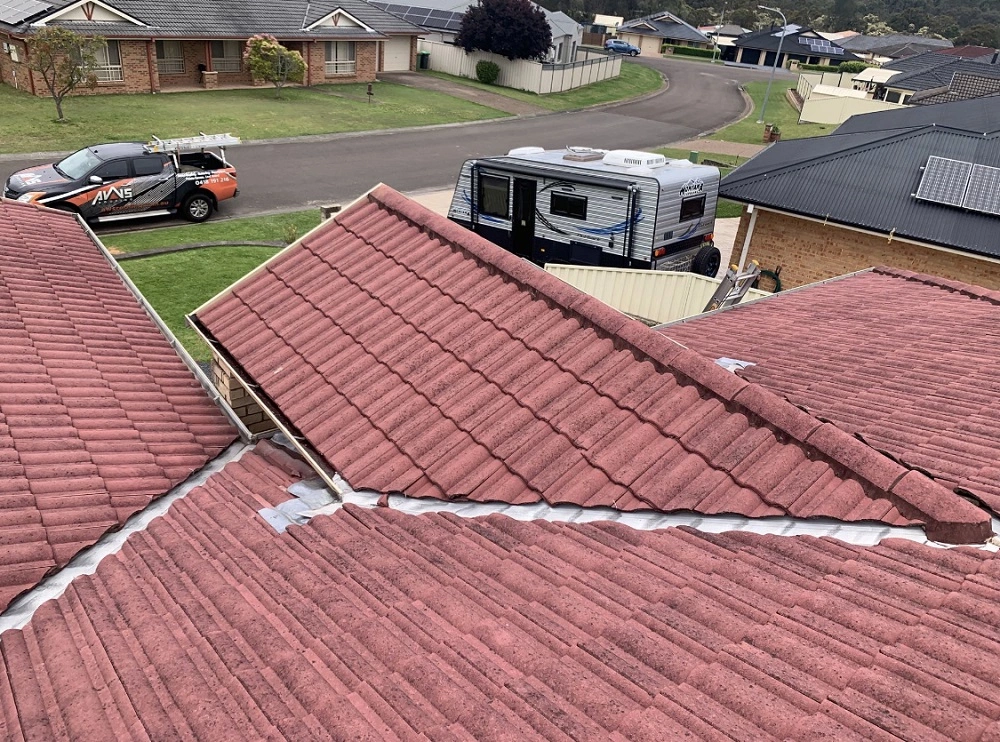
If you’re considering a major renovation for your home on the Central Coast, a modern roof renovation could be the transformative upgrade you’ve been seeking. This project goes beyond simply repairing leaks or swapping out old shingles; it presents a unique opportunity to significantly improve your home’s visual appeal while also boosting its market value. By investing in a new roof, you not only enhance the aesthetic charm of your property but also enjoy functional advantages that enrich your living experience, making your home more efficient and enjoyable for years to come.
Investing in a modern, sleek, and durable roof can dramatically increase your home’s overall value while improving its curb appeal and energy efficiency. This strategic enhancement yields a plethora of benefits. For potential buyers, the roof often represents a critical first impression of a property, making a new roof an outstanding way to attract their attention and ignite their interest, thereby elevating the chances of a successful sale.
The value of your home extends beyond the interiors; the exterior is equally significant. The roof plays a pivotal role in that exterior design. By upgrading your roof, you can safeguard your home against the unique weather patterns of the Central Coast while also amplifying its visual allure. This practical choice can lead to substantial savings on energy bills and help avert costly repairs down the line, ensuring that your residence remains a safe and inviting haven.
.slider-info-16.bafg-slider-info .bafg-slider-title {
font-size:
22px ;
}
.slider-info-16.bafg-slider-info .bafg-slider-description {
}
.slider-info-16.bafg-slider-info .bafg_slider_readmore_button {
text-align: center;
}
.slider-info-16.bafg-slider-info .bafg_slider_readmore_button:hover {
}
.slider-16 .twentytwenty-overlay:hover {
background-color:
rgba(0, 0, 0, 0.5) ;
}
Discover the Many Benefits of Upgrading to Modern Roofing Solutions
Transitioning to modern roofing systems provides an array of advantages for homeowners in the Central Coast region. A new roof can revitalize your property’s aesthetic appeal, lower monthly energy costs, and fortify the structural integrity and safety of your home. This renovation acts as a long-term solution that not only safeguards your investment but also enhances your overall living experience, making your residence more comfortable and visually captivating.
Transform Your Home’s Appearance with a Gorgeous New Roof Design
Installing a modern roof can dramatically alter the look of your home, offering a fresh and contemporary aesthetic. With a plethora of roofing materials available today, you can choose styles and colors that showcase your unique taste and personality. From sleek metal panels to textured tiles and classic shingles, the choices are virtually endless, allowing you to tailor your home’s exterior to align with your vision.
Enhancing curb appeal is crucial, especially if you’re considering selling your home soon. Prospective buyers typically notice the roof first, making it a critical feature that contributes to a favorable first impression. An attractive and visually striking roof can significantly affect a buyer’s perception and elevate the overall desirability of your property, potentially leading to a quicker sale.
Even if you’re not planning to sell right away, the satisfaction derived from having a stunning new roof can enhance your enjoyment of your home. Moreover, an appealing roof may inspire your neighbors to reconsider their roofing choices, fostering an uplifting atmosphere in your community!
Maximize Your Home’s Selling Potential with a Thoughtful Roof Upgrade
When selling your home, the building and pest inspection can often be a pivotal moment in the process. For many buyers, the roof’s condition can either alleviate concerns or raise red flags regarding possible future repairs. By installing a new roof before listing your property, you can mitigate one of the most common deal-breakers: the fear of potential roof leaks, which may discourage prospective buyers.
Increase Your Property’s Market Value with a New Roof Installation
A roof upgrade can significantly elevate the value of your Central Coast home. It not only boosts curb appeal but also offers practical benefits that capture the attention of potential buyers. The Central Coast property market tends to favor well-maintained homes featuring modern elements, making a new roof an essential component of your property.
A new roof catches the eye of buyers, allowing your property to shine in a competitive market. Many house hunters actively seek move-in-ready homes that require minimal additional work. Properties with newer roofs are often perceived as more desirable, frequently selling faster and at higher prices. Buyers are willing to invest more in homes they perceive as well-maintained and up-to-date, enhancing your return on investment.
Real estate agents often spotlight the advantages of updated roofs in their listings, ensuring that this feature attracts more prospective buyers. A fresh roof can create the impression of a newer, more valuable home overall, thereby strengthening your selling position.
Effectively Navigate Central Coast Property Market Trends
The Central Coast property market places a premium on homes that are well-maintained and equipped with modern features. A new roof can greatly enhance your property’s visibility and appeal among potential buyers. Many buyers seek move-in ready homes that won’t require significant repairs shortly, making a new roof a key selling point.
Homes with updated roofs tend to sell faster and command higher prices in this region. Buyers often interpret a new roof as a sign of a well-cared-for home, which can lead to a smoother sales process and a more confident investment decision.
Thorough Evaluation of Your Roof’s Condition During Inspections
During a building and pest inspection, the roof undergoes a meticulous evaluation for potential issues such as leaks, sagging, rust, or cracked tiles. These problems may signal not only potential water damage but also broader structural weaknesses that could arise. A roof in poor condition can become a significant negotiation point, resulting in lower offers or even deterring buyers altogether.
By proactively upgrading to a new roof, you can eliminate these concerns and present your home as a well-maintained, move-in-ready property. This assurance will instill confidence in buyers, particularly when the inspection report highlights a new, trouble-free roof that demands no immediate attention.
Addressing Common Buyer Concerns About Roof Condition
A key question buyers typically ask during inspections revolves around the roof’s likelihood of needing repairs or replacement soon. A newly installed roof immediately alleviates these concerns, providing peace of mind that there are no hidden costly fixes waiting beneath the surface.
When buyers learn that the roof has recently been replaced, they feel reassured knowing that:
- They won’t encounter unexpected leaks or water damage in the near future.
- The home is structurally sound and free from significant issues.
- They will save money on maintenance costs in the immediate future.
These reassurances can encourage buyers to proceed with their purchase and even justify a higher asking price, making your home a more appealing option in the market.
Gain a Competitive Edge with a New Roof Installation
In a competitive real estate landscape, a new roof can make your home stand out remarkably. Buyers often scrutinize properties closely, and having a striking feature like a brand-new roof can elevate your home to the top of their list. A pristine roof not only enhances visual appeal but also suggests that the entire property has been well-maintained.
Real estate agents frequently emphasize the inclusion of a new roof as a key selling point in property listings, enhancing your home’s attractiveness even before potential buyers step inside for a viewing.
Understanding the Long-Term Benefits of a Roof Upgrade
Replacing your roof before selling is not just about facilitating an immediate sale; it’s about maximizing the long-term value of your property. A new roof boosts curb appeal, minimizes the risk of inspection-related issues, and instills buyer confidence in your home’s condition, making it a valuable investment.
When it comes time for the building and pest report, having an upgraded roof ensures that this crucial inspection phase does not raise any concerns. It positions your property as a safe, reliable, and attractive investment, making the selling process smoother and more profitable.
If you’re preparing to sell your Central Coast home, consider a roof upgrade as a strategic maneuver to secure the best possible price and ensure a hassle-free transaction, aligning your goals with market expectations.
Collaborate with Skilled Professionals for Comprehensive Roof Assessment and Installation
It’s crucial to have a qualified roofing expert thoroughly assess your roof’s condition. They can pinpoint issues that may go unnoticed and provide tailored recommendations for upgrades that suit your specific needs. Seek licensed roofers with extensive experience in the Central Coast market; they understand local weather conditions and adhere to relevant building codes to guarantee quality workmanship.
Request comprehensive quotes and timelines from your chosen roofing contractors. Reputable roofers will guide you through their processes and utilize high-quality materials that meet your standards. It’s also essential that they provide warranties covering both the materials and their workmanship, giving you peace of mind.
Proper installation is critical for the performance and longevity of your roof. Skilled roofers pay close attention to underlayment, flashing, and ventilation to prevent leaks and prolong your roof’s lifespan. They will also handle the necessary permits and inspections, relieving you of that additional stress while ensuring compliance with local regulations.
.slider-info-414.bafg-slider-info .bafg-slider-title {
font-size:
22px ;
}
.slider-info-414.bafg-slider-info .bafg-slider-description {
}
.slider-info-414.bafg-slider-info .bafg_slider_readmore_button {
text-align: center;
}
.slider-info-414.bafg-slider-info .bafg_slider_readmore_button:hover {
}
.slider-414 .twentytwenty-overlay:hover {
background-color:
rgba(0, 0, 0, 0.5) ;
}
Ensure Compliance with Local Regulations and Safety Standards During Your Roof Upgrade
Your roof upgrade must comply with the building codes set forth in New South Wales. These regulations cover various aspects, including wind resistance and fire safety. It is essential to consult with your local council to grasp the specific requirements applicable to your area, especially if you reside in bushfire-prone regions, where particular compliance measures may be necessary.
Energy efficiency standards might also dictate your choice of materials. Selecting the appropriate roofing products can help you meet these regulations while simultaneously reducing your energy bills. If you are in a high-risk bushfire zone, inquire about the Bushfire Attack Level (BAL) ratings associated with your selected materials to ensure your home remains safe and secure.
Prioritizing safety during the installation process is paramount. Professional roofers adhere to stringent safety protocols, utilizing the correct equipment and techniques to protect both workers and your property. Ensure that your chosen roofing contractor has the necessary insurance and complies with WorkSafe guidelines to safeguard all parties involved.
Essential Preparation Steps for a Seamless and Successful Roof Upgrade
Preparing for your roof upgrade is a vital step that ensures a smooth and efficient process. Begin by researching the various roofing materials available on the market to identify the best fit for your home’s style and budget.
Next, conduct a thorough evaluation of your current roof’s condition. Look for any signs of damage or wear that could impact the installation of your new roof. You can perform this evaluation yourself or enlist a professional to carry out a comprehensive inspection, ensuring nothing is overlooked.
Consider your budget carefully, as roof upgrades can represent a significant financial investment. It’s wise to plan your finances ahead of time to avoid any surprises during the process. Obtain quotes from several reputable roofing companies to compare their pricing and the services they offer, helping you make an informed decision.
Timing is also crucial for your roof upgrade. The weather conditions on the Central Coast can greatly influence roofing projects, so it’s wise to select a season with mild weather, if possible, to ensure optimal working conditions.
Prepare your home for the upcoming work by clearing the yard of any items that might obstruct the roofers’ access. Move vehicles away from the house and cover any delicate plants to protect them from debris. If you have pets, consider arranging for them to stay elsewhere for a few days to ensure their safety while various tradespeople are on-site.
Finally, check if any permits are required for your roof upgrade. Your local council may mandate approvals before work can commence, and your chosen roofers should assist you with this permitting process to ensure compliance with local regulations.
Contact us today to embark on your journey towards a new roof installation that will enhance both the beauty and value of your home!
Your Trusted Local Roofing Experts Committed to Quality
Your Trusted Local Roofing Experts Dedicated to Excellence

Addressing Common Questions About Roof Upgrades and Their Influence on Property Value
Homeowners in the Central Coast area often seek advice regarding roof upgrades and their impacts on property value. These frequently asked questions address essential concerns about roofing materials, insulation, solar panels, and the overall cost-effectiveness of roof replacements, offering valuable insights for homeowners.
Which Roofing Materials Deliver the Best Return on Investment for Homes?
Both metal and tile roofs offer excellent returns on investment for homes in the Central Coast region. Metal roofs are renowned for their durability, longevity, and energy efficiency, making them a wise choice for homeowners. Conversely, tile roofs provide a classic aesthetic and perform exceptionally well in coastal climates, ensuring that either option can significantly enhance your home’s overall value and attraction.
How Does Roof Insulation Affect Property Value in the Central Coast?
Effective roof insulation plays a crucial role in boosting property value by enhancing energy efficiency. It helps maintain a comfortable indoor climate, keeping your home cooler in summer and warmer in winter. This results in lower energy bills, which is particularly appealing to prospective buyers. Proper insulation also prevents moisture-related issues—a frequent concern in coastal areas—adding another layer of value to your home.
Can Solar Panel Installation on a Roof Boost Home Value?
Absolutely! Solar panels can significantly increase your home’s value by lowering electricity costs and attracting environmentally-conscious buyers. In the sunlit Central Coast region, investing in solar technology is a practical choice that showcases your property’s modern and energy-efficient characteristics—qualities that are increasingly attractive in today’s market.
What Signs Indicate a Roof Needs Upgrading Before Selling?
Be vigilant for missing or damaged tiles, rusted metal panels, or areas showing sagging. Inside, watch for leaks, especially after rainfall. The presence of mold or rot within the roof cavity can signal underlying issues that require attention. If your roof is over 30 years old, an upgrade is likely necessary to ensure your home appeals to potential buyers.
How Important is a Modern Roof’s Aesthetic Appeal in the Central Coast Real Estate Market?
A modern roof is vital in enhancing curb appeal within the Central Coast market. Often, it’s the first feature buyers notice during their search. An updated, stylish roof can dramatically improve the overall look of your home, leading to a quicker sale and potentially higher offers, highlighting the importance of investing in quality roofing.
How a Metal Roof Upgrade Can Increase Your Central Coast Home’s Value
The Article: Metal Roof Upgrade: Boost Your Central Coast Home’s Value first appeared on https://writebuff.com
The Article Metal Roof Upgrade to Enhance Your Central Coast Home Value Was Found On https://limitsofstrategy.com

Electrical Tape Melting: Key Facts Everyone Should Know
The Essential Role of Electrical Insulation Tape in Ensuring Electrical Safety
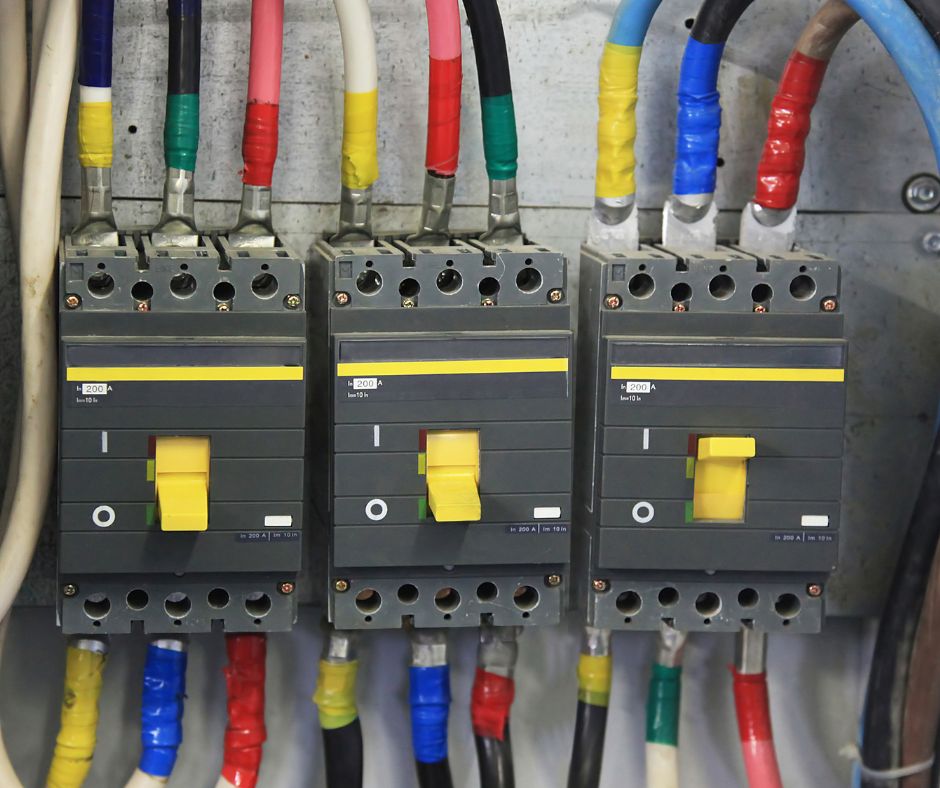
Electrical insulation tape is an indispensable element in the protection and insulation of various types of electrical wires and cables. This vital tool, commonly known as insulating tape, is crucial for ensuring safety in both professional environments and residential settings. By effectively preventing electrical shorts and shielding against moisture, dust, and abrasion, this tape is essential for maintaining the functionality and safety of electrical systems. A thorough understanding of its significance can help you avert potential hazards while contributing to an organized and efficient workspace.
Electrical insulation tape comes in a wide variety of sizes, lengths, and colors, specifically engineered from different materials to suit various applications. These diverse options not only enhance the effectiveness of insulation but also allow for easy identification and organization of cables through color-coding. Implementing different colors can streamline your electrical work processes, enabling quick and efficient identification of specific wires, which ultimately boosts your productivity and organizational capabilities.

Assessing the Melting Point of Electrical Tape: Key Conditions and Factors
Indeed, electrical tape can melt under specific conditions. This section will provide an in-depth exploration of the temperature limits associated with electrical tape, outline the factors that may lead to melting, and highlight critical signs of overheating that should be monitored carefully. Recognizing these elements is vital for ensuring the safe and effective use of electrical insulation tape in a variety of applications.
Understanding the Temperature Tolerance of Electrical Tape for Safe Application
Like many materials, electrical tape has defined temperature limits that must be acknowledged for its safe usage. Most standard electrical tapes can typically withstand temperatures up to approximately 80°C, although some heavy-duty variants have been engineered to endure slightly higher temperatures. When environmental conditions exceed these specified thresholds, the structural integrity of the tape may start to deteriorate, leading to potential malfunctions.
As temperatures rise and approach the maximum limits of the tape, its effectiveness begins to wane. This degradation can manifest in various forms such as melting, a gooey texture, or, in extreme cases, complete failure. Being aware of these temperature limits is crucial for maintaining safety and efficiency in electrical applications, ensuring that your projects can proceed without unnecessary risks or complications.
For applications in extreme environments, it is advisable to consider high-temperature variants of electrical tape. For example, heat-resistant tape, crafted from materials like fiberglass or silicone, can endure temperatures of up to 200°C or even higher, making it an excellent choice for applications subjected to intense heat and stress.
Also Read: Keep Your Pets Safe Around Electricity
Get a Free Quote Today!
Inquire About Our Complimentary Electrical Inspections

Identifying Key Factors Contributing to the Melting of Electrical Tape
The melting of electrical tape can be attributed to several factors, predominantly resulting from exposure to extreme heat. Understanding these causes is crucial for ensuring safe and efficient usage of electrical tape. Below are some of the most common reasons that lead to tape melting:
Understanding the Impact of Overexposure to Heat on Electrical Tape
The primary reason behind the melting of electrical tape is its exposure to elevated temperatures. If the tape is located near hot surfaces, engines, or any components that emit heat, it may begin to soften, bubble, or even melt completely. Moreover, electrical systems such as power circuits can generate excessive heat beyond what the tape is rated to handle, especially during malfunctions or overload scenarios.
Therefore, when utilizing electrical tape in areas prone to high temperatures, it is wise to verify the temperature ratings of the tape to prevent potential failures and uphold safety.
Evaluating Environmental Factors That Contribute to Electrical Tape Degradation
Electrical tape is not designed for perpetual durability. Over time, both the adhesive and the tape material can deteriorate, particularly when exposed to UV radiation, moisture, or other harsh environmental conditions. This degradation can severely compromise the insulating properties of the tape. As the tape ages, it may lose its efficacy, becoming increasingly susceptible to melting even at temperatures lower than those it would typically withstand.
Regular wear and tear are natural aspects of the lifecycle of electrical tape. Consequently, it is essential to routinely inspect the tape for signs of aging or damage to ensure ongoing safety and performance effectiveness.
Understanding the Risks Associated with Improper Application of Electrical Tape
Applying electrical tape under suboptimal conditions can lead to premature failure. For instance, if the tape is wrapped too tightly, subjected to friction or heat, or overly stretched during application, its performance could be compromised. Additionally, wrapping the tape around sharp edges or applying it to components that are prone to overheating, such as light bulbs or electrical outlets, can create problems unless the tape is specifically rated for those uses.
Also Read: 10 Ways to Save On Power And Energy Costs
Recognizing Signs of Overheating in Electrical Tape
If you suspect that your electrical tape is overheating, there are several critical indicators to monitor. Here are the most common signs that your tape may be melting or experiencing excessive heat:
Identifying a Sticky or Tacky Texture in Overheated Electrical Tape
A noticeable alteration in texture, particularly a sticky or tacky sensation, is often one of the initial signs of melting electrical tape. This change can serve as an early warning signal of further degradation, indicating that the tape may no longer provide sufficient insulation.
Detecting Discoloration as a Sign of Heat Damage
Overheating electrical tape may display significant discoloration. You might notice a shift from its standard black or colored appearance to shades of brown, dark gray, or even black. This transition occurs as heat causes the tape’s PVC or other materials to break down. Early identification of this issue can prevent further damage to your wires; if ignored, it could lead to melting or even create fire hazards.
Observing Bubbling or Distortion as Indicators of Excessive Heat
If electrical tape begins to bubble, warp, or distort, it indicates that heat is adversely affecting its structure. This typically happens when heat causes the adhesive or plastic layers to separate or degrade. The surface may appear wavy or uneven, signaling that temperatures are exceeding safe levels. Upon noticing these bubbles, it is advisable to consult your electrician for a thorough evaluation.
Noticing a Burning Odor as a Serious Warning Sign
A burning smell near electrical tape is a critical warning sign that should not be ignored. This odor may resemble that of melting plastic or burning rubber. When excessive heat causes the adhesive to break down, the resulting fumes can be alarming. Do not overlook this warning. If you detect a burning smell, it could indicate that the tape is on the brink of melting or even catching fire.
Visible Smoke as a Critical Red Flag
If you observe smoke emanating from the electrical tape, it is a clear signal that the heat levels have far surpassed what the tape can withstand. Smoke is a strong indicator that the tape has likely begun to melt or may even be igniting. At this critical moment, it is essential to turn off the power source immediately and contact your electrician for assistance.
Remember – Never use water to extinguish an electrical fire. Instead, utilize a CO2 fire extinguisher for safety.
Essential Steps to Take if Your Electrical Tape Melts: A Comprehensive Safety Guide
If your electrical tape melts, the first step is to disconnect any power sources or turn off any equipment to guarantee safety.
Prioritizing safety is paramount, as electrical hazards can pose significant risks to both life and property.
After ensuring that the area is safe, always seek expert guidance from your electrician. If a professional installed the tape, they may need to inspect the area for any underlying electrical issues that could have contributed to the problem, ensuring comprehensive safety and functionality.
Exploring Alternatives to Electrical Tape for High-Temperature Applications
If you frequently operate in environments where temperatures exceed the limits of standard electrical tape, it is wise to consult your electrician about suitable alternatives. Here are several options worth considering:
- Heat-resistant silicone tape: This variant is specifically designed to endure elevated temperatures and is ideal for applications where heat is a significant concern.
- Fiberglass tape: A durable option that can handle extreme temperatures without sacrificing performance or safety.
- Mica or ceramic insulation: For maximum heat protection, specialized insulations like mica or ceramic are excellent choices.
Critical Insights on the Dangers Associated with Melting Electrical Tape
In summary, electrical tape can indeed melt, primarily due to excessive heat exposure. Understanding the temperature limits of your tape and ensuring you select the appropriate type for your specific application are essential steps in preventing potential issues.
By remaining vigilant about signs such as discoloration, stickiness, or unusual odors, you can take swift action to mitigate risks. Always prioritize safety and do not hesitate to reach out to your local electrician for expert advice when needed.
Get Your Free Quote Today!
Inquire About Our Complimentary Electrical Inspections

The Article: Does Electrical Tape Melt? Here’s What You Need to Know first appeared on https://writebuff.com
The Article Electrical Tape Melting: Essential Facts You Should Know Was Found On https://limitsofstrategy.com