
Day: January 2, 2024

  • Surviving Loneliness and Feeling Isolated

    Surviving Loneliness and Feeling Isolated

    Surviving Loneliness and Feeling Isolated

    It can be challenging to handle the experience of feeling lonely and isolated. Whether you’re living alone in a new city or having difficulty connecting with others. It is vital to prioritise your mental health care and well-being. Fortunately, numerous ways are available to help you overcome loneliness and feel more connected to the world around you.

    Recognising your feelings and getting help is one of the first steps towards overcoming loneliness. This could include contacting a trustworthy loved one, joining a local support group, or consulting a mental health professional. Remembering loneliness is a shared experience, and there’s no shame in asking for support when you need it.

    Another critical tactic is to concentrate on making meaningful connections with others. This could include joining a club or community group, volunteering, or pursuing a new interest. By putting yourself out there and meeting new people, you can develop a sense of belonging and connection, making you feel less alienated.

    Understanding Loneliness

    Defining Loneliness

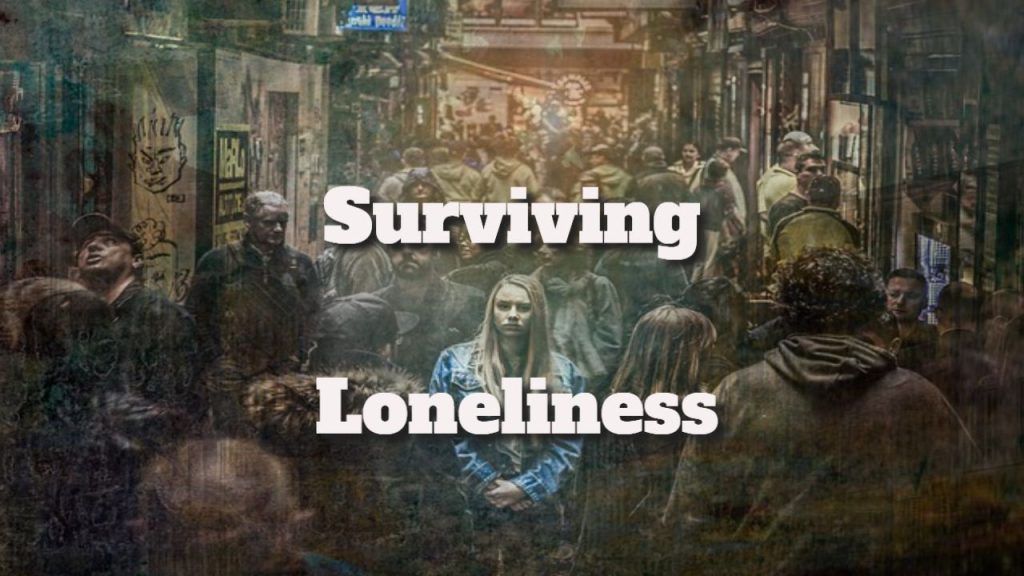
    Feeling socially isolated is a subjective element of loneliness that can arise when there is a gap between your intended and real social contacts. Everyone, regardless of gender, age, or socioeconomic class, can experience this complicated and multifaceted feeling.

    surviving loneliness

    Psychological Impact

    Your emotional and psychological well-being might take a severe hit when you’re lonely. In addition to lowering your immune system and making you more prone to chronic diseases. Feelings of sadness, worry, and despair may manifest as a result.

    Social Dynamics

    Loneliness is not only a personal issue but also a societal one. Various factors, such as the breakdown of traditional social structures, changes in family dynamics, and the rise of technology-mediated communication, can cause social isolation. The stigma surrounding loneliness can also prevent people from seeking help and support, further exacerbating the problem.

    Ultimately, being alone is a complex emotional and physical toll. If you or someone you know suffers from social isolation, you must learn about the signs and symptoms of loneliness and get assistance.

    Strategies for Coping

    Loneliness and isolation can be challenging, but some strategies can help you manage these feelings. Here are some tips to help you feel more connected and supported.

    Mindfulness and Self-Compassion

    Mindfulness allows you to tune into your internal experiences and remain here and now. This can be particularly helpful when you’re feeling lonely or isolated. Try to focus on the present moment and engage with your surroundings. You can also try self-compassion exercises, such as writing positive affirmations or reminding yourself of your strengths and accomplishments.

    Building Social Networks

    Building social networks can be an effective way to combat loneliness and isolation. Start by contacting friends and family members and making plans to spend time together. Another option is to join an exciting organisation or club, such as a reading group or a sports team. 

    Professional Support

    Seek professional help if you are experiencing feelings of loneliness and isolation. You can discover a helpful setting to work through your emotions and find strategies to manage them with the help of a therapist or counsellor. You can also discuss referral alternatives with your primary care physician.

    Remember that feeling lonely or alone is a common experience and that coping tools are available. You can feel more connected and supported by practising mindfulness and self-compassion, creating social networks, and seeking professional help.

    lonely man

    Engaging in Activities

    However, engaging in activities can be a great way to combat these feelings and improve your mental health. Here are some ideas for activities you can try:

    Hobbies and Interests

    Creating art, playing an instrument, or just reading are all examples of what this might include. Engaging in an activity you love can take your mind off your loneliness and focus on something positive. 

    Volunteering Possibilities

    Volunteering is an excellent opportunity to give back to your community and meet new people. Numerous volunteer opportunities are available, ranging from assisting a local charity to participating in a community event.

    Physical Activity

    If you are experiencing feelings of isolation and loneliness, doing some exercise will help. You can attempt many different sorts of exercise, whether you favour running, yoga, or weightlifting. Consistent exercise may improve physical health, increase mood, and reduce stress.

    Remember that participating in activities is one approach to dealing with loneliness and isolation. If you are struggling with your mental health, you must get treatment and support. Speak with a friend or family member or with a mental health professional.

    Online Support and Communities

    Loneliness isn’t always easy, but online groups and support can be a valuable resource for those feeling lonely.

    Identifying Relevant Groups

    Numerous online communities are tailored to members’ interests and needs. Facebook, Reddit, and Discord are popular sites for finding online groups.

    Finding a group that is friendly and supportive is critical. Read over the group’s rules and standards and see how members communicate. Introduce yourself and begin engaging with the community if you feel comfortable.

    Keeping Online Relationships

    Building and keeping relationships online can differ from building and maintaining in-person relationships. Being conscious of how you speak and interact with individuals online is critical.

    Scheduling regular check-ins with online buddies is one approach to sustaining relationships. It is also critical to respect others’ limits and privacy. Keep track of your time online, and never give out personal information unless asked.

    Finding appropriate organisations and establishing online contacts might help you build a supporting network to assist you in getting through tough times.

    Long-Term Solutions Lifestyle Adjustments

    Taking care of your physical health is one of the most important things you can do for yourself. Get enough sleep, eat a healthy diet, and exercise frequently. This will improve both your emotional and physical well-being.

    Your social life is also an essential component of your lifestyle. Try to participate in activities that both interest you and include other people. Join a club, pick up a new activity, or volunteer for a worthy cause. This will assist you in meeting new people and making significant connections.

    Seeking Meaningful Relationships

    Along with making lifestyle adjustments, seeking meaningful interactions with others is critical. This can be difficult, but you can do a few things to simplify it.

    First and foremost, be open to meeting new individuals. Attend social gatherings, talk with strangers, and join online communities that share your interests.

    Second, be willing to make an effort to establish and sustain relationships. This includes listening well, expressing interest in others, and being dependable and trustworthy.

    Finally, if you are genuinely struggling with emotions of loneliness and isolation, it is OK to seek professional help. You may be able to overcome these challenges with the assistance of a therapist or counsellor.

    The post Surviving Loneliness and Feeling Isolated appeared first on Survival Avenue.

    The post Surviving Loneliness and Feeling Isolated appeared first on https://gqcentral.co.uk


    The Article Surviving Loneliness and Feeling Isolated First Appeared ON
    : https://ad4sc.com

  • Surviving Depression: Practical Strategies for Coping and Recovery

    Surviving Depression: Practical Strategies for Coping and Recovery

    Surviving Depression: Practical Strategies for Coping and Recovery

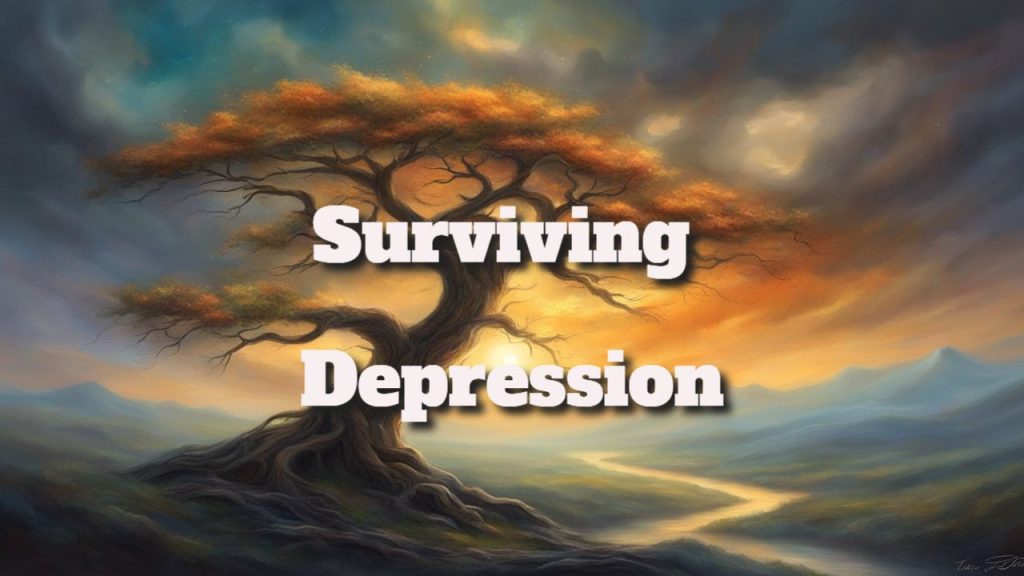
    Depression is a prevalent mental health condition characterised by persistent feelings of sadness, loss, or anger that interfere with a person’s everyday activities. It goes beyond occasionally feeling blue; it is a deep-seated condition that can profoundly affect one’s life, impacting mood, thoughts, physical health, and behaviour. It is essential, however, to understand that depression is not indicative of personal weakness or a condition that can be willed away. Instead, it often requires long-term treatment involving therapy, medication, or a combination of these, along with lifestyle changes and support.

    Managing depression involves recognising the condition’s complexity and understanding that recovery is a gradual process. Regular physical activity has been shown to elevate mood and enhance self-esteem – the body releases endorphins during exercise, which are natural mood lifters. Additionally, maintaining social connections is crucial since isolation can exacerbate symptoms. The exchange of support and feeling understood can make a significant difference. Mindfulness and other coping strategies can also significantly manage daily stresses and negative thought patterns.

    People with depression might perceive their situation as impossible, yet countless individuals navigate through it with the appropriate support and self-care strategies. Resources are available at various health services, including the NHS, which provide accessible information and guidance on coping mechanisms and support networks. It’s also increasingly recognised that feelings of depression, while challenging, can be a natural response to life’s adversities and stress, hinting at the body’s intrinsic desire to protect and cope with danger. Understanding this can contribute to a more compassionate self-perception and open avenues for more personalised treatment and survival strategies.

    surviving depression 2

    Understanding Depression

    Depression is a complex mental health condition that affects millions worldwide, characterised by persistent low mood and a lack of interest or pleasure in activities.

    Defining Depression

    Depression is more than just a bout of the blues; it is a clinically recognised disorder that impacts an individual’s mood, thoughts, physical health, and daily functioning. It is typically diagnosed when an individual experiences consistent symptoms of depression that last for two weeks or longer.

    Symptoms and Diagnosis

    To diagnose depression, healthcare professionals look for specific symptoms, including but not limited to:

    • Persistent sad, anxious, or “empty” mood
    • Loss of interest or pleasure in hobbies and activities
    • Feelings of hopelessness or pessimism
    • Irritability
    • Fatigue and decreased energy
    • Difficulty concentrating, remembering, or making decisions
    • Appetite and/or weight changes
    • Thoughts of death or suicide, or suicide attempts

    A formal diagnosis usually requires a thorough evaluation, which may involve a physical examination, interview, and/or psychological questionnaires.

    Common Causes and Risk Factors

    Depression does not have a single cause; instead, it results from a combination of genetic, biochemical, environmental, and psychological factors. Risk factors vary among individuals but commonly include:

    • Family history of depression
    • Significant life changes, trauma, or stress
    • Certain physical illnesses and medications

    Understanding these risk factors can help in early identification and intervention, potentially mitigating the severity of depression.

    Developing Coping Strategies

    Effectively managing depression involves establishing a set of practical coping strategies. These methodologies are vital in maintaining one’s mental health and in navigating daily challenges.

    Building a Support System

    A robust support system is fundamental. Individuals should maintain contact with friends and family who can provide emotional backing. Additionally, joining support groups or seeking out peers who understand their experience can be invaluable.

    Self-Care Techniques

    Prioritising self-care is essential. Regular exercise not only improves mood but also benefits overall health. Individuals should maintain a balanced diet, ensure adequate sleep, and engage in activities that bring joy and relaxation.

    Stress Management

    Managing stress plays a critical role in mitigating depressive symptoms. Techniques such as deep breathing exercises, mindfulness, and time management can assist individuals in keeping stress levels in check. Employing relaxation methods like yoga or meditation can also prove helpful.

    Medical Treatments

    Medical treatments for depression typically involve a combination of medication and therapy, with the option of alternative treatments when appropriate.

    Antidepressant Medication

    Antidepressants are used to alleviate the symptoms of moderate to severe depression and must be prescribed by a healthcare professional. They work by balancing chemicals in the brain that affect mood and emotions. The choice of antidepressants may depend on the individual’s specific symptoms, side effects, any other medications they are taking, and their personal preferences. Examples include:

    • Selective Serotonin Reuptake Inhibitors (SSRIs) are often the first choice because of their lower risk of side effects.
    • Tricyclic Antidepressants (TCAs): Generally used less often due to more pronounced side effects.
    • Serotonin and Norepinephrine Reuptake Inhibitors (SNRIs): An option for individuals who do not respond to SSRIs.

    Patients usually need to take antidepressants for several weeks before they begin to feel the benefits. Individuals need to work closely with their doctor to find the most effective medication and dosage for their needs.

    lightening

    Therapy Options

    Various forms of therapy are recommended depending on the severity of depression and individual circumstances. These therapies aim to help patients understand their depression and find strategies to manage it. Types of therapy include:

    • Cognitive-Behavioural Therapy (CBT): Focuses on identifying and altering negative thought patterns and behaviours.
    • Psychodynamic Therapy: Works to unravel the psychological roots of emotional suffering.
    • Interpersonal Therapy (IPT) Targets issues in personal relationships that may contribute to depression.
    • Group Therapy: Provides a supportive environment to share experiences and coping strategies.

    Individuals must receive the type of therapy most suitable for their condition, which may involve intensive or longer-term support.

    Alternative Treatments

    In conjunction with traditional medical treatments, certain alternative or complementary methods may offer additional benefits:

    • Mindfulness and Meditation: Recommended particularly for less severe depression, focusing on moment-by-moment awareness.
    • Exercise: Regular physical activity can help improve mood and reduce symptoms of depression.
    • Diet: Maintaining a balanced diet is fundamental for overall health, which can indirectly support mental health management.

    While alternative treatments can be helpful, they should not replace mainstream medical treatments but rather be used alongside them. Individuals should consult their healthcare providers before starting any alternative treatments.

    Lifestyle Adjustments

    Making specific lifestyle adjustments can significantly aid individuals struggling with depression. These targeted changes involve diet and nutrition optimisation, incorporation of regular physical activity, and establishing healthy sleep routines.

    Diet and Nutrition

    A balanced diet supports mental health. Individuals should focus on:

    • Complex Carbohydrates, Such as whole grains, release glucose slowly, aiding in mood stability.
    • Omega-3 Fatty Acids: Found in oily fish, flaxseeds, and walnuts, contribute to brain health.
    • Protein-rich Foods: This includes lean meats, eggs, and legumes, which contain amino acids that are precursors to neurotransmitters.

    Incorporating a variety of fruits and vegetables, which provide essential vitamins and minerals, is also crucial.

    Exercise and Physical Activity

    Physical exercise is beneficial for mental well-being. Guidelines suggest:

    • Regular Exercise: At least 150 minutes of moderate-intensity activity each week.
    • Strength Training: Lifting weights or yoga twice weekly can help build muscle strength and boost mood.
    • Consistency: Establishing a routine that is adhered to consistently is more important than intensity.

    Even short bouts of activity can make a difference, so it’s recommended to find an enjoyable form of exercise to increase adherence.

    Sleep Hygiene

    Good sleep is integral to mental health. To improve sleep hygiene:

    • Set a Regular Sleep Schedule: Go to bed and wake up simultaneously every day.
    • Create a Restful Environment: Ensure the bedroom is dark, quiet, and calm.
    • Limit Screen Time Before Bed: Exposure to blue light can disrupt the sleep cycle.

    Adequate sleep helps regulate mood and improve cognitive function, making it a critical aspect of managing depression.

    External Resources and Support

    In addressing depression, it is crucial to understand the various external forms of support available. These include professional medical assistance, supportive communities, and digital platforms that provide resources and aid.

    Professional Help

    Individuals experiencing depression may seek professional help, which typically includes psychologists, psychiatrists, and counsellors. They can offer diagnosis, therapy, and, if necessary, medication.

    thoughtful

    In the UK, one may contact their GP to discuss mental health concerns and get specialist referrals. Community Mental Health Teams (CMHTs) are also part of the NHS’s support network, providing comprehensive, community-based psychiatric care.

    Support Groups

    Support groups offer a space for shared experiences and communal healing. Many find solace in these peer groups, where one can talk openly and receive empathy and understanding from others facing similar challenges. Charities like Mind and the Samaritans facilitate such groups, providing safe environments both in-person and via helpline services.

    Online Resources

    Lastly, online resources contribute to a versatile and accessible means of support. Reliable websites offer vital information, self-help guides, and access to therapy services. Organisations like the Anxiety and Depression Association of America and the UK’s own Samaritans provide extensive digital content tailored for various aspects of mental health, including depression.

    Frequently Asked Questions

    Depression is a treatable condition, and with the appropriate strategies and support, individuals can manage symptoms and work towards recovery. Here are some common questions and answers that can provide further insight.

    Is it possible to achieve complete recovery from depression?

    Complete recovery from depression is achievable for many people. Recovery times and experiences vary, as it depends on the individual’s situation, the severity of depression, and the treatment methods employed.

    What are effective strategies for coping with depressive symptoms?

    Effective coping strategies include maintaining a regular exercise routine, establishing healthy sleep patterns, and engaging in cognitive behavioural therapy (CBT). Professional support and personalised treatment plans are critical to managing symptoms.

    How can one maintain mental well-being after overcoming depression?

    To maintain mental well-being post-recovery, individuals should continue utilising the tools and coping strategies learned during treatment. Taking care of physical health, managing stress, and seeking support can help sustain recovery.

    What role does therapy play in the treatment of depression?

    Therapy, such as CBT, psychotherapy, or counselling, plays a significant role in treating depression. It helps individuals understand their thought patterns, develop coping strategies, and address the root causes of their depressive symptoms.

    Can lifestyle changes impact the management of depression?

    Yes, lifestyle changes can have a positive impact on managing depression. Regular physical activity, healthy eating habits, and avoiding alcohol and drugs can contribute to symptom improvement and overall mental health.

    How does one offer support to someone dealing with depression?

    Supporting someone with depression involves being a good listener, offering empathy, and encouraging them to seek professional help. It’s important to provide support without judgment and to educate oneself about the condition for a better understanding.

    The post Surviving Depression: Practical Strategies for Coping and Recovery appeared first on Survival Avenue.

    The post Surviving Depression: Practical Strategies for Coping and Recovery appeared first on https://gqcentral.co.uk


    The Article Surviving Depression: Practical Strategies for Coping and Recovery First Appeared ON
    : https://ad4sc.com

  • Winter Hypothermia: Essential Steps for Staying Warm

    Winter Hypothermia: Essential Steps for Staying Warm

    Hypothermia in Winter: Practical Steps for Keeping Your Body Warm

    Appreciating snow-covered landscapes and cozy evenings by the fire isn’t enough to fully embrace winter’s wonderful charm. Being hypervigilant is essential, as hypothermia is a real possibility and may transform a beautiful winter sight into a terrifying nightmare. Being well-informed and prepared is crucial for your safety, whether you’re a daring explorer venturing into the icy peaks or a naive traveler swept up in an unexpected snowfall.

    The harshness of winter heightens the danger of hypothermia, a medical emergency in which the core body temperature falls to an unsafe level because of an imbalance between heat loss and production. To successfully traverse this terrifying obstacle, it is crucial to understand the practical measures for response and prevention.

    winter hypothermia avoidance

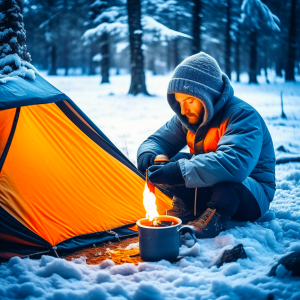
    The first and most important step in successfully surviving cold weather is to develop a strong layering system. To keep dry, the skin-to-skin layer should act as a wick; to keep warm, the middle layers should act as insulation. The outer layer’s protection forms an all-encompassing barrier against the elements from wind and rain. This layering technique works better using insulating materials like down or fleece and moisture-wicking fabrics.

    Furthermore, it is critical to remain dry during winter weather. The danger of hypothermia increases dramatically when skin and clothes are wet because they hasten the rate of heat loss. Protect yourself from the dampness that can reduce your body’s thermal insulation by donning moisture-wicking pants and clothing that is both waterproof and breathable.

    One further important aspect is knowing how the body’s heat is distributed. Protect the central nervous system, which contains many important blood arteries, and the head and neck. Protecting these areas and adding to total heat retention are both achieved by wearing high-quality thermal layers, a scarf, and a cap.

    In addition, it is critical to recognize that food and water play a part in preventing hypothermia. Fueling the body’s heat production process is consuming easily digestible, high-energy foods. Even in colder climates, staying hydrated helps with critical metabolic processes to stabilize the core temperature.

    A Closer Look at the Chilling Threat

    Before delving into the consequences of hypothermia, it is necessary to peel back the layers of this chilling occurrence; at its foundation, hypothermia is caused by a complicated interplay between the body and its surroundings. This syndrome occurs when the body’s heat loss exceeds its heat generation capacity, resulting in a dangerously low core temperature. This decline in temperature sets off a chain reaction of physiological responses that go far beyond basic pain.

    The body’s fundamental functions are under attack as the core temperature drops. The effects go far beyond the discomfort associated with cold weather. Indeed, hypothermia is a serious threat to one’s well-being, with severe health problems and, in the worst-case scenario, death. Recognizing the gravity of the issue emphasizes the significance of taking a proactive approach—addressing hypothermia before it reaches a catastrophic stage.

    The human body relies on a delicate temperature balance to function efficiently in its astonishing complexity. As hypothermia sets in, this equilibrium is upset, with ramifications across multiple physiological systems. Cardiovascular strain is visible when the heart works harder to pump blood in order to compensate for the freezing effects on circulation. Meanwhile, respiratory activities may slow, making refilling oxygen to important organs more difficult.

    Understanding the subtle indications and symptoms is critical in the fight against hypothermia. Shivering, which begins as a mechanism to generate heat, can become a desperate, uncontrollable response as the body fights to combat the cold. Cold and pale skin, which was formerly a visual manifestation of the body’s normal state, now serves as an alarming indicator of its weakened ability to sustain warmth.

    Furthermore, the effects of hypothermia extend beyond the physical domain, affecting cognitive functions. Slurred speech and bewilderment are unmistakable indicators of the brain’s attempt to keep up with the body’s cooling. It’s not only about surviving the cold; it’s about defending the basic essence of life.

    Recognizing the Signs of Hypothermia

    The capacity to recognize the subtle yet vital signs and symptoms of hypothermia is an essential talent in the field of winter survival. Knowing these warning signs can mean the difference between timely intervention and exacerbating a possibly fatal scenario. Understanding the complexities of hypothermia enables people to strike a careful balance between exposure to cold temperatures and the body’s ability to preserve core warmth.

    1. Shivering: The Body’s Initial Defense Mechanism: The body’s first line of defense against temperature loss is shivering, an instinctual response to cold. A physiological system creates heat while keeping the core temperature stable. While shivering is a natural and adaptive reaction, excessive and uncontrollable shivering may indicate the onset of hypothermia. Recognizing the subtleties of shivering patterns is critical since they can be an early warning indication that should not be ignored.
    2. Cold and Pale Skin: A Visual Indicator of Distress: As hypothermia progresses, the skin changes noticeably, becoming cold to the touch and taking on a bluish or pale tint. This change in skin color suggests poor blood circulation and the body’s struggle to maintain a healthy temperature. Understanding this visual cue improves the observer’s capacity to determine the seriousness of the condition, leading to decisive action to reduce the risks associated with advancing hypothermia.
    3. Slurred Speech and Cognitive Impairment: Unmasking Hypothermia’s Impact on the Brain:  Hypothermia’s insidious nature extends beyond the physical domain and infiltrates cognitive functions. Slurred speech, disorientation, and even tiredness indicate impaired brain function. These manifestations highlight the critical need for intervention, as the brain falters in coordinating important physical systems when deprived of the required warmth. Recognizing these cognitive symptoms is critical for quickly responding to the development of hypothermia.
    4. Weakness and Lack of Coordination: Physical Manifestations of Hypothermic Stress:  As hypothermia progresses, it causes visible physical signs such as muscle weakness, awkwardness, and a noticeable lack of coordination. These symptoms highlight the systemic impact of hypothermia, which affects not only the extremities but also the core musculature. Individuals suffering from these symptoms may find ordinary chores difficult, and their physical limitations may exaggerate the overall risk of their situation. Increased awareness of these indications allows for self-recognition and identification of hypothermia in others, allowing for a more rapid and effective response.

    Effective Measures to Combat Hypothermia

    The capacity to recognize the symptoms of hypothermia is merely the first step in winter survival. Now, let’s look at some practical steps to help you battle hypothermia and keep your body warm and resilient in the face of cold circumstances.

    1. Dress Strategically for Maximum Insulation:   Layering your clothing is a smart technique for conserving body heat, not just a means of remaining warm. The idea is to start with a moisture-wicking base layer that keeps your skin dry and prevents dampness from chilling you. Add an insulating garment, such as a fleece or down jacket, over this to trap warmth close to your body. To protect against the weather, finish with a windproof and waterproof outer shell. Cotton clothing, in particular, retains moisture and promotes heat loss, undermining your efforts to stay warm.
    2. Guard Your Extremities from Heat Loss: Heat is dissipated mostly through the hands, feet, and head. To create a barrier against heat loss, invest in high-quality gloves, thick socks, and a dependable hat or beanie. Additionally, use materials such as insulated insoles or heated boot liners to insulate your footwear, preventing cold from seeping in and reducing your body’s general warmth.
    3. Prioritize Dryness as a Preventive Measure: Wet clothing is a strong inducer of hypothermia. Prioritize remaining dry by using waterproof materials or strategically layering garments. If you get wet, seek shelter as soon as possible and change into dry clothes to avoid a sudden drop in body temperature.
    4. Improvised Insulation for Critical Areas: Incorporate widely available materials to improve the insulation of your garment. Stuffing leaves, grass, or any insulating substance between your garment layers, especially around important areas like the torso, will dramatically improve your clothing’s ability to retain heat.
    5. Shelter as a Fundamental Requirement: In a winter survival crisis, seeking shelter is more than a consideration; it is a requirement. Natural shelters such as caves, overhanging boulders, and fallen trees provide refuge from the piercing cold. If such shelters are not accessible, building an emergency shelter out of branches and snow becomes an important ability.
    6. Harness the Power of Controlled Heat Sources: Fire becomes an invaluable ally in the fight against hypothermia. Learn how to build a fire in various settings, and always keep dependable fire-starting materials on hand. Prioritise safety by having a proper fire pit or defined area to restrict the fire, reducing dangers in your quest for warmth.
    7. Sustain Your Body with Hydration and Nutrition: Hydration and diet are critical in regulating body temperature. Make sure you have access to clean water or, if necessary, melt snow to stay hydrated. Consume high-energy meals such as nuts, dried fruits, and energy bars to give your body the fuel it needs to generate heat.
    8. Leverage the Buddy System for Collective Warmth: The saying “strength in numbers” is accurate, especially in frigid climates. Travel with a spouse or a group to benefit from the shared body heat, which can considerably add to collective warmth. Maintain alert for signs of hypothermia in one another, creating a supportive environment for the duration of your winter journey.

    Incorporating these practical techniques into your winter survival toolkit strengthens your defenses against hypothermia and empowers you to appreciate winter’s beauty with confidence and resilience. Remember that prevention is key, but with knowledge and preparation, you can manage the cold with the confidence of a seasoned winter adventurer.

    Remember that the information in this blog post is only for educational reasons. While these practical actions can be extremely successful in treating hypothermia, they must be tailored to your personal condition and, if necessary, seek guidance from professionals.

    The post Winter Hypothermia: Essential Steps for Staying Warm appeared first on Survivalbite.

    The post Winter Hypothermia: Essential Steps for Staying Warm appeared first on https://gqcentral.co.uk

    The Article Winter Hypothermia: Essential Steps for Staying Warm First Appeared ON
    : https://ad4sc.com