Enhancing Men’s Wellness Through Cutting-Edge Telehealth Solutions in the UK
Understanding Telehealth: A Game Changer for Healthcare Transformation

Telehealth is revolutionising the delivery of healthcare services by leveraging advanced digital technologies to facilitate remote patient care. This innovative approach includes a variety of services such as video consultations, remote monitoring, and mobile health applications. By implementing telehealth, healthcare providers can reach more patients effectively, allowing individuals to receive care from the comfort of their own homes without the need for physical visits. This transformation not only enhances accessibility to healthcare services but also empowers individuals to consult with specialists, manage chronic health conditions, and obtain wellness advice, thereby eliminating geographical barriers that often limit healthcare access.
As technology continues to advance at a rapid pace, telehealth is evolving by integrating features such as high-definition video conferencing, secure messaging platforms, and wearable devices that allow for real-time health monitoring. These developments not only enhance patient convenience but also improve the overall efficiency of healthcare delivery. This is particularly beneficial for men who might feel uncomfortable discussing health issues in person; telehealth provides a discreet and comfortable environment for sensitive conversations surrounding health and wellness.
Key Drivers Fueling the Growth of Telehealth in the UK
The rapid adoption of telehealth services in the UK has been significantly accelerated by the impact of the COVID-19 pandemic. As healthcare systems faced unprecedented challenges, the necessity for digital health solutions became paramount, resulting in a remarkable increase in telehealth offerings. In response, the UK government and various healthcare providers have actively supported this shift, investing in technology and training programs to equip healthcare professionals with the skills required for effective online care delivery.
Recent data reveals that the number of telehealth consultations has dramatically increased, with millions of appointments now being conducted online. This trend is particularly notable in urban areas where healthcare access is generally more straightforward. However, telehealth also plays an essential role in supporting rural populations who may struggle to secure in-person appointments. Current trends indicate that telehealth is not merely a temporary fix; instead, it is becoming a crucial component of the healthcare landscape, offering practical alternatives for routine check-ups and urgent care needs.
Exploring the Major Benefits of Telehealth for Men’s Wellness
Telehealth presents numerous advantages for promoting men’s wellness, making it an appealing choice for many individuals. One of the most critical benefits is the convenience of receiving care from home, which can significantly enhance engagement with health services. Many men encounter barriers such as time constraints, work commitments, and societal stigma surrounding health discussions; telehealth effectively addresses and alleviates these challenges, making healthcare more accessible.
Additionally, privacy is a major concern for many men seeking healthcare. Telehealth offers a discreet platform for discussing sensitive topics, including sexual health, mental health, and chronic conditions. Another significant advantage of telehealth is the access it provides to specialised care; through telehealth, men can connect with experts who may not be within their geographical reach. This includes professionals who focus on men’s health issues, such as prostate health, mental health, and nutrition, leading to personalised healthcare solutions that can greatly improve overall wellness.
Insights from Experts on Telehealth’s Impact on Men’s Wellness

Success Stories That Showcase the Impact of Telehealth
Inspiring real-world success stories demonstrate the tangible benefits of telehealth for men’s wellness in the UK. Case studies highlight how men have effectively addressed chronic health issues, improved their mental health, and enhanced their overall quality of life through telehealth services. One noteworthy example features a 45-year-old man from Manchester who successfully managed his diabetes through telehealth. By participating in regular virtual consultations with his endocrinologist, he was able to monitor his condition and adjust his treatment plan without the need for frequent hospital visits.
Another compelling success story involves a 38-year-old man from Bristol who sought help for anxiety and depression. By accessing mental health services through telehealth, he maintained his privacy while receiving crucial support from a qualified therapist, leading to substantial improvements in his mental health over several months. Factors contributing to these successes include:
- Convenience of scheduling
- Access to specialised care
- Enhanced privacy and comfort
- Immediate support during crises
- Continuity of care
- Reduced travel time and costs
These exemplary cases underline the essential role of telehealth in advancing men’s wellness in the UK, showcasing its effectiveness as a viable healthcare alternative.
How Telehealth Can Enhance Support for Men’s Mental Health
Telehealth has the potential to significantly improve men’s mental health by providing accessible, stigma-free support. Many men are reluctant to seek help for mental health challenges due to societal expectations and the stigma associated with mental illness. Telehealth offers a more comfortable environment for these discussions, encouraging men to seek assistance without the anxiety often linked to traditional face-to-face appointments. This accessibility has become increasingly vital in light of rising mental health issues exacerbated by societal pressures and recent global events.
The services available through telehealth include therapy sessions, group therapy, and mindfulness programmes. Men can connect with mental health professionals via secure video calls or chat services, ensuring they receive timely support. Key mental health services accessible through telehealth encompass:
- Individual therapy sessions
- Group support sessions
- Cognitive behavioural therapy (CBT)
- Stress management techniques
- Mindfulness and relaxation exercises
- Medication management
These services are specifically designed to address the unique mental health needs of men, delivering targeted support that can have a lasting positive impact on their overall well-being.
Identifying Challenges to Successfully Implement Telehealth
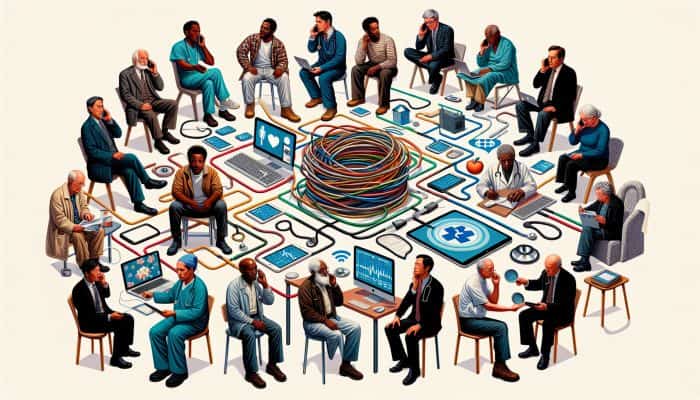
Implementing telehealth for men’s wellness does present several challenges that need to be addressed. One significant barrier is related to technology; not all men have equal access to the necessary devices or reliable internet connectivity, particularly in rural areas of the UK. This digital divide can hinder the effectiveness of telehealth services, potentially leaving some men unable to fully benefit from these innovative healthcare solutions.
Moreover, patient acceptance remains a challenge. Although the acceptance of telehealth has increased, some men may still prefer traditional face-to-face consultations due to comfort levels or familiarity. Concerns about the efficacy of virtual consultations compared to in-person visits may persist, with some men questioning the quality of care they would receive. Overcoming these concerns requires effective communication from healthcare providers to educate patients about the benefits and effectiveness of telehealth services.
Potential solutions to these challenges include launching public awareness campaigns about telehealth, investing in digital literacy initiatives, and ensuring that providers offer comprehensive support to assist patients in navigating the technology necessary for telehealth consultations.
Telehealth Services Tailored to Common Men’s Health Issues
Strategies for Men to Manage Chronic Conditions Remotely
Telehealth has proven invaluable for men managing chronic conditions such as diabetes, hypertension, and heart disease. This approach allows men to monitor their health remotely with guidance from healthcare professionals, leading to improved management and health outcomes. Remote monitoring tools and applications enable patients to track vital signs, glucose levels, and medication adherence in real-time, providing healthcare providers with essential information to tailor treatment plans effectively.
For instance, many telehealth programs offer integrated platforms that connect patients with their healthcare providers, allowing for seamless communication and quick adjustments to treatment protocols based on real-time data. Regular virtual consultations ensure that men remain compliant with their management plans, thereby reducing the likelihood of complications. Benefits of managing chronic conditions through telehealth include:
- Continuous monitoring of health metrics
- Timely interventions to prevent complications
- Increased patient engagement and accountability
- Enhanced communication with healthcare providers
This model of care not only improves health outcomes but also empowers men to take control of their health, encouraging a proactive approach to managing chronic conditions effectively.
Telehealth Services Addressing Men’s Sexual Health Needs
Telehealth offers discreet and convenient services for men’s sexual health, tackling concerns that are often accompanied by social stigma. Men can engage in virtual consultations with specialists who provide expert advice on issues such as erectile dysfunction, sexually transmitted infections (STIs), and other sexual health matters. The privacy afforded by telehealth is particularly advantageous for those who may feel embarrassed discussing these issues in person.
Telehealth services for sexual health encompass:
- Virtual consultations with urologists
- STI testing and treatment
- Prescription management for erectile dysfunction
- Sexual health education and counselling
- Access to support groups and forums
Through telehealth, men can access comprehensive sexual health services without the fear of judgement, allowing them to openly address their concerns and receive appropriate treatment efficiently. This improvement in access to sexual health services is crucial for fostering overall wellness among men.
Utilising Telehealth to Support Fitness and Nutrition Goals
Men can leverage telehealth to receive personalised fitness and nutrition advice from qualified professionals. Online fitness coaching and nutritional counselling are becoming increasingly prevalent, enabling men to pursue their health goals from the comfort of their homes. The flexibility of telehealth allows individuals to create routines that fit their lifestyles, regardless of busy schedules.
Nutritionists and fitness experts can conduct assessments during virtual consultations, creating tailored programmes that cater to individual needs and preferences. These services often include meal planning, fitness assessments, and ongoing support to ensure accountability and motivation. The telehealth model also facilitates regular check-ins, which can enhance commitment to fitness and dietary goals. Key benefits of using telehealth for fitness and nutrition include:
- Convenient access to personalised advice
- Flexibility to schedule sessions around personal commitments
- Continuous support and motivation
- Integration of wearable technology for tracking progress
By harnessing telehealth for fitness and nutrition, men can cultivate healthier lifestyles that contribute to their overall well-being, making it easier to achieve and sustain their health goals.
Comprehensive Mental Health Support Accessible Through Telehealth
Telehealth provides accessible mental health support for men, offering a variety of services that address common issues such as anxiety, depression, and stress management. The digital format allows men to obtain support at their convenience, breaking down barriers that might otherwise prevent them from seeking help in traditional settings. Telehealth services typically include therapy sessions, stress management techniques, and support groups, providing a holistic approach to mental health care.
The advantages of telehealth for mental health support are significant. Men can participate in therapy sessions from the comfort of their homes, dramatically reducing the anxiety associated with in-person visits. This accessibility encourages more men to seek help when needed, leading to early intervention and improved health outcomes. The range of mental health support services available through telehealth includes:
- Individual therapy sessions
- Online support groups
- Meditation and mindfulness classes
- Stress management workshops
Telehealth thus serves as a vital resource for enhancing mental health awareness and support among men, reinforcing the message that seeking help is a strength, not a weakness.
Research-Backed Benefits of Telehealth for Men’s Wellness
Insights from Research Studies on Telehealth Effectiveness
Numerous studies have underscored the effectiveness of telehealth in improving men’s health outcomes. Research indicates that telehealth can lead to better management of chronic conditions and increased patient satisfaction. For example, a study centered on diabetes care found that patients utilizing telehealth services achieved superior blood sugar control compared to those relying solely on in-person visits. This advantage is attributed to more frequent monitoring and the immediate availability of healthcare guidance.
Moreover, research reveals that telehealth is especially beneficial for mental health. A systematic review of teletherapy indicated significant reductions in symptoms of anxiety and depression among men participating in virtual therapy sessions. These findings suggest that telehealth not only meets men’s health needs but often exceeds the outcomes of traditional care methods due to its accessibility and the comfort it provides.
Long-Term Benefits of Telehealth for Men’s Health
The long-term benefits of telehealth extend well beyond immediate health improvements, fostering sustained changes in men’s health behaviours. By encouraging regular check-ups and continuous monitoring of health conditions, telehealth promotes a proactive approach to health management. Early intervention facilitated through telehealth can prevent the escalation of health issues, ultimately leading to lower healthcare costs and enhanced quality of life.
Additionally, the ongoing engagement with healthcare providers fostered by telehealth can strengthen patient-provider relationships. With regular access to care, men are more likely to adhere to treatment protocols and make informed decisions about their health. Long-term advantages of telehealth include:
- Improved health outcomes through early detection and management
- Increased patient compliance with treatment plans
- Reduction in healthcare costs due to preventative care
- Empowerment of patients to actively manage their health
These collective benefits contribute to a healthier population of men, alleviating the burden of chronic diseases and enhancing overall wellness.
Steps for Men to Integrate Telehealth Into Daily Healthcare Routines
Integrating telehealth into men’s healthcare routines can significantly enhance wellness and promote proactive health management. To effectively incorporate telehealth, men can follow these actionable steps:
- Assess personal health requirements and identify areas where telehealth can be beneficial.
- Research and select reputable telehealth providers based on specific health concerns.
- Schedule regular virtual consultations to maintain engagement with health services.
- Utilise health tracking applications to monitor vital signs and share data with healthcare providers.
- Explore mental health resources and support available through telehealth platforms.
By taking these steps, men can seamlessly integrate telehealth into their healthcare routines, fostering a proactive approach to their overall wellness.
Improving Accessibility and Affordability of Telehealth in the UK
NHS Initiatives Promoting Telehealth Growth
The NHS has actively promoted and integrated telehealth services into its framework to enhance patient care. Recognising the necessity for accessible healthcare, the NHS has invested in digital platforms and resources to facilitate virtual consultations. Initiatives such as NHSX and the COVID-19 response strategy have accelerated the adoption of telehealth, enabling patients to seek care remotely while alleviating pressure on healthcare facilities.
NHS services now encompass a wide range of telehealth options, including remote consultations with GPs, mental health support, and chronic disease management. The NHS has also developed user-friendly platforms to ensure ease of use, simplifying access for individuals seeking care from their homes. This proactive strategy not only enhances access to healthcare services but also aids in reducing waiting times and improving overall patient satisfaction.
Private Telehealth Options Available for Men’s Health
In addition to NHS offerings, private telehealth providers offer a variety of options tailored to men’s wellness. These private services often provide faster access to specialists and more personalised care, catering to specific health needs. While private telehealth may involve costs, many men find value in the convenience and expedited service that these providers deliver.
Private telehealth options can vary greatly in pricing and services offered. Some providers may employ subscription-based models that grant access to virtual consultations, while others charge on a per-visit basis. The range of services can encompass everything from general health assessments to specialised care in areas such as men’s sexual health and mental health support. As men explore private telehealth options, it is crucial to consider factors such as cost, service availability, and provider reputation to ensure the best fit for their individual needs.
Barriers Men Encounter When Accessing Telehealth Services
Despite the many advantages of telehealth, some men face barriers to accessing these services. Challenges such as lack of technology, poor internet connectivity, or limited awareness of available telehealth options can prevent many from benefiting from these innovations. Addressing these barriers requires collaborative efforts from healthcare providers, technology firms, and policymakers.
One potential solution is to invest in digital literacy programmes aimed at educating men on how to effectively utilise telehealth services. Additionally, partnerships between healthcare providers and technology companies can enhance access to devices and internet connectivity in underserved areas. Ensuring that telehealth services are widely advertised and accessible to all demographics is crucial for overcoming these obstacles.
Government Policies Supporting Telehealth Affordability
The UK government has taken proactive steps to establish policies aimed at making telehealth services more affordable and accessible for all citizens. Initiatives focused on funding for digital health solutions and subsidies for telehealth services have emerged to alleviate the financial burden on patients. Furthermore, the government encourages collaboration between the public and private sectors to ensure that innovative telehealth solutions are developed and implemented effectively.
Additionally, the NHS has set guidelines to standardise telehealth services, simplifying the navigation process for patients seeking care. These policies not only improve accessibility to telehealth but also provide financial protections for patients, ensuring that cost does not become a barrier to receiving necessary care. As the telehealth landscape evolves, ongoing government support will be crucial for maintaining affordability and accessibility in the future.
Strategies to Optimise Telehealth for Men’s Wellness
Choosing the Right Telehealth Provider for Optimal Care
Selecting the appropriate telehealth provider is essential for men seeking effective wellness solutions. When evaluating providers, men should consider several key factors to ensure they choose a reputable and suitable option. First and foremost, verifying credentials and qualifications is vital; providers should be licensed and possess relevant experience in men’s health. Additionally, men should assess the range of services offered to ensure they align with their specific health needs.
Another important aspect is the technology platform used by the provider. A user-friendly interface and reliable technology are crucial for a positive telehealth experience. Men should also inquire about privacy policies and data security measures to guarantee their personal information remains confidential. Essential questions to ask potential telehealth providers include:
- What qualifications do the healthcare providers possess?
- What services are specifically available for men’s health?
- How does the platform ensure data security and patient confidentiality?
- What is the process for scheduling appointments and follow-ups?
By thoroughly vetting telehealth providers, men can identify a service that not only meets their healthcare needs but also instills confidence in their ability to manage their wellness effectively.
Ensuring Privacy and Security in Telehealth Engagements
Privacy and security are paramount concerns in telehealth, especially when dealing with sensitive health information. To ensure confidentiality, men should take proactive steps when engaging with telehealth services. Firstly, it is essential to select providers that utilise secure, encrypted platforms for consultations and communications. Look for telehealth services that comply with regulations such as GDPR, ensuring that personal data is handled appropriately.
Moreover, men should be mindful of their surroundings during virtual consultations. Choosing a private space can significantly enhance confidentiality when discussing personal health matters. It is also advisable to use secure Wi-Fi networks rather than public connections when accessing telehealth services, thereby reducing the risk of data breaches.
By prioritising these measures, men can confidently engage with telehealth services while safeguarding their privacy and personal information.
Building a Supportive Telehealth Ecosystem
Creating a supportive environment for telehealth necessitates collaboration among healthcare providers, policymakers, and patients. Stakeholders must work together to establish frameworks that facilitate the seamless integration of telehealth into existing healthcare systems. This involves investing in technology infrastructure and ensuring that healthcare providers receive the necessary training to deliver effective virtual care.
Public awareness campaigns can play a vital role in promoting telehealth and educating patients about available services. By increasing knowledge and understanding, men will be more likely to seek out telehealth options when needed. Furthermore, fostering partnerships between public and private sectors can enhance the development of innovative telehealth solutions, ensuring that men have access to comprehensive and tailored healthcare services.
As the telehealth landscape continues to expand, building a supportive ecosystem will be essential to ensure that men’s wellness is effectively addressed through these innovative healthcare solutions.
Anticipating the Future of Telehealth for Men’s Wellness in the UK
Technological Innovations Shaping the Future of Telehealth
Emerging technologies such as artificial intelligence (AI) and wearable devices are poised to significantly enhance telehealth services for men’s wellness. Innovations in AI can assist healthcare providers in analysing patient data more efficiently, leading to more accurate diagnoses and personalised treatment plans. Machine learning algorithms can identify trends in a patient’s health metrics, enabling proactive interventions before issues escalate.
Wearable devices, including fitness trackers and smartwatches, provide real-time health data that can be shared with healthcare providers during virtual consultations. This integration not only enhances patient engagement but also empowers men to take a more active role in managing their health. As these technologies continue to evolve, the potential for telehealth to deliver even more comprehensive and tailored care will only increase, paving the way for a future where men’s wellness is prioritised through innovative solutions.
The Role of Telehealth in Preventive Care Strategies
Telehealth has the potential to revolutionise preventive care for men by enabling early detection and intervention. Regular virtual consultations can facilitate routine screenings and assessments, ensuring that men remain vigilant about their health. With telehealth, men can easily access preventive services such as vaccinations, health screenings, and wellness checks, eliminating the barriers imposed by traditional healthcare settings.
Moreover, telehealth fosters a culture of proactive health management, encouraging men to participate in regular health assessments and consultations. By integrating preventive care into their healthcare routines, men can identify potential health issues before they develop into significant problems, leading to improved long-term health outcomes. The role of telehealth in preventive care is crucial, as it helps create a paradigm shift towards prioritising health maintenance rather than reactive treatment.
Importance of Policy and Regulation in Telehealth Development
The future of telehealth in the UK heavily relies on supportive policies and regulations that promote its growth and integration into the healthcare system. Current policies must focus on providing clear guidelines for telehealth practices, ensuring that both patients and providers understand their rights and responsibilities. This includes establishing standards for service delivery, patient privacy, and data protection.
Additionally, ongoing government support for telehealth initiatives is essential in driving innovation and accessibility. By investing in digital health infrastructure and funding for telehealth programmes, the UK can ensure that men have access to high-quality, effective healthcare services. As policymakers continue to explore the implications of telehealth, a collaborative approach involving healthcare providers, technology experts, and patient advocates will be vital in shaping a sustainable future for telehealth in men’s wellness.
Frequently Asked Questions About Telehealth
What Is Telehealth and Its Purpose?
Telehealth refers to the delivery of healthcare services using digital technologies, enabling patients to consult with healthcare providers remotely through video calls, phone calls, or messaging.
How Has Telehealth Expanded in the UK?
Telehealth usage has surged in the UK, especially during the pandemic, with increased adoption by both healthcare providers and patients seeking convenient access to care.
What Are the Key Benefits of Telehealth for Men’s Health?
Benefits include enhanced privacy, convenience, access to specialised care, and the ability to receive timely support for both mental and physical health concerns.
What Mental Health Services Are Offered Through Telehealth?
Telehealth provides services such as therapy sessions, group support, stress management techniques, and medication management specifically tailored for men’s mental health.
How Can Men Manage Chronic Conditions Through Telehealth?
Men can manage chronic conditions via telehealth by utilising remote monitoring tools, participating in regular consultations with healthcare providers, and receiving personalised care plans.
What Options Are Available for Men’s Sexual Health via Telehealth?
Telehealth offers discreet access to sexual health consultations, STI testing, erectile dysfunction management, and sexual health education.
How Does the NHS Promote Telehealth in the UK?
The NHS supports telehealth services by providing funding, developing user-friendly platforms, and integrating telehealth into its healthcare framework.
What Privacy Measures Are Important in Telehealth?
Men should ensure that their telehealth provider uses secure, encrypted platforms and conduct consultations in private settings to maintain confidentiality.
How Can Men Integrate Telehealth Into Their Healthcare Routines?
Men can integrate telehealth by identifying their health needs, selecting reputable providers, scheduling regular consultations, and utilising health tracking applications.
What Does the Future Hold for Telehealth in the UK?
The future of telehealth in the UK involves advancing technologies, an increased focus on preventive care, and supportive policies that enhance accessibility and quality of services.
Connect with us on Facebook!
The Article Telehealth for Men’s Wellness: Enhancing UK Healthcare Was First Published On https://acupuncture-frome.co.uk
The Article Telehealth for Men’s Wellness: Improving UK Health Services Was Found On https://limitsofstrategy.com
Leave a Reply