Unlock the Secrets to Safe and High-Quality Chicken Storage
Master Refrigeration Techniques for Optimal Chicken Safety
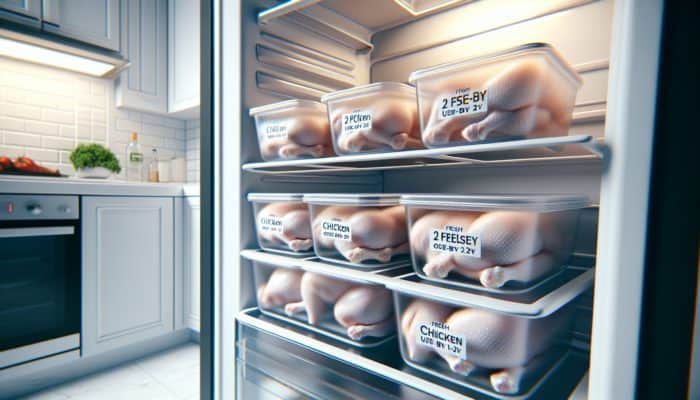
Properly storing chicken is vital for maintaining its safety and quality. By keeping chicken at or below 4°C, you effectively inhibit the proliferation of harmful bacteria, an essential practice in various culinary environments—from bustling urban kitchens to tranquil home settings. To guarantee maximum freshness, it is highly advisable to consume chicken within 1-2 days post-purchase; otherwise, freezing is the best option for longer storage. When refrigerating chicken, always position it on the bottom shelf to prevent any juices from contaminating other foods. This straightforward practice aids in avoiding cross-contamination and ensures your kitchen remains safe and hygienic.
Refrigeration methods may vary based on geographical location, influenced by differing environmental conditions. For instance, in warmer regions like Australia or South Africa, maintaining consistent cooling can be particularly challenging. Thus, investing in a reliable refrigerator with a built-in thermometer is a critical step to ensure that the chicken’s environment is consistently maintained at safe temperatures, significantly decreasing the likelihood of foodborne illnesses.
Essential Guidelines for Safe Chicken Freezing Practices
Freezing chicken is an excellent method for preserving its quality and safety, as long as it is stored at 0°C or lower. Effective packaging is crucial to prevent freezer burn, which can significantly diminish the chicken’s quality. It’s best to use airtight, freezer-safe bags or containers specifically designed for freezing to retain moisture and flavor. Additionally, labeling the packages with the date can help you keep track of storage time. Chicken can typically be safely stored in the freezer for several months, but for optimal taste and texture, it is advisable to consume it within 3-6 months.
Equally important is the proper thawing of chicken, which should be done carefully. Always opt for refrigerator thawing, as this method keeps the meat at a safe temperature. Avoid leaving chicken out on the countertop to thaw, as this can lead to dangerous bacterial growth. In many cultures, particularly in the Mediterranean and Asia, cooking methods frequently incorporate fresh or frozen chicken, underlining the importance of proper thawing techniques to retain both flavor and safety.
Strategies to Effectively Prevent Cross-Contamination in the Kitchen
Cross-contamination poses a significant concern when handling raw chicken. One of the most effective strategies to minimize this risk is to store raw chicken separately from other foods. Utilizing sealed containers or bags to contain any juices that may leak is essential, particularly in both professional kitchens and home settings, especially where space is limited. The likelihood of cross-contamination increases dramatically in shared storage areas where raw and cooked foods are placed in close proximity to one another.
It is advisable to dedicate specific shelves in your refrigerator for raw meats. This straightforward method can significantly reduce the risk of bacteria spreading to ready-to-eat foods. Moreover, various restaurants have established strict protocols for segregating raw ingredients, which help maintain high food safety standards and protect customers’ health.
Regular Monitoring of Storage Temperatures: A Key to Food Safety
Consistently checking the temperatures of your fridge and freezer is vital to ensure food safety. The ideal refrigerator temperature should be maintained below 4°C, while freezers need to be kept at -18°C or colder. Using a food thermometer can enhance accuracy, confirming that your chicken remains within the safe storage range. Periodically adjusting the settings based on seasonal variations or changes in usage can be beneficial, particularly in areas with extreme weather conditions.
For example, in tropical climates where ambient temperatures are consistently higher, investing in more robust refrigeration solutions may become necessary. Regular temperature monitoring not only extends the shelf life of chicken but also significantly lowers the risk of foodborne illnesses, which can arise from improperly stored poultry. The global food industry increasingly relies on technology to monitor these conditions, ensuring that food safety remains a top priority across all culinary settings.
Best Practices for Safe Handling After Thawing Chicken
After thawing chicken in the refrigerator, it is essential to use it within one day to ensure both safety and quality. Refreezing thawed chicken is generally not advisable, as it can compromise the meat’s texture and flavor. This is particularly noteworthy in diverse culinary traditions where chicken is a staple ingredient, ranging from Asian stir-fries to Mediterranean grills. Following these guidelines enables you to maximize the potential of your culinary creations while ensuring they are safe for consumption.
When preparing to cook, always inspect the chicken for any off odors or discoloration. Such indications can signify spoilage, even if the meat has been stored correctly. Adhering to safe handling practices is crucial to ensure that your culinary creations are not only delicious but also safe for you and your loved ones.
Expert Insights on Safe Cooking Techniques for Chicken
Real-World Examples of Safe Chicken Preparation Practices
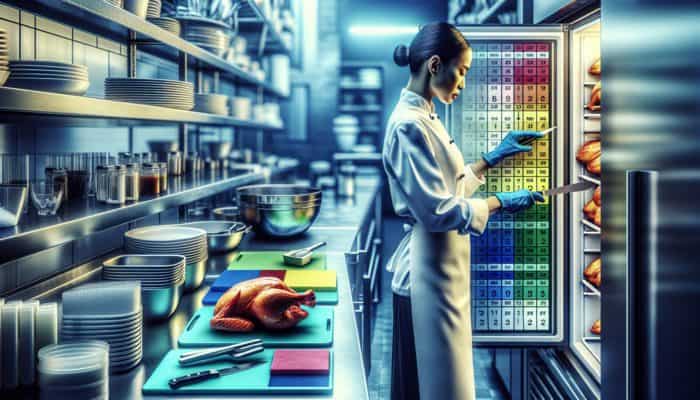
In professional kitchens across the globe, chefs adhere to stringent safety protocols to guarantee that chicken is prepared safely. For instance, in upscale restaurants, chefs often employ color-coded cutting boards to prevent cross-contamination between raw chicken and vegetables. Home cooks can also adopt similar practices, such as ensuring that utensils used for raw chicken are thoroughly sanitized before being applied to other foods.
Moreover, many chefs advocate for marinating chicken in the refrigerator instead of on the countertop, which significantly reduces the risk of bacterial growth. In real-world situations, such as community cook-offs or family gatherings, sharing these best practices can elevate safety standards among participants. This collaborative approach fosters a culture of safety, ensuring everyone can enjoy their meals without the fear of foodborne illnesses.
Identifying Signs of Properly Cooked Chicken
Properly cooked chicken should exhibit clear juices, lack any pink meat, and reach an internal temperature of 75°C. These indicators confirm that harmful bacteria have been effectively neutralized during the cooking process. Utilizing a meat thermometer is highly recommended for accuracy, as visual indicators alone can sometimes be misleading, particularly in thicker cuts like thighs or whole birds.
Across various cuisines, from Indian curries to southern fried chicken, the importance of checking these signs remains universally applicable. Thoroughly cooking chicken is not merely a matter of preference; it is essential for preventing foodborne illnesses that can have serious health implications. Incorporating these practices into homes and restaurants alike is crucial for safeguarding public health.
The Significance of Maintaining Proper Cooking Temperatures
Ensuring specific cooking temperatures is vital for eliminating harmful bacteria that can reside in chicken. Cooking chicken to an internal temperature of 75°C guarantees that pathogens such as Salmonella and Campylobacter are eradicated. Different parts of the chicken have varying temperature requirements: while the breast should reach 75°C, thighs and wings need to achieve 82°C to ensure complete safety.
This knowledge is particularly relevant in global culinary practices, where chicken often plays a central role in traditional dishes. Chefs and home cooks must be aware of these temperature differentials to prepare safe and delicious meals. It is not merely a technical requirement; it is a fundamental aspect of culinary knowledge that should be communicated across cultures to ensure safety in kitchens worldwide.
Effective Strategies for Safe Handling of Raw Chicken
Understanding the Risks Associated with Raw Chicken Handling
Handling raw chicken comes with inherent risks, as it can harbor harmful bacteria such as Salmonella and Campylobacter. These pathogens can lead to severe foodborne illnesses if proper handling techniques are not observed. The risk is particularly heightened in busy kitchens where multiple dishes are being prepared simultaneously, increasing the likelihood of cross-contamination.
Educating individuals about these risks is crucial, especially in regions where home cooking is commonplace. By emphasizing the dangers associated with raw chicken, we can promote safer cooking practices and decrease the incidence of foodborne illnesses. Simple actions, such as thorough handwashing and using separate utensils for raw and cooked ingredients, can significantly mitigate these risks.
Essential Hygiene Practices When Handling Raw Chicken
Maintaining proper hygiene is a critical aspect of food safety, particularly when dealing with raw chicken. Always wash your hands thoroughly with soap and water after handling raw poultry, as this simple yet effective practice can greatly reduce the risk of spreading bacteria. Cleaning surfaces and utensils must also be a habitual practice to prevent cross-contamination in the kitchen.
In many cultures, the emphasis on cleanliness during food preparation is deeply ingrained. For instance, in Japanese cuisine, chefs often showcase meticulous cleaning of surfaces and tools both before and after food preparation, serving as a model for safe handling. Adopting this commitment to hygiene in both professional and home kitchens globally can significantly elevate food safety standards.
Implementing Separate Cutting Boards for Raw Chicken
Utilizing separate cutting boards for raw chicken and other foods is a fundamental practice for preventing cross-contamination. This method protects your meals from harmful bacteria that can linger on surfaces. Ideally, color-coded cutting boards should be designated, with one specifically for raw chicken, ensuring that the risk of transferring bacteria is minimized.
In culinary schools worldwide, students learn about the significance of this practice during food safety training. The emphasis on using separate equipment underscores a commitment to maintaining high hygiene standards in kitchens, whether in fine dining establishments or family homes. By raising awareness of this practice, we can cultivate a safer cooking environment for everyone.
Best Practices for Storing Raw Chicken Safely
Properly storing raw chicken is crucial to minimize bacterial growth. Keep raw chicken in the coldest part of the fridge, ideally at temperatures below 4°C. Consuming it within 1-2 days of purchase is essential to ensure safety and quality. This is particularly important in environments like bustling marketplaces or local butcher shops, where freshness is paramount.
When storing raw chicken, it is advisable to use a sealed container to prevent leakage. This not only protects other foods in the fridge but also helps to maintain the chicken’s quality. Educating consumers about these proper storage methods is essential for promoting food safety and enhancing the overall dining experience, regardless of culinary tradition.
Cooking Chicken to Safe Temperatures for Health
Utilize a Meat Thermometer for Precise Cooking
A meat thermometer is an indispensable tool to ensure chicken reaches the safe internal temperature of 75°C. To use it effectively, insert the thermometer into the thickest part of the chicken, avoiding bones, as they can skew the reading. This practice is essential for maintaining food safety, particularly in larger cuts like whole chickens or roasts.
The importance of utilizing a meat thermometer is stressed in various culinary settings, from professional kitchens to home cooks. Many chefs advocate for this practice as a means of ensuring that chicken is cooked perfectly every time, thus avoiding the risk of undercooked poultry. The reliability of a meat thermometer offers peace of mind, making it an essential kitchen tool for anyone preparing chicken.
Recommended Cooking Temperatures for Different Chicken Parts
Different sections of the chicken require specific cooking temperatures to ensure safety. The breast should be cooked to an internal temperature of 75°C, while thighs and wings should reach 82°C. These temperature guidelines are critical for eradicating harmful bacteria and ensuring that the chicken is safe for consumption.
In various countries, culinary traditions often dictate how chicken is prepared, but irrespective of the method, these temperature recommendations are universal. For instance, in barbecue cultures, where chicken is frequently grilled, maintaining the correct temperature is essential for preventing foodborne illnesses. Understanding these temperature requirements is a key aspect of responsible cooking in any culinary setting.
Avoiding Undercooked Chicken for Enhanced Safety
Undercooked chicken presents significant health risks as it can harbor harmful bacteria that lead to foodborne illnesses. To prevent this, always ensure that chicken is fully cooked and has reached the appropriate internal temperature. Monitoring the temperature is crucial, as visual cues alone may not be reliable indicators of doneness.
Across culinary practices globally, from roasting in Europe to frying in Asia, the emphasis on thoroughly cooking chicken is paramount. Techniques for assessing doneness may vary, but employing a meat thermometer remains the most dependable method. By prioritizing thorough cooking, we can promote safer dining experiences worldwide.
Effective Thawing Methods for Chicken Safety
Refrigerator Thawing: The Safest Method
Thawing chicken in the refrigerator is the safest method to prevent bacterial growth. This process allows chicken to thaw gradually, maintaining a safe temperature throughout. It typically takes about five hours per pound, so planning ahead is essential. Once thawed, the chicken should be used within 1-2 days to ensure quality and safety.
In many kitchens worldwide, particularly those focused on food safety, refrigerator thawing is the standard practice. This method not only preserves the chicken’s texture but also guarantees that it remains safe for cooking. By educating home cooks and chefs about the importance of this thawing technique, we can further enhance food safety practices globally.
Cold Water Thawing: Quick Defrosting Method
Cold water thawing is a swift method for defrosting chicken. To do this safely, submerge the chicken in cold water, ensuring it is in a leak-proof bag. Change the water every 30 minutes to maintain a safe temperature. After thawing, cook the chicken immediately to ensure it is safe for consumption.
This method is especially beneficial for those pressed for time but still wishing to ensure the chicken remains safe to eat. Many culinary traditions utilize this technique when preparing for large gatherings or events, where chicken is a common dish. Emphasizing safe practices in this method is crucial for preventing foodborne illnesses.
Microwave Thawing: Convenient Yet Cautious
Using the defrost setting on your microwave is another effective way to thaw chicken. However, it’s crucial to cook the chicken immediately after thawing to avoid any bacterial growth. This method is convenient for those in a hurry, but caution must be exercised to ensure even thawing and to prevent partially cooking the chicken.
In many modern kitchens, microwaves are a staple appliance, and their use for thawing chicken is becoming increasingly common. By providing guidelines on safe microwave thawing, we can assist home cooks in navigating potential pitfalls and ensuring that their chicken is safe for cooking and consumption.
Research-Backed Benefits of Safe Chicken Cooking Tips
Actionable Steps for Effective Chicken Storage
To store chicken safely in the refrigerator and freezer, follow these essential steps: first, set your refrigerator to below 4°C and your freezer to -18°C or colder. Store chicken in sealed containers to prevent contamination. Use raw chicken within 1-2 days in the fridge or freeze it for longer storage. When defrosting, always opt for the refrigerator method to maintain safety.
These actionable steps are crucial in both home and restaurant settings, where the risks associated with improper storage can lead to serious consequences. By incorporating these practices into regular food handling, individuals and culinary professionals can greatly enhance food safety measures, resulting in healthier dining experiences for everyone.
How Proper Cooking Techniques Can Prevent Foodborne Illnesses
Utilizing proper cooking techniques is essential for eliminating harmful bacteria that cause foodborne illnesses. Cooking chicken to the recommended temperatures effectively neutralizes pathogens like Salmonella and Campylobacter, significantly lowering the risk of illness. Using a meat thermometer ensures that chicken is cooked thoroughly, providing an additional layer of safety.
This principle is widely acknowledged in culinary practices around the globe. From street food vendors in Asia to fine dining establishments in Europe, the emphasis on proper cooking techniques is crucial for safeguarding public health. In many cultures, the shared responsibility for safe cooking practices highlights the importance of education and awareness in preventing foodborne illnesses.
The Effectiveness of Safe Cooking Practices in Reducing Illness Risk
Adhering to safe cooking practices can significantly lower the risk of foodborne illnesses. Research shows that effective cooking methods, combined with appropriate handling and storage techniques, can reduce the incidence of foodborne pathogens by over 90%. This is particularly relevant in culinary contexts where chicken is frequently consumed, such as in fast food and home cooking.
Understanding the effectiveness of these practices is vital for both consumers and culinary professionals. By adopting a comprehensive approach to food safety that encompasses every stage, from storage to cooking, individuals can protect their health and enhance their overall dining experience. Globally, a commitment to food safety can build trust between consumers and culinary providers.
Best Practices for Marinating Chicken Safely
Marinate Chicken in the Refrigerator for Safety
Always marinate chicken in the refrigerator to prevent bacterial growth. This practice is especially critical in warmer climates or during summer months when ambient temperatures can encourage rapid bacterial proliferation. Utilizing a sealed container or bag helps contain any juices, providing additional protection against cross-contamination.
In many culinary traditions, marinating is not solely about enhancing flavor; it also plays a significant role in food safety. For instance, in Mediterranean cuisines, marinating chicken for extended periods can significantly elevate dishes. However, balancing time and temperature is crucial to ensure safety while achieving the desired flavor profile.
Follow Safe Marinating Times for Quality Assurance
Marinate chicken for a minimum of 30 minutes but no longer than 24 hours. Extended marinating times can adversely affect the chicken’s texture, potentially compromising the final dish. Striking a balance between infusing flavor and maintaining food safety throughout the marination process is essential.
This guideline is widely practiced in culinary schools and professional kitchens. Many chefs recommend marinating chicken overnight for optimal flavor, but they also emphasize the importance of monitoring time to ensure quality. By educating home cooks on safe marinating times, we can promote better cooking practices across the board.
Utilize Safe Marinade Ingredients to Avoid Contamination
Avoid cross-contamination by using separate marinades for raw and cooked chicken. This ensures that harmful bacteria do not transfer to ready-to-eat foods. Incorporating fresh ingredients for marinades is also critical for maintaining safety and enhancing flavor. Many traditional cuisines, including Thai and Mexican, feature vibrant, fresh ingredients in marinades that not only elevate the dish but also promote food safety.
Global awareness of the importance of using safe ingredients in marinades can lead to more informed cooking practices. For example, incorporating citrus juices or vinegar not only adds flavor but can also create an environment less conducive to bacterial growth, thereby promoting safe cooking practices.
Handle Marinated Chicken Safely to Ensure Best Practices
After marinating chicken, it’s crucial to discard the used marinade or boil it to eliminate any bacteria before reuse. This practice is essential for preventing cross-contamination. Always wash hands and utensils thoroughly after handling marinated chicken to maintain a safe cooking environment.
In various culinary cultures where marinated chicken is a common preparation method, the emphasis on safe handling remains consistent. Whether preparing chicken skewers for a barbecue or marinating for a stir-fry, ensuring safety during this process is paramount for producing delicious and safe meals.
Explore Trusted Strategies for Safe Chicken Cooking Tips
Examine Real-World Examples of Safe Chicken Storage Practices
To store chicken safely in the refrigerator, consider how professional kitchens manage inventory effectively. Chefs often label containers with dates and types of meat, ensuring that older stock is used first. At home, adopting a similar approach with your chicken can help maintain freshness and safety.
When freezing chicken, responsible practices should also be prioritized. For instance, many families freeze portions of chicken in meal-sized bags, which helps with portion control and facilitates safe, quick thawing. These examples illustrate how universally applicable safe storage practices can be whether in commercial kitchens or home settings.
How Proper Storage Techniques Can Extend Chicken’s Shelf Life
Proper storage at safe temperatures can significantly prolong chicken’s shelf life. Utilizing chicken within 1-2 days in the refrigerator and freezing it for longer storage helps maintain its quality. By adhering to these guidelines, consumers can enjoy chicken at its best while simultaneously minimizing waste.
In communities worldwide, the significance of proper storage techniques is well understood. For instance, in regions where chicken is a dietary staple, such as Southeast Asia, effective storage methods are crucial for ensuring food availability and safety. By educating consumers on safe storage practices, we can encourage responsible consumption and enhanced food safety.
Gain Expert Insights on the Impact of Storage on Chicken Safety
Effective storage prevents bacterial growth and ensures chicken safety. Keeping chicken at the right temperatures greatly reduces the risk of foodborne illnesses, which is especially relevant in areas with high poultry consumption. This relationship underscores the need for food safety education across diverse culinary landscapes.
Research indicates that improper storage accounts for a significant percentage of foodborne illnesses, highlighting the crucial need for awareness and education. By fostering a culture of safe storage practices, communities can reduce the incidence of foodborne diseases and promote healthier eating habits.
Safe Methods for Reheating Cooked Chicken
Oven Reheating: The Optimal Safety Method
Reheating chicken in the oven is a safe method to ensure it reaches an internal temperature of 75°C. Preheat your oven to 175°C and place the chicken in an oven-safe dish. Covering it with foil can help retain moisture, preventing the chicken from drying out. This method is particularly effective for larger portions or when reheating dishes like casseroles.
In many culinary practices, especially those involving leftovers, oven reheating is a traditional method that guarantees food safety. By following this technique, cooks can enjoy their meals without compromising on quality or safety. The oven method is widely respected in various cuisines, ensuring that reheated chicken remains delicious and safe for consumption.
Microwave Reheating: Quick and Efficient
When reheating in the microwave, use a microwave-safe dish and cover the chicken to retain moisture. Heat the chicken until its internal temperature reaches 75°C, ensuring it is safe to consume. This method is convenient, particularly for busy individuals or families needing quick meals.
In global culinary contexts, microwaving leftovers is a common practice. However, ensuring even heating is crucial to avoid cold spots where bacteria can survive. By adhering to safe reheating guidelines, consumers can enjoy their chicken meals with confidence, knowing they are prioritizing food safety.
The Risks of Improperly Reheating Chicken
Improperly reheated chicken can lead to foodborne illnesses, making it essential to ensure it reaches the safe internal temperature of 75°C. Cold spots in the chicken may harbor harmful bacteria, posing serious health risks. Therefore, monitoring the temperature during reheating is critical for maintaining food safety.
In various culinary practices, from home kitchens to catering services, the emphasis on safe reheating remains paramount. By raising awareness about the risks associated with improper reheating techniques, we can promote a culture of food safety that prioritizes health and well-being across culinary traditions.
Stovetop Reheating: Quick and Safe Meal Preparation
Reheating chicken on the stovetop is an effective method that allows for quick heating while ensuring it reaches an internal temperature of 75°C. To do this, heat a pan over medium heat and add a small amount of oil or liquid to keep the chicken moist. Stir occasionally to ensure even heating, which helps eliminate cold spots.
This method is highly regarded in many culinary traditions, where stovetop reheating is often used for stews or stir-fries that include chicken. By following safe reheating practices, both home cooks and professional chefs can ensure that their chicken dishes remain delicious and safe for everyone to enjoy.
FAQs on Chicken Safety and Best Cooking Practices
What is the safest way to thaw chicken?
The safest way to thaw chicken is in the refrigerator, allowing it to maintain a safe temperature and preventing bacterial growth. Alternatively, cold water thawing is also effective if done properly.
How long can chicken be stored in the fridge?
Chicken can be safely stored in the refrigerator for 1-2 days before it should be cooked or frozen to ensure optimal freshness and safety.
What temperature should chicken be cooked to?
Chicken should be cooked to an internal temperature of 75°C for the breast and 82°C for thighs and wings to ensure it is safe to eat.
Can you refreeze thawed chicken?
It is not recommended to refreeze thawed chicken, as this can compromise its quality. It’s best to cook it within one day after thawing.
How can I avoid cross-contamination when cooking chicken?
To avoid cross-contamination, use separate cutting boards and utensils for raw chicken and cooked foods. Always wash hands and surfaces thoroughly after handling raw poultry.
What are the signs of spoiled chicken?
Signs of spoiled chicken include an off smell, a slimy texture, or discoloration. If you notice any of these signs, it is best to discard the chicken.
Is it safe to marinate chicken at room temperature?
No, it is not safe to marinate chicken at room temperature. Always marinate chicken in the refrigerator to prevent bacterial growth.
How long should I marinate chicken?
Chicken should be marinated for at least 30 minutes but no longer than 24 hours to ensure flavor without compromising safety.
What is the best way to reheat leftover chicken?
The best way to reheat leftover chicken is in the oven at 175°C, ensuring it reaches an internal temperature of 75°C for safety.
Why is it important to check chicken’s internal temperature?
Checking a chicken’s internal temperature is crucial to ensure it has reached safe cooking levels, effectively killing harmful bacteria and preventing foodborne illnesses.
Connect with us on Facebook!
The post Top Tips for Cooking Chicken Safely: Essential Guidelines appeared first on https://cookinggods.com
The Article Cooking Chicken Safely: Essential Tips and Guidelines Was Found On https://limitsofstrategy.com
Leave a Reply