Category: Safety Tips

  • Belize City Safety Tips: Safer Areas to Explore

    Belize City Safety Tips: Safer Areas to Explore

    Many travelers are eager to master the art of navigating Belize City safely, and acquiring a deep understanding of its urban layout is vital for a stress-free experience. As you explore this vibrant Caribbean destination, it’s essential to identify high-risk neighborhoods such as Southside and certain areas in downtown, which may pose safety risks. Adopting a proactive travel strategy involves staying vigilant, avoiding deserted areas after dark, and choosing busy, tourist-friendly areas. By following local guidance and maintaining a heightened awareness of your environment, you can fully engage with Belize City’s rich culture and attractions while minimizing the potential dangers to your personal safety.

    Recognize and Steer Clear of High-Risk Neighborhoods in Belize City

    Developing a thorough understanding of the neighborhood dynamics in Belize City can significantly boost your safety throughout your visit. Certain Southside neighborhoods, including Jane Usher Boulevard, George Street, and parts of Kraal Road, are consistently identified as some of the most dangerous areas. These districts experience high crime rates, frequently linked to gang activities and violent incidents. Locals and experienced travelers strongly advise against entering these zones, particularly after dark. To ensure your safety, it’s crucial to remain in well-lit, populated areas while staying alert and aware of your surroundings at all times.

    Gain Insights from Locals About Unsafe Districts in Belize City

    Residents and seasoned travelers often share warnings about specific neighborhoods where the risk of crime is notably higher. The Southside region, particularly areas close to downtown, presents the most significant security threats. Neighborhoods such as Port Loyola and various sections of Lake Independence have seen higher crime statistics over the years. Knowledgeable locals recommend avoiding isolated streets, urging visitors to walk confidently while keeping valuable items hidden from sight. Understanding these community nuances is essential for making informed decisions about where to journey for your personal security and comfort.

    Investigate the Historical Factors Behind Crime Trends in Belize City

    The crime landscape in Belize City reflects a complex web of socioeconomic issues. Historically, gang rivalries and economic inequalities have significantly influenced the spike in crime rates. Areas like Southside have suffered from enduring cycles of poverty and limited opportunities, which correlate closely with increased rates of criminal activity. By understanding these underlying dynamics, you can navigate the city more strategically and significantly lower your potential risks during your stay.

    Delve Into the Historical Context of Belize City’s Crime Patterns

    The crime patterns observed in Belize City are deeply intertwined with long-standing social and economic difficulties that have developed over the decades. Since the 1980s, urban poverty, a lack of economic opportunities, and the growth of gangs have profoundly shaped the criminal landscape. Data from the Belize Crime Observatory shows that youth unemployment and territorial gang conflicts are major contributors to the city’s violent crime. Specific neighborhoods like George Street and various areas of Southside have consistently reported troubling crime rates, with gang-related incidents accounting for approximately 60% of violent occurrences. Recognizing these historical trends provides critical context for travelers aiming to navigate the city safely and responsibly.

    Uncover Safe Zones for Enjoyable Exploration in Belize City

    Discovering Belize City becomes a delightful adventure when you familiarize yourself with the safe neighborhoods and recommended areas. Tourist-friendly zones such as the Belize Tourism Village, Fort George, and the Marine Parade provide secure environments to immerse yourself in local culture and attractions. These areas feature well-maintained streets, a visible police presence, and numerous opportunities to experience the vibrant atmosphere of the city without compromising your personal safety and peace of mind.

    Engage in Family-Friendly Activities: Discover Attractions and Fun for All Ages

    Families visiting Belize City can uncover a variety of safe and engaging destinations to enjoy together. The Belize Zoo, located just outside the city limits, offers a controlled environment for observing native wildlife in a secure setting. The Museum of Belize, situated downtown, provides enriching educational experiences for all ages, while the Baron Bliss Lighthouse area presents a picturesque backdrop for leisurely strolls and photography opportunities. These locations guarantee enjoyable experiences for families with minimal safety concerns, ensuring that everyone can have a memorable time.

    Discover Safe Nightlife Options: Enjoy Evening Entertainment Without Worry

    As the sun sets, it’s vital to stick to well-lit, populated areas like the Princess Hotel and Casino complex and certain sections of Newtown Barracks. These venues offer secure environments with on-site security personnel, making your evening entertainment significantly safer. In these zones, various restaurants and reputable bars provide entertainment options that help minimize potential risks associated with nighttime outings, allowing you to enjoy the nightlife without unnecessary anxiety.

    Navigating the nightlife scene in Belize City requires a thoughtful approach. The Princess Hotel and Casino complex stands out as a top safe evening destination, featuring a wide range of entertainment options within a secure perimeter. Local establishments like the Wet Lizard and Riverside Tavern offer controlled environments for enjoying live music, drinks, and social interactions. With security personnel, well-lit surroundings, and proximity to popular tourist hotspots, these venues are preferable to isolated or unfamiliar nightlife options. Always aim to travel in groups, stay aware of your surroundings, and utilize reputable transportation services when exploring evening entertainment opportunities.

    Get Ready for Your Visit: Essential Safety Strategies for Travelers

    Successfully navigating Belize City requires strategic preparation and a focused awareness of your environment. Pack lightweight, moisture-wicking clothing that won’t draw unnecessary attention. Carry minimal cash, and consider using hidden money belts for added security. Learning basic Spanish and Kriol phrases can significantly enhance your communication skills. Ensure you have secure digital copies of essential documents such as passports and travel insurance. Acquiring travel insurance that includes medical evacuation coverage is crucial. This proactive approach will greatly improve your personal security throughout your Belize City adventure.

    Adopt Smart Travel Practices for a Safer Experience

    Stay alert and maintain situational awareness in unfamiliar settings. Avoid showcasing expensive jewelry, cameras, or electronic devices in public to minimize drawing unwanted attention. Always choose official taxi services or pre-arranged transportation from reputable companies. Keep your possessions close at hand and use cross-body bags with secure closures to deter theft. Blending in with local dress norms and avoiding the appearance of a vulnerable tourist can help lower the chances of becoming a target for opportunistic criminals, enhancing your overall safety.

    Utilize Personal Safety Gadgets and Apps to Enhance Security

    Before arriving in Belize City, equip yourself with travel safety technology that boosts your security. Download offline maps, translation apps, and emergency contact applications to remain connected. Carry a portable charger to ensure your devices stay powered throughout your travels. Consider using personal safety applications that offer real-time location sharing and emergency alerts to trusted contacts. GPS tracking devices can provide additional peace of mind and security as you explore.

    Explore Comprehensive Solutions for Personal Safety Technology

    Modern travelers have access to a variety of technological solutions designed to improve personal safety while exploring. Portable GPS trackers, such as Tile or Apple AirTag, can help locate lost items or share location data with trusted contacts. Personal alarm devices equipped with loud sound capabilities can effectively deter potential threats. Mobile apps like SafeTrek and TripWhistle Global SOS provide instant emergency contacts with local authorities when needed. Furthermore, smartphone applications such as WhatsApp offer secure communication channels. This multi-layered approach combines digital and physical safety measures for comprehensive protection during your Belize City visit.

    Be Ready: Emergency Contacts and Resources When Trouble Arises

    Know Local Authorities: Who to Contact in Emergency Situations

    In case of emergencies, police services in Belize City can be contacted by dialing 911. The Belize Police Department operates several local stations, with the Central Police Station located on Queen Street serving as the primary contact point. When reporting specific incidents, be sure to provide detailed information and remain calm while communicating with local authorities. Tourist police, who are specially trained to assist visitors, can offer nuanced support in challenging situations, making them a valuable resource.

    Access Tourist Assistance Services: Essential Support During Emergencies

    Your embassy or consulate serves as a crucial lifeline during emergencies. The U.S. Embassy in Belize City, located on Floral Park Road, offers immediate assistance for American travelers facing legal, medical, or safety issues. Keep their contact number (+501-822-4011) easily accessible in your phone and travel documents to ensure quick communication in case unexpected challenges arise.

    Tourist assistance in Belize extends beyond embassy support. The Belize Tourism Board provides comprehensive traveler support through their dedicated helpline and regional offices. They coordinate with local law enforcement, medical facilities, and transportation services to help tourists navigate complex situations. Their network includes multilingual staff who can provide translation services, legal guidance, and emergency medical referrals. Additionally, travel insurance providers often offer 24/7 international support lines that can supplement these local resources, providing essential layers of protection and immediate intervention strategies for travelers facing difficulties.

    Real-Life Experiences: Learning from Travelers’ Stories in Belize City

    Cautionary Tales: Important Lessons Learned from Travelers

    Sarah, a solo traveler, learned the hard way about the nighttime risks prevalent in Belize City. While walking alone near the southern districts after dark, she encountered aggressive individuals who attempted to rob her. Her quick thinking and decision to stay in well-lit areas populated by others helped her evade what could have been a dangerous encounter. Her experience underscores the vital importance of remaining alert and avoiding isolated streets after sunset, serving as a reminder for all travelers.

    Positive Encounters: Success Stories and Recommendations from Fellow Travelers

    Mark and Emily, a couple from Canada, successfully navigated Belize City by opting to stay in the tourist-friendly Fort George neighborhood. They chose to engage local tour guides, relied on registered taxi services, and maintained a heightened situational awareness. Their strategic approach allowed them to immerse themselves in the city’s vibrant culture without encountering safety issues, demonstrating the effectiveness of planning and awareness.

    Numerous travelers have shared successful strategies for exploring Belize City safely. Connecting with reputable tour operators like Chukka Adventures or booking guided city tours through established agencies like the Belize Tourism Board can significantly enhance your experience. Many visitors recommend staying in well-reviewed hotels within the Fort George or Collet neighborhoods, as they offer better security and proximity to attractions. Joining group tours, utilizing official transportation, and maintaining a confident yet cautious demeanor are essential for a positive and memorable visit. Local guides provide invaluable insights into navigating the city’s diverse neighborhoods while effectively minimizing potential risks.

    Stay Informed: Final Insights on Safely Navigating Belize City

    In summary, navigating Belize City requires a combination of awareness and strategic planning. Staying alert in neighborhoods like Southside and certain parts of downtown, which are known for their higher crime rates, is vital. Your personal safety relies on choosing well-lit and populated areas and avoiding isolated locations, especially after dark. By opting to stay in recommended zones such as North Side and Buttonwood Bay, you can significantly reduce potential risks. Trust your instincts, secure your valuables, and maintain a vigilant awareness of your surroundings. Following these practical guidelines will enable you to enjoy a fulfilling and safe experience while exploring the vibrant city of Belize.

    Frequently Asked Questions: Key Safety Considerations for Travelers

    Which neighborhoods in Belize City are considered the most dangerous for tourists?

    Tourists should exercise caution in areas like Southside, especially neighborhoods such as Jane Usher Boulevard, George Street, and parts of Port Loyola. These neighborhoods have elevated crime rates and are infamous for gang activities. It’s best to remain in well-lit, populated areas and avoid wandering alone, particularly after dark.

    Are there safe areas in Belize City that tourists can explore?

    Absolutely, some of the safer areas include the Tourism Village, Battlefield Park, and the downtown historic district during daylight hours. The Belize City Swing Bridge area and nearby tourist attractions are generally more secure. Always remain mindful of your surroundings and keep valuable items close to you to enhance your safety.

    What safety measures should travelers implement when visiting Belize City?

    Travelers should utilize registered taxi services, avoid displaying expensive jewelry or electronics, stay in well-reviewed accommodations, and travel in groups whenever possible. Use ATMs located within banks or hotels, maintain a low profile, and stay alert in crowded areas. It’s advisable to check current travel advisories prior to your trip for the latest safety information.

    How does transportation safety work in Belize City?

    Utilize official taxi services or registered tour transportation options. Avoid walking alone at night, especially in unfamiliar areas. Water taxis and organized tour shuttles are generally considered safer modes of transport. If you choose to rent a vehicle, park in secure, well-lit areas and avoid driving at night in unknown neighborhoods to ensure your safety.

    What alternative destinations are considered safer than Belize City for tourists?

    Consider opting for safer regions such as Ambergris Caye, Caye Caulker, or San Pedro, which provide more tourist-friendly environments. These locations feature beautiful beaches, enhanced security, and a more relaxed atmosphere compared to the urban challenges of Belize City. Many travelers use Belize City primarily as a transit point to reach these safer destinations.

    The Article Belize City Safety: What Areas to Avoid and Safe Alternatives appeared first on Belize Travel Guide

    The Article Belize City Safety: Avoid These Areas and Find Safer Options Was Found On https://limitsofstrategy.com

  • Belize Adventure Activities: Your Safety Guide

    Belize Adventure Activities: Your Safety Guide

    Over the years, Belize has evolved into a thrilling destination for adventure enthusiasts, providing an array of exhilarating experiences from zip-lining through lush jungles to diving in vibrant coral reefs. As you set off on your Belize adventure, it’s vital to prioritize Belize adventure safety to ensure a secure and enjoyable experience. This comprehensive guide will equip you with essential tips for Belize tour safety, helping you navigate potential hazards while maximizing your enjoyment. Whether you’re kayaking along the stunning coastline or uncovering ancient Mayan ruins, placing a priority on safety will allow you to fully engage with Belize’s breathtaking landscapes and thrilling activities.

    Discover the Thrill of Belize: Unforgettable Adventures Await

    Belize captivates adventure seekers with its irresistible charm, where a rich tapestry of diverse landscapes invites exploration. Immerse yourself in exhilarating experiences that span from the crystal-clear waters of the Caribbean Sea to the vibrant greenery of the jungle. Nature lovers and thrill-seekers alike will find their passions met in this tropical haven, where each journey reveals new layers of beauty and excitement just waiting to be discovered.

    Exploring Belize’s Stunning Landscapes: Mountains, Reefs, and Jungle Experiences

    The geographical diversity of Belize is nothing short of mesmerizing, presenting an adventure playground that features towering mountains, colorful coral reefs, and dense jungle terrains. Whether you navigate the mountainous interior, venture into deep caves, or gaze upon the iconic Great Blue Hole, each environment presents unique challenges and breathtaking views. As you traverse this multifaceted land, you will find that the varying landscapes not only shape your adventure but also provide ample opportunities for wildlife encounters and cultural experiences that are truly unique to this enchanting region.

    Diverse Activities Await: Scuba Diving, Hiking, and Exhilarating Experiences

    In Belize, the opportunities for adventure are vast and varied, including activities like scuba diving at some of the world’s most renowned dive sites, challenging hiking excursions through ancient Maya ruins, and exhilarating zip-lining experiences above the jungle canopy. With the second-largest barrier reef in the world, Belize’s dive spots are essential for spotting diverse marine life, while numerous trails and guided excursions allow you to explore the rich biodiversity on land.

    Diving stands out as a must-experience activity in Belize, with the Great Blue Hole attracting thousands seeking underwater adventure each year. Expect to encounter stunning coral formations, vibrant tropical fish, and perhaps even a sea turtle or shark during your dives. Hiking trails through the jungle lead you to hidden waterfalls and historical landmarks like Xunantunich, further emphasizing Belize’s captivating essence. Zip-lining adds an aerial twist to your adventure, offering a bird’s-eye view of the breathtaking natural surroundings while delivering an adrenaline rush you won’t soon forget. Each experience enriches your adventure in Belize while ensuring that safety practices are strictly observed for maximum enjoyment.

    Strategizing for Your Belize Adventure: Critical Steps for Enthusiasts

    Preparing for your Belize adventure involves much more than just excitement; thorough preparation is vital to ensure your experience remains thrilling yet safe. From assessing your physical condition to packing the appropriate gear, being well-prepared can significantly enhance your time spent exploring Belize’s stunning landscapes and vibrant activities.

    Physical Fitness: Evaluating Your Readiness for Adventure Activities

    Before diving into the exhilarating adventures that Belize has to offer, it is crucial to evaluate your fitness level to ensure it aligns with the intensity of the activities you plan to undertake. Whether you’re planning to hike through the lush rainforest, go cave tubing, or engage in exciting water sports, establishing a solid fitness foundation can help prevent injuries and enhance your overall enjoyment. Engage in cardiovascular exercises, strength training, and flexibility workouts in the weeks leading up to your trip to achieve optimal readiness.

    Essential Gear: What to Pack for Safety and Enjoyment

    Your packing list plays a pivotal role in ensuring both adventure and safety during your Belize expedition. Opt for appropriate clothing made from moisture-wicking, quick-drying fabrics, and always include a sturdy pair of hiking or water shoes. Never compromise on safety gear: a well-fitting helmet, life jacket, and quality carabiners are crucial for activities such as zip-lining and cave exploration. Additionally, don’t forget essentials like sunscreen, insect repellent, a first aid kit, and a refillable water bottle to stay hydrated throughout your adventures.

    In Belize, investing in high-quality gear can significantly impact your safety and comfort during outdoor activities. High-performance hiking shoes provide not only traction but also support for varied terrains. Waterproof bags are invaluable for protecting your belongings while kayaking or during sudden rain showers. Choosing lightweight, quick-dry clothing helps regulate your body temperature, especially when transitioning from water to land. Equip yourself with a reliable first aid kit that includes basics like band-aids, antiseptic wipes, and blister care, personalized with any medications you may need. This foresight enables you to tackle your Belize adventure with confidence and peace of mind.

    Identifying Risks: Navigating Environmental Challenges in Belize

    Belize’s stunning landscapes and diverse ecosystems come with their share of environmental hazards that can impact your adventure activities. From unpredictable weather shifts to encounters with wildlife, being aware of potential risks allows you to enjoy a safe and thrilling experience. Staying informed and prepared is key to navigating these environmental challenges while exploring the natural beauty that surrounds you.

    Weather Patterns: Timing Your Activities for Optimal Conditions

    The tropical climate in Belize means that weather can vary significantly throughout the year. Planning your activities during the dry season, which typically runs from November to April, will help you avoid the frequent rain and storms characteristic of the wet season. Keep an eye on local forecasts, as sudden changes can occur, and always have a contingency plan ready in case of adverse weather conditions.

    Wildlife Encounters: Minimizing Risks in Nature

    Encounters with wildlife are a thrilling aspect of adventure tourism in Belize; however, they can pose significant risks. Familiarizing yourself with the local fauna and understanding which animals can be dangerous is critical for ensuring your safety. Maintaining a respectful distance, adhering to their habitats, and following guidelines from local guides will greatly reduce the likelihood of negative encounters.

    Many visitors may not realize that creatures like jaguars and poisonous snakes inhabit the jungles of Belize. While sightings are rare, it’s essential to remain alert and avoid venturing off marked trails. In coastal areas, stingrays and jellyfish can also pose risks in the water. Wearing protective footwear while swimming or wading is advisable, as well as familiarizing yourself with the safest swimming spots. Engaging in expert-led guided tours can further enhance your safety and ensure a rewarding wildlife experience.

    Following Safety Protocols: Guidelines for Specific Adventure Activities

    Engaging in adventure activities in Belize demands a solid understanding of specific safety protocols tailored to each unique experience. By familiarizing yourself with best practices across snorkeling, jungle exploration, cave tubing, and zip-lining, you’ll enhance your safety while maximizing enjoyment. Each activity presents different challenges, and knowing these guidelines will help you make informed decisions during your adventures.

    Snorkeling and Scuba Diving: Key Best Practices for Safety

    Before embarking on a snorkeling or scuba diving excursion in Belize, ensuring your equipment is in good condition and that you’re thoroughly trained is imperative. Always dive with a buddy to enhance safety, remain aware of your surroundings, and be mindful of local marine life. Utilize a buoyancy control device to help maintain your position in the water, and exchange information with your dive leader regarding your limits and experience level to ensure a safe diving experience.

    Jungle Exploration: Safety Tips for Embracing Nature

    Navigating the jungles of Belize requires a blend of enthusiasm and caution. Sticking to established trails significantly decreases your chances of getting lost and helps protect sensitive ecosystems. Equip yourself with proper gear, including sturdy footwear, insect repellent, and adequate hydration. Keep your eyes peeled for local wildlife and avoid touching or feeding animals to reduce the risk of bites.

    The Belizean jungle is home to a rich diversity of flora and fauna, and staying on marked paths enhances both your safety and overall experience. Always inform someone of your intended route and expected return time. Utilizing a local guide can provide insightful information about potential hazards and hidden spots, ensuring a memorable adventure without compromising your safety. Be cautious of sudden weather changes, and seek shelter if necessary, as heavy rain can quickly transform trails into hazardous conditions.

    Cave Tubing and Ziplining: Essential Risk Management Strategies

    Cave tubing and ziplining over the stunning Belizean canopy can be exhilarating, but adhering to stringent safety measures is fundamental. Before you begin, check that your outfitter complies with strict safety standards, including regular equipment inspections and trained guides. Listen carefully to your guides during safety briefings, and adhere to weight and health restrictions to ensure a secure and enjoyable experience.

    Both cave tubing and ziplining entail inherent risks that necessitate active management. When cave tubing, always wear a helmet and a life jacket, and stay in a group to avoid straying into unknown currents or difficult navigation points. For ziplining, ensure your harness fits correctly and practice proper landing techniques. Engaging in these activities with a responsible tour operator significantly diminishes risks while providing you with a thrilling exploration of Belize’s natural wonders.

    Emergency Preparedness: Planning for Unexpected Situations

    Preparing for the unexpected can significantly enhance your adventure experience in Belize. Establishing a basic emergency plan ensures that you are ready for any surprises that may arise. Consider assembling a small group for shared responsibility, agreeing on meeting points if separated, and having a designated communicator. Familiarize yourself with your activity routes and the neighboring areas, as this knowledge can significantly reduce stress during emergencies. This preparation not only boosts your confidence but can also prove life-saving when faced with unforeseen events.

    Familiarizing Yourself with Local Emergency Services

    Being aware of local emergency services can enhance your sense of security while exploring Belize. Identify the nearest healthcare facilities and local authorities who can assist during an emergency. Keep a list of emergency contact numbers on hand, including local police and medical services, which can streamline communication in critical moments. Maps displaying the locations of these resources can also prove invaluable, ensuring you can access help swiftly if needed.

    First Aid Essentials: Crucial Items for Your Adventure Kit

    Your first aid kit is a vital asset during Belize adventures, and it should contain essential supplies for common injuries and ailments. Equip your kit with adhesive bandages, antiseptic wipes, gauze pads, pain relievers, and insect repellent. Include any personal medications and a CPR barrier device for severe emergencies. Lastly, familiarize yourself with basic first aid procedures; knowing how to respond can significantly impact the outcome in a crisis.

    Taking the time to assemble a well-stocked first aid kit can make a major difference when adventure turns into a mishap. It’s advantageous to include items tailored to Belize’s unique environment, such as specialized insect bite treatments, water purification tablets, and sunscreen. Additionally, consider adding tweezers for splinters or ticks, as well as a thermometer to monitor any potential fevers. Exploring Belize’s rugged terrain may require more than just enthusiasm; being prepared for minor medical situations ensures you can continue your adventures with confidence and safety.

    Ensuring Safety in Belize: Essential Takeaways for Adventurers

    Your safety during adventure activities in Belize should always be a top priority. Always select reputable tour providers who prioritize Belize adventure safety, and familiarize yourself with the specific safety guidelines for each activity, whether it’s diving, zip-lining, or exploring ancient ruins. Stay informed about local conditions and ensure you have the necessary gear. By taking the time to prioritize your safety, you can fully immerse yourself in the thrilling experiences that adventure Belize has to offer, creating unforgettable memories while remaining secure throughout your journey.

    Frequently Asked Questions About Belize Adventure Activities Safety

    Q1: What essential safety tips should I follow while participating in adventure activities in Belize?

    A: Ensuring your safety during adventure activities in Belize starts with thorough preparation. Here are some key tips:
    – Always check the weather forecast before heading out, as conditions can change rapidly, particularly in areas like caves or the coast.
    – Use reputable tour operators; read reviews and ensure they follow safety protocols.
    – Wear appropriate gear based on the activity you’re undertaking (e.g., life jackets for water sports, helmets for cave tubing).
    – Stay hydrated and apply sunscreen to protect yourself from sunburn, especially during outdoor activities.
    – Follow the guidance of your tour guides at all times. They are trained to handle emergencies and can provide valuable insights about safety.

    Q2: Are there specific laws and regulations regarding adventure activity safety in Belize?

    A: Yes, Belize has several laws and regulations aimed at ensuring safety during adventure activities. Tour operators are required to obtain licenses and must comply with safety standards enforced by the Belize Tourism Board. Each activity, from diving to zip-lining, has specific guidelines that must be followed. It’s beneficial to inquire about the operator’s credentials and training, as compliance with safety laws can significantly reduce risks during your adventure.

    Q3: What should I do in case of an emergency while engaging in adventure activities in Belize?

    A: If you experience an emergency during your adventure activities, follow these steps:
    – Stay calm and assess the situation. If you or someone else is injured, avoid moving them unless they are in immediate danger.
    – Alert your tour guide or the nearest staff member, as they are usually trained to handle emergencies and have access to first aid kits.
    – If necessary, contact local emergency services by dialing 911 for immediate assistance.
    – Familiarize yourself with the emergency protocols of your tour operator before beginning your adventure, including locations of first aid stations and emergency exits.

    Q4: How can I minimize risks when touring Belize’s natural attractions?

    A: Minimizing risks while touring Belize’s natural attractions involves several proactive measures:
    – Choose activities that match your skill level. If you’re not an experienced diver, for instance, opt for a guided tour that offers beginner-friendly options.
    – Stay informed about the wildlife in the area; for example, certain snakes and insects could pose risks, so be cautious and respect their habitats.
    – Pay close attention to signs and warnings posted at natural sites. They often provide crucial information regarding potential hazards.
    – Keep a safety pack with vital items such as a whistle, a flashlight, basic first aid supplies, and a charged mobile phone for emergencies.

    Q5: What precautions should I take when engaging in water sports in Belize?

    A: Water sports are among the most popular adventure activities in Belize, and specific precautions can enhance your safety:
    – Always wear a life jacket, regardless of your swimming ability, as water conditions can be unpredictable.
    – Be aware of the local tides and currents, which can affect activities like snorkeling and kayaking.
    – Ensure your equipment is in good condition and suited for the activity. Inspect gear like snorkels, masks, and kayaks before use.
    – Stay hydrated and avoid alcohol consumption when engaging in water activities, as it can impair judgment and physical performance.
    – Never venture out alone; always participate in groups or with a certified guide.

    Final Insights on Safety and Adventure in Belize

    Engaging in adventure activities in Belize can be an exhilarating experience filled with stunning natural beauty and cultural richness. Prioritizing safety through proper measures and awareness significantly enhances your experience. From understanding local laws to employing personal safety routines, equipping yourself with knowledge fosters an enjoyable and secure adventure in Belize. Always choose reputable operators and remain alert to your surroundings while creating unforgettable memories in this tropical paradise.

    The Article Belize Adventure Activities Safety Guide appeared first on Belize Travel Guide

    The Article Belize Safety Guide for Adventure Activities Was Found On https://limitsofstrategy.com

  • Crime Trends and Smart Travel Tips for San Miguel de Allende 2025

    San Miguel de Allende remains a sought-after destination for both travelers and expats, yet the evolving landscape of crime patterns and shifting housing preferences have escalated safety concerns, making it an essential priority for anyone considering relocation or travel. This detailed guide offers a thorough analysis of the latest crime statistics, explores the factors contributing to the increasing appeal of gated communities, and provides practical, actionable advice to navigate your experiences in San Miguel de Allende with confidence and peace of mind.

    1. Explore the Latest Crime Statistics and Trends Affecting San Miguel de Allende

    According to Numbeo’s March 2025 index, the following statistics shed light on the current safety landscape in the area:

    • Overall crime level: 64.45/100 (High)
    • Property crime concerns: 65.50/100 (High)
    • Violent crime concerns: 56.05/100 (Moderate)
    • Walking alone—day: 82.88/100 (Very High safety)
    • Walking alone—night: 43.70/100 (Moderate safety)

    The alarming increase in the murder rate—from around 90 annually in 2020 to over 120 in 2023—has resulted in a rate of approximately 120 per 100,000 residents, which is double the average rate in the United States[1]. It is important to recognize that most of these violent incidents are concentrated in peripheral regions, while the Centro Histórico area remains relatively safe for both residents and visitors, providing a reassuring environment for those exploring this vibrant city.

    2. Discover Why Gated Communities Are Gaining Popularity in San Miguel de Allende

    Insights from The Lat Investor indicate that escalating crime rates have led to a noticeable rise in demand for secure living environments. Gated communities such as La Fuente and Malanquin offer a range of benefits for residents, including:

    • 24/7 private security patrols that ensure continuous monitoring and protection, providing peace of mind to residents
    • Controlled vehicle access and advanced CCTV surveillance systems for enhanced security measures
    • Amenity-rich living spaces, featuring luxurious pools, well-equipped gyms, and expansive green areas for leisure and relaxation

    During the years 2023 and 2024, these exclusive gated communities experienced significant price increases ranging from 15% to 25% compared to their non-gated counterparts[2]. This trend highlights a growing preference among residents for security and luxury, making gated living an attractive option for those seeking safety without sacrificing comfort.

    3. Evaluating the Safety of Various Neighborhoods in San Miguel de Allende

    Neighborhood Day Safety Night Safety Primary Concerns
    Centro Histórico Very High High Pickpocketing in crowded areas
    San Antonio High Moderate Vandalism and car break-ins
    Guadiana High Moderate Petty theft incidents
    Atascadero & Los Frailes Moderate Low Property crime and stray dog issues

    4. Vital Safety Tips for a Secure Living and Travel Experience in San Miguel de Allende

    • Choose licensed ride-sharing services such as Uber or Didi instead of street taxis. Always verify the vehicle’s license plate and the driver’s name before entering the vehicle to ensure your safety.
    • Safeguard your belongings: Utilize theft-proof bags, avoid displaying valuables in public, and make sure that all doors and windows are securely locked when at home or in your vehicle.
    • Stick to well-lit areas at night and travel in groups whenever feasible to enhance your safety while exploring the city.
    • Limit the cash you carry: Favor using credit cards or mobile payment options instead of holding large amounts of cash on hand.
    • Stay informed: Regularly check local expat forums (such as r/expats[3]) and official safety advisories to keep up-to-date with any emerging safety issues.

    5. Important Emergency Contacts and Support Resources in San Miguel de Allende

    • Police (Emergency Number): 911
    • Tourism Police in Centro Histórico: +52 415 152 XXXX
    • U.S. Embassy (Belmopan): +52 229 932 XXXX[4]
    • Local Expat Network: Connect with the “San Miguel Digital Nomads” group for real-time updates and community support to enhance your safety.

    6. Common Questions About Safety in San Miguel de Allende Answered

    • Is it safe for solo female travelers to visit San Miguel de Allende? Yes, the Centro Histórico is generally safe; however, it is advisable to avoid quiet alleys at night and choose trusted transportation methods for added security.
    • Are pickpockets a concern in crowded areas? While they are rare, it is prudent to carry a theft-proof bag when visiting busy markets or attending festivals to minimize risks.
    • Can I walk home at night in San Miguel de Allende? Yes, in the Centro, it is typically safe with caution; however, in the outskirts, it is recommended to use a ride-share service for your safety.


    The enchanting charm and beauty of San Miguel de Allende continue to attract visitors, but it is essential to stay aware of current crime trends and implement effective safety measures. By selecting secure neighborhoods, utilizing reliable ride-sharing services, and maintaining vigilance, you can fully enjoy the rich culture and vibrant allure of San Miguel de Allende without unnecessary worry or concern.

    Explore Additional Resources for Informed Living in San Miguel de Allende

    1. Numbeo: In-Depth Crime Statistics in San Miguel de Allende (March 2025)
    2. The Lat Investor: 2025 Real Estate Market Insights and Predictions
    3. Reddit r/expats: Engaging Discussions and Insights on Living in San Miguel de Allende
    4. U.S. Embassy Belmopan: Essential Contact Information and Resources

    The Article: 2025 Safety Update: Real Crime Trends, Gated Communities & Smart Travel Tips in San Miguel de Allende appeared first on https://fallinginlovewithsanmiguel.com/

    The Article Safety Update 2025: Crime Trends and Smart Travel Tips for San Miguel de Allende Was Found On https://limitsofstrategy.com

  • House Clearance Safety Tips for Beginners: A Handy Guide

    House Clearance Safety Tips for Beginners: A Handy Guide

    Proven Planning Techniques to Optimize Your House Clearance Experience

    For individuals embarking on a house clearance, prioritizing safety is paramount to ensure a seamless and effective experience. Careful planning is essential for reducing risks and enhancing organization. The process begins with a detailed assessment of the property, which is vital in comprehending what needs attention. This thorough evaluation is instrumental in creating a strategic plan that will navigate you through the entire clearance journey, enabling you to consider factors such as the property’s condition, the types of items requiring removal, and the resources necessary to carry out the project effectively.

    Performing a Comprehensive Property Assessment for Efficient Clearance

    Safety Tips for House Clearance Beginners: A cluttered property interior with safety equipment in hazardous areas and a strategic clearance plan.

    Executing a thorough evaluation of the property is crucial for a successful clearance. This process involves not only assessing the space’s size but also examining its overall state. Are certain rooms overflowing with belongings, or is the clutter spread unevenly throughout different areas? Understanding the layout allows you to design a strategic action plan. If hazardous areas such as basements or attics exist, knowing their condition becomes essential for determining the necessary precautions. This knowledge is particularly vital for safeguarding the health and safety of both personnel and equipment required to navigate these spaces without incident.

    Furthermore, creating a detailed checklist is advisable, outlining the various areas targeted for clearance. Divide the property into manageable sections and assign a realistic timeline to each area. This structured approach keeps you organized and focused, significantly alleviating feelings of overwhelm. Additionally, take stock of items that require special handling, such as large furniture that may not fit through standard doorways or fragile items demanding careful removal techniques to avoid damage and ensure safety throughout the clearance process.

    Essential Equipment for a Streamlined House Clearance

    Equipping yourself with the right tools is crucial for ensuring a safe and efficient house clearance process. A reliable pair of sturdy gloves is indispensable, providing comfort while protecting your hands from sharp objects, hazardous materials, and potential injuries. Choose gloves designed for heavy-duty tasks, ensuring they offer adequate protection and durability while handling various items, thus minimizing the risk of accidents.

    In addition to gloves, consider the importance of wearing masks, particularly if you suspect that dirt or allergens may be present in the property. The significance of respiratory protection cannot be overstated; inhaling dust or mold can lead to serious health complications. Investing in high-quality N95 masks is advisable, as they provide superior filtration to safeguard your respiratory health during the clearance.

    Moreover, having sturdy bags or boxes to sort items can significantly improve the organization of your workspace as you progress through the clearance. Establishing a clear system for categorizing items into groups such as keep, donate, recycle, or dispose of will simplify the process and help you maintain focus, ensuring that the clearance is carried out efficiently and effectively.

    Navigating UK Legal Requirements for a Successful House Clearance

    Understanding the legal framework surrounding waste disposal in the UK is another critical element of a successful house clearance. Familiarizing yourself with local laws and regulations is essential to protect yourself from potential fines and legal complications that may arise from improper disposal practices. Each local council has specific guidelines for waste disposal, especially regarding hazardous materials, which must be adhered to in order to avoid complications.

    It is wise to contact your local council for comprehensive information on permissible disposal methods and the appropriate procedures. Many councils provide collection services for bulky waste or hazardous materials, which can be invaluable during your clearance efforts. Ignorance of these regulations is not an acceptable defense; following them ensures safety while promoting environmental responsibility and sustainability within your community.

    Selecting the Right Safety Gear for a Secure House Clearance

    Person in safety gear navigating cluttered, dimly lit house during clearance.

    Wearing appropriate safety gear and clothing is essential to protect yourself during a house clearance. The unpredictability of what you may encounter necessitates a proactive approach to personal safety, ensuring that you are well-prepared for any situation that could arise during the process.

    Choosing High-Quality Gloves for Optimal Hand Protection

    The selection of gloves can significantly influence your safety during the clearance. Ideal gloves should be robust and specifically designed to withstand the rigours of lifting and handling various objects. Seek options made from materials such as nitrile or leather, which offer both flexibility and protection against cuts and abrasions that could occur while navigating through cluttered spaces.

    When selecting gloves, consider the specific tasks you will be undertaking. If you are handling old furniture or sharp items, gloves with reinforced palms and fingers will provide extra protection, significantly reducing the risk of injury. Comfort is also crucial; gloves that fit well enable you to perform tasks more efficiently without hindrance, allowing you to concentrate on the job at hand.

    Lastly, don’t overlook the condition of your gloves. Regularly inspect them for signs of wear and tear, replacing them as necessary to ensure continuous protection throughout the clearance process. A small investment in quality gloves can yield significant benefits in terms of safety and comfort.

    Choosing Appropriate Footwear to Enhance Your Safety

    Your footwear choice can significantly impact your safety, especially in potentially hazardous environments during a house clearance. Closed-toe shoes are essential, as they protect your feet from heavy items that may accidentally fall during the process. Opt for footwear with excellent grip to prevent slips, particularly in areas where debris may be present or where floors are uneven, which can pose additional risks.

    Consider wearing steel-toed boots if you anticipate handling particularly heavy items. This added layer of protection can be crucial in preventing foot injuries, which are common in house clearance scenarios. Always ensure that your footwear is comfortable, as you may be on your feet for extended periods during the clearance, which can lead to discomfort and fatigue if proper support is not provided.

    Utilizing Protective Eyewear to Shield Your Vision

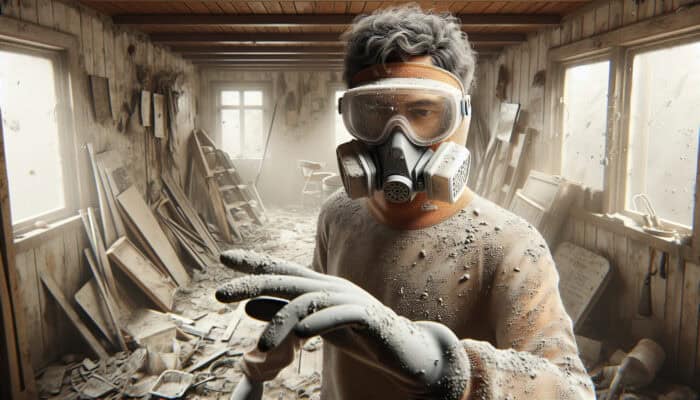
    Person wearing safety goggles clearing an old house, protected from dust, debris, and chemical splashes.

    Protective eyewear, such as safety goggles, is often overlooked but is essential for safeguarding your vision during a house clearance. Dust, debris, and even chemical splashes may pose serious risks to your eyes, particularly in older properties where hazards may be more prevalent. When working in environments where such dangers exist, goggles create a protective barrier against potential injuries that could result from flying objects or harmful substances.

    Even if you don’t expect debris, wearing protective eyewear is a wise precaution, especially when handling old materials that may disintegrate or release harmful particles into the air. Ensure that your goggles fit snugly and allow for comfortable wear over extended periods, making certain they do not obstruct your vision as you work.

    Effectively Managing Hazardous Materials During Your Clearance

    Handling hazardous materials during a house clearance is a complex yet crucial part of the process. Understanding how to identify and safely manage these substances can prevent potential hazards and health risks associated with improper handling.

    Identifying Potentially Dangerous Substances in Your Home

    The first step in managing hazardous materials is accurately identifying them. In many UK homes, substances like <a href="https://limitsofstrategy.com/roof-asbestos-removal-costs-in-central-coast-nsw-explained/">asbestos</a> can be found, particularly in older buildings. This naturally occurring mineral poses serious health risks, including lung cancer, if disturbed. If you suspect the presence of asbestos, it is vital to contact a professional for safe removal and guidance on how to proceed.

    Other hazardous materials may include various chemicals, paints, and solvents commonly found in households. Familiarizing yourself with their labels and safety data sheets provides critical insight into their dangers and appropriate handling methods. Additionally, batteries and electronic waste can also be harmful if not disposed of correctly, so being informed equips you to take the right precautions to maintain safety.

    Implementing Safe Disposal Methods for Hazardous Materials

    Once you’ve identified hazardous substances, understanding the correct disposal methods is crucial. UK waste disposal laws regulate how these materials should be handled and disposed of to ensure safety. For instance, hazardous waste must be taken to designated disposal facilities rather than placed in regular bins, ensuring compliance with environmental regulations.

    Many local councils provide information on where to take hazardous materials, including specific recycling centres that accept these items. Following these guidelines not only protects the environment but also ensures compliance with local regulations, helping you avoid potential fines and legal repercussions.

    Utilizing Protective Equipment When Handling Hazardous Materials

    Using appropriate protective equipment when dealing with hazardous materials is non-negotiable. This includes not only gloves but also masks, goggles, and sometimes full protective clothing, depending on the material’s risk level. For instance, when dealing with asbestos, specialized suits and respirators may be necessary to ensure your safety during the removal process.

    Ensure that all protective equipment is in good condition and suitable for the specific hazards you may encounter. Regularly inspect your gear for signs of wear and tear, promptly replacing any damaged items. The peace of mind that comes from knowing you are well-protected allows you to focus on the task at hand, enhancing both your efficiency and safety.

    Establishing Emergency Response Procedures for Potential Safety Risks

    Even with all necessary precautions, accidents can still occur. Therefore, having a clear understanding of emergency response procedures is vital for ensuring safety during a house clearance. Familiarize yourself with the steps to take in case of accidental exposure to hazardous materials, which includes knowing how to properly cleanse any affected areas of your skin and seeking immediate medical attention if necessary.

    Keep emergency contact numbers readily accessible, including local hospitals and poison control centers, so you can act swiftly in case of an emergency. Additionally, having a well-stocked first aid kit on-site is crucial. This kit should include items specific to potential injuries you might encounter during the clearance, such as burn ointment, antiseptic wipes, and bandages.

    Being prepared for emergencies can make a significant difference in ensuring that a hazardous situation does not escalate, helping you maintain a safe environment throughout the clearance process and allowing you to complete your tasks with confidence.

    Mastering Safe Techniques for Lifting and Moving Hefty Items

    The physical demands of moving heavy items during a house clearance can pose significant risks if not approached with care. Utilizing safe lifting techniques is essential to prevent injuries that could hinder your progress and negatively impact your overall wellbeing during the clearance.

    Employing Proper Lifting Techniques to Reduce Injury Risks

    Adopting correct lifting techniques is your first line of defence against injury when clearing out a property. Always bend at the knees instead of the waist when lifting heavy items. This technique engages your leg muscles, which are stronger and better suited for lifting than your back muscles, thereby reducing the risk of strain or injury. Keeping the item close to your body also helps to alleviate pressure on your back and maintain balance throughout the lifting process.

    Additionally, avoid twisting your body while lifting. Instead, pivot your feet to turn, ensuring that your spine remains aligned to prevent unnecessary strain. If an item feels particularly heavy or awkward, consider taking breaks or adjusting your grip to find a more comfortable position that reduces stress on your body.

    Utilizing Moving Equipment to Enhance Safety and Efficiency

    Investing in the appropriate moving equipment can significantly transform your clearance experience, making it more manageable and less physically taxing. Trolleys, dollies, and furniture sliders can alleviate the physical strain associated with moving heavy items, allowing you to work more efficiently. When dealing with large furniture, consider using moving straps, which distribute the weight more evenly across your body and reduce the risk of injury.

    If you’re working alone, don’t hesitate to use these tools to simplify the process and enhance safety. Not only do they promote safety, but they also improve your overall efficiency, allowing you to clear spaces more effectively with less physical strain, making the entire clearance process smoother.

    The Importance of Teamwork for a Safe Clearance

    Never underestimate the value of teamwork during a house clearance. If you’re faced with particularly heavy or awkward items, enlisting help is a sensible and often necessary decision. This not only enhances safety by reducing the risk of injury but can also significantly speed up the process, allowing you to complete the clearance promptly.

    When seeking assistance, ensure that your team is informed about proper lifting techniques and safety practices. If you’re hiring professionals for the clearance, verify their experience and safety protocols to ensure your project is handled with care and expertise, providing peace of mind throughout the entire process.

    Safeguarding Yourself When Managing Electrical Appliances During Clearance

    Electrical appliances present unique challenges during house clearance, particularly regarding safety. Understanding how to handle these items properly can prevent accidents and ensure a smooth process, enabling you to focus on clearing the property effectively.

    Safely Disconnecting Appliances Before Moving Them

    Before attempting to move any electrical device, it is essential to disconnect it safely from its power source. Unplugging appliances is a straightforward yet crucial step in preventing electrical shocks or accidents during the clearance process. Always double-check that the appliance is powered off before proceeding with any disconnection.

    For larger appliances, such as refrigerators or washing machines, ensure that you consult the manufacturer’s instructions for proper disconnection procedures. These steps may include securely capping water lines or safely removing any connected components to avoid damage and ensure safe transport.

    Handling Damaged Electronics with Extreme Care

    When you encounter damaged electronics, exercise extreme caution. Broken or frayed wires can pose serious electrical hazards, and it’s vital to treat these items with care. If you identify a damaged appliance, do not attempt to repair it yourself unless you are qualified to do so. Instead, follow your local guidelines for safely disposing of electronics to mitigate risks.

    In many cases, local councils or waste management facilities offer specific recycling programmes for electronic waste, ensuring that these items are disposed of responsibly and safely, thus contributing to environmental sustainability in your community.

    Recycling Electrical Waste Responsibly to Support Environmental Sustainability

    Recycling electrical waste not only benefits the environment but also significantly reduces clutter in your home. The UK has various recycling schemes in place for electronic devices, allowing you to dispose of them in an eco-friendly manner without harming the planet.

    Many local councils offer collection points for e-waste, making it easier to recycle items such as televisions, computers, and small appliances that are no longer usable. Additionally, some retailers offer take-back schemes for old appliances when you purchase new ones, providing a convenient avenue for responsible disposal and helping to reduce landfill waste.

    Ensuring Safe Use of Extension Leads to Prevent Electrical Hazards

    When using extension leads, exercising caution is essential to prevent fire hazards and electrical accidents. Ensure that you’re not overloading the extension lead, as this can cause overheating and potentially lead to fires. Always check the wattage of the appliances you’re using and ensure it does not exceed the circuit’s capacity to maintain safety.

    Position extension leads away from heat sources and ensure they are not placed under carpets or furniture, which can trap heat and pose a fire risk. Regularly inspect your extension leads for any signs of wear or damage, and replace them as necessary to maintain a safe working environment during your clearance activities.

    Implementing Effective Strategies to Prevent Accidents and Injuries

    Proactive measures to prevent accidents and injuries during a house clearance can significantly enhance safety and efficiency throughout the process. A well-prepared plan allows you to navigate potential hazards with confidence, ensuring a smoother clearance experience.

    Maintaining Clear Pathways for Enhanced Safety

    Keeping walkways clear is fundamental for maintaining safety during a clearance. Cluttered pathways can lead to trips and falls, which are among the most common injuries in the home during such activities. Before commencing work, take a moment to remove any unnecessary items from walkways, ensuring that they are free of obstructions to promote safe navigation.

    As you progress through the clearance, regularly assess the area to maintain clear pathways and ensure a safe working environment. This ongoing vigilance will not only enhance safety but also improve your efficiency as you work, allowing for a smoother workflow and reducing the risk of accidents that could impede your progress.

    Utilizing Tools Safely to Minimize Injury Risks

    When utilizing tools such as hammers, screwdrivers, or saws, exercising caution is paramount. Always read the instructions before using any tool and wear appropriate protective equipment, such as gloves and goggles, to safeguard against potential injuries during the clearance process.

    Ensure that tools are maintained in good condition and never use damaged equipment, as this can lead to serious accidents. If you’re unfamiliar with how to use a particular tool, take the time to research the correct procedures to avoid accidents and ensure that you are handling tools safely and effectively.

    Staying Hydrated and Taking Regular Breaks to Maintain Your Wellbeing

    Maintaining your energy levels during a demanding house clearance is crucial for both your safety and efficiency. Regular hydration and scheduled breaks are essential to prevent fatigue, which can lead to careless mistakes and accidents that could harm you or hinder your progress. Keep water accessible and take breaks to rest and recharge as needed.

    Pay attention to how your body feels throughout the process. If you start to feel overwhelmed or fatigued, take a moment to step away and rest. This practice not only enhances your safety but also improves your overall efficiency during the clearance, allowing you to work at your best without unnecessary strain.

    Ensuring Safety and Security After Completing the Clearance

    Once the clearance is complete, post-clearance safety is an essential consideration. Ensuring that the property is safe and secure should be the final step in your process, providing peace of mind that the space is ready for future use.

    Conducting a Thorough Property Inspection

    After completing the clearance, conduct a detailed inspection of the property to identify any remaining hazards that may pose risks. This could include sharp objects, leftover debris, or damage that may have been overlooked during the clearing process. Addressing these issues promptly can prevent accidents and ensure the space is safe for future use, whether for habitation or storage.

    Consider creating a comprehensive checklist for this final inspection to cover all areas and ensure that no potential hazards are missed. This practice can provide peace of mind that the property is left in a safe condition, allowing you to move forward with your plans for the space confidently.

    Carrying Out a Thorough Clean-Up After the Clearance

    A meticulous clean-up is critical following a house clearance to restore the property to a safe state. Dust and debris can accumulate during the process, and conducting a thorough sweep and clean can help eliminate potential allergens and improve the overall appearance of the space.

    Utilize a vacuum for carpets and soft furnishings, and ensure to sweep or mop hard floors to remove any lingering dust or dirt that may have settled during the clearance. This not only enhances the property’s appearance but also addresses potential allergens that could affect anyone who uses the space in the future, creating a healthier environment.

    Securing the Property to Prevent Unauthorized Access

    Once everything has been cleared and cleaned, securing the property is crucial to prevent unauthorized access. Ensure that all doors and windows are locked to deter intruders and protect the property from potential vandalism or theft. If the property remains vacant for an extended period, consider implementing additional security measures, such as installing motion-sensor lights or security cameras, to further deter trespassers.

    A secure property is not only a safeguard against theft but also prevents potential accidents that could occur if someone were to wander into the space uninvited. Taking these final steps ensures that your hard work during the clearance is protected and that the property remains in good condition for future use.

    Frequently Asked Questions About House Clearance

    What is the first step I should take when initiating a house clearance?

    Begin by conducting a comprehensive assessment of the property and developing a strategic approach. Identify priority areas, gather necessary equipment, and understand local waste disposal laws to ensure a smooth process.

    What essential safety gear do I need for house clearance?

    Key safety gear includes durable gloves, protective eyewear, masks, and appropriate footwear. These items help shield against injuries and health risks during the clearance, ensuring you can work safely and efficiently.

    How can I identify hazardous materials within my home?

    Familiarize yourself with common hazardous materials such as asbestos, chemicals, and old electronics. Look for warning labels and consult safety data sheets for guidance on handling and disposal methods.

    What are the correct disposal methods for hazardous waste?

    Adhere to UK guidelines for disposing of hazardous materials, which typically involve taking them to designated waste facilities or recycling centers that accept such items to ensure safe and compliant disposal.

    What techniques should I use to safely move heavy furniture?

    Utilize proper lifting techniques, such as bending at the knees and keeping the item close to your body. Employ moving equipment, such as trolleys and straps, to streamline the process and reduce the risk of injury.

    What actions should I take if I encounter damaged electronics?

    Please exercise caution and refrain from attempting repairs. Instead, follow local guidelines for the safe disposal or recycling of electronic waste, ensuring responsible handling and compliance with regulations.

    How can I effectively prevent accidents during a house clearance?

    Maintain clear pathways free of clutter, use tools cautiously, and take regular breaks to stay hydrated and focused throughout the clearance process, thereby enhancing safety and efficiency.

    What steps should I take after finishing the clearance?

    Inspect the property for hazards, conduct a thorough clean-up, and secure the property to prevent unauthorized access or accidents, ensuring it is safe for future use.

    Is it advisable to hire professionals for a house clearance?

    Yes, hiring professionals can alleviate the physical burden and ensure safety. Verify their credentials and experience in handling the specific requirements of your clearance to ensure a successful outcome.

    How can I recycle electrical waste in the UK?

    Many local councils offer recycling schemes for electronic waste. You can also inquire with retailers about take-back programmes when purchasing new appliances, ensuring responsible disposal and reducing environmental impact.

    Connect with us on Facebook!

    The Article: Safety Tips for House Clearance Beginners: A Practical Guide Was First Found At https://birminghamhouseclearance.com

    The Article House Clearance Safety Tips: A Practical Guide for Beginners Was Found On https://limitsofstrategy.com

  • Winter Safety Tips for UK House Clearance

    Winter Safety Tips for UK House Clearance

    Effective Strategies to Prepare Your Home for Winter Weather Challenges

    Boosting Home Insulation for Maximum Energy Conservation

    Winter Safety Tips for House Clearance: Cozy UK home in winter, well-insulated with visible pipe and wall insulation, warm interior, reduced energy bills graph.

    Winter safety tips for house clearance are essential to ensure that your home is adequately prepared to tackle the challenges that arise during the colder months. One of the most pressing concerns in winter is the risk of Frozen pipes, which can lead to expensive repairs and significant inconvenience. In the UK, where temperatures can drop significantly, maintaining a well-insulated home is crucial not just for retaining heat but also for conserving energy, which in turn results in reduced utility bills. Investing in proper insulation is key to creating a warm, inviting living space while effectively shielding yourself from the harsh winter chill.

    Begin your winter preparations by thoroughly assessing your loft insulation; this area plays a pivotal role in heat retention. Ideally, loft insulation should be at least 270mm thick to ensure its effectiveness. Identifying and sealing any gaps in insulation is critical, as even the smallest openings can lead to substantial heat loss. In addition, consider insulating your walls, floors, and pipes; this all-encompassing approach will significantly enhance your home’s energy efficiency. Furthermore, installing thermal curtains can serve as a simple yet effective method to add an extra layer of defense against the cold.

    Investing in double-glazed windows represents a strategic, long-term solution that greatly improves insulation, ensuring your home remains cozy and warm throughout the winter months. For older properties, using draught excluders for doors and windows can provide a straightforward and effective remedy. By implementing these comprehensive measures to insulate your home properly, you not only cultivate a comfortable living environment but also approach your house clearance with assurance, knowing that the cold will be kept at bay.

    Preparing Your Heating System for Optimal Cold Weather Performance

    Before embarking on a house clearance, especially during winter, it is vital to ensure your heating system is functioning efficiently. A well-maintained heating system is indispensable for keeping your home warm, which makes the clearance process more manageable and comfortable. Regular maintenance checks of your boiler or heating system can prevent unexpected failures during critical times when warmth is essential for your safety and comfort.

    Consider scheduling a service with a qualified heating engineer to conduct a thorough assessment of your system. They can identify potential issues such as leaks or inefficiencies that could impair your heating performance. Regular servicing not only extends the lifespan of your heating system but also guarantees that it operates safely and effectively, providing you with peace of mind as you prepare for winter.

    In addition to professional evaluations, it is advisable to familiarize yourself with your heating controls. Understanding how to adjust the thermostat or switch between heating modes enables you to create a more responsive and comfortable environment while managing your house clearance. Taking these proactive measures fosters a warm atmosphere that facilitates efficient and safe winter house clearance.

    Implementing Protective Strategies Against Frost Damage

    As temperatures drop, safeguarding your home from frost becomes crucial, particularly when preparing for a house clearance. Frozen pipes have the potential to burst, causing extensive water damage and costly repairs. One effective strategy to prevent this is by insulating your pipes, especially those located in unheated spaces like basements and attics. This precaution can be instrumental in preventing severe plumbing issues during the colder months.

    Pipe insulation sleeves are readily available and can be easily fitted to protect your plumbing. Additionally, consider using insulating covers to shield outdoor taps from extreme temperatures. These small yet impactful measures can save you from significant headaches later, ensuring your home remains secure and functional throughout the winter.

    Moreover, allowing a small trickle of water to flow through taps during particularly cold spells can help prevent freezing. This continuous flow reduces the likelihood of pipes freezing solid. It is also wise to routinely inspect your property for any signs of frost damage, enabling you to address issues before they escalate. By employing these protective strategies, you can approach your house clearance with confidence, knowing your home is safeguarded against harsh winter elements.

    Stocking Up on Essential Supplies for Winter Preparedness

    A cozy living room with blankets, stocked shelves of food, and de-icing salt, ready for winter.

    Preparation is key to effectively managing winter weather, especially during a house clearance. Stocking up on essential winter supplies is crucial for ensuring your comfort and safety as you navigate potentially hazardous conditions. Important items to consider include warm blankets, non-perishable food, and a sufficient supply of de-icing salt to maintain safe pathways.

    Blankets are invaluable for warmth during unexpected power outages or if your heating system fails. Having a stock of non-perishable food can alleviate stress during severe weather when it might be difficult to venture out for supplies. Staples like canned goods, pasta, and rice are excellent options to ensure you have enough nourishment during challenging conditions.

    De-icing salt is essential for maintaining safe walkways and driveways, preventing slips and falls during your clearance efforts. Always keep a supply on hand, and consider using sand as an eco-friendly alternative to provide traction on icy surfaces. By preparing in advance and stocking up on these winter essentials, you can make your house clearance safer and more feasible in unpredictable weather conditions.

    Choosing the Right Safety Gear and Clothing for Winter House Clearance

    Selecting Footwear Specifically Designed for Icy Conditions

    Choosing the right footwear is vital for ensuring safety during house clearance in winter. Given the prevalence of icy surfaces, selecting shoes or boots with superior grip can help prevent slips and falls, which are common during colder months. Look for winter footwear equipped with non-slip soles specifically designed for icy conditions, ensuring you minimize the risk of accidents as you work.

    Waterproof materials are another crucial characteristic, as wet and cold feet can lead to discomfort and even hypothermia. Insulated boots can provide warmth, keeping your feet dry and comfortable while you tackle your tasks. When choosing footwear, consider the specific activities you will be undertaking; for instance, if you’re clearing a garage or shed, sturdy, high-ankle boots can offer additional support and protection to your ankles and feet.

    Furthermore, don’t overlook the importance of maintaining your footwear in optimal condition. Snow, ice, and mud can accumulate, making shoes slippery and unsafe. Regularly cleaning and caring for your footwear ensures they continue to perform at their best, providing essential grip and stability as you navigate your house clearance.

    Utilizing Layering Techniques for Maximum Warmth

    Person in UK winter, layered in merino wool base, fleece mid-layer, waterproof shell, clearing house.

    Dressing in layers is an effective strategy for adapting to fluctuating temperatures while performing outdoor tasks in the UK winter. Layering allows you to manage your body heat efficiently, as you can remove or add layers based on your comfort level. Start with a moisture-wicking base layer, such as thermal tops or leggings. Materials like merino wool or synthetic fabrics are excellent choices, as they provide warmth while allowing for breathability.

    Your mid-layer, such as a fleece or insulated jacket, should effectively trap heat, while the outer layer, particularly a waterproof and windproof shell, protects you from the elements. This combination ensures you stay warm without overheating, allowing you to perform your house clearance comfortably and efficiently.

    Don’t forget accessories like hats, scarves, and gloves. A significant amount of body heat is lost through the head and extremities, so adequately covering these areas is essential. By utilizing the layering system effectively, you can combat the cold and focus on your house clearance activities without the distraction of discomfort due to inappropriate clothing.

    Wearing Protective Gloves for Enhanced Safety

    When conducting house clearance in winter, protective gloves are essential for safeguarding your hands from cold temperatures and potential injuries. Cold conditions can lead to numbness and decreased dexterity, making it challenging to handle items safely. Choosing gloves with adequate insulation can provide warmth while still allowing enough flexibility to grip and maneuver objects effectively.

    For heavy lifting or handling sharp items, opt for thicker work gloves that offer protection against cuts and abrasions. Leather gloves can be an excellent choice due to their durability and grip. However, ensure they are insulated if you’ll be working in particularly cold conditions to keep your hands warm during your tasks.

    Moreover, consider the specific tasks you’ll be undertaking. Insulated gloves designed for chemical resistance are crucial if you’ll be working with chemicals or hazardous materials. Using the right type of gloves protects your hands from cold and potential injuries, making your house clearance safer, more efficient, and more comfortable.

    Mastering Safe Handling Techniques for Heavy Items

    Applying Proper Lifting Techniques to Ensure Safety

    Implementing proper lifting techniques is crucial when moving heavy items during house clearance, particularly in winter. Employing the correct methods can significantly reduce the risk of injury and ensure a safer clearance process. Before lifting any item, assess its weight and size; if it appears too heavy or unwieldy, it’s wise to seek assistance to avoid strain or injury.

    When lifting, maintain a wide stance with your feet shoulder-width apart to provide a stable base. Bend at your knees instead of your waist, keeping your back straight to avoid strain. This technique allows you to utilize your leg muscles for lifting rather than putting unnecessary pressure on your back. Hold the item close to your body, reducing the strain on your arms and back, making lifting easier and safer.

    If you frequently lift heavy items, consider incorporating strength training into your regular routine. Strengthening your core and leg muscles can significantly enhance your lifting capabilities. By adopting sound lifting techniques, you can preserve your health and navigate your house clearance successfully, even during challenging winter conditions.

    Utilizing Lifting Aids for Improved Safety and Efficiency

    Lifting aids can greatly enhance safety and efficiency during house clearance, particularly in winter. Tools like trolleys or dollies are invaluable for moving heavy furniture or boxes, reducing the strain on your body. These tools help distribute weight evenly, making transporting items safely across icy or cluttered surfaces much easier.

    When selecting a lifting aid, ensure it is appropriate for the weight and type of items you will be moving. For larger items, consider heavy-duty trolleys with sturdy wheels designed for rough terrain, which can effectively navigate snow or slush. Additionally, straps or harnesses can facilitate lifting awkwardly shaped items, providing added support and stability during the process.

    It’s also crucial to familiarize yourself with the lifting aids before commencing the clearance. Understanding how to operate the trolley or dolly effectively can save time and prevent accidents. By leveraging lifting aids, you not only protect yourself from injury but also streamline the house clearance process, making it more manageable and efficient.

    Incorporating Regular Breaks into Your House Clearance Routine

    During house clearance in winter, taking regular breaks can be a simple yet effective way to maintain safety and energy levels. Cold weather can lead to quicker fatigue, especially if you exert yourself while lifting heavy items or working outdoors. Integrating short breaks into your cleaning routine allows your body to recover and helps prevent overexertion or injury, ensuring you stay healthy during your tasks.

    Schedule breaks every hour or as needed, depending on how you feel. Use this time to hydrate and warm up, as cold temperatures can dehydrate you more quickly than you might realize. Having a warm beverage ready, such as tea or hot chocolate, not only warms you up but also provides a comforting mental boost to keep you motivated.

    Moreover, assess your progress during breaks and adjust your plan as necessary. If conditions worsen, such as increased cold or snow, it may be wise to postpone your clearance until conditions improve. By prioritizing breaks, you ensure a safer and more productive house clearance process throughout winter while maintaining your overall well-being.

    Utilizing Protective Gear to Maximize Safety

    Utilizing appropriate protective gear is crucial during winter house clearance to safeguard against injuries and ensure your safety. While the focus may often be on keeping warm, protection should also extend to your body. Sturdy gloves are essential for handling items, while safety boots with non-slip soles protect against falls and injuries from heavy objects that could cause serious harm.

    If clearing out areas containing sharp or hazardous materials, consider wearing additional equipment such as knee pads or a hard hat. This becomes particularly important in older properties where debris may be present. Ensure that your clothing is made from durable materials to prevent tearing or injury during your tasks, which can be vital for your safety.

    High-visibility vests or jackets can be beneficial, especially if you work near roads or in low-light conditions. Being easily seen by others is essential for your safety during house clearance activities. By investing in and wearing appropriate protective gear, you not only ensure your safety but also facilitate a more efficient house clearance, safeguarding your well-being throughout the winter months.

    Effectively Managing Waste and Recycling During House Clearance

    Sorting Rubbish Effectively for Responsible Recycling

    Sorting rubbish correctly during house clearance is not merely a matter of efficiency; it also aligns with UK recycling regulations. Many local authorities have specific guidelines for waste disposal, and familiarizing yourself with these can streamline your clearance process. Start by categorizing your waste into general rubbish, recyclable materials, and hazardous items to ensure responsible disposal.

    In the UK, recyclable materials typically include paper, cardboard, plastics, metal, and glass. Each local council may provide specific containers for these items, so check their guidelines for waste disposal. By sorting your rubbish effectively, you comply with regulations and contribute positively to an environmentally friendly approach to waste management, minimizing your ecological footprint.

    As you sort through your items, remain vigilant for hazardous materials such as batteries, electronics, or chemicals. These items require special disposal methods to prevent harm to the environment. Many local councils offer designated drop-off points or special collection services for such materials. By taking these steps, you ensure that your house clearance is efficient while also being responsible and compliant with UK laws, thus supporting sustainability efforts.

    Safely Disposing of Hazardous Materials During Clearance

    Disposing of hazardous materials during winter house clearance is crucial for safety and environmental health. Hazardous items, including batteries, paint, chemicals, and electronic waste, pose significant risks if not handled appropriately. As you sort through your belongings, identify these materials and set them aside for safe disposal, ensuring they do not pose a risk to you or your family.

    Many local councils in the UK offer facilities for disposing of hazardous waste. Some even provide special collection services for large items or hazardous materials, making disposal straightforward and safe. It is essential to follow these guidelines strictly, as improper disposal can lead to serious environmental consequences and potential legal repercussions that you want to avoid.

    When handling hazardous materials, wear protective gloves and, if necessary, a mask to avoid inhaling harmful fumes or particles. Store these items securely until you can dispose of them properly, ensuring they are not exposed to the elements or accessible to children or pets. By taking responsible steps to dispose of hazardous materials safely, you protect your health and contribute to a cleaner, safer environment for everyone.

    Utilizing Local Recycling Centres for Responsible Waste Disposal

    Utilizing local recycling centres during house clearance is an effective way to dispose of items responsibly while reducing landfill waste. The UK boasts numerous recycling centres, often equipped to handle a variety of materials, including metals, plastics, and electronics. Before embarking on your clearance, research the recycling centres in your area to understand their specific guidelines and accepted materials, facilitating a hassle-free experience.

    Many centres provide easy access and may even offer tips on how to sort your items effectively. Some local authorities have designated days for special recycling collections, so check if your area participates in these initiatives. By utilizing these resources, you simplify your clearance process and ensure that your waste is managed in an eco-friendly manner, positively contributing to sustainability efforts.

    Consider donating items that are still in good condition to local charities or organisations. Many will gladly accept furniture, clothing, and household items, providing a second life to items that may otherwise go to waste. By leveraging local recycling options and donation opportunities, you contribute positively to your community while managing your house clearance efficiently and responsibly.

    Effectively Dealing with Snow and Ice During House Clearance

    Employing Safe Snow Clearing Techniques

    When snow falls, the first step towards a successful house clearance is ensuring that pathways and driveways are clear. Snow can create a hazardous environment that leads to slips and falls, making it essential to employ safe techniques for snow clearance. Begin by using a sturdy, ergonomic shovel specifically designed for snow removal, which can significantly reduce strain on your back and body.

    Start clearing snow early in the day, as fresh snow is easier to manage than compacted, icy layers. Clear small sections at a time, working methodically from the edges of the area towards the centre. This approach allows you to manage the snow more effectively without overwhelming yourself or risking injury.

    Remember to dress appropriately, ensuring you have insulated gloves and boots to keep warm while you work. If the snowfall is particularly heavy, consider enlisting the help of friends or family to make the task more manageable and safe. By clearing snow properly, you set the stage for a safer and more straightforward house clearance, allowing you to work efficiently without the added stress of icy conditions.

    Applying Grit and Salt for Enhanced Safety

    Applying grit or salt to icy areas as you clear snow is a crucial step in preventing slips and ensuring safety during your house clearance. Grit provides critical traction on slippery surfaces, making it safer to navigate your pathways and driveway. It’s advisable to have a supply of grit or salt ready before winter hits so you’re well-prepared for any icy conditions that may arise.

    When applying grit or salt, spread it evenly across icy patches, focusing on areas with likely foot traffic. Pay particular attention to slopes and entrances to your home, as these are common areas for slips and falls. In addition to grit, sand can be an effective alternative for traction, especially if you’re looking for an eco-friendly option that avoids chemical use.

    For optimal results, consider applying grit or salt before snow falls, as this proactive measure can help prevent ice from forming in the first place. To maintain safety, regularly check and reapply as necessary during severe weather. By taking these preventive measures, you enhance safety for yourself and anyone assisting with your house clearance, fostering an efficient and secure environment for all involved.

    Strategically Planning for Adverse Weather Conditions

    Planning your house clearance activities around weather forecasts is prudent, particularly during winter when conditions can change rapidly. Regularly check local weather updates to ensure you’re aware of impending snow, ice, or severe cold. This foresight can help you adjust your plans and avoid unnecessary risks that could jeopardize your safety.

    If forecasts predict severe weather, consider postponing your clearance activities. It’s essential to prioritize safety over urgency, as working in harsh conditions can lead to accidents and injuries that could be easily avoided. If you must proceed with your plans, ensure you have the right equipment, such as snow shovels, grit, and protective clothing, to handle adverse conditions safely and effectively.

    Additionally, communicate with anyone assisting you during the clearance process about the weather. Establishing a plan that includes regular breaks and understanding potential hazards will ensure everyone involved remains safe and aware of the risks. Proactively planning for bad weather creates a safer and more efficient environment for your winter house clearance efforts.

    Essential Emergency Preparedness for Winter House Clearance

    Assembling a Comprehensive First Aid Kit for Emergencies

    A well-stocked first aid kit readily available during winter house clearance is essential for your emergency preparedness. Even with careful planning, accidents can happen, especially when moving heavy items or working outdoors in cold conditions. A basic first aid kit should include adhesive bandages, sterile gauze, antiseptic wipes, pain relief medication, and any specific medications necessary for your family’s health needs.

    When preparing your first aid kit, consider any specific needs you or your family members may have, such as allergies or chronic conditions. Ensure that everything is easily accessible and that you know how to use the items in your kit effectively. Familiarizing yourself with basic first aid techniques is also vital, as it can empower you to respond appropriately to emergencies when they arise.

    Consider taking a first aid course to prepare yourself for emergencies better. If you’re working with others during your house clearance, ensure they know where the first aid kit is located and how to use its contents. By being prepared for potential injuries, you can confidently approach your house clearance, knowing you’re ready to handle any situation that may arise during your winter tasks.

    Maintaining a List of Emergency Contacts for Quick Access

    Having a list of emergency contacts readily available during house clearance is a fundamental step in ensuring safety. This list should include local emergency services, such as the police, fire department, and medical services, as well as contacts for family members or friends who can assist in times of need. Having these connections readily available can prove invaluable in emergencies.

    Consider keeping this list displayed in your home or stored in your mobile device for quick access. Having these numbers at hand in an emergency can save precious time and provide peace of mind. Additionally, ensure that all individuals involved in the clearance are familiar with this list and know how to contact emergency services if necessary.

    Moreover, consider including contacts for your utility companies, as knowing how to reach them can be beneficial during outages or emergencies related to heating or plumbing. By being prepared with a comprehensive list of emergency contacts, you enhance your safety and readiness during your winter house clearance efforts, ensuring that assistance is just a call away when needed.

    Preparing for Potential Power Outages During Winter

    Power outages can occur unexpectedly during winter, particularly during storms and severe weather. Being prepared for these situations is essential, especially when you’re in the midst of a house clearance. Start by ensuring you have supplies such as flashlights, batteries, and candles. Investing in a battery-operated lamp can also provide a more substantial light source during outages, ensuring you can see as you work.

    Keep extra blankets available to stay warm as temperatures drop without heating. Stock up on non-perishable food and bottled water to sustain you during extended outages, allowing you to remain comfortable until power is restored. If you have a mobile phone, ensure it is fully charged, and consider investing in a portable charger to maintain communication during emergencies.

    Familiarize yourself with the location of your circuit breaker or fuse box, as knowing how to restore power can be useful during an outage. If the outage is prolonged, consider how you will manage your heating and food supplies to ensure you remain safe and comfortable. By effectively preparing for power outages, you can confidently navigate your house clearance, regardless of what the winter weather throws your way.

    Planning for Severe Weather Conditions to Ensure Safety

    Preparing for severe weather during house clearance is essential, particularly in the unpredictable UK winter. Stay informed about local weather forecasts and warnings, which will allow you to adjust your plans as necessary to prioritize safety. If severe conditions are on the horizon, consider postponing your clearance activities, as this can help prevent injuries and ensure the well-being of everyone involved.

    In addition to monitoring weather updates, ensure you have essential supplies readily available. This includes food, water, blankets, and a battery-operated radio or weather radio to stay informed during storms. If you live in an area prone to heavy snowfall or flooding, consider creating an emergency kit tailored to your specific needs to ensure you are fully prepared.

    Establishing a communication plan with those involved in the clearance is equally important. Ensure everyone knows the signs of severe weather and understands when to seek shelter or evacuate. Being proactive and prepared for severe weather conditions can ensure a safer and more successful house clearance during winter, allowing you to focus on the tasks at hand without unnecessary worry.

    Creating a Clear Evacuation Plan for Emergencies

    Creating a clear evacuation plan is critical to emergency preparedness during winter house clearance. Knowing how to exit your home efficiently in an emergency can save lives. Begin by identifying multiple exit routes from your home, ensuring they are clear and accessible, especially if snow or ice is present. This foresight is essential for ensuring the safety of everyone involved in the clearance.

    Communicate this plan with everyone involved in the clearance and conduct a practice run if possible. Ensure everyone understands where to go and how to respond in various emergencies, such as fire, flooding, or severe weather. Include essential items in your evacuation plan, such as your mobile phone, important documents, and emergency contacts, so that you are fully prepared for any situation that may arise.

    Additionally, consider establishing a safe meeting point outside your home where everyone can regroup if an evacuation becomes necessary. With a well-thought-out evacuation plan, you can approach your house clearance with peace of mind, knowing that you are prepared for any eventuality during the winter months.

    Addressing Common Questions About Winter House Clearance

    What are some essential winter safety tips for house clearance?

    Ensure your home is well-insulated, wear appropriate clothing and footwear, and utilize lifting aids when handling heavy items. Additionally, always plan around weather forecasts to stay safe during your house clearance.

    How can I effectively prepare my home for winter?

    Insulate your home, check your heating systems, and protect outdoor pipes. Stock up on essentials like blankets and de-icing salt to effectively manage any severe weather challenges during your clearance.

    What type of footwear is best for winter house clearance?

    Opt for footwear with good grip and insulation to prevent slips on icy surfaces. Waterproof materials are also essential for keeping your feet warm and dry while you work.

    How do I handle hazardous materials during clearance safely?

    Identify hazardous items and set them aside for proper disposal at designated centres. During your house clearance, always follow local regulations to ensure safe handling and environmental compliance.

    What should I include in my emergency first aid kit?

    Your first aid kit should encompass adhesive bandages, sterile gauze, antiseptic wipes, pain relief, and personal medications. Ensure it’s easily accessible during the clearance to address potential injuries quickly.

    How can I avoid slips and falls while effectively clearing snow?

    Clear snow early, utilize ergonomic shovels, and apply grit or salt to icy patches. Appropriate footwear with good traction is also essential for safety during winter house clearance activities.

    What should I do if the power goes out during winter clearance?

    Keep flashlights, batteries, and extra blankets on hand. Ensure you have non-perishable food and bottled water to sustain you during outages, allowing you to remain comfortable until power is restored.

    Why is it important to have a communication plan during house clearance?

    A communication plan ensures everyone knows what to do in an emergency, where to meet, and how to stay in contact, enhancing safety during potentially hazardous conditions associated with winter house clearance.

    How can I sort rubbish effectively for recycling?

    Categorise your waste into general rubbish, recyclables, and hazardous items. Familiarize yourself with local recycling guidelines to ensure proper disposal and compliance with regulations.

    What steps should I take if severe weather is forecasted?

    Stay informed about the weather, prepare emergency supplies, and consider postponing your house clearance if conditions are severe. Prioritize safety in all winter operations.

    Connect with us on Facebook!

    The Article: Winter Safety Tips for House Clearance: Essential UK Advice Was First Found At https://birminghamhouseclearance.com

    The Article Winter Safety Tips: Essential Advice for House Clearance in the UK Was Found On https://limitsofstrategy.com

  • Tornado Safety Tips for Effective Wind Protection

    Tornado Safety Tips for Effective Wind Protection

    Comprehensive Examination of Tornado Wind Dynamics to Enhance Safety Preparedness

    Exploring the Mechanisms of Tornado Formation and Its Unique Characteristics

    Tornado Wind Safety Tips: A tornado forming from a supercell, showing rotating updraft and mesocyclone against contrasting air masses.

    Tornado wind safety tips are crucial for comprehending the complexities of these formidable weather phenomena. Tornadoes rank among nature’s most intense occurrences, typified by swiftly rotating columns of air that extend from severe thunderstorms down to the ground. The genesis of tornadoes generally initiates within severe thunderstorms, particularly in supercells, which are intricate storm systems characterized by a rotating updraft. When warm, moist air abruptly ascends from the earth’s surface and interacts with cooler, drier air above, it generates instability that fosters tornado development. This dynamic interplay often leads to the emergence of a mesocyclone, which serves as the precursor to tornadoes, underscoring the intricate nature of tornado wind behavior.

    The wind velocities within tornadoes can fluctuate dramatically, ranging from approximately 110 mph in the weaker tornadoes to surpassing 300 mph in the most devastating ones. Grasping these wind characteristics is vital for devising informed tornado wind safety preparations. For example, the Enhanced Fujita Scale classifies tornadoes based on the destruction they inflict, offering insights into their wind speeds. Tornadoes categorized as EF0 to EF1 typically induce minimal damage, while those rated EF3 to EF5 have the potential to obliterate structures, uproot trees, and create extensive debris fields that can stretch for miles.

    Furthermore, tornadoes exhibit various distinctive characteristics, including variations in shape and color influenced by environmental conditions. Some tornadoes manifest as slender, rope-like formations, while others adopt a broader, wedge-like appearance. Identifying these visual indicators can significantly assist individuals in evaluating the severity of an impending tornado and responding effectively to safeguard themselves and their loved ones.

    Utilizing Meteorological Advancements for Precise Tornado Forecasting

    Accurate tornado forecasting hinges on the interpretation of meteorological indicators combined with sophisticated technology. Weather patterns such as rapidly declining temperatures, severe thunderstorms, and heightened humidity levels often foreshadow the potential for tornado formation. Meteorologists leverage Doppler radar technology to identify rotation within storm systems, enabling vital lead time for issuing alerts and ultimately bolstering public safety.

    The issuance of a tornado watch signifies that conditions are ripe for tornado formation, whereas a warning indicates that a tornado has been observed or detected via radar. Comprehending these alerts is crucial for implementing effective <a href="https://limitsofstrategy.com/tornado-basement-prep-tips-for-maximum-safety/">tornado wind safety</a> measures. For instance, individuals residing in tornado-prone areas should remain vigilant by utilizing weather applications, following local news broadcasts, or tuning into NOAA Weather Radio for timely updates and guidance on appropriate actions to take in response to looming threats.

    Moreover, educational initiatives centered around tornado science can empower communities to enhance their preparedness. Schools and local organizations can facilitate workshops to educate residents on interpreting weather reports and responding appropriately to warnings. This grassroots level of awareness nurtures a culture of preparedness, significantly lowering the risks associated with tornado occurrences and fostering community resilience.

    Understanding the Devastating Impact of Tornado Winds on Structures and the Environment

    The destructive capacity of tornado winds on buildings and the surrounding environment can be catastrophic. Wind velocities exceeding 200 mph can obliterate structures, uproot trees, and propel debris over extensive distances, leading to secondary damage that extends far beyond the tornado’s immediate trajectory. Recognizing these impacts is essential for communities aiming to develop more effective safety protocols and enhance infrastructure resilience in the face of such natural disasters.

    In urban settings, the devastation caused by inadequately constructed buildings serves as a stark reminder of the necessity of adhering to stringent building codes and regulations. Structures designed with tornado-resistant features, such as reinforced foundations and wind-resistant roofs, have a markedly higher chance of surviving extreme conditions. For example, homes crafted with aerodynamic designs can diminish wind resistance, bolstering their likelihood of withstanding tornado events.

    Moreover, the environmental consequences of tornadoes are equally grave. Tornadoes can uproot trees, alter landscapes, and disrupt ecosystems. In agricultural areas, the destruction of crops and degradation of soil quality can lead to enduring economic repercussions. Consequently, communities must factor in these environmental considerations in their planning and response strategies, ensuring they address immediate safety concerns while also facilitating long-term recovery and ecological restoration efforts.

    Establishing Effective Strategies for Tornado Damage Reduction

    A community with modern storm shelters and reinforced buildings, advanced weather forecasting technology, and an approaching tornado.

    Mitigating tornado damage necessitates a proactive approach that integrates community planning, state-of-the-art technology, and comprehensive education. Various strategies, such as the construction of storm shelters, the enforcement of strict building codes, and the utilization of advanced forecasting technologies, can greatly enhance tornado wind safety. For instance, communities may invest in public storm shelters that provide safe havens for residents during severe weather events, thereby bolstering overall community resilience.

    In addition to physical infrastructure improvements, educating residents about tornado preparedness is paramount. Conducting regular drills can acclimatize individuals to safety protocols, ensuring they can react effectively to warnings. Moreover, establishing neighborhood watch groups can cultivate a spirit of community where residents exchange information and resources, enriching overall preparedness and response capabilities.

    Technological innovations also play a pivotal role in minimizing tornado damage. Advances in radar systems and satellite imaging empower meteorologists to deliver more timely and precise warnings. These sophisticated tools enable communities to formulate tailored response strategies based on real-time data, enhancing their capacity to save lives and lessen property destruction during tornado events.

    Critical Preparations for Tornado Incidents

    Formulating a Detailed Tornado Safety Strategy

    A well-crafted tornado safety strategy is an invaluable component of effective preparedness. This plan should explicitly outline protocols for your household or group, including designated safe locations for shelter during tornado occurrences. Choosing appropriate areas, such as a basement or an interior room on the lowest level of your home, is crucial. These spaces should ideally be devoid of windows and constructed to endure high winds, providing maximum protection for occupants during a tornado.

    Incorporating effective communication strategies into your safety plan is equally essential. Establish a dependable system to ensure family members can contact one another in the event of separation during a tornado incident. Utilizing mobile phones and text messaging can help keep everyone informed and connected. Additionally, consider involving neighbors in your safety plan, as community networks can provide vital support during emergencies and enhance overall safety.

    Regularly reviewing and practicing your safety plan can significantly boost its effectiveness. Conducting tornado drills at home ensures all family members are familiar with the established procedures. Encourage open discussions about the plan and invite family members to voice any concerns. This proactive approach builds confidence and nurtures a sense of security and preparedness among all participants.

    Creating a Comprehensive Emergency Kit for Tornado Preparedness

    Emergency kit on table with water, food, first aid, flashlight, batteries, and radio for tornado readiness.

    Assembling a thorough emergency kit is a critical step in ensuring readiness for unforeseen tornado events. This kit should encompass essential supplies such as water, non-perishable food, first aid items, a flashlight, batteries, and a battery-powered radio for updates. The Federal Emergency Management Agency (FEMA) advises maintaining a minimum of three days’ worth of supplies for each individual in your household, enabling you to sustain yourself during a crisis.

    In addition to the essentials, consider incorporating items tailored to your family’s specific needs. For example, if you have young children, pack baby formula, diapers, and comfort items to ease their distress during emergencies. Moreover, if any family members have medical conditions, ensure that necessary medications and medical supplies are included in your kit. Preparing these personalized items can significantly enhance your family’s resilience in a disaster.

    It is also crucial to regularly check and replenish your emergency kit. Expired food and medications can lose their effectiveness, so scheduling periodic reviews to ensure everything is current is important. Storing your kit in a readily accessible location will save valuable time during an emergency, allowing you to focus on ensuring safety and well-being.

    Promoting Education Among Family and Community Members

    Education serves as a powerful tool in enhancing tornado preparedness within communities. By organizing regular drills and educational sessions for your family and the wider community, you can help ensure that everyone is well-informed about the necessary actions to take when a tornado threatens. Collaboration between schools, local governments, and community organizations can facilitate these programs, cultivating a culture of preparedness that benefits all.

    Integrating technology into educational efforts can further improve learning outcomes. Utilizing smartphone applications that track weather conditions and send alerts can keep families informed in real-time. Additionally, social media platforms can effectively disseminate information and share resources related to tornado safety, reaching a broader audience and amplifying awareness.

    Residents can learn from one another’s experiences and best practices for tornado preparedness through community-wide educational initiatives. Organizing community workshops or seminars can bring together experts in meteorology and disaster response to share valuable insights and strategies. This collective approach strengthens community ties and fosters a sense of shared responsibility for ensuring safety during severe weather events.

    Adopting Safe Sheltering Practices During Tornado Events

    Identifying Secure Locations for Shelter During Tornadoes

    Identifying safe locations within your home or building is essential for maintaining effective tornado wind safety. The safest areas are typically basements or interior rooms located on the lowest floor, away from windows. If a basement is unavailable, consider using an interior hallway or bathroom as an alternative shelter, prioritizing spaces that provide maximum protection from the storm’s violent winds.

    When selecting a secure location, take into account the layout of your home and the proximity to potential hazards, such as large windows or glass doors that may shatter during a tornado. If you find yourself in a multi-story building, it is imperative to move to the lower floors as swiftly as possible during a tornado warning. Additionally, some commercial buildings may have designated storm shelters equipped with reinforced walls and ventilation systems, providing enhanced safety during extreme weather events.

    Moreover, it is essential to familiarize yourself with your designated shelter locations. Regularly practicing how to access these areas quickly, especially during severe weather alerts, will instill confidence and reduce panic during an actual tornado event. Ensuring everyone is aware of the plan can significantly enhance your response effectiveness when confronted with real threats.

    Implementing Protective Measures During Tornado Conditions

    Utilizing protective measures during a tornado can substantially improve your safety. Items such as mattresses, helmets, or thick blankets can provide crucial protection against flying debris, a leading cause of injury during tornadoes. When sheltering, cover yourself and others with heavy materials to absorb the impact of any loose objects that the powerful winds may project.

    If you have access to a bicycle helmet or other sports protective gear, wearing it can help safeguard your head from potential impacts. Encourage family members to keep their protective gear readily accessible in designated safe spots, as this simple preparedness step can significantly lower the risk of injury during a tornado event.

    In addition to personal protective measures, securing heavy furniture in your shelter can reduce the risk of it toppling over amid strong winds. Using straps or brackets to anchor large appliances, such as refrigerators or water heaters, against walls can prevent them from becoming hazardous projectiles. These precautions enhance your ability to remain safe and minimize damage during a tornado.

    Staying Informed Throughout the Tornado Event

    Receiving timely updates and instructions from emergency services is critical during a tornado event. Keeping a battery-powered radio or mobile device nearby can greatly enhance your capacity to stay informed. NOAA Weather Radio offers continuous updates on weather conditions directly from the National Weather Service, ensuring you remain aware of the latest developments regarding the tornado’s path and intensity.

    To enhance your preparedness, enable emergency alerts on your mobile devices to receive real-time warnings and notifications. These alerts can provide crucial information, including tornado tracks, wind speeds, and recommended evacuation routes. Staying connected is vital for making informed decisions during severe weather occurrences.

    Additionally, consider designating a family member as the primary communicator who will monitor updates throughout the tornado event. This individual can relay critical information to everyone in the shelter, ensuring that all parties remain informed about any changes in the tornado’s path or intensity and can take appropriate actions as necessary.

    Preparing a Comprehensive Emergency Kit for Tornado Readiness

    When preparing for tornado events, the importance of assembling an emergency kit cannot be overstated. This kit should include essentials such as water, non-perishable food, a first aid kit, a flashlight, and extra batteries for sustained power. Ideally, you should prepare enough supplies to last at least 72 hours for each household member, ensuring everyone can access necessary resources during a crisis.

    Beyond necessities, consider including comfort items such as blankets, personal hygiene products, and copies of important documents. If your household includes pets, ensure you have adequate supplies for their care. The more comprehensive your emergency kit, the better prepared you will be during a tornado, allowing for a smoother recovery process if needed.

    Regular maintenance of your emergency kit is equally critical. Schedule periodic checks to replace expired food or medications and update your supplies based on your family’s evolving needs. A well-stocked kit can provide peace of mind, knowing that you are prepared for any situation that may arise during a tornado, ultimately enhancing your overall safety and resilience.

    Conducting Shelter Drills for Improved Preparedness

    Regularly conducting shelter drills is an effective method for familiarizing yourself and your family with the safety procedures and locations within your home. These drills should simulate real tornado scenarios, allowing everyone to experience the process in a controlled environment. This repetition builds confidence and reinforces the importance of swift action during an actual tornado event.

    In addition to family drills, consider involving neighbors in your practice sessions. This collaborative effort strengthens community bonds and provides an opportunity to share valuable safety tips and insights. Engaging in drills with neighbors fosters a sense of interconnectedness, which can be invaluable during emergencies when quick action is required.

    After completing drills, hold debriefing sessions to discuss what went well and identify areas for improvement. Encourage open communication to address family members’ fears or concerns regarding tornado preparedness. This feedback loop enhances overall readiness and can lead to better outcomes during real tornado events, ultimately saving lives and minimizing damage.

    Effective Strategies for Responding to Tornado Warnings

    Comprehending Warning Systems for Appropriate Tornado Response

    Grasping the distinctions between tornado watches and warnings is essential for an effective response. A tornado watch indicates that conditions are favorable for tornado development in your area, while a warning signifies that a tornado has been sighted or detected by radar. Recognizing these distinctions can significantly impact your ability to respond appropriately and take necessary precautions.

    During a tornado watch, it is crucial to stay vigilant and closely monitor local weather updates. Utilize this time to finalize your preparedness measures, such as securing outdoor items and ensuring your emergency kit is ready for immediate use. Once a warning is issued, prompt action becomes critical. This may involve moving to your designated safe location and implementing other protective measures to ensure the safety of yourself and your loved ones.

    Communities should invest in educational programs that teach residents how to effectively respond to these alerts. Workshops and informational sessions can empower individuals with the knowledge needed to make informed decisions during severe weather events. The more informed your community is, the more resilient it becomes in the face of potential disasters, ultimately enhancing overall safety.

    Immediate Actions to Maximize Safety During Tornado Warnings

    When a tornado warning is issued, immediate action is critical for ensuring safety. The first step is to move to your designated safe spot without delay. If you are indoors, seek shelter in a basement or an interior room on the lowest floor, away from any windows. Avoid seeking shelter under bridges or overpasses, as these areas can become extremely hazardous during tornado conditions.

    Before the tornado strikes, secure your home as much as possible. Close all windows and doors to minimize wind infiltration and prevent debris from entering. Grab your emergency kit and protective gear if time allows to enhance your safety. The goal is to minimize injury and maximize your chances of remaining safe during the storm’s onslaught.

    If you find yourself outside or in a vehicle, seek shelter in a sturdy building whenever possible. If a building is not accessible, lie flat in a low-lying area, covering your head with your arms to protect yourself from flying debris. Avoid seeking shelter beneath trees, as they may be uprooted and pose further risks. These swift actions can significantly improve your chances of survival during a tornado event.

    Assisting Others to Ensure Their Safety During Tornado Incidents

    Helping others reach safety during a tornado warning is a vital aspect of community resilience. If circumstances permit, check on your neighbors, especially elderly individuals or those with disabilities, to ensure they have a plan or assistance to get to safety. This communal support nurtures a sense of collective responsibility during emergencies, ultimately enhancing the safety of all residents.

    Encourage friends and family members to stay informed about weather updates and adhere to safety protocols. Offer assistance to those struggling with mobility or understanding emergency procedures. When community members collaborate, they can significantly improve overall preparedness and response, ultimately saving lives and minimizing damage during tornado events.

    Furthermore, consider establishing a neighborhood alert system to keep everyone informed during severe weather occurrences. This can be as simple as a text message chain or a community social media group where updates can be shared quickly and effectively. A well-informed community is better equipped to respond efficiently to tornado threats and protect one another.

    Ensuring Safety Protocols After a Tornado

    Conducting Safe Assessments of Tornado Damage

    Once a tornado has passed, safely evaluating damage before exiting your shelter is imperative. Take the time to survey the area and ensure it is secure before venturing out. Exercise caution regarding downed power lines, sharp debris, or gas leaks. If you detect a gas odor or suspect a leak, evacuate the structure immediately and contact emergency services for assistance.

    Evaluating the structural integrity of your home is also essential after a tornado. Look for visible signs of damage, such as cracks in walls or ceilings, and ensure the structure remains stable. If you encounter significant damage, it may be wise to seek shelter elsewhere until professional evaluations can be conducted, prioritizing your safety above all else.

    Moreover, it is crucial to prioritize personal safety over assessing property damage. While it is natural to want to inspect your belongings, ensuring that you and your family are safe should always come first. Once you are secure, you can begin addressing the damage and seeking resources to facilitate recovery efforts.

    Administering Essential First Aid in Tornado Aftermath

    A solid understanding of basic first aid techniques is vital for effectively treating injuries sustained during a tornado. Knowing how to manage cuts, sprains, or other common injuries can make a significant difference while waiting for professional help to arrive. For instance, applying pressure to bleeding wounds can effectively control blood loss until medical assistance becomes available.

    Familiarize yourself with the contents of your first aid kit, ensuring it includes essential supplies such as antiseptics, bandages, and splints. Additionally, consider enrolling in a first aid and CPR course to further enhance your skills. These proactive measures empower you to respond effectively to emergencies and provide immediate care to those in need, improving overall community resilience during crises.

    Emotional support for those affected can also be a crucial component of injury management in the aftermath of a tornado. Tornadoes can represent traumatic experiences for many individuals, and offering a listening ear or a comforting presence can be just as important as providing physical first aid. Encourage open discussions about feelings and fears, as this emotional support can significantly aid in recovery for individuals and communities.

    Accessing Support and Resources for Recovery After a Tornado

    After a tornado, seeking assistance and resources is essential for effective recovery. Contacting emergency services, local authorities, or relief organizations can provide access to necessary support for cleanup, repairs, and mental health services. Many communities have established disaster response teams that offer resources and guidance for residents affected by severe weather events.

    Familiarize yourself with local relief organizations, such as the Red Cross, which provides shelter, food, and emotional support during disaster recovery. Local government agencies may also have programs to assist with rebuilding and recovery efforts. Being informed about available resources can significantly ease the burden during difficult times, allowing for a smoother recovery process.

    Additionally, consider contacting your insurance provider to clarify your coverage and the claims process. Documenting damage with photographs and maintaining records of any expenses incurred during recovery can be invaluable when seeking assistance. Staying organized during this tumultuous time will ensure you can secure the necessary support and resources for effective recovery efforts.

    Strengthening Building Resilience Through Thoughtful Design

    Choosing Tornado-Resistant Materials for Enhanced Structural Safety

    Selecting tornado-resistant materials is vital for bolstering the safety of buildings situated in tornado-prone regions. Rigorously adhering to building codes is essential to ensure that structures can withstand extreme winds and flying debris. Materials such as reinforced concrete, steel, and impact-resistant windows can significantly enhance a building’s resilience against tornado forces, reducing the likelihood of catastrophic damage during such events.

    Conducting thorough research on local building practices can inform decisions regarding construction materials. For instance, homes designed with aerodynamic shapes and materials that deflect wind can minimize damage during tornado occurrences. While investing in these materials may involve higher initial costs, the long-term benefits of reduced damage and increased safety make them a worthwhile investment for property owners.

    Furthermore, communities should advocate for updated building regulations that incorporate tornado-resistant designs. Local governments can collaborate with architects and engineers to promote safer materials in construction, ultimately enhancing overall community safety. The stronger the infrastructure, the better prepared a community will be to withstand future tornado events and protect its residents.

    Implementing Structural Reinforcements for Enhanced Tornado Protection

    Implementing structural reinforcements can significantly enhance a building’s tornado protection capabilities. This may involve adding storm shelters or safe rooms specifically designed to withstand extreme wind conditions. Such dedicated spaces provide a secure refuge during severe weather events, greatly increasing the safety of occupants and minimizing risk.

    For existing structures, retrofitting with reinforcements such as anchor bolts, metal straps, and bracing can improve resilience. These modifications secure roofs and walls against high winds, reducing the likelihood of structural failure during a tornado. Homeowners should consult construction professionals to identify the most effective reinforcement strategies for their properties, ensuring optimal safety.

    Additionally, community initiatives can facilitate the installation of public storm shelters, providing safe locations for residents during tornado threats. Collaboration with local authorities and disaster response agencies can aid in establishing these critical resources, fostering a sense of security and preparedness within the community.

    Conducting Regular Maintenance and Inspections for Optimal Safety

    Regular maintenance and inspections are essential for ensuring buildings remain in optimal condition and can withstand tornado forces. This includes assessing the integrity of roofs, windows, and exterior walls for signs of wear or damage. Timely repairs can prevent more significant issues and enhance building resilience, safeguarding occupants during severe weather events.

    Local governments can encourage routine inspections of public buildings and facilities in communities prone to tornadoes. This proactive approach can help identify vulnerabilities and prioritize reinforcement projects that bolster safety. Engaging with building owners to promote best practices in maintenance fosters a culture of preparedness that can save lives during severe weather events.

    Establishing a community-wide maintenance program can also facilitate collective action in addressing tornado resilience. By collaborating, residents can share resources, information, and expertise, ultimately leading to stronger and safer communities better equipped to face the challenges posed by tornadoes.

    Community Preparedness Initiatives for Enhanced Tornado Safety

    Coordinating Community Drills for Heightened Readiness

    Coordinating community drills is essential for improving regional preparedness for tornado events. These drills enable residents to practice their response actions during a tornado, fostering familiarity with safety protocols and effective response mechanisms. Collaborative efforts among local organizations, schools, and emergency services can help facilitate these drills, ensuring maximum participation and engagement from the community.

    Consider hosting semi-annual tornado drills in your community. These events can unite residents to practice sheltering procedures and learn about the importance of preparedness. They can also include educational components that inform participants about tornado dynamics, warning systems, and safety measures, fostering a culture of proactive safety within the community.

    Engaging local media can significantly enhance awareness and participation in these drills. Promoting the events through social media and community news outlets can generate interest and encourage more residents to get involved. Building a well-informed community in tornado preparedness not only saves lives but also strengthens social bonds and resilience during times of crisis.

    Establishing Community Networks for Enhanced Support and Response

    Community networks are vital for fostering preparedness and response capabilities during tornado events. Neighbors can collaborate to establish support systems, sharing knowledge, resources, and alerts regarding impending severe weather situations. These networks can be formal or informal, depending on the community’s specific needs and preferences.

    Consider initiating a neighborhood watch or community group focused on disaster preparedness. Regular meetings can provide opportunities for residents to share experiences, plan drills, and discuss resources related to tornado safety. These gatherings can also serve as platforms for inviting local experts to speak on weather preparedness, further enhancing community knowledge and resilience.

    Technology can play a pivotal role in building these networks. Creating a community-specific social media group or messaging app allows residents to share real-time updates and vital information during emergencies. This connectivity enhances community resilience, empowering residents to respond swiftly and effectively to tornado threats while ensuring that everyone remains informed and supported.

    Developing Educational Resources for Tornado Preparedness

    Creating educational resources focused on tornado preparedness is essential for informing and empowering communities. Consider designing brochures, flyers, or digital content that outlines key safety tips, warning systems, and appropriate sheltering techniques. Distributing these materials through local schools, community centers, and public events can raise awareness and promote a culture of preparedness throughout the community.

    Moreover, collaborating with local organizations to host workshops or information sessions can provide residents with hands-on learning experiences. Topics may include basic first aid, emergency communication strategies, and understanding tornado dynamics. Engaging residents through interactive learning opportunities fosters a deeper understanding of tornado safety and enhances community preparedness.

    Incorporating youth programs into educational initiatives can also amplify the reach and impact of tornado preparedness efforts. Schools can implement tornado preparedness curricula, educating students about risks and safety measures. Empowering younger generations to be informed advocates for safety can create a ripple effect throughout families and communities, ultimately building a more resilient society.

    Frequently Asked Questions About Tornado Safety

    What is the purpose of a tornado watch?

    A tornado watch indicates that atmospheric conditions are favorable for tornado development in your area. It prompts individuals to remain alert and prepared for potential warnings that may follow.

    What actions should I take during a tornado warning?

    During a tornado warning, your immediate priority should be to seek shelter in a designated safe spot, such as a basement or an interior room away from windows. Always prioritize safety above all else, ensuring that you are in a secure location.

    How can I prepare my home for tornado conditions?

    To prepare your home for tornado conditions, reinforce your building with tornado-resistant materials, secure heavy furniture, and develop a comprehensive safety plan that includes designated shelter locations for all family members.

    What essential items should be included in an emergency kit?

    An emergency kit should contain water, non-perishable food, a first aid kit, a flashlight, extra batteries, and essential documents. Tailor the kit to include any specific needs for family members to ensure comprehensive preparedness.

    How can I stay informed during a tornado event?

    Keep a battery-powered radio or a mobile device with you to stay informed during a tornado event. Enable emergency alerts and monitor local weather updates to receive real-time information.

    What are the telling signs of an approaching tornado?

    Dark, greenish skies, a roar reminiscent of a freight train, large hail, and a visible rotating cloud base can be signs of an approaching tornado. Stay vigilant for these indicators and take swift action when necessary.

    What should I do if I find myself trapped after a tornado?

    If you are trapped after a tornado, remain calm and try to signal for help. To attract attention, use a whistle or tap on a pipe or wall. Avoid moving debris if it could cause further injury and wait for assistance.

    How can communities enhance their tornado preparedness efforts?

    Communities can enhance tornado preparedness by organizing drills, creating educational resources, and building supportive networks among residents. Engaging local experts and promoting awareness can foster a culture of safety and resilience.

    What is the ideal type of shelter during a tornado?

    A basement or storm cellar is the safest shelter during a tornado. If these options are unavailable, choose an interior room on the lowest floor, away from windows, to maximize safety.

    How frequently should I review my tornado safety plan?

    You should review your tornado safety plan at least once a year or after any significant changes in your household, such as new family members or living arrangements. Regular reviews help ensure optimal preparedness for any situation.

    Explore our world on X!

    The post Tornado Wind Safety Tips and Strategies You Must Know appeared first on Survival Bite.

    The Article Tornado Safety Tips and Strategies for Wind Protection Was Found On https://limitsofstrategy.com

  • Smoke Alarm Beeping: Causes and Solutions Explained

    Smoke Alarm Beeping: Causes and Solutions Explained

    Uncover the Reasons Behind Your Smoke Alarm Beeping and What You Need to Know

    Smoke alarms emit a beeping sound primarily to alert you when there is an issue that requires your immediate attention. This alert could mean a low battery, an expired sensor, or even an internal malfunction within the unit. Notably, even smoke alarms wired directly into your home’s electrical system can produce chirping sounds to indicate a problem, even when they appear to be functioning normally. This sound serves as a vital warning that your smoke alarm might not be effectively protecting your family from fire dangers until the issue is resolved or the unit is replaced. It is crucial to respond promptly to these alerts to maintain your home’s safety against potential fire hazards.

    Decoding the Messages Behind Smoke Alarm Chirping Sounds

    When a smoke alarm continuously chirps, it signifies more than just a minor annoyance; it conveys a critical message regarding its operational status. Whether you hear a high-pitched chirp every 30 seconds or an unexpected warning sound in the middle of the night, this persistent beeping indicates a pressing issue that demands your immediate attention. In many households, the constant chirping serves as the first sign that the smoke alarm is not functioning correctly. Neglecting these sounds can lead to severe consequences, making it essential to comprehend the reasons behind them and take appropriate measures to rectify the situation before it escalates.

    Let’s explore the various reasons this might occur, the proactive steps you can take to resolve these issues, and when it may be necessary to seek professional assistance for a comprehensive solution.

    Distinguishing Between Beeping and Full Alarm Sounds for Effective Response

    It’s vital to understand that a beep, characterized by a short chirp every 30 to 60 seconds, functions as a warning signal. Conversely, a full alarm produces a continuous, loud sound, indicating that the smoke alarm has detected smoke or fire in the vicinity of your home. If you’re experiencing the beep but do not observe any signs of smoke or fire, this guide will provide you with the essential information to effectively address the issue and ensure your family’s safety.

    Essential Steps to Take Immediately When Your Smoke Alarm Starts Beeping

    Here’s a practical checklist to follow when your smoke alarm begins to beep:

    • Replace the battery: If your smoke alarm operates on batteries or is a hybrid model, ensure you use high-quality batteries for replacement to guarantee optimal performance and reliability.
    • Vacuum the unit: Gently vacuuming the smoke alarm can effectively eliminate any dust or insects that may be causing operational issues, ensuring it functions properly.
    • Press the test button: Hold the test button for 5 seconds; the alarm should emit a loud beep, indicating it is functioning properly before stopping.
    • Check the expiry date: If your smoke alarm is over 10 years old, it may be time for a replacement to ensure ongoing safety and compliance with safety standards.
    • Look for a fault light: Many smoke alarm models feature a red light for battery issues or a yellow light indicating sensor faults, which can help diagnose the problem.

    If the beeping persists after implementing these steps, it’s advisable to consult with a licensed electrician for expert assistance. You can easily schedule our services through our Smoke Alarm Services page or contact us directly at 0488 812 237.

    Contact Us

    0488 812 237

    Identifying the Most Common Causes for Smoke Alarm Beeping

    1. Understanding Low Battery Alerts from Smoke Alarms

    Even hardwired smoke alarms are equipped with a backup battery to ensure they remain operational during power outages. When this backup battery is running low, the unit emits a beeping sound to alert you of the situation. This is the most common reason for a smoke alarm to chirp, and addressing this promptly can prevent further complications and ensure your home remains safe from fire risks.

    2. Recognizing the Signs of Expired Smoke Alarm Units

    Most smoke alarms are designed to have a lifespan of approximately 10 years. After this period, the internal sensor may begin to lose its reliability, leading many alarms to emit beeping sounds as a signal that they have reached their end-of-life. You can typically find a sticker with the expiry date located on the side or back of the unit, making it easy for you to determine when it’s time for a replacement to maintain effective fire safety.

    3. Troubleshooting Power-Related Issues in Hardwired Models

    For hardwired smoke alarms, issues such as a loose connection, tripped circuit breaker, or inadequate earthing can trigger a fault beep, even if the green power indicator light is illuminated. If you suspect power-related complications, it is vital to have a professional assess the situation to ensure your smoke alarm functions correctly and reliably, safeguarding your home from potential fire hazards.

    4. Cleaning Dust and Insects from Inside the Smoke Alarm

    Dirt and dust accumulating inside the sensing chamber of your smoke alarm can lead to confusion and may cause false alarms. Likewise, a spider or other flying insects could disrupt the alarm’s functionality. In such cases, a quick and gentle vacuuming of the unit using a soft brush attachment can often resolve the beeping issue without requiring further intervention, ensuring your smoke alarm remains reliable.

    5. Managing Humidity or Temperature Sensitivity Issues

    Excessive humidity levels, such as steam from hot showers, or extreme temperature fluctuations can cause certain smoke alarm models to chirp or even trigger false alarms. To prevent these issues, it’s best to avoid installing smoke alarms near bathrooms or too close to kitchens where cooking activities and boiling water frequently occur. Ensuring proper placement is essential for optimal smoke alarm performance and reducing unnecessary beeping.

    Recognizing When to Replace Your Smoke Alarm for Optimal Safety

    Smoke alarms should be replaced if any of the following conditions are met:

    • They are more than 10 years old, indicating the end of their effective lifespan and reliability.
    • The beeping persists even after you have replaced the battery.
    • The alarm does not respond when you press the test button, indicating a malfunction.
    • You observe any physical damage, cracks, or water staining on the unit that could impair functionality.
    • You have experienced repeated false alarms or malfunctions, signaling that the unit is no longer reliable.

    Additionally, it’s vital to check if your smoke alarm system complies with current Victorian safety standards. Most homes should be equipped with hardwired smoke alarms with battery backup installed in critical areas for enhanced safety and compliance with regulations.

    For further safety information, you can refer to Fire Rescue Victoria’s dedicated smoke alarm page, which offers comprehensive resources on maintaining fire safety in your home.

    Comprehensive Smoke Alarm Inspection and Replacement Services for Your Peace of Mind

    When you reach out to us for smoke alarm inspection or replacement services, we follow a meticulous process to ensure your safety:

    • We conduct comprehensive tests on the smoke alarm unit and its power supply to ensure everything is functioning correctly and safely.
    • We check the expiry status and all connection points to guarantee proper operation and safety.
    • We meticulously clean the sensor and housing to eliminate any potential obstructions that may interfere with functionality and performance.
    • We replace the battery if applicable, ensuring it meets high-quality standards for optimal performance and reliability.
    • We remove outdated units and upgrade them as necessary to comply with current safety standards and regulations.
    • We install new alarms featuring 240V hardwiring and lithium backup batteries for enhanced reliability and safety.
    • We ensure that the placement of alarms adheres to current recommendations for optimal safety and effectiveness in fire prevention.

    All our work is certified with a Certificate of Electrical Safety, and we exclusively utilize smoke alarm models that comply with the regulations outlined in the Australian Standards register to guarantee your safety and peace of mind.

    Contact Us

    0488 812 237

    Frequently Asked Questions About Smoke Alarms Answered

    Is it necessary to hire an electrician for smoke alarm replacement?

    Yes, hiring a qualified electrician is essential for the safe installation of smoke alarms, particularly if they are 240V hardwired units. While battery-operated alarms can typically be replaced by homeowners, any unit connected to mains power requires the expertise of a licensed professional to ensure compliance with safety standards and regulations, ensuring your home is adequately protected.

    What is the typical lifespan of smoke alarms?

    Most smoke alarms are designed for an approximate lifespan of 10 years. After this period, the sensor’s reliability can diminish significantly, making timely replacement crucial for maintaining fire safety in your home and ensuring the alarm operates effectively when needed.

    What are the legal requirements for smoke alarms in Victoria?

    All homes in Victoria must have smoke alarms that comply with the Building Code. New constructions and major renovations are mandated to have hardwired smoke alarms with battery backup for enhanced safety and compliance with current regulations, ensuring all residents are protected.

    Can I temporarily silence the beeping without addressing the underlying issue?

    Only temporarily. Silencing the unit will not resolve the underlying problem, and the alarm will continue beeping or may fail completely until the issue is adequately addressed. It is crucial to take effective action immediately to ensure your home remains safe from fire hazards and risks.

    The Importance of Promptly Responding to Smoke Alarm Alerts

    A beeping smoke alarm acts as your home’s way of signaling a need for immediate attention. While it may be tempting to dismiss the sound or silence it by removing the battery, this action can severely compromise your safety. Your smoke alarm could be your only line of defense against potential fire hazards, making it critical to respond to the beeping promptly and effectively to protect yourself and your loved ones.

    If your smoke alarm continues to beep despite your efforts, allow us to handle the situation for you. We will thoroughly clean, test, or replace components as necessary, ensuring that your home remains adequately protected against fire risks and hazards, giving you peace of mind.

    Contact Us

    0488 812 237

    The Article: Smoke Alarm Beeping? Discover What It Means and Solutions first appeared on https://writebuff.com

    The Article Smoke Alarm Beeping? Understand Causes and Solutions Was Found On https://limitsofstrategy.com

  • Clearing a UK Attic Safely and Carefully

    Clearing a UK Attic Safely and Carefully

    Thoroughly Prepare for a Safe and Efficient Attic Clearance

    Essential Safety Gear for a Secure Attic Clearance Experience

    Clearing a UK Attic with Care: Person wearing gloves, mask, and eyewear, safely clearing a dusty UK attic.

    As you embark on your journey of clearing a UK attic with care, it is crucial to equip yourself with the necessary safety gear to protect yourself throughout the process. Attics often hide layers of dust, debris, and various potential hazards, making protective equipment essential for a safe experience. Begin by donning durable gloves to shield your hands from sharp objects and dust particles you may encounter. A high-quality mask is imperative, as it filters out airborne particles, allowing you to breathe comfortably even in confined attic spaces. Additionally, protective eyewear is vital for safeguarding your eyes against dust, insulation fibres, and any unexpected debris that may become airborne during your clearance efforts.

    Choosing appropriate safety gear is not merely a matter of preference; it is a critical decision that should take precedence. If your attic has a history of being older, hazardous materials, such as asbestos or lead paint, may be present, necessitating specialized handling and protection. In such cases, consider wearing disposable coveralls to prevent contamination. By prioritizing the selection of safety gear, you not only protect your own well-being but also set a commendable example for any family members or friends who may assist during this significant undertaking.

    Conducting a Comprehensive Assessment of Your Attic Space

    Before diving into the task of clearing a UK attic with care, conducting a thorough assessment of the attic’s overall condition is essential. Take the time to inspect the structural integrity of the space meticulously, looking for signs of sagging beams or water damage that could indicate leaks or other structural concerns. Early identification of these issues can help prevent dangerous situations as you navigate through the clearance process. If you notice any indications of mould or mildew, it is critical to address these problems with suitable cleaning solutions, while also ensuring that adequate ventilation is maintained during your activities.

    In addition to evaluating the structural integrity of your attic, it’s important to remain vigilant for signs of pest infestations. Evidence such as rodent droppings, nesting materials, or even dead insects may indicate the presence of pests that require immediate attention. By identifying these issues before you start the clearance, you streamline the overall process and enhance safety, as you will be better prepared to manage any potential hazards that could arise.

    Gathering Essential Tools for an Efficient Attic Clearance Process

    Having the right tools readily available can significantly enhance the efficiency of your attic clearance process. First and foremost, ensure that you possess a sturdy ladder that facilitates safe access to the attic space. Furthermore, establishing a well-lit environment is critical for preventing accidents; thus, investing in a powerful torch or portable work light is necessary to illuminate dark corners and mitigate potential hazards that may be lurking.

    As you embark on this task, think carefully about your storage solutions. Sturdy storage boxes will prove invaluable for organizing items as you sort through them. Opting for clear plastic bins allows you to see the contents without opening each one, saving you precious time. Additionally, consider utilizing a vacuum cleaner equipped with a HEPA filter to effectively capture fine dust particles, thereby helping to maintain optimal air quality while you work through the clearance.

    Lastly, do not overlook the necessity of basic tools such as gloves, a dustpan and brush, or a trowel for scraping away stubborn debris. Having all necessary tools readily accessible ensures a smooth workflow, allowing you to concentrate on the task at hand without unnecessary delays or distractions.

    Creating a Strategic Schedule for Maximum Efficiency in Your Clearance

    Establishing a comprehensive and realistic timetable is pivotal for achieving successful attic clearance. Start by breaking the entire process into manageable segments, allocating specific days or hours for sorting, cleaning, and organizing items. If your attic is particularly cluttered, consider dedicating an entire weekend to tackle the most strenuous tasks, as this will help you avoid feeling overwhelmed.

    When creating your schedule, take into account your personal commitments and energy levels. It is wise to allocate time during daylight hours, as natural light greatly enhances visibility and safety while you work. Flexibility is equally important; allow for adjustments as you encounter unexpected challenges or come across hidden treasures that may require additional time for assessment. An organized timetable will keep you focused and ensure that the clearance process is both thorough and efficient.

    Systematically Sorting and Categorizing Your Belongings for Clarity

    The essence of clearing a UK attic with care lies in the systematic sorting and categorization of items. As you delve into the various boxes and piles that have accumulated over the years, it is essential to approach this task methodically. Start by designating clear areas for different categories: items to keep, donate, or discard. This organized process is not only practical but can also evoke nostalgia as you uncover long-forgotten treasures and cherished memories.

    Identifying valuable items is a critical aspect of this sorting phase. Keep an eye out for antiques, collectables, or family heirlooms that may hold both monetary and sentimental value. Engaging with platforms such as eBay or local auction houses can assist you in determining the value of these items. Conversely, consider donating items that are still in good condition but no longer serve a purpose in your life. Local charities like the British Heart Foundation or Oxfam often welcome donations, making a positive contribution to community well-being and environmental sustainability.

    After categorizing your items, labeling them becomes paramount. Clear labels will save you time when searching for specific items in the future. This methodical approach will streamline the clearance process, transforming it from an overwhelming task into a more manageable activity.

    Organizing and Labeling Sorted Items for Easy Future Accessibility

    Effective organization and labeling are critical components in clearing a UK attic with care. Once you have categorized your belongings, the next step is to arrange them in a manner that ensures easy access in the future. Utilize durable containers that are clearly marked for each category; this strategy will help you keep track of what you have stored away without needing to rummage through boxes.

    Investing in a labeling system that aligns with your preferences is key; some individuals may opt for color-coded labels for quick visual reference, while others might choose written descriptions for clarity. Maintaining an inventory list can also prove advantageous, particularly if your attic is filled with various treasures. This list should detail what items are stored in each box, allowing you to locate them quickly when needed.

    Arranging items logically will further enhance your storage strategy. Frequently used items should be placed towards the front of the attic for easy access, while seasonal items, like Christmas decorations or summer gear, can be stored further back or higher up, as they are less likely to be needed regularly. This structured approach to labeling and storage will create a functional attic space that complements your home, making your life significantly easier.

    Safely Handling Hazardous Materials During Your Clearance

    A hazmat-suited worker handling a glowing toxic waste container in a secured industrial facility with safety measures.

    Identifying and Recognizing Hazardous Materials in Your Attic

    As you embark on the critical task of clearing a UK attic with care, recognizing hazardous materials is paramount for your safety. Older homes may conceal dangerous substances such as asbestos and lead paint, both of which pose serious health risks if disturbed. Before beginning your clearance, it is essential to educate yourself about these materials and their potential dangers. If you suspect the presence of asbestos, consulting a professional for safe removal is highly advisable rather than attempting to handle it yourself.

    Furthermore, mould and mildew can pose significant concerns, particularly in attics that have experienced leaks or suffer from poor ventilation. These fungi can lead to respiratory issues and allergic reactions, making their identification and treatment critical. To mitigate health risks, employ appropriate cleaning agents designed for mould removal and ensure that the attic is well-ventilated during the process.

    Awareness of these hazardous materials extends beyond personal safety; it reflects a commitment to responsible home maintenance. Taking these risks seriously demonstrates the care and consideration necessary for your living environment, setting a standard for future projects within your home.

    Ensuring Responsible Disposal of Hazardous Chemicals

    Proper disposal of hazardous materials is an essential component of clearing a UK attic with care. Old paints, solvents, and pesticides often find their way into attics, posing a risk to both the environment and human health if not disposed of responsibly. Familiarizing yourself with local regulations regarding the disposal of chemicals is vital, as many local councils in the UK provide guidance on where and how to dispose of these materials safely.

    Take the necessary time to separate these hazardous items from your other belongings. Many communities have designated recycling centers specifically for hazardous waste, where you can drop off these substances for safe disposal. Some councils even organize hazardous waste collection events, so keep an eye out for these opportunities in your area.

    Ensuring that hazardous materials are disposed of correctly contributes to a safer community and environment. This step not only protects your health but also promotes a cleaner, greener future for generations to come.

    Responsible Management of Electrical Waste

    With the rapid advancement of technology, attics can sometimes become a dumping ground for obsolete electronics. Properly handling electrical waste is crucial when clearing a UK attic with care. Devices such as computers, televisions, and batteries should never be discarded with regular waste, as they contain harmful substances that can leach into the soil and water if not disposed of correctly.

    To comply with UK waste regulations, locate designated recycling points for electronic waste in your area. Many local councils offer dedicated collection services or drop-off points for electronic items. Additionally, some retailers host schemes that allow customers to return old electronics when purchasing new ones, promoting responsible disposal.

    Taking the initiative to recycle electronic waste not only helps protect the environment but also conserves valuable resources that can be reused in the manufacturing of new products. This eco-friendly approach is fundamental to responsible attic clearance, ensuring that your efforts contribute positively to both your home and the planet.

    Cautiously Managing Biohazardous Waste

    Handling biohazardous waste during the attic clearance process necessitates heightened care and attention. This category includes any medical waste, sharps, or contaminated materials that may have inadvertently made their way into your attic. Accidental exposure to these items can pose serious health risks, making it crucial to approach this aspect of the clearance with extreme caution.

    Utilizing specialized biohazard containers is the best practice when dealing with such waste. These containers are specifically designed to prevent leaks and limit exposure, ensuring safe disposal. Consult with local services that specialize in biohazard clean-up, as they can guide you through the process of proper disposal. Many UK councils have guidelines in place for disposing of biohazardous waste, so be sure to familiarize yourself with these regulations before proceeding.

    By taking the necessary precautions, you not only protect yourself but also safeguard the environment and your community. Managing biohazardous waste responsibly reflects a commitment to health and safety during your attic clearance.

    Ensuring Safe Storage of Flammable Materials

    Storing flammable materials in your attic requires careful consideration to prevent potential fire hazards. Items such as old paints, solvents, and cleaning agents must be stored in approved containers that can withstand heat and prevent leaks. Ensure these containers are clearly labelled and kept away from heat sources, such as light fixtures or electrical wiring.

    Proper ventilation is essential when storing flammable materials. Ensure that your attic has adequate airflow to reduce the risk of combustion. Regularly check your stored items, rotating them as necessary, to ensure that nothing is left to degrade over time, thereby diminishing the likelihood of a hazardous situation.

    By remaining vigilant about the storage of flammable materials, you significantly reduce the potential for accidents and ensure a safer attic space. This proactive approach not only protects your home but also provides peace of mind, allowing you to focus on clearing a UK attic with care without the constant worry of safety concerns.

    Implementing Effective Cleaning Techniques for a Pristine Attic

    Thorough Dust and Debris Removal for a Safe Environment

    Effective dust and debris removal is crucial for creating a clean and safe environment when clearing a UK attic with care. The first step is to equip yourself with a vacuum cleaner that features a HEPA filter. This type of vacuum is specifically designed to capture fine dust particles and allergens, ensuring better air quality as you work. Begin your cleaning process from the corners of the attic, methodically working towards the center to ensure you pick up all debris and prevent accumulation.

    In addition to vacuuming, damp cleaning surfaces with cloths can help capture stubborn dust that clings to beams, rafters, and shelving. Microfiber cloths are particularly effective, as they attract and hold dust particles rather than simply pushing them around. Regularly rinsing your cloth will ensure it remains effective throughout the cleaning procedure, enhancing your overall efforts significantly.

    As dust settles quickly, consider wearing a mask to prevent inhalation of particles during the cleaning process. Taking these precautions will not only leave your attic looking pristine but also foster a healthier environment, allowing you to breathe easier as you work through the clearance process.

    Thoroughly Cleaning Hard-to-Reach Areas for a Complete Job

    Attics often contain hard-to-reach areas that require special attention during the cleaning phase of clearing a UK attic with care. High shelves, corners, and spaces behind large items can harbor dust and cobwebs, contributing to an unkempt appearance. Investing in extendable dusters and brushes will make it easier to access these tricky spots safely, ensuring that you do not put yourself in harm’s way.

    When cleaning these high or awkward spaces, ensure that your ladder is stable and secure to prevent accidents. For particularly stubborn cobwebs or dust build-up, a damp cloth or sponge can effectively dislodge particles, ensuring that no area is left untouched. Patience is key; thorough cleaning will yield the best results and contribute to a healthier attic environment.

    Maintaining cleanliness in these hard-to-reach areas is an ongoing task. After your initial cleaning, establish a routine for regular upkeep. This may involve setting aside time every few months to inspect and refresh these areas, keeping your attic in optimal condition for future use.

    Effective Strategies for Preventing Future Pest Infestations

    A clean attic is not only aesthetically pleasing but also crucial for preventing future pest infestations—an essential aspect of clearing a UK attic with care. Start by sealing any potential entry points that pests may use to gain access to your attic. Check for gaps around vents, pipes, and even areas where the roof meets the walls. Weather stripping and caulking can effectively seal these vulnerabilities, creating a barrier against pests.

    Regular cleanliness is paramount in deterring pests. Clear away any food sources, such as pet food or stored groceries, and maintain an organized storage system that makes it harder for pests to find shelter. Consider using natural repellents, such as peppermint oil or bay leaves, which can deter rodents without relying on harmful chemicals that may affect indoor air quality.

    Conduct routine inspections for signs of infestations, such as droppings or nests. If you notice any signs, address the problem immediately, potentially consulting pest control professionals for assistance. Maintaining a pest-free attic is key to home safety and comfort, ensuring that your living space remains harmonious and inviting.

    Eradicating Mould and Mildew for a Healthy Attic Environment

    Mould and mildew can thrive in an attic’s humid, dark corners, making it imperative to address these issues when clearing a UK attic with care. Begin by identifying any areas of mould growth that may appear as discolouration on walls or ceilings. Ensure you wear appropriate protective gear, including gloves and a mask, to avoid exposure to spores that can cause health issues.

    An anti-mould spray or a mixture of water and vinegar can be used to treat affected areas. Scrubbing with a brush will help effectively remove the mould from surfaces. After cleaning, improving ventilation in your attic space is vital to prevent mould from returning. Installing vents or using a dehumidifier can significantly reduce moisture levels, creating an environment that is less conducive to mould growth.

    Regular inspections will help you avoid potential mould issues. By taking these proactive steps, you contribute to a healthier living space and ensure that your attic remains a functional area of your home, free from unwanted mould and mildew.

    Organizing and Decluttering for Maximum Usability

    An organized attic not only enhances the functionality of your home but also contributes to its overall aesthetic, which is crucial when clearing a UK attic with care. Start by evaluating the remaining items after your initial sorting phase. Remove any objects that no longer serve a purpose or are beyond repair. Decluttering your attic can be a liberating process that frees up valuable space and creates a more serene environment.

    Consider implementing creative storage solutions to maximize your attic’s potential. Shelving units can provide vertical storage, while stackable boxes can efficiently utilize floor space. Ensure that items are stored logically, grouping similar items for easier access. This systematic approach will allow you to quickly find what you need and maintain an orderly attic.

    A well-organized attic can also serve as additional living space if you decide to convert it into a study or guest room. By prioritizing organization and decluttering, you enhance the usability of your attic, transforming it into a valuable asset in your home that you will appreciate for years to come.

    Properly Storing Items with Care for Longevity

    Selecting Optimal Storage Containers for Protection

    When clearing a UK attic with care, selecting the right storage containers is crucial for protecting your belongings. Opt for durable, airtight storage boxes that effectively shield your items from moisture, dust, and pests. Plastic containers with secure lids are often preferable, as they provide a solid barrier against environmental factors that could potentially damage your belongings over time.

    Consider the size of the containers based on the items you intend to store. Larger boxes are ideal for bulky items, while smaller containers work well for clothing, books, or fragile possessions. Choosing clear containers allows you to quickly identify contents without opening every box, streamlining retrieval and saving valuable time when searching for specific items.

    Additionally, ensure that the containers are stored in a way that minimizes the risk of toppling. Stack boxes securely and avoid overloading them to prevent accidents and damage to your items. By selecting the right storage containers, you provide your belongings with the care and protection they deserve, ensuring their longevity and safety.

    Establishing an Effective Labelling and Inventory System

    Proper labelling and inventory management are integral components of clearing a UK attic with care. As you fill your storage containers, applying clear labels will facilitate easy location of items later on without hassle. Use a labelling system that suits you, whether it involves printed labels or handwritten tags, but ensure they are legible and placed in a visible spot on each container.

    Creating an inventory list can further enhance the efficiency of your storage system. This list should detail the contents of each container, making it easier to find specific items without unnecessary rummaging. Regularly updating this inventory as you add or remove items will keep your attic systematized and prevent confusion.

    Investing time in labelling and inventorying your attic’s contents will prove invaluable over the long term. You’ll save time and effort when searching for items, ensuring that your attic remains a highly functional space that seamlessly serves your needs.

    Arranging Items for Optimal Access and Usability

    The final step in ensuring a successful attic clearance involves arranging items for easy access. When clearing a UK attic carefully, consider which items you use most frequently and position them accordingly. Placing these items at the front of the attic or on lower shelves ensures they are easily reachable, saving you time and effort in the future.

    Consider storing seasonal items or those that are rarely used in harder-to-reach areas of the attic. Use this space wisely, as seasonal items such as holiday decorations can occupy considerable room. Logically organizing your attic will not only improve accessibility but also facilitate maintaining cleanliness, creating a harmonious and functional storage area.

    Creating a functional storage system transforms your attic into a more pleasant space, allowing you to utilize it effectively for years. A well-organized attic can serve multiple purposes, from functional storage to a potential living space, enhancing your home and increasing its overall value.

    Understanding Legal and Regulatory Considerations for Clearance

    Comprehending Waste Disposal Laws for Responsible Management

    Understanding the legalities surrounding waste disposal is crucial when clearing a UK attic with care. UK regulations dictate how different types of waste should be managed, ensuring that households contribute positively to environmental sustainability. Before commencing your clearance, take the time to familiarize yourself with local waste disposal laws, especially those concerning hazardous materials, bulky waste, and electronic items.

    Consult your local council’s website, where guidelines and resources are often readily available. Many councils also offer collection services for large items or hazardous waste, making it easier for residents to dispose of unwanted materials responsibly. Ignorance of these regulations can lead to penalties, so it is wise to be well-informed and prepared.

    Being diligent about waste disposal protects you legally and promotes a responsible attitude toward waste management. By adhering to regulations, you contribute to a cleaner, greener community, demonstrating care for your immediate environment and the planet.

    Securing Necessary Permits for Clearance Activities

    In some cases, you may require specific permits when carefully clearing a UK attic. Certain local councils stipulate that a permit is necessary to ensure compliance with waste management policies if your clearance involves disposing of large quantities of waste or hazardous materials.

    Before undertaking your attic clearance, reach out to your local council to determine if any permits are required. They can provide detailed information regarding application procedures and associated fees. Obtaining the necessary permits ensures that you operate within the law and reflects your commitment to responsible waste management.

    Being proactive in securing the appropriate permits fosters a smooth clearance process, allowing you to focus on the task without worrying about potential legal repercussions. This diligence exemplifies the care you put into maintaining your home and community.

    Documenting Your Clearance Process for Future Reference

    Documenting your attic clearance process is a vital step that is often overlooked when clearing a UK attic with care. Keeping records of items disposed of, donations made, and any professional services hired can serve multiple purposes. These documents can be particularly useful for tax deductions, especially charitable donations, and can provide a sense of accomplishment as you reflect on your efforts.

    Consider creating a simple log or spreadsheet detailing each category of items, including their condition and intended fate. This log will help you stay organized and can serve as an invaluable reference in the future. If you hired any professionals for hazardous material removal or cleaning services, be sure to keep their invoices and contact information on file for your records.

    Documenting your process serves practical purposes and adds a layer of satisfaction to your clearance efforts. It reinforces your commitment to maintaining a safe, organized home and demonstrates your diligence in ensuring a clean, functional space.

    Answers to Common Questions About Attic Clearance

    What essential safety gear should I wear while clearing my attic?

    To ensure your safety, it’s essential to wear gloves, masks, and protective eyewear during attic clearance to safeguard against dust and potential hazards.

    How can I assess the condition of my attic before starting the clearance?

    Before commencing the clearance process, evaluate the structural integrity of your attic by checking for sagging beams, water damage, and signs of pests.

    What tools do I need for an effective attic clearance?

    Gather essential tools such as torches, ladders, storage boxes, and a vacuum cleaner with a HEPA filter to clear your attic space efficiently.

    What is the best way to sort items in my attic?

    Organize items into categories such as keep, donate, or discard. This streamlined process makes decision-making easier and more systematic, enhancing overall efficiency.

    What should I do with hazardous materials I find in my attic?

    Recognize hazardous substances like asbestos and lead paint. Consult professionals for safe removal and disposal of chemicals at designated recycling centers to ensure safety.

    How can I prevent pest infestations in my attic?

    Seal entry points and maintain cleanliness to deter rodents and insects from inhabiting your attic space. Regular inspections can also help prevent infestations.

    What cleaning techniques are effective for attics?

    Use vacuum cleaners with HEPA filters and damp cloths to remove dust and debris effectively. Employ extendable dusters for hard-to-reach areas to ensure thorough cleaning.

    How should I store items safely in my attic?

    Choose durable, airtight storage boxes to protect items from moisture and pests. Clearly label boxes and maintain an inventory list for easy access and future reference.

    What are the legal considerations for attic clearance?

    Familiarize yourself with UK regulations on waste disposal to ensure compliance. Check if any local permits are required for disposing of large quantities of hazardous materials.

    Why is documenting the clearance process important?

    Keeping records of items disposed of, donations made, and professional services hired can serve practical purposes such as tax deductions and reflection on your efforts over time.

    Connect with us on Facebook!

    The Article: Clearing a UK Attic with Care: A Safe Approach Was First Found At https://birminghamhouseclearance.com

    The Article Safe Approach to Clearing a UK Attic with Care Was Found On https://limitsofstrategy.com

  • Safe Lifting Techniques: Key Tips for Handling Clearance Items

    Safe Lifting Techniques: Key Tips for Handling Clearance Items

    Comprehensive Guide to Identifying and Mitigating Risks of Lifting Heavy Clearance Items

    Identifying Common Injuries From Incorrect Lifting Techniques

    Implementing safe lifting practices for clearance items is crucial as improper lifting can lead to a variety of injuries, predominantly strains and sprains. Such injuries often occur when individuals attempt to lift objects that exceed their physical capabilities or fail to apply fundamental lifting techniques. For example, lifting a heavy box without bending at the knees places excessive strain on the back, potentially resulting in immediate injuries like muscle tears or chronic conditions such as herniated discs. Recognizing these risks is essential for implementing effective injury prevention strategies.

    Safe Lifting Techniques for Clearance Items

    The ramifications of such injuries extend beyond mere discomfort; they can significantly hinder an individual’s ability to engage in everyday activities. Tasks as simple as bending to tie shoelaces or lifting children can become daunting challenges. Studies indicate that back injuries constitute a substantial portion of workplace injuries, frequently leading to prolonged absences and escalating healthcare costs. Thus, grasping the mechanics of lifting and adhering to proper techniques is vital for minimizing risks and cultivating a safer workplace environment.

    Specific work settings, particularly warehouses and retail environments where heavy clearance items are frequently handled, present a heightened risk of injuries. Employees lacking training in safe lifting methodologies are particularly vulnerable. This situation underscores the importance of individual awareness and the urgent need for comprehensive training programs designed to educate staff on safe lifting practices, ultimately fostering a culture of safety and accountability when handling heavy items.

    Understanding the Long-Term Health Consequences of Poor Lifting Practices

    The consequences of improper lifting techniques are not confined to immediate injuries; they can lead to lasting health issues that result in chronic pain and disabilities, severely impacting one’s overall quality of life. For instance, repetitive strain injuries arising from improper lifting methods can develop into chronic back pain, arthritis, or sciatica, significantly impairing mobility and overall health. Recognizing these risks is essential for effectively safeguarding oneself against long-term health implications.

    Moreover, the psychological burden of chronic pain can be profound. Individuals experiencing ongoing pain may suffer from heightened levels of <a href="https://limitsofstrategy.com/effectively-managing-anxiety-in-debt-consolidation/">anxiety</a> and depression, further diminishing their quality of life. Such individuals may find themselves becoming increasingly inactive, exacerbating their health challenges and creating a detrimental cycle of decline. Acknowledging these potential outcomes is vital for both individuals and employers in promoting better health and safety practices.

    The repercussions can be significant within the workplace, including increased absenteeism and diminished productivity. Employers may encounter heightened compensation claims and medical expenses associated with lifting injuries, placing a strain on organizational resources. By investing in employee education on the importance of adhering to safe lifting techniques for clearance items, organizations can enhance individual health outcomes while also improving overall workplace performance and morale.

    Effective Strategies for Preventing Lifting-Related Injuries in the Workplace

    Preventing injuries linked to lifting begins with awareness and adequate preparation. A fundamental strategy involves cultivating a culture of workplace safety, which encourages employees to pause and evaluate the situation before initiating lifting activities. This includes assessing the load and seeking assistance when necessary. Simple practices, such as ensuring the lifting area is devoid of obstacles and distractions, can significantly diminish the risks associated with lifting.

    Employers should establish clear protocols regarding lifting methodologies and ensure that all employees receive training on safe handling practices. Regular safety meetings or refresher courses on proper lifting techniques can reinforce these strategies, creating a knowledgeable workforce. Additionally, utilizing visual aids and reminders in common lifting areas can serve as constant cues to keep safe practices at the forefront of employees’ minds.

    Another effective prevention strategy involves incorporating ergonomic solutions within the workplace. This can entail adjusting shelving for improved accessibility to clearance items, using carts or dollies for transporting heavy loads, and ensuring adequate lighting in lifting areas. These enhancements not only facilitate safe lifting practices but also promote a healthier work environment, positively affecting employee satisfaction and well-being.

    Mastering Safe Lifting Techniques to Minimize Injury Risks

    Mastering proper lifting techniques is vital for minimizing injury risks when handling heavy clearance items. Initially, always plan before lifting by assessing the weight of the object and determining whether it is feasible to lift it alone or if assistance is necessary. This preparatory step can significantly enhance both safety and success during the lifting process.

    When preparing to lift, position your feet shoulder-width apart to maintain balance. Bend at the hips and knees while keeping your back straight and your chest elevated. This position allows your stronger leg muscles to perform the lifting rather than placing undue strain on your back. Engaging your core muscles can provide additional stability throughout the lift, thereby improving control and safety.

    While lifting, keep the object close to your body and maintain a firm grip to prevent slippage. Avoid twisting your torso during the lift; instead, pivot your feet to change direction as necessary. When lowering the object, apply the same techniques: bend your knees and maintain a straight back. Proper training in these methods can significantly enhance safety and efficiency when managing heavy clearance items, establishing a safer work environment and preventing injuries.

    Essential Preparations for Successfully Implementing Safe Lifting Practices

    Thoroughly Assessing the Load Prior to Lifting

    Before attempting to lift any clearance items, it is crucial to conduct a comprehensive assessment of the load. Understanding the weight and dimensions of the item can significantly influence your lifting technique and overall safety. Begin by checking for labels or markings that indicate the item’s weight. If no weight is indicated, perform a preliminary test lift by gently lifting one corner of the object to gauge its heaviness and determine if it is manageable.

    Additionally, consider the load’s center of gravity; top-heavy items can be particularly hazardous and may require heightened caution during lifting. If an item appears excessively heavy or awkwardly shaped, do not hesitate to seek assistance or utilize equipment specifically designed for heavy lifting. Being mindful of the load’s characteristics enables you to devise a safe and effective lifting strategy, thereby preventing the risks associated with improper lifting techniques.

    Moreover, it is essential to evaluate your physical limitations before attempting to lift heavy items. Assess your strength and stamina; if you feel fatigued or unwell, postpone the lift or seek help. Cultivating a culture of open communication regarding lifting capabilities and load assessments can significantly enhance safety in environments where clearance items are frequently handled, ensuring that all employees feel supported and informed.

    Selecting Appropriate Equipment to Facilitate Safe Lifting

    A worker choosing from trolleys, carts, lifting belts, and a forklift in a warehouse for safe item movement.

    Choosing the right equipment can significantly streamline the safe lifting of clearance items. For lighter loads, tools such as trolleys or carts can be invaluable, helping to alleviate physical strain on the body while enabling efficient transport of multiple items. When managing heavier loads, consider employing lifting belts or harnesses, which provide additional support to the lower back during lifts, thereby enhancing overall safety.

    For particularly bulky items, mechanical aids like forklifts or pallet jacks may be necessary to mitigate the risk of injury. It is crucial to familiarize yourself with the operation of this equipment; improper use can result in accidents and injuries. Employers should prioritize providing comprehensive training sessions on the proper usage of lifting equipment and ensure that these tools are readily accessible to all workers.

    In addition to physical tools, incorporating ergonomic equipment designed to enhance lifting safety should also be a priority. Adjustable height workstations and anti-fatigue mats can contribute to an environment conducive to lifting safety, ultimately promoting overall health and safety while effectively managing clearance items.

    Creating an Environment That Promotes Safe Lifting Practices

    Establishing a safe lifting environment is paramount for preventing accidents and injuries. Before lifting, ensure that the area is free of clutter and obstructions. A clean workspace enhances visibility and eases movement, significantly reducing the risk of trips and falls during lifting activities. This attention to detail can greatly improve safety outcomes.

    Consider the layout of your workspace as well. Ensure there is adequate space for maneuvering heavy items and sufficient lighting for clear visibility. Position items in easily accessible areas to minimize the need for awkward reaching or stretching that may lead to injuries. By creating a thoughtful and organized work environment, you cultivate a culture of safety and operational efficiency.

    Another critical aspect of fostering a safe environment involves effective communication. If lifting in a team setting, ensure all members are aware of the lifting plans and their specific roles. Establishing clear signals or commands can help synchronize efforts, significantly reducing the chance of accidents or miscommunication during the lift. This proactive approach enhances teamwork and promotes safety.

    Strategically Planning the Lifting Route for Optimal Safety

    Before lifting, meticulously plan your lifting route to ensure maximum safety. Identify the safest path for transporting clearance items, ensuring it is free from obstacles that could impede movement. This includes checking for loose cables, uneven flooring, or any potential tripping hazards that could pose a risk during the lift.

    Consider visibility along the route; it is essential to ensure you can see where you are going while lifting. If the load obstructs your view, ask a colleague to guide you along the path. This collaborative approach enhances safety and fosters teamwork, making the lifting process more efficient.

    Additionally, be mindful of doors, narrow passageways, or stairs. These areas can pose significant challenges and may necessitate additional strategies, such as using ramps for wheeled equipment. By planning the lifting route effectively, you can eliminate unnecessary risks and navigate the environment more safely, ensuring that lifting tasks are completed without incident.

    Utilizing Proper Techniques for Safely Lifting and Lowering Items

    Employing correct lifting techniques is essential for ensuring safety when handling clearance items. Start by positioning yourself appropriately; place your feet shoulder-width apart to maintain balance and stability. Bend your knees while keeping your back straight as you prepare to lift the item, drawing on the strength of your legs rather than your back to execute the lift.

    As you lift, engage your core muscles for additional support. Keeping the load close to your body is crucial, as this reduces strain on your back and allows for better control over the item. Always lift smoothly and steadily, avoiding sudden movements or jerks that could lead to injury or loss of balance.

    When lowering the item, follow the same principles. Maintain a straight back, keep your knees bent, and lower the item carefully to the ground. This method safeguards your back and promotes better handling of heavy clearance items, ensuring your lifting efforts are both safe and effective.

    Maximizing Safety through Optimized Lifting Techniques

    Ensuring Correct Posture During Lifting Activities

    Establishing and maintaining proper posture is fundamental to executing safe lifting techniques effectively. When preparing to lift an object, stand close to the item with your feet shoulder-width apart. This position provides a stable base and allows for better leverage during the lift, enhancing both safety and efficiency.

    Bend at the knees instead of the waist, ensuring your back remains straight and your chest is lifted. This alignment is crucial; it transfers the load from your back to your legs, which are inherently stronger and more capable of managing the weight effectively. Engaging your core muscles will also provide additional stability, reducing the risk of injury during the lifting process.

    While maintaining this posture, grasp the item firmly, ensuring that your grip is secure. Avoid twisting your body while lifting; pivot with your feet if you need to change direction. Proper posture is vital not only during the lift but also in how you carry and lower the load, reinforcing the importance of maintaining a straight back and bent knees throughout the entire lifting operation.

    Understanding the Mechanics of Lifting for Safe Practices

    Grasping the mechanics of lifting is key to mastering safe lifting techniques. The primary focus should always be on utilizing your legs during the lift. As previously mentioned, bending your knees engages the powerful muscles in your lower body, allowing you to lift heavier loads without straining your back or risking injury.

    It is essential to lift smoothly and with control. Engage your core as you initiate the lift, pushing your legs upward while keeping the load close to your body. This technique enhances your control over the item and minimizes the risk of losing balance during the lift.

    Another critical aspect of lifting mechanics involves avoiding awkward angles during the lift. Ensure that your arms are positioned appropriately to facilitate a straight lift, thereby reducing strain on your shoulders and upper body. The combination of proper technique and mechanics can significantly decrease the likelihood of injury while handling heavy clearance items, promoting a safer working environment.

    Safe Techniques for Moving and Lowering Items Effectively

    Moving and lowering heavy clearance items requires just as much attention to technique as the lifting itself. While transporting an item, maintain a strong grip and keep the load as close to your body as possible. This approach increases your stability and reduces strain on your arms and back, facilitating safer handling of the item.

    As you approach the area where you intend to lower the item, carefully assess your surroundings to ensure a safe descent. Confirm that the surface is stable and free of obstructions. To lower the load, bend at the knees while keeping your back straight. This method provides for a controlled descent, preventing the item from dropping suddenly, which can lead to injuries or accidents.

    Engaging your core throughout this process helps maintain balance and control. If you need to shift the load or adjust your grip, do so smoothly and deliberately, avoiding sudden movements that could compromise your safety. By consistently practicing these moving and lowering techniques, you can significantly minimize the risk of injury and ensure the safe handling of clearance items.

    Guidelines for Effective Team Lifting Practices

    Prioritizing Communication in Team Lifting Scenarios

    Effective communication is paramount when lifting heavy clearance items as a team. Before initiating a lift, all team members must discuss the plan. This discussion should encompass identifying who will lead the lift, how many individuals will participate, and any specific roles or responsibilities assigned to each team member.

    Establishing verbal cues can significantly enhance coordination and prevent accidents during the lifting process. For instance, commands like “lift” or “lower” enable everyone to move in unison, drastically reducing the risk of miscommunication or sudden movements that could lead to injury. This proactive approach fosters a safer lifting environment.

    Moreover, team members should feel empowered to voice their concerns. If anyone perceives that the load is too heavy or awkward to lift safely, it is crucial to halt the operation immediately and reassess the situation. Cultivating a culture of open communication regarding lifting practices promotes safety and ensures that all team members are aligned in their efforts.

    Coordinating Movements for Efficient and Safe Team Lifting

    Synchronizing movements is vital when engaging in team lifting. Each member must be aware of their timing and positioning to avoid jerking or twisting motions that could result in injury. Practicing the lifting process beforehand can help ensure that everyone understands the rhythm and coordination necessary for a seamless operation.

    When preparing to lift, team members should count down together to initiate the lift simultaneously. This collective action fosters unity and shared responsibility, enhancing teamwork while reducing the risk of accidents during the lift. This collaborative approach is essential for safe lifting practices.

    Maintaining eye contact during the lift can further ensure that all participants are working in sync. If one person needs to adjust their grip or change direction, a simple glance or nod can facilitate a coordinated response, ensuring everyone is aware of the plan. By emphasizing the significance of teamwork in lifting, you can promote a safer environment while enhancing the overall efficiency of the lifting process.

    Wisely Distributing the Load Among Team Members

    Sharing the load among team members is crucial when lifting heavy clearance items. This approach not only alleviates strain on individual participants but also enhances overall safety during the lift. When dividing the load, consider each person’s strength and physical capabilities, ensuring that everyone is comfortable with their designated weight.

    A balanced approach is essential; position team members evenly around the load to distribute weight effectively. This balance improves stability during the lift and allows for smoother, more coordinated movement, thereby reducing the likelihood of accidents. This strategic method is vital for safe lifting practices.

    If an item is particularly cumbersome, consider utilizing additional tools, such as straps or slings, to assist in sharing the load. These tools not only support the weight but also enhance grip and control during the lift, ensuring safety for all team members. Ultimately, by prioritizing the sharing of the load, you foster a safer lifting environment while encouraging teamwork and collaboration among staff.

    Special Considerations When Handling Unique Clearance Items

    Addressing the Challenges of Lifting Irregularly Shaped Items

    Handling clearance items with irregular shapes presents unique challenges in lifting and transport. Such items often lack designated grips or a stable center of gravity, which increases the potential for accidents. When dealing with these items, it is imperative to adopt a cautious and strategic approach to lifting to ensure safety.

    Examine the item closely to identify the best points to grasp for lifting. Employ additional equipment, such as blankets or pads, to improve grip and protect the item’s surface, especially for fragile clearance items. This thoughtful consideration is essential to prevent damage during handling.

    When lifting, ensure a clear view of the item and the path ahead. If the irregular shape obstructs your vision, consider engaging a spotter to assist in navigating potential hazards. By remaining vigilant and adopting a cautious approach, you can effectively handle irregularly shaped items while minimizing the risk of injury and ensuring a secure lifting process.

    Safely Handling Fragile Items with Care and Precision

    When dealing with fragile clearance items, the stakes are elevated; not only is there a risk of personal injury, but the items themselves may also sustain damage. To lift fragile items safely, meticulous planning and execution are imperative. Start by assessing the item’s level of fragility and determining the appropriate handling techniques.

    Utilize padded gloves to enhance grip and minimize the likelihood of dropping the item. If the item is particularly delicate, consider using a cushioned carrying case or box for added protection. When lifting, adopt slow and deliberate motions, ensuring that all colleagues are aware of the delicate nature of the lifted item. This communication is vital to ensure everyone proceeds with caution.

    Conveying the fragility of the item to all team members involved is essential. Everyone should understand the importance of handling the item with care and be aware of the potential repercussions of mishandling. By prioritizing safety and open communication, you can effectively manage the risks associated with lifting fragile clearance items, safeguarding both individuals and valuable assets.

    Strategies for Safely Lifting Heavy or Bulky Items

    Managing heavy or bulky clearance items often necessitates additional strategies to ensure safe lifting practices. First and foremost, always evaluate the weight and size of the item before attempting to lift it. If it appears excessively heavy or unwieldy, do not hesitate to request assistance from colleagues or use appropriate lifting equipment designed for such loads.

    Utilizing suitable lifting equipment, such as forklifts or hoists, can significantly reduce the physical strain associated with handling heavy items. Familiarity with the operation of this equipment is critical; ensure that all operators have received adequate training to operate these tools safely and prevent accidents.

    When lifting heavy items manually, maintain proper form throughout the entire process. As with any lifting, remember to engage your legs and core while keeping the load close to your body for better control and balance. If the item is too bulky to lift directly, consider breaking it down into smaller, more manageable parts to promote safety. By taking these precautions, you can foster a safer lifting environment when dealing with heavy and bulky clearance items.

    The Critical Role of Training and Education in Safe Lifting Practices

    Recognizing the Importance of Continuous Training

    Anyone involved in handling clearance items must undergo ongoing training in safe lifting techniques. Regular training sessions ensure that employees remain informed about best practices and the latest safety protocols, thereby reducing the likelihood of injuries. This knowledge not only protects individuals but also cultivates a culture of safety within the workplace.

    Investing in comprehensive training programs significantly diminishes the incidence of injuries and reduces associated costs. Employees who understand lifting mechanics and the importance of proper techniques are less prone to experience acute injuries or chronic pain over time. Moreover, ongoing education reinforces the significance of safety in daily operations, benefiting both individuals and the organization.

    Employers should consider implementing both theoretical and practical training, allowing employees to acquire hands-on experience with safe lifting techniques. Continuous education helps instill confidence in workers, enabling them to handle clearance items effectively and safely, ultimately contributing to a safer workplace environment.

    Finding Workshops and Courses Dedicated to Safe Lifting Practices

    Identifying workshops and courses that emphasize safe lifting practices is essential for organizations committed to employee safety. Numerous local health and safety organizations provide training sessions covering a range of lifting techniques and equipment usage. These workshops typically offer a blend of theoretical knowledge and practical demonstrations, ensuring participants can effectively apply what they learn in real-world scenarios.

    Employers should seek reputable training providers and encourage employees to attend these sessions. Consider hosting in-house training tailored to address specific challenges faced within your organization, such as handling unique clearance items. Tailored workshops can directly tackle the needs of your workforce, enhancing the effectiveness of the training and ensuring its relevance.

    Regularly updating training materials and offering refresher courses can also help reinforce safe lifting practices. This ongoing commitment to education not only enhances safety but also demonstrates an organization’s dedication to employee well-being and professional development.

    Reinforcing Safe Lifting Practices Across the Workplace

    Reinforcing safe lifting practices among staff and volunteers is crucial for maintaining a culture of safety. Regular safety meetings can serve as a platform for discussing best practices and addressing any concerns related to lifting techniques. These meetings can also incorporate practical demonstrations to remind employees of the correct methods and techniques for lifting safely and effectively.

    Additionally, visual reminders in common lifting areas can keep safe practices at the forefront of employees’ minds. Posters showcasing correct lifting postures or tips for assessing loads can serve as valuable reference points, helping to reinforce training and promote awareness of safe practices.

    Encouraging peer-to-peer observation and feedback can also bolster safe practices. Empowering employees to identify unsafe behaviors and share constructive feedback creates a supportive environment that prioritizes safety. This collaborative approach not only promotes safe lifting techniques but also fosters a culture of accountability among staff, contributing to overall workplace safety.

    Navigating Legal and Safety Regulations in Lifting Practices

    Ensuring Adherence to Health and Safety Legislation

    Understanding the legal requirements for safe lifting practices is essential for both employees and employers. In the UK, the Health and Safety at Work Act 1974 imposes a duty on employers to ensure, as far as is reasonably practicable, the health and safety of their employees while at work. This includes providing adequate training and information on safe lifting techniques and fostering a culture of workplace safety.

    Employers must also be aware of specific regulations, such as the Manual Handling Operations Regulations 1992, which outline principles for safe manual handling. These regulations emphasize the importance of assessing the risks associated with lifting operations and implementing appropriate controls to effectively mitigate those risks. Compliance with these regulations is crucial for maintaining a safe work environment.

    Failure to adhere to these legal requirements can lead to significant repercussions, including fines and legal actions against the organization. By prioritizing compliance and maintaining a proactive approach to safety, organizations can protect their employees and avoid legal repercussions, ensuring a safer workplace for everyone involved.

    Maintaining Health and Safety Standards in Lifting Practices

    Meeting health and safety standards when handling clearance items is critical for ensuring employee safety. Regular audits and assessments of lifting practices can help identify potential hazards and areas for improvement. Compliance with established safety standards, such as those outlined by the Health and Safety Executive (HSE), is essential for creating a safe work environment for all employees.

    In addition to compliance, organizations should implement a risk assessment process specific to lifting operations. This process should evaluate the potential risks associated with different clearance items and establish protocols for managing those risks effectively. By prioritizing health and safety standards, organizations can enhance their overall lifting practices and cultivate a culture of safety in the workplace.

    This proactive approach not only protects employees but also contributes to increased productivity and morale within the workplace, fostering a positive and safe work environment for all.

    Implementing Effective Procedures for Incident Reporting

    Establishing a clear procedure for reporting lifting-related incidents and injuries is vital for maintaining a safe lifting environment. All employees should be well-informed of the protocol for reporting accidents, near misses, or unsafe practices they observe. This transparency allows organizations to investigate incidents thoroughly and identify areas for improvement in safety practices.

    Encouraging a culture of openness around reporting incidents can help destigmatize the process and promote accountability. Employees should feel empowered to report concerns without fear of retribution, knowing that their input can lead to positive changes in safety practices and ensure a safer workplace for everyone.

    Following an incident, organizations should conduct a thorough investigation to determine the root causes and implement corrective actions. This proactive approach enhances safety and demonstrates a commitment to continuous improvement in lifting practices, contributing to a safer work environment.

    Training and Certification for Compliance with Safety Regulations

    Training and certification are crucial components of ensuring compliance with lifting safety regulations. Many organizations offer accredited training courses on safe lifting techniques and manual handling practices. Ensuring that employees receive certification demonstrates a commitment to their safety and well-being, thereby enhancing workplace safety.

    Employers should regularly review training records to confirm that all employees have completed the necessary courses. Offering refresher training sessions can also help reinforce safe practices and keep employees informed of any changes to regulations or best practices. This ongoing commitment to training not only protects employees but also contributes to overall workplace efficiency and morale.

    By prioritizing training and certification, organizations can significantly reduce the risk of lifting-related injuries and create a safer work environment for everyone. This investment in employee safety pays dividends in terms of reduced injuries and improved workplace productivity.

    Conducting Comprehensive Risk Assessments for Enhanced Safety

    Conducting thorough risk assessments is crucial for identifying and mitigating hazards associated with lifting operations. A risk assessment should evaluate the specific clearance items being handled, the lifting techniques employed, and the overall environment in which lifting occurs. This comprehensive analysis is essential for ensuring safety during the lifting process.

    When assessing risks, consider factors such as the weight and size of items, the physical capabilities of employees, and any environmental hazards that may be present. Engaging employees in the risk assessment process can provide valuable insights and foster a collaborative approach to safety. Organizations can enhance safety outcomes and promote a culture of shared responsibility by involving workers in this critical process.

    Following the assessment, develop a comprehensive action plan to address identified risks. This may involve providing additional training, implementing new lifting equipment, or redesigning workspaces to improve safety. Organizations can create a safer lifting environment and enhance overall workplace well-being by prioritizing risk assessment and proactive measures.

    Promoting Long-Term Safety Through Consistent Lifting Habits

    Regularly Practicing Safe Lifting Techniques for Skill Retention

    Regularly practicing safe lifting techniques is essential for maintaining proficiency and reducing the risk of injury over time. As with any skill, the more natural and automatic safe lifting becomes, the more you practice. Encourage employees to incorporate lifting exercises into their daily routines, reinforcing the principles of proper lifting techniques and making them second nature.

    Employers should consider organizing regular safety drills or workshops to provide staff with hands-on practice. This type of training not only reinforces proper techniques but also promotes a culture of safety and accountability within the workplace. By creating opportunities for practice, organizations can ensure that safe lifting becomes ingrained in their workplace culture.

    Regular practice helps employees remain vigilant about safe lifting techniques, significantly reducing the likelihood of accidents and injuries. Organizations can promote a culture of safety and well-being among staff by fostering an environment that prioritizes continuous learning and improvement.

    Monitoring Lifting Practices and Providing Constructive Feedback

    Monitoring lifting practices and providing constructive feedback are essential for maintaining safe lifting habits. Supervisors should regularly observe employees during lifting tasks, offering immediate corrections and reinforcement of safe techniques. This real-time monitoring allows for immediate adjustments and helps reinforce safe lifting behaviors.

    Encouraging peer-to-peer feedback can also enhance safety. Colleagues should feel empowered to share insights and observations regarding one another’s lifting techniques. This collaborative approach fosters a sense of accountability and promotes a safer environment, as workers support one another in adhering to safe lifting practices.

    Regularly reviewing lifting practices during safety meetings can help identify trends or common issues requiring additional training or procedure adjustments. By maintaining an ongoing dialogue about lifting safety and striving to create a safer workplace, organizations can continually improve their practices and minimize risks.

    Prioritizing Training and Education to Enhance Safety Standards

    Ongoing training and education are vital for reinforcing safe lifting practices and awareness among employees. Regularly scheduled training sessions ensure that workers remain informed about best practices and any updates to safety regulations. This commitment to education not only protects employees but also fosters a culture of safety within the workplace.

    To accommodate diverse learning styles, employers should consider incorporating various training methods, such as hands-on workshops, e-learning modules, and safety seminars. This variety keeps training engaging and allows employees to learn in ways that suit their preferences, enhancing retention and application of safe lifting practices.

    By prioritizing continuous education, organizations can ensure that safe lifting techniques remain a central focus of safety culture. The investment in training pays dividends in terms of reduced injuries, increased morale, and a more effective workforce overall.

    Utilizing Appropriate Equipment for Enhanced Safety in Lifting Practices

    Utilizing the right lifting equipment and tools is crucial for preventing injuries and ensuring safety in the workplace. Employers should ensure that all necessary lifting equipment, such as trolleys, hoists, and lifting belts, is readily available and maintained in good working order. This accessibility is essential for promoting safe lifting practices.

    Training employees on the proper use of this equipment is equally essential. Regularly scheduled inspections and maintenance of lifting tools can help identify potential issues before they become hazards. By promoting proper equipment usage, organizations can significantly reduce the risks associated with manual lifting and enhance safety and efficiency in handling clearance items.

    Frequently Asked Questions About Safe Lifting Practices

    What are the essential safe lifting techniques for clearance items?

    Essential safe lifting techniques for clearance items include assessing the load, maintaining a stable posture with bent knees, keeping the load close to your body, and utilizing your legs for lifting instead of relying on your back. These principles are foundational to safe lifting practices.

    Why is it vital to adhere to proper lifting techniques?

    Proper lifting techniques are crucial to prevent injuries such as strains and sprains and to safeguard long-term health. They ensure you can perform daily tasks without chronic pain or discomfort. This emphasis on safe practices is essential for overall well-being.

    What steps should I take if I feel uncomfortable lifting a heavy item?

    If you feel uneasy about lifting a heavy item, it is essential to seek assistance or use lifting equipment. Do not attempt to lift it alone, as this can lead to severe injury. Always prioritize safety and communicate your concerns.

    How often should lifting training be conducted in the workplace?

    Lifting training should be conducted regularly, ideally annually or whenever new employees are hired, to ensure everyone remains informed about safe lifting practices and any updates to regulations or techniques. Consistent training is crucial for maintaining a safe workplace.

    Which equipment can assist with lifting heavy items safely?

    Equipment such as trolleys, hoists, and lifting belts can be invaluable in lifting heavy items. They reduce physical strain and enhance safety during lifting operations. Proper use of these tools is essential for effective lifting.

    What steps can I take to create a safe lifting environment?

    To establish a safe lifting environment, ensure the area is free of obstructions, provide adequate lighting, and maintain effective communication with team members during lifts. These practices contribute to a safer and more efficient lifting experience.

    What are the legal requirements for lifting safety in the UK?

    In the UK, the Health and Safety at Work Act 1974 mandates that employers ensure employees’ health and safety, including training on safe lifting techniques and adherence to established safety protocols.

    How can I accurately assess the weight of an item before lifting?

    You can assess an item’s weight by checking for labels or markings, performing a preliminary test lift, or using scales if available to evaluate whether it is safe to lift. This assessment is critical for preventing injuries.

    What should I do if an injury occurs while lifting?

    If an injury occurs while lifting, cease all lifting activities immediately, assess the injury, seek medical attention if necessary, and report the incident according to workplace protocols to ensure proper follow-up and support.

    Why is teamwork crucial when lifting heavy items?

    Teamwork is vital when lifting heavy items. It allows for shared responsibility, reduces individual strain, and enhances safety through coordinated movements and effective communication among team members. This collaborative approach promotes a safer lifting experience.

    Connect with us on Facebook for more tips and updates!

    The Article: Safe Lifting Techniques for Clearance Items: Essential Tips Was First Found At https://birminghamhouseclearance.com

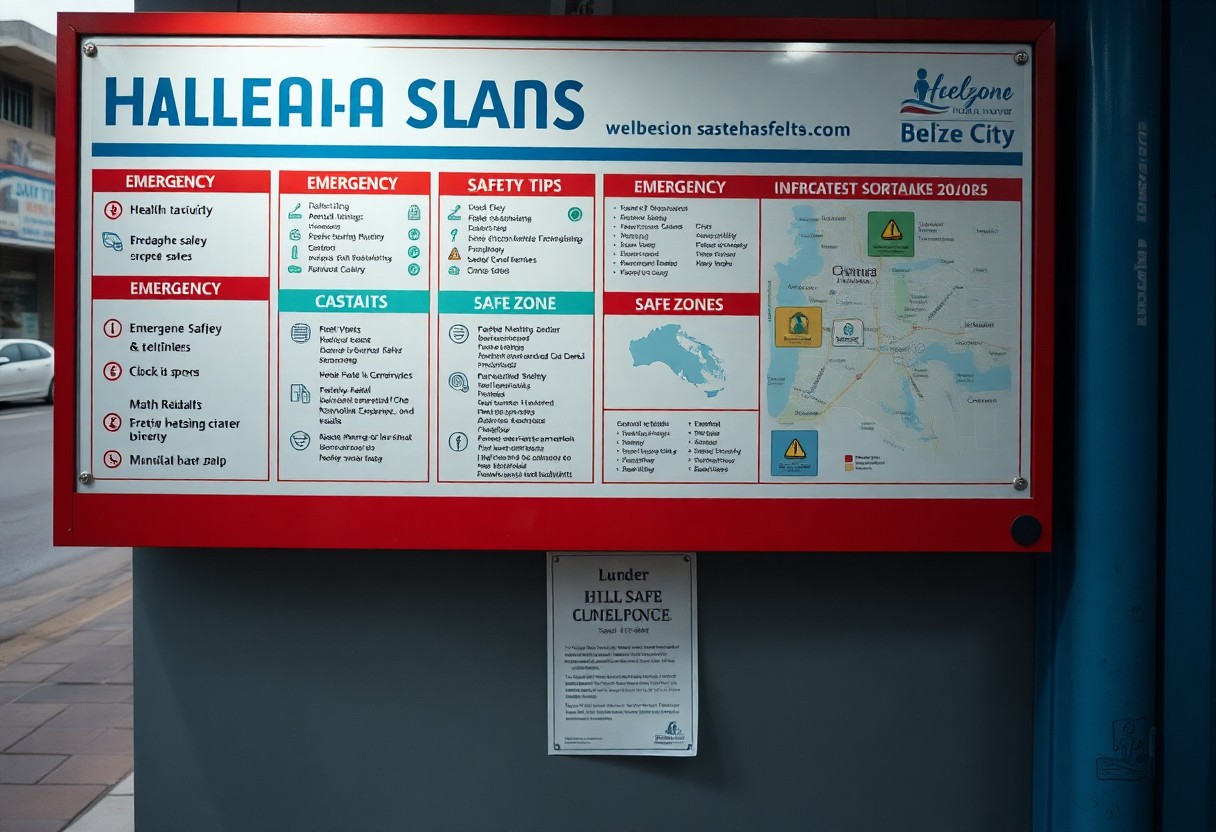
    The Article Safe Lifting Techniques: Essential Tips for Clearance Items Was Found On https://limitsofstrategy.com

  • Belize Safety Tips: Essential Travel Precautions and Crime Stats

    Many travelers harbor legitimate concerns regarding safety while discovering the natural beauty and rich cultural heritage of Belize, a captivating Central American destination renowned for its breathtaking landscapes and vibrant local experiences. To enhance your travel adventure, it is crucial to familiarize yourself with the local context and adopt essential safety precautions. While it is true that petty crime is more common in urban locales like Belize City, many areas remain welcoming and relatively safe for tourists. By maintaining awareness of your surroundings, avoiding secluded areas after dark, and practicing basic safety measures, you can greatly reduce potential risks. Additionally, tourist hotspots and popular destinations typically enjoy a heightened police presence, providing an extra layer of protection for travelers. By understanding local dynamics and honoring cultural norms, you will navigate through Belize with confidence and minimize safety concerns throughout your journey.

    Here’s the content for the blog post section:

    Exploring the Complex Crime Landscape of Belize

    The crime landscape in Belize presents a multifaceted view of urban safety challenges that travelers should understand. Violent crime rates continue to be a significant concern, with specific areas experiencing higher incidents than others. Although the overall crime statistics may seem daunting, gaining a deeper understanding of this complex data allows you to navigate potential risks more effectively and enjoy your travels with greater peace of mind.

    In-Depth Analysis of Crime Data in Major Areas: Belize City

    A closer examination of Belize City reveals the existence of concentrated crime hotspots, particularly in southern and central neighborhoods. Districts such as Lake Independence and Port Loyola report elevated crime rates compared to other urban areas. Recognizing these geographical differences can empower you to make informed travel decisions and enhance your personal safety awareness while exploring the city.

    Understanding Crime Trends and Year-over-Year Comparisons

    Crime Trend Comparison

    2021 Total Crimes 4,287
    2022 Total Crimes 3,965

    Belize has seen a marginal decline in overall crime rates, indicating a reduction of approximately 7.5% compared to the previous year. This encouraging trend suggests that, although challenges still exist, improvements in local law enforcement strategies and community safety initiatives are fostering a more secure environment for both residents and visitors alike.

    Crime Type Breakdown

    Violent Crimes 42%
    Property Crimes 58%

    Here’s the content following your specifications:

    Evaluating the Security Measures of Resorts in Belize

    Travelers concerned about their safety in Belize will find reassuring news: most resorts provide significantly enhanced security measures compared to public environments. Generally, resorts in Belize implement robust safety protocols, including gated entrances, 24-hour security personnel, and controlled access points. While no destination can be completely risk-free, well-established resorts prioritize guest safety through thoughtful design and vigilant monitoring practices, making them a secure choice for your stay.

    Comprehensive Security Protocols in Belizean Resorts

    The safety protocols at resorts in Belize typically include advanced surveillance systems, perimeter fencing, and well-trained security teams. Most upscale resorts offer electronic key card access, security cameras monitoring common areas, and strict guest verification processes. These thorough strategies are designed to significantly enhance your safety throughout your stay, thereby minimizing potential security risks associated with your vacation experience.

    The Role of On-Site Staff and Exclusive Beach Access in Guest Security

    Beyond physical security measures, the role of resort staff is crucial in ensuring the safety of guests. Trained personnel actively monitor guest interactions and identify potential security threats, providing an additional layer of protection. Exclusive beach access further bolsters your security by limiting entry to resort guests only.

    To maximize your safety, resort staff typically undergo extensive training in emergency response and conflict resolution. They complete thorough background checks and receive specialized training in guest protection strategies. Their presence creates a secure atmosphere where you can relax, knowing that professional security personnel are diligently monitoring any potential risks and safeguarding your vacation experience.

    Essential Local Safety Tips for Travelers

    Clearly, understanding the local safety landscape in Belize requires insights from those most familiar with it. Locals stress the importance of being aware of your surroundings and respecting community boundaries. Your personal safety greatly depends on making wise choices, staying alert in urban areas such as Belize City, and refraining from displaying valuable jewelry or electronics. By engaging with residents respectfully and adopting a low-profile approach, you can significantly reduce your chances of becoming a target for petty crime.

    Local Insights and Recommendations for Tourists

    Conversations with Belizeans consistently lead to recommendations for travelers to remain within well-populated, tourist-friendly areas. They strongly advise avoiding isolated locations after dark and exercising caution in neighborhoods with limited police presence. Locals recommend using official taxi services, choosing reputable accommodations, and securing valuables appropriately. Trusting your instincts and maintaining a friendly yet cautious demeanor when interacting with strangers can greatly enhance your overall safety.

    Critical Safety Tips for First-Time Visitors to Belize

    For those visiting Belize for the first time, here are some vital safety guidelines to keep in mind:

    • Utilize registered transportation services for safer travel
    • Stay within recommended tourist zones to minimize risks
    • Keep emergency contact information easily accessible
    • Maintain a strong awareness of your surroundings at all times

    Upon your arrival, prioritize understanding local customs and potential safety challenges to ensure a smooth travel experience.

    Additional Safety Information for First-Time Visitors

    Preparing thoroughly for your journey to Belize involves implementing comprehensive safety strategies:

    • Obtain travel insurance for additional peace of mind
    • Learn basic Spanish phrases to ease communication
    • Carry limited cash amounts to prevent issues
    • Familiarize yourself with local emergency numbers for quick access

    By adhering to these precautions, you will be well-prepared to navigate Belize safely and with confidence.

    Here’s the content for the chapter and subsections:

    Implementing Key Precautions for Your Safety

    Your safety in Belize relies on smart and proactive planning. Stay vigilant about your surroundings, trust your instincts, and maintain a low profile during your travels. Avoid showcasing valuable jewelry or electronics that could attract unwanted attention. Conduct thorough research on your destination in advance, stick to well-lit and populated areas, and keep emergency contact information within reach. By adopting a cautious yet confident approach, you can significantly reduce potential risks during your Belizean adventure.

    Ensuring Safe Transportation Choices in Belize

    One of the most crucial aspects of traveling in Belize is guaranteeing safe transportation. Opt for licensed taxi services or reputable transportation companies, especially when traveling after dark. Always verify driver credentials and agree on fares before setting off. If you choose to rent vehicles, select established companies and conduct thorough inspections of the car prior to use. Avoid traveling alone at night and stick to main roads with consistent traffic. Prioritizing your personal safety through informed transportation choices is essential for a secure travel experience.

    Effectively Managing Nighttime Activities and Securing Personal Valuables

    A safe travel experience hinges on strategic planning for nighttime activities. Minimize risks by traveling in groups, staying in well-lit areas, and maintaining situational awareness. Secure your valuables by utilizing hotel safes whenever possible. Limit the amount of cash you carry and consider using discreet money belts. Avoid displaying expensive items that might catch the attention of potential thieves.

    When participating in outings in Belize, it is essential to carefully consider personal safety. Strategically plan your evening activities, ensuring you have reliable transportation arranged for returning to your accommodation. Utilize trusted taxi services or pre-arranged transportation to ensure a safe return. Keep your mobile phone charged and share your location with trusted companions. Stay in populated, well-lit areas and be mindful of your alcohol consumption. By remaining vigilant and making informed choices, you can enjoy Belize’s vibrant nightlife while minimizing potential risks.

    Accessing Important Emergency Contacts and Resources

    Despite potential safety concerns, having the right emergency contacts can significantly improve your travel experience in Belize. Maintain a list of essential phone numbers and addresses for the police, medical facilities, and your country’s embassy. Storing these contacts in your phone, along with a physical backup, ensures you can swiftly access help when necessary.

    Familiarizing Yourself with Local Law Enforcement and Medical Facilities

    Understanding Belize’s emergency services is vital for your safety. The police emergency number is 911, and major hospitals are located in Belize City, Belmopan, and San Ignacio. It’s wise to have contact information for local clinics near your travel destinations, ensuring you can promptly seek medical assistance if the need arises.

    Tourist Assistance Organizations: Your Safety Net While Traveling

    Several organizations are dedicated to assisting travelers in Belize. The Belize Tourism Board provides essential support and can offer guidance during emergencies. You can contact them for immediate assistance and valuable travel-related information.

    Thus, tourist assistance organizations significantly contribute to ensuring your safety and comfort. The US Embassy in Belize delivers comprehensive support for American travelers, including emergency services, legal advice, and medical referrals. Access their contact information through official government websites, and be sure to save their emergency contact details before your trip.

    Here’s the content for the chapter and subsections:

    Fostering Cultural Awareness and Respect in Belize

    In contrast to typical tourist destinations, Belize showcases a rich tapestry of cultural diversity that necessitates respectful engagement. You will encounter a blend of Creole, Mestizo, Garifuna, and Maya cultures, each reflecting unique traditions and histories. Your approach to cultural interactions can significantly influence your travel experience; therefore, sensitivity and openness are imperative for establishing safe and meaningful connections.

    Understanding Local Customs and Traditions in Belize

    The customs in Belize reflect a complex social landscape where politeness and indirect communication are highly valued. You will find that greetings are warm and personal, with locals appreciating your efforts to say hello and engage in brief conversations. Learning a few basic Spanish or Kriol phrases can demonstrate respect and interest in their culture, which helps minimize misunderstandings and fosters positive interactions.

    Engaging Respectfully with the Local Community

    Belizean customs emphasize the importance of mutual respect and community connections. Approach interactions with genuine curiosity and humility. Dress modestly, especially in rural areas, and always ask permission before photographing individuals or sacred sites. Your willingness to listen and learn can transform casual encounters into rich cultural exchanges.

    At the heart of community engagement lies genuine human connection. Belizeans tend to be welcoming and appreciate travelers who express sincere interest in their way of life. By demonstrating respect through your actions, asking thoughtful questions, and showing appreciation for local traditions, you can create positive, enriching interactions that go beyond typical tourist experiences.

    Key Strategies for a Safe Experience in Belize

    While Belize does present certain safety challenges, you can confidently navigate the country by remaining vigilant and practicing effective travel strategies. Your awareness of local crime patterns, commitment to personal security, and dedication to implementing basic precautions will significantly enhance your travel experience. By selecting well-researched accommodations, avoiding isolated areas after dark, and maintaining situational awareness, you can minimize potential risks. The beauty and cultural richness of Belize far outweigh its safety concerns when you approach your journey with informed preparation and sensible decision-making. Your proactive approach will help ensure a safe and enjoyable exploration of this vibrant Central American destination.

    Your Most Commonly Asked Questions about Traveling Safely in Belize

    Q: How does the safety of Belize for tourists compare to other Central American countries?

    A: Belize experiences moderate crime rates, with heightened risks in urban areas like Belize City. Tourists should exercise caution, especially in southern and western neighborhoods. Violent crime statistics indicate approximately 40 incidents per 100,000 residents, which is higher than regional averages. While petty theft and street crime are more common than severe violent offenses, travelers can enhance their safety by staying in well-monitored tourist zones, avoiding isolated areas after dark, and remaining vigilant about their surroundings.

    Q: What specific safety precautions should travelers implement when visiting Belize?

    A: Visitors should adopt strategic safety measures: utilize official transportation services, stay in reputable accommodations, avoid displaying expensive jewelry or electronics, and maintain a low-profile demeanor. Police recommend traveling in groups, using registered tour operators, and securing valuables in hotel safes. Tourist areas like Ambergris Caye and Placencia boast enhanced security infrastructure. Daytime activities tend to be safer, and travelers should maintain communication with local contacts while having emergency contact information readily accessible.

    Q: Are there regional safety variations across different parts of Belize?

    A: Belize presents diverse safety landscapes across its various regions. Coastal tourist destinations such as San Pedro and Caye Caulker exhibit lower crime rates and stronger tourist infrastructure. Urban centers like Belize City require more vigilance, with higher crime concentrations in specific neighborhoods. Rural areas and remote regions may experience limited law enforcement presence. Travelers should consult current government travel advisories, engage local guides, and prioritize personal security through informed decision-making and proactive risk management strategies.

    The Article Belize Safety: Crime Stats, Local Insights, and Travel Precautions appeared first on Belize Travel Guide

    The Article Belize Safety Tips: Crime Stats and Travel Precautions Was Found On https://limitsofstrategy.com