Category: Relocation Tips

  • Preppers’ Relocation Guide: Key Strategies for Success

    Preppers’ Relocation Guide: Key Strategies for Success

    Key Factors to Consider for Strategic Relocation in Emergency Preparedness Planning

    Critical Influencers in Your Relocation Choices

    Prepper Relocation Guide: A family evaluating a safe rural home with resources like water and energy, surrounded by a serene landscape.

    When embarking on a prepper relocation journey, it is vital to conduct a thorough evaluation of numerous personal and situational factors. Begin by closely examining your individual needs and preferences, which can encompass aspects like family size, unique personal skills, and overall lifestyle choices. The paramount concern is security; thus, it is crucial to avoid high-crime areas and regions susceptible to natural disasters. Additionally, you should evaluate the availability of critical resources such as water, food, and energy. Access to these essential elements is fundamental to your long-term survival and self-sufficiency in your selected area. Lastly, do not overlook the psychological comfort that a new environment can provide—experiencing a sense of belonging and safety is crucial for your overall well-being and preparedness for any impending emergencies.

    Carefully evaluating the advantages and disadvantages of various geographical locations is essential in your decision-making process. Ideal relocation sites may feature stable climates, low population densities, and minimal crime rates. For instance, secluded areas with natural barriers such as mountains or rivers can provide enhanced security and isolation. Conversely, regions with fertile land are preferable for agricultural endeavors. It is also imperative to consider the accessibility of essential services and whether these services would remain operational during a crisis. Each of these factors plays a pivotal role in developing a comprehensive understanding of what constitutes an appropriate relocation destination, ensuring your preparedness is well-founded.

    Identifying the Essential Elements That Ensure a Safe Relocation

    Grasping the core aspects that contribute to a secure relocation is essential for improving your preparedness strategy. The primary considerations include safety, accessibility, and sustainability. Safety encompasses not only the absence of crime but also the area’s risk profile for natural disasters. Locations susceptible to earthquakes, floods, or hurricanes may pose significant challenges for preppers aiming for long-term survival. Accessibility pertains to both the physical ease of reaching your new location and the availability of necessary resources, including food and medical supplies. Each of these factors must be carefully evaluated to ensure a secure relocation.

    Sustainability is another critical consideration concerning how self-sufficient a location can be regarding resource availability. For example, the presence of renewable energy sources like solar or wind power can significantly enhance a community’s resilience. Additionally, having access to arable land is vital for sustainable food production, which is essential for long-term survival. A well-constructed relocation strategy should also contemplate the potential for community development, as a collaborative environment fosters resource sharing and mutual support during emergencies, enhancing your overall preparedness.

    Strategies for Effectively Evaluating Resource Availability

    When searching for a new location, a meticulous evaluation of resource availability is paramount. Water stands out as the most critical resource; therefore, investigating local water sources such as rivers, lakes, or groundwater is essential. Assess the water quality and its seasonal availability to ensure your community can maintain hydration year-round. Implementing rainwater harvesting systems or drilling wells may supplement local supplies, but these initiatives require careful planning and foresight to ensure sustainability.

    Food availability is another crucial aspect of your evaluation. An ideal relocation site will feature fertile land suitable for agriculture and possibly nearby forests for foraging or hunting. Researching local flora and fauna can provide valuable insights into what can be sustainably cultivated or harvested in your new environment. Evaluating energy sources is equally significant; locations that offer access to solar, wind, or hydroelectric power can ensure a reliable energy supply, thereby reducing reliance on external systems. Each of these resources must be meticulously assessed to guarantee a self-sufficient lifestyle amidst growing global uncertainties.

    Analyzing Community and Social Dynamics for Relocation Success

    A diverse community in a park engaging in preparedness drills and resource sharing, with banners promoting mutual aid.

    A robust community can significantly enhance individual preparedness, making it vital to analyze local social dynamics before committing to a relocation. Assessing the preparedness level of the surrounding community is crucial; engaged and proactive neighbors can serve as invaluable allies during crises, while a community that lacks preparedness may hinder efforts and increase vulnerability. Researching local groups or networks dedicated to survivalism or prepping can be beneficial, as these communities often engage in mutual aid and resource sharing, providing a safety net for all members.

    Social stability is another essential factor to consider. Areas marked by high levels of social cohesion generally exhibit lower crime rates and more effective collective responses during emergencies. Observing how the community has reacted to recent challenges, such as natural disasters or economic downturns, can provide insights into their resilience and adaptability. Evaluating the availability of local resources, such as community gardens or mutual aid networks, can enrich your relocation strategy, ensuring you have access to essential support systems that enhance your overall preparedness.

    Expert Recommendations for Strategic Prepper Relocation

    Criteria to Consider When Selecting Your Ideal Relocation Site

    Choosing the optimal relocation site necessitates a careful blend of thorough research and real-world evaluation. Successful prepper relocations often hinge on specific criteria, including geography, community preparedness, and resource availability. For example, a family that moved to a small town in Canada discovered that the local population was generally self-sufficient, boasting a strong tradition of community gardening and hunting. This communal spirit provided a vital safety net during emergencies, illustrating the importance of community in a prepper’s relocation strategy.

    The characteristics of a location play a significant role in your decision-making process. Areas that are remote yet still accessible to essential infrastructure often provide the balance many preppers seek. For instance, selecting a site with natural barriers like mountains can enhance safety while proximity to a sustainable water source can fulfill hydration needs. Real-world examples indicate that preppers frequently prioritize elevation to avoid flooding and seek regions with fertile soil for agriculture to ensure they can cultivate food independently and sustainably.

    Steps to Prepare for Diverse Emergency Scenarios Effectively

    Coastal community practicing hurricane evacuation drills, building shelters, and organizing supply storage.

    To enhance overall preparedness, it is essential to outline actionable steps for addressing multiple emergency scenarios at your new relocation site. Begin by conducting a comprehensive risk assessment of the area, identifying potential threats such as natural disasters, economic collapse, or civil unrest. Each scenario should have a customized response plan that defines community roles and specifies the resources necessary for effective management, ensuring that all members are equipped to handle emergencies efficiently.

    Developing drills for various emergencies can significantly improve your community’s preparedness. For instance, a coastal community might focus on hurricane preparedness, regularly conducting drills for evacuation routes and constructing storm shelters. Furthermore, securing vital supplies and devising a storage plan for food and medical resources can greatly enhance resilience. Involving community members in training sessions can foster a sense of collective responsibility, motivating individuals to contribute actively to emergency readiness and ensuring everyone understands their role during crises.

    Strategies for Effective Relocation Planning

    Effective relocation planning requires a multifaceted approach that emphasizes timing, logistics, and contingency plans. Timing is crucial; relocating during peak weather seasons—such as avoiding winter storms—facilitates a smoother transition. Create a timeline that incorporates milestones for packing, moving, and integrating into your new community to ensure a seamless transition.

    Logistics must be meticulously organized. Determine the transportation means for moving essential supplies, ensuring they are accessible and easy to retrieve. Creating a checklist of items to be moved can streamline this process, eliminating confusion and ensuring nothing is overlooked. Contingency planning is equally vital; prepare for unforeseen events by establishing backup plans for resource acquisition or alternative evacuation routes. A well-prepared plan can alleviate stress during the relocation process, providing peace of mind as you transition to your new environment.

    Creating a Resilient and Sustainable Prepper Community

    Best Practices for Establishing Community Guidelines

    Creating a strong community framework is pivotal for fostering cooperation and enhancing resilience. Establishing clear guidelines and expectations helps all members understand their roles and responsibilities within the group, ensuring a cohesive and effective team. This framework can encompass rules regarding resource sharing, conflict resolution, and emergency response protocols. Ensuring clear communication and transparency in decision-making processes will strengthen trust among community members, facilitating a collaborative atmosphere.

    In addition to establishing community guidelines, holding regular meetings can facilitate discussion and feedback, allowing for adjustments as the community evolves over time. Encouraging input from all members nurtures a sense of ownership and engagement, making everyone feel invested in the community’s success. Important community values, such as mutual respect, cooperation, and shared responsibility, should be highlighted, forming a solid foundation for collaborative efforts and ensuring every member contributes to the community’s resilience.

    Indispensable Skills for Ensuring Community Survival

    A thriving prepper community hinges on a diverse skill set that enhances its chances of survival during crises. Essential skills include farming, which guarantees a steady food supply through sustainable agricultural practices. Community members should possess knowledge of permaculture, crop rotation, and seed saving, all of which contribute to a resilient and sustainable food system that can withstand challenges.

    Medical knowledge is another critical area; having trained medical personnel within the community can significantly improve survival prospects during healthcare emergencies. Skills in first aid, emergency response, and herbal medicine can complement traditional medical resources and ensure that health needs are met effectively, even in the absence of conventional healthcare systems. Engineering skills can also provide invaluable support for constructing shelters, developing renewable energy systems, and maintaining essential infrastructure, further enhancing the community’s self-sufficiency.

    Strategies for Smoothly Integrating New Members into the Community

    As communities expand, the integration of new members becomes crucial for maintaining security and cohesion. Implementing a vetting process to evaluate potential new members based on their skills, experience, and alignment with community values ensures that new arrivals positively contribute to the group dynamic. This careful selection process helps to maintain the integrity and mission of the community.

    Developing a welcoming integration process can help new members acclimate smoothly. This may involve orientation sessions that introduce them to community guidelines, existing members, and local resources, ensuring they feel informed and included. Encouraging participation in community activities fosters early connections and builds rapport among members. Establishing mentorship opportunities can also assist in integrating new members by pairing them with seasoned community members who can guide them through the adjustment period, reinforcing the sense of belonging.

    Ensuring Long-Term Security in a Prepper Community

    Implementing Physical Security Measures for Enhanced Community Safety

    Achieving long-term security in a prepper relocation site necessitates the implementation of robust physical security measures. Begin by designing secure entry points, such as fortified gates and surveillance systems, to control access and monitor activities around the perimeter. This not only deters potential threats but also ensures a swift response to any unauthorized intrusions, enhancing the overall safety of the community.

    Physical barriers, such as fencing or natural obstacles like thorny bushes, can further reinforce the security perimeter. Conducting regular security assessments can help identify vulnerabilities and allow for adaptations to be made accordingly. Moreover, community involvement in security patrols can foster a collective sense of responsibility, creating a proactive culture focused on maintaining safety and security for all members, ultimately enhancing the community’s resilience.

    Training for Effective Emergency Response

    Regular training sessions are vital for preparing community members for various emergency scenarios. Creating specialized teams focused on different areas—such as fire response, medical emergencies, or security—ensures that all members are well-prepared and equipped to handle crises effectively. Drills can simulate various situations, providing hands-on experience in managing real-life emergencies, which enhances confidence and readiness.

    Incorporating expert-led training can further enhance the community’s overall preparedness and resilience. Inviting professionals to conduct workshops on first aid, fire safety, or self-defense boosts individual confidence and fosters a culture of collective readiness. Establishing a routine for drills and training can ensure that preparedness remains a priority within the community, equipping members with the knowledge and skills needed for effective emergency response and management.

    Effective Strategies for Resolving Conflicts Within the Community

    To maintain peace and order within the community, it is essential to establish effective conflict resolution strategies. Some key strategies include:

    • Facilitated discussions to address grievances openly and constructively, allowing for resolutions that benefit all parties.
    • Establishing a mediation committee to handle disputes impartially, ensuring fairness in all resolutions.
    • Encouraging a culture of active listening and empathy among members to foster understanding and respect.
    • Implementing conflict resolution training to equip members with the necessary skills to handle disputes effectively.
    • Creating a community charter that outlines acceptable behavior and consequences for breaches, establishing clear expectations.
    • Holding regular community meetings to maintain open lines of communication, allowing for ongoing dialogue and feedback.
    • Providing resources—such as counseling or conflict management tools—to support resolution efforts, ensuring access to professional help if needed.
    • Encouraging accountability and personal responsibility among community members, reinforcing a culture of mutual respect.

    These strategies can help mitigate conflicts before they escalate, fostering a harmonious living environment where all members feel valued and respected.

    Proven Strategies for Successful Prepper Relocation

    Securing Essential Resources for Your New Location

    Expert analysis of securing essential resources is critical for successful prepper relocation. Water should be your top priority; invest in filtration systems and storage tanks to ensure a reliable supply. Assess the potential for groundwater access and familiarize yourself with local water laws to understand your rights regarding water usage, ensuring compliance and sustainability.

    Food security involves establishing multiple sources of sustenance. Communities should plan for sustainable agricultural systems that include crop diversity and effective livestock management to ensure steady food supplies. For energy, consider renewable sources like solar panels or wind turbines, which can provide long-term energy solutions while reducing reliance on external systems. Streamlining resource management through cooperative efforts can enhance community resilience, ensuring that all members thrive and remain self-sufficient.

    Building a Robust Support Network for Your Community

    Real-world examples illustrate how effective support networks significantly bolster a community’s resilience. Preppers often connect with local groups or organizations that share similar values, facilitating the exchange of resources and skills through barter systems that strengthen community bonds. Networking with nearby prepper communities can promote resource exchanges, emergency support, and knowledge sharing among like-minded individuals, creating a strong support system.

    Utilizing social media platforms and forums also provides additional avenues for building connections with like-minded individuals. Hosting workshops or skill-sharing events can help consolidate relationships while fostering skill development within the community. Establishing a formalized support network encourages collaboration and resource sharing, ensuring the community remains strong and self-sufficient during times of need.

    Addressing Legal Considerations During Relocation

    Addressing legal considerations when relocating is crucial to ensure compliance and protect your community. Some essential points include:

    • Understanding property rights, including zoning regulations and land use permits to avoid future complications.
    • Ensuring access to natural resources such as water and timber on the property, safeguarding vital supplies.
    • Researching local laws regarding agriculture, livestock, and hunting to ensure compliance with regulations.
    • Familiarizing yourself with building codes to ensure compliant shelter construction that meets safety standards.
    • Obtaining necessary permits for alternative energy systems like wind or solar, ensuring lawful installation.
    • Reviewing local regulations regarding community gatherings and safety protocols to maintain order.
    • Consulting with legal experts to navigate complex regulations efficiently and avoid potential issues.
    • Staying informed about any changes in local policies that may affect your community, ensuring ongoing compliance.

    Being aware of legal considerations can help prevent future conflicts and maintain a stable environment for your prepper community, fostering a sense of security and trust among members.

    Choosing the Most Suitable Location for Relocation

    Selecting the ideal relocation site requires a thorough analysis of various factors. Safety is paramount; prioritize locations with low crime rates and minimal disaster risks. Accessibility is another key consideration; proximity to essential services, such as medical facilities and transportation routes, can significantly impact survival during crises.

    Sustainability should also inform your decision-making process. Communities situated near renewable resources, fertile land, and clean water sources are prime candidates for relocation. Additionally, consider the area’s social dynamics; vibrant, engaged communities often offer a supportive network for preppers. The culmination of these factors will guide your decision-making process, ensuring a well-rounded approach to relocation that prioritizes safety, resource availability, and community support.

    Emphasizing Health and Well-being in a Prepper Community

    Ensuring Access to Medical Care for Community Members

    Planning for medical emergencies is a critical aspect of maintaining community health. Establishing a community health center can centralize medical resources and personnel, ensuring that all members receive adequate attention. Training community members in first aid and basic medical procedures can significantly enhance preparedness during emergencies, enabling quick responses to health crises.

    Incorporating telemedicine solutions can also improve access to healthcare services, especially in remote areas. Partnering with local healthcare providers for regular check-ups and assessments can further strengthen your community’s health framework, ensuring ongoing medical support. Establishing protocols for emergencies—such as a triage system—can streamline care during crises, ensuring that serious cases receive timely attention while promoting overall community health.

    Promoting Mental Health within the Community

    Mental health is equally important in a prepper community, as stress and anxiety can arise from uncertain circumstances. Promoting mental wellness through community activities can create a supportive atmosphere. Regular social gatherings, workshops, and recreational events can foster connections and mitigate feelings of isolation, enhancing the community’s collective well-being.

    Offering counseling services or peer support groups can provide essential outlets for members facing challenges. Implementing stress management techniques, such as mindfulness practices or physical fitness programs, can also promote mental well-being. By prioritizing mental health, communities can enhance their resilience, ensuring all members can navigate challenges effectively and maintain a positive outlook during difficult times.

    Implementing Sustainable Food Production Practices

    Implementing sustainable farming practices is vital to guarantee a steady food supply for the community. Adopting methods such as permaculture, crop rotation, and organic farming can enhance soil quality and yield, ensuring that the community can sustain itself through environmentally friendly practices. Engaging in community gardening initiatives enables members to collaborate while cultivating a diverse range of crops that meet communal needs, fostering a sense of shared responsibility.

    Educating members about food preservation techniques—such as canning, drying, or fermenting—can extend the lifespan of harvested produce, ensuring food security during lean times. Establishing a seed bank can help maintain crop diversity and prepare for future planting seasons, ensuring that the community has access to a variety of food sources. By fostering sustainable food practices, your community can ensure long-term self-sufficiency and resilience in the face of crises.

    Encouraging Physical Activity in the Community

    Encouraging regular exercise within the community can significantly enhance overall physical health and well-being. Establishing community sports programs or fitness classes can provide members with enjoyable and engaging ways to stay active, promoting a healthy lifestyle. Organizing outdoor activities such as hiking, biking, or gardening can combine exercise with community bonding, fostering a sense of camaraderie among members.

    Creating designated spaces for physical activity, such as community gardens or sports fields, can encourage regular participation and make exercise accessible to all. Additionally, hosting wellness challenges or friendly competitions can motivate members to prioritize fitness while building community spirit. By fostering a culture of health and well-being, communities can bolster resilience, preparing individuals to face both physical and psychological challenges during times of crisis.

    Frequently Asked Questions About Prepper Relocation

    What is the most suitable location for a prepper community?

    The most suitable location for a prepper community includes areas with low crime rates, access to fresh water, fertile land for agriculture, and renewable energy sources. Proximity to essential services also improves safety and resilience, ensuring that community members can thrive.

    How can I ensure food security in a prepper community?

    Food security can be ensured by adopting sustainable agricultural practices, diversifying crops, establishing community gardens, and implementing food preservation techniques. Collaborative efforts enhance resource sharing among community members, fostering a supportive environment.

    What emergency scenarios should I prepare for?

    Prepare for various scenarios, such as natural disasters, economic collapse, or pandemics. Tailor response plans for each situation and conduct regular drills to ensure community readiness and effective management of emergencies.

    How can I integrate new members into a prepper community?

    Integrate new members through a vetting process, followed by orientation sessions. Encourage participation in community activities to foster connections and build relationships, ensuring everyone feels welcome and valued.

    What skills are essential for survival in a prepper community?

    Essential skills include farming, medical knowledge, engineering, and self-defense. Diverse expertise enhances the community’s ability to face challenges and ensures collective resilience, making every member an asset.

    How do I address conflicts within the community?

    Address conflicts through facilitated discussions, establishing a mediation committee, and promoting active listening. Creating a community charter can also outline acceptable behavior and resolution processes, fostering a harmonious environment.

    What physical security measures should I implement?

    Implement secure entry points, physical barriers, and surveillance systems to enhance safety. Conduct regular security assessments to identify vulnerabilities and ensure community members are actively involved in security patrols.

    How can I maintain mental health in a prepper community?

    Promote mental health by organizing community activities, providing counseling services, and implementing stress management techniques. Regular social interactions can foster connections, reduce feelings of isolation, and enhance overall community well-being.

    What legal considerations should I keep in mind when relocating?

    Consider property rights, zoning regulations, agricultural laws, and building codes. Familiarize yourself with local regulations to ensure compliance and protect your community from potential legal issues.

    How can I build a support network for my prepper community?

    Build a support network by connecting with local groups, hosting workshops, and creating opportunities for resource sharing. Engaging with like-minded individuals strengthens resilience and enhances communal bonds, ensuring everyone thrives.

    Explore our world on X!

    The post Prepper Relocation Guide: Universal Strategies appeared first on Survival Bite.

    The Article Relocation Guide for Preppers: Essential Strategies Was Found On https://limitsofstrategy.com


  • Cape Town Relocation: Essential Tips for a Smooth Move

    Cape Town Relocation: Essential Tips for a Smooth Move

    Unlock the Secrets to a Successful Relocation to Cape Town

    Deciding to relocate to Cape Town opens the door to an exciting journey filled with countless opportunities and experiences. At RevolvEstate, we are committed to providing you with the essential local insights required for a smooth transition. Whether you are moving within South Africa or coming from abroad, our detailed neighborhood guides are tailored to assist you in discovering the ideal community that aligns with your lifestyle preferences, financial capacity, and future aspirations. This comprehensive guide specifically highlights Cape Town, affectionately termed the Mother City, celebrated for its breathtaking natural beauty, rich cultural diversity, and a thriving economy.

    Discover the Enchanting Neighborhoods of Cape Town

    Relocating to Cape Town: A vibrant cityscape of Cape Town with bustling City Bowl and serene Southern Suburbs, under a clear blue sky.
    Contact RevolvEstates for Relocating to Cape Town

    Cape Town is a lively metropolis characterized by its diverse array of suburbs and districts, each offering a unique combination of amenities, transportation options, community atmosphere, and local attractions. From the vibrant energy of the City Bowl to the tranquil charm of the Southern Suburbs, our team is dedicated to assisting you throughout your relocation to Cape Town, ensuring you discover a home that meets your specific needs and desires.

    Explore the Vibrant Urban Energy of the City Bowl

    The City Bowl is home to bustling neighborhoods such as Tamboerskloof, Gardens, and Oranjezicht, known for their trendy cafes, eclectic boutique shops, and top-rated restaurants that line the lively streets of Long Street and Kloof Street. The efficient MyCiTi bus system provides seamless access to Cape Town International Airport and various city destinations, making exploration a breeze for residents. This cosmopolitan environment attracts a diverse mix of young professionals and expatriates drawn to its energetic lifestyle. Iconic landmarks like Table Mountain are just a scenic cable car ride away, while the historic Company’s Garden offers a beautiful green oasis, perfect for family outings and relaxation.

    Experience the Upscale Lifestyle of the Atlantic Seaboard

    The prestigious neighborhoods of Camps Bay, Clifton, and Sea Point offer breathtaking ocean views and cater to an upscale lifestyle, featuring state-of-the-art gyms, luxurious spas, and gourmet markets that fulfill the desires of discerning residents. The scenic Victoria Road provides picturesque coastal drives, while convenient public transport options ensure effortless commuting. This affluent community embraces a health-conscious lifestyle, with jogging paths along the scenic Sea Point Promenade. The pristine beaches are perfect for surfing and sunbathing, while Lion’s Head offers excellent hiking trails for outdoor enthusiasts seeking adventure.

    What Family-Friendly Features Can You Find in the Southern Suburbs?

    Family picnic at Kirstenbosch Garden, children playing by pond, adults wine tasting in Constantia Valley.

    The family-oriented neighborhoods of Newlands, Rondebosch, and Constantia are celebrated for their lush greenery and suburban appeal. Local shopping centers such as Cavendish Square and a variety of sports facilities greatly enhance the quality of life for families residing there. The efficient Metrorail train service and major highways like the M3 provide excellent connectivity to the city center. These relaxed, community-oriented areas foster strong social ties among residents. Noteworthy attractions such as the Kirstenbosch National Botanical Garden, a UNESCO World Heritage Site, offer fantastic opportunities for wine tastings and delightful picnics in the breathtaking Constantia Valley.

    What Exciting Growth Prospects Can You Find in the Northern Suburbs?

    The rapidly developing regions of Bellville, Durbanville, and Brackenfell present a range of affordable housing options that appeal to a broad spectrum of homebuyers. Shopping malls like the Tygervalley Centre and exquisite parks cater to recreational needs, while easy access to the N1 highway and expanding public transport networks streamline daily commutes. This diverse mix of families and professionals cultivates a welcoming atmosphere for all. The Durbanville Wine Route and nearby nature reserves provide ample opportunities for outdoor activities, making this region a hidden gem for those pursuing a balanced lifestyle.

    How Does Living in the Cape Flats Compare with Other Areas?

    For those in search of affordable housing options, neighborhoods like Athlone and Mitchells Plain boast community centers and local markets that promote a sense of belonging among residents. The Metrorail service connects these areas to the city center, enhancing accessibility for commuters. This region is enriched by its resilient and culturally vibrant influences stemming from Cape Malay heritage, featuring striking street art and historical sites that captivate both locals and visitors alike.

    What Unique Attractions Await You in the False Bay Region?

    Coastal scene in False Bay with surfers, seafood dining, scenic train, and penguins under sunny sky.

    The picturesque coastal towns of Muizenberg, Fish Hoek, and Simon’s Town are renowned for their surf schools and fresh seafood dining options, making them popular destinations for both locals and tourists. Scenic train rides along the coastline provide convenient transportation while showcasing the breathtaking beauty of the region. This laid-back and artistic community particularly attracts creatives. Notably, Boulders Beach is home to a delightful colony of penguins, serving as a unique attraction that draws visitors year-round.

    While Cape Town offers a wide variety of neighborhoods, it’s essential to recognize that crime rates can vary significantly among different areas. Safer neighborhoods like Constantia and Camps Bay often benefit from enhanced private security measures. Recent statistics from the South African Police Service provide updated insights into crime trends and safety protocols. The city’s economic sectors, including tourism, technology through the Silicon Cape initiative, and the film industry, are driving property demand. Potential residents should consider commute times, especially during peak hours, and proximity to employment hubs like the CBD or Century City. RevolvEstate is here to assist you with virtual tours and connect you with local agents for your convenience.

    Sustainability initiatives in Cape Town are gaining traction, promoting eco-friendly living through projects like solar panel installations and the creation of green spaces. Pet-friendly parks enhance the quality of life for families and animal lovers alike. The city’s rich cultural diversity adds depth to communities; for instance, the colorful houses of Bo-Kaap reflect Cape Malay influences, while Woodstock is known for its vibrant street art scene. Events such as the Cape Town International Jazz Festival foster social connections and community spirit among residents.

    Explore Educational Opportunities: Schools and Institutions in Cape Town

    Cape Town boasts a wide range of educational institutions, catering to students from preschool to tertiary levels. Numerous schools are renowned for their dedication to quality education, diversity, and innovation, making them ideal for families moving to South Africa. Our guide offers in-depth information about local schools, including colleges and universities, detailing their ratings, facilities, and catchment areas to assist you in making informed decisions for your children’s education.

    Insights into Public Schools in Cape Town: What You Need to Know

    The Western Cape Education Department oversees over 1,000 public institutions, ensuring high educational standards throughout the region. School ratings are primarily based on matriculation pass rates and infrastructure quality. Notably, Rondebosch High School, located in the Southern Suburbs, boasts an impressive 99% pass rate, featuring extensive facilities including rugby fields and a strong emphasis on STEM education. Its catchment area encompasses Rondebosch and nearby neighborhoods, prioritizing local residents. Westerford High School in Newlands offers co-educational academics and a robust arts program, including theatres and laboratories, serving the City Bowl area. Sea Point High School, situated on the Atlantic Seaboard, is equipped with computer labs and sports courts, reflecting the multicultural fabric of the community.

    The Benefits of Enrolling in Private Schools in Cape Town

    For families seeking exceptional educational alternatives, Bishops Diocesan College in Rondebosch provides boarding facilities, world-class sports programs such as cricket and water polo, as well as an International Baccalaureate (IB) curriculum. Scholarships are available to assist with tuition costs, attracting a diverse international student body. Herschel Girls’ School in Claremont focuses on empowering girls through education, featuring advanced science centers and art studios, catering to families in the affluent Southern Suburbs. Additionally, preschools like Reddam House in Constantia embrace Montessori-inspired programs, promoting outdoor play and early-stage technology integration.

    Exploring College and Vocational Training Options in Cape Town

    Cape Peninsula University of Technology (CPUT) operates multiple campuses in Bellville and the Cape Town CBD, offering diplomas in fields such as engineering, hospitality, and design. State-of-the-art workshops and well-stocked libraries enhance students’ employability and career prospects. The College of Cape Town provides Further Education and Training (FET) courses in business and IT, creating accessible opportunities tailored to a wide range of learners.

    Leading Universities in Cape Town: What You Should Know

    University of Cape Town (UCT), located in Rondebosch, is recognized as Africa’s premier institution, excelling in fields like medicine, law, and environmental sciences. The university features advanced facilities, such as the Hidden Campus dedicated to the arts, alongside partnerships with Groote Schuur Hospital for clinical training. Commuters benefit from its ideal location. Stellenbosch University, situated in the nearby Winelands, offers courses in viticulture and business, along with dedicated innovation hubs. Additionally, the University of the Western Cape (UWC) in Bellville focuses on social justice and excels in dentistry and community health, catering specifically to the Northern Suburbs.

    Support for students with special needs is available at institutions like the Dominican School for the Deaf in Wittebome, which offers specialized facilities. For expatriates, international curricula such as the Cambridge and IB programs are provided at the American International School of Cape Town. Reports from the South African School Act help guide parents in their choices, also detailing municipal maps that outline catchment areas. Extracurricular activities often partner with the Table Mountain National Park, enriching environmental learning experiences. While public schools may face challenges with larger class sizes, ongoing reforms aim to enhance teaching quality. Private tutoring services are readily available to provide additional support. Adults can access educational opportunities through colleges and online platforms, promoting lifelong learning for all ages.

    Key Lifestyle Factors to Consider When Moving to Cape Town

    The living options in Cape Town are incredibly diverse, ranging from coastal residences to vibrant urban settings and peaceful rural environments. Prospective residents can choose their ideal suburbs based on personal preferences, with valuable insights regarding property types, prices, budget, and future plans in the beautiful Mother City.

    Why Choose Coastal Living in Cape Town?

    Areas like Camps Bay, Clifton, and Bloubergstrand provide immediate access to stunning beaches, making them ideal for water sports enthusiasts, including kitesurfing at the breathtaking Blouberg Beach, with the majestic Table Mountain as a breathtaking backdrop. Residents in these areas enjoy active and luxurious lifestyles, with access to yoga studios and charming seaside cafes. The real estate landscape primarily consists of modern apartments and exquisite villas, with entry-level properties starting at R2.5 million, while luxury options can exceed R20 million. Properties with ocean views command premium prices, making them attractive to retirees and remote workers seeking idyllic settings.

    What to Expect from Cape Town’s Vibrant City Life

    The City Bowl and Woodstock are bustling neighborhoods known for their rich street art, craft breweries, and lively markets such as the Old Biscuit Mill. These areas attract a dynamic and diverse community, making them ideal for young professionals in search of an exhilarating lifestyle. Prices for loft conversions and townhouses start from R1.5 million for studio apartments and can go as high as R5 million for larger family homes. The presence of tech hubs in Cape Town’s Silicon Cape supports career growth, despite the higher noise levels associated with urban living.

    What Are the Benefits of Peaceful Rural Living in Cape Town?

    Constantia and Noordhoek are renowned for their picturesque vineyards and equestrian estates, offering a tranquil retreat from the hectic pace of city life. Popular activities include wine tastings and scenic hikes in the serene Tokai Forest. Spacious farms and eco-friendly homes in these regions range in price from R4 million to R15 million, appealing to families seeking a peaceful environment while remaining easily accessible to major highways.

    Why Choose Balanced Suburbs for Your Family?

    In the Southern Suburbs, neighborhoods offer a harmonious blend of urban amenities and green spaces. Residents enjoy shopping at Cavendish and attending community events at Neaddingcket Ground, adding variety to their daily lives. Apartments are available starting from R1.8 million, while houses typically cost around R6 million, catering to mid-range budgets. In the Northern Suburbs, Durbanville merges rural and urban elements, with wine farms and shopping centers, offering homes starting at R2 million for first-time buyers.

    As of 2025, property prices in the city average around R2.3 million, influenced by trends in tourism and remote work opportunities. The increased demand from individuals migrating from other provinces, often referred to as ‘semigration’, has intensified competition in scenic areas. Load shedding prompts many to consider properties ready for solar installation. Families often prioritize proximity to parks, while pet owners seek pet-friendly beaches, such as those in Muizenberg. The vibrant Bo-Kaap area showcases Cape Malay cuisine and heritage walks, with homes starting from R3 million. Eco-developments in Green Point, located near the Urban Park, emphasize sustainability and green living. Trails around Lion’s Head attract health enthusiasts, while Green Point’s proximity to the V&A Waterfront appeals to nightlife lovers, with apartments priced around R3.5 million. Retirement-friendly options in Fish Hoek provide serene bays and community clubs, with properties starting from R2 million.

    All-Inclusive Relocation Services for a Smooth Transition

    RevolvEstate is dedicated to facilitating seamless transitions for individuals relocating to Cape Town. We provide connections to reputable moving companies, legal professionals, and trusted home service providers to ensure a stress-free moving experience to the breathtaking Western Cape.

    Which Moving Companies Can Assist You in Your Transition?

    Companies like Elliott Mobility and Stuttaford Van Lines specialize in managing both local and international relocations. Their comprehensive services include packing, storage, and customs clearance, ensuring a hassle-free moving experience. Costs can range from R10,000 for intra-city moves to over R50,000 for international relocations, with insurance options available for valuable items. Special care is taken for delicate possessions, such as wine collections. Additionally, Petwing offers safe transportation for pets, adhering to South African veterinary regulations through proper health checks and appropriate crates. Pickfords provides container shipping and tracking applications for international needs, managing port clearances at Cape Town Harbour. Customs brokerage services are available to assist with duty inquiries, including exemptions for returning residents. Climate-controlled storage options are on hand to safeguard belongings against the humid summers.

    How Can Legal Professionals Support Your Move?

    Webber Wentzel, located in the Cape Town CBD, offers a comprehensive range of services including conveyancing, visa assistance, and tax consultations. Expats may require guidance with critical skills visas or residence applications, as well as transfer processes from the relevant authorities at the Deeds Office. Intergate Immigration provides expert advice on securing work permits for sectors such as technology or film. Cliffe Dekker Hofmeyr can assist with wills, estates, and other matters governed by South African property law. Documentation is necessary for spousal visas, with processing times typically ranging from 3 to 6 months. Additionally, SARS regulations mandate that offshore assets must be declared.

    What Home Service Providers Should You Engage for Your Move?

    Interior designers from Block & Chisel are available to furnish spaces, blending traditional Cape Dutch styles with contemporary elements. Mr. Electric offers installation services, recommending solar solutions from Sun Exchange to combat load shedding. Skilled plumbers and builders sourced through HomeChoice specialize in water-wise renovations, addressing the region’s historical drought challenges. ADT provides security systems and patrol services, vital for areas like Camps Bay. Telecommunications providers such as Telkom and Vodacom can establish fiber optic internet services in remote areas. FNB assists with banking and foreign exchange services. Health registrations are managed by Discovery Health and MediClinic located in Constantia. SAVVA offers assistance for vehicle imports and registrations, while Life Landscapes creates indigenous gardens featuring fynbos. Rentokil provides pest control services, including for termites, while Hirsch’s supplies energy-efficient appliances. The City of Cape Town has online portals to manage utilities using prepaid meters, and Santam offers insurance for contents against potential wildfires. For families, Super Nannies provides vetted caregivers for children, while AA South Africa offers roadside assistance and license conversion services.

    Orientation tours are available to iconic locations such as the V&A Waterfront. When budgeting for your move, it’s wise to allocate 5-10% of your budget for unexpected expenses. Eco-friendly movers are beginning to utilize electric vans to promote sustainability. Personalized relocation packages may include assistance with school enrollment. Expat groups such as Internations Cape Town are excellent resources for networking and community support.

    Vital Insights into Cape Town and the Western Cape Province

    Cape Town and the Western Cape offer essential market trends, property demand insights, and expert advice that can significantly enhance your relocation experience.

    What Is the Economic Landscape of Cape Town?

    The Western Cape economy is significantly driven by sectors such as tourism, agriculture, and technology, contributing approximately 14% to South Africa’s GDP. As the capital city, Cape Town is home to roughly 3.7 million residents and continues to grow, largely fueled by the trend of semigration.

    What Current Market Trends Should You Be Aware Of?

    Property prices in Cape Town experienced a 5% increase in 2024, averaging R2.3 million, according to Lightstone. The Atlantic Seaboard saw an 8% growth, primarily due to its stunning views, while the Northern Suburbs witnessed a respectable 4% appreciation in property values.

    What Data on Property Demand Should You Consider?

    Rental yields in the City Bowl range between 6% and 8%, as reported by Property24. Family buyers increasingly target the Southern Suburbs, where post-pandemic inventory remains available. Emerging areas like Milnerton show great promise for future appreciation, with monthly rentals for apartments around R15,000. In light of water scarcity, homes that are water-efficient are gaining popularity.

    Additionally, opportunities exist for Airbnb rentals in popular tourist hotspots. Stellenbosch and Paarl are attractive for their winelands, with properties starting from R3 million. The MyCiTi bus system is expanding, improving overall connectivity. The local demographic is diverse, with Xhosa as the dominant language; having a basic understanding of Afrikaans can also be advantageous. Events such as the Cape Town Cycle Tour promote community engagement, and sectional titles present an excellent option for first-time buyers looking to invest.

    Your Most Pressing Questions About Relocating to Cape Town Addressed

    What Are the Best Family-Friendly Neighborhoods in Cape Town?

    Family-friendly neighborhoods are abundant, especially in the Southern Suburbs like Constantia and Newlands, which offer ample green spaces, reputable schools, and low crime rates. Proximity to parks and recreational facilities greatly supports child-rearing, making them ideal choices for families.

    How Much Should You Budget for Living Expenses in Cape Town?

    Living expenses in Cape Town can vary widely by suburb. On average, monthly costs for a family can range from R15,000 to R25,000, which includes rent or mortgage payments, utilities, and groceries. Coastal areas, such as Camps Bay, typically command higher living costs due to luxury amenities and prime locations.

    What Visas Are Required for Relocating to Cape Town from Overseas?

    Expats looking to relocate often require critical skills visas or appropriate work permits. After a specified period, individuals may apply for permanent residency. Legal firms in Cape Town can assist with the application process, which usually takes around 3 to 6 months through Home Affairs.

    Is Cape Town a Safe Place to Relocate?

    Safety levels across Cape Town can vary significantly by area. Suburbs like Constantia and Clifton tend to rank higher in terms of safety, often benefiting from private security measures. It is advisable to check current statistics from the South African Police Service and consider opting for gated communities for additional peace of mind.

    What Types of Properties Are Available in Cape Town?

    The property market presents a diverse range of options, from modern apartments and townhouses in urban areas to luxurious villas and estates in rural settings. Prices typically start at R1.5 million for entry-level units and escalate for properties with sea views or luxury features.

    How Does Public Transport Operate in Cape Town?

    The MyCiTi bus system and Metrorail services effectively connect key areas throughout Cape Town. Major highways such as the N1 and M3 facilitate driving across the city. Various apps provide real-time transportation information on public schedules; however, it is advisable to plan for peak traffic during busy hours.

    What Are the Top Attractions for New Residents to Discover?

    New residents should not miss iconic attractions such as Table Mountain, the bustling V&A Waterfront, and the National Botanical Garden of Kirstenbosch. Additionally, the stunning beaches in Muizenberg and scenic wine routes in Constantia offer ongoing leisure and exploration opportunities.

    How Can You Find Suitable Schools for Your Children?

    To find suitable schools for your children, it’s essential to conduct thorough research through the Western Cape Education Department for public schooling options or investigate private institutions affiliated with UCT. Catchment areas play a crucial role in determining eligibility, and local agents can assist with the enrollment process.

    The Article Relocating to Cape Town: Your Comprehensive Guide First Published On: https://revolvestate.com

    The Article Cape Town Relocation: Your Ultimate Guide to Moving Was Found On https://limitsofstrategy.com

  • Expats’ Relocation Guide to San Miguel de Allende

    Expats’ Relocation Guide to San Miguel de Allende

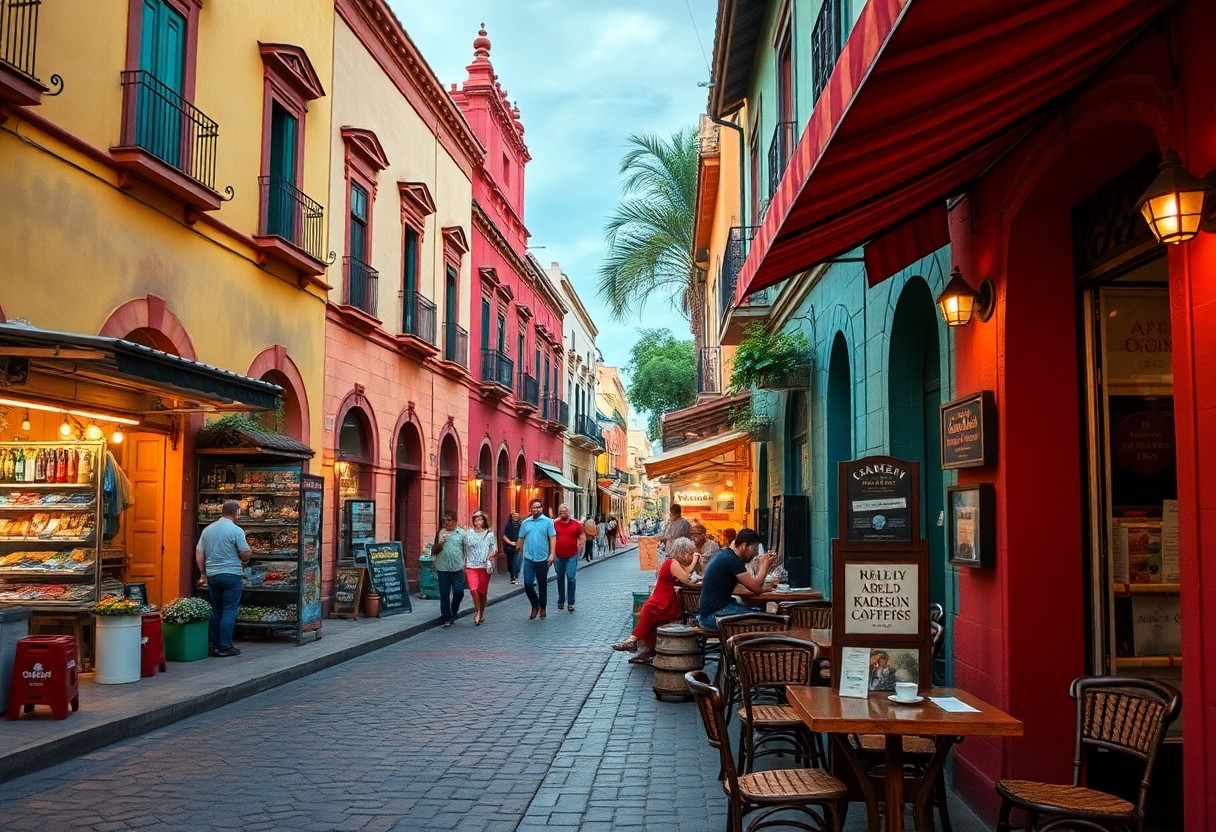
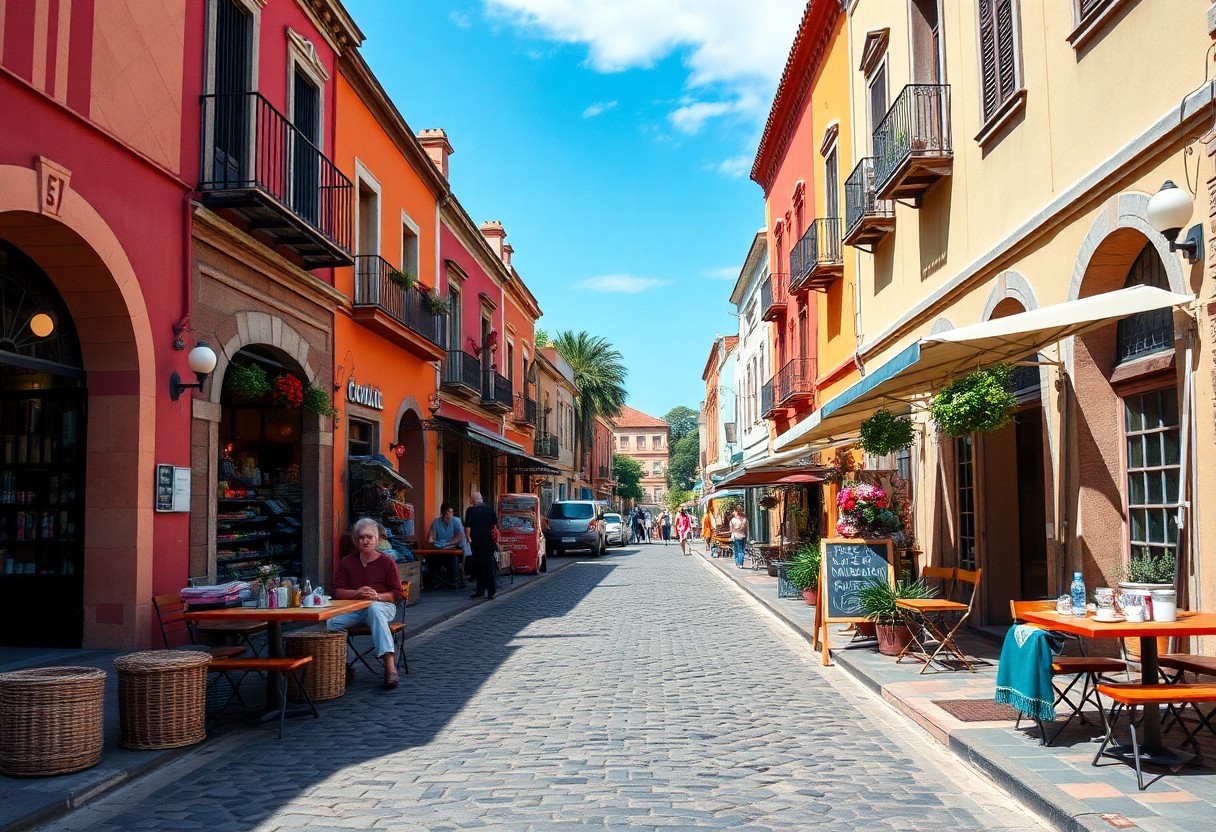
    Relocating to San Miguel de Allende offers a remarkable opportunity for a transformative experience in one of Mexico’s most enchanting colonial cities. You will become part of a vibrant expat community nestled in the heart of central Mexico, where historic charm harmoniously coexists with modern conveniences. Your move to this UNESCO World Heritage site ensures you will be surrounded by breathtaking architecture, a pleasant climate, and a lively cultural scene that attracts thousands of international residents each year. To facilitate a smooth and exciting relocation, it’s crucial to familiarize yourself with local nuances, including visa requirements and housing markets. San Miguel de Allende emerges as an ideal destination for retirees, artists, and digital nomads seeking an extraordinary lifestyle abroad.

    Experience the Unique Charm of San Miguel de Allende

    Before embarking on your journey as an expatriate, it is essential to recognize that San Miguel de Allende is a vibrant colonial gem located in Mexico’s central highlands. Here, you will discover a picturesque city that beautifully blends historic charm with contemporary amenities, making it a highly desirable location for international relocators. With its UNESCO World Heritage status, expect to immerse yourself in a culturally rich environment, admire stunning architectural masterpieces, and engage with a welcoming community that seamlessly integrates traditional Mexican life with international influences.

    Dive Deep into the Rich History and Cultural Significance

    Miguel de Cervantes Saavedra would undoubtedly be enthralled by this city’s profound cultural heritage. Established in 1542, San Miguel has transformed from a silver mining town into a world-renowned artistic hub. Its historical significance is intricately tied to Mexico’s independence movement, featuring numerous landmarks that honor revolutionary heroes. The city’s commitment to preserving its unique architecture and vibrant artistic legacy has drawn creatives, retirees, and cultural enthusiasts from around the globe, creating a melting pot of cultures and ideas.

    Discover Must-See Attractions and Essential Services

    San Miguel de Allende boasts an impressive array of attractions that enhance its appeal for relocation. You can explore world-class art galleries, enjoy exceptional dining experiences, browse bustling markets, and participate in a variety of cultural festivals throughout the year. The city is equipped with excellent healthcare facilities, affordable living expenses, and a temperate climate that attracts many expats in search of a high-quality lifestyle.

    A thorough exploration of San Miguel reveals its multifaceted charm. You’ll find exceptional infrastructure supporting the expat lifestyle, including reliable internet service, international schools, and a robust transportation network. Safety ratings in the city are notably high compared to other Mexican destinations, and a friendly local community warmly embraces international residents. Additionally, the city’s proximity to major urban centers like Mexico City and Leon enhances convenience for those looking for broader connections or travel opportunities.

    Weighing the Advantages and Disadvantages of Expat Life in San Miguel de Allende

    The decision to relocate to San Miguel de Allende involves a complex decision-making process, encompassing various factors that can significantly shape your expatriate experience. The city offers a unique blend of colonial charm, cultural richness, and a thriving international community, making it both inviting and occasionally challenging. Understanding the nuanced landscape of expat life is essential for making an informed decision regarding your potential move.

    Leverage the Benefits of Living as an Expat in San Miguel

    San Miguel de Allende provides expats with an extraordinary lifestyle characterized by world-class cultural experiences, affordable living conditions, and a dynamic international community. You will appreciate the breathtaking colonial architecture, pleasant year-round weather, and a rich artistic environment that attracts creative professionals from every corner of the globe. The city’s walkable streets, top-notch healthcare, and comparatively low cost of living make it an attractive choice for retirees and digital nomads pursuing a fulfilling lifestyle.

    Recognizing Challenges Encountered by Expats

    Despite its many charms, San Miguel also presents unique challenges for newcomers. You may encounter language barriers, bureaucratic complexities associated with visa processes, and cultural adjustments that can initially feel overwhelming. Navigating local healthcare systems and comprehending property ownership regulations can be especially daunting for international residents unfamiliar with local practices.

    Moreover, expats in San Miguel may face additional considerations beyond the initial hurdles. Limited job opportunities for non-Spanish speakers could impact your economic stability, while the city’s rising popularity has led to increased living expenses. It is crucial to develop adaptability, learn the Spanish language, and build a supportive network to successfully integrate into the local community and mitigate potential difficulties.

    Key Practical Considerations for Your Move to San Miguel de Allende

    If you are preparing for a move to San Miguel de Allende, understanding the practical aspects of relocation is vital for a successful transition. You will need to navigate an array of administrative, legal, and logistical challenges. This comprehensive guide aims to assist you in streamlining your move by providing essential information on topics such as visa requirements, healthcare options, and living expenses. By thoroughly preparing for your relocation, you can ensure an exciting and seamless transition into this vibrant Mexican city.

    Exploring Various Visa Options for Expats

    The visa options available for expatriates in Mexico are diverse and adaptable, catering to various circumstances. Depending on your specific needs, you can choose from temporary resident visas, permanent resident visas, or work permits. The application process typically requires proof of financial stability, obtaining necessary documentation, and passing medical examinations. Each type of visa has its unique requirements, making it advisable to consult with Mexican consular services to determine the most suitable option for your relocation plans.

    Healthcare and Insurance Insights for Expats in San Miguel

    The healthcare landscape in San Miguel de Allende encompasses both public and private options, ensuring that residents have access to quality medical care. With high-quality medical facilities and English-speaking professionals, accessing healthcare services is relatively straightforward. Expats can choose between international insurance plans and local Mexican health insurance that provides comprehensive coverage tailored to their needs.

    At the core of San Miguel’s healthcare system are modern clinics and experienced medical professionals. Private hospitals, such as Hospital General and Centro Médico, offer advanced treatments and specialized care. Many expatriates opt for private insurance and out-of-pocket payments, which can be significantly more affordable than healthcare costs in the United States, allowing for greater financial flexibility.

    Understanding the Cost of Living in San Miguel de Allende

    The cost of living in San Miguel de Allende is surprisingly affordable compared to many North American cities, providing an excellent opportunity for expatriates to enjoy a high-quality lifestyle at a fraction of the costs they might expect. Housing, food, transportation, and entertainment expenses are all significantly lower, allowing you to immerse yourself in the richness of life in this beautiful city.

    Even as its popularity continues to rise, San Miguel maintains budget-friendly living standards. Rental prices can range from $500 to $1,500 monthly, depending on the location and amenities. You will discover that dining out, grocery shopping, and local services remain incredibly economical. Your financial resources will stretch considerably further, enabling a comfortable and fulfilling expatriate experience.

    Effective Strategies for Smooth Integration into Local Life

    To successfully integrate into the local community, consider the following insights:

    • Learn basic Spanish language skills to enhance communication
    • Engage actively with local community events to foster connections
    • Respect cultural traditions to build rapport
    • Join expat social groups for support and friendship
    • Implementing these strategies will help you forge meaningful connections within the community.

    Integration is a multifaceted process that extends beyond surface-level interactions. A deeper approach involves:

    • Attending local festivals to celebrate cultural diversity
    • Participating in cultural workshops to enrich your understanding
    • Volunteering in community projects to give back
    • Supporting local businesses to strengthen the economy
    • Recognizing that genuine engagement is essential to feeling at home in San Miguel de Allende will enhance your overall experience.

    Inspiring Personal Stories from Expats in San Miguel de Allende

    Many expatriates discover that San Miguel de Allende is a transformative destination that offers more than just a stunning backdrop. Your journey here signifies a blend of cultural immersion, personal growth, and community connection. Expatriates frequently share their experiences of being welcomed into a community rich in artistic traditions, and a lifestyle that balances tranquility with vibrant social interactions. The city’s unique allure attracts diverse individuals in search of a meaningful change in their lives.

    Sharing Authentic Personal Stories and Testimonials

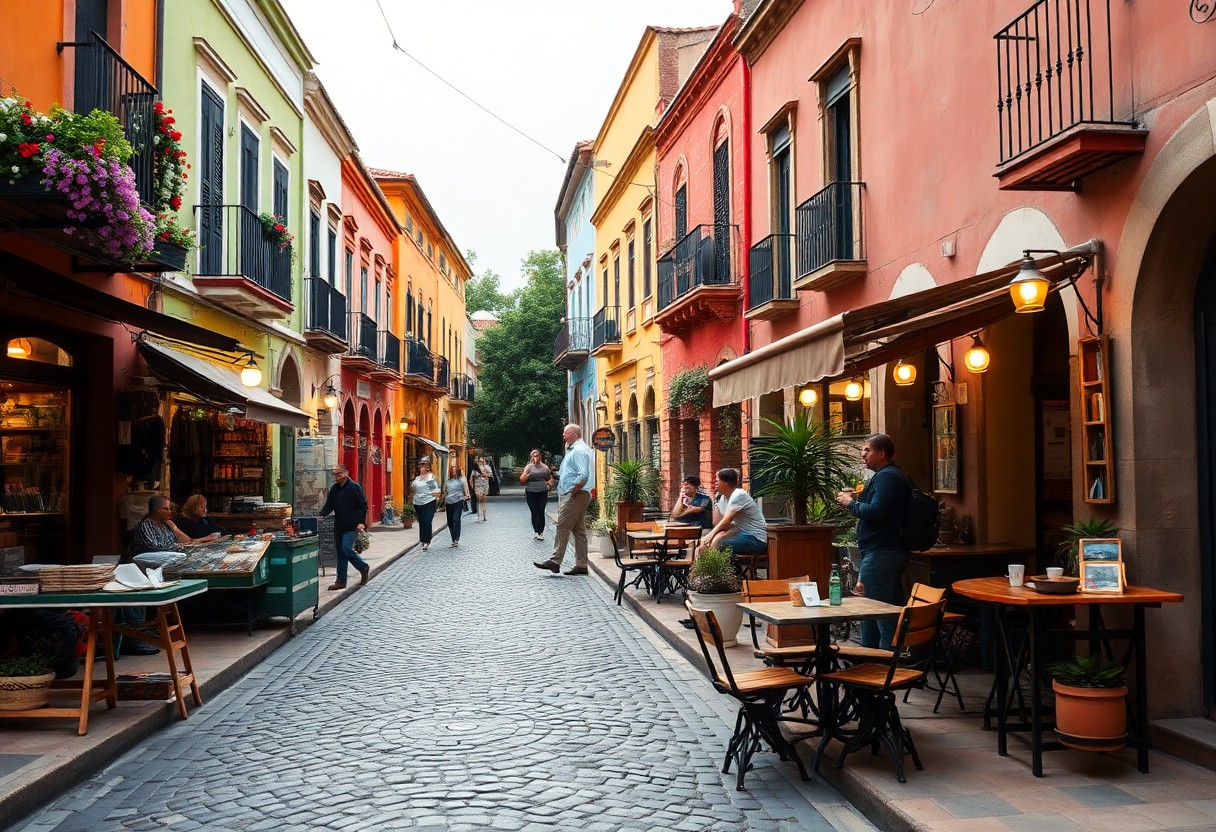
    Along the cobblestone streets, expats share inspiring tales of unexpected personal reinvention. Your potential move may mirror stories of retirees uncovering newfound passions, artists finding creative inspiration, and professionals establishing innovative remote work lifestyles. These personal accounts highlight the profound emotional and professional transitions that San Miguel de Allende facilitates for international residents seeking a more fulfilling existence.

    Connecting with Local Community Resources and Networks

    Throughout San Miguel, you will discover robust expat support systems designed to ease your transition. Your integration can be facilitated through numerous local groups, language exchange programs, and social networks specifically tailored for international residents. These resources provide essential information, social connections, and practical guidance for navigating your new life in this vibrant Mexican city.

    For instance, established expat organizations, such as the San Miguel International Newcomers Club, offer comprehensive orientation programs. You can access detailed workshops covering healthcare, legal requirements, cultural adaptation, and local bureaucratic processes. These networks provide invaluable support through regular meetups, online forums, and personalized mentorship programs, ensuring that you feel well-supported throughout your relocation journey.

    Empowering Final Thoughts on Your Upcoming Move

    Considering all aspects, San Miguel de Allende represents an exceptional expat destination characterized by its vibrant culture, affordable living, and welcoming community. Your decision to relocate here promises a rich, transformative experience that intertwines historic charm, artistic inspiration, and international connectivity. By understanding local nuances, preparing financially, and embracing the city’s distinctive rhythm, you can ensure a seamless transition into this remarkable Mexican haven. San Miguel will reward your adventurous spirit with unparalleled lifestyle opportunities, exquisite colonial architecture, and a supportive expatriate network, transforming your relocation into a life-changing journey.

    Your Most Common Questions About Living in San Miguel de Allende

    What Makes San Miguel de Allende an Attractive Destination for Expats?

    San Miguel de Allende captivates expats with its vibrant cultural environment, featuring year-round mild weather, affordable living costs, and a supportive international community. The city showcases world-class art scenes, historic colonial architecture, and a rich cultural heritage that appeals to both retirees and digital nomads. Its UNESCO World Heritage status ensures the preservation of urban landscapes, while excellent healthcare facilities and a low cost of living position it as an ideal relocation destination.

    How Challenging is it to Establish Residency and Navigate Legal Requirements in San Miguel?

    Securing residency in San Miguel involves applying for a temporary resident visa through Mexican consulates, which necessitates proof of financial stability and health insurance. Expats generally need to demonstrate a monthly income of approximately $1,500-$2,000 USD. The process requires document translation, medical examinations, and background checks. Most expatriates find the bureaucratic procedures manageable with adequate preparation and, if necessary, local immigration assistance.

    Which Neighborhoods are Recommended for Expat Housing in San Miguel de Allende?

    Expats often favor neighborhoods like Centro Historico for its walkable streets and historic charm, El Parque for quieter residential settings, and Guadalupe for more budget-friendly housing options. Centro provides immediate access to restaurants and cultural sites, while areas like San Antonio offer slightly lower rental costs with proximity to the city center. Each neighborhood presents unique advantages, allowing expats to select housing that aligns with their lifestyle preferences and budget constraints.

    The Article: San Miguel de Allende for Expats: Your Essential Relocation Guide appeared first on https://fallinginlovewithsanmiguel.com/

    The Article Relocation Guide for Expats in San Miguel de Allende Was Found On https://limitsofstrategy.com

  • Best Time to Move to San Miguel de Allende Uncovered

    Best Time to Move to San Miguel de Allende Uncovered

    Individuals contemplating a relocation to San Miguel de Allende frequently wonder about the best timing for their move. This decision largely depends on personal priorities; however, the fall and winter months are notably favorable. During this period, the city basks in a delightful climate characterized by warm, sunny days and a variety of cultural celebrations that enhance the lively atmosphere. Conversely, the summers bring increased rainfall, while spring attracts larger crowds due to numerous festivals. For those aiming for a more serene moving experience, late spring or early summer may be the ideal choice. Regardless of when you opt to make the transition, San Miguel de Allende offers a welcoming community, affordable living expenses, and a rich cultural tapestry throughout the year. A well-thought-out plan will guarantee that your transition is smooth and enjoyable.

    Exploring Relocation Pathways to San Miguel de Allende

    Before embarking on your journey to San Miguel de Allende, it is vital to gain a thorough understanding of the various relocation options that people typically pursue. Below, you will find a detailed overview of these relocation pathways:

    Retirement Relocation A considerable number of retirees are drawn to San Miguel due to its low cost of living and vibrant expat community that encourages social interactions.
    Career Advancement or Remote Work Transition Professionals and digital nomads are increasingly attracted to the city for its reliable internet connectivity and inspiring surroundings that foster creativity and productivity.
    Embracing Lifestyle Changes or Adventure Seeking Individuals desiring a slower pace or deeper cultural engagement will find San Miguel to be a perfect destination.
    Family Relocations Families are often enticed by the safe, welcoming environment along with reputable international schools that cater to a variety of educational needs.
    Seasonal or Part-Time Living Arrangements Some individuals opt to split their time between San Miguel and their home countries, enjoying the best of both worlds.

    Your choice to relocate will ultimately depend on your personal goals, whether they involve retirement, professional growth, or a fresh start in life.

    Unveiling the Advantages of Retirement Relocation to San Miguel de Allende

    For retirees, San Miguel de Allende offers a perfect blend of affordability, cultural richness, and a strong sense of community. With an exceptionally low cost of living, high-quality healthcare services, and a supportive expat network, it’s no wonder that many individuals select this captivating city for their retirement years. The region’s temperate climate, coupled with a vibrant arts scene, enhances its appeal, establishing it as a prime destination for those wishing to relish life after their careers.

    Unlocking Career Opportunities and Remote Work Potential in San Miguel de Allende

    Remote workers and professionals alike discover that San Miguel de Allende provides an invigorating ambiance ideal for career development. With dependable internet access, numerous coworking spaces, and a dynamic creative community, the city functions as an excellent hub for those transitioning to remote work or embarking on new professional endeavors. Additionally, the cost of living is considerably lower than in many U.S. and European cities, allowing for a more financially manageable lifestyle.

    It’s essential to emphasize that San Miguel de Allende has transformed into a bustling center for digital nomads and aspiring entrepreneurs. The city’s improving infrastructure not only supports remote work but also presents a wealth of cultural experiences that spark creativity. Whether you are a freelancer, consultant, or part of a global organization, you will find a welcoming community that nurtures collaboration and innovation.

    Embracing a Lifestyle Transformation or Seeking New Adventures in San Miguel de Allende

    Individuals interested in a lifestyle transformation or new adventures will find that San Miguel de Allende is an exceptional match. The city’s enchanting cobblestone streets, impressive colonial architecture, and vibrant festivals create a distinctive cultural landscape. If your goal is to escape the frenetic pace of larger cities, this picturesque destination offers a more relaxed and enriching lifestyle.

    Grasping why San Miguel de Allende is appealing for lifestyle shifts is crucial. The city boasts a strong sense of community, enriched by its artistic and culinary offerings, making it a magnet for those seeking a fresh start. However, be prepared for cultural adjustments and the occasional challenge of adapting to new languages or local customs.

    Key Strategies for Successfully Planning Your Move to San Miguel de Allende

    Even with meticulous planning, relocating to San Miguel de Allende necessitates careful attention to details. Begin by crafting a comprehensive checklist to organize your moving tasks and ensure that nothing is overlooked.

    • Conduct thorough research on visa requirements and confirm that your documentation is up-to-date.
    • Create an extensive budget that accounts for both moving expenses and initial costs in your new residence.
    • Engage with local expat communities online to gain insights and practical advice from those who have already made the transition.

    Once you arrive, take the opportunity to explore your new surroundings and immerse yourself in the local culture as you settle into your new daily routine.

    Diving Deep into the Local Culture and Lifestyle of San Miguel de Allende

    To genuinely appreciate the culture of San Miguel de Allende, consider learning basic Spanish phrases and familiarizing yourself with local traditions. Engage in vibrant festivals, such as the Day of the Dead or San Miguel Carnival, to fully immerse yourself in this dynamic community. Exploring local markets and sampling traditional dishes will deepen your connection to the city’s rich heritage and enhance your overall experience.

    Developing a Comprehensive Budget for Living in San Miguel de Allende

    For a successful transition, it’s essential to create a thorough budget that encompasses housing, utilities, groceries, and transportation. While San Miguel de Allende generally presents a lower cost of living compared to many U.S. cities, expenses can fluctuate based on your personal lifestyle choices. It’s crucial to factor in healthcare expenses, entertainment options, and dining out to maintain financial stability.

    Your lifestyle decisions will significantly influence your expenses in San Miguel de Allende. While renting a charming colonial-style home in the city center may come with a higher price tag, opting for a smaller property or residing slightly outside the downtown area can yield significant savings. Be mindful of seasonal tourism fluctuations, as they can temporarily impact the prices of goods and services.

    Building a Strong Support Network in San Miguel de Allende

    Connection is vital for cultural enrichment, making it essential to establish a solid support network. Consider joining local clubs, attending language exchange meetings, or volunteering in community organizations. Engaging with both expats and locals will help you feel more integrated and supported in your new environment.

    The importance of having a robust support network cannot be overstated. While San Miguel de Allende boasts a friendly community, forging meaningful relationships requires effort. Attend social gatherings, participate in workshops, and utilize online forums to connect with others. A strong network will facilitate your transition and enhance your overall experience in this beautiful city.

    Thorough Step-by-Step Guide to Relocating to San Miguel de Allende

    Having made the decision to move to San Miguel de Allende, it’s time to meticulously plan your relocation. Below is a concise breakdown of the essential steps you’ll need to take:

    Detailed Step-by-Step Guide

    1. Research Gain a thorough understanding of the city, its cultural landscape, and cost of living.
    2. Budget Plan your finances to accommodate the moving process and the initial settling phase.
    3. Visas Apply for the appropriate visa or residency permit based on your intended duration of stay.
    4. Housing Identify a suitable place to live, whether temporarily or on a long-term basis.
    5. Move Organize transportation for both yourself and your belongings.
    6. Settle Register with local authorities, set up utilities, and adapt to your new lifestyle.

    Securing Essential Visas and Documentation for Your Move to San Miguel de Allende

    To facilitate your move, it’s imperative to secure the appropriate visa for your stay in San Miguel de Allende. Begin by determining whether you need a tourist visa, temporary residency, or permanent residency. Gather necessary documents, including your passport, proof of income, and background checks. Submit your application at the Mexican consulate in your home country. Processing times can vary, so it’s advisable to apply well in advance to avoid any delays.

    Finding the Ideal Housing in San Miguel de Allende

    When searching for housing, start by exploring neighborhoods that fit your lifestyle and financial considerations. Popular areas include Centro, Guadiana, and Atascadero. Collaborate with local real estate agents or utilize online platforms to discover rental opportunities or properties for sale. If possible, visit properties in person to ensure they meet your expectations and needs.

    The process of finding housing in San Miguel de Allende involves setting a budget, identifying preferred neighborhoods, and working with a reputable real estate agent. Consider essential factors such as proximity to amenities, safety, and the community atmosphere. Note that rental agreements typically require a deposit and proof of income, so ensure your documentation is in order. If you are contemplating purchasing property, hiring a local attorney can significantly assist with the legalities involved.

    Adapting to Life in San Miguel de Allende

    Proper documentation is essential as you settle into your new home. Register with local authorities, open a bank account, and set up essential utilities such as water and electricity. Learning basic Spanish will greatly ease daily interactions and help build connections within the community. Joining local groups or expat networks can also offer a sense of belonging and support as you navigate this new chapter of your life.

    Another vital aspect of adapting is understanding local customs and traditions. San Miguel de Allende is well-known for its vibrant festivals and rich cultural heritage. Participating in community events will enable you to fully immerse yourself in the local lifestyle. Be patient during the adjustment period, as it may take some time to feel entirely at home in your new environment.

    Critical Factors to Consider Before Moving to San Miguel de Allende

    Several factors can significantly influence your decision to relocate to San Miguel de Allende. Consider the following aspects:

    • Your current financial stability and the adjustments necessary for adapting to the local cost of living.
    • The language barrier and your willingness to learn Spanish to ease communication.
    • Your adaptability to a new cultural environment and lifestyle.
    • Access to reliable healthcare services and the overall safety of the area.

    Being aware of these factors will empower you to make an informed decision regarding your move.

    Understanding the Climate and Weather Conditions in San Miguel de Allende

    Prior to relocating, it’s crucial to familiarize yourself with the climate of San Miguel de Allende. The city enjoys a mild, semi-arid climate characterized by warm days and cooler nights. The dry season lasts from November through April, while the rainy season typically occurs from May to October. Most of the year features sunny weather, making it an excellent time for outdoor activities and exploring the city’s historical charm.

    Assessing Healthcare Quality and Safety in San Miguel de Allende

    Safety should be a top priority for anyone considering a move to a new country. San Miguel de Allende is renowned for its low crime rates and friendly community atmosphere. The city boasts reputable healthcare facilities, including private clinics and hospitals that deliver quality services at affordable prices. Many expats find the healthcare system both accessible and efficient, providing peace of mind for themselves and their families.

    Furthermore, it’s essential to consider the availability of specialized medical care. While San Miguel de Allende offers excellent general healthcare services, some complex medical treatments may necessitate travel to larger cities like Querétaro or Mexico City. Nevertheless, the proximity of these urban centers ensures that advanced medical services are accessible when necessary.

    Navigating Language and Cultural Integration in San Miguel de Allende

    Upon moving to San Miguel de Allende, you will experience a vibrant blend of Mexican traditions and expat influences. While many local residents speak English, learning Spanish will significantly enhance your experience and facilitate connections within the community. Engage in cultural events, such as festivals and art exhibitions, to immerse yourself in local traditions and foster meaningful relationships.

    Cultural integration also necessitates an understanding of local customs and etiquette. Mexicans place immense value on politeness and respect, so acquiring basic phrases and greetings in Spanish can enhance your interactions. Embracing the warm and friendly nature of the community will contribute to a smoother and more enjoyable transition.

    Weighing the Benefits and Challenges of Moving to San Miguel de Allende

    It’s crucial to recognize that relocating to San Miguel de Allende presents its unique advantages and challenges. Below is a concise overview to assist you in evaluating your decision:

    Pros and Cons Overview

    Pros Cons
    Affordable living costs Language barrier for non-Spanish speakers
    Consistently pleasant weather Adjustment to cultural differences may take time
    Thriving expat community Distance from family and friends can be challenging
    Rich cultural and artistic environment Limited job opportunities in the local market
    Beautiful colonial architecture Possible adjustments to the healthcare system

    Discovering the Advantages of Life in San Miguel de Allende

    Residing in San Miguel de Allende offers a low cost of living, a warm community, and a rich cultural experience. The city’s temperate climate, vibrant arts scene, and stunning architecture create an ideal environment for expats seeking a relaxing yet fulfilling lifestyle. You will also encounter a strong sense of community among both locals and expats, making it easier to forge connections and feel at home.

    Identifying Potential Challenges You May Face

    Moving to San Miguel de Allende, like any new destination, comes with its own set of challenges. You may experience a language barrier if you are not proficient in Spanish, and adjusting to cultural differences can require time and patience. Additionally, being far from family and friends may pose emotional difficulties, particularly during holidays or significant life events.

    While San Miguel de Allende is undeniably beautiful, it’s essential to be prepared for potential obstacles. The healthcare system may differ from what you are accustomed to, and finding local job opportunities can be challenging unless you work remotely. Nevertheless, with careful planning and an open mindset, these challenges can be effectively managed, allowing you to fully enjoy the unique charm of San Miguel de Allende.


    Making Informed Choices: Timing Your Move to San Miguel de Allende

    The optimal time to relocate to San Miguel de Allende ultimately depends on your individual circumstances and aspirations. Factors to consider include the weather, local events, and your personal readiness to embrace a new lifestyle. The dry season from November to April is especially favorable due to its pleasant weather, making it a popular choice for relocations. However, moving during the off-peak season can offer greater flexibility and fewer crowds. Ultimately, the best timing for your move is when you feel ready to wholeheartedly embrace the vibrant culture, welcoming community, and unique opportunities that San Miguel de Allende has in store for you. Begin planning your relocation when it aligns with your vision for a fulfilling life in this enchanting city.


    Your Questions Answered: Frequently Asked Questions About Moving to San Miguel de Allende

    What is the best time of year to move to San Miguel de Allende?

    The most advantageous time to relocate to San Miguel de Allende is during

    The Article Best Time to Move to San Miguel de Allende Explained Was Found On https://limitsofstrategy.com