Category: Outdoor Skills

  • Survival Tarp Shelters: Essential Techniques for Success

    Survival Tarp Shelters: Essential Techniques for Success

    Ultimate Guide to Creating Effective Survival Tarp Shelters

    Understanding the Importance and Functionality of Survival Tarp Shelters

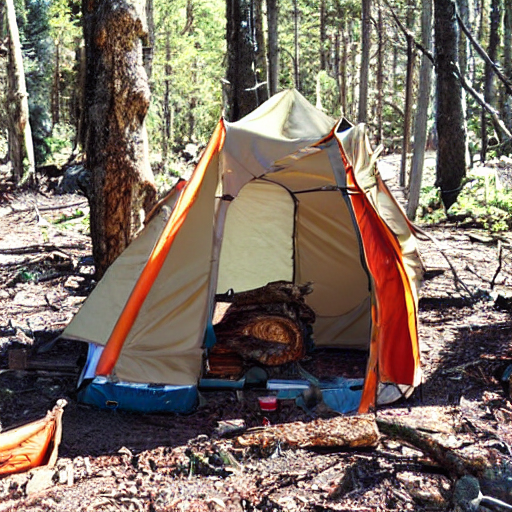
    A lightweight, portable tarp shelter in a dense forest, set up by a survivalist.

    Survival tarp shelters represent an ingenious solution for temporary refuge, crafted from tarps specifically designed to offer protection against harsh environmental conditions during emergencies. These shelters are celebrated for their lightweight and portable nature, making them indispensable tools for outdoor survival. They are essential not only for weekend camping trips but also for extensive disaster preparedness initiatives, showcasing their versatility across various scenarios. The remarkable adaptability and user-friendly nature of these shelters have made them highly favored among outdoor enthusiasts and survivalists. Here are some key features that make survival tarp shelters stand out:

    • Lightweight Construction: Their easy-to-transport design makes these shelters perfect companions for any adventure in the wild.
    • Flexible Configurations: Tarps can be arranged in numerous designs, effectively catering to diverse environmental and weather requirements.
    • Durable Materials: Built from weather-resistant fabrics, these shelters are engineered to withstand the most severe conditions.
    • Cost-effective Option: Typically, tarps are significantly less expensive than traditional camping tents, making them accessible to a broader audience.
    • Rapid and Simple Setup: These shelters can be erected quickly, offering immediate protection when needed most.
    • Highly Portable: They can be easily packed into a backpack, making them ideal for spontaneous wilderness excursions.
    • Multi-Purpose Utility: Serving various functions such as a rain cover, sunshade, or windbreak, their versatility is unmatched.

    Whether you are camping in a dense forest, navigating rugged mountain terrains, or confronted with an unforeseen storm, these shelters provide a dependable means of protection in any situation.

    Essential Materials for Constructing Tarp Shelters

    Building a tarp shelter requires assembling a range of materials, each critical to ensuring the structure’s overall stability and effectiveness. At the heart of your setup, a sturdy and dependable tarp is crucial; however, several additional components are equally necessary. Ropes for securing your tarp, stakes for anchoring it to the ground, and natural materials like branches and stones for extra support are fundamental elements. Depending on your environment, consider the following materials:

    • Tarp: This is the primary component; choose a tarp made from waterproof and durable fabric to ensure longevity.
    • Ropes: Strong paracord or nylon ropes work best for effectively tying and securing your tarp.
    • Stakes: Employ metal or robust plastic stakes to firmly anchor the tarp into the ground.
    • Natural Resources: Utilize branches or rocks as additional supports or weights to bolster stability.
    • Ground Cover: A sleeping pad or ground cloth significantly enhances comfort and provides crucial insulation from the cold ground.

    The selection of materials often hinges on what is readily available in your environment and the specific demands of your situation. In a forest setting, ample branches may be accessible, whereas in a desert landscape, sturdy stakes might be more advantageous.

    Discover the Advantages of Using Tarps for Shelter

    Utilizing tarps for shelter offers a multitude of advantages tailored to various scenarios encountered in the wilderness. Primarily, their versatility shines through; tarps can be configured in numerous ways to effectively respond to your environment and the prevailing weather conditions. For instance, you can modify the shelter to create a lean-to for rain protection or an A-frame for wind resistance. Other notable benefits include their durability, as high-quality tarps can withstand severe weather, and their simple setup process, allowing for swift construction during emergencies.

    Furthermore, tarps are lightweight and easily packable, making them perfect for long hikes or trips where minimizing weight is critical. This portability guarantees that you have a reliable shelter option readily available without the bulk associated with traditional tents. Their cost-effectiveness also plays a significant role, as they are usually priced lower than many camping tents, making them accessible to a wider audience. Ultimately, using tarps in outdoor survival situations embodies practicality and efficiency, ensuring you are well-prepared for any challenges posed by nature.

    Insights from Experts on Survival Tarp Shelters

    A detailed tarp shelter in a rugged wilderness, surrounded by forest and survival gear under a cloudy sky.

    Selecting the Ideal Tarp for Your Survival Requirements

    Choosing the right tarp for your shelter necessitates careful consideration of several critical factors, including size, material, and color. An effective tarp should be waterproof and constructed from durable fabric capable of withstanding the rigors of outdoor conditions. Size is crucial; it should be large enough to meet your sheltering needs while remaining manageable for transport. For instance, a 10×12 foot tarp may suffice for a solo camper, but larger groups might require something bigger, like a 12×20 foot tarp.

    Material is another vital factor; look for tarps made from polyester or nylon, as these materials offer excellent water resistance and longevity. Additionally, consider the color, as brighter hues can improve visibility in emergencies, while darker shades may blend more seamlessly with natural surroundings. Here are practical examples of tarp selection for varying scenarios:

    • Solo Backpacking: A lightweight, compact 10×8 foot tarp in bright orange for high visibility.
    • Group Camping: A larger, heavy-duty 12×16 foot tarp in a neutral tone for better blending with the environment.
    • Emergency Preparedness: A waterproof, multifunctional tarp that is easily foldable and storable for quick access.
    • Winter Camping: A tarp with thermal insulation properties to effectively retain heat and provide warmth during cold nights.

    Selecting the appropriate tarp lays the foundation for your shelter’s success, enabling you to create a safe haven in the wilderness.

    Effective Tarp Configurations for Optimal Shelter

    Understanding various tarp configurations is essential for maximizing the effectiveness of your shelter. Familiarizing yourself with different setups allows you to adapt your shelter to various environmental conditions and personal preferences. Popular configurations include lean-tos, A-frames, and diamond shapes, each serving distinct purposes.

    To establish a lean-to, locate two sturdy anchor points, such as trees, and secure one edge of the tarp to the first anchor. Then, angle the tarp downward toward a second anchor, ensuring that the low edge is at the back to effectively deflect rain and wind. For an A-frame setup, secure both ends of the tarp to ground stakes, forming a triangular shape that delivers excellent stability in windy conditions. Here are actionable steps for setting up various tarp configurations:

    • Identify the Setup: Select the configuration based on current weather conditions and available resources.
    • Gather Materials: Ensure you have your tarp, ropes, and stakes ready for construction.
    • Secure the Base: Start by anchoring the tarp at one point before proceeding to the opposite side to create tension.
    • Adjust for Tension: Ensure the tarp is taut to prevent sagging or flapping in the wind, which can diminish its effectiveness.

    By mastering these configurations, you enhance your tarp shelter’s functionality and ensure it can withstand various outdoor challenges.

    Expert Strategies for Long-term Maintenance of Your Tarp Shelter

    Person inspecting and repairing tarp shelter in a forested campsite, focusing on holes and fraying edges.

    Maintaining your tarp shelter is essential for ensuring its longevity and effectiveness in shielding you from the elements. Regular inspections and repairs can significantly extend the life of your tarp, keeping it in optimal condition. One of the first steps is to examine for any signs of wear and tear before each use, such as holes, fraying edges, or significant stains. Addressing these issues promptly can avert further damage and ensure your shelter remains reliable.

    Cleaning your tarp after use is also vital, especially if it has come into contact with dirt or organic materials that may degrade the fabric over time. Use a mild soap and water solution to gently cleanse the tarp, then allow it to dry completely before storing it. Additionally, consider investing in a tarp repair kit that includes patches and adhesive specifically designed for mending tears and punctures. This way, you can perform quick fixes in the field when needed. Here are expert strategies for maintaining tarp shelters in various conditions:

    • Regular Inspections: Check for structural integrity and wear before every trip to ensure reliability.
    • Clean After Use: Wash with mild soap and allow drying thoroughly to prevent mold and mildew.
    • Store Properly: Keep it in a cool, dry place and avoid direct sunlight during storage to prolong its lifespan.
    • Repair Damage Promptly: Carry a repair kit to address issues immediately and prevent further deterioration.

    By implementing these maintenance practices, you ensure that your tarp shelter remains a dependable ally in any outdoor survival situation.

    Optimising Your Tarp Shelter for Varied Climates

    Adapting your tarp shelter setup for different weather conditions is crucial for enhancing comfort and safety while outdoors. Each climate presents unique challenges that necessitate specific strategies. In hot climates, proper ventilation is paramount; configuring the tarp to allow airflow can help prevent overheating. Setting it up high or using natural shade can create a cooler environment.

    In cold weather, insulating your tarp shelter is essential. Utilize materials such as blankets or leaves to create a windbreak and maintain warmth inside. Reflective tarps can also assist in heat retention, making them an excellent choice for winter camping. For wet environments, ensure your tarp is angled correctly to shed water, preventing pooling and leaks. Here are practical examples of optimising tarp shelters for different climates:

    • Hot and Humid: Elevate the tarp and use an open configuration for airflow to cool down the interior.
    • Cold Weather: Add insulation and use a low, windbreak setup to retain heat more effectively.
    • Wet Conditions: Angle the tarp steeply to encourage water runoff and prevent leaks.
    • Windy Environments: Choose a low-profile configuration to minimize wind resistance and enhance stability.

    By understanding and applying these strategies, you can significantly enhance your tarp shelter’s functionality and comfort in any climate, ensuring a positive outdoor experience.

    Advanced Knots and Rigging Techniques for Enhanced Stability

    Mastering specific knots and rigging techniques can drastically improve your tarp shelter’s stability and functionality. Understanding how to secure your tarp effectively is essential, especially in challenging weather conditions. Among the most effective knots are the taut-line hitch, which allows for easy adjustments, and the bowline knot, known for creating a fixed loop at the end of a rope.

    When rigging your tarp, consider utilizing multiple tie-down points to enhance stability. This approach helps distribute tension evenly across the tarp, reducing the risk of damage during windy conditions. Here are key techniques and their applications for secure tarp setups:

    • Taut-Line Hitch: Ideal for adjustable tensioning on guy lines to maintain stability.
    • Bowline Knot: Creates a strong loop for effectively securing to stakes or trees.
    • Double Fisherman’s Knot: Effective for joining two pieces of rope for added length, ensuring flexibility.
    • Clove Hitch: Great for quickly attaching the tarp to posts or trees for rapid setup.

    By mastering these knots and rigging methods, you enhance the security and effectiveness of your tarp shelter, ensuring it withstands various elements effectively and provides the protection you need.

    Step-by-Step Instructions for Building Your Own Survival Tarp Shelter

    Comprehensive Guide to Constructing a Tarp Shelter

    Constructing a tarp shelter requires meticulous planning and execution to ensure stability and protection from the elements. Following a systematic approach simplifies the process and yields a dependable shelter. First, choose a suitable location away from hazards such as falling branches and standing water. Ensure the ground is level and dry to create a comfortable base for your shelter.

    Next, gather your materials, including the tarp, ropes, and stakes. Begin by securing one edge of the tarp to an anchor point, such as a tree or stake, using a knot that allows for tension adjustment. Gradually raise the opposite edge to your desired height, depending on the configuration you choose, and secure it in place. Here’s a bullet list of essential steps for constructing a tarp shelter:

    • Choose Location: Find a flat, dry area away from hazards to ensure safety.
    • Gather Materials: Collect your tarp, ropes, and stakes for the construction process.
    • Secure One Edge: Attach one side of the tarp to a high anchor point for stability.
    • Adjust Height: Raise the opposite edge to your preferred height for ventilation and protection.
    • Secure Opposite Edge: Anchor the other side firmly with stakes or ties to ensure stability.
    • Adjust for Tension: Ensure the tarp is taut to avoid sagging, which can compromise shelter integrity.

    By methodically following these steps, you can construct a reliable tarp shelter that provides protection and comfort in the wild, ensuring you are adequately prepared for your outdoor adventures.

    Ensuring Your Tarp Shelter is Secured Against Environmental Elements

    Properly securing your tarp shelter is vital to effectively withstand wind and other environmental elements. The strength of your shelter directly correlates to how well you’ve anchored your tarp. Utilizing stakes, ropes, and natural anchors is essential for enhancing stability. Start by identifying the wind direction and positioning your tarp to minimize exposure to strong gusts.

    When staking your shelter, ensure that the stakes are driven deep into the ground at a 45-degree angle away from the tarp to provide maximum support. For added security in windy conditions, consider using natural anchors such as trees or large rocks to tie down additional guy lines. The goal is to create a taut shelter that resists flapping and potential damage. The best methods for securing a tarp shelter include:

    • Use Strong Stakes: Drive them deep and at an angle for stability against wind forces.
    • Identify Wind Direction: Position the tarp to minimize impact from prevailing winds.
    • Add Guy Lines: Use multiple lines for better tension and stability to enhance resilience.
    • Use Natural Anchors: Tie to trees or heavy rocks when available for additional support.

    Employing these techniques will significantly enhance your tarp shelter’s stability, ensuring it remains functional even in challenging weather conditions and providing you with the protection you need.

    Key Factors for Selecting the Ideal Location for Your Shelter

    Choosing the right location for your tarp shelter can dramatically affect comfort and safety. Several factors should be considered to ensure you establish a secure and effective shelter. First, examine the terrain; look for flat, level ground to provide a comfortable resting area. Avoid areas prone to flooding, such as low spots or nearby water sources, which can pose risks during rain or storms.

    Another critical aspect is wind direction; positioning your tarp to act as a barrier against prevailing winds is essential. This strategic placement can prevent drafts and potential damage to your shelter. Additionally, consider natural cover, such as trees or bushes, which can provide additional windbreaks and shade from the sun. Here are some vital tips for selecting the right location:

    • Assess Terrain: Look for flat, stable ground free from debris and obstacles.
    • Avoid Flood Risks: Stay clear of low-lying areas near water sources that can become hazardous.
    • Consider Wind Direction: Position the tarp to shield against prevailing winds for increased comfort.
    • Utilize Natural Cover: Use trees or bushes for added protection against wind and sun exposure.

    By carefully evaluating these factors, you can enhance the safety and livability of your tarp shelter, ensuring a more enjoyable and secure outdoor experience.

    Adapting Tarp Shelters for Varied Climate Conditions

    Necessary Adjustments for Cold Weather Conditions

    In cold weather, adapting your tarp shelter is essential for maintaining warmth and comfort. Insulating the shelter and creating a windbreak are critical strategies to combat chilly temperatures. One effective modification is to use additional layers such as blankets or sleeping pads to trap heat inside. You can also pile leaves or snow against the perimeter of the tarp to create a natural insulation barrier that helps retain warmth.

    Another useful strategy is configuring the tarp to create a smaller, enclosed space that retains heat more efficiently. Setting up a lower profile can also help minimize wind exposure, reducing the chill you experience inside. Here are some of the best materials and methods for insulation in cold climates:

    • Blankets: Use thermal or wool blankets for effective insulation against the cold.
    • Leaves: Gather dry leaves to add an extra layer of warmth around the shelter.
    • Snow: In winter, use snow as insulation against the cold, as it provides excellent thermal resistance.
    • Reflective Tarps: Incorporate reflective tarps to retain body heat better and create a warmer environment.

    Making these modifications allows you to create a more comfortable and warmer environment inside your tarp shelter, ensuring you stay cozy even in the coldest conditions.

    Adapting Tarp Shelters for Wet Conditions

    In wet conditions, ensuring that your tarp is waterproof and properly angled is crucial for maintaining a dry and comfortable shelter. Water management is essential; if the tarp is not positioned correctly, it can lead to pooling and leaks, compromising your safety and comfort. One effective strategy is to angle the tarp steeply, enabling water to run off rather than collect on top, which could lead to collapse.

    Creating a dry area inside the shelter is also vital. Use ground covers, such as a tarp or emergency blanket, to keep the sleeping area dry, ensuring that you’re not directly on the wet ground. Additionally, consider the use of natural drainage; positioning your shelter near a slope can help divert water away from your shelter. Here are key strategies for adapting tarp shelters for wet conditions:

    • Angle the Tarp: Position it steeply to encourage water runoff and prevent pooling.
    • Use Ground Covers: Lay down a tarp or blanket to stay dry and insulated.
    • Natural Drainage: Position your shelter near a slope to divert water away from your living space.
    • Check for Leaks: Regularly inspect for any signs of leaks or pooling to maintain a dry interior.

    By applying these strategies, you can ensure your tarp shelter remains a reliable sanctuary, even during heavy rain or wet conditions, allowing you to stay protected and dry.

    Strategies for Thriving in Hot and Humid Environments

    In hot and humid environments, adapting your tarp shelter for ventilation and shade is vital for survival and comfort. Consider constructing your tarp in a way that maximizes airflow, which can significantly reduce the heat inside. Elevating the tarp off the ground creates a cooler space beneath it, similar to a natural breeze that enhances comfort.

    Additionally, using lighter-colored tarps can reflect sunlight and minimize heat absorption, keeping the interior cooler. Configuring the shelter to create overhangs or using multiple tarps can also enhance shade and protect from direct sunlight. Here are some practical strategies to improve livability in hot and humid conditions:

    • Elevate the Tarp: Create space beneath for airflow and cooling to reduce heat retention inside.
    • Use Light-Coloured Tarps: Choose materials that reflect sunlight to keep the interior cooler.
    • Open Configuration: Arrange the tarp to maximize ventilation and allow hot air to escape.
    • Natural Shade: Position your shelter near trees or natural features for additional shade and relief from the sun.

    Implementing these strategies can create a more bearable and comfortable environment within your tarp shelter, allowing you to rest and recover effectively in hot climates.

    Managing Tarp Shelters During High Winds

    Securing tarp shelters in high winds requires careful management to minimize wind resistance and ensure stability. First, use strong anchors and stakes to secure your tarp firmly to the ground. The stakes should be driven deep and at an angle, providing a robust hold against the force of the wind to prevent any accidental dislodging.

    Additionally, consider a low-profile setup; this reduces the amount of surface area exposed to the wind, effectively lessening its impact on your shelter. Using multiple tie-down points can also enhance stability and prevent any flapping that might cause wear and tear over time. Here are essential strategies for managing tarp shelters in high winds:

    • Strong Anchors: Use heavy-duty stakes to secure your tarp firmly and prevent it from lifting.
    • Low-Profile Setup: Keep the tarp closer to the ground to reduce wind exposure and resistance.
    • Multiple Tie-Downs: Utilize several points of attachment for added stability and security against the wind.
    • Reinforce Corners: Secure corners with extra lines or weights for reinforcement, ensuring your shelter remains stable.

    By employing these techniques, you can significantly enhance the resilience of your tarp shelter against high winds, ensuring it remains a reliable haven in extreme conditions.

    Optimising Tarp Shelters for Desert Climates

    In desert climates, maximizing shade and minimizing heat absorption are essential for survival. The intense sun and fluctuating temperatures can pose significant challenges, making it crucial to adapt your tarp shelter accordingly. One effective strategy is to use light-colored tarps, which reflect sunlight and help maintain cooler temperatures inside, providing relief from the harsh sun.

    Another adaptation is to elevate the tarp, allowing air to circulate underneath, creating a cooler environment. Positioning the shelter near natural shade, such as boulders or trees, can provide additional relief from the sun’s intense rays. Here are some strategies for optimizing tarp shelters in desert climates:

    • Light-Coloured Tarps: Choose materials that reflect sunlight to keep the interior cool and comfortable.
    • Elevate the Shelter: Create airflow beneath for better ventilation and cooling during the day.
    • Natural Shade: Use surrounding features for additional shade to protect against direct sunlight.
    • Insulation Materials: Incorporate materials to retain coolness during the day, preventing heat build-up.

    By making these adaptations, your tarp shelter can become a vital refuge in the harsh conditions of the desert, enhancing your comfort and safety while you navigate the wilderness.

    Advanced Techniques for Building Effective Survival Tarp Shelters

    Constructing Multi-Room Tarp Shelters for Enhanced Comfort

    Creating multi-room tarp shelters can significantly enhance organization and privacy within your living space. This approach is particularly beneficial for groups or families, allowing for separate areas for sleeping, storage, and communal activities. Using multiple tarps or clever configurations can facilitate this effective design.

    For example, you can set up one tarp as a sleeping area and another adjacent tarp for cooking or storage. Utilizing internal dividers made from smaller tarps or even natural materials like branches can further enhance privacy and organization within the shelter. The benefits of having multiple rooms in a tarp shelter include:

    • Privacy: Separate sleeping areas for individuals or families, allowing for personal space.
    • Organization: Designated spaces for different activities, reducing clutter and improving efficiency.
    • Enhanced Livability: Improved comfort through differentiated spaces tailored to specific activities.
    • Flexibility: Adapt setups based on group size and needs, making it versatile for various situations.

    By employing these strategies, you can create a versatile tarp shelter that enhances the overall outdoor experience, making it more enjoyable for all involved.

    Integrating Natural Elements for Improved Tarp Shelter Functionality

    Incorporating natural elements into your tarp shelter can enhance its functionality and camouflage, making it more effective in blending with the surrounding environment. Utilizing branches, leaves, and rocks not only provides structural support but can also help insulate the shelter or protect against wind and other elements.

    For instance, you can use branches as additional support beams or pile leaves around the base to cover gaps that might allow cold air in. Additionally, arranging your tarp in conjunction with existing trees or bushes can provide natural shade and further concealment from harsh elements. Here are some ways to effectively integrate natural elements into your tarp shelter:

    • Use Branches: Incorporate sturdy branches for additional support and stability to enhance the shelter’s structure.
    • Gather Leaves: Pile leaves around the shelter for insulation and camouflage, improving thermal retention.
    • Rock Anchors: Utilize large rocks to secure tarp corners or as weights to prevent movement during windy conditions.
    • Naturally Blend: Position the tarp near existing flora for better concealment and protection from the elements.

    By integrating these natural elements, you can enhance both the functionality and aesthetics of your tarp shelter, ensuring it serves you well in diverse environments while maintaining a low impact on the landscape.

    Exploring Cutting-edge Designs for Tarp Shelters

    Exploring innovative tarp shelter designs can offer new solutions for various outdoor scenarios. Creativity in shelter design can enhance survival, comfort, and functionality. For instance, geodesic dome structures made from multiple tarps can provide a robust, wind-resistant shelter with ample interior space. These designs maximize interior volume while minimizing surface exposure to the elements, delivering a strong solution for harsh conditions.

    Additionally, hybrid structures combining tarp shelters with other materials, such as netting or reflective surfaces, can improve insulation or protection against insects, enhancing your overall comfort. Here are some innovative tarp shelter designs worth considering:

    • Geodesic Domes: Create a strong, spacious shelter using multiple tarps arranged in a dome shape for stability.
    • Hybrid Designs: Combine tarps with netting or reflective materials for multifunctionality and enhanced protection.
    • Modular Shelters: Use several smaller tarps to create interconnected spaces that can be adapted as needed.
    • Fast-Setup Designs: Develop quick-deploy systems for rapid shelter in emergencies, ensuring you’re always prepared.

    By experimenting with these innovative designs, you can enhance your sheltering strategies and adapt to various outdoor challenges with greater efficacy and creativity.

    Research-Backed Advantages of Survival Tarp Shelters

    How Tarp Shelters Enhance Survival Rates

    Tarp shelters can significantly improve survival rates by providing essential protection from the elements, reducing exposure, and conserving energy. Research indicates that having a proper shelter is critical in emergencies, as it directly impacts a person’s ability to maintain body temperature and avoid hypothermia or heat exhaustion, both of which can be life-threatening.

    For instance, in a survival scenario, individuals who utilized tarp shelters reported enhanced comfort and security, leading to improved decision-making and increased chances of survival. Furthermore, tarp shelters can be set up quickly, offering immediate protection while other survival tasks are managed, which is vital during emergencies. Real-world examples have demonstrated how tarp shelters have saved lives, particularly in wilderness survival situations where traditional shelters were unavailable. Here are some key benefits:

    • Protection from Environmental Elements: Shields against rain, wind, and sun exposure, crucial for maintaining health.
    • Energy Conservation: Helps maintain body heat and reduces fatigue, increasing overall endurance.
    • Immediate Shelter: Quick to set up during emergencies, providing instant protection.
    • Psychological Comfort: Offers a sense of security that enhances survival chances and mental well-being.

    By understanding and utilizing tarp shelters effectively, individuals can increase their chances of survival in various outdoor scenarios, ensuring they are well-prepared for unforeseen challenges.

    Psychological Benefits of Having a Shelter in Survival Situations

    Having a shelter during survival situations can provide significant psychological comfort, contributing to a sense of security that is vital for maintaining morale and mental health. When individuals feel sheltered, they experience reduced anxiety and stress levels, which is crucial when facing the uncertainties of outdoor survival. The presence of a reliable shelter can also foster a sense of normalcy, enabling individuals to rest and recover, thereby boosting resilience in challenging circumstances.

    Studies have shown that a secure environment enhances cognitive functions, leading to better decision-making and problem-solving abilities in survival situations. Here are some psychological benefits associated with having a shelter:

    • Reduced Anxiety: A secure space lowers stress levels and promotes calmness, essential for survival.
    • Enhanced Morale: Shelter provides comfort, bolstering motivation and resilience during difficult times.
    • Improved Decision-Making: A sense of security leads to clearer thinking and more effective problem-solving.
    • Better Recovery: A sheltered environment allows for rest and recuperation, essential for physical and mental recovery.

    Recognizing these psychological benefits emphasizes the importance of effective shelter construction in survival scenarios, ensuring not only physical safety but also mental well-being.

    Environmental Considerations for Tarp Shelter Usage

    Understanding the environmental impact of tarp shelters is essential for responsible outdoor practices. Tarps are often made from materials like polyethylene or nylon, which can vary in terms of sustainability and biodegradability. When choosing a tarp, consider eco-friendly options that minimize environmental footprints, such as biodegradable fabrics or recycled materials that reduce waste.

    Moreover, proper use and disposal of tarps can significantly reduce their long-term impact on the environment. Avoid leaving tarps behind in nature, as they can contribute to litter and pollution, which harm local ecosystems. Research into eco-friendly tarps can guide better choices, ensuring that your outdoor activities remain sustainable. Here are some aspects to consider regarding the environmental impact of tarp shelters:

    • Material Composition: Choose tarps made from sustainable or recyclable materials that minimize environmental impact.
    • Responsible Disposal: Always carry out used or damaged tarps to reduce litter and protect natural environments.
    • Eco-Friendly Options: Research biodegradable tarps for minimal environmental impact, promoting sustainability.
    • Leave No Trace: Follow principles that promote environmental conservation and responsible outdoor behavior.

    By making informed choices about tarp shelters, you can enjoy the benefits of outdoor protection while minimizing your ecological footprint and preserving the natural beauty of our surroundings.

    Avoiding Common Mistakes with Tarp Shelters

    Identifying Common Setup Errors to Avoid

    Common setup errors can significantly compromise the effectiveness of your tarp shelter, leading to discomfort or even safety issues. One prevalent mistake is failing to properly tension the tarp, which can result in sagging. This not only reduces protection against the elements but can also lead to water pooling on top during rain, risking structural failure.

    Another frequent error is incorrect angling of the tarp; if it’s not positioned adequately, it can suffer from wind damage or leaks that compromise the shelter’s integrity. Inadequate anchoring is also a common issue, with many users underestimating the need for strong stakes and secure ties to hold the tarp in place. Here’s a bullet list of common setup errors and how to avoid them:

    • Improper Tensioning: Ensure the tarp is taut to avoid sagging and pooling of water.
    • Incorrect Angles: Position the tarp properly to prevent wind damage and leaks that can lead to failure.
    • Weak Anchoring: Use strong stakes and multiple ties for secure anchoring to withstand harsh conditions.
    • Ignoring Wind Direction: Position your tarp to deflect prevailing winds effectively, enhancing stability.

    Avoiding these mistakes can enhance the overall effectiveness of your tarp shelter, ensuring that it serves its purpose as a reliable sanctuary during outdoor adventures and emergencies.

    Strategies for Preventing Tarp Damage and Prolonging Longevity

    Preventing tarp damage involves proper handling, storage, and repair techniques to ensure longevity. One key practice is to avoid placing heavy objects on top of the tarp when it is stored, as this can lead to creases and stress points that weaken the fabric over time, leading to premature failure.

    When using your tarp, be mindful of sharp objects or rough surfaces that can cause tears. Regularly inspect for signs of wear, and address any issues promptly to prevent further damage. Additionally, understanding how to care for your tarp can significantly extend its life. Here are some best practices for storing tarps to prevent damage:

    • Store Properly: Keep tarps in a dry, cool place away from direct sunlight to prevent degradation.
    • Avoid Heavy Objects: Don’t place weight on the tarp during storage to prevent creases and stress points.
    • Regular Inspections: Check for wear and address issues quickly to maintain structural integrity.
    • Use Protective Covers: Consider using bags or containers to protect your tarp from the elements when not in use.

    By following these practices, you can significantly reduce the risk of damage and prolong the life of your tarp shelter, ensuring it remains a reliable tool for outdoor protection and survival.

    Understanding the Importance of Ventilation in Tarp Shelters

    Proper ventilation is often overlooked but is crucial for preventing condensation and maintaining comfort within your tarp shelter. Without adequate airflow, moisture can accumulate inside, leading to dampness and potential hypothermia in cooler conditions. Ensuring that your tarp shelter allows for proper ventilation can make a significant difference in the overall livability of your space.

    To enhance ventilation, consider positioning the tarp with openings or gaps to allow airflow or set it up in a way that encourages cross-ventilation. Additionally, using a slightly elevated tarp can create a breeze beneath it, further reducing humidity levels and improving comfort. Here are key considerations for ensuring adequate ventilation:

    • Positioning: Arrange the tarp to allow for airflow and cross-ventilation to prevent moisture buildup.
    • Elevate the Tarp: Create a space beneath for better air circulation and cooling effects.
    • Openings: Leave openings or gaps to facilitate airflow and reduce humidity levels inside the shelter.
    • Monitor Humidity: Regularly check for condensation and adjust the setup accordingly to maintain comfort.

    By prioritizing ventilation, you can significantly enhance the comfort and safety of your tarp shelter, allowing you to focus on enjoying your outdoor experiences without the discomfort of damp conditions.

    Proven Strategies for Effective Survival Tarp Shelters

    Training for Efficient Tarp Shelter Setup

    Training for tarp shelter setup involves practicing different configurations and learning to adapt to various conditions. Regular practice can improve your skills and confidence, ensuring you’re prepared for real-life situations. Start by familiarizing yourself with various knots and techniques, then practice setting up in different environments, such as forests, beaches, or mountainous areas.

    As you train, simulate different weather conditions to understand how to adapt your tarp shelter accordingly. This includes practicing in wind, rain, and heat to gauge how your setup performs under various stresses. Here are actionable steps for effective tarp shelter training:

    • Practice Regularly: Set up your tarp in various locations and conditions to build familiarity and confidence.
    • Learn Different Configurations: Familiarize yourself with multiple tarp designs to enhance versatility.
    • Incorporate Weather Simulations: Train in conditions that mimic real-life scenarios to improve adaptability.
    • Review and Adjust: After each session, evaluate what worked and what didn’t, refining your approach for future setups.

    By committing to regular training, you can enhance your tarp shelter skills, ensuring you are well-prepared for any outdoor challenges that come your way, ultimately boosting your confidence in survival situations.

    Best Practices for Effective Tarp Shelter Usage

    Best practices for tarp shelter use include regular maintenance, proper setup, and understanding different configurations. Adhering to these practices can enhance your shelter’s effectiveness and ensure it serves you well in the wild. Before each use, inspect your tarp for signs of wear and ensure that all necessary materials, such as ropes and stakes, are in good condition and ready for deployment.

    During setup, remember to consider local weather conditions and adjust your tarp configuration accordingly to maximize its effectiveness. Understanding how to maximize ventilation and protect against the elements is crucial for creating a comfortable living space. Here are some expert tips for the best practices for tarp shelter use:

    • Regular Maintenance: Inspect and clean your tarp after each use to prolong its life and ensure reliability.
    • Evaluate Weather: Assess conditions before setup and adjust configurations as needed for optimal performance.
    • Utilise Proper Techniques: Use the right knots and anchoring methods for stability and security against harsh conditions.
    • Practice Flexibility: Be ready to adapt your shelter to changing environmental conditions for enhanced effectiveness.

    By implementing these best practices, you can optimize your tarp shelter experience, ensuring it remains a reliable ally during outdoor adventures and emergencies alike.

    Emergency Preparedness: Essential Strategies with Tarp Shelters

    Incorporating tarp shelters into your emergency preparedness plan can significantly enhance your readiness for various scenarios. Understanding how to use them effectively can be a lifesaver when faced with unexpected circumstances, such as natural disasters or outdoor emergencies. Begin by ensuring that you have a suitable tarp easily accessible in your emergency kit for quick deployment.

    Know the various configurations of tarp shelters and practice setting them up under time constraints to build confidence and efficiency. Familiarize yourself with the surrounding environment, identifying potential locations where a shelter can be quickly erected for maximum effectiveness. Here are some key strategies for effective emergency preparedness with tarp shelters:

    • Include in Emergency Kits: Always carry a tarp as part of your emergency gear to ensure readiness.
    • Practice Setups: Regularly practice erecting your tarp under various scenarios to enhance efficiency.
    • Know Your Environment: Identify potential shelter locations in advance to minimize response time during emergencies.
    • Be Ready to Adapt: Prepare to modify your shelter based on situational needs and environmental conditions for optimal performance.

    By integrating these strategies into your emergency preparedness plans, you equip yourself with invaluable skills and resources that can make all the difference in critical situations, ensuring your safety and comfort.

    Choosing the Right Tarp for Effective Survival Shelters

    Selecting the right tarp for survival shelters involves careful consideration of several factors to ensure functionality and durability. Start with the material; look for options that offer waterproofing and UV protection, such as nylon or ripstop polyester. These materials provide strength and resistance to the elements, ensuring your tarp remains effective in various conditions and environments.

    Size is another crucial aspect; the tarp should be large enough to accommodate your needs while being manageably lightweight for easy transportation. Think about the intended use; if you anticipate needing multiple configurations, a larger tarp may offer more versatility for different setups. Here are some factors to consider when selecting the right tarp for survival shelters:

    • Material Durability: Opt for waterproof and UV-resistant materials that can withstand harsh conditions.
    • Size: Choose a tarp size that meets your specific shelter needs for effective coverage.
    • Weight: Consider weight for easy transport during outdoor adventures without adding unnecessary bulk.
    • Colour: Select colors that suit your environment, whether for visibility in emergencies or camouflage in natural settings.

    By evaluating these factors, you can choose a tarp that effectively meets your survival shelter needs, ensuring you’re well-prepared for any outdoor challenge that may arise.

    Key Insights and Future Steps for Survival Tarp Shelters

    Essential Takeaways Regarding Tarp Shelters

    Revisiting key points on tarp shelters reinforces your understanding and preparedness for outdoor survival scenarios. Tarp shelters offer lightweight, versatile, and durable solutions for protection against the elements. By selecting the right materials and configurations, you can create efficient shelters suited to various environments and climates, enhancing your survival capabilities.

    Additionally, mastering maintenance, setup techniques, and ventilation strategies enhances the effectiveness of your shelter while ensuring your comfort. As you continue to develop your skills and knowledge in tarp shelter construction, remain open to innovative designs and adaptations that can improve your overall outdoor experience. Here’s a summary of the essential information:

    • Lightweight and Portable: Tarp shelters are easy to carry, making them ideal for outdoor use and spontaneous adventures.
    • Versatile Configurations: Adaptable to suit different environments and weather conditions for maximum effectiveness.
    • Maintenance: Regular inspections and care can extend the life of your tarp, ensuring reliability.
    • Emergency Preparedness: Incorporate tarp shelters into your survival strategies for added security and comfort during unexpected situations.

    By consolidating your knowledge of tarp shelters, you position yourself for success in navigating outdoor challenges effectively and safely.

    Recommended Next Steps for Mastering Tarp Shelters

    Explore our world on X!

    The post Survival Tarp Shelters: Essential Tips and Techniques appeared first on Survival Bite.

    The Article Survival Tarp Shelters: Key Techniques and Tips for Success Was Found On https://limitsofstrategy.com


  • Foraging Survival Guide: Essential Tips Everyone Should Know

    Foraging Survival Guide: Essential Tips Everyone Should Know

    Become an Expert Forager: Your Comprehensive Guide to Harvesting Wild Foods

    Understanding Foraging: The Importance of Gathering Wild Foods

    A person foraging for berries and mushrooms in a lush forest, surrounded by diverse plants and wildlife.

    Foraging is the art of searching for and collecting wild food sources, an age-old practice that remains critical for human survival today. This cherished skill not only allows us to reconnect with the rich diversity of nature but also provides essential nourishment during unforeseen circumstances. Foraging transcends mere survival; it offers an exhilarating chance to delve into the outdoors, appreciate the vast biodiversity, and understand the complex interconnections within ecosystems. The rewards of foraging are manifold, which include:

    • Connection to Nature: Engaging in foraging cultivates a deep bond with the natural world, fostering an enhanced appreciation for both plants and animals.
    • Self-Sufficiency: It empowers individuals to gather their own food, thereby decreasing dependence on commercial food supplies.
    • Health Benefits: Foods sourced from the wild are often fresher and more nutrient-dense than their store-bought counterparts.
    • Cost-Effective: Foraging can lead to significant savings on grocery expenses, offering free access to a variety of wild edibles.
    • Physical Activity: The act of foraging includes walking, bending, and sometimes climbing, contributing positively to overall fitness</b.
    • Educational Experience: It provides a platform for learning about plant identification, ecosystems, and sustainable harvesting practices.

    The skills developed through foraging can prove invaluable, especially in survival situations where the ability to recognize edible plants might mean the difference between nourishment and hunger.

    Prioritizing Safety During Your Foraging Adventures

    Ensuring your safety should always take precedence when engaging in foraging activities. Accurately identifying edible plants while avoiding toxic varieties is crucial for a fulfilling and enjoyable experience. New foragers must arm themselves with the necessary knowledge and exercise vigilance to ensure a safe and enriching journey in the wilderness. Here are essential safety tips for beginners:

    • Learn Plant Identification: Familiarize yourself with local flora to effectively differentiate between safe and poisonous plants.
    • Start with a Guide: Utilize reputable foraging books or mobile applications to help identify edible species before embarking on your foraging expeditions.
    • Forage with Experienced Individuals: Join local foraging groups or workshops to gain insights and guidance from seasoned foragers.
    • Avoid Unknown Plants: If you are uncertain about a plant’s edibility, it is best to refrain from consuming it.
    • Check for Contamination: Be mindful of where you forage; avoid areas likely to be polluted or contaminated by chemicals.
    • Be Aware of Allergies: If you have known allergies to specific plants, exercise extra caution when foraging in those areas.

    Grasping these fundamental safety principles can greatly enhance your foraging experience, allowing you to immerse yourself in the adventure while minimizing the risk of negative consequences.

    Embracing Ethical and Sustainable Foraging Practices

    Foraging with responsibility means taking only what you need while ensuring the natural environment remains viable for future generations. Ethical foraging practices are crucial for maintaining ecosystems, allowing them to flourish while still providing valuable resources for humans. It’s essential to acknowledge the need to leave sufficient resources for wildlife and fellow foragers. Here are key guidelines regarding ethical foraging:

    Sustainability: Only take what you can use, ensuring enough is left for wildlife and other foragers. Overharvesting can lead to the extinction of plant species and disrupt the balance within ecosystems.
    Respect Local Regulations: Always comply with local laws concerning foraging. Certain areas may enforce restrictions to protect native species.
    Leave No Trace: Practice low-impact foraging. Avoid trampling vegetation and disturbing wildlife habitats; move gently and respect the land.
    Educate Others: Share knowledge about responsible foraging practices to promote a culture of sustainability and respect for natural resources.
    Use Native Plants: Prioritize the harvesting of native species over invasive ones to assist in maintaining local ecological balance.

    By adhering to ethical practices, foragers not only support biodiversity but also enrich their foraging experiences, fostering a deeper connection with nature.

    Essential Tools and Techniques for Effective Foraging

    A forager using a knife, basket, field guide, gloves, compass, and first aid kit in a forest.

    Equipping yourself with the right tools can significantly elevate your foraging experience, making it not only safer but also more efficient. Essential items, such as knives and baskets, facilitate the gathering process, while techniques like proper plant identification can lead to successful harvests. Here’s a list of indispensable tools and techniques every forager should consider:

    • Sharp Knife: A dependable knife is essential for cutting plants and preparing food while out in the field.
    • Baskets or Bags: Sturdy baskets or bags are ideal for transporting foraged finds without causing damage.
    • Field Guide: A thorough field guide or mobile application can assist in identifying local edible plants and fungi.
    • Gloves: Protective gloves can prevent injuries and minimize contamination from toxic plants.
    • Compass or GPS: Navigation tools ensure you can safely find your way back after foraging adventures.
    • First Aid Kit: A basic first aid kit is a must-have for addressing minor injuries during your foraging excursions.

    Techniques such as observing plant patterns, understanding seasonal growth cycles, and mastering basic identification skills will transform foraging into a rewarding practice. The right tools, combined with effective techniques, can greatly enhance your foraging success.

    Navigating the Legal Aspects of Foraging

    Understanding local laws and regulations is essential for foraging legally and avoiding fines or ecological damage. Different regions enforce various laws governing foraging, which may include restrictions on where and what can be harvested. Here are some key legal considerations to keep in mind:

    Research Local Regulations: Before foraging, familiarize yourself with local laws to ensure compliance. Many parks, reserves, and private lands have specific rules regarding plant collection.
    Permits and Permissions: Some areas may require permits for foraging, particularly in protected or sensitive environments. Always verify whether you need permission to forage.
    Endangered Species: Be aware of any endangered or protected species in your area and refrain from harvesting them to safeguard biodiversity.
    Respect Cultural Sites: Foraging within cultural heritage locations or indigenous lands may be prohibited or require special permissions. Always honor these boundaries.
    Environmental Impact: Understand the ecological consequences of foraging in specific areas. Some environments may be fragile, and overharvesting can cause long-term harm.

    By staying informed about legal considerations, foragers can enjoy their activities while contributing to environmental conservation and adhering to local laws.

    Expert Insights: Your All-Encompassing Foraging Survival Manual

    Proven Techniques for Successful Foraging

    A person foraging in a temperate forest, observing and sampling ramps, surrounded by seasonal plants, documenting in a journal.

    Different environments necessitate distinct foraging techniques, and understanding these can optimize your harvest while minimizing your ecological footprint. Effective foraging techniques rely on the ability to observe, adapt, and learn from the surroundings. Here are some practical examples of successful foraging methods:

    Observation: Take time to carefully observe your environment. Look for signs of edible plants, such as distinct leaf shapes or flowers. For example, in temperate forests, familiarizing yourself with the appearance of ramps can lead to a bountiful spring harvest.
    Seasonal Adaptation: Modify your foraging strategy based on the seasons. In spring, focus on tender greens and wildflowers, while summer offers berries and mushrooms. Autumn is prime time for gathering nuts and roots. Understanding these seasonal patterns can effectively guide your foraging efforts.
    Sampling: When trying a new plant, begin with a small sample to gauge any adverse reactions. This cautious approach can help prevent negative experiences as you learn what is safe to consume.
    Networking: Connect with local foraging groups or online communities. Engaging in foraging walks or workshops allows you to learn from experienced foragers who can share invaluable knowledge and techniques.
    Documentation: Keep a foraging journal to document your discoveries, successful techniques, and plant growth cycles. This practice helps refine your skills and enhances future foraging trips.

    Incorporating these techniques into your foraging routine can significantly boost your success rate and enjoyment of the process, creating a richer experience in nature.

    Enhancing Your Survival Skills Through Foraging

    Foraging can enhance survival skills by cultivating resourcefulness, patience, and environmental awareness. This practice encourages individuals to think critically about their surroundings, honing crucial survival skills that can be valuable in various situations. Here’s how foraging can improve your survival skills:

    Foraging necessitates a profound understanding of local flora and fauna, fostering awareness of the resources available in nature. This knowledge can prove critical during emergencies when finding food is crucial. By engaging with the environment and learning to identify edible plants, foragers develop a heightened awareness of their surroundings, which is essential for survival.

    Moreover, foraging teaches patience and perseverance. The search for specific plants or fungi often demands time and effort, encouraging foragers to cultivate a mindset focused on gradual progress. This patience translates well into other survival contexts, where hasty decisions may lead to mistakes.

    Additionally, foraging fosters problem-solving skills. When faced with unfamiliar species or challenging environments, foragers must assess situations and make informed choices. This critical thinking promotes adaptability, helping individuals learn to navigate unpredictable circumstances—an essential survival skill.

    Ultimately, enhancing survival skills through foraging revolves around establishing a connection with the environment. It instills respect for nature and provides practical tools for sustenance, fostering a mindset of resilience and self-reliance.

    Effective Seasonal Strategies for Foraging

    Every season presents unique foraging opportunities, and knowing what to search for and when is vital for sustained foraging success. Each season offers a distinctive array of edible plants and fungi, necessitating that foragers adjust their strategies accordingly. Here are actionable steps for effective seasonal foraging:

    Spring Foraging: This season is often abundant with tender greens and wildflowers. Look for ramps, dandelions, and violets. Many plants peak during this time, making it ideal for gathering.
    Summer Foraging: Berries such as blackberries, blueberries, and wild strawberries thrive. Focus on areas near water sources or in open fields where these berries flourish. Additionally, summer is prime for foraging mushrooms like chanterelles or porcini, but ensure proper identification before consumption.
    Fall Foraging: Nuts, including acorns and chestnuts, are ripe for harvest. Learn to identify these species and gather them before winter arrives. Roots like burdock and dandelion are also accessible and can be harvested during this season.
    Winter Foraging: Although options may be limited in the colder months, some edible plants endure. Look for pine needles, which are high in vitamin C, and wild leeks can also be found. Familiarizing yourself with winter greenery can yield surprising results.

    Incorporating these seasonal strategies optimizes your foraging efforts and ensures you remain attuned to the natural rhythms of your environment, leading to a more rewarding experience in the wild.

    Essential Tools and Equipment for Successful Foraging

    Must-Have Tools Every Forager Should Carry

    Equipping yourself with the right tools can greatly enhance the efficiency and safety of your foraging endeavors. Each tool serves a specific purpose, from harvesting to processing the wild foods you collect. Here’s a list of essential tools every forager should consider:

    • Foraging Knife: A sharp, durable knife is crucial for cutting through tougher plants and preparing food effectively.
    • Basket or Cloth Bag: These tools aid in transporting your foraged items while preventing damage. Baskets allow for ventilation, reducing spoilage.
    • Hand Trowel: Useful for digging up roots or tubers, a trowel aids in effective harvesting from the soil.
    • Field Guide: A comprehensive guide is invaluable for proper plant identification, enabling you to distinguish between edible and non-edible varieties.
    • Water Bottle: Staying hydrated is vital during foraging excursions, particularly in warmer climates.
    • Notebook and Pen: Keeping notes on locations, species, and other observations can significantly enhance your learning experience.

    Armed with these essential tools, foragers can traverse diverse environments with confidence and effectiveness, ensuring safety and success in their pursuits.

    What to Pack for a Successful Foraging Expedition?

    Preparation is key to a fruitful foraging trip. Knowing what to bring can make the difference between success and disappointment. Here’s a checklist of items to carry:

    • Identification Guide: Always have a reliable field guide or app for accurate plant identification.
    • Foraging Basket: A sturdy basket for collecting your harvest helps keep your finds intact during transport.
    • Water Bottle: Staying hydrated is crucial, especially during longer excursions.
    • First Aid Kit: A basic kit can address minor injuries or allergic reactions encountered while foraging.
    • Notebook: Documenting your finds and experiences can greatly aid future foraging efforts.
    • Gloves: Protect your hands from sharp plants and reduce the risk of contaminating your harvest.
    • Emergency Snacks: Bring along some food to maintain your energy levels during extended foraging trips.

    Being well-prepared ensures you maximize your foraging experience and minimize risks, paving the way for successful harvests and enjoyable outdoor adventures.

    Maintaining and Caring for Your Foraging Gear

    Caring for your foraging gear is essential for ensuring longevity and effectiveness. Regular maintenance is crucial to keep your tools in optimal working condition and ready for future excursions. Here are some maintenance tips for your foraging equipment:

    Regular Cleaning: After each trip, thoroughly clean your tools. Remove any dirt, sap, or plant residue, especially from knives, as this prevents corrosion and maintains sharpness.
    Sharpening Tools: Regularly sharpen your knife and trowel to ensure they remain effective. A sharp blade makes harvesting easier and safer.
    Inspect Gear: Periodically check your baskets and bags for wear and tear. Repair or replace any items showing signs of damage to avoid losing your harvest in transit.
    Store Properly: Keep your foraging gear in a dry, cool place to prevent rust and deterioration. Consider using protective sleeves for knives and baskets to maintain their shape.
    Organize Supplies: Designate a specific spot for your foraging gear. This practice keeps everything accessible and prevents you from forgetting necessary items on your next adventure.

    By following these maintenance tips, foragers can ensure that their gear remains functional and ready for use, enhancing their overall experience in the wild.

    Identifying Safe Edible Plants and Fungi

    Common Edible Plants You Can Forage

    Numerous plants are safe to consume and offer valuable nutrition, making the ability to identify these species crucial in survival scenarios. Here are some common edible plants along with their uses:

    Dandelion (Taraxacum officinale): Almost every part of the dandelion is edible. The leaves can be utilized in salads, while the roots can be roasted or brewed as herbal tea.
    Chickweed (Stellaria media): This tender green is packed with vitamins and can be consumed raw in salads or cooked. It has a mild flavor that complements many dishes.
    Nettle (Urtica dioica): Rich in nutrients, nettles can be consumed cooked or blended into soups. Always use gloves when handling fresh nettles, as they can sting.
    Wild Garlic (Allium vineale): Found in damp areas, its leaves and flowers are edible and can enhance the flavor of various dishes.
    Purslane (Portulaca oleracea): This succulent plant is abundant in omega-3 fatty acids and can be incorporated into salads or stir-fries.

    By learning to recognize these common edible plants, foragers can enhance their diets and fortify their survival skills in the wild.

    Safe Identification of Edible Fungi

    Fungi can provide a rich source of nourishment, but accurate identification is critical to avoid toxic varieties. Understanding how to identify safe-to-eat fungi is essential for successful foraging. Here’s how to identify edible fungi:

    Look for Key Characteristics: Pay attention to the color, size, shape, and habitat of the mushroom. For example, chanterelles have a distinctive trumpet shape and yellow-orange color.
    Spore Prints: Making a spore print can aid in identifying mushrooms. Place the cap gills-down on paper for several hours to observe the color of the spores.
    Consult Field Guides: Use reliable field guides or apps dedicated to mushroom identification. Cross-check multiple sources to confirm identifications.
    Avoid Look-Alikes: Many edible mushrooms have toxic counterparts. Learn about these look-alikes and their differences to avoid mistakes.
    Join Workshops: Participating in fungi foraging workshops can provide hands-on experience and valuable insights from experts.

    By honing these identification skills, foragers can safely enjoy the rich variety of edible fungi available in nature while steering clear of potentially dangerous varieties.

    Guidelines for Avoiding Poisonous Species During Foraging

    Avoiding poisonous plants and fungi is essential for safe foraging. Knowledge and caution are key elements in ensuring that your foraging experience remains enjoyable. Here are guidelines for avoiding poisonous species:

    Educate Yourself: Invest time in learning about local flora and fungi. Understanding which species to avoid significantly reduces the risk of poisoning.
    Use Multiple Resources: Don’t rely solely on one source for plant identification. Cross-referencing guides, apps, and expert opinions helps ensure accuracy.
    Practice Caution with Unknowns: If you’re uncertain about a plant or fungus, do not consume it. It’s wiser to err on the side of caution than to take unnecessary risks.
    Learn About Local Poisonous Species: Familiarize yourself with common local poisonous plants and fungi. Knowing what to avoid is as crucial as knowing what is safe to consume.
    Consult Experts: Join local foraging groups or workshops to learn from experienced foragers. Their expertise can provide valuable insights into safe foraging practices.

    By adhering to these guidelines, foragers can minimize risks and enhance their overall safety while enjoying the rewards of wild food gathering.

    Seasonal Availability of Edible Plants and Fungi: What to Know

    Recognizing when certain edible species are available can optimize your foraging efforts and ensure a consistent food supply. Each season presents its own bounty, making it crucial to recognize seasonal patterns. Here’s a discussion of seasonal availability:

    Spring: This season heralds the arrival of wild greens, shoots, and flowers. Dandelions, nettles, and ramps are among the first to emerge, offering a wealth of nutritious options.
    Summer: With warmer temperatures, berries like blueberries, raspberries, and strawberries come into season, providing a sweet and nutritious harvest. This is also the time to look for many edible mushrooms, such as chanterelles.
    Fall: As leaves change, nuts like acorns and walnuts ripen, while tubers and roots become more accessible. Autumn is an excellent time for foraging mushrooms and hardy plants like Jerusalem artichokes.
    Winter: Foraging can be challenging during the colder months, but certain plants, like wild garlic and some hardy herbs, remain available. Pine needles and other evergreen materials can also be harvested for their nutritional value.

    By understanding these seasonal patterns, foragers can plan their excursions to maximize their harvest and ensure a diverse and nutritious supply of wild edibles throughout the year.

    Preparation and Cooking Techniques for Wild Edibles

    Proper preparation and cooking can enhance the nutritional value and flavor of wild plants and fungi. Mastering these methods allows foragers to fully enjoy their harvest. Here are various preparation techniques:

    Washing and Cleaning: Always thoroughly wash foraged items to remove dirt, insects, and contaminants. Use cold water and a gentle scrub for leafy greens and delicate plants.
    Cooking Methods: Many wild edibles benefit from cooking. For example, nettles lose their sting when boiled or sautéed, making them a nutritious addition to soups and stews.
    Drying and Preserving: Consider drying herbs and mushrooms for long-term storage. Properly dried items can retain their flavor and nutrients for months.
    Infusions: Wild herbs can be infused in oils or vinegars to create flavorful dressings or marinades. This method preserves the essence of the plant while enhancing culinary creations.
    Creative Recipes: Experiment with wild edibles in familiar recipes. Incorporating foraged goods into traditional dishes can create exciting new flavors and textures.

    Learning these preparation and cooking methods not only broadens your culinary horizons but also allows you to fully appreciate the diverse offerings of the natural world.

    Research-Backed Advantages of Foraging: A Survival Guide

    Nutritional Benefits of Foraged Foods

    Foraged foods can offer superior nutritional value compared to store-bought alternatives. Many wild plants are rich in vitamins, minerals, and antioxidants, often surpassing cultivated varieties. Here are real-world examples of the nutritional benefits derived from foraging:

    Wild Greens: For instance, dandelion greens are packed with vitamins A, C, and K, as well as iron and calcium. These nutrients contribute significantly to overall health and well-being.
    Berries: Wild berries, such as blueberries and blackberries, are loaded with antioxidants that combat oxidative stress and inflammation.
    Nuts: Foraged nuts like acorns and chestnuts provide healthy fats, protein, and various essential nutrients, making them a great addition to a balanced diet.
    Mushrooms: Many wild mushrooms are not only delicious but also provide unique health benefits, including immune support and anti-inflammatory properties.

    By incorporating foraged foods into your diet, you can enhance your nutritional intake while enjoying the flavors and diversity of the natural world.

    Psychological Benefits of Engaging in Foraging

    Foraging can significantly improve mental health by connecting individuals with nature and providing a sense of accomplishment. Engaging with nature through foraging offers numerous psychological benefits that contribute to overall well-being. Here’s an expert analysis of these benefits:

    Spending time outdoors has been shown to reduce stress and anxiety levels. Foraging encourages mindfulness and presence as individuals focus on their surroundings and the task at hand. The act of searching for and harvesting wild food also fosters a sense of achievement, boosting self-esteem and confidence.

    Furthermore, foraging nurtures a connection to nature that is often lacking in urbanized environments. This connection can lead to increased environmental awareness and stewardship, allowing individuals to feel more grounded and connected to their surroundings. Engaging in foraging can also create opportunities for social interaction, bonding with friends and family during shared outdoor experiences.

    Ultimately, the psychological benefits of foraging extend beyond merely gathering food; they encompass a holistic approach to well-being through nature connection, mindfulness, and social engagement.

    Foraging as a Form of Physical Activity

    Foraging often involves physical exertion, positively contributing to overall health and fitness. It provides an enjoyable way to incorporate physical activity into your routine while exploring the outdoors. Here are actionable steps for integrating foraging into a fitness regimen:

    Plan Active Outings: Combine foraging trips with regular exercise, such as hiking or walking. This dual-purpose activity allows you to stay fit while gathering food.
    Set Goals: Establish specific foraging goals, such as targeting a particular plant or mushroom. This approach adds motivation and purpose to your outdoor excursions.
    Involve Others: Organize foraging groups with friends or family to create a social and physically active environment. Group outings can enhance the experience and provide different perspectives on foraging.
    Track Activity Levels: Use a fitness tracker to monitor your activity levels during foraging trips. This practice can encourage consistency and help you stay accountable.
    Incorporate Strength Training: Consider adding bodyweight exercises during breaks, such as squats or lunges, to build strength while foraging.

    By intentionally integrating foraging into your physical activity routine, you not only enhance your fitness but also deepen your connection with nature and the foods it provides.

    Exploring Foraging Opportunities in Various Environments

    Foraging in Forested Areas: Identifying Edible Treasures

    Forests offer a diverse array of edible plants and fungi, making them excellent locations for foraging. Knowing what to look for can be highly beneficial. Here are some common foragable items found in forested areas:

    Wild Mushrooms: Forests are often home to many edible mushroom species, including chanterelles, morels, and porcini. Knowing when and where to find these fungi can lead to bountiful harvests.
    Berries: Blackberries, raspberries, and blueberries are frequently found in forested areas, providing delicious and nutritious snacks while you explore.
    Edible Greens: Plants like fiddleheads, wild leeks, and various ferns can be gathered in early spring as they emerge from the forest floor.
    Nuts: Oak trees are commonly found in forests, producing acorns that can be harvested for their nutritious content.

    By familiarizing yourself with these common foragable items, you can enjoy the richness of forest ecosystems and the sustenance they offer. Always ensure proper identification before consuming any wild edibles.

    Foraging Along Coastal Regions: Exploring Unique Bounties

    Coastal areas provide unique foraging opportunities, from seaweed to shellfish, allowing foragers to explore an entirely different kind of bounty. Here are the types of food available in coastal environments:

    Seaweed: Edible seaweeds such as nori, dulse, and kelp are abundant along coastlines. They are rich in vitamins and can be utilized in various culinary applications, from salads to snacks.
    Shellfish: Coastal foragers can gather clams, mussels, and oysters. Remember to check local regulations regarding shellfish harvesting to ensure sustainability and safety.
    Fish: Foraging for fish can be done through methods like spearfishing or netting in areas where permitted. Local knowledge of fishing regulations is essential.
    Edible Flowers: Coastal regions often have edible flowers such as beach mustard or sea rocket, which can enhance salads and dishes with unique flavor profiles.

    By exploring coastal areas for foraging, individuals can discover a unique palette of flavors and nutritional benefits, enriching their wild food experiences.

    Urban Foraging: Discovering Edibles in City Spaces

    Urban environments can still offer foraging opportunities, often in overlooked places like parks and vacant lots. Foraging safely in urban areas requires awareness of the surroundings and local regulations. Here’s how to forage safely in urban settings:

    Identify Safe Locations: Start in public parks, community gardens, or urban green spaces, where foraging is permitted. Always check local regulations to avoid penalties.
    Observe Environmental Factors: Be mindful of potential contaminants, such as pollution from roadways. Forage away from busy streets and industrial areas.
    Look for Common Edibles: Urban areas can yield dandelions, plantain, and even fruiting trees, such as cherry or apple. These species often thrive in city environments.
    Engage with Local Communities: Connect with local foraging groups or online communities. These groups can provide valuable insights into safe foraging practices and locations in urban settings.

    By embracing the urban foraging experience, individuals can uncover hidden culinary treasures within their city landscapes, enhancing their connection to nature even in metropolitan environments.

    Your Foraging Questions Answered

    What should I do if I’m unsure about a plant’s edibility?

    If you’re uncertain about a plant’s edibility, do not consume it. Always consult a reliable field guide or seek advice from an experienced forager before trying unfamiliar species.

    Can I forage in any public park?

    Foraging regulations vary by location. Some public parks allow foraging while others prohibit it. Always check local laws and park regulations before foraging.

    What are the signs of a poisonous plant?

    Signs of poisonous plants may include unusual leaf shapes, bright colors, and an absence of familiar edible characteristics. Research local poisonous plants to recognize their traits.

    Are there foraging workshops available?

    Yes, many communities offer foraging workshops or guided foraging tours. Joining these events is a great way to learn from experienced foragers and connect with others who share the same interest.

    How do I store foraged foods effectively?

    Store foraged foods in a cool, dry place. Use breathable containers like baskets for greens and mushrooms, while berries can be stored in shallow containers to prevent squishing.

    Can I forage in winter?

    Yes, while options may be limited in winter, some hardy plants, such as wintergreen and certain mushrooms, can still be foraged. Be aware of local conditions and seasonal availability.

    Is foraging legal everywhere?

    Foraging laws vary by region. It’s crucial to learn about local regulations regarding foraging to ensure you’re gathering legally and sustainably.

    What tools do I need for a successful foraging experience?

    Essential tools for foraging include a sharp knife, a basket or bag for collecting, a field guide for identification, gloves for protection, and a first aid kit for safety.

    How can I tell if a mushroom is safe to eat?

    Mushroom identification requires careful study. Use multiple resources, and when in doubt, consult experts or experienced foragers. Never eat mushrooms unless you are 100% certain they are safe.

    What are the myriad benefits of foraging?

    Foraging provides numerous benefits, including enhanced nutrition, increased physical activity, mental health improvements, self-sufficiency, and a deeper connection to nature.

    Explore our world on X!

    The post Foraging Survival Guide: Essential Tips for All appeared first on Survival Bite.

    The Article Foraging Survival Guide: Must-Know Tips for Everyone Was Found On https://limitsofstrategy.com

  • Survival Traps: Must-Know DIY Skills for Wilderness Adventures

    Survival Traps: Must-Know DIY Skills for Wilderness Adventures

    Unlock the Secrets of DIY Survival Traps for Effective Food Procurement

    Understanding DIY Survival Traps: Their Functionality and Importance

    A wilderness scene with various DIY survival traps, including twine snares and gravity-powered deadfall traps, set among trees and underbrush.

    DIY survival traps are innovative devices designed to capture food in wilderness environments, playing a vital role when conventional food supplies are scarce. These traps leverage basic mechanics and imaginative designs, enabling survivalists and adventurers to secure nourishment using minimal tools and resources. They vary from simple twine snares to complex deadfall traps that utilize gravity, illustrating human creativity in challenging circumstances.

    The allure of DIY survival traps lies in their versatility; they primarily rely on natural materials and a foundational understanding of animal behavior. In the wild, the skill to construct these traps can be the determining factor between starvation and survival. By employing straightforward techniques, you can capture various small game like rabbits, squirrels, and birds, which are essential for your sustenance. Mastering this skill is not merely a hobby; it is a fundamental aspect of wilderness survival.

    Furthermore, becoming adept at trap construction opens the door to a self-sufficient lifestyle. Knowing how to build and effectively utilize survival traps equips you to thrive in remote environments. This knowledge fosters a sustainable approach to sourcing food, significantly reducing dependence on external supplies. Whether you’re navigating the Appalachian Trail or exploring the vast wilderness of Patagonia, possessing the expertise in trap construction instills confidence and bolsters your overall survival skills.

    The Critical Importance of Mastering DIY Survival Traps for Your Safety

    Learning to create and effectively use DIY survival traps is not just theoretical; it is an essential survival skill that can greatly enhance your autonomy and safety. The wilderness is unpredictable, and the ability to procure food provides a significant psychological edge during emergencies. Consider the scenario of being lost in a dense forest or stranded on a deserted island. Knowing that you can set a trap to catch food offers a sense of control over your situation, reducing anxiety and fostering a survival-oriented mindset.

    Additionally, these skills are relevant to a diverse array of outdoor enthusiasts, ranging from casual campers to committed survivalists. The capability to set traps allows individuals to engage more profoundly with nature, cultivating a connection often overshadowed by modern conveniences. In our technology-driven world, returning to basic survival skills fosters a deep appreciation for the environment and the resources it provides.

    Understanding DIY survival traps also prepares you for potential long-term survival scenarios. Whether prompted by natural disasters or unforeseen events, being proficient in trapping can yield a reliable food source when traditional methods are unavailable. This expertise is crucial in survival training globally, underscoring its universal significance across various terrains and ecosystems.

    Key Principles for Effective Trap Construction: What You Need to Know

    The fundamental principles of trap construction center around mechanics, baiting, and strategic placement. First and foremost, understanding how a trap operates is essential. Whether it’s a snare that tightens around an animal or a deadfall that collapses on it, ensuring the trap functions correctly is crucial. Each trap type features a unique mechanism, and grasping these can significantly boost your chances of successfully capturing prey.

    Next, mastering the art of baiting is vital. The success of your trap is heavily influenced by the bait you select. Different animals are attracted to specific scents and foods, so researching their preferences can greatly enhance your success rate. For instance, peanut butter is particularly effective for luring rodents, while fruits may attract birds. Experimenting with various baits tailored to your environment is essential for determining what yields the best results.

    Lastly, placement is paramount. Understanding animal behavior and their movement patterns allows you to position your traps strategically in areas where prey is most likely to encounter them. Ideal locations include natural pathways, water sources, and feeding areas. By mastering these core principles, you can significantly increase the effectiveness of your traps, ensuring they successfully and humanely capture food.

    Expert Tips on Crafting and Utilizing DIY Survival Traps

    Experts demonstrating DIY survival traps in a rustic forest workshop.

    Proven Examples of Effective Traps: Insights from Survival Experts

    Survival experts have devised a range of effective traps, each tailored for specific scenarios and prey types. A prominent example is the figure-four deadfall trap, which is relatively straightforward to construct using readily available sticks and stones. This trap harnesses gravity to crush its prey, making it lethal for larger animals. The setup involves placing a heavy log on a trigger mechanism made from smaller sticks. Key advantages include:

    • Extremely effective for capturing larger game such as raccoons and rabbits.
    • Simple to construct with minimal materials.
    • Utilizes natural elements, making it adaptable to various environments.
    • Can be modified for different sizes of game by adjusting the weights used.

    Another effective trap is the squirrel snare, a simple yet efficient mechanism for securing small game. This trap employs a looped wire that tightens around the animal when it attempts to access the bait. Its benefits include:

    • Quick and effective in capturing small animals.
    • Requires little more than wire and a sturdy branch.
    • Can be set up in various locations, including trees and bushes.
    • Minimal disturbance to the surrounding environment, ensuring stealth.

    Lastly, the funnel trap is excellent for capturing fish or small mammals. This design directs the animal into a confined area from which it cannot escape. The advantages include:

    • Highly effective in aquatic environments for catching fish.
    • Can also capture small terrestrial animals.
    • Simple to construct using available materials.
    • Facilitates multiple captures in a single setup.

    These examples highlight the diversity of traps available and the ingenuity involved in survival trapping. By understanding their construction and application, you can significantly enhance your survival skills and adapt to various environments.

    Expert Strategies for Identifying Optimal Trap Locations

    Choosing the right location for a trap is just as crucial as the design of the trap itself. Experts consider multiple factors when determining trap sites to maximize success rates. They begin by examining the behavioral patterns of animals. Understanding where your target prey feeds, drinks, and travels helps you place traps along their natural pathways, thereby increasing the likelihood of encounters and successful captures.

    Moreover, the terrain plays a significant role in trap placement. Steep hillsides, dense underbrush, and open fields each present unique challenges and opportunities. For example, setting traps near water sources can attract a variety of animals, from deer to raccoons. Experts also consider natural resources in the area, such as berry bushes, which can serve as bait and draw in prey.

    Key elements to consider when selecting trap locations include:

    • Proximity to water sources where animals are likely to visit.
    • Presence of natural pathways that animals utilize.
    • Availability of food sources, such as berry bushes or nuts.
    • Weather conditions that may influence animal movement and behavior.

    By thoroughly analyzing these factors, you can significantly enhance your chances of effectively capturing food. This strategic approach not only improves your trapping success but also prepares you for various environmental conditions you may encounter globally.

    Best Practices for Maintaining the Effectiveness of Your Traps

    Person in rugged gear inspecting and repairing animal traps in a misty forest for humane operation.

    Regular maintenance of your traps is essential to ensure they remain effective and humane. Frequent checks of each trap are crucial, as this practice helps prevent unnecessary suffering for trapped animals and allows for the resetting or repairing of any damaged traps. Ideally, traps should be inspected daily to maintain their efficiency and adhere to ethical trapping practices.

    Regular repairs and adjustments are equally important. Over time, traps may deteriorate due to environmental factors such as rain or sun exposure. Routinely inspect the components of your traps, ensuring that all parts function correctly. Replace worn-out materials and reset the traps to sustain optimal working conditions. This diligence will not only enhance your trapping success but also support humane practices.

    Here are some actionable steps for maintaining your traps:

    • Check traps daily to confirm they are functioning and humane.
    • Inspect components for wear and replace any damaged materials promptly.
    • Adjust bait as necessary to ensure it remains appealing.
    • Monitor environmental changes that might affect trap location and effectiveness.

    By adhering to these steps, you can ensure that your traps remain reliable and humane, significantly strengthening your long-term survival strategy. Regular maintenance not only improves catch rates but also reinforces an ethical approach to trapping.

    Prioritizing Safety When Setting Up and Using Traps

    When setting up and utilizing DIY survival traps, prioritizing safety is crucial to prevent injury. First and foremost, protecting yourself from harm while handling traps is essential. When constructing traps, always stay aware of the mechanics involved to avoid accidental injuries. Wearing protective gear, such as gloves and safety glasses, can help prevent cuts and other injuries while working with sharp tools or heavy materials.

    Additionally, consider the potential hazards of the environment around you. Setting traps in challenging terrains or dense underbrush can increase the risk of falls or entanglement. Always assess your surroundings, ensuring no unexpected dangers exist before establishing traps. Furthermore, exercise caution with the animals you are targeting; some may exhibit more aggression or danger than anticipated, necessitating careful handling.

    Ethical considerations are equally vital when using traps. Ensure that your traps are designed to minimize animal suffering and that you check them regularly to prevent prolonged entrapment. By adopting these safety measures, you can trap responsibly while safeguarding your well-being and that of local wildlife.

    • Wear protective gear, including gloves and safety glasses, when handling traps.
    • Be aware of your surroundings to avoid environmental hazards.
    • Understand the mechanics of the traps to prevent self-injury.
    • Design traps to minimize animal suffering and check them frequently.

    By prioritizing safety and ethical practices, you can effectively manage your trapping activities while ensuring a humane approach to wildlife management.

    Diverse Types of DIY Survival Traps: A Comprehensive Exploration

    Effective Simple Snare Traps for Beginners: Getting Started

    Simple snare traps exemplify one of the most basic yet effective types of traps for survivalists and outdoor enthusiasts. These traps require minimal materials, often consisting solely of wire or cord, and can be set up quickly with little effort. The principle is simple: a noose is created that tightens around the animal’s neck or body upon stepping into the trap, thereby securing it.

    One of the most appealing aspects of simple snare traps is their versatility. They can be employed to capture various small game, including rabbits, squirrels, and birds. The simplicity of the design allows for construction almost anywhere, making it an ideal option for survival situations. Additionally, these traps can be easily camouflaged with natural materials, rendering them less detectable by cautious animals.

    Advantages of utilizing simple snare traps include:

    • Quick and easy to set up, even for novices.
    • Requires minimal materials that are readily available in nature.
    • Efficiently captures small game without creating excessive disturbance.
    • Can be adjusted in size to target different species effectively.

    By mastering the art of constructing and employing simple snare traps, you can significantly increase your chances of capturing food in survival situations. This fundamental skill exemplifies the ingenuity necessary for thriving in the wild.

    Understanding the Mechanics Behind Deadfall Traps

    Deadfall traps represent a classic trapping method that employs gravity to effectively capture larger animals. These traps are constructed using heavy objects, such as stones or logs, which are rigged to fall onto the prey when triggered. While constructing this trap may require more materials and skill, its effectiveness makes it an invaluable addition to any survivalist’s toolkit.

    Typically, the construction of a deadfall trap involves creating a basic trigger mechanism that holds the weight in place until disturbed. Once the animal interacts with the bait, the weight falls, swiftly incapacitating the prey. It’s crucial to ensure that the weight is sufficiently heavy to effectively immobilize larger animals, making it a preferred trap for capturing raccoons, opossums, and even larger birds.

    Key benefits of employing deadfall traps include:

    • Highly effective for larger game due to the weight and design.
    • Utilizes natural elements, reducing the need for complex materials.
    • Can be modified for various sizes and types of prey.
    • Provides a quick and efficient means of securing food.

    Understanding and mastering deadfall traps can significantly enhance your trapping capabilities, making it a crucial skill for long-term survival scenarios. Its blend of simplicity and effectiveness makes it a favored choice among experienced survivalists.

    Advantages of Pit Traps for Capturing Animals: An In-Depth Look

    Pit traps present an intriguing and effective option for discreetly capturing a variety of animals. These traps involve digging a hole in the ground that animals can inadvertently fall into, thereby trapping them. While constructing these traps requires more labor, their advantages can outweigh the effort involved. Pit traps can capture animals such as deer, wild boar, or smaller mammals without easily alerting other wildlife.

    A significant benefit of pit traps is their ability to capture animals with minimal baiting, relying instead on natural behaviors. Animals often follow the same routes repeatedly, making these traps effective when placed strategically. Furthermore, the depth of the pit can be adjusted based on the size of the intended prey, allowing for versatility in trap design.

    Benefits of using pit traps include:

    • Discreetly captures a variety of animals without excessive baiting.
    • Less likely to disturb other wildlife, making it a stealthy option.
    • Can be adjusted in size and depth based on target species.
    • Offers potential for multiple captures over time if maintained properly.

    Although constructing pit traps requires more effort, their effectiveness and ability to remain unnoticed make them a valuable strategy in survival trapping. This method exemplifies the resourcefulness necessary for enduring in the wilderness.

    Utilizing Funnel Traps for Capturing Small Game: Strategies and Techniques

    Funnel traps are clever devices designed to guide animals into a confined space from which they cannot escape. These traps are especially effective for capturing small to medium-sized game, such as fish or rodents. The construction process is straightforward, often requiring little more than natural materials like sticks and foliage to create the funneling effect.

    The mechanics of funnel traps lie in their design; animals are lured into the trap through a narrow opening, which then narrows further inside, preventing escape. This setup allows for multiple captures, making it an efficient choice for those aiming to procure food over time. Not only do funnel traps demand minimal effort to set up, but they also provide a sustainable food source as they can be reused repeatedly.

    Benefits of funnel traps include:

    • Highly efficient for capturing fish and small mammals.
    • Easy to transport and set up using natural materials.
    • Allows for multiple catches without frequent resets.
    • Offers a sustainable option for long-term food procurement.

    By understanding and effectively utilizing funnel traps, you can enhance your survival tactics, ensuring a reliable method for capturing food while minimizing effort and material requirements.

    Significant Advantages of DIY Survival Traps

    Enhancing Self-Reliance Through Survival Traps: A Path to Independence

    Survival traps significantly bolster self-reliance by providing a means to procure food independently. This capability is particularly crucial when traditional resources are sparse or unavailable. The ability to set traps empowers individuals to take control of their survival situation, reducing reliance on external supplies and boosting confidence in their abilities. In emergencies, this proficiency can be vital for sustaining physical well-being.

    Moreover, learning to create and employ DIY survival traps nurtures a sense of independence and preparedness. This skill extends beyond extreme scenarios; it applies to a variety of outdoor activities, from hiking and camping to more profound survival experiences. The knowledge gained from mastering trapping can translate to other survival skills, fostering a comprehensive approach to wilderness preparedness.

    Additionally, self-reliance encompasses a broader understanding of ecosystems, animal behavior, and the natural world, enriching the overall survival experience. By actively engaging with your environment, you can develop a profound respect for nature and the resources it provides, further promoting self-sufficiency.

    Expert Opinions on the Effectiveness of Survival Traps

    The effectiveness of different types of survival traps can vary significantly based on numerous factors, including target species, environmental conditions, and trap construction. Experts evaluate the success rates of various traps, offering insights into how effectively they capture prey. Understanding these factors not only aids in better trap selection but also informs ethical considerations and environmental impact.

    For example, deadfall traps have shown effectiveness in capturing larger game but require careful construction to avoid harming non-target animals. Similarly, snares can be highly effective for small mammals, yet their ethical implications regarding the suffering of captured animals need to be addressed. Expert analysis frequently underscores the importance of humane trapping practices, advocating for the development of traps that minimize animal distress.

    Environmental impact represents another critical consideration. Responsible trapping practices ensure that populations remain sustainable and that ecosystems are not disrupted. Educating yourself about local wildlife and their behaviors can lead to more informed choices, ultimately enhancing the effectiveness of trapping methods while promoting conservation efforts.

    Psychological Benefits of Trapping Knowledge: Building Confidence and Resilience

    Understanding how to set up and manage survival traps can significantly elevate your confidence and reduce anxiety during survival situations. The psychological benefits of these skills are profound, providing a sense of control and preparedness that can be crucial during emergencies. When individuals feel equipped to handle unexpected circumstances, their overall mental well-being improves, enabling clearer thinking and more strategic decision-making.

    Moreover, the act of engaging with nature through trap construction strengthens the connection to the environment. This bond can enhance mental resilience, as understanding the complexities of wildlife and ecosystems helps individuals feel more grounded and capable in wilderness settings. In high-stress situations, this knowledge can serve as a source of calm, reassuring you that you possess the skills necessary for survival.

    Additionally, the hands-on experience involved in constructing and using traps can function as a form of mindfulness, allowing individuals to concentrate on the present moment. This practice not only alleviates anxiety but also encourages a deeper appreciation for the natural world. By learning to trap effectively, you cultivate a mindset that values patience, observation, and respect for wildlife.

    Facilitating Long-Term Survival with DIY Traps

    DIY traps can be pivotal in long-term survival scenarios, offering a sustainable food source with minimal ongoing effort. The ability to consistently acquire food diminishes reliance on external supplies and bolsters your self-sufficiency. In prolonged emergencies, such as natural disasters or isolation in wilderness areas, this skill becomes invaluable.

    By effectively setting traps, you can establish a reliable food source that frees you from the constant need to forage or actively hunt. This approach allows for energy conservation, enabling you to focus on other critical survival tasks, such as constructing shelter and procuring water. Furthermore, the psychological advantages of knowing you have a dependable food supply can alleviate stress, fostering a sense of stability in uncertain circumstances.

    Moreover, DIY trapping methods can be adapted to various environments and wildlife populations, enhancing their effectiveness. Understanding local ecosystems and animal behavior enables you to tailor your trapping strategies, making them even more efficient. Overall, the contribution of traps to long-term survival underscores the importance of preparation and adaptability in wilderness settings.

    Educational Opportunities Through Learning About Traps

    Learning about survival traps extends beyond immediate survival needs; it provides numerous educational benefits that enhance your overall understanding of ecosystems and wildlife management. Through the process of constructing and using traps, individuals develop problem-solving skills and critical thinking abilities, essential traits for navigating complex environments.

    Moreover, engaging with the natural world deepens your appreciation for the intricate relationships within ecosystems. Understanding how different species interact and the roles they play fosters a holistic view of nature, inspiring respect for wildlife and the environment. This knowledge can also encourage conservation efforts, as you become more aware of the impact of human activities on animal populations and habitats.

    Participating in outdoor survival training and workshops often includes trap construction, providing hands-on experience that enhances learning. This practical approach not only reinforces theoretical knowledge but also cultivates a sense of community among survivalists and outdoor enthusiasts. Sharing experiences and learning from others enriches your educational journey and fosters a supportive network.

    Essential Materials and Tools for Crafting DIY Survival Traps

    Common Materials Necessary for Trap Construction

    Building effective DIY survival traps heavily relies on sourcing common materials found in the environment. Many of the most successful traps utilize readily available resources, enabling survivalists to establish their systems without requiring extensive supplies. Common materials include ropes, wires, sticks, and stones, which can typically be found in any natural setting.

    Ropes or cords are vital for creating snares and triggering mechanisms for various traps. These materials can be sourced from natural fibers or even improvised from vines or plant materials. Likewise, sticks can serve as structural elements for traps, providing the necessary framework to create effective mechanisms. Stones, particularly heavier ones, can be critical for deadfall traps, acting as the weight that secures the catch.

    Utilizing these materials can be both efficient and environmentally friendly, as you are crafting traps that harmonize with the natural surroundings. Recognizing and gathering these elements is a key skill for any survivalist, ensuring you can build traps effectively regardless of your location.

    Essential Tools for Constructing Traps: What You Need

    While many traps can be constructed using solely natural materials, possessing a few essential tools can significantly enhance the efficiency and effectiveness of your trap-building process. Basic tools such as knives, saws, and cordage are invaluable for cutting, shaping, and assembling trap components. A reliable knife is arguably the most critical tool, enabling you to carve, slice, and manipulate materials with precision.

    Additionally, a small saw may prove beneficial for cutting larger branches or logs needed for more complex traps. The capacity to shape these materials accurately ensures that your traps will operate as intended, maximizing their effectiveness. Cordage not only ties components together but can also be employed for creating snares and triggers, making it another essential item in your toolkit.

    Having these tools readily available streamlines the construction process, allowing you to concentrate on crafting effective traps rather than struggling with inadequate materials. By investing time in learning how to use these tools effectively, you enhance your trapping capabilities and overall survival skills.

    Improvising with Available Resources for Trap Construction

    Improvisation is an essential skill in survival scenarios, where traditional materials may be scarce or entirely absent. The ability to adapt and utilize available resources distinguishes successful survivalists from those who struggle. When constructing DIY survival traps, remain vigilant for natural elements like branches, vines, and stones that can be transformed into effective trap components.

    For example, branches can be fashioned into snares or employed to create trigger mechanisms for deadfall traps. Vines or sturdy grasses can serve as cordage, securing elements together effectively. Furthermore, stones or logs can provide the necessary weight for deadfall traps or be used to trap animals in pit traps. The key to successful improvisation lies in creativity and resourcefulness; observing your environment and knowing which materials can be utilized effectively is paramount.

    This skill not only aids in trap construction but also enhances your overall survival strategy. Learning to adapt to your surroundings fosters resilience and builds confidence in your ability to face challenges. Whether you find yourself in a dense forest or a remote desert, the capacity to improvise can greatly improve your chances of survival.

    Ethical and Safety Considerations When Trapping

    Ensuring the Humane Use of Traps: Best Practices

    Ethical considerations are crucial when it comes to DIY survival traps. Guaranteeing humane trap use involves designing traps that minimize animal suffering and maintaining regular checks to avoid prolonged entrapment. Implementing best practices in trap design can facilitate effective animal capture while adhering to ethical standards.

    For instance, snares and deadfall traps should be constructed to ensure a swift and humane kill, reducing the stress and suffering experienced by the captured animal. This necessitates understanding the animal’s anatomy and natural behaviors to design traps that are both effective and humane. Regularly inspecting traps not only aligns with ethical considerations but also prevents unnecessary suffering, as animals trapped for extended periods may endure distress or injury.

    Furthermore, educating yourself about local wildlife regulations regarding trapping can provide guidelines for humane practices. By adhering to these standards, you contribute to the ethical treatment of wildlife and ensure a sustainable approach to survival trapping. Ultimately, prioritizing humane practices fosters a sense of responsibility in the wilderness and promotes respect for nature and its inhabitants.

    Implementing Safety Precautions When Setting Traps

    When establishing DIY survival traps, implementing safety precautions is critical for preventing injury to yourself and non-target animals. Understanding the mechanics of your traps is the first step toward ensuring safety. Accidental injuries can occur during the setup process, especially with traps that rely on heavy weights or sharp components.

    Wearing protective gear, such as gloves and sturdy footwear, can help prevent cuts and injuries. Being mindful of your surroundings is essential, as traps set in hazardous locations can pose risks. Additionally, understanding the behaviors and potential aggressiveness of target animals is crucial; some species may react defensively if trapped, leading to dangerous situations.

    It is also vital to ensure that traps are set in areas where non-target animals are less likely to be caught. This not only prevents unnecessary harm to wildlife but also aligns your trapping practices with ethical considerations. Being vigilant and informed about local wildlife will serve you well when setting traps, ensuring your safety and the well-being of the animals involved.

    • Wear protective gear when handling traps to prevent injuries.
    • Understand the mechanics of traps to avoid accidents during setup.
    • Be aware of your surroundings and potential hazards when setting traps.
    • Ensure traps are designed to minimize harm to non-target animals.

    Understanding the Legal and Environmental Impact of Trapping

    Comprehending the legal and environmental impact of trapping is essential for responsible survival practices. Many regions impose specific regulations governing trapping to protect wildlife populations and ensure sustainable practices. Familiarizing yourself with these laws is crucial before setting any traps, as violations can lead to legal consequences and harm to the ecosystem.

    Additionally, the environmental impact of trapping practices cannot be overstated. Responsible trapping ensures that local wildlife populations remain sustainable and that ecosystems are not disrupted. Overtrapping can lead to population declines and disrupt the balance within the ecosystem.

    Educating yourself about local wildlife, their behaviors, and population dynamics can guide responsible trapping methods. By adopting practices prioritizing sustainability and compliance with regulations, you contribute to conservation efforts and foster a respectful relationship with nature. Ultimately, understanding the legal and environmental aspects of trapping supports a sustainable approach to survival while preserving the natural world for future generations.

    Frequently Asked Questions About DIY Survival Traps

    What Types of Animals Can Be Captured Using DIY Survival Traps?

    Many types of animals, including small game like rabbits, squirrels, and birds, can be captured using DIY survival traps. Larger traps can also target animals like raccoons or wild boar, depending on the design and placement of the trap.

    Are DIY Survival Traps Legal to Set Up in All Areas?

    The legality of establishing DIY survival traps varies by region. It’s essential to understand local laws regarding trapping, including which types of traps are permitted and which animals can be targeted, to ensure compliance.

    How Often Should I Check My Traps?

    Traps should ideally be checked daily to maintain their humane and effective operation. Regular inspections prevent unnecessary suffering for trapped animals and allow you to reset or repair any damaged traps.

    What Tools Do I Need to Build Traps?

    Essential tools for constructing DIY survival traps include knives for cutting materials, saws for larger branches, and cordage for tying components together. Having these tools can significantly ease the construction process.

    Can I Use Natural Materials to Build Traps?

    Absolutely! Many effective traps are constructed using natural materials readily available in the environment, such as sticks, stones, and vines. This allows for creative and resourceful trap design.

    What Are the Best Bait Options for Traps?

    The best bait options for traps depend on the target species. Common baits include peanut butter for rodents, fruits for birds, and nuts for larger animals. Experimenting with different baits can help improve success rates.

    Are There Humane Traps Available for Survivalists?

    Yes, many designs for DIY survival traps prioritize humane capture methods. It’s essential to design traps that minimize suffering and to check them regularly to avoid prolonged entrapment.

    What Safety Precautions Should I Take When Setting Traps?

    When setting traps, wear protective gear, be aware of your surroundings, and understand the mechanics of the traps to avoid injuries. Additionally, ensure traps are set in areas where non-target animals are less likely to be caught.

    How Can I Improve My Trapping Skills?

    Improving your trapping skills involves practice, experimentation, and education. Studying animal behavior, participating in survival workshops, and learning from experienced survivalists can greatly enhance your trapping techniques.

    How Do Traps Contribute to Long-Term Survival?

    Traps provide a sustainable food source in long-term survival scenarios, allowing for continuous resource acquisition with minimal ongoing effort. This capability reduces reliance on external supplies and enhances self-sufficiency.

    Explore our world on X!

    The post DIY Survival Traps: Essential Skills for Wilderness: appeared first on Survival Bite.

    The Article Survival Traps: Essential DIY Skills for the Wilderness Was Found On https://limitsofstrategy.com

  • Wilderness Shelter Insulation: Key Techniques to Know

    Wilderness Shelter Insulation: Key Techniques to Know

    Comprehensive Resource on Insulation Materials for Wilderness Shelters

    Utilizing Natural Insulators for Enhanced Wilderness Shelter Protection

    Wilderness Shelter Insulation: A wilderness shelter insulated with broadleaf evergreens and moss in a snowy forest.

    The concept of wilderness shelter insulation can be significantly enhanced by leveraging the natural resources available in your surroundings. Nature provides a diverse range of insulating materials, including leaves, moss, and snow, which are particularly essential in remote areas where synthetic alternatives may be lacking. For instance, strategically stacking broadleaf evergreens within the walls or roofing of a shelter can create an effective barrier that traps air and effectively retains heat. Similarly, moss, known for its excellent moisture and air retention properties, can be shaped in various configurations to provide substantial insulation against frigid temperatures, making it an invaluable resource for wilderness survival.

    Snow serves as an exceptional insulating material, especially in Arctic or alpine environments. Its unique structure, filled with numerous tiny air pockets, grants it remarkable insulation capabilities, significantly reducing heat loss from your shelter. When constructing a snow cave, the walls can be several feet thick, maintaining internal temperatures that are considerably warmer than the frigid external environment. This method of utilizing natural insulation not only underscores the importance of resourcefulness but also emphasizes the necessity of understanding local ecosystems and managing them effectively for survival.

    Moreover, the insulation properties of these natural materials can be further enhanced through thoughtful shelter designs that promote air circulation while minimizing heat loss. As you navigate the wilderness, remain observant of the various natural insulators at your disposal and think creatively about how to incorporate them into your shelter to create a warm and secure living environment.

    Utilizing Synthetic Insulators for Effective Wilderness Survival

    In situations where natural resources may be limited, synthetic materials can offer effective alternatives for wilderness shelter insulation. Emergency blankets, typically made from Mylar, are lightweight and specifically designed to reflect body heat back to the user, making them an essential component of any survival kit. These versatile blankets can be easily draped over existing shelter structures to significantly enhance thermal retention. It is important to recognize that while synthetic materials may not provide the same level of insulation as some natural options, they serve as excellent supplementary resources that enhance overall warmth and comfort in survival situations.

    Foam pads represent another valuable synthetic solution, offering both insulation and cushioning that are vital for comfort during extended wilderness stays. These pads can be strategically placed on the ground and against walls, forming an effective barrier against cold surfaces. Additionally, foam insulation is moisture-resistant, which is particularly advantageous in damp environments where maintaining dryness is crucial for comfort and safety.

    Furthermore, advancements in technology have led to the creation of innovative synthetic fabrics that mimic the insulating properties of natural materials, delivering superior performance under various environmental conditions. These advanced materials often feature insulating layers combined with breathable fabrics, facilitating optimal temperature regulation and moisture management, which are essential for maintaining a safe and comfortable shelter.

    Understanding the trade-offs associated with synthetic alternatives is crucial. Although their insulating capabilities may not rival those of some natural materials, their practical benefits make them indispensable in various wilderness scenarios. Equipping yourself with a combination of both natural and synthetic insulation options enables a versatile approach to wilderness shelter insulation.

    Creative Hybrid Insulation Techniques for Maximum Comfort

    Combining both natural and synthetic materials to create hybrid insulation solutions can significantly enhance warmth and comfort within your wilderness shelter. This innovative strategy allows you to effectively harness the advantages of both types of insulation. For example, employing a layer of leaves or moss as a primary insulator, alongside a synthetic emergency blanket, can yield an exceptional thermal barrier. The natural components provide considerable thermal mass, while the synthetic element enhances heat retention and moisture control, creating a cozy living space.

    A practical implementation of this hybrid approach can be observed in the construction of insulated walls for temporary shelters. By layering dry leaves between foam panels, you can develop a structure that not only boasts structural integrity but also delivers outstanding thermal performance. This technique is particularly beneficial in environments with significant temperature fluctuations, allowing for adjustments tailored to changing weather conditions.

    Moreover, adopting hybrid methods can substantially reduce the environmental impact of your shelter. By integrating locally sourced natural materials alongside minimal synthetic components, you enhance insulation while promoting sustainability. This balance is especially crucial in remote locations where minimizing ecological footprints is paramount for preserving the environment.

    Experimenting with different combinations of natural and synthetic materials can lead to innovative shelter designs tailored to specific climates and conditions. Embracing this hybrid approach empowers adventurers to innovate and discover the most effective solutions for diverse wilderness environments, ensuring that reliable wilderness shelter insulation remains accessible at all times.

    Advanced Insulation Techniques Tailored for Specific Climates

    Scientists in a lab adjusting climate-specific insulation on a world map for arctic, desert, and tropical regions.

    Proven Strategies for Insulating Shelters in Cold Weather

    In freezing climates, maintaining warmth is critical, and implementing effective strategies for wilderness shelter insulation can significantly boost your chances of survival. Layering insulation techniques proves particularly effective in these conditions. By integrating multiple layers of various materials, you can create a robust thermal barrier that dramatically reduces heat loss. Establishing a solid base, such as an insulated floor constructed from foam or packed snow, lays a sturdy foundation for your shelter.

    In addition to this base, incorporating natural insulators like leaves or pine boughs can greatly enhance insulation. These materials not only trap air but also act as a buffer against biting cold winds. It is advisable to construct thick walls and roofs, ensuring they are compact and meticulously designed to minimize any gaps that could allow precious heat to escape—utilizing tarps or emergency blankets as outer layers can provide waterproof protection while reflecting warmth back into the shelter.

    Strategically positioning your sleeping area away from the walls can also aid in retaining body heat. Consider constructing a raised platform using logs or additional insulation materials, effectively isolating you from the cold ground. Furthermore, incorporating reflective materials within the shelter can enhance the efficiency of the insulation, ensuring that warmth generated by your body circulates effectively throughout the living space.

    Regularly checking and maintaining these insulation layers is vital, particularly in extreme weather conditions. If snow begins to melt or natural materials become damp, they risk losing their insulating properties. Staying vigilant allows you to adapt your techniques and guarantee that your shelter remains a warm refuge, even in the harshest climates.

    Efficient Insulation Techniques for Warm Weather Conditions

    When exploring warmer climates, the focus shifts from insulating against the cold to employing strategies that keep your shelter cool and comfortable. Effective wilderness shelter insulation in these environments prioritizes ventilation and shade. Designing structures that promote airflow is essential—consider options like open-sided shelters or those that are slightly elevated above the ground to allow cool breezes to circulate freely.

    Utilizing natural materials such as palm fronds or leafy branches for roofing can create shaded areas that significantly reduce heat accumulation inside the shelter. Layering these materials can provide a buffer against direct sunlight while still permitting adequate airflow. This is particularly critical in tropical or desert climates, where daytime temperatures can escalate to uncomfortable levels.

    Additionally, incorporating reflective surfaces, such as tarps or foil, can help deflect sunlight away from the shelter. Orienting the shelter strategically to face away from prevailing winds can further enhance cooling, as direct sun exposure can elevate internal temperatures. Another effective method involves using damp fabrics or natural materials to create evaporative cooling systems; the moisture helps to lower the air temperature within the shelter.

    Adapting your insulation techniques as the day progresses is essential, especially in regions that experience significant temperature fluctuations between day and night. As the sun sets, your shelter can cool down rapidly, necessitating adjustments to the insulation to retain warmth. Understanding these dynamics allows outdoor enthusiasts to thrive in warm climates while ensuring their shelters remain comfortable and protective.

    Essential Insulation Techniques for Wet Weather Environments

    Wilderness shelter in rainy forest, using tarps and plastic, elevated on logs, with natural overhangs for protection.

    In areas prone to rain or snow, maintaining dryness and insulation is crucial for survival. Effective wilderness shelter insulation in wet environments requires a comprehensive strategy to prevent moisture from infiltrating the shelter while ensuring warmth. First and foremost, selecting an appropriate site is critical—look for elevated areas or natural overhangs that provide protection from the elements.

    Constructing shelters with waterproof materials is essential. Tarps or plastic sheeting can serve as effective barriers against rain, provided these materials are securely fastened to prevent leaks. Additionally, creating a raised floor using logs or debris can help keep the living area dry, as moisture from the ground can quickly seep into your shelter if left unaddressed.

    When utilizing natural materials, prioritize those that repel water. For instance, employing pine needles or tightly packed moss can absorb surrounding moisture while still providing insulation. Proper stacking and layering techniques can form an effective barrier against both cold and wet conditions, ensuring comfort and safety.

    Ventilation is also a critical factor in preventing mold and condensation. Ensure that your shelter has sufficient airflow to dissipate moisture while retaining heat. An optimally designed shelter should strike a balance between insulation and adequate ventilation, preventing damp conditions that could compromise both the shelter’s integrity and occupant comfort.

    Regular inspections and maintenance of the shelter are vital during wet weather, as even small leaks can lead to significant issues over time. Adopting a proactive approach can help ensure that your wilderness adventure remains safe and enjoyable, regardless of the weather conditions.

    Building Insulated Shelters for Wilderness Living

    Designing Lean-To Structures for Maximum Insulation

    Constructing a lean-to is one of the most efficient methods for creating insulated wilderness shelters. This design facilitates a straightforward yet effective approach to wilderness shelter insulation by utilizing existing natural structures as part of the framework. When building a lean-to, select a location that offers some natural cover, such as a hillside or dense foliage, to enhance its effectiveness.

    Using logs and branches, create a robust frame angled against a tree or rock face. The roof should be thatched with natural insulators like leaves, moss, or evergreen boughs, which help trap air and provide excellent thermal resistance. The walls can be filled with similar materials, ensuring a compact and effective barrier against the elements.

    To further enhance insulation, consider layering synthetic materials, such as tarps or emergency blankets, within the structure. This addition can substantially improve heat retention, particularly during cold nights. Additionally, a well-constructed lean-to can be camouflaged using surrounding foliage, reducing visibility in wilderness areas and increasing safety.

    Inside the shelter, strategic space management can also bolster insulation. Designate sleeping areas that are elevated from the ground, utilizing logs or packed leaves to create platforms. This not only enhances comfort but also insulates you from the cold ground. Regular maintenance checks on the insulating materials will help ensure their effectiveness and longevity, keeping you warm and safe in the wilderness.

    Constructing Insulated Snow Caves for Winter Survival

    Building an insulated snow cave is a unique yet highly effective method for utilizing environmental conditions to provide insulation for wilderness shelters in snowy climates. Snow exhibits remarkable insulating properties, allowing for significant heat retention despite frigid outdoor temperatures. The first step in constructing a snow cave is to identify a suitable location, ideally an area with deep, compact snow that can be easily manipulated.

    Once you’ve found your site, begin by digging a trench to create an entrance, ensuring it is lower than the main sleeping area to enhance warmth retention. The cave should be carefully shaped, with an arched ceiling, to prevent collapse while allowing for adequate air circulation. As you dig, pack the walls to ensure they are sturdy and capable of supporting the weight of the structure.

    The interior can be further insulated by lining it with additional layers of snow or by adding natural materials such as dry leaves or pine needles for extra comfort. It’s essential to create a small ventilation hole to prevent condensation build-up, allowing fresh air to circulate while maintaining a warm environment.

    Inside the cave, you can place sleeping pads or bags to elevate yourself from the cold ground, enhancing overall comfort. Snow caves can remain surprisingly warm; temperatures inside can be several degrees higher than those outside, creating a cozy refuge during cold nights. Conducting regular maintenance checks ensures the integrity of the walls, providing a safe, enduring shelter in extreme weather conditions.

    Building Debris Huts for Effective Insulation

    Constructing a debris hut is a practical solution for wilderness shelter insulation that emphasizes the use of natural materials. This type of shelter is particularly effective for those in forested environments where resources are abundant. Start by selecting a suitable location, ideally near a water source and away from potential hazards, to ensure safety and convenience.

    To build a debris hut, start by creating a sturdy frame using branches. An A-frame or lean-to shape is effective, with one side taller than the other, creating a sloped roof. The next step involves layering natural materials, such as leaves, grass, and small branches, over the framework, ensuring they are packed tightly to maximize insulation capabilities.

    The interior of the debris hut can be lined with additional natural materials to form a comfortable sleeping area. Using pine needles or moss not only improves insulation but also provides cushioning against the hard ground. Ensure the entrance is well-protected, perhaps by using a flap of debris to cover the entry point when not in use.

    Regularly inspecting the structural integrity of your debris hut is crucial, as the weight of the insulating materials can shift over time. Adjusting the layers and ensuring they remain intact will help maintain the hut’s effectiveness against the elements, allowing you to enjoy a safe and warm retreat in the wilderness.

    Best Practices for Maintaining Insulation in Shelters

    Conducting Routine Inspections to Ensure Optimal Insulation

    Ensuring the effectiveness of wilderness shelter insulation requires a commitment to regular inspections. Weather conditions can adversely affect both natural and synthetic materials, leading to deterioration that compromises the warmth and safety of your shelter. Establish a routine to assess your insulation materials for signs of wear, moisture, or degradation, as these factors can significantly impact your comfort and safety.

    Start by examining the exterior of your shelter for any gaps or cracks that may allow heat to escape. Pay particular attention to corners and seams, as these areas are often the most vulnerable. For natural materials, check for signs of rot or decay, as moisture can lead to mold growth and reduced insulation properties. If you observe any issues, take immediate action to repair or replace the affected materials to maintain the shelter’s integrity.

    Internally, look for signs of condensation or damp spots, which can indicate inadequate ventilation or ineffective insulation. Ensuring that your shelter has sufficient airflow is critical to minimizing moisture build-up, as excessive dampness can compromise the insulating qualities of both natural and synthetic materials, leading to discomfort and potential hazards.

    During extreme weather conditions, you may need to conduct more frequent inspections, especially during heavy snowfall or rain. Regular maintenance of your insulation will not only enhance the performance of your shelter but also ensure a safer, more comfortable living environment in the wilderness.

    Balancing Ventilation and Insulation for Effective Performance

    Striking a balance between insulation and proper ventilation is essential in creating a safe and comfortable wilderness shelter. While effective wilderness shelter insulation retains warmth, inadequate ventilation can lead to condensation and mold growth, posing health risks. It’s crucial to design your shelter to facilitate airflow while maintaining internal temperatures that promote comfort and well-being.

    To achieve this balance, consider incorporating vents or small openings that allow fresh air to flow into the space. These should be strategically placed to avoid cold drafts while encouraging circulation. For instance, venting at the top of the shelter can help release warm, moist air that accumulates inside, preventing condensation from forming on the walls and roof.

    Using breathable materials can further enhance ventilation without undermining insulation. Seek fabrics that allow moisture to escape while trapping heat, creating a comfortable microclimate within the shelter. This is particularly vital in humid environments where a lack of airflow can lead to discomfort and potential health issues.

    Regularly monitoring the humidity levels inside your shelter can help you gauge whether adjustments are necessary. If you notice an increase in moisture, it may indicate that ventilation needs improvement. Striking the right balance between insulation and ventilation will contribute to a healthier, more sustainable living environment in the wilderness.

    Implementing Insulation Upgrades for Enhanced Performance

    As weather conditions fluctuate, upgrading your insulation materials and techniques can be crucial for maintaining warmth and comfort in your wilderness shelter. Effective wilderness shelter insulation is not a one-time task; it necessitates ongoing evaluation and adjustment. Seasonal changes often bring variations in temperature and humidity, requiring a reassessment of your insulation strategy.

    Consider upgrading your shelter with improved synthetic materials that offer enhanced thermal efficiency and moisture resistance. Newer insulation technologies, such as lightweight down or synthetic fill, can deliver exceptional warmth without adding excessive bulk. These materials can be particularly advantageous in colder conditions, significantly boosting the performance and comfort levels of your shelter.

    In addition to upgrading materials, re-evaluating your insulation techniques can yield substantial benefits. For example, if you find yourself in a region experiencing heavy snowfall, adding layers of snow to your existing insulation can bolster protection against the cold. Conversely, during warmer months, consider lighter, more breathable options that promote airflow while still providing adequate shielding from the elements.

    Regularly reviewing and upgrading your insulation will help ensure your wilderness shelter remains effective and comfortable throughout the year, allowing you to adapt as necessary and enjoy your outdoor adventures with peace of mind.

    Adapting Insulation Strategies to Seasonal Changes

    Adjusting your insulation strategies to accommodate seasonal changes is vital for maintaining optimal conditions in your wilderness shelter. As the weather evolves, so too should your approach to wilderness shelter insulation. Each season presents unique challenges, and understanding how to respond can significantly enhance your comfort and safety.

    During the winter months, focus on maximizing thermal retention. This may involve adding layers of natural materials, like leaves or pine boughs, alongside synthetic options to create a robust barrier against the cold. Regularly monitoring for snow accumulation on structures can help prevent collapse while ensuring the insulation remains intact.

    As spring approaches and temperatures rise, a shift in strategy is necessary. This may involve removing some insulating layers to promote airflow and prevent overheating. Ensuring proper ventilation becomes increasingly important to combat humidity and moisture buildup, which can lead to discomfort and mold growth.

    In summer, focus on keeping your shelter cool. This could involve utilizing reflective materials to deflect sunlight, creating shaded areas, and enhancing ventilation. Tailoring your insulation approach to suit changing climates helps maintain an ideal indoor environment, ensuring that you remain comfortable and protected throughout the year.

    As seasons transition, monitoring weather forecasts can guide your adjustments, allowing you to prepare appropriately for impending changes. Embracing a proactive mindset toward seasonal insulation adjustments empowers you to thrive in varying wilderness conditions.

    Educating Occupants on Insulation Best Practices

    Training occupants on the significance of wilderness shelter insulation and maintenance techniques is essential for ensuring long-term effectiveness. Knowledge about insulation materials, their applications, and the intricacies of proper upkeep can empower individuals to make informed decisions while in the wilderness.

    Workshops or training sessions can effectively educate outdoor enthusiasts about the various natural and synthetic materials available for insulation. Encourage hands-on experiences that allow participants to construct their shelters and grasp the nuances of effective insulation techniques. This practical knowledge can significantly enhance their confidence and proficiency in wilderness survival.

    Instilling an understanding of regular maintenance practices is equally vital. Teaching occupants how to conduct effective inspections, monitor moisture levels, and adjust insulation based on seasonal changes fosters a culture of responsibility and preparedness. By emphasizing the importance of insulation, you ensure that occupants can create safe and comfortable living environments in the wilderness.

    Additionally, sharing success stories and best practices can inspire learners to adopt innovative insulation methods and materials. Encouraging experimentation and open discussion can lead to the development of new techniques, ensuring that knowledge is continually passed down and improved upon.

    Promoting education on wilderness shelter insulation creates a community of informed adventurers who prioritize safety, comfort, and sustainability in their outdoor pursuits.

    Emergency Insulation Techniques for Wilderness Survival

    Rapid Deployment of Insulation Solutions for Urgent Situations

    In urgent survival scenarios, the ability to deploy insulation materials swiftly can be lifesaving. Effective wilderness shelter insulation during emergencies relies on speed and efficiency. Having a readily accessible kit containing essential insulating materials can drastically reduce setup time and improve your chances of staying warm in adverse conditions.

    Emergency blankets, lightweight tarps, and foam pads should be fundamental items in your survival kit. These materials can be quickly assembled into a makeshift shelter that offers immediate protection against the elements. For instance, draping an emergency blanket over a sturdy frame or tying it between trees can create an effective barrier against wind and cold.

    In addition to pre-assembled insulation kits, knowing how to utilize natural surroundings for quick insulation is vital. Identify nearby materials such as leaves, branches, or snow that can be rapidly gathered and used to enhance your makeshift shelter. Understanding your local environment and its resources can expedite insulation efforts, allowing you to focus on survival.

    Practicing quick-setup techniques in controlled environments can prepare you for real-life scenarios. Familiarizing yourself with various insulating methods and materials will empower you to act swiftly and effectively when faced with an emergency in the wilderness.

    Mastering Improvised Insulation Techniques

    In emergencies, improvisation becomes crucial, and the ability to create effective insulation using available resources is a highly valuable skill. Effective wilderness shelter insulation can stem from innovative thinking and resourcefulness under challenging conditions. Understanding how to repurpose various materials can help you construct a protective shelter quickly.

    For instance, discarded plastic containers can be filled with leaves or other insulating materials and used to create walls or a roof for your shelter. Clothing and gear can also serve dual purposes—using clothes as insulation by stuffing them with natural materials or strategically layering them can significantly enhance warmth.

    Additionally, utilizing local vegetation can prove advantageous. Familiarize yourself with local flora that can provide insulation, such as ferns or thick grasses. These can be woven together to create walls or roofs that trap air, offering effective heat retention.

    Another technique involves locating natural depressions or existing structures, such as caves or overhangs, that can be adapted for insulation. These sites often require fewer materials and provide immediate protection from the elements. Adapting your approach to insulation based on available resources not only enhances survival odds but also fosters a deeper connection to the environment.

    Establishing Long-Term Insulation Solutions

    In prolonged wilderness situations, establishing durable insulation becomes paramount. As the need for effective wilderness shelter insulation extends beyond immediate survival, considering long-term solutions can significantly enhance comfort and safety. Begin by selecting a suitable location that offers natural protection, such as a tree or rock formation.

    Utilizing local materials to construct sturdy, insulated shelters can provide a sense of permanence and stability. Incorporating techniques like building winterized cabins or long-lasting debris huts ensures that you remain protected from harsh conditions over an extended period. These shelters should incorporate adequate ventilation to prevent moisture buildup while effectively retaining warmth.

    Investing time in constructing insulated walls and roofs with a combination of natural and synthetic materials will yield significant comfort benefits. Regular maintenance checks and updates to insulation will be vital, as wear and tear can compromise effectiveness over time.

    Educating yourself on seasonal climate variations and adapting insulation strategies accordingly will also prove invaluable. Understanding how weather patterns shift over time enables preemptive adaptations to your shelter, ensuring it remains a haven regardless of external conditions.

    By prioritizing long-term insulation strategies, you create a reliable environment that facilitates survival and comfort, enabling you to thrive in the wilderness over extended periods.

    Curating Emergency Insulation Kits for Rapid Response

    Pre-assembled emergency insulation kits can serve as lifesaving tools for outdoor enthusiasts, making effective wilderness shelters readily available in crises. These kits should be thoughtfully curated to include essential items that enable rapid setup and immediate protection against the elements.

    Key components of an effective emergency kit should encompass lightweight tarps, emergency blankets, and foam pads. These items can be used in various configurations to create makeshift shelters that provide insulation and warmth. Including ropes or bungee cords will facilitate the assembly and securing of these materials, ensuring a quick response when time is of the essence.

    Additionally, consider adding multi-functional items, such as a space blanket with reflective properties that can enhance heat retention when draped over a shelter. Including insulation materials, such as a compact sleeping bag, can also significantly improve comfort and warmth during emergencies.

    Regularly auditing and updating your emergency kit is crucial. Ensure that all items are in good condition and replace any materials that may have degraded over time. Familiarizing yourself with the contents of your kit and practicing quick assembly techniques will prepare you for real-life scenarios, enabling you to act calmly and effectively in emergencies.

    Having an emergency insulation kit at your disposal empowers you to navigate the unpredictable wilderness with confidence and resilience.

    Specialized Insulation for Extreme Weather Conditions

    Implementing specialized insulation techniques and materials designed to protect against harsh weather conditions is essential for survival in extreme environments. When facing severe temperatures, whether hot or cold, effective wilderness shelter insulation becomes a critical concern.

    In extremely cold climates, focus on constructing structures that minimize heat loss. Utilize snow as an insulator by layering it thickly around your shelter. Incorporate windbreaks made of natural materials to shield your living area from fierce winds. Insulating the floor with packed snow or additional natural materials can also help retain warmth and create a comfortable living environment.

    Conversely, in hot climates, creating shade becomes a priority. Utilize reflective tarps to deflect sunlight and enhance airflow within your shelter. Incorporating natural vegetation for roofing can provide cooling effects while maintaining sufficient ventilation, thereby preventing overheating.

    Understanding the unique challenges posed by extreme weather conditions can guide your insulation strategies. Being adaptable and innovative in your approach will enable you to create effective shelters that not only provide safety but also comfort in the most demanding environments.

    Energy Conservation and Insulation in Wilderness Living

    Strategies for Minimizing Heat Loss

    Reducing heat loss from your wilderness shelter is vital for conserving energy and maintaining a comfortable environment. Effective wilderness shelter insulation works in conjunction with energy conservation strategies to enhance warmth and reduce the need for additional heating sources.

    Begin by sealing any gaps or cracks in the shelter, as these can be significant avenues for heat escape. Use natural materials like moss or leaves to fill smaller openings while ensuring that larger gaps are addressed with sturdier solutions such as tarps or fabric. A well-sealed shelter will help retain warmth and minimize energy expenditure, which is crucial in survival situations.

    Building a well-designed shelter with insulation layers is essential. Utilizing materials such as foam pads can help insulate the floor, preventing heat loss through the ground. Additionally, employing layered insulation techniques in the walls and roof can create a thermal barrier that effectively retains heat, contributing to overall energy conservation.

    In extremely cold weather, consider incorporating heat-retaining features such as thermal mass. Using stones or bricks that absorb heat during the day can release warmth at night, providing an additional layer of comfort within your shelter.

    Monitoring the temperature inside your shelter and making adjustments based on external conditions can help you assess the effectiveness of your energy conservation efforts. By implementing these strategies, you promote sustainable practices while enhancing the comfort of your wilderness living experience.

    Maximizing Insulation Efficiency for Energy Savings

    Optimizing the use of insulation materials is key to enhancing energy conservation in your wilderness shelter. Effective wilderness shelter insulation requires a strategic approach to ensure that every ounce of material is utilized to its full potential.

    Start by layering different types of insulation. Combining natural materials, such as leaves or grass, with synthetic options can create a multifaceted barrier that enhances thermal retention. Each layer serves a purpose, trapping air and minimizing heat loss while also providing a buffer against external conditions.

    Additionally, consider the orientation and design of your shelter. Positioning your structure to take advantage of natural windbreaks and sunlight can improve insulation efficiency. For example, using natural features like hills or trees to shield your shelter from wind can significantly enhance warmth while reducing the need for excessive insulation materials.

    Regularly reassessing your insulation strategy in response to changing weather conditions is essential. As temperatures fluctuate, being adaptable allows you to maximize efficiency by tailoring insulation methods to suit the environment. This proactive approach ensures that your shelter remains comfortable and energy-efficient, regardless of the circumstances.

    Implementing Sustainable Insulation Practices

    Adopting eco-friendly insulation methods is essential for minimizing the environmental impact of your wilderness shelter. Effective wilderness shelter insulation doesn’t have to compromise nature. Prioritizing sustainable practices not only benefits the environment but also enhances your wilderness experience.

    Utilize locally sourced natural materials for insulation whenever possible. Straw, leaves, and even recycled materials can serve as sustainable options that provide effective thermal resistance. By opting for renewable materials, you contribute to environmental conservation while ensuring your shelter remains eco-friendly and practical.

    Incorporating renewable resources into your insulation strategy can further bolster sustainability efforts. For instance, utilizing solar power to generate heat or creating insulation materials from recycled plastics can enhance energy efficiency and reduce waste, aligning your outdoor practices with ecological responsibility.

    Educating yourself and others about sustainable insulation practices fosters a culture of responsibility in the wilderness. Encourage discussions about eco-friendly methods and share successful techniques that minimize impact while maximizing comfort. By embracing sustainability, you not only improve your own wilderness experience but also contribute to the preservation of the natural world.

    Effective Insulation Strategies for Group Shelters

    Implementing Large-Scale Insulation Techniques for Group Comfort

    When accommodating groups, effectively insulating larger shelters is paramount to ensuring comfort and safety. Effective wilderness shelter insulation for group settings requires careful planning and strategic material selection to create a warm environment for multiple occupants.

    Begin by designing a spacious layout that facilitates efficient airflow. Incorporating shared sleeping areas can help retain heat, as body warmth from several individuals can create a comfortable microclimate. Using natural materials like logs and branches to construct the shelter’s walls enhances insulation while providing structural integrity.

    Utilizing layered insulation techniques is crucial for larger shelters. Combine natural materials, such as leaves and moss, with synthetic options like tarps or blankets to create a robust barrier against the elements. This multi-layered approach enhances thermal resistance, ensuring the shelter remains warm even in extreme external conditions.

    Incorporating a communal fire or central heating source can also contribute to a sense of group warmth. Ensure proper ventilation to allow for smoke escape while retaining heat within the shelter. By featuring designated cooking and gathering areas, you foster a sense of community while maximizing insulation efficiency.

    Regular maintenance checks on insulation materials are essential to ensure long-term effectiveness. Large shelters may be more susceptible to moisture build-up and wear and tear, necessitating proactive measures to keep them warm and comfortable for all occupants.

    Enhancing Communal Heat Retention Strategies for Group Settings

    Strategies for retaining heat within group shelters are vital for enhancing warmth and comfort. Effective wilderness shelter insulation goes beyond materials; it requires thoughtful design choices that promote communal heat retention and collaboration among occupants.

    Begin by creating designated areas for sleeping and gathering. Position sleeping zones closer to the center of the shelter, where warmth tends to accumulate, while keeping communal areas at the entrance to minimize heat loss. Consider incorporating partitions or curtains to create smaller, heated spaces within the larger shelter.

    Utilizing thermal mass within the shelter can also play a significant role in heat retention. This involves incorporating heavy materials, such as stones or thick logs, which absorb and retain heat during the day, releasing it slowly at night. This feature helps maintain a stable temperature within the shelter, enhancing overall comfort for all occupants.

    Encouraging group activities can naturally generate warmth. Gatherings around a central fire or communal meals not only foster a sense of togetherness but also keep everyone warm and toasty. Promote collaborative efforts in maintaining the shelter, such as covering gaps or reinforcing insulation, ensuring that all occupants contribute to preserving heat.

    By implementing these strategies, you create a warm and inviting group shelter that enhances communal experiences while prioritizing effective insulation.

    Ensuring Effective Insulation in Shared Spaces

    Ensuring effective insulation in communal areas within group shelters is crucial for maintaining a comfortable environment. Effective wilderness shelter insulation in shared spaces enhances both warmth and social interaction, making it a central hub for occupants to gather and interact.

    Start by prioritizing insulation around communal gathering areas, ensuring that these spaces are well-protected against external elements. Utilize layered insulation techniques to create a robust barrier, combining natural materials like leaves with synthetic options to maximize thermal resistance.

    Designing the layout with consideration for shared spaces can enhance the effectiveness of insulation. Positioning walls or barriers that can trap heat while allowing for airflow promotes a comfortable atmosphere for all. Use furniture or equipment to create semi-enclosed areas that help retain warmth while providing distinct gathering spots.

    Additionally, consider incorporating features such as windows or openings that can be covered or uncovered based on weather conditions. These openings can provide natural light and airflow while also allowing for heat retention when closed.

    Regular maintenance of communal insulation is vital. Conduct regular inspections to ensure that shared spaces remain well-insulated and free from moisture buildup. Engaging all occupants in the upkeep fosters a sense of responsibility and community, enhancing the overall effectiveness of the shelter.

    Prioritizing Insulation Maintenance and Upgrades in Group Shelters

    Regular checks and improvements to insulation systems are crucial for maintaining the ongoing effectiveness of group shelters. As effective wilderness shelter insulation becomes a collective responsibility, fostering a proactive approach to maintenance among occupants is paramount for ensuring comfort and safety.

    Establish routines for regular inspections, focusing on areas that are prone to wear and tear. Identify gaps or areas where insulation may have shifted and address these issues promptly to prevent heat loss. Encourage occupants to report any concerns, fostering a culture of shared responsibility for shelter maintenance.

    Upgrading insulation materials or techniques can also enhance overall comfort. Identify opportunities for improvement, such as replacing worn-out natural materials with fresh supplies or incorporating new synthetic options that enhance thermal performance.

    Engage the group in discussions about insulation strategies, sharing successful techniques and experiences. This collaborative approach fosters a sense of community while ensuring that everyone is on board with the best practices for maintaining comfort and safety in the shelter.

    By prioritizing ongoing maintenance and upgrades, you create a lasting and effective insulation system, allowing your group to thrive comfortably in the wilderness.

    The Psychological Benefits of Effective Insulation

    Fostering Mental Well-Being Through Proper Insulation

    The relationship between effective wilderness shelter insulation and mental well-being is profound. A well-insulated shelter not only offers physical comfort but also fosters a sense of security and stability in wilderness settings. When individuals feel safe and warm, their stress levels decrease, facilitating a more enjoyable outdoor experience and a deeper connection to nature.

    In adverse weather conditions, a properly insulated shelter serves as a refuge from the elements, providing a psychological boost. The ability to retreat to a warm, dry space offers a sense of control and comfort, which is especially vital during challenging outdoor adventures. This psychological advantage can enhance overall morale and encourage teamwork among group members, fostering a sense of community.

    Moreover, the act of constructing and maintaining a well-insulated shelter can contribute to feelings of accomplishment and empowerment. Engaging in the process of building and insulating fosters a connection to the natural environment while enhancing problem-solving abilities. Knowing that you’ve created a safe space can significantly elevate your mental state, promoting positive experiences in the wilderness.

    Encouraging communication and collaboration within the shelter can further enhance psychological comfort. Group discussions, shared meals, and cooperative maintenance efforts foster camaraderie and strengthen bonds, creating a nurturing environment that supports mental well-being and resilience in the face of challenges.

    Creating Inviting and Cozy Environments in Shelters

    Techniques to enhance the feeling of coziness in wilderness shelters play a vital role in promoting psychological comfort. Effective wilderness shelter insulation extends beyond merely retaining heat; it shapes the overall atmosphere of the living space, contributing to emotional stability and well-being.

    Begin by incorporating soft, natural materials into your bedding and seating. Using leaves, grass, or even extra clothing can create comfortable resting areas for occupants. Arranging these materials in a way that mirrors traditional home settings can foster a sense of belonging, making the shelter feel more inviting and homelike.

    Lighting also plays a crucial role in creating a warm and cozy environment. If possible, use candles or small lanterns to provide gentle illumination during the evening hours. The soft glow of light can transform the shelter, encouraging relaxation and facilitating social interactions among occupants.

    Additionally, personalizing shared spaces can enhance the feeling of comfort. Encourage occupants to decorate communal areas with personal items or natural elements, creating a sense of ownership and connection to the shelter. This sense of personalization can have a profound impact on mental well-being, making the wilderness experience more enjoyable and fulfilling.

    Creating a cozy environment not only improves physical comfort but also contributes to emotional stability, allowing individuals to recharge and find joy in their wilderness adventures.

    Reducing Stress Through Effective Insulation

    Effective wilderness shelter insulation plays a pivotal role in minimizing stress levels for occupants. A well-insulated shelter acts as a buffer against external stressors, offering a haven where individuals can unwind and rejuvenate after a day of adventure and exploration in challenging environments.

    When faced with adverse weather conditions, knowing that you have a secure, insulated space can alleviate anxiety and promote relaxation. The ability to retreat from harsh elements fosters a sense of control and comfort, which is vital for maintaining mental well-being in the wilderness.

    Additionally, creating a shelter that prioritizes warmth and comfort can significantly enhance the overall morale of group members. Feeling cozy and secure encourages positive interactions, fostering a supportive environment that reduces stress and enhances the overall experience of outdoor living.

    Encouraging mindfulness and relaxation practices within the shelter can also help reduce stress. Activities such as meditation or group discussions can create a calming atmosphere where individuals can connect and decompress after a long day in the wild.

    By prioritizing effective insulation and comfort, you create an environment that not only protects against the elements but also nurtures mental well-being, enabling everyone to thrive in the wilderness.

    Frequently Asked Questions about Insulation Strategies

    What materials are best for insulating wilderness shelters?

    Natural materials, such as leaves, moss, and snow, combined with synthetic options like emergency blankets and foam pads, are excellent choices for effective insulation in wilderness shelters.

    How can I insulate my shelter in cold weather conditions?

    Use layered insulation techniques, combining natural materials for bulk and synthetic materials for moisture resistance while ensuring a well-constructed, windproof shelter.

    What should I do to insulate my shelter in warm weather?

    Maximize ventilation and shade by using reflective materials, breathable fabrics, and natural vegetation to keep your shelter cool and comfortable.

    How do I maintain effective insulation in my shelter?

    Conduct regular inspections for wear and moisture, manage ventilation to prevent condensation, and replace or upgrade materials as needed to ensure effective insulation.

    What should be included in my emergency insulation kit?

    Essential items include emergency blankets, tarps, foam pads, ropes, and additional natural materials, all designed for quick assembly into a makeshift shelter.

    How can I create insulation in extreme weather conditions?

    Utilize local natural materials and create thick walls while ensuring proper ventilation to withstand harsh temperatures, whether hot or cold.

    How can I effectively insulate a group shelter?

    Design the layout for shared sleeping areas, use layered insulation materials, and encourage communal activities to enhance warmth and comfort for all occupants.

    What is the importance of ventilation in insulated shelters?

    Proper ventilation prevents moisture build-up and reduces condensation, ensuring a comfortable living environment while maintaining effective insulation.

    How can I create a cozy environment in my shelter?

    Incorporate soft bedding materials, use warm lighting, and personalize shared spaces with natural elements to enhance comfort and emotional well-being.

    Why is insulation important for mental well-being in the wilderness?

    A well-insulated shelter provides a sense of security and control, thereby reducing stress and fostering a comfortable atmosphere that promotes relaxation and social interaction.

    Explore our world on X!

    The post Wilderness Shelter Insulation: Essential Techniques appeared first on Survival Bite.

    The Article Essential Techniques for Wilderness Shelter Insulation Was Found On https://limitsofstrategy.com

  • Wilderness Survival Guide: Thrive in the Great Outdoors

    Wilderness Survival Guide: Thrive in the Great Outdoors

    Master Crucial Wilderness Survival Skills for Outdoor Success

    Thriving in the wilderness requires the cultivation of a specialized set of survival skills, maintaining a focused mindset, and engaging in thorough preparations. This in-depth guide is designed to equip you with essential knowledge and practical strategies for successfully navigating the great outdoors, whether you are a passionate adventurer or unexpectedly facing a survival scenario. By grasping the intricacies of wilderness survival, you can transform your experience from merely manageable to profoundly enriching, making every moment spent in nature both rewarding and safe.

    Wilderness Survival

    Develop a Calm and Resilient Mindset to Navigate Wilderness Challenges

    Fostering a resilient mindset is vital for executing a successful survival strategy when faced with adversity. In moments of crisis, your capacity to remain calm and composed is your greatest asset, especially when your life is on the line. Panic can cloud your judgment and lead to rash decisions that may jeopardize your safety. Therefore, honing the ability to keep your composure is essential for effectively navigating through unexpected challenges.

    Picture yourself lost in a vast, unfamiliar wilderness, far removed from the comforts of modern life. In such disconcerting circumstances, fear can easily overwhelm your thoughts. It’s crucial to take a moment to pause, breathe deeply, and regain your sense of clarity and logic. Allowing fear to take control can quickly complicate your situation, whereas a calm mindset acts as a reliable compass, steering you through chaos and enabling informed decision-making.

    After calming your racing thoughts, direct your attention to a thorough assessment of your surroundings. This means closely observing available resources and identifying potential threats in the wilderness. Are there hazardous terrains or wildlife nearby? What resources can you use for building shelter, finding water, or signaling for help?

    This assessment forms the cornerstone of your survival strategy. A meticulous evaluation allows you to make informed choices, prioritize essential actions, and develop a coherent plan to tackle the inherent challenges of the wilderness. The mantra “stay calm and assess” embodies the psychological resilience needed when faced with unexpected obstacles. It emphasizes acknowledging your situation’s gravity while choosing to respond thoughtfully rather than react chaotically. By nurturing a peaceful mindset and conducting a thorough assessment, you create a structured approach to survival. In the face of uncertainty, remember that your thoughts can be the key to unlocking your path to safety.

    Recognize and Prioritize Survival Needs: Formulate a Tactical Action Plan

    Understanding your survival priorities is akin to choreographing a complex dance with nature. Think of it as a strategic framework guiding your actions during a survival crisis, ensuring that you systematically address the most critical needs first. This highly organized approach can significantly enhance your chances of survival in the wilderness.

    The foremost priority is protection. Your safety is non-negotiable, and creating a secure environment must take precedence. This involves shielding yourself from immediate threats, such as adverse weather, dangerous wildlife, and various hazards posed by the natural environment. Establishing a protective layer is the first step in securing your immediate well-being.

    Once a safe environment is established, your attention should turn to your location. A secure site becomes your sanctuary. Building a sturdy shelter not only shields you from the elements but also provides a psychological anchor, allowing you to regroup, strategize, and endure the challenges that nature may present.

    After addressing protection and location, your next priority is securing water, the essential elixir of life. Identifying and sourcing clean water is critical, as even mild dehydration can quickly diminish your physical and mental capabilities. Employ purification methods such as boiling, using purification tablets, or employing a reliable water filter to turn potentially contaminated water into a life-sustaining resource.

    Once you have secured protection, location, and water, you can shift your focus to nutrition. While food is undeniably important, it takes a backseat to more immediate survival needs. This phase may involve foraging for edible plants, learning basic trapping techniques, or attempting to catch fish. Nature becomes your primary provider of sustenance during this crucial time.

    The final component of survival priorities is signaling for help. After meeting your essential needs, it’s time to make your presence known. This phase enhances your chances of being spotted and rescued, whether through the use of bright colors, signaling devices like whistles and mirrors, or creating recognizable signals that stand out in the wilderness.

    Following the rule of survival priorities serves as your guiding compass, ensuring that you navigate challenges methodically. By adhering to this structured approach, you not only increase your chances of survival but also regain a sense of control, transforming the chaos of survival into a manageable journey that leads to safety and rescue.

    Constructing a Shelter: Your Vital Defense Against Wilderness Elements

    Wilderness ShelterBuilding a shelter is the cornerstone of wilderness survival, serving as your first line of defense against unpredictable elements and challenges encountered in the great outdoors. Mastering this essential skill involves creating a refuge that not only offers protection from adverse weather but also acts as a psychological anchor during uncertain times.

    When faced with the challenge of finding shelter, your resourcefulness is an invaluable asset. Your objective is to create a safe space using the abundant natural resources available to you or any gear you may have on hand. This could involve constructing a temporary lean-to from sturdy branches and foliage, repurposing a tarp or emergency blanket, or even digging into the landscape for added protection.

    Understanding the fundamental principles of shelter construction is critical to your survival. It’s not merely about erecting a physical barrier against the elements; it’s about enhancing your ability to withstand harsh conditions. Choosing a location that balances proximity to essential resources such as water and foraging plants is crucial while ensuring safety and visibility.

    Your shelter is more than just a physical structure; it becomes a sanctuary that instills a sense of security during turbulent times. The process of building a shelter is a strategic move that empowers you to confront the challenges ahead, helping you regain control in an otherwise chaotic environment.

    In the broader context of wilderness survival, the ability to construct a shelter is a fundamental skill every outdoor enthusiast should master. This guide aims to provide individuals with the knowledge and skills necessary to thrive in wild settings. By mastering the art of shelter construction, you evolve from a passive participant in the wilderness to an active, adaptable survivor, demonstrating resilience in the face of adversity. Embrace this essential skill, and lay the groundwork for a successful expedition through the complexities of wilderness survival.

    Water Sourcing Techniques: Secure Hydration in the Wilderness

    The quest for water is paramount, and mastering the art of water procurement is essential for survival in the wild. To effectively hydrate in the wilderness, focus on two key aspects: identifying reliable water sources and employing effective purification methods. This survival guide will break down the essential techniques necessary to ensure a secure and sustainable water supply.

    First and foremost, the significance of water in the natural environment cannot be overstated. Hydration is not merely a comfort; it is a lifeline that sustains bodily functions and cognitive abilities. Therefore, identifying nearby water sources such as rivers, lakes, and streams is your first priority, as these often serve as nature’s reservoirs in the vast wilderness.

    However, the mere presence of water does not guarantee its cleanliness or safety for consumption, which is where the purification process becomes critical. The mantra in wilderness survival is clear: prioritize purification to ensure the water you consume is safe. Boiling is one of the oldest and most reliable purification methods, as simply bringing water to a rolling boil for several minutes can effectively eliminate harmful bacteria and pathogens.

    For those seeking more modern and convenient methods, purification tablets or portable water filters can be invaluable allies in ensuring safe drinking water. These tools serve as safeguards against contaminants that can often be found in various water sources. Choose your purification method based on the resources available to you and the urgency of your hydration needs, ensuring that you always have access to clean, safe drinking water.

    Foraging Skills and Food Acquisition: Uncover Nature’s Bounty

    The ability to forage for food in the great outdoors is essential for both survivalists and outdoor enthusiasts alike. A diverse array of edible plants can be found in nature’s pantry, making it crucial to recognize these vital resources in your environment. Familiarizing yourself with local flora significantly enhances your chances of thriving in the wild.

    Effectively identifying edible plants requires a blend of botanical knowledge and practical experience. Utilizing guidebooks, online resources, and consulting local experts can facilitate the distinction between safe and potentially toxic vegetation. Exercise caution, as misidentifying plants can have severe consequences that impact your health and safety in the wilderness.

    Diversifying your food sources is equally important, as it involves mastering fishing and trapping techniques. Learning to craft a fishing rod from available materials or setting up simple traps can greatly enhance your food supply. Understanding the behavior of local wildlife is crucial for successful fishing and trapping, as different ecosystems require tailored approaches to gather sustenance.

    Foraging is not just a practical skill; it fosters a deeper connection with the natural world. Respecting the environment and adopting a sustainable approach to food procurement are vital outcomes of this practice. Enhancing your survival capabilities involves a comprehensive understanding of seasonal plant availability and the life cycles of local species, ensuring you can make the most of the resources available to you.

    Essential Navigation Skills: Find Your Way in the Wilderness

    Navigational skills are critical for anyone venturing into the wilderness, serving as a safeguard against the unsettling possibility of becoming lost. Outdoor enthusiasts equipped with a map and compass can confidently traverse diverse landscapes, ensuring a safe and enjoyable experience amidst nature’s challenges.

    Always carry a reliable map and compass as a fundamental habit. These tools serve as dependable backups to modern navigation devices. A map provides an aerial view of the terrain, showcasing key landmarks, trails, and topographical features such as mountains and valleys. Complementing the map, a compass points toward magnetic north, aiding you in maintaining your sense of direction even in areas lacking GPS signals.

    To effectively utilize maps and compasses, mastering basic navigation skills is essential. This includes reading topographic maps, understanding contour lines, and calculating distances. Regular practice in various environments sharpens these skills, enabling seamless application in unexpected terrains. Furthermore, staying aware of current weather conditions is crucial, as visibility can greatly impact navigation accuracy.

    Consider having signaling devices on hand, as they can be lifesavers in emergencies. Whistles and mirrors, which are lightweight and portable, are excellent for attracting attention over long distances. A whistle emits a loud sound that can be heard far away, while mirrors can reflect sunlight to signal rescue teams or passing aircraft. Incorporating these items into your outdoor gear enhances your ability to communicate distress signals, increasing the likelihood of prompt rescue.

    Ultimately, carrying a map and compass, along with honing your navigation skills, forms a comprehensive strategy for ensuring you can safely find your way back home after any outdoor adventure. By integrating these techniques into your outdoor routine, you reduce the risk of disorientation and deepen your connection with the landscapes you explore, fostering a spirit of self-reliance and adventure.

    First Aid Fundamentals: Prioritize Health and Safety in the Wilderness

    Understanding first aid fundamentals is crucial for safe outdoor adventures, emphasizing the principle that your health should always come first. Developing basic first aid skills and carrying a well-stocked first aid kit are vital steps to ensure a secure and enjoyable experience in nature’s unpredictable environment.

    first aid kitWhen unexpected injuries or medical issues arise, a thoroughly equipped first aid kit can act as a lifeline. Essential items should include bandages, adhesive tape, antiseptic wipes, pain relievers, tweezers, scissors, and any personal medications you may require. Consider also including items relevant to your outdoor activities, such as blister treatment kits for hikers or snakebite kits for those exploring regions where venomous snakes reside.

    Equally important is understanding how to effectively utilize the items in your first aid kit. Basic knowledge of first aid can make a significant difference during emergencies. Skills such as cleaning and dressing wounds, applying bandages, and performing cardiopulmonary resuscitation (CPR) are invaluable. Resources like online tutorials and local first-aid classes can help you gain practical knowledge that may prove vital in situations where immediate medical help is unavailable.

    Prioritizing personal safety includes not only addressing the physical aspects of first aid but also mental and emotional considerations. To promote preventive care, be aware of your physical limits, maintain proper hydration, and recognize signs of exhaustion. Outdoor enthusiasts should also be mindful of potential psychological impacts caused by unforeseen events, such as becoming lost or encountering severe weather. Developing mental readiness and resilience is an essential component of overall health in outdoor settings.

    Essential Wilderness Tools: Gear Up for Ultimate Survival

    Equipping yourself with the right tools can be the deciding factor in thriving in the wilderness versus merely surviving its challenges. A well-equipped wilderness toolkit includes essential items that cater to various tasks, from constructing shelters to addressing unforeseen obstacles. Key tools such as a knife, multi-tool, and paracord are vital components of your survival kit, each contributing to your adaptability and effectiveness in the wild.

    A high-quality knife is arguably the most important element of any wilderness gear. Its versatility spans food preparation, cutting branches for shelter construction, and countless other tasks. When selecting a knife, prioritize durability and sharpness, as it should function for various uses, including carving, hunting, and even self-defense. With proper care and maintenance, a reliable knife can serve as a lifelong companion in the wilderness.

    Swiss Army knifeA multi-tool is another essential addition, offering a compact solution to multiple challenges. This versatile device can assist with gear repairs, construction tasks, or improvising solutions to unexpected problems. Equipped with functions such as pliers, screwdrivers, scissors, and more, a multi-tool is easy to carry and ensures you always have access to various essential tools at your fingertips.

    Paracord, short for “parachute cord,” is an underestimated yet multifunctional tool. Its strength and versatility make it invaluable for building shelters, securing gear, or crafting innovative solutions. You can unravel paracord to expose its inner strands, each serving unique purposes. In survival situations, paracord can be employed for a wide range of tasks, including making snares or performing emergency repairs.

    To prepare effectively for the unpredictability of the wilderness, ensure your survival kit includes these essential tools. Beyond their primary functions, these items can also assist in creating signaling devices, establishing traps for foraging, and managing medical emergencies. Familiarizing yourself with your wilderness gear enhances your resourcefulness and adaptability in unexpected circumstances.

    When selecting a knife, consider factors like blade material, handle design, and overall durability. Look for a knife that strikes a balance between sharpness for cutting tasks and sturdiness for demanding applications, ensuring it meets your specific needs.

    Different types of paracord exist, and not all are created equal. Type III paracord, also known as military-spec paracord, is renowned for its excellent strength and reliability. Ensure that the paracord in your kit meets high standards, as it can be essential for tasks requiring resilience in challenging conditions.

    Regularly inspect and maintain your tools to ensure they are in optimal condition. A well-maintained knife, multi-tool, and paracord can become invaluable assets in critical situations, significantly strengthening your ability to navigate and thrive in the wilderness.

    Layering Strategies for Wilderness Survival: Dress Appropriately for All Conditions

    Mastering the art of layering can significantly enhance your comfort and safety in unpredictable weather conditions. Dressing appropriately for survival in the wilderness is essential for maintaining your well-being and optimizing performance. Layering is a versatile technique that allows you to regulate your body temperature by adding or removing clothing based on environmental conditions. This method helps you adapt to fluctuating temperatures, preventing overheating or excessive cold—both of which can be detrimental in survival scenarios.

    The primary layer, known as the base layer, focuses on moisture management. Selecting moisture-wicking clothing is crucial, as it draws sweat away from your skin, preventing hypothermia and keeping you dry and comfortable. This layer is particularly beneficial during physical activities, such as hiking or when urgently moving through challenging conditions.

    Next, the insulating layer provides warmth by trapping and retaining body heat. Materials like fleece or down are highly recommended for insulation, as they offer lightweight warmth without excessive bulk. You can adjust this layer according to temperature and activity levels, ensuring you maintain optimal body heat in chilly conditions.

    The outermost layer, or shell, serves as a protective barrier against wind, rain, and snow. This layer must be both waterproof and windproof to safeguard against harsh weather conditions. Investing in a high-quality, breathable jacket or outer shell is vital to prevent moisture buildup from perspiration while providing adequate protection against the elements.

    DWR Finishes and Gore Tex MasteryIn addition to layering, ensure you include rain gear in your survival kit. Staying dry is crucial to prevent hypothermia, which can develop quickly in cold and wet conditions. Essential items include a rain cover for your backpack, a waterproof jacket, and pants. Look for gear with taped seams and durable water-repellent (DWR) coatings to maximize effectiveness against rain and moisture.

    When determining the number of layers and types of clothing to wear, consider the season, terrain, and potential weather changes. Adjusting your clothing to match current conditions will help you maintain a comfortable body temperature, allowing you to focus on survival tasks rather than battling the environment.

    Selecting appropriate footwear is also critical in your layered clothing strategy for survival. Choose boots that are not only waterproof but also durable, providing support and protection against the terrain you’ll encounter. Keeping your feet dry and comfortable can help prevent common issues like blisters and frostbite.

    Familiarizing yourself with layering concepts and applying them effectively is essential for overcoming the challenges posed by unpredictable wilderness conditions. Additionally, wearing suitable rain gear is vital for weather resilience. This strategic approach enhances your comfort and plays a significant role in preventing weather-related health issues, significantly contributing to your overall survival strategy.

    Wildlife Awareness: Stay Informed About Local Species and Safety

    The Article Wilderness Survival Guide for Thriving Outdoors Was Found On https://limitsofstrategy.com

  • Fire Starting Techniques for Surviving Cold Weather

    Fire Starting Techniques for Surviving Cold Weather

    Master Proven Techniques for Igniting Fires in Freezing Cold Weather Conditions

    Starting a fire in freezing temperatures is not merely a skill but a critical survival tactic when faced with the harsh realities of winter, characterized by bitter cold and relentless winds. As a passionate survivalist, you understand that fire is essential for maintaining body warmth, providing light, and enabling food preparation. However, igniting a fire in icy conditions presents unique challenges that require specialized techniques and know-how. In this comprehensive guide, we will delve into the most effective and dependable methods for successfully creating flames in cold weather, empowering you with the skills and knowledge necessary to overcome winter’s frigid grip and thrive in the wilderness.

    Equip Yourself with Essential Gear for Effective Fire Starting

    Before embarking on your winter adventures, it’s imperative to arm yourself with the right gear and supplies that can dramatically increase your chances of survival. A well-prepared fire-starting kit can make all the difference in overcoming adverse weather conditions. Make sure to include these essential items in your kit:

    fire starter

    a. Reliable Firestarters: Essential tools like waterproof matches, storm-proof lighters, and fire-starting rods are crucial for ensuring ignition, even in harsh conditions characterized by wind and moisture. Having multiple fire-starting methods will boost your confidence and preparedness, enabling you to start a fire no matter the challenges presented by the environment.

    b. Dry Tinder Materials: Finding dry tinder in frigid temperatures can be incredibly challenging. To tackle this issue, pack highly flammable items such as birch bark, fatwood shavings, and cotton balls soaked in petroleum jelly. These materials not only ignite quickly but also significantly improve your chances of successfully starting a fire when temperatures plunge below freezing.

    c. Quality Kindling: To lay a strong foundation for your fire, gather dry sticks, twigs, and leaves. It’s essential that these materials are completely free from moisture, as any dampness can hinder the ignition process and lead to frustration when trying to ignite a flame. Properly prepared kindling is crucial for transitioning from tinder to a more robust fire.

    d. Sufficient Fuel Supply: Securing dry firewood in freezing conditions can be both exhausting and time-consuming. Therefore, having a ready supply of dry firewood is vital for maintaining a consistent fire for an extended period, enabling you to stay warm and comfortably cook your meals.

    Select the Optimal Location for Your Fire to Enhance Efficiency

    When temperatures drop, selecting the perfect location for your fire can provide significant advantages. Look for sheltered spots, such as rock formations or dense shrubs, to reduce exposure to harsh winds. By positioning your fire near a natural windbreak, you minimize heat loss and improve your chances of maintaining a steady flame. Additionally, consider constructing a small wind-resistant shelter using logs or a tarp to shield the fire from precipitation and retain warmth, ultimately enhancing your comfort and safety in the outdoors.

    Utilize the Layering Technique for Sustained and Efficient Fires

    One fundamental technique for successfully starting a fire in cold conditions is mastering the art of layering your materials. To create a fire that burns consistently, you must utilize three foundational layers: tinder, kindling, and fuel. Here’s a detailed overview of each layer and its importance:

    a. Tinder Layer: The first layer, tinder, consists of materials that ignite quickly and effortlessly. Use fine, dry substances like grass, paper, or the aforementioned birch bark to ensure a strong initial flame. Having an adequate amount of tinder is essential for achieving successful ignition, particularly in cold environments where conditions can be unforgiving.

    b. Kindling Layer: This layer comprises small sticks and twigs that catch fire rapidly and provide sustained heat. Gradually add kindling to your flame, ensuring ample space between pieces to promote airflow and encourage combustion. This step is crucial for transitioning from small flames to a larger, more stable fire, which will provide warmth and comfort.

    c. Fuel Layer: Once a steady flame has been established, progressively introduce larger pieces of firewood. Ensure the wood is dry, as it will burn longer and generate more heat. Gradually increase the size of the wood pieces, allowing the flames to strengthen before adding larger logs. This strategic approach to layering your fire encourages a stable and sustainable flame that will keep you warm.

    The technique of layering your fire creates a structured setup that allows the flames to expand and sustain themselves effectively. Always ensure you have an ample supply of each component readily available to facilitate a seamless transition from tinder to fuel, guaranteeing a successful fire even in challenging conditions.

    Enhance Your Fire-Starting Potential with Proven Aids and Techniques

    In extremely cold weather, using additional fire-starting aids can greatly boost your chances of successfully igniting a fire despite the challenges posed by low temperatures. Here are some effective methods to consider:

    a. Fatwood as a Natural Firestarter: Renowned as nature’s firestarter, fatwood is resin-infused pine wood that ignites with ease and burns with intense heat. You can gather these naturally occurring sticks from fallen pine trees or purchase them from outdoor supply stores. A few pieces of fatwood can dramatically enhance your fire-starting success in particularly cold conditions.

    b. Alcohol-Based Hand Sanitizer: Surprisingly effective, alcohol-based hand sanitizer is highly flammable and serves as an excellent accelerant. A small amount applied to your tinder or kindling can help ignite a fire quickly, even in damp weather, simplifying the fire-starting process and ensuring you stay warm when it matters most.

    c. Char Cloth for Quick Ignition: Char cloth is a specially prepared fabric that ignites easily from sparks, making it an invaluable tool for starting fires using flint and steel or a lighter in tough situations. Its lightweight and portable nature makes it an ideal addition to your fire-starting kit, ensuring you are always prepared for any scenario.

    Incorporating these fire-starting aids into your cold-weather toolkit can significantly improve your chances of success when facing particularly challenging conditions, allowing you to adapt to the environment effectively and ensure your safety.

    Explore Effective Fire Techniques Tailored for Cold Weather Conditions

    As a committed survivalist, continuously honing your skills is crucial for your success. Here are two fire techniques that excel in cold weather conditions:

    a. Master the Swedish Torch Technique: Also referred to as a Canadian Candle or Finnish Fire Log, the Swedish Torch is an incredibly effective fire-starting method. This technique provides a stable and long-lasting flame, ideal for combating the chill of winter. To create a Swedish Torch, find a log about knee-height and cut several vertical slits along its length. Place tinder in the slits and ignite it. The log will serve as a consistent fuel source, allowing the flame to endure for an extended period, ensuring warmth and safety.

    b. Utilize the Dakota Fire Hole Method: When faced with strong winds, the Dakota Fire Hole method is highly effective. This technique involves digging a hole and tunneling horizontally underground to create an airflow vent. This design harnesses wind to enhance airflow, resulting in a more efficient fire that is less likely to be disrupted by gusts. Furthermore, the Dakota Fire Hole method effectively reduces visible smoke while conserving fuel, making it an excellent choice for discreet fire building.

    Regardless of the method you choose, always prioritize safety and responsible fire management to minimize risks and ensure a successful fire-starting experience.

    Successfully igniting a fire in cold weather necessitates meticulous planning and execution. By following these steps—preparing a reliable fire-starting kit, selecting an appropriate location, mastering layering techniques, utilizing fire-starting aids, and embracing specific fire strategies—you will significantly enhance your chances of success. Remember, practice makes perfect, so consistently train to refine your skills and boost your confidence. With these essential tactics for igniting fires in freezing conditions in your toolkit, you’ll be well-prepared to face even the harshest winters that nature has to offer. Stay warm, prioritize your safety, and keep the flames of survival alive!

    The post Fire Starting Methods for Survivalists in Cold Weather appeared first on Survival Bite.

    The Article Fire Starting Techniques for Cold Weather Survival Was Found On https://limitsofstrategy.com