Category: Outdoor Equipment

  • Survival Gear List: Must-Have Items for Every Adventure

    Survival Gear List: Must-Have Items for Every Adventure

    Comprehensive Guide to Selecting Shelter and Sleeping Equipment for Outdoor Adventures

    Expert Tips for Choosing the Perfect Tent for Your Outdoor Getaways

    Survival Gear List: A lightweight, waterproof tent with mesh panels in a lush forest, ideal for two-person outdoor adventure.

    When planning your outdoor adventures, selecting the right tent is crucial, as it acts as your primary protection against the elements. Opt for a lightweight and easily assembled tent that allows you to create a cozy refuge in just moments. Look for high-quality materials like ripstop nylon or polyester, which provide outstanding resistance to rain and moisture, ensuring you remain dry even in challenging weather conditions. Adequate ventilation is also essential; choose tents featuring mesh panels or adjustable vents that promote optimal airflow while minimizing condensation inside. The size of the tent is another vital consideration; a two-person tent may suffice for solo excursions, but families or larger groups will benefit from a spacious four- or six-person tent. Evaluate the terrain and climate of your destination when deciding on the tent type—consider a three-season tent for versatility or a four-season tent for extreme conditions. Remember, a quality tent not only offers shelter but also fosters a sense of security, making it an indispensable part of your survival gear list.

    How to Select the Perfect Sleeping Bag for Ultimate Comfort and Warmth

    The selection of a sleeping bag is a critical factor in enhancing your outdoor experience, especially during chilly nights. When selecting a sleeping bag, pay attention to the temperature ratings that correspond to the conditions you expect; a bag rated for lower temperatures will effectively keep you warm during unexpected cold snaps. The fill materials vary widely; synthetic insulation is often more affordable and dries quickly, while down insulation offers superior warmth-to-weight ratios, albeit at a higher cost and requiring more care.

    Additionally, consider the shape of your sleeping bag; mummy bags excel in heat retention due to their snug fit, while rectangular bags provide more freedom of movement but may sacrifice warmth. Features such as draft collars and hoods can significantly enhance insulation and comfort. If you’re camping in varying climates, investing in a three-season sleeping bag that adapts to fluctuating temperatures is a smart choice. This decision is a vital element of your survival gear list, as a good night’s rest recharges your spirit and energy for the adventures ahead.

    Understanding the Importance of Sleeping Pads for a Restful Night’s Sleep

    A high-quality sleeping pad can dramatically elevate your camping experience from uncomfortable to peaceful. These pads are essential for providing insulation from the cold ground and cushioning your body for a more restful night’s sleep. With various types available—including air pads, foam pads, and self-inflating pads—each option presents unique benefits. Air pads are lightweight and compact, making them an excellent choice for backpackers. On the other hand, foam pads are renowned for their durability and affordability, although they tend to be bulkier. Self-inflating pads merge comfort with convenience, easily expanding to provide necessary insulation.

    The R-value of a sleeping pad indicates its thermal resistance; choose a pad with a higher R-value for colder conditions. In addition to insulation, consider the thickness and firmness of the pad to guarantee personalized comfort while you sleep. A quality sleeping pad not only complements your sleeping bag but is also crucial for your overall rest, making it an irreplaceable item on your survival gear list.

    Discovering Hammocks: A Lightweight, Comfortable Sleeping Alternative

    Person sleeping in a nylon hammock between trees in a lush forest with soft sunlight.

    For adventurers exploring areas with limited flat surfaces, a hammock offers a lightweight and comfortable alternative to traditional sleeping arrangements. These portable solutions are perfect for relaxing or sleeping suspended between trees or in elevated spots, providing a unique experience in nature. When choosing a hammock, look for materials that are both durable and lightweight, such as nylon or polyester, which can support various weights while being easy to pack.

    Opt for hammocks that include built-in bug nets or rainfly options for added protection against insects and adverse weather conditions. Setting up a hammock is often quicker than pitching a tent, making it a fantastic option for spontaneous camping trips. Furthermore, hammocks promote relaxation and can significantly enhance your outdoor experience by allowing you to gently sway while soaking in the sounds of the wilderness. As part of your survival gear list, hammocks not only provide a place to sleep but also offer an opportunity to reconnect with nature.

    Enhancing Outdoor Protection with Versatile Tarps

    A tarp is an incredibly versatile piece of camping gear that can fulfill multiple roles in the wilderness. Whether used as a standalone shelter, ground cover, or rainfly for a hammock, tarps significantly enhance your camping experience. Lightweight and durable options are available, many constructed from waterproof materials that effectively shield against rain and wind.

    When selecting a tarp, consider its size and shape based on your intended use. Square or rectangular tarps are typically the most versatile, allowing for various configurations during setup. Learning the proper techniques to set up a tarp can greatly enhance your comfort during inclement weather. Tarps can be strung between trees or attached to hiking poles to create an instant shelter, providing a protected area for cooking or relaxation. Including a tarp in your survival gear list ensures you are prepared for unpredictable weather and enhances your overall camping experience.

    Staying Hydrated and Ensuring Access to Water During Outdoor Adventures

    Choosing Durable Water Bottles for Optimal Outdoor Hydration

    Rugged stainless steel water bottle with UV sterilization, against a sunset mountain trail.

    Maintaining proper hydration is a fundamental aspect of any outdoor adventure, making durable water bottles indispensable in your survival gear list. Look for bottles made from materials like stainless steel or BPA-free plastic, which are not only sturdy but also help maintain the temperature of their contents.

    Consider selecting water bottles that come equipped with built-in filters or UV sterilization features, ensuring you have access to safe drinking water, particularly in remote areas where clean sources may be limited. Some advanced water bottles incorporate integrated hydration systems, allowing for easy sipping while on the move. The capacity of your water bottle is equally important; larger bottles minimize the frequency of refills, while smaller, lighter options are better suited for long treks. Remember, hydration is not just about quenching thirst; it’s essential for sustaining energy levels and preventing fatigue, making a reliable water bottle an essential tool for outdoor enthusiasts.

    Exploring Effective Water Purification Methods for Safe Hydration

    Accessing clean drinking water in the wilderness can present significant challenges, making water purification a crucial component of your outdoor gear. Carrying purification tablets or portable water filters ensures that you have safe drinking water available, regardless of your surroundings. Tablets typically contain chlorine or iodine, effectively eliminating harmful bacteria and viruses, while filters remove larger particles and pathogens.

    When considering a portable filter, choose lightweight and compact options specifically designed for backpacking. Some filters allow for direct drinking from water sources, while others require filling a pouch or bottle before filtering. Familiarize yourself with the specific instructions for each method to ensure effectiveness. Whether you’re hiking in the remote wilderness of Patagonia or camping near a lake in the Canadian Rockies, having a reliable water purification method is essential for your health and safety during any adventure.

    Hydration Packs: The Ultimate Hands-Free Hydration Solution

    For those seeking hands-free hydration while on the move, hydration packs provide the ideal solution. These backpacks feature a built-in water reservoir and a hose that allows for easy sipping without needing to stop. Perfect for long hikes, trail running, or biking, hydration packs assist in maintaining your fluid intake, which is vital for sustaining energy levels.

    When choosing a hydration pack, ensure it has adequate capacity, typically ranging from 1.5 to 3 liters, suitable for your day’s activities. Look for comfortable features, such as padded shoulder straps and adjustable chest or waist straps for guaranteed stability while on the go. Additionally, some packs include compartments for storing gear, such as snacks, maps, or first-aid supplies, making them versatile companions for any outdoor journey. Incorporating a hydration pack into your survival gear list will keep you refreshed and ready to tackle any challenges that may arise.

    Essential Food and Cooking Equipment for Your Outdoor Expeditions

    Packing High-Energy Non-Perishable Foods for Sustained Energy Levels

    When preparing for extended trips into the wilderness, stocking up on high-energy, non-perishable foods is essential. Items such as energy bars, nuts, and dried fruits are lightweight, nutrient-dense, and easy to pack, making them ideal for maintaining your energy during outdoor adventures.

    Energy bars deliver a convenient source of calories and essential nutrients, particularly when you need a quick boost on the go. Nuts provide healthy fats and protein, making them a nutritious and enjoyable snack option. Dried fruits not only offer natural sugars for energy but also serve as a delightful addition to various meals. As you gather your food supplies, consider the duration of your trip and opt for foods that won’t spoil quickly, ensuring a steady supply of nutrition throughout your journey. Including a diverse array of non-perishable foods in your survival gear list will keep your meals interesting and help sustain your energy levels.

    Portable Stoves: Essential Equipment for Cooking Outdoor Meals

    To prepare hot meals or boil water in the wild, a portable stove is an essential piece of gear. When selecting a stove, prioritize compact, lightweight options that are fuel-efficient and user-friendly. Various types are available, including canister stoves, liquid fuel stoves, and wood-burning stoves, each offering its own set of advantages and drawbacks.

    Canister stoves are favored for their convenience and reliability, while liquid fuel stoves can burn a variety of fuels, often making them more suitable for colder conditions. Wood-burning stoves provide an eco-friendly option, utilizing natural materials found in the environment as fuel. Regardless of your stove choice, practice using it before your trip, and understand how to manage fuel efficiently. Having a portable stove on your survival gear list enables you to cook nutritious meals and purify water, enhancing your overall outdoor experience.

    Essential Cooking Utensils for Efficient Outdoor Meal Preparation

    When venturing into the outdoors, carrying lightweight cooking utensils is vital for effectively preparing and enjoying meals. A basic cooking kit should include essential items such as a spork, a small pot, and a collapsible cup. Choose utensils made from durable materials like titanium or stainless steel, which resist corrosion and ensure longevity.

    The pot should be compatible with your stove type and large enough to prepare meals for your group. Consider including a lightweight cutting board and a small knife for food preparation. Many cooking kits feature nesting designs, allowing them to pack down small and save space in your pack. Including these essential cooking utensils in your survival gear list streamlines your food preparation process and enhances your outdoor dining experience.

    Comprehensive Hydration Systems for a Reliable Water Supply

    In addition to water bottles and hydration packs, having a proper hydration system is essential for ensuring you stay hydrated during outdoor excursions. A hydration bladder provides a convenient way to transport larger volumes of water, making it easier to stay hydrated on long hikes. These bladders are typically designed to fit within a backpack and feature a hose for quick sips.

    When selecting a hydration bladder, consider its capacity and ensure it’s made from BPA-free materials for added safety. Some hydration systems come equipped with built-in filtration options, allowing you to refill your bladder directly from lakes or streams, effectively turning uncertain water sources into reliable hydration solutions. Depending on your planned activities, supplementing your survival gear list with a hydration system that meets your needs will help keep you hydrated throughout your adventures.

    Mastering Navigation and Communication in the Great Outdoors

    Mastering Maps and Compasses for Effective Outdoor Navigation

    In an era dominated by GPS devices, traditional navigation tools like maps and compasses remain indispensable for outdoor adventures. Understanding how to read a topographic map and effectively utilize a compass is critical for navigating unfamiliar terrain, especially in remote areas where electronic devices may fail due to battery depletion or loss of signal.

    When choosing a map, ensure it covers your intended route in detail and familiarize yourself with its key features, including elevations, landmarks, and potential hazards. A compass should be lightweight and durable, featuring a rotating bezel to assist in accurate navigation. Practicing with both tools prior to your trip will build confidence in your navigation skills. Carrying maps and compasses on your survival gear list provides a reliable means of finding your way, regardless of your reliance on technology.

    Utilizing GPS Devices for Enhanced Navigation Capabilities

    Modern technology offers GPS devices that supply precise location data and assist in navigating challenging terrains effectively. These devices can be invaluable, especially in areas where trails are poorly marked or visibility is limited. While GPS units are generally user-friendly and often come preloaded with maps, it’s crucial to carry backup navigation tools, like maps and compasses, to prepare for electronic failures.

    When selecting a GPS device, consider features such as battery life, water resistance, and the ability to download maps for offline use. Some devices also include additional functions, such as waypoint tracking or sharing your location with emergency contacts. As technology continues to evolve, including a reliable GPS unit in your survival gear list enhances your ability to navigate and explore the great outdoors safely.

    The Essential Role of Emergency Whistles in Outdoor Safety

    An emergency whistle is a simple yet effective tool for signaling distress and attracting attention in various situations. Unlike shouting, which can lead to vocal fatigue quickly, a whistle produces a sound that carries much farther, making it easier for rescuers to locate you.

    Select a whistle that is lightweight and designed for outdoor use, ideally one that can be easily attached to your gear for convenient access. Many survival kits include whistles due to their reliability and low cost. In an emergency, knowing how to use your whistle effectively can significantly increase your chances of being rescued. By incorporating a whistle into your survival gear list, you enhance your safety and preparedness for unforeseen circumstances while adventuring outdoors.

    First Aid and Health Essentials for Outdoor Safety

    Creating a Comprehensive First Aid Kit for Injury Management

    A well-stocked first aid kit is vital for addressing injuries and illnesses, particularly in remote locations where medical assistance may be limited. Your kit should contain necessary supplies such as adhesive bandages, antiseptic wipes, gauze pads, and medical tape. Additionally, consider including a thermometer, scissors, and tweezers for managing various situations.

    When assembling your first aid kit, tailor it to the specific needs of your group and the activities you plan to undertake. For instance, if you’ll be hiking in areas inhabited by large wildlife, include items targeted at animal bites or stings. You may also want to add over-the-counter medications for pain relief, allergies, or digestive issues. Regularly check your kit for expired items and replace them as necessary. Having a comprehensive first aid kit on your survival gear list ensures you’re prepared to handle injuries and illnesses effectively while in the field.

    Bringing Essential Medications for Health Management

    When venturing into the wilderness, packing necessary medications is crucial for managing existing health conditions and addressing common ailments. Be sure to include any prescription medications you require, along with over-the-counter remedies for pain relief, allergies, or digestive issues.

    Consider creating a checklist that outlines your medication requirements, including dosages and frequency, to ensure you don’t overlook anything. Additionally, store medications in waterproof containers to prevent damage from moisture. When traveling in remote areas, it’s wise to carry extra doses in case of unexpected delays or emergencies, ensuring that your health remains a priority. By incorporating medications into your survival gear list, you can address potential health issues promptly and effectively.

    Essential Hygiene Products for Maintaining Cleanliness Outdoors

    Maintaining personal hygiene is essential during outdoor adventures, not only for comfort but also for preventing illnesses. Pack items like hand sanitizer, wet wipes, and toothpaste to help you stay clean while minimizing the risk of infections. In addition to personal hygiene products, consider biodegradable soap for washing dishes and gear.

    When assembling your hygiene kit, think about the duration of your trip and the specific needs of your group. If traveling to areas with limited water sources, opt for waterless hygiene solutions. Remember that proper hygiene practices can significantly impact your experience in the wilderness, keeping you healthy and comfortable. Adding hygiene products to your survival gear list ensures that you are prepared to maintain cleanliness while enjoying the great outdoors.

    Understanding Emergency Procedures for Enhanced Outdoor Safety

    Familiarizing yourself with basic first aid techniques can be crucial in emergencies, particularly when help is far away. Learn essential skills such as CPR, wound treatment, and how to recognize and respond to shock or allergic reactions. Taking a first-aid course before your trip can provide invaluable knowledge and confidence in effectively handling emergencies.

    In addition to first-aid skills, understanding your surroundings is vital for assessing potential hazards and responding appropriately. Always have a plan for emergencies, including how to contact help or navigate to safety. By prioritizing emergency procedures in your outdoor preparations, you’ll be better equipped to handle unforeseen situations. Including knowledge of emergency protocols in your survival gear list enhances your overall preparedness and increases your safety.

    Implementing Health Precautions for Safer Outdoor Adventures

    Before embarking on outdoor adventures, taking preventive health measures is essential for minimizing health risks. Depending on your destination, vaccines for diseases like tetanus, hepatitis, or typhoid may be recommended. Research any health advisories for the areas you plan to visit, especially concerning insect-borne illnesses.

    Additionally, carrying insect repellent and sunscreen is crucial for protecting your skin from bites and sunburn, which can detract from your outdoor experience. Staying hydrated and consuming nutritious foods also plays a significant role in maintaining your health during your trip. By incorporating health precautions into your survival gear list, you ensure a safer and more enjoyable experience in the wilderness.

    Selecting the Right Clothing and Footwear for Outdoor Environments

    Weather-Appropriate Clothing for Enhanced Comfort in the Outdoors

    Dressing in layers is key to staying comfortable while exploring the outdoors. Weather-appropriate clothing allows you to adapt to changing conditions, whether you’re hiking in the summer heat or facing the chill of winter. Start with a moisture-wicking base layer to keep sweat away from your skin, followed by an insulating layer, such as fleece or down, to provide warmth. Finally, complete your outfit with a waterproof and breathable outer layer to protect against rain and wind.

    When selecting your clothing, consider the specific climate and activities you’ll be engaging in. Lightweight, quick-drying materials are ideal for summer hiking, while heavier fabrics may be necessary for colder conditions. Don’t overlook essential accessories like hats, gloves, and scarves, which provide additional warmth. Including weather-appropriate clothing in your survival gear list will significantly enhance your comfort and performance in various outdoor environments.

    Choosing Durable Footwear for Optimal Performance in Outdoor Activities

    Selecting the right footwear is critical for ensuring comfort and safety during outdoor activities. Sturdy, waterproof boots or shoes are essential for protecting your feet from rough terrain, wet conditions, and potential injuries. Look for footwear with excellent traction and support to help prevent slips and falls on challenging trails.

    When selecting footwear, consider the activities you’ll be participating in—hiking boots for rugged trails, lightweight trail running shoes for speed, or sandals for more casual outings. It’s advisable to break in new footwear before embarking on long hikes to prevent blisters and discomfort. Having quality footwear on your survival gear list ensures that your feet remain comfortable and protected, enabling you to fully enjoy your adventures.

    The Importance of Extra Socks and Undergarments for Outdoor Hygiene

    Keeping dry and comfortable while outdoors is crucial, making extra socks and undergarments a vital addition to your gear. Opt for moisture-wicking materials that help keep sweat away from your skin to prevent chafing and discomfort. Packing additional pairs guarantees you can change into dry items if your originals become wet or dirty, maintaining hygiene and warmth.

    When selecting socks, consider the thickness and cushioning based on your hiking boots and local climate. Look for socks with reinforced heels and toes for added durability. For undergarments, breathable fabrics can significantly enhance comfort during physical activities. Including extra socks and undergarments in your survival gear list will bolster your overall comfort and hygiene during your outdoor adventures.

    Essential Lighting and Power Solutions for Outdoor Activities

    Using Headlamps for Convenient Hands-Free Lighting Solutions

    A headlamp is an invaluable tool for outdoor activities after dark, providing hands-free lighting for various tasks. Whether you’re setting up camp, preparing a meal, or navigating a trail, a headlamp offers essential illumination while keeping your hands free for other activities. Look for headlamps that are lightweight, adjustable, and feature multiple brightness settings to suit various situations.

    Consider battery life and type; many modern headlamps utilize rechargeable batteries, while others operate on disposable ones. Waterproof and durable designs are ideal for enduring the elements. Headlamps also serve as handy tools during emergencies, allowing you to signal for help or navigate unfamiliar terrain. Including a reliable headlamp in your survival gear list ensures you are well-prepared for nighttime activities or unforeseen circumstances.

    Enhancing Campsite Safety with Versatile Lanterns

    Lanterns provide ambient light for campsites, enhancing safety and comfort in the dark. Unlike headlamps that offer focused light, lanterns illuminate a broader area, making them perfect for campsites or communal spaces. Contemporary options include energy-efficient LED lanterns with various brightness settings.

    When selecting a lantern, consider the power source—battery-operated, rechargeable, or fuel-based options are widely available. Look for compact designs that are easy to pack and set up. Some lanterns also come with additional features, such as built-in USB ports for charging devices, making them versatile companions for outdoor adventures. Including a reliable lantern in your survival gear list ensures you have the necessary light to navigate and enjoy your time outdoors after sunset.

    The Importance of Portable Chargers for Keeping Devices Powered

    As our reliance on electronic devices increases, portable chargers have become essential gear for outdoor adventures. These compact power banks allow you to recharge devices such as GPS units, smartphones, and cameras, ensuring you stay connected and capable of navigation. Look for chargers with high capacity and multiple output ports, enabling simultaneous charging of several devices.

    Consider the weight and size of the charger, especially when planning backpacking trips. Ensure it is compatible with your devices and offers fast charging options. Some portable chargers even feature solar panels, providing a renewable energy source during extended outdoor trips. Including a portable charger in your survival gear list gives you peace of mind, knowing you can keep your devices powered and ready for use.

    Utilizing Solar Panels for Eco-Friendly Energy Solutions

    Solar panels offer a renewable energy source for charging devices, making them an eco-friendly solution for your outdoor adventures. Ideal for extended trips, portable solar panels can help maintain battery levels for essential devices, eliminating the need for traditional power sources. When selecting a solar panel, seek lightweight and foldable designs that are easy to pack and transport.

    Consider the wattage and charging speed to ensure they are suitable for your devices. Many solar panels come equipped with built-in USB ports, allowing for straightforward connections to smartphones, GPS devices, and cameras. Keep in mind that solar charging may fluctuate based on weather conditions and sunlight exposure, so having backup power options is wise. Including solar panels in your survival gear list enhances your energy independence and sustainability, enabling you to enjoy the great outdoors.

    Battery Packs: Ensuring a Reliable Power Supply for Devices

    Battery packs are essential for storing energy for later use, ensuring a reliable power supply for electronics during camping or power outages. When selecting a battery pack, consider its capacity and ensure it is compatible with your devices. Many battery packs now offer fast charging and multiple output ports, allowing you to charge several devices simultaneously.

    Look for durable and lightweight designs that are easy to carry on outdoor excursions. Some models even feature solar charging capabilities, providing an eco-friendly charging option. Regularly check your battery pack’s power level before trips to avoid unexpected power shortages. By incorporating battery packs into your survival gear list, you’ll ensure your electronic devices remain charged and ready for use throughout your adventures.

    Frequently Asked Questions About Outdoor Survival Gear

    What essentials should I include in my survival gear list?

    Your survival gear list should encompass essentials such as shelter, sleeping gear, water purification tools, food, cooking equipment, navigation tools, first aid supplies, clothing, and lighting options. Tailor your list to meet your specific needs and the environment you’ll be exploring.

    How do I select the right tent for camping?

    When choosing a tent, consider factors such as weight, weather resistance, ease of setup, and size. Opt for a tent suitable for the conditions you expect to encounter, such as a three-season tent for varied climates or a four-season tent for harsher environments.

    What type of water purification system is best to use?

    The optimal water purification system depends on your specific needs. Portable filters excel at removing bacteria and parasites, while purification tablets can eliminate viruses. It’s wise to carry both for versatility across different situations.

    Are hydration packs superior to water bottles?

    Hydration packs offer hands-free convenience and can carry larger volumes of water, making them ideal for active pursuits. However, water bottles are simpler and easier to refill. Assess your activity level and preferences when choosing between the two.

    What first aid supplies should I carry in the wilderness?

    A basic first aid kit should include adhesive bandages, antiseptic wipes, gauze pads, medical tape, scissors, tweezers, and any necessary medications. Customize your kit based on your group’s needs and the activities you plan to undertake.

    How can I stay warm while camping in cold weather?

    To maintain warmth while camping, dress in layers, use a sleeping bag rated for lower temperatures, and sleep on an insulated pad. Keep extra clothing and blankets handy, and ensure your shelter is weather-resistant.

    What type of food should I pack for a camping trip?

    Pack non-perishable, high-energy foods like energy bars, nuts, dried fruits, and dehydrated meals. These options are lightweight, easy to prepare, and provide the necessary nutrients for sustained energy during your outdoor adventure.

    How do I navigate in the wilderness without a GPS?

    To navigate without a GPS, familiarize yourself with maps and compasses. Learn to read topographical maps, identify landmarks, and use a compass to determine direction. Regular practice will enhance your navigation skills in the field.

    Why is personal hygiene vital while camping?

    Maintaining personal hygiene while camping is crucial for preventing illness and enhancing comfort. Regularly washing your hands, using hand sanitizer, and maintaining cleanliness can reduce the risk of infections and improve your outdoor experience.

    What gear should I prioritize on my survival gear list?

    Prioritize essential gear that ensures your safety and comfort, such as shelter, sleeping gear, water purification systems, first aid kits, and navigation tools. Tailor your list based on your specific needs and the environment you’ll be exploring.

    Explore our world on X!

    The post Survival Gear List: Essential Items for Any Adventure appeared first on Survival Bite.

    The Article Essential Survival Gear List for Every Adventure Was Found On https://limitsofstrategy.com
  • Survival Shovel Picks: Essential Gear for Every Explorer

    Survival Shovel Picks: Essential Gear for Every Explorer

    Discover the Extraordinary Advantages of Survival Shovel Picks for Your Outdoor Expeditions

    When confronted with unpredictable survival scenarios, having the right tools at your disposal can significantly enhance your ability to navigate challenges effectively. Among these crucial tools, survival shovel picks emerge as a standout choice due to their exceptional advantages. This multifunctional equipment extends far beyond a traditional shovel, becoming an essential companion for adventurers, campers, and anyone committed to being prepared for emergencies. Understanding the vast benefits of these tools is vital for outdoor enthusiasts and individuals looking to equip themselves for unexpected situations.

    Boosting Your Outdoor Experiences with the Versatility of Survival Shovel Picks

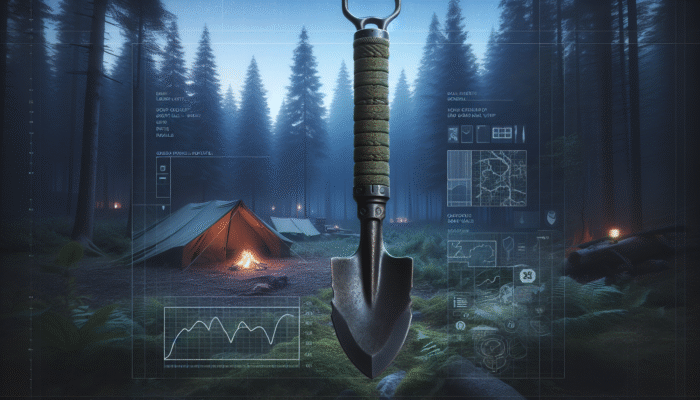
    Survival Shovel Picks: A rugged survival shovel pick in a dense forest, used for digging, chopping, and self-defense, with a campsite under a twilight sky.

    Imagine possessing a single tool that excels at digging, chopping, and even functioning as a self-defense weapon. Survival shovelsshovels embody versatility, offering a multitude of functions that render them indispensable for various outdoor tasks. Whether you are hiking through a dense forest, setting up a campsite in the wilderness, or preparing for unforeseen emergencies, a high-quality survival shovel pick can seamlessly handle multiple responsibilities.

    For example, these tools are typically designed with sharp edges, allowing them to slice through challenging materials like tree roots and vines, which is crucial during shelter construction. Whether you need to excavate a fire pit or dig a latrine, the sturdy blade of a survival shovel pick adeptly facilitates these tasks, ensuring your wilderness experience is both secure and comfortable. Furthermore, adaptability is paramount in survival situations; the multifunctional design of a survival shovel pick equips you to efficiently address these challenges.

    Additionally, the compact design of survival shovel picks makes them easy to carry without significantly increasing the weight of your backpack. Whether traversing the Pacific Crest Trail or exploring the Amazon rainforest, having a reliable tool that serves multiple functions provides a strategic edge. Ultimately, the versatility of survival shovel picks positions them as essential companions for any outdoor enthusiast.

    The Importance of Portability: Why a Compact Design is Essential for Survival Shovel Picks

    In the realm of outdoor gear, space efficiency is critical, making the compact and portable design of survival shovel picks a vital consideration. These tools often feature a foldable design that allows users to conveniently store them in backpacks or emergency kits. This portability is crucial for adventurers who must conserve both space and weight while ensuring they have essential survival tools at hand.

    During lengthy hikes or extensive camping trips, the last thing you want is to be encumbered by bulky equipment. A survival shovel pick can compact down to a manageable size, making it easy to attach to the outside of your pack or slip into a side pocket. This feature is not only ideal for hiking but also critical for emergency preparedness. Whether you’re assembling a bug-out bag or outfitting an emergency kit for your home, having a compact shovel pick guarantees it can be included without overwhelming your storage capacity.

    Furthermore, the lightweight materials utilized in modern shovel picks enhance their portability. Many models are crafted from high-strength aluminum or reinforced steel, offering durability without excessive weight. The combination of compactness and portability positions survival shovel picks as an essential asset for anyone who values efficiency and readiness in their gear.

    Exceptional Strength and Longevity of Survival Shovel Picks

    When selecting tools for survival scenarios, durability and strength are of utmost importance. Survival shovel picks are commonly made from high-quality materials such as stainless steel or carbon fiber, ensuring they can endure the challenges presented by harsh environments. These materials resist rust and corrosion while providing the necessary strength for demanding tasks.

    Consider the diverse conditions one might encounter while venturing into the wilderness, from rocky terrains to muddy landscapes. A robust shovel pick can withstand these challenges, maintaining its functionality over time. In survival situations, your reliance on your tools intensifies; having a shovel pick that remains dependable under pressure can truly be a lifesaver.

    Moreover, beyond just weather resistance, the design of these tools frequently includes features that enhance their durability. For instance, many models are equipped with heat-treated blades designed to retain their sharpness even after prolonged use. This attribute means fewer interruptions for maintenance and sharpening, allowing you to focus on what matters most: survival. With the right survival shovel pick, you can tackle everything from digging drainage trenches in wet conditions to preparing firewood, all while having confidence that your tool is built to last.

    Selecting the Ideal Survival Shovel Pick for Your Outdoor Requirements

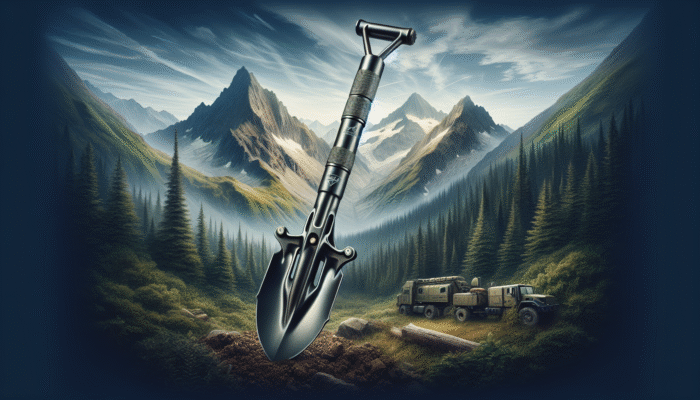
    Rugged survival shovel pick with steel blade and ergonomic handle in wilderness setting.

    Choosing the right survival shovel pick is critical for ensuring that your outdoor experiences are both successful and safe. With a plethora of options available in the market, making an informed decision can significantly enhance your preparedness for survival. Here are several key factors to consider when selecting your ideal tool.

    Evaluating Material Quality: The Foundation for Durable Survival Shovel Picks

    The material used to construct a survival shovel pick can greatly impact its performance and longevity. Stainless steel and carbon fiber are among the top materials recognized for their durability and resistance to the elements. Stainless steel is particularly well-known for its remarkable resistance to rust, making it an ideal choice for environments that are moist or humid. This characteristic is especially beneficial for individuals planning expeditions in coastal areas or regions that experience frequent rainfall.

    On the other hand, carbon fiber is celebrated for its lightweight yet robust properties, making it a preferred choice among backpackers who require minimized weight without sacrificing strength. This material is less prone to bending or breaking under stress, providing peace of mind during demanding tasks.

    Some models may also utilize alloys that combine the best attributes of different metals, resulting in a balanced tool that performs efficiently across various activities. When considering materials, it’s essential to reflect on the environments and conditions where you will utilize your survival shovel pick. If your adventures lead you to wet, rugged, or extreme conditions, prioritizing corrosion-resistant materials should be a top consideration.

    Recognizing Size and Weight: Key Factors for Survival Shovel Picks

    Size and weight are crucial when selecting a survival shovel pick, as these attributes significantly influence both portability and usability. An overly large tool can become cumbersome to carry, while one that is too small may not meet your performance needs. Therefore, finding the right balance is essential.

    Consider your primary activities: Are you embarking on long-distance hikes where every ounce matters, or are you primarily car camping where weight is less of an issue? A smaller, lightweight model may be more suitable for trekkers, while a more robust design might be advantageous for those requiring a heavy-duty tool for extensive outdoor tasks or emergency preparedness.

    Additionally, the handle length can affect how effectively you can use the shovel pick. A longer handle provides greater leverage for digging and chopping, while shorter handles are often more compact and easier to store. Ultimately, your decision should align with your specific needs and the environments you plan to explore.

    Exploring the Innovative Features of Modern Survival Shovel Picks

    Modern survival shovel pick with compass, fire starter, and multi-tools in a dense forest.

    Modern survival shovel picks frequently come equipped with a variety of additional features that enhance their functionality. Some models include built-in compasses, which can greatly assist in navigation, particularly in dense forests or unfamiliar territories. This feature proves especially beneficial for adventurous individuals who may find themselves off the beaten path.

    Integrated fire starters within the shovel pick’s design provide an added layer of safety, enabling users to ignite a fire quickly when necessary. This capability can be crucial in survival situations where warmth and cooking facilities are vital for sustenance. Other features may include measuring tapes, serrated edges for cutting rope or vegetation, and even multipurpose tools such as bottle openers.

    When assessing your options, consider which additional features align with your intended activities. If you frequently find yourself in situations where navigation or fire starting is crucial, investing in a model with these built-in capabilities can significantly enhance your outdoor experience and overall safety.

    Essential Maintenance Tips for Keeping Your Survival Shovel Picks in Optimal Condition

    Proper maintenance of your survival shovel pick not only extends its lifespan but also ensures it remains effective during critical moments. By following a few key maintenance practices, you can keep your tool in prime condition, ready for any challenges that may arise during your outdoor adventures.

    Meticulously Clean Your Tool After Each Use

    After using your survival shovel pick, it’s crucial to clean it thoroughly to prevent dirt, mud, or debris from compromising its functionality. Rinse the tool with clean water to eliminate any residues that may cling to the surface. This simple step can significantly reduce the risk of rust, particularly if you’ve employed your tool in wet conditions.

    For stubborn dirt or sap, a scrub brush may be necessary to restore the surface to its original condition. Pay special attention to the edges, as any accumulation can adversely affect the tool’s cutting performance. Following rinsing, dry the shovel pick thoroughly with a cloth or allow it to air dry. Ensuring it is entirely dry is vital in preventing rust formation, especially if the shovel is made from steel or other susceptible materials.

    In environments where moisture is prevalent, consider applying a thin layer of protective oil to the metal surfaces to prevent corrosion. This protective barrier will help repel water and inhibit rust, thereby extending the life of your shovel pick. Keeping your survival shovel pick clean and dry is essential for maintaining its effectiveness and ensuring it’s ready for your next adventure.

    The Importance of Lubrication and Proper Storage

    Maintaining your tool is key to ensuring it operates smoothly and efficiently. Regular lubrication of the moving parts of your survival shovel pick is essential for preserving its performance. Use a light machine oil or silicone spray to lubricate hinges and joints, ensuring that all parts move freely without sticking or grinding.

    When it comes to storage, consider placing your shovel pick in a dry, cool location. Avoid exposing it to damp areas, as moisture can lead to rust and deterioration over time. If possible, store the tool in a protective sheath or case to prevent accidental damage and keep it shielded from environmental elements.

    If you’re transporting your shovel pick in a backpack or emergency kit, ensure it’s securely folded and protected. This will not only safeguard the tool but also protect you and others from potential injuries. Regular lubrication and appropriate storage will keep your survival shovel pick functioning optimally, ready for any situation that may arise.

    Conduct Routine Inspections to Ensure Peak Performance

    Conducting regular inspections of your survival shovel pick is vital for ensuring it remains in good working order. Check for any signs of wear and tear, including cracks, bends, or rust spots. Promptly addressing issues can prevent more significant problems in the future.

    Tighten any loose screws or bolts, as a secure tool is a safe tool. Pay close attention to the blade’s sharpness; a dull edge can significantly hinder your ability to perform essential tasks. Regular sharpening will enhance its effectiveness, allowing you to cut through materials with ease.

    By incorporating inspections into your routine gear care, you not only maintain the integrity of your shovel pick but also instill confidence in your equipment. Knowing that your tools are in prime condition can provide peace of mind as you embark on your outdoor adventures.

    Mastering the Technique of Blade Sharpening

    A sharp blade is crucial for any survival shovel pick to function effectively. Regularly sharpening the blade ensures it maintains its cutting edge, allowing you to perform tasks such as digging, chopping, and cutting with greater efficiency.

    Various sharpening tools are available, including whetstones, manual sharpeners, and electric sharpeners. Choose a method that best suits your skill level and the specific design of your shovel pick. Take care to maintain the original angle of the blade while sharpening; this will help preserve its cutting ability and prolong its lifespan.

    In addition to enhancing performance, a well-sharpened blade can improve safety. A dull knife requires more force to cut, which can lead to accidents and injuries. Keep your survival shovel pick sharp, and you’ll be prepared for any task that comes your way, whether it’s building a shelter or preparing food in a survival situation.

    Innovative Uses for Survival Shovel Picks in the Wilderness

    Beyond basic digging, the capabilities of survival shovel picks extend to a variety of innovative uses that can significantly enhance your outdoor experience. Recognizing these alternative functions enables you to maximize the utility of your shovel pick in diverse scenarios.

    Constructing Shelters with Survival Shovel Picks

    In the wilderness, establishing a safe shelter is of utmost importance. With a survival shovel pick, you can dig trenches for drainage or anchor tarps for quick shelter setups. The sturdy blade of this tool allows for the efficient removal of soil, creating a solid foundation for protective structures.

    In environments characterized by rocky or rugged terrain, the sharp edge of a shovel pick can facilitate breaking through tough materials, making it easier to create a suitable resting place to find refuge from the elements. Whether you’re building a simple lean-to or a more elaborate structure, the shovel pick is an invaluable asset in your survival toolkit.

    Moreover, the versatility of the shovel pick enables you to adapt your shelter to various environmental conditions. For instance, in snowy climates, the blade can assist in creating a snow cave or dig snow pits for insulation. This adaptability is crucial for anyone venturing into diverse terrains, ensuring that you always have the means to construct an adequate shelter.

    Utilizing Fire Starting Functions of Survival Shovel Picks

    Starting a fire in survival scenarios can be life-saving, and a survival shovel pick can aid in this critical task. The metal edge of the shovel can create sparks when struck against flint or other hard surfaces. This ability to generate sparks can be invaluable when traditional methods fail, particularly in damp conditions where kindling may be wet and challenging to ignite.

    By using the shovel pick creatively, you can combine its fire-starting capabilities with available resources. Gather dry grass, leaves, or bark to create a tinder bundle. With the correct technique, striking the shovel’s edge against flint can ignite these materials, providing you with the essential warmth and cooking capabilities necessary for survival.

    Moreover, if your shovel pick includes built-in fire starter features, such as ferrocerium rods, it simplifies the process of starting a fire. These integrated components make it easier to generate flames quickly, allowing you to focus on other survival tasks while ensuring you have a reliable source of heat and light.

    Efficient Ice and Snow Removal with Survival Shovel Picks

    In cold and snowy environments, a survival shovel pick can effectively remove ice and snow from roads, sidewalks, and other surfaces. Its sturdy blade can clear paths, facilitating navigation through deep snow or icy areas. This functionality is vital for safety, preventing slips and falls that could lead to injuries.

    Not only can the shovel pick assist in ensuring safe navigation, but it can also be utilized to create snow shelters. By digging out areas where snow accumulates, you can establish protective spaces to shield against harsh weather conditions. In survival scenarios, the ability to clear away snow becomes essential, particularly if you need to build a shelter or access food supplies buried beneath the snow.

    Additionally, if you find yourself in snowy terrain needing to collect water, the shovel pick can help dig through ice to reach liquid water sources. This versatility ensures that your survival shovel pick remains effective, even in harsh winter conditions.

    Food Preparation with the Versatility of Survival Shovel Picks

    When it comes to survival, food preparation is crucial, and a survival shovel pick can assist in this area as well. The sharp edge of the shovel can be employed to cut and prepare food, whether you are foraging or cooking. This functionality enhances the overall utility of the tool, allowing you to maximize your resources while in the wild.

    For instance, if you’ve caught fish or gathered wild plants, the shovel pick can be utilized to clean and prepare them for cooking. In scenarios where traditional cooking tools are unavailable, the shovel pick becomes a multifunctional kitchen tool, enabling you to make the most of your provisions.

    Additionally, if you are in an environment rich in fruits or vegetables, the shovel pick can assist in harvesting. Its sharp edge allows for easy slicing through stems or roots, making it easier to gather food while minimizing damage to the plants. Overall, the shovel pick’s versatility in food preparation is an invaluable asset in survival situations.

    Signaling for Help and Navigating with Survival Shovel Picks

    In emergencies, signaling for help can be the difference between rescue and remaining lost. A survival shovel pick can assist in signaling with its reflective surface, which can attract attention from a distance. By positioning your shovel pick to capture sunlight, you can create a visible signal for searchers or passersby.

    In addition to signaling, the shovel pick can aid navigation. The handle can serve as a makeshift pole for aligning with stars or utilizing natural landmarks. This functionality proves especially useful in remote areas where conventional navigation tools may not be readily available. By leveraging the shovel pick creatively, you can enhance your ability to navigate the wilderness.

    Furthermore, during explorations of unfamiliar terrain, the shovel pick can help identify paths or clear obstructions that may impede your journey. By utilizing its multifunctional capabilities, you can navigate effectively while ensuring your safety and preparedness in uncertain situations.

    Essential Safety Precautions When Using Survival Shovel Picks

    While survival shovel picks are incredibly valuable tools, it’s essential to approach their use with a strong focus on safety. Understanding proper handling techniques, storage practices, and situational awareness can significantly reduce the risk of accidents, ensuring that your outdoor experiences are both positive and secure.

    Implementing Safe Handling Techniques for Survival Shovel Picks

    When utilizing a survival shovel pick, it’s vital to adopt proper handling techniques to avoid potential injuries. Always grip the handle firmly, ensuring your hands are dry and free from any substances that might cause slipping. Controlled movements are essential; erratic swings can lead to unintended accidents, both to yourself and to those around you.

    As you dig or chop, maintain awareness of your surroundings. Ensure that your work area is free of obstacles or people before commencing your tasks. This precaution is particularly crucial in crowded areas or when working alongside a group. By remaining focused and executing deliberate actions, you can minimize the risk of injury and optimize the effectiveness of your tool.

    Additionally, when using the sharp edge of the shovel pick for cutting or chopping, maintain a safe distance from your body and others. Proper techniques not only enhance your safety but also contribute to the overall success of your survival efforts.

    Ensuring Safe Storage and Transport of Your Survival Shovel Pick

    When not in use, ensuring the safe storage and transport of your survival shovel pick is imperative. Always keep the tool folded and securely stored when packing it in a backpack or emergency kit. This practice will prevent accidental openings and protect you and others from potential cuts or injuries.

    If your shovel pick comes with a protective cover or sheath, utilize it to shield the blade and edges during transport. This precaution can significantly reduce the risk of damage to other gear and maintain the shovel pick in good working condition.

    When transporting your shovel pick, consider its placement in your pack to ensure it remains securely in place. Avoid placing it near items that could be damaged by sharp edges, and make sure it is securely fastened to prevent it from shifting during movement. By prioritizing safe storage and transport, you can guarantee that your survival shovel pick remains a reliable asset.

    Maintaining Awareness of Your Environment When Using Survival Shovel Picks

    Being mindful of your surroundings is a critical aspect of safety when using a survival shovel pick. Before digging or chopping, assess the area for potential hazards, such as underground utilities, roots, or other obstacles that could cause damage or injury. This awareness is especially vital in urban settings or when working near campsites where utility lines may be buried.

    Additionally, remain attentive to the individuals around you. If working in a group, communicate your actions and encourage others to do the same. This practice can help prevent accidents and foster a safer environment for everyone involved.

    Understanding the environment you’re in and the risks associated with using a shovel pick will deepen your overall preparedness and enhance your outdoor experience. By combining proper techniques with situational awareness, you can navigate challenges safely and effectively.

    Comparative Evaluation of Survival Shovel Picks Against Other Outdoor Tools

    When evaluating the range of tools available for outdoor and survival situations, understanding the unique advantages of survival shovel picks compared to other tools is essential. While each tool has its strengths, there are specific areas where shovel picks excel, making them a preferred choice for many outdoor enthusiasts.

    Comparing Survival Shovel Picks to Traditional Shovels

    In a direct comparison with traditional shovels, survival shovel picks offer significant advantages in terms of size and multifunctionality. Traditional shovels tend to be larger and bulkier, making them less desirable for backpacking or emergency kits. In contrast, survival shovel picks are designed for portability, enabling easy transport without compromising performance.

    Moreover, while traditional shovels primarily focus on digging, survival shovel picks are equipped with various functionalities, such as chopping and cutting. This versatility makes them more effective tools for a range of survival tasks. Whether clearing debris or digging a trench, the multifunctional nature of a shovel pick enhances its utility compared to traditional counterparts.

    The compact design of survival shovel picks also allows for quick setups in emergencies, enabling users to adapt and address challenges efficiently, something that traditional shovels may not accommodate as readily.

    Contrasting Survival Shovel Picks with Axes and Hatchets

    While axes and hatchets are essential tools for chopping wood, they lack the versatility and compact design that survival shovel picks provide. Axes specialize in cutting but may not perform as well in digging or other survival tasks. In contrast, a shovel pick combines the capabilities of both a digging tool and a chopping tool.

    This multifunctionality is particularly valuable when minimizing weight and space in your gear. Carrying a shovel pick means you possess a tool that can handle various tasks without needing multiple items. Whether building a fire, creating a shelter, or digging for water, a survival shovel pick is often the more adaptable choice.

    Moreover, the compact nature of shovel picks makes them easier to use in tighter spaces, which can be essential in survival situations. This flexibility ultimately enhances their effectiveness compared to more specialized tools like axes.

    Survival Shovel Picks Versus Multitools

    While multitools offer a range of functions in a compact design, they often lack the robustness and scalability that survival shovel picks provide. Multitools excel in tasks requiring precision, such as cutting or screwing, but fall short when it comes to heavy-duty tasks like digging or chopping.

    Survival shovel picks offer larger-scale utility that allows users to perform significant tasks without the limitations found in multitools. In survival situations, where performance and reliability are critical, relying on a shovel pick can provide advantages that multitools cannot match.

    Moreover, multitools can be cumbersome for heavy-duty work, whereas a shovel pick is designed for rugged use, ensuring you have the right tool for the task at hand. This distinction makes the shovel pick a necessary addition to any outdoor gear collection.

    Survival Shovel Picks Compared to Folding Saws

    Although folding saws excel in cutting tasks, they are specialized tools that do not offer the same versatility as survival shovel picks. Saws are primarily designed for cutting wood, while shovel picks combine multiple functions, including digging and chopping, making them invaluable in survival scenarios.

    In environments where space and weight are limited, the multifunctionality of a survival shovel pick allows you to carry one tool instead of multiple specialized ones. This efficiency can be crucial during long hikes or emergency preparations, where every ounce counts.

    Furthermore, the rugged design of a shovel pick enables it to handle a broader range of tasks beyond just cutting. By opting for a shovel pick over a folding saw, you equip yourself with a tool that meets various survival needs without requiring bulky alternatives.

    Survival Shovel Picks Versus Ice Axes

    Ice axes serve a specific purpose in mountaineering, focusing solely on climbing and self-arresting. In contrast, survival shovel picks offer a broader array of functionalities beyond just ice-related tasks. While ice axes are crucial for tackling icy terrains, they do not provide the versatility that survival shovel picks do in other scenarios, including digging, chopping, or building.

    For adventurers engaging in various outdoor activities beyond ice climbing, the shovel pick is a more adaptable and practical choice. It allows users to perform a range of survival tasks, making it suitable for diverse environments and situations.

    Ultimately, while both tools have their place in specific contexts, the multifunctional capabilities of survival shovel picks position them as a more versatile option for outdoor enthusiasts who value preparedness and adaptability.

    Anticipating Future Trends in Survival Shovel Picks

    The landscape of outdoor gear is continually evolving, and survival shovels are no exception. As technology advances and materials improve, we can look forward to innovative features that enhance the functionality and utility of these essential tools.

    Embracing Technological Advancements in Survival Shovel Picks

    As outdoor technology continues to progress, the future of survival shovels may incorporate groundbreaking features such as solar chargers or GPS integration. Imagine a shovel pick that not only assists in digging but also powers your devices during extended wilderness trips. This integration would provide hikers and campers with peace of mind, knowing they could charge their devices while relying on their shovel for critical tasks.

    Furthermore, advanced materials may lead to lighter, stronger tools that maintain their durability even in the harshest conditions. The development of composites could enhance strength while reducing weight, making survival shovel picks even more portable and user-friendly.

    Additionally, smart technology could allow for the integration of features that deliver real-time data, such as environmental conditions or navigation aids, directly from the shovel pick. Such advancements would empower outdoor enthusiasts to make informed decisions about their activities in the field, enhancing their overall safety and preparedness.

    Innovations in Materials for Survival Shovel Picks

    Innovative materials promise to redefine the construction of survival shovel picks, offering increased strength and reduced weight. As manufacturers explore advanced alloys and composites, we can expect to see tools that are not only more durable but also easier to carry. These materials can withstand rigorous use while remaining lightweight, providing greater versatility in transportation and application.

    Moreover, eco-friendly materials may also emerge, appealing to environmentally conscious consumers seeking sustainable gear. These innovations can enhance user experience while promoting responsible outdoor practices, aligning with a growing movement towards sustainable camping and hiking.

    As the industry evolves, the focus will likely shift towards creating tools that are not only effective but also aligned with the values of modern adventurers. The future of survival shovel picks is bright, with advancements on the horizon that promise to transform how we perceive and utilize these essential outdoor tools.

    Frequently Asked Questions about Survival Shovel Picks

    What is a survival shovel pick?

    A survival shovel pick is a multifunctional tool designed for outdoor activities, combining the capabilities of a shovel and a pickaxe for digging, chopping, and various other tasks.

    What benefits does a survival shovel pick offer compared to a standard shovel?

    Survival shovel picks are more compact, portable, and versatile than standard shovels, making them ideal for camping and emergencies where space and weight efficiency are crucial.

    What maintenance steps should I follow for my survival shovel pick?

    Regular maintenance includes cleaning the tool after use, lubricating moving parts, conducting inspections for signs of wear and tear, and sharpening the blade to keep it functioning effectively.

    Can I use a survival shovel pick for food preparation?

    Absolutely! The sharp edge of a survival shovel pick can be utilized for cutting and preparing food, making it a versatile tool in survival situations.

    What materials are optimal for a survival shovel pick?

    Stainless steel and carbon fiber are excellent materials for durability and rust resistance, ensuring your shovel pick can withstand harsh environmental conditions.

    What safety precautions should I follow?

    Always handle your shovel pick with care, store it securely when not in use, and maintain awareness of your surroundings to prevent accidents.

    Is it possible to use a survival shovel pick for building shelters?

    Certainly! A survival shovel pick is effective for digging trenches and anchoring tarps, making it a valuable tool for quickly constructing shelters.

    What advantages does a survival shovel pick provide over a multitool?

    Survival shovel picks offer larger-scale utility and rugged performance compared to multitools, which are generally more specialized for precise tasks.

    How often should I sharpen my shovel pick?

    Regular sharpening is advisable, especially after heavy use or if you notice the blade becoming dull, to maintain its effectiveness.

    What innovative features should I look for in new survival shovel pick models?

    Look for features like built-in compasses, fire starters, or even GPS technology in modern shovel picks, which enhance their utility in survival scenarios.

    Explore our world on X!

    The post Survival Shovel Picks: Essential Gear for Any Adventure appeared first on Survival Bite.

    The Article Survival Shovel Picks: Must-Have Gear for Every Adventure Was Found On https://limitsofstrategy.com

  • Fire Starters: Key Tools for Successful Ignition

    Fire Starters: Key Tools for Successful Ignition

    Uncover the Ultimate Fire Starters for Memorable Outdoor Experiences

    Trustworthy Matches for Every Outdoor Adventure

    Traditional matches, including safety and strike-anywhere types, shown in Amazon jungle and American Rockies.

    Matches are essential tools in any outdoor survival kit for their reliability and ease of use. They perform exceptionally well in a variety of environments, ranging from the vibrant jungles of the Amazon to the rugged terrains of the American Rockies. Matches come in various types, including strike-anywhere and safety matches, each offering distinct advantages. Safety matches need a specific striking surface to ignite, which reduces the likelihood of accidental fires, while strike-anywhere matches are incredibly versatile, lighting up on various surfaces for quick fires.

    In challenging weather scenarios, incorporating waterproof matches can dramatically increase your chances of successfully starting a fire. These specially designed matches have a unique coating that allows them to ignite even when exposed to water, making them indispensable in wilderness survival scenarios. Their lightweight and compact design ensures they fit seamlessly into your backpack, providing convenience without adding bulk during your outdoor escapades.

    When relying on matches for fire-starting, it’s vital to prepare quality tinder options ahead of time. Materials like dry leaves, pine needles, or commercial fire starters ignite quickly, ensuring your fire can flourish. For those with a creative side, crafting a personalized matchstick holder not only keeps your matches organized and easily accessible but also adds a unique flair to your fire-starting setup.

    The universal appeal of matches is evident; they are found in households worldwide. From the bustling streets of Tokyo to the tranquil landscapes of Scandinavia, matches are a preferred choice for fire-starting aficionados. Whether you’re gathering around a fire for warmth or preparing a meal outdoors, having a reliable ignition source is crucial for a successful and enjoyable outdoor experience.

    Fast and Convenient Lighters for Immediate Fire Ignition

    Lighters have transformed the fire-starting experience, offering a quick, efficient solution that appeals to both casual campers and seasoned outdoor adventurers. Available in both disposable and refillable forms, lighters are engineered for efficiency, producing a flame with a simple press of a button. Whether you’re enjoying beach bonfires in Brazil or camping in the picturesque mountains of Switzerland, lighters are invaluable tools for swiftly igniting fires.

    One significant advantage of lighters is their ability to create flames in windy conditions. Many lighters are specifically designed to be windproof, maintaining a steady flame even in adverse weather, making them ideal for explorers in exposed areas or coastal locales. Furthermore, some advanced models come equipped with safety locks to prevent unintended ignitions, which is especially beneficial for families or individuals who store them in backpacks.

    For those who value aesthetics, investing in a premium refillable lighter can serve both as a practical tool and a stylish accessory. Crafted from materials such as stainless steel or brass, these lighters can often be personalized, enhancing your entire outdoor experience.

    Beyond their practicality, lighters also encourage eco-friendly practices. Refillable lighters produce less waste compared to single-use options, making them a sustainable choice for environmentally conscious outdoor enthusiasts. When paired with quality tinder and kindling, lighters form a powerful trio for any fire-starting scenario.

    Master the Classic Flint and Steel Technique for Authentic Fire Starting

    Flint and steel are timeless tools beloved by outdoor adventurers who appreciate a hands-on approach to fire-starting. This ancient technique requires a bit of skill but offers the rewarding experience of creating fire from simple materials. Whether traversing the historic trails of the Appalachian Mountains or exploring the breathtaking landscapes of Patagonia, flint and steel can produce the sparks necessary to ignite a flame, even in adverse conditions.

    The principle behind using flint and steel is both straightforward and effective. Striking steel against flint generates hot sparks capable of igniting dry tinder. The beauty of this method lies in its reliability; flint and steel excel in wet conditions, making them ideal companions in rainy climates or foggy mornings. Unlike traditional matches or lighters, this technique does not rely on fuel sources, a game changer for survival situations.

    To refine your flint-and-steel skills, practice is key. Gather various tinder materials—like dry grass, tree bark, or birch fungus—and experiment with different striking techniques. This not only boosts your fire-starting proficiency but also deepens your connection to nature and its resources.

    Additionally, flint and steel are compact, fitting easily into survival kits or hiking backpacks. Many outdoor enthusiasts cherish this fire-starting method as it connects them to generations past who relied solely on these tools. As you create sparks that dance in the air, you kindle your fire while honoring the enduring tradition of human ingenuity and resilience.

    High-Performance Ferrocerium Rods for the Adventurous Spirit

    A hand using a ferrocerium rod to ignite damp tinder in a snowy mountain scene at sunset.

    Ferrocerium rods, also known as firestarter rods, are among the most effective tools for igniting fires in outdoor settings. These rods emit extremely hot sparks when scraped against a metal surface, making them invaluable in survival scenarios. Whether you’re navigating the sun-soaked deserts of Africa or scaling the icy heights of the Himalayas, ferrocerium rods excel in challenging environments, lighting tinder even in wind, rain, or snow.

    The science behind ferrocerium is fascinating. This alloy of rare earth metals ignites at incredibly high temperatures, ensuring that even the most stubborn wet materials can catch fire. When using a ferrocerium rod, the sparks generated can reach temperatures up to 3,000 degrees Fahrenheit. This high intensity ensures that damp tinder ignites, making it a reliable choice for emergencies.

    To optimize their effectiveness, pair ferrocerium rods with quality tinder. Natural options like dry moss, lint, or commercial fire starter pouches yield the best results. Moreover, mastering the technique for striking the rod is essential; a firm, quick scrape produces the most optimal sparks.

    For seasoned adventurers, integrating ferrocerium rods into survival training can enhance confidence and skills during wilderness scenarios. Lightweight, durable, and easy to pack in a backpack or survival kit, these rods can last for years with proper care, making them an invaluable investment for anyone serious about outdoor exploration.

    Convenient Chemical Fire Starters for Quick Ignition

    Chemical fire starters provide a unique method for igniting fires in less-than-ideal conditions. Typically composed of cotton or wood wool soaked in flammable substances, these starters ignite easily and burn for extended periods, offering a reliable heat source to catch additional materials ablaze. From the rain-drenched forests of the Pacific Northwest to the humid jungles of Southeast Asia, chemical fire starters can be lifesavers when traditional techniques fall short.

    The ease of use of chemical fire starters is a significant benefit. Often pre-packaged and ready for immediate use, they are perfect for novice campers or anyone intimidated by conventional fire-starting methods. Their lightweight and compact design allows them to fit seamlessly into camping gear or emergency kits, ensuring you’re always prepared.

    One notable advantage of chemical fire starters is their impressive burn time. Many products can sustain a flame for several minutes, providing ample opportunity for your kindling and larger wood pieces to catch fire. This extended burn time is particularly advantageous in damp environments, where sourcing dry tinder can be challenging.

    While chemical fire starters can greatly improve your chances of successfully starting a fire, it is critical to follow safety protocols. Always ensure that you are in a well-ventilated area and keep flammable materials at a safe distance. Proper disposal of used chemical starters is also essential for environmental conservation, aligning your outdoor activities with responsible practices.

    Fuel-Based Fire Starters for Efficient Ignition

    Firestarter Cubes: Key to Campfire Success

    A hand igniting a campfire with a firestarter cube in a Canadian forest at dusk, flame reflecting on lake water.

    Firestarter cubes are immensely popular among campers and outdoor enthusiasts for their ease of use and reliability. Constructed from compressed sawdust and wax, these cubes ignite quickly and burn consistently, providing an ideal base for starting campfires in various environments. Whether in the picturesque woods of Canada or beside a tranquil lakeside in Sweden, firestarter cubes can be your dependable companion.

    One notable feature of firestarter cubes is their portability. Compact and lightweight, they easily fit into backpacks without adding unnecessary bulk. This characteristic is especially beneficial for hikers who aim to minimize weight while being prepared for fire-starting challenges. Each cube typically burns for several minutes, providing ample time to add kindling and larger logs.

    Firestarter cubes are also incredibly user-friendly. Simply place a cube beneath your tinder, light it, and watch as the flames grow. They are suitable for various uses, including fireplaces, barbecues, and outdoor fire pits. Many users appreciate their ability to ignite easily, even in challenging weather, making them perfect for adventures in unpredictable climates.

    For those seeking an eco-friendly option, consider brands that incorporate recycled materials in their manufacturing. By choosing environmentally-conscious firestarter cubes, you support sustainable practices while enjoying the warmth and beauty of a fire. The combination of convenience and reliability makes firestarter cubes a favored choice for anyone looking to elevate their outdoor experience.

    Gel Fuel: A Versatile Fire-Starting Solution

    Gel fuel represents another innovative option for starting fires, particularly useful in fireplaces and grills. Its ease of use, storage, and transportability make it a versatile choice for both indoor and outdoor settings. Whether grilling in the vibrant streets of Buenos Aires or enjoying a cozy fire in a cabin in the Swiss Alps, gel fuel provides a safe and effective solution for all your fire-starting needs.

    One standout feature of gel fuel is its stability. Unlike traditional liquid fuels that can spill and create hazards, gel fuel comes in containers that minimize the risk of accidental ignition. This makes it an ideal choice for family gatherings where safety is paramount. Additionally, gel fuel burns cleanly, producing minimal smoke and soot, which is advantageous for both indoor and outdoor environments.

    Using gel fuel is straightforward. Simply pour the gel into your fire pit or grill, ignite it, and enjoy the warmth and ambiance it provides. Many gel fuels are designed to burn for several hours, allowing for extended use. For those who love to cook outdoors, gel fuel is an excellent companion for portable grills, making meal prep seamless and enjoyable.

    It’s important to note that gel fuel should only be used as directed to ensure safety and efficiency. Always store it in a cool, dry place away from direct sunlight. With its user-friendly nature and high safety standards, gel fuel has become a staple for many seeking a reliable fire-starting option in various scenarios.

    Paraffin Wax: The Perfect Material for DIY Fire Starters

    Paraffin wax stands out as a versatile material ideal for creating homemade fire starters, making it a popular option for DIY enthusiasts. This wax not only serves as an excellent binding agent but also provides extended burn times when combined with materials like sawdust or cotton balls. Whether you’re crafting fire starters in your garage in Australia or gearing up for an outdoor adventure in New Zealand, paraffin wax provides a practical and budget-friendly solution.

    Creating homemade fire starters with paraffin wax is a simple process. Melt the wax in a double boiler and mix it with your chosen combustible materials. Pour the mixture into molds or egg cartons and let it harden. The result is a customized fire starter that burns efficiently, providing a consistent flame to ignite kindling and logs.

    One significant benefit of using paraffin wax as a fire starter is its widespread availability. It can be found in most craft stores or supermarkets, making it accessible for anyone looking to enhance their fire-starting capabilities. Additionally, these homemade fire starters are eco-friendly as they utilize recyclable materials, aligning with sustainable practices.

    For those who are environmentally conscious, consider using biodegradable wax alternatives or incorporating essential oils for delightful scents. Whether you’re starting a campfire or igniting your home fireplace, paraffin wax fire starters can add a personal touch to your fire-starting routine while being highly effective.

    Lighter Fluid: A Reliable Fire-Starting Companion

    Lighter fluid remains a classic choice for igniting charcoal and wood, making it a staple for barbecues and outdoor cooking scenarios. Known for its volatile properties and swift ignition, lighter fluid can significantly expedite the fire-starting process. From urban backyards in the United States to outdoor grilling spots in Thailand, lighter fluid ensures that you can get your fire going quickly and effectively.

    When using lighter fluid, it’s essential to apply it properly. A small amount is often sufficient; pouring too much can lead to flare-ups and safety hazards. Once applied, allow the fluid to soak into the charcoal or wood for a few moments before igniting. This technique enhances the chances of a successful fire while minimizing potential risks.

    The convenience of lighter fluid is one of its primary advantages. It can ignite even damp materials, making it a dependable option in less-than-ideal conditions. Additionally, it’s readily available at gas stations and supermarkets worldwide, ensuring you can easily restock your supply before embarking on your next adventure.

    While lighter fluid offers immediate benefits, it’s important to consider its environmental impact. Opting for eco-friendly brands or using it sparingly can help mitigate any negative effects. With proper usage and safety precautions, lighter fluid remains an effective tool for anyone eager to enjoy the warmth and comfort of a fire.

    Kerosene: A Potent Ignition Source

    Kerosene is a highly flammable hydrocarbon liquid commonly utilized in lanterns and stoves, but its effectiveness as a fire starter should not be underestimated. Suitable for various settings, whether you’re camping in the rugged wilderness of Alaska or enjoying a backyard fire pit during warm evenings in South Africa, kerosene can be a dependable resource for starting fires.

    One of the notable advantages of kerosene is its extended burn time. When used correctly, it can sustain flames for a longer duration, allowing you to ignite larger pieces of wood or charcoal without constant attention. This characteristic makes it particularly beneficial for outdoor cooking or heating on chilly nights.

    However, safety must always be a priority when using kerosene. Store it in a designated container away from heat sources and ensure proper ventilation during use. Igniting kerosene requires careful handling; a small amount goes a long way, and over-application can lead to dangerous flare-ups.

    In emergency situations, kerosene can also be a valuable asset, as it’s often readily available in households and outdoor supply stores. By understanding how to use kerosene safely and effectively, you can enhance your fire-starting toolkit and create a warm and inviting atmosphere in any setting.

    Natural Fire Starters: Eco-Friendly Solutions for Nature Enthusiasts

    Repurposing Dryer Lint for Sustainable Fire Starting

    Dryer lint is an unexpected yet effective fire-starting option, making it a sustainable choice for environmentally conscious adventurers. This common household item, often discarded, can be transformed into an excellent fire starter with minimal effort. Whether you’re camping in the forests of Oregon or preparing for a cozy evening by the fire at home, dryer lint presents a readily available resource that delivers reliable results.

    Creating fire starters from dryer lint is straightforward. Collect lint from your dryer filter and mix it with wax or other flammable materials. Pack it into small bags or incorporate it into a DIY fire starter kit. The fibers within the lint ignite quickly, providing a strong ignition source for kindling and logs.

    One significant advantage of dryer lint is its sustainability. Instead of contributing to landfill waste, this household item can be repurposed for valuable outdoor uses. Moreover, using dryer lint aligns with eco-friendly practices, as it is a biodegradable material that does not harm the environment.

    When combined with wax, dryer lint can create long-lasting fire starters that burn for several minutes. This extended burn time allows you to ignite larger pieces of wood or charcoal, making it ideal for camping trips. Utilizing dryer lint not only serves a practical purpose but also highlights your commitment to reducing waste and embracing sustainability in your outdoor endeavors.

    Pine Cones: Nature’s Ideal Fire Starters

    Pine cones serve as a natural and visually appealing fire-starting option, making them an excellent choice for outdoor enthusiasts and nature lovers alike. When dipped in wax, these natural fire starters burn slowly and steadily, providing an attractive and effective means to ignite fires. Whether you’re by a fireplace in a cozy mountain cabin or enjoying a campfire in a national park, pine cones can enhance your fire-starting toolkit.

    Preparing pine cones for fire-starting is easy. Collect dry pine cones, ensuring they are free from moisture, and dip them in melted wax. Once the wax hardens, these pine cones can be stored in a fire starter kit, ready for use whenever needed. Their natural resin content allows them to burn steadily, making them a dependable option for igniting kindling and logs.

    In addition to their functionality, pine cones add aesthetic appeal to your fire-starting experience. Their unique shapes and textures serve as a beautiful reminder of nature’s bounty, enriching your outdoor setting. Moreover, using natural materials like pine cones aligns with eco-friendly principles, minimizing your environmental footprint while enjoying the great outdoors.

    Pine cones are readily found in various regions worldwide, from the Mediterranean forests of Greece to the woodlands of North America. Their abundance makes them a fantastic resource for anyone looking to enhance their fire-starting capabilities while celebrating the beauty of nature.

    Combining Cotton Balls and Petroleum Jelly for Reliable Fire Starters

    The combination of cotton balls and petroleum jelly creates one of the most effective and reliable fire starters available. This mixture ignites easily and provides an extended burn time, making it a favorite among outdoor enthusiasts and survivalists. Whether hiking the scenic trails of the Pyrenees or camping in the deserts of Arizona, this fire starter guarantees a quick fire.

    Creating cotton ball fire starters is a simple process. Start by coating cotton balls with petroleum jelly, ensuring they are fully saturated. Once prepared, store them in a waterproof container for easy access during your adventures. When it’s time to start a fire, simply take a cotton ball, fluff it to expose more surface area, and ignite it. The petroleum jelly acts as a fuel source, allowing the cotton to burn for an extended period, perfect for igniting larger pieces of wood or kindling.

    This method is especially effective in damp conditions, where traditional fire-starting techniques may struggle. The combination of cotton and petroleum jelly produces a dependable flame that combats moisture, ensuring you can enjoy the warmth of a fire even in challenging environments.

    Moreover, this approach is cost-effective, as the materials are easily sourced and inexpensive. With proper preparation and storage, cotton balls and petroleum jelly can become essential components of your fire-starting arsenal, supporting both casual camping trips and serious survival situations.

    Advanced Fire Starters for the Modern Explorer

    Electric Fire Starters: The Future of Fire Ignition

    Electric fire starters represent a cutting-edge evolution in fire-starting methods, providing a reliable and efficient way to ignite fires in challenging conditions. These battery-operated devices utilize electrical elements to produce a spark or flame, making them ideal for outdoor enthusiasts facing windy or wet environments. Whether you’re exploring the rugged coastlines of New Zealand or camping in the rainy forests of Scotland, electric fire starters can be a valuable addition to your gear.

    One major advantage of electric fire starters is their ability to produce a consistent flame without relying on combustible fuels. This independence from lighter fluid or matches enhances safety, making these devices particularly suitable for families and novice campers. Many electric fire starters are also designed to be lightweight and portable, allowing you to carry them in a backpack without adding unnecessary bulk.

    Using an electric fire starter is straightforward. Simply power on the device, place it near your tinder, and watch as the flames ignite. This simplicity makes them appealing to those who may struggle with traditional fire-starting methods. Additionally, electric fire starters can function efficiently even in adverse weather, providing a dependable solution for igniting fires when other methods might fail.

    While electric fire starters require a power source, advancements in battery technology have made them more reliable than ever. Some models come equipped with rechargeable batteries, making them an eco-conscious choice for outdoor enthusiasts. With their user-friendly design and effectiveness, electric fire starters can significantly enhance your outdoor experience, ensuring warmth and comfort during chilly nights.

    Plasma Lighters: A Revolutionary Approach to Fire Starting

    Plasma lighters offer a modern, innovative method for igniting fires, combining advanced technology with high efficiency. These rechargeable and windproof devices utilize plasma arcs to ignite materials, providing a strong and reliable flame even in challenging conditions. Whether you’re navigating the rugged wilderness of Canada or enjoying a beach bonfire in Brazil, plasma lighters are changing the fire-starting landscape.

    One standout advantage of plasma lighters is their windproof design. Unlike traditional lighters that can easily extinguish in gusty conditions, plasma lighters create a stable arc that remains unaffected by wind. This feature is particularly valuable for outdoor adventures where environmental factors may pose challenges.

    Moreover, plasma lighters are environmentally friendly. As rechargeable devices, they significantly reduce waste associated with disposable lighters. With a single charge, many plasma lighters can deliver hundreds of ignitions, making them a sustainable choice for eco-conscious users. Their compact design allows for easy storage in backpacks or pockets, ensuring they are always accessible when needed.

    Using a plasma lighter is intuitive; simply press a button to activate the arc and direct it toward your tinder. The intense heat generated by the plasma arc makes it exceptionally effective for igniting various materials, from dry leaves to thicker kindling. As outdoor enthusiasts continue to seek innovative solutions for fire starting, plasma lighters are quickly becoming a popular and trusted option for adventurers worldwide.

    Solar Fire Starters: Utilizing Sunlight for Fire Ignition

    Solar fire starters represent an eco-friendly breakthrough in fire-starting technology. By harnessing the sun’s rays to focus light, these devices can ignite tinder and other flammable materials, making them ideal for sunny days in diverse environments, from the arid deserts of Australia to the sun-drenched beaches of the Caribbean.

    The principle behind solar fire starters is similar to that of magnifying glasses; they concentrate sunlight onto a small area to generate enough heat to ignite materials. This method is effective and sustainable, relying solely on renewable energy sources. As outdoor adventurers become increasingly aware of environmental issues, solar fire starters offer a guilt-free option for fire ignition.

    To use a solar fire starter effectively, patience and technique are essential. Finding a sunny spot and holding the solar device at the correct angle to focus sunlight effectively is crucial. Once positioned, the concentrated light can ignite tinder, allowing for a beautiful, natural fire-starting experience.

    While solar fire starters may not be suitable for all conditions—particularly overcast or rainy days—they excel in sunny environments, providing a unique and sustainable fire-starting solution. Their lightweight and portable design makes them easy to carry, ensuring you’re prepared for any adventure. As more people seek eco-friendly alternatives, solar fire starters are gaining popularity among outdoor enthusiasts worldwide.

    USB Rechargeable Fire Starters: The Perfect Blend of Convenience and Sustainability

    USB rechargeable fire starters combine modern technology with practicality, offering a unique and eco-friendly solution for igniting fires. These devices generate a small electrical arc to ignite tinder, making them a reliable choice for outdoor enthusiasts and casual campers alike. Whether you’re in the remote wilderness of Alaska or enjoying a backyard fire in Italy, USB rechargeable fire starters provide a practical fire-starting option.

    A significant advantage of USB rechargeable fire starters is their versatility. They can be charged using standard USB ports, allowing easy power-ups with portable chargers or power banks. This feature guarantees that you can always keep your fire starter ready for action, regardless of your location.

    Using a USB rechargeable fire starter is simple. After charging, just press a button to create an electrical arc and direct it toward your tinder. The arc generates enough heat to ignite various materials, from dry grass to thicker kindling. This method is both efficient and safe; without the risk of fuel spills or flare-ups, these devices provide peace of mind when starting fires.

    The eco-friendly nature of USB rechargeable fire starters adds to their appeal. By relying on electrical energy instead of disposable fuels, they contribute to sustainability while offering reliable fire-starting capabilities. Compact and lightweight, they fit snugly in your camping gear, ensuring you’re ready for any outdoor adventure.

    As technology advances, USB rechargeable fire starters are becoming increasingly popular, proving that modern solutions can enhance traditional outdoor activities. With ease of use, safety, and sustainability, these devices exemplify the future of fire starting for adventurers across the globe.

    Waterproof Fire Starters: Ensuring Reliable Ignition in Extreme Conditions

    Stormproof Matches: Designed for the Harshest Weather

    Stormproof matches are specifically engineered to withstand the harshest elements, making them an essential tool for outdoor enthusiasts. Whether you’re confronting the unpredictable weather of the Pacific Northwest or climbing the rugged mountains of Patagonia, these matches can ignite even in the most challenging conditions. Their unique construction features a waterproof coating, ensuring they can be struck and lit regardless of rain or humidity.

    The reliability of stormproof matches stems from their specialized design. The matchstick and head are coated with moisture-resistant materials, allowing them to perform when traditional matches might fail. Moreover, many stormproof matches can burn for several seconds, providing ample time to catch tinder and kindling alight. This characteristic is especially critical in damp environments, where starting a fire can be a significant challenge.

    Using stormproof matches requires minimal preparation. Simply strike the match against the designated surface and watch it ignite, even in wet conditions. This simplicity appeals to novice campers and seasoned adventurers alike. Furthermore, stormproof matches are lightweight and compact, fitting easily into backpacks or survival kits without taking up much space.

    For those who prioritize reliability in extreme conditions, investing in stormproof matches can greatly enhance your outdoor experience. Knowing you have a dependable fire-starting solution as you embark on your adventures offers peace of mind, allowing you to enjoy the warmth and comfort of a fire, regardless of the weather.

    Waterproof Lighters: Essential for Unpredictable Conditions

    Waterproof lighters are indispensable tools for outdoor enthusiasts who often encounter unpredictable weather. Designed to maintain functionality even when submerged, these lighters ensure you can start a fire when other methods may fail. Whether you’re trekking through the rainy jungles of Southeast Asia or paddling along the rugged coastlines of Norway, waterproof lighters are a must-have for any adventurer.

    The technology behind waterproof lighters involves airtight seals and specialized materials that prevent water from entering the lighter mechanism. This design allows them to function flawlessly in wet conditions, making them reliable companions for camping, hiking, or any outdoor activities. Many waterproof lighters also feature windproof capabilities, ensuring they can ignite even in gusty environments.

    Using a waterproof lighter is intuitive and simple. Activate the lighter as you would with a traditional model and watch as the flame ignites. Their consistent performance in adverse conditions sets waterproof lighters apart from conventional options, providing peace of mind when starting fires in the field.

    When preparing for your next outdoor expedition, including a waterproof lighter in your gear is a wise choice. Their durability and reliability can significantly improve your fire-starting capabilities, ensuring you can enjoy the warmth and ambiance of a fire, no matter the weather. With waterproof lighters, you can confidently tackle the elements, knowing you have a dependable solution for your fire-starting needs.

    Waterproof Firestarter Blocks: Igniting Fires in Damp Conditions

    Waterproof firestarter blocks are designed for users who frequently encounter wet conditions in their outdoor pursuits. These compact and durable blocks ignite effortlessly, providing a robust foundation for starting fires in diverse environments, from damp forests to humid coastal regions. Whether you’re camping in the rain-soaked woods of the Pacific Northwest or enjoying a beach bonfire in the Caribbean, waterproof firestarter blocks can elevate your fire-starting experience.

    The design of waterproof firestarter blocks ensures they can withstand moisture, making them ideal for unpredictable weather. Constructed from materials that repel water, these blocks ignite reliably, offering a dependable heat source even in challenging conditions. Their ability to burn for extended periods allows users ample time to catch kindling and larger wood pieces alight.

    Using waterproof firestarter blocks is straightforward. Position the block beneath your tinder, light it, and watch as the flames grow. This simplicity makes them accessible to individuals of all skill levels, whether you’re a seasoned camper or a beginner adventurer. Their compact size allows for easy storage in backpacks or emergency kits, ensuring you’re always prepared.

    For outdoor enthusiasts who regularly face wet conditions, waterproof firestarter blocks are essential tools to have on hand. Their reliability can significantly increase your chances of successfully starting a fire, providing warmth, cooking capabilities, and a cozy atmosphere during your outdoor adventures.

    Eco-Friendly Fire Starters: Sustainable Choices for Nature Lovers

    Recycled Newspaper as a Sustainable Fire Starting Option

    Recycled newspaper is an environmentally friendly choice for starting fires, making it a popular option among eco-conscious campers and outdoor enthusiasts. This sustainable approach minimizes waste while providing an effective ignition source for kindling and larger pieces of wood. Whether you’re embarking on a camping trip in the forests of North America or enjoying a backyard fire in Europe, using recycled newspaper is an excellent way to embrace sustainability.

    Creating fire starters from recycled newspaper is a simple process. Twist the newspaper into tight rolls or balls, creating compact and easily ignitable material. These paper bundles can serve as kindling to catch a flame quickly, making them ideal for starting fires in various conditions. Combined with other fire-starting materials, such as dry leaves or twigs, recycled newspaper can help create a robust fire.

    The benefits of using recycled newspaper extend beyond its effectiveness. By repurposing waste materials, you contribute to environmental conservation efforts, reducing the amount of trash sent to landfills. Furthermore, utilizing recycled newspaper aligns with eco-friendly practices, allowing you to enjoy your outdoor adventures with a clear conscience.

    As you prepare for your next outing, consider incorporating recycled newspaper as a fire starter. Not only will it help ignite your fire, but it also minimizes your environmental impact, showcasing your commitment to sustainability while enjoying the warmth and comfort of a fire.

    Cardboard Egg Cartons: A Creative Fire Starting Solution

    Cardboard egg cartons offer an innovative and sustainable solution for fire starting, making them a popular choice for eco-conscious adventurers. These versatile cartons can be transformed into effective fire starters by filling them with flammable materials like sawdust or wax. Whether you’re camping in the scenic landscapes of New Zealand or enjoying a cozy fire in your backyard, cardboard egg cartons can enhance your fire-starting experience.

    To create fire starters from cardboard egg cartons, begin by filling the compartments with dry, combustible materials. Once filled, pour melted wax over the mixture to create a solid, long-lasting fire starter. This combination ignites easily, providing a reliable source of heat for catching kindling and larger pieces of wood alight.

    The eco-friendly nature of using cardboard egg cartons is a significant advantage. By repurposing a common household item, you reduce waste and contribute to sustainable practices. Additionally, these fire starters are biodegradable, ensuring they won’t harm the environment when disposed of properly.

    Using cardboard egg cartons as fire starters is easy and efficient. They’re lightweight and compact, making them convenient for camping trips or outdoor adventures. As you enjoy your fire, you’ll appreciate the dual benefits of a functional fire starter and the knowledge that you’re making eco-conscious choices in your outdoor activities.

    Wood Shavings: A Natural, Biodegradable Fire Starting Option

    Wood shavings serve as a natural and biodegradable option for fire starting, appealing to those who prioritize sustainable practices. This readily available material can be easily collected or created from woodworking projects, making it an accessible resource for outdoor enthusiasts. Whether you’re camping in the forests of Maine or enjoying a beach bonfire in Australia, wood shavings can enhance your fire-starting capabilities.

    The effectiveness of wood shavings as a fire starter lies in their fine texture, which allows them to catch fire quickly. When combined with other flammable materials, wood shavings create an excellent base for kindling, helping to ignite larger logs and charcoal. Their lightweight nature makes them easy to pack alongside your camping gear, ensuring you’re prepared for any fire-starting challenge.

    To create wood shavings, simply use a knife or plane to remove thin layers from a piece of wood. Store these shavings in a breathable bag or container to keep them dry and ready for use. For added efficiency, consider combining wood shavings with other natural fire-starting materials, such as dryer lint or pine needles.

    Using wood shavings not only serves a practical purpose but also aligns with eco-friendly principles. As a biodegradable material, they minimize your environmental footprint while providing excellent fire-starting capabilities. As you embark on your outdoor adventures, think about incorporating wood shavings into your fire-starting toolkit, celebrating nature’s beauty while embracing sustainable practices.

    Dry Pinecones: Nature’s Gift for Fire Starters

    Dry pinecones are a natural and renewable resource for fire starting, making them a favorite among outdoor enthusiasts. Collected from various regions, these little wonders provide an effective means of igniting fires, whether camping in the stunning landscapes of California or enjoying a cozy evening in your backyard. Their natural resin content allows them to catch fire easily, providing a reliable ignition source.

    Using dry pinecones as fire starters is straightforward. Simply place them under your kindling or logs, and light them. Their structure allows for a steady burn, which can help catch larger pieces of wood alight. Additionally, you can enhance their effectiveness by dipping them in wax, prolonging their burn time and creating a more reliable fire-starting solution.

    One of the significant advantages of dry pinecones is their availability. They can be found in abundance in many areas, from the forests of the Pacific Northwest to the woodlands of Europe. Gather them during your outdoor excursions, and you’ll have a sustainable resource for fire starting whenever you need it.

    Using dry pinecones also aligns with eco-conscious practices. They are biodegradable and can be easily disposed of without harming the environment. By incorporating dry pinecones into your fire-starting routine, you not only ensure reliable ignition but also celebrate the natural beauty and bounty of the outdoors.

    Innovative Use of Coffee Grounds for Fire Starters

    Used coffee grounds offer an innovative and eco-friendly option for fire starting, showcasing how everyday waste can be transformed into valuable resources. When mixed with wax, coffee grounds can create effective fire starters that not only ignite easily but also provide an odor-neutralizing effect. Whether you’re enjoying a brisk morning in the busy streets of New York City or camping in the serene forests of Finland, coffee grounds can enhance your fire-starting capabilities.

    Creating fire starters using coffee grounds is a simple process. Combine used coffee grounds with melted wax and pour the mixture into molds or egg cartons to harden. Once solidified, these fire starters can be stored in your camping gear, ready to provide reliable ignition when needed. The natural oils present in coffee grounds help them catch fire quickly, making them effective for igniting kindling and larger logs.

    In addition to their practical benefits, using coffee grounds as fire starters aligns with eco-friendly principles. By repurposing what would typically be waste material, you reduce your environmental footprint and contribute to sustainable practices. Furthermore, the aroma of burning coffee grounds can create a pleasant atmosphere, enhancing your outdoor experience.

    For avid coffee drinkers, utilizing used coffee grounds as fire starters is a simple yet effective way to embrace sustainability. As you enjoy your next fire, you’ll appreciate the dual benefits of a practical fire-starting solution and a commitment to reducing waste in your outdoor adventures.

    Essential Emergency Fire Starters: Be Prepared for Any Situation

    Magnesium Fire Starters: Crucial Tools for Wilderness Survival

    Magnesium fire starters are invaluable tools for those serious about wilderness survival. Known for their quick ignition capabilities, these devices are designed to function effectively in emergency situations. Whether exploring the rugged terrains of Alaska or hiking through the dense forests of the Amazon, magnesium fire starters can provide a reliable source of ignition when traditional methods may fail.

    The principle behind magnesium fire starters is simple yet effective. By shaving magnesium into small pieces, you create a highly flammable material that can ignite with minimal effort. When struck against a metal surface, sparks are produced, allowing you to catch tinder alight. This method is particularly advantageous in wet or windy conditions, where conventional fire-starting methods may struggle.

    Using magnesium fire starters requires some practice, but the rewards are well worth the effort. Prepare by gathering dry tinder, such as leaves or grass, and shave a small amount of magnesium onto it. Then, strike the magnesium with a ferrocerium rod to create sparks. The intense heat generated can ignite even damp materials, making magnesium fire starters ideal for survival situations.

    For adventurers who frequently find themselves in remote areas, investing in a magnesium fire starter can enhance your preparedness. These compact devices are easy to carry and provide a dependable solution for igniting fires when it matters the most. As you traverse the wilderness, knowing you have a reliable fire-starting method can significantly boost your confidence and sense of security.

    Ferrocerium Rods: Essential Survival Tools for Outdoor Adventures

    Ferrocerium rods, often deemed essential for survivalists, are remarkable tools that produce hot sparks when scraped with metal. This functionality makes them a reliable fire-starting method in various conditions, whether you’re camping in the expansive wilderness of Canada or trekking through the mountainous terrains of Nepal. Ferrocerium rods are lightweight, durable, and easy to use, ensuring you’re prepared for any fire-starting challenge.

    When using a ferrocerium rod, the sparks generated can reach temperatures exceeding 3,000 degrees Fahrenheit, making them incredibly effective for igniting tinder and kindling. The process is simple: scrape the rod with a metal scraper or knife to produce sparks that land on your chosen tinder. This rapid ignition method is particularly beneficial in wet or windy conditions, where traditional fire-starting techniques may struggle.

    To maximize the effectiveness of ferrocerium rods, ensure you have high-quality tinder on hand. Natural materials, such as dry grass, bark, or commercial fire starter products, can catch the sparks to create a roaring fire. With practice, you can become skilled at using a ferrocerium rod, making it a valuable skill for any outdoor enthusiast.

    For those who prioritize lightweight and compact gear, ferrocerium rods are excellent additions to your survival kit. Their long shelf life and reliability in challenging conditions make them a must-have for anyone looking to enhance their fire-starting capabilities while exploring the great outdoors.

    Survival Fire Starters: Essential Tools for Outdoor Explorations

    Survival fire starters encompass a variety of tools and techniques designed to provide reliable ignition in emergency situations. From simple matches to advanced devices, these fire starters can make a significant difference when facing challenging conditions in the wild. Whether you’re navigating the rugged landscapes of Patagonia or camping in the dense forests of the Pacific Northwest, having dependable fire-starting options is crucial for safety and comfort.

    The best survival fire starters often combine traditional methods with modern technology. A reliable survival kit may include waterproof matches, ferrocerium rods, and compact fire starter pouches that burn for an extended time. Each of these tools serves a specific purpose, ensuring you have multiple ways to ignite a fire, regardless of the conditions you encounter.

    When preparing your survival kit, consider including a variety of fire-starting options. This approach guarantees redundancy; if one method fails, you have alternatives readily available. Additionally, practice using these tools in different environments to build your confidence and skills.

    As outdoor adventures can lead to unpredictable situations, being equipped with reliable fire starters is essential. Whether you’re seeking warmth, cooking food, or signaling for help, a dependable fire-starting method can be a lifeline in the wilderness. By investing in quality survival fire starters and honing your skills, you can embark on your adventures with peace of mind, knowing you’re prepared for any challenge that comes your way.

    Frequently Asked Questions About Fire Starters

    What are the best fire starters for camping?

    The top fire starters for camping include waterproof matches, lighter fluid, and firestarter cubes. They are reliable, easy to use, and effective in various weather conditions.

    Can I use kitchen items as fire starters?

    Yes! Items like dryer lint, cotton balls, and even used coffee grounds can be repurposed as effective fire starters, adding convenience and sustainability to your fire-starting toolkit.

    Are magnesium fire starters suitable for beginners?

    While magnesium fire starters require a bit of practice, they can be used by beginners with proper guidance. Starting with quality tinder and understanding the technique will enhance your chances of success.

    How do I store homemade fire starters?

    Homemade fire starters should be stored in a cool, dry place, preferably in airtight containers. This will keep them dry and ready for use when needed.

    Are there eco-friendly fire starter options?

    Absolutely! Eco-friendly fire starters include recycled newspaper, cardboard egg cartons filled with wax, and natural materials like wood shavings and pinecones.

    What should I avoid when using fire starters?

    Avoid using excessive amounts of lighter fluid or flammable chemicals, as they can be hazardous. Always follow safety guidelines and use fire starters in well-ventilated areas.

    How do solar fire starters work?

    Solar fire starters focus sunlight through a lens to generate enough heat to ignite tinder. They are most effective on sunny days and provide an eco-friendly option for fire starting.

    Can I use flammable liquids in my fire starters?

    While some flammable liquids like kerosene can be used, it’s essential to handle them carefully and follow safety guidelines. Always store them in designated containers away from heat sources.

    What types of natural fire starters are available?

    Natural fire starters include items like dry pinecones, wood shavings, and dryer lint. These options are biodegradable and can be

  • Tactical Survival Gear for the Outdoor Adventurer

    Tactical Survival Gear for the Outdoor Adventurer

    Tactical Survival Equipment for Outdoor Adventurers: Be Prepared for Anything

    Being properly prepared with tactical survival gear is a vital component of any successful expedition when traveling into the vast outdoors. Whether you’re going on a wilderness trek, a camping vacation, or an extreme outdoor excursion, having the correct gear might be the difference between tackling unanticipated problems confidently and being at the whim of uncontrollable events. In this article, we’ll look at the tactical survival gear that every outdoor explorer should have in their arsenal. Prepare to face any challenge that Mother Nature throws your way!

    Multi-Tool: The Swiss Army Knife of Survival Gear

    Survival gear aficionados and outdoor explorers alike recognize the value of having a flexible and vital item in their arsenal. The multi-tool dubbed the “Swiss Army Knife” of survival gear, is a little but formidable companion for any adventure in the great outdoors.

    For good reason, the multi-tool is a must-have item on every survival kit list. Its small size conceals many features, making it an essential device for outdoor lovers, campers, hikers, and preppers. Multi-tools are your all-in-one answer to a range of jobs that you can find in the outdoors, with a variety of integrated instruments such as knives, pliers, screwdrivers, scissors, can openers, and more.

    The flexibility of the multi-tool is at the heart of its appeal. Whether you need to cut a rope, tighten a loose screw, cook meals, or repair a broken piece of equipment, your multi-tool can be handy. This flexibility is especially useful given the unpredictability of the outdoors. A multi-tool may function as a first-aid kit, a kitchen assistant, and a DIY repair shop all in one.

    multitool

    However, not all multi-tools are the same. When it comes to choosing the best multi-tool for your purposes, there are a few things you should keep in mind. First and foremost, you should consider the tool’s construction and build quality. A decent multi-tool must be strong and sturdy, surviving even in the most extreme situations. When you’re out in the woods, your gear might take a battering, and you need a tool that can withstand the strain. Look for materials like stainless steel, which provides both strength and corrosion resistance, ensuring your multi-tool stays functional even in harsh conditions.

    Another major problem is safety. Some multi-tools have a locking mechanism that keeps the selected tool in place while in use. This avoids unintentional closures, which can result in injury while using sharp objects such as knives or blades. A multi-tool with a dependable locking system is a sensible investment for any outdoor lover.

    Leatherman is a well-known maker of multi-tools. Their goods have established the industry standard for quality and innovation. For example, the Leatherman Wave is a favorite among outdoor enthusiasts due to its astounding collection of tools, which includes needle-nose pliers, wire cutters, a serrated knife, a saw, and a can opener, to name a few. The Leatherman Wave epitomizes the spirit of what a high-quality multi-tool should be, with a strong stainless steel build and a solid locking mechanism.

    Another notable brand in the field of multi-tools is Gerber, recognized for providing sturdy and trustworthy equipment designed to fulfill the demands of explorers and survivalists. For example, the Gerber Suspension Multi-Plier has 12 integrated tools, including a knife, scissors, screwdrivers, and more. Its butterfly-opening design provides quick and simple access to the tools you want, making it a suitable solution for various outdoor circumstances.

    When selecting a multi-tool, you should also take weight and size into account. While compactness is a distinguishing trait of multi-tools, it should not be excessively heavy or cumbersome to carry comfortably. Your selected multi-tool should fit snugly in your pocket or on your belt, ensuring that it is always close at hand. Many multi-tools have a sheath or holster for convenient and safe storage.

    survival watch

    Reliable Communication: Stay Connected in the Wilderness

    One thing is essential amid the broad expanse of the great outdoors, where the peace of nature may rapidly become a challenge—reliable communication. Whether you’re an enthusiastic hiker, seasoned camper, or daring explorer, having a reliable way to keep connected may make all the difference, especially in an emergency. The importance of investing in a durable two-way radio or satellite phone cannot be emphasized, as it may have a significant influence on your safety and the safety of others around you. These gadgets act as lifelines, allowing you to connect with your group or summon assistance when required, even in remote and isolated areas where cell coverage is a distant memory.

    In the outdoors, where nature’s whims reign supreme and unanticipated situations may rapidly transform a peaceful day into a survival crisis, having a dependable mode of communication is essential. Two-way radios and satellite phones are technical wonders that help you communicate with the rest of the world when you need it the most. They provide immediate access to your fellow travelers, emergency contacts, and even expert support.

    durable two-way radioThe correct communication gadget may have a big influence on the result of your outdoor adventures. When heading into the bush, many crucial considerations should be considered when selecting a trustworthy mode of communication. The first consideration is battery life. A gadget with a long-lasting battery can literally save your life by guaranteeing that your communication equipment does not fail when you need it the most. Consider gadgets with prolonged battery life or the option to utilize rechargeable batteries to make your power supply dependable and accessible.

    Another important consideration is durability. Your communication gadget will be subjected to the same environmental difficulties as you. It must be tough and able to resist the hardships of the outdoors. Look for products that are weather-resistant, shockproof, and made to withstand the harshest circumstances nature has to offer.

    Coverage is also critical. A smartphone with a broad range of coverage means that you may stay in touch even in distant regions where traditional cell towers are inaccessible. Two-way radios with high signal strength and satellite phones with worldwide coverage are ideal for individuals venturing into the most distant and difficult areas.

    Two-way radios, often known as walkie-talkies, are an excellent alternative for group communication when participating in outdoor activities. They are simple to operate and provide real-time, push-to-talk connectivity. Some versions also include capabilities like weather alerts and GPS, improving their use in the wilderness. Motorola and Midland are well-known for their long-lasting and dependable two-way radios.

    Satellite phones, on the other hand, are a more advanced choice that can link you to the outside world even while you’re deep in the woods. Brands like Iridium and Inmarsat offer worldwide satellite phone coverage, allowing you to make calls, send messages, and access emergency services from practically anywhere on the earth.

    Navigation Tools: Finding Your Way When All Else Fails

    Navigating the outdoors’ unexplored zones may be both exciting and difficult. Even the most experienced outdoor enthusiasts may become disoriented or lost in the wilderness. To reduce this risk, you must arm yourself with dependable navigation equipment. A compass and topographic maps are essential instruments that might be your guiding stars when all else fails, especially when GPS gadgets or smartphone connections are poor. To properly benefit from these key tools, it’s also critical to have the knowledge and skills necessary to utilize them effectively, which sometimes entails completing navigation classes or performing extensive study.

    The unexpected can and does happen in the unpredictable realm of the vast outdoors. Whether it’s severe fog, a depleted GPS battery, a lost signal, or any other unanticipated event, the situation can quickly go from a scenic stroll to a possibly dangerous one. Here, a compass and topographic maps serve as unshakable guides, giving you with a sense of direction and a lifeline back to safety.

    compass and topographic mapsA compass, the ageless emblem of navigation, is one of the most dependable instruments you can take on any outdoor excursion. It works without batteries or a network connection and is a fail-safe way for calculating cardinal directions. A basic baseplate compass can assist you in finding the proper track, orienting yourself in new terrain, or plotting a course to your goal. Knowing how to use a compass with topographic maps is a must-have skill for every outdoor lover. Even when GPS technology fails, you can securely determine your path with a compass in hand.

    Topographic maps, together with the compass, are a vital resource for understanding the lay of the land. Topographic maps, unlike normal road maps, give precise information about the topography, elevation, landmarks, and geographical characteristics. By examining these maps, you may obtain a thorough grasp of your surroundings, identify essential features, and properly design your path. Topographic charts may be a lifeline in situations when sight is limited, such as dense woodlands, steep gorges, or whiteout snow conditions, directing you to your goal with accuracy.

    While having these navigation tools is important, it is as important to have the knowledge and abilities to use them successfully. Enrolling in navigation classes or conducting extensive study may make a huge impact. Map and compass navigation courses teach you how to read topographic maps, comprehend contour lines, and conduct triangulation to locate your location correctly. You’ll also learn how to compensate for declination, which is essential for compass navigation since it ensures that your directional readings coincide with true north.

    Additionally, practicing your navigation abilities in a controlled environment or on less strenuous walks might assist you in becoming adept with these instruments. The more familiar you are with your compass and topographic maps, the more confident and proficient you will be while venturing into the wilderness.

    Survival Shelter: Seeking Refuge from Harsh Elements

    A dependable survival shelter serves as a beacon of hope and sanctuary in the unpredictable world of the vast outdoors, where nature’s capriciousness may catch even the most seasoned travelers off guard. Whether you’re dealing with inclement weather, an unanticipated emergency, or simply needing a break from your outside activities, the correct shelter may literally save your life. Weight, simplicity of setup, durability, and insulating characteristics are all important considerations when choosing a shelter. Lightweight tents, bivvy bags, and inflatable shelters are among the options for providing shelter from the weather and a cozy sanctuary to rest and recharge in the midst of your outdoor adventures.

    When you travel into the wilderness, you are at the mercy of nature’s whims, and you must be prepared for everything it may throw at you. In these instances, a dependable survival shelter protects you from the elements. From blistering heat to heavy rain, stinging winds, or even an unplanned overnight stay, having a place to stay might make the difference between comfort and disaster.

    Survival ShelterThe procedure of selecting the correct shelter should be careful. Weight is an important element to consider. When you’re on the go, especially for a lengthy amount of time, the weight of your shelter is important. Lightweight shelters are becoming increasingly popular among outdoor enthusiasts because they provide the ideal combination of mobility and protection. Modern materials and design improvements have enabled the creation of lightweight tents that are both robust and resistant to bad weather conditions. Backpackers and hikers who value every ounce of weight in their bags may consider ultralight tents.
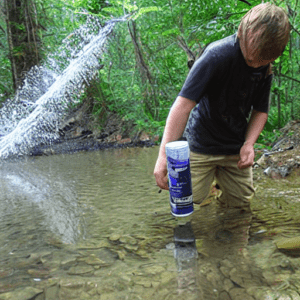
    Another important factor to consider is the ease of installation. You don’t want to deal with a difficult and time-consuming shelter set up in an emergency or during bad weather. Tents with simple setup methods, such as freestanding designs with color-coded poles or pop-up shelters, can be quite useful. In such cases, every second counts, and a quick-erecting shelter can give rapid respite from the elements.

    The importance of durability cannot be overstated. Your survival shelter should be made to endure the challenges of outdoor existence, such as rugged terrain, high winds, and heavy rain. Look for high-quality fabrics, reinforced seams, and strong zippers in your shelter. A strong rainfly or ground tarp can further improve the shelter’s longevity and weather resistance.

    The ability to insulate is also crucial. In cold weather, keeping your body warm is vital to your health. Some shelters have thermal insulation or reflective coatings to assist in trapping warmth inside and keep you warm in cold weather.

    Personal preference and the individual demands of your outdoor pursuits might influence your choice of shelter. Lightweight tents are ideal for long-distance travel since they provide both protection and mobility. Bivvy bags, on the other hand, are lighter and smaller, making them excellent for emergencies or as an extra layer of protection when your primary shelter is a tent. Inflatable shelters are a unique and inventive option since they are easy to build up and fold down to a tiny size. These shelters are especially well-suited for short journeys and outings.

    Water Filtration: Drink Safely from Nature’s Sources

    When it comes to survival necessities, few things are more important than access to safe drinking water. Packing a good water filtration system is a key step towards securing your safety in the outdoors, where nature’s beauty frequently masks its inherent perils. A superior filtration system, which can convert water from rivers, lakes, or other natural sources into drinkable water, gives the piece of mind you need while traveling into the great outdoors. Look for portable water filters or purifiers that can successfully remove bacteria, parasites, and other hazardous impurities to make the most of this essential instrument. Lightweight solutions that won’t weigh you down on long travels are your finest friends in your quest for safe hydration.

    Exploring the natural environment is a great experience, but it is also fraught with danger, especially regarding water supplies. While clear rivers and calm lakes may look enticing, they might hide tiny hazards that, if consumed, can cause disease or worse. Even in the most scenic locations, harmful bacteria, parasites, and other toxins can lurk in the water. As a result, the capacity to convert nature’s supplies into safe, potable water is an essential component of any outdoor trip.

    In these cases, portable water filters and purifiers are your lifelines. These small and light gadgets were created to give a simple yet efficient option for purifying water on the move. A good water filtration system works by eliminating or neutralizing pollutants and impurities from your water, ensuring that it is safe and free of hazardous germs.

    survival Water FiltrationThere are various aspects to consider when selecting a water filtration system. One of the most important factors to evaluate is the system’s ability to remove pollutants properly. Look for systems that have been shown to remove germs, parasites, and other common waterborne hazards. To reach this aim, several respectable solutions use microfiltration or ultrafiltration technology, which employs a mix of physical barriers and chemical processes to ensure the cleanliness of the water.
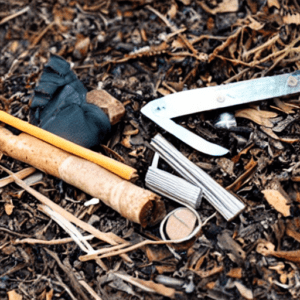
    Another important consideration is weight, especially when planning a lengthy journey where every ounce of gear matters. Portable water filters are lightweight and small, making them ideal for carrying in a backpack. Some possibilities are as light as a few ounces, ensuring they will not burden your gear.

    Ease of usage is also critical. Even in the field, the greatest water filtration systems are built for simple and rapid operation. Many models come with detailed instructions and need little upkeep. Some systems use simple pump operations, while others allow you to drink straight from the water source after passing it through the filter. The idea in both circumstances is to supply you with clean, safe water while not complicating your outdoor experience.

    A dependable water filtration system is your lifeline to safe hydration whether you’re hiking, camping, or going on a longer wilderness journey. With such a device in your kit, you may take water from natural sources confidently, knowing that dangerous toxins have been thoroughly eliminated. A water filtration system is one of the most important pieces of equipment for outdoor lovers since it is not only necessary for satisfying your thirst but also for cooking and cleanliness.

    Fire-starting Tools: Igniting Your Survival Instincts

    Few abilities are more important in the field of outdoor adventure than the ability to kindle a fire. A dependable fire-starting kit is more than just a convenience; it’s a critical tool for assuring your safety and comfort in the wilderness. Fire performs several important functions, from providing warmth and cooking food to functioning as a visual signal in an emergency. It is critical to have the ability to start a fire while heading into the big outdoors. Consider including waterproof matches, lighters, or ferrocerium rods in your kit as backups if traditional fire-starting techniques fail. Carrying easily flammable items, such as cotton balls soaked in petroleum jelly or specialized tinder-making gadgets, might also be the difference between success and failure in difficult circumstances.

    Fire has been a symbol of human civilization for millennia, providing warmth, comfort, and security. The significance of fire in the context of outdoor activities goes beyond its symbolic value. It may be a lifeline, a source of heat in cold weather, a way for cooking food and purifying water, and even a visual signal to summon assistance in an emergency. In the woods, where conditions may change instantly, knowing how to start a fire is more than a talent; it’s a survival instinct.

    fire-starting kitThere are various possibilities for fire-starting equipment, each with its own set of benefits. Waterproof matches are a safe bet because they may be used in rainy situations. These matches are made to withstand dampness while still igniting when hit. Lighters are another popular and practical alternative, particularly windproof or waterproof types that work dependably in inclement weather.
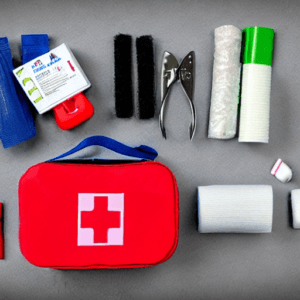
    Ferrocerium rods, often known as fire starters or “ferro rods,” are useful and durable fire-starting equipment. When struck with a steel object, they emit a shower of sparks, making them perfect for starting a fire in various settings. Ferrocerium rods are noted for their longevity and ability to function in damp conditions, making them a good backup alternative.

    Carry easily flammable items or tinder in addition to fire-starting gear. Cotton balls drenched in petroleum jelly are a quick and easy solution. These DIY fire starters burn fiercely and for a long time, making them excellent for starting a fire in difficult situations. Commercial tinder-making equipment, such as fire starter sticks or waterproof fire starter cubes, can also be purchased and are designed to spark and sustain a fire.

    It is critical to practice your fire-starting abilities before venturing into the woods. Familiarize yourself with the precise fire-starting tools you intend to bring and practice using them in various situations. Take note of the kindling and fuel accessible in the location you’ll be exploring, as various areas may have different ingredients for starting and keeping a fire.

    First Aid Kit: Be Prepared for the Unexpected

    The vast outdoors provides stunning sights and amazing experiences, but it also has inherent dangers, so every outdoor enthusiast must be prepared for the unexpected. Accidents and injuries may occur at any time, and having a well-stocked first aid kit on hand can be the difference between a small annoyance and a potentially life-threatening scenario. Your first aid package is your first line of defense, allowing you to treat injuries quickly and provide a safer recovery route. Bandages, disinfectants, pharmaceuticals, adhesive tape, CPR masks, and any personal drugs or prescriptions should all be included in your box. It is also critical to inspect and restock your supplies on a regular basis to ensure that your first aid kit is always up to date and ready to use.

    Outdoor activities are a mix of thrills and surprises. Accidents and injuries are always possible whether traveling across harsh terrain, camping under the stars, or exploring distant locations. In such cases, carrying a well-stocked first aid bag is more than simply a wise decision; it’s a lifeline for you and your friends.

    first aid packA thorough first-aid pack should include various materials to treat common outdoor injuries and illnesses. For treating cuts, scratches, and small wounds, bandages of various sizes, adhesive tape, and wound-cleaning items are essential. Disinfectants such as alcohol wipes or hydrogen peroxide help prevent infection, which is especially important while you’re distant from medical treatment.

    Medications should also be included in your first aid kit. Pain relievers, antihistamines, and anti-inflammatory medications can help with various symptoms such as pain, allergies, and inflammation. In addition, if you have any personal drugs or prescriptions, pack a sufficient amount in your box.

    In the case of a cardiac emergency, CPR masks are crucial, acting as a barrier between you and the sufferer while doing cardiopulmonary resuscitation. In a crucial emergency, it might be the difference between life and death.

    It is not enough to create a first aid kit; it is also critical to maintain and update it on a regular basis. Check your supplies on a regular basis to ensure they are not expired and are in good condition. Replace any used or expired goods as soon as possible so that your kit is always ready to use. Learn about the contents of your first aid kit and how to utilize it. Regarding successful first aid, knowledge and practice are just as important as the materials themselves.

    The vast outdoors provides several benefits, but it also demands respect and planning. A well-stocked first-aid kit is a critical component of that readiness. It gives you the tools and resources you need to respond to injuries quickly, relieve suffering, and protect your well-being in the face of adversity. Your first aid kit is your trusty friend when exploring nature’s beauty and unpredictable terrain, ensuring you’re prepared for the unexpected.

    Lighting Equipment: Illuminate the Path to Safety

    When the sun sets below the horizon and darkness descends on the wilderness, having reliable lighting equipment might be the difference between finding your way and stumbling in the dark. When the day goes to night, a headlamp or portable flashlight becomes your beacon of hope, indispensable for traversing new terrain, setting up camp, or reacting to crises in the dark. To get the most out of this important instrument, use LED lights with adjustable brightness settings and long battery life. It’s also crucial to keep backup batteries on hand so that you’re never left in the dark when you need it the most.

    After dusk, the outdoor environment alters, and the requirement for dependable lighting equipment becomes plainly obvious. A steady light source is crucial for safety and convenience whether traveling through the woods, putting up a campsite, or just attending to duties at night.

    headlamp or portable flashlightHeadlamps and portable flashlights often provide outdoor illumination. Headlamps have the benefit of freeing up your hands, making them a perfect choice for tasks such as trekking, setting up a tent, or cooking after dark. Handheld flashlights are versatile and may be directed where needed, making them ideal for jobs requiring concentrated lighting.

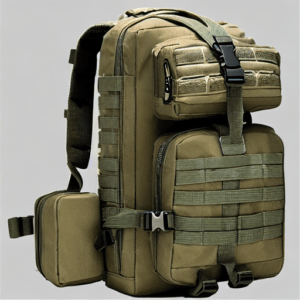
    LED lights are a popular choice for illumination because of their energy efficiency and lifespan. LED lights offer brilliant, consistent illumination, allowing you to see well in the dark. Many LED lights have adjustable brightness levels, which allow you to save battery life when you need less light or illuminate a greater area when needed.

    When selecting lighting equipment, battery life is critical. To prevent the trouble of often replacing batteries during outdoor travel, look for headlamps and torches with long-lasting battery performance. Some versions use rechargeable batteries, which might be a more environmentally friendly and cost-effective solution.

    In addition to the primary illumination apparatus, replacement batteries must be carried. When your batteries run out of power, a reliable backup power supply guarantees that you are not left in the dark. To maintain your spare batteries in working order, choose and store them carefully.

    Lighting equipment not only improves visibility; it also improves safety. It lets you travel the woods securely, recognize possible risks, and respond to crises. It’s a tool that allows you to enjoy outdoor experiences with confidence, no matter what time of day it is.

    illumalyte

    Tactical Backpack: Carrying Your Survival Arsenal in Style

    A high-quality tactical backpack is one of the most important pieces of gear you can invest in while preparing for outdoor activities or wilderness tours. It is the core hub for your survival armory, allowing you to keep your stuff organized, conveniently accessible, and weatherproof. A fantastic tactical backpack goes beyond basic practicality; it blends functionality and style, guaranteeing that you’re prepared for the trials of the great outdoors. When looking for the best tactical backpack, look for characteristics such as long-lasting materials, plenty of storage pockets, and comfortable straps that distribute weight properly. Choose backpacks that are particularly built for outdoor activities, with waterproof coatings and stronger stitching to increase longevity.

    Your backpack selection reflects your dedication to preparedness and readiness to face the unpredictability of the outdoors. A tactical backpack is more than just a way to transport your stuff; it’s also a crucial tool for organizing and preserving your gear in various outdoor conditions.

    high-quality tactical backpackThe strength and longevity of your tactical backpack are critical. It should be made of high-quality, tough materials that can resist the hardships of outdoor living. Look for backpacks built of tough, water-resistant materials that can withstand extreme weather conditions. Reinforced stitching at important stress locations increases the backpack’s durability and dependability.
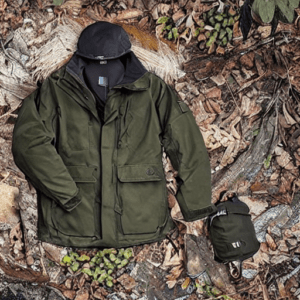
    Ample storage compartments are also required. The backpack should include a number of compartments and sections to assist you in neatly arranging your belongings. This ensures that everything you require is within easy reach, saving the time and effort necessary to locate certain things. Look for zipped compartments, mesh pockets, and MOLLE (Modular Lightweight Load-carrying Equipment) webbing to connect extra gear to the backpack’s exterior.

    Comfortable straps are essential for your outdoor comfort. Backpacks with cushioned shoulder straps and adjustable sternum and hip straps assist in effectively distributing weight, decreasing pressure on your back and shoulders during lengthy hikes. A cushioned back panel can also improve airflow, making you more comfortable during hot and humid outdoor activities.

    Some tactical backpacks are specifically built for outdoor trips, with features that cater to your unique requirements. They frequently have waterproof coverings to protect your equipment from rain, snow, and dampness. A rain cover can give an additional layer of protection. Furthermore, some backpacks have hydration reservoir sleeves and access ports for water bladders to keep you hydrated on your trips.

    Your tactical backpack is more than just a piece of equipment; it represents your preparedness for the difficulties and surprises of the wild outdoors. A well-chosen backpack becomes your trusty companion whether you’re trekking through the woods, camping in the backcountry, or going on a multi-day adventure. It guarantees that your survival armament is nicely arranged and easily accessible no matter your situation.

    Survival Attire: Dress for Success in Any Situation

    It’s critical not to underestimate the necessity of wearing suitable survival clothing as you prepare for your outdoor activities. Dressing for success in the outdoors entails more than simply fashion; it also entails maintaining your comfort and safety in various settings. The technique of layering is the key to doing this. You can easily adjust to changing weather conditions by wearing a combination of moisture-wicking, breathable base layers to control body temperature, insulating mid-layers to trap heat, and waterproof upper layers to shelter you from rain or snow. Don’t forget to add sturdy footwear, gloves, and a cap or beanie to your wardrobe since these are the last pieces of the jigsaw that will keep you ready for anything Mother Nature throws at you.

    Survival clothing is more than just a fashion statement; it’s about being prepared for the unexpected nature of the wild outdoors. The appropriate clothing may differ between a pleasant, joyful trip and a tough, perhaps hazardous one when exploring the environment.

    survival clothingA basic aspect of outdoor dressing is to layer your clothing. It enables you to adjust to changing weather conditions and your own level of exercise. The three-layer system comprises base layers, mid-layers, and outer layers, each serving a specific role.

    Base layers serve as the base of your outfit. These airy, moisture-wicking clothing come into close touch with your skin. They aid in regulating your body temperature by wicking sweat away from your skin, keeping you dry and comfortable in both hot and cold weather. Base layers come in various thicknesses, and the season and weather forecast dictate your decision.

    Mid-layers insulate by trapping body heat. They provide a warm air pocket between your base and upper layers, keeping you warm in lower weather. Effective mid-layer alternatives include fleece coats and down vests.

    The outer layers protect you from the elements. Jackets or shells that are waterproof and windproof give protection from rain, snow, and wind. Look for clothing with permeable membranes that enable perspiration to escape while keeping outside elements out.

    When it comes to survival clothing, footwear is a vital factor. Sturdy hiking boots or trail shoes safeguard your feet and ankles by providing support and grip on rough terrain. To minimize pain, make sure your footwear is suited for the circumstances you’ll face, and break it in before your journey.

    Gloves are an essential piece of outdoor clothing. They protect your hands from frigid temperatures and harsh surfaces by keeping them warm. To keep your hands comfortable and dry, choose gloves with insulation and waterproof qualities.

    A cap or beanie completes your look while keeping you warm. Because a significant percentage of your body heat may escape via your head, keeping it covered is critical for staying warm in cold weather.

    You may prepare for various outdoor circumstances by carefully selecting and layering your clothing. Your survival clothing prepares you for success in every circumstance, whether you’re trekking through the mountains, camping in the woods, or dealing with unforeseen weather changes.

    The post Tactical Survival Gear for the Outdoor Adventurer appeared first on https://gqcentral.co.uk

    The Article Tactical Survival Gear for the Outdoor Adventurer First Appeared ON
    : https://ad4sc.com