Category: Border Issues

  • Belize’s Border Dispute with Guatemala: An In-Depth Look

    Belize’s Border Dispute with Guatemala: An In-Depth Look

    Over the years, the territorial boundaries of Belize have been influenced by a complex and contentious historical narrative. You may wonder why many maps illustrate the border between Belize and Guatemala with a dotted line, symbolizing a deeply entrenched territorial dispute. This ongoing conflict stems from historical claims made by Guatemala, which has persistently contested Belize’s sovereignty since it attained independence. The potential for international tension remains significant, as both nations engage in diplomatic discussions to resolve this boundary issue. Delving into this geopolitical puzzle uncovers the intricate challenges surrounding national borders in Central America, where colonial legacies and concepts of territorial integrity intersect in potentially volatile ways.

    Investigating the Historical Context of the Belize-Guatemala Territorial Dispute

    The enduring territorial conflict between Belize and Guatemala can be traced back to intricate historical and colonial legacies that complicate modern relations. This dispute has its roots in the colonial era when territorial boundaries were often vaguely defined and subject to interpretation. The unresolved border issue has persisted for centuries, creating ongoing tension between these neighboring countries and impacting their diplomatic relations significantly.
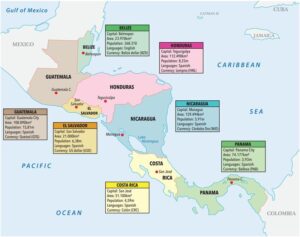
    Dotted border representation

    Unpacking Guatemala’s Long-standing Territorial Claims Over Belize

    Guatemala has consistently asserted its historical rights to territories that include Belize, based on Spanish colonial administrative boundaries. You may be surprised to learn that Guatemala views Belize as part of its original territorial inheritance from the Spanish Empire, thus challenging the modern borders established during British colonial rule. This historical perspective continues to fuel Guatemala’s claims, complicating the issue of sovereignty even further.

    Analyzing the Geopolitical Implications of Historical Borders

    Since the colonial period, the disputed boundaries have led to significant geopolitical challenges for both nations. It’s evident that undefined border regions create potential for conflict and diplomatic tensions, affecting local communities and national sovereignty. Gaining insight into the border dispute reveals complex layers of historical, legal, and territorial dynamics. The implications extend beyond mere geographical lines to involve economic, cultural, and security risks. The ongoing conflict bears substantial ramifications for regional stability, international law, and the prospects for future negotiations between Belize and Guatemala.

    The Importance of the Dotted Line on Geographical Maps

    When examining maps, you may notice a distinctive feature: a dotted border line between Belize and Guatemala, which represents an ongoing territorial dispute that has lasted for decades. This unique cartographic representation highlights a complex geopolitical challenge, where the exact border remains undefined and contested. The dotted line symbolizes the persistent diplomatic tension and the unresolved territorial claims that have defined the relationship between these two Central American countries for years.

    International Recognition Amidst the Unresolved Border Dispute

    In the realm of international relations, Belize is recognized as a sovereign state with an established international presence; however, the disputed border with Guatemala creates a nuanced geopolitical scenario. You might find it interesting that even after Belize achieved independence in 1981, Guatemala has historically contested its territorial integrity. The dotted line not only conveys geographical uncertainty but also represents an ongoing diplomatic negotiation that continuously shapes regional relations and public perceptions.

    The Diplomatic Implications of the Dotted Border Representation

    Beyond its representation on maps, the dotted line serves as a significant diplomatic symbol. It can be interpreted as a visual representation of unresolved territorial claims, signaling to the international community the complex negotiations that persist between Belize and Guatemala. This distinctive border marking conveys the ongoing dialogue and the potential for a peaceful resolution of the conflict. Nevertheless, the dotted line signifies more than just a cartographic curiosity; it serves as a delicate diplomatic instrument that helps avert potential military escalation while keeping channels for negotiation open.

    This line acts as a strategic buffer, enabling both nations to maintain diplomatic relations and strive for a feasible resolution in the future. Its presence exemplifies how international borders can be managed through peaceful means, illustrating a sophisticated approach to territorial disputes that prioritizes dialogue over conflict.
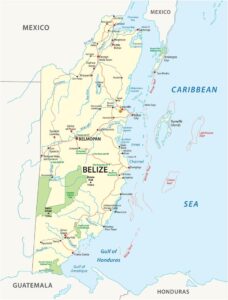
    Dotted line significance

    Major Conflicts and Diplomatic Agreements Between Belize and Guatemala

    The territorial disputes between Belize and Guatemala are deeply entrenched in history, characterized by complex diplomatic tensions and unresolved boundary claims. You’ll uncover that the ongoing disagreement revolves around differing interpretations of colonial-era treaties and the notion of territorial sovereignty. This contention has far-reaching implications for both countries, involving potential land ownership challenges and regional geopolitical dynamics that continue to shape their bilateral relationship.

    Understanding the Impact of the 1859 Treaty and Subsequent Developments

    Before the 1859 treaty was signed between Britain and Guatemala, territorial boundaries within the region were unclear and fiercely contested. It’s essential to recognize that this agreement sought to establish clear borders; however, subsequent interpretations have led to ongoing disputes. Guatemala consistently questions the validity of this treaty, claiming that Britain did not fulfill specific commitments, particularly regarding infrastructure development, which has become a critical point of contention in their territorial disagreement.

    International Court of Justice Involvement and Recent Diplomatic Initiatives

    In recent years, diplomatic efforts have focused on resolving the protracted border dispute through international legal frameworks. You’ll note that both nations have agreed to present their case to the International Court of Justice (ICJ) for a binding resolution. This move signifies a considerable step towards peaceful conflict resolution and the potential normalization of relations between the two countries.

    Besides the ICJ proceedings, it’s important to recognize the intricate diplomatic negotiations that have occurred. The potential referendum in both nations to validate the ICJ’s decision represents an innovative method for addressing territorial disputes. Your awareness of this process highlights the delicate diplomatic efforts aimed at preserving regional stability and resolving historical territorial claims through peaceful and internationally recognized mechanisms.

    Current Situation and Travel Considerations in the Belize-Guatemala Context

    Many travelers are captivated by Belize’s distinctive border configuration with Guatemala. The ongoing territorial dispute has resulted in a complex geopolitical landscape that significantly influences travel and border crossings. Despite existing tensions, tourists continue to explore both countries, navigating the delicate diplomatic situation while being mindful of international boundaries and local regulations.

    Vital Tips for Safe and Smooth Border Crossing

    When planning international travel to Belize, it’s crucial to prepare adequately and consider these essential guidelines:

    • Ensure you possess a valid passport and any required travel documentation
    • Check the current state of diplomatic relations before initiating your journey
    • Obtain suitable travel insurance to cover your trip
    • Stay informed regarding border crossing procedures to avoid unnecessary complications

    Above all, maintaining awareness of your surroundings and respecting local regulations is essential to ensure a smooth travel experience.

    Community Perspectives and Local Sentiments on the Ongoing Dispute

    Underlying the border dispute are deep-seated historical tensions and intricate cultural dynamics. Communities located near the border feel the direct effects of the dispute, with generational memories of conflict profoundly influencing their views. Residents often navigate a delicate balance between national pride and a desire for peaceful coexistence, showcasing the human element in this geopolitical issue.

    Gaining Insights into Community Dynamics and Resilience

    To genuinely grasp the local perspective, you should delve into the complex landscape of cultural identity. You’ll find that border communities have developed unique survival strategies, blending resilience with diplomatic pragmatism. Indigenous groups, in particular, play a pivotal role in fostering cross-border relationships, often transcending official diplomatic tensions through grassroots connections and shared cultural experiences, thereby nurturing a sense of unity amidst conflict.
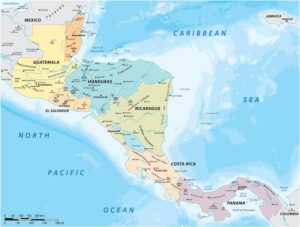
    Community dynamics near the border

    Potential Outcomes and Future Implications of the Belize-Guatemala Border Dispute

    Despite the ongoing territorial dispute, there exists a significant potential for geopolitical shifts. The unresolved border issue between Belize and Guatemala continues to generate tension, with implications that could reshape diplomatic relations in Central America. You might notice that resolving this dispute could have profound effects on regional stability, economic collaboration, and the international perceptions of both nations.

    Encouraging Ongoing Dialogue to Address Territorial Disagreements

    Dialogue remains the primary tool for addressing the territorial disagreement. You will find that both nations have engaged in diplomatic negotiations, seeking peaceful resolutions through international platforms such as the Organization of American States (OAS). These discussions emphasize a commitment to avoiding military confrontation and finding a mutually acceptable solution to their enduring border dispute, underscoring the vital role of dialogue in conflict resolution.

    Exploring Viable Pathways Towards a Peaceful Resolution

    Above all, it’s important to recognize that multiple strategies exist for resolving the border conflict. International mediation and bilateral negotiations offer potential avenues for progress. You might observe approaches such as joint territorial management, referendums, or interventions from international courts as feasible methods to effectively address the dispute.

    The implications of successfully resolving the conflict extend far beyond mere border demarcation. You will discover that effective negotiations could unlock significant economic opportunities for both Belize and Guatemala. Potential benefits could include enhanced trade, improved cross-border cooperation, and increased foreign investment. The most transformative outcome would be the establishment of permanent territorial sovereignty, which could dramatically reduce regional tensions and promote long-term stability in Central America.

    Examining Regional Dynamics of the Belize-Guatemala Conflict

    Unlike other border disputes in Central America, the Belize-Guatemala territorial conflict is steeped in deep historical complexities that have profoundly influenced regional geopolitical interactions. You’ll find that this long-standing disagreement reflects broader patterns of territorial tension, involving colonial legacies, post-independence territorial claims, and intricate diplomatic negotiations that have significantly shaped the political landscape of the region.

    Assessing the Impact of the Dispute on Central American Relations

    After decades of territorial disputes, you can see how this conflict has strained diplomatic relationships between Belize and Guatemala. The ongoing tension has periodically disrupted regional cooperation, creating obstacles for economic integration and mutual understanding within the broader Central American community.

    The Role of International Organizations in Mediation Efforts

    With diplomatic mediation being crucial, international organizations have actively participated in efforts to resolve the border dispute. You’ll notice that entities like the Organization of American States (OAS) have played an instrumental role in facilitating dialogue and proposing viable resolution strategies.

    A comprehensive network of international organizations has been strategically involved in addressing the Belize-Guatemala border dispute. The United Nations, OAS, and various diplomatic channels have worked tirelessly to prevent escalation, providing mediation services and promoting peaceful negotiation. You’ll appreciate how these organizations have helped maintain stability, offering a structured approach to resolving territorial disagreements and reducing potential military confrontations.

    Reflecting on the Complexities Surrounding the Belize-Guatemala Border Dispute

    By intertwining the complex threads of Belize’s territorial history, it becomes evident that the nation’s border with Guatemala stands as a testament to unresolved colonial legacies. As you delve into this geopolitical puzzle, you’ll realize that the dotted border symbolizes more than a mere cartographic curiosity; it embodies ongoing diplomatic negotiations and historical tensions. Your understanding of this dispute reveals the intricate challenges facing post-colonial states, where territorial boundaries continue to ignite international dialogue. The unresolved status highlights the delicate balance between historical claims and modern diplomatic resolutions, inviting you to appreciate the nuanced complexity of international border disputes.
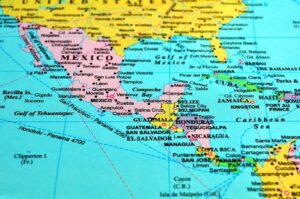
    Geopolitical implications of the border dispute

    Frequently Asked Questions Regarding the Belize-Guatemala Border Dispute

    What Causes Belize’s Dotted Border with Guatemala?

    The dotted border indicates a protracted territorial dispute between Belize and Guatemala, stemming from conflicts that date back to the colonial period. Initially, Spain claimed the territory, and after Belize gained independence from Britain in 1981, Guatemala continued to assert its territorial claims, resulting in an undefined border demarcation illustrated by the characteristic dotted line on maps.

    Has the Border Dispute Between Belize and Guatemala Been Resolved?

    The dispute remains partially unresolved; however, meaningful progress has been made. In 2019, both countries agreed to refer the territorial disagreement to the International Court of Justice (ICJ) for a binding resolution. A referendum in both nations supported this approach, indicating a diplomatic pathway towards definitively settling the border controversy.

    What Are the Historical Roots of the Border Conflict Between Belize and Guatemala?

    The conflict originates from the 1859 treaty between Britain and Guatemala, which promised infrastructure development in exchange for territorial recognition. When Britain failed to meet these commitments fully, Guatemala began to contest Belize’s territorial integrity. This historical misunderstanding has perpetuated decades of tension, with Guatemala maintaining claims over approximately 53% of Belize’s current national territory.

    The Article Why Is Belize’s Border Dotted? Exploring the Guatemala Dispute appeared first on Belize Travel Guide

    The Article Belize’s Border Dotted: Unraveling the Guatemala Dispute Was Found On https://limitsofstrategy.com
  • Belize-Guatemala Border: History of Conflicts and Updates

    Belize-Guatemala Border: History of Conflicts and Updates

    The intricate and multifaceted territorial dispute between Belize and Guatemala is a long-standing geopolitical tension that has persisted for centuries, leaving many surprised at its complexity. This ongoing border conflict, deeply rooted in colonial-era claims, has historically threatened regional stability, with Guatemala consistently challenging Belize’s sovereignty since its independence. Despite decades of diplomatic friction and tension, recent developments have sparked a sense of hope for peaceful resolution. Notably, both nations engaged in a landmark 2019 referendum, where their populations voted to settle their differences through the International Court of Justice. This initiative signals a potential breakthrough in their contentious relationship. A thorough understanding of this border’s intricate history is essential for grasping the broader geopolitical dynamics of Central America.

    Exploring the Colonial Roots of the Belize-Guatemala Dispute

    The complexity of the territorial disagreement between Belize and Guatemala can be traced back to colonial-era territorial claims, stemming from Spanish imperial ambitions and British colonial expansion. This dispute originated from the competing interests of European powers in Central America, with both nations asserting claims over strategically significant territories. The unresolved boundary issues have since evolved into a persistent source of tension, mirroring the complicated historical dynamics surrounding territorial sovereignty in the region. The legacy of these colonial claims continues to shape the political landscape, illustrating how historical grievances can influence modern diplomatic relations.

    Unpacking the 1859 Boundary Treaty’s Role in Territorial Claims

    Amidst the backdrop of imperial negotiations, the 1859 Boundary Treaty between Britain and Guatemala aimed to delineate territorial borders. However, this agreement, while intended to resolve conflicts, inadvertently created more complications than it solved. The treaty’s ambiguous language and its various interpretations have become a fundamental source of ongoing territorial disputes between the two nations. The complexities surrounding the treaty underscore the enduring impact of colonial agreements on contemporary conflicts, as both Belize and Guatemala continue to grapple with the implications of historical treaties.

    The Complex Historical Context of Territorial Negotiations

    From the era of Spanish colonial rule to the establishment of modern nationhood, one can observe a complex landscape of territorial negotiations. The geopolitical dynamics of the region were significantly shaped by imperial rivalries and the shifting boundaries of colonial territories, laying the groundwork for future conflicts. These boundary disputes serve as a reflection of a deeper narrative involving colonial legacies and postcolonial territorial challenges. The strategic importance of the territory has historically driven conflicts, with Guatemala consistently contesting Belize’s sovereignty. The multifaceted nature of this dispute encompasses issues of historical interpretation, indigenous rights, and territorial integrity, rendering it a complex international controversy that continues to impact diplomatic relations between the two nations.

    Analyzing the Core Issues in the Belize-Guatemala Border Dispute

    The intricate border dispute between Belize and Guatemala encompasses a variety of historical, territorial, and political dimensions. Key tensions arise from competing claims over land, sovereignty, and differing interpretations of history. The conflict, deeply rooted in colonial boundaries, has been perpetuated by international legal disputes and nationalist sentiments that have persisted for decades, presenting significant challenges in the diplomatic landscape for both nations. Understanding these core issues is essential for addressing the complexities of the dispute and working toward a resolution that respects the interests of both countries.

    Guatemala’s Ongoing Assertion of Territorial Claims

    Primarily, Guatemala lays claim to approximately 12,000 square kilometers of Belizean territory, asserting historical rights that stem from Spanish colonial boundaries. Their claim challenges the legitimacy of British territorial acquisitions, focusing on interpretations of historical treaties and colonial agreements that Guatemala argues were unjustly implemented. This assertion reflects Guatemala’s ongoing struggle to reclaim what it considers ancestral land, underscoring the deep-seated grievances that fuel the dispute and highlighting the necessity for a nuanced approach to resolution.

    Belize’s Robust Defense of Sovereignty

    The discussions surrounding Belizean sovereignty underscore the nation’s right to self-determination and the protection of its territorial integrity. Belize firmly maintains its independence and categorically rejects Guatemala’s territorial assertions, emphasizing the importance of international recognition and the legal principle of uti possidetis juris, which supports existing colonial boundaries following independence. Further exploration reveals that Belize’s sovereignty is backed by international law and numerous United Nations resolutions. The country has consistently advocated for its territorial integrity, utilizing diplomatic channels and garnering international support to fortify its borders. Furthermore, peaceful resolution mechanisms, including international mediation, have become vital strategies in addressing the long-standing dispute.

    Investigating Diplomatic Efforts for Conflict Resolution

    The endeavors to resolve the enduring border conflict between Belize and Guatemala have involved various international mechanisms and negotiations. Both nations recognize the potential risks associated with continued territorial tension, leading them to seek peaceful solutions through diplomatic channels. International mediation and bilateral discussions have been instrumental in gradually reducing historical animosities and fostering pathways toward resolution. Understanding these diplomatic efforts can shed light on the progress made and the challenges that remain in achieving a lasting peace.

    Insights into the Ongoing Diplomatic Negotiations

    The diplomatic negotiations between Belize and Guatemala have been characterized by gradual progress and strategic dialogue aimed at fostering mutual understanding. These talks have focused on exploring potential compromise solutions that could satisfy both nations’ interests. Key diplomatic initiatives have involved high-level meetings, bilateral commissions, and international facilitation, all aimed at addressing territorial claims and promoting regional stability. This ongoing dialogue highlights the importance of diplomacy in resolving complex geopolitical issues.

    The Critical Role of the International Court of Justice in Mediation

    Regarding the International Court of Justice (ICJ), it plays a significant role in mediating the border dispute between Belize and Guatemala. The ICJ provides a neutral legal platform for addressing territorial claims, offering an internationally recognized mechanism for dispute resolution that has the potential to conclude decades of territorial tensions. The court’s involvement represents a critical turning point in Belize-Guatemala relations. By agreeing to submit their dispute to the ICJ, both countries have demonstrated a commitment to pursuing peaceful resolution. The court’s forthcoming ruling could definitively address territorial boundaries, potentially establishing a permanent legal framework for future bilateral relations and fostering regional stability.

    Assessing the Impact on Travel and Trade Dynamics

    Navigating the complex Belize-Guatemala border requires a comprehensive understanding of its multifaceted challenges. The historical territorial disputes have had significant repercussions on cross-border interactions, shaping unique travel and economic dynamics. The ongoing tensions have influenced transportation routes, trade patterns, and the diplomatic relations between these neighboring countries. The border region necessitates careful consideration of geopolitical sensitivities that could impact movement and economic exchanges, making it essential for travelers to stay informed and prepared.

    Current Travel Guidelines for Safety and Awareness

    Traveling along the Belize-Guatemala border necessitates exercising heightened caution. Your safety hinges on staying informed about current diplomatic conditions and potential conflict zones. Official travel advisories recommend checking government websites prior to crossing, verifying documentation, and maintaining awareness of local security situations. Planning your route carefully, including the use of official border crossing points, can minimize risks and enhance your travel experience in this sensitive region.

    Analyzing the Evolving Cross-Border Trade Dynamics

    The trade relations between Belize and Guatemala at the border remain intricate and continually evolving. Despite historical tensions, agricultural products and small-scale commercial exchanges persist, reflecting the economic interdependence that continues to exist between these two nations. To understand these interactions fully, one must recognize the resilience of economic relationships that thrive despite political challenges. The trade landscape reveals a complex web of interactions where agricultural commodities such as sugar, citrus, and timber play significant roles in cross-border exchanges. Informal trade networks, facilitated by local merchants, navigate the diplomatic complexities, highlighting how economic cooperation can endure amidst territorial disputes. Ongoing bilateral agreements and diplomatic negotiations continue to shape these economic interactions, offering promising prospects for future collaboration and mutual benefits.

    Examining the Socio-Political Implications of the Dispute

    The border dispute between Belize and Guatemala extends well beyond mere geographical lines, embodying profound socio-political implications for both nations. This territorial conflict significantly impacts diplomatic relations, national security strategies, and the broader regional dynamics. The ongoing tensions create complex socio-political challenges that influence governmental strategies, international negotiations, and the daily lives of citizens in both countries. Understanding these implications is vital for comprehending the broader effects of the dispute on the region.

    The Role of National Identity and Public Sentiment in the Dispute

    The border dispute deeply resonates with national pride and historical narratives in both Belize and Guatemala. Each country perceives the territorial claims as a matter of fundamental sovereignty, leading to passionate public discourse and political sentiment. This conflict has evolved into a symbol of national identity, as citizens fervently defend their historical perspectives and territorial integrity. The emotional weight of these claims shapes public opinion, influencing political discourse and national policy, thereby highlighting the intricate relationship between territorial disputes and national identity.

    Assessing Regional Stability and Security Challenges

    The ongoing border dispute poses potential vulnerabilities in regional peace and cooperation. Unresolved territorial claims generate diplomatic tensions that could destabilize bilateral relationships and affect broader regional security dynamics. Recognizing these challenges is crucial for understanding the complex geopolitical landscape of Central America. The dispute represents more than a mere territorial disagreement; it threatens regional stability through the risk of military escalations. The persistent tension complicates economic cooperation, cross-border trade, and collaborative security efforts. Awareness of these dynamics elucidates how unresolved territorial claims can undermine diplomatic progress and create long-term challenges for peaceful coexistence between Belize and Guatemala.

    Envisioning Future Prospects for Peaceful Resolution

    Despite the complex historical tensions, the situation along the Belize-Guatemala border presents potential pathways for diplomatic resolution. Ongoing negotiations and international mediation hold the promise of achieving a peaceful settlement. The international community remains supportive of constructive dialogue between both nations, suggesting that a comprehensive resolution may be attainable in the coming years. The commitment to diplomacy signifies a crucial step toward addressing longstanding grievances and fostering a more stable future.

    Identifying Viable Resolutions to the Territorial Dispute

    Resolutions to the enduring territorial dispute could involve international arbitration or a mutually agreed-upon territorial compromise. Observing the recent willingness of both countries to engage in diplomatic discussions suggests that a mutually beneficial agreement may be on the horizon. The involvement of neutral international bodies could provide a structured framework for resolving historical claims, paving the way for more effective conflict resolution strategies.

    The Influence of International Relations on Border Negotiations

    International relations significantly influence the border negotiations between Belize and Guatemala. Diplomatic channels have emerged as vital tools for managing territorial tensions and fostering dialogue. Regional organizations and global diplomatic platforms continue to play essential roles in facilitating discussions and seeking peaceful solutions. Additionally, the broader geopolitical context affects these border relations, as international pressure and diplomatic engagement create opportunities for resolution. The potential for economic cooperation, joint development projects, and shared security interests presents promising avenues for collaboration. Organizations like the OAS have been instrumental in mediating discussions and promoting peaceful interactions between the two nations.

    Frequently Asked Questions About the Belize-Guatemala Territorial Dispute

    What is the historical background of the territorial dispute between Belize and Guatemala?

    The territorial dispute arose from Spanish colonial claims and British settlement in the region during the 19th century. Spain originally claimed the territory, but Britain established settlements in Belize, leading to complex legal and territorial challenges. The conflict centers on competing territorial assertions, with Guatemala maintaining claims to most of Belize’s land following Central American independence in 1821.

    How did the international community assist in resolving the long-standing border conflict?

    The Organization of American States (OAS) played a significant mediation role. In 2008, both countries agreed to submit the dispute to the International Court of Justice (ICJ) for a binding resolution. A referendum in both Belize and Guatemala during 2018-2019 demonstrated public support for international judicial intervention, ultimately paving the way for a peaceful resolution mechanism.

    What is the current status of the Belize-Guatemala border agreement?

    In May 2019, the ICJ definitively ruled on the territorial dispute, largely affirming Belize’s sovereignty while making minor adjustments to the border demarcation. The ruling granted Belize approximately 12,272 square kilometers of territory, providing a clear legal framework for future diplomatic relations and establishing permanent maritime and land boundaries between the two nations.

    The Article The Belize-Guatemala Border: History, Conflict, and Current Status appeared first on Belize Travel Guide

    The Article Belize-Guatemala Border: Historical Conflicts and Current Status Was Found On https://limitsofstrategy.com