Category: Video Strategy

  • Mobile Video Content Optimization Tips for Success

    Mobile Video Content Optimization Tips for Success

    Unlocking the Full Potential of Mobile Video Optimization

    Recognizing the Impact of Mobile Video on Today’s Consumers

    Optimize for Mobile Video Content: A person watching vibrant videos on a smartphone, with digital elements and mobile video consumption statistics.

    The necessity to optimize for mobile video content has become increasingly clear due to the meteoric rise in mobile video consumption. In our fast-paced digital landscape, a growing number of users depend on their smartphones to access diverse video content, ranging from news updates and entertainment to informative educational resources. Recent studies reveal that over 85% of internet users in various regions prefer to engage with video content specifically on their mobile devices. This trend carries significant implications; brands neglecting the importance of mobile video optimization stand to alienate a large portion of their audience, losing vital engagement opportunities.

    Mobile video acts as a critical engagement tool for users who are constantly on the go, serving as a pivotal touchpoint throughout the customer journey. By optimizing for mobile video content, brands can effectively communicate messages that resonate powerfully with their target demographics, leading to improved engagement rates, enhanced brand loyalty, and increased conversion rates. As mobile devices cement their status as the primary medium for video consumption, optimizing this content emerges as an essential element of any robust digital marketing strategy.

    Key Performance Indicators for Assessing Mobile Video Success

    To ensure the effectiveness of mobile video content, monitoring specific metrics is imperative. By understanding these metrics, marketers can refine their strategies and boost viewer engagement. The essential key performance indicators (KPIs) that should be consistently tracked include:

    • Views: Total number of times a video has been viewed.
    • Engagement Rate: Percentage of viewers interacting with the video through likes, shares, or comments.
    • Completion Rate: Ratio of viewers who watch the video to its conclusion.
    • Click-Through Rate (CTR): Percentage of viewers who click on a call-to-action link within the video.
    • Average Watch Time: Average duration viewers spend watching the video.
    • Device Type: Insights into whether viewers are using smartphones, tablets, or other devices.
    • Traffic Sources: Understanding how viewers discover your videos—whether through social media, search engines, or direct links.

    By diligently tracking these metrics, brands can gain invaluable insights into viewer preferences and behaviors, enabling them to tailor their mobile video content for enhanced performance and greater impact.

    The Impact of Mobile Video Optimization on Enhancing User Experience

    Optimizing mobile video content greatly enhances the user experience, which is vital for retaining viewers. By optimizing for mobile video content, brands ensure smooth playback and quick load times, significantly minimizing the likelihood of users abandoning videos out of frustration. A seamless viewing experience is essential; research indicates that even a one-second delay in loading can lead to a substantial decline in viewer engagement.

    Mobile users expect fast access to content, and optimizing video files for quicker loading times can help maintain viewer interest. Moreover, enhancing user experience entails considering various factors, including video resolution, aspect ratio, and overall visual design. Well-optimized mobile videos adapt to different screen sizes and resolutions, ensuring that every viewer enjoys a visually stunning experience, regardless of their device. By prioritizing mobile video optimization, brands not only meet audience expectations but also cultivate a positive rapport with viewers, a critical aspect for fostering long-term engagement.

    Expert Insights on Mobile Video Content Optimization Strategies

    A smartphone screen with a video, surrounded by optimization icons and graphs on a modern background.

    Understanding the Key Differences Between Mobile and Desktop Video

    Mobile video possesses unique characteristics that necessitate specific considerations distinct from desktop video. The smaller screen sizes and shorter attention spans of mobile users require a tailored approach to content creation. Brands such as TikTok and Instagram have effectively capitalized on the unique attributes of mobile platforms by crafting short, engaging videos that align with user behaviors and preferences.

    A notable mobile video campaign by Nike showcased a series of visually striking short clips aimed at younger demographics. These clips were designed to be easily consumable and shareable, catering to the rapid consumption patterns of mobile users. By acknowledging that mobile video viewers often seek quick and impactful content, brands can craft videos that capture attention and encourage engagement, ultimately driving increased conversions.

    Best Practices from Industry Leaders for Effective Mobile Video Optimization

    Industry leaders have developed effective strategies for optimizing mobile video content that aspiring brands can emulate to enhance their mobile presence. Here are actionable steps to implement these best practices:

    1. Capture Attention Within the First Few Seconds: Grabbing viewer attention in the initial moments is crucial. Content creators should begin with compelling visuals or thought-provoking questions to immediately engage the audience.
    2. Utilize Vertical Formats: Given that most mobile users hold their devices vertically, crafting videos in this format can enhance user experience and engagement.
    3. Prioritize Quality Over Quantity: A few well-produced videos often outperform numerous low-quality ones, as high production values are essential for maintaining credibility and viewer interest.
    4. <a href="https://ezi.gold/use-content-to-improve-bounce-rates-strategies-for-engagement/">Incorporate Clear Calls to Action:</a> Clearly defined calls to action within videos can guide viewers on subsequent steps, boosting interaction rates.
    5. Emphasize Authenticity: Audiences connect more deeply with genuine content. Showcasing real customer testimonials or behind-the-scenes footage can foster trust and enhance brand loyalty.

    By putting these best practices into action, brands can significantly enhance their mobile video strategies, driving meaningful engagement and connection with their audience.

    Effective Measurement Techniques for Assessing Mobile Video Performance

    Person analyzing mobile video performance on smartphone with graphs showing engagement, completion, and watch time using Google Analytics.

    Measuring the performance of mobile video content is crucial for evaluating its effectiveness and return on investment (ROI). Brands must focus on selecting the right metrics and accurately interpreting data to gain valuable insights. Key performance indicators (KPIs) to monitor include engagement rates, completion rates, and average watch time, which provide critical information regarding viewer interaction and satisfaction.

    Utilizing analytics tools can greatly assist in tracking these metrics. Platforms such as Google Analytics and social media insights offer valuable data on viewer demographics and behaviors. By analyzing this data, brands can identify trends and refine their video strategies accordingly. Experimentation is key; testing various video lengths, styles, and formats can uncover what resonates most with the target audience. Ongoing monitoring and adjustments based on performance metrics ensure that mobile video content remains relevant and engaging.

    Crucial Technical Aspects of Mobile Video Optimization

    Identifying the Most Effective Video Formats for Mobile Devices

    Selecting the appropriate video format is essential for achieving optimal performance on mobile devices. Different formats offer unique advantages and ensure compatibility across various platforms. Recommended video formats for mobile optimization include:

    • MP4: This widely supported format is compatible with all devices and ideal for streaming.
    • WebM: Excellent for web applications, delivering high-quality video with smaller file sizes.
    • AVI: A versatile format suitable for high-quality videos, albeit larger in file size.
    • MOV: Preferred for high-quality playback on Apple devices, though compatibility may vary.
    • FLV: Common for web streaming, but less favored on mobile devices.

    Choosing the right format ensures smooth playback and reduces buffering issues, ultimately enhancing the viewer experience. Brands should also consider transcoding videos into multiple formats to accommodate various devices, ensuring consistent performance across platforms.

    The Vital Importance of Video Compression in Mobile Optimization

    Video compression plays a critical role in mobile video optimization, significantly reducing file sizes without sacrificing quality. This reduction is especially important for mobile users who are concerned about data consumption and loading speeds. By compressing video files, brands can guarantee quicker loading times, which is essential for retaining viewer interest.

    Techniques such as adjusting bitrate, resolution, and frame rate contribute to effective compression. Tools like HandBrake and Adobe Media Encoder provide robust options for video compression, allowing brands to customize settings for optimal results. By ensuring high-quality visuals while maintaining smaller file sizes, brands can enhance mobile viewing experiences, leading to improved engagement and higher completion rates.

    Adaptive Streaming Technologies for Superior Viewing Experiences

    Adaptive streaming technologies are crucial for delivering high-quality video experiences tailored to users’ varying internet connection speeds. This technology dynamically adjusts video quality in real-time based on the viewer’s connection, ensuring seamless playback without buffering interruptions.

    Platforms like YouTube utilize adaptive streaming to enhance user experiences, enabling viewers to enjoy high-definition content without the frustration of slow loading times. By implementing adaptive streaming, brands can cater to a global audience with diverse connection speeds, ultimately improving viewer satisfaction and retention rates.

    Understanding Mobile Device Screen Resolutions to Optimize Video Quality

    Recognizing the variety of mobile device screen resolutions is essential for optimizing video quality. Different devices come equipped with various resolutions, ranging from HD to 4K, requiring a tailored approach to video production. Brands should consider creating multiple versions of videos optimized for different screen sizes, ensuring that each viewer enjoys a high-quality experience.

    Moreover, adopting responsive design principles will help videos adjust seamlessly to different screen resolutions. This approach guarantees that, regardless of the device in use, viewers receive an engaging visual experience. By prioritizing video quality in relation to screen resolution, brands can enhance viewer satisfaction and drive greater engagement.

    Strategic Methods for Creating Mobile Video Content

    Crafting Engaging Mobile Video Content That Resonates

    Creating engaging mobile video content that resonates with audiences is pivotal for successful optimization. A key element of this process is storytelling; captivating narratives can enthrall viewers and encourage deeper engagement with the content. Brands should prioritize developing relatable stories that reflect their audience’s values and experiences.

    In addition to storytelling, visual engagement plays a significant role in the success of mobile videos. Incorporating dynamic visuals, such as animations and vibrant colors, can create eye-catching content that stands out in crowded feeds. Techniques like close-ups, quick cuts, and engaging graphics will help sustain viewer interest. Importantly, keeping content concise is vital; shorter videos are generally more effective, aligning with the shorter attention spans typical of mobile users.

    Brands should also ensure that messaging aligns with the specific distribution platform used. Tailoring content style and format to fit platforms like Instagram, TikTok, and Snapchat will facilitate greater reach and engagement. By blending storytelling with visually appealing elements and platform-specific adaptations, brands can develop mobile video content that captivates audiences and encourages interaction.

    Adapting Content for Optimal Vertical Viewing Formats

    The increasing popularity of vertical video presents a significant opportunity for brands to optimize their content for mobile consumption. As mobile users predominantly hold their devices vertically, creating videos in this format can enhance viewer engagement and connection. Brands should focus on adjusting their content to suit vertical viewing, making sure that key visuals and messages remain prominent.

    When crafting vertical videos, it is essential to consider the layout to prevent crucial elements from being cut off. Utilizing the full vertical space allows brands to create immersive experiences that capture attention. Additionally, incorporating visuals specifically designed for vertical viewing can further enhance engagement, providing a more satisfying experience for mobile users.

    Moreover, brands should experiment with creative techniques, such as split screens or dynamic text overlays, to make their videos visually appealing. By embracing vertical formats, brands can resonate more deeply with audiences, driving higher engagement rates and fostering stronger connections.

    The Importance of Including Captions and Subtitles in Mobile Videos

    Integrating captions and subtitles into mobile video content is a powerful strategy for enhancing accessibility and viewer engagement. Many mobile users watch videos in environments where sound is unavailable, and captions ensure that messages are effectively communicated. Research indicates that videos with captions achieve higher completion rates, as viewers are more likely to continue watching even without audio.

    Subtitles also benefit non-native speakers and individuals with hearing impairments, expanding the potential audience for the content. Brands should guarantee that captions are accurate, synchronized with audio, and visually distinct from the video content. Offering captions in multiple languages can further enhance accessibility and outreach, allowing brands to engage a wider audience.

    Finally, brands should consider using creative captioning techniques, such as animations or color changes, to make captions visually appealing and consistent with the overall video aesthetic. By leveraging captions and subtitles, brands can significantly enhance the effectiveness of their mobile video content, fostering greater engagement and inclusivity.

    Optimizing Video Length for the Mobile Audience’s Short Attention Span

    Effectively optimizing video length is crucial for addressing the short attention spans of mobile users. Research shows that mobile viewers prefer concise, focused videos, often favoring content that lasts between 15 and 60 seconds. Brands should concentrate on delivering key messages promptly and creatively to maintain viewer engagement.

    To achieve this, it is essential to break down complex ideas into manageable segments. Techniques such as summarizing key points and employing visually appealing graphics can effectively convey messages within shorter timeframes. Additionally, brands can utilize attention-grabbing hooks at the beginning of videos to capture interest immediately, encouraging viewers to remain engaged until the conclusion.

    Another effective strategy involves repurposing longer content into bite-sized clips. By creating teaser videos or highlight reels, brands can maintain audience engagement while delivering valuable content. By optimizing video lengths to align with mobile attention spans, brands can significantly enhance viewer retention and interaction, ultimately driving higher engagement rates.

    Boosting User Engagement and Interaction with Mobile Video

    Strategies to Encourage Viewer Interaction

    Encouraging viewer interaction is essential for boosting engagement with mobile video content. By incorporating interactive elements, brands can foster a sense of community and keep audiences engaged with their content. For instance, including polls, quizzes, and clickable links can create a more immersive viewing experience, prompting viewers to take action beyond passive consumption.

    Utilizing social media features, such as reactions and comments, can further enhance interaction. Encouraging viewers to share their thoughts or experiences related to the video content can lead to meaningful discussions and increased visibility. Additionally, brands can incentivize engagement by offering rewards or shout-outs to active participants, fostering loyalty among viewers.

    Moreover, leveraging user-generated content can amplify engagement efforts. Encouraging viewers to share their experiences or create their own content related to the brand can foster a sense of ownership among the audience, driving further interaction and brand loyalty. By prioritizing viewer interaction, brands can cultivate a vibrant community that promotes greater engagement and a stronger connection to the brand.

    Optimizing Mobile Video for Enhanced Sharing Potential

    Optimizing mobile video content for sharing is crucial for increasing reach and impact. Making videos easily shareable enhances their viral potential, enabling brands to significantly expand their audience. Here are several techniques to facilitate effective sharing:

    • Incorporate Social Media Buttons: Embed easily accessible share buttons within the video player.
    • Create Engaging Thumbnails: Design visually appealing thumbnails that entice viewers to click and share.
    • Encourage Direct Sharing: Prompt viewers to share content on their social media profiles.
    • Utilize Relevant Hashtags: Encourage the use of pertinent hashtags to increase visibility across platforms.
    • Leverage Influencer Partnerships: Collaborate with influencers to share your video content with their audiences.

    By adopting these strategies, brands can significantly enhance the shareability of their mobile video content, broadening their audience reach and amplifying their marketing efforts.

    Utilizing Mobile-Specific Features for Enhanced Engagement

    Leveraging mobile-specific features can greatly enhance user engagement with video content. Platforms like Instagram and Snapchat offer unique functionalities, such as swipe-up links, enabling brands to direct viewers to websites or additional content seamlessly. Implementing these features can create a more immersive experience for viewers, encouraging them to engage more deeply with the content.

    Alongside swipe-up links, employing mobile-friendly calls to action (CTAs) can significantly improve user engagement. For instance, using clear, visually appealing buttons that prompt users to share, comment, or visit a website can effectively guide viewer behavior. Ensuring that CTAs are optimized for mobile screens will enhance usability and increase interaction rates.

    Furthermore, mobile devices often support features like location tagging and augmented reality (AR) integration. Brands can utilize these capabilities to create engaging, location-based content that resonates with viewers. By capitalizing on mobile-specific functionalities, brands can enhance engagement and create a more dynamic connection with their audience.

    Research-Backed Advantages of Mobile Video Optimization

    Exploring the Tangible Benefits of Optimizing Mobile Video

    Research demonstrates that optimizing for mobile video content can yield substantial advantages in engagement and conversion rates. Studies reveal that mobile video generates 1200% more shares than text and images combined, underscoring its viral potential. Brands prioritizing mobile video often experience higher completion rates, as viewers are more likely to watch videos to their conclusion compared to other content formats.

    Moreover, mobile video is correlated with increased conversion rates. For example, incorporating video on landing pages can lead to an 80% boost in conversion rates, illustrating the impact of engaging video content on consumer decision-making. The ability to convey messages effectively through visual storytelling enhances viewers’ understanding and motivates them to take action.

    Brands that effectively leverage mobile video stand to gain a competitive edge in the digital marketplace. By investing in mobile video optimization, businesses can amplify their marketing efforts, reach broader audiences, and ultimately achieve higher returns on investment.

    The Role of Mobile Video in Building Brand Awareness and Loyalty

    Mobile video content plays a vital role in enhancing brand awareness and nurturing customer loyalty. Engaging video campaigns can significantly elevate brand recognition, as visual storytelling leaves a lasting impression on viewers. Research indicates that 64% of consumers are more likely to make a purchase after watching a branded social video, highlighting the effectiveness of video in shaping consumer behavior.

    Successful campaigns, such as Dove’s Real Beauty Sketches, showcase the power of mobile video in creating emotional connections with audiences. By presenting authentic narratives, brands can resonate with viewers, cultivating a sense of loyalty and trust. Furthermore, consistent, high-quality video content reinforces brand identity, making it easier for consumers to remember and recognize the brand over time.

    Additionally, mobile video provides a platform for brands to offer value through tutorials, behind-the-scenes content, and customer testimonials. By producing content that informs and entertains, brands can nurture relationships with their audience, ultimately leading to increased loyalty and sustained engagement.

    Enhancing SEO Performance Through Mobile Video Optimization

    Optimizing mobile video content can improve search engine rankings and visibility. Search engines like Google prioritize mobile-friendly content, and video is a significant factor in determining page rankings. Research shows that websites featuring video content are 53 times more likely to rank on the first page of Google search results, highlighting the SEO advantages of video.

    To maximize these SEO benefits, brands should ensure that video content is properly optimized with relevant keywords, engaging titles, and accurate descriptions. Incorporating structured data, such as Schema markup, can further enhance a video’s visibility, making it easier for search engines to comprehend its content. Additionally, creating mobile-friendly landing pages that load quickly can further improve search ranking potential.

    By prioritizing mobile video optimization, brands can bolster their overall SEO strategy, leading to increased visibility, higher organic traffic, and improved brand recognition across search engines.

    How Mobile Video Influences User Behavior

    Mobile video significantly impacts user behavior, driving higher levels of interaction and extended time spent on websites. Research indicates that viewers are 95% more likely to remember a call-to-action after watching a video than after reading text. This heightened retention is crucial for influencing consumer decisions and driving conversions.

    Moreover, mobile video content can increase the likelihood of users sharing content with their networks. Studies suggest that videos are shared 1200% more than text and images combined, reflecting the power of visual storytelling in engaging audiences.

    As mobile video continues to evolve, brands must adapt their strategies to capitalize on these behavioral shifts. By creating content that encourages interaction, prompts sharing, and reinforces messaging, brands can effectively influence user behavior and drive meaningful engagement.

    The Impact of Mobile Video on Social Media Engagement

    Mobile video content significantly enhances engagement on social media platforms. Video posts on social media receive 48% more views than static posts, underscoring the format’s efficacy in capturing attention. Furthermore, platforms like Instagram, Facebook, and TikTok have prioritized video content, encouraging brands to leverage this format for improved visibility and interaction.

    Successful campaigns, such as the #LikeAGirl initiative by Always, illustrate the potential for mobile video to resonate with audiences on social media. By crafting emotionally impactful content, brands can forge deeper connections with viewers and drive increased engagement.

    Tracking key metrics, such as shares, comments, and likes, can yield valuable insights into the performance of mobile video content on social media. By prioritizing video in their social media strategies, brands can amplify engagement, reach wider audiences, and foster meaningful interactions with their followers.

    Essential Tools and Platforms for Optimizing Mobile Video

    Key Tools for Effective Mobile Video Optimization

    A variety of tools can assist brands in creating, editing, and optimizing mobile video content, enhancing the production process and ensuring videos are tailored for mobile consumption. Here are some indispensable tools for mobile video optimization:

    • Adobe Premiere Pro: A professional video editing software that offers advanced editing capabilities for high-quality production.
    • Final Cut Pro: A powerful editing platform ideal for Mac users, featuring robust editing options and user-friendly interface.
    • InShot: A user-friendly mobile app for editing videos and adding effects, perfect for quick edits and social media sharing.
    • Canva: An intuitive design tool for creating engaging thumbnails and graphics that enhance video appeal.
    • TubeBuddy: A browser extension for optimizing YouTube videos and managing content effectively to maximize reach.

    These tools can streamline the video creation process, ensuring high-quality content that resonates with mobile audiences. By investing in the right tools, brands can enhance their video production capabilities and improve the overall effectiveness of their mobile video strategies.

    Selecting the Best Video Hosting Platform for Mobile Optimization

    Choosing a video hosting platform that supports mobile optimization is crucial for ensuring video performance. Various platforms cater to different needs, and brands should consider factors such as compatibility, analytics, and user experience when making their selection.

    Platforms like YouTube and Vimeo provide robust mobile support, offering seamless playback for viewers. Moreover, these platforms come equipped with powerful analytics tools that enable brands to track performance metrics effectively.

    For brands seeking greater control over their content, self-hosted options like Wistia or Brightcove can provide tailored solutions that align with specific business needs. These platforms allow for greater customization in video presentations and provide detailed analytics to help understand viewer behavior.

    Ultimately, the right choice of video hosting platform can significantly impact the success of mobile video strategies, ensuring that content is accessible and engaging for mobile viewers.

    Leveraging Analytics for Continuous Improvement

    Analytics tools are invaluable for refining mobile video strategies. By leveraging analytics, brands can track performance data, identify trends, and make informed decisions to continually enhance their video content.

    Platforms such as Google Analytics and social media insights provide key metrics to understand audience behaviors, including watch time, engagement rates, and demographic information. Brands can use these insights to tailor their content to meet viewer preferences, driving higher engagement.

    Furthermore, A/B testing different video formats, lengths, and styles can reveal what resonates best with audiences. By continuously monitoring metrics and adjusting strategies accordingly, brands can enhance the effectiveness of their mobile video content and ensure it remains relevant in a rapidly evolving digital landscape.

    Addressing Challenges in Mobile Video Optimization

    Strategies for Overcoming Common Mobile Video Issues

    Addressing the common challenges associated with mobile video optimization is essential for effective content delivery. Issues such as slow load times, poor video quality, and lack of accessibility can hinder viewer engagement and lead to increased bounce rates.

    To combat slow load times, brands should focus on implementing video compression techniques to reduce file sizes while maintaining quality. Additionally, employing adaptive streaming technologies ensures that video quality adjusts based on the viewer’s connection, providing a smoother viewing experience.

    To enhance video quality, brands should consider the various screen resolutions of mobile devices and produce multiple versions of videos formatted for different screen sizes. Ensuring that video content is accessible, including captions and subtitles, will further improve viewer engagement and satisfaction.

    By proactively addressing these challenges, brands can effectively optimize their mobile video content, leading to improved user experiences and higher engagement rates.

    Ensuring Cross-Device Compatibility for Mobile Videos

    Guaranteeing that videos function seamlessly across different mobile devices and operating systems is vital for engaging a diverse audience. Different devices come with varying resolutions, screen sizes, and operating systems, which can affect the viewing experience.

    To achieve cross-device compatibility, brands should utilize responsive design principles, ensuring that videos adapt to different screen sizes without compromising quality. Testing videos on various devices before launch can help identify any potential issues.

    Additionally, using widely supported video formats, such as MP4, can enhance compatibility across devices. By prioritizing cross-device functionality, brands can create a more inclusive viewing experience, catering to a broader audience and enhancing engagement.

    Balancing Video Quality and Data Usage

    Finding the right balance between video quality and data usage is crucial for optimizing mobile video content. Mobile users frequently express concerns about data consumption, which can deter them from engaging with content that requires significant data usage.

    Brands should consider employing video compression techniques to minimize file sizes while maintaining acceptable quality levels. Additionally, offering different video quality options allows users to choose their preferred level of quality based on their data constraints and preferences.

    Implementing adaptive streaming technologies can also assist in balancing quality with data usage. By dynamically adjusting video quality according to the viewer’s internet connection, brands can deliver an optimal viewing experience without overwhelming users with excessive data demands.

    Anticipating Future Trends in Mobile Video Optimization

    Innovations Poised to Transform Mobile Video Experiences

    Emerging technologies and trends will continue to shape how mobile video content is optimized and consumed. Innovations such as 5G connectivity are set to revolutionize mobile video by providing faster, more reliable internet speeds, enabling the delivery of high-quality content without buffering interruptions.

    Additionally, the integration of artificial intelligence (AI) in video editing tools can enhance the production process by automating tasks such as editing, captioning, and personalization. This development allows brands to create tailored content for their audience more efficiently.

    Furthermore, advancements in virtual reality (VR) and augmented reality (AR) technologies are expected to redefine mobile video experiences. These immersive technologies provide brands with unique opportunities for interactive storytelling and audience engagement.

    As these innovations develop, brands must stay ahead of the curve, continuously evolving their strategies to effectively optimize mobile video content.

    The Rising Popularity of Short-Form Mobile Videos

    Short, engaging videos are gaining immense popularity on mobile platforms. With the rise of platforms like TikTok and Instagram Reels, users demonstrate a clear preference for bite-sized content that aligns with their fast-paced consumption habits. Brands can capitalize on this trend by creating short-form videos that convey impactful messages concisely and creatively. Techniques such as storytelling, humor, and visually engaging graphics can effectively communicate key messages in a condensed format, capturing viewers’ attention.

    Moreover, experimenting with various short-form content styles, such as tutorials, behind-the-scenes footage, or quick tips, can help brands connect with their audiences. By recognizing and leveraging the rise of short-form mobile video, brands can enhance engagement and visibility in an increasingly competitive digital landscape.

    Integrating Emerging Technologies into Mobile Video Strategies

    Mobile video optimization will evolve alongside emerging technologies like AR and VR, enhancing user experiences and engagement. These technologies offer unique opportunities for brands to create immersive content that captivates audiences and drives interaction.

    For instance, AR features enable brands to overlay digital content onto the real world, facilitating interactive experiences that encourage user involvement. Brands can harness AR in mobile video by devising engaging campaigns that invite viewers to participate actively.

    As VR technology becomes more accessible, brands can explore creating fully immersive video experiences that transport viewers into extraordinary environments. This innovation can foster deeper connections between brands and audiences, enhancing loyalty and engagement.

    By embracing these emerging technologies, brands can refine their mobile video strategies, producing innovative content that resonates with users and maintains their engagement over time.

    Frequently Asked Questions About Mobile Video Optimization

    What is mobile video optimization?

    Mobile video optimization refers to the process of adjusting video content to deliver an optimal viewing experience on mobile devices, focusing on factors such as loading speed, quality, and accessibility.

    Why is mobile video critical in today’s digital landscape?

    Mobile video is essential as it caters to the rapidly growing number of users who consume content on mobile devices, enhancing engagement, brand visibility, and consumer interactions.

    What are the best video formats for mobile use?

    The most effective video formats for mobile include MP4, WebM, and MOV, as they provide excellent quality, compatibility, and performance across various devices.

    How can I evaluate the success of my mobile videos?

    Success can be assessed through key metrics such as views, engagement rates, completion rates, and click-through rates, which assist brands in refining their content strategies.

    What role do captions play in mobile video content?

    Captions enhance accessibility, allowing viewers to engage with content in sound-sensitive environments and improving overall viewer retention and satisfaction.

    What is the ideal length for mobile videos to maximize engagement?

    Mobile videos should ideally range between 15 and 60 seconds, as shorter formats are generally more effective in accommodating the reduced attention spans of mobile users.

    What tools are essential for optimizing mobile video content?

    Essential tools for mobile video optimization include Adobe Premiere Pro, InShot, Canva, and TubeBuddy, which facilitate effective creation, editing, and optimization of mobile video content.

    How can I encourage viewers to share mobile videos?

    Encouraging sharing can be achieved by incorporating social media buttons, crafting engaging thumbnails, and prompting viewers to share content on their social media profiles.

    What challenges do brands typically face with mobile video content?

    Common challenges include slow load times, poor video quality, and lack of accessibility, all of which can impede viewer engagement and satisfaction.

    What future trends should brands monitor in mobile video?

    Emerging trends include the rise of short-form videos, advancements in AR and VR technologies, and the impact of 5G connectivity on mobile video experiences.

    Connect with us on Facebook!

    The post Maximize Mobile Video Content: Universal Strategies appeared first on Ezi Gold.

    The Article Mobile Video Content Optimization: Essential Tips for Success Was Found On https://limitsofstrategy.com


  • TikTok Trends: Powerful Strategies for Viral Video Marketing

    TikTok Trends: Powerful Strategies for Viral Video Marketing

    Unlocking TikTok Trends: Essential Strategies for Marketing Success

    Understanding the Dynamics of TikTok Trends

    Using TikTok Trends for Viral Video Marketing: Collage of TikTok trends including dance, lip-sync, storytelling, DIY, and transformations with social media icons.

    Engaging with TikTok trends is vital for achieving viral success in video marketing. These trends reflect the ever-evolving culture of TikTok, often manifesting as captivating challenges, dynamic dances, or inventive content styles that draw users in. While trends tend to be fleeting, they can offer remarkable opportunities for brands willing to act swiftly. Some current TikTok trends that are particularly noteworthy include:

    • The #DanceChallenge – Participants recreate catchy dance moves that capture the collective imagination.
    • The #LipSyncChallenge – Users perform lip-syncs to beloved audio snippets that resonate with their audience.
    • The #Storytime format – Creators narrate compelling personal stories that intrigue viewers.
    • The #DIYChallenge – Showcasing inventive crafting or cooking methods that spark creativity.
    • The #BeforeAndAfter transformation – Presenting striking transformations, be it in home makeovers or personal reinventions.

    These trends are particularly significant due to their potential for virality, often driven by catchy audio or distinctive hashtags. By tapping into these trends, brands can broaden their reach and dramatically enhance their online presence.

    Are You Ready to Tune In?


    Ai Ninja Toolbox

    How to Spot Trending Content on TikTok?

    Identifying TikTok trends necessitates vigilant observation and effective analytical tools. Brands should regularly explore TikTok’s Discover page, which highlights trending content, and employ trend analysis tools to stay ahead of emerging patterns. Here are three essential tools for proficient trend tracking:

    • TrendTok – A mobile app that tracks TikTok trends while providing analytics for deeper insights.
    • TikTok’s Discover Page – A built-in feature that showcases the currently popular trends and user-generated content.
    • Google Trends – An external resource that helps gauge the interest levels in specific trends over time, offering valuable context.

    By leveraging these vital resources, brands can stay ahead of the curve and seize emerging opportunities that trends present before they lose momentum.

    The Importance of Timeliness in TikTok Marketing

    In the rapidly evolving TikTok landscape, maintaining timeliness is absolutely crucial. Trends can diminish in popularity within days or even hours, making it imperative to grasp the lifecycle of a trend for effective content creation. Here are some strategic tips for remaining relevant:

    • Set notifications for trending hashtags that align with your brand’s messaging.
    • Engage with trending content immediately upon its emergence to maintain a relevant presence.
    • Participate in trends that resonate with your brand’s core values and mission.
    • Follow TikTok influencers who are active in creating trending content.

    By implementing these strategies, brands not only capitalize on existing trends but also position themselves as timely and relevant players in the continuously evolving TikTok ecosystem.

    Maximizing Engagement Through TikTok Trends

    A vibrant TikTok interface with a custom challenge, users engaging, colorful brand elements, and storytelling visuals.

    Effectively harnessing trending content on TikTok can substantially elevate visibility and engagement rates. However, it’s essential to customize these trends to embody your brand’s unique voice and core values, fostering authentic connections with users. Here are several strategies for successfully adapting trends:

    • Integrate your brand’s unique personality into the trend to differentiate your content.
    • Create original challenges that resonate with current trending themes while promoting user engagement.
    • Collaborate with users to enhance community involvement and participation.
    • Utilize storytelling techniques to seamlessly weave your brand message into the trend.

    Authentic engagement is founded on genuine connections; aligning trends with sincere messaging can lead to impactful interactions and bolster your brand’s presence on the platform.

    Effective Techniques for Utilizing TikTok Trends in Viral Video Marketing

    Strategic Approaches for Brands to Engage with TikTok Trends

    Brands can strategically exploit TikTok trends to enhance visibility and engagement metrics. The secret lies in ensuring that these trends resonate with the brand’s core values while maintaining authenticity. Here are actionable steps brands can take to engage effectively with trends:

    1. Conduct In-Depth Research: Monitor popular hashtags and challenges that resonate with your target audience to tailor content accordingly.
    2. Engage with Creativity: Add a unique spin to trending formats to increase relevance and relatability for your brand.
    3. Collaborate with Influencers: Partner with influencers who can provide credibility and a fresh perspective to your trend engagement efforts.
    4. Iterate and Analyze: Evaluate the performance of trend-related content and refine your strategies based on the insights gathered.

    When brands engage authentically with trends, they create community ties and foster emotional connections with viewers, building a loyal following that transcends individual trends.

    Key Factors Influencing the Success of TikTok Trends

    A vibrant collage of people joyfully dancing in a TikTok trend, evoking nostalgia and community.

    Successful TikTok trends often embody simplicity and emotional connection, making them accessible and engaging to users. Several critical factors influence the psychology behind successful trends:

    1. Simplicity: Trends that are easy to grasp and replicate encourage broader participation and interaction, enhancing their reach.
    2. Emotional Connection: Content that invokes feelings of joy, nostalgia, or excitement tends to garner higher engagement, resonating on a personal level with viewers.
    3. Community Participation: Trends that inspire user-generated content foster a sense of belonging and connection among participants, driving engagement.
    4. Relatability: Trends that reflect shared experiences resonate more deeply with audiences, enhancing their engagement and participation.

    By comprehending these principles, brands can create content that not only aligns with trends but also fosters meaningful connections with users, significantly improving the chances of going viral.

    Noteworthy Examples of Successful Trend Engagement

    Analyzing successful campaigns provides invaluable insights for brands aiming to effectively leverage TikTok trends. A prominent example is the #SavageChallenge, where a simple dance transformed into a worldwide sensation, prompting brands like Chipotle to creatively participate by featuring employees in the trend. Another remarkable instance is Ocean Spray’s viral video with Nathan Apodaca, which resulted in a significant surge in sales for the brand, illustrating the power of authentic engagement with trends. These case studies underscore how brands can harness the momentum of trends to produce impactful, viral content that resonates across global audiences.

    Innovative Approaches to Creating Content Using TikTok Trends

    Types of Content That Yield Optimal Results on TikTok

    Producing content that effectively leverages TikTok trends requires a focus on entertainment, education, and emotional engagement. The most successful TikTok videos are typically concise, engaging, and straightforward. Key components that contribute to the virality of a TikTok video include:

    1. Hook: Capture the viewer’s attention within the first few seconds to prevent users from scrolling past your content, ensuring maximum exposure.
    2. Relatable Content: Craft scenarios or narratives that viewers can personally connect with, enhancing relatability and shareability.
    3. Creativity: Employ unique angles, effects, or storytelling methods to set your content apart, making it memorable.
    4. Call to Action: Encourage users to engage, share, or connect with your content meaningfully, boosting interaction.

    By emphasizing these critical elements, brands can create impactful content that resonates with TikTok’s audience, significantly increasing the likelihood of achieving viral success.

    Tools and Techniques to Enhance Content Creation

    Utilizing the right tools in TikTok content creation can significantly enhance video quality and the overall production experience. Techniques such as storytelling and swift editing are vital for engaging audiences effectively. Here are best practices for editing TikTok videos:

    1. Utilize Advanced Editing Tools: Make use of TikTok’s built-in editing features for smooth transitions and engaging effects that captivate viewers.
    2. Incorporate Music and Sounds: Leverage trending audio tracks to align your content with popular trends, increasing its appeal and relevance.
    3. Experiment with Visual Effects: Apply filters and engaging visual effects to create visually stunning content that draws in viewers.
    4. Storyboarding: Plan your content to ensure a coherent flow and engaging narrative that keeps viewers hooked.

    By implementing these techniques, you can elevate the quality of your TikTok videos and improve user engagement and retention, making your content more impactful.

    Collaborating with Influencers for Maximum Reach

    Partnering with influencers can significantly amplify a brand’s reach and credibility on TikTok. However, selecting the right influencer is key to a successful campaign. Here are steps for effectively choosing an influencer for your TikTok campaign:

    1. Align Values: Ensure the influencer shares similar values and messaging with your brand for an authentic collaboration that resonates with audiences.
    2. Evaluate Engagement Metrics: Focus on influencers with strong engagement rates, rather than just high follower counts, to ensure genuine interactions.
    3. Assess Audience Fit: Analyze whether their audience aligns with your target demographic for maximum impact and relevance.
    4. Allow Creative Freedom: Provide influencers the flexibility to interpret your brand message in their unique style, fostering authenticity and connection.

    By following these steps, brands can establish genuine relationships that resonate with TikTok users, resulting in increased visibility and sales.

    The Importance of Hashtags and Challenges in TikTok Marketing

    Utilizing trending hashtags and engaging in challenges is vital for enhancing visibility on TikTok. Strategically identifying and employing impactful hashtags involves careful planning. Here’s how to optimize your approach:

    1. Research Trending Hashtags: Use TikTok’s Discover page to uncover popular hashtags that align with your content and messaging.
    2. Create Branded Hashtags: Foster user participation by developing specific hashtags for your brand challenges, encouraging community involvement.
    3. Engage with Community Challenges: Participate in existing challenges to tap into established audiences and enhance visibility on the platform.
    4. Monitor Performance: Track the performance of specific hashtags to refine your strategy and tactics continually.

    By identifying and leveraging the right hashtags and challenges, brands can effectively maximize their reach and engagement on TikTok, creating a more significant impact.

    Measuring the Effectiveness of TikTok Trends

    Key Metrics to Monitor for Success

    When it comes to TikTok marketing, tracking the right metrics is essential for evaluating success and effectiveness. Key metrics to prioritize include views, likes, shares, and comments. Engagement rates and follower growth also serve as critical indicators of campaign performance. Here are the essential metrics for TikTok campaigns:

    • Views: The total number of times your content has been viewed, providing insight into reach.
    • Likes: A measure of how well your content resonates with viewers, indicating approval and engagement.
    • Shares: Reflects how likely viewers are to share your content with their networks, enhancing visibility.
    • Comments: Offers insights into audience engagement and sentiment regarding your content, revealing viewer perceptions.

    By focusing on these metrics, brands can objectively assess the impact of their TikTok strategies and make informed decisions to optimize future content effectively.

    How to Effectively Analyze Engagement Data?

    Understanding engagement patterns on TikTok is crucial for refining future content strategies. Analyzing peak engagement times and audience demographics empowers brands to adjust their approaches effectively. Here’s how to leverage engagement data:

    1. Identify Peak Times: Utilize analytics to determine when your audience is most active and adjust your posting schedule accordingly.
    2. Segment Audience Demographics: Understand the age, gender, and interests of your audience to tailor content more effectively to their preferences.
    3. Track Content Performance: Evaluate which types of content yield the highest engagement to inform future strategies and content creation efforts.
    4. Iterate Based on Feedback: Listen to audience comments and feedback to guide adjustments in your content strategy, enhancing relevance.

    Engagement data provides insights into audience preferences and empowers brands to craft more targeted and effective content strategies that resonate with their audience.

    When to Reassess Your Strategies Based on Performance?

    Conducting regular performance reviews enables brands to make informed adjustments to their TikTok strategies promptly, ensuring optimal results and relevance. Iterative improvements often yield superior outcomes. Here are signs indicating that your strategy may need adjustment:

    1. Declining Engagement: If views, likes, and shares show a downward trend, it may be time to innovate and refresh your approach.
    2. Audience Feedback: Negative comments or a lack of interaction can signal disinterest in your content, prompting a reassessment.
    3. Poor Conversion Rates: If your content isn’t driving desired actions or sales, it’s time to reevaluate your strategy and messaging.
    4. Trend Evolution: Stay alert to shifts in popular trends and adjust your strategy accordingly to maintain relevance.

    By maintaining an analytical and responsive approach, brands can ensure their TikTok presence evolves in tandem with platform dynamics and audience preferences.

    Assessing Trend Longevity and Relevance

    Evaluating the longevity and relevance of trends is crucial for informing your content timing and strategy. Brands must carefully assess when to adopt or abandon a trend for maximum impact. Here are strategies for effectively navigating trend longevity:

    1. Monitor Trend Lifecycles: Track when trends gain traction and when they begin to fade to optimize your engagement strategy.
    2. Engage Early: Capitalize on trends while they are still fresh to maximize visibility and audience interaction effectively.
    3. Adapt Quickly: If a trend shifts, pivot your content strategy to align with the evolving narrative and maintain relevance.
    4. Evaluate Results: Regularly assess the impact of participating in trends to inform future decisions and strategies.

    By staying aware of trends and their longevity, brands can ensure that their content strategies remain timely and relevant to their audience.

    Understanding the Impact of TikTok Trends on Brand Awareness and Sales

    Tracking the influence of TikTok trends on brand visibility and sales conversions is essential for evaluating the effectiveness of your marketing strategies. Here’s how to measure the impact of trends on business outcomes:

    1. Set Clear Objectives: Define what success looks like for each campaign, whether it’s increased engagement or direct sales conversions.
    2. Utilize Analytics Tools: Leverage TikTok’s analytics features to assess visibility and engagement metrics during and after trend participation.
    3. Monitor Traffic Sources: Use tracking links to identify traffic driven by TikTok content and correlate it with conversions and sales.
    4. Surveys and Feedback: Gather customer insights to gauge brand perception after engaging with trends, enhancing your understanding of their impact.

    By analyzing these factors, brands can not only measure their current success but also strategize effectively for future TikTok initiatives, ensuring continuous growth.

    The Advantages of Engaging with TikTok Trends

    Boosting Brand Visibility Through TikTok Trends

    Engaging in TikTok trends can significantly expose brands to new audiences, resulting in increased recognition and recall. By taking an active role in trending content, brands can reach demographics that may not have previously encountered their offerings. This exposure often translates into heightened interest and visibility within a competitive digital landscape.

    1. Broader Reach: Trends have the potential to go viral, positioning your brand in front of millions of eager customers ready to engage.
    2. Cross-Promotion Opportunities: Participation in trends can lead to partnerships with other brands or influencers, further enhancing overall visibility.
    3. Cultural Relevance: By engaging with trending topics, brands enter the cultural conversation, boosting their relevance among consumers and enhancing brand affinity.
    4. User-Generated Content: Encouraging audience participation can lead to organic content creation that promotes your brand, increasing authenticity.

    By leveraging trends, brands can amplify their presence and connect with audiences globally, enhancing overall brand visibility and recall.

    Enhancing Engagement Rates with Trends

    Trends often stimulate user interaction, resulting in elevated engagement rates. This interaction fosters a sense of community surrounding the brand, making it essential for building lasting relationships. Here’s how trends can boost engagement:

    1. Interactive Elements: Trends inherently invite users to participate, leading to increased comments, shares, and likes, which drive engagement metrics.
    2. Fostering Creativity: Users enjoy expressing themselves through trends, making them more likely to engage with your content and share their interpretations.
    3. Building Community: Collective participation in trends creates shared experiences, strengthening community ties around your brand and promoting loyalty.
    4. Feedback Loop: Increased interaction provides valuable insights into audience preferences and interests, informing future content strategies.

    By capitalizing on these engagement opportunities, brands can cultivate a dedicated following eager to connect with and share their content.

    The Role of Authenticity in Trend Engagement

    Engaging with trends authentically enhances brand credibility, demonstrating that a brand is in tune with contemporary culture. Authenticity is vital for fostering trust and nurturing long-term relationships with consumers. Here’s how brands can maintain authenticity while participating in trends:

    1. Stay True to Core Values: Ensure that your participation aligns with your brand’s ethos and messaging for genuine engagement that resonates deeply with audiences.
    2. Be Relatable: Craft content that reflects your audience’s experiences and emotions for deeper connections and enhanced relatability.
    3. Avoid Forced Participation: Only engage with trends that naturally fit your brand, avoiding the urge to chase every trend without alignment.
    4. Engage with Feedback: Actively listen to audience reactions and adapt your approach based on their responses to maintain relevance.

    By prioritizing authenticity, brands can forge meaningful connections with their audience while effectively engaging with popular trends.

    Improving Content Discoverability Through Trends

    Leveraging trends can significantly enhance content visibility on TikTok’s algorithm, increasing the likelihood of going viral. Brands can optimize their content for discoverability through various strategies:

    1. Use Trending Sounds: Incorporate popular audio tracks that align with your content to boost visibility and enhance engagement.
    2. Engage with Hashtags: Utilize relevant and trending hashtags to improve the chances of appearing in searches and gaining traction.
    3. Create Shareable Content: Focus on producing engaging content that encourages users to share it within their networks, amplifying your reach.
    4. Analyze Successful Content: Study viral content to identify patterns and techniques that can be applied to your own videos for improved results.

    By optimizing content for discoverability, brands can enhance their presence and create a significant impact on TikTok, attracting more viewers and followers.

    Crafting a Comprehensive Trend-Based Marketing Plan

    Creating a Strategic Marketing Plan for TikTok Trends

    Developing a well-structured plan can maximize the impact of engaging with TikTok trends. This plan should align with your overall marketing objectives, ensuring consistency across platforms. Here are actionable steps for crafting a trend-based marketing plan:

    1. Define Clear Goals: Clearly outline what you aim to achieve through trend engagement, whether it’s boosting brand awareness, driving sales, or increasing engagement.
    2. Research Current Trends: Stay updated on both current and emerging trends that resonate with your audience and brand objectives.
    3. Create a Content Calendar: Develop a posting schedule that aligns with trending content while allowing flexibility for new trends that may arise.
    4. Allocate Necessary Resources: Ensure you have the tools and personnel required for the rapid creation of high-quality content that aligns with trends.

    A structured marketing plan enables brands to approach TikTok trends strategically, ensuring they effectively harness their full potential for brand growth.

    Integrating Trends into Broader Marketing Campaigns

    Trends can serve as powerful components of larger marketing efforts, complementing other strategies to enhance the overall effectiveness of the campaign. Here’s how trends can elevate broader marketing initiatives:

    1. Cross-Platform Promotion: Use trending TikTok content to drive traffic to other social media platforms or your website, enhancing overall visibility.
    2. Thematic Cohesion: Ensure that your trend-related content aligns with broader campaign themes for consistency and greater impact.
    3. Collaborative Initiatives: Partner with other brands or influencers to create expansive campaigns that leverage trending content for mutual benefit.
    4. Data-Driven Adjustments: Use insights gained from trend participation to refine other aspects of your marketing strategy, ensuring alignment and effectiveness.

    By effectively integrating trends into broader campaigns, brands can establish a more cohesive and impactful marketing strategy that resonates with audiences.

    The Necessity of Adaptability in Trend Engagement

    The ability to swiftly adapt to new trends is crucial for maintaining relevance on TikTok. Flexibility in content creation and strategy enables brands to capitalize on emerging opportunities effectively. Here are real-world examples of brands that successfully adapted to new trends:

    1. Wendy’s: Known for its witty and responsive social media presence, Wendy’s embraced TikTok trends to engage younger audiences with humorous content tailored to their brand persona.
    2. Dunkin’: The coffee giant capitalized on viral trends by creating shareable content that resonated with TikTok users, resulting in increased engagement and brand visibility.
    3. Gucci: The luxury brand collaborated with TikTok creators to promote their products in an organic and relatable manner, effectively tapping into the platform’s trends.

    These examples underscore the significance of adaptability and responsiveness in effectively leveraging trends for brand growth and engagement.

    Challenges and Considerations in Engaging with TikTok Trends

    Recognizing Risks of Trend Saturation

    As trends become oversaturated, they may lose their impact, making it essential for brands to recognize when to adjust their approach. Here’s how brands can avoid trend fatigue:

    1. Limit Participation: Avoid jumping on every trend; focus on those that align well with your brand’s values and marketing goals for more meaningful engagement.
    2. Monitor Audience Response: Pay attention to audience engagement to gauge the effectiveness of your participation in trends and adjust accordingly.
    3. Innovate and Refresh: Add a unique twist to saturated trends to keep your content engaging and relevant, differentiating it from the competition.
    4. Evaluate Timing: Assess whether the trend still resonates with your audience before committing to participation to ensure it aligns with your brand.

    By navigating trend saturation wisely, brands can maintain their relevance without overwhelming their audience with repetitive content that lacks freshness.

    Ensuring Brand Safety While Engaging with Trends

    Participating in trends should always align with brand values and safety guidelines. Inappropriate content can significantly harm brand reputation. Here are the steps brands should take to ensure safety while engaging with trends:

    1. Establish Clear Guidelines: Create protocols for what types of trends are suitable for your brand to engage with, ensuring alignment with your values.
    2. Evaluate Context: Assess the context of a trend before deciding to engage, avoiding potential backlash from audiences due to misalignment.
    3. Monitor Engagement: Keep an eye on comments and interactions to ensure that trends align with your desired brand perception and reputation.
    4. Respond Quickly: If negative feedback arises, address it promptly to maintain brand integrity and consumer trust.

    By prioritizing brand safety, companies can engage with TikTok trends without jeopardizing their reputation or alienating their audience, ensuring responsible marketing practices.

    Balancing Trend Participation with Original Content

    While trends can enhance visibility, original content remains crucial for sustaining long-term engagement. Striking the right balance between trend-based and original content is key to maintaining audience interest. Here are strategies for achieving this equilibrium:

    1. Content Planning: Develop a content calendar that incorporates both trend-related and original content for variety and sustained audience interest.
    2. Highlight Brand Values: Use original content to communicate your brand’s core values, while trend-based content can showcase a more playful aspect to engage audiences.
    3. Audience Feedback: Listen to audience preferences to determine the right balance between trends and original content, adapting as needed.
    4. Innovation: Use trends as inspiration for original content that resonates with your audience’s interests and preferences, maintaining relevance.

    By striking a balance between trend participation and original content, brands can establish a diverse and engaging presence on TikTok that captivates users and fosters loyalty.

    Frequently Asked Questions About TikTok Trends

    What Are TikTok Trends?

    TikTok trends refer to popular challenges, dances, or content formats that gain traction on the platform, characterized by their short-lived yet highly engaging nature, reflecting current user interests.

    How Can Brands Identify Trending Content on TikTok?

    Brands can identify trending content by monitoring TikTok’s Discover page, engaging with trending hashtags, and utilizing trend analysis tools such as TrendTok and Google Trends for comprehensive insights.

    Why Is Timeliness Important in TikTok Marketing?

    Timeliness is crucial because TikTok trends can fade quickly; promptly engaging with them allows brands to maximize visibility and audience interaction effectively, capitalizing on fleeting opportunities.

    What Types of Content Perform Best on TikTok?

    Content that is entertaining, educational, or emotionally engaging tends to perform well, particularly if it is concise and effectively captures viewers’ attention within the first few seconds.

    How Do I Choose the Right Influencer for My TikTok Campaign?

    Select influencers based on alignment with your brand values, audience demographics, engagement metrics, and their capability to creatively interpret your brand message, ensuring authentic collaboration.

    What Key Metrics Should I Track for TikTok Campaigns?

    Key metrics to track include views, likes, shares, comments, engagement rates, and follower growth, which are essential for assessing the effectiveness of your content strategy and overall performance.

    What Makes a TikTok Trend Successful?

    Successful TikTok trends often feature simple, replicable formats that resonate emotionally with viewers, encouraging widespread participation and engagement across the user base.

    How Can I Measure the Impact of TikTok Trends on My Brand?

    Measure impact by establishing clear objectives, utilizing analytics tools to track visibility and engagement, and gathering customer feedback regarding brand perception after engaging with trends.

    How Can Trends Help Increase Brand Visibility?

    Participating in trends exposes brands to new audiences, facilitates user-generated content, and positions the brand within the cultural conversation, enhancing recognition and recall among consumers.

    What Challenges Should Brands Be Aware of When Using TikTok Trends?

    Brands should navigate trend saturation, ensure brand safety, and maintain a balance between trend participation and original content to avoid negative impacts on brand reputation and audience engagement.

    Explore our world on X!

    The Article Using TikTok Trends for Viral Video Marketing: Strategies and Tips was first published on https://marketing-tutor.com

    The Article TikTok Trends for Effective Viral Video Marketing Strategies Was Found On https://limitsofstrategy.com

  • YouTube Playlists: Enhance Engagement and Viewer Retention

    YouTube Playlists: Enhance Engagement and Viewer Retention

    Transform Your YouTube Approach by Mastering Playlist Utilization

    Understanding YouTube Playlists: Their Importance for Your Channel Growth

    A colorful digital interface showing various YouTube playlists with thumbnails, boosting engagement and SEO.

    YouTube playlists are invaluable resources that effectively organize your video content into themed collections, aimed at significantly boosting viewer engagement and retention rates. By curating videos that share a common thread, playlists seamlessly guide viewers to the specific content they are searching for, resulting in longer viewing sessions and heightened satisfaction. The advantages of utilizing these playlists are extensive:

    • Enhanced Viewer Experience: A continuous stream of related videos provided by playlists creates a more satisfying experience for viewers.
    • Increased Engagement: Well-organized playlists stimulate deeper viewer interaction, encouraging audiences to explore your channel for longer durations.
    • Improved SEO: Crafting playlists with targeted keywords can elevate your video rankings in search results.
    • Greater Channel Authority: Well-structured playlists establish your channel as a reliable source for specific subject matter.
    • Higher Watch Time: Playlists contribute significantly to overall watch time, a crucial factor for YouTube’s algorithm.

    Strategically implementing playlists can greatly enhance the viewer’s journey on YouTube. By simplifying navigation among related videos, you build a stronger connection between your audience and your content, ultimately resulting in increased loyalty and repeat visits to your channel.

    Steps to Organize Your Videos into Impactful Playlists for an Enhanced Viewer Experience

    Creating effective playlists necessitates a deliberate and thoughtful approach to thematic organization that improves the overall viewer experience. Begin by gaining insights into your audience’s interests and preferences. For instance, if your channel centers around travel, consider developing distinct playlists for various destinations, travel tips, or adventure vlogs. Each playlist should reflect themes that resonate with your target audience, amplifying both relevance and appeal.

    Videos can be organized in various formats. You might opt for a chronological sequence, categorize by themes such as “Culinary Journeys” or “Cultural Explorations,” or segment by demographic factors. Each organizational strategy enhances discoverability and viewer engagement. Focus on clarity and relevance to your audience’s preferences, ensuring that your playlists provide thoughtfully curated experiences that invite deeper exploration and connection.

    Exploring the Key Benefits of Playlists for Enhancing Viewer Retention

    Leveraging playlists can markedly improve viewer retention by encouraging audiences to watch related content without interruption. When viewers are presented with a series of interconnected videos, they are more likely to stay engaged. This behavior can be attributed to the psychological principle of commitment; once a viewer starts a playlist, they often feel inclined to finish it.

    The effect on viewer retention is significant. Playlists can result in increased watch times per session, as each video transitions naturally into the next. This sustained engagement is advantageous for viewers, who value the curated nature of the content, and for content creators, who benefit from greater visibility and authority on the platform. Moreover, playlists frequently encourage viewers to subscribe, as they develop a stronger connection to the creator’s body of work and overall content.

    Proven Techniques for Crafting YouTube Video Playlists That Optimize Viewer Retention

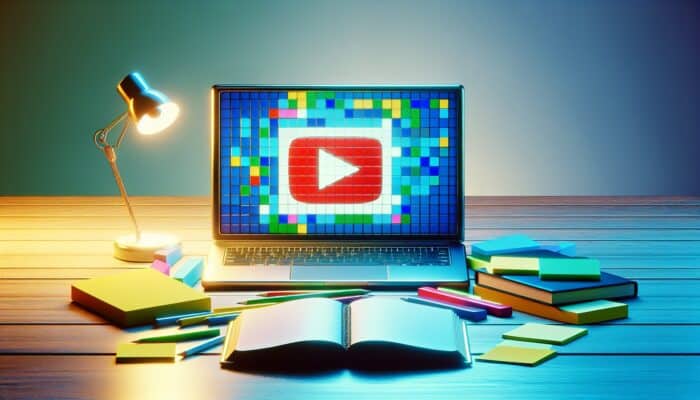
    A laptop showing a YouTube playlist, surrounded by sticky notes and a guidebook on video retention, in a well-lit workspace.

    Learn from Successful Playlist Examples in the Real World

    Effective playlists provide invaluable insights into strategies for retaining viewers. For example, channels like Tasty have perfected the technique of grouping recipe videos into cohesive playlists, such as “Quick and Easy Meals” or “Comfort Food Classics.” Each playlist not only captivates viewers with specific culinary interests but also promotes binge-watching, keeping audiences engaged for extended periods.

    To create similarly compelling playlists, consider these actionable steps:

    • Identify a Niche: Focus on a specific topic that resonates with your audience’s passions and interests.
    • Create Compelling Titles: Utilize clear, enticing titles that encapsulate the playlist’s essence while incorporating relevant keywords.
    • Use Eye-Catching Thumbnails: Ensure thumbnails are visually attractive and accurately represent the video content.
    • Regularly Update: Keep your playlists fresh by adding new content or rearranging existing videos based on viewer preferences.

    By examining successful playlists across various channels, you can extract essential lessons on captivating and retaining viewers through thoughtful content management and organization.

    Identifying Characteristics of Engaging and Effective Playlists

    An engaging playlist typically features a strong central theme, attention-grabbing titles, and visually appealing thumbnails. The theme of the playlist should resonate with your target audience, ensuring that all included videos feel interconnected and relevant. Attention-grabbing titles not only spark interest but may also incorporate pertinent keywords, enhancing searchability. The visual allure of thumbnails is critical; they should compel viewers to click and watch.

    To further elevate engagement, consider employing the following strategies:

    • Storytelling: Weave a narrative throughout the playlist, with each video building upon the previous one, creating a cohesive experience.
    • Organized Structure: Maintain a logical flow to guide viewers seamlessly from one video to the next.
    • Interactive Elements: Encourage viewer participation through polls or comments related to the playlist content.
    • Consistent Branding: Ensure that playlists align with your overall branding for a cohesive viewer experience.

    Ultimately, the secret to crafting an engaging playlist lies in understanding your audience’s needs and curating content that compels them to return for more.

    Expert Analysis on the Effect of Playlists on Viewer Retention

    A viewer engaged with a playlist on a screen, graphs showing increased retention, in a cozy room.

    Playlists can significantly boost viewer retention by promoting ongoing engagement and facilitating effortless content discovery. When viewers immerse themselves in a playlist, they are more inclined to watch beyond the initial video, as the curated content fosters an inviting space for exploration.

    Expert insights emphasize the psychological aspect of sustained engagement as essential. As viewers complete one video, the anticipation of what comes next keeps their interest alive. Additionally, playlists allow creators to highlight their most impactful content first, encouraging viewers to explore additional videos they might have otherwise missed. Each click deeper into a playlist signifies a step toward increased loyalty and subscription rates.

    Data shows that channels effectively utilizing playlists experience elevated viewer return rates and enhanced overall channel performance. This correlation reinforces the significance of thoughtful playlist creation as a powerful tool for retaining viewers and cultivating a loyal audience base.

    Best Practices for Structuring Your Playlists for Maximum Impact

    Effectively organizing playlists is critical for improving viewer experience and retention. One of the primary best practices to implement is to establish logical sequencing, arranging videos in a manner that aligns with the viewer’s journey. This could involve transitioning from introductory content to advanced topics or following a narrative arc that captivates audience interest throughout.

    Categorizing content plays a significant role in facilitating viewer navigation. Grouping videos by themes, such as “Beginner Guides,” “Advanced Techniques,” or by content type, helps viewers swiftly find what they seek, minimizing frustration and increasing the likelihood of extended viewing sessions.

    Incorporating viewer feedback is another vital aspect. Encourage your audience to suggest themes or specific videos they would like to see featured in playlists, fostering a sense of community while ensuring content relevance. Additionally, consider routinely revisiting and refreshing your playlists to align with current viewer preferences and trends within your niche.

    Key Steps to Craft an Effective YouTube Playlist

    Getting Started with a New Playlist on YouTube

    Creating a new playlist on YouTube is a straightforward process that lays the groundwork for improved viewer engagement. To initiate, navigate to your YouTube channel and select the ‘New Playlist’ option. It is crucial to name your playlist appropriately, reflecting its content focus or theme. This title will serve as both a label and a significant component of your search engine optimization strategy.

    Once you’ve set the title, you can customize other settings, including visibility—deciding whether the playlist will be public, unlisted, or private. Making your playlist public is essential for maximizing reach and discoverability, which is vital for attracting new viewers to your channel.

    By approaching these initial steps with care and thoughtful consideration, you lay a solid foundation for a playlist that can significantly enhance viewer retention and engagement on your channel.

    Adding Videos to Your New Playlist: A Simple Guide

    Incorporating videos into your newly created playlist is a simple yet critical task that impacts its effectiveness. To do this, select the video you wish to include, and then click on the ‘Save’ option located beneath the video. This action will display a drop-down menu featuring all your playlists. Choose the relevant playlist from this list to successfully add the video.

    For those who prefer adding multiple videos simultaneously, this can be achieved through YouTube Studio. Navigate to the content section, select the videos you wish to include, and utilize the ‘Add to Playlist’ option to efficiently add them to your desired playlist.

    This process not only streamlines content curation but also allows for strategic planning regarding the flow and organization of your playlist. As you add videos, always keep your theme and viewer experience in mind to ensure maximum engagement and satisfaction.

    Customizing Your Playlist Settings for Optimal Viewer Engagement

    Tailoring your playlist settings can significantly enhance the viewer experience. YouTube offers various options, such as setting privacy levels that dictate who can view your playlist. Opting to make a playlist public allows for broader audience discovery, while unlisted or private settings may be beneficial for testing new content or targeting specific viewer demographics.

    Additionally, you can customize the order of videos within the playlist. Prioritize certain videos based on their popularity or relevance to ongoing trends. Providing a logical sequence is essential; start with engaging content that captures attention before transitioning to deeper or more complex topics.

    Lastly, enriching your playlist with detailed descriptions can clarify viewer expectations. Include key themes, content highlights, or calls to action that encourage viewers to engage with the videos. These customizations not only enhance the visual appeal of your playlist but also create a more inviting atmosphere for viewers.

    Organizing Videos Within a Playlist for Maximum Viewer Impact

    Reordering videos within your playlist is crucial for optimizing viewer engagement. This can be easily accomplished through YouTube Studio, where you can drag and drop videos to rearrange them according to your preferred sequence. Alternatively, the edit option allows for structured order adjustments.

    Prioritizing video organization necessitates an understanding of your audience’s journey and the narrative flow you wish to create. Consider starting with an introductory video that sets the stage, followed by related content that builds on that foundation. Such logical progression aids in maintaining viewer engagement as they navigate through the playlist.

    Additionally, regularly reviewing the order of your playlist is beneficial. As new videos are added or viewer interests evolve, ensuring that the most relevant and engaging content is prominently featured will keep your playlist fresh and appealing. A well-organized playlist not only enhances the viewer experience but also reflects positively on your channel’s professionalism and attention to detail.

    Sharing Your Playlist for Broader Audience Reach

    Promoting your playlist is a vital step toward reaching a larger audience. To accomplish this, navigate to your playlist and utilize the share button available on the playlist page. You’ll find options to share via various social media platforms, email, or by generating a link that can be posted anywhere for easy access.

    Consider leveraging social media platforms like Facebook, Twitter, or Instagram to effectively promote your playlists. Tailoring your message for each platform can amplify engagement; for instance, using eye-catching visuals or video snippets can entice followers to explore the full playlist.

    Moreover, embedding your playlist on your website or blog can enhance discoverability. This strategy can drive traffic from your site to your YouTube channel, promoting growth on both fronts. By actively sharing your playlists, you not only increase visibility but also foster viewer interaction and community building around your content.

    Enhancing Viewer Retention Rates through Playlists

    The Role of Playlists in Improving Viewer Retention

    Playlists are pivotal in enhancing viewer retention by providing a smooth viewing experience that encourages extended watch times. They allow viewers to transition effortlessly from one video to the next without needing to search for related content. This continuous engagement is crucial; the longer viewers remain on your channel, the more likely they are to subscribe and seek out future content.

    Psychologically, playlists can foster a sense of commitment. Once a viewer begins watching a series of related videos, they often feel compelled to continue watching. This is especially true for playlists that tell a cohesive story or comprehensively cover a single theme, as they cater to the viewer’s desire for coherence and immersion in the subject matter.

    Moreover, playlists serve as effective tools for introducing viewers to new content. By strategically placing videos within a playlist, you can guide viewers toward lesser-known videos, broadening their viewing experience and enhancing their overall satisfaction with your channel.

    Strategies for Sustaining Ongoing Viewer Engagement

    Maintaining viewer engagement requires a thoughtful approach to content creation and presentation. One effective strategy is to construct compelling content sequences where each video builds upon the previous one. This technique encourages viewers to watch in succession, which naturally increases watch time.

    Incorporating calls to action within your videos can further enhance engagement. By prompting viewers to interact—whether through likes, comments, or shares—you create a sense of community and involvement. Invite viewers to share their thoughts on the topics covered or ask them to suggest future playlist themes.

    Another effective strategy is to maintain a steady rhythm of fresh content. Regularly updating your playlists with new videos keeps your audience intrigued and encourages them to return for more. Seasonal updates or themed collections that align with current trends can rejuvenate interest and stimulate viewer engagement.

    Lastly, consider actively utilizing viewer feedback. Pay attention to comments and suggestions, adjusting your playlists as necessary to meet the evolving interests of your audience. By fostering a two-way dialogue, you can create more dynamic and engaging content that resonates with viewers.

    Evaluating Playlist Performance to Measure Viewer Retention Metrics

    Assessing the impact of playlists on viewer retention involves leveraging YouTube analytics tools to track essential metrics. Focus on watch time, as it serves as a fundamental indicator of how effectively your playlists capture viewer attention. High watch time implies that viewers are engaged and finding value in the content.

    Another critical metric is the viewer return rate. This statistic reveals how often viewers revisit your channel after engaging with specific playlists. A higher return rate indicates that your playlists effectively foster loyalty and ongoing engagement.

    To analyze this data, regularly consult your YouTube Analytics dashboard. Look for trends in viewer behavior, such as which playlists perform best and which videos are driving viewers into or out of playlists. This information can inform adjustments and improvements to your playlists for optimal performance and viewer retention.

    Utilizing additional tools like Google Analytics can provide deeper insights into how external traffic sources interact with your playlists. Understanding how viewers discover your content and what keeps them engaged will enable you to refine your strategies effectively and enhance overall viewer retention.

    Proven Strategies for Crafting YouTube Video Playlists to Boost Retention

    Best Practices for Creating Impactful Playlists

    Implementing best practices in playlist creation is crucial for maximizing viewer retention and engagement. First, ensure thematic consistency across your playlists. Each video should contribute to a central theme or narrative, making it easier for viewers to follow along and connect with the content.

    Regular updates are also a key aspect of effective playlist management. As you produce new content, revisit your playlists to incorporate the latest videos, ensuring they remain fresh and relevant. This practice not only boosts viewer interest but also signals to the YouTube algorithm that you’re active and engaged in content creation.

    Additionally, integrating viewer feedback into your playlists can enhance their relevance and appeal. Encourage comments and suggestions, using this input to refine your content strategy. By prioritizing what your audience desires, you create playlists that are more likely to resonate with them.

    Finally, consider promoting your playlists across multiple platforms. Utilize social media, email newsletters, and your website to share and spotlight your playlists, driving traffic and increasing visibility. By adhering to these best practices, you can create playlists that significantly enhance viewer retention and engagement.

    Optimizing Playlists for Enhanced Search and Discovery

    Optimizing playlists for search visibility entails the strategic use of relevant keywords and tags. Begin by conducting keyword research related to your content niche. Incorporate these keywords into your playlist title and description to improve visibility in search results and recommendations.

    Descriptions should be clear and succinct, summarizing the playlist’s content while incorporating your identified keywords. This approach not only aids in search optimization but also provides viewers with a quick overview of what to expect when they click on your playlist.

    Tags play a significant role in discoverability as well. Use a mix of broad and specific tags that relate to both your videos and the overarching theme of the playlist. This strategy enhances the likelihood of your playlist appearing in related searches and recommendations, ultimately driving more traffic to your content.

    Lastly, consider utilizing custom thumbnail images for your playlists. Thumbnails should be visually appealing and reflect the content theme. A captivating thumbnail can entice viewers to click and explore your playlist, further increasing its visibility and overall impact.

    Using Playlists for Channel Growth and Visibility

    Effectively leveraging playlists can drive channel growth by increasing viewer retention and attracting new subscribers. When viewers find value in your organized content, they are more likely to subscribe, ensuring they stay updated with your latest videos.

    One successful approach is to create thematic playlists that align with trending topics or interests within your niche. For example, if you run a fitness channel, consider creating playlists for “Quick Workouts” or “Healthy Eating Tips.” These targeted collections appeal to a broader audience while encouraging longer viewing sessions—key factors for organic growth.

    Additionally, promoting playlists through collaborations with other creators can expand your reach. By partnering with influencers in your niche, you can introduce your playlists to new audiences, driving traffic back to your channel and enhancing engagement.

    Finally, consistently analyze your playlist performance. Use analytics to identify which playlists drive the most subscriptions and engagement. This data can inform your future content strategies, allowing you to refine your approach and effectively expand your audience.

    Boosting Viewer Engagement Through Playlists

    Utilizing playlists to enhance viewer engagement involves creating interactive elements that foster community interaction. One effective method is to incorporate viewer prompts within your videos. Encourage viewers to comment on their favorite videos in the playlist or suggest future topics they would like to see covered.

    Interactive elements can also include polls or quizzes related to the content within your playlists, encouraging active participation and enriching the viewing experience. For instance, you might create a video that invites viewers to vote on their preferred topics for upcoming playlists, making them feel more involved in the content creation process.

    Furthermore, consider including calls to action that prompt viewers to share their thoughts or experiences related to the content in the playlist. This not only boosts engagement but also helps create a sense of community, inviting viewers to connect with one another.

    Lastly, actively respond to comments and engage with your audience. Acknowledging viewer feedback and fostering discussions within your playlists keeps the conversation flowing, ensuring that viewers feel valued and are more likely to return for future content.

    Continuous Improvement Through Playlist Performance Analysis

    Analyzing playlist performance is crucial for refining your content strategy and enhancing viewer retention. Start by regularly reviewing analytics to identify which playlists excel in terms of views, watch time, and viewer retention rates. This data will provide insights into what resonates with your audience and where improvements are necessary.

    Key metrics to focus on include average view duration, as this indicates how well your content holds viewer attention. Additionally, assess the drop-off rate for each video within the playlist to pinpoint where viewers may lose interest. Understanding these patterns can inform adjustments to video order, content style, or even future production.

    Consider implementing A/B testing with different playlist arrangements. By swapping the order of videos or varying titles and thumbnails, you can effectively gauge viewer response and optimize for higher engagement.

    Lastly, stay updated with industry trends and viewer preferences. Regularly solicit feedback from your audience to better understand their needs and interests. This continual process of refinement ensures that your playlists remain relevant, engaging, and aligned with viewer expectations.

    Innovative Strategies for Enhancing Playlist Effectiveness

    Exploring Creative Ideas for Playlists

    There are numerous innovative approaches to playlist creation that can captivate your audience. One idea is to create thematic collections based on seasonal events or popular culture, such as holiday-themed playlists for Christmas or Halloween. Such playlists not only attract viewers during specific times of the year but also help keep your content fresh and engaging.

    Another innovative idea is to compile educational series that provide in-depth knowledge on a particular subject. This could involve breaking down complex topics into a series of digestible videos, guiding viewers through a comprehensive learning journey. For instance, a tech channel could create playlists focused on “Fundamental Coding Tutorials” or “Digital Marketing Essentials.”

    Consider creating playlists that feature user-generated content. Encourage your audience to submit their own videos related to a specific theme or challenge, showcasing their creativity while fostering community engagement and participation.

    Lastly, explore the concept of collaborative playlists where you invite other creators to contribute their videos. This approach not only diversifies your content but also opens the door to new audiences, enhancing discoverability and engagement.

    Maximizing Visibility with Descriptions and Tags

    Utilizing descriptions and tags effectively can dramatically improve the visibility of your playlists. In your descriptions, provide a clear, concise summary of what viewers can expect from the playlist. Incorporate relevant keywords that relate to the content, ensuring they resonate with your target audience’s interests.

    When creating tags, include a mix of broad and specific keywords. Broader tags can help your playlist appear in a wider range of searches, while specific tags can attract a more targeted audience interested in niche topics.

    Additionally, consider using timestamped descriptions for longer playlists. This feature allows viewers to jump directly to specific segments they’re interested in, enhancing user experience and engagement.

    Finally, remember to regularly review and update your descriptions and tags as your content evolves or as new trends emerge. This active management ensures that your playlists remain relevant and continue to attract viewers over time.

    Fostering Viewer Interaction Within Your Playlists

    Encouraging viewer interaction within your playlists involves prompting engagement through various strategies. One effective approach is to incorporate direct calls to action within your videos, inviting viewers to comment or share their thoughts on the content. Questions posed at the end of each video can stimulate discussion and foster a sense of community among viewers.

    Consider also creating interactive elements, such as polls or quizzes, related to the content of your playlists. This not only boosts viewer participation but also enhances the overall viewing experience, creating a more engaging atmosphere.

    Another effective strategy is to encourage viewers to share your playlists on social media. Provide easy sharing options and suggest viewers tag friends or family who might be interested. This can significantly expand your reach and promote organic growth.

    Lastly, actively respond to comments and engage with your audience. Acknowledging feedback and fostering discussions keeps viewers invested in your content, making them more likely to return for future videos and enhancing community building around your channel.

    Understanding the Influence of Playlists on YouTube Algorithms

    The Importance of Playlists in YouTube’s Algorithm

    Playlists significantly impact YouTube’s algorithm by enhancing essential metrics such as watch time and viewer engagement. The algorithm prioritizes content that keeps viewers watching for extended periods, and playlists are powerful tools for achieving this outcome. When viewers engage with a playlist, they typically watch multiple videos in one sitting, signaling to the algorithm that the content is valuable and relevant.

    Moreover, playlists can improve discoverability. When users search for specific topics, playlists that rank high in search results can attract new viewers. This increased visibility further enhances the channel’s authority on the subject, creating a positive feedback loop of engagement and channel growth.

    Additionally, the structure of playlists can influence viewer retention patterns. When viewers discover a playlist that resonates with their interests, they are more likely to subscribe and continue watching related content, which directly benefits the channel’s performance in the algorithm.

    In essence, playlists are not merely organizational tools; they are integral to navigating the complexities of YouTube’s algorithm, driving both viewer retention and channel growth.

    Optimizing Playlists for Algorithmic Advantages

    Optimizing playlists for algorithmic benefits requires a strategic approach to video placement and content planning. Begin by utilizing keyword-rich titles and descriptions to enhance the discoverability of your playlists. This not only aids in search rankings but also facilitates viewers’ understanding of the content at a glance.

    Consider the sequencing of your videos as well; place your most engaging and high-performing videos at the beginning of the playlist. This method ensures that viewers are immediately drawn in, increasing the likelihood they will continue to watch subsequent videos.

    Incorporating end screens and cards within your videos can also guide viewers to related content, enhancing the chances of extended viewing sessions. Promote your playlists across your channel and social media platforms to drive traffic and improve engagement rates.

    Regularly analyze your playlist performance to identify areas for improvement. Use insights from YouTube analytics to adjust your strategy, ensuring that your playlists continually align with viewer interests and algorithmic expectations.

    Staying Ahead: Monitoring Algorithmic Changes and Adapting Your Playlists

    Monitoring algorithmic changes is essential for maintaining the effectiveness of your playlists. YouTube frequently updates its algorithm, meaning strategies that worked previously may require adjustment. Stay informed by following industry news and updates from YouTube, as these can provide valuable insights into emerging trends and best practices.

    Adapting your playlists in response to algorithm changes includes reevaluating your content strategy. For instance, if YouTube places greater emphasis on viewer engagement metrics, you might need to focus on creating more interactive and engaging playlists that encourage longer viewing times.

    Regularly reviewing your playlist performance metrics, such as watch time and viewer retention, can help identify areas that require adjustment. If certain playlists are underperforming, consider revisiting their structure, titles, or promotional strategies to enhance their effectiveness.

    Finally, engaging with your audience for feedback can provide invaluable insights into what works and what doesn’t. Understanding viewer preferences and behaviors can guide your adaptation process, ensuring that your playlists remain effective in a changing algorithm landscape.

    Evaluating the Effectiveness of Playlists on Viewer Retention

    Evaluating the impact of playlists on viewer retention is crucial for optimizing your content strategy. Start by analyzing key metrics in YouTube Analytics, focusing on average view duration, total watch time, and viewer return rates. These statistics provide insight into how effectively your playlists engage viewers and retain their attention.

    Evaluate individual video performance within playlists to identify any significant drop-off points. Understanding where viewers lose interest can guide adjustments to content, order, or even the overall theme of the playlist.

    Consider employing A/B testing for different playlist arrangements. Testing various video orders or even different titles and thumbnails can yield insights into what captivates viewer interest most effectively.

    Additionally, incorporating audience feedback through comments and polls can further enhance your understanding of viewer preferences. By continually refining your playlists based on data and audience input, you can create engaging content that fosters higher retention rates and supports ongoing channel growth.

    Utilizing Playlists for Improved Discoverability

    Effectively leveraging playlists can substantially enhance discoverability on YouTube. By optimizing playlists with relevant keywords and compelling descriptions, you increase the likelihood of appearing in search results, attracting new viewers to your content.

    The strategic arrangement of videos within playlists also plays a critical role. Placing your most engaging content at the forefront can entice viewers to continue watching, leading to increased watch time and better rankings in recommendations.

    Sharing playlists across various platforms—such as social media, blogs, and personal websites—can drive external traffic, enhancing visibility. Engaging with viewers and encouraging them to share your playlists further expands your reach organically, fostering community interaction.

    Finally, regularly analyzing the performance of your playlists helps refine your approach. By understanding which playlists attract the most views, you can replicate successful strategies across future content, continually enhancing your channel’s discoverability and engagement.

    Advanced Techniques for Effective Playlist Management

    Leveraging Analytics for Optimizing Your Playlist Strategy

    Utilizing analytics is crucial for refining your playlist strategy and maximizing viewer retention. Begin by regularly checking your YouTube Analytics dashboard to monitor the performance of your playlists. Focus on key metrics such as watch time, viewer retention rates, and engagement levels for deeper insights.

    Identify which playlists perform best and which videos attract the most views within those playlists. This data can guide decisions on how to structure future playlists or which themes resonate most with your audience’s interests and preferences.

    Additionally, pay attention to the demographics of your viewers. Understanding who engages with your playlists can inform your content strategy, allowing you to tailor your videos to meet the preferences of your target audience more effectively.

    Don’t hesitate to conduct A/B testing on different playlist structures or titles to discover what drives superior performance. By continually analyzing and adjusting your playlists based on data, you can enhance viewer engagement and retention effectively.

    How to Keep Your Playlists Fresh and Relevant

    Regularly updating and refreshing your playlists is vital for keeping your content relevant and engaging. Begin by assessing the current state of your playlists; check for outdated videos or themes that no longer resonate with your audience’s interests.

    Incorporate new content as it becomes available. Adding your latest videos to existing playlists keeps them current and signals to viewers that your channel is active and producing fresh material.

    Consider revisiting the order of videos within your playlists. As viewer preferences evolve, rearranging videos to align with contemporary trends can enhance engagement. For instance, placing the most popular videos at the beginning can entice viewers to continue watching.

    Finally, solicit feedback from your audience regarding what they would like to see updated or changed. Engaging viewers in this way fosters a sense of community and can lead to more loyal followers who actively participate in your content creation process.

    Collaborating with Other Creators for Enriched Playlist Content

    Collaborating with other creators is a powerful strategy for enriching your playlists and expanding your audience reach. By partnering with fellow YouTubers in your niche, you can create playlists that feature a variety of content, providing viewers with diverse perspectives and insights on a particular topic.

    To establish effective collaborations, start by reaching out to creators whose content aligns with your own. Propose ideas for collaborative playlists that could benefit both parties, focusing on thematic collections or challenge videos that encourage audience participation and engagement.

    Promoting these collaborative playlists across both channels can drive traffic to both creators, enhancing discoverability and viewer engagement. By introducing each other’s audiences to your content, you create opportunities for growth and increased subscriber counts.

    Additionally, consider inviting guest creators to contribute videos to your playlists. This strategy not only diversifies your content but also brings fresh ideas and perspectives, keeping your playlists engaging and relevant. Collaborations ultimately enhance the viewer experience while fostering a sense of community among creators and audiences alike.

    Frequently Asked Questions about YouTube Playlists

    What is a YouTube playlist?

    A YouTube playlist is a curated collection of videos organized by theme or topic, allowing viewers to watch related content in a sequence that enhances their viewing experience.

    How do playlists enhance viewer retention?

    Playlists enhance viewer retention by providing a seamless transition between related videos, encouraging viewers to continue watching and reducing the chances of them leaving the platform.

    What are the benefits of utilizing playlists on YouTube?

    Using playlists can improve viewer engagement, increase watch time, enhance discoverability, and position your channel as an authoritative source within a specific niche.

    How can I effectively organize videos in a playlist?

    To organize videos effectively, group them thematically, maintain a logical sequence, and regularly update the playlist with new content based on viewer feedback and emerging trends.

    What are some best practices for creating effective playlists?

    Best practices include ensuring thematic consistency, regularly updating content, integrating viewer feedback, and promoting playlists across various platforms to boost visibility and engagement.

    How can I optimize playlists for search visibility?

    Optimize playlists by incorporating relevant keywords and tags in titles and descriptions, creating engaging thumbnails, and ensuring playlists are public for broader discoverability.

    What metrics should I monitor for playlist performance?

    Key metrics to track include watch time, viewer retention rates, average view duration, and viewer return rates to assess the effectiveness of your playlists.

    How often should I update my playlists?

    Regularly update playlists to include new content, refresh video order, and incorporate viewer feedback, ensuring they remain relevant and engaging over time.

    What role do playlists play in YouTube’s algorithm?

    Playlists impact YouTube’s algorithm by increasing watch time and viewer engagement, which can enhance discoverability and improve channel performance in search results.

    Can collaborations enhance playlist effectiveness?

    Yes, collaborating with other creators can diversify content, expand audience reach, and drive engagement by introducing viewers to new perspectives within a thematic playlist.

    Discover more insights with us on X!

    The Article How to Create YouTube Video Playlists for Retention: Boost Engagement was first published on https://marketing-tutor.com

    The Article YouTube Video Playlists: Boost Engagement and Retention Was Found On https://limitsofstrategy.com

  • Why Faceless Video Marketing Is the Next Big Thing in the Industry

    Why Faceless Video Marketing Is the Next Big Thing in the Industry

    The Evolution of Video Marketing: Why Faceless Content is Captivating Audiences

    Video marketing has become essential for brands, influencers, and content creators in today’s fast-paced digital era. It allows them to engage and captivate their audiences effectively. With the ever-changing landscape of technology and social media platforms, heated and shared continues.

    The most intriguing development in video marketing is the emergence of faceless video content. In this style, the speaker or host remains hidden, enabling the audience to concentrate on the content, visuals, and sound fully. This method transforms how content is consumed and is set to impact the industry significantly. However, the rise of faceless video marketing has sparked curiosity about its appeal and how it stacks up against traditional video content. Now, let’s delve into the evolution of this trend and examine its implications for the future of digital marketing.

    faceless video marketingUnderstanding the Shift: From Face-Centric to Content-Centric Videos

    The conventional video marketing method frequently centers on the charm and individuality of the presenter. Regardless of the role – be it a brand ambassador, influencer, or company spokesperson – the person delivering the message has always been crucial in shaping how content is conveyed and perceived. Nevertheless, the emphasis on the individual can occasionally divert attention from the central message, detracting from the core value of the content. Faceless video marketing solves this problem by shifting the focus away from the presenter and putting the content in the spotlight.

    Regarding faceless videos, the audience focuses on the story, visuals, and sound design, as there is no visible presenter to steal the spotlight. This approach improves the viewer’s experience by reducing distractions and ensuring a clear, concise, and impactful message. In addition, videos without a visible presenter are highly effective in various industries. They are commonly used for educational purposes, showcasing products, telling animated stories, and providing cooking tutorials. Anonymized videos foster a sense of inclusivity and relatability by shifting the attention away from any specific individual.

    The shift towards content-centric videos reflects the evolving preferences of contemporary audiences rather than a fleeting trend. The demand for short, visually captivating, and easily understandable content is rising in today’s digital landscape. This is especially true with the popularity of on-demand streaming platforms and the growing number of people watching videos on their mobile devices. Faceless video marketing is great for those who prefer a streamlined and focused viewing experience. It can resonate with a wide range of audiences.

    The Benefits of Faceless Video Marketing: Why It Works for Modern Audiences

    With the rise in popularity of faceless video marketing, content creators and brands must fully grasp this format’s unique benefits. Here are some important advantages of faceless video marketing that make it a compelling choice for individuals seeking to improve their online presence:

    Emphasizing the content itself is a crucial advantage of faceless video marketing. By eliminating the presenter’s face, viewers can focus more on the visuals, narration, and message. With a professional touch, the content becomes even more captivating and interactive, ensuring that viewers are fully engaged and able to absorb and remember the presented information.

    Enhanced Relatability and Accessibility: Faceless videos remove any biases or preconceived notions linked to the presenter’s appearance. This fosters an equal opportunity environment, strengthening the content’s relatability and accessibility for various people. For multiple reasons, such as cultural disparities, gender prejudices, or individual inclinations, faceless videos enable viewers to engage with the content effortlessly and without any hindrances.

    Adaptability Across Multiple Platforms: Faceless video marketing is versatile and can be effectively used on various platforms, such as YouTube, Instagram, TikTok, and Facebook. This adaptability enables content creators to connect with and captivate audiences from various backgrounds and locations. Faceless videos can be repurposed and customized for different platforms, allowing them to reach a wider audience and make a stronger impression.

    Brand-Centric Messaging: Faceless video marketing provides a distinct advantage for companies seeking to enhance their brand identity and showcase their offerings. With a strong emphasis on the brand and its products, faceless videos effectively strengthen brand recognition and boost sales. This approach is instrumental in product demonstrations, tutorials, and promotional campaigns where the objective is to showcase the features and advantages of a particular product or service.

    Efficient and Budget-Friendly Production: Faceless video marketing can be more streamlined and cost-effective than traditional video formats. By eliminating the need for complex setups, heavy makeup, or frequent appearances by presenters, content creators can simplify their production process and concentrate on delivering top-notch content. By improving efficiency, brands can release videos more frequently, ensuring a strong online presence and staying top-of-mind with their audience.

    Case Studies: How Leading Brands are Leveraging Faceless Video Marketing

    The popularity of faceless video marketing can be credited to its extensive use by leading brands in the digital realm. These brands have acknowledged the effectiveness of faceless content in captivating, informing, and delighting their audiences and have embraced this format with impressive results. Let’s delve into some noteworthy examples of how video marketing without a visible presenter is being utilized to engage viewers and achieve desired outcomes:

    1. Tasty: Transforming Food Content with Faceless Videos Tasty, a renowned food media platform, has completely transformed how cooking content is showcased online. The cooking videos they create have a unique approach, where the chef’s hands take center stage, showcasing the art of food preparation. This method ensures viewers stay engaged and effortlessly follow the recipe without distractions. The outcome is a collection of viral and visually captivating videos with millions of views, solidifying Tasty as a trusted destination for fast, effortless recipes.
    2. Ted-Ed: Educating the World with Anonymous Narrators Ted-Ed, the educational branch of the esteemed TED Talks, has embraced faceless video marketing as a vital element of its content strategy. Their educational videos are designed with a focus on the lessons being taught, featuring narrators whose faces are intentionally not shown. This allows students to concentrate on the content being presented fully. This approach has been widely recognized for its high effectiveness, eliminating potential distractions and significantly improving the learning experience. With the use of faceless videos, Ted-Ed can effectively communicate intricate ideas in a clear and captivating manner, thus enhancing the accessibility of education for individuals of all ages.
    3. Unboxing Videos: The Power of Product-Centric Content Unboxing videos have gained immense popularity on YouTube, attracting a massive audience who eagerly watch as products are unpacked and reviewed. Several of these videos employ a faceless approach, emphasizing the product itself rather than the individual unboxing it. This approach enables potential buyers to understand the product’s features, packaging, and overall quality, free from any distractions. Due to their effectiveness in showcasing products and driving sales, faceless unboxing videos have become a valuable tool for e-commerce brands.

    Leveraging Faceless Video Marketing for Your Brand: Best Practices

    If you’re considering incorporating faceless video marketing into your content strategy, there are several best practices to keep in mind to ensure success. By following these guidelines, you can create engaging and effective faceless videos that resonate with your audience and achieve your marketing goals:

    1. Focus on High-Quality Visuals and Audio: When there isn’t a presenter in sight, the importance of your visuals and audio quality is heightened. Invest in high-quality lighting, camera equipment, and sound recording to ensure your content is visually appealing and easy to listen to. By implementing these strategies, you can effectively captivate your audience and amplify the overall effectiveness of your message.
    2. Tell a Compelling Story: Even in the absence of a visible narrator, your videos must weave a captivating narrative that grabs the viewer’s attention and holds it until the very end. When presenting a product, explaining a concept, or sharing a tutorial, it’s important to have a well-organised structure and a compelling storyline.
    3. Use Text and Graphics to Enhance Understanding: Text overlays and graphics can effectively strengthen critical points and improve the viewer’s comprehension of the content in faceless videos. These elements effectively showcase crucial details and seamlessly direct the viewer’s attention throughout the video.
    4. Keep It Short and Sweet: Attention spans have become increasingly shorter, particularly regarding online video content. Ensure your videos are clear and concise, prioritizing delivering valuable content within a limited timeframe. By implementing these strategies, you can effectively keep your audience engaged and significantly boost the chances of your video being shared.
    5. Experiment with Different Formats: Video marketing provides excellent flexibility, allowing you to freely explore various formats and styles to determine what connects most effectively with your audience. Experiment with multiple methods and seek input to enhance your approach, such as using animated explainer videos, interactive tutorials, or product demonstrations.

    The Future of Video Marketing: Why Faceless Content is Here to Stay

    With the increasing prevalence of video content in the digital realm, the emergence of faceless video marketing signifies a noteworthy change in how brands and content creators engage with their audiences. This format’s benefits, which include a heightened emphasis on content and improved relatability and accessibility, make it an effective tool for connecting with and captivating a diverse audience. With the increasing adoption of faceless videos by brands and creators, we can anticipate a surge in innovation and creativity.

    In the coming years, video marketing is expected to incorporate a combination of traditional face-centric content and faceless videos, catering to various purposes and audience preferences. By staying up-to-date and incorporating video marketing without showing faces into your content strategy, you can make sure that your brand stays current, captivating, and connected to your audience in a constantly changing digital world.

    Top Trending Questions About Faceless Video Marketing

    What types of content are most effective for faceless video marketing?

    Video marketing without a visible presenter is highly effective for instructional videos, product demonstrations, animated explainer videos, and content where the emphasis should be on the visuals or message rather than the person delivering it.

    What strategies can I employ to enhance the engagement of my videos?

    To enhance the appeal of your videos, prioritize top-notch visuals, employ captivating storytelling techniques, integrate text overlays, and explore various video formats and styles.

    Can faceless video marketing be effective across different industries?

    Faceless video marketing can be highly effective in various industries, especially educational content, e-commerce, cooking tutorials, and tech reviews. In these cases, the emphasis is placed on the content itself rather than the presenter.

    Is it possible for video marketing without a human presence to contribute to developing a solid brand identity?

    Indeed, utilizing faceless video marketing can effectively enhance your brand identity. By shifting the focus onto your products, services, or core messages, you can ensure that individual personalities do not overshadow your message.

    Could you please provide information on the production costs of faceless video marketing?

    Video marketing without on-camera talent can often be more cost-effective than traditional video formats, as it typically requires fewer resources for things like makeup and wardrobe. Our main priority is to deliver exceptional visuals and audio.

    References

    • A day in the life of a Social Media Manager: How to Become a Social Media Manager. https://www.kiranvoleti.com/a-day-in-the-life-of-a-social-media-manager-how-to-become-a-social-media-manager
    • Improving engagement rates increasing followers | Agent Email List. https://agentemaillist.com/improving-engagement/

    The Article: Why Faceless Video Marketing Is the Next Big Thing in the Industry Was Found On https://ai.ezi.gold

    The Article Why Faceless Video Marketing Is the Next Big Thing in the Industry Was Found On https://limitsofstrategy.com
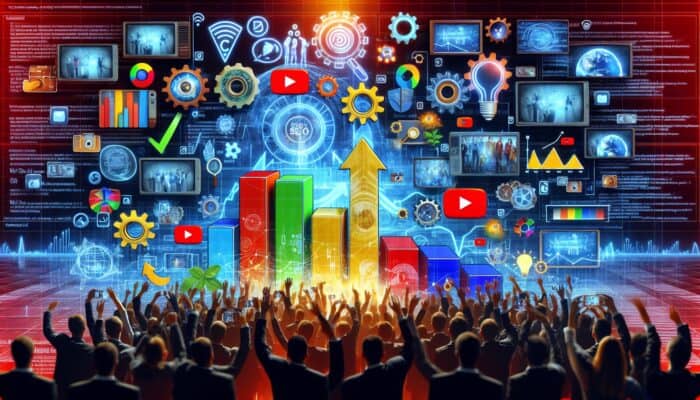
  • What You Need To Know About YouTube Marketing

    What You Need To Know About YouTube Marketing

    What You Need To Know About YouTube Marketing

    How many afternoons have you squandered viewing random YouTube videos for hours? Everyone has been there.

    But have you ever considered how YouTube marketing could benefit your business? This post will teach you how crucial YouTube is for marketing and how to use it to benefit your business.

    What Effect Does YouTube Have On Your Marketing?

    YouTube has about 2 billion distinct users. That means your clients are already on the platform. It would help if you targeted them with the appropriate marketing technique. Furthermore, YouTube is the second most popular search engine behind Google.

    If your target audience has a query, they will likely look it up on YouTube. This means it can also help your SEO.

    Aside from that, YouTube is a video platform. Videos are the most thorough kind of media to interact with your audience the most effectively.

    People enjoy watching videos. So, if you use YouTube for marketing, you can secure a permanent position in your clients’ hearts.

    TikTok is another excellent video platform. However, it is only appropriate for short videos. If you want to use TikTok advertisements, check out our comprehensive guide here.

    Setting up a YouTube Channel

    Now that you’ve decided to use YouTube to market your business let’s go over how to create a YouTube channel. Don’t be concerned. It’s hardly rocket science, and we’ll keep making it easier for you.

    Because Google owns YouTube, when you create a Google account, you automatically gain access to it. Let’s go over the processes for creating your channel.

    1. To access Google and sign in, select the icon in the top right corner of any page.

    2. If you don’t already have an account, you can establish one by selecting Establish Account. You must enter your preferred email address and password.

    3. But hold on. There is still work to be done.

    4. Design a profile photo and a headline image. The company logo might serve as your YouTube profile picture.

    Pro advice for your YouTube cover photo: Your cover photo should convey to your audience the essence of your business.

    5. Complete the “About” section. You don’t have to write much. People are more likely to watch your videos than read this section.

    Pro tip: Begin with a question about an issue your target audience is experiencing. For instance, if you are a home improvement company, you may put something like.

    “Are you concerned about making your home perfect? Don’t be concerned. We have everything you need.”

    Then, give a brief description of your services. Finally, provide a call to action. You might request that they subscribe to your channel and enable notifications.

    That’s all. You can now use YouTube to market your brand by uploading high-quality videos.

    You can make 13 different sorts of YouTube videos.

    You can’t leave your YouTube channel empty now that you have one. But what types of videos should you make? Don’t let it keep you awake at night.

    1. introductory phrase

    This might be your very first video on your channel. A channel trailer is formed with an introduction video.

    Don’t go into excessive detail. You can keep that for future videos.

    Learn about our crew.

    Participants might be introduced to the audience. After you’ve made an introductory video. People want to know who the people behind the brands are. After all, it is always about people when it comes to brands. And introducing your staff members to your consumers boosts your credibility.

    Listings

    It’s no secret that we all enjoy making lists. Customize the list to meet your business, whether five skin care advice or seven fat loss foods.

    Make the list in either ascending or descending order. The latter generates more incredible excitement and encourages your viewers to stay until the conclusion.

    Vlogs

    Vlogs are becoming increasingly popular. According to a Guardian investigation, 42% of internet users watched a vlog the previous month.

    Vlogs keep viewers interested and engaged. They are fascinated by what is going on in the world around them.

    Tutorials

    Tutorial videos demonstrate to your viewers how to do something or solve a problem. Tutorial videos can be helpful for YouTube promotion. They assist you in establishing yourself as an authority in your subject.

    If you work in the service business, tutorials are a good alternative. They foster trust and credibility in the minds of your audience. As a result, they will repeatedly seek your services.

    Videos with Q&As

    Answering your audience’s queries is a great way to increase engagement.

    Then, you can answer those questions in a separate video or connect with them directly in the comments.

    Tours

    People enjoy taking virtual tours. No, you are not required to create travel vlogs. So, how do you plan to take them on tours? You can take them about your house, office, or neighbourhood.

    Details about yourself

    How may information about your life aid in promoting your business on YouTube? People want to know who is behind the business. Tell them what motivates you and why you care about your company. This will allow you to connect with your current and potential customers more effectively.

    Unboxing clips

    It may be tedious. People, on the other hand, enjoy seeing products taken out of boxes. It’s thrilling and exciting.

    So, the next time you introduce a new product or give away a present, have your camera ready to demonstrate the unwrapping procedure to clients.

    Interview industry professionals

    Have you run out of video ideas? Speak with an industry specialist. This will offer you incredible reach. But honestly, interviewing experts will help people associate your brand with relevant pictures.

    DIY tutorials

    You can submit DIY videos relevant to your brand. They inspire your viewers’ creativity and give them a sense of satisfaction when they complete their DIY projects. As a consequence, they’ll return to your channel for more content.

    A home decor firm can provide films demonstrating how to make lovely crafts to beautify your home. DIY videos have a following among creative individuals.

    Reviews

    Posting video reviews might help you take your YouTube marketing approach to the next level. You can rate your own or others’ items or services. Food delivery applications, for example, can rate various eateries and food carts. Video viewers appreciate seeing them. It also keeps people informed, giving them a sense of authority.

    In the background

    The word BTS alone will grab your readers’ interest. It piques their interest in what goes on behind the scenes. So, while you’re filming your videos, let them catch a glance at the humorous moments. This is one of the most effective methods for increasing participation.

    Successful YouTube marketing strategies

    You must optimize your videos to improve your YouTube marketing. This will guarantee that they show up when you search.

    Use descriptive titles.

    When visitors click on your video, the first thing they look for is the title. But it’s not only the audience. YouTube’s algorithm also takes your title into account when determining what the video is about.

    Provide a title that corresponds to some of the most frequent search terms. You may use Google Trends to see what people are looking for. Include these keywords in the title. Make sure, however, that it is not clickbait. If viewers discover that your content does not correspond to the title, they will skip it, reducing dwell time and view duration. Your rating will suffer as a result of this.

    YouTube allows for a maximum of 70 characters. However, it is preferable to keep your total at 60 or less. After all, both the algorithm and your viewers prefer shorter and more complex titles.

    Make interesting thumbnails.

    90% of the top-performing videos on YouTube, according to YouTube Creator’s Studio, feature a personalized thumbnail. This means that creators must create a unique thumbnail for each video.

    The thumbnail of your YouTube video is the first thing people see before clicking on it. As a result, you must make it appealing and appealing.

    In your description, include keywords.

    Keywords in the description will help the video rank higher. In the opening few lines, include your keywords. However, be sure that it does not appear spammy. Viewers should not have the feeling that the keywords were forced upon them.

    The post What You Need To Know About YouTube Marketing appeared first on https://gqcentral.co.uk

    The Article What You Need To Know About YouTube Marketing First Appeared ON
    : https://ad4sc.com

  • Using AI to Improve Your Video Marketing Strategy

    Using AI to Improve Your Video Marketing Strategy

    Using AI to Improve Your Video Marketing Strategy

    Video content is becoming increasingly significant as a means for businesses to reach their target audience in today’s increasingly competitive marketing landscape. Companies now have access to a potent instrument that may aid in the streamlining of campaigns and the maximisation of return on investment thanks to the advent of AI-powered technology into the video marketing field.

    This post will discuss the many ways in which artificial intelligence (AI) might aid your video marketing efforts.

    AI-Powered Video Marketing: What is It?

    The use of artificial intelligence in video marketing is a cutting-edge strategy for expanding your brand’s reach through video. It makes use of AI technology to customise and enhance films for various goals, including boosting engagement and sales.

    In the next paragraphs, we’ll get an in-depth look at this topic.

    How AI Can Improve Your Video Marketing Strategy

    There are several ways in which artificial intelligence may aid in the development of your video marketing strategy.

    1. Personalized Content and Improved Targeting

    When it comes to online video advertising, customization is essential. Targeted content that really hits home and inspires people to take action may be made with the help of AI. Using a wide variety of metrics and statistics, AI-enhanced video marketing may determine the most effective strategy for reaching and engaging your target demographic.

    Artificial intelligence may be used to monitor user activity and learn about their preferences. By doing so, you can better cater your films to the interests of your audience. Age, gender, geography, and profession are just some of the factors that may be used to further subdivide visitors. Using this data, you may create targeted communications that hit home with your audience.

    Pay-per-click (PPC) advertising systems may be used more effectively by marketers thanks to AI. Using pay-per-click advertising, you may reach the right people at the right moment based on their interests and actions in real time. Bids may be optimised by AI to ensure that you are only spending money on advertising that are likely to result in conversions.

    2. Producing Content Efficiently

    With the use of machine learning, AI can examine video data rapidly, determining which aspects of a film are the most successful and how to best capitalise on them. Therefore, firms may reduce resources while still creating highly-effective promotional videos.

    Using AI to streamline content creation for video marketing has the potential to be a game-changer. It can help with video production and editing by making routine tasks easier to do. With the help of AI-powered technologies like Lumen5 and Runway, businesses can simply make movies without the need for specialised equipment or substantial technical knowledge. These programmes utilise machine learning algorithms to examine recorded video and produce professional-quality, attention-grabbing clips.

    AI may also help with video marketing by making sure the material is optimised for each platform. Different social media networks have different guidelines for video material, including those for aspect ratio, duration, and format. Using AI-powered technologies to automatically adjust their content to match these needs allows businesses to reach a larger audience and enhance engagement.

    3. Analyzing Data More Effectively

    Artificial intelligence (AI) can improve the data analysis portion of your video marketing approach. To better understand viewer behaviour, engagement rates, and other crucial indicators, marketers may use AI-powered analytics. This information may be utilised to determine which videos are succeeding and which ones require work.

    AI has the potential to improve the efficiency of video marketing data analysis in a number of ways. Artificial intelligence may help with video marketing in a number of ways, but one of the most important is by employing machine learning algorithms to spot patterns and trends. Video length, content kind, and audience demographics are just a few of the variables that may be analysed by AI to determine their impact on viewer engagement. Using this information, companies may tailor their video marketing campaigns to the preferences of their viewers.

    The second method AI may help with video marketing data analysis is by automating the process of data collecting and analysis. Hootsuite and Google Analytics are just two examples of AI-powered technologies that can automatically collect data from social media platforms and other online channels, allowing businesses to more easily monitor the efficacy of their video marketing initiatives. using the help of these instruments, businesses may analyse viewer behaviour and engagement levels using sophisticated algorithms in order to improve the effectiveness of their video content.

    4. Automates Script Writing

    An new technology, AI-based scriptwriting is altering the way video marketers are written for. Users may efficiently and effectively create scripts for their movies using AI tools like ChatGPT. The AI functions by examining the user’s inputted data and deducing important insights. The AI takes these observations into account when it writes a custom script.

    When making a film on a new product launch, for instance, you may factor in statistics like customer demographics and market trends. After analysing this information, the AI will develop a screenplay that is tailored to your ideal audience. It can even recommend novel approaches to presentation for boosting interest.

    The usage of AI-based script authoring also usually enables users to automate particular chores connected with making videos. For instance, the AI may analyse your provided data and generate scripts for several scenes with different actors or settings. As a result, you may save a lot of time while still producing high-quality screenplays for all of your video’s scenes.

    5. Increased Accessibility by Providing Captions and Translations

    The reach and efficiency of your video marketing campaign may be increased by providing subtitles and translations of your video material. With the advent of AI technology, it is simpler than ever to provide these kind of services.

    Captioning videos is greatly facilitated by AI since it can create accurate transcriptions from spoken speech. This is helpful for persons who are deaf, hard of hearing, or who do not comprehend the language being used in a video’s dialogue. Videos with captions are easier to find in search results, increasing their exposure online.

    To reach a global audience without producing new films in each language, AI technology may convert your existing video material into several languages. Artificial intelligence software produces translations that are incredibly exact, guaranteeing that viewers of any language will have a crystal-clear knowledge of the content.

    If you want to boost the effectiveness of your video marketing campaign while simultaneously saving time and money, try using AI technology for captioning and translation services.

    Conclusion

    You may enhance your video marketing plan with the help of AI. Given the dynamic nature of the modern marketing landscape, video content is increasingly vital to the success of any campaign. Companies may maximise the effectiveness of their video marketing efforts and the return on their investment by using AI-powered technologies.

    This article discussed the ways in which artificial intelligence might enhance your video advertising campaign. Let’s hope this helped you out. Leave a comment and tell me what you think.

    References:

    https://www.sendible.com/insights/ai-enhanced-video-marketing

    https://martechvibe.com/content-marketing/using-ai-for-video-marketing/

    https://bigvu.tv/blog/how-artificial-intelligence-is-revolutionizing-the-video-marketing-industry

    The post Using AI to Improve Your Video Marketing Strategy appeared first on https://gqcentral.co.uk

    The Article Using AI to Improve Your Video Marketing Strategy First Appeared ON
    : https://ad4sc.com

  • What Is Video Marketing and Why Does Your Company Need It?

    What Is Video Marketing and Why Does Your Company Need It?

    What Is Video Marketing and Why Does Your Company Need It?

    by
    bizdude


    Posted on 14-10-2022 06:22 PM


    Videos have made inroads into digital marketing in recent years, emerging as a potent promotional tool for firms to sell their commodities in an innovative and engaging manner. When it comes to video marketing, however, there are some relatively firm ‘rules’ that firms should follow to get their movies just right. When done incorrectly, marketing films can be more detrimental to a company than beneficial.

    Linkedin is a newcomer to video content marketing, having recently announced its new platform-specific video. According to LinkedIn, their new video functionality will enable users to: develop tutorials and how-to’s relevant to your sector. Investigate your company’s operations and daily operations. Share existing projects and promote upcoming launches. Users can record videos directly through the site or upload previously edited recordings.

    Remember the people who will need to approve your film (your boss, your company’s founder, your marketing department, etc.) and the time it will take to apply their recommendations while you write your story. Changes in writing, message, goals, and other aspects might throw the entire production off-kilter. However, these adjustments are all too common. Check out our creative guide to learn how to manage creative comments from everyone on your team.

    Extended article on why your organisation needs a social media video on social content videos The most effective strategy to reach potential customers is to combine social media and video marketing. Numerous entertainment executives discovered… read more are short video snippets developed exclusively for social networking sites such as Facebook, Instagram, Twitter, LinkedIn, and others in the mid-2000s. These are usually entertaining, playful, and engaging and are meant to be shared. They can incorporate lifestyle shots, a montage of scenes relevant to your product or service, sound clips or comments from interviews, or simply a gorgeous photo of your goods.

    what is video marketing

    What is the difference between video marketing and video marketing?

    Digital marketing | content marketing Is it going viral yet? Is it going viral yet? While becoming viral should never be the goal of any video marketing strategy (ever! ), the term itself appears to have taken off this year, exploding even… marketers; we’ve been hearing a lot of facts like these: Every day, 5 billion videos are watched on YouTube; social videos create 1200% more shares than text and images combined; videos on landing pages enhance conversions by 80%, and 80% of users recall a video ad they saw online in the previous month.

    Almost all smartphones and cameras include some form of light, but you’re unlikely to utilise it. In general, such lights were not intended for most corporate marketing videos. There are numerous choices for pricey lights, stands, low-cost reflectors or smaller lighting models. The type of videos you intend to produce will determine whether or not extra lighting is required.

    Video content has been shown to enhance sales conversion rates. On the other hand, poor production quality may have the opposite effect on a consumer. Products and services that are poorly presented can turn off potential customers. Quality should always be of the first importance in all marketing methods. Keep your marketing strategy in mind when designing video advertising and promos for your website.

    Video marketing has officially entered the mainstream after years of being seen as an emerging approach. According to 81% of firms, digital video is now used as a marketing tool, and 99% of those who utilise it plan to continue doing so in the future. This established popularity, however, does not imply that things have settled; video marketing is still evolving swiftly, with regular alterations in viewer preferences, platform availability, and advertising alternatives.

    Why Do Marketing Videos Exist?

    Eek… well, if that’s the case, you should come to grips with the best practices for ensuring your video marketing campaigns exceed your goals and move your social media forward. Here are some tips for creating captivating, motivating, and actionable internet videos.

    Create a YouTube account tied to your business email, or create a business account unrelated to your email. Create and personalise a YouTube channel to host your expanding library of marketing videos. Once your video is submitted, you can post it immediately or schedule it for later. Remember that your subscribers will receive a separate notification for each video you upload.

    The world is changing, and video marketing is the new content marketing, sweetheart! The goal of content marketing is to generate and distribute valuable material that is tailored to your target audience. It should attract, engage, and convert your visitors, moving them down the marketing funnel. This is where video marketing comes into play. You can provide video material to your audience throughout the buyer’s journey – videos that will educate them, make it easy for them to trust your brand, and get them to a purchase decision faster.

    Few people will view and share if your videos do not provide valuable something or are fascinating. You must make videos that provide your audience with what they want or like. When developing a video marketing plan, you should determine your target audience. Determine what type of information they require. Choose themes your audience will appreciate, like, share, and participate in.

    How to Market with Videos

    Unfortunately, lighting is yet another iPhone feature that will not suffice for professional marketing videos. Use the best natural or indoor light you can find to establish a balance, flatter your subjects, and create a professional effect. If your lighting resources are limited, consider purchasing low-cost lights or reflectors designed exclusively for DIY filming.

    There are numerous strategies you may employ to improve the visibility of your movies in search engines. The first step in maximising the SEO worth of your movie (before uploading it to any sharing services) is to host it on your website. It is also critical to enable embedding on your video since this will boost your chances of acquiring inbound marketing links. Oh, and don’t forget about video sitemaps; in this handy paper, Google shows how to quickly establish a video sitemap.

    Because of social integration and investments by internet behemoths, video marketing has been generally selected as one of the rising stars in marketing corridors. It is becoming increasingly important in the marketing plans of all big corporations to connect with consumers, interact with them, and convert them into paying customers. Do you not believe the hype? Here are some statistics to back up my point. According to syndicate, video will account for 74% of all internet traffic in 2017. Furthermore, studies suggest that putting the word “video” in the subject line of an email can raise open rates by 19%, click-through rates by 65%, and unsubscribers by 26%.

    It is easy to get carried away by inventiveness. Just try not to let it alter the angle from which you shot your subjects. Eye level is the best and most attractive choice for most corporate marketing videos. If you angle your camera too high, your subject will appear little or weak, while angling it too low can make them appear aggressive. Line the bottom of the picture to be mid-chest with your subjects for head-on footage of them speaking directly to the camera.

    Your Business Requires Video Marketing

    Begin with a brief title for your video and let YouTube autocomplete it. (Having the same or similar name to another video is acceptable.) Make your channel page design with your own header, brand logo, company name, background, connections to your website, and links to your other social media channels such as Twitter, Facebook, and LinkedIn. To keep your subscribers guessing, change up your format. If you often release short-form videos, experiment with one long-form, content-rich video per quarter. Long-form material can also be the foundation for a video marketing campaign supported and promoted with shorter films.

    On the surface, video marketing appears quite simple: your business develops videos that advertise your company, increase sales, improve knowledge of your products or services, or engage your customers in some way. It&rsquo’s a little more complicated in practice. Like many of your marketing initiatives, video marketing is data-driven; therefore you’ ll want to monitor various metrics and analyse client interaction.

    There is also the cost consideration. Whether marketers make their films or engage in a professional video production business, there are costs involved with video content marketing that may be saved by avoiding video entirely. Too often, the expenditures are seen to be higher than they are, and too many marketers are discouraged from using video in their content marketing. You can date with video. It is more difficult for a video to survive as evergreen content than for other types of content marketing. A blog post, unlike a video, can be updated and repurposed in various ways. Once a video has been created and lives in a campaign, certain factors such as setting, theme, actor appearance, and so on must be considered.

    Simply said, Google enjoys video content, and an effective video marketing strategy should consider search engine optimization (SEO). To maximise the SEO worth of your videos, include a well-written description labelled with essential keywords to help increase the video’s SEO.

    film

    How to Begin with Video Marketing

    For the record, I’m not going to sit here and tell you that video marketing is simple. Creating captivating content can be difficult, especially when you are just starting. But I can’t stress this enough: your first video isn’t fantastic. And that’s perfectly fine! Allow the artists to achieve excellence. I&rsquo’ll settle for meaningful development in the marketing sector. Create a plan of action. Implement that strategy as soon as possible by developing content. Utilize the platforms and resources at your disposal.

    According to TechCrunch research, 100 million hours of video are watched daily on Facebook. That’s a lot of eyes and many more opportunities. A good video marketing strategy will include publishing and promoting on your social media channels, just like you would with any other type of content. Simply follow the steps below to get started exploiting video on social media, then dig deeper into channel-specific information as your video library expands.

    Multivision Digital, a video content marketing company, is led by Robert Weiss. He began working in video production and marketing about a decade ago and has since created over 800 movies addressing a wide range of commercial objectives.

    Video marketing is not a simple approach to promoting your brand, but once you get the hang of it, you’ll wonder why you waited so long. What has worked for you if you have already experimented with video marketing? How have your paid advertisements on Facebook and Instagram performed?

    You now understand how to make a video and where to host it. You’re all set to begin, right? Not exactly. Before you begin, you must define your video goals and determine the best criteria for judging if you have attained those goals. Before beginning any marketing effort, it is critical to identify your core video goal. This could enhance brand exposure, engagement, or even free trial conversions. It’s critical to limit each video to one or two goals. If you define more than that, your film will appear disjointed, making it difficult for viewers to decide what to do next.

    Setting video marketing goals for your organisation is the first step. Your objectives will assist you to identify what type of videos you need to create, how to promote them, where to publish them, and who your films are for your most valuable video marketing metrics. Any road will bring you there if you don’t know where you’re going. Here are some solid areas to start with your video marketing objectives to assist you to define where you’ re attempting to go with your video marketing:

    Determine the overall goal and how it relates to your marketing goals before you start working on the details. For example, if you wanted to increase your restaurant’s supper business, the goal of your film may be to highlight your amazing daily dinner deals. If your marketing aim is to gain more clients by demonstrating your doctors’ knowledge, an excellent film could demonstrate how to treat a simple medical ailment and know when to consult a specialist.

    More help can be found at http://bobbrady.us/how-the-worldwide-web-empowers-producers-of-video-content/ 


    The post What Is Video Marketing and Why Does Your Company Need It? appeared first on https://gqcentral.co.uk

  • Social Media for Facebook Video Marketing – A Complete Strategy

    Social Media for Facebook Video Marketing – A Complete Strategy

    This article provides a complete walkthrough for setting up a complete social media strategy for Facebook (Meta) and the latest on increasing sales from video marketing.

    The 3 main steps set out below are:

    1. Find and research your social media strategy for your business
    2. Develop a Facebook presence based upon a well thought out strategy
    3. Increase your sales with social video marketing on Facebook and elsewhere.

    1. A Social Media Strategy for Business

    Digital marketing and e-marketing still dominate the academic world, but the rise of social media platforms has led to a shift in the field. While e-marketing remains the dominant practice in academia, the popularity of social media for business purposes is rapidly increasing, and practitioners are increasingly looking to it for their success. This article provides a brief overview of the key aspects of social media marketing. This article also outlines how social media can benefit business organizations and businesses.

    Image text: "A Complete Social Media Strategy for Facebook and Video Marketing".

    Tracking Competitor Tactics to Define Your Strategy

    To maximize social media for business purposes, businesses should follow a specific strategy. Keeping track of the success of each of their posts is essential for monitoring results and meeting goals. Using the right social media engagement tool and tracking the comments and results of each post will help you optimize your strategy. Once you have defined your strategy, you can begin to develop your content and monitor your competitors’ social media presence. By comparing the performance of your brand on each platform, you can see how your efforts stack up against your competitors.

    Identifying your Competitors

    The first step in using social media for business purposes is to identify your competitors. Searching for your industry terms or competitor’s name on Google will yield a list of relevant results. Compare these results with your own to learn what works and what doesn’t. Once you’ve identified your top competitors, you can adapt these strategies to create a more successful social media marketing campaign. However, you should remember that you shouldn’t copy their efforts; instead, you should modify their tactics to suit your own business.

    Building your Social Media Strategy

    Once you have identified your target market, you can start building your social media strategy. Once you’ve chosen your platforms (see our section on social media strategy for Facebook below), you’ll need to engage your followers and develop a plan to reach those customers. A good SMM strategy will involve analyzing data and tracking leads, as well as learning to interact with your target audience on each platform. Your KPIs should relate to your initial goals. This way, you’ll know which social media platforms work best for your company.

    Razor Target Your Audience by Doing Research

    Social media marketing is crucial for any online business. You should find your target audience by doing research. Consider what type of content your target audience likes to read and what types of content are most likely to engage them. Then, decide where to spend your time and energy and your budget and aim a laser-sharp focus on that market. Once you’ve determined your target audience, you should decide on which social media networks are best for your business. Your strategy should also include how you use the different social media platforms. We have suggested concentrating on Facebook, but this is just one example and the same principles apply to all.

    As the name implies, social media marketing is an excellent way to reach a targeted audience. It requires more than just creating content. The purpose of the strategy should be to engage customers so that they will spread the word about your brand. Then, you should be able to create your own content and share it with others. This will help you increase your audience’s trust in your product or service. If your customers are happy with what they see, they’ll be more inclined to share the information with their friends.

    2. How to Make the Most of Facebook Marketing

    Now we will concentrate on the example of a social media strategy for Facebook (Meta). You need to have an integrated marketing strategy to make the most of Facebook. If you’re not sure how to get started, here are some tips to help you make the most of the platform.

    If you want to achieve anything on Facebook, you need to use the tips already provided earlier from which by now you should have come to a clear understanding of your target audience. This means, above all, targeting your ads based on demographics and interests. You can also refine your adverts over time to match your customers’ requirements.

    Set a Schedule and Demographic Information

    After you’ve defined your target audience, you need to set a schedule and demographic information. You can also choose language, location, and gender to further tailor your advertisements to your specific audience. Once you’ve chosen your target audience, you can move forward with your campaign. You can even create custom audiences for your ads, if you want. Lastly, you need to set a budget. You’ll need to decide how much you want to spend on each campaign.

    Facebook Ad Manager and Power Editor

    When you’re ready to start running your Facebook marketing campaign, you’ll need to choose an objective. You can find this option on your homepage or the left side menu. For the average company, the Ad Manager is a good choice. For larger businesses, the Power Editor is a better option. This tool allows you to create ads that reach a wide variety of people and have higher conversion rates. With the right audience in mind, Facebook can give you a money-making edge in your field.

    Facebook Organic Posts as Part of Your Social Media Strategy for Facebook

    Facebook is a powerful marketing tool, but first, you need to set the goals of your Facebook page. Not only can you reach people through organic posts, but you can also use paid ads to reach targeted audiences on your pages and those posted by other people. It’s easy to select an audience based on their preferences and buying habits. If you’re looking to promote a specific product or service, you can use the Facebook advertising platform to advertise it to your target audience. The best approach is to focus less on direct sales and more on interacting with your target audience.

    Posting Ads on the News Feed

    Another way to make the most of Facebook marketing is to post your ads on the news feed. Unlike organic posts, the Facebook news feed prioritizes the most recent posts. In addition to this, you can also post photos and videos that show your products and services. It’s also a good idea to include behind-the-scenes content on your page. This will add credibility and interest to your posts. The more information you can provide to your audience, the more likely they’ll trust your brand.

    Using Facebook with Third-party Apps

    Facebook allows you to connect with third-party apps. This allows you to create ad campaigns that are relevant to your target audience. You can also track the frequency of your ads. By providing quality content to your audience, you can increase your fan base and boost sales. While Facebook does not allow you to track the frequency of your ads, it is a good idea in any social media strategy for Facebook to monitor the number of your followers. It’s essential to monitor your ad performance so that you can optimize your ad copy accordingly.

    3. Increase Your Sales With Social Video Marketing

    If you want to increase your sales, consider using social video marketing to reach your target audience. You can reach your potential customers through social networks, which will increase your audience’s engagement. And, if you want to improve your conversion rates, you can use this marketing tool to improve your customer service. With this type of video marketing, you will be able to engage your target audience by posting videos that are interesting, informative, and engaging. In addition to increasing your visibility, you will also be able to increase your ROI.

    Use Analytics Platforms to Measure your Videos’ Performance

    By using analytics platforms to measure your videos’ performance, you will be able to see the success of your videos. These platforms allow you to track your videos’ distribution and help you identify where you should focus your attention. They also allow you to get detailed reporting on how well your campaigns are performing and where your traffic is coming from. If you want to learn more about video marketing, try to watch this article! You can also find tips to improve your sales and traffic through social media.

    Creating a Target Audience – Part of Any Social Media Strategy for Facebook

    Creating a target audience is an essential step to increase your sales. By developing a video message for your target audience, you will be able to reach a larger audience and keep your advertising costs low. Always make your videos informative and help people understand what they can expect from the products. Remember, it is important to remember that people like to watch videos more than they read product descriptions. To improve your website’s SEO, you should incorporate videos on your website and other social networks such as Twitter, Linked In, and Pinterest.

    The Importance of Your Audience’s Demographics

    One of the most important aspects of marketing through video is that you need to know your audience’s demographics. If you are targeting a major brand, you must determine where their videos will live on their website. Then, you must know how to target your videos to reach them efficiently. You can then use this data to develop a more comprehensive strategy for the next time. It is essential to know how to maximize engagement through multiple distribution channels.

    Focusing on a Buyer’s Persona in Ads and Videos

    Create a buyer’s persona for each video. This persona should be an ideal person for your brand. You should identify the persona you want to target. This will make it easy for you to create a targeted audience and make your video more effective. If you’re targeting a niche market, make sure the persona is similar to that of your audience.

    The goal of video marketing is to drive more traffic to your website sales pages. Using videos to attract more viewers is a great way to increase your sales and increase your personalized conversions. The most common method is to share the video with other platforms.

    Providing a solution for the problem your audience is facing will create a positive impression for your brand. You’ll also create more brand loyalty through this approach. You’ll get more clicks and more sales through your videos but you will need a quick and professional video-making app to do this. A new low-cost but high-end video app for marketers which you may find interesting is described in our review at: https://wppts.com/stoodaioLimitz

    The Article A Complete Social Media Strategy for Facebook and Video Marketing was found on https://limitsofstrategy.com

    The post Social Media for Facebook Video Marketing – A Complete Strategy appeared first on https://gqcentral.co.uk

  • Video Marketing Strategy For Your Business Needs

    Video Marketing Strategy For Your Business Needs

    The Video Marketing Strategy For Your Business Needs is determined in large part by your audience. What they need to learn or know about your product or service is what you should focus on first.

    Video Marketing Content Strategy

    The ideal way to approach developing your video content strategy is to consider what your consumer or potential customer wants and needs to know about the product or service you’re offering—for example, instructions on how to utilise your product. Additionally, tips and shortcuts are excellent topics for your article.

    This can easily be integrated into the rest of the material you’re developing for your site.

    Video Marketing Strategy Examples

    After years of being viewed as an emerging technique, video marketing has finally made its way into the mainstream. Currently, 81% of organisations use digital video for marketing purposes, and 99% anticipate doing so in the future. This consolidated popularity, however, does not mean that video marketing has hit its peak; the industry continues to change at a breakneck speed, with viewer preferences, platform possibilities, and advertising opportunities constantly changing. Are you looking for some video marketing plan examples?

    Reviews and easy videos of people using, unpacking, and enjoying your product or the benefits it brings (e.g., a vacation to the beach because your extremely awesome lawnmower allows someone to complete the task in half the time!)

    Alternatively, you may explore basic product placement, as is done on television and in films! These might be enjoyable if you can also locate some green screen videos! Consider placing your goods in the hands of the first astronaut when he steps onto the moon’s surface!

    What Is A Video Marketing Strategy?

    Therefore, what is a video marketing plan and how can you create one for yourself? This will need some creativity. Consider the narratives you desire your consumers will tell about you and your products or services. That is the optimal method for developing your own plan. Then recount those tales.

    The objective of the video is to direct visitors to your website. When posting a video, always include a link to your main website or a specific product or service page. The URL can be placed in either the video’s title or description. We strongly advise you to do both.

    Video Marketing SEO Strategies

    marketing videos georgetown

    I like debating both the artistic process and practical video marketing advice. However, a sound video marketing strategy entails much more than what meets the eye. Whether you like it or not, SEO is still critical behind the scenes. It’s so critical that I made a video for small businesses that illustrate how to accomplish it without spending a fortune on marketing.

    By including a link to your website in the video description, you generate social signals across many platforms and boost your search engine rankings on Google, Bing, and other related sites. If you include your website URL alongside your video, viewers may see that your YouTube channel, Twitter handle, Facebook page, and website are all related.

    You may include a description in every video that you upload to YouTube or Facebook. Additionally, this is a great search option. Consider including keywords in the description, as you did in the title. However, avoid going overboard and ensure that your description conveys information about the video’s substance rather than simply listing keywords.

    How you may improve an existing video:

    • Adding a stronger call to action
    • Sharing it on another platform
    • Think imaginatively about how you can boost the reach and impact of your video

    If you want to reach a broader audience, sharing your video on a new channel may be advantageous. If your click-through rates or conversions are poor, consider adding an end card with a larger call to action, modifying the description, or offering a reason to click, such as a limited-time discount or a contest.

    Facebook Live Video

    Facebook Live enables you to broadcast live videos to your friends and followers from your mobile or desktop computer. The feature, which has a four-hour time limit, was introduced in 2015. Friends and followers may “reply” and leave comments during the broadcast, similar to how they can on Instagram, allowing you to engage with them. Preparation is critical when it comes to Facebook Live. By prepping your audience ahead of time, you can ensure that they are ready to watch as soon as you press the record button. Businesses may employ a few methods to increase the efficacy of their Facebook Live advertising.

    Video Marketing Benefits

    local video marketingA video marketing strategy comprises much more than simply delivering a promotional film for your goods. To maximise the value of video, it’s critical to choose, produce, and integrate it effectively as a standalone asset or as part of ongoing marketing activities. However, before we discuss how to establish a video marketing strategy, it’s necessary to understand the kind of video content you’re using.

    Video is popular with consumers, particularly Millennials. For a long period of time, videos ruled the internet. Videos are here to stay, having evolved into one of the most successful methods of communicating with and engaging customers. To avoid being left behind, you must develop an effective video marketing strategy. Video material is beneficial for educating consumers about a product. Consumers would prefer watching a video to reading text in 79% of cases.

    Previously, a video was a medium that individuals employed sparingly in their content marketing. However, in order to be effective with video marketing in the modern era, you must first have a strong approach. Ensure that your video marketing plan incorporates the following:

    • Investigating your consumers’ aches and pains.
    • Creating themes that address your customers’ issues
    • Making a framework or script for your video material
    • Creating a distinct appearance and feel for your branded films

    Why Every Business Should Have A Video Marketing Campaign

    Want to learn why every business should invest in video marketing? Youtube is a rather popular site. It’s a video content library: 300 hours of video material are posted to YouTube every minute. It is the world’s second most popular search engine. The majority of people prefer audiovisual material to text. Additionally, it will aid in your SEO efforts. It’s a win-win situation.

    Video Marketing – How To Start

    Nowadays, there are a plethora of premium and free video-creation applications accessible. Some are standalone applications that you install on your PC, while others run on your phone or over the internet.

    iMovie is the name of Apple’s video editing software. iMovie is a basic, easy-to-use application that is compatible with Mac and other iOS devices. It is also available for free on all Apple products. iMovie enables you to create and edit videos by editing clips, adding titles, music, and sound effects, as well as doing basic colour correction, filtering, and special effects. Additionally, the programme includes useful templates to streamline the editing process. The programme supports high-resolution film, such as 4K videos, and makes it simple to upload your work to a video hosting service. Professionals seldom use it due to the lack of advanced colour correction and editing features, but it is a good option if you are just getting started.

    You may feel that a college degree is required to comprehend the complexities of video marketing. You are not required to utilise the most costly or fanciest video producer. Numerous online video making services provide a variety of customizable templates that may be altered to meet any business. They are so simple to use that they can be used by anyone. Simply choose clips from the collection of live-action and animated scenarios (or upload your own), edit the wording, and submit your logo. It will be completed in the time it takes to make your bed (assuming you don’t take too long).

    With your free video production account, you’ll have access to a vast library of ready-to-use templates created by a team of marketing professionals that have examined hundreds of marketing films and understand how to sell. They’ve got you covered regardless of the kind of company you’re in. All you need to do is input your material, add relevant photographs from our library, and include your logo, and you’re done. The most challenging aspect will be convincing people that you developed such an exceptional video all on your own.

    There are several free and low-cost programmes for creating and editing videos. Here are two well-liked selections. Adobe Spark is a free application for producing and sharing visual content on the web and mobile, such as social media posts, graphics, web stories, and animated films. Biteable is a desktop programme that promotes itself as “the simplest movie creator in the world.”

    The key to creating an engaging internet marketing video is to keep it lighthearted. It’s all about creating and sharing something fascinating. Boring videos have been relegated to the graveyard. Individuals love hobbies that allow them to escape from their daily worries and routines. Seek stories that include a sense of humour and provide inspiration. The third component of creating an amazing video is using templates: visually appealing visuals and layouts that are tailored to your specific needs: explainer films, internal communication videos, corporate presentations, and Instagram video stories, among others.

    The Article The Video Marketing Strategy Your Business Needs First Appeared ON
    : https://ad4sc.com

    Brought To You By :

    The Article Video Marketing Strategy For Your Business Needs First Appeared ON
    : https://gqcentral.co.uk

  • A Video Marketing Strategy for Facebook – YouTube

    A Video Marketing Strategy for Facebook – YouTube

    A Video Marketing Strategy for Facebook

    A Video Marketing Strategy for Facebook – YouTube: For businesses nowadays, social media marketing and its return on investment (ROI) are nearly mandatory. As a result, many businesses employ Facebook video marketing to communicate with consumers and prospects.

    Content intended towards promoting products, services, or the brand itself falls into this category.

    According to Cisco, the video will account for Eighty Two per cent of all internet traffic by 2022. Are you ready to compete in this industry?

    Here are some of the current Facebook video marketing methods for attracting leads and increasing conversions.

    1. videos created by users

    2. presenting the product

    3. instructional videos

    4. a look behind the scenes

    5. a rallying cry

    Videos created by users

    What your consumers say about your company will have a significant impact on its future. This is especially true for brands that sell to consumers (B2C).

    Customers can be loyal if the correct steps are taken. They will wish to demonstrate their loyalty if they are loyal. They will openly spread the goodwill of your brand with their friends and relatives. So, how happy are your customers with your product or service? You might be able to find the answer to that question by looking at the number of recommendations you now get.

    video marketing strategies

    Hootsuite defines User-generated content (UGC) as any content provided by individuals, whether text, videos, photographs, or reviews.  Customers’ videos frequently result in actionable reactions. These can range from videos of consumers discussing the benefits of your products/services to customers expressing their pleasure at receiving the products they ordered.

    People who have a favourable opinion of a company will perform better than those who have an indifferent opinion. People’s social interactions can also make or damage a business. A lot is dependent on people’s viewpoints.

    Hashtags and contests are excellent ways to encourage user-generated content since they guarantee customers a win. Under user-generated content, brands can also create hashtags. This will encourage others to use it and to trust each other.

    Showcase of products

    For e-commerce enterprises, the product showcase strategy is recommended. This is a Facebook video marketing strategy that emphasises your products and services. They emphasise the numerous advantages of the brand’s products and services, as well as the content.

    This sort of marketing is typically used to launch new items or raise awareness of existing ones. With captivating captions and well-constructed images, the product presentation method performs nicely. Content that is tailored to the product’s target market yields the best results.

    Tutorial

    Tutorials demonstrate how to use a product or set of products. They reduce the product’s complexity and make it more user-friendly. To excite the audience’s curiosity, brands employ video marketing to show people how to examine the authenticity and application.

    As a result, curious viewers might try the same method to see whether they achieve the same results. It’s a win-win situation for the brand if they do. If your company sells ingredients for cooking or mixing drinks, for example, you might develop content that shows consumers the various types of recipes they can try. You can also utilise tutorials to walk users through the features and operations of your SaaS product.

    What goes on behind the scenes

    This is a strategy that has recently gained a lot of traction. Brands are now showing videos of office desks, lunches, and product production. Mostly to humanise their workforce and demonstrate their ethical and environmentally friendly methods.

    A glimpse into the brand’s daily life can be found behind the scenes. This may be a video of products being delivered to a customer’s door to demonstrate efficacy in real-time. Behind-the-scenes Facebook marketing videos are designed to convey particular messages rather than enlighten customers.

    This method can be used to debunk stereotypes or make counter-claims about the brand.

    mobile-phone-

    Call-to-action

    With promotional videos, call-to-actions are particularly common. When making a promotional film, you should tell the viewer what to do next. Tell him what he needs to know. This is the most effective technique to convert a passive viewer (only watching for amusement) into an engaged user.

    Conclusion

    Facebook videos provide a variety of ways to present a brand to potential customers. However, the effectiveness of this method is contingent on your habits and willingness to try new things.

    According to research, 79.9% of internet users use their mobile devices to access the internet. This means that your Facebook videos must be compatible with mobile devices. For Facebook, make vertical videos rather than landscape videos. If you’re repurposing a video from another channel, ensure it’s appropriate for the platform and target audience.

    Collaborations are an essential component of any YouTube marketing plan. Creating joint video material with other YouTubers in your niche will help you reach a wider audience and develop your YouTube channel.

    Your YouTube banner is a perfect place to incorporate some useful links. This area can be used to include connections to your website, other social media accounts, or even an auto-subscribe prompt. Put the most critical aspects of your company front and centre.

    Google appears to prefer video results, particularly those from YouTube. As a result, if you devote additional time and effort to optimising your YouTube videos, you will rank on the first pages of Google search results and establish authority in this field (we will talk more about this later).

    Marketing Strategy for YouTube in 2020

    This demonstrates how different YouTube’s products are. YouTube Kids, for example, is an app that allows kids to have fun while being safe and in control. Users can also use YouTube’s recommended videos feature to find videos they enjoy.

    Place the most important keywords at the top of the page. Save the numbering of episodes or segments of a series for the end. YouTube permits up to 70 characters, but we recommend keeping it to 60 or fewer. Your title will be less likely to be chopped off in suggested videos, search, and mobile results if you do it this way. It is forbidden to use excessive punctuation, capital letters, or rude or obscene words.

    video marketing strategies

    Marketing plan for YouTube

    Assume you operate a cooking channel on YouTube where you post fast recipe videos geared at folks who lead stressful lives. Because your audience is time-conscious, you’d keep your films short and sweet, much like the recipes. Keep in mind that each recipe in both films is around a half-minute long.
    Statistics, trends, and video formats are all part of the Youtube marketing plan.

    Your YouTube channel’s trailer, like a movie trailer, serves as a sneak peek into your channel. When a non-subscribed visitor arrives on your page, channel trailers begin to play automatically. As a result, it’s advisable to presume they’re unfamiliar with your site and, maybe, your brand.

    As a transcription, I utilize my description. Above the fold, though, I included connections to my blog and social media. People will see links to my blog or social media accounts even if they don’t read the entire description.

    Take a look at some of the most popular YouTube videos. You can learn a lot from these videos, even if they have nothing to do with your business or industry. Are these videos professionally produced or shot in a more informal manner? What is the average length of these videos? Is there a presenter on hand? Are there any special effects or text overlays?

    Start tracking every mention of your business on YouTube by connecting Mentionlytics to your Hootsuite dashboard. You can track films made about your company, comments that mention you, and more with this application. Show your gratitude for favourable feedback and respond to lousy input as well. Customers love it when businesses listen to what they have to say.

    It’s worth noting, though, that YouTube isn’t available in every country. In addition, some YouTubers are occasionally banned for breaking the platform’s online terms of service, and their content is erased.

    Of course, establishing your target audience is a continuous process. Even as your channel expands, keep an eye on YouTube statistics (which we’ll go over later in this post) to see who’s watching your videos.

    A tutorial to YouTube marketing strategy for beginners

    One of the most critical components of your success is channel optimization. If you optimize your content effectively, you can get traffic while you sleep. To begin, you need to familiarise yourself with the fundamentals of search engine optimization (SEO). Begin by determining the keywords for which you want to rank in the major search engines. Determine what keywords and keyword phrases are relevant to your topic. You may find keywords using Google Adwords, Wordtracker, and Wordstream, among other resources.

    India’s YouTube Marketing Services

    YouTube videos span a wide variety of topics. People can discover anything they want on YouTube, so how can you capture their attention, get them to watch your videos all the way through, and maybe convert them into loyal subscribers?

    Udemy’s YouTube Marketing Course

    Keep track of critical metrics like subscription counts and viewership so you can compare your channel to others. See what keywords are used in the titles and descriptions. See what others are saying in the comments section of these videos. There’s a significant chance that their target demographic is similar to yours.

    The post A Video Marketing Strategy for Facebook – YouTube appeared first on https://surfinggrandad.com

    The Article A Video Marketing Strategy for Facebook – YouTube First Appeared ON
    : https://gqcentral.co.uk