Category: Community Building

  • Survival Group Trust: Building Stronger Community Bonds

    Survival Group Trust: Building Stronger Community Bonds

    Discover How Trust is Vital for the Success of Survival Groups

    What Essential Factors Promote Trust Among Survival Group Members?
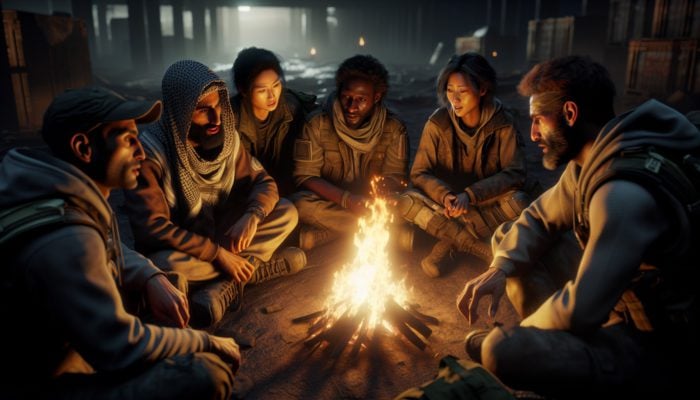
    A diverse group of survivors around a fire, sharing stories, symbolizing trust and open communication.

    Trust serves as the fundamental foundation for any successful survival group. Without trust, the ability of individuals to collaborate effectively diminishes, significantly obstructing their chances of overcoming challenging circumstances. Several key factors contribute to the establishment of trust within a group, including open communication, consistent reliability, and a shared vision. Effective communication is critical; it empowers every member to express their thoughts, concerns, and crucial information, thereby fostering a culture of transparency. Reliability plays an equally essential role; when individuals fulfill their commitments consistently, it enhances mutual confidence. Furthermore, aligning group members around common objectives cultivates a sense of unity and shared purpose, which is crucial for trust development.

    • Open and honest communication
    • Consistent reliability in actions and promises
    • Shared goals and visions
    • Mutual respect and understanding
    • Empathy and emotional support
    • Active listening skills
    • Conflict resolution mechanisms
    • Encouragement of vulnerability

    Creating a trustworthy environment requires intentional efforts and the establishment of a nurturing atmosphere where vulnerability is embraced rather than discouraged. When group members feel secure enough to share their thoughts and emotions, trust can flourish, leading to improved group dynamics and enhanced effectiveness in high-pressure situations.

    How Does Trust Influence Interactions and Dynamics Within the Group?

    Trust significantly shapes interactions, decision-making processes, and the support network among members of a survival group. Groups with higher levels of trust generally exhibit an increase in cooperative behavior. Trust fosters an environment where members feel empowered to freely share their ideas and opinions, without fear of judgment, which can lead to innovative solutions in critical situations. As trust deepens, individuals become more inclined to take risks, whether implementing a complex survival strategy or disclosing personal vulnerabilities that could affect group cohesion and overall performance.

    In high-trust environments, the decision-making process becomes markedly more efficient. Group members are more likely to engage in constructive discussions, share responsibilities, and collaboratively pursue consensus. Moreover, they demonstrate a heightened ability to adapt to unforeseen challenges, showcasing resilience in the face of adversity. This adaptability is vital in survival scenarios, where unexpected events can disrupt planned actions. Thus, increased trust not only allows groups to operate smoothly but also equips them to thrive, even in difficult situations, underscoring the importance of trust in shaping group dynamics.

    What Role Does Trust Play in Effective Crisis Management?

    During crises, trust acts as a crucial catalyst for prompt and effective actions. Groups that exhibit high levels of trust are capable of making swift decisions, mobilizing resources efficiently, and executing emergency plans with confidence. Trust facilitates open communication, even in chaotic circumstances, ensuring that members can express their concerns and insights without hesitation. This level of transparency accelerates the decision-making process, enabling the group to quickly adapt to new information or changing conditions.

    Moreover, groups with a strong trust foundation tend to display greater resilience during crises. Members are more inclined to provide emotional and psychological support to one another, which is essential for maintaining morale. For example, in a wilderness survival situation, a solid trust dynamic allows individuals to depend on their teammates for both emotional and physical assistance, ensuring that panic does not overshadow rational decision-making. The ability to rely on one another not only strengthens group cohesion but also positions trust as an invaluable asset for effectively navigating crises.

    Insights from Experts on the Importance of Trust in Survival Groups
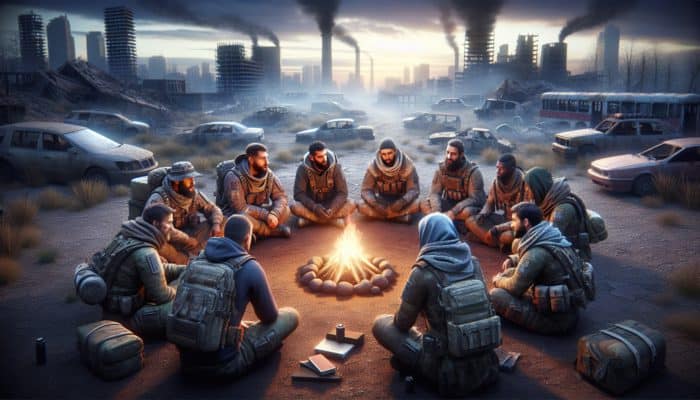
    Diverse survival experts discussing trust around a campfire, ruined city at dusk.

    What Insights Do Experts Provide Regarding Trust in Survival Scenarios?

    Experts from various fields highlight the critical role trust plays in the success of survival groups. Insights from seasoned survivalists and psychologists indicate that trust significantly enhances group cohesion and overall effectiveness. A key takeaway is the necessity of cultivating open communication. By fostering an environment where members feel secure in sharing their perspectives and concerns, groups can proactively manage potential conflicts before they escalate. Equally important is the principle of mutual respect; when individuals recognize and appreciate each other’s contributions and viewpoints, trust organically flourishes within the group.

    Real-world examples further substantiate this perspective: consider a team of wilderness survivalists preparing for an expedition. Those who have built trust communicate openly about their skills and limitations, resulting in a well-rounded team capable of addressing the challenges ahead. This openness facilitates effective strategizing, ensuring that each member’s strengths contribute to the overall success of the group, ultimately enhancing their chances of survival.

    How is Trust Assessed Within Groups?

    Assessing trust within a group can be achieved through various methodologies, including surveys, observational assessments, and performance metrics. Surveys can provide quantitative insights into members’ perceptions of trust and their confidence in one another, while observational evaluations offer qualitative perspectives on group dynamics during interactions. Monitoring performance metrics, such as decision-making efficiency and conflict resolution success rates, can also reveal underlying trust levels within the group.

    Understanding these trust levels is vital for enhancing group cohesion and overall performance. For example, if survey results indicate low trust, leaders can implement targeted interventions, such as team-building exercises or open forums for discussion, to address the situation. Regularly assessing trust levels enables continuous adjustments to group dynamics, fostering an environment where trust can consistently develop and thrive, ultimately leading to improved outcomes in survival scenarios.

    What Effective Strategies Strengthen Trust in Survival Situations?

    Diverse group in wilderness setting participating in trust-building exercises at sunset.

    Implementing effective strategies to enhance trust within survival situations can significantly improve group dynamics and overall performance. Regular team-building exercises are fundamental; these activities create opportunities for members to connect and build rapport outside of high-pressure scenarios. Activities such as problem-solving challenges or collaborative tasks can highlight each member’s strengths and weaknesses, promoting understanding and empathy within the group.

    Encouraging honest feedback is another crucial strategy. When members feel empowered to share constructive criticism and appreciation, it nurtures a culture of open dialogue, reinforcing trust. Furthermore, setting clear expectations for accountability establishes a framework where individuals take ownership of their roles. Collectively, these strategies strengthen trust, leading to improved performance and cohesion during critical survival situations where teamwork is essential.

    What Case Studies Illuminate Trust Breakdowns in Survival Groups?

    Examining instances where trust has diminished within survival groups provides invaluable insights into the necessity of maintaining trust. One notable case involved an expedition team that became disoriented in unfamiliar terrain. Initially, trust among the members was strong; however, as panic set in, communication began to deteriorate. Members started questioning each other’s capabilities and intentions, resulting in poor decision-making that exacerbated their predicament.

    The repercussions were significant; a lack of coordinated efforts led to resource mismanagement and rising anxiety within the group. This case illustrates the urgent need for trust maintenance, even in high-stress situations. By analyzing such breakdowns, we can identify proactive measures necessary for preserving trust, such as regular communication check-ins and conflict resolution protocols. These lessons emphasize that trust is not a static attribute; it requires ongoing effort and vigilance to sustain effectively.

    Proven Methods for Cultivating and Maintaining Trust in Survival Groups

    What Trust-Building Activities Yield the Most Effective Outcomes?

    Engaging in impactful trust-building activities is essential for fostering strong connections within survival groups. Activities such as team challenges, trust falls, and role-playing scenarios can significantly enhance members’ reliance on one another. Team challenges, including navigating obstacle courses or completing survival tasks under time constraints, bolster collaboration and reveal each member’s strengths and weaknesses. These shared experiences foster camaraderie, which serves as the bedrock for establishing a solid foundation of trust.

    Trust falls are classic exercises that necessitate vulnerability and dependence on peers. By physically demonstrating their willingness to trust one another, members can fortify interpersonal connections. Furthermore, role-playing survival scenarios allows group members to practice communication and decision-making in a controlled setting, further solidifying trust. Through these activities, members learn to value each other’s contributions, cultivating a supportive culture that enhances group cohesion and effectiveness in survival contexts.

    How Should Trust Issues Be Addressed Within a Group?

    Addressing trust issues within a group is a delicate yet necessary undertaking. Open communication serves as the foundation for resolution; members must feel secure expressing their concerns without fear of retribution. Facilitating a mediated discussion can clarify misunderstandings and promote healing. Mediation provides a neutral space, allowing members to articulate their grievances and collaboratively develop solutions.

    Restructuring roles may also be beneficial if trust issues stem from conflicting interests or performance discrepancies. By realigning responsibilities with individual strengths, groups can foster a sense of fairness and equity. Proactive measures, such as regular discussions about trust and group dynamics, can prevent erosion before it escalates. Ultimately, cultivating an environment where honesty and vulnerability are valued is crucial for effectively addressing and overcoming trust issues within survival groups.

    How Can Trust Be Sustained Over Time?

    Maintaining trust within a survival group requires an ongoing commitment that demands consistent behavior, transparency, and regular check-ins. Members must dedicate themselves to being reliable and predictable in their actions, reinforcing the trust that has been established over time. Transparency is equally vital; routinely sharing information regarding group activities, decisions, and individual challenges ensures that members feel included and valued, further strengthening trust.

    Regular check-ins create opportunities for open dialogue, enabling members to address any concerns before they escalate. These discussions provide a platform for feedback, fostering a culture of continuous improvement. Long-term trust necessitates commitment from all members; by prioritizing trust maintenance, groups can thrive in adversity and enhance their overall resilience in challenging situations.

    The Significant Influence of Trust on Survival Group Performance

    How Does Trust Affect Group Decision-Making Processes?

    Trust plays a crucial role in shaping group decision-making processes, acting as a catalyst for rapid and effective outcomes. Groups functioning within a framework of high trust can make essential decisions with greater confidence and speed. When members trust one another, they are more likely to voice their opinions and share valuable insights, enriching the decision-making process. This collaborative approach often results in well-rounded decisions that take into account multiple perspectives, ultimately leading to improved outcomes.

    Moreover, elevated levels of trust reduce the friction associated with disagreements. In a low-trust environment, conflicts may arise from differing opinions, resulting in prolonged discussions and indecision. In contrast, trusting groups can navigate disagreements constructively, focusing on finding common ground rather than fixating on differences. This enhanced decision-making capability is vital in survival situations, where prompt and effective choices can be the difference between success and failure for the group.

    What Role Does Trust Play in Resource Management?

    Trust is instrumental in ensuring the equitable and efficient distribution of resources within a survival group. When members trust each other, they are more likely to share resources fairly, whether it be food, tools, or knowledge. This sharing is crucial in survival scenarios, where resource scarcity can pose significant challenges. Trust ensures that each member feels confident that their contributions and needs will be respected and valued, nurturing a collaborative spirit.

    Furthermore, trust enhances collaboration in resource management. Groups characterized by high trust are more inclined to work together to strategize resource allocation, leading to innovative solutions that maximize available supplies. This cooperative approach not only improves resource management but also fosters a sense of community and shared responsibility, further reinforcing trust among group members. Effective resource management, underpinned by trust, is essential for the survival and success of the group.

    How Does Trust Contribute to Group Resilience in Survival Scenarios?

    Groups that possess a strong foundation of trust exhibit remarkable resilience in survival situations. Trust enables members to provide emotional and psychological support to one another during challenging moments. When confronted with obstacles, trusting groups can maintain a positive outlook, motivating one another to remain focused and engaged. This emotional support is critical, as it helps alleviate stress and anxiety, allowing the group to operate effectively and make rational decisions.

    Moreover, trust enhances adaptability. In unpredictable environments, resilient groups can pivot their strategies and methods in response to new information or changing conditions. This adaptability is essential for survival, as it allows groups to overcome setbacks and continue progressing. Ultimately, trust is not merely a beneficial characteristic; it serves as the cornerstone of group resilience, equipping members to face adversity with confidence and collaboration.

    Research-Driven Insights on the Advantages of Trust in Survival Groups

    What Does Research Indicate About the Link Between Trust and Survival Success?

    Research consistently highlights the significant impact of trust on group performance and survival rates. Studies reveal that groups with higher levels of trust tend to outperform their counterparts across various metrics, including decision-making efficiency and resource management. Trust acts as a social lubricant, facilitating smoother interactions and fostering a collaborative atmosphere that enhances overall group effectiveness and cohesion.

    Furthermore, research underscores the importance of trust in group dynamics, demonstrating that cohesive teams are better equipped to navigate challenges. These findings reinforce the notion that trust is not merely a desirable trait but a critical factor influencing group outcomes. In survival scenarios, where the stakes are high, understanding the research-backed benefits of trust can inform strategies for effectively building and maintaining it.

    How Is Trust Related to Success Rates in Survival Situations?

    A significant correlation exists between trust levels and success rates in survival scenarios. Groups characterized by high trust demonstrate improved performance across various measures, including task completion, decision-making speed, and resource management. This correlation arises from a trusting environment that encourages collaboration and open communication, ultimately enhancing group efficiency and effectiveness in challenging situations.

    Data supports the connection between trust and effective group functioning, indicating that teams investing in trust-building initiatives tend to achieve greater success in demanding survival scenarios. By prioritizing trust-building efforts, groups can significantly improve their chances of success, reinforcing the idea that trust is a foundational element of survival dynamics and group performance.

    What Psychological Benefits Does Trust Provide in Group Environments?

    Trust offers substantial psychological advantages that positively influence group cohesion and overall performance. When members feel secure in their relationships with one another, stress and anxiety levels decrease, leading to enhanced mental health outcomes. This reduction in stress fosters a more focused and engaged group, enabling clearer thinking and better decision-making, critical in survival situations.

    Moreover, the psychological benefits of trust contribute to a sense of belonging and community within the group. Members who feel trusted and valued are more likely to invest in the group’s success, creating a positive cycle of collaboration. Ultimately, the psychological dimensions of trust not only enhance individual well-being but also improve the overall effectiveness of the group, demonstrating that trust is a vital asset in survival contexts, especially during challenging times.

    Strategies for Cultivating Trust in Survival Groups

    What Proven Techniques Are Effective for Building Trust?

    Proven techniques for fostering trust within survival groups include regular team-building activities, clear communication channels, and establishing shared goals. Team-building exercises provide opportunities for members to engage in collaborative problem-solving, reinforcing their connections and mutual understanding. These activities can range from physical challenges to brainstorming sessions that leverage each member’s strengths and contributions to the group.

    Clear communication is equally crucial; establishing norms for open and honest dialogue ensures that all members feel valued and heard. Additionally, setting shared goals aligns individual efforts with the group’s mission, creating a sense of purpose and unity. When everyone understands the objectives and their roles in achieving them, trust naturally grows. By implementing these techniques, survival groups can cultivate an environment where trust thrives, enhancing their resilience and effectiveness in critical survival situations where collaboration is essential.

    How Can Trust-Building Initiatives Be Successfully Implemented?

    Effectively implementing trust-building initiatives requires careful planning and a collective commitment from all members. Starting with small, manageable activities can help the group ease into the process, gradually increasing complexity as trust develops. Initiatives such as icebreaker games, group discussions, or collaborative projects can serve as excellent entry points for building relationships and fostering camaraderie among members.

    As trust begins to solidify, groups can transition to more substantial initiatives, such as team challenges or scenario-based exercises that necessitate deeper collaboration. Ongoing initiatives should be regularly evaluated to ensure they remain relevant and effective. By fostering a culture of continuous improvement, groups can adapt their trust-building efforts to meet the evolving needs of their members, ensuring that trust remains a priority.

    What Is the Role of Leadership in Developing Trust?

    Leadership plays a critical role in nurturing trust within survival groups. Leaders must exemplify trustworthy behavior, demonstrating reliability, transparency, and accountability in their actions. By embodying these qualities, leaders set the tone for the group’s culture, motivating members to reflect these behaviors in their interactions and relationships with one another.

    Creating an environment conducive to trust also involves providing support and resources for team members. Leaders should encourage open communication, actively listen to concerns, and facilitate conflict resolution when necessary. By promoting trustworthiness as a core value, leaders can cultivate a resilient and cohesive group capable of thriving in challenging circumstances, ultimately enhancing the group’s chances of success.

    What Impact Does Transparency Have on Trust Building?

    Transparency is fundamental to establishing trust within survival groups. When leaders openly share information, decisions, and challenges, members feel included and valued, fostering a sense of community. This openness encourages a culture where individuals can express their concerns and ideas without fear, reinforcing trust among group members and enhancing overall group dynamics.

    Moreover, transparency promotes accountability. When members understand that their actions are subject to scrutiny, they are more likely to act responsibly, further solidifying trust within the group. By prioritizing transparency in communication and decision-making processes, groups can create an environment where trust flourishes, empowering members to collaborate effectively during crises and uncertainty.

    How Can Trust Challenges Be Addressed in Survival Groups?

    Addressing challenges to trust in survival groups necessitates proactive measures and a commitment to fostering a trusting environment. Common challenges include resource scarcity, high-stress situations, and conflicting personalities. Tackling these issues begins with open dialogue; members must feel comfortable discussing their concerns and grievances without fear of judgment or backlash.

    Promoting a culture of transparency and accountability is essential. When group members understand their roles and the reasoning behind decisions, they are more likely to feel valued and respected. Additionally, implementing conflict resolution strategies can help navigate interpersonal disputes, reinforcing a culture of trust. Strategies to enhance trust include:

    • Encouraging open dialogue and communication
    • Setting clear expectations for accountability
    • Facilitating conflict resolution training
    • Promoting regular team-building activities
    • Establishing norms for respectful disagreement
    • Monitoring resource allocation to ensure fairness
    • Providing support during high-stress situations
    • Empowering members to voice concerns

    By actively confronting these challenges, survival groups can strengthen their foundations of trust, enhancing their cohesion and effectiveness, which is essential in survival situations where teamwork is critical.

    Identifying Barriers to Trust in Survival Groups

    What Common Obstacles Hinder Trust Development?

    Building trust in survival groups is laden with obstacles that can undermine relationships. Common barriers include communication breakdowns, conflicting interests among members, and past negative experiences that cultivate skepticism. Communication breakdowns can occur in high-pressure scenarios where individuals struggle to articulate their thoughts clearly, resulting in misunderstandings and mistrust.

    Conflicting interests may arise when personal goals diverge from group objectives, creating friction among members. Additionally, past negative experiences, whether within the current group or from previous teams, can lead individuals to approach new relationships with caution, complicating trust development. Overcoming these barriers requires intentional efforts and strategies aimed at fostering a positive and supportive environment, which is crucial for group success.

    How Can Trust Barriers Be Dismantled Within Groups?

    Overcoming trust barriers in survival groups involves directly addressing the underlying issues. One effective strategy is to promote transparency within the group. When members openly share their thoughts, experiences, and motivations, it fosters understanding and empathy. Additionally, establishing rituals for regular check-ins creates opportunities for members to express concerns and celebrate successes, further reinforcing trust within the group.

    Building a culture of respect and understanding is crucial. Encouraging members to practice active listening and empathy fosters a supportive atmosphere where individuals feel valued. Implementing conflict resolution strategies can also mitigate disputes before they escalate into broader trust issues. Effective strategies include:

    • Promoting open communication and dialogue
    • Establishing regular check-in rituals
    • Encouraging active listening and empathy
    • Implementing conflict resolution strategies
    • Fostering a culture of respect and understanding
    • Setting shared group goals to align interests
    • Providing training on effective communication
    • Encouraging vulnerability and openness

    By focusing on these strategies, groups can effectively dismantle barriers to trust and create a cohesive environment conducive to collaboration and success.

    What Consequences Does Distrust Have on Group Functionality?

    Distrust within a survival group can lead to significant dysfunction, undermining the very essence of teamwork. When trust is lacking, communication deteriorates, resulting in misunderstandings and conflicts that can derail efforts. Group members may hesitate to share critical information, leading to poor decision-making and wasted resources. This lack of collaboration can create a toxic environment where individuals prioritize personal interests over collective goals, which is detrimental to survival.

    Moreover, distrust can lead to increased stress and anxiety among members, further impeding performance. In high-pressure survival situations, this psychological burden can have dire consequences, resulting in panic and disarray rather than effective action. Recognizing the impact of distrust is crucial for survival groups; identifying signs of mistrust early allows for proactive measures to restore confidence and cohesion, ultimately ensuring the group’s effectiveness.

    What Strategies Are Effective for Rebuilding Trust After a Breach?

    Reconstructing trust following a breach is a sensitive process that requires commitment and collective effort from all members. Acknowledging the breach is the first step; members must openly discuss what transpired and recognize its impact on the group’s dynamics. Taking responsibility for actions that contributed to the breach is essential for restoring faith among members and creating a path toward healing.

    Implementing changes to prevent future issues is equally important. This may involve restructuring roles, improving communication protocols, or introducing regular feedback mechanisms. Consistent actions that demonstrate accountability and commitment to rebuilding trust are key components of the healing process. By fostering an environment where individuals feel safe to express concerns and seek resolution, groups can effectively navigate the complexities of trust restoration, ultimately enhancing their cohesion and resilience.

    What Role Does Leadership Play in Trust Development?

    Leadership plays a central role in establishing and maintaining trust within survival groups. Leaders must model the behaviors they wish to see, demonstrating transparency, accountability, and empathy in their interactions. By setting a positive example, leaders can create an environment conducive to trust, encouraging members to adopt these behaviors in their relationships with one another.

    Moreover, leaders should actively promote open communication and provide opportunities for team members to voice their concerns and ideas. Facilitating team-building activities and fostering a culture of collaboration reinforces trust among members. Ultimately, effective leaders recognize that trust is a shared responsibility; by prioritizing trust development, they can cultivate a cohesive and resilient group ready to face challenges together, enhancing their chances of survival and success.

    Effective Strategies for Nurturing Trust in Survival Groups

    What Expert-Recommended Trust-Building Strategies Are Available?

    Experts advocate for a range of strategies to cultivate trust within survival groups. Regular team-building activities are essential, offering opportunities for members to bond and strengthen relationships. These activities can range from simple icebreakers to complex collaborative challenges, fostering communication and mutual understanding as members learn to rely on one another.

    Clear communication is equally vital; establishing norms for openness ensures that all members feel valued and included in the decision-making processes. Additionally, setting shared goals aligns individual efforts with the group’s mission, reinforcing trust and collective responsibility. Regular feedback mechanisms, such as check-ins and performance assessments, allow members to voice concerns and celebrate successes, further solidifying trust dynamics. Implementing these strategies not only fosters a sense of belonging but also enhances group cohesion, ultimately increasing the likelihood of success in survival scenarios.

    How Can the Effectiveness of Trust Strategies Be Evaluated?

    Evaluating the effectiveness of trust-building strategies requires a systematic approach. Monitoring group dynamics through observation can provide qualitative insights into interactions and relationships. Additionally, collecting feedback from group members via surveys or one-on-one discussions can yield valuable quantitative data about their perceptions of trust and group cohesion.

    Performance metrics related to decision-making efficiency, resource management, and conflict resolution success rates can serve as indicators of trust levels within the group. Regular assessments allow for ongoing adjustments to trust-building efforts, ensuring they remain relevant and effective. By prioritizing evaluation, groups can continuously refine their strategies to foster trust and enhance overall performance, contributing to success in survival scenarios.

    What Is the Importance of Continuous Improvement in Trust Building?

    Continuous improvement is vital for effective trust building within survival groups. Regularly reviewing and adjusting trust-building activities ensures they remain aligned with the group’s evolving needs and dynamics. This iterative approach allows groups to identify areas for enhancement, fostering a culture of adaptability and growth.

    Expert analysis emphasizes the significance of ongoing trust development. As groups encounter new challenges, the dynamics of trust can shift; thus, remaining attuned to these changes is essential for maintaining cohesion. Encouraging regular feedback and open dialogue creates opportunities for members to share their experiences and insights, contributing to continuous improvement efforts. Ultimately, prioritizing continuous development is crucial for sustaining trust over the long term, especially in challenging survival scenarios.

    How Can Leadership Influence Trust Within the Group?

    Leadership profoundly impacts trust levels within survival groups. Leaders set the tone for group dynamics through their actions and behaviors. By modeling transparency, consistency, and support, leaders can create an environment conducive to trust. When leaders demonstrate their commitment to trust-building efforts, it encourages members to develop similar attitudes and behaviors, enhancing the overall group dynamic.

    Effective leaders also promote open communication, encouraging members to voice concerns and share ideas freely. By actively listening and responding to feedback, leaders can reinforce trust and strengthen relationships among group members. Furthermore, leaders who prioritize team-building activities and collaborative tasks create opportunities for members to bond, further enhancing trust within the group and contributing to their overall effectiveness in survival situations.

    What Common Challenges Exist in Building Trust in Survival Groups?

    Common challenges to trust-building in survival groups include conflicting personalities, resource scarcity, and high-stress environments. Conflicting personalities can lead to misunderstandings and friction, complicating trust development. Resource scarcity often heightens tensions as individuals may prioritize personal interests over group objectives, further undermining trust within the group.

    High-stress environments can exacerbate these challenges, as members may struggle to communicate effectively under pressure. Overcoming these obstacles requires intentional efforts focused on fostering a culture of respect, collaboration, and understanding among group members. By implementing strategies to address these challenges, survival groups can enhance their trust foundations, enabling them to thrive in adversity and succeed in achieving their survival goals.

    Future Trends Influencing Trust Dynamics in Survival Groups

    What Trends Are Shaping Trust in Survival Groups?

    Emerging trends are transforming the landscape of trust in survival groups, highlighting a growing focus on emotional intelligence, virtual team-building, and adaptive leadership. As these dynamics evolve, emotional intelligence becomes increasingly essential for establishing robust relationships and understanding diverse perspectives. Leaders and group members alike recognize the importance of empathy and emotional awareness in fostering trust and resilience within the group.

    Additionally, the rise of virtual team-building initiatives underscores the need for innovative strategies to cultivate trust in remote environments. As technology continues to influence group dynamics, leaders are adapting their approaches to ensure that trust remains a priority. Adaptive leadership further emphasizes the necessity of flexibility and responsiveness in addressing the unique challenges faced by survival groups, thereby enhancing their overall effectiveness.

    How Will Technology Shape Trust in Groups?

    Technology is set to play a significant role in shaping trust dynamics within survival groups. Enhanced communication tools and platforms can facilitate open dialogue and collaboration, allowing members to connect more easily, regardless of geographical distances. This technological advancement fosters transparency and inclusivity, reinforcing trust among group members and enhancing their collective resilience.

    However, technology also presents challenges, such as privacy concerns and digital divides that can impact trust. Leaders must navigate these complexities by ensuring equitable access to resources and information while promoting transparency in digital communication. Ultimately, embracing technology as a means to build trust can enhance group cohesion and effectiveness in survival scenarios, ensuring that members work together effectively to achieve their goals.

    What Is the Long-Term Significance of Trust in Survival Groups?

    Trust remains a pivotal factor for the long-term success of survival groups. Its importance emphasizes the need for continuous trust-building efforts as groups face evolving challenges and dynamics. As survival scenarios become increasingly complex, establishing and maintaining trust will be crucial for effectively navigating obstacles and ensuring group cohesion.

    A commitment to fostering trust not only enhances group performance but also contributes to individual well-being. By prioritizing trust, survival groups can create an environment where members feel valued and supported, ultimately increasing their chances of success in challenging situations where teamwork and collaboration are vital.

    Frequently Asked Questions

    What Defines Trust in Survival Groups?

    Trust in survival groups refers to the confidence and reliance members have in each other during challenging situations. It is developed through effective communication, shared goals, and mutual respect, all of which are essential for successful collaboration in survival scenarios.

    Why Is Trust Essential in Survival Contexts?

    Trust is crucial in survival contexts as it fosters collaboration, enhances decision-making, and provides emotional support, all of which are key for group success. Without trust, members may struggle to work together effectively, undermining their chances of survival.

    How Can Trust Be Fostered Within a Survival Group?

    Trust can be nurtured through regular team-building activities, open communication, establishing shared goals, and creating a culture of respect and support among members. These initiatives help build a solid foundation of trust, vital for group performance.

    What Activities Can Enhance Trust in Groups?

    Activities such as team challenges, trust falls, role-playing scenarios, and collaborative problem-solving exercises can significantly enhance trust within groups by fostering communication, collaboration, and mutual understanding among members.

    How Does Distrust Affect Group Performance?

    Distrust can lead to poor communication, ineffective decision-making, and reduced group cohesion, ultimately undermining the group’s ability to succeed in survival situations. It can create a toxic environment where individuals prioritize personal interests over collective goals.

    What Steps Should Be Taken to Resolve Trust Issues in Groups?

    Addressing trust issues requires open communication, mediation, and sometimes restructuring roles to foster a supportive and trusting environment. Members must feel safe expressing their concerns and grievances without fear of judgment or retaliation.

    How Can Leadership Impact Trust in Survival Groups?

    Leaders influence trust by modeling trustworthy behavior, encouraging open communication, and creating an environment that prioritizes transparency and accountability. Effective leadership is crucial for establishing and maintaining trust within the group.

    What Psychological Benefits Does Trust Offer in Groups?

    Trust reduces stress and anxiety, enhances mental well-being, and fosters a sense of belonging, contributing to better group cohesion and performance. It creates a supportive atmosphere where members feel valued and encouraged to collaborate.

    What Strategies Are Effective in Rebuilding Trust After a Breach?

    Rebuilding trust involves acknowledging the breach, taking responsibility, implementing changes to prevent future issues, and consistently demonstrating commitment to trust development. Open dialogue is essential for healing and restoring confidence among group members.

    What Are Future Trends in Trust Dynamics Within Survival Groups?

    Emerging trends include a focus on emotional intelligence, virtual team-building, and adaptive leadership, all of which shape how trust is built and maintained in survival contexts. These trends highlight the evolving nature of group dynamics and the importance of adapting to new challenges.

    Explore our journey on X!

    The post Survival Group Trust: Building Strong Bonds appeared first on Survival Bite.

    The Article Survival Group Trust: Strengthening Community Connections Was Found On https://limitsofstrategy.com
  • Prepper Support Networks: Building Resilient Communities

    Prepper Support Networks: Building Resilient Communities

    Unlocking the Advantages of Engaging with Prepper Support Networks

    Understanding the Functionality and Purpose of Prepper Support Networks

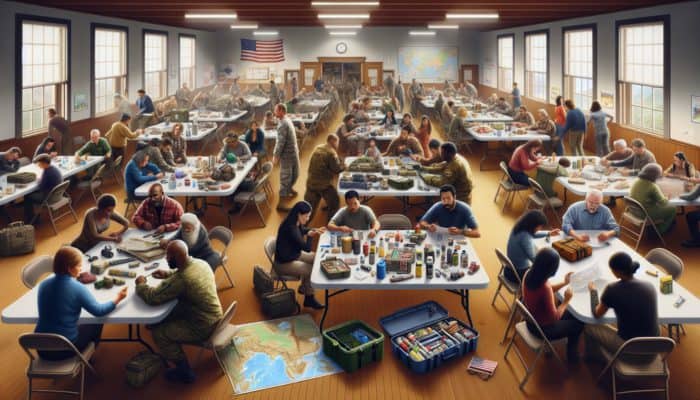
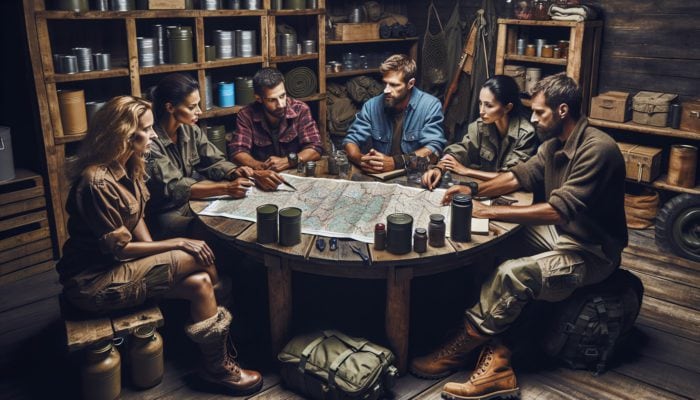
    Prepper Support Networks: A diverse group of preppers in a community hall, exchanging resources and knowledge, with maps and emergency kits on tables.

    Prepper support networks are collaborative communities established by individuals who prioritize emergency preparedness for a wide range of potential crises and disasters. These networks foster collaboration, resource sharing, and the transfer of knowledge, which are critical for improving resilience and promoting self-sufficiency during challenging situations. The structure of these networks can vary significantly, ranging from localized groups focusing on specific regional challenges to expansive global platforms that connect individuals from different backgrounds. The overarching aim is to ensure that during times of crisis, participants are well-prepared to support each other effectively and navigate difficulties with assurance. Key characteristics of prepper support networks include:

    • Community Focus: They bring together individuals sharing a mutual interest in preparedness.
    • Resource Sharing: Members contribute vital supplies and skills to enhance collective readiness.
    • Education and Training: Regular workshops and seminars promote valuable exchanges of knowledge.
    • Emotional Support: These networks create environments for members to express their concerns and fears openly.
    • Organised Structure: Many networks establish formal leadership and committees to effectively manage activities.
    • Focus on Sustainability: They often advocate for sustainable living practices and efficient resource management.
    • Adaptability: Networks exhibit flexibility, adjusting their focus according to changing circumstances.

    The relevance of prepper support networks has grown tremendously in light of increasing global uncertainties, including natural disasters, political unrest, and health crises. By pooling their resources and knowledge, individuals within these networks can significantly strengthen their preparedness and overall resilience.

    Discover the Key Advantages of Joining a Prepper Network

    Becoming a part of a prepper network brings forth numerous benefits that greatly enhance both individual and communal preparedness. One of the most compelling advantages is access to a shared pool of resources; members can combine essential supplies such as food, water, medical kits, and tools, which are vital during emergencies. This collaborative approach not only alleviates the burden of individual preparedness but also transforms it into a more manageable and effective endeavor for everyone involved.

    Moreover, these networks act as centers for learning, where continuous exchange of knowledge occurs among members. Essential skills such as first aid, gardening, food preservation, and self-defense can be cultivated collectively, ensuring that each member is better equipped to respond during crises. This form of collaborative learning not only enhances individual skill sets but also strengthens the overall preparedness of the group.

    The emotional support provided by prepper networks is equally important. In turbulent times, having a supportive community can significantly lower anxiety and foster a sense of security. Regular gatherings, social events, and training sessions help cultivate camaraderie and trust among members, which are essential for nurturing lasting relationships. These connections can serve as invaluable pillars of support during stressful periods, encouraging collaboration and assistance.

    Additionally, prepper networks often motivate proactive planning and critical thinking. Interacting with others who share similar aspirations inspires members to take preparedness seriously, leading to heightened awareness and readiness for potential scenarios. Overall, being part of a prepper network offers a distinctive blend of practical resources, knowledge enhancement, and emotional resilience.

    Steps to Establish Your Own Prepper Network

    Creating a prepper network requires meticulous planning and unwavering commitment. The initial step involves identifying like-minded individuals who share a passion for preparedness and resilience. This can be done through social media platforms, local community boards, or hobbyist groups. Once a core group is established, it’s essential to define clear objectives for the network, which may encompass specific preparedness goals or focal areas such as food security or communication strategies.

    Establishing effective communication channels is crucial for coordinating efforts. Utilizing tools like group messaging apps, social media groups, or dedicated websites can facilitate ongoing dialogue among members. This ensures that everyone stays updated about meetings, events, and training sessions. Furthermore, creating a system for resource sharing is essential. This may involve setting up a central repository for supplies or designating specific members to oversee resource management, ensuring efficient distribution during emergencies.

    A successful network thrives on organization and dedication. Members should be encouraged to actively participate in planning and decision-making processes to cultivate a sense of ownership. Regular meetings are key to maintaining momentum, allowing members to share updates, learn from each other, and bond through shared experiences. A focus on transparency and inclusivity will help build a diverse and resilient community capable of confronting challenges together.

    Insights from Experts on the Efficacy of Prepper Support Networks

    A diverse group of survival experts at a rustic table with maps, bunker, and wilderness in background.

    Expert Perspectives on the Role of Prepper Networks

    Experts characterize prepper networks as structured collectives that prioritize resilience and preparedness through community engagement. These networks facilitate resource sharing, skill development, and information exchange, enabling members to prepare for various emergencies, including natural disasters and economic challenges. Successful real-world examples of prepper networks include community-based groups formed in regions prone to natural disasters, such as wildfires in California or hurricanes in the Caribbean. Typically, these groups emerge in direct response to local needs, crafting solutions tailored to their specific environmental and social contexts.

    Members of prepper networks often possess a diverse array of skills and backgrounds, enriching the collective knowledge base. This diversity promotes the exchange of unique insights and practices that enhance overall preparedness. Experts underline that the most effective networks feature strong leadership and well-defined responsibilities, which streamline efforts and ensure accountability. Additionally, many organizations implement a tiered structure, allowing specialized groups to focus on areas such as gardening, first aid, and security.

    Successful networks prioritize ongoing education and adaptability. They frequently organize workshops or training sessions to keep members informed about new preparedness strategies and tools. By regularly assessing the community’s needs and the challenges posed by changing environments, these networks can remain relevant and effective in their mission. This approach not only fosters a strong sense of community but also cultivates a culture of preparedness that can be mobilized in times of need.

    Strategies Recommended by Experts for Strengthening Prepper Networks

    Experts advocate for several strategies to enhance the effectiveness of prepper networks. Regular meetings are essential for sustaining active member engagement. These gatherings can serve multiple purposes, from planning future training sessions to discussing recent developments in preparedness strategies. Establishing a routine helps members anticipate their involvement and fosters a sense of accountability within the group.

    Skill-sharing workshops are another critical strategy. These workshops allow members to instruct and learn from one another, creating a rich environment for knowledge transfer. Topics can range from basic first aid to food preservation techniques and wilderness survival skills. By pooling resources for these workshops, networks maximize available expertise and ensure all members develop valuable skills that bolster collective preparedness.

    Emergency communication plans are equally vital. Experts recommend that networks develop clear protocols for crisis communication. This could involve creating a contact list, establishing a chain of command, or utilizing specific communication tools designed for emergencies. By preparing for various scenarios, networks can ensure that all members remain informed and connected, even under stressful conditions.

    Furthermore, experts emphasize the importance of strong leadership within prepper networks. Effective leaders can inspire members, facilitate discussions, and guide the group in adapting to new challenges. Clearly defined roles and responsibilities within the network can help delegate tasks efficiently and maintain organization. By adopting these strategies, prepper networks can strengthen their cohesion and improve their emergency response capabilities.

    Challenges Encountered by Prepper Networks

    A prepper network engaged in survival talks, community outreach, and digital inventory management.

    Prepper networks face several challenges that can impact their functionality and overall success. One major issue is maintaining member engagement over time. As initial enthusiasm fades, it becomes crucial to discover ways to keep members actively involved. This might involve creating diverse activities, such as inviting guest speakers or organizing community outreach programs, to reignite interest and motivation.

    Another challenge lies in effective resource management. As networks expand, tracking supplies and coordinating sharing efforts can become increasingly complex. Establishing an organized inventory management system is essential. This could involve using digital tools or applications to monitor resources, ensuring that members are aware of what is available and how to access it during emergencies.

    Privacy and security concerns also pose significant challenges within prepper networks. As members share personal information and resources, safeguarding confidentiality is paramount. Establishing clear guidelines regarding data sharing and communication can help mitigate potential risks. Moreover, fostering an atmosphere of trust among members can alleviate concerns about privacy breaches.

    Tackling these challenges requires strong leadership and transparent communication. Leaders must actively engage with members to gauge their needs and concerns, ensuring that everyone feels valued and heard. By confronting these challenges head-on, prepper networks can strengthen their resilience and effectively prepare for a wide array of emergencies.

    Proven Strategies for Developing and Sustaining Prepper Networks

    Key Steps to Form a Robust Prepper Network

    Establishing a strong prepper network relies on several essential elements that enhance cohesion and effectiveness. First and foremost, recruiting dedicated members who are genuinely committed to preparedness is vital. This recruitment process should target individuals with diverse skills and backgrounds, as this diversity enriches the network’s overall capabilities. Outreach efforts can include hosting community events, leveraging social media, or partnering with local organizations that share similar interests.

    Cultivating trust and collaboration among members is equally crucial. This can be achieved by creating an inclusive environment where everyone feels comfortable sharing their ideas and concerns. Open communication is vital; establishing regular check-ins and feedback sessions empowers members to express their thoughts and contribute to decision-making. Building strong relationships within the group enhances the sense of community and solidifies commitment to shared goals.

    Regularly updating preparedness plans is critical for maintaining an active network. As new information and resources become available, it’s important to reassess strategies and incorporate fresh insights. This process may involve conducting drills or simulations that test the network’s response capabilities, allowing members to gain practical experience while identifying areas for improvement.

    Finally, adopting a structured approach to network management can help establish a solid foundation. This could include appointing leaders or committees responsible for specific tasks, such as coordinating training sessions or managing resources. By implementing these strategies, networks can maintain high levels of engagement and effectiveness, ensuring they are well-prepared for any challenges that may arise.

    • Recruit members with diverse backgrounds and skills.
    • Promote an inclusive environment that encourages open communication.
    • Regularly assess and update preparedness plans.
    • Conduct drills and simulations to evaluate response capabilities.
    • Establish clear roles and responsibilities within the network.
    • Utilize feedback sessions to enhance network dynamics.

    Essential Resources for Effective Prepper Networks

    The foundational resources for prepper networks form the bedrock of their preparedness initiatives. Food and water supplies are of utmost importance; these basic necessities must be stored in adequate quantities to sustain the group during emergencies. Members should actively participate in collective efforts to gather and store non-perishable food items and water purification devices, ensuring that everyone has access to these critical resources.

    Medical kits represent another vital component of prepper networks. A comprehensive first aid kit tailored to the specific needs of the group can significantly enhance the network’s capacity to respond effectively to health emergencies. Members should also consider offering training on basic medical procedures to ensure that individuals are well-equipped to handle various situations. This knowledge can prove invaluable during crises when professional assistance may not be readily available.

    Communication tools are essential for maintaining contact, especially during emergencies. Prepper networks often utilize a combination of traditional and modern communication methods, including two-way radios, satellite phones, and encrypted messaging apps. Establishing a reliable communication plan ensures that all members can remain connected and informed, even in challenging circumstances.

    Skill-sharing resources also play a crucial role in enhancing the network’s capabilities. This can include books, online courses, or hosting workshops covering various aspects of preparedness, such as gardening, canning, or self-defense. By promoting continuous learning, networks can strengthen both individual and collective skills, resulting in a more resilient community overall.

    Strategies for Sustaining Engagement in Prepper Networks

    Maintaining engagement within prepper networks is vital for their longevity and effectiveness. Consistent communication is fundamental; establishing reliable channels for updates, discussions, and notifications helps keep members informed and active. Utilizing platforms like group chats, forums, or social media can facilitate ongoing dialogue and encourage participation in network activities.

    Organizing events and drills presents another excellent method for sustaining member engagement. Activities such as training sessions, skill-sharing workshops, or community outreach programs provide opportunities for members to interact and learn from one another. These events cultivate camaraderie and reinforce the network’s mission, motivating members to remain involved.

    Recognizing member contributions is crucial for fostering a positive environment. Acknowledging individual efforts, whether through verbal appreciation or formal recognition, enhances members’ sense of belonging and encourages continued participation. Highlighting successes and progress made by the network can also act as a motivating factor, reinforcing the value of collaborative efforts.

    Lastly, being adaptable and responsive to members’ needs ensures the network remains relevant and engaging. Regularly seeking feedback and suggestions from members can help identify areas for improvement and new opportunities for involvement. By actively working to sustain engagement, prepper networks can cultivate a thriving community that is well-prepared for any challenges that may arise.

    How to Effectively Address Conflicts Within Prepper Networks

    Conflicts are an inevitable aspect of any group setting, including prepper networks, and addressing them effectively is crucial for maintaining unity and functionality. Open communication is essential. Encouraging members to express their concerns and viewpoints in a respectful manner cultivates an environment where issues can be discussed constructively. This transparency can prevent misunderstandings and facilitate productive dialogue.

    Mediation serves as another effective strategy for conflict resolution. Appointing a neutral party within the network to facilitate discussions can help keep conversations focused and productive. This mediator can guide members through the resolution process, ensuring that everyone feels heard and valued. Establishing ground rules for discussions can also help maintain a respectful atmosphere.

    Clear guidelines for behavior and conflict resolution should be established at the formation of the network. These guidelines should outline expected conduct during discussions, procedures for reporting conflicts, and steps for addressing grievances. Having a structured approach can help mitigate potential disputes and provide a framework for resolving issues as they arise.

    Creating a culture of collaboration and mutual respect within the network can also minimize conflicts. Emphasizing shared goals and the importance of community can redirect focus from individual disagreements to collective problem-solving. By prioritizing open communication, mediation, and clear guidelines, prepper networks can effectively navigate conflicts and maintain their unity.

    Strategies for Successfully Expanding Your Prepper Network

    Expanding a prepper network can significantly enhance its resource-sharing capabilities and overall preparedness. Outreach to like-minded individuals is the first step in this process. Engaging with local communities, attending preparedness events, or leveraging social media platforms can help connect with potential new members. Creating flyers or hosting informational sessions can also draw in individuals interested in joining the network.

    Forming partnerships with other groups can further strengthen network growth. Collaborating with organizations focused on emergency preparedness, sustainability, or community development allows for the exchange of ideas and resources. These partnerships can lead to joint events or initiatives that benefit both groups, increasing visibility and attracting new members.

    Utilizing social media can amplify outreach efforts. Platforms like Facebook, Instagram, or specialized forums can be employed to promote the network and its activities. Sharing success stories, tips, and announcements can engage a broader audience and encourage individuals to join the cause. Regular updates on the network’s events and achievements can build interest and foster a sense of community, attracting those who share similar values.

    Finally, creating a welcoming environment for newcomers is essential. Ensuring that new members feel included and valued helps them integrate smoothly into the network. This can involve assigning a mentor or buddy to guide them through their initial involvement. By focusing on outreach, partnerships, and inclusivity, prepper networks can effectively expand their reach and enhance their overall preparedness capabilities.

    Structuring Your Prepper Support Network for Maximum Effectiveness

    Understanding the Organizational Framework of a Prepper Network

    The organizational structure of a prepper network is fundamental to its functionality and effectiveness. Typically, these networks comprise a leadership team that guides and coordinates activities. Leaders may be elected or appointed based on their expertise and commitment to preparedness. Their roles often encompass organizing events, managing resources, and communicating with members to ensure alignment with the network’s objectives.

    Within the leadership framework, specialized groups may form to concentrate on particular skills or areas of interest, such as gardening, first aid, or emergency communications. These sub-groups enable members to cultivate expertise in specific fields while providing opportunities for collaboration and resource sharing. This tiered structure fosters a sense of ownership and involvement among members, allowing them to contribute to areas that resonate with their skills and interests.

    Effective communication systems are also crucial for the network’s structure. Many prepper networks utilize a variety of communication tools, including email lists, group messaging apps, and regular meetings. These channels facilitate information sharing, event updates, and discussions about ongoing projects. Establishing clear lines of communication ensures that all members are informed and can actively participate in the network’s initiatives.

    Additionally, networks often develop protocols for resource management and sharing. This could involve designating specific individuals responsible for inventory, distribution, and tracking supplies. By establishing roles and responsibilities, networks can operate efficiently and ensure that resources are readily available when needed, particularly during emergencies.

    Streamlining Resource Sharing in Prepper Networks

    Prepper networks implement a coordinated system for resource sharing, ensuring that members can access the supplies and support they need during emergencies. Resource sharing typically begins with a central repository or designated individuals who manage inventory. This centralization streamlines the distribution process and maintains accountability within the network.

    Members are encouraged to contribute to the shared resources pool by donating food, medical supplies, or skills. This collective effort fosters a sense of community and reinforces the principle that preparedness is a joint responsibility. Networks may establish protocols for tracking contributions and usage, allowing them to assess availability and plan accordingly.

    During emergencies, effective communication is vital for resource sharing. Networks often develop specific procedures for accessing and distributing supplies based on predetermined criteria. This might involve prioritizing certain members based on need or ensuring equitable distribution according to contributions. This structured approach helps maintain fairness and transparency within the network, fostering trust among members.

    Moreover, resource-sharing networks may also offer training and workshops to ensure that all members possess the knowledge and skills to utilize shared resources effectively. This could include sessions on food preservation, self-defense, or first aid, ensuring that members are not only prepared with supplies but also skilled in their application. By promoting a culture of collaboration and resource management, prepper networks can enhance their overall preparedness capabilities.

    Utilizing Effective Communication Methods in Prepper Networks

    Effective communication is the cornerstone of prepper networks, facilitating coordination and collaboration among members. A variety of communication methods are employed to fit different needs and circumstances. Traditional methods, such as in-person meetings, remain popular for fostering relationships and discussing network activities. These meetings encourage open dialogue, brainstorming, and planning, strengthening community ties.

    Digital communication tools play a critical role in modern prepper networks. Many groups utilize messaging apps, such as WhatsApp, Telegram, or Signal, which provide secure platforms for real-time communication. These tools enable members to share updates, coordinate responses during emergencies, and maintain connections even when physically apart. Encrypted messaging apps enhance privacy, ensuring that sensitive information remains confidential.

    Social media platforms also serve as valuable communication channels for prepper networks. Facebook groups, community forums, and Instagram pages can be used to share resources, event announcements, and educational content. These platforms enable wider outreach and engagement, attracting individuals interested in preparedness and fostering discussions among members.

    In addition to these methods, networks may establish a central communication system for emergencies. This could involve setting up a designated radio frequency or utilizing emergency communication devices to ensure reliable contact during crises. By having multiple communication methods in place, prepper networks can better coordinate efforts and respond effectively to various situations.

    Research-Driven Advantages of Joining Prepper Support Networks

    Psychological Benefits of Engaging in Prepper Networks

    Research indicates that prepper networks offer substantial psychological advantages, particularly during emergencies. Being part of a supportive community can alleviate feelings of anxiety and stress that often accompany crises. Knowing that individuals are not alone in their preparedness efforts fosters a sense of security, enabling members to tackle challenges with greater confidence.

    The social connections formed within these networks play a vital role in enhancing psychological resilience. Building relationships with others who share similar values and concerns creates a supportive environment where members can share their fears, experiences, and coping strategies. This camaraderie reduces feelings of isolation and encourages open communication regarding mental health and well-being.

    Moreover, engagement in preparedness activities can elevate individuals’ sense of control over their circumstances. Participating in training sessions, workshops, and community events empowers members to take proactive steps toward their safety and security. This proactive mindset may lead to a more positive outlook and greater life satisfaction, as individuals feel equipped to handle challenges that may arise.

    Expert analysis highlights that the collective nature of prepper networks fosters a culture of support and empathy. Members often share not only practical resources but also emotional support, helping each other navigate life’s uncertainties. This sense of community can lead to improved mental health outcomes and greater resilience in the face of adversity.

    Enhancing Physical Preparedness Through Collaborative Efforts

    Prepper networks significantly enhance physical preparedness through collective efforts that pool resources and skills. By sharing supplies such as food, water, and medical kits, members ensure that they are collectively equipped to handle emergencies. This pooling of resources allows for greater efficiency, as individuals can contribute what they can afford while benefiting from the collective stockpile.

    Skill-sharing initiatives within networks further amplify physical preparedness. By organizing workshops and training sessions, members can acquire essential skills such as first aid, self-defense, gardening, and self-sufficiency techniques. This collaborative approach enables individuals to gain knowledge and practical experience, thereby enhancing their ability to respond effectively during crises.

    Regular training and drills are critical for improving both individual and group readiness. These drills simulate various emergency scenarios, helping members practice their responses and refine their skills. This hands-on experience builds confidence and familiarity with the procedures necessary for effective emergency management. Regular practice also strengthens the bonds among members, creating a cohesive unit that can collaborate efficiently during actual emergencies.

    Additionally, prepper networks often emphasize the importance of physical fitness in preparedness. Encouraging members to maintain their physical health contributes to overall readiness. Activities such as group hikes, fitness challenges, or outdoor survival training can promote physical well-being while enhancing the skills needed for emergencies. By fostering a culture of preparedness that encompasses both resources and skills, prepper networks can significantly improve their collective physical readiness.

    Long-Term Benefits of Involvement in Prepper Networks

    The long-term benefits of prepper networks extend beyond immediate preparedness, fostering sustained community resilience. By cultivating relationships and collaboration, these networks create a robust social fabric that can withstand challenges such as natural disasters, economic downturns, and health crises. This sense of community fosters long-lasting connections that can provide support and resources when they are most needed.

    Improved resource management is another significant advantage. As members share knowledge and skills related to resource allocation, networks can become more efficient in managing supplies and responding to emergencies. This process often leads to enhanced sustainability practices, as members learn to prioritize responsible consumption and resource conservation.

    Furthermore, prepper networks foster lasting relationships and partnerships. The connections formed within these groups often extend beyond preparedness discussions, leading to friendships and collaboration on various community initiatives. These relationships can strengthen the community’s overall resilience, creating a support system that can adapt to changing circumstances.

    Finally, participating in a prepper network promotes a proactive mindset that encourages individuals to take responsibility for their safety and well-being. This attitude can extend into other aspects of life, fostering personal growth and empowerment. By emphasizing collective preparedness, these networks help create a culture of resilience that benefits not only members but also the broader community.

    Dispelling Common Myths About Prepper Networks

    Are Prepper Networks Solely Focused on Doomsday Scenarios?

    A prevalent misconception about prepper networks is that they exist solely to prepare for doomsday scenarios. In reality, these networks address a wide range of emergencies, including natural disasters, economic downturns, and health crises. They are designed to enhance preparedness for everyday events that can disrupt normal life, such as severe weather or power outages.

    • Prepper networks are exclusive to survivalists. In truth, they welcome anyone interested in preparedness.
    • Prepper networks promote isolationism. They foster community and collaboration rather than separation.
    • They are only for wealthy individuals. Networks cater to all economic backgrounds, focusing on practical strategies.
    • Prepper networks encourage hoarding. They advocate for responsible resource management and sharing.

    By clarifying these misconceptions, it becomes evident that prepper networks serve a valuable purpose in enhancing community resilience and preparedness for a variety of potential challenges.

    Do Prepper Networks Foster Isolationism?

    Contrary to the belief that prepper networks promote isolationism, these groups actively encourage community engagement and cooperation. Members often collaborate on various projects, share resources, and provide emotional support to one another. This emphasis on community building is central to the mission of prepper networks, as they aim to create robust support systems that can effectively address challenges.

    By participating in prepper networks, individuals connect with others who share similar values and concerns, creating a sense of belonging and camaraderie. This community-driven approach encourages collaboration and mutual assistance, which are essential for navigating emergencies. Rather than isolating themselves, prepper network members often work together to strengthen their collective preparedness and resilience.

    The spirit of cooperation within these networks can lead to partnerships with local organizations, further integrating them into the broader community. Their activities may encompass outreach programs, educational workshops, or joint initiatives that benefit the community as a whole. This collaboration fosters a culture of cooperation and preparedness that extends beyond the network itself, promoting resilience at a community level.

    Are Prepper Networks Exclusively for Survivalists?

    Another misconception is that prepper networks cater exclusively to survivalists, but they are open to anyone interested in preparedness. While some members may focus on survivalist techniques, prepper networks encompass a diverse range of individuals with varying interests and skill sets. This inclusivity facilitates a rich exchange of ideas and practices, enhancing the network’s overall effectiveness.

    Many individuals join prepper networks to improve their preparedness for everyday scenarios, such as natural disasters or health emergencies. These members may concentrate on building community resilience, acquiring essential skills, and nurturing relationships with others. By embracing diverse perspectives, prepper networks can address a wide range of preparedness concerns and build a more robust community.

    The inclusivity of prepper networks also encourages collaboration among members. By uniting individuals with different backgrounds and experiences, these networks can learn from one another and grow collectively. This diverse approach fosters innovation and adaptability, allowing networks to respond effectively to a wide variety of challenges.

    Are Prepper Networks Only for Affluent Individuals?

    A misconception surrounding prepper networks is that they are exclusive to affluent individuals. In reality, these networks are designed to be accessible to people from all economic backgrounds. The focus is on practical, affordable preparedness strategies that can be implemented regardless of financial means. Many networks emphasize resourcefulness and creativity in addressing preparedness needs, making them inclusive and relevant to a broader audience.

    Prepper networks often advocate for responsible resource management and sharing, which can help alleviate the burden of preparedness costs. By pooling resources, members can access supplies and tools that may be beyond their individual budgets. This collaborative approach fosters a sense of community and mutual support, ensuring that everyone can participate in preparedness efforts.

    Moreover, prepper networks frequently emphasize DIY strategies and low-cost solutions for various preparedness challenges. Workshops and training sessions may focus on affordable techniques for food storage, water purification, and emergency planning that anyone can implement. This focus on practicality ensures that preparedness is not constrained by socioeconomic status, enabling all individuals to develop the skills and resources needed to enhance their resilience.

    Do Prepper Networks Promote Hoarding Behaviors?

    Another prevalent misconception is that prepper networks encourage hoarding behaviors. In reality, these networks advocate for responsible resource management and sharing among members to promote collective resilience. The goal is to ensure that individuals are prepared for emergencies without falling into the trap of excessive stockpiling.

    Prepper networks emphasize sustainable practices and thoughtful resource allocation. Members are encouraged to assess their preparedness needs and make informed decisions about the supplies they acquire. This approach helps prevent waste and ensures that resources are used efficiently, benefiting the entire community.

    By fostering a culture of sharing, prepper networks not only enhance individual preparedness but also strengthen community ties. Members often collaborate to develop strategies for resource sharing, ensuring that everyone has access to essential supplies during emergencies. This emphasis on mutual support helps dispel the notion of hoarding and reinforces the idea that preparedness is a collective responsibility.

    Emerging Trends in the Landscape of Prepper Support Networks

    How Are Prepper Networks Evolving with Modern Changes?

    Prepper networks are evolving to meet the shifting landscape of preparedness and community resilience. One significant trend is the adoption of new technologies that enhance communication, resource management, and training. As digital tools become increasingly accessible, prepper networks are discovering innovative ways to utilize these technologies to streamline operations and improve member engagement.

    Sustainability has also emerged as a key focus for many prepper networks. Members are increasingly recognizing the importance of environmentally friendly practices and long-term resource management. This shift reflects a broader societal trend towards sustainability, as communities strive to reduce their ecological footprint while enhancing resilience to climate-related challenges.

    Moreover, the emphasis on community-building efforts is becoming more prominent. As individuals seek connections in an increasingly isolated world, prepper networks are stepping up to foster relationships and support systems that transcend individual preparedness. These networks are actively engaging their communities through outreach programs, educational initiatives, and collaborative events.

    As the global landscape continues to evolve, prepper networks must adapt and transform. By embracing new technologies, prioritizing sustainability, and fostering community connections, these networks can remain relevant and effective in meeting their members’ preparedness needs.

    What Role Will Technology Play in the Future of Prepper Networks?

    Technology is set to play a transformative role in the development of prepper networks. Advances in communication tools, such as encrypted messaging apps and video conferencing platforms, enable seamless interaction among members regardless of their physical locations. These tools facilitate real-time information sharing and collaboration, allowing networks to mobilize quickly during emergencies.

    Resource management can also benefit from technological innovations. Digital inventory systems and apps can streamline the tracking and sharing of supplies, ensuring that members have access to the resources they need when they need them. By implementing these digital solutions, prepper networks can optimize their operations and enhance their collective preparedness.

    Training and education within prepper networks are also set to evolve with technology. Online workshops, webinars, and virtual training modules can reach a wider audience, allowing members to learn essential skills from the comfort of their homes. This flexibility encourages ongoing education and engagement, helping networks maintain member involvement over time.

    Furthermore, the Internet of Things (IoT) can enhance preparedness efforts by providing real-time data on environmental conditions and emergencies. Smart devices can monitor weather patterns, track supplies, and facilitate communication, enabling prepper networks to respond proactively to changing circumstances. As technology continues to advance, prepper networks will leverage these innovations to enhance their effectiveness and resilience.

    How Can Prepper Networks Adapt to Changing Environments?

    Adapting to changing environments is crucial for the ongoing relevance and effectiveness of prepper networks. One key strategy is to stay informed about emerging risks and challenges that may impact the community. By regularly assessing potential threats—such as climate change, economic shifts, or public health concerns—networks can update their preparedness plans and ensure they remain applicable.

    Integrating diverse skills among members is another way to enhance adaptability. As new challenges arise, networks should actively seek individuals with expertise in relevant areas, such as sustainable agriculture or emergency response. This diversity enables networks to shift their focus and develop targeted strategies for addressing specific challenges.

    Additionally, prepper networks should prioritize flexibility in their operations. This includes remaining open to new ideas, practices, and technologies that can enhance preparedness efforts. Encouraging members to share insights and experiences can lead to innovative solutions and adaptive strategies that improve the network’s overall resilience.

    Lastly, engaging with the broader community is essential for adapting to changing environments. By collaborating with local organizations, government agencies, and other preparedness groups, networks can access valuable resources, information, and support. This collaborative approach allows prepper networks to stay connected to their communities’ evolving needs while reinforcing their role as proactive agents of resilience.

    Frequently Asked Questions About Prepper Support Networks

    What Defines a Prepper Support Network?

    A prepper support network is a collective of individuals who unite to share resources, knowledge, and emotional support in preparation for emergencies and disasters.

    What Advantages Does Joining a Prepper Network Offer?

    Joining a prepper network provides access to shared resources, collective learning opportunities, and emotional support, fostering a sense of community and preparedness among members.

    How Can I Initiate My Own Prepper Network?

    Start by identifying like-minded individuals, establishing clear objectives, setting up communication channels, and creating a resource-sharing system to build a strong network.

    What Effective Strategies Are Recommended for Prepper Networks?

    Successful strategies include regular meetings, skill-sharing workshops, emergency communication plans, and strong leadership to sustain engagement and readiness.

    What Challenges Do Prepper Networks Encounter?

    Key challenges include maintaining member engagement, efficient resource management, privacy and security concerns, and navigating internal conflicts.

    How Can I Ensure My Prepper Network Remains Engaged?

    Maintain engagement through consistent communication, organizing events, recognizing member contributions, and being responsive to members’ needs and interests.

    What Resources Are Critical for a Prepper Network?

    Essential resources comprise food and water supplies, medical kits, communication tools, and resources for skill-sharing to enhance the network’s preparedness.

    How Do Prepper Networks Function Regarding Resource Sharing?

    Prepper networks share resources through a coordinated system that includes a central repository, designated distribution members, and clear communication protocols during emergencies.

    Are Prepper Networks Exclusive to Survivalists?

    No, prepper networks welcome anyone interested in preparedness, emphasizing inclusivity and diverse perspectives to enhance collective readiness.

    How Are Prepper Networks Evolving in Response to Changing Environments?

    Prepper networks are evolving by incorporating new technologies, focusing on sustainability, and enhancing community-building efforts to meet changing preparedness needs.

    Join our journey on X!

    The post Prepper Support Networks: Building Resilient Communities appeared first on Survival Bite.

    The Article Prepper Support Networks for Resilient Community Building Was Found On https://limitsofstrategy.com
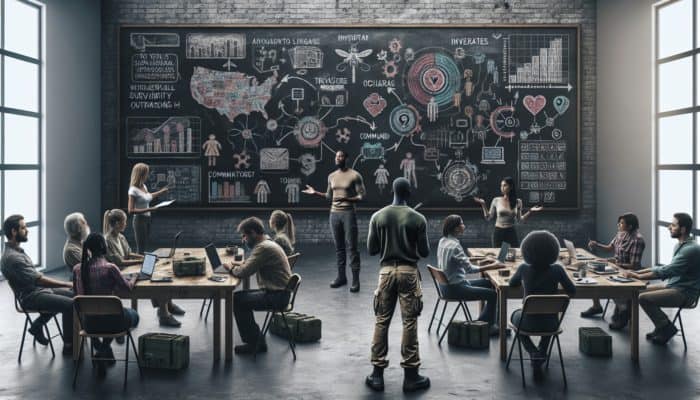
  • Teamwork Ideas for Preppers to Build Stronger Communities

    Teamwork Ideas for Preppers to Build Stronger Communities

    Strategies for Forming High-Impact Prepper Teams to Ensure Effective Emergency Readiness

    Establishing Clear Roles and Responsibilities to Maximize Team Performance

    Diverse prepper team in a post-apocalyptic setting, showcasing defined roles: leader, medic, logistics coordinator, and security officer.

    Creating high-impact prepper teams hinges on the establishment of well-defined roles for each member. This clarity allows individuals to comprehend their specific duties, thereby enhancing overall operational efficiency and effectiveness. By assigning distinct roles—such as team leader, medic, logistics coordinator, and security officer—the team can streamline operations, ensuring that plans are executed with accuracy. For example, a logistics coordinator is responsible for managing supply chains, while a security officer focuses on safeguarding the team’s perimeter. Regular reviews and updates of these roles, based on evolving team member skills or changing circumstances, are crucial for maintaining high levels of engagement and accountability within the group.

    Furthermore, effectively communicating these roles during team meetings and training sessions is vital. This practice cultivates a sense of ownership and accountability among members, empowering them to take initiative in their areas of expertise. Engaging in team-building activities can further clarify these roles, allowing members to experience their responsibilities in action. Such an approach not only strengthens the team’s readiness but also fosters essential trust and collaboration, which are critical for any cohesive unit. Conducting regular performance evaluations against these defined roles can effectively highlight areas in need of improvement or additional training, continuously enhancing the team’s operational efficiency.

    Establishing Strong Communication Strategies for Enhanced Prepper Team Functionality

    Effective communication is the cornerstone of successful prepper teamwork. Developing clear and reliable communication channels ensures that team members can coordinate their actions and share vital updates, especially in times of crisis. Employing a combination of verbal and non-verbal communication techniques enhances clarity and understanding. For instance, team members may utilize hand signals during operations to minimize noise, while group messaging applications can facilitate real-time updates and coordination among members.

    In addition to technological solutions, implementing regular communication rituals—such as daily briefings or weekly training sessions—can solidify the team’s operational framework. These gatherings provide opportunities for members to voice concerns, share insights from personal experiences, and discuss upcoming drills. Creating an environment that promotes open communication significantly improves problem-solving and decision-making processes. Consider introducing a “communication buddy” system to pair members, ensuring accurate message delivery and enhancing the reliability of information exchange.

    Another effective strategy is to establish a communication hierarchy. During emergencies, this structure directs messages through designated individuals, minimizing confusion and maintaining order. Creating guidelines for how and when to communicate can reduce stress, ensuring that all team members feel informed and prepared. Regularly testing these communication protocols during drills guarantees their effectiveness and ensures that every member is proficient in their use when it matters most.

    Elevating Team Preparedness Through Enhanced Training and Skill Development

    Regular training sessions are fundamental for enhancing the skills of prepper team members, enabling them to respond effectively to a variety of scenarios. Focused training on essential survival skills—such as first aid, navigation, and food procurement—ensures that each member can meaningfully contribute during a crisis. Incorporating team-building exercises is also crucial, as these activities promote camaraderie and trust, which are indispensable for a unified response to emergencies.

    Diversifying training methodologies keeps sessions engaging and impactful. For example, hands-on workshops can teach skills like fire-starting and shelter construction, allowing members to practice these techniques in a controlled environment. Additionally, employing scenario-based drills—where teams simulate real-life emergencies—offers practical experience that significantly enhances overall readiness. This approach not only reinforces learned skills but also helps identify areas needing further training, thereby promoting continuous growth and improvement.

    Encouraging team members to pursue individual skill development further enhances the overall preparedness of the group. Whether through attendance at local survival courses or engagement in online training modules, each member can acquire unique skills that contribute to the team’s collective capabilities. Establishing a mentorship program where experienced members guide newer recruits also strengthens the team’s overall abilities. Ultimately, regular training and skill development cultivate a knowledgeable, adaptable group well-prepared to tackle any emergency that may arise.

    Expert Insights on Essential Strategies for Building Effective Prepper Teams

    A gathering of survival experts discussing strategies around a campfire in a rugged wilderness setting at night.

    Identifying the Key Elements of Successful Prepper Teams

    Successful prepper teams share several critical elements that significantly contribute to their overall effectiveness. Key factors such as leadership, trust, and adaptability play pivotal roles in shaping team dynamics. Strong leadership provides direction and ensures that teams remain focused on their objectives during crises. For example, a leader who can make swift, informed decisions under pressure can greatly influence the outcome of an emergency response. Leadership styles can vary, ranging from authoritative to democratic, depending on the situation and team dynamics.

    Equally essential is the trust established among team members, which fosters an environment where individuals feel valued and more inclined to collaborate effectively. Building trust can be achieved through regular team-building exercises that promote communication and understanding. Activities such as survival retreats or workshops can facilitate bonding among team members and cultivate mutual respect. Teams that prioritize trust operate more smoothly, especially during high-stress situations where collaboration is crucial.

    Adaptability is another vital component of successful prepper teams. These teams must be able to modify their strategies in response to shifting circumstances, which may involve altering plans based on new information about a disaster or reallocating resources as needed. Teams that practice flexibility through regular scenario planning and drills are better prepared for unpredictable events. By fostering these three elements—leadership, trust, and adaptability—prepper teams can significantly enhance their effectiveness and resilience in any situation.

    Effective Strategies for Building Trust Within Prepper Teams

    Building trust among team members is fundamental for effective collaboration within any prepper group. One actionable step is to engage in regular team-building activities that promote bonding and understanding. These activities can range from simple icebreaker games during meetings to more complex outdoor challenges such as survival simulations. By working together to overcome obstacles, team members can develop a deeper appreciation for each other’s strengths and weaknesses.

    Open communication is another critical component in fostering trust. Establishing an environment where team members feel safe to express their thoughts and concerns can significantly enhance rapport. Regular debriefing sessions following drills provide a platform for members to share experiences, facilitating constructive feedback and discussion. Encouraging transparency in decision-making processes also helps cultivate an atmosphere of mutual respect and integrity.

    Additionally, recognizing achievements and contributions can further solidify trust within the team. Celebrating milestones—whether it’s completing a training session or successfully navigating a challenging exercise—reinforces positive behaviors and encourages continued participation. Pairing less experienced members with seasoned veterans in mentorship roles can also enhance trust by fostering a sense of responsibility and support. Ultimately, by prioritizing these strategies, prepper teams can cultivate a robust foundation of trust that will serve them well in times of need.

    The Importance of Leadership in Prepper Teams

    An inspiring prepper team leader in a bunker, guiding and motivating members with a strategic map.

    Leadership plays a crucial role in the effectiveness and preparedness of prepper teams. A strong leader not only directs but also inspires team members, establishing a clear vision for their objectives. Effective leadership is characterized by the ability to make informed decisions quickly, especially during emergencies when every second counts. For instance, a leader who remains calm and decisive under pressure can instill confidence in team members, which is essential for maintaining morale.

    Different leadership styles can significantly impact team dynamics and preparedness. A democratic approach fosters collaboration, allowing team members to contribute ideas and solutions, thereby enhancing engagement. Conversely, an authoritative style may be necessary in high-stakes situations that require quick, decisive action. Leaders must recognize when to adapt their style to suit the context and the needs of the team.

    Moreover, effective leaders prioritize the development of their team members’ skills and capabilities. This includes identifying individual strengths and weaknesses and providing opportunities for growth. Leaders who invest in training and mentorship not only improve team performance but also cultivate loyalty and commitment among members. The influence of strong leadership extends beyond immediate operational effectiveness; it fosters a culture of resilience and readiness within the team, ensuring they are well-prepared for any challenges that lie ahead.

    Optimizing Resource Management and Distribution for Prepper Teams

    Creating a Comprehensive Resource Inventory System for Efficient Management

    Establishing a robust resource inventory system within a prepper team is essential for effective management and utilization of supplies. This system assists in tracking resources, ensuring items are accounted for and replenished as necessary. A thorough inventory encompasses everything from food and water to medical supplies and tools, allowing team members to quickly assess available resources during emergencies.

    To effectively create this system, it is crucial to categorize resources by type and urgency. For example, food supplies can be divided into perishables and non-perishables, while medical supplies might be grouped by function, such as first aid, trauma care, and hygiene. Utilizing simple software or spreadsheets facilitates easy tracking and updates, enabling team members to consistently log resource usage and expiration dates. Regular checks—weekly or monthly—ensure that the inventory remains accurate and current.

    Moreover, educating team members about the importance of resource management fosters a sense of accountability. Involving everyone in the process ensures that all members understand the significance of conserving supplies and using them effectively. Establishing a clear protocol for resource usage and replenishment also enhances team cohesion, as members collaborate to maintain readiness. Ultimately, a well-organized resource inventory system not only streamlines operations but also contributes to the overall sustainability and efficacy of the prepper team.

    Best Practices for Effective Resource Allocation in Prepper Teams

    Fair and effective resource allocation is vital for the success of any prepper team, especially in high-stress situations. One of the best practices teams should implement is prioritizing needs based on urgency and availability. For example, during a crisis, food and water may take precedence over tools or recreational supplies. Establishing a clear hierarchy of needs optimizes resource usage while aligning team members on survival priorities.

    Effective communication is another critical element in resource allocation. Team members should feel encouraged to discuss their resource needs and any challenges they encounter. Regular meetings can serve as platforms for identifying resource gaps and collaboratively developing solutions. Creating a system for requesting and allocating resources ensures transparency and fairness, preventing conflicts and misunderstandings.

    Additionally, considering resource-sharing agreements with other prepper groups can enhance overall preparedness. Collaborating with neighbors or local communities can facilitate access to additional resources while fostering cooperative relationships. Teams might also implement a rotation system for shared resources to ensure all parties have equitable access. By focusing on these best practices for resource allocation, prepper teams can improve their efficiency and effectiveness, ultimately leading to better outcomes during emergencies.

    Collaborative Strategies for Efficient Resource Acquisition

    Joining forces to acquire resources more efficiently is a fundamental aspect of successful prepper teamwork. Collaborative resource acquisition can manifest in various forms, from bartering to group purchasing initiatives. By pooling financial resources, prepper teams can often secure larger quantities of essential supplies at discounted rates, maximizing their purchasing power.

    One effective method of collaborative acquisition is establishing a community bartering system. This approach allows team members to exchange goods and services based on their skills or surplus supplies, fostering a sense of mutual support. For instance, a member with gardening skills might trade fresh produce for medical supplies from another team member. This not only saves money but also strengthens team bonds through shared contributions.

    Furthermore, forming partnerships with local businesses can enhance resource acquisition. Preppers can negotiate bulk purchases or discounts on frequently needed supplies, such as food, water purification systems, and first-aid kits. Developing these relationships not only benefits the team financially but also strengthens community ties, promoting a culture of preparedness at a local level. Overall, collaborative resource acquisition empowers prepper teams to effectively manage their supplies while fostering a sense of community and cooperation.

    Preparing Effectively for Emergencies: Key Strategies for Prepper Teams

    Developing Detailed Emergency Plans for Various Scenarios

    Creating comprehensive emergency plans is essential for preparing teams to respond effectively to a variety of scenarios. Detailed plans should outline responses to numerous emergencies, including natural disasters, civil unrest, or health crises. By addressing multiple potential scenarios, teams can ensure they are prepared for whatever challenges may arise.

    Begin by evaluating the specific risks your team faces based on geographical location. For instance, a prepper team situated in a coastal area may prioritize hurricane preparedness, while one in a region prone to wildfires might focus on evacuation routes and sheltering strategies. Each plan should clearly detail steps for evacuation, sheltering in place, communication protocols, and resource allocation during emergencies.

    Additionally, regularly revisiting and updating these plans is crucial for maintaining relevance and effectiveness. Conducting practice drills based on the established plans allows team members to become familiar with procedures and identify potential gaps. This hands-on experience not only boosts confidence but also enhances teamwork during stressful situations. Ensuring that all team members are well-versed in emergency procedures allows prepper teams to respond more efficiently and effectively in a crisis.

    Conducting Regular Emergency Drills to Boost Preparedness

    Regularly conducting emergency drills is a vital strategy for prepper teams to improve their preparedness. These drills familiarize team members with emergency protocols, ensuring that everyone knows their specific roles and responsibilities during a crisis. By simulating real-life scenarios, teams can practice their responses and refine their strategies, ultimately improving their reaction times when an actual emergency occurs.

    To maximize the effectiveness of these drills, vary the scenarios presented. For instance, one drill might focus on a medical emergency, while another simulates a natural disaster requiring evacuation. Involving all team members and encouraging them to provide feedback after each drill can help identify areas for improvement and reinforce learning. This iterative process of practice and feedback is crucial for building a competent and confident team.

    Moreover, conducting after-action reviews following each drill allows teams to reflect on their performance and gather insights for future enhancements. Discussing what went well and what requires attention fosters a culture of continuous learning and growth. As a result, prepper teams that prioritize regular drills cultivate an environment of preparedness that significantly enhances their ability to respond effectively during actual emergencies.

    Essential Components of an Emergency Kit for Prepper Teams

    An emergency kit is a fundamental resource for every prepper team, providing the necessary supplies to sustain members during crises. A well-stocked emergency kit should include the following essential components:

    • Water and water purification tablets
    • Non-perishable food items (e.g., canned goods, energy bars)
    • First aid supplies (bandages, antiseptics, medications)
    • Multi-tool or knife
    • Flashlights with extra batteries
    • Blankets or sleeping bags
    • Fire-starting equipment (matches, lighters)
    • Personal hygiene items (toothbrushes, wipes)

    Each component serves a critical function in ensuring the team’s survival during emergencies. Ensuring access to sufficient clean water is paramount, as hydration is essential for maintaining health and energy. Non-perishable food items provide quick sustenance, while first aid supplies are necessary for treating injuries.

    Additionally, tools like multi-tools assist in various tasks, from food preparation to shelter setup. Flashlights and fire-starting equipment enhance safety and comfort during dark or cold conditions. Personal hygiene items contribute to team members’ overall well-being and morale, helping them maintain a sense of normalcy during challenging times.

    Regularly reviewing and updating the emergency kit based on team needs and changing conditions is crucial. Conducting inventory checks ensures that supplies are not expired and that everything is accounted for. By prioritizing the development of a comprehensive emergency kit, prepper teams can significantly enhance their readiness for any crisis.

    Engaging with Local Communities to Strengthen Support and Preparedness

    Building Strong Relationships with Local Communities for Enhanced Mutual Support

    Fostering positive relationships with surrounding communities is essential for enhancing mutual support and resource sharing in prepping. By building trust and cooperation with neighbors, prepper teams can cultivate a network of allies that can prove invaluable during emergencies. Establishing friendly communication channels facilitates collective preparedness and resilience.

    One effective strategy is to engage in community events and initiatives, such as local fairs or preparedness workshops. By participating actively, prepper teams can demonstrate their commitment to community welfare and educate others about emergency preparedness. Hosting informational sessions on basic survival skills or first aid can empower residents and enhance overall community resilience.

    Moreover, collaborating with local organizations, such as schools or community centers, can create platforms for sharing resources and expertise. Team members can offer to lead training sessions or demonstrations, equipping community members with essential skills while strengthening bonds between prepper teams and the local populace. By prioritizing these relationships, prepping teams can cultivate a supportive environment that benefits everyone involved.

    How Prepper Teams Can Significantly Contribute to Community Preparedness

    Prepper teams possess a unique opportunity to help educate and prepare their communities for emergencies. By sharing knowledge and providing resources, they can enhance overall community preparedness and foster resilience in the face of potential crises. One effective means of contribution is by organizing workshops or training sessions focused on essential skills, such as first aid, fire safety, and emergency planning.

    Hosting events centered on disaster preparedness can actively engage community members. For instance, team members can lead discussions on local hazards and strategies for mitigating risks. Distributing informational materials, such as checklists and tips for creating personal emergency plans, empowers individuals and families to take proactive measures toward their safety.

    Collaboration with local authorities and organizations can further amplify these efforts. Partnering with emergency services to conduct joint drills enhances community-wide preparedness while reinforcing the importance of teamwork during crises. By positioning themselves as valuable resources within the community, prepper teams can foster a culture of preparedness that benefits everyone and strengthens community resilience.

    Supporting Vulnerable Populations in the Community for Inclusivity in Preparedness

    Identifying and supporting vulnerable populations within the community is a vital aspect of comprehensive emergency preparedness. Individuals such as older people, people with disabilities, or low-income families may require additional assistance during crises, making it imperative for prepper teams to proactively address their needs. By developing strategies to assist these groups, teams can help ensure that no one is left behind during emergencies.

    Conducting community assessments can help identify vulnerable populations and understand their unique challenges. Once these groups are identified, prepper teams can create tailored support plans, such as providing transportation to medical appointments or distributing emergency kits customized to their needs. Engaging with local social services can enhance resource availability and coordination.

    Additionally, establishing a volunteer network within the team to assist vulnerable populations can strengthen community ties. Team members can take turns checking in on at-risk individuals to ensure they have access to necessary resources and support. This proactive approach reinforces the team’s commitment to inclusivity and shared responsibility during emergencies, ultimately fostering community resilience.

    Participating in Community Events and Initiatives to Boost Preparedness

    Engaging in local events and initiatives is an effective way for prepper teams to strengthen community ties and promote preparedness. By connecting with the broader community, prepper teams can establish themselves as valuable resources while building rapport with neighbors. This engagement fosters a culture of mutual support that can prove critical during emergencies.

    One approach is to host or participate in community fairs, where teams can offer demonstrations on essential skills, such as basic first aid, gardening, or emergency planning. These interactive sessions not only educate community members but also provide team members with opportunities to connect with others and share insights. Furthermore, these events can help dispel myths about prepping, presenting it as a collaborative effort rather than a solitary endeavor.

    In addition to hosting events, teaming up with local organizations can amplify community outreach. Collaborating with schools, churches, or community centers can create platforms for sharing resources and expertise. Establishing a presence in these venues reinforces the prepper team’s commitment to community welfare and ultimately enhances preparedness at the local level. By actively participating in community events and initiatives, prepper teams can help build a more resilient society.

    Establishing Reliable Communication Networks for Enhanced Community Coordination

    Setting up dependable communication networks within the community is essential for better coordination during emergencies. These networks facilitate swift information dissemination, ensuring that critical updates reach those in need promptly. By establishing a system that connects individuals, prepper teams can enhance overall community preparedness and resilience.

    One effective method is to create a community messaging system, utilizing platforms like group chats or local social media groups. This allows for real-time communication and updates on evolving situations. Encouraging community members to participate in these networks fosters a sense of unity and collaboration, as individuals share information and resources.

    Moreover, organizing regular community meetings or forums further strengthens communication channels. These gatherings can serve as venues for discussing emergency plans, sharing resources, and reinforcing relationships among community members. By prioritizing open lines of communication, prepper teams can create a robust support network that enhances collective preparedness and response capabilities.

    Benefits of Effective Collaboration Among Prepper Teams Backed by Research

    Boosting Survival Rates Through Effective Team Collaboration

    Collaboration and teamwork significantly enhance survival rates during emergencies. Studies demonstrate that groups working together can efficiently pool resources, skills, and knowledge, leading to better outcomes than individuals working alone. For instance, during a natural disaster, teams are better equipped to execute complex tasks, such as securing shelter or coordinating evacuations, compared to individuals attempting these actions solo.

    Moreover, the psychological benefits of teamwork are crucial during crises. Having a support system in place can alleviate stress and anxiety, boosting morale among team members. This psychological resilience fosters better decision-making and reduces the likelihood of panic. For example, individuals who feel supported by their peers are more likely to remain calm and focused, enabling them to respond to emergencies effectively.

    Real-world examples underscore the advantages of teamwork in crises. Rescue operations during large-scale disasters often rely on coordinated team efforts, highlighting the essential role of collaboration in saving lives. By emphasizing the benefits of teamwork and fostering collaboration, prepper teams can significantly enhance their overall effectiveness and resilience.

    The Impact of Teamwork on Mental Health During Crises

    Teamwork plays a vital role in mitigating mental health challenges during crises. The support and camaraderie provided by a cohesive team environment can significantly reduce feelings of isolation and anxiety that often accompany emergencies. Individuals who work within supportive groups are more likely to experience enhanced emotional well-being and resilience.

    When teams collaborate, members can share their fears and concerns, fostering a sense of belonging. This social support is crucial for maintaining mental health during crises, as individuals are better equipped to cope effectively when they feel connected to others. Establishing a culture of open communication empowers members to express their emotions, further enhancing group cohesion.

    Furthermore, engaging in team-based training and drills can instill a sense of purpose and control, essential factors in managing stress during emergencies. By preparing together and developing a collective response strategy, teams can cultivate confidence and readiness among members. Ultimately, prioritizing teamwork not only enhances operational effectiveness but also strengthens mental health within prepping communities.

    Improving Resource Efficiency Through Team Collaboration

    Collaboration within prepper teams can significantly improve resource efficiency by leveraging shared knowledge and skills. When team members work together, they can pool their resources and expertise, maximizing the use of supplies and minimizing waste. For example, teams that engage in collective planning can identify overlapping resource needs, ensuring that everyone has access to the resources they need without redundancy.

    Real-world examples illustrate the benefits of collaboration in resource management. Many successful prepper teams utilize communal storage systems to share supplies, allowing for efficient tracking and distribution. This collective approach not only enhances resource utilization but also fosters a sense of community among team members, reinforcing their commitment to shared goals.

    Additionally, encouraging members to share their individual skills can further enhance resource efficiency. For instance, a team member skilled in gardening can assist others in growing their own food, while another with medical training can offer first aid workshops. By leveraging these diverse skills, teams can create a self-sufficient environment that reduces dependence on external resources, thereby improving overall readiness.

    Strengthening Community Resilience Through Team Collaboration

    Teamwork significantly contributes to strengthening community resilience in prepping scenarios. Collaborative efforts among community members can create a robust support network that enhances preparedness and response capabilities during emergencies. Engaging in joint exercises or drills fosters connections, enabling individuals to coordinate their actions effectively during crises.

    Case studies of communities that have successfully navigated disasters highlight the benefits of teamwork. For instance, neighborhoods that have established mutual aid agreements can respond more efficiently during emergencies, providing resources and support to one another. These cooperative strategies not only save lives but also reinforce community solidarity.

    By prioritizing teamwork and collaboration, prepper teams can enhance their overall effectiveness and cultivate a culture of preparedness within their communities. This cooperative spirit contributes to long-term resilience, ensuring that communities are better equipped to face future challenges together.

    Conflict Resolution Strategies for Maintaining Team Cohesion and Effective Collaboration

    Effective Strategies for Managing Team Conflicts

    Managing conflicts within a prepper team is crucial for maintaining a cohesive and effective group. Conflict is often inevitable, especially in high-stress situations like emergency preparedness. Implementing effective conflict-resolution strategies is essential for preserving team dynamics and fostering a collaborative environment.

    One effective approach to managing conflicts is by establishing clear communication channels. Encouraging open dialogue among team members allows individuals to express their concerns and frustrations without fear of retribution. Regularly scheduled team meetings provide a structured space for addressing issues before they escalate. Practicing active listening ensures that all members feel heard and valued during discussions.

    Another strategy involves mediating conflicts through neutral parties. Designating team members as mediators can help facilitate discussions and guide parties toward mutually agreeable solutions. Mediation emphasizes collaboration rather than competition, fostering a sense of unity and shared goals. Furthermore, incorporating team-building exercises focused on conflict resolution can enhance members’ skills in addressing disagreements constructively.

    Ultimately, by prioritizing conflict resolution strategies, prepper teams can cultivate a healthy team atmosphere that promotes collaboration and trust. This proactive approach minimizes disruptions and enhances the team’s overall effectiveness in preparing for and responding to emergencies.

    Recognizing Signs of Team Dysfunction in Prepper Teams

    Identifying the signs of team dysfunction is crucial for addressing issues before they escalate. Dysfunction within a prepper team can manifest in various ways, negatively impacting efficiency and overall preparedness. Common signs include poor communication, low morale, and unresolved conflicts among members.

    When communication breaks down, team members may feel isolated or uninformed, leading to confusion during emergencies. Additionally, noticeable changes in morale—such as increased frustration or disengagement—can signal underlying issues. Team members may begin to avoid collaborating or participating in training, indicating a need for intervention.

    Unresolved conflicts are another prominent sign of dysfunction. When disagreements persist without resolution, they can create a toxic environment that erodes trust among team members. Promptly addressing these conflicts through mediation and open dialogue is essential for restoring harmony and functionality.

    By actively monitoring these signs, prepper teams can take proactive measures to address dysfunction and reinforce team cohesion. Regular check-ins and feedback mechanisms can facilitate discussions that identify and resolve potential issues, ensuring that the team remains effective and united.

    Creating a Cohesive Culture for Successful Prepper Teams

    Fostering a strong team culture is vital for promoting unity and shared goals within a prepper team. A cohesive culture enhances collaboration, trust, and commitment, ultimately improving the team’s overall effectiveness. Establishing core values and principles can serve as the foundation for this culture, guiding team interactions and decision-making processes.

    One approach to building a cohesive culture is to create a shared mission statement that articulates the team’s purpose and objectives. This statement should reflect the collective aspirations of all members, fostering a sense of belonging and commitment to the team’s goals. Regularly revisiting and reinforcing this mission can help maintain focus and motivation.

    Implementing team-building activities that promote bonding and collaboration can further strengthen team culture. Engaging in outdoor challenges, survival simulations, or volunteer initiatives can create shared experiences that deepen connections among members. Encouraging participation in social events, such as potlucks or game nights, can also enhance camaraderie and foster a sense of community.

    By prioritizing these strategies, prepper teams can cultivate a resilient, unified culture that empowers members to collaborate toward shared goals. This cohesive environment enhances overall preparedness and ensures that the team is well-equipped to respond effectively during emergencies.

    Long-Term Sustainability and Growth Strategies for Prepper Teams

    Developing Plans for Sustainable Growth in Prepper Teams

    Creating strategies for the long-term sustainability of a prepper team is crucial for ensuring continued effectiveness and resilience. Sustainable teams prioritize resource management, skill development, and succession planning to adapt to evolving challenges while maintaining operational efficiency.

    One key aspect of sustainability is establishing a clear resource management plan. This includes tracking supplies, assessing expiration dates, and implementing regular inventory checks. By ensuring resources are well-managed and replenished as needed, teams can maintain their readiness for emergencies over the long term.

    Skill development is another vital component. Prepping teams should emphasize ongoing training and education, encouraging members to continuously learn and develop new skills relevant to survival and teamwork. Fostering a culture of growth ensures that the team remains capable of responding to a variety of emergencies.

    Succession planning also plays a critical role in long-term sustainability. Identifying potential leaders and mentors within the team ensures that knowledge and responsibilities are effectively passed down. This proactive approach minimizes disruptions that may arise during transitions, maintaining operational continuity.

    By prioritizing these strategies, prepper teams can ensure their long-term sustainability and resilience, equipping them to effectively face future challenges.

    Adapting to Changing Circumstances as a Prepper Team

    Adaptability is essential for prepper teams, as circumstances can change rapidly during emergencies. Teams must develop strategies that allow them to remain flexible and responsive to new challenges and opportunities. One effective approach is to conduct regular reviews of emergency plans to ensure they remain relevant and applicable to current conditions.

    Incorporating scenario-based training exercises can also enhance adaptability. By practicing responses to various potential emergencies, team members can develop the skills and mindset necessary to adjust their tactics as situations evolve. This hands-on experience fosters a culture of continuous learning and improvement, equipping teams to navigate uncertainty effectively.

    Encouraging open communication within the team is equally important for adaptability. Team members should feel empowered to voice concerns, share insights, and propose adjustments to plans based on their experiences. Fostering an environment where feedback is valued promotes a sense of ownership and collective responsibility.

    Ultimately, by prioritizing adaptability, prepper teams can enhance their resilience and effectiveness, ensuring that they are well-prepared to respond to the changing landscape of emergencies.

    Expanding Prepper Teams for Greater Capacity and Readiness

    Growing prepper teams over time is essential for enhancing their capacity and readiness. As new members join, successful integration into existing team structures is crucial for maintaining cohesion and effectiveness. One key step is to establish a clear onboarding process for recruits that introduces them to team roles, responsibilities, and culture.

    Recruitment efforts can focus on attracting individuals with diverse skills and backgrounds, enriching the team’s overall capabilities. Utilizing local resources, such as community boards or social media, can help identify potential members who share a passion for preparedness.

    Training new members alongside existing team members fosters collaboration and camaraderie. Pairing seasoned members with newcomers in mentorship roles can facilitate knowledge transfer and strengthen relationships. Regular training sessions that involve all team members can reinforce unity and ensure everyone is on the same page regarding emergency protocols.

    Additionally, regularly assessing team dynamics and performance can help identify potential areas for growth. Gathering feedback from both new and existing members can provide insights that inform future recruitment and training strategies. By prioritizing these steps, prepper teams can effectively expand and grow, enhancing their overall capacity to respond to emergencies.

    Ensuring Financial Stability for Long-Term Team Growth

    Financial planning and management strategies are key to supporting the long-term growth and sustainability of prepper teams. Establishing a budget that aligns with the team’s goals enables effective resource allocation, ensuring that essential supplies and training costs are accounted for.

    One effective approach is to create a crowdfunding or membership system in which team members contribute financially based on their capabilities. This collective funding model can enhance resource availability while discouraging individual financial burdens. Moreover, organizing fundraising events, such as survival workshops or community fairs, can generate additional income to support team initiatives.

    Additionally, exploring investment options for team funds can yield long-term benefits. Allocating a portion of the budget for investment in resources or training opportunities can enhance the team’s overall capabilities. By prioritizing financial planning and management, prepper teams can ensure their long-term growth and sustainability, positioning themselves for success in a rapidly changing landscape.

    Building Community Relationships for Sustainable Growth

    Establishing strong relationships with local communities is vital for enhancing the sustainability and growth of prepper teams. Collaborative partnerships foster mutual support, enabling teams to access resources and knowledge that can improve their preparedness capabilities. Engaging with local organizations, businesses, and residents creates a network of allies that can prove invaluable during emergencies.

    One effective strategy is to participate in community outreach initiatives, such as emergency preparedness workshops or public safety events. By sharing knowledge and resources, prepper teams can position themselves as valuable community assets, reinforcing their commitment to collective well-being.

    Encouraging local businesses to contribute to community preparedness efforts can also enhance relationships. For instance, partnering with local suppliers for bulk purchases or safety equipment can create a win-win situation, benefiting both the prepper team and local enterprises.

    Additionally, prioritizing open communication with community members fosters trust and cooperation. Regularly engaging with residents through meetings or social media can keep the community informed about the team’s initiatives and encourage their involvement. By building these relationships, prepper teams can enhance their sustainability and growth, ensuring their ongoing effectiveness in fostering community resilience.

    Frequently Asked Questions About Prepper Teams and Their Functionality

    What constitutes a prepper team?

    A prepper team is a group of individuals who collaborate to prepare for emergencies and disasters by sharing resources, skills, and knowledge. Teams often focus on enhancing overall preparedness and resilience.

    How can I start a prepper team?

    To create a prepper team, identify like-minded individuals who share similar goals. Establish clear roles and responsibilities, develop a communication system, and initiate regular training sessions to build skills and teamwork.

    What should be included in a prepper training program?

    A prepper training program should encompass essential skills such as first aid, survival techniques, resource management, and emergency planning. Incorporating team-building exercises can also enhance cohesion and collaboration.

    How can we improve communication within a prepper team?

    Enhancing communication within a prepper team can be achieved by establishing regular meetings, utilizing group messaging platforms, and creating a hierarchy for information dissemination during emergencies.

    What are the common challenges faced by prepper teams?

    Common challenges faced by prepper teams include resource management, maintaining team cohesion, effective communication, and adapting to changing circumstances. Addressing these challenges requires proactive strategies and ongoing training.

    How do we build trust within a prepper team?

    Building trust within a prepper team involves engaging in team-building activities, promoting open communication, recognizing individual contributions, and creating opportunities for members to bond over shared experiences.

    Why is leadership important in a prepper team?

    Leadership is essential in a prepper team, as it provides direction, fosters collaboration, and ensures members stay focused on shared objectives. Effective leaders can adapt their styles to meet the team’s needs during crises.

    How can prepper teams contribute to their communities?

    Prepper teams can contribute to their communities by hosting educational workshops, sharing resources, participating in local initiatives, and supporting vulnerable populations to enhance overall community preparedness.

    What is the importance of regular emergency drills?

    Regular emergency drills are crucial for familiarizing team members with their roles and responsibilities during crises. Drills enhance readiness, build confidence, and improve response times during actual emergencies.

    How can we ensure the sustainability of a prepper team?

    Ensuring the sustainability of a prepper team involves effective resource management, ongoing skill development, financial planning, and establishing strong community relationships to support long-term growth and readiness.

    Follow our journey on X!

    The post Prepper Teamwork Ideas: Building Strong Communities appeared first on Survival Bite.

    The Article Teamwork Ideas for Preppers: Strengthening Communities Was Found On https://limitsofstrategy.com
  • Community Survival Strategies: Essential Techniques to Thrive

    Community Survival Strategies: Essential Techniques to Thrive

    Effective Techniques for Building Strong and Resilient Communities

    Enhancing Community Resilience Through Social Connection Development

    Community Survival Strategies: A vibrant community fair with diverse groups engaging in activities, building trust and unity.

    To effectively enhance community resilience, it is essential to develop a vibrant network of social connections. This can be accomplished by organizing regular community events, including community fairs, potluck dinners, and educational workshops. Such gatherings are invaluable for encouraging individuals to interact, fostering meaningful relationships that are critical in times of need. These interactions cultivate trust, mutual understanding, and a lasting sense of belonging, all of which are essential during challenging circumstances. For example, communities that have successfully built strong social networks tend to respond more swiftly and recover more effectively from natural disasters or emergencies. This underscores the significant role of social cohesion in effective crisis management.

    Additionally, establishing robust communication networks, such as local forums, social media groups, and community boards, facilitates continuous dialogue among residents. These platforms are vital for disseminating essential information, sharing resources, and providing emotional support, thereby significantly enhancing community morale. Effective communication fosters collaboration, motivating individuals to share their skills, resources, and knowledge, which can be crucial during challenging situations.

    By prioritizing the establishment of social connections, communities can weave a resilient fabric capable of enduring external pressures. Engaging in collective activities not only strengthens community identity but also prepares members to unite during emergencies, embodying the true essence of community survival strategies.

    Empowering Local Leaders to Enhance Community Responsiveness

    Empowering local leaders plays a fundamental role in fostering effective community resilience. By equipping individuals with the necessary training to assume leadership roles, communities provide them with essential skills needed to organize and mobilize resources during crises. Programs focused on developing leadership capabilities—such as conflict resolution, emergency management, and team coordination—ensure that communities are adequately prepared to respond swiftly and effectively when challenges arise.

    Local leaders often act as crucial links between community members and external agencies, facilitating communication and resource allocation. They can mobilize volunteers, coordinate logistical efforts, and implement strategies tailored to the unique needs of their communities. For instance, in numerous regions, local leaders have successfully established emergency response teams that provide immediate assistance and support to residents affected by disasters. This highlights the critical importance of strong leadership in crisis scenarios.

    Moreover, investing in leadership development fosters a culture of ownership and engagement within the community. Individuals feel empowered and motivated to contribute to community initiatives, which enhances cohesion and resilience. This approach underscores the significance of community survival strategies, as empowered leaders are pivotal in driving collective action and inspiring others to actively participate in resilience-building efforts.

    Promoting Inclusivity to Strengthen Community Relationships

    Inclusivity is a fundamental principle that significantly enhances community resilience. When community members feel valued and included, they foster a strong sense of belonging and shared responsibility. Inclusive practices involve actively engaging diverse populations, including marginalized groups, and ensuring their voices are heard in decision-making processes. This approach promotes social equity and enriches the community with a variety of perspectives and innovative solutions.

    For instance, community projects that actively solicit input from all demographic groups tend to be more successful in addressing the diverse needs of the entire community. Engaging in dialogues with various cultural, ethnic, and socioeconomic groups can reveal unique insights that inform better resource allocation and planning, ultimately leading to more cohesive community development.

    Furthermore, promoting inclusivity strengthens social ties, creating a vital support network during emergencies. Communities that embrace diversity are typically more adaptable and innovative, making them better equipped to navigate crises. By embedding inclusivity within their core values, communities reinforce their community survival strategies, ensuring that every member contributes to and benefits from collective resilience.

    Maximizing Community Resources for Increased Resilience

    A bustling community center with food distribution, medical clinic, and educational facilities, supported by resilient infrastructure.

    Improving access to essential resources and services is integral to building a resilient community. This includes investing in infrastructure such as transportation systems, healthcare facilities, and communication networks that can withstand crises and provide necessary support. Establishing community centers that offer various services, including food distribution, medical care, and educational programs, can significantly enhance overall community well-being, especially during times of need.

    Collaboration with local governments and organizations can help secure funding and resources for community projects aimed at bolstering resilience. Partnerships with nonprofits, for instance, can lead to the establishment of emergency response teams and resource hubs, ensuring communities are sufficiently equipped to face adversities and emergencies.

    Moreover, conducting regular assessments of community resources can identify gaps and areas for improvement. Engaging community members in these assessments fosters a sense of ownership and accountability, empowering them to contribute to the planning and implementation of resource enhancement initiatives. By actively working to improve community resources, residents can significantly strengthen their community survival strategies, ensuring preparedness for both anticipated and unforeseen challenges.

    Strategic Resource Management and Sustainable Practices for Communities

    Implementing Effective Resource Management Techniques

    Effective resource management is crucial for the sustainability of any community, particularly during prolonged crises. Communities can adopt various strategies to conserve resources, including implementing recycling programs, promoting energy efficiency, and encouraging the use of locally sourced materials. Community workshops focused on sustainable practices can educate residents on reducing waste, reusing materials, and conserving energy, resulting in a more self-sufficient environment that benefits all members.

    Moreover, fostering a culture of resource-sharing can greatly enhance sustainability. Communities that implement tool libraries, for example, allow residents to borrow tools and equipment instead of purchasing them, thus reducing waste and lowering costs. This approach not only conserves valuable resources but also fosters community interaction, as members collaborate on various projects and initiatives.

    Additionally, establishing local businesses that prioritize sustainability can significantly benefit community resilience. These enterprises are more likely to focus on local sourcing and environmentally friendly practices, creating a mutually beneficial relationship with the community as they work towards shared sustainability goals. By adopting efficient resource management strategies, communities can better prepare to withstand and recover from challenges, strengthening their community survival strategies.

    Adopting Sustainable Practices for Long-Term Viability of Communities

    A vibrant community with solar panels, green spaces, and recycling bins, showcasing sustainable living and active participation.

    Sustainability is essential for the long-term viability of communities, especially in the face of climate change and resource scarcity. By adopting sustainable practices, such as utilizing renewable energy sources and implementing robust recycling programs, communities can significantly reduce their carbon footprint while enhancing overall resilience. For instance, community solar projects enable residents to collectively harness solar energy, reducing reliance on non-renewable sources and lowering energy costs for everyone involved.

    Furthermore, promoting public transportation and non-motorized transport options, such as biking and walking, can significantly decrease greenhouse gas emissions while fostering healthier lifestyles. Communities can also incentivize local businesses to adopt sustainable practices, such as minimizing packaging waste or using biodegradable materials, further embedding sustainability within the local economy.

    It is vital for communities to educate their members about the benefits of sustainability, encouraging them to adopt eco-friendly practices in their daily lives. Workshops, informational campaigns, and community challenges can raise awareness and motivate residents to make environmentally conscious choices. By prioritizing sustainable practices, communities enhance their resilience and ensure that future generations inherit a healthier environment, reinforcing the effectiveness of community survival strategies.

    Creating Community Gardens for Sustainability and Empowerment

    Establishing community gardens is a powerful approach to promote self-sufficiency and strengthen community ties. These gardens provide a local food source, reducing dependence on external supplies and fostering a sense of ownership among residents. Community gardens also act as gathering spaces where neighbors come together to cultivate plants, share knowledge, and build relationships, thereby enhancing overall social cohesion.

    Moreover, community gardens can significantly improve food security, particularly in urban areas with limited access to fresh produce. By growing their own fruits and vegetables, residents can enhance their nutrition while minimizing their environmental footprint. Additionally, these gardens can be designed to incorporate sustainable practices, such as composting and rainwater harvesting, further enhancing their resilience and contribution to environmental sustainability.

    Involving individuals of all ages in gardening activities promotes healthy lifestyles and imparts valuable life skills. Workshops on gardening techniques can empower participants with knowledge about sustainable agricultural practices, enabling them to contribute meaningfully to food production. By fostering a culture of community gardening, residents can fortify their community survival strategies, creating a more resilient and interconnected neighborhood.

    Implementing Effective Water Conservation Strategies for Sustainability

    Water is an invaluable resource that requires careful management, especially in communities facing drought or water scarcity. Implementing effective water conservation strategies can help ensure the long-term availability and sustainability of this essential resource. Techniques such as rainwater harvesting, installation of low-flow fixtures, and promoting xeriscaping can significantly reduce water consumption, making communities more resilient against water shortages.

    Educating community members about water conservation is crucial for fostering a culture of awareness. Workshops and informational campaigns can provide practical tips on minimizing water usage, such as fixing leaks, using water-efficient appliances, and practicing mindful consumption. By cultivating a culture of water awareness, communities can encourage collective action toward conservation efforts.

    Furthermore, partnerships with local governments and environmental organizations can facilitate the development of infrastructure that supports water conservation initiatives. This may include creating permeable surfaces in urban areas to reduce runoff, constructing retention ponds, and restoring natural waterways. By prioritizing effective water conservation strategies, communities can enhance their resilience and ensure access to this vital resource, strengthening their community survival strategies.

    Developing Robust Waste Management Systems for Environmental Health

    Creating effective waste management systems is essential for maintaining the health of any community and its environment. Implementing comprehensive recycling and composting programs can significantly reduce landfill waste while promoting sustainability among residents. Communities can organize clean-up events and educational campaigns to raise awareness about proper waste disposal techniques and the advantages of minimizing waste.

    Moreover, engaging local businesses in waste reduction initiatives can amplify the impact of these programs. Encouraging businesses to adopt practices such as reducing packaging or implementing take-back programs can foster a community-wide commitment to sustainability. Collaborating with waste management experts can help communities devise innovative solutions to effectively reduce, reuse, and recycle.

    In addition to enhancing environmental health, efficient waste management can contribute to economic resilience. Communities can explore opportunities to repurpose waste materials, transforming them into new products or resources. By prioritizing robust waste management systems, communities improve their overall quality of life and fortify their community survival strategies, preparing them to tackle environmental challenges effectively.

    Comprehensive Emergency Preparedness and Response Strategies

    Developing Detailed Emergency Plans for Community Resilience

    Creating comprehensive emergency plans is a cornerstone of effective community preparedness. These plans clearly delineate roles, responsibilities, and actions to be taken during various crisis scenarios, ensuring that community members know how to respond swiftly and cohesively. Effective emergency plans should involve input from community members, local authorities, and relevant organizations to thoroughly address all potential risks.

    Communities can conduct risk assessments to identify vulnerabilities and create tailored plans that suit their specific needs. For instance, a coastal community may prioritize hurricane preparedness, while a region prone to wildfires might focus on fire safety measures. Regularly reviewing and updating these plans is vital to ensure they remain relevant and effective in addressing current challenges and threats.

    Additionally, disseminating this information to all community members is essential. By hosting informational sessions, distributing printed materials, and utilizing digital platforms, communities can ensure everyone is familiar with emergency protocols. A well-prepared community is more likely to respond effectively in a crisis, thus reducing panic and confusion. By prioritizing emergency planning, communities bolster their community survival strategies, equipping residents with the knowledge needed to navigate uncertain times.

    Conducting Training and Drills to Enhance Crisis Preparedness

    Regular training and drills are crucial components of emergency preparedness. Engaging community members in hands-on training ensures they possess the knowledge and skills necessary to respond effectively during crises. These training sessions can cover various topics, including first aid, fire safety, search and rescue operations, and emergency communication protocols, ensuring a well-rounded approach to crisis management.

    Simulating emergency scenarios through drills allows residents to practice their response strategies in a controlled environment. For example, conducting a fire evacuation drill familiarizes community members with exit routes and safety procedures, reducing panic during an emergency. Moreover, these drills can foster teamwork and collaboration, enhancing community cohesion as members work together towards a common goal of safety and preparedness.

    Training programs can also empower individuals to take on leadership roles during emergencies. By equipping community members with the skills needed to lead their peers, communities ensure they have a robust support network in times of need. Regular training and drills strengthen the community’s resilience, ensuring members are prepared to implement effective community survival strategies during crises.

    Stockpiling Essential Supplies for Community Crisis Preparedness

    Maintaining a stockpile of essential supplies is vital for community resilience, particularly during emergencies that disrupt access to goods and services. Communities should identify critical items, such as non-perishable food, water, medical supplies, and hygiene products, and develop a plan for stockpiling these resources effectively to ensure readiness during crises.

    Collaborating with local businesses and organizations can facilitate the acquisition of supplies and enhance availability during crises. Establishing community-led initiatives for bulk purchasing can reduce costs and ensure that resources are equitably distributed among residents, guaranteeing that all community members have access to necessary supplies.

    Moreover, conducting regular assessments of stockpiled items and ensuring they are rotated and replenished as needed is crucial for maintaining an effective supply chain. Involving community members in this process fosters empowerment and engagement, strengthening their commitment to collective resilience. By prioritizing the stockpiling of essential supplies, communities reinforce their community survival strategies, ensuring they can effectively endure initial crisis periods.

    Establishing Reliable Communication Channels for Effective Emergency Response

    Effective communication is a cornerstone of successful emergency response efforts. Establishing reliable communication channels within the community ensures that vital information can be shared quickly and efficiently during a crisis. Combining traditional and digital communication methods, such as community radio, newsletters, social media, and messaging apps, can greatly enhance the dissemination of information, enabling residents to remain informed and connected.

    Developing clear protocols for communication during emergencies is essential. Designating a central point of contact can streamline information flow and reduce confusion during crises. Communities can also create a network of volunteers trained to communicate crucial updates and coordinate resources during emergencies, ensuring that residents receive accurate information in real time and minimizing the likelihood of misinformation.

    Additionally, conducting regular communication drills can prepare community members for actual emergencies. By disseminating information effectively, communities can ensure that residents stay informed and connected during crises. By prioritizing robust communication channels, communities enhance their ability to respond effectively, bolstering their community survival strategies through informed decision-making and coordinated action.

    Facilitating Communication and Information Sharing Among Residents

    Creating Reliable Communication Networks for Community Cohesion

    Establishing reliable communication networks is essential for promptly disseminating vital information within a community. These networks can take various forms, including community forums, email lists, and social media groups, allowing residents to exchange information, resources, and support during crises. The key to effective communication is ensuring these networks are accessible to all community members, fostering inclusivity and engagement.

    Local governments and organizations can play a crucial role in establishing and maintaining these networks. By providing training on digital literacy and fostering inclusivity, they can ensure that all community members, regardless of age or background, can participate in information sharing. This inclusiveness enhances the community’s ability to respond collectively to challenges.

    Moreover, these communication networks can also serve as platforms for community members to voice concerns, share experiences, and collaborate on solutions. Facilitating open dialogue fosters a culture of trust and transparency, which is vital during emergencies. By prioritizing the establishment of robust communication networks, communities enhance their resilience and improve their community survival strategies.

    Utilizing Technology for Enhanced Community Communication

    Leveraging technology is key to improving communication and coordination during emergencies. Communities can utilize various digital tools, including mobile applications, social media platforms, and websites, to disseminate information swiftly and efficiently. For example, community apps can provide real-time updates on emergencies, resource availability, and safety tips, ensuring residents remain informed and prepared for potential crises.

    Moreover, technology can facilitate collaboration among community members. Online platforms enable individuals to coordinate volunteer efforts, share resources, and communicate effectively even in times of crisis. Social media can amplify the reach of important announcements, ensuring that critical information reaches as many individuals as possible, thereby strengthening community ties.

    Educating community members on how to use these technologies effectively is essential. Workshops and informational sessions can empower residents to navigate digital platforms and engage actively in community communication. By embracing technology, communities can enhance their response efforts, reinforcing their community survival strategies through efficient information sharing and collaboration.

    Raising Awareness About Misinformation to Maintain Community Trust

    In today’s digital landscape, misinformation can spread rapidly, potentially undermining community resilience during crises. Educating community members on identifying and combating misinformation is vital for maintaining trust and informed decision-making. Workshops, informational campaigns, and online resources can equip residents to discern credible information from falsehoods, fostering a more informed community.

    Moreover, fostering media literacy among community members enhances their ability to engage critically with information. By encouraging individuals to verify sources, cross-reference facts, and seek diverse perspectives, communities can cultivate a culture of informed decision-making that is crucial during emergencies. This proactive approach helps to mitigate the effects of misinformation.

    Additionally, community leaders can play a critical role in addressing misinformation by providing accurate updates and resources during emergencies. By prioritizing education on misinformation, communities can enhance their resilience and strengthen their community survival strategies, ensuring that residents remain informed and engaged during crises.

    Building Economic Resilience and Support Structures for Communities

    Strengthening Local Economies to Enhance Community Stability

    Supporting local businesses and economies is essential for fostering community resilience, particularly during economic downturns or crises. By prioritizing local purchasing, residents contribute to the stability and sustainability of their community’s economy. Initiatives such as ‘shop local’ campaigns, farmers’ markets, and community-supported agriculture programs can promote local spending and strengthen economic ties among residents, creating a more interconnected and resilient economic environment.

    Furthermore, fostering entrepreneurship can stimulate economic growth within the community. Supporting local startups through training programs, mentorship opportunities, and access to resources can empower residents to create businesses. This not only enhances the local economy but also generates jobs and promotes community engagement, leading to a more dynamic and resilient economic landscape.

    Communities can collaborate with local organizations and governments to develop programs aimed at enhancing economic resilience. Training sessions on financial literacy can equip residents with the skills to manage their finances effectively during challenging times. By prioritizing local economic support, communities fortify their survival strategies, ensuring they remain financially stable in adversity.

    Establishing Barter Systems as Alternative Exchange Methods

    Implementing barter systems can provide alternative means of exchange when traditional economic systems are disrupted. In times of crisis, such as natural disasters or economic downturns, barter systems allow community members to trade goods and services based on mutual needs rather than relying on currency. This fosters collaboration and strengthens residents’ social bonds, creating a supportive community environment.

    Communities can organize barter exchanges, where individuals can bring items or services to trade with others. This approach encourages resource sharing and creativity, enabling residents to access essential goods without monetary transactions. For instance, a gardener might trade fresh produce with a mechanic in exchange for vehicle repairs, ensuring that both parties benefit from the arrangement and reinforcing community ties.

    Implementing barter systems promotes self-sufficiency, as communities learn to rely on their resources and skills. By cultivating a culture of sharing and collaboration, communities can enhance their resilience and adaptability, reinforcing their community survival strategies in uncertain times and challenges.

    Providing Financial Education for Community Economic Empowerment

    Offering financial education and resources is critical for helping community members manage their finances better during economic downturns. Financial literacy programs can equip residents with essential skills such as budgeting, saving, investing, and understanding credit. By empowering individuals with financial knowledge, communities can enhance their economic resilience and stability, enabling members to navigate challenges more effectively.

    Moreover, organizing workshops and seminars on various financial topics can foster a culture of informed decision-making. Residents can learn to create emergency savings funds, manage debt, and develop long-term financial plans. This knowledge is especially valuable during times of crisis, enabling individuals to navigate challenges with greater confidence and preparedness.

    Additionally, providing access to financial resources, such as counseling services or assistance programs, can support community members facing financial difficulties. By prioritizing financial education, communities can enhance their resilience and ensure that residents are equipped to handle economic challenges effectively, reinforcing their community survival strategies.

    Enhancing Social Safety Nets for Vulnerable Community Members

    Strengthening social safety nets is essential for ensuring that vulnerable populations receive the support they need during crises. Community programs that offer food, housing, healthcare, and employment assistance can play a vital role in promoting economic resilience. By identifying at-risk populations and tailoring support services to meet their specific needs, communities can establish a safety net that protects all members, fostering inclusivity and compassion.

    Collaboration with local governments, nonprofits, and organizations can enhance the effectiveness of social safety nets. This includes pooling resources, sharing information, and leveraging networks to ensure support reaches those in need. For instance, partnerships with food banks can provide essential nutrition resources to families facing food insecurity, guaranteeing that no one goes hungry during difficult times.

    Moreover, fostering a culture of empathy and support within the community encourages residents to look out for one another. Initiatives such as neighbor check-ins or community outreach programs can help identify individuals in need and ensure they access available resources. By prioritizing social safety nets, communities enhance their resilience and stability, reinforcing their survival strategies in challenging times and ensuring that all members feel supported and valued.

    Promoting Health and Well-Being in Communities

    Ensuring Universal Access to Healthcare Services for All Residents

    Access to healthcare services and resources is vital for maintaining community health and well-being during crises. Communities must work to eliminate barriers to healthcare access, such as cost, transportation, and availability. This can be achieved through collaborations with local healthcare providers, nonprofits, and government agencies to develop accessible healthcare programs for all residents, promoting overall health equity.

    Establishing community clinics, mobile health units, or telehealth services can provide essential medical care, particularly to underserved populations. Additionally, initiatives promoting preventive care, such as vaccination drives and health screenings, can significantly enhance community health outcomes by addressing health issues before they escalate.

    Moreover, educating community members about available healthcare resources and services can empower individuals to take charge of their health. Workshops, informational campaigns, and outreach programs can raise awareness about health services, ensuring residents know where to seek assistance. By prioritizing access to healthcare, communities can enhance their resilience and well-being, reinforcing their community survival strategies.

    Providing Mental Health Support Resources to Foster Community Wellness

    Providing mental health support and resources is essential for helping community members cope with the stress and trauma of emergencies. Crises can significantly impact individuals’ mental well-being, making access to mental health services crucial for fostering resilience. Communities can implement programs that offer counseling, support groups, and educational workshops focused on mental health awareness and resilience, promoting a holistic approach to community health.

    Encouraging open conversations about mental health can help reduce stigma and promote a culture of support. Community events that raise awareness about mental health issues can empower individuals to seek help and access available resources, further strengthening community ties. Collaborating with mental health professionals and organizations can enhance the community’s ability to effectively provide quality support services and address mental health needs.

    Moreover, incorporating wellness initiatives such as mindfulness programs, yoga classes, and stress management workshops can contribute to overall mental well-being. By prioritizing mental health support, communities can foster resilience and ensure that residents can access the resources they need to navigate challenges effectively, reinforcing their community survival strategies.

    Encouraging Healthy Lifestyles for Enhanced Community Well-Being

    Encouraging healthy lifestyles through education and community programs enhances community resilience and well-being. Communities can implement initiatives that promote physical activity, healthy eating, and wellness education, creating environments that support healthy choices. For instance, organizing fitness classes, nutritional workshops, and health fairs can engage residents and inspire them to adopt healthier habits, contributing to a more active and health-conscious community.

    Additionally, establishing partnerships with local schools, businesses, and healthcare providers can enhance the reach and effectiveness of health initiatives. Collaborating on programs that promote healthy eating in schools, provide access to fresh produce, or offer fitness opportunities can foster a community wellness culture, encouraging individuals to prioritize their health.

    Moreover, fostering community through group activities such as walking clubs or gardening projects can enhance social connections while promoting physical health. By prioritizing healthy lifestyles, communities can improve overall well-being and resilience, reinforcing their survival strategies for future challenges and ensuring a healthier population.

    Education and Skill Development for Community Empowerment

    Offering Lifelong Learning Opportunities for Residents of All Ages

    Providing lifelong learning opportunities is essential for empowering community members and enhancing resilience. Communities can implement programs that provide access to education and skill development across various age groups, ensuring that residents can continuously grow and adapt. Workshops, vocational training, and online courses can help individuals acquire new skills that enhance employability and self-sufficiency, contributing to a more skilled workforce.

    Moreover, fostering a culture of learning encourages individuals to share their knowledge and skills with others. Community-led initiatives like skill-sharing events can facilitate collaboration and create a vibrant learning environment. For example, residents can teach each other skills ranging from cooking and gardening to coding and financial literacy, strengthening community bonds while enhancing individual capabilities and resilience.

    Incorporating educational resources and programs that address specific community needs, such as language classes, digital literacy training, or entrepreneurship workshops, can significantly improve community resilience. By prioritizing lifelong learning opportunities, communities empower residents to navigate challenges effectively, reinforcing their community survival strategies and overall adaptability in a rapidly changing world.

    Implementing Vocational Training Programs for Economic Empowerment

    Implementing vocational training programs can significantly enhance community resilience by equipping individuals with practical skills that are in demand in the job market. These programs can focus on various industries, including healthcare, technology, trades, and hospitality, ensuring that residents are prepared for diverse employment opportunities, thereby strengthening the local economy.

    Community partnerships with local businesses and educational institutions can facilitate the development of programs tailored to the job market’s needs. Additionally, offering internship and apprenticeship opportunities can provide residents with hands-on experience, further enhancing their employability and skill sets, which is crucial for building a resilient workforce.

    Moreover, vocational training programs can foster self-sufficiency and entrepreneurship, empowering individuals to start businesses or pursue freelance work. By prioritizing vocational training, communities can bolster economic resilience and ensure that residents are equipped to thrive in an ever-changing landscape, reinforcing their community survival strategies and overall community stability.

    Promoting Community Awareness and Engagement for Enhanced Resilience

    Community awareness and engagement are essential for building a resilient and connected community. This involves actively involving residents in decision-making processes, encouraging feedback, and facilitating open communication on issues that matter to the community. Engaging residents through town hall meetings, surveys, and forums can provide valuable insights and foster a sense of ownership among community members, leading to more effective community development.

    Moreover, promoting volunteerism and community service opportunities can enhance residents’ connection to their community. By participating in local initiatives, residents can develop a deeper understanding of community challenges and contribute to solutions. This engagement strengthens community bonds and cultivates a culture of collective responsibility, where everyone feels invested in the community’s success.

    Additionally, educational campaigns that raise awareness about important issues, such as environmental sustainability, public health, and economic resilience, can empower residents to take action. By prioritizing community awareness and engagement, communities enhance their resilience, reinforce their community survival strategies, and ensure that residents are actively involved in their collective future.

    Fostering Cultural Competence for Improved Community Cohesion

    Fostering cultural competence within the community enhances understanding, respect, and collaboration among residents from diverse backgrounds. Community programs that promote cultural awareness, sensitivity, and inclusivity can facilitate dialogue and strengthen relationships among members. This is particularly important in an increasingly globalized world, where different cultural perspectives can enrich community experiences.

    Hosting cultural events, festivals, and workshops can allow residents to share their traditions, values, and beliefs. By celebrating diversity, communities can create a sense of belonging and mutual respect among all members. Moreover, incorporating cultural competence training into community initiatives can equip residents with the skills to navigate interpersonal interactions effectively, leading to a more harmonious community.

    Ultimately, fostering cultural competence enhances community resilience by creating an environment of mutual support and collaboration. By prioritizing cultural understanding, communities reinforce their survival strategies, ensuring all members feel valued and included in the collective journey towards a stronger community.

    Establishing Mentorship and Support Networks for Community Development

    Establishing mentorship and support networks within the community can significantly enhance individual and collective resilience. These networks allow residents to connect with experienced individuals who can offer guidance, support, and encouragement in various aspects of life. Mentorship programs can focus on career development, personal growth, and educational support, fostering a culture of learning and collaboration.

    Creating platforms for mentorship connections allows individuals to share experiences, knowledge, and resources. For example, connecting students with professionals in their fields of interest can provide invaluable insights and networking opportunities, helping to bridge the gap between education and employment. Additionally, fostering peer support networks encourages community members to share their challenges and successes, promoting a culture of understanding and collaboration.

    By prioritizing mentorship and support networks, communities can enhance their resilience and adaptability. These connections empower individuals to navigate challenges more effectively, reinforcing their community survival strategies and ensuring that the community thrives, fostering a sense of unity and shared purpose.

    Encouraging Civic Engagement for Empowered Community Participation

    Encouraging civic engagement is essential for building a vibrant and resilient community. Civic engagement involves active participation in public affairs, decision-making processes, and community initiatives. By fostering a culture of civic engagement, communities empower residents to contribute to shaping their environment and addressing shared challenges, leading to a more active and informed citizenry.

    Organizing community forums, advocacy initiatives, and volunteer opportunities allows residents to voice their opinions and take action on issues that matter to them. Additionally, educating individuals about their rights and responsibilities as citizens can enhance their understanding of civic engagement and encourage participation, fostering a more engaged and responsible community.

    Civic engagement not only strengthens community ties but also cultivates a sense of responsibility and ownership among residents. By prioritizing civic engagement, communities reinforce their resilience and adaptability, ensuring that all members are invested in their collective future and committed to effective community survival strategies.

    Frequently Asked Questions about Community Resilience

    What are community survival strategies?

    Community survival strategies refer to methods and practices that communities implement to enhance resilience, support systems, and resource management during crises, ensuring the well-being of all members.

    How can communities foster social connections?

    Communities can foster social connections through regular events, communication networks, and collaborative projects, encouraging interaction, trust-building, and a sense of belonging among residents.

    What role does local leadership play in community resilience?

    Local leadership is crucial for guiding and organizing community efforts during crises. Empowering leaders with training and resources ensures an effective response and coordination among community members.

    Why is inclusivity important in community survival strategies?

    Inclusivity fosters a sense of belonging and collective responsibility, ensuring that all community members feel valued and can contribute to shared solutions, ultimately enhancing resilience.

    How can communities improve resource management?

    Communities can improve resource management by implementing sustainable practices, promoting efficient resource use, and encouraging local production and consumption, ensuring long-term sustainability.

    What is the importance of emergency preparedness planning?

    Emergency preparedness planning outlines roles, responsibilities, and action steps for communities during crises, ensuring effective and timely responses while reducing panic and confusion among residents.

    How can technology enhance community communication?

    Technology enhances community communication by providing platforms for real-time information sharing, coordination, and collaboration during emergencies, ensuring residents stay informed and connected.

    What are some effective mental health support strategies?

    Effective mental health support strategies include offering counseling services, support groups, and educational programs to help individuals cope with stress and trauma during crises.

    How can vocational training benefit communities?

    Vocational training equips individuals with practical skills needed for employment, fostering economic resilience and self-sufficiency while enhancing the community’s overall adaptability.

    Why is civic engagement essential for communities?

    Civic engagement empowers residents to participate actively in decision-making processes, promoting collective responsibility and ownership, ultimately enhancing community resilience and cohesion.

    Explore our world on X!

    The post Community Survival Strategies: Essential Techniques appeared first on Survival Bite.

    The Article Survival Strategies for Community: Key Techniques to Thrive Was Found On https://limitsofstrategy.com