Category: Plumbing Solutions

  • Expert Solutions for Water Pressure Issues at Home

    Expert Solutions for Water Pressure Issues at Home

    Experiencing low water pressure can significantly disrupt your daily life, transforming routine tasks like showering, washing dishes, and general cleaning into frustrating challenges. Fortunately, the majority of water pressure issues can be diagnosed and resolved effectively with the appropriate strategies and knowledge. This detailed guide will equip you with essential techniques to identify and rectify common water pressure problems that may arise in your home. Presented by Plumbmaster Plumbing, the leading provider of premium plumbing services in Sydney’s Hills District, this resource aims to empower you with the expertise needed for optimal water flow.
    water pressure

    Identify the Most Common Causes of Low Water Pressure in Your Home

    Gaining a clear understanding of the potential causes behind low water pressure is essential for effectively addressing these issues. Below, we explore several of the most frequent culprits that homeowners encounter:

    1. Partially Closed Valves
    One of the most common reasons for experiencing low water pressure is the presence of valves that are not fully opened. It is crucial to inspect both your main shut-off valve and any secondary shut-off valves located throughout your home. Typically, the main shut-off valve can be found near the water meter or on the street side and should be completely open to facilitate optimal water pressure. Even a slight closure of these valves can create a significant restriction in the flow of water, resulting in frustratingly low pressure at your taps, which can hinder your daily activities.

    2. Clogged Pipes
    Over time, pipes are prone to becoming obstructed due to the accumulation of minerals and sediment, especially in homes that experience hard water conditions. This buildup reduces the effective diameter of the pipes, leading to a noticeable slowdown in water flow. For instance, if you notice that the water pressure starts off strong but diminishes quickly, it could be a clear indicator of pipe clogging. Regular maintenance and cleaning are essential to prevent this issue, ensuring smooth water flow and optimal performance throughout your plumbing system.

    3. Corroded Pipes
    In older homes, the presence of galvanized steel or iron pipes makes them highly susceptible to corrosion, which can severely restrict water flow and lead to a variety of pressure-related issues. Corroded pipes not only diminish overall water pressure but may also create additional complications such as leaks, discolored water, and unpleasant tastes. Taking proactive measures to address corroded pipes is crucial for maintaining a healthy plumbing system and ensuring the delivery of clean, safe water to your home, ultimately safeguarding your family’s health and comfort.

    4. Leaks in the System
    Leaks are another prevalent cause of low water pressure, as water can escape through small holes or cracks in the plumbing system, preventing it from reaching your faucets. You may notice signs of a leak such as damp spots on walls or floors, unexpected puddles forming in your home, or a sudden spike in your water bill. Conducting regular inspections is vital for quickly detecting and repairing leaks, which helps maintain consistent water pressure and prevents further damage to your plumbing system and home infrastructure.

    5. Issues with the Water Supplier
    At times, low water pressure problems may stem not from your plumbing system but from the water supply service in your area. Temporary repairs or maintenance work carried out by your local water supplier can lead to fluctuations in water pressure. If you suspect this might be the case, it is advisable to contact your water supplier to inquire if there is any ongoing maintenance work that could be impacting the water flow to your home, ensuring you remain informed about potential external factors affecting your water pressure.
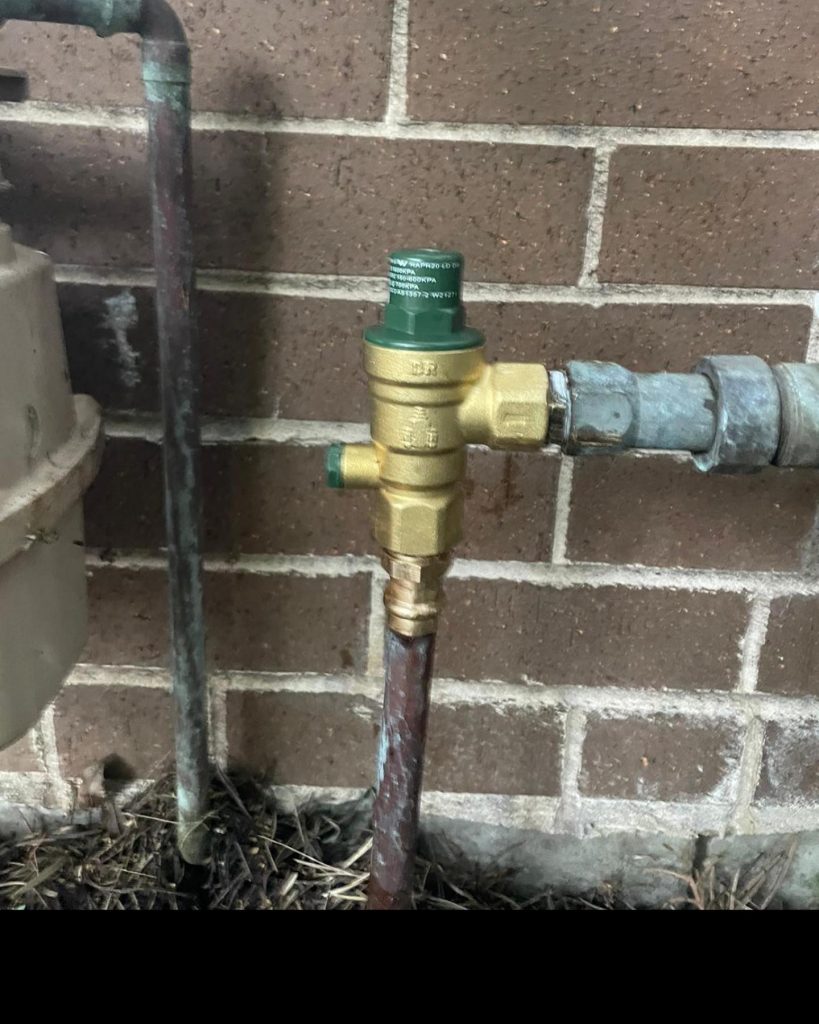
    Reduction Valve

    Follow This Comprehensive Step-by-Step Guide to Resolve Water Pressure Issues

    Once you have identified the potential causes of your water pressure problems, you can implement practical steps to achieve effective solutions.

    1. Open All Valves Completely
    Begin by confirming that all shut-off valves are fully opened. Even minor closures can lead to significant restrictions in water flow that can affect your daily activities. Carefully check the main water valve, as well as any secondary valves located throughout your home, to ensure they are all set to allow maximum water flow, thereby restoring your plumbing system’s efficiency.

    2. Clean Aerators and Showerheads Regularly
    Aerators on faucets and showerheads are particularly prone to clogging due to sediment and mineral deposits. To effectively tackle this issue, unscrew these components, soak them in vinegar for a few hours, and then scrub them with a brush to eliminate any buildup. This straightforward yet highly effective cleaning method can significantly restore water flow, enhance overall water pressure, and improve your showering and washing experiences in your home.

    3. Flush Your Hot Water System for Enhanced Efficiency
    Sediment accumulation in your water heater can drastically reduce the pressure of hot water. Regularly flushing the tank and heater is essential for improving water flow efficiency and ensuring optimal performance. To perform this maintenance task, turn off the heater, attach a hose to the drain valve, and flush out the tank until the water runs clear. This maintenance step is vital for maximizing the performance and longevity of your hot water system, allowing you to enjoy a consistent supply of hot water.

    4. Check for Hidden Leaks
    To uncover hidden leaks, turn off all water-using appliances and note the reading on your water meter. After waiting for several hours without using any water, check the meter again. If you observe any changes in the reading, it indicates a leak that requires immediate attention. Plumbmaster Plumbing is ready to assist you with efficient leak detection and expert repair services, ensuring that your plumbing system remains in optimal condition.

    5. Replace or Repair Corroded and Damaged Pipes
    If your pipes exhibit severe corrosion or mineral buildup, it may be necessary to replace the affected sections. Newer materials, such as copper or PVC, are far more resistant to corrosion and buildup, ensuring improved longevity and performance of your plumbing system. Plumbmaster Plumbing specializes in expert pipe replacement and relining services that enhance your plumbing’s efficiency and boost water pressure, ultimately providing you with peace of mind.

    6. Consider Installing a Pressure Booster Pump
    Installing a pressure booster pump can serve as an effective long-term solution for homes that experience consistently low water pressure due to geographic factors or specific plumbing configurations. This device increases the flow of water entering your home, ensuring you enjoy stable and adequate water pressure throughout your plumbing system, thereby enhancing your daily comfort and convenience.

    Recognize When to Consult a Professional Plumber for Assistance

    While many water pressure issues can be effectively remedied through straightforward DIY solutions, there are circumstances where the expertise of a professional plumber becomes essential. Persistent low pressure, severe corrosion, or significant damage to your pipes are complex challenges that require the skills and knowledge of experienced professionals. At Plumbmaster Plumbing, our skilled team utilizes advanced diagnostic tools to accurately pinpoint water pressure problems and deliver reliable solutions, ranging from efficient leak detection to comprehensive pipe replacement services tailored to your specific needs.

    Implement Proactive Strategies to Prevent Future Water Pressure Issues

    Maintaining your plumbing system is crucial for preventing potential water pressure problems in the future. Here are several effective preventative measures that you can take:

    • Schedule Regular Plumbing Inspections
      Conducting regular plumbing inspections can help identify minor issues before they escalate into major problems. Plumbmaster Plumbing offers thorough inspections designed to ensure your plumbing system remains in excellent working order, helping to mitigate the risk of unexpected water pressure challenges.
    • Invest in a Water Softener for Hard Water Areas
      If you live in an area with hard water, installing a water softener can significantly reduce mineral buildup in your pipes, thus preserving consistent water pressure over time, ensuring that your plumbing system operates efficiently.
    • Flush Your Water Heater Annually for Optimal Performance
      Regularly flushing your water heater will prevent sediment accumulation, ensuring a steady flow of hot water and maintaining overall efficiency, allowing you to enjoy reliable hot water whenever you need it.

    Trust Plumbmaster Plumbing for Comprehensive Solutions to Water Pressure Challenges

    Dealing with low water pressure can be incredibly frustrating, but it doesn’t have to be a long-term issue. There are numerous strategies available to restore your home’s water flow, from cleaning aerators to replacing corroded pipes. If you find that DIY methods fall short, you can rely on Plumbmaster Plumbing for fast and effective solutions customized to meet your unique needs. Serving the Hills District, our dedicated team is prepared to help restore your water pressure and ensure your plumbing system functions seamlessly, enhancing your overall living experience.

    Contact Plumbmaster Plumbing today to receive professional assistance with your water pressure challenges and restore the comfort of your home!

    The Article: Fix Water Pressure Issues at Home: Expert Tips from Plumbmaster first appeared on https://writebuff.com.

    The Article Water Pressure Issues at Home: Expert Solutions from Plumbmaster Was Found On https://limitsofstrategy.com


  • Common Plumbing Problems and How to Fix Them

    Common Plumbing Problems and How to Fix Them

    Common plumbing problems can cause inconvenience and damage in homes if not acted upon quickly. Common plumbing issues can range from dripping faucets, which can waste water and increase utility bills to clogged drain, often caused by hair, soap scum, or food particles.

    Leaky pipes are also a frequent plumbing issue that can lead to water damage and mold growth if not addressed promptly. Regular plumbing maintenance and prompt repairs can help prevent these common plumbing issues from becoming major headaches to homeowners and business owners further down the line.

    Dealing with Common Plumbing Problems

    If you’re dealing with common plumbing problems, act fast. Fix leaks by turning off water and replacing faulty parts. Handle clogs with a plunger or drain snake. For running toilets, check and replace worn flappers. Improve low water pressure by cleaning faucets and checking for leaks. Tackle water heater problems with maintenance and part replacements. Get your plumbing working efficiently with these quick fixes.

    Leaky Faucet

    If you notice a leaky faucet in your home, it’s crucial to address it promptly to prevent water waste and potential damage. The constant dripping not only leads to higher water bills but can also cause staining and deterioration of your sink.

    To fix this issue, start by turning off the water supply to the faucet. Next, identify the type of faucet you have as this will determine the necessary repair steps. Common fixes include replacing the O-ring, washer, or cartridge.

    You can find detailed instructions online or consult a professional if needed. Taking care of a leaky faucet promptly not only saves you money but also helps conserve water, making it a simple yet impactful way to maintain your home.

    Plumbers in Apache Junction AZ

    Clogged Drain

    Dealing with a clogged drain can disrupt your daily routine and lead to inconvenience in your household. To address this issue, start by using a plunger to try and dislodge the blockage. Ensure there’s enough water in the sink or tub to cover the plunger, creating a proper seal. Plunge vigorously up and down to help break up the clog.

    If the plunger doesn’t work, a mixture of baking soda and vinegar can be poured down the drain, followed by hot water. This natural solution may help break down the blockage.

    For tougher clogs, a drain snake can be used to physically remove the obstruction and restore proper drainage.

    Running Toilet

    To tackle a running toilet, start by checking the flapper for any signs of wear or misalignment. The flapper is a rubber piece in the tank that controls water flow. If it’s damaged or not sealing properly, water will continuously leak into the bowl.

    To fix this, adjust the chain connecting the flapper to the flush handle. Ensure there’s enough slack for the flapper to close fully but not too much that it gets stuck. If the flapper looks worn out, consider replacing it with a new one.

    This simple fix can help stop the running water and prevent any water wastage, saving you money on your water bill.

    Low Water Pressure

    Experiencing low water pressure in your home can be frustrating and disruptive to your daily routine. Several factors could be causing this issue.

    Check if the shut-off valve near your water meter is fully open. Sometimes mineral build-up can clog your pipes, reducing the flow of water. You can try cleaning the aerator on your faucets or showerheads to improve pressure.

    Another common reason for low water pressure is old or faulty plumbing fixtures. Inspect for leaks or corrosion in your pipes and fittings that could be restricting water flow.

    If these simple fixes don’t work, consider consulting a professional plumber to diagnose and resolve the problem efficiently.

    Water Heater Issues

    If you notice issues with your water heater, such as inconsistent temperature or strange noises, it’s important to address them promptly to ensure your home’s hot water supply functions properly. Inconsistent temperature could be due to a faulty thermostat or sediment buildup in the tank, affecting heating efficiency.

    Strange noises like popping or rumbling may indicate sediment accumulation, causing overheating and potential damage. Check for leaks or corrosion on the heater, as these could lead to water damage and inefficiency.

    Flushing the tank to remove sediment, adjusting the thermostat, or replacing damaged parts can often resolve these issues. Regular maintenance and timely repairs can extend the lifespan of your water heater and ensure reliable hot water supply.

    Frequently Asked Questions

    How Can I Prevent My Pipes From Freezing in the Winter?

    To prevent your pipes from freezing in the winter, insulate them properly and keep your home heated above freezing.

    Seal any gaps or cracks near pipes.

    Let faucets drip during extreme cold snaps.

    Taking these steps can help avoid costly plumbing issues.

    What Should I Do if I Notice a Foul Odor Coming From My Drains?

    If you notice a foul odor coming from your drains, try pouring a mixture of hot water and vinegar down the drain.

    Follow up with baking soda to help eliminate the odor.

    Repeat as needed.

    Is It Safe to Use Chemical Drain Cleaners to Unclog a Drain?

    If you do decide to use a chemical drain cleaner, make sure to follow the instructions carefully and use protective gear like gloves and goggles to avoid any accidents. Remember that repeated use of these harsh chemicals can also damage your plumbing over time. It’s best to consult a professional plumber for stubborn clogs that don’t respond to DIY methods.

    How Can I Tell if My Water Heater Needs to Be Replaced?

    If you notice rusty water, strange noises, or inconsistent heating, it may be time to replace your water heater.

    Keep an eye out for leaks and age.

    Regular maintenance can extend its lifespan.

    What Are Some Common Signs of a Hidden Water Leak in My Home?

    You may notice signs of a hidden water leak in your home like unexplained high water bills, damp or moldy areas, musty odors, or water stains.
    house wash services
    Keep an eye out for these indicators to catch leaks early.

    Conclusion

    Now that you know how to tackle common plumbing problems like leaky faucets, clogged drains, running toilets, low water pressure, and water heater issues, you can save time and money by fixing them yourself.

    Remember to always turn off the water supply before starting any repairs and don’t hesitate to call a professional if needed.

    With a little know-how and some basic tools, you can keep your plumbing running smoothly.

    The Article Common Plumbing Problems and How to Fix Them First Appeared ON
    : https://ad4sc.com

    The Article Common Plumbing Problems and How to Fix Them Was Found On https://limitsofstrategy.com
  • Recognising The Signs Of A Blocked Drain

    Recognising The Signs Of A Blocked Drain

    The Importance of Clear Drains

    Maintaining clear drains is essential for the proper functioning of your plumbing system. When drains become blocked, it can lead to a range of problems that can disrupt your daily routine and potentially cause damage to your home. Understanding the importance of clear drains and the role homeowners play in their maintenance is crucial.


    Why Blocked Drains Are a Problem

    Blocked drains can cause a variety of issues that can impact your home and lifestyle. Some of the problems associated with blocked drains include:

    1. Slow Drainage: One of the initial signs of a blocked drain is slow drainage. Water may take longer to empty from sinks, showers, or bathtubs, causing inconvenience and increasing the time spent on basic tasks.
    2. Unpleasant Odors: Blocked drains can emit foul odors, which can be unpleasant and make your living space uncomfortable. These odors are often a result of accumulated debris, such as food waste or hair, which begins to decompose within the drain.
    3. Gurgling Noises: If you hear gurgling noises when using your plumbing fixtures, it may be an indication of a blocked drain. These noises occur when air is trapped within the drain due to the blockage, causing pressure fluctuations and resulting in gurgling sounds.
    4. Water Backing Up: When drains are fully blocked, water can start to back up into sinks, showers, or toilets. This can lead to overflow, potential water damage, and unsanitary conditions within your home.

    The Role of Homeowners in Maintaining Clear Drains

    As a homeowner, it’s important to be proactive in maintaining clear drains to prevent blockages and the associated problems. Here are a few steps you can take:

    1. Regular Maintenance: Implementing regular maintenance practices can help prevent blocked drains. This includes periodically flushing drains with hot water or using natural cleaning solutions like baking soda and vinegar. For more detailed maintenance tips, refer to our article on how to clear blocked drains.
    2. Proper Waste Disposal: Avoid disposing of items that can cause blockages down your drains. This includes items like cooking grease, food scraps, coffee grounds, and sanitary products. Dispose of these items in appropriate waste bins to prevent them from entering the drainage system.
    3. Drain Covers and Strainers: Installing drain covers or strainers can help prevent debris, such as hair and food particles, from entering your drains. These inexpensive devices can be placed over the drain openings in sinks, showers, and bathtubs, acting as filters to catch potential blockage-causing materials.

    By recognizing the importance of clear drains and taking appropriate measures to maintain them, homeowners can minimize the risk of blockages and the associated problems. However, in cases where blockages persist or are severe, it may be necessary to seek the assistance of a professional plumber who can provide specialized solutions.

    Recognizing Signs of a Blocked Drain

    Being able to identify the signs of a blocked drain can help you address the issue before it becomes a major plumbing problem. Here are some common signs to look out for:

    Slow Drainage

    One of the earliest indications of a blocked drain is slow drainage. If you notice that water is taking longer than usual to drain from sinks, showers, or tubs, it could be an indication of a partial blockage in the pipes. Pay attention to the speed at which water drains and take action if you notice a significant change.

    Unpleasant Odors

    Unpleasant odors emanating from your drains can be a clear sign of a blocked drain. Accumulated debris, food waste, or hair can start to decompose within the pipes, resulting in foul smells. These odors may become stronger when you use the affected drains or when the weather is warm.

    Gurgling Noises

    If you hear gurgling noises coming from your drains after using them, it could be a sign of a blocked drain. The gurgling sound occurs when air is trapped in the pipes due to a blockage. As water tries to flow past the blockage, it creates these unusual noises. If you experience persistent gurgling sounds, it’s important to address the issue promptly to prevent further complications.

    Water Backing Up

    One of the most obvious signs of a blocked drain is water backing up. This can occur in sinks, toilets, or showers. When you flush the toilet or run water in a sink or shower, water may start to overflow or rise to higher levels. This indicates a severe blockage that requires immediate attention from a professional plumber.

    By recognizing these signs of a blocked drain, you can take the necessary steps to resolve the issue promptly. While there are DIY solutions available for minor blockages, it’s important to know when to call a professional. Persistent blockages, foul smells, and multiple blocked drains are indications that you should seek professional assistance. Remember, regular maintenance and proper waste disposal practices can help prevent blocked drains in the first place.

    Common Causes of Blocked Drains

    Blocked drains can cause a great deal of inconvenience and frustration for homeowners. Understanding the common causes of blocked drains can help you take proactive measures to prevent such issues. Here are three common culprits behind blocked drains: hair and soap scum build-up, food waste and grease accumulation, and foreign objects and debris.

    Hair and Soap Scum Build-Up

    In bathrooms, hair and soap scum are frequent contributors to blocked drains. As you shower or wash your hair, strands of hair can accumulate in the drain over time. When combined with soap scum, which is a residue left behind by soap and other products, a sticky and stubborn blockage can form.

    To prevent hair and soap scum build-up, consider using a drain cover or strainer that can catch hair before it goes down the drain. Regularly cleaning the drain cover and removing any trapped hair can also help prevent blockages. For more information on clearing blocked shower drains, refer to our article on clearing blocked shower drains.

    Food Waste and Grease Accumulation

    In kitchens, food waste and grease are common culprits behind blocked drains. Food particles, especially those that are not disposed of properly, can accumulate in the drain pipes and cause blockages. Grease and oil, when poured down the drain, can solidify and constrict the flow of water.

    To prevent food waste and grease accumulation, it is important to dispose of food scraps in the garbage or compost bin instead of rinsing them down the sink. Additionally, avoid pouring grease or oil down the drain. Instead, allow it to cool and solidify, then dispose of it in the trash.

    Foreign Objects and Debris

    Foreign objects and debris are often accidentally dropped or flushed down the drain, leading to blockages. Common culprits include items like sanitary products, paper towels, wipes, and children’s toys. These objects can get lodged in the pipes, obstructing the flow of water and causing backups.

    To prevent foreign objects and debris from causing blocked drains, it is important to be mindful of what goes down the drains. Educate household members about proper waste disposal and ensure that trash bins are easily accessible in bathrooms and kitchens.

    By being aware of the common causes of blocked drains, you can take proactive steps to prevent such issues. Regular maintenance and proper waste disposal are key in ensuring the smooth flow of water through your drains. However, if you encounter persistent blockages that cannot be resolved with DIY solutions, it is advisable to seek the assistance of a professional plumber.

    When to Call a Professional

    While there are several DIY solutions available for dealing with minor blocked drains, there are certain situations where it is best to call a professional plumber. Recognizing the signs that indicate the need for professional assistance can help prevent further damage and ensure a thorough resolution to the issue. Here are three key signs that it’s time to call in the Sutherland Shire Blocked Drain Experts

    Persistent Blockages

    If you’ve attempted to clear a drain multiple times using DIY methods but the blockage keeps coming back, it may be an indication of a deeper issue within your plumbing system. Persistent blockages can be caused by more serious problems such as tree root intrusion, damaged pipes, or a significant buildup of debris. In such cases, it is advisable to seek the expertise of a professional plumber who can conduct a thorough drain inspection and address the underlying cause of the blockage.

    Foul Smells

    Unpleasant odors emanating from your drains can be a clear indication of a blocked drain. These odors are often caused by the accumulation of decomposing matter within the pipes. While DIY methods like using baking soda and vinegar can help alleviate mild odors, persistent foul smells require professional attention. A professional plumber can identify the source of the odor and take the necessary steps to clear the blockage and eliminate the smell.

    Multiple Blocked Drains

    If you’re experiencing blockages in multiple drains throughout your home, it could indicate a more complex issue with your main sewer line. A blocked main sewer line can cause backups and blockages in various drains, including sinks, toilets, and showers. This is a situation that requires immediate attention from a professional plumber. They have the expertise and tools necessary to diagnose and resolve issues with the main sewer line, ensuring the proper functioning of your entire plumbing system.

    By recognizing the signs of persistent blockages, foul smells, and multiple blocked drains, you can make an informed decision about when to call a professional plumber. Remember, professional assistance is essential when dealing with complex issues or situations that DIY methods cannot effectively resolve. Taking prompt action and seeking professional help will help restore the functionality of your drains and prevent further damage to your plumbing system.

    Preventing Blocked Drains

    Taking proactive measures to prevent blocked drains is key to maintaining a healthy plumbing system in your home. By implementing a few simple practices, you can significantly reduce the chances of encountering stubborn blockages. Here are some effective methods for preventing blocked drains:

    Regular Maintenance

    blocked drain plumberRegular maintenance is essential for keeping your drains clear and preventing blockages from occurring in the first place. Schedule periodic inspections with a professional plumber who can assess the condition of your drains and identify potential issues. They can also perform routine maintenance tasks such as drain cleaning to remove any buildup that might be lurking in your pipes.

    Proper Waste Disposal

    Improper waste disposal is a common cause of blocked drains. To prevent this, it’s important to dispose of waste materials correctly. Avoid pouring cooking grease, oil, or fat down the drain, as they can solidify and create blockages. Instead, allow them to cool and dispose of them in the trash. Similarly, food waste should be scraped into the garbage or composted, rather than washed down the sink. By being mindful of what goes down your drains, you can significantly reduce the risk of blockages caused by solidified grease or food particles.

    Drain Covers and Strainers

    Using drain covers and strainers is a simple yet effective way to prevent debris from entering your drains. These devices act as filters, capturing hair, food particles, and other debris before they have a chance to cause a blockage. Be sure to clean the drain covers and strainers regularly to remove any collected debris. This is especially important in areas prone to hair accumulation, such as the bathroom. For tips on clearing blocked shower drains, refer to our article on clearing blocked shower drains.

    Implementing these preventive measures can go a long way in keeping your drains clear and free from blockages. However, if you do encounter persistent blockages or suspect more serious underlying issues, it’s important to seek the assistance of a professional plumber. They have the expertise and tools necessary to diagnose and address complex drain problems.

    By adopting good habits and being proactive in maintaining your plumbing system, you can avoid the inconvenience and potential damage caused by blocked drains. Regular maintenance, proper waste disposal, and the use of drain covers and strainers are reliable strategies that can keep your drains flowing smoothly for years to come.


    The Article Recognising The Signs Of A Blocked Drain First Appeared ON
    : https://ad4sc.com