Category: Kitchen Tools

  • Dutch Oven: A Must-Have Tool for Every Kitchen

    Dutch Oven: A Must-Have Tool for Every Kitchen

    Discover the Amazing Cooking Potential of a Dutch Oven

    Expand Your Culinary Skills with a Dutch Oven
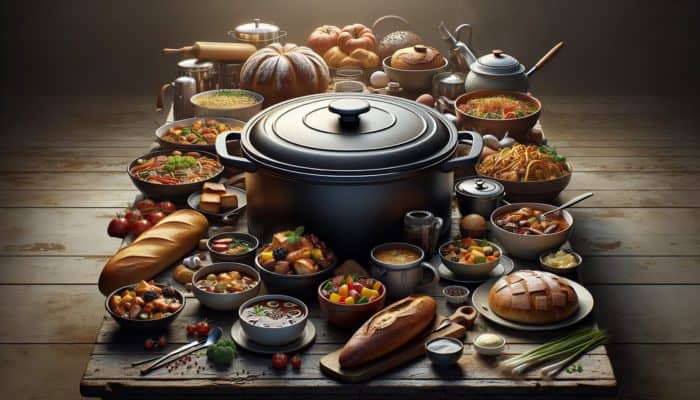
    Explore why a Dutch oven is an essential kitchen tool, showcasing a range of dishes such as hearty French stew, vibrant Asian stir-fry, artisan bread, and delectable desserts.

    The unparalleled culinary versatility of a Dutch oven makes it a vital kitchen tool cherished by both amateur cooks and professional chefs around the globe. This extraordinary pot is adept at a wide variety of cooking tasks, whether you are simmering a robust, hearty soup, braising succulent meats, baking crusty artisanal bread, or whipping up a delicious dessert. Its flexibility spans the wide spectrum of French cuisine’s flavorful stews to the colorful stir-fries found in Asian culinary traditions, showcasing how effortlessly the Dutch oven adapts to diverse cooking styles. The pot’s heavy, thick walls ensure even heat distribution, which is critical for maintaining consistent cooking temperatures throughout the entire surface. This is especially beneficial for dishes that require precise temperatures, such as slow-cooked chili or the classic beef bourguignon, delivering remarkable results every time.

    Beyond savory dishes, the Dutch oven excels in the baking domain, making it a priceless addition to your kitchen toolkit. Its ability to retain high heat creates the perfect environment for crafting crusty sourdough bread or a moist chocolate cake. The multifunctionality of this culinary marvel reflects the global practices of cooking, demonstrating how various cultures cherish the Dutch oven for their signature dishes.

    The functionalities of a Dutch oven elevate it to an essential kitchen companion. Here are some remarkable advantages of integrating one into your cooking routine:

    • Multi-purpose cooking: Whether you are slow-cooking, baking, or simmering, it accommodates a wide range of cooking techniques.
    • Efficient heat retention: The construction promotes consistent temperatures throughout the cooking process.
    • User-friendly design: Its intuitive structure makes it accessible for cooks at any skill level.
    • Ideal for one-pot meals: Reduces cleanup by allowing preparation and serving in the same vessel.
    • Portable cooking solution: Perfect for camping or outdoor cooking due to its sturdy nature.

    Effortlessly Prepare One-Pot Meals Using Your Dutch Oven

    One of the most appealing benefits of a Dutch oven is its capacity to facilitate one-pot meals, significantly decreasing cleanup time and effort. Imagine crafting a comforting casserole where all ingredients, from protein to vegetables, are layered and cooked together in a single pot. This approach not only simplifies the cooking process but also allows flavors to blend delightfully, enhancing the overall taste and enriching your dining experience.

    This feature is especially advantageous for busy households where time is limited. Cooking in one pot means fewer dishes to wash, less water wasted on cleanup, and more time available to savor meals with family and friends. Additionally, many cultural cuisines celebrate one-pot meals as staples, including Italian risottos, Indonesian nasi goreng, and Moroccan tagines, all of which can be easily adapted for preparation in a Dutch oven.

    Moreover, the sturdy construction of the Dutch oven allows for seamless transitions from stovetop to oven, streamlining meal preparation. Whether you are simmering a rich tomato sauce on the stovetop or completing a baked casserole in the oven, the practicality of a Dutch oven makes it a crucial tool for anyone eager to create delightful, hassle-free meals.

    Uncover the Unique Advantages of Braising and Slow Cooking

    Braising and slow cooking are two culinary techniques that truly excel when using a Dutch oven. The design of these pots, featuring heavy lids and thick walls, enables superior heat retention and moisture control. This optimal cooking environment is ideal for tenderizing tougher cuts of meat and infusing them with deep flavors over time. The outcome is a tender, juicy dish that often takes center stage at any meal, with classics such as coq au vin or osso buco highlighting the capabilities of the Dutch oven.

    The benefits of slow cooking extend to vegetable dishes as well. Slow-cooked root vegetables like carrots and potatoes develop a sweetness and depth that quicker cooking methods typically cannot achieve. The slow cooking process promotes the build-up of layered flavors, resulting in meals that are both complex and satisfying.

    Additionally, the tight-fitting lid of a Dutch oven traps steam, which contributes to even cooking and enhances moisture retention, ensuring that meals remain succulent. This characteristic is especially crucial for stews and braises, where maintaining moisture levels is vital for achieving the desired texture and flavor. The ability to transition effortlessly from stovetop to oven adds flexibility to your cooking, making the Dutch oven an appealing choice for both novice and experienced cooks.

    Insights from Experts: The Indispensable Role of Dutch Ovens in Every Kitchen
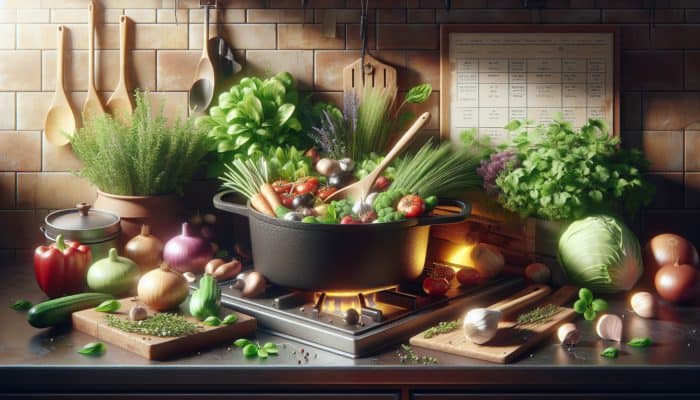
    A cast iron Dutch oven simmering on a stove in a rustic kitchen, surrounded by fresh herbs and vibrant vegetables.

    Real-World Uses of Dutch Ovens

    Chefs and home cooks around the world have relied on Dutch ovens for their remarkable versatility and durability. From bustling restaurants in Paris to cozy family kitchens in Tuscany, the Dutch oven remains a trusted ally. It’s common to observe chefs crafting hearty stews or savoury braises in these pots, while home cooks utilize them for an array of dishes ranging from casseroles to freshly baked breads.

    Here are several real-world examples that illustrate the reliability of Dutch ovens:
    Beef Bourguignon: A traditional French dish featuring slow-simmered beef in red wine, herbs, and vegetables, resulting in a richly layered flavor profile.
    Chili: Perfect for preparing large quantities, as the Dutch oven accommodates ample ingredients while allowing them to simmer together flawlessly.
    Baked Bread: The Dutch oven creates a steam-rich environment that yields a crusty exterior and a soft, airy interior.

    The advantages of utilizing a Dutch oven include:

    • Robust construction: Engineered to withstand high temperatures and heavy use.
    • Diverse cooking methods: Suitable for sautéing, baking, braising, and more.
    • Consistent results: Its design fosters even cooking throughout the pot.
    • Flavor enhancement: Encourages deeper flavor development through prolonged cooking times.
    • User-friendly: Perfect for both novices and seasoned cooks.

    Essential Maintenance Tips for Your Dutch Oven

    To extend the lifespan and performance of your Dutch oven, proper maintenance is crucial. Here are some practical tips to ensure your pot remains in superb condition:

    1. Cleaning: After each use, allow the pot to cool before cleaning. Steer clear of abrasive cleaners or steel wool, as they can scratch the surface. Instead, use warm, soapy water and a soft sponge. For stubborn stains, a paste made from baking soda and water can work wonders.

    2. Seasoning: If you own a cast-iron Dutch oven, seasoning is essential for maintaining its non-stick surface and preventing rust. Regularly apply a thin layer of vegetable oil to the interior and heat it in the oven to create a protective coating.

    3. Storage: Store your Dutch oven with the lid off or place a paper towel between the pot and lid to allow for air circulation. This practice prevents moisture accumulation, which could result in rust or unpleasant odors.

    4. Avoid abrupt temperature changes: When cooking, refrain from heating an empty Dutch oven or transferring it directly from the freezer to the oven, as this can lead to cracking.

    By following these simple maintenance steps, you can ensure that your Dutch oven serves you well for many years, making it a reliable companion in your culinary journey.

    Exploring the Differences in Dutch Oven Materials
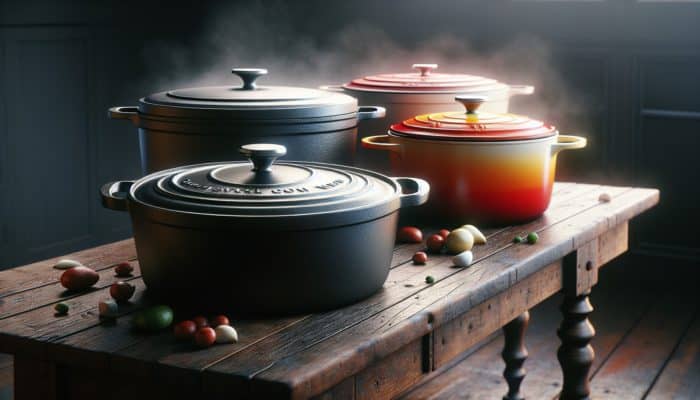
    Three distinct Dutch ovens on a rustic table: matte black cast iron, colorful enameled cast iron, and sleek stainless steel, each simmering delicious dishes.

    Dutch ovens are typically made from a variety of materials, including cast iron, enameled cast iron, and stainless steel, each offering distinct advantages and disadvantages.

    Cast Iron: Celebrated for its exceptional heat retention, cast iron is a favorite among chefs for slow cooking and braising. This material excels at providing even heat distribution, which is crucial for dishes requiring lengthy cooking times. However, it requires regular seasoning to maintain its non-stick qualities and prevent rust.
    Enameled Cast Iron: This variant features a porcelain enamel coating that prevents sticking and eliminates the need for seasoning. It is available in a wide array of colors, enhancing its aesthetic appeal. The downside is that enameled cast iron can chip if mishandled and may not withstand high temperatures as effectively as bare cast iron.
    Stainless Steel: While less common in Dutch ovens, stainless steel options exist and offer durability and easy cleaning. They are non-reactive, meaning they won’t impart flavors into acidic dishes. However, they may not retain heat as effectively as cast iron.

    Each material caters to different cooking preferences. Choosing the right Dutch oven depends on individual cooking styles and needs. Whether you favor the classic charm of cast iron or the low-maintenance nature of enameled cast iron, understanding these materials enables you to make an informed decision.

    Investigate the Historical Importance of Dutch Ovens

    The history of Dutch ovens spans centuries, with origins believed to trace back to the Netherlands during the 18th century. The term “Dutch oven” is thought to have emerged from the casting process developed by Dutch artisans, known for their high-quality metalwork. Early designs included a thick, heavy base that was ideal for slow cooking and braising.

    Throughout history, Dutch ovens have held a significant place in cooking across various cultures. During the 1800s, these pots became popular in American households, especially among pioneers. Their heat retention and moisture control made them indispensable for preparing meals during lengthy journeys or in outdoor environments.

    As time progressed, Dutch ovens evolved with the introduction of innovative materials, such as enameled cast iron, which allowed for easier maintenance and a broader array of color options. Today, they are valued not only for their cooking abilities but also for their aesthetic charm, becoming a staple in contemporary kitchens.

    The enduring popularity of Dutch ovens speaks to their functionality and adaptability, allowing them to seamlessly integrate into diverse cooking traditions globally. Their historical significance, combined with modern utility, solidifies their status as an essential tool in any kitchen.

    How Does a Dutch Oven Enhance Flavor in Cooking?

    Achieve Consistent Cooking Results with Uniform Heat Distribution

    One of the standout features that sets the Dutch oven apart from other cooking vessels is its ability to achieve even heat distribution. The thick walls and heavy base of this pot serve as excellent insulators, ensuring that heat is uniformly spread throughout the cooking surface. This characteristic is crucial for preventing hot spots, which can lead to uneven cooking or even burnt food.

    For instance, when simmering a sauce or braising meat, maintaining a consistent temperature guarantees that all ingredients cook uniformly, enriching the overall flavor profile of the dish. Chefs often emphasize that a well-crafted sauce necessitates time and even heat for complexity to develop, something a Dutch oven excels at providing.

    This feature is particularly beneficial for recipes that utilize slow-cooking techniques, such as osso buco or beef stew. The gentle, steady heat ensures flavors meld beautifully, creating rich, complex dishes. Whether you are preparing a classic gumbo or a hearty casserole, the Dutch oven’s even heat distribution guarantees consistent, delectable results every time.

    Maintain Moisture for Tender, Juicy Culinary Creations

    The design of a Dutch oven also plays a pivotal role in moisture retention, which is essential for crafting tender, juicy meals. The tightly sealed lid traps steam, creating a humid cooking environment that prevents food from drying out. This characteristic is especially vital when braising meats or slow-cooking stews, as it allows natural juices to circulate within the pot.

    During braising, the moisture not only helps tenderize tougher cuts of meat but also enables flavors to permeate throughout the dish—for instance, braising chicken thighs with vegetables and herbs results in a succulent creation where the meat becomes tender and flavorful while the vegetables meld into a delicious sauce.

    Moreover, steam collected under the lid can help keep baked goods, such as bread or casseroles, moist during cooking. This ensures that items prepared in a Dutch oven emerge with the perfect texture and rich flavors. The ability to maintain moisture effectively makes this pot invaluable for creating dishes that delight the palate.

    What is the Science Behind Flavor Development in a Dutch Oven?

    The science of flavor development in a Dutch oven is rooted in various chemical processes that occur during cooking. One of the most vital reactions is the Maillard reaction, which occurs when proteins and sugars in food react at high temperatures. This process is responsible for creating complex flavors and delightful aromas, significantly elevating the overall taste of dishes.

    In a Dutch oven, the even heat and moisture retention promote the Maillard reaction, allowing ingredients to caramelize beautifully. For example, when searing meat before braising, the Dutch oven creates an ideal environment for browning, adding depth to the dish. This initial step is critical, as it lays the groundwork for further flavor development during the slow cooking phase.

    Furthermore, slow cooking in a Dutch oven allows for flavor layering. Ingredients are often introduced in stages, giving each layer time to develop and contribute to the final dish. For example, starting with aromatics such as onions and garlic creates a flavor base that is then enhanced with spices, meats, and liquids. The tight-fitting lid ensures that all components interact efficiently, resulting in a dish with rich, nuanced flavors that characterize well-crafted meals.

    Overall, the science behind flavor development in a Dutch oven highlights its unique capabilities, making it an essential tool for anyone serious about cooking.

    Utilize Various Cooking Techniques for Enhanced Flavors

    The versatility of a Dutch oven allows for a multitude of cooking techniques that enhance flavor development at different stages. From searing to braising to baking, this multifunctional pot can handle it all, making it an essential kitchen tool.

    For example, searing ingredients directly in the pot before transitioning to slow cooking adds layers of flavor that deepen as the dish cooks. This technique is often employed in dishes like beef stew, where meat is seared to develop a crust before adding liquids and vegetables for slow cooking.

    Braising is another technique that flourishes in a Dutch oven. The combination of moist heat and slow cooking allows tougher cuts of meat to become tender while absorbing the flavors of herbs, spices, and other ingredients. Dishes such as coq au vin or braised lamb shanks benefit from this method, resulting in meals that are not only delicious but also deeply satisfying.

    Additionally, a Dutch oven’s capability to bake—whether it be bread, casseroles, or desserts—adds another layer of versatility. The pot can create a steam-filled environment that promotes crust formation and moisture retention, making it ideal for artisan bread or baked pasta dishes.

    This multifaceted approach to cooking ensures that a Dutch oven is not just a single-purpose tool, but a comprehensive solution for enhancing flavor across a wide range of culinary techniques.

    Invest in the Long-lasting Durability of Dutch Ovens

    Crafted for Longevity: A Kitchen Investment That Lasts

    One of the most significant qualities of a Dutch oven is its remarkable durability and longevity. Traditionally constructed from heavy-duty materials such as cast iron or enameled cast iron, these pots are engineered to withstand the demands of everyday cooking. Many families treasure their Dutch ovens, often passing them down through generations, which speaks volumes about their enduring quality.

    Investing in a high-quality Dutch oven means acquiring not just a cooking vessel, but a cherished family heirloom. Many home cooks associate their grandmother’s Dutch oven, still in use today, with fond memories of hearty meals and beloved family gatherings. This generational aspect adds emotional significance to the purchase, transforming it into more than just a kitchen tool.

    Furthermore, the robust construction of a Dutch oven enables it to endure high temperatures and frequent use without showing signs of wear. Unlike lower-quality cookware that might warp or degrade over time, a Dutch oven can withstand the test of time, making it a wise investment for any kitchen.

    Exceptional Resistance to Everyday Wear and Tear

    The sturdy construction of Dutch ovens significantly contributes to their resistance to wear and tear. They are designed to endure high heat, sudden temperature changes, and rigorous cooking methods, ensuring they remain in excellent condition even after years of use. This durability is particularly advantageous in busy kitchens where pots and pans are frequently used and subjected to varying cooking conditions.

    For instance, a high-quality cast-iron Dutch oven is less likely to chip or crack than one made from a thinner material. Many professional chefs and enthusiastic home cooks appreciate this durability, as it allows them to focus on creating delicious meals without the constant concern of damaging their cookware.

    Additionally, the smooth enamel finish on many Dutch ovens helps prevent scratching and staining, simplifying cleaning and maintenance. This non-stick surface means food is less likely to stick, minimizing the need for excessive scrubbing and prolonging the pot’s life.

    This resistance to wear and tear makes Dutch ovens an ideal choice for frequent cooks who desire a reliable kitchen tool that can withstand the demands of daily use.

    What Are the Long-Term Savings of Owning a Dutch Oven?

    Owning a Dutch oven can yield substantial long-term cost benefits, making it a smart investment for any culinary enthusiast. While the initial purchase price may be higher than that of standard cookware, the durability and versatility of a Dutch oven lead to significant savings over time.

    Firstly, due to their longevity, Dutch ovens often negate the need for frequent replacements. Many cheaper cookware options require replacement every few years due to wear and tear. In contrast, a high-quality Dutch oven can last a lifetime, eliminating the ongoing costs associated with lower-quality items.

    Secondly, the versatility of a Dutch oven allows for various cooking methods, from baking and braising to stovetop frying. This multifunctionality means that one pot can replace several others, saving both space and money in the long run. For instance, there’s no need for a separate baking dish or slow cooker when a Dutch oven can perform all these tasks.

    Finally, the energy efficiency of a Dutch oven contributes to long-term savings. Their excellent heat retention means they require less energy to maintain cooking temperatures, whether on the stovetop or in the oven. This can lead to lower energy bills, especially if you frequently prepare slow-cooked meals or hearty stews.

    In summary, the long-term cost benefits of owning a Dutch oven affirm its status as a worthwhile investment for both novice and seasoned cooks.

    What Are the Benefits of Cooking with a Dutch Oven?

    Experience Energy Efficiency and Exceptional Heat Retention

    One of the standout advantages of cooking with a Dutch oven is its energy efficiency and remarkable heat retention capabilities. The heavy materials used in its construction mean that, once heated, a Dutch oven retains heat effectively, allowing for consistent cooking without constant energy input. This quality is particularly beneficial for slow-cooked dishes, where extended cooking times are necessary for developing rich flavors.

    Using a Dutch oven often allows cooks to lower the heat, conserving energy while still achieving delicious results. For instance, while simmering a soup or stew, the pot retains enough heat to keep the contents at the desired temperature without requiring a high burner setting. This not only conserves energy but also leads to a more economical cooking process.

    Moreover, the heat-retention properties allow one-pot meals to cook evenly, eliminating the need for multiple pots and pans. This reduces both energy consumption and cleanup time, making cooking more efficient overall.

    Embrace Diverse Cooking Techniques

    The versatility of a Dutch oven extends to its ability to support a variety of cooking methods, making it an indispensable kitchen tool. From sautéing and frying on the stovetop to baking in the oven, a Dutch oven can handle any cooking technique you throw at it. This adaptability is especially beneficial in a world where time and space are often limited.

    For example, starting a meal on the stovetop by searing meats or sautéing vegetables creates a flavor base that can seamlessly transition to the oven for slow cooking or baking. This capability not only enhances efficiency but also enriches the dish’s flavors, as the initial cooking techniques set the stage for complexity.

    Furthermore, the ability to bake bread or casseroles in a Dutch oven adds to its versatility. The heavy lid traps steam, creating an ideal environment for baking, similar to a traditional steam oven. This means you can achieve beautifully risen loaves or perfectly baked casseroles without needing additional equipment.

    This versatility makes a Dutch oven an invaluable asset in any kitchen, enabling endless culinary creativity.

    Discover the Health Benefits of Cooking with a Dutch Oven

    Cooking with a Dutch oven can offer an array of health benefits when compared to other cooking methods. One significant advantage is the potential for lower-fat cooking. Techniques like braising and stewing allow rich flavors to develop without requiring excessive oil or fat. As ingredients cook slowly, they release their natural juices, which infuse the dish with flavor and moisture without adding extra calories.

    In addition, the even heat distribution in a Dutch oven helps prevent burning and the formation of harmful compounds that can arise with higher-temperature cooking methods. The controlled cooking environment provided by the Dutch oven encourages the use of whole, unprocessed ingredients, promoting healthier meal choices.

    Moreover, cooking with a Dutch oven often highlights fresh vegetables, lean meats, and whole grains, as many traditional recipes focus on wholesome ingredients. This aligns with a balanced diet and can contribute to overall well-being.

    By embracing the health benefits inherent in Dutch oven cooking, you can create nutritious meals that are both satisfying and delightful.

    Enhance Flavor Development with Dutch Oven Cooking

    One of the most enjoyable aspects of cooking with a Dutch oven is its ability to foster deep flavor development. The combination of slow cooking, even heat distribution, and moisture retention creates a unique environment where flavors can meld and intensify. This is particularly evident in dishes that benefit from long cooking times, such as braises, stews, and pot roasts.

    When ingredients are cooked slowly, they have the opportunity to break down and release their natural flavors, which can then intermix and enhance one another. For example, in a beef stew, the flavors from the meat, vegetables, and broth combine harmoniously, resulting in a rich, comforting dish that far surpasses the results of quicker cooking methods.

    Moreover, the ability to layer flavors by adding ingredients at different stages of cooking allows for even greater complexity. Beginning with aromatics such as onions, garlic, and herbs builds a foundational flavor that can be expanded upon as additional components are incorporated.

    This nuanced approach to flavor development is a hallmark of great cooking, making the Dutch oven an essential tool for those looking to elevate their culinary creations.

    Invest in the Durability and Longevity of Your Dutch Oven

    Dutch ovens are celebrated for their durability and longevity, making them a fundamental investment for any kitchen. Crafted from sturdy materials, such as cast iron or enameled cast iron, these pots are designed to endure the rigors of daily cooking. Their construction allows for a smooth transition from stovetop to oven, making them versatile for various cooking methods without sacrificing quality.

    This resilience translates to a lower overall cost of ownership. A well-maintained Dutch oven can last for decades, often being passed down through generations. Many families cherish their Dutch ovens as heirlooms, sharing stories of meals prepared in them over the years.

    Furthermore, the durability of a Dutch oven ensures it can withstand high temperatures without warping or degrading, a common issue with less sturdy cookware. This makes it suitable for everything from high-heat searing to low-and-slow braising, ensuring it remains an essential kitchen tool for many years to come.

    Reveal the Aesthetic Appeal and Functional Design of Dutch Ovens

    Elevate Your Kitchen’s Aesthetic with a Beautiful Dutch Oven

    The aesthetic appeal of a Dutch oven is undeniable. Available in numerous colors and finishes, these pots can seamlessly complement any kitchen decor, from sleek modern designs to rustic farmhouse styles. Their visually striking presence transforms them into both functional cookware and decorative pieces, adding charm to your kitchen.

    Beyond their beauty, Dutch ovens are crafted for practicality. The heavy construction not only aids heat retention but also provides a sturdy base, making them easy to handle. Many Dutch ovens feature enamel finishes, which enhance their appearance while offering a non-reactive, easy-to-clean surface.

    The striking visuals of a Dutch oven often lead to it being displayed on the countertop or used for serving directly from the pot. This dual purpose enhances mealtime, as the presentation becomes part of the dining experience, allowing you to serve dishes that look as delightful as they taste.

    Ergonomic Features for Enhanced Handling

    Dutch ovens come equipped with ergonomic handles that improve usability. The large, sturdy handles facilitate easy lifting and maneuvering of the pot, even when filled. This is especially crucial when transferring a heavy dish from the stovetop to the oven or bringing a bubbling pot of stew to the table.

    The thoughtful design ensures the handles provide a secure grip, reducing the risk of kitchen accidents. This consideration is particularly beneficial in busy cooking environments where multiple tasks are being managed simultaneously. Moreover, many Dutch ovens are constructed with heat-resistant materials that allow for safe handling even when the pot is hot, making the cooking process more efficient and enjoyable.

    This attention to ergonomic design not only enhances functionality but also ensures that cooks of all skill levels can use a Dutch oven with confidence and ease.

    How Does the Design of a Dutch Oven Enhance Its Functionality?

    The design of a Dutch oven is meticulously crafted to enhance its functionality in numerous ways. Key design elements include:

    • Heavy construction: Ensures even heat distribution and durability.
    • Tight-fitting lid: Traps moisture and flavor, essential for braising and slow cooking.
    • Ergonomic handles: Provide a secure grip for easy lifting and maneuvering.
    • Versatile size options: Available in various sizes to meet different cooking needs, from small family dinners to large gatherings.
    • Non-reactive enamel coating: Allows for cooking with acidic ingredients without altering flavors.

    Each of these design features significantly enhances the overall functionality of the Dutch oven, making it a versatile tool in any kitchen. The combination of durability, heat retention, and ease of use guarantees that a wide range of cooking techniques can be employed, allowing meals to be both delicious and prepared with utmost efficiency.

    Durable Materials for Long-lasting Performance

    Dutch ovens are commonly constructed from robust materials, such as cast iron or enameled steel, ensuring their durability and long-term reliability. Cast iron is celebrated for its heat retention and ability to withstand high temperatures, making it perfect for both stovetop and oven use. This material can handle the demands of various cooking techniques, from braising to baking, while delivering consistent results.

    Enameled cast iron enhances the benefits of traditional cast iron by providing a smooth, non-reactive surface that is easy to clean and maintain. The enamel coating prevents rust and eliminates the need for seasoning, making it a convenient option for busy cooks who want to enjoy the advantages of cast iron without the upkeep.

    The use of durable materials means Dutch ovens can endure the rigors of frequent use, making them a smart investment for any kitchen. Their resilience ensures that they remain reliable tools for creating delicious meals for years, reinforcing the value of having a Dutch oven in your culinary arsenal.

    Innovative Lid Design Enhances Cooking Efficiency

    The lid design of a Dutch oven plays a crucial role in its functionality, particularly regarding moisture retention and flavor enhancement. The heavy, tightly fitting lids create a seal that traps steam, allowing for a moist cooking environment ideal for braising, slow cooking, and baking. This design is instrumental in preventing evaporation, ensuring that dishes remain juicy and full of flavor.

    The lid’s versatility extends to its shape, often featuring a dome design that helps circulate heat and moisture effectively. This promotes even cooking and prevents hotspots, resulting in consistently well-prepared dishes. Whether you are cooking or baking, the lid’s design elevates the quality of your meal.

    Additionally, many Dutch oven lids are engineered to withstand high temperatures, making them suitable for oven use. This means you can seamlessly transition from stovetop to oven while maintaining the cooking environment necessary for various techniques. The thoughtful design of the Dutch oven lid greatly contributes to its overall versatility and effectiveness in the kitchen.

    Frequently Asked Questions About Dutch Ovens

    What size Dutch oven should I purchase for my cooking needs?

    The size of the Dutch oven you choose should be based on your cooking requirements. A 5-7 quart pot is perfect for most families, while smaller sizes work well for individuals or couples.

    Can I use a Dutch oven on the stovetop for different cooking techniques?

    Absolutely, Dutch ovens are designed for both stovetop and oven use. They are ideal for browning ingredients before transitioning to slow cooking or baking.

    How should I properly clean my Dutch oven after use?

    After cooling, wash your Dutch oven with warm, soapy water and a soft sponge. Avoid abrasive cleaners to preserve its surface quality.

    Can I bake bread in a Dutch oven for optimal results?

    Definitely! Dutch ovens create a steam-filled environment that is ideal for baking bread, resulting in a crusty exterior and soft interior.

    Is investing in a Dutch oven truly a wise decision?

    Yes, a Dutch oven is a durable, versatile tool that can last for generations, making it a valuable investment for any kitchen.

    What is the best material for a Dutch oven to ensure quality cooking?

    Cast iron and enameled cast iron are the best materials for Dutch ovens, offering excellent heat resistance and durability.

    How do I season my cast-iron Dutch oven to maintain its quality?

    To season, wash and dry the pot thoroughly, apply a thin layer of vegetable oil, and heat it in the oven for about an hour at a low temperature.

    Can I use metal utensils in my Dutch oven without causing damage?

    If you have an enameled Dutch oven, it’s advisable to avoid metal utensils to prevent scratching. Opt for silicone or wooden utensils instead.

    What is the best way to store my Dutch oven to ensure longevity?

    Store your Dutch oven with the lid off, or place a paper towel between the pot and lid to allow air circulation and prevent moisture buildup.

    What types of recipes are best suited for a Dutch oven?

    Dutch ovens excel in recipes that require slow cooking, such as stews, braises, soups, and even baking bread or casseroles.

    Stay updated with our exciting news on Facebook!

    The post Why a Dutch Oven Belongs in Every Kitchen: Essential Cooking Tool appeared first on https://cookinggods.com

    The Article Dutch Oven: An Essential Tool for Every Kitchen Was Found On https://limitsofstrategy.com

  • Peelers: Top Recommendations for Effortless Food Prep

    Peelers: Top Recommendations for Effortless Food Prep

    Explore the Must-Have Peeler Types to Enhance Your Kitchen Experience

    Unlock the Benefits of Y-Peelers: Your Essential Kitchen Tool

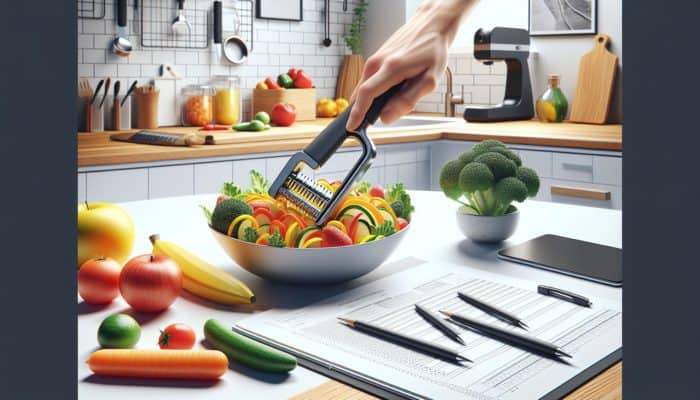
    Best Peelers for Effortless Prep: Hand using ergonomic Y-peeler on fruits and vegetables in a modern kitchen.

    Y-peelers are essential kitchen implements known for their ergonomic shape that provides an exceptionally comfortable grip, enhancing overall usability. The horizontal blade is ingeniously positioned at a right angle to the handle, allowing for seamless peeling of a variety of soft fruits and vegetables, including peaches, tomatoes, and cucumbers. This thoughtful design not only reduces wrist strain but also offers superb control, making it especially beneficial during extensive cooking sessions. Whether crafting a vibrant fruit salad or a fresh vegetable medley, a Y-peeler transforms mundane kitchen tasks into delightful culinary experiences, turning preparation into an enjoyable process that simplifies cooking.

    In culinary establishments worldwide, chefs favour Y-peelers for their agility, enabling quick and precise ingredient preparation. For example, during busy service hours, chefs rely on a Y-peeler to swiftly prepare vegetables for a colourful Ratatouille, ensuring each piece is peeled accurately. The Y-peeler glides effortlessly over the skins of softer produce, significantly cutting down prep time, which allows chefs to concentrate on intricate culinary techniques. This combination of simplicity and efficiency underscores the Y-peeler’s status as a vital kitchen tool, showcasing how well-thought-out designs can greatly enhance the cooking experience.

    Discover the Versatility of Swivel Peelers for Effortless Food Preparation

    Swivel peelers are celebrated for their unparalleled versatility, making them a preferred choice among both amateur cooks and professional chefs alike. These innovative tools feature a blade that rotates as you peel, resulting in a smooth peeling experience across a wide array of produce. This design allows for efficient peeling in any direction, seamlessly adapting to the natural shapes of fruits and vegetables, whether you’re working with potatoes, carrots, or juicy apples. The ease and efficiency offered by swivel peelers can significantly elevate your food preparation process, making them an indispensable addition to your kitchen toolkit.

    For instance, while preparing a hearty vegetable soup, the swivel peeler transitions effortlessly from peeling potatoes to carrots, maintaining a consistent motion that saves precious time. Chefs particularly value this feature in fast-paced environments where multitasking is crucial for success. The adaptability of swivel peelers allows you to switch tasks seamlessly, whether you’re preparing a casual dinner or an elaborate feast. Additionally, many swivel peelers are designed with sleek aesthetics, making them a visually appealing addition to any culinary collection.

    Transform Your Dish Presentation with the Unique Capabilities of Julienne Peelers

    Julienne peelers are specialized kitchen instruments crafted to turn vegetables into fine strips, enhancing both texture and visual appeal in a wide variety of dishes. Their ability to create garnishes, salads, and stir-fries enables you to achieve restaurant-quality presentations right from your home kitchen. The uniformly thin strips produced by a julienne peeler can elevate your dining experience, transforming simple ingredients into visually stunning dishes. For instance, while preparing a refreshing summer salad, julienned cucumbers and carrots contribute a delightful crunch that enhances the overall flavour and presentation.

    In professional kitchens, julienne peelers are invaluable to chefs who need to quickly produce exquisite garnishes and sides. They can significantly enhance plating, adding that extra touch that impresses diners. Beyond aesthetic appeal, the texture created by julienne cuts allows for better absorption of dressings and flavours, enriching the overall dish. The ease of use and capability to create consistently cut produce make julienne peelers essential tools in any kitchen, whether for home cooks experimenting with presentation or chefs crafting their signature dishes.

    Unleash the Power of Serrated Peelers for Tackling Tough Produce Skins

    Serrated peeler slicing through pineapple skin, showcasing tool's efficiency and precision.

    Serrated peelers are expertly designed for handling fruits and vegetables with tough skins, such as pineapples, butternut squash, and kiwifruit. The defining feature of these peelers is their jagged-edge blade, which easily cuts through fibrous skins, making them essential for anyone who enjoys working with a diverse range of produce. The serrated blade grips the skin effectively, allowing for efficient peeling while preserving the tender flesh beneath. This capability is particularly valuable for those looking to maximize the yield from their fruits and vegetables.

    Practically speaking, using a serrated peeler can drastically shorten preparation time when dealing with stubborn produce. For instance, when creating a tropical fruit platter, a serrated peeler enables you to swiftly and easily remove the skin from pineapples or mangoes, avoiding the mess of juice that can complicate the process. Moreover, in professional kitchens where speed and efficiency are paramount, serrated peelers are trusted tools for chefs who need to prepare large quantities of produce without sacrificing quality. The firm grip provided by the serrated edge enhances safety, making it an excellent choice for cooks of all skill levels.

    Insights into the Best Materials for Peelers: What You Need to Know

    Discover the Benefits of Stainless Steel Peelers for Durability and Longevity

    Stainless steel has established itself as a premier material in the kitchen tool industry, particularly for peelers. The durability and rust resistance of stainless steel make these peelers a long-lasting choice that can withstand the rigours of daily kitchen tasks. The sharpness of stainless steel blades allows for effortless peeling, enabling even the toughest skins to be removed with minimal exertion. Investing in a quality stainless steel peeler can ultimately save you money over time, as these tools are built to last and require fewer replacements due to their exceptional longevity.

    Both professional chefs and home cooks appreciate the ease of cleaning stainless steel peelers. They can be easily washed by hand or placed in a dishwasher without the risk of deterioration, making them a practical addition to any kitchen. This resilience ensures that stainless steel peelers maintain their integrity, even in high-pressure cooking environments, such as bustling professional kitchens where speed and efficiency are critical. Additionally, the sleek, polished finish of stainless steel adds to its appeal, making it a favourite choice for modern minimalist kitchen designs worldwide.

    Understanding the Advantages of Plastic Peelers: Lightweight and Budget-Friendly Options

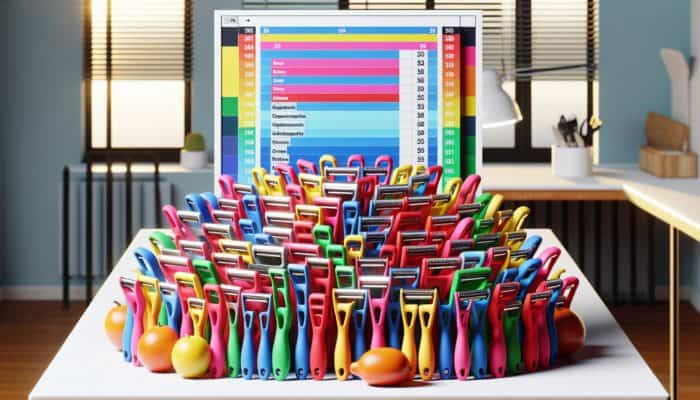
    A colorful array of lightweight, affordable plastic peelers on a modern kitchen countertop.

    Plastic peelers offer an appealing alternative for consumers, recognized for their lightweight design and affordability. While they may not boast the same level of durability as stainless steel options, many modern plastic peelers are constructed from high-quality materials that perform adequately for everyday kitchen tasks. They have gained popularity among home cooks who may not need professional-grade tools but still desire reliable kitchen gadgets. The vibrant designs and variety of styles available also make plastic peelers visually attractive.

    One of the primary benefits of plastic peelers is their ease of use. Typically, they are lighter and easier to handle, making them suitable for individuals who may find heavier utensils challenging. Furthermore, plastic peelers often come in bright colours, adding a cheerful touch to your kitchen. However, it is essential to note that plastic peelers may wear down faster, losing their sharpness over time. For occasional users, they can still offer a satisfactory peeling experience, especially when working with softer fruits and vegetables.

    Experience the Sharpness and Performance of Ceramic Peelers

    Ceramic peelers have gained traction in recent years, appreciated for their sharpness and capacity to maintain an edge longer than metal blades. Crafted from high-quality ceramics, these peelers can slice through the skin of fruits and vegetables with remarkable precision. Although they tend to be more fragile than stainless steel or plastic options, their cutting performance can be exceptional, making them a top choice for those who prioritize sharpness in their kitchen tools.

    A standout feature of ceramic peelers is their resistance to rust and staining, ensuring they remain clean and hygienic over time. Chefs value the fact that ceramic blades do not react with acidic foods, preserving the natural flavours of the ingredients. However, it is crucial to handle and store ceramic peelers with care, as they can chip or break if subjected to impact. With the right handling, ceramic peelers can become invaluable assets in the kitchen, offering a unique blend of precision and performance that caters to discerning cooks worldwide.

    Enhancing Kitchen Efficiency: The Time-Saving Power of Peelers

    Harness the Time-Saving Advantages of Using Peelers

    Incorporating a peeler into your food preparation routine can drastically reduce cooking time, enhancing overall kitchen efficiency. By streamlining the peeling process, you can dedicate more time to creating delicious culinary delights and less time to tedious tasks. Here are some key time-saving benefits that come from using peelers:

    • Rapid peeling: Peelers glide through skin quickly, significantly cutting down the time spent on food preparation.
    • Less mess: The design of peelers minimizes mess, making clean-up quicker and simpler.
    • Consistent results: Uniform peeling promotes even cooking, expediting the overall cooking process.
    • Versatile use: A single tool effectively handles a wide range of fruits and vegetables, eliminating the need for multiple utensils.

    When you consider the amount of time previously spent wielding a knife to peel produce, the introduction of a peeler can be truly transformative. The design of a peeler allows it to glide effortlessly over the surfaces of fruits and vegetables, leading to quicker preparation. This efficiency is particularly valuable in busy households or professional kitchens, where time is of the essence. The reduction in preparation time not only makes cooking less daunting but also encourages more home-cooked meals, thereby promoting healthier eating habits.

    Enjoy Effortless Use with Every Peeler

    Peelers are crafted to be user-friendly, enabling even novices to peel produce quickly and efficiently. The ergonomic shapes of many peelers are designed for comfort, reducing the risk of hand fatigue during long use. Furthermore, the straightforward mechanics of peeling with a dedicated tool mean that anyone can master the technique with minimal practice. A well-designed peeler often includes a non-slip grip, ensuring it remains securely in hand, even when peeling slippery produce like tomatoes or peaches.

    The usability of a peeler is deeply influenced by its design. For example, Y-peelers offer an intuitive handling style that mimics the natural motion of peeling, making them accessible for all skill levels. Similarly, swivel peelers accommodate various gripping styles, allowing users to find their ideal comfort zone. This ease of use transforms meal preparation into a more enjoyable experience, inspiring even the most reluctant cooks to engage with their kitchen and explore new culinary horizons.

    Maximise the Versatility of Your Peeler for Multiple Culinary Tasks

    Peelers can tackle a diverse range of fruits and vegetables, making them versatile tools that should be staples in every kitchen. Different types of peelers cater to various textures and shapes of produce, ensuring that no matter what you are preparing, there is a peeler perfectly suited for the task at hand. For instance, Y-peelers excel with soft fruits and delicate vegetables, while serrated peelers efficiently handle tougher skins.

    Certain peelers, like swivel peelers, can manage a wide variety of produce, including potatoes, carrots, apples, and pears. Meanwhile, julienne peelers take versatility a step further by not only peeling but also slicing vegetables into fine strips, ideal for salads or garnishes. This adaptability means that one peeler can replace multiple tools in your kitchen, saving space and reducing clutter. Ultimately, having a versatile peeler empowers you to confidently tackle any recipe that comes your way, without the need for specialized tools for each task.

    Expert Guidance on Selecting the Perfect Peelers for Effortless Prep

    Essential Tips for Choosing the Right Peeler to Meet Your Needs

    Choosing the best peeler for your kitchen is contingent upon your specific needs and the types of produce you frequently use. For instance, if you often prepare soft fruits like peaches or tomatoes, a Y-peeler may be your ideal option due to its ergonomic design and ease of use. Conversely, if your culinary adventures frequently involve hard-skinned vegetables such as squash or pineapples, a serrated peeler would be better suited to provide the functionality you require.

    In professional kitchens, chefs consistently evaluate their peeling needs based on the menu items they plan to prepare. For example, a chef creating a seasonal vegetable dish may opt for a swivel peeler for its versatility, enabling rapid peeling of various vegetables. This thoughtful selection of the appropriate tool not only streamlines the cooking process but also enhances the quality of the final dish. Understanding the specific applications of each type of peeler can elevate your cooking experience, improving both efficiency and enjoyment in the kitchen.

    Maintenance Strategies for Ensuring Long-Lasting Peelers

    Proper care and maintenance are key to extending the life of your peeler, ensuring it remains effective and reliable. Here are some actionable steps to help you keep your peelers in optimal condition:

    • Clean after each use: Rinse your peeler under warm water and use a sponge to eliminate any residue.
    • Dry thoroughly: To prevent rust, ensure your peeler is completely dry before storing it away.
    • Avoid abrasive cleaners: Use mild soap and non-abrasive sponges to protect the integrity of the blade.
    • Store safely: Keep your peeler in a dedicated drawer or protective sheath to prevent accidental damage.

    Regular maintenance guarantees that your peeler remains sharp and in excellent working condition. Neglecting to clean or store it properly can lead to dull blades or rust, diminishing performance over time. By integrating these simple maintenance practices into your kitchen routine, you can enjoy the benefits of a well-cared-for peeler for many culinary adventures to come.

    Evaluating the Performance of Different Peelers: Key Insights

    The performance of peelers can vary significantly, influenced by factors such as blade sharpness, design, and material quality. A peeler’s efficiency is closely tied to its ability to remove skin seamlessly without requiring excessive force. Sharp blades glide effortlessly over produce, making peeling quick and easy, while dull blades can result in frustration and inadequate results.

    When assessing peelers, pay attention to the blade’s angle and the gripping mechanism, as these features can greatly affect overall performance. For instance, the rotating blade of a swivel peeler provides increased adaptability, making it more efficient for various types of produce. Additionally, the durability of materials is crucial; stainless steel blades generally outperform plastic in terms of longevity and effectiveness. Ultimately, investing in a high-quality peeler can significantly enhance your kitchen efficiency, transforming peeling from a tedious chore into a quick and rewarding task.

    Key Characteristics to Look for in a Peeler for Optimal Utility

    The Importance of Ergonomic Design for Comfort During Peeling Tasks

    An ergonomic design can greatly reduce hand fatigue during extended use, making it easier to peel large quantities of produce without discomfort. Important features that contribute to a peeler’s ergonomic design include comfortable grips, balanced weight distribution, and shapes that allow for natural wrist positioning.

    Peelers equipped with soft-touch handles enhance comfort, alleviating strain on the fingers and hands. Many modern peelers incorporate these design elements to improve usability, particularly for individuals with limited hand strength or those who experience discomfort when using traditional kitchen tools. An ergonomic peeler not only makes the task more pleasant but also encourages more frequent cooking, as users find the experience less taxing on their hands.

    Why Blade Quality Is Critical for Enhanced Peeling Performance

    The caliber of the blade significantly influences a peeler’s performance. High-quality blades are sharp, durable, and maintain their edge over time. You can identify a high-quality blade by examining its materials and construction; stainless steel or ceramic blades typically offer superior performance and longevity.

    Furthermore, a well-designed blade should feature the right thickness and angle for effective peeling. A blade that is too thick may struggle to glide through the skin, while one that’s too thin might easily bend or break. Investing in a peeler with a high-quality blade ensures efficient peeling and enhances safety, as sharp blades require less force, thereby lowering the risk of slips.

    Explore Additional Functions to Maximize Versatility in Your Kitchen

    Some peelers offer additional functionalities, such as julienne or serrated blades, adding greater versatility to your kitchen tasks. The advantages of having a multifunctional peeler extend beyond mere convenience; they empower users to experiment with various cooking techniques without needing multiple tools.

    For example, a peeler with a julienne function allows you to create attractive, thin strips of vegetables for salads or garnishes, while a serrated blade can handle tough-skinned produce with ease. This multifunctionality not only saves space in your kitchen drawer but also serves as a comprehensive solution for a range of culinary duties. Ultimately, selecting a peeler with additional features can enhance your cooking experience, unlocking greater creativity and efficiency in meal preparation.

    Understanding the Benefits of Using a Peeler in Your Kitchen

    The Importance of Uniform Peeling for Consistent Cooking Results

    Using peelers guarantees uniform peeling, which is vital for achieving even cooking and appealing presentation. Uniform peeling not only promotes consistent cooking times but also enhances the visual aesthetic of a dish. When ingredients are peeled uniformly, they are more likely to cook evenly, preventing overcooked or undercooked pieces.

    Moreover, uniform peeling can significantly impact dish presentation. In fine dining, visually appealing plates are essential, and irregularly peeled vegetables can detract from the overall look. Chefs recognize that attention to detail is crucial; using a peeler ensures that each component of a dish is polished, elevating the overall dining experience. In summary, the advantages of uniform peeling extend beyond the kitchen, influencing both taste and visual presentation.

    How Peelers Help Minimize Food Waste Effectively

    Utilizing a peeler can significantly reduce food waste by allowing for more precise peeling. Effective peeling techniques enable you to remove the skin without taking away too much of the underlying flesh. This practice is especially important when dealing with expensive or hard-to-find produce, where maximizing every bit counts.

    To reduce waste during the peeling process, consider using techniques that involve gently handling the produce and focusing on specific sections. For instance, when peeling a carrot, starting from one end and working towards the other ensures that you only remove the skin as needed. This method conserves the vegetable while enhancing the flavour and texture of what remains. By being mindful of your peeling technique, you can maximize your ingredients, ultimately leading to greater satisfaction in your culinary creations.

    Ensuring Safety While Peeling: Tips for Confident Use

    Peelers are generally considered safer than knives for peeling produce, significantly reducing the risk of injury. The design of peelers facilitates a more controlled peeling motion, minimizing the chances of slipping and cutting oneself. Additionally, many peelers feature non-slip grips, which further enhance their safety during use.

    To ensure safe peeling practices, consider the following tips when using a peeler:

    • Always use a cutting board to stabilize the produce.
    • Peel away from your body to minimize the risk of injuries.
    • Utilize a peeler designed specifically for the type of produce you are peeling to ensure optimal effectiveness.
    • Keep your blades sharp; dull blades can lead to slips and accidents.

    By adopting these safety tips into your peeling routine, you can enjoy a more secure and efficient preparation process, allowing you to focus on crafting delicious meals without the concern of injury.

    Explore Popular Peeler Brands for Quality and Functionality

    Why Brand A Stands Out in Quality and Durability

    Brand A has established a robust reputation for producing durable, high-quality peelers, making them a preferred choice among both home cooks and professional chefs. What distinguishes Brand A in the market is its commitment to designing peelers that seamlessly blend functionality with ease of use. Their stainless steel peelers are renowned for their sharpness and longevity, ensuring consistent performance across a wide range of produce.

    The ergonomic handles offered by Brand A contribute to their appeal, ensuring comfortable use even during extended periods. With a variety of models available, ranging from Y-peelers to swivel peelers, consumers can choose options that suit their specific peeling needs. By prioritizing quality and user experience, Brand A has solidified itself as a reliable brand in the kitchen utensil industry.

    How Brand B Delivers Innovative Designs for Every Kitchen Requirement

    Brand B provides a diverse selection of peelers tailored for different culinary needs, catering to both casual and serious cooks. Their innovative designs emphasize versatility, featuring options that include julienne peelers and serrated peelers to accommodate various types of produce.

    What sets Brand B’s peelers apart is their thoughtful construction; each model is engineered for optimal performance, ensuring efficient peeling with minimal effort. Customers appreciate the attention to detail in the design, which prioritizes comfort and usability. With a commitment to quality materials and functionality, Brand B continues to make a significant impact in the kitchen tools market, appealing to a broad audience of cooking enthusiasts.

    Why Brand C Is Notable for User-Friendly and Functional Tools

    Brand C focuses on innovative designs and user-friendly features, making them a standout in the kitchen tools arena. Their peelers often include unique functionalities, such as interchangeable blades and multi-functional designs that enhance usability.

    Key features of Brand C’s peelers include:

    • Interchangeable blades for various culinary tasks.
    • Comfortable, non-slip grips that reduce hand fatigue.
    • Lightweight yet durable construction suitable for daily usage.
    • Aesthetic designs that add a modern touch to any kitchen decor.

    These characteristics contribute to a more enjoyable cooking experience, allowing users to explore their culinary creativity. Brand C’s dedication to innovation positions them as a leading choice for those seeking functional and stylish kitchen tools.

    How Brand D Merges Sustainability with Practical Functionality

    Brand D is renowned for its commitment to sustainability, specializing in eco-friendly peelers made from sustainable materials. Their products appeal to environmentally conscious consumers who wish to reduce their carbon footprint while enjoying high-quality kitchen tools.

    The environmental benefits of choosing Brand D’s peelers include:

    • Reduced plastic waste through the use of biodegradable materials.
    • Durable construction that lasts longer, minimizing the need for replacements.
    • Support for sustainable manufacturing practices, promoting ethical consumption.
    • Innovative designs that do not compromise performance for sustainability.

    By prioritizing eco-friendly materials and practices, Brand D not only meets consumer demand for high-quality tools but also contributes positively to the environment. Their dedication to sustainability makes them a compelling choice for the modern consumer.

    Guidelines for Choosing the Best Peeler for Your Cooking Needs

    Assessing Your Usage Patterns When Selecting a Peeler

    When selecting the ideal peeler for your kitchen, it is crucial to consider the types of produce you peel most frequently. For instance, if you regularly prepare dishes featuring potatoes and carrots, a swivel peeler may be the best fit due to its versatility. Alternatively, if you enjoy cooking with tropical fruits like mangoes and pineapples, a serrated peeler will provide the necessary functionality.

    Evaluating your peeling habits also involves reflecting on the volume of peeling you typically undertake. For those who frequently cook for large gatherings or engage in meal prepping, investing in a high-quality, durable peeler can pay dividends in the long run. Keep an eye out for any specific features you may desire, such as an ergonomic handle or a blade tailored to handle various textures. This thoughtful consideration will ensure you choose a peeler that effectively serves your culinary endeavors.

    Balancing Your Budget When Investing in a Peeler

    Peelers come in a variety of price points, accommodating a wide range of budgets. While it may be tempting to opt for the most affordable option available, it’s essential to strike a balance between cost and quality. Investing in a slightly more expensive, high-quality peeler can save you money over time, as it will likely last longer and perform better than less expensive alternatives.

    When assessing your budget, consider your frequency and types of use. If you peel produce daily, it may be worthwhile to invest in a premium peeler that offers durability and efficiency. On the other hand, if you only peel occasionally, a mid-range option may be sufficient. Researching different brands and models within your price range can help you find a peeler that offers good value for money while fulfilling your specific needs.

    The Importance of Reading Reviews and Seeking Recommendations

    Reading reviews and seeking recommendations can greatly assist you in making an informed decision when purchasing a peeler. Look for feedback from other consumers regarding the performance, durability, and ease of use of the peeler. Pay attention to both positive and negative aspects mentioned in reviews, as they can provide valuable insights into what to expect from a product.

    When looking for recommendations, consider exploring online cooking communities or forums where experienced cooks share their insights. Users often recount their personal experiences with various brands and models, providing a wealth of knowledge. By taking the time to read reviews and gather recommendations, you can confidently select a peeler that aligns with your needs, ensuring a satisfying culinary experience.

    Maintaining Your Peelers for Longevity and Optimal Performance

    Effective Cleaning Techniques to Keep Your Peeler in Top Shape

    Proper cleaning after each use is crucial for preventing residue buildup and maintaining your peeler’s optimal performance. The best cleaning practices for different types of peelers typically involve rinsing them under warm water immediately after use to dislodge any food particles. For stainless steel and ceramic peelers, a mild dish soap combined with a soft sponge is typically sufficient to remove stubborn residues.

    Avoid leaving peelers submerged in water for extended periods, as this can lead to rust or damage to the handle. For plastic peelers, be cautious about using abrasive cleaners that could scratch or degrade the surface. Once cleaned, ensure your peeler is dried thoroughly before storage, as moisture can lead to rust and deterioration. By incorporating these cleaning practices into your routine, you can extend the life of your peeler and maintain its efficiency.

    Optimal Storage Techniques for Protecting Your Peeler

    Correctly storing your peeler is essential for protecting the blade and ensuring its longevity. Ideally, peelers should be kept in a dedicated drawer or utensil holder, away from other sharp objects that could dull the blade or cause accidental cuts. Some peelers come equipped with protective sheaths or covers, providing an additional layer of safety during storage.

    Consider designating a specific spot in your kitchen for peelers, ensuring they are easily accessible for daily use. This organization keeps your kitchen tidy and guarantees that your peeler is readily available whenever needed. Proper storage practices significantly contribute to the longevity and effectiveness of your peeler, allowing you to enjoy its benefits for years to come.

    When to Sharpen Your Peeler for Best Performance

    Occasionally, some peelers may require sharpening to maintain their effectiveness, especially those with steel blades. The frequency of sharpening will depend on how often the peeler is used and the types of produce being peeled. Generally, if you observe that your peeler struggles to slice through the skin, it may be time for a sharpening session.

    To sharpen a peeler, it is advisable to use a specialized tool designed for sharpening kitchen utensils, such as a whetstone or honing rod. Follow the manufacturer’s guidelines to ensure that proper sharpening techniques are employed. Regular maintenance, including sharpening, ensures that your peeler remains an effective tool in your kitchen, making food preparation a breeze.

    The Importance of Lubrication for Your Peeler’s Performance

    Regular lubrication can prevent rust and ensure smooth operation of your peeler, particularly for those with metal components. Suitable lubricants typically include food-safe oils like mineral oil or vegetable oil. Applying a small amount to the blade and moving parts helps enhance functionality and protect against corrosion.

    The frequency of lubrication depends on usage; for frequent users, consider applying oil every few months. For less frequently used peelers, an annual lubrication might suffice. By incorporating lubrication into your maintenance routine, you not only enhance your peeler’s performance but also prolong its lifespan, maximizing your investment in this essential kitchen tool.

    Frequently Asked Questions About Peelers to Assist Your Selection

    What is the best type of peeler for soft fruits?

    Y-peelers are the optimal choice for soft fruits due to their ergonomic design and ability to glide easily over delicate skins without damaging the fruit.

    Can I put my peeler in the dishwasher?

    Many stainless steel and plastic peelers are dishwasher safe, but it’s always best to check the manufacturer’s instructions before placing them in the dishwasher.

    How can I tell if my peeler is sharp enough?

    If your peeler struggles to remove the skin effortlessly or requires excessive force, it may be time to sharpen or replace it.

    Are there peelers that can julienne vegetables?

    Yes, julienne peelers are specifically designed to create thin strips of vegetables, making them perfect for salads and garnishes.

    What materials are best for peelers?

    Stainless steel and ceramic are often regarded as the best materials for peelers due to their durability and ability to maintain a sharp edge.

    How do I prevent my peeler from rusting?

    To prevent rust, clean and dry your peeler thoroughly after each use and store it in a dry place away from moisture.

    Is it safe to use a peeler for both fruits and vegetables?

    Yes, peelers are designed for versatility and can be safely used for both fruits and vegetables, providing excellent results for all types of produce.

    Can I use a peeler on hard-skinned vegetables?

    Serrated peelers are ideal for hard-skinned vegetables, as their jagged edges allow for efficient peeling without damaging the flesh inside.

    How can I enhance my peeling technique?

    Practicing controlled, smooth motions while peeling and using the right peeler for the type of produce can significantly improve your technique.

    What should I consider when buying a peeler?

    Consider factors such as ergonomic design, blade quality, and any additional functions like julienne or serrated blades to find the best peeler for your needs.

    Connect with us on Facebook!

    The post Best Peelers for Effortless Prep: Top Picks appeared first on https://cookinggods.com

    The Article Peelers for Effortless Prep: Our Top Recommendations Was Found On https://limitsofstrategy.com
  • BBQ Carving Knife Sharpening: Essential Tips for Success

    BBQ Carving Knife Sharpening: Essential Tips for Success

    Master the Art of BBQ Carving Knife Sharpness for Perfect Cuts

    Identifying the Essential Features of a High-Quality Sharp Knife

    A sharp knife slicing meat precisely, showcasing high-quality steel and polished edge.

    The sharpness of a knife is influenced by several pivotal characteristics that contribute to its overall performance. Key factors include the angle and smoothness of the edge, both of which play a vital role in achieving optimal edge geometry. This precision is essential for effective cutting, particularly when carving meats, as it significantly enhances the accuracy of the process. The specific attributes that define a knife’s sharpness include:

    • Edge angle: A narrower angle generally results in a sharper knife, facilitating more precise cuts with less effort.
    • Edge smoothness: A finely polished edge minimizes friction during cutting, thereby enhancing the overall cutting performance.
    • Blade material: Premium steel types maintain sharpness for longer durations when compared to lower-quality alternatives.
    • Edge retention: The longevity of sharpness is influenced by specific sharpening techniques and the choice of blade materials.
    • Maintenance frequency: Regular sharpening is critical for keeping the knife in peak condition.

    Gaining insight into these factors is vital for both professional chefs and dedicated BBQ enthusiasts. A knife that retains its sharpness not only enhances performance but also elevates your overall culinary experience. Sharp knives effortlessly glide through meats, ensuring clean slices of fibers rather than tearing them apart, which is crucial for serving up beautiful BBQ dishes.

    The Crucial Role of a Sharp BBQ Carving Knife in Your Cooking

    A sharp BBQ carving knife is an indispensable tool for any serious pitmaster. Its significance is immense, as the efficiency and precision of your carving can dramatically influence the quality of the meal served. Below are the primary advantages of maintaining a razor-sharp knife:

    • Clean cuts: A sharp knife effortlessly slices through meat, preventing shredding and resulting in beautifully presented portions.
    • Minimized meat wastage: Effective cutting retains more of the meat’s natural juices and flavors, enhancing the overall taste.
    • Improved presentation: Expertly carved meats elevate the visual appeal of your BBQ spread, leaving a lasting impression on your diners.
    • Heightened safety: A sharp knife reduces the risk of slips, making it safer to use and minimizing the chance of accidents.
    • Enhanced efficiency: Quick and precise cuts streamline the carving process, contributing to a smoother cooking experience.

    Employing a sharp knife not only improves the quality of your BBQ dishes but also transforms your cooking journey into a more enjoyable and efficient endeavor. The right knife guarantees that you maximize the potential of your meats without sacrificing quality.

    Recognizing When Your Knife Needs Sharpening

    Being able to identify the optimal time to sharpen your BBQ carving knife is essential for maintaining its performance. Many cooks overlook this crucial aspect, which can lead to ineffective cutting and frustration in the kitchen. Watch for these indicators that suggest your knife is due for a sharpening session:

    • Dull edges: If the blade feels rounded when you run your finger along it, it’s a clear signal that sharpening is necessary.
    • Struggles with slicing: Difficulty cutting through meat is a strong indication that your knife is dull.
    • Uneven cuts: Inconsistent slices suggest the need for sharpening.
    • Resistance when cutting: Increased friction indicates that the edge is likely dull.
    • Visible blade damage: Nicks or chips on the blade require immediate attention and sharpening.

    By recognizing these warning signs early, you can avert more significant issues down the line, ensuring that your BBQ carving knife remains a reliable tool in your culinary toolkit.

    Effective Techniques for Sharpening Your BBQ Carving Knife

    BBQ carving knife sharpening on whetstone, leather strop, and electric sharpener on rustic wooden table.

    There are various effective techniques for sharpening your BBQ carving knife, each offering unique advantages based on your skill level and personal preferences. Consider these widely used methods for achieving a finely honed edge:

    • Sharpening stones: Whetstones or diamond stones allow for precise control over the sharpening angle, enabling a customized edge.
    • Professional services: Consulting a sharpening professional ensures that your knife is perfectly honed when you are uncertain.
    • Pull-through sharpeners: These devices provide convenience and speed, ideal for quick touch-ups.
    • Stropping: Using a leather strop refines the edge after sharpening, resulting in a polished finish.
    • Electric sharpeners: For those who prioritize efficiency, electric options can quickly restore an edge but may remove more material than necessary.

    Selecting the appropriate sharpening technique depends on the level of sharpness you desire and your familiarity with each method. Regular practice will enhance your skills, ensuring that your BBQ carving knife remains in top form.

    Strategies for Maintaining Your Knife’s Sharpness

    Proper maintenance is key to ensuring your BBQ carving knife retains its sharpness over time. By implementing a few straightforward practices, you can significantly prolong the life of your knife and maintain peak cutting performance. Here are some effective maintenance strategies:

    • Regular honing: Utilizing a honing rod realigns the blade’s edge between sharpening sessions, helping it to stay sharp longer.
    • Proper storage: Store your knife in a dry environment, preferably in a knife block or on a magnetic strip to safeguard the blade.
    • Immediate cleaning: Clean your knife right after use to prevent buildup and rust formation.
    • Avoid hard surfaces: Always use a cutting board to protect the edge from damage.
    • Periodic professional sharpening: Have your knife professionally sharpened once or twice a year to ensure optimal performance.

    By following these maintenance practices, you can ensure that your knife stays sharp and ready for all your BBQ adventures, enhancing both your efficiency and the quality of your meals.

    Essential Tools for Sharpening Your Knife

    Exploring Different Types of Sharpening Stones

    Various sharpening stones on a wooden table with a BBQ carving knife being sharpened, showing different grits and finishes.

    Sharpening stones are an indispensable tool for maintaining the sharpness of your BBQ carving knife. They come in various types, each catering to different purposes and sharpening levels. Understanding these differences can help you choose the right stone for your needs. Here are common types of sharpening stones:

    • Whetstones: Versatile and effective, available in various grits to accommodate different sharpening requirements.
    • Diamond stones: Renowned for their durability and speed, ideal for quickly honing edges.
    • Oil stones: Require oil for lubrication and can yield a fine finish on the blade.
    • Water stones: Soaked in water before use, they sharpen efficiently and leave a polished edge.
    • Combination stones: Offering dual grits, these stones are convenient for home use.

    Selecting the right sharpening stone is crucial for achieving the desired sharpness on your BBQ carving knife. Each stone type presents unique benefits, so consider your sharpening needs and preferences when making a choice.

    The Role of Honing Rods in Knife Maintenance

    Honing rods are essential tools for maintaining the edge of your BBQ carving knife. While they don’t sharpen in the conventional sense, honing rods assist in realigning the blade’s edge, preventing it from dulling between sharpening sessions. The advantages of utilizing a honing rod include:

    • Edge alignment: Keeps the blade’s edge straight, which is critical for making precise cuts.
    • Extended intervals between sharpening: Regular honing reduces the need for frequent sharpening sessions, saving you time and effort.
    • Quick touch-ups: Ideal for on-the-spot maintenance during a BBQ, ensuring your knife is always ready for action.
    • Preservation of blade material: Honing removes less material than sharpening, extending your knife’s lifespan.

    Incorporating a honing routine into your knife maintenance can save you time and enhance your cutting performance, making it an invaluable addition to your BBQ toolkit.

    The Pros and Cons of Electric Sharpeners for BBQ Carving Knives

    Electric sharpeners can serve as a convenient option for many home cooks and BBQ aficionados. They deliver quick results and are user-friendly, but they come with both advantages and disadvantages. Here’s a comparative analysis between electric sharpeners and manual methods:

    Electric sharpeners efficiently restore a dull edge in no time, appealing to those who value speed and convenience. However, they risk removing more material than necessary, potentially diminishing the knife’s lifespan. On the other hand, manual sharpening methods, such as using a whetstone, allow for more control over the sharpening angle and the amount of material removed. This precision fosters a longer-lasting edge and is often favored by professional chefs.

    Ultimately, the choice between electric and manual sharpeners hinges on your sharpening needs and the amount of time you are willing to invest in maintaining your BBQ carving knife.

    Expert Insights for Sharpening a BBQ Carving Knife

    Professional Chefs’ Tips on Knife Sharpening

    Professional chefs possess invaluable techniques for sharpening their BBQ carving knives to ensure optimal performance. Many emphasize the significance of maintaining the proper angle while sharpening, typically between 15 to 20 degrees for a BBQ carving knife. This angle strikes a balance between sharpness and durability, allowing the knife to handle tough meats without chipping.

    For example, acclaimed BBQ chef John Doe from Memphis recommends utilizing a water stone for its capacity to create a razor-sharp edge while minimizing overheating risks. He starts with a coarser grit to reshape the edge, gradually transitioning to finer grits for polishing. Additionally, he stresses the importance of consistently using a honing rod after each use to keep the blade aligned and sharp over extended periods.

    Many chefs also advocate for investing in high-quality knives that effectively retain their edge, reducing the frequency of sharpening required. By applying these techniques, home cooks can incorporate professional insights into their knife maintenance routines, enhancing their BBQ carving skills.

    Maintaining the Correct Angle for Precision Sharpening

    Sustaining the correct sharpening angle is vital for achieving a sharp edge on your BBQ carving knife. To sharpen effectively, adhere to these actionable steps:

    1. Determine the blade angle: Most BBQ carving knives require an angle between 15 and 20 degrees. Use a protractor or angle guide to ascertain the correct angle for your knife.
    2. Position the knife: Securely hold the knife in one hand, ensuring the blade remains at the identified angle relative to the sharpening stone.
    3. Employ smooth strokes: Move the knife across the stone in a sweeping motion, applying consistent pressure while maintaining the angle. Repeat this motion several times on each side of the blade.
    4. Assess sharpness: After multiple strokes, periodically test the edge for sharpness by slicing through a piece of paper. If the knife cuts cleanly, you’ve achieved the desired sharpness.

    By following these steps, you can ensure that your BBQ carving knife remains sharp and effective, enhancing your meat preparation efficiency and enjoyment.

    Avoiding Common Mistakes During the Sharpening Process

    Several common mistakes can arise during the sharpening process, potentially resulting in a poorly sharpened knife or even damage to the blade. Being mindful of these pitfalls is crucial for achieving optimal results. Here are some mistakes to avoid:

    • Inconsistent angle: Sharpening at varying angles can lead to an uneven edge, ultimately diminishing cutting efficiency.
    • Applying excessive force: Pressing too hard can damage the blade and remove unnecessary material.
    • Neglecting regular maintenance: Failing to hone regularly can lead to rapid dulling of the blade.
    • Overlooking blade damage: If your knife has chips or nicks, sharpening may exacerbate these issues instead of resolving them.
    • Ignoring stone maintenance: Using a dirty or worn sharpening stone can impair the sharpening process.

    By steering clear of these common mistakes, you can ensure that your BBQ carving knife remains sharp and effective, leading to improved results in your BBQ preparation.

    Your Comprehensive Step-by-Step Guide to Sharpening

    Preparing Your Knife for Effective Sharpening

    Before sharpening your BBQ carving knife, it’s crucial to prepare it properly to ensure a successful sharpening session. Start by thoroughly cleaning the knife to eliminate any debris or residue from previous uses. Use warm, soapy water along with a soft cloth to wipe down the blade, paying close attention to the handle and bolster.

    Once you’ve cleaned the knife, dry it completely with a soft towel to prevent rust and create a safe sharpening environment. Inspect the blade for any visible damage, such as nicks or chips, as these may require specialized attention. Additionally, clarify your sharpening method and gather all necessary tools, including your chosen sharpening stone, honing rod, and a stable workspace.

    By adequately preparing your knife, you establish the groundwork for an effective sharpening session that can lead to a finely honed edge.

    Utilizing a Whetstone: Correct Techniques for Success

    Employing a whetstone is one of the most effective methods for sharpening your BBQ carving knife, provided you adhere to the correct techniques. Begin by soaking the whetstone in water for approximately 10-15 minutes to ensure it is properly lubricated. This lubrication is crucial for preventing heat buildup, which could potentially damage the blade.

    Hold the knife at the correct angle—typically between 15 and 20 degrees—against the stone, positioning the blade’s heel at the starting point. With smooth, controlled strokes, move the knife across the stone while applying even pressure. Begin with the coarse side of the stone to reshape the edge and then switch to the finer side for polishing. Repeat this process on both sides of the blade, ensuring that you maintain the same angle throughout.

    After several passes, check the sharpness of your knife by attempting to cut through a piece of paper. If it slices cleanly, your sharpening session has been successful. Finally, rinse the knife and whetstone with water to eliminate any metal shavings and debris.

    Refining Your Knife Edge with a Honing Rod

    After sharpening your BBQ carving knife, the final step is to refine the edge using a honing rod. This tool is essential for achieving a perfectly aligned blade and can significantly enhance cutting performance. Start by holding the honing rod vertically, ensuring a firm grip on the handle. Position the knife’s blade against the rod at the same angle used during sharpening.

    With a gentle and controlled motion, sweep the blade down the rod in a smooth stroke, ensuring you cover the entire length of the edge. Repeat this process several times on each side of the blade. The honing rod will realign any misaligned edges created during the sharpening process, ensuring that your knife is perfectly prepped for your next BBQ session.

    This concluding step guarantees that you maintain the sharpness achieved during sharpening and enhances your knife’s overall performance and longevity.

    The Impact of Knife Sharpness on BBQ Carving

    The Connection Between Knife Sharpness and Meat Slicing Quality

    A sharp BBQ carving knife significantly enhances the quality of your meat slicing. The primary advantage of a well-honed knife lies in its ability to slice through meat cleanly, preserving the juices and enhancing the flavor. A sharp knife effortlessly cuts through the fibers of the meat without tearing, maintaining both texture and moisture content.

    The texture of sliced meat is crucial for the overall dining experience. Slices made with a sharp knife are uniform and visually appealing, making them more attractive on the plate. Conversely, a dull knife can produce ragged cuts that not only look unappetizing but may also dry out the meat, resulting in a less enjoyable meal. Therefore, sharpening your knife is essential for both flavor and presentation.

    Safety Considerations When Using Sharp Knives

    Although it may seem counterintuitive, a sharp knife is actually safer to use than a dull one. A dull knife requires more force to cut through meat, increasing the likelihood of slipping and causing injuries. In contrast, a sharp knife glides through the meat with minimal effort, allowing for more precise control.

    Proper knife handling and technique also contribute to safety. Always cut away from your body, maintain focus, and use a stable cutting surface to avoid accidents. By ensuring that your BBQ carving knife is sharp, you not only protect yourself but also make the entire cooking process more efficient and enjoyable.

    Enhancing BBQ Presentation with Sharp Cuts

    Presentation is a crucial aspect of any BBQ meal, and the quality of your cuts plays a significant role in how your dish is perceived. Clean, sharp cuts enhance the visual appeal of your BBQ creations, making them appear professionally prepared. A sharp knife allows you to create uniform slices, whether it’s brisket, pork, or ribs, which contributes to the overall aesthetic of your serving platter.

    Moreover, well-cut meat is easier to serve and eat, improving the dining experience for your guests. The effort you invest in sharpening your knife pays off in impressively presented dishes that capture attention and admiration at any BBQ gathering. Ultimately, a sharp knife elevates both the taste and visual appeal of your BBQ creations.

    Key Strategies for Maintaining BBQ Carving Knives

    Effective Storage Techniques for Long-Lasting Knives

    Proper storage is vital for maintaining the sharpness and longevity of your BBQ carving knife. Incorrect storage can lead to blade damage, dulling it prematurely. Here are some effective storage techniques:

    • Knife blocks: A wooden knife block protects the blades while keeping them easily accessible.
    • Magnetic strips: These keep knives visible and readily accessible while preventing blade contact with other surfaces, which can cause damage.
    • Sheaths: Use blade sheaths to protect the edge when storing knives in drawers, ensuring they remain sharp.
    • Keep dry: Ensure that knives are stored in a dry area to prevent rust and corrosion, which can compromise the blade.
    • Avoid overcrowding: Store knives separately to prevent accidental edge nicks or damage.

    By implementing these storage practices, you can significantly extend the life of your BBQ carving knife and keep it in optimal condition for your next grilling session.

    Establishing a Regular Honing Schedule for Optimal Performance

    Creating a regular honing schedule is essential for maintaining the sharpness of your BBQ carving knife between sharpening sessions. Honing realigns the blade’s edge and minimizes the frequency of required sharpening, making it a practical aspect of knife maintenance. The recommended frequency for honing varies based on usage, but generally falls within these guidelines:

    • After every use: For avid BBQ enthusiasts, honing after each use keeps the blade aligned and ready for action.
    • Weekly: For those who use their knife regularly, a weekly honing can help maintain edge alignment and performance.
    • Monthly: For occasional users, honing once a month may suffice to keep the knife in shape.
    • Before special occasions: Prior to hosting events or BBQs, perform a honing session to ensure optimal performance.
    • After sharpening: Always hone your knife after sharpening to refine and finalize the edge.

    By establishing a consistent honing routine, you’ll ensure that your BBQ carving knife remains sharp, safe, and ready for use whenever you need it.

    Essential Cleaning and Care Practices for Longevity

    Proper cleaning and care are fundamental for maintaining the sharpness and longevity of your BBQ carving knife. Immediately after use, clean your knife to prevent residue buildup, which can lead to rust and dulling of the blade. Use warm, soapy water along with a soft cloth to gently wash the blade, avoiding abrasive materials that could scratch the surface.

    Once cleaned, thoroughly dry your knife to prevent moisture-related issues. It’s also vital to store your knife properly, as discussed earlier, to protect the blade from damage. Additionally, consider avoiding harsh dishwashers, as they can cause wear and tear over time.

    By incorporating these cleaning and care practices into your routine, you can ensure that your BBQ carving knife remains in top condition, ready for all your culinary adventures.

    The Advantages of Regular Sharpening

    Extending the Longevity of Your Knife Through Maintenance

    Regular sharpening significantly extends the lifespan of your BBQ carving knife. By consistently maintaining a sharp edge, you prevent excessive wear on the blade. When a knife becomes dull, users often apply more force while cutting, which can damage the blade and lead to chipping or bending.

    By keeping your knife sharp through regular sharpening, you not only sustain its effectiveness but also preserve the integrity of the blade materials. This practice ultimately saves you money over time, as you won’t need to replace your knife as frequently.

    Boosting Efficiency in BBQ Preparation with a Sharp Knife

    A sharp BBQ carving knife enhances the efficiency of your BBQ preparation. With a sharp blade, you can slice through meat swiftly and cleanly, streamlining the overall cooking process. This efficiency allows you to spend more time enjoying your BBQ and less time struggling with dull knives.

    As a result, your BBQ sessions can become more enjoyable and productive, making it easier to serve your guests promptly and efficiently. A sharp knife is truly a time-saving tool that can elevate your BBQ experience.

    The Cost-Effectiveness of Regular Knife Maintenance

    Maintaining the sharpness of your BBQ carving knife is a cost-effective practice. A well-maintained knife reduces the need for frequent replacements, ultimately saving you money over time. Instead of purchasing new knives every few years, regular sharpening extends the life of your existing tools.

    Additionally, investing in high-quality knives that can be sharpened effectively contributes to overall cost-effectiveness. High-quality knives are designed to withstand the sharpening process, allowing them to serve you well for many delightful BBQs to come.

    Enhancing Kitchen Safety Through Knife Sharpness

    A sharp knife enhances safety in the kitchen and during BBQ preparations. It may seem counterintuitive, but sharp knives are less likely to slip and cause accidents. When a knife is dull, it requires more force to cut through meat, increasing the chances of losing control and inadvertently injuring yourself.

    By keeping your BBQ carving knife sharp, you enable more precise cuts, allowing for greater control during slicing. This emphasis on safety is crucial, especially when handling large cuts of meat or when you’re working quickly in a bustling BBQ environment.

    Improving Cutting Precision Through Regular Sharpening

    Regular sharpening ensures that your BBQ carving knife maintains a keen edge, allowing for more precise and controlled cuts. A sharp knife enables you to create uniform slices, which is particularly important for presentation and serving.

    Improved cutting precision allows you to showcase your culinary skills, impressing your guests with beautifully carved dishes. A knife that holds its edge well contributes to an overall superior BBQ experience, making the effort of regular sharpening well worth your time and investment.

    Choosing the Optimal BBQ Carving Knife

    Understanding Blade Materials and Their Durability

    When selecting a BBQ carving knife, the material of the blade plays a critical role in its durability and performance. Two common materials are Stainless steel and high-carbon steel, each with distinct properties:

    • Stainless steel: Renowned for its resistance to rust and corrosion, making it ideal for outdoor use. However, it may require more frequent sharpening.
    • High-carbon steel: Offers superior sharpness and edge retention but can be more prone to rust if not cared for properly.
    • Damascus steel: Combines aesthetics with functionality, noted for its strength and ability to maintain a sharp edge.
    • Ceramic: Lightweight and retains sharpness exceptionally well but is more brittle and can chip easily.
    • Composite materials: Often blend different metals, providing a balance of durability and performance.

    Taking these factors into consideration will assist you in selecting a BBQ carving knife that meets your needs and withstands the demands of frequent use.

    The Importance of Handle Comfort and Ergonomics

    The handle of your BBQ carving knife is equally as important as the blade itself. A comfortable, ergonomic handle reduces fatigue during lengthy BBQ sessions while providing better control over your cuts.

    When choosing a knife, look for handles made from non-slip materials like rubber or textured plastics, which offer a secure grip even when wet. Additionally, consider the balance of the knife; a well-balanced knife feels light and easy to maneuver, allowing for extended use without discomfort.

    Investing in a knife with a comfortable handle can enhance your BBQ experience, making it easier to achieve precision cuts while minimizing the risk of strain or injury.

    The Impact of Size and Weight on Optimal Performance

    The size and weight of your BBQ carving knife are crucial factors to consider when making a selection. A knife that feels balanced in your hand will enable more controlled and precise cuts.

    Typically, a BBQ carving knife should be long enough to slice through large cuts of meat while remaining light enough for easy maneuverability. A good guideline is to choose a knife that measures between 10 to 14 inches in length, providing ample reach without feeling cumbersome.

    Ultimately, the right size and weight will depend on your preferences and the types of meats you typically carve. Testing different knives can help you find one that feels comfortable and effective in your hands.

    Frequently Asked Questions About BBQ Carving Knives

    How frequently should I sharpen my BBQ carving knife?

    You should sharpen your BBQ carving knife every few months or whenever you notice it becoming dull. Regular honing can help extend the time between sharpening sessions, ensuring optimal performance.

    What is the best method to clean my BBQ carving knife?

    Clean your BBQ carving knife using warm, soapy water and a soft cloth immediately after each use. Avoid abrasive materials that could scratch the blade, preserving its integrity.

    Can I utilize an electric sharpener on my BBQ carving knife?

    Yes, electric sharpeners can be used, but they may remove more material than necessary. For optimal results, consider employing a whetstone or honing rod for better control.

    What differentiates honing from sharpening?

    Honing realigns the blade’s edge without removing material, while sharpening shapes the blade and removes material to create a new edge, ensuring peak performance.

    Is it safe to utilize a dull BBQ carving knife?

    Using a dull knife can be unsafe as it requires more force, increasing the risk of slips and accidents. Always keep your knife sharp for better control and safety during use.

    What features should I look for in a BBQ carving knife?

    Seek high-quality materials, a comfortable handle, balanced weight, and a blade length of 10 to 14 inches for optimal performance and ease of use.

    How can I determine when my knife needs sharpening?

    Signs that your knife requires sharpening include difficulty slicing, dull edges, and uneven cuts. If you notice these indicators, it’s time to sharpen your knife for optimal performance.

    Can I sharpen my knife at home?

    Yes, you can sharpen your knife at home using sharpening stones, honing rods, or pull-through sharpeners, depending on your skill level and preferences, ensuring it remains effective.

    What angle should I use to sharpen my BBQ carving knife?

    For BBQ carving knives, a sharpening angle of 15 to 20 degrees is recommended for optimal sharpness, ensuring a balance between precision and durability.

    How can I maintain my BBQ carving knife effectively?

    To maintain your knife, hone it regularly, clean it after each use, store it properly, and sharpen it as needed to ensure it stays sharp and effective for all your culinary endeavors.

    Connect with us on Facebook!

    The Article How to Sharpen a BBQ Carving Knife: Essential Tips appeared first on https://pitmastersarsenal.com

    The Article Sharpen a BBQ Carving Knife: Key Tips for Success Was Found On https://limitsofstrategy.com

  • Knife Sharpening Tips to Master Your Skills Today

    Knife Sharpening Tips to Master Your Skills Today

    Unlock Your Culinary Potential with Expert Knife Sharpening Techniques

    Mastering Knife Angles for Optimal Sharpness

    A chef sharpening various knives, including a yanagiba and cleaver, at different angles.

    Understanding knife angles is crucial for achieving the best possible sharpness when honing your kitchen tools. Each knife type, whether it’s the precise yanagiba cherished by sushi chefs or the sturdy butcher’s cleaver, is designed with a specific sharpening angle tailored to its intended function. Typically, kitchen knives require sharpening angles ranging from 15 to 20 degrees. However, adjustments may be necessary based on the knife’s material and purpose. For example, Japanese knives are often sharpened at steeper angles to enhance their cutting precision, demanding advanced skills for proper maintenance.

    To determine the right angle for sharpening, you can utilize a protractor or rely on visual estimation. Align the blade with your sharpening tool and adjust until you reach your target angle. It’s important to note that sharper angles result in finer edges ideal for intricate tasks, while wider angles create robust edges suitable for heavy-duty cutting. By mastering these nuances, you can significantly boost your sharpening proficiency, ensuring your knives operate at their best for their specific culinary applications.

    Selecting the Ideal Sharpening Tool for Your Culinary Needs

    Choosing the right sharpening tool is vital for keeping your knives in top condition. A variety of options is available, including Whetstones, sharpening rods, and electric sharpeners, each tailored to different sharpening preferences and techniques. Whetstones are favored by many enthusiasts because of their versatility and precision, allowing for meticulous control over both the angle and pressure applied during sharpening. As you become more proficient with these tools, you will appreciate the tactile feedback they provide, making the sharpening process feel both intuitive and satisfying.

    On the flip side, sharpening rods offer a rapid solution for quick touch-ups, especially in busy kitchen settings where efficiency is essential. Just a few swift strokes can realign your knife’s edge, restoring its performance almost instantly. Although electric sharpeners may not be the traditional choice, they provide significant convenience and consistent results, making them ideal for those who may lack confidence in manual sharpening techniques. Ultimately, your choice of sharpening tool should reflect your personal preferences, skill level, and the specific requirements of your knife collection.

    Why Consistent Pressure is Key to Effective Knife Sharpening

    Applying consistent pressure throughout the sharpening process is essential for creating a uniform edge on your knife. Inconsistent pressure can lead to uneven sharpening, resulting in a blade that does not perform effectively. When you start sharpening, concentrate on applying steady, even pressure as you move the blade against the sharpening tool. This technique not only ensures a smoother edge but also prevents excessive wear on one side of the blade. Many experienced sharpeners recommend practicing your pressure technique on a less expensive knife to build confidence before advancing to more valuable tools.

    Additionally, pay attention to your grip and the angle of the knife while sharpening. A secure grip combined with consistent pressure elevates the sharpening experience, ensuring that the blade maintains its structural integrity. As you hone your technique, you may discover that slight adjustments in pressure can lead to varying outcomes, allowing you to tailor the sharpness to your preferences. With regular practice, this skill will become instinctive over time.

    Proven Strategies for Maintaining Your Knife’s Sharpness

    A chef honing a kitchen knife on a steel rod to maintain its sharpness.

    Regular honing of your knife, along with appropriate storage practices, is crucial in preserving its sharpness, which can significantly prolong the time between major sharpening sessions. Honing, which serves to realign the knife’s edge, should ideally be performed before each use. This routine maintenance not only keeps your knife functioning optimally but also reduces the necessity for extensive sharpening sessions. Investing in a high-quality honing rod can streamline this process, ensuring your knives remain in excellent condition.

    Equally important is how you store your knives. Keeping them loosely in a drawer can lead to dull blades and potential damage. Instead, consider using a magnetic strip, knife block, or blade guards to protect the edges while enhancing safety in your kitchen. By following a consistent regimen of regular honing and proper storage, you can save both time and money, significantly enhancing your culinary experience.

    Expert Insights for Optimal Knife Sharpening Practices

    Professional Techniques Used by Renowned Chefs

    Chefs worldwide utilize a variety of techniques to keep their knives in peak condition for maximum performance. A popular method incorporates both whetstones and honing rods. Chefs often begin with a coarse whetstone to reshape the blade’s edge, followed by finer stones for a polished finish. This layered approach allows them to achieve a razor-sharp edge that meets the rigorous demands of high-volume kitchens, where precision and speed are critical.

    For instance, celebrated chefs in Japan often emphasize the significance of traditional knife sharpening methods, frequently maintaining a collection of whetstones tailored to different knife types and sharpening requirements. They not only invest in high-quality knives but also dedicate time to honing their sharpening skills, recognizing that a sharp knife is essential for preserving the quality of their culinary masterpieces. Furthermore, many chefs develop a personal connection with their knives, using them over many years, making regular maintenance an integral aspect of their culinary identity.

    Essential Knife Maintenance Practices for Longevity

    Chef honing a kitchen knife on a steel rod in a well-organized kitchen with knife storage options.

    Proper maintenance of your knives is fundamental for ensuring their longevity and effectiveness. Here are some critical tips to keep your knives in excellent working condition:

    • Hone regularly: Use a honing rod before each use to realign the blade.
    • Wash by hand: Avoid using the dishwasher; hand wash with a mild detergent to prevent damage.
    • Dry immediately: Wipe your knives dry after washing to prevent rust and discoloration.
    • Store properly: Employ a knife block, magnetic strip, or blade guards to protect edges.
    • Sharpen as needed: Avoid over-sharpening; establish a schedule based on your knife’s usage.
    • Keep them clean: Regularly remove any food particles or residue that can dull the blade.
    • Inspect regularly: Check blades for chips or dullness and address issues promptly.

    By adhering to these practices, you can significantly extend the lifespan of your knives while maintaining their cutting efficiency. Numerous chefs affirm that dedicating just a few minutes each week to caring for their knives greatly enhances their overall culinary experience.

    How to Accurately Assess Knife Sharpness?

    Testing the sharpness of your knives is a simple yet pivotal step in ensuring that your sharpening efforts produce the desired results. One effective method is the paper test, which involves slicing through a piece of paper. A genuinely sharp knife will cut smoothly and effortlessly without snagging or tearing the paper. Another popular test among chefs is the tomato test; a sharp knife should slice through the skin of a ripe tomato with ease.

    To perform the paper test, hold the paper vertically and attempt to slice through it with your knife. If the blade glides through without difficulty, congratulations—you’ve successfully sharpened your knife! If it struggles or tears the paper, further sharpening is necessary. For the tomato test, apply gentle pressure to the skin; a sharp blade should penetrate effortlessly without excessive force. These straightforward tests provide immediate feedback on the effectiveness of your sharpening technique and help you calibrate future efforts.

    Avoiding Common Knife Sharpening Mistakes

    Preventing Over-Sharpening of Your Blade

    Over-sharpening is a common mistake among knife owners that can drastically shorten the lifespan of their blades. Each sharpening session removes tiny amounts of metal from the edge. If you sharpen too frequently, especially without necessity, you risk rapidly degrading the blade. To prevent this, it’s essential to understand how often your knives should be sharpened based on their usage and wear.

    Casual home cooks might find they only need to sharpen their knives a few times a year, while professional chefs may require more frequent sharpening. However, it’s crucial to regularly assess sharpness and resist the urge to sharpen after every use. Instead, prioritize honing your knives consistently, which helps realign the edge without removing any metal. This practice will help prevent excessive wear while ensuring that your knife remains effective.

    Avoiding Incorrect Grit Selection for Sharpening

    Another frequent error is starting with the wrong grit when sharpening. Many novice sharpeners mistakenly choose a fine grit stone, hoping for quick results. However, starting with too fine a grit can hinder effective sharpening, as it may not sufficiently reshape the edge. Instead, begin with a coarse grit to address any nicks or dullness. Once the edge has been reshaped, gradually transition to finer grits for finishing touches.

    The progression from coarse to fine should feel seamless as you navigate through the grits to achieve a polished finish. Each grit serves a specific purpose in the sharpening process, helping to create the ideal edge for your knife type. Understanding the function of each grit will enhance your sharpening outcomes and keep your knives in optimal condition longer.

    The Importance of Maintaining Blade Alignment

    Neglecting blade alignment can severely impede the sharpening process and diminish your knife’s overall effectiveness. A misaligned edge complicates sharpening and can lead to uneven wear and potential damage over time. To mitigate this, it’s vital to incorporate a honing rod into your routine regularly. This simple tool realigns the edge and prepares it for sharpening, ensuring that your knife retains its structural integrity.

    Integrating regular honing into your knife maintenance routine not only keeps your blades aligned but also reduces the frequency of major sharpening sessions. Many skilled chefs advocate honing before every use, making it a seamless part of their kitchen preparation. By prioritizing alignment, you’ll find that sharpening becomes less of a chore and more of a quick tune-up for your essential tools.

    Specialized Techniques for Sharpening Different Knife Types

    Unique Approaches for Sharpening Serrated Knives

    Serrated knives require specialized sharpening techniques due to their unique design. The scalloped edges can render traditional sharpening methods ineffective. Instead, using a tapered sharpening rod is the best approach to maintain the serrations while ensuring the knife remains functional. These rods fit perfectly into the grooves of the serrated edge, allowing for targeted sharpening without damaging the blade.

    To effectively sharpen a serrated knife, ensure you’re using a rod that matches the size and shape of the serrations. Begin by inserting the rod into one of the serrations, applying gentle pressure as you slide it back and forth. Repeat this process for each serration, taking care to avoid overlapping the blade’s edge. This technique allows you to preserve the integrity of the serrated knife while ensuring a sharp cutting surface that functions optimally during use.

    Optimal Method for Sharpening Chef’s Knives

    A chef’s knife is one of the most versatile tools in any kitchen and benefits greatly from regular sharpening. The best method for sharpening a chef’s knife is to utilize a whetstone, which offers remarkable control over the sharpening process. Start by soaking the whetstone in water for approximately 10 to 15 minutes to absorb moisture, which reduces friction and creates a smoother sharpening experience.

    Once the stone is prepared, position your knife at the desired angle—typically around 20 degrees for a chef’s knife—and draw the blade across the stone. Start at the heel and move toward the tip, applying consistent pressure throughout the stroke. It’s essential to maintain a steady angle and pressure during the sharpening process. After several passes on one side, flip the knife over and repeat on the opposite side. Finally, finish with several strokes on a finer grit to polish the edge and elevate its sharpness.

    Maintaining the Edge on Pocket Knives Effectively

    Pocket knives are commonly used for various tasks, from opening packages to food preparation, and necessitate consistent maintenance to keep their edges sharp. One effective practice is to carry a small sharpening stone for on-the-go touch-ups. A compact whetstone or a pocket-sized ceramic rod can be incredibly helpful for maintaining an edge whenever needed.

    When sharpening your pocket knife, adhere to the same principles as with larger knives. First, ensure that the knife is clean and free from debris. Then, select an appropriate angle—typically around 20 degrees—and apply steady pressure as you slide the blade across the stone or rod. Regularly sharpening your pocket knife not only enhances its cutting efficiency but also ensures that it’s ready for use at any moment.

    Research-Backed Benefits of Knife Sharpening Techniques

    Boosting Cutting Efficiency with Well-Sharpened Knives

    A sharp knife is truly a pleasure to use; it cuts more efficiently, significantly reducing the effort required to slice through a variety of foods. Practically, this translates to less time spent on ingredient preparation, leading to a more enjoyable cooking experience overall. The effort needed to slice through vegetables diminishes, allowing for smoother, cleaner cuts that enhance both texture and presentation.

    To achieve the sharpest edge possible, focus on refining your sharpening technique. Utilize the appropriate angle and pressure, and don’t hesitate to start with a coarse grit if necessary to reshape the edge. A finely honed edge can dramatically improve cutting performance, impressing both home cooks and professional chefs alike.

    Enhancing Kitchen Safety with Sharp Knives

    It may come as a surprise, but sharp knives are actually safer than dull ones. Dull knives require more force to cut, which increases the risk of slips and accidents. In contrast, using a sharp knife allows you to glide through ingredients with minimal pressure, providing greater control and precision. This reduction in force results in fewer accidents, creating a safer kitchen environment.

    Incorporating knife sharpening into your regular kitchen routine not only enhances safety but also boosts your confidence in your cooking skills. Knowing that you are equipped with properly sharpened tools can transform your culinary experience, allowing you to concentrate on creativity rather than struggling with ineffective equipment.

    The Long-Term Advantages of Regular Knife Sharpening

    Consistent sharpening extends the lifespan of your knives, ensuring they remain reliable tools for years to come. By maintaining a regular sharpening routine, you reduce the likelihood of significant damage that could necessitate professional repair or replacement. Knives that are sharpened regularly maintain their performance, making them indispensable tools in any kitchen.

    Moreover, consistent maintenance encourages a deeper appreciation for your tools. As you dedicate time to keeping them sharp, you cultivate a more personal connection to your knives, recognizing the craftsmanship and care involved in their use. This relationship ultimately enriches your cooking experience, leading to greater satisfaction during meal preparation.

    Improving Food Presentation Quality with Sharp Knives

    A sharp knife enables precise cuts, significantly enhancing the visual appeal of your dishes. Whether you’re julienning vegetables or slicing fresh herbs, clean edges create a polished look that elevates your presentations. Sharp knives empower you to achieve professional-looking results, transforming your home-cooked meals into restaurant-quality dishes.

    To master the art of presentation, concentrate on techniques such as angle control and steady pressure while cutting. These skills will not only improve the aesthetic quality of your dishes but also contribute to the overall dining experience. Your attention to detail will shine through in the meals you prepare, impressing family and friends alike.

    Minimizing Food Waste Through Sharp Edges

    Keeping your knives sharp reduces the likelihood of crushing or tearing food, allowing you to preserve more usable portions. When knives are sharp, they can slice through ingredients cleanly, decreasing waste during preparation. This efficiency translates into cost savings and promotes a more sustainable approach to cooking.

    For instance, when preparing fruits or vegetables, a sharp knife ensures you can achieve clean cuts without damaging the flesh, maximizing the yield from each item. By consistently sharpening your knives, you not only enhance your cooking experience but also contribute to reducing food waste in your kitchen.

    Essential Tools and Accessories for Effective Knife Sharpening

    Selecting the Perfect Whetstone for Your Knives

    Whetstones come in a range of grits, each suited for different stages of the sharpening process. Choosing the correct stone is essential for achieving your desired results. Coarse grit stones (typically 200-600 grit) are ideal for reshaping or repairing damaged edges, while medium grit stones (800-2000 grit) are perfect for refining the edge. Lastly, fine grit stones (3000 grit and above) are best for polishing and achieving a razor-sharp finish.

    When selecting a whetstone, consider the types of knives you will be sharpening and their specific needs. For most home cooks, a combination stone with both coarse and fine sides can be an excellent choice, providing versatility without overcrowding your kitchen. As your sharpening skills improve, you might choose to invest in individual stones tailored to your specific knife types.

    Understanding the Role of Honing Rods in Knife Maintenance

    Utilizing honing rods is critical for maintaining the edge between sharpening sessions. These tools are designed to realign the blade’s edge, keeping it straight and effective. Regular use of a honing rod can minimize the need for extensive sharpening, making it an invaluable asset for any kitchen. By honing your knives consistently, you can keep them in optimal condition without removing excessive material from the blade.

    To use a honing rod, hold it vertically and glide the blade down its length at the appropriate angle. Repeat this process several times on each side, ensuring that you maintain even pressure throughout. The more you incorporate honing into your routine, the longer your knives will retain their sharpness, making your culinary tasks smoother and more enjoyable.

    The Advantages of Using an Electric Sharpener

    Electric sharpeners provide convenience and consistent results, particularly for individuals who may lack the time or skill to sharpen manually. They are designed to maintain precise angles and uniform pressure, making them user-friendly for beginners. Here are some key benefits of using an electric sharpener:

    • Speed: Electric sharpeners can quickly sharpen knives in just a few minutes.
    • Consistency: They maintain the correct angle for optimal results every single time.
    • Ease of use: Many models are straightforward, requiring minimal technique or experience.
    • Variety: Some models accommodate various knife types, including serrated blades.
    • Minimal effort: Electric sharpeners require little physical exertion, making them suitable for all skill levels.

    Incorporating an electric sharpener into your knife maintenance routine can enhance convenience while ensuring your knives remain sharp and ready for action at all times.

    Frequently Asked Questions About Knife Sharpening

    How often should I sharpen my knives?

    The frequency of regular sharpening depends on usage; home cooks may sharpen a few times per year, while professionals might require more frequent sharpening. Regularly hone your knives to maintain the edge between sharpening sessions.

    Can I use a whetstone on any type of knife?

    Yes, whetstones are suitable for most types of knives, including chef’s knives, paring knives, and even some serrated knives, given the appropriate technique.

    What’s the difference between honing and sharpening?

    Honing realigns the edge of a knife to maintain sharpness, while sharpening removes material to create a new edge. Both processes are vital for comprehensive knife maintenance.

    How do I know when my knife needs sharpening?

    If your knife struggles to cut through food or feels dull during use, it’s time to sharpen it. The paper or tomato test can help assess sharpness effectively.

    Is it safe to sharpen knives at home?

    Yes, sharpening knives at home is safe when done correctly. Ensure you follow proper techniques and utilize reliable sharpening tools to minimize risks.

    What type of whetstone should I buy as a beginner?

    A combination whetstone with both coarse and fine grits is ideal for beginners, offering versatility for different sharpening needs without overwhelming complexity.

    Can I use an electric sharpener for serrated knives?

    Some electric sharpeners are designed to accommodate serrated knives; however, check the specifications to ensure compatibility. Manual sharpening methods are often preferred for serrated blades.

    How can I extend the life of my knives?

    Regular honing, proper storage, hand washing, and avoiding excessive sharpening will all contribute to the longevity of your knives.

    What’s the best way to store my knives?

    Store knives in a knife block, on a magnetic strip, or with blade guards to protect edges and ensure safety in the kitchen.

    Do professional chefs sharpen their knives differently?

    Yes, many professional chefs utilize whetstones in conjunction with honing rods, focusing on maintaining sharp edges to meet the demands of their busy kitchens.

    Explore our world on X!

    The post Knife Sharpening Tips: Master the Art of Edge appeared first on Survival Bite.

    The Article Knife Sharpening Tips: Perfect Your Edge Skills Today Was Found On https://limitsofstrategy.com
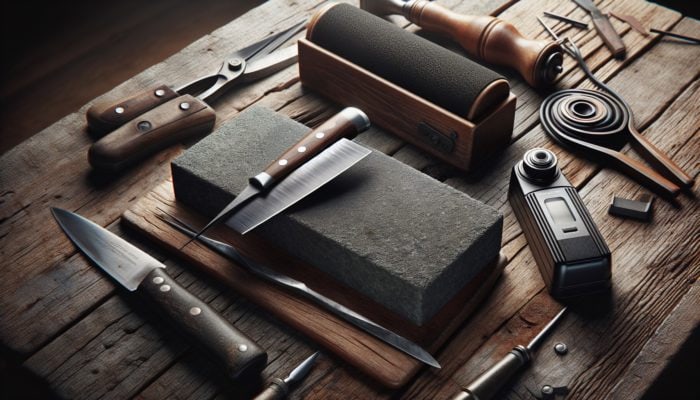
  • Kitchen Gadgets for 2025: Top Picks and Recommendations

    Kitchen Gadgets for 2025: Top Picks and Recommendations

    Discover Innovative Kitchen Gadgets Transforming Your Culinary Journey

    Unlock the Benefits of Advanced Smart Kitchen Devices

    Must-Have Kitchen Gadgets for 2025: Modern smart kitchen with sleek appliances, home automation integration, real-time cooking monitoring on smartphone, voice command, energy efficiency display.

    The essential kitchen gadgets for 2025 are revolutionizing the culinary landscape, fundamentally altering how we cook by integrating seamlessly into smart home automation systems. This cutting-edge technology allows users to control their devices from afar, monitor cooking processes in real-time, and receive instant notifications directly on their smartphones. Notable functionalities of these advanced smart kitchen devices include:

    • Remote Control: Effortlessly adjust settings on your appliances from any corner of your home.
    • Voice Activation: Employ voice commands with popular virtual assistants for enhanced convenience and ease of use.
    • Programmable Settings: Customize predefined functions for a variety of cooking tasks that cater to your unique culinary preferences.
    • Energy Monitoring: Track your energy usage to promote efficiency and environmental sustainability.
    • Recipe Integration: Connect with leading recipe applications for guided, step-by-step cooking assistance.
    • Self-Diagnosis: Automatically identify issues and alert users, ensuring optimal functionality and reliability.

    These state-of-the-art appliances offer more than just convenience; they also enhance safety and precision in the kitchen. For instance, a smart oven can continuously monitor cooking temperatures while automatically adjusting settings to prevent overcooking. At the same time, a connected slow cooker allows users to start, pause, or adjust cooking times from anywhere, making it particularly advantageous for those with demanding schedules. This innovative technology enables a more flexible, efficient, and less time-intensive approach to meal preparation compared to traditional cooking methods.

    Utilize Versatile Cooking Tools for Effortless Meal Preparation

    In modern kitchens, multi-functional cooking tools have become essential, especially as space limitations become more prevalent. These versatile tools are designed to perform several tasks, significantly reducing clutter in your kitchen. Among the most popular multi-functional cooking gadgets are:

    • Food Processors: Perfect for chopping, blending, slicing, and pureeing all in one compact appliance.
    • Instant Pots: Combine pressure cooking, slow cooking, steaming, sautéing, and more into a single versatile device.
    • Blender-Food Processor Combos: Ideal for creating smoothies and facilitating efficient meal preparation.
    • Electric Griddles: Flexible enough for grilling, frying, and preparing a wide variety of dishes.
    • Spiralisers: Convert vegetables into creative noodle substitutes and other fun shapes.
    • Rice Cookers with Steamer Baskets: Cook grains while simultaneously steaming vegetables for a balanced and nutritious meal.

    By embracing these multi-functional tools, home chefs can experiment with diverse cooking techniques without the need for numerous separate gadgets. For example, an Instant Pot can dramatically shorten cooking times for stews and grains, while a food processor enhances the texture and flavor of sauces and dips, allowing the preparation of gourmet-quality meals with minimal effort and maximum satisfaction.

    Promote Sustainability with Energy-Efficient Kitchen Appliances

    Energy-efficient kitchen devices are specifically designed to minimize energy consumption while delivering the high performance that today’s culinary enthusiasts expect. Opting for energy-efficient gadgets not only reduces utility bills but also supports a more sustainable way of living. When assessing which kitchen gadgets stand out for their energy efficiency, consider these crucial factors:

    • Energy Star Ratings: Always select appliances that have received certification for energy efficiency.
    • Smart Technology: Devices that optimize energy usage during operation for improved efficiency.
    • Size and Capacity: Choose devices that match your cooking needs; smaller units typically consume less energy.
    • Usage Patterns: Select appliances that align with your cooking habits and frequency to maximize efficiency.
    • Multifunctionality: Opt for gadgets that serve multiple purposes to conserve space and energy.
    • Durability: Investing in long-lasting appliances reduces waste and energy consumption over time.

    Investing in energy-efficient devices can significantly enhance your kitchen environment, particularly for those committed to reducing their carbon footprint. For example, a high-efficiency dishwasher can use considerably less water and energy compared to hand washing. Similarly, an induction cooktop heats food more quickly and effectively, minimizing wasted heat and making it a wise choice for energy-conscious cooks who aim to optimize their culinary efficiency.

    Gain Expert Insights on Must-Have Kitchen Gadgets for 2025

    Futuristic kitchen in 2025 with advanced gadgets, expert chefs discussing essential tools.

    Explore Cutting-Edge Technology Shaping Kitchen Gadgets

    The latest advancements in kitchen technology are broadening the horizons of food preparation, elevating both precision and efficiency. Innovative kitchen gadgets such as sous vide cookers and smart thermometers illustrate how technology is transforming traditional cooking techniques. For instance, sous vide cookers offer precise temperature control, ensuring that proteins cook evenly and without risk of overcooking, which is critical for achieving restaurant-quality results.

    Smart thermometers provide real-time temperature readings through smartphone applications, allowing cooks to track their culinary progress without the need to constantly check the oven. This technology not only enhances the reliability of cooking results but also improves the overall cooking experience, making it more enjoyable and less stressful. Moreover, these gadgets often come with features that offer cooking tips or suggest optimal cooking times for various cuts of meat, effectively bridging the gap between novice cooks and seasoned chefs.

    Identify Emerging Trends Influencing the Future of Kitchen Gadgets

    As we move toward 2025, several significant trends are emerging that will shape the future of kitchen gadgets. One major trend is the increasing connectivity and integration of kitchen appliances. More devices are being designed to seamlessly work with smart home systems, allowing for effortless control and monitoring. This integration not only enhances convenience but also fosters energy efficiency, as users gain improved oversight of their appliances from anywhere.

    Another important trend is the growing focus on sustainability. Consumers are increasingly looking for gadgets that emphasize energy efficiency, utilize eco-friendly materials, or are designed for longevity. This shift is prompting manufacturers to innovate in ways that reduce waste and promote recycling. Additionally, the rising popularity of meal prepping and healthier cooking practices is driving demand for tools that simplify these processes. Gadgets that streamline food preparation, such as choppers, spiralisers, and high-speed blenders, are quickly becoming essential in kitchens worldwide.

    Explore Expert Recommendations for Essential Kitchen Gadgets

    High-quality kitchen gadgets including sharp knives and sturdy cutting boards arranged on a modern countertop.

    Culinary professionals consistently stress the importance of investing in high-quality kitchen gadgets that enhance both functionality and durability. When deciding which gadgets to add to your kitchen arsenal, it is vital to evaluate their reliability and longevity. For example, well-crafted knives and robust cutting boards not only serve as indispensable tools for food preparation but also contribute to safety and efficiency in the kitchen.

    Moreover, experts recommend looking for gadgets that offer versatility, such as a top-quality immersion blender that can puree soups directly in the pot or double as a whisk for emulsifying sauces. The dependability of a gadget often correlates with the brand’s reputation and customer feedback, making thorough research essential before committing to a purchase. Consulting expert reviews and recommendations can provide invaluable insights into which products have consistently proven their worth in both functionality and design over time.

    How Essential Kitchen Gadgets Enhance Your Cooking Experience

    Boosting Cooking Efficiency for Busy Households

    Gadgets designed to streamline cooking processes can save a significant amount of time and effort during meal preparation, transforming the cooking experience into a more enjoyable and less stressful activity. Key features that greatly enhance cooking efficiency include programmable settings, automatic timers, and integration with recipe applications. These functionalities enable home cooks to manage their cooking processes seamlessly, minimizing the chances of overcooking or undercooking meals, which is crucial for achieving consistent and delicious results.

    For instance, a pressure cooker can shorten the cooking time for stews from several hours to mere minutes, while smart ovens can automatically adjust cooking times based on the specific type of food being prepared. Furthermore, multi-tasking appliances like food processors can chop vegetables while simultaneously preparing a sauce, creating a more fluid and enjoyable cooking experience. By incorporating these efficient gadgets, home cooks can streamline their workflows, leading to more enjoyable and less stressful meal preparation sessions.

    Enhancing Food Quality and Flavor with Innovative Tools

    Certain kitchen gadgets can dramatically improve the flavor and texture of food, making home cooking a more satisfying experience. High-quality blenders, for example, can create smooth, velvety soups or perfectly blended sauces, ensuring uniform consistency that elevates taste. Similarly, sous vide devices allow for precision cooking, resulting in tender meats and perfectly cooked vegetables that retain nutrients while enhancing flavor profiles.

    Moreover, using tools like spiralisers can creatively transform vegetables into noodles, offering a fun and healthy way to enjoy nutritious meals without compromising on taste. Additionally, gadgets designed for specific cooking techniques, such as smoking guns or specialty grills, can impart unique flavors to dishes that are often challenging to replicate without advanced equipment. By investing in these innovative tools, home cooks can experiment with various techniques that improve food quality, ultimately leading to more delicious and satisfying meals.

    Making Complex Recipes Accessible for Every Home Cook

    With the right tools, intricate recipes become far more approachable for home cooks, enabling them to explore the culinary arts without feeling overwhelmed. Gadgets that simplify complex recipes include:

    • Slow Cookers: Ideal for set-and-forget meals that require minimal supervision and attention.
    • Food Processors: Perfect for effortlessly chopping, mixing, and pureeing ingredients with ease and speed.
    • Instant Pots: Combine various cooking techniques into one versatile appliance for maximum efficiency.
    • Stand Mixers: Excellent for baking and mixing doughs with minimal effort.
    • Spiralisers: Quickly create healthy vegetable noodles for nutritious and exciting meals.
    • Electric Grills: Simplify indoor grilling with consistent heat distribution for perfect results.

    These tools not only reduce the time required to prepare complex dishes but also boost confidence among cooks trying new recipes. A well-functioning food processor can turn tedious chopping tasks into mere seconds, while an Instant Pot can eliminate the guesswork associated with timing various cooking methods. By utilizing these gadgets, home cooks can tackle more ambitious recipes, enriching their culinary repertoire and making cooking a more fulfilling and satisfying activity.

    What Benefits Come with Investing in Quality Kitchen Gadgets?

    Achieve Long-Term Savings and Enhanced Durability

    Investing in high-quality kitchen gadgets can lead to significant long-term savings and improved durability, outweighing the initial costs often associated with premium products. Durable appliances typically come with warranties and are designed to withstand the rigors of daily use, thereby reducing the necessity for frequent replacements. When evaluating the durability of kitchen gadgets, consider factors such as the materials used, build quality, and the brand’s reputation.

    Additionally, gadgets featuring energy-efficient technology can also contribute to long-term cost savings. For example, an energy-efficient dishwasher can conserve both water and electricity, resulting in lower utility bills. By choosing well-crafted, reliable gadgets, home cooks not only enhance their cooking experience but also invest in tools that will last for years, ultimately leading to substantial long-term savings.

    Elevate Your Kitchen’s Aesthetics with Stylish Gadgets

    Stylish kitchen gadgets can dramatically enhance the overall appearance of your culinary space, adding a contemporary flair to your kitchen. When selecting gadgets, consider design elements that align with your kitchen’s aesthetic, including color schemes, materials, and finishes. Sleek stainless steel appliances, for instance, not only impart a modern aesthetic but also offer durability and ease of maintenance.

    Furthermore, gadgets with innovative designs and multifunctionality can serve as both decorative elements and highly functional tools. For example, a beautifully designed coffee maker can become a centerpiece on your kitchen countertop, while an elegant blender can be displayed instead of tucked away. By choosing aesthetically pleasing gadgets, you can transform your kitchen into a space that reflects your personal style while maintaining functionality.

    Increase Home Value with Upgraded Kitchen Gadgets

    A well-equipped kitchen serves as a significant selling point, boosting your home’s value and making it more attractive to potential buyers. High-quality kitchen gadgets not only provide essential functionality but can also enhance the desirability of a property. Modern appliances, such as energy-efficient refrigerators and smart ovens, signal that homeowners prioritize both convenience and sustainability.

    Additionally, an updated kitchen featuring the latest gadgets can create an inviting atmosphere that encourages potential buyers to envision themselves cooking and entertaining. Investing in essential kitchen gadgets can lead to a higher return on investment, as prospective buyers often prioritize homes with modern and efficient kitchens that require minimal renovations.

    Maximize Cooking Efficiency with Essential Kitchen Gadgets

    Efficient kitchen gadgets save time and effort during meal preparation, significantly enhancing the overall cooking experience. Tools equipped with modern technology, such as programmable slow cookers and smart ovens, empower home cooks to manage their time effectively, ensuring meals are prepared with precision and consistency. This efficiency can be particularly beneficial for busy individuals or families juggling multiple schedules.

    Moreover, gadgets that offer preset functions simplify meal prep tasks, allowing cooks to achieve consistent results with minimal fuss. For instance, a rice cooker can deliver perfect rice every time without constant monitoring, freeing up time for other meal preparations. By utilizing efficient gadgets, home cooks can transform the way they approach meal planning and preparation, leading to a more enjoyable and productive cooking experience.

    Encourage Healthier Eating Habits with Specialized Kitchen Gadgets

    Specialized kitchen gadgets can significantly promote healthier eating by simplifying the preparation of nutritious meals at home. Gadgets such as air fryers, steamers, and spiralisers advocate for cooking methods that preserve nutrients while reducing the need for excess fats and oils. Air fryers, for instance, utilize hot air circulation to achieve crispy textures without deep frying, allowing you to enjoy healthier versions of your favorite dishes.

    Moreover, tools that streamline meal prep, such as vegetable choppers and food processors, encourage the incorporation of fresh ingredients into daily meals. By facilitating the preparation of healthy foods, these gadgets support a nutritious lifestyle and help individuals and families develop better eating habits. Ultimately, investing in specialized kitchen gadgets enhances the culinary experience while fostering a commitment to health and well-being.

    Research-Backed Advantages of Essential Kitchen Gadgets for 2025

    Promoting Health and Nutrition with Innovative Kitchen Tools

    Specific kitchen gadgets encourage healthier cooking methods that can lead to improved nutrition. For example, tools designed for steaming vegetables preserve more nutrients compared to traditional boiling methods, ensuring that meals remain both delicious and nutritious. To effectively leverage these gadgets, consider practices such as meal prepping with a slow cooker or utilizing an air fryer for healthier snacks, both of which can significantly contribute to maintaining a balanced diet.

    Moreover, gadgets like food dehydrators can promote the consumption of fruits and vegetables by creating healthy snacks free from added preservatives. By integrating these tools into daily cooking routines, individuals can cultivate a healthier relationship with food while simplifying their meal preparation processes. Implementing gadgets that promote nutritious cooking can lead to long-term health benefits and improved overall well-being.

    Understanding the Environmental Impact of Kitchen Gadgets

    Eco-friendly kitchen gadgets are designed to minimize waste and energy consumption, benefiting both the environment and consumer spending. Gadgets such as solar ovens or composters can substantially decrease the carbon footprint of a kitchen. By harnessing renewable energy sources or reducing food waste, these tools contribute to a more sustainable lifestyle.

    Selecting kitchen gadgets made from sustainable materials, such as bamboo or recycled plastics, can further mitigate environmental impacts. Additionally, investing in energy-efficient appliances can lead to reduced energy use, thereby lowering greenhouse gas emissions. As consumers increasingly prioritize environmental consciousness, the demand for eco-friendly kitchen gadgets is expected to continue rising, motivating manufacturers to innovate in this area.

    Psychological Benefits of Cooking with Modern Kitchen Gadgets

    Utilizing modern kitchen gadgets can make cooking more enjoyable and less stressful, leading to positive psychological outcomes. The convenience offered by these gadgets alleviates time constraints, making meal preparation feel less daunting. For instance, a well-designed food processor can simplify repetitive tasks, allowing cooks to focus on creativity and flavor combinations instead of tedious pre-preparation.

    Moreover, cooking can serve as a therapeutic exercise, providing a sense of accomplishment and satisfaction. Gadgets that facilitate communal dining experiences, such as slow cookers that maintain food warmth until serving, encourage shared meals, foster social bonding, and enhance mental well-being. By making cooking more enjoyable, these gadgets contribute to overall mental well-being and enrich the joy of meal preparation.

    Achieving Time and Efficiency Gains with Modern Kitchen Gadgets

    Modern kitchen gadgets are engineered to save time and enhance efficiency during meal preparation, fundamentally transforming the way we approach cooking. Devices such as programmable slow cookers and multi-cookers enable batch cooking and meal prep, streamlining the process for busy individuals. The convenience these gadgets provide translates to less time spent in the kitchen, enabling more opportunities for family engagement or pursuing other interests.

    Furthermore, tools that simplify complex tasks, like electric can openers or automatic slicers, reduce physical effort in the kitchen, making cooking more accessible for everyone. By utilizing these time-saving gadgets, home cooks can create delicious meals with ease, alleviating the stress often associated with cooking and meal preparation.

    Cost-Effectiveness of Investing in Quality Kitchen Gadgets

    Investing in certain kitchen gadgets can yield significant long-term savings despite their initial costs. High-quality appliances, while pricier upfront, often last longer than cheaper alternatives, resulting in lower replacement costs over time. Gadgets that promote energy efficiency, such as induction cooktops or smart ovens, can dramatically decrease utility bills, making them a financially astute choice in the long run.

    Moreover, specialized gadgets can reduce the need for takeout or dining out by simplifying meal preparation at home. For instance, a bread maker allows users to create fresh bread at a fraction of the cost of store-bought options. By considering the long-term benefits and potential savings of kitchen gadgets, consumers can make informed choices that enhance both their culinary experience and financial well-being.

    Implement Proven Strategies for Acquiring Essential Kitchen Gadgets for 2025

    Smart Budgeting Techniques for Kitchen Gadgets

    Effective budgeting for kitchen gadgets ensures that you can acquire essential tools without incurring financial strain. Begin by assessing your current kitchen inventory and pinpointing gaps that could be filled with new gadgets. Create a budget based on your financial situation, prioritizing essential tools before contemplating luxury items that may not be necessary for your cooking style.

    Consider developing a savings plan where you set aside a small amount each month specifically for kitchen gadgets. This strategy empowers you to purchase high-quality items without relying on credit or loans. Additionally, keep an eye out for seasonal sales or bundle deals that can provide opportunities for cost savings, enabling you to maximize your budget while obtaining the gadgets you desire and require.

    Selecting the Right Gadgets to Suit Your Needs

    Choosing gadgets that align with your cooking style and needs maximizes their utility and enhances your overall kitchen experience. Evaluate how frequently you cook, the types of dishes you enjoy preparing, and any specific cooking challenges you face. This assessment will guide you in selecting gadgets that genuinely add value to your culinary routine.

    For instance, if you regularly prepare healthy meals, investing in a high-quality blender and a vegetable spiraliser could be particularly advantageous. Conversely, if baking is your passion, consider a stand mixer that streamlines the process and improves your baking outcomes. By tailoring your kitchen gadgets to your specific cooking habits, you can ensure that each tool contributes effectively to your culinary adventures.

    Maintaining and Upgrading Your Kitchen Gadget Collection

    Proper maintenance and timely upgrades are essential for keeping your kitchen gadgets in optimal condition. Regularly clean and care for your appliances according to the manufacturer’s guidelines to ensure longevity. For example, ensure that the blades on food processors are sharpened and thoroughly cleaned to prevent contamination and maintain peak performance.

    Additionally, stay informed about new technologies and innovations that can enhance your cooking experience. Upgrading to newer models with improved features can significantly enhance efficiency and performance. Regularly evaluating your gadget collection will ensure that you keep only the tools that serve a purpose, making your kitchen more functional and enjoyable to work in.

    Frequently Asked Questions About Kitchen Gadgets

    What are the most recommended smart kitchen appliances for 2025?

    The most recommended smart kitchen appliances for 2025 include smart ovens, refrigerators equipped with touch screens, and connected coffee makers that can be managed via smartphone apps, enhancing both convenience and efficiency.

    How do multi-functional cooking tools help maximize space in the kitchen?

    Multi-functional cooking tools combine various capabilities into a single device, thereby minimizing the need for multiple gadgets and freeing up valuable counter and storage space in the kitchen.

    What are some popular energy-efficient kitchen gadgets available today?

    Popular energy-efficient kitchen gadgets encompass Energy Star-rated refrigerators, smart ovens that optimize energy usage, and induction cooktops that provide quicker heating while minimizing energy waste.

    In what ways can kitchen gadgets improve cooking quality?

    Kitchen gadgets can significantly enhance cooking quality by providing precise measurements, maintaining consistent cooking temperatures, and facilitating innovative cooking techniques that elevate flavor and texture.

    What kitchen gadget trends should I keep an eye on?

    Current trends to watch include the increasing prevalence of smart technology, eco-friendly materials, and gadgets specifically designed for meal prepping and healthier cooking techniques.

    How can I evaluate the durability of a kitchen gadget before purchasing?

    Assessing durability involves researching materials, checking for warranties, and examining customer reviews to gauge long-term performance and reliability.

    What benefits come with investing in high-quality kitchen gadgets?

    Investing in high-quality kitchen gadgets offers long-term savings through durability, enhanced cooking performance, and improved kitchen aesthetics, ultimately enriching your culinary experience.

    How do kitchen gadgets streamline the cooking process?

    Kitchen gadgets simplify cooking tasks through automation, multifunctionality, and user-friendly designs, allowing cooks to focus on creativity rather than mundane or repetitive tasks.

    Can kitchen gadgets encourage healthier eating habits?

    Absolutely! Kitchen gadgets, including steamers, air fryers, and food processors, promote healthier cooking methods and facilitate the preparation of nutritious meals at home.

    What factors should I consider when budgeting for kitchen gadgets?

    Consider your current cooking needs, establish a realistic budget, prioritize essential tools, and look out for sales or bundle deals to maximize your investment.

    Join us on Facebook for the latest updates!

    The post Must-Have Kitchen Gadgets for 2025: Top Picks appeared first on https://cookinggods.com

    The Article Essential Kitchen Gadgets for 2025: Best Recommendations Was Found On https://limitsofstrategy.com
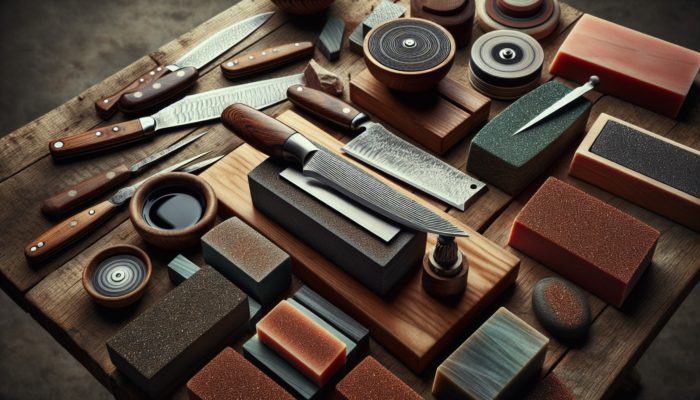
  • Stainless Steel Tongs: A Must-Have for Every Kitchen

    Stainless Steel Tongs: A Must-Have for Every Kitchen

    Unveiling the Incredible Durability and Longevity of Top-Quality Stainless Steel Tongs

    Understanding the Key Factors That Enhance the Durability of Stainless Steel

    Sleek kitchen with durable stainless steel pots, pans, utensils, resistant to rust and corrosion.

    Stainless steel is renowned for its exceptional durability, which makes it the material of choice for a wide array of kitchen tools, particularly in professional culinary environments. The unique properties of stainless steel play a critical role in its longevity, especially given the rigorous demands of the culinary arts. This remarkable strength comes from its specialized composition, which consists of iron, carbon, and a minimum of 10.5% chromium. This unique blend not only ensures structural integrity but also significantly enhances its resistance to rust and corrosion. Here are some vital aspects that contribute to its exceptional durability:

    • Corrosion Resistance: Stainless steel is highly effective in preventing rust, which guarantees a longer lifespan of kitchen tools.
    • High-Temperature Tolerance: It can endure extreme heat without warping or compromising its structural integrity.
    • Impact Resistance: Stainless steel is less prone to breaking or deforming under stress compared to other materials.
    • Non-Porous Surface: Its surface does not harbor bacteria or food particles, thus enhancing hygiene standards.

    These fundamental characteristics make stainless steel tongs an exceptionally reliable choice, particularly for culinary professionals who need tools that can withstand constant use and wear. In contrast to wooden or plastic alternatives, which may splinter, warp, or degrade over time, stainless steel maintains its strength and functionality, ensuring a prolonged service life.

    Comparing Stainless Steel to Other Kitchen Tool Materials: A Performance Analysis

    In the realm of kitchen tongs, stainless steel consistently outshines plastic and wood across multiple critical dimensions. While plastic tongs may provide lightweight convenience and lower cost, they frequently lack the durability required for high-temperature cooking applications. Moreover, plastic can warp or melt under intense heat, making them unreliable for grilling or sautéing tasks. On the other hand, wooden tongs, despite their aesthetic appeal, are susceptible to cracking and can harbor bacteria due to their porous structure.

    Conversely, stainless steel tongs not only offer superior durability but also maintain high hygiene standards. Their smooth surfaces make them easy to clean, significantly lowering the risk of cross-contamination during food preparation. Additionally, they do not absorb odors or flavors, ensuring that each dish retains its unique taste. This quality positions stainless steel as an exceptionally appealing option for both home cooks and professional chefs in search of high-quality culinary tools.

    Evaluating the Lifespan of Stainless Steel Tongs in High-Temperature Cooking Scenarios

    The capacity of stainless steel tongs to endure high temperatures is unmatched. Unlike plastic, which may melt or lose shape, or wood that can char, stainless steel remains stable even under extreme heat conditions. This durability is particularly vital for various cooking techniques, such as grilling or stir-frying. Many chefs rely on stainless steel tongs to flip meats on the grill or toss vegetables in a hot skillet without the concern of damaging the tool.

    Moreover, the durability of stainless steel tongs is often attributed to their robust construction. A well-crafted pair usually features reinforced joints and heavy-duty materials, extending their lifespan in demanding kitchen settings. Chefs can use these tongs confidently, knowing they will perform reliably during essential cooking moments, thus facilitating a smooth and efficient cooking process.

    Effective Maintenance Tips to Extend the Lifespan of Your Tongs

    Stainless steel tongs hanging in a kitchen, symbolizing care and maintenance for longevity.

    To ensure that your stainless steel tongs remain in impeccable working condition for many years, proper maintenance is crucial. Regular cleaning after each use is essential for preserving their performance. Here are some practical strategies to enhance the longevity of your tongs:

    • Hand Wash: Although many stainless steel tongs are dishwasher safe, hand washing is often recommended to prevent scratches and maintain their aesthetic.
    • Dry Immediately: Wipe down your tongs after washing to avoid water spots and keep their shine intact.
    • Avoid Abrasive Cleaners: Utilize non-abrasive sponges to safeguard the surface integrity from scratches.
    • Store Properly: Hang or store them in a designated area to avert unintentional damage.

    By adhering to these maintenance guidelines, you can ensure that your stainless steel tongs serve as a long-term investment in your kitchen, consistently delivering exceptional performance over time.

    Elevating Hygiene and Safety Standards with Stainless Steel Tongs

    How Stainless Steel Tongs Improve Kitchen Hygiene Practices

    Maintaining high hygiene standards is vital in any kitchen, and stainless steel tongs excel in this regard due to their non-porous surfaces. Unlike wood, which can trap germs and bacteria within its microscopic crevices, the smooth surface of stainless steel prevents food particles from sticking, making cleaning a breeze. This characteristic greatly minimizes the risk of cross-contamination, which is especially crucial for those handling raw meats or allergenic ingredients.

    Furthermore, stainless steel tongs can withstand high temperatures, making them safe for sanitization processes. They can be boiled or immersed in hot water without compromising the material, providing assurance that the tools used in food preparation are as clean as possible. In today’s health-conscious environment, utilizing stainless steel tools is not just a preference; it is a necessary measure for adhering to food safety standards.

    Using Dedicated Stainless Steel Tongs to Reduce Cross-Contamination Risks

    Color-coded stainless steel tongs on a clean kitchen counter for food safety.

    Cross-contamination poses a significant risk in both home and commercial kitchens. Implementing separate stainless steel tongs for different food types can significantly mitigate this risk. For instance, designating specific tongs for raw meats and others for vegetables or cooked dishes helps prevent harmful bacteria from spreading. This practice is essential for anyone striving to uphold a safe cooking environment.

    Food safety professionals recommend labeling or color-coding tongs to ensure proper usage, which can further enhance hygiene within the kitchen. By adopting these straightforward precautions, cooks can ensure they are not only preparing delicious meals but also doing so in a manner that prioritizes health and safety.

    Safety Advantages of Using Stainless Steel Tongs in the Kitchen

    The safety benefits of stainless steel tongs extend far beyond hygiene considerations. These tongs are often designed with features that improve grip and control, thereby reducing the risk of slipping when handling hot or heavy items. This aspect becomes particularly significant when flipping burgers on a grill or transferring pasta to a plate, where a secure grip can make a critical difference.

    Moreover, the sturdiness of stainless steel tongs means they are less likely to break or suffer damage during use. Unlike plastic tongs, which may snap under pressure, or wooden tongs that can splinter, stainless steel provides reliable performance. This dependability translates into safer food handling, instilling confidence in both novice cooks and seasoned chefs alike.

    Expert Perspectives on the Importance of Stainless Steel Tongs in Culinary Practices

    Insights from Renowned Chefs on the Value of Stainless Steel Tongs

    Professional chefs frequently praise stainless steel tongs for the precision and control they offer in culinary tasks. Notable chef Thomas Keller from The French Laundry has consistently highlighted the importance of high-quality kitchen tools, especially tongs, in achieving culinary excellence. In high-pressure environments, such as busy restaurant kitchens, chefs rely on stainless steel tongs to manage a wide variety of ingredients, from delicate herbs to substantial cuts of meat.

    Many chefs value the versatile design of stainless steel tongs, which allows for both delicate and robust food handling. Whether flipping a fragile fish fillet or tossing a hearty salad, these tongs strike a perfect balance between precision and strength. Additionally, their sleek design adds a professional touch to the kitchen, making them a preferred choice among culinary experts.

    Recommendations from Food Safety Experts on the Use of Tongs

    Food safety experts emphasize the crucial role of using stainless steel tongs to reduce direct contact with food, thereby enhancing hygiene practices. They advocate for utilizing tongs in tasks such as serving salads, transferring cooked meats, or handling raw ingredients. By using tongs, cooks can avoid contaminating their hands, which is particularly vital when preparing meals for others.

    Experts also advise maintaining distinct sets of tongs for raw proteins and another for ready-to-eat foods. This separation is essential to prevent foodborne illnesses, ensuring that harmful bacteria from raw meats do not come into contact with foods that are ready for consumption. Following these guidelines can help kitchen enthusiasts meet food safety standards while benefiting from the efficiency offered by stainless steel tongs.

    Emerging Trends in Kitchen Tongs Design and Functionality

    The culinary landscape is continuously evolving, and the latest trends in kitchen tongs reflect an increasing focus on ergonomic design and multifunctionality. Innovations now feature tongs equipped with soft-grip handles for enhanced comfort, as well as designs specifically tailored for tasks such as grilling or serving. For example, some tongs come with integrated spatula-like edges for flipping food, while others include locking mechanisms for compact storage.

    As consumer demand for versatile kitchen tools rises, manufacturers are responding by creating tongs that merge functionality with aesthetics. Sleek designs that complement other kitchenware are becoming increasingly popular, making stainless steel tongs not only practical but also a stylish addition to any kitchen. This combination of utility and design ensures that tongs remain essential tools in the culinary arts.

    Advantages of Stainless Steel Tongs for Home Cooks

    Home cooks benefit significantly from stainless steel tongs due to their versatility and durability. These tools facilitate meal preparation, enabling a seamless transition between cooking and serving. Whether tossing salads, flipping pancakes, or turning meats on the grill, stainless steel tongs provide the flexibility necessary for everyday culinary tasks.

    Furthermore, their robust construction means they can handle substantial tasks without the risk of breaking, making them suitable for a wide variety of cooking techniques. For home cooks looking to optimize their kitchen experience, stainless steel tongs are indispensable, offering reliability and convenience that elevate everyday cooking to a higher standard.

    Essential Features to Consider When Choosing Quality Tongs

    When selecting stainless steel tongs, several features can significantly enhance their functionality and usability. A strong grip is essential; look for tongs designed with textured handles or silicone grips that minimize slipping. Comfort is another critical aspect; ergonomic designs allow for extended use without causing hand fatigue.

    A locking mechanism is also a valuable feature for storage, allowing tongs to be compactly stored in drawers or hung from hooks without taking up unnecessary space. Lastly, consider the size and length of the tongs; longer tongs provide added safety from heat when working over hot surfaces. These considerations ensure that you select a pair of tongs that will serve you well for years to come.

    Exploring the Versatile Uses of Stainless Steel Tongs in Culinary Settings

    Can Stainless Steel Tongs Handle a Variety of Foods?

    Absolutely! Stainless steel tongs are incredibly versatile kitchen tools, capable of managing a wide range of foods, from delicate salads to hearty meats. This adaptability makes them ideal for any culinary task, whether grilling, sautéing, or serving. For instance, you can use them to toss mixed greens for a salad without crushing the leaves, showcasing their finesse, while also effortlessly flipping steaks on the grill.

    The heat-resistant properties of stainless steel allow these tongs to excel in various cooking environments. Their design typically includes a wide, flat surface for flipping larger items and a pointed end for grasping smaller pieces. This functionality ensures that both home cooks and professional chefs have the appropriate tools at their disposal for any food preparation task.

    Utilizing Tongs Across Different Cooking Techniques

    Stainless steel tongs are indispensable tools in various cooking methods, enhancing culinary techniques with their design and durability. Whether grilling, sautéing, steaming, or serving, these tongs are irreplaceable. On the grill, they allow for flipping burgers and sausages without losing juiciness, ensuring perfectly cooked results every time. When sautéing, their heat resistance permits direct use in hot pans without the risk of melting or damage.

    Moreover, tongs are invaluable when steaming vegetables; simply grasp the steaming basket and lift it out without the fear of burns or spills. They also serve as excellent tools for plating; whether serving pasta or arranging a salad, the precision of stainless steel tongs adds a professional touch to any dish. Their multifunctional nature makes them a must-have in any kitchen, streamlining cooking processes while preserving food integrity.

    Characteristics That Make Tongs Multi-Purpose Kitchen Tools

    The design of stainless steel tongs renders them suitable for a broad range of culinary applications, establishing them as genuinely multi-purpose tools in the kitchen. Here are some common uses that demonstrate their versatility:

    • Flipping: Ideal for turning meats, vegetables, or pancakes effortlessly.
    • Serving: Perfect for transferring salads, pasta, or side dishes to plates.
    • Tossing: Excellent for mixing salads or pasta dishes without damaging ingredients.
    • Grabbing: Effortlessly pick up delicate items like herbs or shrimp.
    • Marinating: Use them to coat meats in marinades without making your hands messy.

    With these capabilities, stainless steel tongs are essential tools in the culinary toolkit, enhancing both efficiency and enjoyment in the cooking process.

    Improving Comfort and Usability with Stainless Steel Tongs

    Features That Enhance the Usability of Tongs

    In terms of usability, stainless steel tongs are designed with features that enhance comfort and functionality. Ergonomic handles are a vital design aspect, allowing for a natural grip that minimizes hand fatigue during extended cooking sessions. This consideration is particularly valuable for chefs and home cooks who spend considerable time in the kitchen.

    Additionally, many tongs now include locking mechanisms, enabling users to securely close the tongs for storage or compact handling while cooking. This feature not only conserves space but also provides a safer way to store them, minimizing the risk of accidental injury from open tongs. A well-designed pair should feel balanced in your hand, offering precision and control without requiring excessive force.

    How Tongs Contribute to Cooking Efficiency

    Utilizing stainless steel tongs can significantly enhance cooking efficiency by enabling quick and precise handling of food. For instance, during meal preparation, tongs can swiftly transfer ingredients from prep areas to cooking vessels without the mess associated with using hands or other utensils. This speed is especially advantageous in fast-paced cooking environments, such as during dinner service or while preparing larger meals.

    Moreover, their design encourages multitasking. Cooks can easily shift between tasks, flipping meats while simultaneously serving sides, all without needing to set down a tool or wash their hands frequently. This efficiency not only boosts productivity but also enriches the overall cooking experience, allowing chefs and home cooks to focus more on creativity rather than logistics.

    The Importance of Comfort for Extended Cooking Sessions

    Comfort is a vital consideration when using stainless steel tongs for extended periods. Cooking can be physically demanding, particularly in professional kitchens or when preparing elaborate meals at home. Tongs designed with comfortable, padded grips can significantly reduce strain on hands and wrists, enabling chefs to work longer without discomfort.

    Additionally, well-balanced tongs minimize the effort required to lift or flip heavier items, making tasks easier and more enjoyable. This comfort translates to more efficient cooking sessions, as cooks can maintain their focus and energy when handling food. Ultimately, investing in high-quality, comfortable tongs results in a more enjoyable and productive cooking experience.

    Research-Based Insights on the Benefits of Stainless Steel Tongs

    What Studies Reveal About the Hygiene of Stainless Steel

    Research consistently shows that stainless steel is one of the most hygienic materials for kitchen tools. Studies indicate that stainless steel surfaces are easier to clean and less likely to harbor bacteria compared to porous materials like wood or plastic. The non-porous nature of stainless steel ensures that food residues do not seep into the material, making it a safer option for food handling.

    Moreover, stainless steel’s ability to withstand high temperatures further enhances its hygiene. Cooking and cleaning processes that involve high heat effectively eliminate bacteria, ensuring that your tongs are sanitized after each use. This aspect is particularly crucial in both home and commercial kitchens, where strict food safety regulations are enforced. Employing stainless steel tongs aligns with best practices for food safety, making them a fundamental tool for conscientious cooks.

    How Stainless Steel Enhances Food Safety

    The contribution of stainless steel tongs to food safety is paramount. Research has shown that using stainless steel tools can significantly lower the risk of foodborne illnesses. Their smooth, non-porous surfaces inhibit the growth of harmful bacteria, ensuring that food remains uncontaminated throughout preparation and serving.

    Furthermore, stainless steel’s heat resistance allows for thorough sanitization, making it an ideal option for handling raw proteins, which are particularly prone to harboring pathogens. By utilizing stainless steel tongs to manage these foods, cooks can drastically reduce contamination risks, creating a safer cooking environment and improving overall food safety standards.

    Environmental Benefits of Choosing Stainless Steel

    Opting for stainless steel tongs not only enhances your kitchen experience but also bears a positive impact on the environment. Stainless steel is highly recyclable, contributing to waste reduction and promoting sustainability in kitchen tools. Unlike plastic, which may take centuries to decompose, stainless steel can be repurposed and recycled into new products.

    • Durability: Their long-lasting nature reduces the frequency of replacements, thus decreasing landfill waste.
    • Recyclability: Stainless steel can be recycled at the end of its lifecycle, aiding in the development of a circular economy.
    • Lower Carbon Footprint: The reduced need for frequent replacements lessens overall resource consumption.
    • Non-Toxic: Stainless steel is free from harmful chemicals often found in plastics, promoting a healthier kitchen environment.

    By investing in stainless steel kitchen tools, including tongs, you are making a conscious choice aligned with eco-friendly practices and sustainability, contributing to a healthier planet.

    Evaluating the Cost-Effectiveness and Value of Stainless Steel Tongs

    Why Stainless Steel Tongs Are a Smart Investment

    When assessing kitchen tools, stainless steel tongs emerge as a wise investment. While the initial cost may be higher compared to plastic alternatives, their superior durability and longevity yield significant savings over time. With proper care, a high-quality pair of stainless steel tongs can last for years, if not decades, providing exceptional value for your investment.

    The ability to withstand high heat and resist wear further solidifies their worth in any kitchen. Unlike cheaper options that require frequent replacements, stainless steel tongs maintain their performance and appearance, delivering consistent results. Thus, they present not only a practical choice but also a cost-effective solution over the long term.

    Comparing Initial Costs with Long-Term Savings

    When analyzing kitchen tools, the true cost often lies in long-term savings. Although stainless steel tongs may have a higher upfront price, the savings derived from their durability and longevity can be substantial. In contrast, inexpensive plastic or wooden tongs frequently require replacement due to wear, warping, or breakage. Investing in stainless steel provides a level of reliability and performance that can last for years.

    Consider the potential number of tongs you might need to purchase over several years: the cumulative cost of continually replacing cheaper alternatives can exceed the initial investment in quality stainless steel tongs. This financial perspective emphasizes the importance of selecting robust tools that will serve you well over time, making them a more economical choice in the long run.

    Factors Influencing the Pricing of Stainless Steel Tongs

    Several elements contribute to the pricing of stainless steel tongs. The quality of materials used plays a significant role; higher-grade stainless steel, which offers improved corrosion resistance and durability, typically commands a premium price. The brand’s reputation can also influence costs; well-established brands known for their quality often charge more due to extensive research and development investments.

    Additional features, such as ergonomic handles or locking mechanisms, may also affect pricing. While these enhancements improve usability and comfort, they may come at an extra cost. Ultimately, consumers should weigh these factors against their individual needs and cooking habits to select tongs that provide the best value for their investment.

    Enhancing Kitchen Aesthetics and Design with Stainless Steel Tongs

    How Stainless Steel Tongs Elevate Kitchen Design

    The sleek and polished appearance of stainless steel tongs can significantly enhance the overall aesthetics of any kitchen. Their modern design complements a variety of styles, from contemporary to industrial, making them an attractive choice for both professional and home kitchens. The reflective surface adds a touch of sophistication, elevating the visual appeal of kitchen tools and utensils.

    Furthermore, as part of a cohesive kitchen design, stainless steel tongs can seamlessly coordinate with other stainless steel appliances and cookware. This harmony in design creates a visually appealing workspace that inspires culinary creativity. Investing in stylish kitchen tools, such as stainless steel tongs, not only serves a functional purpose but also enhances the overall ambiance of the cooking environment.

    Coordinating Tongs with Other Kitchen Tools for a Cohesive Look

    Incorporating stainless steel tongs into your kitchen is effortless, especially since they can be paired with various other stainless steel kitchen tools. From pots and pans to utensils and appliances, the versatility of stainless steel allows for a cohesive look that enhances the kitchen’s design. Coordinating tools creates a unified aesthetic that elevates the cooking space, making it feel more curated and intentional.

    Whether you display your tongs in a utensil holder or hang them from hooks, their sleek presence can enhance the overall style of your kitchen. Pairing them with other stainless steel items not only boosts visual appeal but also fosters a sense of professionalism, creating an inspiring environment for culinary exploration.

    The Role of Tongs in Maintaining Kitchen Organization

    Stainless steel tongs are not only functional tools; they also play a crucial role in maintaining kitchen organization. Their design facilitates easy storage options, whether hung from hooks or kept in a drawer. This organizational flexibility helps maintain a tidy kitchen, reducing clutter and ensuring that all tools are readily accessible when needed.

    Additionally, having a designated spot for your tongs can prevent accidental damage and extend their lifespan. By effectively organizing kitchen tools, cooks can create an efficient workspace that enhances productivity and encourages culinary creativity. Stainless steel tongs, with their utility and stylish appearance, significantly contribute to this organized environment.

    How Stainless Steel Tongs Contribute to a Modern Kitchen Aesthetic

    The streamlined design of stainless steel tongs aligns perfectly with the minimalist and functional appeal of modern kitchens. Their simple yet elegant forms enhance the overall aesthetic, making them suitable for contemporary design settings. This modern appeal is accentuated by their versatility, ensuring they serve multiple functions while looking great.

    Incorporating stainless steel tongs into your kitchen not only provides practical benefits but also enhances the visual narrative of modern culinary spaces. Their sleek lines and reflective surfaces exemplify the blend of form and function that defines contemporary kitchen design, making them a must-have for those pursuing a sophisticated cooking environment.

    Understanding Consumer Preferences and Market Trends

    Consumer Feedback on Stainless Steel Tongs

    Consumer reviews consistently highlight the durability and versatility of stainless steel tongs, establishing them as a preferred choice among home cooks and culinary professionals alike. Many users appreciate how these tongs simplify food preparation, enabling seamless transitions between cooking techniques while preserving food integrity. Feedback often emphasizes their ability to endure high heat and resist damage, affirming their status as a long-lasting investment.

    Furthermore, consumers frequently note the hygienic properties of stainless steel, highlighting how easy they are to clean and that they do not retain odors or flavors. These factors resonate with health-conscious cooks who prioritize food safety in their kitchens. Overall, positive consumer experiences significantly contribute to the strong reputation that stainless steel tongs have earned in the market.

    Market Trends Influencing Tongs Design

    Market trends indicate a growing demand for ergonomic and multi-functional kitchen tools, which have significantly influenced tongs design. As consumers become increasingly health-conscious and performance-driven, manufacturers have responded by creating tongs that are both functional and comfortable to use. Innovations include soft-grip handles and locking mechanisms that enhance usability and simplify storage.

    Additionally, the push for sustainable products has led to an increase in eco-friendly materials and manufacturing practices. As awareness of environmental issues grows, consumers seek tools that align with their values, prompting companies to prioritize sustainability in their tongs manufacturing. This evolution in design underscores the importance of adapting to consumer preferences in shaping the future of kitchen tools.

    Future Prospects for Stainless Steel Tongs in the Culinary World

    The future of stainless steel tongs appears bright as awareness of hygiene and durability continues to grow. With more consumers prioritizing food safety and quality in their cooking tools, stainless steel tongs are likely to remain a staple in both residential and commercial kitchens. As innovations in design and functionality continue to emerge, we can expect to see even more specialized tongs tailored to specific cooking needs, enhancing user experience.

    As culinary trends evolve, the versatility of stainless steel tongs will ensure their relevance, adapting to new cooking methods and preferences. With ongoing advancements, stainless steel tongs will continue to play a crucial role in the modern kitchen, solidifying their status as essential tools for cooks worldwide.

    Frequently Asked Questions About Stainless Steel Tongs

    What Are the Main Uses of Stainless Steel Tongs?

    Stainless steel tongs are versatile kitchen tools used for flipping, serving, tossing, and transferring food, making them essential for various cooking methods.

    Are Stainless Steel Tongs Dishwasher Safe?

    Most stainless steel tongs are dishwasher safe, but hand washing is recommended to maintain their appearance and prevent scratches.

    What Is the Best Way to Clean Stainless Steel Tongs?

    For effective cleaning, use warm, soapy water and a non-abrasive sponge. Rinse thoroughly and dry immediately to avoid water spots.

    Can Stainless Steel Tongs Rust?

    While stainless steel is rust-resistant, improper care, such as prolonged exposure to moisture, can lead to rusting. Proper drying and storage will help prevent this.

    How Should I Choose the Size of My Tongs?

    The ideal size of tongs depends on your cooking needs. Longer tongs are better for grilling, while shorter ones are suitable for serving and delicate tasks.

    Can I Use Stainless Steel Tongs on Non-Stick Cookware?

    Yes, stainless steel tongs can be used on non-stick cookware, but it’s advisable to use them gently to avoid scratching the non-stick surface.

    What Are the Best Brands of Stainless Steel Tongs?

    The best brand of stainless steel tongs often depends on personal preferences and needs, but popular brands include OXO, Cuisinart, and KitchenAid for their quality and durability.

    How Long Can I Expect Stainless Steel Tongs to Last?

    With proper care, stainless steel tongs can last for many years, often decades, making them a worthwhile investment for your kitchen.

    Are There Specialized Tongs Designed for Grilling?

    Yes, there are specialized tongs designed for grilling that often feature longer lengths and reinforced grips to safely handle larger cuts of meat.

    What Features Should I Look for in High-Quality Tongs?

    Look for tongs with ergonomic handles, a locking mechanism for storage, and a strong grip to ensure they perform well with various types of food.

    Connect with us on Facebook!

    The Article Why Stainless Steel Tongs Are a Must-Have: Essential Kitchen Tool appeared first on https://pitmastersarsenal.com

    The Article Stainless Steel Tongs: Essential Tool for Every Kitchen Was Found On https://limitsofstrategy.com
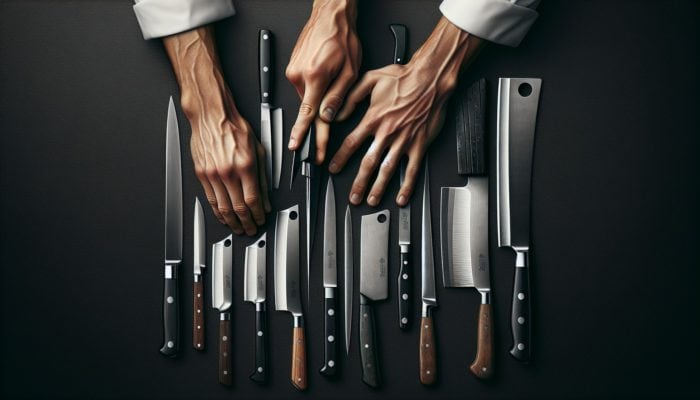
  • Mortar and Pestle: A Superior Alternative to Spice Grinders

    Mortar and Pestle: A Superior Alternative to Spice Grinders

    Explore the Timeless Functionality and Allure of Mortar and Pestle

    Delve into the Fascinating History and Cultural Impact of This Essential Kitchen Tool

    Hands from various cultures using a mortar and pestle for grinding, symbolizing its global culinary and medicinal significance.

    The mortar and pestle has served as an essential element in the culinary traditions of various cultures for thousands of years. This cherished kitchen instrument has historical roots that date back to ancient civilizations, notably the Egyptians, who utilized it to grind grains for their fundamental bread-making. Similarly, indigenous tribes throughout the Americas relied on this tool to crush herbs recognized for their healing properties. More than just a tool for spice preparation, the mortar and pestle represents a rich tapestry of cultural heritage that spans across different continents and epochs. In countries such as India and Thailand, the mortar and pestle remains a crucial aspect of traditional culinary practices, expertly used to create vibrant pastes and aromatic blends integral to their diverse cuisines, thereby showcasing their profound culinary history.

    In addition to its practical applications, the cultural significance of the mortar and pestle is profoundly impactful. Within countless households, it stands as a symbol of culinary wisdom, cherished and passed down through generations. In Mediterranean cultures, families often gather around this tool, engaging in the preparation of meals together while sharing treasured recipes, traditions, and stories. This communal cooking experience fosters a deep connection to food, a bond that is frequently overlooked in today’s fast-paced, convenience-oriented world. The mortar and pestle champions a return to the roots of culinary artistry, creating shared experiences that enrich both the food and the relationships among those who partake in the cooking process.

    Transform Your Kitchen Aesthetic with a Mortar and Pestle

    A mortar and pestle can significantly enhance the visual appeal of any kitchen, acting as a captivating centerpiece that introduces either rustic charm or sophisticated elegance, depending on its construction and design. Many modern kitchens adopt minimalist aesthetics, and a mortar and pestle crafted from smooth stone or beautifully grained wood can serve dual roles as both a practical kitchen tool and an eye-catching decorative piece. As the trend for artisanal kitchenware continues to rise, consumers are increasingly searching for items that offer both functionality and an enhanced aesthetic appeal in their cooking spaces.

    More than just a decorative accessory, a mortar and pestle sparks creativity in the kitchen. Both professional chefs and home cooks often prominently feature these tools, highlighting their commitment to authentic culinary practices. The tactile experience of using these instruments encourages a hands-on approach to food preparation, enriching not only the cooking process but also the overall visual narrative of the kitchen. By embracing the mortar and pestle, you can transform your culinary experience into a more enjoyable and artistic journey, inviting creativity and exploration into your cooking routine.

    Explore the Craftsmanship and Material Choices for Mortar and Pestles

    The array of materials utilized in the creation of mortars and pestles unveils an extraordinary realm of durability and craftsmanship. Options vary from robust granite and elegant marble to lightweight wood and adaptable ceramic, each offering distinct advantages tailored to specific culinary needs. Granite and marble are particularly favored for their weight and resilience, making them ideal for grinding even the toughest spices efficiently. Conversely, wooden mortars provide a warm, lightweight alternative that is easier to handle, especially for those who are novices to this traditional kitchen tool.

    The artistry involved in crafting a high-quality mortar and pestle is often a labor of love. Skilled artisans dedicate considerable time to shaping and finishing each piece, ensuring optimal performance and aesthetic beauty. This meticulous attention to detail enhances not only the tool’s functionality but also imparts unique character, transforming each mortar and pestle into a one-of-a-kind work of art. In an era increasingly dominated by mass-produced kitchen gadgets, the mortar and pestle stands as a powerful emblem of tradition and skilled craftsmanship.

    Insights from Culinary Experts on the Advantages of Mortar and Pestle Over Electric Spice Grinders

    A rustic kitchen scene with a mortar and pestle grinding spices, chefs discussing its superiority over an electric grinder.

    Prominent Chefs Advocating for Mortar and Pestles

    Across the globe, professional chefs frequently lean toward the traditional mortar and pestle instead of electric spice grinders for various compelling reasons. The manual grinding technique notably enhances the flavor profile of dishes. By gently crushing and grinding, the essential oils are released more effectively, resulting in a depth of flavor that electric grinders often fail to achieve. Renowned chefs such as Yotam Ottolenghi and Thomas Keller champion the mortar and pestle, recognizing its unmatched ability to extract the natural aromas and flavors from herbs and spices, thereby elevating their culinary creations.

    The advantages for chefs include:

    • Enhanced flavor extraction: Manual grinding allows for the release of more oils and aromas.
    • Control over texture: Easily manage fine or coarse grinding.
    • Versatility: Suitable for various ingredients, including spices, herbs, and even pastes.
    • Cultural authenticity: Preserves traditional cooking methods and techniques.
    • Physical engagement: Provides a more tactile cooking experience.

    These benefits underscore the esteemed role of the mortar and pestle in high-end kitchens, where flavor and authenticity reign supreme.

    Essential Factors to Consider When Choosing Your Perfect Mortar and Pestle

    Selecting the ideal mortar and pestle is crucial for optimizing your culinary potential. The first aspect to consider is the type of ingredients you plan to grind. For spices, a heavier material like granite or marble is preferable, as it can withstand the considerable pressure necessary for effective grinding. If your focus is primarily on softer ingredients, a wooden mortar and pestle may be a more appropriate choice for your needs.

    Next, consider the size of the mortar and pestle. A larger mortar accommodates bigger quantities, making it ideal for batch cooking, while a smaller counterpart is more manageable for everyday tasks. Additionally, take weight into account; a heavier mortar provides stability during use, while a lighter option may be more convenient for quick tasks.

    Finally, think about the aesthetic appeal and how it complements your kitchen’s design. Look for materials that resonate with your style preferences, as this tool can also serve as a decorative element in your culinary space. By carefully assessing these factors, you can select a mortar and pestle that not only meets your functional needs but also enhances the overall atmosphere of your cooking environment.

    Expert Perspectives on the Longevity of Mortar and Pestles

    A granite mortar and pestle on a wooden table with spices and herbs, symbolizing durability and kitchen heritage.

    The durability of a mortar and pestle stands out as one of the most compelling reasons to favor it over an electric spice grinder. Experts universally agree that a well-crafted mortar and pestle can endure for decades, if not longer. Unlike electric grinders that have moving parts susceptible to wear and tear, a mortar and pestle is a sturdy tool that requires minimal upkeep.

    High-quality materials such as granite and marble resist chipping and cracking, making them ideal for regular use. With appropriate care, including routine cleaning and occasional seasoning of wooden varieties, these instruments can evolve into cherished family heirlooms passed down through generations. Many chefs recount experiences of using their mortars and pestles daily without any signs of deterioration, showcasing their sturdy construction and enduring design. Investing in a mortar and pestle is not merely a commitment to quality cooking; it also represents a sustainable choice that aligns with a long-term culinary vision.

    The Joy of Grinding Ingredients: Engage Your Senses

    How Does the Grinding Process Stimulate Your Senses?

    Using a mortar and pestle is a tactile experience that engages multiple senses. The feel of the pestle in your hand, the rhythmic sound of grinding, and the captivating aromas released during the process create a sensory symphony that elevates the culinary experience. This physical act of grinding fosters an intimate connection with your ingredients, deepening your appreciation for the culinary arts. Such engagement transcends mere food preparation; it transforms cooking into a holistic experience that is both gratifying and rewarding.

    The sound produced by the pestle striking the mortar introduces a pleasing rhythm that many find meditative, providing a moment of tranquility amidst the bustling kitchen environment. As you grind spices, aromatic compounds are liberated, filling the air with enticing scents that may evoke cherished memories and inspire creativity. These sensory interactions elevate cooking from a mundane task to an artistic endeavor, making each meal a genuine reflection of the chef’s passion and expertise.

    Unlocking Flavors and Aromas Through Manual Grinding

    One of the most significant benefits of using a mortar and pestle is the efficient release of aromas and flavors. The manual grinding process allows for a more thorough extraction of essential oils from herbs and spices compared to electric grinders, enriching the depth and complexity of flavors in your culinary creations. When spices are ground manually, the friction and pressure not only break down the cellular structure but also liberate volatile oils that contribute to their aromatic profiles.

    This method sharply contrasts with electric grinders, which can generate heat and potentially lead to the loss of these delicate compounds. Consequently, dishes prepared with freshly ground spices often exhibit more robust aromas and pronounced tastes, emphasizing the superiority of the mortar and pestle in culinary applications. Whether crafting a simple spice blend or an elaborate marinade, the flavors achieved through manual grinding are unparalleled.

    Therapeutic Benefits of Manual Grinding

    The process of grinding with a mortar and pestle can also serve as a therapeutic break from the frantic nature of modern cooking. Many individuals find the physicality of the task soothing, allowing for a moment of mindfulness and concentration. The repetitive motion of grinding can be meditative, providing a sense of calm and satisfaction that is often absent when utilizing electric appliances.

    Moreover, this form of manual engagement promotes a more deliberate approach to cooking. As you take the time to grind spices, you nurture a deeper connection with the ingredients and the dish you are creating. This mindfulness can alleviate stress and enhance the overall cooking experience, transforming it into a joyful act of creation rather than a mere chore.

    Unmatched Versatility for Various Culinary Applications

    What Ingredients Are Perfect for Grinding with a Mortar and Pestle?

    The versatility of a mortar and pestle ranks among its greatest strengths. This indispensable tool is not confined to merely grinding spices; it can adeptly handle a vast array of ingredients, making it a must-have in any kitchen. Here are some ingredients you can effectively grind:

    • Whole spices like peppercorns, cumin, and coriander.
    • Herbs such as basil, thyme, and cilantro.
    • Nuts for creating nut butters or toppings.
    • Seeds like sesame or flax for nutritious additions.
    • Fresh ingredients for pastes, such as garlic or ginger.
    • Grinding grains for flour or meal.
    • Making pesto or sauces with a variety of ingredients.
    • Culinary blends like curry powder or garam masala.

    This extensive range of applications highlights the adaptability of the mortar and pestle, making it suitable for various cooking styles and cuisines, from rustic Italian pestos to spicy Thai curry pastes.

    Adapting Recipes Across Diverse Culinary Traditions

    The mortar and pestle’s ability to grind ingredients to the preferred consistency enables easy adaptation of recipes across different cuisines. For instance, in Italian cooking, a smooth pesto requires finely ground basil and pine nuts, while a chunky salsa in Mexican cuisine thrives on a coarser texture. The flexibility in the grinding process allows chefs to customize dishes to their liking, ensuring authenticity in both flavor and texture.

    Furthermore, the mortar and pestle can play a pivotal role in crafting unique blends that elevate traditional recipes. By experimenting with different ratios and textures, cooks can develop signature spice blends that reflect their culinary style. This adaptability enriches the cooking experience while fostering creativity, inviting cooks to explore and innovate within their culinary practices.

    Refining the Texture of Your Dishes with Precision

    Achieving the perfect texture is crucial in many culinary applications, and a mortar and pestle provides precise control over this process. Whether you require a fine powder for seasoning or a coarse mixture for a salad, the manual grinding technique allows you to tailor the texture to your preferences. This capability is especially important when preparing ingredients for specific recipes, as texture can significantly influence the overall dish.

    For instance, when crafting a dip like hummus, the smoothness of tahini can be finely adjusted to achieve that creamy consistency, while coarser grinding can introduce delightful textural contrasts in dishes such as grain bowls. The tactile feedback from using a mortar and pestle gives cooks immediate insight into the state of their ingredients, allowing for adjustments as needed and ensuring that each dish is crafted to perfection.

    Exploring Global Flavors Through Manual Grinding Techniques

    The versatility of the mortar and pestle extends to creating authentic flavor combinations from around the globe. By enabling the precise grinding of spices and herbs, cooks can replicate traditional recipes that highlight distinct regional flavors. From the aromatic spices of Indian curries to the fresh herbs of Mediterranean dishes, the mortar and pestle facilitates the exploration of diverse culinary landscapes.

    For example, crafting a Thai curry paste involves grinding ingredients like lemongrass, galangal, and kaffir lime leaves. When done manually, this process yields a vibrant and aromatic mix that encapsulates the essence of Thai cooking. This not only showcases the tool’s versatility but also its significance in preserving cultural authenticity, as traditional preparation methods remain integral to a dish’s culinary identity.

    Ensuring Longevity and Durability of Your Mortar and Pestle

    Which Materials Guarantee Long-lasting Performance?

    The longevity of a mortar and pestle fundamentally depends on the materials used in their construction. High-quality options such as granite, marble, and volcanic stone provide exceptional durability, ensuring they can endure extensive use for many years. These materials are inherently robust and resistant to wear, making them ideal for grinding tough spices and herbs without the risk of chipping or breaking.

    Wooden mortars and pestles can also deliver long-lasting performance when crafted from dense hardwoods like teak or walnut. With proper care, including regular cleaning and seasoning, wooden varieties can remain functional for generations. This emphasis on durability not only justifies the initial investment in a high-quality mortar and pestle but also positions it as a sustainable and eco-friendly option in a world increasingly filled with disposable kitchen gadgets.

    Essential Maintenance and Care Tips for Longevity

    Proper maintenance is crucial for extending the lifespan of your mortar and pestle. After each use, it’s essential to clean the tool thoroughly. For stone variants, a simple rinse with warm water and a gentle brush to remove any residue will suffice. Refrain from using soap, as it can seep into the porous material and impact the flavors of future ingredients.

    For wooden mortars, maintaining the finish is vital. Applying food-safe mineral oil regularly can help protect the wood and preserve its integrity. Additionally, storing the mortar and pestle in a dry area prevents moisture damage, which could lead to warping or cracking. By adhering to these straightforward care tips, you can ensure that your mortar and pestle remains a reliable kitchen companion for many years.

    Comparative Lifespan: Mortar and Pestle vs. Electric Grinders

    When comparing the lifespan of a mortar and pestle to that of electric grinders, the former holds a distinct advantage. While electric grinders may last several years at best, often requiring replacement parts or new units due to wear and tear, a well-maintained mortar and pestle can last indefinitely.

    The absence of moving parts in a mortar and pestle eliminates the common failure points associated with electric devices. Many cooks report using the same mortar and pestle for decades, demonstrating the tool’s reliability and cost-effectiveness. This durability not only saves money in the long run but also reduces waste, making the mortar and pestle a sustainable choice in kitchens increasingly conscious of their environmental impact.

    Research-Backed Advantages of Choosing Mortar and Pestle Over Electric Grinders

    Scientific Insights on Flavor Extraction Efficiency

    Research indicates that manual grinding with a mortar and pestle can extract flavors more efficiently than electric grinders. The controlled crushing and grinding method allows for a more thorough breakdown of the cellular structure of spices and herbs, releasing essential oils vital for flavor. This process often proves to be more nuanced than the mechanical action of electric grinders, which can pulverize ingredients too quickly, generating heat that may diminish flavor quality.

    Culinary experts emphasize that the tactile control afforded by a mortar and pestle enables cooks to closely monitor the grinding process, achieving a level of attention that is often absent when using electric appliances. This intimate engagement with the ingredients not only enhances flavor quality but also nurtures a deeper connection to the cooking process, transforming it into a more fulfilling experience.

    Health Benefits Associated with Manual Grinding

    Manual grinding with a mortar and pestle promotes physical activity, contributing to overall wellness. The act of grinding spices requires physical effort, fostering hand strength and dexterity, which can be particularly beneficial for older cooks or those seeking a more tactile cooking experience. Beyond physical benefits, the mental engagement that comes from manual grinding can also aid in stress relief and improved mental focus.

    Moreover, using a mortar and pestle often encourages the preparation of fresh ingredients and spices, leading to healthier home-cooked meals. This aligns with a growing trend toward mindful eating and conscious cooking, as consumers increasingly seek ways to incorporate whole, unprocessed foods into their diets. By choosing to grind manually, cooks are not only investing in their health but also embracing a holistic approach to food preparation.

    Environmental Benefits of Traditional Tools

    Utilizing a mortar and pestle represents a more sustainable choice compared to electric grinders. By opting for manual tools, cooks reduce their reliance on electricity and the associated environmental impact of energy consumption. Additionally, the durability of the mortar and pestle means fewer replacements over time, significantly cutting down on waste generated from discarded appliances.

    In an era where sustainability is paramount, the mortar and pestle serves as a practical option for eco-conscious cooks. It eliminates the need for plastic components often found in electric grinders, further reducing the environmental footprint. By incorporating this traditional tool into their kitchens, individuals can enjoy the benefits of fresh, vibrant flavors while also contributing to a more sustainable food system.

    Mastering Control and Precision During the Grinding Process

    How Can You Achieve Your Desired Grinding Consistency?

    Achieving your desired consistency in grinding is one of the most significant advantages of using a mortar and pestle. This tool allows for precise control over the grinding process, enabling users to tailor the texture of their ingredients to suit specific recipes. Whether you need a fine powder for seasoning or a coarse mixture for a salad, the manual grinding technique provides the flexibility to achieve exactly what you need.

    The tactile feedback from handling the pestle allows cooks to intuitively gauge when the ingredients have reached the desired consistency. By adjusting the pressure and technique applied, users can experiment to find the perfect texture, enriching the culinary experience. This level of control is often absent in electric grinders, which may produce a uniform texture that doesn’t suit every dish. The mortar and pestle thus empowers cooks to create dishes that are both visually and texturally appealing.

    Adjusting Grinding Techniques Based on Ingredient Types

    Different ingredients often require tailored grinding techniques, and the mortar and pestle’s design allows for significant flexibility in this regard. For instance, soft herbs can be gently crushed to release their oils without being overly pulverized, while tougher spices may necessitate a firmer, more vigorous grinding action. This adaptability is crucial for achieving optimal results across a wide range of culinary applications.

    Cooks can modify their approach based on the desired outcome, ensuring that each ingredient is treated appropriately for flavor and texture. By experimenting with different techniques, such as grinding in circular motions versus a back-and-forth motion, users can discover how to best utilize their mortar and pestle for varied culinary requirements. This hands-on approach fosters creativity in the kitchen, encouraging cooks to explore and innovate with their recipes.

    The Impact of Grinding Speed on Culinary Outcomes

    The speed at which you grind ingredients can significantly affect their texture and flavor. With a mortar and pestle, cooks possess the advantage of manually controlling their grinding speed, allowing them to fine-tune the results based on the recipe or personal preference. Slower, deliberate grinding can result in a more comprehensive release of essential oils and flavors, creating a depth that is often lost with quicker methods.

    Electric grinders, while convenient, typically operate at a fixed speed that may not suit every ingredient. The ability to manually adjust the grinding speed with a mortar and pestle allows for greater experimentation and control over the final product. This precision not only enhances the culinary outcome but also encourages a more engaged and mindful cooking process.

    Cost-Effectiveness of Mortar and Pestle in the Kitchen

    Evaluating Initial Investment Against Long-Term Savings

    Although the initial price of a quality mortar and pestle may surpass that of an electric grinder, the long-term savings it offers make it a worthwhile investment. Unlike electric grinders that may require replacement parts or new units every few years, a well-crafted mortar and pestle can last a lifetime with proper care. This durability transforms the mortar and pestle into a cost-effective choice for both amateur cooks and seasoned chefs alike.

    Furthermore, the ability to grind spices fresh at home can lead to significant savings over time. Purchasing whole spices is typically more economical than buying pre-ground versions, which often come at a premium price. By choosing to invest in a mortar and pestle, cooks not only acquire a reliable kitchen tool but also enjoy ongoing savings through the economical purchase of whole spices.

    What Economic Benefits Can You Anticipate from Manual Grinding?

    The economic advantages of manual grinding using a mortar and pestle extend beyond initial costs. By eliminating the need for electricity, cooks can reduce their energy bills, especially in areas where electricity prices are high. This decrease in reliance on electrical appliances translates to both financial savings and a smaller carbon footprint, making the mortar and pestle an environmentally friendly option.

    Additionally, manual grinding encourages users to engage with fresh, whole ingredients, which can lead to healthier meals and reduced healthcare costs over time. As more individuals become aware of the benefits of a wholesome diet, the mortar and pestle stands out as a tool that not only supports culinary creativity but also aligns with a more sustainable and health-conscious lifestyle.

    Analyzing the Replacement Costs of Electric Grinders

    Electric grinders often come with hidden expenses. Beyond the initial purchase price, users may encounter ongoing costs related to replacement parts, repairs, or the eventual need for a new unit. In contrast, a mortar and pestle requires minimal maintenance and, if cared for properly, can last indefinitely. This stark difference in longevity makes the mortar and pestle a more advantageous long-term investment.

    Moreover, the frequent replacements of electric grinders can accumulate significant costs over time, while the mortar and pestle can serve as a reliable kitchen companion for generations. The cost-effectiveness of choosing a mortar and pestle becomes evident, as it provides not only immediate savings but also a sustainable option that prioritizes longevity and durability.

    Maintenance and Longevity Over Time

    The maintenance required for a mortar and pestle is minimal, especially when compared to electric grinders, which often need regular upkeep and repairs. A high-quality mortar and pestle, particularly those made from stone or hardwood, can withstand years of use without showing signs of wear. This durability not only enhances its cost-effectiveness but also encourages users to engage in cooking practices that are more sustainable and mindful.

    Furthermore, the straightforward cleaning process—often just a rinse and air drying—makes it easy to maintain. Unlike electric grinders that may require disassembly and careful handling of delicate parts, the mortar and pestle can be cleaned with minimal fuss, aligning with a lifestyle that values simplicity and functionality in the kitchen.

    The Simplicity and Reliability of Mortar and Pestle

    User-Friendly Design for All Skill Levels

    The mortar and pestle is a tool that transcends culinary skill levels, making it accessible for everyone from novices to professional chefs. Unlike electric grinders that may require an understanding of settings and limitations, the mortar and pestle offers a straightforward approach to grinding and mixing. Its simple design makes it easy to use, allowing anyone to engage in the process without intimidation.

    For beginner cooks, this ease of use fosters a sense of accomplishment as they explore different spices and flavors. For experienced chefs, it provides a dependable tool for precision cooking. This simplicity ensures that cooks can focus on the creative aspects of their culinary endeavors without becoming overwhelmed by complex machinery.

    Reliable Performance During Power Outages

    One significant advantage of a mortar and pestle is its reliability in situations where electricity is unavailable. During a power outage, cooks can still prepare their meals without concerns about equipment failure. This functionality makes the mortar and pestle an indispensable tool for those living in areas prone to power outages or for anyone who values self-sufficiency in the kitchen.

    Additionally, utilizing a mortar and pestle empowers cooks to rely on traditional methods, allowing for a more immersive cooking experience. This autonomy fosters a deeper connection to the food being prepared and encourages exploration of culinary practices that might otherwise be overlooked in a world dominated by electric appliances.

    Minimalist Design Emphasizing Functionality

    The mortar and pestle exemplifies a minimalist design that prioritizes functionality over unnecessary complexities. This simplicity appeals to cooks who appreciate tools that are effective without being overly complicated. The straightforward nature of the mortar and pestle allows users to concentrate on the task at hand, enhancing the culinary experience.

    Moreover, the mortar and pestle’s design is inherently versatile, seamlessly fitting into any kitchen setup. Whether you reside in a compact apartment or a spacious culinary workspace, the mortar and pestle requires no special accommodations, making it an adaptable choice for any home cook. This minimalist approach not only streamlines the cooking process but also aligns with the growing trend towards simplicity and intentionality in culinary practices.

    Enduring Durability and Longevity of Mortar and Pestles

    Mortar and pestles are built to last, constructed from sturdy materials and timeless designs. Crafted from robust materials such as stone or hardwood, these tools are designed to withstand the test of time, making them reliable kitchen staples for generations. Many users discover that a well-loved mortar and pestle develops a rich patina over time, enhancing its charm and character.

    The longevity of these tools underscores their value as an investment in your culinary journey. Unlike many electronic appliances that may fall out of favor or break down, a mortar and pestle remains a steadfast companion in the kitchen, always ready to assist in creating delicious and flavorful dishes. This durability not only saves money in the long run but also encourages a sustainable approach to cooking, prioritizing quality over convenience.

    Frequently Asked Questions About Mortar and Pestle

    What is the primary use of a mortar and pestle?

    A mortar and pestle is utilized for grinding, crushing, and mixing spices, herbs, grains, and other ingredients. It enables precise control over texture and flavor extraction, making it a versatile kitchen tool.

    What is the best method for cleaning a mortar and pestle?

    To clean a mortar and pestle, rinse it with warm water and gently scrub with a brush. Avoid using soap to prevent flavor absorption into the porous material.

    Can every type of ingredient be ground with a mortar and pestle?

    While versatile, a mortar and pestle is best suited for softer ingredients, spices, and herbs. Harder items should be ground with caution to avoid damaging the tool.

    Which materials are considered ideal for mortars and pestles?

    Granite, marble, and hardwood are among the best materials due to their durability and effectiveness in grinding. Each material offers unique benefits depending on the intended use, enhancing the grinding experience.

    Is a mortar and pestle more effective than an electric grinder?

    Yes, a mortar and pestle often provide superior flavor extraction and control over texture compared to electric grinders, making them the preferred choice for many chefs and culinary enthusiasts.

    How long can a mortar and pestle last with proper care?

    With proper care, a mortar and pestle can last indefinitely, often becoming a cherished heirloom in the kitchen that can be passed down through generations.

    Can you grind wet ingredients in a mortar and pestle?

    Yes, wet ingredients can be effectively ground in a mortar and pestle, making it suitable for creating pastes, sauces, and salsas.

    Is using a mortar and pestle challenging?

    No, using a mortar and pestle is straightforward and easy, making it accessible for cooks of all skill levels, from beginners to seasoned chefs.

    Where should I store my mortar and pestle for optimal care?

    Store your mortar and pestle in a dry place to prevent moisture damage. Avoid direct sunlight to preserve the materials and maintain their integrity.

    How do you properly season a wooden mortar and pestle?

    Season a wooden mortar and pestle by regularly applying food-safe mineral oil to protect the wood and enhance its longevity, ensuring it remains a reliable tool for years to come.

    Join our community on Facebook!

    The post Why a Mortar and Pestle Beats a Spice Grinder: A Universal Choice appeared first on https://cookinggods.com

    The Article Mortar and Pestle: The Superior Choice Over Spice Grinders Was Found On https://limitsofstrategy.com

  • Herb Grinding Tools: The Ultimate Guide for UK Users

    Herb Grinding Tools: The Ultimate Guide for UK Users

    Unlock Your Culinary Potential with Top Manual Grinders for Herb Grinding

    Enhance Your Herb Grinding Techniques with a Mortar and Pestle

    Best Tools for Grinding Herbs: Skilled hands grinding vibrant green herbs with a mortar and pestle in a rustic UK kitchen.

    The mortar and pestle is a timeless kitchen tool that holds a special place in UK kitchens due to its exceptional ability to grind herbs and spices effectively. This classic kitchen essential features a sturdy bowl, known as the mortar, paired with a heavy stick called the pestle, which is specifically crafted to crush and grind a variety of ingredients. The unique design of the mortar and pestle provides cooks with precise control throughout the grinding process, which is essential for releasing essential oils from the herbs, significantly enhancing the flavor and aroma of your culinary creations.

    One of the most satisfying aspects of utilizing a mortar and pestle is the tactile experience it provides. Engaging in manual grinding allows cooks to physically feel the texture and consistency of the herbs, ensuring they achieve results that are tailored to their specific culinary needs. Whether you’re preparing a fragrant pesto or creating a vibrant herb rub, this tool serves as a trusted companion in your kitchen adventures, making each cooking session more enjoyable and rewarding.

    Moreover, the mortar and pestle shines when it comes to grinding small batches of herbs, making it an ideal choice for individual servings or specialized recipes that require precise quantities. Many home cooks in the UK appreciate the craftsmanship of handmade mortars and pestles, often constructed from durable materials such as granite or marble, which improve grinding efficiency. The substantial weight of these materials ensures that herbs are ground uniformly and effectively, yielding superior flavor that pre-ground options simply cannot replicate.

    Experience the Convenience of Hand-Crank Grinders for Fresh Herbs

    Hand-crank grinders have gained immense popularity in UK kitchens, especially among those seeking a portable yet effective solution for herb grinding. These grinders feature a user-friendly design that allows individuals to manually crush herbs into fine particles by simply turning a crank. The mechanical nature of hand-crank grinders provides a hands-on experience, giving users complete control over the grind’s fineness, which can be adjusted to meet various culinary applications.

    Consumers in the UK have embraced hand-crank grinders for their versatility, as they can efficiently handle a wide array of herbs, ranging from delicate basil to robust rosemary. Their compact size makes them perfect for small kitchens or outdoor activities, such as camping trips, where access to electricity may be limited. This practicality aligns seamlessly with the growing trend towards sustainability and self-sufficiency in home cooking, making hand-crank grinders a favored option among culinary enthusiasts.

    Furthermore, many hand-crank grinders are designed for easy disassembly, which simplifies the cleaning process after use. This feature is particularly appealing to UK cooks who prioritize hygiene and culinary excellence in their kitchens. The durability of these grinders ensures they can withstand frequent usage, presenting a long-lasting solution for all your herb grinding needs.

    Transform Your Herb Preparation with Innovative Herb Scissors

    Herb scissors have revolutionized the way many UK kitchens prepare fresh herbs. Foregoing traditional chopping or grinding techniques, these scissors come equipped with multiple blades that swiftly snip herbs into fine pieces in just seconds. The convenience of this tool makes it a favorite among busy home cooks who want to save time without compromising on flavor or the visual appeal of their dishes.

    Using herb scissors encourages a more controlled approach to cutting herbs, ensuring uniform pieces that enhance the aesthetic quality of your culinary creations. Whether you’re garnishing a salad or crafting a herb-infused sauce, the precision offered by herb scissors is unparalleled, making them an essential tool for anyone looking to enhance their culinary skills and elevate their dishes.

    Additionally, these scissors are crafted for easy cleaning, with many models being dishwasher-safe, which adds to their convenience in any kitchen. Some come with a cleaning comb to remove residual herbs from the blades, boosting usability and efficiency. UK consumers often appreciate the ergonomic design of herb scissors, which minimizes strain during repetitive cutting tasks, making them suitable for extended use without discomfort.

    Effortlessly Grind Herbs with Rotary Herb Mills

    A chef using a rotary herb mill to grind herbs into a pot in a modern UK kitchen.

    Rotary herb mills offer an innovative solution for grinding herbs in contemporary UK kitchens. Featuring a rotating mechanism, these mills empower users to achieve a consistent grind effortlessly. This uniformity is critical, especially when preparing dishes where the texture of herbs can significantly influence the overall flavor profile, ensuring a delightful culinary experience.

    Both UK chefs and home cooks favor rotary herb mills due to their functionality and ease of use. Capable of grinding larger quantities of herbs swiftly, they are particularly well-suited for batch cooking or preparing meals for gatherings. The convenience of grinding directly into a pot or bowl streamlines the cooking process, enhancing efficiency in the kitchen and allowing for smooth transitions between tasks.

    Many rotary herb mills are constructed from high-quality materials that guarantee durability and longevity, making them a worthwhile investment. Their design often incorporates a transparent chamber, allowing users to monitor the grinding process and make necessary adjustments as needed. This feature not only enriches the user experience but also adds a touch of modern elegance to any kitchen setting.

    Optimize Your Herb Preparation with the Best Electric Grinders

    Maximize Your Efficiency with Versatile Coffee Grinders

    Coffee grinders have surged in popularity across the UK as multifunctional tools for grinding herbs and spices. Although primarily designed for coffee beans, these grinders can be easily adapted for herb grinding, providing a quick and effective solution for those looking to process larger quantities. The high-speed blades of coffee grinders ensure a fine, consistent grind, which is essential for extracting maximum flavor from a diverse range of herbs.

    The beauty of using a coffee grinder lies in its speed. With just a few pulses, you can transform whole herbs into finely ground powders. This capability is especially valuable for those who enjoy cooking with an array of herbs, such as thyme, oregano, and dill. However, it’s vital to clean your coffee grinder thoroughly between uses to prevent flavor cross-contamination, which could dull the distinct profiles of different herbs, ensuring that each culinary creation remains vibrant and flavorful.

    Moreover, many coffee grinders on the market in the UK offer adjustable settings, allowing users to select their preferred coarseness or fineness of the grind. This versatility makes the coffee grinder an excellent addition to any culinary enthusiast’s toolkit, bridging the gap between professional-grade equipment and the convenience of home use for everyday cooking.

    Elevate Your Culinary Creations with High-Quality Spice Grinders

    Sleek spice grinder on UK kitchen counter with colorful spices and herbs.

    Spice grinders are another invaluable tool in the arsenal of UK cooks, especially for those who frequently work with both spices and herbs. Specifically engineered for this purpose, spice grinders provide a tailored grinding experience, ensuring an even and consistent texture. Many models feature robust blades capable of handling both hard spices and delicate herbs, guaranteeing versatility in your culinary preparations.

    The user-friendly nature of spice grinders is particularly appealing to many within the UK culinary community. Most grinders offer simple one-button operation, enabling users to achieve their desired consistency with minimal effort. Their compact design makes them easy to store, which is especially beneficial for kitchens with limited space, ensuring that every culinary tool is within reach when needed.

    Cleaning is often a concern with herb and spice grinders, but many of the latest models available in the UK are designed with removable bowls, allowing for easy disassembly and thorough cleaning. Additionally, some spice grinders come equipped with storage features, enabling users to keep their ground herbs fresh for extended periods, further enhancing their practicality and value in any kitchen.

    Utilize Bullet Blenders for All Your Herb Grinding Needs

    Bullet blenders have become multifunctional devices that are in high demand in UK kitchens. These compact blenders not only grind herbs but also perform various other tasks, such as blending smoothies or creating dressings. Their versatility is a significant factor driving their popularity among culinary enthusiasts, allowing for seamless integration into various cooking processes and making them an essential part of any modern kitchen.

    The powerful motor of bullet blenders enables quick grinding, transforming herb-infused dishes into effortless tasks. Users can simply add herbs to the blending cup, pulse the motor, and achieve finely ground results within moments. This process not only saves time but also preserves the vibrant flavors of the herbs, ensuring that your dishes are full of character and zest.

    Another attractive feature of bullet blenders is their easy cleanup. Most blending cups are dishwasher-safe, facilitating hassle-free maintenance. This convenience aligns perfectly with the busy lifestyles of many UK consumers who seek efficiency without compromising quality in their cooking endeavors.

    Specialized Herb Grinders for the Discerning Cook

    Unlock the Full Potential of Herb Mills for Superior Grinding

    Herb mills are specialized tools dedicated solely to grinding herbs, establishing themselves as a staple in many UK kitchens. Their design ensures a consistent and fine grind, which is crucial for allowing herbs to blend seamlessly into dishes. Unlike multi-purpose grinders, herb mills incorporate specific mechanisms that enhance grinding efficiency, making them indispensable for serious cooks aiming for culinary perfection.

    One of the primary advantages of herb mills is their ability to maintain the integrity of essential oils during the grinding process. When herbs are ground too aggressively or with inappropriate tools, they risk losing their aromatic compounds and flavor potency. Herb mills are designed to minimize this loss, allowing users to experience the full spectrum of flavors that fresh herbs can contribute to their culinary creations.

    These mills often come with adjustable settings, enabling users to achieve their desired texture. Whether you need a coarse grind for a robust herb rub or a fine powder for incorporation into sauces, herb mills provide unparalleled control over the grinding process. This precision caters to diverse cooking styles found across the UK, making herb mills a wise investment for both budding chefs and seasoned culinary experts.

    Revolutionize Your Cooking with Efficient Herb Choppers

    Herb choppers are incredibly efficient devices designed for swiftly chopping herbs into uniform pieces, making them a favorite among UK cooks. Unlike traditional chopping methods that can be time-consuming and often result in uneven sizes, herb choppers streamline the process, yielding consistent cuts that enhance both presentation and flavor.

    The design of herb choppers typically features multiple blades, allowing users to work through various herbs quickly and effectively. For instance, parsley, chives, and cilantro can be chopped within seconds while maintaining their freshness and vibrant colors. This efficiency is particularly beneficial when preparing large quantities for gatherings or meal prep, ensuring that every dish is both visually appealing and bursting with flavor.

    Many herb choppers in the UK come equipped with safety features that significantly reduce the risk of injury during use. Their ease of cleaning and storage further enhances their appeal, making them essential tools for both novice and experienced cooks alike who wish to boost their culinary efficiency and enjoyment in the kitchen.

    Innovative Herb Graters for Unique Herb Preparation Techniques

    The herb grater is a unique tool that has carved out its niche in numerous UK kitchens, designed specifically for finely grating herbs. This method allows for the release of essential oils and flavors without the risk of bruising the delicate leaves, which can occur with traditional chopping methods. The result is a light, fluffy herb texture that can elevate any dish and enhance its overall appeal and taste.

    Graters come in various sizes and designs, ranging from handheld models for small tasks to larger graters that accommodate bulk grating. Many UK consumers appreciate the versatility of graters, as they can also be used for grating cheese or zesting citrus, making them multifunctional kitchen gadgets that serve multiple culinary purposes and enhance overall cooking efficiency.

    Utilizing an herb grater allows cooks to create delicate herb garnishes that significantly enhance the visual appeal of a dish. This artistic touch not only elevates meals but also showcases the cook’s meticulous attention to detail, a quality that is highly valued in the UK’s culinary scene and among discerning diners.

    Experience the Convenience of Multi-Bladed Herb Scissors

    Multi-bladed herb scissors are a convenient tool for quickly snipping herbs into fine pieces. Widely used throughout the UK, they combine the functionality of scissors with the precision of a knife, providing an effortless method for preparing herbs. This design enables multiple cuts in a single motion, significantly reducing preparation time and enhancing kitchen efficiency.

    These scissors are particularly beneficial for individuals who enjoy garnishing their dishes with fresh herbs. The uniformity of cuts produces a professional presentation for meals, which is often appreciated in both home cooking and food presentations at events. Furthermore, they represent a safe and effortless option for those who may find traditional chopping methods challenging or cumbersome, making them a practical choice for all skill levels.

    Many herb scissors are designed with ergonomic handles, ensuring comfort during extended use. Their compact size also means they require minimal storage space, making them a practical choice for any kitchen. The convenience and efficiency of herb scissors position them as essential tools for anyone looking to elevate their culinary prowess and presentation skills while enjoying the cooking process.

    Rediscover Traditional Methods for Herb Grinding Excellence

    Crush Herbs with a Rolling Pin and Board for Authentic Flavors

    Utilizing a rolling pin and board to crush herbs is a classic method still cherished in many UK kitchens. This traditional approach allows cooks to manually release the flavors and oils from the herbs by applying pressure with the rolling pin. It’s a hands-on technique that not only fosters a connection to the ingredients but also provides the ability to control the consistency of the grind, ensuring optimal results that enhance your culinary experience.

    To effectively crush herbs with this method, begin by placing fresh herbs on a cutting board. By rolling the pin over the herbs, you can easily break down the leaves while liberating their aromatic oils. This technique proves particularly effective for herbs like basil and mint, which benefit significantly from gentle bruising to enhance their flavor profiles, resulting in more vibrant and aromatic dishes.

    The rolling pin method serves as a nostalgic reminder of traditional cooking practices, connecting modern cooks with past generations. It encourages a more mindful approach to culinary creation, as the tactile experience of grinding herbs fosters a deeper appreciation for the ingredients used in your culinary masterpieces, enhancing both the process and the final dish.

    The Enduring Legacy of Stone Grinders in Herb Preparation

    Historically, stone grinders have played a crucial role in the preparation of herbs throughout the UK. These heavy-duty tools excel at grinding herbs into a fine consistency, ideal for a variety of culinary applications. The weight and durability of stone grinders enable them to withstand the rigorous grinding process, ensuring consistent results every time, which is paramount for achieving uniform flavors in cooking.

    One of the primary advantages of using a stone grinder is its ability to preserve the integrity of the herbs being processed. Unlike some modern devices that may generate heat and alter the flavor, stone grinders operate at a low temperature, maintaining the essential oils intact. This quality makes them particularly appealing for chefs striving to keep the freshest herb flavors in their dishes, ensuring optimal taste and aroma.

    Moreover, the visual charm of a stone grinder adds an element of rustic elegance to any kitchen. The craftsmanship involved in creating a stone grinder resonates with those who value traditional cooking methods and appreciate the authenticity of handcrafted products. By incorporating a stone grinder into your culinary toolkit, you not only embrace a useful tool but also a piece of culinary history, enriching your overall cooking experience with tradition and quality.

    Mastering the Art of Precision in Herb Preparation with Knife Chopping

    Knife chopping continues to be a prevalent technique in UK kitchens, valued for its simplicity and effectiveness. A sharp knife can finely chop herbs, releasing their aromatic oils while allowing for precise control over the final texture. This method is particularly popular among chefs who appreciate the artistry of knife skills, as it showcases their culinary expertise and attention to detail, elevating the quality of their dishes.

    Using a chef’s knife to finely chop herbs like parsley, chives, or cilantro is straightforward and can be mastered with practice. The rhythmic motion of chopping not only aids in developing knife skills but also creates a satisfying cooking experience that many find rewarding. Care should always be taken to ensure the knife is sharp, as a dull blade can bruise herbs rather than cutting them cleanly, which can negatively affect the flavors and presentation of your meals.

    Knife chopping offers flexibility in herb preparation, allowing cooks to easily adjust the size of the chop according to recipe requirements. This adaptability makes it a preferred method for both casual cooking and more elaborate gourmet presentations. Mastering the art of knife chopping can significantly enhance a cook’s confidence and proficiency in the kitchen, elevating their overall culinary experience and allowing for greater creativity in their cooking.

    Embracing Modern Innovations in Herb Grinding Technology

    Smart Grinders: The Future of Herb Preparation Has Arrived

    Smart grinders epitomize the cutting edge of herb preparation technology, offering innovative features designed to optimize the grinding process. These devices adjust grinding settings based on the type of herb being processed, ensuring users achieve the perfect consistency every time. This advancement is particularly beneficial for UK chefs who work with a diverse array of herbs in their culinary creations, enhancing the overall cooking experience and simplifying the preparation process.

    Equipped with sensors and programmable settings, smart grinders eliminate the guesswork in herb preparation. Users can select the desired herb type or texture, and the grinder will automatically adjust its speed and grinding method accordingly. This technology not only simplifies the cooking process but also helps maintain the integrity and flavor of the herbs, ensuring optimal results that reflect the quality of fresh ingredients.

    Additionally, many smart grinders come with built-in storage compartments, allowing users to keep their ground herbs fresh and easily accessible. This feature is especially useful for those who regularly use herbs in their cooking, providing a convenient all-in-one solution for herb preparation that aligns with the fast-paced lifestyles of modern cooks, making culinary creativity more achievable.

    Vacuum Grinders: Preserve Freshness and Flavor with Innovative Technology

    Vacuum grinders have emerged as a revolutionary tool in the UK market, designed to maintain the freshness and flavor of herbs during the grinding process. By grinding in a vacuum, these devices minimize oxidation and prevent the loss of essential oils, which are crucial for preserving the vibrant flavors of fresh herbs. This technology is particularly beneficial for chefs who prioritize quality and freshness in their cooking.

    The innovative design of vacuum grinders allows users to enjoy the full spectrum of herb flavors without compromising quality. This capability is particularly appealing for chefs who prepare delicate dishes where the integrity of the herbs can significantly impact the final result, ensuring that every dish is a true reflection of culinary artistry and expertise.

    Moreover, vacuum grinders often feature user-friendly interfaces, making them accessible to cooks of all skill levels. The ability to grind herbs while maintaining their freshness aligns perfectly with the growing trend towards sustainable cooking practices in the UK, allowing home cooks to reduce waste and maximize flavor in their culinary explorations, all while enjoying the process of meal preparation.

    Ultrasonic Grinders: A Gentle Approach to Preserving Herb Quality

    Ultrasonic grinders represent a groundbreaking advancement in herb grinding technology. These devices utilize sound waves to produce vibrations, facilitating a gentle grinding process that preserves the delicate properties of herbs. This method is particularly beneficial for those within the UK culinary scene who prioritize flavor preservation and quality in their dishes, allowing for the creation of exceptional culinary experiences.

    The absence of heat generation during the grinding process is a significant advantage of ultrasonic grinders. Many herbs are sensitive to heat, which can alter their flavors and nutritional properties. By employing ultrasonic technology, these grinders ensure that the herbs retain their natural goodness, resulting in the freshest possible ground product that elevates your culinary creations to new heights.

    Furthermore, ultrasonic grinders are often compact and easy to operate, appealing to both home cooks and professional chefs alike. Their ability to grind herbs without damaging them makes them a valuable addition to any kitchen, particularly for those dedicated to utilizing high-quality, fresh ingredients in their cooking, enhancing both flavor and presentation.

    Cryogenic Grinders: The Pinnacle of Herb Grinding Technology

    Cryogenic grinders represent the forefront of modern herb preparation technology, employing low temperatures to preserve the essential oils and potency of herbs during the grinding process. This innovative method is particularly beneficial for sensitive herbs that tend to lose flavor when exposed to heat, making them a game-changer for culinary enthusiasts seeking the best in flavor and quality.

    In the UK, chefs and food enthusiasts are increasingly turning to cryogenic grinders to ensure the integrity of their herbs is maintained. By freezing herbs before grinding, these devices create a fine powder that retains the full spectrum of aromas and flavors. This capability is crucial for individuals seeking to elevate their dishes with the freshest herbs possible, showcasing their culinary skills and creativity in every meal.

    Moreover, cryogenic grinders are versatile tools that can also be employed for grinding other ingredients, such as spices or roots. This dual functionality enhances their value in the kitchen, making them a worthwhile investment for anyone serious about their culinary pursuits and interested in achieving exceptional results in their cooking, regardless of the dish.

    Where to Discover Quality Herb Grinding Tools in the UK

    High Street Stores: Your Trusted Source for Herb Grinding Tools

    In the UK, high-street stores offer a diverse range of herb grinding tools, making it easy for consumers to find the perfect device to suit their kitchen needs. Popular retailers typically stock a variety of options, from traditional mortar and pestles to modern electric grinders. This accessibility is essential for those who prefer the tactile experience of shopping in-store, where they can physically assess the quality of the products before making a purchase.

    Shopping at high-street stores also allows customers to seek advice from knowledgeable staff, who can guide them toward the best tools tailored to their specific culinary needs. Many UK consumers appreciate this personalized service, which helps them make informed decisions about their purchases and ensures they invest in the right equipment for their cooking style and preferences.

    Additionally, high-street retailers frequently run promotions or offer discounts on herb grinding tools, creating an excellent opportunity for consumers to find quality products at reasonable prices. The convenience of immediate purchase further enhances the appeal of shopping for herb grinding tools at local stores, making it a preferred choice for many culinary enthusiasts across the UK.

    Revolutionizing the Way You Shop with Online Retailers

    The rise of online shopping has transformed the way UK consumers purchase herb grinding tools. E-commerce platforms offer an extensive selection of grinders, often accompanied by customer reviews and detailed product descriptions. This wealth of information empowers shoppers to make informed choices, ensuring they select the right tools for their culinary needs and preferences.

    Online retailers often feature competitive pricing, allowing consumers to easily compare different brands and models. Furthermore, the convenience of browsing from home and having products delivered directly to your door is highly appealing, particularly for busy individuals or families who appreciate the flexibility of online shopping. Many UK consumers value the ability to explore niche brands and specialty tools that may not be readily available in high-street stores.

    Additionally, online retailers may offer bundled deals or discounts for purchasing multiple items, providing further value for customers looking to equip their kitchens with essential herb grinding tools. The ease of online shopping and the variety available make it a popular choice among UK consumers who appreciate convenience and choice in their culinary endeavors.

    Speciality Kitchen Shops: A Treasure Trove for Culinary Enthusiasts

    Speciality kitchen shops in the UK are treasure troves for culinary enthusiasts, offering a curated selection of herb grinding tools tailored to meet the needs of serious cooks. These shops typically focus on high-quality products, ensuring customers have access to the best tools for their culinary pursuits, from manual grinders to the latest electric options that enhance the cooking experience.

    One significant advantage of shopping at specialty kitchen shops is the expert advice available from knowledgeable staff. These retailers often have firsthand experience with the products they sell, enabling them to offer valuable insights and recommendations tailored to individual cooking styles and preferences, ensuring you find the perfect tool for your kitchen.

    Moreover, specialty kitchen shops often host cooking classes or demonstrations, providing customers with the opportunity to see the herb grinding tools in action. This hands-on experience can help potential buyers understand the benefits of specific products and how they can enhance their cooking techniques. The unique atmosphere and emphasis on quality make specialty kitchen shops a must-visit for anyone serious about their culinary adventures and seeking the best tools for their kitchen.

    Examining UK Consumer Preferences in Herb Grinding Tools

    Prioritizing User-Friendliness in Herb Grinding Tools

    UK consumers frequently prioritize ease of use when selecting herb grinding tools, seeking devices that streamline the cooking process and enhance their culinary experience. In today’s fast-paced lifestyle, many home cooks appreciate tools that facilitate quick and efficient preparation without compromising on flavor or quality. This trend has led to a demand for grinders that are both intuitive and effective.

    Many UK shoppers look for grinders that offer user-friendly features, such as one-touch operation or adjustable settings. These conveniences empower cooks of all skill levels to achieve professional results in their kitchens with minimal effort. Additionally, designs that are easy to clean are highly sought after, as they simplify maintenance and encourage regular use of the tools, resulting in a more enjoyable cooking experience.

    The demand for ergonomic designs has also increased, as consumers seek tools that minimize strain and discomfort during prolonged use. Whether it’s a traditional mortar and pestle or a modern electric grinder, UK consumers are drawn to products that enhance their cooking experience while promoting sustainability and efficiency in their culinary practices, ensuring that they can enjoy the process of cooking.

    Seeking Durability and Reliability in Herb Grinding Tools

    Durability is another key factor influencing UK consumer preferences when it comes to herb grinding tools. Many shoppers actively seek high-quality materials and construction that ensure longevity and reliability. A well-made grinder can withstand regular use, delivering consistent performance over time, which is crucial for frequent cooks who rely on their tools for successful culinary endeavors.

    Consumers appreciate products crafted from robust materials such as stainless steel or high-grade plastics, as these tend to resist wear and offer optimal grinding capabilities. Additionally, tools that come with warranties or guarantees are often preferred, as they provide added assurance of quality and durability, giving consumers peace of mind in their purchases and encouraging them to invest in tools that will last.

    Investing in durable herb grinding tools not only enhances the cooking experience but also aligns with the growing trend of sustainability. Many UK consumers are conscious of their purchasing decisions, favoring products that will last and reduce the need for frequent replacements, contributing to a more sustainable kitchen environment and promoting responsible consumerism.

    FAQs: Your Essential Guide to Herb Grinding Techniques and Tools

    What are the top manual tools for grinding herbs effectively?

    The finest manual tools for grinding herbs include the mortar and pestle, hand-crank grinders, herb scissors, and rotary herb mills. Each tool offers unique benefits, empowering cooks to choose based on their individual preferences and culinary needs.

    How do I properly clean my herb grinder?

    To clean your herb grinder, disassemble it if possible and use a brush or cloth to remove any residue. For electric grinders, wipe the interior with a damp cloth to avoid moisture damage. Always ensure the grinder is completely dry before reassembly to maintain functionality and longevity.

    Can I effectively use a coffee grinder for herbs?

    Yes, coffee grinders are highly effective for grinding herbs. They provide a quick and consistent grind, making them a popular choice for individuals who need to process larger quantities of herbs efficiently and reliably.

    What makes cryogenic grinders a unique choice for herb preparation?

    Cryogenic grinders utilize low temperatures to preserve essential oils and potency in herbs during grinding. This technology ensures that the herbs maintain their flavor and nutritional properties, making them an excellent choice for culinary applications where quality is paramount.

    Are electric grinders worth investing in for home cooks?

    Yes, electric grinders are a worthwhile investment for those who frequently use herbs in cooking. They save time and effort while delivering a consistent grind, making them ideal for busy home cooks who want to elevate their culinary creations and enhance their cooking experience.

    Which herb grinding method retains the most flavor and aroma?

    Utilizing a mortar and pestle or ultrasonic grinders typically retains the most flavor and aroma. Both methods are gentle on the herbs, ensuring that essential oils are preserved during the grinding process for optimal taste and quality.

    Can I grind fresh herbs in a bullet blender effectively?

    Yes, bullet blenders can effectively grind fresh herbs, allowing for quick processing. Their powerful motors make them suitable for achieving a fine consistency, which is ideal for various culinary applications that enhance your dishes and elevate their flavors.

    What key factors should I consider when purchasing an herb grinder?

    When purchasing an herb grinder, consider factors such as ease of use, durability, size, and ease of cleaning. Additionally, choose a grinder that aligns with your culinary needs, whether you prefer manual or electric options for preparing herbs efficiently and effectively.

    How do herb scissors compare to traditional chopping methods?

    Herb scissors offer a faster and more efficient alternative to traditional chopping methods. Their multiple blades snip herbs quickly and uniformly, enhancing both the presentation and flavor of your culinary creations, making them a valuable tool in any kitchen.

    Where can I find high-quality specialty herb grinders in the UK?

    Specialty kitchen shops and online retailers in the UK offer a wide range of herb grinders. These stores often carry high-quality products and provide expert advice to help you find the right tools for your kitchen and cooking style.

    Connect with us on Facebook!

    The Article: Best Tools for Grinding Herbs: A UK Guide appeared first on https://mcrtherapies.co.uk

    The Article Herb Grinding Tools: Your Essential UK Guide Was Found On https://limitsofstrategy.com
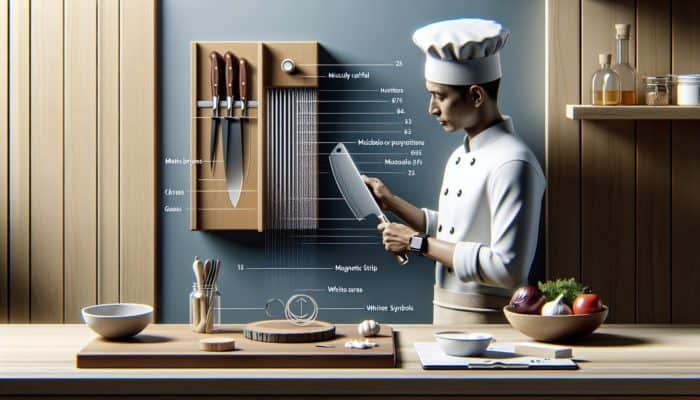
  • AI-Powered Kitchen Tools for Modern Cooking Mastery

    AI-Powered Kitchen Tools for Modern Cooking Mastery

    Discover How AI Technology is Transforming Your Culinary Experience

    Artificial Intelligence (AI) is revolutionizing our approach to cooking by turning everyday meal preparation into an exciting adventure filled with innovative opportunities. Picture stepping into your kitchen and finding a smart device that not only assists you but also elevates your entire cooking experience. This encapsulates the concept of integrating AI-powered kitchen tools in your home. These sophisticated gadgets include a variety of smart appliances, such as ovens that intuitively adjust cooking times and virtual assistants that curate recipes tailored to your specific dietary preferences and tastes.

    AI in cooking represents a new age of intelligent devices meticulously crafted to streamline meal preparation. They offer personalized recipe recommendations and cooking guidance, taking into account your unique tastes and dietary restrictions. This ground-breaking technology leverages data analysis to assess your cooking habits, identify ingredients on hand, and create dishes that are not only delicious but also in tune with your personal culinary style. Far from being just a novelty, AI in the kitchen signifies a significant shift in our perception of cooking, providing a digital companion that caters to our individual tastes and dietary needs.

    The advantages of utilizing AI kitchen tools extend well beyond mere convenience. They enhance efficiency, reduce food waste, and offer tailored cooking experiences, making them an indispensable addition to any contemporary kitchen. Imagine having a smart assistant seamlessly integrated into your cooking routine, suggesting meal ideas based on the ingredients you already possess. This functionality not only saves you precious time but also plays a critical role in minimizing food waste, a growing concern in our environmentally aware society.

    Selecting the right AI device is crucial to ensure it meets your culinary aspirations and lifestyle. Take the time to reflect on your cooking habits, the size of your kitchen, and the types of meals you enjoy preparing. With a wide range of options available—including smart refrigerators that track ingredient freshness and interactive cookers that guide you through intricate recipes—there exists an AI solution tailored for every aspiring chef.

    Understanding the Impact of AI on Contemporary Culinary Practices

    A futuristic kitchen featuring AI technology, including a smart oven, cooking robot, and digital assistant, enhancing meal preparation.

    AI in cooking signifies a transformative technology that utilizes machine learning and data analysis to enhance your kitchen experience. This encompasses a diverse array of devices, including smart ovens, cooking robots, and digital assistants—all designed to elevate your meal preparation in unique and imaginative ways. For example, a smart oven can gradually learn your cooking preferences over time, automatically adjusting temperature settings to ensure your meals are consistently cooked to perfection.

    Beyond just ovens, AI-powered kitchen tools can propose recipes tailored to your dietary needs, available ingredients, and even your cooking history. Imagine choosing a recipe from a vast database that considers your previous culinary experiences—these innovative tools can analyze your preferences, learning to suggest dishes that are most likely to delight your palate. This level of personalization not only makes cooking more engaging but also inspires you to explore a variety of cuisines from around the globe.

    As we embrace the advancements in this technology, the potential for AI in cooking continues to grow at an incredible pace. From virtual cooking classes led by AI chefs to applications that monitor your nutritional intake, the future of culinary experiences is exceptionally bright. These innovations not only make cooking more accessible but also more enjoyable for individuals of all skill levels, fostering a deeper connection with food and cooking.

    Discover the Remarkable Advantages of AI Kitchen Tools

    The integration of AI kitchen tools into your culinary routine brings a plethora of benefits that are both diverse and significant. One of the most striking advantages is the remarkable increase in efficiency. Imagine having a digital sous-chef at your side, capable of managing multiple tasks at once, allowing you to focus on creativity instead of logistics. This enhanced efficiency translates into quicker meal preparation times, significantly alleviating the stress that often comes with weeknight dinners.

    In addition, AI tools play an active role in reducing food waste. By suggesting recipes based on the ingredients you have, these devices encourage users to make the most of what they already possess, drastically minimizing spoilage and preventing unnecessary waste. This feature is especially vital in regions where food scarcity is a pressing concern, making AI an invaluable ally in the fight against wastefulness.

    Moreover, the personalized cooking experiences facilitated by AI kitchen tools offer another compelling benefit. These devices can learn from your cooking habits, gradually adjusting to better align with your preferences. For instance, if you frequently modify seasoning levels in dishes, your AI kitchen tool can remember these adjustments and recommend similar tweaks in future recipes. This level of customization transforms cooking from a mundane task into a delightful activity, igniting creativity and exploration within your kitchen.

    Key Considerations for Selecting the Ideal AI Kitchen Device

    Choosing the perfect AI kitchen tool requires thoughtful consideration of your culinary objectives and kitchen dynamics. Start by evaluating your cooking style—do you relish experimenting with new dishes, or do you prefer sticking to tried-and-true recipes? Understanding your cooking habits will help you identify which features are essential for your needs.

    The spatial limitations of your kitchen can also significantly impact your decision. Compact devices, such as smart scales or multi-cookers, can provide AI capabilities without overwhelming your countertop space. Conversely, if you have sufficient room, investing in a comprehensive smart kitchen system that integrates multiple devices could be a wise choice.

    Budget considerations are equally crucial when selecting an AI kitchen tool. While some of these devices may come with a higher price tag, numerous affordable alternatives still deliver impressive functionalities. Conducting thorough research on various brands and reading customer reviews can provide valuable insights into which device will best satisfy your culinary needs.

    Ultimately, the right AI kitchen tool should seamlessly align with your cooking style, spatial limitations, and budget, enhancing your culinary experiences rather than complicating them. With the ideal tool at your disposal, you’ll be well-equipped to explore the fascinating world of AI-assisted cooking.

    Creating Your AI-Enhanced Culinary Environment

    A modern kitchen with AI devices being unboxed and set up, enhancing the cooking experience.

    Embarking on your journey into the realm of AI culinary assistance begins with the meticulous setup of your devices. Although unboxing and installation may appear straightforward, taking the time to follow the manufacturer’s guidelines is imperative for ensuring that your new device operates at its optimal efficiency. Each AI kitchen tool possesses unique components and functionalities; becoming familiar with them can significantly enhance your overall cooking experience.

    Unboxing and Setting Up Your AI Kitchen Device with Precision

    Unboxing your new AI kitchen tool often feels like the beginning of an exciting chapter in your culinary journey. Carefully remove the device from its packaging, ensuring that all components are intact. Manufacturers usually provide an installation manual that details each step necessary for proper setup. Whether you’re working with a smart oven or a cooking assistant, adhering to these instructions is vital for achieving optimal assembly and functionality.

    Additionally, it’s beneficial to explore the physical features of your device. Familiarize yourself with buttons, ports, and any included attachments. Understanding these elements will empower you to navigate your new tool with confidence, enabling you to leverage its capabilities fully.

    Once the initial setup is complete, connect your device to a power source and prepare for calibration. This crucial process ensures that your device’s settings align with your kitchen environment, facilitating optimal performance from the very start.

    Integrating Your AI Kitchen Tool with Smart Home Systems for Enhanced Capabilities

    Connecting your AI kitchen tool to your existing smart home system opens up a realm of seamless culinary experiences. Most contemporary AI devices are designed to be compatible with platforms like Google Home and Amazon Alexa, allowing you to control them effortlessly through voice commands.

    To establish this connection, download the corresponding app and follow the prompts to link your device to your smart home network. This integration simplifies cooking tasks and enhances your multitasking capabilities. For instance, you can preheat your smart oven while preparing ingredients, maximizing efficiency during your cooking sessions.

    Furthermore, some AI tools can synchronize with other appliances, creating a fully automated kitchen experience. Envision a scenario where your refrigerator signals your oven to preheat the moment it detects that you’ve decided to prepare dinner. This level of integration exemplifies the exciting future of cooking, making it easier than ever to create culinary masterpieces.

    Calibrating Your Device for Optimal Cooking Performance

    AI kitchen device on countertop, displaying calibration screen with altitude and temperature settings, surrounded by cooking tools and ingredients.

    Calibrating your AI kitchen tool is a crucial step that ensures precision in your culinary endeavors. Most devices will guide you through this calibration process, allowing you to input essential information such as your altitude, local temperature variations, and even personal preferences like desired doneness levels for meats.

    After calibration, take the time to explore the various settings available. Most AI kitchen devices are equipped with a range of options tailored to different cooking styles and dietary requirements. Customizing these settings not only enhances performance but also promotes a truly personalized cooking experience.

    Gaining a thorough understanding of how to adjust these preferences will empower you to maximize the benefits of the technology at your fingertips. As you become increasingly familiar with the functionalities, your confidence in the kitchen will grow, allowing you to experiment with new recipes and techniques effortlessly.

    Registering Your AI Kitchen Device for Warranty Protection and Software Updates

    Registering your AI kitchen device with the manufacturer is an essential step that activates your warranty and ensures you receive critical software updates. These updates can significantly influence your device’s functionality, often adding new features or improving existing ones.

    To complete the registration process, visit the manufacturer’s website and follow the prompts. You may need to provide details such as your device model, purchase date, and personal information. This process not only secures your warranty but also keeps you informed about the latest upgrades, helping you maximize your cooking experience with AI technology.

    Exploring the Key Features and Functions of Your AI Kitchen Device

    Before diving into intricate cooking tasks, it’s vital to familiarize yourself with the basic features and functions of your AI kitchen tool. Understanding how to operate your device is crucial for maximizing its potential and enhancing your overall cooking experience.

    Most tools come equipped with user-friendly interfaces that often display step-by-step guides for a variety of functions. Spend some time exploring these features, and don’t hesitate to experiment. Try out preset cooking modes, adjust settings, or follow guided recipes to see how the tool responds and assists you in your culinary endeavors.

    Familiarizing yourself with the tool can help uncover hidden features that may not be immediately obvious. Engaging with your AI kitchen tool in this manner not only enriches your cooking experience but also builds your confidence in utilizing cutting-edge technology to create delicious meals.

    Mastering the Art of AI-Assisted Recipes

    With the right AI kitchen tools at your disposal, cooking becomes not just more accessible but also infinitely more enjoyable. The ability to access a vast array of recipes, guided instructions, and innovative techniques can elevate your culinary skills to remarkable new heights.

    Accessing Extensive Recipe Databases Through AI Technology

    One of the standout features of AI kitchen tools is their access to comprehensive recipe databases. Your AI device can recommend a wide selection of recipes based on your available ingredients, dietary preferences, and even the desired preparation time. Imagine being able to create an impressive meal while minimizing waste and maximizing flavor—all with just a simple command.

    Utilizing filters allows you to customize your recipe search. Whether you’re vegan, gluten-free, or simply looking to cook with what you have left in your refrigerator, AI tools can provide relevant suggestions that cater to your needs. This capability to cater to specific dietary requirements transforms cooking into a more inclusive experience, encouraging experimentation and creativity within your kitchen.

    Moreover, as you explore these databases, you may encounter cuisines and dishes you’ve never considered before. AI tools can introduce you to global flavors and cooking techniques, enriching your culinary repertoire and broadening your horizons significantly.

    Following AI-Guided Instructions for Flawless Cooking Outcomes

    Once you’ve selected a recipe, your AI kitchen tool will guide you through the cooking process with precision. Step-by-step instructions, often complemented by visual aids, ensure that you can follow along effortlessly, regardless of your skill level. This assistance is especially invaluable for novice cooks who may feel intimidated by complex recipes.

    The AI can also adjust cooking times and temperatures based on real-time feedback, ensuring that your dish is cooked to perfection. For example, if your tool detects that a roast chicken is browning too quickly, it can automatically lower the temperature to prevent overcooking. This level of guidance not only results in superior meals but also boosts your confidence, encouraging you to tackle more challenging recipes.

    Experimenting with AI Suggestions for Culinary Creativity

    AI kitchen tools inspire culinary exploration by suggesting new recipes and techniques based on your individual preferences. This aspect of cooking with AI is particularly exhilarating, as it opens doors to innovative flavor combinations and diverse cooking methods you may not have previously considered.

    For instance, your AI device might propose incorporating an unexpected ingredient, such as a spice you’ve yet to try, into a familiar recipe. By stepping outside of your comfort zone, you expand your cooking repertoire and discover new flavors that can become staples in your kitchen.

    Furthermore, experimenting with AI suggestions can lead to unique dishes that reflect your personal style. As you create and refine these recipes, you’ll develop a deeper understanding of how flavors interact, elevating your culinary artistry to new levels.

    Streamlining Meal Plans with AI Technology

    Meal planning is a critical aspect of maintaining a healthy diet, and AI kitchen tools excel in this domain. By leveraging your dietary preferences and nutritional objectives, AI can generate balanced meal plans that save you time while promoting healthier eating habits.

    Imagine having a weekly meal plan created for you, complete with shopping lists and recipes tailored to your dietary needs. This level of organization allows you to focus on cooking rather than the logistics of meal preparation, making the process more enjoyable and less stressful.

    Additionally, AI tools can adapt meal plans based on shifting schedules or ingredient availability. If your plans change, your device can quickly suggest alternative meals, ensuring that you always have a delicious option ready to go. This adaptability makes it significantly easier to adhere to healthy eating habits, even amidst a busy lifestyle.

    Enhancing Flavor Profiles with AI Recommendations

    AI kitchen tools can dramatically enhance the flavor of your dishes by recommending complementary ingredients and seasonings. This feature allows you to explore combinations you might not have previously considered, elevating your cooking to new levels of sophistication and taste.

    For example, if you’re preparing a vegetable stir-fry, your AI device might suggest adding a splash of sesame oil or a sprinkle of cashews to enrich the overall flavor profile of the dish. By following these suggestions, you can create complex, delicious meals that are sure to impress your family and friends.

    Furthermore, as you interact with the AI tool, it learns your flavor preferences over time, tailoring its recommendations to align with your unique taste. This personalization ensures that every dish you prepare resonates with your palate, enhancing your cooking experience and making it more satisfying.

    Maximizing Cooking Efficiency in Your Culinary Space

    Cooking efficiently is essential, particularly in today’s fast-paced environment. AI kitchen tools are specifically designed to streamline the cooking process, helping you manage time and resources effectively—an invaluable asset for busy individuals and families.

    Optimizing Time Management with AI Support

    In a world where time often feels limited, AI kitchen tools can significantly enhance your time management in the kitchen. These devices can optimize cooking sequences, ensuring that each step is executed in the most efficient manner possible.

    For instance, if you’re preparing a multi-course meal, your AI assistant can provide guidance on when to start preheating the oven, boiling water, or chopping vegetables. This synchronization prevents unnecessary delays and facilitates a more organized meal preparation experience.

    Moreover, many AI tools are equipped with timers and notifications, alerting you when it’s time to progress to the next step or check on your dish. This built-in accountability helps maintain focus, allowing you to enjoy the cooking process while eliminating the stress of last-minute timing issues.

    Reducing Food Waste with Intelligent Suggestions

    Food waste represents a significant global concern, and AI kitchen tools can play a crucial role in minimizing waste within your home. By suggesting recipes based on leftover ingredients, these devices empower you to utilize what you already have, curtailing the urge to purchase more groceries unnecessarily.

    For example, if you have leftover vegetables from a prior meal, your AI tool can recommend a soup or stir-fry that incorporates those ingredients, transforming potential waste into a delightful dish. This capability not only saves you money but also encourages sustainable cooking practices, positively impacting the environment.

    Additionally, many AI tools allow you to monitor ingredient freshness, reminding you to use items before they expire. This proactive approach to food management promotes mindful cooking and helps you make the most of your groceries.

    Streamlining Your Kitchen Workflow for Enhanced Organization

    AI tools excel at streamlining kitchen workflows, creating a seamless cooking experience. By coordinating multiple tasks and appliances, these devices enable you to focus on creativity rather than the logistical aspects of cooking.

    For instance, if you’re using a smart stove, your AI kitchen assistant can manage cooking times across various pots and pans, notifying you when it’s time to check each dish. This multitasking capability frees you from the need to constantly monitor every element, allowing you to enjoy the cooking process without stress.

    Moreover, AI tools can aid in maintaining a clean and organized kitchen by providing reminders for cleaning up as you cook. Keeping your workspace tidy can enhance efficiency and make the cooking experience more enjoyable, ensuring that you’re always prepared for your next culinary adventure.

    Personalizing Your Culinary Experience with AI Technology

    Personalization is at the core of what makes cooking with AI so appealing. These tools can adapt to your preferences, dietary restrictions, and cooking habits, greatly enhancing your culinary experience.

    Customizing Recipes to Match Your Taste Preferences

    Many AI kitchen tools offer the versatility to modify recipes according to your personal taste preferences. If you enjoy a dish with more spice or a sweeter flavor, your AI tool can easily accommodate these adjustments.

    For example, if you’re preparing a curry and find the base recipe too mild, your AI device can suggest additional spices or cooking methods to enhance the flavor, ensuring that the final dish perfectly aligns with your palate. This flexibility not only makes cooking more enjoyable but also fosters creativity in the kitchen.

    As you regularly interact with your AI kitchen assistant, it learns from your feedback and adapts its suggestions accordingly. This ongoing evolution guarantees that each meal feels unique and tailored to your preferences, making every cooking experience feel special and memorable.

    Making Dietary and Nutritional Adjustments with Ease

    AI kitchen tools excel at modifying recipes to accommodate various dietary restrictions and nutritional goals. Whether you’re gluten-free, vegan, or adhering to a specific meal plan, these devices can curate recipes that fit your needs perfectly.

    For instance, if you’re following a low-carb diet, your AI tool can suggest alternatives to traditional pasta, such as zucchini noodles or cauliflower rice, helping you stay on track without sacrificing flavor. This adaptability is essential for promoting a healthy lifestyle while ensuring that you enjoy delicious meals tailored to your dietary preferences.

    Additionally, many AI kitchen tools can track nutritional information, allowing you to monitor your intake of macronutrients and micronutrients. This feature is invaluable for those looking to maintain or improve their health, providing insights that empower you to make informed culinary choices.

    Creating a Personal Recipe Library for Future Use

    Building a personal recipe library with your AI kitchen tool allows you to curate a collection of your favorite dishes effortlessly. This feature not only simplifies revisiting beloved recipes but also enables you to refine and adapt them over time.

    As you experiment with various dishes, your AI tool can save your customizations, allowing you to create a unique version of a classic dish. For example, if you’ve modified a family recipe to suit your taste, you can save it to your library, ensuring that it’s easily accessible for future cooking sessions.

    Moreover, having a personal recipe library fosters creativity in the kitchen. By revisiting favorite dishes, you can continue to experiment with flavors and techniques, evolving your cooking style as you advance.

    Adapting Cooking Techniques to Your Skill Level

    AI kitchen tools can suggest cooking techniques that align with your skill level and preferences, enhancing your culinary capabilities. Whether you’re a novice cook or a seasoned chef, these tools can adapt to your abilities, providing guidance that encourages growth and development.

    For instance, if you’re unsure how to sear a steak properly, your AI kitchen assistant can provide step-by-step instructions, helping you grasp the nuances of the technique. As your confidence grows, you can explore more complex cooking methods, expanding your repertoire and honing your skills.

    This tailored guidance not only builds competence in the kitchen but also promotes a sense of achievement. As you master new techniques, you’ll feel empowered to tackle even more ambitious culinary challenges.

    Personalized Meal Planning for a Healthier Lifestyle

    AI kitchen tools can assist in meal planning based on your schedule, preferences, and dietary needs. This level of personalization ensures a seamless cooking experience, making it easier to maintain a healthy diet amidst a busy lifestyle.

    Imagine having a weekly meal plan generated for you, complete with shopping lists and recipes tailored to your dietary needs. This ease of organization allows you to focus on cooking rather than the logistics of meal preparation.

    Additionally, AI tools can adapt meal plans based on changing schedules or ingredient availability. If plans shift, your device can quickly suggest alternative meals, ensuring that you always have a delicious option on hand. This adaptability makes it much easier to stay committed to healthy eating, even during hectic times.

    Effective Troubleshooting and Maintenance for Your AI Kitchen Device

    Even the most advanced AI kitchen tools may encounter issues from time to time. Knowing how to troubleshoot these problems, combined with a commitment to regular maintenance, can ensure your device operates smoothly for years to come.

    Identifying Common Issues with AI Kitchen Devices

    While AI kitchen tools are designed for user-friendly operation, occasional issues may arise. Common problems include connectivity issues, unresponsive interfaces, or failure to execute commands accurately.

    To address these concerns, start by consulting the troubleshooting guide often provided by the manufacturer. Many issues can be resolved with simple adjustments, such as restarting the device or ensuring a stable internet connection.

    If problems persist, reaching out to customer support can provide additional insights and solutions. Many manufacturers offer online support forums where users can share experiences, fostering a community that can aid in resolving common issues.

    Regular Maintenance Practices for Prolonged Longevity

    Proper maintenance is essential for keeping your AI kitchen tool in optimal condition. Regular cleaning ensures that the device operates safely and effectively while also extending its lifespan.

    Follow manufacturer guidelines for cleaning, which may involve wiping down surfaces, descaling components, or updating software. Keeping your device clean prevents malfunctions and ensures that your AI tool continues to operate at its best.

    Additionally, check for software updates regularly. Manufacturers often release updates that enhance functionality or address bugs, so staying current can significantly improve your overall user experience.

    Updating Your AI Software for Enhanced Performance

    Keeping your AI tool’s software up to date is critical for accessing the latest features and improvements. Most AI kitchen tools will notify you when an update is available, simplifying the process of staying current.

    To update your software, follow the prompts provided by the manufacturer. This process typically involves connecting your device to Wi-Fi and downloading the latest version. Regular updates not only enhance functionality but also improve security, ensuring that your device remains protected against potential vulnerabilities.

    Being proactive with updates guarantees that you’re making the most of your AI kitchen tool, allowing you to enjoy a seamless and enriching cooking experience.

    Frequently Asked Questions About AI Kitchen Tools

    What are AI kitchen tools and how do they function?

    AI kitchen tools are intelligent devices designed to assist with cooking by providing recipe suggestions, cooking tips, and managing cooking processes tailored to your individual preferences and needs.

    How can AI technology help reduce food waste?

    AI kitchen tools suggest recipes based on leftover ingredients and portion sizes, effectively helping users utilize what they already have and reduce spoilage.

    Are AI kitchen tools user-friendly for beginners?

    Yes, most AI kitchen tools feature user-friendly interfaces and guided instructions, making them accessible for cooks of all skill levels, from beginners to experienced chefs.

    Can AI kitchen tools integrate seamlessly with other smart home devices?

    Absolutely! Many AI kitchen tools are designed to integrate smoothly with smart home systems, enabling enhanced functionality through voice commands and automated processes.

    How do I determine the most suitable AI kitchen tool for my specific requirements?

    Consider your cooking style, kitchen space, and budget when selecting an AI kitchen tool, ensuring it aligns with your culinary goals and lifestyle needs.

    Can AI technology assist with meal planning and preparation effectively?

    Yes, AI kitchen tools can generate personalized meal plans based on user preferences, dietary restrictions, and available ingredients, streamlining the planning process for maximizing efficiency.

    Do AI kitchen tools learn and adapt to my cooking habits over time?

    Yes, most AI kitchen tools adapt and learn from user feedback and preferences over time, allowing them to offer increasingly tailored suggestions that match your cooking style.

    What maintenance is required to keep AI kitchen tools functioning optimally?

    Regular cleaning, software updates, and adherence to manufacturer guidelines for maintenance are essential for keeping your AI kitchen tool in optimal condition and ensuring peak performance.

    What types of recipes can I find in AI kitchen databases?

    AI kitchen tools often provide access to extensive recipe databases, offering options that cater to diverse dietary preferences and cuisines from around the world.

    Is it possible to customize recipes using AI kitchen tools?

    Yes, many AI kitchen tools allow users to customize recipes based on personal taste preferences, dietary restrictions, and nutritional goals, ensuring a personal touch in every dish.

    Join Our Community on Facebook!

    The post How to Cook with AI-Powered Kitchen Tools: A Modern Guide appeared first on https://cookinggods.com

    The Article AI-Powered Kitchen Tools: A Modern Cooking Guide Was Found On https://limitsofstrategy.com

  • Durable and Stylish Cutting Boards: Your Essential Guide

    Durable and Stylish Cutting Boards: Your Essential Guide

    Discover the Best Materials for Long-Lasting and Elegant Cutting Boards

    Opt for Premium Wooden Cutting Boards to Achieve Culinary Excellence

    Best Cutting Boards for Durability and Style: A beautifully crafted wooden cutting board from maple, walnut, cherry, showcasing natural grain, on a rustic kitchen counter.

    High-Quality Wooden Cutting Boards for Durability and Aesthetic Appeal have earned a distinguished reputation due to their remarkable longevity, timeless beauty, and robust construction. Typically made from durable hardwoods like maple, walnut, or cherry, these boards are capable of enduring years of rigorous culinary endeavors, provided they receive proper care. The natural grain patterns not only elevate their visual appeal but also impart innate antimicrobial characteristics, ensuring a safe and hygienic food preparation environment. By investing in a wooden cutting board, you’re not just acquiring a functional tool; you’re securing a piece of artisanal craftsmanship destined to become a cherished family heirloom, handed down through generations.

    With regular maintenance—such as consistent oiling and immediate cleaning—wooden boards can effectively resist warping and cracking. Their impressive capability to self-repair from knife marks allows them to maintain both their beauty and functionality, even after extensive use. From charming rustic kitchens to sleek modern culinary spaces, the warmth of wood adds an elegant touch that harmonizes beautifully with various kitchen styles. Consequently, the finest wooden cutting boards for both durability and aesthetics are highly coveted by discerning chefs and home cooks alike.

    It is crucial, however, to avoid submerging wooden boards in water or placing them in dishwashers, as excessive moisture can lead to splitting or warping. Instead, clean them with a damp cloth and ensure they dry thoroughly before storage. To further extend the life of your wooden cutting board, pair it with a dedicated knife; using suitable utensils will prevent unnecessary wear, ensuring that your investment remains in peak condition for years to come.

    Practical and Affordable Plastic Cutting Boards for Daily Culinary Tasks

    Plastic cutting boards offer a practical, budget-friendly solution for both home cooks and professional chefs, blending functionality with durability. Typically crafted from polyethylene or polypropylene, these boards are lauded for their resistance to stains and odors. Their affordability makes them particularly enticing for a diverse array of kitchens, ranging from bustling restaurants in Singapore to family kitchens in Toronto. Their lightweight design enhances usability, allowing chefs to maneuver these boards with ease during meal preparations.

    One of the standout advantages of plastic cutting boards is their exceptional ease of cleaning. Unlike wooden boards, they are dishwasher-safe, greatly simplifying the sanitization process—an essential feature for maintaining high hygiene standards in both home and professional kitchens. This is particularly important in environments where cross-contamination may pose serious health threats. While plastic boards resist staining from a variety of foods, they may accumulate knife marks over time, which can harbor bacteria if not adequately maintained.

    To maximize the lifespan of your plastic cutting board, consider alternating between both sides for different food types; this practice optimizes utility while helping to prevent cross-contamination. Regularly inspect for deep grooves or cracks to ensure your board remains safe for food preparation. Ultimately, plastic cutting boards provide a practical solution that does not sacrifice style, contributing significantly to the ongoing discussion about the best cutting boards for durability and aesthetics.

    Eco-Friendly Bamboo Cutting Boards for Sustainable Culinary Practices

    Bamboo cutting boards have surged in popularity globally due to their eco-conscious characteristics and impressive strength. As a renewable resource, bamboo supports a sustainable kitchen environment, making it a prime choice for environmentally aware consumers. These boards are generally denser than many traditional wooden options, providing surfaces that resist knife marks while offering a unique visual appeal. The natural aesthetic of bamboo, characterized by its light hue and fine grain, allows it to fit seamlessly into various design themes, from modern to rustic.

    Another notable benefit of bamboo is its moisture resistance, making it less prone to warping or cracking compared to other materials. This durability makes bamboo an excellent choice for those who frequently engage in food preparation, whether you’re crafting delightful meals in Sydney or whipping up gourmet dishes in London. Additionally, bamboo boards are less porous than conventional wood, reducing the absorption of odors and stains, thereby maintaining a clean and hygienic workspace.

    Similar maintenance practices for bamboo cutting boards should be followed as those for wooden boards. Regular oiling keeps the surface conditioned and extends the board’s lifespan, while avoiding prolonged exposure to water is critical. By choosing bamboo, you not only enhance your kitchen’s aesthetic but also align your cooking practices with sustainability, embracing a global trend toward responsible consumption.

    Enhance Your Kitchen Aesthetics with Trendy Cutting Boards

    Modern kitchen showcasing diverse, stylish cutting boards on a sleek countertop, enhancing aesthetic appeal with warm lighting.

    Integrating Modern Design Elements into Cutting Board Selection

    The allure of modern design in kitchen decor is undeniable, and cutting boards are no exception. Sleek, minimal styles resonate beautifully within contemporary kitchens, reflecting a sophistication that captivates both modern homeowners and professional chefs. The most desirable cutting boards for both durability and style often feature clean lines, geometric shapes, and a focus on functionality without compromising visual appeal.

    These boards are typically made from various materials, including high-quality plastics and polished woods, serving practical purposes while acting as stylish components within kitchen decor. For instance, a matte black cutting board can create a stunning contrast against light-colored countertops, while a clear acrylic option can enhance the modern ambiance with its transparency. Incorporating such cutting boards in kitchen spaces underscores a design philosophy where each item is thoughtfully selected for both utility and aesthetic value.

    In today’s world of social media and culinary blogs, the presentation of cooking tools has never been more significant. A beautifully arranged cutting board can elevate food presentation, transforming even the simplest dishes into gourmet experiences. For those who enjoy entertaining, investing in cutting boards that embody modern aesthetics can create a focal point during gatherings, reinforcing the idea that style and functionality can coexist harmoniously in the kitchen.

    Embracing the Timeless Charm of Classic Cutting Board Designs

    Classic cutting boards evoke a sense of nostalgia and warmth, offering a timeless allure that transcends fleeting trends. Often showcasing traditional designs such as butcher blocks or intricately carved wooden pieces, each board tells its story through rich grain patterns and craftsmanship. The attractiveness of classic cutting boards lies not only in their practical uses but also in their capacity to connect us with our culinary heritage, reminiscent of family kitchens and generations spent cooking together.

    These boards come in a variety of shapes and sizes, from expansive butcher blocks ideal for heavy-duty tasks to smaller serving boards perfect for cheese and charcuterie displays. Their robustness and durability make them well-suited for everyday use, standing the test of time in both domestic and professional kitchens. Many classic boards are made from hardwoods like oak or maple, offering a sturdy surface that can withstand the demands of daily food preparation while providing a warm, welcoming aesthetic.

    Incorporating classic cutting boards into modern kitchen spaces can create a beautiful contrast, enhancing the overall design and adding authenticity. Whether preparing a beloved family recipe or exploring new culinary adventures, a classic cutting board can ground your culinary journey, serving as a reminder of the culinary traditions that have shaped our global food landscape.

    Add a Personal Touch with Customizable Cutting Boards

    A customisable wooden cutting board with floral patterns and the quote "Cook with love."

    The rising trend of personalized kitchen tools has redefined how we view cutting boards, transforming them from mere functional items into reflections of personal style. Customizable cutting boards allow home cooks and professional chefs to express their individuality, catering to a variety of tastes and aesthetics. These boards can be engraved with names, initials, or meaningful quotes, turning them into unique gifts or treasured keepsakes.

    From bespoke designs to tailored sizes, customizable options cater to diverse preferences and requirements. For example, a couple might have a cutting board engraved with their wedding date, serving as both a functional kitchen tool and a cherished memento. Similarly, a chef may opt for a board specifically tailored to their culinary needs in terms of size, shape, or unique materials that resonate with their cooking philosophy.

    The ability to customize a cutting board extends its appeal beyond mere functionality, fostering an emotional connection with the user. Imagine a vibrant, intricately designed board that doubles as a captivating kitchen display piece, sparking conversations during gatherings or dinner parties. Customizable cutting boards not only elevate the style quotient but also celebrate individuality, ensuring that every piece is as unique as its owner.

    Industrial-Style Cutting Boards for a Bold Contemporary Look

    Industrial designs have notably influenced modern kitchen aesthetics, and cutting boards are no exception. Featuring rugged materials such as stainless steel or raw wood, industrial-style cutting boards evoke a bold edge that resonates with contemporary culinary spaces. These boards often display raw, unfinished surfaces that emphasize the beauty of imperfection, appealing to those who appreciate a more utilitarian approach to kitchen tools.

    The functional aspects of industrial cutting boards cannot be overlooked. Many of these boards are designed with practicality in mind, featuring non-slip surfaces or integrated handles for ease of use. The durability of materials like stainless steel ensures these boards can withstand heavy use while maintaining their stylish appeal. From the vibrant markets of Barcelona to chic eateries in Melbourne, the industrial aesthetic is rapidly becoming a staple in kitchens worldwide.

    Incorporating industrial-style cutting boards into your kitchen enhances its visual appeal while aligning with a broader trend towards minimalism and functionality. These boards serve as a reminder that style can be achieved without sacrificing practicality, making them essential additions for anyone looking to elevate their culinary experience while maintaining a chic, urban vibe.

    Embracing Eco-Friendly Materials in Cutting Board Production

    The increasing awareness of environmental issues has led to a rising demand for eco-friendly kitchen products, including cutting boards. Sustainable cutting boards, often made from recycled materials or responsibly sourced woods, cater to environmentally conscious consumers. These boards not only reduce environmental impact but also promote a healthier kitchen ecosystem, allowing you to cook with a clear conscience.

    Bamboo remains a popular choice for eco-friendly boards due to its rapid growth and renewability. Additionally, there are cutting boards made from recycled plastic, which help prevent waste while providing a durable and practical surface for food preparation. As the global movement towards sustainability continues to gain traction, more manufacturers are adopting eco-friendly practices, reflecting a commitment to quality and environmental responsibility.

    By incorporating eco-friendly cutting boards into your kitchen, you demonstrate a commitment to sustainability and promote a lifestyle that values care for the planet. These boards can serve as conversation starters, inspiring others to reconsider their own choices in kitchenware and beyond. By selecting stylish and sustainable materials, you can create a kitchen that is both beautiful and conscious of its environmental impact.

    Expert Tips for Maximizing the Lifespan of Your Cutting Boards

    Effective Cleaning Methods for Various Cutting Board Materials

    Proper cleaning techniques are crucial for preserving the longevity and hygiene of cutting boards. Regardless of the material—be it wood, plastic, or bamboo—utilizing appropriate cleaning methods can significantly enhance the lifespan of your cutting board. For wooden boards, it is advisable to clean them with a damp cloth and mild soap rather than soaking in water or placing them in the dishwasher, which can compromise the board’s integrity and lead to warping.

    Plastic boards, on the other hand, can be safely cleaned in the dishwasher, but for those who prefer hand washing, a simple mixture of vinegar and baking soda works wonders. This combination not only cleans the surface but also deodorizes it, ensuring that lingering smells from previous food preparations do not transfer to your next culinary masterpiece. Moreover, using separate cutting boards for raw meats, vegetables, and cooked foods is essential for preventing cross-contamination, which is critical for food safety.

    Routine cleaning should complement regular deep cleans, especially for boards that have absorbed strong odors or stains. Consider employing coarse salt and lemon juice as a natural scrub for wooden boards. This method can effectively lift stains and leave the board smelling fresh. Maintaining cleanliness in your cutting boards is not just about preserving their aesthetic charm; it is vital for ensuring overall kitchen hygiene and food safety.

    Oiling and Conditioning Techniques for Long-Lasting Cutting Boards

    Maintaining the surface of your cutting board is essential for preserving its durability and preventing damage. Regular oiling and conditioning are necessary to keep the wood hydrated, preventing it from drying out and cracking. Food-grade mineral oil is typically recommended for wooden boards, as it deeply penetrates without going rancid. This treatment creates a protective barrier against moisture and bacteria, enhancing the board’s longevity and usability.

    Conditioning your cutting board can easily become part of your kitchen routine. Aim to oil your board every month or so, depending on usage. Start by thoroughly cleaning the board, then apply a generous amount of mineral oil using a soft cloth or paper towel, working it into the wood grain. Allow it to rest for several hours or overnight before wiping off any excess oil. This simple maintenance task not only prolongs the life of the board but also enhances its beauty, showcasing the natural grain and color.

    While bamboo or plastic boards may not require the same level of conditioning as wood, occasional cleaning with a mild soap solution followed by thorough drying will help maintain their appearance and functionality. By committing to regular oiling and care, you ensure that your cutting board remains a reliable companion in your culinary adventures, embodying the best cutting boards for durability and style.

    Smart Storage Solutions for Optimal Cutting Board Care

    Effective storage solutions are vital for extending the life of cutting boards and preventing warping or damage. Many people overlook the importance of proper storage, often relegating cutting boards to overcrowded drawers or stacking them improperly, which can lead to scratches and chips. Instead, consider investing in a dedicated storage rack or stand that allows boards to air out and remain free from pressure, helping to maintain their integrity.

    Vertical storage is especially beneficial for wooden boards, as it prevents moisture accumulation and encourages airflow, which is vital for preserving their condition. If space is limited, hanging boards on hooks can create a practical and visually appealing display. This not only improves the kitchen’s aesthetic but also ensures that your cutting boards are easily accessible for everyday use.

    It is also advisable to avoid storing cutting boards near heat sources, as excessive heat can warp or crack the materials. For those who prefer a more minimalist approach, consider using a clear acrylic holder that accommodates various cutting board sizes, allowing for a clean and organized appearance in your kitchen. By prioritizing proper storage, you can ensure that your cutting boards remain in excellent condition for years, making them integral to your kitchen’s aesthetic while upholding functionality.

    Regular Inspections for Cutting Board Safety and Maintenance

    Conducting routine checks on your cutting boards is an essential aspect of maintenance that should not be overlooked. Regular inspections help identify any cracks, deep cuts, or scratches that may develop over time, which can harbor bacteria and compromise food safety. For wooden boards, it is particularly important to look for signs of warping or splitting, as these can significantly affect the board’s usability and hygiene.

    Inspecting your plastic cutting boards for deep grooves is equally essential, as these can trap food particles and bacteria, posing potential health risks. If you notice significant wear, it may be time to replace the board. However, minor scratches can often be remedied with gentle sanding to smooth the surface and restore functionality.

    Creating a habit of regularly inspecting your cutting boards ensures that you maintain the quality of your kitchen tools and the safety of your food preparation. By addressing issues early, you can prevent further damage and prolong the life of your cutting boards, allowing them to continue serving you effectively in your culinary endeavors.

    Effective Techniques for Odour and Stain Removal from Cutting Boards

    Maintaining the freshness and visual appeal of your cutting boards requires effective odour and stain removal techniques. Over time, cutting boards can absorb strong smells from garlic, fish, or spices, which can linger and affect the taste of future meals. To combat this, a mixture of baking soda and water can create a paste; apply it to the affected areas, scrub gently, and rinse thoroughly for a fresh result.

    For deeper stains, consider using a combination of coarse salt and lemon juice on wooden boards. The acidity of the lemon, paired with the abrasiveness of the salt, can lift stains while deodorizing the surface. After scrubbing, rinse the board with warm water and dry it completely to prevent moisture retention, which can lead to further issues.

    Plastic cutting boards may require a different approach. Soaking them in a solution of vinegar and water for a few minutes can help eliminate stubborn stains and smells. Following this, a good scrub with a sponge or brush can restore the board’s cleanliness and freshness. By implementing these odour and stain removal strategies, you can ensure that your cutting boards not only remain functional but also look great in your kitchen, contributing to the ongoing conversation about the best cutting boards for durability and style.

    Critical Safety Features to Look for in Cutting Boards

    The Importance of Non-Slip Surfaces for Enhanced Kitchen Safety

    Safety in the kitchen is paramount, especially when working with cutting boards. Non-slip surfaces have become essential in modern cutting board design, boosting user confidence during meal preparation. These surfaces are typically achieved through silicone grips, textured materials, or rubberized feet that prevent the board from sliding on countertops, significantly reducing the risk of accidents.

    The last thing you want is a slipping board while engaging in quick chopping or intricate slicing. A stable cutting surface ensures precision, allowing chefs to focus on their techniques without unnecessary distractions. This feature proves particularly beneficial in busy environments like restaurants or family cooking sessions, where multiple tasks occur simultaneously.

    In addition to traditional materials, some manufacturers are innovating with non-slip technologies, integrating them into the board’s design. This evolution not only enhances safety but also adds an element of style. Incorporating cutting boards with non-slip surfaces into your kitchen arsenal ensures a safer cooking environment while maintaining an aesthetically pleasing workspace.

    Understanding the Practicality of Juice Grooves in Cutting Board Design

    Juice grooves represent a thoughtful addition to cutting board design, addressing the messy spills that often occur during food prep. These grooves, typically running along the perimeter of the board, catch runoff from juicy fruits, vegetables, and meats, ensuring that your workspace remains clean and organized. For home cooks and chefs alike, the presence of juice grooves elevates the functionality of cutting boards, making them indispensable tools in the kitchen.

    The design of these grooves can vary, with some boards featuring deep trenches capable of holding significant amounts of liquid. This is particularly beneficial during tasks such as carving roasts or slicing melons, where excess juices can easily create a mess. By containing these liquids, juice grooves simplify clean-up and enhance safety by preventing slipping hazards associated with spilled liquids on countertops.

    Furthermore, the thoughtful inclusion of juice grooves showcases the marriage of style and practicality in modern cutting board design. Whether you’re preparing a lavish dinner in Paris or a casual meal in Sydney, these features ensure that your culinary experience remains enjoyable and safe, solidifying the conversation around the best cutting boards for durability and style.

    Selecting Knife-Friendly Materials for Optimal Cutting Performance

    In any kitchen, the relationship between cutting boards and knives is critical. The choice of materials for cutting boards can significantly impact the sharpness and longevity of your knives. Knife-friendly materials help preserve the blade’s edge, ensuring that knives remain effective and safe. This aspect is particularly relevant for professional chefs who rely on precision and sharpness in their culinary tasks.

    Wooden and bamboo cutting boards are often regarded as the most knife-friendly options due to their softer surfaces that reduce wear on blades. These materials allow for some give when the knife makes contact, minimizing the risk of dulling. In contrast, while visually appealing, glass or stone cutting boards can quickly dull knife edges due to their hardness.

    Plastic cutting boards, especially those made from high-density polyethylene, are also considered knife-friendly options. They strike a balance between durability and gentleness on knives, making them versatile choices for various kitchen tasks. By selecting cutting boards made from materials that are gentle on knives, you can ensure that your kitchen tools remain sharp and effective, enhancing both safety and efficiency during food preparation.

    Maximizing the Versatility of Your Cutting Boards

    Exploring Multi-Functional Uses for Cutting Boards in Your Culinary Space

    The versatility of cutting boards is one of their standout features, as many serve multiple purposes in the kitchen. Beyond acting merely as a surface for chopping, these boards can be utilized for serving, styling dishes, or even as a backdrop for food photography. This multi-functionality makes them indispensable tools in any culinary setting, whether in a bustling café in New York or a cozy family kitchen in Melbourne.

    For example, a large wooden cutting board can seamlessly transition from food prep to serving, beautifully showcasing a charcuterie or cheese platter. The natural grain of the wood enhances presentation, making it a conversation starter during gatherings. Additionally, some cutting boards are designed to be reversible, allowing chefs to use one side for raw meats and the other for vegetables, maximizing utility while ensuring hygiene.

    The emergence of cutting boards with integrated features, such as built-in trivets or utensil holders, reflects the growing demand for multi-functional kitchen tools. These innovations cater to modern cooks who value efficiency without sacrificing style. By incorporating cutting boards with multiple functionalities into your kitchen, you streamline your cooking process, ensuring you have the right tools at your fingertips whenever needed.

    Understanding the Importance of Size Variability in Cutting Boards

    Cutting boards come in a range of sizes, catering to different tasks and kitchen spaces. From small boards suitable for quick tasks like slicing herbs to large butcher blocks designed for heavy-duty chopping, size variability plays a crucial role in the functionality of these kitchen tools. Selecting the appropriate size cutting board for each task can significantly enhance efficiency and safety during food preparation.

    Smaller cutting boards can be invaluable in compact kitchens or those with limited counter space. They can be easily stored and pulled out for quick tasks without cluttering the workspace. Conversely, larger boards are essential for more extensive meal preparations, providing ample room for chopping, dicing, and arranging ingredients. These larger surfaces can also accommodate multiple items simultaneously, streamlining the cooking process.

    Moreover, a variety of sizes allows for versatility in serving. A medium-sized board can act as a serving platter for appetizers, while large boards can serve as the centerpiece during dinner parties, showcasing beautifully arranged dishes. By choosing cutting boards in various sizes, you enhance your kitchen’s functionality, providing tools that cater to any culinary task.

    The Advantages of Reversible Cutting Boards

    Reversible cutting boards have gained popularity due to their practicality and convenience. These boards typically feature two distinct surfaces, allowing users to employ each side for different purposes. This design maximizes utility while minimizing the need for multiple boards cluttering the kitchen. The opportunity to flip the board over when switching from meats to vegetables offers a clever solution to cross-contamination concerns, making reversible boards a smart choice for any kitchen.

    The versatility of reversible cutting boards means they can easily adapt to various culinary tasks, whether preparing a simple salad or tackling a multi-course meal. One side can be designated for raw ingredients, while the other can be kept clean for presentation purposes, providing a seamless transition from preparation to serving. This adaptability makes reversible boards appealing for home cooks and professional chefs alike, as they can manage different tasks without needing extra tools.

    Additionally, many reversible boards are designed with aesthetically pleasing features that make them suitable for serving. A beautifully crafted wooden board can serve as a stunning backdrop for a cheese platter, while a sleek plastic board can be easily cleaned for repurposing. The ability to utilize both sides of a cutting board effectively enhances functionality and the overall experience of cooking and entertaining.

    Material Adaptability in Cutting Boards for Enhanced Functionality

    The adaptability of cutting board materials enhances their functionality and appeal. Each material—whether wood, plastic, or bamboo—offers unique benefits that cater to various cutting needs and kitchen aesthetics. This adaptability means that regardless of your culinary style, there’s a cutting board available to meet your requirements.

    For instance, wooden cutting boards preserve knife sharpness and provide a warm, classic aesthetic that complements traditional kitchens. They offer durability without sacrificing style, making them ideal for food preparation and serving. Conversely, plastic boards are renowned for their affordability and ease of cleaning, making them a practical option for busy households or catering services where hygiene is paramount.

    Bamboo cutting boards combine the best of both worlds, offering an eco-friendly solution that doesn’t compromise performance. Their lightweight nature and natural beauty appeal to environmentally conscious consumers, while their strength and resistance to knife marks ensure they serve their purpose effectively. By choosing cutting boards made from various materials, you can create a versatile kitchen equipped to handle any culinary challenge that comes your way.

    Exploring Eco-Friendly Options in Cutting Boards

    Sustainable Materials for Responsible Kitchenware Choices

    As sustainability becomes a priority in kitchen design, the demand for cutting boards made from sustainable materials is on the rise. By opting for boards crafted from responsibly sourced wood or recycled materials, you consciously support eco-friendly practices in culinary settings. These cutting boards not only fulfill practical needs but also align with a broader commitment to reducing environmental impact and promoting healthier kitchens.

    Bamboo serves as a leading example of a sustainable material, given its rapid growth cycle and minimal resource requirements. This makes bamboo cutting boards an excellent choice for environmentally conscious consumers. Some cutting boards are made from reclaimed wood, giving new life to materials that might otherwise go to waste. This approach preserves natural resources and creates unique, character-filled pieces for your kitchen.

    Choosing sustainable materials empowers consumers to contribute positively to the environment while enjoying the benefits of high-quality kitchen tools. Many eco-friendly options also feature attractive designs that can enhance kitchen aesthetics, making them functional tools and statement pieces. By embracing sustainable cutting boards, you can elevate your culinary experience, knowing that each choice supports a healthier planet.

    Recyclable Components for Environmental Responsibility in Cutting Board Production

    The push towards sustainability in kitchenware extends beyond the initial material to include the recyclability of cutting boards. Many manufacturers are now producing cutting boards that incorporate recyclable components, helping to reduce waste and encouraging responsible disposal practices. This development is crucial as we transition towards a circular economy, where materials are continually reused and repurposed rather than discarded.

    Plastic cutting boards, for instance, can often be recycled at the end of their life cycle, provided they are made from single-type plastics. This attribute makes them appealing for environmentally conscious consumers who want to minimize their footprint. Similarly, some wooden boards can be repurposed or upcycled into other wooden products once they have reached the end of their usefulness as cutting surfaces.

    Promoting awareness around recyclable cutting boards informs consumers about their choices and encourages manufacturers to consider eco-friendly practices in their production processes. By choosing cutting boards with recyclable components, you contribute to a more sustainable kitchen environment and help promote a culture of responsible consumption.

    Biodegradable Choices for a Greener Future in Kitchenware

    Biodegradable cutting boards present an innovative solution for environmentally conscious consumers who wish to minimize their impact on the planet. These cutting boards are typically made from materials that decompose naturally over time, such as bamboo or certain types of biodegradable plastics. This feature significantly reduces the waste generated from kitchen tools, offering a guilt-free option for those invested in sustainability.

    Opting for biodegradable cutting boards supports eco-friendly practices and encourages a broader movement towards sustainable living. As awareness of environmental issues grows, these products resonate with consumers who prioritize responsible consumption and wish to lessen their ecological footprint. By selecting biodegradable options, you can contribute to a healthier planet while enjoying the practical benefits of high-quality cutting boards.

    Incorporating biodegradable cutting boards into your kitchen arsenal demonstrates a commitment to sustainability and positions you as a proactive participant in the global movement towards greener living. These boards serve as a reminder that style and functionality can coexist harmoniously with environmental responsibility, allowing you to make a difference in your everyday cooking routines.

    Understanding Price Points in Cutting Boards

    Affordable Cutting Boards for Budget-Conscious Home Cooks

    Not everyone has the budget for high-end kitchen tools, making affordable cutting boards essential in the market. Cost-effective options come in various materials and styles, allowing consumers to balance durability and aesthetics without breaking the bank. These boards provide a practical solution for home cooks, students, or anyone who requires reliable kitchen tools without substantial investment.

    Plastic cutting boards are an excellent entry point for those on a budget, offering good performance and ease of cleaning. They are widely available and come in various colors and designs, making them versatile for different kitchen styles. For those who prefer wood, there are affordable wooden boards available that deliver the warmth and appeal of natural materials without the hefty price tag.

    It’s important to remember that a lower price does not equate to lower quality. Many budget-friendly cutting boards boast solid construction and can perform effectively for years with proper care. By searching for deals or considering less well-known brands, consumers can find cost-effective cutting boards that still embody the best cutting boards for durability and style.

    Mid-Range Cutting Boards Offering Quality and Value

    Mid-range cutting boards strike an ideal balance between affordability and quality, offering consumers an array of choices that cater to functionality and design. These boards typically feature superior materials and construction, ensuring durability while remaining accessible to various budgets. Mid-range selections provide excellent value for those who take their cooking seriously but are not ready to invest in premium options.

    Wooden cutting boards crafted from hardwoods like maple or walnut often fall into this category, delivering durability and aesthetic appeal. These boards are built to withstand daily use while adding elegance to any kitchen. Similarly, bamboo options present a sustainable choice that combines style with functionality, making them an attractive mid-range option for eco-conscious consumers.

    Investing in mid-range cutting boards ensures you have tools that can handle various culinary tasks while still looking great in your kitchen. Combining quality materials and thoughtful design creates a cutting board that will serve you well for years, proving that style and durability can be found at a reasonable price point.

    Premium Cutting Boards Representing Unmatched Craftsmanship

    For those who prioritize quality, premium cutting boards represent the pinnacle of craftsmanship in kitchen tools. These boards are often made from the finest materials, such as high-end hardwoods or innovative composites, and feature exceptional attention to detail in their design. While they may come with a higher price tag, their durability, performance, and striking aesthetics often justify the investment.

    Premium wooden cutting boards can be sourced from sustainable forests, ensuring that you’re supporting responsible practices while enjoying a top-tier product. Many premium boards are handcrafted, showcasing intricate designs or personalized options that add a unique touch to your kitchen. The luxury of using a beautifully crafted cutting board can enrich your cooking experience, making it feel more special and enjoyable.

    Moreover, premium cutting boards often come with warranties or guarantees, reflecting the manufacturer’s confidence in their product’s longevity. By investing in a top-quality cutting board, you can enjoy the confidence that comes with superior craftsmanship and performance, making it an essential part of your culinary journey.

    Comparing Brands in the Cutting Board Market

    Trusted Established Brands in the Cutting Board Industry

    In the cutting board market, established brands have earned their reputation through years of dedicated craftsmanship and innovation. Companies like Boos Block and OXO are renowned for producing high-quality cutting boards that consistently meet the needs of both professional chefs and home cooks. These brands leverage their experience to create durable, stylish, and functional products.

    Established brands typically offer a variety of options to cater to different preferences and budgets, ensuring there is something for everyone. Their commitment to quality often translates into reliable performance, with many boards featuring thoughtful design elements such as juice grooves or non-slip surfaces. When purchasing, consumers can trust that established brands have undergone rigorous testing and development processes, providing peace of mind.

    Furthermore, these brands often provide excellent customer service and warranties, adding an extra layer of assurance for buyers. Whether you’re looking for a classic wooden board or a contemporary plastic option, established brands will likely have a product that fits your needs, reinforcing their status as leaders in the cutting board market.

    Innovative Emerging Companies Disrupting the Cutting Board Market

    While established brands dominate the cutting board market, emerging companies bring fresh perspectives and innovative designs. These newer brands often focus on sustainability, unique materials, or contemporary aesthetics, appealing to a growing demographic of eco-conscious consumers and design enthusiasts. By prioritizing innovation, these companies challenge traditional norms, pushing the boundaries of what cutting boards can be.

    For instance, brands like Epicurean and Greener Chef have gained traction by offering eco-friendly options that showcase functionality and style. Their commitment to sustainability and responsible sourcing resonates with consumers, making them popular among those who value environmental responsibility in their kitchenware.

    Emerging companies often leverage social media and direct-to-consumer models to connect with audiences, building a community of loyal fans. This approach allows them to gather feedback and continuously evolve their products based on consumer needs. By embracing the offerings of emerging brands, consumers can discover cutting boards that meet their functional requirements and align with their values and preferences.

    Specialty Manufacturers Creating Unique Cutting Board Designs

    Specialty manufacturers focus on creating high-quality, unique cutting boards that cater to specific needs or aesthetics. These brands often employ unique materials, innovative designs, or artisanal craftsmanship to deliver products that stand out in the market. For instance, companies like John Boos or Cutting Board Company create bespoke options that can be tailored to individual tastes, appealing to consumers who seek something distinctive in their kitchen.

    Specialty cutting boards often feature intricate designs and superior construction, making them functional and beautiful additions to any kitchen. Many of these manufacturers offer a range of sizes, shapes, and materials to suit various culinary tasks, ensuring that every board serves a purpose.

    By choosing specialty manufacturers, consumers can invest in cutting boards that reflect their style while benefiting from the knowledge and expertise of artisans dedicated to their craft. Whether you’re looking for something rustic, modern, or truly one-of-a-kind, specialty brands provide options that elevate the cutting board experience.

    Accessible Budget-Friendly Options for Quality Kitchenware

    While high-end brands often dominate discussions on quality, numerous budget-friendly options deliver excellent performance and style. Brands like IKEA and AmazonBasics offer cutting boards that cater to consumers seeking reliable tools without significant financial investment. Regardless of budget constraints, these options allow anyone to access quality kitchenware.

    Budget-friendly cutting boards do not skimp on functionality. They often feature attractive designs and durable materials that hold up under regular use. While they may lack some of the artisanal craftsmanship found in premium brands, many budget options still provide essential features like non-slip surfaces and easy cleaning.

    Budget-friendly cutting boards present a practical solution for those looking to furnish their kitchen without overspending. By carefully selecting from reputable brands, consumers can acquire functional and stylish cutting boards that meet their culinary needs without compromising their financial goals.

    Insights from Customer Experiences

    User Feedback on Durability and Longevity of Cutting Boards

    Customer reviews provide invaluable insights into the longevity and wear of cutting boards, highlighting user experiences from around the globe. Many consumers praise wooden boards for their durability, noting how they withstand daily chopping without significant wear. Users report that these boards can last for years with proper care and maintenance, showcasing their value as long-term investments in culinary tools.

    Plastic cutting boards often receive positive feedback for their resilience against stains and odors. Numerous users appreciate their ease of cleaning, particularly in busy kitchens where hygiene is crucial. Customers frequently mention that these boards maintain functionality even after extensive use, reinforcing their reputation as reliable tools for home cooks and professional chefs.

    Bamboo cutting boards also garner attention for their durability and eco-friendly nature. Customers highlight their strength and resistance to knife marks, often praising them for balancing environmental consciousness with practical utility. Overall, user feedback consistently reinforces the narrative surrounding the best cutting boards for durability and style, encouraging prospective buyers to consider both their preferences and the experiences of others when making a purchase.

    Aesthetic Feedback from Cutting Board Users

    In addition to functionality, customer reviews often emphasize the importance of style when selecting cutting boards. Many users appreciate the aesthetic appeal of wooden boards, noting how their natural grains and rich colors enhance the look of their kitchen spaces. Buyers frequently highlight the warmth and elegance of these boards, making them tools and decorative elements in their culinary environments.

    Plastic and bamboo boards also receive recognition for their design versatility. Customers enjoy the variety of colors and styles available, allowing them to select boards that match their kitchen themes. Many users share photos of their beautifully styled cutting boards, showcasing how these tools can elevate the visual presentation of meals and contribute to a charming kitchen atmosphere.

    Style feedback from customers often reflects a desire for cutting boards that blend seamlessly into their kitchen décor while providing essential functionality. As culinary enthusiasts continue to prioritize aesthetics alongside performance, selecting cutting boards that embody both aspects will remain a significant consideration in the marketplace.

    Frequently Asked Questions about Cutting Boards

    What is the best material for cutting boards?

    The best material for cutting boards depends on your needs. Wooden boards are ideal for maintaining knife sharpness, while plastic boards are easy to clean. Bamboo is popular because it is an eco-friendly option with a stylish appearance.

    How do I properly care for my wooden cutting board?

    To care for a wooden cutting board, clean it with mild soap and water, avoid soaking it, and apply food-grade mineral oil monthly to maintain its surface and prevent drying or cracking over time.

    Are plastic cutting boards safe to use?

    Yes, plastic cutting boards, especially those made from food-grade materials, are safe to use. They are easy to clean and can be thoroughly sanitized, reducing the risk of cross-contamination during food preparation.

    What are juice grooves in cutting boards?

    Juice grooves are channels around the edge of a cutting board designed to catch liquids from meats, fruits, and vegetables. They prevent spills and messes during food preparation and enhance kitchen hygiene.

    How can I remove stains from my cutting board?

    To remove stains, create a paste using baking soda and water, apply it to the stain, scrub gently, and rinse thoroughly. A combination of coarse salt and lemon juice on wooden boards can be particularly effective for lifting stubborn stains.

    Can I put my cutting board in the dishwasher?

    Plastic cutting boards are generally dishwasher-safe, while wooden and bamboo boards should not be placed in the dishwasher, as excessive moisture can warp or crack them, compromising their integrity.

    What is the advantage of reversible cutting boards?

    Reversible cutting boards offer versatility. One side can be used for raw ingredients, and the other for cooked items. This helps prevent cross-contamination during food preparation and maximizes kitchen efficiency.

    How often should I replace my cutting board?

    The lifespan of a cutting board depends on its material and use. Regularly inspect for deep cuts or cracks; if significant wear occurs, it may be time for a replacement to ensure safe food preparation.

    Are eco-friendly cutting boards worth the investment?

    Yes, eco-friendly cutting boards made from sustainable materials contribute to environmental responsibility and often provide the same durability and functionality as traditional boards, making them a worthwhile investment for conscientious consumers.

    What sizes of cutting boards should I have?

    Having a variety of sizes is beneficial. A large board is great for extensive meal prep, while smaller boards are perfect for quick tasks. This diversity allows for efficient use and easy storage, catering to various culinary needs.

    Connect with us on Facebook!

    The post Best Cutting Boards for Durability and Style: A Guide appeared first on https://cookinggods.com

    The Article Cutting Boards for Durability and Style: Your Essential Guide Was Found On https://limitsofstrategy.com