Category: HVAC Maintenance

  • The Best Time of Year to Upgrade Your HVAC System

    The Best Time of Year to Upgrade Your HVAC System

    You’re not alone if you are tired of being cold and shivering because your heating system doesn’t work properly. You are not alone. Upgrade your HVAC system when you need to and avoid discomfort and high bills.

    It is best to upgrade during milder weather in spring or fall when you can take advantage of unique benefits. Off-season sales may offer significant discounts. You can save money and enjoy improved efficiency.

    You can avoid inefficiency and last-minute panic by planning ahead and taking advantage of the best seasons to upgrade your HVAC system.

    When it comes to replacing your HVAC system, timing is crucial.

    Understanding HVAC Seasonal Cycles

    Understanding HVAC seasonal cycles will help you decide when to upgrade your HVAC system for the most cost-effective and convenient solution. Contractors are usually less busy during off-peak seasons such as spring and autumn when demand for HVAC service is lower. You can benefit from better prices and quicker installation.

    It is important to check the efficiency ratings such as SEER or AFUE for cooling, and HSPF or AFUE for heating during these times. A high-efficiency system will ensure optimal energy consumption throughout the year. It’s also worth taking into consideration the timing of model releases. In the spring, manufacturers often release new models. This is a great time to buy the previous year’s model at a discount. You can upgrade your system at a discounted price by taking advantage of these offers.

    You might upgrade your HVAC system in the fall to take advantage of the improved efficiency and cost savings before winter. It will not only keep your home comfortable in the winter months, but it will also lower your energy costs. You can also feel confident about your investment if you choose a reputable manufacturer known for their energy-efficient products, like Rheem.

    Spring: The Ideal Upgrade Window

    Spring is the ideal time to upgrade your HVAC system. During this season, manufacturers often release new models, and discounts on older units are available. It’s a great opportunity to make an informed decision without feeling rushed.

    Here are some points to consider when planning your upgrade:

    • The weather is moderate during spring, which allows for more flexible installation schedules.
    • You’ll have access to the latest technology and energy-efficient models, thanks to the new inventory.
    • Businesses offer off-peak discounts on last year’s inventory, giving you the chance to save money.
    • Upgrading in spring allows you to prepare your home for extreme temperatures in advance, whether it’s summer heat or winter cold.

    By taking action in spring, you’ll optimize your home’s comfort and efficiency.

    As you think about these benefits of upgrading in spring, it’s important to note that fall also presents unique advantages for system replacement. Let’s explore those next.

    Fall Advantages for System Replacement

    Fall is a great time to consider upgrading your HVAC system. This season has many benefits to consider when replacing your HVAC system.

    Fall temperatures are moderate, allowing you to schedule your installation more easily. During this period, technicians may be more readily available, allowing for faster and more thorough service.

    The fall is a good time to replace your HVAC system because the demand typically drops after the summer. This can lead to lower prices and more attention to detail.

    This is also the time to prepare for winter and ensure that your system will work at its best during the colder months.

    It’s important to consider the benefits of buying in the off-season.

    Off-Season Benefits and Discounts

    Taking advantage of the off-season can bring you a range of benefits and discounts for your HVAC system. During this time, HVAC companies often offer significant discounts on system upgrades due to reduced competition. By timing your upgrade strategically, you can take advantage of market dynamics and enjoy substantial savings.

    Here are some perks you can expect during the off-season:

    1. Excess Inventory Clearance: Manufacturers may reduce prices to clear out their stock before new models arrive. This means you can get a top-of-the-line HVAC system at a discounted price.
    2. Flexible Scheduling: With fewer installations happening, you have more room to negotiate a convenient installation date. This allows you to plan the upgrade according to your schedule without any hassle.
    3. Promotional Offers: HVAC companies may sweeten the deal by including additional services or extended warranties at no extra cost. This adds value to your upgrade and provides you with peace of mind.
    4. Year-End Tax Benefits: Upgrading your HVAC system late in the year could make you eligible for tax deductions or credits. This can result in additional savings and financial benefits.

    Timing your HVAC upgrade during the off-season not only helps you maximize the value of your investment but also ensures that your system is optimized before the peak season demands. Don’t miss out on the opportunity to save money and enjoy improved comfort in your home.
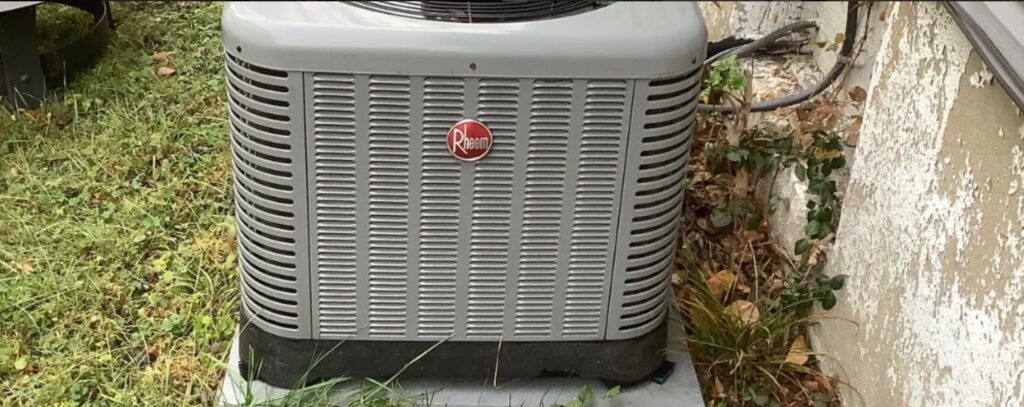
    Rheem Central Air Conditioning Systems

    Rheem Central Air Conditioning Systems need minimal maintenance

    Planning Ahead for Winter Upgrades

    Planning ahead to upgrade your HVAC system during quieter winter months will maximize your benefits. This strategic timing allows you to evaluate your system’s performance during peak times and identify inefficiencies. You can make a more informed decision about the size and type of upgrade you need by analyzing your energy consumption and wear patterns.

    Winter upgrades offer flexibility in scheduling. HVAC professionals are often less in demand at this time, so you can expect to receive more immediate service. You can also take advantage of possible off-season discounts for equipment and labor to maximize your investment. You can save money and enjoy comfort by timing your upgrade correctly.

    Consider upgrading to a more efficient HVAC system such as Rheem’s central air conditioning products. This advanced system provides superior heating, cooling, and energy efficiency. It also reduces your utility bills. You can control your indoor climate with precision thanks to its smart technology.

    How Does the Lifespan of My Current HVAC System Affect the Timing of an Upgrade?

    When to upgrade your HVAC system, the lifespan of your HVAC unit is crucial. The urgency of the decision is influenced by a ticking timer. You’ll have to weigh the advantages of new technology against the losses in efficiency of your existing system when you consider an upgrade. This will allow you to make the best choice for your comfort level and give you greater control over your environment. Newer HVAC systems, for example, often have smart features that allow you to change temperature settings remotely or set up customized schedules. These innovations can enhance your experience and make your house more energy efficient. Understanding the lifespan of your HVAC system will help you make informed decisions about upgrading your HVAC system to meet your comfort and convenience requirements.

    Are There Specific Brands or Types of HVAC Systems That Are More Likely to Have Discounts During Certain Times of the Year?

    During certain seasons, like spring and fall, when demand for HVAC systems drops, some HVAC brands will offer discounts. Keep an eye on the market to get a great deal on a system upgrade. You can save money and improve your home’s comfort by researching and staying informed.

    How Do Regional Climate Differences Impact the Best Time to Upgrade My HVAC System?

    The climate in your region can have a major impact on when you should upgrade your HVAC system. Temperatures in different regions can have a significant impact on when you will benefit most from an upgrade. Installing your new HVAC before the summer heat is a good idea for warmer areas. You will be able to enjoy a comfortable and cool indoor environment even during the hotter months. In cooler climates, you should schedule HVAC upgrades in spring or fall. It will maximize your comfort as well as the efficiency of your system when temperatures start to drop. You can upgrade your HVAC system at the right time by considering your local climate. ( See also 5 Easy HVAC Tips to Keep Your Home Comfortable)

    Can Upgrading My HVAC System Impact My Home’s Resale Value, and if So, How Does Timing Play a Role?

    Upgrades to your HVAC system will increase the value of your house when you decide to sell. It is important to upgrade at the right time. You can ensure that your system is current and up to date by upgrading it right before you list your home. It will also make your home more attractive to buyers looking for energy-efficient features. You should highlight the advantages of an upgraded HVAC system such as reduced energy bills and increased comfort. You can, for example, mention that an HVAC system of high quality like Rheem brand systems provides exceptional energy efficiency and reliable performance. You can improve the resale of your home and create a more comfortable environment by investing in your HVAC.

    What Are Some Potential Hidden Costs Associated With Upgrading an HVAC System Outside of the Typical Seasonal Cycles?

    There are hidden costs that you should consider when upgrading your HVAC system out of the normal seasonal cycle. You may be surprised by the contractor premiums that you pay during the off-season. HVAC contractors may charge higher rates during off-peak seasons because they are more in demand during peak times. You may also have to pay for expedited shipping charges, since manufacturers may prioritize orders placed during peak seasons. The disruption of your schedule is another potential cost. Upgrades to your HVAC system may take a lot of time, and coordination with your contractor is required. This can affect your daily schedule. When deciding on the best time to upgrade your HVAC system, it’s important that you keep these factors in consideration.


    The Article The Best Time of Year to Upgrade Your HVAC System First Appeared ON
    : https://ad4sc.com
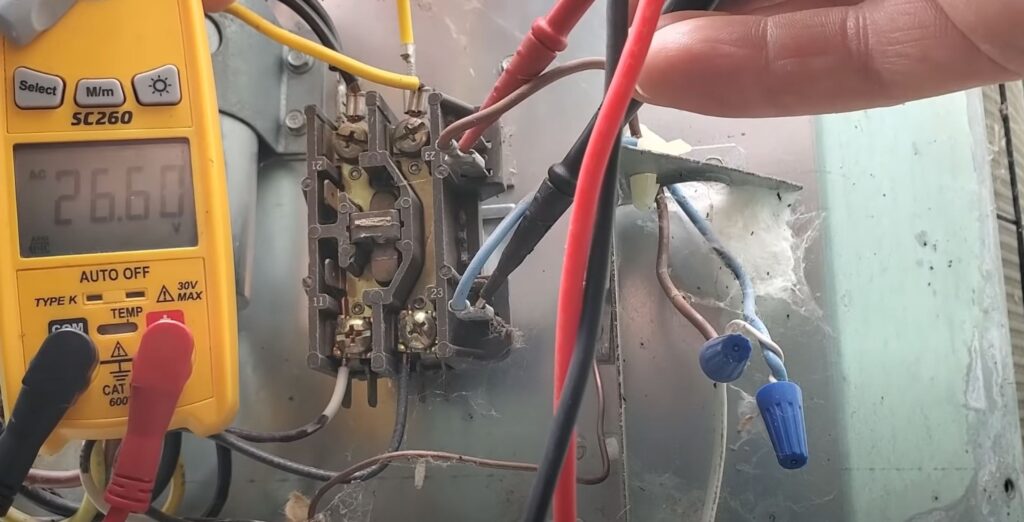
  • How to Effectively Clean and Maintain Your HVAC System

    Maintaining a comfortable house requires that you keep your HVAC system running smoothly. Because I know the importance of a properly functioning system, my expertise has grown in cleaning and maintaining them. You can make sure that your HVAC system is running at its peak all year round by following a methodical approach.

    This guide will walk you through practical steps to maintain an HVAC system meeting the correct standards, from assessing the critical components to changing filters regularly. My detailed instructions will give you the confidence to maintain your HVAC system and benefit from a well-regulated interior climate.

    Assess Your HVAC Components

    Prior to cleaning or maintaining my HVAC, I make sure that I thoroughly inspect all of the important components. Check the filters to ensure that they are clean and clear of debris. Filters that are clogged can reduce airflow and the efficiency of your system.

    I also carefully inspect the coils of the condenser and evaporator for dirt. These coils can be dirty and cause heat transfer to be hindered, putting strain on the whole system.

    The blower motor or fan should also be checked for any obstructions, dust or debris that could cause poor air circulation.

    The ductwork should also be inspected for signs of damage or leaks. The performance of your HVAC system can be greatly affected by leaks or damage to the ductwork.

    Regular Filter Replacement

    It is important to replace the air filters regularly in order to maintain HVAC efficiency. Not only is it important to replace the parts, but also to ensure optimal airflow and protect the system from allergens and dust.

    Filters that are clogged can cause the system to be overworked and lead to costly repairs. It’s vital to inspect the filters every month, and especially during periods of high usage, and replace them if dirty.

    To ensure airflow and filtration, follow the recommendations of the manufacturer for filter types. This simple step will keep your HVAC system working smoothly and your home comfortable.

    Clean All Accessible Parts

    In order to ensure that my HVAC system will last as long as possible, I clean all parts accessible regularly. It not only helps maintain the efficiency of your HVAC system, but it also prevents any blockages. This process requires that you clean the coils, fans, and vents. This is my step-by-step method:

    First, I concentrate on the vents. I use a vacuum to remove dust from the return and supply vents. To avoid pushing the debris deeper into the system, it’s important to remove all dust with care.

    The coils are next. I gently clean both the condenser and evaporator coils with a soft bristle brush. I use a coil cleaner that will not damage the fins if there is any buildup. This will help dissolve any residue, and ensure that the coils work optimally.

    Last but not least, I check the blades. The accumulation of dirt on the fan blades can affect their performance. I clean them with a suitable cleaner. The blades will be free of obstructions, well-balanced and allow for good airflow.

    Inspect Ductwork Regularly

    It is important to regularly inspect your HVAC ductwork in order to maintain clean air and a high-performance system. This task is easy to overlook, but I want to emphasize how important it is. Dust, pet dander, and other allergens can build up in ducts over time. This can affect the quality of air that you breathe. The smallest leak or misalignment can significantly impact the efficiency of your system, resulting in higher energy bills.

    Visually inspecting your ductwork at least once per year will ensure that it is functioning properly. You should look for signs of wear, such as dust accumulations or possible blockages. Consider using specialized equipment to further investigate any problems you may have noticed. Don’t forget, too, to inspect the insulation and fix any leaks that you find. You can save money by taking care of the ductwork. Your family will also be able to breathe clean air.

    Schedule Professional Maintenance

    It is essential to schedule professional maintenance of my HVAC system in order to keep it in top condition. This goes beyond my normal inspections and has several benefits. It ensures my system is running efficiently and helps me to save energy. Professional maintenance also allows for early detection of potential problems, which prevents them from becoming costly.
    How to best approach the problem:

    1. I schedule an annual check-up, usually in the spring to prepare my HVAC for the summer. This involves examining and making adjustments to all components.
    2. Expert Assessment: Professionals are trained to spot subtle signs of wear that I may overlook. They can detect problems like frayed belts and irregular motor noises, which if not addressed, could lead to more serious issues.
    3. Optimizing Performance: Professional technicians optimize performance during maintenance. They calibrate the thermostats, test refrigerant levels and make adjustments which result in significant energy savings.

    Can Cleaning My HVAC System Improve Its Energy Efficiency and Lower My Utility Bills?

    Absolutely! It is possible to reduce your energy bills by cleaning your HVAC system. Your system will use less energy when it is clean. You can control your costs and save money over time. Imagine that dirt, dust and debris can build up in your HVAC system over time. This accumulation restricts airflow, forcing your HVAC system to work harder in order to maintain the desired temperatures. Regularly cleaning your HVAC system will remove this buildup, allowing for maximum airflow. Your system will operate more efficiently and use less energy, resulting in lower utility bills.

    Cleaning your HVAC system has many benefits. Clean systems can improve indoor air quality and ensure that your family and you breathe fresh, healthy air. This can extend the life of your HVAC system and save you money on future repairs.

    It is recommended that you hire a professional air conditioning repair service to clean your HVAC system. The HVAC technician has the knowledge and tools necessary to clean all the components of your HVAC system including air ducts and filters. You will save money by maintaining and cleaning your HVAC system regularly. It will also make you feel more comfortable.

    You can use energy-efficient products, such as smart HVAC systems or programmable thermostats. These innovative technologies give you greater control over energy consumption and maximize the efficiency of your HVAC systems.

    How Can I Tell if My HVAC System Requires a Deep Clean Versus a Standard Maintenance Routine?

    In a few easy steps, I will assess the condition of my HVAC system to determine whether it needs a thorough cleaning or only routine maintenance. First, I will check the airflow throughout the entire system to ensure it is strong and constant. Next, I will check for excess dust and mold, which can indicate the need for a more thorough cleaning. Finally, I will pay attention to strange noises that come from the system. This could be an indication of issues that need more than regular maintenance. After carefully evaluating all of these factors, I will determine if a deep cleaning is needed to keep my HVAC running efficiently and smoothly.

    Are There Any Specific Cleaning Agents or Tools I Should Avoid Using on My HVAC Components to Prevent Damage?

    Avoid using harsh chemicals or abrasive brushes to prevent damage to your HVAC system. They can cause your system to corrode and crack. Opt for the gentle cleaning products recommended by your manufacturer. Using soft cloths can also help protect the sophisticated design of your HVAC system. Following these guidelines will ensure that your HVAC components are in good condition and last a long time.

    How Often Should I Clean the Outdoor Unit of My HVAC System, and What Precautions Should I Take?

    Regularly cleaning the outdoor unit is an important maintenance task. Cleaning it twice a year is recommended for optimal performance and to prevent any issues. You can improve the efficiency of your unit and increase its lifespan by removing any debris or foliage that has accumulated.
    To avoid electrical hazards or accidents, turn off the power before you start cleaning. Wearing gloves will protect your hands. Use a soft bristle brush to remove dirt and dust from the fins. Be careful not to put too much pressure on the fins.

    Cleaning your outdoor HVAC unit regularly will not only help it run more efficiently but can also prevent clogs that could lead to expensive repairs. Follow these simple steps to ensure your HVAC system is in good shape, and that you have comfortable temperatures indoors throughout the entire year.

    Can Pets, Such as Dogs or Cats, Affect the Frequency or Type of Maintenance Needed for My HVAC System?

    Your HVAC system can be affected by pets like cats or dogs. This is because the fur and dander of pets tend to accumulate faster and clog filters. You may need to change your filters more often to maintain optimal performance. It’s also important to inspect the vents for damage and clean them regularly. You can maintain your HVAC system by staying on top of these maintenance tasks.


    The Article How to Effectively Clean and Maintain Your HVAC System First Appeared ON
    : https://ad4sc.com
  • Preventive Maintenance For HVAC Systems That Is Practical

    Preventive Maintenance For HVAC Systems That Is Practical

    Don’t Let Your HVAC System Fade Away
    With Practical Preventative Maintenance for HVAC Systems, make sure your system keeps running as it should with our comprehensive checklists, seasonal strategies and DIY tips for maintaining it yourself or professional advice when necessary – let’s keep our systems working well so we all enjoy peace of mind in comfortable homes! Together we’ve got this!

    Key Takeaways for HVAC Preventive Maintenance

    Make use of an annual checklist and perform system diagnostics regularly in order to detect problems early, replace filters as required, etc. Ultimately completing basic tasks such as filter replacement is also key in terms of saving both money and time in Heating, ventilation, and air conditioning care.

    Expert professionals should be hired for preventive measures and guidance.

    – Regularly follow a practical checklist for HVAC preventive maintenance
    – Conduct system diagnostics to identify potential problems early
    – Handle basic tasks like filter replacements
    – Choose experienced professionals for preventive measures and guidance

    Preventive Maintenance Essentials for HVACs: A Practical Checklist

    It is wise to follow an annual preventive maintenance checklist on your HVAC in order to maximize its optimal performance and longevity. Filter Replacement should always be a top priority – an unclean filter reduces airflow through your system putting undue strain on its components – whilst Thermostat Setting reviews ensure you’re not wasting energy when away.

    Ductwork Inspection is also essential. Faulty ductwork can cause your system to lose air efficiency, leading to leakage of conditioned air into your living environment and greater costs associated with energy production. Don’t neglect Lubrication Importance either; moving parts that lack sufficient lubrication wear out faster. Lubrication Services should be utilized by professionals so as to catch potential issues early enough and conduct System Diagnostics accordingly.

    Understanding Seasonal HVAC Maintenance: Tailored Strategies to Achieve Efficiency

    Now let’s shift gears and explore seasonal HVAC maintenance – an approach that adapts to weather considerations in order to optimize system efficiency and increase its performance throughout the year.

    By tailoring maintenance schedules according to weather changes, seasonal efficiency provides a practical strategy to optimize system performance throughout its entirety and meet ever-evolving maintenance demands.

    Here is a snapshot:
    Reducing Allergens
    Comfort Maximization via Summer Cooling Systems
    Autumn Heating System Inspection Energy Conservation
    With each passing season comes new challenges that necessitate adapting strategies accordingly for optimal results – welcoming change into our lives can only help to ensure an efficiently functioning HVAC system.

    HVAC Maintenance For optimal performance and peace of mind, scheduling professional inspection and tune-up of your central air conditioning system should be an absolute necessity. A trained technician should perform regular maintenance checks that ensure it runs efficiently. A full system inspection involves closely inspecting all components including compressor, condenser, evaporator and electrical connections – helping identify any potential issues or malfunctions early and thus saving money in costly repairs later. A tune-up typically entails cleaning parts while lubricating, adjusting controls as necessary as well as checking refrigerant levels to make sure it runs optimally and reliably.

    DIY HVAC Maintenance: Know When and What Tasks Can Be Handled

    Although basic HVAC maintenance tasks such as filter replacement can be completed independently, knowing when it is best left for professionals to handle can save both money and hassle in the future. Filter replacement is one such DIY troubleshooting task you can tackle yourself using essential tools; swapping out an ineffective filter will significantly enhance system efficiency and save both time and effort in doing it yourself!

    However, cost and safety should always guide DIY activities. When facing more complex issues it may be cheaper and safer to hire professional help if attempting it yourself. When working with electrical components there can be inherent dangers; improper handling could cause expensive damage; it’s good to feel accomplished through handling basic maintenance yourself but always know when its time for professional attention! While DIY maintenance provides a great sense of satisfaction it may also be wiser in some situations to call an electrician before trying anything yourself.

    How Often Should I Schedule Professional Maintenance For My Central Air Conditioner?

    To maintain optimal performance of your central air conditioner and increase lifespan, professional maintenance should take place once every year at least. Scheduling professional maintenance helps detect early issues with the unit while increasing lifespan as well as providing energy efficiency benefits while improving air circulation throughout your home. To do so efficiently and economically.

    What Should I Do if My Central Air Conditioner Is Making Strange Noises?

    If strange noises are coming from your central air conditioner, don’t ignore them; rather follow these troubleshooting steps in order to diagnose and solve it quickly and successfully. Common culprits could include loose parts or an issue with its motor; acting swiftly will prevent even bigger issues from developing further down the line.

    How Can I Determine if My Central Air Conditioner Needs Refrigerant?

    If your central air conditioner isn’t cooling as promised, low refrigerant could be to blame. Look out for signs of refrigerant leakage like ice on coils or hissing sounds; troubleshooting will likely be necessary in this instance.

    Consider The Long-Term Advantages of Regular HVAC Upkeep
    With regular HVAC upkeep, not only are you creating an optimal indoor climate; but you are also reaping long-term rewards in terms of indoor comfort as well as system optimization. This approach to your HVAC system ensures long-term benefits beyond simply indoor comfort alone.

    What Are the Common Signs of a Faulty Thermostat in a Central Air Conditioner?

    If your central air conditioning has an inaccurate thermostat, there may be signs to look for such as inaccurate temperature readings, unresponsive controls and inconsistent cooling. Troubleshooting such issues requires troubleshooting an issue-filled thermostat in order to solve.

    Consider these advantages:

    Energy Savings: Regular maintenance improves efficiency and lowers energy usage, leading to lower utility consumption. Lifespan Extension: Proper HVAC care extends the system’s lifespan. Indoor Comfort Levels Improve: Ensuring consistent temperature and humidity levels enhance living conditions is also part of maintaining comfort.

    Improved air quality: Routine maintenance reduces dust, allergens and pollution in your space, providing better indoor air quality for everyone. Emergency prevention: Preventative measures help lower the risk of unexpected breakdowns by decreasing their likelihood.
    HVAC maintenance should not simply be about short-term gains; rather, its purpose lies in creating an environment conducive to comfort for years to come.

    Cleaning and changing out filters in your central air conditioning system regularly is crucial to its efficiency and lifespan. Proper upkeep of these filters ensures peak performance from your system over its lifespan. Over time, dust, dirt and other particles can clog filters, restricting airflow and diminishing system performance resulting in higher energy usage and greater wear-and-tear on components. Eventually, this may even increase energy costs further while wearing down components more rapidly than necessary.

    To prevent this from occurring, it is advisable to regularly clean or replace filters every one to three months depending on manufacturer guidelines and usage levels. Also, remember ductwork maintenance and condenser coil cleaning! Your central air conditioning system operates efficiently and provides comfort; therefore, regular inspection and cleaning of ducts to remove debris that obstructs airflow is critical for its optimal operation. Cleaning condenser coils regularly will also aid optimal heat transfer while helping avoid the build-up of dirt and dust accumulation. Through proper maintenance practices, you can help ensure its smooth running with maximum comfort for you!

    Navigating HVAC Issues with Preventive Tactics

    Many common HVAC issues can be reduced using preventive tactics. Focusing on issue identification helps identify problems before they escalate further, while proactive solutions like regular system checks and component replacement help lower breakdown risks while prolonging the system’s lifespan.

    Maintenance timing is of utmost importance – don’t wait for issues to emerge before taking preventive steps. Regular check-ups can save costly repairs in the future and a detailed cost analysis provides insight into its financial benefits.

    Air conditioning contractor or technician selection is also paramount; make sure your chosen technicians understand all aspects of your system’s needs before selecting someone as they will not only perform preventative measures but will guide and inform you throughout this journey as part of an HVAC community.

    If your air conditioning unit shuts off frequently due to power supply problems, such as power surges or faulty wiring, this could be related. Power surges occur when there is an unexpected spike in electrical voltage which overloads and damages AC units. Faulty wiring, on the other hand, may result in intermittent power supply to your AC and may lead to it shutting off unexpectedly. To reduce surge protection problems or install voltage regulators as safeguards against power surges. To address faulty wiring in your home, it’s crucial that a qualified electrician inspect and repair any outdated or damaged wires in your residence. Attending to these power supply issues, it can ensure your AC runs efficiently for optimal comfort in living environments across your city or town.

    How To Troubleshoot Central Air Conditioner

    Are you tired of sweating through the summer heat? Did you know that 60% of homes in the United States have central air conditioning? If your central air conditioner is on the fritz, don’t panic! This site has a searchable guide to help you through the troubleshooting process, helping you identify and fix common issues. From checking the power supply to inspecting and cleaning air filters, you’ll be well on your way to cool, comfortable living in no time. Search our categories for the HVAC section now.

    The Article Preventive Maintenance For HVAC Systems That Is Practical First Appeared ON
    : https://ad4sc.com

  • Heating & Cooling: Tips From a Pro Before Calling a Tech

    Heating & Cooling: Tips From a Pro Before Calling a Tech

    If your air conditioner or furnace isn’t working properly, you may be considering calling an HVAC technician. Before you do so, there are some important heating cooling tips to keep in mind. Knowing what to expect and having a general understanding of the process can help ensure that you get the most out of your HVAC repair service. Here are some heating cooling tips before calling an HVAC tech that will save you time and money.

    What You Need To Know Before Calling An Air Conditioning Tech

    Often, there are simple things you can do to troubleshoot HVAC problems before calling an HVAC technician. This can save you time and money.

    The most important thing to keep in mind is safety. Always wear proper industrial-grade footwear, and make sure you are aware of any potential hazards.

    Quality San Bernardino Air Conditioning Repairs

    1. Check The Air Filter

    If you have a clogged air filter, then it can cause your system to work harder than necessary. This will result in higher energy bills and may lead to expensive repairs down the line.

    It is important to check the air filter regularly for any signs of a blockage. This will cut down on unnecessary calls to the HVAC technician and save you money in the long run.

    Filters should be changed every 30 days or more often, depending on your home’s environment and the amount of time you use your system. Changing your filters on a regular basis will also help to ensure the efficiency of your air conditioning or heating system, which can reduce energy costs and prolong the life of your equipment.

    A dirty filter can be damaged by moisture, which can cause mold growth and other problems. Additionally, a dirty filter can allow allergens like dust and pet dander to circulate throughout your home.

    Duct Cleaning

    A properly cleaned duct system can improve air quality and increase energy efficiency. However, it is important to find a qualified duct cleaning service for this task. The wrong contractor could do more harm than good.

    During the inspection, the service provider will identify any issues in the ductwork that could be affecting your system’s efficiency or air quality. They will clean the ducts and replace any loose or damaged parts.

    They can also change the filtration system to help improve air quality. This can help to reduce the amount of allergens in your home and provide a healthier place for you and your family to live.

    It can be helpful to have multiple filters on hand for your HVAC system to ensure you always have one in place. This will make the process of checking your filters much more convenient.

    The last thing you want is a damaged or clogged air filter to stop the flow of air through your ventilation system. A clogged or dirty air filter can lead to poor indoor air quality and can damage your HVAC system.

    A clogged or dirty air filter can also make it difficult for the unit to cool your home or office, which can lead to high energy bills and more frequent calls to an HVAC technician. Keeping your filter clean and removing any debris will also prevent the need for expensive repairs down the road.

    2. Check The Condensation Line

    A clogged condensate line isn’t as noticeable as a leaky air conditioner, but it can be a serious problem. If a clog isn’t resolved, excess water can build up in your home, leading to moldy odors and even flooding.

    You’ll find the condensation line – a white PVC pipe – near your outdoor condenser unit. It’s a critical part of your system that moves the water out of your home safely, and it’s something you should check for yourself periodically throughout the cooling season to ensure that your home is properly drained.

    If you see a puddle of water next to your AC, this is likely caused by a blockage in the line. It may be due to algae or other biological growth, and it’s best to get this issue addressed right away.

    Another important thing to look for is the presence of ice in your drain line. If ice is present, it can obstruct the flow of water and cause major damage to your HVAC.

    This is why it’s a good idea to keep the drain clean, and it’s also an ideal way to prevent clogs from occurring in the first place. You can do this by pouring a cup of bleach down the access pipe before turning on your system, and you can also have a professional clean the drain during an annual maintenance visit.

    It’s not uncommon for a blocked condensate line to cause your air conditioner to stop working, and some newer models are even designed to shut down when they detect a backup of water in the system.

    If the clog isn’t easily accessible, you can try using a wet/dry vacuum to clear it up. Just make sure to remove the hose when you’re finished, as this will allow the vacuum to draw out any remaining obstructions.

    A clogged AC drainage line can result in a wide variety of problems, so it’s important to check it out regularly and have it cleaned by an HVAC technician. Getting a regular cleaning can prevent the need for emergency repairs, and it can help your system run more efficiently as well.

    3. Check The Thermostat

    Thermostats are a central part of any heating or cooling system that maintains the desired temperature. They are designed to use an internal sensor to measure the temperature and then switch on or off your HVAC system.

    Some thermostats are programmable, allowing you to set a schedule and automatically turn on your heating or air conditioning when you need it. This is a great way to save money on your energy bill, and ensure your home stays comfortable throughout the year.

    You should check your thermostat periodically to make sure it’s working properly. If it isn’t, it’s important to call an HVAC technician so they can fix the issue and get your home back to a comfortable temperature.

    Another thing that can cause your thermostat to stop working is a dirty or clogged filter. When your filters are dirty, the air that passes through them will not be able to reach the temperature set on the thermostat, which can lead to your HVAC system wasting power and causing it to work less efficiently.

    This can also lead to higher utility bills, as your HVAC system must work harder to keep up with the temperatures you set on your thermostat. If your air filters aren’t clean, it may be necessary to replace them to get your home comfortable again.

    Likewise, if your thermostat is old and in bad condition, it could be malfunctioning. A faulty thermostat can lead to a variety of problems, including not turning on your heating or cooling system, not reaching the desired temperature, and showing an error message.

    A thermostat is a control device that can be used in many different applications, including ambient air control and automotive coolant control. It exerts control by regulating the flow of heat transfer fluid to maintain the desired temperature, which can be displayed on the device itself or in an interface.

    4. Check The Heating & Cooling Switches

    If you notice that your system is acting up, it’s important to take a closer look at the switches before calling an HVAC tech for help. In some cases, a minor problem with a component can lead to a major one down the road.

    Fortunately, there are some simple things you can do to help prevent this from happening in the first place. These easy maintenance tips are a great way to make sure your home’s air conditioning is operating at peak performance.

    1. Check Your Circuit Breaker

    Most homes have a circuit breaker that can help keep power to your home’s air conditioning and furnace from being accidentally cut off during an unexpected electrical surge. Having this breaker properly set can save you a lot of money in the long run.

    2. Test Your Furnace Limit Switch

    In many modern furnaces, there is a switch that limits the amount of power that goes to the furnace blower fan. If this switch is off or has tripped, it means that something is wrong with the blower fan and you should call an HVAC technician to come out and look at it.

    3. Test Your Wet Switch/Float Switch

    A float switch on your air conditioner or heat pump is designed to shut down the compressor when water begins to build up in the condensate pan (the pan that collects condensation from your AC unit). If your float switch fails, this can be a dangerous situation that needs to be addressed immediately by an HVAC technician.

    4. Check The Location Of Your Thermostat

    Ideally, your thermostat should be placed where it can accurately sense the temperature of the room. This is particularly true in rooms with high ceilings, direct sunlight, or heat from kitchen appliances. It’s also a good idea to move your thermostat if you notice that it’s not detecting the correct indoor temperature.

    security systems5. Check Your Air Filter

    A clean, fresh air filter is an essential part of your HVAC system. Clogged filters slow down the flow of air and increase your energy bills. This can be avoided by regularly changing your air filter.

    In conclusion, preparing for an HVAC technician visit can be a daunting task. If you follow these tips, however, you can ensure that the tech will have all they need to get the job done quickly and efficiently. Make sure to check all the filters and vents, turn off any appliances that might interfere with their work, and clear out any clutter that could be in the way. Additionally, ask questions when necessary and provide as much information as possible on your HVAC system.

    The post Heating & Cooling: Tips From a Pro Before Calling a Tech appeared first on https://gqcentral.co.uk

  • 5 Most Common Heating and Cooling Problems & How to Fix Them

    5 Most Common Heating and Cooling Problems & How to Fix Them

    When the weather starts to turn cold, it can be a problem if your heater isn’t working. Heaters are essential for keeping warm in the colder months and troubleshooting your heater or heating and cooling problems can help you identify and fix the issue quickly so you don’t have to suffer from the cold. In this article, we will provide a step-by-step guide on how to troubleshoot a heater when it is not working.

    Identify the Causes: Common Heating and Cooling Problems

    Homeowners should be aware of common heating and cooling problems that can arise in the home. From clogged air filters to broken heat pumps, learning how to troubleshoot these issues can help you save energy, improve air quality, and reduce costly repairs. In this article, we will take a look at some of the more frequent heating and cooling problems that homeowners may encounter. We will discuss their causes, symptoms, as well as preventive measures and solutions that can help you address them.

    There are a lot of things that can go wrong with your home heating and cooling system. From clogged drain pipes to dirty air filters, these are just a few of the issues that you might run into. The good news is that there are many people out there who are willing to come out and fix these problems for you.

    Dirty Air Filters

    Air filters are an important part of any heating and cooling system. Not replacing or cleaning the filter may lead to a variety of issues including increased energy costs, poor indoor air quality, and even health hazards. Fortunately, there are simple solutions to these problems.

    Reliable Furnace Repairs Fairfield CT

    Changing the filter is easy. You can buy a replacement from your local hardware store or order a new one from your HVAC manufacturer. Depending on the type of filter you use, the frequency of the replacement may vary.

    Purchasing a high-quality filter that is made specifically for your HVAC system can reduce the risk of failure. Dirty filters can cause your air conditioning unit to work harder, thereby wasting money and energy. They also reduce the efficiency of the cooling process.

    Clogged Drain Pipes

    Clogged drain pipes are one of the most common plumbing problems. They can be time-consuming and expensive to repair. However, you can fix the problem with a few tips.

    First, try to avoid putting greasy food or grease down the drain. Grease can get stuck to the pipes and cause a clog. Instead, pour the grease into a container to be taken to a recycling center.

    You can also use a wire snake to clear your clogged drain. Larger wire snakes are stronger and can break up larger clogs.

    If the clog is too large, you may need a professional. An experienced plumber will know what to do to unclog the drain. The plumber can use a pipe cleaner or pipe snake to clean out the pipes.

    Stuck Dampers

    There are a number of reasons that HVAC dampers may get stuck. One of the most common reasons is a motorized component that has broken off. Another reason is dirt and dust building up on the damper.

    When your damper is stuck, it can hinder airflow through the ductwork and cause your heating and cooling system to operate at lower efficiency levels. It is important to check for these problems. Fortunately, there are a number of solutions to fixing your damper.

    In order to find the best solution for your situation, it is important to understand the various options. Some damper replacement solutions are attainable at home while others may require professional assistance.

    First, determine the source of your problem. Most of the time, a thermostat or other device is the culprit. If the problem is with the thermostat, then it may be time for a replacement.

    Heat Pump Overrun

    If your heat pump isn’t working as it should, it can be a complicated problem. There are several possible reasons why it may not work, and you need to identify the issue before you can resolve it.

    The first step is to check the air filter. A dirty filter can prevent the unit from functioning properly. You should change it every 90 days.

    Another potential cause is a dirty evaporator coil. When the coil is dirty, it can leak refrigerant. It can also decrease the unit’s efficiency.

    Other causes include a clogged drain or broken contactor. To clear a drain, you can use a dry vacuum or a towel.

    Another common heat pump problem is a low refrigerant charge. This can occur in cold weather.

    Insulation Issues

    Reliable Electricians Fort Lauderdale FLIf you’re experiencing uncomfortable rooms or have noticed weird drafts, you’ve likely found yourself dealing with insulation issues. These can be hard to spot, but they can be a major contributor to heating and cooling problems. In addition, inefficient insulation can affect the health of your family.

    Insulation is a thermal barrier that slows the heat convection process. It keeps valuable warmth from your home’s heating system from escaping through the roof, walls, and attic. Your home’s energy efficiency can be improved by adding more insulation.

    In the United States, 90% of homes are under-insulated. A proper insulating barrier can save up to 10% to 20% of your energy costs. Adding more insulation can also improve your home’s overall efficiency.

    Homeowners often worry about the amount of insulation in their homes. There are some easy ways to check for insulation issues.

    The post 5 Most Common Heating and Cooling Problems & How to Fix Them appeared first on https://gqcentral.co.uk

  • Tips and Tricks to Keep your HVAC System Running Smoothly

    Tips and Tricks to Keep your HVAC System Running Smoothly

    If your HVAC system is having trouble, it may be time to get help. There are a few ways you can take care of the problem, including cleaning your ducts, troubleshooting a faulty thermostat, and cleaning the coils. If you’re not sure how to fix the problem, there are plenty of Raleigh HVAC repair professionals who can help.

    HVAC Tips and Advice

    To reduce the workload on your HVAC system, you can invest in energy-efficient accessories. For example, window coverings that block the sun’s heat will lower the indoor temperature. These will also reduce the workload on your HVAC system. Another option is to install ceiling and standing fans. Ceiling fans should run in a clockwise direction and direct cool air downward.

    The Importance of Air Duct Cleaning

    It’s important to know the proper way to clean your air ducts. Inappropriate cleaning methods can leave your ducts with a host of bacteria and fungi. And a poorly-trained service provider can cause serious damage to your ducts and heating and cooling system. These issues can cause increased energy bills and force you to invest in replacement or repair work.

    Reliable HVAC Repair San Bernardino

    Professional duct cleaners will work with the right tools and equipment for a thorough cleaning. They will also be able to diagnose any problems that may arise during the cleaning process. Properly cleaned ducts will help maintain energy efficiency and prevent unit breakdown. Here are a few tips to consider before hiring a professional.

    When hiring a professional air duct cleaning company, ask for references. Reputable services will provide a list of previous customers. You can also contact these clients to ask about their experience. Also, be sure to check the company’s reputation with the Better Business Bureau. In addition, make sure that they are licensed and insured.

    Proper Sizing of Your HVAC unit

    Proper sizing of your HVAC unit is important to keep your home or office at a comfortable temperature. The wrong size can result in insufficient moisture removal, an uncomfortable environment, uneven temperatures throughout the space, and high energy costs. Here are some tips to ensure the right size.

    First, consider your climate zone. The closer you are to the equator, the warmer it will be throughout the year. If your climate zone is moderate, you won’t need an oversized cooling system. But if heat waves are common in your area, you may want to consider adding a heat pump to compensate.

    Once you’ve determined your home’s square footage, you can begin calculating the right size for your HVAC unit. You can do this by measuring the length and width of each room and multiplying that total by 25. This will give you the BTUhs required to cool or heat one pound of water. In the case of an air conditioning unit, a single ton of cooling capacity will need 12,000 BTUs.

    Changing Your Air filter Regularly

    The HVAC filter is one of the most important parts of your home’s heating, ventilation, and air conditioning system. It should be changed at least once a month, ideally every three months. If you live in a large house, this task should be done even more often.

    Changing your air filter is important because it keeps the air you breathe clean and fresh. This will reduce the risk of breakdowns in your HVAC system. Changing the filter is easy and can take less than an hour. However, many homeowners are unaware of the recommended frequency of air filter changes. So, here are some tips to make sure you change your filter regularly. A dirty filter is harmful to the health of your HVAC system and can cause premature breakdowns.

    Another way to make sure you change your air filter regularly is to install a reminder device. These devices usually have a sticky note next to them to remind you of important tasks. These include changing your air filter, cleaning your outside unit, and scheduling maintenance.

    Maintaining Your Outside Unit

    If you’re using an outside HVAC unit for your home, there are a few things you should know to keep it running as efficiently as possible. The first thing you should do is to keep it free of debris. Overgrown plants can block airflow to your unit, so keep them two feet or further away.

    After cleaning up the leaves and debris, you can vacuum the outside unit. Be sure to wear gloves and use a wet/dry vacuum to remove any dirt and debris. Alternatively, you can use your garden hose to clean the outside unit. However, if the unit is inaccessible or has obstructions, you should not use a pressure washer.

    The post Tips and Tricks to Keep your HVAC System Running Smoothly appeared first on https://gqcentral.co.uk

  • Need Help With Your Raleigh HVAC Repair? Check Out These Tips!

    Need Help With Your Raleigh HVAC Repair? Check Out These Tips!

    If your HVAC system is having trouble, it may be time to get help. There are a few ways you can take care of the problem, including cleaning your ducts, troubleshooting a faulty thermostat, and cleaning the coils. If you’re not sure how to fix the problem, there are plenty of Raleigh HVAC repair professionals who can help.

    How to Get Help With HVAC Problems

    There are several ways to take care of HVAC problems, including cleaning your ducts, troubleshooting a faulty thermostat, and cleaning the evaporator coil. But if you want to extend the lifespan of your system, you should invest in preventive maintenance. According to the U.S. Department of Energy, 70% of residential HVAC systems do not perform optimally, and most homeowners are not aware of a problem until it gets out of hand. But it’s better to be proactive than reactive, so how do you take care of an HVAC problem?

    Fixing a Faulty Thermostat

    If you notice that your HVAC system is running erratically, it could be a faulty thermostat. These devices are essential for heating and cooling your home. A faulty thermostat can cause severe problems. It can fail to respond to changes in temperature or may have been programmed incorrectly. Here are some tips to fix faulty thermostats. These thermostats are typically designed to last for about 10 years.

    Reliable Raleigh HVAC Repairs

    One of the first steps in repairing a faulty thermostat is to understand what it is. The thermostat regulates the functionality of the entire HVAC system. If there are problems with it, the end-user may call an HVAC service company or an HVAC contractor to replace it. But, most people can fix it themselves. You can read on to discover 7 problems that can affect your thermostat and learn how to fix them.

    Check for a buildup of dust or debris on the thermostat’s components. If you see dust or dirt on any part of the thermostat, you should first remove the debris. Clean the thermostat with canned air if you have this option. Also check for obvious signs of damage. Loose terminal screws and wiring can cause it to malfunction, and corrosion will affect the thermostat’s functionality. It is best to call a professional to solve thermostat problems.

    Checking for a faulty thermostat can help you understand the root cause of your HVAC problems. A faulty thermostat can cause the heating and air conditioning system to run continuously, resulting in higher energy bills. If the thermostat is faulty, it cannot properly read the temperature, and will cause the entire HVAC system to overwork itself. In addition, faulty thermostats can cause the system to overwork, making it unreliable.

    Before attempting to fix a faulty thermostat for HVAC problems, you can perform a temperature check. To do this, you should place a paper towel against the wall in an area where the thermostat is not accessible. Use a thermometer to check the temperature. A temperature difference of up to three degrees F indicates a more serious problem. If the difference is larger, you should call a professional for further diagnostics.

    Cleaning HVAC Air Ducts

    Before you hire a company to clean your air ducts for HVAC problems, you should understand why cleaning them is a necessary step in preventing potential HVAC issues. Ducts are made of fragile plastic that is wrapped around a spring. The plastic is covered with insulation and is designed to keep out heat and moisture. Some air duct cleaning companies will propose using chemical biocides to coat the duct and HVAC equipment housings. These chemicals are meant to prevent mold growth and dirt particles from entering the HVAC system. However, they should only be used after the entire system is cleaned.

    The first step of duct cleaning is to remove the floor registers and vacuum out the dust. If you can do it yourself, you can use a toilet brush or large paintbrush. You will also need a screwdriver to remove the vents. After cleaning the ducts, you should replace the air filter and clean the vent covers. If the ducts are in an older home, they may have vents placed too close to the existing vents. To prevent the risk of introducing more dust and dirt into the home, you should hire a professional HVAC technician.

    Dust contains fine particles such as dead skin, pet dander, and microscopic organisms. Even rodent feces can be found in air ducts. This contamination can be a breeding ground for bacteria and even pests. Besides, if the ducts are too dirty, they spread the dirt from room to room faster. If this happens, dust particles can end up covering the surfaces of your children’s toys and smart phones, making them extremely uncomfortable.

    The next time you consider hiring a professional to clean your air ducts for HVAC problems, make sure you check the ducts for any signs of rodents or pest infestations. These pests can cause allergies and other respiratory problems. If you find that your ducts have high levels of dust, cleaning them will prevent them from spreading. In addition to dust and pollen, dirt and other indoor pollutants can make your air quality less than ideal.

    Troubleshooting a Faulty Thermostat

    A faulty thermostat may appear as a dark display when there is no power. If you cannot see it, check for a tripped breaker or blown fuse. Remove the cover and check the inside of the thermostat for loose terminal screws and wiring. If the thermostat is not working at all, contact a professional HVAC technician for help. If the problem persists, try to replace the entire thermostat.

    A faulty thermostat is not only unable to set the desired temperature, but also may be incapable of adjusting the settings. Some thermostats lack backlights, which may mean they are damaged. Other signs of a malfunctioning thermostat include a fluctuating temperature or a display screen that does not work properly. If you have questions, check your thermostat’s manual. It should be easy to follow and contain simple instructions.

    Another common HVAC problem is a faulty thermostat. These devices are the brains of the HVAC system, which is why a malfunctioning thermostat could cause the entire system to stop working. Make sure that your thermostat clicks when you change the temperature. If it does not, you may need to check its wiring or get a replacement. If you are unable to do any of these steps, the problem is most likely the thermostat itself.

    Oftentimes, a malfunctioning thermostat is caused by a miscalibration in the device. It may show the house temperature to be a few degrees warmer or cooler than it is. This could also occur if the thermostat is set in a drafty room or is situated incorrectly. Check your owner’s manual for additional information and instructions. If it is not listed, contact a HVAC professional to check it out.

    Repairing a Faulty Evaporator Coil

    If your AC is making excessive noises, leaking refrigerant, or creating moisture, a faulty evaporator coil is likely the culprit. While a $200 cleaning charge may seem like a cheap way to fix the problem, the actual cost of repair can run into the thousands of dollars. Therefore, a replacement is usually the best solution. However, if the coil is completely broken, you may want to consider a more extensive service.

    While it may sound easy, locating a leaking evaporator coil can be a tricky task. It’s important to keep in mind that a leaky evaporator coil can make the rest of your HVAC system work harder than it should. It is not uncommon for several small leaks to be present, and it can be difficult to locate them all. If you can’t see them all, you can still get a decent idea of where to look.

    heating and coolingIn the first instance, you might need to call a professional technician. Your technician will clean the evaporator coil and inspect it for damage. Then, they will need to defrost the system. Once the coil is free from ice, they will need to inspect the entire system and check for refrigerant leaks. When they find a leak, they can replace the evaporator coil and resolve your HVAC issues.

    Another symptom of a faulty evaporator coil is unusual noises from your AC unit. They could be coming from the indoor unit or the outside one. If you have noticed these signs, you should call a professional HVAC technician immediately to determine if you have a faulty evaporator coil. Similarly, you may have noticed strange noises or the presence of refrigerant leaks when the AC is running.

    Cleaning the evaporator coil can be a challenging task. Dirty coils can reduce cooling air and suffocate air conditioners. Therefore, it is best to keep your air conditioner clean at all times. A dirty coil can also cause your HVAC system to overheat, making it difficult to regulate temperature inside your home. To avoid this, you should check the coils regularly to ensure that they are functioning properly.

    The post Need Help With Your Raleigh HVAC Repair? Check Out These Tips! appeared first on https://gqcentral.co.uk