Discover the Impact of Emotional Waste in UK Homes: An In-Depth Exploration
What Factors Drive the Accumulation of Emotional Waste in UK Residences?

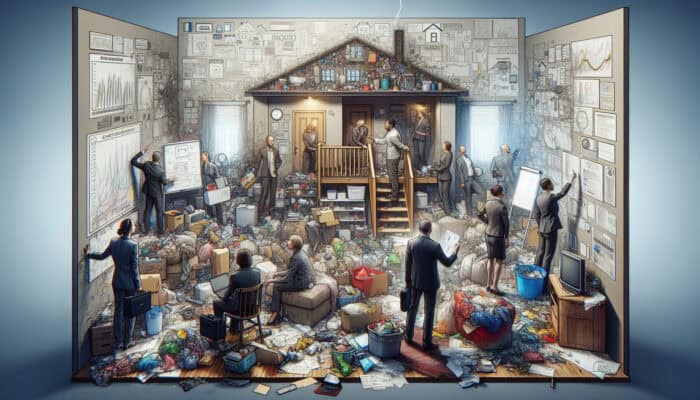
Emotional waste manifests in our living spaces primarily through our deep emotional bonds with items that may hold sentimental value, yet lack practical use. In the UK, this phenomenon is notably pronounced, influenced by cultural values that celebrate nostalgia and the preservation of family legacies. Over time, belongings such as inherited furniture, beloved childhood toys, or gifts from cherished friends can accumulate, leading to an emotional burden that weighs heavily on individuals. Major life transitions—including bereavement, divorce, or relocating—often spark a heightened need to preserve memories through physical possessions. Moreover, societal expectations regarding maintaining a particular image can exacerbate this struggle, leading individuals to cling to items well after they have lost their utility.
To effectively manage emotional waste, it is essential to gain a comprehensive understanding of these underlying factors. This knowledge empowers individuals to differentiate between belongings that truly enhance their lives and those that merely contribute to clutter. Recognizing the vital truth that while memories are irreplaceable, the physical objects associated with them need not be retained indefinitely is crucial. As you embark on your house clearance journey, it is imperative to acknowledge these emotional ties and allow yourself the mental space necessary to process them thoughtfully.
How Can You Identify the Signs of Emotional Clutter in Your Living Space?
Identifying emotional clutter within your home can be a complex task, as it often manifests in subtle and intricate ways. Begin by observing items that evoke strong feelings or memories, which may make it difficult to part with them. For instance, you might hesitate to dispose of a collection of old letters or family photographs. Such items can trigger feelings of nostalgia, guilt, or sadness—all indicators of emotional clutter infiltrating your living space.
Another indicator of emotional clutter is the physical space taken up by these items; belongings that remain stored away or hidden yet still occupy your thoughts contribute to a mental load that can impede your daily life. Pay careful attention to your emotional responses when encountering these items. Do they spark joy, or do they burden you with memories of the past? Recognizing these signs is vital for a successful decluttering process, as it empowers you to approach the task with clarity and purpose, focusing on what genuinely holds meaning in your life.
What Effects Does Emotional Waste Have on Your Mental Health?
The presence of emotional waste can profoundly impact an individual’s mental wellbeing, often resulting in increased stress and anxiety levels. When our living environments become cluttered with items tied to unresolved emotions, they create a chaotic atmosphere that can spill over into other areas of life. This unwanted clutter serves as a constant reminder of the past, obstructing our ability to focus on the present or plan for the future.
Addressing emotional waste not only alleviates physical clutter but can also lead to significant improvements in mental health. Simplifying your surroundings may lead to newfound clarity and enhanced focus. The act of letting go can be incredibly liberating, facilitating emotional healing and personal growth. Ultimately, confronting emotional waste is a vital step toward fostering a supportive and harmonious home environment that nurtures overall wellbeing and enhances quality of life.
Professional Strategies and Insights for Managing Emotional Waste During House Clearance

What Are Inspiring Success Stories of Individuals Clearing Emotional Clutter?
The journeys of individuals across the UK who have successfully navigated the challenges of clearing emotional waste from their homes are both uplifting and enlightening. Take Sarah from Birmingham, for example, who faced the daunting endeavor of sorting through her late mother’s belongings. Initially overwhelmed, she adopted a systematic approach, allocating specific days to tackle various areas of her home. Sarah discovered that discussing items with family members eased her decision-making process, as shared memories made it simpler to part with certain possessions while retaining those that held deeper personal significance.
Consider John from Manchester, who grappled with emotional clutter resulting from years of collecting travel memorabilia. He realized that while these items once brought joy, they no longer reflected who he had become. By carefully selecting a few key pieces to display while donating the rest, John not only decluttered his living space but also experienced a refreshing sense of liberation and openness. These stories illustrate that the journey of clearing emotional waste can be empowering when approached with intention and support.
What Psychological Advantages Can You Gain Through the Decluttering Process?
Engaging in decluttering provides a host of psychological benefits that can significantly enhance mental health and emotional wellbeing. Some of the most notable advantages include:
- Reduced stress and anxiety levels.
- Improved focus and concentration.
- Increased feelings of control and achievement.
- Enhanced creativity through a clearer mental environment.
- A greater sense of peace and tranquility in your surroundings.
- Encouragement of positive habits and routines.
- Heightened self-awareness and intentional living.
Recognizing these benefits can serve as a powerful motivator for individuals contemplating a house clearance. The decluttering process goes beyond mere physical organization; it signifies a transformative journey that fosters a more positive mindset. As you release the emotional burdens of the past, you create invaluable opportunities for personal growth and a more fulfilling present.
How Can You Assess Your Emotional Attachment to Personal Items?

Experts in psychology emphasize that understanding the complexities of emotional attachment is crucial for making informed decisions regarding which items to keep and which to release. Emotional attachment often arises from memories, experiences, and the meanings we assign to specific possessions. By acknowledging that these feelings are valid but do not necessitate physical retention, individuals can begin to evaluate their belongings from a more objective perspective.
Evaluating emotional attachment involves questioning the true significance of each item. Ask yourself whether a specific object genuinely enhances your life or merely serves as a placeholder for memories. Professionals frequently recommend techniques such as the “30-day rule,” which entails setting items aside for a month; if you do not miss them, they may not hold the emotional weight you previously thought. This analytical approach can help alleviate the guilt associated with letting go, streamlining the decision-making process during house clearance.
What Strategies Can Help You Manage Emotional Overwhelm During the Decluttering Process?
Effectively managing emotional overwhelm during house clearance is essential to ensure that the process remains manageable and less daunting. Start by creating a clear plan that outlines specific goals and timelines for each stage of the clearance. Breaking down the task into smaller, achievable objectives can help prevent feelings of being overwhelmed.
Consider enlisting the support of friends or family members who can provide both emotional reassurance and practical assistance. Engaging in conversations about the items can help release emotional ties and facilitate decision-making. Incorporate self-care practices throughout this period; take breaks as needed, practice mindfulness techniques, and allow yourself to process the emotions that arise. By fostering a supportive and structured environment, you can navigate emotional overwhelm more effectively, transforming the clearance into a cathartic experience rather than a source of stress.
Proven Strategies for Effectively Managing Emotional Waste
How Can You Begin the Decluttering Journey?
To embark on the decluttering journey, a structured approach is essential. Start by categorizing items based on their emotional significance, which may include classifications like “keep,” “donate,” “sell,” and “discard.” Initiating the process in smaller areas can significantly alleviate feelings of overwhelm.
- Select a single room or area for focused effort.
- Set a timer for 30 minutes to instill a sense of urgency.
- Begin with less emotionally charged items to build momentum.
- Take breaks to prevent burnout and reflect on your progress.
As you sift through your belongings, assess their emotional significance. Ask yourself questions like, “Does this item genuinely bring me joy?” or “Does this represent an important memory?” By approaching the process with intention and care, you will find that letting go becomes increasingly feasible, paving the way for a cleaner and more organized living environment.
What Techniques Can Assist You in Releasing Sentimental Items?
Letting go of sentimental items can be one of the most challenging aspects of decluttering. However, several techniques can ease this emotional burden. One effective strategy is to photograph items before parting with them. Capturing the memory digitally allows you to preserve the importance of the object without the accompanying physical clutter.
Another approach involves repurposing sentimental items into new creations. For instance, a cherished dress could be transformed into a decorative pillow, allowing you to retain a piece of the memory in a functional form. Additionally, consider creating a memory box, where only the most treasured items are kept instead of attempting to hold onto everything. This selective approach helps maintain emotional connections without overwhelming your living space. By employing these techniques, you can honor the memories associated with specific items while liberating yourself from unnecessary clutter.
How Can You Sustain a Clutter-Free Home After the Clearance?
Once you have successfully cleared emotional waste from your home, the next challenge is to maintain a clutter-free environment. Establishing regular routines for reviewing items is vital to prevent the re-accumulation of emotional waste. Setting aside time each month to evaluate new belongings ensures that they align with your values and do not contribute to clutter.
Moreover, consider adopting a “one in, one out” policy, where for every new item introduced into the home, one must be removed. This practice not only curbs clutter but also promotes mindful consumption. Regular decluttering sessions, even if brief, can reinforce the habits developed during the initial clearance. By integrating these practices into your lifestyle, you will cultivate an environment that nurtures emotional wellbeing and clarity.
What Emotional Triggers Contribute to Clutter Accumulation?
Understanding the emotional triggers that lead to clutter accumulation is crucial for effective management. These triggers may include significant life events, transitions, or even everyday stressors that prompt individuals to cling to items for emotional comfort. Identifying these patterns offers valuable insights into your behaviors related to possessions.
For instance, after a particularly stressful day, you might find solace in acquiring new items as a means of creating a sense of control or comfort. Conversely, moving to a new home may evoke a strong desire to retain all familiar objects, resulting in unnecessary clutter. By recognizing these triggers, you can develop strategies to address them—such as discovering healthier coping mechanisms or establishing boundaries around new purchases. Understanding the emotional landscape of your clutter effectively paves the way for more intentional living and can greatly enhance your decluttering journey.
When Should You Seek Professional Help for Emotional Clutter?
In specific situations, addressing emotional waste may require professional intervention. Seeking support from therapists or professional organizers can provide tailored strategies for managing and reducing clutter. Professional organizers possess the expertise to help individuals understand their emotional attachments and develop systems that promote organization and clarity.
Therapists, particularly those specializing in cognitive-behavioral therapy, can assist in addressing the underlying psychological factors contributing to emotional clutter. They can guide individuals in reframing thought patterns related to possessions and facilitate the emotional journey of letting go. Collaborating with professionals offers a supportive and structured approach, making the experience of navigating emotional waste more manageable and effective.
What Are the Most Effective Strategies for Disposing of Emotional Waste?
Where Can You Donate Sentimental Items Throughout the UK?
Numerous charities and organizations across the UK are eager to accept donations of sentimental items, allowing you to release belongings while contributing to a worthy cause. Researching local options can help you identify the most appropriate recipients for your possessions.
Charities such as Oxfam, The British Heart Foundation, and Age UK welcome donations of clothing, furniture, and household goods. Additionally, local community centers or schools may appreciate items that can be repurposed or utilized in projects. Before donating, ensure that the items are in good condition and suitable for resale or reuse. This practice not only aids those in need but also provides a sense of fulfillment, knowing that your possessions can find new life elsewhere.
How Can You Responsibly Dispose of Unwanted Items?
Responsible disposal of unwanted items is crucial for promoting environmental sustainability. In the UK, recycling centers and waste management services offer effective solutions for disposing of items in an eco-friendly manner. Items such as electronics, hazardous materials, and large furniture should be taken to designated recycling facilities to ensure proper handling.
Many local councils also provide bulky waste collection services, allowing residents to schedule pickups for larger items that are no longer needed. Furthermore, consider utilizing platforms like Freecycle or Gumtree, where items can be given away for free to those in need. By disposing of unwanted items responsibly, you contribute to a cleaner environment while ensuring that your emotional waste is managed thoughtfully.
What Advantages Do Professional Clearance Services Offer?
Professional clearance services can significantly alleviate the burden of clearing emotional waste from your home. These services provide guidance and support throughout the process, making the experience smoother and less emotionally taxing. Trained professionals can evaluate your belongings, assist in sorting items, and provide practical solutions for managing clutter.
Additionally, they often have established partnerships with charities, ensuring that items are donated whenever possible and disposed of responsibly otherwise. By enlisting the help of a professional clearance service, you can focus on the emotional aspects of letting go while delegating logistical challenges to the experts. This collaboration can enhance the efficiency of the process, allowing you to reclaim your space with reduced stress and an improved sense of peace of mind.
How Can You Creatively Repurpose Sentimental Items?
Repurposing sentimental items presents a wonderful opportunity to honor memories while simultaneously eliminating clutter. Transforming these keepsakes into new creations allows you to preserve their emotional value without overwhelming your space. For example, you could convert old T-shirts into a quilt, merging cherished memories into a functional piece of art that tells your story.
Another innovative idea is to create a memory wall, where you can showcase photographs, mementos, or framed items in an artistic arrangement. This not only celebrates your past but also enhances your home’s aesthetic appeal. Crafting projects, such as turning old books into decorative planters or using wine corks for creative art, enables you to engage in a creative process while maintaining meaningful connections. By repurposing sentimental items, you can cherish their memories in unique ways that enrich your living environment.
What Emotional Benefits Are Associated with the Decluttering Process?
Decluttering offers significant emotional rewards that can profoundly transform your mental landscape. As you eliminate physical clutter from your life, you frequently experience a reduction in stress and anxiety levels. This newfound clarity creates space for focusing on what truly matters to you. The act of letting go can be liberating, granting you the emotional freedom to move forward unencumbered by past attachments.
Additionally, decluttering fosters a sense of accomplishment and control over your environment. As you make deliberate choices about what to keep and what to discard, you cultivate self-awareness and intentional living. This process also encourages positive habits, such as practicing mindful consumption and appreciating what you already possess. The emotional benefits of decluttering extend beyond the physical realm; they can enhance various aspects of your life, leading to a more balanced and fulfilling existence.
Research-Driven Insights on Emotional Waste and Effective House Clearance
What Practical Steps Can You Take to Minimize Emotional Clutter?
Reducing emotional clutter involves specific, actionable steps that individuals in the UK can easily implement within their homes. Start by allocating dedicated time for decluttering sessions, even if they are brief. Consistency is key to making progress.
- Establish clear categories—keep, donate, sell, discard.
- Begin with areas that are less emotionally charged to build momentum.
- Set specific objectives for each session, such as clearing one shelf.
- Utilize technology by taking photos of sentimental items before letting them go.
As you sort through your belongings, remember to evaluate their emotional significance and ask yourself whether they positively contribute to your life. By breaking the process into manageable steps, you can gradually reduce emotional clutter, fostering a more organized and peaceful living environment.
What Is the Connection Between Decluttering and Mental Wellbeing?
Research indicates that engaging in decluttering can significantly influence mental health, notably reducing stress levels and fostering a sense of control. Studies have shown that individuals who maintain organized spaces report lower levels of anxiety and depression. The act of clearing physical clutter often aligns with emotional release, allowing individuals to process feelings associated with their belongings.
Moreover, decluttering promotes mindfulness and intentionality in daily life. As individuals simplify their surroundings, they often experience greater clarity in their thoughts and emotions. The act of organizing also encourages positive habits, such as developing gratitude for what one possesses, thereby enhancing overall wellbeing. By acknowledging the impact of decluttering on mental health, individuals can approach the process with heightened motivation and purpose.
What Are the Long-Term Benefits of Maintaining a Clutter-Free Home?
A clutter-free home can lead to lasting improvements in mental health and overall quality of life. This environment fosters tranquility and boosts productivity, enabling individuals to focus on their objectives without the distractions posed by emotional waste. Research suggests that maintaining an organized living space can strengthen relationships, creating a welcoming atmosphere for family and friends.
Furthermore, a clutter-free environment encourages mindfulness and intentional living, reinforcing positive habits that contribute to ongoing emotional wellbeing. Over time, individuals may experience increased self-esteem as they gain confidence in managing their space and emotional attachments. The long-term advantages of a decluttered environment extend beyond the physical, positively influencing emotional health and leading to a more balanced and fulfilling life.
How Does UK Culture Affect Emotional Waste and Attachment?
In What Ways Does UK Culture Shape Emotional Bonds with Possessions?
UK culture significantly influences emotional attachments to possessions, often rooted in traditions centered around nostalgia and familial connections. Items such as family heirlooms, vintage clothing, and memorabilia from important events can evoke profound emotions, making it difficult for individuals to part with them. The British tendency to cherish history and heritage adds complexity to this attachment, as many individuals feel a sense of obligation to honor their past.
In addition, cultural practices such as collecting antiques or preserving family stories contribute to the emotional weight of possessions. Understanding how UK cultural norms influence emotional attachment can provide valuable insights into the decluttering process. This awareness empowers individuals to approach their belongings mindfully, recognizing that while memories are invaluable, the physical items do not need to be retained indefinitely.
How Can You Celebrate Memories Without Adding to Clutter?
Celebrating memories without contributing to clutter is entirely achievable through various creative methods. Embrace storytelling as a means to honor significant moments without retaining physical reminders. Share family stories or create a digital scrapbook that encapsulates cherished memories while allowing you to part with the associated items.
Utilizing technology can also offer a modern approach to preserving memories. Digital photo frames can display a rotating collection of images, honoring important moments without occupying physical space. Consider creating video recordings of family events or milestones, providing a dynamic way to relive memories without the emotional burden of clutter. By embracing these alternatives, you can celebrate memories meaningfully while maintaining a clean and organized living space.
What Significance Do Family Heirlooms Hold in UK Households?
Family heirlooms often carry substantial emotional weight within UK homes, representing generations of history and tradition. These items can evoke strong feelings of nostalgia and familial connection, making it challenging for individuals to part with them. However, understanding the role of heirlooms can assist in navigating the decluttering process.
Consider evaluating the importance of each heirloom—does it serve a practical purpose or merely gather dust? Engaging in discussions about these items with family members can yield insights into their value and meaning, assisting in determining whether to keep, pass on, or repurpose them. By approaching family heirlooms with thoughtful consideration, you can honor your heritage while ensuring that your living space remains clutter-free.
What Effective Strategies Can Help Manage Sentimental Clutter in UK Households?
Managing sentimental clutter in UK households requires a thoughtful approach that respects cultural values while promoting emotional wellbeing. Begin by identifying items that hold significant emotional weight and categorize them based on their importance. Engage in conversations with family members about these items, as shared memories can facilitate decision-making and lighten the emotional burden.
Consider implementing regular review sessions where you assess newly acquired items, ensuring they align with your values and do not contribute to clutter. Additionally, create a designated space for cherished items, allowing them to be appreciated without overwhelming your home. By developing strategies that honor emotional attachment while promoting order, you can effectively manage sentimental clutter and foster a peaceful living environment.
Frequently Asked Questions About Emotional Waste
What is emotional waste, and how does it manifest?
Emotional waste refers to the clutter generated from emotional attachments to items that no longer serve a practical purpose but carry sentimental value.
How can I identify emotional clutter in my living space?
Look for items that evoke strong emotions or memories, causing hesitation in letting them go. Items that remain stored away yet occupy your thoughts may signify emotional clutter.
What psychological benefits can decluttering provide for me?
Decluttering can help lower stress levels, enhance focus, increase feelings of control, boost creativity, and foster a peaceful atmosphere in your environment.
How should I begin the decluttering process?
Start by sorting items into categories, focusing on areas that are less emotionally charged at first. Set specific goals for each session to maintain momentum.
Is it advisable to seek professional help for emotional clutter?
Definitely, professional organizers and therapists can provide personalized strategies for managing emotional clutter, offering support throughout the decluttering journey.
What should I do with unwanted sentimental items?
Consider donating them to local charities, recycling at designated centers, or repurposing items into new creations for responsible disposal.
How can I maintain a clutter-free home after clearance?
Establish regular review routines, adopt a “one in, one out” policy, and set aside time for periodic decluttering sessions.
What techniques can help in letting go of sentimental items?
Photograph items before parting with them, consider repurposing them, or create a memory box to retain only the most cherished pieces.
Why is emotional waste significant for mental wellbeing?
Emotional waste can lead to increased stress and anxiety, making it difficult to focus on the present. Clearing emotional waste can enhance mental health and overall wellbeing.
How does UK culture affect emotional attachment to possessions?
UK culture emphasizes nostalgia and the preservation of family history, resulting in strong emotional attachments to items that embody heritage and memories.
Join Our Community on Facebook for More Insights!
The Article: Emotional Waste Tips for House Clearance: UK Guide Was First Found At https://birminghamhouseclearance.com
The Article Emotional Waste: Essential Tips for UK House Clearance Was Found On https://limitsofstrategy.com