Category: Cleaning Tips

  • Deep Cleaning Quarry Tiles for Effective Grime Removal

    Deep Cleaning Quarry Tiles for Effective Grime Removal

    Last Updated on November 22, 2025 by David

    Article by David Allen – Abbey Floor Care, Tile and Stone Floor Cleaning Expert
    Supporting readers interested in floor cleaning across the United Kingdom for over 30 years.
    Abbey Floor Care provides expert solutions for deep cleaning quarry tiles, effectively removing decades of grime and restoring them to their original condition.

    Essential Insights on Deep Cleaning Quarry Tiles: Erasing Years of Grime

    • Older homes with quarry tiles often hide years of ingrained grime, especially in kitchens and utility rooms where oil, wax, and soil have infiltrated the porous surface.
    • Utilizing industry-standard cleaning techniques is crucial for thorough restoration, which includes the use of rotary scrubbers, alkaline degreasers, and dwell-based strippers like LTP Solvex to safely eliminate stubborn grime layers.
    • Post-cleaning sealing is critical, as breathable penetrating sealers protect the tile’s integrity without altering its natural look — or topical sealers like LTP Ironwax Satin for those desiring a sheen, provided moisture concerns are addressed.
    • After restoration, DIY maintenance is achievable, with practices such as dry sweeping and using pH-neutral cleaners to maintain the finish and prevent future grime buildup.

    Why Is Deep Cleaning Crucial for Quarry Tile Floors in Older Properties?

    Why Quarry Tiles Accumulate Grime Over Time
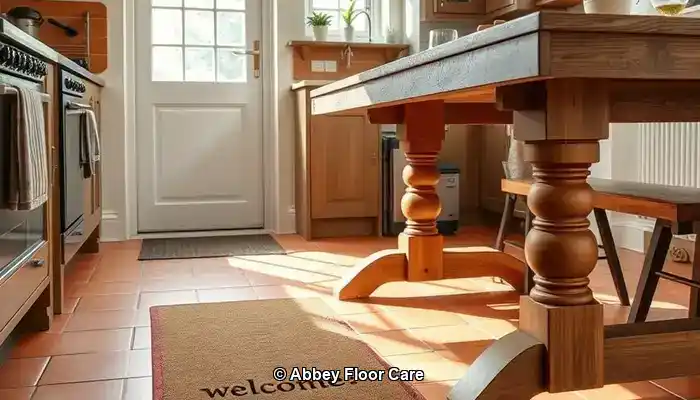
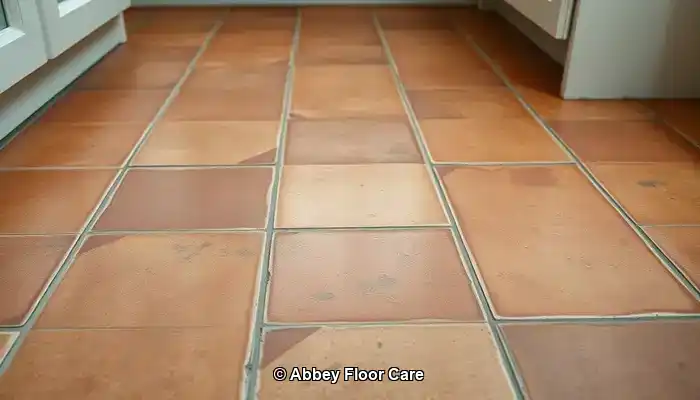
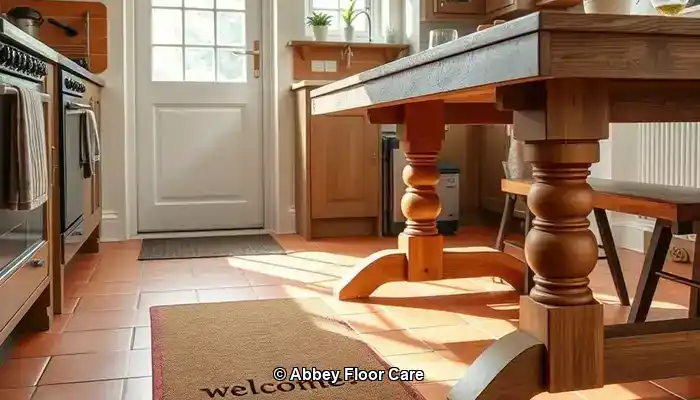
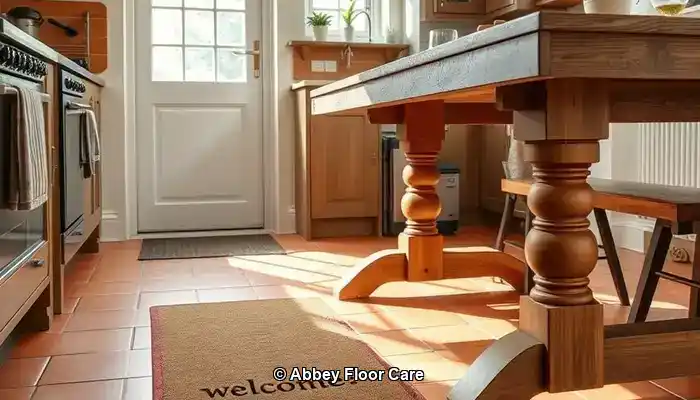
    While quarry tiles are known for their remarkable durability, many older homes have seen these tiles accumulate layers of oil, wax, and soil over time. Particularly in areas such as kitchens and utility rooms, these tiles can often be hidden beneath appliances or outdated flooring materials. Homeowners aiming to rejuvenate their floors encounter challenges that extend beyond simple surface cleaning. This guide explores effective methods to tackle deeply embedded grime using industrial-grade techniques that ensure long-lasting property care and enhancement.

    Why Do Quarry Tiles Accumulate Grime Over Time?

    Exploring Conditions in High-Traffic Areas Like Kitchens and Utility Rooms

    In high-traffic areas such as kitchens and utility rooms, quarry tiles face constant exposure to cooking oils, spills, and heavy foot traffic. Over time, these substances do not merely stay on the surface; they penetrate the porous clay, forming layers that resist standard cleaning methods. When tiles are left unsealed or poorly maintained, this absorption worsens, resulting in floors that look dull and uneven, no matter how often they are mopped. Understanding these conditions is essential for homeowners who wish to maintain both the integrity and visual appeal of their flooring.

    Revealing the Hidden Layers: The Impact of Oil, Wax, and Soil

    In many older homes, wax-based polishes or oil treatments were commonly used to protect quarry tiles. While these treatments provided temporary shine, they also trapped airborne dust and cooking residues. As these layers built up, they created a sticky film that adhered to soil particles, compromising both appearance and hygiene. This issue goes beyond aesthetics; it directly impacts traction and the tile’s ability to breathe. Removing these layers requires more than just scrubbing; it necessitates a combination of chemical breakdown and mechanical agitation to restore the tiles to their original condition effectively.

    Recognizing Signs That Your Quarry Tiles Need a Thorough Deep Cleaning

    Signs Your Quarry Tiles Need Deep Cleaning

    Visual and Tactile Signs of Embedded Dirt on Your Floors

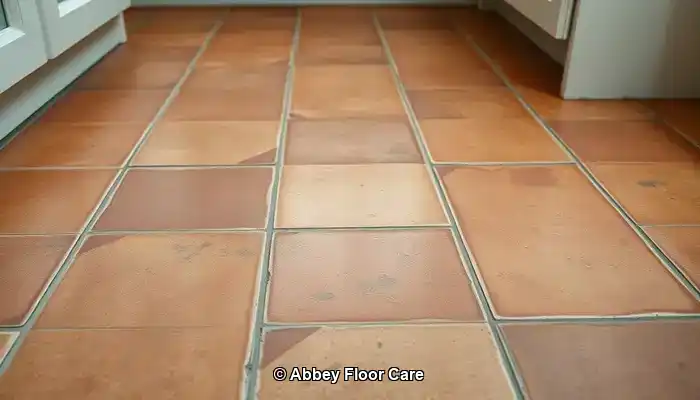
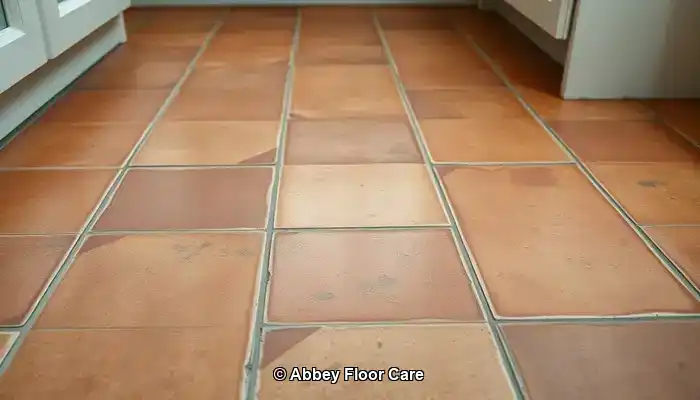
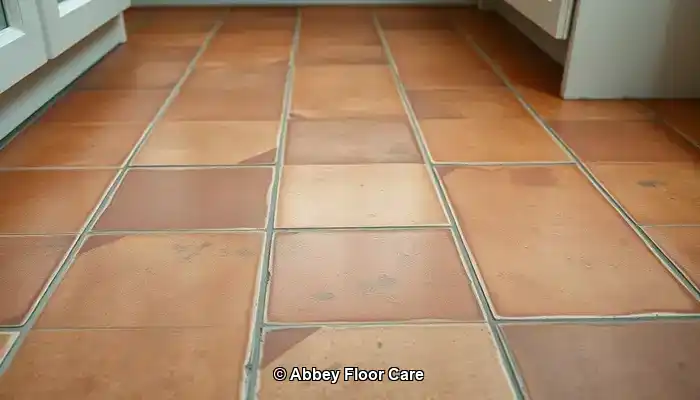
    It can be easy to mistakenly believe a floor is clean simply because it appears red and uniform; however, quarry tiles often conceal grime beneath the surface. After a fresh mop, the floor may still feel sticky or greasy underfoot. If you wipe a damp cloth across the tile and it comes away dark or oily, this is a clear indication of embedded residues. Another significant sign is uneven sheen — areas that remain dull despite scrubbing efforts usually indicate wax buildup or soil trapped beneath old polish layers, highlighting the urgent need for comprehensive cleaning.

    What Factors Contribute to Homes Being More Prone to Grime Accumulation?

    Numerous homes contain older kitchens and utility rooms that have not been modernized in decades. These spaces often feature original quarry tiles that were either never sealed or treated with outdated waxes. Over time, layers of cooking oil, detergent runoff, and tracked-in soil accumulate. Because these tiles are both porous and unglazed, they absorb substances like sponges — particularly in households with pets, children, or heavy foot traffic. Even if the surface looks intact, the underlying grime can significantly compromise both hygiene and appearance.

    Why Do DIY Cleaning Methods Often Fail Against Heavy Grime Buildup?

    Why DIY Methods Fall Short for Heavy Buildup
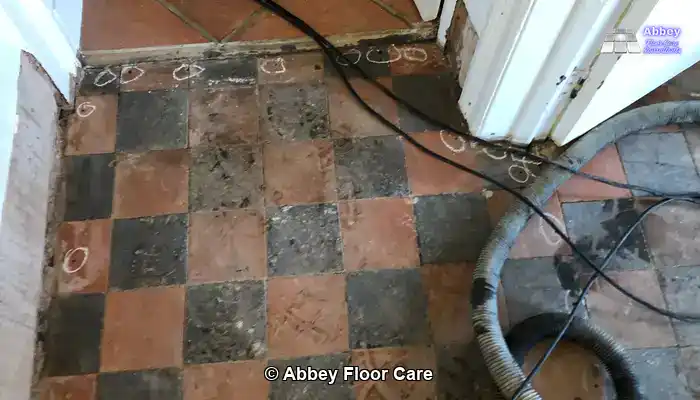
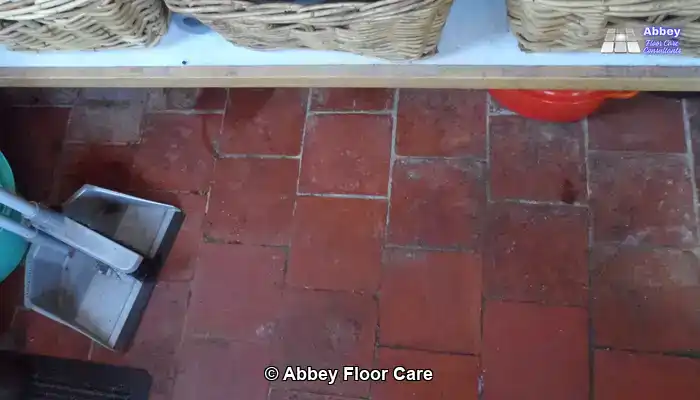
    We removed a heavy build-up of bitumen from the quarry tile floor using a combination of hand scraping and mechanical cleaning.

    What Are the Risks of Using Off-the-Shelf Cleaners on Quarry Tiles?

    Most supermarket tile cleaners are designed to tackle surface-level dirt. While they may contain mild surfactants or acidic components that provide a temporary shine, they rarely penetrate the layers of wax, oil, and soil that become entrenched in quarry tiles. In fact, frequent use of acidic cleaners can etch the surface, causing it to become more porous and susceptible to future staining. Homeowners often discover that despite regular cleaning, the tiles remain sticky or discolored — a clear sign that deeper intervention is necessary to restore their original beauty.

    Can You Achieve Quarry Tile Restoration Without Causing Damage?

    Restoration requires dismantling decades of buildup without damaging the underlying clay. Although quarry tiles are durable, they are also absorbent and sensitive to aggressive cleaning treatments. Scrubbing too vigorously or using the incorrect chemical can lead to uneven results and potential irreversible damage. Industrial methods rely on controlled chemical reactions and mechanical agitation that are specifically tailored to the tile’s condition. Achieving this balance proves challenging with DIY tools, which often lack the power and precision needed for safe and effective restoration.

    Investigating Professional Cleaning Techniques for Quarry Tiles

    Understanding Alkaline Cleaners vs. Sealer Strippers

    To effectively dismantle years of grime, professionals typically employ two main types of chemical strategies: alkaline degreasers and sealer strippers.

    Choosing the right product is contingent upon your available timeframe, your tolerance for strong fumes, and the specific type of buildup you are addressing. For deep restoration — particularly where aged sealers are involved — a dwell-based stripper like LTP Solvex provides a more controlled and less aggressive solution. It gradually softens the sealer, allowing for removal with scrubbing pads and water, without relying on harsh solvents or rapid chemical breakdown.

    Comparing Rotary Scrubbers to Manual Cleaning Techniques

    Mechanical agitation plays a crucial role in restoring quarry tiles. Rotary scrubbers utilize weighted heads and stiff brushes to drive cleaning agents deep into the tile’s surface. This method proves significantly more effective than manual brushing, which often only skims the surface and leaves residues behind. The combination of chemical dwell time and machine pressure ensures that embedded grime is lifted without compromising the clay. For larger areas or severe buildup, rotary machines deliver consistent results that manual methods simply cannot achieve.

    Choosing the Right Chemicals for Effective Quarry Tile Restoration

    Ensuring Safe Application of High-pH Cleaners

    Alkaline cleaners with a high pH are essential for breaking down organic grime, yet they must be used with caution. These products act as potent degreasers that react with oils and fats, lifting them from the tile’s surface. However, they require proper dilution and dwell time to prevent streaking or residue. In professional settings, technicians typically test small areas and carefully monitor the reaction. Homeowners attempting this without adequate training risk uneven results or potential chemical burns to surrounding surfaces.

    Recognizing When to Use Stripping Treatments

    Solvent strippers become necessary when wax, polish, or synthetic sealers have accumulated over time. These chemicals dissolve coatings that trap grime beneath the surface, allowing for a thorough cleansing of the tile. Since solvents can produce strong fumes and affect indoor air quality, they should only be employed in well-ventilated areas while using protective equipment. In older homes, chemical stripping often represents the sole method to access the original tile surface, particularly in kitchens where wax-based treatments have been common for decades.

    The Significance of Mechanical Agitation in Cleaning Processes

    How Rotary Machines Effectively Lift Deeply Embedded Grime

    Rotary machines utilize weighted heads and stiff bristle pads to agitate the surface of quarry tiles. This process is not solely about scrubbing harder; it emphasizes the application of consistent pressure and motion, dislodging grime from deep within the tile’s pores. The rotation of the machine facilitates the emulsification of dirt, enabling it to rise to the surface for safe rinsing. Without this mechanical lift, even powerful chemicals could leave residues behind, highlighting the necessity of using appropriate equipment for effective cleaning.

    Our company employs these machines for most floor cleaning tasks, using hand pads for corners and edges that mechanical brushes cannot reach. This approach guarantees a thorough and effective cleaning process that enhances the overall outcome.

    Scrubbing A Quarry Tile Floor With A Rotary Floor Machine
    Our company utilizes a scrubbing machine to clean a quarry tile floor

    Understanding the Role of Pressure and Dwell Time in Effective Cleaning

    Achieving effective cleaning involves more than just utilizing the right tools. The pressure applied by the machine, along with the duration that the chemical remains on the tile — referred to as dwell time — are critical factors. Insufficient dwell time means the cleaner cannot adequately break down the grime, while excessive pressure risks damaging the tile’s surface. Professionals calibrate these variables based on the tile’s condition, ensuring a comprehensive clean without jeopardizing the floor’s integrity and longevity.

    Post-Cleaning Procedures: Sealing and Effective Long-Term Maintenance Strategies

    Determining When and How to Seal Your Quarry Tiles

    Once quarry tiles are thoroughly cleaned and completely dry, sealing becomes essential to protect them from future staining. This step is critical for maintaining the integrity and visual appeal of the tiles, ensuring they remain beautiful and functional over time.

    Utilizing Breathable Impregnating or Penetrating Sealers

    A breathable, penetrating sealer is the ideal choice for unglazed clay surfaces, particularly on floors that lack a damp-proof membrane. These products penetrate the tile and create a barrier that resists oil and water, all while preserving the natural appearance. Timing is crucial — sealing too soon after cleaning may trap moisture, while delaying sealing allows new dirt to settle. Typically, sealing should occur within 24 to 48 hours post-cleaning, provided the tiles are entirely dry to protect their condition.

    Considering a Topical Sealer for a Desired Sheen Finish

    If a satin or gloss finish is desired, a topical sealer such as LTP Ironwax Satin offers a practical option. These sealers sit on the tile surface, imparting a subtle sheen while helping to mask minor surface imperfections. They also facilitate cleaning — particularly on older quarry tiles that show surface damage or crevices where soil tends to accumulate. However, topical sealers are not suitable for damp-prone floors. Since they form a surface film, any moisture trapped beneath can lead to whitening, flaking, or adhesion issues. Always ensure the floor is entirely dry and free from rising damp before applying a topical finish.

    How Often Should You Clean or Reseal Your Quarry Tiles?

    Sealing is not a one-time fix. In high-traffic areas such as kitchens and utility rooms, the protective layer diminishes over time. Most quarry tile floors require resealing every 2 to 4 years, depending on usage and cleaning practices. Regular maintenance — including dry sweeping and the use of pH-neutral cleaners — can extend the sealer’s lifespan. If tiles begin to absorb water quickly or display signs of darkening when wet, this indicates that the sealer has worn off and requires reapplication to maintain their protective qualities.

    Common Questions from Homeowners Regarding Quarry Tile Care

    Will Deep Cleaning Change the Colour of My Quarry Tiles?

    Typically, deep cleaning restores the original color of the tiles rather than altering it. Years of grime can darken or dull the surface; when these layers are removed, the tile may appear brighter or more vibrant. This phenomenon does not reflect a color change — it signifies a return to the tile’s natural state. If wax or polish has yellowed over time, stripping it away will reveal the true hue beneath, enhancing the overall appearance.

    Is the Restoration of Quarry Tiles a Messy or Disruptive Process?

    Although industrial cleaning employs machinery and chemicals, the process is controlled and contained. Rotary scrubbers utilize minimal water and extract waste as the cleaning progresses, resulting in a tidy operation that often surprises homeowners, especially when contrasted with DIY attempts that may leave streaks or residues. Proper ventilation and preparation minimize disruption, making it a manageable project even in active households.

    Can I Maintain the Results on My Own?

    Absolutely — once the tiles are restored and sealed, ongoing maintenance is straightforward. Regular dry sweeping and occasional mopping with pH-neutral cleaners will keep the surface clean without damaging the sealer. Avoid acidic or bleach-based products, as these can degrade the protective layer. With proper care, restored quarry tiles can remain beautiful and functional for many years, even in high-traffic areas.

    The Article Deep Cleaning Quarry Tiles: Removing Decades of Grime first found on https://www.abbeyfloorcare.co.uk

    The Article Deep Cleaning Quarry Tiles to Erase Years of Grime appeared first on https://fabritec.org

    The Article Deep Cleaning Quarry Tiles: Erase Years of Grime Effectively Was Found On https://limitsofstrategy.com

  • Deep Cleaning Quarry Tiles: Erase Years of Dirt and Grime

    Deep Cleaning Quarry Tiles: Erase Years of Dirt and Grime

    Last Updated on November 22, 2025 by David

    Article by David Allen – Abbey Floor Care, Tile and Stone Floor Cleaning Expert
    Supporting readers interested in tackling flooring challenges across the United Kingdom for over 30 years.
    Abbey Floor Care provides expert solutions for deep cleaning quarry tiles, effectively removing decades of grime and restoring them to their original, pristine condition.

    Essential Insights from the Article “Deep Cleaning Quarry Tiles: Removing Decades of Grime”:

    • Older homes frequently feature quarry tiles that trap years of ingrained grime, especially in high-traffic areas such as kitchens and utility rooms, where substances like oil, wax, and dirt seep into the porous surface, resulting in unsightly stains.
    • Implementing industrial cleaning techniques is crucial for effective restoration, utilizing rotary scrubbers, alkaline degreasers, and dwell-based strippers like LTP Solvex to safely dismantle stubborn layers of grime accumulated over the years.
    • Applying a sealant post-cleaning is vital, with breathable penetrating sealers protecting the tiles without changing their appearance; topical sealers like LTP Ironwax Satin can offer a glossy finish, as long as moisture isn’t an issue.
    • Post-restoration DIY upkeep is achievable, with dry sweeping and pH-neutral cleaners helping to maintain the finish and prevent future dirt accumulation, ensuring long-lasting results.

    What Makes Deep Cleaning Crucial for Aging Quarry Tile Floors?

    Why Quarry Tiles Accumulate Grime Over Time
    Quarry tiles are celebrated for their strength and longevity; however, many older properties have allowed these tiles to absorb years of oils, waxes, and dirt. Particularly in kitchens and utility spaces, these areas often go unchecked, especially beneath heavy appliances or outdated floor coverings. Homeowners wanting to refresh their flooring face challenges that extend beyond simple surface cleaning. This comprehensive guide sheds light on effective methods to combat deeply embedded grime using industrial techniques that are safe, efficient, and designed for the long-term care of your property.

    Why Do Quarry Tiles Accumulate Grime Over Time?

    Investigating Conditions in Kitchens and Utility Rooms

    In bustling areas such as kitchens and utility rooms, quarry tiles regularly encounter cooking oils, spills, and the wear of everyday foot traffic. Over time, these substances do not merely sit on the surface; they penetrate the porous clay, forming stubborn layers that resist typical cleaning methods. When tiles are unsealed or poorly maintained, this absorption accelerates, resulting in a dull and uneven appearance that persists despite routine mopping efforts. Understanding these conditions is vital for any homeowner aiming to maintain or restore the beauty of their quarry tile floors.

    Revealing the Hidden Layers of Oil, Wax, and Soil

    In numerous older homes, wax-based polishes or oil treatments were widely used to protect quarry tiles. While these methods offered a temporary shine, they also trapped airborne dust and cooking residues. As these layers accumulated, they formed a sticky film that bonded with dirt particles, complicating the cleaning process. This buildup is not just cosmetic; it significantly affects traction, hygiene, and the tile’s breathability. Effectively eliminating these layers requires more than just physical effort; it necessitates a combination of chemical breakdown and mechanical agitation to restore the tiles to their original state.

    How Can You Recognize When Your Quarry Tiles Require Deep Cleaning?

    Signs Your Quarry Tiles Need Deep Cleaning

    Spotting Visual and Tactile Signs of Embedded Dirt

    It is all too easy to presume a floor is clean based solely on its look. However, quarry tiles often hide layers of grime beneath the surface. A floor that seems freshly mopped can still feel sticky or greasy underfoot. If you wipe a damp cloth across the tile and it emerges dark or oily, this indicates residues are embedded within the tile. Additionally, patches of uneven sheen—areas that remain dull regardless of scrubbing—often indicate wax buildup or dirt trapped under older polish layers.

    What Factors Make Homes Particularly Vulnerable to Grime Buildup?

    Many homes contain kitchens and utility rooms that have not been updated for decades. These areas often retain original quarry tiles that were either never sealed or treated with outdated waxes. Over time, layers of cooking oil, detergent runoff, and tracked-in dirt accumulate. Given the porous nature of these tiles, especially in homes with children, pets, or significant foot traffic, they act like sponges. Even if the surface appears intact, hidden grime can severely compromise both hygiene and aesthetic appeal.

    What Are the Limitations of DIY Methods for Heavy Grime Removal?

    Why DIY Methods Fall Short for Heavy Buildup
    We removed a heavy build-up of bitumen from the quarry tile floor using a combination of hand scraping and mechanical cleaning.

    What Are the Risks of Using Off-the-Shelf Cleaners?

    Most supermarket tile cleaners are formulated for superficial dirt removal. They may contain mild surfactants or acidic components that provide a temporary shine but rarely penetrate the layers of wax, oil, and dirt embedded within quarry tiles. Frequent use of acidic cleaners can actually etch the tile surface, increasing its porosity and susceptibility to future staining. Homeowners often discover that despite regular cleaning, their tiles remain sticky or discolored, indicating that a deeper intervention is necessary.

    Can You Successfully Restore Quarry Tiles Without Causing Damage?

    To achieve a successful restoration, it is crucial to break down decades of buildup without harming the underlying clay. While quarry tiles are sturdy, they are also absorbent and sensitive to aggressive treatment. Scrubbing too forcefully or employing inappropriate chemicals can lead to patchy results or even irreversible damage. Professional methods utilize controlled chemical reactions and mechanical agitation tailored to the tile’s condition. Achieving this balance is challenging with DIY tools, which often lack the required power and precision for safe restoration.

    What Are the Effective Industrial Cleaning Techniques for Quarry Tile Restoration?

    Grasping the Difference Between Alkaline Cleaners and Sealer Strippers

    To effectively remove decades of grime, professionals primarily use two chemical methods: alkaline degreasers and sealer strippers.

    • Alkaline cleaners excel at removing organic residues such as cooking oils, general dirt, and everyday grime. They work by emulsifying grease, allowing it to be rinsed away safely without damaging the tile.
    • Solvent-based sealer removers are used when waxes, topical sealers, or layers of polish are present. These traditional solvent-based strippers dissolve synthetic coatings quickly but can be harsh and emit strong fumes.
    • Non-solvent sealer removers, such as <a href="https://amzn.to/47zhyLn">LTP Solvex</a>, provide a safer alternative. These non-solvent strippers penetrate the sealer and soften it gradually—similar to how paint strippers dismantle old coatings. Instead of instant dissolution, they are allowed to dwell for several hours or even overnight. Once softened, the residue is removed mechanically using scrubbing pads and water.

    Selecting the right product depends on your available timeframe, your tolerance for strong fumes, and the specific type of buildup you are addressing. For deep restoration, especially where old sealers are involved, a dwell-based stripper like LTP Solvex offers a more controlled and less aggressive solution. It softens the sealer gradually, facilitating removal with scrubbing pads and water, without relying on harsh solvents or rapid chemical breakdown.

    Evaluating the Benefits of Rotary Scrubbers Versus Manual Brushing Techniques

    Mechanical agitation is vital for the effective restoration of quarry tiles. Rotary scrubbers, fitted with weighted heads and stiff brushes, drive cleaning agents deep into the tile surface. This method is significantly more effective than manual brushing, which typically only skims the surface and fails to thoroughly remove residues. The combination of chemical dwell time and machine pressure ensures that embedded grime is effectively dislodged without damaging the clay. For larger areas or severe buildup, rotary machines deliver consistent results that manual methods simply cannot achieve.

    How to Choose the Best Chemicals for Quarry Tile Restoration

    Ensuring Safe Use of High-PH Cleaners

    Alkaline cleaners with a high pH are essential for breaking down organic grime, but they need to be handled carefully. These powerful degreasers react with oils and fats, lifting them away from the tile’s surface. Nevertheless, proper dilution and sufficient dwell time are crucial to avoid streaking or residue. In professional settings, technicians first test small areas and closely monitor the reactions. Homeowners attempting this without adequate knowledge may risk uneven results or chemical burns to surrounding surfaces.

    When Should You Use Stripping Treatments for Effective Cleaning?

    Solvent strippers are necessary when wax, polish, or synthetic sealers have built up over time. These chemicals effectively dissolve coatings that trap grime beneath the surface, allowing for complete cleaning of the tiles. Because solvents can produce strong fumes and impact indoor air quality, they should only be applied in well-ventilated spaces while wearing protective gear. In older homes, chemical stripping often becomes the only viable solution to access the original tile surface, particularly in kitchens where wax-based treatments were common decades ago.

    Why Is Mechanical Agitation Important in Cleaning?

    How Do Rotary Machines Effectively Remove Embedded Grime?

    Rotary machines employ weighted heads and stiff bristle pads to agitate the surface of quarry tiles. This process is not merely about scrubbing harder; it involves applying consistent pressure and motion that dislodges grime from deep within the tiles’ pores. The rotation of the machine aids in emulsifying dirt, allowing it to rise to the surface for safe rinsing. Without this mechanical lifting action, even potent chemicals may leave behind residues, diminishing the effectiveness of the cleaning process.

    Our company uses these machines for the majority of floor cleaning tasks, reserving hand pads for corners and edges that mechanical brushes cannot effectively reach.

    Scrubbing A Quarry Tile Floor With A Rotary Floor Machine
    Our company utilises a scrubbing machine to clean a quarry tile floor

    Why Are Pressure and Dwell Time Crucial in Cleaning?

    Effective cleaning relies on more than just the right tools. The pressure applied by the machine, along with the duration the chemical remains on the tile—referred to as dwell time—plays a critical role in successful grime removal. Insufficient dwell time means the cleaner will fail to break down the grime effectively. On the other hand, applying too much pressure can risk damaging the tile surface. Professionals carefully calibrate these parameters according to the tile’s condition, ensuring a thorough clean without compromising the integrity of the floor.

    Post-Cleaning Processes: Sealing and Long-Term Maintenance Strategies

    How to Determine the Right Time and Method for Sealing

    Once quarry tiles are meticulously cleaned and completely dry, applying a sealant is essential to protect them from future staining and wear.

    How to Choose Between Impregnating or Penetrating Sealers

    A breathable, penetrating sealer is optimal for unglazed clay surfaces, especially on floors lacking a damp-proof membrane. These products penetrate the tile and create a barrier that repels oil and water without altering the natural appearance of the tiles. Timing is critical; sealing too early after cleaning can trap moisture, while unnecessary delays allow new dirt to settle. Typically, sealing should occur within 24 to 48 hours of cleaning, provided the tiles are thoroughly dry to ensure optimal results.

    What to Consider When Choosing a Topical Sealer for a Sheen Finish

    If a satin or gloss finish is desired, a topical sealer such as LTP Ironwax Satin offers a practical alternative. These sealers rest on the surface of the tile, imparting a subtle sheen while helping to mask minor surface irregularities. They also facilitate easier cleaning, especially on older quarry tiles that may have surface damage or crevices where dirt tends to accumulate.

    However, topical sealers are not suitable for damp-prone floors. Since they create a surface film, any moisture trapped underneath can lead to whitening, flaking, or adhesion problems. Always ensure the floor is entirely dry and free from rising damp before applying a topical finish.

    Understanding How Often to Clean and Reseal Your Tiles

    Sealing is not a one-time solution. In areas with high foot traffic, such as kitchens and utility rooms, the protective layer diminishes over time. Most quarry tile floors benefit from resealing every 2 to 4 years, depending on usage and cleaning habits. Regular maintenance, such as dry sweeping and using pH-neutral cleaners, helps prolong the life of the sealer. If tiles begin to absorb water quickly or show signs of darkening when wet, this indicates that the sealer has worn off and needs to be reapplied.

    Common Inquiries Homeowners Have About Quarry Tile Maintenance

    Will Deep Cleaning Change the Colour of My Tiles?

    Typically, deep cleaning restores the original colour of the tiles rather than altering it. Over the years, accumulated grime can darken or dull the surface, so when these layers are removed, the tiles may appear brighter or more vibrant. This effect does not constitute a colour change; it is simply a return to the tiles’ natural state. If wax or polish has yellowed over time, stripping it away can reveal the true colour underneath, enhancing the overall aesthetic.

    Is Quarry Tile Restoration a Messy or Disruptive Process?

    While industrial cleaning involves machinery and chemicals, the process is controlled and contained. Rotary scrubbers use minimal water and eliminate waste during the cleaning. Many homeowners are pleasantly surprised by how tidy the operation is, especially in comparison to DIY attempts that often lead to streaks or residues. Proper ventilation and preparation significantly reduce disruption, making it a manageable project even in busy households.

    Can I Maintain the Cleaning Results on My Own?

    Absolutely—once the tiles are restored and sealed, ongoing maintenance is straightforward. Regular dry sweeping and occasional mopping with pH-neutral cleaners will keep the surface clean and undamaged. Avoid acidic or bleach-based products, as these can degrade the protective layer. With proper care, revitalized quarry tiles can retain their beauty and functionality for years, even in high-traffic areas, ensuring a lasting impression.

    The Article Deep Cleaning Quarry Tiles: Removing Decades of Grime first appeared on https://www.abbeyfloorcare.co.uk

    The Article Deep Cleaning Quarry Tiles for Decades of Stubborn Grime appeared first on https://fabritec.org

    The Article Deep Cleaning Quarry Tiles: Banish Decades of Grime Was Found On https://limitsofstrategy.com

  • Grout Haze Removal Guide for Residents of West Dunbartonshire

    Grout Haze Removal Guide for Residents of West Dunbartonshire

    Last Updated on October 23, 2025 by David

    Uncover In-Depth Knowledge About Grout Haze and Its Impact on Your Tiled Surfaces

    Understanding Grout Haze: The Unwanted Film Detracting from Your Gorgeous Tiles

    A person cleaning grout haze from kitchen floor tiles in West Dunbartonshire, with Scottish architecture in the background.

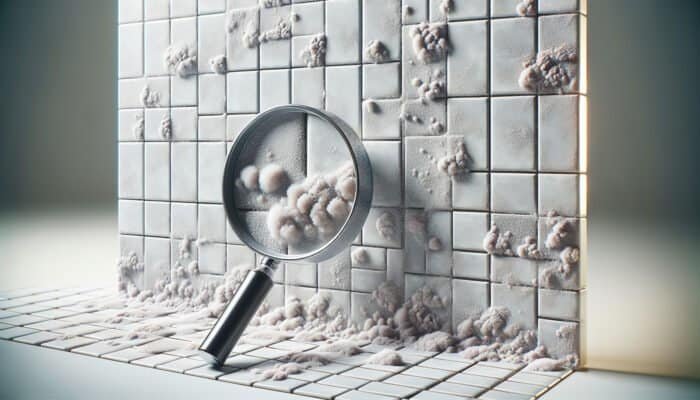
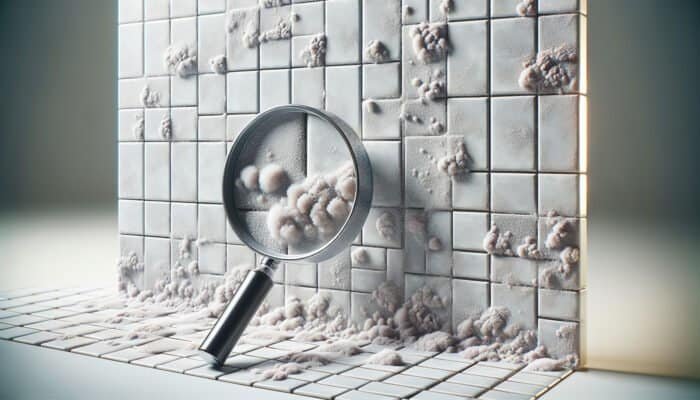
    Grout haze is an unsightly, cloudy residue that often remains on tiles following the grouting process. This undesirable film typically forms when excess grout is not adequately wiped off the tile surface during installation. Such haze can significantly diminish the overall visual appeal of your tiled spaces, making them appear dull and uninviting, regardless of the quality of the tiles installed. The haze typically manifests as a white or cloudy film that, if left untreated, can harden and become increasingly difficult to remove. Thus, maintaining cleanliness on your tiles is essential for both aesthetic beauty and long-lasting durability.

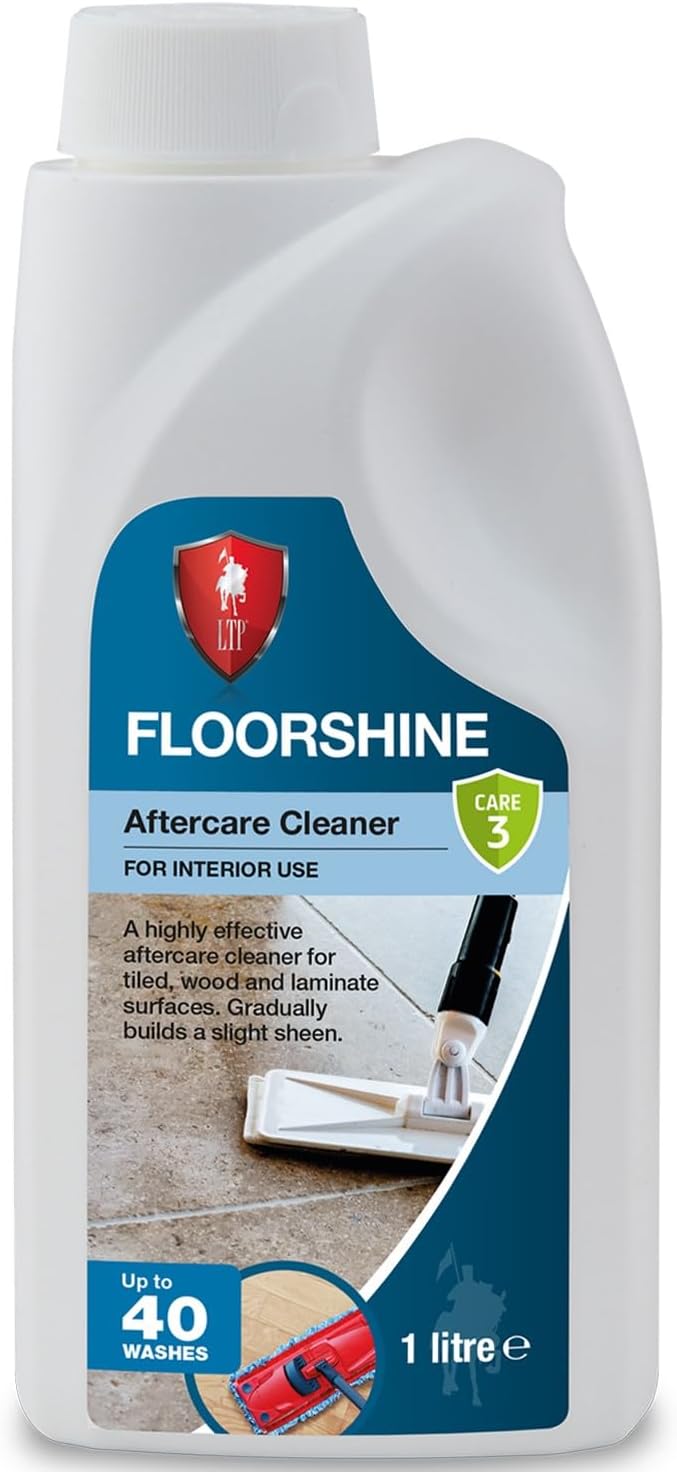
    Professional Recommendations: Top Products for Routine Tile Care
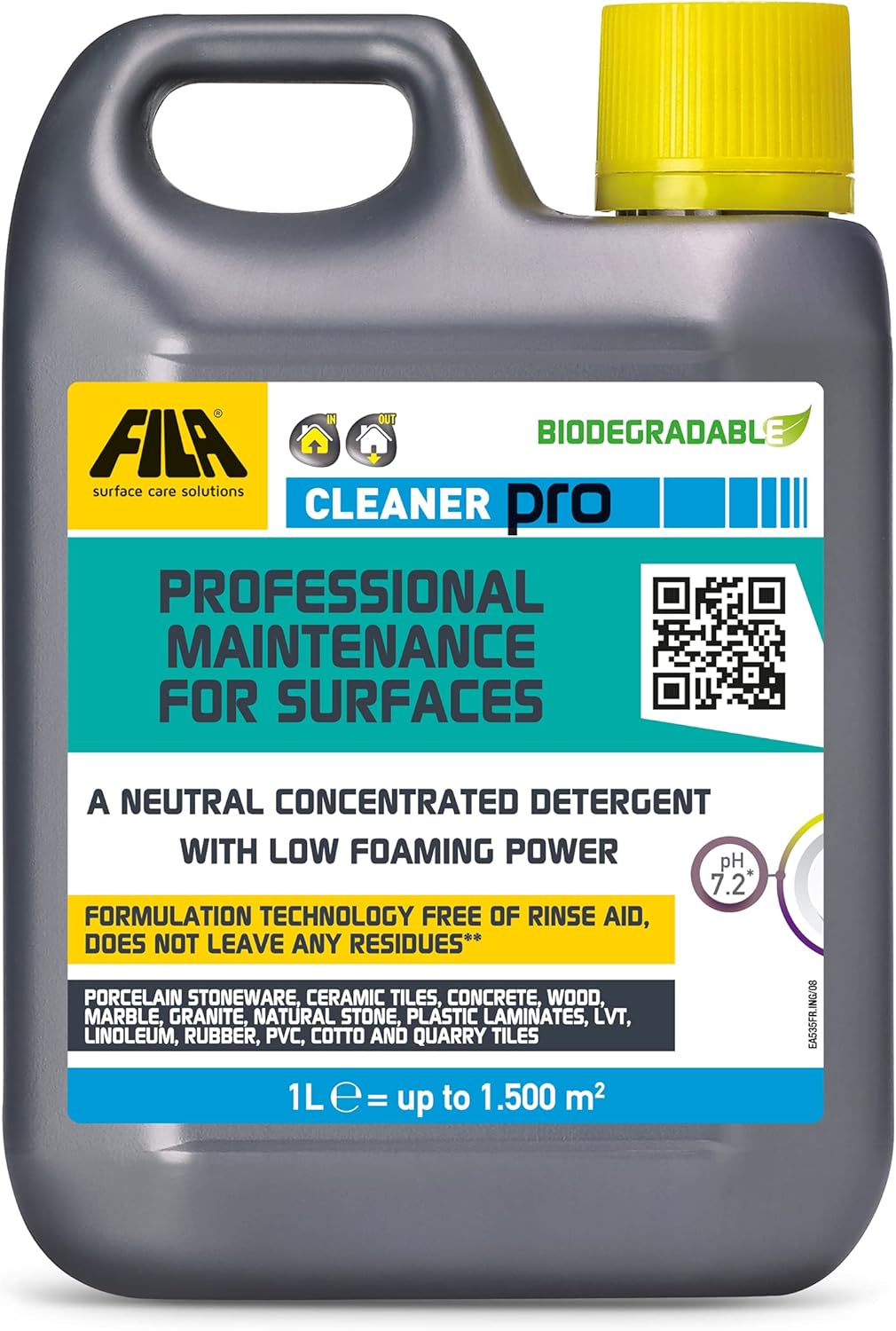
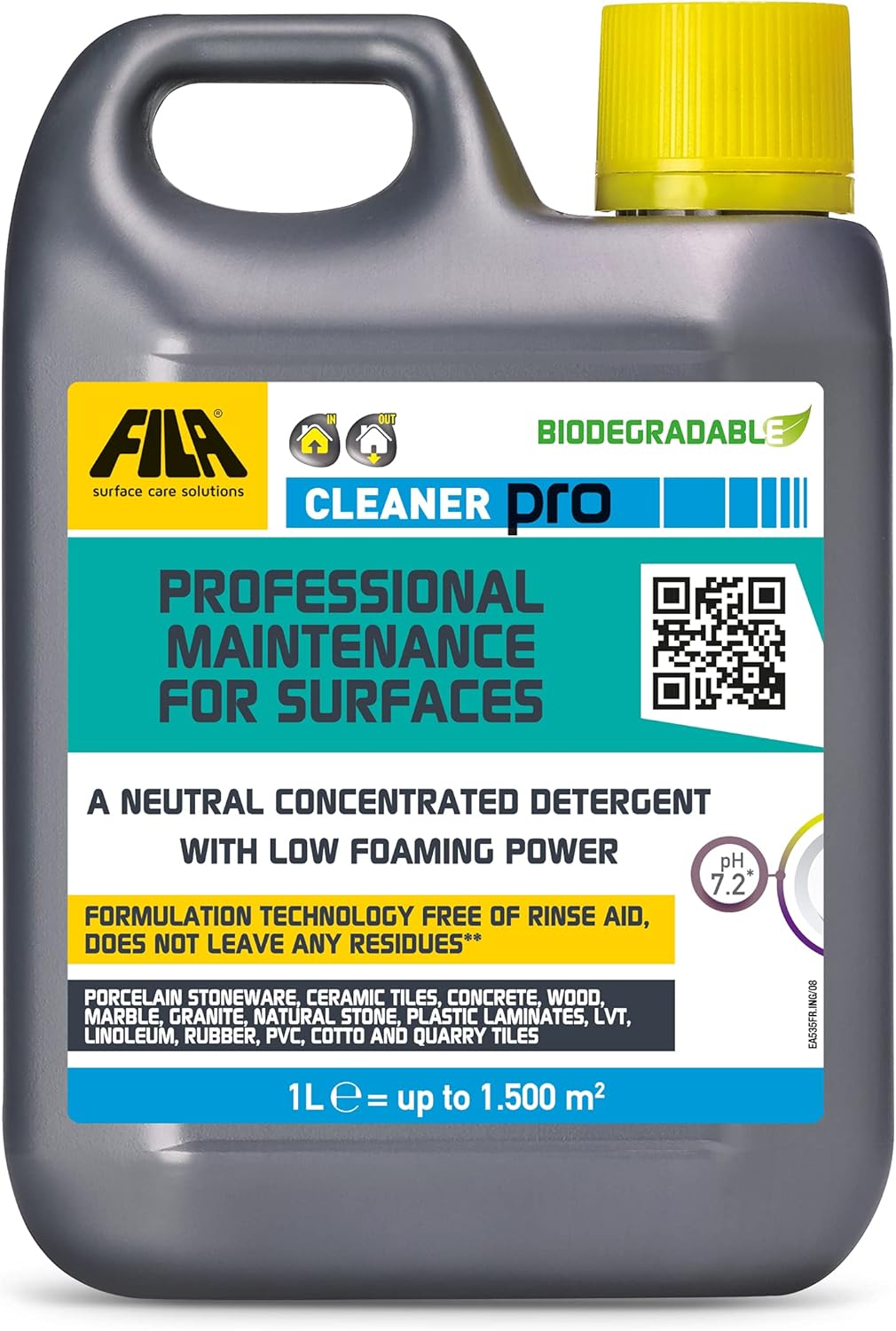
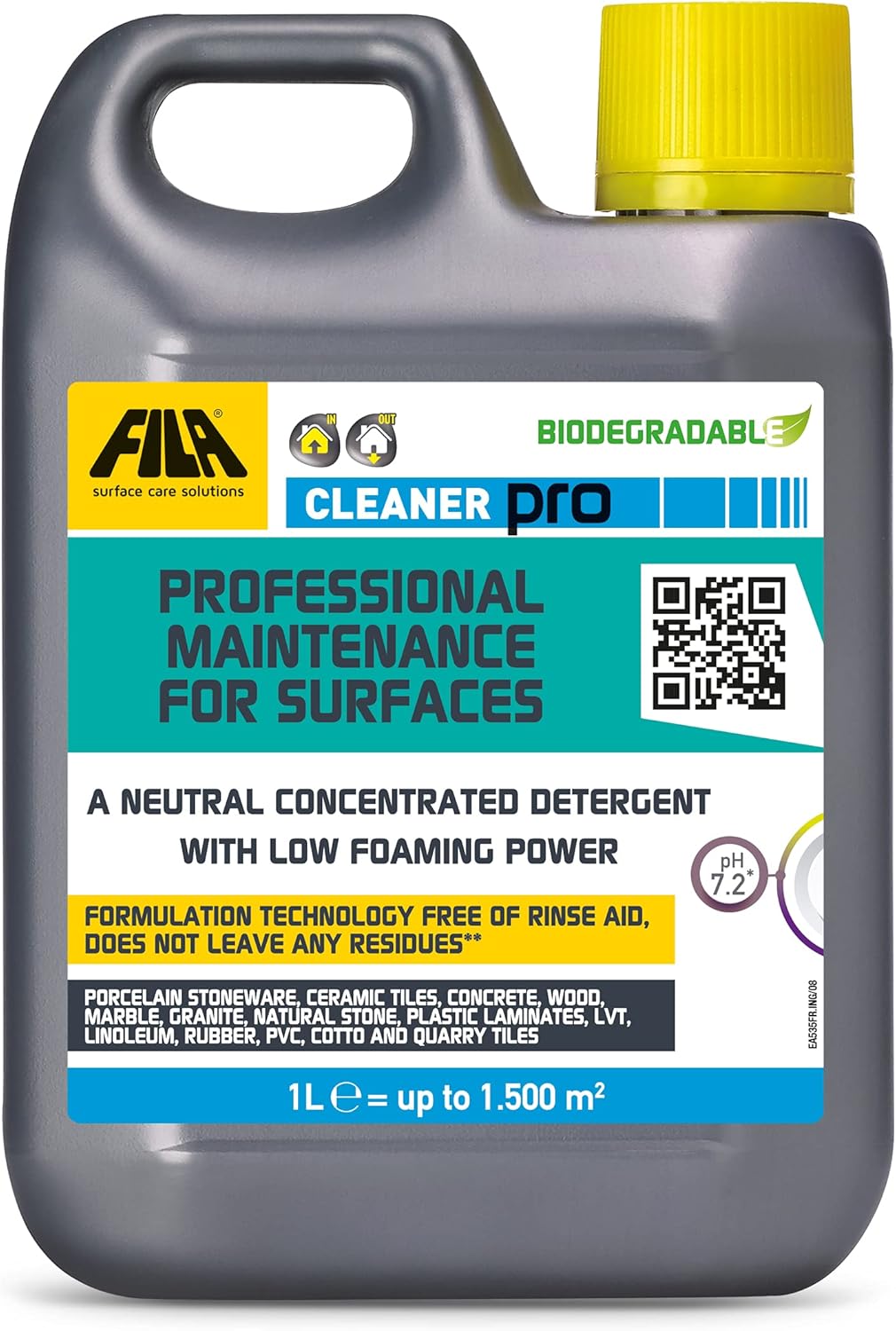
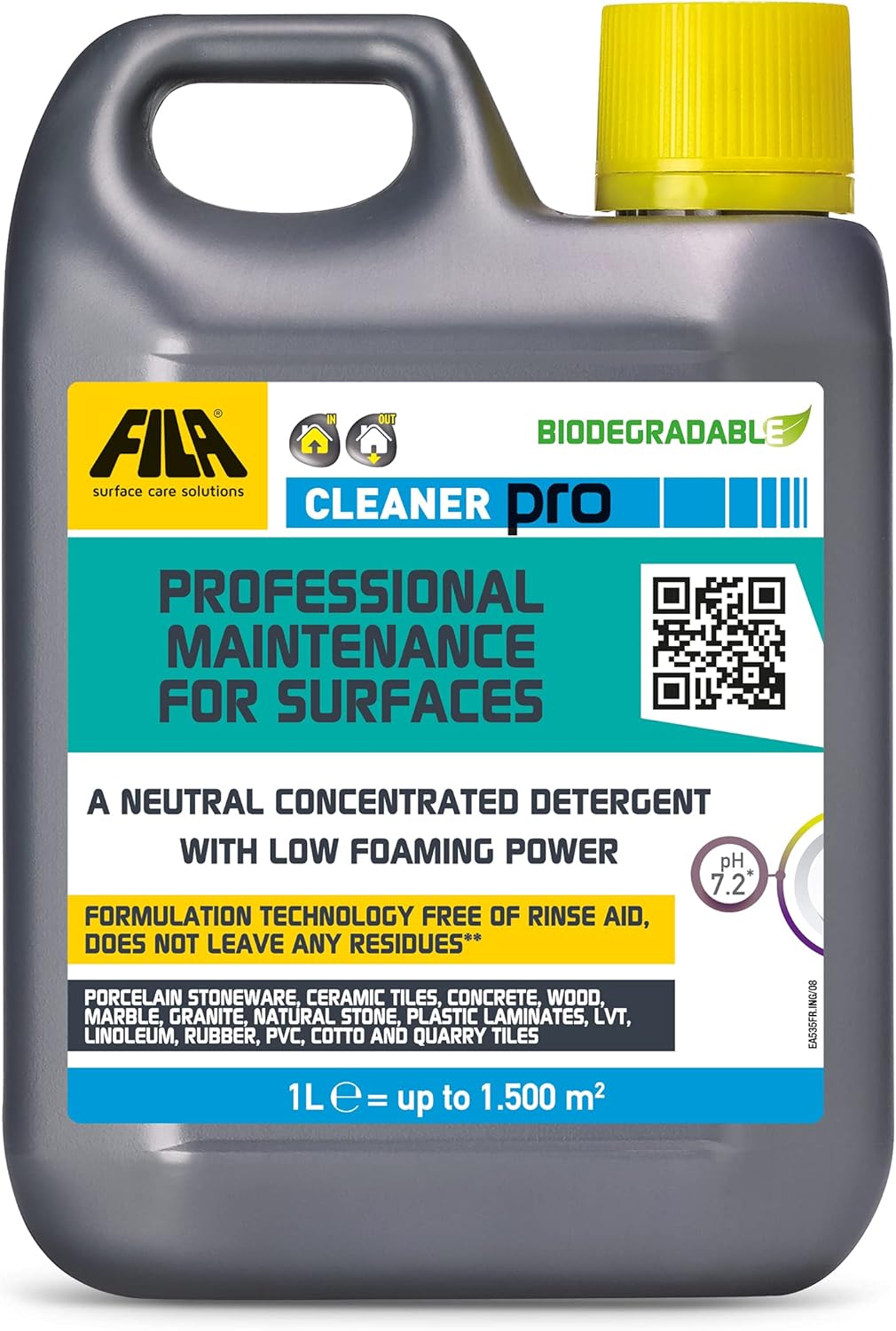
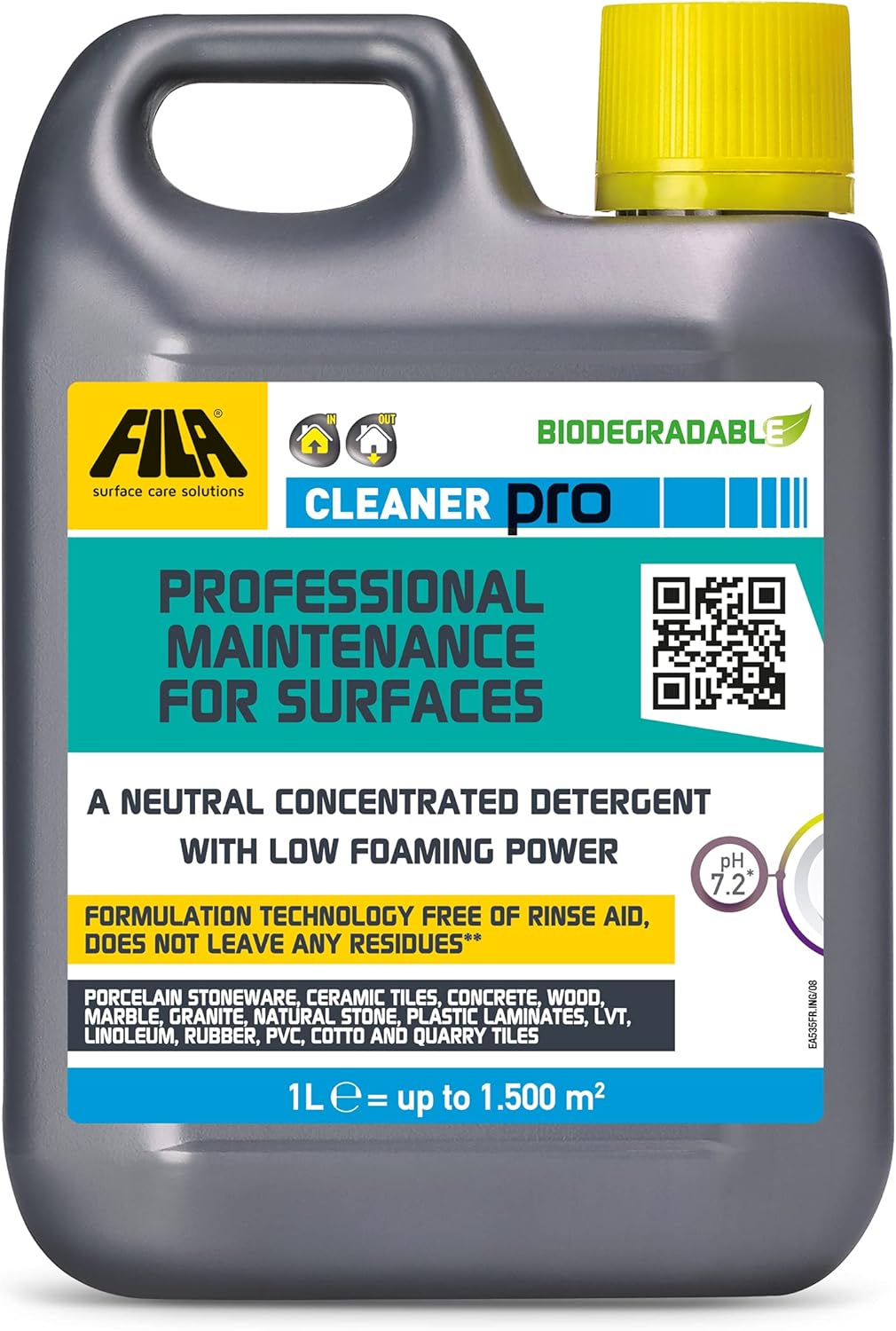
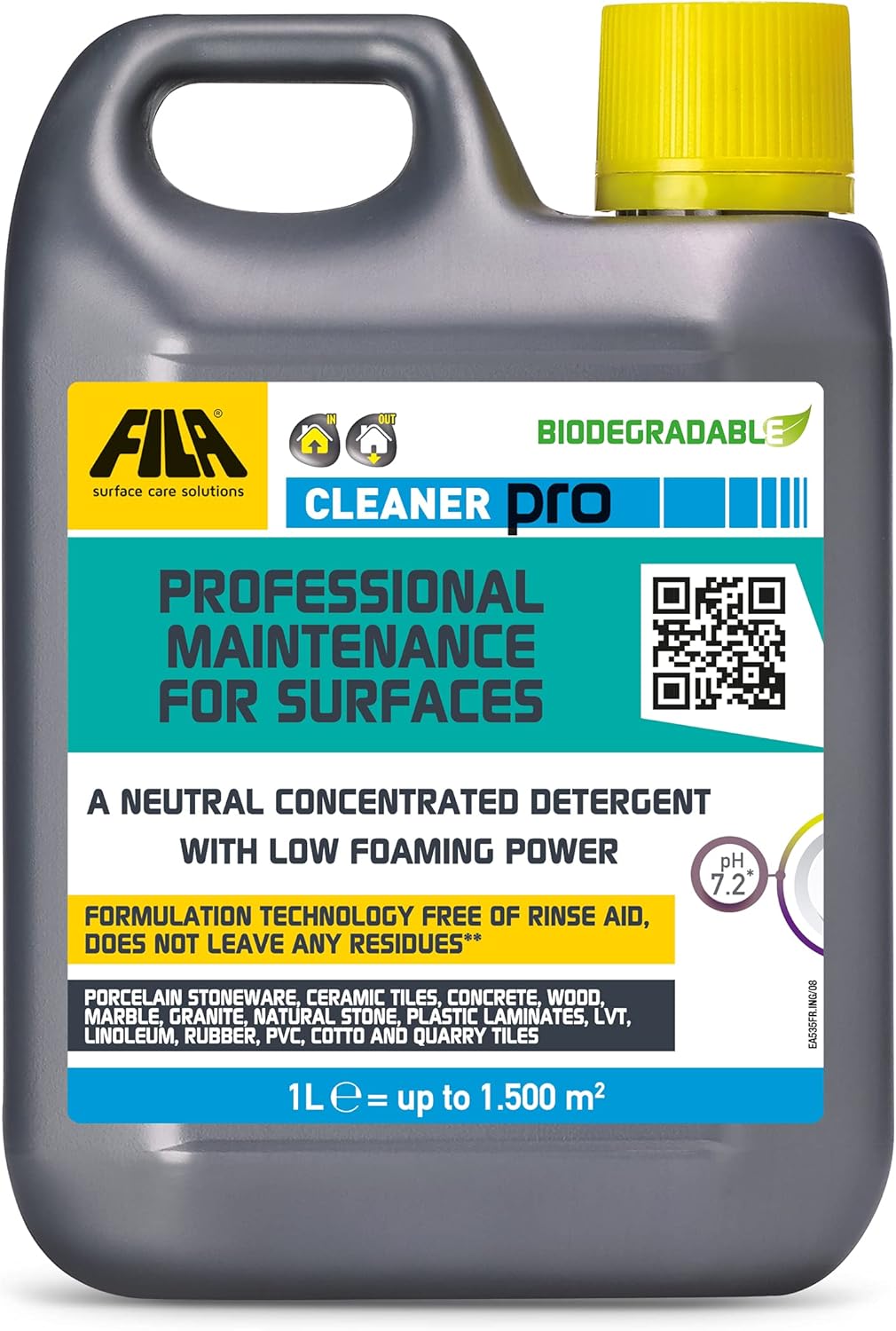
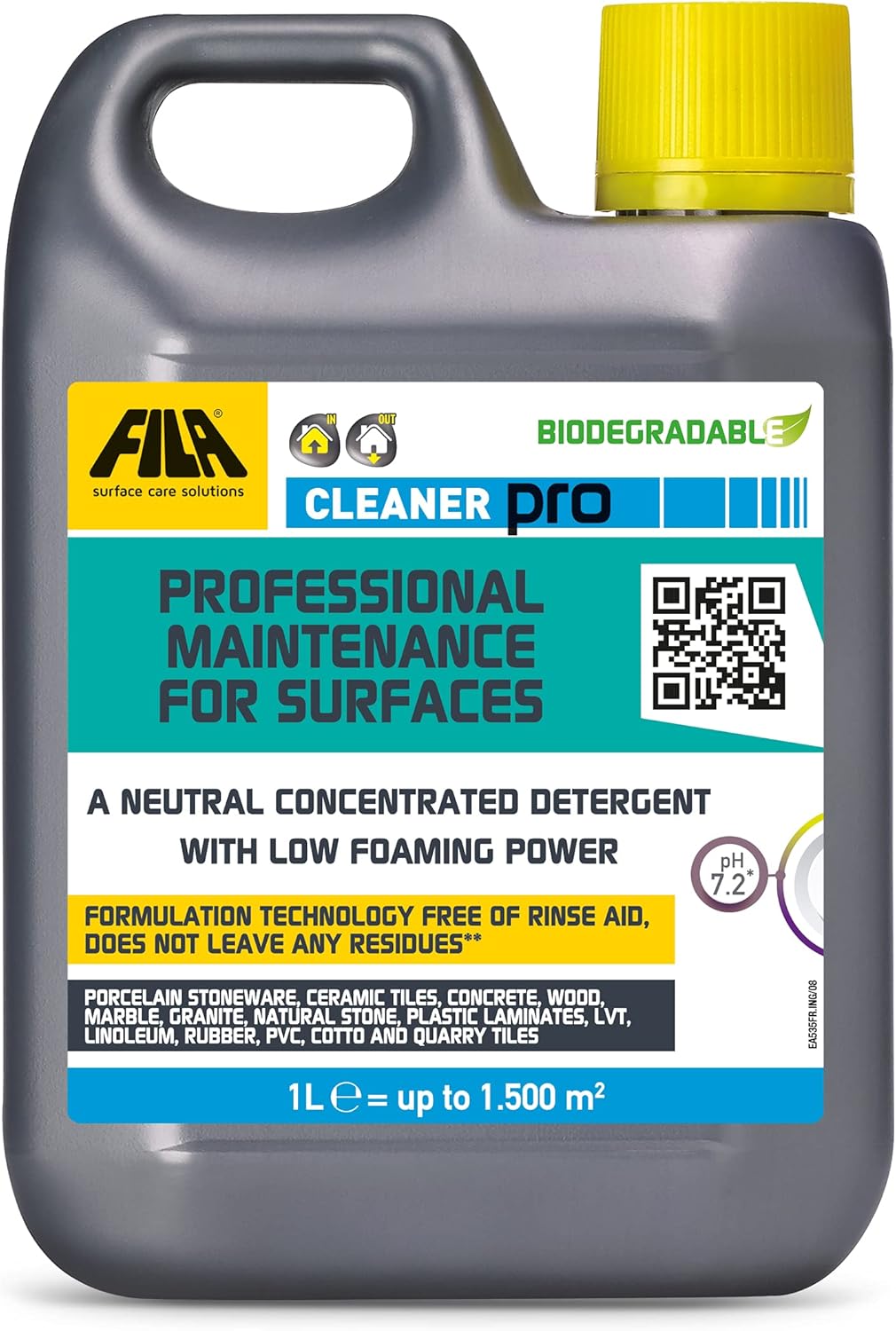
    Fila Pro Floor Cleaner

    Fila Pro Floor Cleaner

    Buy Now

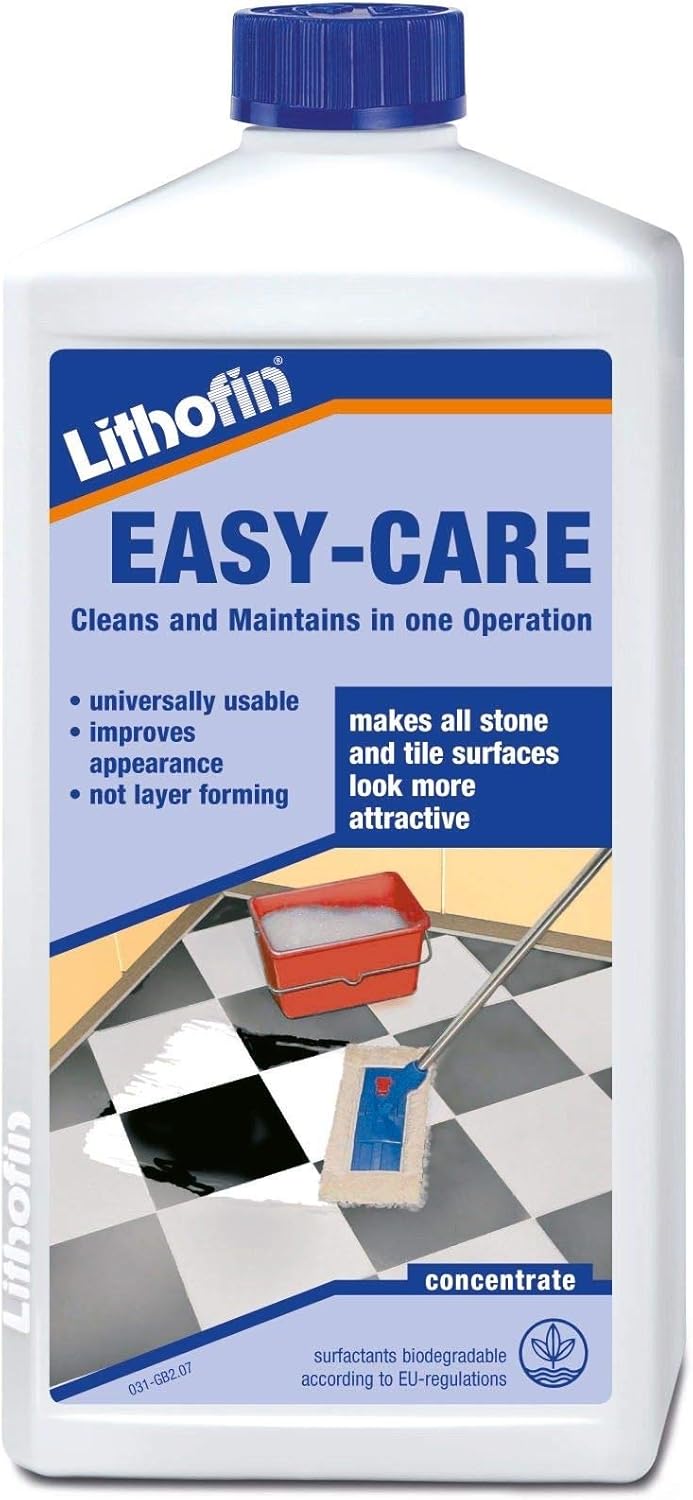
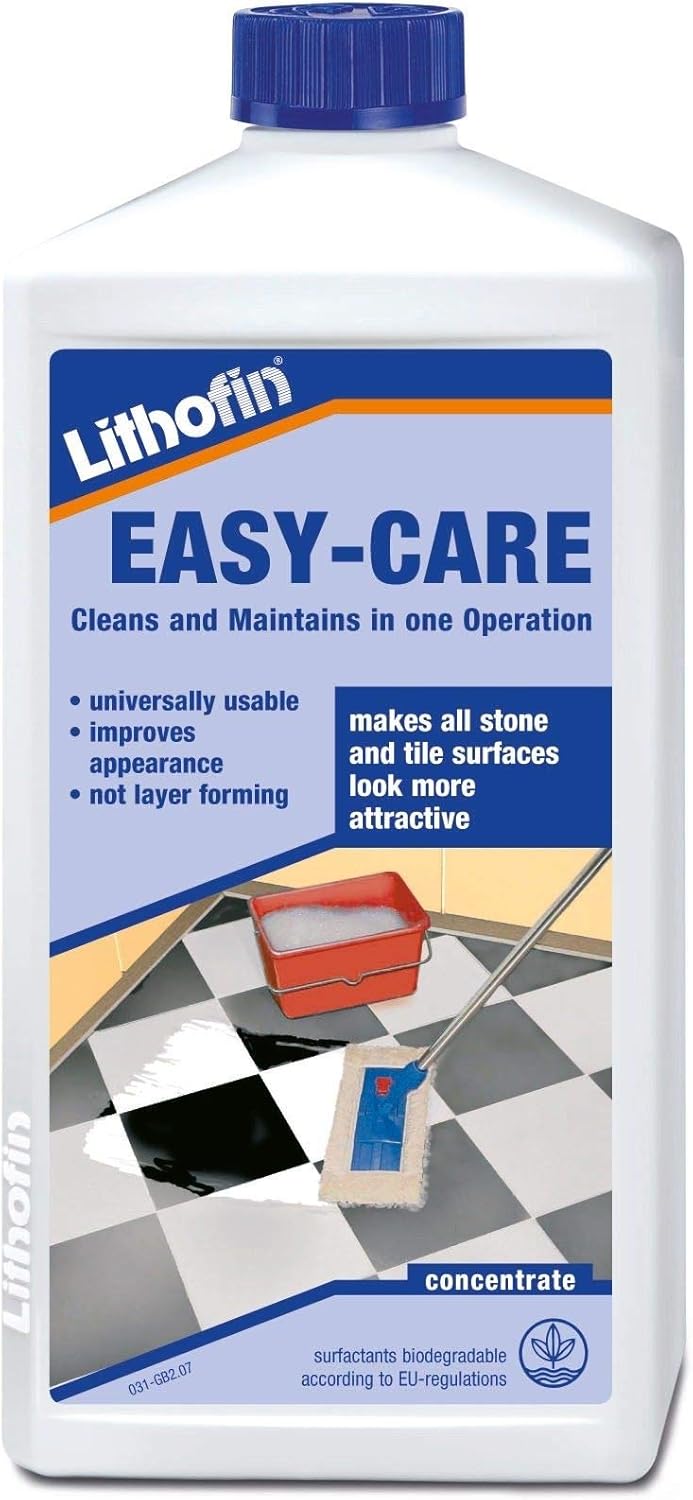
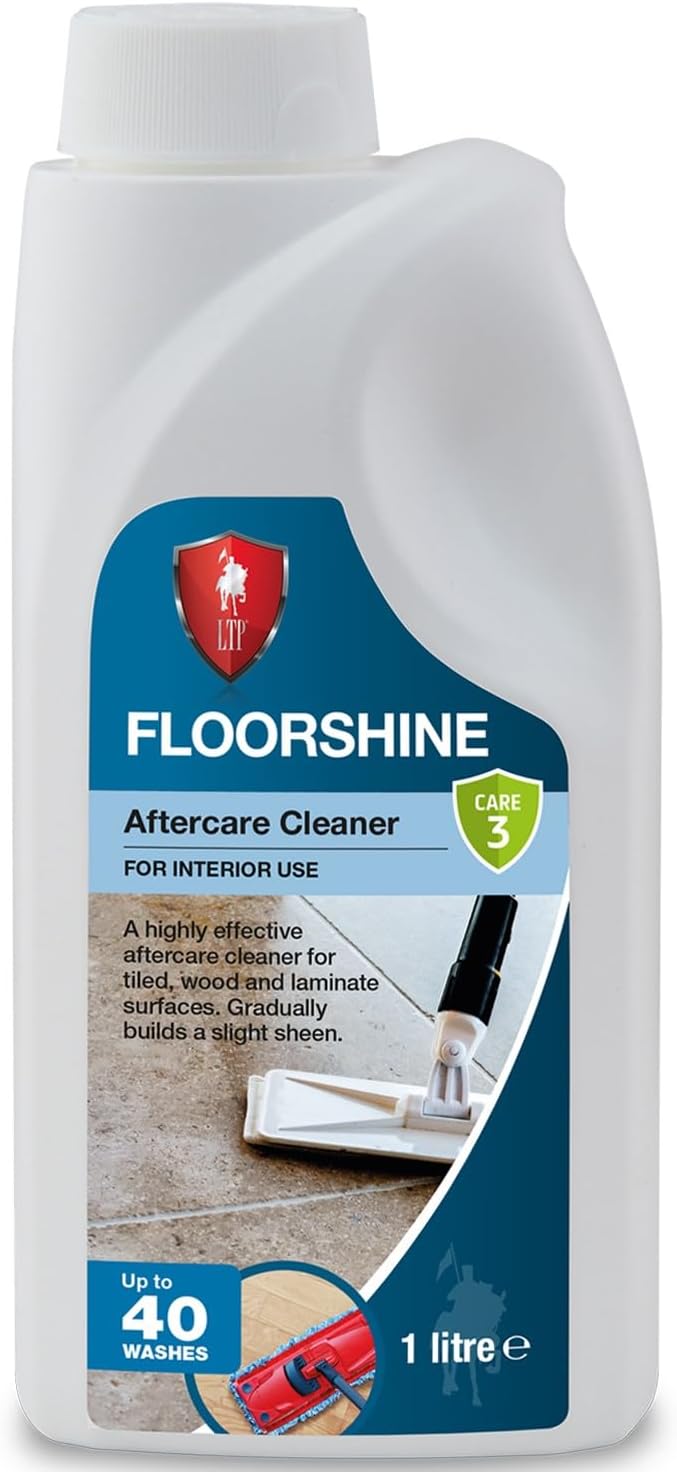
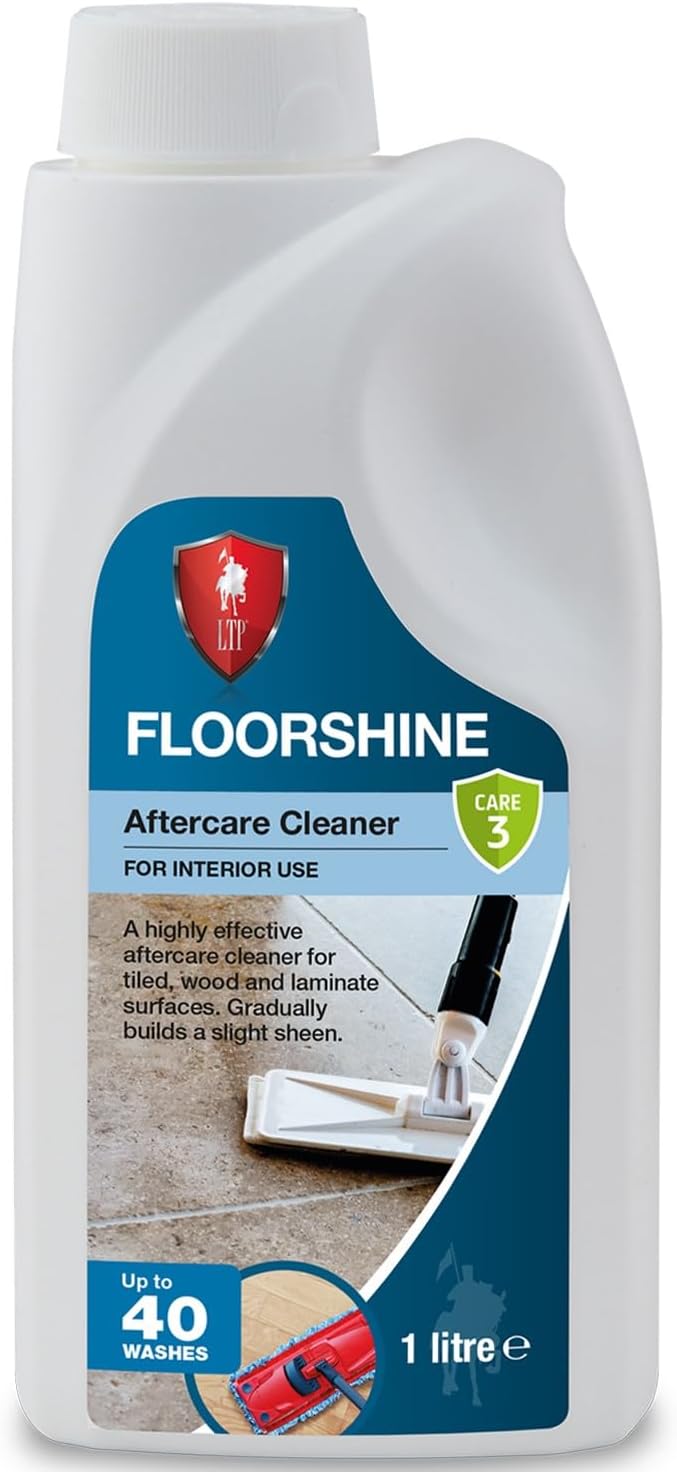
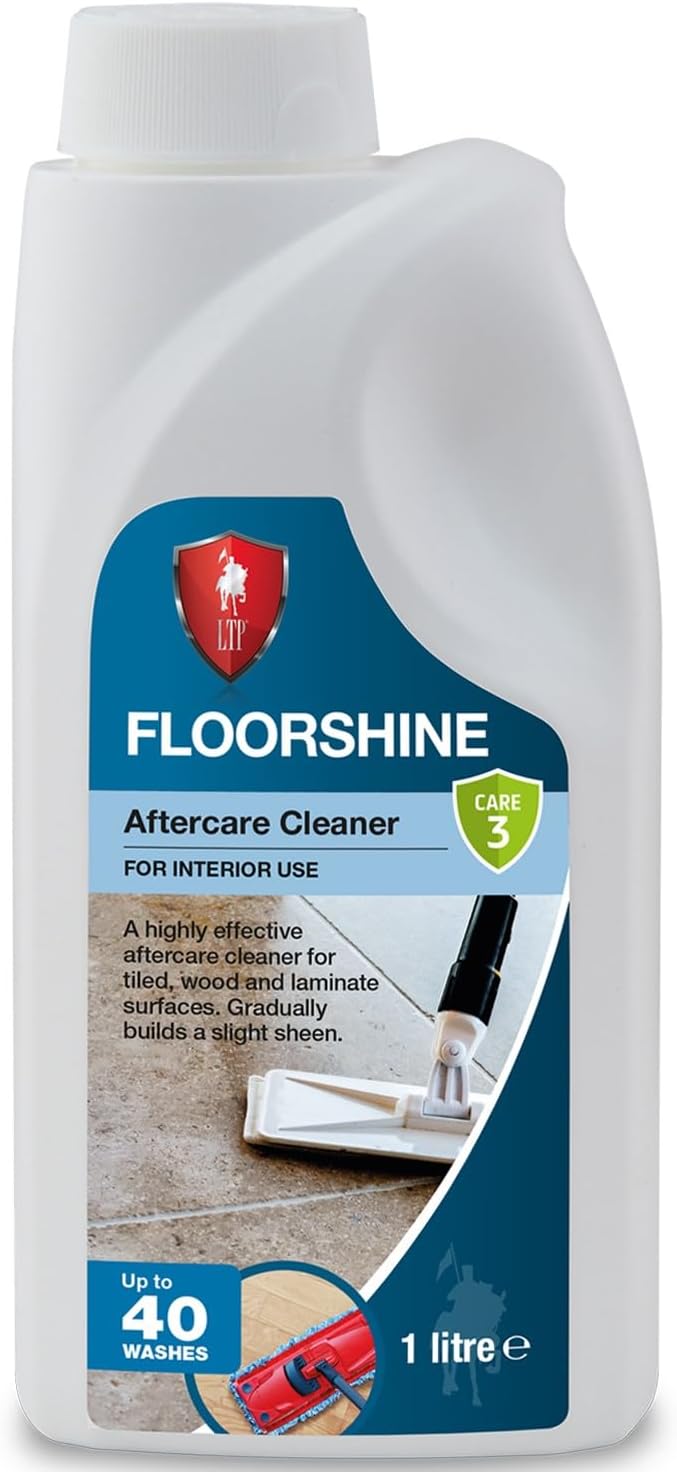
    Lithofin Easy Care

    Lithofin Easy Care

    Buy Now

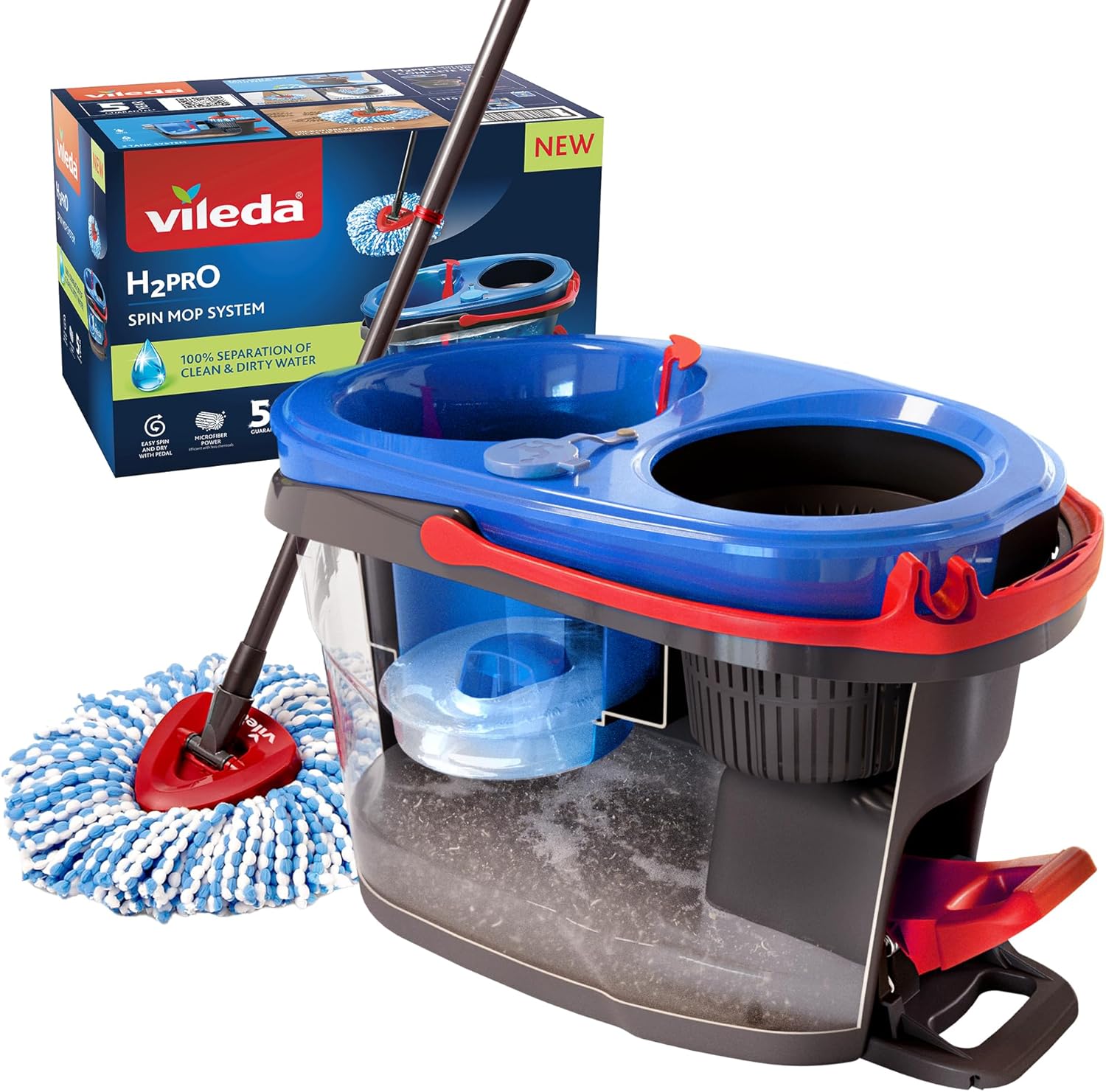
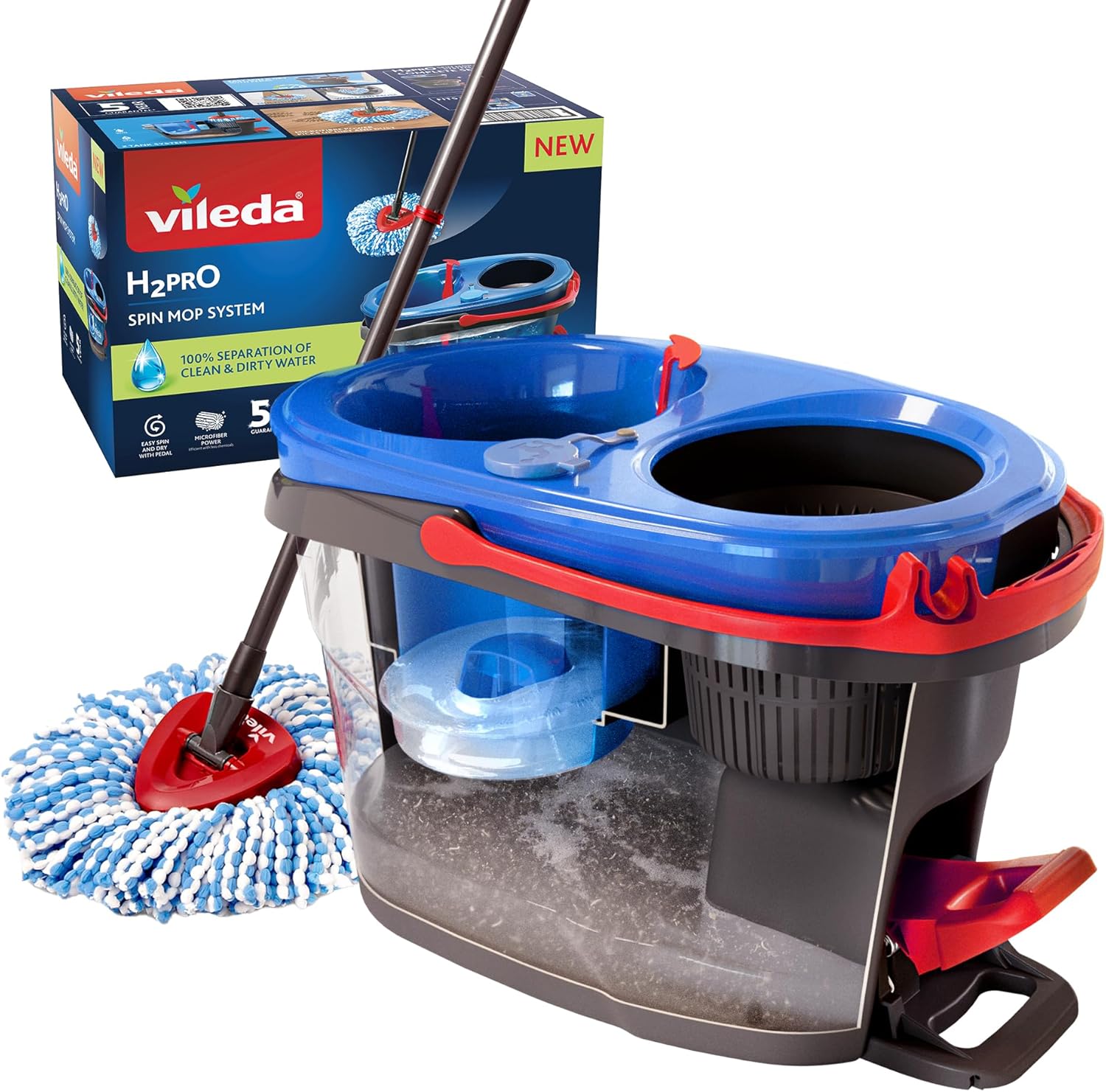
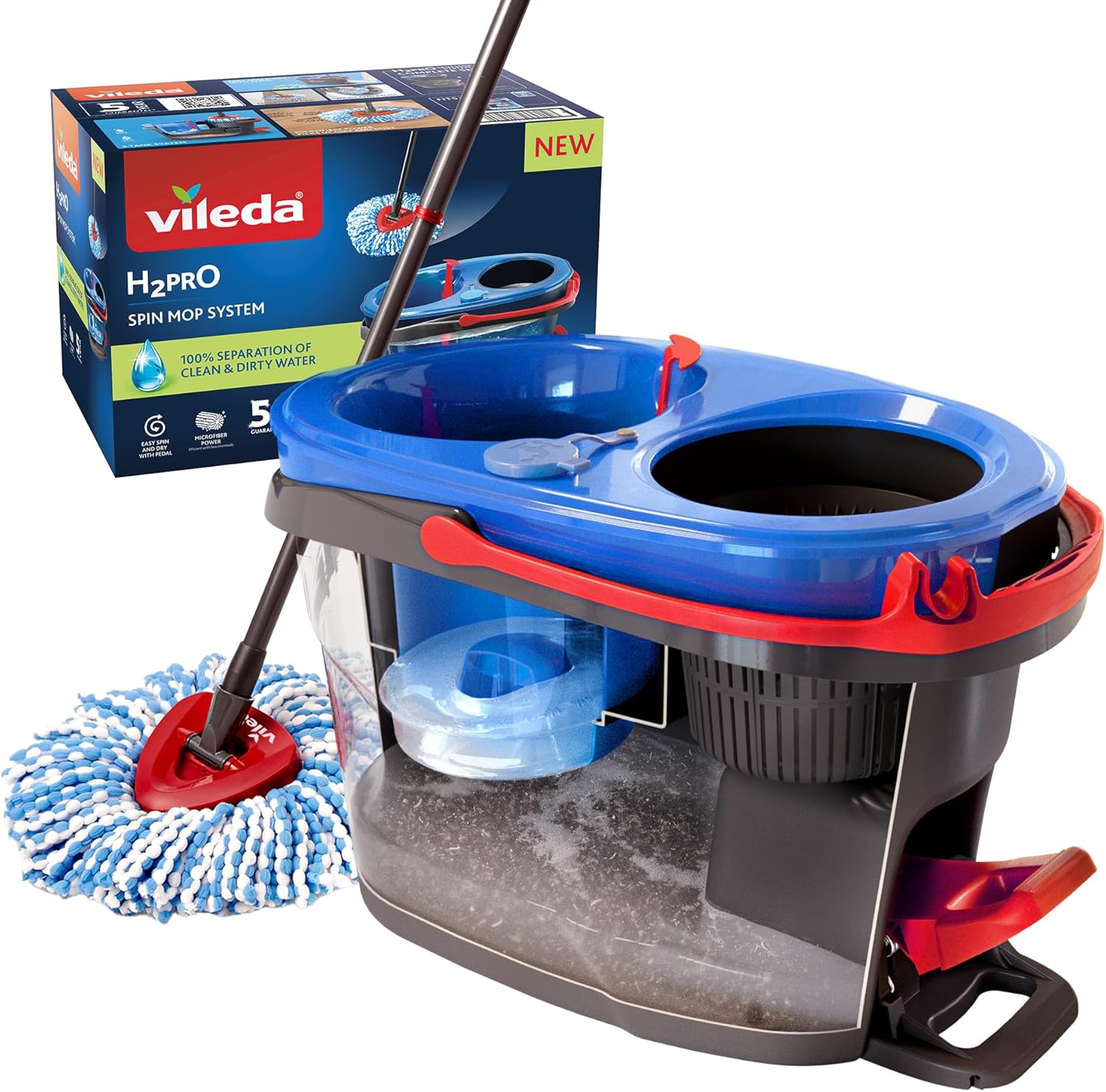
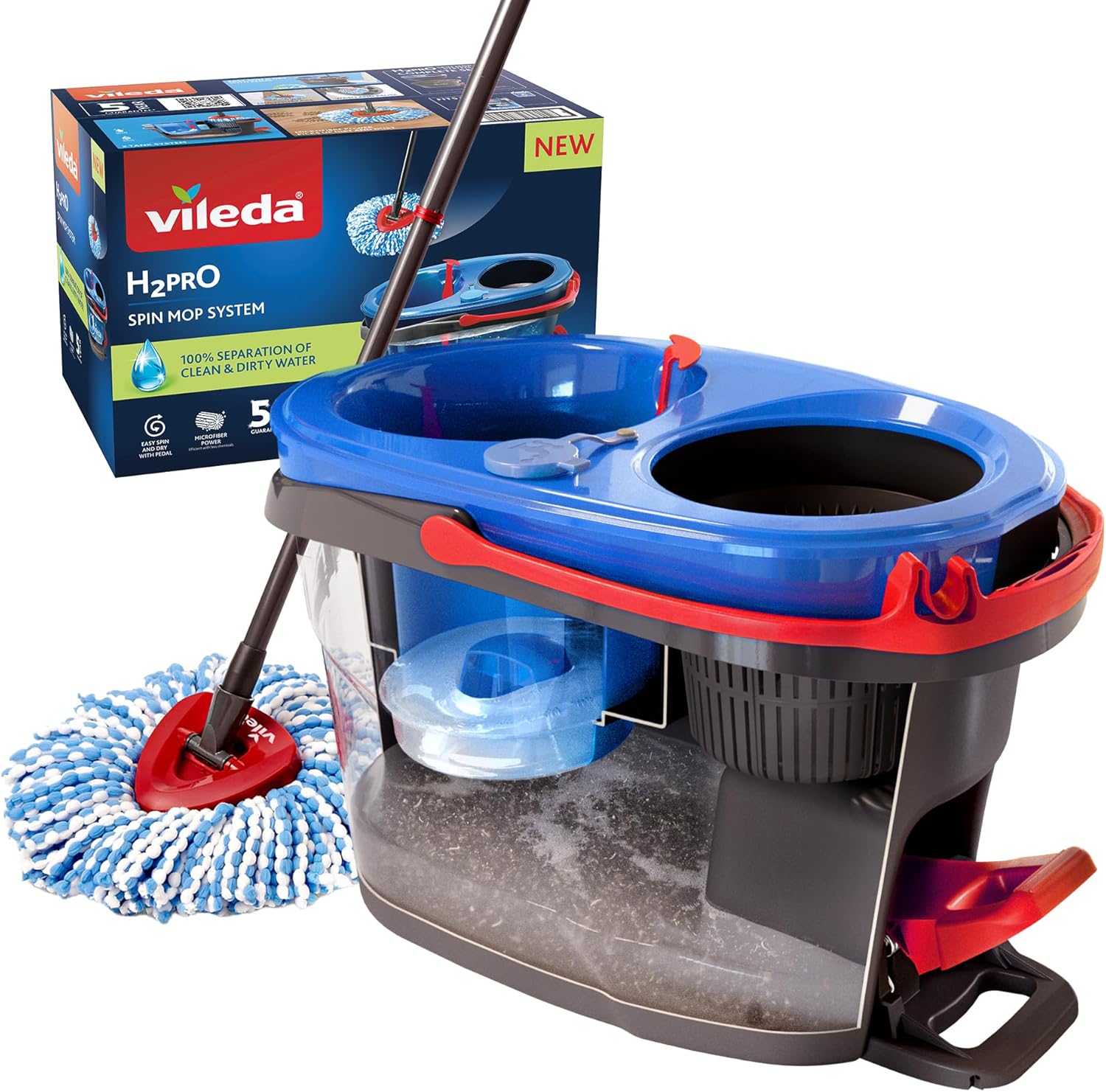
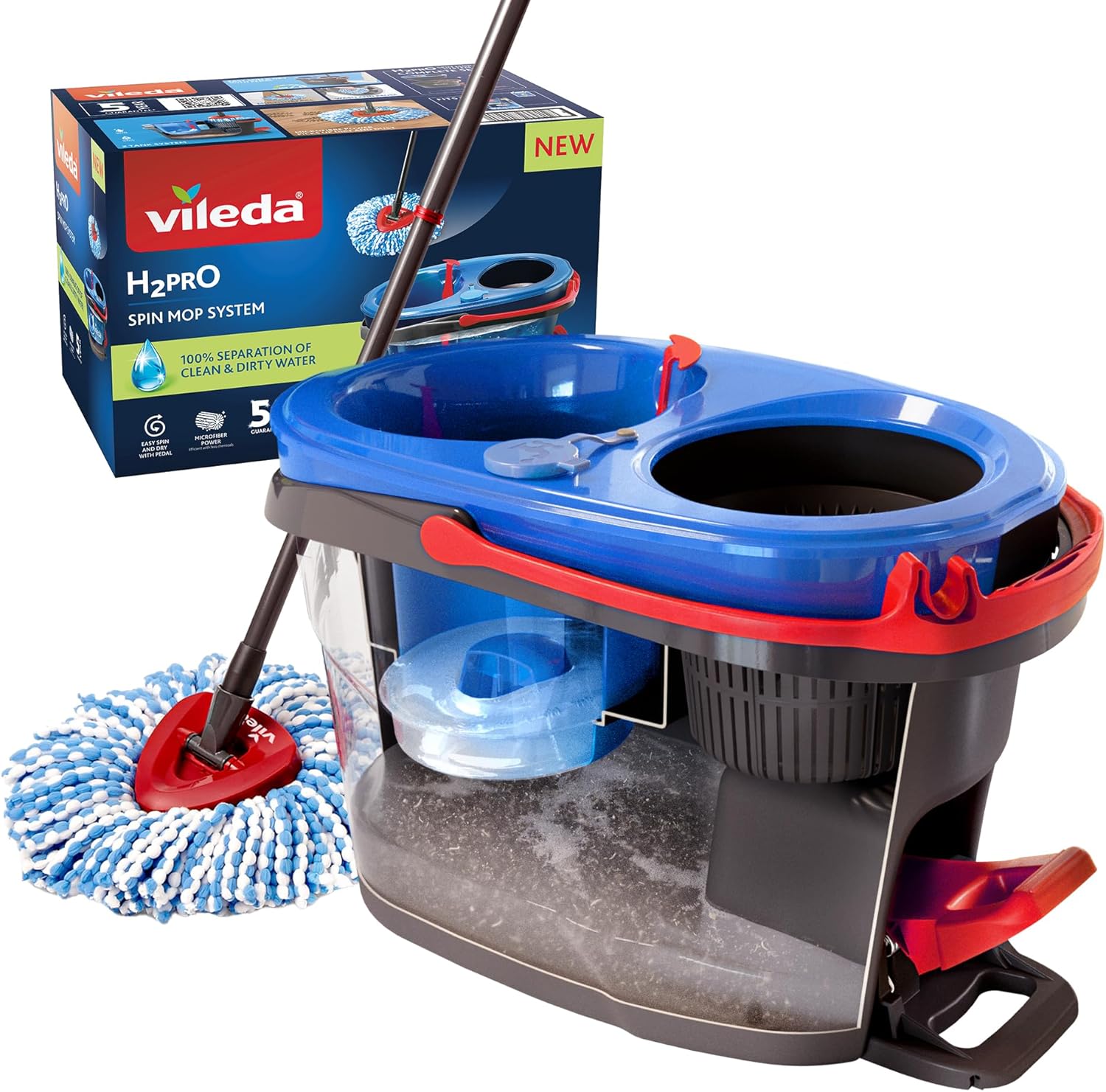
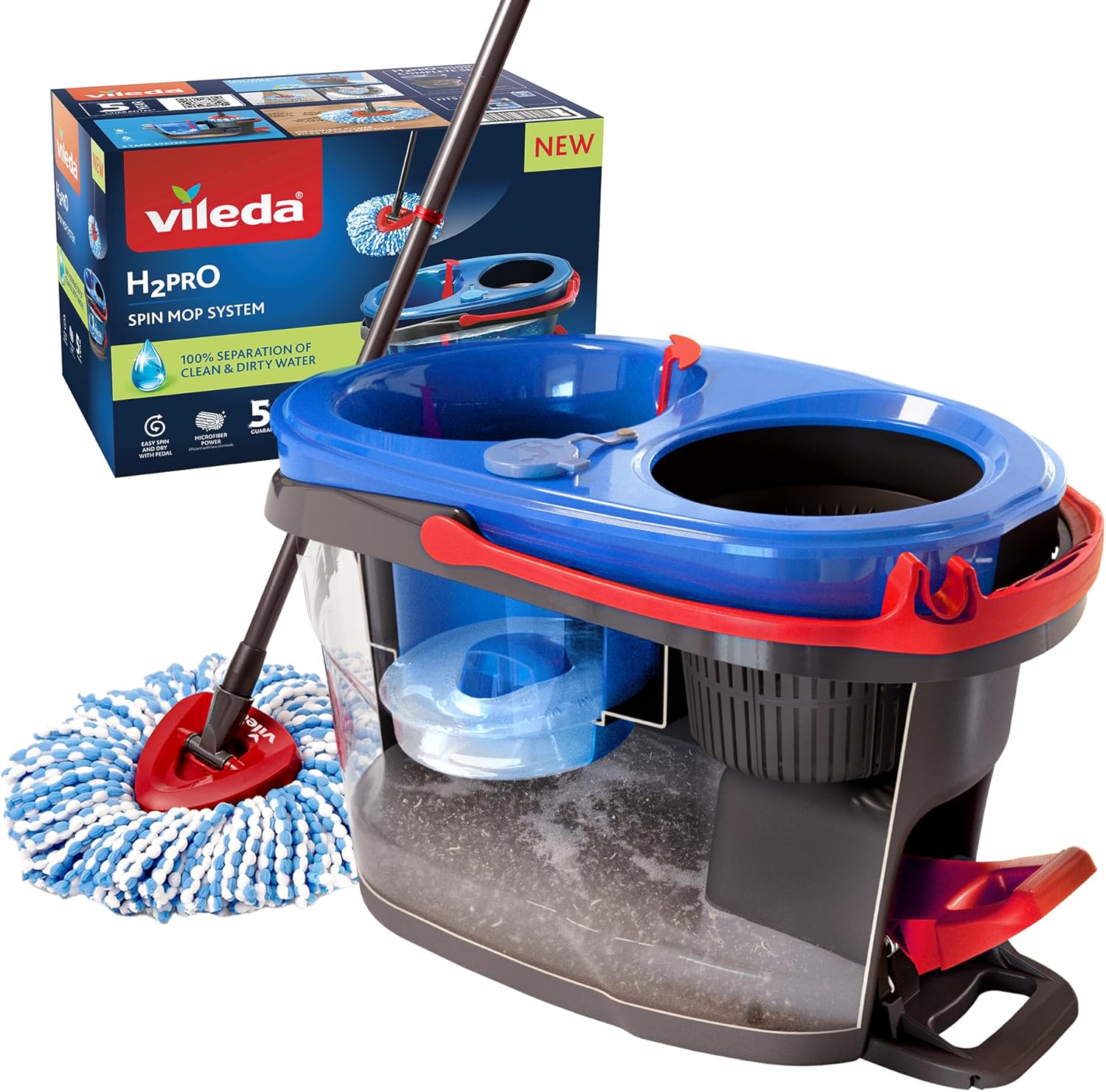
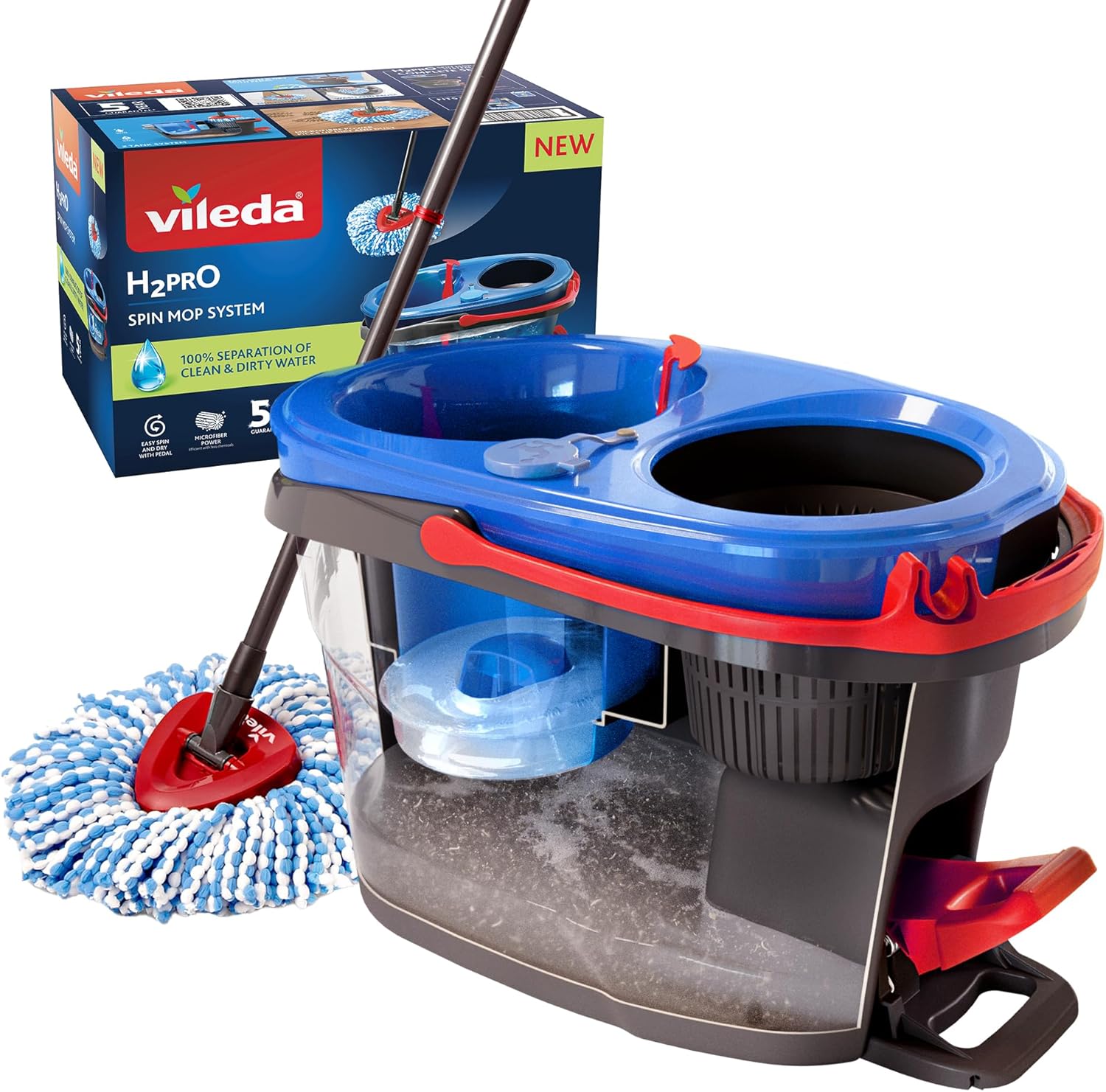
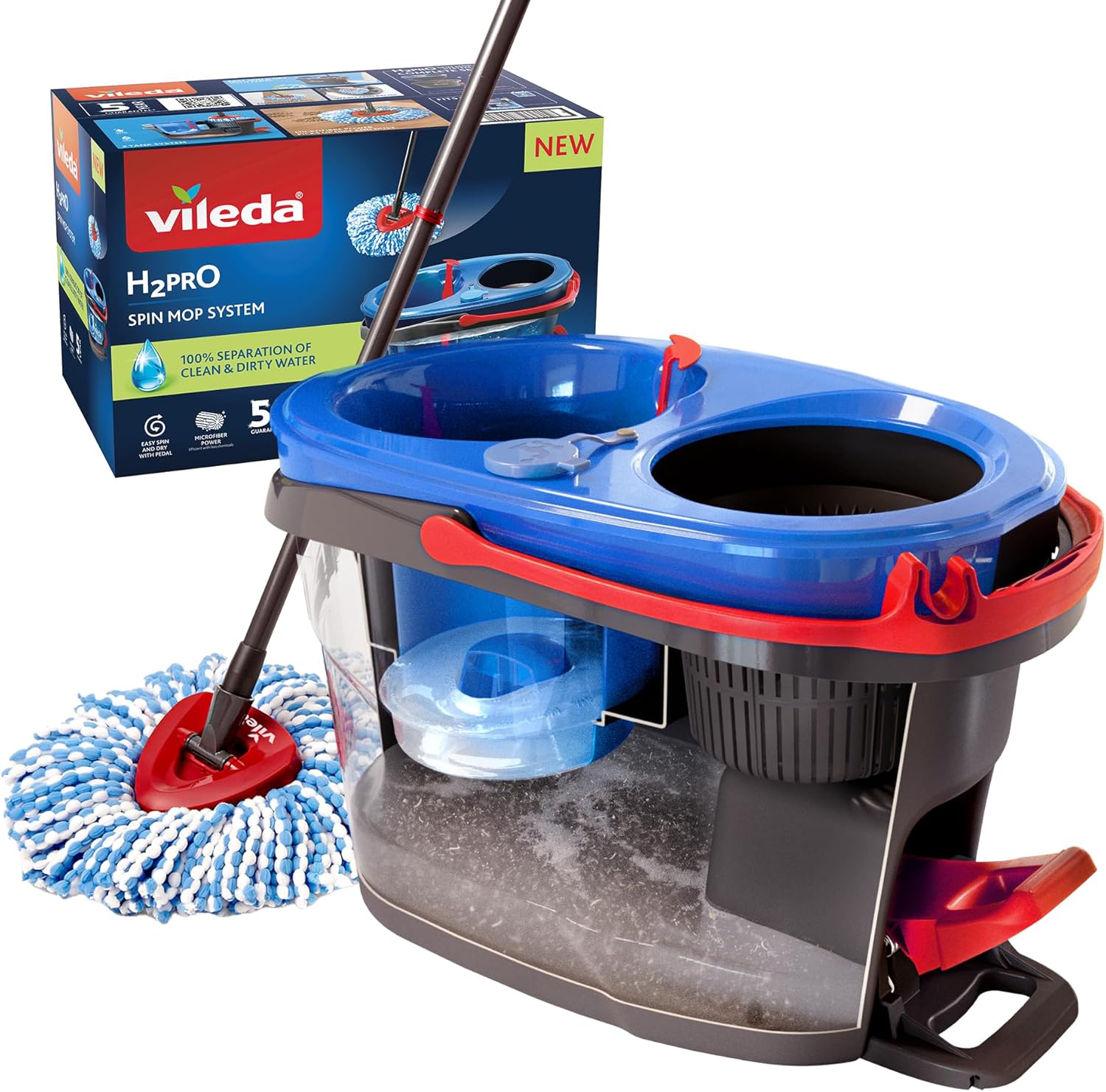
    Vileda H2PrO Spin Mop System

    Vileda H2PrO Spin Mop System

    Buy Now

    The presence of grout haze not only diminishes the aesthetic appeal of your tiles but can also adversely affect their durability. Over time, when grout haze settles, it tends to trap dirt and grime, leading to more significant cleaning challenges. This issue is particularly prevalent in moisture-prone areas, such as bathrooms and kitchens in West Dunbartonshire. It is crucial to ensure the prompt removal of grout haze to maintain both the beauty and functionality of your tiles. Taking timely action can help avert long-term damage, thereby preserving the integrity of your tiled surfaces.

    Understanding the Key Factors Contributing to Grout Haze Formation

    Gaining a comprehensive understanding of the underlying causes of grout haze is essential for effective prevention. The most common contributor is often the inadequate cleaning of grout during installation. If grout is allowed to dry on the tile surface, it hardens into a rigid layer that is challenging to eliminate. Factors such as improper wiping techniques, using inappropriate tools, or ineffective cleaning solutions can exacerbate this issue. Awareness of these factors is crucial for homeowners and tilers alike to avoid future complications.

    Moreover, the type of grout utilized can influence the likelihood of haze formation. Certain grouts, particularly those with a higher cement content, are more prone to leaving a residue than others. Insufficient dilution of cleaning solutions or water can lead to a persistent haze, as concentrated grout residue becomes increasingly difficult to dissolve and remove. By identifying these causes, homeowners and tilers can take proactive measures during installation, ensuring that tiles maintain their intended shine while potentially avoiding future complications.

    The Critical Importance of Promptly Removing Grout Haze

    Removing grout haze extends beyond mere aesthetic concerns; it is vital for the longevity and performance of your tiled surfaces. If grout haze is allowed to linger, it can lead to various problems, including attracting dirt and increasing the risk of mould growth, especially in damp areas such as bathrooms. Tiles that are free from haze are not only visually appealing but also provide a smoother surface that is easier to maintain, contributing to a hygienic living space.

    Furthermore, if grout haze is left unaddressed, it can lead to permanent discolouration. Over time, dirt and grime may become entrenched within the haze, resulting in unsightly stains that could necessitate professional intervention to resolve. Promptly tackling grout haze ensures that your tiles remain in immaculate condition, thus enhancing the overall value of your home. In regions like West Dunbartonshire, where the climate can contribute to moisture retention, prioritising the removal of grout haze is essential to maintain both the beauty and functionality of your tiled areas.

    Essential Preparation Steps for a Successful Grout Haze Removal Process

    Person in West Dunbartonshire cleaning grout haze from kitchen tiles with care.

    Safety Precautions to Implement Before Cleaning Grout Haze

    Before initiating the task of removing grout haze from tiles in West Dunbartonshire, it is imperative to prioritise safety. Many cleaning solutions formulated for grout haze removal contain harsh chemicals that can pose health risks. Therefore, wearing gloves is a necessary step to protect your skin from irritation or chemical burns. Additionally, using protective eyewear will shield your eyes from splashes, allowing you to work confidently without the fear of accidental contact with harmful substances.

    It is also advisable to work in a well-ventilated area, especially when using commercial cleaners. Adequate ventilation helps mitigate the risk of inhaling fumes that may be harmful. If you are sensitive to strong smells or chemicals, consider using a respirator mask for additional protection. By taking these precautions, you can ensure a safe cleaning experience while effectively addressing the challenge of grout haze, safeguarding both your health and your home.

    Gathering Essential Supplies for Successful Haze Removal

    Equipping yourself with the right tools is crucial for effective grout haze removal. Begin by collecting necessary supplies, including sponges, buckets, and your selected grout haze remover. Natural solutions like vinegar or baking soda can be effective for less stubborn haze, while commercial cleaners may be required for tougher cases that need a more powerful solution.

    A stiff-bristled brush is also an indispensable tool, particularly for scrubbing grout lines where haze tends to accumulate. Clean water is essential for rinsing tiles after applying your cleaning solution. Having a microfiber cloth available can assist in the final drying process, ensuring that no residue is left behind. By gathering all necessary supplies beforehand, you can streamline the cleaning process and avoid interruptions while effectively dealing with the haze.

    Assessing the Condition of Your Tiles Before Cleaning

    Person cleaning grout haze from kitchen tiles in West Dunbartonshire, achieving a sparkling clean result.

    Before diving into the cleaning process, it’s wise to assess the condition of your tiles. This evaluation will help you determine the best approach for removing grout haze. Look for any visible damage, such as cracks or chips, as these can affect how you proceed with the cleaning. If your tiles have previously undergone cleaning attempts, note any areas that may have been inadvertently scratched or discoloured, as this can influence your choice of cleaning method.

    Understanding the type of tile you are dealing with is also critical. Different materials possess varying levels of durability and porosity, which can impact the cleaning method you select. For instance, natural stone tiles may require gentler cleaning solutions compared to ceramic or porcelain tiles. By evaluating the condition of your tiles, you can tailor your approach to ensure effective and safe removal of the haze without causing additional damage or complications.

    Conducting a Patch Test with Your Chosen Grout Haze Remover

    Performing a patch test is a crucial step before applying any grout haze remover across your entire surface. Choose a discreet area of your tiles, ideally tucked away in a corner or beneath a piece of furniture, and apply a small amount of the cleaning solution. Monitor this area for any adverse reactions, such as discolouration or damage, which could indicate that the product is unsuitable for your tiles. Allow the solution to dwell for the recommended duration according to the product instructions before wiping it away to assess its effectiveness.

    If the test area shows no negative effects, you can proceed with confidence. However, if you notice any discolouration or damage, it’s wise to reconsider your choice of cleaner. Opting for a gentler formula or a DIY solution might be necessary, especially if you are working with delicate tiles. This precautionary step can save you from making costly mistakes and ensure that your tiles are preserved in pristine condition during the cleaning process, protecting your investment.

    Preparing Your Work Environment for Efficient Grout Haze Removal

    Creating a conducive environment for successful grout haze removal involves thoroughly preparing your work area. Start by removing any furniture or items that may obstruct your access to the tiled surfaces. This not only enhances your ability to clean effectively but also protects your belongings from potential splashes or spills during the cleaning process, which can be damaging.

    Consider covering nearby surfaces with drop cloths or old sheets to shield them from accidental drips and protect them from harm. This is particularly important in kitchens and bathrooms, where surfaces can easily become soiled with cleaning solutions. Taking the time to prepare your work area thoughtfully will facilitate a smoother cleaning experience, ultimately leading to more effective results in removing grout haze from tiles in West Dunbartonshire and ensuring that your tiles shine brilliantly once the haze is eradicated.

    Proven Do-It-Yourself Methods for Effective Grout Haze Removal

    Using a Vinegar Solution for Efficient Grout Haze Removal

    One of the most accessible and environmentally friendly methods for removing grout haze from tiles in West Dunbartonshire involves using a vinegar solution. To create this effective cleaner, mix equal parts of water and white vinegar in a spray bottle or bucket. This natural solution is well-known for its ability to dissolve minerals and dislodge dirt without harming most tile surfaces, making it a popular choice among homeowners.

    When using the vinegar solution, generously spray it over the hazy areas and allow it to sit for several minutes to effectively break down the residue. After this dwell time, use a sponge or cloth to gently scrub the tiles, focusing particularly on areas with significant haze. The acidity of the vinegar helps lift the haze while also leaving behind a fresh scent. After scrubbing, rinse the tiles thoroughly with clean water to remove any lingering vinegar residue, ensuring a sparkling finish that accentuates the beauty of your tiled surfaces.

    For particularly stubborn grout haze, you might consider using a stronger vinegar solution by reducing the amount of water. However, always exercise caution and test a small area first to confirm that your tiles can withstand the increased acidity. Following up with a final rinse and dry will provide your tiles with a renewed appearance, free from the unsightly haze and ready for daily use.

    Creating a Baking Soda Paste for Effective Cleaning

    Another highly effective DIY technique involves crafting a baking soda paste. This eco-friendly solution combines baking soda with water to form a thick paste that serves as a gentle abrasive cleaner. To prepare the paste, mix approximately three parts baking soda with one part water until you achieve a spreadable consistency, perfect for tackling stubborn stains and haze.

    Apply the paste directly to the grout haze, concentrating on areas that appear particularly cloudy or stained. Allow the paste to sit for a minimum of 10 to 15 minutes, giving the baking soda time to penetrate and lift the haze. Afterward, use a soft sponge or toothbrush to scrub the area gently, ensuring that you don’t scratch the tile surface. The mild abrasive nature of baking soda aids in lifting persistent residue without causing damage.

    Once you’ve thoroughly scrubbed the area, rinse with clean water to remove any residue from the baking soda paste. This method not only addresses the haze but also helps to freshen the grout itself, leaving your tiles looking revitalised. Regular use of this paste can also help prevent future haze accumulation, making it a valuable addition to your cleaning routine and promoting long-lasting tile care.

    Considering Commercial Cleaners for Stubborn Grout Haze

    For those dealing with particularly stubborn grout haze, commercial cleaners specifically formulated for this purpose may be the most effective option. Available at local hardware stores in West Dunbartonshire, these products contain potent ingredients designed to dissolve grout residues effectively. When selecting a commercial cleaner, it’s crucial to read the label carefully to ensure compatibility with your tile type, as some cleaners may be too harsh for delicate surfaces.

    Before applying the cleaner to the entire surface, conduct a patch test on a less visible area as a precaution. Follow the manufacturer’s instructions for application, which typically involve spraying the solution onto the haze and allowing it to sit for a specified duration. After the recommended dwell time, scrub the area using a soft brush or sponge, paying special attention to grout lines where haze tends to accumulate due to higher residue buildup.

    While commercial cleaners can be highly effective, it’s essential to remember that some may contain harsh chemicals. Always prioritise safety by wearing gloves and using the cleaner in a well-ventilated space to avoid inhaling fumes. After scrubbing, thoroughly rinse the tiles with clean water, ensuring that no residue remains. With the right product and technique, you can restore your tiles to their original brilliance, enhancing the overall appearance of your home.

    Exploring Professional Tile Cleaning Services in West Dunbartonshire

    Understanding the Benefits of Professional Grout Haze Removal

    Engaging professional services for removing grout haze from tiles in West Dunbartonshire can offer significant advantages that extend beyond mere convenience. Professionals possess the expertise and specialised tools necessary to effectively tackle even the most stubborn grout haze without risking damage to your tiles. Their extensive knowledge of various tile types and their associated cleaning requirements ensures a tailored approach to your specific situation, leading to optimal results.

    Additionally, professionals often have access to industrial-strength cleaners and equipment that can yield results unattainable through DIY methods. This heightened level of efficiency can save you considerable time and effort, allowing you to focus on other aspects of your home while the experts manage the cleaning process effectively. Furthermore, a professional service can provide valuable insights into proper tile care and maintenance, helping to extend the life of your tiled surfaces and prevent future issues.

    Ultimately, opting for professional assistance can lead to a more thorough and effective cleaning process, minimising the likelihood of haze reformation. For homeowners in West Dunbartonshire, investing in professional tile cleaning services can be a prudent choice, ensuring that your tiles maintain their beauty and functionality for years to come while enhancing the overall appeal of your home environment.

    Effective Strategies for Locating Local Tile Cleaning Professionals

    When it comes to finding reputable tile cleaning services in West Dunbartonshire, several strategies can streamline your search. Begin by seeking recommendations from friends, family, or neighbours who have previously engaged local services. Their firsthand experiences can provide valuable insights into the quality and reliability of potential providers, allowing you to make an informed decision.

    Utilising online resources such as review platforms and local business directories can also be instrumental in identifying trusted professionals. Look for companies with high ratings and positive feedback, focusing on those that specifically highlight their expertise in grout haze removal. Additionally, many businesses showcase their work on social media platforms, allowing you to view before-and-after photos that demonstrate their effectiveness and customer satisfaction.

    Don’t hesitate to contact multiple service providers to inquire about their offerings, methods, and pricing. A reputable service will be transparent about their procedures and should be willing to provide references upon request. Taking the time to research local experts will ensure that you find a service that meets your needs and expectations, ultimately leading to a successful cleaning experience.

    Understanding the Cost Factors of Professional Grout Haze Removal Services

    The cost of professional services for removing grout haze from tiles in West Dunbartonshire can vary significantly based on several factors, including the size of the area to be cleaned, the extent of the haze, and the specific service provider. Generally, larger areas or more substantial haze issues may necessitate additional time and resources, thereby increasing the overall cost. Understanding these factors can aid in budgeting effectively for the service.

    On average, homeowners might expect to pay anywhere from £50 to £100 for professional tile cleaning services; however, this can fluctuate depending on the complexity of the job and the provider’s pricing structure. It’s essential to obtain multiple quotes from different providers to gauge what you can expect to pay. This not only gives you a clearer picture of the market rate but also provides an opportunity to compare the services offered, ensuring you receive good value for your investment.

    While it may be tempting to choose the lowest quote, it’s crucial to weigh value against cost. Cheaper services may skimp on quality or use less effective methods, leading to unsatisfactory results. Prioritising a balance between affordability and quality can ultimately save you money in the long run by ensuring that the job is done right the first time, protecting your tiles from unnecessary damage.

    Scheduling Your Professional Grout Haze Removal Appointment

    Once you’ve selected a reputable tile cleaning service, the next step is to schedule an appointment for removing grout haze from tiles in West Dunbartonshire. Many professionals offer flexible scheduling options that accommodate your availability, ensuring minimal disruption to your daily life. When booking, discuss any specific concerns you may have regarding the haze or your tiles so that the service provider can tailor their approach to address your needs effectively.

    It’s advisable to schedule the cleaning during a time when you can allow the area to remain clear post-cleaning. This ensures that the tiles have ample time to dry properly and that any residual cleaning products can dissipate without interference. Following the appointment, maintain communication with the service provider regarding any lingering issues or concerns, as many reputable services will offer follow-up support to ensure your satisfaction.

    Timely scheduling of professional services is essential for maintaining the aesthetic and functional quality of your tiles. By ensuring that grout haze is promptly addressed, you can enjoy beautifully maintained tiled surfaces that enhance the overall appearance and value of your home.

    Comprehensive Step-by-Step Guide for Efficient Grout Haze Removal

    Initiating the Cleaning Process with Preliminary Steps

    The journey to removing grout haze from tiles in West Dunbartonshire begins with an initial cleaning phase. This step is crucial for preparing the surface and making the subsequent removal process more effective. Start by using a damp sponge to wipe down the tiles, focusing on areas where grout haze is most pronounced. This initial wipe will help remove any loose particles and minimise the amount of haze that will need to be addressed in later stages.

    In addition to using a damp sponge, consider employing a soft cloth to dry the tiles after the initial wipe. This prevents additional moisture from settling on the surface, which could potentially lead to further haze formation. Remember that thoroughness is key; the more effectively you can eliminate loose residue, the easier it will be to eradicate the haze itself and achieve a clean, bright finish.

    As you clean, pay special attention to grout lines, where haze tends to accumulate. These areas may require a bit more scrubbing to ensure that you are starting with a clean slate. This initial cleaning phase sets the stage for a successful haze removal process, allowing you to tackle the challenge ahead with confidence and clarity.

    Applying Your Selected Cleaning Solution for Grout Haze

    Once the initial cleaning has been completed, it’s time to apply your chosen cleaning solution. Whether you opt for a vinegar solution, baking soda paste, or a commercial cleaner, adhering to the product’s instructions is paramount for effective cleaning. Start by applying the solution generously over the areas affected by haze, ensuring that the tiles are well-covered and saturated for optimal effectiveness.

    For DIY solutions like the vinegar or baking soda paste, be mindful of the dwell time specified in your preparation. Allow the solution to sit for the recommended duration, as this will enable the active ingredients to penetrate the haze effectively. During this time, you may notice the solution working to lift the haze, which can be encouraging as you await the next steps in the cleaning process.

    Following the dwell time, use a soft sponge or a brush with stiff bristles to scrub the tiles lightly. Focus on grout lines where haze tends to gather, ensuring that you apply enough pressure without risking damage to the tile surface. This scrubbing phase is essential for breaking down and eliminating stubborn haze, preparing your tiles for the final rinse and drying to restore their original luster.

    Executing the Final Rinse and Drying Steps After Cleaning

    After scrubbing, the next crucial step in removing grout haze from tiles in West Dunbartonshire is the final rinse and drying process. Begin by rinsing the tiles thoroughly with clean water to eliminate any remnants of the cleaning solution. This step is essential to ensure that no residue is left behind, as leftover cleaner can lead to further haze formation or attract dirt and grime over time.

    Utilise a clean sponge or cloth to assist with the rinsing process, ensuring that all areas are adequately attended to and rinsed thoroughly. Pay special attention to grout lines, as these can harbour residue more easily and require extra care. Once you’ve rinsed the tiles, use a dry microfiber cloth to wipe the surface, promoting a polished finish and preventing water spots from forming on your tiles.

    Allow the tiles to air dry completely after the initial drying process. This final drying phase is vital for ensuring that no moisture remains trapped, which could lead to further complications in the form of mould or haze redeposition. By completing this step thoroughly, you can enjoy the sight of your beautifully restored tiles, free from haze and perfectly clean, enhancing the overall ambiance of your living spaces.

    Focusing on Thorough Scrubbing of the Grout Lines

    One of the most critical aspects of removing grout haze from tiles in West Dunbartonshire is scrubbing the grout itself. Grout lines are often the most susceptible to haze accumulation, making it essential to give them extra attention during the cleaning process. Using a stiff-bristled brush, concentrate on scrubbing the grout lines with a targeted approach, ensuring that you reach every crevice and corner of the grout to eliminate all residue.

    When scrubbing, it’s best to use a combination of your cleaning solution and a gentle scrubbing motion. This approach will help to lift any lingering haze while also allowing you to tackle any dirt or stains that may have settled in the grout over time. Be mindful of not applying excessive force, as this can risk damaging the grout or surrounding tiles, leading to additional repair needs.

    After scrubbing, thoroughly rinse the grout lines with clean water to remove any debris or cleaning solution. This step is crucial for ensuring that the grout appears clean and fresh, complementing the overall look of your tiled surfaces. If you notice any remaining discolouration, consider repeating the scrubbing process to achieve the best results and ensure a thorough cleaning.

    Conducting a Final Inspection and Making Necessary Touch-Ups

    Once the tiles have dried, it’s time for the final inspection and touch-up phase of your grout haze removal process. Carefully examine the tiles and grout lines for any lingering haze, stains, or discolouration. This inspection is vital for determining whether further cleaning is necessary or if the job is complete, ensuring that your tiles meet your cleanliness standards.

    If you identify any stubborn areas that still show signs of haze, don’t hesitate to reapply your cleaning solution, focusing specifically on those trouble spots. Repeat the scrubbing process as needed, followed by a thorough rinse to ensure they are clear of any cleaning residues. This attention to detail will guarantee that every area of your tiles is pristine and free from haze, contributing to a well-maintained home environment.

    Touching up may also involve applying a sealant to the grout once it has dried completely. This preventative measure helps protect against future haze formation and staining, making maintenance easier in the long run. By taking the time to inspect and retouch as needed, you can ensure that your tiles remain in excellent condition, contributing to a polished and welcoming home atmosphere.

    Effective Strategies for Preventing Future Grout Haze Accumulation

    Implementing Proper Grouting Techniques During Installation

    Preventing future grout haze requires a focus on effective grouting techniques during the installation process. One of the primary factors in haze formation is the application method; ensure that the grout is applied evenly and that excess material is promptly wiped away from the tile surface before it has the chance to set. Employing the right tools, such as a <a href="https://www.abbeyfloorcare.co.uk/home-garden/minton-floor-restoration-services-edinburgh/">grout float</a>, can help achieve a smooth and even application, thereby reducing the likelihood of residue buildup.

    Additionally, selecting high-quality grout products designed to minimise haze can be an effective preventive measure. Numerous manufacturers offer grout formulations that are less likely to leave a residue on tiles, significantly reducing future maintenance needs. By choosing these products, you can substantially lessen the chances of encountering haze in the future, thereby maintaining the aesthetic appeal of your tiled surfaces.

    Training and experience play a crucial role in applying grout correctly. If you’re uncertain about your ability to install grout without risking haze formation, consider hiring a professional. Their expertise will ensure that the job is executed correctly the first time, saving you time and potential headaches in the future while guaranteeing a flawless finish.

    Incorporating Regular Tile Maintenance into Your Routine

    Incorporating regular tile maintenance into your cleaning regimen is essential for preventing the build-up of grout haze. Establishing a cleaning schedule for your tiled surfaces can help eliminate dirt and grime before they have the opportunity to settle and form haze. Utilize a gentle, pH-neutral cleaner tailored for your specific tile type, as harsher substances can lead to deterioration over time and compromise the integrity of your tiles.

    In addition to general cleaning, pay special attention to grout lines and corners, where dirt tends to accumulate. Regularly using a soft brush to clean these areas will keep them looking fresh and prevent the long-term effects of haze formation. Routine inspections of your tiles are also advisable, as this will allow you to catch any developing issues early, ensuring your tiles remain in optimal condition.

    Another effective measure is to apply a sealant to your grout once it has fully cured. Sealants create a protective barrier that helps prevent stains and haze from forming, keeping your tiles looking pristine. Regularly reapplying sealant every few years will ensure ongoing protection, safeguarding your tiled surfaces against future grime and haze accumulation.

    Utilising Sealants for Long-Term Grout Protection

    Applying tile sealants is one of the most effective strategies for preventing grout haze and maintaining the beauty of your tiles. Sealants create a protective layer over the grout, helping to repel moisture and prevent dirt from penetrating the surface. By sealing your grout, you effectively minimise the chances of haze formation that often results from trapped moisture and grime, ensuring your tiles remain visually appealing.

    Before applying a sealant, ensure that the grout is completely dry and clean to maximise its effectiveness. Most sealants require a specific application process, so it’s essential to adhere to the manufacturer’s instructions closely. Typically, you’ll apply the sealant with a small applicator or brush, ensuring even coverage across the grout lines for optimal protection.

    Regular maintenance of the sealant is equally important. Depending on the type of sealant used and the level of foot traffic in the area, reapplication may be necessary every six months to a year. Staying on top of this maintenance will help ensure that your tiles remain protected against future haze formation, keeping them looking their best and prolonging their lifespan.

    Avoiding Common Mistakes in Grout Haze Removal

    Avoid Using Abrasive Tools for Cleaning

    One of the most frequent mistakes homeowners make when removing grout haze from tiles in West Dunbartonshire is using abrasive tools. Although it may seem logical to reach for a rough scrubber or steel wool, these tools can cause irreparable damage to your tiles, scratching the surface and compromising their finish. Instead, opt for soft sponges or cloths that are gentle yet effective for cleaning, preserving the integrity of your tile surfaces.

    It’s also crucial to select the right brush when addressing grout lines. A stiff-bristled brush can be effective, but ensure it’s specifically designed for tile and grout cleaning to avoid potential damage. Taking the time to choose the appropriate tools can save you from costly repairs and ensure that your tiles remain in excellent condition, thereby enhancing the overall appearance of your home.

    When in doubt, always err on the side of caution. If you’re unsure whether a cleaning tool is too abrasive, conduct a small test on an inconspicuous area to gauge its effects. Your tiles deserve the best care possible, so always prioritise gentle cleaning methods to achieve desired results without risking damage.

    Avoid Overusing Cleaning Chemicals

    Another common pitfall in the cleaning process is the excessive use of chemicals. While it may seem tempting to ramp up the cleaning power by using more product, this can often lead to diminishing returns—or worse. Overusing cleaning chemicals can result in damage to the tile finish or grout, as well as respiratory issues for those exposed to strong fumes and harsh substances.

    It’s essential to adhere to the manufacturer’s guidelines regarding the amount of cleaner to use. Often, a smaller quantity of a concentrated cleaner proves more effective than slathering on large amounts. This approach not only protects your tiles but also promotes a healthier cleaning environment for you and your family.

    If you find that a product isn’t working as effectively as desired, consider exploring alternative cleaning methods or products rather than simply increasing the dosage. Maintaining a balanced approach to chemical use will lead to better outcomes and preserve the integrity of your tiles, ensuring they remain in excellent condition.

    Establishing a Consistent Maintenance Routine for Your Tiles

    Neglecting to implement a regular maintenance routine can lead to significant challenges in tile upkeep. Failing to care for your tiles may result in the accumulation of dirt and grime, which contributes to haze formation and makes subsequent cleaning more arduous. Establishing a consistent cleaning schedule will help prevent buildup and keep your tiles looking their best, ensuring a clean and hygienic living space.

    Regular maintenance doesn’t have to be time-consuming. Simple tasks, such as wiping down tiles with a damp cloth or conducting a weekly sweep, can significantly prevent haze. Additionally, consider incorporating a deep cleaning session every few months, where you can focus on grout lines and address any stubborn stains or hazy areas that may have developed.

    By prioritising regular maintenance, you can maintain the beauty of your tiles and reduce the need for intensive cleaning. This proactive approach ensures that your tiled surfaces remain clean and inviting for years to come, enhancing the comfort and aesthetics of your home.

    Selecting the Right Cleaning Solutions for Your Tiles

    Using the wrong type of cleaning solution can lead to discolouration and damage to your tiles. Many homeowners mistakenly believe that harsher products are more effective, but this approach can often backfire and result in costly repairs. It’s crucial to select cleaning solutions that are specifically formulated for your tile type and avoid any acidic or abrasive cleaners unless they are appropriate for your specific surface.

    Before applying any cleaning solution, always check the manufacturer’s recommendations to ensure compatibility with your tiles. If you’re uncertain, opt for a gentle, pH-neutral cleaner suitable for a variety of surfaces. This approach will help you avoid potential damage and ensure that your tiles remain in pristine condition, ready to enhance your home’s beauty.

    Conducting a small patch test before full application is always recommended. This precaution allows you to gauge any adverse reactions before committing to a larger area. By being diligent in your product choice, you can maintain the beauty and integrity of your tiled surfaces, avoiding unnecessary damage.

    Frequently Asked Questions About Grout Haze

    What exactly is grout haze and how does it form?

    Grout haze is a filmy residue that forms on tiles after grouting, typically resulting from excess grout not being cleaned off during installation. It significantly diminishes the aesthetic appeal of your tiles.

    What are the most effective methods to remove grout haze from my tiles?

    You can effectively remove grout haze using a vinegar solution, baking soda paste, or commercial cleaners specifically designed for grout haze removal. Each method offers unique benefits depending on the severity of the haze.

    Is vinegar a safe and effective option for grout haze removal?

    Yes, vinegar is a safe and effective natural solution for removing grout haze. However, always perform a patch test first to ensure it does not damage your tiles, especially if they are made from sensitive materials.

    Is it possible to remove grout haze without professional assistance?

    Absolutely! Many DIY methods can effectively remove grout haze, such as using vinegar or baking soda. However, for extensive haze, consulting professionals may be advisable for optimal results.

    How often should I clean my tiles to prevent haze formation?

    Regular cleaning every 1-2 weeks, along with occasional deep cleaning sessions, can help prevent the accumulation of grime and future haze formation, ensuring your tiles remain in excellent condition.

    What tools do I need for effective grout haze removal?

    You’ll need sponges, buckets, a stiff-bristled brush, and a suitable grout haze remover, along with clean water for rinsing to ensure thorough cleaning and maintenance of your tiles.

    Can grout haze cause damage to my tiles?

    While grout haze itself doesn’t usually damage tiles, leaving it untreated can lead to dirt accumulation and potential discolouration over time, necessitating more intensive cleaning efforts.

    How long does it typically take to remove grout haze?

    The time required depends on the severity of the haze and the method used. Generally, it can take anywhere from 30 minutes to a few hours for complete removal, depending on your approach.

    Is investing in professional cleaning worth it?

    Yes, professional cleaning can save you time and ensure a thorough job, especially for extensive or stubborn grout haze issues that require specialised tools and knowledge to address effectively.

    What preventative measures can I take against grout haze?

    Utilising proper grouting techniques, applying sealants, and maintaining a regular cleaning schedule can help prevent future grout haze formation, ensuring your tiles remain beautiful and well-maintained.

    The Article Removing Grout Haze from Tiles in West Dunbartonshire: A Local Guide first found on https://www.abbeyfloorcare.co.uk
    The Article Grout Haze Removal from Tiles: Your Local West Dunbartonshire Guide appeared first on https://fabritec.org

    The Article Grout Haze Removal: A Guide for West Dunbartonshire Residents Was Found On https://limitsofstrategy.com

  • Grout Haze Removal: Key Tips for West Dunbartonshire Residents

    Grout Haze Removal: Key Tips for West Dunbartonshire Residents

    Last Updated on October 23, 2025 by David

    In-Depth Guide to Understanding Grout Haze and Its Impact on Tile Surfaces

    Understanding Grout Haze: Identifying the Unwanted Residue on Your Tiles

    A person cleaning grout haze from kitchen floor tiles in West Dunbartonshire, with Scottish architecture in the background.

    Grout haze is an undesirable, cloudy film that often appears on <a href="https://www.abbeyfloorcare.co.uk/home-garden/tile-care/should-i-use-wax-or-sealant-on-ceramic-tiles-a-guide/">tiles</a> following the grouting process. This unwelcome residue typically occurs when excess grout is inadequately wiped off the tile surface during installation. Such haze can greatly diminish the visual appeal of your tiled spaces, resulting in a dull and neglected appearance, regardless of the overall quality of the tiles themselves. The haze may appear as a white or cloudy film that can harden over time if not addressed promptly, making removal increasingly difficult. Therefore, maintaining clean tiles is crucial not only for aesthetic purposes but also for the long-term durability and functionality of your tiled surfaces.

    Expert Advice: Recommended Products for Your Everyday Tile Care Routine

    Fila Pro Floor Cleaner

    Fila Pro Floor Cleaner

    Buy Now

    Lithofin Easy Care

    Lithofin Easy Care

    Buy Now

    Vileda H2PrO Spin Mop System

    Vileda H2PrO Spin Mop System

    Buy Now

    The existence of grout haze not only reduces the aesthetic allure of your tiles but can also adversely affect their durability. Once grout haze settles, it has the potential to trap dirt and grime, complicating cleaning efforts over time. Particularly in moisture-prone areas like bathrooms and kitchens within West Dunbartonshire, it is critical to ensure that grout haze is promptly removed to maintain both the beauty and functionality of your tiled surfaces. Taking swift action to eliminate haze can prevent long-term damage and uphold the integrity of your tiles.

    Identifying the Causes of Grout Haze: Key Factors Contributing to Its Formation

    To effectively mitigate the formation of grout haze, it is essential to comprehend its root causes. The predominant factor often involves inadequate cleaning of grout during installation. When grout is allowed to dry on the tile surface, it creates a hard, unyielding layer that is incredibly challenging to remove. Improper wiping techniques, the use of inappropriate tools, or insufficient cleaning solutions can exacerbate this issue. Awareness of these contributing elements is crucial for both homeowners and professionals engaged in tiling projects.

    In addition, the type of grout utilized plays a significant role in determining the likelihood of haze formation. Certain grouts, particularly those with a higher cement content, are more susceptible to leaving a residue. Inadequate dilution of cleaning solutions or water can result in stubborn haze, as concentrated grout residue becomes increasingly difficult to dissolve and remove. Recognizing these causes empowers homeowners and tilers to take preemptive measures during installation, ensuring that the tiles retain their intended luster while avoiding future complications.

    The Importance of Timely Grout Haze Removal for Maintaining Tile Integrity

    Timely removal of grout haze is crucial not only for aesthetic enhancement but also for the longevity and functionality of your tiled surfaces. Allowing grout haze to linger can lead to various issues such as dirt attraction and potential mold growth, particularly in damp environments like bathrooms. Tiles that are free from haze not only appear more appealing but also present a smoother surface that is easier to clean and maintain, fostering a hygienic living environment.

    Moreover, if neglected, grout haze can result in permanent discoloration. Over time, dirt and grime can embed themselves within the haze, resulting in unattractive stains that may necessitate professional intervention to rectify. Addressing grout haze promptly ensures that your tiles remain in pristine condition, contributing to the overall value of your home. In regions like West Dunbartonshire, where the climate can exacerbate moisture retention, prioritizing grout haze removal is vital for sustaining both the beauty and functionality of your tiled areas.

    Essential Preparations for Successful Grout Haze Removal

    Person in West Dunbartonshire cleaning grout haze from kitchen tiles with care.

    Implementing Safety Precautions Before Commencing Cleaning

    Ensuring safety is paramount when preparing to remove grout haze from tiles in West Dunbartonshire. Many cleaning solutions designed to combat grout haze contain harsh chemicals that can pose health risks. Thus, wearing gloves becomes an essential precaution to protect your skin from irritation or chemical burns. Additionally, employing protective eyewear is highly recommended to shield your eyes from splashes, ensuring a safe working environment while addressing the haze without the worry of accidental contact with harmful substances.

    It is advisable to work in a well-ventilated space, especially when utilizing commercial cleaners. Proper ventilation helps minimize the risk of inhaling any fumes that could pose health hazards. If you are sensitive to strong odors or chemicals, consider wearing a respirator mask for added protection. By implementing these precautions, you can ensure a safe cleaning experience while effectively tackling the daunting task of grout haze, thereby safeguarding both your health and your living space.

    Gathering Necessary Supplies for Effective Haze Removal

    Equipping yourself with the right tools is critical for successful grout haze removal. Start by gathering essential supplies, including sponges, buckets, and a selected grout haze remover. Natural solutions like vinegar or baking soda can effectively address less stubborn haze, while commercial cleaners may be necessary for tougher cases requiring a more robust solution.

    A stiff-bristled brush is also an important tool, particularly for scrubbing grout lines where haze tends to accumulate. Clean water is crucial for rinsing tiles after applying your cleaning solution. Having a microfiber cloth on hand can assist with the final drying process, ensuring that no residue is left behind. By preparing all necessary supplies beforehand, you can streamline the cleaning process and avoid interruptions while effectively tackling the haze.

    Assessing Tile Condition Prior to Cleaning: What to Look For

    Person cleaning grout haze from kitchen tiles in West Dunbartonshire, achieving a sparkling clean result.

    Before starting the cleaning process, it is wise to assess the condition of your tiles. This evaluation will guide you in determining the most effective approach for removing grout haze. Look for any visible damage, such as cracks or chips, as these factors can influence how you proceed with cleaning. If your tiles have undergone previous cleaning attempts, take note of any areas that may have been inadvertently scratched or discolored, as this could impact your choice of cleaning method.

    Understanding the type of tile you are working with is equally crucial. Different materials possess varying levels of durability and porosity, which can affect the cleaning method you choose. For instance, natural stone tiles may require gentler cleaning solutions compared to ceramic or porcelain tiles. By evaluating your tiles’ condition, you can tailor your approach to ensure effective and safe removal of the haze, preventing any additional damage or complications.

    The Importance of Testing Your Grout Haze Remover Before Full Application

    Conducting a test before applying any grout haze remover across your entire tiled surface is a vital precaution. Select a discreet area of your tiles, ideally in a corner or beneath a piece of furniture, and apply a small amount of the cleaning solution. Monitor the area for any adverse reactions, such as discoloration or damage, which may indicate that the product is unsuitable for your tiles. Allow the solution to remain for the recommended duration according to the product instructions before wiping it away to evaluate its effectiveness.

    If the test area shows no negative effects, you can proceed with confidence. However, if you observe any discoloration or damage, it’s wise to reconsider your choice of cleaner. Opting for a gentler formula or a DIY solution may be necessary, especially if you are working with delicate tiles. This precautionary step can save you from making costly mistakes and ensure that your tiles remain in pristine condition throughout the cleaning process, thereby protecting your investment.

    Preparing Your Work Area for Efficient Cleaning

    Meticulously preparing your work area is essential for successful grout haze removal. Start by clearing any furniture or items that might obstruct access to the tiled surfaces. This not only enhances your ability to clean effectively but also protects your belongings from potential splashes or spills during the cleaning process, which can be damaging.

    Consider covering any nearby surfaces with drop cloths or old sheets to shield them from accidental drips and protect them from harm. This is particularly important in areas like kitchens and bathrooms, where surfaces can easily become soiled with cleaning solutions. Taking the time to prepare your work area thoughtfully will facilitate a smoother cleaning experience, ultimately leading to more effective results in removing grout haze from tiles in West Dunbartonshire and ensuring that your tiles shine brilliantly once the haze is eliminated.

    Effective DIY Techniques for Removing Grout Haze

    Utilizing a Vinegar Solution for Efficient Grout Haze Removal

    One of the most accessible and environmentally friendly methods for removing grout haze from tiles in West Dunbartonshire is utilizing a vinegar solution. To create this effective cleaner, mix equal parts of water and white vinegar in a spray bottle or bucket. This natural solution is renowned for its ability to dissolve minerals and dislodge dirt without harming most tile surfaces, making it a popular choice among homeowners.

    When using the vinegar solution, apply it generously over the hazy areas and allow it to sit for a few minutes to effectively break down the residue. Following this dwell time, use a sponge or cloth to gently scrub the tiles, focusing on areas with significant haze. The acidity of the vinegar aids in lifting the haze while leaving behind a fresh scent. After scrubbing, rinse the tiles thoroughly with clean water to eliminate any remaining vinegar residue, ensuring a sparkling finish that highlights the beauty of your tiled surfaces.

    For particularly stubborn grout haze, consider using a stronger vinegar solution by reducing the amount of water. However, always exercise caution and perform a small area test first to ensure that your tiles can withstand the increased acidity. Following up with a final rinse and dry will give your tiles a renewed appearance, free from the unsightly haze, and ready for daily use.

    Creating a Baking Soda Paste for Effective Cleaning

    Another highly effective DIY method involves making a baking soda paste. This eco-friendly solution combines baking soda with water to form a thick paste that serves as a gentle abrasive cleaner. To prepare the paste, mix approximately three parts baking soda with one part water until a spreadable consistency is achieved, perfect for tackling stubborn stains and haze.

    Apply the paste directly to the grout haze, concentrating on areas that appear particularly cloudy or stained. Allow the paste to sit for at least 10 to 15 minutes, giving the baking soda ample time to penetrate and lift the haze. Afterward, use a soft sponge or toothbrush to scrub the area gently, ensuring that you avoid scratching the tile surface. The mild abrasive nature of baking soda aids in lifting stubborn residue without causing damage.

    Once you’ve thoroughly scrubbed the area, rinse with clean water to eliminate any residue from the baking soda paste. This method not only addresses the haze but also helps to refresh the grout itself, leaving your tiles looking rejuvenated. Regular use of this paste can also assist in preventing future haze buildup, making it a valuable addition to your cleaning routine and promoting long-lasting tile care.

    Employing Commercial Cleaners for Stubborn Haze Removal

    If you are dealing with particularly stubborn grout haze, utilizing commercial cleaners specifically designed for this purpose may be the best option. Available at local hardware stores in West Dunbartonshire, these products contain potent ingredients formulated to effectively dissolve grout residues. When selecting a commercial cleaner, be sure to read the label carefully to ensure compatibility with your tile type, as some cleaners can be too harsh for delicate surfaces.

    Before applying the cleaner to the entire surface, conduct a patch test on a less visible area as a precaution. Follow the manufacturer’s instructions for application, which typically involve spraying the solution onto the haze and allowing it to sit for a specified duration. After the recommended dwell time, scrub the area using a soft brush or sponge, paying special attention to grout lines where haze tends to accumulate due to higher residue buildup.

    While commercial cleaners can be highly effective, it is crucial to remember that some may contain harsh chemicals. Always prioritize safety by wearing gloves and using the cleaner in a well-ventilated space to avoid inhaling fumes. After scrubbing, thoroughly rinse the tiles with clean water, ensuring that no residue remains. With the right product and technique, you can restore your tiles to their original brilliance, enhancing the overall appearance of your home.

    Benefits of Engaging Professional Cleaning Services in West Dunbartonshire

    Advantages of Hiring Professional Cleaning Services

    Utilizing professional services for removing grout haze from tiles in West Dunbartonshire can yield significant benefits that extend beyond mere convenience. Professionals possess the expertise and specialized tools necessary to effectively tackle even the most stubborn grout haze without risking damage to your tiles. Their extensive knowledge of various tile types and their associated cleaning needs ensures a tailored approach to your specific situation, leading to optimal results.

    Additionally, professionals often have access to industrial-strength cleaners and equipment that can produce results unattainable through DIY methods. This level of efficiency can save you considerable time and effort, allowing you to focus on other aspects of your home while the experts handle the cleaning effectively. Furthermore, a professional service can offer insights into proper tile care and maintenance, helping to extend the life of your tiled surfaces and prevent future issues.

    Ultimately, opting for professional assistance can lead to a more thorough and effective cleaning process, minimizing the likelihood of haze reformation. For homeowners in West Dunbartonshire, investing in professional tile cleaning services can be a wise choice, ensuring that your tiles maintain their beauty and functionality for years to come, thereby enhancing the overall appeal of your home environment.

    How to Identify Trustworthy Local Tile Cleaning Experts

    When searching for reputable tile cleaning services in West Dunbartonshire, several strategies can streamline your search. Start by seeking recommendations from friends, family, or neighbours who have previously utilized local services. Their firsthand experiences can provide valuable insights into the quality and reliability of potential providers, allowing you to make an informed decision.

    Online resources such as review platforms and local business directories can also be instrumental in identifying trusted professionals. Look for companies with high ratings and positive feedback, focusing on those that specifically mention their expertise in grout haze removal. Additionally, many businesses showcase their work on social media platforms, allowing you to view before-and-after photos that demonstrate their effectiveness and customer satisfaction.

    Don’t hesitate to reach out to multiple service providers to inquire about their offerings, methods, and pricing. A reputable service will be transparent about their procedures and should be willing to provide references upon request. Taking the time to research local experts will ensure that you find a service that meets your needs and expectations, leading to a successful cleaning experience.

    Understanding the Cost Factors Associated with Professional Services

    The cost of professional services for removing grout haze from tiles in West Dunbartonshire can vary widely based on several factors, including the size of the area to be cleaned, the extent of the haze, and the specific service provider. Generally, larger areas or more substantial haze issues may require more time and resources, thereby increasing the overall cost. Understanding these factors can help you budget effectively for the service.

    On average, homeowners might expect to pay anywhere from £50 to £100 for professional tile cleaning services, but this can fluctuate depending on the complexity of the job and the provider’s pricing structure. It’s essential to obtain multiple quotes from different providers to gauge what you can expect to pay. This not only gives you a clearer picture of the market rate but also provides an opportunity to compare the services offered and ensure you receive good value for your investment.

    While it may be tempting to choose the lowest quote, it’s crucial to weigh value against cost. Cheaper services may skimp on quality or use less effective methods, leading to unsatisfactory results. Prioritizing a balance between affordability and quality can ultimately save you money in the long run by ensuring that the job is done right the first time, protecting your tiles from unnecessary damage.

    Scheduling Your Professional Cleaning Appointment Effectively

    Once you’ve chosen a reputable tile cleaning service, scheduling an appointment for removing grout haze from tiles in West Dunbartonshire is the next step. Many professionals offer flexible scheduling options, accommodating your availability to ensure minimal disruption to your daily life. When booking, discuss any specific concerns you may have about the haze or your tiles so that the service provider can tailor their approach to address your needs effectively.

    It’s advisable to schedule the cleaning during a time when you can allow the area to remain clear post-cleaning. This ensures that the tiles have time to dry properly and any residual cleaning products can dissipate without interference. Following the appointment, maintain communication with the service provider regarding any lingering issues or concerns, as many reputable services will offer follow-up support to ensure your satisfaction.

    Timely scheduling of professional services is essential for maintaining the aesthetic and functional quality of your tiles. By ensuring that grout haze is promptly addressed, you can enjoy beautifully maintained tiled surfaces that enhance your home’s overall appearance and value.

    Step-by-Step Process for Grout Haze Removal

    Initiating the Cleaning Process with an Initial Cleaning Phase

    The journey to removing grout haze from tiles in West Dunbartonshire begins with an initial cleaning phase. This step is crucial for preparing the surface and making the subsequent removal process more effective. Start by using a damp sponge to wipe down the tiles, focusing on areas where grout haze is most pronounced. This initial wipe will help eliminate any loose particles and minimize the amount of haze that will need to be tackled in later steps.

    In addition to using a damp sponge, consider employing a soft cloth to dry the tiles after the initial wipe. This prevents additional moisture from settling on the surface, which could potentially lead to further haze formation. Remember that thoroughness is key; the more effectively you can remove loose residue, the easier it will be to eliminate the haze itself and achieve a clean, bright finish.

    As you clean, pay special attention to grout lines, where haze tends to accumulate. These areas may require a bit more scrubbing to ensure that you are starting with a clean slate. This initial cleaning phase sets the stage for a successful haze removal process, allowing you to tackle the challenge ahead with confidence and clarity.

    Applying Your Chosen Cleaning Solution: Important Steps to Follow

    Once the initial cleaning has been completed, it’s time to apply your chosen cleaning solution. Whether you opt for a vinegar solution, baking soda paste, or a commercial cleaner, following the product’s instructions is vital for effective cleaning. Start by applying the solution generously over the areas affected by haze, ensuring that the tiles are well covered and saturated for optimal effectiveness.

    For DIY solutions like the vinegar or baking soda paste, be mindful of the dwell time specified in your preparation. Allow the solution to sit for the recommended period, as this will enable the active ingredients to penetrate the haze effectively. During this time, you may observe the solution working to lift the haze, which can be encouraging as you await the next steps in the cleaning process.

    After the dwell time, use a soft sponge or a brush with stiff bristles to scrub the tiles lightly. Focus on grout lines where haze tends to gather, ensuring that you apply enough pressure without risking damage to the tile surface. This scrubbing phase is crucial for breaking down and eliminating stubborn haze, preparing your tiles for the final rinse and drying to restore their original luster.

    Conducting the Final Rinse and Drying Steps for Optimal Results

    After scrubbing, the next crucial step in removing grout haze from tiles in West Dunbartonshire is the final rinse and drying process. Begin by rinsing the tiles thoroughly with clean water to remove any remnants of the cleaning solution. This step is essential to ensure that no residue is left behind, as leftover cleaner can lead to further haze formation or attract dirt and grime over time.

    Use a clean sponge or cloth to assist with the rinsing process, ensuring that all areas are adequately attended to and rinsed thoroughly. Pay special attention to grout lines, as these can harbor residue more easily and require extra care. Once you’ve rinsed the tiles, use a dry microfiber cloth to wipe the surface, promoting a polished finish and preventing water spots from forming on your tiles.

    Allow the tiles to air dry fully after the initial drying process. This final drying phase is crucial for ensuring that no moisture remains trapped, which could lead to further complications in the form of mold or haze redeposition. By completing this step thoroughly, you can enjoy the sight of your beautifully restored tiles, free from haze and perfectly clean, enhancing the overall ambiance of your living spaces.

    The Importance of Scrubbing the Grout: A Critical Step in the Process

    One of the most critical aspects of removing grout haze from tiles in West Dunbartonshire is scrubbing the grout itself. Grout lines are often the most susceptible to haze accumulation, making it essential to give them extra attention during the cleaning process. Using a stiff-bristled brush, focus on scrubbing the grout lines with a targeted approach, ensuring that you reach every crevice and corner of the grout to remove all residue.

    When scrubbing, it’s best to use a combination of your cleaning solution and a gentle scrubbing motion. This will help lift any lingering haze while also allowing you to tackle any dirt or stains that may have settled in the grout over time. Be mindful of not applying too much force, as this can risk damaging the grout or surrounding tiles, leading to additional repair needs.

    After scrubbing, thoroughly rinse the grout lines with clean water to remove any debris or cleaning solution. This step is crucial for ensuring that the grout appears clean and fresh, complementing the overall look of your tiled surfaces. If you notice any remaining discoloration, consider repeating the scrubbing process to achieve the best results and ensure a thorough cleaning.

    Performing the Final Inspection and Retouching of Tiles

    Once the tiles have dried, it’s time for the final inspection and retouching phase of your grout haze removal process. Carefully examine the tiles and grout lines for any lingering haze, stains, or discoloration. This inspection is vital for determining whether further cleaning is necessary or if the job is complete, ensuring that your tiles meet your standards of cleanliness.

    If you identify any stubborn areas that still show signs of haze, don’t hesitate to apply your cleaning solution once more, focusing specifically on those trouble spots. Repeat the scrubbing process as needed, followed by a thorough rinse to ensure they are clear of any cleaning residues. This attention to detail will ensure that every area of your tiles is pristine and free from haze, contributing to a well-maintained home environment.

    Retouching may also involve applying a sealant to the grout once it has fully dried. This preventative measure will help protect against future haze formation and staining, making maintenance easier in the long run. By taking the time to inspect and retouch as needed, you can ensure that your tiles remain in excellent condition, contributing to a polished and welcoming home atmosphere.

    Strategies for Preventing Future Grout Haze Formation

    Implementing Proper Grouting Techniques During Installation to Prevent Haze

    Preventing future grout haze requires a focus on correct grouting techniques during the installation process. One of the primary factors in haze formation is the application method; ensure that the grout is applied evenly and that excess material is promptly wiped away from the tile surface before it has a chance to set. Utilizing the right tools, such as a <a href=”https://www.abbeyfloorcare.co.uk/home-garden/minton-floor-restoration-services-edinburgh/”>grout float</a>, can help achieve a smooth and even application, thus reducing the likelihood of residue buildup.

    Additionally, using high-quality grout products specifically designed to minimize haze can be an effective preventative measure. Many manufacturers offer grout formulations that are less prone to leaving a residue on tiles, thereby minimizing future maintenance needs. By opting for these products, you can significantly reduce the chances of encountering haze in the future, maintaining the aesthetic appeal of your tiled surfaces.

    Training and experience play a vital role in applying grout correctly. If you’re not confident in your ability to install grout without risking haze formation, consider hiring a professional. Their expertise will ensure that the job is done right the first time, saving you time and potential headaches in the future while guaranteeing a flawless finish.

    Incorporating Consistent Tile Maintenance into Your Cleaning Routine

    Integrating regular tile maintenance into your cleaning routine is key to preventing the buildup of grout haze. Establishing a schedule for cleaning your tiled surfaces can help remove dirt and grime before they have a chance to settle and form haze. Use a gentle, pH-neutral cleaner designed for your specific tile type, as harsher substances can lead to deterioration over time and compromise the integrity of your tiles.

    In addition to general cleaning, pay special attention to grout lines and corners, where dirt tends to accumulate. Regularly using a soft brush to clean these areas will keep them looking fresh and prevent the long-term effects of haze formation. Routine inspections of your tiles are also recommended, as this will allow you to catch any developing issues early on, ensuring that your tiles remain in optimal condition.

    Another effective measure is to apply a sealant to your grout once it has fully cured. Sealants create a protective barrier that helps to prevent stains and haze from forming, keeping your tiles looking pristine. Regularly reapplying sealant every few years will ensure ongoing protection, safeguarding your tiled surfaces against future grime and haze accumulation.

    Utilizing Sealants for Long-Term Protection of Your Tiles

    Applying tile sealants is one of the most effective strategies for preventing grout haze and maintaining the beauty of your tiles. Sealants create a protective layer over the grout, helping to repel moisture and prevent dirt from penetrating the surface. By sealing your grout, you effectively minimize the chances of haze formation that often results from trapped moisture and grime, ensuring your tiles remain visually appealing.

    Before applying a sealant, ensure that the grout is completely dry and clean to maximize its effectiveness. Most sealants require a specific application process, so it’s essential to follow the manufacturer’s instructions carefully. Typically, you’ll apply the sealant with a small applicator or brush, ensuring even coverage across the grout lines for optimal protection.

    Regular maintenance of the sealant is equally important. Depending on the type of sealant used and the amount of foot traffic in the area, reapplication may be necessary every six months to a year. Staying on top of this maintenance will ensure that your tiles remain protected against future haze formation, keeping them looking their best and prolonging their lifespan.

    Avoiding Common Mistakes When Removing Grout Haze

    The Risks of Using Abrasive Tools During Cleaning

    One of the most common mistakes homeowners make when removing grout haze from tiles in West Dunbartonshire is using abrasive tools. While it may seem logical to reach for a rough scrubber or steel wool, these tools can cause irreparable damage to your tiles, scratching the surface and compromising their finish. Instead, opt for soft sponges or cloths that are gentle yet effective for cleaning, preserving the integrity of your tile surfaces.

    It’s also important to select the right brush when tackling grout lines. A stiff-bristled brush can be effective, but ensure it’s designed specifically for tile and grout cleaning to avoid potential damage. Taking the time to choose the right tools can save you from costly repairs and ensure that your tiles remain in excellent condition, enhancing the overall appearance of your home.

    When in doubt, always err on the side of caution. If you’re unsure whether a cleaning tool is too abrasive, conduct a small test on an inconspicuous area to gauge its effects. Your tiles deserve the best care possible, so always prioritize gentle cleaning methods to achieve desired results without risking damage.

    The Importance of Avoiding Overuse of Chemicals During Cleaning

    Another common pitfall in the cleaning process is the excessive use of chemicals. While it may seem tempting to ramp up the cleaning power by using more product, this can often lead to diminishing returns—or worse. Overusing cleaning chemicals can lead to damage to the tile finish or grout, as well as respiratory issues for those exposed to strong fumes and harsh substances.

    It’s essential to adhere to the manufacturer’s guidelines regarding the amount of cleaner to use. Often, a smaller quantity of a concentrated cleaner is far more effective than slathering on large amounts. This approach not only protects your tiles but also promotes a healthier cleaning environment for you and your family.

    If you find that a product isn’t working as effectively as desired, consider exploring alternative cleaning methods or products rather than simply increasing the dosage. Maintaining a balanced approach to chemical use will lead to better outcomes and preserve the integrity of your tiles, ensuring they remain in excellent condition.

    The Necessity of Establishing a Regular Maintenance Routine for Long-Lasting Tiles

    Failing to implement a regular maintenance routine can lead to significant challenges in tile upkeep. Neglecting your tiles may result in the accumulation of dirt and grime, which contributes to haze formation and makes subsequent cleaning more arduous. Establishing a consistent cleaning schedule will help prevent build-up and keep your tiles looking their best, ensuring a clean and hygienic living space.

    Regular maintenance doesn’t have to be time-consuming. Simple tasks, such as wiping down tiles with a damp cloth or conducting a weekly sweep, can go a long way in preventing haze. In addition, consider incorporating a deep cleaning session every few months, where you can focus on grout lines and addressing any stubborn stains or hazy areas that may have developed.

    By prioritizing regular maintenance, you can maintain the beauty of your tiles and reduce the need for intensive cleaning. This proactive approach ensures that your tiled surfaces remain clean and inviting for years to come, enhancing the comfort and aesthetics of your home.

    Choosing the Right Cleaning Solutions for Your Specific Tile Needs

    Using the wrong type of cleaning solution can lead to discoloration and damage to your tiles. Many homeowners mistakenly believe that harsher products are more effective, but this approach can often backfire and lead to costly repairs. It’s crucial to select cleaning solutions that are specifically designed for your tile type and avoid any acidic or abrasive cleaners unless they are appropriate for your specific surface.

    Before applying any cleaning solution, always check the manufacturer’s recommendations to ensure compatibility with your tiles. If you’re uncertain, opt for a gentle, pH-neutral cleaner that is suitable for a variety of surfaces. This approach will help you avoid potential damage and ensure that your tiles remain in pristine condition, ready to enhance your home’s beauty.

    Conducting a small patch test before full application is always recommended. This precaution allows you to gauge any adverse reactions before committing to a larger area. By being diligent in your product choice, you can maintain the beauty and integrity of your tiled surfaces, avoiding unnecessary damage.

    Frequently Asked Questions Regarding Grout Haze Removal

    What Exactly is Grout Haze and How Does It Form?

    Grout haze is a filmy residue that forms on tiles after grouting, typically resulting from excess grout not being cleaned off during installation. It can significantly diminish the aesthetic appeal of your tiles.

    What Are the Most Effective Methods for Grout Haze Removal?

    You can remove grout haze using a vinegar solution, baking soda paste, or commercial cleaners specifically designed for grout haze removal. Each method has its own benefits depending on the severity of the haze.

    Is It Safe to Use Vinegar as a Grout Haze Remover?

    Yes, vinegar is a safe and effective natural solution for removing grout haze. However, always perform a patch test first to ensure it does not damage your tiles, especially if they are made from sensitive materials.

    Can I Successfully Remove Grout Haze Without Hiring Professionals?

    Absolutely! Many DIY methods can effectively remove grout haze, such as using vinegar or baking soda. However, for extensive haze, consulting professionals may be beneficial for optimal results.

    How Often Should I Clean My Tiles to Prevent Haze from Developing?

    Regular cleaning every 1-2 weeks, along with occasional deep cleaning, can help prevent the accumulation of grime and future haze formation, ensuring your tiles remain in excellent condition.

    What Tools Are Necessary for Effective Grout Haze Removal?

    You’ll need sponges, buckets, a stiff-bristled brush, and a suitable grout haze remover, along with clean water for rinsing to ensure thorough cleaning and maintenance of your tiles.

    Can Grout Haze Damage My Tiles Over Time?

    While grout haze itself doesn’t usually damage tiles, leaving it untreated can lead to dirt accumulation and potential discoloration over time, necessitating more intensive cleaning efforts.

    How Long Does It Typically Take to Remove Grout Haze Successfully?

    The time required depends on the severity of the haze and the method used. Generally, it can take anywhere from 30 minutes to a few hours for complete removal, depending on your approach.

    Is Hiring Professional Cleaning Services Worth the Investment?

    Yes, professional cleaning can save you time and ensure a thorough job, especially for extensive or stubborn grout haze issues that require specialized tools and knowledge to address effectively.

    What Steps Can I Take to Prevent Future Grout Haze from Forming?

    Using proper grouting techniques, applying sealants, and maintaining a regular cleaning schedule can prevent future grout haze formation, ensuring your tiles remain beautiful and well-maintained.

    The Article Removing Grout Haze from Tiles in West Dunbartonshire: A Local Guide first found on https://www.abbeyfloorcare.co.uk
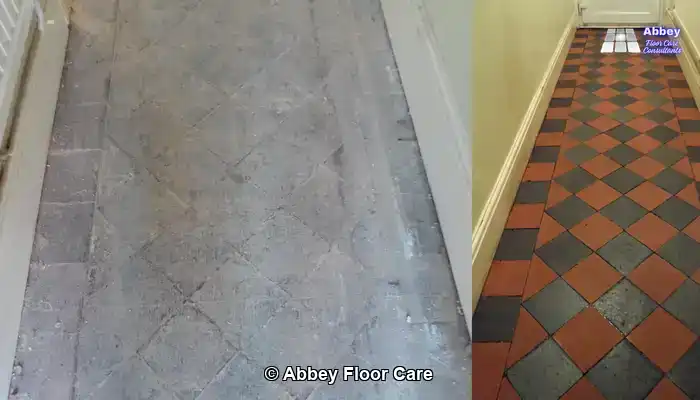
    The Article Removing Grout Haze: A Local Guide for West Dunbartonshire appeared first on https://fabritec.org

    The Article Removing Grout Haze: Essential Tips for West Dunbartonshire Residents Was Found On https://limitsofstrategy.com

  • Terracotta Maintenance: Tips for Longer Lasting Cleanliness

    Terracotta Maintenance: Tips for Longer Lasting Cleanliness

    Last Updated on September 29, 2025 by David

    Comprehensive Strategies for Maintaining Terracotta Flooring

      • Grasping the Importance of Terracotta’s High Porosity is essential, as it renders these tiles vulnerable to rapid dirt accumulation, particularly in humid locales like Surrey.
      • Implementing Expert Sealing Techniques is vital to prevent moisture and dirt from penetrating the tile surface, thus preserving its overall integrity.

    Understanding Why Terracotta Tiles Get Dirty Rapidly

    Why Terracotta Gets Dirty Quickly

    Terracotta tiles offer a remarkable aesthetic charm to flooring, especially in homes that favor traditional or rustic designs prevalent in Surrey. The warm hues and natural textures of terracotta significantly enhance the ambiance of any space. Nonetheless, despite their visual appeal, these tiles are susceptible to quickly gathering dirt. It is crucial to understand the factors contributing to this phenomenon to implement effective maintenance strategies that ensure your floors remain beautiful.

    Pro Tip: Must-Have Products for Daily Terracotta Floor Care

    Fila Pro Floor Cleaner

    Fila Pro Floor Cleaner

    Shop Now

    LTP Floorshine

    LTP Floorshine

    Shop Now

    Vileda H2PrO Spin Mop System

    Vileda H2PrO Spin Mop System

    Shop Now

    Recognizing Porosity: A Critical Factor in Dirt Accumulation

    Terracotta is crafted from natural clay and is fired at lower temperatures compared to other tile types. This distinctive manufacturing method results in a surface that is exceptionally porous, allowing it to absorb moisture, oils, and dirt much like a sponge. This inherent porosity facilitates the deep settlement of grime within the tile, making it increasingly challenging to remove with standard cleaning methods and techniques.

    Unsealed terracotta tiles are particularly vulnerable to dirt accumulation. Without a protective layer, even minor spills or muddy footprints can leave enduring stains. Over time, this leads to a dull, stained appearance that is difficult to rectify without professional cleaning services.

    The Influence of Surrey’s Humid Climate on Dirt Accumulation in Terracotta

    The climatic conditions in Surrey significantly influence how swiftly terracotta floors become dirty. The frequent rainfall and dampness in the area result in more moisture being tracked indoors, especially in places like entryways and conservatories. This constant moisture exposure can expedite the dirt accumulation process.

    Homes situated close to woodlands or gardens face an even greater risk of dirt build-up. Soil, pollen, and organic debris can easily find their way onto terracotta surfaces, particularly when shoes are not removed at the entrance, complicating the cleaning process.

    Identifying Daily Habits That Accelerate Dirt Build-Up on Terracotta Floors

    Beyond environmental factors, daily habits can exacerbate the situation. Utilizing inappropriate cleaning agents—such as harsh acidic solutions or bleach—can strip away protective coatings and damage the tile surface. While steam mops may seem convenient, they often drive moisture deeper into the tile, worsening the issue.

    High-traffic zones, including kitchens and hallways, naturally gather more wear and dirt. Without consistent sweeping and mopping, dirt can quickly accumulate, embedding itself within the tile’s texture and rendering routine cleaning less effective.

    Adopting Proactive Strategies for Cleaner Terracotta Floors

    Preventative Measures for Cleaner Terracotta

    To ensure clean terracotta floors, it is vital to focus on preventing dirt from settling in from the outset. In Surrey homes, where damp weather and garden traffic are common, proactive care is essential to maintain the natural beauty of terracotta tiles.

    The Importance of Sealing Terracotta to Prevent Stains

    The most effective strategy to keep terracotta tiles clean and prevent them from becoming dirty quickly is to ensure they are properly sealed. A top-quality, breathable sealant creates a protective barrier that repels moisture, oils, and dirt. Given Surrey’s varying humidity levels, sealing becomes even more critical to prevent water absorption that could result in staining and mold growth.

    Experts generally recommend resealing terracotta tiles every 12 to 18 months, depending on foot traffic and moisture exposure. In areas such as kitchens, hallways, and conservatories—where daily use occurs—more frequent resealing may be warranted. Always select a sealant specifically formulated for porous stone and avoid glossy finishes, which can trap dirt on the surface and complicate maintenance.

    Making Strategic Layout Decisions: The Benefits of Rugs and Mats

    Properly placing rugs and mats can greatly diminish the amount of dirt that reaches your terracotta tiles. Employ heavy-duty doormats at entrances to catch mud and moisture prior to entering your home. Area rugs in high-traffic areas, such as hallways or under dining tables, act as protective barriers that safeguard the tiles from wear and tear.

    In rooms connected to the outdoors, consider installing washable runners that can be cleaned regularly. These runners not only protect the tiles but also add warmth and style to your living area.

    Implementing Effective Moisture Management Techniques for Surrey Homes

    Surrey’s climate, characterized by heavy rainfall and humidity, can accelerate dirt accumulation on terracotta. To mitigate this, use dehumidifiers in enclosed spaces and ensure adequate ventilation throughout your home. Quickly clean spills and refrain from leaving wet items, such as shoes or towels, on the floor to minimize moisture exposure.

    If your terracotta flooring is situated in a conservatory or garden room, consider installing blinds or UV filters to reduce condensation and prevent sun damage. Making these minor adjustments can significantly enhance the longevity and appearance of your tiles over time.

    By integrating sealing, thoughtful design choices, and moisture management techniques, homeowners in Surrey can greatly reduce the rate at which terracotta floors accumulate dirt. In the following section, we will explore the best cleaning practices to maintain a fresh, natural appearance day after day.

    Uncovering the Most Effective Cleaning Practices for Terracotta Tiles

    Best Cleaning Practices for Terracotta Tiles

    Even with proper sealing and preventative measures, terracotta floors require consistent care to retain their natural allure. The key lies in employing the right techniques and products that clean effectively while preserving the tile’s porous structure.

    Establishing a Consistent Daily and Weekly Cleaning Routine

    In homes across Surrey, where outdoor elements frequently enter, daily sweeping or vacuuming is imperative. Utilize a soft-bristle broom or a vacuum with a hard floor setting to eliminate dust, grit, and organic debris before it can settle into the tile.

    For weekly cleaning, use a mop with warm water along with a pH-neutral cleaner that is specifically designed for natural stone. Be cautious to avoid soaking the floor—damp mopping is the ideal technique. Excess water can seep into the tile and cause staining or mold growth, especially in older or inadequately sealed installations.

    Selecting the Best Cleaning Products for Terracotta Maintenance

    Choosing the right cleaning products is crucial for effective maintenance. Look for labels that indicate “stone-safe,” “non-acidic,” or “pH-neutral.” In Surrey, where eco-friendly practices are increasingly advocated, many homeowners favor biodegradable cleaners that are safe for both pets and children.

    Steer clear of multi-surface cleaners containing bleach, ammonia, or citrus extracts, as these can strip sealants and etch the terracotta, making it more susceptible to future staining.

    For stubborn stains, utilize a soft cloth and a diluted stone cleaner solution. Avoid scrubbing with abrasive pads or wire brushes, as these can scratch the surface, ultimately rendering the tile more difficult to clean over time.

    What to Avoid: Harsh Chemicals and Steam Cleaning Techniques

    While steam mops may seem like a convenient option, they are not suitable for terracotta. The high heat and moisture can penetrate the tile and weaken the sealant, causing long-term damage. Additionally, acidic cleaners such as vinegar or lemon juice—even when diluted—can wear down the tile’s surface and lead to discoloration.

    Stick to gentle cleaning methods and always test new products on a small, inconspicuous area before applying them to the entire floor.

    Weighing Professional vs DIY Terracotta Care Options

    When it comes to maintaining terracotta flooring, many homeowners in Surrey begin with DIY methods. While routine sweeping and mopping are beneficial, there comes a point when professional care becomes not just valuable but essential.

    When to Consult a Tile Specialist in Surrey

    If your terracotta tiles display signs of significant staining, uneven color, or surface wear, it may be time to seek expert assistance. Professional tile care specialists in Surrey employ advanced equipment and stone-safe products that penetrate deeper than typical household cleaners. They can also evaluate whether your sealant has deteriorated and recommend an appropriate resealing schedule tailored to your home’s specific needs.

    Restoration services generally involve deep cleaning, stain removal, and reapplication of breathable sealants that protect without altering the natural appearance of the tile. For older homes or heritage properties, specialists may even replicate the original finish to maintain authenticity and charm.

    Evaluating Cost vs Longevity: Is Professional Care a Worthwhile Investment?

    While DIY cleaning may appear more economical, it often leads to short-term fixes. Without proper sealing and deep cleaning, dirt will continue to accumulate, necessitating more frequent maintenance and increasing the likelihood of permanent damage.

    In contrast, professional care can significantly extend the lifespan of your terracotta floors. A single restoration session can revitalize color, eliminate ingrained grime, and protect the surface for months or even years. In high-traffic areas, such as kitchens or hallways, this investment can yield substantial benefits in terms of reduced maintenance and enhanced aesthetic appeal.

    Homeowners in Surrey who prioritize long-term property preservation and visual allure often find that expert services provide peace of mind and remarkable results. Furthermore, many local providers offer eco-friendly options and customized maintenance plans that align with your lifestyle.

    Investigating Eco-Friendly and Safe Alternatives for Cleaning Terracotta

    The natural beauty of terracotta warrants a maintenance approach that is equally sustainable. Homeowners in Surrey seeking to care for their floors without compromising health or environmental integrity will find eco-friendly cleaning options to be the ideal solution. Fortunately, modern products and techniques enable you to protect your tiles—and your household—without resorting to harsh chemicals.

    Utilizing Non-Toxic Sealants and Cleaning Solutions

    Conventional sealants often contain solvents that emit volatile organic compounds (VOCs), which can linger in the air and adversely affect indoor air quality. Today’s eco-friendly alternatives utilize water-based formulas that are low in VOCs and safe for use around children and pets.

    When selecting a cleaner, look for labels that specify “biodegradable,” “plant-based,” or “stone-safe.” These products are designed to lift dirt without damaging the porous structure of terracotta. Brands specializing in natural stone care often provide concentrated solutions that can be diluted for regular use, minimizing waste and packaging.

    Ensuring Pet- and Child-Safe Cleaning Options

    In bustling Surrey households, safety is just as critical as cleanliness. Avoid using bleach, ammonia, and acidic cleaners such as vinegar, which can not only damage the tile but also pose risks to pets and young children. Instead, opt for gentle formulas derived from coconut oil derivatives, citrus enzymes, or mineral-based ingredients.

    For DIY enthusiasts, a simple mixture of warm water and a few drops of castile soap can effectively address light cleaning tasks. Just remember to test any homemade solution on a small area first to ensure it does not impact the sealant or finish.

    Embracing Sustainable Cleaning Practices

    Eco-friendly maintenance extends beyond product selection; it encompasses cleaning habits as well. Use reusable microfiber cloths and mops instead of disposable pads to minimize waste. Regular sweeping reduces the need for frequent wet cleaning. When resealing, choose products with recyclable packaging and minimal environmental impact.

    Many floor care professionals in Surrey now offer green cleaning packages that utilize certified non-toxic products and sustainable practices. If you’re uncertain where to start, consider scheduling a consultation with a local expert to help establish a routine that is both effective and environmentally conscious.

    Expert Recommendations for Keeping Your Terracotta Floors in Optimal Condition

    Terracotta flooring adds warmth, character, and enduring charm to homes in Surrey, but its porous nature necessitates careful maintenance to ensure it remains clean and vibrant. By understanding the reasons terracotta becomes dirty rapidly, sealing it correctly, and adopting effective cleaning practices, you can significantly minimize grime build-up and prolong the life of your tiles.

    Whether you are managing a bustling household or restoring a historic property, consistency is key. Daily sweeping, employing pH-neutral cleaning solutions, and seasonal resealing are essential components for sustaining an immaculate appearance. When stains or wear occur, do not hesitate to reach out to a local specialist for professional restoration services that can rejuvenate your floors.

    Utilizing eco-friendly products and safe cleaning routines ensures your floors maintain their beauty without compromising your health or the environment. With the right approach, terracotta can remain a stunning feature of your home for many years to come.

    Ready to intelligently protect your floors? <a href=”https://www.abbeyfloorcare.co.uk/home-garden/porcelain-tile-repair-near-me-east-calder/”>Contact us today</a> for expert terracotta maintenance tailored to the unique conditions of Surrey. Let us collaborate to keep your home looking its best—naturally.

    Common Inquiries About Caring for Terracotta Floors

    Terracotta floors may have a timeless appeal, yet they come with specific care requirements. Below are answers to the most frequently asked questions from homeowners in Surrey aiming to maintain their tiles in a clean, protected, and visually appealing state.

    How Often Should I Reseal My Terracotta Tiles?

    In most Surrey homes, terracotta tiles should be resealed every 12 to 18 months. However, this may vary based on foot traffic, moisture exposure, and whether the tiles are indoors or outdoors. High-traffic areas, such as kitchens, hallways, and conservatories, may require more frequent resealing. If you observe your tiles absorbing water or looking dull, it is time for resealing.

    Can I Use Vinegar or Bleach on My Terracotta Tiles?

    No—utilizing vinegar, bleach, or other acidic and harsh cleaners can severely damage terracotta. These substances can degrade sealants and etch the tile surface, resulting in irreversible discoloration. Always opt for pH-neutral, stone-safe cleaners specifically formulated for porous flooring.

    What is the Best Mop for Cleaning Terracotta Floors?

    A microfiber mop is the most suitable choice for cleaning terracotta floors. It effectively captures dust and dirt without scratching the surface, using minimal water—a critical factor for porous tiles like terracotta. Avoid sponge mops or steam mops since they can oversaturate the tile and weaken the sealant.

    Is it Safe to Use DIY Cleaning Solutions on Terracotta?

    Yes, but with caution. A mild mixture of warm water and castile soap can be effective for light cleaning tasks. Always test any homemade solution on a small, hidden area first to ensure it does not harm the sealant or finish. Avoid anything acidic or abrasive, and never apply homemade cleaners to unsealed tiles.

    What Should I Do if My Terracotta Tiles Have Already Stained?

    If stains have penetrated the tiles, professional restoration is your most reliable option. Tile care specialists in Surrey can provide deep cleaning, eliminate embedded grime, and reseal the surface to restore the original color and texture of the tile. DIY methods may exacerbate the damage if inappropriate products are used.

    The Article Tired of Dirty Terracotta? How to Keep It Clean Longer first found on https://www.abbeyfloorcare.co.uk
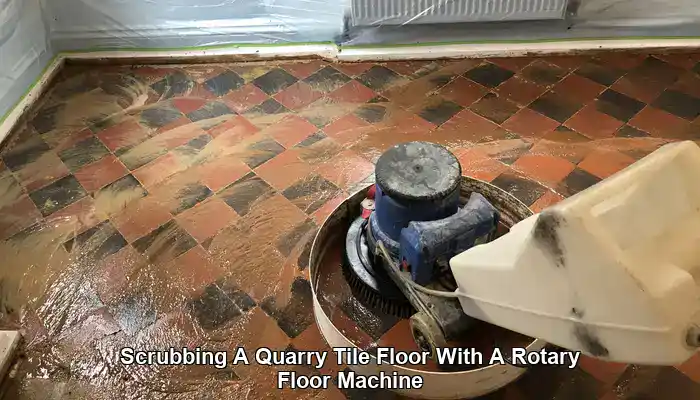
    The Article Keep Terracotta Clean Longer: Tips for Maintenance appeared first on https://fabritec.org

    The Article Terracotta Maintenance Tips to Keep It Clean Longer Was Found On https://limitsofstrategy.com

  • Terracotta Maintenance Tips for Extended Cleanliness

    Terracotta Maintenance Tips for Extended Cleanliness

    Last Updated on September 29, 2025 by David

    Essential Techniques to Maintain Spotlessly Clean Terracotta Floors

    • Consistent maintenance practices are vital—daily sweeping and weekly mopping with pH-neutral cleaning solutions will help maintain the tile’s pristine appearance.
    • <b>Avoid using harsh chemicals and steam mops</b>, as these can damage the sealant and etch the tile’s surface.
    • Opt for environmentally friendly cleaning products, especially if you have children or pets in your home.
    • Engaging professional restoration services can ensure thorough cleaning and resealing, providing enhanced protection for your tiles.
    • Utilize strategically placed rugs and mats in high-traffic zones to significantly reduce dirt transfer onto your floors.
    • Maintain optimal moisture control—adequate ventilation and prompt cleanup of spills are essential to prevent staining and mould growth.

    The Factors Behind Rapid Soiling of Terracotta Tiles

    Why Terracotta Gets Dirty Quickly

    Terracotta tiles present a visually appealing flooring option, particularly in traditional or rustic-style homes located in Surrey. Their warm hues and natural texture lend a distinct charm to any living space. However, despite their aesthetic advantages, terracotta is notorious for its tendency to become dirty very quickly. Understanding the underlying causes of this rapid soiling is essential for implementing effective cleaning and maintenance strategies.

    Pro Tip: Top Products for Daily Terracotta Care

    Fila Pro Floor Cleaner

    Fila Pro Floor Cleaner

    Shop Now

    LTP Floorshine

    LTP Floorshine

    Shop Now

    Vileda H2PrO Spin Mop System

    Vileda H2PrO Spin Mop System

    Shop Now

    Understanding the Impact of Porosity on Dirt Accumulation

    Terracotta is composed of natural clay and is fired at relatively low temperatures compared to other tile types. This manufacturing process results in a highly porous surface that can absorb moisture, oils, and dirt with remarkable efficiency. As a result, this porosity enables grime to penetrate deeply within the tile, making it quite challenging to remove with standard cleaning methods.

    Unsealed terracotta is particularly susceptible to dirt and stains. Without a protective barrier, even minor spills or muddy footprints can lead to enduring stains that mar the tile’s appearance. Over time, this can create a dull and stained look that can be hard to restore without the help of professionals.

    Examining How Surrey’s Climate Influences Terracotta Cleanliness

    The environmental conditions in Surrey significantly affect how quickly terracotta floors accumulate dirt. The region experiences frequent rainfall and damp conditions, which means that more moisture is often tracked indoors, especially in entryways and conservatories.

    Homes located near wooded areas or gardens are at an even greater risk. Soil, pollen, and organic debris can easily find their way onto terracotta surfaces, particularly if footwear is not removed at the entrance. This natural exposure underscores the importance of implementing effective cleaning strategies to combat dirt accumulation.

    Identifying Daily Habits That Contribute to Increased Dirt Build-Up

    In addition to environmental factors, daily habits can exacerbate dirt accumulation. Using inappropriate cleaning products—such as acidic solutions or bleach—can strip protective coatings and damage the surface of the tile. Although steam mops are popular for their convenience, they can often push moisture deeper into the tile, worsening the problem.

    High-traffic areas, such as kitchens and hallways, naturally experience increased wear. Without a consistent routine of regular sweeping and mopping, dirt accumulates quickly and becomes embedded in the texture of the tile, making it difficult to remove without professional intervention.

    Effective Preventative Strategies for Cleaner Terracotta Tiles

    Preventative Measures for Cleaner Terracotta

    To maintain the cleanliness of terracotta floors, proactive measures are essential to prevent dirt from settling in. In homes throughout Surrey, where damp weather and garden traffic are common, engaging in preventative care is vital to uphold the natural beauty of terracotta tiles.

    Sealing Your Terracotta: The First Line of Defense Against Dirt Accumulation

    The most effective method for preventing terracotta from becoming dirty quickly is to ensure it is properly sealed. A high-quality, breathable sealant creates a protective barrier that repels moisture, oils, and grime. In Surrey, where humidity levels can vary, sealing becomes especially important in deterring water absorption that can lead to staining and mould growth.

    Experts recommend resealing terracotta every 12 to 18 months, depending on factors such as foot traffic and exposure to moisture. In busy areas, like kitchens, hallways, and conservatories—where daily use is common—more frequent sealing may be necessary. It is crucial to select a sealant specifically designed for porous stone and to avoid glossy finishes that can trap dirt on the surface.

    Smart Design Choices: Utilizing Rugs and Mats Effectively

    Strategically placing rugs and mats can significantly reduce the amount of dirt that makes contact with your terracotta tiles. Implementing heavy-duty doormats at entrances can catch mud and moisture before it spreads indoors. In high-traffic areas such as hallways or underneath dining tables, area rugs can serve as a buffer, protecting the tile from wear and tear.

    For rooms that lead outdoors, consider opting for washable runners that are easy to clean. These additions not only help safeguard the tile but also enhance the aesthetic warmth and style of your living space, making it feel more inviting and comfortable.

    Effective Moisture Management in Surrey Homes

    Given Surrey’s reputation for frequent rainfall and damp conditions, managing moisture levels is crucial to mitigate dirt accumulation on terracotta floors. To address this issue, consider utilizing dehumidifiers in enclosed spaces, and ensure proper ventilation throughout your home. Quickly wiping up spills and avoiding leaving wet items—such as shoes or towels—on the floor can also help maintain cleanliness.

    If your terracotta is installed in a conservatory or garden room, consider adding blinds or UV filters to minimize condensation and protect against sun damage. These minor adjustments can significantly enhance the longevity and appearance of your tiles over time.

    By combining effective sealing, thoughtful design choices, and moisture management, homeowners in Surrey can dramatically reduce the rate at which their terracotta floors become dirty. In the following section, we will explore the best cleaning practices to maintain that fresh, natural look day after day.

    Optimal Cleaning Techniques for Terracotta Tiles

    Best Cleaning Practices for Terracotta Tiles

    Even with proper sealing and preventative measures in place, terracotta floors require regular attention to uphold their natural beauty. The key lies in employing appropriate cleaning techniques and products that effectively cleanse without damaging the porous surface of the tile.

    Establishing a Consistent Daily and Weekly Cleaning Routine

    In homes throughout Surrey, where outdoor elements frequently enter, establishing a daily routine of sweeping or vacuuming is essential. Utilize a soft-bristle broom or a vacuum with a hard floor setting to eliminate dust, grit, and organic debris before it settles into the tile.

    For weekly cleaning, mop the floors using warm water and a pH-neutral cleaner specifically formulated for natural stone. It is crucial to avoid soaking the floor; damp mopping is the best practice. Excessive water can seep into the tile, leading to staining or mould growth, particularly in older or poorly sealed installations.

    Selecting Appropriate Cleaning Products for Terracotta

    Choose products that are both gentle and effective for cleaning. Look for labels that indicate “stone-safe,” “non-acidic,” or “pH-neutral.” In Surrey, where eco-conscious living is increasingly popular, many homeowners prefer biodegradable cleaners that are safe for pets and children.

    Steer clear of multi-surface cleaners containing bleach, ammonia, or citrus extracts, as these can strip away sealants and etch the terracotta, making it more susceptible to future staining.

    For particularly stubborn stains, use a soft cloth along with a diluted solution of stone cleaner. Avoid scrubbing with abrasive pads or wire brushes, as these can scratch the surface and complicate future cleaning efforts.

    Identifying Harsh Chemicals and Methods to Avoid

    While steam mops may seem convenient, they are not suitable for terracotta. The intense heat and moisture can penetrate the tile and weaken the sealant, leading to long-term damage. Similarly, acidic cleaners like vinegar or lemon juice—even when diluted—can erode the tile’s surface and result in discoloration.

    Stick to gentle cleaning methods and always test any new products on a small, inconspicuous area before applying them to the entire floor.

    Weighing the Benefits of Professional Care Versus DIY Terracotta Maintenance

    When it comes to maintaining terracotta floors, many homeowners in Surrey initially turn to DIY cleaning methods. While regular sweeping and mopping can be effective, there comes a time when professional assistance becomes not only beneficial but essential.

    When Should I Seek Assistance from a Tile Specialist in Surrey?

    If your terracotta tiles exhibit signs of deep staining, uneven color, or noticeable surface wear, it may be time to consult a professional. Tile care specialists in Surrey utilize advanced equipment and stone-safe products that penetrate deeper than standard household cleaners. They can also evaluate whether your sealant has deteriorated and recommend a resealing schedule tailored to your home’s specific conditions.

    Restoration services typically include deep cleaning, stain removal, and reapplication of breathable sealants that protect the tiles without altering their natural appearance. For older homes or heritage properties, specialists can even match the original finish to maintain authenticity.

    Assessing Cost Versus Longevity: Is Professional Care Worth It?

    While DIY cleaning may seem like a more economical choice, it often leads to temporary solutions. Without proper sealing and deep cleaning, dirt will continue to accumulate, requiring more frequent maintenance and risking permanent damage.

    In contrast, professional care can significantly extend the lifespan of your terracotta floors. A single restoration session can rejuvenate color, eliminate embedded grime, and protect the surface for months or even years. In high-traffic areas like kitchens and hallways, this investment proves advantageous in terms of reduced maintenance needs and enhanced visual appeal.

    Homeowners in Surrey who prioritize long-term property care and curb appeal frequently find that expert services provide peace of mind and superior results. Additionally, many local providers offer eco-friendly options and customized maintenance plans to suit individual lifestyles.

    Exploring Eco-Friendly and Safe Cleaning Alternatives

    The earthy appeal of terracotta deserves care that aligns with its natural qualities. For homeowners in Surrey looking to keep their floors immaculate while prioritizing health and sustainability, eco-friendly cleaning is the optimal choice. Fortunately, modern products and techniques enable the protection of your tiles—and your household—without resorting to harsh chemicals.

    Selecting Non-Toxic Sealants and Cleaning Solutions

    Traditional sealants often contain solvents that emit volatile organic compounds (VOCs), which can linger in the air and negatively impact indoor air quality. Today’s eco-friendly alternatives feature water-based formulations that are low in VOCs and safe for use around children and pets.

    When selecting a cleaner, look for labels that indicate “biodegradable,” “plant-based,” or “stone-safe.” These products are designed to effectively lift dirt without harming the porous nature of terracotta. Brands specializing in natural stone care often offer concentrated solutions that can be diluted for everyday use, thereby minimizing waste and packaging.

    Safe Cleaning Options for Homes with Pets and Children

    In busy households in Surrey, safety is as important as cleanliness. Avoid bleach, ammonia, and acidic cleaners like vinegar, which can damage the tile and pose risks to pets and young children. Instead, opt for gentle formulations derived from coconut oil, citrus enzymes, or mineral-based ingredients.

    For those who favor DIY cleaning, a simple mixture of warm water and a few drops of castile soap can be remarkably effective for light cleaning tasks. Just remember to test any homemade solution on a small area first to ensure it won’t affect the sealant or finish of the tile.

    Implementing Sustainable Cleaning Practices

    Eco-friendly care goes beyond just product selection—it also involves adopting sustainable habits. Use reusable microfiber cloths and mops instead of disposable pads. Regular sweeping can reduce the need for frequent wet cleaning. When resealing, choose products packaged in recyclable materials that have minimal environmental impact.

    Many floor care professionals in Surrey now offer green cleaning packages, utilizing certified non-toxic products and sustainable methods. If you are unsure where to start, booking a consultation with a local expert can help establish a routine that is both effective and eco-conscious.

    Strategies for Keeping Your Terracotta Floors Immaculate

    Terracotta flooring brings warmth, character, and timeless elegance to homes in Surrey; however, its porous nature necessitates careful management to maintain cleanliness and vibrancy. By understanding the factors contributing to rapid dirt accumulation, ensuring proper sealing, and adopting effective cleaning habits, you can significantly diminish grime buildup and extend the life of your tiles.

    Whether you’re managing a bustling household or restoring a heritage property, consistency is essential. Daily sweeping, pH-neutral cleaning, and seasonal resealing are proven strategies for maintaining a well-kept appearance. When stains or wear start to appear, do not hesitate to enlist the help of a local specialist for professional restoration.

    Utilizing eco-friendly products and safe cleaning routines guarantees that your floors remain beautiful without compromising health or environmental integrity. With the right approach, terracotta can continue to serve as a stunning feature in your home for many years to come.

    Are you ready to protect your floors intelligently? <a href="https://www.abbeyfloorcare.co.uk/home-garden/porcelain-tile-repair-near-me-east-calder/">Contact us today</a> for expert terracotta maintenance tailored to the unique conditions of Surrey. Let’s keep your home looking its best—naturally.

    Common Questions Regarding Terracotta Floor Maintenance

    Terracotta floors are timeless and appealing, yet they require specific care. Below are answers to the most frequently asked questions from homeowners in Surrey seeking to maintain their tiles’ cleanliness, protection, and aesthetic appeal.

    How Frequently Should I Reseal My Terracotta Tiles?

    In most Surrey homes, it is advisable to reseal terracotta every 12 to 18 months. However, this timeframe may vary based on foot traffic, moisture exposure, and whether the tiles are located indoors or outdoors. Areas such as kitchens, hallways, and conservatories may require more frequent resealing. If you notice your tiles starting to absorb water or appearing dull, it’s time to reseal.

    Is It Safe to Use Vinegar or Bleach on Terracotta Tiles?

    No—vinegar, bleach, and other acidic or harsh cleaners can damage terracotta. These substances break down sealants and etch the tile surface, leading to permanent discoloration. Always opt for pH-neutral, stone-safe cleaning solutions specifically designed for porous flooring.

    What Type of Mop Works Best for Cleaning Terracotta Floors?

    A microfiber mop is ideal for terracotta floors. It effectively captures dust and dirt without scratching the surface and uses minimal water, which is crucial for porous tiles like terracotta. Avoid sponge mops or steam mops, as these can oversaturate the tile and weaken the sealant.

    Are DIY Cleaning Solutions Safe for Terracotta?

    Yes, but caution is necessary. A mild mixture of warm water and castile soap can be effective for light cleaning. Always test any homemade solution on a small, hidden area first. Avoid anything acidic or abrasive, and refrain from using homemade cleaners on unsealed tiles.

    What Should I Do If My Tiles Have Already Stained?

    If stains have penetrated the tiles, professional restoration is the best solution. Tile care specialists in Surrey can perform deep cleaning, remove embedded grime, and reseal the surface to restore the tiles’ original color and texture. DIY methods may exacerbate the damage if inappropriate products are employed.

    The Article Tired of Dirty Terracotta? How to Keep It Clean Longer was first found on https://www.abbeyfloorcare.co.uk
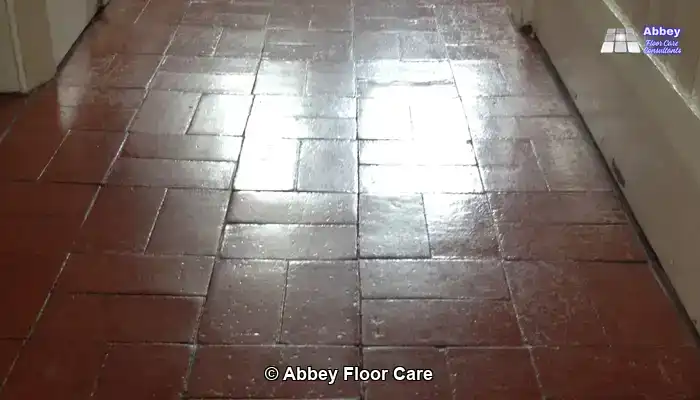
    The Article Keep Terracotta Clean Longer: Effective Maintenance Tips appeared first on https://fabritec.org

    The Article Terracotta Maintenance Tips for Longer Lasting Cleanliness Was Found On https://limitsofstrategy.com

  • Keeping Dirty Terracotta Clean: Tips for Longevity

    Keeping Dirty Terracotta Clean: Tips for Longevity

    Last Updated on September 29, 2025 by David

    Essential Techniques for Effective Terracotta Floor Maintenance

      • Comprehending the Vulnerability of Terracotta’s Porous Nature highlights how quickly dirt can be absorbed, particularly in humid areas such as Surrey.
      • The Vital Role of Proper Sealing is indispensable in keeping moisture and dirt from penetrating the tile surface.

    Understanding Why Terracotta Accumulates Dirt So Quickly

    Why Terracotta Gets Dirty Quickly

    Terracotta tiles present an exquisite flooring solution, particularly for traditional or rustic-style homes in Surrey. Their warm hues and natural textures add a distinctive charm to any interior environment. Nevertheless, these appealing characteristics come with a drawback; terracotta is well-known for its proclivity to become dirty swiftly. By grasping the fundamental causes behind this issue, homeowners can implement proactive strategies to uphold the cleanliness and attractiveness of their floors.

    Expert Picks: Top Products for Daily Terracotta Floor Maintenance

    Fila Pro Floor Cleaner

    Fila Pro Floor Cleaner

    Shop Now

    LTP Floorshine

    LTP Floorshine

    Shop Now

    Vileda H2PrO Spin Mop System

    Vileda H2PrO Spin Mop System

    Shop Now

    Exploring Porosity: The Key Factor in Dirt Accumulation

    Terracotta tiles are crafted from natural clay and are fired at lower temperatures than many other flooring materials, resulting in a highly porous surface. This inherent porosity allows for easy absorption of moisture, oils, and dirt, functioning very much like a sponge. In day-to-day scenarios, this characteristic enables grime to penetrate deep into the tile, making it increasingly challenging to remove using standard cleaning methods.

    Unsealed terracotta tiles face an even greater risk of this issue. In the absence of a protective layer, even minor spills or muddy footprints can leave enduring stains. Over time, these elements contribute to a dull and stained appearance, often necessitating professional cleaning efforts for effective restoration.

    Assessing the Impact of Surrey’s Climate on Terracotta Cleanliness

    The climate in Surrey significantly influences how swiftly terracotta floors accumulate dirt. This area is known for its consistent rainfall and damp conditions, which can lead to increased moisture being tracked indoors, particularly in high-traffic zones like entryways and conservatories.

    Homes situated near wooded areas or gardens are even more susceptible. Soil, pollen, and organic debris can easily transfer onto terracotta surfaces, especially when shoes are not removed upon entering the house.

    Identifying Daily Routines That Contribute to Increased Dirt Accumulation

    Beyond environmental influences, daily habits can exacerbate the situation. Utilizing inappropriate cleaning products—such as acidic solutions or bleach—can strip away protective coatings and harm the tile surface. While steam mops are a popular cleaning tool, they can inadvertently push moisture deeper into the tile, worsening the situation.

    Areas with high foot traffic, such as kitchens and hallways, are naturally more susceptible to deterioration. If regular sweeping and mopping are neglected, dirt can rapidly build up and become embedded within the texture of the tile.

    Proven Techniques to Maintain Clean and Pristine Terracotta Floors

    Preventative Measures for Cleaner Terracotta

    To keep terracotta floors clean, a proactive strategy is vital, focusing on preventing dirt accumulation from the very beginning. In residences throughout Surrey, where damp weather and garden traffic are prevalent, implementing preventative measures is crucial for preserving the natural beauty of terracotta tiles.

    Sealing: Your Primary Defense Against Dirt and Stains

    One of the most effective methods for preventing terracotta from becoming dirty is ensuring it is properly sealed. A high-quality, breathable sealant creates a protective barrier that repels moisture, oils, and dirt. In Surrey, where humidity levels can vary significantly, sealing is essential to prevent water absorption that could lead to unsightly staining and mold growth.

    Experts recommend resealing terracotta every 12 to 18 months, depending on foot traffic and exposure. In areas with significant use, such as kitchens, hallways, and conservatories, more frequent resealing may be required. Always opt for a sealant that is specifically designed for porous stone, and steer clear of glossy finishes that may trap dirt.

    Smart Placement of Rugs and Mats for Enhanced Dirt Control

    Strategically positioning rugs and mats can dramatically decrease the amount of dirt that reaches your terracotta floors. Utilize durable doormats at entry points to trap mud and moisture before they enter your home. In high-traffic areas like hallways or beneath dining tables, area rugs can serve as protective cushions against wear and tear.

    For rooms with outdoor access, consider washable runners that can be easily cleaned. These not only safeguard the tiles but also enhance the warmth and aesthetic appeal of your living space.

    Effective Moisture Management in Homes Across Surrey

    Given Surrey’s reputation for frequent rainfall and damp conditions, effective moisture management is critical in preventing dirt build-up on terracotta. Utilizing dehumidifiers in confined spaces and ensuring adequate ventilation throughout your home can make a noticeable difference. Promptly wiping up spills and avoiding leaving wet items—such as shoes or towels—on the floor is essential.

    If your terracotta tiles are located in a conservatory or garden room, consider adding blinds or UV filters to reduce condensation and protect against sun damage. These small adjustments can significantly enhance the longevity and appearance of your tiles.

    By implementing proper sealing, thoughtful design choices, and moisture control measures, homeowners in Surrey can notably slow the rate at which their terracotta floors become dirty. In the subsequent section, we will delve into the most effective cleaning practices to maintain that fresh, natural look day after day.

    Optimal Practices for Effectively Cleaning Terracotta Tiles

    Best Cleaning Practices for Terracotta Tiles

    Even with appropriate sealing and preventative strategies, terracotta floors require regular attention to preserve their natural beauty. The key lies in employing the right cleaning methods and products that effectively cleanse without damaging the porous surface of the tiles.

    Establishing a Consistent Routine for Daily and Weekly Maintenance

    In households throughout Surrey, where outdoor elements frequently enter, daily sweeping or vacuuming is essential. Utilize a soft-bristle broom or a vacuum cleaner with a hard floor setting to eliminate dust, grit, and organic matter before it settles into the tile.

    For weekly upkeep, mop the floor with warm water and a pH-neutral cleaner specifically formulated for natural stone. Avoid soaking the floor; damp mopping is the most effective method. Excess water can seep into the tile, leading to stains or mold growth, especially in older or inadequately sealed tiles.

    Selecting Safe and Effective Cleaning Solutions

    Choose cleaning products that strike a balance between gentleness and effectiveness. Look for labels indicating “stone-safe,” “non-acidic,” or “pH-neutral.” In Surrey, where eco-consciousness is increasingly important, many homeowners prefer biodegradable cleaners that are safe for both pets and children.

    Avoid multi-surface cleaners containing bleach, ammonia, or citrus extracts, as these can strip away sealants and etch the terracotta, making it more vulnerable to staining.

    For stubborn stains, use a soft cloth with a diluted solution of stone cleaner. Always refrain from scrubbing with abrasive pads or wire brushes, as these can scratch the surface and complicate future cleaning efforts.

    Cleaning Methods to Avoid: Harsh Chemicals and Steam Cleaning

    While steam mops may appear convenient, they are unsuitable for terracotta. The high heat and moisture can penetrate the tile and weaken the sealant, resulting in long-term damage. Similarly, acidic cleaners, such as vinegar or lemon juice—even when diluted—can erode the tile surface and lead to discoloration.

    Stick to gentle cleaning techniques and consistently test any new products on a small, inconspicuous area before applying them throughout your entire floor.

    Comparing the Benefits of Professional vs. DIY Terracotta Maintenance

    When it comes to caring for terracotta floors, many homeowners in Surrey often begin with DIY methods. While regular sweeping and mopping can be effective, there comes a time when professional intervention becomes not only beneficial but necessary.

    Identifying When to Consult a Tile Specialist in Surrey

    If your terracotta tiles exhibit signs of deep staining, uneven coloration, or surface wear, it may be prudent to consult an expert. Professional tile care specialists in Surrey utilize advanced equipment and stone-safe products that penetrate deeper than standard household cleaners. They can also evaluate whether your sealant has deteriorated and recommend a resealing schedule tailored to your home’s unique conditions.

    Restoration services typically encompass deep cleaning, stain removal, and the reapplication of breathable sealants that protect the tiles while preserving their natural appearance. For older or heritage properties, specialists can replicate the original finish to maintain authenticity.

    Assessing Costs and Long-Term Value: Is Professional Care Worth It?

    While DIY cleaning might seem more cost-effective, it often leads to temporary results. Without proper sealing and thorough cleaning, dirt continues to accumulate, necessitating more frequent maintenance and increasing the risk of permanent damage.

    In contrast, professional care extends the lifespan of your terracotta floors. A single restoration session can revitalize color, eliminate ingrained dirt, and protect the surface for months or even years. In high-traffic spaces like kitchens or hallways, this investment pays off by reducing maintenance requirements and enhancing visual appeal.

    Homeowners in Surrey who prioritize long-term property maintenance and aesthetic value frequently find that expert services provide peace of mind and superior results. Moreover, many local providers offer eco-friendly solutions and customized maintenance plans to suit your lifestyle.

    Eco-Friendly and Safe Cleaning Solutions for Your Terracotta Floors

    The natural beauty of terracotta deserves care that aligns with health and sustainability standards. For homeowners in Surrey wishing to maintain clean floors without resorting to harsh chemicals, eco-friendly cleaning options are increasingly available. Fortunately, modern products and techniques allow you to safeguard your tiles and your home while adhering to these principles.

    Choosing Non-Toxic Sealants and Cleaners

    Traditional sealants often include solvents that release volatile organic compounds (VOCs), which can linger in indoor air and adversely affect air quality. Contemporary eco-friendly alternatives utilize water-based formulas that are low in VOCs and safe for use around children and pets.

    When selecting a cleaner, opt for products labeled “biodegradable,” “plant-based,” or “stone-safe.” These formulations are specifically crafted to lift dirt without compromising the porous nature of terracotta. Brands specializing in natural stone care typically offer concentrated solutions that can be diluted for everyday use, reducing waste and environmental impact.

    Safe Choices for Households with Pets and Children

    In bustling Surrey households, safety is as crucial as cleanliness. Avoid using bleach, ammonia, and acidic cleaners like vinegar, as these can damage the tile and pose risks to pets and young children. Instead, choose gentle formulas based on coconut oil derivatives, citrus enzymes, or mineral-based components.

    For DIY enthusiasts, a simple blend of warm water and a few drops of castile soap can be remarkably effective for light cleaning. Always test any homemade solution on a small area first to ensure it does not affect the sealant or finish.

    Adopting Sustainable Cleaning Practices

    Eco-friendly cleaning encompasses not only product selection but also cleaning habits. Opt for reusable microfiber cloths and mops instead of disposable pads. Frequent sweeping can reduce the need for regular wet cleaning. When resealing, choose products featuring recyclable packaging and minimal environmental impact.

    Many floor care professionals in Surrey now provide green cleaning packages, utilizing certified non-toxic products and sustainable methods. If you are unsure where to begin, scheduling a consultation with a local expert can assist you in developing a routine that is both effective and environmentally responsible.

    Maintaining the Beauty of Your Terracotta Floors

    Terracotta flooring adds warmth, character, and timeless elegance to homes in Surrey. However, its porous nature necessitates careful maintenance to sustain its cleanliness and vibrancy. By comprehending why terracotta becomes dirty quickly, ensuring proper sealing, and implementing effective cleaning routines, homeowners can dramatically reduce grime accumulation and prolong the lifespan of their tiles.

    Whether managing a busy household or restoring a heritage property, consistency is key. Regular sweeping, utilizing pH-neutral cleaners, and seasonal resealing significantly contribute to maintaining a well-kept surface. When stains or wear become noticeable, do not hesitate to reach out to a local specialist for professional restoration.

    Employing eco-friendly products and safe cleaning methods ensures your floors remain beautiful without compromising health or environmental integrity. With the right approach, terracotta can continue to be a stunning feature in your home for years to come.

    Ready to protect your floors wisely? Get in touch with us today for professional terracotta maintenance customized to the specific conditions of Surrey. Let’s work together to keep your home looking its best—naturally.

    Frequently Asked Questions About Terracotta Maintenance

    Terracotta floors offer timeless beauty but come with particular care requirements. Below are answers to common questions from homeowners in Surrey who wish to keep their tiles clean, protected, and visually appealing.

    How Frequently Should I Reseal My Terracotta Tiles?

    In most homes in Surrey, terracotta should be resealed every 12 to 18 months. However, this timeframe may vary based on foot traffic, moisture exposure, and whether the tiles are situated indoors or outdoors. Areas like kitchens, hallways, and conservatories may necessitate more frequent resealing. If your tiles begin to absorb water or appear dull, it is time to reseal.

    Is it Safe to Use Vinegar or Bleach on My Terracotta?

    No—vinegar, bleach, and other harsh or acidic cleaners can harm terracotta. These substances erode sealants and etch the tile surface, resulting in permanent discoloration. Always select pH-neutral, stone-safe cleaners formulated specifically for porous flooring.

    What is the Ideal Mop for Cleaning Terracotta Floors?

    A microfiber mop is the best choice for terracotta. It effectively captures dust and dirt without scratching the surface and uses minimal water—critical for porous materials like terracotta. Avoid sponge mops or steam mops, which can oversaturate the tiles and compromise the sealant.

    Are DIY Cleaning Solutions Safe to Use?

    Yes, provided you proceed with caution. A mild mixture of warm water and castile soap can be effective for light cleaning. Always test any homemade solution on a small, inconspicuous area first. Avoid anything acidic or abrasive, and never apply homemade cleaners to unsealed tiles.

    What Should I Do If My Tiles Are Already Stained?

    If stains have developed, contacting a professional restoration service is your best course of action. Experts in Surrey can perform deep cleaning, remove entrenched grime, and reseal the surface to restore the tiles to their original color and texture. DIY methods may worsen the damage if inappropriate products are used.

    The article Tired of Dirty Terracotta? How to Keep It Clean Longer was first published on https://www.abbeyfloorcare.co.uk
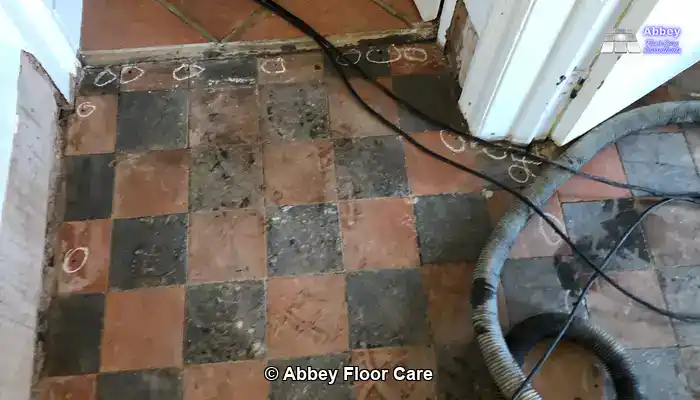
    The Article Keeping Dirty Terracotta Clean: Tips for Longevity appeared first on https://fabritec.org

    The Article Tips for Longevity: Keeping Dirty Terracotta Clean Was Found On https://limitsofstrategy.com

  • Terracotta Maintenance Tips for Lasting Cleanliness

    Terracotta Maintenance Tips for Lasting Cleanliness

    Last Updated on September 29, 2025 by David

    Ultimate Guide to Maintaining Spotless Terracotta Tiles

    • Establishing a Consistent Maintenance Routine is vital—daily sweeping combined with weekly mopping using pH-neutral cleaners helps sustain the aesthetic appeal of your tiles.
    • Avoiding Harsh Chemicals and steam mops is imperative, as these can harm the sealant and etch the tile, causing lasting damage.
    • <a href=”https://www.abbeyfloorcare.co.uk/home-garden/can-you-recommend-the-safest-products-for-cleaning-sandstone/”>Choosing Eco-Friendly Cleaning Products</a> is highly recommended, especially for households with children and pets.
    • Utilizing Professional Restoration Services guarantees a thorough clean and resealing, offering enduring protection for your terracotta tiles.
    • Strategically Placing Rugs and Mats in high-traffic areas significantly reduces dirt transfer into your living spaces.
    • Effectively Managing Moisture is crucial—ensuring proper ventilation and swiftly cleaning spills helps prevent stains and mold growth.

    Identifying Factors Contributing to Rapid Dirt Accumulation on Terracotta

    Identifying Factors Contributing to Rapid Dirt Accumulation on Terracotta

    Terracotta tiles are an attractive flooring option, particularly for traditional or rustic homes throughout Surrey. Their natural colors and textures bring a unique charm to any interior environment. However, despite their aesthetic appeal, terracotta tiles are prone to dirt accumulation, making it crucial to comprehend the underlying causes of this issue to maintain them successfully.

    Expert Tips for Daily Terracotta Tile Care

    Fila Pro Floor Cleaner

    Fila Pro Floor Cleaner

    Shop Now

    LTP Floorshine

    LTP Floorshine

    Shop Now

    Vileda H2PrO Spin Mop System

    Vileda H2PrO Spin Mop System

    Shop Now

    Understanding Porosity: The Reasons Behind Quick Dirt Accumulation on Terracotta

    Terracotta tiles are constructed from natural clay that is fired at lower temperatures compared to other types of tiles. This distinctive manufacturing method creates a highly porous surface that resembles a sponge, allowing it to absorb moisture, oils, and dirt. Under normal conditions, this porosity enables grime to seep deeply into the tile, making it challenging to remove with conventional cleaning approaches.

    When terracotta tiles are unsealed, they become more vulnerable to damage. Without a protective barrier, even minor spills or muddy footprints can lead to stubborn stains. Over time, these issues contribute to a dull, stained appearance that often necessitates professional cleaning and restoration efforts.

    How Does the Weather in Surrey Affect the Cleanliness of Terracotta Tiles?

    The climate in Surrey plays a significant role in how quickly dirt accumulates on terracotta floors. The region’s frequent rainfall and humid conditions increase the moisture tracked indoors, particularly in entryways and conservatories. Homes situated near wooded areas or gardens are even more vulnerable, as soil, pollen, and organic debris can easily enter, especially if shoes are not removed at the entrance.

    Everyday Habits That Accelerate Dirt Build-Up on Terracotta Floors

    In addition to environmental influences, certain daily habits can exacerbate dirt accumulation on terracotta tiles. Utilizing incorrect cleaning solutions—such as acidic cleaners or bleach—can strip the protective coatings, damaging the tile’s surface. While steam mops may seem convenient, they can force moisture deeper into the tile, worsening the problem over time.

    High-traffic areas, like kitchens and hallways, are naturally more susceptible to wear and tear. Without consistent sweeping and mopping, dirt quickly accumulates, becoming embedded in the tile’s texture.

    Effective Strategies for Keeping Terracotta Floors Clean

    Effective Strategies for Keeping Terracotta Floors Clean

    To keep terracotta floors looking pristine, proactive measures must be taken to prevent dirt from settling in initially. In homes throughout Surrey, where dampness and garden traffic are prevalent, implementing preventive strategies becomes vital to maintain the inherent beauty of terracotta tiles.

    The Importance of Sealing to Prevent Rapid Dirt Accumulation

    Applying a high-quality sealant is the most effective method to keep terracotta tiles from becoming dirty too quickly. A premium, breathable sealant provides a protective layer that repels moisture, oils, and grime. In Surrey, where humidity levels fluctuate, sealing is crucial to prevent water absorption that can lead to stains and mold growth.

    It is advisable to reseal terracotta approximately every 12 to 18 months, depending on foot traffic and exposure levels. In particularly busy areas, like kitchens and hallways—where daily use is common—more frequent resealing may be necessary. Choose a sealant specifically formulated for porous stone, avoiding glossy finishes that can trap dirt on the surface.

    Smart Design Choices: Utilizing Rugs and Mats for Extra Protection

    Thoughtfully placing rugs and mats can greatly reduce the amount of dirt that reaches your terracotta tiles. Heavy-duty mats at entrances trap mud and moisture before entering your home. In high-traffic areas such as hallways or underneath dining tables, area rugs serve as protective buffers against wear and tear.

    For rooms that connect to outdoor spaces, consider using washable runners that can be cleaned frequently. These not only help maintain the tiles but also add warmth and style to your living spaces.

    Effective Moisture Management in Homes Across Surrey

    With Surrey’s regular rainfall and humidity, managing moisture is essential for keeping dirt at bay on terracotta tiles. To achieve this, utilize dehumidifiers in enclosed areas and ensure adequate ventilation throughout your home. Swiftly wipe up spills and avoid leaving wet items—such as shoes or towels—on the floor.

    If your terracotta flooring is located in a conservatory or garden room, consider installing blinds or UV filters to minimize condensation and protect against sun damage. These minor adjustments can significantly improve the longevity and aesthetic quality of your tiles over time.

    By implementing effective sealing, thoughtful design choices, and moisture management strategies, homeowners in Surrey can greatly reduce the rate at which dirt accumulates on their terracotta floors. The following section will discuss optimal cleaning practices to keep your tiles looking fresh and welcoming every day.

    Optimal Cleaning Techniques for Terracotta Tiles

    Optimal Cleaning Techniques for Terracotta Tiles

    Even with appropriate sealing and preventive measures, terracotta floors require ongoing care to preserve their natural beauty. The key to success lies in utilizing the right techniques and products that clean effectively without damaging the porous tile surface.

    Establishing a Regular Daily and Weekly Cleaning Routine

    In homes throughout Surrey, where outdoor elements frequently enter, daily sweeping or vacuuming is essential. Employing a soft-bristle broom or a vacuum designed for hard floors effectively eliminates dust, grit, and organic debris before it can settle into the tile.

    For weekly cleaning, mop with warm water and a pH-neutral cleaner specifically formulated for natural stone. Avoid soaking the floor—damp mopping is the ideal technique. Excessive water can penetrate the tile, leading to stains or mold growth, especially in older or inadequately sealed installations.

    Choosing the Best Cleaning Products for Terracotta Maintenance

    Select cleaning products that are both gentle and effective. Look for labels that indicate “stone-safe,” “non-acidic,” or “pH-neutral.” In Surrey, where eco-friendly living is increasingly popular, many homeowners prefer biodegradable cleaners that are safe for both children and pets.

    Avoid multi-surface cleaners containing bleach, ammonia, or citrus extracts, as these can degrade sealants and etch the terracotta, making it more vulnerable to staining. For tough stains, use a soft cloth and a diluted stone cleaner. Refrain from scrubbing with abrasive pads or wire brushes, as these can scratch the surface and complicate future cleaning efforts.

    Cleaning Practices to Avoid: Dangers of Harsh Chemicals and Steam Cleaning

    While steam mops may appear convenient, they are inappropriate for terracotta. The high temperature and moisture can penetrate the tile and damage the sealant, resulting in long-lasting issues. Similarly, acidic cleaners like vinegar or lemon juice—even when diluted—can erode the tile’s surface and lead to discoloration.

    Stick to gentle cleaning methods, and always test new products on a small, inconspicuous area before applying them to the entire floor.

    Deciding Between Professional Care and DIY Terracotta Maintenance

    Many homeowners in Surrey begin with DIY strategies for caring for their terracotta floors. While regular sweeping and mopping provide benefits, there comes a time when professional help is necessary.

    When to Consult a Tile Care Specialist in Surrey

    If your terracotta tiles exhibit signs of deep staining, uneven color, or surface wear, it’s wise to seek professional assistance. Tile care specialists in Surrey utilize advanced equipment and stone-safe products that penetrate deeper than household cleaning agents. They can also evaluate whether your sealant has deteriorated and recommend a customized resealing schedule tailored to your specific circumstances.

    Restoration services typically encompass deep cleaning, stain removal, and reapplication of breathable sealants that protect without altering the natural appearance of the tiles. For older homes or heritage properties, specialists can often replicate the original finish to maintain authenticity.

    Assessing the Value of Professional Care: Cost Considerations

    Although DIY cleaning may seem more budget-friendly, it often yields only temporary results. Without proper sealing and deep cleaning, dirt continues to accumulate, leading to more frequent maintenance and potentially irreversible damage.

    In contrast, professional care prolongs the life of your terracotta floors. A single restoration session can refresh color, eliminate embedded dirt, and protect the surface for several months or even years. In high-traffic zones like kitchens or hallways, this investment significantly reduces maintenance needs while enhancing visual appeal.

    Homeowners in Surrey focused on long-term property care and curb appeal frequently find that expert services provide peace of mind and superior results. Additionally, many local providers offer eco-friendly options and customized maintenance plans tailored to your lifestyle.

    Exploring Safe and Eco-Friendly Cleaning Alternatives for Terracotta

    The earthy elegance of terracotta deserves maintenance that respects its natural qualities. For homeowners in Surrey looking to keep their floors clean without compromising health or environmental safety, eco-friendly cleaning solutions are ideal. Fortunately, modern products and techniques allow for effective tile protection without relying on harsh chemicals.

    Choosing Non-Toxic Sealants and Cleaners

    Many conventional sealants contain solvents that emit volatile organic compounds (VOCs), which can adversely affect indoor air quality. Today’s eco-friendly alternatives utilize water-based formulas that are low in VOCs and safe for use around children and pets.

    When selecting cleaners, look for labels that indicate “biodegradable,” “plant-based,” or “stone-safe.” These products are specifically formulated to lift dirt without damaging the porous surface of terracotta. Brands that specialize in natural stone care often offer concentrated solutions that can be diluted for daily use, minimizing waste and packaging.

    Finding Child- and Pet-Safe Cleaning Options

    In active households in Surrey, safety is just as crucial as cleanliness. Avoid using bleach, ammonia, and acidic cleaners like vinegar, which can harm the tile and pose risks to pets and young children. Instead, choose gentle formulas made from coconut oil, citrus enzymes, or mineral-based ingredients.

    For those inclined towards DIY solutions, a simple mixture of warm water and a few drops of castile soap is surprisingly effective for light cleaning. Always test any homemade mixture on a small area first to ensure it doesn’t damage the sealant or finish.

    Adopting Sustainable Cleaning Practices

    Eco-friendly maintenance encompasses more than selecting suitable products; it also involves cultivating sustainable habits. Utilize reusable microfiber cloths and mops instead of disposable options. Regular sweeping minimizes the need for frequent wet cleaning. When resealing, select products with recyclable packaging and minimal environmental impact.

    Numerous floor care professionals in Surrey now provide green cleaning services, employing certified non-toxic products and sustainable methods. If you’re uncertain where to begin, scheduling a consultation with a local expert can help you establish a routine that is both effective and eco-conscious.

    Essential Strategies for Maintaining Your Terracotta Floors

    Terracotta flooring adds warmth, character, and timeless beauty to homes in Surrey, yet its porous nature necessitates careful attention to remain clean and vibrant. By understanding why terracotta becomes dirty quickly, sealing it properly, and adopting effective cleaning habits, you can significantly minimize grime accumulation and extend the lifespan of your tiles.

    Whether managing a bustling household or restoring a historic property, consistency is key. Daily sweeping, utilizing pH-neutral cleaners, and resealing regularly all contribute to maintaining an immaculate appearance. And when stains or wear start to become evident, don’t hesitate to enlist the expertise of a local specialist for professional restoration.

    Employing eco-friendly products and safe cleaning routines ensures that your floors stay attractive without compromising health or environmental safety. With the right strategies in place, terracotta can continue to be a stunning feature in your home for many years ahead.

    Ready to safeguard your floors effectively? <a href="https://www.abbeyfloorcare.co.uk/home-garden/porcelain-tile-repair-near-me-east-calder/">Contact us today</a> for expert terracotta maintenance tailored to the unique conditions in Surrey. Let’s work together to ensure your home looks its very best—naturally.

    Commonly Asked Questions Regarding Terracotta Maintenance

    Terracotta floors are a classic choice, but they require specific care. Below are answers to the most frequently asked questions from homeowners in Surrey who wish to keep their tiles clean, protected, and visually appealing.

    How Frequently Should You Reseal Your Terracotta Tiles?

    Generally, terracotta should be resealed every 12 to 18 months in most Surrey homes. However, this frequency can vary based on foot traffic, moisture exposure, and whether the tiles are installed indoors or outdoors. Areas such as kitchens, hallways, and conservatories may need more frequent resealing. If tiles begin absorbing water or appear dull, it’s time to consider resealing.

    Is It Safe to Use Vinegar or Bleach on Terracotta Tiles?

    No—vinegar, bleach, and other acidic or harsh cleaners can severely damage terracotta. These substances can degrade sealants and etch the tile surface, leading to permanent discoloration. Always select pH-neutral, stone-safe cleaners specifically designed for porous flooring.

    What Type of Mop is Best for Cleaning Terracotta Floors?

    A microfiber mop is ideal for terracotta. It effectively captures dust and dirt without scratching the surface and uses minimal water, which is essential for porous tiles. Avoid sponge mops or steam mops, as these can oversaturate the tile and compromise the sealant.

    Are DIY Cleaning Solutions Safe to Use?

    Yes, but with caution. A mild mixture of warm water and castile soap can be effective for light cleaning. Always test any homemade solution on a small, hidden area first. Avoid anything acidic or abrasive, and never use homemade cleaners on unsealed tiles.

    What Should I Do If My Tiles Have Already Stained?

    If you notice that stains have set in, professional restoration is your best option. Tile care specialists in Surrey can perform deep cleaning, remove embedded dirt, and reseal the surface to restore the tiles’ original color and texture. DIY methods may exacerbate the damage if inappropriate products are utilized.

    The Article Ultimate Guide to Maintaining Spotless Terracotta Tiles first found on https://www.abbeyfloorcare.co.uk
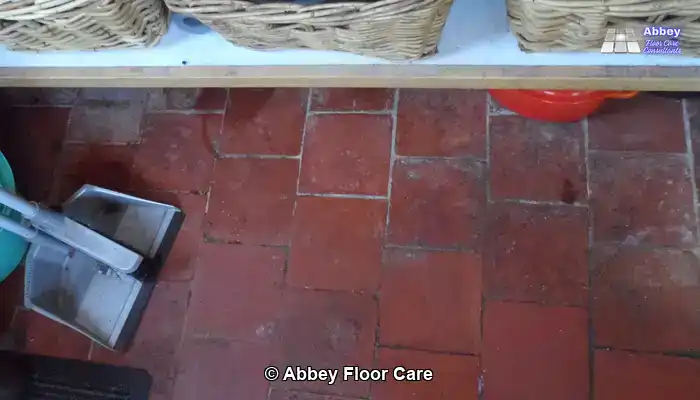
    The Article Keep Terracotta Clean Longer: Effective Maintenance Tips appeared first on https://fabritec.org

    The Article Terracotta Maintenance Tips for Longer Lasting Cleanliness Was Found On https://limitsofstrategy.com

  • Terracotta Cleaning Tips for a Pristine Look

    Terracotta Cleaning Tips for a Pristine Look

    Last Updated on September 29, 2025 by David

    Essential Tips for Maintaining Spotless Terracotta Floors

      • Understanding the Porous Nature of Terracotta reveals its tendency to collect dirt rapidly, particularly in humid environments such as Surrey.
      • Significance of Effective Sealing is crucial to safeguarding the tile surface from moisture and dirt infiltration.

    Understanding Why Terracotta Collects Dirt Quickly

    Why Terracotta Gets Dirty Quickly

    Terracotta tiles provide a visually stunning flooring option, particularly in traditional or rustic-style homes throughout Surrey. Their warm tones and natural textures add an inviting character to any environment. However, despite their undeniable charm, terracotta is infamous for its rapid accumulation of dirt. Recognizing the factors that contribute to this challenge is essential for effective cleaning and ongoing maintenance.

    Expert Insights: Recommended Products for Ongoing Terracotta Care

    Fila Pro Floor Cleaner

    Fila Pro Floor Cleaner

    Shop Now

    LTP Floorshine

    LTP Floorshine

    Shop Now

    Vileda H2PrO Spin Mop System

    Vileda H2PrO Spin Mop System

    Shop Now

    Diving Deeper into Porosity: A Key Factor in Maintenance

    Terracotta, being composed of natural clay, undergoes firing at lower temperatures compared to other types of tiles. This manufacturing technique results in a highly porous surface that readily absorbs moisture, oils, and dirt, functioning effectively like a sponge. Practically speaking, this inherent porosity allows grime to penetrate deeply within the tile, complicating its removal through standard cleaning methods.

    Unsealed terracotta tiles are particularly vulnerable to staining. Without a protective coating, even minor spills or muddy footprints can lead to permanent marks. Over time, this can result in a dull, stained appearance that is difficult to restore without professional intervention.

    Impact of Surrey’s Weather on Dirt Accumulation on Terracotta

    The weather conditions in Surrey play a significant role in how quickly terracotta floors become dirty. The area’s frequent rainfall and humidity lead to more moisture being tracked indoors, especially in locations like entryways and conservatories.

    Homes located near wooded areas or gardens face an even greater risk of dirt accumulation. Soil, pollen, and organic debris can easily accumulate on terracotta surfaces, particularly if footwear is not removed upon entering the home.

    Daily Activities That Increase Dirt Buildup on Terracotta Floors

    Beyond environmental factors, daily habits can exacerbate the challenge of dirt accumulation. Utilizing inappropriate cleaning agents, such as acidic solutions or bleach, can strip away protective coatings and damage the tile surface. Although steam mops may appear convenient, they often push moisture deeper into the tiles, intensifying the issue.

    High-traffic areas like kitchens and hallways naturally experience more wear and tear. Without consistent sweeping and mopping, dirt builds up quickly and embeds itself in the tile’s texture.

    Effective Strategies for Maintaining Clean Terracotta Floors

    Preventative Measures for Cleaner Terracotta

    Keeping terracotta floors clean is not solely about reacting to dirt; it’s equally about preventing it from settling in initially. In homes throughout Surrey, where moisture and garden traffic are common, proactive maintenance is vital for preserving the natural beauty of terracotta tiles.

    Sealing: Your First Line of Defense Against Dirt and Staining

    The most effective strategy for preventing terracotta from becoming dirty quickly is through proper sealing. A high-quality, breathable sealant creates a protective barrier that repels moisture, oils, and grime. For homes in Surrey, where humidity levels can fluctuate, sealing is essential to prevent water absorption that leads to staining and mold growth.

    Experts recommend resealing terracotta every 12 to 18 months, depending on foot traffic and exposure levels. In areas with high usage, such as kitchens, hallways, and conservatories, more frequent sealing may be necessary. Always select a sealant specifically designed for porous stone and avoid glossy finishes that can trap dirt.

    Smart Design Choices: Utilizing Rugs and Mats for Cleaner Floors

    Strategically placing rugs and mats can greatly reduce the amount of dirt that reaches your terracotta tiles. Heavy-duty doormats at entrances effectively capture mud and moisture before it enters your home. In high-traffic areas, such as hallways or beneath dining tables, area rugs serve as a protective barrier, shielding the tiles from wear and tear.

    For rooms that connect to outdoor spaces, consider using washable runners that can be easily cleaned regularly. These not only help maintain the integrity of the tiles but also enhance the overall aesthetic appeal of your living space.

    Moisture Management in Homes Throughout Surrey

    The damp climate of Surrey can accelerate dirt accumulation on terracotta. To mitigate this, utilize dehumidifiers in enclosed spaces and ensure proper ventilation throughout your home. Be prompt in wiping up spills and avoid leaving wet items—such as shoes or towels—on the floor.

    If your terracotta is installed in a conservatory or garden room, consider adding blinds or UV filters to minimize condensation and prevent sun damage. These minor adjustments can significantly influence how your tiles age over time.

    By integrating effective sealing, thoughtful design choices, and moisture management strategies, homeowners in Surrey can substantially slow the rate at which terracotta floors accumulate dirt. In the upcoming section, we will explore the best cleaning practices to maintain that fresh, natural appearance day after day.

    Optimal Cleaning Techniques for Terracotta Tiles

    Best Cleaning Practices for Terracotta Tiles

    Even with adequate sealing and preventative measures in place, terracotta floors require regular attention to retain their natural beauty. The secret lies in employing the right techniques and products that effectively clean without harming the porous surface of the tile.

    Establishing a Daily and Weekly Maintenance Routine

    In homes across Surrey, where outdoor elements frequently enter, daily sweeping or vacuuming is essential. A soft-bristle broom or a vacuum equipped with a hard floor setting should be used to eliminate dust, grit, and organic debris before it has a chance to settle into the tile.

    For weekly maintenance, mop with warm water and a pH-neutral cleaner specifically formulated for natural stone. It’s crucial to avoid soaking the floor—damp mopping is the preferred technique. Excess moisture can seep into the tiles, leading to staining or mold growth, particularly in older or poorly sealed installations.

    Choosing the Right Cleaning Products for Terracotta Care

    Select products that are both gentle and effective. Look for labels indicating “stone-safe,” “non-acidic,” or “pH-neutral.” In Surrey, where eco-conscious living is increasingly prioritized, many homeowners prefer biodegradable cleaners that are safe for both pets and children.

    Avoid multi-surface cleaners containing bleach, ammonia, or citrus extracts, as these can strip sealants and etch the terracotta, making it more vulnerable to future staining.

    For stubborn stains, use a soft cloth with a diluted solution of stone cleaner. Never scrub with abrasive pads or wire brushes, as these can scratch the surface and create challenges for cleaning in the future.

    Cleaning Methods to Avoid: Harsh Chemicals and Steam Equipment

    While steam mops may appear convenient, they are unsuitable for terracotta. The high temperature and moisture can penetrate the tile and weaken the sealant, resulting in long-term damage. Similarly, acidic cleaners like vinegar or lemon juice—even when diluted—can erode the tile’s surface and lead to discoloration.

    Stick to gentle cleaning methods and always test any new products on a small, inconspicuous area before applying them to the entire floor.

    Comparing Professional Services and DIY Care for Terracotta Floors

    When it comes to maintaining terracotta floors, many homeowners in Surrey begin with DIY cleaning approaches. While routine sweeping and mopping can be beneficial, there comes a point when professional help is not just advantageous but essential.

    Identifying When to Reach Out to a Tile Specialist in Surrey

    If your terracotta tiles exhibit signs of deep staining, uneven color, or surface wear, it may be time to seek professional assistance. Tile care specialists in Surrey utilize advanced tools and stone-safe products that penetrate deeper than standard household cleaners. They can also evaluate whether your sealant has deteriorated and recommend an appropriate resealing schedule based on your home’s unique conditions.

    Restoration services often encompass deep cleaning, stain removal, and reapplication of breathable sealants that protect without altering the tile’s natural appearance. For older homes or heritage properties, specialists can even replicate the original finish to maintain authenticity.

    Weighing Costs Against Longevity: The Value of Professional Care

    While DIY cleaning may seem more budget-friendly, it often yields only temporary results. Without proper sealing and thorough cleaning, dirt continues to accumulate, necessitating more frequent maintenance and risking irreversible damage.

    Conversely, professional care extends the lifespan of your terracotta floors. A single restoration session can rejuvenate color, eliminate embedded grime, and protect the surface for months or even years. This investment proves advantageous in high-traffic areas, such as kitchens or hallways, as it reduces maintenance needs and enhances visual appeal.

    Homeowners in Surrey who prioritize long-term property care and curb appeal often find that hiring expert services offers peace of mind and superior outcomes. Furthermore, many local providers offer eco-friendly options and personalized maintenance plans tailored to fit your lifestyle.

    Eco-Friendly and Safe Cleaning Alternatives for Terracotta Floors

    The natural beauty of terracotta deserves care that is equally organic. For homeowners in Surrey seeking to maintain their floors without compromising health or sustainability, eco-friendly cleaning solutions are an excellent choice. Thankfully, modern products and techniques make it straightforward to protect your tiles and household without resorting to harsh chemicals.

    Choosing Non-Toxic Sealants and Cleaners for Terracotta

    Traditional sealants often contain solvents that release volatile organic compounds (VOCs), which can linger in the air and negatively impact indoor air quality. Nowadays, eco-friendly alternatives utilize water-based formulas that are low in VOCs and safe for use around children and pets.

    When selecting a cleaner, look for labels that indicate “biodegradable,” “plant-based,” or “stone-safe.” These products are specifically designed to lift dirt without damaging the porous surface of terracotta. Brands specializing in natural stone care often provide concentrated solutions that can be diluted for everyday use, helping to reduce waste and packaging.

    Child and Pet-Safe Cleaning Solutions for Homes

    In bustling Surrey households, safety is as important as cleanliness. Steer clear of bleach, ammonia, and acidic cleaners like vinegar, which can harm the tile and pose risks to pets and young children. Instead, opt for gentle formulations derived from coconut oil, citrus enzymes, or mineral-based ingredients.

    For those who prefer DIY cleaning, a simple mixture of warm water and a few drops of castile soap can be surprisingly effective for light cleaning tasks. Just be sure to test any homemade solution on a small area first to ensure it doesn’t negatively affect the sealant or finish.

    Creating Sustainable Cleaning Practices for Terracotta Care

    Eco-friendly care extends beyond the products used—it also involves adopting mindful habits. Utilize reusable microfiber cloths and mops instead of disposable cleaning pads. Regular sweeping can minimize the need for frequent wet cleaning. When resealing, opt for products with recyclable packaging and minimal environmental impact.

    Several floor care professionals in Surrey now offer green cleaning packages, utilizing certified non-toxic products and sustainable methods. If you are unsure where to start, arranging a consultation with a local expert can guide you in developing a routine that is both effective and environmentally conscious.

    Ensure Your Terracotta Floors Remain Stunning

    Terracotta flooring adds warmth, character, and timeless elegance to homes in Surrey. However, its porous nature necessitates careful attention to maintain its cleanliness and vibrancy. By understanding the reasons behind the rapid dirt accumulation in terracotta, ensuring proper sealing, and implementing smart cleaning practices, you can significantly reduce grime buildup and extend the lifespan of your tiles.

    Whether you are managing a bustling household or restoring a historic property, consistency is critical. Daily sweeping, using pH-neutral cleaning solutions, and resealing periodically can significantly contribute to preserving an immaculate appearance. And if stains or wear begin to emerge, do not hesitate to seek the services of a local specialist for professional restoration.

    Utilizing eco-friendly products and safe cleaning routines ensures your floors remain beautiful without compromising health or environmental integrity. With the right approach, terracotta can continue to be a stunning feature in your home for many years.

    Are you ready to protect your floors intelligently? Contact us today for expert terracotta maintenance tailored to the unique conditions of Surrey. Let’s work together to keep your home looking its very best—naturally.

    Frequently Asked Questions About Terracotta Floor Maintenance

    Terracotta floors are timeless yet come with unique care requirements. Below are answers to the most frequently asked questions from homeowners in Surrey who seek to maintain their tiles in a clean, protected, and attractive state.

    How Frequently Should I Reseal My Terracotta Tiles?

    In most homes throughout Surrey, terracotta should be resealed every 12 to 18 months. However, this timeframe can vary based on foot traffic, moisture exposure, and whether the tiles are indoors or outdoors. Areas like kitchens, hallways, and conservatories may require more frequent resealing. If you observe your tiles absorbing water or appearing dull, it’s time for resealing.

    Is It Safe to Use Vinegar or Bleach on Terracotta Tiles?

    Absolutely not—vinegar, bleach, and other acidic or harsh cleaners can harm terracotta. These substances break down sealants and etch the tile surface, resulting in permanent discoloration. Always opt for pH-neutral, stone-safe cleaners specifically formulated for porous flooring.

    What Type of Mop is Best for Cleaning Terracotta Floors?

    A microfiber mop is ideal for terracotta. It effectively captures dust and dirt without scratching the surface, using minimal water—this is essential for porous tiles like terracotta. Avoid sponge mops or steam mops, as they can oversaturate the tile and weaken the sealant.

    Are DIY Cleaning Solutions Safe to Use?

    Yes, but with caution. A mild mixture of warm water and castile soap can be effective for light cleaning. Always test any homemade solution on a small, hidden area first. Avoid anything acidic or abrasive, and never apply homemade cleaners to unsealed tiles.

    What Should I Do If My Tiles Have Already Stained?

    If stains have set in, professional restoration is your best course of action. Tile care specialists based in Surrey can deep clean, remove embedded grime, and reseal the surface to restore the tile’s original color and texture. DIY methods may exacerbate the damage if inappropriate products are used.

    The Article Tired of Dirty Terracotta? How to Keep It Clean Longer first found on https://www.abbeyfloorcare.co.uk
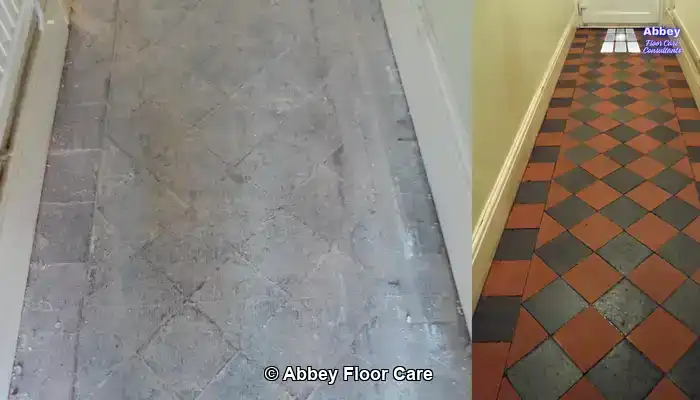
    The Article Keep Terracotta Clean Longer: Tips for a Spotless Finish appeared first on https://fabritec.org

    The Article Terracotta Cleaning Tips for a Spotless Finish Was Found On https://limitsofstrategy.com

  • Terracotta Maintenance Tips for Extended Cleaning Longevity

    Terracotta Maintenance Tips for Extended Cleaning Longevity

    Last Updated on September 29, 2025 by David

    Essential Techniques for Keeping Your Terracotta Flooring Pristine

      • Recognizing the Porous Nature of Terracotta highlights its susceptibility to absorbing dirt swiftly, particularly in humid areas such as Surrey.
      • The Crucial Role of Effective Sealing is instrumental in preventing moisture and dirt from penetrating the surface of the tiles.
    • Establishing Routine Maintenance Practices is vital—daily sweeping and weekly mopping using pH-neutral cleaners help sustain the tiles’ pristine appearance.
    • Avoiding Harsh Chemicals and steam mops is essential, as these can damage the sealant and harm the surface of the tiles.
    • Opting for Eco-friendly Cleaning Solutions is highly recommended, especially in homes with children or pets to ensure safety.
    • Utilizing Professional Cleaning Services guarantees comprehensive cleaning and resealing, offering lasting protection for your terracotta flooring.
    • Strategically Placing Rugs and Mats in high-traffic zones can greatly reduce the transfer of dirt onto your tiles.
    • Effectively Managing Moisture is crucial—adequate ventilation and prompt attention to spills can prevent staining and the growth of mould.

    Understanding the Reasons Behind Rapid Dirt Accumulation on Terracotta

    Why Terracotta Gets Dirty Quickly

    Terracotta tiles present an extraordinary flooring option, particularly for traditional or rustic homes throughout Surrey. Their vibrant colors and organic textures contribute warmth and character to any environment. Nonetheless, despite their aesthetic allure, terracotta tiles are infamous for their rapid accumulation of dirt and grime. It is imperative for homeowners to comprehend the fundamental factors that contribute to this swift soiling in order to maintain the cleanliness and visual appeal of their floors.

    Expert Insights on Daily Care Products for Terracotta Floors

    Fila Pro Floor Cleaner

    Fila Pro Floor Cleaner

    Shop Now

    LTP Floorshine

    LTP Floorshine

    Shop Now

    Vileda H2PrO Spin Mop System

    Vileda H2PrO Spin Mop System

    Shop Now

    Understanding Porosity: The Major Contributor to Dirt Accumulation

    Terracotta is crafted from natural clay and subjected to lower firing temperatures compared to other types of tiles. This distinct manufacturing process results in a highly porous surface that readily absorbs moisture, oils, and dirt, akin to a sponge. In practical application, this inherent porosity allows grime to penetrate deeply into the tile, complicating removal through standard cleaning methods.

    Unsealed terracotta is particularly vulnerable to these challenges. In the absence of a protective barrier, even minor spills or muddy footsteps can lead to enduring stains. Over time, neglecting to address these issues results in a dull and discolored appearance that can only be restored through professional cleaning services.

    Impact of Surrey’s Climate on Terracotta Cleanliness

    The climate in Surrey plays a significant role in how quickly terracotta floors become dirty. The region’s recurring rainfall and damp conditions lead to increased moisture being tracked indoors, especially in entryways and conservatories. This excess moisture exacerbates the problem of dirt accumulation.

    Homes located near wooded areas or gardens face an even greater risk. Soil, pollen, and organic debris can easily migrate onto terracotta surfaces, particularly if shoes are not removed before entering the home.

    Daily Habits That Contribute to Increased Dirt Accumulation

    In addition to environmental factors, daily routines can greatly impact the cleanliness of terracotta tiles. Utilizing improper cleaning products—such as acidic solutions or bleach—can strip protective coatings and damage the surface of the tiles, leading to further deterioration. While steam mops are popular for their convenience, they often force moisture into the tile, exacerbating the problem.

    High-traffic zones, such as kitchens and hallways, are inherently more prone to wear. Without consistent sweeping and mopping, dirt quickly builds up and embeds itself within the texture of the tile, making it progressively more challenging to maintain a clean appearance.

    Proactive Measures to Maintain Your Terracotta’s Cleanliness

    Preventative Measures for Cleaner Terracotta

    Preserving the cleanliness of terracotta floors requires not only reactive cleaning but also proactive strategies to prevent dirt from settling in initially. In homes located in Surrey, where damp weather and garden traffic are prevalent, it is essential to create a routine of proactive care to maintain the natural beauty of terracotta tiles.

    Sealing: The Primary Defense Against Dirt and Stains

    The most effective method to prevent terracotta from becoming dirty quickly is to ensure that it is sealed appropriately. A high-quality, breathable sealant creates a protective barrier that repels moisture, oils, and grime. For properties in Surrey, where humidity can fluctuate, sealing is crucial to prevent water absorption, which can lead to unsightly staining and mould development.

    Experts recommend resealing terracotta tiles every 12 to 18 months, although this may differ based on foot traffic and exposure to moisture. In areas such as kitchens, hallways, and conservatories that experience regular use, more frequent resealing might be necessary. Always opt for a sealant specifically designed for porous stone and avoid glossy finishes that could trap dirt on the surface.

    Strategic Layout Design: The Value of Rugs and Mats

    Carefully placing rugs and mats can significantly decrease the amount of dirt that makes its way to your terracotta tiles. Utilizing heavy-duty doormats at entry points helps capture mud and moisture before it spreads throughout the home. In high-traffic areas like hallways or beneath dining tables, area rugs act as a protective buffer, preserving the tile from excessive wear.

    For rooms that connect to outdoor spaces, consider using washable runners that can be cleaned regularly. These not only help maintain the integrity of the tile but also add warmth and style to your living environment.

    Moisture Management Strategies for Surrey Homes

    The damp conditions typical in Surrey accelerate the accumulation of dirt on terracotta surfaces. To combat this, consider using dehumidifiers in enclosed areas and ensure your home is well-ventilated. Promptly wipe up spills and avoid leaving wet items—such as shoes or towels—on the floor to prevent moisture-related problems.

    If your terracotta tiles are installed in a conservatory or garden room, adding blinds or UV filters can reduce condensation and prevent sun damage. These small adjustments can significantly influence how your tiles age over time.

    By implementing sealing practices, making informed design choices, and managing moisture effectively, homeowners in Surrey can considerably decrease the rate at which their terracotta floors collect dirt. In the following section, we will explore the most effective cleaning practices to preserve that fresh, natural look day after day.

    Optimal Cleaning Techniques to Keep Terracotta Tiles Pristine

    Best Cleaning Practices for Terracotta Tiles

    Even with appropriate sealing and preventive measures in place, terracotta floors necessitate consistent upkeep to retain their natural beauty. The key lies in employing the right methods and products that effectively clean without damaging the porous surface of the tiles.

    Daily and Weekly Maintenance Routines for Ideal Care

    In homes throughout Surrey, where outdoor elements frequently make their way indoors, daily sweeping or vacuuming is crucial. Employ a soft-bristle broom or a vacuum with a hard floor setting to eliminate dust, grit, and organic debris before it settles into the tile.

    For weekly maintenance, mop the floors using warm water along with a pH-neutral cleaner specifically formulated for natural stone. It is vital to avoid soaking the floor; damp mopping is the preferred technique. Excessive water can seep into the tiles and cause staining or mould growth, particularly in older or inadequately sealed installations.

    Choosing the Most Effective Cleaning Products for Terracotta

    Select cleaning products that are both gentle and efficient. Look for labels indicating “stone-safe,” “non-acidic,” or “pH-neutral.” In Surrey, where eco-friendly living is becoming increasingly popular, many homeowners prefer biodegradable cleaners that are safe for both pets and children.

    Avoid multi-surface cleaners that contain bleach, ammonia, or citrus extracts; these can strip sealants and etch the terracotta, making it more vulnerable to future staining.

    For stubborn stains, utilize a soft cloth and a diluted solution of stone cleaner. Never scrub with abrasive pads or wire brushes, as these can scratch the surface and complicate the cleaning process over time.

    Cleaning Approaches to Avoid: The Risks of Harsh Chemicals and Steam Cleaning

    Although steam mops may appear convenient, they are unsuitable for terracotta. The combination of high heat and moisture can penetrate the tiles and damage the sealant over time, resulting in serious degradation. Similarly, acidic cleaners, such as vinegar or lemon juice—even in diluted forms—can erode the tile’s surface and lead to discoloration.

    Stick to gentle cleaning methods and always test new products on a small, inconspicuous area before applying them to the entire floor.

    Evaluating Professional Services Versus DIY Methods for Terracotta Care

    Many homeowners in Surrey begin their terracotta maintenance journey with DIY cleaning techniques. While routine sweeping and mopping can certainly be beneficial, there comes a moment when professional services become not just advantageous but essential.

    When to Consult a Tile Specialist in Surrey

    If your terracotta tiles exhibit signs of deep staining, uneven color, or surface wear, it may be time to seek professional assistance. Tile care specialists in Surrey use advanced equipment and stone-safe products that outperform standard household cleaners. They can also evaluate whether your sealant has deteriorated and recommend an appropriate resealing schedule based on your home’s unique conditions.

    Restoration services typically involve deep cleaning, stain removal, and reapplication of breathable sealants that protect without altering the tile’s natural beauty. For historic properties or older homes, specialists can even match the original finish to maintain authenticity.

    Weighing Cost Against Longevity: Is Professional Care Worthwhile?

    While DIY maintenance may seem more budget-friendly at first, it often results in short-lived outcomes. Without proper sealing and deep cleaning, dirt continues to accumulate, leading to more frequent upkeep and potentially causing irreversible damage.

    In contrast, professional care extends the lifespan of your terracotta floors. A single restoration session can refresh color, eliminate embedded grime, and protect the surface for months or even years. In high-traffic areas, such as kitchens or hallways, this investment proves beneficial by reducing maintenance needs and enhancing visual appeal.

    Homeowners in Surrey who prioritize long-term property maintenance and aesthetic value frequently find that professional services offer peace of mind and superior results. Additionally, many local providers offer eco-friendly solutions and personalized maintenance plans to fit individual lifestyles.

    Eco-Friendly and Safe Cleaning Solutions for Terracotta Floors

    The natural beauty of terracotta deserves care that is equally gentle. For residents in Surrey who wish to maintain their floors without compromising health or environmental standards, adopting eco-friendly cleaning practices is the ideal choice. Thankfully, modern products and approaches make it simple to protect your tiles—and your family—without resorting to harsh chemicals.

    Choosing Non-Toxic Sealants and Cleaners

    Traditional sealants often contain solvents that emit volatile organic compounds (VOCs), which can linger in indoor air and negatively affect air quality. Nowadays, eco-friendly alternatives frequently utilize water-based formulations that are low in VOCs and safe for use around children and pets.

    When selecting a cleaner, search for products labeled “biodegradable,” “plant-based,” or “stone-safe.” These solutions are specifically designed to lift dirt without harming the porous surface of terracotta. Brands specializing in natural stone care often provide concentrated solutions that can be diluted for everyday use, minimizing waste and packaging.

    Safe Cleaning Options for Households with Pets and Children

    In bustling homes throughout Surrey, safety is just as crucial as cleanliness. Refrain from using bleach, ammonia, and acidic cleaners like vinegar, which can damage the tile and pose risks to pets and young children. Instead, opt for gentle formulas derived from coconut oil derivatives, citrus enzymes, or mineral-based components.

    For those who prefer DIY solutions, a simple mixture of warm water and a few drops of castile soap can be surprisingly effective for light cleaning tasks. Always test any homemade solution on a small area first to ensure it does not adversely affect the sealant or finish.

    Implementing Sustainable Cleaning Practices

    Eco-friendly maintenance extends beyond product ingredients; it also encompasses your cleaning habits. Utilize reusable microfiber cloths and mops instead of disposable pads. Regular sweeping will decrease the need for frequent wet cleaning. When resealing, select products with recyclable packaging and minimal environmental impact.

    Numerous floor care professionals in Surrey now provide green cleaning packages, utilizing certified non-toxic products and sustainable techniques. If you’re uncertain where to begin, scheduling a consultation with a local expert can help you establish an effective and eco-conscious cleaning routine.

    Maintaining Immaculate Terracotta Floors

    Terracotta flooring brings warmth, character, and a timeless charm to homes in Surrey. However, its porous nature requires careful attention to keep it clean and vibrant. By understanding why terracotta tiles become dirty quickly, ensuring proper sealing, and implementing effective cleaning routines, you can significantly reduce grime buildup and prolong the life of your tiles.

    Whether you manage a busy household or restore a historic property, consistency is essential. Daily sweeping, regular use of pH-neutral cleaning solutions, and seasonal resealing all contribute greatly to maintaining a well-kept surface. If stains or wear become noticeable, do not hesitate to reach out to a local expert for professional restoration.

    Utilizing eco-friendly products and safe cleaning practices also ensures your floors remain beautiful without compromising your health or the environment. With the right approach, terracotta can continue to be a stunning feature in your home for years to come.

    Ready to safeguard your floors intelligently? Contact us today for expert terracotta maintenance tailored to the unique conditions of Surrey. Let’s collaborate to keep your home looking its best—naturally.

    Your Most Common Questions about Terracotta Maintenance Answered

    Terracotta floors are ageless and beautiful, but they require specific care to maintain their charm. Here are answers to the most frequently asked questions from homeowners in Surrey who wish to keep their tiles clean and protected.

    How Frequently Should I Reseal My Terracotta Tiles?

    In most homes across Surrey, terracotta should be resealed every 12 to 18 months. However, this interval can fluctuate based on foot traffic, moisture levels, and whether the tiles are located indoors or outdoors. Areas such as kitchens, hallways, and conservatories may necessitate more regular sealing. If your tiles begin absorbing water or appear dull, it’s time to reseal.

    Is It Safe to Use Vinegar or Bleach on Terracotta?

    No—vinegar, bleach, and other harsh or acidic cleaners can damage terracotta. These substances deteriorate sealants and etch the tile surface, resulting in irreversible discoloration. Always opt for pH-neutral, stone-safe cleaners specifically formulated for porous flooring.

    What Type of Mop is Best for Cleaning Terracotta Floors?

    A microfiber mop is the best choice. It effectively captures dust and dirt without scratching the tile’s surface, while using minimal water, which is essential for porous materials like terracotta. Avoid sponge mops or steam mops, as they can oversaturate the tiles and compromise the sealant.

    Are DIY Cleaning Solutions Safe to Use?

    Yes, but with caution. A mild mixture of warm water and castile soap can be effective for light cleaning tasks. Always test any homemade solution on a small, hidden area first to ensure it doesn’t negatively affect the sealant or finish.

    What Should I Do If My Tiles Have Already Stained?

    If stains are present, professional restoration is often the most effective solution. Tile care specialists in Surrey can perform deep cleaning, remove embedded dirt, and reseal the surface to restore the tile’s original color and texture. DIY methods may exacerbate the issue if inappropriate products are used.

    The Article Tired of Dirty Terracotta? How to Keep It Clean Longer first found on https://www.abbeyfloorcare.co.uk
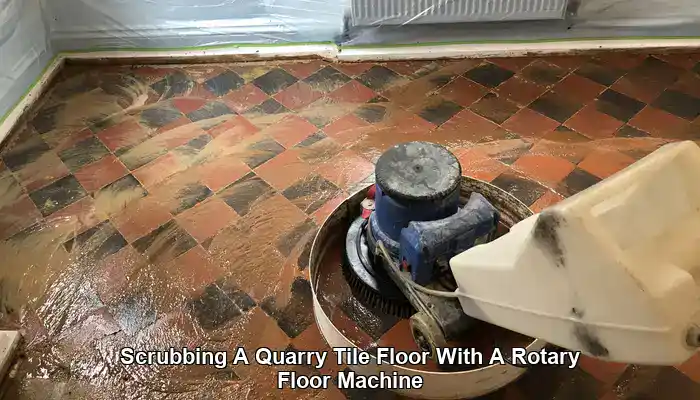
    The Article Keep Terracotta Clean Longer: Effective Maintenance Tips appeared first on https://fabritec.org

    The Article Terracotta Maintenance Tips for Longer Cleaning Durability Was Found On https://limitsofstrategy.com