Category: Stress Relief

  • Stress Management Strategies for Women in the UK: Top Tips

    Stress Management Strategies for Women in the UK: Top Tips

    Master Stress Management with Frome Acupuncture: Your Premier Acupuncture & Holistic Wellness Clinic in Frome
    Empowering individuals across the UK for over 35 years.
    Frome Acupuncture provides extensive insights into stress management, encouraging women to take control of their health and happiness.

    Take Charge of Your Health with Effective Stress Management Techniques for Women

    What Are the Primary Contributors to Increased Stress Levels in Women?

    Managing Stress for Women: A stressed woman juggling work, family, and societal pressures in a chaotic environment.

    For many women, stress management presents a multifaceted challenge shaped by various factors. These factors commonly encompass intense workplace pressures, significant family obligations, and the burden of societal expectations. The relentless pursuit of perfection across different roles—whether as a professional, partner, or caregiver—can foster feelings of inadequacy and an overwhelming sense of anxiety. Women often find themselves balancing numerous responsibilities simultaneously, which can substantially heighten their stress levels. Moreover, societal standards surrounding body image, career advancement, and parenting responsibilities further exacerbate anxiety and stress.

    In professional environments, stressors can emerge from high-pressure job situations, challenging team dynamics, or the difficulty of harmonizing professional commitments with personal life. In the UK, women frequently encounter systemic issues such as gender bias and unequal opportunities that compound their stress. Family obligations, particularly those related to children or elderly care, can amplify these pressures, leaving minimal time for personal self-care. Recognizing these stressors is essential; understanding their origins empowers women to implement effective stress management strategies while advocating for their own health and happiness.

    How Does Chronic Stress Affect Women’s Health and Overall Well-Being?

    Chronic stress can significantly impact both the physical and mental health of women. The physiological consequences of prolonged stress can lead to serious health conditions, including heart disease, digestive issues, and hormonal disruptions. When stress triggers the release of cortisol, extended exposure to elevated levels may pose substantial health risks. Additionally, studies indicate that women often report higher instances of anxiety and depression—conditions that can be intensified by ongoing stress.

    Research suggests that women may be particularly vulnerable to stress-related health problems due to a combination of biological and environmental factors. The prevalence of conditions such as fibromyalgia and autoimmune diseases, which are diagnosed more frequently in women, can often be traced back to elevated stress levels. Therefore, understanding the health implications of stress is vital for women, empowering them to take proactive measures to manage stress and seek timely interventions to avert serious health repercussions.

    How Can You Identify the Early Signs of Stress Before It Escalates?

    Recognizing early signs of stress is crucial for effective management. Common physical symptoms of stress include fatigue, irritability, and sleep disruptions, which may indicate rising stress levels. Many women might also notice alterations in their eating habits or an increased reliance on substances like alcohol or caffeine as coping mechanisms. Being aware of these symptoms is imperative, as they serve as early warning signals of potential stress overload.

    Emotional signs, such as feelings of being overwhelmed or difficulty concentrating, can also suggest that stress is interfering with daily life. By cultivating self-awareness regarding these indicators, women can take proactive steps to address their stress. Implementing techniques like journaling or mindfulness practices can aid in recognizing these symptoms, facilitating timely interventions that may alleviate long-term effects on health and overall well-being.

    Professional Insights on Effective Stress Management Techniques for Women

    A serene woman practicing mindfulness in a professional setting, surrounded by calming light and colors.

    What Evidence-Based Methods Can Effectively Alleviate Stress?

    Implementing well-researched stress management techniques is crucial for women seeking to regain control over their mental well-being. Key strategies encompass practicing mindfulness, engaging in regular physical activity, and utilizing effective time management skills. Mindfulness practices, such as meditation and deep-breathing exercises, enable individuals to remain present in the moment, thereby diminishing anxiety and fostering relaxation. Participating in regular exercise—whether through brisk walking, gym workouts, or yoga—releases endorphins that function as natural stress relievers. Furthermore, mastering time management skills can relieve feelings of overwhelm by prioritizing tasks and setting realistic goals.

    • Dedicate time each day to mindfulness meditation practices.
    • Incorporate regular physical activities, such as walking or yoga, into your routine.
    • Utilize prioritization techniques to manage tasks effectively.
    • Implement time-blocking strategies to create structured schedules.
    • Practice deep-breathing exercises to regain focus and clarity.
    • Set achievable goals to prevent feelings of being overwhelmed.
    • Engage in creative outlets such as art or music for stress relief.
    • Establish a routine that includes dedicated time for relaxation.

    Adopting these techniques requires commitment but can greatly enhance one’s ability to manage stress effectively. By initiating small, manageable changes, women can experience substantial benefits over time. Acknowledging the need for these adjustments allows women to tailor their approach to fit their unique lifestyles.

    How Can Women Easily Integrate Relaxation Techniques into Their Busy Schedules?

    Integrating relaxation techniques into daily routines is essential for effective stress management. Activities such as meditation, yoga, and basic stretching exercises can seamlessly fit into hectic schedules. Designating specific times for relaxation—even if it’s just a few minutes each day—can aid in developing lasting habits. Techniques like guided imagery or progressive muscle relaxation can also yield benefits and can be practiced at home or during brief breaks throughout the day.

    Regular engagement in relaxation practices not only provides immediate stress relief but also cultivates long-term resilience against stressors. Evidence indicates that women who incorporate these practices into their routines experience significant improvements in their mental health and overall well-being. The key lies in consistency and discovering relaxation techniques that resonate personally, ensuring that these practices become a valued aspect of daily life.

    Why Are Support Networks Crucial for Effective Stress Management?

    A diverse group of women in a supportive circle at a community workshop, sharing experiences and coping strategies.

    The significance of support systems in managing stress cannot be overstated. Emotional backing from friends, family, and professional networks provides essential relief during tough times. Women often find that sharing their experiences, whether in person or through support groups, helps alleviate feelings of loneliness and fosters connections. For example, numerous women in the UK have benefited from community resources that offer workshops and peer support, enhancing their coping strategies.

    Real-life examples underscore the transformative impact of support networks. Women involved in local support groups frequently report lower stress levels, improved mental health, and strengthened relationships. The key lies in actively seeking and nurturing these connections, whether through informal gatherings or organized groups focused on stress management. By fostering these relationships, women can create an environment that prioritizes their mental well-being and resilience.

    How Do Diet and Nutrition Influence Stress Levels in Women?

    The connection between diet and nutrition plays a vital role in stress management for women. Specific dietary choices can either aggravate or alleviate stress. For instance, consuming a diet rich in whole foods, such as fruits, vegetables, and whole grains, is linked to improved mental health outcomes. Including omega-3 fatty acids, found in fish and flaxseeds, along with antioxidant-rich foods like berries, can support cognitive function and help mitigate anxiety.

    Additionally, maintaining stable blood sugar levels through regular, balanced meals can help avoid mood swings and irritability. Women should also consider their hydration levels, as even mild dehydration can negatively impact mood and cognitive abilities. A stress-reducing diet may include reducing processed foods, limiting caffeine intake, and focusing on nutrient-dense options. By understanding the links between diet and stress, women can make informed nutritional choices that positively affect their mental health.

    Why Is Quality Sleep Crucial for Stress Management in Women?

    Obtaining sufficient sleep is fundamental for effective stress management. The relationship between sleep quality and stress reduction is well-documented. Lack of sleep can lead to elevated cortisol levels, intensifying stress responses and creating a detrimental cycle. Women often encounter unique challenges that disrupt sleep, including hormonal fluctuations, caregiving responsibilities, and work pressures.

    Enhancing sleep hygiene can significantly improve sleep quality and overall health. Strategies such as maintaining a consistent sleep schedule, establishing a calming bedtime routine, and minimizing screen time before sleep can foster restorative rest. Additionally, creating a soothing sleep environment with comfortable bedding and a dark, quiet atmosphere can facilitate quality sleep. By prioritizing sleep, women can substantially strengthen their resilience against stress and enhance overall health.

    Practical Coping Strategies Customized for Women in the UK

    What Are Effective Coping Strategies for Stress Relief?

    Practical coping strategies are essential tools for women managing stress in the UK. Techniques like journaling offer an effective emotional outlet, allowing women to articulate their thoughts and feelings, thus alleviating mental clutter. Establishing boundaries is another crucial strategy; learning to say no helps to prevent overwhelming commitments, ensuring time for self-care. Seeking professional assistance, whether through therapy or support groups, provides structured guidance and a safe space for sharing experiences.

    Furthermore, participating in creative activities—such as painting, gardening, or crafting—offers therapeutic release and promotes relaxation and enjoyment. Building a supportive network of friends and family who understand the unique pressures women face can also provide emotional relief. These coping mechanisms can be adapted to fit busy lifestyles, making them practical and accessible for everyday application.

    How Can Women Prioritize Self-Care in Their Daily Routines?

    Self-care is a fundamental aspect of effective stress management. Women often overlook their own needs while caring for others, making it vital to prioritize self-care activities. Developing a personal self-care routine can encompass activities such as indulging in hobbies, scheduling spa days, and maintaining healthy eating habits. Dedicating time to engage in enjoyable activities serves not only as a stress reliever but also enhances overall well-being.

    • Engage in regular physical activities, such as walking or yoga.
    • Allocate ‘me time’ for hobbies or relaxation activities.
    • Maintain a balanced diet rich in nutritious foods.
    • Consistently practice mindfulness or meditation techniques.
    • Explore creative outlets, such as writing or art, to express emotions.
    • Establish a regular sleep routine to promote restorative nights.
    • Spend quality time with friends and loved ones to strengthen relationships.
    • Seek professional help when necessary to address mental health concerns.

    By intentionally dedicating time for self-care, women can revitalize themselves and better equip themselves to confront life’s challenges. It is crucial to recognize self-care not merely as a luxury but as an essential requirement for maintaining mental health and preventing burnout.

    What Mental Health Resources Are Available to Women in the UK?

    In the UK, a myriad of mental health resources exists to support women in managing stress. The NHS provides extensive mental health services, including counseling, therapy, and support groups that can greatly assist in stress management. Being aware of these resources is essential for women seeking assistance. Additionally, various charities offer specialized support specifically for women, addressing unique challenges such as postpartum depression and anxiety.

    Online resources, including helplines and chat services, offer immediate assistance for individuals who may find it difficult to seek help in person. Engaging with local mental health organizations can foster community connections and a sense of belonging. By utilizing these resources, women can access valuable support and develop effective strategies for managing stress, empowering them to enhance their mental health.

    How Can Support Networks Strengthen Coping Mechanisms for Women?

    Building a robust support network is crucial for effectively coping with stress. Women who connect with friends, family, or community groups often report feeling more secure and less isolated. Emotional support is vital; having someone to confide in about personal experiences can significantly alleviate stress levels. Partaking in community activities or support groups can facilitate connections with others who understand similar pressures, providing shared experiences and insights.

    Real-world examples illustrate the importance of these networks. Women involved in local mental health groups frequently find camaraderie and encouragement, which strengthens their resilience. Sharing experiences and coping strategies within a supportive environment enhances emotional well-being and fosters a sense of community. By cultivating these relationships, women can establish a solid support system that serves as an essential lifeline during stressful times.

    Actionable Steps for Managing Workplace Stress in Women

    How Can Women Effectively Tackle Work-Related Stress?

    Effectively addressing work-related stress necessitates a proactive strategy. Practical methods include mastering time management, setting achievable goals, and fostering open communication with supervisors. Time management skills—such as prioritizing tasks and breaking larger projects into smaller, manageable components—can alleviate feelings of overwhelm. It is essential to establish clear boundaries between work and personal life, as blurred lines can heighten stress levels.

    Openly discussing workload and expectations with supervisors can also be instrumental in managing stress efficiently. Women should feel empowered to communicate their needs and seek assistance when necessary. Additionally, participating in workplace wellness initiatives can create a supportive atmosphere and provide tools for effective stress management. By implementing these strategies, women can promote a healthier work-life balance and enhance their overall well-being.

    What Advantages Do Flexible Working Arrangements Offer for Effective Stress Management?

    Flexible working arrangements offer significant benefits for women aiming to manage stress. Options such as remote work, flexible hours, and compressed workweeks can considerably alleviate stress, allowing women to better balance their professional and personal lives. One immediate benefit is the reduction of commuting time, which enables women to reclaim valuable hours for self-care or family engagement.

    • Enhanced productivity stemming from improved work-life balance.
    • Reduced stress associated with commuting and related costs.
    • Greater job satisfaction and increased employee retention rates.
    • Improved ability to manage family responsibilities.
    • Flexibility in scheduling personal appointments and activities.
    • Opportunities for cultivating a healthier work environment.
    • Better mental health outcomes for employees.
    • Increased autonomy and control over one’s schedule.

    These benefits contribute to a holistic approach to work, allowing women to thrive in their roles while prioritizing their mental health. Advocating for flexible working arrangements can help foster a more supportive and understanding workplace culture.

    How Can Employers Assist Women’s Stress Management Efforts?

    Employers play a crucial role in supporting women’s stress management initiatives. Implementing wellness programs focused on mental health can cultivate a culture of support and understanding within the workplace. Initiatives such as mental health days, employee assistance programs, and wellness workshops can provide essential resources and tools for effective stress management.

    Moreover, fostering an open dialogue surrounding mental health can help reduce the stigma associated with these discussions, encouraging employees to seek help when necessary. A supportive work environment—where employees feel valued and understood—can markedly decrease stress levels. Employers should also consider establishing mentorship programs that connect younger employees with experienced mentors, providing guidance and support. By prioritizing women’s mental health, employers can cultivate a more engaged and productive workforce.

    Research-Backed Benefits of Effective Stress Management for Women

    How Does Effective Stress Management Lead to Improved Mental Health?

    Implementing effective stress management techniques correlates with significant enhancements in mental health. By utilizing strategies such as mindfulness, physical activity, and seeking social support, women can reduce symptoms of anxiety and depression. Numerous studies indicate that women who actively engage in stress management practices experience greater emotional resilience and overall happiness.

    For instance, a woman who incorporates mindfulness exercises into her daily routine feels more centered and less burdened by life’s challenges. This transformation not only benefits her mental health but also positively influences her relationships and professional engagements. By prioritizing stress management, women can create a ripple effect of well-being that enhances all aspects of their lives.

    What Is the Connection Between Effective Stress Management and Physical Health?

    Effectively managing stress carries significant implications for physical health. Chronic stress is recognized as a contributing factor to various diseases, including heart disease and obesity. By adopting stress management techniques, women can lower their risk of developing these chronic conditions, thereby enhancing their overall health. For example, regular physical activity and relaxation techniques can improve cardiovascular health and bolster the immune system.

    Incorporating healthy eating habits and prioritizing quality sleep further contribute to physical well-being, creating a comprehensive approach to health. When women make stress management a priority, they not only enhance their mental health but also promote a healthier lifestyle that reduces the risk of chronic diseases. This interconnectedness emphasizes the importance of holistic wellness strategies.

    What Long-Term Benefits Does Stress Management Provide?

    Long-term engagement in stress management yields a multitude of benefits, including an improved quality of life and enhanced resilience. Women who consistently apply stress management techniques often report stronger relationships, increased life satisfaction, and greater adaptability in the face of challenges. Over time, the cumulative effects of effectively managing stress can lead to a more balanced perspective on life, reducing the likelihood of burnout.

    Moreover, women who commit to long-term stress management tend to develop a stronger sense of self and greater confidence in their ability to navigate life’s hurdles. This resilience can enhance decision-making skills and coping strategies, creating an environment where women can excel both personally and professionally. By viewing stress management as a long-term commitment, women can build a more fulfilling life.

    How Can Stress Management Propel Career Advancement?

    Utilizing effective stress management strategies can significantly enhance career success. Women who implement stress-reduction techniques often experience heightened productivity, improved focus, and enhanced decision-making abilities. By managing stress effectively, women position themselves favorably for career growth, as they can tackle challenges with clarity and renewed energy.

    Real-world examples demonstrate that women have thrived professionally after adopting stress management strategies. For instance, a woman who utilized time management skills to balance her workload not only met deadlines but also received recognition from her superiors. These success stories illustrate the tangible advantages of prioritizing mental health, highlighting how effective stress management can facilitate professional growth and success.

    Transformative Lifestyle Changes for Improved Stress Relief

    How Can Nutrition and Exercise Play a Key Role in Stress Management?

    A well-balanced diet and regular exercise are powerful allies in the battle against stress. Nutritional choices directly impact mood and energy levels; for instance, a diet rich in whole foods can enhance mental clarity and emotional stability. Foods high in sugars and processed ingredients may lead to energy dips, amplifying stress. Prioritizing nutrient-dense meals, including fruits, vegetables, lean proteins, and whole grains, can promote sustained energy levels and help alleviate anxiety.

    • Integrate omega-3 fatty acids into daily meals.
    • Limit caffeine and sugar intake for improved mood stability.
    • Aim for at least 30 minutes of physical activity each day.
    • Engage in aerobic exercises like running or cycling.
    • Explore mind-body practices such as yoga or tai chi for relaxation.
    • Stay hydrated throughout the day to support cognitive function.
    • Snack on stress-reducing foods, like nuts and berries.
    • Plan balanced meals to ensure optimal nutrition.

    Regular physical activity not only bolsters physical health but also releases endorphins, which act as natural mood enhancers. The combination of a nutritious diet and consistent exercise creates a solid foundation for managing stress and enhancing overall well-being.

    What Is the Importance of Sleep in Effective Stress Management?

    Quality sleep is a crucial element of effective stress management. Inadequate sleep can exacerbate stress levels, leading to various negative effects on mental and physical health. Prioritizing sleep hygiene is essential for achieving restorative rest. Establishing a consistent sleep schedule, creating a calming bedtime routine, and minimizing screen time before bed can significantly enhance sleep quality.

    Furthermore, understanding the connection between sleep and stress is vital. Sufficient sleep regulates mood, improves cognitive performance, and enhances resilience against stressors. Women should aim for 7-9 hours of quality sleep each night, as this not only supports mental health but also contributes to better decision-making and emotional stability throughout the day.

    What Advantages Do Mindfulness and Meditation Offer for Stress Reduction?

    Mindfulness and meditation serve as effective techniques for alleviating stress and fostering relaxation. These practices encourage individuals to focus on the present moment, helping to break the cycle of rumination often associated with stress. Regular meditation can lead to reduced anxiety levels, enhanced emotional resilience, and improved overall well-being.

    Integrating mindfulness into daily life can take various forms, such as simple breathing exercises, guided meditations, or mindful walking. These practices can be easily woven into busy schedules, whether during a lunch break or before bedtime. Women who embrace mindfulness frequently report greater control over their thoughts and emotions, leading to improved stress management and enhanced mental health.

    Strategies for Building Resilience Against Stress

    What Techniques Can Fortify Emotional Resilience?

    Developing emotional resilience is essential for effective stress management. Techniques such as cognitive behavioural therapy (CBT) and positive thinking empower women to reframe negative thoughts and cultivate a more resilient mindset. CBT assists individuals in identifying and challenging unhelpful thought patterns, promoting more constructive approaches to stress and anxiety.

    Additionally, engaging in positive self-talk and visualizing successful outcomes can bolster resilience. Practicing gratitude and focusing on achievements, no matter how small, reinforces a positive outlook. These techniques can transform one’s approach to stress, fostering a mindset that regards challenges as opportunities for growth rather than insurmountable obstacles.

    How Do Social Connections Enhance Resilience?

    Strong social connections are vital for bolstering resilience. Relationships with friends, family, and community members provide crucial emotional support during stressful times. Women often discover that sharing their experiences with trusted individuals alleviates feelings of isolation and fosters a sense of belonging. Participation in community activities and nurturing friendships can significantly enhance one’s ability to cope with stress.

    Research indicates that individuals with robust support systems tend to experience lower stress levels and improved mental health outcomes. Having someone to rely on during challenging times can strengthen resilience and offer valuable perspectives on difficulties. By cultivating these connections, women can develop a resilient network that supports their mental well-being.

    How Can You Create a Personalized Stress Management Plan?

    Developing a personalized stress management plan is crucial for effectively navigating stress. Women should begin by assessing their unique stressors and identifying specific techniques that resonate with them. The plan should incorporate a variety of coping strategies, such as mindfulness practices, physical activity, and social support.

    Establishing realistic goals within the plan ensures practicality and effectiveness. Regularly reviewing and adjusting the plan as circumstances evolve can also enhance its efficacy. By crafting a tailored approach to stress management, women can better navigate challenges and maintain a greater sense of control over their mental health.

    How Does Regular Physical Activity Boost Resilience?

    Participating in regular physical activity is a powerful strategy for enhancing resilience against stress. Exercise stimulates the release of endorphins, which elevate mood and foster a sense of well-being. Activities such as running, swimming, or brisk walking serve as effective outlets for stress and anxiety. Furthermore, exercise provides a distraction from daily pressures, allowing individuals to focus on their physical health.

    Women who integrate regular physical activity into their lives frequently report improved mental clarity and emotional stability. The benefits of exercise transcend physical health; they nurture a sense of accomplishment and self-efficacy, further reinforcing resilience. By prioritizing physical activity, women can establish a robust defense against stress and promote overall mental health.

    Frequently Asked Questions about Stress Management for Women

    What are the common causes of stress in women?

    Various factors contribute to stress in women, including work pressures, family responsibilities, societal expectations, and personal relationships. Balancing multiple roles often leads to feelings of overwhelm and heightened stress.

    How can stress affect women’s health?

    Chronic stress can lead to a range of health issues for women, including anxiety, depression, heart disease, and hormonal imbalances. Recognizing these risks is crucial for managing stress effectively.

    What are some signs of stress in women?

    Common signs of stress in women include fatigue, irritability, sleep disturbances, and changes in appetite. Identifying these signs early can help in managing stress more effectively.

    What techniques help with stress management?

    Effective stress management techniques include mindfulness practices, regular exercise, time management strategies, and seeking social support. Implementing these can significantly alleviate stress.

    How can women incorporate relaxation into their daily routine?

    Women can integrate relaxation by scheduling time for mindfulness, yoga, or simple breathing exercises. Consistency is key to reaping the benefits of these relaxation practices.

    What role do support systems play in managing stress?

    Support systems provide essential emotional and practical help during stressful times. Building and nurturing these connections can enhance resilience and reduce feelings of isolation.

    How does diet influence stress levels in women?

    A balanced diet rich in whole foods can enhance mood and energy levels, while poor nutritional choices may exacerbate stress. Focusing on nutrient-dense foods is vital for effective stress management.

    What are the benefits of sleep for stress management?

    Adequate sleep helps regulate mood, enhances cognitive function, and improves resilience to stressors. Prioritizing sleep hygiene is essential for effective stress management.

    What techniques can build emotional resilience?

    Techniques such as cognitive behavioural therapy, positive thinking, and mindfulness can enhance emotional resilience, enabling women to cope more effectively with stress.

    How can physical activity contribute to stress relief?

    Regular physical activity releases endorphins that elevate mood and provide a constructive outlet for stress. Exercise also fosters a sense of achievement, boosting overall resilience.

    Follow Us On Facebook!

    The Article Managing Stress for Women: UK Strategies Was First Published On https://acupuncture-frome.co.uk

    The Article Stress Management Strategies for Women in the UK Was Found On https://limitsofstrategy.com

  • Acupuncture Techniques in the UK for Ultimate Relaxation

    Acupuncture Techniques in the UK for Ultimate Relaxation

    Experience Profound Relaxation During Your Acupuncture Sessions with MCR Therapies, a Premier Acupuncture & Rehabilitation Specialist
    Supporting individuals across the UK for over 19 years.
    MCR Therapies offers expert advice on how to prepare for acupuncture, focusing on comfort and relaxation techniques that enhance your experience.

    Essential Preparations for an Enhanced Acupuncture Experience

    What Clothing Choices Promote Optimal Comfort During Acupuncture?

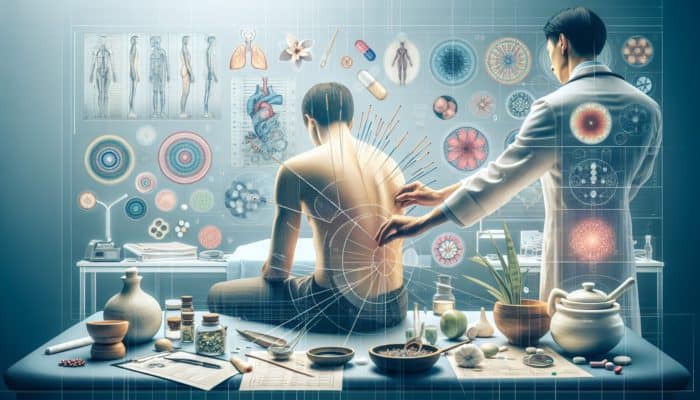
    A calm individual in loose, comfortable clothing during an acupuncture session with needles on accessible points.

    When preparing for your acupuncture session, selecting the right attire is crucial for ensuring maximum comfort while allowing your practitioner to easily access acupuncture points. Opting for loose, breathable clothing not only enhances relaxation but also enables acupuncturists to effectively reach necessary acupuncture points without any obstruction. Avoid tight or constrictive garments that might impede your ability to unwind, as the primary objective is to create a setting that fosters relaxation. To achieve this, consider wearing the following recommended clothing items:

    • Soft, breathable cotton shirts
    • Elasticated trousers or leggings
    • Loose-fitting dresses or tunics
    • Slip-on shoes or sandals
    • Warm layers such as cardigans or shawls
    • Comfortable socks, particularly during colder months

    By choosing appropriate clothing, you not only enhance your comfort but also facilitate your acupuncturist’s work efficiency. If the weather is particularly cool, layering can help keep you warm without hindering accessibility. Prioritising your comfort creates the perfect environment for a more effective and soothing acupuncture session, allowing you to fully embrace the treatment.

    How Can You Prepare Mentally for Your Acupuncture Appointment?

    Mental preparation is as vital as physical readiness to fully optimise the therapeutic benefits of acupuncture. Engaging in calming practices such as meditation or deep breathing exercises before your session can significantly enhance your overall experience. This mental transition helps you to enter a state of relaxation, making the treatment more effective and beneficial.

    Before your appointment, take a few moments to engage in mindfulness practices. You might try guided meditation or simply sit quietly while focusing on your breath. Inhale deeply through your nose and exhale through your mouth, which can help alleviate any pre-appointment nerves. Visualise calming scenes or recall cherished memories that bring you joy. This mental imagery acts as a powerful tool to centre your thoughts and emotions, enhancing your overall experience.

    Additionally, consider setting specific intentions for your acupuncture session. Reflect on what you hope to achieve through acupuncture—be it relaxation, pain relief, or emotional balance. By clarifying your goals, you forge a deeper connection with the process, allowing for greater benefits to unfold during and after your appointment.

    What Types of Foods Should You Eat Before Your Acupuncture Session?

    Choosing the right foods before your acupuncture appointment is essential for an optimal experience. It is advisable to consume a light meal or snack; a full stomach may cause discomfort, while being overly hungry could distract you during treatment. Foods that promote relaxation can be especially beneficial in preparing your body for the session.

    Consider options like herbal teas or a banana, both known for their calming effects. Light, nutritious snacks such as a handful of nuts, a small smoothie, or whole-grain toast can provide energy without overwhelming your digestive system. Avoid heavy or greasy foods, as they can leave you feeling sluggish and uncomfortable, hindering the treatment’s effectiveness.

    Moreover, staying hydrated is equally important. Drinking water or herbal tea leading up to your appointment can help maintain your energy levels and promote healthy circulation. This ensures that your body is adequately prepared to receive acupuncture treatment, allowing you to relax more fully and experience the maximum benefits from the session.

    Exploring the Landscape of Acupuncture Practices Across the UK

    A serene UK clinic blending Eastern and Western healing with acupuncture treatment.

    What is the Fascinating History of Acupuncture in the UK?

    Acupuncture boasts a captivating and evolving history in the UK, tracing back several centuries. Its introduction can be linked to the escalating interest in Eastern medicine and holistic practices, with remarkable popularity surging in recent decades. Historically, the acceptance of acupuncture has transformed, evolving from an alternative therapy to a widely recognised complementary treatment, particularly within the National Health Service (NHS).

    As public awareness of acupuncture’s benefits has expanded, the number of practitioners has increased, leading to greater integration of these therapies within conventional healthcare settings. Recently, acupuncture has been endorsed for various conditions, including chronic pain, anxiety, and stress management. This acceptance is evident in the growing number of clinics and accredited practitioners throughout the UK, making acupuncture accessible to the general public.

    Furthermore, acupuncture has gained recognition for its effectiveness in treating a wide range of ailments, prompting its inclusion in NHS treatments. This historical journey illustrates the changing perception of acupuncture, showcasing its legitimacy and effectiveness within contemporary healthcare frameworks.

    How is Acupuncture Regulated in the UK to Ensure Safety and Quality?

    In the UK, acupuncture is governed by various professional bodies that ensure practitioners adhere to high standards of training and practice. The British Acupuncture Council (BAcC) stands out as one of the most prominent organisations overseeing the profession. This regulation instils confidence in patients regarding the quality and safety of their treatment.

    Practitioners must fulfil stringent educational requirements, often obtaining a recognised degree in acupuncture or traditional Chinese medicine. This ensures comprehensive knowledge of human anatomy, physiology, and specific acupuncture techniques. Moreover, ongoing professional development is encouraged, fostering a culture of lifelong learning within the field.

    Additionally, the BAcC establishes codes of conduct and ethics to ensure practitioners operate safely and responsibly. This framework not only safeguards patients but also bolsters the credibility of acupuncture as a legitimate healthcare modality. By choosing a registered practitioner, clients can trust that they are receiving care from someone who has met rigorous training and professional standards.

    Where Can You Locate Acupuncture Clinics Throughout the UK?

    A network of acupuncture clinics across the UK, from urban centers to rural towns, in various settings focused on holistic healing.

    Acupuncture clinics are readily available across the UK, catering to the growing demand for this holistic therapy. Numerous practitioners operate within wellness centres, private practices, and even integrated healthcare settings within the NHS. This accessibility allows individuals to find a clinic that aligns with their personal preferences and treatment goals.

    In urban areas such as London, Manchester, and Birmingham, you will discover numerous specialised acupuncture clinics offering tailored treatments to meet individual needs. Many practitioners also provide consultations to discuss specific concerns, ensuring a personalised approach to care. Furthermore, smaller towns and rural areas are increasingly establishing acupuncture services, reflecting the growing interest in complementary therapies nationwide.

    For those uncertain where to begin, online directories and local health forums can serve as valuable resources for locating reputable acupuncture clinics. Numerous practitioners maintain websites that outline their services, treatment approaches, and patient testimonials, helping you make informed decisions based on your unique requirements.

    Effective Techniques to Enhance Relaxation During Acupuncture Sessions

    What Breathing Techniques Can You Implement to Promote Relaxation During Acupuncture?

    Implementing deep, slow breathing techniques can significantly enhance your relaxation during acupuncture. By concentrating on your breath, you create an internal atmosphere that promotes calmness and alleviates stress. One effective technique involves inhaling deeply through your nose, allowing your abdomen to expand, and then exhaling slowly through your mouth. This rhythmic breathing pattern helps to ground your thoughts and settle your mind.

    To effectively practise this technique, begin by finding a comfortable position on the acupuncture table. Close your eyes and take a moment to centre yourself. Inhale slowly, counting to four, and hold the breath for a moment before exhaling for six counts. This extended exhalation activates the body’s relaxation response, encouraging a deeper state of tranquillity.

    As you continue this breathing pattern, focus on the sensations in your body. Notice any areas of tension and consciously direct your breath to those points. This mindful awareness not only enhances relaxation but also amplifies the efficacy of the acupuncture treatment. By integrating focused breathing into your session, you can achieve a more profound sense of well-being and relaxation.

    How Can Soothing Music Contribute to Your Acupuncture Experience?

    The role of music in creating a calming atmosphere during acupuncture sessions is invaluable. Soft, tranquil music can significantly enhance relaxation, making it easier to enter a serene state of mind. Selecting tracks with slow tempos and gentle melodies can substantially elevate your overall experience.

    Consider bringing a playlist or asking the practitioner about their preferred background music. Instrumental pieces, nature sounds, or ambient music can effectively mask any external noise, crafting a peaceful environment conducive to relaxation. The right music not only uplifts your mood but also helps lower stress levels and soothe the nervous system.

    Furthermore, music can serve as a focal point during your treatment. If your mind begins to wander or anxiety creeps in, redirect your attention back to the soothing sounds. This mindful engagement with the musical elements can deepen your sense of relaxation and facilitate a more successful acupuncture session. By leveraging the therapeutic benefits of music, you can create a more enriching experience.

    Utilising Visualisation Techniques for Greater Relaxation During Acupuncture

    Visualisation is a powerful technique that can significantly enhance your relaxation during acupuncture. By picturing a tranquil scene, such as a peaceful garden or a serene beach, you create an imaginary space that fosters calmness and serenity. This mental imagery not only distracts from discomfort but also cultivates a deeper connection to the healing process.

    To practise visualisation effectively, find a comfortable position on the acupuncture table and close your eyes. Take a few deep breaths to centre yourself, then begin to imagine a serene landscape. Picture the colours, sounds, and scents associated with your chosen scene. Engaging all your senses enhances the experience, making it feel more vivid and real.

    As you immerse yourself in this peaceful imagery, allow any tension or stress to evaporate. Visualisation serves as a mental escape, allowing you to relax fully during your session. Incorporating this technique can lead to better therapeutic outcomes by enhancing the overall acupuncture experience and allowing your body to respond more effectively to treatment.

    How Can Aromatherapy Enrich Your Acupuncture Session?

    Aromatherapy can significantly enhance your acupuncture experience by promoting relaxation through the utilisation of essential oils. Scents such as lavender and chamomile are renowned for their calming properties and can help alleviate tension during your treatment. Inhaling these soothing aromas not only encourages relaxation but can also amplify the therapeutic effects of acupuncture.

    Consider discussing aromatherapy with your acupuncturist before your session. They may have specific oils they recommend or can guide you in selecting the best options for your needs. Incorporating essential oils into your session can be as simple as using a diffuser or applying diluted oils to your pulse points.

    Furthermore, the ritual of aromatherapy itself can serve as a calming pre-session practice. Take the time to select your favourite oil, engaging your senses by noticing its fragrance and texture. This mindful engagement prepares your mind and body for the acupuncture treatment, enabling a deeper level of relaxation. Enhancing your session with aromatherapy can create a multi-sensory experience that fosters tranquillity and healing.

    How Does Temperature Influence Your Relaxation During Acupuncture?

    The temperature of your environment can significantly influence your comfort and relaxation levels during an acupuncture session. A warm atmosphere tends to foster a sense of safety and relaxation, making it beneficial to consider the thermal aspects of your treatment. Heated tables or warm blankets can enhance the soothing effects of acupuncture, helping you feel more at ease.

    Upon arriving at the clinic, take a moment to assess the room temperature. If you feel chilly, do not hesitate to request an extra blanket or a heated treatment table. Warmth not only promotes relaxation but can also help alleviate muscle tension, allowing the acupuncture to work more effectively.

    Conversely, be mindful of becoming overheated, as this may lead to discomfort or distraction. Communicating your temperature preferences to your practitioner can ensure a tailored experience that maximises your comfort. By paying attention to temperature, you can create an environment that enhances relaxation and facilitates a more effective acupuncture session.

    Professional Recommendations for Maximising Relaxation During Acupuncture

    What Relaxation Techniques Do Acupuncture Practitioners Recommend for Patients?

    Experienced practitioners have observed a variety of relaxation techniques that their patients find beneficial during acupuncture sessions. These strategies often lead to improved outcomes and a more enjoyable experience. Here are some practical examples shared by UK practitioners:

    • Encouraging patients to focus on their breath while counting down from ten.
    • Utilising guided imagery to help patients visualise a peaceful place, enhancing relaxation.
    • Incorporating gentle stretching before treatment to release physical tension.
    • Offering aromatherapy options, allowing patients to select their preferred essential oil.
    • Playing calming nature sounds to create an immersive relaxation environment.
    • Providing warm herbal tea after the session to continue the soothing experience.
    • Encouraging patients to voice any concerns or discomfort, fostering a supportive atmosphere.
    • Utilising soft, ambient lighting to create a serene space for treatment.

    These techniques highlight the importance of personalisation in acupuncture treatment. By integrating various approaches, practitioners can enhance the therapeutic effects, ensuring that each patient feels supported and relaxed throughout their journey.

    How Can You Implement Actionable Steps to Enhance Your Relaxation?

    To maximise relaxation and the benefits of your acupuncture session, consider following these actionable steps:

    1. Prior to your appointment: Engage in calming pre-session rituals, such as meditation or gentle yoga. Arrive a few minutes early to acclimatise to the environment.

    2. Communicate openly: Share any concerns or anxieties with your acupuncturist. This dialogue allows them to tailor the session to your specific needs and preferences, fostering a more effective treatment experience.

    3. Practice mindfulness techniques: Focus on your breath throughout the session, allowing your awareness to settle into the present moment. If your mind begins to wander, gently guide it back to your breath, reinforcing your state of relaxation.

    4. Incorporate sensory elements: If aromatherapy or music is utilised, immerse yourself fully in those senses. Notice how the scents and sounds influence your state of relaxation, deepening the therapeutic experience.

    5. Post-session care: After your treatment, take time to re-enter your routine gradually. Engage in gentle activities, hydrate, and continue practising relaxation techniques to prolong the calming effects you achieved during your session.

    By following these steps, you can significantly enhance your acupuncture experience and ensure you obtain the maximum benefits from your session. By prioritising relaxation at each stage, you create a comprehensive approach to your well-being.

    Why is a Suitable Treatment Environment Crucial for Your Relaxation?

    The environment in which your acupuncture session occurs can profoundly affect your ability to relax. Experts emphasise the significance of a calm, quiet space that encourages tranquillity. Factors such as lighting, temperature, and sound play a critical role in shaping the overall experience.

    A thoughtfully designed treatment room should feature soft lighting, soothing colours, and minimal distractions. This creates a serene atmosphere that allows patients to feel safe and at ease, enhancing their overall acupuncture experience. Additionally, the use of comfortable furniture, such as plush treatment tables and supportive pillows, can improve physical comfort during the session.

    Moreover, sound plays a vital role in relaxation. Eliminating loud or jarring noises and choosing gentle background music or nature sounds can create a more immersive experience. This sensory engagement enables patients to focus inward, facilitating a deeper connection with their bodies and the healing process.

    Practitioners are encouraged to continually assess and enhance their treatment environments to optimise the patient experience. By recognising the importance of a calming space, acupuncture clinics can offer a holistic approach to relaxation, ultimately enhancing the effectiveness of their treatments.

    Strategies for Overcoming Common Relaxation Challenges in Acupuncture

    How Can You Manage Anxiety During Your Acupuncture Session?

    Anxiety often poses a barrier to fully relaxing during acupuncture sessions. Acknowledging your feelings is the first step to overcoming them. Implementing techniques such as focused breathing or gentle affirmations can help calm both your mind and body.

    Before your session, take a moment to identify the source of your anxiety. Open communication with your practitioner about your feelings can lead to tailored support, allowing them to adjust the treatment approach or environment as needed to promote a more comfortable experience.

    During the session, if anxiety arises, focus on your breath. Inhale deeply, counting to four, and exhale slowly. This deep-breathing technique activates the body’s relaxation response, steering your focus away from anxious thoughts. You can also use affirmations such as “I am safe” or “I am open to healing” to reinforce feelings of calm and acceptance.

    If anxiety persists, consider discussing your experiences with your acupuncturist post-session. They can offer additional strategies or adjust their approach to better accommodate your needs, ultimately helping you achieve a more relaxed state during future treatments.

    What Should You Do If You Experience Physical Discomfort During Acupuncture?

    Experiencing discomfort during an acupuncture session can significantly hinder relaxation and impede the overall effectiveness of the treatment. If you sense any discomfort, it is crucial to inform your acupuncturist immediately. They can adjust the needles or employ additional techniques to alleviate any pain you may be experiencing.

    Open communication allows your practitioner to tailor the treatment to your needs, ensuring that your comfort is prioritised throughout the session. Many acupuncturists are adept at adjusting their techniques based on patient feedback, which can lead to a more positive experience overall.

    Physical discomfort may also stem from tight muscles or tension in certain areas. Practitioners can incorporate warmth or gentle massage to help relax these areas before proceeding with needle insertion. Additionally, discussing any pre-existing conditions or sensitivities with your acupuncturist can enable them to devise a treatment plan that minimises discomfort and maximises relaxation.

    By actively participating in your care and voicing any concerns, you can work collaboratively with your acupuncturist to create a more comfortable and effective treatment experience.

    How to Handle It When You Can’t Relax During the Session?

    If relaxation proves elusive during your acupuncture session, do not be disheartened; this experience is common among many individuals. One effective strategy is to shift your focus to your breath or the calming music in the room. Concentrating on these elements can help anchor your thoughts and divert your attention from any persistent distractions.

    Practice mindful breathing by inhaling deeply through the nose and exhaling slowly through the mouth. This technique can help calm an overactive mind and promote a more relaxed state. Furthermore, if music is playing, allow yourself to fully immerse in the sound. Focus on the melodies and rhythms, letting them wash over you and enhance your experience.

    Should relaxation still evade you, communicate your feelings with your acupuncturist. They can provide alternative methods or adjustments to help you settle into the session. It is essential to remember that relaxation is a process, and being open about your challenges will facilitate a more tailored, effective approach.

    How to Manage Expectations and Impatience During Your Treatment?

    Understanding that relaxation may not come immediately is crucial when embarking on your acupuncture journey. Setting realistic expectations can help alleviate feelings of impatience and frustration. Acknowledge that acupuncture is a process, and that the benefits may accumulate over time rather than manifest immediately.

    Communicating any feelings of impatience to your practitioner can be beneficial. They can help you develop strategies to manage these emotions and encourage you to embrace the present moment. Mindfulness practices, such as focusing on your breath or engaging in gentle visualisation, can help maintain a sense of calm, even when relaxation feels distant.

    Additionally, consider reframing your expectations. Instead of seeking immediate relaxation, focus on the overall experience and the gradual benefits of each session. By cultivating patience and an open mindset, you can embrace the healing and relaxation that acupuncture offers.

    Strategies for Sustaining Relaxation After Your Acupuncture Sessions

    How Can You Preserve Relaxation After Your Acupuncture Treatment?

    Maintaining relaxation after your acupuncture session is essential for prolonging the benefits of your treatment. Continue practising relaxation techniques, such as deep breathing or meditation, to help sustain a calm state of mind. Avoid diving straight back into stressful activities, as this can diminish the tranquillity you achieved during your treatment.

    After your session, take the time to reflect on your experience. Journaling about how you felt during the treatment and any noticeable changes can help solidify the calming effects. Engaging in gentle activities that promote relaxation, such as reading or taking leisurely walks, can further help you maintain that sense of calm.

    Additionally, consider scheduling time for self-care following your appointment. Activities such as taking a warm bath, practising gentle yoga, or enjoying a cup of herbal tea can extend the relaxation achieved during your session. By prioritising self-care, you allow your body and mind to integrate the benefits of the acupuncture treatment fully.

    What Activities Can Support Ongoing Relaxation After Treatment?

    Engaging in gentle activities after your acupuncture session can help prolong the relaxation you achieved during treatment. Activities like walking in a park or reading a book can provide a soothing transition back into your daily routine. These gentle engagements allow your body to ease back into normalcy while maintaining the calm you’ve cultivated.

    Consider immersing yourself in nature following your session. A leisurely walk through a nearby park or garden can connect you to a tranquil environment, promoting continued relaxation. The fresh air and natural surroundings can help ground you, reinforcing the soothing effects of acupuncture.

    Additionally, home-based activities such as taking a warm bath or practising light stretching can further promote relaxation. Incorporating calming essential oils or soft music can enhance the experience, creating a serene atmosphere that fosters ongoing peace. By intentionally selecting calming activities, you can extend the benefits of your acupuncture session well beyond the treatment room.

    Why is Hydration and Nutrition Critical After Acupuncture?

    Post-acupuncture, it is imperative to focus on hydration and nutrition to support your body’s healing process. Drinking ample water helps flush out toxins released during treatment, ensuring optimal recovery. Staying hydrated also promotes overall well-being, helping you maintain the relaxed state you achieved during your session.

    Nourishing your body with wholesome foods following acupuncture is equally crucial. Opt for light, nutritious meals rich in vitamins and minerals to support your body’s healing capabilities. Foods such as fruits, vegetables, and whole grains are excellent choices, enhancing recovery and overall well-being.

    Consider incorporating calming herbal teas, such as chamomile or peppermint, to promote further relaxation. These beverages can provide additional soothing effects, helping maintain the tranquillity experienced during your session. By prioritising hydration and nutrition, you set the stage for more effective recovery and lasting benefits from your acupuncture experience.

    Research Insights on Relaxation and Acupuncture

    What Do Current Studies Reveal About Relaxation and Acupuncture?

    Research indicates that relaxation during acupuncture can amplify its therapeutic effects, leading to improved pain management and stress reduction. Studies demonstrate that individuals who achieve a relaxed state during treatment often experience greater relief from various conditions, including chronic pain and anxiety disorders.

    Key research findings include:

    • Relaxed patients report higher satisfaction levels with their acupuncture experience.
    • Studies show a correlation between relaxation and increased endorphin release, which supports pain relief.
    • Research indicates that anxiety reduction during sessions can lead to improved treatment outcomes.
    • Patients who practise relaxation techniques before and during acupuncture are more likely to experience lasting benefits.

    These findings underscore the importance of relaxation in maximising the benefits of acupuncture. By actively engaging in relaxation techniques, patients can foster a more conducive healing environment, leading to improved overall health outcomes.

    How Does Relaxation Influence the Outcomes of Acupuncture Treatments?

    Relaxation plays a pivotal role in influencing the outcomes of acupuncture treatment. When individuals are relaxed, their bodies tend to respond more effectively to the therapy. This state of relaxation can facilitate the release of endorphins, the body’s natural painkillers, leading to significant reductions in discomfort and stress.

    Moreover, relaxation helps to decrease levels of stress hormones, fostering a sense of overall well-being. The body’s ability to achieve a calm state can enhance the efficacy of acupuncture, as a relaxed body is more receptive to treatment. This improved responsiveness can lead to quicker recovery times and better long-term outcomes.

    Encouraging relaxation can also strengthen the therapeutic relationship between the practitioner and the patient. When patients feel comfortable and at ease, they are more likely to communicate openly about their experiences, enabling practitioners to tailor treatments more effectively. This collaborative approach fosters a deeper connection and improves the overall treatment process.

    Expert Observations on the Long-Term Benefits of Relaxation in Acupuncture

    Experts suggest that regular relaxation during acupuncture sessions can lead to lasting improvements in both mental and physical health. Maintaining a consistent practice of relaxation techniques can cultivate a resilient mindset and better equip individuals to manage stress and anxiety in their daily lives.

    Regular acupuncture, combined with relaxation practices, has been shown to decrease the frequency and intensity of stress-related symptoms, such as headaches and muscle tension. This proactive approach to health can positively influence long-term well-being, allowing individuals to enjoy a better quality of life.

    Additionally, ongoing research indicates that those who integrate relaxation techniques into their acupuncture routine experience greater benefits over time. This can include improved emotional regulation, enhanced mental clarity, and an overall sense of balance. By prioritising relaxation throughout your acupuncture journey, you can lay a foundation for lasting health benefits.

    Integrating Acupuncture into Your Relaxation Routine

    How Frequently Should You Schedule Acupuncture for Maximum Relaxation Benefits?

    For optimal relaxation benefits, consider scheduling acupuncture sessions weekly or biweekly. Consistency is crucial in enhancing the long-term effects of acupuncture on stress and anxiety. Regular treatments can help reinforce the relaxation you experience during each session, allowing you to build on the progress you make.

    Begin your acupuncture journey by assessing your individual needs and stress levels. For those experiencing high levels of tension or chronic pain, more frequent sessions may be necessary initially. Gradually, as your body begins to respond positively to treatment, you can transition to a maintenance schedule that aligns with your lifestyle and wellness goals.

    Additionally, be proactive about integrating acupuncture into your self-care routine. By treating these sessions as essential components of your wellness journey, you are more likely to remain committed to regular visits, ultimately enhancing your overall well-being.

    How Can You Combine Acupuncture with Other Relaxation Practices for Enhanced Benefits?

    Integrating acupuncture with other relaxation methods can create a holistic approach to stress management and overall health. Practices such as yoga, meditation, or tai chi can complement acupuncture, enhancing its effectiveness and promoting deeper relaxation.

    Consider attending yoga classes that emphasise mindfulness and gentle movement, allowing your body to release tension while cultivating mental clarity. Likewise, incorporating meditation into your daily routine can amplify the benefits of acupuncture by fostering a calm, centred mindset.

    Combining these practices can amplify the benefits of each method, creating a comprehensive relaxation routine tailored to your needs. This multidimensional approach offers greater flexibility in managing stress while enabling you to build a deeper connection with your body and mind.

    How to Develop a Personalised Relaxation Plan for Acupuncture?

    Collaborating with your acupuncturist to develop a personalised relaxation plan can significantly enhance your treatment experience. This plan should take into account your unique needs, preferences, and goals. By working closely with your acupuncturist, you can identify specific relaxation techniques that resonate with you, ensuring a tailored approach to your well-being.

    Consider discussing various relaxation methods, such as specific breathing techniques, visualisation exercises, or aromatherapy options that might appeal to you. Additionally, explore potential lifestyle adjustments to support your acupuncture journey, such as dietary changes or mindfulness practices that enhance relaxation.

    Your personalised plan should be flexible, allowing adjustments as your needs and experiences evolve. This ongoing dialogue fosters a supportive therapeutic relationship, empowering you to take an active role in your healing journey. By tailoring your relaxation plan, you can maximise the benefits of acupuncture and cultivate a sustainable approach to relaxation and health.

    Utilising Acupuncture as a Stress Relief Tool in the UK

    How is Acupuncture Being Utilised to Manage Stress in the UK?

    Acupuncture is increasingly recognised in the UK as an effective method for stress relief, helping individuals manage daily pressures and enhance their overall mental health. The therapy functions by balancing the body’s energy, or Qi, and fostering relaxation, allowing the mind and body to respond more effectively to stressors.

    Key benefits of acupuncture for stress relief include:

    • Reduction in anxiety levels through enhanced relaxation and endorphin release.
    • Improved sleep quality, allowing the body to recuperate and recharge.
    • Increased emotional balance fosters resilience in the face of stress.
    • Enhanced overall well-being, leading to a more positive outlook on life.

    As awareness of these benefits continues to grow, acupuncture is increasingly integrated into holistic health approaches within the UK. This therapeutic practice offers individuals a valuable tool for navigating the complexities of modern life, promoting mental clarity, and fostering emotional stability.

    What Are the Most Common Acupuncture Techniques for Stress Relief?

    Within the UK, various acupuncture styles are commonly employed for stress relief, each offering unique approaches to relaxation and healing. Traditional Chinese Medicine (TCM) is perhaps the most widely recognised, focusing on balancing the flow of Qi throughout the body. Practitioners often utilise specific points that target stress and emotional well-being.

    Five Element acupuncture is another popular style, emphasising the interconnection between physical and emotional health. This approach aims to restore balance among the five elements—wood, fire, earth, metal, and water—to create harmony within the body and mind.

    Moreover, some practitioners incorporate modern techniques such as auricular acupuncture, which focuses on points in the ear. This method is particularly effective for managing anxiety and stress, as it targets areas associated with emotional regulation.

    Each style offers distinct benefits, allowing individuals to choose the approach that resonates most with their needs. By exploring various acupuncture styles, you can find a practice that aligns with your goals and enhances your stress relief journey.

    How Can You Find Community Support for Acupuncture in the UK?

    Joining local acupuncture groups or forums can provide valuable support and resources as you navigate your acupuncture journey. These communities often share experiences, tips, and recommendations, fostering camaraderie among individuals seeking to improve their well-being through acupuncture.

    Many local communities in the UK offer workshops, classes, and events centred on acupuncture and holistic health. Participating in these gatherings can deepen your understanding of acupuncture and introduce you to new relaxation techniques. Additionally, engaging with others who share similar goals can create a supportive network that encourages accountability and motivation.

    Furthermore, consider connecting with practitioners who host informational sessions or open houses. These events provide opportunities to learn more about acupuncture, ask questions, and build relationships with professionals in the field. By immersing yourself in the acupuncture community, you can enhance your experience and gain insights that enrich your overall journey towards relaxation and health.

    Frequently Asked Questions About Acupuncture

    What Should I Expect During My Initial Acupuncture Session?

    During your first acupuncture session, your practitioner will typically conduct a thorough consultation to assess your health and discuss your concerns. You can expect to relax on a treatment table while fine needles are gently inserted into specific acupuncture points.

    How Long Does an Acupuncture Session Typically Last?

    An acupuncture session usually lasts between 45 minutes and an hour. This duration includes time for consultation, treatment, and any post-session discussion.

    Is Acupuncture Painful?

    Most patients report minimal or no pain during acupuncture. The needles used are very fine, and sensations may vary from a slight prick to a feeling of heaviness or warmth.

    How Many Acupuncture Sessions Will I Need for Effective Results?

    The number of sessions required varies depending on individual needs and conditions. Many practitioners recommend an initial series of 4-6 sessions, followed by maintenance treatments as necessary.

    Can Acupuncture Assist With Stress Management?

    Yes, acupuncture is increasingly recognised for its effectiveness in stress management. It promotes relaxation and can help reduce anxiety levels, leading to improved emotional well-being.

    Is There Research Supporting the Effectiveness of Acupuncture?

    Yes, numerous studies suggest that acupuncture can effectively alleviate pain, reduce stress, and improve overall well-being. Research continues to explore its therapeutic benefits for various conditions.

    What Should I Do If I’m Nervous About Needles?

    If you’re anxious about needles, discuss your concerns with your acupuncturist. They can explain the process and may use alternative techniques to help you feel more comfortable and at ease.

    Can I Combine Acupuncture With Other Treatments for Enhanced Results?

    Absolutely! Many individuals find that combining acupuncture with other therapies, such as chiropractic care or massage, enhances their overall well-being and treatment outcomes.

    What Precautions Should I Take After an Acupuncture Session?

    After your session, it’s best to avoid strenuous activities and ensure you hydrate adequately. Allow yourself to relax and take note of any changes in your body or mood.

    Will My Health Insurance Cover Acupuncture Treatments?

    Acupuncture coverage varies by insurance provider. It is advisable to check your policy to determine if acupuncture treatments are included and to understand the specific terms.

    Connect with Us on Facebook for More Insights!

    The Article: How to Relax During Acupuncture: UK Techniques appeared first on https://mcrtherapies.co.uk

    The Article Relax During Acupuncture: Effective UK Techniques Was Found On https://limitsofstrategy.com

  • Pets as Stress Relievers: Universal Benefits for Owners

    Pets as Stress Relievers: Universal Benefits for Owners

    Understanding the Science Behind Stress Relief Through Pet Companionship

    How Pets Effectively Reduce Stress Levels in Their Owners

    A person cuddling a fluffy dog on a couch, showcasing stress relief through oxytocin.

    Pets possess a remarkable ability to reduce stress levels in their owners, a phenomenon primarily linked to the release of <a href="https://elgatoencasa.com/self-care-routines-with-animals-enhancing-well-being/">oxytocin</a>, a hormone celebrated for its soothing effects. When individuals engage in activities such as petting or cuddling their beloved pets, the brain responds by releasing oxytocin. This vital hormone plays a significant role in alleviating feelings of stress and anxiety, illustrating the deep emotional bond between pet companionship and overall mental health. Acknowledging this connection allows pet owners to fully appreciate the comfort and joy their furry friends bring into their lives.

    The physiological changes that occur when interacting with pets highlight how they contribute to stress relief:

    • Decreased levels of cortisol, the main stress hormone
    • Increased production of oxytocin, fostering feelings of love and attachment
    • A decrease in heart rate, promoting an enhanced sense of calm
    • Elevated levels of serotonin and dopamine, which elevate mood
    • Better immune function associated with reduced stress
    • Heightened feelings of safety and comfort in the presence of pets
    • Warmth and comfort derived from physical touch

    These physiological transformations culminate in a profound sense of tranquility, empowering individuals to confront their stressors with renewed resilience and courage.

    The Essential Role of Pet Companionship in Managing Stress

    The companionship that pets offer acts as a crucial support system for countless individuals, significantly reducing feelings of loneliness and stress. This profound bond fosters emotional resilience and has a positive impact on mental health. When individuals engage with their pets, they often experience a deep sense of belonging and emotional security, which effectively helps them navigate various life stressors.

    Caring for a pet frequently leads to shared experiences that enhance personal happiness. For instance, dogs require regular exercise and playtime, while cats provide comforting purring sounds that soothe their owners. This companionship nurtures a relationship that not only alleviates stress but also builds a sense of shared purpose. The unwavering loyalty and unconditional love that pets exhibit can serve as a powerful remedy for the challenges encountered in everyday life.

    In essence, the emotional support provided by both dogs and cats is invaluable. Numerous studies indicate that pet owners often report experiencing lower levels of anxiety and depression compared to those without pets. The simple presence of a pet can create an oasis of calm amidst daily stressors, generating joyful moments that significantly enhance overall life satisfaction.

    What Are the Lasting Benefits of Pet Ownership on Stress Levels?

    Long-term pet ownership can yield enduring reductions in stress levels and improvements in mental health outcomes. Research suggests that individuals who own pets tend to enjoy a wide array of psychological benefits as time goes on. Ongoing interactions with pets not only enhance emotional well-being but also create a dependable support network.

    Some significant long-term benefits that pet owners may experience include:

    • Consistent decreases in symptoms of anxiety and depression
    • The establishment of routine and structure in daily life
    • Increased social interactions through pet-related activities
    • Durable emotional bonds that provide ongoing support
    • Improved coping strategies for managing stressors
    • Enhanced overall life satisfaction and happiness
    • Greater resilience in confronting life’s challenges

    These benefits demonstrate that pet ownership extends beyond temporary relief, evolving into a transformative journey that can lead to lasting improvements in mental health over time. For many individuals, the joy and companionship provided by pets culminate in a fulfilling life enriched by love and emotional support.

    Insights from Experts on Pets and Stress Reduction

    A person reading a book in a serene living room, with a dog and cat snuggling close, illustrating pet-induced relaxation.

    Expert Perspectives on the Benefits of Pet Ownership

    A wide array of experts concur that pets can significantly diminish stress and enhance overall well-being. Research conducted by psychologists and veterinarians has demonstrated that the simple act of petting a dog or cat can yield notable stress relief, providing robust evidence of the therapeutic advantages associated with animal companionship. For example, animal-assisted therapy has gained widespread recognition in various therapeutic contexts, illustrating how pets can assist individuals in managing stress and anxiety.

    Numerous real-life anecdotes reinforce these findings; veterans coping with PTSD frequently report significant improvements in their mental health when partnered with service animals. In urban settings, community centers have initiated pet therapy programs, allowing individuals to experience the calming effects of interacting with animals. These initiatives underscore the transformative potential of animals in alleviating stress and facilitating emotional recovery.

    Furthermore, experts highlight that the presence of pets can greatly enhance overall mental health outcomes. Dogs and cats often encourage conversations, stimulate social interactions, and provide emotional support during trying times, making them invaluable companions. The consensus among mental health professionals is clear: pets play an essential role in improving overall well-being.

    Maximizing the Benefits of Pet Companionship for Stress Relief

    To fully harness the stress-reducing effects of pets, owners should prioritize regular interactions and dedicated care. Establishing a routine that incorporates quality time spent with pets can significantly strengthen emotional connections, leading to more profound benefits. Here are several actionable steps to enhance these advantages:

    • Incorporate daily playtime into your schedule to deepen your bond
    • Engage in training sessions to promote discipline and trust
    • Participate in regular walks or outdoor activities to enjoy fresh air and exercise
    • Set aside moments for grooming or cuddling to boost comfort and connection
    • Take part in community pet events to connect with other pet owners and share experiences
    • Involve family members in pet care to create shared responsibility and joy
    • Maintain a consistent feeding and care routine to provide stability for your pet

    By embracing these practices, pet owners can significantly amplify the emotional and psychological benefits derived from their furry companions. The more effort invested in nurturing the relationship, the more substantial the rewards in terms of stress reduction, emotional support, and overall happiness.

    Identifying Pets That Are Particularly Effective for Stress Relief

    A person with various pets including a dog, cat, rabbit, hamster, and fish in a cozy room.

    Different types of pets offer varying levels of stress relief, and the choice of a pet can significantly influence the type of emotional support provided. While dogs and cats are the most popular companions, other animals such as rabbits, hamsters, or even fish can uniquely contribute to lower stress levels.

    For instance, dogs are celebrated for their loyalty and spirited nature, often encouraging physical activity and social interactions. Their playful personalities can elevate moods and foster a sense of companionship. On the other hand, cats tend to be more independent, offering a calming presence through their soothing purrs and affectionate gestures.

    Unconventional pets also provide distinct advantages. For example, fish tanks create a serene viewing experience that can evoke feelings of tranquility and relaxation. Observing fish swim can effectively alleviate anxiety and promote a sense of calm. Additionally, smaller pets like rabbits and guinea pigs can captivate owners with their playful antics, making them delightful companions.

    Ultimately, the key lies in selecting a pet that aligns with the owner’s lifestyle and emotional needs. Understanding the unique characteristics of various species assists in choosing the right companion to effectively enhance stress relief.

    Integrating Pets into Daily Life for Enhanced Stress Management

    Incorporating Pets into Everyday Routines for Improved Well-Being

    Pets can seamlessly integrate into daily life, serving as a continuous source of comfort and support. Their presence can transform routine activities into moments of joy and relaxation. Including pets in daily routines enhances both the owner’s mental health and the pet’s well-being. For many, the simple act of taking a dog for a walk or gently scratching a cat behind the ears becomes a cherished part of their day.

    By establishing a structured routine that incorporates pets, owners not only fulfill their pet’s needs but also create numerous opportunities for stress relief. For example, morning walks can invigorate both the owner and the pet, setting a positive tone for the day ahead. Similarly, evening cuddle sessions can help unwind after a busy day, providing emotional stability and comfort.

    Moreover, pets act as social catalysts, encouraging interactions with neighbors and fostering community connections. This sense of community can play a crucial role in alleviating feelings of isolation, further reducing stress. Ultimately, integrating pets into daily life enriches experiences, offering continuous emotional support throughout the day.

    The Therapeutic Value of Pet Responsibilities in Managing Stress

    Caring for a pet instills a unique sense of purpose and routine, which can be remarkably therapeutic. The responsibilities associated with pet ownership can help manage stress by creating structure in daily life. Each task, whether it involves feeding, grooming, or walking, provides an opportunity to focus on the present moment, which can be particularly beneficial during stressful periods.

    For many, the daily care of a pet serves as a welcome distraction from life’s challenges. Engaging in these responsibilities fosters a sense of accomplishment and routine, contributing to overall well-being. This structured lifestyle can also enhance time management skills, as pet owners learn to effectively balance their various responsibilities.

    However, it is essential to acknowledge that pet ownership carries certain challenges, including time and financial commitments. Recognizing these responsibilities allows owners to set realistic expectations and prepares them for the journey of pet ownership. By embracing these duties with a positive mindset, individuals can enhance their mental well-being and reduce stress through the rewarding experience of caring for their pets.

    Common Challenges Pet Owners Should Prepare For

    While pets undoubtedly provide emotional support and stress relief, they also come with specific challenges that owners must navigate. Recognizing these challenges is crucial for managing expectations and ensuring a positive pet ownership experience. Key challenges include time commitments, financial responsibilities, and potential behavioral issues.

    Time commitments represent one of the most significant challenges. Pets require daily care, exercise, and socialization, which can overwhelm busy individuals. Balancing work and personal life with pet responsibilities necessitates effective time management skills. Financially, pet ownership can also be demanding, covering costs for food, veterinary care, and necessary supplies. Understanding these financial obligations prepares owners to commit responsibly to their pets.

    Behavioral issues may also arise, leading to stress for both the pet and the owner. Training and addressing behavioral concerns can require patience and consistency. Nevertheless, with the right strategies and support, many of these challenges can be effectively managed. Adopting a realistic approach to pet ownership prepares individuals for the ups and downs, allowing them to focus on the joy and companionship that pets bring into their lives.

    How Pets Enhance Mental Well-Being and Stress Management

    Pets significantly enhance mental health by providing companionship, alleviating loneliness, and encouraging physical activity. These factors collectively contribute to stress reduction, making pets invaluable allies in maintaining emotional well-being. The bond established with a pet fosters a sense of belonging, which is essential for mental health.

    The companionship offered by pets alleviates feelings of loneliness and isolation, particularly for individuals living alone or grappling with social anxiety. Their unwavering presence creates a profound emotional connection that can provide solace during challenging times. As pets offer unconditional love, they also impart valuable lessons about empathy and nurturing.

    Moreover, pets motivate physical activity, which is vital for mental health. Regular walks, playtime, and outdoor activities not only enhance physical fitness but also elevate mood and reduce anxiety. Engaging in physical activities with pets can create enjoyable moments, leading to a more active and fulfilling lifestyle. The combination of companionship and physical engagement results in improved mental well-being, making pets powerful advocates for a healthier emotional state.

    Strategies for Balancing Pet Care with Personal Time

    Finding a balance between pet care and personal time is vital for maintaining a healthy lifestyle and reducing stress. Effective time management and establishing boundaries can assist pet owners in navigating their responsibilities while prioritizing self-care. Here are some strategies for achieving this essential balance:

    • Establish a daily routine that incorporates designated pet care times
    • Utilize a calendar or planner to manage pet appointments and personal commitments
    • Create a pet care schedule that distributes responsibilities among family members
    • Set aside specific times for personal self-care activities
    • Consider using dog walking services or pet sitters for additional help when needed
    • Incorporate playtime or exercise for pets into personal fitness goals
    • Communicate openly with family regarding pet-related responsibilities and needs

    By implementing these strategies, pet owners can create a harmonious balance that allows for effective pet care and personal well-being. Prioritizing self-care alongside pet responsibilities leads to reduced stress levels and enhances overall quality of life. Ultimately, a well-balanced approach fosters a more fulfilling and enjoyable experience for both pets and their owners.

    The Psychological Advantages of Pet Ownership

    How Pets Positively Impact Mental Health and Stress Levels

    Pets significantly enhance mental health by providing companionship, reducing anxiety, and promoting overall emotional well-being. The relationship between pets and their owners creates a supportive environment where individuals feel valued and accepted. The simple act of petting a dog or cat releases oxytocin, promoting feelings of happiness while simultaneously reducing stress.

    Pets can also serve as emotional anchors during challenging times. Their presence offers a sense of stability and comfort, enabling owners to navigate life’s ups and downs with greater effectiveness. Many pet owners report feeling less stressed during difficult situations, thanks to the calming influence of their companions. This emotional support is invaluable, particularly for individuals facing mental health challenges.

    Moreover, pets encourage social interactions that can further enhance overall mental health. Whether through dog parks, community events, or local pet clubs, pet ownership facilitates connections with others. These social interactions can help reduce feelings of isolation and loneliness, contributing to improved mental health outcomes. Ultimately, the bond formed with pets fosters emotional resilience and well-being.

    The Influence of Pets on Mood and Emotional Wellness

    Interacting with pets can significantly elevate mood and diminish feelings of depression. The unconditional love and companionship that pets provide contribute to a more positive outlook on life. Engaging with a pet releases endorphins, generating feelings of joy and happiness.

    The act of playing with or caring for a pet stimulates the brain’s reward system, leading to increased levels of happiness. Pets also serve as distractions from negative thoughts and feelings, offering welcome relief during challenging emotional moments. This interaction not only boosts mood but also cultivates a more optimistic perspective on life.

    Additionally, the presence of pets can promote routines that encourage wellness. Regular walks with dogs, for example, lead to increased physical activity, which is closely tied to improved mental health. Overall, the emotional connection and joy derived from pets play a significant role in enhancing mood and creating a brighter outlook on life.

    Can Pets Alleviate Symptoms of Anxiety Disorders?

    Pets can be especially beneficial for individuals dealing with anxiety disorders, acting as calming companions that assist in managing symptoms. The presence of a pet provides comfort, mitigating feelings of anxiety and fostering a sense of safety. Here are some key benefits for anxiety management:

    • A calming presence that offers a sense of security
    • Encouragement to engage in physical activity, which can alleviate anxiety
    • Opportunities for social interaction that counter feelings of isolation
    • Distraction from anxious thoughts and feelings through play and companionship

    For many, the unconditional love from pets creates a safe space to express emotions without fear of judgment. The routine of caring for a pet helps establish structure, which is beneficial for managing anxiety. By focusing on their pet’s needs, individuals can divert their attention from anxious thoughts, leading to a more balanced emotional state.

    Ultimately, pets stand as valuable companions in the management of anxiety disorders, offering emotional support and stability that can greatly enhance an individual’s quality of life.

    Research-Backed Insights on Pets and Their Role in Reducing Owner Stress

    What Does Current Research Reveal About Pets and Stress Reduction?

    Numerous studies support the stress-reducing effects of pets, indicating a strong correlation between pet ownership and enhanced mental health outcomes. Research conducted worldwide emphasizes how interactions with animals can trigger physiological changes that result in decreased stress levels. Expert analyses reveal substantial findings that underscore the therapeutic benefits of pet companionship.

    For instance, studies demonstrate that individuals who own pets report lower levels of cortisol, the primary stress hormone. This reduction is linked to the calming effects of pet interactions, which can lead to an overall improvement in mental health. Many researchers advocate for the inclusion of pets in therapeutic settings, citing positive outcomes for individuals experiencing various stressors.

    Additionally, longitudinal studies suggest that pet owners frequently exhibit higher levels of resilience and effective coping strategies when faced with adversity. The bond formed with pets acts as a protective factor against mental health challenges, empowering individuals to navigate life’s difficulties with greater ease. These findings reinforce the notion that pets play a fundamental role in enhancing emotional well-being.

    How Do Pets Influence Stress Hormones in Their Owners?

    Pets can significantly lower cortisol levels, a primary stress hormone, contributing to improved emotional well-being. This physiological response underscores the powerful influence pets have on stress management. Understanding how pets affect stress hormones can encourage individuals to value the myriad benefits of pet companionship.

    When individuals interact with pets, the body releases oxytocin, which counteracts the effects of cortisol. This release promotes feelings of calm and comfort, allowing individuals to feel more relaxed in their everyday lives. Furthermore, the physical act of petting an animal can lower heart rates and enhance feelings of safety, further contributing to reduced stress hormone levels.

    The cumulative effect of these physiological changes results in an overall enhancement of mental health. Regular engagement with pets cultivates a sense of well-being and emphasizes the importance of maintaining a healthy environment for both pets and their owners. Ultimately, the ability of pets to influence stress hormones highlights their invaluable role as companions in a world filled with stressors.

    Are There Age-Specific Benefits of Pet Ownership for Stress Relief?

    Different age groups may experience varying levels of stress relief from pets, with research indicating benefits across all ages. Children, adults, and seniors can all gain unique advantages from pet ownership, enhancing emotional well-being. Here are some age-specific benefits:

    • Children: Learning empathy and responsibility through pet care
    • Teens: Improved self-esteem and reduced feelings of isolation
    • Adults: Increased physical activity and improved social interactions
    • Seniors: Enhanced companionship and reduced feelings of loneliness

    For children, pets can serve as educators, instilling values of empathy and compassion. For teenagers, the bond with a pet offers emotional support during challenging developmental stages. Adults benefit from companionship and motivation to engage in physical activities, while seniors often find a sense of purpose and stability through their pets.

    Overall, the extensive range of benefits across age groups underscores the universal appeal of pets as companions in promoting emotional well-being and alleviating stress. Pet ownership can foster happier and healthier lives, regardless of age.

    Exploring the Social Benefits of Pet Ownership

    How Do Pets Foster Social Connections and Relationships?

    Pets play a vital role in facilitating social connections, helping owners meet new people and strengthen existing relationships. Engaging with pets often leads to shared experiences that contribute to a sense of community and belonging. For many, pet ownership opens doors to social interactions that might not occur otherwise.

    For example, dog owners frequently encounter other pet owners during walks or at dog parks, fostering friendships and connections. These social interactions can help alleviate feelings of isolation and create opportunities for meaningful conversations. Community events centered around pets also provide a platform for individuals to connect with others who share similar interests.

    Additionally, pets can act as conversation starters, breaking down social barriers and easing anxiety in social settings. This aspect of pet ownership is particularly beneficial for those who may struggle with social anxiety, as pets provide comfort and security in unfamiliar environments. Ultimately, the social benefits of pet ownership contribute to enhanced emotional well-being.

    The Role of Pets in Strengthening Family Dynamics

    Pets enrich family dynamics by promoting bonding and alleviating stress within the household. The shared experience of caring for a pet can draw family members closer together, creating mutual purpose and joy. Families who engage in pet ownership often experience improved communication and collaboration as they navigate the responsibilities associated with their pets.

    Pets also serve as a source of comfort during challenging times, providing emotional support that bolsters family relationships. For instance, children may find solace in their pets during stressful events, while adults can rely on their pets for companionship during difficult moments. This emotional connection nurtures a supportive family environment.

    Moreover, pets create opportunities for family activities, such as walks, playtime, and training sessions. These shared experiences promote unity and happiness within the family unit. In essence, pets can enhance overall family dynamics, contributing to a happier and healthier home life.

    Community Benefits Stemming from Pet Ownership

    Pets contribute to a sense of community and belonging, alleviating stress through positive interactions. Owning pets often creates common ground among community members, fostering connections and relationships. The presence of pets encourages neighborly interactions, leading to a more supportive neighborhood environment.

    Community events focused on pets, such as adoption fairs or dog shows, offer opportunities for individuals to come together and bond over their shared love for animals. These gatherings not only strengthen community ties but also promote awareness about responsible pet ownership and animal welfare.

    Additionally, pets can enhance the overall atmosphere of a community, creating a more welcoming and friendly environment. The joy that pets bring can uplift spirits and foster positive interactions, contributing to a sense of collective well-being. Ultimately, the community benefits of pet ownership underscore the role of animals in creating compassionate and connected neighborhoods.

    Physical Health Benefits and Stress Reduction Through Pets

    How Do Pets Encourage Regular Physical Activity for Stress Relief?

    Pets, particularly dogs, serve as excellent motivators for promoting regular physical activity, which is essential for stress reduction and overall health. Engaging in physical exercise with pets not only benefits the animals themselves but also enhances the mental and physical wellness of their owners. The simple task of taking a dog for a walk can transform a mundane chore into an enjoyable opportunity for exercise and connection.

    Regular walks and play sessions encourage owners to stay active, leading to decreased stress levels. Physical activity stimulates the release of endorphins, which uplift mood and combat anxiety. In addition, pets often promote outdoor activities, providing opportunities for exploration and adventure that may not occur otherwise.

    Beyond the immediate benefits, consistent physical activity with pets fosters a sense of routine, which can be particularly advantageous for mental health. Establishing a daily exercise schedule that incorporates pet care creates a positive environment that promotes both physical fitness and emotional stability. Ultimately, pets play a pivotal role in motivating owners to embrace active lifestyles, significantly contributing to stress reduction.

    The Positive Effects of Pets on Blood Pressure and Stress Levels

    Interacting with pets has been shown to lower blood pressure, a critical indicator of stress and overall health. This physiological benefit underscores the significant role pets play in promoting emotional well-being. Engaging with animals can induce a state of calm, leading to decreased heart rates and lower blood pressure levels.

    Studies indicate that petting a dog or cat can produce immediate effects, alleviating feelings of tension and promoting relaxation. This physiological response is associated with the release of oxytocin and endorphins, which counteract the stress response. Regular interactions with pets help to cultivate an environment conducive to lower blood pressure levels.

    Furthermore, the emotional support that pets provide contributes to long-term cardiovascular health. Owners who maintain healthy, loving relationships with their pets often experience better overall health outcomes. By nurturing a bond with animals, individuals can enhance their physical well-being, further reducing stress levels.

    Can Pets Improve Sleep Quality for Their Owners?

    Pets can significantly enhance sleep quality by alleviating stress and creating a sense of security. The presence of a pet in the bedroom can foster a calming atmosphere, allowing individuals to relax and drift off to sleep more easily. Studies suggest that sleeping near pets can enhance feelings of safety, contributing to a more restful night’s sleep.

    Moreover, pets often have a soothing effect on their owners. The rhythmic sound of a pet’s breathing or gentle purring can create a tranquil environment that promotes relaxation. For many, the comforting presence of a pet helps to mitigate anxiety, making it easier to fall asleep and maintain uninterrupted sleep throughout the night.

    The advantages of improved sleep extend beyond immediate comfort. Enhanced sleep quality is linked to reduced stress levels and better mental health. By nurturing a bond with pets, individuals can create a more peaceful sleep environment, leading to a healthier and happier life.

    Strategies for Maximizing the Benefits of Pet Ownership

    How Can Owners Strengthen Their Bond with Pets for Greater Emotional Support?

    Building a robust bond with a pet is vital for enhancing its stress-reducing effects. Engaging in interactive activities can significantly improve the relationship between pets and their owners. Quality time spent together fosters trust and affection, leading to a deeper emotional connection.

    Activities such as play sessions, training exercises, and cuddling can fortify this bond. Regularly participating in these activities not only provides mental stimulation for the pet but also creates joyful moments that enhance overall happiness. The shared experiences help to reinforce the emotional connection between pets and owners.

    Moreover, understanding a pet’s individual personality and preferences is key to strengthening the bond. Observing behaviors and responding to their needs fosters a sense of security and trust. Ultimately, a strong bond with a pet enhances its ability to alleviate stress and creates a nurturing environment for both the pet and the owner.

    The Importance of Effective Pet Training in Stress Management

    Training pets is vital for reducing stress for both the animal and its owner. A well-trained pet is more likely to exhibit desirable behaviors, contributing to a harmonious living environment. Effective training techniques can alleviate anxiety for pets and owners alike, promoting a more positive experience.

    Training sessions provide opportunities for bonding and communication, thereby strengthening the relationship. Consistent training helps to establish boundaries and expectations, which can lead to a more stable household dynamic. When pets understand commands and routines, it diminishes potential stressors associated with behavioral issues.

    Additionally, training encourages mental stimulation, which is essential for a pet’s well-being. A mentally engaged pet is less likely to exhibit behavioral challenges, resulting in a more relaxed atmosphere. Overall, the significance of pet training cannot be overstated; it enhances companionship and cultivates a stress-free environment for both pets and owners.

    Best Practices for Responsible Pet Care to Ensure Emotional Support

    Proper pet care is essential to ensure that pets continue to provide effective stress relief. Adopting best practices for pet care guarantees a happy, healthy pet, which in turn benefits the owner’s mental well-being. Regular health check-ups, a balanced diet, and appropriate exercise are critical components of responsible pet ownership.

    Maintaining a consistent grooming schedule contributes to a pet’s health and comfort. Regularly brushing fur, cleaning teeth, and trimming nails can prevent discomfort and foster a strong bond between pets and their owners. Furthermore, providing proper nutrition is vital for maintaining energy levels and overall health.

    Creating a safe and stimulating environment is equally important. Providing toys, space for play, and opportunities for socialization keeps pets mentally engaged and happy. Ultimately, responsible pet care is fundamental to ensuring that pets can continue offering the emotional support and stress relief that owners depend on.

    How Can Socialization Benefit Both Pets and Their Owners?

    Socializing pets can significantly improve their behavior and reduce anxiety, enhancing the stress-relieving benefits for both pets and owners. Engaging pets in social interactions with other animals and people fosters confidence and adaptability, leading to a more relaxed demeanor. The benefits of socialization extend beyond the pet, positively impacting the owner’s emotional state.

    When pets are well-socialized, they are less likely to exhibit fear or aggression in unfamiliar situations, making outings more enjoyable for owners. This translates to increased opportunities for social interactions, as well-adjusted pets can accompany owners to parks, cafes, and community events without causing stress.

    Moreover, pet owners can forge connections with other pet enthusiasts through socialization, creating a sense of community and support. Building relationships with fellow pet owners can alleviate feelings of isolation and foster positive social interactions. Ultimately, the importance of socialization for pets enhances the overall experience of pet ownership, leading to greater emotional well-being for both pets and their owners.

    What Role Does Exercise Play in Enhancing Pet and Owner Well-Being?

    Regular exercise is crucial for maintaining a pet’s physical health and mental well-being, which in turn boosts their ability to provide stress relief for their owners. Engaging pets in consistent physical activity fosters a healthy lifestyle that benefits both the pet and the owner. Exercise not only enhances physical fitness but also contributes to emotional stability.

    For dogs, regular walks and play sessions are vital for burning off energy and preventing behavioral issues. Cats also benefit from interactive play, which encourages physical engagement and mental stimulation. Ensuring that pets receive adequate exercise leads to balanced behavior, reducing stress for both pets and owners.

    Additionally, exercising together strengthens the bond between pets and their owners. Shared physical activities create joyful experiences that foster companionship and emotional connection. Ultimately, prioritizing exercise in a pet’s routine enhances their overall well-being, leading to a happier and healthier life for both pets and their owners.

    Frequently Asked Questions About Pets and Stress Relief

    How do pets assist in reducing stress and promoting well-being?

    Pets help to alleviate stress by providing companionship, encouraging physical activity, and triggering the release of relaxing hormones such as oxytocin in their owners. Their presence offers emotional support and instills a sense of security.

    What types of pets are most effective for stress relief?

    Dogs and cats are commonly recognized for their stress-relieving qualities due to their companionship and interactive nature. However, smaller pets like rabbits and fish can also provide calming effects through their unique behaviors.

    Can pet ownership lead to improved mental health outcomes?

    Yes, pet ownership can enhance mental health by reducing feelings of loneliness, promoting physical activity, and providing emotional support. Pets serve as constant companions, aiding in the alleviation of anxiety and depression.

    How does having a pet influence social interactions and relationships?

    Having a pet can enrich social interactions by facilitating connections with other pet owners, encouraging conversations, and creating opportunities for community engagement through shared interests.

    What are the long-term advantages of having a pet?

    The long-term benefits of pet ownership include sustained reductions in stress levels, improved mental health, and increased resilience to life’s challenges. Pets also contribute to a sense of purpose and companionship.

    How do pets encourage physical activity and exercise?

    Pets, especially dogs, motivate regular physical activity through daily walks and play sessions. This engagement promotes fitness and reduces stress, benefiting both the pet and the owner.

    Can pets help manage anxiety disorders effectively?

    Yes, pets are beneficial for individuals dealing with anxiety disorders. Their calming presence provides comfort, reduces feelings of anxiety, and fosters a sense of security during stressful situations.

    Do pets offer companionship during difficult times and challenges?

    Absolutely. Pets provide unconditional love and support during challenging moments, helping to alleviate feelings of loneliness while offering emotional comfort when most needed.

    How can owners strengthen their bond with pets and enhance emotional support?

    Owners can enhance their bond with pets through interactive activities such as playtime, training, and grooming. Engaging in shared experiences fosters a stronger emotional connection between pets and their owners.

    What benefits arise from socializing pets with other animals and people?

    Socializing pets improves their behavior, reduces anxiety, and fosters confidence. It also enhances the overall pet ownership experience by creating opportunities for social interaction for both pets and owners.

    Connect with us on Facebook!

    The Article Pets Reducing Owner Stress: A Universal Benefit First Published On https://elgatoencasa.com

    The Article Pets: A Universal Benefit for Reducing Owner Stress Was Found On https://limitsofstrategy.com

  • Relief Foods for Panic Attacks: A UK Guide

    Relief Foods for Panic Attacks: A UK Guide

    Discover Effective Foods to Help Reduce Panic Attacks in the UK

    Understanding Panic Attacks: Symptoms and Reactions

    Foods for Panic Attack Relief: Person clutching chest, heart palpitations, surrounded by dark vortex symbolizing fear and doom during panic attack.

    Panic attacks are characterized by sudden and intense episodes of fear that can trigger overwhelming physical responses, even in the absence of genuine threats. These distressing occurrences can present alarming symptoms such as heart palpitations, shortness of breath, and a pervasive sense of impending doom. Gaining insight into the nature of panic attacks is crucial for individuals affected by them, as it underscores the significant role that dietary choices play in influencing both the intensity and frequency of these distressing experiences. By understanding the connection between nutrition and anxiety, individuals can make dietary modifications that may substantially ease the severity of panic attacks, ultimately improving their overall quality of life.

    The physiological underpinnings of panic attacks are often associated with anxiety disorders, which can be aggravated by unhealthy eating behaviors. Many people may not be aware that certain foods can either trigger or worsen their anxiety, resulting in a detrimental cycle of stress and poor eating habits. Therefore, recognizing these dietary triggers and making conscious food choices can be pivotal in managing panic attacks and lowering overall anxiety levels.

    Identifying Common Triggers for Panic Attacks in the UK

    In the UK, prevalent triggers for panic attacks are frequently linked to lifestyle choices and dietary habits. Stressors stemming from work, personal relationships, or financial pressures can significantly heighten anxiety levels. Furthermore, the consumption of caffeine, a common component in many British households through favored drinks like tea and coffee, can intensify feelings of anxiety, thereby increasing the likelihood of panic attacks. Recognizing these identifiable triggers is essential for crafting an effective preventive strategy.

    In addition to lifestyle factors, dietary choices can also play a significant role in triggering panic attacks. High sugar intake, especially from processed foods, can contribute to unstable blood sugar levels, leading to mood swings and heightened anxiety. Additionally, certain food additives and preservatives found in numerous packaged products can have negative effects on mental health. By identifying these common dietary triggers, individuals can make well-informed nutritional adjustments to help mitigate the chances of experiencing panic attacks.

    The Impact of Diet on Managing Panic Attacks Effectively

    Maintaining a well-balanced diet is essential for managing the symptoms associated with panic attacks. Certain foods possess the ability to stabilize mood and alleviate anxiety, thereby enhancing overall mental health. By emphasizing foods that are rich in essential nutrients, individuals can harness the power of diet as a vital tool for their mental well-being. Incorporating a diverse array of whole foods, including fruits, vegetables, whole grains, and lean proteins, establishes a robust foundation for emotional stability.

    Moreover, the process of eating can serve as a grounding technique during times of heightened anxiety. Engaging in mindful eating encourages individuals to concentrate fully on their meals, fostering relaxation and diminishing the likelihood of panic attacks. By being intentional about their food choices and eating practices, individuals can cultivate a healthier relationship with food, ultimately enhancing their mental health.

    Essential Nutrients That Provide Effective Relief from Panic Attacks

    A table with magnesium, omega-3, and herbal teas, surrounded by calming elements, symbolizing panic attack relief.

    Key Nutrients That Support Anxiety Management

    Nutrients such as magnesium, omega-3 fatty acids, and B vitamins are especially beneficial for alleviating anxiety symptoms. For instance, magnesium is crucial for numerous biochemical processes in the body, particularly those related to brain health and function. It plays a vital role in regulating neurotransmitters, which significantly influence mood. Omega-3 fatty acids, primarily sourced from fatty fish, have been shown to reduce symptoms of depression and enhance overall brain functionality. B vitamins, particularly B6 and B12, are essential for synthesizing neurotransmitters such as serotonin and dopamine, both of which are critical for mood regulation.

    Recognizing the importance of these nutrients empowers individuals to make dietary choices that foster improved mental health. Incorporating foods that are abundant in these essential nutrients can lay a strong dietary foundation conducive to effectively managing anxiety. For those experiencing panic attacks, concentrating on nutrient-dense foods can instill a sense of control over their mental health.

    Where to Find Magnesium-Rich Foods Available in the UK?

    In the UK, a wide array of magnesium-rich foods is readily available and can be easily incorporated into daily meals. Leafy greens such as spinach and kale serve as excellent sources of magnesium and can be effortlessly added to salads or smoothies. Nuts, especially almonds and cashews, not only provide a substantial amount of magnesium but also act as nutritious snack options. Whole grains like brown rice and quinoa offer considerable quantities of this essential mineral while contributing to a balanced diet.

    To ensure adequate magnesium intake, individuals can explore specific meal ideas. For breakfast, consider a hearty bowl of oatmeal topped with sliced bananas and a sprinkle of almonds. For lunch, a spinach salad featuring grilled chicken and walnuts is a delightful option. Dinner might include quinoa paired with steamed broccoli and a piece of fish. These simple additions of magnesium-rich foods can significantly aid in panic attack relief by fostering a calmer mental state.

    Discovering the Best Sources of Omega-3 Fatty Acids Available in the UK

    A vibrant spread of omega-3 rich foods from the UK: grilled salmon, vegetables, and seeds on a rustic table.

    Omega-3 fatty acids are vital for mental health and can be sourced from a variety of options available throughout the UK. Fatty fish such as salmon, mackerel, and sardines are abundant in omega-3s and should be consumed regularly to support optimal mental well-being. For individuals who prefer plant-based sources, flaxseeds, chia seeds, and walnuts provide excellent alternatives for obtaining these essential fatty acids.

    The method of food preparation can significantly affect how these items are incorporated into the diet. For example, grilling salmon with a drizzle of olive oil and serving it alongside a colorful vegetable medley can create a nutritious and appealing meal. For a quick alternative, adding flaxseeds to smoothies or oatmeal can easily enhance omega-3 intake. By intentionally working these sources into their daily meals, individuals can effectively support their mental health and potentially reduce the frequency of panic attacks.

    The Importance of B Vitamins for Mental Health

    B vitamins, particularly B6 and B12, are crucial for the proper functioning of neurotransmitters, which are essential for regulating mood. Deficiencies in these vitamins have been linked to increased anxiety and depressive symptoms. For individuals susceptible to panic attacks, ensuring sufficient intake of B vitamins is vital for maintaining mental stability. Numerous foods rich in B vitamins, including meat, dairy, eggs, and fortified cereals, can be seamlessly integrated into a typical UK diet.

    A practical strategy for including B vitamins involves creating meals that prioritize their incorporation. For instance, starting the day with scrambled eggs on whole-grain toast accompanied by sautéed spinach can provide a substantial B vitamin boost. For lunch, a chicken salad featuring mixed greens and cherry tomatoes can further enhance nutrient intake. This focus on B vitamins reinforces the body’s ability to manage stress and anxiety effectively.

    Effective Ways to Incorporate Key Nutrients into Daily Meals

    Integrating magnesium, omega-3 fatty acids, and B vitamins into daily meals can be straightforward with thoughtful planning. Meal preparation can emphasize a variety of whole foods rich in these nutrients. For instance, a well-balanced meal might consist of grilled mackerel served with a quinoa salad, mixed with leafy greens and topped with nuts and seeds. Such meals nourish the body while simultaneously promoting mental health.

    Additionally, snacks offer a fantastic opportunity to integrate these essential nutrients. Nuts can be conveniently carried for on-the-go snacking, while smoothies can be packed with spinach, flaxseeds, and fruits for a nutritious treat. With a bit of creativity, individuals can easily enhance their diets with these key nutrients, significantly improving panic attack relief and overall mental wellness.

    Expert Insights on Dietary Strategies for Panic Attack Relief

    The Connection Between Dietary Choices and Mental Health

    Diet plays a pivotal role in mental health, influencing neurotransmitter function and mood regulation. Experts underscore that adhering to a balanced diet can significantly lower anxiety levels. A diet rich in fruits, vegetables, whole grains, and healthy fats can profoundly impact mental well-being.

    • Incorporate a diverse assortment of fruits and vegetables into every meal.
    • Opt for whole grains over refined grains.
    • Add healthy fats, such as those found in fish and nuts.
    • Limit processed foods high in sugar and additives.
    • Stay well-hydrated by drinking sufficient water throughout the day.
    • Maintain regular meal timings to stabilize blood sugar levels.
    • Include fermented foods to enhance gut health.
    • Practice portion control to avoid overeating.

    These dietary recommendations stem from the understanding that the nutrients we consume directly influence our mental state. By prioritizing a varied and balanced diet, individuals can cultivate a healthier relationship with food and mitigate the effects of panic attacks in their lives.

    Recommended Foods for Managing Anxiety by Experts

    Experts frequently advocate for foods high in nutrients such as magnesium and omega-3 fatty acids due to their stabilizing effects on mood and anxiety levels. Specific food items like dark leafy greens, oily fish, nuts, and seeds are commonly highlighted for their beneficial properties. Real-life examples of dietary changes illustrate how these foods can effectively assist in managing panic attacks.

    For instance, individuals who have increased their intake of omega-3-rich fish often report feeling calmer and more focused. Similarly, those who incorporate magnesium-rich foods into their diets may notice a reduction in anxiety symptoms. By consciously selecting these nutrient-dense foods, individuals can cultivate a dietary environment that promotes mental well-being and resilience against panic attacks.

    Strategies to Integrate Beneficial Foods into Your Diet

    Incorporating foods that alleviate anxiety into your diet can be a straightforward process with the right approach. Planning meals around these nutrients can significantly enhance mental well-being. An effective strategy is to develop a weekly meal plan that includes a diverse range of these foods.

    For breakfast, options such as smoothies featuring spinach and flaxseeds, or overnight oats topped with berries, can set a positive tone for the day. For lunch, consider quinoa salads that include a variety of vegetables and lean proteins, while dinner could highlight grilled fish paired with roasted vegetables. By preparing these meals in advance, individuals can ensure they receive the essential nutrients needed to manage their anxiety effectively.

    Moreover, maintaining a well-stocked pantry filled with nuts, seeds, and whole grains can simplify the creation of healthy snacks as needed. This proactive approach encourages individuals to prioritize their mental health through nutrition.

    Can Specific Nutrients Help Prevent Panic Attacks?

    Certain nutrients, including B vitamins and zinc, are indeed associated with decreased anxiety levels and can be pivotal in preventing panic attacks. Research indicates that B vitamins contribute to regulating neurotransmitter function, essential for mood stability. Zinc, on the other hand, supports various biochemical processes in the body, including those affecting mental health.

    The scientific basis for these nutrients suggests they contribute to balanced brain chemistry, which is crucial for individuals prone to anxiety and panic attacks. By strategically incorporating foods rich in these nutrients, individuals can enhance their mental health and potentially reduce the frequency of panic attacks.

    Foods to Avoid for Improved Anxiety Management

    Certain foods can exacerbate anxiety symptoms and may even trigger panic attacks. Foods high in caffeine, such as coffee and energy drinks, are commonly linked to increased anxiety and should be limited. Similarly, sugary snacks and heavily processed foods can cause blood sugar spikes and crashes, intensifying feelings of anxiety.

    Experts recommend avoiding the following foods for improved anxiety management:

    • Caffeinated beverages such as coffee and energy drinks.
    • Highly processed sugary snacks.
    • Fast food high in unhealthy fats.
    • Refined carbohydrates, including white bread and pastries.
    • Alcohol disrupts sleep and exacerbates anxiety.
    • Artificial additives and preservatives found in many packaged foods.
    • Excessive salt can impact blood pressure and overall health.
    • High-fat dairy products can lead to inflammation.

    Understanding the effects of these foods empowers individuals to make more informed dietary choices, ultimately fostering improved anxiety management and a reduction in panic attacks.

    Optimal Foods for Alleviating Panic Attacks in the UK

    Best Teas for Alleviating Anxiety Symptoms

    Teas such as chamomile and lavender are renowned for their calming properties and can be easily found in UK supermarkets. Chamomile tea, in particular, has been studied for its ability to promote relaxation and improve sleep quality, making it a popular choice for those grappling with anxiety. The soothing aroma and gentle flavor offer comfort during times of panic.

    Lavender tea provides similar benefits, often utilized in aromatherapy due to its calming attributes. Sipping a warm cup of lavender tea can assist individuals in unwinding after a stressful day, serving as a natural remedy for anxiety relief. Including these teas in a daily routine can serve as a simple yet effective strategy for managing panic attacks.

    Additionally, green tea, with its moderate caffeine content and presence of the amino acid L-theanine, may help enhance relaxation and reduce anxiety. By incorporating these soothing beverages into daily life, individuals can establish a supportive ritual that promotes mental well-being.

    Benefits of Consuming UK-Sourced Dark Chocolate for Anxiety Relief

    Dark chocolate with a high cocoa content not only serves as a delightful indulgence but also offers anxiety-reducing benefits. This treat is widely accessible in the UK and can be a pleasurable way to manage stress. The flavonoids present in dark chocolate have been shown to enhance blood flow to the brain and positively influence mood.

    Incorporating dark chocolate into a balanced diet can be straightforward. Enjoying a small piece as an afternoon snack or melting it over a bowl of fresh fruit can provide a satisfying yet healthy indulgence. The key is to select chocolate with at least 70% cocoa content to maximize health benefits. By enjoying dark chocolate in moderation, individuals can savor a delightful snack while simultaneously nurturing their mental health.

    How Oats Support Mental Health

    Oats are a staple in the UK diet, rich in fiber, making them an excellent choice for stabilizing blood sugar levels. This stability is particularly advantageous for individuals susceptible to anxiety, as fluctuations in blood sugar can contribute to mood swings and heightened feelings of panic. The complex carbohydrates found in oats promote the production of serotonin, a neurotransmitter recognized for its mood-enhancing properties.

    Integrating oats into meals is both versatile and simple. A warm bowl of porridge, topped with fresh fruit and nuts, provides a nutritious breakfast that supports mental health. Alternatively, overnight oats can be prepared in advance, offering a quick breakfast or snack option. The fiber content not only aids digestion but also helps sustain energy levels, minimizing the likelihood of experiencing anxiety throughout the day.

    Additionally, oats can be utilized in baked goods or savory dishes. Oat-based snacks, such as energy bars or cookies, can serve as a healthier alternative to processed snacks, promoting a more balanced diet that supports mental well-being.

    Understanding How Diet Influences Panic Attack Frequency

    Identifying Foods That Can Trigger Panic Attacks

    Indeed, certain foods can act as triggers for panic attacks, particularly those high in caffeine and sugar. Caffeine can elevate heart rate and increase alertness, which may heighten anxiety levels and provoke panic attacks. Similarly, sugary foods can lead to rapid fluctuations in blood sugar levels, resulting in irritability and increased anxiety.

    Individuals prone to panic attacks should be aware of their dietary choices, opting for whole foods that promote stability instead of those known to provoke symptoms. By avoiding triggers such as caffeinated beverages and processed snacks, individuals can help reduce the frequency of panic attacks and cultivate a calmer mental state.

    Moving forward, recognizing how food choices directly correlate with emotional responses is crucial. Keeping a food diary can assist individuals in identifying patterns that contribute to panic attacks, allowing for informed dietary adjustments.

    Blood Sugar Fluctuations and Their Impact on Anxiety Levels

    Fluctuations in blood sugar levels can significantly influence mood and heighten anxiety. When blood sugar levels drop, individuals may experience irritability, fatigue, and anxiety, which can culminate in more severe panic attacks. Conversely, high sugar consumption can provoke spikes followed by crashes, perpetuating a cycle of anxiety.

    Maintaining stable blood sugar levels through a balanced diet is essential for alleviating anxiety. Consuming complex carbohydrates, such as whole grains, legumes, and vegetables, can provide sustained energy and enhance mental clarity. Including protein-rich foods in meals can also help balance blood sugar levels, contributing to overall emotional stability.

    For those eager to manage their anxiety through dietary means, focusing on low glycaemic index (GI) foods can be particularly effective. These foods release glucose slowly into the bloodstream, preventing spikes and crashes that can lead to anxiety.

    The Relationship Between Gut Health and Anxiety

    The gut-brain axis underscores the important connection between gut health and mental well-being, indicating that gut health can significantly influence anxiety levels. A healthy gut microbiome is capable of producing neurotransmitters, such as serotonin, which play a pivotal role in mood regulation. Diets rich in probiotics and fiber can enhance gut health and potentially alleviate anxiety.

    Incorporating fermented foods, such as yoghurt, kefir, and sauerkraut, can improve gut microbiota diversity. Furthermore, fiber-rich foods such as fruits, vegetables, and whole grains support a healthy digestive system. This connection highlights the significance of a balanced diet and its impact on mental health.

    Consciously nurturing gut health through informed dietary choices can lead to improved mood and decreased anxiety. For individuals facing panic attacks, focusing on gut health may serve as a valuable strategy within their overall mental health management plan.

    The Role of a Balanced Diet in Reducing Panic Attack Frequency

    A nutrient-rich diet comprising fruits, vegetables, and whole grains can enhance mental health and potentially decrease the frequency of panic attacks. By stabilizing mood and alleviating anxiety through targeted dietary choices, individuals can significantly impact their mental well-being. Research indicates that those adhering to a balanced diet report lower levels of anxiety and fewer panic attacks.

    By ensuring a diverse range of foods, individuals can provide their bodies with the essential nutrients required for optimal mental health. For example, incorporating a variety of colorful vegetables and fruits not only supports physical health but also enhances emotional stability. This holistic dietary approach can yield significantly positive outcomes for those managing anxiety and panic attacks.

    Moreover, recognizing the importance of hydration is equally vital. Consuming adequate water throughout the day can support cognitive function and reduce feelings of anxiety, further assisting in panic attack prevention. By adopting a comprehensive dietary strategy, individuals can empower themselves to take control of their mental health.

    The Influence of Hydration on Anxiety Levels

    Dehydration can exacerbate anxiety symptoms, with insufficient fluid intake resulting in cognitive decline, irritability, and heightened feelings of anxiety. Maintaining proper hydration is crucial for regulating bodily functions, which can subsequently contribute to lower anxiety levels and a reduced frequency of panic attacks.

    To combat dehydration, individuals should strive to consume adequate amounts of water throughout the day. Including hydrating foods such as cucumbers, watermelon, and oranges can also aid in overall hydration. For those who engage in physical activities or live in warmer climates, increased fluid intake becomes even more crucial.

    Establishing a hydration routine can be highly beneficial. Carrying a water bottle and setting reminders to drink water can serve as practical strategies for maintaining hydration levels. By prioritizing fluid intake, individuals can enhance their mental well-being and reduce the likelihood of panic attacks.

    Research-Driven Insights on Foods for Alleviating Panic Attacks

    What Research Says About Diet and Anxiety?

    Research has shown that diets rich in specific nutrients can help alleviate anxiety and enhance overall mental health. Studies indicate that individuals consuming a balanced diet featuring fruits, vegetables, whole grains, and lean proteins report lower anxiety levels. Understanding these findings can guide dietary choices aimed at relieving panic attacks.

    Expert analysis suggests that a nutritious diet supports mental health by providing the brain with essential nutrients necessary for optimal functioning. Moreover, the inclusion of probiotics and omega-3 fatty acids has shown promise in alleviating anxiety symptoms. This underscores the importance of adopting a holistic approach to dietary choices.

    By incorporating these beneficial foods into their dietary habits, individuals can take proactive steps toward managing anxiety. Research findings highlight the potential impact of nutrition on mental health outcomes, establishing it as a critical component of anxiety management strategies.

    Effects of Specific Nutrients on Anxiety Levels

    Certain nutrients, such as magnesium and omega-3 fatty acids, have been shown to positively affect anxiety levels. Research supports their inclusion in diets focused on managing panic attacks. Magnesium is crucial for neurotransmitter regulation and has been linked to improved mood and reduced anxiety. Omega-3 fatty acids contribute to brain health and have been found to alleviate symptoms of both depression and anxiety.

    Understanding the role of these nutrients enables individuals to make informed dietary choices that advocate for mental health. Incorporating foods rich in magnesium, such as spinach and nuts, alongside omega-3 sources like fatty fish, creates a comprehensive dietary approach to managing anxiety and panic attacks.

    Additionally, the cumulative effect of these nutrients emphasizes the necessity of a varied diet. By combining diverse nutrient sources, individuals can optimize their diets for improved mental health and effective anxiety management.

    Can Dietary Changes Truly Enhance Mental Health?

    Dietary adjustments can significantly influence mental health, with research indicating that a balanced diet can improve overall well-being and mitigate anxiety. Individuals who adopt healthier eating habits often report improved mood stability and reduced anxiety levels. This highlights the power of nutrition as a valuable tool for mental health management.

    Key dietary changes that can promote mental health include:

    • Increasing the intake of fruits and vegetables for essential vitamins and minerals.
    • Incorporating whole grains for sustained energy levels.
    • Adding sources of lean protein for neurotransmitter production.
    • Including healthy fats, such as those derived from fish and nuts, for brain health.
    • Limiting processed foods and added sugars to reduce mood swings.
    • Staying hydrated to enhance cognitive function.
    • Incorporating probiotic-rich foods to support gut health.
    • Maintaining regular meal patterns to stabilize blood sugar levels.

    By embracing these changes, individuals can cultivate a healthier relationship with food that directly supports their mental health and overall well-being.

    Scientifically Proven Foods for Helping with Panic Attacks

    Certain foods have been clinically demonstrated to help reduce panic attacks, providing a solid foundation for dietary choices aimed at anxiety management. Foods rich in omega-3 fatty acids, such as salmon and walnuts, have shown efficacy in alleviating anxiety symptoms. Magnesium-rich foods, including leafy greens and whole grains, also positively affect mental health.

    Research indicates that complex carbohydrates found in foods like oats and brown rice can promote serotonin production, aiding in mood balancing. Furthermore, dark chocolate has been associated with reducing stress levels due to its flavonoid content.

    Individuals can reap benefits by incorporating these specific foods into their diets. For example, enjoying a meal of grilled salmon with quinoa and steamed vegetables not only nourishes the body but also supports mental health. By focusing on these evidence-backed foods, individuals can establish a dietary regimen that helps alleviate panic attacks.

    The Role of a Balanced Diet in Anxiety Management

    A balanced diet is crucial for managing anxiety, with research highlighting how various food groups contribute to emotional stability and panic attack prevention. Consuming a diverse range of whole foods ensures that the body receives essential nutrients necessary for optimal brain function and emotional regulation.

    Emphasizing whole grains, lean proteins, healthy fats, and a wide array of fruits and vegetables provides a solid foundation for mental health. Each of these food groups contributes to a balanced intake of vitamins, minerals, and other compounds that support brain health.

    Moreover, a varied diet encourages improved gut health, which is increasingly recognized for its role in mental well-being. By prioritizing a balanced diet, individuals can significantly boost their resilience against anxiety and panic attacks, ultimately enriching their quality of life.

    Practical Strategies for Incorporating Foods That Alleviate Panic Attacks

    How to Strategically Plan Meals for Optimal Anxiety Management

    Careful meal planning around anxiety-reducing foods can be both effective and enjoyable. By integrating a diverse array of nutrients, individuals can create a diet that supports mental well-being. Some practical meal planning tips include:

    • Craft a weekly menu featuring a wide range of fruits and vegetables.
    • Focus on whole grains and lean proteins for balanced meals.
    • Set aside time for batch cooking to simplify meal preparation on busy days.
    • Incorporate nutrient-dense snacks such as nuts and seeds.
    • Experiment with new recipes to keep meals exciting and varied.
    • Create grocery lists based on planned meals to avoid impulse purchases.
    • Include hydration reminders, such as keeping a water bottle within reach.
    • Consider seasonal produce to maintain freshness and flavor.

    By adopting these strategies, individuals can enhance their dietary habits, making it easier to manage anxiety and decrease the frequency of panic attacks while enjoying the meal preparation process.

    Simple Recipes for Anxiety-Relieving Foods

    Easy recipes can facilitate the inclusion of anxiety-relieving foods into your diet. One straightforward recipe to consider is a Mediterranean quinoa salad. This dish can be prepared using cooked quinoa, cherry tomatoes, cucumber, olives, and a drizzle of olive oil. Not only is this meal vibrant and nutritious, but it also provides essential nutrients like magnesium and healthy fats.

    Another quick option is overnight oats, made by combining rolled oats, milk (or a dairy-free alternative), chia seeds, and a selection of fruits. Prepared the night before, this breakfast provides sustained energy and supports mental clarity throughout the day.

    For a snack, consider spiced nuts. Toast a mix of walnuts, almonds, and cashews with a sprinkle of sea salt and your preferred spices. These not only satisfy cravings but also offer a rich source of omega-3 fatty acids and magnesium.

    By experimenting with these recipes, individuals can seamlessly incorporate anxiety-relieving foods into their daily meals, promoting mental health in a delicious and enjoyable manner.

    Quick Snack Options for Anxiety Relief

    Quick snacks can provide immediate relief from anxiety, making it essential to have healthy options readily available. Snacks such as nuts and seeds are excellent choices, as they provide essential nutrients and healthy fats that support mental well-being. Almonds, walnuts, and pumpkin seeds not only satisfy hunger but also positively impact mood.

    Fruits like bananas or berries serve as convenient snacks that deliver natural sugars and antioxidants. Pairing fruits with nut butter can enhance their satiety while providing essential fatty acids. Additionally, whole-grain crackers with hummus can be a satisfying choice, delivering complex carbohydrates and protein.

    Integrating these quick snacks into daily routines ensures that individuals can easily access nutritious options during moments of elevated anxiety. By prioritizing healthy snacking, individuals can proactively manage their anxiety levels and contribute to overall mental health.

    Examining Lifestyle Factors and Foods for Panic Attack Relief

    Enhancing Dietary Benefits for Anxiety Through Exercise

    Engaging in physical activity can amplify the benefits of a healthy diet in managing anxiety. Regular exercise releases endorphins, the body’s natural mood enhancers, which help alleviate stress. This powerful combination of diet and exercise can lead to improved mental health outcomes.

    Incorporating activities such as walking, running, or yoga can further bolster mental well-being. These forms of exercise not only improve physical fitness but also provide opportunities for mindfulness and stress relief. Focusing on breathing and physical movements during exercise can help individuals cultivate a deeper connection between their physical and mental states.

    To maximize the benefits, individuals can combine a balanced diet with a consistent exercise regimen. For instance, pairing a nutritious breakfast with a morning walk can set a positive tone for the day. By embracing this holistic approach, individuals can develop a powerful strategy for managing anxiety and reducing panic attacks.

    The Importance of Quality Sleep in Managing Panic Attacks

    Quality sleep is vital for maintaining mental health, as it significantly affects mood and cognitive function. A diet that promotes good sleep can facilitate more effective management of panic attacks. Consuming foods rich in magnesium, tryptophan, and melatonin, such as nuts, seeds, and whole grains, can enhance sleep quality.

    Establishing a calming bedtime routine can reinforce the importance of sleep. Limiting screen time before bed and creating a serene sleeping environment can help achieve restful sleep. Furthermore, incorporating relaxation techniques such as deep breathing or gentle stretching can further improve sleep quality.

    By prioritizing both diet and sleep, individuals can significantly enhance their overall mental health and reduce the frequency of panic attacks. This understanding reinforces the interconnectedness of various lifestyle factors in managing anxiety.

    Combining Stress Management Techniques with Diet for Optimal Results

    Integrating stress management techniques with a healthy diet can enhance overall well-being. Techniques such as mindfulness, meditation, and deep breathing can work to lower stress and anxiety levels. When practiced alongside a balanced diet, these methods create a synergistic effect on mental health.

    Mindfulness and meditation encourage individuals to focus on the present moment, which can reduce anxiety. Pairing these techniques with nutrient-rich meals can reinforce feelings of calm and centeredness. For instance, enjoying a meal mindfully, free from distractions, can transform mealtimes into moments of relaxation and peace.

    Incorporating stress management techniques into daily routines ensures individuals can effectively navigate challenging situations. By prioritizing both mental and dietary wellness, individuals can foster a holistic approach to managing anxiety and panic attacks.

    Frequently Asked Questions About Foods for Panic Attack Relief

    Which foods are most effective for relieving panic attacks?

    Foods rich in magnesium, omega-3 fatty acids, and B vitamins, such as leafy greens, fatty fish, and whole grains, are excellent for alleviating panic attacks.

    Can diet truly assist in managing anxiety?

    Absolutely! A balanced diet can significantly influence anxiety levels by providing essential nutrients that support brain health and mood regulation.

    What role does hydration play in controlling anxiety?

    Maintaining proper hydration can help regulate bodily functions, reducing symptoms of anxiety and decreasing the frequency of panic attacks.

    Are there specific foods to avoid for better anxiety management?

    Yes, limiting caffeine, sugar, and processed foods can help manage anxiety, as they can exacerbate symptoms and potentially trigger panic attacks.

    How can exercise complement dietary changes in anxiety management?

    Exercise releases endorphins, enhancing mood and alleviating stress. When combined with a healthy diet, it promotes overall mental well-being.

    What are some convenient snacks for relieving anxiety?

    Nuts, seeds, fruits, and whole-grain crackers are easy snacks that provide essential nutrients and can help alleviate anxiety.

    How crucial is sleep for managing panic attacks?

    Sufficient sleep is vital for mental health, as it affects mood and cognitive function. A healthy diet can support improved sleep quality.

    Can specific nutrients help in preventing panic attacks?

    Yes, nutrients like B vitamins and magnesium are linked to reduced anxiety and may assist in preventing panic attacks.

    Which drinks are beneficial for anxiety relief?

    Teas such as chamomile and lavender, as well as green tea, are recognized for their calming effects and can provide relief from anxiety.

    How can I include more anxiety-relieving foods in my diet?

    Planning meals around nutrient-rich foods, preparing snacks in advance, and experimenting with new recipes can help you incorporate anxiety-relieving foods into your diet.

    Connect with us on Facebook!

    The Article Foods for Panic Attack Relief: UK Guide Was First Published On https://acupuncture-frome.co.uk

    The Article Panic Attack Relief Foods: A Guide for the UK Was Found On https://limitsofstrategy.com

  • Acupuncture: A Holistic Approach to Managing Panic Attacks

    Acupuncture: A Holistic Approach to Managing Panic Attacks

    Comprehensive Exploration of Panic Attacks: Understanding and Awareness

    Panic attacks represent profoundly distressing episodes that can catch individuals off guard, often leaving them feeling incredibly vulnerable and devoid of power. These episodes are characterized by an overwhelming wave of fear and anxiety, accompanied by a variety of physical symptoms that may mimic serious health crises. In the UK, where discussions surrounding mental health are gaining traction, it becomes increasingly important to cultivate a deep understanding of panic attacks. This understanding is beneficial not only for those who endure these attacks but also serves to equip their friends and family members with essential tools to offer support during stressful moments.

    What Exactly Are Panic Attacks? In-Depth Explanation

    A person in a crowded place experiencing a sudden panic attack, showing intense fear and distress.

    Panic attacks manifest as sudden and overwhelming episodes of fear that incite intense physiological reactions, occurring even in the absence of real danger or an identifiable trigger. These distressing experiences can strike unexpectedly, even during mundane activities, leading to heightened anxiety about the potential for future attacks. Consequently, affected individuals may start avoiding specific situations or environments where previous panic attacks were experienced, creating an avoidance cycle that severely disrupts their daily lives and impairs their overall quality of life.

    Research conducted in the UK indicates that around 1 in 10 individuals will experience a panic attack at some point in their lives. The abrupt and intense nature of these episodes can leave individuals feeling blindsided, engendering deep feelings of helplessness and insecurity. This unpredictability can further amplify anxiety levels, as those affected become increasingly preoccupied with the fear of when and where the next attack may emerge, complicating their emotional health and wellbeing.

    Identifying the Key Symptoms of Panic Attacks

    The symptoms linked to panic attacks are diverse, but common manifestations include a racing heartbeat, excessive perspiration, trembling, shortness of breath, and an overwhelming sensation of dread or terror. These physical sensations can feel alarmingly authentic, often leading individuals to fear they are experiencing a heart attack or another grave health issue. Additional symptoms may consist of dizziness, nausea, and a feeling of disconnection from reality, all of which can intensify feelings of fear and disorientation.

    In the UK, the severity and duration of these symptoms can vary significantly among individuals. Recognizing these symptoms is vital for identifying when a panic attack is occurring, enabling affected individuals to seek immediate support and intervention. While the physical manifestations can be distressing, comprehending that these sensations are components of a panic attack can empower individuals to take proactive steps toward managing their experiences and reclaiming control over their mental health.

    Exploring the Causes and Triggers of Panic Attacks

    Panic attacks can arise from a multitude of factors, including genetic predispositions, major life stressors, and underlying mental health conditions such as anxiety disorders. In the UK, societal pressures—including job instability, financial difficulties, and strained personal relationships—are frequently identified as triggers for these distressing episodes. These stressors can accumulate, culminating in overwhelming anxiety that manifests as panic attacks, significantly affecting individuals’ mental health.

    Moreover, specific environments or situations may act as particular triggers for panic attacks in different individuals. For example, crowded areas, public speaking engagements, or even driving can provoke feelings of panic. Gaining a clear understanding of one’s personal triggers is a crucial component of effectively managing and preventing panic attacks. This knowledge empowers individuals to navigate their surroundings with increased confidence and assurance, thereby minimizing the likelihood of future episodes.

    Exploring the Benefits of Acupuncture for Mental Health Improvement

    A serene acupuncture session with needles on a patient, surrounded by calming Chinese elements, symbolizing mental health improvement.

    Acupuncture, an ancient practice rooted in traditional Chinese medicine, involves the careful insertion of thin needles into specific points on the body to promote the flow of energy. This time-honored therapeutic approach is increasingly being integrated into modern mental health treatment strategies, offering promising advantages for individuals grappling with anxiety and panic attacks. In the UK, acupuncture is becoming recognized as a complementary therapy that has the potential to significantly enhance overall mental wellbeing, providing individuals with an alternative pathway to healing and relief from distressing symptoms.

    Understanding the Mechanisms of Acupuncture: How It Works and Its Benefits

    Acupuncture operates by stimulating specific points on the body, known as acupoints, which correspond to various physiological functions and emotional states. This stimulation is believed to enhance the flow of qi (or energy), fostering balance and harmony within the body’s systems. In terms of mental health, acupuncture can play a pivotal role in alleviating anxiety, lowering stress levels, and aiding in the management of panic attacks, thereby positively contributing to emotional wellbeing.

    Research suggests that acupuncture has the potential to modulate the body’s stress response, leading to decreased levels of cortisol and enhanced relaxation. This effect is particularly advantageous for individuals who experience heightened anxiety that may result in panic attacks. In the UK, numerous acupuncture practitioners have honed their expertise in mental health, offering tailored treatments that aim to help individuals achieve the relief and support they seek throughout their healing journeys.

    Acupuncture’s Role in Promoting Anxiety Reduction

    A multitude of studies indicates that acupuncture can yield a measurable decrease in anxiety levels by fostering relaxation and mitigating the body’s stress response. A review published in the journal *Acupuncture in Medicine* showcased the positive outcomes associated with acupuncture for anxiety, with many participants reporting reduced symptoms and enhanced overall mental health. These findings highlight acupuncture’s potential as a valuable resource for managing anxiety across various contexts, including panic attacks.

    In the UK, practitioners frequently incorporate acupuncture into comprehensive treatment plans specifically designed for anxiety management. For individuals struggling with panic attacks, acupuncture can prove to be an invaluable addition to their mental health strategies. By concentrating on specific acupoints renowned for their efficacy in alleviating anxiety, practitioners can help cultivate a profound sense of calm and emotional stability, enabling individuals to confront their challenges with greater ease.

    Exploring the Holistic Benefits of Acupuncture for Overall Mental Wellness

    A serene acupuncture session with needles along energy meridians, promoting mental clarity and emotional balance in a tranquil room.

    Regular acupuncture sessions can profoundly enhance overall mental health by reducing both the frequency and severity of panic attacks. By addressing underlying stressors that contribute to anxiety, acupuncture encourages a proactive approach to mental wellness. In the UK, many individuals report experiencing increased resilience and emotional balance through consistent acupuncture treatments, which can lead to a dramatically improved quality of life.

    Furthermore, the holistic nature of acupuncture promotes individuals to foster a deeper understanding of their personal health and emotional wellbeing. Many patients leave sessions feeling more connected to their bodies and emotions, which can inspire improved self-care practices. This vital connection between mind and body is essential for those managing panic attacks, enabling them to develop effective coping strategies for anxiety that they can apply in their daily lives.

    Effective Techniques for Utilizing Acupuncture in Panic Attack Management

    When employing acupuncture as a strategy for addressing panic attacks, specific techniques and practices should be utilized to maximize the treatment’s effectiveness. Understanding which acupoints to focus on and the recommended frequency of treatment can play an essential role in effectively managing panic attacks and enhancing overall mental health outcomes.

    Essential Acupoints for Alleviating Anxiety Symptoms

    Certain acupoints, including Yintang, Heart 7, and Pericardium 6, are commonly targeted to help soothe the mind and alleviate anxiety symptoms. Yintang, situated between the eyebrows, is often referred to as the “third eye” and is highly regarded for its ability to promote relaxation and mental clarity. Heart 7, located on the wrist, is believed to support emotional wellbeing and diminish feelings of fear. Pericardium 6, found on the inner forearm, is frequently utilized to alleviate nausea and anxiety, making it especially beneficial for those experiencing panic attacks.

    In the UK, acupuncturists often customize treatments to specifically target these acupoints based on individual needs and responses. The strategic combination of targeted acupoints can enhance the effectiveness of treatment, providing a comprehensive approach to managing panic attacks while simultaneously contributing to overall mental health and wellbeing.

    Optimal Frequency and Duration of Acupuncture Sessions for Best Results

    To effectively manage panic attacks, weekly sessions lasting between 30 to 60 minutes are generally recommended, with adjustments made based on individual responses and symptom severity. The frequency of sessions may vary depending on the intensity of symptoms and the individual’s overall progress. In the initial phases of treatment, more frequent sessions may be necessary to establish a robust foundation of support and healing.

    As individuals begin to experience alleviation from panic attacks, the frequency of sessions can be modified to align with their evolving needs. Many practitioners in the UK encourage open dialogue regarding patient progress, fostering a personalized approach that adapts to individual circumstances. The journey toward managing panic attacks through acupuncture is often a collaborative effort between the patient and practitioner, creating a supportive environment that is conducive to healing and recovery.

    Combining Acupuncture with Additional Therapeutic Approaches

    Acupuncture can be effectively combined with cognitive behavioral therapy (CBT) or medication to enhance overall treatment outcomes for individuals dealing with panic attacks. In the UK, a multi-disciplinary approach to mental health is gaining recognition, acknowledging that no single treatment is suitable for everyone and that a combination of therapies may yield the best results.

    For individuals grappling with chronic panic attacks, the integration of therapies can provide a holistic solution to their mental health challenges. Cognitive behavioral therapy aims to alter negative thought patterns, while acupuncture addresses the physical symptoms associated with anxiety. This synergistic approach can lead to improved long-term management of panic attacks, empowering individuals to regain control over their mental health and overall wellbeing.

    Safety Guidelines and Potential Side Effects of Acupuncture

    Acupuncture is generally considered a safe practice, with minor side effects such as bruising or soreness at the insertion sites; serious complications are rare but should be discussed with a qualified practitioner beforehand. In the UK, acupuncturists are required to adhere to strict hygiene and safety standards, ensuring that the treatment environment is safe, clean, and conducive to healing.

    Before beginning treatment, individuals are encouraged to discuss any concerns or pre-existing medical conditions with their acupuncturist. This open communication can help alleviate fears and enhance the overall treatment experience, ensuring that patients feel comfortable and well-informed throughout their acupuncture journey.

    Implementing Self-Acupressure Techniques for Immediate Relief

    Learning straightforward self-acupressure techniques that target key acupoints, such as Yintang and Pericardium 6, can facilitate effective management of sudden panic attacks and quickly reduce anxiety levels. These techniques empower individuals to take proactive measures when they feel overwhelmed, providing a sense of control during distressing moments when panic may arise.

    In the UK, a wealth of resources is available to teach individuals self-acupressure techniques. Online tutorials, workshops, and instructional books can effectively guide individuals in applying these methods, making them invaluable assets in the management of panic attacks. Having these techniques readily accessible can be incredibly reassuring, fostering a sense of preparedness when confronting anxiety in challenging situations.

    Choosing a Qualified Acupuncturist for Effective Panic Attack Treatment

    Finding a qualified acupuncturist is essential when seeking effective treatment for panic attacks. Ensuring that the practitioner has the appropriate training and accreditation can significantly enhance the effectiveness of acupuncture as a viable treatment option for mental health concerns.

    Ensuring Proper Accreditation and Training of Acupuncturists

    It is vital to verify that the acupuncturist is registered with the British Acupuncture Council and possesses specialized training in treating mental health conditions. This accreditation assures patients that the practitioner has fulfilled rigorous training standards and adheres to professional practice guidelines, ensuring high-quality care.

    In the UK, the British Acupuncture Council functions as the leading professional organization for acupuncturists, ensuring that practitioners are highly qualified and committed to ongoing professional development. Selecting an accredited acupuncturist not only offers peace of mind but also guarantees that patients receive the highest standard of care, which is crucial for effective treatment.

    Preparing for Your Initial Acupuncture Session: What to Expect

    Acupuncture sessions typically begin with a thorough consultation, followed by the insertion of needles. During this process, the acupuncturist will explain the procedure and outline the expected outcomes. Initial consultations often involve a comprehensive health assessment to identify individual needs and customize the treatment accordingly, ensuring a tailored approach for each patient.

    Throughout the session, practitioners will describe the purpose of each acupoint utilized and the sensations patients can expect to experience. This transparency fosters a trusting relationship between patient and practitioner, allowing individuals to relax and fully benefit from the treatment provided, enhancing the overall therapeutic experience.

    Gaining Insights from Patient Testimonials and Reviews on Acupuncture Treatment

    Reading reviews from other patients can offer valuable insights regarding an acupuncturist’s effectiveness in treating panic attacks. Many individuals share their experiences online, detailing their personal journeys and the transformative impact that acupuncture has had on their mental health and emotional wellbeing.

    In the UK, various platforms and forums provide opportunities for patients to exchange thoughts and experiences regarding different practitioners. This feedback can be immensely helpful for individuals striving to make informed decisions concerning their treatment options and selecting the right acupuncturist for their unique needs and circumstances.

    Seeking Referrals and Recommendations for Acupuncture Practitioners

    Requesting referrals from healthcare providers or trusted sources is an effective strategy for finding an acupuncturist experienced in addressing mental health challenges, including panic attacks. Obtaining recommendations from individuals who have had positive experiences can significantly ease the search process and provide reassurance regarding the capabilities of potential practitioners.

    Healthcare providers, such as general practitioners or therapists, may have connections with reputable acupuncturists and can direct patients toward professionals who specialize in anxiety and panic attack management. This collaborative approach ensures that patients receive comprehensive care tailored to their unique needs and circumstances, enhancing the overall treatment experience.

    Understanding Insurance Coverage and Treatment Costs for Acupuncture

    It is advisable to verify whether the acupuncturist accepts insurance and to comprehend the costs involved, as treatments for panic attacks may necessitate multiple sessions. In the UK, some health insurance plans do cover acupuncture, but it is essential to confirm coverage details beforehand to avoid unexpected expenses.

    Fees charged by practitioners can differ based on location, expertise, and the duration of treatment sessions. Being informed about the financial commitment involved can assist individuals in planning and budgeting for their therapy, ensuring they can access the necessary support to effectively manage panic attacks and improve their mental health outcomes.

    Assessing NHS Versus Private Acupuncture Options for Panic Attack Treatment

    In the UK, individuals seeking treatment for panic attacks can access both NHS and private acupuncture options. Understanding the distinctions between these choices can assist patients in making informed decisions regarding their care and treatment paths, ensuring they select the option that best aligns with their needs and preferences.

    NHS Availability and Accessibility of Acupuncture Services

    Certain NHS trusts provide acupuncture as part of pain management or mental health services, though availability may differ by region. While acupuncture is not universally accessible across all NHS services, patients may uncover opportunities to receive treatment through specific programmes or community clinics designed to address mental health issues.

    Patients experiencing panic attacks should inquire about acupuncture as a potential treatment option during their healthcare visits. Some practitioners may refer patients to NHS-accredited acupuncturists, offering an accessible pathway to effective therapy that can greatly enhance their quality of life.

    Private Clinics and Treatment Costs Associated with Acupuncture

    Private acupuncture clinics are widely available throughout the UK, with costs varying based on location and practitioner experience. Individuals seeking immediate access to acupuncture treatment may prefer private clinics due to shorter waiting times compared to NHS services, facilitating quicker intervention and support.

    In larger cities like London and Manchester, a broader array of options can be found, often featuring practitioners who specialize in mental health treatments. It is advisable to conduct research and compare facilities to identify the best fit for individual needs and budget, ensuring a positive treatment experience.

    Health Insurance Coverage for Acupuncture Treatments

    Some health insurance plans offer coverage for acupuncture, making it worthwhile to consult with your provider to determine if this service is included. In the UK, many insurers are beginning to acknowledge the benefits of complementary therapies such as acupuncture, often providing substantial coverage for patients seeking mental health support.

    Understanding the specifics of insurance coverage can help alleviate financial concerns associated with seeking acupuncture treatment. Patients should take the time to clarify their policy details to ensure they can receive the necessary support for effectively managing panic attacks and improving their overall wellbeing.

    Real-Life Case Studies: Success Stories from Acupuncture Treatment

    Acupuncture has emerged as a transformative treatment option for numerous individuals grappling with panic attacks. The following case studies exemplify the potential benefits of acupuncture in achieving long-term management and immediate relief from distressing symptoms.

    Long-Term Management of Panic Attacks Through Acupuncture

    Evidence from various case studies indicates that consistent acupuncture treatment can significantly reduce both the frequency and severity of panic attacks over time. Patients frequently report enhanced emotional regulation and a greater sense of control over their anxiety, empowering them to engage more fully in their daily activities and pursue their goals without fear.

    In one notable case, a patient residing in London experienced debilitating panic attacks provoked by work-related stress. After undergoing a series of regular acupuncture sessions, they reported a substantial decrease in both the intensity and frequency of their attacks. This positive transformation not only improved their mental health but also empowered them to return to work with renewed confidence and vigor, showcasing the profound impact of acupuncture on mental wellbeing.

    Experiencing Immediate Relief Through Acupuncture Techniques

    Acupuncture is well-regarded for its ability to provide immediate relief during acute episodes of anxiety and panic. Many patients have shared their experiences of feeling calmer and more centered following just a single treatment session. In emergency situations where panic attacks occur unexpectedly, quick access to acupuncture techniques can prove invaluable for individuals seeking prompt relief and comfort.

    In the UK, practitioners often equip patients with self-acupressure techniques to utilize during moments of crisis. These methods can serve as a vital lifeline during panic attacks, fostering a sense of empowerment and enabling individuals to regain their composure in challenging situations, thereby enhancing their overall coping strategies.

    Addressing Common Questions About Acupuncture and Panic Attack Management

    What is acupuncture, and how does it function for anxiety?

    Acupuncture is a traditional Chinese medicine practice that involves the insertion of thin needles into specific points on the body to promote balance and alleviate various health conditions, including anxiety and panic attacks. This holistic approach can provide significant relief for individuals struggling with mental health challenges.

    Is acupuncture an effective treatment for panic attacks?

    Yes, acupuncture has been shown to assist in managing panic attacks by reducing anxiety levels, promoting relaxation, and addressing the physical symptoms associated with panic, making it a valuable therapeutic option for many individuals.

    How frequently should I schedule acupuncture sessions for effective panic attack management?

    Typically, weekly sessions lasting between 30 to 60 minutes are recommended, with the frequency adjusted based on individual responses and the severity of symptoms experienced. This tailored approach ensures that each patient’s unique needs are met effectively.

    What are the common side effects associated with acupuncture treatment?

    Common side effects may include minor bruising or soreness at the insertion sites, while serious complications are rare when the procedure is performed by a qualified practitioner. Patients should feel confident in discussing any concerns with their acupuncturist.

    Can acupuncture be combined with other treatment modalities for enhanced effectiveness?

    Absolutely. Acupuncture can be effectively integrated with cognitive behavioral therapy, medication, or other therapeutic approaches to enhance treatment outcomes and provide a comprehensive strategy for managing panic attacks.

    How can I locate a qualified acupuncturist for my needs?

    Seek practitioners who are registered with the British Acupuncture Council and have specific training in mental health treatments, ensuring quality care and expertise tailored to your needs.

    Does health insurance cover acupuncture in the UK?

    Some health insurance plans do provide coverage for acupuncture, making it advisable to check your provider’s coverage options before seeking treatment for managing panic attacks effectively.

    What can I expect during an acupuncture session?

    Patients can expect an initial consultation followed by needle insertion. Practitioners will explain the process and anticipated sensations during the treatment, fostering a supportive and informative environment.

    Can I practice self-acupuncture for immediate relief during panic attacks?

    Yes, self-acupressure techniques targeting key acupoints can be learned and utilized for immediate relief during panic attacks, empowering individuals to manage their anxiety effectively and independently.

    How quickly can I expect to see results from acupuncture treatment?

    Many individuals report noticing improvements after just a few sessions, while others may require more time for significant changes to manifest in their mental health and overall wellbeing. Each person’s response to treatment can vary.

    The Article Managing Panic Attacks With Acupuncture: A Holistic Approach Was First Published On https://acupuncture-frome.co.uk

    The Article Acupuncture for Managing Panic Attacks: A Holistic Solution Was Found On https://limitsofstrategy.com

  • Adaptogens for Stress: Essential Guide to Cooking with Them

    Adaptogens for Stress: Essential Guide to Cooking with Them

    Unlock the Healing Potential of Adaptogens for Effective Stress Management

    Explore the World of Adaptogens: Definition and Comprehensive Health Advantages

    A person meditating in a serene landscape with glowing adaptogenic plants, symbolizing balance and stress relief.

    Adaptogens are extraordinary natural compounds that have been integral to traditional medicine for centuries, assisting the body in adapting to stress while promoting equilibrium in various physiological functions. These unique substances bolster the body’s resilience against physical, emotional, and environmental stressors, ultimately nurturing a state of holistic well-being. By harmonizing hormonal responses and bolstering the immune system, adaptogens can significantly alleviate the adverse effects of stress, thereby elevating mood, enhancing energy levels, and improving cognitive function.

    Integrating adaptogens into your daily routine can unlock a treasure trove of health benefits. These potent herbs can strengthen your body’s ability to handle stress, reduce anxiety, and sharpen mental clarity. Notable adaptogens like ashwagandha and rhodiola have been scientifically validated to lower cortisol levels, often dubbed the “stress hormone.” Furthermore, these robust botanicals can enhance sleep quality and fortify the immune system, establishing a comprehensive approach to effective stress management.

    To fully harness the benefits of adaptogens, mastering how to incorporate them into your meals is essential. Cooking with adaptogens allows you to seamlessly weave these stress-relieving properties into your everyday diet, transforming your meals into practical tools for heightened wellness and vitality.

    Top Adaptogens for Exceptional Stress Relief

    When selecting the most effective adaptogens for stress relief, several standout options emerge due to their proven efficacy and availability. Each adaptogen offers distinct advantages, making it essential to pinpoint which aligns best with your health objectives and lifestyle preferences.

    Ashwagandha, often celebrated as the primary adaptogen, is renowned for its remarkable ability to diminish cortisol levels and alleviate anxiety. This potent herb fosters a sense of tranquility and can significantly enhance overall vitality. Whether incorporated as a powder in smoothies or taken as a supplement, ashwagandha has evolved into a cornerstone in holistic stress management strategies.

    Another powerful adaptogen is rhodiola rosea, commonly referred to as “golden root.” Esteemed for its remarkable ability to boost mental performance and physical endurance during stressful periods, rhodiola’s adaptogenic properties also contribute to mood stabilization, making it an ideal choice for individuals navigating high-pressure environments.

    Holy basil, also known as tulsi, is another impressive adaptogen that supports stress relief and bolsters immune function. Its anti-inflammatory properties and soothing aroma render it a delightful addition to teas and various culinary creations.

    Incorporating these adaptogens into your culinary repertoire opens up a myriad of possibilities. Whether you blend them into breakfast bowls, sprinkle them over salads, or steep them in calming teas, the methods to include these beneficial herbs in your diet are virtually limitless.

    Ensuring Safety and Precautions When Utilizing Adaptogens

    While the advantages of adaptogens are extensive, it is crucial to approach their usage with caution. Being aware of potential side effects and interactions is essential for ensuring safe and effective consumption.

    Most adaptogens are generally considered safe for daily use; however, individual responses may vary based on personal health conditions and existing medications. For instance, ashwagandha might influence thyroid hormone levels, so individuals with thyroid issues should consult a healthcare professional before integrating it into their regimen. Similarly, rhodiola can affect blood sugar levels, making it vital for those managing diabetes to monitor their levels closely when incorporating this herb into their diet.

    Another critical consideration is the sourcing of adaptogens. Not all products available on the market are of equal quality; therefore, selecting high-quality, reputable brands that provide transparency regarding their ingredients is imperative. This practice ensures that you can enjoy the full benefits of adaptogens while avoiding harmful additives or contaminants.

    As with any supplement, starting with smaller doses is advisable. Gradually increasing your intake while carefully monitoring your body’s responses allows for a personalized approach to discovering the optimal dosage for effective stress relief. By being attuned to your body and its signals, you can safely incorporate these powerful herbs into your culinary creations.

    Innovative Strategies for Cooking with Adaptogens

    A kitchen scene with adaptogenic herbs like ashwagandha and ginseng in colorful dishes, highlighting culinary innovation and health benefits.

    Simple Ways to Integrate Adaptogens into Your Daily Meals

    Incorporating adaptogens into your everyday meals is a straightforward yet impactful way to enrich your diet and effectively combat stress. The versatility of adaptogens allows them to blend seamlessly into various dishes, from breakfast to dinner.

    For breakfast, consider enhancing your morning smoothie or oatmeal by adding ashwagandha powder. Its earthy flavor complements bananas, nut butter, and a sprinkle of cinnamon, forming a nourishing meal that sets a positive tone for the day. Alternatively, a dash of holy basil on your avocado toast adds delightful flavor while imparting stress-relieving benefits.

    At lunchtime, explore the world of salads and grain bowls. Incorporating rhodiola into your quinoa or rice can impart a subtle, nutty flavor while fortifying your body against stress throughout the afternoon. Combine it with vibrant vegetables such as bell peppers and kale, drizzled with a tahini dressing infused with lemon juice for a refreshing and healthful culinary experience.

    Dinner offers another wonderful opportunity to utilize adaptogens. Craft a nourishing stir-fry with seasonal vegetables and your choice of protein, infusing the dish with holy basil for an aromatic finish. This simple addition can elevate your meal while promoting a sense of calm at the end of a hectic day.

    The secret to successful integration lies in your creativity and willingness to experiment. Start small by adding adaptogens to your favorite recipes, gradually expanding your culinary repertoire. Over time, you’ll discover unique ways these herbs can transform your meals into powerful allies in your quest for stress relief.

    Delicious Adaptogenic Smoothies and Refreshing Juices

    Smoothies and juices are among the most enjoyable and efficient ways to incorporate adaptogens into your daily routine. They are quick to prepare and provide a revitalizing burst of nutrients that can help alleviate stress.

    Kickstart your day with an adaptogenic smoothie that combines banana, spinach, almond milk, and a scoop of ashwagandha powder. The creamy texture of the banana and the mild flavor of the spinach create a delicious base for this nutrient-packed beverage. For added benefits, consider including chia seeds for essential omega-3 fatty acids, which also support mental health.

    Another delightful option is a rhodiola-infused juice. Blend fresh beetroot, ginger, and carrot with a splash of lemon juice to create a vibrant drink that invigorates the senses. Adding a teaspoon of rhodiola extract enhances the flavor while supporting energy levels and boosting mood.

    Don’t overlook the calming power of herbal teas. Brew a soothing nighttime tea using holy basil and chamomile. Allow the herbs to steep in hot water for about 5 minutes, allowing their flavors and benefits to meld. This calming tea can become an integral part of your evening routine, helping you unwind and prepare for a restful night’s sleep.

    Remember, the beauty of adaptogenic smoothies and juices lies in their versatility. Mix and match ingredients according to your taste preferences and nutritional requirements. With a spark of creativity, you can concoct a diverse range of delicious beverages that offer both enjoyment and stress relief.

    Soothing Adaptogenic Teas and Flavorful Infusions

    A steaming cup of holy basil tea with honey and lemon, surrounded by adaptogenic herbs on a serene table.

    Teas and infusions provide traditional and calming methods for enjoying the benefits of adaptogens, making them ideal for combating stress. Brewing a cup of tea can also serve as a soothing ritual in your day, offering moments of mindfulness.

    Holy basil tea is particularly popular due to its fragrant aroma and stress-relieving properties. To prepare, steep fresh or dried holy basil leaves in hot water for approximately 5-10 minutes. You can enhance the flavor with honey or lemon, creating a delightful brew that calms both the mind and body.

    Another excellent option is rhodiola tea. While rhodiola is often consumed in powder or capsule form, it can also be brewed as a tea. To extract its adaptogenic benefits, use rhodiola root, steeping it in hot water for 10 minutes. This tea not only tastes fantastic but also combats fatigue and enhances resilience during stressful times.

    If you desire a more complex infusion, consider blending adaptogenic herbs. Combine ashwagandha, ginger, and lemon balm for a warming tea that promotes relaxation and alleviates anxiety. The ginger adds a zesty kick, while lemon balm is celebrated for its calming effects.

    Experimenting with different herbs and flavors can lead you to your ideal adaptogenic tea. Whether you prefer a single herb or a complex blend, incorporating these infusions into your daily routine can significantly enhance your stress management toolkit.

    Creative Cooking with Adaptogens: Nourishing Recipes for Stress Relief

    Creating Comforting Adaptogenic Soups and Broths

    Warm and comforting soups and broths serve as an excellent foundation for incorporating adaptogens, enhancing flavor while promoting health benefits. These comforting meals can be tailored to your preferences while fostering relaxation and stress relief.

    Start by preparing a chicken or vegetable broth as your base. As the broth simmers, introduce adaptogens like ashwagandha or holy basil. For a heartier option, consider a miso soup enriched with ashwagandha. Dissolve miso paste in hot water, add tofu and seaweed, and stir in a teaspoon of ashwagandha for an umami-rich experience that warms the soul and nourishes the body.

    Rhodiola-infused vegetable soup is another delightful option. Sauté onions, garlic, and seasonal vegetables before adding vegetable stock and a teaspoon of rhodiola powder. Allow it to simmer for 20 minutes, letting the flavors meld while the adaptogen works its magic. This vibrant soup is not only delicious but also serves to boost energy and vitality.

    If you prefer a creamy texture, consider creating a butternut squash soup. Blend roasted squash with coconut milk, incorporating a teaspoon of holy basil and a dash of nutmeg for warmth. This rich and velvety soup is particularly comforting during cooler months.

    These recipes illustrate the versatility of adaptogens in soups and broths, transforming a simple meal into a stress-relieving powerhouse. Experiment with herbs and spices, allowing your culinary creativity to flourish while prioritizing your well-being.

    Indulgent Adaptogenic Desserts and Treats

    Desserts can be indulgent while still contributing to your well-being, and adaptogens offer an exciting way to enhance your favorite sweet treats. By incorporating these powerful nutrients, you can enjoy guilt-free desserts that assist in stress management.

    Adaptogenic chocolate truffles make for an excellent choice. Blend almond flour, cocoa powder, and a scoop of ashwagandha to create a rich, fudgy base. Roll the mixture into bite-sized balls and coat them with shredded coconut for a delightful touch of sweetness. These truffles not only satisfy your sweet tooth but also provide a calming effect, making them perfect for an evening treat.

    Another delightful dessert is an adaptogenic chia seed pudding. Combine chia seeds with your preferred plant-based milk and a teaspoon of rhodiola powder. Allow the mixture to sit overnight in the fridge until it thickens into a creamy pudding. Top it with fresh fruit and nuts for added texture and flavor. This nutritious dessert can easily double as breakfast or a snack, offering versatility.

    For a more traditional dessert, consider baking adaptogenic cookies. Substitute some of the flour with a blend of ashwagandha or maca powder, giving classic recipes a unique twist. Add dark chocolate chips to enhance the flavor, creating a delicious cookie that encourages satisfaction and relaxation.

    These recipes demonstrate that cooking with adaptogens extends beyond savory dishes. They allow you to indulge in sweet treats that simultaneously contribute to your stress relief journey. With a sprinkle of creativity, you can satisfy your cravings while prioritizing your health and wellness.

    On-the-Go Adaptogenic Snacks for Stress Management

    In our fast-paced world, having healthy snacks readily available is essential for managing stress. Adaptogenic snacks not only provide nourishment but also help maintain balance during busy days.

    Energy balls are a popular choice for quick, nutritious snacks. Combine oats, nut butter, honey, and a scoop of ashwagandha or maca powder. Roll the mixture into bite-sized balls and refrigerate them for easy grab-and-go options. These energy balls can provide sustained energy while helping you combat stress effectively.

    Another quick snack idea is adaptogenic popcorn. Popcorn, a whole grain, serves as a healthy base. Drizzle it with melted coconut oil and sprinkle it with rhodiola powder for a unique and flavorful twist. This crunchy snack is perfect for movie nights or afternoon cravings, delivering both taste and stress-relief benefits.

    For a more traditional option, consider making nut and seed bars. Combine nuts and seeds with honey or maple syrup, pressing the mixture into a baking dish. Enhance the health profile by adding ashwagandha or holy basil. Once cooled, cut into bars for convenient snacking throughout the week.

    These adaptable snack ideas highlight the ease of incorporating adaptogens into your daily routine. They provide tasty options that support stress management wherever you go. With a little preparation, you can ensure that stress relief is always within reach.

    Maximizing the Efficacy of Adaptogens in Your Culinary Practices

    Best Practices for Preparing and Cooking with Adaptogens

    To fully harness the benefits of adaptogens, understanding how to prepare and cook with them is essential. Proper handling ensures that you maximize their stress-relieving properties, allowing you to make the most of these herbal allies.

    First, sourcing high-quality adaptogens is critical. Look for organic options from reputable suppliers, as this guarantees that you are utilizing pure and potent herbs free from harmful additives. Familiarizing yourself with product labels and understanding the sourcing process can significantly impact the effectiveness of your chosen adaptogens.

    Timing and temperature can influence the efficacy of adaptogens in cooking. Generally, it’s advisable to introduce powdered adaptogens towards the end of the cooking process, particularly for those sensitive to heat. For instance, adding ashwagandha to soups or smoothies just before serving helps preserve its beneficial compounds, ensuring you receive the most from this powerful herb.

    Incorporating adaptogens into cold dishes, such as salads or smoothies, is also an excellent way to enjoy their benefits without altering their properties. Mixing them into dressings or beverages can provide a refreshing twist while maintaining their health-enhancing qualities.

    Lastly, consistency is key. Regular usage is essential to genuinely experiencing the stress-relieving effects of adaptogens. Make them a fundamental aspect of your culinary routine by incorporating them into your meals daily. By doing so, you’ll not only enjoy their flavors but also cultivate a lifestyle that prioritizes stress management and overall well-being.

    Pairing Adaptogens with Other Beneficial Ingredients for Enhanced Stress Relief

    When cooking with adaptogens, consider pairing them with additional ingredients that offer complementary stress-relief benefits. Combining adaptogens with synergistic herbs, spices, and nutrients can create a powerhouse of healing properties in your meals.

    For example, turmeric is well-known for its anti-inflammatory benefits and pairs excellently with adaptogens like ashwagandha. Combining these two herbs can enhance overall health while promoting a sense of calm. Consider creating a golden milk latte by blending turmeric, ashwagandha, and your choice of plant-based milk, sweetened with honey for a soothing evening drink.

    Leafy greens such as spinach and kale are also fantastic stress-relieving ingredients. Rich in magnesium, these greens can aid in regulating cortisol levels. Incorporating adaptogens into a green smoothie or salad amplifies the overall stress-relieving properties of your meal.

    Additionally, consider adding nuts and seeds, which are excellent sources of healthy fats and nutrients that support brain function. For instance, tossing walnuts into a salad with holy basil can provide a crunchy texture and enhance stress relief.

    By thoughtfully combining adaptogens with other beneficial ingredients, you can create delicious meals that support your mental and emotional health. This holistic approach to cooking amplifies the power of adaptogens, allowing you to experience their full potential.

    Timing and Dosage: Key Considerations for Consuming Adaptogens

    Understanding the optimal timing and dosage of adaptogens is essential for effective stress management. Properly integrating these herbs into your routine can significantly influence their impact on your body and mind.

    While individual needs may vary, a general guideline suggests starting with a low dose and gradually increasing it as you monitor your body’s response. Most adaptogens recommend a dosage range of 500mg to 1500mg daily, depending on the specific herb and its form (powder, extract, or capsule). Always refer to the manufacturer’s instructions or consult a healthcare professional for personalized advice.

    Timing can also play a vital role in maximizing the benefits of adaptogens. Consuming them in the morning can provide a gentle energy boost to help you tackle the day ahead. For example, adding ashwagandha to your morning smoothie can set a constructive tone for your day, enhancing resilience against stress.

    Conversely, using adaptogens in the evening can help you unwind after a demanding day. Incorporating holy basil into your nighttime tea can promote relaxation and improve sleep quality, creating a calming bedtime ritual.

    Maintaining consistency is crucial for experiencing the full benefits of adaptogens. Making them a regular part of your meals and snacks can help establish a routine that prioritizes stress management. By understanding the right timing and dosage, you can effectively leverage the power of adaptogens to enhance your overall well-being.

    Personalizing Adaptogenic Cooking for Optimal Stress Relief

    Identifying Your Unique Stress Triggers and Adaptogen Needs

    To effectively utilize adaptogens for stress management, it is vital to identify your specific stress triggers and adaptogen needs. This personalized approach can lead to more targeted interventions, allowing you to tailor your cooking and dietary choices to support your well-being.

    Begin by reflecting on your daily life and pinpointing the sources of stress you encounter. Common triggers may include work-related pressures, family responsibilities, or lifestyle changes. Understanding these triggers can help you determine which adaptogens may be most beneficial for your situation.

    For instance, if you experience performance-related anxiety, rhodiola could be particularly effective, as it enhances mental clarity and physical endurance. Conversely, if you are dealing with chronic stress and fatigue, ashwagandha can assist in regulating cortisol levels and promoting a more profound sense of calm.

    Once you’ve identified your triggers, consider designing a meal plan that incorporates suitable adaptogens into your diet. By deliberately selecting recipes that feature your chosen herbs, you can create a culinary routine that directly addresses your unique stressors.

    Additionally, journaling your experiences with different adaptogens can yield valuable insights. Track how each herb affects your mood, energy levels, and overall stress response. This practice can help refine your approach and inform future cooking decisions, ensuring that your meals are as effective as possible in managing stress.

    Adaptogenic Cooking Tailored to Fit Your Lifestyle

    Adjusting your cooking style to fit your lifestyle is crucial for successfully incorporating adaptogens into your routine. Whether you’re a busy professional, a parent managing a household, or an athlete seeking performance enhancement, there are tailored approaches to suit your needs.

    Meal prepping can be transformative for busy professionals. Dedicate a few hours each week to preparing meals that incorporate adaptogens. Consider making large batches of soups or smoothies that can be easily stored and consumed throughout the week. This ensures that you always have nourishing options available, minimizing the temptation of unhealthy choices during hectic days.

    Parents can also benefit from integrating adaptogens into family-friendly meals. Create fun and nutritious snacks, such as energy balls or adaptogenic muffins, that both adults and children can enjoy. These treats provide a stress-relieving boost while appealing to the entire family’s taste buds.

    For athletes, timing is crucial. To support performance and recovery, incorporate adaptogens into pre- and post-workout meals. A smoothie with rhodiola before exercising can enhance stamina, while a recovery meal featuring ashwagandha can help reduce inflammation and promote relaxation afterward.

    By understanding your lifestyle and tailoring your cooking approach, you can successfully integrate adaptogens into your routine, making stress management a seamless part of your daily life.

    Strategic Meal Planning with Adaptogens for Stress Relief

    A weekly meal plan that incorporates adaptogens is an effective strategy for consistent stress relief. Meal planning streamlines your cooking process while ensuring that you’re regularly consuming these beneficial herbs.

    Select a few key adaptogens that resonate with your stress management goals. Once you’ve identified your herbs, brainstorm recipes that prominently feature them. For instance, plan for a breakfast smoothie with ashwagandha, a lunchtime quinoa bowl with holy basil, and a calming evening tea with rhodiola.

    Consider employing a variety of cooking methods to keep meals exciting. Roasting, sautéing, and blending can all create diverse textures and flavors, making it easier to stick to your meal plan.

    Additionally, batch cooking can save time and energy throughout the week. Prepare large portions of soups, stews, or stir-fries that can be enjoyed over several days. Reheat and serve, ensuring that nourishing meals are readily available, even on the busiest days.

    Finally, remember to listen to your body and adjust your meal plan as necessary. If you find that certain adaptogens resonate more effectively or your stress levels fluctuate, be flexible in your approach. Adaptogenic cooking is a journey—embrace it as a method to prioritize your health and well-being.

    The Science Behind Adaptogens and Their Efficacy in Stress Relief

    Understanding the Mechanisms of Adaptogens in Alleviating Stress

    The science of how adaptogens function within the body is remarkable and underscores their potential for stress relief. These natural substances can influence physiological processes by modulating the body’s stress response.

    A key mechanism through which adaptogens operate is the hypothalamic-pituitary-adrenal (HPA) axis. This intricate network involves the hypothalamus, pituitary gland, and adrenal glands, which work together to regulate the body’s response to stress. When faced with stressors, the HPA axis triggers the release of cortisol and other hormones, preparing the body for a fight-or-flight reaction.

    Adaptogens assist in balancing this response by regulating cortisol levels. For instance, ashwagandha has been shown to lower cortisol levels in individuals experiencing chronic stress. By promoting homeostasis, adaptogens contribute to a more resilient stress response, enabling the body to adapt and recover more efficiently.

    Moreover, adaptogens can enhance neurotransmitter function, influencing mood and mental clarity. For example, rhodiola has been demonstrated to increase serotonin and dopamine levels, which can alleviate symptoms of anxiety and depression. This dual action on hormonal and neurotransmitter levels makes adaptogens a unique and powerful tool for stress management.

    Understanding the science behind adaptogens empowers individuals to incorporate them consciously into their lifestyles. By recognizing how these herbs interact with the body, you can make informed choices regarding your dietary habits and overall health.

    Supporting Research on Adaptogens and Their Stress-Relief Benefits

    A growing body of research substantiates the effectiveness of adaptogens in managing stress and enhancing overall well-being. Scientific studies have investigated the benefits of various adaptogenic herbs, yielding valuable insights into their mechanisms and applications.

    For instance, a study published in the *Journal of Alternative and Complementary Medicine* found that ashwagandha supplementation significantly reduced stress and anxiety levels in participants. The research indicated that those taking ashwagandha experienced a 28% reduction in stress levels, highlighting its potential as a natural remedy for stress management.

    Similarly, rhodiola has been the focus of numerous studies, with findings suggesting its efficacy in enhancing physical performance and reducing fatigue during stressful situations. One study published in Phytomedicine reported that rhodiola supplementation improved exercise performance and decreased perceived exertion in athletes, indicating its potential for use in high-stress environments.

    Research on holy basil also supports its role in stress relief. Studies have shown that this adaptogen can help lower cortisol levels and improve overall mental clarity, making it a valuable addition to any stress management regimen.

    As the scientific community continues to explore the benefits of adaptogens, the evidence supporting their use for stress relief strengthens. By staying informed about the latest research, you can make educated choices about incorporating these herbs into your cooking and daily routine.

    Comparing Adaptogens to Other Stress-Relief Techniques: A Comprehensive Approach

    While adaptogens provide a unique approach to stress management, it’s essential to assess how they compare to other popular stress-relief methods, such as meditation and exercise. Each technique offers distinct benefits and can complement one another in a comprehensive stress management strategy.

    Meditation is widely recognized for its ability to foster relaxation and reduce anxiety. Studies have demonstrated that mindfulness can lower cortisol levels and enhance emotional regulation. While meditation focuses on calming the mind and body, adaptogens offer physiological support, helping to balance hormones and neurotransmitters.

    Exercise serves as another powerful tool for stress relief. Physical activity has been shown to release endorphins, elevate mood, and improve overall well-being. However, for individuals who struggle to maintain a consistent exercise routine, incorporating adaptogens into meals can provide additional support for managing stress levels.

    Ultimately, the most effective stress management approach may involve combining these methods. Integrating adaptogens into your cooking can complement mindfulness practices and physical activity, creating a holistic strategy for managing stress. By exploring various techniques and discovering what resonates with you, you can develop a well-rounded approach to emotional and physical well-being.

    Expert Insights on Cooking with Adaptogens for Stress Relief

    Valuable Perspectives from Nutritionists and Holistic Health Experts

    Gaining insights from nutrition and holistic health experts can provide valuable perspectives on using adaptogens for stress management through cooking. Interviews with practitioners reveal practical applications and benefits of these potent herbs in everyday life.

    Many nutritionists emphasize the importance of a balanced diet that includes adaptogens. They recommend starting with one or two adaptogens that align with your needs. This gradual integration process makes it easier to observe how your body responds to these powerful herbs.

    Holistic health practitioners often underscore the significance of mindfulness in cooking and eating. They encourage individuals to approach meals with intention, focusing on the nourishing properties of the ingredients. This mindfulness extends to incorporating adaptogens, as awareness of their effects can enhance the overall cooking and eating experience.

    Additionally, experts suggest utilizing adaptogens creatively in various recipes. From smoothies to soups, the versatility of these herbs allows for experimentation and enjoyment. Nutritionists often advocate involving the entire family in the cooking process, transforming it into a fun and educational experience that fosters healthy habits.

    Gathering expert insights can deepen your understanding of effectively incorporating adaptogens into your cooking and lifestyle. Their guidance can inspire you to explore new recipes and approaches to stress management.

    Inspiring Real-Life Stories: Personal Experiences with Adaptogenic Cooking

    Real-life success stories can serve as powerful motivation, showcasing how individuals have effectively managed stress through the seamless integration of adaptogens into their cooking. These narratives often highlight the transformative power of these herbs in everyday life.

    Many individuals report substantial improvements in stress levels and overall well-being after incorporating adaptogens into their diets. For instance, one person shared how adding ashwagandha to their morning routine significantly reduced anxiety and improved daily focus. By blending it into smoothies and oatmeal, they discovered a simple yet effective way to start their day with a sense of calm.

    Another success story involves a busy parent who found the benefits of adaptogens while juggling work and family responsibilities. By meal prepping with rhodiola-infused dishes, they successfully maintained energy levels and resilience during stressful moments. This approach not only improved their well-being but also served as a positive example for their children.

    These personal experiences illustrate that adaptogenic cooking can be a powerful tool for stress relief. By sharing their journeys, individuals inspire others to explore the potential of these herbs and incorporate them into their daily lives.

    Emerging Trends in Adaptogenic Cooking for Stress Relief

    As awareness of adaptogens continues to grow, emerging trends in adaptogenic cooking are shaping the future of stress management. From innovative recipes to new product offerings, the culinary landscape is evolving to accommodate the increasing interest in these powerful herbs.

    One notable trend is the rise of adaptogenic meal kits, which provide consumers with all the necessary ingredients to create delicious, stress-relieving meals at home. These kits often feature unique combinations of adaptogens, making it easier for individuals to explore new flavors and recipes while prioritizing their health.

    Additionally, the popularity of adaptogenic beverages is surging. From ready-to-drink teas to adaptogen-infused coffee, these products offer convenient ways to incorporate stress-relieving herbs into daily routines. This trend caters to busy lifestyles, presenting quick options for those seeking to enhance their well-being.

    The culinary world is also embracing adaptogens creatively, with chefs experimenting with innovative dishes and flavors. Expect to see more restaurants incorporating adaptogens into their menus, allowing diners to experience the benefits of these herbs in unique and delicious ways.

    As the conversation around adaptogens evolves, staying informed about emerging trends can help you maximize the benefits of these powerful herbs in your cooking. By embracing new ideas and approaches, you can enrich your culinary journey while prioritizing stress management.

    Adaptogenic Cooking for Stress Relief: Addressing Common Questions and Troubleshooting

    Frequently Asked Questions About Cooking with Adaptogens

    What are adaptogens, and how do they function?

    Adaptogens are natural substances, often derived from herbs, that help the body adapt to stress while promoting overall well-being through balancing physiological functions.

    How do adaptogens operate within the body?

    Adaptogens modulate the body’s stress response by regulating cortisol levels and enhancing neurotransmitter function, thereby promoting resilience and reducing anxiety.

    Can I integrate adaptogens into my cooking?

    Absolutely! Adaptogens can be easily incorporated into various dishes, including smoothies, soups, teas, and desserts, enhancing both flavor and health benefits.

    Are there any side effects associated with using adaptogens?

    While generally considered safe, some adaptogens may interact with medications or health conditions. It’s advisable to consult a healthcare professional before initiating any new supplement.

    How do I choose the right adaptogen for my needs?

    Identify your specific stress triggers and health goals, then choose adaptogens that align with those needs, such as ashwagandha for anxiety or rhodiola for fatigue.

    Can I use multiple adaptogens at the same time?

    Yes, many individuals benefit from a combination of adaptogens, but it is important to start with smaller doses to gauge individual responses.

    How long does it typically take to notice the effects of adaptogens?

    Effects can vary based on the individual and the specific adaptogen, but many people notice improvements within a few days to weeks of consistent use.

    Are there any dietary restrictions to consider when using adaptogens?

    Most adaptogens suit various dietary preferences; however, always verify the source and ingredients to ensure they align with your nutritional needs.

    Can children safely use adaptogens?

    While some adaptogens may be safe for children, it is crucial to consult a healthcare professional for appropriate dosages and recommendations.

    Where can I find high-quality adaptogens for purchase?

    Seek out reputable brands that offer organic and sustainably sourced adaptogens. These can be found either in health food stores or through trusted online retailers.

    Join Our Facebook Community!

    The post Adaptogens for Stress: The Ultimate Cooking Guide appeared first on https://cookinggods.com

    The Article Adaptogens for Stress: Your Essential Cooking Guide Was Found On https://limitsofstrategy.com

  • Is Aromatherapy Effective in Reducing Anxiety?

    Is Aromatherapy Effective in Reducing Anxiety?

    Is Aromatherapy Effective in Reducing Anxiety?

    Is Aromatherapy Effective in Reducing Anxiety: Did you know that some odours have been scientifically shown to alter your mood?

    The sense of smell is extremely powerful, and the correct perfume may lift your spirits or calm you down in times of stress or anxiety.

    Aromatherapy, or the use of essential oils for aromatherapy, is becoming an increasingly popular approach to alleviate stress at home, work, and even in schools.

    While no clinical trials have been conducted explicitly on this issue, enough positive feedback from users has prompted many researchers to infer that it works.

    Aromatherapy with essential oils is thought to be beneficial in the treatment of depression, anxiety disorders such as obsessive-compulsive disorder (OCD), and other stress-related ailments such as post-traumatic stress disorder (PTSD), all of which are common in today’s culture.

    Anxiety disorders impact approximately 33% of the general population at some point in their lives.

    While some individuals believe that aromatherapy is only useful as a complementary medication, many doctors prescribe it as an alternative treatment for patients with anxiety disorders who have not found relief from chemical drugs or cognitive behavioural therapy.

    Smells have the power to make us hungry, thirsty, and even recall long-forgotten memories. They can also provide us with a sense of serenity and relaxation. Lavender, cedarwood, vetiver, jasmine, patchouli, sandalwood, bergamot, and ylang-ylang are all relaxing essential oils.

    Although these oils are effective for the majority of people, studies have shown that bergamot, in particular, might actually aggravate anxiety.

    is aromatherapy effective in reducing anxiety

    This is especially common among autistic youngsters.

    As a result, it is always recommended to consult a doctor before attempting to cure your anxiety on your own.

    Aromatherapy is the use of essential oils derived from plants to promote physical or psychological well-being. Essential oils are concentrated volatile liquids produced from plants that are normally odourless.

    They include a variety of chemical components, including terpenes and terpenoids.

    These smells can be utilised cosmetically, but they also have therapeutic properties.

    These include pain management, but one of the most intriguing benefits is its potential capacity to cure anxiety.

    Many studies are being undertaken on patients suffering from anxiety to see if there are any benefits to using aromatherapy. So far, the results have been quite positive.

    I imagine that being in ICU after major surgery would make anyone nervous.

    According to one study, aromatherapy can successfully lower anxiety and enhance calm in patients with this condition.

    Another event that makes many of us nervous is going to the dentist. Even the most level-headed person can become stressed just by thinking about it. The good news is that aromatherapy has been shown to reduce stress in children prior to dental treatment.

    Not only can youngsters benefit from a decrease in anxiety when seeing the dentist. Aromatherapy has also been shown to reduce anxiety in adults.

    This was a tiny study, but the results demonstrated that aromatherapy is not only beneficial at lowering dental-related anxiety but can also improve the quality of life for these patients.

    Many aromatherapists believe that lavender oil is by far the most effective treatment for anxiety.

    In a diffuser or vaporizer, combine the oil with water. Alternatively, you can just slip an oil-soaked cotton ball beneath your pillow before going to bed at night to reap the advantages. Other recommendations include putting it in a bath, applying it diluted to the inside of the wrists or temples, or burning it in an oil diffuser.

    aromatherapy candles

    It is no surprise that massage therapists use aromatherapy in their business model because of its capacity to soothe people and make them feel more serene.

    The benefits of aromatherapy appear to be limitless, especially given its non-invasive nature and the fact that anyone interested in making essential oils can do it at home. The usage of these natural chemicals has clearly shown potential results in alleviating symptoms associated with anxiety disorder patients.

    More study is being conducted to discover the processes by which they exert their effects and how much of them are required to get the desired results. This research should help doctors treat anxiety disorder patients more successfully in a safe and cost-effective manner.

    Aromatherapy is a good alternative for those suffering from anxiety disorders because it is not invasive or hazardous.

    Unlike pharmaceutical medicines, which change the way neurotransmitters work in the brain to send mood-boosting impulses, essential oils simply stimulate certain odours that improve moods or calm emotions without creating any dangerous side effects.

    Although pregnancy is a normal, natural condition, many women experience worry, particularly as they consider giving birth. Despite the belief that aromatherapy is harmful to the unborn child, it has been proven to be safe and effective in reducing stress in pregnant women.  To be on the safe side, consult your doctor before consuming essential oils during pregnancy.

    Allergy sufferers are another group of people who may not benefit from aromatherapy.

    Essential oils can cause adverse reactions in certain people, therefore those with sensitivities should take extra measures. For this reason, and for general safety, essential oils should always be diluted with a carrier oil before usage.

    Aromatherapy can assist anxiety disorder patients to manage their individual anxiety symptoms if they wish to attempt natural solutions without worrying about side effects or chemical medicine interactions.

    You might do this at home by arranging particular scents about your house based on the mood you want to create (for example, placing a bowl of fresh flowers (including lavender) in your bedroom if you want to wake up feeling peaceful).

    You might also light candles with smells associated with lowering anxiety or despair. You might also buy a diffuser, which releases the aroma of essential oils into the air.

    Why not give aromatherapy a try? It is a natural approach to decrease tension and anxiety.

    The post Is Aromatherapy Effective in Reducing Anxiety? appeared first on https://gqcentral.co.uk