Category: Scalp Care

  • Scalp Care Tips for Year-Round Seasonal Health

    Scalp Care Tips for Year-Round Seasonal Health

    Unlock the Secrets to Optimal Scalp Health for Luxurious Hair Growth

    Why Prioritizing Scalp Health is Vital for Thriving Hair Growth

    A vibrant scalp with lush hair versus a neglected scalp with dandruff and hair loss.

    Scalp health is a fundamental aspect of personal grooming that significantly influences the condition of your hair and overall well-being. A healthy scalp is essential for promoting hair growth, ensuring that your locks are not only beautiful but also strong and resilient. Unfortunately, many individuals often neglect their scalp, focusing solely on hair care products while overlooking the skin that supports their hair. It’s crucial to prioritize optimal scalp health to avoid common problems such as dandruff and hair loss, which may worsen due to factors like dryness, irritation, and inflammation.

    When your scalp is in good condition, hair follicles can flourish, resulting in stronger, shinier hair. Conversely, an unhealthy scalp can lead to increased hair shedding and stunted growth. Therefore, grasping the essentials of scalp health is vital for anyone desiring to enhance their hair’s vitality. By incorporating regular practices such as cleansing, exfoliating, and moisturizing, you can create a solid foundation for maintaining a healthy scalp environment.

    Additionally, it’s critical to recognize that the state of your scalp is often a reflection of your overall health. Elements such as stress, hormonal changes, and dietary habits can manifest in your scalp’s appearance and condition. By recognizing the indicators of a healthy scalp, you can take proactive steps to enhance not just your hair’s look but its overall health and vibrancy.

    Essential Factors That Affect Scalp Health and Hair Growth

    Numerous factors play a pivotal role in determining the health of your scalp, including your diet, levels of stress, and environmental conditions. Your dietary choices are particularly influential; essential fatty acids, vitamins, and minerals from various foods directly contribute to the well-being of both your scalp and hair. For example, a lack of Omega-3 fatty acids can lead to a dry and flaky scalp, negatively impacting hair growth.

    Moreover, stress is a significant contributor to scalp-related issues, often resulting in inflammation and hair loss. Elevated stress levels can initiate hormonal changes that disrupt the natural hair growth cycle, making it crucial to incorporate effective stress management techniques into your daily life to mitigate these effects.

    Environmental factors, particularly seasonal variations, can also greatly impact scalp health. Exposure to elements like sun, wind, and varying humidity levels can lead to dryness and irritation. By understanding these external influences, you can create targeted care routines that cater to your specific needs and adapt as the seasons change. Adjusting your scalp care regimen in response to these factors can significantly enhance your ability to maintain optimal scalp health.

    Establishing a Scalp Care Routine: The Key to Healthy Hair Growth

    Developing a consistent scalp care routine is essential for preventing common issues and fostering healthy hair growth. Regular scalp care not only helps to manage existing conditions but also acts as a proactive measure against future complications. Your routine should encompass cleansing, exfoliating, and moisturizing to keep your scalp healthy and free from excess product build-up or oil, which can hinder hair growth.

    A dedicated regimen allows you to address your scalp’s specific needs, whether sensitivity, dryness, or oiliness. For instance, if you reside in a dry climate, integrating hydrating treatments and oils into your routine can significantly boost your scalp’s condition and overall hair vitality.

    Furthermore, consistent scalp care can enhance blood circulation, nourishing hair follicles and promoting healthier hair growth. By prioritizing scalp care, you’re not merely focusing on aesthetics; you’re investing in the overall health of your hair and scalp, leading to a more vibrant and resilient mane.

    Professional Insights on Seasonal Scalp Care for Year-Round Wellness

    Diverse group receiving scalp treatments amidst seasonal elements, showcasing year-round care.

    How Expert Guidance Can Elevate Your Scalp Care Routine

    Consulting with professionals in the realm of scalp care can provide invaluable insights tailored specifically to your unique needs. Experts such as dermatologists and trichologists can evaluate your scalp’s condition and offer personalized recommendations for treatments and products that align with your specific requirements. Their extensive knowledge ensures that you utilize the most suitable products and effective techniques tailored to your unique scalp type.

    Some notable advantages of seeking expert advice include:

    • Custom-tailored recommendations based on individual scalp conditions
    • Access to cutting-edge research and innovative treatment options
    • Early detection of underlying health issues affecting scalp vitality
    • Guidance on lifestyle and dietary improvements
    • Recommendations for appropriate product selections tailored to your needs
    • Insights into effective home care routines
    • Support for scalp-related medical conditions
    • Expertise on adapting care routines in response to seasonal changes

    By leveraging the expertise of these professionals, you can establish a customized scalp care regimen that meets your unique requirements, ultimately maximizing your scalp and hair health.

    Current Trends in Scalp Care to Refresh Your Routine

    Staying informed about the latest trends in scalp care can significantly enhance your routine by incorporating innovative products and techniques. Recent trends emphasize a shift towards holistic approaches that blend traditional methods with contemporary scientific insights. For instance, the rising popularity of scalp exfoliants aids in removing dead skin cells and product build-up that can impede hair growth.

    Another emerging trend involves the infusion of botanicals and essential oils into scalp care products. Ingredients like peppermint oil and tea tree oil have demonstrated effectiveness in stimulating the scalp, enhancing blood circulation and overall health. These natural components not only provide therapeutic benefits but also appeal to environmentally conscious consumers seeking cleaner beauty alternatives.

    Furthermore, customized treatments are becoming increasingly popular. Many brands now offer tailored scalp assessments that assist consumers in selecting products specifically suited to their individual scalp conditions. This trend acknowledges the unique nature of each person’s scalp health, moving away from a one-size-fits-all approach.

    Lastly, the significance of scalp massages has gained attention in recent discussions. Experts recommend incorporating regular scalp massages into your routine to promote relaxation and invigorate hair follicles. Staying updated on these trends enables you to enhance your scalp care regimen, ensuring you are using the most effective methods available.

    Expert Recommendations for Seasonal Scalp Care

    Person adjusting scalp care routine with seasonal products: winter shampoo, summer conditioner, spring exfoliant, autumn treatment.

    Experts often suggest modifying your scalp care routine according to the changing seasons to maintain optimal health. This involves understanding how different climates and weather conditions affect your scalp and adjusting your regimen accordingly to address these changes.

    To effectively implement these strategies, consider the following actionable steps:

    • In winter, utilize a moisturizing shampoo to combat dryness caused by cold weather.
    • In summer, opt for lighter products to prevent greasiness due to humidity.
    • During spring, incorporate scalp exfoliants to eliminate any build-up from winter products.
    • In autumn, choose nourishing treatments to counteract the effects of transitioning weather on scalp health.
    • Regularly assess your scalp condition to determine if your routine needs adjustments based on environmental factors.
    • Use protective styles during extreme weather to shield the scalp from damage.
    • Incorporate hydrating masks tailored to seasonal needs, considering temperature and humidity levels.
    • Stay hydrated, particularly during warmer months, as hydration significantly affects both scalp and hair health.

    By proactively adjusting your scalp care routine with the seasons, you ensure that your scalp remains healthy and resilient throughout the year. This forward-thinking approach addresses immediate concerns while fostering long-term hair health.

    The Impact of Diet on Seasonal Scalp Health

    A well-balanced diet profoundly influences your scalp health, and seasonal adjustments can further enhance its condition. Various nutrients serve different roles in maintaining scalp health, which can be especially relevant during specific seasons. For instance, during colder months, integrating foods rich in Omega-3 fatty acids, such as salmon and flaxseeds, can help combat the dryness commonly associated with winter.

    Additionally, vitamins such as B, C, and E play crucial roles in promoting healthy hair growth and preserving scalp integrity. Foods like leafy greens, berries, and nuts are excellent sources of these essential nutrients. Seasonal fruits and vegetables also provide hydration and nourishment, which are vital for countering dryness in winter or excessive oiliness in summer.

    Experts recommend modifying your diet to include seasonal produce. For example, in spring, when fresh greens are abundant, incorporating spinach and kale can significantly boost your intake of essential vitamins. Conversely, during autumn, root vegetables like sweet potatoes offer both nourishment and hydration.

    Maintaining proper hydration is equally important; consuming ample water year-round helps sustain the moisture balance of both your scalp and hair. By focusing on a seasonal, nutrient-rich diet, you can markedly improve your scalp health, leading to stronger and healthier hair growth.

    Essential Strategies for Scalp Health During Travel

    Traveling can disrupt your usual scalp care routine, making it essential to have strategies in place to maintain scalp health while on the go. Different climates and environments can adversely affect your scalp, leading to conditions such as dryness or irritation. To address these challenges, experts recommend specific strategies tailored to your travel needs.

    First and foremost, always pack travel-sized versions of your essential scalp care products. This ensures that your go-to items remain accessible, helping you maintain consistency in your routine wherever your travels take you. Additionally, consider bringing a lightweight, hydrating spray to refresh your scalp, especially during long flights or in hot climates.

    Secondly, be mindful of the water quality in your travel destination. If you find yourself in an area with hard water, bringing a clarifying shampoo can help eliminate mineral build-up that may lead to scalp irritation.

    Moreover, consider how different climatic conditions impact your scalp. For example, if traveling to a humid environment, opt for lighter products to avoid greasiness. Conversely, in dry climates, heavier moisturizing products can help retain hydration and prevent dryness.

    Lastly, do not neglect your diet while on the road. Stay hydrated by drinking plenty of water and try to incorporate fruits and vegetables whenever possible. These practices will ensure that your scalp remains healthy, regardless of where your adventures take you.

    Understanding Seasonal Effects on Scalp Health

    How Seasonal Changes Impact Scalp Conditions

    Seasonal changes can substantially alter scalp conditions due to fluctuations in temperature and humidity levels. For example, winter often brings cold, dry air that can lead to increased flakiness and dryness. In contrast, summer typically introduces humidity, which can result in excessive oiliness and product build-up on the scalp. Understanding these effects is crucial for crafting an effective scalp care strategy throughout the year.

    During winter, the lack of moisture in the air can weaken the scalp barrier, making it more susceptible to irritation and sensitivity. This necessitates the use of hydrating products and treatments to combat dryness and keep the scalp adequately moisturized.

    Conversely, spring and summer often see increased humidity levels, which can worsen oily scalp conditions. This may require lighter products and more frequent cleansing to prevent build-up and maintain a balanced scalp environment.

    As autumn approaches, the focus should shift towards maintaining moisture while preparing for the colder months ahead. By being aware of these seasonal changes, you can take a proactive approach to scalp care, ensuring optimal health and preventing potential issues.

    Customizing Scalp Care for Different Seasonal Needs

    Each season necessitates specific products and routines to maintain optimal scalp health. As the climate shifts, your approach to scalp care should also evolve. In winter, for example, the dry air can lead to dehydration; hence, incorporating ultra-hydrating shampoos and conditioners becomes essential. Look for products containing ingredients like aloe vera and coconut oil, renowned for their exceptional moisturizing properties.

    In spring, as temperatures rise, it may be beneficial to transition to a lighter shampoo and conditioner to prevent oil build-up that can occur with increasing humidity. Adding a scalp exfoliant during this season can also help eliminate dead skin cells and promote healthy hair growth.

    Summer presents its own challenges, as heat and humidity can lead to a greasy scalp. Opting for clarifying shampoos can help remove excess oil and product build-up. Look for lightweight leave-in conditioners that provide hydration without weighing your hair down.

    As autumn approaches, focus on nourishing products that prepare your scalp for the upcoming winter. Seek treatments rich in vitamins and antioxidants to strengthen the scalp and promote healthy hair growth. Adjusting your products seasonally ensures that your scalp remains balanced and healthy throughout the year.

    Identifying Seasonal Scalp Issues for Proactive Care

    Certain scalp issues tend to be more prevalent during specific seasons, and recognizing these can significantly enhance your proactive care and prevention strategies. In winter, many individuals experience dryness and flakiness due to cold, dry air. This can lead to dandruff and increased itchiness, both of which require targeted treatments.

    Spring can bring heightened oiliness, particularly for those with naturally oily scalps, as rising temperatures may lead to increased sebum production. This exacerbates scalp conditions such as seborrheic dermatitis, necessitating effective management strategies.

    Summer poses unique challenges, with sun exposure potentially causing scalp sunburn and dehydration. Individuals may also experience increased sweat and humidity, contributing to scalp irritation and product build-up.

    Autumn often signals a return to dryness as the weather cools. This transition can cause the scalp to become flaky once again, necessitating a return to more hydrating products. By identifying these seasonal issues, you can effectively tailor your scalp care routine to address specific concerns as they arise.

    Practical Tips for Seasonal Scalp Care

    Maintaining scalp health through seasonal transitions requires practical tips tailored to mitigate the unique challenges posed by each time of year. Start with hydration; during winter, consider using a humidifier in your home to combat dryness and keep your scalp moist. Regularly applying nourishing oils, such as jojoba oil or argan oil, can help maintain moisture levels and enhance scalp health.

    In spring, encourage new growth by incorporating scalp exfoliation into your routine. This practice aids in removing dead skin cells and promoting circulation. Additionally, consider alternating between your regular shampoo and a clarifying shampoo to balance oil levels effectively.

    For summer, keep your scalp cool and refreshed by utilizing a lightweight, hydrating spray throughout the day. Protect your scalp from sun damage by wearing hats or using dedicated scalp sunscreens designed for hair protection.

    As autumn approaches, focus on restoring moisture by incorporating deep conditioning treatments weekly. This will prepare your scalp for the harsher winter months ahead. Finally, maintain a healthy diet rich in essential nutrients year-round to support scalp health from the inside out. These tips and tricks will ensure optimal scalp care throughout the changing seasons.

    Daily Scalp Care Routines for Each Season

    Morning Scalp Care Rituals for Peak Health

    Starting your day with a proper scalp care routine lays the foundation for healthy scalp maintenance. Establishing a morning routine can refresh and prepare your scalp for the day ahead, ensuring it receives the necessary care. Here are some essential morning scalp care steps you can easily incorporate:

    • Gently brush your scalp with a soft-bristle brush to encourage blood circulation and invigorate the scalp.
    • Apply a lightweight scalp serum to nourish and hydrate the skin.
    • Shampoo with a gentle formula to cleanse without stripping natural oils, ensuring your scalp remains balanced.
    • Rinse with lukewarm water to avoid drying out the scalp, providing a soothing effect.
    • Utilize a conditioner specifically formulated for scalp health, which can enhance moisture retention.
    • Finish with a light leave-in conditioner or oil to seal in moisture and protect against environmental damage.
    • Consider a quick scalp massage to promote relaxation and circulation, enhancing the overall health.
    • Always check for product build-up before applying new styling products to maintain a clean slate for styling.

    Incorporating these steps into your morning routine not only helps maintain scalp health but also promotes improved hair growth and vitality. Regular engagement in these practices fosters a connection with your scalp, encouraging long-term care and attention.

    Evening Routines for Revitalizing Scalp Care

    Evening routines are crucial for repairing and nourishing the scalp after a day’s exposure to environmental elements. Establishing an effective evening routine can significantly enhance scalp health. Start by gently cleansing your scalp to remove any build-up from styling products and environmental pollutants accumulated throughout the day.

    After cleansing, apply a nourishing scalp treatment or oil to hydrate and repair any damage sustained. Ingredients such as castor oil or tea tree oil can provide additional benefits, including promoting hair growth and preventing dandruff, ensuring a healthier scalp environment.

    Incorporate a soothing scalp massage while applying these treatments; this not only boosts circulation but also enhances relaxation before bedtime. If your scalp feels particularly dry, consider wrapping your hair in a warm towel for a short period to allow the oils to penetrate more deeply, delivering intensive moisture overnight.

    These evening rituals, when practiced consistently, can restore equilibrium to your scalp, ensuring it remains healthy and resilient against daily stressors and environmental impacts.

    Weekly Maintenance Practices for Lasting Scalp Health

    Integrating weekly treatments into your routine can effectively address deeper scalp issues and maintain overall health. Weekly scalp care maintenance is crucial for ensuring comprehensive care and preventing potential problems from developing. Begin by including a clarifying treatment once a week to remove any excess product build-up. This practice helps keep your pores clear and your scalp healthy.

    Additionally, consider using a deep conditioning mask designed specifically for the scalp. These masks can provide intensive hydration and nourishment, particularly during harsher seasons. Look for products containing natural ingredients like argan oil, coconut oil, or aloe vera, known for their hydrating properties that can rejuvenate your scalp.

    Scalp exfoliation is another essential treatment to include weekly. A gentle exfoliating scrub can stimulate circulation and eliminate dead skin cells, paving the way for healthier hair growth and scalp vitality.

    Finally, ensure to assess your scalp condition weekly. Monitoring any changes allows for timely adjustments to your scalp care routine. By committing to these weekly maintenance practices, you can guarantee long-term scalp health and vibrant hair.

    Research-Driven Benefits of Seasonal Scalp Care for Long-Lasting Health

    Insights on the Advantages of Tailored Seasonal Scalp Care

    Research indicates that modifying your scalp care routines according to seasonal changes can significantly enhance scalp health. Studies reveal that individuals who adapt their scalp care to align with seasonal variations experience fewer instances of dryness, irritation, and other scalp-related conditions. This evidence underscores the importance of a flexible approach to scalp care, adjusting products and routines to suit environmental influences throughout the year.

    For example, research has shown that the winter months often lead to heightened dryness of both the scalp and hair. Those who incorporate hydrating treatments during this season report a reduced incidence of flakiness and irritation. Similarly, making adjustments during summer to manage oil production and humidity can help prevent conditions such as folliculitis and dandruff outbreaks, enhancing overall scalp health.

    The scientific community continues to explore the direct relationship between scalp care and overall hair health. Maintaining a consistent and responsive care routine can lead to improved hair density and reduced hair loss over time. Understanding these research-backed benefits reinforces the necessity of a seasonal approach, with tailored practices contributing to overall scalp vitality and well-being.

    Key Ingredients for Seasonal Scalp Health

    Certain ingredients are particularly effective for specific seasons, and understanding their roles can aid in selecting the right products for your scalp. In winter, opt for ingredients like hyaluronic acid and glycerin, which provide deep hydration and moisture retention. These components are vital for combating dryness and preventing irritation during colder months.

    In spring, consider incorporating lighter ingredients like chamomile or rose water, which can soothe and refresh the scalp as temperatures rise. These ingredients assist in balancing oil production while providing gentle nourishment to keep your scalp healthy.

    Summer necessitates a focus on ingredients that combat sweat and humidity, such as peppermint oil or witch hazel, which cleanse and cool the scalp. These elements not only reduce oiliness but also provide a refreshing experience during warmer months.

    As autumn approaches, lean towards ingredients rich in antioxidants, like green tea extract or pumpkin seed oil, which nourish the scalp while preparing it for winter’s dryness. By understanding the benefits associated with these seasonal ingredients, you can make informed decisions that support optimal scalp health year-round.

    Long-Term Benefits of Committing to Seasonal Scalp Care

    Consistent seasonal scalp care leads to long-term improvements in your scalp health. By developing a routine that adapts to changes in climate and environmental conditions, you can experience reduced hair loss and increased hair growth over time. Regular care supports the strengthening of hair follicles, which promotes thicker, healthier hair.

    Furthermore, seasonal routines can help prevent common scalp issues, such as dandruff and irritation, which can become chronic if left unaddressed. Establishing a proactive approach to scalp care facilitates the identification and treatment of minor issues before they escalate into more significant problems.

    Experts emphasize that a comprehensive seasonal care plan promotes a balanced scalp environment, crucial for encouraging hair growth and overall well-being. The long-term benefits of seasonal scalp care are significant; your commitment to maintaining scalp health can lead to visibly healthier hair and a more resilient scalp, making it a worthwhile investment in your overall beauty regimen.

    Adapting Seasonal Scalp Care for Different Climates

    Modifying your scalp care routine to accommodate different climates is essential for ensuring optimal health, regardless of your location or travel destinations. In humid climates, it may be necessary to focus on lightweight products that won’t induce greasiness. Seek out clarifying shampoos and water-based conditioners that cleanse without stripping essential moisture, maintaining scalp health.

    In dry climates, emphasizing hydration is key. Use rich, nourishing products that contain potent moisturizers such as shea butter or oils. Incorporating a humidifier in your living space can also help maintain moisture levels in the air, benefiting your scalp and overall hair health.

    For those living in areas with frequent weather changes, consider developing a versatile routine that allows for quick adjustments. Opt for products that transition easily between climates, ensuring your scalp remains healthy regardless of sudden shifts in the weather.

    By understanding how to modify your routines based on climate, you can prioritize your scalp health, allowing for better hair growth and less susceptibility to seasonal scalp issues.

    Avoiding Common Mistakes in Seasonal Scalp Care

    Avoiding common mistakes in seasonal scalp care can significantly enhance your scalp health throughout the year. One prevalent error is neglecting to adjust products based on the seasons. Using the same heavy moisturizing products in summer that were effective in winter can lead to build-up and irritation, which can hinder hair growth.

    Another frequent oversight is failing to exfoliate regularly. Many individuals underestimate the importance of removing dead skin cells, contributing to a congested scalp that can impede hair growth. Incorporating a consistent exfoliation routine is vital for maintaining a healthy scalp environment.

    Additionally, relying solely on styling products without considering their impact on scalp health can be detrimental. Heavy gels or sprays can trap dirt and oil on the scalp, resulting in irritation. Always evaluate the ingredients in your styling products and opt for non-comedogenic options that won’t clog your pores.

    Lastly, disregarding the significance of diet can impede your scalp care efforts. A deficiency in essential nutrients can lead to scalp issues that no topical treatment can remedy. Ensure your diet is rich in vitamins and minerals to support both scalp and hair health. By avoiding these common pitfalls, you can ensure a more effective and beneficial seasonal scalp care routine.

    Natural Solutions for Year-Round Scalp Health

    Harnessing Natural Remedies for Effective Scalp Care

    Natural remedies such as oils and herbs can be incredibly beneficial for scalp health. They provide a gentle yet effective means of addressing seasonal scalp issues without relying on harsh chemicals commonly found in commercial products. For instance, tea tree oil is renowned for its antifungal and antibacterial properties, making it an excellent choice for combating dandruff and irritation.

    Another effective remedy is aloe vera, which offers soothing hydration and aids in repairing damaged skin. Applying aloe vera gel directly to the scalp can alleviate itchiness and inflammation, particularly during winter when dryness is prevalent.

    Coconut oil is another versatile option; it not only moisturizes the scalp but also provides essential nutrients that support hair growth. Its natural antibacterial properties help maintain a healthy scalp environment, making it an excellent addition to your routine.

    Incorporating these natural remedies into your routine allows for a gentler, more holistic approach to scalp health, effectively addressing various issues while promoting overall well-being.

    Seasonal Herbs and Their Unique Benefits for Scalp Health

    Various herbs can be utilized throughout the seasons to enhance scalp health, each offering unique benefits. In winter, rosemary is particularly advantageous; it stimulates blood circulation and promotes hair growth while nourishing the scalp. Infusing rosemary in warm oil and massaging it into the scalp can yield impressive results.

    In spring, nettle is an excellent herb to consider, known for its high mineral content. It can strengthen hair and promote healthy growth during this transitional period. Nettle tea can be consumed or applied as a rinse after washing to reap its benefits.

    For summer, peppermint serves as a refreshing option. Its natural cooling properties can soothe an irritated scalp while promoting hair growth by enhancing circulation. Using peppermint oil in a carrier oil can create an invigorating scalp treatment that feels refreshing.

    In autumn, consider incorporating sage, known for its ability to combat dandruff and soothe an itchy scalp. Sage can be made into a rinse or infused in oil for topical application. Understanding the seasonal benefits of these herbs can help you select the right remedies to support your scalp health throughout the year.

    DIY Scalp Treatments for Every Season

    Creating your own scalp treatments can be both cost-effective and personalized, allowing for adaptations based on seasonal requirements. Here are some simple DIY treatment recipes to consider:

    • Hydrating Aloe Vera Mask: Blend aloe vera gel with a few drops of coconut oil and apply to the scalp. Leave for 30 minutes before rinsing for deep hydration.
    • Exfoliating Sugar Scrub: Mix sugar with olive oil to create a gentle scrub. Massage onto the scalp to remove dead skin cells and promote circulation.
    • Herbal Rinse: Steep rosemary or nettle in hot water, allow to cool, and use as a final rinse after shampooing to boost scalp health and vitality.
    • Cooling Peppermint Treatment: Combine a few drops of peppermint oil with a carrier oil and massage into the scalp for a refreshing summer treatment that invigorates.
    • Moisturizing Honey and Yogurt Mask: Mix honey and yogurt, apply to the scalp, and leave for 20 minutes to promote moisture and shine.
    • Soothing Chamomile Infusion: Brew chamomile tea, let it cool, and use as a rinse to soothe irritation and calm the scalp.
    • Strengthening Castor Oil Treatment: Massage castor oil into the scalp to strengthen hair follicles and promote growth.
    • Stinging Nettle Rinse: Infuse nettle in water and use as a rinse to enhance shine and strengthen hair.

    These DIY treatments can be easily customized and adjusted based on seasonal needs, allowing you to effectively care for your scalp while enjoying the benefits of natural ingredients.

    Choosing the Right Scalp Care Products for Each Season

    How to Select the Most Suitable Shampoo for Seasonal Care

    Choosing the appropriate shampoo according to the season can significantly enhance scalp health. In winter, opt for a hydrating shampoo that contains moisturizing ingredients such as glycerin or shea butter. These components help combat dryness caused by cold, harsh weather, ensuring your scalp remains nourished.

    As spring arrives and temperatures begin to rise, consider using a clarifying shampoo to eliminate any residue left from winter products. Springtime calls for lighter formulations that cleanse without stripping the scalp of its natural oils.

    During summer, a shampoo targeting oil control can be beneficial due to increased sweating and humidity. Seek formulas that incorporate tea tree oil or charcoal, as they effectively cleanse the scalp while preventing excess oil build-up.

    In autumn, revert to a nourishing shampoo that emphasizes hydration and moisture restoration. This is crucial as the weather cools and your scalp may begin to lose its hydration levels again. By being mindful of your shampoo choices throughout the year, you can ensure that your scalp remains healthy and well-cared for.

    Conditioners: Seasonal Benefits for Enhanced Scalp Health

    Conditioners play a vital role in providing additional moisture and nourishment, which is particularly crucial in specific seasons. In winter, a rich, creamy conditioner will assist in combating dryness and nourishing the scalp. Look for products containing natural oils to provide deep hydration and repair any damage.

    In spring, opt for a lightweight conditioner that won’t weigh hair down as the weather warms up. A conditioner infused with botanical extracts can offer a refreshing touch while maintaining moisture balance.

    During summer, consider a cooling conditioner with ingredients like mint or aloe vera to soothe the scalp and alleviate heat-induced discomfort. This type of conditioner can also help prevent excessive oiliness, keeping your scalp comfortable.

    As autumn approaches, a more intensive conditioner focusing on repairing any damage incurred during the summer months becomes essential. Seek products rich in antioxidants and vitamins to protect the scalp and promote healthy hair growth. Selecting the right conditioners according to seasonal requirements can greatly enhance your scalp care routine.

    Specialized Treatments for Tailored Seasonal Scalp Care

    Specialized treatments can effectively address specific scalp issues that arise during different seasons, making them a valuable addition to your scalp care regimen. For instance, during winter, a deeply nourishing scalp oil can combat dryness and provide essential moisture. Look for treatments rich in ingredients like argan oil or jojoba oil, which help restore balance to the scalp and enhance its health.

    In spring, consider a scalp exfoliating treatment to eliminate dead skin cells and product build-up accumulated during the winter months. Exfoliation promotes better circulation, allowing nutrients to reach hair follicles more effectively.

    Summer often necessitates cooling scalp treatments, particularly for those who spend extended periods outdoors. Products containing menthol or peppermint can soothe irritations and refresh the scalp after sun exposure, providing relief from heat.

    As autumn approaches, a restorative treatment focusing on repairing damage from the summer sun and preparing for winter dryness is crucial. Look for masks or serums enriched with vitamins and minerals to nourish the scalp and promote healthy hair growth. By integrating these specialized treatments into your routine, you can effectively address seasonal scalp concerns and maintain optimal health year-round.

    Preventing Scalp Issues All Year Long

    Identifying Common Scalp Problems and Their Effective Prevention

    Recognizing common scalp issues and their underlying causes is essential for effective prevention. For instance, dandruff is often exacerbated by dry air in winter, leading to increased flakiness and irritation. Preventing dandruff necessitates regular moisturization and using anti-dandruff shampoos formulated with active ingredients such as zinc pyrithione or ketoconazole to control symptoms effectively.

    Scalp psoriasis is another condition that may flare up in colder months, frequently requiring targeted treatments to manage flare-ups effectively. Maintaining a consistent care routine that includes soothing treatments can reduce the severity of these outbreaks and improve overall scalp health.

    Seborrheic dermatitis, characterized by red, itchy patches, can become more pronounced during warmer months due to heightened oil production. Regular exfoliation and lightweight products can effectively manage this condition, promoting a healthier scalp.

    Understanding the causes of these common scalp issues empowers you to implement proactive care, minimizing the occurrence of problems year-round. This approach not only fosters a healthy scalp but also enhances the overall health and appearance of your hair, leading to greater confidence in your look.

    Implementing Lifestyle Changes to Improve Scalp Health

    Certain lifestyle adjustments can significantly improve scalp health, complementing your seasonal scalp care regimen. One of the most crucial changes involves managing stress levels, as stress can adversely impact scalp health through hormonal fluctuations. Incorporating relaxation techniques such as yoga, meditation, or deep breathing can positively influence your scalp health and overall well-being.

    Another essential lifestyle change is ensuring proper hydration. Consuming sufficient water throughout the day is vital for maintaining scalp moisture and promoting overall health. Additionally, a balanced diet rich in vitamins and minerals is crucial for supporting hair growth and maintaining scalp vitality.

    Regular exercise also benefits scalp health by enhancing blood circulation, promoting nutrient delivery to hair follicles. Moreover, minimizing excessive heat styling can prevent damage, allowing your scalp to maintain its natural health and moisture balance.

    By integrating these lifestyle changes into your routine, you can effectively support your scalp’s health and complement your seasonal care efforts, ensuring optimal hair growth and reduced issues.

    When to Consult Professionals for Scalp Health Issues

    Recognizing when to seek professional help can prevent minor scalp issues from escalating into more significant problems. If you experience persistent irritation, severe flakiness, or noticeable hair loss, it’s crucial to seek advice from a dermatologist or trichologist who can provide specialized care.

    Professional assistance is also vital if home treatments fail to yield results or if scalp issues interfere with your daily life. Conditions such as psoriasis, seborrheic dermatitis, or scalp infections require medical intervention and tailored treatment plans for effective management.

    Regular check-ups can also be beneficial for individuals with a family history of scalp or hair conditions. Early detection and treatment can significantly influence outcomes. By understanding when to reach out for professional help, you can ensure that your scalp health is consistently prioritized and cared for.

    Frequently Asked Questions About Scalp Health

    What is the best way to keep my scalp healthy year-round?

    Maintaining a consistent scalp care routine that includes regular cleansing, exfoliation, and moisturization tailored to seasonal changes is key to keeping your scalp healthy throughout the year.

    How often should I exfoliate my scalp?

    Exfoliating your scalp once a week is generally recommended to remove dead skin cells and promote healthy hair growth, but adjust based on your scalp’s specific needs and condition.

    Can diet affect my scalp health?

    Absolutely! A balanced diet rich in vitamins, minerals, and essential fatty acids can significantly improve your scalp health and promote strong hair growth.

    What are common signs of an unhealthy scalp?

    Signs of an unhealthy scalp include persistent itchiness, flakiness, excessive oiliness, or hair loss. If you experience these symptoms, it may be time to assess your scalp care routine and make necessary adjustments.

    Is it necessary to use different products in different seasons?

    Yes, using seasonal products tailored to your scalp’s needs can help address specific issues caused by environmental changes, maintaining optimal scalp health throughout the year.

    Can I use regular shampoo on my scalp?

    While regular shampoos can cleanse hair, consider using formulas specifically designed for scalp care to address health needs and prevent issues effectively.

    How do I know if I need to see a professional about my scalp?

    If you experience persistent scalp issues like severe itching, flaking, or hair loss that do not improve with home treatments, it’s advisable to consult a dermatologist or trichologist for professional guidance.

    Are natural remedies effective for scalp care?

    Yes! Natural remedies, such as oils and herbal infusions, can provide gentle yet effective solutions for various scalp issues while enhancing overall health.

    What lifestyle changes can improve my scalp health?

    Incorporating stress management, a balanced diet, hydration, and regular exercise are all effective lifestyle changes that can significantly improve your scalp health and overall hair vitality.

    How can I prevent dandruff during winter?

    To prevent dandruff in winter, use a moisturizing shampoo, hydrate your scalp regularly, and consider using a humidifier to maintain moisture in the air and combat dryness.

    Connect with us on Facebook!

    The Article: Seasonal Scalp Care for Year-Round Health: Essential Tips appeared first on Amitys Hair Salon.

    The Article Seasonal Scalp Care: Essential Tips for Year-Round Health Was Found On https://limitsofstrategy.com

  • Apple Cider Vinegar Benefits for Scalp Health Explained

    Apple Cider Vinegar Benefits for Scalp Health Explained

    Discover the Transformative Benefits of Apple Cider Vinegar for Thriving Scalp Health

    Individuals on a quest for vibrant, healthy hair are often drawn to effective natural remedies, with apple cider vinegar for scalp health emerging as an exceptional option. This versatile substance, celebrated for its wide array of benefits, has gained global popularity due to its impressive ability to boost scalp vitality and encourage the growth of stunning, luxurious hair. From its robust antimicrobial properties to its function in restoring pH balance, let’s explore how apple cider vinegar can revolutionize your scalp health and enhance the quality of your hair.

    Harnessing Antimicrobial Power for Optimal Scalp Wellness

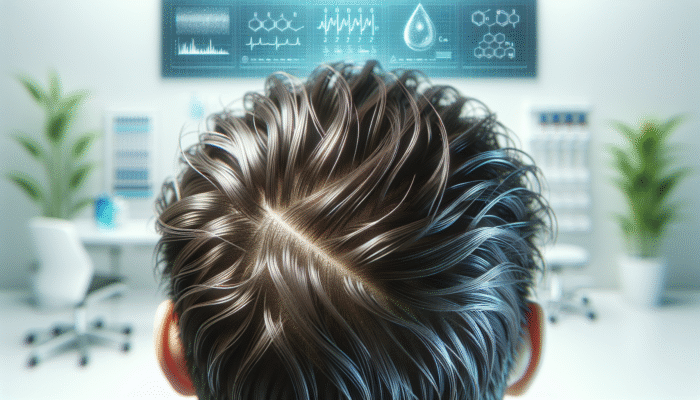
    Apple Cider Vinegar for Scalp Health: A close-up of a healthy scalp treated with apple cider vinegar, showing clear skin and vibrant hair growth.

    The scalp is a crucial indicator of overall skin health, making its protection vital for achieving optimal hair health. One of the standout benefits of apple cider vinegar lies in its potent antimicrobial properties, primarily due to its high concentration of acetic acid. This natural treatment creates a strong defense against common scalp infections that can lead to irritation, itchiness, and the unwanted presence of dandruff. By effectively eliminating harmful microorganisms, apple cider vinegar not only alleviates discomfort but also lays a clean foundation that encourages healthy hair growth.

    Scientific research supports the notion that the acetic acid present in apple cider vinegar can effectively combat harmful bacteria and fungi, making it an attractive option for those dealing with conditions such as seborrheic dermatitis or psoriasis. By cleansing the scalp of these harmful microbes, apple cider vinegar not only soothes discomfort but also creates an inviting environment that fosters optimal conditions for hair growth.

    This cleansing effect proves especially beneficial in humid climates where fungal infections are more likely to occur. Regularly applying a diluted apple cider vinegar solution can help manage these issues, leading to a healthier and more balanced scalp. When paired with essential oils known for their soothing properties, such as tea tree oil, the therapeutic advantages of apple cider vinegar can be further enhanced, bolstering its effectiveness against various scalp concerns.

    Restoring Natural pH Balance for Improved Scalp Health

    A critical but often overlooked aspect of scalp health is its pH balance, which is essential for the overall state of your hair. The natural pH of the scalp typically ranges from 4.5 to 5.5, indicating a slightly acidic environment. Unfortunately, many commercial hair care products disrupt this delicate balance, resulting in dryness, irritation, and an excess of oil production—all of which can adversely affect hair quality.

    This is where apple cider vinegar for scalp health becomes a game-changer. By restoring the scalp’s natural pH balance, it fosters an environment that is conducive to healthy hair growth. The acetic acid found in apple cider vinegar closely mirrors the natural acidity of the scalp, effectively neutralizing the alkaline residues left behind by shampoos and styling products, thereby reinstating harmony within the scalp.

    This balancing act is particularly beneficial for individuals residing in areas with hard water, which can strip the scalp of essential moisture. By incorporating apple cider vinegar into your hair care regimen, you can counteract these negative effects, ensuring that your scalp remains hydrated and healthy, setting the stage for beautiful hair.

    Exfoliating the Scalp for Optimal Hair Health

    The advantages of apple cider vinegar for scalp health go beyond cleansing and balancing; it also provides gentle exfoliation. The acetic acid content serves as an effective means to eliminate dead skin cells that can accumulate on the scalp, thus creating a healthier environment for hair follicles. This natural exfoliation process not only clears obstructions but also nurtures a well-cared-for scalp, which is essential for vibrant hair.

    Regular exfoliation encourages improved blood circulation within the scalp, which is crucial for delivering essential nutrients to hair follicles. Enhanced circulation can lead to better hair growth, establishing apple cider vinegar as an invaluable ally on your journey to stunning locks.

    Incorporating a diluted apple cider vinegar solution into your routine—perhaps as part of a weekly hair wash—can instill a refreshing sense of lightness and cleanliness in your scalp. The outcome is not only a healthier scalp; it also translates into hair that appears shinier and more vibrant.

    Encouraging Natural Hair Growth with Apple Cider Vinegar

    Person applying apple cider vinegar to scalp, showing vibrant, thick hair growth.

    For those facing thinning hair or hair loss, apple cider vinegar for scalp health presents promising advantages. Its application has been shown to enhance blood circulation, revitalizing dormant hair follicles and potentially stimulating hair growth and rejuvenation.

    Numerous anecdotal reports suggest that individuals have noticed thicker, more resilient hair after incorporating apple cider vinegar into their hair care routines. By nourishing the scalp and creating an optimal growth environment, this natural remedy has secured its place as a staple in the beauty regimens of many around the world.

    Moreover, the vitamins and minerals found in apple cider vinegar, along with its ability to maintain an ideal pH environment, create a holistic approach to hair health. For those seeking to enhance their hair’s volume and strength, incorporating apple cider vinegar into their weekly regimen could be the transformative solution they’ve been seeking.

    Proven Strategies for Effectively Using Apple Cider Vinegar on Your Scalp

    Recognizing the numerous benefits of apple cider vinegar for scalp health is just the initial step; effectively harnessing its full range of advantages is crucial. Below is a comprehensive guide on how to properly utilize apple cider vinegar to maximize its benefits for your scalp.

    Optimal Dilution Ratios for Safe Application

    Applying apple cider vinegar undiluted to the scalp can lead to irritation; therefore, it is vital to dilute it appropriately before use. Depending on your scalp’s sensitivity, the generally recommended dilution ratio ranges between 1:2 and 1:4. For instance, mixing one part apple cider vinegar with two to four parts water will yield a safe and effective solution that is gentle on the scalp.

    This simple yet crucial step is especially beneficial for individuals with sensitive skin or those new to apple cider vinegar. By starting with a more diluted mixture, you can gradually increase the concentration as your scalp becomes accustomed to its effects, ensuring a comfortable and beneficial experience.

    Additionally, utilizing filtered or distilled water for your dilution can help prevent introducing impurities that may irritate the scalp, allowing you to make the most of apple cider vinegar for scalp health.

    Effective Application Techniques for Enhanced Benefits

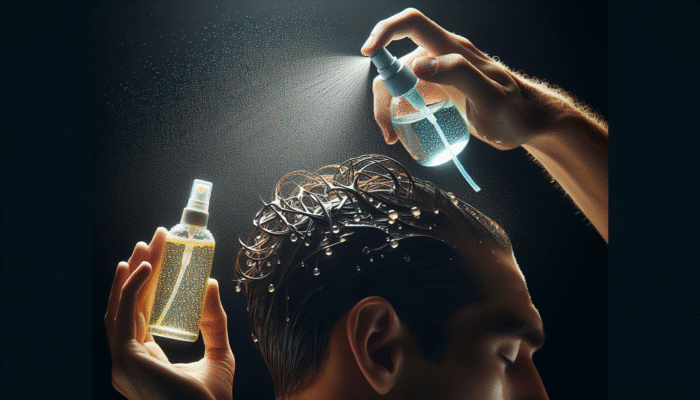
    Person massaging apple cider vinegar into scalp with spray bottle and cotton pad for healthy hair.

    Once your diluted solution is ready, the next step is to apply it effectively. There are several practical methods for applying apple cider vinegar to the scalp. One popular method is to use a spray bottle, which allows for even distribution across the scalp, ensuring comprehensive coverage.

    Alternatively, a cotton pad can be used for targeted application, especially for areas where you may experience heightened discomfort or irritation. Regardless of the method chosen, gentle massaging is critical to ensure the solution penetrates the scalp effectively. This massaging action not only promotes the absorption of apple cider vinegar but also boosts circulation, further supporting healthy hair.

    Applying the diluted solution after washing your hair can be immensely beneficial for those living in dry climates. This technique ensures that the scalp receives hydration while effectively cleansing away any residual products that may have accumulated over time.

    Finding the Right Frequency of Use for Your Scalp

    Incorporating apple cider vinegar into your hair care routine necessitates a balanced approach; while its benefits are extensive, overuse can cause unwanted dryness. The ideal frequency of application is generally once or twice a week, allowing the scalp to enjoy the benefits without becoming overly dry or irritated.

    Monitoring your scalp’s response is essential. If you notice any signs of irritation or excessive dryness, consider reducing the frequency or further diluting the solution. Conversely, if your scalp reacts positively, you may wish to explore increasing the frequency while still being mindful of its condition.

    This balanced approach ensures that you fully harness the incredible properties of apple cider vinegar for scalp health while maintaining the integrity and hydration of your scalp.

    Exploring the Comprehensive Benefits of Apple Cider Vinegar

    When used appropriately, apple cider vinegar can provide numerous advantages for your scalp and overall hair health. The potential benefits—ranging from balancing pH levels to reducing dandruff and fostering a healthier environment—are both extensive and noteworthy.

    Many users have reported a significant decrease in itching and flakiness after integrating apple cider vinegar into their hair care regimen, making it a vital addition to any hair care arsenal. As a naturally derived remedy, its holistic approach appeals to those seeking alternatives to chemical-laden commercial products.

    Moreover, its cost-effectiveness and accessibility make apple cider vinegar a practical choice for scalp health for individuals across various lifestyles. Whether you reside in a bustling city or the serene countryside, the potential of apple cider vinegar is readily available, poised to enhance your hair care routine.

    Key Precautions and Possible Side Effects

    While apple cider vinegar is revered for its numerous benefits, it’s essential to approach its use with caution. Individuals with sensitive scalps or broken skin should avoid applying apple cider vinegar directly, as it may exacerbate irritation or provoke allergic reactions.

    Always conduct a patch test before full application to ensure your scalp can tolerate the solution. If you observe signs of irritation, such as redness or a burning sensation, discontinue use and consult a healthcare professional for advice.

    Overuse can also be detrimental; adhering to recommended frequencies will help prevent dryness and maintain a healthy scalp environment. By taking these precautions, you can confidently integrate apple cider vinegar for scalp health into your routine, enjoying its benefits while minimizing potential side effects.

    Understanding Potential Side Effects and Essential Precautions

    As with any natural remedy, understanding the potential side effects and precautions associated with apple cider vinegar for scalp health is crucial. While generally considered safe for most individuals, some may experience adverse reactions that necessitate careful consideration and application.

    Managing Skin Irritation Caused by Apple Cider Vinegar

    One of the most common concerns regarding apple cider vinegar is skin irritation, especially when applied undiluted. The potent acidity of apple cider vinegar can result in redness, burning, or itching if used directly on the scalp. To mitigate this risk, always dilute the vinegar in water as advised and perform a patch test on a small area of skin prior to full application.

    Understanding your scalp’s sensitivity is essential; some individuals may tolerate more concentrated solutions, while others may require a gentler approach. If irritation occurs, consider adjusting the dilution ratio or frequency of use until you find a comfortable balance.

    Additionally, those living in regions with harsher environmental conditions may find their scalp more susceptible to irritation. Tailoring apple cider vinegar to fit your unique circumstances will enable you to reap its benefits while minimizing adverse effects.

    Identifying Allergic Reactions to Apple Cider Vinegar

    Although apple cider vinegar is sourced from natural ingredients, some individuals may have allergies or sensitivities to it. Paying attention to any signs of allergic reactions, such as swelling, itching, or rash, is vital when introducing this remedy into your routine.

    If you suspect an allergy, discontinue use immediately and consult a healthcare professional for guidance. In many cases, alternative natural remedies may provide similar benefits without triggering an allergic response, allowing for continued care without discomfort.

    Exploring various global options can help you discover the right solutions for your scalp health while prioritizing comfort and safety. Individual responses may vary, making it essential to place your well-being at the forefront.

    Avoiding Risks Associated with Overuse of Apple Cider Vinegar

    While apple cider vinegar offers a multitude of benefits, adhering to recommended usage guidelines is crucial to avoid risks related to overuse. Applying apple cider vinegar too frequently can lead to dryness, irritation, and an imbalance in the scalp’s natural oils, ultimately hampering your hair’s health.

    For optimal results, limit use to once or twice a week, allowing your scalp to rest and recover. Keep in mind that everyone’s scalp is unique, and factors such as climate, hair type, and existing conditions can influence how often you should use apple cider vinegar.

    Careful monitoring of your scalp’s response is vital; if you notice any discomfort or dryness, consider adjusting your routine accordingly. Striking the right balance will enable you to enjoy the incredible benefits of apple cider vinegar for scalp health while minimizing the risk of adverse effects.

    Maximizing the Benefits of Apple Cider Vinegar with Complementary Natural Ingredients

    Combining apple cider vinegar with other natural ingredients can effortlessly enhance its benefits for scalp health. These synergistic mixtures can amplify their effects, improving scalp health and boosting hair vitality. Let’s delve into some effective combinations that can revolutionize your hair care routine.

    Incorporating Essential Oils for Superior Scalp Care

    Integrating essential oils into your apple cider vinegar mixture can significantly elevate its soothing and therapeutic effects. Oils such as lavender, tea tree, and peppermint are well-known for their calming and restorative properties. Simply adding a few drops of these oils to your diluted apple cider vinegar solution can create a nourishing blend that not only combats scalp irritation but also infuses your scalp with delightful fragrances.

    Lavender oil, celebrated for its calming effects, helps reduce stress, while tea tree oil boasts powerful antimicrobial properties, making it an ideal companion for apple cider vinegar. This potent combination is especially beneficial for individuals prone to dandruff or scalp infections, as it effectively addresses both symptoms and underlying issues.

    Incorporating essential oils also adds a personalized touch to your hair care regimen. Different individuals may respond uniquely to specific oils, so experimenting with various combinations can yield unique benefits that cater to your specific scalp needs and preferences.

    Mixing Aloe Vera with Apple Cider Vinegar for Enhanced Hydration

    Aloe vera is another natural ingredient that pairs beautifully with apple cider vinegar for scalp health. Renowned for its hydrating and soothing properties, aloe vera can provide much-needed moisture to dry scalps while boosting the nourishing qualities of apple cider vinegar.

    Combining aloe vera gel with diluted apple cider vinegar creates a soothing treatment that alleviates irritation and promotes healing. This combination is particularly advantageous for those dealing with inflammatory conditions or itchy scalps, providing relief and comfort.

    Applying this mixture can rejuvenate your scalp, leaving it feeling refreshed and hydrated. The vitamins and minerals found in aloe vera can further nourish hair follicles, supporting overall hair growth and vitality, making this blend a powerhouse for scalp health.

    Utilizing Honey for Moisture and Nourishment

    Honey’s natural humectant properties make it an excellent addition to apple cider vinegar, providing an extra layer of nourishment to your scalp treatment. When combined, honey and apple cider vinegar create a rich concoction that offers both moisturizing and antimicrobial benefits, promoting scalp health while soothing dryness and irritation.

    The natural sugars in honey help retain moisture in the scalp, ensuring that the skin remains hydrated and healthy. This combination is particularly beneficial for those living in dry climates where moisture loss can be a significant concern, creating a protective barrier.

    Incorporating honey into your routine not only enhances the treatment’s efficacy but also imparts a delightful sweetness to the mixture, making it a pleasurable addition to your hair care regimen.

    Enhancing Scalp Health with Coconut Oil

    Coconut oil is another popular ingredient that seamlessly blends with apple cider vinegar. Known for its deep moisturizing properties, coconut oil can amplify the conditioning effects of apple cider vinegar, ensuring that the scalp remains hydrated and free from flakes.

    Combining coconut oil with apple cider vinegar produces a luxurious treatment that nourishes the scalp while delivering essential fatty acids to hair strands. This duo not only improves scalp health but also enhances the overall appearance and manageability of your hair, making it a go-to combination for many.

    For individuals experiencing dryness or damage, this collaboration can be particularly transformative. It works harmoniously to restore balance and vitality to both the scalp and hair, providing a holistic solution to hair care.

    Leveraging Green Tea for Powerful Antioxidant Benefits

    Green tea, celebrated for its abundant antioxidant properties, can significantly amplify apple cider vinegar’s benefits for scalp health. Adding green tea extract to your mixture can offer protection against environmental damage while soothing and revitalizing the scalp.

    Rich in polyphenols, green tea helps combat inflammation and can even stimulate hair growth by promoting circulation in the scalp. Combining green tea with apple cider vinegar creates a powerful concoction that supports scalp health while effectively addressing common concerns such as dandruff and irritation.

    This combination is especially appealing to those seeking a natural approach to hair care. Green tea and apple cider vinegar are gentle yet effective, suitable for a variety of hair types and conditions.

    Scientific Research Supporting the Use of Apple Cider Vinegar

    As interest in apple cider vinegar for scalp health continues to grow, so does the scientific evidence supporting its numerous benefits. From its antimicrobial properties to its capacity to enhance hair growth, various studies and expert opinions highlight the effectiveness of this natural remedy in promoting a healthier scalp.

    Research Studies Confirming the Efficacy of Apple Cider Vinegar

    Multiple research studies validate the positive impacts of apple cider vinegar on scalp health. Its antimicrobial properties, particularly against bacteria and fungi, are well-documented, demonstrating its potential to effectively treat common scalp conditions like dandruff and seborrheic dermatitis.

    In one study, participants who applied a diluted apple cider vinegar solution reported a significant reduction in dandruff symptoms, attributing this improvement to the vinegar’s ability to cleanse the scalp and combat fungal growth. This scientific backing lends credibility to the claims made by users worldwide, as research underscores the effectiveness of apple cider vinegar in promoting a healthier scalp and addressing related issues.

    Furthermore, studies have indicated that apple cider vinegar’s acidity can aid in restoring the scalp’s natural pH, further supporting its use as a natural remedy for scalp health and reinforcing its status as an essential ingredient in hair care.

    Expert Opinions Endorsing Apple Cider Vinegar

    Dermatologists and trichologists frequently advocate apple cider vinegar as a natural remedy for maintaining scalp health. Many experts highlight its ability to balance pH, alleviate itchiness, and combat infections, making it a staple in numerous hair care routines.

    In consultations, professionals often emphasize the significance of natural remedies in promoting scalp health, especially for individuals sensitive to harsh chemicals commonly found in commercial products. Their recommendations to incorporate apple cider vinegar into routine hair care signify a growing acknowledgment of the benefits associated with this natural solution.

    The endorsement from trusted experts provides reassurance for those seeking to enhance their scalp health through holistic means, encouraging more individuals to explore the potential of apple cider vinegar in their hair care regimen.

    Anecdotal Evidence of Apple Cider Vinegar’s Transformative Effects

    The rich tapestry of anecdotal evidence collected from users worldwide paints a compelling picture of apple cider vinegar’s benefits for scalp health. Many individuals report transformative experiences, noting improvements in scalp health, reduced dandruff, and enhanced hair quality after regular use.

    Testimonies reveal that incorporating apple cider vinegar into hair care routines has revitalized individuals’ confidence in their scalp health. This shared experience fosters a sense of community among those who have benefited from this time-honored remedy, motivating others to explore its potential.

    The positive feedback and personal stories surrounding apple cider vinegar serve to inspire others to consider its potential as a natural solution for their scalp issues, creating an ongoing dialogue about holistic hair care and the power of natural remedies.

    Practical Tips for Integrating Apple Cider Vinegar into Your Hair Care Routine

    Incorporating apple cider vinegar for scalp health into your hair care routine can be simple and effective when you follow a few practical tips. This powerful ingredient can enhance your regimen, ensuring maximum benefits while promoting healthier, more vibrant hair.

    Using Apple Cider Vinegar as a Post-Shampoo Rinse

    Apple cider vinegar serves as an excellent post-shampoo rinse for cleansing and balancing your scalp. After washing your hair, rinse your scalp with a diluted solution of apple cider vinegar to restore pH balance and eliminate any residual product buildup.

    This rinse method not only helps cleanse the scalp but also leaves hair feeling softer and more manageable. Many users report that their hair appears shinier and healthier after incorporating apple cider vinegar into their rinse routine, enhancing overall aesthetics.

    This technique is especially beneficial for those struggling with product buildup or oily scalps, ensuring that the scalp remains clean and refreshed, thus fostering a healthier environment for hair growth.

    Enhancing Blood Circulation Through Scalp Massage

    Integrating apple cider vinegar into your scalp massage routine can further enhance blood circulation and nutrient delivery to hair follicles. This holistic approach promotes relaxation and contributes to overall scalp health and vitality.

    To create an invigorating scalp massage, apply a diluted apple cider vinegar solution and gently massage it into your scalp using your fingertips. This technique stimulates circulation, ensuring that essential nutrients reach the hair follicles, promoting healthy growth and rejuvenation.

    Additionally, massaging can alleviate stress, making it a perfect addition to your self-care routine. Many individuals find that this mindful practice improves scalp health while creating a deeper connection to their hair care journey, enhancing overall well-being.

    Crafting a Personalized Hair Care Routine

    Establishing a customized hair care routine that incorporates apple cider vinegar can significantly enhance your results. Understanding your scalp’s specific needs and tailoring your approach can transform your hair health and appearance.

    Consider factors such as climate, hair type, and existing conditions when determining how often to use apple cider vinegar. Regularly evaluating your scalp’s response will allow you to fine-tune your routine, ensuring you maximize the benefits of this remarkable ingredient.

    This personalized approach not only facilitates ongoing improvement but also fosters a sense of empowerment in your hair care journey, allowing you to confidently embrace apple cider vinegar’s full potential for scalp health.

    Exploring Global Variations for Hair Care Inspiration

    As you embark on your journey with apple cider vinegar for scalp health, don’t hesitate to explore global variations and practices. Different cultures often utilize unique ingredients alongside apple cider vinegar, enhancing its benefits and creating diverse hair care traditions.

    Exploring these variations—from the use of coconut oil in tropical regions to the incorporation of various herbs in traditional practices—can provide fresh perspectives on your hair care routine. Learning from global traditions can inspire new methods of incorporating apple cider vinegar into your regimen, ultimately enriching your experience and enhancing your hair care outcomes.

    Embrace the beauty of diversity in hair care and let apple cider vinegar serve as a bridge to connect you with various practices worldwide, enriching your understanding and application of this remarkable ingredient.

    Maintaining Consistency for Lasting Results

    Finally, the key to harnessing apple cider vinegar’s benefits for scalp health lies in consistency. While many individuals report immediate improvements, sustainable results require ongoing commitment to your hair care routine and practices.

    Regularly incorporating apple cider vinegar into your regimen—whether through rinses, massages, or customized treatments—will ensure that you continue to reap its benefits over time.

    By prioritizing consistency, you’ll cultivate a vibrant and healthy scalp, experience the full potential of apple cider vinegar, and enjoy beautiful hair that reflects your dedication to scalp health.

    Frequently Asked Questions About Apple Cider Vinegar

    How often should I apply apple cider vinegar to my scalp?

    It is generally advisable to use apple cider vinegar once or twice a week. This frequency allows you to enjoy its numerous benefits without overdrying the scalp, ensuring a healthy balance.

    Can I use apple cider vinegar directly on my scalp?

    No, it’s essential to dilute apple cider vinegar with water prior to application to avoid potential irritation and discomfort.

    What are the signs of an allergic reaction to apple cider vinegar?

    Signs of an allergic reaction may include redness, swelling, itching, or a burning sensation. If you experience any of these symptoms, discontinue use immediately and consult a healthcare professional for guidance.

    Can apple cider vinegar help reduce dandruff?

    Yes, apple cider vinegar’s antimicrobial properties can help combat the fungi responsible for dandruff, leading to a healthier scalp and improved hair quality.

    Is apple cider vinegar safe for colour-treated hair?

    Yes, apple cider vinegar can be safe for colour-treated hair, but always perform a patch test first and consider diluting it more if you have concerns about its effects.

    Should I rinse my hair after using apple cider vinegar?

    After applying a diluted solution, you may choose to rinse it out or leave it in, depending on your preference and scalp sensitivity.

    What is the best way to mix apple cider vinegar for scalp use?

    A common dilution ratio is 1 part apple cider vinegar to 2-4 parts water. Adjust the ratio based on your scalp sensitivity and comfort levels.

    Can I use apple cider vinegar every day?

    Daily application of apple cider vinegar is not advisable, as overuse may lead to dryness or irritation. Once or twice a week is ideal for maintaining scalp health.

    Are there any other natural ingredients that pair well with apple cider vinegar?

    Yes, ingredients such as honey, aloe vera, and essential oils can significantly enhance apple cider vinegar’s benefits for scalp health, creating versatile treatment options.

    Is apple cider vinegar suitable for all hair types?

    While generally suitable for most hair types, individual reactions may vary. Always conduct a patch test and adjust usage based on your needs and scalp condition.

    Connect with us on Facebook for More Tips!

    The Article: Apple Cider Vinegar for Scalp Health: A Comprehensive Guide appeared first on Amitys Hair Salon.

    The Article Apple Cider Vinegar for Scalp Health: Essential Insights Was Found On https://limitsofstrategy.com
  • Scalp Massager: The Ultimate Guide to Effective Use

    Scalp Massager: The Ultimate Guide to Effective Use

    Discover How to Select the Perfect Scalp Massager for Your Unique Needs

    Choosing the most suitable scalp massager is a pivotal step in ensuring that you enjoy a fulfilling and effective massage experience. With a wide variety of options available, it’s essential to understand the subtle differences in materials, designs, and types. Each category of massager offers distinct benefits, which can greatly enhance your overall experience and help you achieve the desired results. Before finalizing your choice, take the time to evaluate your individual needs and preferences to identify the ideal match that aligns perfectly with your scalp care goals.

    Evaluating the Best Materials for Your Scalp Massager Selection

    Flexible silicone scalp massager, smooth and durable, easily conforms to scalp for hygiene.

    The effectiveness and durability of a scalp massager are heavily influenced by the materials utilized in its construction. Silicone and plastic are two of the most popular materials for these tools, each offering unique advantages. Silicone, for instance, is celebrated for its flexibility and long-lasting quality. It conforms comfortably to the contours of your scalp, allowing for prolonged massage sessions without causing any discomfort. Additionally, the non-porous nature of silicone makes cleaning a breeze, which is essential for maintaining hygiene in your grooming routine.

    Conversely, plastic massagers are available in a range of designs and are typically more affordable. When opting for a plastic model, it’s advisable to choose higher-quality options that resist breakage and wear over time. Additionally, consider how easy they are to clean; intricate designs may trap dirt and oils, so selecting a simpler design can minimize maintenance efforts. Ultimately, the choice of material will significantly impact both your massage experience and the product’s longevity, underscoring the importance of making an informed decision.

    Prioritizing Design and Comfort When Selecting Your Scalp Massager

    The design of a scalp massager is crucial in determining the enjoyment and effectiveness of your massage sessions. It’s imperative to select a design that fits comfortably in your hand, allowing for effortless maneuverability and control. Ergonomic designs are particularly beneficial, as they help alleviate wrist strain while enabling you to apply the right amount of pressure with ease.

    Moreover, the design of the massager’s head is equally important. Some models feature flexible bristles that adapt to your scalp’s unique shape, while others have fixed points aimed at delivering targeted pressure. A well-crafted massager should provide a pleasurable sensation against your scalp while enhancing the entire experience, transforming it into a soothing and relaxing ritual. Comfort is essential; you want to look forward to these sessions rather than view them as a chore.

    Making an Informed Choice Between Manual and Electric Scalp Massagers

    The decision between manual and electric scalp massagers can significantly affect your overall massage experience. Manual massagers provide a sense of control, allowing you to adjust the pressure and speed according to your personal preferences at any moment. This tailored approach is especially beneficial for targeting specific areas of tension in the scalp, giving you the freedom to customize your experience as needed.

    On the flip side, electric scalp massagers offer unmatched convenience and ease of use. Many electric models come equipped with built-in timers and multiple settings, ensuring a consistent experience with minimal effort on your part. They often include various modes designed to cater to different needs, such as gentle relaxation or more vigorous stimulation for a refreshing massage. Ultimately, your choice should reflect your lifestyle and personal preferences; if you appreciate a hands-on approach, a manual massager may be ideal, while those who prioritize convenience might prefer an electric option.

    Essential Preparations for an Effective Scalp Massage Experience

    Proper preparation is key to laying the groundwork for a successful scalp massage. By ensuring that your scalp is clean, your environment is tranquil, and your positioning is comfortable, you create the perfect conditions for an incredibly soothing and beneficial experience.

    Thoroughly Cleansing Your Scalp Prior to Massage

    Before commencing a massage, it’s crucial to thoroughly cleanse your scalp. This vital step not only removes dirt and oil buildup but also prepares your skin to fully benefit from the therapeutic effects of the massage. Using a gentle shampoo can effectively eliminate any residue, allowing the massager to glide effortlessly across your skin.

    A clean scalp significantly improves the effectiveness of your massage, ensuring that you are not merely redistributing dirt and oils but actively stimulating the underlying hair follicles and skin. Additionally, incorporating a weekly exfoliation into your routine can help eliminate dead skin cells, promoting better scalp health and enhancing the overall massage experience. This proactive approach ensures that your scalp is in the best possible condition to reap the full benefits of your massage.

    Creating a Serene Environment for Optimal Scalp Massage

    Establishing a peaceful atmosphere can greatly enhance the advantages of your scalp massage. Consider dimming the lights, playing soft background music, or even introducing aromatic oils to create a calming ambiance. A tranquil environment encourages both your mind and body to relax, allowing the massage to be significantly more effective.

    Think about incorporating elements that promote relaxation, such as a comfortable chair or a soft cushion to support your back. The objective is to form a space where you can completely unwind. This state of relaxation not only amplifies the benefits of the massage but also fosters improved mental health and overall well-being, making it a valuable addition to your self-care routine.

    Ensuring Proper Positioning for Maximum Comfort During Your Massage

    Person receiving scalp massage, seated in armless chair or lying on flat surface with pillow, maintaining perfect posture.

    Maintaining the correct posture during your scalp massage is essential for both its effectiveness and your comfort. Whether you decide to sit or lie down, ensure that your posture supports your back and neck, allowing your hands to move freely without strain. A comfortable position enables you to focus entirely on the massage itself, free from distractions caused by discomfort or awkward movements.

    If you’re seated, opt for a chair that lacks armrests to allow for greater freedom of movement. If you prefer to lie down, utilize a flat surface along with a comfortable pillow to enhance relaxation. The right positioning lays the foundation for a successful massage, enabling you to engage fully in the experience and enjoy every moment.

    Mastering Effective Techniques for Your Scalp Massage

    The techniques you employ during your scalp massage can significantly influence its overall effectiveness. From the motions you use to the pressure you apply, understanding the appropriate methods will empower you to fully enjoy the myriad benefits of a scalp massage.

    Utilizing Gentle Circular Motions for Maximum Scalp Stimulation

    One of the most effective techniques involves using gentle circular motions. This approach encourages blood flow to the scalp, which may promote hair growth and enhance overall scalp health. Begin at the front of your scalp and gradually work your way to the back, employing your fingers or the massager to create small circles.

    Be mindful of the pressure you apply; it should be firm yet comfortable. Circular motions are particularly effective for relieving tension and stress, making the experience both soothing and enjoyable. Feel free to experiment with various circle sizes and pressure levels to discover what feels best for you. This straightforward technique can greatly enhance your relaxation and overall well-being, making each massage session a revitalizing experience.

    Targeting Pressure Points for Enhanced Relaxation and Relief

    Applying targeted pressure to specific points on the scalp can effectively alleviate tension and promote relaxation. Identify areas that feel tight or tender and apply gentle pressure using your fingers or a massager. This technique is rooted in acupressure principles, which suggest that stimulating particular points can relieve discomfort in other areas of the body.

    For instance, the region just above the temples often serves as a tension hotspot. Spend some time focusing on these areas, and you may experience a substantial reduction in stress levels. By incorporating pressure point techniques into your massage routine, you can make your scalp massage more focused and effective, enhancing the overall experience.

    Maintaining Optimal Speed and Rhythm for Maximum Scalp Massage Benefits

    The speed and rhythm of your movements can greatly impact the effectiveness of your scalp massage. Consistency in speed helps create a calming experience, as erratic motions can disrupt the soothing effect you aim to achieve. Strive for a steady pace that aligns with your comfort level; this will enhance relaxation and yield better results.

    Incorporating variations in rhythm can also be beneficial—alternating between slower, deeper pressures and lighter, quicker strokes creates a dynamic experience that keeps your scalp engaged. This rhythmic approach not only amplifies the sensory experience but also stimulates blood circulation, contributing to a healthier scalp and improved hair health over time.

    Exploring Finger Techniques for Enhanced Scalp Stimulation

    Incorporating a variety of finger techniques can elevate your scalp massage experience. Techniques such as tapping and kneading can stimulate different areas of your scalp, enhancing both relaxation and circulation. Tapping, for example, involves using your fingertips to lightly tap across the scalp, creating a gentle percussion effect that invigorates the skin and stimulates hair follicles.

    Kneading, on the other hand, requires using your palms or fingers to softly press and roll over the scalp, similar to kneading dough. This method can effectively release knots and tension, making it ideal for stress relief. By mixing these techniques, you can create a more engaging and beneficial massage experience, leaving your scalp feeling revitalized.

    Enhancing Your Scalp Massage with Nourishing Oil Application

    Applying warm oil to the scalp can significantly enrich your massage experience. Oils such as coconut, jojoba, or almond are excellent choices, as they nourish hair follicles and enhance circulation. Warm the oil slightly before application to improve absorption and create a soothing sensation during the massage.

    Use your fingers to evenly distribute the oil across your scalp, then follow up with your massager. The combination of oil and massage facilitates smoother movements and can deeply condition your scalp and hair. This technique not only enhances relaxation but may also contribute to healthier, shinier hair over time, making your scalp massage a truly holistic experience.

    Determining the Ideal Frequency and Duration for Scalp Massages

    Establishing the right frequency and duration for your scalp massages is crucial to achieving optimal results. Striking a balance between regular practice and self-care is essential for maintaining scalp health and promoting relaxation.

    Long-Term Benefits of Incorporating Daily Scalp Massages

    Integrating daily scalp massages into your routine can yield substantial long-term benefits. Daily practice boosts scalp health by enhancing blood circulation, nourishing hair follicles, and relieving tension. The cumulative effects can further stimulate hair growth over time, leading to fuller, healthier locks.

    Consider starting your day with a quick 5-minute scalp massage as part of your morning ritual. This practice not only awakens your scalp but also sets a positive tone for the day ahead. Additionally, it can serve as a moment of mindfulness, allowing you to connect with your body and mind before the demands of the day take over.

    Finding the Right Duration for Each Scalp Massage Session

    While the frequency of your massages is essential, the duration of each session is equally important. Aim for 5 to 10 minutes for each massage. This time frame effectively stimulates the scalp without leading to fatigue or discomfort.

    If you are new to scalp massages, start with shorter sessions and gradually increase the time as you become more accustomed to the experience. Pay attention to how your scalp responds; if you feel sore or fatigued, it may be a sign to reduce the duration or frequency. Striking a healthy balance allows you to enjoy the benefits of a scalp massage without overdoing it.

    Balancing the Frequency of Your Scalp Massages for Optimal Health

    Finding the right balance in frequency is key to maintaining optimal scalp health. While daily massages can be beneficial, some individuals may find that 2-3 times per week is sufficient for their needs. Be attentive to your body’s responses and adapt your routine based on how your scalp feels.

    Incorporating scalp massages into your self-care routine should be a pleasurable experience, not a burden. Establish a schedule that feels sustainable; whether it’s a daily ritual or a few times a week, consistency is crucial to reaping the benefits. Adjust your frequency as needed, always prioritizing comfort and enjoyment in the process.

    Uncovering the Multifaceted Benefits of Scalp Massage

    Understanding the diverse benefits of scalp massage can inspire you to integrate this practice into your daily routine. From stress relief to enhanced circulation, the advantages are compelling and multifaceted, improving both your physical and mental well-being.

    Achieving Stress Relief Through Regular Scalp Massage Practices

    One of the most immediate benefits of a scalp massage is its remarkable ability to alleviate stress. The act of massaging the scalp stimulates the release of endorphins, chemicals in the brain that promote feelings of happiness and relaxation. This effect can be particularly valuable in today’s fast-paced world, where stress often feels like a constant companion.

    Regular scalp massages can evolve into a calming ritual that allows you to unwind and disconnect from daily pressures. As you engage in this practice, you may notice improvements in your mood, a reduction in tension, and enhanced overall well-being. Embracing scalp massage as a tool for stress relief can lead to a more balanced and harmonious life.

    Boosting Blood Circulation for Healthier Hair Growth

    Scalp massages significantly enhance blood circulation, which is vital for delivering essential nutrients and oxygen to hair follicles. Improved circulation fosters healthier hair growth and can help prevent hair thinning.

    When you massage the scalp, you stimulate the underlying tissues, encouraging blood flow and revitalizing the hair roots. This increased circulation can lead to stronger, shinier hair over time. Regular massages also create a healthier scalp environment, mitigating issues such as dryness or irritation, ultimately contributing to overall hair vitality.

    Effectively Reducing Dandruff Through Consistent Scalp Massage

    Another compelling benefit of scalp massage is its potential to reduce dandruff. The act of massaging helps to remove dead skin cells and promotes healthier skin turnover. By enhancing scalp health, you can effectively combat dandruff and related conditions.

    Incorporating scalp massages into your hygiene routine can complement your regular cleansing regimen, ensuring that your scalp remains clean and free from buildup. As you massage, consider using anti-dandruff oils or shampoos designed to tackle flakiness, thereby doubling the effectiveness of your efforts and improving your overall scalp condition.

    Deepening Relaxation Through Scalp Massage Techniques

    Scalp massage is not merely a physical experience; it also provides profound relaxation on a mental level. The gentle pressure and rhythmic movements can induce deep calm, alleviating tension and improving sleep quality.

    Integrating a scalp massage into your pre-bedtime routine can signal to your body that it’s time to unwind, promoting a restful night’s sleep. The soothing benefits extend beyond the massage session itself; you may find that adopting this practice leads to more consistent sleep patterns and enhanced overall mental health.

    Stimulating Hair Growth with Regular Scalp Massage Practices

    By increasing blood flow and nutrient delivery to hair follicles, scalp massage can effectively stimulate hair growth. Regular practice creates a healthy environment for hair to flourish, reducing the risk of hair loss and promoting fuller, thicker locks.

    Incorporating techniques such as oil application during your massage can further enhance this benefit. Using nourishing oils helps condition the scalp and hair, providing additional support for growth. This holistic approach to hair care can yield remarkable results over time, making scalp massage an integral component of your routine.

    Integrating Scalp Massage into Your Daily Self-Care Regimen

    Incorporating scalp massages into your daily life is a powerful way to enhance your self-care routine. Whether you choose to start your day with a massage or unwind in the evening, there are numerous ways to seamlessly integrate this beneficial practice into your schedule.

    Invigorating Your Mornings with a Refreshing Scalp Massage

    Starting your day with a scalp massage can invigorate you and prepare you for the tasks ahead. A quick 5-minute massage can stimulate blood flow, awakening your scalp and revitalizing your mind. This practice serves as a gentle reminder to take a moment for yourself before diving into the day’s responsibilities.

    Consider pairing your morning massage with a refreshing shampoo or nourishing oil to amplify the benefits. The invigorating sensations can help you feel more alert and focused, establishing a positive tone for the rest of the day.

    Creating an Evening Relaxation Ritual with Scalp Massage

    Utilizing scalp massage as a means to unwind in the evening can significantly enhance your relaxation routine. After a long day, allowing yourself this soothing time can help relieve the tension that has accumulated throughout the day.

    Incorporate calming elements, such as soft music or aromatherapy oils, to cultivate a peaceful atmosphere. This evening ritual can serve as the perfect prelude to bedtime, signaling to your body that it’s time to relax and release the stresses of the day.

    Enhancing Your Hair Care Routine with Scalp Massage Techniques

    Integrating scalp massage into your hair washing routine can provide added benefits. While shampooing, take a moment to massage your scalp, enhancing the effectiveness of your shampoo while promoting relaxation. This dual-action approach not only cleanses but also nourishes your scalp, leading to healthier hair.

    Consider using products with essential oils or botanical extracts that further support scalp and hair health. This practice can transform your hair care routine into a luxurious self-care experience, making each wash something to look forward to and enjoy.

    Refreshing Your Mind with a Midday Scalp Massage

    Incorporating a quick scalp massage during your lunch break can serve as an excellent way to refresh and boost afternoon productivity. Taking just a few minutes to massage your scalp can help clear your mind and relieve tension accumulated during the morning.

    Find a comfortable space where you can take a brief pause from your work. This midday ritual can act as a mental reset, increasing your focus and energy levels for the remainder of the day.

    Supporting Post-Workout Recovery with a Soothing Scalp Massage

    Utilizing a scalp massage after exercising can promote relaxation for both the body and mind. Following your workout, your body may feel tense, and a soothing scalp massage can help release that tension.

    Consider incorporating your massage with a nourishing oil to condition your hair as well. This approach not only aids in recovery but can also improve the health of your scalp and hair, making it a beneficial practice to include in your fitness routine.

    Essential Safety Guidelines and Precautions for Effective Scalp Massage

    While scalp massages can offer incredible benefits, there are essential safety precautions to bear in mind. Understanding how to protect your scalp and hair during the massage process is vital for preventing damage and ensuring a positive experience.

    Practicing Moderation with Your Scalp Massager

    One of the most critical aspects of scalp massage is moderation. Overusing a scalp massager can lead to irritation, sensitivity, or even hair damage. It is essential to listen to your body and avoid excessive pressure or frequency.

    Be mindful of how your scalp responds after each massage. If you notice signs of irritation or discomfort, it may be time to reduce the frequency or duration of your sessions. Finding a healthy balance will enable you to enjoy the benefits of scalp massage without risking harm or discomfort.

    Taking Care of a Sensitive Scalp During Massage

    If you have a sensitive scalp, it is important to take extra care to avoid discomfort or inflammation. Opt for gentle techniques, utilizing light pressure and avoiding aggressive movements during your massage.

    Consider using a soft-bristled massager or your fingers instead of a harder device, which may exacerbate sensitivity. Always be attuned to your body’s signals and adjust your approach based on how your scalp feels during and after the massage, ensuring a comfortable experience.

    Prioritizing Hygiene During Scalp Massage Practices

    Maintaining proper hygiene is crucial to ensure that your scalp massages are beneficial rather than detrimental. Regularly clean your scalp massager to prevent the accumulation of bacteria or debris that could harm your scalp.

    Consider washing it with mild soap and warm water after each use, especially if you’ve applied oils or lotions. Keeping your tools clean not only protects your scalp but also enhances the effectiveness of your massages, allowing you to maximize your experience and results.

    Ensuring Proper Storage of Your Scalp Massager for Longevity

    Properly storing your scalp massager can prevent damage and maintain its functionality. Keep it in a clean, dry place to avoid mold or deterioration caused by moisture.

    Consider using a dedicated storage container or pouch to keep it safe and hygienic when not in use. Proper storage will extend the life of your massager, ensuring that it’s always ready for your next session and remains in top condition.

    Enhancing Your Scalp Massage Experience

    To elevate your scalp massage experience, consider incorporating oils or lotions specifically designed for scalp health. These products can enhance the benefits of your massage, nourishing both your scalp and hair while providing a soothing sensation.

    Incorporating Oils or Lotions into Your Scalp Massage Routine

    Integrating oils or lotions into your scalp massage can significantly amplify the benefits. Oils such as coconut, argan, and jojoba are excellent choices due to their nourishing properties. Warm the oil slightly before application to enhance absorption and create a relaxing sensation during the massage.

    Utilize your fingertips or a massager to distribute the oil evenly across your scalp, paying special attention to areas that may require extra care. The combination of oil and massage not only enhances relaxation but can also alleviate dryness and improve overall scalp health. This personalized approach allows you to fully enjoy the benefits of a scalp massage while promoting healthy hair growth and a nourished scalp.

    Creating a Multi-Sensory Scalp Massage Experience

    To further enhance your scalp massage, create a multi-sensory experience that engages all your senses. Dim lighting, calming music, and the subtle scent of essential oils can transform a simple massage into a holistic ritual that nourishes your body and mind.

    Incorporate scents known for their relaxing properties, such as lavender or chamomile, to elevate your experience. This combination of touch, sound, and smell can deepen the relaxation response, making each massage not just beneficial but also a pleasurable escape from daily stresses and distractions.

    Pairing Scalp Massage with Mindfulness Techniques for Enhanced Benefits

    Incorporating mindfulness practices during your scalp massage can further enhance your overall experience. As you massage, focus on your breath, allowing yourself to become fully aware of the sensations occurring in your scalp and body.

    This practice not only promotes relaxation but also helps ground you in the present moment. Engaging in mindfulness creates a deeper connection to your body, enhancing the therapeutic effects of the massage and offering a unique opportunity for self-care that rejuvenates both mind and spirit.

    Frequently Asked Questions About Scalp Massage Techniques

    What is the recommended frequency for using a scalp massager?

    Aim for 2-3 times a week for optimal benefits, although daily use can also be effective if it fits your schedule and routine. Consistency is key to achieving the best results from your massage practice.

    Can scalp massage contribute to hair growth?

    Yes, regular scalp massages stimulate blood circulation, nourishing hair follicles and potentially promoting hair growth over time. This practice creates a healthier environment for hair to thrive.

    Which type of oil is most suitable for scalp massage?

    Coconut, jojoba, and argan oils are excellent choices, as they nourish and condition both the scalp and hair, enhancing overall health and vitality. These oils provide essential nutrients that support hair growth.

    Is it safe to use a scalp massager on a daily basis?

    While daily use can be beneficial, it’s essential to be attentive to your scalp’s sensitivity to avoid irritation. Moderation is key to ensuring a positive experience and reaping the benefits of your massages.

    What is the ideal duration for each scalp massage session?

    Aim for 5-10 minutes per session to effectively stimulate the scalp without causing fatigue or discomfort. This duration ensures that you receive the benefits without overexertion.

    Can scalp massage aid in reducing dandruff?

    Yes, regular scalp massages can help remove dead skin cells and improve scalp health, potentially reducing dandruff and related conditions. This practice enhances your overall scalp condition.

    Are electric scalp massagers worth considering?

    Electric massagers offer convenience and consistent results, while manual options provide more control. Consider your preferences and individual needs when choosing the best option for you.

    What should I do if my scalp is sensitive?

    Use gentle techniques and lighter pressure, and consider opting for softer massagers to avoid discomfort and irritation during your sessions. Always listen to your body and adjust accordingly.

    Can I use a scalp massager on wet hair?

    Yes, using a massager on wet hair can enhance the experience, especially when paired with nourishing shampoos or oils for added benefits. This practice can improve absorption and effectiveness.

    How can I enhance my scalp massage experience?

    Incorporate warming oils, calming scents, and mindfulness techniques to create a multi-sensory and relaxing experience that promotes overall well-being. Each element contributes to a richer massage experience.

    Connect with us on Facebook!

    The Article: How to Use a Scalp Massager Effectively: A Universal Guide appeared first on Amitys Hair Salon.

    The Article Scalp Massager Effectively: Your Ultimate Guide Was Found On https://limitsofstrategy.com