Category: Oral Care

  • Causes Of And Treatments For Swollen Gums

    Causes Of And Treatments For Swollen Gums

    Swollen Gums – Solutions for Treating Gum Inflammation

    Healthy gums are made up of firm, pink tissue that is thick and fibrous. Unfortunately, this tissue may become irritated and bloated, leading to additional major oral health problems. Swollen gums may also be painful, sensitive, and easily irritated. Furthermore, they may bleed more readily while brushing and flossing.
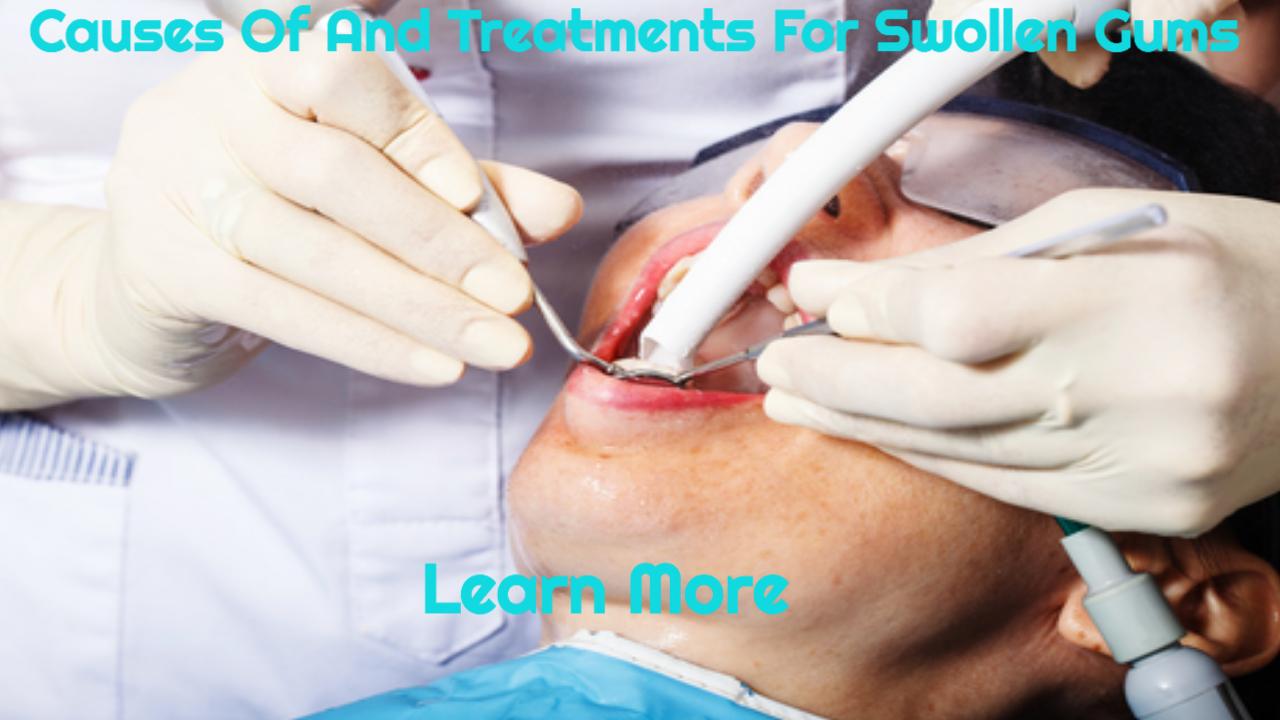
    What Causes Swollen Gums?

    Gingivitis, a gum disease that may produce moderate to severe symptoms, is the most prevalent cause of swollen gums. Gingivitis, if left untreated, may progress to periodontal disease and eventually tooth loss. Gingivitis is most often caused by persons failing to brush and floss regularly, enabling plaque and tartar to build up near the gum line. Hardened plaque may irritate gum soft tissue and cause bacterial accumulation.

    Gingival edema is also prevalent during pregnancy, even in the absence of gum disease. However, the cause of the inflammation is somewhat different. During this period, the body releases a surge of hormones that boosts blood flow to the gums and other regions of the body, causing irritation and swelling. Unfortunately, pregnant hormones may reduce immune system responses, making it more difficult for the body to fight gingivitis.

    Gum swelling may be caused by vitamin inadequacies in persons of any age or gender. Vitamins B and C are required for gum tissue maintenance and healing. Scurvy, which causes gum disease and anemia, may also be caused by a lack of vitamin C. While malnutrition is rare in modern countries, it is not unheard of and may lead to major oral health concerns in the elderly.

    Finally, gum inflammation may be caused by bacterial, viral, or fungal diseases. Herpes infections, for example, may result in an acute illness known as herpetic gingivostomatitis. Yeast infections may also cause thrush, which causes gum swelling, and bacterial infections in the mouth can cause abscesses.

    Treatment Options for Swollen Gums
    In mild situations, swollen gums may be treated at home using over-the-counter medications. People suffering from gingival inflammation should take care while brushing and flossing to prevent irritation, regardless of the reason of the swelling. Furthermore, they should often rinse with salt water to remove microorganisms. Drinking water to increase saliva production may also aid in the avoidance of irritants such as alcohol and smoke.

    Assume the swelling is substantial and lasts longer than two weeks. In such situation, it’s time to consult with a dentist about expert treatment for swollen gums. Treatment options differ depending on the source of the edema. If no obvious reason is found, the dentist may conduct X-rays or blood testing.

    If gingivitis produces swelling, the dentist may prescribe an oral rinse and a particular toothpaste brand. To tackle severe bacterial infections, topical or oral antibiotics may be required. Gingivitis therapy may need surgery in the most severe instances.

    How to Prevent Swollen Gums

    female dentist examines female patient with bad breath

    The easiest strategy to avoid sore gums is to practice proper dental hygiene and eat a balanced diet. Brush twice a day and floss once a day, but don’t brush or floss too hard. People who are pregnant or lacking in vitamins should use a soft-bristled toothbrush. Anyone suffering from an underlying medical problem that may be contributing to their swollen gums may benefit from a soft-bristled toothbrush as well.

    People who are concerned about their gum health should also avoid specific meals. They are as follows:

    • Alcohol
    • Sports drinks
    • Sugary soda
    • Chewy candy
    • White bread
    • Citrus fruits

    To treat gum disease or periodontitis, various dietary changes may be required. Consuming more fiber-rich fruits and vegetables, for example, may help individuals prevent gum disease and cavities. Cheese, milk, plain yogurt, and other natural dairy products may also be beneficial. These foods include minerals that may aid with general oral health.

    Green and black teas are also effective against gingivitis. They include polyphenols, which interact with plaque-causing bacteria by inhibiting their growth and production of acids that harm the teeth and gums.

    When to See a Dentist

    Mild gum inflammation may be treated at home by increasing dental hygiene regimens and making dietary changes. However, more serious situations should always be checked by a dentist. Assume the inflammation creates bleeding, significant discomfort, or lasts longer than two weeks. In such a scenario, you should make an appointment with a general dentist.

    Brought To You By: Aria Dental of Annapolis

    The post Causes Of And Treatments For Swollen Gums appeared first on https://arquiaca.org

    The post Causes Of And Treatments For Swollen Gums appeared first on https://gqcentral.co.uk
  • Stop Smoking And Save Your Teeth And Gums

    Stop Smoking And Save Your Teeth And Gums

    Reduced Smoking Will Lower Your Chances of Developing Oral Health Problems

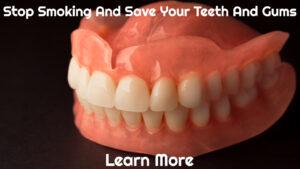
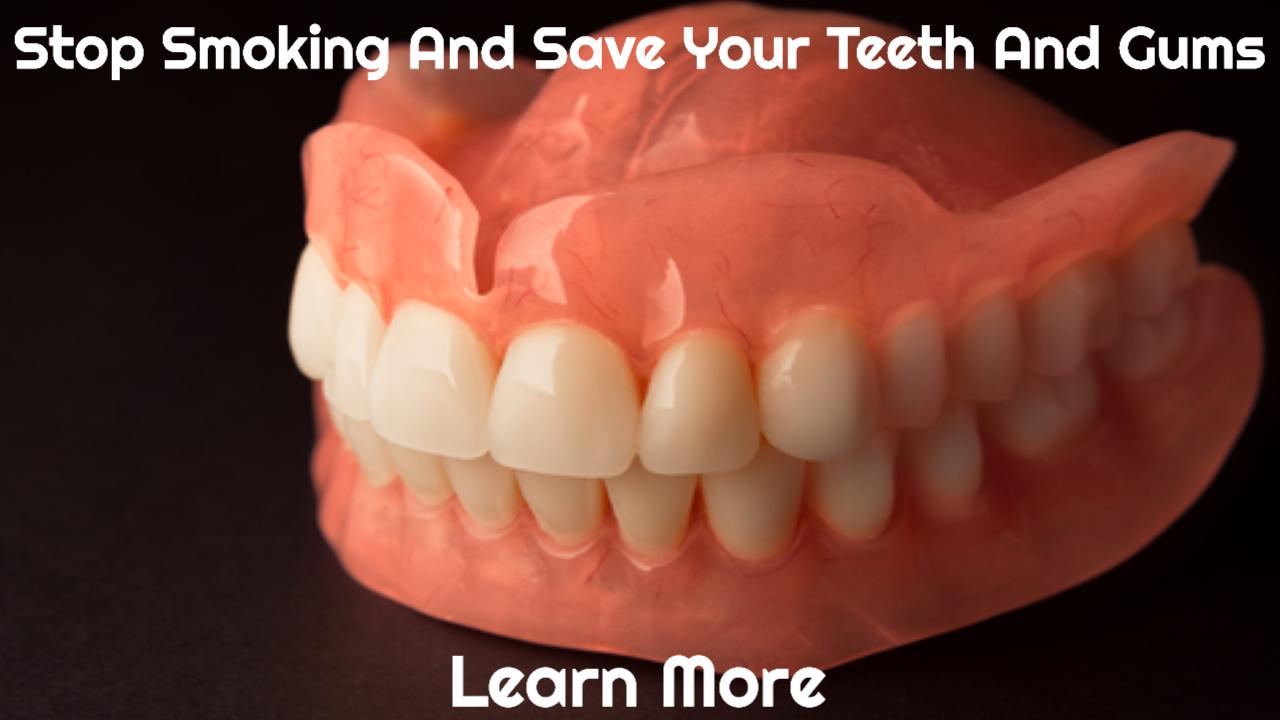
    Smoking is a bad habit that can lead to a variety of health issues, including tooth loss and periodontitis. Unfortunately, quitting smoking for good is difficult. However, there are ways to quit smoking with assistance. Smoking cessation therapy can be helpful and is a cost-efficient option to quit smoking with assistance. Within a few weeks of quitting smoking, a person’s body will begin to mend. Unfortunately, there is no way to repair the damage done by years of smoking, but quitting prevents additional damage and has numerous health benefits.

    Effects of Smoking on Oral Health

    Tobacco use results in unpleasant breath, tough stains on teeth, and poor oral health. It can impair the body’s capacity to fight infections and heal, as well as lead to other health issues such as mouth and throat cancer. Smoking is one of the leading causes of oral cancer, and it kills thousands of individuals each year. Furthermore, smoking can cause teeth to move, loosen, or fall out. It might cause bone loss and impede the healing process of dental implants. As a result, bone grafting is difficult to do.

    Effects of Smoking on Gums

    model of mouth with teeth and implant posts

    Smoking and gum disease are inextricably linked. Periodontitis is one of the most common side effects of smoking. Those who smoke are more likely to acquire periodontitis. Cigarette smokers are twice as likely as nonsmokers to get gum disease. Their gums frequently respond poorly to dental treatment. The explanation for this is that smoking reduces the body’s ability to fight illnesses. As a result, gum infections in smokers tend to be more severe. Smokers also have greater levels of plaque and calculus, which contribute to the recession of periodontal pockets. Smoking reduces blood circulation to the gums, making it more difficult for dentists to detect signs of gum disease in smokers. Furthermore, the ensuing infection may take significantly longer to develop than in nonsmokers’ gums, making it more difficult to diagnose and treat.

    What Are Periodontitis Symptoms?

    Periodontitis, often known as gum disease, is a serious health issue. Gum disease and infection destroy delicate gum tissue as well as the bone that supports your teeth in place. People’s teeth will loosen and fall out if they do not receive therapy. Furthermore, poor oral hygiene and a lack of dental checkups accelerate the condition.

    The following are symptoms of this infection:

    Gums that are swollen
    Unhealthy gum colour (red or purple)
    Bleeding gums
    Breath that stinks
    Chewing is painful.
    Teeth that are loose
    Gums that are receding from the teeth

    There are further signs to check for. If a person suspects they have gum disease, they should seek treatment from their dentist. Treatment helps to prevent tooth loss.

    Getting Help to Quit

    female dentist examines female patient with bad breath

    Smokers with periodontitis, in particular, should seek treatment to quit smoking and halt the progression of infection and other health concerns involving the lungs and heart. Seeking smoking cessation counselling is one effective approach to quitting smoking. Professionals in Brazil have demonstrated that this treatment is cost-effective. Furthermore, persons who stop smoking have a better probability of halting the progression of gum disease and responding to medical therapy.

    Brazilian public smoking cessation therapy has assisted thousands of people in quitting smoking. Stopping smoking reduces tooth loss and improves overall health. Furthermore, the cost of smoking cessation therapy is cheaper than the cost of medical treatment required by those who did not quit smoking.

    Programs for Smoking Cessation

    Gum, patches, inhalers, bupropion, and behavioural therapy are some of the options available to assist individuals quit smoking. These smoking cessation methods, when used alone or in combination, can be effective. Professionals assess patients in smoke-free programs to establish their history, the severity of their addiction, their motivation to quit smoking, and their physical and mental health.

    Before beginning therapy, professionals educate patients on the benefits of quitting smoking as well as potential withdrawal symptoms. Following consultation with the patient, a treatment strategy that is appropriate for the patient is selected. The success of any smoking cessation program is dependent on how well it meets the needs of the patient. Why does the individual smoke? What advantages do they believe smoking provides? How many times have they attempted to give up? All of these factors contribute to the development of a long-term smoking cessation program.

    For people who need to quit smoking, a combination of medicines and behavioural therapy appears to be the most effective. For better results, look for a program with a high success rate and a solid reputation among patients.

    Brought To You By: Simply Smiles – Family & Implant Dentistry

    The post Stop Smoking And Save Your Teeth And Gums appeared first on https://arquiaca.org

    The post Stop Smoking And Save Your Teeth And Gums appeared first on https://wookicentral.com

    The post Stop Smoking And Save Your Teeth And Gums appeared first on https://gqcentral.co.uk
  • How To Improve Oral Health And Keep Teeth Healthy

    How To Improve Oral Health And Keep Teeth Healthy

    Oral Health – How To Take Care Of Your Teeth

    Good oral health can have a significant impact on your overall health. Good oral hygiene practices help to avoid tooth decay and gum disease, which can lead to more serious issues in the future. Oral health can help us preserve our teeth as we age, in addition to preventing cavities and bad breath. Furthermore, a healthy mouth improves our appearance, communication, and other elements of our lives. Unfortunately, trained doctors have linked oral health to systemic disorders, making us feel unwell.

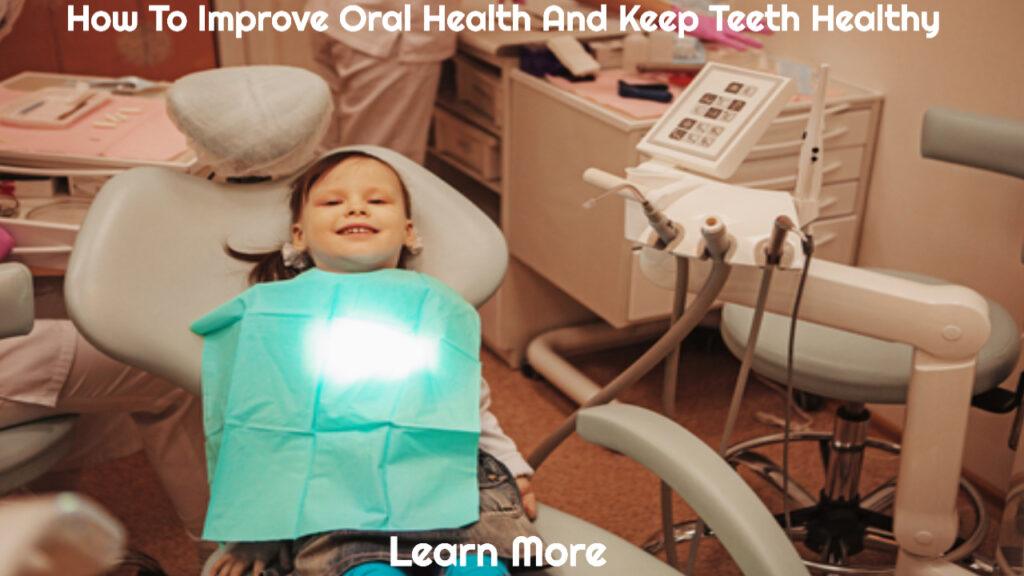
    young girl in dental chair at dental office

    Your Diet Affects Your Oral Health

    If you’re concerned about the state of your teeth, you’ve probably wondered how to maintain them healthy. To begin, evaluate the type of diet you follow. A nutritious, well-balanced diet is necessary for good dental health since it feeds the body with essential nutrients and vitamins. As a result, it is preferable to avoid processed foods and refined sugars in your diet. Rather, choose fresh fruits and vegetables and consume them uncooked whenever feasible.

    Calcium-rich foods such as meat, fruits, and green leafy vegetables are essential for strong teeth. Sugary meals should also be avoided because they promote tooth decay and gum disease. Avoid sticky sweets, sugary foods, and soft drinks as well. The more sugar you consume, the more likely it is that you may acquire cavities.

    Teeth are made up of a powerful material called enamel, which helps protect your teeth from decay. Sugars in the mouth feed bacteria, which produce acids that erode the enamel and cause cavities. Consuming calcium-rich foods is critical in combating this issue. Dairy products include this essential mineral, and low-fat types help keep calories in check. Nondairy calcium sources include calcium supplements and calcium-containing foods.

    What You Drink Affects Your Teeth

    a dentistry, patient examination and treatment at the dentist

    Drinking enough water is another strategy to avoid plaque and keep your teeth healthy. In addition, consume milk with less sugar to prevent sugary drinks. Because milk neutralizes acid in the mouth, consuming it after dessert can help protect your teeth. Cranberries also contain an ingredient that keeps bacteria away from your teeth. They also have additional health benefits. You can drink more cranberry beverages, but keep an eye out for added sugar.

    The Importance Of Regular Tooth Brushing

    Another technique to maintain your teeth healthily is by brushing at least twice a day and brushing for two minutes every night. Brush your teeth in circular motions with a soft-bristled brush with small to medium-sized bristles. Replace your toothbrush at least once a year. You should also think about adopting an electric toothbrush, which will help you brush your teeth more effectively because it uses a circular motion. Electric toothbrushes are more effective than manual toothbrushes at removing plaque.

    Dental floss is necessary.

    Aside from brushing, flossing is recommended to eliminate food particles lodged between your teeth. Flossing is an important element of maintaining your dental health. It removes food and plaque that your toothbrush may miss, and it keeps your teeth strong by removing bacteria that destroy tooth enamel. Furthermore, keeping the areas between your teeth and gums clean might help you avoid gum disease and cavities. Dental professionals recommend flossing your teeth before going to bed at night and again before brushing your teeth in the morning. Floss at least once a day, and your teeth will thank you.

    Dental Visits Are Required To Have A Healthy Mouth

    female oral surgeon wearing mask and holding modle of mouth

    Another vital recommendation is to go to the dentist on a regular basis. A healthy mouth is critical to your overall health. However, if you don’t have the time to visit the dentist every six months, it might be difficult to maintain good oral health. Your dentist is an oral care professional who can advise you on the best method to care for your teeth. It is suggested that you visit your dentist at least twice a year for cavity prevention and routine cleaning.

    If you’re tired of feeling self-conscious about your teeth, now is the time to make a change. Dentists have long recognized the importance of dental health in a person’s overall health. As a result, it is critical that you take care of your teeth. The first step is to contact your dentist and make an appointment. They will be able to inspect your teeth and present you with a strategy to improve your dental health once you arrive. Brushing and flossing your teeth on a daily basis is the most effective technique to improve your oral health. Brushing and flossing on a regular basis will eliminate plaque and food particles that have accumulated on your teeth. There are additional strategies to improve your dental health that your dentist may assist you with.

    Brought To You By: StarBrite Dental

    The post How To Improve Oral Health And Keep Teeth Healthy appeared first on https://arquiaca.org

    The post How To Improve Oral Health And Keep Teeth Healthy appeared first on https://wookicentral.com

    The post How To Improve Oral Health And Keep Teeth Healthy appeared first on https://gqcentral.co.uk