Category: Nutritional Guidance

  • Supplements for Pregnant Lifters: An Essential Guide

    Supplements for Pregnant Lifters: An Essential Guide

    Explore the Critical Role of Nutrition for Weightlifting During Pregnancy

    Delve into the Essential Functions of Macronutrients for Expecting Weightlifters

    Supplements for Pregnant Lifters: Pregnant woman lifting weights, surrounded by symbols of carbs, proteins, and fats for pregnancy nutrition.

    Nutrition is a fundamental component for pregnant weightlifters, profoundly impacting both maternal health and the development of the fetus. Achieving the ideal balance of macronutrients—which includes carbohydrates, proteins, and fats—is vital for sustaining energy levels, promoting muscle growth, and enhancing overall health during this life-changing period. Carbohydrates serve as the primary energy source, allowing pregnant women to sustain their energy and perform effectively in their workouts. Proteins are indispensable for muscle repair and growth, facilitating optimal recovery post-lifting sessions. Moreover, healthy fats are essential for hormone production and nutrient absorption, crucial for numerous bodily functions throughout pregnancy.

    • Carbohydrates: Vital for energy during workouts and daily living activities.
    • Proteins: Key for muscle repair, growth, and supporting fetal development.
    • Fats: Important for maintaining hormonal balance and promoting brain health.
    • Fiber: Supports healthy digestion and helps prevent constipation.
    • Water: Essential for hydration and optimal bodily functions.

    When these macronutrients are consumed in the right proportions, they empower pregnant weightlifters to maintain strength and energy throughout their journey. Prioritizing a diet rich in nutrient-dense foods will effectively cater to the nutritional requirements of both mother and baby.

    Uncover the Key Micronutrients Vital for Optimal Health During Pregnancy

    The importance of vitamins and minerals is paramount, as they are essential for the health of both the mother and the developing fetus throughout pregnancy. These micronutrients are crucial for various bodily functions, including immune response, bone health, and metabolic processes. Significant micronutrients such as folic acid, iron, calcium, and vitamin D each serve unique and essential roles during this critical time.

    Folic acid is vital in preventing serious congenital disabilities and promoting neural development in the fetus. Iron is essential for managing the increased blood volume during pregnancy, preventing anemia, and ensuring proper oxygen delivery to the fetus. Calcium is necessary for fortifying bones and teeth in both the mother and the baby, while vitamin D aids in calcium absorption and supports a healthy immune system. By focusing on a diet that is rich in these vital micronutrients, pregnant weightlifters can significantly enhance their health and ensure optimal prenatal development.

    Why Staying Hydrated Is Essential for Pregnant Weightlifters?

    Maintaining adequate hydration is crucial for overall health, especially for pregnant individuals engaging in rigorous workouts. Staying properly hydrated not only boosts performance but also aids recovery, ensuring that the body can handle the physical demands of lifting during pregnancy effectively. Insufficient hydration can lead to fatigue, muscle cramps, and overheating, all of which can adversely affect both the mother and the fetus.

    To ensure optimal hydration levels, pregnant weightlifters should consider adopting several strategies:

    • Drink Plenty of Water: Aim for at least 8-10 glasses of water daily to stay adequately hydrated.
    • Monitor Fluid Intake: Keep track of the amount consumed, especially during workouts.
    • Incorporate Hydrating Foods: Include high-water-content fruits and vegetables, such as cucumbers and oranges, in your diet.
    • Carry a Water Bottle: Ensure that water is easily accessible during training sessions for regular sips.

    By prioritizing hydration, pregnant weightlifters can significantly enhance their workout performance and overall well-being, ultimately leading to a healthier pregnancy experience.

    Expert Insights on Supplements for Pregnant Weightlifters

    A pregnant woman lifting weights in a gym, with a fitness expert and various supplements around her.

    Identify the Best Supplements to Promote Muscle Maintenance and Growth

    For pregnant weightlifters seeking to maintain muscle mass and encourage growth, certain supplements can provide advantageous effects when used responsibly. Protein supplements, such as whey or plant-based proteins, can assist pregnant women in fulfilling their increased protein needs without overwhelming their diets. These supplements are particularly beneficial for those who find it challenging to obtain sufficient protein through food sources alone.

    Additional valuable supplements include branched-chain amino acids (BCAAs) and creatine. While BCAAs can facilitate muscle recovery and reduce soreness, creatine can help sustain energy levels during high-intensity workouts. It is crucial to select reputable brands that prioritize quality and safety, ensuring the supplements are free from harmful additives.

    Real-world experiences show that many pregnant weightlifters effectively utilize protein shakes post-workout to replenish their bodies, aiding in muscle recovery while balancing their nutritional needs. Each of these supplements can positively contribute to overall health when thoughtfully integrated into a well-rounded diet.

    Learn Which Supplements Should Be Avoided for Safety During Pregnancy

    While supplementation can offer numerous benefits, certain products pose significant risks during pregnancy and should be avoided. Pregnant weightlifters must exercise caution with supplements that contain high doses of specific vitamins or minerals, such as vitamin A, which can be harmful in excessive amounts. Herbal supplements like ginseng and St. John's Wort should also be avoided due to their poorly understood effects on pregnancy, which could potentially interfere with fetal development.

    Moreover, supplements that contain caffeine or excessive stimulants should be limited, as they may lead to increased heart rate and anxiety. It is advisable to steer clear of pre-workout supplements that are not specifically formulated for pregnant women.

    By avoiding these hazardous supplements, pregnant weightlifters can safeguard their health and create a safer environment for their developing baby. Prioritizing whole foods and consulting healthcare professionals before beginning any supplement regimen will further enhance safety.

    Maximize Benefits Through Optimal Timing and Dosage of Supplements

    Pregnant weightlifter discussing supplement timing and dosage with healthcare provider, visual aids showing protein shakes and iron pills with vitamin C-rich foods.

    Establishing the correct timing and dosage for supplements is vital for pregnant weightlifters who want to maximize benefits while minimizing risks. It is essential to consult with a healthcare provider to determine individual needs based on dietary intake, activity levels, and specific health considerations.

    A common practice involves taking protein supplements after workouts to facilitate muscle recovery. For vitamins and minerals, synchronizing intake with meals can enhance absorption. For example, iron supplements are typically best absorbed on an empty stomach, but they may induce nausea; pairing them with vitamin C-rich foods can improve absorption without discomfort.

    Regarding dosage, adhering to the manufacturer’s instructions and avoiding exceeding the recommended daily allowances is vital. Pregnant women should monitor their responses to various supplements and adjust as necessary, ensuring they do not consume excessive amounts.

    By carefully timing and measuring supplement intake, pregnant weightlifters can optimize their health and performance while effectively supporting their developing baby.

    How Do Supplements Enhance Pregnancy and Lifting Performance?

    Boosting Energy Levels for Efficient Workouts

    Supplements can significantly aid pregnant weightlifters in maintaining energy levels throughout their workouts, which is crucial for both performance and overall health. Many women experience fatigue during pregnancy due to hormonal fluctuations and increased physical demands. Specific supplements can help combat this fatigue, enabling women to uphold their workout routines and enjoy the numerous benefits of regular exercise.

    For instance, B vitamins, particularly B6 and B12, are essential for energy metabolism and can help alleviate feelings of tiredness. Additionally, adaptogenic herbs like Rhodiola rosea may enhance stamina and reduce fatigue; however, caution should be exercised when considering herbal supplementation during pregnancy.

    Regular physical activity, when combined with appropriate supplements, can significantly bolster endurance, allowing pregnant women to feel more energetic and empowered. It’s crucial to emphasize that these supplements should complement a balanced diet and not replace whole food sources.

    Enhancing Muscle Recovery After Workouts

    Muscle recovery is vital for pregnant weightlifters as their bodies adapt to the physical demands of exercise and the physiological changes associated with pregnancy. Certain supplements can expedite recovery following workouts, reducing soreness and supporting muscle repair.

    Among the most beneficial supplements, protein stands out prominently. Consuming adequate protein post-exercise aids in muscle repair and stimulates muscle protein synthesis. Additionally, omega-3 fatty acids can help reduce inflammation, making them particularly advantageous during recovery phases.

    Another helpful option is magnesium, known for its muscle-relaxing properties and ability to alleviate cramps. Pregnant weightlifters may find that incorporating these supplements into their post-workout routines enables more efficient recovery, allowing for consistent training throughout their pregnancy.

    Supporting Fetal Development Through Key Nutrients

    Appropriate supplements are not only beneficial for mothers but also vital for the healthy development of the fetus during pregnancy. Nutrients such as folic acid, DHA (a type of omega-3 fatty acid), and iron play critical roles in fetal growth and health.

    Folic acid is especially crucial as it helps prevent neural tube defects and supports the development of the brain and spinal cord. DHA, commonly found in fish oil supplements, is essential for brain and eye development in the fetus; therefore, pregnant women should ensure adequate intake of this nutrient for optimal fetal health. Iron is important for increasing blood volume and enhancing oxygen delivery, thereby preventing anemia and promoting healthy fetal growth.

    By focusing on these essential nutrients, pregnant weightlifters can positively influence their baby’s development while maintaining their strength and fitness levels throughout pregnancy. This dual focus can lead to a healthier pregnancy experience and improved outcomes for both mother and child.

    Explore the Types of Supplements Beneficial for Pregnant Weightlifters

    Understanding the Benefits of Protein Supplements

    Protein supplements can be highly advantageous for pregnant weightlifters, aiding in muscle repair and growth during this crucial period. Ensuring sufficient protein intake is vital for maintaining energy levels and muscle mass, especially during significant bodily changes.

    Several types of protein supplements are available, each offering distinct benefits:

    • Whey Protein: A complete protein that is rapidly absorbed, making it ideal for post-workout recovery.
    • Casein Protein: Slow-digesting, providing a steady release of amino acids over time.
    • Plant-Based Proteins: Options such as pea or hemp protein cater to vegetarians and vegans.
    • Collagen Protein: Promotes skin elasticity and joint health during pregnancy.

    Incorporating these protein supplements into a pregnant weightlifter’s daily routine helps meet their increased protein demands without excessive caloric intake. Including a diverse range of protein sources ensures comprehensive nutrient coverage, which is crucial for both maternal health and fetal development.

    The Essential Role of Vitamin and Mineral Supplements

    Vitamin and mineral supplements are indispensable for filling nutritional gaps that may arise during pregnancy, particularly for active individuals like weightlifters. The demands of exercise, coupled with the heightened nutrient needs of pregnancy, can make it challenging to obtain sufficient vitamins and minerals from food alone.

    Key vitamins and minerals to consider include folic acid, calcium, vitamin D, and iron. Folic acid is essential for preventing neural tube defects, while calcium and vitamin D work together to ensure proper bone health for both mother and baby. Iron is vital for sustaining energy levels and preventing anemia.

    Pregnant weightlifters should prioritize high-quality multivitamin supplements specifically formulated for expectant mothers. These products can help ensure that all micronutrient needs are met, providing peace of mind and supporting both exercise performance and fetal health.

    Why Omega-3 Fatty Acids Are Vital for Pregnant Weightlifters?

    Omega-3 fatty acids are crucial supplements for pregnant weightlifters, as they play a significant role in fetal brain and eye development. Furthermore, omega-3s possess anti-inflammatory properties that can enhance overall maternal health, making them a valuable addition to a pregnancy nutrition plan.

    DHA (docosahexaenoic acid) is a type of omega-3 fatty acid that has shown significant benefits during pregnancy. It is found in fish oil supplements and fatty fish like salmon and sardines. For those adhering to vegetarian or vegan diets, algal oil serves as a plant-based source of DHA that can also be considered.

    Incorporating omega-3 supplements can lead to improved cognitive outcomes for the developing baby and may lower the risk of postpartum depression in mothers. Pregnant weightlifters should contemplate adding omega-3s to their supplement regimen to promote optimal health for themselves and their growing baby.

    The Vital Importance of Iron Supplements During Pregnancy

    Iron supplementation is essential for pregnant women, especially active individuals like weightlifters, as the body’s iron demand increases significantly during pregnancy. Iron is crucial for producing hemoglobin, the protein responsible for carrying oxygen in the blood, and is vital for both maternal and fetal health.

    Pregnant women are at a higher risk of anemia, characterized by low hemoglobin levels, which can lead to fatigue and other complications. Supplementing with iron can help prevent these issues, ensuring that both mother and baby receive adequate oxygen and nutrients.

    It is advisable to choose iron supplements that are easily absorbed, such as ferrous bisglycinate, known for causing fewer gastrointestinal side effects. Pairing iron with vitamin C-rich foods can enhance absorption, making it an effective strategy for pregnant weightlifters to maintain their energy levels and support healthy fetal development.

    Exploring the Benefits of Probiotics for Pregnant Women

    Probiotics have gained popularity due to their role in enhancing digestive health and boosting the immune system, making them an excellent addition to the supplement regimen for pregnant weightlifters. During pregnancy, hormonal changes can impact digestion, potentially leading to issues such as constipation or bloating. Probiotics can help alleviate these symptoms by promoting a healthy gut microbiome.

    Moreover, emerging research indicates that probiotics may reduce the risk of gestational diabetes, a condition characterized by elevated blood sugar levels during pregnancy. Maintaining stable blood sugar levels is crucial for overall health and can help regulate energy levels during workouts.

    When selecting a probiotic, pregnant women should seek strains that have been studied for safety during pregnancy, such as Lactobacillus rhamnosus and Bifidobacterium lactis. Incorporating probiotics can enhance overall well-being and support digestive health during pregnancy, ultimately benefiting both mother and baby.

    Recognizing the Risks of Over-Supplementation During Pregnancy

    Identifying Potential Health Risks Associated with Over-Supplementation

    Over-supplementation during pregnancy can pose serious health risks, making it essential for pregnant weightlifters to exercise caution with their supplement intake. Consuming excessive amounts of certain vitamins and minerals can lead to toxicity, resulting in adverse health effects for both the mother and the developing baby.

    For instance, excessive intake of vitamin A can result in congenital disabilities, while iron overload may lead to gastrointestinal distress and other complications. Additionally, high doses of fat-soluble vitamins, such as vitamin D and vitamin E, can accumulate in the body over time, resulting in toxicity.

    Pregnant women should prioritize obtaining their nutrients from whole foods whenever feasible, using supplements as a complementary measure rather than a primary source of nutrition. Establishing a personalized supplement plan in consultation with a healthcare provider can help mitigate the risks associated with over-supplementation.

    Understanding the Impact of Over-Supplementation on Fetal Development

    Over-supplementation can negatively affect fetal development and lead to potential long-term consequences. Certain nutrients, when consumed in excess, can interfere with crucial cellular processes essential for healthy growth and development.

    For example, elevated levels of vitamin A can disrupt normal cellular differentiation, leading to malformations. Excessive iron can contribute to oxidative stress, potentially harming fetal organs and systems. Achieving a nutrient balance is critical for ensuring favorable fetal outcomes, and any deviation from this balance can have detrimental effects.

    Pregnant weightlifters should engage in responsible supplementation practices, focusing on achieving nutritional balance while avoiding excessive intake of any particular nutrient. Prioritizing a varied diet alongside careful supplement use can support optimal fetal health throughout pregnancy.

    How to Recognize Symptoms of Over-Supplementation

    Recognizing the signs of over-supplementation is crucial for pregnant weightlifters to maintain their health and that of their developing baby. Common symptoms of excessive supplement intake may include gastrointestinal distress, such as nausea, diarrhea, or constipation. Other indicators can manifest as fatigue, headaches, or unusual mood changes.

    Pregnant women should also be mindful of any physical changes, such as skin discoloration or unusual symptoms, which may signal nutrient toxicity. If you experience any of these symptoms, consulting a healthcare provider is essential to reassess your supplement intake and adjust dosages as necessary.

    By staying informed and attentive, pregnant weightlifters can avoid the pitfalls of over-supplementation, ensuring a healthier pregnancy experience for themselves and their growing child.

    Research-Backed Advantages of Supplements for Pregnant Weightlifters

    Examining Studies on Muscle Preservation During Pregnancy

    Research increasingly highlights the positive effects of supplements on muscle preservation for pregnant weightlifters. Numerous studies demonstrate that adequate protein intake, combined with specific supplementation, can help pregnant women maintain muscle mass during this critical period.

    One study indicated that women who consumed higher levels of protein were more successful in preserving their muscle mass throughout pregnancy compared to those with lower protein intakes. Incorporating protein supplements into their diets significantly supported muscle repair and growth, allowing women to sustain their desired performance levels.

    Another key area of research focuses on the advantages of BCAAs and their role in preventing muscle loss during pregnancy. These essential amino acids can support recovery and maintain lean body mass, which is crucial for pregnant weightlifters striving to stay fit and healthy.

    By adopting a targeted supplement strategy, pregnant women can leverage the benefits of research-backed insights to enhance their workout performance and overall health during pregnancy.

    Evidence Supporting Fetal Health Through Supplementation

    Research consistently underscores the importance of specific supplements in promoting fetal health among pregnant weightlifters. A wealth of studies emphasizes the positive impact of crucial nutrients, such as folic acid, omega-3 fatty acids, and iron, on fetal outcomes.

    Folic acid has been extensively studied for its protective effects against neural tube defects. Pregnant women who supplement with folic acid significantly reduce the risk of these serious birth anomalies. Likewise, omega-3 supplementation has been shown to correlate with enhanced cognitive function and reduced risk of developmental delays in children, underscoring the importance of this nutrient for fetal brain development.

    Iron supplementation has also been linked to improved fetal health outcomes, including lower incidences of preterm birth and low birth weight. By focusing on evidence-based supplementation strategies, pregnant weightlifters can contribute positively to their baby’s health and development during this critical stage.

    Long-Term Health Benefits of Supplement Use During Pregnancy

    The long-term health benefits of incorporating supplements during pregnancy extend beyond immediate outcomes, influencing both maternal and child health for years to come. Research suggests that sufficient nutrient intake during pregnancy can lead to more favorable health trajectories for children, including improved cognitive function, a reduced risk of chronic diseases, and enhanced overall well-being.

    For mothers, a well-planned supplement regimen can yield lasting effects. Studies indicate that women who prioritize nutrition during pregnancy are more likely to maintain a healthier lifestyle post-pregnancy, thereby reducing the risk of conditions such as obesity and diabetes.

    Incorporating supplements as part of a comprehensive approach to health during pregnancy not only addresses immediate needs but also lays the groundwork for a healthier future for both mother and child. This proactive strategy can lead to positive outcomes that last throughout their lives.

    Effective Strategies for Choosing the Right Supplements

    Why Consulting Healthcare Professionals Is Essential

    Consulting healthcare providers is crucial when selecting supplements during pregnancy. Pregnant weightlifters should seek guidance from qualified professionals to ensure that their supplement choices align with their specific health profiles, dietary needs, and fitness goals.

    Healthcare providers can assess individual health conditions, dietary restrictions, and lifestyle factors to recommend tailored supplement regimens. This personalized approach minimizes the risks of over-supplementation and ensures that expectant mothers receive the necessary support for their specific situations.

    Additionally, healthcare professionals can help pregnant women identify high-quality supplements, avoiding potentially harmful products, and establishing effective dosage protocols to ensure optimal health. By collaborating closely with healthcare providers, pregnant weightlifters can make informed decisions that promote their health and the health of their developing baby.

    How to Effectively Interpret Supplement Labels and Ingredients

    Understanding how to read supplement labels is vital for pregnant weightlifters seeking to select the appropriate products for their unique needs. When examining labels, it is crucial to look for specific ingredients that deliver necessary nutrients without harmful additives.

    Pregnant women should prioritize supplements containing essential vitamins and minerals specifically formulated for pregnancy, such as folic acid, iron, and DHA. It is equally important to avoid products with unnecessary fillers, artificial colors, or excessive added sugars.

    A useful checklist for reading supplement labels includes:

    • Verify Certification: Check for third-party testing to ensure quality and safety.
    • Review Ingredients: Ensure all components are safe for use during pregnancy and avoid substances that may be harmful to the fetus.
    • Verify Dosages: Confirm that dosages align with recommended daily allowances.
    • Avoid Herbal Ingredients: Exercise caution with herbal supplements unless approved by a healthcare provider.

    By carefully reviewing labels and ingredients, pregnant weightlifters can make informed choices that enhance their health and well-being throughout pregnancy.

    Ensuring Quality and Safety Standards in Supplement Selection

    Prioritizing the quality and safety of supplements is critical for pregnant weightlifters. The supplement industry varies widely in regulations, making it essential for consumers to select products from reputable brands that prioritize safety and quality.

    Pregnant weightlifters should seek supplements that adhere to established safety standards, such as those set by the U.S. Pharmacopeia (USP) or NSF International. These organizations conduct rigorous testing to verify the purity, potency, and accuracy of product labeling.

    Additionally, opting for brands that provide transparent sourcing and manufacturing processes can enhance consumer confidence in product quality. Reviews and recommendations from trusted healthcare providers can also guide pregnant women toward safe and effective supplements that align with their health objectives.

    By prioritizing quality and safety, pregnant weightlifters can ensure their nutritional choices support both their health and that of their developing baby.

    Integrating Lifestyle Adjustments with Supplement Use for Pregnant Weightlifters

    Achieving Balance Between Diet and Supplements

    Striking a balance between diet and supplements is imperative for pregnant weightlifters aiming to optimize their nutrition. While supplements can help fill nutrient gaps, they should be used in conjunction with a well-rounded diet rich in whole foods.

    Pregnant women should emphasize consuming a variety of nutrient-dense foods, including lean proteins, whole grains, fruits, and vegetables. This diverse diet will supply essential vitamins and minerals, effectively supporting both maternal health and fetal development.

    Strategically incorporating supplements can enhance dietary efforts. For example, if protein intake from food sources falls short, supplementing with protein shakes can help meet daily requirements without excessive caloric intake. Additionally, timing supplements with meals can improve absorption and prevent gastrointestinal discomfort.

    Ultimately, maintaining a balanced approach to diet and supplementation ensures that pregnant weightlifters fulfill their nutritional needs while nurturing their bodies and their growing babies.

    Exploring the Synergy Between Exercise and Supplements

    The synergy between exercise and supplements creates a powerful combination for pregnant weightlifters striving to maintain their fitness and health. Regular physical activity promotes strength, stability, and overall well-being during pregnancy, while targeted supplements can amplify the benefits of exercise.

    For instance, protein supplements consumed after a workout assist in muscle repair and recovery, allowing pregnant women to maintain their strength and energy levels. Furthermore, supplements like omega-3 fatty acids can help reduce inflammation, facilitating recovery after intense workouts.

    Integrating a structured exercise regimen with appropriate supplementation enables pregnant women to achieve their fitness goals while ensuring they meet the nutritional demands of pregnancy. This powerful combination not only benefits physical health but also supports mental well-being, leading to a more positive pregnancy experience.

    Effectively Managing Stress with Supplements

    Properly managing stress is essential for pregnant weightlifters, as elevated stress levels can negatively impact both maternal health and fetal development. Certain supplements can help alleviate stress and promote relaxation, making them valuable allies during pregnancy.

    Adaptogens, such as ashwagandha, may assist the body in adapting to stress and regulating hormonal responses. Additionally, magnesium is renowned for its calming properties, which can assist with muscle relaxation and enhance sleep quality, both of which are crucial for recovery.

    Incorporating mindfulness practices, such as meditation or yoga, alongside supplementation can further promote relaxation and a sense of well-being. By prioritizing stress management, pregnant weightlifters can more effectively navigate the challenges of pregnancy while maintaining their fitness levels.

    The Importance of Hydration and Electrolyte Supplements

    Proper hydration is a critical component of health for pregnant weightlifters, as it influences both performance and recovery. Staying hydrated helps prevent fatigue, muscle cramps, and overheating, particularly during workouts. Electrolyte supplements can further aid in maintaining hydration and replenishing lost minerals during intense exercise.

    Pregnant women should prioritize their water intake, aiming for at least 8 to 10 glasses of water daily. Additionally, consuming foods rich in electrolytes, such as bananas, avocados, and leafy greens, can support hydration. Electrolyte supplements can be particularly useful during prolonged workouts or in hot climates, as they replenish essential minerals such as sodium, potassium, and magnesium.

    By focusing on hydration and ensuring electrolyte balance, pregnant weightlifters can enhance their exercise performance, boost energy levels, and support overall health throughout pregnancy.

    Proven Strategies for Effective Supplement Use Among Pregnant Weightlifters

    Creating a Personalized Supplement Plan

    Developing a tailored supplement plan is essential for pregnant weightlifters to ensure they meet their unique nutritional needs. A well-structured plan should include consultations with healthcare providers, assessments of dietary intake, and a clear understanding of individual fitness goals.

    To create an effective supplement regimen, pregnant women should first identify their specific nutrient needs based on dietary habits and lifestyle. For instance, individuals struggling to meet their protein requirements through diet may benefit from protein supplementation, while others may need additional vitamins or minerals to support their overall health.

    It is crucial to prioritize high-quality supplements that are safe for pregnancy and adhere to recommended dosages. Regularly reviewing and adjusting the supplement plan as pregnancy progresses will help ensure that nutritional needs are consistently met, supporting both maternal and fetal health.

    Monitoring and Adjusting Supplement Intake Throughout Pregnancy

    Monitoring and adjusting supplement intake during pregnancy is vital for pregnant weightlifters to maintain an appropriate balance of nutrients. As pregnancy progresses, dietary needs may fluctuate due to varying energy levels, physical activity, and other factors.

    Pregnant women should periodically review their supplement regimen to evaluate its effectiveness and any potential side effects. Keeping a journal to track supplement intake, dietary changes, and energy levels can provide valuable insights into what works best for them.

    In some cases, adjustments may be necessary based on recommendations from healthcare providers or personal experiences. For example, if a pregnant woman discovers that certain supplements cause digestive discomfort, she may need to switch to a different form or dosage of the supplement.

    By remaining attuned to their bodies and being flexible with their supplement plans, pregnant weightlifters can optimize their nutrition throughout their pregnancy journey.

    Integrating Supplements with Other Health Practices

    Combining supplements with other health practices can enhance the effectiveness of a pregnant lifter’s regimen. A holistic approach to health encompasses nutrition, exercise, stress management, and adequate sleep, creating a supportive environment for both mother and baby.

    Regular physical activity complements supplement use by promoting muscle health, improving mood, and enhancing overall well-being. Mindfulness practices, such as yoga and meditation, can further alleviate stress, contributing to a more positive pregnancy experience.

    Additionally, prioritizing sleep is vital for recovery and hormonal balance. Ensuring sufficient rest allows the body to repair itself and adapt to the physical demands of pregnancy. By combining supplements with these other health practices, pregnant weightlifters can establish a comprehensive strategy that supports optimal health throughout pregnancy.

    Frequently Asked Questions (FAQs)

    Which supplements are safe for pregnant weightlifters?

    Safe supplements for pregnant weightlifters typically include protein powders, omega-3 fatty acids, iron, and prenatal vitamins. It is always advisable to consult a healthcare provider for personalized recommendations.

    What is the recommended protein intake for pregnant weightlifters?

    Pregnant weightlifters generally require around 70-100 grams of protein daily, depending on their activity levels. Protein supplements can assist in fulfilling this requirement if whole foods are insufficient.

    Are there specific supplements to avoid during pregnancy?

    Pregnant women should avoid high doses of vitamin A, certain herbal supplements, and products containing caffeine. It is always recommended to consult a healthcare provider before introducing new supplements.

    Can I continue taking supplements if I experience nausea?

    If experiencing nausea, it is essential to consult a healthcare provider regarding your supplement regimen. They may recommend adjusting dosages or switching to gentler forms of treatment.

    How can I tell if I am over-supplementing?

    Signs of over-supplementation may include gastrointestinal discomfort, headaches, fatigue, or unusual symptoms. Monitoring your intake and consulting a healthcare provider can help address any concerns you may have.

    Should I take supplements before or after workouts?

    Generally, taking protein supplements post-workout is optimal for muscle recovery. Other vitamins and minerals can be taken with meals for enhanced absorption.

    How can I ensure the quality of the supplements I choose?

    Select supplements from reputable brands that comply with safety standards, look for third-party testing certifications, and carefully review the ingredients list.

    Are organic supplements a better choice for pregnant women?

    While organic supplements can be beneficial, it is crucial to focus on quality and safety rather than solely on organic labeling. Select trusted brands regardless of organic status.

    Can I obtain all my nutrients from food alone?

    While it is possible to derive many nutrients from a balanced diet, supplementation may be necessary for specific vitamins and minerals, particularly during pregnancy.

    What role do probiotics play during pregnancy?

    Probiotics can support digestive health, enhance the immune system, and potentially mitigate the risk of gestational diabetes, making them advantageous for pregnant weightlifters.

    Connect with us on Facebook!

    The Article Supplements for Pregnant Lifters: Essential Guide appeared first on https://athleticsupplement.com

    The Article Essential Guide to Supplements for Pregnant Lifters Was Found On https://limitsofstrategy.com


  • OCD Management: Essential Nutritional Tips for the UK

    OCD Management: Essential Nutritional Tips for the UK

    Exploring the Intricate Connection Between Nutrition and Obsessive-Compulsive Disorder (OCD)

    Defining Obsessive-Compulsive Disorder (OCD) and Its Symptoms

    Nutrition for OCD Management: A person visibly distressed, trapped in a cycle of intrusive thoughts and repetitive rituals disrupting daily life.

    Nutrition significantly influences the management of Obsessive-Compulsive Disorder (OCD), a multifaceted mental health condition characterized by persistent and distressing thoughts known as obsessions. Individuals grappling with OCD often feel an overwhelming compulsion to engage in repetitive behaviors, termed compulsions, which can severely disrupt their daily lives and diminish their overall quality of life. Gaining a deep understanding of the complexities surrounding OCD is crucial for those seeking effective ways to alleviate their symptoms. Common treatment modalities typically encompass cognitive behavioral therapy (CBT), pharmacotherapy, and lifestyle adjustments, particularly focusing on dietary modifications that may facilitate symptom relief and enhance overall well-being.

    Recognizing the diverse manifestations of OCD is vital for effective management. For some individuals, this disorder may present as an incessant urge to excessively clean, while others may find themselves checking items repeatedly or grappling with intrusive thoughts related to causing harm. These varying expressions of OCD highlight the disorder’s intricate nature, underscoring the necessity for personalized management strategies that incorporate nutritional considerations in conjunction with therapeutic interventions.

    The Profound Impact of Nutrition on Mental Health Enhancement

    The influence of diet on mental health is profound, as it directly affects neurotransmitter function, inflammation levels, and overall brain health. Adopting a balanced diet can significantly enhance mental well-being by providing the essential nutrients vital for optimal brain performance. For instance, certain nutrients are crucial for maintaining a healthy balance of neurotransmitters like serotonin and dopamine, which are often associated with various mood disorders.

    Key nutrients that are particularly beneficial for mental health include:

    • Omega-3 fatty acids
    • Magnesium
    • Vitamin D
    • Antioxidants
    • B vitamins (notably B6, B12, and folate)
    • Amino acids (such as tryptophan)
    • Probiotics
    • Minerals like zinc and iron

    The importance of these nutrients transcends basic nourishment; they play a pivotal role in regulating mood, alleviating anxiety, and enhancing cognitive function. A diet rich in these essential nutrients can serve as a foundational support system for mental health and aid in the effective management of OCD.

    Customizing Nutritional Needs for Enhanced OCD Management

    Individuals diagnosed with OCD often have unique nutritional requirements that, when adequately addressed, can lead to a noticeable reduction in symptoms and a significant improvement in their quality of life. Customizing a diet to meet these specific needs is not only beneficial but frequently constitutes a crucial step in the successful management of OCD.

    For example, incorporating foods high in omega-3 fatty acids, such as salmon, walnuts, and flaxseeds, can promote brain health and mitigate inflammation—factors that may exacerbate OCD symptoms. Additionally, consuming a diverse range of fruits and vegetables can provide vital antioxidants necessary for countering the oxidative stress associated with mental health issues. Furthermore, understanding the significance of gut health in mood regulation, integrating probiotic-rich foods like yoghurt and kefir can significantly improve digestive wellness, which is increasingly recognized for its connection to emotional stability.

    Simple dietary modifications, such as reducing the intake of processed foods and decreasing sugar consumption, can also lead to substantial improvements. By proactively addressing their nutritional habits, individuals with OCD can empower themselves on their journey toward effective symptom management and enhanced overall health.

    Insights from Experts on Nutritional Strategies for OCD Management

    The Significance of Nutrition in Alleviating OCD Symptoms

    Nutrition can act as a powerful ally in lessening OCD symptoms by supporting brain health and curbing inflammation. Research indicates that dietary choices can directly influence the severity of symptoms, resulting in a better quality of life for individuals affected by this disorder.

    Numerous real-life examples illustrate the tangible benefits of nutritional interventions. One case study involving a young adult with OCD revealed marked improvements after adopting a Mediterranean-style diet abundant in fruits, vegetables, whole grains, and healthy fats. This dietary transition not only diminished some obsessive thoughts but also uplifted overall mood and energy levels, demonstrating the significant impact of nutrition on mental health.

    Moreover, anecdotal evidence from support networks suggests that individuals who prioritize a nutrient-dense diet frequently report fewer compulsive behaviors and an increased sense of control over their OCD. The conclusion is clear: nutrition can play a crucial role in managing OCD symptoms while simultaneously promoting a healthier, more balanced lifestyle.

    Steps to Develop an Effective Nutritional Plan for OCD Management

    Creating a nutritional plan tailored specifically for managing OCD necessitates a comprehensive understanding of individual needs and a commitment to making sustainable dietary changes. The initial step involves conducting a thorough evaluation of current eating habits to pinpoint areas for enhancement. This may include maintaining a food diary to correlate dietary consumption with OCD symptoms.

    Practical steps for crafting an effective nutritional plan include:

    • Consulting a registered dietitian or nutritionist for personalized guidance
    • Establishing achievable goals, such as introducing one new healthy food each week
    • Planning meals to ensure a balanced intake of essential nutrients
    • Exploring new recipes that emphasize whole, nutrient-rich ingredients
    • Incorporating foods high in omega-3s, magnesium, and B vitamins
    • Being mindful of portion sizes and overall caloric intake
    • Creating a routine that promotes regular meal times

    By implementing these measures, individuals can establish a nutritional plan that not only addresses their specific needs but also aligns with their lifestyle. The key lies in remaining flexible and open to adjustments as one discovers the most effective strategies for managing OCD symptoms.

    The Value of Professional Guidance in Nutritional Management

    A diverse group consulting a dietitian about a customized nutritional plan in a modern office.

    Collaborating with healthcare professionals, particularly registered dietitians and nutritionists, can ensure that a nutritional strategy is both safe and effective in managing OCD. These experts possess the expertise needed to develop personalized dietary interventions that consider an individual’s unique health profile, preferences, and lifestyle choices.

    The role of a dietitian extends beyond merely suggesting food options; they provide comprehensive support in understanding how nutrition interacts with mental health. They assist individuals in recognizing potential nutritional deficiencies, educate them on the significance of various nutrients, and guide them in making informed dietary choices.

    Moreover, professional support can be particularly valuable when navigating dietary changes, as it may involve addressing emotional or psychological barriers. For instance, an individual may experience intense compulsions related to food choices; a dietitian can help reshape these thoughts, fostering a healthier relationship with food. Ultimately, involving professionals in the dietary management of OCD can lead to better adherence to nutritional plans, optimized health outcomes, and a greater sense of autonomy throughout the recovery journey.

    Essential Nutrients for Effectively Managing OCD Symptoms

    Identifying Nutrients Crucial for OCD Symptom Management

    Specific nutrients have been identified as particularly beneficial in managing OCD symptoms, with a focus on omega-3 fatty acids, magnesium, and vitamin D. These nutrients are essential for brain health and emotional regulation, making them critical components of a dietary strategy aimed at alleviating OCD symptoms.

    Key nutrients that offer benefits for OCD management include:

    • Omega-3 fatty acids – sourced from fatty fish, walnuts, and flaxseed
    • Magnesium – found in leafy greens, nuts, and whole grains
    • Vitamin D – obtainable through sunlight exposure, fatty fish, and fortified foods
    • B vitamins – prevalent in legumes, whole grains, and leafy vegetables
    • Zinc – present in meat, shellfish, and legumes
    • Antioxidants – abundant in berries, dark chocolate, and artichokes
    • Amino acids – contained in protein-rich foods such as eggs and meat
    • Probiotics – found in fermented foods like yoghurt and kimchi

    Integrating these essential nutrients into daily meals can greatly impact OCD management. Each nutrient plays a specific role, from supporting neurotransmitter functionality to reducing inflammation, thereby creating a comprehensive approach to nutritional mental health.

    Understanding How Nutrients Influence Brain Function

    The impact of essential nutrients on brain functionality involves complex biochemical pathways crucial for maintaining mental health. Nutrients like omega-3 fatty acids are vital for preserving cell membrane fluidity, which affects neurotransmitter receptor sites. This relationship can substantially influence mood and anxiety levels, thereby contributing to effective OCD management.

    For instance, omega-3 fatty acids are known to boost the production of serotonin, a neurotransmitter associated with feelings of well-being. A deficiency in these fatty acids has been correlated with heightened anxiety and depressive symptoms. Similarly, magnesium plays a significant role in regulating the stress response by modulating the hypothalamic-pituitary-adrenal (HPA) axis, which can help alleviate the severity of OCD symptoms.

    Vitamin D, often referred to as the ‘sunshine vitamin,’ is essential for brain health, as it regulates the expression of neurotrophic factors that support neuronal growth and function. Low levels of vitamin D have been associated with various mood disorders, including anxiety and depression. The interplay between these nutrients highlights the intricate connections between diet, brain chemistry, and mental health, establishing a solid foundation for dietary strategies in managing OCD.

    Finding Nutrient Sources in the UK Diet

    In the UK, a diverse range of foods can provide the essential nutrients necessary for effective OCD management. A varied diet rich in whole foods allows individuals to satisfy their nutritional needs while enjoying a plethora of flavors and cuisines.

    Common UK foods that deliver these vital nutrients include:

    • Salmon and mackerel for omega-3 fatty acids
    • Spinach, Swiss chard, and pumpkin seeds for magnesium
    • Eggs and fortified cereals for vitamin D
    • Chickpeas and lentils for B vitamins
    • Beef and oysters for zinc
    • Blueberries and dark chocolate for antioxidants
    • Chicken and dairy products for amino acids
    • Yoghurt and sauerkraut for probiotics

    Incorporating these foods into daily meals can help ensure adequate intake of nutrients that bolster brain health and emotional regulation. Simple food swaps, such as choosing whole grains instead of refined options or opting for oily fish rather than white fish, can also significantly enhance the intake of these essential nutrients.

    Daily Nutritional Recommendations for Managing OCD Effectively

    Understanding the daily requirements for essential nutrients necessary for effective OCD symptom management can provide individuals with a clear framework for dietary planning. Knowing the recommended dietary allowances (RDAs) for key nutrients enables individuals to make informed choices that enhance their mental well-being.

    For effective OCD management, the following daily intakes are generally recommended:

    • Omega-3 fatty acids: At least 250-500 mg of combined EPA and DHA
    • Magnesium: Approximately 300-400 mg, varying by age and gender
    • Vitamin D: A daily intake of 10 µg (400 IU) is suggested, particularly during the winter months
    • B vitamins: Varied recommendations exist, but generally aim for 1.2 mg of vitamin B6 and 2.4 µg of B12
    • Zinc: 8-11 mg for adults, with heightened needs during pregnancy

    Focusing on these recommended amounts can help individuals adjust their dietary intake to meet their specific needs. Regularly evaluating food choices and modifying portion sizes can ensure that these key nutrients are consumed in sufficient quantities, ultimately supporting the management of OCD symptoms.

    Nutritional Patterns That Support Effective OCD Management

    Beneficial Dietary Approaches for OCD Management

    Certain dietary patterns have been recognized as advantageous for individuals managing OCD, with the Mediterranean diet emerging as particularly effective. This dietary approach is characterized by a high intake of fruits, vegetables, whole grains, and healthy fats, positively influencing both physical and mental health.

    Components of the Mediterranean diet that are especially beneficial include:

    • High consumption of fruits and vegetables, providing essential vitamins and antioxidants
    • Inclusion of omega-3-rich foods such as fish and nuts
    • Emphasis on whole grains for sustained energy and dietary fiber
    • Utilization of olive oil as a primary fat source, renowned for its anti-inflammatory properties
    • Moderate intake of dairy, primarily in the form of fermented products
    • Restricted consumption of processed and sugary foods

    Research indicates that individuals adhering to a Mediterranean diet may experience decreased levels of anxiety and depression, which is crucial for those with OCD. By prioritizing whole, nutrient-dense foods and avoiding processed alternatives, individuals can establish a dietary framework that supports mental health and emotional stability.

    Steps to Transition to a Healthier Dietary Pattern

    Transitioning to a new dietary pattern, such as the Mediterranean diet, necessitates careful planning and gradual changes to promote sustainability. Instead of making abrupt shifts overnight, individuals can benefit from a phased approach that allows for comfortable adaptation to new foods and habits.

    Here are several tips to facilitate the transition:

    • Begin by introducing one new fruit or vegetable each week
    • Swap refined grains for whole grains, such as brown rice or quinoa
    • Experiment with new recipes that incorporate healthy fats, such as olive oil or avocado
    • Gradually reduce the consumption of processed foods, replacing them with whole foods
    • Involve family and friends in meal preparation to enhance enjoyment
    • Maintain a food diary to track new foods and meals, promoting accountability

    By approaching dietary changes with patience and flexibility, individuals can cultivate a sustainable eating pattern that meets their nutritional needs while also supporting their mental health and OCD management. The objective is to foster a positive relationship with food, ensuring that dietary choices align with personal preferences and lifestyle.

    Understanding the Impact of Diet on OCD Symptoms

    Diet can profoundly influence OCD symptoms by affecting overall health, energy levels, and cognitive clarity. A nutrient-rich diet can help stabilize mood and diminish anxiety, leading to observable improvements in OCD symptoms. Many individuals report feelings of calmness and balance when their dietary choices favor brain health.

    Noteworthy changes in OCD symptoms associated with dietary modifications may include:

    • Decreased frequency and intensity of compulsive behaviors
    • Reduced levels of anxiety and irritability
    • Improved focus and cognitive function
    • Increased energy levels and overall well-being

    As individuals adopt healthier eating patterns, they may find that their obsessive thoughts become less intrusive, and their ability to manage compulsive urges improves. These positive outcomes underscore the importance of viewing diet as an integral component of OCD management and highlight how food choices can dramatically affect mental health.

    Avoiding Common Dietary Pitfalls in OCD Management

    Steering clear of specific dietary mistakes is essential for effectively managing OCD symptoms. Common errors include excessive consumption of sugar and reliance on processed foods, both of which can lead to inflammation and mood fluctuations.

    Common dietary pitfalls to avoid include:

    • Overindulging in sugary snacks and beverages, which can cause blood sugar spikes
    • Relying on fast food and convenience meals that lack essential nutrients
    • Neglecting whole foods in favor of heavily processed alternatives
    • Ignoring hunger signals and engaging in restrictive eating patterns

    To navigate these common pitfalls, individuals should prioritize whole, minimally processed foods that provide the necessary nutrients for optimal brain health. By making intentional dietary choices and being aware of potential mistakes, individuals can better support their mental health while effectively managing their OCD symptoms.

    Research-Backed Benefits of Nutrition in OCD Management

    Current Research Insights on Nutrition and OCD

    Research increasingly emphasizes the connection between nutrition and mental health, particularly concerning OCD. Studies indicate that specific dietary interventions can alleviate symptoms, thereby enhancing overall well-being. While the field continues to evolve, preliminary findings suggest a promising correlation between dietary patterns and OCD management.

    Key insights from recent research include:

    • A Mediterranean diet rich in omega-3s has shown positive effects in reducing anxiety and compulsive behaviors
    • Dietary supplementation with omega-3 fatty acids has been associated with decreased OCD severity in some individuals
    • Lower magnesium levels have been linked to heightened anxiety, underscoring its importance in OCD management
    • Probiotic-rich diets may facilitate mood regulation, potentially benefiting those with OCD

    These findings underscore the importance of considering dietary interventions alongside conventional treatment methods. As research progresses, the potential for nutrition to play a significant role in managing OCD symptoms becomes increasingly apparent, reinforcing the need for a holistic treatment approach that incorporates dietary considerations.

    Complementing Other Therapeutic Strategies with Nutrition

    Nutrition can synergistically enhance other treatments, such as therapy and medication, thereby improving overall outcomes for individuals with OCD. By promoting brain health and emotional regulation through dietary choices, individuals may experience better results from therapeutic interventions.

    Incorporating dietary changes can:

    • Augment the effectiveness of medications by stabilizing mood and minimizing side effects
    • Support cognitive behavioral therapy (CBT) by fostering clearer thinking and emotional balance
    • Bolster resilience against stressors that may trigger OCD symptoms
    • Encourage a heightened sense of control and empowerment in one’s mental health journey

    By integrating nutrition into a comprehensive treatment plan, individuals can optimize their chances of effectively managing OCD. This holistic approach acknowledges the interconnectedness of diet, mental health, and overall well-being.

    Long-Term Benefits of a Nutritional Approach to OCD

    Adopting a long-term nutritional strategy can yield sustained improvements in OCD symptoms, fostering a greater sense of stability and overall well-being. Individuals who commit to nourishing their bodies with the appropriate nutrients often report lasting enhancements in their mental health and emotional resilience.

    Long-term advantages of dietary management for OCD may encompass:

    • Greater mood stability and resilience against anxiety
    • Enhanced cognitive function, leading to improved coping mechanisms
    • Reduced reliance on medications due to improved natural symptom management
    • Overall improved quality of life, encompassing social connections and daily experiences

    As individuals prioritize their nutritional health, they may find themselves better equipped to navigate the challenges associated with OCD. This sustainable approach empowers individuals to take control of their mental health journey, fostering a sense of agency and well-being that transcends mere symptom management.

    Strategies for Managing OCD Through Nutritional Planning

    Meal Planning for Optimal OCD Management

    Planning meals that support OCD management requires a thoughtful approach that considers both nutritional needs and the practical aspects of everyday life. The objective is to create balanced meals that deliver essential nutrients while remaining satisfying and enjoyable.

    A sample meal plan designed for someone with OCD might include:

    • Breakfast: Overnight oats topped with berries and walnuts
    • Lunch: Quinoa salad with spinach, chickpeas, and olive oil dressing
    • Snack: Greek yoghurt with honey and a sprinkle of cinnamon
    • Dinner: Baked salmon served with roasted vegetables and sweet potato
    • Dessert: Dark chocolate and mixed nuts

    This meal plan includes a variety of foods rich in omega-3 fatty acids, magnesium, and antioxidants, which are beneficial for brain health and emotional stability.

    In addition to meal planning, individuals can explore batch cooking and preparing snacks in advance to simplify adherence to a healthy diet. Having ready-to-eat meals and snacks can help reduce the temptation to choose unhealthy options and foster consistent nutrient intake throughout the day.

    Quick and Healthy Snack Ideas to Support OCD Management

    Quick and nutritious snacks can help maintain stable blood sugar levels, potentially benefiting OCD management by minimizing irritability and mood swings. Opting for healthy snacks can provide an energy boost without the subsequent crash often associated with sugary alternatives.

    Some quick and nutritious snack options relevant to the UK diet include:

    • Hummus paired with carrot sticks or wholegrain crackers
    • Greek yoghurt topped with fruits or seeds
    • Sliced apple or banana with almond butter
    • Mixed nuts or seeds for a protein-rich option
    • Energy balls made from oats, nut butter, and dried fruits
    • Rice cakes topped with avocado and a sprinkle of salt
    • Dark chocolate squares as a delightful treat

    These snacks not only provide essential nutrients but also assist individuals in managing cravings and maintaining energy levels. By planning and keeping healthy snacks readily accessible, individuals can make better choices that support their mental health and overall well-being.

    Overcoming Dietary Challenges Associated with OCD

    Individuals with OCD may face unique dietary challenges, particularly when compulsions and obsessions pertain to food choices. Addressing these challenges necessitates a proactive approach and a willingness to confront the underlying issues contributing to these behaviors.

    Strategies for overcoming dietary obstacles include:

    • Identifying triggers and creating a supportive eating environment
    • Practicing mindfulness during meals to enhance awareness and reduce compulsive behaviors
    • Engaging in positive self-talk and reframing negative thoughts regarding food
    • Seeking guidance from a dietitian to establish a balanced meal plan

    By employing these strategies, individuals can work toward developing a healthier relationship with food while remaining committed to managing OCD. Building a supportive network, whether through friends, family, or support groups, can also provide valuable encouragement in navigating these challenges.

    Monitoring and Adapting Your Nutritional Plan for OCD Management

    Assessing the Impact of Diet on OCD Symptoms

    Monitoring the effects of diet on OCD symptoms involves carefully tracking both dietary intake and symptom fluctuations. A systematic approach can provide valuable insights into how specific foods or dietary patterns influence mental health.

    Methods for tracking and documenting dietary impacts on OCD may include:

    • Maintaining a detailed food diary to log meals and snacks alongside symptom ratings
    • Utilizing an app designed for tracking food consumption and mood changes
    • Regularly reflecting on symptom patterns in relation to dietary alterations
    • Setting specific goals and periodically assessing progress

    By adopting these tracking methods, individuals can gain a clearer understanding of their dietary habits and how they relate to OCD symptoms. This awareness empowers individuals to make informed choices, adjusting their nutritional plans as needed to optimize their mental health outcomes.

    Recognizing When to Revise Your Nutritional Plan

    Modifications to a nutritional plan may become necessary based on changes in symptoms or health status. It is vital to remain attuned to one’s body and proactively adjust the diet when warranted.

    Indicators suggesting a need for dietary adjustments may include:

    • Increased frequency or severity of OCD symptoms
    • Changes in energy levels or mood fluctuations
    • Emergence of new food intolerances or digestive issues
    • Difficulty adhering to the existing nutritional plan

    Recognizing these signs can help individuals remain responsive to their nutritional needs. Collaborating with healthcare professionals can offer additional insights into when and how to effectively modify dietary strategies.

    The Role of Support Systems in Nutritional Management

    Support systems are essential in maintaining a nutritional plan aimed at managing OCD. Having a network of supportive family members, friends, or support groups can foster accountability, encouragement, and motivation.

    The significance of family, friends, and support groups in dietary management includes:

    • Providing emotional support during challenging times
    • Encouraging healthy meal choices and involvement in cooking
    • Sharing experiences and strategies for coping with OCD
    • Offering accountability to stay committed to dietary goals

    By leveraging support systems, individuals can enhance their chances of effectively managing OCD through nutrition. Engaging with like-minded individuals can also foster a sense of community, reinforcing the idea that dietary changes represent a shared journey toward improved mental health and well-being.

    Frequently Asked Questions About Nutrition and OCD Management

    Which diet is most effective for managing OCD symptoms?

    A diet abundant in whole foods, particularly the Mediterranean diet, is frequently recommended for managing OCD. This includes fruits, vegetables, whole grains, healthy fats, and lean proteins, all of which contribute to optimal brain health.

    Can nutrition serve as a standalone treatment for OCD?

    While nutrition can significantly aid in the management of OCD symptoms, it should not replace conventional treatments such as therapy or medication. A holistic approach that combines diet with these therapies is the most effective method.

    How quickly can dietary changes influence OCD symptoms?

    The timeline for experiencing benefits can vary among individuals; however, many may notice improvements in their symptoms within a few weeks of adopting a healthier diet, particularly one rich in essential nutrients.

    Are there specific foods to avoid when managing OCD?

    It is advisable to limit processed foods, excessive sugar, and caffeine, as these can exacerbate anxiety and irritability, potentially worsening OCD symptoms.

    How can I ensure I am consuming adequate omega-3 fatty acids?

    Incorporating foods like fatty fish (such as salmon and mackerel), walnuts, flaxseeds, and chia seeds into your diet can help ensure sufficient intake of omega-3 fatty acids.

    Should I consider supplements as part of my OCD management strategy?

    It is crucial to consult with a healthcare professional before starting any supplements. They can evaluate your specific needs and recommend appropriate options, if necessary.

    What role does magnesium play in relation to OCD symptoms?

    Magnesium is known to help regulate the stress response and may alleviate symptoms of anxiety. Ensuring adequate magnesium intake can therefore be beneficial for individuals with OCD.

    Can probiotics positively influence OCD symptoms?

    Emerging research suggests a beneficial connection between gut health and mental well-being. Probiotics may assist in mood regulation and reduce anxiety, offering potential advantages for individuals dealing with OCD.

    Is it important to monitor my diet for OCD management?

    Tracking your dietary intake can provide valuable insights into how food choices impact your symptoms, helping you to identify patterns and enabling informed dietary adjustments.

    What are some easy meal prep ideas for managing OCD?

    Simple meal prep ideas include preparing overnight oats, batch-cooking quinoa salads, and portioning healthy snacks, such as nuts or sliced vegetables, to have readily available throughout the week.

    Connect with us on Facebook!

    The Article Nutrition for OCD Management: UK Guide Was First Published On https://acupuncture-frome.co.uk

    The Article OCD Management: A Nutritional Guide for the UK Was Found On https://limitsofstrategy.com

  • Nutritional Benefits of Whole Foods vs. Supplements

    Nutritional Benefits of Whole Foods vs. Supplements

    Discover the Compelling Advantages of Whole Foods Over Supplements

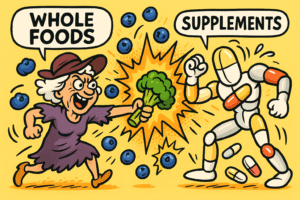
    Whole foods offer a remarkable blend of nutrients that significantly surpasses what isolated dietary supplements can deliver. Unlike pills or powders, whole foods are consumed in their natural, unprocessed state, providing an abundance of vitamins, minerals, fiber, water, enzymes, and bioactive compounds. These elements work together synergistically to fulfill your body’s nutritional requirements. The complex nature of this nutritional profile is incredibly challenging to replicate in a lab setting. Whole foods serve not merely as a dietary choice but as a holistic approach to achieving and sustaining optimal health and well-being.

    If you prefer to listen, click below:


    In today’s fast-paced lifestyle, the allure of quick fix solutions such as capsules or fortified bars is prevalent. While supplements can be beneficial for addressing nutrient deficiencies, they often fall short of providing the balance, co-factors, and natural synergy inherent in whole foods. The way nature has intricately designed these nutrients enables our bodies to recognize, absorb, and utilize them effectively, aligning perfectly with our evolutionary needs.

    Whole foods nourish us on various levels, offering a diverse range of nutrient profiles that enhance immunity, increase energy, and promote long-term health. Their superior absorption rates guarantee that your body derives maximum benefits from each bite. Furthermore, the protective qualities of whole foods—such as antioxidants and anti-inflammatory compounds—serve as shields against chronic diseases, significantly boosting overall wellness.

    From the farm to your table, whole foods deliver unmatched nourishment and vitality. They act as more than just fuel; they form the very foundation for achieving wellness, longevity, and a vibrant life filled with energy and health.

    Understanding the Exceptional Nutrient Density of Whole Foods

    Whole foods, including fruits, vegetables, grains, legumes, and nuts, are abundant in crucial vitamins, minerals, and phytonutrients. These elements are essential for survival, functioning as dynamic tools that facilitate thriving health. For example, kale is an excellent source of vitamin K, which is vital for blood clotting, vitamin C, known for enhancing immunity, and various antioxidants that protect your cells from oxidative harm—all found in a single serving.

    A notable benefit of whole foods lies in their extensive array of phytonutrients. These natural compounds, exclusively present in plants, comprise flavonoids, carotenoids, and polyphenols. Phytonutrients defend plants against pests, UV radiation, and diseases. When we consume these foods, we gain those protective benefits, which assist in detoxification, reduce inflammation, enhance immunity, and may even slow down the aging process.

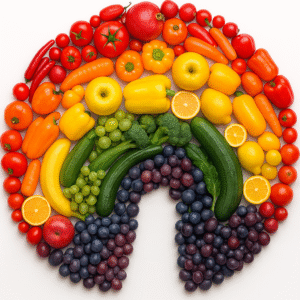
    Fruits and vegetablesAlthough phytonutrients are not classified as essential for survival, they are critical for achieving optimal health. The lack of these compounds in supplements represents a significant drawback. While a supplement may deliver vitamin C, it cannot replicate the multitude of flavonoids found naturally in a piece of fruit, which enhances its overall effectiveness and benefits.

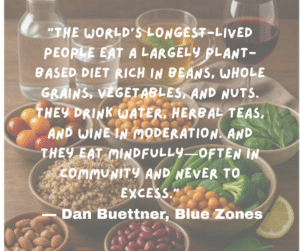
    Numerous scientific studies consistently demonstrate that diets rich in whole foods can substantially lower the risk of chronic diseases. A whole-food-based diet significantly improves cardiovascular health, alleviates inflammation, and supports immune function. Populations that embrace diverse, plant-based diets tend to enjoy longer lifespans, experiencing reduced rates of obesity, diabetes, and cancer.

    This trend is not simply a passing fad; it represents a proven path toward achieving enduring health. Opting for whole foods equates to selecting a nutrient-rich, life-sustaining diet that nourishes every cell within your body, providing it with precisely what it needs to flourish.

    Grasping the Importance of Nutrient Absorption and Bioavailability

    Bioavailability is defined as the degree to which your body can absorb and utilize the nutrients you ingest. Whole foods present these nutrients in their most accessible and usable formats. Additionally, they contain co-nutrients such as enzymes, fiber, and healthy fats that significantly enhance nutrient uptake.

    For example, the vitamin C found in oranges aids your body in better absorbing iron from spinach. This type of nutrient synergy is highly beneficial. The healthy fats found in avocados improve the absorption of fat-soluble vitamins like A, D, E, and K. Likewise, combining turmeric with black pepper enhances the absorption of curcumin, the main active compound in turmeric.

    These advantageous combinations occur naturally in whole foods or traditional meals, ensuring that your body effectively utilizes these nutrients. In contrast, supplements frequently isolate nutrients, stripping away these natural facilitators. Without co-factors, the absorption of nutrients can significantly decrease.

    Some nutrients necessitate specific forms or conditions for optimal absorption. For instance, calcium requires vitamin D to be absorbed effectively. Whole foods often provide both nutrients simultaneously, whereas supplements may offer one without the other.

    Research shows that nutrients obtained from whole foods are absorbed more efficiently than synthetic counterparts. Your body recognizes them as real food. By maintaining a colorful and varied diet, you maximize nutrient absorption while minimizing waste. You nourish your body with exactly what it requires, in a format it can utilize effectively.

    Unlocking the Incredible Benefits of Nutrient Synergy in Whole Foods

    Whole foods are characterized by nutrients that naturally complement one another, enhancing overall health and well-being. This inherent synergy amplifies their effectiveness and contributes to improved health outcomes. For instance, pairing tomatoes with olive oil increases the absorption of lycopene, a powerful antioxidant associated with heart health and cancer prevention.

    Cooking tomatoes can further enhance the bioavailability of lycopene. The application of heat helps to break down cellular walls, facilitating the body’s ability to absorb this vital nutrient. This example illustrates a rare instance where cooking actually enhances a food’s nutritional impact.

    Other advantageous combinations include pairing leafy greens with citrus fruits to enhance iron absorption or consuming salmon alongside leafy greens to combine omega-3s and magnesium. These thoughtful pairings improve nutrient function, boost immunity, and assist in disease prevention.

    In contrast, supplements often lack this natural synergy. Nutrients are frequently isolated and stripped of their natural co-factors. They are often compromised by exposure to harmful conditions, such as light, moisture, heat, or air during production or storage, which can diminish their efficacy before they even reach your body.

    Whole foods, however, protect delicate nutrients through their natural compositions. These nutrients remain stable and intact until digestion begins, making real food a more reliable, effective, and beneficial choice overall.

    Nature does not deliver nutrients one at a time. Instead, it provides them in thoughtfully designed packages that your body can comprehend and utilize efficiently. This is why a diet rich in whole foods better supports energy, longevity, and overall health compared to isolated supplements.

    The Essential Role of Dietary Fiber in Digestive Health

    Fiber is a crucial component of whole foods, playing a significant role in promoting digestive health and overall well-being. Whole foods naturally contain both soluble and insoluble fiber. Soluble fiber dissolves in water, assisting in blood sugar regulation and cholesterol management. Insoluble fiber adds bulk to stool and promotes regular bowel movements.

    Additionally, fiber serves as nourishment for beneficial gut bacteria. These bacteria ferment fiber into short-chain fatty acids, which help reduce inflammation and strengthen the gut lining. A robust gut microbiome is essential for a strong immune system and influences various factors, including mood and metabolism.

    Fruit and vegetablesWhile prebiotic supplements aim to nourish gut bacteria, they usually offer only one or two fiber types. In contrast, fibrous vegetables, whole grains, legumes, nuts, and seeds provide a diverse range of prebiotic fibers. This variety is critical for maintaining a healthy and balanced microbiome.

    Foods rich in fiber include oats, lentils, chickpeas, carrots, apples, broccoli, and flaxseeds. Incorporating these foods into your daily meals supports digestion, reduces cholesterol levels, balances blood sugar, and aids in appetite regulation. Fiber also slows digestion, helping you feel full for longer and promoting healthy weight management.

    Whole foods deliver fiber as part of a comprehensive package—complete with vitamins, minerals, water, and enzymes—making them far more effective than fiber supplements alone. Unlike ultra-processed alternatives, they contain no additives or synthetic fillers.

    In conclusion, dietary fiber sourced from whole foods does much more than maintain regularity. It contributes to building a resilient gut, a robust immune system, and a healthier body from the inside out.

    The Superior Antioxidant Properties of Whole Foods

    Antioxidants are natural compounds that protect your cells from oxidative stress and damage caused by free radicals. This damage contributes to aging, inflammation, and chronic diseases. Whole foods, including berries, leafy greens, nuts, seeds, and colorful vegetables, are abundant in a vast array of antioxidants.

    These antioxidants encompass vitamin C, E, selenium, and potent phytochemicals like anthocyanins, flavonoids, and polyphenols. Each of these compounds plays a unique role in cellular protection and immune support.

    Whole foods provide these antioxidants in combinations that work synergistically for greater effects. For example, blueberries contain various polyphenols that help mitigate inflammation and support brain health. Spinach contains both vitamin C and beta-carotene, which collectively protect against oxidative stress.

    Contrarily, supplements often contain isolated antioxidants in predetermined amounts. They frequently overlook the supporting nutrients that amplify their effectiveness. Some antioxidant supplements can even become pro-oxidants at higher doses, potentially posing health risks instead of mitigating them.

    The Remarkable Efficacy of Whole Food Antioxidants Over Supplements

    Whole Foods vs SupplementsWhole foods do not carry this risk. Their antioxidants are found in natural ratios alongside fiber, water, and other co-factors that regulate absorption and maintain balance. This ensures a consistent, long-term protective effect without the risk of overdoses. Furthermore, many supplements degrade over time due to exposure to heat, air, or light, diminishing their potency even before consumption. Whole foods are fresher and more stable, delivering antioxidants in their most effective forms.

    Studies indicate that individuals who include antioxidant-rich whole foods in their diets experience lower rates of heart disease, cancer, and cognitive decline. This protective effect arises not from a single magic nutrient but from a rich tapestry of natural combinations. The antioxidant capacity of genuine, unprocessed food is unparalleled in fostering lasting health and cellular protection.

    The Unique Advantages of Phytochemicals and Bioactive Compounds in Whole Foods

    Phytonutrients are natural compounds found in plant foods that go beyond basic nutrition, offering profound functional health benefits. These include flavonoids, lignans, carotenoids, glucosinolates, and stilbenes, each playing specific roles in cellular repair, inflammation control, and immune defense.

    Unlike isolated nutrients found in supplements, the phytonutrients present in whole foods work synergistically with other compounds. They help your body combat oxidative stress, regulate gene expression, and maintain hormonal balance. For instance, sulforaphane in broccoli activates detoxification enzymes that assist in eliminating harmful substances from the body.

    Garlic - fresh and supplementsGarlic contains allicin, a powerful antimicrobial that enhances immune response. Onions provide quercetin, which helps alleviate allergic reactions and lower blood pressure. Berries contain ellagic acid, which supports DNA repair and has been demonstrated to slow tumor growth in laboratory studies. These examples illustrate the diversity and potency of phytonutrients.

    Mushrooms also offer immune-boosting compounds, such as beta-glucans, which assist in modulating immune activity. Importantly, these compounds often perform optimally within their original food matrix—something supplements cannot emulate.

    Many phytonutrients are delicate and quickly degrade when isolated, processed, or improperly stored. Whole foods protect them within their natural structure, ensuring they reach your body in their most beneficial form.

    Embrace the Rainbow: Unlocking the Full Spectrum of Phytonutrient Benefits

    Eat the rainbowOne of the simplest and most effective ways to harness the benefits of phytonutrients is to “eat the rainbow.” Different colors in plant foods signify distinct phytonutrient profiles. Red foods such as tomatoes and watermelon are rich in lycopene, which supports heart and prostate health. Orange and yellow foods like carrots and peppers are high in carotenoids that enhance eye health and immune function.

    Green vegetables, including spinach and kale, are loaded with lutein and chlorophyll, which promote cellular detoxification and brain health. Blue and purple foods—such as blueberries, grapes, and eggplants—contain anthocyanins that enhance circulation and reduce inflammation. Even white and brown plant foods, like garlic, onions, and mushrooms, offer powerful compounds that support immune health and cardiovascular function.

    No supplement can rival the breadth and synergy of phytonutrients found in a vibrant plate full of vegetables, whole grains, nuts, seeds, and herbs. By incorporating a wide array of whole plant foods into your diet, you unlock the door to a natural pharmacy of protection and support for your entire system.

    Whole Foods: The Cornerstone of Immune Support

    Your immune system depends on a wide variety of nutrients functioning in harmony. Whole foods deliver these essential nutrients along with supporting compounds. A diverse diet rich in vegetables, fruits, grains, legumes, herbs, and spices equips your body to fend off illness and recover quickly.

    Whole foods provide a steady supply of immune-supporting nutrients such as vitamin C, D, zinc, selenium, and iron. These nutrients work most effectively when accompanied by natural enzymes, fiber, and co-factors that enhance their absorption and overall effectiveness. Citrus fruits, leafy greens, pumpkin seeds, lentils, garlic, and ginger are all excellent options for bolstering your immune system.

    Many of these immune-boosting compounds—like allicin in garlic, gingerol in ginger, and quercetin in onions—are either lacking in supplements or become degraded during processing. Whole foods preserve these valuable compounds, delivering them in forms that your body can readily recognize and utilize efficiently.

    Furthermore, whole foods contribute to immune resilience by nurturing gut health, where a significant portion of your immune system resides. A fiber-rich diet nourishes beneficial bacteria, strengthens the gut lining, and reduces inflammation, thereby enhancing immunity.

    Research consistently links whole-food diets to stronger immune responses, quicker wound healing, and fewer infections. Individuals who consume diets high in fresh produce and whole grains tend to experience fewer illnesses and recover more rapidly. These benefits reflect the intricate array of nutrients and plant compounds that synthetic supplements struggle to match.

    By prioritizing whole foods, you prevent deficiencies while actively strengthening your body’s first line of defense. This approach represents one of the simplest yet most powerful strategies for nurturing lifelong health without relying solely on pills and medications.

    The Environmental Benefits of Choosing Whole Foods

    Environment info graphicWhole foods are often cultivated using more sustainable practices. They promote local agriculture, minimize pesticide usage, and protect biodiversity. Choosing whole foods, especially local and seasonal produce, supports healthier farming methods and contributes to a cleaner environment.

    For instance, purchasing carrots or apples from a local farmer’s market typically results in reduced food miles, less packaging waste, and a lower carbon footprint. Seasonal produce thrives naturally without requiring artificial lighting, heated greenhouses, or chemical ripening agents, conserving energy and water in the process.

    Many whole foods are produced using organic or regenerative farming methods. These practices focus on restoring soil health, utilizing natural pest control, and protecting water systems. They contribute to reduced pollution and promote the long-term sustainability of our food systems.

    Whole foods also play a role in preserving biodiversity. Farms that cultivate a variety of fruits and vegetables support ecosystems and wildlife. In contrast, supplements often rely on monoculture farming—growing the same crop repeatedly—which depletes soil health and threatens ecological balance.

    Another advantage is the reduction of packaging waste. Whole foods typically require minimal to no packaging when purchased loose or in bulk. You can store them in reusable containers or bags, eliminating the need for plastic tubs, blister packs, and foil wrappers that are often associated with supplements.

    In contrast, the production of supplements usually involves global supply chains. Ingredients may travel thousands of miles and undergo extensive processing before being encapsulated and sealed. This elaborate process contributes to greenhouse gas emissions, energy consumption, and plastic waste.

    By choosing whole foods, you actively support a healthier planet. Each meal centered around fresh, seasonal produce uplifts local farmers, protects the environment, and reduces your ecological footprint.

    Promoting Sustainable Agriculture and Biodiversity Through Whole Foods

    When you opt for whole foods, you champion a healthier planet. The impact of this choice resonates far beyond your dining experience.

    Whole foods, particularly those sourced locally and seasonally, are typically grown without synthetic fertilizers, heavy pesticide use, or genetically modified organisms. This approach minimizes the chemical burden on our environment, safeguarding pollinators, water supplies, and the long-term health of our soil.

    Regenerative farming practices employed in some whole food production go even further. These farms utilize cover crops, crop rotation, composting, and managed grazing to enhance soil fertility and sequester carbon. Over time, they restore ecosystems rather than deplete them.

    Local food systems play a critical role in reducing the emissions associated with long-distance food transportation. When you purchase a head of lettuce from a local farm instead of a prepackaged salad shipped from overseas, the difference in fuel consumption is substantial.

    Buying from farmers’ markets or subscribing to a community-supported agriculture (CSA) box helps small-scale farmers remain sustainable. This practice keeps money circulating within local economies and protects food diversity, which industrial monoculture often threatens.

    Even minor adjustments, like choosing unpackaged apples over shrink-wrapped snack bars, can significantly reduce plastic waste and lessen landfill strain. These daily choices accumulate, contributing to a system that prioritizes sustainability, nutrition, and environmental stewardship.

    When you build your meals around whole foods, you are not only safeguarding your health; you are investing in a food system that values people, animals, and the planet.

    Minimizing Packaging Waste and Pollution with Whole Foods

    Reducing packaging and pollutionWhole foods are typically packaged with minimal or compostable materials. Purchasing loose produce, grains, and legumes helps prevent unnecessary plastic waste. You can store these items in reusable bags, jars, or containers, drastically reducing single-use materials.

    Buying in bulk also diminishes the need for excessive packaging and transportation. This simple change in shopping habits can lead to a significant reduction in landfill contributions and the demand for virgin packaging materials.

    Conversely, supplements are often packaged in plastic bottles, foil pouches, or blister packs—many of which are challenging or impossible to recycle. These packages are designed for durability and convenience rather than environmental friendliness.

    Some supplement companies have started transitioning to glass bottles or biodegradable containers to lessen their environmental impact, which is a positive development, though it remains uncommon. The majority of supplements are still sold in petroleum-based plastics that can persist in landfills for decades.

    Additionally, supplement packaging is just one aspect of the issue. Each capsule or tablet often contains ingredients sourced from multiple countries, which necessitates extensive transportation, processing, and repackaging. This global supply chain imposes a significant carbon and material footprint.

    In contrast, whole foods, particularly those sourced locally, require fewer resources and generate less waste. Replacing packaged supplements with fresh, unpackaged produce is one of the simplest ways to reduce your environmental impact. Choosing whole foods helps mitigate pollution from production to consumption at every stage. Small, consistent actions like these can lead to substantial improvements in waste reduction and planetary health.

    The Economic Advantages of Whole Foods

    At first glance, whole foods may seem pricier; however, they often prove to be less expensive over time. Investing in nourishing your body with real, nutrient-dense ingredients reduces your risk of illness, resulting in fewer doctor visits, less time off work, and lower long-term healthcare costs.

    Supplements can create an added financial burden, as they are frequently used to compensate for a poor diet. If your meals lack essential nutrients, you might feel compelled to supplement with pills, powders, or capsules. However, this approach rarely addresses the underlying issues and can evolve into an expensive short-term fix rather than a sustainable solution.

    Conversely, a diet centered around whole foods naturally provides the nutrients your body craves—effectively, efficiently, and often at a lower cost. Instead of purchasing food and then supplementing, you can obtain everything you need in one package: your plate.

    Shopping for whole foods doesn’t have to stretch your budget. Visiting local markets, selecting seasonal produce, and buying grains and legumes in bulk can all help lower expenses. Cooking at home with these wholesome ingredients is healthier and significantly more economical than relying on processed convenience foods or pre-prepared meals.

    Moreover, maintaining good health through a balanced diet can yield financial savings in the long run by preventing chronic diseases such as diabetes, heart disease, and obesity. These conditions incur substantial management costs but are often preventable through consistent, wholesome nutrition.

    Opting for whole foods is not only beneficial for your health but also a smart financial decision. You nourish your body, avoid unnecessary expenses on supplements, and reduce your risk of costly medical treatments in the future.

    Long-Term Financial and Health Savings through Whole Foods

    Preventing chronic diseases through proper nutrition can result in considerable savings, both financially and in terms of quality of life. Many common and costly health conditions, such as type 2 diabetes, high blood pressure, heart disease, and certain cancers, are significantly influenced by dietary choices.

    Studies consistently demonstrate that diets rich in whole foods are associated with lower rates of chronic illnesses. This translates into reduced prescriptions, less reliance on medical interventions, and a decreased need for ongoing treatments or hospital visits.

    The financial implications are significant. Chronic conditions often require long-term medication, routine blood work, regular specialist appointments, and time off work due to illness. These expenses can accumulate rapidly, placing a substantial burden on both individuals and healthcare systems.

    By prioritizing prevention through a nutrient-dense, whole-food diet, many of these outcomes can be avoided or delayed. Eating healthily on a daily basis is akin to making small, consistent deposits into your personal health savings account. The more you invest now, the greater your return later, measured in energy, mobility, independence, and peace of mind.

    There’s also an emotional aspect. Preventing avoidable illnesses can spare you and your loved ones from stress, anxiety, and caregiving burdens. Good nutrition supports a better quality of life, allowing you the energy to engage in activities you cherish and the resilience to navigate life’s challenges.

    In summary, whole foods not only nourish your body today—they invest in your future. They represent a commitment to lifelong health that yields dividends in fewer sick days, lower medical bills, and enhanced freedom as you age.

    Ensuring Access and Affordability of Whole Foods

    Whole foods, such as fresh produce, grains, and legumes, are widely available in supermarkets, farmers’ markets, and neighborhood shops. They often cost less per serving than processed meals or supplements while offering far greater nutritional value.

    Staples like oats, brown rice, lentils, carrots, and cabbage are affordable, filling, and nutrient-rich. These foods are shelf-stable, can be bought in bulk, and form the basis of countless healthy, budget-friendly meals.

    Local farmers’ markets and community-supported agriculture (CSA) programs enhance the accessibility of healthy eating. These sources provide seasonal produce at reasonable prices while supporting local growers and minimizing the environmental costs linked to long-distance transportation.

    Many communities also host food co-ops or discount produce boxes that facilitate the purchase of healthy foods without financial strain. Even frozen fruits and vegetables, which retain most nutrients, can be a cost-effective, convenient alternative when fresh produce is unavailable.

    In contrast, dietary supplements often come with a premium price tag. A single bottle may cost more than a week’s worth of fresh vegetables or grains. Given that supplements are typically taken daily, the costs can escalate quickly over time.

    There is also the risk of spending on unnecessary or poorly absorbed supplements that may offer little benefit. When your body receives the nutrients it requires from whole foods, there’s less uncertainty and greater reliability in terms of both health and budget.

    Whole foods provide a superior return on investment. You are not only paying for calories; you are investing in fiber, antioxidants, enzymes, water, and synergistic nutrients that empower your body to thrive.

    Accessible, affordable, and profoundly nourishing, whole foods remain the most cost-effective and sustainable choice for long-term health.

    The Social and Cultural Importance of Whole Foods

    Family eating Mediterranean diet togetherWhole foods serve more than just nutritional purposes—they unite people and help preserve cultural identities. Across the globe, traditional diets centered around vegetables, grains, legumes, and fresh local ingredients play a pivotal role in daily life, family traditions, and community gatherings.

    In regions like Okinawa, Japan, residents enjoy some of the longest, healthiest lives on the planet. Their diet is rich in sweet potatoes, leafy greens, tofu, seaweed, and small fish. These meals are low in processed foods and sugars while being high in fiber, antioxidants, and plant-based nutrients. Supplements are rarely part of their daily regimen; instead, they trust natural whole foods to foster vitality and longevity.

    The Mediterranean diet exemplifies another powerful approach. Common in Greece, southern Italy, and parts of Spain, this diet emphasizes vegetables, legumes, olive oil, whole grains, nuts, herbs, and limited amounts of fish or dairy. Red meat and processed foods are kept to a minimum. People in these regions not only enjoy longer lives but also experience lower rates of heart disease, dementia, and metabolic disorders.

    Importantly, these benefits stem not from pills or powders but from consistent habits rooted in fresh, flavorful meals crafted from simple, wholesome ingredients. Food is not rushed or consumed in isolation; it is shared with family and friends, savored slowly, and appreciated as a daily pleasure rather than merely fuel.

    These food cultures emphasize seasonality, local produce, and mindful preparation. Cooking and eating become avenues for connection, gratitude, and joy. This dynamic fosters strong communities while supporting both mental and physical health. By adopting a more whole-food-focused lifestyle, we not only enhance our plates but also revive powerful traditions of health, celebration, and human connection that modern convenience often overshadows.

    Fostering Family and Community Bonds Through Food

    Whole foods do more than sustain the body—they nourish relationships. Preparing and sharing meals made from fresh ingredients is a potent means of strengthening bonds, enhancing emotional well-being, and passing down culinary traditions. Families that eat together are more likely to make healthier food choices, communicate openly, and develop lifelong habits that promote well-being.

    Blue Zones quoteThis connection between food and community is a hallmark of the world’s Blue Zones, regions where people lead the longest, healthiest lives. In places like Okinawa, Japan, Ikaria, and Greece, meals are seldom consumed alone or in haste. Instead, families and friends gather daily to share simple, home-cooked meals, often made from garden-fresh vegetables, beans, herbs, and whole grains.

    Eating together creates opportunities for meaningful conversation, laughter, and relaxation. These moments alleviate stress, enhance digestion, and foster a strong sense of belonging. Research indicates that regular family meals correlate with improved academic performance in children, lower rates of depression, and heightened emotional resilience across all ages.

    Whole foods are central to these shared meals. They are colorful, aromatic, and satisfying, encouraging slower, more mindful eating. In contrast, convenience foods and supplements often promote isolation—a quick bar consumed in the car, a shake gulped down at your desk, or a multivitamin taken without a second thought.

    No supplement can replicate the joy of preparing a meal with loved ones, the comfort of sharing a meal, or the cultural traditions surrounding food. While a pill may provide nutrients, it can never replace the human experience of gathering around a table. When we choose whole foods, we also choose a connection that deeply enriches both physical and emotional well-being.

    Enhancing Culinary Diversity and Joy with Whole Foods

    Whole foods not only support your physical health; they also delight the senses. With their vibrant colors, bold textures, and diverse flavors, they inspire creativity in the kitchen, transforming eating into an exciting experience rather than a restrictive chore. Unlike bland powders or pills, whole foods make meals something to look forward to.

    This diversity is not just enjoyable; it’s powerful. Each color in plant-based foods signifies different phytonutrients, antioxidants, and health benefits. Red foods like tomatoes and red peppers are high in lycopene. Orange foods such as carrots and sweet potatoes provide beta-carotene. Leafy greens offer chlorophyll and magnesium. Blueberries and eggplants contain anthocyanins that protect both the brain and heart.

    Consuming a wide array of colors means providing your body with a spectrum of nutrients that work together to bolster immunity, gut health, heart health, and more. A colorful plate typically reflects a more complete nutrient profile compared to one dominated by beige or processed foods.

    Participate in the “Eat the Rainbow Challenge”

    To make it fun, consider trying the “Eat the Rainbow Challenge.” This initiative involves aiming to consume twenty-five to thirty different plant foods in one week. These could include various fruits, vegetables, legumes, whole grains, herbs, or nuts. Each item counts once, and it’s more achievable than you may think! Simply adding a few new ingredients to your regular meals can quickly increase variety.

    Alternatively, try the “Color-of-the-Day” approach:

    • Monday – Red (tomatoes, strawberries, red lentils)
    • Tuesday – Orange/Yellow (carrots, squash, mango)
    • Wednesday – Green (spinach, broccoli, peas)
    • Thursday – Purple/Blue (eggplant, blueberries, purple cabbage)
    • Friday – White/Brown (garlic, mushrooms, oats)
    • Weekend – Mix it all together!

    These challenges promote variety and transform eating into a more intentional and enjoyable experience. Involving children, friends, or housemates adds a social element, reinforcing positive habits through shared experiences.

    When meals are colorful, interesting, and flavorful, you’re more likely to relish them—and maintain healthy eating for the long term. Whole foods naturally bring that joy without additives, flavorings, or synthetic enhancements.

    Eating well shouldn’t feel like a punishment. It should feel like a source of pleasure, play, and endless possibilities. And with whole foods, it absolutely can.

    The Psychological Benefits of Whole Foods

    Whole foods contribute not only to physical health but also to mental and emotional well-being. Their natural colors, textures, and aromas encourage mindful eating and foster a sense of true nourishment. Sitting down to an authentic meal made with fresh, vibrant ingredients engages your senses and creates a deeper connection to the act of eating.

    Chewing increases satietyConversely, swallowing a pill or consuming a meal replacement shake may provide some nutrients, but it lacks the experience of eating. There’s no chewing, aroma, texture, or satisfaction. It can leave you feeling mentally unfulfilled and physically undernourished, even if your body technically received calories.

    Chewing plays a critical role in signaling satiety. The act of chewing sends a message to your brain, indicating that you are eating. This initiates a cascade of physiological responses: your stomach begins preparing for digestion, and your brain releases hormones that promote feelings of fullness. Chewing crunchy vegetables, hearty grains, or juicy fruits is vital for signaling satiety.

    Why Chewing and Real Meals Matter More Than You Think

    Chewing also activates the digestive system. As you chew, your body produces digestive enzymes in the mouth, stomach, and small intestine. These enzymes are crucial for breaking down food properly, allowing your body to absorb nutrients effectively. Bypassing this step by drinking or swallowing your nutrition overlooks a critical phase of digestion, which may result in bloating, hunger, or dissatisfaction.

    Whole foods also encourage slower eating. When you prepare and consume real meals, you are more likely to take your time, savor your food, and recognize when you are full. This promotes healthy weight management without strict rules or restrictive diets.

    Individuals who primarily consume whole foods report fewer cravings and less emotional eating. This is because whole foods create a physical and psychological sense of satisfaction. You feel nourished. You feel content. Over time, this fosters a healthier, more positive relationship with food.

    Eating well encompasses not just what you consume, but how you experience it. Whole foods restore the pleasure, presence, and satisfaction that authentic eating is meant to provide.

    Establishing Positive Habits and Mindsets Through Whole Foods

    Choosing whole foods leads to healthier eating patterns that are easier to sustain over time. These habits form the foundation for both physical and mental well-being. When you nourish your body with real, wholesome ingredients, you naturally feel more energized, focused, and balanced—facilitating adherence to healthy choices without relying solely on willpower.

    Whole foods help eliminate the cycle of extremes often associated with ultra-processed foods or fad diets, which include cravings, restriction, and bingeing. Because whole foods are nutrient-dense and satisfying, they promote stable blood sugar levels, sustained energy, and fewer cravings, making consistent healthy eating much more attainable.

    You are also more likely to continue healthy behaviors when they feel enjoyable and fulfilling. Whole foods make this possible by being both deeply nourishing and genuinely delicious. Crisp apples, roasted sweet potatoes, and a vibrant salad adorned with fresh herbs offer comfort and joy, not just nutrition.

    Over time, choosing whole foods becomes second nature. Healthy meals cease to feel like a chore or a temporary plan. Instead, they evolve into a lifestyle rooted in enjoyment, not restriction.

    This sense of pleasure and sustainability is what makes whole foods so impactful. Eating well feels good and tastes good, increasing the likelihood of maintaining those habits for the long haul.

    Building Trust in Your Food Choices with Whole Foods

    Trust plays a vital role in what we choose to consume. With whole foods, that trust is well-founded. You know exactly what you’re eating when selecting fresh, unprocessed fruits, vegetables, legumes, whole grains, nuts, and seeds. There are no hidden ingredients, additives, or synthetic compounds—just real, recognizable food.

    Supplements, however, can often be less transparent. Many contain unnecessary fillers, artificial colors, binders, or preservatives. Some are contaminated with heavy metals or unlisted ingredients, while others may not deliver the amount of active nutrients claimed on the label. These inconsistencies can make it challenging to know what you are truly consuming and how it may impact your health.

    Even when supplements undergo third-party testing, they lack the natural complexity and balance inherent in whole foods. Moreover, unlike food, supplements are not always strictly regulated for safety or quality, particularly in global markets with looser oversight.

    Understanding the Distinction Between Whole Foods and Processed Foods

    Fresh vs processed foodIt’s essential to clearly differentiate between whole foods and processed foods. Just because a product is plant-based or labeled as “natural” does not guarantee its healthfulness. Highly processed plant products, such as flavored veggie chips, sugary granola bars, or instant noodle cups, are stripped of their original nutrients and loaded with salt, sugar, and unhealthy oils.

    Whole foods, however, are distinct. They are close to their original form, minimally processed, and full of natural nutrition. A baked potato, a bowl of lentil soup, or a fresh apple provides safe, reliable nourishment that your body understands.

    With whole foods, there is no need to scrutinize ingredient lists or question what’s inside. You can trust them because they are genuine. They are grown in soil, harvested at maturity, and prepared in your kitchen, not manufactured in a factory or concealed in a capsule. When your food comes directly from nature, you can consume it confidently. That peace of mind is something no supplement or synthetic product can offer.

    Embracing Whole Foods for a Healthier Tomorrow

    Whole foods provide far more than mere calories or isolated nutrients—they offer the essential building blocks for a vibrant, resilient life. From their remarkable nutritional synergy to their ability to prevent disease, promote mental health, and strengthen communities, they are foundational to true wellness.

    They also honor the planet. Choosing whole, unprocessed foods leads to less packaging, reduced emissions, and more sustainable farming practices. This approach nourishes not only your body but also the soil, water, and ecosystems on which we all depend.

    This mindset transcends diet; it’s about reclaiming your health, trusting in real food, and reconnecting with the joy of eating well. Each colorful, home-cooked meal becomes an act of self-respect and a quiet commitment to future well-being.

    In choosing whole foods, you prioritize simplicity, nourishment, and integrity. You say yes to lifelong energy, clearer thinking, stronger immunity, and a fulfilling life that emanates from within.

    Your plate is your power. Use it wisely.

    Frequently Asked Questions About Whole Foods

    What makes whole foods a superior choice compared to supplements?

    Whole foods deliver a complex array of nutrients, encompassing vitamins, minerals, and antioxidants in their natural forms. In contrast, supplements often contain isolated nutrients that may not be as readily absorbed by the body, diminishing their overall effectiveness.

    How do whole foods promote better digestive health?

    Whole foods are high in dietary fiber, which promotes healthy digestion, prevents constipation, and supports a balanced gut microbiome, all contributing to overall digestive health and well-being.

    What are phytochemicals, and why are they significant?

    Phytonutrients are bioactive compounds in plants that provide various health benefits, including anti-inflammatory properties and a reduced risk of chronic diseases. These benefits cannot be replicated by supplements, making whole foods essential for optimal health.

    In what ways do whole foods contribute to environmental sustainability?

    Whole foods typically require less processing and packaging, resulting in a lower carbon footprint and less waste. They also support local food systems, making them a more sustainable choice than supplements.

    Are whole foods more budget-friendly than supplements?

    Yes, whole foods can be more cost-effective in the long run, as they often provide essential nutrients at a lower price than the ongoing costs of regularly purchasing supplements.

    How do whole foods relate to cultural traditions?

    Whole foods are integral to many cultural dietary practices and celebrations, fostering community connections and preserving culinary heritage while encouraging healthier eating habits.

    How can whole foods enhance mental health?

    Whole foods promote feelings of satiety and satisfaction, which can reduce emotional eating and support mindful eating practices, ultimately enhancing overall mental well-being and emotional health.

    Why is it important to consider the safety of whole foods?

    Whole foods are less likely to cause adverse reactions than synthetic supplements, which may contain artificial additives and preservatives, making them safer for nutrition and dietary choices.

    How do whole foods support immune function?

    Whole foods are rich in bioactive compounds, vitamins, and minerals that bolster immune health, equipping the body to defend against infections and diseases effectively.

    What are the long-term advantages of choosing whole foods?

    Consistent consumption of whole foods is associated with improved health outcomes, reduced risk of chronic diseases, and long-term healthcare savings, making them a wise investment for overall health and well-being.

    Connect with us on Facebook!

    The Article: The Nutritional Advantages of Whole Foods versus Supplements appeared first on https://janestevensnutrition.com

    The Article Whole Foods vs. Supplements: Discover Nutritional Benefits Was Found On https://limitsofstrategy.com
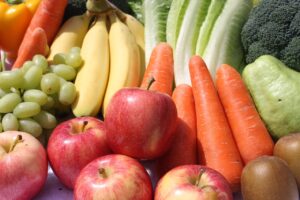
  • Dietary Supplements: Key Functions and Health Benefits Explained

    Dietary Supplements: Key Functions and Health Benefits Explained

    Thoroughly Understanding Dietary Supplements: Definitions, Roles, and Benefits

    What Are Dietary Supplements? A Comprehensive Exploration

    Dietary supplements are expertly crafted products aimed at enhancing daily nutrition by offering a wide array of ingredients, including vitamins, minerals, herbs, amino acids, and botanicals. Available in various forms such as tablets, capsules, powders, and liquids, these supplements provide convenient options for individuals looking to incorporate them into their daily routines. The main goal of dietary supplements is to effectively tackle and fill nutritional gaps that may occur due to insufficient consumption of essential nutrients or specific health needs. Recognizing the multifaceted functions these supplements serve is critical, as they are intended to complement a balanced diet rather than act as a replacement.

    Prefer to listen? Click below:


    Individuals who follow restrictive dietary patterns frequently face difficulties in obtaining all necessary nutrients solely through food. In these cases, dietary supplements offer vital assistance, enabling individuals to meet their specific nutritional goals. The global dietary supplement market has witnessed rapid growth, indicative of an increased awareness surrounding health and a burgeoning interest in nutritional science. Continuous research and studies into the potential advantages of these supplements have further spurred this demand. It is essential to comprehend the extensive range of dietary supplements, as they are designed to support rather than replace a balanced diet.

    Supplements provide a practical solution for improving health by effectively bridging nutritional gaps, especially in situations where obtaining certain nutrients can be difficult due to environmental or financial limitations. Individuals are presented with a broad selection of products, allowing them to customize their supplement usage to suit their specific health requirements and daily lifestyles. By embracing this tailored approach, individuals can take a proactive step towards enhancing their overall wellness.

    Key Reasons Behind the Popularity of Dietary Supplements

    People opt for dietary supplements for an array of reasons, often motivated by personal health aspirations or specific medical conditions. A primary incentive is to correct nutritional deficiencies that may not be sufficiently addressed through dietary intake alone. Residents in areas with limited access to fresh produce often struggle to acquire essential nutrients, leading them to seek vitamin C or iron supplements to support their health. Moreover, individuals adhering to dietary restrictions, such as vegans or those with food allergies, frequently rely on supplements to obtain nutrients typically found in animal-derived products.

    ElderlyDietary supplements markedly contribute to health and wellness by supplying essential nutrients. Numerous individuals incorporate products such as omega-3 fatty acids to promote cardiovascular health or probiotics to enhance digestive function. Specific demographics, including athletes and older adults, have heightened nutritional needs and often use supplements to improve performance, aid recovery, or enhance overall vitality. The increasing trend of supplement utilization within fitness and wellness communities worldwide signifies a shift towards proactive health management, empowering individuals to take charge of their nutrition for improved longevity and quality of life.

    Navigating the Regulatory Environment for Dietary Supplements

    The regulatory landscape surrounding dietary supplements varies significantly from one country to another, profoundly impacting the marketing and sale of these products. In certain regions, supplements are classified alongside food items, resulting in less rigorous oversight compared to pharmaceuticals. For instance, in the United States, the Dietary Supplement Health and Education Act (DSHEA) creates a distinct regulatory framework that permits manufacturers to market supplements without prior approval, provided they refrain from making unsupported health claims. This regulatory climate raises concerns surrounding both the safety and efficacy of supplements, particularly in areas where regulations are less comprehensive.Policy

    In contrast, countries like Canada and members of the European Union enforce stricter regulations that require companies to comply with rigorous safety and quality standards before their products can enter the market. This disparity in regulations can lead to consumer confusion, as the quality and reliability of supplements may differ significantly based on geographical location. Therefore, consumers need to navigate these regulatory intricacies, remaining vigilant about product quality and safety. A comprehensive understanding of the regulatory framework is essential for making informed choices, ensuring that selected supplements are safe, effective, and of high quality, regardless of the geographical context.

    Tackling Legal Issues and Misleading Marketing Practices

    Legal challenges in the realm of dietary supplements can stem from misleading health claims and marketing tactics. Certain companies may overstate the benefits of their products, resulting in consumers forming unrealistic expectations. This reality highlights the importance of conducting thorough research and consulting healthcare professionals before starting any supplement regimen, ensuring that informed choices are made based on credible information.

    Diving Deep into the Various Categories of Dietary Supplements

    The Crucial Role of Vitamins and Minerals in Nutrition

    Vitamins and minerals serve as essential components of dietary supplementation, providing necessary nutrients vital for optimal bodily functions. These micronutrients play pivotal roles in numerous physiological processes, such as energy production, immune system function, and bone health. For instance, vitamin D, often referred to as the “sunshine vitamin,” is critical for calcium absorption and maintaining bone density, making it particularly important in regions with limited sunlight exposure. Likewise, iron is crucial for oxygen transport within the bloodstream, and its deficiency can lead to anemia, a prevalent health concern in many parts of the world.

    Many individuals resort to vitamin and mineral supplements to address deficiencies that arise from dietary choices or lifestyle factors. In developing countries, where malnutrition may be more widespread, these supplements act as vital tools in combating nutritional shortfalls. However, it is essential to recognize that while supplements can help bridge these gaps, they should not replace a healthy diet rich in whole foods. Obtaining nutrients directly from food sources ensures that the body receives a complex array of compounds working synergistically to enhance health.

    The bioavailability of vitamins and minerals can vary significantly based on their source and formulation. For example, certain formulations of magnesium are absorbed more efficiently than others, influencing their overall effectiveness. Therefore, it is crucial to consider individual health needs and consult healthcare professionals to identify the most suitable vitamin and mineral supplements.

    Exploring the World of Herbal and Botanical Supplements

    herbal remediesHerbal and botanical supplements encompass a diverse range within the field of dietary supplementation, sourced from plants that have been utilized for centuries in traditional medicine across various cultures. These supplements, which include ingredients such as echinacea, ginseng, and turmeric, are often sought for their potential health benefits, such as enhancing immune function or reducing inflammation. In many cultures, herbal remedies are integral to health practices, with consumers gravitating towards these natural alternatives for both preventive and therapeutic purposes.


    The growing enthusiasm for natural products has prompted extensive research into the effectiveness of herbal supplements, with some studies showing promising results. For example, echinacea is widely used to fend off colds and respiratory infections, while turmeric is renowned for its anti-inflammatory properties, often used to manage conditions like arthritis. However, the effectiveness of these supplements can be influenced by various factors, including product quality, concentration of active ingredients, and individual variations in response.

    Despite their increasing popularity, consumers should exercise caution when considering herbal supplements. Not all products maintain consistent quality; variations in potency and purity can lead to inconsistent results and potential safety issues. It is vital to choose reputable brands that emphasize transparency in sourcing and formulation. Additionally, understanding possible interactions with medications is critical, as certain herbs can affect the metabolism of prescription drugs, potentially leading to adverse effects. Consulting healthcare professionals before integrating herbal supplements into one’s health regimen can ensure safety and suitability.

    Targeted Supplements for Specific Health Goals

    Specialized supplements include products specifically designed to address distinct health needs and conditions, extending beyond general nutritional support. This category features probiotics, omega-3 fatty acids, and protein powders, each formulated to deliver concentrated doses of beneficial compounds. Probiotics are increasingly recognized for their ability to promote gut health, containing live bacteria that can help balance the microbiome within the digestive tract. Research indicates that probiotics may alleviate digestive issues such as bloating or irregularity, while also enhancing the immune system by assisting the body in combating harmful microbes.Targeted use of supplements

    Similarly, omega-3 fatty acids, primarily sourced from fish oil, are recognized for their cardiovascular advantages. They have been linked to reduced inflammation, improved heart health, and enhanced cognitive function. Many athletes and fitness aficionados utilize protein powders to aid muscle building and repair. These powders provide a convenient source of protein intake without the necessity for extensive meal preparation.

    The rising interest in specialized supplements reflects a trend towards personalized health objectives. Individuals are increasingly pursuing targeted products that correspond with their unique health needs and wellness aspirations.

    As these products gain mainstream acceptance, it’s important to consider factors like sourcing, formulation, and potential allergens. Balancing supplements with a nutritious diet is essential, as they work best when complementing rather than substituting whole foods. Whole foods provide a wide spectrum of nutrients that function synergistically in ways that supplements cannot replicate. Prioritizing a wholesome diet remains the cornerstone of good health.


    Grasping the Science Behind Supplementation

    Understanding Nutrient Absorption and BioavailabilityBioavailability of supplements

    The effectiveness of dietary supplements relies heavily on how well the body absorbs and utilizes the nutrients contained within them. This process, known as bioavailability, refers to the percentage of a nutrient that enters the bloodstream and becomes accessible for physiological functions.

    Several factors affect bioavailability. The form of the supplement is crucial; tablets, powders, liquids, and capsules are absorbed differently, with certain forms exhibiting greater bioavailability than others. Furthermore, the presence of complementary nutrients can influence absorption rates. For instance, fat-soluble vitamins like A, D, E, and K require dietary fats for optimal absorption, while water-soluble vitamins, such as vitamin C, dissolve in water and are typically absorbed more swiftly.

    Timing is also critical in maximizing supplement efficacy. For example, taking magnesium with food may enhance its absorption, whereas some probiotics perform best on an empty stomach, allowing them to reach the intestines before being degraded by stomach acids.

    Liposomal supplements represent an innovative strategy designed to improve absorption. These products utilize tiny fat-like particles known as liposomes to facilitate nutrient delivery directly into the bloodstream. The liposomes serve to protect nutrients as they pass through the digestive tract, ensuring that a greater proportion of active ingredients effectively reach the cells. This method is particularly advantageous for vitamins such as C and glutathione, which might otherwise be poorly absorbed in conventional formulations.

    Personal health factors also significantly influence how effectively the body absorbs supplements. Age, digestive health, and genetic predispositions can all impact absorption efficiency. Individuals with gastrointestinal issues may face challenges in assimilating certain nutrients. Gaining insight into the complexities of nutrient absorption empowers individuals to optimize their supplement intake through careful selection of forms, appropriate timing, and consideration of advanced formulations like liposomal supplements.

    Understanding How Supplements Interact with the Body’s Systems

    Dietary supplements interact with various physiological systems within the human body, influencing a wide array of functions. Vitamins and minerals play essential roles in metabolic pathways, hormone synthesis, and immune responses. They serve as co-factors for enzymes, facilitating biochemical reactions necessary for maintaining optimal health. This intricate interaction underscores the importance of ensuring sufficient intake of these nutrients, as deficiencies can disrupt normal bodily functions.

    Inflamed bodyHerbal supplements often contain active compounds that yield therapeutic effects, impacting various aspects of health, including inflammation and mood regulation.


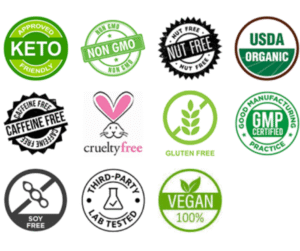
    Omega-3 fatty acids are particularly renowned for their anti-inflammatory benefits. Research indicates that these essential fatty acids may reduce the risk of chronic conditions such as heart disease and arthritis. Their diverse health advantages render them an invaluable component of a comprehensive approach to overall health.

    However, it is crucial to acknowledge that supplements can also negatively interact with the body’s systems or prescription medications. Certain herbal supplements may amplify or inhibit the effects of drugs, resulting in increased side effects or diminished efficacy. This reality emphasizes the necessity of careful consideration and consultation with healthcare professionals when incorporating supplements into a health regimen. Understanding these interactions enables individuals to make informed decisions regarding supplement use and overall health strategies.

    Evaluating the Long-term Effects of Supplement Use

    The long-term implications of dietary supplement consumption remain a significant area of research and ongoing inquiry. Consistent use of specific supplements can yield cumulative health benefits; for instance, regular consumption of multivitamins may enhance overall health and reduce the risk of chronic illnesses. Individuals with specific dietary deficiencies or health conditions may witness considerable health improvements through the judicious use of supplements over time.

    Nevertheless, it is equally important to weigh the potential downsides associated with prolonged supplementation. Excessive intake of certain nutrients can lead to toxicity, especially with fat-soluble vitamins that can accumulate in the body’s tissues. For example, consuming an excess of vitamin A can result in liver damage and various other health complications, while high doses of iron can cause severe organ damage. This reality underscores the need for individuals to monitor their supplement intake and seek guidance from healthcare professionals to avoid overconsumption of specific nutrients.

    The long-term effects of certain supplements remain less understood, particularly concerning their impact on chronic health conditions. While probiotics typically support gut health, researchers continue to investigate their long-term effects on the microbiome and overall wellness. As scientific knowledge advances, staying informed about ongoing research can empower individuals to make educated decisions regarding supplement use, promoting a balanced approach to health and nutrition.

    The Multifaceted Advantages of Dietary Supplements

    Effectively Closing Nutritional Deficiencies

    Dietary supplements play a vital role in addressing nutritional deficiencies, particularly in areas where access to a diverse range of foods is limited. Many individuals struggle to meet daily nutrient requirements through food alone due to factors such as busy lifestyles, restrictive diets, or financial constraints. Supplements present a practical solution, enabling individuals to obtain the necessary nutrients needed for optimal health.

    For instance, vitamin D deficiency is prevalent, especially in regions with insufficient sunlight exposure. When the body does not receive enough sun, it produces less of this crucial nutrient. Supplementing with vitamin D can help maintain strong bones and strengthen the immune system, preventing potential health issues related to long-term deficiency. Furthermore, iron is a nutrient that many individuals lack, particularly pregnant women and those experiencing heavy menstruation. Supplements can help prevent anemia and improve energy levels in these populations.

    Dietary supplements can be especially essential during specific life stages or circumstances, such as pregnancy, breastfeeding, or aging.

    Prenatal vitamins are specifically formulated to cater to the nutritional needs of both mother and baby during pregnancy. They contain essential nutrients like folic acid and iron, which are critical for healthy growth and development. Utilizing supplements to address these nutritional gaps is a common and trusted practice, empowering individuals to take charge of their health during crucial life phases.

    Utilizing Supplements to Manage Specific Health Issues

    Certain dietary supplements are known to assist in managing specific health conditions, providing additional tools for addressing long-term health issues and enhancing overall well-being. These supplements can complement medical treatments by supporting the body’s natural functions and improving health outcomes when utilized correctly.

    For instance, glucosamine and chondroitin are commonly employed to manage osteoarthritis, alleviating joint pain and increasing mobility. Many individuals suffering from arthritis report noticeable improvements in their symptoms with consistent use of these supplements.

    Some supplements focus on promoting heart health. For example, omega-3 fatty acids are known to help lower triglyceride levels and support cardiovascular function. Research indicates that regular consumption of omega-3s may reduce the risk of heart disease, prompting many individuals to incorporate them into their routines for proactive management of heart health.

    Additionally, supplements like magnesium have been shown to enhance nerve function and reduce the likelihood of migraines, while probiotics may aid in managing digestive disorders such as irritable bowel syndrome (IBS). These examples illustrate how dietary supplements can be strategically utilized alongside conventional medical treatments, offering patients a comprehensive approach to effectively managing their health concerns.

    However, it is essential for individuals to consult healthcare professionals before beginning any supplement regimen, particularly when addressing chronic health conditions. A personalized approach that considers individual health needs, medication interactions, and potential side effects can optimize the benefits of dietary supplements while minimizing risks.

    Enhancing Physical Performance with Dietary Supplements

    Dietary supplements aimed at boosting physical performance have gained significant popularity in recent years, particularly among athletes and fitness enthusiasts. Many individuals are eager to optimize their training results, recover more effectively, and reach their fitness goals through the strategic use of supplements. Commonly included in training regimens are supplements such as creatine, BCAAs (branched-chain amino acids), and protein powders, each serving distinct purposes in supporting physical performance. Creatine is well-regarded for its ability to enhance strength and power, while BCAAs can help reduce muscle soreness, and protein powders facilitate muscle repair and growth.

    Creatine is widely recognized for its capacity to boost strength and power, supporting muscles during short bursts of intense activity. Athletes engaged in high-intensity training often incorporate it to enhance performance. It allows muscles to generate rapid energy during quick bursts of activity, such as sprinting or weightlifting. Research has confirmed that creatine supplementation can improve athletic performance, particularly in activities requiring rapid energy output, such as sprinting or heavy lifting. This widespread acceptance within the athletic community underscores its credibility as a safe and effective tool for performance enhancement.Muscley man

    Similarly, protein powders provide a convenient means to increase protein intake, which is essential for muscle growth and recovery. Athletes frequently rely on either whey or plant-based protein powders to assist with muscle repair post-exercise, allowing them to meet their nutritional requirements without extensive meal preparation. The convenience of these supplements supports adherence to dietary goals, making them particularly appealing for individuals with busy schedules.

    Incorporating dietary supplements into a training regimen requires careful consideration. It is vital to use them purposefully and avoid relying on them blindly. Understanding individual needs, training goals, and potential interactions with other supplements or medications is crucial. Consulting with a sports nutritionist or healthcare professional can provide valuable insights, ensuring that supplement use effectively supports overall health and performance.

    Strengthening Immune System Function Through Supplements

    Dietary supplements can significantly enhance immune system strength, a focus that has gained importance, particularly during recent global health challenges. Vitamins C and D, along with zinc, are among the most extensively studied nutrients for immune health. Vitamin C is especially renowned for its ability to bolster the body’s defense mechanisms, aiding in the fight against infections, and potentially shortening the duration and severity of colds.

    Vitamin D is equally valued for its role in supporting immune function, as it helps regulate the activity of immune cells in response to threats such as viruses and bacteria. Individuals often struggle to produce sufficient vitamin D naturally, particularly in regions with limited sunlight exposure. Supplementing with vitamin D can assist in maintaining robust immune health throughout the year.

    Zinc is also critical for a well-functioning immune system. It facilitates proper cellular function and supports the proliferation of immune cells. A deficiency in zinc can compromise the body’s ability to fend off infections, making adequate intake through diet or supplements essential for maintaining overall health.

    A lack of zinc can hinder immune responses, increasing susceptibility to infections. Therefore, ensuring sufficient zinc intake through dietary sources or supplements can provide vital support for immune health.

    Incorporating immune-boosting supplements into a health regimen should be approached with careful consideration. While these nutrients can yield tangible benefits, relying solely on supplements is inadequate. A comprehensive approach, encompassing a balanced diet, regular physical activity, and adequate sleep, is essential for sustaining a strong immune system throughout the year.

    Recognizing Risks and Important Considerations in Supplementation

    Identifying Potential Side Effects of Dietary Supplements

    While dietary supplements offer numerous benefits, it is important to recognize that they are not without risks. Overuse or improper usage of supplements can result in adverse effects, occasionally leading to severe health complications. Fat-soluble vitamins such as A, D, E, and K can accumulate in the body over time; excessive intake may lead to toxic effects and serious health ramifications. Symptoms of vitamin A toxicity, for example, can include liver damage and blurred vision, highlighting the importance of adhering to recommended dosages.

    Some herbal supplements can also pose risks, particularly if they contain unregulated or contaminated ingredients. Certain weight loss supplements may feature stimulants that can increase heart rates and provoke anxiety, elevating the risk of heart-related issues. The prevalence of low-quality or contaminated products is more pronounced in regions with lax regulatory frameworks, exposing consumers to greater risks when selecting supplements.

    Individuals must be aware of their health conditions before introducing any new supplements, especially those who are pregnant, nursing, or currently on medication. Consulting with a healthcare professional can help mitigate harmful interactions and ensure that supplements are used safely and effectively, tailored to individual needs.

    Understanding Interactions Between Supplements and Prescription MedicationsSt Johns Wort

    Dietary supplements can interact with prescription medications, sometimes affecting their effectiveness or safety. Such interactions may manifest in various ways, including enhanced or reduced absorption of drugs, altered metabolism, or increased side effects. For instance, St. John’s Wort, a commonly utilized herbal remedy for depression, is known to induce liver enzymes that may decrease the efficacy of certain medications, including those prescribed for heart disease and organ transplants.

    Supplements with elevated levels of vitamin K can interfere with anticoagulant medications such as warfarin, leading to unpredictable fluctuations in coagulation levels. These interactions highlight the necessity to consult healthcare professionals prior to combining supplements with prescription drugs. It is imperative to discuss all supplements being taken, along with any underlying health conditions, to ensure safe and effective treatment plans.

    Individuals should remain alert to potential changes in their health when beginning new supplements, particularly if they encounter unusual symptoms or side effects. Proactively engaging with healthcare providers can facilitate the identification and resolution of any concerns, safeguarding one’s health while ensuring a holistic approach to wellness.

    Ensuring Quality and Safety When Choosing Supplements

    The quality and safety of dietary supplements can vary significantly, particularly in markets with less stringent regulations. Some products may contain contaminants, incorrect dosages, or undisclosed ingredients, posing substantial risks to consumers. For example, harmful heavy metals like lead or mercury may be present in poorly regulated supplements, resulting in serious health consequences with prolonged use.

    Consumers should exercise caution when selecting supplements, prioritizing reputable brands that emphasize quality and transparency. Certifications from third-party testing organizations can affirm that products meet established safety and quality standards. Conducting research on brands and thoroughly reviewing labels can empower individuals to make informed decisions regarding the supplements they incorporate into their health regimen.

    Furthermore, understanding the sourcing and formulation of supplements is vital, as various forms of the same nutrient can exhibit different levels of bioavailability and effectiveness. Certain types of magnesium, for instance, absorb more efficiently than others, which can influence how well the supplement functions within the body. An informed approach to supplement selection can significantly enhance the safety and efficacy of dietary supplements, enabling individuals to make choices that best support their health.

    Considering Long-term Health Implications of Supplement Use

    Researchers continue to investigate the long-term effects of regular dietary supplement consumption, raising important questions about their safety and efficacy over time. While some supplements may offer short-term advantages, prolonged use can sometimes lead to unintended side effects. It is crucial not to overlook these potential risks. For example, chronic consumption of high-dose calcium supplements may increase cardiovascular risk, stressing the need for caution when contemplating long-term supplementation.

    There is still a wealth of knowledge to uncover regarding the cumulative effects of various supplements on overall health. Some studies indicate that excessive intake of certain nutrients can lead to imbalances, potentially contributing to chronic conditions. This complexity emphasizes the importance of adopting a holistic approach to health, wherein dietary supplements complement a balanced diet rather than serve as substitutes.

    Individuals should routinely assess their supplementation needs and consult healthcare professionals to ensure their regimen aligns with their health objectives and lifestyle alterations. Ongoing monitoring and adjustments can help mitigate potential long-term risks, empowering individuals to make informed choices regarding their health and well-being.

    Best Practices for Selecting and Utilizing Dietary Supplements

    Evaluating Personal Health Needs and Objectives for Supplement Use

    Choosing the right dietary supplement begins with a comprehensive assessment of personal health needs and objectives. Nutritional requirements vary based on factors such as age, gender, lifestyle, and existing health conditions. For instance, athletes may require heightened protein intake, while pregnant women need increased folic acid and iron to support fetal development. Recognizing these personal needs is essential for selecting supplements that will be both effective and beneficial.

    Conducting a nutritional assessment can help pinpoint deficiencies or areas of concern. Seeking counsel from healthcare professionals, including registered dietitians or nutritionists, can provide valuable insights into specific nutrient requirements based on individual health profiles. This expert guidance ensures that supplement choices align with dietary intake, promoting a holistic approach to health and well-being.

    Individuals should also factor in any dietary restrictions or preferences when selecting supplements. For example, vegans may need to obtain vitamin B12 from non-animal sources, as it is primarily found in animal products. Those with lactose intolerance might prefer dairy-free protein powders to avoid discomfort. Choosing supplements that align with dietary habits enhances adherence and increases the likelihood of meeting health goals.

    Deciphering Labels and Ingredients for Informed Supplement Choices

    Understanding product labels and ingredient lists is vital when selecting dietary supplements. Labels provide key information regarding the contents of a supplement, including the types and amounts of active ingredients, which indicate what the product aims to deliver. Labels also highlight potential allergens and any added fillers or preservatives. Familiarizing oneself with this information enables consumers to make safe and appropriate product selections based on their needs. Educating oneself about label terminology empowers consumers to make informed choices that align with their health objectives.UK Supplement Labelling Laws

    Consumers should also seek certifications from third-party testing organizations, which indicate that an external entity has evaluated the product for quality and purity. Such certifications enhance trust when selecting supplements, assuring consumers that what’s on the label corresponds with what’s in the bottle. Understanding the source and formulation of key ingredients can also provide insights into the product’s effectiveness, as some nutrients may demonstrate higher bioavailability in certain forms, influencing their overall efficacy.

    Additionally, consumers should remain vigilant regarding potential allergens or sensitivities when reviewing labels, particularly if they have known food allergies. Labels must disclose ingredients such as gluten, soy, or shellfish, enabling individuals to avoid supplements that could trigger allergic reactions. Thoroughly reading labels and ingredient lists can facilitate safer and more effective supplement choices.

    Engaging Healthcare Professionals for Expert Guidance in Supplement Selection

    Consulting with healthcare professionals is a crucial step in the process of selecting appropriate dietary supplements. Healthcare providers, including physicians, registered dietitians, and nutritionists, can offer personalized advice based on individual health needs and dietary preferences. Their expertise helps to clarify the often confusing landscape of supplements, ensuring that chosen products align with health goals. With professional guidance, individuals are more likely to make safe and effective choices that support their long-term wellness.

    This professional guidance becomes particularly vital for individuals with pre-existing health conditions or those taking medications. Certain supplements may interact with medications, affecting their efficacy or increasing the risk of side effects. Healthcare professionals can provide insights into potential interactions and assist individuals in establishing the safest and most effective supplement regimen.

    Based on current research and best practices, professionals can recommend reputable brands, formulations, and dosages. This expert advice streamlines the supplement selection process, allowing individuals to feel more confident in their choices. Ultimately, involving healthcare professionals in decision-making enhances the likelihood of achieving desired health outcomes while minimizing potential risks.

    Assessing the Quality and Safety of Dietary Supplements

    Evaluating the quality of dietary supplements is essential to ensure that chosen products are both safe and effective. Key factors such as sourcing, manufacturing processes, and third-party testing play a significant role in determining supplement quality. It is advisable to select brands that prioritize transparency and adhere to strict manufacturing standards, as these factors directly influence the safety and efficacy of a supplement. Reputable companies should clearly list ingredients and subject their products to quality testing, ensuring that consumers receive the full value of their investment.

    One strategy for assessing quality is to look for certifications from third-party testing organizations that verify supplements for purity and potency. These certifications provide assurance that the product meets safety standards and contains the ingredients specified on the label. Brands that prioritize quality control measures demonstrate a commitment to consumer safety and satisfaction.

    Moreover, understanding the sourcing of key ingredients can offer insights into their quality. For example, fish oil supplements should originate from reputable sources, as trustworthy fisheries and thorough testing help ensure that the product is clean and safe for consumption. Regular testing for contaminants, such as heavy metals, is essential to guarantee the long-term safety of these supplements. Without proper quality control, harmful substances may accumulate in the body over time. It is also important to consider the formulation of supplements, as different forms of the same nutrients may exhibit varying levels of bioavailability and effectiveness. Taking the time to evaluate supplement quality can lead to more informed choices and improved health outcomes.

    Balancing Cost and Value in Supplement Choices

    Cost and value are significant considerations in the decision-making process when selecting dietary supplements. Supplements differ widely in price, so ensuring that investments align with health needs and budget is essential. While opting for the cheapest option may seem attractive, focusing on quality and effectiveness should remain a top priority.

    Consumers should assess the value of a supplement by evaluating the cost relative to the quality of ingredients, dosage, and potential benefits. A higher-priced supplement may provide superior quality or efficacy, making it a worthwhile investment in health and well-being. Conversely, some lower-priced options may lack quality, leading to ineffective results or safety concerns.

    Finding a balance between cost and value often necessitates thorough research and product comparisons from reputable brands. Evaluating customer reviews and seeking recommendations from healthcare professionals can provide valuable insights into the worth of specific supplements. Ultimately, making informed decisions based on cost and quality considerations can lead to more effective and satisfying supplement experiences.

    Best Practices for Effective Supplement Use

    Understanding Dosage and Timing for Optimal Supplement Benefits

    Comprehending the appropriate dosage and timing of dietary supplements is vital for maximizing their benefits while minimizing potential risks. Each supplement has recommended dosages based on factors such as age, gender, and specific health needs. Adhering to these guidelines is crucial, as exceeding recommended amounts can lead to adverse effects or toxicity, particularly with vitamins and minerals that may accumulate in the body.

    Alongside dosage, timing can greatly influence the effectiveness of supplements.

    Certain nutrients are more effectively absorbed when taken with food. Fat-soluble vitamins, such as A, D, E, and K, require dietary fats from meals for optimal absorption. Conversely, some probiotics work best when taken on an empty stomach, allowing them to survive stomach acid and reach the intestines, where they can exert their beneficial effects.

    This helps them survive stomach acid and reach the intestines, where they can do their job.

    Establishing a consistent schedule for taking supplements can also enhance adherence and effectiveness. Creating a routine can aid individuals in remembering to integrate them into their daily lives. Therefore, timing supplement intake with meals, such as breakfast, lunch, or dinner, can serve as a helpful reminder. Monitoring personal responses to supplements can guide adjustments to timing and dosage, ensuring optimal health benefits over time.

    Complementing a Balanced Diet with Supplements

    Fruit for healthDietary supplements are designed to enhance, not replace, a balanced diet rich in whole foods. While supplements can provide essential nutrients to fill dietary gaps, they cannot replicate the complex blend of vitamins, minerals, and phytochemicals found in natural food sources. A diverse and varied diet is crucial to ensure that individuals receive a comprehensive range of nutrients necessary for optimal health.

    To maximize the benefits of both supplements and dietary intake, individuals should adopt a holistic approach to nutrition. This strategy emphasizes consuming whole, minimally processed foods that offer a rich source of nutrients. Fruits, vegetables, whole grains, lean proteins, and healthy fats should form the foundation of a well-rounded diet. Supplements can then be strategically employed to address deficiencies or support health goals.

    Understanding the synergistic effects of certain nutrients can further enhance overall health. For instance, pairing vitamin D with calcium can improve bone health, while vitamin C and iron-rich foods can enhance iron absorption. Combining dietary supplements with thoughtful dietary choices can lead to more effective health outcomes and improved overall well-being.

    Regularly Monitoring and Adjusting Supplement Use for Optimal Results

    Consistently evaluating the impact of dietary supplements on health is essential for optimizing their effectiveness. Individuals should monitor their responses to supplements, taking note of any changes in health or well-being. Keeping a journal or log of experiences can help identify trends and ascertain whether specific supplements are beneficial or necessary.

    Additionally, periodic consultations with healthcare professionals can provide valuable insights and guidance regarding supplement use. Regular check-ins can help individuals determine whether their supplement regimen aligns with evolving health needs, goals, and lifestyle changes. This proactive approach allows for timely adjustments, ensuring that supplements continue to effectively support overall health and well-being.

    Remaining open to the possibility of modifying or discontinuing supplements if side effects occur is vital. Not every product suits everyone, and individual needs may change over time. Paying attention to how the body responds can help detect issues early. Staying informed about new research also supports smarter choices. By adjusting supplement routines with guidance from healthcare professionals, individuals can enhance results while maintaining balanced nutrition and optimal health.

    Common Inquiries Regarding Dietary Supplements

    What exactly are dietary supplements?

    Dietary supplements are designed to enhance one’s diet by providing nutrients that may be lacking. They often contain vitamins, minerals, herbs, or amino acids. These products assist in filling nutritional gaps and can contribute to maintaining overall health when used appropriately.

    How do dietary supplements function within the body?

    Dietary supplements deliver essential nutrients that the body may lack due to dietary deficiencies, enhance physiological functions, and support health conditions through absorption and bioavailability.

    Are dietary supplements safe for everyone to use?

    While many dietary supplements are generally safe for most individuals, they may pose risks for certain populations, particularly those with specific health conditions or those taking medications. Consulting healthcare professionals is advisable.

    How can I select the most suitable dietary supplement for my needs?

    Choosing the appropriate dietary supplement involves assessing personal health needs,

    reading labels for quality and ingredients, consulting healthcare professionals, and considering factors such as dosage and

    timing.

    Can dietary supplements interact with prescription medications?

    Yes, dietary supplements can interact with prescription medications, potentially affecting their efficacy or safety. Discussing all supplements with healthcare providers is crucial to avoid possible interactions.

    What are some common dietary supplements available?

    Common dietary supplements encompass vitamins (such as vitamins C and D), minerals (like calcium and iron), herbal supplements (such as echinacea), and specialized supplements (such as probiotics and omega-3 fatty acids).

    What is the proper way to take dietary supplements?

    Adhere to the recommended dose and timing for dietary supplements to ensure proper absorption. Follow instructions and take with food when advised. Many supplements absorb best when taken with meals or as directed on the label. Consistency is critical for achieving the desired health benefits.

    Is it necessary to take supplements if I maintain a balanced diet?

    A balanced diet can provide most nutrients, but supplements may be necessary for individuals with specific dietary restrictions, health conditions, or those at certain life stages requiring additional nutrients.

    What risks are associated with dietary supplement usage?

    Taking dietary supplements may entail risks, including potential side effects, interactions with medications, and quality concerns. It is essential to choose reputable brands and consult with healthcare professionals.

    Can dietary supplements enhance athletic performance?

    When used appropriately, certain dietary supplements, such as creatine and protein powders, can improve athletic performance by supporting muscle growth, recovery, and overall physical endurance.

    Connect with us on Facebook!

    The Article: What are Dietary Supplements and How They Work appeared first on https://janestevensnutrition.com

    The Article Dietary Supplements: Understanding Their Function and Benefits Was Found On https://limitsofstrategy.com

  • Intermittent Fasting by Age

    Intermittent Fasting by Age

    Intermittent fasting is a trendy health fad with several advantages, including weight reduction, enhanced mental clarity, and higher energy levels. While intermittent fasting is usually regarded as safe for healthy adults, there are some things to think about before starting this eating plan for children.

    Children

    While there is no conclusive answer on whether children should practice intermittent fasting, the general agreement is that children should not limit their food intake in any manner. Growing bodies need a consistent supply of nutrients, which intermittent fasting may disrupt.

    Fasting, for example, is a physical and spiritual discipline important to the Islamic religion. Fasting is commonly practiced during the month of Ramadan when Muslims refrain from eating and drinking from sunrise until dark. As a result, it is intermittent fasting, although it is only practiced for one month every year. Children under the age of 14 are not obliged to fast, although there is no legislation requiring them to do so. Many people opt to partake in this activity as a method of preparing for maturity in this scenario (1). However, the National Health Service in the United Kingdom warns that fasting is not safe for children under the age of eight (2). Ramadan traditionally begins in the final week of April and lasts for a month. Given that the fast is broken at sunset, which is about 8.45 p.m. to 9.30 p.m. (in the UK) at that time of year, it is reasonable to assume that most youngsters would be in bed by that time (3).

    We have determined that fasting is not advisable for pre-pubescent children. Girls, in particular, begin to have periods when they reach puberty. While the odd day of intermittent fasting has little effect on the menstrual cycle, excessive calorie restriction may interrupt and even cause periods to halt (4). While many females may embrace this, it is not ideal since it might have an impact on fertility. However, many adolescent girls and women experience discomfort, cramps, headaches, mood changes, and sadness before and during their period. It has been discovered that intermittent fasting may help alleviate these symptoms (5). With so much contradicting advice, it’s usually advisable to see a doctor. However, if intermittent fasting relieves the unpleasant symptoms of menstruation and the kid consumes lots of good, nutritional food, the doctor may think it is preferable to medicine.

    Another factor to consider is that children under the age of fourteen are fast-growing and developing. Most youngsters are always on the go, playing, running, and exploring their surroundings. They need a wide variety of healthful meals and nutrients to thrive and develop. However, they also need an appropriate supply of that food (6). When done appropriately, intermittent fasting may contain adequate food. However, since the amount of time you have to eat is limited, the youngster may consume less food. This might have a negative impact on their growth and development. Furthermore, fasting may impair physical performance in youngsters, causing them to run slower, leap lower, and have less energy overall while exercising (7).

    Unfortunately, slightly under 20% of children between the ages of two and nineteen globally are fat. During the Covid epidemic, this percentage increased to a little over 22%. (8). Intermittent fasting has been demonstrated to be an effective approach for youngsters to lose weight (9). However, its safety has not been established. For youngsters who want to lose weight via intermittent fasting, it is important to err on the side of caution and obtain competent medical guidance (10).

    healthy food

    Adult women

    Women of childbearing age have special dietary requirements whether pregnant or lactating. Aside from the increased caloric requirements of pregnancy, pregnant women must also maintain a greater level of blood sugar to support the growing baby (11). Breastfeeding mothers have higher energy requirements owing to the demands of milk production.

    While some intermittent fasting strategies allow for little snacks or meals during fasting periods, pregnant and lactating women should avoid fasting entirely (12). Instead, they should concentrate on eating a healthy diet rich in whole grains, fruits, vegetables, and lean protein. They may guarantee that their bodies receive the nutrients they need for a healthy pregnancy and a good nursing experience by doing so.

    Older adults

    While there are several advantages to intermittent fasting, there is one category of individuals who should proceed with caution: elderly folks. Every year, the number of individuals over the age of 60 grows, and with it, the attention on how to maintain this demographic healthy and active intensifies. Intermittent fasting has been shown to provide considerable health advantages for this demographic group, including lowering the risk of dementia (13), as well as decreasing the aging process. It may also reduce inflammation, which can contribute to cancer and cardiovascular disease (14). There are, however, certain possible hazards to be aware of.

    Bone density decreases year after year beyond the age of fifty (15). One of the most serious concerns with intermittent fasting is that it may aggravate this and may lead to weaker bones (16). This may increase the likelihood of falls and the hazards connected with them. Broken bones and possibly death are among the dangers (17).

    Another problem for this age group is that intermittent fasting might induce a dip in blood sugar levels owing to a lack of food intake for hours on end (18). This may cause dizziness, which can make elderly people more prone to falling.

    Intermittent fasting is an excellent technique for healthy folks to enhance their health and reduce weight. However, as previously said, both younger and older segments of the population must carefully assess the hazards involved. There are advantages and disadvantages for various age groups, therefore it is recommended to consult with a medical practitioner and, if required, experiment with intermittent fasting under their supervision.


    References

    1. Ramadan fast: Should children give up food and water? https://www.bbc.co.uk/news/world-europe-44107950
    2. Ramadan a guide to healthy fasting https://www.elft.nhs.uk/sites/default/files/Ramadan%20Guide%20to%20Healthy%20Fasting.pdf
    3. Sunrise Time, Sunset Time May 2022 https://www.suntoday.org/sunrise-sunset/2022/may.html
    4. Does Ramadan fasting has any effects on menstrual cycles? https://www.ncbi.nlm.nih.gov/pmc/articles/PMC3941357/
    5. Cardiovascular response to short-term fasting in menstrual phases in young women: an observational study https://link.springer.com/article/10.1186/s12905-015-0224-z
    6. Nutrition in Middle Childhood and Adolescence https://www.ncbi.nlm.nih.gov/books/NBK525242/
    7. Critical analysis of the published literature about the effects of Ramadan intermittent fasting on healthy children’s physical capacities https://www.tandfonline.com/doi/pdf/10.3402/ljm.v10.28351
    8. State of childhood obesity https://stateofchildhoodobesity.org/data/
    9. Fast track to health-Intermittent energy restriction in adolescents with obesity. A randomised controlled trial study protocol https://researchmgt.monash.edu/ws/portalfiles/portal/304815697/294117503_oa.pdf
    10. Efficacy of very low-energy diet programs for weight loss: A systematic review with meta-analysis of intervention studies in children and adolescents with obesity https://onlinelibrary.wiley.com/doi/abs/10.1111/obr.12830
    11. Eating right during pregnancy https://medlineplus.gov/ency/patientinstructions/000584.htm
    12. Fasting in pregnancy https://www.tommys.org/pregnancy-information/im-pregnant/nutrition-in-pregnancy/fasting-pregnancy
    13. The neuroprotective effects of intermittent fasting on brain aging and neurodegenerative diseases via regulating mitochondrial function https://www.sciencedirect.com/science/article/abs/pii/S0891584922000740
    14. Anti-Senescence Therapy https://www.intechopen.com/online-first/80326
    15. Osteoporosis: What You Need to Know as You Age https://www.hopkinsmedicine.org/health/conditions-and-diseases/osteoporosis/osteoporosis-what-you-need-to-know-as-you-age
    16. The effects of calorie restriction, intermittent fasting and vegetarian diets on bone health https://link.springer.com/article/10.1007/s40520-019-01174-x


    The post Intermittent Fasting by Age appeared first on https://gqcentral.co.uk