Category: Nutrition Tips

  • Top Recommendations for Tested Electrolyte Powders

    Top Recommendations for Tested Electrolyte Powders

    The Comprehensive Guide to Selecting the Ideal Electrolyte Powders for Optimal Hydration

    What Are Electrolyte Powders and How Do They Benefit Your Body?

    Electrolyte powders are specialized dietary supplements that provide a concentrated source of essential minerals and salts lost through sweat during physical activity and various bodily functions. These powders are highly sought after among athletes, fitness enthusiasts, and anyone engaging in strenuous activities, as they offer a convenient and effective means to maintain electrolyte balance. Common electrolytes that you can find in these formulations include:

    • Sodium – Essential for maintaining fluid balance and supporting nerve function.
    • Potassium – Key for muscle contractions and supporting heart health.
    • Magnesium – Important for muscle function and energy production.
    • Calcium – Crucial for bone strength and effective muscle contractions.
    • Chloride – Aids in maintaining fluid balance and supports digestive health.
    • Bicarbonate – Plays a vital role in regulating the body’s pH levels.

    These powders are designed for easy dissolution in water, making them convenient for consumption during or after strenuous physical exertion. They come in a range of flavors and formulations to accommodate various tastes and dietary requirements.

    Discover the Numerous Benefits of Adding Electrolyte Powders to Your Routine

    Incorporating electrolyte powders into your daily routine can yield a myriad of benefits, particularly for those who partake in prolonged physical activities or reside in hot climates. One of the most significant advantages is their ability to boost hydration. Once ingested, these powders swiftly replenish lost fluids and essential minerals, thereby ensuring optimal cellular functionality. This aspect is critical during endurance events like marathon running or cycling, where excessive sweating can lead to dangerous mineral imbalances.

    Additionally, electrolyte powders are instrumental in enhancing muscle function, which is vital for achieving peak athletic performance. Sufficient levels of electrolytes, particularly sodium and potassium, are necessary for effective muscle contractions, and deficiencies can lead to fatigue or cramps. The combination of improved hydration and mineral replenishment from these supplements can enhance athletic performance and speed up recovery times after engaging in sports, especially for athletes training in extreme conditions or participating in events requiring prolonged effort.

    How to Find the Right Electrolyte Powder Tailored to Your Specific Needs

    Choosing the perfect electrolyte powder involves evaluating various personal factors, including the type of activity you engage in, any dietary restrictions, and your taste preferences. Begin by assessing your unique requirements; for instance, if you are an endurance athlete, select powders that offer a balanced mix of sodium, potassium, and carbohydrates to optimize your performance. It is also essential to consider dietary restrictions, such as avoiding artificial sweeteners or allergens.

    Your flavor preferences will significantly impact your ability to use the product consistently. Opting for a powder that you enjoy will encourage regular consumption. Additionally, look for products that include added vitamins or natural ingredients, such as coconut water, to enhance hydration benefits. Understanding the appropriate balance of electrolytes is critical; excessive amounts of one can lead to adverse effects. Always scrutinize the ingredient list for any additives, ensuring that the product aligns with your health objectives and dietary preferences.

    When Is the Optimal Time to Use Electrolyte Powders for Maximum Benefit?

    The timing of your electrolyte powder intake can significantly influence your hydration and performance. These powders are particularly advantageous during or after intense exercise, especially for activities lasting longer than one hour or in hot conditions. For athletes, consuming electrolyte powders during workouts can help sustain energy levels and prevent dehydration, especially during endurance events like triathlons or challenging hikes.

    Moreover, electrolyte powders are beneficial in everyday situations where dehydration might occur, like during hot weather or when experiencing illnesses that result in fluid loss. Symptoms of dehydration, including fatigue, muscle cramps, or dizziness, indicate a need for replenishment. Keeping a supply of electrolyte powder handy is prudent, ensuring quick access during outdoor activities, sporting events, or busy days to maintain hydration and electrolyte balance.

    What Are the Potential Risks and Precautions When Using Electrolyte Powders?

    While electrolyte powders are generally safe for most individuals, excessive consumption can lead to imbalances that may create health risks. Overindulgence, particularly of sodium, can result in hypernatremia, causing elevated blood pressure and other health complications. Those with kidney issues or individuals on sodium-restricted diets should exercise caution and consult healthcare professionals before incorporating these supplements into their routines.

    It is also essential to understand that not all electrolyte powders are equally formulated. Some may contain high levels of sugars or artificial additives, which can complicate dietary objectives. Monitoring how your body reacts to these powders is vital, as reactions may vary among individuals. Adhering to recommended dosages and being mindful of overall dietary intake can help mitigate potential side effects.

    In-Depth Reviews of the Most Effective Electrolyte Powders Evaluated

    What Features Indicate a High-Quality Electrolyte Powder?

    A glass of water with blue electrolyte powder dissolving, surrounded by labeled jars of sodium, potassium, and magnesium, with an athlete in the background.

    A superior electrolyte powder features a carefully balanced blend of essential minerals, including sodium, potassium, and magnesium, formulated in ratios that support optimal hydration and muscle function. The product should dissolve effortlessly, ensuring rapid absorption into the bloodstream, which is crucial during high-intensity physical activities. When evaluating the effectiveness of an electrolyte powder, consider the following actionable criteria:

    1. Ingredient Transparency: Seek products with clear labeling that specifies the exact amounts of each electrolyte.

    2. Taste Test: Opt for flavorful powders that encourage regular use.

    3. Mixability: An effective powder should mix smoothly in water without clumping.

    4. Added Benefits: Consider products that include vitamins or natural components for additional health advantages.

    5. Third-party Testing: Choose brands that undergo third-party testing, confirming the quality and effectiveness of their products.

    By applying these evaluation criteria, you can identify an electrolyte powder that effectively meets your hydration and performance requirements.

    How Do Professionals Evaluate and Rate Electrolyte Powders?

    Experts in sports nutrition and hydration often assess electrolyte powders based on critical factors, including their ingredient profile, flavor, solubility, and overall effectiveness. A comprehensive electrolyte powder typically features a complete range of essential minerals, minimal artificial additives, and a flavor that consumers find appealing.

    Alongside ingredient quality, experts underscore the importance of third-party testing and certifications. These validations confirm that the product adheres to strict safety and efficacy standards. Hydration performance during and after exercise is another crucial metric employed by professionals.

    Ratings frequently stem from empirical studies or athlete testimonials, offering insights into real-world applications. By synthesizing these evaluations, athletes and consumers can make informed decisions regarding which electrolyte powders best meet their needs.

    What Emerging Trends Are Shaping the Electrolyte Powder Market?

    The electrolyte powder market is constantly evolving, reflecting broader health and wellness trends. Recent innovations have included the addition of functional ingredients, such as adaptogens, which help the body manage stress, and probiotics that enhance digestive health. There is a notable surge in demand for natural and organic formulations as consumers become more health-conscious and discerning about their ingredient choices.

    Another growing trend is the rise of plant-based electrolyte powders, catering to vegan and vegetarian lifestyles. These products often utilize natural sources of electrolytes, such as coconut water and beetroot powder, providing not only hydration but also added health benefits. Furthermore, many brands are focusing on developing sugar-free options or those sweetened with natural alternatives like stevia or monk fruit, appealing to those monitoring their sugar intake.

    Innovation also extends to packaging and convenience, with single-serving packets and on-the-go options gaining popularity among athletes and busy individuals. These trends highlight the increasing importance of hydration in overall health and performance, as consumers seek products that align with their values and lifestyles.

    Which Electrolyte Powders Do Experts Recommend?

    Experts frequently endorse electrolyte powders that have undergone extensive testing and are known for their balanced formulations of electrolytes, alongside added health benefits. Popular recommendations typically include products that achieve high customer satisfaction ratings and are supported by a robust scientific foundation. Leading brands in the market have built a reputation for quality and effectiveness, providing transparency in their ingredient sourcing and formulation processes.

    For instance, powders that combine a variety of electrolytes with performance-enhancing ingredients like B vitamins or amino acids receive high praise from professionals. These additional components can aid in energy production and muscle recovery, making the product even more advantageous for athletes. Moreover, brands that offer customizable electrolyte solutions, allowing users to tailor their intake based on personal needs, are gaining traction as personalization becomes a vital trend in nutrition.

    By focusing on products with proven efficacy and expert endorsements, consumers can confidently choose the best electrolyte powders to enhance their athletic performance and overall health.

    How Can You Effectively Choose the Right Electrolyte Powder for Your Individual Needs?

    Choosing the most appropriate electrolyte powder necessitates a comprehensive evaluation of your unique hydration needs, activity intensity, and dietary restrictions. Begin by examining your usual workout routine. For high-intensity activities or extended endurance sports, select powders that offer a higher concentration of sodium and carbohydrates to sustain energy levels. Conversely, if your activity level is moderate or you need hydration for daily tasks, a balanced formulation with lower sugar content may suffice.

    Also, consider dietary restrictions; if you avoid gluten, lactose, or artificial ingredients, make sure the product you choose aligns with these preferences. Flavor is crucial for long-term adherence; selecting a powder you enjoy will promote consistent use.

    Additionally, look for electrolyte powders that provide versatility in use. Some powders are designed for specific situations, while others deliver general hydration benefits. By considering these factors—activity level, dietary requirements, flavor preferences, and product flexibility—you can select the electrolyte powder that best meets your lifestyle and hydration objectives.

    Understanding the Biological Mechanisms of Electrolyte Powders

    What Occurs in Your Body When You Consume Electrolyte Powders?

    Upon ingestion, electrolyte powders dissolve in water and are rapidly absorbed into the bloodstream. This absorption helps restore the electrolyte balance that may have been disrupted during physical activity or exposure to high temperatures. As electrolytes circulate throughout the body, they facilitate critical functions, such as muscle contractions, nerve signal transmission, and fluid balance maintenance.

    Once ingested, the body’s cells absorb these electrolytes through their membranes, leading to the immediate replenishment of lost minerals. This rapid absorption is vital during intense workouts or prolonged activities, where dehydration risks increase. Restoring electrolyte balance enhances overall performance, significantly reducing the likelihood of muscle cramps or fatigue that can hinder athletic pursuits.

    Additionally, the osmolarity of the solution affects the efficiency of electrolyte absorption. A well-formulated electrolyte powder maintains an ideal balance of electrolytes and carbohydrates, ensuring swift and effective hydration. Thus, the timing and composition of these powders can profoundly impact hydration status and athletic performance.

    The Essential Role of Electrolytes in Supporting Bodily Functions

    Electrolytes perform numerous critical functions within the body, making them indispensable for overall health and athletic performance. They help maintain fluid balance, ensuring that the body’s cells remain sufficiently hydrated. An imbalance in electrolyte levels can lead to either dehydration or overhydration, both of which can result in serious health complications.

    Electrolytes like sodium and potassium are crucial for transmitting nerve impulses, facilitating muscle contractions, and ensuring proper muscle coordination. This ability to contract and relax effectively is vital during any physical activity, from casual walking to high-intensity sports. Calcium also plays a significant role in muscle function, particularly during contractions.

    Moreover, electrolytes are fundamental in maintaining pH levels and overall homeostasis within the body. They help regulate blood pressure and support cardiovascular health, contributing to a well-functioning system capable of withstanding physical stress. Essentially, electrolytes are not just dietary supplements; they are vital components for life and optimal performance.

    Key Insights on the Absorption and Bioavailability of Electrolyte Powders

    The absorption and bioavailability of electrolyte powders can vary greatly based on their formulation and the presence of other nutrients. Factors such as the type of carbohydrates used and the overall composition of the powder affect how effectively the body utilizes these supplements. For example, simple sugars can enhance electrolyte absorption in the intestines, promoting faster replenishment during vigorous activities.

    Your digestive system also plays a crucial role in absorption. Some individuals may have sensitivities or conditions that affect nutrient uptake, thus impacting the effectiveness of the electrolyte powder. Products specifically designed for improved solubility often demonstrate superior bioavailability, allowing the body to access the necessary electrolytes promptly.

    Additionally, the timing of consumption can influence absorption rates. Taking electrolyte powders just before or during physical exertion can yield better hydration and performance results than consuming them afterward. Understanding these dynamics can assist you in selecting the most effective electrolyte powder tailored to your unique needs.

    Identifying the Various Electrolytes Present in Powders

    Electrolyte powders typically contain a diverse range of essential electrolytes, each serving a unique purpose in maintaining bodily functions and supporting hydration and optimal performance. The most commonly found electrolytes in these powders include:

    • Sodium – Critical for maintaining fluid balance, muscle contractions, and nerve function.
    • Potassium – Essential for sustaining heart health and facilitating muscle contractions.
    • Magnesium – Supports energy production, muscle function, and the nervous system.
    • Calcium – Vital for bone health and the processes of muscle contraction.

    Each of these electrolytes contributes to overall health and performance, particularly for athletes and individuals involved in demanding activities. For instance, sodium and potassium work together to maintain hydration levels, while magnesium helps prevent muscle cramps and aids in energy metabolism. By understanding the composition of electrolyte powders and the functions of each mineral, consumers can make informed choices about which products best meet their hydration needs and physical activities.

    Research-Backed Evidence Confirming the Benefits of Leading Electrolyte Powders

    What Does Current Scientific Research Reveal About Electrolyte Powders?

    Scientific studies consistently show that electrolyte powders can significantly improve hydration, enhance endurance, and reduce the risk of muscle cramps during physical activity. Research indicates that well-formulated electrolyte powders lead to superior athletic performance, especially during extended exertion. Key findings from various studies include:

    • Electrolyte supplementation can elevate hydration levels, crucial for maintaining performance in endurance sports.
    • Research indicates that sufficient electrolyte intake can decrease the occurrence of exercise-associated muscle cramps.
    • Electrolyte powders can accelerate recovery times by replenishing lost nutrients after exercise.
    • Maintaining proper electrolyte balance can enhance cardiovascular function, thereby improving overall endurance during physical activities.

    These research insights underscore the tangible advantages of utilizing electrolyte powders, especially for athletes and individuals engaging in physically demanding activities. By integrating these supplements into their routines, users can ensure they maintain optimal hydration and performance levels.

    How Do Electrolyte Powders Influence Athletic Performance?

    Electrolyte powders play a crucial role in sustaining optimal hydration levels, which are essential for maintaining performance during physical activity. When adequately hydrated, the body can effectively regulate temperature, transport nutrients, and eliminate waste products, all contributing to improved endurance and overall performance.

    Replenishing electrolytes helps avert dehydration-related fatigue, allowing athletes to perform at their peak over extended periods. Studies illustrate that consuming electrolyte-rich beverages or powders during prolonged exercise can lead to enhanced endurance outcomes, enabling athletes to extend their limits without succumbing to fatigue. Furthermore, a well-hydrated body can recover more quickly post-exercise, facilitating muscle repair and reducing soreness.

    Overall, strategically using electrolyte powders can yield significant improvements in performance metrics, establishing them as invaluable tools for athletes aiming to optimize their training and competitive results.

    Are There Any Associated Risks When Using Electrolyte Powders?

    While electrolyte powders are generally safe for consumption, excessive intake can lead to mineral imbalances that may pose health risks. Conditions such as hypernatremia (high sodium levels) or hypokalemia (low potassium levels) can arise from overuse of these supplements, emphasizing the importance of adhering to recommended dosages.

    Individuals with pre-existing health conditions, particularly those affecting kidney function or blood pressure regulation, should consult healthcare providers before incorporating electrolyte powders into their diets. It is also advisable to monitor your body’s responses to these products, as some individuals may experience gastrointestinal discomfort or sensitivity to specific ingredients.

    By understanding potential side effects and taking appropriate precautions, users can enjoy the benefits of electrolyte powders while minimizing any associated risks.

    Effective Methods for Selecting the Most Suitable Electrolyte Powders

    How Can You Seamlessly Incorporate Electrolyte Powders Into Your Daily Routine?

    Integrating electrolyte powders into your routine can be a simple process that significantly enhances your hydration strategy. Begin by mixing the powder with water before, during, or after physical activity to ensure you stay hydrated throughout your workouts. It can also be beneficial to consume electrolyte drinks during long-distance hikes or sports events held in hot environments, where the risk of dehydration is heightened.

    Moreover, electrolyte powders can be conveniently added to smoothies or other beverages, expanding your options for consumption. This can be particularly effective as part of a post-workout recovery strategy, where combining protein with electrolytes can optimize muscle repair and hydration. Pay attention to your body’s hydration needs and adjust your intake of electrolyte powders accordingly, adapting to varying activity levels and environmental conditions.

    Experts suggest consuming these powders in moderation, aligned with your specific exercise needs, to maximize their benefits. Staying attuned to your body’s reactions will further enhance your hydration strategy.

    What Best Practices Should You Follow When Using Electrolyte Powders?

    To fully leverage the benefits of electrolyte powders, follow best practices that ensure effective usage. Start with the recommended dosage indicated on the product packaging, as exceeding these guidelines can lead to imbalances. Tailor your choice of powder to suit your activity level; athletes engaged in high-intensity sessions may require higher sodium levels, while those participating in lighter activities might prefer a balanced formulation.

    Monitoring your body’s reactions to these powders is essential. If you experience any adverse effects, such as gastrointestinal discomfort or cramping, reconsider your usage or consult a healthcare professional. It is equally crucial to prioritize hydration with plain water alongside your electrolyte intake, as this combination supports overall fluid balance.

    Lastly, maintaining a consistent routine by integrating electrolyte powders into your regular hydration practices, particularly during increased activity or hot weather, is vital. By adhering to these best practices, you can effectively optimize hydration and performance.

    How Should You Properly Store and Maintain Electrolyte Powders?

    Proper storage and maintenance of electrolyte powders are crucial for preserving their effectiveness. Store these powders in a cool, dry place, protected from direct sunlight and moisture, as exposure can compromise product quality. Ensure that containers are securely sealed to prevent humidity from affecting the powder.

    Regularly check the expiration dates on your electrolyte powder packaging to avoid consuming products that are past their prime, as effectiveness diminishes over time. Keeping a clean and organized storage area will also help you manage your supplies effectively, ensuring you have access to high-quality products when needed.

    By following these storage guidelines, you can maintain the potency and effectiveness of your electrolyte powders, ultimately supporting your hydration and performance goals.

    Comparative Analysis of Leading Electrolyte Powders

    What Are the Key Differences Between Various Electrolyte Powders?

    The market for electrolyte powders is diverse, characterized by significant variations that can influence consumer choices. Ingredient profiles are among the most notable differences. Some powders focus on a balanced combination of electrolytes and carbohydrates, while others prioritize natural ingredients or cater to specific dietary requirements, such as vegan formulations.

    Flavor options also vary considerably, impacting user compliance. Consumers often gravitate toward powders with familiar or enjoyable flavors, as taste plays a significant role in the likelihood of regular use. Additionally, some products may incorporate functional ingredients, such as vitamins or adaptogens, to enhance their overall health benefits.

    Intended uses further differentiate electrolyte powders; while certain products are tailored for intense workouts or endurance sports, others are designed for daily hydration needs. Understanding these distinctions is vital for selecting the right powder that aligns with your specific hydration objectives and lifestyle.

    How Do Leading Brands Compare Against One Another?

    Leading brands in the electrolyte powder market often exhibit distinct differences in formulations and overall efficacy. Top brands are recognized for their commitment to quality, employing scientifically backed ingredient combinations that ensure optimal hydration and performance outcomes. Some brands emphasize natural ingredients to cater to the rising consumer demand for clean, organic options, while others focus on high-performance blends that incorporate additional functional elements.

    When evaluating brands, consider factors such as ingredient transparency, customer reviews, and performance metrics. Brands that provide third-party testing results often inspire greater confidence in their efficacy and safety. In addition, assessing taste, solubility, and overall consumer satisfaction can help identify which products excel in the marketplace.

    By considering these factors, consumers can make informed decisions about which electrolyte powders best suit their needs, ensuring they select high-quality options that align with their hydration and performance objectives.

    What Factors Do Consumers Prioritize When Choosing Electrolyte Powders?

    Consumer preferences for electrolyte powders are varied and influenced by numerous factors. Flavor often emerges as a primary consideration, with many prioritizing enjoyable taste to ensure consistent consumption. Preferences can also differ significantly based on dietary restrictions, with some consumers favoring sugar-free or plant-based options.

    Convenience plays a crucial role in consumer choices; products available in single-serve packets or those that mix easily in water are often preferred, especially among on-the-go athletes. Effectiveness is another critical factor, as users seek powders that yield noticeable improvements in hydration and performance.

    Pricing also shapes consumer decisions, as individuals often weigh the cost against perceived value and benefits. By understanding these preferences, brands can tailor their products to meet the specific needs of their consumers, ultimately enhancing customer satisfaction and loyalty.

    What Health Benefits Are Linked to the Use of Electrolyte Powders?

    Electrolyte powders offer a multitude of health benefits that extend beyond basic hydration. They are essential for supporting muscle function, ensuring that athletes can perform at their best without the risk of cramps or fatigue. Maintaining proper electrolyte balance is crucial for effective muscle contractions and recovery, as these minerals are vital for energy production and cellular processes.

    Furthermore, electrolyte powders help maintain fluid balance, regulating blood pressure and promoting cardiovascular health. This is particularly important during intense physical activities, where the body experiences considerable stress.

    Moreover, electrolyte supplementation can facilitate quicker recovery times after exercise, enabling athletes to recuperate more swiftly and prepare for subsequent training sessions. By incorporating electrolyte powders into their routines, individuals can enhance their overall health and performance, making them a valuable addition to any active lifestyle.

    In What Ways Do Electrolyte Powders Affect Athletic Performance?

    Electrolyte powders can significantly influence athletic performance by replenishing essential minerals lost through sweat during exercise. This replenishment is vital for maintaining hydration levels, which directly affects endurance and overall performance. Adequate hydration supports thermoregulation, reducing the risk of heat-related complications and allowing athletes to sustain optimal effort throughout their activities.

    Moreover, electrolytes such as sodium and potassium are critical for preventing muscle cramps that can disrupt performance. By maintaining optimal mineral levels, athletes can enhance their endurance and delay the onset of fatigue, enabling them to push their limits further.

    Recovery is another essential aspect of performance, as balanced electrolyte intake can expedite muscle repair and diminish soreness. This ensures that athletes remain prepared for future training sessions or competitions. Whether engaged in triathlons, long-distance running, or intense workouts, electrolyte powders play a crucial role in optimizing performance and recovery.

    Frequently Asked Questions (FAQs) About Electrolyte Powders

    What Are the Main Functions of Electrolyte Powders?

    Electrolyte powders are employed to replenish vital minerals lost during exercise, ensuring optimal hydration and muscle function, particularly during intense physical activity or in warm conditions.

    How Frequently Should I Use Electrolyte Powders?

    The frequency of electrolyte powder consumption depends on your physical activity level. For rigorous exercise sessions, consider using them during and after workouts. Casual users may take them as needed, based on their hydration status.

    Can I Mix Electrolyte Powders with Other Drinks?

    Yes, electrolyte powders can be combined with water, smoothies, or other beverages, allowing flexibility in consumption and enhancing overall hydration strategies.

    Are Electrolyte Powders Safe for Everyone?

    While generally safe, individuals with specific health conditions, such as kidney problems or hypertension, should consult healthcare providers before using electrolyte powders.

    Do Electrolyte Powders Contribute to Weight Loss?

    Electrolyte powders do not directly promote weight loss, but they support hydration and overall health, which may aid in fitness routines and contribute to weight management.

    How Can I Determine If I Need Electrolyte Powders?

    If you experience signs of dehydration, such as fatigue, muscle cramps, or dizziness—especially during intense exercise or in hot environments—electrolyte powders may be beneficial.

    Can I Create My Own Electrolyte Powder at Home?

    Yes, you can make homemade electrolyte solutions using natural ingredients like sea salt, coconut water, and citrus juices to achieve a balanced electrolyte composition.

    Which Ingredients Should I Look for in an Electrolyte Powder?

    Prioritize a balanced mixture of sodium, potassium, magnesium, and calcium, accompanied by minimal artificial additives and sugars. Additional vitamins or natural ingredients can also enhance the product’s value.

    How Should I Store Electrolyte Powders for Maximum Efficacy?

    Store electrolyte powders in a cool, dry location, away from direct sunlight and moisture. Regularly check expiration dates to ensure they remain effective.

    Are Electrolyte Powders Suitable for Children?

    Children can use electrolyte powders, but it is essential to verify age-appropriate dosages and consult a pediatrician if you are uncertain.

    Connect with us on Facebook!

    The Article Best Electrolyte Powders Tested: Top Picks appeared first on https://athleticsupplement.com

    The Article Electrolyte Powders Tested: Our Top Recommendations Was Found On https://limitsofstrategy.com


  • Nutrition Guide for Women in the UK on a Budget

    Nutrition Guide for Women in the UK on a Budget

    Affordable Nutrition Solutions from Frome Acupuncture, a Trusted Acupuncture & Holistic Wellness Clinic in Frome
    Serving readers throughout the UK for over 35 years.
    Frome Acupuncture offers fully qualified, certified acupuncturists with extensive experience.

    Discover Affordable and Nutritious Eating Options Across the UK

    Unlock Grocery Savings with Supermarket Promotions and Discounts

    Budget-Friendly Nutrition for Women: UK supermarket scene with Tesco, Asda, Sainsbury's logos, discounted healthy foods, cheerful female shoppers.

    When seeking budget-friendly nutrition for women, major UK supermarkets such as Tesco, Asda, and Sainsbury’s consistently offer outstanding discounts on a diverse range of healthy foods. These promotions empower women to sustain a nutritious eating plan without exceeding their budget. By capitalising on these fantastic deals, you can significantly enhance your weekly grocery shopping experience. For example, weekly flyers often highlight special offers on fresh produce, whole grains, and lean proteins, equipping you with the tools to make informed and economical grocery decisions.

    Additionally, subscribing to supermarket newsletters or downloading their apps can keep you informed about flash sales, which frequently feature items like ripe bananas, seasonal vegetables, and whole-grain pasta at reduced prices. Many supermarkets also provide price match guarantees, allowing shoppers to ensure they are receiving the most advantageous deals possible. By employing smart shopping techniques, you can stock your pantry with nutritious options while adhering to your budget.

    A particularly effective strategy entails purchasing non-perishable items when they are discounted. Planning your meals around these sales not only saves money but also guarantees a varied intake of nutrient-dense foods. Furthermore, always inspect the reduced-to-clear sections of supermarkets, where fresh produce nearing its sell-by date is frequently available at significantly lower prices, allowing you to enjoy healthy meals at a fraction of the typical cost.

    Utilise Seasonal Produce for Enhanced Cost Savings

    Embracing a seasonal eating strategy is a fantastic method to relish fresh produce while being budget-conscious. In the UK, seasonal fruits and vegetables not only deliver superior flavour but tend to be more affordable, making them an excellent choice for women looking to maintain a nutritious diet without financial strain. For instance, during the summer months, a variety of berries becomes available, which not only taste delightful but are also abundant in antioxidants. Conversely, autumn ushers in a wonderful selection of root vegetables, such as carrots and parsnips, which are ideal for hearty dishes.

    Being mindful of what’s currently in season enables you to tailor your meals effectively. For example, buying British strawberries in June or pumpkins in October can substantially decrease your grocery costs. Seasonal produce is frequently sourced from local farms, supporting the local economy while ensuring you enjoy fresher, tastier options.

    Consider incorporating these essential seasonal items into your meal planning:

    • Spring: Asparagus, new potatoes, and rhubarb.
    • Summer: Tomatoes, courgettes, and raspberries.
    • Autumn: Squash, apples, and beetroot.
    • Winter: Kale, Brussels sprouts, and clementines.

    Cooking with seasonal ingredients not only elevates the flavours of your dishes but also ensures that your meals remain nutrient-rich without straining your finances.

    Identify Affordable Protein Sources to Enhance Your Healthy Diet

    As an essential element of a balanced diet, protein can be obtained without straining your budget. Many women can benefit from integrating budget-friendly protein sources into their daily meals. In the UK, staples like beans, lentils, and chickpeas represent excellent options that are typically available at reasonable prices in supermarkets. These legumes are not only affordable but also incredibly versatile, suitable for a wide variety of dishes, from hearty stews to refreshing salads.

    A smart approach involves purchasing meat during promotional discounts, particularly opting for less popular cuts, such as thighs instead of breasts, which can result in substantial savings. Additionally, frozen fish or poultry often proves to be more economical than fresh varieties, yet still delivers high-quality protein.

    To further emphasise affordable protein options, consider these suggestions:

    • Buy dried beans and lentils in bulk to save money and extend their shelf life.
    • Utilise supermarket loyalty programs to unlock discounts on protein sources.
    • Incorporate eggs into your diet as a versatile, protein-rich ingredient suitable for numerous meals.
    • Explore local markets for cheaper, high-quality meat and fish.

    By diversifying your protein sources with these budget-friendly alternatives, you can enhance your health without overspending.

    Expert Insights on Cost-Conscious Nutrition Strategies for Women

    Diverse female nutritionists discussing budget-friendly meals in a modern kitchen, surrounded by healthy foods and charts.

    Implement Real-World Strategies from UK Nutritionists

    Nutritionists in the UK offer invaluable guidance for women dedicated to maintaining a healthy lifestyle on a budget. Their recommendations often encompass personalised strategies to assist women in optimising their grocery spending. For example, numerous nutritionists advocate for meal prep as an effective method to fully utilise ingredients and minimise food waste.

    Common strategies recommended by professionals include:

    • Planning weekly meals based on supermarket offers.
    • Emphasising the use of frozen vegetables and fruits to save costs.
    • Encouraging batch cooking to lessen preparation time and reduce food waste.
    • Advocating for the inclusion of more plant-based meals to decrease costs while enhancing nutrition.

    These strategies not only simplify meal planning but also promote a more sustainable eating pattern. Nutritionists frequently share real-world success stories to inspire their clients, illustrating that with careful planning, it is indeed possible to eat healthily on a budget.

    Adopt Actionable Steps for Effective Weekly Meal Planning

    Creating a detailed weekly meal plan stands as one of the most effective strategies to maximise nutrition while minimising expenses. By allocating time to strategise your meals, you can ensure that ingredients are utilised efficiently, avoiding unnecessary overspending. Start by assessing your pantry’s contents, ensuring you do not duplicate purchases and optimising the use of your existing stock.

    Here are practical steps to consider when planning your meals:

    • Compile a list of meals that feature seasonal produce and capitalise on discounted items.
    • Use online meal planning tools or applications for inspiration and organisation.
    • Set aside specific days for batch cooking to streamline your weekly cooking process.
    • Incorporate a diverse array of proteins, grains, and vegetables to guarantee balanced nutrition.

    Once your meals are organised, create a detailed shopping list based on the required ingredients. This list will help maintain focus and reduce impulse purchases while grocery shopping. Additionally, set aside time each week to review your meal plan and adapt it according to what’s available or on sale. This flexibility not only supports your health objectives but also keeps your meals exciting and varied.

    Gain Professional Insights on Supplement Use for Nutritional Enhancement

    A woman choosing affordable fish oil and flaxseed oil supplements from a shelf.

    While a balanced diet ideally provides all necessary nutrients, supplements can sometimes serve as a supportive addition, especially for women on a budget. Experts recommend understanding which supplements can complement your diet, ensuring health is maintained without incurring high costs. For instance, women who struggle to obtain sufficient omega-3 fatty acids may benefit from fish oil capsules or flaxseed oil.

    Here are several recommended supplements along with their benefits:

    • Multivitamins: Help fill nutritional gaps, particularly beneficial for busy women.
    • Calcium and Vitamin D: Essential for bone health, especially important for women.
    • Iron supplements: Crucial for women experiencing heavy menstrual cycles or adhering to vegetarian diets.
    • Probiotics: Support gut health, which can be compromised by unhealthy eating habits.

    Consulting with a healthcare provider is always a wise step before initiating any supplement regimen. They can identify deficiencies and recommend suitable products that align with your budgetary constraints and health requirements. With the right approach to supplements, you can effectively enhance your nutritional intake without straining your finances.

    The Advantages of Eating on a Budget

    Realise Financial Savings While Improving Health

    Eating on a budget can lead to substantial financial savings as well as significant health benefits. By focusing on affordable, nutritious foods, women can achieve considerable reductions in their grocery expenses. For example, preparing meals at home using whole grains, legumes, and seasonal produce provides considerable savings compared to purchasing pre-made meals or takeaway options.

    Consider the cost of a simple meal like lentil stew, which can be prepared for approximately £1.50 per serving when made from scratch, while a takeaway might cost at least £8. Such economical meals not only save money but also deliver essential nutrients, resulting in improved overall health.

    Here are examples of cost-saving meals along with their nutritional benefits:

    • Lentil stew: Rich in protein and fiber, costing around £1.50 per portion.
    • Vegetable stir-fry with rice: Packed with vitamins and minerals, costing around £2 per serving.
    • Chickpea salad: Offers healthy fats and proteins, costing about £1.80 per portion.
    • Oven-baked sweet potatoes: A nutrient-dense option priced at roughly £1.20 each.

    By prioritising healthy eating on a budget, women can achieve not only significant financial savings but also improved overall well-being.

    Implement Effective Strategies for Minimising Food Waste in the UK

    Embracing a budget-conscious eating approach naturally promotes the reduction of food waste, which remains a significant concern in the UK. By planning meals carefully and only purchasing what is necessary, you can dramatically decrease the amount of food that ultimately ends up in landfills. Recent statistics reveal that households in the UK waste an astonishing 6.6 million tonnes of food annually. Adopting a budget-friendly mindset empowers women to make more conscientious choices, ultimately contributing to a more sustainable food system.

    Practical strategies for reducing food waste include planning meals around perishable items, creatively using leftovers, and storing food properly to extend its shelf life. For instance, incorporating leftover vegetables into soups or stews not only prevents waste but also enhances flavour and nutrition.

    Here are effective tips for minimising food waste:

    • Plan meals that utilise similar ingredients to minimise leftovers.
    • Store food correctly to maintain freshness, such as freezing excess bread or cooked meals.
    • Share or trade surplus food items with friends or neighbours.
    • Create a compost bin for food scraps, significantly reducing landfill waste.

    By implementing these practices, women can reap the dual rewards of financial savings and environmental responsibility.

    Discover How Budget Eating Can Foster Sustainable Living

    Budget eating encourages sustainable living by promoting mindful consumption and reducing reliance on processed foods. When women prioritise whole, seasonal ingredients that are often more affordable, they not only benefit their health but also endorse sustainable agricultural practices. Choosing local produce helps minimise the carbon footprint associated with transportation while simultaneously stimulating local economies.

    Moreover, budget-friendly nutrition frequently involves incorporating more plant-based meals into one’s diet. Foods such as legumes, grains, and seasonal vegetables are not only cost-effective but also more sustainable compared to animal-based products. By focusing on these food groups, women can contribute to reducing their environmental impact.

    Here are ways in which budget eating promotes sustainable living:

    • Encourage local purchasing to reduce transportation emissions.
    • Promote the consumption of plant-based foods to lessen resource use.
    • Support community gardens and local farmers’ markets.
    • Reduce food waste, which remains a significant environmental challenge.

    Through a budget-conscious eating approach, women can achieve a healthier lifestyle while actively contributing to a more sustainable planet.

    Learn How to Effectively Access Food Banks in the UK

    Locating Food Banks in Your Local Community

    Food banks serve as essential resources for countless individuals and families across the UK who are facing food insecurity. Finding a food bank in your area has become increasingly easy due to various online directories and community resources. Websites like the Trussell Trust provide comprehensive listings and locations of food banks throughout the UK, ensuring those in need can easily access vital supplies.

    Food banks typically operate on a referral basis, meaning individuals may need a referral from a local agency or charity to receive assistance. However, many food banks have become more flexible, allowing direct access for those experiencing financial hardship.

    To find food banks near you, consider the following options:

    • Visit the Trussell Trust website for a directory of local food banks.
    • Check with local charities or community centres for food assistance information.
    • Contact your local council for emergency food support resources.
    • Utilise social media groups to connect with community support networks.

    By leveraging these resources, you can find the support necessary to maintain your nutritional needs during challenging times.

    Maximising Nutritional Benefits from Food Bank Supplies

    Understanding how to maximise the nutritional value of food bank items is crucial for women relying on these resources. Food banks typically provide a variety of items, including canned goods, dried foods, and fresh produce. Knowing how to creatively combine these items can significantly enhance your meal preparation.

    For example, canned beans and tomatoes can be transformed into a hearty soup, while fresh vegetables can be incorporated into stir-fries or salads. Being resourceful allows you to create filling and nutritious meals even with limited options.

    Here are tips for maximising nutritional value:

    • Prioritise fresh produce and consume it first to prevent spoilage.
    • Combine canned goods with fresh ingredients for balanced meals.
    • Incorporate whole grains for added fibre and satiety.
    • Experiment with various recipes to utilise all provided items.

    By focusing on these strategies, women can ensure they are maximising the advantages of the food available to them.

    Understanding Eligibility Requirements for Food Banks

    Eligibility criteria for accessing food banks in the UK can vary, but they generally aim to assist individuals and families experiencing financial hardship. To access food banks, you may need a referral from a professional, such as a social worker, doctor, or charity worker. However, some food banks allow direct access without a referral, particularly during emergencies.

    It is important to check with your local food bank to understand their specific requirements. Many food banks strive to ensure that no one goes hungry and may also provide emergency food parcels for those in immediate need.

    Here are common eligibility criteria for food banks:

    • Demonstrating financial hardship through a referral from a social service.
    • Showing a need for food support due to unforeseen circumstances.
    • Being a resident within the local community served by the food bank.
    • Providing identification or proof of address, depending on the food bank’s policy.

    Understanding these criteria helps navigate the process of accessing food bank resources efficiently.

    Explore Volunteering Opportunities at Food Banks Across the UK

    Volunteering at food banks in the UK is a fulfilling way to give back to the community while gaining insights into how these organisations operate. Many food banks rely heavily on volunteers to sort, pack, and distribute food items. This hands-on experience not only supports those in need but also provides a deeper understanding of the challenges individuals face when accessing food assistance.

    Volunteering can involve various roles, from assisting with food collections to helping during distribution days. It offers an excellent opportunity to connect with like-minded individuals, share skills, and make a tangible difference in your community.

    Here are ways you can get involved:

    • Contact local food banks to inquire about volunteer opportunities.
    • Participate in food drives or fundraising events to support local causes.
    • Assist in raising awareness about food poverty within your community.
    • Offer skills such as cooking classes or nutrition advice to recipients.

    By volunteering, you not only support the mission of food banks but also contribute to building a more resilient community.

    Implement Smart Budgeting Techniques When Using Food Banks

    Utilising food banks can effectively support your household’s needs, especially when combined with savvy budgeting strategies. Understanding how to stretch the provisions received from food banks will not only assist during tough times but also promote better financial management.

    Start by diversifying your meals with the items you receive and create a list of meals you can prepare to ensure everything is used before it spoils. Additionally, consider incorporating simple and low-cost pantry items to supplement your food bank supplies, adding variety to your meals.

    Here are effective budgeting tips:

    • Plan meals around the items received from the food bank.
    • Store food properly to extend its shelf life and reduce waste.
    • Incorporate bulk items purchased when on sale to complement food bank items.
    • Track your usage to avoid running out of essential items unexpectedly.

    By adopting these budgeting strategies, women can ensure their household needs are met while maximising the benefits of food bank resources.

    Delicious and Affordable Recipes for Women in the UK

    Prepare Quick and Tasty Meals Under £5

    Creating quick and delicious meals that cost under £5 is not only achievable but can also be nutritious and satisfying. With the right ingredients and a touch of creativity, you can whip up meals that please your taste buds without stretching your budget.

    For instance, a simple vegetable stir-fry can be created using seasonal vegetables served over rice, offering a wholesome and filling option for under £5. Alternatively, a chickpea curry paired with rice is easy to prepare, satisfying, and rich in protein, making it a perfect choice for busy weeknights.

    Here are a few quick meal ideas:

    • Lentil soup: Made with lentils, carrots, and tomatoes, this soup costs around £2.50 for a generous portion.
    • Vegetable omelette: Utilising seasonal vegetables, this dish can be prepared for approximately £1.50.
    • Quinoa salad: Combining quinoa with beans and fresh vegetables, costing about £3 per serving.
    • Pasta primavera: Made with fresh vegetables and pasta, typically under £4.

    These meals are not only budget-friendly but also packed with nutrients that support overall health without sacrificing flavour.

    Explore How Batch Cooking Can Help Save Money

    Batch cooking is an effective strategy to save both money and time in the kitchen. Preparing larger quantities of meals allows you to benefit from economies of scale, reducing the overall cost per portion. This method ensures you have nutritious meals readily available and helps prevent the temptation to order pricier takeaways.

    To start with batch cooking, choose recipes that store well and can be easily reheated. Stews, soups, and casseroles are excellent options that often taste even better the next day, as the flavours meld together beautifully. Portion out meals into individual containers, making it convenient to grab and enjoy during busy weekdays.

    Here are tips for successful batch cooking:

    • Select recipes that utilise similar ingredients for efficiency.
    • Invest in quality food storage containers for easy reheating.
    • Use slow cookers or pressure cookers to save time on meals.
    • Label containers with dates to keep track of freshness.

    By embracing batch cooking, you can create a supply of healthy meals that are economical and convenient, ensuring you are nourished throughout the week.

    Transform Leftovers into Exciting New Meals

    Leftovers present the perfect opportunity to create new, satisfying meals without incurring extra costs. Learning to utilise leftovers creatively not only reduces food waste but also maximises your grocery budget. For example, leftover roast chicken can be transformed into a chicken salad or added to a stir-fry, providing variety without additional expenses.

    Consider using leftover vegetables in frittatas or combining them with grains for a wholesome salad. This practice not only saves money but also fosters culinary creativity, transforming what might seem like mundane meals into exciting new dishes.

    Here are creative ways to utilise leftovers:

    • Transform leftover stews into soups by adding extra broth for a richer flavour.
    • Make a frittata with leftover vegetables and cheese.
    • Use residual rice to create fried rice or grain bowls.
    • Incorporate leftover meats into wraps or sandwiches for a quick and easy meal.

    By creatively repurposing leftovers, you can keep your meals fresh and engaging while ensuring that nothing goes to waste.

    Research-Based Benefits of Budget-Friendly Nutrition for Women

    Key Findings from Studies on Affordable Healthy Eating

    Research indicates that women who engage in cost-effective healthy eating often experience improved overall health outcomes. Studies demonstrate that budget-friendly nutrition not only aids in weight management but can also decrease the risk of chronic diseases. Women who incorporate more whole foods and fewer processed items into their diets frequently report higher energy levels and enhanced overall well-being.

    Many women find that budgeting encourages greater awareness of food choices, leading to healthier habits over time. Consequently, the focus shifts from convenience to nutrition, fostering a more balanced lifestyle.

    Here are key findings from recent studies:

    • Women who plan meals save significantly on grocery bills while improving their nutrition.
    • Increased consumption of fruits and vegetables correlates with lower overall healthcare costs.
    • Cost-effective diets can yield sustainable long-term health benefits.
    • Engaging in meal prep and batch cooking helps reduce reliance on takeaways.

    By understanding these benefits, women can be empowered to make informed dietary choices that support their health without overspending.

    Long-Term Health Advantages of Budget-Friendly Eating

    Budget-friendly eating can significantly impact long-term health outcomes for women. Research suggests that individuals who consistently opt for healthier, cost-effective foods exhibit lower rates of obesity, diabetes, and other related health issues. By prioritising whole ingredients over processed foods, women can enhance their nutrient intake and overall health.

    Moreover, budget-conscious eating often fosters lifelong habits. Women who learn to cook with affordable ingredients typically develop better culinary skills and a deeper understanding of nutrition. This knowledge translates into healthier choices that can benefit future generations.

    Here are some long-term health outcomes associated with budget-friendly eating:

    • Reduced risk of cardiovascular diseases through improved dietary choices.
    • Lower incidence of obesity through mindful eating and meal planning.
    • Enhanced mental health is closely linked to making informed choices about nutrition and food.
    • Improved overall well-being through the consumption of nutrient-dense foods.

    By adopting a budget-friendly approach to nutrition, women can support their long-term health while maintaining financial responsibility.

    Understanding the Impact of Budget Nutrition on Mental Health

    Nutrition significantly influences mental health, and budget-friendly diets can bolster emotional well-being. Studies show that women who invest in wholesome, nutrient-rich foods often experience reduced levels of anxiety and depression. This is particularly important for those on a budget, as prioritising affordable, healthy ingredients can elevate mood and cognitive function.

    Additionally, a well-balanced diet rich in fruits, vegetables, and whole grains supports brain health, thereby enhancing mental clarity and emotional resilience. By cultivating healthy eating habits even within a budget, women can positively affect their mental health outcomes.

    Here are several ways budget nutrition supports mental health:

    • Increased intake of omega-3 fatty acids from affordable sources like flaxseeds.
    • Consumption of leafy greens is beneficial for mood regulation.
    • Maintaining stable blood sugar levels through balanced meals.
    • Enhanced gut health linked to mental health through a fibre-rich diet.

    By prioritising budget-friendly nutrition, women can nurture their mental well-being while managing financial challenges.

    How Budget-Friendly Nutrition Supports Women’s Fitness Goals

    Achieving fitness goals can be challenging, particularly when working with a limited budget. However, budget-friendly nutrition plays a supportive role in helping women reach their fitness objectives effectively. By focusing on nutrient-dense foods that provide the necessary fuel for workouts, women can enhance their performance without overspending.

    Incorporating adequate protein sources, healthy fats, and complex carbohydrates into meals supplies energy and supports recovery. Affordable ingredients, such as beans, oats, and chicken, can easily be included in a fitness-oriented meal plan, ensuring women receive the nutrients they need to succeed.

    Here are ways budget nutrition supports fitness goals:

    • Quality protein sources, such as beans and lentils, are essential for muscle repair.
    • Whole grains provide sustained energy during workouts.
    • Nutrients found in fruits and vegetables support overall health and well-being.
    • Healthy fats from seeds and nuts aid in recovery.

    By integrating fitness goals with a budget-friendly approach to nutrition, women can create a sustainable plan that fosters both health and financial well-being.

    The Influence of Budget Nutrition on Women’s Reproductive Health

    Budget-friendly nutrition can have a significant impact on women’s reproductive health outcomes. A diet rich in fruits, vegetables, whole grains, and lean proteins promotes hormonal balance, ovulation, and overall reproductive function. Women who prioritise nutritious, cost-effective foods often experience better menstrual health, fertility, and pregnancy outcomes.

    Additionally, certain nutrients are crucial for reproductive health, and women can find affordable sources to meet their dietary needs. For example, leafy greens are rich in essential folate, while legumes provide excellent sources of iron and protein.

    Here are some impacts of poor diet on reproductive health:

    • Improved hormonal balance through nutrient-rich foods.
    • A balanced diet supports enhanced fertility.
    • Better pregnancy outcomes linked to adequate nutrition.
    • Reduced menstrual discomfort through anti-inflammatory foods.

    By making informed dietary choices within a budget, women can enhance their reproductive health and overall well-being.

    Master Smart Shopping Techniques for UK Supermarkets

    Compare Prices Across Various Stores for Maximum Savings

    Smart shopping involves taking the time to compare prices across different UK supermarkets to secure the best deals. While large chains like Tesco and Sainsbury's often provide competitive pricing, local independents and discount stores such as Aldi and Lidl can yield unexpected bargains. Being astute about where to shop allows women to stretch their grocery budgets even further.

    Utilising price comparison apps or websites can simplify this process, offering insights into the best prices for your shopping list. Additionally, shopping weekly allows you to discover unique items that may not be available elsewhere, thereby enriching your overall meal plan.

    Here are effective strategies for comparing prices:

    • Use price comparison apps to track weekly deals across various stores.
    • Maintain a record of prices for frequently purchased items.
    • Visit discount stores for bulk purchases and essentials.
    • Take advantage of loyalty cards for additional savings.

    By actively comparing prices and exploring various stores, women can maximise their grocery budgets while enjoying a wider variety of healthy options.

    Leverage Loyalty Programs for Extra Savings

    Loyalty programs offered by UK supermarkets can provide significant savings for regular shoppers. By enrolling in these schemes, women can access exclusive discounts, personalised offers, and points on purchases that can be redeemed for future savings. Many supermarkets also offer double points or special promotions on specific shopping days, allowing for even more savings on healthy foods.

    Tracking these loyalty points can be a valuable tool for budgeting and planning. Regularly reviewing offers and understanding the rewards available can facilitate better financial planning when grocery shopping.

    Here are ways to effectively utilise loyalty programs:

    • Sign up for loyalty cards and consistently check for personalised offers.
    • Keep track of points accumulation and plan shopping around promotions.
    • Combine offers with sales for maximum savings.
    • Participate in bonus point events for extra rewards.

    By leveraging loyalty programs, women can enhance their shopping experience while enjoying substantial cost savings.

    Discover the Best Times to Shop for Discounts

    Timing your supermarket visits can significantly impact the savings you achieve. Certain times of the week, especially early mornings or late evenings, can yield unexpected discounts on fresh produce and bakery items. Many supermarkets strategically mark down items nearing their sell-by dates to encourage sales, so shopping during these times can lead to great discoveries.

    Additionally, shopping during specific sales events, such as end-of-season clearances or holiday promotions, can also enhance savings. Knowing when to shop can significantly broaden your options while keeping costs low.

    Here are the best times to shop for discounts:

    • Visit supermarkets early in the morning for fresh markdowns.
    • Shop late in the evening when discounts on perishable items are common.
    • Take advantage of end-of-season sales for substantial savings.
    • Consider shopping mid-week when stores often restock and offer promotions.

    By strategically planning your shopping trips, you can optimise your budget while enjoying a variety of healthy foods.

    Proven Strategies for Cost-Effective Nutrition for Women

    Meal Planning Around Sales and Discounts for Maximum Savings

    Planning meals around sales and discounts is a tried-and-true method for women aiming to maintain a budget-friendly diet. By keeping an eye on weekly promotions at local supermarkets, women can align their meal plans with what’s on sale, ensuring they maximise their grocery spending.

    Creating a flexible meal plan that incorporates discounted items not only saves money but also encourages you to experiment with new recipes and flavours. This approach nurtures creativity in the kitchen, allowing you to explore various cuisines using readily available ingredients.

    Here are practical steps for meal planning around sales:

    • Review supermarket flyers for weekly discounts before creating your meal plan.
    • Include discounted items on your shopping list to maximise savings.
    • Experiment with new recipes that utilise on-sale ingredients.
    • Adjust your meal plan to accommodate what’s available, reducing waste.

    By adopting this approach, women can enjoy nutritious meals while effectively managing their budgets.

    Grow Your Own Food on a Budget

    Growing your own food is a rewarding and economical way to boost your nutrition while staying within budget. Even with limited space, container gardening or vertical gardening techniques can yield a variety of herbs, vegetables, and fruits. Gardening not only provides fresh produce but also offers physical and mental health benefits.

    Consider starting with easy-to-grow options, such as herbs (like basil and parsley), salad greens, or tomatoes. These plants require minimal space and can thrive in small gardens or even pots on a balcony.

    Here are effective tips for growing your own food on a budget:

    • Start with seeds instead of seedlings for significant savings.
    • Utilise recycled containers for planting to minimise costs.
    • Join community gardening groups for shared resources and knowledge.
    • Compost kitchen scraps to naturally enrich the soil.

    By embracing gardening, women can cultivate their own produce, significantly reducing grocery expenses while enjoying the freshest ingredients.

    Utilise Community Resources for Affordable Nutrition

    Community resources serve as excellent avenues to access affordable nutrition options, particularly for women on a budget. Local initiatives often include community gardens, food cooperatives, and cooking classes that empower individuals to make healthier food choices.

    Engaging with community resources not only provides access to affordable fresh produce but also fosters a sense of belonging and support. Numerous community organisations offer workshops that teach valuable skills, such as meal planning, nutrition education, and cooking techniques.

    Here are ways to utilise community resources:

    • Participate in local community gardens to grow your own food.
    • Attend workshops on nutrition and meal preparation offered by local charities.
    • Join food cooperatives to access bulk purchasing discounts and support local businesses.
    • Engage with local support groups focused on healthy eating.

    By leveraging these resources, women can access both knowledge and ingredients that contribute to a healthier lifestyle while remaining budget-conscious.

    Frequently Asked Questions

    What are some affordable, healthy meal options?

    Affordable healthy meal options include lentil soup, vegetable stir-fry, and chickpea salad, all of which can be prepared for under £5.

    How can I save money on groceries?

    You can save money on groceries by planning meals around sales, using coupons, buying in bulk, and shopping at discount stores.

    What are the advantages of batch cooking?

    Batch cooking saves time and money, reduces food waste, and ensures you have healthy meals ready for busy days.

    How can I make the most of leftovers?

    Utilising leftovers creatively can include transforming them into soups, salads, or wraps, ensuring nothing goes to waste.

    What role does nutrition play in mental health?

    Good nutrition supports mental health by stabilising mood and energy levels, with a diet rich in fruits, vegetables, and whole grains being especially beneficial.

    Are there specific supplements recommended for women?

    Women can benefit from multivitamins, calcium and vitamin D, iron supplements, and probiotics, particularly when dietary intake is insufficient.

    How can I find food banks near me?

    You can find food banks near you by visiting the Trussell Trust website or contacting local charities for information.

    What are some budget-friendly protein sources?

    Budget-friendly protein sources include beans, lentils, eggs, and canned fish, all of which are affordable and nutritious options.

    How can I incorporate more seasonal produce into my diet?

    Incorporating seasonal produce can be achieved by visiting local markets or supermarkets that highlight seasonal fruits and vegetables on sale.

    What are some quick meals I can prepare for under £5?

    Quick meals under £5 include vegetable omelettes, pasta primavera, and quinoa salads, all of which are easy to prepare and nutritious.

    Connect with us on Facebook!

    The Article Budget-Friendly Nutrition for Women: UK Guide Was First Published On https://acupuncture-frome.co.uk

    The Article Budget-Friendly Nutrition Guide for Women in the UK Was Found On https://limitsofstrategy.com

  • Energy Metabolism: Essential Nutrition Tips for the UK

    Energy Metabolism: Essential Nutrition Tips for the UK

    The Comprehensive Guide to Macronutrients for Maximizing Energy in the UK Diet

    Unlocking Energy Potential: The Role of Carbohydrates in Your Diet

    A person walking energetically in a UK city, surrounded by transforming carbohydrate foods into glowing glucose.

    Carbohydrates are fundamental to maintaining energy levels within the typical UK diet. They serve a critical role in energizing both physical and mental activities that are part of daily life. These essential macronutrients are indispensable for powering everyday tasks, whether it’s walking, working, studying, or exercising. The standard UK diet is abundant in carbohydrates, which are metabolized into glucose, the body’s primary energy fuel. Insufficient carbohydrate intake can result in energy dips, leading to fatigue and diminished performance across various activities. Hence, it is crucial to incorporate a well-rounded variety of carbohydrates to sustain optimal energy levels throughout the day.

    To achieve a substantial carbohydrate intake, individuals residing in the UK can enrich their meals with a diverse range of nutritious sources. Popular carbohydrate-rich options include:

    • Wholegrain bread and pasta
    • Rice and quinoa
    • Root vegetables like potatoes and carrots
    • Fruits such as bananas, apples, and berries
    • Oats and breakfast cereals
    • Legumes like beans and lentils
    • Vegetables, especially starchy varieties like corn
    • Biscuits and cakes, though these should be consumed sparingly

    Incorporating an array of these carbohydrate sources not only boosts energy levels throughout the day but also positively influences overall health and well-being.

    Harnessing the Power of Proteins for Energy and Recovery

    Proteins are vital for tissue growth and repair, and they also serve as an alternative energy source when carbohydrate intake is inadequate. For many individuals in the UK, ensuring sufficient protein consumption is essential, as this macronutrient supports vital bodily functions, including immune system health and hormone production. Daily protein needs can vary based on several factors, including age, sex, and activity level; a common guideline suggests approximately 0.75 grams of protein for each kilogram of body weight.

    To fulfill protein requirements, UK residents should emphasize incorporating a variety of protein-rich foods into their diets. This can be achieved by consuming options such as lean meats, fish, dairy products, legumes, and plant-based protein sources. For example, skinless chicken and turkey are excellent sources of lean protein, while fatty fish like salmon and mackerel provide healthy fats along with protein. Furthermore, pulses such as chickpeas, lentils, and beans are not only high in protein but also rich in fiber, promoting satiety and digestive health.

    It is important for individuals to regularly evaluate their protein intake, especially if they adopt a vegetarian or vegan diet, as these dietary patterns may require more careful planning to ensure nutritional needs are adequately met.

    Recognizing the Significance of Healthy Fats in Energy Production

    Fats are essential for long-term energy storage, hormone synthesis, and the absorption of fat-soluble vitamins. In the UK, consuming healthy fats is crucial for maintaining effective energy metabolism. The fats found in the UK diet can be categorized into saturated, unsaturated, and trans fats. While saturated fats, typically found in fatty cuts of meat and dairy products, should be consumed in moderation, unsaturated fats play a beneficial role in heart health and energy production.

    Sources of healthy fats include:

    • Avocados
    • Nuts and seeds, such as almonds and chia seeds
    • Olive oil and other vegetable oils
    • Fatty fish like salmon and trout
    • Dark chocolate in moderation
    • Full-fat dairy products, which can be included judiciously
    • Nut butters
    • Flaxseed oil for omega-3 fatty acids

    Incorporating these sources of healthy fats into daily meals can help UK residents achieve balanced energy levels, support cognitive function, and promote overall health and wellness.

    Proven Methods for Balancing Macronutrients in Your UK Diet

    A balanced UK meal plate with carbs, protein, and fats from various sources, showcasing vibrant colors.

    Achieving a proper balance of carbohydrates, proteins, and fats is essential for optimal health and energy metabolism. UK residents should strive for a balanced diet that encompasses appropriate proportions of each macronutrient to meet their specific energy requirements and lifestyle needs. A general guideline suggests that roughly 45-65% of total daily caloric intake should come from carbohydrates, 10-35% from protein, and 20-35% from fats.

    To ensure they fulfill their macronutrient needs, individuals can greatly benefit from meal planning. This involves preparing meals ahead of time with a clear focus on including a variety of food groups. For instance, a balanced meal could feature a serving of wholegrain pasta (for carbohydrates), grilled chicken (for protein), and a drizzle of olive oil, complemented by a side of roasted vegetables (for healthy fats).

    Utilizing food tracking apps or maintaining a food journal can also help individuals understand their dietary habits and facilitate necessary adjustments. Consulting a dietitian can provide personalized guidance tailored to specific health goals or dietary restrictions, promoting a balanced approach to nutrition that effectively supports energy metabolism.

    The Fundamental Role of Micronutrients in Energy Production

    Essential Vitamins That Support Metabolic Functions

    Certain vitamins, particularly the B vitamins, are critical to energy metabolism. These vitamins assist in converting carbohydrates, fats, and proteins into usable energy, participating in essential biochemical reactions that enable the body to operate effectively. In the UK, the recommended daily intakes (RDIs) for key B vitamins differ; for example, B1 (thiamine) is approximately 1 mg for adults, while B12 (cobalamin) is around 2.4 µg.

    To ensure adequate intake of these vital vitamins, UK residents should concentrate on a diverse diet abundant in natural food sources. Foods such as whole grains, meat, eggs, dairy products, leafy greens, and fortified cereals are excellent sources of B vitamins. For example, enjoying a hearty breakfast of porridge topped with berries and a side of scrambled eggs can effectively boost B vitamin intake, promoting improved energy production throughout the day.

    Moreover, being aware of how cooking methods affect vitamin retention can help maximize nutrient availability. Techniques such as steaming or microwaving vegetables can assist in preserving their vitamin content, unlike boiling, which often results in nutrient loss.

    Key Minerals Essential for Sustained Energy Levels

    Illustration of iron and magnesium atoms with energy pathways and red blood cells, symbolizing energy production and oxygen transport.

    Vital minerals such as iron and magnesium play crucial roles in energy production and overall metabolic processes. Iron is essential for the formation of hemoglobin, which transports oxygen in the blood, while magnesium is involved in over 300 biochemical reactions, including those that generate energy. In the UK, the recommended daily intake for iron is 14.8 mg for men and 8.7 mg for women, while magnesium needs range from approximately 300 to 400 mg, depending on age and gender.

    To optimize diets in the UK for these essential minerals, residents should integrate a variety of food sources rich in iron and magnesium. Iron-rich foods include red meat, poultry, fish, lentils, beans, and fortified cereals. Pairing these with vitamin C sources such as citrus fruits can enhance iron absorption, making it more effective.

    Magnesium can be found in abundance in nuts, seeds, whole grains, and leafy greens. For instance, a salad featuring spinach, chickpeas, and pumpkin seeds not only offers a nutrient-dense meal but also supports energy metabolism through its mineral content. Regularly including these foods in the diet can help prevent deficiencies that may lead to fatigue and decreased energy levels.

    The Impact of Antioxidants on Energy Efficiency

    Antioxidants are crucial in protecting cells from oxidative damage, thereby contributing to energy efficiency and overall metabolic health. They neutralize free radicals generated during energy metabolism, which can otherwise lead to cellular stress and reduced performance. In the UK, a diverse range of antioxidant-rich foods can be readily sourced from supermarkets and local markets.

    The following foods are excellent sources of antioxidants:

    • Berries, including blueberries and blackberries
    • Dark chocolate with a high cocoa content
    • Nuts, particularly walnuts and pecans
    • Green tea, rich in catechins
    • Spinach and kale, both abundant in flavonoids
    • Artichokes
    • Beans, particularly adzuki and kidney beans
    • Beetroot, which contains betalains and other antioxidant compounds

    Incorporating these nutrient-dense foods into daily meals can enhance energy production by reducing oxidative stress. For example, enjoying a morning smoothie made with spinach, mixed berries, and a scoop of almond butter not only provides a nutritious start to the day but also boosts antioxidant intake, supporting sustained energy levels and overall health.

    Investigating the Relationship Between Hydration and Energy Metabolism

    The Indispensable Role of Water in Energy Production

    Water is critical for all metabolic processes, including energy production. It acts as a solvent for biochemical reactions, facilitates nutrient transport, and helps regulate body temperature. In the UK, where the climate can be unpredictable, maintaining proper hydration is imperative for sustaining energy levels and overall health. Signs of dehydration can manifest as fatigue, headaches, and diminished cognitive performance, all of which can significantly affect daily activities and quality of life.

    To maintain optimal hydration, UK residents should aim to consume sufficient amounts of water throughout the day. The commonly recommended intake is around 2 litres (approximately 8 glasses) per day; however, this may vary based on individual needs, activity levels, and environmental circumstances. It is essential to pay attention to the body’s signals; thirst is a clear indicator that hydration is necessary, but proactive hydration can help prevent fatigue and maintain energy levels effectively.

    Drinking water before, during, and after physical activities is particularly vital, as fluid loss can occur quickly, especially during exercise. Additionally, incorporating hydrating foods such as fruits and vegetables, which have high water content, can also positively contribute to overall hydration status.

    The Critical Importance of Electrolytes for Optimal Performance

    Electrolytes, including sodium, potassium, magnesium, and calcium, are essential for maintaining fluid balance and are crucial for nerve function, which is vital for energy metabolism. For athletes in the UK, ensuring appropriate electrolyte levels is crucial to support both performance and recovery. The loss of electrolytes through sweat can lead to fatigue, muscle cramps, and reduced performance, hindering athletic achievements.

    To maintain adequate electrolyte levels, UK athletes should focus on balanced nutrition, especially around training sessions. Consuming electrolyte-rich foods like bananas (which are high in potassium), dairy products (a good source of calcium), and nuts (rich in magnesium) can effectively help replenish these essential minerals. Additionally, sports drinks may be beneficial during prolonged periods of intense exercise to restore electrolyte balance quickly, although water should remain the primary source of hydration.

    Monitoring fluid and electrolyte intake before, during, and after training sessions will assist athletes in optimizing their performance and recovery, ensuring they remain energetic and focused throughout their activities.

    Effective Hydration Strategies for UK Residents

    Maintaining proper hydration can significantly enhance energy levels; however, many individuals overlook the importance of adequate hydration in their daily routines. Here are some practical tips for maintaining hydration levels in the UK climate:

    • Carry a reusable water bottle to encourage regular sipping throughout the day.
    • Set reminders on your phone to drink water at consistent intervals.
    • Incorporate hydrating foods such as cucumbers, melons, and oranges into your meals and snacks.
    • Drink water before, during, and after exercise or physical activities.
    • Limit caffeinated and alcoholic beverages, as these can contribute to dehydration.
    • Infuse water with fruits or herbs for added flavor, making it more appealing.
    • Track your water intake using apps to ensure you’re meeting your hydration goals.
    • Monitor urine color; pale yellow indicates good hydration, while dark yellow may signal a need for increased fluid intake.

    Implementing these strategies can help UK residents maintain adequate hydration, supporting energy levels and overall health.

    The Negative Consequences of Dehydration on Physical Performance

    Dehydration can severely impair physical performance and energy levels, resulting in decreased endurance, increased fatigue, and diminished strength. Residents of the UK should remain aware of their hydration status, particularly during hot weather or intense physical activities. The body loses fluids through sweating, respiration, and urination, making it vital to replenish these losses to maintain optimal performance.

    During exercise, dehydration can hinder thermoregulation and heighten the risk of heat-related illnesses. To monitor hydration status during workouts, individuals can pay attention to thirst signals and observe the color of their urine. Dark urine is a common sign of dehydration, indicating the need for increased fluid intake.

    UK residents engaging in sports or high-intensity activities should also consider weighing themselves before and after exercise; a loss of 1 kg (2.2 lbs) corresponds to approximately 1 litre of fluid loss. Replenishing fluids and electrolytes post-exercise is equally important for optimal recovery.

    The Connection Between Hydration and Cognitive Function

    Proper hydration is essential for cognitive function, significantly impacting energy metabolism and mental performance. Dehydration can result in difficulties with concentration, memory, and fatigue, all of which can hinder productivity and cognitive clarity. In the UK, where busy lifestyles are prevalent, maintaining hydration is vital for ensuring optimal cognitive function.

    Studies have indicated that even mild dehydration can negatively affect attention and short-term memory. To mitigate these effects, UK residents should prioritize hydration throughout the day. Incorporating regular water breaks during work hours or study sessions can help effectively maintain hydration levels.

    Moreover, consuming hydrating foods can further support cognitive function; for instance, snacks like yogurt with fresh fruit or vegetable sticks with hummus provide both fluids and essential nutrients. Recognizing the link between hydration and cognitive performance is crucial for maintaining productivity and mental agility in daily life.

    Insights and Guidance from Nutrition Experts on Energy Metabolism

    Real-World Examples Demonstrating Nutrition’s Impact from UK Nutritionists

    Nutritionists in the UK often share valuable insights through case studies that illustrate the significant impact of nutrition on energy levels. One notable example involved a group of athletes who modified their diets to include more complex carbohydrates and healthy fats, resulting in a remarkable enhancement in their performance and energy sustainability during competitions.

    For individuals seeking to adopt similar insights into their daily routines, actionable steps include focusing on meal composition. For example, starting the day with a breakfast rich in whole grains and protein, such as oatmeal topped with nuts and berries, can provide lasting energy. Likewise, including a lunch that features lean proteins, whole grains, and a variety of vegetables ensures a balanced intake of macronutrients throughout the day.

    Additionally, UK nutritionists recommend tracking food intake to identify patterns and make necessary adjustments. This practice can help individuals recognize when they may be lacking in specific nutrients, allowing for timely interventions that enhance overall energy metabolism.

    Practical Dietary Guidance from UK Dieticians

    Dieticians in the UK provide practical recommendations for optimizing diets for energy based on various age groups and lifestyles. For instance, teenagers, who are typically more active, may require a higher carbohydrate intake to support their growth and energy demands. In contrast, older adults might focus more on protein to sustain muscle mass and strength.

    Specific recommendations include:

    • Ensuring meals are balanced with carbohydrates, proteins, and fats for consistent energy throughout the day.
    • Encouraging regular snacking on nutrient-dense foods to maintain energy levels effectively.
    • Promoting the inclusion of omega-3 fatty acids for cognitive health, particularly in older adults.
    • Advising parents to provide a variety of foods to children, fostering healthy eating habits early on.

    Incorporating these strategies can assist individuals of all ages in maximizing their energy levels and overall health within the UK context.

    Expert Analysis of Current Dietary Trends in the UK

    An examination of contemporary dietary trends in the UK reveals critical insights into energy metabolism. The rising popularity of plant-based diets has led to increased awareness of protein sources beyond animal products. This shift has encouraged consumers to explore legumes, nuts, and seeds as primary protein sources, which can effectively support energy metabolism when properly balanced with other macronutrients.

    Moreover, the trend of meal prep and on-the-go options reflects a growing demand for convenience without compromising nutrition. UK residents are increasingly seeking quick, nutrient-rich meals that align with their busy lifestyles. This trend has resulted in the proliferation of pre-packaged salads, wholegrain wraps, and healthy snacks that deliver the necessary macronutrients for energy.

    However, it is vital to be aware of potential pitfalls, such as excessive reliance on processed options or insufficient protein intake. By analyzing these trends, individuals can adjust their diets to meet their energy requirements while remaining mindful of nutritional quality.

    Benefits of Adopting Balanced Diets for UK Residents

    Ensuring Consistent Energy Levels Throughout the Day

    A balanced diet is critical for ensuring sustained energy levels throughout the day. When residents of the UK focus on whole, nutrient-dense foods that provide a variety of macronutrients, they are likely to experience consistent energy and improved overall health. Emphasizing foods like whole grains, lean proteins, and healthy fats can help prevent the energy fluctuations commonly associated with high-sugar and processed foods.

    For sustained energy, UK residents should consider incorporating foods such as:

    • Oats and wholegrain bread for complex carbohydrates
    • Chicken and fish for lean protein sources
    • Avocados and olive oil for healthy fats
    • Fruits, particularly bananas and apples, for natural sugars and fiber

    Balancing these foods ensures that individuals have a steady energy source, reducing the likelihood of fatigue and enhancing productivity in daily tasks.

    Enhancing Physical Performance for Active Individuals

    Proper nutrition is essential for optimizing physical performance, particularly for athletes and active individuals in the UK. A well-balanced diet has a direct influence on energy availability, endurance, and recovery. By consuming adequate macronutrients, UK athletes can experience significant improvements in their performance metrics, which are crucial for achieving their goals.

    For instance, athletes should prioritize carbohydrate intake in the days leading up to a competition to ensure glycogen stores are replenished. After exercise, focusing on protein intake can aid in muscle recovery and repair, thereby enhancing overall performance. This can be accomplished through meals that include brown rice, grilled chicken, and colorful vegetables, which provide the necessary nutrients to support recovery.

    Furthermore, hydration plays a vital role in physical performance. Maintaining fluid balance helps prevent fatigue and enhances endurance, ensuring that athletes can perform at their best during competitions and workouts.

    Boosting Mental Clarity and Focus with Nutrition

    Nutrition significantly affects brain function, leading to improved focus and productivity. Consuming a balanced diet rich in essential nutrients can enhance cognitive health, a vital consideration for UK residents with busy lifestyles. Key nutrients that support cognitive health include omega-3 fatty acids, B vitamins, and antioxidants, all of which contribute to optimal brain function.

    Foods that promote brain function include:

    • Fatty fish like salmon and mackerel, rich in omega-3 fatty acids
    • Leafy greens such as spinach, loaded with B vitamins
    • Berries, which are high in antioxidants
    • Nuts and seeds, providing healthy fats and vitamin E

    By incorporating these nutrient-dense foods into their diets, individuals can strengthen cognitive function, enhancing focus, memory, and overall productivity in both professional and personal spheres.

    Lowering the Risk of Chronic Diseases Through Balanced Nutrition

    A balanced diet can significantly reduce the risk of chronic diseases like heart disease and diabetes, which are prevalent concerns for many individuals in the UK. By making informed dietary choices, residents can profoundly influence their long-term health and well-being. Prioritizing whole foods, limiting processed options, and being mindful of portion sizes can all contribute to effective disease prevention strategies.

    For instance, opting for whole grains instead of refined grains can lower cholesterol levels and enhance heart health. Incorporating a variety of colorful fruits and vegetables provides essential vitamins and minerals that support immune function and reduce inflammation within the body.

    Additionally, adopting a diet low in added sugars and saturated fats can help manage weight, a key factor in preventing chronic conditions. UK residents should aim for a diet rich in plant-based foods, lean proteins, and healthy fats to promote both health and longevity.

    Common Dietary Challenges Encountered by UK Residents

    The Overconsumption of Processed Foods

    Processed foods are often laden with sugars and unhealthy fats, leading to energy spikes and crashes that can adversely affect health and well-being. In the UK, the convenience and accessibility of processed options can result in habitual overconsumption. This pattern can lead to fluctuating energy levels, weight gain, and an increased risk of chronic diseases.

    To combat this issue, UK residents should actively seek healthier alternatives. Instead of opting for sugary snacks or ready-made meals, choosing whole food options, such as fruits, nuts, or homemade smoothies can provide better nutritional value. Cooking at home using fresh ingredients also enables individuals to have greater control over nutrient intake and portion sizes.

    Moreover, reading labels to identify added sugars and unhealthy fats can empower individuals to make informed choices. By being mindful of their food selections, UK residents can reduce their reliance on processed foods and enhance their overall energy metabolism.

    The Challenge of Inadequate Nutrient Intake in the Population

    Many individuals in the UK struggle to meet their daily nutrient requirements, which can hinder energy metabolism and overall health. Factors such as busy lifestyles, lack of awareness, and limited access to fresh produce contribute to insufficient nutrient intake among residents.

    To address this challenge, UK residents should focus on a diverse diet that includes a wide variety of fruits, vegetables, whole grains, lean proteins, and healthy fats. Meal planning can also serve as a valuable tool in ensuring meals are balanced and nutrient-dense.

    For example, incorporating an assortment of colorful vegetables into meals guarantees a range of vitamins and minerals are consumed. Furthermore, considering fortified foods or supplements can help bridge gaps in nutrient intake if necessary. Seeking guidance from a healthcare professional or dietitian can provide tailored recommendations based on individual dietary needs and health goals.

    Issues with Meal Timing and Frequency

    Irregular eating patterns can disrupt energy levels, leading to fatigue and decreased performance. In the UK, many individuals may skip meals or fall into the habit of eating too infrequently, adversely affecting energy metabolism and overall well-being.

    Best practices for meal timing include consuming regular meals and snacks, ideally every 3-4 hours, to maintain stable energy levels. This can be particularly important for those with busy schedules. Preparing healthy snacks in advance can help prevent the temptation of unhealthy options when hunger strikes.

    Additionally, paying attention to the timing of meals around physical activities is crucial. Consuming a balanced meal or snack before exercise can enhance performance and recovery, while post-exercise meals should focus on replenishing lost nutrients and fluids to aid recovery.

    Best Practices for Optimizing Diets to Enhance Energy in the UK

    Emphasizing Whole Foods in Daily Nutrition

    Whole foods are rich in essential nutrients that bolster energy metabolism. By prioritizing these foods, UK residents can significantly improve their dietary quality and overall energy levels. Incorporating whole foods into daily diets can be achieved through various strategic approaches.

    One effective method is to fill half of your plate with fruits and vegetables during meals. This not only ensures a variety of vitamins, minerals, and antioxidants are included but also promotes satiety and overall health. Additionally, choosing whole grains such as brown rice, quinoa, and wholemeal bread provides more nutrients compared to their refined counterparts.

    Moreover, preparing meals from scratch allows individuals to control the quality of ingredients and avoid unnecessary additives. Quick recipes incorporating whole foods, like vegetable stir-fries or whole grain salads, can facilitate the maintenance of a healthy diet amid busy schedules.

    Achieving a Balanced Macronutrient Profile for Optimal Energy

    A balanced intake of carbohydrates, proteins, and fats is essential for optimizing energy metabolism effectively. UK diets can be adjusted for optimal balance by ensuring that each meal contains a combination of these macronutrients. This approach helps stabilize blood sugar levels and maintain energy throughout the day.

    For example, a balanced breakfast could consist of porridge topped with nuts and fruits, providing complex carbohydrates, healthy fats, and protein. Lunch might include a wholegrain wrap filled with turkey, salad, and avocado, ensuring a nutritious mix of macronutrients.

    Regularly reviewing portion sizes and meal composition can also help UK residents achieve a balanced diet. Taking individual energy needs into account based on activity levels and lifestyle can refine macronutrient intake, ensuring effective energy demands are met.

    Utilizing Seasonal Produce for Enhanced Nutrition

    Seasonal produce in the UK is not only fresher but often more nutrient-dense, offering a variety of flavors and textures. Focusing on seasonal foods can enhance energy levels while simultaneously supporting local agriculture and economies.

    During spring and summer, residents can enjoy an abundance of vegetables such as asparagus, peas, and tomatoes, along with fruits like strawberries and rhubarb. In autumn and winter, root vegetables, brassicas, and apples become more prominent, providing essential nutrients for energy and vitality.

    Shopping at local farmers’ markets or planning meals around seasonal offerings can encourage individuals to experiment with new recipes and food combinations. This approach not only supports energy metabolism but also fosters appreciation for local produce and sustainable eating practices.

    Research-Backed Benefits of Nutrition for Energy Metabolism

    Examining the Relationship Between Macronutrients and Energy Levels

    Research has consistently demonstrated that macronutrients significantly affect energy levels and overall health. Recent studies conducted in the UK have explored how variations in carbohydrate and protein intake can influence energy metabolism and performance. For instance, athletes who increased their carbohydrate intake prior to events often reported enhanced endurance and lower perceived exertion levels, which can be critical for performance.

    These findings emphasize the importance of tailoring individual macronutrient ratios to specific needs and activities. Understanding how different macronutrient profiles affect energy levels enables UK residents to make informed dietary choices that optimize their performance and overall well-being.

    Additionally, studies suggest that individuals consuming a balanced diet rich in whole foods experience fewer energy fluctuations compared to those who rely heavily on processed snacks. This reinforces the concept that nutrition directly impacts energy metabolism and overall vitality.

    Investigating the Effectiveness of Micronutrients Through Research

    Micronutrients play a pivotal role in energy metabolism, as supported by numerous studies conducted in the UK. Research has shown that deficiencies in key vitamins and minerals can lead to fatigue, impaired cognitive function, and decreased physical performance.

    For example, a study in the UK indicated that individuals with low iron levels frequently reported increased fatigue and diminished exercise capacity. Similarly, inadequate vitamin D levels have been linked to reduced muscle function and energy levels, especially in older adults, highlighting the necessity for sufficient nutrient intake.

    UK residents can apply these findings by ensuring a varied diet that includes a range of micronutrient-rich foods. Regularly consuming fruits, vegetables, whole grains, and lean proteins can help prevent deficiencies, thereby enhancing energy metabolism and overall health.

    Insights from Longitudinal Dietary Research in the UK

    Long-term studies provide valuable insights into the effects of diet on energy levels and overall health. Research conducted in the UK has revealed trends in dietary habits and their correlation with energy metabolism. For instance, studies have shown that individuals following a Mediterranean-style diet, rich in fruits, vegetables, whole grains, and healthy fats, frequently report higher energy levels and better overall health outcomes.

    These longitudinal studies underscore the significance of consistent, healthy eating patterns over time. UK residents can benefit from adopting and maintaining a balanced diet that aligns with these findings, ensuring sustained energy levels and a reduced risk of chronic diseases.

    Evaluating the Impact of Nutritional Interventions on Energy Levels

    Targeted nutrition programs in the UK have demonstrated positive influences on energy metabolism among participants. For instance, community initiatives aimed at enhancing dietary habits have resulted in increased fruit and vegetable intake, leading to improved energy levels and overall vitality.

    Implementing nutritional interventions, such as workshops and cooking classes, empowers individuals to make healthier choices. These programs often focus on practical strategies for incorporating whole foods and balanced meals into daily routines.

    By participating in these initiatives, UK residents can gain valuable knowledge and skills that directly impact their energy metabolism, illustrating the potential of nutrition as a powerful tool for improving health and well-being.

    Highlighting the Importance of Hydration in Energy Metabolism

    Research increasingly emphasizes the significance of hydration for optimal energy metabolism. Studies conducted in the UK indicate that even slight dehydration can lead to decreased cognitive performance and diminished physical endurance.

    For adults in the UK, maintaining adequate hydration throughout the day is essential for sustaining energy levels. Recommendations suggest aiming for at least 2 litres of water daily, with increased intake advised during hot weather or periods of physical activity.

    Incorporating hydrating beverages and foods can further enhance overall fluid intake. Encouraging UK residents to monitor their hydration status through simple strategies, such as observing urine color and incorporating regular water breaks, can effectively support energy levels and metabolic health.

    Trusted Approaches to Nutrition for Boosting Energy Metabolism

    Crafting Personalized Nutrition Plans for Enhanced Energy

    Tailored nutrition plans can optimize energy levels by addressing individual needs based on lifestyle, age, and activity levels. UK residents seeking personalized nutrition advice can consult registered dietitians or nutritionists, who can create custom meal plans that ensure adequate macronutrient and micronutrient intake.

    Personalization may involve assessing dietary preferences, health goals, and any existing medical conditions. For instance, athletes may require higher carbohydrate and protein intakes, while individuals managing weight might focus on a balanced approach with controlled portions.

    By adhering to a personalized nutrition plan, individuals can enhance their energy levels, improve performance, and achieve better health outcomes tailored to their unique needs.

    Wisely Incorporating Nutritional Supplements for Support

    Supplements can assist in filling nutritional gaps but should be used judiciously. In the UK, common supplements recommended for energy support include vitamin D, B vitamins, and omega-3 fatty acids, which can be beneficial for enhancing overall well-being.

    Before starting any supplement regimen, it is advisable for UK residents to consult with healthcare professionals to assess individual needs and avoid excessive intake. For instance, those with limited sun exposure may benefit from vitamin D supplementation, particularly during winter months when natural sunlight is less available.

    Utilizing supplements as an adjunct to a balanced diet rather than a replacement is crucial. Ensuring a nutrient-dense diet rich in whole foods should remain the primary focus for optimal energy metabolism and overall health.

    Integrating Nutrition Principles into Daily Life for Lasting Energy

    For sustained energy, nutrition principles must be woven into daily life. Implementing small, practical changes can significantly impact overall energy levels and health. UK residents can begin by establishing achievable goals, such as introducing one new fruit or vegetable into meals each week or preparing a healthy snack for work or school.

    Additionally, practicing mindful eating can enhance awareness of hunger and fullness cues, preventing overeating and increasing satisfaction with meals. This can be achieved by taking time to enjoy meals without distractions, fostering a deeper connection with food and its nutritional value.

    By incorporating nutrition principles into daily routines, UK residents can boost their energy levels, enhance overall health, and cultivate healthier eating habits in the long term.

    Frequently Asked Questions Regarding Nutrition and Energy

    What are the essential macronutrients crucial for energy metabolism?

    The essential macronutrients crucial for energy metabolism are carbohydrates, proteins, and fats. Each plays a vital role in providing energy, supporting bodily functions, and maintaining overall health efficiently.

    How can I ensure sufficient protein intake in my diet?

    To ensure adequate protein intake, include a variety of sources such as lean meats, fish, dairy, beans, and legumes in your meals. Aim for a balance tailored to your individual needs and activity levels for optimal health.

    What are the common signs of dehydration?

    Common signs of dehydration include thirst, dark yellow urine, dry mouth, fatigue, and dizziness. Monitoring fluid intake and being attentive to these signs can assist in maintaining proper hydration levels.

    How do antioxidants contribute to energy metabolism?

    Antioxidants protect cells from oxidative stress, thereby enhancing energy efficiency. Foods rich in antioxidants, such as berries and leafy greens, can effectively support overall metabolic health and energy levels.

    What role do vitamins play in energy generation?

    Vitamins, particularly B vitamins, are crucial for energy generation as they facilitate the conversion of macronutrients into usable energy. Ensuring adequate intake through a balanced diet is vital for optimal metabolism and overall health.

    How can I effectively optimize my hydration levels?

    To optimize hydration levels, aim to drink at least 2 litres of water daily, consume hydrating foods, and monitor urine color as a guide for fluid intake. Staying mindful of hydration is essential for maintaining energy levels.

    What are the benefits of maintaining a balanced diet?

    A balanced diet provides consistent energy levels, enhances physical performance, supports cognitive function, and reduces the risk of chronic diseases, thereby contributing to overall well-being and vitality.

    How does meal timing affect energy levels?

    Meal timing affects energy levels by stabilizing blood sugar levels. Consuming regular meals and snacks can help prevent energy dips, ensuring consistent energy throughout the day effectively.

    What are some common dietary pitfalls in the UK?

    Common dietary pitfalls in the UK include excessive consumption of processed foods, insufficient nutrient intake, and poor meal timing, all of which can negatively impact energy metabolism and overall health.

    How can I integrate more whole foods into my diet?

    Incorporating more whole foods can be achieved by focusing on fresh fruits, vegetables, whole grains, and lean proteins. Meal prepping and cooking at home can also support this goal effectively.

    Connect with us on Facebook!

    The Article Nutrition for Energy Metabolism: UK Guide Was First Published On https://acupuncture-frome.co.uk

    The Article Energy Metabolism: A Guide to Nutrition in the UK Was Found On https://limitsofstrategy.com

  • Libido-Boosting Foods for Women: A UK Guide

    Libido-Boosting Foods for Women: A UK Guide

    Comprehensive Guide to Foods That Enhance Libido by Frome Acupuncture, Premier Acupuncture & Holistic Wellness Clinic in Frome
    Serving hospitals, care homes, and food businesses throughout the UK for more than 35 years.
    Frome Acupuncture offers fully qualified, certified acupuncturists with vast experience.

    Discover Tasty UK Foods That Naturally Boost Libido

    Find the Top Aphrodisiac Foods in Traditional British Cuisine

    Foods to Improve Women’s Libido: Fresh oysters on ice with lemon slices, enhancing a romantic dinner setting in traditional British cuisine.

    When seeking to boost libido, the rich variety of traditional British cuisine presents a delightful array of foods that are both appetizing and effective. Oysters, often hailed as a quintessential aphrodisiac, are abundant in zinc, a critical mineral necessary for hormone production and sexual vitality. The unique texture and briny flavor of fresh oysters, particularly when complemented by a zesty squeeze of lemon, can transform any romantic meal into an extraordinary experience that ignites passion.

    Moreover, dark chocolate stands out as an exceptional choice. This luxurious indulgence is high in phenylethylamine, a compound linked to improved mood and feelings of affection. Savoring desserts like chocolate fondue or rich chocolate cakes can create an enchanting atmosphere, appealing to the senses and potentially heightening sexual desire.

    Additionally, iconic British delights such as strawberries, especially when dipped in chocolate, and honey, recognized for its revitalizing properties, play a significant role in enhancing libido. By incorporating these exquisite foods into your culinary repertoire, you can craft a dining experience that tantalizes the senses while nurturing intimacy and connection.

    What Impact Do These Foods Have on Sexual Desire?

    A multitude of foods possess distinctive properties that can significantly influence sexual desire. The effects are primarily attributed to specific nutrients essential for hormone regulation, blood circulation, and overall health. Foods renowned for their potential to enhance libido typically contain vital vitamins, minerals, and antioxidants that promote increased sexual arousal. Here are some crucial nutrients to consider:

    • Zinc: Vital for testosterone production and sexual health.
    • Omega-3 Fatty Acids: Improve blood circulation and hormone levels.
    • Vitamin E: Essential for reproductive health.
    • Vitamin B-complex: Crucial for sustaining energy and stabilizing mood.
    • Amino Acids: Increase nitric oxide levels in the body, enhancing blood flow.
    • Antioxidants: Protect against free radicals, boosting overall vitality.
    • Magnesium: Essential for maintaining hormonal balance.
    • Iron: Important for sustaining energy levels.

    By understanding the role these nutrients play in sexual health, women can take charge of their dietary choices to potentially enhance their libido naturally.

    Easy Ways to Add Libido-Boosting Foods to Your Daily Diet

    Incorporating libido-boosting foods into your everyday meals can be both straightforward and enjoyable. With a sprinkle of creativity, you can seamlessly integrate these ingredients into your cooking. Here are some practical ideas for elevating your culinary delights:

    • Start your day right: Kick off your morning with a smoothie made from bananas, spinach, and a drizzle of honey to invigorate your energy.
    • Choose nutritious snacks: Opt for dark chocolate-covered almonds or fresh strawberries for a delightful afternoon pick-me-up.
    • Revamp your salads: Add creamy avocado and crunchy pumpkin seeds, both of which are packed with nutrients crucial for boosting libido.
    • Plan a romantic dinner: Surprise yourself and your partner with oysters on the half shell or a decadent chocolate dessert to set the perfect mood.

    Through mindful meal planning, you can create a balanced yet exciting diet that nourishes your body while enhancing your libido. Embracing these captivating foods can foster an environment rich in romance and connection.

    Expert Perspectives on Foods That Enhance Women’s Libido

    A table with exotic fruits, chocolate, and libido-boosting herbs, discussed by professional women in an upscale office.

    What Do Nutrition Experts Recommend?

    Nutritionists across the UK stress the significance of a well-balanced diet rich in specific nutrients recognized for promoting sexual health. Many encourage the inclusion of a variety of foods celebrated for their aphrodisiac properties. For instance, registered nutritionist Sarah Johnson advocates for the regular intake of foods abundant in omega-3 fatty acids, such as salmon and walnuts, to support cardiovascular health and elevate libido. She highlights that these foods enhance blood flow, which is essential for sexual arousal.

    Additionally, nutritionists recommend incorporating antioxidant-rich fruits and vegetables like berries and leafy greens. These not only enhance overall health but also uplift mood and energy levels, both integral to maintaining a healthy libido. Some nutritionists further suggest adding herbs and spices like ginger and ginseng, known for their stimulating effects on sexual desire.

    In What Ways Does Diet Impact Sexual Health?

    The influence of diet on sexual health is profound, as the foods we consume provide essential nutrients necessary for hormonal balance and overall vitality. A well-rounded diet can support energy levels, stabilize mood, and improve blood circulation—all crucial for sustaining a healthy libido. To effectively adjust your diet, consider these actionable steps:

    • Emphasize whole foods: Prioritize fruits, vegetables, whole grains, and lean proteins.
    • Reduce processed foods: Limit your consumption of sugar and refined carbohydrates, which can lead to energy crashes.
    • Stay adequately hydrated: Proper hydration is vital for all bodily functions, including sexual health.
    • Mind your portion sizes: Eating in moderation helps maintain a healthy weight, positively influencing self-esteem and libido.

    By recognizing the connections between diet and sexual health, women can make informed choices that nurture a fulfilling sexual life.

    When Are the Best Times to Enjoy Libido-Enhancing Foods?

    A romantic dinner with avocado toast on wholegrain bread, surrounded by nuts and oils, in soft evening light.

    The timing of consuming libido-enhancing foods can greatly influence their effectiveness. Eating these foods at optimal times can maximize their benefits. For instance, starting your day with a breakfast rich in healthy fats, such as avocado on wholegrain toast, can provide sustained energy throughout the day. Additionally, enjoying libido-enhancing foods during relaxed meals, such as dinner, creates an intimate atmosphere that encourages romance.

    Nutrition experts suggest including foods high in protein and healthy fats in the morning to boost energy and mood, setting a positive tone for the day ahead. In contrast, snacks like dark chocolate or fresh fruit can serve as ideal mid-afternoon energy boosters and mood enhancers. As dinner time approaches, incorporating foods like oysters or dark leafy greens can stimulate both appetite and libido, making your meals feel more special and engaging.

    Which Foods Should Women Avoid to Protect Their Libido?

    While it’s crucial to focus on foods that enhance libido, recognizing those that may negatively impact it is equally important. Foods high in sugar, including sweet snacks and beverages, can lead to energy crashes and mood fluctuations, undermining sexual desire. Quick-service and processed foods often contain unhealthy fats and additives that can disrupt hormonal balance.

    Furthermore, excessive alcohol consumption can dull sexual response and diminish libido. To foster a healthy libido, it is advisable to limit these types of foods and beverages. Instead, opt for healthier alternatives such as:

    • Fresh fruit: Swap sugary snacks for fresh options like berries or citrus fruits.
    • Nuts: Choose raw or lightly salted nuts instead of chips.
    • Herbal teas: Prefer herbal teas over sugary sodas or cocktails.
    • Lean proteins: Replace processed meats with grilled chicken or fish.

    By making these mindful changes, women can create an environment that supports a healthy libido while enjoying a balanced and nourishing diet.

    How Do Hormonal Changes Impact Dietary Needs for Libido?

    Throughout a woman’s life, hormonal fluctuations can significantly affect libido and overall sexual health. For example, during menstruation, women may experience a decrease in libido due to varying hormone levels. Likewise, during pregnancy and menopause, hormonal changes can result in different physical and emotional shifts that influence sexual desire.

    To support sexual health during these transitional phases, women might need to adapt their diets. Incorporating foods rich in phytoestrogens, such as flaxseeds and soy products, can help regulate hormonal levels. Additionally, ensuring adequate intake of vitamins and minerals is essential. Foods high in omega-3 fatty acids can also assist in stabilizing mood and enhancing overall wellness.

    Women should listen to their bodies and adjust their dietary choices accordingly, ensuring they receive the right nutrients to maintain their libido and overall health throughout various life stages.

    Understanding How Specific Nutrients Can Positively Affect Libido

    What Role Do Vitamins Play in Boosting Libido?

    Vitamins play a vital role in maintaining sexual health and can significantly impact libido. For example, Vitamin E, often referred to as the “sex vitamin,” is crucial for promoting healthy blood circulation and hormone production. Foods like nuts, seeds, and leafy greens are excellent sources of Vitamin E and can be easily incorporated into a UK diet.

    Vitamin B-complex, which includes B1, B2, B3, B6, and B12, is essential for energy production and mood regulation. A diet rich in whole grains, dairy products, and leafy vegetables can supply these vital vitamins. Ensuring adequate intake of these vitamins helps maintain energy levels and a positive mood, both critical for a thriving libido.

    Considering the importance of these vitamins, women should make it a priority to include a diverse range of colorful fruits and vegetables in their diets, which not only enhance flavor but also provide a wide spectrum of vitamins that support sexual health.

    How Do Minerals Influence Sexual Desire?

    Essential minerals such as zinc and magnesium are crucial for boosting libido and overall sexual health. Zinc, in particular, is known for its role in hormone production, especially testosterone, which is vital for sexual desire. Foods like oysters, red meat, and pumpkin seeds are excellent zinc sources and readily available in UK markets.

    Conversely, magnesium aids in hormone regulation and supports muscle relaxation, enhancing sexual experiences. Foods rich in magnesium include leafy greens, nuts, and whole grains. By including these minerals in their diets, women can cultivate a nutrient-rich environment that promotes a healthy libido.

    In What Ways Do Amino Acids Support Libido Enhancement?

    Amino acids, the building blocks of proteins, can significantly enhance sexual function. For instance, arginine is known to improve blood flow by increasing nitric oxide levels in the body, which can elevate libido. Foods such as chicken, turkey, and legumes are excellent sources of arginine and can be easily incorporated into daily meals.

    Another essential amino acid, tyrosine, plays a crucial role in dopamine production, a neurotransmitter integral to sexual arousal. Foods rich in tyrosine include bananas, avocados, and dairy products. By incorporating these amino acid-rich foods, women can support sexual function and enhance libido.

    What Advantages Do Omega-3 Fatty Acids Offer for Libido?

    Omega-3 fatty acids are vital for promoting heart health, enhancing blood circulation, and regulating hormone levels, all of which contribute to improved libido. Fatty fish like salmon, mackerel, and sardines are rich sources of omega-3s and widely available in the UK. Regular consumption of these foods can enhance overall health while supporting sexual desire.

    Additionally, omega-3 fatty acids possess anti-inflammatory properties that can elevate mood and reduce stress, further contributing to a healthy libido. Including flaxseeds and walnuts in your diet is another excellent way to increase your intake of these essential fats. By prioritizing omega-3-rich foods, women can significantly enhance their sexual health and overall well-being.

    Implementing Effective Strategies for Foods to Elevate Women’s Libido

    What Are Practical Meal Planning Techniques?

    Meal planning is a powerful strategy for enhancing libido through dietary choices. By thoughtfully selecting and preparing meals, you can ensure that foods that improve women’s libido are incorporated into your diet regularly. Begin by organizing meals around key ingredients known for their aphrodisiac qualities, such as seafood, nuts, and dark chocolate.

    Creating a weekly menu featuring a variety of these foods will not only keep your meals exciting but also guarantee a well-rounded intake of essential nutrients. For example, consider preparing dishes like a salmon salad with pumpkin seeds for lunch or a dark chocolate and berry dessert for dinner. Regularly rotating these ingredients can keep your meals fresh and appealing.

    • Batch cooking: Prepare larger portions of libido-enhancing meals and freeze leftovers for easy access in the future.
    • Get creative with spices: Incorporate herbs like cinnamon and ginger into your dishes for added flavor and health advantages.
    • Theme night dinners: Designate specific nights for experimenting with new recipes, such as an Italian night focused on seafood pasta.
    • Cook together: Involve your partner in the cooking process to enhance intimacy and create a bonding experience.

    By employing effective meal planning strategies, women can develop a diet that supports health while enriching their intimate relationships.

    How to Shop for Foods That Enhance Libido?

    Shopping for libido-boosting foods can be an enjoyable activity when you know what to seek. Start by visiting local markets and organic stores, which often offer fresh, high-quality ingredients. Focus on seasonal produce, as these tend to be more flavorful and nutrient-rich. Look for foods like avocados, berries, and leafy greens known to boost libido.

    When choosing proteins, select lean meats, oily fish, and plant-based options such as legumes and nuts, which are abundant in essential nutrients necessary for sexual health. Additionally, include herbs and spices that can enhance your dishes while providing extra health benefits. Opting for organic products may yield higher nutrient content and fewer chemicals.

    • Read labels carefully: Avoid processed foods rich in sugar and unhealthy fats.
    • Buy in bulk: Purchase grains and nuts in bulk to save money while ensuring a consistent supply.
    • Support local farmers: Shop for fresh produce at farmers’ markets to encourage sustainable practices.
    • Create a focused shopping list: Prepare a list centered on libido-enhancing foods to streamline your shopping experience.

    With thoughtful shopping, women can stock their kitchens with the right ingredients to support their sexual health and enhance their libido.

    How to Safely Incorporate Supplements for Libido Enhancement?

    Supplements can be a beneficial addition to a diet aimed at enhancing libido, but they should be approached with care. Before introducing any supplements, it is crucial to consult a healthcare professional to ensure they align with your overall health needs. Some popular supplements for boosting libido include omega-3 fish oil, zinc, and various herbal extracts like ginseng.

    It’s important to remember that supplements should complement a balanced diet, not replace whole foods. For example, omega-3 supplements can be helpful if dietary sources are lacking. However, ensure you also consume foods high in these nutrients to maintain optimal health.

    • Start with lower doses: Gradually increase supplementation to monitor your body’s response.
    • Check product labels: Choose high-quality supplements that are verified for purity and potency.
    • Track your intake: Keep a record of what you’re taking to discuss with your healthcare provider.
    • Combine with lifestyle modifications: Incorporate physical activity and stress management techniques alongside supplementation.

    By adopting a mindful approach to supplementation, women can safely enhance their libido while ensuring they maintain overall health and wellness.

    How to Prepare Meals That Support Libido?

    Preparing meals that enhance libido can be both enjoyable and rewarding. Begin by focusing on key ingredients known for their aphrodisiac properties. For example, a simple yet delectable dish could feature grilled salmon paired with quinoa and steamed asparagus. This meal not only incorporates omega-3 fatty acids but also provides a wealth of vitamins and minerals that support sexual health.

    For a quick and nutritious snack, consider blending a smoothie with bananas, spinach, and a spoonful of peanut butter. This combination delivers essential nutrients and serves as an excellent energy booster. When preparing meals, aim to include a variety of colors and textures, as this enhances the visual appeal and overall dining experience.

    • Experiment with flavors: Use herbs and spices to enhance taste while enjoying additional health benefits.
    • Focus on presentation: Arrange dishes beautifully to elevate the dining experience.
    • Pair thoughtfully: Consider combining foods, such as wine with dark chocolate, to amplify enjoyment.
    • Cook together: Involve your partner in the cooking process to create excitement and intimacy.

    By prioritizing nutritious ingredients and creative preparations, women can create meals that nourish and enhance their libido.

    Dispelling Myths About Foods That Enhance Libido

    Are All Aphrodisiacs Universally Effective?

    It’s important to recognize that not all foods labeled as aphrodisiacs will impact everyone similarly. While certain foods like oysters and chocolate are often celebrated for their libido-enhancing properties, individual reactions can vary considerably. The psychological aspect of food significantly influences its effectiveness; if someone believes that a certain food will increase their sexual desire, they may genuinely experience a boost in libido.

    Understanding which UK foods offer tangible benefits necessitates personal exploration and awareness of how your body responds to various ingredients. Some women may discover that particular foods resonate with them more than others, underscoring the importance of personal preference and experience in dietary choices.

    Can Diet Alone Significantly Enhance Libido?

    While diet is crucial for boosting libido, it is not the sole influencing factor. A holistic approach that includes regular exercise, sufficient sleep, and effective stress management is essential for overall sexual wellness. Although diet can substantially affect hormone levels and energy, lifestyle factors also play a significant role in sexual health.

    Women aiming to improve their libido should pursue a balanced approach that incorporates healthy eating habits alongside other lifestyle modifications. By harmonizing these elements, a supportive environment for enhanced sexual health can be achieved.

    Do Certain Foods Detract from Libido?

    Indeed, some foods can have an opposite effect and may inhibit libido. Foods high in sugar, processed fats, and artificial additives can negatively impact energy levels and hormonal balance. For instance, excessive consumption of sugary snacks may lead to energy dips, resulting in diminished desire for intimacy.

    To maintain a healthy libido, it is advisable to limit these types of foods and focus on whole, nutrient-rich options. Steering clear of processed foods while prioritizing those that promote health will foster a more conducive atmosphere for a vibrant libido.

    Is There Scientific Evidence Supporting Libido-Enhancing Foods?

    The scientific research regarding libido-boosting foods is varied and often inconclusive. While some studies suggest that specific nutrients can influence sexual desire, individual responses may differ significantly. It’s essential to approach claims about aphrodisiac foods with a critical mindset, focusing on how they personally affect your body.

    In the UK, ongoing research continues to explore the relationship between diet and sexual health, emphasizing the need for more in-depth studies to validate claims about specific foods. Women should concentrate on maintaining a balanced diet while being mindful of their individual experiences with different foods.

    How Do Cultural Beliefs Shape Views on Aphrodisiacs?

    Cultural beliefs greatly influence perceptions of which foods are deemed aphrodisiacs. In the UK, traditional foods such as oysters and chocolate are frequently associated with romance and intimacy. These cultural connections can amplify the psychological effects of these foods, potentially leading to increased libido through the power of suggestion.

    Understanding the cultural narratives surrounding these foods enables women to appreciate the complexities of their own responses. By embracing a diverse array of foods and remaining open to experimenting with different ingredients, women can discover what works best for them, irrespective of cultural norms.

    Research Insights from the UK on Foods and Libido

    What Have Recent Studies Uncovered?

    Recent research conducted in the UK has started to delve into the correlation between diet and women’s libido more thoroughly. Studies indicate that diets rich in fruits, vegetables, and healthy fats are linked to improved sexual health. For instance, a study published in a UK journal revealed that women who consumed a diet high in omega-3 fatty acids reported increased levels of sexual desire compared to those with lesser intakes.

    These findings highlight the importance of specific nutrients in supporting sexual health, underscoring the need for further investigation into how various dietary choices can affect libido. Researchers are keen to uncover the underlying mechanisms and how different dietary patterns can offer potential benefits for women’s sexual health.

    How Are These Insights Being Implemented in Practice?

    Healthcare professionals in the UK are increasingly integrating dietary research into their practices to enhance patients’ sexual health. Nutritionists and dietitians are advising women to adopt diets abundant in specific nutrients recognized for supporting libido, including omega-3 fatty acids, zinc, and antioxidants.

    By applying these insights, healthcare providers can offer tailored dietary recommendations that not only promote sexual health but also enhance overall well-being. This approach empowers women to take charge of their sexual health through informed dietary choices.

    What Future Research Directions Are Being Explored?

    Future research in the UK is likely to explore the connections between diet and libido in greater depth, investigating new foods and dietary patterns that may positively influence sexual health. Areas of focus may include the effects of specific micronutrients on hormonal balance and their subsequent impacts on libido. Furthermore, research may examine the cumulative effects of dietary patterns over time on sexual health.

    As interest in the relationship between diet and libido continues to grow, women can anticipate more evidence-based insights that will inform their dietary choices and enhance their sexual health in the future.

    Frequently Asked Questions

    What Are Some Common Aphrodisiac Foods?

    A range of common aphrodisiac foods exists, including oysters, dark chocolate, strawberries, and spicy foods, all believed to enhance libido and arousal.

    How Often Should I Include Libido-Boosting Foods in My Diet?

    Incorporating libido-boosting foods into your diet several times a week can support sexual health; aim for balance and variety.

    Can Stress Affect My Libido?

    Yes, stress can significantly impact libido by disrupting hormonal balance and diminishing energy levels, making stress management essential for maintaining a healthy sexual desire.

    Are There Any Side Effects Associated with Aphrodisiac Foods?

    While most aphrodisiac foods are safe, excessive consumption of any food may lead to digestive issues or allergic reactions; moderation is key.

    Do I Need to Overhaul My Entire Diet to Improve Libido?

    No, making small adjustments can often yield significant improvements. Focus on adding specific libido-enhancing foods alongside your regular diet.

    Can Supplements Help Boost Libido?

    Yes, certain supplements like omega-3 fatty acids and zinc can support libido, but they should complement a balanced diet rather than replace whole foods.

    How Long Does It Take for Libido-Boosting Foods to Take Effect?

    The effects can vary; some individuals may experience an immediate increase in libido, while others might require consistent intake over time to notice changes.

    Can Hormonal Birth Control Influence Libido?

    Yes, hormonal birth control can affect libido for some women, leading to decreased sexual desire; individual responses may vary.

    Are There Lifestyle Changes That Can Enhance Libido?

    Absolutely, regular exercise, sufficient sleep, and effective stress management are crucial lifestyle changes that can significantly enhance libido alongside dietary modifications.

    Is It Safe to Combine Different Aphrodisiac Foods?

    Yes, mixing various aphrodisiac foods is generally safe and can create enjoyable meals that enhance the experience of intimacy and connection.

    Connect with us on Facebook!

    The Article Foods to Improve Women’s Libido: UK Guide Was First Published On https://acupuncture-frome.co.uk

    The Article Foods to Boost Women’s Libido: A UK Guide Was Found On https://limitsofstrategy.com
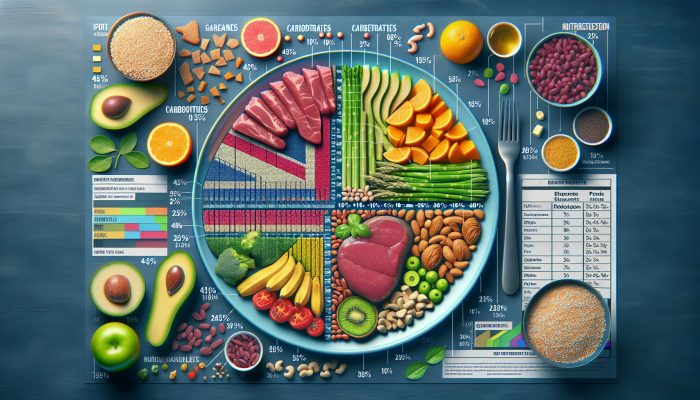
  • HMB and Nutrition: Essential Tips for Effective Combination

    HMB and Nutrition: Essential Tips for Effective Combination

    Unlock the Transformative Advantages of HMB and Nutrition for Optimal Health

    Understanding HMB: Its Importance in Muscle Health and Performance

    Combining HMB With Nutrition: Molecular structure of HMB with athletes in action, representing muscle growth and recovery.

    HMB, or beta-hydroxy-beta-methylbutyrate, is a remarkable metabolite derived from the amino acid leucine. This compound is celebrated for its vital role in enhancing muscle health and accelerating recovery processes, making it especially important for athletes and fitness enthusiasts who aspire to achieve peak performance. HMB significantly contributes to the muscle-building process by curtailing muscle breakdown and promoting muscle repair, rendering it an essential supplement for anyone dedicated to enhancing their fitness regimen and overall physical capabilities.

    This naturally occurring substance is generated in the body during the metabolic breakdown of leucine, primarily sourced from protein-rich foods. However, to reach optimal levels of HMB and fully enjoy its extensive benefits, many individuals opt for supplementation, particularly during intense training phases or when dietary limitations restrict their leucine intake.

    The Crucial Role of Nutrition in Achieving Holistic Health

    Nutrition serves as the bedrock for the comprehensive functioning of the body, laying the groundwork for growth, disease prevention, and overall wellness. Embracing a balanced diet teeming with essential nutrients, vitamins, and minerals is vital for sustaining peak physical health and performance. The significance of nutrition transcends mere aesthetics; it is fundamental in maintaining energy levels, enhancing cognitive function, and fortifying the immune system—all essential components for optimal daily functioning.

    By incorporating a diverse range of nutrient-dense foods, such as fruits, vegetables, whole grains, lean proteins, and healthy fats, individuals can guarantee that their bodies receive the necessary elements for thriving. This all-encompassing approach to nutrition enables people around the globe to pursue their health goals, whether these involve weight management, muscle gain, or overall well-being.

    Enhancing Nutritional Benefits with HMB: A Winning Combination

    HMB works synergistically with a balanced diet to elevate muscle protein synthesis while effectively diminishing muscle breakdown. This advantageous relationship is particularly beneficial for individuals who frequently engage in physical activities, as it significantly bolsters muscle recovery and growth. By incorporating HMB into a nutrient-rich diet, individuals can amplify their fitness results, ensuring that this remarkable compound enhances the nutritional support their bodies receive.

    The dynamic combination of HMB and a comprehensive nutritional profile can lead to improved athletic performance, reduced recovery times, and better retention of muscle mass. This dual approach is essential for anyone seeking to optimize their training outcomes and efficiently realize their health and fitness objectives.

    Key Benefits of Incorporating HMB into Your Dietary Plan

    A muscular athlete in a gym, surrounded by charts showing HMB's benefits in muscle recovery and strength.

    <pAdding HMB to your dietary plan can provide substantial benefits, particularly in the realms of muscle recovery and strength enhancement. These advantages are especially pronounced for athletes and fitness enthusiasts. Research shows that HMB supplementation correlates with significant increases in muscle mass, as it helps preserve lean muscle, especially during periods of caloric deficit or rigorous training.

    Moreover, scientific findings suggest that HMB can alleviate muscle soreness and hasten the recovery process following exercise. This is particularly beneficial in competitive sports or high-intensity training scenarios where recovery time can critically impact performance outcomes. Additionally, HMB plays an integral role in maintaining muscle integrity as individuals age, acting as a key ally against age-related muscle loss.

    Natural Sources of HMB: What Foods Contribute to Your Intake?

    While HMB is primarily accessible in supplement form, there are natural food sources that can contribute to its intake. Foods such as grapefruit, catfish, and alfalfa contain trace amounts of HMB. However, the concentrations found in these foods are relatively low compared to what can be achieved through supplementation.

    For individuals aiming to effectively incorporate HMB into their diets, relying solely on food sources may not suffice, particularly for those with elevated needs, such as athletes or individuals recovering from injuries. Consequently, opting for HMB supplements can guarantee that the body receives the necessary levels required to maximize health benefits.

    Expert Insights on Merging HMB with Nutrition for Optimal Results

    Advantages of Including HMB in a Nutrient-Dense Diet

    Muscular athlete eating HMB-rich meal, muscle fibers regenerating in gym setting.

    Integrating HMB into a nutrient-rich diet can result in substantial benefits for muscle health, particularly concerning recovery and strength enhancement. This compound enhances the body’s natural response to physical exertion, effectively promoting muscle protein synthesis while reducing muscle breakdown. This powerful dual action is particularly advantageous for individuals who regularly exercise or engage in competitive sports.

    • Accelerated muscle recovery and diminished soreness post-workout.
    • Enhanced muscle strength and retention of muscle mass.
    • Support for effective weight management during caloric deficits.
    • Improved endurance and overall athletic performance.
    • Protection against age-related muscle loss and conditions like sarcopenia.
    • Boosted immune function through enhanced nutritional synergy.
    • Support for overall metabolic health and function.
    • Improvements in training adaptations over time.

    By leveraging the benefits of HMB in conjunction with a well-structured nutritional strategy, individuals can optimize both their physical performance and health outcomes, making it a strategic and valuable addition to their dietary choices.

    Recommended HMB Dosage for Achieving Optimal Results

    The ideal dosage of HMB can vary according to personal goals, activity levels, and health conditions. Typically, a daily intake of approximately 3 grams is recommended for individuals looking to enhance muscle health and recovery. This dosage has been shown to deliver significant benefits without adverse effects for most users.

    For athletes or individuals involved in intense training, higher dosages may be warranted; however, it is essential to consult with a healthcare provider for personalized guidance tailored to specific needs. Monitoring the body’s response to HMB supplementation is crucial, as individual tolerances can differ. Starting with a lower dose and gradually increasing it can help evaluate effectiveness while minimizing potential side effects.

    Effective Strategies for Integrating HMB into Your Daily Nutrition

    Incorporating HMB into your daily nutrition can be achieved through various methods, primarily by utilizing supplements or consuming fortified foods. Timing is critical for maximizing benefits, particularly when taking HMB immediately before or after workout sessions. Consuming HMB approximately 30-60 minutes before or after exercise can significantly enhance muscle recovery and growth.

    For those interested in adding HMB to their meals, consider these actionable strategies:

    • Start with a reputable HMB supplement, following the recommended dosage guidelines.
    • Add HMB to post-workout shakes or smoothies for a convenient intake option.
    • Combine HMB with protein-rich foods to amplify its effects on muscle health.
    • Set daily reminders to ensure consistent intake and adherence to your regimen.
    • Track your progress and adjust dosages as needed based on performance and recovery feedback.
    • Consult a nutritionist to create personalized meal plans that incorporate HMB.

    By implementing these strategies, individuals can seamlessly integrate HMB into their daily nutrition, ultimately leading to enhanced athletic performance and improved overall health.

    Potential Side Effects and Precautions to Consider with HMB

    HMB is generally viewed as safe for most individuals; however, some may experience mild digestive issues, such as bloating or an upset stomach. These side effects are typically minor and can often be mitigated by beginning with a lower dosage. It is vital to pay attention to your body and closely monitor any adverse reactions that may arise.

    For those with concerns regarding potential side effects, it is wise to start with a lower dosage and gradually increase while assessing tolerance levels. Should discomfort persist, consulting a healthcare provider is recommended to determine the best course of action. Additionally, it is crucial to ensure that HMB is part of a balanced diet, as reliance on supplementation alone may not yield the comprehensive benefits associated with a well-rounded nutritional approach.

    Complementing HMB with Other Supplements for Enhanced Results

    HMB can be effectively combined with other supplements, such as creatine, protein, or amino acids, to further enhance muscle growth and recovery outcomes. This combination can create a synergistic effect that maximizes the benefits of each supplement, resulting in superior outcomes for strength training and overall physical performance.

    When integrating multiple supplements, it is essential to ensure proper dosages and timing to optimize their effectiveness. For example, taking HMB alongside a protein shake shortly after a workout can expedite recovery and muscle repair. However, before introducing new supplements into your regimen, it is always prudent to consult with a nutritionist or healthcare professional. They can assist in creating a tailored supplement strategy that aligns with your specific health goals and needs.

    The Interplay Between HMB and Nutrition for Enhanced Well-being

    Diving into the Science Behind HMB and Nutrition

    The mechanism through which HMB operates is rooted in its ability to boost muscle protein synthesis while concurrently minimizing muscle breakdown. This dual action is particularly effective when combined with a nutritious diet rich in protein and essential nutrients. When paired with adequate caloric intake and a balanced macronutrient profile, HMB can promote muscle growth and support recovery processes.

    Research indicates that HMB influences specific metabolic pathways involved in muscle metabolism, including the mTOR pathway, which is critical for muscle growth. Beyond its anabolic effects, HMB also aids in reducing markers of muscle damage, making it an excellent supplement for individuals engaged in high-intensity training or those rehabilitating from injuries.

    Exploring the Synergistic Effects of HMB and Nutrition

    Combining HMB with a healthy diet can yield powerful synergistic effects on muscle health and athletic performance. The integration of HMB supplementation with a protein-rich diet can enhance recovery, boost strength, and improve overall physical function.

    This synergistic relationship is particularly beneficial across various scenarios, from athletes striving to achieve peak performance to older adults combating muscle loss due to aging. By fostering an optimal environment for muscle repair and growth, HMB can significantly amplify the benefits derived from a well-rounded diet, leading to noticeable advancements in physical performance and quality of life.

    Evaluating the Effectiveness of HMB: Key Metrics

    Assessing the effectiveness of combining HMB with nutrition can be accomplished through various metrics, such as changes in muscle mass, strength levels, and recovery times. Regular evaluations, including body composition analyses, strength assessments, and tracking recovery durations, can offer valuable insights into the impact of HMB supplementation on individual progress.

    Additionally, maintaining a detailed training log can provide insights into how HMB affects performance over time. Tracking variables like repetitions, weights lifted, and recovery times will help highlight improvements. By systematically evaluating these factors, individuals can make informed decisions regarding their nutritional and supplementation strategies.

    Research-Backed Insights on Merging HMB with Nutrition

    Study Findings on HMB and Muscle Health

    Numerous studies have consistently demonstrated that HMB can significantly enhance muscle mass and strength when utilized in conjunction with a nutritious diet. Research highlights its role in minimizing muscle breakdown and facilitating recovery, particularly among individuals engaged in resistance training or high-intensity sports.

    For instance, findings reveal that individuals who supplement with HMB experience more substantial increases in lean muscle mass compared to those who do not, especially during periods of caloric restriction or intense training. This compelling evidence underscores the strategic value of HMB as a critical addition to dietary regimens aimed at maximizing muscle health.

    Long-Term Benefits of HMB: A Strategic Approach

    Long-term usage of HMB in conjunction with a balanced diet may contribute to sustained muscle health and enhanced physical functionality. Research suggests that ongoing supplementation can help mitigate muscle loss associated with aging, commonly referred to as sarcopenia.

    Moreover, individuals who consistently pair HMB with a nutritious diet may experience improved overall health outcomes, including better metabolic function and a reduced risk of age-related health issues. This preventative strategy is essential for maintaining an active lifestyle as one ages, allowing individuals to enjoy a higher quality of life and increased longevity.

    Interpreting Research Findings on HMB

    Interpreting research findings related to HMB and nutrition requires a critical approach that considers study design, participant demographics, and specific outcomes. Understanding the context in which studies are conducted is crucial for drawing valid conclusions applicable to individual circumstances.

    For example, studies conducted on athletes may not directly relate to the general population, and individual responses to HMB can vary widely based on factors such as dietary habits, exercise routines, and overall health. Therefore, it is essential to consider the broader context when evaluating the relevance of findings to personal health and nutrition strategies.

    Strategic Approaches for Merging HMB with Nutrition

    Planning Meals to Optimize HMB Intake

    Incorporating HMB into meal planning can maximize its benefits and ensure consistent intake. Timing meals around workout sessions is crucial, as this enhances nutrient absorption and supports recovery. A well-structured meal plan can help maintain adequate caloric and protein intake while allowing for strategic HMB supplementation.

    • Create meals abundant in protein to complement the effects of HMB.
    • Schedule HMB intake around workout sessions for optimal effectiveness.
    • Include a variety of nutrient-dense foods to support overall health.
    • Utilize meal-prepping techniques to simplify adherence to your dietary goals.
    • Keep HMB supplements readily accessible to promote daily consistency.
    • Monitor portion sizes to ensure a balanced distribution of macronutrients.
    • Incorporate diverse food sources to maintain a well-rounded diet.
    • Adjust meal timing to align with your workout schedule for optimal recovery.

    By implementing these meal planning strategies, individuals can effectively integrate HMB into their daily nutrition, resulting in improved health outcomes and enhanced athletic performance.

    Optimal Food Pairings to Maximize HMB Benefits

    Pairing HMB with protein-rich foods can significantly amplify its effects on muscle health. Foods such as lean meats, dairy products, and legumes serve as ideal companions to HMB supplementation. These pairings not only provide essential building blocks for muscle repair but also contribute to overall nutrient intake.

    Consider the timing and composition of meals to ensure optimal results. For example, consuming a protein-rich meal alongside HMB shortly after exercise can facilitate recovery and muscle repair. Additionally, including healthy fats and carbohydrates in meals can further enhance nutrient absorption and support energy levels, making these combinations essential for maximizing the benefits of HMB.

    Ensuring Consistency with HMB in Your Nutrition Plan

    Consistency in combining HMB with a balanced diet is crucial for achieving desired outcomes. Establishing a structured routine can help individuals stay on track with their supplementation and dietary plans. Setting reminders, utilizing meal planning apps, and tracking progress can greatly enhance adherence to nutritional objectives.

    Creating a supportive environment, whether through training partners or online communities, can also foster accountability and motivation. Regularly evaluating progress and adjusting based on personal responses will ensure sustained effectiveness in reaching health and fitness goals.

    Addressing Common Challenges and Practical Solutions with HMB

    Identifying Common Challenges Associated with HMB Usage

    Some users may encounter challenges when utilizing HMB, such as digestive issues or difficulties in maintaining a consistent intake. These challenges may arise from individual variations in tolerance or dietary habits, complicating the administration of supplementation. Recognizing these potential obstacles is essential for developing effective solutions.

    By identifying common challenges, individuals can proactively address issues through tailored strategies. For instance, starting with lower doses or adjusting meal timings can help alleviate digestive discomfort, while establishing a routine can promote consistent HMB intake.

    Navigating Dietary Restrictions When Integrating HMB

    Dietary restrictions can complicate the use of HMB, particularly for individuals adhering to specific lifestyles such as vegetarianism or veganism. Finding HMB-fortified foods or suitable supplements that align with dietary preferences is crucial for ensuring adequate intake. Many manufacturers now offer vegan-friendly formulations of HMB, thereby enhancing accessibility for individuals with dietary restrictions.

    Additionally, exploring alternative sources of leucine and amino acids from plant-based foods can complement the benefits of HMB supplementation. This comprehensive approach enables individuals to navigate dietary restrictions while still enjoying the advantages of HMB for muscle health and recovery.

    Strategies for Maximizing the Benefits of HMB

    Maximizing the advantages of HMB involves addressing potential challenges through personalized strategies. Consulting with nutritionists or healthcare professionals can provide tailored guidance to enhance effectiveness. These experts can assist in adjusting intake based on individual responses, dietary habits, and specific health objectives.

    Moreover, adopting a holistic approach that includes regular physical activity, balanced nutrition, and adequate hydration will further amplify HMB’s effects. By prioritizing these factors, individuals can create an optimal environment for muscle growth, recovery, and overall health.

    Your Questions About HMB Answered

    What Exactly Is HMB?

    HMB, or beta-hydroxy beta-methylbutyrate, is a metabolite of the amino acid leucine that supports muscle health, enhances recovery, and reduces muscle breakdown.

    How Does HMB Operate Within the Body?

    HMB promotes muscle protein synthesis and minimizes muscle breakdown, thereby enhancing recovery and strength when paired with a nutritious diet.

    What Are the Primary Advantages of HMB Supplementation?

    The benefits of HMB include improved muscle recovery, increased strength, reduced muscle soreness, and support for maintaining muscle mass during caloric deficit periods.

    What Is the Recommended Daily Dosage for HMB?

    A typical suggested dosage of HMB is around 3 grams daily, although this may vary based on individual goals and health conditions.

    Are There Any Side Effects Associated with HMB?

    Although generally safe, some individuals might experience mild digestive issues. It’s advisable to start with a lower dosage and monitor for any adverse reactions.

    How Can I Effectively Incorporate HMB into My Nutritional Plan?

    HMB can be integrated through supplements or fortified foods, ideally taken around workout times to maximize benefits.

    Can HMB Be Successfully Combined with Other Supplements?

    Yes, HMB can be effectively combined with other supplements such as creatine and protein to enhance muscle growth and recovery.

    Which Foods Naturally Contain HMB?

    HMB is found in trace amounts in foods such as grapefruit, catfish, and alfalfa, but higher concentrations can be achieved through supplementation.

    How Can I Measure the Effectiveness of HMB?

    Effectiveness can be assessed through changes in muscle mass, strength evaluations, and tracking recovery durations during training.

    What Long-Term Benefits Can HMB Offer?

    The long-term benefits of HMB include sustained muscle health, reduced age-related muscle loss, and improved overall physical function.

    Connect with us on Facebook!

    The Article Combining HMB With Nutrition: A Comprehensive Guide appeared first on https://athleticsupplement.com

    The Article HMB and Nutrition: Your Essential Guide to Combining Them Was Found On https://limitsofstrategy.com

  • Supplements for Soccer Players: Essential Nutrition Tips

    Supplements for Soccer Players: Essential Nutrition Tips

    Boosting Soccer Performance: Discover the Essential Role of Nutritional Supplements for Athletes

    In the world of soccer, success is not solely determined by skill; it also hinges on the physical demands placed on players who must maintain outstanding fitness levels and resilience. As athletes consistently push their limits throughout every match, the importance of supplements designed specifically for soccer players becomes increasingly critical. A well-structured supplementation strategy can empower athletes to enhance their performance, facilitate efficient recovery, and satisfy the heightened nutritional needs imposed by the sport’s demanding nature. By integrating supplements into their regimen, players have access to indispensable tools that help them maintain peak physical condition and achieve their competitive goals.

    Maximizing Athletic Performance: Unveiling the Impact of Supplements on Soccer Players

    Supplements for Soccer Players: A soccer player sprinting and shooting on a green field, enhanced by creatine supplementation.

    A soccer match serves as a rigorous test of both endurance and stamina, demanding players to sprint, pivot, and tackle various physical challenges over 90 minutes or more. Within this high-pressure environment, the role of supplements becomes crucial in boosting performance by enhancing endurance, amplifying strength, and honing mental focus. For example, creatine has garnered recognition for its capacity to boost short-burst energy production, enabling players to execute powerful shots and rapid sprints effectively. Research indicates that creatine supplementation can lead to significant improvements in high-intensity activities common in soccer, thus providing players with a competitive edge.

    In addition to creatine, protein supplements like whey or plant-based options are essential for facilitating muscle repair and growth, crucial for athletes recovering from the physical toll of rigorous training and competition. These supplements ensure that players maintain their optimal physical condition, enabling them to perform at their best during matches. By thoughtfully incorporating supplements alongside a balanced diet, athletes can elevate their performance to new heights, establishing themselves as formidable contenders on the field.

    Accelerating Recovery: Uncovering the Essential Benefits of Supplements After Matches

    Recovery after a match is a fundamental element of every athlete’s training strategy. Soccer players often experience muscle soreness and fatigue post-match, which can hinder their effectiveness in training for upcoming sessions. By integrating recovery supplements for soccer players, athletes can significantly alleviate these challenges and expedite their recovery processes, ensuring they are ready for the next challenge.

    Utilizing ingredients such as branched-chain amino acids (BCAAs) can effectively reduce muscle soreness and promote faster recovery times. BCAAs play an essential role in muscle repair, enabling athletes to bounce back more swiftly and prepare for subsequent performances. Furthermore, omega-3 fatty acids are well-known for their anti-inflammatory properties, aiding recovery by minimizing inflammation and muscle damage—both vital after the exhaustive demands of a match.

    Moreover, proper hydration is paramount in the recovery process; electrolyte beverages help replenish essential minerals lost during gameplay. By prioritizing recovery through effective supplementation, players can maintain their competitive edge, lower injury risks, and ensure they are always prepared for the next challenge on the field.

    Bridging Nutritional Gaps: Understanding the Importance of Supplements for Soccer Players

    Professional athletes routinely face elevated nutritional needs that are often difficult to meet through diet alone. This is where supplements for soccer players prove invaluable; they assist in bridging dietary gaps and ensuring optimal health and performance. Many athletes struggle to consume sufficient amounts of vitamins and minerals that are essential for their rigorous training regimens.

    Essential vitamins, including B12, D, and powerful antioxidants like vitamin C, are critical for energy metabolism and immune function. Deficiencies in these nutrients can lead to fatigue, reduced performance, and even illness—issues that no athlete can afford to overlook. By integrating high-quality multivitamins or targeted vitamin supplements into their daily routines, soccer players can better protect their health and enhance their overall performance on the field.

    Additionally, collaborating with a nutritionist can assist athletes in identifying specific nutritional gaps in their diets, fostering tailored supplementation strategies. This combination of high-quality nutrition and effective supplementation is crucial for a soccer player’s long-term success, both on and off the field.

    Exploring the Diverse Range of Supplements for Soccer Athletes

    A soccer player on a green field, surrounded by glowing supplements for performance, recovery, and health.

    The variety of supplements for soccer players is extensive, offering numerous products aimed at addressing different aspects of athletic performance, recovery, and overall health. Understanding the types of supplements available empowers players to make informed choices that align with their specific needs and performance objectives.

    Fostering Muscle Growth: The Key Role of Protein Supplements

    Protein serves as the cornerstone of muscle recovery and growth, making it an indispensable component for soccer players. Given the physical demands of the sport, athletes require adequate protein intake to support muscle recovery and development. Various protein supplements, including whey, casein, and plant-based options, cater to diverse preferences and dietary needs.

    Whey protein is particularly popular due to its rapid absorption and high biological value, delivering a swift supply of essential amino acids post-workout—crucial for muscle recovery. In contrast, casein protein digests more slowly, providing a sustained release of amino acids, which can be advantageous before extended training sessions or during sleep for overnight recovery.

    For those adhering to a vegan diet, plant-based protein powders derived from sources like pea, rice, or hemp offer excellent alternatives. These options not only facilitate muscle recovery but also come packed with fiber and other essential nutrients. By diversifying protein sources, players can ensure they receive a well-rounded array of amino acids necessary for optimal performance and health.

    Ensuring Optimal Hydration: The Significance of Electrolytes for Soccer Players

    Maintaining proper hydration is critical for soccer players, especially during intense matches and rigorous training sessions. Electrolyte supplements are specifically designed to replace minerals lost through sweating, helping athletes remain fully hydrated and capable of performing at their best. Key electrolytes include sodium, potassium, and magnesium, all of which are essential for muscle function and overall bodily processes.

    Dehydration can lead to diminished performance, fatigue, and an increased risk of injury, emphasizing the importance of hydration for athletes. Sports drinks infused with electrolytes can effectively replenish these vital minerals while providing a source of carbohydrates for sustained energy.

    In addition to commercial electrolyte drinks, natural alternatives like coconut water have gained popularity among athletes for their electrolyte content and natural sweetness. By acknowledging the critical role of hydration and integrating electrolyte supplementation, soccer players can enhance their performance and recovery while minimizing the risk of dehydration-related complications on the field.

    The Often Overlooked Contributions of Vitamins and Minerals for Optimal Soccer Performance

    A soccer player under the sun, surrounded by glowing vitamin icons B, C, E, D.

    Vitamins and minerals frequently remain the unsung heroes of an athlete’s supplement regimen, yet they play a critical role in overall health and performance. Specific vitamins, such as the B vitamins, are essential for energy metabolism, while others, like vitamin C and E, act as antioxidants, shielding the body from oxidative stress induced by rigorous physical activity.

    Vitamin D, commonly referred to as the “sunshine vitamin,” holds particular importance for soccer players who may not receive sufficient sunlight exposure. This vitamin supports bone health, muscle function, and immune support—all essential for athletes striving for peak performance.

    Minerals like zinc and magnesium also play pivotal roles in muscle recovery and immune support, ensuring athletes can train consistently without disruptions caused by illness or injury. By adopting a holistic approach to vitamins and minerals, soccer players can effectively cover their nutritional bases and elevate their overall health and athletic performance on the field.

    Strategically Timing and Dosing Supplements for Maximum Effectiveness

    When it comes to supplements, understanding the timing and dosage is crucial for optimizing their effectiveness. Knowing when and how to take specific supplements can significantly influence a soccer player’s performance, recovery, and overall well-being.

    Pre-Match Nutrition: Empowering Your Body for Optimal Energy and Performance

    Properly energizing the body before a match is vital for achieving peak performance, and specific supplements consumed prior to a game can elevate energy levels and sharpen focus. Carbohydrate-based supplements, such as energy gels or drinks, provide a quick source of fuel that can sustain a player’s performance throughout the match.

    Moreover, integrating amino acids, particularly BCAAs, before a game can help mitigate muscle breakdown during intense activity. This pre-match supplementation strategy enables players to preserve their energy reserves and support muscle function, culminating in improved performance on the field.

    Timing is essential; taking supplements approximately 30-60 minutes before a match ensures effective absorption and availability during high-performance activities. Players are encouraged to experiment with various pre-match supplements to identify what works best for their bodies and playing styles.

    Post-Match Recovery: Restoring Nutrients for Enhanced Recovery

    Once the final whistle blows, the real work begins. Post-match recovery is critical for soccer players aiming to recover swiftly and prepare for future training sessions or matches. Supplements designed for recovery should prioritize replenishing nutrients lost during play and promoting muscle repair.

    Protein supplements, particularly whey or BCAA drinks, are ideal selections for post-workout recovery. They provide the essential amino acids required for muscle repair, facilitating the rebuilding of muscle tissue that may have experienced damage during intense activity. Additionally, hydration is crucial; electrolyte drinks can replenish lost fluids and minerals, streamlining the recovery process.

    Once again, timing is vital—consuming recovery supplements within 30 minutes to two hours after a match ensures that the body receives the necessary nutrients promptly. This critical window promotes muscle recovery and replenishes energy levels, enabling players to recover more effectively and prepare for future challenges.

    Daily Maintenance: Establishing a Supplement Routine for Long-Term Success

    Consistent intake of specific supplements is essential for maintaining long-term health and optimal performance. For soccer players, establishing a daily supplement routine can help bridge nutritional gaps and support overall well-being. Daily multivitamins can deliver a comprehensive range of essential nutrients, ensuring that players meet their increased dietary needs.

    It is essential to adjust the dosage according to individual requirements, taking into account factors such as body weight, activity levels, and personal health objectives. Collaborating with a sports nutritionist can help athletes determine the appropriate supplements and dosages tailored to their unique circumstances.

    This proactive approach to daily supplementation not only enhances athletic performance but also contributes to overall health, ensuring soccer players can train and compete at their best throughout the entire season.

    Intra-Match Supplementation: Sustaining Energy and Hydration Throughout Play

    Maintaining energy and hydration levels during a match is as crucial as preparation beforehand. Intra-match supplementation can be a game-changer, providing players with the necessary energy to sustain peak performance throughout the game.

    Energy gels or drinks containing carbohydrates can help maintain energy levels, while electrolyte beverages can effectively replace minerals lost through sweat. These supplements also help combat fatigue, enabling players to perform at their best even in the later stages of the match.

    The timing and type of supplement are critical; players should practice their intra-match nutrition during training sessions to determine what works best for their bodies. This preparation ensures they are well-equipped to meet the demands of competitive play.

    Supplement Cycling: Maximizing Efficacy and Results for Soccer Players

    Just as athletes need to vary their training routines, supplement cycling can amplify the effectiveness of supplements for soccer players. Rotating different supplements prevents the body from developing tolerance, ensuring that athletes continue to reap the benefits of their supplementation practices.

    For instance, alternating between creatine and other performance-enhancing supplements can avert diminishing returns. Additionally, cycling through different protein sources can provide a broader range of amino acids and nutrients necessary for effective muscle recovery and growth.

    To optimize results, athletes should formulate a cycling strategy that aligns with their training schedules and competition calendars. This approach guarantees they consistently support their performance without overly relying on the same supplements, promoting both physical and mental health throughout the season.

    The Transformative Effects of Creatine on Soccer Players’ Performance

    Creatine is among the most extensively researched supplements in sports nutrition and has demonstrated remarkable benefits for soccer players. Its ability to enhance energy production is transformative in a sport that demands both endurance and explosive power.

    Boosting Energy Production: Key Advantages of Creatine Supplementation

    At the heart of creatine’s benefits is its role in producing adenosine triphosphate (ATP), the primary energy carrier in cells. During brief, intense bursts of activity—such as sprinting down the field or executing a powerful shot—the body heavily relies on ATP. Supplementing with creatine increases the available stores of phosphocreatine, facilitating improved ATP production during these critical high-intensity moments.

    Research supports that creatine supplementation can lead to enhanced performance in repeated sprint efforts, which are common in soccer. Players who incorporate creatine often report increased strength and power, enabling them to excel during both matches and training sessions.

    This heightened energy production translates into superior overall performance, as players can maintain higher intensity levels for extended periods, ultimately contributing to team success on the field.

    Enhancing Muscle Strength: The Impact of Creatine on Athletic Performance

    The influence of creatine on muscle strength is substantial and cannot be overstated. Regular creatine use has been linked to significant increases in muscle strength, particularly beneficial for soccer players who rely on explosive movements, such as jumping, tackling, and sprinting.

    Increased muscle strength not only boosts performance but also plays a pivotal role in injury prevention. Stronger muscles and connective tissues help protect athletes from strains and sprains that often occur in high-impact sports like soccer.

    Moreover, creatine’s contribution to muscle hypertrophy—the growth of muscle fibers—can aid players in developing the physical attributes necessary for success on the field. As players gain strength, they also enhance their overall physicality, making them more formidable competitors in matches.

    Accelerating Recovery Time: The Advantages of Creatine Supplementation

    Recovery is a crucial component of an athlete’s training regimen, and creatine supplementation has been shown to facilitate quicker recovery times between high-intensity efforts. By aiding in the rapid replenishment of ATP levels, creatine enables athletes to rebound more quickly after sprints or intense plays, thereby reducing overall fatigue during matches.

    This improved recovery mechanism is especially important in soccer, where players frequently engage in multiple high-intensity efforts in quick succession. With reduced recovery times, athletes can sustain a higher level of performance throughout the entire match, keeping fatigue at bay and maintaining their competitive edge.

    Incorporating creatine into a supplement routine can thus be a strategic choice for soccer players aiming to enhance not only their performance but also their ability to recover swiftly and effectively between matches and training sessions.

    The Critical Role of Omega-3 Fatty Acids in Soccer Nutrition and Performance

    Omega-3 fatty acids are an essential aspect of any soccer player’s supplement regimen, offering numerous benefits that support both physical performance and overall health. These vital fats are recognized for their anti-inflammatory properties and their positive effects on cognitive function, making them indispensable for athletes.

    Reducing Inflammation: The Benefits of Omega-3 Fatty Acids

    One of the most significant advantages of omega-3 fatty acids is their ability to reduce inflammation, a critical factor in both injury prevention and recovery. Intense training and competition can lead to muscle soreness and inflammation, negatively impacting performance and increasing injury risk.

    Research indicates that consistent intake of omega-3s can help alleviate these inflammatory responses, which is especially beneficial for soccer players who endure repetitive physical strain. By including omega-3-rich foods like fatty fish or through supplementation, athletes can experience reduced muscle soreness and faster recovery times, enabling them to train more effectively and consistently.

    Additionally, omega-3 fatty acids contribute to joint health, allowing players to preserve their mobility and agility throughout the season. This proactive approach to reducing inflammation can lead to improved performance and lower injury rates on the field.

    Promoting Heart Health: The Importance of Omega-3s for Soccer Athletes

    For soccer players, maintaining cardiovascular health is paramount, as the sport demands sustained endurance and aerobic capacity. Omega-3 fatty acids have been extensively studied for their role in supporting heart health, making them a vital addition to any athlete’s diet.

    These fatty acids enhance blood circulation, lower blood pressure, and reduce triglyceride levels, all of which contribute to a healthier heart. A strong cardiovascular system allows soccer players to perform at their best, sustaining energy levels and endurance throughout lengthy matches.

    Moreover, improved blood flow ensures that muscles receive adequate oxygen and nutrients, thereby enhancing athletic performance. By prioritizing omega-3 intake, soccer players can bolster their heart health while optimizing their performance on the field.

    Enhancing Cognitive Function: The Mental Benefits of Omega-3 Fatty Acids

    In addition to physical performance, omega-3 fatty acids may also play a role in enhancing cognitive function—a crucial aspect of the quick decision-making required in soccer. These essential fats are vital for brain health, influencing memory, focus, and overall cognitive capabilities.

    Research suggests that omega-3 supplementation may improve cognitive performance, thereby enhancing athletes’ decision-making skills on the field. Quick thinking and effective communication are pivotal for team success, and optimizing mental performance can be just as essential as physical training.

    By integrating omega-3s into their nutrition plans, soccer players can sharpen their mental acuity, ensuring they remain alert and responsive throughout the game. This unique combination of physical and cognitive benefits positions omega-3 fatty acids as a foundational supplement for soccer athletes striving for excellence.

    The Critical Importance of Vitamin D for Soccer Players’ Health and Performance

    Vitamin D often goes unnoticed in discussions about sports nutrition; however, its significance for athletes, particularly soccer players, is profound. From supporting bone health to enhancing immune function, vitamin D plays a pivotal role in overall athletic performance and well-being.

    Supporting Bone Health and Injury Prevention

    One of the primary advantages of vitamin D is its contribution to maintaining strong bones. For soccer players, robust bones are essential in preventing injuries such as stress fractures, which can sideline athletes for extended periods. Vitamin D is crucial for calcium absorption, a key factor in preserving bone density and strength.

    Research suggests that athletes with adequate vitamin D levels are less likely to experience bone-related injuries, making it essential for soccer players to monitor their vitamin D status, especially in regions with limited sunlight exposure. Regular testing can help athletes identify deficiencies and implement appropriate measures, whether through dietary changes or supplementation.

    By focusing on maintaining optimal vitamin D levels, soccer players can enhance their overall resilience against injuries, enabling them to train effectively and perform consistently at high levels.

    Enhancing Muscle Function and Strength

    Vitamin D also plays a critical role in muscle function and strength, both of which are vital for soccer players. Sufficient vitamin D levels support muscle contraction and coordination, contributing to overall athletic performance.

    Studies have shown that athletes with higher vitamin D levels tend to experience improved muscle strength and performance outcomes compared to those with deficiencies. By supplementing with vitamin D, soccer players can enhance their muscle function, enabling them to execute precise movements and maintain agility during matches.

    This improvement in muscle strength not only boosts on-field performance but also facilitates recovery, as stronger muscles are better equipped to handle the physical demands of intense training and competition.

    Strengthening Immune Function: Vitamin D’s Role in Athlete Health

    A strong immune system is crucial for athletes, particularly soccer players who compete in high-contact environments. Vitamin D significantly modulates the immune response, helping to fend off illnesses that can disrupt training and competition schedules.

    Research indicates that individuals with sufficient vitamin D levels experience fewer respiratory infections and illnesses, which can critically impact an athlete’s training consistency. Soccer players who prioritize vitamin D intake—whether through sun exposure, fortified foods, or supplements—are better positioned to maintain their health throughout the season.

    By ensuring a robust immune system, athletes can sustain their training regimens, remain competitive, and ultimately achieve their performance goals on the field.

    Enhancing Athletic Performance: The Direct Impact of Vitamin D

    Beyond its health benefits, vitamin D has been associated with performance enhancement. Research demonstrates that maintaining adequate vitamin D levels can improve muscle efficiency and reduce fatigue—critical factors for soccer players aiming to sustain peak performance during matches.

    Athletes who supplement with vitamin D may experience enhanced stamina and quicker recovery times, enabling them to perform consistently at high levels. This combination of benefits makes vitamin D an essential component of a soccer player’s supplement regimen.

    By prioritizing optimal vitamin D intake, soccer players can support their overall performance, ensuring they are equipped to meet the challenges of their sport with confidence and resilience.

    Supporting Mood and Mental Well-Being: The Psychological Benefits of Vitamin D

    Mental health is often an overlooked aspect of athletic performance, yet it plays a crucial role in a soccer player’s success. Vitamin D has been linked to mood regulation, with research suggesting that adequate levels can help mitigate the risk of depression and anxiety.

    A positive mental state is essential for athletes, influencing focus, motivation, and overall performance on the field. Soccer players who prioritize vitamin D intake may find themselves better equipped to handle the pressures of competition and training, allowing them to perform at their best.

    By addressing both physical and mental health through vitamin D supplementation, soccer players can cultivate a comprehensive approach to their overall well-being, enhancing their performance and enjoyment of the game.

    The Impact of Antioxidants on Soccer Performance and Recovery

    The high-intensity nature of soccer leads to oxidative stress, a condition that can negatively impact performance and recovery. Antioxidants are crucial in countering oxidative stress and supporting athletes’ overall health.

    Neutralizing Oxidative Stress: The Power of Antioxidants for Soccer Athletes

    Intense physical activity generates free radicals, which can contribute to oxidative stress and muscle damage. If not managed effectively, this process can hinder an athlete’s performance and recovery. Antioxidants, including vitamins C and E, work to neutralize free radicals, thus reducing oxidative stress and its harmful effects on the body.

    By incorporating antioxidant-rich foods or supplements into their diets, soccer players can improve their bodies’ capacity to cope with the demands of high-intensity training and competition. Research indicates that athletes who consume sufficient antioxidants exhibit improved recovery times and reduced muscle soreness following strenuous exercise.

    This proactive approach to managing oxidative stress enables soccer players to maintain their performance levels and minimizes the likelihood of injury, ensuring they are always prepared for the challenges ahead.

    Strengthening Immune Function: The Role of Antioxidants in Athlete Health

    A robust immune system is vital for athletes, particularly in high-contact sports such as soccer. Antioxidants significantly bolster immune function, helping to guard against illnesses and infections that can sideline players.

    Studies show that athletes with higher antioxidant intake experience fewer illnesses and health issues, allowing them to maintain consistent training schedules. By prioritizing antioxidant-rich foods and supplements, soccer players can strengthen their immune defenses and safeguard their health throughout the season.

    This focus on immune function not only helps athletes perform consistently but also enhances their overall well-being, enabling them to enjoy the sport they love without interruption.

    Enhancing Endurance and Recovery: The Multifaceted Benefits of Antioxidants

    The benefits of antioxidants extend beyond immune support and oxidative stress management; they also play a vital role in enhancing endurance and recovery. Antioxidants help alleviate muscle fatigue, enabling players to maintain their performance levels during matches and rigorous training sessions.

    By facilitating muscle repair and minimizing inflammation, antioxidants contribute to quicker recovery times, allowing soccer players to bounce back more rapidly from intense physical activity. This improvement in recovery is critical for athletes seeking to train consistently and compete at the highest levels.

    Incorporating antioxidants into a soccer player’s nutrition strategy can lead to improved performance outcomes and a more enjoyable experience on the field, ultimately fostering a more resilient and capable athlete.

    Identifying Antioxidant Sources: Fueling Performance and Recovery Through Nutrition

    Finding a diverse range of antioxidant sources is crucial for soccer players aiming to enhance their performance and support recovery. Foods rich in antioxidants include berries, dark leafy greens, nuts, and seeds, all of which can be seamlessly incorporated into a balanced diet.

    Additionally, specific supplements containing concentrated sources of antioxidants can provide athletes with an effective means to ensure they meet their nutritional requirements. By focusing on a diet abundant in antioxidants, soccer players can optimize their health, performance, and recovery, ensuring they are always prepared to compete.

    Frequently Asked Questions about Supplements for Soccer Players

    Which Supplements Provide Maximum Benefits for Soccer Players?

    The most beneficial supplements for soccer players include protein powders, electrolytes, omega-3 fatty acids, and essential vitamins such as D and B12, all contributing to improved performance, recovery, and overall health.

    How Do Supplements Enhance Performance in Soccer?

    Supplements boost soccer performance by increasing energy production, supporting muscle recovery, and filling nutritional gaps, allowing athletes to train harder and recover faster after matches.

    When Is the Optimal Time for Soccer Players to Take Supplements?

    Soccer players should take supplements strategically—before matches for energy, after matches for recovery, and daily for maintenance to ensure optimal health and performance throughout the season.

    Are Protein Supplements Necessary for Soccer Athletes?

    While not strictly essential, protein supplements can assist soccer players in meeting their increased protein demands for muscle recovery and growth, particularly after intense training or competitive matches.

    Can Omega-3 Fatty Acids Aid in Recovery?

    Yes, omega-3 fatty acids can help reduce inflammation and muscle soreness, promoting faster recovery for soccer players following intense physical exertion.

    Why Is Vitamin D Important for Soccer Players?

    Vitamin D is vital for maintaining bone health, supporting muscle function, and enhancing immune function, making it essential for soccer players to sustain peak performance and lower injury risk.

    What Role Do Antioxidants Play in Soccer Performance?

    Antioxidants are crucial for combating oxidative stress, promoting recovery, and supporting immune function, all essential for maintaining optimal performance and health in soccer athletes.

    Is There a Risk of Over-Supplementation?

    Yes, excessive supplementation can lead to imbalances and potential health risks. Soccer players should consult a nutritionist and adhere to recommended dosages to avoid complications.

    Can Supplements Replace a Balanced Diet?

    No, supplements are intended to complement a balanced diet, not replace it. A healthy diet is fundamental for overall well-being, while supplements help address specific nutritional gaps.

    How Can Soccer Players Assess Their Supplementation Needs?

    Soccer players can assess their supplementation requirements by consulting a sports nutritionist, evaluating their training intensity, dietary habits, and individual health needs to achieve optimal performance.

    Connect with Us on Facebook for More Insights!

    This article Supplements for Soccer Players: Essential Nutrition Guide was originally published on https://athleticsupplement.com

    The Article Supplements for Soccer Players: Key Nutrition Strategies Was Found On https://limitsofstrategy.com

  • Men’s Nutrition Tracking: Your Essential Tech Guide

    Men’s Nutrition Tracking: Your Essential Tech Guide

    Achieve Your Health Goals: Master the Art of Nutrition Tracking for Men

    Engaging in nutrition tracking is not just a trend; it’s a vital strategy for men committed to enhancing their overall health and fitness. By diligently monitoring their dietary intake, men can empower themselves to make informed dietary choices, ensuring that they receive a diverse array of nutrients essential for their unique physiological requirements. This proactive approach not only promotes better health outcomes but also fosters a deeper understanding of the crucial connection between food choices and overall well-being.

    Discover the Life-Changing Benefits of Tracking Nutritional Intake

    A man logs his meal into a smartphone app in a kitchen, surrounded by healthy foods, wearing a fitness tracker.

    Gaining insights into your food consumption can dramatically alter your health journey. For men, the numerous advantages of tracking nutrition begin with the essential need to sustain a balanced diet. By consistently logging their food intake, men can readily identify patterns in their eating behaviors, enabling necessary adjustments. This proactive method not only enhances physical fitness but also plays a vital role in effective weight management, which is crucial for mitigating the risk of diseases linked to obesity.

    Moreover, tracking nutrient intake cultivates awareness of how different foods influence energy levels and mood. Numerous studies indicate that particular nutrients are crucial for cognitive performance and emotional stability. For example, omega-3 fatty acids, found in fatty fish, contribute to improved brain health, while complex carbohydrates provide sustained energy throughout the day. Recognizing these dietary relationships can significantly elevate one’s quality of life.

    Additionally, keeping a detailed record of dietary choices empowers men to take control of their eating habits, which is essential for preventing chronic diseases such as diabetes, hypertension, and heart disease. By adopting a proactive stance, men can dramatically diminish their risks of serious health issues through intentional dietary choices. Being able to identify potential health risks and implement preventive measures is not only advantageous; it is critical in today’s fast-paced society.

    Customizing Nutrition Plans to Meet Men’s Unique Requirements

    Men’s nutritional needs are distinct and influenced by various factors such as age, activity levels, and overall health status. While general dietary guidelines serve as a helpful starting point, nutrition tracking allows for a more tailored approach. For instance, men who engage in intense physical activities may need increased protein intake to support muscle recovery and growth. By consistently documenting their meals, they can ensure they adequately meet these specific dietary requirements.

    Utilizing specialized apps for men’s nutrition tracking can further enhance this individualized approach. Many of these platforms enable users to specify their dietary preferences, whether they follow low-carb or high-protein diets. This level of customization ensures that men are well-equipped to achieve their health objectives, whether it involves weight loss, muscle gain, or simply maintaining a balanced diet.

    Furthermore, nutrition tracking can assist men in identifying foods that may trigger adverse reactions or allergies. By meticulously keeping a food diary, men can more easily notice correlations between specific foods and negative symptoms, empowering them to make more informed and beneficial dietary choices.

    Long-term Health Advantages of Regular Nutrition Tracking

    Incorporating nutrition tracking into daily routines can lead to substantial long-term health benefits. Research shows that individuals who consistently monitor their dietary habits typically experience superior health outcomes over time. For men, this implies a decreased likelihood of developing chronic conditions such as heart disease, diabetes, and certain types of cancer.

    Establishing a habit of tracking nutrition can also foster heightened awareness of dietary decisions. Over time, this awareness can translate into healthier eating habits and a more thoughtful approach to food consumption. Men who actively monitor their intake often gravitate toward more nutritious choices, which can naturally enhance health indicators such as cholesterol and blood pressure levels.

    The benefits of nutrition tracking extend to improved mental health outcomes as well. A balanced diet rich in essential nutrients can stabilize mood, enhance cognitive function, and uplift overall quality of life. As men age, preserving mental sharpness and emotional resilience becomes increasingly crucial. Therefore, regular nutrition tracking not only bolsters physical health but also nurtures mental and emotional well-being.

    Essential Technology Tools for Streamlined Nutrition Tracking

    A man using a smartphone app and smartwatch to track nutrition on a tech-filled desk.

    The digital realm is overflowing with innovative tools aimed at helping men effectively track their nutrition. From mobile applications to wearable devices, technology has simplified the task of monitoring dietary habits. Here’s a thorough overview of some of the most effective tech tools available for men.

    Top Mobile Applications for Men’s Nutrition Tracking

    Mobile applications such as MyFitnessPal and Lifesum have transformed how men approach the task of nutrition tracking. These user-friendly platforms provide a plethora of features specifically tailored to men’s dietary needs, including extensive food databases, barcode scanning for rapid logging, and the ability to set personalized goals. Users can easily document their meals and receive immediate insights into their nutritional intake.

    Furthermore, these apps often feature community forums where users can exchange tips, recipes, and motivation. This social component can boost motivation, turning what can often feel like a monotonous task into an engaging and enjoyable experience. Gamification elements, such as challenges and rewards, add an extra layer of enjoyment, making healthy eating both fun and fulfilling.

    For those seeking a more tailored approach, many applications allow individuals to set specific dietary goals, whether that involves reducing sugar intake, increasing protein consumption, or following a vegetarian lifestyle. This level of personalization fosters a deeper connection to one’s nutrition journey, ultimately leading to more sustainable lifestyle changes.

    Wearable Devices: Integrating Health Insights for Comprehensive Monitoring

    The emergence of wearable technology has dramatically influenced the health and fitness landscape, and for good reason. Devices such as Fitbit and Apple Watch not only track physical activity but also effortlessly integrate with nutrition apps, providing a holistic view of one’s health. These wearables monitor heart rate, step count, and even estimate calories burned, enabling men to gain a comprehensive understanding of their energy balance.

    The synergy between wearables and nutrition applications allows users to glean insights into how their dietary habits affect their overall health. For instance, analyzing the relationship between caloric intake and physical activity can motivate men to make more informed food choices, ultimately leading to enhanced health outcomes.

    Additionally, many wearable devices now include reminders to stay hydrated or suggest nutrient-dense snacks based on activity levels. This proactive health management approach is invaluable for men aiming to optimize their fitness and overall well-being.

    Utilizing Smart Scales for Comprehensive Body Composition Tracking

    A man using a smart scale to check body composition metrics on his smartphone in a modern home.

    Smart scales have become an essential tool for men serious about tracking their nutrition and fitness. Unlike traditional scales, these advanced devices measure a variety of body composition metrics such as body fat percentage, muscle mass, and water weight, providing a comprehensive overview of one’s health status.

    This information is crucial for understanding how dietary choices impact physical appearance and overall health. For instance, a man may focus on weight loss but might not see immediate changes on the scale. In such cases, tracking muscle gain and fat loss via smart scales can provide a more accurate depiction of progress.

    Moreover, many smart scales synchronize with nutrition tracking apps, enabling seamless data logging and analysis. This integration allows men to connect the dots between their dietary decisions and changes in body composition, fostering a more informed approach to health management.

    Key Features to Look for in Nutrition Tracking Apps

    When selecting a nutrition tracking app, it is crucial to consider specific features that can significantly enhance the user experience. The right application can streamline the process of monitoring dietary intake, making it more efficient and effective.

    Custom Meal Planning Capabilities for Personalized Nutrition

    One of the most advantageous features to seek in a nutrition tracking app is the ability to create and customize meal plans. Men often have unique dietary preferences and requirements, and the flexibility to tailor meal plans accordingly can greatly enhance adherence to a nutritional program.

    Apps that provide this capability enable users to specify their likes and dislikes, as well as any dietary restrictions. This level of personalization ensures that meal plans are not only nutritious but also enjoyable, which is vital for long-term success.

    Additionally, many applications offer a range of recipes that can be seamlessly incorporated into meal plans. This feature not only saves time but also encourages culinary exploration, helping men discover new, healthy meals that align with their nutritional goals.

    Comprehensive Nutrient Tracking and Analytical Functions

    Another essential feature is the ability to track specific nutrients such as protein, carbohydrates, and fats. This level of detail is crucial for men who aim to optimize their diets for athletic performance or weight management. By understanding both macro and micronutrient intake, users can adjust their diets to ensure they meet their daily nutritional needs.

    Moreover, the analytical tools within these applications can provide insights into nutrient deficiencies or surpluses, allowing men to make informed dietary modifications. For instance, if a user notices they are consistently low on fiber, the app might suggest integrating high-fiber foods into their diet.

    Effective nutrient tracking not only aids in achieving personal health goals but also supports overall wellness by promoting a balanced diet rich in essential nutrients.

    Integrating Nutrition Tracking with Fitness Goals for Comprehensive Health Management

    The integration of nutrition tracking with fitness objectives is another vital feature that can elevate the overall user experience. Applications that connect dietary intake with workout routines offer a holistic approach to health management.

    For example, a man looking to build muscle can benefit from monitoring his protein intake alongside his strength training exercises. By observing how different dietary choices affect performance and recovery, users can make real-time adjustments to optimize their results.

    Moreover, synchronization with fitness wearables can provide insights into how caloric intake corresponds with energy expenditure. This synergy not only aids in maintaining an ideal weight but also supports ongoing fitness progress.

    A Practical Guide to Kickstart Your Nutrition Tracking Journey

    Starting the journey of nutrition tracking may appear daunting, but with the right approach, it can lead to significantly rewarding outcomes. Here’s a practical guide to help men effectively embark on their nutrition tracking journey.

    Establishing Realistic and Attainable Nutrition Goals

    The first step in successful nutrition tracking is to set realistic and achievable goals. Men should begin by assessing their current dietary habits and identifying areas that require improvement. Whether the goal is to lose weight, boost energy levels, or enhance overall health, defining clear objectives provides a structured roadmap for success.

    It is essential to break larger goals into smaller, manageable milestones. For instance, if the ultimate aim is weight loss, a man might focus on reducing portion sizes or incorporating more whole foods into his diet. This gradual approach makes the process less overwhelming and sustains motivation.

    Furthermore, tracking progress through these milestones can foster a sense of accomplishment, motivating men to remain committed to their nutritional goals.

    Precise Logging of Daily Food Intake for Accuracy

    Accurately logging daily food intake is critical for effective nutrition tracking. Men should aim to record their meals and snacks as close to the time of consumption as possible to ensure accuracy. This immediate logging helps in recalling portion sizes and ingredients, thus minimizing the likelihood of errors.

    Utilizing the features of nutrition tracking apps can simplify this task. Many applications offer barcode scanning for packaged foods, facilitating quick data entry. For homemade meals, users can create custom entries, ensuring that all components of a dish are accounted for.

    Consistency is key at this stage; the more accurately one logs their intake, the clearer the picture becomes regarding dietary habits and requirements.

    Regularly Reviewing and Adjusting Your Nutrition Plans

    Ongoing review of nutrition plans based on tracked data is crucial for sustained success. Men should make it a practice to analyze their nutritional intake weekly or monthly, noting any patterns or areas that require improvement. This self-reflection can reveal discrepancies between perceived and actual dietary behaviors.

    If a man discovers he is not meeting his protein goals, for example, he might modify his meal plans to include more protein-rich foods such as lean meats, legumes, or protein shakes. Flexibility in adjusting plans based on real-time data encourages a proactive approach to nutrition.

    Moreover, as health goals shift—whether due to changes in training intensity, lifestyle, or personal preferences—adaptability in nutrition tracking becomes essential.

    Selecting the Right Tools for Effective Tracking

    Choosing the right tools for nutrition tracking is pivotal for success. Men should consider their personal preferences and lifestyle when selecting an app or journal. For those who appreciate technology, a comprehensive app with an intuitive interface and robust features may be the ideal choice.

    Conversely, individuals who prefer a more hands-on approach might opt for a traditional food journal. Regardless of the chosen method, it is crucial that the tracking system feels comfortable and sustainable.

    Finally, exploring various options initially can help identify which tools resonate most. Many applications offer free trials, making it easy to evaluate features before committing.

    Strategies to Overcome Common Challenges in Nutrition Tracking

    While the practice of nutrition tracking offers numerous benefits, it is not without its challenges. Recognizing potential obstacles and learning to navigate them can significantly enhance the efficiency of the tracking process.

    Addressing Incomplete Data Challenges

    Incomplete data can often impede the effectiveness of nutrition tracking. When men struggle to locate specific food items within their apps, they may become disheartened and abandon their tracking efforts. However, there are practical strategies to manage this challenge.

    Estimating portions can serve as an effective solution when precise data is unavailable. Many apps provide default values for common foods, allowing users to make educated guesses about their intake. Additionally, employing visual cues—such as comparing portion sizes to everyday objects—can help users gain a clearer understanding of serving sizes.

    It is also beneficial to compile a list of favorite foods and their nutritional values. This reference can simplify the logging process, enabling men to stay on track even when complete data is not readily available.

    Ensuring Consistency in Tracking Efforts

    Consistency poses one of the most significant challenges in nutrition tracking. Life can become hectic, making it easy to forget to log meals or snacks. To combat this, setting reminders through apps or phone notifications can gently prompt users to stay focused.

    Integrating nutrition tracking into daily routines can also enhance consistency. For instance, logging meals immediately after eating can develop into a habit, similar to brushing one’s teeth. This makes it less likely that logging will be overlooked amidst daily responsibilities.

    Joining online communities or support groups can also boost accountability. Sharing goals and progress with others can create a sense of commitment, making it easier to maintain consistency in tracking.

    Confidently Navigating Social Eating Situations

    Social gatherings can present unique challenges to maintaining a nutrition tracking routine. Attending events where food is abundant can lead to mindless eating, often resulting in exceeding caloric targets. However, there are effective strategies to navigate these situations.

    Pre-planning meals before social events can be incredibly beneficial. If men anticipate indulging later, they can choose lighter meals earlier in the day, ensuring they align with their overall goals.

    Additionally, selecting healthier options at social gatherings—such as opting for grilled instead of fried foods—can help maintain nutritional objectives without feeling deprived.

    It is also important to remember that occasional indulgences are part of life. Achieving balance is essential; one day of less-than-ideal tracking does not overshadow the progress made through consistent efforts.

    Inspiring Success Stories: Real-Life Examples of Nutrition Tracking Triumphs

    Real-life transformations vividly illustrate the potential of dedicated nutrition tracking. These stories highlight how incorporating technology into dietary habits can lead to remarkable health improvements for men.

    Transformative Journeys of Real Men

    Numerous case studies exemplify the success of men who have improved their health through committed nutrition tracking and dietary changes. For instance, one man lost over three stone by actively utilizing a nutrition tracking app to log his meals and make informed choices. By identifying high-calorie snacks and replacing them with healthier alternatives, he significantly enhanced his dietary quality.

    Another inspiring account features a man who, after monitoring his nutrient intake, discovered he was deficient in iron. By adjusting his diet to include more iron-rich foods such as legumes and lean meats, he noticeably boosted his energy levels and overall well-being.

    These transformations serve as powerful reminders of the potential impact of consistent nutrition tracking, reinforcing the idea that anyone can achieve their health goals with dedication and the right tools.

    Insights and Recommendations from Nutrition Experts

    Nutritionists and dietitians frequently advocate for the use of technology in tracking dietary habits, emphasizing its effectiveness for men. Experts assert that tech-driven nutrition tracking provides a clear snapshot of eating patterns, making it easier to pinpoint areas for improvement.

    Many professionals recommend specific applications tailored to men’s nutritional needs, noting that the interactive nature of these tools encourages adherence to dietary plans. By accessing real-time data, men can make informed decisions that align with their health objectives, fostering a stronger connection between nutrition and overall wellness.

    The Value of Community Support in Nutrition Tracking

    The importance of community support in nutrition tracking cannot be overstated. Online forums and social media groups provide men with a platform to share their experiences, challenges, and successes. This sense of community can be incredibly motivating, particularly during challenging times.

    Many men find that sharing their goals with others fosters a sense of accountability, encouraging them to stick to their nutrition plans. Additionally, the exchange of tips and strategies within these communities can lead to valuable insights and innovative approaches to nutrition tracking.

    The Long-term Health Benefits of Consistent Nutrition Tracking

    Evidence of sustained health improvements is observable in men who regularly engage with technology for nutrition tracking. Longitudinal studies suggest that individuals who maintain the habit of tracking their diets experience enhanced health outcomes, including effective weight management and a reduced risk of chronic diseases.

    Men who consistently track their nutrition often find it easier to maintain healthy habits over the long term, resulting in lasting lifestyle changes. This proactive approach to health management promotes a comprehensive understanding of the interplay between nutrition and well-being, paving the way for a healthier future.

    Emerging Trends in Men’s Nutrition Tracking to Watch

    As technology continues to evolve, the future of nutrition tracking looks promising. Innovations in AI and machine learning, combined with the rise of wearable technology, are set to transform how men manage their dietary habits.

    The Future of AI and Machine Learning for Personalized Nutrition

    The incorporation of AI and machine learning into nutrition tracking applications will enhance personalization to unprecedented levels. Future apps will utilize individual dietary patterns and preferences to provide tailored recommendations that align with men’s distinct health objectives.

    For example, AI could analyze historical data to predict dietary needs based on lifestyle changes, such as increased physical activity. This predictive capability will empower men to make informed decisions that optimize their nutritional intake, thereby enhancing their overall health and wellness.

    Furthermore, AI-driven insights can assist men in understanding the long-term effects of their dietary choices, making it easier to proactively adjust their habits.

    The Rise of Wearable Technology for Comprehensive Nutrition Monitoring

    The future will likely see a significant increase in wearable technology specifically designed for nutrition tracking. As these devices become more advanced, they will enable men to monitor not only physical activity but also nutritional intake in real-time.

    Imagine a smartwatch that can recommend meals based on caloric expenditure throughout the day or provide reminders to hydrate when activity levels peak. This level of integration between nutrition and fitness will enhance the overall health management experience for men.

    As technology continues to advance, the potential for innovative solutions in nutrition tracking will only increase, paving the way for a healthier future.

    Frequently Asked Questions about Nutrition Tracking for Men

    What are the key benefits of nutrition tracking for men?

    Monitoring dietary intake aids men in maintaining a healthy diet, improving fitness, and preventing diseases through better dietary management.

    Which applications are best recommended for men’s nutrition tracking?

    Popular applications include MyFitnessPal and Lifesum, which offer functionalities tailored to men’s dietary needs and goals.

    How can wearable technology enhance nutrition tracking?

    Wearable devices like Fitbit and Apple Watch integrate with nutrition applications to provide a comprehensive overview of health, encompassing both physical activity and dietary intake.

    What factors should I consider when choosing a nutrition tracking app?

    Look for features such as customizable meal plans, nutrient tracking, and integration with fitness goals for a holistic experience.

    How can I ensure consistency in my nutrition tracking?

    Set reminders, integrate tracking into your daily routines, and consider joining online communities for support and accountability.

    What challenges may arise while tracking my nutrition?

    Common challenges include incomplete data, maintaining consistency, and navigating social eating situations, but effective strategies are available to overcome these hurdles.

    How do smart scales enhance nutrition tracking?

    Smart scales evaluate body composition metrics and sync with nutrition tracking apps, assisting users in understanding how dietary habits impact their health.

    Can nutrition tracking support weight loss efforts?

    Absolutely; by monitoring intake and making informed choices, nutrition tracking can significantly assist in weight management and loss.

    What role does community support play in nutrition tracking?

    Online communities provide support, motivation, and accountability, making it easier for men to adhere to their nutrition goals.

    What emerging trends should I be aware of in nutrition tracking for men?

    Future trends include the integration of AI for personalized recommendations and advanced wearable technology for real-time nutrition monitoring.

    Connect with us on Facebook!

    The article Tech for Men’s Nutrition Tracking: A Comprehensive Guide was first published on https://acupuncture-frome.co.uk

    The Article Men’s Nutrition Tracking: The Ultimate Tech Guide Was Found On https://limitsofstrategy.com

  • Essential Supplements Tips to Enhance a Low-Carb Diet

    Unlocking the Transformative Benefits and Principles of Low-Carb Diets

    Low-carb diets have gained immense popularity worldwide, drawing the attention of individuals eager to lose excess weight and enhance their overall wellness. A low-carb diet is characterized by a significant reduction in carbohydrate intake, prompting the body to shift its primary energy source from glucose to fat in a metabolic process known as ketosis. This crucial metabolic shift not only accelerates the burning of fat but also offers a multitude of health benefits when done correctly. It is essential to develop a thorough understanding of the intricacies associated with low-carb eating to maximize its advantages while avoiding potential pitfalls. By mastering these dietary approaches, individuals can fully leverage the extensive benefits that low-carb diets provide.

    Exploring the Defining Features of a Low-Carb Diet

    A low-carb diet is primarily characterized by a significant reduction in carbohydrate intake, which emphasizes increased consumption of proteins and fats. While definitions can vary among different experts, a common agreement suggests that consuming fewer than 150 grams of carbohydrates daily qualifies as low-carb. This dietary strategy is built upon the principle that lowering carbohydrate intake leads to decreased insulin levels, facilitating a more efficient fat-burning process. Low-carb diets encompass a wide range of variations, from moderately low-carb to ketogenic, with the latter requiring carbohydrate consumption to drop below 50 grams daily, pushing the body into a state of ketosis. In this metabolic state, the body effectively utilizes fat as its primary energy source, resulting in weight loss and improved mental clarity. Although transitioning to this metabolic state can be challenging, numerous studies confirm its effectiveness, especially for those dealing with obesity or metabolic syndrome.

    Discovering the Extensive Advantages of Low-Carb Diets

    The advantages of adopting a low-carb diet are vast and well-documented across various populations globally. One of the most notable benefits is the improvement in blood sugar control, especially for those diagnosed with diabetes or individuals at risk of developing this condition. By reducing carbohydrate intake, individuals can achieve lower blood sugar levels and enhanced insulin sensitivity, thereby minimizing the risk of diabetes-related complications. Furthermore, low-carb diets often lead to reduced feelings of hunger, as higher intakes of protein and fat tend to promote a greater sense of fullness than carbohydrates. This increased satiety can significantly aid weight loss efforts, allowing individuals to reach their dietary goals more effortlessly. Research has shown that those following low-carb diets typically experience greater initial weight loss compared to those on low-fat diets, largely due to a combination of water weight loss followed by fat loss. Additionally, many report enhanced cognitive performance; decreased carbohydrate intake is frequently linked to improved focus and diminished brain fog, thanks to a steady energy supply derived from fats.

    Recognizing the Possible Risks Associated with Low-Carb Diets

    While the benefits are appealing, it is crucial to critically examine the potential risks associated with drastically reducing carbohydrate intake. One of the primary concerns is the possibility of developing nutrient deficiencies, particularly if the diet lacks diversity. Carbohydrates serve as a source of vital vitamins, minerals, and fiber, which may become scarce when carbohydrates are eliminated from the diet. Such deficiencies can lead to digestive issues, fatigue, and a range of other health complications. Additionally, some individuals may experience what is known as the ‘keto flu,’ a group of symptoms including fatigue, headaches, and irritability as the body adapts to ketosis. It is equally important to consider the long-term sustainability of a low-carb diet; while many may achieve short-term success, maintaining such restrictive eating patterns can be challenging and may lead to cycles of yo-yo dieting. Therefore, it is highly recommended to approach low-carb diets with a solid understanding of personal nutritional requirements and to seek advice from healthcare professionals prior to making significant dietary changes.

    Exploring the Diverse Types of Low-Carb Diets Available

    The world of low-carb diets is rich and varied, with numerous approaches tailored to accommodate different health objectives and lifestyle preferences. The ketogenic diet, for example, is exceptionally low in carbohydrates and high in fats, specifically designed to induce ketosis. This dietary plan has gained popularity in regions such as North America and Europe, often pursued for rapid weight loss and therapeutic uses, including the management of epilepsy. Another well-known option is the Atkins diet, which allows for a gradual reintroduction of carbohydrates after the initial weight loss phases, providing more flexibility for sustainable adherence. The paleo diet, while not strictly low-carb, encourages the consumption of whole foods, emphasizing lean meats, fish, fruits, and vegetables while avoiding processed foods and grains. Each of these dietary approaches features unique guidelines and restrictions tailored to fit individual preferences and health needs, demonstrating the adaptability of low-carb strategies across various cultural contexts globally.

    Essential Supplements to Maximize the Benefits of a Low-Carb Diet

    Incorporating supplements can significantly amplify the benefits of a low-carb diet, especially since certain essential nutrients may become less available due to dietary restrictions. By integrating specific supplements, individuals can enhance their nutritional intake and overall health throughout their dietary journey.

    Enhancing Overall Wellbeing with Magnesium Supplements

    Magnesium is a crucial mineral that supports numerous bodily functions, including muscle function, nerve transmission, and energy production. Often overlooked, magnesium becomes increasingly important on a low-carb diet, where carbohydrate sources of this mineral are limited. Consequently, individuals may experience deficiency symptoms such as muscle cramps, fatigue, and mood fluctuations. Supplementing with magnesium can effectively alleviate these issues, promoting muscle recovery and enhancing physical performance, particularly beneficial for those engaged in regular exercise. Research indicates that maintaining adequate magnesium levels can also improve sleep quality, a vital yet frequently neglected aspect of weight loss and overall wellness. Given the widespread prevalence of magnesium deficiency, individuals adhering to a low-carb diet should consider magnesium supplementation, especially if they are experiencing symptoms of deficiency. Incorporating magnesium-rich foods, such as dark leafy greens, nuts, and seeds, into the diet where feasible is beneficial, but supplementation serves as a reliable safeguard against deficiencies.

    Enhancing Health Through Omega-3 Fatty Acids

    Omega-3 fatty acids are essential fats renowned for their numerous benefits to heart health. Primarily sourced from fish oil or algae, these fats may often be insufficient in low-carb diets, particularly if individuals avoid specific types of fish due to dietary preferences or availability. Omega-3s are vital for reducing inflammation, supporting brain health, and promoting cardiovascular well-being—factors that are especially important when transitioning to a low-carb regimen. Evidence suggests that Omega-3 supplementation can help counterbalance the inflammatory effects that may arise from a high-fat diet, ensuring the body maintains a state of homeostasis. For those engaging in rigorous physical activities, Omega-3s can also aid recovery, alleviating muscle soreness and enhancing performance. Given the variety of eating habits globally, supplementing with Omega-3 fatty acids can help bridge nutritional gaps that may emerge on a low-carb diet, reinforcing overall health and wellbeing.

    Optimizing Nutritional Support with Multivitamins

    Incorporating a high-quality multivitamin into a low-carb diet can be a strategic approach to address potential nutritional voids. While the primary focus may be on reducing carbohydrate intake, ensuring the body receives adequate vitamins and minerals critical for optimal function remains essential. Many low-carb diets inadvertently lead to the exclusion of key food groups, potentially resulting in deficiencies of various micronutrients such as B vitamins, vitamin D, and potassium. A well-rounded multivitamin can effectively address these deficiencies, providing a comprehensive array of nutrients that support energy production, immune function, and overall vitality. Additionally, specific populations—such as older adults or those with unique dietary restrictions—may significantly benefit from tailored multivitamin formulations that cater to their individual health needs. From a global perspective, individuals from diverse cultural backgrounds may face varying dietary challenges; thus, multivitamins can serve as a practical strategy for maintaining nutritional balance amidst different eating patterns.

    Maximizing Fat Burning Potential on a Low-Carb Diet

    The primary goal of a low-carb diet often centers around maximizing fat burning, and specific supplements can play an essential role in enhancing this process. By thoughtfully incorporating these aids, individuals can improve their metabolic efficiency and support their weight loss objectives.

    Harnessing MCT Oil for Increased Energy Levels

    Medium-chain triglycerides (MCTs) have gained recognition as a powerful supplement for those looking to enhance fat burning on a low-carb diet. Unlike long-chain fatty acids, MCTs are quickly metabolized by the liver, where they are converted into ketones—a rapid energy source that can invigorate both physical and cognitive activities. This unique characteristic makes MCT oil an attractive addition for individuals striving to sustain energy levels while in ketosis. The ability of MCT oil to boost ketone production not only supports fat burning but also aids in appetite control, making adherence to caloric restrictions easier. Emerging studies highlight the potential of MCT oil to enhance athletic performance, providing an immediately available energy source that can improve endurance during workouts. As this supplement gains popularity in various regions, individuals can seamlessly integrate MCT oil into smoothies, coffee, or salad dressings, thereby enriching their low-carb meal plans with enhanced fat-burning capabilities.

    Exploring the Benefits of Carnitine

    Carnitine is a naturally occurring compound that plays a vital role in transporting fatty acids into the mitochondria, where they are oxidized for energy. For individuals on a low-carb diet, supplementing with carnitine can elevate this fat-burning process, effectively enhancing energy utilization during physical activity. Research shows that carnitine supplementation may also support weight loss efforts, particularly for those struggling to mobilize fat stores. Furthermore, its potential to reduce muscle soreness and enhance recovery time makes it a valuable asset for individuals engaged in regular exercise. As a globally accessible supplement, carnitine is available in various forms, including L-carnitine, acetyl-L-carnitine, and propionyl-L-carnitine, each offering distinct benefits. By incorporating carnitine into their routine, individuals can optimize their fat-burning potential while supporting their overall fitness goals, making it a beneficial consideration for anyone on a low-carb journey.

    Integrating CLA for Effective Fat Loss

    Conjugated linoleic acid (CLA) has risen in popularity as a supplement for individuals aiming to decrease body fat and build lean muscle mass. Naturally found in grass-fed meat and dairy products, CLA is often marketed as a fat-burning agent that modulates fat metabolism within the body. Studies indicate that CLA may assist in reducing body fat while preserving lean muscle, presenting an appealing option for individuals on a low-carb diet striving for a toned physique. This supplement influences enzymes involved in fat storage and metabolism, creating an environment conducive to fat loss. Additionally, CLA has been demonstrated to enhance insulin sensitivity, a critical factor in managing blood sugar levels and overall metabolic health. As a globally recognized supplement, CLA can be easily incorporated into various diets, offering a complementary strategy to dietary approaches focused on fat loss.

    Ensuring Electrolyte Balance During a Low-Carb Diet

    One common challenge faced by individuals adopting low-carb diets is maintaining electrolyte balance. As carbohydrate intake declines, insulin production decreases, affecting the body’s handling of electrolytes. Sustaining proper electrolyte balance is crucial for overall health and wellness, particularly during the transition to a low-carb lifestyle.

    The Essential Role of Sodium

    Sodium plays a vital role in maintaining fluid balance and ensuring proper nerve function, especially on a low-carb diet. A decrease in carbohydrate consumption can lead to lower insulin levels, which promotes sodium excretion through urine. This may result in electrolyte imbalances, manifesting as symptoms such as fatigue, headaches, and muscle cramps. Ensuring adequate sodium intake on a low-carb diet can help mitigate these symptoms, supporting optimal hydration and physical performance. While some individuals may have concerns about sodium due to its association with hypertension, it is essential to recognize that sodium is necessary for numerous bodily functions. For those engaging in intense physical activities or living in warmer climates, increased sodium intake may be necessary to replace losses incurred through sweating. Adding a pinch of salt to meals or opting for electrolyte-rich broths can help maintain sodium levels, ensuring the body remains balanced during dietary adjustments.

    Recognizing the Critical Importance of Potassium

    Potassium is another essential electrolyte that can often be lacking in low-carb diets. This mineral is crucial for muscle function, nerve transmission, and maintaining a proper heart rhythm. A deficiency in potassium can lead to muscle weakness, fatigue, and irregular heartbeats, significantly impacting overall health. In a low-carb diet, where the intake of fruits and starchy vegetables may be limited, prioritizing potassium-rich foods such as avocados, spinach, and nuts is essential. Additionally, potassium supplements can be considered to address potential deficiencies, particularly for those experiencing symptoms related to low potassium levels. By ensuring adequate potassium intake, individuals can enhance their physical performance, support cardiovascular health, and maintain overall vitality while adhering to a low-carb dietary approach.

    Effectively Utilizing Electrolyte Supplements

    Electrolyte supplements can be a practical solution for individuals experiencing fatigue and muscle cramps associated with low-carb diets. Typically, these supplements contain a blend of sodium, potassium, and magnesium, specifically designed to effectively replenish lost electrolytes. When selecting an electrolyte supplement, it is essential to consider your unique needs based on your diet and lifestyle. For instance, those who engage in vigorous exercise or reside in hot environments may require increased electrolyte intake, while others may find lower doses sufficient. It is advisable to start with a lower dose when introducing electrolyte supplements, gradually increasing as needed based on activity levels and personal responses. Many electrolyte supplements are available in convenient forms, such as powders or effervescent tablets, making them easy to incorporate into daily routines. By proactively managing electrolyte levels through supplementation, individuals can prevent common symptoms associated with low-carb diets, enhancing their overall experience and adherence to their dietary goals.

    Supporting Digestive Health While Following a Low-Carb Diet

    As individuals transition to a low-carb diet, prioritizing digestive health becomes essential. The change in dietary composition can impact gut flora and digestive function, necessitating a strategic approach to support digestive wellness.

    Probiotics: Key to a Healthy Gut

    Probiotics are beneficial bacteria that play a crucial role in maintaining a healthy gut microbiome. Given that dietary changes can disrupt the balance of gut bacteria, incorporating probiotic-rich foods or supplements is vital on a low-carb diet. These beneficial microorganisms aid digestion, enhance nutrient absorption, and bolster the immune system. Research suggests that a healthy gut microbiome can influence weight management and metabolic health, making probiotics an invaluable addition for individuals on low-carb diets. Fermented foods like yogurt, kefir, sauerkraut, and kimchi are excellent sources of probiotics and can be easily integrated into low-carb meal plans. However, for those who may not consume sufficient amounts of fermented foods, high-quality probiotic supplements can offer a convenient alternative. By emphasizing gut health through probiotics, individuals can ensure a smoother transition to a low-carb lifestyle while enhancing overall wellbeing.

    Addressing Fiber Needs Through Supplements

    Fiber is essential for digestive health, yet it can sometimes be inadequate in low-carb diets, which typically limit grains and legumes—primary sources of fiber. Insufficient fiber intake can lead to digestive issues, including constipation and discomfort, potentially deterring individuals from adhering to their dietary plans. Supplementing with soluble or insoluble fiber can help alleviate these symptoms, promoting regular bowel movements and supporting overall gut health. Many individuals find that products containing psyllium husk, inulin, or acacia fiber can effectively bridge the gap in their low-carb diets. Furthermore, fiber aids in appetite control by fostering feelings of fullness, facilitating adherence to dietary goals. A conscious effort to include fiber-rich foods, such as non-starchy vegetables, nuts, and seeds, along with supplementation when necessary, can significantly enhance digestive health while aligning with low-carb principles.

    The Importance of Digestive Enzymes

    Digestive enzymes are essential for breaking down food and facilitating nutrient absorption. For individuals transitioning to a low-carb diet, supplementing with digestive enzymes can assist in digesting proteins and fats, ensuring that the body fully utilizes the nutrients consumed. These enzymes can help alleviate symptoms such as bloating, gas, and discomfort that may arise from dietary changes. Research suggests that specific enzyme blends can enhance the digestion of particular food groups, making them especially beneficial for those who may struggle with high-fat meals. With a variety of enzyme formulations available, individuals can select those tailored to their dietary needs, promoting seamless digestion and nutrient absorption. By incorporating digestive enzymes into a low-carb regimen, individuals can enhance their overall digestive health, ensuring a more comfortable and effective dietary transition.

    The Significance of Hydration for Digestive Function

    Maintaining proper hydration is crucial for digestive health, particularly when adjusting to a low-carb diet. As carbohydrate intake decreases, the body may excrete more water and electrolytes, necessitating an increase in fluid consumption. Adequate hydration supports digestive function by aiding the movement of food through the gastrointestinal tract and preventing constipation. Moreover, drinking sufficient water can help regulate appetite, as thirst is often mistaken for hunger. Individuals should aim to consume plenty of water throughout the day, adjusting their intake based on activity levels and personal needs. Including hydrating foods, such as cucumbers, tomatoes, and leafy greens, can also contribute to overall hydration. By prioritizing hydration, individuals on low-carb diets can significantly enhance their digestive health and ensure optimal nutrient absorption.

    Prebiotics: Nourishing Your Gut Flora

    Prebiotics serve as food for beneficial gut bacteria, promoting a healthy digestive system and enhancing nutrient absorption. These non-digestible fibers can stimulate the growth of probiotics, thus supporting gut health and overall digestion. Many individuals on low-carb diets may overlook the importance of prebiotics, particularly as they reduce their intake of fiber-rich foods. Incorporating prebiotic-rich foods such as garlic, onions, asparagus, and bananas can nourish the beneficial bacteria within the gut. For those who find it difficult to include these foods in their diets, prebiotic supplements can serve as an effective alternative. By fostering healthy gut flora through prebiotics, individuals can enhance their digestive health, making their low-carb journey more enjoyable and sustainable.

    Optimizing Nutritional Intake While Following a Low-Carb Diet

    Ensuring optimal nutrition while adhering to a low-carb diet is vital for long-term success and overall wellbeing. By focusing on specific nutrients, individuals can strengthen their diets and achieve their health objectives.

    The Essential Role of Vitamin D for Bone Health

    Vitamin D is a key nutrient for overall health, playing a significant role in calcium absorption and maintaining robust bones. Many individuals may experience deficiencies in vitamin D while following a low-carb diet, especially if they limit dairy products or do not receive adequate sunlight exposure. This deficiency can lead to a range of health issues, including weakened bone structure and an increased risk of fractures. Supplementing with vitamin D can effectively fill these nutritional gaps, promoting optimal bone health and enhancing the immune system. Individuals should consider integrating vitamin D-rich foods, such as fatty fish, eggs, and fortified products, into their meal plans while also exploring supplementation options. Regular monitoring of vitamin D levels can help determine the appropriate dosage necessary for optimal health. By prioritizing vitamin D intake, individuals can enhance their overall wellbeing and support their long-term health while following a low-carb diet.

    Boosting Energy Levels with B Vitamins

    B vitamins are essential for energy production, and their importance cannot be understated when pursuing a low-carb diet. These vitamins, including B1 (thiamine), B6 (pyridoxine), and B12 (cobalamin), play critical roles in the metabolic processes that convert food into energy. Insufficient intake of these vitamins can lead to fatigue, weakness, and decreased performance, hindering progress on a low-carb journey. Incorporating B vitamin-rich foods, such as lean meats, eggs, dairy, and leafy greens, can help ensure adequate intake. For individuals who may struggle to consume these foods regularly, B vitamin supplementation offers an effective alternative to support energy levels, cognitive function, and overall health. By focusing on B vitamins, individuals can enhance their vitality and improve their overall experience while following a low-carb diet.

    Utilizing Antioxidant Supplements for Enhanced Wellbeing

    Antioxidants, including vitamins C and E, are crucial in combating oxidative stress that may arise from dietary changes, particularly those associated with low-carb diets. As the body adapts to a new macronutrient profile, it may experience increased oxidative stress, which can impact overall health and cellular function. By incorporating antioxidant-rich foods, such as berries, nuts, and dark chocolate, individuals can help their bodies mitigate this stress. Supplementing with antioxidants can further bolster this protective effect, promoting overall health and wellbeing. Many individuals find that including a variety of antioxidants in their diets helps strengthen their immune systems, supports skin health, and improves recovery following physical activity. By prioritizing antioxidants, individuals on low-carb diets can enhance their nutritional intake and protect themselves against the potential challenges associated with dietary transitions.

    Frequently Asked Questions (FAQs)

    What are the primary benefits of adhering to a low-carb diet?

    A low-carb diet can lead to improved blood sugar control, decreased hunger levels, and enhanced fat burning, making it a popular choice for weight loss and improved metabolic health.

    How can dietary supplements improve the outcomes of a low-carb diet?

    Supplements such as magnesium, Omega-3 fatty acids, and multivitamins can help fill nutritional gaps and promote overall health and vitality while adhering to a low-carb diet.

    What risks should individuals be mindful of when adopting low-carb diets?

    Yes, potential risks include nutrient deficiencies, digestive complications, and the ‘keto flu’ as the body adapts to a low-carb lifestyle. It is essential to manage these risks with careful planning and appropriate supplementation.

    What different types of low-carb diets are available?

    Popular low-carb diets include the ketogenic diet, Atkins, and paleo, each featuring distinct guidelines and food restrictions tailored to meet various health objectives.

    How can I maintain my electrolyte balance while following a low-carb diet?

    Incorporating sodium and potassium-rich foods, along with electrolyte supplements, can help sustain electrolyte balance and prevent symptoms such as fatigue and muscle cramps.

    What role do probiotics play in a low-carb diet?

    Probiotics support gut health by maintaining a balanced gut microbiome, which can be disrupted by dietary changes associated with low-carb diets.

    Why is fiber crucial on a low-carb diet?

    Fiber aids in digestion and helps prevent constipation, making it essential to include fiber-rich foods or supplements while following a low-carb diet.

    How does vitamin D contribute to the effectiveness of a low-carb diet?

    Vitamin D is vital for calcium absorption and bone health. Supplementing with vitamin D can help prevent deficiencies that may arise from a low-carb dietary approach.

    Can antioxidants be beneficial during a low-carb diet?

    Absolutely, antioxidants such as vitamins C and E can help combat oxidative stress, supporting overall health and wellbeing during dietary transitions related to low-carb eating.

    Which supplements are most effective for enhancing fat burning on a low-carb diet?

    Supplements like MCT oil, carnitine, and conjugated linoleic acid (CLA) can effectively increase fat burning and support energy levels for individuals on low-carb diets.

    Connect with us on Facebook!

    The Article: How to Boost a Low-Carb Diet with Supplements: Essential Tips appeared first on https://janestevensnutrition.com

    The Article Boost a Low-Carb Diet with Essential Supplements Tips Was Found On https://limitsofstrategy.com

  • Health Benefits of Citrus Fruit

    Health Benefits of Citrus Fruit

    Health benefits of citrus fruit

    Citrus fruits are members of the Rutaceae family. You’re probably most familiar with citrus fruits like oranges, including tangerines, clementines, and satsumas (sometimes known as easy-peelers), grapefruits, lemons, and limes. Kumquats, Buddha’s hands (or fingered citrons), Meyer lemons, finger limes, minneolas, bergamot, pomelo, yuzu, and ugli fruit are just a few of the numerous lesser-known citrus fruits.

    According to historical reports, citrus fruits were originally introduced to the Americas in 1493. For their stimulating scent, they were commonly added to tea. Sailors used citrus fruits to cure scurvy since their medicinal qualities were well known. Citrus fruits were also used to alleviate nausea and vomiting, especially in plague sufferers, and as an antidote to several poisons, including venom.

    Vitamin C

    To reduce a disease’s consequences, citrus fruits may become less required. Yet, they are high in vitamin C and flavonoids, two chemical substances that have been shown to lessen the effects of the coronavirus and so reduce the risk of pneumonia. May I suggest substituting orange for the traditional apple to get some vitamin C in light of the recent pandemic’s devastating health impacts, which have been dubbed a modern-day plague?

    Vitamin C is essential for maintaining healthy immune systems and fighting the damage caused by free radicals in the body as an antioxidant. This is important because free radicals produce inflammation, which, if untreated, can lead to major diseases including heart disease and cancer. Vitamin C aids iron absorption, which is essential for maintaining normal blood flow. Try adding some citrus fruit segments or pouring some fresh lemon or lime juice on top of your salad to maximize iron absorption. Half a grapefruit is acceptable as an appetizer, dessert, or ingredient in a glass of freshly squeezed orange juice with supper. Desserts consisting of citrus fruits are perfect for doing this before or after a meal.

    Fruit

    Flavonoids

    Flavonoids, a class of plant nutrients with health benefits, are also present in citrus fruits. They enhance the fruit’s vivid color and enticing aroma. There are more than sixty flavonoids contained in citrus fruits, including hesperidin, hesperetin, quercetin, and tangeretin. By increasing glucose metabolism and insulin sensitivity and lowering the risk of diabetes, these flavonoids benefit health. They aid in reducing inflammation and maintaining the health of the gut lining. Moreover, studies have shown that these compounds are so helpful to health that they may even inhibit the growth of cancer cells. Further research is being done to see whether these beneficial components may be made into supplements to prove citrus fruits’ worth as functional foods or nutraceuticals. There is another strong case in favor of ingesting citrus fruits on a regular basis.

    Flavonoids found in tangerines, such as tangerine tangeretin and nobiletin, have been associated with a lower risk of cardiovascular disease, diabetes, liver disease, and kidney failure. Finally, citrus fruit flavonoids have been shown in laboratory studies to protect against brain and nerve cell degeneration, mostly as a result of their antioxidant qualities. To that end, researchers are still trying to figure out how much flavonoids are needed to provide this protective effect in humans. Consuming citrus fruits frequently is advised in the meantime.

     Dietary fibre

    Fibre is crucial for gut health since it not only aids digestion but also prevents constipation and diarrhea. Citrus fruits are high in dietary fiber, especially if you eat the white pith. Citrus fruits are a delicious way to get closer to the daily required fiber intake, which is crucial because many individuals do not consume enough of it. Citrus fruits are easier to digest because they contain more soluble fiber than other fruits and vegetables. In addition to their dietary fiber, citrus fruits and recipes cooked with them stimulate the appetite and improve digestion.

    Sugar content

    Citrus fruits, including oranges and lemons, have a lower sugar content than most other fruits. Oranges have roughly 12 grams of sugar per fruit, which is more than lemons and limes, which have about 1.5 grams of sugar per fruit. Grapefruits are not as sweet as oranges but are also not as acidic as lemons and limes, with just approximately 8.5g of sugar per fruit. Grapefruits of whatever color—yellow, pink, or red—have the same amount of sugar. But red grapefruits are the best option since they contain more vitamin A than other varieties. Citrus fruits are also a great option for a healthy, low-calorie snack.

    Citrate

    Citrate, which is present in citrus juices like lemon and lime, is considered to prevent kidney stones. Grapefruit juice, on the other hand, has more citrate than either lemons or limes. Orange juice also includes citrate, which is a sweeter substitute for the acidic qualities of the other three fruits. If fresh water is added to the sour juice, the kidneys will be flushed and the liquid will be more bearable.

    Eating citrus fruits

    After peeling citrus oranges, most people just eat the pulp, often known as the flesh. This is because of how delicious it is, how well it holds together, and how much fun it is to eat. Citrus fruits’ skin, pulp, and leaves are all beneficial to your health. The rind of citrus fruits may have a high concentration of polyphenols. Flavonoids, vitamins, minerals, essential oils, fiber, and carotenoids are all examples of polyphenols. The pulp and peel are recommended since they contain more healthy components than the flesh.

    Citrus fruit peel contains chemicals that have antibacterial, antiseptic, and blood vessel health benefits, such as the prevention of plaque buildup, increased circulation, decreased cholesterol, and a slowed rate of cell aging brought on by oxidative stress.

    You may flavor water with citrus peels, infuse oil with citrus peel pieces, or brew fruit tea by pouring boiling water over the colorful skins of citrus fruits. You may also prepare a zesty butter and melt it over your vegetables, or you can add the grated zest to salads. Citrus peels may be frozen for up to three months and then used in stews, tagines, and curries.

    Citrus fruits are rarely cooked since they taste so excellent and fresh. Nonetheless, they can be added to dishes that include fatty meats like hog and duck since their acid helps break down the fat and makes the meat simpler to digest. They go well with desserts like pudding and other sweets. Who doesn’t like a key lime pie or a lemon tart?

    If you have trouble drinking the necessary quantity of water daily, add lemon juice or even just a slice of lemon to your water. You may use freshly squeezed orange juice in smoothies, but be aware that the sugar content of citrus fruits can raise blood sugar more quickly than eating whole fruit because there is considerably less fiber.

    Too much consumption of citrus fruits can destroy tooth enamel and cause cavities since they are so acidic. In addition, you shouldn’t drink grapefruit if you’re taking medication for high cholesterol, high blood pressure, or organ transplantation since a component in grapefruit can interfere with these therapies.

    As can be seen, eating citrus fruits has several health benefits, such as boosting hunger, bolstering the immune system, and delaying the aging process. Citrus fruits come in a broad variety, and every single one of them is delicious. Eating citrus fruits has several health advantages as well.

    References

    1. All about the citrus family https://www.realfoods.co.uk/article/all-about-the-citrus-family
    2. A Chef’s List of Unusual Citrus Fruits https://www.firstchoiceproduce.com/blog/a-chefs-list-of-unusual-citrus-fruits/
    3. Pharmacological properties of citrus and their ancient and medieval uses in the Mediterranean region bit.ly/3IqXTlB
    4. Citrus fruits are rich in flavonoids for immunoregulation and potential targeting ACE2 https://www.ncbi.nlm.nih.gov/pmc/articles/PMC8844329/
    5. Biochemistry, Iron Absorption https://www.ncbi.nlm.nih.gov/books/NBK448204/
    6. Chemopreventive Agents and Inhibitors of Cancer Hallmarks: May Citrus Offer New Perspectives? https://www.ncbi.nlm.nih.gov/pmc/articles/PMC5133085/
    7. Citrus Flavonoids as Promising Phytochemicals Targeting Diabetes and Related Complications: A Systematic Review of In Vitro and In Vivo Studies https://www.mdpi.com/2072-6643/12/10/2907
    8. Nutraceutical https://www.sciencedirect.com/topics/agricultural-and-biological-sciences/nutraceutical
    9. Citrus fruits as a treasure trove of active natural metabolites that potentially provide benefits for human health https://www.ncbi.nlm.nih.gov/pmc/articles/PMC4690266/

    The post Health Benefits of Citrus Fruit appeared first on https://gqcentral.co.uk

    The Article Health Benefits of Citrus Fruit First Appeared ON
    : https://ad4sc.com

  • How To Do Intermittent Fasting

    How To Do Intermittent Fasting

    How to do Intermittent Fasting

    Intermittent fasting is an excellent method for losing weight, increasing energy, and being healthy. However, if you don’t know how to do it correctly, it might be difficult to begin intermittent fasting. Intermittent fasting is a safe, long-term approach to reducing weight and enhancing your health. You can stick to your plan and receive the rewards with adequate planning and assistance.

    This simple guide will teach you how to get started with intermittent fasting, covering what to eat and what to avoid, as well as how to keep to your schedule.

    What is intermittent fasting?

    Intermittent fasting is an eating pattern in which you alternate between eating and not eating or fasting. It’s an excellent strategy to shed pounds (1), enhance insulin sensitivity (2), and improve your general health (3).

    Fasting may be done in a variety of ways, but all include refraining from eating for a specified amount of time each day or week. Some individuals fast for 12 to 16 hours every day, while others fast for 24 hours once or twice a week. The key to intermittent fasting success is to discover a way that works for you and adhere to it.

    The 16:8 technique is the most often used. Fasting for 16 hours and eating for 8 hours is required. You may do this by missing breakfast and eating just lunch and supper. It does not imply eating nonstop for eight hours! Alternatively, you may stop eating at 8 p.m. and resume eating at 12 p.m. the following day. If such hours are inconvenient for you, just change them by an hour or two. For example, stop eating at 7 p.m. and resume at 11 a.m. the next day.

    Fasting every day may not be tempting, so you may want to get into it gradually. There are several approaches to this. To begin, you may just refuse to eat after your evening meal. Once you’ve established this habit, you may either have breakfast later or your evening meal sooner. This may not work if you wake up early for work and eat before leaving the home. Another option is to fast just on days when it is more convenient. You might also try the 5:2 diet, which is another popular intermittent fasting approach.

    This entails eating regularly five days a week and cutting your calories to 500 calories on two days. Those two days must not be consecutive. One day during the week and one on the weekend is ideal. On Sunday and Wednesday, for example.

    Intermittent Fasting

    Why should you start intermittent fasting?

    Weight reduction, increased insulin sensitivity, and lower inflammation are just a few of the health advantages of intermittent fasting.

    Intermittent fasting may assist you in losing weight by lowering your total calorie intake. Fasting forces your body to utilize stored energy (fat) as fuel. This may result in weight loss, particularly if you do not adjust by eating more during your eating windows.

    Intermittent fasting may also aid in the improvement of insulin sensitivity. Insulin is a hormone that aids in the digestion of sugar. When insulin levels are elevated, the body accumulates extra fat. When insulin levels are low, however, your body uses stored fat for energy. So, by lowering insulin levels via intermittent fasting, you may assist your body in burning more fat (4).

    Intermittent fasting may help lower inflammation as well. Many disorders, including heart disease, cancer, and Alzheimer’s disease, are associated with inflammation. Fasting may help decrease inflammation by lowering inflammatory monocyte production. Monocytes are tiny proteins that aid in the immune response. As a result, by lowering inflammation, intermittent fasting may help protect against illnesses such as heart disease, cancer, and Alzheimer’s (4).

    What to eat while intermittent fasting

    fastingYou can eat anything you want during your eating windows while you’re fasting. You are not limited in what you can consume. However, it is preferable to stick to entire, healthful meals. Fruits and vegetables, lean meats, entire grains, and healthy fats are all included. This will assist in reducing cravings and preventing overeating. When fasting, it is also a good idea to consume enough of fresh water.

    When you eat for a shorter period of time than normal, you will naturally consume less. Ideally, you should consume no more calories than normal. Fasting will have no effect if you consume more calories than you burn.

    What not to eat while fasting

    Sugary beverages, processed meals, and harmful fats should be avoided while fasting. These may both induce and inhibit weight reduction. Sodas, juices, and sports drinks are examples of sugary beverages. Packaged snacks, baked products, and fast meals are examples of processed foods. Fried meals, processed meats, and full-fat dairy all contain unhealthy fats.

    What to eat or drink during fasting hours.

    It might be difficult to know what you can and cannot eat or drink during fasting hours. The quick answer is that you should refrain from eating anything. While it may seem difficult, keep in mind that the bulk of those hours will be spent sleeping. Hopefully for around eight hours.

    Certain beverages may be consumed throughout the day. Some individuals, for example, just drink water, while others may allow themselves coffee or tea. Coffee and tea, on the other hand, should be served black and without sugar. You may also consume herbal or fruit teas. Why not switch things up a little so you don’t get bored?

    Finally, clear broth may be consumed. Simply boil some bones, drain, and consume the broth. You may use leftover roast chicken bones or purchase beef bones from a butcher.

    How to stick to your intermittent fasting plan

    Making sure you’re prepared is the easiest way to stick to your fasting schedule. This includes having healthy food alternatives on hand and planning ahead of time what you’ll eat. Informing your friends and family about your intermittent fasting strategy might also be beneficial. This can help them understand why you aren’t eating at certain times of the day and will urge them to support your efforts. Finally, don’t be too harsh on yourself if you make a mistake. Don’t give up if you have a terrible day or break your plan. Simply restart the next day.

    You now understand what intermittent fasting comprises and how to get started. As with everything worthwhile, patience is required; effects from intermittent fasting may not be quick. However, if you continue with it, you will reap several health advantages in the long term.

    References

    1. Intermittent Fasting: Is the Wait Worth the Weight? https://www.ncbi.nlm.nih.gov/pmc/articles/PMC5959807/
    2. Intermittent fasting: is there a role in the treatment of diabetes? A review of the literature and guide for primary care physicians https://www.ncbi.nlm.nih.gov/pmc/articles/PMC7856758/
    3. Health effects of intermittent fasting: hormesis or harm? A systematic review https://academic.oup.com/ajcn/article/102/2/464/4564588?
    4. Mount Sinai Researchers Discover That Fasting Reduces Inflammation and Improves Chronic Inflammatory Diseases https://www.mountsinai.org/about/newsroom/2019/mount-sinai-researchers-discover-that-fasting-reduces-inflammation-and-improves-chronic-inflammatory-diseases


    The post How To Do Intermittent Fasting appeared first on https://gqcentral.co.uk