Category: Natural Remedies

  • Dandruff Control: Discover Natural Remedies That Work

    Dandruff Control: Discover Natural Remedies That Work

    Comprehensive Guide to Dandruff: Causes, Effects, and Solutions

    Defining Dandruff: Essential Insights You Need

    Diverse group showing dandruff flakes on scalps and clothes, expressing embarrassment globally.

    Dandruff is a prevalent condition affecting the scalp, characterized by the presence of visible flakes and persistent itchiness. This common issue affects a wide range of individuals across various demographics, including all ages and genders, worldwide. The flakes can be prominently visible on clothing, which not only raises aesthetic concerns but may also indicate potential underlying scalp health problems. Numerous factors contribute to the onset of dandruff, such as dry skin, fungal infections, and allergic reactions to hair care products. Many individuals experience feelings of self-consciousness and irritation due to dandruff, leading them to seek out effective solutions for relief.

    The primary factor contributing to dandruff is often an overproduction of oil combined with a yeast-like fungus known as Malassezia, which thrives on the scalp. This fungus feeds on the natural oils produced by the scalp, creating an imbalance that leads to the shedding of skin cells and visible flaking. Environmental factors, including dry climates, excessive sweating, and seasonal changes, can further aggravate this condition. Therefore, understanding the complexities of dandruff is crucial for developing effective management and treatment strategies.

    Identifying Common Dandruff Triggers: What to Watch For

    Dandruff can arise from a variety of triggers that differ among individuals. One of the most common causes is seborrheic dermatitis, which manifests as red, oily patches on the scalp accompanied by white or yellow flakes. This condition often necessitates a personalized care regimen for effective management. Additionally, psoriasis may present symptoms similar to dandruff due to accelerated skin cell turnover, resulting in thick, silvery scales.

    Infrequent shampooing is another significant contributor to dandruff development. When hair is not washed regularly, oils and dead skin cells accumulate on the scalp, leading to visible flakes. Certain hair products can also irritate the scalp, resulting in contact dermatitis. Identifying and understanding these triggers is essential for effective dandruff management. By recognizing these common causes, individuals can proactively take steps to minimize their impact and foster a healthier scalp environment.

    The Impact of Dandruff on Scalp Health: Understanding the Consequences

    The effects of dandruff on the scalp extend beyond mere discomfort and can lead to significant irritation and embarrassment. An itchy, flaky scalp can adversely influence social interactions and self-confidence. If left untreated, dandruff may progress into more severe conditions such as chronic dermatitis or folliculitis, potentially resulting in painful inflammation and hair loss.

    Moreover, the persistent itching associated with dandruff can lead to excessive scratching, which not only exacerbates inflammation but also creates a favorable environment for bacterial infections, complicating the condition further. Thus, effective dandruff management is essential not only for cosmetic reasons but also for preserving overall scalp health. Embracing a proactive approach that includes lifestyle modifications and natural remedies can significantly enhance the condition and restore balance to the scalp.

    Recognizing Different Types of Dandruff: What You Need to Know

    Image of two scalps: one dry with small white flakes treated with oil, the other oily with large yellowish flakes treated with antifungal shampoo.

    Dandruff is a multifaceted condition that can present itself in various forms, each requiring specific treatment strategies. Dry scalp dandruff occurs when the scalp lacks sufficient moisture, leading to small, white flakes that become easily noticeable on clothing. This type is often accompanied by dryness and can improve with the use of hydrating oils or moisturizers.

    In contrast, oily scalp dandruff manifests as larger, yellowish flakes and is typically associated with seborrheic dermatitis. This variant thrives in oily environments and may necessitate more intensive treatments, such as antifungal shampoos or vinegar rinses. Recognizing the specific type of dandruff is vital for effective management. Tailoring remedies to address the distinct type can expedite recovery, alleviate discomfort, and promote a healthier scalp environment.

    Proven Strategies to Prevent Dandruff: Best Practices to Adopt

    Preventing dandruff requires a comprehensive approach that combines proper hair care with lifestyle modifications. One of the simplest yet most effective strategies is to maintain a consistent hair washing routine. Utilizing anti-dandruff shampoos can help eliminate excess oil and flakes while addressing the underlying fungal causes. It is also crucial to avoid known irritants, such as harsh chemicals found in certain hair products, which may aggravate the condition.

    In addition to hair care regimens, consuming a balanced diet rich in essential nutrients can significantly contribute to scalp health. Foods high in omega-3 fatty acids, zinc, and B vitamins are particularly beneficial for maintaining a healthy scalp and can help alleviate dandruff symptoms. Furthermore, managing stress through relaxation techniques is advantageous, as stress is a recognized trigger for various skin conditions, including dandruff. By adopting these preventive measures, individuals can greatly diminish the likelihood of dandruff flare-ups.

    Expert Recommendations on Natural Remedies for Controlling Dandruff

    What Natural Solutions Do Professionals Suggest for Dandruff Management?

    Experts frequently emphasize the effectiveness of natural remedies in managing dandruff. Among the most commonly recommended solutions are tea tree oil and apple cider vinegar. Both remedies possess antifungal properties, making them effective against the yeast responsible for dandruff, appealing to those seeking alternatives to conventional products.

    Numerous testimonials support these recommendations. For instance, many individuals have reported significant improvements in their scalp health after incorporating tea tree oil into their hair care routines. Often, a simple blend of a few drops of tea tree oil combined with a carrier oil can yield remarkable results. Similarly, many users of apple cider vinegar have noticed a decrease in flaking and itchiness after using it as a post-shampoo rinse. These natural remedies not only address dandruff symptoms but also enhance overall scalp health, making them valuable options to consider.

    Integrating Natural Remedies into Your Hair Care Routine: A Practical Approach

    Incorporating natural remedies into your daily hair care routine is both straightforward and effective. Start by adding tea tree oil to your existing shampoo or conditioner. A few drops mixed into your regular products can enhance their effectiveness without requiring a complete overhaul of your regimen. Additionally, consider using a diluted solution of apple cider vinegar as a rinse following your shampoo. This step not only helps balance the scalp’s pH but also imparts shine to your hair.

    Another practical strategy is to establish a weekly treatment schedule. For example, dedicate a specific day for an intensive scalp treatment using aloe vera gel or a homemade scrub with baking soda. These treatments can be easily performed at home and require minimal time investment. Consistency is key; regularly applying these natural remedies can lead to lasting improvements in scalp health while significantly alleviating dandruff symptoms over time.

    Long-Term Advantages of Using Natural Remedies for Dandruff Management

    Utilizing natural remedies for dandruff management offers numerous long-term benefits that extend beyond immediate symptom relief. Over time, these remedies can cultivate a healthier scalp environment, reducing irritation and promoting balanced oil production. For example, tea tree oil not only targets the fungus responsible for dandruff but also aids in maintaining a well-nourished scalp, thereby diminishing the risk of future flare-ups.

    Furthermore, many natural remedies are rich in nourishing ingredients that can enhance hair health as well. For instance, aloe vera is loaded with vitamins and minerals that promote hair growth and strength. By incorporating these remedies into your routine, you can enjoy the dual benefits of a healthier scalp and more vibrant hair. Expert evaluations indicate that individuals who consistently utilize natural remedies often experience fewer recurrences of dandruff, leading to increased confidence regarding their appearance.

    Essential Natural Ingredients for Effective Dandruff Control

    Exploring the Advantages of Tea Tree Oil in Dandruff Treatment

    Tea tree oil is well-known for its potent antifungal and antibacterial properties, making it an excellent solution for individuals struggling with dandruff. This essential oil, derived from the leaves of the Melaleuca alternifolia tree, has been utilized for centuries due to its medicinal benefits. Key advantages of tea tree oil include:

    • Antifungal Properties: Effectively combats the yeast responsible for dandruff.
    • Reduces Scalp Irritation: Alleviates redness and itchiness associated with flaking.
    • Balances Scalp Oil Production: Helps regulate oiliness, preventing both dry and oily dandruff.
    • Promotes Overall Scalp Health: Contains compounds that nourish the scalp and hair follicles.

    Incorporating tea tree oil into your hair care regimen can be as simple as adding a few drops to your shampoo or using it in a diluted form mixed with a carrier oil. For those seeking a more concentrated treatment, direct application to the scalp can provide targeted relief. Regular use of tea tree oil can lead to significant improvements in scalp condition and overall hair vitality, establishing it as an invaluable ally in the fight against dandruff.

    The Mechanism of Apple Cider Vinegar in Dandruff Treatment

    Apple cider vinegar (ACV) serves as another powerful natural remedy for dandruff, known for its ability to balance the scalp’s pH and reduce fungal growth. The acidic nature of ACV creates an inhospitable environment for the yeast responsible for dandruff, making it an effective treatment option. When applied as a rinse after shampooing, ACV can also restore the scalp’s natural acidity, often disrupted by harsh shampoos and environmental factors.

    Additionally, apple cider vinegar is recognized for soothing an itchy scalp, providing immediate relief from discomfort. Its anti-inflammatory properties can help diminish redness and irritation, facilitating more effective healing of the scalp. To incorporate ACV into your routine, mix equal parts of apple cider vinegar and water, then pour this mixture over your scalp after shampooing. Allow it to sit for a few minutes before rinsing thoroughly. This simple addition can transform your hair care regimen and significantly reduce dandruff over time.

    The Efficacy of Aloe Vera in Dandruff Treatment

    Aloe vera is a versatile plant known for its soothing and moisturizing qualities, making it an excellent choice for addressing dandruff. The gel extracted from the aloe vera plant is rich in vitamins, enzymes, and minerals that nourish the scalp and promote hydration. Its anti-inflammatory effects help alleviate dryness and flakiness associated with dandruff, providing comfort to those affected.

    Using aloe vera as a natural conditioner can improve scalp health while effectively reducing dandruff. Simply apply fresh aloe vera gel directly to the scalp, allowing it to penetrate and hydrate the skin. Leave it on for approximately 30 minutes before rinsing. This treatment not only soothes irritation but also strengthens hair strands, enhancing overall hair vitality and shine. Regular use of aloe vera can lead to a healthier scalp environment and noticeable reductions in dandruff, benefiting both the scalp and hair.

    Guidelines for Applying Natural Remedies to Combat Dandruff

    Step-by-Step Instructions for Utilizing Tea Tree Oil

    Applying tea tree oil to combat dandruff involves a straightforward process that can yield effective results. To use tea tree oil, start by diluting it with a carrier oil, such as coconut or jojoba oil, to prevent irritation. Follow these steps:

    • Step 1: Measure a few drops of tea tree oil.
    • Step 2: Combine it with a carrier oil in a 1:1 ratio.
    • Step 3: Part your hair and apply the mixture directly to the scalp, concentrating on flaky areas.
    • Step 4: Gently massage the oil into the scalp for approximately 5-10 minutes.
    • Step 5: Allow it to sit for a minimum of 30 minutes or overnight for optimal absorption.
    • Step 6: Rinse with a gentle shampoo and repeat 2-3 times weekly for best results.

    By following these steps, you can leverage the powerful benefits of tea tree oil while minimizing the risk of irritation. This routine can significantly improve scalp health and alleviate dandruff symptoms.

    Crafting an Apple Cider Vinegar Rinse: A Simple Recipe

    Making an apple cider vinegar rinse is an easy process that can greatly enhance your dandruff management efforts. The acidity of apple cider vinegar helps restore the scalp’s natural balance, making it a valuable addition to your hair care routine. Here’s how to prepare your own ACV rinse:

    Begin by mixing equal parts of apple cider vinegar and water in a container. For individuals with sensitive skin, consider adjusting the water ratio slightly. After shampooing your hair, pour the mixture over your scalp and hair, ensuring complete coverage. Allow the rinse to sit for about 5-10 minutes to give the vinegar time to work. Finally, rinse thoroughly with cool water to eliminate any residual vinegar scent.

    Using this rinse once or twice a week can lead to visible improvements in scalp health. Many users report a reduction in itching and flaking, making it a valuable component of their anti-dandruff arsenal.

    Utilizing Aloe Vera for Effective Dandruff Treatment

    Integrating aloe vera into your dandruff treatment regimen is both simple and effective. To use aloe vera, start by extracting fresh gel from the aloe vera leaf. Here’s a step-by-step guide:

    Begin by cutting a leaf from an aloe vera plant and carefully scooping out the clear gel inside. Apply the gel directly to your scalp, focusing on particularly dry or flaky areas. Gently massage the gel into your scalp using your fingertips to stimulate blood circulation. Allow the aloe vera to sit on your scalp for about 30 minutes to an hour to fully absorb its beneficial properties.

    Afterward, rinse your hair with a mild shampoo, ensuring all the gel is washed out. This treatment can be performed 1-2 times a week. The soothing properties of aloe vera not only relieve itchiness but also hydrate the scalp, reducing dryness and enhancing overall scalp health.

    Using Baking Soda as a Natural Exfoliant for Dandruff Relief

    Baking soda can be an effective natural exfoliant for combating dandruff. It works by gently removing dead skin cells and balancing the scalp’s pH. Here’s how to use baking soda for dandruff relief:

    Start by mixing 2-3 tablespoons of baking soda with enough water to create a thick paste. After wetting your hair, apply the paste directly to your scalp, focusing on flaky areas. Using your fingertips, gently scrub the paste into your scalp in circular motions for a few minutes.

    Allow the paste to sit for about 5-10 minutes to maximize its exfoliating effects. Finally, rinse thoroughly with cool water. This treatment can be performed weekly to effectively reduce dandruff. Baking soda not only helps exfoliate the scalp but also absorbs excess oil, which can contribute to dandruff formation.

    Effective Strategies for Managing Dandruff with Natural Remedies

    Best Practices to Optimize the Use of Natural Remedies

    To maximize the effectiveness of natural remedies for dandruff control, it is essential to adopt best practices. Here are several strategies to consider:

    • Consistency: Regular application is critical. Incorporate treatments into your weekly routine.
    • Patch Test: Always conduct a patch test to ensure you do not have an allergic reaction to new ingredients.
    • Monitor Results: Keep a record of any improvements or adverse reactions to adjust your approach as necessary.
    • Combine Remedies: Feel free to mix and match various natural remedies to discover the most effective combination for your scalp.

    By implementing these best practices, you can enhance the efficacy of your natural remedies and achieve improved results. It’s vital to listen to your scalp and adjust your routine as needed to find the right balance for your individual requirements.

    Assessing the Effectiveness of Your Dandruff Remedies

    Monitoring the effectiveness of natural remedies for dandruff is crucial to ensure progress is being made. One effective method is to maintain a journal documenting your experiences. Record the remedies you utilize, the frequency of application, and any changes in your scalp condition. Look for signs such as reduced flaking, diminished itchiness, and overall improvement in scalp health.

    In addition to journaling, consider taking before-and-after photographs of your scalp. This visual documentation can provide a clearer perspective on your progress over time. Regular evaluations will allow you to identify which remedies yield the best results and make necessary adjustments. By proactively monitoring outcomes, you can optimize your approach to dandruff management effectively.

    Common Mistakes to Avoid in Dandruff Treatment

    While exploring natural remedies for dandruff control, it’s essential to avoid common mistakes that may hinder your progress. Overusing natural remedies can lead to irritation, so be cautious about how frequently you apply them. For example, while tea tree oil is effective, excessive use can result in dryness and aggravate symptoms.

    Another mistake to avoid is neglecting to conduct patch tests before trying new ingredients. Always ensure you are not allergic or sensitive to any natural remedy. Additionally, avoid relying solely on natural treatments without adopting a holistic approach. Combining these remedies with appropriate hair care practices and a balanced diet can significantly enhance results. By being aware of these common errors, you can navigate your dandruff treatment effectively and achieve optimal outcomes.

    Identifying the Most Effective Natural Ingredients for Dandruff Control

    Research into natural remedies has identified several ingredients that excel in their effectiveness for controlling dandruff. Tea tree oil, with its antifungal properties, is a popular choice for many. Apple cider vinegar is also highly regarded for its ability to balance scalp pH and inhibit yeast growth.

    Aloe vera stands out as another potent ingredient, known for its soothing and moisturizing properties. Lastly, baking soda serves as an effective exfoliant, helping to eliminate dead skin cells and excess oil. When selecting natural remedies, consider incorporating these key ingredients into your regimen, as they have demonstrated effectiveness in alleviating dandruff and promoting scalp health.

    Enhancing Scalp Health Through Natural Remedies

    The Contribution of Natural Remedies to Scalp Wellness

    Natural remedies play a crucial role in enhancing overall scalp health by addressing the root causes of common issues such as dandruff. Ingredients like tea tree oil and apple cider vinegar work to create a balanced environment on the scalp, reducing the overgrowth of fungi and bacteria that can lead to flaking and irritation. These remedies not only target symptoms but also nourish the scalp with essential nutrients for long-term health.

    A healthy scalp is fundamental for optimal hair growth and vitality. By employing natural remedies, you can aid in restoring the scalp’s natural moisture balance and support its overall ecosystem. Regular application of these remedies can lead to improved scalp hydration, reduced inflammation, and diminished flaking, ultimately contributing to healthier hair.

    Indicators of a Healthy Scalp: What to Look For

    A healthy scalp exhibits several key indicators that reflect its optimal condition. Look for minimal flaking and redness, along with a balanced level of oil production. A healthy scalp should not display excessive oiliness or dryness; rather, it should maintain a natural equilibrium that supports the health of both skin and hair.

    Another sign of a healthy scalp is the absence of itchiness or irritation. If your scalp feels comfortable and does not provoke a desire to scratch, it is a positive indication that you are on the right track. Additionally, healthy hair growth and strong hair strands are encouraging signs of a well-nourished scalp. By consistently applying natural remedies and monitoring these indicators, individuals can achieve and maintain a healthy scalp environment.

    Strategies for Sustaining Long-Term Scalp Health

    Maintaining long-term scalp health involves a combination of regular care practices, dietary considerations, and lifestyle choices. Incorporating natural remedies into your routine is crucial, as they provide the nutrients and hydration needed to promote a balanced scalp. Regular use of ingredients like tea tree oil and apple cider vinegar can help keep dandruff at bay while supporting a healthy scalp environment.

    In addition to topical treatments, a balanced diet rich in vitamins and minerals is essential for scalp health. Foods containing omega-3 fatty acids, zinc, and vitamins A, C, and E can all contribute to a nourished scalp. Furthermore, adopting a stress management routine, such as mindfulness practices or regular exercise, can also positively impact scalp health. By combining these approaches, individuals can ensure their scalp remains healthy and vibrant over the long term.

    Combining Natural Remedies with Other Dandruff Treatments

    Utilizing Natural Remedies in Conjunction with Medicated Shampoos

    Yes, natural remedies can be effectively paired with medicated shampoos. The integration of both approaches can provide a comprehensive solution for managing dandruff. For instance, alternating between a medicated shampoo and a natural remedy can enhance overall efficacy. Medicated shampoos typically contain active ingredients designed to target dandruff, while natural remedies can soothe the scalp and address underlying issues.

    When utilizing both treatments, it’s advisable to start with the medicated shampoo to cleanse the scalp, followed by a natural remedy to further nourish and protect. This dual approach allows individuals to benefit from the strengths of both methods while minimizing potential irritation. By thoughtfully combining these treatments, you can achieve a more balanced and effective dandruff control strategy.

    Embracing a Holistic Approach to Dandruff Management

    Adopting a holistic approach to dandruff control can yield substantial benefits by addressing the condition from multiple angles. Natural remedies, combined with proper hair care practices and dietary adjustments, create a comprehensive strategy that targets the root causes of dandruff. For example, while a medicated shampoo may eliminate symptoms, natural remedies can help soothe irritation and foster a healthy scalp environment.

    This integrated method can lead to improved outcomes by nurturing a balanced scalp ecosystem. A holistic approach also allows for personalized treatment plans, enabling individuals to select remedies that work best for their unique needs. Ultimately, such a strategy maximizes the likelihood of achieving long-lasting relief from dandruff while promoting overall scalp health.

    Selecting the Right Combination of Treatments for Dandruff

    Choosing the appropriate combination of treatments for dandruff control necessitates an understanding of your specific scalp needs and sensitivities. Begin by assessing the severity of your dandruff and determining whether natural remedies alone are sufficient or if you need to incorporate medicated treatments. For mild cases, starting with natural remedies like tea tree oil or apple cider vinegar can be effective.

    If dandruff persists, consider adding a medicated shampoo while continuing to use natural remedies as supportive treatments. It’s also essential to consider any sensitivities or allergies you may have. If you notice adverse reactions, it may be necessary to switch to different ingredients. By being attentive to your scalp’s responses and adjusting your treatment plan accordingly, you can discover the most effective combination for your dandruff control efforts.

    The Role of Lifestyle Changes in Dandruff Management

    How Diet Affects Dandruff Severity

    Diet plays a crucial role in supporting scalp health and can significantly influence dandruff symptoms. A balanced diet rich in essential vitamins and minerals promotes healthy skin and can help reduce dandruff. Foods high in omega-3 fatty acids, such as salmon, walnuts, and flaxseeds, combat inflammation and support skin health.

    Moreover, zinc is vital for maintaining a healthy scalp. Foods like nuts, seeds, and whole grains are excellent sources of zinc, which can aid in regulating oil production and reducing dandruff. Additionally, incorporating foods rich in B vitamins—such as leafy greens, legumes, and lean meats—can enhance overall scalp vitality. By prioritizing a nutrient-dense diet, individuals can strengthen their scalp health and effectively mitigate the effects of dandruff.

    The Connection Between Stress and Dandruff Development

    Stress is a significant contributor to dandruff, as it can heighten oil production and disrupt the scalp’s environment. When under stress, the body releases hormones that may increase oiliness, creating an ideal breeding ground for the yeast that causes dandruff. Effectively managing stress through relaxation techniques is vital for maintaining scalp health.

    Incorporating relaxation practices such as yoga, meditation, or deep-breathing exercises can help alleviate stress levels. Regular physical activity also promotes overall well-being and can positively impact skin health. By effectively managing stress, individuals can improve their scalp conditions and lessen the frequency and severity of dandruff flare-ups.

    The Impact of Hair Care Practices on Dandruff

    Your hair care routine can significantly impact dandruff health. It is crucial to use gentle, natural hair care products that are free from harsh chemicals to prevent scalp irritation. Shampoos that contain sulfates or parabens can strip the scalp of its natural oils, leading to dryness and exacerbating dandruff.

    In addition to using mild products, maintaining a consistent washing schedule is essential. Failing to wash your hair regularly allows dead skin cells and oil to accumulate, promoting dandruff formation. Conversely, excessive washing can lead to dryness and irritation. Finding the right balance and employing nurturing, natural treatments is vital for sustaining scalp health. A consistent hair care routine combined with natural remedies is essential for achieving long-lasting dandruff control.

    Frequently Asked Questions About Dandruff Management

    Which Natural Remedy Is Most Effective for Dandruff?

    The most effective natural remedy for dandruff varies from person to person, but tea tree oil and apple cider vinegar are widely recognized as powerful options due to their antifungal properties.

    How Often Should I Use Natural Remedies for Dandruff?

    For optimal results, it is recommended to use natural remedies 2-3 times per week. This frequency allows for consistent treatment without overwhelming the scalp.

    Can Diet Really Affect the Severity of Dandruff?

    Yes, a balanced diet rich in omega-3 fatty acids, zinc, and B vitamins can positively influence scalp health and potentially reduce the severity of dandruff.

    Is It Safe to Combine Natural Remedies?

    Mixing natural remedies can be safe and effective, but it is essential to conduct a patch test first to ensure you do not have an allergic reaction.

    How Long Does It Take to See Results from Natural Treatments?

    Results can vary, but many individuals report noticeable improvements in their dandruff symptoms within 2-4 weeks of regular use of natural remedies.

    Can Stress Worsen Dandruff?

    Yes, stress can exacerbate dandruff by increasing oil production on the scalp, creating a favourable environment for yeast growth.

    Are There Any Side Effects Associated with Using Natural Remedies for Dandruff?

    Most natural remedies have minimal side effects; however, some individuals may experience irritation. It is crucial to patch-test new ingredients before full application.

    Can I Continue Using My Medicated Shampoo Alongside Natural Remedies?

    Yes, combining medicated shampoos with natural remedies can enhance dandruff control and promote overall scalp health.

    What Signs Indicate I Should Consult a Dermatologist Regarding Dandruff?

    If dandruff persists despite treatment, or if you experience severe itching, redness, or hair loss, it is advisable to seek professional guidance from a dermatologist.

    Is Dandruff Contagious?

    No, dandruff is not contagious. It is a common scalp condition that arises from various factors, including fungal overgrowth and skin sensitivity.

    Connect with us on Facebook!

    The Article: Natural Remedies for Dandruff Control: Effective Solutions appeared first on Amitys Hair Salon.

    The Article Dandruff Control: Effective Natural Remedies to Try Was Found On https://limitsofstrategy.com

  • Herbal Tincture Recipes: Explore Natural Remedies in the UK

    Herbal Tincture Recipes: Explore Natural Remedies in the UK

    Discover the Transformative Healing Properties of Herbal Tinctures

    Deep Dive into the World of Herbal Tinctures

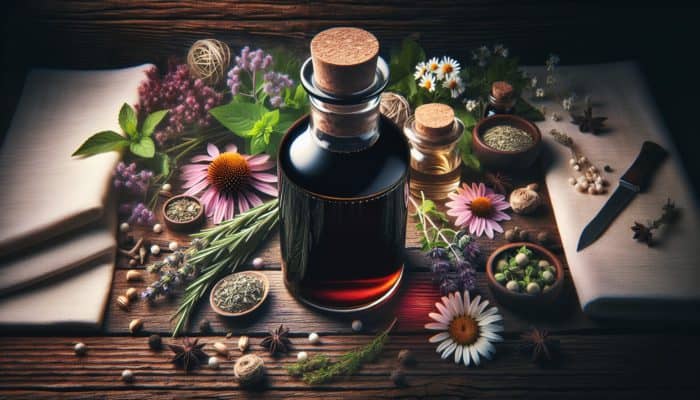
    DIY Herbal Tincture Recipes: A glass bottle of dark herbal tincture with echinacea, chamomile, and valerian on a rustic wooden background.

    Explore DIY Herbal Tincture Recipes: Herbal tinctures are potent liquid extracts derived from an array of herbs, known for their remarkable medicinal benefits. The creation of these tinctures involves a careful and intricate process, where herbs are soaked in a solvent, typically alcohol or vinegar. This method effectively extracts the active compounds from the herbs, preserving their essential qualities. The end result is a robust product that can be easily consumed or utilized in various natural remedies. In the UK, several herbs are popular for tincture-making, including:

    Unlocking the Health Benefits of Herbal Tinctures

    Leveraging the extraordinary benefits of tinctures offers a plethora of advantages for individuals pursuing natural health solutions. One notable benefit is their rapid absorption into the bloodstream, as the alcohol or vinegar base facilitates quicker entry compared to other herbal preparations. Additionally, tinctures are well-regarded for their long shelf life, often remaining potent for several years when stored correctly. Their concentrated nature means only a minimal amount is required for effective dosing, making them both cost-effective and convenient. Furthermore, tinctures can be easily mixed with various beverages, enhancing consumption versatility. Key benefits encompass:

    • Quick and effective absorption
    • Extended shelf life when properly stored
    • Flexibility in dosing and consumption methods
    • Cost-effective due to concentrated formulations

    Crucial Safety Guidelines for Using Herbal Tinctures

    While tinctures are generally safe for most users, specific precautions are essential before incorporating them into your routine. It is imperative to identify potential interactions with pharmaceutical medications, especially for individuals on long-term treatment regimens. Responsible usage entails understanding the unique characteristics of each herb and its associated contraindications. Consulting a healthcare professional prior to initiating any new herbal regimen is always advisable, particularly for pregnant or nursing individuals or those with pre-existing health conditions. Key safety considerations include:

    • Consult a healthcare provider before starting any tincture.
    • Stay informed about potential interactions with other medications
    • Start with small doses to evaluate tolerance
    • Store tinctures in a cool, dark place to prevent degradation

    Comprehensive Guide to Crafting Herbal Tinctures at Home

    Glass jar with chopped herbs in alcohol, sealed, on a dark shelf, softly lit.

    Embarking on the journey of creating your herbal tinctures at home is both accessible and empowering, allowing you to customize remedies to fit your specific health needs. Begin by choosing high-quality, organic herbs and an appropriate solvent, such as high-proof alcohol or vinegar. The typical procedure involves finely chopping the herbs and placing them in a sterilized jar, ensuring that they are fully submerged in the solvent. Seal the jar securely and store it in a cool, dark location for several weeks, gently shaking it every few days to promote extraction. After the steeping period concludes, strain the mixture through a fine mesh or cheesecloth to extract the liquid tincture. This straightforward method enables you to harness the benefits of herbs while tailoring tinctures to suit your health conditions and personal preferences.

    Proven Techniques for Crafting Effective DIY Herbal Tincture Recipes

    Professional Insights for Formulating High-Quality Tinctures

    Experts in the field of herbal medicine recommend several best practices for developing effective tinctures that maximize potency and therapeutic efficacy. A key suggestion is to use high-proof alcohol, as it extracts a wider array of plant compounds compared to lower concentrations. Fresh, organic herbs are favored for their enhanced medicinal properties; however, dried herbs can also be employed with adjusted dosages. The ideal herb-to-alcohol ratio is generally 1:5 for dried herbs and 1:2 for fresh herbs, ensuring that the tincture retains its potency.

    To create your tincture, follow these actionable steps:
    1. Select and prepare your herbs: Thoroughly clean and chop fresh herbs or measure dried herbs according to your desired ratio.
    2. Combine herbs and solvent: Place the herbs in a clean glass jar and cover them completely with alcohol, ensuring full submersion.
    3. Seal and store: Secure the jar tightly and position it in a dark, cool area for 4 to 6 weeks, gently shaking every few days.
    4. Strain and bottle: After the steeping time, strain the liquid using cheesecloth or a fine mesh strainer, and transfer it into a dark glass bottle for optimal storage.

    Identifying the Most Effective Herbs for Crafting Tinctures

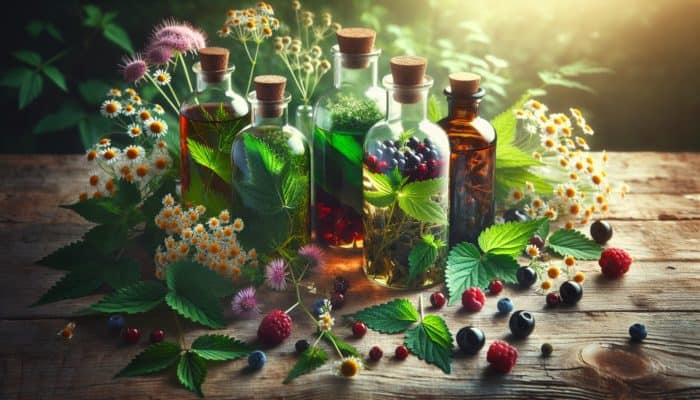
    A still life of nettle, elderberry, and chamomile in tincture bottles on a rustic table with soft light.

    In the UK, a diverse range of herbs is recognized for their efficacy in tincturing, owing to their therapeutic benefits and cultural significance. Nettle is known for its anti-inflammatory properties, making it a popular choice for alleviating allergies and joint discomfort. elderberry is renowned for its immune-boosting capabilities, especially during winter months when colds and flu are more prevalent. Chamomile, a staple in UK herbalism, is cherished for its calming effects, making it an ideal option for promoting relaxation and enhancing sleep quality.

    An effective nettle tincture recipe involves using fresh leaves, soaking them in high-proof alcohol for six weeks, and then straining to create a powerful extract. Elderberry tinctures can be prepared by combining fresh elderberries with vodka or brandy, yielding a remedy that supports immune health. Chamomile tinctures can be made using dried flowers steeped in alcohol to produce a soothing liquid that promotes sleep quality when consumed before bedtime.

    Best Practices for Storing and Preserving Your Herbal Tinctures

    Implementing proper storage and preservation techniques is vital for maintaining the potency and quality of your tinctures. Tinctures should be kept in dark glass bottles to shield them from light exposure, which can degrade the herbal compounds over time. A cool, dark environment, such as a cupboard or pantry, is optimal for storing tinctures, as heat can adversely affect their efficacy.

    Be sure to label each tincture with its preparation date and contents, ensuring safe usage. Regularly check your tinctures to confirm they remain sealed and free from contamination. By adhering to these expert storage practices, you can significantly prolong the shelf life of your tinctures, allowing you to reap their benefits for years ahead.

    Essential Herbs for Tinctures in the UK: A Comprehensive Overview

    Exploring the Health Benefits of Nettle Tincture

    Nettle, commonly found in gardens and wild areas across the UK, is celebrated for its anti-inflammatory properties. Traditionally, this herb has been utilized to alleviate symptoms associated with allergies, particularly hay fever, and to relieve joint pain, making it a favored option for individuals seeking natural remedies. The high concentrations of vitamins and minerals in nettle contribute to its health benefits, including support for kidney function and an overall boost to vitality.

    In UK herbalism, nettle is frequently prepared as a tincture due to its concentrated nature, allowing for effective dosing without the need for large quantities. When consumed as a tincture, nettle may aid in seasonal allergy relief, potentially reducing the reliance on pharmaceutical antihistamines. Additionally, many herbalists recommend incorporating nettle tincture into a daily routine to enhance overall health, particularly during spring when pollen levels rise.

    Utilizing Elderberry Tincture for Immune Support

    Elderberry is a highly esteemed herb in the UK, particularly recognized for its immune-boosting properties. Traditionally, elderberry tincture is used during the cold and flu season to bolster the body’s natural defenses against viral infections. The berries are rich in antioxidants and have been demonstrated to shorten the duration of colds and flu when taken at the onset of symptoms.

    Practically, elderberry tincture can be mixed with warm water for a comforting drink or added to herbal teas for enhanced immune support. Some individuals opt to take it daily throughout winter as a preventative strategy, while others use it acutely when symptoms arise. The versatility and effectiveness of elderberry tincture position it as a staple in many herbalist practices throughout the UK.

    Chamomile Tincture: A Natural Solution for Calm and Relaxation

    Chamomile is widely recognized for its calming effects and is often used in tincture form to promote restful sleep and alleviate anxiety. This popular herb boasts a rich history in UK herbalism, where it is valued for its gentle sedative properties. To maximize its calming effects, chamomile tincture can be consumed before bedtime or during stressful periods throughout the day.

    This tincture can seamlessly fit into a relaxing evening routine, perhaps mixed into a warm cup of milk or herbal tea for added tranquility. Additionally, chamomile tincture can be applied topically to soothe skin irritations or relieve tension headaches. Its versatile applications make chamomile a favorite among herbal enthusiasts seeking natural solutions for daily stress and sleep disturbances.

    Guidelines for Effectively Crafting Tinctures at Home

    Key Considerations for Selecting Herbs for Tinctures

    Choosing the appropriate herbs for your tinctures is the essential first step in creating effective remedies. The selection of herbs should align with the specific health benefits you aim to achieve; for instance, opt for chamomile for relaxation or nettle for allergy relief. Freshness and quality are paramount—always select organic herbs when possible, as they are less likely to be tainted with pesticides or other harmful substances.

    For those new to tincture-making, herbs like peppermint, chamomile, and lavender are excellent choices due to their accessibility and ease of preparation. These herbs yield effective tinctures and serve multiple purposes, from aiding digestion to promoting restful sleep. By thoughtfully curating your herb selection, you can craft tinctures tailored specifically to your health requirements and personal preferences.

    Effective Techniques for Preparing Herbs for Tincturing

    Proper preparation of herbs is crucial for maximizing the extraction of their beneficial compounds during the tincture-making process. Begin by thoroughly cleaning the herbs to eliminate any dirt or contaminants. For fresh herbs, rinse them gently under cool water and pat them dry with a clean towel.

    Chopping the herbs into smaller pieces increases their surface area, facilitating better extraction of active ingredients. In certain instances, particularly with dried herbs, lightly crushing them can further enhance the tincture’s potency. It’s also essential to note that some herbs may require drying before tincturing, as moisture can dilute the alcohol and hinder extraction efficiency. By focusing on the preparation process, you ensure that your tinctures are as effective as possible.

    Understanding the Detailed Steps in the Tincturing Process

    The tincturing process is a blend of art and science, requiring precision and patience. Once your herbs are prepared, place them in a clean, sterilized jar and thoroughly cover them with your chosen solvent, typically high-proof alcohol. Secure the lid tightly and store the jar in a dark, cool location, allowing the mixture to steep for several weeks.

    During the steeping phase, it is crucial to shake the jar gently every few days to promote the extraction process. The ideal steeping duration varies based on the herb used; generally, fresh herbs benefit from soaking for 4 to 6 weeks, while dried herbs may steep for 6 to 8 weeks. After the recommended steeping time, strain the mixture to separate the liquid tincture from the plant material, ensuring that you capture all the potent extracts. This meticulous approach culminates in a powerful herbal remedy ready for use.

    Evidence-Based Advantages of DIY Herbal Tincture Recipes

    Scientific Insights into the Efficacy of Herbal Tinctures

    Research indicates that tinctures serve as an effective method for delivering herbal compounds, promoting various health benefits. Studies often focus on specific herbs and their unique actions within the body. For instance, elderberry has been documented to possess antiviral properties, and its effectiveness in reducing the duration of influenza symptoms aligns with its traditional uses in herbal medicine.

    Furthermore, an increasing body of evidence supports the notion that tinctures, due to their concentrated nature, can provide higher doses of beneficial compounds compared to other herbal forms, such as teas or capsules. This makes tinctures a particularly potent option for those seeking to harness the full potential of herbal remedies in a convenient format. As interest in natural and holistic health continues to grow, scientific inquiry into tinctures is likely to expand, further affirming their role in modern herbalism.

    Comparative Benefits of Tinctures Over Other Herbal Preparations

    Tinctures offer distinct advantages over traditional herbal forms like teas and capsules, primarily regarding absorption and convenience. Unlike teas, which require hot water to extract active compounds and can be time-consuming to prepare, tinctures are ready for immediate use and provide a concentrated dose with just a few drops. Capsules, while convenient, may not always ensure complete absorption of herbal constituents, as stomach acidity can impact efficacy.

    For individuals weighing their options between herbal forms, tinctures can be especially beneficial for those who struggle with digestion or desire quick effects from their herbal remedies. Ultimately, the choice depends on personal preference, lifestyle, and specific health needs. Maintaining a comprehensive understanding of the advantages and potential drawbacks of each form can assist in making informed decisions regarding herbal remedies.

    Potential Side Effects and Important Precautions

    While tinctures are generally safe for many individuals, it is crucial to remain vigilant regarding potential side effects or interactions with medications. Some herbs may provoke allergic reactions, particularly in individuals sensitive to specific plant families. Additionally, certain tinctures may interact with pharmaceuticals, impacting their efficacy or leading to adverse effects.

    To effectively manage potential side effects, it is advisable to begin with small doses and monitor any reactions that may occur. Maintaining a journal of your tincture experiences can help identify patterns related to side effects and allow for dosage adjustments as needed. By staying informed and proactive, you can enjoy the benefits of tinctures while minimizing associated risks.

    Ensuring the Quality of Your Homemade Tinctures

    Maintaining the quality of your DIY tinctures is essential for both safety and effectiveness. Start by selecting high-quality, organic herbs recognized for their potency. Accurate measurements of both herbs and solvents are vital for creating an effective tincture, as incorrect ratios can yield weak or overly concentrated products.

    Proper storage is another key factor; tinctures should be housed in dark glass bottles to protect them from light and ideally kept in a cool, dark environment. Regularly checking your tinctures for signs of spoilage or degradation ensures that you only utilize effective remedies. By adhering to these quality assurance practices, you can feel confident in the tinctures you create at home.

    Where to Find Quality Herbs in the UK for Tinctures

    The Benefits of Shopping at Local Health Food Stores

    Local health food stores in the UK often provide a diverse selection of herbs suitable for tincturing, many of which are sourced from local suppliers. These establishments typically carry high-quality, organic herbs, making them a reliable choice for those interested in creating their tinctures. When shopping at health food stores, it’s prudent to inquire about the origins of the herbs to ensure their quality and sustainability.

    Additionally, local health food stores frequently feature knowledgeable staff who can offer valuable insights into the best herbs for specific ailments, further assisting you in your tincture-making journey. Supporting local businesses not only enhances your health but also benefits the community and promotes sustainable practices within the herbal industry.

    The Advantages of Sourcing Herbs from Online Suppliers

    The convenience of online shopping has transformed the process of sourcing herbs for tinctures in the UK. Numerous reputable online suppliers offer an extensive selection of herbs, complete with detailed information regarding their origin, quality, and intended uses. Websites specializing in herbal products often include customer reviews, enabling you to make informed choices when selecting herbs.

    When choosing an online supplier, prioritize those emphasizing organic and sustainably sourced herbs. Furthermore, verifying certifications or third-party testing can provide additional assurance regarding the quality of the products you purchase. Trusted online suppliers not only save you time but can also grant access to unique herbs that may not be available locally.

    The Rewards of Foraging for Wild Herbs in the UK Countryside

    Foraging for wild herbs in the UK countryside can be a fulfilling experience, allowing you to connect with nature while sourcing fresh herbs for tinctures and other herbal remedies. Common foraging targets include nettle, elderberry, and dandelion. However, it is essential to educate yourself on foraging laws and sustainable practices to ensure that your activities are both legal and ecologically responsible.

    Before embarking on a foraging adventure, familiarize yourself with the specific plant species and their habitats, as well as any potential look-alikes that may be toxic. Foragers should respect local guidelines regarding land access and conservation efforts. Engaging in responsible foraging not only provides fresh herbs but also fosters biodiversity and encourages a deeper appreciation for the natural environment.

    Practical Tips for Using and Dosing Herbal Tinctures

    Mastering the Art of Dosing Herbal Tinctures

    Effectively dosing tinctures involves considering various factors, including the specific herb utilized, the tincture’s strength, and individual health requirements. Generally, it is recommended to start with a small dose, such as 1 to 2 dropperfuls, and observe your body’s response before gradually increasing the amount.

    Signs of appropriate dosing may include alleviation of targeted symptoms without the emergence of adverse reactions. Documenting your dosing experiences can enhance your understanding of your body’s responses and refine your approach over time. Personalizing your dosage based on your body’s reactions is a vital step in utilizing tinctures effectively.

    Creative Methods to Integrate Tinctures into Your Daily Life

    Incorporating tinctures into your daily routine can be both enjoyable and straightforward. Tinctures can be added to a variety of liquids, such as water, juice, or herbal tea, providing flexibility in consumption. This versatility allows you to seamlessly integrate tinctures into your lifestyle, whether as a morning tonic or an evening relaxation aid.

    Moreover, tinctures can be creatively utilized in cooking and baking, enriching dishes with their herbal benefits. For example, a few drops of chamomile tincture can be added to dessert recipes for a soothing effect, while elderberry tincture can enhance homemade syrups or sauces with immune-boosting properties. By exploring innovative ways to incorporate tinctures into your meals, you can enjoy their benefits while elevating your culinary creations.

    Monitoring and Adapting Your Tincture Usage

    Tracking your tincture use and its effects is an invaluable practice that allows for the optimization of your herbal regimen. Maintaining a journal can assist you in logging dosages, frequency, and any notable changes in symptoms or overall well-being. This information can be critical in identifying patterns and making informed adjustments to your tincture use.

    When using tinctures regularly, remain open to modifying your approach based on how you feel. This may involve adjusting the dosage, switching herbs, or changing the timing of when you take your tinctures. By actively monitoring your experiences, you can tailor your herbal use to align with your evolving health needs and ensure you’re maximizing the benefits of your tinctures.

    Frequently Asked Questions About Herbal Tinctures

    Which Alcohol Is Best for Crafting Herbal Tinctures?

    High-proof alcohol, such as vodka or brandy with an alcohol content of at least 40%, is optimal for tinctures as it effectively extracts active compounds from herbs.

    What Is the Shelf Life of Homemade Tinctures?

    When stored properly in dark glass bottles in a cool, dark area, homemade tinctures can last for several years, maintaining their potency throughout.

    Can Tinctures Be Consumed in Large Quantities?

    It’s advisable to start with small doses and gradually increase as needed. Consuming large amounts may lead to adverse effects, depending on the specific herb.

    Are Tinctures Safe for Children?

    Tinctures may not be suitable for children due to their alcohol content. Always consult a healthcare provider before administering tinctures to children.

    How Can I Determine if a Tincture Is Effective?

    You can assess a tincture’s effectiveness by observing any changes in symptoms or overall health following its use, provided that proper dosing is followed.

    Is It Possible to Combine Different Tinctures?

    Yes, you can mix different tinctures, but it’s essential to understand the properties of each herb to ensure they complement each other and avoid adverse effects.

    Do Tinctures Need Refrigeration?

    Tinctures do not require refrigeration; storing them in a cool, dark place is sufficient for preserving their quality over time.

    What Is the Best Method for Taking Tinctures?

    Tinctures can be taken directly or added to water, juice, or tea for a refreshing experience. Consuming them on an empty stomach can enhance absorption.

    Can I Use Dried Herbs Instead of Fresh for Tinctures?

    Yes, dried herbs can be utilized for tinctures, but the herb-to-alcohol ratio typically varies, often requiring more dried herbs than fresh.

    What Should I Do If I Experience Side Effects from a Tincture?

    If you experience side effects from a tincture, discontinue use immediately and consult a healthcare provider for guidance on managing reactions.

    Connect with us on Facebook!

    The Article: DIY Herbal Tincture Recipes: UK’s Natural Remedies appeared first on https://mcrtherapies.co.uk

    The Article Herbal Tincture Recipes: Discover the UK’s Natural Remedies Was Found On https://limitsofstrategy.com
  • Herbs for Babies: A Safe and Gentle Usage Guide

    Herbs for Babies: A Safe and Gentle Usage Guide

    Empowering Parents: Selecting Safe and Beneficial Herbs for Your Baby’s Health

    Embarking on the rewarding journey of utilizing herbs for your baby requires careful consideration of which herbs are both safe and beneficial for their growth. Prioritizing safety is paramount, as infants possess delicate systems that react uniquely to various substances, including herbs. By choosing gentle, non-toxic herbs, you can unlock a wealth of health benefits while protecting your baby’s well-being. This understanding empowers you to make informed decisions that can significantly enhance your infant’s comfort and overall health through the nurturing power of nature’s bounty.

    Discovering the Best Herbs for Your Baby’s Optimal Health

    How to Use Herbs for Babies: A baby sleeping peacefully in a nursery surrounded by chamomile and fennel plants.

    Selecting the most suitable herbs for your baby is essential for their health and comfort. Among the many options, chamomile and fennel are two standout choices known for their gentle and soothing characteristics. Chamomile is widely recognized for its calming effects, making it an ideal choice for soothing a fussy baby. Its natural anti-inflammatory and antioxidant properties can significantly alleviate discomfort in infants. Similarly, fennel is revered for its ability to reduce gas and digestive issues, providing relief from common colic symptoms many babies experience. Understanding these advantages equips you to make thoughtful and informed choices for your baby’s herbal journey.

    When introducing any herbs, it’s prudent to begin with mild herbal teas made from these gentle selections. This method allows for close monitoring of your baby’s reactions, enabling you to make any adjustments as needed. It’s crucial to ensure that the herbs used are of the highest quality, preferably organic, to steer clear of harmful pesticides or chemicals. By thoroughly understanding the benefits and characteristics of these herbs, you can confidently navigate the world of herbal remedies for babies, ensuring a safe and effective experience for your little one.

    Consulting Healthcare Professionals for Tailored Herbal Guidance

    Before incorporating any herbs into your baby’s diet or daily routine, it is vital to consult with a healthcare provider or a qualified herbalist. Every baby is unique, and their health needs can vary significantly. A healthcare professional can provide personalized advice based on your baby’s health history, current medications, and any specific concerns you may have. This critical step ensures your baby’s safety and overall well-being.

    Moreover, seeking professional guidance can help you avoid potential interactions between herbs and any medications your baby may be taking. It’s important to recognize that some herbs can amplify the effects of certain medications or trigger adverse reactions. Insights from a healthcare professional enable you to make safe and informed choices regarding how to use herbs for babies, facilitating a beneficial and secure introduction to herbal remedies that support your baby’s health.

    Identifying Harmful Herbs: Protecting Your Baby’s Health

    While numerous herbs offer beneficial properties, others pose significant risks to your baby’s health. It’s essential to steer clear of herbs like sage and rosemary, as they can be too potent for an infant’s sensitive digestive system and overall physiology. Although sage is a popular culinary herb, it can exert strong medicinal effects that may not be suitable for infants. Similarly, rosemary is known for its stimulating properties, which could lead to digestive discomfort in babies.

    By educating yourself about herbs that may be harmful, you can better protect your little one and ensure a positive experience with herbal remedies. Always double-check the ingredients of any herbal product before introducing it to your baby. This diligence is a vital part of understanding how to use herbs safely and effectively for babies, empowering you to make informed choices with confidence.

    Mastering the Preparation of Herbal Remedies for Infants

    A serene kitchen scene with herbs steeping in boiling water, cooling for a baby's safety.

    The preparation of herbal remedies is just as important as selecting the right herbs. To ensure both safety and effectiveness, it’s crucial to learn the appropriate methods for preparing herbal teas or infusions. Start by selecting high-quality dried herbs and steep them in boiling water, which helps extract their beneficial properties. However, allow the tea to cool to a safe temperature before offering it to your baby to prevent any risk of burns.

    Diluting the herbal tea with water is another essential step to consider. Infants require a milder dosage, and dilution reduces the strength of the tea, making it safer for them to consume. A good starting point is a ratio of one part herbal tea to two parts water, adjusting according to your baby’s age and comfort level. This careful approach to preparation ensures you provide a safe and effective herbal remedy for your baby.

    Finally, always store any prepared herbal remedies correctly. Keep the tea in a cool, dark place and consume it within a few days to maintain its freshness and efficacy. By mastering the preparation of herbal remedies, you can confidently incorporate these soothing options into your baby’s routine, ensuring they receive the gentle benefits that herbs can offer.

    Monitoring Your Baby’s Reactions to New Herbs

    When introducing herbs into your baby’s diet, it is crucial to proceed with careful observation. After introducing a new herb, closely monitor your baby for any signs of adverse reactions, such as rashes, fussiness, or digestive upset. Vigilance is essential, as even mild reactions can indicate that the herb may not be suitable for your baby’s unique constitution.

    If you notice any negative symptoms, it is vital to discontinue use immediately and consult your healthcare provider for further guidance. Patience is key in this process. Start with small amounts and gradually increase as you learn how your baby responds.

    Monitoring your baby’s response not only helps ensure their safety but also builds your confidence in using herbs effectively. Through careful consideration and observation, you can provide your baby with the gentle benefits of herbs, ensuring a positive experience with herbal remedies that support their well-being.

    Crafting Nourishing Herbal Teas for Infants

    Brewing herbal teas for your baby can be a delightful and beneficial experience when approached correctly. By employing the right techniques, you can ensure that the tea is both safe and effective, allowing your little one to enjoy the soothing benefits these herbs provide.

    Essential Techniques for Brewing Safe Herbal Teas for Infants

    A cozy kitchen with a teapot of herbs, steam, timer, and cooling container for baby's safety.

    To brew herbal teas specifically for your baby, always start with high-quality dried herbs. Place the herbs in a teapot or cup, then pour boiling water over them. Allow the herbs to steep for a few minutes—typically three to five—depending on the specific herb used. This process enables the active ingredients to infuse into the water, resulting in a herbal tea rich in beneficial properties.

    Once the steeping time has elapsed, it is crucial to cool the tea to a safe temperature before serving it to your baby. You can transfer the tea to a different container to expedite the cooling process, ensuring it is not too hot when it reaches your baby’s lips. This attention to detail is vital for your baby’s safety and comfort.

    Using a fine strainer to remove any solid herb particles is also highly recommended, as babies may choke on them. This simple precaution ensures that your baby receives only the liquid tea, making it safer for consumption and enhancing their enjoyment of the drink.

    Ensuring Safety Through Dilution of Herbal Teas for Infants

    Infants have sensitive systems that necessitate careful consideration regarding what they consume. Consequently, when preparing herbal teas, diluting them is an essential practice. This not only reduces the strength of the tea but also ensures it is safe for your baby to consume. Start with a basic dilution of one part herbal tea to two parts water, adjusting according to your baby’s comfort level and age.

    For instance, if you brewed chamomile tea, mix it with an equal part of cool, boiled water to create a milder infusion. This practice allows your baby to enjoy the benefits of the herbal tea without overwhelming their delicate system. As your baby grows and becomes more accustomed to herbal flavors, you may gradually decrease the dilution, but always proceed with caution.

    Furthermore, introducing diluted herbal teas can serve as an excellent way to gradually expose your baby to new flavors. Keeping the taste mild ensures that your baby is more likely to accept the herbal tea without fuss, paving the way for a more enjoyable experience.

    Optimal Storage Practices for Maintaining Herbal Teas’ Freshness

    Proper storage of herbal teas is vital to preserving their freshness and efficacy. Store any prepared herbal teas in a cool, dark place, ideally in a sealed container, to prevent exposure to air and light, which can degrade the tea’s quality. This attention to storage practices is crucial for maintaining the herbal benefits.

    It is advisable to consume the herbal tea within a few days of brewing to ensure that it retains its beneficial properties. If stored correctly, herbal teas can last up to one week in the refrigerator. However, it is best to prepare small batches to ensure you are always offering fresh tea to your baby.

    If you notice any changes in color, smell, or taste, it is wise to err on the side of caution and discard the tea. Freshness is crucial to ensuring that your baby receives the full benefits of the herbs. By following proper storage practices, you can confidently incorporate herbal teas into your baby’s routine, enhancing their overall well-being.

    Harnessing Herbs for Effective Colic Relief in Infants

    Managing colic in infants can be one of the most challenging aspects of parenting. Thankfully, utilizing herbs can offer comforting relief and help ease your baby’s discomfort. Numerous herbal options are recognized for their effectiveness in alleviating colic symptoms, providing a natural approach to this common issue.

    The Calming Benefits of Fennel Tea for Colic Relief

    Fennel tea has long been cherished for its calming and soothing properties, particularly for infants experiencing digestive discomfort. The essential oils found in fennel can help relax the muscles of the gastrointestinal tract, facilitating easier digestion while reducing gas and bloating. This makes fennel tea an excellent choice for addressing colic.

    Preparing fennel tea for your baby is a straightforward process. By steeping dried fennel seeds in boiling water, you create a mild tea that can be diluted for your little one’s consumption. Offering this tea can provide significant relief during colic episodes, promoting a sense of comfort and well-being for your baby.

    Additionally, fennel is known for its pleasant taste, which often makes it more acceptable to infants compared to some other herbal remedies. Always start with a small amount and closely monitor your baby’s response. If they seem to enjoy the flavor and you observe improvements in their symptoms, you can gradually increase the quantity while ensuring adequate dilution.

    Chamomile’s Calming Effects: A Natural Solution for Colic Discomfort

    Chamomile tea is another powerful ally in combating colic. Renowned for its calming properties, chamomile has been utilized for centuries to soothe upset stomachs and promote relaxation. Its anti-inflammatory properties also help alleviate discomfort associated with colic episodes, making it an excellent choice for fussy babies.

    To prepare chamomile tea, simply steep dried chamomile flowers in boiling water and allow them to cool before serving. Be sure to adequately dilute the tea, as mentioned previously, to guarantee it is safe for your baby. The gentle floral taste is often appealing, and many babies find it comforting and soothing.

    When introducing chamomile tea, remember that patience is vital. Start with small amounts and observe your baby’s reactions closely. If your baby appears calmer and more comfortable after consuming chamomile tea, this could become a regular part of their routine during colic episodes, providing much-needed relief.

    Adhering to Safe Dosage Guidelines When Using Herbs for Colic Relief

    When utilizing herbs for colic relief, adhering to safe dosage guidelines is crucial. For infants, moderation is key. Typically, starting with a quarter of a cup of diluted herbal tea is a good initial quantity, administered two or three times a day. If your baby responds positively, you can gradually increase the quantity to half a cup, all the while monitoring them closely for any adverse reactions.

    It is also wise to consult your healthcare provider for specific guidance based on your baby’s age and health status. This personalized approach ensures that your baby receives the appropriate dosage tailored to their individual needs, promoting their well-being effectively.

    Remember that every baby is unique; what works for one may not work for another. By following safe dosage guidelines and remaining observant, you can effectively utilize herbs like fennel and chamomile to provide your baby with much-needed relief from colic discomfort.

    The Anti-Inflammatory Benefits of Ginger for Colic Relief

    Ginger is another herb that can be beneficial for babies experiencing colic. Known for its anti-inflammatory properties, ginger tea can help reduce inflammation in the digestive tract, providing relief from discomfort and gas that often accompany colic episodes. This gentle approach can be a natural way to ease your baby’s suffering.

    To prepare ginger tea for your baby, you can use fresh ginger root, peeled and sliced. Steep the slices in boiling water, allowing the beneficial compounds to infuse. As with other herbal teas, ensure that it is adequately diluted before offering it to your baby, maintaining their safety and comfort.

    By introducing ginger in small amounts, you can gauge your baby’s response. If they tolerate it well, it can be an excellent addition to their herbal repertoire for colic relief. Always be mindful of ginger’s potency; a little goes a long way, and ensuring your baby’s comfort should always be your top priority.

    Herbal Solutions to Soothe Teething Discomfort in Infants

    Teething can be a challenging time for both babies and parents, often accompanied by discomfort and irritability. Thankfully, several herbal remedies can offer soothing relief, making this transitional phase smoother for your little one as they navigate through this developmental milestone.

    Utilizing Clove Oil for Effective Teething Pain Relief

    Clove oil is well-known for its natural analgesic properties, making it a valuable remedy for easing teething pain. When applied in a diluted form, it can help numb the gums, providing quick relief for your baby. However, caution is essential; always ensure that the clove oil is significantly diluted before application to prevent any risk of irritation.

    To use clove oil, mix a small amount with a carrier oil, such as sweet almond or coconut oil, and gently massage it onto your baby’s gums. This method not only soothes discomfort but also provides a calming ritual during what can be a distressing time for both the baby and parent.

    Always monitor your baby’s reaction after using clove oil. If you notice any signs of irritation or discomfort, discontinue use immediately. By carefully administering clove oil and observing its effects, you can create a more manageable teething experience for your baby, helping them cope with this challenging phase.

    Chamomile Teething Gels: A Gentle Soothing Solution

    Chamomile-based teething gels are another effective option for providing relief during the teething phase. These gels harness the soothing properties of chamomile, helping to calm irritated gums. They are typically designed for easy application, allowing for a mess-free experience while providing comfort to your little one.

    When selecting chamomile teething gels, opt for products specifically formulated for babies, ensuring they are free from harmful additives and chemicals. Apply the gel to your baby’s gums according to the manufacturer’s instructions, typically using a clean finger for application.

    Not only do these gels offer temporary relief, but they also incorporate the calming aroma of chamomile, contributing to a more relaxed atmosphere during teething. By incorporating chamomile teething gels into your baby’s routine, you can help them navigate the teething process with greater ease and comfort.

    Choosing Natural Teething Toys Infused with Herbal Benefits

    Teething toys are essential tools for helping babies self-soothe during this challenging period. By incorporating safe herbs like chamomile into teething toys, you can provide your little one with added comfort and relief. Many baby-friendly teething toys are infused with herbal extracts, offering a calming scent and additional benefits.

    When selecting teething toys, ensure they are made from safe, non-toxic materials and designed specifically for infants. Look for options that can be refrigerated or frozen, as the cold can help numb the gums, providing further relief during teething episodes.

    Encouraging your baby to chew on these herbal-infused toys can help alleviate teething pain while also providing entertainment and exploration. The combination of herbal properties and the natural texture of the toy supports a holistic approach to teething management, ensuring your baby feels comforted and cared for.

    Using Lavender Oil for Gentle Teething Discomfort Relief

    Lavender oil is another fantastic remedy to consider during teething. Known for its calming properties, massaging diluted lavender oil onto your baby’s gums can help reduce discomfort and promote relaxation. The soothing aroma of lavender not only aids in pain relief but also creates a calming environment, making it perfect for teething periods.

    To use lavender oil safely, dilute a few drops with a carrier oil, then gently massage it onto your baby’s gums. This method provides targeted relief while also fostering a loving and nurturing connection between you and your baby during what can be a challenging time.

    Always ensure that your baby’s skin does not react negatively to the oil. If you notice any irritation, discontinue use and consult a healthcare provider for further advice. By incorporating lavender oil into your baby’s teething relief routine, you can help ease their discomfort and create a peaceful atmosphere during this transitional phase.

    Cooling Relief with Peppermint Teething Sachets

    Peppermint-filled sachets can also be a delightful addition to your baby’s teething relief toolkit. When chilled, these sachets provide a cooling sensation that can help numb sore gums and ease discomfort. The soothing properties of peppermint make it an excellent choice for teething babies, offering a natural remedy to help alleviate pain.

    To create peppermint sachets, fill small fabric pouches with dried peppermint leaves, ensuring they are securely closed. Before offering them to your baby, chill the sachets in the refrigerator for a short period. Always supervise your baby while they chew on the sachets, ensuring they do not ingest any small parts.

    Peppermint sachets not only offer relief but also introduce a new sensory experience for your baby, engaging their sense of smell and taste as they explore the herbal properties. By incorporating peppermint sachets into your teething toolkit, you can help make this phase more manageable for both you and your baby, providing comfort and relief during a challenging time.

    Safely Integrating Herbs into Your Baby’s Diet

    As your baby grows, introducing herbs into their diet can enhance flavor while providing additional nutritional benefits. It is essential to incorporate herbs safely and effectively to ensure a positive experience for both you and your little one as they transition to solid foods.

    Gradually Introducing Herbal Purees to Your Baby

    Starting with herbal purees is an excellent method to gradually introduce new flavors to your baby. Begin by preparing a simple vegetable or fruit puree and mixing in small amounts of mild herbs, such as <a href=”https://mcrtherapies.co.uk/parsley-for-detoxification-a-natural-cleansing-guide/”>parsley</a> or basil. These herbs not only add a burst of flavor but also enrich the nutritional profile of the meal, offering added health benefits.

    For instance, mixing a small amount of freshly chopped basil into a sweet potato puree creates a delightful combination that introduces your baby to new tastes and experiences. Always start with a minimal quantity—about a quarter teaspoon—and closely monitor your baby’s reaction. If they enjoy it and show no signs of allergies, you can gradually increase the amount in subsequent meals.

    This gradual introduction not only helps your baby acclimatize to different flavors but also opens the door to a diverse diet filled with healthy herbs, promoting a love for food and healthy eating habits from an early age.

    Boosting Nutritional Value with Beneficial Herbs

    Herbs like parsley and basil are packed with essential vitamins and minerals, making them ideal for enhancing your baby’s meals. Parsley is rich in vitamin K, which supports bone health, while basil offers antioxidants that can promote overall well-being and contribute to your baby’s growth.

    Incorporating these herbs into meals can be as straightforward as sprinkling finely chopped fresh herbs onto vegetable purees or mixing them into oatmeal. Not only do they elevate the flavor, but they also contribute to a well-rounded diet, introducing your baby to various nutrients early on in their development.

    When using herbs in baby food, moderation is key. A little goes a long way, and it’s important to ensure your baby receives a balanced diet during their formative years. By incorporating herbs into meals, you can cultivate a love for food and foster healthy eating habits that will last a lifetime.

    Vigilantly Monitoring for Allergic Reactions in Infants

    As you introduce new herbs into your baby’s diet, it is imperative to be vigilant for any signs of allergies. Common symptoms to watch out for include rashes, gastrointestinal distress, or unusual fussiness. Always introduce one new herb at a time and wait a few days before adding another to gauge your baby’s response properly.

    If any adverse reactions occur, discontinue use of the herb immediately and consult a healthcare provider for further guidance. By being observant and responsive to your baby’s needs, you can safely explore the world of herbs while ensuring a positive and nourishing experience filled with the benefits of nature.

    Creating Calming Herbal Baths for Your Baby

    Bath time can be a calming ritual for both babies and parents, and incorporating herbs into bathwater can enhance this soothing experience. Utilizing gentle herbs can promote relaxation, alleviate skin irritation, and create a serene environment for your baby during bath time.

    Crafting Relaxing Lavender Baths for Serenity

    Adding a few drops of lavender oil to your baby’s bathwater can create a soothing atmosphere that promotes relaxation and calmness. Lavender is renowned for its calming properties, making it an ideal addition to bath time during stressful days or after a fussy period, helping your baby unwind.

    When using lavender oil, ensure that it is diluted properly with a carrier oil to prevent any skin irritation. Mixing a few drops with a tablespoon of a carrier oil, such as sweet almond or coconut oil, allows you to add it to the bathwater safely. This practice not only adds a delightful aroma but also nourishes your baby’s skin, making their bathing experience more enjoyable.

    Encouraging your baby to relax in a lavender bath can help establish a calming bedtime routine. The soothing scent of lavender can promote better sleep, making it a wonderful addition to bedtime baths that help ease your baby into a peaceful night’s rest.

    Utilizing Chamomile for Soothing Skin Baths

    Chamomile baths can be incredibly beneficial for soothing your baby’s delicate skin, particularly if they are experiencing irritation or rashes. The anti-inflammatory properties of chamomile help calm inflamed skin, providing a gentle and effective remedy that can alleviate discomfort and restore comfort.

    To create a chamomile bath, steep dried chamomile flowers in boiling water and strain the mixture before adding it to the bath. This infusion creates a soothing bath that can help alleviate discomfort from conditions such as nappy rash or eczema, ensuring your baby’s skin remains healthy and happy.

    Offering your baby a chamomile bath can be a nurturing experience, promoting relaxation while also caring for their skin. As with any new addition to your baby’s routine, monitor their skin response, and discontinue use if any irritation occurs to ensure their safety and comfort.

    Oatmeal Baths: A Gentle Solution for Sensitive Skin

    Oatmeal baths provide an excellent option for babies with sensitive skin. Oatmeal is well-known for its soothing properties, which help relieve irritation and inflammation associated with conditions such as eczema or dry skin. This natural remedy can be a gentle way to care for your baby’s delicate skin.

    To prepare an oatmeal bath, grind plain oats into a fine powder and add them to your baby’s bathwater. This practice creates a milky solution that coats the skin, providing relief and hydration that is beneficial for maintaining healthy skin.

    Not only will your baby benefit from the soothing effects of the oatmeal bath, but the experience of splashing around in the water can also be delightful for them. Regular oatmeal baths can help maintain healthy skin, especially during dry seasons, ensuring your baby remains comfortable and happy.

    Rosehip Oil for Deep Hydration and Skin Nourishment

    Incorporating rosehip oil into your baby’s bath can provide deep moisturization, keeping their skin soft and hydrated. Rich in essential fatty acids and vitamins, rosehip oil is a natural emollient that can effectively combat dryness and irritation, ensuring your baby’s skin remains in optimal condition.

    To use rosehip oil, add a few drops to the bathwater. Always ensure that the oil is suitable for babies and free from any harmful additives. The gentle properties of rosehip oil make it an excellent choice for nourishing your baby’s skin after bath, enhancing their comfort and well-being.

    Following up with a light massage using rosehip oil on your baby’s skin can further enhance moisturization. This practice not only benefits their skin but also fosters a loving connection during bath time, enriching the bonding experience between you and your baby.

    Frequently Asked Questions About Safe Herbal Usage for Babies

    Are all herbs suitable and safe for babies?

    Not all herbs are suitable for babies. Always consult a healthcare provider before introducing any herbs, and stick to gentle options like chamomile and fennel, which are typically recognized as safe for infants.

    How can I effectively prepare herbal teas for my baby?

    To prepare herbal teas, steep dried herbs in boiling water for a few minutes, then cool and dilute the tea before serving it to your baby to ensure safety and comfort.

    Which herbs should I avoid introducing to my baby?

    Avoid strong herbs such as sage and rosemary, which can be too potent for a baby’s sensitive system and may cause digestive discomfort or adverse reactions.

    What are some effective ways to use herbs for colic relief?

    Herbs like fennel and chamomile can help soothe colic. Prepare herbal teas and ensure they are diluted to the appropriate concentration before offering them to your baby for safe consumption.

    Is it safe to use clove oil for teething pain?

    Yes, clove oil can be a safe option for teething pain relief; however, it is crucial to ensure that it is significantly diluted before applying it to your baby’s gums to avoid any potential irritation.

    How can I effectively introduce herbs into my baby’s diet?

    Begin with small amounts of pureed herbs mixed into baby food, gradually increasing the quantity as your baby adapts to new flavors and textures over time.

    What are the benefits of using chamomile for babies?

    Chamomile is known for its calming properties, helping to soothe fussy babies and alleviate digestive discomfort, making it a favorite among parents seeking natural remedies.

    Can I safely use lavender oil in my baby’s bath?

    Yes, diluted lavender oil can create a calming bath experience, promoting relaxation and potentially improving sleep quality for your baby when used correctly.

    How do I know if my baby is allergic to herbs?

    Monitor your baby for signs such as rashes, fussiness, or gastrointestinal issues. Always introduce one herb at a time to ensure better tracking of any potential reactions or side effects.

    What is the best method for storing herbal teas for babies?

    Store prepared herbal teas in a cool, dark place and use them within a few days for optimal freshness and effectiveness, ensuring your baby receives the full benefits of the herbs.

    Connect with us on Facebook!

    The Article: How to Use Herbs for Babies: A Gentle Guide appeared first on https://mcrtherapies.co.uk

    The Article Herbs for Babies: A Gentle Guide to Safe Usage Was Found On https://limitsofstrategy.com

  • Natural Remedies with Sage for Sore Throat Relief

    Natural Remedies with Sage for Sore Throat Relief

    Explore the Remarkable Healing Benefits of Sage for Alleviating Sore Throat Discomfort

    The extraordinary herb, sage, has been revered for centuries, not only for its flavorful culinary applications but also for its outstanding medicinal properties. In the UK, where natural remedies are integral to traditional health practices, sage emerges as a potent ally in relieving throat distress. The three primary benefits of sage that enhance its ability to soothe sore throats are its anti-inflammatory properties, antimicrobial effects, and its capacity to provide immediate soothing relief. These qualities firmly establish sage as a crucial component of any holistic health toolkit.

    Harnessing Sage’s Anti-Inflammatory Properties for Enhanced Throat Relief

    Sage for Sore Throat Relief: A steaming cup of sage tea with fresh leaves on a soothing blue background, symbolizing throat relief.

    Inflammation is often a primary contributor to the irritation and discomfort associated with a sore throat. Numerous studies demonstrate that sage is abundant in powerful anti-inflammatory compounds, particularly rosmarinic acid. This specific compound functions by inhibiting the production of inflammatory cytokines, which leads to a noticeable reduction in both swelling and pain. In practical terms, sipping <a href=”https://mcrtherapies.co.uk/techniques-for-herbal-steam-inhalation-a-guide-to-wellness/”>sage tea</a> is not only a comforting experience but also a highly effective strategy for diminishing throat inflammation and promoting overall throat wellness.

    For individuals grappling with chronic throat conditions, integrating sage into their dietary or wellness routines can lead to significant symptom relief, resulting in improved comfort and a better quality of life. Furthermore, clinical research has shown that sage can rival certain over-the-counter medications in terms of reducing inflammation and providing pain relief. For those in the UK dealing with seasonal allergies, sage can act as a natural remedy, soothing the throat during flare-ups and offering a holistic approach to managing symptoms.

    Moreover, when prepared correctly, sage tea can also serve as a warm compress for the throat, further enhancing its anti-inflammatory benefits. The warmth from the tea improves blood circulation to the affected area, facilitating a quicker recovery and increased comfort during episodes of throat discomfort.

    Revealing the Antimicrobial Potency of Sage

    A sore throat frequently arises from bacterial or viral infections, making the antimicrobial properties of sage essential for combating these harmful pathogens. Sage is renowned for its significant antimicrobial activity, attributed to its essential oils, which contain powerful compounds such as thujone and camphor. Several studies have validated that these components effectively inhibit the growth of a wide range of bacteria and viruses that threaten throat health.

    Research conducted by the University of Reading has indicated that sage is effective against common pathogens, including Streptococcus, the bacterium responsible for strep throat. By incorporating sage into one’s health regimen—especially during the cold and flu season—individuals can adopt a proactive approach to preventing infections. In the UK, where the humid climate can exacerbate throat conditions, having sage readily available provides a natural defense against these seasonal challenges.

    Additionally, sage’s ability to inhibit microbial growth extends beyond its immediate use in teas or gargles. It can also be formulated into lozenges or throat sprays, providing a convenient means to reap its benefits throughout the day. This versatility positions sage not only as an herbal remedy but as a practical option for individuals seeking natural health solutions.

    Experience Immediate Comfort with the Calming Qualities of Sage

    One of the most immediate benefits of utilizing sage for sore throat relief is its naturally soothing properties. The act of sipping warm sage tea can deliver instant comfort, while the herb’s delightful flavor and aroma enrich the overall experience. Many users report a refreshing sensation that envelops them, replacing discomfort with tranquility. This calming effect is attributed to the herb’s ability to relax the muscles in the throat, effectively diminishing the urge to cough.

    In practical terms, preparing sage tea is a straightforward yet effective process. By steeping fresh or dried sage leaves in hot water, beneficial compounds are released, creating a warm infusion that can be savored leisurely. The warmth plays a pivotal role in delivering the desired soothing relief, making sage tea a favored remedy for anyone seeking relief from throat discomfort.

    In addition to tea, gargling with a sage-infused solution can amplify its soothing effects. When combined with salt—a common recommendation in UK health practices—this gargle can help cleanse and calm the throat, offering relief from irritation caused by persistent coughs and colds.

    The cumulative advantages of sage—addressing inflammation, combating pathogens, and providing immediate comfort—position it as a standout choice for individuals in search of effective remedies for sore throat relief. In an era where many are gravitating towards natural remedies, sage stands out as a potent option, supported by both tradition and scientific validation.

    Effective Strategies to Enhance Sage’s Power for Sore Throat Relief

    A kitchen table with sage tea, gargle solution, lozenges, and fresh sage leaves.

    Understanding how to effectively harness the benefits of sage for throat relief empowers individuals to manage their throat health efficiently. Several methods exist for utilizing sage that can optimize its therapeutic potential, including preparing sage tea, creating a gargle solution, and using sage-infused lozenges. Each method presents unique benefits that contribute to a comprehensive wellness strategy.

    Step-by-Step Guide to Brewing Sage Tea for Optimal Relief

    The simplest yet most effective method to utilize sage for sore throat relief is by preparing sage tea. To craft this soothing beverage, begin by boiling filtered water—if possible, to ensure purity. Once the water reaches a rolling boil, add a handful of fresh sage leaves or two teaspoons of dried sage. Allow the mixture to steep for about ten minutes, a crucial step that permits essential oils and beneficial compounds to infuse into the water, thereby enhancing the tea’s health properties.

    After brewing, strain the tea to remove the leaves and let it cool slightly before sipping. To enhance both flavor and medicinal benefits, consider adding honey, which is renowned for its soothing properties and can effectively coat the throat. This combination not only promotes hydration but also ensures that the throat is enveloped in natural ingredients that work synergistically to provide relief.

    Regularly consuming sage tea, particularly during the colder months or whenever throat discomfort arises, can yield cumulative benefits. Many individuals in the UK have embraced this practice, often enjoying a cup in the evenings as a comforting ritual. The warmth of the tea also promotes relaxation, making it an ideal pre-bedtime drink.

    For those with busy lifestyles, sage tea can be brewed in larger quantities and stored in the refrigerator for future use. Simply reheat as needed for an instant dose of throat support, ensuring you are always prepared to address any potential throat issues.

    Crafting a Sage Gargle Solution for Targeted Throat Relief

    A sage gargle solution offers a focused approach to alleviating sore throat irritation. To create this solution, start with a cup of freshly brewed sage tea, following the preparation method previously outlined. Once your tea has cooled to a lukewarm temperature, add a teaspoon of salt. Salt acts as a natural antiseptic, enhancing the gargle’s effectiveness in alleviating throat swelling and discomfort.

    When gargling with this solution, take a small sip, tilt your head back, and gently gargle for about 30 seconds before spitting it out. This practice can be repeated several times throughout the day, especially after meals or before bedtime. The combination of sage and salt works to combat bacteria present in the throat while also providing a calming effect.

    Research indicates that individuals who regularly use saltwater gargles experience reduced throat discomfort, and the addition of sage can amplify these positive effects. Those in the UK, particularly during winter months when throat infections are common, may find this method especially beneficial.

    For enhanced effectiveness, consider incorporating other soothing ingredients into your gargle solution, such as apple cider vinegar, which boosts health benefits and can further enhance the antimicrobial properties of sage.

    Enjoy the Convenience of Sage Lozenges for On-the-Go Relief

    Golden sage lozenges in a glass jar with fresh sage leaves and honey, on a blue background with steam.

    For those seeking a portable solution to sore throat discomfort, sage-infused lozenges present an excellent alternative. These lozenges typically combine the beneficial properties of sage with soothing agents such as honey, menthol, or lemon. They offer convenient on-the-go relief, particularly in situations where drinking tea or gargling may not be practical.

    When selecting sage lozenges, opt for products that feature natural ingredients and avoid those filled with artificial flavors or sweeteners. Many health food stores across the UK provide a variety of sage lozenges, often in organic formulations that ensure you receive the full benefits of the herb without unnecessary additives.

    For maximum effectiveness, use lozenges as directed on the packaging, typically allowing them to dissolve slowly in the mouth. This process enables the active ingredients to coat the throat, providing a soothing effect that lasts longer than the immediate relief offered by tea or gargles.

    Incorporating sage lozenges into a comprehensive throat care strategy can be particularly advantageous for individuals who frequently speak or sing, such as teachers and performers. These lozenges can help maintain throat hydration and comfort throughout the day, making it easier to meet vocal demands without discomfort.

    Exploring the Diverse Varieties of Sage Available in the UK

    In the UK, several types of sage are readily available, each offering unique benefits that enhance the effectiveness of sage in soothing sore throats. Understanding these varieties can help individuals select the most suitable sage for their specific needs.

    Common Sage: The Most Accessible Variety

    The most recognized variety is Common Sage, scientifically known as Salvia officinalis. This sage is easily accessible in supermarkets and health food stores throughout the UK, making it a convenient option for those seeking natural remedies. Renowned for its robust flavor and numerous health benefits, Common Sage is a staple in both culinary dishes and herbal remedies.

    The leaves of Common Sage are rich in essential oils and antioxidants, making them an excellent choice for combating inflammation. Its uses extend beyond mere sore throat relief; this variety is often included in cooking, allowing individuals to benefit from its properties while enjoying delicious meals. Regularly incorporating Common Sage into dishes can significantly enhance overall throat health.

    Moreover, many gardeners in the UK cultivate Common Sage in their herb gardens, appreciating its ease of growth and resilience. Its hardy nature allows it to thrive in various climates, ensuring a fresh supply for those who prefer to use it in its raw form.

    Pineapple Sage: A Unique and Fragrant Alternative

    Another noteworthy variety is Pineapple Sage, scientifically named Salvia elegans. Although less common than its counterpart, Pineapple Sage is cherished for its aromatic leaves that emit a sweet, fruity fragrance reminiscent of pineapple. This variety is often employed in herbal remedies and offers a novel twist to traditional sage applications.

    While Pineapple Sage may not be as widely recognized for its sore throat benefits, it possesses similar properties to Common Sage. Users have reported positive effects when using Pineapple Sage in teas or infusions. Its refreshing taste can make it a delightful alternative for those seeking a sweeter approach to their throat relief regimen.

    Though Pineapple Sage may be less accessible than Common Sage, it can often be found in specialty herbal shops and select online retailers across the UK. For those who enjoy experimenting with flavors in their remedies, Pineapple Sage provides a creative avenue for soothing sore throats.

    Clary Sage: Complementing Properties for Overall Relaxation

    Clary Sage, or Salvia sclarea, is another variety found in the UK, often recognized for its distinct aroma and uses in aromatherapy. While Clary Sage is not as commonly utilized for sore throat relief, it possesses several properties that can complement traditional sage methods.

    Clary Sage is well-known for its calming effects, making it an ideal addition to relaxation rituals, especially for those who experience throat discomfort exacerbated by stress. When combined with traditional remedies like teas or lozenges, Clary Sage can enhance the overall soothing experience, creating a multifaceted approach to throat health.

    Users interested in the holistic aspects of Clary Sage may also explore its uses in essential oil form, which can be diffused or applied topically (when appropriately diluted). This variety’s versatility allows it to be integrated into both herbal and aromatic remedies, offering diverse pathways for relief.

    Where to Source Premium Quality Sage in the UK

    Locating high-quality sage in the UK is relatively simple, given its popularity in both culinary and medicinal contexts. Whether you’re in the market for fresh leaves, dried herbs, or sage-infused products, a variety of sources are available to cater to your needs.

    Local Supermarkets: Your Convenient Source for Sage

    Most UK supermarkets stock a range of fresh and dried herbs, including sage. Stores like Tesco, Sainsbury’s, and Waitrose typically feature dedicated herb sections, making it straightforward to find Common Sage for your home remedies. Fresh sage is often located in the produce section, while dried sage is usually found in the baking or spice aisle.

    When purchasing sage from supermarkets, look for vibrant, green leaves when buying fresh. Dried sage should be aromatic and not overly dusty or faded. Always check the packaging for expiration dates to ensure you are purchasing the freshest ingredients available.

    Many supermarkets also offer organic options, which can enhance the health benefits of sage. Choosing organic sage ensures fewer chemical residues and may result in a more potent flavor and aroma.

    Health Food Stores: A Treasure Trove of Sage Options

    Specialty health food stores in the UK often provide a wider variety of sage products than mainstream supermarkets. Outlets such as Holland & Barrett and independent herbal shops frequently carry fresh, dried, and powdered sage, along with sage-infused offerings, such as teas and lozenges.

    Shopping at health food stores allows customers to explore different sage varieties, including Pineapple Sage and Clary Sage, which may not be easily found in regular supermarkets. The staff at these stores are often knowledgeable about herbal remedies and can provide valuable insights on which sage products are best suited to specific health needs.

    Additionally, health food stores typically prioritize organic and sustainably sourced products, ensuring that customers receive high-quality ingredients. This focus on natural health can be a significant advantage for individuals looking to incorporate sage into their wellness routines.

    Online Retailers: The Convenience of Digital Shopping for Sage

    For those who prefer the convenience of online shopping, numerous UK retailers offer sage in various forms. Websites like Amazon, eBay, and dedicated herb shops provide a comprehensive selection of sage, including dried leaves, teas, tinctures, and lozenges.

    When purchasing sage online, it is crucial to read product descriptions thoroughly to ensure the quality and origin of the product. Checking reviews and ratings can help gauge the reliability of the seller and the effectiveness of their sage products.

    Online shopping also allows consumers to easily compare prices and discover brands that may not be available in local stores. For those residing in rural areas or locations with limited access to herbal remedies, online retailers can serve as a vital resource for obtaining high-quality sage products.

    Understanding the Safety and Precautions Associated with Sage Usage

    While sage offers numerous benefits for sore throat relief, it is essential to approach its use with knowledge and caution. Recognizing potential allergies, adhering to dosage guidelines, and consulting healthcare providers ensures that individuals can safely enjoy the therapeutic effects of sage without adverse reactions.

    Identifying and Managing Potential Allergic Reactions to Sage

    As with any herbal remedy, some individuals may experience allergic reactions to sage. Symptoms can range from mild irritation to more severe reactions, including skin rashes or gastrointestinal discomfort. It is advisable to conduct a patch test before consuming sage in larger quantities, especially for those with a history of allergies to herbs.

    Starting with modest doses, such as a cup of sage tea, allows individuals to monitor their body’s responses. If any adverse reactions occur, it is critical to discontinue use immediately and consult a healthcare professional.

    For those with known allergies to plants in the Lamiaceae family (which includes mint and basil), caution is advised when using sage. Always consult a healthcare provider if you have any doubts about potential allergic reactions.

    Adhering to Recommended Dosage Guidelines for Sage

    When utilizing sage for medicinal purposes, it is vital to adhere to recommended dosage guidelines to avoid potential side effects from overuse. While sage tea is generally safe for most individuals when consumed in moderation, excessive intake can lead to gastrointestinal issues or other unwanted effects.

    For sage tea, one to three cups per day is typically regarded as safe for adults. If using sage in concentrated forms, such as essential oils or extracts, it is essential to follow the manufacturer’s guidelines or directions provided by a healthcare provider.

    Pregnant or breastfeeding women should exercise caution and consult a healthcare professional before using sage in significant amounts, as certain compounds present in sage may not be safe during pregnancy.

    The Importance of Consulting Healthcare Providers Before Using Sage

    Engaging with a healthcare provider before starting any new herbal regimen is always a prudent choice. This is particularly true for individuals taking medications or those with pre-existing health conditions. Sage may interact with certain medications, including blood thinners and antidiabetic drugs, potentially altering their effects.

    A healthcare provider can offer personalized advice based on individual health needs, ensuring that the use of sage aligns with overall wellness plans. This proactive approach enables individuals to benefit from sage’s properties while minimizing potential risks associated with its use.

    Proper Storage and Handling Techniques for Sage

    To maintain the potency and effectiveness of sage, proper storage and handling are crucial. Fresh sage should be stored in the refrigerator, wrapped in a damp paper towel or placed in a sealed container to preserve its moisture and freshness. Dried sage should be kept in a cool, dry place, ideally in an airtight container, to prevent exposure to light and moisture that can degrade its quality.

    When handling sage, always ensure that your hands and utensils are clean to avoid contamination. This practice not only preserves the integrity of the herb but also enhances its health benefits.

    By adhering to these safety and precautionary measures, individuals can safely integrate sage into their routines, maximizing its potential for soothing sore throat relief.

    Enhancing the Benefits of Sage by Combining it with Other Natural Remedies

    To amplify the soothing effects of sage for sore throat relief, consider combining it with other natural ingredients. Incorporating elements such as honey, lemon, ginger, echinacea, and peppermint can enhance the therapeutic properties of sage, providing a multifaceted approach to throat health tailored to diverse needs.

    Enhancing Sage’s Benefits with Honey for Soothing Relief

    The combination of honey and sage creates a delicious and effective remedy. Honey possesses natural antibacterial and anti-inflammatory properties, making it an ideal companion for sage. Mixing sage tea with a teaspoon of honey not only enhances the flavor but also adds additional soothing benefits for the throat.

    Research suggests that honey can be as effective as some over-the-counter cough medications, particularly for children. By incorporating honey into sage tea, individuals can create a soothing drink that alleviates both throat irritation and coughing.

    For added benefit, consider using raw or local honey, which may contain additional enzymes and nutrients that enhance its therapeutic properties. This combination is particularly popular in the UK, where both honey and sage are readily available, making it an easy remedy to prepare.

    The Refreshing Duo of Lemon and Sage for Enhanced Immunity

    Adding lemon juice to sage tea can significantly boost its antimicrobial effects. Lemon is rich in vitamin C, which supports immune function and can help combat infections. The tartness of lemon beautifully complements the flavor of sage, creating a refreshing beverage that is both tasty and beneficial.

    The synergy between sage and lemon can be especially advantageous during colder months when throat infections are more prevalent. By regularly consuming this blend, individuals may not only soothe their sore throats but also strengthen their immune systems, making them more resilient against viral and bacterial infections.

    For an enticing twist, consider infusing sage and lemon into hot water, allowing the two flavors to meld harmoniously. This simple yet effective remedy is perfect for those seeking a natural solution to address throat discomfort.

    The Powerful Combination of Ginger and Sage for Comprehensive Support

    Combining sage with ginger offers an additional layer of anti-inflammatory benefits. Ginger is well-known for its ability to reduce inflammation and soothe gastrointestinal discomfort. When used alongside sage, these two herbs can provide comprehensive support for throat health and overall wellness.

    To create a ginger-sage tea, add fresh ginger slices to your sage tea preparation. Allow the mixture to steep, enabling the flavors and beneficial compounds to infuse into the water. This combination is especially beneficial for individuals experiencing both throat pain and digestive issues, promoting relief on multiple fronts.

    In the UK, ginger is widely available and can be found in both fresh and dried forms. Incorporating ginger into sage remedies can create a warming beverage that not only alleviates sore throat symptoms but also provides digestive comfort during the colder months.

    Boosting Immunity with Echinacea and Sage for Enhanced Defense

    The immune-boosting properties of echinacea make it a compelling partner for sage. Echinacea has long been utilized to support the immune system and may help reduce the duration and severity of colds and infections. When combined with sage, this duo can create a powerful remedy for those battling sore throats.

    To utilize this combination, consider brewing an echinacea-sage tea. By brewing both herbs together, their beneficial compounds can synergize for maximum effectiveness. Regular consumption during cold and flu season can fortify your body’s defenses against common illnesses.

    Echinacea is available in various forms, including dried herbs, capsules, and tinctures. Always follow dosage recommendations for echinacea to ensure safe and effective use, especially when combining it with sage.

    The Refreshing Blend of Peppermint and Sage for Digestive Relief

    Incorporating peppermint into sage tea not only enhances the flavor but also provides additional digestive benefits. Peppermint is celebrated for its soothing effects on the gastrointestinal tract, making this combination a well-rounded remedy for individuals experiencing both sore throats and digestive issues.

    To prepare peppermint-sage tea, add fresh or dried peppermint leaves to your sage tea mixture. The resulting beverage is refreshing and can be enjoyed hot or iced, depending on personal preference and the desired effect.

    In the UK, peppermint is readily available in both fresh and dried forms. This combination serves as an excellent remedy, particularly for those who often experience throat discomfort alongside digestive upset, offering a comforting solution for multiple issues.

    By combining sage with these other beneficial ingredients, individuals can develop versatile and effective remedies for sore throat relief. Each combination brings unique strengths, allowing for a personalized approach to throat health that meets individual needs and preferences.

    Frequently Asked Questions About Sage and Its Uses

    What are the primary uses of sage?

    Sage is utilized for various purposes, including culinary applications and natural remedies. It is well-known for its anti-inflammatory and antimicrobial properties, making it a popular choice for soothing sore throats and addressing digestive issues.

    How does sage alleviate sore throats?

    Sage contains anti-inflammatory compounds that help reduce throat swelling, while its antimicrobial properties assist in combating infections. Drinking sage tea or using it in gargles can provide soothing relief from throat discomfort and irritation.

    Is it safe to consume sage tea daily?

    Yes, drinking sage tea daily is generally safe for most individuals. However, moderation is key; one to three cups per day is recommended. It’s always best to consult a healthcare provider if you have concerns about daily consumption.

    Can sage be safely consumed during pregnancy?

    Sage should be used cautiously during pregnancy. High doses of sage may pose risks, so consulting a healthcare provider before incorporating it into your routine is essential.

    Can I use dried sage to make tea?

    Absolutely! Dried sage can be used to prepare tea just as effectively as fresh sage. Ensure it is stored properly to maintain its potency and health benefits.

    What potential side effects can occur from consuming sage?

    While sage is generally safe, excessive consumption can lead to side effects, such as gastrointestinal upset or allergic reactions. It is advisable to start with small amounts to monitor your body’s response before increasing the dosage.

    How can I create a sage gargle solution?

    To prepare a sage gargle, brew sage tea, allow it to cool slightly, and mix in a teaspoon of salt. Gargle with this solution to effectively soothe throat irritation.

    Is sage suitable for children with sore throats?

    Sage can be used for children, but it is vital to consult a healthcare provider first. Ensure that any remedies are appropriately dosed based on the child’s age and weight to guarantee safety.

    Where can I purchase sage in the UK?

    Sage can be found in local supermarkets, health food stores, and online retailers throughout the UK. Look for fresh, dried, or sage-infused products according to your needs and preferences.

    Does sage interact with any medications?

    Yes, sage may interact with certain medications, including blood thinners and antidiabetic drugs. Always consult a healthcare provider before using sage if you are taking any medications to avoid potential complications.

    Connect with us on Facebook!

    The Article: Sage for Sore Throat Relief: Natural Remedies appeared first on https://mcrtherapies.co.uk

    The Article Sore Throat Relief: Natural Remedies with Sage Was Found On https://limitsofstrategy.com
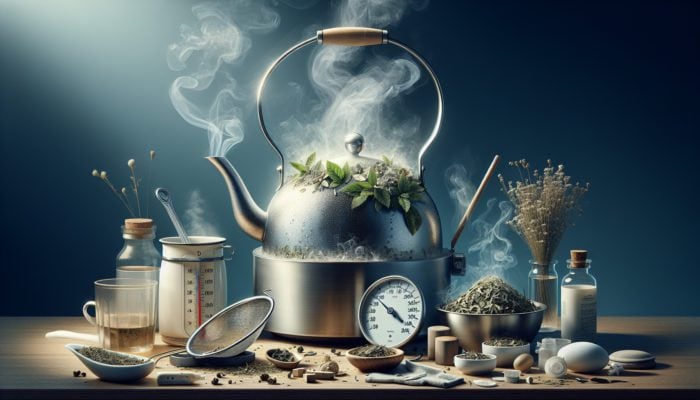
  • Herbs for Kidney Stone Prevention: Effective Natural Remedies

    Herbs for Kidney Stone Prevention: Effective Natural Remedies

    Comprehensive Guide to Kidney Stones: Understanding Their Formation and Effective Management Techniques

    Delving into Herbs for Kidney Stone Prevention: Kidney stones are a prevalent and often excruciating health concern impacting numerous individuals throughout the United Kingdom. These hard formations, composed of various minerals and salts, can cause intense pain as they navigate through the urinary tract. The development of kidney stones is influenced by several factors, including dietary habits, hydration levels, and specific medical conditions. By recognizing the symptoms and learning about the different types of kidney stones, individuals can take proactive measures to prevent their occurrence, such as incorporating herbs for kidney stone prevention into their daily lifestyles.

    Exploring the Composition of Kidney Stones and Their Formation Process

    Herbs for Kidney Stone Prevention: Cross-section of kidney showing various sizes of mineral stones causing pain in lower back and abdomen.

    Kidney stones are primarily crystallized clusters of minerals that form within the kidneys, frequently resembling small, hard pebbles. Their dimensions can vary significantly, ranging from tiny grains of sand to larger stones that may obstruct the urinary tract. Factors that contribute to the formation of kidney stones include dehydration, excessive consumption of certain minerals, or specific metabolic disorders. The pain associated with these stones can be quite severe, potentially leading to significant complications if they block the urinary system. As the stones traverse the ureters, the discomfort escalates, manifesting as sharp, intense pain commonly known as renal colic, which is often felt in the lower back and abdomen.

    Gaining insight into the underlying causes of kidney stone formation is essential for effective prevention strategies. Individuals with a history of kidney stones face a heightened risk of recurrence, underscoring the need for awareness regarding preventive measures. One effective approach is the utilization of natural remedies such as herbs for kidney stone prevention, which can help decrease the likelihood of future occurrences.

    Recognizing the Different Types of Kidney Stones: Causes and Distinguishing Features

    Several distinct categories of kidney stones exist, each possessing unique characteristics and origins. The most prevalent type is calcium stones, primarily formed from calcium oxalate. A diet rich in oxalate-containing foods, such as spinach and rhubarb, can significantly contribute to the development of these stones, highlighting the importance of dietary awareness. Conversely, uric acid stones may arise when the body produces excessive uric acid, often linked to a diet abundant in purines found in red meats and shellfish.

    Struvite stones, frequently associated with urinary tract infections, have the potential to grow rapidly and reach considerable sizes. On the other hand, cystine stones are less common and are caused by a genetic disorder that results in the kidneys excreting an excess of cystine, an amino acid. Identifying these various types is crucial for implementing focused prevention strategies, which may include dietary modifications and the incorporation of herbs for kidney stone prevention.

    Recognizing Symptoms and Diagnostic Procedures for Kidney Stones

    The symptoms linked to kidney stones can vary widely; however, they generally include intense pain that fluctuates in severity, nausea, vomiting, and in some cases, blood in the urine. These symptoms often prompt individuals to seek medical evaluation, where diagnosis is typically confirmed through imaging techniques such as CT scans or ultrasounds. Early detection of these symptoms can facilitate more effective treatment options and preventive strategies. It is vital to understand how herbs for kidney stone prevention can play a role in alleviating discomfort and decreasing the chances of recurrence for those who are susceptible.

    Exploring Herbal Remedies for Improved Kidney Health

    A serene garden with herbs like dandelion, nettle, and goldenrod, and a peaceful stream, symbolizing kidney health remedies.

    In an era where many individuals are gravitating towards natural solutions, herbal treatments are receiving acclaim for their potential to prevent the formation of kidney stones and alleviate associated symptoms. Numerous herbs possess properties that can alter urine composition and diminish inflammation, making them invaluable assets in the maintenance of kidney health. This section explores the advantages, safety considerations, and effectiveness of herbal treatments, alongside common herbs recognized for their potential to prevent kidney stones.

    Advantages of Incorporating Herbal Treatments into Your Health Routine

    Utilizing herbs for kidney stone prevention provides a multitude of advantages. Many herbs, such as dandelion and nettle, function as natural diuretics, encouraging increased urine flow. This elevated urinary output can aid in flushing out small stones and preventing the development of larger ones. Furthermore, certain herbs may possess anti-inflammatory properties, offering relief from the discomfort associated with kidney stones.

    Integrating herbal remedies into daily routines can also enhance overall kidney function. For example, herbs rich in antioxidants can protect the kidneys from oxidative stress, thereby promoting their health. As awareness of the benefits of natural remedies continues to rise, many individuals are opting for herbal treatments as preventive measures against kidney stones, seeking alternatives to conventional medications.

    Evaluating the Safety and Efficacy of Herbal Solutions for Kidney Stones

    While numerous herbs exhibit promise in preventing kidney stones, it is essential to consult healthcare professionals before embarking on any herbal regimen. Not all herbs are suitable for every individual, and some may interact with medications or worsen existing health conditions. Moreover, the effectiveness of herbal treatments can fluctuate based on individual health status, dosage, and preparation methods.

    Research into herbal remedies is ongoing, with several studies highlighting their benefits while also stressing the necessity for caution. It is prudent to approach herbal treatments with an informed perspective, ensuring safety and efficacy through professional guidance. This is especially vital for individuals with chronic health issues, who may require tailored advice regarding the use of herbs for kidney stone prevention.

    Popular Herbs for Kidney Stone Prevention and Their Benefits

    Illustration of dandelion, nettle, and horsetail herbs against a kidney-shaped backdrop for kidney stone prevention.

    Several herbs are commonly utilized for the prevention of kidney stones, each offering distinct benefits. Dandelion, for example, is well-known for its diuretic properties, which promote increased urine output and assist in the elimination of toxins. Nettle is another widely recognized herb noted for its ability to reduce inflammation and support urinary tract health. Horsetail, abundant in silica, is celebrated for its potential to enhance kidney function and facilitate the expulsion of stones.

    These herbs can be consumed in various forms, including teas, tinctures, and capsules, providing flexibility in their application. By incorporating these herbs into daily habits for kidney stone prevention, individuals can effectively strengthen kidney health and reduce the risk of stone formation.

    Optimal Practices for Preparing Herbs and Determining Dosage

    Proper preparation and dosage of herbs are crucial for maximizing their benefits. For instance, dandelion is typically prepared as a tea by steeping 1-2 teaspoons of dried herb in boiling water for around 10 minutes. Similarly, nettle can also be consumed as tea, with a recommended intake of 2-3 cups per day to achieve optimal results.

    Horsetail may be taken in capsule form or as a tea, with a standard dosage of 1-2 grams of dried herb each day. To ensure safety and enhance effectiveness, it is advisable to consult with a healthcare provider regarding dosages, especially for those with pre-existing health concerns or individuals on medications. This careful approach will amplify the benefits of herbs for kidney stone prevention while minimizing potential risks.

    The Benefits of Dandelion in Supporting Kidney Health

    Often dismissed as a mere weed, the dandelion emerges as a potent ally in nurturing kidney health. This unassuming herb is replete with therapeutic properties, making it an exceptional choice for individuals seeking to prevent kidney stones. Its diuretic effects, combined with a variety of essential nutrients, render dandelion an excellent addition to any kidney health strategy.

    Mechanisms of Action: How Dandelion Supports Kidney Health

    Dandelion primarily functions as a diuretic, boosting urine production. This mechanism is especially crucial for individuals predisposed to kidney stones, as increased urine output can help eliminate smaller stones and prevent the formation of larger ones. Additionally, research indicates that this herb aids in detoxification, effectively removing harmful toxins and waste materials from the body.

    Furthermore, dandelion’s anti-inflammatory properties can alleviate the discomfort associated with stone passage. The antioxidants found in dandelion work to combat oxidative stress, further promoting kidney function. This dual action of diuresis and inflammation management positions dandelion as a leading candidate among herbs for preventing kidney stones.

    Preparation Methods and Recommended Dosages for Dandelion

    Dandelion can be consumed in various forms, each requiring specific preparation techniques. The most common method to reap its benefits is through tea. To prepare dandelion tea, steep 1-2 teaspoons of dried dandelion root or leaves in boiling water for approximately 10 minutes. This infusion can be enjoyed up to three times daily, ensuring a consistent intake of its beneficial compounds.

    For those who prefer a more concentrated format, dandelion tinctures or capsules are also available. When selecting these alternatives, it is essential to adhere to the dosage recommendations provided by the manufacturer or seek personalized advice from a healthcare provider. Proper dosing ensures that individuals can safely include this potent herb in their regimen as a preventive measure against kidney stones.

    Potential Side Effects of Dandelion to Be Aware Of

    Although dandelion is generally regarded as safe for most people, it is crucial to be cognizant of potential side effects. Some individuals may experience allergic reactions, particularly those sensitive to plants in the Asteraceae family. Symptoms may include skin rashes or gastrointestinal discomfort. Additionally, dandelion may interact with certain medications, such as diuretics and blood thinners, requiring caution.

    Pregnant or breastfeeding women should also consult a healthcare professional before incorporating dandelion into their diet. This precaution ensures that neither the mother nor the child faces adverse effects from any components of the herb. By considering these factors, individuals can confidently use dandelion as part of their strategy for preventing kidney stones with herbs.

    Uncovering the Multi-Faceted Benefits of Nettle Leaf

    Nettle leaf, often underestimated, is a nutrient-dense herb that offers remarkable health benefits, particularly for kidney health. Its rich composition of vitamins and minerals makes it an excellent addition to any wellness routine, especially for those concerned about kidney stones.

    How Nettle Contributes to Kidney Stone Prevention

    Nettle leaf significantly aids in preventing kidney stones through its diuretic properties, which enhance urine output. Increased urine flow not only assists in eliminating existing stones but also diminishes the concentration of minerals in the urine that could lead to stone formation.

    Moreover, nettle’s anti-inflammatory properties can soothe the urinary tract, alleviating discomfort associated with kidney stones. Its ability to support overall urinary health establishes nettle as a key herb in the battle against kidney stones. By incorporating nettle into their daily habits, individuals can proactively harness its benefits to enhance kidney health.

    Different Methods of Consuming Nettle for Maximum Benefits

    Nettle can be enjoyed in various forms, making it a versatile option for those aiming to improve kidney health. One popular method is through nettle tea, easily prepared by steeping fresh or dried nettle leaves in hot water for about 10 minutes. Consuming 2-3 cups of nettle tea daily can significantly boost kidney function.

    For culinary enthusiasts, nettle can be added to soups, stews, or blended into smoothies. Additionally, some individuals may opt for nettle capsules or tinctures for a more concentrated dosage. Regardless of the chosen method, consistent consumption of nettle is vital for maximizing its benefits in preventing kidney stones.

    Precautions and Considerations When Using Nettle

    While nettle is generally safe for most individuals, it is essential to remain aware of potential side effects. Some may experience mild gastrointestinal discomfort, particularly when consuming nettle for the first time. Those with specific allergies, especially to plants in the Urticaceae family, should exercise caution.

    Moreover, individuals taking blood-thinning medications should consult a healthcare provider before incorporating nettle into their routine. This precaution is critical to avoid any potential interactions that could jeopardize health. By staying informed and cautious, individuals can safely enjoy the numerous benefits of nettle as part of their strategy for using herbs to prevent kidney stones.

    Recognizing the Nutritional Advantages of Nettle Leaf

    Nettle leaf is exceptionally rich in vital vitamins and minerals, enhancing its role in supporting kidney health. It contains high levels of vitamins A, C, and K, all of which contribute to overall wellness. Vitamin A is essential for maintaining healthy skin and vision, while vitamin C serves as a potent antioxidant, shielding the body from oxidative stress.

    In addition, nettle is a significant source of minerals, including iron, calcium, and magnesium. Iron promotes healthy blood circulation, calcium is crucial for bone health, and magnesium plays an essential role in various bodily functions, including muscle and nerve operations. The presence of these vital nutrients in nettle underscores its importance for overall health and well-being, establishing it as a valuable herb for kidney stone prevention.

    The Benefits of Horsetail in Promoting Kidney Function

    Horsetail is an extraordinary herb with a rich history in traditional medicine, particularly known for its diuretic properties. Its high silica content contributes to numerous health benefits, promoting kidney health and aiding in the prevention of kidney stones.

    Exploring the Diuretic Properties of Horsetail

    Horsetail is widely recognized for its natural diuretic qualities, which stimulate increased urine production. This characteristic is particularly advantageous for kidney health, as it aids in the elimination of toxins and prevents the buildup of minerals that can lead to stone development. By supporting regular urination, horsetail helps individuals maintain optimal urinary tract function.

    Moreover, the silica in horsetail is believed to strengthen connective tissues, potentially benefiting kidney function. This dual action of promoting diuresis and supporting tissue health positions horsetail as a powerful option among herbs for preventing kidney stones.

    Guidelines for Dosage and Usage of Horsetail

    Horsetail can be consumed in various forms, including tea or capsules. To prepare horsetail tea, steep 1-2 grams of dried horsetail in boiling water for about 10 minutes. This infusion can be taken once or twice daily to ensure consistent intake of the herb’s beneficial compounds.

    For those who prefer a more concentrated form, horsetail capsules are readily available. It is crucial to adhere to the dosage recommendations provided by the manufacturer or consult a healthcare professional for personalized advice. Proper usage will enhance the effectiveness of horsetail in promoting kidney health and preventing stones.

    Safety Considerations When Using Horsetail

    While horsetail is generally regarded as safe for most individuals, caution is warranted for long-term use. Prolonged consumption may lead to potential thiamine deficiency, which can impact various bodily functions. Additionally, pregnant women should avoid horsetail due to its possible adverse effects on pregnancy.

    Consulting with a healthcare provider before starting horsetail is crucial, especially for those with existing health conditions or those taking medications. By following these precautions, individuals can safely incorporate horsetail into their herbal strategy for kidney stone prevention.

    Clinical Findings on Horsetail and Kidney Health

    Ongoing research into the benefits of horsetail for kidney health is revealing its potential to enhance kidney function and reduce the risk of urinary tract infections. Although more clinical studies are needed to confirm these findings, initial evidence underscores horsetail’s promise as a supportive herb for kidney health.

    Gaining insights from this research empowers individuals to make informed decisions about their health. As the interest in herbal remedies continues to grow, further exploration into horsetail’s benefits is likely to unveil even greater potential for improving kidney health and preventing kidney stones.

    Integrating Herbal Remedies into Your Daily Life for Optimal Health

    Incorporating herbs into your everyday life can be an enjoyable and health-enhancing pursuit. By integrating herbs such as dandelion, nettle, and horsetail into your daily regimen, you can proactively work towards maintaining kidney health and preventing the formation of stones.

    Establishing a Consistent Daily Herbal Routine

    Creating a daily herbal routine doesn’t have to be overwhelming. Start by incorporating herbal teas into your morning or evening rituals. For example, kick off your day with a refreshing cup of dandelion tea to enjoy its diuretic benefits while energizing your body. In the afternoon, consider switching to nettle tea, which can provide a nutritional boost and enhance hydration.

    Get creative with ways to include herbs in your meals. Add fresh nettle leaves to soups and stews or blend them into smoothies for an extra nutritional kick. If convenience is paramount, consider taking herbal supplements in capsule form to ensure you receive the benefits without significantly altering your daily routine.

    This holistic approach to kidney health, centered around the natural attributes of herbs for kidney stone prevention, empowers you to take charge of your well-being. By establishing a consistent herbal regimen, you can foster a lifestyle that prioritizes kidney health and mitigates the risk of stone formation.

    Common Questions About Kidney Stones and Herbal Remedies

    What symptoms typically indicate the presence of kidney stones?

    Common symptoms of kidney stones include severe pain in the back or side, nausea, vomiting, and blood in the urine. It is advisable to seek medical attention if these symptoms occur.

    How do herbal remedies assist in preventing kidney stones?

    Herbs such as dandelion, nettle, and horsetail promote increased urine flow and reduce inflammation, which can help flush out small stones and prevent the formation of larger ones.

    Is dandelion safe for everyone to use?

    While dandelion is generally considered safe, individuals with allergies to Asteraceae plants or those on specific medications should consult with a healthcare provider before using it.

    What is the recommended daily intake of nettle?

    A common recommendation is to consume 2-3 cups of nettle tea daily or take nettle capsules as directed by the manufacturer.

    Can horsetail result in adverse effects?

    Long-term use of horsetail may lead to thiamine deficiency and should be avoided during pregnancy. Consulting a healthcare provider is recommended.

    Which herbs are most effective in preventing kidney stones?

    Dandelion, nettle, and horsetail are among the most effective herbs recognized for their potential in preventing kidney stones.

    How do I prepare herbal teas for kidney health?

    To prepare herbal teas, steep 1-2 teaspoons of dried herbs in boiling water for 10 minutes. You can enjoy them hot or cold, depending on your preference.

    Are dietary changes necessary alongside herbal remedies?

    Yes, maintaining proper hydration and minimizing high-oxalate foods can complement the efficacy of herbal remedies in preventing kidney stones.

    Can herbal remedies replace conventional medicine?

    While herbal remedies can be beneficial, it is essential to consult a healthcare provider for personalized guidance, especially if you have existing health conditions.

    What is the typical duration for herbal remedies to show effects?

    The time it takes for herbal remedies to exhibit effects can vary; consistent use over several weeks or months may be necessary to observe significant benefits.

    Connect with us on Facebook!

    The Article: Herbs for Kidney Stone Prevention: Natural Remedies appeared first on https://mcrtherapies.co.uk

    The Article Herbs for Kidney Stone Prevention: Natural Solutions to Try Was Found On https://limitsofstrategy.com

  • Herbal Steam Inhalation for Improved Wellbeing

    Herbal Steam Inhalation for Improved Wellbeing

    Maximizing Your Health Through Effective Herbal Steam Inhalation Techniques

    The practice of herbal steam inhalation has emerged as a highly effective holistic approach to wellness, especially in our modern, fast-paced world where stress and health challenges are prevalent. This technique leverages the natural healing properties of various herbs combined with the soothing effects of steam to provide an array of health benefits. The therapeutic advantages go beyond simple relaxation; they play a crucial role in promoting respiratory wellness, enhancing skin vitality, and fostering mental health, making it an indispensable element of any well-rounded wellness routine.

    Enhancing Your Respiratory Wellness Through Herbal Steam Inhalation

    Person inhaling steam from bowl with eucalyptus and peppermint, surrounded by warm mist, for respiratory health.

    The advantages of herbal steam inhalation techniques are particularly remarkable for improving respiratory health. Inhaling steam enriched with specific herbs can effectively clear nasal passages, making this practice essential for individuals grappling with colds, allergies, asthma, or other respiratory challenges. The warm steam serves as a natural decongestant, loosening mucus and phlegm that obstruct airflow, thereby providing more comfortable and easier breathing.

    In the UK, where seasonal allergies and respiratory issues frequently affect many individuals, incorporating herbs like Eucalyptus or thyme into your steam inhalation routine can offer substantial relief. Eucalyptus is widely recognized for its powerful decongestant properties, alleviating discomfort in the nasal passages, while thyme brings antiseptic benefits that may help combat infections. Recent studies have underscored the effectiveness of steam inhalation in providing both immediate relief and long-term improvements in respiratory function, significantly reducing inflammation and enhancing lung capacity.

    Regular practice of this inhalation technique not only alleviates discomfort but also contributes to the enhancement of overall lung function. By incorporating herbal elements into steam inhalation, individuals can experience a more profound therapeutic effect, making it a natural alternative to many conventional over-the-counter medications. For those living in urban areas like London, where air quality issues exacerbate respiratory challenges, integrating herbal steam inhalation into daily life offers a practical and beneficial health practice that is easy to adopt at home.

    Revitalizing Your Skin Health with Herbal Steam Inhalation

    The skin, being the body’s largest organ, significantly benefits from the practice of herbal steam inhalation techniques. The heat generated from the steam effectively opens up pores, facilitating the removal of impurities and toxins, which leads to clearer and healthier skin. This technique is especially advantageous for those struggling with skin conditions such as acne, eczema, or psoriasis.

    Incorporating herbs like lavender or chamomile during steam inhalation can further enhance skin health benefits. Lavender is celebrated for its calming qualities, which not only aid in mental relaxation but also help reduce skin irritation and redness. Similarly, chamomile is recognized for its anti-inflammatory properties, providing a soothing effect that can significantly enhance skin rejuvenation.

    For those passionate about skincare in the UK, establishing a weekly ritual centered around herbal steam inhalation can yield highly beneficial results. This consistent practice not only promotes a vibrant complexion but also evolves into an enjoyable self-care routine. By merging relaxation with skincare, individuals can reap the dual advantages of steam inhalation. Following inhalation, applying a gentle moisturizer can effectively seal in hydration, thereby maximizing overall skin health benefits.

    Fostering Relaxation and Stress Relief Through Herbal Steam Inhalation

    The mental health benefits associated with herbal steam inhalation techniques are equally substantial, especially in a time characterized by increased stress levels. Inhaling steam infused with herbs creates a profound calming effect on both the mind and body, fostering a sense of tranquility. Dedicating time for self-care, combined with the soothing aroma of herbs like lavender or peppermint, cultivates an environment that promotes relaxation.

    In today’s culture, which increasingly recognizes the significance of self-care for overall well-being, incorporating steam inhalation into daily routines can lead to significant emotional uplift. The calming properties of these herbs assist in reducing anxiety and fostering a serene mental state. Research indicates that the aromatic compounds released during steam inhalation engage with the limbic system—the brain region responsible for emotions—enhancing relaxation and comfort.

    Engaging in herbal steam inhalation techniques nurtures mental clarity and also improves sleep quality. Many individuals report experiencing deeper, more restorative sleep after integrating this practice into their evening routines. As sleep disturbances become increasingly common, particularly among urban residents in the UK, this natural method offers a straightforward yet effective solution for promoting better rest and relaxation.

    Selecting the Best Herbs for Effective Steam Inhalation

    A serene spa scene with eucalyptus, mint, and lavender around a steaming bowl for inhalation.

    Choosing the right herbs is essential for maximizing the advantages of herbal steam inhalation techniques. Each herb has unique properties that can enhance the inhalation experience, addressing individual health needs and personal preferences.

    Leveraging Eucalyptus for Enhanced Steam Inhalation

    Eucalyptus is a standout option for steam inhalation, primarily due to its powerful decongestant properties. Renowned for its capacity to facilitate easier breathing, eucalyptus oil can alleviate symptoms linked to various respiratory issues, including colds, flu, and sinus congestion. The menthol compounds present in eucalyptus work to open the airways, providing immediate relief for those facing breathing challenges.

    In the UK, eucalyptus is widely available in many health shops and local markets, typically found in both oil and dried leaf forms. Adding a few drops of eucalyptus essential oil to your steam inhalation process can dramatically enhance its effectiveness. This herb not only aids in clearing nasal passages but also possesses antiviral and antibacterial properties, making it a powerful ally against respiratory infections.

    For individuals experiencing chronic respiratory issues like asthma, eucalyptus steam inhalation can function as a supplementary treatment, alleviating symptoms and enhancing overall quality of life. Regular incorporation of this technique can yield long-term benefits for respiratory health, establishing eucalyptus as an excellent choice for those seeking natural remedies.

    Adding Peppermint to Your Steam Inhalation Ritual

    The invigorating aroma of peppermint is another fantastic choice for herbal steam inhalation techniques. The menthol found in peppermint provides a refreshing, cooling sensation that effectively alleviates sinus pressure and headaches. For individuals suffering from allergies or seasonal ailments, peppermint steam inhalation serves as a natural remedy to help clear congested sinuses.

    By introducing peppermint leaves or essential oil to your steam inhalation setup, you can enrich the experience, both in aroma and therapeutic benefits. The cooling properties of peppermint soothe the respiratory tract, making breathing more comfortable, especially during high pollen counts typical of spring in the UK.

    Moreover, peppermint’s stimulating effects can enhance mental clarity and focus. Many users find that utilizing peppermint during their steam sessions leaves them feeling revitalized and ready to take on the day. The dual benefits of respiratory relief and cognitive enhancement position peppermint as a versatile herb to incorporate into any steam inhalation practice.

    Achieving Relaxation with Lavender in Steam Inhalation

    Person inhaling soothing lavender steam in a serene home spa, surrounded by calming purple hues.

    Lavender, widely acknowledged for its calming and soothing effects, is an ideal herb for those seeking relaxation through herbal steam inhalation techniques. The gentle aroma of lavender has been utilized for centuries to alleviate stress and anxiety, making it a perfect addition to steam inhalation practices aimed at enhancing mental wellness.

    When inhaling lavender-infused steam, individuals often experience a notable reduction in stress levels, leading to a profound sense of peace. This is particularly beneficial for those navigating hectic lives in urban environments like Manchester or Birmingham, where the relentless pace can elevate stress levels. Crafting a calming sanctuary at home through steam inhalation allows individuals to carve out essential moments of tranquility within their busy routines.

    In addition to its mental health benefits, lavender also positively influences skin health. Its antiseptic qualities make it an excellent choice for individuals facing skin irritations. Incorporating lavender into steam inhalation not only promotes relaxation but also helps to soothe and rejuvenate the skin, delivering dual benefits from a single herb.

    Enhancing Respiratory Functionality with Thyme

    Thyme is yet another remarkable herb that can significantly boost the effectiveness of herbal steam inhalation techniques. Known for its antiseptic properties, thyme is particularly beneficial in addressing respiratory infections and soothing coughs. The potent compounds found in thyme assist in clearing the airways, making it an excellent choice for individuals dealing with winter colds or bronchitis.

    In the UK, thyme is readily available and can be utilized fresh or dried. The aromatic qualities of thyme contribute to a warm and inviting atmosphere during steam sessions, enhancing the overall experience. Additionally, thyme’s robust flavor makes it a staple in many British kitchens, seamlessly merging culinary and therapeutic uses.

    For those invested in holistic health practices, integrating thyme into a steam inhalation routine offers an effective means of naturally supporting respiratory health. Combining thyme with other herbs like eucalyptus or peppermint allows individuals to customize their steam inhalation experience to address specific symptoms and personal preferences.

    Establishing the Ideal Herbal Steam Inhalation Setup

    Creating an effective steam inhalation station is essential for optimizing the benefits of herbal steam inhalation techniques. The preparation process involves several key steps that ensure a safe, enjoyable, and therapeutic experience.

    Boiling Water for Optimal Steam Generation

    The first step in preparing for herbal steam inhalation is to bring water to a boil. The water temperature is critical; it should be hot enough to create steam but not so hot that it poses a burn risk. Ideally, the water should reach a rolling boil before being taken off the heat source.

    For individuals in the UK, utilizing a kettle is a practical method to achieve the desired temperature. Once the water has boiled, it is essential to allow it to cool for a minute or two before proceeding to the next steps. This cooling period tempers the initial intensity of the steam, making it safer for inhalation.

    When preparing the steam, always select a heat-resistant bowl that is stable and secure. This precaution ensures that the setup remains safe throughout the inhalation process, preventing spills or accidents that could lead to burns or damage.

    Infusing Herbs into Steam for Maximum Health Benefits

    Once the water has cooled slightly, it’s time to add the herbs or essential oils. The selection of herbs should depend on the desired effects and personal preferences. For respiratory benefits, eucalyptus and thyme are excellent choices, while lavender can foster relaxation.

    For dried herbs, a handful is typically sufficient; however, only a few drops of essential oils are generally needed to achieve the desired aromatic effect. Introducing the herbs into the hot water releases their therapeutic properties into the steam, thereby enhancing the overall inhalation experience.

    It’s vital to gently stir the herbs into the water to ensure even distribution of the essential oils throughout the steam. This step guarantees a consistent aroma and therapeutic benefit during the inhalation process.

    Utilizing a Towel for an Enhanced Steam Experience

    To create a mini-sauna effect and retain steam, using a towel is essential. Drape a towel over your head and the bowl, forming a tent that allows steam to circulate around your face. This technique intensifies the inhalation experience, ensuring that the beneficial properties of the herbs are thoroughly absorbed.

    When positioning the towel, ensure that it is large enough to cover both your head and the bowl entirely, preventing steam from escaping. Settle comfortably at the bowl, ensuring that you can breathe in the steam without discomfort.

    During the inhalation process, it is advisable to take deep, slow breaths, allowing the steam to penetrate deeply into the lungs. The towel will help maintain the temperature and concentration of the steam, maximizing its therapeutic effects.

    Selecting the Right Bowl for Effective Steam Inhalation

    Choosing the appropriate bowl is critical when preparing for herbal steam inhalation techniques. A heat-resistant bowl is essential; glass or ceramic bowls are typically the best choices. These materials can withstand high temperatures without the risk of breaking.

    The bowl should be large enough to hold a sufficient amount of boiling water and herbs, yet stable enough to prevent tipping. A wide base is beneficial for ensuring stability, minimizing the risk of spills or accidents during the inhalation process.

    For those who may not have a suitable bowl available at home, alternatives like a large pot or a dedicated steam inhalation device can be considered. The most important factor is ensuring that whatever is used is safe for heat and can effectively contain the steam.

    Maintaining a Safe Distance from the Steam

    Safety should always be a priority during herbal steam inhalation. It’s crucial to maintain a safe distance from the steam to prevent burns. A distance of approximately 12-18 inches from the water’s surface is generally recommended.

    If the steam feels too intense, it’s important to take breaks to avoid discomfort. Listening to your body is essential; if at any point the heat becomes overwhelming, step back and allow yourself to cool down before continuing.

    For individuals new to steam inhalation, starting with shorter sessions of around 5 minutes can help ease into the practice. As comfort levels increase, the duration can be gradually extended. Remember, the goal is to relax and enjoy the therapeutic benefits without causing harm.

    Implementing Safety Measures in Your Inhalation Practices

    Adopting safe inhalation practices ensures that your experience with herbal steam inhalation techniques is both enjoyable and effective. By following a few simple guidelines, you can maximize the benefits while minimizing potential risks.

    Ensuring a Safe Distance from the Steam

    Maintaining a safe distance from the steam is vital to prevent burns and discomfort. It is advisable to position yourself approximately 12-18 inches away from the water’s surface. This distance allows you to enjoy the steam’s benefits while avoiding any risk of injury.

    As you commence your inhalation session, consider starting further away and gradually moving closer as you become accustomed to the heat. Pay close attention to how your body responds; if at any time you feel too hot or uncomfortable, it’s important to step back and allow yourself to cool.

    Additionally, be aware of your surroundings. Ensure that your inhalation setup is situated on a stable surface away from potential hazards, such as pets or children, to further enhance safety during the experience.

    Limiting Inhalation Duration for Safety

    Restricting each steam inhalation session to 5-10 minutes is another key practice for ensuring safety. Prolonged exposure to steam can lead to skin irritation or overheating, emphasizing the importance of adhering to a reasonable time frame.

    For those new to steam inhalation, starting with shorter sessions can help acclimatize your body to the heat. As comfort levels improve, you may gradually extend the duration, but always proceed with caution. Listening to your body is crucial; if discomfort arises, it’s advisable to stop the session and take a break.

    Incorporating regular steam inhalation into your routine can amplify its benefits. Practising this technique 1-2 times daily strikes a balance between effectiveness and safety, ensuring that you receive the therapeutic advantages without overwhelming your system.

    Determining the Appropriate Frequency for Maximum Health Benefits

    The frequency with which you engage in herbal steam inhalation techniques should be tailored to your personal comfort and health needs. For many individuals, utilizing steam inhalation once or twice daily can yield significant benefits, particularly during the cold and flu season.

    Consider your health conditions and preferences when determining how often to inhale steam. Those with chronic respiratory issues may find greater benefit from more frequent sessions, while others may prefer to limit their use based on personal comfort levels.

    Incorporating steam inhalation into your wellness regimen can be an effective method for supporting respiratory health and promoting relaxation. Monitoring your body’s responses over time can help you ascertain the optimal frequency for maximum benefits.

    Enhancing Your Herbal Steam Inhalation Experience for Greater Benefits

    To further amplify the advantages of herbal steam inhalation techniques, consider implementing additional enhancements that can deepen relaxation and improve overall effectiveness. Simple additions can create a therapeutic experience that is both beneficial and enjoyable.

    Integrating Essential Oils for Enhanced Therapeutic Effects

    Incorporating essential oils into your steam inhalation setup can significantly elevate the therapeutic impacts. A few drops of essential oils such as Eucalyptus, lavender, or peppermint added to the boiling water can create an aromatic experience that enhances both relaxation and respiratory benefits.

    Essential oils possess concentrated properties that can offer various advantages, from calming the mind to alleviating congestion. For example, including a few drops of eucalyptus essential oil can amplify the decongestant effects of the steam, while lavender promotes relaxation and alleviates mental stress.

    When using essential oils, always ensure they are of high quality and suitable for inhalation. Aromatherapy oils are widely available in health shops or specialty stores across the UK, providing a variety of options to cater to individual preferences.

    Utilizing a Steam Inhaler for More Controlled Inhalation

    For those seeking a more controlled and comfortable steam inhalation experience, a steam inhaler can be an excellent investment. These devices provide a directed and focused stream of steam, making the inhalation process more efficient and effective.

    Steam inhalers are designed for ease of use and often feature adjustable settings to tailor the experience to your comfort level. They allow for hands-free inhalation, enabling you to relax and enjoy the process without the need for a bowl and towel setup.

    Using a steam inhaler can also be particularly beneficial for individuals with mobility limitations or those who desire a more convenient option. These devices can be a valuable addition to any wellness routine, providing an effective method for respiratory care.

    Integrating Meditation for a More Holistic Experience

    Incorporating meditation or deep breathing exercises into your steam inhalation routine can enhance relaxation and mental clarity. As you inhale the soothing steam and aromatic herbs, engaging in deep, intentional breaths fosters a sense of calm and mindfulness.

    Creating a peaceful environment is essential for this practice. Consider dimming the lights and playing soft music to cultivate a tranquil atmosphere. As you breathe in the steam, focus on your breath and allow yourself to be present in the moment, releasing any stress or distractions.

    This holistic approach not only maximizes the benefits of steam inhalation but also fosters a deeper connection between your body and mind. The combination of steam, herbs, and mindful breathing can lead to profound relaxation and rejuvenation.

    Enhancing the Atmosphere with Music Therapy

    Soft, soothing music can greatly elevate the relaxation and overall experience of herbal steam inhalation techniques. The right music creates a calming backdrop, enabling individuals to unwind and fully immerse themselves in the therapeutic session.

    Consider curating a playlist of calming instrumental music or nature sounds that promote relaxation. As the steam envelops you, let the music wash over you, crafting an atmosphere conducive to stress relief and mental clarity.

    By integrating music therapy into your steam inhalation practice, you create a multisensory experience that promotes well-being. This approach enhances the relaxation benefits of steam while allowing for a more enjoyable and fulfilling routine.

    Implementing Post-Inhalation Care for Optimal Results

    Post-inhalation care is a crucial aspect of maximizing the advantages of herbal steam inhalation techniques. Allocating time for self-care after inhalation can significantly enhance the overall experience and support recovery.

    Prioritizing Hydration After Inhalation for Optimal Recovery

    Following steam inhalation, it is vital to hydrate adequately. The steam can lead to mild dehydration, especially if inhaled for extended periods. Drinking plenty of water after your session helps replenish fluids and supports the body’s natural healing processes.

    In the UK, herbal teas can also serve as an excellent choice for post-inhalation hydration. Teas infused with ingredients like ginger or chamomile provide additional health benefits while keeping you hydrated. Keeping a water bottle close by during your steam inhalation session can serve as a reminder to drink afterwards.

    Proper hydration is fundamental for maintaining optimal health and well-being. By prioritizing hydration following inhalation, you not only support your body’s recovery but also enhance the effectiveness of the steam inhalation practice.

    Optimizing Skincare After Inhalation for Better Results

    After steam inhalation, your skin becomes more receptive to moisturization. Applying a gentle moisturizer helps soothe and hydrate the skin, maximizing the advantages of the steam. The opened pores facilitate better absorption of skincare products, making this step crucial for maintaining healthy skin.

    Choose a moisturizer that suits your skin type, whether it’s a lightweight gel for oily skin or a rich cream for dry skin. Look for products featuring natural ingredients like hyaluronic acid or aloe vera that can assist in locking in moisture and promoting skin health.

    Taking a few moments for skincare after inhalation not only enhances the skin’s appearance but also serves as an important act of self-care. This practice reinforces the overall benefits of steam inhalation, promoting relaxation and rejuvenation both internally and externally.

    Emphasizing Rest and Relaxation After Inhalation

    Allocating time to rest and relax following inhalation is equally important. The calming effects of steam inhalation can be further amplified by taking a moment to unwind. Whether it’s curling up with a good book, meditating, or simply enjoying a quiet moment, giving yourself this time enhances the benefits of the session.

    Integrating post-inhalation rest into your routine can lead to a more profound sense of relaxation. For individuals with busy lifestyles, this time offers an opportunity for introspection and mental clarity, helping to recharge both the mind and body.

    Finding a comfortable spot to relax, perhaps in a serene corner of your home, can create an oasis of calm. Embrace this time as a well-deserved break from daily stresses, allowing the benefits of steam inhalation to resonate throughout your being.

    Practicing Breathing Exercises After Steam Inhalation for Enhanced Benefits

    Engaging in deep breathing exercises after steam inhalation can further enhance lung function and promote relaxation. Practicing intentional, slow breaths allows the body to fully integrate the benefits of the inhalation session, creating a sense of overall well-being.

    Consider employing techniques such as diaphragmatic breathing or box breathing. These methods not only improve lung capacity but also aid in reducing stress and anxiety. Focusing on your breath after inhalation can deepen the tranquility achieved during the session.

    Incorporating breathing exercises into your wellness routine aligns seamlessly with the advantages of herbal steam inhalation, creating a holistic approach to health. This combination of practices can support both physical and mental well-being, enhancing your overall experience.

    Essential Precautions and Considerations for Safe Inhalation Practices

    While herbal steam inhalation techniques offer numerous advantages, it is critical to remain aware of certain precautions and considerations to ensure a safe and effective experience. Understanding potential risks and individual health conditions can significantly enhance the effects of steam inhalation.

    Identifying Allergies and Sensitivities to Herbs

    Before engaging in steam inhalation, it’s vital to consider any allergies or sensitivities to specific herbs or essential oils. Individuals may experience adverse reactions when exposed to certain plant compounds; hence, it’s advisable to conduct a patch test on the skin or seek guidance from a healthcare professional before introducing new herbs.

    For those with known allergies to plants in the mint family, for instance, caution should be exercised when considering peppermint. Opting for hypoallergenic alternatives such as chamomile or calendula may provide a safe way to enjoy the benefits of steam inhalation without adverse effects.

    Being mindful of personal sensitivities can significantly enhance the overall experience, allowing individuals to fully benefit from steam inhalation while minimizing the risk of unwanted reactions.

    Consulting Healthcare Professionals for Existing Health Conditions

    For individuals with pre-existing medical conditions, particularly respiratory or cardiovascular issues, consulting a healthcare professional before engaging in herbal steam inhalation techniques is highly recommended. Certain conditions may warrant caution or specific adjustments to ensure safety during inhalation.

    For instance, individuals with asthma may need to avoid certain strong scents or herbs that could trigger symptoms. A healthcare professional can provide tailored guidance, ensuring that steam inhalation is both safe and beneficial for each individual’s unique health situation.

    Always prioritize health and safety when exploring natural remedies. By seeking professional advice, you can ensure that your steam inhalation practice aligns with your health goals and needs.

    Frequently Asked Questions about Herbal Steam Inhalation

    What is herbal steam inhalation?

    Herbal steam inhalation is a holistic practice that involves inhaling steam infused with herbs, providing therapeutic benefits for respiratory health, skin rejuvenation, and relaxation.

    How often can I perform herbal steam inhalation?

    It is generally safe to conduct herbal steam inhalation 1-2 times daily, adjusting the frequency based on personal comfort and health needs.

    Which herbs are best for steam inhalation?

    Eucalyptus, peppermint, lavender, and thyme are popular choices for steam inhalation, each offering unique benefits for respiratory health, relaxation, and skincare.

    Can steam inhalation help with allergies?

    Yes, steam inhalation can alleviate allergy symptoms by clearing nasal passages and relieving congestion, especially when using decongestant herbs like eucalyptus.

    Is steam inhalation safe for children?

    While steam inhalation can be beneficial for children, it is crucial to consult a healthcare professional for guidance and to ensure that safe practices are followed.

    Can I use essential oils for steam inhalation?

    Absolutely! Essential oils can enhance the therapeutic effects of steam inhalation when added to the boiling water, provided they are safe for inhalation.

    What is the ideal duration for a steam inhalation session?

    Sessions should last between 5-10 minutes to prevent overheating and skin irritation while still allowing enough time to experience the benefits.

    What should I do after steam inhalation?

    Post-inhalation care includes hydrating, applying moisturizer to the skin, and allowing time to rest to fully benefit from the relaxing effects.

    Can steam inhalation improve skin health?

    Yes, steam inhalation can promote clearer skin by opening pores and enhancing the absorption of skincare products afterward.

    Are there any risks associated with steam inhalation?

    Risks include burns from hot steam, allergic reactions to herbs, and potential discomfort for individuals with pre-existing respiratory conditions, necessitating caution.

    Connect with us on Facebook!

    The Article: Techniques for Herbal Steam Inhalation: A Guide to Wellness appeared first on https://mcrtherapies.co.uk

    The Article Herbal Steam Inhalation Techniques for Enhanced Wellness Was Found On https://limitsofstrategy.com
  • Herbal Remedies for Allergies: Natural Solutions That Work

    Herbal Remedies for Allergies: Natural Solutions That Work

    Comprehensive Exploration of Allergy Challenges Faced by UK Residents

    Identifying Key Allergens That Affect Individuals Across the United Kingdom

    Natural Herbal Cures for Allergies: UK allergens: swirling pollen, dust mites in damp homes, pet dander, and mould spores in misty environments.

    Natural Herbal Cures for Allergies: The United Kingdom hosts a diverse range of allergens that can provoke allergic reactions in those who are sensitive. The most common triggers for seasonal allergies include pollen from various sources such as grass, trees, and weeds, which tend to flourish in abundance during the warmer months of spring and summer. The UK’s humid and temperate climate provides an ideal environment for dust mites to thrive in homes, frequently leading to allergic responses among those affected by these tiny organisms. Furthermore, pet dander, produced by household pets like cats and dogs, is prevalent and poses significant challenges for individuals allergic to animal proteins. Additionally, mould spores that thrive in damp settings can exacerbate symptoms throughout the year. Gaining insight into these specific allergens is fundamental for effectively managing and alleviating allergy symptoms.

    Recognizing and Interpreting Allergy Symptoms Experienced in the UK

    Individuals suffering from allergies in the UK often experience a broad spectrum of symptoms that can severely impact their quality of life. The typical signs of hay fever usually include sneezing, a continuous runny or blocked nose, itchy or watery eyes, and nasal congestion, particularly during peak pollen seasons. Skin reactions, such as hives or eczema, may arise following exposure to allergens like certain foods or plants. In more critical situations, allergies can trigger asthma attacks, necessitating immediate medical intervention. Early detection of these symptoms empowers individuals to adopt proactive strategies, such as utilizing natural herbal cures for allergies to alleviate discomfort and improve overall well-being.

    Understanding the Seasonal Patterns of Allergies in the UK

    In the UK, the occurrence of allergies often aligns with seasonal transitions, creating a predictable cycle that sufferers can leverage to manage their conditions more effectively. For example, the peak period for tree pollen typically occurs in early spring, succeeded by grass pollen from late spring through early summer. Although less prevalent, ragweed pollen may also incite allergic reactions during late summer months. Being aware of these seasonal variations enables individuals to prepare adequately by minimizing outdoor activities during high pollen counts and employing preventive measures, including herbal remedies. As the seasons shift, so too do the allergens, underscoring the necessity of remaining informed about what to anticipate throughout the year.

    Examining the Influence of Lifestyle Choices on Allergy Management in the UK

    UK urban home with allergens like dust mites and pet dander, contrasted with fresh fruits and vegetables.

    The lifestyle choices prevalent among UK residents, including dietary habits and indoor living environments, significantly influence the prevalence and management of allergies. A diet lacking in fresh fruits and vegetables can lead to a compromised immune system, rendering individuals more susceptible to allergic reactions. In addition, the trend towards indoor living—especially in urban settings—can increase exposure to indoor allergens like dust mites and pet dander. While air conditioning systems can provide comfort, they may also circulate allergens if not properly maintained. By adopting a healthier diet rich in anti-inflammatory foods and maintaining a clean living space, individuals can effectively diminish the severity of their allergic reactions and improve their overall health.

    Exploring Regional Variations in Allergy Experiences Throughout the UK

    The experiences related to allergies can vary significantly across different regions of the UK due to unique climatic conditions and environmental factors. Coastal regions may exhibit lower pollen levels during certain seasons; however, they can still encounter heightened concentrations of allergens such as seaweed and salt aerosols. Conversely, urban areas, typically characterized by elevated levels of air pollution, often experience increased allergic reactions among residents. The countryside poses its own challenges, with rural allergens like pollen from wildflowers and grasses becoming prominent during the warmer months. Understanding these regional distinctions empowers individuals to customize their allergy management strategies more effectively, including the utilization of natural herbal cures for allergies that may be specifically suited to their local environments.

    Diving into Traditional Herbal Remedies for Allergy Relief in the UK

    Leveraging Nettle’s Benefits for Effective Allergy Relief

    UK park scene with nettle plants and people enjoying allergy-relieving nettle tea.

    Nettle, scientifically known as Urtica dioica, is a resilient herb that thrives throughout the UK and is acclaimed for its remarkable ability to alleviate allergy symptoms, particularly those linked to hay fever. This extraordinary plant encompasses natural antihistamines that can help diminish the body’s inflammatory responses to various allergens. Many individuals grappling with allergies have turned to nettle as an effective remedy, frequently consuming it in the form of teas, capsules, or tinctures. When brewed as a tea, nettle not only alleviates sneezing and itchy sensations but also supplies a wealth of vitamins and minerals that enhance overall health. Its accessibility in local parks and gardens makes nettle an attractive option for individuals seeking natural herbal cures for allergies without incurring significant expenses or requiring intricate preparations.

    Implementing Butterbur in Effective Allergy Relief Approaches

    Butterbur, scientifically referred to as Petasites hybridus, thrives in wetland areas across the UK and has garnered recognition for its effectiveness in alleviating allergy symptoms, especially nasal congestion. Research indicates that butterbur may inhibit histamine release and diminish inflammation, offering a natural alternative to conventional over-the-counter antihistamines. Butterbur is available in various forms, including capsules and tea, and its popularity continues to grow among individuals seeking holistic methods for effective allergy management. However, it is essential to ensure that any butterbur product is free from harmful alkaloids that may pose health risks. By selecting high-quality butterbur supplements, individuals can enjoy the benefits while experiencing the soothing properties of this herbal remedy.

    Exploring the Allergy-Fighting Potential of Elderberry

    Elderberry, or Sambucus nigra, is a native UK plant renowned for its anti-inflammatory properties, which can aid in combating allergies. The berries are packed with antioxidants, crucial for supporting a healthy immune system, especially during allergy seasons. Consuming elderberry syrup or tea can help alleviate symptoms by diminishing inflammation in the respiratory system, reducing congestion, and easing sinus pressure. Many UK residents have embraced elderberry as a staple during peak allergy periods, integrating it into their daily routines as a preventive strategy against allergies. Its pleasant flavor makes it an excellent addition to smoothies or herbal teas, providing a delightful avenue for seeking relief through natural herbal cures for allergies.

    Examining Contemporary Herbal Supplements Available in the UK

    Understanding the Role of Quercetin in Allergy Management

    Quercetin, a naturally occurring flavonoid found in a variety of fruits and vegetables, has gained considerable popularity in the UK as a potential supplement for reducing allergic reactions. This powerful antioxidant helps stabilize mast cells, which are responsible for releasing histamines during allergic responses. By inhibiting the release of these chemicals, quercetin may lessen the severity of allergy symptoms such as sneezing and itchy eyes. Available in several forms, including capsules and powders, quercetin can be easily incorporated into daily wellness routines. Research suggests that consistent use may lead to a significant reduction in allergy symptoms, making it a valuable asset for those seeking natural herbal remedies for allergies.

    Spirulina: A Nutritional Powerhouse for Allergy Relief

    Spirulina, a blue-green algae celebrated for its impressive nutritional profile, has attracted attention in the UK as a supplement that may alleviate allergy symptoms. This superfood is rich in protein, vitamins, and minerals, and is believed to possess anti-inflammatory properties that can help reduce nasal discharge and itching related to allergies. Many users report that incorporating spirulina into their diets bolsters overall immune function, making it easier to navigate peak allergy seasons. Available in both powder and tablet forms, spirulina can be blended into smoothies or taken as a daily supplement, offering a straightforward method to enhance wellness while managing allergies with natural herbal remedies.

    Probiotics: A Natural Strategy to Strengthen Immunity Against Allergies

    Probiotics have recently garnered significant attention for their ability to enhance immune function and potentially alleviate allergy symptoms. These beneficial bacteria can help regulate the immune system, thereby decreasing the body’s sensitivity to allergens. In the UK, probiotic supplements are widely available in various formats, including capsules, yoghurts, and fermented foods. Research has shown that regular consumption of probiotics may reduce the incidence of allergic diseases, especially in children and individuals with seasonal allergies. Incorporating probiotics into one’s diet can serve as a proactive measure for those looking to improve gut health and manage allergies more effectively using natural remedies.

    Exploring Herbal Teas for Allergy Relief Across the UK

    The Refreshing and Therapeutic Qualities of Peppermint Tea

    Peppermint tea is not just a refreshing beverage; it offers numerous benefits for those suffering from allergies. The menthol present in peppermint acts as a natural decongestant, helping to soothe irritated nasal passages and relieve sinus pressure. Regular consumption of peppermint tea can provide quick relief from allergy symptoms, such as sneezing and a runny nose, particularly during high pollen seasons. Moreover, this herbal tea is easily accessible and can be prepared conveniently at home. The combination of the calming effects of warm tea and the therapeutic properties of peppermint makes it an ideal choice for individuals seeking natural herbal cures for allergies throughout the UK.

    Chamomile Tea: A Soothing Ally for Allergy Sufferers

    Chamomile tea is a cherished beverage in the UK, celebrated for its comforting properties, yet it also shows promise in alleviating inflammation triggered by allergies. Rich in antioxidants, chamomile can help reduce swelling and irritation in the eyes and nasal passages often associated with allergic reactions. Drinking chamomile tea can further enhance immune function, making it a valuable addition to any allergy management strategy. For those sensitive to pollen, it is vital to choose chamomile tea sourced from reliable suppliers, whether in tea bags or dried flowers, to avoid potential allergic responses. Its calming attributes contribute to a holistic approach in seeking natural herbal cures for allergies.

    The Anti-Inflammatory Benefits of Ginger Tea for Allergy Relief

    Ginger tea has been praised for its anti-inflammatory properties, making it an excellent option for individuals dealing with allergies. The active compounds in ginger, including gingerol, can aid in reducing inflammation within the respiratory system, thereby alleviating symptoms such as coughing and wheezing. This spicy infusion is particularly advantageous during periods of heightened pollen, as it not only provides allergy relief but also supports digestion and promotes overall wellness. Many residents in the UK enjoy ginger tea as a warming drink, especially during the colder months. Incorporating ginger tea into daily routines presents a delicious and healthful approach to exploring natural herbal remedies for allergies while maintaining overall wellness.

    Investigating UK-Specific Herbal Combinations for Effective Allergy Relief

    Powerful Blend of Nettle and Quercetin for Comprehensive Allergy Management

    The combination of nettle and quercetin creates a powerful alliance for managing allergies in the UK. Both ingredients offer significant antihistamine effects, which can help relieve symptoms such as sneezing, itching, and nasal congestion. By harnessing nettle’s natural properties alongside quercetin’s ability to stabilize mast cells, this blend delivers a robust defense against various allergens. Preparing a herbal infusion or supplement that incorporates both nettle and quercetin can enhance the effectiveness of each ingredient, enabling users to experience comprehensive relief. This combination stands out as one of the most accessible natural herbal cures for allergies, particularly for individuals aiming to optimize their allergy management strategies.

    Combining Butterbur and Elderberry for Enhanced Allergy Relief

    The synergistic effects of merging butterbur and elderberry present an exciting opportunity to alleviate allergy symptoms. While butterbur effectively addresses nasal congestion, elderberry works to combat inflammation, resulting in a balanced approach to allergy management. This combination can be especially advantageous during peak allergy seasons when the dual issues of congestion and inflammation can be particularly debilitating. Users can benefit from preparing this blend in various formats, such as teas or syrups, to create a potent herbal remedy. As both ingredients are native to the UK, this combination exemplifies a practical approach to utilizing natural herbal cures for allergies that are both readily available and effective.

    The Calming Effects of Chamomile and Peppermint Fusion

    The delightful amalgamation of chamomile and peppermint not only results in a soothing herbal tea but also offers dual benefits for individuals suffering from allergies. The calming attributes of chamomile can help reduce inflammation, while peppermint’s decongestant qualities work to clear nasal passages. Together, they provide a holistic approach to alleviating allergy symptoms, making this blend a favored choice among UK residents. This mixture can be enjoyed hot or cold, according to personal preference, and is perfect for relaxation at home or while out and about. Integrating chamomile and peppermint into daily routines allows individuals to explore natural herbal cures for allergies while enjoying a refreshing beverage.

    Enhancing Immunity with Echinacea and Thyme for Allergy Support

    The combination of echinacea and thyme offers a powerful herbal solution for boosting immune function and alleviating allergy symptoms. Echinacea is well-regarded for its immune-enhancing properties, often utilized to ward off colds and respiratory issues, while thyme possesses antimicrobial characteristics that can help diminish inflammation. Together, these herbs create a formidable barrier against allergens, particularly during the fluctuating seasons in the UK. This blend can be prepared as a herbal infusion or taken as a supplement, making it both accessible and convenient for use. For individuals looking to enhance their health and manage allergies with natural herbal remedies, this combination represents an excellent option.

    Gentle Allergy Relief with Ribwort Plantain and Lime Blossom

    The combination of ribwort plantain and lime blossom provides a gentle yet effective herbal remedy for alleviating inflammation associated with allergies. Ribwort plantain, commonly found in meadows and grassy areas, is renowned for its soothing properties, while lime blossom is cherished for its calming effects on the respiratory system. This blend can be particularly beneficial for individuals experiencing respiratory discomfort due to allergies. Both herbs can be brewed into tea or consumed in tincture form, offering flexibility in how they are taken. Integrating this blend into daily routines provides a natural and effective method to explore herbal remedies for allergies while appreciating the benefits of traditional UK herbalism.

    Collaborating with Qualified Herbalists for Tailored Allergy Treatments in the UK

    Locating a Qualified Herbalist for Customized Allergy Solutions

    When seeking personalized treatment for allergies through herbal remedies, finding a qualified herbalist is crucial. In the UK, numerous professional organizations, such as the National Institute of Medical Herbalists, maintain directories of registered practitioners. It is important to choose a herbalist who has undergone formal training and possesses extensive knowledge of specific herbs and remedies that can aid in allergy management. Many herbalists offer tailored consultations, assessing individual needs and recommending effective herbal combinations. Working with a qualified herbalist ensures individuals receive safe, efficient, and personalized care for their allergies.

    What to Expect During a Consultation with a Herbalist

    A consultation with a herbalist typically begins with a comprehensive evaluation of the individual’s health history, lifestyle, and specific allergy symptoms. During this discussion, the herbalist may inquire about dietary habits, environmental exposures, and any previous treatments that have been pursued. Following the assessment, the herbalist will prescribe a personalized herbal treatment plan that may include a combination of teas, tinctures, and dietary recommendations. The objective is to address not only the allergy symptoms but also the underlying factors affecting the individual’s overall health. With the increasing interest in natural herbal cures for allergies, many individuals are opting for this holistic approach to effectively manage their symptoms.

    Common Questions Regarding Herbal Remedies and Allergies

    What are the primary allergies encountered in the UK?

    Common allergies in the UK include reactions to pollen, dust mites, pet dander, and certain foods. Seasonal allergies, particularly hay fever, are highly prevalent during the spring and summer months due to pollen from trees and grasses.

    How can herbal remedies assist in managing allergies?

    Herbal remedies can help alleviate allergy symptoms by reducing inflammation, stabilizing mast cells, and providing natural antihistamine effects. Ingredients such as nettle, butterbur, and quercetin are known for their effectiveness in managing allergies.

    Are there specific herbal teas advantageous for allergies?

    Yes, herbal teas like peppermint, chamomile, and ginger can offer relief from allergy symptoms. These teas possess anti-inflammatory properties and can soothe irritated respiratory passages.

    How do lifestyle choices influence allergies in the UK?

    Lifestyle choices, including dietary habits, indoor living conditions, and exposure to allergens, can significantly affect the prevalence and severity of allergies. A balanced diet and a clean living space can effectively help manage allergy symptoms.

    What is quercetin, and how does it aid in allergy relief?

    Quercetin is a flavonoid found in various fruits and vegetables that helps stabilize mast cells and prevents the release of histamines during allergic reactions, thereby reducing allergy symptoms.

    Can children benefit from herbal remedies for allergies?

    Yes, children can benefit from herbal remedies for allergies. However, it is essential to consult a healthcare professional before introducing any new treatments to ensure safety and appropriateness for their age and health conditions.

    How can I locate a qualified herbalist in the UK?

    You can find a qualified herbalist in the UK by consulting directories from professional organizations, such as the National Institute of Medical Herbalists, which lists certified practitioners.

    What can I expect during a consultation with a herbalist?

    During a consultation, a herbalist will evaluate your health history and allergy symptoms to create a tailored treatment plan, incorporating herbal remedies, dietary advice, and lifestyle changes.

    Are there any risks associated with herbal remedies?

    While many herbal remedies are safe, some may interact with medications or provoke allergic reactions. Consulting a healthcare professional before starting any new herbal treatment is essential.

    What are some effective herbal combinations for allergies?

    Examples of effective herbal combinations include nettle and quercetin, butterbur and elderberry, and chamomile with peppermint, all of which can significantly relieve allergy symptoms.

    Connect with us on Facebook!

    The Article: Natural Herbal Cures for Allergies: Effective Remedies appeared first on https://mcrtherapies.co.uk

    The Article Herbal Remedies for Allergies: Natural and Effective Solutions Was Found On https://limitsofstrategy.com
  • Anti-Aging Natural Herbs: Embrace Youthful Living

    Anti-Aging Natural Herbs: Embrace Youthful Living

    Discover the Best Anti-Aging Herbs Available in the UK for Radiant Skin

    Harness the Power of Rosemary’s Antioxidants for Skin Rejuvenation

    Natural Herbs for Anti-Aging: Close-up of rosemary sprigs glowing with antioxidant power, rejuvenating youthful skin.

    Among the most impressive natural herbs for anti-aging, rosemary is particularly notable for its rich concentration of antioxidants. This herb is especially high in rosmarinic acid and carnosic acid, which are potent compounds that effectively counteract oxidative stress, a primary contributor to accelerated skin aging. By neutralizing free radicals, rosemary not only diminishes the visible signs of aging but also boosts overall skin vitality and health. While rosemary’s uses in cooking are well-known across the UK, its exceptional benefits for skin health are increasingly recognized by beauty enthusiasts and skincare professionals alike.

    To seamlessly incorporate rosemary into your skincare regimen, consider creating a soothing herbal infusion. By steeping fresh rosemary leaves in hot water, you can produce a refreshing toner that revitalizes and rejuvenates the skin. Regular use of this infusion can significantly diminish blemishes and promote a clearer, more radiant complexion. Additionally, its natural antimicrobial properties offer extra protection against infections and skin irritations, making rosemary a versatile and effective addition to your skincare toolkit.

    In addition to topical applications, rosemary essential oil is gaining recognition in the realm of aromatherapy. The invigorating scent not only lifts the mood but also enhances circulation, which is vital for achieving and maintaining healthy skin. Regular inhalation of rosemary essential oil can also stimulate hair growth and promote scalp health, effectively addressing signs of aging both on the skin and scalp simultaneously.

    Rosemary’s versatility extends into the culinary world as well. Adding fresh or dried rosemary to your meals not only enhances flavor but also enriches your diet with essential nutrients that help maintain skin elasticity. For those exploring holistic approaches to anti-aging, rosemary is undoubtedly a herb that should hold a prominent position in your collection.

    Lavender: A Soothing Herb for Promoting Youthful Skin

    Lavender, known for its calming aroma, provides numerous benefits that extend beyond its delightful scent. This beloved herb has been cherished in the UK for its remarkable soothing properties, especially in skincare routines. Rich in antioxidants, lavender oil effectively reduces the appearance of wrinkles and fine lines. Its anti-inflammatory characteristics are particularly beneficial for calming irritated skin, making it an excellent choice for individuals facing redness or breakouts.

    Incorporating lavender into your skincare routine can yield impressive results. You can create a simple lavender-infused oil at home by blending dried lavender flowers with a carrier oil, such as almond or jojoba oil. This mixture not only hydrates the skin but also imparts a delicate floral fragrance, enhancing your self-care experience. Massaging lavender oil into your skin regularly can significantly enhance its elasticity while promoting a radiant complexion.

    Moreover, scientific studies validate lavender’s effectiveness in supporting skin health. Research indicates that lavender oil can stimulate cellular regeneration and improve overall skin tone, making it an excellent option for those seeking to mitigate the natural effects of aging. Including lavender essential oil in your nighttime routine can also improve sleep quality, allowing the body to repair and regenerate overnight, ultimately resulting in a more youthful appearance by morning. Embrace lavender as a daily ally in your anti-aging journey for optimal results.

    Boost Your Skincare Routine with Sage’s Collagen-Enhancing Benefits

    Often overlooked in discussions about natural herbs for anti-aging, sage offers significant benefits for skin health. This common UK herb is packed with compounds that effectively enhance collagen production, which is essential for maintaining skin elasticity and firmness. As we age, our natural collagen levels decline, resulting in sagging skin and the formation of wrinkles. By incorporating sage into both your diet and skincare regimen, you can proactively combat these aging effects.

    An easy yet effective way to utilize sage is through herbal teas. Sipping on warm sage tea not only provides a wealth of antioxidants but also hydrates the skin from within. You can enhance the infusion with honey or lemon for added flavor and health benefits. Furthermore, sage leaves can be infused in oils for topical applications, rejuvenating tired skin and delivering essential nutrients.

    Recent studies have highlighted sage’s role in protecting skin from UV damage. Its ability to combat free radicals makes it a valuable ingredient in natural sunscreens and skincare products designed to prevent premature aging. By integrating sage into your daily routine, whether through culinary uses or skincare, you embrace a proactive approach to preserving youthful skin.

    Beyond its anti-aging advantages, sage is celebrated for its cognitive benefits, enhancing memory and concentration. This dual benefit makes sage an exceptional addition to any herbal collection, serving both skin and mind, encapsulating the holistic approach that many individuals seek in their wellness journeys.

    Thyme: A Potent Antioxidant for Luminous, Youthful Skin

    Fresh thyme leaves with dew, honey, and yogurt jars in a lush UK garden, symbolizing youthful skincare.

    Thyme, a familiar sight in UK gardens, is rich in antioxidants, making it a formidable ally in the fight against aging. With high concentrations of thymol, thyme exhibits impressive antibacterial and antifungal properties, promoting healthier skin. This herb not only helps ward off harmful pathogens but also contributes to a youthful appearance by preventing skin conditions that may accelerate the aging process.

    Incorporating thyme into your skincare regimen can be as straightforward as creating a nourishing mask. By blending fresh thyme with honey and yogurt, you can craft a revitalizing face mask that cleanses and rejuvenates the skin. The combination of these ingredients provides hydration and a natural glow, making it an ideal solution for those wanting to combat signs of aging.

    Thyme can also enhance a variety of culinary creations, where its flavor elevates numerous dishes while providing health benefits. From soups to roasted vegetables, adding thyme not only enriches your meals but also infuses your diet with skin-loving nutrients that bolster overall skin health.

    Research indicates that thyme may also aid in improving circulation. Enhanced blood flow ensures that more oxygen and nutrients reach the skin, promoting a vibrant and youthful complexion. By including thyme in both your kitchen and skincare routines, you adopt a multifaceted approach to naturally and effectively combat aging.

    Chamomile: Your Gentle Partner for Radiant Skin

    Chamomile, a cherished herb in the UK, is renowned for its anti-inflammatory properties, making it an essential ally in the fight against aging. This delicate flower works wonders for the skin by soothing irritation and providing hydration. Its gentle nature makes it suitable for all skin types, especially for those with sensitivity or redness.

    Integrating chamomile into your skincare routine can take various forms, from herbal teas to topical applications. A chamomile-infused facial steam is an effective method for opening pores and cleansing the skin, allowing for better nutrient absorption. This practice not only improves skin appearance but also promotes relaxation as the calming aroma envelops you.

    In addition to its topical benefits, chamomile tea is a wonderful addition to your daily routine. Packed with antioxidants, it aids in detoxifying the body, leading to clearer skin over time. Drinking chamomile tea before bedtime can also improve sleep quality, crucial for skin regeneration and combating the signs of aging.

    Recent studies have highlighted chamomile’s potential in promoting skin healing and reducing pigmentation. Its ability to even out skin tone and diminish dark spots makes it an effective natural remedy for those aiming to maintain youthful skin. Chamomile exemplifies how natural herbs can work wonders for beauty, wellness, and self-care.

    Proven Methods to Incorporate Herbs into Your Daily Life in the UK

    Invigorating Herbal Teas to Enhance Skin Wellness

    A steaming cup of chamomile tea with fresh chamomile and peppermint, promoting skin health and relaxation.

    Herbal teas have gained immense popularity across the UK, and for good reason. Not only do they offer delightful flavors, but they also provide a wealth of health benefits, especially in maintaining youthful skin. Teas such as chamomile and peppermint are frequently enjoyed, providing hydration while delivering antioxidants that combat the effects of aging and enhance overall health.

    Chamomile tea, in particular, is well-known for its soothing properties, making it an excellent option for unwinding at the end of the day. The anti-inflammatory benefits of chamomile are especially advantageous for individuals aiming to minimize signs of aging. Sipping a warm cup of this tea can calm your mind while simultaneously working wonders for your skin from the inside out.

    Conversely, peppermint tea serves as a refreshing alternative that aids digestion and promotes overall health. By ensuring a well-functioning digestive system, peppermint indirectly contributes to skin health, as a healthy gut is foundational for achieving clear, radiant skin. Incorporating these herbal teas into your daily regimen can be as simple as swapping regular beverages for these infusions, allowing you to enjoy essential nutrients that support your skin’s health.

    Consider creating your own herbal blends by mixing various herbs. For instance, a combination of rosemary and lavender can provide calming effects and skin-nourishing benefits. Experimenting with different combinations not only allows for unique flavors but also maximizes the health advantages associated with natural herbs for anti-aging.

    Cooking with Herbs for Enhanced Skin Health

    Cooking with herbs is a delightful way to elevate your meals while simultaneously reaping anti-aging benefits. In the UK, herbs such as thyme, basil, and rosemary are frequently utilized to enhance dish flavor, but their health advantages are equally noteworthy. By incorporating these herbs into your meals, you’re not merely cooking; you’re also nourishing your skin with essential nutrients.

    For example, thyme can be used in marinades, soups, and roasted vegetables. Its high antioxidant content plays a crucial role in combating free radicals that contribute to skin aging. Similarly, rosemary can be sprinkled on roasted meats or potatoes, infusing your meals with flavor while promoting skin health. The culinary versatility of these herbs means you can effortlessly add them to various dishes, making your meals both delicious and beneficial for your skin.

    Basil, recognized for its aromatic properties, serves as another excellent option. A fresh basil pesto not only enhances pasta dishes but also adds an abundance of antioxidants to your diet. Regular consumption of these herbs can significantly impact skin health over time, fostering a youthful appearance and overall well-being.

    Consider cultivating your herbs at home, as home-grown produce is often fresher and more flavorful than store-bought varieties. This practice not only elevates your culinary creations but also ensures the use of high-quality ingredients that positively impact your skin’s health and vitality.

    Effective Skincare Routines Featuring UK-Grown Herbs

    Incorporating UK-grown herbs into your skincare routine presents a powerful strategy for combating signs of aging. Many herbs possess remarkable properties that can rejuvenate and nourish the skin. For instance, calendula, known for its soothing effects, is frequently utilized in creams and ointments to aid in skin healing while reducing the appearance of fine lines.

    Creating DIY skincare products at home can be both enjoyable and effective. A simple infusion of lavender and calendula in a carrier oil can serve as a nourishing face oil that hydrates and revitalizes the skin. This combination not only addresses existing skin issues but also acts as a preventative measure against the signs of aging, ensuring your skin remains youthful and radiant.

    Moreover, incorporating herbal-infused waters or toners can refresh the skin throughout the day. A rosemary-infused toner can help eliminate impurities and provide a protective layer against environmental stressors, enhancing your skin’s vitality and resilience. By consistently utilizing these herbal formulations, you can elevate your skincare routine and promote lasting health and beauty.

    As you develop your skincare regimen, consider the seasonal availability of herbs. Using fresh herbs in your products guarantees maximum potency and effectiveness. Embracing the natural bounty available in the UK not only supports local growers but also enriches your skincare experience, making it both sustainable and beneficial for your skin’s health.

    Scientific Research Supporting the Anti-Aging Benefits of UK Herbs

    Research Findings on Rosemary’s Impact on Skin Health

    Recent research conducted in the UK has shed light on the profound effects of rosemary on skin health and anti-aging. A notable study revealed that rosemary can significantly reduce oxidative stress, a known accelerant of the aging process. This remarkable effect is attributed to its high concentration of antioxidants, which combat free radicals and protect skin cells from damage that contributes to premature aging.

    Further investigations have demonstrated that rosemary oil can enhance blood circulation. Improved circulation ensures that essential nutrients and oxygen reach the skin more effectively, promoting a healthy and youthful glow. This is particularly relevant for those dealing with dull or lifeless skin, as incorporating rosemary into their skincare regimen can revitalize their appearance and enhance overall skin health.

    Additionally, rosemary’s anti-inflammatory properties help diminish puffiness and redness, common concerns associated with aging skin. The ability of rosemary to calm inflamed skin while simultaneously encouraging regeneration establishes it as a powerhouse herb within the realm of natural herbs for anti-aging.

    As research continues to emerge, the potential applications of rosemary in skincare grow increasingly promising. Individuals seeking to enhance their anti-aging regimen should consider integrating rosemary into both topical applications and dietary choices to maximize its benefits for youthful skin.

    Insights from Lavender Research

    Lavender has garnered significant attention in scientific circles for its impressive contributions to skin elasticity and wrinkle reduction. UK studies indicate that applying lavender oil can improve skin texture, making it a sought-after ingredient in premium skincare products. The calming fragrance of lavender adds an extra layer of appeal, providing a sensory experience that promotes relaxation and well-being.

    Research highlights lavender’s capability to stimulate collagen production, a vital component in maintaining skin firmness. Given that collagen levels naturally decline with age, incorporating lavender into your skincare routine can counteract this loss, resulting in smoother, more resilient skin. The dual action of enhancing skin elasticity while soothing irritations makes lavender a versatile herb for individuals striving to maintain a youthful appearance.

    Moreover, lavender’s antimicrobial properties are noteworthy. By preventing bacterial growth, it helps protect the skin from potential infections that can lead to premature aging. This protective quality, combined with its regenerative benefits, solidifies lavender as an essential herb for those committed to a holistic approach to anti-aging.

    The growing body of research surrounding lavender reinforces its status as a powerhouse in the anti-aging toolkit. As more individuals pursue natural alternatives to skincare, lavender emerges as a key component in the quest for youthful, radiant skin.

    Sage’s Role in Promoting Collagen Production

    Emerging research within the UK suggests that sage can significantly boost collagen synthesis, making it an invaluable asset in the anti-aging arsenal. Collagen is fundamental to maintaining skin structure and elasticity; as we age, collagen production diminishes, leading to sagging and wrinkles. Sage’s ability to promote collagen synthesis positions it as an essential herb for those looking to preserve their youthful complexion.

    A study indicated that the application of sage extract can increase collagen levels in the skin. This finding suggests that incorporating sage into your skincare routine, whether through topical applications or dietary inclusion, can have a meaningful impact on skin health and vitality. Additionally, the herb’s high antioxidant content enhances its anti-aging benefits by combating oxidative stress that can lead to premature aging.

    Furthermore, the anti-inflammatory properties of sage can help reduce irritation and redness, common concerns associated with aging skin. By addressing these issues while simultaneously boosting collagen production, sage emerges as a multifaceted herb that supports both the prevention and treatment of signs of aging.

    As research continues to validate sage’s benefits, its inclusion in both culinary and skincare practices is highly encouraged. Whether as a herbal infusion, tincture, or extract, sage can become a cornerstone in a holistic approach to anti-aging.

    Where to Find High-Quality Herbs in the UK

    Explore Local Markets for Fresh Herb Selections

    Local markets across the UK are treasure troves for fresh, high-quality herbs. These vibrant hubs not only support local farmers but also provide the freshest produce available. Herbs such as mint, parsley, and thyme are commonly found in these markets, making it easy to incorporate them into your diet and skincare regimen for anti-aging benefits.

    Visiting a local market allows you to engage with growers and learn more about their cultivation practices and the specific attributes of their herbs. This connection can foster a greater appreciation and understanding of how to use these potent plants effectively. Furthermore, purchasing herbs in season ensures their maximum potency and flavor, delivering the best possible benefits for your skin.

    For those interested in holistic health, local markets often feature organic produce, offering a cleaner alternative to conventionally grown options. Organic herbs are cultivated without harmful pesticides or chemicals, ensuring that you’re putting only the best into your body and onto your skin. Embracing this approach can significantly enhance the effectiveness of the natural herbs you incorporate into your anti-aging regimen.

    Additionally, experimenting with the diverse herbs available at markets can inspire creativity in the kitchen. You may discover lesser-known varieties that boast unique flavors and health benefits, providing exciting opportunities to expand your culinary repertoire and enhance your skin health.

    Visit Specialty Stores for Unique Herbal Varieties

    Specialty stores in the UK cater to health-conscious consumers, stocking a curated selection of herbs, including less common varieties like lemon balm and calendula. These stores are ideal for individuals seeking specific herbs for their anti-aging benefits, as they offer expert guidance on how to use these potent plants effectively.

    Visiting a specialty store allows you to explore a variety of herbal products, from dried herbs to essential oils. Many of these stores also offer organic and ethically sourced options, ensuring that you’re making choices that align with your health and wellness ethos. Moreover, knowledgeable staff can provide insights into the various health benefits associated with different herbs.

    For those eager to experiment with DIY skincare, specialty stores often carry essential oils and herbal infusions that can be utilized in homemade products. Accessing high-quality ingredients can significantly enhance the effectiveness of your formulations, allowing you to create personalized skincare solutions that meet your unique needs.

    Additionally, many specialty stores host workshops or events focused on herbalism and natural wellness, providing opportunities for education and community engagement. This enriching experience can deepen your understanding of natural herbs for anti-aging and empower you to make informed choices in your health journey.

    The Convenience of Online Retailers for Quality Herbal Products

    In the digital age, online retailers have transformed how we access herbs. Numerous UK-based online shops specialize in health and wellness, providing convenient access to a wide array of herbs for those seeking quality ingredients for anti-aging benefits. Shopping online enables you to compare products, read reviews, and choose the best options that suit your needs and preferences.

    Many online retailers offer subscription services for herbs, ensuring you never run out of your favorites. This convenience is especially beneficial for individuals committed to incorporating natural herbs for anti-aging into their daily routines. By selecting reputable online sellers known for their quality, you can rest assured that you’re receiving fresh, potent herbs delivered directly to your door.

    In addition to dried herbs, many online retailers sell herbal extracts and essential oils, expanding your options for skincare and culinary uses. Look for brands that prioritize sustainability and ethical sourcing, as these practices enhance the overall quality and efficacy of the herbs you choose.

    Moreover, online platforms often feature informative blogs and resources related to the products you purchase. This wealth of information can inspire creativity and confidence in your approach to anti-aging through herbs.

    Farmers’ Markets: Your Source for Fresh and Organic Herbs

    Farmers’ markets in the UK are excellent sources of fresh, organic herbs that are ideal for anti-aging recipes. These markets typically feature local growers who offer their produce directly to consumers, ensuring that you receive the freshest herbs available. Herbs like basil, rosemary, and mint are commonly found, each rich in nutrients that contribute to healthy, youthful-looking skin.

    Shopping at farmers’ markets not only supports local agriculture but also fosters a sense of community. Engaging with farmers provides valuable insights into the herb’s growing conditions and optimal uses. This knowledge can enhance your understanding of how to effectively incorporate these powerful plants into your anti-aging regimen.

    Purchasing herbs at farmers’ markets allows you to experiment with seasonal varieties, often leading to unique culinary creations. The freshness of herbs directly impacts their flavor and health benefits, making farmers’ markets an ideal choice for those serious about utilizing high-quality ingredients in their meals and skincare products.

    Many farmers’ markets also feature workshops and demonstrations, offering opportunities to learn more about herbs and their uses. This community-based approach enriches your experience, deepening your connection to the food you consume and the natural herbs you integrate into your anti-aging lifestyle.

    Health Food Shops: Your Source for Quality Herbs

    Health food shops across the UK are increasingly stocked with a wide array of premium herbs and supplements. These shops cater to health-conscious consumers seeking natural alternatives for skincare and wellness, making them a valuable resource for those interested in natural herbs for anti-aging.

    Many health food shops focus on organic and ethically sourced products, ensuring that you’re using the best ingredients available. From dried herbs to herbal teas and essential oils, you can find a diverse array of options to enhance both your culinary and skincare routines. Staff in these shops are often knowledgeable about the herbs they sell, guiding how to use them effectively for anti-aging benefits.

    Additionally, health food shops frequently offer workshops or informational sessions on herbalism and natural health. These events can deepen your understanding of the herbs available and how they can be incorporated into your daily life for maximum benefits.

    For those keen on DIY skincare, health food shops often provide the necessary ingredients for creating homemade products, including carrier oils and essential oils. The opportunity to experiment with various formulations can lead to innovative skincare solutions tailored to your specific needs and preferences.

    Traditional Uses of Herbs in the UK for Anti-Aging

    Explore Folk Remedies for Timeless Beauty

    Traditional UK folk remedies have long recognized the benefits of herbs in promoting youthful skin. Elderflower, celebrated for its anti-inflammatory and antioxidant properties, is frequently used to create syrups and tonics believed to enhance vitality. The lore surrounding elderflower reflects a deep-rooted understanding of natural herbs for anti-aging, showcasing its historical significance in maintaining youthfulness.

    Folk remedies often involve simple preparations that can be seamlessly integrated into daily life. Making an elderflower infusion at home can be as straightforward as steeping the flowers in hot water. Regularly consuming this tea is believed to support skin health, naturally combating signs of aging while offering a refreshing beverage that delights the senses.

    In addition to elderflower, herbs like nettle have historically been utilized for their high nutrient content. Nettle is rich in vitamins A, C, and K, all essential for maintaining healthy skin. Consumed as tea or infusion, nettle can nourish the skin from within, contributing to a radiant complexion and helping to mitigate visible signs of aging.

    The wisdom of folk remedies encourages an appreciation for the natural world and the healing properties of herbs. By exploring these traditional practices, individuals can discover effective methods for maintaining youthful skin through the use of time-tested herbs that have stood the test of time.

    Uncover Historical Practices for Vibrant Skin

    Throughout history, the UK has relied on various herbs for their anti-aging properties, embedded in a rich tapestry of herbal lore. Nettle, for instance, has been celebrated for centuries for its ability to nourish and rejuvenate the skin. Its high levels of vitamins and minerals make it an excellent choice for those seeking to enhance their skin health naturally.

    Historical records indicate that nettle was commonly consumed as tea or incorporated into soups, believed to promote overall vitality and support healthy skin. This traditional practice aligns with contemporary understandings of nutrition and wellness, emphasizing the continued relevance of such herbs in modern anti-aging approaches.

    Other herbs, such as chamomile, have also been historically lauded for their calming and restorative properties. Chamomile’s gentle nature has made it a staple in folk remedies, used not only to soothe the skin but also to promote relaxation and improve sleep quality. This dual benefit illustrates the holistic approach to health that has been a cornerstone of historical practices.

    As individuals rekindle their interest in herbal remedies, the historical uses of these herbs provide a foundation for modern applications. Embracing these practices enriches our understanding of how natural herbs for anti-aging have been utilized through the ages, offering a compelling narrative for those seeking to enhance their skincare and overall health.

    Cultural Significance of Herbs in Anti-Aging Remedies

    In the UK, herbs such as thyme carry cultural significance that transcends culinary use, embedding them within the fabric of traditional anti-aging recipes. Known for its exceptional antioxidant properties, thyme has been cherished in folklore as a remedy for various ailments, including skin issues. Its inclusion in historical recipes reflects a cultural understanding of the herb’s benefits for maintaining youthful skin.

    Thyme leaves are often used in herbal infusions that were traditionally consumed to support health and vitality. This practice reveals the connection between food, culture, and wellness, demonstrating how historical communities prioritized the use of natural ingredients in their diets to combat signs of aging.

    Moreover, the cultural significance of herbs extends to celebrations and rituals, where specific plants are employed for their perceived health benefits. For instance, during harvest festivals, communities often honor herbs like rosemary, symbolizing remembrance and longevity. This connection to tradition underscores the importance of these herbs in promoting not only physical beauty but also cultural heritage.

    Recognizing the cultural significance of these herbs allows individuals to appreciate the rich history and wisdom behind their use. Integrating these traditions into modern practices fosters a deeper connection to the natural world and an understanding of how natural herbs for anti-aging can enhance our lives today.

    Modern Adaptations of Traditional Herbal Remedies

    Contemporary herbalists in the UK are merging traditional wisdom with modern techniques to amplify the efficacy of natural herbs for anti-aging. This innovative approach often involves creating potent herbal extracts, tinctures, and infused oils that capture the benefits of various herbs. For example, rosemary oil is being combined with advanced formulation techniques to maximize its antioxidant properties and provide comprehensive skincare solutions.

    In skincare, modern adaptations include incorporating herbs into scientifically formulated products that address specific concerns related to aging. For instance, the inclusion of sage in serums and creams capitalizes on its ability to promote collagen production while offering a fresh, herbal scent. These products bridge the gap between tradition and modernity, making it easier for consumers to access the benefits of herbs in their daily routines.

    Additionally, the rise of sustainable and organic herbal practices reflects a growing awareness of the importance of environmental considerations in skincare. Many modern herbalists advocate for the sustainable sourcing of herbs, ensuring that the benefits of these remarkable plants can be enjoyed for generations to come.

    This adaptation of traditional herbal practices in contemporary contexts empowers individuals to harness the potency of nature in their skincare regimes. By embracing these modern interpretations of natural herbs for anti-aging, individuals can enjoy the best of both worlds, drawing from the past while innovating for the future.

    Seasonal Availability of Anti-Aging Herbs in the UK

    Spring Herbs: Fresh Beginnings for Your Skin

    Spring in the UK ushers in a variety of herbs with exceptional anti-aging properties. One notable herb is dandelion, often dismissed as a pesky weed, but it is a powerhouse of nutrients. Its leaves and flowers are rich in antioxidants, which assist in combating free radicals and promoting a youthful appearance.

    Dandelion tea, made from the leaves, is a refreshing beverage that supports detoxification, helping your body eliminate toxins that can contribute to skin aging. Including dandelion in salads or as a supplement can also enhance skin clarity and overall health. By embracing dandelion during its peak season, individuals can harness its benefits for a vibrant complexion and improved skin vitality.

    Another spring herb to consider is nettle, which comes into season as the weather warms. Nettle is celebrated for its high nutrient density, containing vitamins A, C, and K, all of which are essential for maintaining healthy skin. Nettle tea or infusions can be easily crafted at home, providing a nourishing drink that significantly contributes to anti-aging efforts.

    Springtime also presents the opportunity to explore foraging for wild herbs. Many individuals visit parks and green spaces to harvest fresh herbs, such as wild garlic and sorrel. These herbs not only impart unique flavors to dishes but also offer skin-nourishing benefits. Engaging with the seasonal availability of herbs fosters a deeper connection to nature and promotes the use of fresh, high-quality ingredients in your health and beauty regimens.

    Summer Herbs: Vibrant Flavors for Glowing Skin

    Summer in the UK is abundant with vibrant herbs that offer incredible anti-aging properties. Basil shines as a popular summer herb, renowned not only for its culinary versatility but also for its rich antioxidant profile. The fresh leaves can enhance salads, pasta, and sauces while providing essential nutrients that support skin health.

    Basil’s high levels of flavonoids and polyphenols help protect the skin from environmental damage, making it an excellent choice for individuals striving to maintain youthful-looking skin. Incorporating fresh basil into summer dishes allows you to enjoy its benefits while indulging in seasonal flavors. A basil-infused oil or pesto can elevate your meals while delivering skin-loving nutrients.

    Additionally, summer brings the chance to enjoy fragrant herbs like mint and lavender. Mint is not only refreshing but also aids in digestion, contributing to clearer skin. Lavender, with its calming properties, can be used in salads, desserts, or herbal teas, providing relaxation while promoting skin health.

    The abundance of fresh herbs during the summer months invites creativity in the kitchen. Experimenting with various herb combinations can lead to unique flavor profiles, maximizing the health benefits associated with these natural herbs for anti-aging. Embracing seasonal herbs enables individuals to nourish their bodies and skin holistically and enjoyably.

    Autumn Herbs: Nourishing Flavors for Skin Care

    As autumn settles in the UK, the focus shifts to hearty herbs like rosemary, which thrive in cooler temperatures. Rosemary is celebrated for its antioxidant properties, making it an essential herb for combating the effects of aging. The freshness of autumn rosemary can invigorate dishes, offering flavor while working wonders for skin health.

    Incorporating rosemary into autumn meals, whether in roasted vegetables or as a seasoning for meats, not only enhances flavor but also provides numerous health benefits. The rich antioxidants in rosemary help shield the skin from oxidative damage, contributing to a more youthful appearance.

    The seasonal change also allows for the preparation of herbal infusions and tonics using seasonal ingredients. Combining rosemary with other autumn herbs, such as sage, can create potent concoctions that promote overall well-being and skin vitality. These herbal preparations can support skin health while aligning with the natural rhythms of the seasons.

    Additionally, embracing the harvest season enables individuals to explore local foraging opportunities for herbs like thyme and wild garlic. Autumn is a prime time for these herbs, which can add unique flavors and health benefits to your meals. By utilizing seasonal herbs in your cooking and skincare, you’re not only maximizing their potency but also embracing the connection between nature and well-being.

    Winter Herbs: Resilient Remedies for Skin Protection

    As winter descends upon the UK, the focus shifts to hardy herbs like thyme and sage, which thrive even in colder weather. Thyme, with its remarkable antifungal and antibacterial properties, is an excellent addition to winter meals, offering flavor while providing essential nutrients for skin health.

    Incorporating thyme into warming dishes such as stews and casseroles not only enhances the comfort of winter meals but also supports your skin during harsh weather conditions. The antioxidants present in thyme help protect the skin from damage caused by cold winds and indoor heating, which can lead to dryness and irritation, ensuring that your skin remains healthy and nourished throughout the winter months.

    Sage, another winter staple, can be used in various culinary applications, from stuffing to soups. Its ability to promote collagen production makes sage a valuable ingredient for those seeking to maintain skin elasticity during the colder months. You can also create a sage-infused oil for topical use, providing nourishment and protection against winter dryness.

    Winter is also an ideal time to explore herbal teas, with many individuals turning to warming blends that incorporate thyme, sage, and other seasonal herbs. These teas serve as comforting beverages that provide hydration and antioxidant benefits, supporting overall skin health during the winter months.

    By embracing the seasonal availability of herbs, individuals optimize their anti-aging efforts while enjoying the flavors and benefits that each season offers. Utilizing natural herbs for anti-aging throughout the year fosters a deeper connection to nature and promotes a holistic approach to wellness and beauty.

    Frequently Asked Questions About Anti-Aging Herbs

    Which natural herbs are the most effective for combating aging?

    Key natural herbs for anti-aging include rosemary, lavender, sage, thyme, and chamomile, each offering unique properties that can enhance skin health and diminish visible signs of aging.

    How can I effectively use rosemary for anti-aging benefits?

    Rosemary can be used in skincare through the creation of infused oils or toners. Additionally, incorporating it into your diet through various culinary dishes can also yield significant antioxidant benefits for the skin.

    What specific advantages does lavender provide for skin health?

    Lavender is celebrated for its soothing properties, which assist in minimizing the appearance of wrinkles while enhancing skin elasticity. It also possesses anti-inflammatory qualities that are beneficial for maintaining youthful skin.

    Can sage truly enhance collagen production?

    Yes, sage has been shown to promote collagen synthesis, which is crucial for maintaining the skin’s elasticity and firmness, thereby effectively supporting anti-aging efforts.

    What are some effective methods for incorporating herbs into my daily routine?

    You can integrate herbs by enjoying herbal teas, cooking with them, or utilizing them in your skincare regimen, such as in homemade masks or infused oils for added benefits.

    Where can I find fresh herbs in the UK?

    Fresh herbs can be found at local markets, specialty stores, farmers’ markets, and online retailers, ensuring you have access to high-quality ingredients for your health and beauty needs.

    What are some traditional uses of herbs for anti-aging?

    Traditional uses encompass herbal infusions, folk remedies, and culinary applications, with herbs like elderflower and nettle commonly referenced in historical contexts for promoting skin health and vitality.

    Are there seasonal herbs that can aid in anti-aging?

    Indeed, each season offers distinct herbs, such as dandelion in spring, basil in summer, rosemary in autumn, and thyme in winter, each providing unique anti-aging benefits that support skin health.

    Can I grow my herbs for skincare purposes?

    Absolutely! Growing your herbs provides fresh, organic options for both culinary and skincare purposes, enhancing your overall wellness routine and ensuring the use of high-quality ingredients.

    What is the best method for storing herbs to keep them fresh?

    To retain freshness, store herbs in a cool, dry place, preferably in airtight containers. For leafy herbs, consider refrigerating them wrapped in damp paper towels to extend their shelf life and preserve their quality.

    Connect with us on Facebook for more insights!

    The Article: Natural Herbs for Anti-Aging: A Guide to Youthful Living appeared first on https://mcrtherapies.co.uk

    The Article Natural Herbs for Anti-Aging: Your Path to Youthful Living Was Found On https://limitsofstrategy.com
  • Panic Attack Relief: Best Herbs and Natural Remedies

    Panic Attack Relief: Best Herbs and Natural Remedies

    Experience the Soothing Benefits of Lavender for Effective Anxiety Relief

    Among the top natural herbs for managing panic attacks, lavender is a cherished favorite, widely acknowledged for its exceptional calming effects that have been appreciated across generations. This remarkable herb, known for its enchanting fragrance, significantly impacts anxiety levels, creating a peaceful and serene atmosphere. The gentle aroma of lavender transcends simple scent; it acts as a holistic remedy, effectively reducing stress and anxiety, fostering mental well-being, and enhancing emotional stability.

    Uncover the Research Behind Lavender’s Calming Effects

    Best Herbs for Panic Attack Relief: A serene lab scene with lavender plants and molecular structures of linalool and linalyl acetate, calming the brain's limbic system.

    The fascinating chemistry of lavender provides essential insights into its tranquil properties. The key compounds, linalool and linalyl acetate, have been shown to significantly lower anxiety levels. Upon inhalation, these compounds interact with the limbic system—the brain region that processes emotions—resulting in a calming effect that pacifies the mind. Multiple studies have revealed that even short exposure to lavender oil can markedly decrease heart rates and blood pressure, both critical indicators of reduced anxiety responses. This establishes lavender as a vital component in effective strategies for managing panic attacks.

    The uses of lavender extend well beyond its pleasant scent. Research indicates that lavender has the capacity to change the brain’s perception of stressors, helping individuals maintain calm even when faced with anxiety-provoking situations. This adaptability is especially advantageous in high-pressure scenarios such as public speaking or social events, where the potential for panic attacks can increase.

    How to Incorporate Lavender Oil into Your Daily Life for Maximum Stress Relief

    Integrating lavender oil into your daily routine can be a wonderfully soothing practice. Simply applying a few drops to pulse points like the wrists and behind the ears allows you to experience its calming benefits almost instantly. Alternatively, using a diffuser to disperse lavender oil throughout your living area creates a serene environment, perfect for those moments when feelings of panic begin to arise. The soft, enveloping scent encourages relaxation and fosters a deep sense of peace.

    For those leading busy lives, lavender-scented rollerballs or personal inhalers present a convenient way to access immediate relief. Inhaling deeply and allowing the calming essence of lavender to envelop you can help refocus your thoughts and regain composure during a panic attack, making it an indispensable tool for emotional regulation.

    Exploring the Health Benefits of Lavender Tea for Anxiety Relief

    Another delightful way to harness the soothing power of lavender is through lavender tea. This herbal infusion, created by steeping dried lavender buds in hot water, not only boasts a delightful flavor but also offers numerous health advantages. Drinking lavender tea has been shown to effectively calm both the mind and body, significantly reducing the intensity of panic attacks by inducing a state of profound relaxation.

    Additionally, the ritual of preparing lavender tea can serve as a mindful practice, allowing you to pause and engage in self-care. By savoring the warm liquid slowly, you encourage relaxation within your body and mind. This simple yet impactful act can lead to a notable decrease in stress levels, providing comfort during times of heightened anxiety.

    Enhancing Mental Well-Being Through Lavender in Aromatherapy

    A person relaxing in a lavender-scented bath with candles, promoting mental calm and anxiety relief.

    Aromatherapy provides an excellent avenue to experience the extensive benefits of lavender. Integrating this herb into your aromatherapy sessions can amplify relaxation and deliver significant relief from the symptoms associated with panic attacks. Whether you engage with a professional aromatherapist or initiate your own sessions at home, the transformative effects can be remarkably beneficial.

    Incorporating lavender oil into your bath can also create a serene experience, turning an ordinary bath into a soothing retreat. By lighting candles, dimming the lights, and allowing the calming scent of lavender to envelop you, you create an environment that promotes relaxation. Such practices not only enhance mental calmness but also act as a proactive approach to effectively managing anxiety.

    Chamomile: A Gentle and Powerful Natural Approach for Anxiety Management

    Chamomile emerges as another strong candidate among the top natural herbs for panic attack relief. Renowned for its gentle yet powerful calming properties, chamomile is often the herb of choice for individuals seeking a natural remedy for anxiety challenges. Its unique capacity to promote relaxation and improve sleep quality makes it particularly advantageous for those prone to panic attacks.

    Understanding the Natural Calming Properties of Chamomile

    The soothing effects of chamomile can be primarily attributed to a compound known as apigenin. This flavonoid binds to specific receptors in the brain, effectively reducing anxiety and fostering a sense of tranquility. Research has shown that chamomile can significantly alleviate symptoms associated with generalized anxiety disorder, solidifying its reputation as a cornerstone in effective panic attack management.

    Moreover, chamomile’s natural sedative effects assist in promoting restful sleep, which is crucial for individuals who may suffer from panic attacks during the night. By incorporating chamomile into your daily routine, you can build a protective barrier against anxiety, allowing you to navigate panic-inducing situations with greater ease.

    A Comprehensive Guide to Brewing the Ideal Chamomile Tea

    A serene cup of chamomile tea with floating flowers, steam, honey, and lemon on a cozy wooden table.

    Brewing chamomile tea serves as a straightforward yet highly effective method to unlock its calming benefits. For the perfect cup, steep chamomile flowers in hot water for about 5-10 minutes. This process allows the essential oils and active compounds to infuse into the water, effectively releasing the herb’s soothing properties.

    Drinking chamomile tea not only encourages relaxation but also provides a moment of mindfulness, offering a much-needed break from the chaos of daily life. Enhancing the flavor with a hint of honey or lemon can elevate your mood, transforming this tea into a delightful experience for your senses and overall well-being.

    Chamomile’s Crucial Role in Preventing Panic Attacks

    Regular consumption of chamomile tea can play a significant role in both preventing and managing panic attacks. It establishes a natural rhythm of calm throughout the day, enabling individuals to approach potentially stressful situations with greater composure. By incorporating chamomile into your daily routine, you foster a proactive strategy for managing anxiety.

    Furthermore, integrating chamomile into your routine can be especially advantageous in the lead-up to known anxiety-inducing events. Whether it’s a job interview, a presentation, or a social gathering, a comforting cup of chamomile tea can be a reassuring ally, helping you feel more in control of your anxiety and boosting your confidence.

    Valerian Root: The Natural Sedative for Enhanced Calm and Relaxation

    Valerian root has garnered recognition as a natural sedative, firmly establishing itself as one of the best herbs for panic attack relief. It is particularly valued for its ability to improve sleep quality and soothe the mind, making it a popular choice for individuals who experience recurrent panic attacks.

    Understanding How Valerian Root Calms the Mind and Body

    Valerian root functions by increasing levels of GABA, a neurotransmitter crucial in regulating mood and anxiety. By enhancing GABA activity, valerian root effectively calms the nervous system, facilitating better management of panic and anxiety. This is particularly beneficial for individuals seeking natural remedies for emotional distress.

    Research indicates that valerian root can significantly enhance sleep quality and shorten the time it takes to fall asleep, which is especially beneficial for those who experience panic attacks during the night. A well-rested mind is far better equipped to handle daily stressors, thus minimizing the risk of panic episodes.

    Guidelines for Safe and Effective Dosage of Valerian Root

    For those considering valerian root supplements, adhering to the recommended dosage is critical. Typically, a dose of 300-600mg taken before bedtime can facilitate restful sleep and effectively alleviate anxiety symptoms. However, it is always prudent to consult a healthcare professional before beginning any new supplement, especially if you are currently on medication.

    Valerian root tea is another widely favored option, easily prepared by brewing dried valerian root. The warmth of the tea, combined with its calming properties, can create a sense of tranquility before bedtime, preparing your mind and body for a restful night’s sleep.

    Brewing Valerian Root Tea for Ultimate Relaxation

    To brew valerian root tea, steep the dried root in hot water for approximately 10-15 minutes. This process allows the beneficial compounds to infuse into the tea, creating a soothing beverage. Consuming valerian root tea can be a wonderful addition to your evening routine, signaling to your body that it’s time to unwind and relax.

    Not only does valerian root tea aid in reducing anxiety, but it can also serve as a natural remedy for insomnia. By addressing both anxiety and sleep issues, valerian root provides a holistic approach to managing panic attacks and enhancing overall well-being.

    Awareness of Potential Side Effects of Valerian Root

    As with any natural remedy, valerian root is not without its potential side effects. Some individuals may experience mild headaches, dizziness, or stomach upset. However, these side effects are generally temporary and can often be alleviated by adjusting the dosage or method of consumption as needed.

    If you are considering valerian root, it is essential to be mindful of how it interacts with other herbs or supplements you may be taking. Combining valerian root with calming herbs like chamomile or lemon balm can enhance its effects, providing a comprehensive approach to relieving panic attacks and promoting overall emotional well-being.

    Passionflower: A Potent Ally for Effective Anxiety Management

    Passionflower has emerged as a formidable ally in the pursuit of the best herbs for alleviating panic attacks. Its unique ability to elevate GABA levels in the brain positions it as a powerful herb for managing anxiety and mitigating the severity of panic attacks.

    Understanding the Mechanism Behind Passionflower’s Effectiveness

    The mechanism of action for passionflower involves enhancing the neurotransmitter GABA, which inhibits excessive brain activity and promotes calmness and relaxation. By increasing GABA levels, passionflower can effectively alleviate the overwhelming feelings often associated with panic attacks.

    Research has indicated that passionflower may be as effective as certain conventional anti-anxiety medications, providing a natural alternative for individuals seeking to manage their anxiety without relying on pharmaceuticals. Its efficacy, coupled with minimal side effects, makes it a popular choice for those looking for natural relief from anxiety.

    The Benefits of Enjoying Passionflower Tea for Anxiety Relief

    Sipping on passionflower tea can become a soothing ritual, offering not just relief from anxiety but also a moment of self-care. By steeping passionflower leaves in hot water, you create a calming infusion that can be enjoyed at any time of the day. This simple act allows you to pause and reconnect with yourself.

    Regular consumption of passionflower tea can assist in managing anxiety levels and reducing the intensity of panic attacks. Its gentle sedative properties make it an excellent choice for individuals who struggle with sleep disturbances or nighttime panic episodes, promoting a profound sense of relaxation and tranquility.

    Exploring Passionflower Supplements for Enhanced Anxiety Management

    For those who prefer a more concentrated form of passionflower, supplements are readily available in various forms, including capsules and tinctures. These can be easily integrated into your daily routine, providing a convenient way to manage anxiety. As with any supplement, it is essential to adhere to the recommended dosage to avoid potential adverse effects.

    Research suggests that taking passionflower supplements can effectively prevent and manage panic attacks, making it a valuable addition to your toolkit for anxiety management and emotional resilience.

    Lemon Balm: The Uplifting Herb for Mood Enhancement

    Lemon balm is celebrated for its ability to elevate mood and calm nerves, establishing it as one of the best herbs for panic attack relief. Its refreshing lemony aroma and flavor make it a delightful addition to herbal remedies aimed at reducing anxiety.

    Exploring the Calming Effects of Lemon Balm on Anxiety

    Rich in compounds such as rosmarinic acid, lemon balm exhibits anxiolytic (anxiety-reducing) effects. It acts as a natural relaxant, promoting a sense of tranquility while alleviating symptoms of anxiety and stress. Lemon balm is an excellent choice for individuals seeking relief from panic attacks and heightened emotional states.

    Research indicates that lemon balm can significantly lower anxiety levels, enhance cognitive function, and foster a sense of calm. Its mood-improving qualities make it a favorable option for those prone to panic attacks and emotional distress.

    A Step-by-Step Guide to Crafting Refreshing Lemon Balm Tea

    Preparing lemon balm tea is both simple and gratifying. By steeping fresh or dried lemon balm leaves in hot water for 5-10 minutes, you create a soothing beverage that can be enjoyed throughout the day. This simple ritual serves as an invitation to pause and engage in self-care.

    Sipping lemon balm tea not only provides hydration but also fosters a moment of mindfulness that is comforting and relaxing. This practice can serve as a proactive measure against anxiety, helping to ground you before potential panic-inducing events or stressful situations.

    Lowering Stress Levels with Regular Consumption of Lemon Balm

    Consistent consumption of lemon balm can contribute to lower overall stress levels, acting as a buffer against the onset of panic attacks. By incorporating this herb into your daily routine, you can enhance your body’s innate resilience to stressors, leading to a more balanced emotional state and improved mental well-being.

    Moreover, lemon balm can be combined with other calming herbs, such as chamomile and valerian root, to create a potent herbal blend that supports overall mental health. This synergistic approach can significantly amplify the calming effects, providing comprehensive support for anxiety management.

    Lemon Balm Supplements: A Practical Solution for Mood Support

    For individuals who prefer supplements, lemon balm is available in various forms, including capsules and extracts. Regular use of lemon balm supplements can help regulate mood and minimize the frequency of panic attacks. As with all supplements, it is crucial to follow the recommended dosage and consult a healthcare professional if you have any concerns or underlying medical conditions.

    Ashwagandha: The Adaptogenic Herb for Enhanced Stress Resilience

    Ashwagandha, a foundational component of Ayurvedic medicine, is a powerful adaptogenic herb that has gained recognition as one of the most effective herbs for relieving panic attacks. Its remarkable ability to assist the body in adapting to stress renders it an invaluable ally for those facing anxiety and panic challenges.

    Examining the Stress-Relieving Properties of Ashwagandha

    Ashwagandha operates by modulating the body’s stress response. It has been proven to lower cortisol levels, the hormone associated with stress, thereby effectively reducing overall anxiety levels. This adaptogenic quality empowers individuals to manage the pressures of daily life more adeptly, making it a powerful tool for addressing panic attacks.

    Research indicates that ashwagandha can enhance overall well-being and improve mental clarity—both essential aspects of maintaining a balanced emotional state. By fostering resilience against stress, ashwagandha serves as a natural buffer against anxiety and panic, enabling individuals to live more fulfilling lives.

    Recommended Dosage for Effective Ashwagandha Supplementation

    For optimal results, it is crucial to take ashwagandha supplements as directed, typically within a daily range of 300-500mg. This dosage allows the herb to exert its calming effects without overwhelming the body. As always, consulting with a healthcare professional before starting any new supplement is advisable, particularly for individuals with existing health conditions or those on medications.

    Ashwagandha’s Role in Regulating Cortisol Levels

    By lowering cortisol levels, ashwagandha helps alleviate the physical symptoms of anxiety, such as rapid heartbeat and heightened blood pressure. This physiological response is vital in managing panic attacks, as it allows individuals to maintain composure during stressful situations and prevents the escalation of anxiety.

    Regular use of ashwagandha can contribute to long-term stress relief, improving the body’s ability to manage anxiety triggers effectively. It empowers individuals to confront panic-inducing life events with a greater sense of calm and control, thereby enhancing overall quality of life.

    Awareness of Potential Side Effects of Ashwagandha

    While ashwagandha is generally considered safe, it may cause mild side effects in some individuals, including upset stomach, diarrhea, or drowsiness. It’s essential to monitor how your body responds to the herb and adjust dosages accordingly to ensure a positive experience.

    As with any herbal remedy, it’s advisable to consult a healthcare professional before starting ashwagandha, especially if you are pregnant, nursing, or currently on medications. This precautionary approach guarantees the safe and effective use of this powerful adaptogen.

    Frequently Asked Questions about Herbal Solutions for Anxiety Management

    Which Herbs Are Most Effective for Relieving Panic Attacks?

    The most effective herbs for alleviating panic attacks include lavender, chamomile, valerian root, passionflower, lemon balm, and ashwagandha. Each of these herbs offers unique calming effects that can help mitigate symptoms of anxiety.

    How Does Lavender Contribute to Panic Attack Relief?

    Lavender alleviates panic attacks by soothing the nervous system through its calming aroma, which helps reduce anxiety and promotes relaxation. Methods such as inhalation, topical application, and tea consumption can all be beneficial ways to utilize lavender for anxiety relief.

    Can Drinking Chamomile Tea Aid in Preventing Panic Attacks?

    Yes, regular consumption of chamomile tea can help prevent panic attacks by calming the mind and fostering a sense of tranquility, making it easier to manage anxiety in various situations.

    What Is the Recommended Dosage for Valerian Root?

    The recommended dosage for valerian root typically ranges from 300 to 600 mg, taken before bedtime, which can effectively alleviate anxiety and improve sleep quality.

    How Does Passionflower Function as an Anxiety Relief Herb?

    Passionflower functions as an anxiety relief herb by increasing GABA levels in the brain, which helps to calm excessive brain activity and diminish the symptoms associated with panic attacks.

    Is Lemon Balm Effective for Stress Relief?

    Yes, lemon balm has proven effective for stress relief, as it possesses calming properties that can uplift mood and help prevent panic attacks when used consistently.

    What Are the Side Effects of Ashwagandha?

    Potential side effects of ashwagandha may include mild stomach upset, diarrhea, and drowsiness. Monitoring your response to the herb is essential to ensure safe usage.

    Can I Combine These Herbs for Enhanced Results?

    Yes, combining these herbs, such as valerian root with chamomile or lemon balm, can enhance their calming effects and provide comprehensive support for anxiety management and emotional well-being.

    How Long Does It Typically Take for These Herbs to Work?

    The time it takes for these herbs to take effect can vary; some individuals may experience immediate relief, while others may require consistent use over several days or weeks to achieve optimal results.

    Are There Any Known Interactions with Medications?

    Yes, certain herbs may interact with medications. It is crucial to consult a healthcare professional before combining herbal remedies with prescription medications to ensure safety and efficacy.

    Connect with Us on Facebook for More Insights!

    The Article: Best Herbs for Panic Attack Relief: Natural Solutions appeared first on https://mcrtherapies.co.uk

    The Article Herbs for Panic Attack Relief: Top Natural Remedies Was Found On https://limitsofstrategy.com

  • Herbal Solutions for Insomnia: Discover Natural Remedies

    Herbal Solutions for Insomnia: Discover Natural Remedies

    Explore the Complexities of Insomnia in the United Kingdom

    Analyzing the Current Trends and Statistics of Insomnia Rates

    Herbal Solutions for Insomnia: A peaceful bedroom with soft lighting, a sleeping person surrounded by lavender and chamomile plants.

    Herbal Solutions for Insomnia: In the UK, insomnia has emerged as a significant public health concern, with recent studies revealing that around one in four adults experiences some form of sleep disturbance. This alarming trend has prompted many individuals to explore <a href="https://mcrtherapies.co.uk/herbal-teas-for-emotional-balance-a-calming-guide/">herbal solutions for insomnia</a>, which are increasingly viewed as natural and desirable alternatives to conventional medications. In our increasingly fast-paced world, where professional obligations and personal responsibilities frequently collide, the disruption of healthy sleep patterns has become distressingly common. Consequently, it is imperative to delve into effective remedies that can alleviate these issues and assist in restoring a balanced sleep cycle.

    The heightened emphasis on mental health and holistic wellness across the UK has sparked a surge in interest toward alternative strategies for managing insomnia. Particularly in bustling urban centers like London and Manchester, a significant number of individuals attribute their sleep difficulties to stress stemming from high-pressure jobs and lengthy daily commutes. As a result, the demand for natural remedies has surged, with many opting for herbal solutions as gentle and non-invasive alternatives to traditional pharmaceutical options.

    Moreover, the growing recognition of sleep hygiene has underscored the need for effective solutions. Various health organizations have launched educational campaigns aimed at increasing public awareness about the detrimental effects of insomnia on overall health. This awareness has motivated numerous people to consider herbal solutions for insomnia as a legitimate avenue for improving sleep quality and overall well-being.

    Identifying the Underlying Causes of Insomnia

    A myriad of factors contributes to the widespread occurrence of insomnia in the UK, creating a complex environment for those affected. Stress is often cited as a primary culprit, with many individuals feeling overwhelmed by the demands of their jobs and personal relationships, which can significantly disrupt their sleep patterns. Additionally, lifestyle practices such as excessive screen time before bedtime and irregular sleep schedules exacerbate insomnia, making it increasingly difficult to achieve restorative sleep.

    Moreover, numerous health conditions, including anxiety and depression, are alarmingly prevalent in the UK and can severely diminish sleep quality. These underlying mental health issues often lead individuals to seek out herbal solutions for insomnia to simultaneously address their psychological struggles and sleep disturbances, highlighting the deep interconnection between these challenges.

    Furthermore, the sociocultural dynamics within the UK play a pivotal role. The pervasive societal pressure to maintain high productivity fosters a ‘work hard, play hard’ mentality that often overlooks the critical importance of restorative sleep. This creates a detrimental cycle where insufficient sleep heightens stress levels, which in turn aggravates sleep-related difficulties, making it even more essential for individuals to pursue effective remedies that can disrupt this cycle.

    The Wide-Ranging Effects of Insomnia on Everyday Life

    The ramifications of insomnia reach far beyond mere feelings of tiredness. A significant number of individuals across the UK report that inadequate sleep substantially hampers their productivity at work, adversely affects personal relationships, and diminishes their overall mental well-being. Those grappling with insomnia commonly struggle with concentration, experience a lack of motivation, and display increased irritability, all of which can severely hinder their performance in professional environments.

    The relationship between insomnia and mental health is critical and cannot be overstated. Insufficient restorative sleep has been linked to heightened instances of anxiety and depression, creating a vicious cycle that many find challenging to escape. For numerous individuals, the pursuit of herbal solutions for insomnia evolves into a dual journey aimed at achieving better sleep and enhancing overall quality of life.

    In the workplace, the stigma surrounding mental health issues often prevents employees from seeking the necessary support. Consequently, many individuals turn to herbal remedies, viewing them as a more socially acceptable means of addressing their struggles. This underscores the urgent need for UK employers to cultivate an environment that prioritizes health and well-being, fostering open dialogues around sleep and mental health.

    Exploring Effective Treatment Options for Insomnia

    A person practicing CBT for insomnia in a serene bedroom with calming herbs like chamomile and lavender.

    The array of treatment options available for insomnia in the UK is quite extensive, ranging from cognitive behavioural therapy (CBT) to pharmaceutical interventions. CBT has gained significant acclaim for its effectiveness in addressing the thought patterns that contribute to insomnia. Nonetheless, many individuals choose to explore herbal solutions for insomnia due to their natural characteristics and perceived safety, often seeking alternatives that align with their holistic health philosophies.

    Although pharmaceutical treatments can produce effective outcomes, they frequently come with a range of side effects that deter many users. This has sparked a burgeoning interest in herbal remedies, which can offer a gentler solution. In the UK, popular herbal treatments encompass valerian root, passionflower, and chamomile, each renowned for their sleep-inducing properties and historical applications in promoting relaxation.

    Additionally, public health campaigns across the UK are increasingly advocating for the importance of sleep hygiene. These educational initiatives encourage individuals to adopt healthier lifestyle habits that complement the use of herbal remedies. This holistic approach is essential in empowering people to take charge of their sleep health in a manner that resonates with the cultural values prevalent throughout the UK.

    Government and Health Initiatives Addressing Insomnia

    The UK government, in conjunction with various health organizations, has acknowledged the urgent need to address insomnia as a critical public health issue. Initiatives aimed at increasing awareness about the importance of quality sleep have gained traction, with campaigns urging citizens to prioritize their sleep health. This commitment to public health has placed insomnia in the spotlight, prompting many individuals to seek out effective solutions, including herbal solutions for insomnia.

    These initiatives highlight the long-term consequences of untreated insomnia, which can include an elevated risk of chronic ailments such as obesity, diabetes, and cardiovascular disease. By enlightening the public about the advantages of herbal remedies, these campaigns aim not only to alleviate immediate sleep issues but also to foster a healthier society in the long run.

    Moreover, outreach programs within educational institutions and workplace settings are paving the way for open discussions about sleep and mental health. This proactive approach is crucial in cultivating an environment that embraces holistic health solutions, making herbal solutions for insomnia more accessible and broadly accepted in society.

    Exploring Popular Herbal Remedies for Insomnia in the UK

    Valerian Root: A Proven Natural Sleep Aid

    Person sleeping peacefully in bedroom surrounded by glowing valerian root plants, symbolizing natural sleep aid.

    Valerian root has emerged as one of the most sought-after herbal solutions for insomnia in the UK, celebrated for its calming effects on the nervous system. Many individuals find substantial relief from their sleep disturbances by incorporating valerian root into their nightly routines. This herb has a long-standing history of use, often recommended for its remarkable ability to alleviate anxiety and promote relaxation, making it a preferred choice for those looking to improve their sleep quality.

    The active components in valerian root, known as valerenic acids, interact with neurotransmitters within the brain, enhancing the production of gamma-aminobutyric acid (GABA). This neurotransmitter plays a fundamental role in the process of falling asleep. Numerous individuals in the UK suffering from insomnia have reported significant improvements in their sleep quality after a few weeks of consistent use, underscoring valerian root’s effectiveness as a natural remedy.

    Valerian root is available in various forms, such as capsules, teas, and tinctures, making it easily accessible for those seeking to enhance their sleep naturally. While some may prefer the immediate effects of tinctures, others may enjoy the comforting ritual of sipping a warm cup of valerian tea before bed. However, it is advisable to consult with a healthcare professional regarding the appropriate dosage, especially for those with existing health concerns or who are on other medications.

    Chamomile: The Calming Bedtime Beverage

    Chamomile tea has become a beloved nighttime beverage for many in the UK, renowned for its gentle sedative properties that promote relaxation and enhance sleep quality. This herbal remedy is highly versatile and can be seamlessly integrated into one’s evening routine. The calming effects of chamomile primarily stem from its antioxidant content, particularly apigenin, which binds to specific receptors in the brain, facilitating sleep and improving overall sleep quality.

    For those who favor natural alternatives, chamomile presents an appealing option due to its pleasant flavor and aroma. It is frequently lauded not only for its sleep benefits but also for its ability to alleviate anxiety and diminish stress. Including a cup of chamomile tea in your evening routine can create a soothing pre-sleep ritual that signals to your body it’s time to relax and prepare for restorative sleep.

    In the UK, chamomile is readily available in supermarkets and health food stores, making it a convenient choice for individuals in search of herbal solutions for insomnia. Many people also opt to combine chamomile with other herbs, such as valerian or lavender, to create a potent sleep-enhancing blend that amplifies the overall effectiveness of their sleep regimen.

    Lavender: Aromatherapy for Improved Sleep

    Lavender, recognized for its distinctive aroma and calming properties, has long been celebrated as one of the most effective herbal solutions for insomnia. In the UK, lavender oil is commonly utilized in aromatherapy, diffusers, and pillow sprays, contributing to a serene sleep environment. The soothing scent of lavender has been shown to reduce anxiety and foster relaxation, making it an ideal companion for those struggling to fall asleep and stay asleep.

    Research supports the efficacy of lavender in enhancing sleep quality and duration. Many individuals find that simply inhaling lavender essential oil before bedtime can lead to a more restful night, making it a favored choice for those who prefer non-ingestible remedies. Some residents in the UK choose to use lavender sachets within their pillows, allowing the calming fragrance to envelop them as they drift off to sleep.

    Beyond its application in sleep aids, lavender is also recognized for its versatility across various uses, including skincare and stress relief. This multifunctionality enhances its appeal as a go-to herbal solution for insomnia. However, as with any herbal remedy, it is essential to source high-quality lavender products to ensure their effectiveness and safety.

    Locating Sources for Herbal Remedies in the UK

    Health Food Stores: Your Local Haven for Natural Solutions

    Health food stores throughout the UK serve as vital resources for individuals seeking herbal solutions for insomnia. These shops typically offer a diverse range of herbal supplements, teas, and tinctures specifically designed to support sleep health. Shopping at these establishments allows individuals to explore a wide variety of products, often with knowledgeable staff available to assist in selecting the best options tailored to their specific needs.

    One significant advantage of purchasing from health food stores is their emphasis on quality. Many of these retailers prioritize organic and ethically sourced herbal products, ensuring that consumers receive high-quality formulations. Popular chains, such as Holland & Barrett, along with independent health food shops, typically feature dedicated sections for sleep aids, making it easier for shoppers to find effective solutions.

    Additionally, health food stores often host workshops or informational sessions that spotlight the benefits of herbal remedies. These events can be invaluable for individuals looking to deepen their understanding of sleep health and discover new herbal solutions for insomnia. By nurturing a community centered on natural health, these stores play a crucial role in promoting informed choices among UK residents striving for improved sleep.

    Pharmacies: Convenient Access to Herbal Solutions

    Pharmacies across the UK provide an additional convenient avenue for those seeking herbal solutions for insomnia. Many local chemists stock herbal supplements alongside traditional medications, offering consumers a comprehensive approach to enhancing sleep health. This accessibility allows individuals to consult with pharmacists, who can provide valuable insights into the most suitable herbal options tailored to their specific needs.

    Pharmacies typically carry popular herbal remedies such as valerian root, passionflower, and melatonin, enabling individuals to explore various solutions all in one location. For those uncertain about which product to choose, pharmacists can offer recommendations based on individual health profiles and any medications currently being taken, thereby enriching the shopping experience.

    Moreover, the convenience of obtaining herbal remedies from pharmacies contributes to the demystification of their use. Many residents in the UK may feel more comfortable purchasing these products in person, knowing they can consult a professional for any queries or concerns. This personalized approach enhances the overall experience, facilitating a deeper understanding of sleep health and the array of available herbal solutions for insomnia.

    Online Retailers: An Extensive Selection of Herbal Products

    In today’s digital landscape, online shopping offers unparalleled convenience and variety for those seeking herbal solutions for insomnia. Numerous online retailers in the UK specialize in herbal products, providing an extensive selection that may not be available in local stores. Websites such as Amazon, Holland & Barrett, and various dedicated herbal shops allow consumers the flexibility to browse and purchase remedies at their convenience, enabling them to explore a wealth of options from the comfort of their homes.

    Shopping online for herbal remedies empowers individuals to read reviews and compare various products, enhancing the decision-making process. This transparency enables consumers to select high-quality options that have been positively reviewed by other users. Additionally, many online retailers offer informative content about the benefits of different herbs, allowing customers to make well-informed choices regarding their sleep support strategies.

    While the convenience of online shopping is compelling, consumers must verify the credibility of the retailers they choose to engage with. Ensuring that products are sourced from reputable suppliers can help guarantee safety and effectiveness. As the UK increasingly embraces natural health solutions, online shopping for herbal solutions for insomnia remains a popular and effective option for many individuals seeking restful sleep.

    Maximizing the Efficacy of Herbal Remedies for Improved Sleep

    Establishing Dosage and Timing for Optimal Results

    Finding the correct dosage and timing for herbal remedies is essential for individuals seeking natural solutions for insomnia. Different herbs may have varying recommended dosages, and adhering to these guidelines can significantly enhance their effectiveness. For example, valerian root is generally taken in doses ranging from 300 to 600 mg, while chamomile tea can be enjoyed as one or two cups before bedtime, depending on personal taste and tolerance.

    Timing also plays a crucial role when utilizing herbal remedies for sleep support. Consuming these remedies approximately 30 to 60 minutes before bedtime provides the body with sufficient time to absorb their active ingredients and encourage relaxation. Establishing a consistent regimen can signal to the body that it is time to prepare for sleep, which is particularly beneficial for individuals facing insomnia and erratic sleep cycles.

    It is recommended to start with lower doses and gradually increase them as necessary, while being mindful of any possible side effects. Individuals should also pay attention to their unique responses to different herbs, as some may find certain remedies more effective than others. Consulting with a healthcare professional before initiating any herbal regimen can offer personalized guidance and ensure safety throughout the process.

    Enhancing Sleep Quality through Lifestyle Modifications

    Integrating herbal solutions for insomnia with meaningful lifestyle adjustments can create a synergistic effect that significantly enhances overall sleep quality. Simple changes, such as maintaining a regular sleep schedule, developing a calming bedtime routine, and minimizing screen time before sleep, can substantially improve sleep outcomes for those experiencing insomnia.

    Physical activity also plays a vital role in sleep health. Regular exercise aids in reducing stress and elevating mood, which can alleviate some underlying causes of insomnia. Many individuals in the UK discover that incorporating calming practices, such as yoga or mindfulness meditation, into their daily routines further complements the use of herbal remedies, fostering a holistic approach to sleep wellness.

    Nutrition is another critical factor influencing sleep quality. Consuming a balanced diet and avoiding heavy meals close to bedtime can help the body prepare for restful sleep. Certain foods, such as bananas and nuts, are rich in nutrients that promote relaxation, and when combined with herbal solutions for insomnia, they can create a powerful strategy for achieving better sleep.

    Tracking the Effectiveness of Herbal Remedies

    Monitoring sleep patterns can yield valuable insights into the effectiveness of herbal solutions for insomnia. Many individuals in the UK opt to maintain sleep diaries, documenting their sleep quality, duration, and any herbal remedies consumed. This systematic approach assists in identifying trends and evaluating which remedies are most beneficial for their specific sleep challenges.

    Mobile applications designed for sleep tracking can also serve as effective tools for assessing sleep quality. Many of these apps provide features that allow users to log their sleep habits, mood, and lifestyle factors that may influence their sleep. By analyzing this data, individuals can make more informed decisions regarding which herbal solutions work best for them.

    Moreover, regular consultations with healthcare professionals can support individuals in assessing their progress and making necessary adjustments to their sleep regimen. Sharing insights from sleep diaries or app data can facilitate meaningful discussions regarding the most effective herbal solutions for insomnia, ensuring a comprehensive approach to achieving improved sleep health.

    Understanding the Safety and Potential Side Effects of Herbal Remedies

    Recognizing Possible Side Effects

    While numerous individuals in the UK turn to herbal solutions for insomnia due to their perceived safety, it is essential to remain vigilant about potential side effects. The quality and potency of herbal supplements can differ significantly, and some individuals may experience unexpected reactions. Common side effects associated with herbal remedies for sleep include drowsiness, gastrointestinal discomfort, and headaches, all of which can affect one’s overall experience.

    Individuals should exercise caution when combining herbal remedies with other medications, as interactions may lead to adverse effects. Consulting with a healthcare professional before initiating any new herbal regimen is crucial, particularly for those with pre-existing health conditions or those who are pregnant or breastfeeding. Taking proactive measures can help minimize risks and enhance safety throughout the process.

    Additionally, the effectiveness of specific herbs may vary based on individual responses. What works for one person may not yield the same results for another, making it vital to closely monitor any side effects or changes in sleep patterns. Being aware of personal reactions to herbal remedies can empower individuals to make informed decisions regarding their sleep health and overall well-being.

    Understanding Interactions with Medications

    Herbal remedies can interact with a variety of medications, underscoring the importance of consulting healthcare professionals before utilizing herbal solutions for insomnia. Certain herbs may interact with sedatives, potentially leading to excessive drowsiness or other complications. For instance, valerian root can enhance the effects of benzodiazepines, which are commonly prescribed for anxiety and sleep disorders, possibly resulting in heightened sedation.

    Moreover, herbs like St. John’s Wort may interfere with the metabolism of certain medications, potentially diminishing their effectiveness. This highlights the necessity for individuals to disclose their complete medication regimens to healthcare providers, ensuring that any potential interactions are adequately managed and that safety is prioritized.

    Individuals should also be cautious when taking herbal remedies alongside over-the-counter medications, as these can also lead to adverse interactions. Open communication with healthcare professionals is essential for those looking to incorporate herbal solutions for insomnia into their sleep routines, ensuring a safe and effective approach to their sleep health.

    Acknowledging Allergic Reactions

    Allergic reactions to herbal remedies can occur, and it is vital for UK residents to approach new herbal solutions for insomnia with caution. Some individuals may be allergic to specific herbs, leading to symptoms such as skin irritation, respiratory issues, or gastrointestinal distress. Conducting a patch test or starting with a smaller dosage can help mitigate the risk of severe reactions and ensure safety when exploring new remedies.

    Lavender and chamomile, while widely regarded as safe, can prompt reactions in some individuals, particularly those with allergies to plants in the Asteraceae family. Awareness of personal allergies is crucial when considering herbal remedies, and individuals should consult healthcare providers if they have any concerns or a history of allergic reactions.

    In the event of an allergic reaction, it is essential to discontinue use immediately and seek medical attention if symptoms persist. Taking proactive measures to ensure safety can empower individuals to explore herbal solutions for insomnia confidently, without unnecessary risks to their health.

    Understanding the Regulatory Framework of Herbal Remedies in the UK

    The regulation of herbal remedies in the UK is overseen by the Medicines and Healthcare products Regulatory Agency (MHRA), which ensures the safety and efficacy of herbal products. Consumers must be aware of the legal status and safety standards of herbal products before use. Many herbal remedies fall under the category of food supplements, meaning they do not undergo the same rigorous testing as conventional medications.

    When searching for herbal solutions for insomnia, individuals should seek products certified or approved by reputable health organizations. This can help ensure that the remedies they choose are of high quality and have undergone some level of scrutiny, contributing to a safer experience for consumers.

    Additionally, the UK has established guidelines for herbal practitioners to guarantee that they provide safe and effective treatments. Individuals interested in exploring herbal remedies should consider seeking guidance from qualified herbalists who adhere to these standards, aiding them in navigating the diverse landscape of herbal options safely and effectively.

    Real-Life Examples of Herbal Remedies in Use

    Inspiring Success Stories with Herbal Solutions

    A multitude of individuals throughout the UK have successfully utilized herbal solutions for insomnia, leading to transformative improvements in their sleep health and overall well-being. One notable success story involves a busy professional in London who faced chronic insomnia due to work-related stress. After trying various medications with limited success, she discovered valerian root and began incorporating it into her nightly routine.

    Within weeks, she experienced a remarkable enhancement in her sleep quality, allowing her to feel more rested and focused during the day. Her experience serves as a powerful testament to the potential effectiveness of herbal remedies, particularly for those hesitant to rely solely on pharmaceuticals to address their sleep challenges.

    Another inspirational case features a university student from Manchester who grappled with insomnia during exam periods due to overwhelming academic pressures. He turned to chamomile tea as a calming ritual before bedtime. By combining the tea with mindfulness practices, he was able to cultivate a soothing environment that significantly improved his sleep quality, ultimately enhancing his academic performance and better managing his stress levels.

    These success stories highlight the efficacy of herbal solutions for insomnia, showcasing how natural remedies can play a crucial role in achieving restful, restorative sleep.

    Challenges Encountered by Users of Herbal Remedies

    While many UK residents find relief through herbal solutions for insomnia, some individuals face challenges that can impede their effectiveness. A common issue is the variability in response to different herbs. One person may find valerian root beneficial, while another may see no significant impact at all. This inconsistency can be frustrating for those in search of reliable solutions to their sleep difficulties.

    Additionally, the availability of certain herbal products may pose a barrier for some individuals. While health food stores and pharmacies typically stock a diverse array of remedies, not all herbs are easily accessible, particularly in more rural areas. This limitation can restrict options for those eager to explore herbal solutions as a means of addressing their insomnia and attaining improved sleep health.

    Moreover, some individuals may struggle with the lifestyle changes necessary to optimize the effectiveness of herbal remedies. Identifying and implementing healthy sleep habits can be daunting, especially for those accustomed to fast-paced lifestyles. Overcoming these challenges requires patience and perseverance, but many ultimately find success by remaining committed to their quest for enhanced sleep.

    Long-Term Use of Herbal Remedies for Sustained Sleep Quality

    The long-term use of herbal solutions for insomnia can provide valuable insights into their sustained effectiveness. Many individuals in the UK report consistently positive results when utilizing herbal remedies over extended periods. For some, incorporating valerian root or chamomile tea into their nightly rituals evolves into a comforting practice that fosters relaxation and promotes better sleep night after night.

    However, it is crucial to remain vigilant and monitor for any potential side effects or diminished effectiveness over time. Like any treatment, the body may become accustomed to certain herbs, leading to a reduced response. Regular consultations with healthcare professionals can help ensure that individuals make informed decisions regarding their herbal regimen and adjust as needed for optimal results.

    Long-term users of herbal remedies often advocate for maintaining a flexible approach, experimenting with different combinations of herbs to maximize effectiveness. This adaptability allows individuals to continue benefiting from herbal solutions for insomnia while keeping their sleep strategies fresh and engaging, thus improving their overall sleep quality.

    Regional Differences in Access to Herbal Solutions

    Different regions throughout the UK may exhibit varying preferences and accessibility to herbal solutions for insomnia. Urban areas, such as London and Manchester, typically offer a broader selection of herbal products due to numerous health food stores and pharmacies. In contrast, rural regions may have limited access to specific remedies, making it essential for residents to seek alternative options, such as online retailers, to meet their needs.

    Cultural differences can also influence the popularity of certain herbs. For example, coastal communities may prefer locally sourced herbal products, while urban dwellers often gravitate toward more conventional options available in mainstream stores. Understanding these regional variations can assist individuals in tailoring their approach to sleep health based on their unique circumstances and preferences.

    Additionally, access to herbal practitioners may differ across regions, with urban centers generally housing more qualified herbalists compared to rural locations. This disparity can affect individuals’ abilities to seek personalized guidance and recommendations that align with their specific health needs and preferences.

    Regulatory Environment Impacting Herbal Remedies

    The regulation of herbal remedies in the UK can also influence their availability and use in treating insomnia. The MHRA oversees the safety and efficacy of herbal products; however, the classification of these remedies can vary, leading to confusion among consumers regarding their quality and safety. Understanding these regulations is essential for individuals seeking herbal solutions for insomnia, as they directly impact product quality and consumer safety.

    Furthermore, ongoing discussions surrounding the regulation of herbal products may affect future availability and public perception. Engaging with reputable sources and staying informed about regulatory changes can empower consumers to navigate the realm of herbal solutions more effectively, ensuring they select safe and effective options that meet their sleep health needs.

    Expert Insights on Herbal Remedies in the UK

    Perspectives from Herbalists

    Many herbalists in the UK strongly advocate for the use of herbal solutions for insomnia, emphasizing the numerous advantages of natural remedies over pharmaceutical options. They often highlight the importance of addressing the root causes of insomnia rather than merely alleviating symptoms. By focusing on holistic approaches, herbalists can tailor treatments to each individual’s unique needs, providing personalized support that aligns with their clients’ specific health goals.

    Herbalists frequently recommend combining multiple herbs to create synergistic effects, enhancing the overall efficacy of treatments. For instance, a blend of valerian root, passionflower, and chamomile may yield a more comprehensive solution for insomnia than any single herb alone, enabling individuals to experience a wider range of benefits.

    Additionally, herbalists often stress the significance of lifestyle modifications alongside herbal remedies. By promoting improved sleep hygiene, stress management techniques, and dietary changes, they advocate for a well-rounded approach that empowers individuals to take control of their sleep health and overall well-being.

    Insights from Medical Professionals

    Some medical professionals in the UK support the integration of herbal solutions for insomnia within a holistic framework for sleep health. They acknowledge that while conventional medications have their place, herbal remedies can provide additional benefits for those seeking natural alternatives. This perspective encourages open communication between patients and healthcare providers, fostering a collaborative approach to treatment that considers the individual’s needs.

    Doctors often recommend that patients explore herbal remedies as part of their overall sleep strategy while emphasizing the importance of lifestyle modifications. This dual approach can help individuals achieve better sleep outcomes while minimizing reliance on prescription medications, thereby fostering a more balanced approach to health and well-being.

    Nevertheless, some healthcare professionals urge caution, particularly regarding the lack of regulation in the herbal supplement industry. They encourage patients to be discerning when selecting herbal products and to consult with them before embarking on any new additions to their regimen. This collaborative approach can help bridge the gap between traditional healthcare and the growing interest in herbal solutions for insomnia, ensuring a safe and effective approach to sleep health.

    Research Insights on Herbal Solutions

    Research regarding herbal solutions for insomnia continues to evolve, with various studies highlighting the effectiveness of different herbs. Recent findings indicate that valerian root can significantly enhance sleep quality and reduce the time taken to fall asleep, making it a popular choice among individuals seeking natural remedies. Similarly, chamomile has been shown to possess mild sedative effects, further solidifying its reputation as a reliable option for those facing sleep issues.

    Moreover, emerging studies are beginning to explore the synergistic effects of combining multiple herbs for enhanced sleep support. This research area holds considerable promise, as it aligns with the holistic approach favored by many herbalists and health professionals. As scientific investigations advance, the growing body of evidence surrounding herbal remedies is likely to contribute to greater acceptance and integration of herbal solutions for insomnia within the broader healthcare framework.

    Frequently Asked Questions Regarding Herbal Remedies

    What are the most common herbal solutions for insomnia?

    Popular herbal remedies for insomnia include valerian root, chamomile, and lavender. These herbs are well-known for their calming effects and are available in various forms, such as teas, capsules, and essential oils, accommodating diverse preferences and needs.

    How effective are herbal remedies for insomnia?

    The effectiveness of herbal remedies can vary from person to person. Many individuals report positive results when using herbs like valerian and chamomile, but it is vital to determine the right combination or dosage that works best for you.

    Are there any side effects associated with herbal remedies?

    Yes, some individuals may experience side effects from herbal remedies, including drowsiness, gastrointestinal discomfort, or allergic reactions. Consulting a healthcare professional is advisable before starting any new herbal regimen to ensure safety and appropriateness.

    Can I combine herbal remedies with medications?

    It is essential to consult with a healthcare professional before combining herbal solutions with any medications, as interactions might occur that could lead to adverse effects. Open communication with your healthcare provider is crucial to ensuring the safe use of your medication.

    How long does it take for herbal remedies to take effect?

    The time it takes for herbal remedies to work can differ; some individuals may notice improvements in sleep quality within a few days, while others may need to use them consistently for several weeks to experience significant benefits.

    Is it safe to use herbal solutions long-term?

    While many people use herbal remedies long-term without issues, monitoring their effectiveness and consulting a healthcare professional is crucial to ensuring that no adverse effects develop over time. This vigilance can help maintain safety and efficacy.

    Where can I find herbal remedies in the UK?

    Herbal remedies can be found in health food stores, pharmacies, and online retailers throughout the UK. It’s vital to select high-quality products from reputable sources to ensure safety and effectiveness.

    What lifestyle changes can improve the effectiveness of herbal remedies?

    Incorporating lifestyle changes such as maintaining a regular sleep schedule, limiting screen time before bed, and practicing relaxation techniques can significantly enhance the effectiveness of herbal solutions for insomnia, promoting overall better sleep quality.

    Are there specific dosages for herbal remedies?

    Dosages for herbal remedies vary depending on the specific herb or herbs used. Following recommended guidelines and consulting with a healthcare professional for personalized advice is essential to ensure safe and effective use.

    What should I do if herbal remedies are not working for me?

    If herbal solutions for insomnia are ineffective, consider consulting a healthcare professional for further evaluation and exploring additional treatment options tailored to your needs. This proactive approach can help identify underlying issues and develop a comprehensive plan for better sleep.

    Connect with us on Facebook!

    The Article: Herbal Solutions for Insomnia: A Natural Approach appeared first on https://mcrtherapies.co.uk

    The Article Herbal Solutions for Insomnia: Embrace Natural Remedies Was Found On https://limitsofstrategy.com