Category: Mental Health

  • Debt’s Impact on Mental Health: Understanding the Link

    Debt’s Impact on Mental Health: Understanding the Link

    Unlock Essential Insights and Strategies for Effective Financial Management

    Young Adult in DebtDebtDebt Among Young Adults: Navigating Financial Challenges

    January 31, 2025

    In-Depth Analysis of Debt Challenges Faced by Young Adults

    Debt issues are not merely confined to older generations; young adults aged 18 to 24 are increasingly grappling with their own financial hurdles. This demographic faces significant challenges as they attempt to manage their financial responsibilities, often accumulating substantial debt while trying to keep up with daily expenses and lifestyle choices. Understanding these difficulties is crucial for developing effective strategies that can help young adults navigate their financial landscapes more successfully. This article delves into the nuances of debt management for young individuals and offers actionable advice to alleviate financial stress.

    Continuous Payment Authorities Explained: Key Insights | Debt Consolidation LoansGuidesContinuous Payment Authorities Explained: Key Insights

    January 31, 2025

    Essential Insights into Continuous Payment Authorities: Understanding Their Role

    Many individuals may not be familiar with Continuous Payment Authorities (CPAs), and they are not alone. A common misconception is that any payment regularly deducted from a bank account is a CPA. This guide aims to clarify what CPAs are, how they operate, and the implications they have for your financial management. Understanding CPAs is essential to avoid potential pitfalls and ensure that you maintain control over your finances. This article will provide vital insights into the workings of CPAs and offer guidance on their appropriate usage.

    British Gas CFO steps DownBusiness FinanceCFO of British Gas Resigns from Position

    January 30, 2025

    Major Leadership Shift: CFO of British Gas Steps Down from His Role

    The financial landscape is ever-evolving, and recent news highlights a notable shift as Centrica’s CFO, Johnathan Ford, announces his resignation after just seven months in office. This decision has raised questions about the future direction of the company, particularly in a time when financial management is critical for success. Investors and stakeholders are now closely monitoring how this change will impact the strategic planning and overall performance of Centrica moving forward. Understanding the implications of such leadership changes can provide valuable insights into the business finance sector and its dynamics.

    Debts-CoronavirusDebt ConsolidationDebt SolutionsDebts During the Coronavirus Pandemic

    January 30, 2025

    Effective Strategies for Managing Debts During the COVID-19 Pandemic

    The ongoing COVID-19 pandemic has created unprecedented challenges for individuals managing their finances. As employment rates fluctuate and job security becomes increasingly uncertain, many people are struggling with rising debt levels. This article discusses effective strategies for navigating debts during these turbulent times, focusing on practical tips for debt management. By understanding the impact of the pandemic on personal finances, individuals can better prepare for potential challenges and make informed decisions that foster long-term financial stability. This comprehensive guide aims to empower readers with knowledge and tools to handle their financial situations more effectively.

    Personal Finance Scams to Look Out ForPersonal FinanceFinance Scams You Should Be Aware Of

    January 30, 2025

    Stay Informed: Essential Finance Scams to Protect Yourself From

    In times of financial difficulties, many individuals may feel overwhelmed and desperate for solutions, making them more susceptible to scams. This article highlights the various finance scams that individuals should be vigilant about. Understanding how these scams operate is crucial for safeguarding one’s financial well-being. By raising awareness of common tactics used by scammers, individuals can take proactive measures to protect themselves. This comprehensive guide will provide practical advice on recognizing red flags associated with financial scams and how to approach offers that seem too good to be true.

    Debt Consolidation Loan Calculator for Smart Financial Planning | Debt Consolidation LoansDebt ConsolidationDebt Consolidation Loan Calculator for Smart Financial Planning

    January 30, 2025

    Maximize Your Financial Planning with Our Innovative Debt Consolidation Loan Calculator

    If you are considering a debt consolidation loan, utilizing a practical tool such as a debt consolidation loan calculator can significantly enhance your decision-making process. This tool enables you to explore various loan options, compare interest rates, and understand your potential monthly payments. By leveraging this calculator, you can create a clearer financial roadmap that aligns with your unique circumstances. This article will guide you on how to effectively use the calculator to facilitate your financial planning and ensure you are making informed choices regarding your debt management.

    The Article Debt’s Impact on Mental Health: Explore the Connection Was Found On https://limitsofstrategy.com

  • Coping with Seasonal Affective Disorder (SAD) Effectively

    Coping with Seasonal Affective Disorder (SAD) Effectively

    Comprehensive Guide to Understanding Seasonal Affective Disorder (SAD) and Its Impact on Mental Health

    Seasonal Affective Disorder (SAD) represents a distinct type of depression that predominantly manifests during the fall and winter seasons when natural sunlight is significantly diminished. As daylight hours decrease, many individuals may find themselves battling feelings of fatigue, irritability, and a sense of social withdrawal. If you notice these changes as the seasons shift, you could be experiencing the telltale symptoms of SAD. Typical indicators include enduring feelings of sadness, alterations in sleep patterns, difficulties with concentration, and a noticeable lack of interest in activities that once brought joy. Identifying these signs is crucial in seeking effective treatment and implementing lifestyle adjustments that can enhance your mental well-being.

    Beyond emotional struggles, those afflicted with SAD often experience notable changes in their appetite, especially cravings for carbohydrate-rich foods, which can worsen feelings of fatigue and sluggishness. The disorder is particularly prevalent in areas farther from the equator, where winter days are considerably shorter. Research indicates that about 5% of adults in the United States experience symptoms of SAD, with women statistically more affected than men. Recognizing the widespread occurrence of this condition can help individuals feel less alone in their struggles.

    Typically, the symptoms of SAD begin to manifest in late fall and can continue until spring, establishing a challenging cyclical pattern. Understanding that many others are confronting similar hurdles during the winter months is vital; acknowledging these symptoms is the first step toward discovering effective coping strategies and treatment options for managing this condition.

    Proven Techniques for Effectively Managing Seasonal Affective Disorder (SAD)

    • Seasonal Affective Disorder (SAD) is a recurring form of depression that profoundly affects individuals during the fall and winter months when sunlight exposure is significantly limited.
    • Incorporating Light therapy and seeking opportunities for natural sunlight exposure can effectively alleviate SAD symptoms by helping to regulate the body’s internal clock and enhance mood.
    • Engaging in regular physical exercise is essential for boosting mood, reducing stress levels, and increasing energy for those managing SAD.
    • Maintaining a nutritious and balanced diet rich in vital vitamins and minerals supports overall mental health and aids in effectively managing SAD symptoms.
    • Fostering and maintaining social connections, seeking support from loved ones, and participating in social activities can help reduce feelings of isolation and loneliness associated with SAD.

    Seasonal Affective Disorder Light TherapyUtilizing Light Therapy and Natural Sunlight for Effective Seasonal Affective Disorder Management

    Light therapy has emerged as one of the most effective treatments for Seasonal Affective Disorder (SAD). This therapeutic approach involves exposure to bright artificial light that mimics natural sunlight, which can be particularly beneficial for individuals experiencing low moods during the winter months. Investing in a high-quality light therapy box can significantly enhance your mood and overall well-being. These devices emit bright light that assists in regulating your circadian rhythms, helping to elevate your spirits during the dreary seasons.

    For optimal results, it is advisable to use the light therapy box for about 20 to 30 minutes each morning, ideally right after waking up. This routine signals to your body that it’s time to be active and alert, effectively combating the lethargy that often accompanies diminished sunlight exposure. Alongside light therapy, maximizing your intake of natural sunlight whenever feasible can further improve your mood and energy levels.

    On sunny days, prioritize spending time outdoors, whether through a brisk walk during your lunch break or engaging in recreational activities. Harnessing natural light not only boosts your mood but also contributes to increasing your vitamin D levels, which are critical for maintaining overall mental health.

    Opening your curtains wide during the day can allow more natural light into your home, creating a brighter environment that may elevate your spirits and enhance your overall mood.


    For individuals residing in regions with prolonged winters, consider planning outdoor activities during weekends or holidays to soak up as much sunlight as possible. Connecting with nature not only provides essential light exposure but also offers a refreshing change of scenery that can greatly enhance your overall well-being.

    Regular Exercise Impact on Seasonal Affective Disorder SymptomsTransformative Advantages of Regular Exercise in Alleviating Seasonal Affective Disorder Symptoms

    Incorporating regular exercise into your daily routine can significantly alleviate the symptoms associated with Seasonal Affective Disorder (SAD). Physical activity dramatically increases the release of endorphins, which are the body’s natural mood enhancers that can help counteract feelings of sadness and lethargy. If you find it challenging to stay motivated during the winter months, consider setting small, attainable fitness goals for yourself.

    Whether it’s taking a brisk walk around your neighborhood or participating in a quick home workout, discovering enjoyable ways to remain active can profoundly influence your emotional health. Aim for a minimum of 30 minutes of moderate exercise on most days of the week; if necessary, break this into shorter sessions that fit your schedule. Outdoor activities can be particularly beneficial during the colder months.

    Embrace the winter season by partaking in activities such as hiking, skiing, or ice skating. Not only do these pursuits provide essential physical exercise, but they also allow you to bask in natural light and fresh air, both crucial for uplifting your mood. If outdoor activities aren’t feasible due to harsh weather conditions, consider joining a local gym or participating in indoor classes that pique your interest.

    The key is to discover something enjoyable that keeps you active while simultaneously helping to mitigate the feelings of isolation often associated with SAD.

    Balanced Nutrition and Mental Well-being During WinterEnhancing Mental Health Through Balanced Nutrition and Thoughtful Dietary Choices

    Your dietary choices are paramount to your physical and mental well-being, especially during the winter months. As temperatures drop, cravings for comfort foods—often high in carbohydrates and sugars—may become more prevalent. While it’s perfectly acceptable to indulge occasionally, prioritizing a balanced diet rich in essential nutrients can help stabilize your mood and sustain your energy levels.

    Focus on incorporating a variety of fruits, vegetables, whole grains, and lean proteins into your meals. Foods that are high in omega-3 fatty acids, such as salmon and walnuts, have demonstrated mood-enhancing properties, making them particularly beneficial for individuals dealing with SAD. Additionally, being mindful of meal timing can also be advantageous.

    Consuming regular meals helps maintain stable blood sugar levels, which can reduce mood swings and irritability. Staying adequately hydrated is equally important; dehydration can lead to fatigue and diminished concentration. When snacking, consider healthier options such as nuts or yogurt instead of sugary treats to combat low energy levels.

    By remaining attentive to your nutrition during the darker months, you can significantly bolster your mental health and overall emotional well-being.

    Building Strong Social Support Systems to Alleviate SAD Symptoms

    Maintaining robust social connections is critical in combating the feelings of isolation that often accompany Seasonal Affective Disorder (SAD). During the winter months, it can be tempting to withdraw into solitude; however, reaching out to friends and family can provide essential support and encouragement. Make it a priority to schedule regular catch-ups with loved ones through phone calls, video chats, or in-person meetings whenever feasible.

    Sharing your experiences with those who understand your struggles can help lighten the emotional burden associated with SAD. Consider joining local clubs or groups that align with your interests; this can create opportunities to meet new people and engage in social activities that can elevate your mood. Volunteering also serves as a wonderful avenue to connect with others and positively impact your community.

    Helping others fosters a sense of purpose and fulfillment that can counteract feelings of sadness. Cultivating and nurturing these social connections may require effort, but the rewards can significantly enhance your emotional resilience during challenging times.

    Utilizing Mindfulness and Meditation Techniques for Effective Relief from Seasonal Affective Disorder

    Implementing Mindfulness Techniques for Optimal Seasonal Affective Disorder Management

    Mindfulness and Meditation Techniques for Seasonal Affective Disorder

    Engaging in mindfulness and meditation can be powerful strategies for managing the symptoms associated with Seasonal Affective Disorder (SAD). These practices encourage you to focus on the present moment, reducing fixation on negative thoughts or feelings tied to past experiences or future uncertainties.

    Mindfulness practices can ground you, providing greater emotional clarity and peace amid the challenges presented by seasonal changes.

    Getting Started with Mindfulness Techniques for Effective SAD Management

    If you’re new to mindfulness, begin with just a few minutes of daily practice. Find a quiet spot to sit comfortably and concentrate on your breathing. As thoughts enter your mind, acknowledge them without judgment and gently redirect your focus back to your breath.

    Incorporating Mindfulness into Daily Activities for Enhanced Well-Being

    Integrating mindfulness into your everyday activities can yield substantial benefits. Whether you’re savoring a meal or taking a leisurely walk, fully immerse yourself in the experience and avoid distractions. This practice can help alleviate anxiety and boost your overall emotional well-being.

    Exploring Guided Meditation Resources for Enhanced Focus and Clarity

    Additionally, consider exploring guided meditation apps or online platforms that offer structured sessions specifically designed for managing depression and anxiety. Dedicating time to mindfulness and meditation can lead to greater tranquility and clarity during the darker months.

    Professional Assistance for Managing Seasonal Affective DisorderSeeking Professional Help for Effective Management of Seasonal Affective Disorder

    When self-care strategies prove insufficient in alleviating the symptoms of Seasonal Affective Disorder (SAD), it may be time to pursue professional assistance. A qualified mental health professional can offer invaluable support through tailored therapy or counseling that addresses your specific needs. Cognitive-behavioral therapy (CBT) is particularly effective for treating SAD, as it aids individuals in recognizing negative thought patterns and developing healthier coping mechanisms.

    Do not hesitate to seek help if you feel overwhelmed; reaching out to a therapist or counselor who understands your situation is a valid and essential step. They can collaborate with you to create a personalized treatment plan that may include therapy sessions, medication if warranted, or other interventions aimed at improving your mental health during difficult times. It is vital to recognize that seeking help is not only acceptable but also a crucial act of self-care that plays a significant role in managing your overall well-being.

    Creating a Cozy and Supportive Home Environment During WinterCreating a Warm and Supportive Home Environment for Enhanced Mental Health

    Establishing a nurturing home environment can profoundly influence your mood during the winter months. Begin by decluttering your living space; a clean and organized environment fosters feelings of calmness and control. Consider incorporating elements that bring joy—such as artwork, plants, or cozy textiles—to create a warm atmosphere that encourages relaxation.

    Lighting plays a crucial role; opt for bright bulbs or warm-toned lamps that emulate natural light to brighten your living area. Surround yourself with positive reminders—photos of loved ones or motivational quotes—that can uplift your spirits during challenging times. Additionally, set routines that promote self-care; dedicating time each day for activities you enjoy, such as reading, crafting, or cooking, can help maintain a sense of normalcy amid seasonal changes.

    By implementing these strategies into your life during the darker months, you can effectively manage Seasonal Affective Disorder. Remember, seeking assistance when necessary is completely acceptable; prioritizing your mental health is essential for successfully navigating this challenging period.

    Seasonal Affective Disorder (SAD) can be a complex condition to navigate, especially during winter months when daylight is scarce. For additional support, consider reading an insightful article that explores coping mechanisms for SAD: Budgeting Tips for Tough Times Amid Rising Costs. This resource offers practical advice on managing financial stress, which can significantly contribute to SAD symptoms. By implementing effective budgeting strategies and alleviating financial burdens, individuals may find relief from some of the emotional and psychological challenges associated with SAD.

    Frequently Asked Questions about Seasonal Affective Disorder (SAD)

    What is Seasonal Affective Disorder (SAD) and How Does It Impact Individuals?

    Seasonal Affective Disorder (SAD) represents a type of depression that typically arises at a specific time of year, mainly during the winter months when daylight hours are substantially reduced.

    What Symptoms Are Commonly Experienced by Individuals with Seasonal Affective Disorder (SAD)?

    Common symptoms of SAD can include feelings of sadness, hopelessness, decreased energy, changes in appetite or weight, difficulties concentrating, and a lack of interest in previously enjoyable activities.

    What Are Some Effective Coping Strategies for Managing Seasonal Affective Disorder (SAD)?

    Effective coping strategies for SAD encompass engaging in light therapy, maintaining a consistent exercise regimen, spending time outdoors, ensuring a healthy and balanced diet, and seeking support from friends, family, or mental health professionals.

    How Does Light Therapy Benefit Individuals with Seasonal Affective Disorder (SAD)?

    Light therapy involves positioning oneself in front of a specialized light box that emits bright light, which can assist in regulating the body’s internal clock and enhancing mood for those affected by SAD.

    What Self-Care Techniques Can Help Manage Seasonal Affective Disorder (SAD)?

    Self-care techniques for managing SAD may include practicing relaxation methods, maintaining regular sleep patterns, effectively managing stress, and engaging in activities that promote joy and fulfillment.

    This Information is Provided By: Survival Psychology

    The post Seasonal Affective Disorder (SAD): Coping Mechanisms appeared first on Survival Bite.

    The Article Coping Mechanisms for Seasonal Affective Disorder (SAD) Was Found On https://limitsofstrategy.com

  • Managing Anxiety Attacks Effective Treatment Options

    Managing Anxiety Attacks Effective Treatment Options

    Efficient Methods for Coping with Anxiety Attacks

    Anxiety attacks, or panic attacks, are abrupt and intense episodes of dread or distress that reach their highest point within a few minutes. These assaults can manifest abruptly and without any obvious trigger, frequently leaving patients feeling inundated and without control. Typical symptoms encompass accelerated heart rate, perspiration, shaking, difficulty breathing, chest discomfort, nausea, lightheadedness, and an overwhelming fear of losing control or dying.

    It is imperative to acknowledge that anxiety episodes are a valid medical illness rather than a manifestation of weakness or personal defect and can be successfully addressed with suitable interventions. A variety of causes, such as stress, traumatic experiences, genetic susceptibility, and certain medical disorders, can trigger anxiety episodes. Pinpointing the root causes of anxiety attacks is a crucial measure in effectively managing and treating them.

    It is crucial to differentiate anxiety attacks from regular stress or worry, as they are characterised by their high intensity and sudden start. Although experiencing periodic anxiety is considered normal, anxiety attacks are characterised by their heightened severity and disruptive nature. Gaining insight into the essence of anxiety attacks might assist individuals in formulating tactics to cope with and conquer them effectively.

    Main Points to Remember

    • Anxiety attacks are sudden and intense feelings of fear or panic, often accompanied by physical symptoms such as rapid heartbeat and shortness of breath.
    • Cognitive Behavioral Therapy (CBT) is a highly effective form of therapy for managing anxiety attacks, focusing on changing negative thought patterns and behaviours.
    • Medication options for anxiety attacks include antidepressants, anti-anxiety medications, and beta-blockers, which a healthcare professional can prescribe.
    • Relaxation and mindfulness techniques such as deep breathing, meditation, and yoga can help reduce the frequency and intensity of anxiety attacks.
    • Lifestyle changes such as regular exercise, a healthy diet, and adequate sleep can play a significant role in managing anxiety attacks and improving overall mental health.

    panic attackCognitive Behavioral Therapy

    Understanding the Connection Between Thoughts, Feelings, and Behaviors

    Through CBT, individuals can learn to recognize and challenge irrational thoughts, develop coping strategies, and gradually face their fears in a controlled and supportive environment. CBT can help individuals understand the connection between their thoughts, feelings, and behaviours and empower them to make positive life changes.

    Personalized Strategies for Managing Anxiety

    In CBT, individuals work with a therapist to identify specific triggers for their anxiety attacks and develop personalized strategies for managing them. This may involve learning relaxation techniques, practising mindfulness, and gradually exposing themselves to feared situations in a safe and controlled manner.

    Achieving Significant Relief from Symptoms

    CBT is a goal-oriented therapy focusing on practical solutions and skills that can be applied in everyday life. By addressing the underlying causes of anxiety attacks and developing effective coping mechanisms, individuals can experience significant relief from their symptoms.

    Medication Options

    Medication may be prescribed as a component of a comprehensive therapy regimen for anxiety episodes in certain instances. Various drugs can be provided to effectively control symptoms, including antidepressants, anti-anxiety meds, and beta-blockers. Antidepressants, such as SSRIs and SNRIs, are commonly prescribed to treat anxiety disorders.

    One mechanism by which these drugs exert their effects is by elevating brain levels of specific neurotransmitters involved in mood regulation. Benzodiazepines, a type of anti-anxiety medicine, may be used temporarily to alleviate intense symptoms of anxiety. Nevertheless, these drugs are commonly employed with prudence because of their propensity for addiction and misuse.

    Beta-blockers are a class of drugs that can be employed to mitigate the physiological manifestations of anxiety episodes, such as tachycardia and tremors. Collaborating closely with a healthcare professional is crucial for patients to identify the optimal drug and dosage that suits their needs. Medication should always be combined with other therapy modalities for optimal treatment outcomes.

    Relaxation and Mindfulness Techniques

    Relaxation and mindfulness practices are adequate resources for coping with anxiety attacks. These activities prioritise the relaxation of the mind and body, diminishing tension, and enhancing self-awareness. Techniques like guided visualisation, progressive muscular relaxation, deep breathing exercises, and meditation can assist patients in achieving a state of calm and diminishing the severity of their anxiety symptoms.

    Regular practice of these methods can help people deal with stress and anxiety better in their daily lives. Mindfulness entails directing attention to the current moment without making evaluations, enabling individuals to enhance their awareness of their thoughts and emotions without being overpowered by them. Mindfulness practices can be cultivated through meditation, yoga, or deliberately directing one’s attention to the sensory experiences of the current moment.

    By integrating relaxation and mindfulness practices into their daily routine, individuals can strengthen their defence against anxiety episodes and improve their overall well-being in the long run. These practices, when made a part of daily life, can lead to a more resilient and balanced state of mind, reducing the frequency and severity of anxiety attacks.

    running for therapyLifestyle Changes

    Managing anxiety attacks can also be greatly improved by making good changes to one’s lifestyle. Regular exercise releases endorphins, the body’s natural chemicals that make you feel good, and scientific research has shown that this has a positive influence on anxiety and mood. Participating in physical activities like walking, running, swimming, or yoga might assist individuals in effectively coping with stress and enhancing their overall sense of well-being.

    In addition, adhering to a nutritious diet that incorporates ample amounts of fruits, vegetables, whole grains, lean proteins, and beneficial fats can promote mental and physical well-being. Getting enough sleep is essential for controlling anxiety episodes. Insufficient sleep can worsen anxiety symptoms and hinder the ability to manage stress.

    Adhering to a regular sleep routine and maintaining proper sleep habits might assist persons in obtaining the necessary rest to promote their mental well-being. Restricting the consumption of caffeine and alcohol might also be advantageous for controlling anxiety symptoms, as these drugs can lead to sensations of unease and uneasiness.

    Support Groups and Peer Counseling

    The Power of Support Groups

    Support groups provide a safe space for individuals to share their experiences, gain insight from others, and receive encouragement from those who understand what they’re going through. Connecting with others who have overcome anxiety attacks can provide hope and inspiration for those who are still struggling.

    Peer Counseling: A Personalized Approach

    Peer counselling can also be an effective form of support, where individuals receive guidance and encouragement from someone who has successfully managed their anxiety. Support groups and peer counselling can help individuals feel less isolated in their struggles with anxiety attacks and provide them with practical strategies for coping.

    Building a Network of Support

    It’s important for individuals to seek out support from trusted sources who can offer empathy, understanding, and constructive advice. By building a network of support, individuals can gain strength and resilience in their journey towards managing anxiety attacks.

    anxiety therapyPanic Attacks Therapy

    Panic attack therapy is a highly specialised therapeutic approach that mainly targets the symptoms and triggers associated with panic attacks. This therapy modality emphasises assisting clients in comprehending the fundamental origins of their panic episodes and cultivating efficient techniques for effectively handling them. Panic attack therapy may involve the integration of cognitive-behavioral therapy (CBT), exposure therapy, relaxation techniques, and educational interventions to address panic disorder.

    By engaging in this specialised therapy, individuals can gain a more profound comprehension of their panic attacks and acquire the skills necessary to regain control over their symptoms. Panic attack therapy may also include examining any latent trauma or unresolved matters that could be contributing to the occurrence of panic attacks. By identifying and resolving these underlying reasons, individuals can actively pursue recovery and decrease the occurrence and severity of their panic episodes.

    In addition, Panic attack therapy may encompass the process of instructing clients about the physiological feelings linked to panic attacks and assisting them in acquiring techniques for effectively controlling these symptoms in real-time. Under the guidance of a skilled therapist, individuals can acquire the ability to identify initial indicators of panic attacks and employ efficient coping mechanisms to prevent their escalation. To summarise, anxiety episodes can be highly distressing and incapacitating, but they can be effectively managed with the appropriate methodology.

    To effectively manage their symptoms, individuals can gain insight into the nature of anxiety attacks, pursue suitable treatment choices such as Cognitive Behavioural Therapy or medication when needed, adopt relaxation techniques, and implement positive lifestyle modifications. Engaging with support groups or seeking peer counselling can offer vital encouragement and guidance in effectively managing anxiety attacks. Moreover, those experiencing panic attacks can benefit from specialised therapy, such as Panic Attacks Therapy, which provides focused assistance.

    By employing a suitable combination of tactics and assistance, people can re-establish authority over their lives and attain respite from episodes of anxiety.

    FAQs

    What is an anxiety attack?

    An anxiety attack, also known as a panic attack, is a sudden episode of intense fear or discomfort that may include symptoms such as heart palpitations, sweating, trembling, shortness of breath, and a feeling of impending doom.

    What are the treatment options for anxiety attacks?

    Treatment for anxiety attacks may include therapy, medication, and lifestyle changes. Therapy options may include cognitive behavioural therapy (CBT) and exposure therapy. Medications such as selective serotonin reuptake inhibitors (SSRIs) or benzodiazepines may be prescribed. Lifestyle changes may include stress management techniques, regular exercise, and a healthy diet.

    Can anxiety attacks be treated without medication?

    Yes, anxiety attacks can be treated without medication. Therapy, such as cognitive behavioural therapy (CBT) and exposure therapy, can be effective in treating anxiety attacks. Lifestyle changes, such as stress management techniques, regular exercise, and a healthy diet, can also help manage anxiety attacks without medication.

    What should I do if I experience an anxiety attack?

    If you experience an anxiety attack, it’s important to try to stay calm and focus on your breathing. Practice deep breathing exercises and try to find a quiet, safe space. Suppose you have a history of anxiety attacks. In that case, it’s important to have a plan for managing them, such as using relaxation techniques or seeking support from a therapist or counsellor.

    Are there any natural remedies for anxiety attacks?

    Some natural remedies for anxiety attacks may include relaxation techniques such as deep breathing, meditation, and yoga. Herbal supplements such as lavender, chamomile, and valerian root may also help manage anxiety. It’s important to consult with a healthcare professional before using any natural remedies to ensure they are safe and effective for your situation.

    Brought To You By:

    References

    Nootropics and Anxiety: Exploring the Connection and Potential Benefits – pediatricbrainfoundation.org. https://pediatricbrainfoundation.org/nootropics-and-anxiety/

    Recent developments on future antidepressant-related serotonin receptors — Korea University. https://pure.korea.ac.kr/en/publications/recent-developments-on-future-antidepressant-related-serotonin-re

    The Article: Managing Anxiety Attacks Effective Treatment Options appeared first on https://mcrtherapies.co.uk

    The Article Managing Anxiety Attacks Effective Treatment Options appeared first on https://mcrtherapies.com

    The Article Managing Anxiety Attacks Effective Treatment Options Was Found On https://limitsofstrategy.com

  • How to Treat Social Anxiety Disorder

    How to Treat Social Anxiety Disorder

    Effective Treatment for Social Anxiety Disorder

    Social anxiety disorder, often known as social phobia, is a mental health condition marked by an intense fear of social interactions. Individuals with this disorder experience severe anxiety and self-consciousness during everyday social interactions, which commonly results in avoidance strategies and significant distress. This can substantially impact personal and professional life, making it difficult to build relationships, attend social events, and perform effectively at work or school.

    Sweating, trembling, rapid heartbeat, and nausea are typical physical symptoms of social anxiety disorder. Negative self-beliefs, such as fear of being judged or rejected by others, are frequent. It is crucial to separate social worries from usual shyness or anxiousness because they are serious mental health issues that can dramatically lower the quality of life.

    Social anxiety disorder typically begins in childhood or early adulthood and can last for an extended period if not treated. People suffering from social anxiety should seek help from mental health professionals, who may teach them strategies to control and alleviate their symptoms.

    Important Learning Points

    • Social Anxiety Disorder is characterized by an intense fear of social situations and interactions, leading to avoidance and distress.
    • Cognitive-behavioural therapy (CBT) is an effective treatment for Social concerns, focusing on changing negative thought patterns and behaviours.
    • Exposure Therapy involves gradually facing feared social situations to reduce anxiety and increase confidence.
    • Medication options such as selective serotonin reuptake inhibitors (SSRIs) and benzodiazepines can be prescribed to help manage symptoms of Social Anxiety Disorder.
    • Mindfulness and relaxation techniques, such as deep breathing and meditation, can help individuals with Social Anxiety Disorder manage their symptoms and reduce stress.

    anxiety distressCognitive-Behavioral Therapy for Social Anxiety Disorder

    Identifying and Challenging Negative Thought Patterns

    Cognitive behavioural therapy (CBT) for anxiety focuses on identifying and modifying problematic patterns of thinking and believing, as well as developing coping skills to deal with anxiety in social circumstances. Individuals undergoing CBT for social problems learn to detect and reframe illogical beliefs about themselves and others, as well as relaxation techniques and social skills to help them feel more at ease in social situations.

    Practicing Assertiveness and Exposure

    During CBT sessions, clients may participate in role-playing exercises to practise assertiveness and communication skills and exposure exercises to gradually address fearful social situations. People who gradually expose themselves to things they dread in a secure and encouraging environment can learn to cope with and finally overcome their anxiety.

    Effectiveness and Outcomes

    According to research, cognitive behavioural therapy is quite effective at reducing symptoms of social anxiety disorder and improving overall functioning. Many patients who receive cognitive behavioural therapy for social issues report significant improvements in their ability to manage anxiety and participate in previously avoided social activities.

    Exposure Therapy for Social Anxiety Disorder

    Another effective treatment for social anxiety disorder is exposure therapy, which is gradually confronting feared social situations with others in a secure and supportive atmosphere. Exposure therapy involves confronting one’s worries directly, which can help manage and even overcome anxiety. This can be achieved by imaginal exposure, in which people vividly imagine dreaded social occurrences, or in vivo exposure, in which people physically confront feared social situations.

    During exposure therapy sessions, clients work with a therapist to create a hierarchy of dreaded social situations, starting with less anxiety-provoking events and progressing to more challenging ones. Individuals who are repeatedly exposed to dreaded events can learn that their anxiety will fade with time and that they are capable of dealing with their fears. Exposure therapy for social issues is often administered over several weeks or months, with numerous consultations with a competent therapist.

    Experiment after experiment has shown that exposure therapy is effective for reducing SAD symptoms and increasing general performance. Many persons who get exposure therapy for social phobia report significant improvements in their ability to manage anxiety and participate in previously shunned social activities.

    Medication Options for Social Anxiety Disorder

    In addition to psychotherapy, medication can be an effective treatment for social anxiety disorder. SSRIs and SNRIs are common medications used to treat social anxiety. These medications work by increasing serotonin and norepinephrine levels in the brain, which regulates mood and reduces anxiety.

    Another type of medication that can be used to relieve severe anxiety symptoms in the short term is benzodiazepines. However, they are not recommended for long-term use because to the possibility of dependence and abuse. Anxiety manifests itself physiologically in a variety of ways, and beta-blockers can assist.

    Individuals considering medication for social anxiety disorder should consult with a psychiatrist or other mental health professional about the potential benefits and risks. Medication should be used in conjunction with psychotherapy and other non-pharmacological treatments to manage social anxiety effectively.

    anxiety techniquesMindfulness and Relaxation Techniques for Social Anxiety Disorder

    When combined with typical treatment for social fearfulness, mindfulness and relaxation techniques can help patients manage their symptoms and live happier lives. Mindfulness, described as “an attitude of open, nonjudgmental attention to the present moment,” can help people develop understanding and control over their internal experiences. Mindfulness methods such as deep breathing, progressive muscle relaxation, and meditation can help people manage stress and anxiety better.

    Deep breathing exercises, meditation, and yoga are all relaxation techniques that can help people manage their anxiety and feel calmer. These techniques can be utilised regularly as part of a self-care routine to help people lower their overall stress and anxiety. Mindfulness and relaxation methods, while not a cure-all for social anxiety, can help people cope with the disease when combined with medication and psychotherapy.

    Support Groups and Peer Support for Social Fearfulness

    Connecting with Others

    Support groups and peer support can be valuable resources for individuals with social apprehension. They provide opportunities to connect with others who understand their experiences and offer encouragement and understanding.

    Types of Support Groups

    Support groups for social fearfulness can be led by mental health professionals or peers. They provide a secure space for people to discuss their experiences, learn coping methods, and receive support from others who are facing similar issues.

    Online Communities

    Peer support is also available through online communities, where people can communicate via forums, chat rooms, and social media groups. Individuals can use these platforms to share their experiences, offer support and encouragement to others, and obtain essential tools for dealing with social fear.

    Benefits of Peer Support

    By connecting with others who understand their experiences, individuals with social apprehension can feel less isolated and more empowered to seek help and make positive life changes.

    medicines for anxietyGeneralized Anxiety Treatment for Social Anxiety Disorder

    In addition to specific therapies for social anxiety disorder, people should address any co-occurring generalised anxiety symptoms that may be aggravating their overall discomfort. Individuals with generalised anxiety symptoms may benefit from psychotherapy, medication, or a combination of the two. Cognitive-behavioural therapy (CBT) is effective for generalised anxiety disorder because it helps clients discover and confront negative thought patterns while also developing coping mechanisms to deal with their concerns.

    SSRIs and SNRIs can be used to help regulate mood and minimise excessive concern. In addition to specific therapies for social apprehension disorder, people should address any co-occurring generalised anxiety symptoms that may be contributing to their overall distress. Individuals with generalised anxiety symptoms may benefit from psychotherapy, medication, or a combination of the two.

    To recap, effective treatments for social anxiety disorder include cognitive-behavioural therapy, exposure therapy, medication, mindfulness and relaxation techniques, support groups, and generalised anxiety treatment. A mental health professional can provide further information about these choices and work with patients to create a tailored treatment plan for social anxiety. People with social issues can learn to regulate their symptoms and live better lives with the necessary help and resources.

    FAQs

    What is social anxiety disorder (SAD) treatment?

    Social anxiety disorder (SAD) treatment refers to the various methods and approaches used to help individuals manage and alleviate the symptoms of social apprehension disorder. These treatments can include therapy, medication, and lifestyle changes.

    What are the common types of therapy used for treating social apprehension?

    The common types of therapy used for treating social anxiety disorder include cognitive-behavioral therapy (CBT), exposure therapy, and group therapy. These therapies aim to help individuals identify and change negative thought patterns, gradually face their fears in social situations, and learn from others who are also dealing with social apprehension.

    What medications are commonly used to treat social anxiety disorder?

    Common medications used to treat social concerns include selective serotonin reuptake inhibitors (SSRIs), serotonin-norepinephrine reuptake inhibitors (SNRIs), and benzodiazepines. These medications can help alleviate the symptoms of social apprehension disorder but should be used under the guidance of a healthcare professional.

    What lifestyle changes can help in managing social anxiety disorder?

    Lifestyle changes that can help in managing social anxiety disorder include regular exercise, adequate sleep, a healthy diet, stress management techniques, and avoiding alcohol and recreational drugs. These changes can contribute to overall well-being and help reduce the impact of social apprehension.

    Are there any alternative treatments for social concerns?

    Some individuals may explore alternative treatments for social anxiety disorder, such as mindfulness meditation, yoga, acupuncture, and herbal supplements. It’s essential to consult with a healthcare professional before trying alternative treatments to ensure they are safe and effective.

    Brought To You By:

    References:

    What Causes A Panic Attack & How Can You Help Your Wife? https://allintherapyclinic.com/help-wife-with-panic-attacks/

    Shyness or Social phobia? The Truth about Social Anxiety Disorder. https://www.talenshealth.co.uk/post/shyness-or-social-phobia-the-truth-about-social-anxiety-disorder

    The Article: Social Anxiety Disorder – Treatment Options appeared first on MCR Therapies.

    The Article How to Treat Social Anxiety Disorder appeared first on MCR Therapies.

    The Article How to Treat Social Anxiety Disorder Was Found On https://limitsofstrategy.com

  • Your Travel Anxiety And Fear Of Flying

    Your Travel Anxiety And Fear Of Flying

    Your Travel Anxiety And Fear Of Flying

    Have you ever wondered why some people have travel anxiety and dislike flying?

    It is a unique phenomenon that causes many people to fear and avoid air travel entirely. However, there is far more to it than meets the eye.

    The causes are complicated, and knowing them is the first step towards conquering your anxieties and having a stress-free journey. So, what causes these concerns, and how may they be alleviated?

    Understanding Travel Stress and Anxiety.

    Knowing the causes and triggers is essential for finding relief and enjoying your vacation if you have travel anxiety or a fear of flying.

    Tight timetables, a dread of the unknown, and safety worries are all potential sources of travel stress. Meeting deadlines, navigating unfamiliar territory, and adjusting to a new job can all lead to stress.

    Furthermore, fear of flying can be caused by various circumstances, including a fear of heights, turbulence, or loss of control. Understanding the underlying reasons for your stress and anxiety will help you develop effective coping strategies and ways.

    your travel anxiety and fear of flying

    Recognise the causes of fear of flying.

    Understanding the reasons of fear of flying is critical for effectively treating and defeating this common travel phobia. This fear could be the outcome of several factors.

    One probable explanation is a loss of control. When you fly, you trust the pilot and crew with your life. This loss of control can be highly upsetting for some people.

    Another possible factor is a fear of heights or enclosed areas. Being in an aircraft thousands of metres above the ground can cause anxiety and claustrophobia.

    Furthermore, previous unfavourable experiences, such as turbulence or a problematic landing, may exacerbate the fear of flying.

    Identifying these causes may assist you in developing strategies for dealing with and overcoming your fear.

    Overcome travel anxiety and fear of flying.

    Manage your emotions and plan a nice trip to combat travel stress and anxiety.

    Begin organising and controlling all aspects of your trip. Please list things to do and pack, and set aside enough time to fulfil them.

    To reduce anxiety, learn about your trip and become familiar with local customs and transportation alternatives.

    If you are anxious before, during, or after a trip, consider relaxation techniques like deep breathing or meditation.

    Drinking enough water and eating nutritious meals will help you balance your body and mind.

    Finally, have a cheerful attitude and enjoy the trip ahead of you.

    Techniques to overcome your fear of flying.

    With these practical tips, you may conquer your fear of flying and enjoy air travel.

    Deep breathing exercises are an adequate remedy. If you’re nervous about flying, take deep, steady breaths through your nose and out your mouth. This relaxes your nervous system and alleviates anxiousness.

    Visualisation is also an effective strategy. Close your eyes and envision yourself in a peaceful, tranquil environment like the beach or the mountains. Concentrate on this area’s sights, sounds, and fragrances to relieve your anxiety.

    You might also try to distract yourself with hobbies like reading, listening to music, or watching a movie. These hobbies can help you forget about the flight and divert yourself from your worries.

    transport by plane

    Develop confidence for stress-free travel.

    Positive self-talk and visualisation exercises can develop a sense of calm and tranquillity, giving you the confidence to travel stress-free.

    Before you travel, become conscious of your fears and concerns. Then, replace negative thoughts with positive affirmations like “I am capable and prepared for this journey.”

    Imagine yourself successfully managing the various travel scenarios. Consider feeling relaxed and in control during your flight or rail journey.

    Deep breathing techniques may help you feel more relaxed.

    Learn about your location, including local customs and transportation alternatives, to increase your confidence and preparedness.

    What are the most prevalent physical signs of travel anxiety and fear of flying?

    Common physical symptoms of travel stress and anxiety

    Symptoms may include rapid heartbeat, shortness of breath, sweating, muscle tension, and stomach ache.

    Coping strategies and relaxation techniques can help with these symptoms.

    Do any specific variables contribute to certain people’s dread of flying?

    Some people are scared of flying for specific reasons. These factors may be

    – Previous traumatic events.
    Fear of heights, loss of control, and plane crashes.

    How long does it often take to overcome travel tension and anxiety?

    Overcoming travel tension and anxiety typically requires time and effort.

    Could you provide any instances of how to overcome a phobia of flying?

    There are several strategies for getting over a fear of flying.

    Breathing exercises, distraction techniques such as listening to music, and getting professional help are all effective ways to overcome anxiety and make travel more enjoyable.

    Are there any exercises or tactics for increasing confidence on a stress-free journey?

    There are specific exercises and tactics for boosting confidence and ensuring a stress-free journey.

    To ensure a stress-free journey, you must first recognise and manage your travel anxiety and fear of flying.

    Understanding the source of your anxiety and employing coping strategies, such as deep breathing exercises or distraction tactics, can help you overcome it and gain confidence.

    Remember that, with the correct mindset and tactics, you can overcome your anxiety and start on a lovely, worry-free adventure.

    The Article Your Travel Anxiety And Fear Of Flying Appeared First On Survival Avenue.

    The post Your Travel Anxiety And Fear Of Flying appeared first on Survivalbite.

    The Article Your Travel Anxiety And Fear Of Flying was found on https://limitsofstrategy.com

  • Surviving Loneliness and Feeling Isolated

    Surviving Loneliness and Feeling Isolated

    Surviving Loneliness and Feeling Isolated

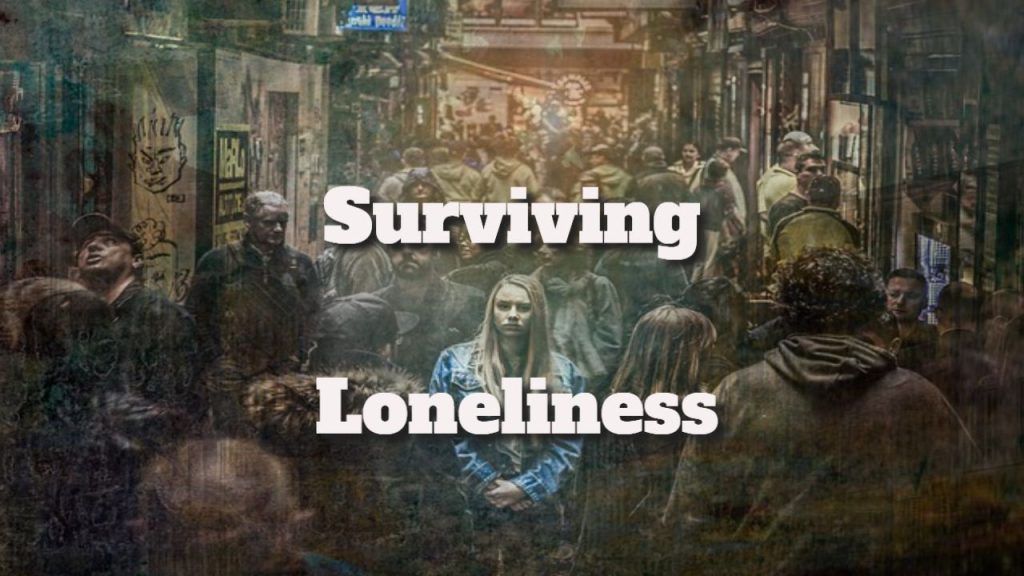
    It can be challenging to handle the experience of feeling lonely and isolated. Whether you’re living alone in a new city or having difficulty connecting with others. It is vital to prioritise your mental health care and well-being. Fortunately, numerous ways are available to help you overcome loneliness and feel more connected to the world around you.

    Recognising your feelings and getting help is one of the first steps towards overcoming loneliness. This could include contacting a trustworthy loved one, joining a local support group, or consulting a mental health professional. Remembering loneliness is a shared experience, and there’s no shame in asking for support when you need it.

    Another critical tactic is to concentrate on making meaningful connections with others. This could include joining a club or community group, volunteering, or pursuing a new interest. By putting yourself out there and meeting new people, you can develop a sense of belonging and connection, making you feel less alienated.

    Understanding Loneliness

    Defining Loneliness

    Feeling socially isolated is a subjective element of loneliness that can arise when there is a gap between your intended and real social contacts. Everyone, regardless of gender, age, or socioeconomic class, can experience this complicated and multifaceted feeling.

    surviving loneliness

    Psychological Impact

    Your emotional and psychological well-being might take a severe hit when you’re lonely. In addition to lowering your immune system and making you more prone to chronic diseases. Feelings of sadness, worry, and despair may manifest as a result.

    Social Dynamics

    Loneliness is not only a personal issue but also a societal one. Various factors, such as the breakdown of traditional social structures, changes in family dynamics, and the rise of technology-mediated communication, can cause social isolation. The stigma surrounding loneliness can also prevent people from seeking help and support, further exacerbating the problem.

    Ultimately, being alone is a complex emotional and physical toll. If you or someone you know suffers from social isolation, you must learn about the signs and symptoms of loneliness and get assistance.

    Strategies for Coping

    Loneliness and isolation can be challenging, but some strategies can help you manage these feelings. Here are some tips to help you feel more connected and supported.

    Mindfulness and Self-Compassion

    Mindfulness allows you to tune into your internal experiences and remain here and now. This can be particularly helpful when you’re feeling lonely or isolated. Try to focus on the present moment and engage with your surroundings. You can also try self-compassion exercises, such as writing positive affirmations or reminding yourself of your strengths and accomplishments.

    Building Social Networks

    Building social networks can be an effective way to combat loneliness and isolation. Start by contacting friends and family members and making plans to spend time together. Another option is to join an exciting organisation or club, such as a reading group or a sports team. 

    Professional Support

    Seek professional help if you are experiencing feelings of loneliness and isolation. You can discover a helpful setting to work through your emotions and find strategies to manage them with the help of a therapist or counsellor. You can also discuss referral alternatives with your primary care physician.

    Remember that feeling lonely or alone is a common experience and that coping tools are available. You can feel more connected and supported by practising mindfulness and self-compassion, creating social networks, and seeking professional help.

    lonely man

    Engaging in Activities

    However, engaging in activities can be a great way to combat these feelings and improve your mental health. Here are some ideas for activities you can try:

    Hobbies and Interests

    Creating art, playing an instrument, or just reading are all examples of what this might include. Engaging in an activity you love can take your mind off your loneliness and focus on something positive. 

    Volunteering Possibilities

    Volunteering is an excellent opportunity to give back to your community and meet new people. Numerous volunteer opportunities are available, ranging from assisting a local charity to participating in a community event.

    Physical Activity

    If you are experiencing feelings of isolation and loneliness, doing some exercise will help. You can attempt many different sorts of exercise, whether you favour running, yoga, or weightlifting. Consistent exercise may improve physical health, increase mood, and reduce stress.

    Remember that participating in activities is one approach to dealing with loneliness and isolation. If you are struggling with your mental health, you must get treatment and support. Speak with a friend or family member or with a mental health professional.

    Online Support and Communities

    Loneliness isn’t always easy, but online groups and support can be a valuable resource for those feeling lonely.

    Identifying Relevant Groups

    Numerous online communities are tailored to members’ interests and needs. Facebook, Reddit, and Discord are popular sites for finding online groups.

    Finding a group that is friendly and supportive is critical. Read over the group’s rules and standards and see how members communicate. Introduce yourself and begin engaging with the community if you feel comfortable.

    Keeping Online Relationships

    Building and keeping relationships online can differ from building and maintaining in-person relationships. Being conscious of how you speak and interact with individuals online is critical.

    Scheduling regular check-ins with online buddies is one approach to sustaining relationships. It is also critical to respect others’ limits and privacy. Keep track of your time online, and never give out personal information unless asked.

    Finding appropriate organisations and establishing online contacts might help you build a supporting network to assist you in getting through tough times.

    Long-Term Solutions Lifestyle Adjustments

    Taking care of your physical health is one of the most important things you can do for yourself. Get enough sleep, eat a healthy diet, and exercise frequently. This will improve both your emotional and physical well-being.

    Your social life is also an essential component of your lifestyle. Try to participate in activities that both interest you and include other people. Join a club, pick up a new activity, or volunteer for a worthy cause. This will assist you in meeting new people and making significant connections.

    Seeking Meaningful Relationships

    Along with making lifestyle adjustments, seeking meaningful interactions with others is critical. This can be difficult, but you can do a few things to simplify it.

    First and foremost, be open to meeting new individuals. Attend social gatherings, talk with strangers, and join online communities that share your interests.

    Second, be willing to make an effort to establish and sustain relationships. This includes listening well, expressing interest in others, and being dependable and trustworthy.

    Finally, if you are genuinely struggling with emotions of loneliness and isolation, it is OK to seek professional help. You may be able to overcome these challenges with the assistance of a therapist or counsellor.

    The post Surviving Loneliness and Feeling Isolated appeared first on Survival Avenue.

    The post Surviving Loneliness and Feeling Isolated appeared first on https://gqcentral.co.uk


    The Article Surviving Loneliness and Feeling Isolated First Appeared ON
    : https://ad4sc.com

  • Surviving Depression: Practical Strategies for Coping and Recovery

    Surviving Depression: Practical Strategies for Coping and Recovery

    Surviving Depression: Practical Strategies for Coping and Recovery

    Depression is a prevalent mental health condition characterised by persistent feelings of sadness, loss, or anger that interfere with a person’s everyday activities. It goes beyond occasionally feeling blue; it is a deep-seated condition that can profoundly affect one’s life, impacting mood, thoughts, physical health, and behaviour. It is essential, however, to understand that depression is not indicative of personal weakness or a condition that can be willed away. Instead, it often requires long-term treatment involving therapy, medication, or a combination of these, along with lifestyle changes and support.

    Managing depression involves recognising the condition’s complexity and understanding that recovery is a gradual process. Regular physical activity has been shown to elevate mood and enhance self-esteem – the body releases endorphins during exercise, which are natural mood lifters. Additionally, maintaining social connections is crucial since isolation can exacerbate symptoms. The exchange of support and feeling understood can make a significant difference. Mindfulness and other coping strategies can also significantly manage daily stresses and negative thought patterns.

    People with depression might perceive their situation as impossible, yet countless individuals navigate through it with the appropriate support and self-care strategies. Resources are available at various health services, including the NHS, which provide accessible information and guidance on coping mechanisms and support networks. It’s also increasingly recognised that feelings of depression, while challenging, can be a natural response to life’s adversities and stress, hinting at the body’s intrinsic desire to protect and cope with danger. Understanding this can contribute to a more compassionate self-perception and open avenues for more personalised treatment and survival strategies.
    surviving depression 2

    Understanding Depression

    Depression is a complex mental health condition that affects millions worldwide, characterised by persistent low mood and a lack of interest or pleasure in activities.

    Defining Depression

    Depression is more than just a bout of the blues; it is a clinically recognised disorder that impacts an individual’s mood, thoughts, physical health, and daily functioning. It is typically diagnosed when an individual experiences consistent symptoms of depression that last for two weeks or longer.

    Symptoms and Diagnosis

    To diagnose depression, healthcare professionals look for specific symptoms, including but not limited to:

    • Persistent sad, anxious, or “empty” mood
    • Loss of interest or pleasure in hobbies and activities
    • Feelings of hopelessness or pessimism
    • Irritability
    • Fatigue and decreased energy
    • Difficulty concentrating, remembering, or making decisions
    • Appetite and/or weight changes
    • Thoughts of death or suicide, or suicide attempts

    A formal diagnosis usually requires a thorough evaluation, which may involve a physical examination, interview, and/or psychological questionnaires.

    Common Causes and Risk Factors

    Depression does not have a single cause; instead, it results from a combination of genetic, biochemical, environmental, and psychological factors. Risk factors vary among individuals but commonly include:

    • Family history of depression
    • Significant life changes, trauma, or stress
    • Certain physical illnesses and medications

    Understanding these risk factors can help in early identification and intervention, potentially mitigating the severity of depression.

    Developing Coping Strategies

    Effectively managing depression involves establishing a set of practical coping strategies. These methodologies are vital in maintaining one’s mental health and in navigating daily challenges.

    Building a Support System

    A robust support system is fundamental. Individuals should maintain contact with friends and family who can provide emotional backing. Additionally, joining support groups or seeking out peers who understand their experience can be invaluable.

    Self-Care Techniques

    Prioritising self-care is essential. Regular exercise not only improves mood but also benefits overall health. Individuals should maintain a balanced diet, ensure adequate sleep, and engage in activities that bring joy and relaxation.

    Stress Management

    Managing stress plays a critical role in mitigating depressive symptoms. Techniques such as deep breathing exercises, mindfulness, and time management can assist individuals in keeping stress levels in check. Employing relaxation methods like yoga or meditation can also prove helpful.

    Medical Treatments

    Medical treatments for depression typically involve a combination of medication and therapy, with the option of alternative treatments when appropriate.

    Antidepressant Medication

    Antidepressants are used to alleviate the symptoms of moderate to severe depression and must be prescribed by a healthcare professional. They work by balancing chemicals in the brain that affect mood and emotions. The choice of antidepressants may depend on the individual’s specific symptoms, side effects, any other medications they are taking, and their personal preferences. Examples include:

    • Selective Serotonin Reuptake Inhibitors (SSRIs) are often the first choice because of their lower risk of side effects.
    • Tricyclic Antidepressants (TCAs): Generally used less often due to more pronounced side effects.
    • Serotonin and Norepinephrine Reuptake Inhibitors (SNRIs): An option for individuals who do not respond to SSRIs.

    Patients usually need to take antidepressants for several weeks before they begin to feel the benefits. Individuals need to work closely with their doctor to find the most effective medication and dosage for their needs.

    lightening

    Therapy Options

    Various forms of therapy are recommended depending on the severity of depression and individual circumstances. These therapies aim to help patients understand their depression and find strategies to manage it. Types of therapy include:

    • Cognitive-Behavioural Therapy (CBT): Focuses on identifying and altering negative thought patterns and behaviours.
    • Psychodynamic Therapy: Works to unravel the psychological roots of emotional suffering.
    • Interpersonal Therapy (IPT) Targets issues in personal relationships that may contribute to depression.
    • Group Therapy: Provides a supportive environment to share experiences and coping strategies.

    Individuals must receive the type of therapy most suitable for their condition, which may involve intensive or longer-term support.

    Alternative Treatments

    In conjunction with traditional medical treatments, certain alternative or complementary methods may offer additional benefits:

    • Mindfulness and Meditation: Recommended particularly for less severe depression, focusing on moment-by-moment awareness.
    • Exercise: Regular physical activity can help improve mood and reduce symptoms of depression.
    • Diet: Maintaining a balanced diet is fundamental for overall health, which can indirectly support mental health management.

    While alternative treatments can be helpful, they should not replace mainstream medical treatments but rather be used alongside them. Individuals should consult their healthcare providers before starting any alternative treatments.

    Lifestyle Adjustments

    Making specific lifestyle adjustments can significantly aid individuals struggling with depression. These targeted changes involve diet and nutrition optimisation, incorporation of regular physical activity, and establishing healthy sleep routines.

    Diet and Nutrition

    A balanced diet supports mental health. Individuals should focus on:

    • Complex Carbohydrates, Such as whole grains, release glucose slowly, aiding in mood stability.
    • Omega-3 Fatty Acids: Found in oily fish, flaxseeds, and walnuts, contribute to brain health.
    • Protein-rich Foods: This includes lean meats, eggs, and legumes, which contain amino acids that are precursors to neurotransmitters.

    Incorporating a variety of fruits and vegetables, which provide essential vitamins and minerals, is also crucial.

    Exercise and Physical Activity

    Physical exercise is beneficial for mental well-being. Guidelines suggest:

    • Regular Exercise: At least 150 minutes of moderate-intensity activity each week.
    • Strength Training: Lifting weights or yoga twice weekly can help build muscle strength and boost mood.
    • Consistency: Establishing a routine that is adhered to consistently is more important than intensity.

    Even short bouts of activity can make a difference, so it’s recommended to find an enjoyable form of exercise to increase adherence.

    Sleep Hygiene

    Good sleep is integral to mental health. To improve sleep hygiene:

    • Set a Regular Sleep Schedule: Go to bed and wake up simultaneously every day.
    • Create a Restful Environment: Ensure the bedroom is dark, quiet, and calm.
    • Limit Screen Time Before Bed: Exposure to blue light can disrupt the sleep cycle.

    Adequate sleep helps regulate mood and improve cognitive function, making it a critical aspect of managing depression.

    External Resources and Support

    In addressing depression, it is crucial to understand the various external forms of support available. These include professional medical assistance, supportive communities, and digital platforms that provide resources and aid.

    Professional Help

    Individuals experiencing depression may seek professional help, which typically includes psychologists, psychiatrists, and counsellors. They can offer diagnosis, therapy, and, if necessary, medication.

    thoughtful

    In the UK, one may contact their GP to discuss mental health concerns and get specialist referrals. Community Mental Health Teams (CMHTs) are also part of the NHS’s support network, providing comprehensive, community-based psychiatric care.

    Support Groups

    Support groups offer a space for shared experiences and communal healing. Many find solace in these peer groups, where one can talk openly and receive empathy and understanding from others facing similar challenges. Charities like Mind and the Samaritans facilitate such groups, providing safe environments both in-person and via helpline services.

    Online Resources

    Lastly, online resources contribute to a versatile and accessible means of support. Reliable websites offer vital information, self-help guides, and access to therapy services. Organisations like the Anxiety and Depression Association of America and the UK’s own Samaritans provide extensive digital content tailored for various aspects of mental health, including depression.

    Frequently Asked Questions

    Depression is a treatable condition, and with the appropriate strategies and support, individuals can manage symptoms and work towards recovery. Here are some common questions and answers that can provide further insight.

    Is it possible to achieve complete recovery from depression?

    Complete recovery from depression is achievable for many people. Recovery times and experiences vary, as it depends on the individual’s situation, the severity of depression, and the treatment methods employed.

    What are effective strategies for coping with depressive symptoms?

    Effective coping strategies include maintaining a regular exercise routine, establishing healthy sleep patterns, and engaging in cognitive behavioural therapy (CBT). Professional support and personalised treatment plans are critical to managing symptoms.

    How can one maintain mental well-being after overcoming depression?

    To maintain mental well-being post-recovery, individuals should continue utilising the tools and coping strategies learned during treatment. Taking care of physical health, managing stress, and seeking support can help sustain recovery.

    What role does therapy play in the treatment of depression?

    Therapy, such as CBT, psychotherapy, or counselling, plays a significant role in treating depression. It helps individuals understand their thought patterns, develop coping strategies, and address the root causes of their depressive symptoms.

    Can lifestyle changes impact the management of depression?

    Yes, lifestyle changes can have a positive impact on managing depression. Regular physical activity, healthy eating habits, and avoiding alcohol and drugs can contribute to symptom improvement and overall mental health.

    How does one offer support to someone dealing with depression?

    Supporting someone with depression involves being a good listener, offering empathy, and encouraging them to seek professional help. It’s important to provide support without judgment and to educate oneself about the condition for a better understanding.

    The post Surviving Depression: Practical Strategies for Coping and Recovery appeared first on Survival Avenue.

    The post Surviving Depression: Practical Strategies for Coping and Recovery appeared first on https://gqcentral.co.uk


    The Article Surviving Depression: Practical Strategies for Coping and Recovery First Appeared ON
    : https://ad4sc.com

  • Lucid Dreaming Safety And Mindfulness Guide

    Lucid Dreaming Safety And Mindfulness Guide

    Navigating the Dreamscape: A Guide to Safe and Mindful Lucid Dreaming

    This article explores the potential risks and dangers associated with lucid dreaming. It discusses the possibility of physical injury and mental implications that can arise from engaging in lucid dreaming practices. The article emphasizes the importance of being cautious and aware of these risks. This will ensure a safe and well-managed lucid dreaming experience.

    In the last few years, lucid dreaming has actually acquired considerable attention as a remarkable phenomenon that allows people to become aware and mindful throughout their dreams. This special state of awareness opens up a world of possibilities, enabling dreamers to actively get involved and control the occasions within their dreams. Nevertheless, as with any exploration of the human mind, it is essential to assess the potential threats involved in lucid dreaming.

    Potential for Injury During a Lucid Dream?

    One of the main issues when exploring lucid dreams is the potential for injury. While lucid dreaming might look like a safe activity, it can occasionally result in physical damage. This is primarily because the mind, although conscious within the dream, is still detached from the physique. A lucid dreamer might try bold or hazardous acts without considering the real-world consequences. For instance, individuals who wish to fly in their dreams may impulsively jump off high places while understanding it is a dream. Still, mishaps might happen if they forget they are not physically invulnerable. It is essential to be mindful of these risks and technique lucid dreaming with caution.

    Furthermore, taking part in lucid dreaming practices might likewise present mental dangers. The blurring of the line between dreams and reality might potentially affect an individual’s mental well-being. Continuously questioning the nature of reality and experiencing brilliant, extreme dreams can be emotionally taxing for some. Disorientation, confusion, and troubles distinguishing between dreams and waking life are likewise possible effects. Therefore, it’s crucial for people who routinely practice lucid dreaming to be knowledgeable about the psychological implications and look for support if required.

    Exploring the Enchanting World of Lucid Dreaming Securely Tips for a better nights sleep

    It certainly comes as no surprise that people are wildly attracted to an incredible world that can become available to them once you successfully undertake a Lucid Dream. The ability to not only remember, but actively control a whole other world or plane during a dream is an incredible concept indeed!

    Lucid dreaming is a fascinating phenomenon that allows people to become aware and mindful within their dreams. It is a genuinely charming experience, where the dreamer has the ability to form and control the dream world. Nevertheless, it is important to acknowledge that like any other activity, lucid dreaming carries potential threats and threat, particularly when it pertains to the threat of injury.

    Among the primary risks in lucid dreaming is the possibility of assuming reckless actions within the dream state. Since lucid dreaming enables individuals to perceive their dream world as genuine, they may engage in dangerous activities without realizing the repercussions. For example, trying harmful stunts, jumping from high locations, or participating in fights can result in injuries, even though they take place in the dream world.

    The Impact of REM State…

    Another threat depends on the capacity for sleep-related incidents. Lucid dreaming usually takes place during rapid eye movement – REM. REM, which is a fragile phase of sleep where the body is in a state of paralysis called sleep paralysis. This hinders physical movement to avoid acting out dreams. Nevertheless, if a lucid dreamer is not able to keep this sleep paralysis and accidentally starts to physically act out their dream, it can lead to injuries. Examples such as falling out of bed, striking items, or perhaps accidental self-harm.

    Taking necessary safety measures and putting safety first are crucial when it concerns delving into the realm of lucid dreaming. Prior to actively taking part in lucid dreaming exercises, it is suggested to familiarize oneself with possible threats and techniques for reducing them. Getting knowledge of relaxation techniques, improving dream recollection, and regularly conducting reality checks can all contribute in promoting lucid dreaming encounters that are both safe and well-managed.

    Exploring the Hazards: Injury Threats in Lucid Dreams

    how to get to sleep fastLucid dreaming, the state of understanding and in control of one’s dreams, has actually fascinated and mesmerized individuals for centuries. While it offers an unique and interesting experience, it is vital to acknowledge the possible threats and dangers connected with this phenomenon. In this short article, we aim to check out the possible threats that people may experience while taking part in lucid dreaming.

    In lucid dreams, the mind can develop a vivid simulation of physical experiences, consisting of pain, which can feel extremely genuine. This can cause a danger of injury when the dreamer’s brain analyzes the simulated pain as genuine and reacts accordingly, potentially triggering damage upon waking. For that reason, it’s vital for lucid dreamers to be knowledgeable about this danger and take actions to prevent injuring themselves during the dream state.

    What is Sleep Paralysis?

    Another threat in lucid dreaming is the phenomenon of sleep paralysis. This incident includes the short-lived inability to move or speak when awakening or dropping off to sleep. While not exclusive to lucid dreaming, sleep paralysis can be a frightening experience for individuals attempting to manage their dreams. It can cause panic stress and anxiety, possibly causing injuries if one efforts to physically force movements throughout this state of paralysis.

    Finally, participating in dangerous behaviors within lucid dreams can also pose a threat. Lucid dreamers often feel invincible and uninhibited, leading them to engage in activities they would think about harmful or difficult in the waking world. The lack of real-life consequences might prompt people to try flying from excellent heights, performing dangerous stunts, or participating in intense fight, increasing the probability of accidents and injuries upon awakening.

    Navigating the Dreamscapes: Mitigating Injury Dangers

    Lucid dreaming, the phenomenon in which one realizes that they are dreaming while they are still in the dream state, has fascinated psychologists and spiritual specialists alike for centuries. Nevertheless, it is imperative to acknowledge that this surreal experience is not without its potential risks. The expedition of lucid dreams can in some cases lead to injury, both mentally and physically. In this short article, we will look into a few of the possible threats and risks related to lucid dreaming and talk about proper methods to reduce these risks.

    One of the main physical dangers of lucid dreaming is sleep paralysis. This occurs when the dreamer is not able to move their body upon waking from a lucid dream. Although it generally resolves within a few minutes, the experience can be terrifying for people, causing substantial distress and anxiety. To avoid sleep paralysis, it is recommended to develop a consistent sleep routine, preserve a comfy sleep environment, and practice stress-reducing methods before bedtime. These measures can help promote a more relaxing sleep and lower the probability of experiencing sleep paralysis.

    lucid dreaming safety

    Don’t Get Physical!

    In addition to sleep paralysis, another prospective danger in the lucid dream state is the threat of injury due to exercises carried out within the dream. As lucid dreams can feel extremely practical, dreamers may participate in activities that might lead to self-inflicted harm, such as attempting unsafe stunts or participating in violent encounters. To reduce this risk, it is recommended to approach lucid dreams with a sense of caution and mindfulness. Remembering that it is, after all, a dream can assist people in making much safer choices and avoid unneeded harm to themselves or others.

    Despite Any Perceived Dangers, Lucid Dreaming Remains Popular

    The therapeutic potential of lucid dreaming has garnered significant attention. Many individuals are turning to lucid dreaming as a tool for confronting fears, overcoming trauma, or managing stress and anxiety. Researchers are also investigating its applications in improving problem-solving skills, enhancing creativity, and even potentially treating certain mental health disorders. As scientific interest in the subject grows, so does public curiosity.

    Furthermore, the rise of online communities and social media has facilitated the exchange of lucid dreaming experiences, techniques, and tips, fostering a sense of connectedness among enthusiasts. These platforms have allowed novices and experienced practitioners alike to share their insights and seek guidance, contributing to the democratization of lucid dreaming knowledge. As a result, the once esoteric practice has become more accessible to a broader audience.

    The Positives of Lucid Dreaming Outweigh the Negatives

    In summary, the popularity of lucid dreaming can be attributed to its allure as a gateway to self-discovery, the power of online communities to connect enthusiasts, and its therapeutic potential. This phenomenon has transcended its niche status and is now recognized as a compelling means for individuals to explore the depths of their own consciousness and harness the creative and therapeutic potential within their dreams.

    Lucid dreaming provides a wealth of opportunities for individual advancement and expedition of the unconscious mind, but it is essential to know the potential risks involved. By bearing in mind these threats and taking action to reduce them, dreamers can ensure a safe and pleasurable experience in the dream world.

    The Article Lucid Dreaming Safety And Mindfulness Guide First Appeared ON
    : https://ad4sc.com

  • Pilates Contributes To Physical And Mental Well Being

    Pilates Contributes To Physical And Mental Well Being

    The practice of Pilates allows for the achievement of both physical and mental strength training and flexibility training at the same time.

    Your body’s strength, as well as your flexibility and equilibrium, can be significantly improved through the practice of Pilates, which is an excellent method. This is an activity that people of varying fitness levels can do because it has a low impact and is simple to learn. In this piece, we will talk about the advantages of doing Pilates, the different variations of Pilates, and some helpful tips for doing Pilates in the comfort of your own home. You should understand how practicing Pilates can help you become more flexible while increasing your strength by the time you reach the end of this post.

    Full body side view of sportive men doing pilates saute exercise on reformer beds during training together in light gym


    The Numerous Benefits That Come Along With Pilates

    Pilates is a type of exercise that involves stretching and strengthening the muscles in the body in order to achieve the goals of improving posture, flexibility, breathing awareness, and coordination. When someone maintains a practice on a regular basis, they experience not only an overall improvement in their sense of well-being but also increased stamina and a reduction in stress. In addition, Pilates improves your strength and flexibility, making it much simpler for you to engage in activities such as lifting and carrying heavy objects.

    In addition, Pilates helps improve focus and concentration, both of which are essential for keeping the body in the correct alignment to achieve optimal results and avoid injury. All of the abdominal muscles work simultaneously in these exercises, so the core is getting a workout that will make it stronger and more stable. Pilates leads to a greater range of motion and the development of stronger and lean muscles than those developed through weightlifting or running on their own without the addition of Pilates.

    Regular participation in Pilates helps you become more flexible and agile and assists in relaxation thanks to the flowing movement sequences incorporated into the exercise. Targeted exercises have the potential to assist in the correction of muscle imbalances, which is beneficial for improving both balance and coordination. Pilates induces a state of relaxation, which, in turn, assists in improving focus and concentration, ultimately resulting in improved overall performance. Because it poses a lower risk of injury than other forms of exercise, Pilates is an excellent choice for anybody looking for a full-body workout and wanting to get fit.

    Core-strengthening workouts with the goal of better overall health and fitness.

    Pilates is a great form of exercise that can help one feel better about their overall health and improve their health. In order to achieve the goals of strengthening the core, maintaining stability, and increasing flexibility, it combines activities such as cardio workouts and exercises that build strength. Pilates is an easy and convenient way to improve one’s level of physical fitness because it can be done at home with only a few pieces of equipment. This makes Pilates a very appealing form of exercise.

    One of the most significant benefits of Pilates is that it can help correct muscle imbalances throughout the body. This skill leads to an improvement in posture and a reduction in pain experienced in the neck or back as a result of activities such as playing sports, running, or swimming. Additionally, this ability reduces the risk of injury to the neck and back. In addition, Pilates helps you become more flexible, agile, balanced, and coordinated, all of which contribute to an overall improvement in your physical fitness and strength over time.

    Pilates not only has a beneficial effect on a person’s physical health, but it also has a number of beneficial effects on a person’s mental health, including an increase in mental clarity, a decrease in stress and anxiety levels, and the promotion of a more calm state of mind. Physical health isn’t the only aspect of health that can be improved by doing Pilates. It is an excellent form of injury recovery and a low-impact workout that is safe for joints, lowering the risk of back pain and other injuries. As a result of these advantages, it is recommended for individuals who are healing from injuries.

    Pilates is a form of exercise that benefits people of all ages and levels of physical fitness, and Joseph Pilates developed it. If you don’t give it a shot today, you won’t believe how much better you feel after even just one session of it even if you do try it later.


    The Many Different Forms Of Pilates That Can Be Practiced

    Pilates is an exercise technique that aims to improve a person’s strength in addition to the person’s flexibility and overall health. It consists of strenuous stretching, low-impact resistance training, and core exercises that focus on strengthening the body as a whole. Mat Pilates and Reformer Pilates are the two most common forms of the numerous variations that can be found within the Pilates discipline. Each variety has a unique collection of benefits to offer, and it is able to target a specific area of the body in particular.

    Beginners are strongly encouraged to sign up for classes or seek out private instruction to develop the correct form and reduce the risk of injury. Lessons are individualized to meet each student’s needs and goals, allowing them to derive the greatest possible benefit from their time spent in the classroom. Since Joseph Pilates first conceived of the Pilates method, many different variations have been developed since then. Some of these variations include working out on the Reformer, Chair, and Cadillac. The exercises that bear his name today derive from his initial concept.

    What Is The Versatile Physical Activity That Can Be Done In Hawaiian Gardens?

    Every exercise in a typical Pilates class works the core muscles while also building strength, mobility, and flexibility. Pilates classes are great for people who want to get in shape. All of these are essential components that must be present in order to achieve and maintain overall health and wellness. Stretches that target specific areas help increase flexibility, and traditional Pilates moves to put an emphasis on alignment and precision so that participants can get the most out of every motion.

    Pilates is a fun way to improve your strength, mobility, and flexibility while enhancing your overall well-being. This is because Pilates emphasizes controlled breathing and controlled movement. Because this well-liked form of physical activity is provided at various levels, ranging from beginner classes to more advanced ones, anyone interested in trying it out can do so. This makes the activity accessible to a wider range of people.

    A Comprehensive Guide to Performing Pilates in the Comfort of Your Own Home

    Pilates is an excellent method for building strength, flexibility, and balance in the core muscles, and it can be done at home using only one’s own body weight and some basic equipment. Pilates is excellent for building strength, flexibility, and balance in the core muscles. However, to make the most of all of the advantages that Pilates offers, it is essential to have a solid understanding of the various breathing methods implemented throughout the various exercises.

    Before beginning any exercise, make it a point to educate yourself on the correct way to breathe and check that each movement is being carried out accurately to reduce the risk of injury. Try to work out with another person, even if they are not doing Pilates, because having someone else there can help motivate you and keep the focus on good form. If it is at all possible, try to do Pilates with another person.

    Pilates is an exercise that has a low impact on the body but still works out the entire body, improves joint range of motion, and strengthens control and coordination of the body’s muscles. Aim for at least two or three sessions per week to achieve the best results; however, even novices should take things slowly at first. In addition to helping improve your flexibility and muscle tone, strength, and posture, Pilates can also be beneficial.”

    Conclusion

    Any individual who is interested in enhancing their strength, flexibility, and overall body balance should consider giving Pilates a try as a form of exercise. It is a form of exercise that has a low impact on the body, can be done by people of varying skill levels, and has a wide range of positive effects on both physical and mental health. This article on a blog has gone over the various forms of Pilates, the various benefits that come along with them, as well as some tips for performing Pilates exercises at home. Your journey towards becoming stronger and more flexible through Pilates can now officially begin now that you have a better understanding of how Pilates can help you achieve these goals.

    The Article Pilates Contributes To Physical And Mental Well Being First Appeared ON
    : https://ad4sc.com

  • Can Cold Exposure Help Beat Anxiety And Depression?

    Can Cold Exposure Help Beat Anxiety And Depression?

    Does cold help to beat anxiety and depression?

    Anxiety is our body’s normal reaction to stress. It’s apprehension or concern about what could happen in the future. When we are anxious, we may feel as though our hearts are racing, we can’t catch our breath, or we are shaking. A variety of factors can cause anxiety. Some people may have anxiety when confronted with circumstances such as taking a school test, going on a first date, or attending a job interview. Others may have anxiety due to anything in their history (such as being bullied) or something happening in the present, such as caring for an ill elderly parent. Furthermore, for some people, no identifiable incident or setting may generate anxiety.

    Many people experience anxiety as a result of worrying or experiencing terror while picturing a scenario that is significantly worse than it actually is or was in real life. Traditional anxiety treatments include talk therapies such as counseling, journaling, exercise or relaxation, and breathing techniques.

    Depression, on the other hand, is significantly more intricate and yet little understood. However, because it is considered a brain condition, which has historically been regarded to be an imbalance in the brain’s chemicals, it can significantly impact the sufferer’s life. This has recently been refuted, with the notion that it is more likely the outcome of stressful conditions or experiences or that it is maybe tied to our DNA or both. Unfortunately, persons who are depressed are more prone to commit suicide than those who are anxious or have no sickness. Depression is traditionally treated with antidepressants, psychotherapy, or a combination of the two.

    depressed

    Surprisingly, one study suggests that our different lifestyles may cause modern-day sadness compared to our cave-dwelling ancestors. The researchers focused on the exposure to significant temperature swings that our forefathers used to face but that we no longer do. This is significant since our biological clocks, governed by light and temperature, have not developed significantly since we lived in caves.

    While depression can be inherited, it is mainly triggered by events in the sufferer’s life and surroundings. As a result, modifying lifestyle variables such as nutrition and exercise can help with depression. The same is true for cold exposure. Hormesis is to blame for this.

    Hormesis is a phrase used to explain the positive benefits of exposure to something that stresses the body. Muscle strength is an example of the influence of hormesis after exercise. Hormesis is also why modest doses of alcohol are beneficial to our health. The body responds to stress by becoming stronger and more robust. Cold exposure, according to the researchers in the above-mentioned study, helps build resistance to sadness and anxiety because the body needs to control its temperature is a sort of exercise that leads to hormesis.

    There are more cold temperature receptors on the skin than there are hot temperature receptors. Receptors communicate with the brain through millions of tiny electrical impulses. When these receptors detect cold water from a shower, cold water swimming, or an ice bath, they transmit a message to the brain, triggering a chain of events in the body to recover and maintain central body temperature. This hormesis impact on the brain and central nervous system explains why chilly temperatures can alleviate sadness and anxiety.

    There are a few advantages to bathing in cold water, and scientific evidence supports why cold showers may boost your mental health and improve your mood and wellness. Your body temperature decreases when you take a cold shower, which causes a physiological response. When your skin’s cold receptors detect cold, they send instructions to your blood vessels, which constrict, and to your heart, which increases the rate at which it beats to keep your body warm. This higher heart rate produces endorphins, chemicals that improve mood and promote sensations of well-being. A cold shower can also produce dopamine, which can help you feel better. Many people who go cold water swimming or take an ice bath report feeling “alive and rejuvenated” due to the release of these chemicals.

    Aside from the immediate mood-boosting effects of a cold shower, there are some long-term advantages. Studies have demonstrated exposure to cold conditions frequently helps enhance your resistance. According to research, when a depressed person builds their resilience, it can strengthen their emotions of self-worth, improve their mood, and assist in alleviating their depression symptoms. If you tend to become nervous quickly, taking cold showers frequently might help educate your body to better cope with anxiety-inducing events.

    The brain-derived neurotrophic factor is another molecule that contributes to the development of depression. As a result, certain antidepressant drugs target and boost this neurotransmitter. The good news is that cold exposure not only increases brain-derived neurotrophic factor synthesis but also makes brain cells more receptive to this chemical messenger, which has a protective impact on the brain. This is another way that cold exposure can improve mood, reduce depression, and improve general mental health.

    People can also acquire depression while dealing with chronic pain, such as that caused by rheumatism, arthritis, or fibromyalgia. A study of persons with these disorders, as well as Parkinson’s disease, discovered that swimming in cold water in the winter decreased pain and discomfort after just four months of frequent swimming.

    Four months of cold water swimming was also all that was required for a lady who had been diagnosed with depression for seven years to be able to discontinue her antidepressant prescription, which, coupled with talking therapy, was not making her feel any better. She said that each swim significantly improved her mood; a year later, she was still not on any medicine. Despite the fact that this study only included one individual, the results are very promising. They offer a foundation for future research to establish, once and for all, that cold exposure is a primary, drug-free therapy for depression.

    As you can see, cold exposure can increase the hormones and chemicals in the brain that enhance mood, lessen pain, and aid in developing resilience, all of which aid in the treatment of depression. However, it is not a quick fix and should be done on a monthly basis for a few months. Cold water swimming is a terrific mood enhancer if you are a skilled swimmer, but don’t discount the advantages of cold showers or ice baths.

    However, do so with regular physical activity and a mood-boosting diet to see faster improvements. Finally, it is always preferable to consult with a physician and take the appropriate procedures to protect your safety.

    References


    The post Can Cold Exposure Help Beat Anxiety And Depression? appeared first on https://gqcentral.co.uk