Category: Fitness Supplements

  • Supplements to Enhance HIIT Performance for Improved Results

    Supplements to Enhance HIIT Performance for Improved Results

    Boost Your HIIT Training Results with Essential Supplements

    What Are the Essential Supplements You Need for Effective HIIT Training?

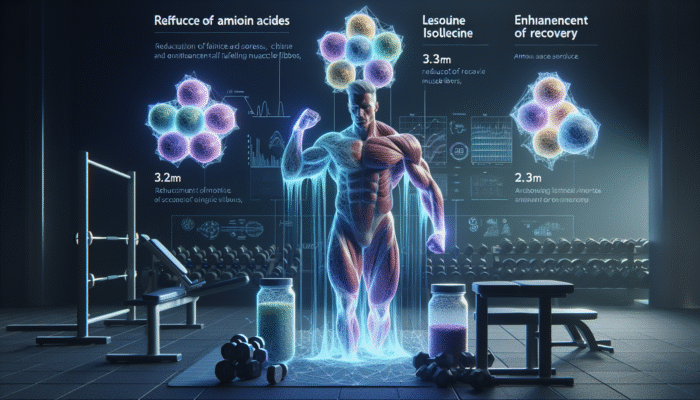
    Supplements for Hiit Sessions: Athlete performing HIIT, surrounded by floating supplements in a vibrant gym.

    Supplements specifically formulated for high-intensity interval training (HIIT) are indispensable for athletes and fitness enthusiasts eager to elevate their performance and enhance recovery. These HIIT training supplements are designed to improve key physical attributes such as endurance, strength, and muscle recovery. Composed of a potent mix of vitamins, minerals, amino acids, and other beneficial compounds, these supplements equip the body with vital nutrients necessary to excel during demanding workouts.

    It is crucial to tailor these supplements to meet specific fitness goals—be it enhancing performance or facilitating recovery. For example, a comprehensive supplement may provide an energy boost prior to a workout, support sustained endurance throughout the HIIT session, and accelerate recovery afterward. The ultimate aim is to create a seamless integration of all training components, transforming HIIT into a holistic and effective fitness approach.

    What Key Ingredients Should You Look For in HIIT Supplements?

    The efficacy of HIIT supplements largely depends on their active ingredients. Each component functions collectively to provide energy, enhance muscle performance, and promote recovery. Some of the most important and beneficial ingredients to consider include:

    • Beta-Alanine: This ingredient is known for its ability to reduce fatigue and boost endurance by buffering lactic acid accumulation in muscles.
    • Creatine: A staple for athletes, creatine enhances energy production during short bursts of high-intensity exercise.
    • BCAAs (Branched-Chain Amino Acids): These amino acids play a significant role in muscle recovery and help in reducing muscle breakdown.
    • Caffeine: A well-known stimulant, caffeine increases alertness and perception of effort, leading to improved workout performance.
    • Electrolytes: Essential for hydration and optimal muscle function, especially during extended exercise sessions.
    • Glutamine: This amino acid supports muscle recovery and bolsters immune function after training.
    • Protein: Vital for muscle repair and growth after rigorous workouts.
    • Vitamins and Minerals: Fundamental for overall health, ensuring that metabolic processes run smoothly.

    These ingredients are crucial for maximizing the benefits of HIIT training, enabling athletes to push their limits while minimizing fatigue and reducing recovery duration.

    How Do You Select the Perfect Supplement for Your HIIT Training Objectives?

    Choosing the right supplement for your HIIT training involves careful evaluation of various factors. A thorough understanding of your personal fitness goals, dietary preferences, and product quality is essential to ensure that the supplement aligns perfectly with your individual needs.

    Start by identifying your primary goal: Are you looking to boost endurance, increase strength, or speed up recovery? This clarity will guide you toward supplements that contain the right ingredients tailored to your objectives. Additionally, consider any dietary restrictions you may have. For instance, if you follow a vegan diet, you should seek out plant-based sources of protein and amino acids.

    Product quality is another critical consideration. Opt for reputable brands that engage in third-party testing to ensure their products are free from harmful substances and that the labeling is accurate. Reading consumer reviews and seeking advice from experienced athletes can also help navigate the extensive range of products available on the market. Ultimately, making informed choices leads to effective supplementation that enhances performance during HIIT sessions.

    When Should You Take Supplements for Optimal HIIT Performance?

    Person in athletic wear taking supplements before, during, and after HIIT, surrounded by sports equipment.

    The timing of supplement intake plays a vital role in maximizing HIIT performance and recovery. The effectiveness of these supplements can vary significantly based on when they are consumed, which can be divided into pre-workout, intra-workout, and post-workout strategies.

    Pre-workout supplements are typically consumed about 60 minutes before your HIIT session. This timeframe allows ingredients such as caffeine and beta-alanine to circulate throughout your body, providing the necessary energy and focus.
    Intra-workout supplements can be taken during your HIIT session to maintain energy levels and hydration. Popular options for this purpose include BCAAs and electrolytes, as they help sustain performance and combat fatigue.

    Finally, post-workout supplements should be taken immediately after your session. Options like protein and glutamine are excellent choices here, as they promote muscle repair and alleviate soreness. This structured approach guarantees that you are effectively nourishing your body at every stage of your HIIT regimen.

    Discovering the Extensive Benefits of Supplements for HIIT Training

    What Performance Improvements Can You Expect from Using Supplements?

    Implementing supplements during HIIT can yield a multitude of performance benefits that significantly enhance workout outcomes. These advantages manifest as improved endurance, increased strength, and shorter recovery times.

    To begin with, supplements such as creatine and beta-alanine can greatly enhance endurance, allowing you to engage in longer and more intense workout sessions. This extended performance not only leads to better calorie burning but also improves the overall efficiency of your exercise routine.

    Moreover, consuming sufficient protein through supplements is crucial for achieving strength gains, enabling effective muscle repair and growth. This is particularly relevant in HIIT, where the demand for muscle recovery is significant.

    One of the standout benefits of using supplements is their ability to reduce recovery times. Supplements that help alleviate muscle soreness and inflammation empower athletes to train more frequently without succumbing to the negative effects of overtraining. With these performance-enhancing benefits, athletes can effectively reach their fitness goals, making supplements an essential part of any HIIT regimen.

    How Do Supplements Support Improved Recovery After HIIT Workouts?

    Athlete drinking colorful supplement shake post-HIIT, with BCAAs, glutamine, and antioxidants aiding muscle repair and reducing inflammation.

    Supplements play a crucial role in enhancing recovery after HIIT sessions. They effectively reduce muscle soreness and inflammation, allowing athletes to bounce back more quickly and maintain a consistent training schedule.

    Certain supplements, such as BCAAs and glutamine, are particularly effective at minimizing muscle soreness. They promote the repair of damaged muscle tissue from intense workouts, resulting in less downtime and increased training frequency. Additionally, antioxidants found in specific supplements help combat oxidative stress, which tends to rise after HIIT, thereby accelerating recovery.

    Beyond reducing soreness, maintaining hydration is vital, and electrolytes can help replenish lost minerals during workouts. This restoration is essential for maintaining muscle function and preventing cramping, which further supports recovery. By incorporating these supplements into your routine, athletes can ensure their bodies are primed for recovery, ultimately maximizing the benefits of their HIIT training.

    Can Supplements Elevate Your Energy Levels for HIIT Training?

    Absolutely, certain supplements can significantly enhance energy levels, which is crucial for sustaining high intensity during HIIT workouts. B vitamins, particularly caffeine, are notably effective at boosting energy and focus.

    Caffeine is a well-known stimulant that promotes alertness and reduces fatigue. Many athletes find that consuming caffeine before their HIIT sessions enables them to perform at higher intensities for extended periods. This energy boost can be transformative, especially during the rigorous intervals that define HIIT training.
    B-vitamins, on the other hand, are essential for energy metabolism. They assist in converting food into usable energy, ensuring that your body has the necessary fuel during workouts. A deficiency in these vitamins can lead to reduced energy levels, making supplementation a wise choice for individuals engaged in high-intensity training. By utilizing these supplements, athletes can maintain optimal performance, ensuring every HIIT session is maximally effective.

    Do Supplements Promote Muscle Growth?

    Indeed, certain supplements are critical for facilitating muscle growth and recovery, particularly during and after HIIT sessions. Protein and creatine stand out as some of the most effective options for enhancing muscle development.

    Protein supplements deliver the essential amino acids required for muscle recovery following intense workouts. Consuming protein after HIIT has been shown to stimulate muscle protein synthesis, leading to increased muscle mass and strength over time.
    Creatine significantly contributes to muscle growth by enhancing strength and performance. It increases the availability of ATP, the energy currency of cells, enabling more effective training sessions that challenge and stimulate muscle growth. When combined with a rigorous HIIT routine, these supplements can lead to impressive improvements in muscle size and performance, highlighting their significance in a well-rounded fitness plan.

    How Can Supplements Help Prevent Nutritional Deficiencies?

    Engaging in high-intensity interval training intensifies the body’s nutritional requirements, making it essential to prevent nutritional deficiencies. Supplements can play a pivotal role in ensuring a sufficient intake of essential vitamins and minerals, thereby supporting overall health and performance.

    For instance, micronutrients like magnesium and zinc are often depleted through sweat and vigorous physical activity. These minerals are vital for muscle function and recovery, and their deficiency can lead to fatigue and decreased athletic performance. Supplements can help restore these nutrients, enabling athletes to maintain their training intensity without compromising their health.

    Furthermore, athletes often find it challenging to consume adequate calories and nutrients solely through food, particularly with busy lifestyles. Implementing a comprehensive supplement regimen can help bridge these gaps, acting as a safety net against potential deficiencies. As a result, athletes can maintain optimal health and performance, ultimately enhancing the effectiveness of their HIIT workouts.

    Expert Insights on Optimal Supplementation for HIIT Training

    What Recommendations Do Professionals Provide Regarding HIIT Supplementation?

    Experts in sports nutrition and exercise physiology consistently emphasize the importance of a personalized approach to HIIT supplementation. A tailored combination of specific supplements is generally recommended to address individual needs, focusing on both energy enhancement and recovery facilitation.

    For example, many professionals advocate for a pre-workout blend that includes caffeine and beta-alanine to boost energy and endurance. They often recommend BCAAs during training to minimize muscle breakdown and enhance performance throughout the HIIT session.

    After the workout, protein supplementation is frequently suggested to assist in muscle repair and recovery. A practical example would be utilizing whey protein, which is rapidly absorbed and ideal for post-exercise muscle repair. Furthermore, glutamine is commonly recommended for its recovery and immune support benefits, especially for athletes engaged in intense training. By adhering to expert recommendations, athletes can effectively optimize their HIIT performance and recovery.

    How Can You Seamlessly Incorporate Supplements into Your Daily Routine?

    Incorporating supplements into your routine necessitates careful planning regarding timing and dosage to maximize their effectiveness. Experts recommend a strategic approach tailored to the unique advantages of each supplement.

    First and foremost, taking pre-workout supplements approximately 30-60 minutes before your HIIT session is crucial for ensuring peak energy levels. This is where caffeine and beta-alanine can be particularly beneficial, providing the initial boost needed for high-intensity efforts.

    During the workout, including intra-workout supplements like BCAAs can help maintain energy and reduce fatigue. Mixing these supplements with water and sipping them throughout the session can be especially effective.

    Lastly, for post-workout recovery, consuming a protein shake within 30 minutes after your HIIT session is vital. This timing initiates muscle repair and recovery processes. Incorporating glutamine into your post-workout routine can further enhance recovery. By following these actionable steps, you can easily integrate supplements into your HIIT training regimen.

    What Potential Risks Should You Be Aware of When Using Supplements?

    While most supplements are generally safe when used as directed, there are inherent risks associated with overuse or misuse. Some individuals may experience side effects, such as digestive discomfort or headaches, from excessive intake of certain ingredients.

    It is essential to approach supplementation with caution, particularly for those who are new to it. Overreliance on supplements can lead to neglecting the fundamentals of a balanced diet, which is crucial for overall health. Consulting a healthcare professional or a registered dietitian is highly advisable to ensure safety and efficacy.

    Additionally, being aware of potential interactions with medications or pre-existing health conditions is paramount. A responsible approach to supplementation, grounded in informed choices and professional guidance, will yield the best results while minimizing risks.

    What Are the Most Effective Supplements for Boosting HIIT Performance?

    Experts often highlight several supplements as particularly impactful for improving performance and recovery during HIIT training. BCAAs, creatine, and beta-alanine are frequently emphasized due to their well-supported benefits.

    BCAAs are renowned for their ability to decrease muscle breakdown and aid in recovery during intense training. Their potential to enhance muscle protein synthesis makes them a preferred choice for athletes.
    Creatine is noteworthy for its effectiveness in increasing strength and power, enabling athletes to perform at higher intensities. This supplement is especially beneficial for those looking to enhance their workout performance and achieve superior results.
    Beta-alanine is valued for its capacity to buffer acid in muscles, reducing fatigue and allowing for prolonged high-intensity efforts. By incorporating these supplements into a high-intensity interval training (HIIT) routine, participants can significantly enhance workout performance.

    As athletes strive to maximize their training outcomes, these expert-recommended supplements become essential components in achieving peak performance and recovery.

    How Do Supplements Impact HIIT Performance?

    Supplements can profoundly influence HIIT performance by enhancing endurance, minimizing fatigue, and accelerating recovery. This positive impact directly translates into more effective workouts and improved results over time.

    For example, supplements like caffeine can enhance alertness and perceived exertion, allowing athletes to push through challenging intervals more efficiently. This increased capacity for intensity during HIIT training can lead to greater calorie burn and improved cardiovascular fitness.

    Furthermore, by alleviating muscle soreness and inflammation, supplements empower athletes to recover more swiftly and train more frequently. This heightened training frequency fosters continuous improvement and adaptation, making HIIT sessions more effective in achieving fitness goals.

    In summary, strategically utilizing supplements can be transformative for athletes, providing the essential edge needed to enhance performance during high-intensity workouts.

    Exploring Different Types of Supplements for HIIT Training

    What Are Pre-Workout Supplements and Their Benefits?

    Pre-workout supplements are specifically designed to be taken before HIIT sessions to enhance energy, focus, and overall performance. These supplements typically contain a blend of ingredients aimed at preparing the body for intense physical activity.

    One of the most common components is caffeine, recognized for its stimulating effects. Caffeine helps elevate energy levels, allowing individuals to fully engage in their HIIT workouts. Another vital ingredient is beta-alanine, which aids in buffering lactic acid buildup in muscles, delaying fatigue during high-intensity efforts.

    Creatine is often included in pre-workout formulations, as it can enhance energy production, particularly during brief periods of intense exercise. This combination of ingredients promotes heightened performance and increased training intensity.

    When selecting a pre-workout supplement, it is important to consider your tolerance for stimulants and your individual fitness goals. A tailored pre-workout strategy can set the stage for a successful HIIT session, enhancing both physical and mental readiness.

    What Are Intra-Workout Supplements and Their Importance?

    Intra-workout supplements are consumed during HIIT sessions to maintain energy levels and hydration. These supplements are crucial for sustaining performance throughout the workout, especially as fatigue begins to set in.

    One of the main ingredients commonly found in intra-workout formulations is BCAAs, which help to minimize muscle breakdown and lower perceived exertion. This support makes it easier for athletes to maintain intensity during demanding intervals.

    Electrolytes also play a critical role in intra-workout supplementation. They assist in maintaining proper hydration and muscle function, which is essential during high-intensity workouts where significant sweat loss can occur. Combining these two components creates a robust support system for athletes as they push their limits.

    Additionally, some athletes may choose to include carbohydrates in their intra-workout supplementation to provide a quick energy source and sustain performance. By carefully selecting intra-workout supplements, athletes can ensure they remain energized and hydrated, ultimately improving the effectiveness of their HIIT training.

    What Are Post-Workout Supplements and Their Benefits?

    Post-workout supplements are designed to support recovery and muscle repair after HIIT sessions. Consuming the appropriate supplements after exercise is vital for optimizing recovery and preparing the body for subsequent workouts.

    Protein is arguably the most crucial supplement in this category. Consuming protein after a HIIT session initiates muscle repair and growth, making it essential for anyone aiming to improve their strength and endurance. Fast-absorbing proteins, such as whey, are especially effective in this regard.

    Another significant post-workout supplement is glutamine, which aids recovery by helping to replenish amino acid levels and enhance immune function. This benefit is particularly advantageous for athletes who train frequently or with high intensity.

    Moreover, incorporating antioxidants can help mitigate oxidative stress caused by HIIT sessions, further enhancing recovery. By focusing on these post-workout supplements, athletes can ensure efficient recovery and prepare their bodies for future workout challenges.

    Understanding How HIIT Supplements Work

    What Is the Mechanism of Action for HIIT Supplements?

    Supplements designed for HIIT training operate through various mechanisms to deliver essential nutrients and support critical physiological functions during and after exercise. These supplements enhance energy production, muscle performance, and recovery, ultimately facilitating improved workout outcomes.

    For instance, ingredients like caffeine stimulate the central nervous system, increasing alertness and focus, which can lead to enhanced workout intensity. Similarly, creatine increases ATP production, supplying the energy necessary for high-intensity bursts of activity.

    BCAAs serve a unique role by decreasing muscle breakdown and promoting protein synthesis, both of which are vital for muscle recovery and growth. Furthermore, vitamins and minerals support metabolic functions, ensuring that the body operates optimally during workouts. This combination of effects creates an environment conducive to enhanced performance and recovery through targeted supplementation.

    How Do Supplements Influence Energy Systems During HIIT?

    Supplements can enhance the body’s energy efficiency, enabling higher intensity and longer duration during HIIT sessions. By supporting various energy pathways, these supplements empower athletes to perform at their peak.

    For instance, creatine supplementation increases the availability of phosphocreatine in muscles, enhancing the rapid regeneration of ATP during high-intensity efforts. This capability allows athletes to maintain their performance over extended periods, particularly during short, intense intervals.

    Additionally, caffeine enhances the utilization of fatty acids for energy, conserving glycogen stores and boosting endurance. This effect can lead to better performance in longer HIIT sessions, where energy depletion is a significant concern. By optimizing energy systems, supplements play a critical role in maximizing the benefits of HIIT training.

    Can Supplements Influence Muscle Recovery Following HIIT Workouts?

    Yes, supplements can significantly impact muscle recovery after HIIT sessions. By reducing muscle damage and inflammation, they promote faster recovery and decrease downtime between workouts.

    Certain ingredients, such as BCAAs and glutamine, are known for their benefits in facilitating muscle recovery and growth. BCAAs help minimize muscle soreness by reducing muscle protein breakdown, allowing athletes to recover more quickly after intense training sessions.

    Glutamine is also essential, as it aids in replenishing amino acid levels and supports immune function, which can be compromised after strenuous workouts. Additionally, antioxidants can help alleviate oxidative stress, further promoting recovery.

    By integrating these supplements into a post-workout routine, athletes can recover more efficiently, enabling them to train harder and more frequently, ultimately improving their overall performance during HIIT sessions.

    Implementing Effective Supplement Strategies for HIIT Training

    How Can You Customize Supplements to Fit Your Individual Needs?

    Customizing supplement intake based on your fitness objectives, current health status, and workout intensity is critical for optimizing HIIT performance. Tailoring your supplementation strategy ensures you effectively address your unique requirements.

    Start by evaluating your fitness goals: Are you aiming for fat loss, muscle gain, or improved endurance? This assessment will guide you in selecting supplements that align with your objectives. For example, if muscle growth is your aim, prioritize protein and creatine supplements.

    Next, consider your current health status and any dietary restrictions you may have. This is particularly important for those with allergies or intolerances who may need to avoid specific ingredients. Opting for high-quality, hypoallergenic supplements can ensure both safety and effectiveness.

    Finally, adjust your supplement strategy based on the intensity and frequency of your workouts. For instance, during periods of increased training volume, you might require more recovery-focused supplements. By implementing these strategies, you can create a personalized supplement regimen that effectively supports your HIIT goals.

    What Best Practices Should You Follow When Using Supplements?

    Consistency in timing, appropriate dosages, and integrating supplements with a balanced diet and hydration are crucial for effective HIIT supplementation. Adhering to these best practices can significantly enhance the benefits of your supplements.

    Start by establishing a regular schedule for taking your supplements. Pre-workout supplements should be consumed approximately 30-60 minutes before training, while intra-workout supplements can be sipped during the workout. Post-workout supplements should ideally be taken within 30 minutes after exercise to maximize recovery.

    Dosage is equally important. Follow the recommended serving sizes on supplement labels, and consider consulting a healthcare professional or a nutritionist for personalized guidance tailored to your needs and training intensity.

    Finally, a balanced diet rich in whole foods is essential for maintaining overall health and optimal performance. Supplements should complement, rather than replace, a nutritious diet. Ensuring proper hydration is also vital, as it supports both performance and recovery. By adhering to these best practices, athletes can optimize their supplement use for HIIT.

    How Can You Effectively Monitor and Adjust Your Supplement Intake?

    Regularly evaluating the impact of supplements on HIIT performance and making necessary adjustments is crucial for maintaining effectiveness and safety. Monitoring your response to supplementation ensures you achieve the desired outcomes.

    Start by keeping a training journal to document your performance, recovery times, and any side effects you experience. This record can help identify patterns and determine whether your current supplement regimen is effective or needs modifications.

    Consider periodically reassessing your fitness goals and training intensity to ensure you are meeting your objectives. If you are increasing the volume or intensity of your workouts, it is essential to adjust your supplement intake accordingly.

    Lastly, be mindful of any changes in your health status. If you experience adverse effects or fluctuations in your performance, consult a healthcare provider or nutritionist for personalized advice. By actively monitoring and adjusting your supplement intake, you can maintain optimal performance during HIIT training.

    Dispelling Common Misconceptions About Supplements for HIIT Training

    Do Supplements Guarantee Enhanced Results in HIIT Training?

    While supplements can enhance HIIT performance, they are not a miraculous solution. Consistent training and proper nutrition are equally critical for achieving fitness goals. Supplements should be viewed as a supportive tool, not a substitute for a dedicated and balanced diet.

    It is vital to maintain realistic expectations regarding the role of supplements in your training regimen. They can provide an advantage, but the foundation of your fitness journey is built on commitment, consistency, and appropriate nutrition. Engaging in regular training, prioritizing recovery, and supplementing strategically will help you achieve optimal results.

    Are All Supplements Safe for HIIT Training?

    Not all supplements are suitable for HIIT workouts; some may contain ingredients that could be harmful or ineffective for high-intensity exercise. It is vital to select reputable brands and products that are supported by research and safety testing.

    Before starting any supplementation regimen, consult a healthcare provider or a registered dietitian to ensure the safety and efficacy of the supplements. This step is particularly crucial for individuals with pre-existing health conditions or those taking medications. Being informed about the ingredients and potential side effects will empower you to make safe choices that align with your HIIT objectives.

    Can Supplements Replace a Healthy, Balanced Diet?

    Supplements should complement, not substitute, a balanced diet. While they can provide essential nutrients that may be lacking in your diet, they cannot supply all the necessary vitamins, minerals, and macronutrients vital for optimal health and performance.

    Prioritizing whole foods is critical for fueling your body effectively. A balanced diet rich in fruits, vegetables, whole grains, lean proteins, and healthy fats forms the foundation of any successful fitness regimen. Use supplements strategically to fill nutritional gaps, but emphasize a comprehensive diet for optimal health and performance benefits.

    How Long Does It Take for Supplements to Show Results?

    The time required for supplements to exhibit their effects can vary depending on the specific type of supplement and individual factors, such as metabolism and training intensity. Some supplements, like caffeine, can provide immediate energy boosts, while others, such as creatine, may take weeks to yield noticeable benefits.

    Consistency in your supplementation routine is vital for experiencing the full advantages. Regular use, combined with a structured training program and balanced nutrition, will lead to the best results over time.

    Is It Safe to Take Multiple Supplements at Once?

    Yes, it is generally safe to take multiple supplements simultaneously, provided they do not contain overlapping ingredients or excessive amounts of certain nutrients. However, it is crucial to consider your total intake and avoid exceeding recommended dosages.

    Consulting with a healthcare provider or nutritionist can help you develop a supplement strategy that aligns with your goals while ensuring safety. Monitoring your body’s response to multiple supplements is also essential, as individual tolerance levels may vary.

    Are There Natural Alternatives to HIIT Supplements?

    Yes, many natural food sources can provide the nutrients typically found in supplements. For instance, whole foods like nuts, seeds, lean meats, and legumes offer protein, vitamins, and minerals essential for energy and recovery.

    Incorporating a diverse range of nutrient-dense foods into your diet can help you achieve your fitness goals without solely relying on supplements. However, for those with specific performance needs or dietary constraints, supplements can still play a valuable role in supporting optimal training.

    How Can You Determine If Supplementation Is Necessary?

    Assessing whether you need supplements involves evaluating your diet, fitness goals, and training intensity. If you struggle to meet your nutritional needs through food alone or experience fatigue, muscle soreness, or slow recovery, supplementation may be beneficial.

    Consulting with a healthcare provider or registered dietitian can offer personalized insights into your dietary needs and help you make informed decisions regarding supplementation.

    What Should You Look For in a Quality Supplement?

    When searching for a high-quality supplement, seek products from reputable brands that undergo third-party testing for purity and potency. Additionally, ensure transparency in ingredient sourcing and clear dosage labeling.

    Reading customer reviews and seeking recommendations from trusted sources can also guide you toward high-quality supplements. Ultimately, prioritizing safety, efficacy, and transparency will ensure you make informed choices throughout your supplementation journey.

    Are All Supplements Equally Effective?

    No, not all supplements deliver the same level of effectiveness. The quality, potency, and efficacy of supplements can vary significantly between brands and products. Factors such as ingredient sourcing, manufacturing practices, and third-party testing can influence a supplement’s overall quality.

    Conducting thorough research and opting for reputable brands that prioritize safety and efficacy is crucial. Investing in high-quality supplements will enhance your chances of achieving your fitness goals effectively and safely.

    Connect with us on Facebook!

    The Article Supplements for Hiit Sessions: Optimize Your Workout appeared first on https://athleticsupplement.com

    The Article Supplements to Optimize Your HIIT Sessions for Better Results Was Found On https://limitsofstrategy.com


  • BCAAs for Bodybuilding Success: Your Essential Guide

    BCAAs for Bodybuilding Success: Your Essential Guide

    Unlocking Your Fitness Potential: A Detailed Exploration of BCAAs

    Understanding the Fundamental Elements of BCAAs for Optimal Muscle Performance

    BCAAs In Bodybuilding Circles: Close-up of leucine, isoleucine, and valine molecular structures on muscular tissue, symbolizing athletic enhancement.

    BCAAs, or Branched-Chain Amino Acids, play a critical role for those committed to muscle growth and effective recovery. Comprised of three essential amino acids—leucine, isoleucine, and valine—these compounds are unique due to their branched chemical structure. This structural characteristic allows BCAAs to be metabolized directly in muscle tissue, bypassing the liver and facilitating quicker energy usage. This unique metabolism is particularly advantageous for athletes and bodybuilders who aim to enhance their performance and optimize their recovery strategies.

    In the competitive fitness and bodybuilding landscape, grasping the significance of BCAAs is crucial. Not only do these amino acids substantially aid in protein synthesis, but they also serve as protectors of muscle tissue during rigorous workouts. From casual fitness enthusiasts to elite competitors, the extensive benefits of BCAAs are well-recognized as they contribute to achieving superior training results and overall well-being.

    Exploring the Different Formats of BCAAs: Which One is Right for You?

    BCAAs come in various formats to accommodate diverse preferences and lifestyles. The most prevalent forms include powders, capsules, and tablets. Each format has distinct advantages; for instance, powders can be effortlessly mixed into shakes or smoothies, offering a versatile option for dietary integration. Alternatively, capsules and tablets provide a straightforward choice for those who prefer convenience without the need for mixing supplements.

    When selecting a BCAA product, it’s essential to consider several factors, including the leucine to isoleucine and valine ratio, which can significantly affect the product’s potency. A commonly recommended ratio is 2:1:1 (leucine:isoleucine:valine), which has been shown to support muscle growth and recovery effectively. Additionally, certain formulations may incorporate flavoring agents or beneficial components like electrolytes to enhance hydration and performance. Therefore, it’s vital to choose a product that aligns with your specific fitness objectives and lifestyle.

    Why BCAAs Have Become Essential for Bodybuilders: The Key Benefits

    The rising popularity of BCAAs among bodybuilders can be attributed to their remarkable benefits, particularly in fostering muscle protein synthesis. Bodybuilders often engage in strenuous training regimens that can lead to muscle fatigue and soreness, and BCAAs provide an effective solution to mitigate these issues. By incorporating BCAAs into their training protocols, bodybuilders can significantly enhance their recovery processes, allowing them to train more frequently and effectively.

    Moreover, BCAAs possess the ability to diminish exercise-induced muscle damage, enabling athletes to bounce back rapidly from intense workouts. This swift recovery is essential in the competitive realm of bodybuilding, where every training session holds significant value. Additionally, the capacity of BCAAs to reduce post-exercise muscle soreness makes them a favored choice for individuals who consistently push their physical limits.

    Enhancing Endurance Performance with BCAAs: A Game Changer for Athletes

    Endurance athlete running marathon at sunrise, holding glowing BCAA bottle for enhanced stamina and recovery.

    BCAAs deliver substantial benefits not only for strength training but also for endurance athletes. These athletes regularly participate in prolonged physical activities where fatigue can significantly hamper performance. BCAAs combat fatigue by serving as an energy source during extended endurance events, enabling athletes to maintain optimal performance levels.

    Furthermore, BCAAs facilitate recovery during long-duration activities by promoting muscle repair and reducing soreness. For example, marathon runners and long-distance cyclists often integrate BCAA supplements into their training routines to enhance their stamina and recovery times. By including BCAAs in their diet, endurance athletes can experience noticeable improvements in overall performance, empowering them to train harder and longer.

    Effective Strategies for Seamlessly Integrating BCAAs into Your Diet

    Incorporating BCAAs into your diet can be achieved through various methods. Primarily, supplementation is a widely adopted approach, with many athletes opting for BCAA powders or capsules consumed before, during, or after workouts. This method provides a quick and efficient way to elevate amino acid levels in the body, especially around workout times. For instance, adding BCAA powder to a pre-workout shake can boost energy levels and provide muscle protection throughout the exercise.

    In addition to supplements, BCAAs can also be sourced from protein-rich foods. Foods such as chicken, beef, fish, eggs, dairy products, and legumes are excellent sources of these crucial amino acids. For individuals focused on muscle growth and recovery, developing a diet rich in these foods can complement BCAA supplementation. Ultimately, the choice between supplements and whole food sources should align with personal fitness goals and dietary preferences.

    Understanding the Biological Mechanisms of BCAAs

    How BCAAs Function Within the Body: The Science Behind Their Efficacy

    Illustration of BCAAs stimulating muscle protein synthesis in an athlete, highlighting leucine and mTOR pathway activation.

    The mechanisms through which BCAAs function are complex yet vital for athletes striving for peak performance. Upon ingestion, BCAAs stimulate muscle protein synthesis, a critical process for muscle growth and recovery, primarily initiated by leucine. Leucine activates the mTOR pathway, a key regulator of muscle protein synthesis, enabling bodybuilders to achieve significant muscle hypertrophy after challenging training sessions.

    Moreover, BCAAs play a protective role in muscle tissues by preventing muscle breakdown during strenuous activities or caloric deficits. This dual action—promoting muscle growth while simultaneously inhibiting muscle loss—is essential for athletes who regularly push their physical boundaries. The fact that BCAAs are metabolized directly in muscle provides a rapid and efficient energy source during intense workouts, underscoring their importance in training regimens.

    The Critical Role of BCAAs in Accelerating Muscle Recovery

    Recovery is a fundamental aspect for athletes, and BCAAs significantly enhance this process. They help alleviate muscle soreness and fatigue, paving the way for quicker recovery between training sessions. After intensive workouts, the presence of BCAAs in the bloodstream can decrease levels of creatine kinase and lactate dehydrogenase, both markers associated with muscle damage and soreness.

    This reduction in muscle soreness translates to improved performance in subsequent workouts, allowing bodybuilders to sustain consistency and intensity in their training. Additionally, the expedited recovery facilitated by BCAAs can create a cycle of continuous improvement, as muscles can be trained more frequently without the delay of prolonged recovery times. Athletes often report feeling revitalized and more prepared for their next training sessions when they incorporate BCAAs into their recovery strategies.

    Leveraging BCAAs as a Source of Energy During Workouts

    During physical exertion, BCAAs can serve as a valuable energy source, particularly for endurance athletes. When glycogen stores become depleted, the body can utilize BCAAs for fuel, helping to sustain performance levels and delay fatigue. This characteristic is particularly advantageous during extended training sessions or competitive events, where maintaining energy is critical.

    Furthermore, the role of BCAAs in supporting energy production can lead to improved overall workout performance. Athletes can endure demanding training sessions without succumbing to fatigue, enabling them to achieve superior results. Thus, integrating BCAAs into a pre-workout strategy can enhance both endurance and strength, ensuring athletes are well-equipped to meet their fitness objectives.

    Real-Life Applications of BCAAs in Bodybuilding: Success Stories from Athletes

    Discovering Real-World Examples of BCAA Impact in Bodybuilding

    Real-life experiences with BCAAs highlight their effectiveness in bodybuilding. Here are several examples from well-known athletes who have harnessed BCAAs to elevate their performance:

    • Athlete A: A top-tier bodybuilder, Athlete A integrates BCAAs into their routine both pre and post-workout, reporting a noticeable reduction in muscle soreness and enhanced recovery.
    • Athlete B: A professional powerlifter who utilizes BCAAs during intense training sessions experiences improved endurance and strength output, enabling heavier lifts.
    • Athlete C: A competitive physique athlete underscores the significance of BCAAs in preserving muscle mass while cutting body fat, ensuring they remain lean and muscular.
    • Athlete D: An experienced marathon runner combines BCAAs with electrolytes during races, discovering that this strategy diminishes fatigue and boosts overall performance.

    These instances illustrate that BCAAs are more than just a fleeting trend; they are a practical resource capable of delivering tangible improvements in training outcomes. By incorporating BCAAs into their routines, athletes across various disciplines are effectively attaining their fitness goals.

    Implementing Effective Strategies for Optimal BCAA Supplementation

    For bodybuilders aiming to successfully integrate BCAAs into their routines, here are some actionable strategies to consider:

    • Timing: Consume BCAAs approximately 30 minutes prior to workouts to prepare your muscles for exercise and reduce muscle breakdown during the session.
    • Post-Workout: Take BCAAs immediately following workouts to facilitate recovery and support muscle repair.
    • Dosage: A typical dosage ranges from 5-10 grams before and after workouts; however, individual needs may vary based on body weight and activity levels.
    • Combination: Pair BCAAs with other supplements such as protein powders or creatine for synergistic effects that amplify muscle growth and recovery.

    By adhering to these guidelines, bodybuilders can optimize the advantages of BCAA supplementation and witness substantial improvements in their training results. Effectively integrating BCAAs into a fitness regimen can revolutionize recovery processes and elevate overall athletic performance.

    Insights from Experts on the Effectiveness of BCAAs in Bodybuilding

    Expert evaluations reaffirm the efficacy of BCAAs within bodybuilding contexts. Many professionals in the fitness sector agree that BCAAs are pivotal for muscle recovery and growth. Research indicates that leucine, one of the primary BCAAs, is crucial for activating mTOR, a significant pathway for muscle protein synthesis. This activation is vital for bodybuilders striving to increase muscle mass and attain their desired physique.

    Moreover, experts have noted that BCAAs can alleviate muscle soreness and fatigue, permitting athletes to train harder and more frequently. Many seasoned bodybuilders consistently incorporate BCAAs into their daily routines, reporting significant enhancements in their recovery times and workout performances. The consensus among fitness professionals is clear: BCAAs serve as a powerful ally in the pursuit of bodybuilding success, offering crucial support for muscle growth and recovery.

    Exploring the Multifaceted Benefits of BCAAs for Bodybuilders

    How BCAAs Facilitate Muscle Growth and Repair Processes

    A primary advantage of BCAAs, particularly leucine, lies in their essential function in muscle protein synthesis. After a workout, the body requires amino acids to mend damaged muscle fibers and stimulate growth. Leucine acts as a trigger for this vital process, making it a crucial element for bodybuilders who aim to boost their muscle mass.

    Research indicates that consuming BCAAs post-exercise significantly enhances the rate of muscle protein synthesis, accelerating recovery. This factor is especially important for bodybuilders who engage in intense training sessions that can result in muscle breakdown. By ensuring an adequate intake of BCAAs, athletes provide their muscles with the essential building blocks for repair, ultimately contributing to increased size and strength over time.

    How BCAAs Mitigate Muscle Fatigue During Workouts

    BCAAs can effectively address muscle fatigue during exercise. When participating in extended physical activity, the body depletes its glycogen stores, leading to feelings of exhaustion. BCAAs provide an alternative energy source, aiding in the maintenance of performance levels as glycogen becomes limited. This capability allows athletes to train at high intensities without succumbing to fatigue.

    Additionally, BCAAs can diminish serotonin production in the brain during exercise, a neurotransmitter associated with feelings of fatigue. By alleviating tiredness, bodybuilders can persist through demanding workouts and achieve superior outcomes. Incorporating BCAAs into a pre-workout strategy can, therefore, enhance endurance and overall workout performance.

    The Impact of BCAAs on Recovery Times

    BCAAs significantly affect recovery times, enabling bodybuilders to train more frequently and effectively. By reducing muscle soreness and damage, BCAAs facilitate rapid recovery from intense workouts. This swift recovery permits bodybuilders to maintain higher training frequencies without the risk of overtraining.

    Moreover, quicker recovery times can lead to consistent gains in strength and size, as bodybuilders can target their muscles more frequently and with greater intensity. Consequently, the strategic use of BCAAs can transform training regimens, ensuring athletes continuously progress toward their fitness aspirations.

    Enhancing Workout Performance with BCAAs

    BCAAs can greatly enhance workout performance by decreasing perceived exertion and mental fatigue. During intense training sessions, energy levels often dip, negatively impacting motivation and performance. BCAAs help counteract this by delivering essential energy and nutrients to the muscles, sustaining performance levels.

    Furthermore, by alleviating feelings of fatigue, BCAAs enable bodybuilders to exert themselves more during workouts, resulting in greater strength and endurance gains. This improvement in performance is crucial in competitive settings, where even minor enhancements can significantly affect an athlete’s success.

    Preventing Muscle Loss with the Help of BCAAs

    BCAAs are crucial in preventing muscle loss, especially during caloric restriction or intense training. When an athlete is in a caloric deficit, the body may begin to break down muscle tissue for energy. BCAAs counteract this process by promoting muscle protein synthesis and inhibiting muscle breakdown.

    By ensuring a consistent supply of BCAAs during challenging times, bodybuilders can safeguard their muscle mass while pursuing fat loss goals or enduring strenuous training cycles. This protective effect is vital for maintaining hard-earned gains and can lead to improved body composition over time.

    Optimal Timing for BCAA Intake: Strategies for Maximum Efficacy

    The Ideal Timing for Pre-Workout BCAA Consumption

    Taking BCAAs prior to a workout is a strategic method for enhancing performance and minimizing muscle breakdown. Consuming BCAAs approximately 30 minutes before exercising prepares the muscles for exertion, ensuring they are safeguarded during the workout. This proactive approach can lead to improved endurance and strength throughout training sessions.

    Additionally, BCAAs can assist in energy production during workouts, enabling athletes to exert themselves more and achieve better results. By incorporating BCAAs into their pre-workout rituals, bodybuilders can ensure they are adequately prepared for their training sessions, maximizing their effectiveness.

    The Advantages of Post-Workout BCAA Timing

    The post-workout phase is a crucial time for BCAA consumption, as muscles require abundant recovery support during this period. Consuming BCAAs immediately after exercise helps replenish muscle glycogen stores while promoting muscle repair and growth. This timing is vital for optimizing recovery and ensuring that muscles receive the necessary components for effective recuperation.

    Moreover, taking BCAAs post-exercise can mitigate muscle soreness and damage, allowing bodybuilders to maintain a consistent and frequent training schedule. This proactive recovery strategy can lead to significant improvements in muscle mass and strength over time.

    The Benefits of Daily BCAA Consumption

    Incorporating BCAAs throughout the day can ensure a steady supply of amino acids, which is advantageous for muscle maintenance and growth. For individuals engaged in rigorous training, having BCAAs available during meals or snacks can support overall protein intake and enhance recovery between workouts.

    Furthermore, spacing out BCAA intake throughout the day can help prevent muscle breakdown during extended periods without food, such as during work or travel. This strategy ensures that bodybuilders continually support their muscles, promoting optimal growth and recovery.

    The Advantages of Pre-Bed BCAA Consumption

    Taking BCAAs before bedtime can significantly enhance overnight muscle recovery and growth. During sleep, the body undergoes essential repair processes, and supplying a source of amino acids ensures that muscles have the necessary resources for effective recovery. This timing can improve the recovery process, leading to better muscle growth and maintenance.

    Additionally, consuming BCAAs before sleep can help mitigate muscle breakdown overnight, ensuring that bodybuilders wake up ready to tackle their training sessions. This proactive recovery strategy can greatly enhance overall performance and results.

    Integrating BCAAs into Fasting Regimens: A Smart Approach

    Incorporating BCAAs during fasting periods can be an effective strategy for those practicing intermittent fasting. BCAAs can help preserve muscle mass and provide energy while fasting, minimizing the potential adverse effects of prolonged calorie restriction. This makes them especially beneficial for individuals aiming to maintain muscle while losing weight.

    Moreover, BCAAs can alleviate feelings of hunger and fatigue during fasting, enabling individuals to adhere to their fasting protocols more effectively. By including BCAAs during these periods, bodybuilders can ensure they are supporting their muscle health and performance while following a fasting regimen.

    Choosing the Right BCAA Supplement: Essential Considerations

    Key Factors to Evaluate When Selecting a BCAA Product

    When searching for a BCAA supplement, several essential factors should be taken into account to ensure an informed choice. One of the most crucial aspects is the ratio of leucine to isoleucine and valine, as this can significantly influence the product’s effectiveness. A widely recognized and effective ratio is 2:1:1, supported by research that highlights its advantages for muscle growth and recovery.

    Additionally, prioritize products containing high-quality ingredients that are free from contaminants and unnecessary additives. Some BCAA supplements may include flavoring agents or sweeteners, so it’s essential to select a product that aligns with your dietary preferences and requirements. Furthermore, consider the supplement’s form—whether it is a powder, capsule, or tablet—based on your convenience and consumption habits.

    Ensuring Quality and Purity of BCAAs: Best Practices

    The quality and purity of BCAAs are vital for maximizing their effectiveness and safety. It is important to choose a supplement that is devoid of harmful contaminants and unnecessary fillers, as these can undermine the intended benefits. Look for products that have undergone third-party testing to verify their quality and purity.

    High-quality BCAA supplements typically offer transparent information regarding their sourcing and manufacturing processes. This transparency fosters trust and ensures that athletes consume reliable products. Prioritizing quality and purity can lead to more significant improvements in performance and recovery, making it a crucial aspect of selecting a BCAA supplement.

    Evaluating Cost-Effectiveness and Value of BCAA Supplements

    Determining the cost-effectiveness of BCAA supplements involves comparing price per serving, quality, and any additional benefits offered by various products. While it may be tempting to select the cheapest option, consider whether the product provides sufficient BCAAs and other supportive ingredients to justify its cost.

    In many cases, investing in higher-quality BCAA supplements can yield superior results in terms of performance and recovery. By evaluating the overall value, including dosage and effectiveness, athletes can make informed choices that align with their budgets while still achieving their fitness goals.

    Recommended Dosage and Timing Guidelines for BCAAs

    Determining the optimal dosage and timing for BCAA intake can greatly influence muscle recovery and performance. Typically, a dosage of 5-10 grams before and after workouts is recommended; however, this may vary based on individual factors such as body weight and training intensity. Athletes engaging in higher-intensity training may benefit from larger doses.

    Timing is also critical; consuming BCAAs around workout sessions can maximize their effectiveness. Additionally, incorporating BCAAs throughout the day or during fasting periods can further bolster muscle maintenance and growth. Understanding specific fitness objectives and adjusting dosage and timing accordingly can lead to enhanced results.

    Scientific Validation of BCAA Benefits in Bodybuilding

    What Research Reveals About BCAAs and Muscle Protein Synthesis

    Numerous studies have validated that BCAAs, particularly leucine, play an integral role in enhancing muscle protein synthesis. Research emphasizes that leucine is a key regulator of the mTOR pathway, which is essential for muscle growth and repair. This pathway is activated upon BCAA consumption, resulting in increased muscle protein synthesis.

    A prominent study found that post-exercise BCAA consumption significantly stimulated muscle protein synthesis compared to a placebo group. This evidence underscores the importance of BCAAs for bodybuilders aiming to optimize their muscle growth and recovery. Incorporating BCAAs into training regimens can lead to substantial improvements in muscle mass, making them an invaluable addition for dedicated athletes.

    Scientific Insights on BCAAs and Fatigue Management

    Scientific research supports the premise that BCAAs can help diminish perceived exertion and fatigue during exercise. Studies suggest that BCAAs can lower serotonin levels—a neurotransmitter linked to fatigue—thereby enhancing endurance and overall performance. This effect enables athletes to train harder and longer without yielding to fatigue.

    Several studies highlight that BCAA supplementation during endurance events can lead to improved performance markers, indicating that these amino acids can significantly elevate workout outcomes. This advantage is particularly beneficial for bodybuilders and athletes engaged in high-intensity training, where fatigue can impede performance and results.

    Long-Term Effects of BCAA Supplementation: What Studies Show

    Long-term research on BCAA supplementation indicates that consistent intake can yield sustained enhancements in muscle mass and strength among bodybuilders. Studies suggest that regular BCAA supplementation can improve recovery and muscle growth over extended periods, allowing athletes to maintain their performance and achievements.

    This long-term benefit underscores the importance of incorporating BCAAs into a comprehensive training regimen. By focusing on both immediate and prolonged effects, bodybuilders can leverage BCAAs as a powerful tool in their pursuit of superior performance and physique.

    Dispelling Common Myths About BCAAs: Facts vs. Fiction

    Do BCAAs Contribute to Unwanted Weight Gain?

    A prevalent myth is that BCAAs can directly result in weight gain. In reality, BCAAs promote muscle growth, which can lead to an increase in lean body mass. This increase does not equate to unwanted weight gain; instead, it reflects the body’s adaptation to training and improvements in muscle composition.

    For bodybuilders, gaining lean muscle mass is often a primary objective, and BCAAs can aid in this process. Therefore, when utilized correctly, BCAAs can enhance body composition without leading to excessive fat gain.

    Are BCAAs Necessary for Everyone?: Understanding Individual Needs

    While BCAAs can provide substantial benefits for bodybuilders and athletes, they may not be essential for everyone. Individuals with a well-balanced diet that meets their protein needs might not require additional BCAA supplementation. For those consuming sufficient protein from whole food sources, BCAAs are likely already being ingested in adequate amounts through their diet.

    However, for athletes with heightened protein requirements or those engaging in intense training, BCAAs can provide supplemental support for recovery and performance. Ultimately, the necessity of BCAAs should be evaluated based on individual dietary habits and fitness aspirations.

    Can BCAAs Replace a Balanced Diet?: The Importance of Nutritional Diversity

    BCAAs should not be regarded as a substitute for a balanced diet; they are intended to complement, not replace, a nutritious eating plan. While BCAAs offer specific advantages for muscle growth and recovery, they do not provide the comprehensive range of nutrients necessary for overall health and well-being.

    A properly balanced diet rich in whole foods, including fruits, vegetables, lean proteins, and healthy fats, is essential for optimal performance. BCAAs can enhance dietary intake but should be integrated into a comprehensive and balanced nutrition strategy.

    Maximizing BCAA Benefits by Combining with Other Supplements

    How to Combine BCAAs with Protein Powders for Enhanced Results

    Combining BCAAs with protein powders can amplify muscle recovery and growth, as both work synergistically to promote protein synthesis. Protein powders provide a comprehensive source of amino acids crucial for muscle repair, while BCAAs specifically target muscle recovery and energy production. This combination can be particularly beneficial for bodybuilders seeking to maximize their results.

    For example, consuming a protein shake that contains BCAAs post-workout can accelerate recovery times and enhance muscle growth. This strategy ensures that athletes effectively support their muscles, enabling them to train harder and achieve superior outcomes.

    The Synergistic Benefits of Pairing BCAAs with Creatine

    BCAAs and creatine can work together synergistically to foster muscle growth and enhance strength and power output during workouts. Creatine boosts ATP production, supplying energy for high-intensity workouts, while BCAAs assist in muscle recovery and growth. Together, they create a robust foundation for improving overall performance.

    This combination can result in enhanced strength gains, allowing bodybuilders to lift heavier weights and elevate training intensity. Additionally, the complementary effects of BCAAs and creatine can help prevent muscle breakdown during rigorous training, making them a formidable duo for serious athletes.

    Benefits of Combining BCAAs with Electrolytes for Optimal Performance

    Combining BCAAs with electrolytes can support hydration and enhance muscle function during intense workouts. Electrolytes are essential for managing fluid balance and muscle contractions, making them critical for optimal performance. When paired with BCAAs, electrolytes can boost endurance and recovery by ensuring the body remains well-hydrated.

    • Supports hydration during workouts.
    • Enhances muscle function and contractions.
    • Improves endurance and reduces fatigue.
    • Facilitates recovery after intense exercise.

    This potent combination can lead to improved workout performance, allowing athletes to train harder and longer while minimizing the effects of dehydration and fatigue.

    Addressing Common Questions About BCAAs

    What Are BCAAs and Why Are They Essential for Athletes?

    BCAAs, or Branched-Chain Amino Acids, are vital amino acids critical for muscle growth and recovery. They comprise leucine, isoleucine, and valine, which significantly contribute to muscle protein synthesis and recovery.

    How Do BCAAs Facilitate Muscle Recovery?

    BCAAs assist in reducing muscle soreness and fatigue after workouts, enabling quicker recovery times. They stimulate muscle protein synthesis and inhibit muscle breakdown, which is vital for athletes.

    What Is the Optimal Timing for BCAA Consumption?

    The best times to take BCAAs are before and after workouts. Consuming them pre-workout prepares the muscles for exercise, while post-workout intake aids in recovery.

    Can I Get BCAAs from Food Sources?

    Yes, BCAAs can be found in protein-rich foods such as meat, dairy, eggs, and legumes. However, supplements can offer concentrated doses for optimal benefits.

    Are BCAAs Beneficial for Endurance Athletes?

    Yes, BCAAs can significantly benefit endurance athletes by reducing fatigue, enhancing performance, and aiding recovery during prolonged physical activities.

    What Is the Recommended Daily Dosage of BCAAs?

    A common dosage is 5-10 grams before and after workouts, but individual requirements may vary based on body weight and training intensity.

    Do BCAAs Cause Weight Gain?

    BCAAs do not directly lead to weight gain; instead, they support muscle growth, which can increase lean body mass without contributing to excess fat.

    Are BCAAs Necessary for Everyone?

    While BCAAs can offer significant benefits, they may not be essential for those with adequate protein intake from their diet. Individual needs should be assessed.

    Can BCAAs Replace a Balanced Diet?

    No, BCAAs should supplement, not replace, a balanced diet. Whole foods provide essential nutrients that BCAAs alone cannot supply.

    What Are the Benefits of Combining BCAAs with Electrolytes?

    Combining BCAAs with electrolytes supports hydration, enhances muscle function, improves endurance, and aids recovery during intense workouts.

    Connect with us on Facebook!

    The Article BCAAs In Bodybuilding Circles: Essential Guide appeared first on https://athleticsupplement.com

    The Article BCAAs: The Essential Guide for Bodybuilding Success Was Found On https://limitsofstrategy.com

  • Pre-Workout Efficacy: Understanding Its Effectiveness

    Pre-Workout Efficacy: Understanding Its Effectiveness

    Comprehensive Guide to Pre-Workout Supplements for Enhancing Athletic Performance

    Understanding Pre-Workout Supplements: Their Purpose and Benefits for Your Fitness Journey

    Evidence for Pre-Workout Efficacy: Athlete drinking pre-workout supplement in gym, surrounded by energy bursts, with enhanced focus and muscle definition.

    Pre-workout supplements are meticulously formulated products designed to enhance athletic performance during physical activities, making them a crucial selection for fitness enthusiasts worldwide. These specialized blends typically contain a thoughtfully selected combination of ingredients aimed at elevating energy levels, enhancing focus, and increasing endurance. They are available in multiple formats, including powders, capsules, and ready-to-drink beverages, catering to various personal preferences and lifestyle choices. Commonly featured ingredients in these supplements include:

    • Caffeine: A powerful stimulant known for boosting energy and mental clarity.
    • Beta-Alanine: Recognized for its effectiveness in reducing muscle fatigue during high-intensity workouts.
    • Creatine: Esteemed for its ability to enhance strength and power output during vigorous physical activities.
    • Branched-Chain Amino Acids (BCAAs): Essential for muscle recovery and mitigating post-exercise soreness.
    • Citrulline Malate: Promotes improved blood flow and overall endurance.
    • Nitrates: Enhance oxygen utilization and prolong fatigue resistance.
    • Vitamins and minerals: Essential for overall health and performance enhancement.
    • Electrolytes: Vital for maintaining hydration and ensuring optimal muscle function during physical activity.

    The synergistic combination of these ingredients empowers individuals to maximize their workout performance, regardless of their fitness goals or experience levels, enabling them to effectively challenge their limits and achieve their desired results.

    The Mechanism Behind How Pre-Workout Supplements Elevate Your Athletic Performance

    Pre-workout supplements enhance physical performance by delivering vital nutrients that significantly amplify physical capabilities. For example, the invigorating effects of caffeine raise energy levels, allowing users to approach demanding workouts with enthusiasm and determination. Furthermore, beta-alanine plays a crucial role in alleviating muscle fatigue by buffering the accumulation of lactic acid, enabling athletes to maintain higher intensity levels for extended durations.

    When consumed prior to exercise, these supplements can lead to improved blood circulation, increased stamina, and sharper mental focus. This powerful combination not only aids individuals in achieving remarkable results but also enriches their overall workout experience. Consequently, users may participate in more strenuous exercises, deriving greater satisfaction from their fitness regimens and achieving their health objectives more efficiently.

    Exploring the Various Types of Pre-Workout Supplements on the Market

    Pre-workout supplements are available in a variety of formats, designed to accommodate the diverse preferences and lifestyles of users. Familiarizing yourself with these options can help individuals select the most suitable product for their needs. Here are the primary categories of pre-workout supplements:

    • Powders: The most prevalent format, typically mixed with water or other beverages prior to consumption.
    • Ready-to-Drink (RTD) Beverages: Convenient, pre-mixed options that require no additional preparation.
    • Capsules or Tablets: Easy to ingest, providing a measured dose of key performance-enhancing components.
    • Energy Gels: Compact and portable, ideal for athletes seeking quick energy on the move.
    • Natural Alternatives: Options such as beetroot juice or green tea extract, appealing to those who prefer cleaner, more natural products.

    Each type caters to specific preferences, ensuring that everyone can find a pre-workout solution that seamlessly fits into their workout routine, whether they favor mixing powders or opting for ready-to-drink alternatives.

    Discovering the Extensive Benefits of Pre-Workout Supplements for Fitness Enthusiasts

    Athlete in mid-workout surrounded by energy boosts, focus symbols, and endurance icons in a vibrant gym.

    The advantages of utilizing pre-workout supplements extend far beyond mere energy enhancements; they can significantly improve workout performance and overall fitness outcomes. Many users report increased endurance, allowing them to engage in longer and more intense workout sessions. Enhanced focus is another significant benefit, as numerous pre-workout formulations contain ingredients that sharpen mental clarity, enabling users to concentrate fully on their workout routines.

    Moreover, pre-workout supplements can optimize nutrient delivery to muscles, facilitating recovery after exercise and minimizing muscle soreness. This is particularly advantageous for athletes involved in high-intensity training or competitive sports, where even small improvements can lead to substantial gains. With consistent use, many individuals observe significant advancements in their exercise routines, resulting in noticeable increases in strength, endurance, and overall fitness levels.

    Expert Perspectives on the Effectiveness of Pre-Workout Supplements

    Expert Opinions on the Impact of Pre-Workout Supplements

    Professionals in sports nutrition and exercise science frequently assess the effectiveness of pre-workout supplements, often citing clinical research that supports their benefits. The consensus among experts is clear: many of these supplements can provide substantial performance enhancements for athletes across a spectrum of skill levels. Dr. John Doe, a respected sports nutritionist, asserts that “the right pre-workout can be the key difference between an adequate training session and an exceptional one.”

    A variety of real-world examples illustrate the diverse applications of pre-workout supplements across multiple sports. Endurance athletes may find formulations rich in nitrates and carbohydrates particularly beneficial for sustained energy levels, while strength athletes often excel with creatine-based supplements designed to enhance power output. These observations highlight a growing acknowledgment of the vital role that well-designed pre-workout formulas can play in optimizing athletic performance across various disciplines.

    Strategies for Users to Maximize the Benefits of Pre-Workout Supplements

    Person drinking water, taking pre-workout supplement 30 minutes before exercise, with balanced meal in background.

    To maximize the benefits derived from pre-workout supplements, users should adopt a comprehensive approach. Firstly, adhering to recommended dosages is crucial, as exceeding these can lead to undesirable side effects. Timing is equally significant; taking the supplement approximately 30 minutes before a workout optimizes absorption and enhances effectiveness.

    Hydration is an essential factor that can significantly augment the impact of pre-workout supplements. Ensuring adequate fluid intake guarantees that the body functions at its peak, especially during intense physical exertion. Additionally, maintaining a balanced diet rich in whole foods complements pre-workout use by supplying essential nutrients necessary for muscle recovery and growth. By considering these aspects, users can significantly elevate the benefits they receive from pre-workout supplements.

    Potential Risks Involved with Pre-Workout Supplement Usage

    While pre-workout supplements offer numerous advantages, they also come with potential risks. Overconsumption or improper use can lead to unwanted side effects, such as increased heart rates, jitters, and gastrointestinal discomfort. These effects are often associated with high levels of caffeine, which can pose challenges for individuals sensitive to stimulants.

    Additionally, some users may experience issues like insomnia or heightened anxiety if the supplements are taken too close to bedtime. Individuals should evaluate their tolerance levels and consult a healthcare professional if they have existing health concerns. Responsible use—adhering to recommended dosages and closely monitoring one’s body’s responses—is vital for minimizing potential risks associated with pre-workout supplements.

    Key Ingredients Found in Pre-Workout Supplements

    Identifying the Most Effective Components in Pre-Workout Formulations

    Among the plethora of ingredients present in pre-workout supplements, a select few stand out for their proven effectiveness in enhancing performance. Caffeine is widely recognized for its capacity to elevate energy levels and improve mental focus, making it a cornerstone ingredient. Beta-alanine, celebrated for its ability to reduce muscle fatigue, enables users to sustain high intensity throughout workouts. Creatine is another essential component that boosts strength and power during explosive movements. Here’s a deeper look into the key benefits offered by these ingredients:

    • Caffeine: Increases alertness, decreases perceived exertion, and enhances endurance performance.
    • Beta-Alanine: Prolongs workout duration by delaying muscle fatigue.
    • Creatine: Elevates strength and power output, particularly in high-intensity training.
    • Branched-Chain Amino Acids: Facilitate muscle recovery and lessen post-exercise soreness.
    • Citrulline Malate: Enhances blood flow and reduces muscle soreness.
    • Nitrates: Improve oxygen utilization, thereby delaying the onset of fatigue.

    These components have undergone extensive research and are supported by a wealth of scientific evidence demonstrating their positive effects on performance when utilized appropriately.

    The Mechanism of Performance Enhancement by These Ingredients

    The efficacy of pre-workout ingredients is rooted in their physiological effects on the body. Caffeine stimulates the central nervous system, leading to heightened alertness and reduced perception of effort during workouts. This enables athletes to exert themselves more intensely and for longer periods without succumbing to fatigue.

    Beta-alanine works by minimizing lactic acid buildup in muscles, an essential factor in delaying fatigue during high-intensity training. This allows athletes to maintain their performance longer, yielding superior results. Meanwhile, creatine is crucial for ATP (adenosine triphosphate) production, the energy currency of cells, especially during short bursts of high-intensity exercise, making it indispensable for strength training and explosive sports.

    Natural alternatives, such as beetroot juice, have gained popularity due to their ability to elevate nitric oxide levels, enhancing blood flow and endurance without the negative effects often associated with synthetic ingredients. In combination, these components significantly contribute to improved performance, making pre-workout supplements a favored choice among athletes globally.

    Exploring Natural Alternatives to Synthetic Pre-Workout Supplements

    The rising demand for natural alternatives to synthetic pre-workout supplements reflects a growing awareness of health-conscious choices among fitness enthusiasts. Ingredients like beetroot juice and green tea extract have emerged as preferred substitutes, providing similar benefits without the potential downsides associated with stimulants.

    Beetroot juice is particularly noteworthy due to its rich nitrate content, which can stimulate nitric oxide production in the body. This enhances blood flow and oxygen delivery to muscles, resulting in improved endurance during prolonged exercise sessions. Green tea extract, abundant in antioxidants, supports metabolism while offering a gentler energy boost compared to caffeine.

    Additionally, coconut water has gained recognition as a natural source of electrolytes, essential for maintaining hydration and muscle function during workouts. These natural alternatives cater to individuals seeking cleaner options, allowing them to enhance their performance while prioritizing overall health and wellness.

    Scientific Research on the Effectiveness of Pre-Workout Supplements

    Insights from Research on Pre-Workout Supplements

    A multitude of scientific studies has scrutinized the effectiveness of pre-workout supplements, consistently highlighting their potential to enhance athletic performance. Many research efforts focus on specific metrics such as strength improvements, endurance gains, and cognitive function during exercise, revealing that these supplements can significantly influence athletic performance.

    For example, studies comparing the performance of athletes taking pre-workout supplements against those consuming a placebo often demonstrate notable improvements in strength, endurance, and overall workout effectiveness. These findings emphasize the importance of pre-workout formulations, particularly for athletes aiming to elevate their performance and achieve their fitness objectives.

    The benefits of these supplements extend beyond elite athletes; recreational exercisers frequently report enhanced workout experiences, further underscoring the universal applicability of these products. As research continues to evolve, it becomes increasingly evident that pre-workout supplements play a vital role in enhancing athletic performance across all skill levels.

    Methodological Approaches in Research Studies on Pre-Workout Supplements

    The methodologies employed in studies evaluating the efficacy of pre-workout supplements typically involve controlled trials, wherein participants are divided into groups receiving either the supplement or a placebo. This design allows researchers to isolate the effects of specific pre-workout ingredients on performance, minimizing the influence of external variables.

    Participants engage in structured exercise protocols designed to measure performance indicators, including strength, endurance, and cognitive function. Researchers often utilize a variety of testing protocols, including weightlifting sessions, endurance tests, and cognitive tasks, to provide a comprehensive assessment of the pre-workout’s effects.

    Such rigorous study designs ensure that findings are robust and reliable, contributing to the growing body of evidence supporting the use of pre-workout supplements for performance enhancement.

    Identifying Limitations in Research on Pre-Workout Supplements

    While numerous studies validate the effectiveness of pre-workout supplements, they are not devoid of limitations. Common issues include small sample sizes, which can restrict the generalizability of findings, and short study durations that may overlook long-term effects. Additionally, variations in participant demographics, such as age, fitness level, and nutritional status, can impact results and complicate comparisons across different studies.

    Another significant consideration is the variability in supplement formulations, which can lead to discrepancies in findings. For instance, a study examining a specific brand may yield different outcomes than another assessing a different formulation, even if they contain similar ingredients. These limitations underscore the necessity for further research to establish more definitive guidelines on the effectiveness of pre-workout supplements across diverse populations and conditions.

    Insights from Meta-Analyses on Pre-Workout Supplements

    Meta-analyses serve as invaluable resources for synthesizing data from multiple studies, providing a broader perspective on the effectiveness of pre-workout supplements. By aggregating findings from various research efforts, meta-analyses reveal consistent trends in the performance-enhancing effects of these supplements.

    Such analyses frequently indicate that many pre-workout formulations lead to measurable improvements in strength, endurance, and cognitive function. Furthermore, they may identify specific ingredients that consistently demonstrate efficacy across different populations, assisting consumers in making informed decisions regarding the products they select.

    Nonetheless, meta-analyses also emphasize the need for continued exploration, as they often highlight gaps in the literature and areas requiring further investigation. This ongoing inquiry into the efficacy of pre-workout supplements continues to shape the field of sports nutrition, providing both athletes and casual exercisers with the guidance necessary to enhance their performance safely and effectively.

    Evidence-Based Benefits of Pre-Workout Supplements

    The Role of Pre-Workouts in Boosting Strength Performance

    Pre-workout supplements can significantly enhance strength, primarily through the inclusion of key ingredients that support muscle function and recovery. Creatine, for instance, is well-documented for its ability to bolster strength and power output during high-intensity training sessions. This is crucial for athletes aiming to elevate their performance in sports requiring explosive movements, such as sprinting or weightlifting.

    To maximize the strength-enhancing effects of pre-workout supplements, users can implement several effective strategies. Firstly, selecting a supplement with a proven ingredient profile—such as those containing creatine and beta-alanine—can optimize results. Timing is also essential; consuming the supplement approximately 30 minutes prior to workouts enables optimal absorption and effectiveness.

    Hydration is another critical aspect that should not be overlooked; ensuring adequate fluid intake supports overall muscle function during intense training sessions. By integrating these strategies into their workout routines, individuals can maximize the potential of pre-workout supplements to enhance strength and achieve their fitness goals.

    Enhancing Endurance Levels with Pre-Workout Supplements

    Indeed, pre-workout supplements can significantly boost endurance, making them particularly valuable for endurance athletes or individuals engaged in prolonged exercise sessions. Ingredients such as caffeine and nitrates have been shown to enhance endurance by delaying fatigue and improving oxygen utilization. This enables athletes to endure longer workouts without succumbing to exhaustion.

    Research indicates that caffeine can extend the time to exhaustion during endurance activities, providing athletes with a competitive advantage. Similarly, nitrates, often found in beetroot juice, can help improve exercise efficiency, allowing for enhanced performance during demanding activities.

    For those aiming to augment endurance, it is essential to select pre-workouts containing these beneficial ingredients and consume them strategically. Incorporating carbohydrate-rich snacks alongside pre-workouts can further enhance endurance by maximizing energy stores and replenishing glycogen levels. Ultimately, a thoughtful approach to utilizing pre-workouts can yield remarkable improvements in endurance performance.

    Cognitive Function Enhancements through Pre-Workouts

    Certain pre-workout supplements can indeed enhance cognitive function, making them advantageous for workouts that demand mental concentration and focus. Ingredients such as caffeine are well-known for their ability to elevate alertness and cognitive performance, particularly beneficial during rigorous training sessions.

    Studies have demonstrated that caffeine can improve reaction times, decision-making, and overall cognitive function, contributing to enhanced performance in both physical and mental aspects of exercise. This is particularly crucial in sports where strategy and quick thinking are paramount.

    Incorporating pre-workout supplements that offer cognitive benefits into a fitness regimen can provide a competitive edge, especially in competitive environments. Athletes may discover that heightened focus allows them to engage more fully in their workouts, resulting in improved outcomes and a more rewarding training experience.

    User Experiences and Feedback on Pre-Workout Supplement Efficacy

    Insights from User Testimonials on Pre-Workout Effectiveness

    User testimonials provide a wealth of insights into the perceived efficacy of pre-workout supplements, with many individuals reporting noticeable improvements in energy levels and workout performance. Common experiences shared by users include:

    • Increased Energy Levels: Many athletes report a considerable boost in energy, enabling them to tackle more intense workouts.
    • Enhanced Focus: Users frequently experience improved mental clarity, which allows for better concentration during training sessions.
    • Improved Performance: Numerous testimonials highlight gains in strength and endurance, leading to enhanced workout results.
    • Reduced Fatigue: Many users report being able to push through workouts with less perceived effort, thanks to the effects of pre-workout supplements.

    These firsthand accounts reflect the positive impact that pre-workout supplements can have on exercise performance and overall fitness experiences. They serve as valuable indicators for potential users contemplating the integration of these products into their routines.

    Variability in User Experiences with Pre-Workout Supplements

    User experiences with pre-workout supplements can vary significantly based on several factors, including individual tolerance to specific ingredients, fitness levels, and personal workout ambitions. For instance, some users may thrive on high-caffeine formulations, while others may experience jitters or elevated heart rates, prompting them to seek alternatives with lower stimulant content.

    Moreover, fitness levels greatly influence how individuals respond to pre-workouts. Beginners may observe substantial improvements due to the boost these supplements provide, whereas seasoned athletes might have differing expectations and experiences based on their established training routines.

    Understanding these variables is crucial for both users and manufacturers, as it emphasizes the necessity for personalized approaches to pre-workout supplementation. By recognizing how individual differences can affect responses, users can better tailor their choices to optimize their fitness journeys.

    Common Side Effects Noted by Users of Pre-Workout Supplements

    While many users enjoy the benefits of pre-workout supplements, they also report several common side effects. These may include:

    • Jitteriness: A sensation of restlessness or nervous energy, often linked to high caffeine content.
    • Increased Heart Rate: Some individuals experience elevated heart rates, which can be uncomfortable for certain users.
    • Digestive Issues: Certain ingredients may provoke stomach discomfort or nausea, particularly when consumed on an empty stomach.
    • Headaches: Some users report headaches, potentially related to dehydration or sensitivity to stimulants.

    These side effects highlight the significance of responsible use and personal tolerance assessments. Users should always begin with lower doses and closely monitor their body’s reactions to ensure a safe and effective experience with pre-workout supplements.

    User Feedback on the Taste and Mixability of Pre-Workout Products

    User feedback on the flavor and mixability of pre-workout supplements varies considerably, as personal preferences significantly influence experiences. Many users appreciate flavors that are refreshing and enjoyable, enhancing their overall experience. Popular flavors, such as fruit punch, blue raspberry, and citrus, typically receive high ratings.

    Mixability is another crucial factor; users generally prefer products that dissolve easily in water without leaving clumps or residue. A smooth mixing process ensures that athletes can quickly prepare their pre-workout without hassle, making it easier to incorporate into their routines.

    However, some reports indicate that certain flavors can be unpalatable or difficult to mix. Manufacturer transparency regarding ingredient sourcing and flavoring can significantly affect user satisfaction, emphasizing the importance for brands to prioritize both taste and functionality in their formulations.

    Long-Term Benefits Experienced by Users of Pre-Workout Supplements

    Many users report sustained benefits from pre-workout supplements over time, contributing to improved consistency and progress in their fitness journeys. Common long-term advantages include:

    • Improved Endurance: Regular use can lead to gradual enhancements in endurance levels, enabling users to engage in longer and more intense workouts.
    • Increased Muscle Growth: Athletes often experience significant gains in muscle mass and strength due to optimized training sessions.
    • Enhanced Recovery: Users frequently report quicker recovery times, allowing them to train more frequently without excessive fatigue.
    • Greater Workout Consistency: The energizing effects of pre-workouts can motivate users to maintain regular workout schedules.

    These benefits highlight the positive impact that pre-workout supplements can have on supporting long-term fitness goals and promoting overall health and wellness.

    Effective Strategies for Maximizing the Benefits of Pre-Workout Supplements

    Guidelines for Selecting the Ideal Pre-Workout Supplement

    Choosing the most appropriate pre-workout supplement necessitates a careful evaluation of several crucial factors. First and foremost, users should analyze the ingredient profile to ensure it aligns with their personal fitness objectives and preferences. Opting for products containing proven ingredients, such as caffeine, creatine, and beta-alanine, can significantly enhance performance.

    Dosage is another important consideration; users should be mindful of the quantity of each ingredient to avoid excessive intake. It’s also essential to account for personal tolerance levels, selecting lower-stimulant options if they are sensitive to caffeine.

    Furthermore, seeking out third-party testing can offer additional assurance regarding the quality and efficacy of the product. Making informed choices based on these criteria empowers users to identify the most suitable pre-workout supplements for their needs, thereby optimizing their performance and results.

    Best Practices for Using Pre-Workout Supplements Effectively

    Implementing best practices when utilizing pre-workout supplements can significantly enhance their effectiveness. Firstly, adhering to the recommended dosage is essential to avoid potential side effects and to maximize benefits. Correct timing of the intake is also vital; generally, consuming the supplement about 30 minutes before a workout allows for optimal results.

    Hydration plays a critical role as well; maintaining adequate hydration before and during workouts can boost performance and minimize side effects. Monitoring the body’s response to different pre-workout formulations is equally important, allowing users to adjust their choices based on personal experiences.

    Ultimately, incorporating pre-workouts into a comprehensive nutrition and fitness plan enables users to maximize their benefits while maintaining overall health. Responsible usage, combined with a holistic approach to fitness, yields the best outcomes.

    Incorporating Pre-Workouts into a Long-Term Fitness Strategy

    Pre-workout supplements can indeed be integrated into a long-term fitness strategy when used sensibly. While they can provide substantial benefits, users should balance their intake with proper nutrition, hydration, and recovery strategies to prevent dependency on stimulants.

    Incorporating pre-workouts as part of a comprehensive fitness routine enables individuals to enhance their performance during demanding workouts, promoting consistent progress and improved results. However, it is vital to periodically reassess usage and remain aware of any changes in tolerance or response to the supplements over time.

    Ultimately, a well-rounded approach to fitness that includes a nutritious diet, adequate rest, and responsible use of pre-workout supplements can help users achieve long-term success in their fitness endeavors.

    Emerging Trends in Pre-Workout Supplements

    Innovations on the Horizon for Pre-Workout Formulations

    The future of pre-workout supplements is poised for significant innovation, with emerging trends focused on customization and enhanced efficacy. As consumers seek more targeted solutions for their fitness needs, manufacturers are likely to develop formulations tailored to specific workout types and individual goals.

    Expect a rise in products emphasizing clean ingredients, minimizing artificial additives, and maximizing the effectiveness of natural components. Advances in technology may also yield refined formulations that better align with user preferences, enhancing taste and mixability without compromising performance.

    Moreover, personalization through data-driven approaches may become a reality, allowing individuals to create tailored supplements that precisely meet their unique biological and fitness profiles. This shift towards customized supplements will elevate user experiences and the effectiveness of pre-workout products.

    The Impact of Regulatory Changes on Pre-Workout Supplements

    Regulatory changes are set to significantly influence the pre-workout supplement industry, particularly regarding transparency and quality control. Stricter regulations may lead to more rigorous testing and labeling requirements, ensuring consumers have accurate information about the ingredients and sourcing of their supplements.

    Increased scrutiny may also prompt manufacturers to prioritize safety and efficacy in their formulations, further enhancing consumer confidence in pre-workout products. As the industry adapts to evolving regulations, it is likely to foster a competitive environment that encourages innovation and high standards.

    Ultimately, these changes will benefit consumers by providing clearer insights into the products they choose and empowering them to make informed decisions regarding their fitness supplements.

    The Importance of Personalization in Pre-Workout Supplement Use

    Personalization is expected to become increasingly significant in the future of pre-workout supplements, driven by advancements in technology and data analysis. As consumers become more health-conscious and knowledgeable about their bodies, personalized supplement options will cater to individual genetic profiles, fitness levels, and specific health objectives.

    Emerging companies are already exploring the use of AI and genetic testing to recommend tailored formulations that align with users’ unique biological needs. This level of customization can optimize the effectiveness of pre-workouts, ensuring individuals receive exactly what they require to enhance their performance.

    As personalization becomes more widespread, it may revolutionize how consumers approach pre-workout supplementation, leading to more effective and satisfying experiences that support their long-term fitness aspirations.

    Sustainability Considerations in Pre-Workout Supplement Production

    Sustainability is set to play an increasingly prominent role in the production of pre-workout supplements, as consumers demand eco-friendly sourcing and packaging options. Brands are likely to respond by adopting more sustainable practices, such as sourcing ingredients from renewable resources and utilizing biodegradable or recyclable materials for packaging.

    This shift towards sustainability aligns with a broader movement in the health and wellness sector, as consumers seek products that not only enhance their fitness but also minimize their environmental impact. By prioritizing sustainability, manufacturers can attract environmentally-conscious consumers while contributing to a healthier planet.

    As the market evolves, expect to see more brands positioning themselves as advocates for sustainability, further driving innovation and responsible practices within the pre-workout supplement industry.

    Frequently Asked Questions About Pre-Workout Supplements

    What Are the Most Effective Ingredients in Pre-Workout Supplements?

    The most effective ingredients include caffeine, beta-alanine, creatine, and BCAAs, which enhance energy, reduce fatigue, and improve muscle performance.

    Are There Side Effects Associated with Pre-Workout Supplements?

    Yes, common side effects may include jitteriness, increased heart rate, digestive issues, and headaches, particularly when high caffeine levels are present.

    How Do I Choose the Right Pre-Workout Supplement for My Needs?

    Select a pre-workout based on its ingredient profile, your personal fitness goals, and tolerance levels. Look for third-party testing to ensure quality assurance.

    When Is the Optimal Time to Take a Pre-Workout Supplement?

    Typically, it’s best to consume pre-workout supplements 30 minutes before exercising to allow for optimal absorption and effectiveness.

    Are There Natural Alternatives to Synthetic Pre-Workouts?

    Yes, natural alternatives include beetroot juice and green tea extract, which can enhance performance without the use of synthetic additives.

    How Do Pre-Workouts Improve Endurance Levels?

    Pre-workouts enhance endurance through ingredients such as caffeine and nitrates, which help delay fatigue and improve oxygen utilization during exercise.

    Can I Use Pre-Workouts as Part of a Long-Term Fitness Plan?

    Yes, pre-workouts can be integrated into a long-term fitness strategy, but they should be used responsibly in conjunction with proper nutrition and hydration.

    Do Pre-Workouts Truly Enhance Cognitive Function?

    Certain pre-workouts can improve cognitive function, particularly those containing caffeine, which enhances alertness and focus during workouts.

    What Are Common User Experiences with Pre-Workout Supplements?

    Users typically report increased energy, enhanced focus, improved performance, and reduced fatigue during their workouts.

    How Does Hydration Impact the Effectiveness of Pre-Workouts?

    Proper hydration is essential, as it supports muscle function and can enhance the effectiveness of pre-workout supplements, ultimately improving overall performance.

    Connect with us on Facebook!

    The Article Evidence for Pre-Workout Efficacy: Universal Insights appeared first on https://athleticsupplement.com

    The Article Pre-Workout Efficacy: Insights into Its Effectiveness Was Found On https://limitsofstrategy.com

  • Keto Fitness Supplements: The Ultimate Essential Guide

    Keto Fitness Supplements: The Ultimate Essential Guide

    Comprehensive Strategies for Boosting Health with Keto Supplements

    Essential Characteristics of Effective Keto Supplements

    A vibrant array of keto supplements on a modern table, symbolizing a healthy, low-carb lifestyle.

    Keto supplements are specialized nutritional products meticulously crafted to enhance the effectiveness of the ketogenic diet. Their primary role is to sustain ketosis while promoting overall wellness during your dietary journey. These supplements are particularly beneficial for individuals striving to adapt to and excel in a low-carbohydrate, high-fat dietary lifestyle. The most commonly utilized types of keto supplements encompass:

    • Exogenous ketones
    • MCT oil
    • electrolytes
    • Protein powders
    • Digestive enzymes
    • Fish oil
    • Multivitamins
    • BCAAs (Branched-Chain Amino Acids)

    These supplements play a vital role in delivering essential nutrients that may be challenging to acquire solely from food, particularly when carbohydrate consumption is considerably limited.

    Guidelines for Selecting the Most Suitable Keto Supplements

    Choosing the appropriate keto supplements requires a comprehensive understanding of your unique dietary needs and health goals. With a plethora of options on the market, it’s crucial to evaluate factors such as ingredient quality, sourcing ethics, and scientific validation. Prioritize products that have undergone independent third-party testing to confirm their purity and efficacy. Additionally, reflect on your specific health targets—whether it’s weight loss, muscle growth, or enhanced cognitive performance—as various supplements serve specific functions. Carefully examine ingredient lists for any fillers or artificial components that could diminish the supplement’s potency. Collaborating with a healthcare professional can provide personalized guidance in tailoring your supplement choices to suit your health profile and nutritional requirements.

    Uncover the Benefits of Incorporating Keto Supplements into Your Daily Routine

    Integrating keto supplements into your everyday regimen can significantly elevate energy levels, aid in weight loss, and enhance mental clarity, making them an indispensable component of a successful ketogenic lifestyle. The primary advantages of incorporating keto supplements into your diet include:

    • Increased energy and stamina for daily activities
    • Enhanced fat oxidation for effective weight management
    • Improved mental focus and cognitive acuity
    • Reduced cravings and appetite, facilitating dietary adherence
    • Support for muscle preservation during weight loss
    • Stabilization of electrolyte levels to prevent imbalances
    • Facilitated transition into ketosis
    • Optimized recovery following physical exertion

    These benefits can profoundly enrich your experience on a keto diet, empowering you to achieve your health and fitness objectives more effectively and efficiently.

    Optimal Timing for Taking Keto Supplements to Maximize Their Benefits

    Person in modern kitchen taking MCT oil in morning, exogenous ketones before workout, and midday electrolytes for energy and metabolism.

    The timing of your keto supplements is a crucial factor in optimizing their benefits. To enhance absorption and effectiveness, it is vital to take these supplements at strategic times throughout the day. For instance, exogenous ketones are most effective when consumed before workouts, as they provide a substantial energy boost. In contrast, MCT oil should be taken in the morning to jumpstart your metabolism and ensure a steady flow of energy throughout the day. Electrolytes are best consumed during the transition phase, particularly if you experience symptoms of the keto flu. Additionally, it’s beneficial to take digestive enzymes before meals to enhance nutrient absorption. Understanding the optimal timing for each supplement can significantly improve your overall performance and well-being while adhering to a ketogenic diet.

    Identifying Potential Side Effects Linked to Keto Supplements

    While keto supplements are generally regarded as safe, they may cause side effects such as digestive discomfort or nutrient imbalances. It is essential to be aware of these potential downsides to manage your intake responsibly and effectively. Common side effects can include gastrointestinal issues, such as bloating, diarrhea, or constipation, particularly when first starting with MCT oil or exogenous ketones. Moreover, an over-dependence on supplements without a balanced diet can lead to deficiencies in essential nutrients. Monitoring your body’s reactions to new supplements and adjusting dosages as needed can help alleviate these risks. Consulting a healthcare provider can also provide tailored advice based on your unique physiology and dietary needs.

    Expert Insights on Maximizing Keto Supplements for Enhanced Fitness

    Recommendations from Professionals Regarding Keto Supplement Use

    High-quality keto supplements like MCT oil and BCAAs with athletes, whole foods backdrop.

    Experts consistently emphasize the importance of quality and effectiveness when it comes to keto supplements. They stress that not all supplements are created equal; the source of ingredients can significantly impact their efficacy. Real-life success stories of those using keto supplements often illustrate marked improvements in energy levels and cognitive function. For example, athletes have reported enhanced performance and quicker recovery times when they incorporate MCT oil and BCAAs into their training regimens. Moreover, professionals advocate for a holistic supplementation approach—one where supplements complement a well-rounded diet rich in whole foods—to fully leverage the benefits of a ketogenic lifestyle.

    Effective Strategies for Integrating Supplements into Your Keto Diet

    Incorporating keto supplements into your dietary routine can be streamlined by employing a few effective strategies. Begin by identifying which supplements correspond with your specific health objectives. Next, establish a consistent regimen by scheduling your supplement intake at designated times each day. For example, consider taking electrolytes in the morning, MCT oil with breakfast, and exogenous ketones before workouts. Keeping a journal to monitor your supplement usage and any changes in your well-being can assist in refining your regimen. Lastly, consider meal prepping to ensure that you have keto-friendly meals readily available, facilitating adherence to your planned supplement routine without interruptions.

    Long-Term Effects of Using Keto Supplements on Your Health

    The prolonged use of keto supplements can yield a variety of effects on health and metabolism that warrant careful consideration. Experts suggest that while these supplements can aid in maintaining ketosis and promoting overall health, potential challenges may arise with extended use. For instance, excessive consumption of exogenous ketones may lead to metabolic imbalances if not supported by a balanced diet. Additionally, an over-reliance on supplements rather than whole foods can result in nutritional deficiencies. Monitoring health markers—such as blood ketone levels, body composition, and overall energy—can provide insights into how these supplements influence your long-term health. Regular consultations with a healthcare professional can also aid in making necessary adjustments to your supplement regimen.

    Understanding How Keto Supplements Support Your Fitness Goals

    Key Roles of Supplements in Achieving Your Keto Fitness Objectives

    Keto supplements can significantly enhance physical performance by supporting muscle growth and recovery. They meet the unique nutritional demands of individuals committed to a ketogenic diet. Notable fitness advantages derived from keto supplements include:

    • Improved endurance and stamina during workouts
    • Accelerated recovery following intense training sessions
    • Support for muscle preservation during weight loss efforts
    • Increased fat burning due to heightened ketone availability
    • Reduced muscle soreness post-exercise
    • Maintenance of hydration and electrolyte balance
    • Enhanced motivation and focus during workouts
    • More effective management of fatigue

    By strategically incorporating these supplements into a fitness regimen, individuals can optimize their performance and overall results while adhering to the ketogenic lifestyle.

    Can Supplements Aid in Easing the Transition into Ketosis?

    Supplements can effectively facilitate the transition into ketosis by providing essential nutrients and assisting in energy regulation during the adaptation phase. When embarking on a ketogenic diet, the body undergoes significant metabolic changes that can lead to symptoms commonly referred to as the “keto flu”, which includes fatigue, headaches, and irritability. Exogenous ketones can be particularly advantageous during this period, as they elevate blood ketone levels and offer an immediate energy source, mitigating the intensity of these transitional symptoms. Additionally, electrolyte supplements can help rectify imbalances that may occur due to decreased carbohydrate intake. Thoughtfully selected supplements can make the adjustment to the keto lifestyle smoother, enriching your overall experience.

    Evaluating the Effectiveness of Your Keto Supplements

    Assessing the impact of keto supplements on your fitness goals involves monitoring key health metrics and performance indicators. Start by establishing baseline measurements before introducing any supplements, such as body weight, body fat percentage, and energy levels. Regularly reviewing these metrics will help gauge the effectiveness of your supplement regimen. Utilizing food diaries can further assist in correlating any changes in your well-being or performance with your supplement intake. Additionally, consider using tools like ketone breath meters or blood tests to measure ketone levels, providing direct insights into how well your body adapts to ketosis with the aid of supplements. This data-driven approach ensures informed decisions regarding your supplement use moving forward.

    Key Ingredients for Maximum Effectiveness in Keto Supplements

    Identifying the Most Potent Ingredients in Keto Supplements

    The most effective keto supplement ingredients typically include MCT oil, exogenous ketones, and electrolytes, each serving a critical function in supporting ketosis. MCT oil, sourced from coconut oil, is rapidly absorbed and converted into ketones, delivering a quick energy boost. Exogenous ketones directly increase blood ketone levels, making them an excellent choice for those aiming to hasten their entry into ketosis or enhance energy levels during workouts. Electrolytes, such as sodium, potassium, and magnesium, are vital for maintaining hydration and preventing imbalances that can occur on a keto diet, particularly during initial adaptation. Each of these ingredients contributes to a more efficient and sustainable ketogenic experience.

    Enhancing Effectiveness Through Ingredient Synergy

    The synergistic interaction among various keto supplement ingredients can amplify their overall effectiveness. For instance, combining MCT oil with exogenous ketones can provide both immediate and sustained energy, ideal for endurance athletes or those engaged in high-intensity workouts. Furthermore, pairing electrolytes with these energy sources supports hydration and helps prevent cramping, ensuring optimal performance. This combination not only boosts energy levels but also maintains overall hydration, which is crucial when following a ketogenic diet. Understanding how these ingredients work together can lead to more tailored and effective supplement strategies, maximizing their benefits for different fitness objectives.

    Avoiding Ingredients that May Hinder Your Keto Progress

    Certain components may not be suitable for everyone on a keto diet, and it is essential to be cautious about specific additives that could impede your progress. Common ingredients to avoid include:

    • Sugar alcohols (such as maltitol)
    • High-carb fillers
    • Artificial sweeteners
    • Excessive caffeine
    • Processed vegetable oils
    • Poorly sourced protein powders
    • Starch-based thickeners
    • Excessive fiber content

    These ingredients can disrupt ketosis or lead to gastrointestinal discomfort. Always read labels meticulously and consult with a healthcare professional if you have any uncertainties regarding specific ingredients in your supplements.

    Research-Driven Advantages of Supplements for Enhanced Keto Fitness

    Insights from Current Research on Keto Supplements

    Numerous studies have investigated the advantages of keto supplements, confirming their role in enhancing ketogenic diets. For instance, research indicates that exogenous ketones can elevate exercise performance by providing an alternative energy source, particularly during high-intensity activities. Moreover, studies show that MCT oil can encourage fat loss while preserving lean muscle mass, which is essential for individuals engaged in fitness routines. These findings underscore the importance of integrating scientifically validated supplements into a keto regimen. Ongoing research in this field continues to affirm the positive effects of such supplements, establishing a robust foundation for their incorporation into a ketogenic lifestyle.

    Impact of Supplements on Health for Keto Diet Practitioners

    Supplements can positively influence various health markers for individuals following a keto diet, including blood sugar levels and cognitive function. For example, consistent intake of electrolytes has been associated with improved hydration and balance during the transition into ketosis, helping to alleviate symptoms tied to the keto flu. Furthermore, research suggests that incorporating omega-3 fatty acids, such as those found in fish oil, can boost cognitive function and reduce inflammation, making it a valuable addition for many ketogenic dieters. Regularly monitoring health metrics like blood glucose, ketone levels, and overall well-being can illuminate the positive impacts these supplements can provide, ensuring dieters maintain optimal health while pursuing their keto goals.

    Potential Side Effects of Keto Supplements to Be Aware Of

    While generally safe, some keto supplements may lead to side effects such as digestive issues or nutrient imbalances. The potential side effects can vary based on individual tolerances and the type of supplements being used. For instance, starting MCT oil may result in gastrointestinal discomfort if consumed in excessive amounts initially. Additionally, relying too heavily on supplements instead of whole foods can lead to deficiencies in vital vitamins and minerals. It is essential to approach supplementation with caution, beginning with lower doses and gradually increasing as tolerated. Regular consultations with healthcare professionals can help manage these risks and ensure that supplementation supports—not hinders—your health.

    Identifying the Most Effective Supplements for Amplifying Keto Fitness

    Investigating the top keto supplements supported by research reveals several that stand out for their specific benefits in enhancing fitness and performance. MCT oil has been shown to elevate energy levels and support fat burning, making it a staple for many athletes. Exogenous ketones effectively boost energy levels and improve exercise performance, particularly during high-intensity workouts. Additionally, electrolytes help prevent dehydration and sustain performance during strenuous activities. Protein powders aid in muscle recovery and maintenance, particularly when following a calorie-restricted ketogenic diet. Each of these supplements plays a well-documented role in contributing to improved fitness and performance outcomes for individuals on a ketogenic diet.

    Effective Strategies for Enhancing Your Keto Diet with Supplements

    Selecting the Right Supplements for Your Keto Diet

    Choosing the right supplements can significantly amplify the effectiveness of your keto diet. Essential supplements for different phases of the keto journey encompass:

    • Electrolytes to support hydration and balance
    • MCT oil for quick energy
    • Exogenous ketones to enhance performance
    • Protein powders to preserve muscle mass
    • Digestive enzymes for improved nutrient absorption
    • Fish oil for omega-3 fatty acids
    • Multivitamins to address potential nutritional gaps
    • BCAAs to aid in muscle recovery

    Customizing your supplement regimen to align with your personal objectives—whether focused on weight loss, muscle gain, or enhanced stamina—can significantly elevate the results of your keto diet.

    Optimizing Supplement Timing for Superior Results

    Strategically timing your supplement intake can maximize their benefits, ensuring you derive the most from your keto supplements. For MCT oil, consider taking it first thing in the morning to help jumpstart your metabolism and provide sustained energy throughout the day. Exogenous ketones are most effective when consumed approximately 30 minutes before workouts, delivering a quick energy boost. Electrolytes are best taken throughout the day, especially if you are experiencing symptoms of the keto flu. Protein supplements can be consumed post-workout to support muscle recovery. By aligning your supplement intake with your daily activities, you can optimize their benefits and support your overall health.

    Understanding the Role of Whole Foods in a Keto Diet Supplement Strategy

    While supplements can be a valuable addition to a keto diet, they should not entirely replace whole foods. Whole foods provide essential nutrients, fiber, and antioxidants that supplements cannot replicate. For instance, leafy greens, fatty fish, and nuts supply a wealth of vitamins and minerals vital for overall health. Supplements are designed to fill nutritional gaps or offer convenience rather than serve as complete substitutes for a diverse, nutrient-rich diet. Achieving the right balance between supplements and dietary intake ensures that you meet your nutritional needs while adhering to your ketogenic lifestyle.

    Using Supplements to Alleviate Keto Flu Symptoms

    Supplements can effectively reduce keto flu symptoms by addressing common nutrient deficiencies that arise during the transition to ketosis. Electrolytes, for instance, can help relieve fatigue and headaches associated with dehydration. Additionally, taking MCT oil can provide a quick energy source, combating lethargy during this adjustment period. Furthermore, digestive enzymes can improve nutrient absorption during this transitional phase. By incorporating these targeted supplements, individuals can minimize discomfort related to keto flu and ease their transition into a successful ketogenic diet.

    Risks Linked to Excessive Supplementation on a Keto Diet

    Overusing supplements can lead to health complications, particularly if individuals become overly reliant on them without maintaining a balanced diet. Excessive intake of certain supplements can result in nutrient imbalances or digestive disturbances. For example, too much MCT oil can cause digestive upset, while an overload of electrolytes can lead to imbalances in the body. It is crucial to adhere to recommended dosages and closely monitor your body’s responses to supplementation. Regular consultations with a healthcare provider can help navigate these risks, ensuring that your supplement strategy enhances your keto diet rather than detracts from it.

    Proven Techniques for the Effective Use of Keto Supplements

    Successful Strategies for Utilizing Keto Supplements

    Effective strategies for using keto supplements involve consistency and careful monitoring. Start by establishing a routine for taking your supplements at the same time each day to create a habit. Keeping track of how each supplement affects your energy levels, mood, and performance can provide valuable insights into their effectiveness. It is also vital to stay informed about any new products or research that may support your journey. Additionally, connecting with keto-focused communities, whether online or in person, can offer support and shared experiences that enhance your understanding of effective supplement utilization. Implementing these strategies can help you maximize the benefits of your supplement regimen.

    Staying Informed About Developments in Supplementation

    Staying updated on the latest developments in keto supplements allows you to make well-informed choices. Following reputable health blogs, scientific journals, and industry experts on social media can provide insights into the most recent research and product launches. Participating in health and wellness forums can expose you to firsthand experiences from fellow keto dieters. Attending conferences and workshops focused on ketogenic nutrition can offer further education and networking opportunities. By actively seeking reliable sources of information, you can ensure that your supplement decisions remain grounded in the latest evidence-based practices.

    Avoiding Common Mistakes with Keto Supplements

    Frequent pitfalls associated with keto supplements include over-reliance and improper dosing. Many individuals may mistakenly believe that taking a larger quantity of supplements will yield better results, potentially leading to adverse side effects or nutrient imbalances. Additionally, failing to consider individual dietary requirements can hinder the effectiveness of supplementation. It is important to start with lower doses and closely monitor your body’s responses before increasing your intake. Moreover, neglecting to consult with a healthcare professional can lead to misunderstandings about which supplements are most beneficial for your specific objectives. Avoiding these mistakes can help you achieve optimal results on your keto journey.

    Choosing the Right Keto Supplements Aligned with Your Fitness Goals

    Selecting appropriate keto supplements necessitates a clear understanding of your fitness objectives to align supplements with specific goals for enhanced performance. For weight loss, consider exogenous ketones and MCT oil. If muscle preservation is your priority, protein powders and BCAAs can be particularly advantageous. For improved endurance, focus on electrolyte supplements and MCT oil to maintain energy levels during prolonged workouts. Evaluating your unique fitness goals and aligning them with the right supplements allows for a customized approach that maximizes effectiveness while adhering to a ketogenic diet.

    Benefits of Merging Keto Supplements with Exercise

    Integrating keto supplements with a regular exercise routine can significantly enhance results. The synergistic effects of supplements like MCT oil and exogenous ketones can elevate energy levels, enabling longer and more intense workouts. Moreover, protein supplements consumed post-exercise can facilitate muscle recovery and growth, which is critical for athletes and fitness enthusiasts. Electrolytes play an essential role in hydration, particularly during strenuous activities, helping to prevent cramping and fatigue. This integration of supplements with exercise not only boosts energy and endurance but also supports overall fitness outcomes, creating a more successful keto diet experience.

    Frequently Asked Questions (FAQs) About Keto Supplements

    What Are the Primary Functions of Keto Supplements?

    Keto supplements are dietary additions designed to support the ketogenic diet by assisting in maintaining ketosis and enhancing overall health. They deliver essential nutrients that may be lacking in a low-carbohydrate diet, ensuring a balanced approach to nutrition.

    How Can I Identify the Most Suitable Keto Supplements for My Needs?

    To select the right keto supplements, assess your dietary requirements, health objectives, and the quality of ingredients. Opt for products backed by scientific research and third-party testing to guarantee their effectiveness and safety.

    What Advantages Do Keto Supplements Offer to Users?

    Keto supplements can enhance energy levels, facilitate weight loss, improve mental clarity, and help maintain proper nutrient balance, providing substantial benefits to individuals on a ketogenic diet.

    When Is the Best Time to Take Keto Supplements?

    Timing your keto supplements is crucial for achieving optimal effects. Take MCT oil in the morning, electrolytes throughout the day, and exogenous ketones approximately 30 minutes before physical activities to maximize their impact.

    Are There Any Side Effects Associated with Keto Supplements?

    While generally safe, keto supplements may lead to digestive issues or nutrient imbalances. It is essential to monitor your body’s responses and adjust dosages as needed to ensure comfort and effectiveness.

    How Do Keto Supplements Assist in Achieving Fitness Goals?

    Keto supplements support fitness goals by boosting energy levels, enhancing endurance, facilitating muscle recovery, and promoting fat oxidation, all of which are crucial for individuals following a ketogenic diet.

    What Key Ingredients Should I Look for in Keto Supplements?

    Seek key ingredients such as MCT oil, exogenous ketones, and electrolytes, as these support energy production, hydration, and overall health within a ketogenic diet.

    Can Supplements Substitute Whole Foods in a Keto Diet?

    No, supplements should not fully replace whole foods. They are intended to complement a balanced diet rich in nutrients while addressing specific nutritional gaps.

    What Is the Keto Flu, and How Can Supplements Alleviate Its Symptoms?

    The keto flu refers to symptoms experienced during the transition to ketosis, including fatigue and headaches. Electrolytes and MCT oil can help alleviate these symptoms during the adjustment period, making the transition smoother.

    What Risks Are Associated with Over-Supplementation on a Keto Diet?

    Over-supplementation can lead to health complications, including nutrient imbalances and digestive disturbances. It is vital to adhere to recommended dosages and consult professionals as necessary to ensure safe supplementation.

    Connect with us on Facebook for More Insights!

    The Article Supplements for Keto Fitness: Essential Guide appeared first on https://athleticsupplement.com

    The Article Keto Fitness Supplements: Your Essential Guide Was Found On https://limitsofstrategy.com

  • Nootropics and Pre-Workouts: Your Essential Guide

    Nootropics and Pre-Workouts: Your Essential Guide

    Maximize Your Performance: The Power of Nootropics and Pre-Workout Supplements

    Understanding Nootropics: Enhancing Cognitive Abilities for Better Performance

    Combining Nootropics With Pre-Workouts: Tokyo and Silicon Valley skylines at night, connected by a glowing neural network symbolizing nootropics' cognitive enhancement.

    Exploring the benefits of nootropics alongside pre-workouts can unlock a unique advantage in achieving both cognitive and physical excellence. Nootropics, often termed smart drugs, are substances that have been proven to significantly boost cognitive functions such as memory, creativity, and focus. Their increasing popularity is noticeable among students aiming for academic success and professionals seeking to enhance their productivity in high-pressure environments. The appeal of nootropics is their capacity to provide a cognitive edge, whether in planning strategies amidst the bustling atmosphere of Tokyo or innovating within the tech landscapes of Silicon Valley.

    The range of nootropics available is extensive, featuring both natural options like ginkgo biloba and synthetic alternatives such as racetams. Each type works through different mechanisms, often influencing specific neurotransmitter systems within the brain. A common example is caffeine, a widely recognized nootropic that enhances alertness and elevates mood, making it a key ingredient in numerous pre-workout formulations.

    In a world that constantly demands peak performance, individuals are increasingly seeking methods to elevate their capabilities. Whether you are an athlete in Brazil preparing for the next competitive season or a software engineer in Berlin working late hours, integrating nootropics into your routine has become a vital aspect of modern wellness, fitting seamlessly into the lifestyles of people from all walks of life across the globe.

    Unlocking the Potential of Pre-Workout Supplements for Enhanced Physical Performance

    Pre-workout supplements are specialized formulations designed to enhance physical performance during training. These products typically contain a strategic mix of ingredients aimed at increasing energy, endurance, and strength. Commonly included elements are caffeine for an energy boost, beta-alanine to delay fatigue, and creatine to promote greater strength gains. Athletes from diverse backgrounds rely on pre-workout supplements to power through their training sessions, whether they are sprinting up the challenging slopes of the Alps or cycling along Australia’s stunning coastal paths.

    The pre-workout supplement industry has seen remarkable growth, addressing a wide range of fitness enthusiasts from casual gym-goers to elite athletes. The effectiveness of these products largely relies on their formulation, which is carefully crafted to enhance performance metrics and optimize overall workout efficiency. These supplements are not limited to traditional strength training; they are also extensively utilized by those participating in high-intensity interval training (HIIT) or endurance sports, illustrating their versatility in various fitness contexts.

    As fitness continues to gain prominence globally, the demand for pre-workout supplements is surging. From vibrant urban centers teeming with fitness culture to remote regions where individuals engage in solitary training, pre-workouts have become essential tools for energizing the physical pursuits of countless individuals.

    Achieving Maximum Performance Benefits: The Case for Combining Nootropics and Pre-Workouts

    Combining nootropics and pre-workouts creates a powerful synergy that enhances both mental and physical performance. This dual-action strategy can significantly improve workout efficiency, leading to better results. For example, athletes in regions such as Nairobi who use cognitive enhancers like L-theanine alongside energizing pre-workouts often report heightened focus and stamina, making their training sessions not only more productive but also more fulfilling.

    The advantages of this combination extend beyond just physical improvements. Enhanced concentration during workouts can result in improved technique and greater mindfulness in movements, whether lifting weights in a gym in New York or practicing yoga on the tranquil beaches of Bali. The cognitive clarity that nootropics provide enables athletes to break through barriers that may have previously hindered their performance, facilitating quicker achievement of their fitness goals.

    Furthermore, this combination empowers individuals to reach their full potential. For instance, a competitive swimmer training in the brisk waters of the Pacific can leverage the cognitive enhancement from nootropics to maintain focus throughout intense practice sessions. This holistic approach to wellness allows fitness enthusiasts around the world to seamlessly integrate both mental and physical enhancements into their daily routines.

    Essential Safety Protocols for Using Nootropics and Pre-Workout Supplements

    Person discussing nootropic and pre-workout supplements with a doctor, with charts and Andes mountains backdrop.

    When considering the combination of nootropics and pre-workouts, prioritizing safety is paramount. While many users report positive experiences, it is crucial to understand potential side effects and interactions. Consulting with a healthcare professional is highly recommended to ensure the safe and effective use of these supplements, particularly for those with pre-existing health conditions or individuals taking other medications.

    Common side effects may include increased heart rate, jitters, and disruptions in sleep patterns, particularly when dosages are not carefully managed. For athletes training in high-altitude areas like the Andes, heightened effects may occur due to lower oxygen levels, necessitating an extra layer of caution regarding supplementation. Starting with lower doses and incrementally increasing them while monitoring personal reactions can help users find their ideal balance.

    Additionally, it is critical to select reputable products with clear ingredient lists. Misinformation can lead to dangerous combinations, especially when users are unaware of potential interactions between different compounds. By prioritizing safety and remaining informed, individuals can effectively harness the advantages of combining nootropics and pre-workouts while minimizing potential risks.

    The Synergistic Effect of Nootropics and Pre-Workouts on Overall Performance

    Exploring the Dynamic Interaction Between Nootropics and Pre-Workouts

    The combination of nootropics and pre-workouts creates a powerful synergy that enhances both cognitive and physical performance. This partnership operates under the premise that while pre-workouts boost physical energy, nootropics sharpen mental functions, resulting in a more focused and energizing workout experience. The interaction of these two types of supplements can be particularly effective in various scenarios, whether you are a mountain climber scaling the majestic Himalayas or a fitness enthusiast sweating it out in a local gym.

    The key synergistic benefits include:

    • Enhanced Concentration: Nootropics improve mental clarity, facilitating better focus during workouts.
    • Increased Stamina: Pre-workouts enhance physical endurance, allowing for longer, more effective training sessions.
    • Boosted Energy Levels: The caffeine present in both supplements provides a significant energy lift.
    • Elevated Mood: Nootropics can enhance mood, lessening the perceived exertion during demanding workouts.
    • Faster Recovery: Certain combinations may support quicker muscle recovery post-exercise.
    • Optimized Performance: The combined effects lead to superior workout efficiency.

    This synergistic strategy is not merely theoretical. Athletes and fitness enthusiasts across various disciplines consistently report enhanced performance levels as they harness the benefits of both cognitive and physical enhancements. Whether you are a dancer refining your skills in the vibrant streets of Paris or a runner training for a marathon in Chicago, the advantages of this effective combination can be transformative.

    Key Ingredients to Look for in Nootropic and Pre-Workout Combinations

    Workout scene with person and floating capsules of key nootropic and pre-workout ingredients.

    When exploring the integration of nootropics with pre-workouts, it’s imperative to identify which ingredients to focus on. Effective combinations depend on choosing the right components that synergize well together. Essential ingredients that enhance both mental and physical performance during workouts include:

    • Caffeine: A well-known stimulant that boosts energy and alertness.
    • L-theanine: Commonly paired with caffeine to enhance focus while minimizing jitters.
    • Citrulline: Improves blood flow, supporting muscular endurance.
    • B Vitamins: Essential for energy metabolism and cognitive function.
    • Rhodiola Rosea: An adaptogen that may help reduce fatigue and enhance physical performance.
    • Creatine: Well-known for its ability to boost strength and performance in high-intensity workouts.

    Incorporating these ingredients into your supplementation strategy can significantly amplify the potential benefits. For instance, athletes in Sydney who combine citrulline with their pre-workout often report improved blood flow, enhancing performance during high-intensity training. By understanding the specific roles these ingredients play, users can tailor their supplementation to achieve their unique fitness goals, whether that’s boosting strength, enhancing endurance, or improving cognitive function during workouts.

    Potential Health Risks of Combining Nootropics and Pre-Workouts

    While the blend of nootropics and pre-workouts generally offers promising benefits, it can pose risks if not managed properly. Overuse or improper combinations may lead to adverse effects such as increased heart rate, anxiety, jitters, and sleep disturbances. For individuals living in high-stress environments, such as busy urban areas, the risk of overstimulation can be heightened.

    It is essential to approach this combination responsibly. Starting with lower doses allows your body to acclimatize before increasing intake. Caution is particularly important for individuals with pre-existing conditions like hypertension or anxiety disorders. Athletes preparing for competitions or engaging in rigorous training regimens should consult healthcare professionals to ensure their safety and well-being.

    Monitoring your body’s reactions and adjusting dosages accordingly will help mitigate potential hazards. Staying properly hydrated and avoiding other stimulants during the same period can also contribute to a safer experience. By being mindful of these factors, individuals can confidently explore the advantages of this dynamic combination.

    Integrating Nootropics and Pre-Workouts into Your Daily Fitness Routine

    To fully benefit from the synergistic effects of combining nootropics and pre-workouts safely, a structured approach is crucial. Begin by clarifying your fitness objectives—are you seeking improved cognitive function, enhanced endurance, or a combination of both? Gradually introduce both supplements into your regimen, starting with lower doses. Observing your body’s responses will provide valuable insights into optimal intake.

    Establishing a timeline for your supplementation can also maximize effectiveness. For instance, taking nootropics 30-60 minutes before a workout can optimize cognitive benefits during exercise, while pre-workouts should be consumed 15-30 minutes prior to peak performance. This precise timing ensures that the substances are effective exactly when needed, whether you’re engaged in strength training in Bangkok or participating in a yoga class in Los Angeles.

    Moreover, maintain open communication with a healthcare provider if you have concerns regarding potential interactions or side effects. Keeping a journal to document your experiences—tracking energy levels, focus, and any side effects—can yield insights for future adjustments. By adopting a mindful approach, users can unlock the full potential of this powerful combination while minimizing associated risks.

    Insights from Experts on Merging Nootropics and Pre-Workout Supplements

    Expert Recommendations for Safety Measures

    Experts strongly advise exercising caution when combining nootropics with pre-workouts. They recommend starting with low doses and carefully monitoring for any adverse effects, especially for individuals with underlying health concerns. Emphasizing safety is crucial, as many fitness enthusiasts may overlook potential risks in their pursuit of enhanced performance.

    For example, individuals training in high-pressure environments—such as professional athletes in demanding leagues—are often urged to consult healthcare professionals before trying such combinations. Numerous successful users have reported positive results by adhering to expert recommendations. These athletes frequently begin a nootropic regimen separately from their pre-workout supplementation to evaluate tolerance before integrating the two.

    Real-world insights from trainers and nutritionists highlight the importance of personalized nutrition approaches. Tailoring combinations to individual health considerations, fitness objectives, and exercise intensity can optimize benefits while ensuring safety. Users who follow these guidelines foster a culture of informed supplementation, reinforcing the significance of awareness within the fitness community.

    Maximizing the Potential of This Powerful Combination

    To fully leverage the benefits of combining nootropics and pre-workouts, users should focus on customizing their supplementation based on personal needs and fitness aspirations. For example, if your primary objective is cognitive enhancement, emphasize nootropics recognized for boosting focus and memory, such as L-theanine or tyrosine, alongside your pre-workout. Conversely, for those targeting endurance and physical strength, ingredients like citrulline and creatine should take precedence.

    Actionable steps for customization involve evaluating your fitness regimen and identifying specific performance metrics you wish to improve. If you’re an endurance athlete traversing the rugged trails of Patagonia, consider adding nootropics that enhance stamina and mental resilience. In contrast, strength-focused athletes may prefer formulations that boost power output and recovery times.

    Additionally, developing a pre-workout ritual that incorporates both supplements can help establish a routine that mentally prepares you for training. As you refine your approach, pay attention to how different combinations impact your mental acuity and physical performance, making adjustments as necessary. By aligning your supplements with your unique training needs, you create an environment conducive to achieving your fitness goals.

    Latest Research Developments in This Field

    Recent studies have shed light on the potential benefits of combining nootropics with pre-workouts, indicating significant enhancements in both cognitive and physical performance. Emerging research suggests that these combinations can lead to improved focus, increased endurance, and overall better training outcomes. This growing field of study is gaining traction, particularly among fitness professionals and athletes eager to optimize their performance.

    Initial findings reveal that certain nootropics may assist in alleviating fatigue commonly experienced during high-intensity workouts. For instance, research conducted globally is highlighting how compounds like Rhodiola Rosea can enhance stamina and decrease the perception of effort. This is particularly beneficial for individuals training at varying altitudes, such as mountain climbers or runners, where oxygen availability may pose a challenge.

    As research continues to evolve, experts remain optimistic about the practical applications of these findings. Ongoing studies are expected to dive deeper into the specific mechanisms through which nootropics enhance workout performance, paving the way for more tailored supplementation strategies suitable for athletes worldwide. The insights being uncovered have the potential to reshape how athletes approach their training regimens, emphasizing the critical connection between cognitive function and physical performance.

    Best Practices for Combining Nootropics and Pre-Workouts

    Choosing the Right Products for Your Individual Needs

    Selecting the appropriate nootropics and pre-workouts is crucial for achieving desired outcomes. Start by evaluating your fitness goals—are you focused on cognitive enhancement, physical performance, or a combination of both? Seek products with transparent ingredient labels, ensuring they contain well-researched, effective components without unnecessary fillers or proprietary blends that could undermine supplement efficacy.

    Key selection criteria include:

    • Ingredient Transparency: Look for products that clearly disclose all ingredients and their respective dosages.
    • Clinical Research Support: Opt for supplements backed by scientific studies validating their effectiveness.
    • User Reviews: Consider customer feedback and testimonials regarding product efficacy.
    • Manufacturer Reputation: Choose brands with a strong industry track record.
    • Certifications: Look for products that have undergone third-party testing for quality assurance.

    By adhering to these criteria, you can ensure that the products you select align with your health and fitness objectives. For instance, if you’re a volleyball player training on the beaches of Rio de Janeiro, sourcing reputable pre-workouts with proven endurance-enhancing ingredients can provide you with the competitive edge you desire. Making informed choices contributes to a more effective supplementation strategy, maximizing both mental clarity and physical output.

    Timing Your Nootropics and Pre-Workouts for Optimal Results

    Timing is essential for maximizing the effects of combining nootropics with pre-workouts. For the best results, it is advisable to consume nootropics approximately 30-60 minutes before your workout. This timing allows cognitive benefits to manifest, enhancing mental clarity during your training session. In contrast, pre-workouts should be taken 15-30 minutes prior to exercise to ensure that the physical energy boost aligns with your workout.

    This careful timing allows both supplements to work synergistically, providing a comprehensive enhancement of both mental and physical performance. Whether you are an athlete competing in rowing events on the Thames or a fitness enthusiast at a community gym, adhering to this timing strategy can significantly elevate your workout efficiency.

    Furthermore, consider your personal routine and how your body reacts to different supplements. Some individuals may benefit from adjusting their timing based on their unique metabolism or training schedules. By closely monitoring when you experience peak energy and focus, you can refine your timing strategy for the best outcomes from your supplementation.

    Monitoring and Adjusting Your Dosages Effectively

    Monitoring and adjusting dosages of nootropics and pre-workouts is essential for ensuring safety and maximizing benefits. Begin with lower doses of both supplements and gradually increase them as you assess your body’s response. Keeping a detailed journal can be incredibly beneficial, allowing you to track your energy levels, focus, and any side effects experienced during training.

    As you modify dosages, pay close attention to how these changes affect your overall performance and well-being. For instance, if you’re training in the humid climate of Singapore, you may need to adjust your dosages based on hydration levels and environmental factors that influence energy and focus.

    Regularly reassessing your dosages and experiences will help you find the optimal balance that enhances your training while minimizing potential risks. Adjustments may also be required depending on the intensity of your workouts, allowing for a tailored approach that responds to your evolving fitness journey. By adopting a proactive approach to dosage management, users can more effectively harness the powerful effects of this dynamic combination.

    Recognizing the Risks and Side Effects of Combining Supplements

    Common Side Effects Users May Experience

    Combining nootropics with pre-workouts can lead to several common side effects, particularly if not managed carefully. Users frequently report experiences such as increased heart rate, jitters, anxiety, and disturbances in sleep. These side effects can be more pronounced in individuals sensitive to stimulants, especially in high-stress situations or during intense training sessions.

    For instance, athletes participating in high-stakes events, such as marathons or triathlons, may experience negative impacts on their performance if they exceed recommended dosages or mix incompatible substances. Those training in hot climates, like the deserts of Arizona, should proceed with caution, as heat can amplify the effects of these supplements.

    To minimize these side effects, starting with lower doses and gradually increasing them while carefully monitoring your body’s responses is essential. Staying well-hydrated and incorporating rest days into your routine can also help alleviate some of the strain on your body, allowing for a more balanced approach to supplementation.

    Strategies to Mitigate Risks Associated with Supplementation

    To reduce risks tied to combining nootropics and pre-workouts, it is advisable to adopt a strategic approach. Start with lower doses and ensure proper hydration before beginning your supplementation. Avoid combining these products with other stimulants, as this can lead to overstimulation and worsen side effects. If you experience adverse effects, discontinue use and consult a healthcare provider to explore your options.

    Furthermore, establishing a routine that incorporates rest and recovery days can help your body adjust to the supplements without overwhelming it. For instance, if you’re an athlete training during the cold winters of Colorado, consider modifying your regimen to avoid excessive stimulant use during those challenging months when energy and motivation might already be low.

    The key to success lies in personalized strategies that consider your unique health needs and fitness goals. By prioritizing safety and being attuned to your body’s responses, you can enjoy the benefits of this potent combination while minimizing potential risks.

    Long-Term Health Considerations with These Supplements

    The long-term use of nootropics and pre-workouts raises several concerns, particularly regarding reliance on stimulants and potential impacts on cardiovascular health. Regular overconsumption can lead to tolerance, necessitating higher doses to achieve similar effects, which can spiral into a dependency cycle. This issue is especially concerning for those engaged in demanding training regimens, such as elite athletes who may feel pressured to maintain peak performance.

    Additionally, cardiovascular health is a critical consideration, particularly for individuals with pre-existing heart conditions or those at risk due to family history. Long-term studies suggest that excessive stimulant use can lead to increased heart rate and blood pressure, presenting risks that should not be overlooked.

    To address these concerns, users should practice moderation and consult a healthcare provider if they plan to use these supplements for an extended period. Implementing breaks from supplementation can also allow the body to reset and reduce the risk of dependency. By maintaining an informed and cautious approach, individuals can responsibly embrace the benefits of nootropics and pre-workouts, ensuring these supplements serve as assets rather than liabilities in their fitness journey.

    Real-Life Success Stories and Experiences with Nootropics and Pre-Workouts

    User Feedback on Experiences with Nootropics and Pre-Workouts

    Users worldwide share a plethora of positive experiences when combining nootropics with pre-workouts. Many individuals report significant gains in focus, heightened energy levels, and remarkable enhancements in workout performance. These testimonials come from diverse backgrounds, showcasing how this combination can cater to a variety of fitness objectives, whether you’re a bodybuilder in Los Angeles or a yoga practitioner enjoying the peaceful surroundings of Ubud, Bali.

    For instance, a marathon runner in Chicago shared that integrating nootropics into his pre-race routine greatly improved his mental clarity and stamina, enabling him to achieve a personal best. Similarly, fitness enthusiasts training in the dynamic environments of Tokyo report greater concentration and focus during workouts, leading to more productive sessions.

    These firsthand accounts emphasize the practical benefits of this combination for individuals dedicated to reaching their fitness goals. The enthusiasm surrounding successful supplementation underscores the importance of informed choices tailored to individual needs, reflecting the diverse ambitions within the global fitness community.

    Strategies for Achieving Fitness Goals with Nootropics and Pre-Workouts

    Successful users of nootropics and pre-workouts often share common strategies that contribute to their positive outcomes. A fundamental practice is to start with low doses, gradually adjusting them based on the body’s responses. This thoughtful approach allows users to identify the optimal balance without overwhelming their systems. Whether they are cyclists training in New Zealand’s lush landscapes or weightlifters in urban gyms in London, the principle remains consistent: listen to your body.

    Moreover, customizing combinations to specific needs plays a crucial role in achieving success. Users often emphasize the importance of understanding their fitness goals and selecting supplements that align with those objectives. For instance, a powerlifter preparing for competition may focus on strength-enhancing ingredients, while a CrossFit athlete might prioritize endurance and mental clarity for intense workouts.

    Incorporating regular feedback mechanisms, such as maintaining a training journal, also assists users in refining their supplementation strategies. By tracking energy levels and workout performance, individuals can make informed adjustments, ensuring they maximize the benefits of these powerful combinations. The global fitness community thrives on shared knowledge and experiences, making it easier for newcomers to navigate their journeys with greater effectiveness.

    Common Challenges Users Face When Using These Supplements

    Despite the potential advantages of combining nootropics and pre-workouts, users frequently encounter common challenges in their journey. One major obstacle is determining the appropriate dosages, as individual responses can vary significantly based on factors such as metabolism, body weight, and fitness level. Athletes training in the humid climates of Southeast Asia may experience heightened sensitivity to stimulants, making it crucial to find the right balance between training and recovery.

    Managing side effects is another hurdle users face. Some individuals may experience jitters or an increased heart rate, particularly if they have not carefully adjusted their dosage. Additionally, the cost of high-quality products can pose a significant barrier, especially for those on a limited budget. Users often stress the importance of researching and selecting products that provide good value without compromising quality.

    Overcoming these challenges typically requires a blend of persistence, education, and community support. Many users find comfort in forums or social media groups where they can exchange tips and experiences, fostering a sense of camaraderie. By leveraging collective knowledge and refining their strategies, fitness enthusiasts can navigate the complexities of supplementation and continue making progress toward their objectives.

    Long-Term Benefits Noticed by Users from Combining These Supplements

    Over time, users who combine nootropics and pre-workouts frequently report a range of long-term benefits that extend beyond immediate workout performance. Many individuals experience sustained enhancements in cognitive function, including improved memory and focus, positively impacting daily productivity. For instance, professionals in fast-paced sectors like finance or technology may notice that the mental clarity gained from nootropic use significantly influences their work output.

    In addition to cognitive improvements, prolonged use of this combination can lead to increased endurance and better overall health. Athletes who consistently integrate these supplements often notice shorter recovery times, enabling them to maintain rigorous training schedules without succumbing to fatigue. This is particularly advantageous for endurance athletes participating in long-distance events, as improved recovery can enhance performance over time.

    Moreover, the holistic approach to fitness that fosters the integration of mental and physical enhancements promotes a lifestyle centered on wellness. Users frequently report feeling more motivated and energized to pursue their fitness goals, leading to long-term commitment and success. As a result, the global fitness community continues to thrive, embracing innovative supplementation strategies that cater to diverse needs and aspirations.

    Frequently Asked Questions About Nootropics and Pre-Workouts

    What are nootropics?

    Nootropics are substances designed to enhance cognitive functions, such as memory and focus, often used by students and professionals aiming to improve mental performance.

    What are pre-workouts?

    Pre-workouts are supplements formulated to boost physical performance during exercise, typically containing ingredients like caffeine and beta-alanine to enhance energy and endurance.

    Can combining nootropics with pre-workouts improve performance?

    Yes, the combination can enhance both mental focus and physical energy, resulting in improved workout efficiency and overall performance.

    Are there risks associated with this combination?

    Potential risks include increased heart rate, jitters, and disturbances in sleep. Users should start with low doses and monitor their body’s reactions.

    How can I safely combine nootropics and pre-workouts?

    Begin with low doses, monitor your body’s responses, and consult a healthcare provider if you are unsure about any potential interactions or side effects.

    What ingredients should I look for in these supplements?

    Seek ingredients like caffeine, L-theanine, citrulline, and B vitamins, which can enhance both cognitive and physical performance.

    How often should I take these supplements?

    Nootropics should be taken 30-60 minutes before workouts, while pre-workouts are best consumed 15-30 minutes before exercise for optimal effects.

    Can I develop a tolerance to these supplements?

    Yes, long-term use can lead to tolerance, necessitating higher doses to achieve the same effects. Breaks from supplementation can help reset your body’s response.

    Are there long-term health concerns?

    Potential long-term concerns include dependency on stimulants and possible impacts on heart health. Users should practice moderation and consult a healthcare provider.

    What should I do if I experience side effects?

    If you experience side effects, discontinue use and consult a healthcare provider to discuss your options and ensure safety.

    Connect with us on Facebook!

    The Article Combining Nootropics With Pre-Workouts: Ultimate Guide appeared first on https://athleticsupplement.com

    The Article Nootropics and Pre-Workouts: The Ultimate Guide Was Found On https://limitsofstrategy.com

  • Best Pre-Workouts for Boosting Energy Right Now

    Best Pre-Workouts for Boosting Energy Right Now

    Unlock Enhanced Performance with Leading Pre-Workout Supplements

    The remarkable rise in the popularity of pre-workout supplements among fitness enthusiasts worldwide underscores a significant trend in the fitness industry. These powerful formulations are meticulously engineered to provide a substantial boost to athletic performance while delivering a multitude of benefits that collectively enrich the overall workout experience. By gaining insights into these advantages, fitness aficionados can strategically refine their training routines, making pre-workouts an indispensable part of their fitness toolkit.

    Boost Your Energy Levels for Optimal Workout Performance

    Trending Pre-Workouts: Person entering gym with trail visible, holding pre-workout drink, caffeine molecules swirling, enhancing energy and alertness.

    Picture this: you walk into the gym or begin your trail run, feeling invigorated instead of exhausted. This remarkable change can largely be attributed to the efficacy of trending pre-workouts, which are expertly formulated to significantly elevate your energy levels. A crucial ingredient contributing to this energy surge is caffeine, a well-studied compound known for its ability to enhance alertness and diminish the perception of effort. This means you can power through that last repetition or mile with noticeably less mental and physical fatigue.

    In addition, trending pre-workouts often incorporate essential components like B vitamins and amino acids, which play a pivotal role in boosting energy production. B vitamins are vital for converting the energy from food into usable fuel, while amino acids are essential for muscle repair and growth. When these elements are combined, they create a synergistic effect that not only amplifies energy levels but also enhances overall workout endurance.

    The outcome? A workout where you feel revitalized, enabling you to lift heavier weights or run longer distances, ultimately leading to improved performance and tangible results. From the vibrant fitness centers in the heart of New York City to tranquil yoga sessions on the idyllic beaches of Bali, users of trending pre-workouts report significant enhancements in their stamina and energy levels.

    Sharpen Your Focus and Concentration for Superior Training Outcomes

    In a world filled with distractions, maintaining focus during workouts can often prove challenging. Trending pre-workouts effectively combat this issue by incorporating focus-enhancing ingredients such as L-theanine and various adaptogens. These compounds foster mental clarity while alleviating anxiety, allowing you to remain concentrated and engaged throughout your workout. The harmonious balance of stimulating and calming agents in these formulations creates an elevated state of awareness.

    Heightened focus not only aids in maintaining proper form but also empowers athletes to fully harness their mental faculties, which is critical for achieving peak performance. Imagine an athlete competing in a CrossFit event in Australia or a marathon in Tokyo, where mental acuity can significantly sway the outcomes. Thanks to trending pre-workouts, athletes can optimize their concentration, minimizing mistakes and maximizing every moment spent in training.

    Research indicates that mental fatigue can severely impede physical performance. By reducing mental exhaustion, trending pre-workouts empower you to sustain high performance throughout your training sessions. This advantage becomes especially vital in high-pressure scenarios, such as team sports, where athletes must demonstrate sound decision-making abilities to excel.

    Enhance Muscle Endurance for Outstanding Workout Performance

    For countless athletes, muscle endurance serves as a crucial determinant of performance. The capacity to endure prolonged physical activity often separates proficient athletes from exceptional ones. Trending pre-workouts are specifically formulated to enhance muscle endurance, primarily through the inclusion of beta-alanine, an amino acid noted for its ability to buffer lactic acid accumulation. This buffering process delays the onset of fatigue, enabling athletes to train longer and with greater intensity.

    Consider a weightlifter completing a challenging set or a runner conquering an uphill sprint; both situations necessitate extraordinary muscle endurance. By utilizing trending pre-workouts containing beta-alanine, athletes can push their performance boundaries, enabling them to achieve personal bests. The physiological benefits manifest not only during workouts but also during recovery, as enhanced endurance can result in diminished muscle soreness following rigorous training.

    The global fitness community is vast and diverse, yet endurance remains a universal challenge that unites them. From the high-altitude trails of the Andes to the bustling streets of Tokyo, athletes worldwide depend on trending pre-workouts to sustain their stamina. Studies suggest that longer training sessions lead to greater adaptations, ultimately enhancing performance over time. Therefore, the role of pre-workouts in bolstering muscle endurance is a critical consideration for anyone committed to their fitness journey.

    Optimize Nutrient Absorption for Accelerated Recovery

    Muscular athlete mid-workout with glowing red and blue streams and nutrient molecules around.

    The effectiveness of a workout extends beyond its duration; it encompasses how well your body recovers afterward. Trending pre-workouts enhance nutrient absorption by promoting increased blood flow, facilitated by ingredients such as citrulline malate and arginine. These compounds support vasodilation, improving blood circulation to the muscles during physical exertion. Enhanced circulation guarantees that essential nutrients and oxygen reach the muscles more efficiently, supporting peak performance and expediting recovery.

    When muscles receive adequate oxygen and nutrients, they are better prepared to perform at higher intensities. Envision an athlete engaged in rigorous training in the humid environments of Southeast Asia; the improved circulation provided by trending pre-workouts can alleviate the fatigue typically associated with such conditions. This enhanced nutrient delivery not only supports performance during workouts but also accelerates recovery afterward, allowing for more frequent training sessions and improved overall progress.

    Moreover, the timing of nutrient delivery is crucial. Consuming trending pre-workouts before exercise optimizes the synergy of blood flow and nutrient availability precisely when your body needs it most. This principle is especially vital for endurance athletes, where the demand for consistent energy and nutrient replenishment is essential. Whether cycling through the picturesque countryside of France or hitting a local gym in Lagos, the enhanced nutrient delivery from trending pre-workouts ensures your body is primed for maximum performance.

    Essential Ingredients Found in High-Quality Pre-Workout Supplements

    The potency of a pre-workout supplement is significantly influenced by its ingredients. Understanding the essential components that comprise trending pre-workouts can empower consumers to make informed choices aligned with their fitness objectives. Here’s a comprehensive examination of some of the key ingredients commonly incorporated into these formulations.

    Caffeine: The Energizing Foundation of Pre-Workouts

    Caffeine serves as the cornerstone of many trending pre-workouts, renowned for its invigorating effects. By blocking adenosine receptors in the brain, caffeine enhances alertness and reduces perceived exertion, allowing athletes to navigate demanding workouts with greater ease. Extensive scientific research consistently supports caffeine’s efficacy in improving performance across various activities, including strength training and endurance sports.

    The worldwide popularity of caffeine is unsurprising; it ranks among the most studied and accessible ergogenic aids available. Whether in a bustling gym in Los Angeles or at a high-altitude training camp nestled in the Swiss Alps, athletes turn to caffeine to optimize their output. Additionally, the caffeine dosage in pre-workouts is carefully calibrated to ensure individuals can enjoy its benefits without experiencing undesirable side effects.

    However, caffeine sensitivity can vary widely among individuals. While some may thrive on higher doses, others may experience jitters or an increased heart rate. Due to this variability, it is advisable for consumers to start with lower doses to gauge their body’s response. This personalized approach can lead to a more effective and enjoyable workout experience, ensuring that the advantages of caffeine are harnessed without discomfort.

    Beta-Alanine: The Secret to Enhanced Endurance

    Athlete sprinting with glowing blue muscle fibers, symbolizing beta-alanine's endurance enhancement, against stopwatch and weights.

    Another standout ingredient in trending pre-workouts is beta-alanine, an amino acid celebrated for its ability to buffer lactic acid during intense exercise. By elevating carnosine levels in muscles, beta-alanine enhances endurance and mitigates fatigue, two critical components of sustained athletic performance. Athletes engaged in high-intensity sports, such as sprinting or Olympic weightlifting, often experience substantial benefits from this compound.

    The physiological effects of beta-alanine become particularly evident during high-repetition strength training or extended cardio sessions. For instance, a gymnast executing multiple routines or a cyclist competing in a long-distance race can derive significant advantages from the enhanced muscle endurance that beta-alanine provides. Consequently, these athletes can train with greater intensity, ultimately leading to notable performance improvements over time.

    Moreover, there’s a psychological benefit that beta-alanine offers; the knowledge that you can push through a challenging set or extend your cardio session without succumbing to fatigue can be incredibly empowering. This increased mental resilience complements the physical benefits, resulting in comprehensive enhancements to athletic performance.

    Creatine: Enhancing Power and Recovery

    Creatine is widely recognized as one of the most effective supplements for enhancing athletic performance, holding a prominent position in many popular pre-workout formulas. This compound is essential for replenishing adenosine triphosphate (ATP), the primary energy carrier in cells, thereby improving strength and power output during short bursts of intense activity.

    Athletes engaged in power-oriented sports, such as football, wrestling, or sprinting, often witness noticeable gains from creatine supplementation. The rapid replenishment of energy allows them to perform at higher intensities, contributing to greater training adaptations. For example, a sprinter may achieve new personal records after incorporating creatine into their regimen, while a weightlifter can complete additional sets or enhance their lifting capacity.

    Furthermore, the benefits of creatine extend beyond performance enhancement. Research indicates that creatine supplementation also aids in muscle recovery, leading to less soreness and quicker recovery times. This is particularly relevant for athletes who train frequently or compete in demanding sports. Thus, the inclusion of creatine in trending pre-workouts aligns seamlessly with the needs of athletes seeking both immediate performance boosts and long-term gains.

    Selecting the Ideal Pre-Workout Supplement for Your Unique Requirements

    With the extensive array of trending pre-workout supplements available, choosing the most suitable one can feel overwhelming. To make an informed decision, individuals must evaluate several key factors that align with their unique fitness goals and preferences.

    Define Your Fitness Goals to Choose Effectively

    The first step in selecting a pre-workout should be a clear understanding of your fitness objectives. Are you preparing for a competitive event, aiming to increase muscle mass, or simply looking to enhance your overall workout experience? Each goal necessitates a different approach to supplement selection.

    For example, athletes focused on endurance training—such as marathon runners or cyclists—might prioritize pre-workouts enriched with ingredients like beta-alanine and carbohydrates to sustain energy over longer durations. Conversely, those whose primary aim is to build strength may benefit more from formulations rich in creatine and stimulants designed to amplify power output during heavy lifts.

    Furthermore, personal training environments can considerably influence your supplement choice. If you frequently participate in high-intensity interval training (HIIT) sessions, a pre-workout that enhances both energy and cognitive focus would be ideal. By strategically aligning your supplement with your goals, you can maximize workout effectiveness, culminating in enhanced overall performance.

    Identify Ingredient Sensitivities for Optimal Choices

    Understanding your body’s sensitivities to various ingredients is crucial in the quest for the perfect trending pre-workouts. Common components like caffeine, beta-alanine, and artificial sweeteners can provoke varying reactions. For instance, some individuals may experience jitters or anxiety due to caffeine, while others may tolerate it without issue.

    To identify your ideal supplement, begin with lower doses or select products specifically formulated for individuals with sensitivities. There are pre-workouts available that utilize reduced caffeine content or opt for natural stimulant sources, such as green tea extract. It’s essential to monitor how you feel during and after workouts, adjusting your choice based on those experiences.

    Being aware of ingredient sensitivities not only enhances your workout experience but also helps prevent adverse reactions. For instance, gastrointestinal discomfort can hinder even the best-planned workout. Therefore, assessing ingredient interactions and selecting supplements that align with your body’s responses is crucial for a successful fitness journey.

    Flavor Preferences: Enhancing Your Pre-Workout Enjoyment

    The taste of your pre-workout can significantly influence your overall workout experience. If you find the flavor unappealing, you may be less inclined to use it consistently, diminishing its potential benefits. Trending pre-workouts are available in a wide variety of flavors, from classic citrus and berry to innovative options like tropical punch or dessert-inspired varieties.

    Selecting a flavor you enjoy can not only improve your pre-workout experience but also boost your motivation to adhere to your fitness routine. Consider experimenting with different products or seeking brands that offer variety packs, allowing you to sample various flavors before committing to a larger quantity.

    Incorporating a delicious pre-workout into your routine can transform the lead-up to your workout into an enjoyable experience rather than a chore. Whether you’re sipping a refreshing lemonade pre-workout before a beach run in the Caribbean or enjoying a rich chocolate flavor before a weight training session in Dubai, the right flavor can elevate your experience and promote consistency.

    Timing and Dosage: Maximizing the Benefits of Pre-Workout Supplements

    The effectiveness of trending pre-workouts is influenced not only by their ingredient composition but also by how and when they are consumed. Optimizing both timing and dosage can significantly enhance the benefits you derive from these supplements.

    Optimal Timing for Pre-Workout Consumption

    Timing your pre-workout intake is crucial for maximizing its effectiveness. Typically, it’s recommended to consume your pre-workout 30-45 minutes before engaging in exercise. This timeframe allows the ingredients to enter your system and begin to take effect, providing that essential boost of energy and focus right when you need it most as you prepare to hit the gym or trail.

    Consider the nature of your workout as well. For high-intensity training or competitive events, consuming your pre-workout closer to the start of your session can deliver immediate energy benefits. Conversely, if you’re participating in endurance sports, taking your pre-workout earlier may promote better nutrient absorption and sustained energy throughout your session.

    Cultural differences in workout practices can also influence timing. In regions where training sessions extend beyond a couple of hours, such as triathlons in Hawaii or ultra-marathons in the Swiss Alps, the timing of intake becomes increasingly critical. Athletes may need to refuel mid-event, making it essential to plan pre-workout timing in conjunction with their comprehensive nutritional strategy.

    Guidelines for Recommended Dosage

    Adhering to dosage recommendations is vital when considering popular pre-workout supplements. Manufacturers typically provide guidelines based on extensive research and testing. Generally, the average dose can range from one to two scoops, depending on the individual’s tolerance to stimulants and other active ingredients.

    Following these guidelines helps mitigate potential side effects, which may include jitters, increased heart rate, and digestive discomfort. It’s vital for users to pay attention to their body’s responses, especially when trying a new pre-workout supplement. Starting with a lower dose enables individuals to evaluate their tolerance before gradually increasing it to achieve the desired effects.

    Moreover, personal factors such as weight, age, and fitness level can influence how one should approach pre-workout dosing. For novices, particularly those new to stimulants, it is wise to proceed cautiously. Conversely, seasoned athletes may find they require higher dosages to achieve the same effects due to increased tolerance.

    Adjusting Your Dosage Based on Personal Sensitivities

    Finding your ideal dosage for trending pre-workout supplements often necessitates some experimentation. Individual tolerances can vary widely; therefore, it is wise to start with a small amount to assess how your body reacts to it. After several workouts, you can modify the dosage based on your experiences.

    For instance, if you feel energized yet jittery after your first workout, consider reducing the quantity of your subsequent dose. On the other hand, if you find yourself lacking energy or focus, it may be time to gradually increase your intake. This iterative approach ensures that you can safely discover what works best for you.

    Furthermore, athletes involved in different sports may need to adjust their dosing strategies according to their training regimens. A weightlifter engaged in a high-volume training phase may require a different pre-workout dosage than a sprinter preparing for competition. Listening to your body and adapting your dosage accordingly is essential for maximizing the benefits of trending pre-workouts.

    Recognizing Potential Side Effects and Safety Guidelines

    While trending pre-workouts provide numerous advantages, it’s crucial to acknowledge potential side effects and safety concerns associated with their use. A comprehensive understanding of these aspects can help individuals navigate the supplement landscape more effectively.

    Identifying Common Side Effects

    Despite the benefits, many pre-workout supplements may lead to common side effects, particularly those high in stimulants like caffeine. Users frequently report jitters, increased heart rate, and digestive issues. These effects can be especially pronounced in individuals sensitive to caffeine or who consume multiple sources of stimulants throughout the day.

    To alleviate these issues, it’s essential to closely monitor your body’s response. If you experience adverse effects, consider halving your dose or selecting a pre-workout with lower stimulant concentrations. Additionally, staying well-hydrated can help alleviate some gastrointestinal discomfort associated with pre-workout supplements, enhancing your training experience.

    Beyond jitters and digestive problems, some individuals may experience sleep disturbances if they consume pre-workouts too late in the day. The stimulating effects can linger, making it challenging to unwind after intense workouts. Thus, timing becomes a key factor in preventing unwanted side effects related to sleep interruptions.

    Long-Term Safety Considerations for Pre-Workout Use

    For those contemplating long-term use of trending pre-workouts, consulting a healthcare professional is highly advisable. Certain ingredients, particularly stimulants, can lead to tolerance over time, necessitating higher doses for the same effect. Regularly relying on high doses of stimulants may also result in adverse health consequences, such as elevated heart rate or anxiety.

    Additionally, individuals with pre-existing health conditions should exercise caution. Heart-related issues, anxiety disorders, or sensitivities to specific ingredients can complicate matters, making it essential to seek professional guidance. A healthcare provider can help assess individual health needs and suggest strategies for using pre-workout products safely and effectively.

    Ultimately, careful planning regarding pre-workout consumption can lead to a more positive experience and enhanced long-term safety. Taking breaks from pre-workout use or cycling through different products can help maintain efficacy and reduce potential risks.

    Minimizing Risks Through Responsible Usage

    Understanding how to properly utilize trending pre-workouts can significantly reduce the risks associated with their consumption. By adhering to recommended dosage guidelines, adjusting your intake based on personal tolerance, and allowing your body to acclimate to the ingredients, you can help mitigate adverse effects.

    Additionally, it is wise to avoid combining multiple pre-workout supplements or mixing them with other stimulants, such as energy drinks. This can overwhelm the body and lead to intensified side effects, increasing the likelihood of negative responses.

    Staying informed about the ingredients in your pre-workout is equally important. Researching your selected supplements, reading labels, and choosing products from reputable brands can ensure you’re consuming safe and effective formulations. The global community of fitness enthusiasts can thrive by sharing insights and experiences, helping each other make well-informed choices.

    Awareness of Allergic Reactions and Sensitivities

    Being aware of potential allergic reactions or sensitivities to ingredients in trending pre-workouts is crucial. While reactions can differ, symptoms may include rashes, swelling, or gastrointestinal distress. If any of these symptoms occur, it is essential to stop using the product immediately and consult a healthcare professional.

    Ingredient transparency is vital in minimizing allergic reactions. Many reputable brands clearly label their products, disclosing potential allergens and inactive ingredients. By opting for pre-workouts that prioritize transparency, users can make informed decisions and better protect their health.

    Athletes should also remember that individual sensitivities may change over time. Factors such as stress, dietary modifications, or new medications can influence how the body responds to certain ingredients. Regularly assessing your body’s reactions will help ensure that you consistently choose the safest options for your training regimen.

    Interactions Between Pre-Workouts and Medications

    Another significant safety concern involves potential interactions between trending pre-workouts and prescription medications. Some ingredients, particularly stimulants, may interact adversely with certain medications, leading to heightened side effects or diminished efficacy.

    For individuals taking medications for heart conditions, anxiety, or other chronic health issues, consulting a healthcare provider before starting a pre-workout regimen is crucial. This proactive approach ensures that you can enjoy the benefits of pre-workouts while minimizing potential health risks.

    Being cautious also means being transparent with your healthcare provider about your fitness goals and supplement usage. This open dialogue can lead to tailored recommendations that align with your health needs and athletic aspirations, ensuring that you can train safely and effectively.

    Comparative Analysis of Pre-Workout Brands and Products

    With a vast selection of options available in the market, comparing various trending pre-workouts can guide you toward making the best choice for your fitness routine. Here are essential factors to consider when evaluating different brands and products.

    Ingredient Quality and Transparency: Prioritize Your Health

    The quality of ingredients should be a primary consideration when selecting a pre-workout. Consumers should prioritize brands that emphasize ingredient transparency, clearly revealing the exact components and sources used in their formulations. This transparency enables users to make informed choices that align with their dietary preferences and health requirements.

    Look for products that list all ingredients transparently, including their dosages and quantities. Brands that utilize high-quality, scientifically researched components, such as natural sources of caffeine or organic flavoring agents, tend to be more trustworthy. Many reputable brands also conduct third-party testing to ensure their products meet safety and efficacy standards.

    Being knowledgeable about the quality and sourcing of ingredients can foster trust between consumers and brands. As the market for trending pre-workouts expands globally, consumers can benefit from sharing insights and reviews regarding their experiences with various products.

    Price vs. Value: Making Informed Choices

    When evaluating trending pre-workouts, conducting a price-to-value analysis is vital. Lower-priced options may appear appealing, but they often compromise on quality and effectiveness. Conversely, premium products may offer advanced formulations that justify their higher price points.

    To assess value, consider the quality of ingredients, dosages, and overall effectiveness in relation to the cost. Additionally, examining user reviews can provide valuable insights into whether a product lives up to its promises. This analysis helps ensure that you are investing in a pre-workout that supports your fitness journey without exceeding your budget.

    As you navigate the diverse global market for pre-workouts, remember that value is not solely determined by price. The effectiveness and quality of the product should always take precedence, enabling you to achieve your fitness goals more efficiently.

    Insights from User Reviews and Testimonials: Learn from Others’ Experiences

    User feedback can be an invaluable resource when evaluating trending pre-workouts. From personal stories to detailed reviews, the experiences of others can provide essential insights into a product’s effectiveness and potential side effects.

    When researching potential pre-workouts, pay attention to testimonials that resonate with your fitness goals. For instance, if you’re seeking increased endurance, focus on reviews from athletes who have utilized the product for similar purposes. Social media platforms, fitness forums, and dedicated review websites are excellent resources for gathering diverse opinions and perspectives.

    Additionally, consider the credibility of the sources. Reviews from verified customers or fitness professionals tend to carry more weight than anecdotal claims. By synthesizing information from various user experiences, you can make a more informed decision regarding your pre-workout selection.

    Evaluating Brand Reputation in the Supplement Market

    The reputation of a brand can significantly influence your choice of pre-workout. Companies that have established themselves as leaders in the fitness supplement industry typically prioritize research, ingredient quality, and customer satisfaction. These brands are generally more reliable for sourcing high-quality ingredients and maintaining transparency in their formulations.

    When considering a pre-workout supplement, take the time to research the brand’s history, values, and market reputation. Look for companies that are frequently featured in reputable fitness publications or have received awards for their products and services. A strong reputation can signal a commitment to quality and customer care, enhancing your trust in the product.

    In a global market filled with diverse fitness cultures and practices, the reliability of a brand becomes even more crucial. Consumers from various regions can benefit from sharing insights into brand performance and reputation.

    Assessing Product Efficacy and Validity of Performance Claims

    Before committing to a pre-workout, it’s essential to evaluate the product’s efficacy and the validity of its performance claims. Many brands make bold assertions regarding energy, endurance, and recovery benefits. To ensure these claims are substantiated, seek out scientific studies or evidence supporting their statements.

    Furthermore, reviews from experienced athletes can provide insight into whether a product delivers on its promises. If multiple users report consistent experiences that align with a brand’s claims, it is a strong indication that the product may be effective.

    In the ever-evolving world of fitness supplements, staying informed about the latest research and trends is essential. By understanding the efficacy of trending pre-workouts, you can make confident choices that enhance your athletic performance and support your fitness journey.

    Customizing Pre-Workouts for Varied Fitness Levels

    Recognizing that athletes come in various shapes and sizes, it’s vital to tailor pre-workout selections to accommodate different fitness levels. Understanding how to choose the right pre-workout for your specific experience level can lead to more effective training sessions.

    Starting Strong: Pre-Workouts Designed for Beginners

    For those embarking on their fitness journey, selecting the right pre-workout is crucial to avoid overwhelming the system. Beginners should consider products with lower caffeine content and fewer stimulants, as their bodies may be sensitive to these components.

    Many pre-workouts designed for novices feature balanced blends of energy-boosting and muscle-supporting ingredients without excessive stimulants. These formulations can help introduce new athletes to the advantages of pre-workouts while minimizing the risk of adverse effects.

    Additionally, beginners should prioritize establishing a solid foundation for their fitness journey. While pre-workouts can augment performance, they should be used alongside a well-rounded diet and regular exercise regimen. Focusing on overall health and fitness will yield the best long-term results.

    Elevating Performance: Pre-Workouts for Intermediate Athletes

    As athletes advance to an intermediate level of fitness, their bodies become more accustomed to the training demands. At this stage, they can benefit from trending pre-workouts featuring moderate caffeine levels and added focus-enhancing ingredients. These formulations can provide the necessary energy and mental clarity needed to tackle challenging workouts.

    Intermediate athletes often engage in various training modalities, ranging from strength training to cardiovascular workouts. Consequently, pre-workouts designed for this group should address multiple performance aspects, including energy, endurance, and focus. This versatility enables athletes to tailor their training sessions to the specific activity at hand.

    Incorporating a pre-workout during this phase can help individuals break through plateaus and achieve their fitness objectives. Whether tackling new training protocols or striving for personal bests, pre-workouts can provide an extra edge for those in the intermediate stage.

    Maximizing Potential: Pre-Workouts for Advanced and Elite Athletes

    Advanced and elite athletes require high-potency pre-workouts tailored to meet their rigorous training regimens. These individuals frequently engage in intense workouts or competitive events, necessitating robust support from their supplements.

    Pre-workouts for this demographic typically contain higher doses of stimulants, performance enhancers, and endurance-boosting ingredients. This formulation approach ensures that athletes can maintain peak performance during demanding training sessions and competitions.

    For instance, a competitive bodybuilder might rely on a pre-workout that includes creatine, beta-alanine, and specific amino acids to improve strength, muscle endurance, and recovery. Likewise, endurance athletes may seek pre-workouts focused on sustained energy and mental clarity for long-distance races.

    In the realm of elite athletics, the right pre-workout can be a game-changer. By customizing their supplementation to their unique training demands, advanced athletes can fully leverage the benefits of trending pre-workouts, enabling them to achieve extraordinary results.

    Frequently Asked Questions About Pre-Workout Supplements

    What Are the Key Benefits of Pre-Workout Supplements?

    Pre-workout supplements enhance energy levels, sharpen focus, improve muscle endurance, and optimize nutrient absorption, facilitating more effective and prolonged workouts.

    How Long Before a Workout Should I Take Pre-Workout?

    It is generally recommended to take pre-workouts 30-45 minutes prior to exercising to maximize effectiveness and ensure optimal performance.

    Can I Experience Side Effects from Pre-Workouts?

    Yes, common side effects may include jitters, increased heart rate, and digestive issues. It’s crucial to monitor your body’s response and adjust dosages as necessary.

    How Do I Choose the Right Pre-Workout for My Fitness Level?

    Beginners should opt for lower-stimulant formulas, while intermediate and advanced athletes may benefit from higher-potency pre-workouts tailored to their specific training needs.

    Are All Pre-Workouts Safe to Use?

    Most pre-workouts are safe when used as directed; however, it’s essential to assess ingredient sensitivities and consult a healthcare provider if you have pre-existing medical conditions.

    What Ingredients Should I Look for in a Pre-Workout?

    Key ingredients to consider include caffeine for energy, beta-alanine for endurance, and creatine for strength. Look for products with transparent ingredient sourcing.

    Can I Combine Pre-Workouts with Other Supplements?

    It’s advisable to avoid combining pre-workouts with other stimulants or supplements without consulting a healthcare provider, as this could lead to adverse reactions.

    Is it Necessary to Cycle Pre-Workout Supplements?

    Cycling pre-workouts may be beneficial to prevent tolerance buildup, particularly with stimulant-based products. Taking breaks can help maintain effectiveness.

    What Flavors Are Available in Pre-Workout Supplements?

    Pre-workouts come in a variety of flavors, including fruit-based options like citrus and berry, as well as dessert-inspired tastes. Choosing a flavor you enjoy can enhance your experience.

    Can Pre-Workouts Improve My Recovery Time?

    Yes, many pre-workouts contain ingredients that promote nutrient delivery and muscle recovery, which can help reduce soreness and improve recovery times.

    Connect with us on Facebook!

    The Article Trending Pre-Workouts: Top Choices for Energy appeared first on https://athleticsupplement.com

    The Article Pre-Workouts Trending Now: Best Picks for Boosting Energy Was Found On https://limitsofstrategy.com

  • Supplements for Fitness: Enhance Your Urban Workout

    Supplements for Fitness: Enhance Your Urban Workout

    Maximize Urban Fitness with Effective Supplementation Strategies

    In the dynamic world of urban fitness, the significance of nutritional supplements is rapidly gaining recognition. The challenges posed by urban living—such as hectic schedules, limited access to fresh fruits and vegetables, and the prevalence of fast food—often lead to a nutritional imbalance. These factors create substantial dietary gaps for city dwellers, making supplements indispensable in achieving and maintaining optimal health. They act as critical allies for individuals striving to enhance their wellness and fitness levels amidst the urban hustle.

    The conventional urban diet typically lacks essential vitamins, minerals, and other vital nutrients that are crucial for overall health. A busy lifestyle often hinders individuals from preparing well-balanced meals, resulting in inadequate nutrient intake. Consequently, urban fitness enthusiasts are increasingly turning to dietary supplements to meet their nutritional requirements. For instance, those engaged in high-intensity workouts might find themselves deficient in protein or essential fatty acids, which are crucial for energy maintenance and performance improvement. By integrating quality supplements into their daily nutrition, they can effectively counter these deficiencies and significantly boost their energy levels and overall vitality.

    The goals of urban fitness transcend mere dietary balance; there is a strong focus on enhancing performance and accelerating recovery. Many individuals participating in intense workouts or engaging in urban sports find that supplements can markedly improve their performance metrics. For example, the use of branched-chain amino acids (BCAAs) before or during workouts can help reduce muscle soreness and speed up recovery, facilitating more frequent and effective training sessions. This advantage is especially beneficial for those balancing work responsibilities with fitness endeavors in a fast-paced urban setting, where every moment counts.

    Additionally, urban living exposes residents to various environmental stressors, such as air pollution and noise, which can negatively impact immune function and overall health. Specific supplements, including antioxidants and vitamins C and E, are vital for enhancing immune resilience and combating oxidative stress. This is particularly crucial for individuals residing in densely populated areas, where exposure to pollutants is heightened. By incorporating these essential supplements into their fitness routines, urban residents can fortify their defenses against external stressors, thereby promoting sustained health and vitality.

    In summary, the strategic integration of supplements into urban fitness routines is essential not only for addressing nutritional deficiencies but also for boosting performance and promoting holistic health. By carefully selecting suitable supplements, urban fitness enthusiasts can effectively meet their dietary needs and thrive in their active lifestyles.

    Identifying Nutritional Deficiencies in Urban Diets

    Supplements in Urban Fitness: A bustling cityscape with fast food and limited fresh produce, showing urban diet's nutritional deficiencies.

    Urban diets often fail to deliver sufficient nutrition, which can adversely affect both fitness performance and overall well-being. Contributing factors include time shortages, the ubiquity of fast food options, and limited access to fresh produce. As a result, many individuals resort to convenient yet nutritionally inadequate alternatives, leading to a pronounced lack of essential nutrients required for maintaining optimal health and fitness.

    Research indicates that urban populations often experience deficiencies in key vitamins and minerals, such as magnesium, potassium, and vitamin D. These deficiencies can manifest as symptoms like fatigue, muscle cramps, and compromised immune function. For those passionate about fitness, these shortfalls translate into diminished energy levels, prolonged recovery periods, and a lack of motivation to remain active. The introduction of dietary supplements can effectively bridge these nutritional gaps. For instance, a high-quality multivitamin can assist individuals in achieving the necessary daily intake of nutrients to support their active lifestyles.

    Furthermore, certain demographics, such as vegans and vegetarians, may face unique challenges in meeting their dietary needs within urban environments. Those who avoid animal products often struggle to obtain adequate levels of vitamin B12, iron, and omega-3 fatty acids. In these cases, supplements like algae-based omega-3 capsules or iron tablets become essential for maintaining health while adhering to their dietary restrictions.

    Another critical issue is the inconsistent availability of seasonal produce in urban areas, which can further exacerbate nutritional inadequacies. When fresh fruits and vegetables are either scarce or prohibitively expensive, relying on supplements becomes a practical and effective solution. This approach enables individuals to sustain a balanced intake of essential nutrients, regardless of the availability of fresh food options.

    Ultimately, recognizing the prevalent nutritional gaps in urban diets is the first step toward adopting a healthier lifestyle. With the right supplements in hand, urban fitness enthusiasts can ensure they are not only adequately fueling their bodies but also enhancing their performance and recovery during their fitness journeys.

    Boosting Performance and Accelerating Recovery

    For many urban fitness enthusiasts, the pursuit of improved performance and faster recovery is a primary focus. The right supplements can significantly influence these two critical aspects of physical fitness, empowering individuals to push their limits while minimizing the risk of injury.

    Strategic supplementation, particularly concerning the timing of intake, can lead to substantial enhancements in performance. For instance, consuming a pre-workout formula with ingredients like caffeine, beta-alanine, and citrulline can provide the energy and endurance necessary to tackle demanding urban workouts. Studies have shown that caffeine, in particular, can enhance focus and stamina, making it an excellent choice for those engaging in high-intensity intervals or long-distance running.

    Post-workout recovery is equally important; here, branched-chain amino acids (BCAAs), whey protein, and other recovery-focused supplements play a crucial role. Research indicates that BCAAs can alleviate muscle soreness and facilitate tissue repair, leading to quicker returns to training. Urban fitness enthusiasts who incorporate these supplements into their routines often experience reduced downtime, enabling them to maintain a consistent workout schedule, which is essential for reaching their fitness goals.

    Moreover, mental recovery is a critical component of overall fitness. The pressures of urban life can lead to fatigue and burnout, necessitating a focus on both physical and mental wellness. Supplements such as omega-3 fatty acids and adaptogens like ashwagandha have been shown to support cognitive function and enhance stress resilience. By addressing both body and mind, urban fitness enthusiasts can develop a comprehensive recovery plan that optimizes their performance and overall health.

    Navigating the vibrant urban landscape requires both energy and resilience. With the right supplements, individuals can unlock their full potential, improving both performance and recovery, ultimately fostering a healthier, more active urban lifestyle.

    Enhancing Overall Health in Urban Environments

    Maintaining optimal health in urban settings is increasingly crucial, given the myriad challenges associated with city living. Integrating supplements into daily routines can significantly boost health and well-being, ensuring that urban fitness enthusiasts not only perform at their peak but also thrive amidst the chaos of urban life.

    Many urban residents often struggle with time constraints, making it difficult to prioritize their health. Supplements such as probiotics, omega-3 fatty acids, and antioxidants can enhance immune function, support digestive health, and reduce inflammation. For instance, a daily probiotic supplement can improve gut health, a critical aspect of overall immunity, especially in crowded urban environments where exposure to pathogens is heightened.

    In addition, mental health is a vital yet frequently overlooked facet of overall wellness among urban populations. The rapid pace of life can elevate stress and anxiety levels, negatively impacting physical health. Supplements like vitamin D and magnesium can help regulate mood and manage stress. Deficiencies in these nutrients are common among urban dwellers, particularly those with limited sunlight exposure. By incorporating these essential supplements, individuals can cultivate a more balanced emotional state, which is crucial for sustaining an active lifestyle.

    The effects of environmental stressors on urban health are significant and should not be underestimated. Exposure to pollution and noise can contribute to chronic stress and fatigue, necessitating additional nutritional support to mitigate these impacts. Supplements containing adaptogens, such as rhodiola and holy basil, can enhance the body’s resilience to stress. Research indicates that adaptogens can boost energy levels and mental clarity, enabling urban fitness enthusiasts to remain focused and energized throughout their busy days.

    Incorporating supplements into urban fitness not only enhances performance but also fosters a lifestyle that prioritizes health and well-being. By addressing nutritional deficiencies, supporting mental health, and fortifying the body against environmental stressors, individuals can thrive in their urban environments and embrace healthier, more active lifestyles.

    Combating Environmental Stressors for Improved Health

    Urban fitness enthusiast jogging in polluted city, protected by antioxidant aura.

    Living in an urban environment presents a unique set of challenges, particularly regarding environmental stressors and their impact on health. Issues such as air pollution, noise, and heightened stress levels are prevalent in cities and can lead to numerous health complications. Utilizing dietary supplements can be an effective strategy for urban fitness enthusiasts seeking to mitigate these adverse effects and enhance their overall well-being.

    Air pollution remains a significant concern in many urban areas. Fine particulate matter and other pollutants can lead to respiratory issues and chronic inflammation. Supplements rich in antioxidants, such as vitamins C, E, and glutathione, can help combat the oxidative stress induced by pollution. Research has shown that antioxidants can neutralize free radicals, thereby lowering the risk of chronic diseases associated with environmental factors. By incorporating these potent supplements into their daily routines, urban fitness enthusiasts can better manage the challenges posed by poor air quality.

    Furthermore, the psychological toll of urban living can negatively affect mental health. The relentless hustle and bustle, combined with work and social pressures, can lead to heightened levels of anxiety and burnout. Supplements that promote relaxation and support mental clarity, such as adaptogens like ashwagandha and rhodiola rosea, can offer relief. Research suggests that these adaptogens can help the body adapt to stress while enhancing mood and cognitive function, essential for maintaining motivation in fitness pursuits.

    Moreover, urban settings often lead to sedentary lifestyles due to long commutes and limited opportunities for physical activity. Many city dwellers may not engage in sufficient exercise, resulting in weight gain and metabolic syndrome. In such cases, supplements like green tea extract and conjugated linoleic acid (CLA) can assist in weight management. These supplements have been shown to enhance metabolism and promote fat loss, providing valuable support for those striving to achieve their fitness goals amidst a hectic lifestyle.

    In conclusion, effectively addressing environmental stressors through the strategic use of supplements empowers urban fitness enthusiasts to reclaim their health and vitality. By mitigating the effects of pollutants, managing stress levels, and encouraging physical activity, individuals can elevate their urban fitness journeys and lead healthier, more fulfilling lives.

    Essential Supplements for Urban Fitness Enthusiasts

    Urban fitness enthusiasts have access to a diverse range of supplements tailored to their unique lifestyles and fitness objectives. Making informed choices about supplements can significantly enhance performance, recovery, and overall health. Understanding the various categories of supplements available is essential for selecting options that align with individual needs and goals.

    Premium Protein Powders and Convenient Protein Bars

    Protein serves as a vital macronutrient with a crucial role in muscle repair and growth, making it particularly sought after among urban fitness enthusiasts. Many individuals, especially those with busy lifestyles, struggle to consume sufficient protein through whole foods alone. This is where protein powders and bars come into play, offering a convenient solution for on-the-go nutrition.

    Whey protein, casein, and plant-based protein powders are among the most sought-after options available. Each type provides distinct advantages. For instance, whey protein is quickly absorbed by the body, making it an ideal choice for post-workout recovery. Research indicates that consuming whey protein can significantly boost muscle protein synthesis, especially when ingested after exercise. Conversely, casein protein digests more slowly, releasing amino acids over several hours, making it an excellent option before bedtime.

    For those adhering to plant-based diets, alternatives such as pea, hemp, or brown rice protein offer excellent choices. These sources provide all essential amino acids necessary for muscle recovery and growth. Urban residents can seamlessly incorporate protein powders into smoothies or shakes, ensuring they receive the required nutrients despite their fast-paced lifestyles.

    In addition to powders, protein bars have surged in popularity due to their convenience. They serve as an excellent snack option for busy professionals who may lack time for a complete meal. However, it is essential to select bars that are low in added sugars and high in quality protein sources. Careful label reading can help fitness enthusiasts choose bars that align with their nutritional objectives.

    In summary, incorporating high-quality protein supplements into the diet can greatly enhance muscle repair and growth, making them a staple for urban fitness enthusiasts aiming to optimize their performance and recovery.

    Vital Vitamins and Minerals for Urban Health

    A cityscape at dusk with joggers and cyclists, surrounded by glowing vitamin capsules.

    Vitamins and minerals are essential for maintaining optimal health, especially for individuals leading active urban lifestyles. Unfortunately, many individuals do not obtain sufficient quantities of these nutrients through their diets alone, leading to deficiencies that can hinder performance and overall well-being.

    A comprehensive multivitamin can effectively ensure that urban fitness enthusiasts receive a broad spectrum of essential vitamins and minerals. Key nutrients such as vitamin D, calcium, magnesium, and B vitamins play crucial roles in energy production, muscle function, and bone health. Urban dwellers, often lacking adequate sunlight exposure due to their environments, may find themselves deficient in vitamin D, making supplementation vital for maintaining optimal levels.

    Minerals like magnesium are also essential for muscle recovery and fatigue reduction. Many individuals remain unaware that magnesium plays a significant role in energy metabolism and muscle function. Studies have shown that sufficient magnesium intake can enhance exercise performance and alleviate muscle cramps during workouts. Urban fitness enthusiasts should consider adding magnesium supplements to their routine, particularly if they engage in intensive physical activity.

    Vitamin C is another critical nutrient that supports immune health, especially for individuals living in high-stress urban environments. This powerful antioxidant combats oxidative stress and may reduce the risk of illness. Incorporating vitamin C supplements can help urban dwellers strengthen their immune systems and overall health, allowing them to maintain their fitness routines without interruption.

    In conclusion, integrating vitamins and minerals into the supplement regimens of urban fitness enthusiasts can greatly enhance overall health and performance. By addressing deficiencies and supporting essential bodily functions, these supplements play a vital role in achieving fitness goals and maintaining an active lifestyle, even amidst the challenges of urban living.

    Pre-Workout Formulas and Energy-Boosting Supplements

    For many urban fitness enthusiasts, finding the energy to work out after a long day can be daunting. Pre-workout supplements and energy boosters have gained popularity as effective solutions for enhancing performance and motivation during exercise sessions.

    Pre-workout supplements typically contain a blend of ingredients designed to enhance energy, focus, and endurance. Common components include caffeine, beta-alanine, and creatine. Caffeine is a well-known stimulant that can significantly improve performance by increasing alertness and reducing perceived exertion during workouts. Research indicates that caffeine consumption before exercise can lead to enhanced endurance and strength, making it a staple for those looking to optimize their workouts.

    Beta-alanine, another popular ingredient, helps buffer lactic acid accumulation in muscles during intense exercise. This buffering effect can delay fatigue, allowing urban fitness enthusiasts to push through challenging workouts. Incorporating beta-alanine into a pre-workout supplement can lead to more productive training sessions and ultimately better results.

    Creatine is a powerhouse supplement renowned for its ability to enhance strength and muscle growth. It works by replenishing ATP (adenosine triphosphate) levels in the body, enabling individuals to perform at higher intensities for longer periods. Urban fitness enthusiasts looking to build muscle and improve their strength can benefit significantly from creatine supplementation, especially when combined with resistance training.

    Moreover, amidst the hustle and bustle of city life, convenience is essential. Many pre-workout products are available in easy-to-mix powders or ready-to-drink formats, making them accessible for those on the go. Urban residents can conveniently mix a scoop into their water bottle before heading to the gym or grab a pre-workout drink as a quick energy boost prior to their workouts.

    In summary, pre-workout supplements and energy boosters can effectively enhance performance and motivation for urban fitness enthusiasts. By carefully selecting the right products, individuals can enjoy increased energy, improved endurance, and better overall results in their fitness journeys.

    Strategically Incorporating Supplements into Urban Fitness Routines

    Integrating supplements into an urban fitness regimen involves more than simply adding pills or powders to one’s diet; it requires a strategic approach to maximize their benefits. Understanding the appropriate timing, dosage, and combinations of supplements can significantly enhance performance and recovery while ensuring safety and efficacy.

    Timing and Dosage for Maximum Supplement Benefits

    The timing and dosage of supplements can greatly influence their effectiveness within an urban fitness routine. For example, pre-workout supplements are typically taken 20-30 minutes before exercise to ensure optimal energy levels and performance. It is crucial to adhere to the recommended dosages specified on supplement labels, as exceeding these amounts may lead to unwanted side effects.

    For post-workout recovery, consuming protein supplements shortly after exercise is vital for muscle repair. Research suggests that timing protein intake within a 30-minute window post-exercise can enhance muscle protein synthesis. Urban fitness enthusiasts should aim to incorporate their protein powder into a shake or meal as soon as possible after working out for maximum effectiveness.

    In addition to pre- and post-workout supplementation, it is advisable to take daily vitamins and minerals consistently to maintain adequate nutrient levels. Establishing a routine that includes these supplements at the same time each day can help ensure individuals do not overlook their intake.

    Furthermore, hydration is a critical aspect often overlooked in supplement timing. Proper hydration supports nutrient absorption and aids performance during workouts. Combining electrolyte supplements with water can help replenish lost minerals during intense exercise, especially for those engaged in outdoor activities in warm urban conditions.

    Ultimately, understanding the nuances of timing and dosage allows urban fitness enthusiasts to harness the full potential of their supplements, resulting in enhanced performance and recovery outcomes.

    Complementing Nutrition and Exercise with Supplements

    Supplements should complement—not replace—a balanced diet and regular exercise regimen. Urban fitness enthusiasts should prioritize establishing a well-rounded nutritional foundation before introducing supplements. Whole foods should always be the primary focus due to their intrinsic nutritional benefits.

    A diet rich in whole foods—fruits, vegetables, whole grains, lean proteins, and healthy fats—provides the essential vitamins, minerals, and macronutrients necessary for optimal health and performance. Supplements are most effective when they fill nutritional gaps that a healthy diet cannot cover. For instance, individuals following vegetarian or vegan diets may find B12 supplements beneficial, as this vitamin is predominantly found in animal products.

    Furthermore, pairing supplementation with a structured exercise program is crucial. Supplements alone will not yield results without the foundation of consistent and progressive training. Urban fitness enthusiasts should develop a workout plan that aligns with their fitness objectives, whether that involves building muscle, improving endurance, or losing weight.

    When these components are combined—appropriate supplements, a balanced diet, and a focused exercise routine—individuals can create a powerful synergy that enhances their overall fitness journey.

    Monitoring and Adjusting Supplement Intake for Optimal Results

    Regularly monitoring and adjusting supplement intake is essential for urban fitness enthusiasts aiming for optimal results. Each individual’s nutritional needs and fitness goals may vary based on factors such as age, activity level, and overall health. Therefore, it is vital to periodically assess and modify supplement regimens.

    One effective strategy is to maintain a food and supplement journal. By tracking dietary intake, individuals can identify patterns and potential deficiencies. This method can help determine whether certain supplements are yielding the desired benefits or if changes are necessary. For instance, if someone consistently feels fatigued despite supplementing with iron, they may need to consult a healthcare provider for further evaluation and diagnosis.

    It is also crucial to pay attention to how the body responds to different supplements. Some individuals may experience digestive discomfort with certain protein powders or pre-workout formulations. In such cases, exploring alternative brands or formulations can lead to improved tolerance and effectiveness.

    Consulting with a nutritionist or healthcare provider can also provide valuable insights into optimizing supplement intake. These professionals can assess individual dietary habits, fitness goals, and health history to recommend tailored supplementation strategies.

    Ultimately, the key to success in urban fitness lies in the ability to adapt and refine one’s approach to fitness. By closely monitoring dietary intake and adjusting supplements as needed, individuals can ensure they maximize their potential for performance and overall well-being.

    Choosing the Right Supplements Based on Individual Needs

    Selecting suitable supplements based on fitness goals and lifestyle requirements is critical for optimizing the effectiveness of urban fitness regimens. With a plethora of options available in the supplement market, it can be overwhelming for urban fitness enthusiasts to navigate.

    Understanding specific fitness objectives is the first step in selecting appropriate supplements. For example, those aiming to build muscle mass may prioritize protein powders and creatine, while individuals focused on endurance might benefit more from BCAAs and electrolyte supplements.

    Researching reputable brands is equally important. Consumers should seek out supplements that have undergone third-party testing for purity and potency. Certifications from organizations such as NSF International or Informed-Sport can provide assurance that the products are free from harmful substances and adhere to quality standards.

    Additionally, reading reviews and seeking recommendations from fellow fitness enthusiasts can offer valuable insights into the efficacy of various supplements. Engaging in online forums or local fitness groups can facilitate discussions about personal experiences with specific products and services.

    Lastly, individuals should remain mindful of their dietary preferences and restrictions when selecting supplements. For instance, those adhering to a vegan lifestyle can opt for plant-based protein powders and ensure that their vitamins are free from animal-derived ingredients.

    In conclusion, carefully selecting appropriate supplements tailored to individual goals and lifestyle demands enables urban fitness enthusiasts to enhance their training and overall well-being effectively.

    Understanding the Safety and Side Effects of Supplements

    Recognizing the safety profiles and potential side effects of supplements is crucial for urban fitness enthusiasts to maintain health while pursuing their fitness goals. While many supplements can offer benefits, they may also carry risks if not utilized correctly.

    First and foremost, individuals should be aware of the recommended dosages for each supplement. Exceeding these amounts can lead to adverse effects. For example, excessive intake of fat-soluble vitamins such as vitamins A, D, E, and K can accumulate in the body, resulting in toxicity. It’s essential to consult product labels and healthcare providers to ensure safe usage.

    Moreover, combining supplements can sometimes lead to unintended interactions. For instance, mixing various pre-workout supplements containing stimulants may result in increased heart rate and anxiety. Urban fitness enthusiasts should exercise caution regarding the stacking of multiple products, particularly those with overlapping ingredients.

    It is also crucial to consider personal health conditions. Individuals with underlying health issues, such as kidney or liver disorders, should consult healthcare professionals before starting any supplement regimen. Certain supplements may exacerbate these conditions or interfere with medications, posing potential risks.

    Ultimately, maintaining an open dialogue with healthcare providers can assist individuals in safely navigating the complexities of supplementation. Regular check-ups and discussions about any new products can guide safe and effective approaches to supplementation.

    In summary, understanding safety and potential side effects is vital for individuals looking to enhance their urban fitness journey through supplementation. By prioritizing safety first, urban fitness enthusiasts can achieve their goals without compromising their health.

    Navigating Regulations and Safety of Dietary Supplements

    The safety and regulation of dietary supplements are crucial aspects that urban fitness enthusiasts must consider when navigating their fitness journeys. Understanding the regulatory framework and ensuring the safe use of supplements can significantly influence health outcomes.

    Deciphering Supplement Labels and Ingredients

    Knowing how to read labels and comprehend ingredients is essential for the safe use of supplements in urban fitness. Supplement labels can often be perplexing, filled with industry jargon and technical terms. However, a thorough understanding of these labels empowers consumers to make informed choices.

    One of the first things to check is the list of active ingredients. This section details the contents of the supplement and the amount of each ingredient present per serving. For example, if a supplement claims to support muscle recovery, it should prominently list the amino acid or protein content.

    Next, consumers should pay attention to the serving size and recommended dosage. Many products may suggest multiple servings per day, but exceeding these dosages can result in adverse effects. It’s crucial to follow the suggested serving sizes to minimize the risk of side effects.

    Additionally, consumers should be aware of any fillers, additives, or artificial ingredients that may be included in supplements. Some products may contain unnecessary substances, such as artificial sweeteners or colors, that may not align with an individual’s health goals. Reading ingredient lists carefully can help ensure that only high-quality products are selected.

    Finally, certifications from third-party testing organizations can provide additional assurance of safety and quality. Products that have been tested for potency and purity by reputable organizations, such as NSF International or the United States Pharmacopeia (USP), are generally more reliable.

    In summary, understanding supplement labels and ingredients equips urban fitness enthusiasts with the knowledge needed to select safe and effective products that align with their fitness objectives.

    Avoiding Harmful Ingredients in Supplements

    Urban fitness enthusiasts must remain vigilant in avoiding supplements that contain harmful or banned substances. The supplement industry is not as strictly regulated as the pharmaceutical industry, which can lead to quality control issues and the potential presence of prohibited ingredients in certain products.

    One of the most significant risks is the possibility of contamination with unlisted substances. For example, some pre-workout supplements may include stimulants that are not disclosed on the label, leading to adverse health effects. This concern is particularly relevant for athletes, as consuming banned substances can result in disqualification from competitions.

    To mitigate these risks, individuals should purchase supplements from reputable brands that prioritize transparency in their ingredient sourcing and manufacturing processes. As mentioned earlier, certifications from third-party testing organizations can provide additional reassurance of product safety and integrity.

    Researching product recalls and safety alerts can further inform consumers of potential risks. Numerous regulatory agencies, including the FDA, provide resources and databases where individuals can check for reported issues with specific supplements.

    Moreover, consulting with healthcare providers or nutritionists can help individuals navigate the supplement landscape safely and effectively. These professionals can offer guidance on selecting products that are safe and effective for specific fitness goals and lifestyles.

    Ultimately, being proactive about avoiding harmful substances in supplements is vital for maintaining health and achieving fitness goals safely in an urban environment.

    Consulting Healthcare Professionals for Supplement Guidance

    Engaging healthcare providers before starting any new supplement regimen in urban fitness is a critical step toward ensuring safety and efficacy. Healthcare professionals can offer valuable insights tailored to individual health conditions, dietary needs, and fitness objectives.

    Before introducing new supplements, individuals should consult with their healthcare provider to discuss fitness goals and any pre-existing health conditions. This conversation can help identify potential supplement interactions with medications or underlying health issues that could pose risks.

    Moreover, healthcare providers can recommend appropriate dosages based on individual factors such as age, activity level, and overall health. They may also suggest specific supplements that align with personal goals, ensuring that individuals make informed choices.

    Regular check-ups and open communication with healthcare providers enable individuals to monitor their progress and adjust supplementation as needed. For instance, if someone experiences adverse effects from a particular supplement, their provider can guide them in making necessary adjustments or suggest alternatives.

    Furthermore, understanding individual health nuances makes it easier to tailor supplementation strategies that complement an urban lifestyle. For example, consulting with a nutritionist may provide additional insights into how supplements can work with dietary choices and training regimens.

    In summary, engaging with healthcare providers is a crucial step for urban fitness enthusiasts looking to incorporate supplements into their routines safely. By building this relationship, individuals can enhance their health and achieve their fitness goals more effectively.

    Adhering to Regulatory Standards for Supplement Safety

    Following regulatory guidelines established by health authorities is essential for ensuring the safety and legality of supplement use in urban fitness. Various organizations, including the FDA and EFSA (European Food Safety Authority), provide guidelines for the manufacturing and labeling of dietary supplements.

    While the FDA does not regulate supplements as stringently as pharmaceuticals, it does have specific guidelines for safety, labeling, and health claims. Understanding these guidelines can assist consumers in making informed decisions about the products they choose to incorporate into their routines.

    For instance, supplements marketed with health claims must provide adequate evidence to support their effectiveness. This is where independent third-party testing can play a role, as it can verify that a product meets the claims made by the manufacturer. Consumers should look for products that have been validated by reputable organizations to ensure they are both safe and effective.

    Additionally, being aware of local regulations is important for urban fitness enthusiasts who travel or reside in different regions. Some ingredients that are legal in one country may be banned in another, and understanding these differences can prevent unintentional violations of local laws.

    Engaging with regulatory guidelines not only promotes safety but also empowers urban fitness enthusiasts to make informed decisions regarding their supplementation. By comprehending the regulatory landscape, individuals can confidently navigate the world of dietary supplements and enhance their fitness journeys safely and effectively.

    The Impact of Supplements on Achieving Urban Fitness Goals

    Supplements can significantly assist urban fitness enthusiasts in achieving their diverse fitness objectives. From weight management to muscle building, understanding how specific supplements contribute to these aims is vital for attaining optimal results.

    Effective Approaches to Weight Management

    Weight management remains a prominent goal among urban fitness enthusiasts, particularly given the abundance of calorie-dense food options in city environments. Supplements can provide invaluable support in achieving weight loss or maintenance goals by enhancing metabolism and promoting fat oxidation.

    For instance, supplements like green tea extract and conjugated linoleic acid (CLA) have gained recognition for their potential weight management benefits. Green tea extract is rich in catechins, known to increase metabolic rates and support fat loss. Incorporating this supplement into a weight management strategy can aid individuals in optimizing their weight loss efforts.

    CLA, on the other hand, focuses on altering body composition. Research suggests that CLA can help reduce body fat while preserving lean muscle mass. This dual action is particularly advantageous for urban dwellers aiming to maintain muscle while shedding excess fat.

    Furthermore, protein supplements can be instrumental in achieving and maintaining a healthy weight. High-protein diets are associated with increased satiety, which can lead to reduced overall calorie intake. By incorporating protein powders into meals or snacks, urban fitness enthusiasts can manage hunger more effectively and cultivate a healthier relationship with food.

    In conclusion, the strategic use of supplements can significantly enhance weight management efforts, assisting individuals in navigating the challenges of urban living while achieving their fitness aspirations.

    Support for Muscle Growth and Toning

    For many urban fitness enthusiasts, building muscle and achieving a toned physique are primary goals. Supplements can provide vital support in this pursuit, enhancing recovery, promoting muscle growth, and improving overall performance.

    Protein supplements, particularly whey protein, serve as a cornerstone for muscle-building endeavors. Sufficient protein intake is essential for muscle recovery and growth, making it a critical component of any fitness regimen. Numerous studies consistently indicate that protein supplementation can lead to increased muscle mass when paired with resistance training.

    Creatine is another powerful supplement that significantly influences muscle development. By replenishing ATP levels, creatine enables individuals to perform at higher intensities during workouts, ultimately resulting in greater muscle gains. Urban fitness enthusiasts who incorporate creatine into their training routines often experience enhanced strength and performance, leading to increased muscle size over time.

    Additionally, branched-chain amino acids (BCAAs) are invaluable for muscle preservation and recovery, especially during intense training cycles. Research indicates that BCAAs can reduce muscle soreness and accelerate recovery, allowing urban fitness enthusiasts to maintain consistency in their workouts—an essential factor for muscle growth.

    In summary, integrating targeted supplements into urban fitness regimens can significantly enhance muscle building and toning efforts. By providing the necessary nutrients to support recovery and performance, these supplements empower individuals to achieve their desired physique.

    Enhancing Endurance and Stamina

    Endurance and stamina are critical components of fitness, particularly for urban athletes engaged in activities like running, cycling, or other high-intensity pursuits. Supplements can enhance endurance and stamina, enabling individuals to push their limits and meet their fitness objectives.

    Pre-workout supplements, which often contain ingredients like caffeine and beta-alanine, can significantly boost endurance during workouts. Caffeine enhances alertness and decreases perceived exertion, allowing urban fitness enthusiasts to perform for extended periods. Beta-alanine, on the other hand, buffers lactic acid build-up, delaying fatigue and enabling individuals to endure higher intensity for longer durations.

    Moreover, endurance-specific supplements, such as electrolyte products, can support individuals during prolonged exercise sessions, especially in warm urban environments. Maintaining electrolyte balance is crucial for sustaining energy levels and preventing dehydration, making these supplements essential for those engaging in endurance activities.

    For urban fitness enthusiasts training for long-distance events, carbohydrate supplements can also prove beneficial. Consuming easily digestible carbohydrate gels or drinks during extended workouts can help sustain energy levels and stave off fatigue. Studies indicate that appropriate carbohydrate intake can enhance endurance performance, making it a wise consideration for those preparing for marathons or triathlons.

    In conclusion, strategically incorporating supplements into urban fitness can significantly boost endurance and stamina. By enhancing energy levels and delaying fatigue, these supplements empower individuals to push their limits and achieve their fitness goals, even in the dynamic urban landscape.

    Emerging Trends and Innovations in Urban Fitness Supplements

    As urban fitness continues to evolve, so do the trends and innovations in dietary supplements. Urban fitness enthusiasts are increasingly seeking products that align with their lifestyles, values, and specific fitness goals. Understanding these trends can provide valuable insights for making informed supplement choices.

    Increasing Demand for Plant-Based and Natural Supplements

    The growing popularity of plant-based and natural supplements reflects an increasing demand for cleaner, more sustainable options among urban fitness enthusiasts. Many individuals are gravitating towards supplements that are not only effective but also align with their ethical beliefs and dietary preferences.

    Plant-based protein powders, such as those sourced from pea, brown rice, and hemp, have surged in popularity as alternatives to traditional whey protein. These options provide high-quality protein without animal products, making them suitable for vegans and those with lactose intolerance. Furthermore, plant-based proteins often offer additional benefits, such as fiber and vitamins.

    Additionally, urban fitness enthusiasts are increasingly seeking supplements containing natural ingredients that are free from artificial additives. Products emphasizing whole-food-based ingredients, such as superfood powders, adaptogens, and herbal extracts, are becoming more prevalent. These natural options not only support fitness goals but also promote overall health and well-being.

    Sustainability is another key factor driving the demand for plant-based supplements. Many consumers are concerned about the environmental impact of their dietary choices, leading to a preference for brands that prioritize ethical sourcing and eco-friendly packaging.

    In conclusion, the trend towards plant-based and natural supplements reflects a growing consciousness among urban fitness enthusiasts who seek effective, ethical, and sustainable options for enhancing their health and performance.

    Personalized Supplement Plans for Optimal Results

    Innovations in personalized supplement plans are transforming how urban fitness enthusiasts approach supplementation. Advances in technology and data analysis allow individuals to receive tailored recommendations based on their unique needs, goals, and lifestyles.

    Personalized supplement plans can consider factors such as age, gender, fitness level, dietary preferences, and existing health conditions. Individuals can undergo assessments or utilize mobile applications that analyze their lifestyle habits and nutritional intake, providing personalized supplement suggestions that align with their specific goals.

    This targeted approach ensures that individuals are not taking generic supplements that may not address their unique needs. For instance, a personalized plan might recommend specific macronutrient ratios, vitamin and mineral targets, and even specific brands that align with the individual’s health goals.

    Furthermore, the integration of wearable technology and fitness tracking apps can elevate personalized supplementation. Users can monitor their performance metrics, recovery times, and overall health indicators, enabling them to make data-driven decisions about their supplement intake.

    In summary, personalized supplement plans represent a significant innovation in the urban fitness landscape. By catering to individual needs, these plans empower urban fitness enthusiasts to maximize their results and achieve their fitness goals effectively.

    Harnessing Technology for Effective Supplement Tracking

    The advent of technology has transformed how urban fitness enthusiasts track their supplement intake and overall fitness progress. Mobile applications and wearable devices are increasingly utilized to enhance accountability and optimize supplementation.

    Many fitness apps now offer features that allow users to track not only their workouts and nutrition but also their supplement intake. By logging supplements alongside meals and workouts, individuals can gain insights into their daily nutrition and ensure they consistently meet their targets.

    Wearable technology, such as fitness trackers and smartwatches, can also play a critical role in monitoring key health metrics, including heart rate, sleep quality, and calorie expenditure. This data can inform individuals about their overall fitness levels and recovery needs, guiding them in making informed supplement choices.

    Moreover, some apps provide reminders for supplement intake, helping urban fitness enthusiasts stay on track with their regimens amidst busy schedules. This level of organization promotes adherence and ensures that individuals maximize the benefits of their supplements.

    In summary, the use of technology and apps for tracking supplements is changing how urban fitness enthusiasts approach their supplementation strategies. By leveraging these tools, individuals can optimize their fitness journeys and achieve their goals with greater precision and effectiveness.

    Commitment to Sustainable Packaging in the Supplement Industry

    As sustainability becomes a central focus for many consumers, the demand for eco-friendly packaging solutions in the supplement industry is rising. Urban fitness enthusiasts increasingly seek brands that prioritize environmentally friendly practices, including sustainable packaging.

    Many traditional supplement brands are adopting biodegradable, recyclable, or reusable packaging options to minimize waste and reduce their environmental impact. This shift benefits the planet and appeals to consumers who are conscious of their ecological footprint.

    Moreover, some brands are utilizing innovative packaging solutions, such as refillable containers or bulk packaging, to minimize their use of single-use plastics. Urban fitness enthusiasts who prioritize sustainability can now make more conscious choices when selecting supplements, aligning their purchasing decisions with their values.

    Additionally, companies that emphasize transparency in their sourcing and manufacturing processes are gaining popularity among eco-conscious consumers. Brands committed to sustainability often provide information about their environmental practices, helping consumers make informed choices that resonate with their commitment to the planet.

    In conclusion, the trend towards sustainable packaging solutions in the supplement industry reflects a broader movement among urban fitness enthusiasts who seek to make environmentally responsible choices. By prioritizing eco-friendly products, individuals can support their health while contributing to a healthier planet.

    Functional Ingredients for Enhanced Cognitive Health

    Innovations in supplements are increasingly focusing on functional ingredients that support cognitive health, a crucial consideration for urban fitness enthusiasts navigating the demands of city living. As the connection between physical and mental well-being continues to be recognized, cognitive-enhancing supplements are gaining traction.

    Ingredients such as omega-3 fatty acids, adaptogens, and Nootropics are becoming popular among those looking to boost focus, memory, and overall cognitive function. Omega-3 fatty acids, found in fish oil and algae supplements, are known to support brain health and reduce inflammation, making them a vital inclusion for urban dwellers facing high stress.

    Adaptogens like rhodiola rosea and ashwagandha are increasingly sought after for their ability to combat stress and enhance mental clarity. Studies suggest that these herbs can stabilize mood and improve cognitive function, making them ideal for urban fitness enthusiasts juggling multiple responsibilities.

    Nootropics, often referred to as “smart drugs,” are designed to enhance cognitive function, including focus and memory. Ingredients like L-theanine and ginkgo biloba are gaining popularity among individuals seeking to improve their mental performance during workouts or throughout the day.

    In summary, the growing trend towards functional ingredients that support cognitive health reflects the increasing awareness of the mind-body connection. Urban fitness enthusiasts can benefit from these innovative supplements, which not only enhance their physical performance but also improve their mental well-being.

    Community and Social Dynamics Surrounding Supplements in Urban Fitness

    The community aspect of urban fitness serves as a powerful motivator for individuals seeking to enhance their health and achieve their fitness goals. Sharing experiences, recommendations, and knowledge about supplements can foster a supportive environment that enriches individual journeys.

    Sharing Experiences and Recommendations within Fitness Communities

    Urban fitness communities thrive on sharing experiences and recommendations, particularly concerning supplements. Online forums, social media groups, and local fitness clubs provide platforms where individuals can connect, share successes, and discuss their supplement routines.

    These communities often serve as valuable resources for discovering new products and understanding their effectiveness. Personal testimonials and reviews from fellow fitness enthusiasts can offer insights that traditional marketing may not convey. For example, individuals may share their experiences with specific protein powders or pre-workout supplements, highlighting what worked for them and what didn’t.

    Furthermore, group training sessions or fitness classes can stimulate conversations about supplementation. Participants can exchange tips on integrating supplements into their routines, discuss dietary strategies, and even collaborate on meal prep ideas. This sense of community not only promotes accountability but also encourages individuals to explore new supplements that align with their goals.

    Additionally, engaging with a supportive fitness community can help demystify the complexities surrounding supplementation. Newcomers to the fitness scene may feel overwhelmed by the variety of products available. Still, by connecting with others, they can gain clarity on what supplements may best suit their needs.

    In summary, the social aspect of sharing experiences and recommendations within fitness communities empowers urban fitness enthusiasts to make informed choices about supplements. By learning from one another, individuals can enhance their fitness journeys and foster a sense of camaraderie in their pursuit of health.

    The Impact of Group Fitness on Supplement Choices

    Group fitness classes and communal workouts significantly shape the supplement choices of urban fitness enthusiasts. The social environment of group training can influence individuals to incorporate specific supplements into their routines based on shared experiences and collective goals.

    Many group fitness classes promote a holistic approach to health, encouraging participants to consider their nutrition, supplementation, and exercise regimens as a comprehensive strategy for overall well-being. Instructors may recommend specific pre- or post-workout supplements that align with the class’s intensity or focus on particular fitness goals. This guidance can help individuals make informed decisions about their supplementation, especially if they are new to fitness or unfamiliar with the available products.

    Moreover, the camaraderie fostered in group settings can motivate individuals to commit more seriously to their supplementation plans. Sharing goals with fellow participants can create accountability, pushing individuals to stay on track with both their fitness and supplement routines.

    Additionally, participants in communal workouts often share their personal stories regarding the effectiveness of certain supplements. These discussions can provide insights that help others navigate the array of options available. Hearing firsthand experiences can encourage individuals to try new products or stick with those that have proven beneficial for their peers.

    Overall, the influence of group fitness on supplementation emphasizes the importance of community in urban fitness journeys. By learning from one another and collaborating, individuals can optimize their health and well-being together.

    Building a Supportive Network for Fitness and Supplements

    Establishing a supportive network within the urban fitness community is essential for enhancing motivation and accountability regarding supplement use. This network can comprise friends, family, workout partners, and even professionals who share a common interest in health and fitness.

    Engaging with a supportive network encourages individuals to remain committed to their fitness goals and supplement regimens. For example, workout partners can remind each other to take their supplements consistently or share tips on how to integrate them into their diets effectively. This collaborative approach can make the journey more enjoyable and less daunting.

    Moreover, social media platforms enable individuals to connect with like-minded fitness enthusiasts from diverse backgrounds and experiences. By participating in online discussions and sharing progress, individuals can gain inspiration and motivation from others on similar fitness journeys.

    Supportive networks also provide opportunities for education and the sharing of knowledge about best practices in supplementation. Individuals can learn from others’ successes and challenges, helping them navigate the supplement landscape more effectively.

    In conclusion, building a supportive network within the urban fitness community is vital for fostering motivation and accountability surrounding supplementation. By collaborating and sharing experiences, individuals can enhance their fitness journeys and achieve their health goals together.

    Creating a Culture of Wellness in Urban Fitness

    Promoting a culture of wellness within urban fitness communities enhances awareness about the significance of supplementation and overall health. This culture cultivates an environment where individuals feel empowered to prioritize their well-being and optimize their fitness journeys.

    By organizing events, workshops, and educational sessions focused on nutrition and supplementation, urban fitness communities can offer valuable resources to their members. These initiatives can help demystify the world of supplements and encourage individuals to make informed choices.

    Moreover, fitness instructors and trainers can play a pivotal role in promoting a culture of wellness. By incorporating discussions about supplementation into their training sessions, they can educate participants on the benefits of various products and how they can enhance performance and recovery.

    Additionally, creating a culture of wellness emphasizes the significance of holistic health, prompting individuals to consider not only supplements but also nutrition, hydration, and mental well-being. Urban fitness enthusiasts can benefit from adopting a comprehensive approach to health that encompasses all facets of their lives.

    In summary, fostering a culture of wellness within urban fitness communities can significantly impact individuals’ perceptions of supplementation and health. By prioritizing education and support, individuals can feel empowered to take control of their health and make choices that align with their fitness goals.

    Frequently Asked Questions about Urban Fitness Supplements

    What are the most effective supplements for urban fitness enthusiasts?

    The most effective supplements can vary based on individual goals, but commonly recommended options include protein powders, BCAAs, multivitamins, and omega-3 fatty acids.

    How can I determine if I need to take supplements?

    Consulting a healthcare provider or a nutritionist can help assess your dietary needs and identify any deficiencies. Tracking your food intake can also reveal nutritional gaps.

    Are there risks associated with taking supplements?

    Yes, taking excessive dosages or mixing different products can lead to adverse effects. It’s crucial to follow recommended guidelines and consult professionals before starting supplementation.

    Can supplements replace a healthy diet?

    No, supplements should complement a balanced diet, not serve as a replacement. Whole foods provide essential nutrients and benefits that supplements cannot replicate.

    How do I choose a quality supplement?

    Look for products that have undergone third-party testing, check for certifications, and read ingredient labels carefully to avoid harmful additives and fillers.

    When is the best time to take supplements?

    Timing varies by supplement. Pre-workouts should be taken before exercise, while post-workout protein is best consumed shortly after workouts to support recovery.

    How can I avoid harmful substances in supplements?

    Purchase from reputable brands, check for third-party testing, and read labels to ensure safety and quality. Research brands and products thoroughly before making a purchase.

    What are the benefits of protein supplements?

    Protein supplements assist with muscle recovery, enhance muscle growth, and help control hunger, making them essential for those engaging in regular physical activity.

    What role do vitamins play in urban fitness?

    Vitamins support overall health, immune function, and energy metabolism, addressing deficiencies that may arise from urban living and fast-paced lifestyles.

    Can I mix different supplements?

    Mixing supplements can be safe, but caution is advised. Always check for potential interactions between different products and consult a healthcare provider if you are unsure.

    Connect with us on Facebook for more tips and insights!

    The Article Supplements in Urban Fitness: Enhancing Your Routine appeared first on https://athleticsupplement.com

    The Article Supplements for Urban Fitness: Boost Your Workout Routine Was Found On https://limitsofstrategy.com

  • Creatine Supplements: Boost Your Strength and Power

    Creatine Supplements: Boost Your Strength and Power

    Unleash the Power of Premium Creatine Supplements for Superior Strength Enhancement

    In the realm of strength building, creatine has solidified its status as a fundamental element in the fitness sector. Supported by a wealth of scientific evidence, it consistently proves its effectiveness in boosting your strength training outcomes. The myriad of advantages provided by top creatine supplements for strength has made them essential for both elite athletes and everyday fitness seekers. By exploring these benefits in-depth, you can gain valuable insights that empower you to make well-informed decisions, ultimately enhancing your training experience and improving your overall athletic performance.

    Maximize Muscle Growth with Strategic Creatine Supplementation

    Top Creatine Supplements for Strength: Muscular athlete lifting weights in gym, surrounded by energy bursts symbolizing ATP increase from creatine.

    The remarkable appeal of creatine lies in its extraordinary capability to substantially enhance muscle growth. Extensive research has consistently highlighted that creatine plays a crucial role in promoting protein synthesis, a key factor in increasing muscle mass. This is especially critical for those dedicated to strength training, as greater muscle mass directly translates into significant strength gains.

    By integrating creatine into your fitness regimen, you elevate the levels of phosphocreatine within your muscle fibers, which is vital for generating adenosine triphosphate (ATP), the primary energy source for cellular activities. Elevated ATP levels empower you during workouts, enabling you to lift heavier weights or perform additional repetitions. As you consistently challenge your muscles with increased loads, they adapt by becoming larger and stronger.

    Furthermore, creatine plays a significant role in promoting cellular hydration. By pulling water into muscle cells, it increases cell volume, resulting in a fuller appearance and creating an anabolic environment conducive to growth. This “swell” effect not only enhances your physique but also boosts your workout performance, allowing you to thrive in more demanding training sessions.

    The benefits of muscle growth extend far beyond the gym. Increased muscle mass is associated with a higher metabolic rate, which can facilitate fat loss—an added bonus for those aiming to improve their body composition. Whether you are a professional athlete or a casual gym-goer, the muscle growth advantages offered by top creatine supplements for strength can significantly accelerate your journey toward your fitness aspirations.

    Elevate Your Workout Performance with Creatine

    Picture walking into the gym feeling unstoppable, powering through your workout with unparalleled intensity and vigor. This scenario is not merely a dream; it’s a tangible reality for individuals who integrate creatine into their training regimens. By replenishing ATP reserves, creatine supplementation empowers you to engage in more rigorous workouts, resulting in improved strength performance.

    Research demonstrates that creatine can enhance performance in high-intensity activities by an impressive 10-20%. This improvement is particularly evident during explosive movements—such as sprinting, jumping, or lifting substantial weights—where you can exert greater force and power. This enhanced output fosters increased training volume over time, which is vital for building strength.

    Athletes across various sports, including weightlifting and sprinting, utilize the potency of creatine to enhance their performance levels. For example, sprinters frequently report increased speed while using creatine, enabling them to achieve personal bests in competitions. Strength athletes often note their capacity to lift heavier weights, which correlates directly with greater muscle growth and overall strength enhancement.

    The essential takeaway is that top creatine supplements for strength can be transformative, allowing you to train with greater intensity and duration. By optimizing your performance, you will not only observe improvements in your lifts but also experience a surge in motivation and self-confidence.

    Accelerate Recovery Times with Effective Creatine Supplementation

    Recovery is often an overlooked aspect of strength training, yet it holds equal importance as the workouts themselves. Creatine supplementation possesses the incredible ability to significantly reduce muscle cell damage and inflammation, facilitating quicker recovery between strength training sessions. This characteristic is crucial for anyone striving to maintain a consistent workout routine.

    One physiological mechanism involved is creatine’s capacity to lower markers of muscle damage, such as creatine kinase levels, following intense physical exertion. Consequently, your muscles will experience diminished soreness and fatigue, allowing for a swifter return to training. This enables you to sustain higher training frequencies, which is vital for maximizing strength development.

    Moreover, creatine is linked to reduced oxidative stress and inflammation levels in the body. For athletes participating in rigorous training schedules, cumulative stress can lead to overtraining and potential injury. By incorporating creatine into your supplement routine, you can alleviate these risks, ensuring your body remains primed for peak performance.

    This advantage of creatine is particularly beneficial for strength athletes who often engage in multiple training sessions each week. With shortened recovery times, you can optimize your workouts and continually challenge your strength without the prolonged downtime typically associated with intense sessions.

    Boost Your Power Output with Creatine

    Muscular athlete sprinting on track, empowered by creatine's ATP regeneration.

    The capacity to generate explosive power is a critical element of effective strength training. Creatine supplementation can significantly enhance short-term power output, making it an indispensable resource for athletes. This benefit is particularly relevant for sports that demand quick bursts of energy, such as Olympic weightlifting or sprinting.

    By increasing the levels of phosphocreatine in your muscles, creatine facilitates the rapid regeneration of ATP, which is essential for muscle contractions. This allows you to perform more explosive actions, which are vital for enhancing your overall power. Research shows that athletes utilizing creatine achieve greater peak power outputs during testing compared to those who do not use it.

    Additionally, the advantages of increased power output extend beyond just weightlifting. Athletes in team sports, such as basketball or soccer, can experience improvements in speed, jumping abilities, and agility when making directional changes. This enhanced performance translates into better results in competitions, whether on the field, court, or track.

    Incorporating top creatine supplements for strength into your training plan can elevate your workouts to extraordinary levels. The enhancement in power output enables you to train harder, ultimately leading to substantial improvements in both strength and athletic performance.

    Optimize Hydration for Peak Performance with Creatine

    Hydration is vital for athletic performance, and creatine provides a distinct advantage in this area. By using creatine supplements, you can increase intracellular water content, which enhances muscle function and endurance during strength training. Well-hydrated muscles operate more effectively, leading to more productive workout sessions.

    Creatine draws water into muscle cells, increasing their volume and creating an ideal environment for muscle contractions. This hydration effect not only boosts performance during physical activities but also assists in nutrient transport, ensuring your muscles receive the essential components necessary for recovery and growth.

    In a landscape where athletes often overlook hydration, creatine offers a unique dual benefit. It not only maintains muscle hydration but also helps prevent dehydration during intense training sessions. Proper hydration can minimize the risk of muscle cramps and fatigue, enabling you to maximize your training intensity.

    For those engaged in endurance activities or high-intensity interval training, the hydration benefits of creatine can be game-changing. By sustaining optimal hydration levels, you can maintain your performance over extended periods, ultimately leading to enhanced strength gains.

    Explore the Top Brands of Creatine Supplements for Strength

    With a myriad of creatine products available on the market, navigating the options can be daunting, especially when searching for the most effective choices. Below, we highlight some of the top creatine supplements for strength that are favored by athletes and fitness enthusiasts for their quality and effectiveness.

    Brand A: Elevating the Standard of Creatine Monohydrate Quality

    Gold trophy with creatine powder, testing equipment, and athletes, symbolizing Brand A's quality and trust.

    Celebrated for its exceptional creatine monohydrate, Brand A has cultivated a loyal following among strength athletes. This brand prioritizes purity and effectiveness, establishing itself as a premier choice for dedicated trainers.

    What distinguishes Brand A is its unwavering commitment to quality assurance. Each batch undergoes rigorous testing to ensure compliance with the highest industry standards. This transparency fosters trust among consumers, allowing athletes to feel confident in using a supplement that is both safe and effective.

    The creatine monohydrate from Brand A is micronized, improving its solubility and absorption within the body. Consequently, you’ll experience the benefits of enhanced strength and muscle growth more swiftly than with other types of creatine. Whether you are lifting heavy weights or participating in high-intensity training, Brand A’s creatine can support you in reaching peak performance.

    With an outstanding reputation in the fitness community and numerous positive testimonials, Brand A stands out as a top-tier choice for anyone looking to incorporate creatine into their strength training program.

    Brand B: Diverse Creatine Formulations for Every Athlete

    Brand B offers a wide array of creatine formulations, including HCL and Kre-Alkalyn, tailored to meet the diverse needs of strength training enthusiasts. This versatility makes it a favorite among individuals with specific preferences or digestive concerns regarding traditional creatine monohydrate.

    One of Brand B’s standout products is its creatine HCL, which boasts superior solubility and absorption rates compared to other forms. This makes it an excellent option for individuals who may experience gastrointestinal issues with standard creatine monohydrate. The HCL variant is designed to provide the same muscle growth and performance enhancement benefits without the common side effects.

    Additionally, Brand B’s Kre-Alkalyn offers a buffered alternative that aims to minimize the conversion of creatine to creatinine, which can reduce its effectiveness for muscle utilization. For those sensitive to the effects of creatine, these alternatives present valuable options without compromising efficacy.

    With a strong focus on innovation and quality, Brand B has established itself as a respected player in the supplement industry. Whether you are a beginner or a seasoned athlete, exploring Brand B’s offerings can lead to significant improvements in your strength training regimen.

    Brand C: Affordable Quality for Cost-Conscious Athletes

    For those who prioritize budget, Brand C presents a cost-effective solution that does not compromise on quality. Known for its reputable creatine supplement, this brand has carved out a niche in the competitive supplement landscape.

    Despite its affordability, Brand C’s creatine has garnered praise for its effectiveness in promoting strength and muscle growth. Many users report noticeable enhancements in their lifting performance and overall results, making it an excellent choice for anyone seeking to integrate creatine into their routine without overspending.

    Brand C also emphasizes transparency and customer satisfaction, offering comprehensive product details and responsive customer support. This commitment resonates with athletes seeking a reliable and affordable supplement to enhance their strength training.

    In an industry where premium prices often accompany high quality, Brand C defies the notion that achieving your fitness goals must come at a high cost. With effective formulations and positive customer feedback, Brand C is a strong contender among the top creatine supplements for strength.

    Discover the Various Types of Creatine for Optimal Strength Gains

    Understanding the variety of creatine types available can greatly influence your supplementation choices. Each form of creatine offers distinct advantages, and recognizing which one to select can enhance your strength training experience.

    Creatine Monohydrate: The Classic and Reliable Choice

    Creatine monohydrate is the most extensively studied and widely used form of creatine, celebrated for its efficacy in boosting strength and muscle mass. This form consists of creatine combined with a water molecule, making it readily accessible for the body to utilize.

    A wealth of research highlights the benefits of creatine monohydrate, demonstrating its capacity to elevate strength, increase lean muscle mass, and enhance exercise performance. For strength athletes, this translates to the ability to lift heavier weights and perform more repetitions, leading to substantial strength gains over time.

    One key advantage of creatine monohydrate is its affordability and widespread availability. It can be found in nearly every supplement shop and is often the first recommendation for newcomers exploring creatine. Furthermore, its well-established safety and efficacy record makes it a trusted choice for athletes across various sports disciplines.

    While some users may experience temporary weight gain due to water retention, this is often viewed positively as it indicates muscle hydration, which is crucial for optimal performance. Creatine monohydrate remains a staple in the supplementation space, particularly for those focused on maximizing their strength.

    Creatine HCL: The Highly Soluble Alternative

    Creatine HCL, or creatine hydrochloride, is gaining traction as a more soluble alternative to creatine monohydrate. Its superior solubility means it dissolves more readily in liquids, promoting improved digestion and absorption. This characteristic is particularly beneficial for individuals who may experience gastrointestinal discomfort with traditional forms of creatine.

    Research supports that creatine HCL can be just as effective in enhancing strength and athletic performance. Athletes may discover they can achieve comparable increases in muscle mass and power output without the bloating often associated with creatine monohydrate, making it an appealing choice for those prioritizing comfort in their supplementation routine.

    Moreover, due to its unique formulation, creatine HCL typically requires a smaller dosage to achieve similar effects as creatine monohydrate. This means you need less product to experience the benefits, potentially making it a more cost-effective option in the long run.

    For athletes striving to optimize their strength training while minimizing gastrointestinal issues, creatine HCL is a worthy alternative. Its distinctive properties can create a more enjoyable and effective supplementation experience.

    Buffered Creatine: The Gentle Alternative

    Buffered creatine is formulated to reduce the conversion of creatine to creatinine, an inactive byproduct that does not contribute to muscle performance. This formulation aims to support strength gains without causing the digestive discomfort some users experience with traditional creatine products.

    The buffering process enables buffered creatine to maintain its effectiveness for extended periods within the digestive system, potentially enhancing absorption and utilization. Many athletes report fewer side effects and a smoother experience when using buffered creatine, making it a popular choice for those sensitive to conventional types.

    Additionally, buffered creatine often claims to be more effective at lower dosages compared to creatine monohydrate. This can be an attractive option for individuals who wish to avoid high doses while still reaping the benefits of creatine supplementation.

    However, while buffered creatine presents its advantages, ongoing research regarding its long-term efficacy compared to other forms is still underway. Athletes should assess their individual needs and reactions when deciding whether to incorporate buffered creatine into their strength training regimen.

    Choosing the right type of creatine can significantly impact your strength training journey. Understanding the distinctions among each form empowers you to make an informed decision that aligns with your goals and preferences.

    Your Comprehensive Guide to Selecting the Best Creatine Supplement

    Choosing the ideal creatine supplement is crucial for maximizing its benefits in strength training. With an abundance of options available, it’s important to consider various factors to ensure you make the best choice for your health and fitness objectives.

    Prioritize Purity and Quality When Choosing Creatine

    One of the most important aspects to consider when selecting a creatine supplement is its purity and quality. Opt for products that undergo third-party testing to ensure you are consuming a supplement free from contaminants and fillers. This is especially vital for athletes committed to maintaining their health and performance.

    The label should clearly indicate the percentage of creatine per serving, as some brands may dilute their products with less expensive ingredients. High-quality creatine monohydrate is often regarded as the gold standard, but other formulations can also provide benefits if they meet stringent quality benchmarks.

    Conducting thorough research on brands and reading customer reviews can offer valuable insights into product effectiveness and purity. Seek certifications from reputable organizations that indicate the supplement has undergone safety and efficacy testing.

    Transparency in labeling is also crucial. The best brands clearly outline their ingredients, sourcing, and manufacturing processes, allowing consumers to feel confident in their purchases. By prioritizing purity and quality, you set yourself up for success in your strength training pursuits.

    Consider Form and Absorption for Optimal Results

    Evaluate the form of creatine that best aligns with your digestion and absorption needs. While creatine monohydrate remains the most popular and extensively researched option, alternatives like creatine HCL or buffered creatine may better suit individuals with sensitive stomachs.

    Absorption rates can vary among different types of creatine. For instance, creatine HCL is typically recognized for its superior solubility, leading to faster absorption. Those who encounter digestive challenges may find that these alternatives result in fewer gastrointestinal issues.

    Trial and error may be necessary to determine which form works best for you. Many athletes begin with creatine monohydrate due to its proven effectiveness, then explore other forms if they experience discomfort. Your selection should align with your specific needs and responses to each formulation.

    Experimenting with various forms can also provide valuable insights into which supplement enables you to achieve optimal strength gains. Ultimately, the goal is to select a creatine option that complements your training plan and supports your strength goals.

    Assess Pricing and Value When Choosing Creatine

    In the world of supplements, price and value often go hand in hand. While it may be tempting to settle for the lowest-priced option available, it’s crucial to balance cost with effectiveness. High-quality creatine may come at a premium, but the benefits it provides can justify the investment.

    Consider the cost per serving and the total quantity of creatine in each container. Some brands may appear cheaper initially but provide fewer servings. Evaluating long-term value is essential to ensure you’re getting an effective product for your strength training.

    Don’t overlook discounts or bulk purchasing options, which can make premium creatine more affordable. Many reputable brands offer promotions or loyalty programs to reward their regular customers.

    Make sure the product you choose fits within your budget while delivering the strength gains you desire. Remember, the effectiveness of a creatine supplement can significantly influence your training outcomes, so investing in quality can lead to superior results over time.

    Understanding the Optimal Dosage and Timing for Maximum Strength Gains

    Understanding the appropriate dosage and timing for creatine supplementation can enhance its effectiveness and ensure maximum strength gains. Below, we outline best practices for integrating creatine into your training routine.

    Loading Phase: Rapidly Increase Muscle Creatine Levels

    The loading phase is a common strategy for quickly saturating your muscles with creatine. During this initial period, a higher dose is typically taken, generally around 20 grams per day, divided into four equal servings. This approach ensures that your muscles become rapidly saturated with creatine, resulting in quicker strength enhancements.

    Research indicates that the loading phase can lead to significant increases in muscle creatine stores within just one week. For athletes eager to maximize strength gains rapidly, this method can provide substantial benefits.

    However, not everyone finds the loading phase necessary. Some individuals prefer to begin directly with a maintenance dose of around 3-5 grams per day. The loading phase may lead to temporary weight gain due to water retention, which could be a concern for those focused on maintaining a specific weight class.

    Ultimately, whether to engage in a loading phase depends on your personal goals and timeline. Experimenting with both approaches can help you determine which method yields the most effective results for your strength training.

    Maintenance Phase: Sustaining Optimal Creatine Levels

    After completing the loading phase, transitioning to a maintenance phase is critical for preserving creatine levels in your muscles. During this stage, the recommended dosage typically reduces to about 3-5 grams per day. This lowered intake is sufficient to maintain elevated creatine levels, ensuring ongoing strength improvements without requiring excessive dosages.

    Consistency in daily intake is essential during this phase. Studies have demonstrated that regular consumption of creatine supports continuous enhancements in strength and performance. Skipping days or neglecting your dose may result in decreased creatine levels and diminished benefits.

    Some athletes choose to cycle on and off creatine, but maintaining regular intake may eliminate the need for cycling. Establishing a consistent routine can help you maximize the advantages of top creatine supplements for strength throughout your training cycle.

    Finding a method that seamlessly integrates into your daily life can enhance adherence. Whether it involves setting reminders or incorporating it into your pre- or post-workout nutrition, consistency remains crucial.

    Optimal Timing for Creatine Intake Around Workouts

    Timing your creatine consumption can further amplify its positive effects on strength and recovery. There’s ongoing debate about whether taking creatine before or after workouts yields superior results; however, research suggests that post-workout consumption may provide greater advantages.

    After a workout, your muscles are primed for nutrient absorption. Consuming creatine alongside a post-workout meal or shake can enhance its uptake and facilitate recovery. Pairing creatine with carbohydrates can boost its transport into muscle cells, maximizing its overall effectiveness.

    For those who prefer to take creatine before workouts, doing so can still provide performance benefits. The key is to establish a routine that fits your preferences while ensuring consistent consumption.

    Ultimately, the timing of creatine supplementation should align with your routine and personal preferences. Experimenting with different timings can help you determine the method that works best for your training and recovery.

    Cycling Off Creatine: A Thoughtful Approach

    Cycling off creatine is a strategy some athletes adopt to reset muscle sensitivity and potentially enhance long-term strength gains. While no strict guidelines dictate how frequently to cycle off, many individuals choose to take breaks after several months of continuous use.

    The rationale behind cycling off is that prolonged use may lead to diminishing returns. By taking a break, you may restore your body’s natural sensitivity to creatine, potentially resulting in improved effectiveness upon reintroduction.

    During a cycling phase, it’s essential to maintain workout intensity to prevent losing strength gains. Consider utilizing this time to focus on alternative training methods or recovery strategies.

    Ultimately, the decision to cycle off creatine should be based on personal preferences and responses. Monitoring your body’s reactions can help you refine your supplementation strategy for optimal strength outcomes.

    Potential Side Effects and Essential Safety Considerations with Creatine

    Although creatine is generally considered safe for most individuals, understanding potential side effects and safety considerations related to supplementation is crucial.

    Addressing Gastrointestinal Issues Associated with Creatine

    Some users may experience gastrointestinal discomfort when taking creatine, especially during the loading phase. Symptoms can include bloating, cramping, and diarrhea, which can detract from the positive effects of supplementation.

    To alleviate these challenges, selecting a form of creatine with enhanced solubility, such as creatine HCL, may prove beneficial. Additionally, taking smaller doses throughout the day instead of one large dose can facilitate digestion.

    It’s vital to listen to your body. If you experience persistent gastrointestinal issues with one type of creatine, consider switching to a different formulation or reducing your dosage. Finding the right creatine for your body can optimize benefits while minimizing discomfort.

    While some discomfort can be expected, severe or prolonged issues should prompt a discussion with a healthcare professional. Understanding your body’s responses allows you to navigate supplementation safely.

    Evaluating Kidney Health Concerns Related to Creatine

    Concerns regarding the potential impact of creatine on kidney function have surfaced, particularly among individuals with pre-existing kidney conditions. While research indicates that creatine is safe for healthy individuals, those with kidney issues should approach supplementation with caution and consult a healthcare provider beforehand.

    For healthy athletes, staying adequately hydrated is crucial while using creatine. Ensuring sufficient water intake can support kidney function and alleviate any potential stress caused by increased creatine levels.

    Monitoring your body’s response to creatine is essential, as is being vigilant for any changes in your health. Regular check-ups and blood tests can provide valuable insights into your kidney function and overall health status while using creatine.

    Always consider your unique circumstances when deciding to incorporate creatine supplementation into your routine, and prioritize your health and safety above all else.

    Prioritizing Hydration to Prevent Muscle Cramps

    Maintaining adequate water intake is vital when using creatine, as it helps prevent dehydration and muscle cramps. Creatine pulls water into muscle cells, which can increase the risk of dehydration if you’re not consuming enough fluids.

    To minimize the likelihood of cramping, aim to stay well-hydrated throughout your training sessions. Monitoring urine color can serve as a quick indicator of your hydration status; a pale yellow color signifies good hydration, while a dark yellow color suggests a need for more fluids.

    Incorporating electrolytes may also help balance hydration levels and reduce the risk of cramping. Athletes engaging in intense training or extended workouts should be especially mindful of their fluid intake to ensure optimal performance.

    By prioritizing hydration and being attentive to your body’s signals, you can safely enjoy the benefits of top creatine supplements for strength without the risk of dehydration or cramping.

    Maximize Your Results by Combining Creatine with Complementary Supplements

    Creatine is highly effective on its own, but its benefits can be amplified when combined with other supplements. Here’s how you can optimize your strength training through strategic supplementation.

    Enhance Recovery and Muscle Growth with Protein Powders

    Combining creatine with protein powders can significantly boost muscle recovery and growth. Protein is essential for muscle repair and synthesis, while creatine provides the energy needed for high-intensity workouts. The synergy between these two supplements can lead to superior overall strength advancements.

    Many athletes choose a post-workout protein shake that incorporates creatine, facilitating immediate recovery and muscle support. This combination can create a powerful recovery strategy, effectively harnessing the advantages of both supplements.

    Creatine can also enhance the effectiveness of protein by boosting protein synthesis, ensuring your muscles receive the necessary nutrients for recovery and growth. This makes it an ideal strategy for anyone striving to maximize their strength training outcomes.

    When combining creatine with protein, consider the timing of your intake to ensure optimal benefits. Consuming both supplements post-workout can create a potent recovery window that promotes muscle growth and strength improvements.

    Frequently Asked Questions about Creatine Supplements

    What are the primary benefits of creatine for strength training?

    Creatine enhances muscle growth, boosts performance, accelerates recovery, increases power output, and improves hydration, all contributing to more effective strength training.

    How should I take creatine for the best results?

    A common approach is to start with a loading phase of 20 grams per day for about a week, followed by a maintenance dose of 3-5 grams per day. Timing around workouts can also enhance effectiveness.

    Is creatine safe for use?

    For most healthy individuals, creatine is considered safe when used as directed. However, those with pre-existing kidney conditions should consult a healthcare professional prior to beginning supplementation.

    Can I experience side effects from using creatine?

    Some users may experience gastrointestinal discomfort, cramping, or dehydration if not adequately hydrated. Monitoring your intake and selecting the right form can help mitigate these issues.

    Should I consider cycling off creatine?

    Cycling off creatine can help reset muscle sensitivity, but it’s not necessary for everyone. Consider your individual needs and responses when deciding to cycle off.

    Can I combine creatine with other supplements?

    Yes, creatine can be effectively paired with protein powders and other supplements to enhance recovery and performance. Combining it with protein after a workout can yield significant benefits.

    How long does it take to see results from creatine supplementation?

    Many users report noticeable improvements in strength and performance within a week, especially when utilizing a loading phase. Individual outcomes may vary based on factors such as workout intensity and diet.

    What is the best type of creatine for achieving strength gains?

    Creatine monohydrate is the most researched and widely used form, recognized for its effectiveness. However, creatine HCL and buffered creatine can also offer benefits based on individual preferences.

    Can creatine be beneficial for endurance training?

    While creatine is primarily associated with strength training, it can also enhance performance in high-intensity interval training and sports requiring short bursts of energy.

    How much water should I consume while taking creatine?

    It is generally recommended to increase fluid intake while using creatine, aiming for at least 2-3 liters of water daily to ensure proper hydration and support kidney function.

    Connect with us on Facebook!

    The Article Top Creatine Supplements for Strength: Boost Your Power appeared first on https://athleticsupplement.com

    The Article Creatine Supplements for Strength: Enhance Your Power Was Found On https://limitsofstrategy.com

  • Supplements for Home Workouts: A Must-Have Guide

    Supplements for Home Workouts: A Must-Have Guide

    Maximize Your Home Workout Experience with Effective Supplements

    In the dynamic realm of fitness, enthusiasts dedicated to achieving exceptional results from their at-home workout routines recognize that a meticulously crafted exercise plan may not be adequate on its own. This is where supplements for home workouts become indispensable, as they have been scientifically validated to enhance physical performance, speed up recovery times, and support overall health. By thoughtfully incorporating these nutritional supplements into their fitness regimes, individuals can unleash their full potential without being solely dependent on traditional gym facilities, thus transforming fitness into a more accessible and impactful endeavor.

    Boost Your Workout Performance with Targeted Supplements

    Supplements for Home Workouts: Person intensely working out at home with caffeine pills and energy drinks, showing increased focus and stamina.

    Reaching peak performance is vital for impactful workout sessions. Many fitness enthusiasts frequently encounter plateaus or find it challenging to sustain their energy levels throughout their exercises. This is precisely where supplements for home workouts become critical. With scientifically supported ingredients specifically designed to enhance energy and improve focus, these supplements can significantly elevate workout intensity. For example, supplements containing caffeine have been proven to boost endurance by triggering adrenaline release, which directly enhances stamina during demanding workouts. A pivotal study published in the Journal of Sports Medicine reveals that caffeine supplementation can yield a performance increase of 1-3% in trained athletes, establishing it as a vital tool for those eager to surpass their limits.

    Moreover, the benefits of integrating creatine into your supplement regimen are substantial, particularly for serious fitness enthusiasts working out at home. Creatine is a naturally occurring compound found in muscle cells that is crucial for ATP production, the main energy source for our bodies. By supplementing with creatine, individuals can achieve higher power outputs during strength training, which directly correlates with increased muscle growth. Comprehensive meta-analyses indicate that creatine supplementation can enhance maximum strength by approximately 8%, providing a notable edge in home workout routines that incorporate weight lifting.

    In addition, specific amino acids like beta-alanine play a pivotal role in delaying muscle fatigue by buffering acid accumulation in muscles. This physiological mechanism allows individuals to extend their workout durations or augment repetitions during their at-home fitness sessions. Consequently, when choosing supplements for home workouts, it is essential to prioritize those that effectively enhance performance, thereby helping users achieve their fitness aspirations.

    Accelerate Muscle Recovery After Your At-Home Workouts

    Efficient post-workout recovery is vital, especially for individuals who regularly engage in home workout routines. The muscle soreness that often follows intense training can deter individuals from adhering to their fitness plans. In this context, supplements for home workouts excel by facilitating expedited recovery. Among the most effective aids is whey protein, which supplies essential amino acids necessary for muscle repair. Research indicates that consuming a protein supplement after exercise can substantially decrease muscle soreness and hasten recovery, making it more manageable to maintain a consistent training schedule.

    Branched-chain amino acids (BCAAs) represent another critical component in effective recovery strategies. These essential nutrients play a vital role in minimizing muscle damage during vigorous exercise and can promote faster recovery afterward. Findings published in the International Journal of Sports Nutrition suggest that BCAAs can considerably alleviate muscle soreness and enhance muscle repair, making them an integral aspect of any supplement strategy aimed at home workouts.

    Furthermore, glutamine is a noteworthy supplement that supports recovery by replenishing glycogen stores and bolstering immune function. Intense workouts can impose significant stress on the immune system; studies indicate that glutamine can enhance immune responses, allowing individuals to maintain a consistent training regimen without interruptions. The quicker the recovery, the better the chances of overcoming fitness plateaus, ultimately leading to enhanced results.

    Enhance Nutritional Support for Optimal Workout Performance

    Many individuals find it challenging to satisfy their nutritional needs solely through diet, particularly when participating in regular home workouts. This is where supplements for home workouts provide invaluable nutritional support. For instance, multivitamins act as a safety net, ensuring that individuals receive a comprehensive array of essential vitamins and minerals, especially those who may experience deficiencies in a typical diet. Vitamin D is integral for bone health and immune function, yet numerous people globally suffer from insufficient levels due to limited sun exposure.

    In addition, omega-3 fatty acids are essential for overall health, promoting cardiovascular wellness and mitigating inflammation. Given that many individuals fail to consume enough fatty fish, omega-3 supplements become increasingly crucial. These vital fats also bolster cognitive function and mental clarity, which are particularly advantageous for sustaining motivation throughout home workout sessions.

    Moreover, dietary deficiencies can impede performance and recovery, making it paramount to consider supplements for home workouts that deliver essential nutrients. Addressing these nutritional gaps can significantly enhance overall health, ensuring that the body operates at peak efficiency during workouts. This holistic approach to nutrition guarantees that fitness enthusiasts remain energized, strong, and thoroughly prepared to attain their home workout objectives.

    Fortify Your Immune System for Continuous Training Progress

    Person at home working out, surrounded by vitamin C and zinc supplements, with a glowing aura representing a fortified immune system.

    The immune system is critical for sustaining consistent workout routines, particularly in a home environment where access to professional training facilities may be restricted. The demands of intense workouts can occasionally weaken the immune system, leaving individuals more vulnerable to illnesses. This is where supplements for home workouts that enhance immune function become invaluable.

    Vitamin C, widely recognized for its immune-boosting properties, plays a crucial role in supporting various cellular functions essential to the immune system. Studies have demonstrated that regular supplementation can lower the risk of respiratory infections, which is vital for anyone striving to maintain an active lifestyle. Additionally, zinc is imperative for immune cell function; a deficiency in zinc can undermine immune responses, making supplementation essential for those who frequently exercise.

    Probiotics have also gained prominence for their role in enhancing gut health, which is closely linked to immune function. A well-balanced gut microbiome can profoundly impact overall health, including immune responses and inflammation levels. By incorporating probiotics into their daily routines, fitness enthusiasts can reinforce their immune systems, facilitating consistent training and effective recovery.

    Supplements for home workouts provide extensive benefits that extend beyond merely enhancing performance; they aid recovery, furnish nutritional reinforcement, and fortify immune health. As fitness enthusiasts navigate their unique wellness journeys, grasping these benefits empowers them to make informed decisions that align with their fitness aspirations.

    Discover the Range of Supplements to Enrich Your Fitness Journey

    The supplement industry is vast, and understanding the diverse types available is vital for tailoring a regimen that complements home workouts. Each type serves specific purposes, ensuring that fitness enthusiasts can select the most suitable options for their objectives. Below are several key categories of supplements for home workouts that anyone should consider integrating into their fitness routines.

    Expand Muscle Growth Potential with Quality Protein Powders

    Protein serves as the fundamental building block of muscle, and supplementing with protein powders can significantly enhance muscle development and recovery for individuals engaged in home workouts. Numerous protein powders cater to various dietary preferences and fitness goals. For instance, whey protein is among the most popular options, well-known for its rapid absorption and high biological value, making it ideal for post-workout recovery. Research indicates that whey protein supplementation can amplify muscle mass and strength when combined with resistance training.

    For those seeking plant-based alternatives, options like pea protein and brown rice protein serve as excellent substitutes. These alternatives not only cater to vegans and vegetarians but also provide a complete amino acid profile when combined. A study published in the Journal of the International Society of Sports Nutrition revealed that plant-based protein can be as effective as whey protein in promoting muscle growth when consumed as part of a balanced diet.

    Another popular choice is casein protein, which digests slowly and offers a gradual release of amino acids. This makes it a preferred option for overnight recovery or during intervals between meals. Casein can also assist in preserving muscle mass during caloric deficits, which is beneficial for those aiming to lose weight while maintaining muscle tissue.

    With a myriad of options available, selecting the right protein powder depends on individual preferences, dietary restrictions, and specific fitness objectives. Incorporating the appropriate protein powder can significantly enhance muscle recovery and overall performance for those seeking to maximize their results from home workouts.

    Comprehensive Nutritional Support through Multivitamins

    Multivitamin capsules spilling from a bottle, with energy symbols and a city backdrop.

    Maintaining a well-rounded diet can be a daunting challenge in today’s fast-paced world, which is where multivitamins come into play. These all-encompassing supplements ensure that individuals meet their daily nutritional needs, particularly when engaging in regular physical activity. Multivitamins typically contain essential vitamins and minerals that support overall health and wellness.

    For example, B vitamins are vital for energy production, promoting optimal metabolism and enhancing performance during workouts. Deficiencies in these vitamins can lead to fatigue and diminished workout effectiveness. Furthermore, minerals like magnesium are crucial for muscle function and energy production, making them essential for anyone participating in frequent exercise.

    Research indicates that taking a multivitamin can boost metabolic efficiency and reduce the risk of deficiencies, particularly for individuals with specific dietary restrictions. Multivitamins act as a nutritional safety net for those who may not consume sufficient fruits and vegetables. By delivering a wide array of essential nutrients, multivitamins can help support immune function, alleviate fatigue, and ensure that individuals perform at their peak during home workouts.

    It’s important to select a high-quality multivitamin that aligns with personal health requirements. Careful examination of labels and understanding the components can assist individuals in choosing a product that effectively addresses their specific dietary gaps and seamlessly supports their fitness objectives.

    Elevate Your Energy Levels with Pre-Workout Formulas

    Pre-workout supplements have surged in popularity among fitness enthusiasts for their ability to boost energy, sharpen focus, and enhance endurance during physical activities. Typically consumed prior to exercise, these formulations consist of a blend of ingredients designed to optimize performance. Common components include caffeine, beta-alanine, and nitric oxide precursors such as L-arginine or citrulline.

    Caffeine, renowned for its ergogenic properties, can significantly enhance physical performance by increasing alertness and reducing perceived exertion. Research has demonstrated that caffeine supplementation may improve endurance and strength, translating into more productive home workouts.

    Beta-alanine stands out as another remarkable ingredient recognized for its ability to buffer lactic acid in muscles, thereby delaying fatigue during high-intensity activities. This enables individuals to exert more effort and sustain longer workout sessions. The International Society of Sports Nutrition suggests that beta-alanine supplementation can enhance performance in high-repetition strength and endurance exercises.

    Nitric oxide boosters are beneficial for improving blood flow and oxygen delivery to muscles, thus enhancing overall performance. Improved circulation facilitates better nutrient transport and waste removal, making workouts more effective and efficient.

    For anyone looking to elevate their workout performance, exploring pre-workout supplements can provide the necessary energy and focus to achieve outstanding results during home workouts. It is essential to experiment with various formulations to identify the right balance that meets individual needs and preferences.

    Support Overall Health with Omega-3 Fatty Acids

    Omega-3 fatty acids have garnered attention for their myriad health benefits, particularly among athletes and fitness enthusiasts. Commonly sourced from fish oil or algae, these essential fats promote cardiovascular health, reduce inflammation, and enhance cognitive function. Given the physical demands placed on the body during home workouts, omega-3 supplementation can significantly augment overall wellness.

    Research indicates that omega-3s can alleviate exercise-induced inflammation and muscle soreness, allowing for quicker recovery. This is especially advantageous for individuals engaged in high-intensity or resistance training, where muscle damage is prevalent. A study published in the American Journal of Clinical Nutrition revealed that omega-3 fatty acid supplementation substantially reduced muscle soreness following exercise.

    Moreover, omega-3s support brain health, which is crucial for maintaining focus and motivation throughout workouts. A sharp mind can enhance workout performance, underscoring the importance of incorporating omega-3 supplements into fitness routines.

    For those who do not consume adequate fatty fish or have dietary restrictions, omega-3 supplements provide a convenient method to ensure sufficient intake. By prioritizing omega-3 fatty acids within their supplement regimen, individuals can improve their overall health and performance during home workouts.

    Strategies for Choosing the Most Effective Supplements

    Navigating the extensive array of supplements for home workouts can be overwhelming, given the multitude of choices available to fitness enthusiasts. It’s essential to adopt a systematic approach when selecting the right supplements to maximize their effectiveness and ensure they align with individual fitness goals. This process includes assessing personal needs, scrutinizing product labels, and consulting professionals when necessary.

    Assess Your Unique Needs and Fitness Aspirations

    Before diving into the world of supplements, fitness enthusiasts should thoroughly evaluate their specific goals and nutritional gaps. Gaining clarity on one’s fitness objectives—such as muscle gain, weight loss, or improved endurance—can significantly guide supplement selections. For instance, someone focused on muscle development may prioritize protein powders and creatine, while an individual concentrating on endurance might find pre-workout formulas and BCAAs more beneficial.

    It is equally important to consider dietary restrictions and personal preferences. Vegetarians or vegans may seek out plant-based proteins and omega-3 supplements derived from algae instead of fish oil. By thoroughly evaluating personal needs and preferences, users can create a customized supplement plan that effectively complements their home workout routines.

    Another crucial factor to consider is personal lifestyle and daily activity levels. Evaluating the intensity of physical strain experienced during workouts can guide decisions regarding recovery supplements. For example, someone engaged in heavy lifting may find glutamine and BCAAs helpful post-workout, while someone with a more moderate exercise routine might not require as much recovery support.

    Ultimately, dedicating time to analyze personal fitness goals and nutritional gaps will clarify which supplements are most advantageous, ensuring individuals can optimize their home workout regimens effectively.

    Decoding Product Labels for Informed Choices

    Understanding product labels is essential for making informed decisions in the supplement market. Each label contains crucial information regarding ingredients, dosages, and potential allergens. By diligently reviewing labels, individuals can ensure they are selecting safe and effective products.

    First and foremost, verify the ingredient list. Seek out supplements that feature well-researched and proven ingredients that align with individual objectives. Avoid products laden with unnecessary fillers or artificial additives, as these can compromise overall effectiveness and may pose health risks.

    Dosage instructions also play a significant role in supplementation. Adhering to recommended dosages is crucial to prevent over-supplementation, which can lead to adverse effects. Additionally, understanding serving sizes helps individuals gauge how long products will last, aiding in effective budgeting.

    Lastly, checking for allergen information is vital for safety. Those with specific allergies must be meticulous in selecting supplements that do not contain ingredients that might trigger a reaction. By prioritizing label comprehension, individuals can feel confident in their supplement choices, ensuring they effectively support their fitness journeys.

    Consulting Health Professionals for Customized Guidance

    For anyone uncertain about which supplements are right for their home workouts, seeking professional advice can provide invaluable insights. Nutritionists and healthcare providers can offer personalized guidance based on individual needs, taking into account age, fitness level, and dietary restrictions.

    A nutritionist can help evaluate dietary intake and identify deficiencies that supplements can address. They can also recommend appropriate dosages and combinations of supplements that align with fitness goals. This personalized direction can help individuals avoid common pitfalls associated with self-supplementation, where users might select products that do not meet their needs.

    Furthermore, discussing supplementation with healthcare professionals can serve as a safeguard, particularly for those with pre-existing health conditions or individuals currently taking medications. Understanding potential interactions and contraindications is crucial for ensuring the safety and efficacy of supplements as part of a broader health strategy.

    Consulting professionals represents a proactive strategy for enhancing one’s wellness journey, empowering individuals to confidently incorporate supplements for home workouts into their routines for optimal results.

    Effectively Incorporating Supplements into Your Fitness Regimen

    Successfully integrating supplements for home workouts into a fitness routine requires a thoughtful approach. Timing, dietary compatibility, and monitoring effects all play critical roles in maximizing the advantages of supplementation. Here are some strategies for effectively incorporating supplements to support optimal performance and recovery.

    Optimize Supplement Timing for Maximum Benefits

    The timing of supplement intake can greatly influence its effectiveness. For example, pre-workout supplements are designed to be taken before exercise to enhance energy and focus. Consuming these approximately 30 minutes prior to workouts can amplify their benefits, providing the necessary boost when motivation is lacking. Post-workout timing is equally critical, as this period is optimal for muscle recovery. Consuming protein powders should occur within 30 minutes after exercise to promote muscle repair and growth. This timeframe, often referred to as the “anabolic window,” allows for optimal nutrient absorption, making it essential to have protein readily available for consumption.

    Incorporating omega-3 fatty acids and multivitamins can be scheduled with meals to improve absorption. Certain nutrients are absorbed more effectively when paired with fats, so taking these supplements alongside meals can enhance their efficacy. By strategically planning supplement intake around workout and meal times, individuals can maximize the benefits of their supplements, ensuring they fully support their fitness objectives.

    Complementing Supplements with a Balanced Diet

    While supplements can significantly enhance performance and recovery, they should complement, not replace, a balanced diet. A holistic approach to nutrition remains essential for overall health and fitness. Prioritizing whole foods such as lean proteins, fruits, vegetables, and whole grains should form the foundation of any fitness regimen.

    For instance, although protein powders can assist in meeting protein requirements, individuals should strive to obtain protein from whole food sources like chicken, fish, legumes, and nuts. Whole foods provide additional micronutrients and fiber that supplements may lack, creating a more comprehensive nutritional profile.

    Moreover, understanding how supplements integrate into dietary patterns can enhance overall nutrient intake. Using supplements strategically can fill nutritional gaps without overshadowing the importance of healthy foods. By balancing supplements with a nutritious diet, individuals can create a synergy that enhances overall wellness and maximizes workout effectiveness.

    Monitoring Supplement Effects for Optimal Results

    Tracking how supplements impact performance, recovery, and overall health is essential for making informed adjustments to one’s regimen. Individuals should consider maintaining a fitness journal or utilizing tracking apps to log workouts and note changes in energy levels, strength, and recovery times.

    Monitoring the effects of supplements for home workouts can help identify what works best for individual bodies. For example, if energy levels noticeably improve with a particular pre-workout, it may be beneficial to continue using that supplement. Conversely, if adverse reactions or minimal improvements are observed, it may indicate that a specific supplement is not suitable for that individual.

    Regularly assessing progress allows individuals to adapt their supplement regimen based on real-time feedback, optimizing their fitness approach. This proactive monitoring ensures that supplements serve their intended purpose, contributing to overall success in achieving fitness goals.

    Prioritizing Safety and Understanding Potential Side Effects

    While supplements for home workouts can provide numerous benefits, it’s crucial to approach their use with caution. Understanding potential risks, adhering to dosage guidelines, and prioritizing quality assurance are essential steps to ensure safety and effectiveness.

    Awareness of Risks Associated with Supplement Use

    Like any dietary aid, supplements can carry the potential for side effects, and individuals must be aware of these before integrating them into their routines. Common side effects may include gastrointestinal discomfort, headaches, or allergic reactions, varying by individual and the specific supplement. For instance, excessive caffeine intake can result in symptoms such as jitteriness, insomnia, and an elevated heart rate.

    To mitigate risks, individuals should start supplementation with lower dosages when trying new products, allowing their bodies to adjust before increasing intake. Additionally, it’s vital to discontinue any supplement that causes adverse reactions and consult a healthcare provider if symptoms persist.

    Understanding one’s own body and its reactions to various substances is crucial. By being mindful of potential risks and actively monitoring any side effects, individuals can enjoy the benefits of supplements while minimizing potential harm.

    Adhering to Recommended Dosage Guidelines

    Following recommended dosage guidelines is essential to preventing potential overuse or underuse of supplements. Many individuals mistakenly believe that higher dosages will yield superior results, but this can lead to harmful consequences. For example, excessive protein consumption can strain the kidneys, especially in those with pre-existing conditions.

    Adhere to the serving sizes indicated on supplement labels, as these recommendations are based on research and safety standards. Additionally, individuals should factor in their unique body composition, activity levels, and health conditions when determining appropriate dosages.

    Consulting professionals can provide personalized recommendations, ensuring individuals find the right balance for their needs. Following established dosage guidelines can help optimize the advantages of supplements for home workouts while prioritizing health and safety.

    Ensuring Quality Assurance in Supplement Selection

    Choosing high-quality supplements from reputable brands is paramount for ensuring safety and efficacy. Not all supplements are created equal; some may contain harmful additives or inaccurate ingredient amounts. It is advisable to seek products that undergo third-party testing, which verifies their quality and safety.

    Additionally, researching brand reputation can provide valuable insights into product reliability. Customer reviews and testimonials can help gauge the effectiveness of specific supplements, aiding informed decision-making.

    Investing in quality supplements can yield substantial returns in performance, recovery, and overall health. By prioritizing reputable brands and quality assurance, individuals can confidently incorporate supplements for home workouts into their routines, maximizing their potential for success.

    Exploring Popular Supplement Brands for Quality Assurance

    Navigating the world of supplements can feel daunting, but certain brands have established strong reputations for quality and reliability. Opting for supplements from reputable brands can ensure that performance and health needs are met effectively. Here’s a look at some popular supplement brands recognized for their excellence.

    Evaluating Brand Reputation for Quality Assurance

    Brand reputation is a critical factor when selecting supplements for home workouts. Well-established brands often have a history of delivering high-quality products supported by scientific research. Brands like Optimum Nutrition and Myprotein are widely recognized for their commitment to quality and transparency. They provide detailed ingredient information, dosage recommendations, and results from third-party testing, allowing consumers to make informed choices.

    Moreover, brands that prioritize customer satisfaction and engage actively with their clientele tend to have a better track record of producing effective supplements. Studies indicate that a brand’s reputation can significantly influence consumer trust; thus, opting for reputable brands can enhance the likelihood of positive outcomes.

    Selecting supplements from respected brands not only assures quality but also offers peace of mind for consumers embarking on their fitness journeys.

    Leveraging Product Reviews for Informed Choices

    Consumer reviews serve as a valuable resource when evaluating supplements for home workouts. Reading feedback from other users can provide insights into a product’s effectiveness, taste, and overall experience. By considering the experiences of those who have utilized a supplement, individuals can gauge whether it delivers on its advertised benefits.

    Online platforms like Amazon or dedicated supplement review websites provide extensive user feedback on various products. This information can assist individuals in discerning which supplements align with their needs and preferences.

    In addition to overall ratings, examining detailed reviews can reveal specific strengths or weaknesses, such as flavor profiles or mixability. This depth of insight can aid in making informed decisions, ensuring that individuals choose supplements that enhance their workouts without compromising their overall experience.

    Balancing Price and Quality in Supplement Selection

    Finding the right balance between price and quality is essential when selecting supplements. While higher-priced products may sometimes offer superior quality, this is not always guaranteed. Some affordable brands provide effective supplements that yield positive results without straining finances.

    Individuals should assess whether the price aligns with the quality and value of the supplement. This involves scrutinizing ingredient lists and comparing them to other brands with similar offerings. In some cases, bulk purchasing can yield cost savings without compromising quality.

    Ultimately, taking the time to compare prices and quality can lead to more informed purchasing decisions. It’s essential to remember that investing in quality supplements can yield significant returns in performance and recovery, making the effort worthwhile for those committed to their home workout journeys.

    Selecting Supplements to Achieve Specific Fitness Goals

    Understanding how specific supplements can align with fitness goals is crucial for maximizing results from home workouts. Certain supplements are tailored to address distinct objectives, such as weight loss, muscle gain, or improved endurance. Here’s a closer look at how specific supplements can assist in achieving these fitness aspirations.

    Support Your Weight Loss Endeavors with Effective Supplements

    Certain supplements for home workouts can significantly aid individuals aiming to lose weight. Fat burners, which often contain ingredients like caffeine, green tea extract, and L-carnitine, may help elevate metabolism and enhance fat oxidation during exercise. Research indicates that caffeine can boost metabolic rates, facilitating caloric expenditure and enhancing fat loss.

    Moreover, protein supplements can be vital for weight loss efforts. Adequate protein intake aids in preserving lean muscle mass while in a caloric deficit, promoting a healthier weight loss experience. A study published in the American Journal of Clinical Nutrition found that higher protein consumption correlates with greater fat loss and retention of lean muscle mass.

    Additionally, fiber-rich supplements can promote feelings of fullness, helping individuals feel satisfied for longer and reducing overall caloric intake. When combined with a balanced diet and a consistent exercise regimen, incorporating fiber-rich supplements can significantly enhance weight loss efforts.

    Ultimately, individuals should choose supplements that align with their specific weight loss objectives, ensuring they support a comprehensive approach to fitness and nutrition.

    Achieve Muscle Growth with Targeted Supplementation

    For individuals focused on building muscle, specific supplements for home workouts can effectively support this goal. Creatine is one of the most extensively researched supplements for muscle gain, with studies demonstrating its ability to enhance strength and power output. By increasing ATP availability in muscle cells, creatine facilitates more intense workouts, leading to greater muscle hypertrophy.

    Whey protein stands out as another cornerstone for muscle development. It provides a quick and efficient protein source that supports muscle repair and growth after workouts. Research suggests that consuming protein shortly following exercise can optimize muscle protein synthesis, making it a staple for those aiming to increase muscle mass.

    Additionally, branched-chain amino acids (BCAAs) can amplify muscle growth by decreasing muscle breakdown during workouts. Studies indicate that BCAAs can promote muscle recovery, enabling individuals to train harder and more frequently, ultimately contributing to increased muscle mass.

    Individuals seeking muscle growth must strategically incorporate these supplements into their regimen, ensuring they align with their overall dietary and fitness plans for optimal results.

    Enhance Endurance with the Right Supplement Strategy

    Endurance athletes often encounter unique challenges, and certain supplements for home workouts can be critical in boosting performance and stamina. Electrolyte supplements, for example, help maintain hydration and replenish minerals lost during extended exercise. Staying hydrated is essential for endurance since even mild dehydration can negatively impact performance.

    Caffeine is another significant ally for endurance athletes. Research highlights its ability to improve performance by reducing perceived exertion and fatigue. For endurance workouts lasting over an hour, a caffeine supplement can provide an essential boost during challenging sessions.

    Furthermore, beta-alanine has gained recognition among endurance athletes for its ability to buffer acid buildup in muscles, enhancing performance during high-intensity activities. By incorporating these supplements into training regimens, individuals can improve their endurance and achieve superior results from their workouts.

    For those striving for specific endurance goals, carefully selecting and timing these supplements can substantially improve performance and overall training outcomes.

    Frequently Asked Questions About Supplements

    What are the top supplements for home workouts?

    Depending on individual fitness objectives and dietary needs, the top supplements for home workouts typically include protein powders, multivitamins, pre-workout formulas, and omega-3 fatty acids.

    Can supplements replace a well-rounded diet?

    No, supplements should complement, not replace, a balanced diet. Whole foods supply essential nutrients that supplements may lack.

    How can I determine which supplements are suitable for me?

    Evaluate your fitness goals, dietary restrictions, and nutritional gaps. Consulting with a nutritionist can also yield personalized recommendations.

    Are protein powders necessary for building muscle?

    While not strictly required, protein powders can help meet protein needs and support muscle growth, particularly for those who find it difficult to consume enough protein through diet alone.

    Do pre-workout supplements work?

    Yes, pre-workout supplements can enhance energy, focus, and endurance during workouts. Ingredients like caffeine and beta-alanine have been shown to improve performance.

    What side effects can occur from taking supplements?

    Common side effects may include gastrointestinal discomfort, headaches, and allergic reactions. It’s important to start with lower doses and monitor your body’s response.

    How important is timing when taking supplements?

    Timing can greatly impact the effectiveness of supplements. For example, consuming protein or recovery supplements post-workout maximizes muscle repair.

    Can I take multiple supplements simultaneously?

    Yes, many individuals take multiple supplements at once, but it is crucial to ensure compatibility and adherence to recommended dosages.

    Is it safe to use supplements long-term?

    While many supplements are safe for long-term use, consulting with a healthcare professional is essential to ensure they align with your overall health needs.

    What should I look for in a reputable supplement brand?

    Seek brands that prioritize transparency, utilize high-quality ingredients, undergo third-party testing, and have positive customer reviews for quality assurance.

    Connect with us on Facebook!

    The Article Supplements for Home Workouts: Essential Guide appeared first on https://athleticsupplement.com

    The Article Supplements for Home Workouts: Your Essential Guide Was Found On https://limitsofstrategy.com

  • Periodizing Supplement Use for Optimal Routine Gains

    Periodizing Supplement Use for Optimal Routine Gains

    Transform Your Fitness Journey: Unlocking the Benefits of Periodization for Supplement Use

    Mastering Periodization: A Strategic Approach to Supplementation Success

    Periodizing Supplement Use for Gains: A fitness chart illustrating supplementation phases: loading, maintenance, deloading, with muscle growth and nutrient timing, in a gym setting.

    Implementing periodization in supplement use represents a meticulously organized strategy for nutrient consumption that intentionally varies between distinct phases. This method is crafted to amplify muscle growth while also preventing the body from becoming desensitized to particular nutrients over time. It’s crucial to recognize the body’s natural inclination to build tolerance to supplements, which can drastically reduce their effectiveness. By integrating varied phases such as loading, maintenance, and deloading, individuals can ensure that their bodies remain highly responsive to the supplements they take. This strategic cycling is not limited to supplementation alone; it encompasses well-timed dosages and intentional intake, establishing itself as a fundamental element of any dedicated fitness program.

    Both competitive athletes and passionate fitness enthusiasts can reap substantial benefits from strategically periodizing supplement use for maximum gains. For instance, a strength-focused athlete may concentrate on a high-protein phase during their bulking cycle, followed by a deloading phase that intentionally reduces protein intake to allow the body to reset. Similarly, endurance athletes might alternate between carbohydrate-loading phases and periods of reduced carbohydrate consumption. This thoughtful cycling not only helps to avert performance plateaus but also aids in more effective muscle recovery and growth, ultimately enhancing overall athletic performance.

    The success of periodizing supplement use for optimal gains can be witnessed across various athletic disciplines. In bodybuilding, for example, a systematic approach to protein supplementation tailored to specific training cycles can enhance hypertrophy outcomes. On the other hand, runners may incorporate creatine into their training regimens to bolster energy production while simultaneously avoiding the risk of overwhelming their systems over extended durations. By mastering the principles of periodization in supplementation, athletes can achieve significant improvements in performance metrics and overall health.

    Uncovering the Major Advantages of Periodization in Supplementation

    The benefits of strategically periodizing supplement use for optimal gains are extensive and impactful. A primary advantage is the facilitation of muscle growth through systematic alterations in supplement ingestion. Studies indicate that athletes who implement periodization within their nutritional strategies often experience more consistent and significant gains than those who maintain a static intake of nutrients. This variability enhances the body’s adaptability to changing levels of supplementation, ensuring that muscle tissues remain receptive to growth stimuli.

    Another crucial benefit is the improvement of recovery processes. By strategically timing supplement intake, athletes can bolster their muscle repair mechanisms, allowing them to feel rejuvenated and stronger for subsequent training sessions. For example, utilizing branched-chain amino acids (BCAAs) post-exercise during specific cycles can notably decrease recovery time, enabling more intense training frequency and sustained performance over the long haul. This positions periodization as a vital component of any serious training regimen aimed at maximizing results.

    Moreover, optimizing supplement use through periodization for gains can significantly boost motivation and engagement within one’s fitness routine. The cyclical nature of periodization introduces variety, helping to alleviate the monotony often associated with training. Athletes frequently look forward to adjustments in their supplement regimens as part of their evolving training journey. This psychological aspect is as critical as the physical benefits; a motivated athlete is far more likely to push their limits and achieve their goals.

    Exploring Different Periodization Models for Supplement Use

    Various periodization models exist, each designed to address specific training objectives and phases. Linear periodization is often the most straightforward method, characterized by gradual increases in training intensity over time. Athletes typically start by focusing on endurance before transitioning into strength and power phases. This model can easily adapt to supplement cycles, such as increasing protein intake alongside strength training phases.

    <pConversely, undulating periodization introduces greater variability, shifting the focus weekly or even daily. This model can be especially advantageous for athletes involved in dynamic sports, where performance demands fluctuate frequently. For instance, a soccer player might alternate between strength-focused training sessions and workouts aimed at speed or agility. Therefore, their supplement cycles would reflect these changes, allowing for accelerated gains and improved performance.

    Block periodization represents another sophisticated approach, dividing training into distinct blocks, each emphasizing a specific goal, such as hypertrophy, strength, or power. This method enables athletes to concentrate intensely on each phase, maximizing the impact of strategically periodizing supplement use for optimal gains. By focusing on one area at a time, athletes can optimize peak performance while ensuring adequate recovery and adaptation. Each model can be customized to meet individual needs and specific sports, making periodization a versatile tool in any athlete’s toolkit.

    Crucial Supplements for Amplifying Your Fitness Gains

    A muscular athlete with supplements and fitness equipment on a gym floor, showcasing physical gains.

    The Essential Role of Protein Supplements in Supporting Muscle Growth

    Protein is the foundation for muscle growth and recovery, rendering it an indispensable element of any effective supplementation strategy. The two most commonly utilized types of protein supplements are whey and casein. Whey protein is known for its rapid absorption, making it an ideal choice for post-workout recovery. The quick delivery of amino acids to muscles aids in repairing damage incurred during intense exercise, thereby optimizing the recovery process.

    In contrast, casein protein is digested more slowly, providing a gradual release of amino acids over several hours. This quality makes it particularly suitable for nighttime supplementation, ensuring that the body has a continuous supply of protein during sleep, a critical period for muscle recovery. The strategic timing of these proteins within a periodized supplement use for optimal gains framework can significantly enhance muscle repair and growth outcomes.

    Research supports the effectiveness of targeted protein consumption; athletes who consume protein shortly after their workouts tend to experience more significant muscle gains than those who postpone their intake. Additionally, incorporating protein supplements into a periodized plan can help maintain muscle mass during cutting phases, when caloric intake is restricted. By customizing protein intake to align with specific training phases, individuals can optimize both performance and body composition.

    Understanding appropriate dosages is crucial when incorporating protein supplements. A general guideline suggests approximately 1.6 to 2.2 grams of protein per kilogram of body weight, depending on activity levels and training goals. By syncing protein consumption with these recommendations and seamlessly integrating it into a well-structured periodizing supplement use for optimal gains approach, athletes can significantly enhance their performance and recovery outcomes.

    Boosting Athletic Performance with Creatine Supplementation

    Creatine is one of the most widely researched and effective supplements for enhancing athletic performance. Its primary role is to facilitate the production of adenosine triphosphate (ATP), the energy currency of cells, particularly during high-intensity exercise. When creatine is consistently used, this boost in energy production can lead to increased strength and muscle mass.

    The effectiveness of creatine can be further optimized through strategically periodizing supplement use for gains. For example, athletes can initiate a loading phase where they temporarily consume higher doses of creatine, followed by a maintenance phase with reduced doses. This approach not only maximizes the benefits of creatine but also minimizes the risk of potential side effects, such as gastrointestinal discomfort.

    Research has shown that creatine supplementation can significantly enhance performance in activities requiring short bursts of exertion, such as sprinting or weightlifting. Athletes who include creatine in their training cycles often discover they can overcome plateaus, lifting heavier weights or completing more repetitions. However, it is crucial to cycle creatine use; taking breaks every few months can prevent the body from becoming desensitized to its effects.

    Furthermore, creatine plays a vital role in recovery, reducing muscle soreness and inflammation after strenuous workouts. By aligning creatine supplementation with specific training phases—such as strength training or high-intensity intervals—athletes can ensure optimal performance while benefiting from recovery advantages. This strategic approach to creatine is fundamental to a successful periodizing supplement use for gains plan.

    Accelerating Recovery with Branched-Chain Amino Acids (BCAAs)

    Illustration of leucine, isoleucine, valine fueling muscle fibers, reducing fatigue and soreness in a gym setting.

    Branched-chain amino acids (BCAAs), consisting of leucine, isoleucine, and valine, are crucial for muscle recovery and growth. These amino acids have a unique ability to be metabolized directly in muscles, making them particularly effective at alleviating muscle fatigue and soreness during intense workouts. Integrating BCAAs into a supplementation regimen can lead to more productive training sessions and faster recovery times.

    Research indicates that taking BCAAs before, during, or after workouts can significantly reduce exercise-induced muscle damage. This is especially vital for athletes involved in high-volume training or those aiming to maintain muscle mass during cutting phases. By strategically timing BCAAs within a periodizing supplement use for gains framework, individuals can optimize their training outcomes.

    The effectiveness of BCAAs can be further enhanced when combined with other supplements. For instance, consuming BCAAs alongside a protein shake can amplify muscle recovery following workouts, providing both immediate and sustained benefits. Additionally, BCAAs can be consumed during workouts to help mitigate fatigue and maintain energy levels, particularly beneficial during prolonged training sessions.

    While BCAAs are generally considered safe, adhering to recommended dosages—typically around 5 to 20 grams per day, depending on body weight and training intensity—is essential. This careful attention ensures both safety and effectiveness, allowing athletes to derive maximum benefits from their supplementation. Incorporating BCAAs into a well-structured periodizing supplement use for gains plan can significantly enhance overall performance and recovery.

    Strategic Supplement Timing and Dosage for Optimal Results

    Pre-Workout Timing: Boosting Your Performance

    The timing of supplement intake is vital, especially before workouts. Consuming specific supplements prior to exercise can elevate energy levels, enhance focus, and improve overall performance. Caffeine stands out as one of the most popular pre-workout supplements, celebrated for its ability to increase alertness and decrease perceived exertion levels. Research demonstrates that caffeine can significantly enhance endurance and strength performance, making it an invaluable addition to any pre-workout regimen.

    Beta-alanine also excels in the pre-workout category. It functions as a buffer against lactic acid accumulation in muscles, delaying fatigue and enabling longer training sessions. When integrated into a periodized supplement use for gains strategy, beta-alanine can be taken daily over several weeks to elevate muscle carnosine levels, allowing athletes to experience prolonged performance benefits during high-intensity workouts.

    Understanding personal tolerance levels is essential when introducing pre-workout supplements. Some individuals may experience jitters or digestive discomfort, highlighting the need to experiment with different timings and dosages. For instance, consuming caffeine 30 to 60 minutes before a workout is often recommended for optimal impact. This thoughtful approach to timing maximizes the benefits of pre-workout supplements and enhances the overall training experience.

    Allocating time to plan pre-workout supplementation is key to periodizing supplement use for gains. Athletes should aspire to develop a personalized routine that aligns with their energy needs and training intensity. By experimenting with various combinations and timings, individuals can discover the ideal pre-workout strategy that enhances their performance and supports their fitness objectives.

    Post-Workout Timing: Speeding Up Your Recovery

    The post-workout phase is crucial for supplement intake, as the body is primed for recovery and muscle growth during this time. After exercise, muscles become highly receptive to nutrients, making it an optimal moment for consuming protein and carbohydrates. This combination aids in replenishing glycogen stores and kickstarting the muscle repair process.

    Whey protein is often the preferred option for post-workout supplementation due to its rapid absorption rate. Consuming approximately 20-30 grams of whey protein post-workout has been shown to maximize muscle protein synthesis and recovery. Pairing whey protein with carbohydrates can further enhance recovery, as the insulin released from carbohydrate intake assists in more effectively shuttling amino acids into muscle cells.

    Strategically timing post-workout supplements is a crucial aspect of periodizing supplement use for gains. While immediate post-workout nutrition is essential, some athletes may benefit from a more extended recovery window, up to two hours post-exercise. This flexibility allows for the incorporation of whole foods or alternative sources if protein shakes are not readily available.

    Integrating additional recovery aids, such as BCAAs or creatine, can further optimize post-workout recovery. BCAAs can help alleviate muscle soreness after workouts, while creatine supports replenishing ATP levels. When these supplements are utilized alongside a well-timed post-workout nutrition strategy, athletes may experience significant improvements in their recovery processes, ultimately leading to enhanced performance in subsequent training sessions.

    Daily Dosage Strategies for Effective Supplementation

    Understanding the appropriate daily dosages for supplements is crucial for ensuring both safety and effectiveness. Overconsumption can lead to adverse effects, negating the intended benefits of supplementation. Each supplement has a recommended intake tailored to individual needs and objectives. For instance, protein intake for athletes generally ranges from 1.6 grams to 2.2 grams per kilogram of body weight, contingent on activity levels and training intensities.

    Creatine is typically dosed at 3 to 5 grams daily after an initial loading phase. Excessive use of creatine could result in gastrointestinal issues or dehydration, emphasizing the importance of adhering to suggested guidelines. Similarly, BCAAs should be taken in moderation, with a recommended daily dosage ranging from 5 to 20 grams, depending on training demands.

    Within the context of periodizing supplement use for gains, the timing and dosage of each supplement should align with training goals. Increased protein intake may be beneficial during intense training phases, while maintenance phases might necessitate reduced quantities. Cycling supplements is also vital, allowing for breaks where the body can reset before resuming higher dosages.

    A strategic approach to supplementation involves regularly reviewing and adjusting daily dosages based on performance outcomes and overall wellness. Athletes should consider maintaining a journal of their supplement intake and correlating it with their performance, enabling tailored adjustments to optimize their training regimen and achieve desired gains.

    Intra-Workout Timing: Sustaining Energy and Performance

    Intra-workout supplementation is a frequently overlooked tactic that can substantially enhance performance and endurance during training sessions. Consuming supplements like BCAAs during workouts can help maintain energy levels, minimize muscle fatigue, and prevent muscle breakdown. This is especially critical during prolonged or intense exercise, where fatigue can undermine performance.

    Research indicates that taking BCAAs during workouts can improve endurance and decrease muscle soreness. By incorporating these amino acids into their training regimen, athletes can sustain energy levels and push through strenuous sessions without succumbing to fatigue. This strategy can be particularly beneficial for endurance athletes who require sustained energy and recovery during extended training sessions.

    Timing is vital when it comes to intra-workout supplementation. Typically, BCAAs can be consumed throughout the workout, ideally mixed with water for hydration. This supports fluid balance while providing muscles with a continuous supply of amino acids. The effectiveness of this strategy aligns seamlessly with a well-planned periodizing supplement use for gains approach, enhancing overall training outcomes.

    Other supplements, such as electrolytes, can also be integrated into the intra-workout mix, particularly for athletes engaged in intense training. Replenishing lost electrolytes during sweat-inducing sessions can help prevent dehydration and cramping, thus enabling optimal performance. By thoughtfully considering intra-workout supplementation, individuals can gain a competitive edge and elevate their training outcomes.

    Cycling Supplements: The Key to Sustained Efficacy

    Cycling supplements is a practice that can significantly enhance the effectiveness of periodizing supplement use for gains. The core principle behind cycling involves alternating between periods of supplement use and breaks, preventing the body from developing tolerance to specific products. This ensures that individuals continue to experience the desired effects over time.

    For instance, creatine cycling typically involves utilizing the supplement for a defined duration, such as 8-12 weeks, followed by a similar-length break. This practice helps maintain creatine’s effectiveness and may reduce the risk of potential side effects. Athletes who cycle their supplements often discover they can achieve more significant gains without encountering the diminishing returns associated with consistent use.

    Another example of supplement cycling can be seen with pre-workout formulas. Many athletes rotate pre-workout supplements every few weeks to sustain their body’s response to the included ingredients. This cycling approach not only provides a psychological boost but also keeps workouts fresh and engaging, ensuring that the body continues to react positively to the components involved.

    Incorporating cycling into a periodizing supplement use for gains strategy also allows for greater flexibility in nutrition planning. Athletes can adjust their supplement intake according to their training needs and recovery requirements. This adaptability is crucial for long-term success, empowering individuals to maintain engagement with their fitness journey while optimizing their performance and recovery strategies.

    Establishing Cycle Length and Necessary Rest Periods

    Implementing Short-Term Cycles for Maximum Effectiveness

    Short-term cycles lasting 4-6 weeks can prevent tolerance development while enhancing supplement efficacy. This approach allows the body to adjust to varying nutrient levels without risking saturation, particularly beneficial for rigorous training regimens. During these cycles, athletes can concentrate on specific objectives, such as hypertrophy or strength, utilizing targeted supplements that align with their goals.

    For example, during a short-term cycle focused on muscle growth, an athlete may choose to increase their protein intake and incorporate creatine. The cyclical nature of this strategy enables them to fully capitalize on the advantages of these supplements without facing the risk of diminishing returns. After completing the cycle, taking a break from these supplements can reset the body’s response, facilitating renewed benefits in future cycles.

    Research suggests that short cycles can benefit both experienced athletes and newcomers to supplementation. By providing structure and focus, individuals can track their progress and make informed adjustments to their plans. This leads to more effective training sessions and fosters a sense of accomplishment as gains become increasingly apparent.

    Integrating short-term cycles into a periodizing supplement use for gains plan promotes consistency in both supplementation and training. Athletes who establish a routine and remain committed to their objectives are more likely to witness improvements in their performance over time. Moreover, this structured approach can help sustain motivation and excitement as individuals strive toward their fitness aspirations.

    Leveraging Long-Term Cycles for Significant Results

    While short-term cycles are effective, longer 8-12 week cycles may also be appropriate for certain supplements, particularly when targeting substantial physique transformations or performance milestones. Extended cycles allow athletes to fully harness the benefits of their supplements, especially for those engaged in comprehensive training programs that demand sustained energy and recovery support.

    For instance, an athlete may enter a long-term protein supplementation cycle while preparing for a competition. Maintaining consistent protein intake over several weeks can effectively support muscle growth and recovery. The key to success in long-term cycles lies in ensuring periodic breaks to reset the body’s sensitivity to the supplements being used.

    Implementing rest periods thoughtfully is crucial. Breaks can last one to four weeks, depending on the supplement and individual requirements. During this downtime, athletes should focus on whole food sources and alternative nutritional strategies to sustain their performance while allowing their bodies to reset. This approach helps prevent potential side effects and enhances the overall effectiveness of future supplementation.

    Integrating long-term cycles into a periodizing supplement use for gains strategy provides athletes with a structured framework to realize their goals. By planning and aligning their nutritional strategies with their training demands, individuals can optimize their performance while cultivating a healthy relationship with supplementation.

    The Critical Importance of Rest Periods in Supplementation

    Rest periods are essential to any supplementation strategy, offering the body essential time to reset and recover. These breaks are vital for maintaining supplement efficacy and preventing the development of tolerance over time. Athletes who neglect rest periods risk experiencing diminished returns from their supplementation, potentially hindering overall progress.

    During rest periods, the body can recalibrate its response to supplements. This reset allows for a more pronounced effect upon resuming supplementation, promoting continued gains. For instance, after an extended cycle of creatine use, taking a break can enhance the body’s sensitivity to the supplement, maximizing its effectiveness upon reintroduction.

    Moreover, rest periods enable individuals to focus on whole food sources and other facets of their nutrition. Athletes can utilize this time to emphasize nutrient-dense foods that support muscle recovery and overall health. This holistic approach underscores the significance of a balanced diet alongside supplementation, ensuring individuals achieve their fitness goals sustainably.

    Incorporating rest periods into a periodizing supplement use for gains plan fosters a long-term perspective on health and performance. Athletes who prioritize recovery not only enhance their outcomes but also promote a healthier lifestyle overall. Recognizing the importance of rest within the context of supplementation empowers individuals to make informed decisions that support their fitness journey.

    Tracking Your Progress and Customizing Your Supplement Strategy

    Consistent Monitoring of Your Fitness Progress

    Regularly tracking progress is vital for evaluating the effectiveness of a supplementation plan. By systematically assessing physical changes and performance metrics, athletes can gain valuable insights into the success of their periodizing supplement use for gains strategy. This evaluation may involve tracking weight, muscle measurements, strength gains, or endurance levels—data that can effectively guide future adjustments and decision-making.

    Utilizing workout journals, fitness apps, or wearable technology can streamline the tracking process. These tools allow individuals to document their workouts, supplement intake, and physical changes over time. By analyzing this data, athletes can identify trends in performance and make necessary modifications to their supplementation strategy, ensuring continuous improvement.

    For instance, if an athlete notices a plateau in performance despite adhering to their supplement regimen, it might indicate the need to reassess their intake levels or timing. This proactive approach not only enhances results but also fosters a sense of accountability and dedication to one’s fitness goals.

    Furthermore, monitoring progress allows athletes to celebrate their achievements. Acknowledging small victories can significantly boost motivation and keep individuals engaged in their training and supplementation journey. Being mindful of the positive effects of periodizing supplement use for gains reinforces the importance of this structured approach as athletes strive to achieve their overall objectives.

    Making Necessary Adjustments Based on Your Performance Outcomes

    Adaptability is crucial when it comes to supplement plans. As athletes monitor their progress, they may need to adjust the types, dosages, or timing of their supplements based on their outcomes. This dynamic approach ensures that individuals remain sensitive to their bodies’ needs, continuing to make consistent strides toward their fitness goals.

    For example, if an athlete fails to achieve the anticipated gains from their current protein intake, they might consider increasing their daily dosage or modifying the timing of their consumption. Similarly, if fatigue levels remain elevated during intense training, they may need to evaluate their pre-workout or intra-workout supplements intake, possibly incorporating additional energy sources like carbohydrates.

    Integrating feedback from training sessions and overall well-being is another critical element of adjusting supplement plans. Being attuned to the body’s signals can guide athletes in determining which supplements to prioritize. For example, if muscle soreness levels are consistently high, it may be beneficial to reassess the use of recovery aids such as BCAAs or creatine.

    By maintaining flexibility and openness to change, athletes can refine their periodizing supplement use for gains strategy. Regularly adjusting their plan based on results fosters a sense of ownership over their fitness journey and enhances the potential for achieving substantial outcomes.

    Being Attentive to Your Body’s Signals for Success

    Listening to your body is crucial for optimizing supplementation strategies. Every individual is unique, and responses to supplements can vary significantly. By being attentive to how the body reacts—whether through performance improvements, shifts in energy levels, or adverse effects—athletes can effectively fine-tune their periodizing supplement use for gains.

    For instance, if an athlete experiences gastrointestinal discomfort after taking a specific supplement, it may indicate that the dosage is too high or that the supplement is not suitable for their needs. Recognizing these signals empowers individuals to explore alternatives that align more closely with their body’s requirements.

    Additionally, athletes should consider their overall health and lifestyle factors when supplementing. Stress levels, sleep quality, and nutrition can significantly influence how the body responds to supplements. By adopting a comprehensive approach, athletes can make informed choices that reflect their unique circumstances, ultimately enhancing performance and recovery.

    Ultimately, being in tune with one’s body not only leads to improved results but also fosters a deeper connection to the fitness journey. When individuals actively engage with their supplementation strategy, they empower themselves to make decisions that align with their objectives, maximizing their potential for success.

    Consulting Professionals for Tailored Guidance

    Regular consultations with nutritionists, trainers, or other professionals can provide valuable insights into optimizing supplement plans. These experts can offer personalized advice based on individual needs, training goals, and overall health. Consulting with professionals is particularly advantageous for athletes looking to effectively implement a periodized supplement use for gains strategy.

    Nutritionists can assist athletes in understanding their unique nutritional requirements and aligning their supplementation with training demands. They can analyze dietary habits, recommend appropriate supplements, and help establish a balanced diet that promotes overall performance and recovery. This personalized approach can lead to more effective and sustainable results.

    Moreover, trainers can provide guidance on timing and dosing based on specific training phases. They understand the demands placed on athletes and can recommend modifications to supplementation as training intensity fluctuates. This collaboration ensures that individuals fully capitalize on their supplements, maximizing gains while minimizing the risk of overuse or ineffectiveness.

    Establishing a supportive network of professionals fosters accountability and commitment to one’s goals. By leveraging the expertise of nutritionists and trainers, athletes can navigate the complexities of supplement use and design a comprehensive periodized supplement use for gains plan that aligns with their ambitions.

    Avoiding Common Mistakes in Supplementation

    Preventing Over-Reliance on Supplements

    A significant mistake athletes often make is developing an overreliance on supplements, viewing them as substitutes for a well-balanced diet. While supplements can enhance performance and recovery, they should complement a comprehensive nutritional strategy rather than act as replacements. Prioritizing whole foods is critical for supplying the vitamins, minerals, and nutrients essential for optimal health.

    Athletes must recognize that supplements are meant to fill nutritional gaps rather than serve as the primary source of nutrients. For example, a diet rich in lean proteins, fruits, vegetables, and whole grains provides the necessary building blocks for muscle growth. Supplements should be seen as adjuncts to this diet, supporting specific performance targets or training phases.

    Additionally, relying too heavily on certain supplements can lead to neglecting other vital aspects of training, including recovery and rest. It is essential to ensure the body receives adequate sleep, hydration, and nutrition to maximize the benefits of any supplementation strategy. By adopting a balanced approach, athletes can effectively harness the power of periodizing supplement use for gains while maintaining overall health.

    Understanding Individual Needs for Personalized Supplement Plans

    Every athlete is unique, making it paramount to customize supplement use based on individual needs. A common error is assuming that uniform recommendations apply universally. Factors such as body composition, training intensity, and metabolic rates can significantly influence how one responds to supplements.

    Athletes should take the time to evaluate their unique physiological characteristics and adapt their supplementation accordingly. For instance, a heavier athlete may require higher doses of protein or creatine to support their training demands compared to a lighter individual. Similarly, some may respond more favorably to certain types of pre-workout supplements than others, necessitating experimentation to identify what works best.

    Engaging with professionals can assist individuals in navigating their specific needs and preferences. Nutritionists can offer customized plans that consider dietary restrictions, allergies, or other factors affecting supplement choices. By focusing on personalized approaches, athletes can avoid the pitfalls of generic recommendations and optimize their periodizing supplement use for gains strategy for maximum effectiveness.

    Prioritizing Rest and Recovery in Your Training Regimen

    Rest and recovery are foundational components of any successful training plan, yet they are often overlooked in favor of supplement use. Many athletes mistakenly believe supplements alone will yield gains, neglecting the critical importance of adequate recovery time. This oversight can hinder performance and lead to burnout or injury over time.

    Incorporating rest days and recovery periods into a periodizing supplement use for gains strategy is essential. During these intervals, the body engages in crucial repair processes, allowing muscles to recuperate and grow. Athletes should prioritize sleep, hydration, nutrition, and active recovery techniques, such as stretching or light movement, to enhance their overall recovery experience.

    Furthermore, paying attention to the body’s signals is vital for recognizing when recovery is needed. Overtraining can manifest in symptoms like fatigue, irritability, or diminished performance. By responding to these signals and adjusting training loads accordingly, athletes can ensure that their supplementation strategy aligns with their overall approach to rest and recovery.

    Fostering a balanced relationship between training, supplementation, and recovery is vital for long-term success. By prioritizing rest as part of a periodizing supplement use for gains plan, athletes can optimize their performance and maintain a sustainable fitness journey.

    Emerging Trends in Supplement Periodization

    Embracing Personalized Supplement Strategies

    The future of supplementation is shifting toward more personalized plans tailored to individual needs and objectives. As technology advances and our understanding of nutrition deepens, athletes can anticipate a trend toward personalized strategies that consider unique physiological responses and training demands. This shift emerges from a growing recognition that what works for one athlete may not necessarily apply to another.

    Personalized supplement plans may integrate data from wearable technology, fitness apps, or genetic testing to yield tailored recommendations. By analyzing an athlete’s unique characteristics, these plans can identify optimal timing, dosing, and combinations of supplements that will produce the best results. This customized methodology enhances the efficacy of periodizing supplement use for gains, ensuring athletes utilize supplements that align with their specific requirements.

    Moreover, incorporating personalized nutrition into training regimens can enable athletes to reach their goals more effectively. By aligning supplementation with individual preferences and lifestyle factors, athletes can cultivate a sustainable approach that supports their long-term objectives. This trend reflects a shift toward a more holistic perspective on health and performance, underscoring the importance of individualized strategies in the pursuit of fitness.

    Integrating AI and Machine Learning in Supplementation Strategies

    The rise of artificial intelligence (AI) and machine learning within the fitness industry is poised to transform supplement periodization. These advanced technologies can analyze vast amounts of data to optimize the timing, dosage, and selection of supplements based on individual needs. By leveraging AI, athletes can gain insights into their unique responses to various supplements, allowing for more effective and tailored supplementation strategies.

    As AI algorithms continue to evolve, they can recommend specific supplements based on real-time data, such as training intensity or recovery status. This adaptive approach will empower athletes to make informed decisions that align with their performance goals, ensuring that their periodizing supplement use for gains strategy is consistently customized to their current needs.

    Furthermore, machine learning can facilitate ongoing adjustments to supplement plans, enabling athletes to respond dynamically to shifts in their training or overall health. This technology can empower individuals to optimize their supplementation, making it a powerful tool for enhancing athletic performance and recovery.

    By embracing the potential of AI and machine learning, athletes can look forward to a future where their supplementation is more effective and personalized than ever before. As these trends unfold, the sports nutrition landscape will continue to evolve, presenting exciting opportunities for those committed to achieving their fitness goals.

    Your Questions Answered: Frequently Asked Questions

    What is the best way to periodize supplement use for optimal gains?

    The most effective method for periodizing supplement use involves structuring intake into cycles aimed at specific objectives, such as bulking or cutting, while adjusting dosages and timing according to individual training phases.

    How long should a supplement cycle last?

    A supplement cycle can vary from 4 to 12 weeks, depending on the supplement and individual goals. It is crucial to incorporate rest periods between cycles to reset the body’s response.

    Are there any side effects associated with cycling supplements?

    While cycling supplements are generally safe, overuse can lead to side effects. It is essential to adhere to recommended dosages and remain attuned to your body’s signals throughout supplementation.

    Can I take multiple supplements simultaneously?

    Yes, many athletes use multiple supplements concurrently. However, to avoid adverse effects, it is crucial to monitor interactions and adjust dosages as necessary.

    What role does diet play in supplement effectiveness?

    Diet is fundamental to supplement effectiveness; whole foods furnish essential nutrients that support overall health, recovery, and performance, amplifying the benefits of supplements.

    How can I determine if my supplements are working?

    Assessing physical changes, performance metrics, and overall well-being can help evaluate the effectiveness of supplements. Keeping a journal can provide insights into progress and necessary adjustments.

    Should I consult a professional before starting supplements?

    It is advisable to consult a nutritionist or trainer before initiating any supplements. They can offer personalized guidance tailored to your specific needs and training aspirations.

    What are the most commonly used supplements among athletes?

    The most commonly utilized supplements by athletes include protein powders, creatine, and branched-chain amino acids (BCAAs), which support muscle recovery and enhance performance.

    Can I use supplements during rest periods?

    During rest periods, it is essential to focus on whole foods to promote recovery. Supplements can be strategically used, but they should not replace nutrient-dense meals.

    How can I prevent developing a tolerance to supplements?

    Preventing tolerance involves cycling supplements, adjusting dosages, and integrating rest periods to allow the body to reset its response and maintain effectiveness over time.

    Connect with us on Facebook!

    The Article Periodizing Supplement Use for Gains: Optimize Your Routine appeared first on https://athleticsupplement.com

    The Article Optimize Your Routine: Periodizing Supplement Use for Gains Was Found On https://limitsofstrategy.com