Category: First Aid

  • Emergency Wound Care Techniques You Must Know

    Emergency Wound Care Techniques You Must Know

    Comprehensive Guide to Mastering Emergency Wound Care Techniques

    What Are the Essential Elements of Effective Emergency Wound Care?

    Emergency wound care is an integral aspect of first aid that prioritizes the immediate treatment of injuries to prevent further damage and the onset of infections. This crucial care is indispensable for stabilizing injuries until professional medical assistance can be accessed. The primary objective is to manage the wound effectively, aiming to alleviate pain and avert complications. Individuals providing emergency wound care must act swiftly, as the initial moments after an injury can greatly influence the healing process and outcome.

    In essence, emergency wound care serves as a vital bridge to professional medical support. Whether someone is hiking in rugged terrain, working in an industrial environment, or enjoying leisure time at home, having the knowledge of how to respond to wounds can be lifesaving. This process involves assessing the wound type, controlling hemorrhage, and ensuring the area is clean and shielded from contaminants to reduce the risk of infection. Ultimately, mastering the fundamentals of emergency wound care empowers individuals with the skills to take decisive actions in urgent situations.

    What Types of Wounds Demand Immediate Emergency Attention?

    Identifying the various types of wounds requiring emergency wound care is crucial for providing appropriate treatment. Each category of wound presents unique challenges and necessitates specific responses. The primary classifications include cuts, puncture wounds, abrasions, lacerations, and bites. Each type varies in severity and potential complications, making accurate identification essential for effective care.

    Cuts typically represent straightforward injuries that can range from superficial abrasions to deep lacerations. Puncture wounds, resulting from sharp objects, can be deceptively serious due to their increased risk of infection. Abrasions involve scraping away the outer layer of skin and, while often less severe, can still lead to complications if not treated properly. Lacerations are deeper cuts that may require stitches or professional evaluation. Moreover, animal or human bites pose unique risks, including the potential for rabies or other infections, making immediate care imperative.

    • Cuts
    • Puncture wounds
    • Abrasions
    • Lacerations
    • Bites

    Why Is a Quick Response Crucial in Emergency Wound Care?

    Timeliness in emergency wound care is of utmost importance. The promptness with which care is administered can significantly mitigate the risk of complications and enhance overall healing outcomes. Delays in treatment can result in increased pain, a higher chance of infection, and, in some instances, long-term disability. For example, if a deep cut reopens, the risk of infection escalates sharply, severely hindering the body’s natural healing mechanisms.

    Furthermore, swift action can reduce the severity of injuries. By promptly controlling bleeding, the risk of shock decreases. Research shows that individuals who receive timely care exhibit improved recovery trajectories, whereas those who delay treatment often face setbacks. Therefore, understanding the significance of a rapid response underscores that every moment counts in emergency wound care. This knowledge empowers individuals to act decisively and confidently in crisis situations.

    What Steps Should Be Followed in Emergency Wound Care?
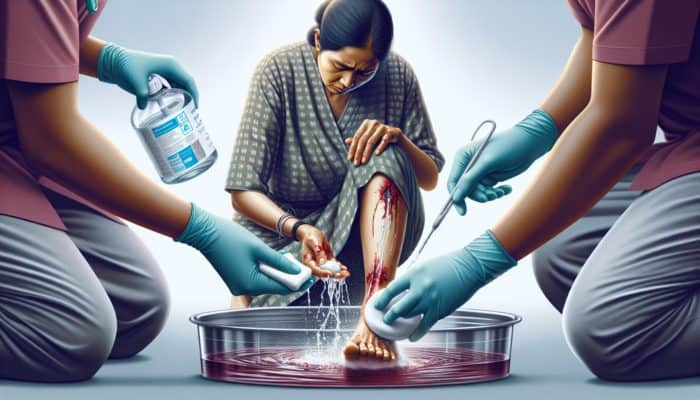
    Emergency Wound Care: Person cleaning wound with sterilized water and soap, applying pressure with cloth, covering with sterile dressing.

    The fundamental steps in Emergency wound care act as a guideline that everyone should familiarize themselves with. First, eliminate any source of infection. Ideally, utilize clean water (preferably sterilized) and mild soap if available. It is critical to avoid harsh chemicals, as they can damage tissue and impede the healing process.

    Next, applying pressure to control bleeding is vital. Use a clean cloth or bandage and apply firm pressure directly to the wound, maintaining pressure until bleeding stabilizes, which aids in securing the injury. Once the bleeding has ceased, cover the wound with a sterile dressing to prevent contamination. If the injury is large or exhibits signs of infection, seek medical attention without delay. Following these essential steps is paramount for effective emergency care.

    • Clean the wound using water and mild soap.
    • Apply pressure with a clean cloth or bandage.
    • Cover the wound with a sterile dressing.
    • Seek medical assistance if necessary.

    Professional Insights on Best Practices for Emergency Wound Care

    What Best Practices Should Be Employed for Emergency Wound Care?

    Adhering to best practices in emergency wound care can significantly influence treatment effectiveness. Real-life scenarios illustrate these practices, highlighting the necessity of a systematic approach tailored to the type and severity of the wound. Donning sterile gloves when handling an open wound minimizes the risk of introducing infection.

    Another essential practice involves taking a moment to assess the situation before proceeding. If the wound is bleeding profusely, first apply pressure, then evaluate whether it is safe to continue cleaning. For example, a hiker who sustains a deep laceration on a remote trail must initially control bleeding before attempting to cleanse the wound with available resources.

    Using a clean cloth or bandage to cover the wound while seeking professional help is also advisable. In many outdoor scenarios, injuries may occur far from medical facilities, making it essential to stabilize the wound as effectively as possible. Techniques like using improvised bandages from readily available materials can also be explored, enabling individuals to manage wounds until better care is accessible.

    How Can You Evaluate the Severity of a Wound?

    Assessing wound severity is a necessary skill in emergency wound care, requiring the evaluation of multiple factors, including bleeding, depth, and contamination. By recognizing these indicators, one can determine the urgency and type of care needed; a minor wound may only ooze blood, whereas a severe wound can lead to rapid blood loss. Next, assess the wound’s depth. Superficial wounds may heal with basic first aid, while deep lacerations typically require stitches or professional intervention. Contamination is also a critical concern; wounds exposed to dirt, animal bites, or other bacterial sources should undergo treatment with heightened caution. This assessment informs responders whether they can provide basic care or if immediate medical help is warranted.

    • Check the bleeding level.
    • Assess the wound’s depth.
    • Evaluate contamination risks.
    • Monitor for additional symptoms, such as pain or swelling.

    What Role Do Medical Professionals Play in Emergency Wound Care?

    Healthcare professionals play a crucial role in emergency wound care, delivering advanced treatment and ensuring appropriate follow-up care. Their expertise is invaluable in managing complex wounds that extend beyond the scope of basic first aid. For instance, a healthcare provider can effectively clean and debride a wound, significantly diminishing the likelihood of infection and promoting optimal healing.

    Moreover, professionals can administer vaccines, such as tetanus, when necessary, particularly for wounds from potentially contaminated sources. They also possess the authority to prescribe antibiotics, which may be critical for preventing or treating infections. In addition to immediate treatment, doctors and nurses educate patients about home wound care, emphasizing the importance of monitoring for signs of infection and keeping the wound clean and dry.

    Ultimately, the involvement of medical professionals enhances the quality of care and patient outcomes for wounds requiring more than basic management. Their role not only stabilizes the situation but also contributes to long-term healing and recovery.

    Key Procedures in Effective Emergency Wound Care

    How Should You Clean a Wound for Maximum Effectiveness?

    Properly cleaning the wound is a critical step in emergency care; it helps eliminate debris and significantly lowers the risk of infection. The cleaning process should commence as soon as possible after the injury occurs. Ideally, the responder should thoroughly rinse the wound. If the injury occurs outdoors, stream or bottled water is preferable.

    If available, mild soap can be gently applied to the area surrounding the wound to eliminate any additional contaminants. However, it is vital to avoid introducing soap directly into the wound, as this can cause irritation. After the initial cleansing, gently pat the area dry with a clean towel or cloth. It is crucial to handle the wound with care to avoid causing further injury.

    In scenarios where the wound is particularly dirty or contaminated, employing saline solution can enhance the cleaning process. This approach is often utilized in clinical settings but can also be improvised with sterile water or saline packets. Proper cleansing not only promotes healing but also establishes the groundwork for effective dressing and subsequent care.

    • Utilize clean, running water for rinsing.
    • Apply mild soap around the wound.
    • Avoid getting soap directly into the wound.
    • Pat the area dry with a clean cloth.

    How Do You Apply Pressure to Stop Bleeding Effectively?

    Applying pressure to control bleeding is one of the most essential skills in emergency wound care. When an individual sustains an injury that results in bleeding, controlling blood flow is crucial to prevent shock and further complications. The first step is to find a clean cloth or bandage to apply directly to the wound.

    Using your hand, apply firm pressure for at least 5 to 10 minutes without lifting the cloth to check for bleeding. This technique can help clot blood and facilitate healing. If the cloth becomes soaked, do not remove it; instead, place another cloth or bandage on top and continue applying pressure. In certain situations, elevating the injured area above heart level can also help reduce blood flow to the wound.

    It is vital to remain calm and encourage the injured individual to do the same, as anxiety can exacerbate bleeding. If bleeding does not stop after 10 minutes of consistent pressure, seeking professional medical assistance is crucial. Quick and effective management of bleeding is pivotal to stabilize the patient and prevent severe outcomes.

    • Locate a clean cloth or bandage.
    • Apply firm pressure directly to the wound.
    • Do not lift the cloth to check for bleeding.
    • Elevate the injured area above heart level.

    What Actions Should You Take After Stopping the Bleeding?

    Once you have successfully halted the bleeding, the subsequent step in emergency wound care is to cover the wound with a sterile dressing to prevent further contamination and promote healing. A sterile dressing not only provides a barrier against dirt and germs but also fosters an optimal healing environment.

    After the bleeding has ceased, gently clean the wound again if necessary, following the previously discussed steps. Carefully apply a sterile bandage over the wound, ensuring that it adheres without applying excessive pressure that could disrupt healing. If the wound is deep or large, it may require additional gauze layers or a specialized dressing to absorb any potential drainage.

    Monitoring the wound for signs of infection is crucial in the days following the injury. Symptoms such as increased redness or pus may indicate the need for professional medical attention. Remember that proper dressing care involves changing the bandage regularly and cleaning the area around the wound. This ongoing attention can significantly enhance the healing process and prevent complications.

    • Cover the wound with a sterile dressing.
    • Monitor for signs of infection.
    • Change the bandage regularly.
    • Consult a healthcare professional if complications arise.

    How Does Elevating the Injured Area Assist in Wound Care?

    Elevating the injured area is a crucial step in emergency wound care that can help reduce swelling and bleeding. When a limb is injured, positioning it above heart level can decrease blood flow to the area, thus helping to control bleeding and minimize inflammation. This technique is particularly effective for managing injuries to the arms and legs. Use cushions, pillows, or any available support to raise the injured limb comfortably. Ensure that the elevation does not cause additional pain or discomfort, as this can complicate the situation. In cases of severe pain or suspected fractures, immobilizing the limb while elevating it is crucial to prevent further injury.

    Additionally, elevating the injured area can promote lymphatic drainage, which helps reduce swelling. This practice is particularly effective in the initial hours following an injury. However, if persistent symptoms or complications arise, seeking medical attention is imperative. Elevating the injured area is a simple yet powerful technique that can significantly enhance emergency care.

    • Position the injured limb above heart level.
    • Use pillows or cushions for comfort.
    • Avoid causing additional pain when elevating.
    • Monitor for persistent swelling or complications.

    When Is It Essential to Seek Medical Attention for a Wound?

    Seeking medical attention is a vital step in emergency wound care, especially when the injury is deep, large, or shows signs of infection. Knowing when to escalate care is essential to prevent complications and ensure proper healing. For minor wounds, basic first aid may suffice; however, certain injuries necessitate professional intervention.

    For example, if a wound is bleeding profusely and does not respond to pressure, or if it has jagged edges or appears infected, immediate professional assistance is crucial. Medical professionals are equipped to perform advanced treatments, such as suturing and wound debridement, and to prescribe antibiotics as necessary. Moreover, they can provide comprehensive care and monitoring, reducing the risk of long-term complications.

    Additionally, specific types of wounds, such as animal bites or those sustained in contaminated environments, warrant prompt medical evaluation due to the associated risks. Understanding these critical signs and responding appropriately can significantly influence the outcomes of emergency wounds. Always err on the side of caution, as timely intervention can prevent severe health issues in the future.

    • Seek help for deep or large wounds.
    • Look for signs of infection, such as redness and swelling.
    • Contact medical professionals for severe injuries.
    • Be aware of the need for stitches or antibiotics.

    Vital Supplies for Effective Emergency Wound Care

    What Supplies Are Crucial for Optimal Wound Care?

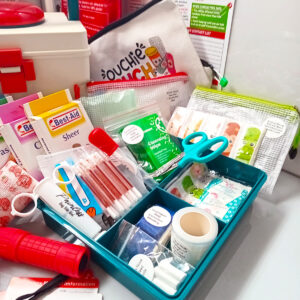
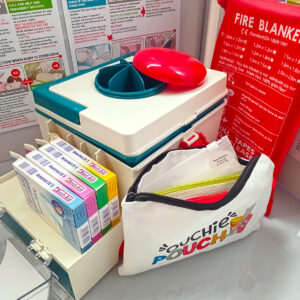
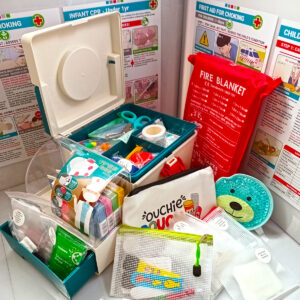
    Having the appropriate supplies readily available is critical for effective emergency wound care. Essential materials can significantly enhance the speed and efficacy of treating injuries. A well-stocked wound care kit should include bandages of various sizes, sterile gauze, adhesive tape, antiseptics, and gloves.

    Bandages play a vital role in covering wounds and preventing infection. Sterile gauze is essential for absorbing any blood or fluids, while adhesive tape can secure dressings in place. Antiseptics, such as alcohol wipes or iodine, can help clean the area surrounding the wound if soap and water are unavailable. Gloves are equally important to protect both the responder and the patient from potential contaminants during treatment.

    Moreover, scissors and tweezers can serve as invaluable tools for cutting bandages or removing debris from a wound. A flashlight may also be useful for assessing wounds in low-light conditions. Having essential items readily available can make a significant difference in emergencies, leading to better outcomes and improved patient care.

    • Bandages of various sizes.
    • Sterile gauze for absorption.
    • Adhesive tape for securing dressings.
    • Antiseptics for cleaning.
    • Disposable gloves for protection.

    How Should You Maintain an Effective Wound Care Kit?

    Maintaining a wound care kit is essential to ensure it remains effective and ready for use in emergencies. Regularly checking the contents of the kit is necessary to identify any expired items or supplies that need replenishing. A well-maintained kit provides peace of mind, knowing that you are prepared for unexpected injuries.

    Start by reviewing the expiration dates on all medical supplies, such as antiseptics and adhesive bandages. Discard any expired items and replace them with new products. It is also crucial to assess the quantities of essential items, such as gauze, bandages, and gloves. If any supplies are running low, make a note to restock them promptly.

    Furthermore, keeping the kit organized makes it easier to find during an emergency. Consider categorizing supplies by type and ensuring that everything is stored in waterproof containers to protect against moisture and contamination. A well-maintained and organized wound care kit is a vital component of preparedness, empowering individuals to respond swiftly to emergencies.

    • Regularly check expiration dates on supplies.
    • Replace expired or used items promptly.
    • Assess quantities and restock as needed.
    • Organize the kit for easy access during emergencies.

    How Can You Improvise When Traditional Emergency Wound Care Supplies Are Unavailable?

    Improvisation is often necessary when traditional emergency wound care supplies are not accessible. Knowing how to utilize everyday items as substitutes can be critical in effectively managing injuries until professional help arrives. Various household materials can serve as temporary solutions for treating wounds.

    For example, clean T-shirts can function as makeshift bandages when other materials are unavailable, and they can be folded and secured with duct tape or string. Even plastic wrap can be used in a pinch to cover a wound and shield it from contaminants.

    Adhesives, such as tape or glue, can be utilized to hold dressings in place if adhesive bandages are not available. If isopropyl alcohol is unsuitable for cleaning, a saline solution made with salt and clean water can help rinse the wound. While these improvisations are not ideal, they can stabilize the injury temporarily until more appropriate care is available. Understanding how to improvise effectively can make a crucial difference in emergency wound management.

    • Use clean cloths as makeshift bandages.
    • Secure dressings with duct tape or string.
    • Utilize plastic wrap to cover wounds.
    • Make a saline solution if water is unavailable.

    Common Pitfalls to Avoid in Emergency Wound Care

    What Are the Risks of Ignoring Signs of Infection?

    Neglecting signs of infection is one of the most critical mistakes individuals can make in emergency wound care. Early recognition of these signs greatly improves wound outcomes, such as increased redness, swelling, warmth around the wound, or discharge of pus, which may indicate an infection is developing.

    Failing to identify these signs can lead to severe complications, including systemic infections that may require hospitalization. Individuals should routinely monitor the wound in the days following the injury, particularly if it is deep or exposed to contaminants. If any signs of infection arise, it is vital to seek professional medical assistance immediately.

    Educating oneself about the signs of infection empowers individuals to take proactive measures. Being diligent about cleanliness and following proper wound care protocols is essential to minimize infection risks from the outset. Taking these precautions can significantly enhance healing and reduce the likelihood of complications.

    • Monitor for redness or swelling.
    • Look for heat around the wound.
    • Check for pus or unusual discharge.
    • Seek professional help if symptoms arise.

    How Does the Use of Improper Cleaning Agents Affect Wound Care?

    Employing improper cleaning agents in emergency wound care can lead to adverse outcomes, including tissue damage and delayed healing. Many individuals mistakenly use harsh substances like alcohol or hydrogen peroxide for wound cleaning, believing they provide optimal sterilization. However, these agents can irritate healthy tissue and impede the healing process. Practice rinsing the wound thoroughly and removing debris. If soap is available, mild soap can be applied to the skin surrounding the wound, but it should not come into direct contact with the injury itself. Understanding the difference between appropriate and inappropriate cleaning agents is crucial for effective wound management.

    When there is uncertainty about the right cleaning method, it is always better to err on the side of caution and use water. Once the wound is clean, covering it with a sterile dressing will further protect it from contaminants. Emphasizing proper cleaning techniques can enhance healing and reduce the risk of complications.

    • Avoid using alcohol or hydrogen peroxide.
    • Use clean, running water for rinsing.
    • Employ mild soap on the skin surrounding the wound.
    • Cover the wound with a sterile dressing after cleaning.

    What Are the Risks Associated with Neglecting Professional Help?

    Failing to seek professional help when necessary can result in serious risks associated with emergency wound care. The consequences of untreated conditions include untreated infections, improper healing, and long-term complications. For instance, a deep laceration that is not properly evaluated may heal poorly, leading to scarring or functional impairment.

    Moreover, serious infections can develop if a wound is not cleaned adequately or if it is not monitored for signs of complications. These infections can lead to systemic issues, necessitating more extensive medical intervention. In some cases, untreated infections can even become life-threatening. Additionally, a professional evaluation is crucial for wounds that may require stitches or specialized treatments.

    Understanding the risks associated with neglect underscores the importance of acting promptly in emergencies. If in doubt about the severity of a wound, seeking medical assistance is always the best course of action. Timely intervention can save lives, improve recovery times, and ensure proper healing.

    • Risk of untreated infections.
    • Possibility of improper healing.
    • Long-term complications may arise.
    • Increased need for extensive medical intervention.

    How Can Excessive Pressure Impact Wound Healing?

    Applying excessive pressure to a wound during emergency care can lead to further damage and impede healing. Although controlling bleeding is crucial, excessive force can disrupt delicate tissues, leading to increased pain and complications.

    The proper technique involves firm but gentle pressure. If bleeding does not subside after a few minutes, it may be necessary to adjust the pressure or elevate the injured area rather than increasing force. Using a clean cloth or bandage, apply consistent pressure without compromising blood flow to the surrounding tissues.

    Moreover, being aware of the appropriate level of pressure is effective for wound management. Understanding that gentle pressure is often sufficient to control bleeding can empower individuals to provide better emergency care. This approach leads to improved healing and reduces the risk of complications arising from overly aggressive treatment.

    • Use firm but gentle pressure on the wound.
    • Avoid disrupting delicate tissues.
    • Adjust pressure if bleeding continues.
    • Consider elevating the area instead of increasing the force.

    What Are the Consequences of Failing to Keep a Wound Moist?

    Neglecting to maintain moisture in a wound is a common mistake in emergency wound care that can delay healing and increase scarring. Research indicates that moist environments play a crucial role in tissue migration and regeneration. When a wound dries out, it can form scabs that inhibit the healing process.

    To maintain an optimal healing environment, using appropriate dressings that retain moisture is essential. Hydrogel or foam dressings are excellent options for keeping the wound moist while protecting it from contaminants. Regularly changing the dressings and applying moisture-retaining ointments can also enhance healing.

    Being mindful of the need to keep the wound moist empowers individuals to take proactive steps in their care. It’s essential to educate oneself about suitable dressings and techniques for maintaining moisture. Ultimately, prioritizing this aspect of wound care improves healing outcomes and reduces the risk of complications.

    • Utilize moisture-retaining dressings.
    • Change dressings regularly to maintain moisture.
    • Apply ointments if necessary for hydration.
    • Educate yourself on optimal wound management techniques.

    Evidence-Based Advantages of Effective Emergency Wound Care

    How Does Emergency Wound Care Improve Health Outcomes?

    Emergency wound care significantly enhances health outcomes by delivering timely intervention that reduces complications and fosters healing. Prompt attention can lead to better recovery trajectories, minimizing the chance of infections and related complications. Actions such as controlling bleeding, adequately cleaning the wound, and utilizing appropriate dressings can profoundly impact healing.

    Research indicates that timely wound care can lead to shorter hospital stays and lower reinfection rates. For instance, a study involving trauma patients found that those who received immediate wound care experienced a 50% reduction in infection rates compared to those whose wounds were managed after delays. These statistics underscore the importance of understanding and implementing effective emergency wound care practices.

    Moreover, knowing how to manage wounds effectively empowers individuals to act decisively in emergencies, thereby improving patient outcomes by applying best practices in emergency wound care. Individuals can contribute to better health results, reinforcing the importance of education and preparedness in emergencies.

    • Reduce complications through timely intervention.
    • Enhance healing with effective practices.
    • Shorten hospital stays and follow-up visits.
    • Lower infection rates with proper care.

    What Is the Impact of Emergency Wound Care on Long-Term Healing?

    The effect of emergency wound care on long-term healing cannot be overstated. Proper initial care lays the foundation for successful recovery, influencing not just the immediate outcome but also the potential for long-term complications. For example, a well-managed wound is less likely to develop chronic issues such as non-healing ulcers or excessive scarring.

    Furthermore, timely intervention can avert infection, a primary cause of delayed healing and additional medical issues. A clean, well-dressed wound creates optimal healing conditions, enhancing tissue regeneration and minimizing recovery time. Studies have shown that patients who receive adequate emergency care experience fewer complications and better long-term functional outcomes.

    Ultimately, understanding the relationship between effective emergency wound care and long-term health outcomes encourages individuals to prioritize their response to injuries. By valuing the initial care process, one can invest in their health and well-being, ensuring a more favorable recovery experience.

    • Promote tissue regeneration with proper care.
    • Reduce the risk of chronic healing problems.
    • Prevent infections that delay healing.
    • Enhance functional outcomes for patients.

    What Evidence Supports the Efficacy of Emergency Wound Care?

    Clinical studies consistently validate the effectiveness of emergency wound care in reducing complications and improving patient outcomes. Research has demonstrated that timely intervention decreases the likelihood of infection and promotes faster healing. For instance, a study published in a leading medical journal found that patients who received early wound care had significantly lower infection rates than those who delayed treatment.

    Moreover, evidence from various studies indicates that specific practices, such as adequately cleaning wounds and maintaining a moist healing environment, are associated with improved outcomes. In clinical settings, patients who adhere to best practices in wound management often report higher satisfaction levels with their recovery process and fewer complications requiring follow-up care.

    These findings reinforce the importance of education and training in emergency wound care. By understanding the evidence and best practices, individuals can enhance their capacity to manage wounds effectively, leading to better health outcomes and reduced healthcare costs in the long run.

    • Research shows lower infection rates with timely care.
    • Improved healing times are linked to effective practices.
    • Patient satisfaction correlates with proper wound management.
    • Evidence supports the need for education in emergency care.

    Considerations for Specific Situations in Emergency Wound Care

    How Do You Care for Wounds in Children?

    Caring for wounds in children requires special considerations due to their sensitive skin and unique emotional responses to injury. Children are often more susceptible to infections, making timely and effective wound care even more critical. It’s essential to approach their care with gentleness and reassurance to alleviate any fears they may have about the injury.

    Using child-friendly bandages can make the process less intimidating. Brightly colored dressings or those featuring popular characters can distract the child from pain and fear. Involving the child in the care process, whether by allowing them to choose a bandage or assisting with cleaning (as appropriate), also fosters a sense of control and reduces anxiety.

    Additionally, educating parents and caregivers on the signs of infection and proper aftercare is vital to ensure that the wound heals correctly. Teaching them how to monitor the wound and when to seek medical assistance can empower them to provide effective care. By considering these factors, caregivers can help children navigate the experience of injury with less stress.

    • Use child-friendly bandages for comfort.
    • Involve the child in the care process.
    • Educate caregivers on infection signs.
    • Provide reassurance and support during treatment.

    What Should You Do with Deep or Large Wounds?

    Deep or large wounds necessitate immediate attention and specialized care in emergency wound care. These injuries are more likely to lead to complications such as excessive bleeding or infection, making quick action essential. The first step is to ensure that the person remains calm and still while you apply direct pressure to control any bleeding.

    After stabilizing the wound, it is critical to seek professional medical help as soon as possible. Deep wounds may require stitches or other surgical interventions, which cannot be performed effectively outside a medical facility. In the meantime, avoid cleaning or probing the wound extensively, as this could exacerbate the injury or introduce bacteria.

    When the wound is large and gaping, it is crucial to cover it with a sterile dressing until professional care arrives. Monitoring for any signs of shock, such as faintness or rapid pulse, is also important, as these indicate a more serious condition. Deep and large wounds necessitate careful management and prompt medical evaluation to ensure optimal healing.

    • Apply direct pressure to control bleeding.
    • Seek professional medical help immediately.
    • Avoid extensive cleaning of the wound.
    • Cover with a sterile dressing while waiting for help.

    How Should You Manage Wounds in Individuals with Chronic Conditions?

    Managing wounds in individuals with chronic conditions such as diabetes requires special attention in emergency wound care. Chronic conditions can complicate the healing process and increase the risk of infection. For instance, people with diabetes often experience slower healing due to poor circulation and compromised immune responses.

    When caring for these individuals, it is essential to closely monitor for signs of infection, such as increased redness or drainage. Keeping the wound clean and appropriately dressed is paramount for preventing complications. Regular follow-up with healthcare providers is also necessary, as they can provide specialized care and adjustments to management plans.

    Education on proper wound care for these individuals, including maintaining optimal blood sugar levels, can significantly influence healing outcomes. Encouraging routine foot care and hygiene can reduce the likelihood of injuries in the first place. By taking these specific considerations into account, caregivers can improve overall wound management for individuals with chronic conditions.

    • Monitor for signs of infection closely.
    • Keep the wound clean and appropriately dressed.
    • Encourage regular follow-ups with healthcare providers.
    • Educate on maintaining optimal blood sugar levels.

    What Are the Specific Considerations for Handling Wounds in Older Adults?

    Handling wounds in older adults requires particular care in emergency settings due to changes in skin integrity and healing capacity. Aging skin is often more fragile and susceptible to injury, making it essential to approach wound care with gentleness. Additionally, elderly individuals may have underlying health conditions that complicate healing, further necessitating careful management.

    When treating wounds in older adults, it is crucial to clean the area gently, avoiding harsh scrubbing that can damage delicate skin. Use mild soap and clean, lukewarm water to rinse the wound thoroughly. Using soft, sterile dressings can help protect the area while allowing for better healing conditions. Regularly changing dressings and monitoring for signs of infection is essential, as older individuals may not exhibit typical symptoms.

    Furthermore, it’s important to consider mobility issues that may affect self-care. Providing assistance and education on proper wound management ensures that elderly individuals receive the help they need. By taking these factors into account, caregivers can foster better healing outcomes and enhance the quality of life for older adults.

    • Clean the wound gently with lukewarm water.
    • Use soft, sterile dressings for protection.
    • Monitor for signs of infection closely.
    • Assist with mobility issues during care.

    What Additional Considerations Are Necessary for Wound Care in Contaminated Environments?

    Wound care in contaminated environments poses unique challenges that require specialized equipment and protocols in emergency settings. Wounds in such conditions are at a higher risk of infection, necessitating immediate and thorough care. The first step is to control any bleeding with clean cloths or bandages while keeping the injured area as clean as possible.

    After stabilizing the wound, it is essential to thoroughly clean the area with clean water or saline solution. If the wound is particularly dirty or has been exposed to contaminants like soil, it may require more aggressive cleaning techniques. After cleaning, apply an appropriate sterile dressing to protect the wound from further contamination.

    In some cases, individuals may need tetanus prophylaxis, especially if the wound was caused by a dirty or rusty object. Seeking medical assistance is crucial in contaminated environments to ensure proper evaluation and treatment. Understanding how to manage wounds in such settings can significantly reduce infection risks and improve healing outcomes.

    • Control bleeding with clean cloths.
    • Thoroughly clean the wound with saline or clean water.
    • Apply a sterile dressing immediately.
    • Seek medical attention for tetanus prophylaxis if necessary.

    Proactive Strategies for Preventing Future Wounds

    What Safety Measures Can You Implement to Minimize Injury Risks?

    Implementing safety measures to prevent injuries is crucial in emergency wound care. Prevention plays a vital role in reducing the frequency of injuries that necessitate wound care. Educating individuals about potential hazards in various settings—whether at home, work, or during recreational activities—can significantly mitigate injury risks.

    Common safety measures include wearing protective gear such as helmets, gloves, and knee pads during sports or physical activities. At home, using non-slip mats in bathrooms, ensuring proper lighting in stairways, and keeping walkways clear of obstacles can help prevent falls and related injuries. In workplace environments, adhering to safety protocols and utilizing personal protective equipment is crucial for minimizing risks.

    Additionally, organizing regular safety drills and educational sessions can foster increased awareness about potential hazards. By prioritizing safety, individuals can create an environment conducive to injury prevention, significantly reducing the need for emergency wound care. A proactive approach to safety not only protects individuals but also enhances overall well-being.

    • Wear protective gear during activities.
    • Ensure proper lighting in hazardous areas.
    • Keep walkways and stairways clear of obstacles.
    • Organize safety drills and educational sessions.

    What Role Do Regular Health Check-Ups Play in Injury Prevention?

    Regular health check-ups play an essential role in preventing injuries and managing chronic conditions that could lead to wounds necessitating emergency wound care. Routine evaluations enable healthcare providers to identify underlying health issues or risk factors that may increase susceptibility to injury. Conditions such as diabetes or osteoporosis heighten the risk of wounds and complicate healing.

    During check-ups, healthcare professionals can provide personalized guidance on maintaining a healthy lifestyle and suggest modifications to reduce injury risks. For example, ensuring proper nutrition and exercise can strengthen bones and muscles, making individuals less prone to falls and accidents. Additionally, individuals can discuss any concerns regarding medication side effects that may affect coordination or balance.

    By addressing these potential issues during regular health check-ups, individuals can adopt a proactive approach to injury prevention. Recognizing that prevention is often more effective than treatment empowers individuals to take charge of their health and reduce the likelihood of requiring emergency wound care. Ultimately, regular check-ups foster a healthier, safer lifestyle.

    • Identify risk factors during evaluations.
    • Receive personalized advice for injury prevention.
    • Discuss medication side effects affecting balance.
    • Promote overall health through nutrition and exercise.

    How Can You Foster a Safe Environment to Reduce Injury Risks?

    Creating and promoting a safe environment is fundamental to reducing the risk of injuries that lead to emergency wound care. Safety stems from being proactive and aware of potential hazards in homes, workplaces, and public spaces. Implementing safety protocols and encouraging adherence among individuals can greatly decrease the likelihood of accidents.

    At home, proper storage of tools and hazardous materials can minimize risks. Installing safety gates for young children, using corner protectors on furniture, and ensuring smoke detectors are functional contribute to a safer living space. In workplace settings, developing safety policies, conducting regular inspections, and providing training on safe practices can foster a culture of safety.

    Regular safety audits and encouraging feedback from family members or employees can also help identify and address potential hazards. By promoting a safe environment, individuals significantly reduce the chances of injuries requiring emergency wound care. A focus on safety not only enhances well-being but also contributes to a culture of care and responsibility.

    • Store tools and hazardous materials safely.
    • Install safety gates and corner protectors.
    • Conduct regular safety inspections at work.
    • Encourage feedback on potential hazards.

    Frequently Asked Questions About Emergency Wound Care

    What Steps Should I Take If I Accidentally Cut Myself?

    Clean the cut with running water and mild soap, apply pressure to stop the bleeding, and cover it with a sterile bandage. If the cut is deep or shows signs of infection, seek medical attention promptly.

    How Can I Identify If a Wound Is Infected?

    Signs of infection include increased redness, swelling, warmth, pus or discharge, and persistent pain. If you notice these symptoms, seek medical assistance immediately.

    When Is It Necessary to Seek Professional Help for a Wound?

    Seek professional help if the wound is deep, large, bleeding excessively, or shows signs of infection. Additionally, any wound caused by animal bites or contaminated objects should be evaluated by a healthcare provider.

    Can I Use Alcohol to Clean a Wound?

    No, using alcohol or hydrogen peroxide can irritate the wound and delay healing. Instead, clean the wound with running water and mild soap.

    How Often Should I Change the Dressing on a Wound?

    Change the dressing at least once a day or whenever it becomes wet or soiled. Frequent changes help keep the wound clean and reduce the risk of infection.

    What Are the Best Materials for a Wound Care Kit?

    Essential items include sterile gauze in various sizes, adhesive tape, antiseptics, disposable gloves, and scissors. Ensure your kit is well-stocked and organized for quick access.

    How Can I Prevent Wounds in Children?

    Implement safety measures such as using child-friendly protective gear during activities, supervising playtime, and creating a safe home environment to minimize injury risks.

    What Should I Do If a Wound Is Bleeding Heavily?

    Apply firm pressure with a clean cloth or bandage directly to the wound. If bleeding does not stop after 10 minutes, seek emergency medical attention immediately.

    Is It Safe to Remove Debris from a Wound Myself?

    If debris can be easily removed without probing the wound further, it can be done. However, deep or embedded debris should be evaluated and managed by a healthcare professional to avoid complications.

    Can I Apply Ointment to a Wound?

    Once the wound is clean and dry, a thin layer of antiseptic ointment can be applied, followed by a sterile dressing to keep the wound moist and promote healing.

    Explore More with Us on X!

    The post Emergency Wound Care: Essential Techniques and Tips appeared first on Survival Bite.

    The Article Emergency Wound Care Tips and Techniques You Need to Know Was Found On https://limitsofstrategy.com
  • Bleeding Control Tips: Essential Techniques You Need to Know

    Bleeding Control Tips: Essential Techniques You Need to Know

    Comprehensive Strategies for Understanding and Managing Various Types of Bleeding

    Identifying Different Bleeding Types for Effective Emergency Response

    Effectively mastering bleeding control techniques requires a thorough understanding of the distinct categories of bleeding—arterial, venous, and capillary. Arterial bleeding is marked by bright red blood that spurts rhythmically with each heartbeat, indicating its source from high-pressure arteries. This type of bleeding necessitates immediate medical intervention due to the potential for rapid and significant blood loss, which can lead to severe health complications if not managed promptly. Conversely, venous bleeding presents as a steady trickle of darker blood and originates from veins, which operate under lower pressure. While it is serious, venous bleeding may not require the same urgent response as arterial bleeding. Finally, capillary bleeding occurs from minor injuries such as cuts or scrapes, where blood seeps slowly from the surface and often resolves on its own without extensive medical intervention.

    Each type of bleeding necessitates specific and tailored interventions. For example, while applying pressure is crucial for managing all types of bleeding, the techniques employed vary significantly. In the case of arterial bleeding, applying direct pressure to the wound is vital. If bleeding continues, the application of a tourniquet may become necessary. Understanding these distinctions equips individuals with the knowledge and skills to respond effectively in emergencies, ultimately improving outcomes for the injured party.

    Key Indicators of Severe Bleeding That Require Immediate Attention

    Recognizing the signs of severe bleeding is essential for ensuring prompt and effective intervention. Symptoms such as rapid blood loss, pale skin, weakness, rapid heartbeat, and confusion often indicate a life-threatening condition. Immediate action in response to these symptoms can prevent further complications and potentially save lives. The key signs to watch for include:

    • Bright red, spurting blood
    • Dark red, steady blood flow
    • Pale or clammy skin
    • Weakness or dizziness
    • Rapid breathing or heart rate
    • Confusion or loss of consciousness

    Being able to identify these symptoms empowers bystanders and caregivers to take swift action without hesitation. It is always prudent to err on the side of caution; if you suspect someone is experiencing severe bleeding, it is crucial to take immediate steps to control the situation and seek professional medical help as quickly as possible.

    The Critical Importance of Immediate Action in Bleeding Emergencies

    Taking prompt action in response to bleeding can be the decisive factor that determines life or death. The sooner bleeding is controlled, the higher the likelihood of a positive outcome. When an injury occurs, the body initiates a natural clotting process; however, this process can be overwhelmed if bleeding continues unchecked. Every second counts; therefore, any delays in response can lead to increased blood loss and potentially catastrophic consequences.

    A timely response not only minimizes immediate risks but also aids in preventing long-term complications and improving recovery outcomes. Practicing emergency response techniques and being prepared to act decisively can significantly impact critical situations, reinforcing the notion that knowledge and readiness to respond can indeed save lives.

    Expert Insights for Mastering Effective Bleeding Control Techniques

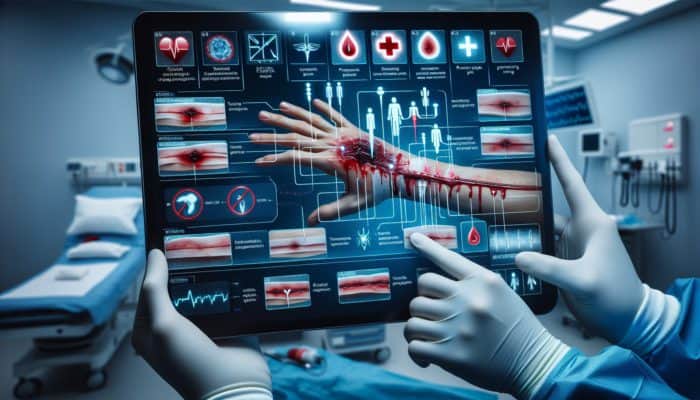
    Bleeding Control Techniques: Understanding the different categories of bleeding—arterial, venous, and capillary—is vital for effective medical intervention

    Applying Direct Pressure: A Fundamental Technique for Controlling Bleeding

    Applying direct pressure to a wound is recognized as the most effective initial response for controlling bleeding. This method promotes the clotting process by compressing the blood vessels at the injury site. For instance, if an individual suffers a severe cut while hiking, applying firm, consistent pressure can significantly slow or even halt the bleeding entirely.

    To effectively apply direct pressure, it is crucial to utilize a clean cloth or a sterile bandage and apply firm pressure on the wound. Avoid lifting the cloth to check the wound, as this can disrupt the clotting process and lead to additional blood loss. If blood seeps through the first layer, apply additional layers on top rather than removing the original cloth. In a real-life scenario, a quick-thinking bystander at a cycling accident was able to apply pressure to a cyclist’s arterial wound, effectively maintaining blood flow until emergency services arrived.

    This highlights the importance of understanding and applying direct pressure as a life-saving technique that can be easily learned and utilized by anyone in critical situations.

    Utilizing Tourniquets: Essential Guidelines for Emergency Situations

    Tourniquets can be vital tools in severe bleeding scenarios; however, they should be used judiciously and only as a last resort. Correct application can mean the difference between saving a life and causing irreversible harm. To effectively use a tourniquet, follow these actionable steps:

    1. Identify the bleeding site and ensure you have access to a commercial tourniquet or an appropriate alternative (like a belt or cloth).
    2. Position the tourniquet above the injury site, ideally 2-3 inches above the wound.
    3. Tighten the tourniquet until bleeding stops, ensuring it is secure but not excessively tight to avoid causing additional injury to the limb.
    4. Record the time of application, as prolonged use can lead to tissue damage.

    An illustrative example of proper tourniquet use involves military personnel trained to apply them during combat scenarios, where time and effectiveness are paramount. They understand that while a tourniquet can indeed save a life, improper application can lead to severe complications, thereby emphasizing the necessity for thorough training and comprehension.

    Recognizing When to Seek Professional Medical Help for Bleeding

    Understanding when to seek medical assistance is a critical skill in any bleeding emergency. Severe situations often require professional intervention, especially if bleeding does not stop within a few minutes or if the nature of the bleeding is serious. Signs that indicate the necessity for immediate medical attention include:

    – Persistent bleeding despite applying pressure
    – Large, deep wounds
    – Signs of shock, such as confusion or extreme fatigue
    – The presence of a foreign object embedded in the wound

    Experts emphasize that while self-care can be effective for minor injuries, recognizing one’s limitations is crucial. For example, significant arterial bleeding, such as that stemming from a traumatic injury, necessitates immediate first aid and urgent medical attention to avert potential complications. Understanding these thresholds empowers individuals to make quick, informed decisions during emergencies.

    The Role of Elevation in Reducing Bleeding During Emergencies

    Elevating the injured limb above heart level is a practical technique that can effectively reduce bleeding. This method works by slowing blood flow to the injury site, allowing the body’s natural clotting mechanisms to take effect. For instance, if someone sustains a leg injury, elevating the limb on a cushion or stack of clothing can be an effective strategy to minimize blood loss while awaiting professional assistance.

    Practical tips for effective elevation include positioning the limb on a stable surface and maintaining elevation throughout the duration of the bleeding. This approach has been successfully implemented in various scenarios, including sports injuries, where quick thinking can stabilize the situation before paramedics arrive. By strategically utilizing elevation, individuals can significantly enhance their effectiveness in managing bleeding emergencies.

    Essential Preparations for Emergency Situations

    Developing a Comprehensive and Well-Equipped Emergency Kit

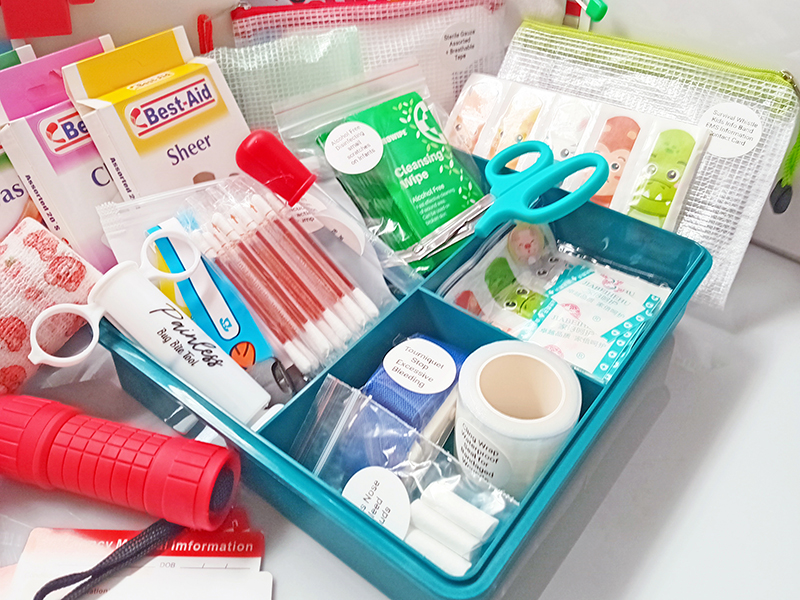
    Having a well-equipped first aid kit is essential for managing bleeding emergencies effectively. An efficient emergency kit should contain items specifically designed to control bleeding and treat injuries. Essential components of a well-rounded emergency kit include:

    • Sterile gauze pads
    • Adhesive bandages in various sizes
    • Elastic bandages for compression
    • Tourniquets
    • Antiseptic wipes or solutions
    • Scissors and tweezers
    • Disposable gloves
    • Emergency blankets

    By ensuring that all these items are included in your emergency kit, individuals will be better equipped to respond effectively to a variety of bleeding scenarios. Additionally, regularly checking the kit for expired items and replacing those that have been used will further enhance overall readiness, ensuring that supplies remain effective and safe for use.

    A well-prepared emergency kit empowers individuals to confidently manage bleeding incidents, whether they occur at home, during outdoor activities, or in workplace settings.

    Investing in Training and Education to Enhance Emergency Response Preparedness

    Learning how to control bleeding through formal courses or online resources can be a life-saving investment. Regular practice ensures that individuals are always ready and instills confidence in their ability to manage emergencies effectively. The benefits of ongoing training extend to improved response times, enhanced knowledge of techniques, and a heightened sense of preparedness.

    Courses often cover critical topics such as applying direct pressure, understanding when to use a tourniquet, and recognizing the signs of severe bleeding. For instance, individuals trained in first aid report feeling more capable and confident during emergencies, which can significantly impact critical scenarios. Moreover, participating in community training sessions or workshops fosters a culture of safety that extends beyond the individual, positively influencing families, workplaces, and broader communities.

    Creating a Clear and Detailed Emergency Plan for Your Family

    Establishing a comprehensive emergency plan is vital for streamlining responses during crises. This plan should clearly outline the roles and responsibilities of all involved family members or colleagues. An effective emergency plan includes explicit steps for various potential situations, ensuring everyone knows what actions to take in the event of an emergency.

    To engage family members in the development of the plan, hold family meetings to discuss potential scenarios and collaboratively review established procedures. This cooperative approach not only empowers individuals but also fosters a sense of accountability and teamwork. For example, designating one family member as the primary first responder can help streamline actions during an emergency, allowing others to assume specific roles such as calling for professional help or gathering necessary supplies.

    By creating a well-defined emergency plan and involving everyone in its development, families can enhance their resilience and readiness for unexpected situations, ensuring they can act cohesively during crises.

    Conducting Regular Drills and Simulations to Practice Emergency Responses

    Regularly conducting emergency drills is a crucial aspect of practicing the emergency plan and improving response times. These drills should simulate real-life scenarios, enabling participants to effectively practice their assigned roles. Practicing scenarios, such as responding to a severe bleeding incident, can build confidence and readiness among individuals.

    It is advisable to schedule these drills at least once or twice a year, adjusting the frequency based on the environment and specific risks present. For instance, workplaces with a higher tendency for injuries may conduct these drills more frequently than typical office settings. Following the drill, discussions and feedback can provide valuable insights and enhance overall effectiveness during real emergencies.

    By prioritizing regular drills, individuals and teams can ensure they remain prepared and capable of responding effectively when actual emergencies arise, reinforcing their confidence and ability to act decisively.

    Proven Techniques for Managing Various Bleeding Scenarios

    Effective Management Approaches for Cuts and Abrasions

    For minor cuts and abrasions, proper management typically involves thoroughly cleaning the injury and applying pressure to halt the bleeding. Start by gently washing the wound with clean water or a saline solution to eliminate any debris. Once the area is clean, apply firm pressure with a sterile cloth or bandage for several minutes until the bleeding ceases.

    Dressing the wound is equally crucial for protecting it from potential infections. Use a sterile dressing and secure it in place with adhesive bandages. In situations where bleeding does not stop, it is imperative to seek medical attention promptly. Minor cuts can escalate into more serious conditions if not properly and swiftly managed.

    If bleeding persists after applying pressure for 10 minutes, it is advisable to seek professional help immediately. Understanding this process empowers individuals to react effectively to minor injuries, minimizing complications and promoting faster healing.

    Calmly Managing Nosebleeds with Effective Techniques

    Managing nosebleeds requires a calm approach and adherence to specific techniques. The most effective method involves tilting the head slightly forward and pinching the nostrils together for 10-15 minutes. This position helps prevent swallowing blood, which can irritate the stomach and potentially lead to nausea.

    If the bleeding does not stop after 15 minutes, or if the nosebleed is recurrent or caused by an injury, it is essential to seek medical assistance. Additionally, avoid tilting your head back, as this can cause blood to flow down the throat and complicate the situation.

    Understanding these techniques equips individuals to manage nosebleeds effectively, providing immediate relief while also reducing the likelihood of further complications that could arise from improper handling.

    Identifying and Responding to the Signs of Internal Bleeding

    Internal bleeding is a serious medical condition that can be life-threatening and requires immediate medical intervention. Recognizing the signs of internal bleeding, such as abdominal pain, bruising, or lightheadedness, is crucial for an effective response. In instances where individuals experience these symptoms, it is vital to remain still and seek emergency medical assistance without delay.

    Internal bleeding can result from various causes, including trauma, underlying medical conditions, or complications from surgical procedures. The importance of recognizing these signs cannot be overstated, as early intervention can be critical in preventing life-threatening outcomes.

    For example, individuals involved in an accident may initially appear unharmed but later develop symptoms indicative of internal bleeding. Understanding the nuances of such situations empowers individuals to advocate for themselves or others effectively, ensuring timely medical care is received when necessary.

    Best Practices for Effective Wound Care and Management

    Crucial Steps for Properly Cleaning Wounds

    Proper wound cleaning is essential for minimizing the risk of infection. Begin by washing your hands thoroughly with soap and water, and then gently clean the wound using sterile saline or clean water to flush out any debris or contaminants.

    Steps for cleaning a wound include:

    • Thoroughly wash your hands with soap and water.
    • Rinse the wound under clean, running water.
    • If available, use sterile saline to irrigate the wound.
    • Gently pat the area dry with a clean cloth.
    • If appropriate, apply an antiseptic to prevent infection.
    • Cover the wound with a sterile dressing for protection.

    By diligently following these steps, individuals can significantly reduce the risk of infection and promote faster healing. Proper cleaning is not just about removing dirt; it also prepares the wound for subsequent care, establishing a strong foundation for recovery and overall health.

    Implementing Effective Dressing and Bandaging Techniques

    Applying a sterile dressing is crucial for protecting a wound and promoting healing. The type of dressing chosen should correspond to the nature and severity of the wound. For instance, larger wounds may require more absorbent dressings, while smaller cuts might only need simple adhesive bandages.

    Secure the dressing in place with adhesive strips or bandages to prevent contamination. Regularly assessing the wound’s condition is also essential; if the dressing becomes wet or soiled, it should be replaced immediately to minimize the risk of infection.

    Understanding the appropriate types of dressings for various wounds enables individuals to manage injuries effectively, fostering greater confidence in their ability to provide care and support to themselves or others.

    Monitoring Wounds for Signs of Infection to Ensure Proper Healing

    Monitoring a wound for signs of infection is crucial for ensuring proper healing and recovery. Key indicators of infection include redness, swelling, pain, and the presence of pus. Early detection of these symptoms can prevent complications, ensuring timely treatment is administered.

    If any of these signs are observed, particularly if they worsen over time or are accompanied by fever, seeking medical attention promptly is essential. Educating oneself on how to identify these symptoms can greatly enhance one’s ability to manage wounds effectively.

    Infections can significantly complicate the healing process, leading to longer recovery times and increased healthcare needs. By remaining vigilant and informed, individuals can navigate the recovery process more effectively, thereby reducing the risk of severe complications.

    Research-Backed Advantages of Effective Bleeding Control Techniques

    Strategies for Effectively Reducing Blood Loss

    Implementing effective bleeding control techniques can substantially reduce blood loss, potentially leading to improved patient outcomes. Strategies such as applying direct pressure, using tourniquets appropriately, and understanding the various types of bleeding have all demonstrated their efficacy in clinical settings.

    Research indicates that early intervention in bleeding situations is associated with more favorable outcomes. For instance, patients who receive immediate first aid for arterial bleeding often experience lower rates of morbidity and mortality compared to those who do not receive timely care. By understanding and implementing these techniques, individuals can significantly enhance their own safety and well-being in emergency situations.

    The Impact of Proper Emergency Control on Survival Rates

    The timely and correct application of bleeding control techniques can significantly improve survival rates during emergencies. Statistics reveal that promptly applying first aid techniques reduces mortality rates in trauma cases. For example, studies show that victims of traumatic injuries who receive immediate bleeding control have a markedly higher survival rate than those who do not receive timely intervention.

    This highlights the critical importance of effective bleeding control in emergencies, underscoring the necessity for proper training and preparedness. Empowering individuals with knowledge regarding bleeding control can be pivotal in enhancing survival rates during crises, ensuring that lives are saved.

    Accelerating Recovery Time Through Effective Management of Bleeding

    Proper bleeding control can expedite recovery by minimizing complications arising from untreated injuries. In scenarios where bleeding is managed effectively, patients often experience shorter recovery times and fewer medical complications.

    Expert analyses suggest that swiftly controlling blood loss reduces the risk of conditions such as shock, thereby allowing for more efficient healing processes. Consequently, understanding the relationship between bleeding control and recovery can motivate individuals to prioritize first aid training and preparedness for potential emergencies.

    Common Mistakes to Avoid During Bleeding Emergencies

    Preventing Incorrect Application of Tourniquets

    Improper use of tourniquets can lead to ineffective bleeding control and severe complications. Common mistakes include over-tightening the tourniquet or leaving it on for too long, both of which can result in significant tissue damage and complications.

    Understanding the risks associated with incorrect tourniquet application is essential for effective emergency response. When applied correctly, a tourniquet can save a life; however, misuse can lead to severe complications. Awareness of these pitfalls can enhance individuals’ confidence in their ability to apply tourniquets effectively and safely.

    Recognizing the Dangers of Delaying Treatment in Emergencies

    Delaying treatment in bleeding situations can exacerbate the condition and lead to serious consequences. Immediate action is crucial for controlling bleeding effectively to prevent further complications. To ensure a quick response during an emergency, individuals must be prepared to act without hesitation.

    Educating oneself about the urgency of bleeding control fosters swift decision-making in critical moments. Familiarizing yourself with common bleeding scenarios enhances preparedness and strengthens your capability to respond promptly and effectively in crises.

    The Risks of Ignoring Signs of Internal Bleeding

    Neglecting signs of internal bleeding can be fatal. Promptly recognizing and addressing these signs is essential for effective intervention. Common symptoms to be vigilant for include:

    • Severe abdominal pain or swelling
    • Bruising without an obvious cause
    • Confusion or weakness
    • Rapid heart rate or shallow breathing

    Understanding these indicators empowers individuals to take appropriate action in emergencies, potentially saving lives by ensuring timely access to medical care.

    Ensuring Ongoing Readiness and Preparedness for Emergencies

    Regularly Updating Your First Aid Supplies for Optimal Preparedness

    Keeping your first aid kit up to date is crucial for ensuring you have the necessary supplies for effective bleeding control. Regularly check expiration dates on items such as bandages, antiseptics, and medications, replacing them as needed to maintain their efficacy.

    An effective strategy for maintaining your supplies involves creating a detailed checklist for your emergency kit, which streamlines the organization process and ensures that nothing is overlooked. Having a well-maintained first aid kit not only enhances individual preparedness but also fosters a culture of safety within groups or families, reassuring everyone that they are equipped to handle emergencies competently.

    Keeping Informed on Best Practices for Bleeding Control

    Remaining informed about the latest techniques in bleeding control can significantly enhance your preparedness during emergencies. Regularly reviewing and updating your knowledge through reputable sources, such as first aid courses or instructional webinars, is essential for staying current.

    Engaging with community programs or workshops can also provide valuable insights into best practices. The evolving nature of first aid knowledge underscores the importance of continuous learning. By prioritizing education, individuals can feel empowered to manage bleeding effectively in emergencies, thereby enhancing their confidence and capability to respond.

    Practicing Emergency Drills for Effective Response in Critical Situations

    Regular emergency drills can improve your response time and effectiveness in real emergencies. Practicing various scenarios enables individuals to build confidence and readiness. Conducting drills at least a few times a year reinforces essential skills and ensures familiarity with procedures.

    Involving family or team members in these drills fosters collaboration and teamwork, contributing to a comprehensive understanding of the emergency plan. Practicing together enhances overall preparedness and strengthens the ability to respond effectively when crises arise, ensuring a cohesive approach to managing emergencies.

    Frequently Asked Questions about Bleeding and Wound Care

    What are the most common types of bleeding that one should be aware of?

    The most common types of bleeding include arterial, venous, and capillary bleeding. Each type exhibits distinct characteristics and requires specific interventions for effective control and management.

    How do you recognize severe bleeding in an emergency situation?

    Severe bleeding is recognized by bright red blood that spurts, rapid blood loss, pale skin, weakness, and confusion. Immediate action is necessary to prevent further complications and ensure safety.

    What is the most effective way to stop bleeding at home?

    The best way to stop bleeding at home is to apply direct pressure to the wound using a clean cloth or bandage, maintaining pressure until the bleeding stops completely.

    When should I consider using a tourniquet in a bleeding emergency?

    A tourniquet should be used as a last resort for severe bleeding that cannot be controlled by direct pressure alone. It must be applied above the injury site, and the time of application should be noted for medical personnel.

    What are the signs of infection that I should look for in a wound?

    Signs of infection include increased redness, swelling, pain, warmth, pus, and fever. Early detection is critical for effective treatment and preventing complications.

    How often should I check and maintain my first aid kit?

    You should check your first aid kit at least once every three to six months, ensuring all supplies are up-to-date, in good condition, and ready for use in emergencies.

    What steps should I take if I suspect internal bleeding?

    If you suspect internal bleeding, seek emergency medical attention immediately. Avoid moving and try to remain calm until help arrives to ensure your safety.

    Can I manage a nosebleed at home, and if so, how?

    Yes, you can manage a nosebleed at home by pinching the nostrils together and tilting the head forward for about 10-15 minutes. If the bleeding persists, seek medical help promptly.

    How can I effectively prepare my family for emergencies?

    You can prepare your family by creating a comprehensive emergency plan, conducting regular drills to practice responses, and ensuring that everyone is familiar with first aid techniques and has access to necessary supplies.

    What are the best practices for ensuring effective wound care?

    Best practices for wound care include thoroughly cleaning the wound, applying a sterile dressing, and monitoring for signs of infection to promote healing and prevent complications.

    Explore our world on X!

    The post Bleeding Control Tips: Essential Techniques appeared first on Survival Bite.

    The Article Essential Techniques for Bleeding Control Tips Was Found On https://limitsofstrategy.com
  • Family First Aid Kit: A Must-Have for Every Household

    Family First Aid Kit: A Must-Have for Every Household

    The Critical Importance of Home-Based First Aid Kits for South African Families

    In a nation as vibrant and diverse as South Africa, the necessity for a well-stocked home-based first aid kit cannot be overstated. The safety and health of our loved ones, along with our ability to respond promptly to emergencies, depend significantly on the preparedness of our households. This becomes even more crucial in South Africa, where the unique blend of lifestyles, environmental conditions, and social dynamics makes having a first aid kit not just a suggestion, but an absolute necessity for every home to ensure peace of mind and readiness for any situation.

    Recognizing the High Frequency of Injuries in Everyday Life

    Accidents are an unfortunate part of life, and in South Africa, they can happen in countless environments—from bustling cities to serene hiking paths. With a lifestyle that often involves household chores, outdoor adventures, and various sports, the likelihood of sustaining injuries is significantly elevated. According to the World Health Organisation, injuries rank as a leading cause of death for South Africans aged 1-44. Whether it’s a small cut from cooking or a sprained ankle during a weekend hike in the Drakensberg, injuries are common. This reality underscores the vital role that a first aid kit plays in ensuring that immediate care is accessible at home, allowing families to mitigate risks effectively.

    Moreover, the ability to provide timely first aid can often be the distinguishing factor between a minor injury and a severe medical emergency. By being equipped with the right supplies, families can treat wounds, burns, and sprains quickly, potentially preventing complications that may arise from delayed care. The peace of mind that comes with being prepared for unforeseen incidents is invaluable, reinforcing the necessity of having a first aid kit readily available in every household.

    Confronting the Challenges of Living in Remote Regions

    Many South Africans reside in rural or isolated areas where access to medical facilities can be notably limited. In these regions, the time it takes to reach a healthcare provider can be significantly extended, especially during emergencies. A well-stocked first aid kit becomes a crucial resource in these scenarios, acting as a lifeline when professional medical help is not immediately available.

    For instance, if a family member experiences a serious insect sting or a minor accident while working on a farm, having a first aid kit on hand allows for immediate intervention—whether it’s cleaning a wound to prevent infection or applying a cold pack to reduce swelling. This immediate response is essential in areas where every second counts and where ambulance services may be unreliable. By preparing for such emergencies with a comprehensive family first aid kit, residents can effectively shield their families from the unpredictable nature of life in South Africa’s rural landscapes.

    Equipping Your Family for Natural Disasters with a Comprehensive First Aid Kit

    South Africa frequently experiences natural disasters, including floods and wildfires, which can strike with little to no warning. This reality emphasizes the importance of having a family first aid kit that is well-prepared to meet emergency needs. For example, during a flood, not only can injuries occur, but access to medical services may also be hindered due to damage to roads and infrastructure.

    A properly equipped first aid kit stocked with essentials like bandages, antiseptic wipes, and necessary medications can be invaluable during such crises. It empowers families to manage minor injuries while awaiting professional care or while navigating the aftermath of a disaster. Additionally, having a first aid kit ready instills a sense of security and preparedness, enabling families to feel more in control during turbulent times.

    Addressing the Barriers to Healthcare Access

    While South Africa is home to a variety of healthcare resources, many citizens face significant challenges in accessing these facilities. Long waiting times, transportation difficulties, and the costs associated with medical care can mean that even minor health issues have the potential to escalate into more serious conditions. A family first aid kit acts as the first line of defense against these barriers.

    For example, if a child develops a fever or rash, having basic medications and remedies readily available can alleviate worries while the family decides whether a doctor’s visit is necessary. The convenience of having essential supplies on hand also enables families to manage chronic conditions more effectively at home, thereby reducing their reliance on healthcare systems that may not always be readily accessible. Recognizing the importance of a family first aid kit can empower South African families to take proactive control of their health and well-being.

    Essential Elements for Comprehensive First Aid Kits in South Africa

    essential-items-for-south-african-first-aid-kits

    essential-items-for-south-african-first-aid-kits

    Creating a thorough home first aid kit involves more than simply collecting a few items in a container; it requires customizing it to address the specific needs of South African families. Given the country’s diverse climate, unique wildlife, and common health concerns, certain items should be included to ensure extensive coverage for various situations.

    Crucial Supplies for Treating Snake Bites Effectively

    South Africa is home to a variety of venomous snakes, including the notorious black mamba and puff adder. This reality highlights the importance of having a snake bite treatment kit as a key component of your family first aid supplies. Immediate action is essential in these cases, as the sooner a victim receives treatment, the higher their chances of recovery.

    Snake bite kits are specifically designed to provide the necessary tools for managing bites, including compression bandages and suction devices. Furthermore, educating family members on the appropriate response in the event of a snake bite is invaluable. Staying calm, immobilizing the affected area, and seeking immediate medical assistance are critical steps that can significantly enhance outcomes. Including such specialized supplies in your first aid kit is not just prudent; it’s a potentially life-saving measure that acknowledges the realities of the local environment.

    Effective Sunburn Relief Treatments for South Africa’s Sunny Climate

    With South Africa’s abundant sunshine, protecting the skin from harmful UV rays is of paramount importance. Sunburn can occur unexpectedly, even on cloudy days, making it essential to include sunburn relief products in your first aid kit. Aloe vera gel, for example, serves as a natural remedy that provides soothing relief and aids in the healing of sun-damaged skin.

    In addition, consider adding sunscreen to your kit, particularly a broad-spectrum SPF, to safeguard against future sunburns. Regular application of sunscreen prior to outdoor activities is a proactive way to prevent sunburn and maintain skin health. An effective first aid kit that includes sunburn relief products demonstrates a commitment to the health and wellness of the family, especially in a sun-soaked environment like South Africa.

    Comprehensive Insect Bite Treatment Solutions for Common Pests

    Insects can pose a constant nuisance in South Africa, particularly mosquitoes and ticks, which are known carriers of diseases like malaria and tick-bite fever. Therefore, having insect bite remedies in your first aid kit is vital for addressing the discomfort that often accompanies these bites.

    Calamine lotion, antihistamines, and insect bite creams can effectively alleviate itching and inflammation, providing relief while preventing secondary infections that can occur from scratching. Beyond just treating bites, it is wise to incorporate preventative measures into your family’s routine. Using insect repellent when participating in outdoor activities, particularly in bushy areas, can significantly reduce the risk of bites and related illnesses. A comprehensive first aid kit that includes these remedies reflects a thorough understanding of outdoor health risks prevalent in South Africa.

    Essential Tools for Tick Removal to Ensure Outdoor Safety

    Ticks pose a unique threat in South Africa, especially for those who engage in outdoor activities like hiking, camping, or gardening. The risk of tick-borne diseases necessitates the inclusion of tick removal tools in your first aid kit. These tools, designed to securely grasp ticks without squeezing their bodies, facilitate safe and effective removal.

    When a tick is discovered, it’s crucial to act quickly to minimize the risk of disease transmission. Wearing gloves during tick removal is advisable to guard against potential pathogens. After the tick is removed, thoroughly cleaning the area and monitoring for any signs of infection or illness is essential. Having the appropriate tools and knowledge readily available empowers families to handle tick bites confidently, alleviating anxiety associated with outdoor activities.

    Legal and Safety Considerations for Assembling Your First Aid Kit

    As you put together your family first aid kit, being aware of the legal and safety considerations in South Africa is essential. This knowledge not only enhances your preparedness but also safeguards your family in both legal and health aspects.

    The Value of Basic First Aid Training for All Family Members

    South African legislation encourages individuals to pursue basic first aid training, which can significantly enhance the effectiveness of a home first aid kit. Knowing how to administer first aid can be invaluable in emergencies, reducing panic and improving outcomes for those in need.

    Courses are widely available through organizations such as the Red Cross and various community health initiatives, making it feasible for families to undergo training together. Skills such as CPR, wound care, and shock treatment can prove crucial when every second counts. In addition to imparting practical skills, training frequently includes information on legal liabilities and responsible actions during emergencies, ensuring that those offering assistance feel confident in their abilities. Embracing first aid training is not just about compliance; it’s about cultivating a culture of care and readiness within South African homes.

    Understanding Medication Regulations for Safe First Aid Kit Management

    Being knowledgeable about the regulations surrounding medications in South Africa is vital for maintaining a safe and compliant first aid kit. Certain over-the-counter medications may have restrictions, and being informed about what can be included in your kit ensures that you are prepared without inadvertently violating any laws.

    It is advisable to familiarize yourself with the guidelines set by the South African Health Products Regulatory Authority (SAHPRA). This knowledge will assist you in stocking your kit with appropriate medications for common ailments, such as pain relief, allergies, and digestive issues. Furthermore, keeping track of expiration dates and properly storing medications according to the manufacturer’s recommendations is critical for safety. A well-regulated first aid kit not only ensures compliance but also promotes a safer home environment.

    Ensuring Child Safety During First Aid Kit Preparation

    For families with young children, prioritizing child safety is essential when assembling a first aid kit. The items within should be stored in a manner that prevents access by curious little hands, ensuring they do not accidentally harm themselves.

    Utilizing child-proof locks on storage containers is a wise precaution to implement. Moreover, educating children about the contents of the first aid kit, and teaching them not only what items are present but also their intended uses fosters responsibility and empowers them to seek help appropriately when needed. Creating a child-safe first aid kit demonstrates a commitment to safety and well-being in South African households, ensuring that children grow up with an understanding of the importance of health and safety.

    Tailoring First Aid Kits to Reflect Unique South African Lifestyles

    Every family is distinct, and the same applies to first aid kits. Customizing your first aid kit to fit the lifestyle and environment of your South African family is essential for maximizing its effectiveness.

    Preparing for Outdoor Activities with Specialized First Aid Kits

    The South African lifestyle often embraces various outdoor activities, ranging from beach outings to bush walks. This enthusiasm for adventure necessitates a first aid kit that can address the unique injuries associated with these pursuits.

    When heading to the beach, for example, including waterproof bandages and saline solution for rinsing wounds can be tremendously beneficial. For hiking excursions, consider adding blister treatment supplies and extra cold packs for strains or sprains. Understanding the common injuries linked to outdoor activities enables families to anticipate potential emergencies and equip themselves accordingly. A well-prepared first aid kit can mean the difference between a minor inconvenience and a major setback during family outings.

    Incorporating Cultural Practices into Your First Aid Kit Contents

    South Africa is a tapestry of cultures, each with its own health practices and remedies. Integrating culturally relevant items into your family first aid kit can enhance its practicality. For instance, if your culture values traditional healing herbs or remedies, consider including these alongside conventional first aid supplies.

    However, ensuring that any traditional remedies are safe and effective is paramount. Educating yourself about how these remedies can complement conventional treatments is advisable. A first aid kit that reflects cultural practices fosters a deeper understanding of health and wellness within the family, bridging the gap between traditional and modern healthcare approaches.

    Adapting First Aid Kits to Seasonal Changes

    Given South Africa’s diverse climate, adjusting the contents of your first aid kit based on the seasons is vital. For example, summer may require more sunburn relief products, while winter might necessitate additional supplies for treating colds or flu symptoms.

    Monitoring seasonal health trends can also inform what to include, such as allergy medications during spring when pollen counts rise. By frequently reassessing the kit’s contents according to seasonal needs, families can ensure they are always prepared to tackle the health challenges that come with changing weather. This proactive approach guarantees a comprehensive response to the unique health risks associated with each season in South Africa.

    Considering Urban and Rural Differences in First Aid Kit Contents

    The differences between rural and urban living in South Africa can significantly influence the items included in a first aid kit. In urban areas, families may face different hazards, such as traffic accidents or injuries sustained during sports, compared to families in rural settings where wildlife encounters may be more prevalent.

    Taking these factors into account allows families to tailor their kits to meet the specific demands of their environments. Urban kits might include items aimed at managing sports injuries, while rural kits may focus on treating animal bites or insect stings. Understanding the hazards unique to each living situation ensures that families can respond effectively to the emergencies they are most likely to encounter.

    Ensuring Accessibility and Effective Maintenance of First Aid Kits

    Having a first aid kit is critical, but it is equally important to ensure that it is easily accessible and well-maintained. These factors significantly influence the kit’s overall effectiveness during emergencies.

    Facilitating Easy Access to First Aid Supplies During Emergencies

    A first aid kit is only as effective as its accessibility in a crisis. In South African homes, ensuring that all family members know the kit’s location can lead to a substantial difference in the speed and effectiveness of the response to injuries or health issues.

    Consider placing the kit in a central location that is easy to reach but also secure from children’s access if necessary. Clearly labeling the kit can further assist family members in identifying it quickly during emergencies. Additionally, educating children on the importance of first aid and how to access supplies can cultivate a sense of responsibility and readiness within the home. Ensuring ease of access guarantees that help is always just moments away when it’s needed most.

    Conducting Regular Inspections to Maintain First Aid Kit Effectiveness

    Regularly inspecting and updating your family first aid kit is critical for keeping it functional. South Africa’s climate can impact the shelf life of various supplies, making it vital to routinely check items for expiration dates and signs of damage.

    Establishing a schedule for these checks, perhaps every few months, allows families to confirm that their kit is consistently fully stocked and ready for immediate use. During these evaluations, families also have the opportunity to discuss any new health concerns that may need addressing in the kit, such as adding specific medications for allergies that may have developed. This proactive maintenance strategy ensures your family is always prepared, regardless of the situation.

    Understanding Proper Storage Conditions for First Aid Supplies

    Proper storage conditions can significantly affect the efficacy of first aid supplies. Given the diverse climates across South Africa, from the humidity of coastal regions to the dry heat of the interior, it’s essential to store your first aid kit in an appropriate environment.

    Keeping the kit in a cool, dry place away from direct sunlight is crucial for maintaining the effectiveness of medications and supplies. Additionally, utilizing airtight containers can help protect against moisture and pests that might compromise the integrity of the items inside. By paying attention to these details, families can ensure that their first aid kit remains a reliable resource during emergencies.

    Empowering Families Through Regular Emergency Training

    Conducting regular emergency training sessions within the family enhances their ability to respond effectively in a crisis. Ensuring that everyone knows how to utilize the first aid kit and perform basic first aid skills is essential for overall preparedness.

    Consider organizing family practice sessions where you review how to treat common injuries, practice CPR techniques, or simulate emergency scenarios. These sessions can serve as both educational and bonding experiences, empowering each family member with the knowledge and confidence to take action when it matters most. Fostering a culture of safety and preparedness in your South African household can ultimately save lives.

    Encouraging Community Engagement and Education on First Aid Practices

    The importance of first aid knowledge goes beyond individual households, extending into communities. By sharing information and resources, South Africans can enhance their collective safety and preparedness.

    Promoting First Aid Awareness Through Community Initiatives

    One of the most effective methods to promote first aid awareness is through community engagement. Hosting workshops, sharing resources within local groups, or even organizing community events can help disseminate vital information about first aid.

    Communities can come together to cultivate a culture of safety, where everyone feels empowered to take action during emergencies. By encouraging discussions about first aid and sharing personal experiences, individuals can learn from one another and build a network of support and knowledge. This community-focused approach fosters resilience and preparedness, ultimately benefiting the entire neighborhood.

    Integrating First Aid Education into School Curriculums

    Incorporating first aid education into South African school curriculums can establish a strong foundation for a generation that prioritizes health and safety. Teaching children the fundamentals of first aid can empower them with the skills necessary to respond effectively in emergencies, both at home and within their communities.

    Programs that involve hands-on training and real-life scenarios can make learning both engaging and memorable. Encouraging schools to collaborate with local health organizations or first aid training providers can enhance the educational experience and ensure that students receive high-quality instruction on this critical subject. Equipping young minds with first aid skills is an investment in the future safety and well-being of South African society.

    Enhancing Public Awareness About First Aid Preparedness

    Raising public awareness about the significance of home first aid kits can profoundly impact community health. Initiatives that promote first aid education, such as campaigns or community events, can cultivate a broader understanding of the necessity for preparedness in everyday life.

    By sharing success stories and highlighting statistics related to first aid interventions, communities can recognize the importance of being equipped to manage emergencies. Additionally, providing resources and easy access to first aid training can inspire families to prioritize kit maintenance and utilization. Creating a culture of awareness around first aid in South Africa not only saves lives but also strengthens community ties.

    Commonly Asked Questions About First Aid Kits

    Why is having a family first aid kit essential?

    A family first aid kit is crucial for delivering immediate care in emergencies, helping to manage injuries and health issues before professional medical help can be obtained.

    What items should I include in my first aid kit?

    Include items such as bandages, antiseptics, medications for pain relief and allergies, sunburn relief products, insect bite treatments, and supplies for snake bite management.

    How often should I check my first aid kit?

    It is advisable to examine your first aid kit every few months to ensure all items are stocked, functional, and within their expiration dates.

    Can I personalize my first aid kit?

    Absolutely! Customizing your kit to reflect your family’s unique lifestyle, health needs, and potential risks is vital for effective preparedness.

    Where is the best place to store my first aid kit?

    Store your first aid kit in a cool, dry location that is easily accessible to all family members yet secure from children’s reach.

    Is first aid training necessary for families?

    Yes, basic first aid training is highly recommended, as it equips individuals with the knowledge and skills needed to respond effectively during emergencies.

    What legal considerations should I be aware of regarding first aid kits in South Africa?

    Familiarize yourself with local regulations regarding medications and ensure that your kit complies with safety standards to avoid any legal issues.

    How can I teach my children about first aid?

    Engage your children in discussions about your first aid kit, conduct practice drills, and educate them on basic first aid techniques in an age-appropriate manner.

    What types of emergencies should I prepare for?

    Be prepared for common emergencies such as cuts, burns, insect bites, allergic reactions, and injuries related to sports or outdoor activities.

    How do I maintain my first aid kit effectively?

    Regularly check for expired items, replenish supplies after use, and adjust the kit’s contents based on your family’s evolving health needs.

    Follow us on Instagram for updates!

    This article Why Every Home Needs a Family First Aid Kit was originally published on: https://www.babyproof.co.za

    The Article Family First Aid Kit: Essential for Every Home Was Found On https://limitsofstrategy.com
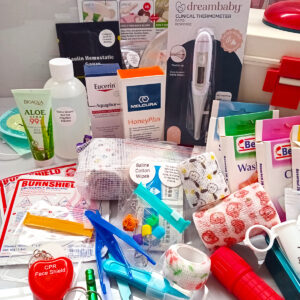
  • Boo Boo Bus First Aid Kit for Kids’ Medical Emergencies

    Boo Boo Bus First Aid Kit for Kids’ Medical Emergencies

    Discover the Comprehensive Boo Boo Bus First Aid Box: Your Family’s Ultimate Resource for Everyday Safety and Emergencies

    The Boo Boo Bus First Aid Box from Baby Proof South Africa is an innovative solution meticulously crafted to provide parents and caregivers with essential tools, empowering them to effectively tackle everyday emergencies. This kit is specifically designed to address the unique challenges that families encounter in their daily lives.

    Available for purchase at Baby Proof SA, this family-first aid box is a pioneering all-in-one medical emergency kit in South Africa, developed with careful consideration for the needs of families with young children. Its primary goal is to streamline the process of emergency preparedness while ensuring maximum safety for children.

    This detailed guide will delve into numerous reasons why the Boo Boo Bus stands out as the ultimate home safety solution, showcasing its distinctive features and how it redefines emergency preparedness for contemporary households.

    baby-proof-first-aid-box-for-kids

    baby-proof-first-aid-box-for-kids

    Understanding the Essential Role of a First Aid Kit for Every Family

    Accidents are an inevitable part of life, especially when you have energetic and inquisitive children exploring their environment. From scraped knees during playtime to minor burns in the kitchen, childhood injuries are commonplace as kids grow and discover their surroundings. Therefore, having a dependable first aid kit is absolutely vital to manage these incidents effectively.

    The South African Red Cross Society stresses that prompt and effective first aid can substantially mitigate the severity of minor injuries and help avert complications. A well-equipped first aid kit for kids is crucial for swiftly addressing common injuries such as cuts, bruises, and burns, ensuring that parents can act quickly in times of need.

    The Boo Boo Bus First Aid Box distinguishes itself as an indispensable safety product by flawlessly merging functionality with a child-friendly design, guaranteeing ease of use for parents. This unique approach helps to demystify the concept of first aid for both parents and children alike.

    Unlike traditional first aid supplies that may seem intimidating, this kit is cleverly packaged in a durable, ambulance-shaped box, transforming the notion of emergency care into something less daunting for children. This playful design encourages kids to regard first aid as a helpful resource rather than a frightening experience.

    With its thoughtfully organized compartments and essential medical supplies, the Boo Boo Bus ensures that parents can respond swiftly to minor emergencies, whether at home, in the car, or while enjoying family outings.

    Exploring the Key Advantages of the Boo Boo Bus First Aid Box

    1. Comprehensive Collection of Medical Supplies
      The Boo Boo Bus comes fully stocked with first aid essentials specifically curated for family emergencies. This kit includes bandages, antiseptic wipes, burn gel, a digital thermometer, gauze pads, adhesive plasters, and more. Each item is meticulously chosen to address common childhood injuries like scrapes, cuts, burns, and insect bites. Additionally, the kit provides a complimentary A4 printable CPR and choking protocol guide, offering clear, step-by-step instructions with visuals to assist parents in managing critical emergencies, such as choking incidents or performing cardiopulmonary resuscitation (CPR).
    2. Engaging and Child-Centric Design
      The ambulance-themed first aid box is not only practical but also captivating for children. Its playful design effectively alleviates the anxiety that often accompanies medical emergencies, allowing parents to comfort their children more easily during treatment. The Boo Boo Bus transforms a potentially stressful experience into a moment of reassurance, as children perceive it as a friendly “rescue vehicle” rather than a cold clinical tool.
    3. Conveniently Portable and Well-Organized
      Whether at home, embarking on a road trip, or enjoying a family picnic, the Boo Boo Bus is designed for portability and ease of transport. Its compartmentalized layout ensures that first aid supplies are neatly organized and readily accessible, eliminating the frustration of searching for the right item during a crisis. This quality makes it an ideal travel first aid kit for families constantly on the go.
    4. Empowering Parents with Essential Knowledge and Confidence
      Equipped with a CPR and choking guide, the Boo Boo Bus empowers parents with the crucial knowledge they need to act swiftly in emergencies. This resource, combined with the kit’s high-quality medical supplies, equips caregivers with the necessary tools to manage minor injuries and potentially life-threatening situations with confidence.
    5. Innovatively Crafted for South African Families
      As the first all-in-one family first aid box in South Africa, the Boo Boo Bus embodies Baby Proof SA’s unwavering commitment to creating child safety products. It has been specifically tailored to meet the unique needs of South African families, catering to households in both urban centers and rural areas.
    boo-boo-bus-south-africa-contents

    boo-boo-bus-south-africa-contents

    The Critical Importance of Ensuring Child Safety in South Africa

    Child safety is a paramount concern for parents universally; however, in South Africa, where outdoor play and adventurous activities are integral to daily life, the need for emergency preparedness becomes even more essential. The environment often presents numerous unexpected challenges that require swift thinking and readiness from caregivers.

    The South African Paediatric Association indicates that unintentional injuries are among the leading causes of hospitalization for children under five years old. From playground falls to insect stings, these incidents demand immediate attention to prevent complications and ensure child safety. As such, preparedness is key.

    The Boo Boo Bus First Aid Box transcends being merely a medical kit; it serves as a proactive strategy to enhance home safety and overall family wellness. By equipping households with vital first aid supplies, Baby Proof SA empowers parents to foster a safer environment for their children, ensuring they are well-prepared for any unexpected situation.

    The versatility of the kit renders it suitable for a variety of settings, including schools, daycare centers, and numerous outdoor activities, ensuring that caregivers are perpetually ready and equipped.

    A Detailed Overview of What’s Inside the Boo Boo Bus First Aid Box

    The Boo Boo Bus is thoughtfully filled with medical-grade supplies crafted to address a wide array of minor injuries and emergencies. Here’s a comprehensive overview of its contents:

    • Bandages and Plasters: A variety of adhesive bandages and plasters in multiple sizes for effectively treating cuts, scrapes, and blisters, ensuring comprehensive care.
    • Antiseptic Wipes: Essential for thoroughly cleaning wounds to prevent infection and promote healing, ensuring optimal recovery.
    • Burn Gel: A soothing solution for treating minor burns and scalds, providing immediate relief and protection for the affected area.
    • Digital Thermometer: A reliable tool for accurately monitoring fevers to ensure children’s health is closely monitored.
    • Gauze Pads and Medical Tape: Essential for effectively dressing larger wounds, ensuring proper care and protection.
    • Tweezers and Scissors: Useful for removing splinters or cutting tape as needed for emergency care, enhancing practicality.
    • Instant Ice Pack: Provides immediate relief to reduce swelling from bumps, bruises, and other injuries, enhancing comfort quickly.
    • CPR and Choking Protocol Guide: A free downloadable A4 guide featuring clear instructions for infant CPR, child CPR, and choking relief, ensuring parents are well-prepared for emergencies.

    These first aid essentials are neatly housed within a durable ambulance-shaped box equipped with useful compartments, guaranteeing that every item is easily located when time is of the essence. The kit’s high-quality materials adhere to South African safety standards, providing parents with peace of mind knowing they are thoroughly equipped.

    Enhancing Family Preparedness with the Boo Boo Bus

    Strengthening Preparedness in Your Home

    The Boo Boo Bus serves as a cornerstone of home safety. Whether it’s an accident in the kitchen or a fall in the backyard, this first aid kit ensures that you are equipped to act promptly and effectively. Its organized design eliminates the hassle of rummaging through drawers for misplaced bandages, allowing parents to focus on providing immediate care.

    The included CPR guide is particularly invaluable, offering step-by-step instructions for managing emergencies, such as choking—a common concern for parents with young children. This resource ensures that caregivers can respond effectively during critical moments, enhancing their confidence and preparedness.

    Boosting Preparedness During Outdoor Adventures

    For families who love outdoor adventures or frequently travel, the Boo Boo Bus is a transformative resource. Its compact size allows it to fit seamlessly into a diaper bag, car glove box, or backpack, making it an ideal travel first aid kit for families on the go.

    Whether you’re hiking in the stunning Drakensberg Mountains or enjoying a beach day in Cape Town, the Boo Boo Bus ensures that you are prepared for minor injuries at any time and in any place, safeguarding your family’s well-being during outings.

    Supporting Preparedness in Schools and Daycares

    The Boo Boo Bus is also an invaluable asset for school safety and daycare preparedness. Teachers and caregivers can utilize it to treat playground injuries or minor accidents, ensuring that children receive prompt care when they need it most.

    The child-friendly design helps to maintain a calm atmosphere, facilitating the administration of first aid in group settings, making the process smoother and less intimidating for both caregivers and children.

    boo-boo-bus-south-africa-contents-2

    boo-boo-bus-south-africa-contents-2

    Why Select Baby Proof South Africa for Your Family’s Safety Requirements?

    Baby Proof SA has established a strong reputation as a reliable name in childproofing products and family safety solutions. Based in Roodepoort, Gauteng, the company has been devoted to helping South African families create safer homes since its inception in 2015.

    Their Boo Boo Bus First Aid Box is a perfect representation of their dedication to innovation and quality. With nationwide shipping starting from R75, Baby Proof SA simplifies the process for families across South Africa to acquire this essential safety product with ease.

    In addition to the Boo Boo Bus, Baby Proof SA offers a comprehensive array of childproofing solutions, including PVC clear sheeting for balustrades and GlueDevil double-sided tape for securing foam edge guards. Their expertise in child safety ensures that every product is designed with families in mind, establishing them as a go-to resource for all parenting essentials.

    Mastering the Effective Use of the Boo Boo Bus First Aid Box

    Utilizing the Boo Boo Bus is straightforward, thanks to its intuitive design and clear instructions. Here’s a concise guide for managing common scenarios:

    1. For Cuts and Scrapes
      Clean the wound using an antiseptic wipe, apply a bandage or plaster, and secure it with medical tape if needed. The kit’s variety of bandage sizes guarantees a perfect fit for any injury, ensuring effective treatment and care.
    2. For Burns
      Apply burn gel to soothe the affected area and cover it with a gauze pad. Monitor the injury closely, and consult a doctor if it worsens to ensure proper care and recovery.
    3. For Fevers
      Use a digital thermometer to check your child’s temperature accurately. Follow pediatric guidelines for fever management and seek medical advice if symptoms persist or worsen to safeguard their health.
    4. For Choking or CPR
      Refer to the CPR and Choking Protocol Guide for detailed instructions. This guide includes visuals for infant CPR, child CPR, and choking relief, making it easy to follow during a high-stress situation.

    Real-Life Scenarios Demonstrating the Boo Boo Bus in Action

    Imagine this scenario: Your toddler stumbles while playing in the garden, scraping their knee. With the Boo Boo Bus readily available, you can quickly grab an antiseptic wipe to cleanse the wound, apply a cheerful bandage, and offer a comforting hug to soothe their fears and anxieties.

    The ambulance-shaped box captures your child’s attention, transforming tears into curiosity and encouraging them to engage positively with first aid. In another instance, while your family is camping, your older child accidentally sustains a minor burn from a campfire.

    You can swiftly apply burn gel and dress the wound with a gauze pad, all while benefiting from the kit’s organized compartments. These real-life situations demonstrate how the Boo Boo Bus streamlines emergency care and provides invaluable peace of mind to parents.

    family-first-aid-box-boo-boo-bus

    family-first-aid-box-boo-boo-bus

    Comparative Analysis: The Boo Boo Bus Versus Other First Aid Kits

    While numerous first aid kits are available on the market, few can rival the Boo Boo Bus in terms of design, functionality, and child-friendly appeal. For instance:

    • Boots Children’s First Aid Kit (available internationally) contains basic supplies like plasters and cleansing wipes but lacks both the CPR guide and the engaging ambulance-shaped design that distinguishes the Boo Boo Bus.
    • PoorlyBoo First Aid Kit offers a comprehensive 100-piece kit with items such as ice packs and thermal blankets; however, it does not cater to child-specific needs or include a downloadable emergency protocol guide.
    • Boo-Boo 2.0 Kit from Refuge Medical is extensive but intended for general household use, rather than specifically designed for families with young children.

    The Boo Boo Bus merges medical-grade supplies, a family-oriented design, and innovative South African expertise, making it the premier choice for child safety and emergency preparedness.

    Essential Practices for Maintaining Your Boo Boo Bus

    To ensure that your Boo Boo Bus is always ready for action, follow these essential first aid kit maintenance tips:

    1. Regularly Check Expiry Dates: Routinely inspect items such as antiseptic wipes and burn gel for their expiration dates. Replace any expired supplies immediately to maintain their effectiveness and safety.
    2. Restock as Necessary: After using the kit, replenish items such as bandages or gauze pads to ensure the kit remains fully stocked and ready for use in emergencies.
    3. Store Properly: Keep the Boo Boo Bus in a cool, dry location that is easily accessible yet out of reach of young children to prevent accidents and ensure safety.
    4. Review the CPR Guide: Familiarize yourself with the CPR and choking protocol to feel secure and confident in an emergency situation, enhancing your preparedness.

    Fostering a Safety Culture Within Your Family

    Investing in the Boo Boo Bus First Aid Box goes beyond simply acquiring a product; it’s about nurturing a culture of safety within your home and instilling essential values in your children regarding health and well-being.

    By emphasizing emergency preparedness, you are teaching your children the significance of first aid and self-care, equipping them with crucial knowledge for their own safety and well-being.

    Additionally, the Boo Boo Bus serves as an excellent conversation starter, enabling parents to engage in discussions about injury prevention and safety tips with their children in a positive and constructive manner.

    For example, you can use the Boo Boo Bus to educate your children about:

    • Wound Care: The appropriate methods for cleaning and dressing a minor cut to prevent infection and promote healing.
    • Burn Safety: The dangers posed by hot surfaces and the correct treatments for burns, fostering awareness and caution.
    • Choking Hazards: The importance of chewing food thoroughly and avoiding small objects that can pose a risk, encouraging vigilance.

    These teachings empower children to be safety-conscious, equipping parents with the knowledge to effectively protect their families and foster a supportive and secure environment.

    family-first-aid-boo-boo-box

    family-first-aid-boo-boo-box

    Where to Purchase the Boo Boo Bus First Aid Box: Elevate Your Family’s Safety Today

    Ready to enhance your family’s safety with the Boo Boo Bus? Visit Baby Proof SA to order yours today. With nationwide shipping starting from R75, it’s simple and convenient to have this essential first aid kit delivered directly to your home.

    Priced affordably, the Boo Boo Bus offers unmatched value for peace of mind and effective emergency preparedness, making it a crucial addition to your family safety toolkit.

    Baby Proof SA also provides a comprehensive range of childproofing products to complement the Boo Boo Bus, including safety gates, corner guards, and plug socket protectors. Explore their full catalog to establish a child-safe home that prioritizes family wellness and security.

    Voices from Satisfied Parents: Real Customer Testimonials

    Don’t just take our word for it—here’s what South African parents are saying about the Boo Boo Bus First Aid Box:

    “The Boo Boo Bus has been a lifesaver for our family. My children adore the ambulance design, and I appreciate its organizational features. The CPR guide equipped me with the confidence to manage a choking incident with my toddler.” – Sarah M., Johannesburg

    “We take the Boo Boo Bus – Ouchie-Pouchie on every family outing. It’s compact, sturdy, and contains everything we need for minor injuries. I highly recommend it to every parent!” – Thabo K., Cape Town

    “As a first-time mother, I felt anxious about emergencies. The Boo Boo Bus empowers me to feel prepared and in control. The burn gel worked wonders during a kitchen mishap!” – Lerato S., Pretoria

    Envisioning a Safer Future for Families with Baby Proof SA

    As Baby Proof SA continues to innovate, the Boo Boo Bus First Aid Box sets a new standard for child safety products in South Africa. Its unique design, comprehensive supplies, and family-focused approach make it more than just a first aid kit—it becomes an essential lifeline for parents and caregivers alike.

    By choosing the Boo Boo Bus, you are investing not only in emergency preparedness but also in the overall wellness of your child and peace of mind as a parent.

    boo-boo bus first aid kit for kidsBe Prepared for Any Emergency with the Boo Boo Bus First Aid Box

    In a world filled with unpredictability, the Boo Boo Bus First Aid Box stands as a reliable resource for South African families. Whether faced with a scraped knee, a minor burn, or a choking crisis, this all-in-one first aid kit equips you to respond with assurance and care.

    Its child-friendly design, portable size, and essential medical supplies make it an indispensable item for every household, school, and travel bag, ensuring you are always prepared for emergencies.

    Don’t wait for an emergency to arise—take charge of your family’s safety today. Visit Baby Proof SA to order your Boo Boo Bus First Aid Box and join countless parents who trust Baby Proof SA for their child safety solutions.

    With the Boo Boo Bus at your side, you are not merely prepared—you are empowered to keep your family safe, no matter what challenges life may present.

    Your Questions Answered: Frequently Asked Questions About the Boo Boo Bus First Aid Box

    What exactly is the Boo Boo Bus First Aid Box?

    The Boo Boo Bus First Aid Box is an all-in-one family first aid kit from Baby Proof South Africa, specifically designed for child safety and emergency preparedness. It is housed in a child-friendly, ambulance-shaped box and contains essential medical supplies, including bandages, antiseptic wipes, burn gel, and a digital thermometer, along with a free A4 printable CPR and choking protocol guide for added peace of mind.

    What distinguishes the Boo Boo Bus from other first aid kits?

    Unlike standard first aid kits, the Boo Boo Bus is uniquely tailored for families with young children. Its playful ambulance design reduces fear during emergencies, and its organized compartments ensure easy access to supplies. It’s also South Africa’s first comprehensive family first aid box, complete with a CPR and choking guide for enhanced confidence and preparedness.

    What items are included in the Boo Boo Bus First Aid Box?

    The kit includes bandages, adhesive plasters, antiseptic wipes, burn gel, a digital thermometer, gauze pads, medical tape, tweezers, scissors, an instant ice pack, and a downloadable CPR and choking protocol guide. These medical-grade supplies effectively address common childhood injuries like cuts, burns, and bruises, ensuring comprehensive care.

    Is the Boo Boo Bus suitable for travel?

    Yes, the Boo Boo Bus is a portable first aid kit, perfect for travel. Its compact size fits in a diaper bag, car glove box, or backpack, making it ideal for family outings, road trips, or outdoor adventures in locations such as Cape Town or the Drakensberg Mountains.

    Can the Boo Boo Bus be used in schools or daycares?

    Absolutely. The Boo Boo Bus is an excellent addition to school safety and daycare preparedness. Its child-friendly design helps teachers and caregivers provide quick treatment for playground injuries or minor accidents, ensuring prompt care for children when they need it most.

    How does the CPR and choking protocol guide function?

    The free A4 printable CPR and choking protocol guide provides step-by-step instructions with visuals for infant CPR, child CPR, and choking relief. It empowers parents and caregivers to manage critical emergencies with confidence, making it a vital resource for family safety.

    Where can I purchase the Boo Boo Bus First Aid Box?

    You can buy the Boo Boo Bus directly from Baby Proof SA at www.babyproof.co.za/product/boo-boo-bus-first-aid-box/. They offer nationwide shipping across South Africa starting from R75, making it easy for families to access this essential child safety product.

    How do I maintain my Boo Boo Bus First Aid Box?

    Regularly check expiry dates on items like antiseptic wipes and burn gel, restock used supplies such as bandages, and store the kit in a cool, dry place out of children’s reach. Periodically review the CPR guide to stay prepared for emergencies and enhance your readiness.

    Is the Boo Boo Bus suitable for first-time parents?

    Yes, the Boo Boo Bus is ideal for first-time parents. Its intuitive design, comprehensive supplies, and included CPR and choking guide make it easy to manage minor injuries and emergencies, providing peace of mind for new caregivers.

    Why should I choose Baby Proof South Africa for child safety products?

    Baby Proof SA, based in Roodepoort, Gauteng, is a trusted name in childproofing and family safety solutions since 2015. Their innovative Boo Boo Bus First Aid Box reflects their commitment to quality, making them a reliable source for parenting essentials in South Africa.

    Follow BabyProof SA on Instagram

    The article Boo Boo Bus First Aid Box – Kids Medical Emergency Box was first published on: https://www.babyproof.co.za

    The Article Kids Medical Emergency Box: Boo Boo Bus First Aid Kit Was Found On https://limitsofstrategy.com