Category: Grocery Shopping

  • Quality Meat on a Budget: Savvy Shopping Tips for Savings

    Quality Meat on a Budget: Savvy Shopping Tips for Savings

    Essential Insights for Understanding Meat Grades and Labeling Standards

    Unlocking the USDA Meat Grading System: Key Information for Savvy Consumers

    How to Buy Quality Meat on a Budget: Comparison of USDA meat grades: Prime on a luxurious table, Choice on a kitchen counter, Select in a budget setting.

    To purchase high-quality meat without exceeding your budget, it is vital to grasp the USDA grading system. This system evaluates meat based on crucial factors such as tenderness, juiciness, and flavor, helping consumers make educated choices. The three primary grades you will likely encounter are Prime, Choice, and Select. Prime is the highest grade, frequently found in fine dining establishments due to its exceptional marbling that enhances flavor and tenderness. On the other hand, Choice grade meat strikes an ideal balance between quality and affordability, while Select meat is leaner and less tender, making it a suitable option for those watching their wallets.

    Having a clear understanding of these grading distinctions is pivotal for making wise choices while shopping for meat. For instance, if you are hosting a special dinner and aim to impress your guests, selecting a Prime ribeye can elevate the dining experience significantly. Conversely, for casual weeknight meals, a Choice sirloin steak offers fantastic flavor without stretching your budget. By familiarizing yourself with these classifications, you can confidently select high-quality meat that aligns with your financial goals. Always remember to look for the USDA label to guarantee that the meat meets recognized quality standards.

    Mastering Meat Packaging Labels for Informed Purchases

    Interpreting meat packaging labels is essential, as they contain a wealth of information that can greatly influence your buying decisions. Terms such as organic, grass-fed, and free-range play a significant role in determining both the quality and price of the meat you may consider buying. Organic meat is sourced from animals raised without synthetic pesticides or fertilizers, ensuring a more natural product. Grass-fed beef is renowned for its richer flavor and healthier fat profile compared to grain-fed alternatives, making it a top choice for health-conscious consumers. The term “free-range” indicates that the animals had outdoor access, which can enhance their overall quality of life.

    However, opting for these premium labels often comes with a higher price tag. It’s crucial to strike a balance between your desire for superior quality and your budget limitations. When analyzing labels, focus not only on enticing descriptions but also on certifications such as the USDA Organic seal or grass-fed labels, which substantiate the claims made. By educating yourself about these terms, you can make informed choices that align with your ethical standards and financial constraints. Always compare different options to determine if the additional cost is warranted based on your meal planning needs.

    Curious About Our Insights? Tune In!


    Understanding Sell-By and Use-By Dates for Fresh Meat Selection

    Being aware of sell-by and use-by dates is crucial for guaranteeing the freshness of your meat purchases. The sell-by date primarily serves retailers, indicating how long they should display a product for sale. It’s important to note that this date does not imply that the meat is spoiled after this point. As a consumer, your goal should be to use or freeze the meat by the use-by date, which indicates the final recommended date for maintaining optimal quality.

    Being informed about these dates can help you save money and minimize food waste. For example, if you come across ground beef discounted near its sell-by date, you can purchase it at a lower price and freeze it for future meals. Always inspect the meat for unpleasant odors or unusual discoloration, even if it is within the sell-by date, to ensure you are buying quality products. This straightforward yet effective practice enhances your financial management while allowing you to consistently enjoy high-quality meat.

    Expert Strategies for Purchasing Premium Meat Within Your Budget

    A shopper comparing meat cuts and prices in a supermarket, with budget charts and expert tips on screens.

    Unearthing the Best Meat Deals: Strategic Shopping Locations

    Securing high-quality meat at reasonable prices necessitates a blend of savvy shopping techniques and awareness of the best places to explore. Here are key locations to discover fantastic deals:

    • Supermarkets: These establishments frequently host weekly promotions and sales, making them a prime destination for budget-friendly meat options.
    • Butchers: Local butchers often provide discounts on specific cuts, particularly if you establish a rapport with them and seek their expert recommendations.
    • Discount Stores: Retailers like Aldi or Lidl offer economical meat choices that maintain quality without excessive prices.
    • Farmers’ Markets: These local venues typically offer high-quality, sometimes organic meats straight from producers at competitive prices.
    • Warehouse Clubs: Membership-based stores like Costco facilitate bulk meat shopping, resulting in significant savings.
    • Online Retailers: Websites dedicated to meat delivery frequently provide promotions and discounts, making it easier to find quality options at lower prices.
    • Co-ops: Meat cooperatives can offer excellent deals if you are willing to share a bulk order with others.
    • Local Farms: Purchasing directly from local farms often yields fresh products at better prices than conventional supermarkets.

    These diverse sources not only provide flexibility in your shopping habits but also encourage you to explore different types of meat and cuts you may not have previously considered. By being open to multiple purchasing avenues, you can maximize your budget while still enjoying high-quality meat.

    Negotiation Tactics for Better Prices at Butcher Shops

    Engaging in price negotiations at butcher shops may seem intimidating, but mastering this skill can lead to substantial savings. Begin by building a relationship with your butcher; they possess extensive knowledge and appreciate loyal customers. Timing is key—visit during off-peak hours when butchers may be more willing to offer discounts on specific cuts nearing their sell-by dates.

    Understanding market trends can further work to your advantage. For instance, if you anticipate a holiday when demand for certain meats increases, plan ahead and ask about deals on popular cuts that may not sell quickly. Similarly, post-holiday sales often result in discounts as butchers aim to clear their inventory. Engaging in friendly conversations about their favorite cuts or cooking techniques can reveal opportunities for you to learn about special pricing on less popular yet high-quality options. By cultivating a positive relationship and being open to exploring new cuts while negotiating for discounts, you’ll find yourself saving money regularly.

    Identifying High-Value Meat Cuts That Fit Your Budget
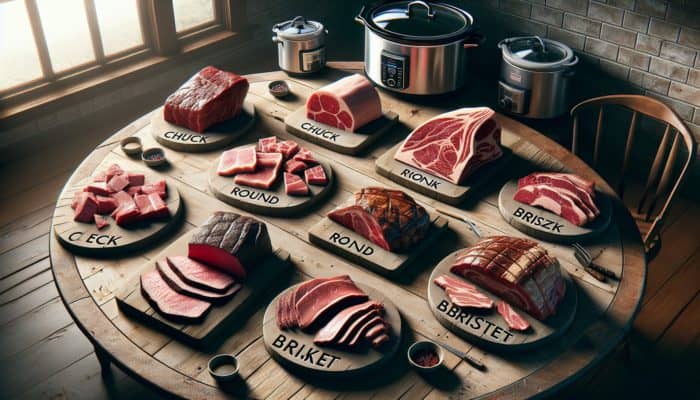
    Budget-friendly meat cuts like chuck, round, and brisket on a rustic table, with slow cooker and grill.

    To optimize your budget in the meat aisle, it’s vital to recognize which cuts offer the best value. Cuts like chuck, round, and brisket are generally more affordable compared to premium cuts but can yield remarkable flavor when cooked properly. For example, a chuck roast can be transformed into a mouthwatering pot roast after a few hours in a slow cooker, while round steaks can be marinated and grilled to achieve tender results.

    Additionally, consider utilizing less popular cuts like shin or flank for stews or stir-fries. These cuts excel with slow cooking methods that break down tougher fibers, resulting in tender and flavorful dishes. Learning how to identify and prepare these economical cuts not only helps keep you within budget but also enhances your culinary skills. Experimenting with these options can lead to delightful meals that highlight their unique flavors without sacrificing quality.

    Strategic Meat Purchasing: Timing and Seasonal Sales Insights

    Best Times of Year to Buy Meat at Reduced Prices

    Certain times of the year present excellent opportunities to purchase quality meat at discounted prices. Holidays like Thanksgiving and Christmas often feature significant sales on items such as turkeys, hams, and roasts. Supermarkets and butchers typically lower prices to encourage purchases, making it an ideal time to stock up.

    Moreover, seasonal fluctuations can affect pricing. For example, summer usually sees increased demand for grilling meats like steaks and burgers, potentially leading to sales in late spring as stores prepare for the season. Conversely, winter may offer discounts on heartier cuts better suited for slow cooking due to lower demand. By being aware of these seasonal trends, you can strategically plan your purchases to ensure you acquire quality meat at the best possible prices.

    Maximizing Your Savings Through Strategic Sales Opportunities

    To fully capitalize on sales, a proactive and vigilant approach is essential. Start by monitoring weekly advertisements from supermarkets that highlight discounts on various meats. Many retailers now provide digital coupons through their apps or websites, enhancing your savings potential. Joining loyalty programs can often grant you access to exclusive deals, making it a smart choice for frequent shoppers.

    Buying in bulk during sales is particularly advantageous for meats you consume regularly. Freezing portions for later use can save you both time and money, allowing you to avoid paying full price outside of sale periods. Don’t hesitate to consult your butcher regarding upcoming sales or discounts; they are often willing to share this information with you. By actively tracking sales and utilizing available resources, you can significantly reduce your meat expenses while still enjoying quality options.

    The Benefits of Purchasing Meat in Bulk

    Buying meat in bulk can greatly enhance your grocery budget. It often comes with substantial discounts and ensures that you always have quality meat available for your culinary needs. When opting for bulk purchases, consider whole cuts or larger packages of ground beef that can be divided into portions and stored in the freezer for future meals.

    However, proper storage is crucial for preserving quality. Utilize vacuum-sealed bags or airtight containers to prevent freezer burn and maintain freshness. Meal planning is also essential; if you purchase in large quantities, strategize how you’ll use the meat over the coming weeks to avoid waste. By effectively storing your bulk purchases and planning meals around them, you can enjoy significant savings while ensuring quality meats are readily available.

    Understanding Seasonal Trends and Their Impact on Meat Pricing

    Seasonal trends play a significant role in meat pricing due to various factors tied to supply and demand dynamics. For example, during the summer months, the demand for grilling meats such as hamburgers and ribs surges, often resulting in price increases. Conversely, fall and winter typically see a decline in demand, which can lead to lower prices as retailers aim to clear their inventory. Recognizing these cycles empowers you to time your purchases effectively.

    Other factors also contribute, such as weather conditions affecting livestock production and the agricultural cycle. For instance, if drought conditions hinder feed availability, it may lead to increased meat prices in the future. By staying informed about these trends, you can optimize your purchasing strategy to coincide with price drops, ensuring that you maximize value for your money.

    Smart Shopping Techniques Across Various Retail Outlets

    Essential Features to Consider When Shopping for Meat in Supermarkets

    Supermarkets offer a wide range of options for meat purchases, and shopping wisely can lead to significant savings. First, always look for ongoing sales and promotions, which are typically highlighted in weekly flyers or store apps. Comparing prices at different supermarkets helps you identify the best deals on specific cuts.

    Moreover, pay close attention to quality indicators when selecting meat. The meat’s color should be vibrant and free of discoloration, while good marbling in cuts like beef or pork signifies tenderness and flavor. Always check the sell-by date to ensure the product remains fresh. Don’t hesitate to ask store employees or your butcher for recommendations; they can often guide you toward the best available options.

    The Unique Advantages of Shopping at Butcher Shops

    Shopping at butcher shops provides numerous benefits that supermarkets may not offer. The personal interaction allows for tailored advice on the best cuts suited to your cooking needs. Butchers can also introduce you to lesser-known cuts that deliver exceptional flavor at a more affordable price point. Additionally, local butcher shops frequently have discounts on bulk purchases or less popular cuts that maintain high quality.

    Many butchers are passionate about their craft and can provide cooking tips or preparation methods that elevate your meals. This personalized service not only enhances your shopping experience but also fosters a sense of community connection. Building a good relationship with your butcher may lead to special deals or notifications about upcoming sales, ensuring your meat purchases remain budget-friendly without sacrificing quality.

    Maximizing Your Savings at Discount Meat Stores

    Discount stores can be a treasure trove for quality meat at lower prices; however, knowing how to navigate them is crucial for maximizing your savings. Start by identifying the best shopping days; prices are frequently reduced closer to weekends to clear out inventory. Pay attention to weekly ads to identify any meat specials.

    Upon arrival, compare prices and packaging sizes to ensure you’re getting the best deal. Scrutinize the quality carefully—look for vibrant colors and minimal bruising, as these are indicators of freshness. Additionally, familiarize yourself with in-store brands, which often deliver quality comparable to name brands but at a significantly lower cost. By honing in on these strategies, you can reap the benefits of budget-friendly meat options while satisfying your culinary cravings.

    Effective Shopping Strategies at Farmers’ Markets

    Farmers’ markets provide a unique opportunity to buy fresh, local meat directly from producers, usually at competitive prices. Engaging with vendors is crucial, as they can offer valuable insights into their farming practices and the quality of their products. This direct communication enables you to inquire about sourcing, feeding practices, and the available cuts.

    To maximize your value, seek out seasonal specials; vendors often have deals on certain cuts that are in abundance. Consider collaborating with friends or family to buy a larger quantity of meat, which can then be divided among yourselves, ensuring everyone enjoys quality products without overspending. Farmers’ markets also create a vibrant atmosphere, enriching your shopping experience while supporting local farmers.

    The Benefits of Online Meat Purchases

    Online meat purchases have gained popularity due to their convenience and accessibility. Various online platforms specialize in delivering quality meats directly to your doorstep, often providing a diverse selection. This not only saves you a trip to the store but also allows you to compare prices and read customer reviews for quality assurance.

    Subscribing to these services can yield regular savings and exclusive deals, making managing your meat purchases within your budget easier. However, always check for quality guarantees from online retailers and consider any applicable shipping costs. By leveraging the advantages of online meat purchases, you can enjoy convenience and potentially better prices, ensuring your meat selections are both high-quality and cost-effective.

    Smart Strategies for Purchasing Quality Meat While Staying on a Budget

    Recognizing Quality Meat Within Your Financial Limits

    Identifying quality meat while adhering to a budget requires keen observation and knowledge. Begin with a visual inspection; high-quality meat should exhibit a bright, rich color indicative of freshness. For beef, look for a vibrant red hue with good marbling; for pork, it should appear pink and succulent. Firmness is also a sign of good quality; when pressed, the meat should spring back instead of leaving an indentation.

    Understanding different cuts is equally essential. Some cuts may seem less appealing but can offer exceptional value. For instance, cuts like short ribs or oxtail might be more affordable but yield rich flavors when properly cooked. Familiarizing yourself with the characteristics of various meats empowers you to make informed decisions, even when operating on a tight budget. By enhancing your ability to identify quality, you’ll find that your budget doesn’t have to compromise the taste and quality of your meals.

    Optimal Cooking Techniques for Budget Cuts of Meat

    The most effective cooking methods for budget cuts emphasize maximizing flavor while ensuring tenderness. Techniques such as slow cooking or braising are ideal for tougher cuts, as they break down the fibers and infuse them with flavor over time. For example, a chuck roast significantly benefits from a low-and-slow braise in a savory broth, resulting in a fork-tender dish.

    Marinating is another excellent way to enhance less expensive cuts of meat. The acids in marinades, such as vinegar or citrus juice, can tenderize the meat while adding delightful flavors. High-heat cooking methods like stir-frying can also yield great results with budget-friendly cuts like flank steak, where quick cooking preserves tenderness and juiciness. Mastering these cooking techniques not only elevates your dishes but also equips you to make the most of economical cuts without sacrificing quality.

    Best Practices for Storing Meat to Maintain Quality

    Proper meat storage is critical for maintaining quality and preventing spoilage. When freezing meat, utilize vacuum sealers or heavy-duty freezer bags to protect against freezer burn, which can compromise flavor and texture. It’s also essential to label your meat with the date it was frozen, allowing you to track freshness and use it within an appropriate timeframe.

    For short-term storage, refrigeration is paramount. Always refrigerate leftover meat within two hours of cooking, ensuring it’s stored in airtight containers to prevent contamination and odor absorption. The thawing process is equally important; the best method is to plan ahead and move frozen meat to the refrigerator a day before cooking, enabling it to thaw gradually and safely. By mastering these storage techniques, you’ll maintain the quality of your meat purchases and extend their shelf life.

    Identifying the Best Deals on Quality Meat

    Finding the best deals on high-quality meat requires a comprehensive approach that incorporates local resources and online platforms. Start with local butchers, who often provide high-quality cuts and are open to negotiation, especially for bulk purchases. Farmers’ markets frequently offer fresh, often organic options directly from producers, which can be more affordable than supermarket prices.

    Don’t overlook online retailers; many specialize in quality meats and offer regular discounts or subscription services that can lead to significant savings. Their websites often feature customer reviews and ratings, enabling you to assess product quality before purchasing. Additionally, keep an eye out for seasonal sales at supermarkets, as holiday periods often yield discounts on specific types of meat. By broadening your search to various sources, you can uncover great deals that maintain quality while adhering to your budget.

    Meal Planning Around Budget-Friendly Cuts of Meat

    Meal planning with budget-friendly cuts of meat allows you to create nutritious and diverse meals without overspending. Start by selecting key cuts that are both affordable and versatile, such as chicken thighs, pork shoulder, or beef chuck. Once you’ve identified your cuts, plan meals that highlight their strengths; for example, a slow-cooked pork shoulder can be repurposed into tacos one night and soup the next, maximizing the value of the ingredient.

    Incorporate a variety of cooking methods, from grilling to braising, to keep your meals exciting. Utilize leftovers creatively to stretch your budget further; for instance, roast chicken can be transformed into salads, sandwiches, or casseroles. By planning your meals around these budget cuts, you’ll ensure a range of delicious options that satisfy both your taste buds and your wallet.

    Maximizing the Benefits of Leftover Meat

    Creative Ways to Repurpose Leftover Meat for New Dishes

    Transforming leftover meat into a variety of dishes is a fantastic way to stretch your budget. Repurposing leftover meats minimizes waste and adds delicious twists to your meal options. For instance, consider using leftover roast chicken for a hearty soup or shredded beef in tacos—both are simple yet flavorful ways to utilize your leftovers.

    Other creative options include stir-frying leftover meats with fresh vegetables for a quick and satisfying meal or incorporating them into salads for an extra protein boost. Sandwiches present another excellent opportunity to use leftovers; think beyond conventional cold cuts and craft gourmet sandwiches using your leftover meats, enhanced with flavorful spreads and fresh vegetables. Embracing these ideas not only saves money but also keeps your meals interesting and diverse.

    Techniques for Properly Storing Leftover Meat to Extend Longevity

    Effectively storing leftover meat is crucial for extending its shelf life and preserving quality. After cooking, refrigerate leftovers within two hours to inhibit bacterial growth. Store them in airtight containers to keep the meat fresh while preventing it from absorbing odors from the fridge.

    If you plan to keep leftovers for an extended period, freezing is a viable option. Use vacuum-sealed bags or freezer-safe containers to guard against freezer burn, and label each package with the date to monitor freshness. When reheating, ensure the meat reaches a safe temperature to maintain both flavor and safety. This careful approach to storing leftovers ensures you enjoy quality meat well beyond the original meal.

    Advantages of Meal Planning with Leftovers for Cost Efficiency

    Meal planning that incorporates leftovers offers numerous advantages, including time savings, reduced food waste, and enhanced budget efficiency. By strategizing the use of leftover meats, you can create a diverse menu without needing to purchase additional ingredients. This practice not only keeps your grocery expenses in check but also fosters culinary creativity.

    Moreover, meal planning streamlines your cooking process, reducing the time spent deciding on dinner during busy nights. It encourages the inclusion of healthy ingredients alongside your leftover meats, ensuring balanced meals. Ultimately, meal planning maximizes the utility of your quality meat purchases while enhancing your overall cooking experience.

    Leveraging Online Resources and Apps for Meat Shopping

    Top Apps to Discover Meat Deals and Discounts

    In today’s digital age, several apps can assist you in uncovering meat deals and streamlining your grocery shopping experience. Applications like Flipp and Ibotta help you find local sales and discounts on meat from various retailers in your area. Flipp aggregates weekly ads from local stores, simplifying the process of identifying which retailers have the best meat deals.

    Ibotta offers cash-back rewards on specific purchases, including meat, incentivizing you to save while you shop. Additionally, many supermarket chains have their apps that provide exclusive digital coupons and promotions tailored to their meat selections. By leveraging these apps, you can enhance your shopping efficiency, ensuring you secure quality meat at the most affordable prices.

    Utilizing Online Reviews for Informed Meat Purchases

    Online reviews are invaluable when making informed meat purchases. They provide insights into the quality, freshness, and flavor of the meat based on the experiences of other consumers. While browsing supermarket websites or applications, focus on products with consistently positive feedback to ensure you’re selecting quality options.

    Pay particular attention to comments that highlight the meat’s tenderness, flavor, and overall satisfaction. This insight can guide you toward selecting cuts that fit your budget while meeting your quality expectations. Additionally, exploring reviews of specialty meat delivery services can provide insight into the best options available online. By utilizing these insights, you can confidently navigate your meat purchases and enhance your culinary experiences.

    The Advantages of Using Online Meat Delivery Services

    Online meat delivery services have gained popularity due to their convenience, variety, and sometimes better prices. With just a few clicks, you can access a wide selection of meats, often sourced from local farms or specialty producers, which may not be available in your grocery store. This expands your options and encourages exploration of different cuts and types of meat.

    Moreover, many of these services offer regular discounts, subscription models, or bulk purchasing options that can significantly reduce your costs. The convenience of having high-quality meat delivered directly to your doorstep also saves time and effort, making grocery shopping more manageable. By utilizing these services, you can enjoy high-quality meats while staying within your budgetary limits.

    Social Media as a Resource for Discovering Meat Deals

    Social media platforms have emerged as excellent resources for uncovering meat deals and promotions. Many butchers and meat suppliers use platforms like Instagram and Facebook to showcase their products and announce special offers. By following local butcher shops and specialty meat retailers, you can stay updated about discounts and new arrivals.

    Furthermore, food bloggers and influencers often share exclusive deals and recipes that highlight the meats they promote, inspiring you to try new meals. Engaging with these social media accounts not only keeps you informed about the best deals but also fosters a sense of community among meat enthusiasts. By harnessing the power of social media, you can enhance your shopping experience and uncover unique opportunities to save on quality meats.

    Essential Features to Prioritize in Meat Shopping Apps

    When selecting meat shopping apps, several key features can enhance your purchasing experience. Look for apps that offer price comparisons to help you identify the best deals across different retailers. A store locator feature is also advantageous, guiding you to nearby shops with quality meats at competitive prices.

    User reviews and ratings can provide valuable insights into the quality of meat from various stores, helping you make informed decisions. Furthermore, apps that include digital coupons or loyalty rewards can help you save even more on your purchases. By prioritizing these features, you can ensure that your meat shopping app aligns with your needs and supports you in making informed, cost-effective choices.

    Frequently Asked Questions About Meat Grades and Purchasing Strategies

    What Distinguishes Prime, Choice, and Select Meat Grades?

    Prime is the top grade, characterized by abundant marbling and tenderness. Choice is slightly lower but still offers good quality, while Select is leaner and less tender, often providing a more budget-friendly option.

    How Can I Determine the Freshness of Meat?

    Fresh meat should exhibit a bright color, with no off odors and a firm texture. Always check sell-by dates and avoid products that show discoloration or excessive liquid.

    Is It Feasible to Negotiate Prices with My Butcher?

    Absolutely! Building rapport, visiting during slower hours, and asking about discounts on specific cuts can lead to favorable negotiations. Butchers appreciate loyal customers and may offer special deals.

    What Are Considered Value Cuts of Meat?

    Value cuts include chuck, round, and flank steak. These cuts can be flavorful and tender when prepared correctly, often at a lower price than more popular options.

    How Should I Properly Store Leftover Meat?

    Refrigerate leftovers within two hours of cooking in airtight containers for short-term storage. For long-term use, freeze in vacuum-sealed bags, labeling them with the date.

    When Is the Optimal Time to Buy Meat at a Discount?

    Meat is often discounted around holidays and during seasonal sales. Shopping mid-week or during off-peak hours can also yield better deals.

    How Can I Maximize Savings from Bulk Meat Purchases?

    When buying in bulk, ensure proper storage by using vacuum-sealed bags or freezer-safe containers. Plan meals around the purchase to maximize usage and minimize waste.

    Are There Apps That Facilitate Finding Meat Deals?

    Yes, apps like Flipp and Ibotta help find local meat deals and provide cash-back offers on purchases, making it easier to save money on quality meat.

    What Should I Consider When Buying Meat Online?

    When purchasing meat online, check for quality guarantees, read customer reviews, and look for transparent sourcing information to ensure you receive high-quality products.

    How Can I Creatively Use Leftovers?

    Leftover meat can be transformed into a variety of dishes, including soups, tacos, salads, and stir-fries. Incorporating them into new dishes helps stretch your budget while keeping meals interesting and delicious.

    Connect with us on Facebook!

    The article How to Buy Quality Meat on a Budget: Smart Shopping Tips appeared first on https://pitmastersarsenal.com

    The Article Quality Meat on a Budget: Smart Shopping Tips for Savings Was Found On https://limitsofstrategy.com


  • Grocery List for Beginners: Your Essential Guide to Shopping

    Grocery List for Beginners: Your Essential Guide to Shopping

    Evaluate Your Grocery Needs to Maximize Shopping Efficiency

    Recognizing and Catering to Your Individual Dietary Needs

    How to Make a Grocery List for Beginners: Person reading labels in supermarket, focusing on gluten-free products and alternative grains.

    Crafting a well-thought-out grocery list is crucial for novices, and a significant first step involves thoroughly assessing any dietary restrictions or allergies that could impact your food selections. Grasping these health considerations is vital, as it not only safeguards your well-being but also shapes your entire grocery shopping journey. For instance, individuals with gluten intolerance need to be diligent when examining labels and actively searching for gluten-free alternatives for essential items like breads and pastas. This careful approach not only ensures health safety but also introduces a variety of culinary options, opening the door to exciting new ingredients and recipes.

    In addition, various cultural influences and evolving health trends advocate specific dietary lifestyles, including vegetarianism and veganism, which necessitate a careful selection of food sources. This involves ensuring a diverse assortment of proteins, grains, and vegetables that align with these dietary preferences. By defining your dietary needs right from the beginning, you can create a grocery list that not only meets your health requirements but also aligns with your culinary interests. This proactive approach streamlines your shopping experience and enables you to prepare meals that genuinely nourish both your body and your spirit.

    To gain a thorough understanding of your household’s dietary landscape, it is beneficial to carry out an in-depth inventory of your family’s needs. Are there members dealing with lactose intolerance, suffering from nut allergies, or following specific lifestyle choices, such as a plant-based diet? Compiling this extensive list of dietary factors guarantees that your grocery selections cater to everyone’s preferences, fostering a more inclusive and fulfilling shopping experience.

    Understanding Household Size to Optimize Grocery Shopping

    Recognizing the size of your household is fundamental when mastering how to create a grocery list for beginners. The number of people you are shopping for directly impacts the quantity of items you will need. For example, grocery shopping for a family of five presents different challenges compared to shopping for just one. Larger households can greatly benefit from buying items in bulk, which is often a more economical strategy in the long run.

    While assessing your household size, take into account the total number of adults and children, along with their unique eating habits. Some may have larger appetites or specific preferences for particular food types, while others might prefer lighter snacks. This variety calls for a more customized approach to your grocery list. If your household includes teenagers, for instance, you might need to include more snacks or larger quantities of staple items such as bread and fruit to satisfy their growing appetites.

    Furthermore, consider how often meals are prepared at home. A household that cooks daily will have significantly different grocery needs compared to one that relies more on takeout or dining out. By tailoring your shopping list to align with your household’s size and eating habits, you can effectively reduce food waste while ensuring that each member has access to the nourishment they require.

    Implementing Effective Meal Planning Strategies

    Strategic meal planning is an essential element of how to create a grocery list for beginners and can greatly enhance your shopping efficiency. Begin by reflecting on the meals you plan to prepare for the upcoming week. This thoughtful planning not only minimizes the number of trips to the grocery store but also ensures that you gather all necessary ingredients in one go.

    Start by crafting a straightforward meal plan that encompasses breakfast, lunch, dinner, and even snacks. Factor in any events or particularly hectic days that may necessitate simpler or pre-prepared meals. By mixing quick, healthy dishes with more intricate recipes, you can create a balanced menu that addresses the diverse needs of your household.

    When devising your meal plan, look for ingredients that can be used in multiple dishes. For example, a bunch of spinach can be incorporated into salads, omelettes, and smoothies. This strategy not only helps save money on groceries but also minimizes food waste, as you are more likely to utilize all ingredients. Moreover, consider exploring global culinary influences to introduce exciting new flavors and ingredients into your meal planning, making your weekly cooking routine more enjoyable and varied.

    Creating a Well-Structured Grocery List for Maximum Efficiency

    A colorful, categorized grocery list on a modern kitchen counter with a pen and notepad.

    Organizing Your Grocery List by Food Categories for Seamless Shopping

    An efficient grocery list should be thoughtfully structured. When learning how to create a grocery list for beginners, think about categorizing items according to food type. This strategic organization can turn what might be a chaotic shopping experience into a streamlined process, saving both time and effort. Grouping items into categories such as produce, dairy, meats, and pantry staples empowers you to navigate the grocery store with focus and clarity.

    Begin your grocery list with selections of fresh produce. Ensure you include a diverse array of colors and types of fruits and vegetables to support a well-rounded diet. Next, move on to dairy products, which encompass milk, cheese, and yogurt, and then proteins such as chicken, fish, or plant-based alternatives. Finally, conclude your list with pantry staples like grains, pasta, and canned goods.

    This method not only aids in managing your time efficiently during shopping but also ensures that you don’t overlook essential items. It encourages a holistic approach to grocery shopping, allowing you to make informed decisions about the foods you choose to bring into your home. By structuring your list, you create a mental roadmap of the store, making it easier to traverse the aisles and gather everything you need in an orderly manner.

    Prioritizing Freshness in Your Grocery Selections

    Freshness should always be your primary concern while grocery shopping. When compiling your grocery list, make it a point to list perishable items at the top. This strategy guarantees that you pick up essential items such as fruits, vegetables, and dairy products before they risk spoilage from prolonged periods in your shopping cart.

    Typically, fresh produce and dairy items are located at the beginning of most supermarket layouts, making it logical to shop for these first. By prioritizing these items, you help maintain their quality and demonstrate your commitment to high standards. Additionally, acquiring fresh items first allows you to better assess their condition while shopping, enabling you to select the highest-quality products available.

    Moreover, consider implementing the ‘first in, first out’ principle when organizing your refrigerator and pantry. By placing older items in the front and newer ones at the back, you can effectively manage the freshness of your food inventory. This practice not only minimizes waste but also maximizes the effectiveness of your grocery investments.

    Understanding Supermarket Layout for Efficient Shopping

    A shopper navigating a supermarket with sections for fresh produce, dairy, meat, pantry, and rear aisles for non-perishables and household goods.

    Familiarizing yourself with your local supermarket’s layout is vital for effective grocery shopping. When learning how to create a grocery list for beginners, invest time in understanding how your preferred grocery store is organized. Most supermarkets typically display fresh produce at the entrance, followed by sections for dairy, meats, and pantry goods. Non-perishable items and household products are usually located in the back aisles.

    Once you comprehend the layout, arrange your grocery list to align with this structure. This strategic organization minimizes unnecessary backtracking and optimizes your shopping time. For instance, if your list is categorized by food type, organize the items to match the store’s layout, allowing you to navigate each section smoothly without unnecessary detours.

    Grocery shopping should not merely be viewed as a chore; instead, it can be an opportunity to engage with the vibrant colors, textures, and aromas found within the store, transforming the mundane into a richer experience. By incorporating this understanding of store layout into your planning, you can cultivate a more enjoyable and efficient grocery shopping adventure.

    Smart Budgeting and Effective Saving Strategies

    Creating a Realistic Grocery Budget

    Establishing a budget is a foundational aspect of mastering how to create a grocery list for beginners. By setting a clear spending limit before you shop, you create a framework of financial accountability that extends beyond the supermarket. This practice encourages informed choices, enabling you to prioritize essential items over non-essentials.

    Begin by reflecting on your typical grocery expenditures over the past month. Analyzing this data will provide context for determining a reasonable budget for your household. It is also wise to account for fluctuations in food prices, particularly for seasonal produce or regional specialties. A flexible budget allows for adjustments while maintaining overall control of your spending.

    Moreover, tracking your expenses while shopping can significantly assist you in adhering to your budget. For instance, using your smartphone to monitor prices as you shop can help prevent overspending and promote a mindful purchasing approach. Remember, the goal is not to deprive yourself of quality food but rather to cultivate a sustainable shopping strategy that benefits both your finances and your health.

    Maximizing Savings Through Strategic Deal Hunting

    In today’s consumer-driven marketplace, being savvy about deals can significantly enhance your grocery shopping experience. When exploring how to create a grocery list for beginners, actively seeking out sales and discounts can lead to substantial savings. Many supermarkets provide weekly flyers or digital coupons showcasing promotions, enabling you to tailor your shopping list to take advantage of these deals.

    Effectively utilizing these resources requires foresight. While planning your meals, take note of ingredients that are on sale and adjust your recipes accordingly. For example, if chicken is discounted this week, consider incorporating it into multiple meals to maximize savings. This strategy not only helps stretch your budget but also introduces diversity into your menu.

    Additionally, don’t hesitate to explore local markets or co-ops, which often offer seasonal produce at more affordable prices. These community-based establishments can provide high-quality products while supporting local farmers. By actively seeking deals and embracing local options, you can transform grocery shopping into an enjoyable adventure that supports your budget while nourishing your body.

    Embracing Bulk Buying for Cost-Effective Shopping

    When considering budgeting strategies, bulk buying can be a transformative approach. For many, this method serves as a cornerstone of how to create a grocery list for beginners. Purchasing larger quantities of non-perishable items, such as grains, canned goods, and household products, can yield significant savings, ultimately reducing your overall grocery expenses.

    Before committing to bulk purchases, assess your household’s consumption patterns. If certain products are frequently used, buying in bulk can be a wise investment. However, be cautious of expiry dates and storage capabilities, as not all items are suitable for bulk buying. For instance, rice and pasta can be stored safely for extended periods, whereas fresh goods require careful planning to avoid spoilage.

    Bulk buying isn’t solely about saving money; it also contributes to reduced packaging waste—an added benefit for environmentally-conscious shoppers. By choosing bulk options, you often help minimize plastic waste in landfills, aligning your shopping habits with a more sustainable lifestyle.

    Utilizing Cashback and Rewards Programs for Additional Savings

    Leveraging the power of cashback and rewards programs is a crucial strategy for beginners learning how to create a grocery list. Many supermarkets and credit card companies offer incentives that allow you to earn money back on your purchases. By taking advantage of these programs, you can enjoy benefits that extend beyond the checkout counter.

    To maximize cashback opportunities, start by becoming familiar with the various offers available at your chosen grocery stores. Some may require you to sign up or download an app, while others might automatically apply discounts at checkout. Keeping track of these programs enables you to increase your savings and make more informed shopping decisions.

    Consider using a dedicated credit card that offers cashback on grocery purchases, further amplifying your savings over time. This method allows you to earn rewards that can be reinvested into your grocery budget. However, ensure that you pay off the balance each month to avoid interest charges that can negate the benefits of cash back.

    Advanced Meal Planning for an Effortless Grocery Shopping Experience

    Advanced meal planning is a strategy that can significantly enhance your grocery shopping experience. By dedicating time to consider your weekly meals, you actively reduce food waste and avoid unnecessary purchases, which is a vital aspect of creating a grocery list for beginners.

    Start by setting aside a specific day each week for meal planning. Assess the ingredients you already have at home, and build your meals around them. This practice not only saves money but can also lead to creative culinary explorations as you utilize what you have on hand.

    Moreover, having a clear plan helps streamline your grocery list, ensuring that you only buy what you need. This not only maintains your budget but also diminishes the chances of impulse purchases that can undermine your financial objectives. The discipline of meal planning encourages a deeper connection with your food, promoting mindful consumption that benefits both your health and your wallet.

    Essential Grocery Items for a Nutritionally Balanced Diet

    Incorporating a Wide Variety of Fresh Produce

    Including a broad selection of fresh produce in your grocery list is a fundamental step toward maintaining a nutritionally balanced diet. When embarking on how to create a grocery list for beginners, start by considering the different colors and types of fruits and vegetables you wish to include in your meals. Consuming a spectrum of produce not only enhances the visual appeal of your dishes but also ensures a varied intake of essential nutrients.

    Fruits such as apples, bananas, and berries provide vital vitamins and antioxidants, while vegetables like spinach, kale, and bell peppers offer crucial minerals and fibers. When selecting your produce, opt for seasonal items when possible, as they are often fresher and more affordable. Local farmers’ markets can be an excellent source for seasonal fruits and vegetables, frequently providing superior quality while promoting local agriculture.

    Incorporating a mix of textures and flavors into your diet can also lead to more enjoyable meals. Experiment with various cooking techniques such as roasting, steaming, or grilling to discover new ways to appreciate your favorite foods. Whether you’re crafting a hearty salad or blending a refreshing smoothie, including fresh produce is crucial for enhancing your health and overall well-being.

    Including High-Quality Proteins and Dairy Products

    When creating your grocery list, it is essential to incorporate sources of protein and dairy to support your overall health. As you navigate how to create a grocery list for beginners, consider a variety of options that align with your dietary needs and preferences. Proteins are crucial for muscle repair and growth, while dairy products provide important calcium and vitamins.

    For those who consume animal products, think about including a variety of meats, fish, and eggs on your grocery list. Lean cuts of chicken, fatty fish like salmon, and plant-based proteins such as lentils and chickpeas offer a range of nutritional benefits. Exploring different international cuisines can introduce exciting new protein sources and recipes into your home.

    If you prefer dairy products, options such as milk, cheese, and yogurt can contribute to your protein intake while serving as versatile ingredients in cooking and baking. For individuals who are lactose intolerant or prefer non-dairy alternatives, choices like almond milk, soy yogurt, or coconut-based cheeses can also be nutritious and delicious options.

    Stocking Essential Pantry Staples for Meal Preparation

    Having essential pantry staples is a vital aspect of effective grocery shopping. When exploring how to create a grocery list for beginners, consider the foundational items that will serve as the backbone for countless meals. Grains, legumes, spices, and canned goods are key components of a well-rounded pantry.

    Start with grains such as rice, quinoa, and pasta, which can serve as the base for numerous dishes. Incorporating legumes like beans and lentils not only boosts your protein content but also adds fiber and essential nutrients to your meals. Spices and herbs can transform basic recipes into flavorful culinary creations, so consider investing in a variety of these to enhance your cooking.

    Canned goods, such as tomatoes, chickpeas, and coconut milk, are excellent for quick meals and can be stored for extended periods. This flexibility allows you to whip up meals on a whim without requiring extensive planning. By ensuring your pantry is well-stocked, you enhance your cooking capabilities and provide yourself with a variety of options for any occasion.

    Healthy Snack Options to Sustain Energy Levels

    Including healthy snacks in your grocery list is crucial for maintaining energy levels throughout the day. As you explore creating a grocery list for beginners, consider options that provide nourishment while satisfying your cravings. Snacks can play a significant role in curbing hunger between meals and preventing unhealthy choices.

    Focus on snacks that include nuts, seeds, and whole grain options. Almonds, walnuts, and pumpkin seeds are not only delicious but also deliver healthy fats and proteins that keep you feeling satiated. Whole grain crackers or rice cakes paired with hummus or guacamole can serve as a satisfying treat that fuels your body without the guilt associated with traditional snacks.

    Consider preparing snacks in advance for added convenience. Portioning out servings of nuts or packing cut-up vegetables with a healthy dip can simplify your day and make it easier to reach for nutritious options. By intentionally including healthy snacks in your grocery list, you can support your health goals while enjoying delicious food.

    Effective Shopping Techniques for Optimal Grocery Experiences

    Interpreting Food Labels for Informed Grocery Choices

    The ability to read and interpret food labels is essential in your journey of how to create a grocery list for beginners. Labels provide vital information regarding nutritional content, ingredient lists, and serving sizes, empowering consumers to make well-informed decisions.

    Start by familiarizing yourself with essential nutritional terms such as calories, fats, carbohydrates, and proteins. Understanding these components enables you to evaluate which products align with your dietary needs. Pay close attention to added sugars and sodium, as excessive consumption of these can significantly impact your health.

    Ingredient lists should also be examined carefully. A shorter list of recognizable ingredients typically indicates a less processed food item. If a product contains ingredients that are challenging to pronounce or seem overly complex, it may be wise to consider a more natural alternative.

    Engaging with food labels transforms the grocery shopping experience into a more mindful practice, allowing you to build a deeper connection with the food you consume. By investing time in understanding labels, you cultivate habits that promote your health and overall well-being.

    Selecting Quality Products for Enhanced Nutritional Value

    Quality should never be compromised when shopping for groceries. As you explore how to create a grocery list for beginners, remember the significance of selecting high-quality products that not only enhance the flavor of your meals but also provide health benefits. Quality ingredients can elevate even the simplest recipes into extraordinary culinary experiences.

    When it comes to fresh produce, selecting ripe, vibrant fruits and vegetables is essential. Seek out organic options whenever possible, especially for items known to retain pesticides when conventionally grown. Similarly, when purchasing proteins, opt for grass-fed, free-range, or sustainably sourced options, which contribute to your health and support ethical farming practices.

    Quality extends beyond fresh items. When selecting pantry staples, research brands that prioritize integrity in sourcing. Many companies emphasize sustainability and quality over mass production, meaning you can enjoy better-tasting food while supporting responsible practices.

    Incorporating quality ingredients into your grocery list fosters a deeper appreciation for the food you consume. The flavors, textures, and nutritional benefits of high-quality products create a more enriching culinary experience that nourishes both body and spirit.

    Avoiding Impulse Purchases for a Budget-Friendly Shopping Experience

    Impulse purchases can derail even the most meticulously planned grocery shopping trips. As you delve into how to create a grocery list for beginners, consider strategies to minimize these spontaneous purchases that often lead to overspending and unnecessary clutter in your pantry.

    One effective method is to adhere strictly to your grocery list. Before entering the store, take a moment to review your list and mentally note the items you genuinely need. This focus can help you resist distractions that may divert you from your goal.

    Additionally, shopping when you are not hungry can significantly reduce the likelihood of impulse buys. Hunger can cloud judgment and lead to unplanned purchases of snacks or treats that do not align with your grocery objectives. Instead, consider shopping after a meal to maintain clear decision-making.

    By cultivating discipline during your shopping excursions, you can avoid the pitfalls of impulse buying. This practice not only helps maintain your budget but also reinforces your commitment to mindful consumption.

    Strategically Comparing Prices for Optimal Value

    Effective grocery shopping requires a keen eye for value. When learning how to create a grocery list for beginners, comparing prices can ensure you are getting the best deals for your money. This practice is straightforward yet impactful, particularly when purchasing staple items that you will use regularly.

    Start by familiarizing yourself with the unit prices of items, which are often displayed on the shelf tags. This information enables you to compare the cost per ounce or item, helping you determine which package offers the best value. Often, larger quantities may not yield the lowest unit price, so careful consideration is necessary.

    Moreover, take advantage of sales and loyalty programs offered by supermarkets. If you regularly shop at the same stores, accumulating points or rewards can lead to significant savings over time.

    Incorporating price comparisons into your grocery routine not only saves you money but also empowers you to make conscious choices during your shopping journey.

    Meal Planning for a Streamlined Grocery Experience

    Meal planning is a cornerstone of effective grocery shopping and plays a crucial role in how to create a grocery list for beginners. When you invest time in planning your meals for the week, you can tailor your grocery list to encompass all the necessary ingredients, reducing waste and unnecessary purchases.

    Begin with a structured approach to your meal planning. Set aside a day each week to outline your meals, considering the variety of options you wish to incorporate. This planning phase enables you to assess the ingredients you have on hand and identify what needs to be purchased.

    As you create your meal plan, consider incorporating various cooking methods and cuisines. This not only adds excitement to your mealtime but also encourages exploration of different ingredients. Consider batch cooking or prepping meals in advance, which can save time on busy days and ensure you have healthy options readily available.

    Ultimately, meal planning not only facilitates a streamlined grocery shopping experience but also fosters a deeper connection with food and the cooking process. By investing time in planning, you can create nourishing meals that satisfy both your taste buds and your budget.

    Special Considerations for Thoughtful Grocery Shopping

    Choosing Seasonal Ingredients for Optimal Flavor

    Incorporating seasonal ingredients into your grocery list is a fundamental strategy that enhances both flavor and value. When exploring how to create a grocery list for beginners, consider the numerous benefits of selecting produce that aligns with the seasons. Seasonal fruits and vegetables are typically fresher, more flavorful, and often more affordable than their out-of-season counterparts, making them a smart choice for consumers.

    For instance, summer months are abundant with berries, tomatoes, and zucchini, while autumn ushers in pumpkins and root vegetables. By aligning your meals with the changing seasons, you not only savor the best flavors but also support local farmers and reduce the carbon footprint associated with transporting out-of-season produce.

    Shopping for seasonal ingredients encourages creativity in the kitchen as you explore new recipes and flavors. This approach can elevate your meals from mundane to extraordinary, fostering a deeper connection with the food you consume.

    Organic Versus Non-Organic Produce: Making Educated Choices

    The choice between purchasing organic and non-organic products can be a daunting aspect of learning how to create a grocery list for beginners. Organic foods are often regarded as healthier and more environmentally friendly, yet they may also come with a higher price tag. Understanding the distinction can help you navigate this choice more effectively.

    Organic products are grown without synthetic fertilizers or pesticides, making them a preferred option for many health-conscious consumers. However, the cost can be prohibitive; thus, it is essential to prioritize which organic items to buy. The Environmental Working Group (EWG) provides a list of produce known as the “Dirty Dozen,” highlighting the fruits and vegetables most heavily treated with pesticides, making them prime candidates for organic purchases.

    Ultimately, weighing personal values, health considerations, and financial constraints is crucial when deciding between organic and non-organic products. Finding a balance that suits your lifestyle ensures that your grocery shopping aligns with your values and beliefs.

    Incorporating Dietary Supplements into Your Grocery Routine

    For many individuals, dietary supplements play a critical role in their nutritional regimen. When embarking on how to create a grocery list for beginners, consider including any vitamins or supplements that are relevant to your health needs. These can range from basic multivitamins to specific supplements targeting deficiencies or health goals.

    Consulting with a healthcare professional can provide guidance on which supplements may be appropriate for your lifestyle. Once identified, incorporate them thoughtfully into your grocery list. Many supermarkets now offer a variety of health supplements, making it easier than ever to find what you need.

    It is vital to approach supplements with informed caution. Not all supplements are created equal; therefore, researching quality brands and understanding the proper dosages is essential. By integrating dietary supplements into your grocery routine, you can enhance your overall well-being and support your health goals.

    Utilizing Technology and Tools for Efficient Grocery Shopping

    Employing Grocery List Apps for Enhanced Organization

    In today’s digital age, grocery list apps have revolutionized the way we shop. When exploring how to create a grocery list for beginners, consider the vast array of applications designed to keep your grocery lists organized and readily accessible. These tools not only simplify the shopping process but also assist in meal planning and budgeting.

    Many grocery list apps allow you to create, edit, and share lists in real time, making it easy for households to collaborate on their shopping needs. Some apps even offer categorization options by food type, aligning with the organizational strategies discussed earlier. This feature enhances efficiency, ensuring a streamlined grocery shopping experience.

    Additionally, certain apps come equipped with price comparisons and store-specific deals, further helping you save money. By embracing technology in your grocery shopping, you can cultivate a more efficient approach that saves time and enhances your overall experience.

    Exploring the Convenience of Online Grocery Shopping

    The rise of online grocery shopping has transformed the way consumers approach their grocery needs. When delving into how to create a grocery list for beginners, consider the convenience and time-saving benefits of ordering your groceries online. This method allows you to browse a vast selection of products without the limitations of store hours or physical travel.

    Online shopping platforms often provide access to exclusive deals and promotions that may not be available in-store. Furthermore, the ability to quickly compare prices and read product reviews empowers consumers to make informed purchasing decisions from the comfort of their homes.

    However, it’s essential to remain aware of potential downsides, such as delivery fees or the inability to inspect fresh produce before purchasing. Balancing the convenience of online shopping with an understanding of these factors can lead to a rewarding grocery shopping experience.

    Utilizing Meal Planning Tools for Increased Efficiency

    Using meal planning tools can significantly enhance your grocery list creation process. When learning how to create a grocery list for beginners, consider the variety of software and platforms available that streamline meal planning. Many tools allow you to input your preferred recipes and automatically generate a shopping list based on the required ingredients.

    These tools often feature recipe databases that cater to various dietary preferences and restrictions, making it easy to explore new culinary avenues. By utilizing meal planning software, you can save valuable time while ensuring that your grocery list aligns with your dietary goals and preferences.

    Incorporating these tools into your routine not only simplifies the planning process but also fosters creativity in the kitchen. Embrace the resources available to make meal planning an enjoyable and efficient part of your grocery shopping experience.

    Effective Storage and Preservation Techniques for Groceries

    Mastering Proper Food Storage Techniques

    Understanding proper food storage techniques is a critical element of effective grocery shopping. When learning how to create a grocery list for beginners, consider the importance of maximizing the shelf life of your groceries. Proper storage not only preserves freshness but also reduces food waste, which is a crucial aspect of maintaining a sustainable household.

    Each type of food requires specific storage conditions to maintain its quality. For instance, leafy greens thrive when stored in breathable bags in the refrigerator, while tomatoes should be kept at room temperature to preserve their flavor. Familiarizing yourself with these guidelines can help you optimize your grocery investments and enjoy fresh produce for a longer period.

    Moreover, consider the ideal temperature for storing various foods. A well-organized refrigerator can significantly extend the quality of perishables. By designating specific areas for fruits, vegetables, dairy, and meats, you can streamline your cooking process and ensure that items are used before they spoil.

    Freezing and Canning for Long-Term Food Preservation

    Freezing and canning are exceptional methods for long-term food preservation, enabling you to enjoy your groceries well beyond their natural shelf life. As you explore how to create a grocery list for beginners, consider incorporating these techniques into your food storage practices to minimize waste and save money.

    Freezing is particularly effective for items like fruits, vegetables, and cooked meals. By using vacuum-sealed or airtight containers, you can maintain the quality and nutrient content of foods for extended periods. This technique is especially beneficial for bulk purchases or seasonal produce that may not be consumed immediately.

    Canning can be a rewarding way to preserve excess fruits and vegetables from your garden or local market. By adhering to safe canning practices, you can create delicious homemade preserves that add flavor and variety to your meals. Both freezing and canning empower you to fully utilize your grocery purchases, ensuring that you can enjoy fresh, quality food throughout the year.

    Advanced Techniques: Vacuum Sealing and Dehydration

    Utilizing advanced techniques such as vacuum sealing and dehydration can greatly extend the shelf life of your food while preserving its quality. As you delve into how to create a grocery list for beginners, these methods can be invaluable for anyone looking to optimize their grocery shopping experience.

    Vacuum sealing removes air from storage bags, creating an airtight environment that prevents spoilage and freezer burn. This technique is particularly effective for meats, grains, and vegetables, allowing you to purchase in bulk and store them for extended periods.

    Dehydration is another powerful preservation method that involves removing moisture from foods. This allows for long-term storage without refrigeration. Dried fruits and vegetables make excellent healthy snacks, while dehydrated herbs can enhance your cooking with concentrated flavors.

    Incorporating vacuum sealing and dehydration into your food storage practices not only minimizes waste but also enables you to enjoy the fruits of your grocery shopping for the long haul.

    Frequently Asked Questions about Grocery Shopping

    What is the best way to start a grocery list?

    Begin by assessing your dietary needs and household size. Plan your meals for the week, and then categorize items by food type to create an efficient list.

    How can I save money while grocery shopping?

    Establish a budget, look for deals, consider bulk purchases, and utilize cashback and rewards programs to maximize savings on your grocery expenses.

    Should I choose organic or non-organic products?

    The choice between organic and non-organic depends on your budget and health preferences. Prioritize organic for items known to have high pesticide residues.

    What are some healthy snack options?

    Opt for nuts, seeds, whole grain options, and fresh fruits or vegetables with healthy dips to keep you energized and satisfied between meals.

    How can I reduce food waste?

    Plan meals ahead of time, employ proper storage techniques, and utilize freezing or canning methods to preserve food and minimize waste.

    Are grocery list apps worth using?

    Yes, grocery list apps can help you organize your shopping lists, track prices, and facilitate meal planning, making grocery shopping more efficient.

    How can I determine if a product is of high quality?

    Look for fresh, vibrant produce, read labels to understand ingredients, and choose products from reputable brands that prioritize quality sourcing.

    What is the significance of meal planning?

    Meal planning helps streamline grocery shopping, reduce food waste, and promote healthier eating habits by ensuring you have the necessary ingredients readily available.

    Can I shop for groceries online?

    Yes, online grocery shopping provides convenience and access to a wider selection of products, making it easier to adhere to your grocery list.

    What should I consider when selecting proteins for my grocery list?

    Consider dietary preferences, opt for a variety of protein sources, and prioritize quality, such as grass-fed or sustainably sourced options, for optimal health benefits.

    Check out our awesome updates on Facebook!

    The post How to Make a Grocery List for Beginners: A Simple Guide appeared first on https://cookinggods.com

    The Article Grocery List for Beginners: A Simple How-To Guide Was Found On https://limitsofstrategy.com