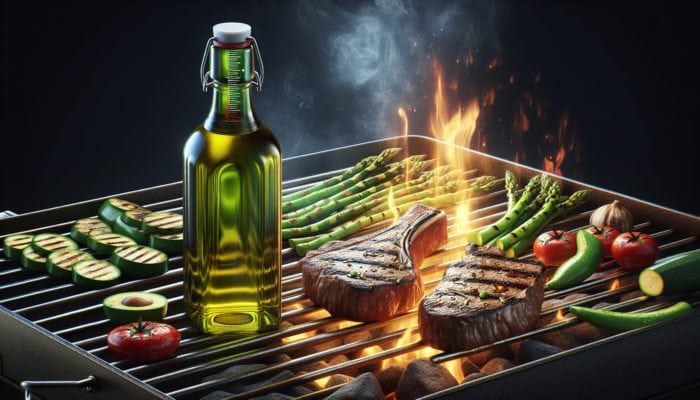
Category: Grilling Tips

  • BBQ Mop Vinegars: Best Flavor Choices for Grilling

    BBQ Mop Vinegars: Best Flavor Choices for Grilling

    Uncover the Best Vinegars to Elevate Your BBQ Mop Recipes

    Transform Your BBQ with the Unique Flavor of Apple Cider Vinegar

    A bottle of apple cider vinegar pouring over a BBQ mop on a grill, with pork and chicken, surrounded by spices.

    Apple cider vinegar stands out as an essential ingredient in BBQ mops, renowned for its remarkable ability to blend sweetness with tanginess, effectively enhancing the flavors of various meats. The natural acidity present in apple cider vinegar not only elevates the taste but also aids in tenderizing the meat, making it particularly effective for succulent cuts such as pork shoulder and chicken thighs. By incorporating apple cider vinegar into your BBQ mop, you will find that its sweetness pairs beautifully with the smoky flavors typically associated with grilled meats. This vinegar is especially compatible with spices like paprika, garlic powder, and black pepper, creating a rich flavor profile that delights the palate.

    Maximize the benefits of apple cider vinegar by crafting a mop sauce that complements your existing rub or marinade. For instance, combining equal parts of apple cider vinegar and water with a splash of mustard results in a balanced base that enhances the meat’s natural flavors. Furthermore, this vinegar works harmoniously with various wood chips used in smoking meats, intensifying the inherent sweetness imparted during the smoking process. Remember, applying just the right amount is crucial; a light touch can elevate your BBQ without overpowering its flavors.

    Enhance Your BBQ Mops with the Sharpness of White Distilled Vinegar

    white distilled vinegar is a favorite among BBQ enthusiasts, celebrated for its sharp and clean taste that effectively cuts through the richness of fatty meats. The high acidity level of this vinegar serves as a powerful tenderizer, breaking down meat fibers to ensure deliciously juicy and flavorful results. It is particularly advantageous for tougher cuts, such as beef brisket and pork ribs, where a bold flavor is desired. The crisp taste of white vinegar also provides a refreshing contrast when paired with rich sauces or marinades.

    Create a dynamic mop sauce using white distilled vinegar by mixing it with a variety of herbs and spices to develop a well-rounded flavor. For example, blending white vinegar with olive oil, Worcestershire sauce, and a dash of cayenne pepper can yield a zesty mop that maintains the meat’s moisture while delivering a flavor punch. It is advisable to apply this vinegar-based mop every 30 minutes during the cooking process; this will help maintain moisture without making the meat soggy. The final result will be a beautifully caramelized crust encasing a tender and flavorful interior that everyone will enjoy.

    Elevate Your BBQ with the Richness of Balsamic Vinegar

    Balsamic vinegar introduces a rich and complex flavor, adding a delightful twist to BBQ mops. Its thicker consistency and subtle sweetness make it an excellent choice for enhancing grilled meats, particularly when a sweet and tangy glaze is desired for dishes like chicken or steak. Balsamic vinegar shines when used towards the end of the cooking process, allowing its flavors to emerge without the risk of burning.

    For an indulgent mop sauce, mix balsamic vinegar with honey, Dijon mustard, and minced garlic. This unique combination creates a syrupy glaze that not only intensifies the flavor of the meat but also results in a stunning finish as it caramelizes during cooking. The versatility of balsamic vinegar allows it to pair beautifully with grilled vegetables, making it an exceptional all-purpose BBQ mop that can elevate any meal.

    Experience the Bold and Fruity Flavor of Red Wine Vinegar in BBQ

    A bottle of bold, fruity red wine vinegar used to mop lamb and beef at a BBQ, enhancing flavors.

    Red wine vinegar is well-known for its robust, fruity flavor that complements a wide range of grilled foods. Its slightly acidic nature enhances the natural flavors of meats, particularly rich cuts like lamb or beef, adding an element of sophistication to your BBQ dishes. The complex notes present in red wine vinegar can elevate your BBQ experience, introducing a touch of elegance to your meal. The acidity not only aids in tenderizing the meat but also contributes a unique flavor dimension.

    To create a red wine vinegar mop sauce, simply combine equal parts of vinegar with olive oil, fresh herbs, and spices. Incorporating ingredients such as rosemary, thyme, or even chili flakes can yield an aromatic mop that enhances the essence of your BBQ. When using red wine vinegar, it is best to apply it just before serving, allowing the flavors to meld without overpowering the meat. This method ensures that the vibrant notes of the vinegar shine through, delighting your guests with each delicious bite.

    Explore the Subtle Flavors of Rice Vinegar in Your BBQ Mops

    Rice vinegar is often overlooked in BBQ applications due to its milder and slightly sweet flavor. This gentle vinegar is perfect for delicate meats like chicken and seafood, where stronger vinegars might overshadow the dish. The soft acidity of rice vinegar effectively tenderizes while maintaining a harmonious flavor balance, making it an excellent choice for lighter BBQ options.

    When crafting a rice vinegar-based mop, consider mixing it with sesame oil, ginger, and scallions for an Asian-inspired twist. This combination not only enhances the taste but also adds an aromatic quality that pairs beautifully with grilled fish or chicken. Use rice vinegar in smaller amounts, especially during high-temperature cooking, to avoid overpowering the meat. This gentle approach ensures that the natural flavors of your ingredients take center stage, creating a delightful BBQ experience that everyone will appreciate.

    Maximize Flavor Potential with Vinegars in BBQ Mops

    Determining the Perfect Vinegar-to-Liquid Ratio for BBQ Mops

    Chef experimenting with BBQ mop sauce, adjusting vinegar ratios with various ingredients.

    Finding the ideal balance of vinegar in your BBQ mop is crucial for creating a well-rounded flavor profile. A general guideline suggests using a ratio of 1 part vinegar to 3 parts liquid (such as water or broth), although this can vary based on personal preference and the type of vinegar employed. Experimenting with different ratios can lead to exciting culinary outcomes, enhancing the overall taste while ensuring the meat remains tender.

    For example, when using a potent vinegar like white distilled vinegar, you may prefer a higher liquid-to-vinegar ratio to soften its sharpness. In contrast, when working with milder options like rice vinegar, you can afford a closer ratio that allows the delicate flavors to shine. Additionally, incorporating other elements such as oils, spices, or even fruit juices can create a more complex and inviting mop sauce that will impress your guests.

    Keep a record of your experiments! Taking notes on the vinegar ratios and additional ingredients can help you refine your technique over time. The goal is to craft a mop that enhances the meat, elevates the barbecue experience, and satisfies your palate. Remember, the best mop ratio is the one that aligns with your taste while highlighting the natural flavors of your BBQ.

    Optimal Frequency for Applying BBQ Mop During Cooking

    Timing is essential when it comes to applying your BBQ mop. Ideally, you should apply the mop every 30 minutes throughout the cooking process. This frequency helps maintain moisture and flavor without causing the meat to become soggy. Regular application ensures that the flavors penetrate the meat, resulting in a deliciously seasoned crust that everyone will love.

    However, keep in mind that timing can vary depending on cooking methods and the type of meat being used. For example, when smoking a brisket or ribs, you may want to apply the mop more frequently during the first half of the cooking process to build up layers of flavor. In contrast, when grilling delicate meats such as fish or chicken, you might choose to apply less often to avoid overwhelming the dish with excess moisture.

    It is also crucial to monitor the cooking temperature and the nature of the mop you are using. Some mops, especially those containing higher sugar content, can caramelize and burn if applied too often or too late in the cooking process. Make adjustments based on your cooking style and desired results. Ultimately, well-timed application of your BBQ mop will contribute to a juicy, flavorful outcome that will impress your guests.

    Guidelines for Safely Reusing BBQ Mops for Future Cooking Sessions

    The discussion around reusing BBQ mops can spark debate among grilling enthusiasts. While it is possible to reuse your mop sauce if it has been properly cleaned and stored, many experts recommend using a fresh mop for each cooking session. The primary concern with reusing mop sauces is the potential for cross-contamination, especially if raw meats have been involved.

    If you choose to reuse a mop, ensure it has been thoroughly sanitized and is free from any raw meat residues. Storing leftover mop sauce in the refrigerator can extend its life, but it is essential to use it within a few days to maintain freshness and flavor. If there is any doubt about its safety or quality, it is best to prepare a new batch.

    For optimal results, consider making just enough mop sauce for each cooking session. This method not only reduces waste but also guarantees that you are using the freshest ingredients, enhancing the flavor and overall experience of your BBQ. Ultimately, while reusing BBQ mops is feasible, prioritizing freshness will yield superior results.

    Expert Recommendations for Choosing the Best Vinegars for BBQ Mops

    Recommendations from BBQ Experts for Optimal Flavorful Vinegars

    When it comes to BBQ mops, experts suggest a variety of vinegars, each offering unique advantages tailored to different meats and cooking styles. For instance, many pitmasters advocate for apple cider vinegar due to its perfect balance of sweetness and acidity, making it an ideal choice for pork and chicken. Its ability to tenderize while enhancing flavors is why it’s often a go-to choice among BBQ aficionados.

    Another popular choice among BBQ enthusiasts is white distilled vinegar, which is favored for its sharpness that effectively cuts through the richness of fatty meats. This vinegar is particularly effective when applied to brisket or ribs, where a bolder flavor is desired. The versatility of white vinegar enables it to be seamlessly mixed with various herbs and spices, resulting in a dynamic mop sauce that significantly elevates the BBQ experience.

    Experts also highlight balsamic vinegar as an exceptional option for those looking to add a touch of sweetness and complexity to their BBQ. Its thicker consistency makes it a fantastic base for glaze-like mop sauces that caramelize beautifully during cooking. Combining balsamic with fresh herbs and honey creates a luxurious mop that enhances the flavor of grilled meats, making it a favorite among chefs.

    Ultimately, the best vinegar for your BBQ mop will depend on your personal taste preferences and the specific meats you’re working with. Don’t hesitate to experiment with different types to discover your perfect balance, and enjoy the process of enhancing your BBQ dishes.

    Expert Techniques for Preparing Mop Sauces for Maximum Flavor

    Experts in the BBQ community often have unique methods for preparing mop sauces that ensure they enhance the flavor of the meat without overpowering it. A common practice starts with a base of vinegar, typically around 1 cup, and mixing it with complementary ingredients, such as water or broth, to create a balanced sauce. This dilution helps to mellow the vinegar’s sharpness while still leveraging its tenderizing qualities.

    Additionally, many experts incorporate a variety of spices and seasonings, ranging from black pepper and paprika to garlic powder or onion powder. These elements not only add depth but also create a flavor profile that complements the type of meat being cooked. For instance, a mop for pork might include sage and thyme, while a chicken mop could benefit from rosemary and citrus zest.

    The method of application is equally crucial. Experts recommend using a dedicated mop brush, which allows for a more even distribution of the sauce across the surface of the meat. They also emphasize the importance of timing; applying the mop sauce at different stages of cooking can yield distinct flavor profiles. Starting with a base layer early and finishing with a glaze at the end can enhance both flavor and presentation.

    By adhering to these expert techniques, you can elevate your BBQ game and achieve deliciously tender, flavorful results that impress family and friends.

    Essential Tips from Experts to Enhance the Flavor of Your BBQ Mops

    Enhancing the flavor of your BBQ mops requires a strategic approach, as shared by BBQ experts. One of the top tips is to always balance the acidity of the vinegar with other ingredients. Pairing vinegar with elements like sugar, honey, or even fruit juices can create a harmonious blend that not only enhances flavor but also tempers the vinegar’s sharpness, making it more palatable.

    Additionally, experts recommend allowing your mop sauce to sit for a while before applying it. This waiting period enables the flavors to meld, resulting in a more cohesive sauce. For example, a blend of red wine vinegar, olive oil, garlic, and fresh herbs left to steep for an hour will yield a more robust flavor than one used immediately. This infusion process can be a game-changer for achieving depth in your BBQ mop.

    Another essential tip is to consider the cooking method and type of meat. For smoking, a mop that includes a bit of oil can help keep the surface hydrated while encouraging a crispy exterior. Conversely, when grilling, a more straightforward vinegar-based mop may suffice. Experimenting with different combinations and cooking styles will help you discover what works best for your palate and preferences.

    Ultimately, the key to enhancing your BBQ mop lies in experimentation and understanding how flavors interact. By applying these expert tips, you can turn your BBQ into a flavorful masterpiece that will be the talk of the town.

    Discover the Multifaceted Benefits of Using Vinegars in BBQ Mops

    Transform Your Meat’s Flavor Profile with the Right Vinegar

    Incorporating vinegar into BBQ mops provides numerous advantages, especially in enhancing the flavor of meats. The natural acidity in vinegar assists in breaking down tough meat fibers, resulting in a more tender and juicy final product. This characteristic proves especially beneficial when working with cuts like brisket or ribs, which require longer cooking times to achieve the desired tenderness.

    Moreover, vinegar imparts a zesty tang that harmonizes beautifully with the smoky flavors developed during BBQ cooking. This unique flavor profile not only elevates the taste but also balances the richness of fatty meats. By integrating vinegar into your mop sauce, you can create complex layers of flavor that enhance the overall BBQ experience, making each bite unforgettable.

    • Tenderizes meats effectively
    • Balances rich, fatty flavors
    • Enhances smoky profiles
    • Adds a zesty, tangy touch
    • Encourages flavorful crust formation
    • Aids in moisture retention
    • Creates a complex flavor profile
    • Improves overall mouthfeel of the meat

    These numerous benefits make vinegar an invaluable ingredient in any BBQ mop, providing both flavor enhancement and functional advantages for your grilling endeavors. By utilizing vinegar wisely, you can ensure that your meats are tender, juicy, and bursting with flavor, elevating your BBQ to new heights.

    Health Benefits Associated with Incorporating Vinegar in BBQ

    Vinegar not only enhances the flavor of BBQ mops but also offers several health benefits worth noting. One of the most notable advantages is its antioxidant content, which can help combat oxidative stress and support overall health. Additionally, vinegar is known for its potential role in aiding digestion, making it a smart addition to your meals.

    Moreover, vinegar has been associated with various health benefits, such as helping regulate blood sugar levels. This can be especially beneficial for those monitoring their glucose levels while enjoying rich BBQ meals. By incorporating vinegar into your BBQ mops, you’re not only elevating flavor but also adding a nutritious element to your cooking.

    When selecting vinegar for your BBQ mop, consider its nutritional profile. For instance, apple cider vinegar is rich in vitamins and minerals, while balsamic vinegar offers a variety of polyphenols. These compounds contribute to the overall health benefits of including vinegar in your meals, allowing you to savor your BBQ while making healthier choices.

    Ultimately, the health benefits associated with vinegar provide a compelling reason to include it in your BBQ mops, as it adds both flavor and nutritional value to your culinary creations.

    How Vinegar Helps Maintain Meat Moisture During Cooking

    One of the key advantages of using vinegar in your BBQ mops is its ability to help preserve meat moisture during the cooking process. The acidity in vinegar interacts with the proteins in the meat, breaking them down and promoting a juicier texture. This is particularly advantageous for longer cooking methods such as smoking or slow roasting, where moisture retention can be a challenge.

    Incorporating vinegar into your mop sauce creates a protective layer that helps lock in moisture while simultaneously adding flavor. The combination of vinegar with other ingredients, such as broth or oils, can form a balanced solution that keeps meats succulent and flavorful. Furthermore, applying vinegar helps create a beautiful bark on your meats, enhancing both appearance and taste.

    • Enhances moisture retention
    • Promotes juicier texture
    • Creates a protective flavor layer
    • Improves appearance with a flavorful bark
    • Facilitates better absorption of spices
    • Works well with long cooking times
    • Balances flavors effectively
    • Reduces risk of drying out meat

    By using vinegar in your BBQ mops, you can ensure that your meats remain moist and flavorful throughout the cooking process, leading to an enjoyable eating experience. Whether you’re grilling or smoking, this simple ingredient can significantly enhance the overall quality of your BBQ, making it a hit at any gathering.

    Delight in These Popular Vinegar-Based BBQ Mop Recipes

    Authentic Southern BBQ Mop Recipe for Unforgettable Flavor

    The Classic Southern BBQ Mop is a cherished recipe that combines the tangy sweetness of apple cider vinegar with a blend of spices to create a flavorful mop ideal for pork and chicken. This traditional sauce is simple to prepare, making it accessible for both novice and experienced grillers alike. The key to this mop is achieving the right balance of vinegar with spices that enhance the meat’s natural flavors.

    To prepare this classic mop, combine 1 cup of apple cider vinegar, 1/2 cup of water, and a tablespoon each of salt, black pepper, and paprika in a bowl. Feel free to adjust the spice levels according to your preference; adding a splash of hot sauce or cayenne pepper can elevate the heat for those who enjoy a bit of kick. Thoroughly mix the ingredients and allow them to sit for about 30 minutes to let the flavors meld.

    When using this mop, apply it generously to your meat every 30 minutes during the cooking process. This technique not only keeps the meat moist but also builds layers of flavor that enhance the final result. The tangy essence of apple cider vinegar, combined with the warmth of spices, creates a mouthwatering experience that captures the essence of Southern BBQ, making it a crowd-pleaser.

    Key Ingredients for Crafting an Exceptional BBQ Mop

    Creating a delicious and effective vinegar-based BBQ mop requires a harmonious blend of ingredients. The essential components typically include a vinegar base, liquid for dilution, and a variety of spices for flavor enhancement. Here’s a breakdown of the key ingredients that make a great BBQ mop:

    • Vinegar: Choose your preferred type (apple cider, white, red wine, etc.) based on the meat and flavor profile you wish to achieve.
    • Liquid: Incorporate broth, water, or oil to balance the vinegar’s acidity and improve moisture retention.
    • Spices: A selection of spices such as black pepper, paprika, garlic powder, or onion powder for flavor depth.
    • Sweetener: Adding sugar, honey, or molasses can balance the acidity of vinegar and enhance browning.
    • Herbs: Fresh or dried herbs like rosemary, thyme, or parsley provide aromatic qualities that elevate the dish.
    • Heat: For those who enjoy spicy BBQ, consider incorporating chili flakes, cayenne pepper, or hot sauce.
    • Umami: Ingredients like Worcestershire sauce or soy sauce can add depth and complexity to your mop.

    By thoughtfully combining these ingredients, you can create a BBQ mop that perfectly complements your meats and enhances your grilling experience. Experimenting with different ratios and combinations will lead you to discover the flavors that resonate most with your palate, making your BBQ gatherings even more enjoyable.

    Spicy Vinegar Mop Recipe for the Heat Seekers

    For those who crave a kick in their BBQ, the Spicy Vinegar Mop is the perfect solution. This recipe combines the tang of vinegar with the heat of hot peppers, resulting in a bold mop that adds excitement to any meat. Ideal for spice enthusiasts, this mop is straightforward to prepare and can be adjusted to suit varying heat preferences.

    To create this spicy concoction, start with 1 cup of white distilled vinegar and add a finely chopped jalapeño or habanero pepper, depending on your desired level of heat. Mix in 1 tablespoon of sugar to balance the vinegar’s acidity and enhance the overall flavor. Incorporating spices like garlic powder and black pepper will round out the flavor profile, while a splash of hot sauce can intensify the kick.

    Apply this mop sauce generously to meats every 30 minutes during cooking. The spicy infusion not only keeps the meat moist but also creates a delightful bark that caramelizes beautifully. This mop is particularly effective on ribs, chicken wings, and even brisket, bringing a fiery touch to your BBQ that will keep guests coming back for more.

    Strategies for Selecting the Right Vinegar for Your BBQ Mop

    Identifying Your Desired Flavor Profile

    When it comes to selecting the right vinegar for your BBQ mop, determining the flavor profile you want to achieve is paramount. Different vinegars impart unique characteristics that can either enhance or overpower your meat’s natural flavors. For instance, if you’re aiming for a sweet and tangy profile, apple cider vinegar is an excellent choice. Its natural sweetness pairs well with pork and chicken, creating a balanced flavor.

    If you’re looking for something sharper, white distilled vinegar provides a bold kick that can cut through the richness of fatty meats. This vinegar works particularly well with beef brisket or ribs, where a bolder flavor is desired. On the other hand, if you want to introduce depth and complexity, balsamic vinegar offers a rich sweetness that enhances grilled vegetables and meats alike.

    By considering the types of meats you plan to cook and the flavors you wish to highlight, you can make informed decisions about which vinegar to use. Keep in mind that the right choice can elevate your BBQ experience, creating dishes that are not only flavorful but also memorable. Don’t hesitate to experiment with different vinegars to discover what resonates best with your palate, enhancing your culinary adventures.

    The Impact of Vinegar Acidity on Your BBQ Mop

    The acidity level of vinegar plays a crucial role in the effectiveness of your BBQ mop. Vinegars with higher acidity, such as white distilled vinegar, are potent tenderizers that can help break down tough meat fibers, resulting in a more tender texture. However, if used excessively, they can overwhelm the dish, leading to an overly sour taste that detracts from the overall enjoyment.

    Conversely, milder vinegars, like rice vinegar, offer a gentler touch that can enhance delicate meats without overpowering their natural flavors. These vinegars are perfect for lighter proteins like seafood or chicken, where a subtler flavor is desired. It’s essential to choose a vinegar that complements the specific meat and cooking method you’re employing to achieve the best results.

    Understanding the acidity levels of different vinegars will enable you to create a well-balanced mop that tenderizes and flavors the meat without compromising its integrity. Experimenting with varying acidity levels can help you achieve the perfect balance for your BBQ, ensuring that every bite is flavorful and enjoyable.

    Mixing Different Types of Vinegars for Enhanced Flavor

    Mixing different vinegars can create a complex flavor profile for your BBQ mop, allowing you to tailor the sauce to your specific taste preferences. Combining vinegars, such as apple cider and red wine vinegar, can yield a unique blend that incorporates both sweetness and acidity, enhancing the overall flavor of your meat.

    When mixing vinegars, consider the flavor components of each type. For example, blending a mild vinegar like rice vinegar with a more robust option like balsamic can create a balanced mop that allows the subtleties of both to shine. This technique is particularly useful when you want to achieve depth without overwhelming the dish with one dominant flavor.

    Experimenting with different combinations can lead to exciting discoveries in flavor and texture. Keep in mind that the goal is to create a harmonious blend that enhances the meat’s natural flavors while adding a unique twist. Don’t be afraid to try different ratios and combinations to find what works best for your BBQ style and preferences.

    Practical Strategies for Choosing the Best Vinegars for BBQ Mops

    Optimal Storage Techniques for Vinegars

    Proper storage of vinegar is essential to maintain its quality and effectiveness in BBQ mops. Vinegar should be stored in a cool, dark place away from direct sunlight, which can degrade its flavor and potency over time. Glass bottles are preferred, as they do not react with the acidic nature of vinegar, unlike some plastic containers that may leach harmful chemicals.

    Once opened, vinegar should be tightly sealed to prevent exposure to air, which can lead to oxidation and spoilage. For best results, consider transferring larger containers into smaller ones for daily use, as this reduces the frequency of exposure to air. Furthermore, periodically check for any signs of sediment or changes in aroma, as these can indicate that the vinegar is past its prime.

    By following these storage strategies, you can extend the shelf life of your vinegar and ensure that it remains a reliable ingredient in your BBQ mops. Maintaining vinegar’s quality will ultimately contribute to the success of your grilling endeavors, allowing you to achieve consistently flavorful results that impress your guests.

    Best Practices for Applying Mops to Maximize Flavor

    Applying vinegar-based BBQ mops effectively is key to achieving juicy, flavorful results. One of the best practices is to use a dedicated mop brush or spray bottle, which provides an even distribution across the surface of the meat. This technique allows for thorough coating, ensuring that every bite is infused with flavor and moisture.

    Timing is also crucial; aim to apply the mop every 30 minutes during the cooking process. This regular application helps to keep the meat moist while building layers of flavor. However, be mindful of the sugar content in some mops, as applying too late can lead to burning. Ideally, start with a base layer early in the cooking and finish with a lighter application just before serving to achieve the best results.

    Additionally, when applying your mop, use a gentle hand. Over-saturating the meat can lead to sogginess, while too little application may result in missed flavor opportunities. Finding the right balance is essential for achieving an ideal texture and taste. By adhering to these best practices, you can elevate your BBQ to new heights of flavor and tenderness that your guests will rave about.

    Pairing Vinegars with Specific Types of Meats for Optimal Results

    Pairing the right vinegar with specific meats can significantly enhance your BBQ experience. For example, apple cider vinegar is often recommended for pork due to its sweet and tangy notes, which complement the richness of the meat beautifully. Meanwhile, white distilled vinegar is ideal for fatty cuts like brisket, where its sharpness can cut through the richness, providing balance and flavor contrast.

    For chicken, both rice vinegar and balsamic vinegar work well; rice vinegar introduces a mild sweetness, while balsamic adds depth and complexity that enhances the overall dish. On the other hand, red wine vinegar pairs beautifully with lamb and beef, offering a robust flavor that enhances the natural richness of these meats.

    When crafting your BBQ mop, consider not just the meat but also the cooking method. Grilling and smoking require different approaches; for grilling, a lighter mop is often sufficient, while smoking may benefit from more robust flavors and more frequent applications. By understanding which vinegars best complement your chosen meats, you can create deliciously infused BBQ that keeps your guests coming back for more.

    Advantages of Using Vinegar in BBQ Mops

    The benefits of using vinegar in BBQ mops are numerous and significantly enhance your grilling experience. First and foremost, vinegar acts as a natural tenderizer, breaking down tough meat fibers and resulting in a juicy, flavorful outcome. This characteristic is particularly beneficial for cuts that require longer cooking times, such as ribs or brisket, ensuring they come out tender and delicious.

    In addition to its tenderizing properties, vinegar adds a zesty flavor that can elevate the overall taste of your BBQ. The acidity complements the smokiness of grilled meats, creating a well-rounded flavor profile that excites the palate. Furthermore, vinegar helps to retain moisture during cooking, ensuring that your meat remains succulent and flavorful throughout the process.

    • Tenderizes tough cuts of meat
    • Adds a zesty, tangy flavor
    • Enhances the natural smokiness of BBQ
    • Helps retain moisture during cooking
    • Facilitates a beautifully caramelized crust
    • Improves overall flavor profile
    • Balances richness in fatty meats
    • Contributes to a more enjoyable BBQ experience

    By incorporating vinegar into your BBQ mops, you can enjoy these advantages, making your grilling endeavors more successful and flavorful. This simple yet powerful ingredient is a must-have for any BBQ enthusiast looking to elevate their dishes.

    Avoid These Common Mistakes When Using Vinegar in BBQ Mops

    Overusing Vinegar in Your BBQ Mop

    One of the most prevalent mistakes when using vinegar in BBQ mops is over-application. Utilizing too much vinegar can overpower the meat’s flavor, creating an overly acidic profile that detracts from the overall eating experience. It’s essential to find the right balance; starting with a smaller quantity and gradually adjusting based on taste is a wise approach to creating a flavorful mop.

    For instance, if you’re using a strong vinegar like white distilled vinegar, consider diluting it with water or broth to soften its intensity. A general rule of thumb is to maintain a ratio of 1 part vinegar to 3 parts liquid as a baseline guideline. This method helps keep the vinegar’s acidity in check while still providing the tenderizing and flavor-enhancing benefits that make it a valuable ingredient.

    As you experiment with different mops, keep track of the amounts used and taste the results. This practice will help you refine your technique and avoid overwhelming the dish with excessive acidity. Ultimately, moderation is key; your goal is to enhance the meat’s natural flavors without masking them.

    Failing to Achieve a Balanced Flavor in Your Mop Sauce

    Another common pitfall when creating BBQ mops is failing to achieve a balanced flavor profile. An unbalanced mop can result in an overpowering taste that detracts from the meat’s inherent flavors. It’s crucial to ensure that all ingredients work together harmoniously rather than competing for attention.

    To avoid this mistake, consider the primary flavors you want to highlight in your mop. If using a strong vinegar, ensure that you incorporate complementary ingredients, such as sweeteners or spices, to create a well-rounded sauce. For example, pairing apple cider vinegar with a bit of brown sugar can provide a delightful counterbalance, enhancing the overall flavor profile.

    Additionally, don’t hesitate to taste your mop sauce before applying it. This practice allows you to make adjustments as needed, ensuring that your final product is balanced and flavorful. By taking the time to achieve flavor harmony, you’ll create a BBQ mop that elevates the entire grilling experience, leading to satisfied friends and family.

    The Importance of Timing in Mop Application

    Timing is critical when it comes to applying BBQ mops. Ignoring the cooking time can lead to unsatisfactory results; applying the mop too early or too late can impact the meat’s tenderness and flavor. For instance, applying a mop with high sugar content too late in the cooking process can result in burning, while applying it too early can lead to an overly soggy texture that detracts from the BBQ experience.

    The ideal strategy is to start applying your mop during the first half of the cooking process, allowing the flavors to penetrate the meat, while saving thicker mops for the final stages. This approach helps create a beautifully caramelized exterior while ensuring that the meat remains moist and flavorful throughout. Additionally, consider the specific cooking method you’re using—whether grilling or smoking—as this can dictate the timing of your mop applications.

    Keeping a close eye on the cooking process and adjusting your mop application timing accordingly will lead to better results and a more enjoyable BBQ experience that everyone will remember.

    Where to Source the Finest Vinegars for Your BBQ Mops

    Discover Unique Vinegar Options at Specialty Food Stores

    When searching for the best vinegars for BBQ mops, specialty food stores are often excellent places to explore. These stores frequently carry a diverse range of high-quality vinegars, providing options that go beyond the standard grocery selections. Here, you can find unique flavors, such as fruit-infused vinegars, artisanal balsamic options, and specialty rice vinegars that can elevate your BBQ dishes.

    One of the benefits of shopping at specialty food stores is the opportunity to discover local or regional brands that prioritize quality and craft. These products often feature rich flavors and unique profiles that can significantly enhance your BBQ mops. Additionally, staff members at these stores are usually knowledgeable about their products and can offer recommendations based on your preferences and cooking style.

    By visiting these stores, you can take your time to sample different vinegars, enabling you to find the perfect fit for your BBQ needs. Whether you’re looking for something classic or adventurous, specialty food stores are a treasure trove for discovering exceptional vinegars that will make your BBQ unforgettable.

    Key Considerations When Selecting Vinegar

    When selecting vinegar for your BBQ mop, several factors come into play to ensure you choose the best product for your culinary needs. First and foremost, consider the acidity level. A vinegar with a balanced acidity can effectively tenderize meats without overwhelming their natural flavors. For stronger meats, like beef or lamb, a higher acidity level can be beneficial, while milder meats like chicken may fare better with a gentler vinegar.

    The flavor profile is equally important. Choose a vinegar that complements the flavor of the meat you intend to cook. For instance, if you’re working with pork, apple cider vinegar is an excellent option, while red wine vinegar pairs beautifully with beef or lamb. Understanding how different vinegars enhance various dishes will lead to better BBQ results and a more enjoyable cooking experience.

    Finally, consider the quality of the vinegar. Opt for products that are made with natural ingredients and minimal additives. Organic options often provide richer flavors and better overall quality. By keeping these factors in mind, you can select a vinegar that truly enhances your BBQ mops and creates delicious results that impress everyone.

    The Convenience of Online Retail for Vinegar Shopping

    Online retailers are a convenient option for purchasing a variety of vinegars for your BBQ mops. With just a few clicks, you can explore numerous brands and flavors, often with the added benefit of customer reviews to guide your choices. Websites like Amazon, Thrive Market, and Specialty Food Distributors offer extensive selections, allowing you to find everything from classic vinegars to artisanal varieties that add flair to your BBQ.

    One of the advantages of shopping online is the ability to compare prices across different brands, ensuring that you get the best value for your money. Additionally, many online retailers provide detailed product descriptions and ingredient lists, helping you make informed decisions based on your personal preferences and dietary needs. Shopping online can also save you time, making it easier to stock up on your favorite vinegars from the comfort of your home.

    • Amazon
    • Thrive Market
    • Specialty Food Distributors
    • Local Farm Markets’ Online Platforms
    • Gourmet Food Websites
    • Online Specialty Food Stores
    • Direct from Artisan Producers
    • Subscription Boxes for BBQ Essentials

    By leveraging online retailers, you can access a world of vinegar options that may not be available in your local stores, significantly enhancing your BBQ experience and culinary adventures.

    Frequently Asked Questions About BBQ Mops and Vinegars

    What is the best vinegar for BBQ mops?

    The best vinegar for BBQ mops varies by preference and meat type; apple cider vinegar is popular for its balance of sweetness and acidity, while white distilled vinegar is favored for its sharpness. Choose based on your desired flavor profile and the specific meats you are cooking.

    How often should I apply my BBQ mop?

    Apply your BBQ mop every 30 minutes during cooking. This frequency maintains moisture and builds layers of flavor without making the meat soggy, ensuring delicious results.

    Can I reuse BBQ mop sauce?

    While you can reuse BBQ mop sauce if cleaned properly, it’s best to use a fresh batch for each cooking session to avoid cross-contamination and ensure optimal flavor.

    What is the ideal vinegar-to-liquid ratio for a BBQ mop?

    A common guideline is to use a ratio of 1 part vinegar to 3 parts liquid (like water or broth). Adjust based on personal taste preferences and the type of vinegar used for optimal results.

    Can I mix different types of vinegars?

    Yes, mixing different vinegars can create a complex flavor profile for your BBQ mop. Experimenting with various combinations can yield exciting results that enhance your dishes.

    How do I store vinegar for BBQ mops?

    Store vinegar in a cool, dark place in a sealed glass container to maintain its quality. Avoid exposure to air or sunlight to prevent degradation of flavor and potency, ensuring your vinegars remain effective.

    What are the benefits of using vinegar in BBQ mops?

    Vinegar tenderizes meat, adds a zesty flavor, enhances moisture retention, and helps create a beautifully caramelized crust, resulting in a more flavorful and enjoyable BBQ experience for all.

    What are some common mistakes to avoid when using vinegar in BBQ mops?

    Common mistakes include using too much vinegar, failing to balance flavors, and ignoring cooking time. These issues can lead to overly acidic or unbalanced flavors in your BBQ dishes.

    How do I choose the right vinegar for my BBQ mop?

    Consider the acidity level, flavor profile, and quality of the vinegar. Choose a vinegar that complements the type of meat you’re cooking and enhances the overall flavor, ensuring a delightful BBQ experience.

    Where can I buy the best vinegars for BBQ mops?

    You can find high-quality vinegars at specialty food stores, online retailers, and local farm markets. Exploring various options will help you discover unique flavors to enhance your BBQ mops and culinary creations.

    Connect with us on Facebook!

    The Article Best Vinegars for BBQ Mops: Top Picks for Flavor appeared first on https://pitmastersarsenal.com

    The Article Vinegars for BBQ Mops: Top Flavor Picks to Enhance Grilling Was Found On https://limitsofstrategy.com


  • AI for BBQ Meat Trimming: The Essential Guide for Grilling in the US

    AI for BBQ Meat Trimming: The Essential Guide for Grilling in the US

    Unlock the Full Potential of AI for Perfect BBQ Meat Trimming

    Exploring the Impact of AI on Meat Trimming Processes

    A robotic arm using AI to trim fat from meat on a modern grill with digital displays.

    AI meat trimming is transforming the way BBQ enthusiasts prepare and showcase their meats, introducing an unprecedented level of precision and efficiency that was previously unimaginable. This innovative technology employs machine learning algorithms and computer vision to meticulously evaluate various cuts of meat, ensuring that each slice is not only uniform but also expertly crafted. The ability of AI to consistently eliminate excess fat and undesirable connective tissues allows BBQ lovers to savor results that are visually stunning and enhance the flavors of their culinary creations. By streamlining the preparation process, AI meat trimming significantly elevates the quality of BBQ offerings, turning every meal into a delightful culinary adventure.

    Tracing the Evolution of AI in American BBQ Culture

    The incorporation of AI into BBQ meat trimming narrates a fascinating and evolving story within the United States, characterized by notable milestones that showcase its technological advancements. From its modest beginnings, the progression of AI in BBQ exemplifies a distinctive blend of tradition and innovation. Key milestones in this intriguing evolution include:

    • Early 2000s: Initial explorations into automation within meat processing began.
    • 2010: The introduction of basic AI algorithms for meat analysis at select BBQ competitions.
    • 2015: The emergence of advanced AI systems capable of real-time adjustments in meat trimming.
    • 2020: Widespread adoption of AI tools by competitive BBQ teams, leading to marked improvements in their success rates.
    • 2023: The debut of user-friendly AI trimming devices, making this cutting-edge technology accessible to home BBQ enthusiasts.

    These milestones underscore the remarkable transformation of AI from niche applications to an integral element of contemporary BBQ culture across the United States.

    Discovering the Advantages of AI for BBQ Aficionados

    The implementation of AI trimming tools brings an array of compelling benefits that significantly enhance both the preparation process and the final presentation of BBQ dishes. These state-of-the-art tools not only save considerable time but also guarantee optimal outcomes, allowing pitmasters to concentrate on their culinary techniques and flavor craftsmanship. The primary advantages of incorporating AI into BBQ meat trimming include:

    • Time Savings: AI systems can swiftly process and trim large cuts of meat, dramatically reducing preparation time.
    • Consistency: AI ensures uniform trimming across various cuts, guaranteeing that every piece of meat adheres to high standards.
    • Reduced Waste: AI technology minimizes unnecessary fat removal, preserving more meat and decreasing environmental impact.
    • Enhanced Flavor: With precise trimming, meats achieve optimal fat distribution, enriching the overall taste experience.

    By embracing AI in their meat trimming practices, BBQ enthusiasts can elevate their craft while reaping the practical benefits of modern technology.

    Identifying the Best AI Tools and Software for Efficient BBQ Meat Trimming

    Futuristic BBQ setup with AI tools like SmartTrim Pro and AutoButcher 3000 for precise meat trimming, showing real-time feedback on digital interfaces in a smoky outdoor environment.

    A wide range of AI-powered tools and software has been designed to support BBQ enthusiasts in their meat trimming endeavors. These tools vary from handheld devices to fully integrated systems, significantly boosting the efficiency and effectiveness of meat preparation. Devices such as the SmartTrim Pro and AutoButcher 3000 apply AI algorithms to analyze meat cuts and provide real-time feedback, guiding users towards achieving the best possible results. With customizable settings that adapt to individual preferences, BBQ lovers can refine their trimming techniques to align with their unique styles and desired outcomes.

    Anticipating Future Innovations in AI BBQ Meat Trimming

    The horizon of AI in BBQ meat trimming is set for thrilling advancements that promise to further revolutionize the industry. As machine learning continues to evolve, AI systems will adapt based on user preferences and historical data, enabling real-time modifications tailored to individual tastes. Innovations in sensor technology will enhance feedback on meat quality, aiding users in making informed decisions throughout the trimming process. Furthermore, the rising trend of personalized AI solutions indicates that BBQ enthusiasts can expect tools that cater to their unique cooking styles, ultimately enriching their BBQ experience.

    Understanding the Operational Mechanisms of AI Meat Trimming

    Technologies Powering AI Trimming Systems

    High-resolution cameras and computer vision analyze meat, machine learning determines precise AI trimming strategies.

    AI meat trimming systems rely on a convergence of advanced technologies to achieve remarkable precision. Computer vision plays a crucial role, enabling AI to “see” and analyze the intricate structure of meat. By utilizing high-resolution cameras, these systems can pinpoint the ideal locations for trimming fat and eliminating connective tissue. machine learning algorithms then process this visual data, training the AI to identify various meat cuts and devise the most effective trimming strategies. This technological foundation empowers BBQ enthusiasts to attain levels of accuracy and efficiency that manual methods simply cannot replicate.

    Step-by-Step Breakdown of the AI Trimming Process

    The AI trimming process follows a systematic approach that incorporates scanning, analysis, and execution to ensure flawless cuts every time. Initially, the meat undergoes scanning using advanced imaging technology, capturing detailed information about its composition. Following this, the AI analyzes the data, pinpointing areas with excess fat or unwanted connective tissue. Based on this analysis, the system devises a precise trimming plan. Finally, the AI executes the cuts with a level of accuracy that often surpasses traditional manual trimming. This method not only saves time but also minimizes the likelihood of errors, empowering BBQ enthusiasts to enhance their craft.

    Comparing Manual Trimming with AI Enhancements

    When contrasting manual trimming with AI-enhanced methods, the differences in efficiency and precision become glaringly obvious. While manual trimming demands a skilled hand and can be time-consuming, AI offers speed and accuracy that significantly streamline the process. For example, a seasoned pitmaster may invest a considerable amount of time achieving the desired cut, relying heavily on their experience and intuition. In contrast, AI systems can execute the same task in a fraction of the time, ensuring consistency across multiple cuts. However, some enthusiasts argue that manual trimming provides a personal touch, allowing for instinctive adjustments that AI cannot replicate. Ultimately, the choice between manual and AI trimming often hinges on individual preferences and the specific goals of BBQ enthusiasts.

    Expert Insights on Maximizing AI in BBQ Meat Trimming

    Perspectives from Leading BBQ Professionals on AI Trimming

    Prominent BBQ chefs are increasingly embracing AI trimming, acknowledging its potential to elevate their craft and enhance operational efficiency. Many professionals express that AI technology enables them to concentrate on flavor and presentation rather than labor-intensive trimming tasks. For instance, renowned chef Chris Lilly, a multi-time BBQ champion, shares how AI has transformed his preparation process. “With AI, I can ensure my meats are consistently trimmed to perfection, allowing me to devote more time to developing unique flavor profiles and experimenting with new recipes.” Other chefs resonate with this sentiment, emphasizing that AI trimming not only streamlines their workflow but also significantly contributes to the overall quality of their BBQ presentations.

    The Transformative Impact of AI Trimming on BBQ Competitions

    AI trimming is making a notable difference in the competitive BBQ arena, where precision can greatly influence scores. Given that BBQ competitions emphasize presentation and consistency, many teams have begun to adopt AI technology to gain a competitive advantage. Reports from recent competitions indicate that teams utilizing AI trimming tools have experienced significant improvements in their final results. For example, at the 2022 American Royal BBQ Competition, several leading teams employed AI to ensure their meat presentations were impeccable, resulting in higher scores from judges. The integration of AI into BBQ competitions not only highlights its effectiveness but also signals a shift in how traditional techniques can harmoniously coexist with modern innovations.

    Emerging Trends in AI BBQ Technology

    Experts predict that the future of AI in BBQ will showcase even greater integration and innovation. As AI technology continues to advance, BBQ enthusiasts can look forward to enhancements focusing on flavor optimization and improvements in automation. For instance, AI may soon propose specific seasoning or marinating techniques tailored to the meat cut and desired flavor profiles. Additionally, the potential for real-time feedback during the cooking process could yield even better outcomes, as AI systems adjust cooking parameters based on the meat’s progress. This level of integration is likely to push the boundaries of traditional BBQ, allowing enthusiasts to explore exciting new culinary possibilities.

    Identifying the Premier AI Trimming Tools for BBQ

    Top-Rated AI Trimming Devices to Consider

    When selecting AI trimming devices, several top-rated options stand out for their precision and user-friendliness. Among these, the SmartTrim Pro and AutoButcher 3000 have garnered substantial acclaim for their advanced features tailored specifically for BBQ enthusiasts. The SmartTrim Pro boasts a sleek interface that enables users to easily customize trimming parameters, while the AutoButcher 3000 is celebrated for its high-speed cutting capabilities, making it ideal for busy pitmasters. Both devices incorporate sophisticated sensors that ensure optimal performance, making them favorites among both hobbyists and professionals alike.

    Comparing the Features of Leading AI Trimming Tools

    When selecting an AI trimming tool, several vital features should be evaluated to ensure you find the perfect match for your BBQ requirements. Important aspects to consider include:

    • Speed: The rate at which the device can complete cuts.
    • Accuracy: The precision maintained throughout the trimming process.
    • User Interface: The ease of use and controls for customization.
    • Portability: Whether the device is easy to transport for competitions.

    Taking these features into account will assist BBQ enthusiasts in selecting the best AI trimming tool tailored to their preferences and cooking style.

    Insights from Users on AI Trimming Tools

    Customer feedback surrounding AI trimming tools frequently emphasizes the consistency and time-saving advantages these devices offer. Users commend tools like the SmartTrim Pro for transforming their BBQ preparation by delivering uniform cuts that enhance both cooking time and presentation quality. Many reviews highlight specific models that are well-suited for home use, praising their affordability and user-friendly operation. For instance, one user noted that since acquiring their AutoButcher 3000, they have reduced their meat preparation time by over 30%, thereby allowing for greater creativity with flavors and techniques. Overall, positive reviews reflect a growing trend towards embracing AI technology among BBQ enthusiasts.

    Understanding the Cost and Value of AI Trimming Tools

    Assessing the cost-effectiveness of AI trimming tools is essential for BBQ enthusiasts contemplating an investment. Prices for these devices can vary significantly based on features and capabilities, ranging from budget-friendly handheld models to more sophisticated systems that may cost several thousand dollars. However, the value they provide often justifies the expense, as the time savings and enhanced meat quality can greatly enrich the overall BBQ experience. Numerous users report that, despite the initial investment, the reduction in waste and improved consistency quickly result in long-term savings, making AI trimming tools a worthy consideration for serious BBQ aficionados.

    Enhancing BBQ Meat Quality Through AI Technology

    The Role of Precision Trimming in Flavor Enhancement

    AI trimming plays a pivotal role in elevating the flavor profile of BBQ meats by ensuring precise fat distribution. Maintaining the right fat levels is crucial for flavor development during the cooking process. When meat is trimmed accurately, the optimal amount of fat remains intact, maximizing moisture and taste throughout the cooking process. This precision also prevents over-trimming, which can lead to dryness and lackluster flavors. As meats cook, the fat renders down, enriching the overall flavor profile. Enthusiasts utilizing AI trimming tools frequently notice a significant enhancement in the taste and juiciness of their BBQ dishes, marking a transformative change for dedicated pitmasters.

    Minimizing Waste Through AI Technology

    By leveraging AI technology, BBQ enthusiasts can drastically minimize waste, optimizing the utilization of every piece of meat. Traditional trimming methods often result in excessive fat and connective tissue being discarded, adversely affecting flavor and contributing to environmental waste. AI trimming systems accurately identify which areas require trimming, ensuring that only the necessary portions are removed. This approach maximizes yield from each cut while simultaneously reducing the environmental footprint associated with meat preparation. As public awareness of sustainability grows, the adoption of AI in BBQ trimming aligns seamlessly with eco-friendly practices.

    The Significance of Consistency Across Varied Meat Cuts

    One of the most significant benefits of AI trimming is its ability to maintain consistency across diverse cuts of meat. Consistency is crucial in BBQ, as uneven cuts can lead to varying cooking times and inconsistent flavor profiles. AI systems ensure that all pieces are trimmed to the same specifications, facilitating uniform cooking and presentation. This consistency is especially vital for competition BBQ, where judges assess not only flavor but also the visual appeal of the meat. By employing AI trimming tools, BBQ enthusiasts can consistently deliver exceptional quality, enhancing their reputation among peers and judges alike.

    Optimizing Cooking Temperatures with AI Technology

    AI technology can also optimize cooking temperatures, ensuring that meats are cooked to perfection, which enhances both quality and tenderness. Advanced AI systems can monitor cooking processes and adjust temperatures based on real-time feedback from sensors embedded in the cooking environment. This enables precise control, preventing both overcooking and undercooking. Consequently, the overall quality of BBQ meat improves, as accurate temperature management is critical for achieving tender, flavorful results. BBQ enthusiasts can expect substantial improvements in the quality of their meats when utilizing AI technology to monitor and regulate cooking temperatures.

    Research Insights on the Benefits of AI for BBQ Meat Trimming

    Studies Highlighting the Efficiency of AI Trimming

    Research indicates that the integration of AI trimming can drastically reduce preparation time—by as much as 50% compared to traditional manual methods. This efficiency is particularly advantageous for busy BBQ enthusiasts seeking to spend more time enjoying their craft rather than laboring over tedious trimming tasks. By adopting AI trimming into their routines, BBQ lovers can streamline their preparation processes, allowing for more experimentation and creative expression in their cooking. Whether preparing for large gatherings or cooking at home, AI trimming presents practical benefits that enhance the overall BBQ experience.

    The Impact of AI on BBQ Meat Quality

    Numerous studies have demonstrated that AI trimming can significantly enhance meat quality by ensuring optimal fat-to-meat ratios. The precision delivered by AI systems allows for careful trimming that preserves essential flavor compounds within the meat while removing only the unwanted fat. This careful balance results in a more enjoyable eating experience, as meats cooked with the right fat content tend to be juicier and more flavorful. BBQ enthusiasts who embrace AI trimming frequently report remarkable improvements in the quality of their meat, establishing it as a valuable addition to their culinary toolkit.

    Economic Advantages of AI Trimming

    Economic analyses reveal that implementing AI trimming can yield significant cost savings for BBQ businesses and enthusiasts alike. By minimizing waste through intelligent trimming techniques, BBQ establishments can maximize profits while reducing their environmental impact. Additionally, the time saved during preparation can lead to increased efficiency, allowing businesses to serve more customers without compromising quality. For BBQ enthusiasts, the return on investment can be substantial, as the enhanced flavor and quality of their meats may lead to increased sales or invitations to competitions, thus broadening their reach and influence within the BBQ community.

    Strategies for Effective Use of AI in BBQ Meat Trimming

    Integrating AI with Traditional BBQ Techniques for Optimal Results

    Integrating AI trimming into traditional BBQ techniques can offer enthusiasts a powerful advantage. By embracing these modern tools while remaining committed to classic methods, BBQ lovers can elevate their craft without sacrificing the authenticity of their cooking. For example, pitmasters can utilize AI trimming to achieve consistent cuts while still relying on their cherished seasoning or smoking techniques. Furthermore, they can leverage AI to refine their trimming process, ensuring that the meat is prepared efficiently while preserving flavor. This harmonious blend of technology and tradition enriches the overall BBQ experience.

    The Importance of Education and Training for Optimal AI Trimming

    To fully harness the benefits of AI trimming, proper training and education are crucial for BBQ enthusiasts. Understanding how to effectively utilize AI tools can lead to improved results in meat preparation. Numerous resources are available for those looking to deepen their knowledge of AI trimming, including online courses, instructional videos, and workshops. Engaging in these training opportunities allows enthusiasts to gain hands-on experience with AI tools and techniques, empowering them to successfully incorporate this technology into their BBQ routines. As awareness of AI trimming proliferates, the BBQ community can anticipate a new era of culinary innovation.

    Preserving the Art of BBQ While Embracing AI Innovations

    While the integration of AI trimming tools can enhance efficiency, maintaining the art and tradition of BBQ is an essential consideration for enthusiasts. The essence of BBQ lies in its rich heritage and storytelling through food—elements that technology cannot replicate. Therefore, BBQ enthusiasts should strive to find a balance between utilizing AI for improved efficiency and preserving the traditional aspects of the craft. Emphasizing personal touches, such as unique seasoning blends or time-honored cooking methods, can help keep the spirit of BBQ alive while benefiting from the advancements provided by AI technology.

    Regularly Evaluating AI Trimming Performance for Best Results

    To ensure that AI trimming tools function at peak performance, BBQ enthusiasts should consistently assess their accuracy and consistency. Performance evaluation can be conducted through practical tests, such as using the device on various meat cuts to determine how well it maintains uniformity. Additionally, users should monitor the output quality, comparing it against traditional methods to identify discrepancies. Feedback from competitions and peer reviews can also provide valuable insights into the effectiveness of AI trimming tools. By continually evaluating performance, enthusiasts can ensure they achieve the best possible results in their BBQ practices.

    Frequently Asked Questions About AI BBQ Meat Trimming

    What is AI meat trimming?

    AI meat trimming employs artificial intelligence to enhance trimming precision and efficiency, ensuring consistent and optimal cuts for BBQ preparation.

    How does AI improve BBQ meat quality?

    AI enhances BBQ meat quality by ensuring optimal fat distribution, reducing waste, and maintaining consistency across cuts, which leads to improved flavor and tenderness.

    What are the advantages of using AI in BBQ trimming?

    Key benefits include time savings, consistent results, reduced waste, and enhanced flavor, allowing BBQ enthusiasts to focus on creativity and technique.

    What are some popular AI trimming devices?

    Top-rated devices include the SmartTrim Pro and AutoButcher 3000, recognized for their precision and ease of use within the BBQ community.

    How can I incorporate AI trimming into my BBQ routine?

    Enthusiasts can integrate AI trimming by utilizing these tools alongside traditional methods to enhance efficiency while preserving the art of BBQ.

    Are there any drawbacks to AI meat trimming?

    While AI trimming provides precision, some enthusiasts may miss the personal touch and intuition associated with traditional manual trimming methods.

    How does AI technology function in meat trimming?

    AI technology utilizes computer vision and machine learning algorithms to analyze meat cuts, identifying the best points for trimming fat and connective tissue.

    What should I consider when selecting an AI trimming tool?

    Key features to evaluate include speed, accuracy, user interface, and portability to ensure you choose the right tool for your BBQ needs.

    Is AI trimming suitable for home BBQ enthusiasts?

    Absolutely, AI trimming tools are designed for both competitive BBQ teams and home enthusiasts, offering efficiency and consistency for all skill levels.

    How can I stay updated on AI BBQ technology trends?

    Stay informed by following industry blogs, attending BBQ competitions, and participating in workshops dedicated to the latest advancements in AI technology for BBQ.

    Connect with us on Facebook!

    The Article Using AI For BBQ Meat Trimming: A US Guide appeared first on https://pitmastersarsenal.com

    The Article AI for BBQ Meat Trimming: A Guide for US Grillers Was Found On https://limitsofstrategy.com

  • BBQ Recipes for Beginners: Easy Grilling Ideas

    BBQ Recipes for Beginners: Easy Grilling Ideas

    Must-Have BBQ Tools for Every Grilling Aficionado

    Choosing the Right Grill: Charcoal vs. Gas for Your BBQ Journey

    A novice choosing between a charcoal grill for smoky flavor and a gas grill for ease at a summer cookout.

    Selecting the perfect grill type is a vital initial step for anyone eager to embark on their BBQ adventure. Charcoal grills are renowned for their ability to impart a distinctive, smoky flavor that many BBQ enthusiasts hold dear. While they require more attention to achieve the ideal cooking temperature, they are ideal for those who relish the grilling experience itself. On the other hand, gas grills provide unmatched convenience and precision, allowing users to easily adjust heat levels and achieve consistent cooking results with minimal effort. Ultimately, your choice will hinge on your personal cooking style, flavor preferences, and the overall BBQ experience you aim to create.

    For beginners, diving into the charcoal grilling world can be incredibly rewarding, as it exposes you to various techniques, such as controlling airflow and strategically arranging charcoal for optimal heat distribution. A fantastic entry-level option would be a compact, portable charcoal grill, which is perfect for picnics or tailgating events. Conversely, if you prefer a quick setup without the hassles of igniting coals, a gas grill equipped with multiple burners might be your best bet. Regardless of your choice, mastering the subtleties of your specific grill type will establish a solid foundation for developing your BBQ skills over time.

    Essential Utensils for an Outstanding BBQ Experience

    Equipping yourself with the right utensils is crucial for effectively managing your BBQ sessions. Key tools include tongs, spatulas, and meat thermometers. Tongs are indispensable for flipping and handling various meats, ensuring you maintain the integrity of your dishes while keeping your hands safe from high temperatures. A robust spatula is essential for managing burgers and other delicate items, guaranteeing they remain intact on the grill. Moreover, a reliable meat thermometer is vital for verifying internal temperatures, ensuring your meats are cooked thoroughly and safely, eliminating the risk of overcooking.

    Additional useful utensils comprise grill brushes for efficient cleaning and basting brushes for applying marinades. Investing in high-quality tools will significantly elevate your culinary endeavors, while proper care ensures they endure many BBQ seasons, allowing you to create delectable meals for family and friends alike.

    Crucial Safety Gear for a Secure Grilling Experience

    Prioritizing safety is essential during grilling. Protecting yourself from heat and potential accidents is imperative for a successful BBQ. Important safety gear includes aprons, heat-resistant gloves, and fire extinguishers. An apron not only keeps your clothing clean but also provides convenient pockets for your utensils. Heat-resistant gloves protect your hands when handling hot items, while having a fire extinguisher on hand is a wise precaution against unexpected flare-ups.

    • Always keep a fire extinguisher accessible.
    • Wear heat-resistant gloves when handling hot items.
    • Utilize long-handled tools to maintain a safe distance from the heat.
    • Keep your grill area clean to minimize the risk of grease fires.
    • Never leave the grill unattended while it is in use.
    • Ensure your grill is placed on a stable, non-flammable surface.
    • Check for gas leaks before igniting a gas grill.
    • Allow your grill to cool completely before cleaning.

    Delicious BBQ Recipes Perfect for Beginners

    A vibrant backyard BBQ scene with beginners grilling steaks, burgers, and vegetables, enjoyed by cheerful friends.

    How to Choose the Best Cuts of Meat for BBQ Success

    Choosing the right cuts of meat significantly impacts your BBQ experience. For those just starting, chicken thighs and pork ribs make excellent choices due to their forgiving nature. Chicken thighs contain a higher fat content compared to breasts, rendering them less prone to drying out during cooking. In contrast, pork ribs, whether baby back or spare ribs, are flavorful cuts that easily absorb marinades and rubs, making them ideal for novices.

    Beef, particularly flank steak or brisket, can present challenges for beginners since these cuts require patience and specific cooking techniques to achieve tenderness. For your first BBQ, focus on cuts that are readily available and can be prepared using straightforward grilling methods. Visiting local butcher shops can offer valuable insights into the best meat cuts for grilling, as they often provide personalized recommendations tailored to your preferences and cooking style.

    How to Use Marinades and Rubs for Enhanced BBQ Flavor

    Marinades and rubs play a crucial role in transforming your BBQ dishes from mundane to extraordinary. A well-designed marinade typically includes acids like vinegar or citrus juice, which aid in tenderizing the meat while infusing it with delicious flavors. For example, a simple marinade for chicken could involve olive oil, lemon juice, garlic, and fresh herbs, allowing it to marinate for at least an hour or ideally overnight for optimal results.

    Rubs, on the other hand, create a savory crust on the meat. They generally consist of a blend of spices and herbs, including paprika, garlic powder, brown sugar, and salt. Applying a rub before grilling not only enhances the taste and texture of the meat but also facilitates the desired caramelization on the outer layer. Feel free to experiment with various combinations to find your favorite flavor profiles and adjust quantities according to your personal taste preferences.

    Understanding Key Cooking Times and Temperatures for BBQ

    A vibrant BBQ scene with various meats on a grill, monitored by a meat thermometer, timer, and reference guide.

    Mastering cooking times and temperatures is essential for achieving mouthwatering BBQ results. Utilizing a meat thermometer is critical to ensure food safety and achieve your desired level of doneness. For instance, chicken should reach an internal temperature of 165°F, while pork is optimally cooked at 145°F. For beef, preferences may vary: medium-rare is typically around 135°F, while medium is approximately 145°F.

    To effectively monitor cooking times, it’s beneficial to familiarize yourself with general grilling durations for various cuts. For example, chicken thighs may take about 30-40 minutes at medium heat, while pork ribs can require between 2-4 hours depending on the cooking technique employed. Always allow meats to rest for a few minutes post-cooking, as this step enhances juiciness and flavor. Keeping a reference guide or timer at hand can assist in ensuring a successful grilling session.

    How to Achieve the Perfect BBQ Smoke Flavor

    Exploring the Best Types of Wood for Smoking BBQ

    Different types of wood impart distinct flavors to your BBQ, and selecting the right variety can significantly elevate your dishes. Hickory is well-known for its robust, bacon-like flavor, making it an exceptional choice for pork and ribs. If you’re after something earthier, mesquite is another popular option, particularly in Texas BBQ, offering a strong flavor that pairs beautifully with heartier meats.

    For beginners, applewood is frequently suggested because of its mild and sweet profile, which is ideal for chicken and fish dishes. Cherry wood also delivers a delightful fruity aroma and complements almost any meat, adding an appealing hue to your final dish. The key to using wood effectively is mastering smoke control; excessive smoke can overwhelm the meat, while too little may fail to impart sufficient flavor. Soaking wood chips in water prior to use can help prevent them from igniting too quickly, ensuring a consistent level of smoke throughout your cooking process.

    Beginner-Friendly Smoking Techniques to Elevate BBQ Flavor

    Starting with straightforward smoking techniques can significantly enhance your BBQ experience. One popular method is the two-zone fire technique, which involves creating one side of the grill for direct heat while reserving the other side for indirect heat. This setup allows you to sear meats over high heat before transferring them to the cooler side for slow cooking, resulting in tender, juicy BBQ.

    Another technique involves wrapping your meat in foil during the smoking process. This method helps retain moisture while allowing the smoke flavor to permeate the meat. Managing smoke and heat is crucial; always keep an eye on your temperature gauge and adjust airflow as necessary. Here are some fundamental smoking techniques to consider:

    • Utilize a water pan in your smoker to maintain moisture levels.
    • Start with small amounts of wood, gradually adding more as needed.
    • Closely monitor temperatures, adjusting vents to control airflow.
    • Experiment with different wood combinations to create unique flavor profiles.
    • Use a meat probe to ensure precise cooking temperatures.
    • Let the meat rest after smoking for optimal flavor infusion.
    • Be patient; exceptional BBQ requires time!
    • Keep the grill lid closed as much as possible to maintain temperature consistency.

    Avoiding Common Mistakes When Smoking Meats

    Steering clear of common smoking mistakes can significantly enhance your BBQ experience. One frequent error is failing to soak wood chips before using them, which can result in excessive flare-ups and bitter flavors. Instead, soak your chips for at least an hour prior to adding them to the grill; this practice helps produce a steady stream of smoke rather than erratic bursts.

    Another common pitfall is over-smoking your meat, which can overpower the natural flavors and create an unpleasant taste. It’s essential to strike a balance; start with a minimal amount of smoke and gradually increase it based on your preferences. Improper temperature management is also a prevalent issue; maintaining a consistent grill temperature is crucial for optimal results.

    To avoid these mistakes, familiarize yourself with your grill’s unique characteristics and always keep a thermometer handy. Remember, practice leads to improvement, so don’t let setbacks discourage you; every BBQ is an opportunity to learn and refine your grilling techniques.

    How to Choose the Best Smoker for Your BBQ Needs

    Selecting the appropriate smoker is crucial for achieving the ideal BBQ smoke. Numerous types are available, each offering its own distinct advantages. Charcoal smokers are often preferred for their ability to deliver traditional BBQ flavors and provide hands-on control over the cooking process. They also allow for flexibility in fuel choices, enabling the incorporation of wood for smoking.

    Electric smokers, while simpler to operate, may lack some of the flavor depth that charcoal smokers deliver. However, they are excellent for beginners looking for a more hands-off approach. Pellet smokers combine the best aspects of both worlds, utilizing wood pellets as fuel to generate smoke while offering a user-friendly experience, making them ideal for those new to smoking.

    When choosing a smoker, consider your cooking style and how much time you wish to devote. A reliable, beginner-friendly smoker will enhance your BBQ experience and assist you in crafting delicious meals for years to come.

    Best Side Dishes to Elevate Your BBQ Feast

    Classic BBQ Side Dishes to Elevate Your Meal

    Traditional BBQ sides like coleslaw, baked beans, and potato salad serve as perfect companions for any BBQ feast. These dishes not only embody tradition but are also easy to prepare and can be made in advance, granting you more time to focus on grilling.

    To prepare homemade coleslaw, combine shredded cabbage, grated carrots, and a dressing made from mayonnaise, vinegar, sugar, and spices. This refreshing side perfectly balances the richness of BBQ meats. Baked beans, often enhanced with brown sugar and bacon, contribute a hearty element to your meal—simply bake canned beans with your chosen seasonings for a quick side dish. Meanwhile, potato salad can be tailored with ingredients like mustard, pickles, and herbs, offering a creamy texture that complements grilled meats seamlessly.

    These classic sides not only enhance the flavor profile but also add vibrant color to your BBQ spread, ensuring your meal is as delightful as the main event.

    Flavorful Grilled Vegetable Options to Include in Your BBQ

    Grilling vegetables adds a smoky flavor and enhances their natural taste, making them a fantastic addition to any BBQ. Certain vegetables grill exceptionally well, such as bell peppers, zucchini, and corn on the cob.

    To grill bell peppers, slice them into quarters, brush with olive oil and seasoning, and place them directly on the grill. This method caramelizes the natural sugars in the peppers, highlighting their inherent sweetness. Zucchini can be cut into thick rounds or sliced lengthwise and seasoned similarly, resulting in tender, charred pieces that pair beautifully with any meat dish.

    Corn on the cob can be grilled in its husk or wrapped in foil for a delightful smoky flavor. Grilling corn enhances its sweetness while providing a pleasing texture. These straightforward vegetable recipes ensure that your BBQ is well-rounded and visually appealing, catering to a variety of tastes.

    Quick and Easy Salad Ideas to Refresh Your BBQ

    Salads offer a refreshing complement to any BBQ, and simple recipes can elevate your meal. A basic mixed green salad can be effortlessly prepared by tossing together greens, tomatoes, cucumbers, and a light vinaigrette. This dish adds crisp texture and vibrant flavors to your BBQ spread.

    Another quick salad option is a pasta salad, where cooked pasta is mixed with diced vegetables, olives, and a tangy dressing. This dish can be made a day ahead, allowing the flavors to meld and making it a convenient time-saver for busy BBQ days.

    For a fruity twist, combine various seasonal fruits to create a refreshing fruit salad, garnished with mint for an extra touch. These salads not only enhance your BBQ offerings but also cater to lighter palates, ensuring everyone at your gathering has something delightful to savor.

    Savory Breads and Rolls to Complement Your BBQ Feast

    Enhancing your BBQ experience with homemade bread and rolls adds a charming touch. Simple recipes for cornbread, Garlic bread, or soft dinner rolls pair wonderfully with your grilled meats.

    To create cornbread, mix cornmeal, flour, eggs, and milk, then bake until golden brown. This dish is both sweet and savory, perfect for soaking up delicious sauces. Garlic bread is another crowd-pleaser—simply spread butter combined with minced garlic over slices of French bread and toast them on the grill for an aromatic side.

    For fluffy rolls, a simple recipe using flour, yeast, and butter can yield soft rolls ideal for sopping up BBQ sauce. These recipes are not only delicious but also provide a homemade touch to your BBQ, impressing and satisfying your guests.

    Effective Strategies for Crafting Beginner-Friendly BBQ Recipes

    How to Plan Your BBQ Menu for Maximum Enjoyment

    A well-structured menu is essential for hosting a successful BBQ. When developing your menu, strive for a balance between meats, sides, and desserts to create a cohesive dining experience. Begin by selecting your main proteins, such as chicken, ribs, or burgers, then consider sides that will complement these choices.

    For example, if you’re grilling ribs, pairing them with coleslaw and cornbread establishes a classic BBQ experience that many diners relish. Additionally, be mindful of your guests’ dietary needs and preferences; incorporating a few vegetarian options ensures everyone feels included and satisfied. Desserts, such as grilled fruit or s’mores, can beautifully round off your meal. Planning ahead will streamline your cooking process, making the event enjoyable and stress-free.

    Timing and Preparation Tips for a Seamless BBQ

    Proper timing and preparation are vital for a smooth BBQ experience. Begin your prep the day before by marinating meats and chopping vegetables to save time on the day of the event. Setting up your grill area in advance, with all utensils and tools readily accessible, will allow you to concentrate on cooking rather than scrambling for items throughout the grilling process.

    Aim to prepare your sides closer to serving time to ensure they remain fresh. Depending on the complexity of your menu, consider cooking some items while others are still grilling to enhance efficiency. For instance, if you’re grilling chicken, have your salads and sides ready while the main dish cooks. This approach will help maintain a steady flow throughout the BBQ event, ensuring everything is served at its peak.

    Managing Leftovers and Efficient Clean-Up After BBQ

    Effectively managing leftovers and cleaning up after your BBQ is crucial for both safety and convenience. Store leftovers in airtight containers and refrigerate them promptly to prevent spoilage. Most grilled items can be safely stored and enjoyed for several days, making for easy meals later in the week.

    When it comes to cleaning up, tackle the grill while it’s still warm; this makes removing residue much easier. Brush off the grates and use a mixture of water and vinegar to clean surfaces without resorting to harsh chemicals. Organizing your clean-up process can help culminate the event smoothly, allowing you to relax and relish the aftermath of your delicious BBQ.

    Selecting the Best BBQ Tools for Your Grilling Journey

    Choosing essential tools such as tongs, spatulas, and thermometers can significantly elevate your BBQ experience. Opt for long-handled tongs to protect your hands from heat, while a sturdy spatula is critical for flipping burgers or handling delicate items. A high-quality meat thermometer will eliminate guesswork in cooking, ensuring your meats are perfectly cooked and safe for consumption.

    Don’t overlook other valuable tools, such as grill brushes for cleaning and basting brushes for applying marinades. Investing in quality tools not only enhances your cooking experience but also guarantees your BBQ preparations are efficient. Regular maintenance of these tools will extend their lifespan, ensuring they serve you well through many grilling seasons.

    Crucial BBQ Safety Tips for a Secure Grilling Experience

    Establishing a safe BBQ environment is of utmost importance. Start with fire safety by keeping a fire extinguisher nearby and knowing how to use it effectively. When handling raw meat, always practice good food handling habits, such as using separate cutting boards and utensils to prevent cross-contamination.

    Familiarize yourself with the specific safety requirements of your grill, whether it be charcoal, gas, or electric. Always check for gas leaks if using a gas grill, and ensure your grill is placed on stable, non-flammable surfaces. Maintaining a clean cooking area can help prevent grease fires, and never leave the grill unattended while in use. These safety tips will foster a secure environment for you and your guests, allowing everyone to fully enjoy the BBQ experience.

    Delicious and Simple BBQ Desserts to Try

    How to Create Grilled Fruit Desserts for a Sweet Finish

    Grilling fruit enhances its natural sweetness and introduces a smoky flavor, making it perfect for desserts. Fruits like peaches, pineapples, and bananas grill exceptionally well due to their sugar content, which caramelizes beautifully over heat.

    To prepare grilled peaches, simply slice them in half, remove the pit, and brush the cut side with a touch of olive oil or butter before placing them on the grill. This process amplifies the flavors, and they pair wonderfully with a scoop of ice cream for a delightful dessert. Pineapples, sliced into rings, can be brushed with honey to further enhance their sweetness while grilling.

    Bananas can be grilled in their skins; just slice them down the middle, sprinkle with cinnamon, wrap in foil, and place on the grill. Grilling fruit not only offers a unique dessert option but also adds a refreshing note to your BBQ meal, leaving guests feeling fully satisfied.

    Crafting S’mores and Campfire Treats for Sweet Indulgence

    S’mores are a classic BBQ dessert that evokes nostalgia and are incredibly easy to prepare. To create them, layer graham crackers, chocolate, and marshmallows, then place them over the grill or campfire until the chocolate melts and the marshmallows become gooey. For an added twist, consider incorporating peanut butter cups or flavored chocolates for an extra decadent touch.

    Other campfire treats can include grilled banana boats, where you slice a banana down the middle, stuff it with chocolate and marshmallows, wrap it in foil, and place it on the grill until everything melts and becomes deliciously gooey. These simple desserts are sure to delight your guests and provide a sweet conclusion to your BBQ gathering.

    Setting Up Easy Ice Cream Sundaes for a Fun Dessert Experience

    Ice cream sundaes are a straightforward yet satisfying dessert option for any BBQ. Setting up a DIY sundae bar allows guests to customize their creations, adding an engaging element to dessert time. Offer a variety of ice cream flavors, such as vanilla, chocolate, and strawberry, along with a selection of toppings like sprinkles, crushed cookies, fruits, and various sauces.

    Don’t forget essentials like whipped cream and cherries for the classic sundae experience. Encourage creativity by providing unique options such as caramel sauce or peanut butter drizzle. This setup not only simplifies dessert preparation but also engages guests, making it a fun and enjoyable part of your BBQ event.

    Commonly Asked Questions About BBQ

    What type of grill is best suited for beginners?

    For beginners, a gas grill is often recommended due to its ease of use, precise temperature control, and quick start-up time. However, a charcoal grill can offer a richer flavor and a more hands-on experience for those eager to learn.

    How can I prevent my meat from drying out while grilling?

    To prevent drying, marinate your meat before grilling and closely monitor cooking temperatures with a thermometer. Allowing meat to rest after cooking will help retain its juices, enhancing flavor and moisture.

    What are some simple BBQ sides to prepare?

    Classic sides such as coleslaw, baked beans, and potato salad are easy to prepare and pair beautifully with any BBQ meal. Grilled vegetables also provide colorful and flavorful accompaniments that everyone will enjoy.

    What is the best way to clean my grill after using it?

    After grilling, use a grill brush to scrub the grates while they are still warm. For tougher residue, a mixture of water and vinegar can be effective. Always allow the grill to cool before performing a thorough clean.

    What common mistakes should I avoid while grilling?

    Common mistakes to avoid include failing to preheat the grill, overcrowding the grill surface, and neglecting food safety practices, such as cross-contamination and maintaining proper cooking temperatures.

    Is it possible to grill frozen meat?

    While it’s best to thaw meat for even cooking, you can grill frozen meat by adjusting cooking times. However, keep in mind that it may not achieve the desired quality or tenderness.

    How long should I grill chicken thighs for optimal results?

    Chicken thighs typically require about 30 to 40 minutes on the grill, depending on the heat level. Always verify the internal temperature reaches 165°F for safe consumption.

    What are some beginner-friendly meat cuts for BBQ?

    Beginner-friendly cuts include chicken thighs, pork ribs, and flank steak. These options are forgiving and generally yield great results with basic grilling techniques.

    How can I enhance the flavor of my BBQ dishes?

    To elevate BBQ flavor, utilize marinades, rubs, and wood chips for smoking. Experimenting with different combinations can lead to delicious and unique flavor profiles that will impress your guests.

    Are there vegetarian options suitable for BBQ?

    Absolutely! Vegetarian options can include grilled vegetables, veggie burgers, and plant-based skewers. These choices ensure that everyone at your BBQ can enjoy a satisfying meal.

    Connect with us on Facebook!

    The Article Top Beginner-Friendly BBQ Recipes: Easy Grilling Ideas appeared first on https://pitmastersarsenal.com

    The Article Beginner-Friendly BBQ Recipes: Simple Grilling Ideas Was Found On https://limitsofstrategy.com

  • Low-Fat BBQ Glazes for Healthier Grilling Tips

    Low-Fat BBQ Glazes for Healthier Grilling Tips

    Key Ingredients for Creating Flavorful Low-Fat BBQ Glazes

    How to Select the Ideal Base for Your BBQ Glaze

    How to Make Low-Fat BBQ Glazes: Low-fat BBQ glazes with vinegar and fruit juice bases, vibrant colors and textures on a rustic wooden table.

    When it comes to creating low-fat BBQ glazes, the foundation you choose is critical in achieving a balance between flavor and calorie control. Opting for low-calorie bases like vinegar or fruit juice not only reduces the overall fat content but also infuses your glaze with a burst of flavor. These ingredients serve as excellent carriers for integrating diverse flavors from your additional ingredients, ensuring a tasty yet healthy glaze.

    Here’s a curated list of popular low-fat base ingredients that will enhance your BBQ glazes:

    • Apple cider vinegar
    • Balsamic vinegar
    • Orange juice
    • Pineapple juice
    • Lemon juice
    • Tomato juice
    • Low-sodium soy sauce
    • Vegetable or chicken stock

    These base ingredients not only help keep the fat content low but also contribute a wide array of flavors that elevate your BBQ dishes. For instance, apple cider vinegar introduces a tangy zest, whereas pineapple juice brings a delightful sweetness that harmonizes beautifully with grilled meats.

    Boosting Flavor with Natural Sweeteners and Flavor Enhancers

    Integrating natural sweeteners into your low-fat BBQ glazes is essential for enhancing taste without the unwanted fats. Ingredients like honey and maple syrup provide the necessary sweetness while also offering health benefits in comparison to refined sugars, making them ideal choices for your glazes.

    Additionally, consider adding natural flavor enhancers that will keep your glaze both nutritious and delicious. Here are some impactful options to elevate your BBQ glaze:

    • Fresh or powdered garlic
    • Fresh or ground ginger
    • Onion powder
    • Whole grain or Dijon mustard
    • Liquid smoke
    • Hot sauce or chili paste
    • Herbs such as rosemary or thyme
    • Fruit purees like mango or peach

    These flavor enhancers enrich your glaze, adding depth and complexity. For instance, a dash of liquid smoke imparts a mouthwatering BBQ aroma, while ginger introduces a warm, spicy kick, transforming your glaze into a delightful condiment.

    Elevating Grilling Experience with Herbs and Spices

    Incorporating a variety of herbs and spices into your low-fat BBQ glazes is an excellent method for amplifying flavor without upping the fat content. These elements can transform a basic glaze into a vibrant, flavorful condiment that enhances your entire meal experience.

    Here are some common herbs and spices that work exceptionally well in low-fat BBQ glazes:

    • Smoked paprika
    • Black pepper
    • Cayenne pepper
    • Chili powder
    • Dried oregano
    • Fresh basil
    • Thyme
    • Cumin

    Utilizing a combination of these herbs and spices can create a well-rounded flavor profile in your glaze. For instance, smoked paprika adds a deep, smoky richness, while cayenne pepper gives a spicy zing that awakens your taste buds. A well-seasoned glaze can elevate grilled meats and vegetables, ensuring that every bite is a delightful culinary adventure.

    Effective Techniques for Lowering Fat Content in BBQ Glazes

    Chefs applying low-fat glazes to meats on a grill, with bottles of natural ingredients nearby.

    Cooking Methods to Successfully Reduce Fat in Your BBQ Glazes

    Implementing specific cooking techniques can significantly lower the fat content in your BBQ glazes. Methods such as simmering or boiling effectively allow excess fats to evaporate, resulting in a healthier final product.

    Consider employing these effective cooking techniques to minimize fat content in your BBQ glazes:

    • Simmering
    • Boiling
    • Steaming
    • Reducing (concentrating flavors by simmering)
    • Grilling (utilizing natural fats from meats)
    • Broiling
    • Baking (for thicker glazes)
    • Infusing (extracting flavors without fats)

    For example, by simmering your glaze, you allow the flavors to meld while concentrating the sauce through evaporation. This method not only intensifies flavor but also ensures your glaze retains a rich and savory profile without unnecessary fats.

    Achieving Balance of Flavors Without Adding Fats

    Creating a well-balanced flavor profile in low-fat BBQ glazes is crucial for an exceptional taste experience. You can cultivate depth and complexity by focusing on the classic balance of sweet, sour, and savory components without the need for fats.

    A key strategy for balancing flavors in your low-fat BBQ glazes is the careful selection and combination of ingredients. As you prepare your glaze, take time to taste and adjust as necessary. If your glaze is too acidic, you might consider adding a natural sweetener to offset the sharpness. Conversely, if it skews too sweet, a splash of vinegar or citrus juice can introduce the necessary acidity to restore balance.

    Utilizing contrasting flavors is also essential; for instance, the sweetness of honey can be perfectly balanced by the tang of mustard. Experimenting with these contrasts not only enriches the glaze’s flavor but also maintains a healthy profile, allowing each ingredient to shine through without extra fats, making it suitable for a diverse range of dietary preferences.

    Natural Thickeners for Achieving the Right Glaze Consistency

    A lean BBQ glaze surrounded by natural thickeners like cornstarch, arrowroot, and pureed fruits.

    Incorporating natural thickeners is an excellent way to maintain a low-fat profile in BBQ glazes while achieving the desired consistency. Unlike traditional thickeners that often rely on cream or butter, these alternatives allow you to achieve the right texture without adding fats.

    Here are some effective natural thickeners you can use in your BBQ glazes:

    • Cornstarch (mixed with water)
    • Arrowroot powder
    • Flaxseed meal (mixed with water)
    • Pureed fruits (such as dates or bananas)
    • Mashed sweet potatoes
    • Pureed beans (like white beans or chickpeas)
    • Agar-agar (a plant-based gelatin)
    • Chia seeds (soaked)

    For instance, cornstarch mixed with cold water creates a slurry that can be added to your simmering glaze to thicken it effectively. Additionally, pureed fruits not only thicken the glaze but also impart natural sweetness, making them a fantastic option for a flavorful and healthy glaze.

    Opting for Lean Ingredients to Develop Rich and Flavorful Glazes

    The selection of your ingredients greatly influences the fat content of your BBQ glazes. By choosing lean meats and low-fat components, you can craft healthier glazes that do not compromise on flavor or texture.

    When selecting your ingredients, focus on:

    • Lean cuts of meat (such as chicken breast or turkey)
    • Non-fat or Greek yogurt
    • Low-sodium stocks or broths
    • Vegetable purees (like carrot or pumpkin)
    • Low-fat cheeses (for creamy glazes)
    • Fresh fruits (for natural sweetness and moisture)
    • Vegetables (like onions or peppers for umami)
    • Natural extracts (like vanilla or almond)

    The impact of these ingredient choices is substantial. For instance, opting for chicken breast over higher-fat cuts ensures that the glaze remains low in fat while still providing essential moisture and flavor. Furthermore, incorporating vegetable purees can enhance the nutritional value of your glaze while also thickening it.

    Effective Techniques for Straining and Reducing Fat in Glazes

    Straining techniques serve as an efficient method for eliminating excess fat from BBQ glazes, yielding a cleaner and more refined flavor profile. When preparing a glaze that contains rendered fat, straining can help you achieve the desired low-fat quality.

    To effectively strain your glazes for reduced fat content, consider these methods:

    • Utilizing a fine-mesh sieve
    • Employing cheesecloth for finer particulates
    • Skimming excess fat from the surface before straining
    • Using a fat separator
    • Cooling and skimming solidified fat
    • Blending and then straining for a smoother texture
    • Using a coffee filter for ultra-fine straining
    • Pressing ingredients to extract flavors without fat

    By utilizing these techniques, you can effectively remove unwanted fats while preserving the rich flavors of your ingredients. For example, a fine-mesh sieve allows you to retain solid ingredients while discarding any floating fat. This method not only lightens the glaze but also enhances the overall flavor experience.

    Insights from Experts on Crafting Flavorful Low-Fat BBQ Glazes

    Showcasing Successful Low-Fat Glaze Creations by Celebrated Chefs

    Numerous esteemed chefs have mastered the craft of making low-fat BBQ glazes that maintain vibrant flavors without unnecessary fats. For instance, Chef David Chang, renowned for his innovative work at Momofuku, has gained acclaim for his glazes incorporating miso paste, which delivers an umami-rich punch while keeping fat content minimal.

    Another notable chef, Thomas Keller, often employs fruit purees in his glazes to bring sweetness and depth. His use of pureed peaches in a glaze exemplifies how low-fat options can be both exciting and flavorful, enhancing grilled chicken or pork beautifully.

    These examples illustrate that effective low-fat glazes can be both delicious and vibrant, debunking the notion that healthier choices must compromise taste. By drawing inspiration from the creativity of these culinary experts, home cooks can craft their own flavorful, low-fat glazes.

    A Comprehensive Guide to Creating Your Unique Glaze

    Crafting a personalized low-fat BBQ glaze can be an enjoyable and rewarding culinary experience. Follow these actionable steps to develop your distinctive blend:

    1. Select Your Base: Start with a low-calorie base, such as apple cider vinegar or fruit juice.
    2. Add Natural Sweetness: Incorporate natural sweeteners like honey or maple syrup to achieve the right balance of sweetness.
    3. Enhance with Flavor Boosters: Add ingredients like garlic, onion powder, or mustard for additional depth and complexity.
    4. Season Generously: Mix in a variety of herbs and spices to amplify the flavor profile.
    5. Thicken Your Glaze: Use natural thickeners like cornstarch or pureed fruit to attain the desired consistency.
    6. Simmer: Cook the glaze over low heat to meld the flavors and achieve a thicker texture.
    7. Taste and Adjust: Sample your glaze and modify its seasoning or sweetness to match your preferences.

    By following these steps, you can create a flavorful low-fat BBQ glaze that aligns with your unique taste preferences. The beauty of this process lies in its flexibility; feel free to explore various combinations and ingredients to discover your favorites.

    Expert Analysis of Flavor Profiles in Low-Fat Glazes

    Understanding the science behind flavor profiles in low-fat BBQ glazes can greatly enhance your culinary skills. The balance of sweet, sour, and umami flavors is crucial for crafting a complex glaze that captivates the palate.

    Each component serves a specific purpose; for example, sweetness derived from honey or fruit counteracts the acidity of vinegar, while umami-rich ingredients like soy sauce or miso add depth. This balance is particularly important in low-fat versions where fats typically contribute to mouthfeel and richness.

    Moreover, consider the concept of flavor layering. Begin with a foundational flavor and build upon it with secondary layers. For example, a tangy vinegar base can be complemented by sweet fruit puree, finished off with a hint of spice from cayenne pepper. This technique not only creates a robust flavor profile but also keeps the glaze low in fat, providing a healthier option that doesn’t compromise on taste.

    Strategies for Adapting Existing Recipes to Create Low-Fat Glazes

    How to Effectively Substitute High-Fat Ingredients

    Transforming traditional BBQ glaze recipes into lower-fat alternatives often entails replacing high-fat ingredients with healthier counterparts. This strategy not only reduces calorie counts but also enhances the nutritional quality of your glaze.

    Below are common high-fat ingredients typically found in traditional BBQ glazes, along with healthier replacements:

    • Brown sugar (substitute with agave nectar or honey)
    • Butter (substitute with apple sauce or Greek yogurt)
    • Heavy cream (substitute with low-fat yogurt or cashew cream)
    • Oils (substitute with vegetable stock or fruit juice)
    • High-fat meats (substitute with lean cuts like chicken breast)
    • Sour cream (substitute with yogurt or low-fat sour cream)
    • High-fructose corn syrup (substitute with natural sweeteners)
    • Full-fat dressings (substitute with vinegar-based dressings)

    These substitutions not only lower fat content but also introduce new flavors that can elevate the overall taste of your glaze. For instance, swapping butter with apple sauce not only cuts down on fat but also contributes moisture and a hint of sweetness—ideal for your BBQ glazes.

    Adjusting Ingredient Portions for Lower Fat Content

    Altering the portions of high-fat ingredients in recipes is an effective approach for reducing the fat content in BBQ glazes. By simply adjusting the quantities of certain ingredients, you can create a healthier version without sacrificing flavor.

    Reducing the amount of rich ingredients allows the other components to shine. For instance, if a recipe calls for a cup of sugar, consider cutting it back to half a cup or substituting it with a natural sweetener that offers more flavor with fewer calories. Similarly, using less oil or butter while enhancing the glaze with spices or herbs can produce a delicious low-fat alternative.

    This adjustment applies not only to sweeteners or fats but also to the overall balance of the glaze. If a glaze feels too rich, simply reducing the quantities of richer ingredients will yield a lighter, healthier alternative. This approach enables you to relish the indulgent flavors of BBQ without the associated guilt.

    Exploring Unique Flavor Combinations

    Exploring new flavor combinations can lead to innovative, low-fat BBQ glaze recipes that offer a refreshing twist. By thinking outside the box, you can develop glazes that are both unique and delicious.

    Here are some creative flavor combinations to experiment with in your low-fat BBQ glazes:

    • Apricot and curry powder
    • Pineapple and jalapeño
    • Peach and bourbon (using a non-alcoholic version)
    • Cherry and chipotle
    • Honey and lime
    • Mango and ginger
    • Strawberry and balsamic
    • Garlic and rosemary

    These combinations not only provide a delightful burst of flavor but also maintain a low-fat profile. By experimenting with various ingredients, you may discover personal favorites that add excitement to your grilling adventures.

    Documented Benefits of Making Low-Fat BBQ Glazes

    Health Advantages Associated with Low-Fat Grilling Practices

    Utilizing low-fat BBQ glazes offers numerous health benefits, making them an appealing choice for health-conscious individuals. A low-fat glaze can assist in reducing calorie intake while still delivering rich flavors that enhance the appeal of grilled foods.

    Research indicates that diets lower in saturated fats can decrease the risk of heart disease and other health concerns. By swapping traditional high-fat glazes for low-fat alternatives, individuals can enjoy the grilling experience while minimizing their intake of unhealthy fats. Furthermore, these glazes often incorporate more fruits, vegetables, and herbs, providing essential vitamins and antioxidants.

    The health benefits extend beyond calorie reduction; low-fat glazes can also support weight management and overall wellness. By incorporating these healthier options into your diet, you are proactively taking steps toward maintaining a balanced lifestyle.

    Impact of Low-Fat Glazes on Overall Diet and Nutrition

    Low-fat BBQ glazes play a significant role in a balanced diet, aiding individuals in achieving their nutritional goals without sacrificing flavor. These glazes provide a satisfying BBQ experience while accommodating various dietary restrictions or preferences.

    Integrating low-fat BBQ glazes into meals can enhance overall nutrient intake by supplying additional vitamins and minerals. For instance, fruit-based glazes contribute natural sugars, vitamins, and antioxidants, while vinegar-based options can provide probiotics and support digestive health.

    Moreover, these glazes can help manage portion sizes, as their enhanced flavors mean that less is needed to achieve satisfaction. This not only encourages healthy eating habits but also supports adherence to dietary goals, creating a more balanced and enjoyable approach to food.

    Long-Term Health and Wellness Benefits

    Regularly including low-fat BBQ glazes in your meals can yield lasting health benefits. Embracing a diet that prioritizes lower-fat options can lead to healthier weight management, improved cardiovascular health, and overall enhanced well-being.

    Studies indicate that individuals adhering to a diet lower in saturated fats experience fewer health issues related to obesity and chronic diseases. By transitioning to low-fat BBQ glazes, you can establish a sustainable habit that benefits your health over the long term.

    Moreover, enjoying flavorful, healthy meals can positively affect mental well-being. When people feel good about their food choices, they are more likely to maintain those habits, ultimately fostering a healthier lifestyle.

    Techniques for Amplifying Flavor with Low-Fat Glazes

    Enhancing the flavor of low-fat BBQ glazes is vital for crafting an enjoyable grilling experience. Effectively utilizing herbs and spices can elevate the taste profiles of your glazes without the addition of fats.

    Experimenting with different herbs and spices can transform a bland glaze into a flavorful masterpiece. Techniques such as infusing oils with herbs or creating spice blends can yield richer, more complex flavors. For instance, marinating meats in a mixture of low-fat glaze and fresh herbs before grilling can impart a more intense flavor.

    Incorporating acids, such as citrus juice or vinegar, can also brighten the overall taste of your glaze, adding vibrancy. By focusing on these flavor enhancement techniques, you can create low-fat BBQ glazes that are just as enjoyable as their traditional counterparts.

    Comparative Analysis of Low-Fat and Traditional BBQ Glazes

    When contrasting low-fat BBQ glazes with traditional high-fat options, the differences in nutritional content and health impacts can be significant. Traditional BBQ glazes often contain high levels of sugars and fats, leading to elevated calorie counts and potential health risks.

    Conversely, low-fat BBQ glazes typically employ natural sweeteners and flavorful bases that provide satisfying tastes without the added calories. Research suggests that diets lower in saturated fats are linked to improved heart health and a reduced risk of chronic diseases.

    Additionally, low-fat glazes frequently incorporate more fruits, vegetables, and herbs, significantly enhancing their nutritional profiles. By opting for low-fat options, individuals can enjoy flavorful meals while making healthier choices that support long-term well-being.

    Explore Popular Low-Fat BBQ Glaze Recipes

    Traditional American Low-Fat BBQ Glaze Recipe

    A classic American low-fat BBQ glaze is a tangy vinegar-based sauce that captures traditional BBQ flavors while keeping a light profile. Here’s an easy recipe to create it:

    Ingredients:

    – 1 cup apple cider vinegar
    – ½ cup honey
    – 2 tablespoons Worcestershire sauce
    – 1 teaspoon garlic powder
    – 1 teaspoon onion powder
    – ½ teaspoon black pepper
    – 1 teaspoon smoked paprika
    Salt to taste

    Instructions:

    1. In a medium saucepan, combine the apple cider vinegar and honey over medium heat, stirring until the honey dissolves completely.
    2. Add Worcestershire sauce, garlic powder, onion powder, black pepper, and smoked paprika.
    3. Bring the mixture to a simmer, then reduce the heat and allow it to cook for about 15 minutes, letting the flavors meld together.
    4. Season with salt to taste, adjusting as necessary to achieve your desired flavor.
    5. Allow the glaze to cool before using it to marinate meats or applying it during grilling.

    This recipe encapsulates the essence of traditional BBQ while remaining lower in fat, making it a perfect choice for the grilling season.

    Innovative Low-Fat BBQ Glaze Variations to Try

    If you’re eager to discover unique flavors, here are some innovative low-fat BBQ glaze recipes that offer exciting taste profiles:

    Mango-Habanero Glaze:
    – Blend 1 cup fresh mango puree, one tablespoon minced habanero, two tablespoons apple cider vinegar, and a dash of salt for a spicy-sweet glaze that pairs wonderfully with chicken.

    Cherry Balsamic Glaze:
    – Mix 1 cup pitted cherries with ½ cup balsamic vinegar, two tablespoons honey, and a pinch of black pepper for a rich, tangy glaze that complements pork beautifully.

    Ginger-Sesame Glaze:
    – Combine ½ cup soy sauce, one tablespoon ground ginger, one tablespoon honey, and one teaspoon sesame oil for an Asian-inspired glaze that’s perfect for grilling fish or tofu.

    These variations demonstrate how low-fat glazes can be both creative and flavorful, ensuring that your BBQ remains exciting and satisfying.

    Seasonal Low-Fat BBQ Glazes for Celebratory Gatherings

    When crafting seasonal BBQ glazes, utilizing fresh, seasonal ingredients can elevate flavors and create a festive atmosphere. Here are some seasonal low-fat BBQ glaze ideas:

    • Spring: Lemon-Basil Glaze – Combine 1 cup lemon juice, ¼ cup honey, and fresh basil.
    • Summer: Watermelon and Mint Glaze – Mix 2 cups of pureed watermelon, two tablespoons of fresh mint, and a splash of lime juice.
    • Fall: Pumpkin Spice Glaze – Blend 1 cup pureed pumpkin, two tablespoons maple syrup, one teaspoon cinnamon, and a hint of nutmeg.
    • Winter: Cranberry Orange Glaze – Simmer 1 cup of fresh cranberries, 1 cup of orange juice, and one tablespoon of honey.

    These glazes not only celebrate the seasons but also offer delicious, low-fat options that pair well with a variety of meats and vegetables.

    Proven Techniques for Creating Low-Fat BBQ Glazes

    Choosing High-Quality Ingredients for Maximum Flavor

    Selecting high-quality, low-fat ingredients is crucial for creating exceptional BBQ glazes. The right ingredients can significantly enhance the flavor and nutritional profile of your glaze, resulting in a superior overall experience.

    When choosing ingredients, aim for:

    • Fresh fruits and vegetables (preferably organic)
    • Low-sodium stocks or broths
    • Natural sweeteners without additives
    • High-quality vinegars (like balsamic or apple cider)
    • Fresh herbs and spices (consider buying in bulk for better quality)
    • Low-fat dairy options (such as Greek yogurt)
    • Non-GMO ingredients
    • Salt-free condiments (to keep sodium levels low)

    Using high-quality ingredients not only amplifies flavors but also ensures that your low-fat BBQ glazes are as nutritious as they are delicious.

    Mastering Flavor Layering Techniques for Depth and Complexity

    Layering flavors is a vital skill in crafting a well-rounded low-fat BBQ glaze. By thoughtfully combining ingredients, you can build complexity and depth without relying on fats.

    To master flavor layering, consider these techniques:

    • Begin with a strong base flavor (like vinegar or juice).
    • Gradually add sweetness to achieve the perfect balance.
    • Incorporate acid to brighten the mixture.
    • Layer in spices and herbs at different stages of cooking for added depth and complexity.
    • Finish with fresh herbs or zest just before serving for a burst of brightness.
    • Adjust seasoning throughout the cooking process to ensure balance.
    • Utilize umami-rich ingredients, such as tomatoes or mushrooms, to enhance depth.
    • Experiment with textures by incorporating purees and chunkier ingredients.

    By focusing on these techniques, you can create low-fat BBQ glazes that are bursting with flavor and complexity. This approach not only makes your BBQ dishes more enjoyable but also showcases the art of cooking.

    Best Practices for Storing Low-Fat BBQ Glazes

    Properly storing and preserving low-fat BBQ glazes is essential for maintaining their quality and flavor over time. Following best practices can help extend the shelf life of your glazes, allowing you to savor them across multiple grilling sessions.

    To effectively store and preserve your low-fat BBQ glazes:

    • Allow the glaze to cool completely before transferring it to a container.
    • Use airtight containers to prevent oxidation and maintain freshness.
    • Label containers with dates for easy tracking of freshness.
    • Store in the refrigerator for up to two weeks for optimal flavor.
    • Freeze glazes in ice cube trays for convenient portioning and longer preservation.
    • Thaw frozen glazes in the refrigerator overnight before use for best results.
    • Gently reheat on the stove to restore consistency before applying.
    • Always check for signs of spoilage before use to ensure safety.

    By employing these storage techniques, you can ensure your low-fat BBQ glazes remain flavorful and fresh, ready for your next grilling adventure.

    Your Questions Answered: Low-Fat BBQ Glazes FAQ

    What are Low-Fat BBQ Glazes?

    Low-fat BBQ glazes are specially formulated sauces designed to enhance the flavor of grilled foods while minimizing fat content. They typically utilize vinegar, fruit juices, and natural sweeteners to achieve rich flavors without the extra calories associated with traditional sauces.

    How Can I Effectively Reduce Fat in My BBQ Glaze?

    To lower fat content in BBQ glazes, select low-fat ingredients, utilize natural thickeners, and employ cooking methods such as simmering. Choosing vinegar or fruit juice as bases helps keep calories low.

    What are Some Suitable Natural Sweeteners for Low-Fat BBQ Glazes?

    Natural sweeteners ideal for low-fat BBQ glazes include honey, maple syrup, agave nectar, and fruit purees. These alternatives provide sweetness without increasing fat content.

    Can I Adapt Traditional BBQ Glaze Recipes to Create Low-Fat Versions?

    Absolutely! You can modify traditional BBQ glaze recipes by substituting high-fat ingredients with low-fat alternatives and adjusting portion sizes to create healthier versions without sacrificing flavor.

    Which Herbs and Spices Work Best for Low-Fat BBQ Glazes?

    Ideal herbs and spices for low-fat BBQ glazes include smoked paprika, garlic powder, cumin, black pepper, and fresh herbs like basil or thyme, which contribute depth and flavor.

    How Should I Store Low-Fat BBQ Glazes?

    Store low-fat BBQ glazes in airtight containers in the refrigerator for up to two weeks or freeze them in ice cube trays for extended preservation. Always label containers with dates for easy identification.

    Are Low-Fat BBQ Glazes Healthier Options?

    Indeed! Low-fat BBQ glazes are generally healthier since they contain less saturated fat and fewer calories compared to traditional glazes, making them a better option for those monitoring their diet or managing health conditions.

    Can I Freeze Low-Fat BBQ Glazes for Later Use?

    Yes! Freezing low-fat BBQ glazes is an excellent way to extend their shelf life. They can be portioned into ice cube trays for convenient access later on.

    What Steps Should I Take to Create My Own Low-Fat BBQ Glaze?

    To create your own low-fat BBQ glaze, start with a low-fat base, such as vinegar or juice, and add natural sweeteners. Incorporate flavor enhancers and adjust the seasonings to suit your taste preferences.

    What are the Benefits of Using Low-Fat BBQ Glazes?

    Utilizing low-fat BBQ glazes allows for flavorful grilling while decreasing calorie and fat intake, promoting healthier eating habits without compromising taste.

    Connect with us on Facebook!

    The Article How to Make Low-Fat BBQ Glazes: Healthy Grilling Tips appeared first on https://pitmastersarsenal.com

    The Article Low-Fat BBQ Glazes: Tips for Healthy Grilling Was Found On https://limitsofstrategy.com

  • Korean BBQ Recipes for the Ultimate Grilling Experience

    Korean BBQ Recipes for the Ultimate Grilling Experience

    Discover the Key Ingredients for Mastering Authentic Korean BBQ

    Explore the Variety of Meats Ideal for Korean BBQ

    Top Korean BBQ Recipes for Grilling: A colorful array of Korean BBQ meats including brisket, galbi, samgyeopsal, chicken thighs, sirloin, skirt steak, spare ribs, and tenderloin on a grill.

    Top Korean BBQ Recipes for Grilling: Immerse yourself in the vibrant world of Korean BBQ, celebrated for its extensive selection of meats, each uniquely contributing to the rich flavors and textures that define traditional culinary experiences. The most sought-after options include beef, pork, and <a href="https://limitsofstrategy.com/butterfly-a-chicken-for-perfectly-even-cooking-a-guide/">chicken</a>. These proteins can be cooked in diverse styles that tantalize the taste buds. The selection of meat plays a crucial role in shaping the overall dining experience, as each cut offers unique attributes that elevate the delightful BBQ fare.

    • Brisket: A succulent cut of beef, ideal for marinating and grilling to achieve remarkable tenderness.
    • Short Ribs (Galbi): Richly flavored and incredibly tender, these ribs shine when marinated for optimal taste.
    • Pork Belly (Samgyeopsal): A beloved favorite known for its savory fat content and mouthwatering flavor.
    • Chicken Thighs: Tender and juicy, these pieces absorb marinades exceptionally well, enhancing their overall taste.
    • Sirloin: A lean cut that delivers a robust flavor, making it perfect for grilling.
    • Skirt Steak: Renowned for its strong taste and fantastic texture when cooked over high heat.
    • Spare Ribs: A leaner option that retains moisture and flavor throughout the grilling process.
    • Tenderloin: A lean and tender cut that cooks quickly, ideal for those who appreciate delicate textures.

    The selection of meats can differ based on regional customs and family traditions, yet the underlying principle remains the same—choosing the right cut that complements the flavors of the marinades and grilling techniques employed.

    Enhance Your BBQ Experience with Delicious Marinades and Sauces

    Marinades and sauces are the heart and soul of Korean BBQ, infusing the meat with a complex blend of flavors that are sweet, savory, and aromatic. These mixtures typically contain vital ingredients that create a perfect balance, elevating the overall appeal of the dish. Beyond enhancing flavor, these marinades also serve to tenderize the meat, ensuring a delightful culinary experience with each bite.

    • Soy Sauce: The cornerstone of umami, providing a salty base that deepens the overall flavor profile.
    • Garlic: Freshly minced garlic contributes a pungent aroma and a rich flavor profile to marinades.
    • Sesame Oil: A fragrant oil that adds depth and richness to the marinade.
    • Brown Sugar: Balances the saltiness of soy sauce with a hint of sweetness for a harmonious taste.
    • Ginger: Fresh ginger brings a zesty kick that beautifully complements savory ingredients.
    • Pear or Apple Puree: Adds natural sweetness while aiding in tenderizing the meat.
    • Chili Paste (Gochujang): Infuses heat and depth, tailored to your spice preferences.
    • Green Onions: Finely chopped for a burst of fresh flavor within the marinades.

    When these ingredients are artfully combined with the right meat, they create a symphony of flavors that transports you to the essence of Korean culinary traditions, turning every BBQ gathering into a delightful culinary adventure.

    Enhance Your BBQ Feast with Vibrant Vegetables and Traditional Side Dishes

    Vegetables and side dishes play a crucial role in complementing the rich flavors of Korean BBQ. They provide a refreshing contrast to the grilled meats, enriching the overall dining experience. Common sides consist of traditional staples that deliver both texture and taste, ensuring a well-rounded meal that satisfies all the senses.

    • Kimchi: A fermented vegetable dish made from napa cabbage and radishes, contributing a spicy tang that invigorates the palate.
    • Lettuce Leaves: Typically used as wraps for grilled meats, adding a crisp and refreshing texture that balances richer flavors.
    • Bean Sprouts: Lightly seasoned, offering a refreshing crunch that contrasts beautifully with the meat.
    • Rice: A staple that acts as the perfect base for harmonizing the rich BBQ flavors.
    • Pickled Vegetables: Deliver a zesty contrast to the richness of the grilled meats.
    • Noodles: Cold noodles (Naengmyeon) can serve as a refreshing side dish to enhance the meal’s appeal.
    • Stir-Fried Vegetables: Seasonal vegetables sautéed to elevate their natural flavors and add color to the plate.
    • Egg Soufflé: A light and fluffy egg dish that pairs beautifully with BBQ, lending a delicate touch to the meal.

    Incorporating these vegetables and sides not only complements the main dishes but also fosters a balanced meal that reflects the harmony of Korean culinary practices.

    Expert Techniques for Perfecting Your Korean BBQ Grilling Skills

    A vibrant Korean BBQ scene with sizzling meats and colorful side dishes at an outdoor gathering.

    What Are Some Iconic Korean BBQ Dishes You Should Try?

    In the world of Korean BBQ, certain dishes have captured the hearts of culinary enthusiasts worldwide, showcasing unique flavors and cooking methods that can easily be recreated at home. For instance, Bulgogi, or marinated beef, is famous for its tender slices soaked in a sweet-savory marinade. To recreate this dish, begin with thinly sliced beef (sirloin or brisket is ideal) and marinate it for at least one hour in a mixture of soy sauce, garlic, and brown sugar. Grill the marinated beef over high heat until caramelized, and serve it with lettuce wraps for an authentic touch.

    Another standout dish is Galbi, featuring marinated short ribs, cherished for their rich flavor and tenderness. To prepare Galbi, marinate the short ribs overnight in a mixture of soy sauce, sesame oil, garlic, and grated pear. Grill on medium-high heat, turning occasionally until beautifully charred. Pair it with a dollop of ssamjang (a thick, spicy-sweet dipping sauce) and fresh vegetables for an unforgettable culinary experience.

    Lastly, Samgyeopsal, or grilled pork belly, offers a satisfying and indulgent option. Slice the pork belly into thick pieces and grill them over high heat until crispy. Serve it with garlic cloves and ssamjang, allowing diners to craft their own wraps using lettuce leaves. These successful recipes not only highlight traditional Korean techniques but also invite creativity in personalizing flavors.

    What Elements Make a Korean BBQ Recipe Stand Out?

    To ensure a Korean BBQ recipe truly shines, it must achieve a delicate balance of flavors that tantalize the taste buds. The essential components of a memorable dish include the right marination technique, optimal cooking time, and achieving the perfect char on the meat. When marinating, it’s vital to use a diverse range of ingredients that provide depth and sweetness, ensuring the meat absorbs significant flavor while tenderizing effectively.

    The grilling process itself plays a pivotal role; high-heat searing not only caramelizes the meat but also enhances the overall flavor profile, creating that desired smoky essence. A genuine Korean BBQ dish often strikes a delightful balance between sweet, savory, and spicy elements, allowing the natural characteristics of the meat to shine through.

    Furthermore, presentation should never be overlooked. A well-plated dish with vibrant colors and a variety of sides enhances visual appeal, making the meal more inviting. By concentrating on these key aspects—flavor balance, grilling technique, and presentation—you can elevate a Korean BBQ recipe from ordinary to extraordinary, ensuring it becomes a favorite among diners.

    How Can You Perfect Your Grilling Technique for Korean BBQ?

    Korean BBQ grilling with high heat searing and two-zone method for even cooking.

    Perfecting your grilling technique is critical to achieving the desired results in Korean BBQ. It begins with understanding the importance of high heat. Searing the meat at elevated temperatures locks in juices, creating a beautifully caramelized exterior while keeping the interior tender. To accomplish this, preheat your grill thoroughly before placing the meat on it.

    Another essential aspect is implementing a two-zone cooking method. This involves creating a hot zone for searing and a cooler zone for cooking through. Start by searing the meat on the hot side, then transfer it to the cooler side to finish cooking without burning or drying out. It is also important to avoid overcrowding the grill, as this can lead to uneven cooking. Maintaining adequate space between pieces ensures proper airflow and even heat distribution.

    Rotating the meat during grilling further guarantees even cooking and enhances those coveted grill marks. Additionally, resting the meat after grilling allows the juices to redistribute, resulting in a more succulent bite. By mastering these techniques, anyone can elevate their Korean BBQ game, creating mouth-watering dishes that impress guests and satisfy cravings.

    Plan Your Korean BBQ Feast for Maximum Enjoyment

    How to Marinate Meat to Achieve Maximum Flavor?

    Mastering the art of marinating meat is crucial for significantly enhancing the flavor profile of your Korean BBQ dishes. The marination process can range from a few hours to overnight, depending on the cut of meat and desired flavor intensity. To maximize the impact of your marinade, it’s essential to start with high-quality ingredients and balanced ratios.

    Begin by ensuring that your marinade contains a combination of salty, sweet, and acidic components. For example, soy sauce provides saltiness, brown sugar adds sweetness, and ingredients like rice vinegar or citrus juice contribute acidity, which aids in tenderizing the meat. Using a sealable plastic bag or a non-reactive container allows the meat to soak evenly in the marinade, ensuring thorough distribution of flavor.

    When marinating, keep these fundamental tips in mind for maximum flavor:

    • Use Fresh Ingredients: Incorporate fresh garlic, ginger, and fruits (like pear or apple) to enhance the marinade’s effectiveness and flavor.
    • Massage the Marinade: For even coverage, gently massage the marinade into the meat, allowing it to penetrate more effectively for optimal flavor.
    • Marinate in the Fridge: Always marinate in the refrigerator to prevent bacterial growth and ensure safe preparation.
    • Time It Right: For tougher cuts, marinate longer (up to 24 hours); for tender cuts, a few hours will suffice.
    • Don’t Over-Marinate: Marinating for too long can lead to a mushy texture; adhere to the recommended times for each meat type.
    • Reserve Some Marinade: Set aside some marinade to use as a basting sauce during grilling for extra flavor.
    • Pat Dry Before Grilling: Remove excess marinade to achieve a proper sear on the grill, enhancing flavor and texture.

    By following these marinating principles, you can create mouth-watering BBQ dishes that burst with flavor and authenticity, ensuring a memorable dining experience.

    How to Organize Your Grilling Station for an Optimal Experience?

    A well-organized grilling station is essential for a seamless and enjoyable Korean BBQ experience. The setup not only enhances efficiency but also contributes to the overall enjoyment of the cooking process. When creating your grilling station, consider the following tools and organizational strategies to ensure everything is within reach and functioning effectively.

    Begin by investing in a quality grill, whether it’s charcoal or gas. Each type has its advantages; charcoal provides a smoky flavor, while gas offers convenience and control. Ensure you have a sufficient supply of fuel, whether it’s charcoal briquettes or propane. Additionally, gather essential grilling tools such as long-handled tongs, a spatula, a wire brush for cleaning the grill, and a meat thermometer for checking doneness.

    Organize your workspace by placing marinade containers, seasonings, and sauces within easy reach. Use trays or cutting boards for prepping vegetables and sides, allowing for a seamless cooking process. Remember to include a small bowl for holding the cooked meats, keeping everything separate from raw ingredients to avoid cross-contamination.

    It’s also wise to incorporate a small cooler with refreshing beverages to keep everyone hydrated during the grilling session. Lastly, ensure your grilling area is well-ventilated, especially if grilling indoors. With an organized setup, the focus can shift to enjoying the grilling experience while creating delicious Korean BBQ.

    Understanding Cooking Timing and Order for a Flawless BBQ Experience

    Timing and cooking order are critical when preparing a delightful Korean BBQ feast, ensuring that all elements come together seamlessly. The key is to understand which ingredients require longer cooking times and arrange your cooking sequence accordingly. This strategic planning will help you serve fresh, hot dishes while maintaining an enjoyable dining pace.

    Start by marinating your meats well in advance. While the meats marinate, prepare your sides and accompaniments. Begin grilling the items that require more time, such as thicker cuts of meat like pork belly or short ribs. These cuts can take longer to cook through, so placing them on the grill first guarantees they reach perfect doneness.

    Once those cuts have had a head start, add quicker-cooking items, such as thinly sliced beef or chicken thighs. Vegetables can be introduced towards the end of the grilling process, as they cook quickly and are best enjoyed fresh. For example, grilling garlic cloves or mushrooms can add a delightful char without taking too much time.

    Finally, consider the serving arrangement. Have your rice and sides ready to go, so when the last piece of meat comes off the grill, everything is hot and ready to enjoy. By mastering the timing and cooking order, you’ll create a harmonious and satisfying Korean BBQ experience that leaves your guests wanting more.

    Choosing the Best Cuts of Meat for Korean BBQ Success

    Selecting the right cuts of meat is fundamental for an authentic and flavorful Korean BBQ experience. Each cut possesses unique characteristics that can profoundly influence the cooking process and final taste. Understanding which cuts work best will help you create dishes that are not only delicious but also true to Korean culinary traditions.

    For beef, brisket is often favored for its tender texture and ability to absorb marinades effectively. Short ribs (Galbi) are cherished for their rich flavor and tenderness, ideally suited for marinating and grilling. For a leaner option, sirloin provides a robust taste with a pleasing texture, making it a popular choice for grilling.

    When it comes to pork, samgyeopsal (pork belly) is renowned for its rich fat content, which renders beautifully on the grill, resulting in a crispy exterior and juicy interior. Spare ribs are another excellent choice, delivering a balance of meatiness and tenderness when grilled correctly.

    Chicken thighs are often preferred over breasts due to their juiciness and ability to stay moist during grilling. These cuts can absorb marinades well and add delightful flavor to the overall meal. By carefully selecting your meats based on these considerations, you can elevate your Korean BBQ to new heights, delivering an authentic and unforgettable dining experience.

    Explore Iconic Korean BBQ Dishes to Savor and Enjoy

    Bulgogi: The Timeless and Beloved Classic of Korean Cuisine

    Bulgogi is a cherished staple in Korean cuisine, renowned for its thinly sliced, marinated beef that embodies the essence of Korean BBQ. The term translates to “fire meat,” reflecting the traditional cooking method involving grilling over an open flame. The marinade typically combines soy sauce, sugar, garlic, and sesame oil, resulting in a sweet and savory profile that captivates diners.

    To prepare Bulgogi, start with thinly sliced beef sirloin or ribeye, which are ideal due to their tenderness and ability to absorb marinades. Marinate the beef for a minimum of an hour—preferably overnight—to maximize flavor. When ready to cook, grill the marinated beef over high heat until caramelized, approximately 2-3 minutes per side. The key is to achieve a slight char without overcooking, preserving the beef’s juiciness and enhancing the overall flavor.

    Serve the Bulgogi wrapped in lettuce leaves with sliced garlic, green onions, and a dollop of ssamjang for a refreshing and interactive dining experience. This dish exemplifies the balance of flavors that Korean BBQ is known for and offers a perfect introduction for those new to this culinary delight.

    Galbi: Irresistible Grilled Short Ribs to Savor and Enjoy

    Galbi, or marinated short ribs, represents a quintessential Korean BBQ dish that combines tender, juicy meat with a rich, savory marinade. Often reserved for special occasions, Galbi showcases the luxurious flavors of Korean cuisine. The marinade typically consists of soy sauce, garlic, sesame oil, and grated pear, which not only adds sweetness but also helps tenderize the meat.

    To prepare Galbi, opt for beef short ribs, which provide a perfect balance of meat and bone, enhancing the grilling experience. Marinate the ribs for several hours or overnight to ensure the flavors penetrate deeply. When ready to grill, preheat your grill to a medium-high setting. Grill the ribs for about 5-7 minutes per side, turning occasionally to achieve that coveted char and flavor.

    Galbi is traditionally enjoyed wrapped in lettuce leaves, accompanied by a side of ssamjang and a selection of banchan (side dishes). The combination of tender meat and fresh, crispy vegetables creates a delightful contrast that embodies the essence of Korean BBQ. This dish not only satisfies the appetite but also highlights the social aspect of communal dining, making it a true favorite.

    Samgyeopsal: The Delight of Grilled Pork Belly

    Samgyeopsal, or grilled pork belly, is a favorite among BBQ enthusiasts, renowned for its rich flavor and texture. Unlike many other meats, samgyeopsal is often grilled simply with no marination, allowing the natural taste of the pork to shine through. This dish is best enjoyed with a variety of accompaniments for a complete culinary experience.

    When preparing samgyeopsal, choose thick slices of pork belly to ensure optimal juiciness and flavor. Grill the pork on high heat until the edges become crispy and caramelized, around 3-4 minutes per side. The key is to resist the temptation to flip the meat too often, as this allows for a beautiful sear to develop and enhances the overall flavor.

    Serve the grilled pork belly with a selection of condiments, such as sliced garlic, green chillies, and ssamjang. Diners typically wrap pieces of the grilled pork in lettuce leaves, adding a slice of garlic or a dollop of sauce for an authentic experience. Samgyeopsal embodies the joy of sharing food and encourages a communal atmosphere, making it a beloved choice at gatherings.

    How to Create a Memorable Korean BBQ Experience at Home

    Crafting the Perfect Ambience for Your BBQ Gathering

    Establishing the right atmosphere is essential for an authentic Korean BBQ experience at home. The environment can significantly enhance meal enjoyment and foster social interaction among diners. To create an inviting space, consider the lighting, seating arrangements, and overall décor that reflects the essence of Korean culture.

    Begin by ensuring your grilling area is well-lit, as good visibility is crucial for cooking and enjoying the food. Soft ambient lighting can create a warm and inviting atmosphere. Arrange seating to promote conversation, ideally around the grill, where everyone can participate in the cooking process. A round table can foster a communal atmosphere, allowing diners to share dishes easily.

    Incorporate elements of Korean culture into your décor, such as traditional tableware or floral arrangements, to add authenticity to the dining experience. Music also plays a vital role; consider playing soft Korean music in the background to enhance the ambiance and set a relaxed mood. Additionally, offering a selection of beverages, including soju or Korean beer, can elevate the experience and promote relaxation among guests.

    Ultimately, the goal is to create an environment that invites laughter, conversation, and the joy of sharing a meal, making your Korean BBQ gathering a memorable occasion for everyone involved.

    What Are the Best Accompaniments to Enhance Your BBQ Experience?

    Accompaniments are vital for a complete Korean BBQ meal, providing complementary flavors that balance the richness of grilled meats. Traditional Korean side dishes, known as banchan, are an integral part of the dining experience, enhancing the overall meal while offering variety and texture.

    Among the must-have accompaniments, kimchi stands out as a quintessential side, providing a spicy and tangy contrast that pairs beautifully with grilled meats. Another popular option is ssamjang, a thick dipping sauce made from fermented soybean paste and chili paste, perfect for adding depth to the wraps made with lettuce and grilled goodies.

    Pickled vegetables, including radishes and cucumbers, offer a refreshing crunch and additional flavors that enhance the meal. A bowl of steamed rice is also indispensable, serving as a neutral base that complements the richness of the BBQ. Additionally, bean sprouts or stir-fried vegetables add a fresh touch and nutritional balance to the meal.

    Don’t forget about the egg soufflé, a light and fluffy dish that pairs wonderfully with the robust flavors of the BBQ. By including these accompaniments, you create a well-rounded and satisfying Korean BBQ experience that caters to various tastes and preferences, ensuring everyone leaves the table happy.

    Understanding Proper Serving and Eating Etiquette in Korean BBQ

    Korean BBQ is not merely about the food; it also involves specific dining etiquette that enriches the experience. Understanding these customs can add to the authenticity of your meal and demonstrate respect for Korean traditions.

    One of the key etiquettes is the practice of sharing. When serving food, it’s customary to offer selected dishes to guests first as a gesture of hospitality and respect. Additionally, using chopsticks and a spoon is standard, and it’s considered polite to serve food to others instead of serving yourself directly.

    When enjoying grilled meats, the proper way to eat is to take a piece of grilled meat, wrap it in a lettuce leaf, and add a dollop of ssamjang along with garlic or green chili. This not only enhances the flavor but also creates a fun, interactive dining experience as everyone can customize their wraps according to their preferences.

    Always show appreciation for the meal by expressing gratitude to the host or the person who cooked. This fosters goodwill and acknowledges the effort put into preparing the food. Adhering to these etiquettes will enrich your Korean BBQ experience, creating a sense of community and respect that is central to the culture.

    Choosing the Right Cuts of Meat for Optimal Results in Korean BBQ

    Selecting the right cuts of meat is essential for achieving authentic Korean BBQ flavors. The choice of cuts can significantly influence the overall taste and texture of the dishes, making it worthwhile to understand your options.

    For beef, Bulgogi is best made with tender cuts like sirloin or ribeye, which can soak up marinades effectively. For grilling, short ribs (Galbi) are a favorite due to their flavor and tenderness. Additionally, brisket is a great choice for those who enjoy a rich and meaty texture that complements the BBQ experience.

    When it comes to pork, samgyeopsal (pork belly) is ideal for grilling, offering a balance of fat and flavor that renders beautifully on the grill. Spare ribs can also be an excellent choice, ensuring tenderness and juiciness when cooked correctly. For chicken, opt for thighs rather than breasts, as they tend to retain moisture and flavor during grilling.

    Understanding these cuts and how they interact with marinades and cooking techniques will significantly enhance your Korean BBQ experience, ensuring a satisfying and delectable meal every time.

    Research-Backed Benefits of Korean BBQ Recipes for Health and Enjoyment

    What Is the Nutritional Value of Korean BBQ?

    Korean BBQ can be a nutritious option, offering various health benefits when prepared thoughtfully. The primary meats used in Korean BBQ, such as beef, pork, and chicken, provide essential proteins vital for muscle growth and overall health. Moreover, incorporating vegetables and sides contributes to a balanced meal, ensuring a mix of macronutrients and essential vitamins that support overall wellness.

    Many of the marinades used in Korean BBQ, such as those containing garlic and ginger, are associated with numerous health benefits. Garlic possesses anti-inflammatory and antibacterial properties, while ginger aids digestion and provides additional anti-inflammatory effects. Furthermore, the use of sesame oil, rich in healthy fats, can positively contribute to heart health when consumed in moderation.

    However, it’s essential to be mindful of portion sizes and the types of sauces used, as some can be high in sodium and sugars. By balancing indulgent elements with fresh vegetables and whole-grain sides, such as rice, you can create a nutritious meal that satisfies without compromising your health goals.

    How Does Korean BBQ Impact Overall Health and Well-Being?

    Enjoying Korean BBQ in moderation can be a delightful addition to a healthy diet. The combination of high-protein meats and nutrient-rich vegetables contributes to a well-balanced meal that provides essential nutrients. For individuals seeking to maintain a healthy lifestyle, focusing on lean cuts of meat and incorporating a variety of vegetables can help manage caloric intake while still enjoying this communal dining experience.

    Moreover, the social aspect of sharing meals is linked to improved mental well-being. Eating together fosters connections and strengthens bonds among friends and family, contributing to overall happiness and emotional health. The act of grilling and sharing food encourages conversation and interaction, which can be particularly beneficial for mental wellness.

    Incorporating elements of Korean BBQ into your diet can also promote culinary creativity, as experimenting with marinades and sides can lead to healthier variations of traditional dishes. By being mindful of ingredients and portion sizes, it’s possible to enjoy the rich flavors of Korean BBQ while maintaining health-conscious choices.

    What Social Benefits Are Associated with Korean BBQ?

    Korean BBQ is renowned for its communal and social dining experience, which fosters connections and creates lasting memories among family and friends. The interactive nature of cooking at the table encourages participation, allowing everyone to engage in the meal preparation process. This shared experience can enhance relationships, as it brings people together around food, promoting conversation and laughter.

    The act of sharing food is deeply ingrained in Korean culture, symbolizing hospitality and community. When dining together, sharing dishes and presenting food demonstrates care and respect for one another. This shared atmosphere can reduce stress and promote relaxation, creating an enjoyable environment for all involved.

    Moreover, the ritual of grilling and serving food encourages mindfulness and appreciation for the meal, transforming eating from a mere necessity into a joyful celebration. By embracing the social aspects of Korean BBQ, you not only enjoy delicious food but also nurture relationships and strengthen bonds with those around you.

    Expert Tips and Tricks for Mastering Korean BBQ Grilling

    How to Achieve the Perfect Char on Your Meats?

    Achieving the perfect char on your Korean BBQ is crucial for enhancing flavor and texture. The caramelization that occurs during grilling not only adds depth to the meat but also contributes to the visual appeal of the dish. To accomplish this, various techniques can be employed.

    First and foremost, ensure your grill is properly preheated. This step is vital, as a hot grill surface is essential for creating that sought-after sear. For best results, allow your grill to heat for at least 15-20 minutes before placing the meat on it.

    Another key factor is choosing the right type of meat. Cuts with a higher fat content, such as pork belly, are more likely to develop a beautiful char due to the rendered fat enhancing flavor. Additionally, avoid overcrowding the grill; give each piece enough space to allow heat circulation and prevent steaming.

    Technique also plays a role; flipping the meat too often can disrupt the searing process. Instead, allow each side to cook undisturbed for a few minutes before checking for the perfect char. Finally, consider finishing meats over direct heat briefly after they’ve cooked through—this can help to create a stunning finish and enhance overall flavor, making your Korean BBQ truly memorable.

    What Strategies Can Help Prevent Meat from Sticking to the Grill?

    Preventing meat from sticking to the grill is essential for a smooth grilling experience and ensures the integrity of your dishes. Sticking can lead to torn pieces and an uneven cooking process, so implementing a few strategies can make grilling more enjoyable.

    Begin by ensuring your grill is clean and well-oiled before cooking. Clean grill grates help prevent sticking, as debris can create additional friction and cause food to adhere. Use a grill brush to remove any residue from previous grilling sessions, then apply a light coating of oil to the grates when they are hot.

    Another effective method is to oil the meat itself. Drizzling a small amount of oil on the surface of the meat before grilling helps create a non-stick barrier. Additionally, avoid moving the meat too soon; let it sear and form a crust before attempting to flip it. This allows the meat to release from the grill naturally.

    Lastly, consider using a grill mat or basket if you’re grilling smaller cuts or vegetables. These tools feature a non-stick surface, preventing delicate items from falling through the grates and ensuring a hassle-free grilling experience while achieving delightful results.

    What Are the Essential Grilling Tools for Korean BBQ?

    Having the right tools can significantly enhance your Korean BBQ grilling experience, making the process more efficient and enjoyable. Essential grilling tools provide functionality and versatility, ensuring that you have everything you need at your fingertips.

    A quality set of long-handled tongs is indispensable, allowing you to flip and move meats without getting too close to the heat. A sturdy spatula is equally important, especially for managing larger cuts. A meat thermometer is invaluable for ensuring that meats are cooked to the desired doneness while preventing overcooking and ensuring food safety.

    Investing in a grill brush for cleaning is essential for maintaining your grill’s performance, and a basting brush can be useful for applying additional marinades or sauces during cooking. Consider a pair of skewers for grilling smaller items, such as vegetables or marinated chicken pieces, to add versatility to your BBQ offerings.

    Lastly, an insulated cooler for drinks or a table with an umbrella can enhance the overall experience, providing comfort while you enjoy your meal. With the right tools, you’ll elevate your Korean BBQ sessions, ensuring a delicious and memorable feast every time.

    Innovative Korean BBQ Recipes to Try at Home

    How to Create Fusion Korean BBQ Dishes?

    Fusion dishes have become increasingly popular, combining traditional Korean BBQ elements with flavors from other cuisines to create innovative and exciting recipes. These creative blends not only celebrate the versatility of Korean flavors but also introduce new dimensions to familiar dishes.

    One delightful fusion is Korean BBQ Tacos, where marinated and grilled bulgogi beef is tucked into soft corn tortillas, topped with fresh cilantro, sesame seeds, and a spicy kimchi salsa. This unique twist allows for the enjoyment of Korean flavors in a portable and convenient format, perfect for casual gatherings or taco nights.

    Another intriguing option is Korean BBQ Pizza. Start with a pizza base, then layer it with Bulgogi or grilled pork belly, along with traditional toppings such as mozzarella and kimchi. Bake until the cheese is bubbly and the crust is crispy, creating a deliciously unique twist on a classic favorite.

    For a lighter option, consider Korean BBQ Lettuce Wraps with Mediterranean Flavors. Use seasoned grilled chicken or beef, then wrap it in lettuce with tabbouleh, hummus, and tahini for a refreshing and nutritious meal that showcases the best of both culinary worlds.

    These fusion recipes encourage creativity while preserving the essence of Korean BBQ, inviting both seasoned fans and newcomers to explore the endless possibilities of flavor combinations that delight the palate.

    How to Experiment with New Marinades for Unique Flavors?

    Experimenting with new marinades can breathe fresh life into your Korean BBQ experience, allowing you to explore various flavors and ingredients that elevate your dishes. The beauty of marinades lies in their versatility; the base components can be easily adjusted to suit personal preferences or seasonal availability.

    Start with a classic marinade base of soy sauce, garlic, and sesame oil. From there, you can introduce new elements to create unique combinations. For a tropical twist, consider incorporating fresh pineapple juice or mango puree, which adds sweetness and helps tenderize the meat while infusing it with fruity notes.

    For those who enjoy heat, adding chili paste, sriracha, or even wasabi can give your marinades an exciting kick. Similarly, experimenting with different herbs, such as cilantro or basil, can introduce fresh notes that elevate the flavor profile of your dishes.

    Consider adding nuts or seeds, such as ground peanuts or sesame seeds, which can add depth and texture to your marinades. Allow yourself to play with proportions and flavor combinations until you discover your favorite blends. This experimentation not only diversifies your Korean BBQ offerings but also encourages culinary creativity, making every meal a new flavorful adventure.

    Discover Delicious Vegetarian and Vegan Korean BBQ Options

    Korean BBQ is often associated with meat, but there are plenty of delicious vegetarian and vegan options that can shine on the grill. These dishes can be just as flavorful and satisfying, providing a diverse dining experience for everyone.

    To create a vegan alternative to Bulgogi, consider using marinated tofu or tempeh. Slice it thinly and marinate in a mixture of soy sauce, garlic, and brown sugar, allowing it to absorb the flavors before grilling. The result is a hearty and satisfying dish that mirrors the traditional flavors of Korean BBQ.

    Another excellent option is grilled vegetables such as eggplant, zucchini, and bell peppers, marinated in a sweet soy glaze. These veggies can be skewered or grilled directly on the grill, enhancing their natural sweetness while adding a lovely char that complements Korean flavors.

    Mushrooms, particularly portobello or shiitake, can also serve as a meat substitute, offering a rich umami flavor when grilled. Marinate them and grill until tender; then serve alongside traditional sides, such as kimchi and rice for a complete meal.

    Finally, consider making Korean-style vegetable pancakes (jeon), filled with seasonal vegetables and served with a soy dipping sauce. These innovative options ensure that vegetarian and vegan diners can enjoy the flavors of Korean BBQ without sacrificing taste or authenticity, promoting inclusivity in your dining experience.

    Proven Strategies for Mastering Korean BBQ Recipes at Home

    What Are the Steps to Master Korean BBQ at Home?

    Mastering Korean BBQ at home involves a combination of understanding recipes, employing proper techniques, and timing various elements to achieve restaurant-quality results. By following a few trusted strategies, you can elevate your BBQ experience to new heights.

    Start by thoroughly researching traditional recipes, understanding the key ingredients and cooking methods involved. Gather the essential ingredients, including quality meats, fresh vegetables, and authentic marinades. Preparing marinades in advance will allow you to experiment with flavors while ensuring that your meats are well-seasoned and flavorful.

    Next, focus on mastering the grilling technique. Preheat your grill for optimal results and practice managing heat effectively. Learning to use the two-zone cooking method will allow you to sear meats perfectly while ensuring they cook through without drying out.

    Timing is crucial; prepare sides and accompaniments ahead of time to ensure everything is ready to serve simultaneously. Coordinate cooking orders based on the required cooking times for each item, ensuring that meats and vegetables are cooked to perfection.

    Lastly, embrace the communal aspect of Korean BBQ by encouraging guests to participate in the cooking and serving process. This engagement fosters a sense of enjoyment and creates memorable experiences that everyone will cherish.

    By implementing these actionable steps, you can confidently master Korean BBQ at home and impress friends and family with your culinary skills, creating unforgettable dining experiences.

    What Are the Secrets to Achieving Restaurant-Quality Korean BBQ?

    Achieving restaurant-quality Korean BBQ at home requires understanding the secrets that chefs utilize to enhance their dishes. These techniques and practices can transform your grilling experience, allowing you to create flavors reminiscent of your favorite Korean BBQ restaurants.

    One key secret lies in the quality of ingredients. Chefs often source high-grade cuts of meat that are well-marbled and of the finest quality. This attention to ingredient quality significantly impacts the final taste, so investing in high-quality meat is essential to achieving the best results.

    Marination is another critical aspect. Utilizing a well-balanced marinade that incorporates various flavors, including sweet, salty, and spicy, allows the meat to absorb depth and complexity. Chefs typically allow for longer marination times to ensure enhanced flavor and tenderness, making every bite memorable.

    Grilling techniques also play a significant role. Professional chefs are adept at managing grill temperatures and recognizing the right time to flip or move the meat. They usually employ high heat for searing, followed by cooking through on a cooler part of the grill, ensuring even cooking and optimal texture.

    Presentation is equally vital; chefs often plate dishes with attention to aesthetics, incorporating vibrant colors and garnishes. By focusing on quality ingredients, marination, grilling techniques, and presentation, you can replicate the restaurant experience in the comfort of your home.

    How to Scale Korean BBQ for Large Gatherings Effectively?

    Hosting a large gathering with Korean BBQ necessitates careful planning and preparation to ensure a smooth and enjoyable experience for guests. Scaling up your BBQ session can be fun but also involves strategic considerations to accommodate the increased number of diners.

    Start by determining the guest count and planning your menu accordingly. Choose a variety of meats and sides to cater to diverse tastes. Having options like Bulgogi, Galbi, and Samgyeopsal ensures that there is something for everyone to enjoy, making the meal inclusive and enjoyable.

    Next, marinate meats in bulk to save time on the day of the event. Preparing marinades in advance and using large containers for marinating makes the process simpler. Additionally, consider pre-cooking or par-grilling some items to reduce cooking time during the gathering.

    Setting up multiple grilling stations can also be beneficial. If possible, use more than one grill or grill pan to increase efficiency and allow guests to cook their own food simultaneously. This not only speeds up the cooking process but also enhances the interactive aspect of BBQ, promoting engagement among diners.

    Lastly, ensure that you have enough seating and table space for everyone. Setting up buffet-style serving can help manage the flow of guests and make it easier for them to access food at their own pace. By implementing these strategies, you can successfully scale your Korean BBQ for a large gathering, creating a memorable experience that everyone will cherish.

    Frequently Asked Questions About Korean BBQ

    What Types of Meat Are Best for Korean BBQ?

    The best types of meat for Korean BBQ include beef cuts like brisket, short ribs, and sirloin, as well as pork belly and chicken thighs. Each cut offers unique flavors and textures that enhance the overall dining experience.

    How Long Should I Marinate Meat for Korean BBQ?

    Marinating times can vary; tougher cuts benefit from overnight marination, while tender cuts may require only a few hours to absorb the flavors effectively without becoming mushy.

    What Are the Essential Sides for Korean BBQ?

    Essential sides for Korean BBQ include kimchi, ssamjang, pickled vegetables, steamed rice, and stir-fried vegetables. These accompaniments complement the grilled meats and enhance the overall meal experience.

    Can I Use Vegetarian Options for Korean BBQ?

    Absolutely! Vegetarian options, such as marinated tofu, grilled mushrooms, and various vegetables, can be just as delicious as BBQ dishes, providing a diverse dining experience for all.

    What Is the Best Way to Prevent Meat from Sticking to the Grill?

    To prevent sticking, ensure your grill grates are clean and well-oiled before cooking. You can also oil the meat itself and avoid moving it too soon to allow for proper searing.

    How Do I Choose the Right Marinade for Korean BBQ?

    Choose a marinade that balances sweet, salty, and spicy elements. Common ingredients include soy sauce, garlic, sesame oil, and fresh fruits for sweetness. Experimenting with different ratios can yield unique flavors that delight the palate.

    How Long Does It Take to Grill Korean BBQ Meats?

    Grilling times vary by meat type; generally, thin cuts like Bulgogi may take just a few minutes, while thicker cuts, such as pork belly or short ribs, may require 5-7 minutes per side, depending on the heat and thickness.

    What Utensils Do I Need for Grilling Korean BBQ?

    Essential utensils include long-handled tongs, a spatula, a meat thermometer, and a basting brush. These tools will help you manage meat effectively while ensuring optimal cooking results.

    How Can I Create an Authentic Korean BBQ Experience at Home?

    To create an authentic experience, focus on quality ingredients, traditional marinades, and proper grilling techniques. Setting the right ambiance and involving guests in cooking will enhance the dining experience and create lasting memories.

    What Are Some Creative Fusion Ideas for Korean BBQ?

    Creative fusion ideas include Korean BBQ tacos, pizza topped with grilled meats, and lettuce wraps filled with Mediterranean-style ingredients, offering exciting flavor combinations that celebrate both cuisines.

    Connect with us on Facebook!

    The post Top Korean BBQ Recipes for Grilling: Ultimate Guide appeared first on https://cookinggods.com

    The Article Korean BBQ Recipes: Your Ultimate Grilling Guide Was Found On https://limitsofstrategy.com

  • High-Heat Grilling Oils: Best Choices for BBQ Success

    High-Heat Grilling Oils: Best Choices for BBQ Success

    Master the Art of Selecting Premium Oils for High-Heat Grilling Success

    Discover Why Avocado Oil is the Top Choice for High-Temperature Grilling

    A bottle of avocado oil on a grill with steaks and vegetables, showing 520°F on a gauge.

    Avocado oil stands out as a premier selection for high-heat grilling, celebrated for its remarkable high smoke point of about 520°F (271°C). This unique quality enables you to achieve that sought-after perfect sear on meats while also creating a delightful char on vegetables, all without the fear of burning. In addition to its cooking benefits, avocado oil is rich in monounsaturated fats, which are known to promote heart health and reduce bad cholesterol levels. Its subtle, buttery flavor enhances the natural taste of grilled dishes, making it versatile enough to be used with a variety of options, including fish, steak, and even grilled fruits.

    To optimize your grilling experience with avocado oil, try marinating your proteins before cooking. This method not only infuses rich flavors but also effectively tenderizes the meat. You can whip up a simple yet mouthwatering marinade by combining avocado oil, citrus juice, and fresh herbs, which will significantly elevate your overall grilling experience. Additionally, applying avocado oil directly onto your grill grates can help prevent food from sticking, ensuring that your meals come off the grill beautifully intact and ready for serving.

    Why is Peanut Oil a Preferred Ingredient for Flavorful Grilling Experiences?

    Peanut oil is a beloved staple among grilling aficionados thanks to its neutral flavor and impressive high smoke point, generally around 450°F (232°C). This oil excels at grilling a broad range of foods, especially when the goal is to let the primary ingredients shine rather than the oil itself. Its stability at higher temperatures ensures it remains intact without breaking down, providing a clean and enjoyable cooking experience every single time.

    One of the best uses for peanut oil is in Asian-inspired grilled dishes, where its nutty undertones perfectly complement marinated chicken skewers or grilled shrimp. Moreover, when utilized for frying or stir-frying after grilling, peanut oil can impart a delightful crunch to both vegetables and meats. Its versatility and reliability make peanut oil a kitchen essential for many chefs, allowing for a smooth transition from grilling to other cooking techniques without losing flavor integrity.

    What Sets Grapeseed Oil Apart as an Exceptional Grilling Oil?

    Grapeseed oil emerges as another excellent option for high-heat grilling, boasting a smoke point of approximately 420°F (216°C). This oil features a mild flavor that enhances your grilled foods without overpowering their inherent tastes. Its light texture makes it ideal for brushing onto grill grates, promoting even cooking while effectively preventing sticking.

    Using grapeseed oil as a base for marinades can significantly boost your grilling outcomes. It pairs wonderfully with a variety of herbs and spices, allowing for creative and flavorful combinations. For example, a marinade that includes grapeseed oil, garlic, and rosemary can infuse an irresistible aroma into grilled vegetables or meats. Additionally, its high vitamin E content offers numerous health benefits, making it a wise choice for health-conscious grillers wanting to elevate their meals without compromising on flavor.

    Gain Expert Knowledge on the Best Oils for High-Heat Grilling

    High-heat grilling oils in bottles on a grill with flames, experts discussing in background.

    What Makes Avocado Oil the Go-To Recommendation from Experts for Grilling?

    Experts frequently recommend avocado oil for high-heat grilling owing to its outstanding smoke point and a wealth of health benefits. The composition of heart-healthy fats in avocado oil makes it an ideal option for those who prioritize wellness while cooking. Here are some specific suggestions for effectively incorporating avocado oil into your grilling routine:

    • Utilize avocado oil for marinating meats to enhance both flavor and tenderness.
    • Brush it onto vegetables to achieve a lovely char while preventing sticking.
    • Incorporate it into salad dressings to provide a fresh, vibrant finish to grilled meals.
    • Experiment with flavored avocado oils, such as garlic or chili, to add complexity and excitement to your dishes.

    By adhering to these expert recommendations, you can fully harness the properties of avocado oil, ensuring your grilled dishes are not only delicious but also healthful. Experts agree that integrating avocado oil into your grilling practices can significantly enhance your cooking results, making every meal a delightful experience.

    How Does Peanut Oil Stand Out in Various Grilling Techniques?

    Peanut oil excels in grilling due to its impressive high smoke point and stability at elevated temperatures. This reliability allows for consistent heat application, which is essential for achieving perfect grill marks on both meats and vegetables. Many chefs appreciate peanut oil for its ability to withstand high heat without breaking down, guaranteeing that flavors remain vibrant throughout the cooking process.

    For optimal grilling techniques utilizing peanut oil, consider these expert insights. Begin by using it for direct grilling of proteins such as chicken or pork, allowing the oil’s neutral flavor to enhance the dish rather than overpower it. When grilling vegetables, lightly toss them in peanut oil to prevent sticking and to ensure even cooking. Lastly, incorporating peanut oil into a basting sauce can add an extra layer of flavor, especially when paired with spices or marinades. This versatility makes peanut oil a dependable ally in the grilling process.

    What Advantages Does Grapeseed Oil Provide for Grilling?

    Grapeseed oil sprayed on a sizzling grill with herbs and spices, enhancing meat and fish grilling.

    Grapeseed oil is favored for grilling because of its impressive high smoke point and mild flavor profile. These characteristics make it a versatile option that enhances the natural flavors of grilled foods without overshadowing them. For grilling aficionados, grapeseed oil offers a variety of applications that can elevate their dishes to new heights.

    To maximize the benefits of grapeseed oil while grilling, consider using it as a marinade base, mixing it with herbs and spices to create a flavorful soak for meats. Its light texture also allows it to be effectively used as a spray oil on grill grates, ensuring even coverage and preventing sticking. When grilling delicate items like fish, grapeseed oil offers a non-intrusive flavor, allowing the primary ingredients to shine through. By following these expert recommendations, you can fully leverage grapeseed oil’s unique properties for an enhanced grilling experience.

    Uncover the Health Benefits of Utilizing Quality High-Heat Grilling Oils

    What Health Advantages Does Avocado Oil Bring to the Table?

    Avocado oil is brimming with numerous health benefits, primarily due to its rich composition of monounsaturated fats and antioxidants. These valuable components can significantly contribute to overall well-being. For example, the high levels of healthy fats found in avocado oil are known to promote heart health by lowering bad cholesterol levels. Moreover, avocado oil is loaded with antioxidants, which can aid in combating oxidative stress within the body.

    Here are some key health benefits associated with avocado oil:

    • Rich in heart-healthy monounsaturated fats.
    • Contains antioxidants that combat free radicals.
    • Enhances nutrient absorption from other foods.
    • May reduce inflammation and support joint health.

    Incorporating avocado oil into your grilling routine not only elevates the flavors of your meals but also delivers essential health advantages, making it a smart choice for any health-conscious griller.

    How Does Peanut Oil Positively Contribute to Health?

    Peanut oil is not just a versatile grilling option; it also boasts numerous health benefits. Its composition includes healthy fats and vitamin E, both of which are essential for maintaining good health. The monounsaturated fats found in peanut oil can support heart health by promoting healthy cholesterol levels and reducing the risk of cardiovascular diseases.

    Additionally, peanut oil is rich in vitamin E, a powerful antioxidant that plays a crucial role in immune function and skin health. Regular use of peanut oil can enhance skin elasticity and overall well-being. Its ability to withstand high temperatures without breaking down makes it an ideal choice for grilling, ensuring that health benefits remain intact while you prepare delicious meals.

    What Nutritional Benefits Does Grapeseed Oil Provide?

    Grapeseed oil is recognized for its rich content of polyunsaturated fats and vitamin E, both of which provide distinct health benefits. The oil’s polyunsaturated fat profile can support cardiovascular health and help maintain healthy cholesterol levels. Additionally, grapeseed oil is an excellent source of vitamin E, which is essential for skin health and may help reduce inflammation in the body.

    Beyond its heart-healthy properties, grapeseed oil can aid in skin healing and may improve the appearance of scars. When used in cooking, it retains its beneficial properties even at high temperatures, making it a fantastic choice for health-conscious grilling. Incorporating grapeseed oil into your meals not only adds flavor but also vital nutrients that support overall wellness.

    What Health Benefits Does Safflower Oil Deliver?

    Safflower oil is a lesser-known but highly beneficial oil rich in omega-6 fatty acids and vitamin E. These components can improve blood sugar levels and promote cardiovascular health, making safflower oil a valuable addition to your grilling repertoire. Its high smoke point also makes it perfectly suitable for high-heat grilling, allowing for diverse cooking applications.

    Incorporating safflower oil into your grilling practices can foster healthier meals. Its neutral flavor allows it to blend seamlessly with spices and marinades, enhancing the overall taste of grilled dishes. Furthermore, the vitamin E content in safflower oil contributes to skin health and bolsters the immune system, making it a nutritious choice for your grilling needs.

    How Does Sunflower Oil Contribute to Your Health?

    Sunflower oil is another fantastic choice for grilling, known for its richness in healthy fats, vitamin E, and phytosterols. These components work synergistically to promote heart health by reducing cholesterol levels and enhancing cardiovascular function. The oil’s light flavor profile makes it an ideal choice for a variety of dishes, ensuring that the natural flavors of grilled foods are preserved.

    Moreover, sunflower oil possesses anti-inflammatory properties that can contribute to overall health. By incorporating sunflower oil into your grilling routine, you gain its nutritional value while indulging in flavorful meals. Whether used as a marinade or brushed onto grill grates, sunflower oil’s versatility and health benefits make it an essential addition to any grilling repertoire.

    Crucial Tips for Choosing the Right Oil for Grilling

    What Key Factors Should You Consider When Selecting an Oil for Grilling?

    Selecting the right oil for grilling necessitates careful consideration of multiple factors to ensure optimal results. Key aspects to evaluate include the oil’s smoke point, flavor profile, and nutritional content. Each of these elements plays a pivotal role in how effectively the oil performs during the grilling process.

    When choosing grilling oils, consider the following factors:

    • Smoke point: Ensure the oil can withstand high temperatures without breaking down.
    • Flavor profile: Choose an oil that complements the dish you are preparing.
    • Nutritional content: Look for oils rich in healthy fats and vitamins.
    • Cost and availability: Factor in your budget and access to various oils.

    By weighing these considerations, you can make an informed decision that enhances your grilling experience while promoting healthful eating.

    How Does the Smoke Point Influence Grilling Performance?

    The smoke point of an oil is a critical factor that determines its suitability for high-heat grilling. Oils with lower smoke points can burn and produce harmful compounds, adversely affecting the flavor of your food and potentially posing health risks. For effective grilling, it is essential to use oils with a high smoke point that can endure intense heat without degrading.

    When grilling, oils such as avocado, peanut, or grapeseed oil are excellent choices due to their high smoke points. They allow you to achieve that perfect sear on meats and vegetables while imparting delightful flavors. Understanding the smoke point of your chosen oil can elevate your grilling technique and ensure that your meals are both flavorful and safe for consumption.

    What Importance Does Flavor Have in Choosing Grilling Oils?

    Flavor is a significant factor when selecting grilling oils, as it can either enhance or overshadow the natural taste of your food. Choosing an oil with a complementary flavor profile is vital for creating delicious grilled dishes. For instance, oils like avocado and grapeseed provide mild flavors that can enhance other ingredients without overwhelming them.

    When choosing an oil, consider how its flavor will interact with the main ingredients. A robust oil may pair well with hearty meats, while lighter oils are better suited for delicate fish or vegetables. By thoughtfully considering the flavor of the oil in relation to your dish, you can ensure a harmonious balance that elevates your grilling experience.

    How Does Nutritional Content Affect Oil Selection for Grilling?

    The nutritional content of an oil significantly influences its selection for grilling, particularly for health-conscious individuals. Oils rich in beneficial nutrients such as healthy fats, vitamins, and antioxidants contribute to the overall healthiness of grilled meals. When selecting oils for grilling, prioritize those with favorable nutritional profiles that align with your dietary goals.

    For example, oils like avocado and grapeseed offer heart-healthy monounsaturated fats and antioxidants that are beneficial for overall well-being. Conversely, oils high in saturated fats may not be the best choice for health-minded grillers. By considering the nutritional content of your chosen oils, you can create meals that are not only delicious but also nourishing.

    Is It Safe to Reuse Oil for Grilling?

    Reusing oil for grilling can be a cost-effective practice, but it requires careful consideration to ensure safety. Oils degrade over time and can develop off-flavors or harmful compounds, particularly if they have been subjected to high heat multiple times. To safely reuse oil for grilling, ensure it is properly stored and filtered.

    After grilling, allow the oil to cool before straining it through a fine mesh sieve or cheesecloth to remove food particles. Store the filtered oil in a dark, cool place to prolong its shelf life. However, even with proper storage, the oil should ideally be used within a few weeks. Always assess the oil’s smell and color before using it again; if it smells rancid or appears cloudy, it is best to discard it.

    Practical Strategies for Optimal Use of Oils in High-Heat Grilling

    How to Maximize the Benefits of Avocado Oil When Grilling?

    To fully leverage the advantages of avocado oil, consider using it for both marinating and basting grilled foods. Its high smoke point allows it to endure intense heat without burning, making it an ideal selection for various grilling methods. Start by creating a flavorful marinade that incorporates avocado oil, fresh herbs, garlic, and citrus juice. This not only infuses rich flavors but also assists in tenderizing meats effectively.

    While grilling, use avocado oil for basting during the cooking process to keep your meats moist and add layers of flavor. Simply brush the oil over your food as it grills, allowing it to caramelize and create a beautiful crust. Additionally, incorporate avocado oil into your sauces or dressings served alongside grilled dishes for an extra boost of flavor and nutrition, ensuring every meal is a delightful experience.

    What Best Practices Should Be Followed When Using Peanut Oil for Grilling?

    Peanut oil’s versatility makes it an excellent option for both marinating and direct grilling. To use peanut oil effectively, start by marinating your proteins for at least 30 minutes, which allows the oil to penetrate and enhance flavor. Combine peanut oil with soy sauce, ginger, or garlic for an Asian-inspired twist that beautifully complements grilled chicken or shrimp.

    When grilling, consider using peanut oil as a finishing oil. After grilling, drizzle a small amount over your dish to amplify the nutty flavor. This technique is particularly effective with grilled vegetables or seafood, making each bite memorable. Additionally, peanut oil can also be used for stir-frying leftover grilled items, ensuring that no flavor goes to waste while providing a seamless transition from grilling to another cooking method.

    How to Effectively Use Grapeseed Oil in Grilling?

    Grapeseed oil can be utilized effectively in grilling by applying it as a spray or brush-on oil. This method ensures even coverage and enhances flavor without overshadowing the natural tastes of the food. Begin by lightly spraying grapeseed oil onto your grill grates to prevent sticking and promote even cooking, which is essential for achieving those perfect grill marks.

    In addition to its application on grill grates, grapeseed oil is ideal for creating marinades or dressings. Mix grapeseed oil with herbs, spices, and vinegar to produce a vibrant dressing that can be brushed on meats or vegetables before grilling. Furthermore, drizzling grapeseed oil over grilled dishes just before serving provides a finishing touch that enhances both the visual appeal and flavor of your meal, ensuring a delightful dining experience.

    Avoid Common Mistakes When Grilling with Oils

    What Dangers Lie in Using the Wrong Oil for Grilling?

    Using oils with low smoke points can lead to significant cooking mishaps, including burnt food and the production of harmful compounds. This not only negatively affects the flavor and texture of your meal but may also pose health risks. Oils such as olive oil may be suitable for sautéing but are not recommended for high-heat grilling due to their lower smoke point, which can compromise the quality of your dishes.

    Choosing the right oil is essential for achieving flavorful, well-cooked meals. Always opt for oils specifically designed for high-heat applications, such as avocado, peanut, or grapeseed oil, to avoid compromising the quality and safety of your grilled dishes. Taking this precaution ensures that your grilling experience is both enjoyable and health-conscious, allowing you to savor every bite.

    How Can Overuse of Oil Affect Your Grilling Results?

    Overusing oil while grilling can lead to several problems, including flare-ups and overly greasy food. Excess oil can ignite flames that make it challenging to control the cooking process, resulting in burnt or unevenly cooked meals. Additionally, an overabundance of oil can cause food to become excessively greasy, detracting from the intended flavors of the ingredients.

    To prevent these complications, practice moderation when applying oil. A light coating is typically sufficient for preventing sticking and enhancing flavor. For best results, consider using a brush or spray to evenly distribute the oil, ensuring your meals are delicious without being overly oily, which creates a more enjoyable cooking and dining experience.

    What Are the Consequences of Skipping Preheating the Grill?

    Neglecting to preheat the grill can result in uneven cooking and food sticking to the grates, significantly impacting your grilling experience. When the grill isn’t adequately hot, food can cling to the grates, making it difficult to achieve those beautiful grill marks. While proper oil application can help mitigate these issues, preheating is still essential for successful grilling.

    To ensure optimal grilling results, allow your grill to reach the appropriate temperature before placing any food on it. A preheated grill not only creates a sear that locks in moisture but also enhances the overall flavor and texture of your dishes. This simple step can dramatically improve your grilling outcomes, making your cooking process much more efficient and enjoyable.

    Strategies for Intensifying Flavor with Grilling Oils

    How Can You Infuse Oils with Flavorful Herbs and Spices to Enhance Grilling?

    Infusing oils with herbs and spices is an excellent technique for enhancing the flavor of your grilled foods. By infusing oils before grilling, you can create unique flavor profiles that elevate your dishes. Start by gently heating your selected oil, such as avocado or grapeseed, and adding fresh herbs, garlic, or chilies. Allow the mixture to simmer on low heat for about 10 minutes, then strain out the solids for a flavorful infusion.

    Once your oil is infused, use it as a marinade for meats or vegetables, or brush it onto your food before grilling. The infused oil will impart a delightful aroma and flavor that complements the natural tastes of the ingredients. Experimenting with different herbs and spices allows you to customize your infusions to suit your preferences, making your grilled meals more exciting and flavorful while impressing your guests.

    Which Oils Are Most Effective for Marinating Grilled Foods?

    When it comes to marinating, oils like avocado and peanut oil excel due to their ability to withstand high heat and enhance flavor. The creamy texture of avocado oil helps adhere spices and seasonings effectively, resulting in a well-balanced marinade. Combine avocado oil with citrus juice or vinegar for a zesty marinade that works beautifully with chicken or fish, providing a fresh and vibrant taste.

    Peanut oil also serves as an excellent option for Asian-inspired marinades, as its neutral flavor allows it to blend seamlessly with other ingredients. Consider mixing peanut oil with soy sauce, sesame oil, and ginger for a vibrant marinade that infuses flavor into grilled meats and tofu. Both oils significantly contribute to the tenderness of the food, making them ideal choices for marinating before grilling, ensuring a mouthwatering outcome.

    How to Effectively Use Oils to Prevent Sticking During Grilling?

    Applying a thin layer of oil to the grill grates is a simple yet effective technique to prevent food from sticking during grilling. This method is particularly beneficial when working with lean proteins or delicate vegetables that are prone to sticking. Use a paper towel or cloth dipped in oil to wipe down the grates before preheating the grill for optimal results, ensuring a smooth cooking process.

    Additionally, consider lightly coating the food itself with oil prior to placing it on the grill. This practice not only helps prevent sticking but also promotes even cooking and enhances flavor. By combining these techniques, you can ensure that your grilled dishes come off the grill perfectly intact, creating a more enjoyable cooking and dining experience for everyone involved.

    Frequently Asked Questions About Grilling Oils

    What is the best oil for high-heat grilling?

    Avocado oil is widely recognized as one of the best oils for high-heat grilling due to its high smoke point and heart-healthy properties, making it ideal for searing meats and achieving flavorful results.

    Can I use olive oil for grilling?

    While olive oil boasts various health benefits, its lower smoke point makes it less suitable for high-heat grilling. It is better suited for low to medium heat cooking applications, where its flavor can shine without burning.

    Is peanut oil a healthy option for grilling?

    Yes, peanut oil is a healthy choice for grilling as it contains monounsaturated fats and vitamin E, both of which contribute to heart health while providing a stable option for high-heat cooking.

    Should I oil the grill grates before cooking?

    Absolutely, oiling the grill grates before cooking helps prevent sticking and ensures even cooking, which is essential for achieving perfect grill marks on your food and enhancing overall flavor.

    How long can I safely store reused grilling oil?

    Reused grilling oil can be stored for a few weeks if filtered properly and kept in a cool, dark place. Always check for off smells or discoloration before using it again to ensure safety.

    Can I mix different oils for grilling purposes?

    Yes, mixing different oils can create unique flavor profiles and adjust the smoke point. Just ensure that all oils used are suitable for high-heat applications to avoid burning.

    What is the smoke point of grapeseed oil?

    Grapeseed oil has a smoke point of approximately 420°F (216°C), making it an excellent choice for high-heat grilling and frying without breaking down, ensuring the best cooking results.

    How do I determine if my oil has gone bad?

    If your oil smells rancid, has an off-color, or appears cloudy, it has likely gone bad and should be discarded to ensure safe cooking practices while maintaining the quality of your meals.

    What are some alternatives to high-heat oils?

    Alternatives to high-heat oils include safflower oil and sunflower oil, both of which have high smoke points and beneficial health properties, making them suitable for grilling.

    Can I use flavored oils for grilling?

    Yes, flavored oils can enhance the depth of your grilled dishes. Just ensure that they have an appropriate smoke point for grilling to avoid burning the flavors, allowing you to enjoy a variety of tastes.

    Connect with Us on Facebook for More Grilling Tips!

    The Article Best Oils for High-Heat Grilling: Top Picks for BBQ appeared first on https://pitmastersarsenal.com

    The Article Top Picks for High-Heat Grilling Oils: Best BBQ Options Was Found On https://limitsofstrategy.com

  • Eco-Friendly Grilling Tips to Reduce BBQ Carbon Footprint

    Eco-Friendly Grilling Tips to Reduce BBQ Carbon Footprint

    Make Eco-Conscious Meat Selections for a Greener BBQ Experience

    Select Grass-Fed Beef for a Healthier and Environmentally Friendly BBQ

    Sizzling grass-fed beef steaks on a grill amidst lush pastures and diverse wildlife, symbolizing health and sustainability.

    Choosing to purchase grass-fed beef is a significant step towards reducing your greenhouse gas emissions compared to the conventional grain-fed options. This decision not only enhances the quality of the meat on your plate but also brings about various environmental advantages. Typically raised in expansive pastures, grass-fed beef contributes to healthier soil and encourages biodiversity. Furthermore, it often boasts higher levels of omega-3 fatty acids and vital nutrients than its grain-fed equivalents. When selecting grass-fed beef, seek reputable certifications from organizations like the American Grassfed Association or USDA Organic to ensure that your choice supports sustainable farming practices.

    The advantages of choosing grass-fed beef include:

    • Significantly lower greenhouse gas emissions compared to conventional beef production.
    • An enhanced nutrient profile, boasting higher concentrations of omega-3 fatty acids and essential vitamins.
    • Improved animal welfare standards, as these cattle generally have the freedom to roam and graze naturally.
    • Support for local and sustainable farming practices that benefit the community.

    By prioritizing grass-fed beef, consumers not only make environmentally responsible choices, but they also have a positive impact on the health of local ecosystems and communities.

    Explore Delicious Plant-Based BBQ Options

    Incorporating plant-based alternatives into your BBQ menu is an effective strategy to significantly reduce the environmental impact associated with traditional meat dishes. Options such as plant-based burgers and sausages are not only packed with flavor but also require notably less water and land for their production in comparison to meat products. Well-known brands like Beyond Meat, Impossible Foods, and Field Roast are celebrated for their delicious offerings, making them ideal choices for both vegetarians and meat enthusiasts alike.

    Consider these top plant-based meat brands for your upcoming BBQ:

    • Beyond Meat
    • Impossible Foods
    • Field Roast
    • Lightlife
    • MorningStar Farms

    These innovative products deliver the satisfying taste and texture reminiscent of traditional BBQ while significantly minimizing your carbon footprint. By embracing plant-based options, BBQ aficionados can relish their favorite flavors without compromising the health of our planet.

    Champion Local Farmers to Promote Sustainable BBQ Practices

    Purchasing meat from local farms is a practical way to decrease the transportation emissions associated with your BBQ. By selecting meat that has been sourced from nearby producers, you not only support local economies but also enjoy fresher, superior-quality products. Many local farms prioritize sustainable farming practices, which can further mitigate the environmental impact of your meal while enhancing its flavor profile.

    Here are some effective strategies to locate local farms:

    • Visit farmers’ markets in your area for direct access to local producers and their offerings.
    • Utilize apps like Farmigo or LocalHarvest to discover farms nearby.
    • Join community-supported agriculture (CSA) programs for regular deliveries of fresh, seasonal produce.
    • Engage with local food cooperatives that prioritize regional farms and sustainable practices.

    Supporting local farms not only elevates the quality of your BBQ but also strengthens your connection to the community and the food you consume.

    Adopt Proven Strategies to Lower Your BBQ Carbon Footprint

    A vibrant BBQ scene with solar grills, reusable plates, and lush greenery, symbolizing reduced carbon footprint.

    What Best Practices Should You Follow for Eco-Conscious Grilling?

    To achieve eco-friendly grilling effectively, experts recommend selecting natural lump charcoal or propane as your fuel source, as both alternatives emit fewer pollutants than traditional briquettes. The origin of your fuel plays a crucial role in determining your BBQ’s carbon footprint. For instance, sourcing charcoal from sustainably managed forests can greatly reduce your overall environmental impact.

    Examples of sustainable grilling practices include:
    – Using a charcoal chimney starter to eliminate the need for lighter fluid, which can release harmful chemicals.
    – Cooking with a lid to conserve heat, thus reducing cooking times and fuel consumption.
    – Pre-cooking items like vegetables in the oven to optimize cooking times before finishing them on the grill.

    By implementing these practices, grillers can effectively lower their emissions, create delectable meals, and demonstrate a robust commitment to sustainability.

    How Can You Minimize Waste at Your BBQ Effectively?

    Minimizing waste during BBQs can be accomplished through several straightforward yet impactful strategies. One of the most effective approaches is to utilize reusable plates and utensils instead of single-use items. This practice not only drastically reduces landfill contributions but also enhances the overall dining experience. Additionally, composting food scraps and recycling packaging materials can further diminish your environmental footprint during gatherings.

    Actionable steps for waste reduction at BBQs include:
    – Establishing a composting station for organic waste to engage guests in sustainable practices.
    – Inviting guests to bring their own reusable containers for any leftovers.
    – Planning portions carefully to minimize excess food waste.
    – Providing clear recycling stations to ensure proper disposal of non-compostable items.

    By adopting these measures, you can transform your BBQ into a sustainable event while educating guests on the importance of waste reduction.

    What Influence Does Fuel Selection Have on Emissions Reduction?

    A comparative scene of three BBQ grills: smoking charcoal grill on deforested land, cleaner propane grill, and eco-friendly electric grill with solar panels in lush greenery.

    The choice of fuel—whether charcoal, propane, or electric—significantly influences the emissions produced during your BBQ. Generally, propane and electric grills emit fewer pollutants than traditional charcoal grills. Furthermore, electric grills often incorporate energy-efficient features that can help reduce overall fuel consumption.

    Expert assessments of the environmental impact of various fuels highlight key points:
    – Charcoal, especially when sourced unsustainably, can lead to deforestation and high emissions.
    – Propane generates fewer greenhouse gases when burned compared to charcoal, making it a cleaner choice.
    – Electric grills powered by renewable energy sources can further diminish their overall carbon footprint.

    Choosing the appropriate fuel can greatly influence the emissions generated during your BBQ, allowing you to savor delicious food while being kinder to the environment.

    How Can Plant-Based BBQ Selections Aid in Lowering Your Carbon Footprint?

    Incorporating plant-based foods into your BBQ can lead to a dramatic decrease in the emissions typically associated with meat consumption. Experts agree that vegetarian and vegan options can substantially mitigate the overall carbon footprint of your meal while also providing a diverse array of flavors and textures. Plant-based grilling is not merely a trend; it represents a thoughtful decision for those aiming to lessen their environmental impact.

    The benefits of plant-based grilling include:
    – Reduced carbon emissions associated with vegetable production in comparison to meat.
    – An expanded selection of options for guests, catering to various dietary preferences and restrictions.
    – The opportunity to highlight seasonal produce, enhancing freshness and flavor.

    By focusing on plant-based BBQ selections, you can curate a menu that delights the palate while honoring the planet and its precious resources.

    Enhance Sustainability with Efficient BBQ Equipment

    Upgrade to Energy-Efficient Grills for Optimal Performance

    Investing in energy-efficient grills can lead to a substantial reduction in your carbon footprint. Modern grill designs emphasize efficiency, utilizing less fuel while generating fewer emissions. Seek out Energy Star-rated grills that adhere to strict energy efficiency standards. This investment not only benefits the environment but can also yield savings on fuel costs over time.

    Upgrading to a new grill presents several advantages:
    – Enhanced heat distribution, resulting in even cooking and reduced fuel waste.
    – Features like automatic ignition systems that consume less gas.
    – Improved temperature control to minimize cooking time and fuel usage.

    By selecting an energy-efficient grill, you can enjoy a satisfying BBQ experience while simultaneously lowering your ecological footprint and saving money in the long run.

    Maintain Your Grill for Maximum Efficiency

    Regular cleaning and maintenance of your grill are essential for its efficient operation. A well-maintained grill not only consumes less fuel but also emits fewer pollutants. It’s crucial to conduct routine checks to ensure all components are functioning optimally and to thoroughly clean the grill after each use to prevent residue buildup that can impede performance.

    Best practices for grill maintenance include:
    – Scrubbing grates with a wire brush to remove residue before and after each use.
    – Inspecting gas lines or connections for leaks if using a propane grill.
    – Regularly checking and replacing worn-out parts to maintain optimal efficiency.
    – Conducting a comprehensive clean at the beginning and end of each grilling season.

    By adhering to these maintenance practices, you can ensure your grill operates at peak performance, contributing to a more sustainable and enjoyable BBQ experience.

    Select the Appropriate Grill Size to Maximize Efficiency

    Choosing a grill that meets your needs is essential to avoid unnecessary fuel consumption. Smaller grills may be more efficient for intimate gatherings, while larger grills might be necessary for bigger events. Selecting the right size not only optimizes fuel usage but also enhances the overall grilling experience.

    To determine the right grill size for your requirements, consider:
    – The number of guests you typically host for BBQs.
    – The types of food you plan to grill, as certain items may require more space.
    – Your cooking style; if you prefer indirect grilling, a larger area may be essential.
    – Storage and portability; larger grills can be more challenging to manage and transport.

    By selecting the appropriate grill size, you can maximize efficiency and minimize waste during your BBQ gatherings.

    Recognizing the Significance of Lowering Your BBQ Carbon Footprint

    Reducing Environmental Impact for a Sustainable Future

    Lowering your BBQ’s carbon footprint is crucial for fostering a healthier planet by significantly reducing greenhouse gas emissions. Every decision made at the grill can create a ripple effect on the environment. From the type of meat selected to the fuel utilized, every aspect plays a pivotal role in determining the overall impact of your BBQ.

    Specific environmental benefits of reducing BBQ emissions include:
    – A substantial reduction in contributions to climate change through diminished greenhouse gas output.
    – Enhanced air quality by minimizing pollutants released during grilling.
    – Conservation of vital resources like water and energy by opting for sustainable practices.

    By understanding the environmental implications of your BBQ choices, you can take significant strides towards a more sustainable future, benefiting both the planet and generations yet to come.

    Healthier Grilling Options for Improved Nutrition

    Utilizing less polluting fuels and selecting sustainable meats can lead to healthier food options for both you and your guests. Eco-friendly grilling not only supports environmental health but also minimizes exposure to harmful chemicals often found in processed meats. This emphasis on quality ingredients can significantly enhance your overall health and well-being.

    Ways in which eco-friendly grilling promotes personal health include:
    – A decrease in carcinogens associated with grilling over direct flames, especially when using sustainable fuels.
    – An increase in nutrient intake by incorporating more vegetables and plant-based options into your BBQ menu.
    – Fewer preservatives and additives found in processed meats, leading to healthier meal choices.

    By making healthier choices in your BBQ practices, you’re not only grilling with an eye on the environment; you’re also prioritizing your health and wellness.

    Achieve Financial Savings Through Sustainable BBQ Practices

    Implementing efficient grilling practices and making sustainable choices can lead to substantial long-term savings on both fuel and food costs. While the initial investment in sustainable meats and energy-efficient equipment may be higher, the cumulative savings over time can be significant. As energy prices fluctuate, utilizing a more efficient grill results in lower fuel expenses.

    Financial benefits of eco-friendly grilling include:
    – Reduced fuel costs due to lower consumption and more efficient equipment.
    – Potential savings from sourcing local and seasonal produce, which is often more affordable.
    – Decreased expenses related to waste disposal, as minimizing food waste leads to fewer overall costs.

    By adopting eco-friendly grilling practices, you not only support the planet but also realize tangible savings in your BBQ-related expenses.

    Foster Greater Social Responsibility Through Sustainable Choices

    Embracing eco-friendly BBQ practices illustrates your dedication to sustainability, fostering community appreciation and motivating others to adopt greener habits. By setting an example, you can engage friends and family in discussions about sustainability and inspire collective action towards environmental responsibility.

    Ways in which reducing your BBQ’s carbon footprint contributes to the greater good include:
    – Raising awareness about sustainable practices in food consumption.
    – Creating a sense of community around shared values of environmental stewardship.
    – Inspiring others to reflect on their own grilling habits and their impact on the planet.

    Your BBQ can serve as a platform for advocacy, showcasing how enjoyable and fulfilling sustainable practices can be for everyone involved.

    Effective Techniques to Significantly Reduce Your BBQ Carbon Footprint

    Implement Efficient Cooking Techniques for a Sustainable BBQ

    Integrating efficient cooking methods can drastically reduce fuel consumption and emissions during your BBQ. Techniques such as indirect grilling, utilizing a lid, or batch cooking can optimize efficiency while enhancing flavor. Thoughtful planning of your cooking approach is crucial for minimizing your carbon footprint.

    Expert analysis of efficient grilling techniques reveals:
    – Indirect grilling: This technique allows for slower cooking, requiring less heat and fuel consumption.
    – Using a lid: Covering the grill traps heat and reduces cooking time, resulting in significant fuel savings.
    – Batch cooking: Preparing multiple items concurrently maximizes the use of the grill and minimizes fuel waste.

    By mastering these techniques, you can relish delicious meals while being conscious of the environment and its resources.

    Thoughtfully Plan Your BBQ Menu to Promote Sustainability

    Selecting a well-considered menu that emphasizes reduced meat consumption or incorporates more vegetables can significantly lower your BBQ’s carbon footprint. A thoughtfully curated menu also enhances the variety and appeal of your BBQ, creating an inviting atmosphere for all attendees.

    Considerations for menu planning to decrease BBQ emissions include:
    – Focusing on plant-based proteins and seasonal vegetables as key attractions.
    – Offering a mix of meat and vegetarian options to cater to a wide array of dietary preferences.
    – Utilizing whole ingredients and fresh produce to minimize processing and waste.

    By planning your BBQ menu with sustainability in mind, you can craft an enjoyable experience that aligns with your eco-friendly objectives.

    Educate Your Guests on Sustainability During Your BBQ

    Sharing your eco-friendly practices with your guests helps spread awareness and encourages more sustainable behaviors. By cultivating a culture of sustainability at your BBQs, you inspire others to reflect on their habits and make conscious choices regarding their consumption.

    Real-world examples of educating guests on sustainability at BBQs include:
    – Discussing the benefits of local sourcing and sustainable meats while serving.
    – Sharing tips on minimizing food waste and composting food scraps throughout the gathering.
    – Distributing resources or literature on sustainable practices for guests to take home.

    By investing time in educating your guests, you can create a ripple effect, fostering broader community engagement in sustainable practices.

    How Can You Make Your BBQ More Sustainable and Enjoyable?

    Utilize Reusable and Biodegradable Products to Reduce Waste

    Transitioning to reusable plates, cups, and utensils or opting for biodegradable alternatives can substantially decrease the waste generated during your BBQ. By making this transition, you not only minimize landfill contributions but also promote a culture of sustainability among your guests.

    Recommended reusable products for BBQs include:

    • Stainless steel or silicone utensils that can endure high temperatures.
    • Reusable cloth napkins that add elegance to your dining experience.
    • Compostable plates made from materials like sugarcane or bamboo.
    • Glass or stainless steel drinkware that is both durable and stylish.

    By incorporating these products into your BBQ, you set an exemplary standard for responsible consumption and inspire others to adopt similar practices for their events.

    Incorporate a Greater Variety of Vegetables into Your Menu

    Vegetables typically have a lower carbon footprint than meat, making them an excellent choice for a more sustainable BBQ. Grilling a diverse range of vegetables can enhance the flavor and visual appeal of your meal while also providing a healthier alternative for your guests.

    To elevate the flavors of grilled vegetables, consider:
    – Marinating vegetables in olive oil, herbs, and spices before grilling to enhance their taste.
    – Skewering pieces for even cooking and attractive presentation.
    – Exploring a variety of vegetables, such as bell peppers, zucchini, and eggplant.
    – Incorporating seasonal produce to celebrate local flavors and freshness.

    By increasing the vegetable content in your BBQ menu, you create a more sustainable and health-conscious dining experience for everyone involved.

    Focus on Minimizing Food Waste at Your BBQ

    Carefully planning portions is essential to avoiding leftovers and minimizing food waste during BBQs. By being mindful of the quantity of food prepared, you can ensure that meals are thoroughly enjoyed without excessive disposal.

    Effective strategies for reducing food waste at BBQs include:
    – Encouraging guests to serve themselves and only take what they can finish.
    – Providing to-go containers for guests to take home any leftovers.
    – Composting any food scraps that cannot be consumed, ensuring they return to the earth.

    By prioritizing waste reduction, you can make your BBQ not only enjoyable but also a responsible celebration of good food and community.

    Continuously Monitor and Adjust Your BBQ Practices for Improvement

    Track Your Carbon Footprint for Sustainable Insights

    Using apps or calculators to monitor your BBQ’s carbon footprint is an effective means to assess your environmental impact. By analyzing this data, you can make informed decisions and adjustments to your practices, leading to a more sustainable BBQ experience.

    To accurately track your BBQ’s carbon footprint:
    – Utilize carbon footprint calculators that consider fuel type, food choices, and the amount of waste produced.
    – Maintain a log of the types of foods and quantities served at various events.
    – Analyze the data over time to identify trends and pinpoint areas for improvement.

    By actively tracking your carbon footprint, you can set achievable reduction goals and witness positive transformations in your BBQ practices.

    Stay Informed on New Grilling Technologies for Enhanced Sustainability

    Keeping abreast of new grilling technologies can further reduce emissions and elevate overall efficiency. As the grilling industry evolves, innovative enhancements are emerging that can make cooking not only more enjoyable but also more sustainable.

    Considerations for the latest eco-friendly grilling technologies include:
    – Smart grills that optimize temperature and cooking time to conserve fuel.
    Solar-powered grills that harness renewable energy for cooking.
    – Grills equipped with advanced insulation that retain heat more effectively, requiring less fuel.

    Whenever possible, consider upgrading to technologies that align with your sustainability goals. By staying informed, you can make educated decisions that benefit both your BBQ and the environment.

    Encourage Community Involvement for Greater Impact

    Engaging your community in sustainable BBQ practices can amplify the effects of your individual efforts. By sharing knowledge and fostering a sense of collective responsibility, you can nurture a culture of sustainability that extends beyond your personal gatherings.

    Ways to encourage community involvement include:
    – Organizing community BBQ events that focus on sustainability and local sourcing.
    – Partnering with local farms or organizations to educate others on sustainable practices.
    – Creating forums or social media groups to share tips and experiences related to eco-friendly grilling.

    By involving your community, you foster a shared commitment to sustainability that can lead to meaningful and lasting change.

    Regularly Evaluate and Modify Your Techniques for Continuous Improvement

    Periodically assessing your BBQ methods allows you to make adjustments that enhance efficiency and reduce environmental impact. As you gain knowledge about sustainable practices, it’s essential to integrate these insights into your grilling routine.

    How often should you review and adjust your BBQ practices?
    – Schedule evaluations after each grilling season to determine what worked well and what could improve.
    – Stay updated on new trends in sustainability and incorporate them into your BBQ habits.
    – Solicit feedback from guests about their experiences, providing valuable insights for future enhancements.

    By regularly evaluating and modifying your techniques, you ensure that your BBQ remains a celebration of both delectable food and environmental responsibility.

    Frequently Asked Questions About Sustainable BBQ Practices

    How can I effectively reduce my BBQ carbon footprint?

    You can effectively reduce your BBQ carbon footprint by selecting sustainable meats, utilizing energy-efficient grilling equipment, minimizing waste, and opting for plant-based options that reduce emissions.

    What are some eco-friendly grilling practices I can adopt?

    Eco-friendly grilling practices include using natural charcoal, employing indirect grilling techniques, and properly maintaining your grill to enhance fuel efficiency and reduce emissions.

    Why is grass-fed beef considered a more sustainable option?

    Grass-fed beef is regarded as more sustainable because it typically results in lower greenhouse gas emissions, supports higher animal welfare standards, and promotes biodiversity within grazing practices.

    Can I grill vegetables effectively?

    Absolutely! Grilling vegetables is a fantastic way to enhance their flavors, and they carry a significantly lower carbon footprint compared to traditional meat options.

    What’s the best method to compost food scraps from BBQs?

    To compost food scraps, set up a compost bin at your BBQ, include a mix of greens (vegetable scraps) and browns (dry leaves), and regularly turn the pile for aeration to promote decomposition.

    How can I engage my guests in sustainable practices during the BBQ?

    You can engage your guests in sustainability by sharing your eco-friendly practices, discussing the importance of reducing waste, and motivating them to adopt similar responsible habits during and after the event.

    What are some popular plant-based BBQ brands to consider?

    Popular plant-based BBQ brands include Beyond Meat, Impossible Foods, and Field Roast, which offer a variety of delicious alternatives to traditional meat products.

    What are the benefits of using reusable products at BBQs?

    Using reusable products significantly reduces waste, fosters sustainable habits, and is often more cost-effective over time compared to single-use items that contribute to landfill overflow.

    How can I plan my BBQ menu to promote sustainability?

    To plan a sustainable BBQ menu, include more plant-based dishes, source ingredients locally, and minimize portion sizes to effectively reduce food waste.

    What’s the role of fuel choice in BBQ emissions?

    Fuel choice is crucial in determining BBQ emissions, as options like propane and electric grills generally produce fewer pollutants compared to traditional charcoal grills, making them cleaner alternatives.

    Connect with us on Facebook!

    The Article How to Reduce BBQ Carbon Footprint: Eco-Friendly Grilling Tips appeared first on https://pitmastersarsenal.com

    The Article Reduce BBQ Carbon Footprint with Eco-Friendly Grilling Tips Was Found On https://limitsofstrategy.com

  • Juicy Burgers: Secrets for Perfect Grilling Every Time

    Juicy Burgers: Secrets for Perfect Grilling Every Time

    Unlock the Secrets to Selecting the Perfect Ground Beef for Juicy, Flavorful Burgers

    Essential Factors for Choosing Ground Beef that Guarantees Delicious Burgers

    Juicy burger patty with 80/20 lean-to-fat ratio sizzling on a grill, showing perfect moisture and flavor balance.

    Selecting the right ground beef is crucial for crafting burgers that are not only juicy but also bursting with flavor. Understanding the fat content is vital; for many burger aficionados, the best option is an 80/20 lean-to-fat ratio. This combination provides a harmonious balance between flavor and moisture retention, ensuring that each bite is rich and satisfying. The fat in the beef enhances the richness of the burger while keeping it juicy. Opting for leaner options like 90/10 may result in a dry, tasteless burger, whereas excessive fat content, such as 70/30, can lead to a greasy, crumbly experience on the grill. Aim for the perfect blend that delivers the ultimate burger experience.

    Another critical aspect to consider is the freshness of the meat. Purchasing ground beef from a reputable butcher often ensures a superior product compared to the mass-produced options found in supermarkets. Look for ground beef with a deep red color, which indicates freshness, and a firm texture that suggests proper handling. These qualities significantly enhance the overall quality of your grilled burgers, making them more enjoyable and flavorful.

    Choosing Premium Meat Cuts to Enhance Your Burger’s Flavor Profile

    For a burger that truly stands out, utilizing high-quality cuts of meat is essential. Chuck is often the go-to choice for ground beef due to its excellent flavor and fat balance. Many chefs recommend blending chuck with premium cuts like sirloin or brisket. The sirloin adds a richer beef flavor, while brisket contributes a luxurious richness because of its higher fat content, thus elevating the overall taste of your burgers to new heights.

    When selecting your cuts, pay attention to marbling, which refers to the small streaks of fat throughout the muscle. A well-marbled cut will yield a burger that is juicy and practically melts in your mouth. Consider grinding your own meat from these high-quality cuts, as this not only guarantees freshness but also allows you to control the fat content, tailoring the burger to your specific taste preferences for a truly personalized experience.

    The Impact of Fat Content on Burger Juiciness and Flavor

    The fat content in ground beef plays a critical role in determining the overall juiciness of your burgers. Typically, a hamburger made from ground beef with a minimum of 20% fat retains moisture effectively during cooking. This is primarily due to fat acting as a natural barrier against drying out, yielding a succulent texture that significantly enhances the burger experience. As the burger grills, the fat melts and creates steam within the patty, which is essential for maintaining moisture throughout the cooking process.

    On the other hand, using ground beef with insufficient fat can result in dry, unappetizing burgers. If you’re considering healthier alternatives, you might explore a blend that includes leaner cuts while still retaining a satisfying flavor. Achieving the right balance between lean proteins and fat is crucial for ensuring your burgers remain moist and enjoyable, thus sidestepping the common disappointment of a dry burger.

    The Benefits of Grinding Your Own Meat for Freshness and Customization

    A person grinding fresh meat with a meat grinder, adjusting fat-to-lean ratio, using chilled equipment on a clean counter.

    Grinding your own meat offers unparalleled freshness and control that pre-packaged ground beef simply cannot match. By using a meat grinder or a food processor attachment, you can select high-quality cuts and tailor the fat-to-lean ratio to suit your preferences precisely. This method not only guarantees freshness but also enables you to create personalized blends that cater to your unique taste.

    While grinding meat at home, it’s essential to keep everything chilled. This practice maintains the integrity of the fat during the grinding process, resulting in a superior texture for your final product. Ensure that all equipment is thoroughly cleaned to avoid any contamination. The outcome is a burger patty that is fresher, more flavorful, and enhances the overall grilling experience for both you and your guests.

    Expert Techniques for Grilling Burgers Without Losing Juiciness

    Professional Strategies for Keeping Burgers Moist While Cooking

    Culinary experts utilize various techniques to ensure that burgers retain their moisture and flavor throughout the grilling process. One popular method involves forming a dimple in the center of each patty before grilling. This technique prevents the burger from puffing up as it cooks, allowing for even heat distribution and optimal moisture retention. Additionally, it’s crucial to refrain from pressing down on the patties during cooking, as this action can release valuable juices that help keep the burger moist and flavorful.

    Other effective strategies include:

    • Using a marinade or brine before cooking to infuse moisture into the meat.
    • Adding ingredients such as grated onion or Worcestershire sauce to the meat mixture for enhanced flavor.
    • Grilling over indirect heat for part of the cooking time to prevent drying.
    • Letting the patties rest after cooking to allow the juices to redistribute effectively.

    By combining these methods, you will create burgers that are juicy, flavorful, and far from the common pitfalls associated with drying out during grilling.

    Managing Temperature for Perfectly Cooked, Moist Burgers

    Juicy burgers grilling on a charcoal grill, thermometer at 375-400°F, person adjusting coals for even heat.

    Temperature control is paramount when grilling burgers. Maintaining a consistent grill temperature is essential for achieving juicy results. Use a grill thermometer to keep an eye on the temperature, aiming for around 375-400°F while grilling. This temperature range allows the exterior to sear beautifully while locking in moisture within the patties.

    Additionally, avoid flipping burgers too often. Instead, flip them only once halfway through cooking to help retain juices. If you’re using a gas grill, adjusting the heat is simple; charcoal grill enthusiasts must be diligent in managing their coals to maintain the right temperatures. Understanding how to control your grill’s heat will significantly enhance your burger grilling success.

    Essential Tools for Grilling Juicy, Flavorful Burgers

    Investing in high-quality grilling tools can dramatically improve your burger grilling experience. Key tools include a meat thermometer for accurately checking cooking temperatures, a sturdy spatula for flipping patties, and a reliable grill brush for keeping your cooking surface clean. Each of these tools plays a vital role in managing the cooking process effectively.

    For instance, a meat thermometer allows you to check the doneness of the burger without cutting into it, ensuring that the juices remain intact. A spatula with a wide surface area is ideal for flipping patties without breaking them apart. Furthermore, a grill brush keeps the grates clean, promoting even cooking and preventing sticking. By equipping yourself with the right tools, you set the stage for perfectly grilled, juicy burgers every time.

    Steps to Prepare Your Grill for Perfectly Cooked Burgers

    Effective Techniques for Preheating Your Grill for Burgers

    Preheating your grill is a crucial step in the burger grilling process. Aim to preheat your grill to medium-high heat, ideally around 375-400°F. This temperature range is perfect for achieving the ideal sear, which locks in the juices of the burger. Preheating not only guarantees even cooking but also helps prevent the burgers from sticking to the grates.

    To preheat effectively, close the grill lid and allow it to heat for approximately 10-15 minutes. This duration allows the grill to reach an optimal temperature where the grates become hot enough to sear the patties. A well-preheated grill is the first step toward creating those perfect, juicy burgers that you and your guests will absolutely relish.

    Best Practices for Cleaning and Oiling Grill Grates for Optimal Cooking

    An essential step for successful burger grilling is ensuring that your grill grates are clean and well-oiled. A clean grill prevents sticking and promotes even cooking, which is vital for juicy burgers. Use a grill brush to scrub away any residue from previous cooking sessions, making sure the surface is free from debris.

    Once clean, oil the grates to create a non-stick surface. Use a cloth or paper towel dipped in oil to rub across the grates while the grill is still hot. This simple action creates a barrier that helps prevent the burgers from sticking, allowing them to sear properly while retaining their moisture. A well-prepared grill is a key ally in achieving the juiciest burgers possible.

    Optimal Grill Setup for Achieving Perfect Burgers

    Setting up your grill correctly is essential for grilling burgers to perfection. It’s advisable to create two zones: a direct heat zone for searing and an indirect heat zone for finishing the cooking process. This configuration allows you to achieve that perfect crust on the outside while ensuring the inside remains juicy and cooked to your desired doneness.

    To establish this setup, ignite one side of a gas grill or arrange hot coals on one side of a charcoal grill. Start by searing the burgers over direct heat to create that appetizing crust. After searing, transfer them to the indirect heat zone to finish cooking, preventing them from drying out. This approach allows you to maintain control over the cooking process and serve burgers that are both juicy and flavorful.

    Preheating Time: How Long Should You Wait for the Grill to be Ready?

    Allowing your grill to preheat adequately is essential for delivering juicy burgers. A preheating time of 10-15 minutes is generally sufficient for most grills to reach the ideal cooking temperature of 375-400°F. During this period, keep the grill lid closed to trap heat and ensure the grates heat evenly.

    Using a grill thermometer can help you gauge readiness more accurately. Once preheated, you can confidently place your burger patties on the grill, knowing they will sear properly and maintain their moisture. Paying attention to the preheating process will elevate your grilling game and significantly enhance the flavor and texture of your burgers.

    Essential Grilling Tools for Crafting Mouthwatering Burgers

    Equipping yourself with the right tools for grilling burgers can considerably enhance your cooking experience. Essential tools include a spatula for flipping burgers, tongs for maneuvering patties on the grill, a meat thermometer for checking doneness, and a timer to effectively monitor cooking times.

    A heavy-duty spatula is crucial for lifting and flipping patties without breaking them apart. A quality set of tongs enables you to handle burgers without compromising their structure. A meat thermometer is indispensable for achieving perfect doneness without cutting into the burger, while a timer helps you keep track of cooking times to avoid overcooking. By arming yourself with these tools, you’ll facilitate a smoother grilling process and create mouthwatering burgers every time.

    Expert Techniques for Shaping and Seasoning Burger Patties for Optimal Results

    Properly Shaping Patties for Uniform Cooking and Moisture Retention

    To ensure that your burgers cook evenly and remain juicy, it is essential to shape the patties correctly. When forming patties, handle the meat gently to avoid compacting it, as this can lead to tough burgers. Instead, lightly shape the meat into patties that are approximately ¾ to 1 inch thick. This thickness allows for even cooking without risking a dry outcome.

    Another helpful tip is to create a small dimple in the center of each patty. As the burger cooks, it expands, and this technique helps prevent puffing, allowing for more consistent cooking. Strive for uniformity in size and thickness; this will ensure that all your patties cook at the same rate, helping you achieve that perfect level of doneness.

    Best Practices for Seasoning Burgers to Enhance Flavor

    Simple seasoning can significantly elevate the flavor of your burgers. The most effective method involves using kosher salt and freshly ground black pepper. A generous sprinkle of these two ingredients amplifies the natural flavors of the meat without overpowering them. For those looking to add more complexity, consider incorporating garlic powder, onion powder, or even a hint of smoked paprika.

    When seasoning, it is best to apply it just before grilling to avoid drawing moisture out of the meat. The goal is to enhance the burger’s flavors while ensuring it remains juicy. Keep in mind that toppings and sauces can also add extra flavor, so striking a balance with your seasoning is essential for a harmonious taste experience. The right blend of spices will guarantee your burgers remain savory and succulent.

    Understanding How Patty Size Affects Cooking Time

    The size of the patty is a critical factor that directly influences cooking time. Larger and thicker patties will naturally require a longer cooking duration. A standard-sized patty, approximately ¾ inch thick, typically takes around 4-5 minutes per side to achieve medium doneness. However, if you opt to make larger or thicker patties, be mindful of adjusting your cooking time accordingly.

    Utilizing a meat thermometer is a wise choice to eliminate guesswork; burgers should reach an internal temperature of 160°F for safe consumption. If you’re cooking larger patties, you may also want to switch to indirect heat after searing to ensure the interior cooks thoroughly without over-browning the exterior. Understanding how patty size impacts cooking time will greatly assist you in serving juicy burgers every time.

    Grilling Techniques That Preserve Moisture and Enhance Flavor

    The Importance of Flipping Burgers Correctly for Optimal Results

    Flipping burgers correctly is essential for preserving moisture and achieving that perfect sear. The golden rule is to flip your burgers only once during cooking. Frequent flipping can lead to the loss of valuable juices, resulting in drier patties. By allowing the burgers to cook undisturbed for the first half of their cooking time, you enable a crust to form that locks in moisture.

    Moreover, when flipping, use a gentle motion with a spatula. Avoid pressing down on the patties, as this will release juices that contribute to the burger’s flavor and moisture. The goal is to create a lovely crust while preserving the juicy interior. Following this technique will result in deliciously moist burgers that are sure to impress your family and friends.

    Achieving a Perfect Sear on Your Burgers

    Creating a perfect sear is crucial for locking in the juices and flavor of your burgers. Start with a hot grill; the initial contact between the burger and the grill should create a satisfying sizzle. This high heat caramelizes the surface, resulting in that desirable crust.

    Minimize disturbances during grilling, as this allows the Maillard reaction to occur, leading to a flavorful crust. Once you’ve placed the patty on the grill, resist the urge to flip it too quickly. Instead, allow it to cook undisturbed for approximately 3-4 minutes before flipping. This technique will yield an ideal sear that enhances the overall flavor of your burger while keeping it moist.

    Using the Grill Lid to Control Heat and Moisture During Cooking

    Closing the grill lid while cooking burgers is an effective method for maintaining consistent heat and moisture. A closed lid traps steam, creating a humid environment that helps keep the patties moist throughout the cooking process. This technique is especially beneficial for thicker burgers, which may require longer cooking times.

    When you close the lid, it also aids in cooking the patties evenly from all sides, thus reducing the risk of a burnt exterior while the interior remains undercooked. However, be sure to monitor the grill temperature closely to prevent overheating. Using the lid strategically can significantly enhance the juiciness of your burgers, resulting in a delectable final product.

    Proven Strategies for Grilling Burgers Without Drying Them Out

    Best Practices for Consistently Mouthwatering Burgers

    For consistent results when grilling burgers, adhering to best practices is crucial. Always utilize a meat thermometer to check for doneness, ideally removing burgers from the grill just before they reach your desired temperature, as they will continue cooking while resting.

    Another key practice is to let your burgers rest for about 5 minutes after grilling. This resting period allows juices to redistribute throughout the patties, enhancing flavor and moisture retention.

    Additional best practices include:

    • Using high-quality meat with the appropriate fat content.
    • Avoid pressing down on the patties while grilling.
    • Creating a dimple in the center of each patty.
    • Maintaining a clean and well-oiled grill to prevent sticking.

    Incorporating these strategies will help you achieve juicy burgers that are bursting with flavor and sure to impress your guests.

    Ensuring Even Cooking for Your Burgers

    To ensure that your burgers cook evenly, several techniques can be employed. Begin by rotating the burgers halfway through the cooking time. This ensures that all parts of the patty are exposed to direct heat, leading to uniform cooking without risking dryness.

    Additionally, utilizing the indirect heat zone for the final cooking stages can promote even heating. After searing the burgers over direct heat, move them to the cooler side of the grill to finish cooking. This method prevents charring while allowing the inside to reach the desired doneness.

    By adopting these practices, you’ll significantly reduce the chance of serving dry burgers and elevate your grilling skills to new heights.

    The Benefits of Allowing Burgers to Rest After Grilling

    Resting burgers after grilling is a vital step that many home cooks often overlook. Allowing the patties to rest for about 5 minutes gives the juices within the meat time to redistribute, preventing a dry burger when you cut into it. When grilled, the juices tend to move toward the surface; resting allows them to flow back throughout the patty, thereby enhancing flavor and moisture.

    Moreover, resting helps stabilize the temperature of the meat. As burgers cool slightly, they become easier to handle and serve. This practice is not merely about letting the burgers sit; it’s about ensuring that every bite is as juicy and flavorful as possible. Implementing this simple step will truly transform your burger experience.

    Incorporating Cheese and Toppings While Preserving Burger Juiciness

    Timing for Adding Cheese to Achieve the Perfect Melt

    The timing of adding cheese to burgers is crucial for achieving the perfect melt without overcooking the meat. It’s best to place cheese on the burgers during the final minute of grilling. This method allows the cheese to melt beautifully while ensuring that the burger remains juicy and tender.

    To facilitate even melting, close the grill lid once the cheese is added to the patty. This creates steam that aids in melting without drying out the burger. Opt for cheeses known for their meltability, such as cheddar, Swiss, or American, to complement your burger. This approach adds creaminess and flavor while keeping the burger juicy and satisfying.

    The Impact of Toppings on Burger Moisture Levels

    Toppings can significantly affect the moisture level of a burger. Fresh toppings like lettuce, tomatoes, and sliced pickles not only enhance the flavor profile but also contribute moisture, balancing the richness of the beef. These toppings introduce freshness and texture, making each bite exciting.

    Conversely, toppings that are too hot, such as sautéed onions or grilled mushrooms, should be added after the burger is finished grilling to prevent additional moisture loss. It is essential to be mindful of the moisture content in your toppings, as they can complement the burger rather than detract from its juiciness. Choosing the right combination of toppings elevates the overall eating experience, leading to a more enjoyable burger.

    Top Toppings to Enhance Juiciness in Your Burgers

    The best toppings for juicy burgers are those that enhance flavor while also contributing to the burger’s overall moisture. Some excellent choices include:

    • Avocado – Adds creaminess and healthy fats.
    • Bacon – Provides a crunchy texture and savory flavor.
    • Sautéed onions – Offer sweetness and moisture when added after grilling.
    • Fresh herbs like cilantro or basil – Introduce vibrant freshness.

    These toppings should be thoughtfully selected to complement the burger’s main flavor while ensuring the overall experience remains juicy and satisfying. When combined carefully, these ingredients can elevate any burger to gourmet status, making it a truly memorable meal.

    Preventing Cheese from Making Burgers Soggy

    To prevent cheese from making burgers soggy, moderation is key. Use only a moderate amount of cheese when topping your burgers. Adding too much can lead to excess moisture, which, when combined with the juices from the burger, may result in a soggy bun.

    Another crucial tip is to add the cheese at the right moment—during the last minute of cooking. This timing allows the cheese to melt without giving it enough time to release moisture into the burger. Lastly, consider toasting your burger buns slightly before assembly; this can create a barrier that keeps the bun from absorbing too much moisture, ensuring a delightful and crunchy bite with every mouthful.

    Monitoring Doneness to Avoid Overcooking Your Burgers

    Proper Use of a Meat Thermometer for Perfectly Cooked Burgers

    Using a meat thermometer correctly is essential for achieving perfectly cooked burgers without drying them out. Start by inserting the thermometer into the thickest part of the patty, ensuring it does not touch the grill, as this can result in inaccurate readings. Cook your burgers until they reach an internal temperature of 160°F for well-done.

    If you’re aiming for medium or medium-rare, adjust the temperature accordingly—155°F and 145°F, respectively. Remember to remove the burgers from the grill just before they reach your desired doneness, as they will continue to cook while resting. This practice ensures juicy, flavorful results every time.

    Visual Indicators of a Perfectly Cooked Burger

    Recognizing the indicators of a perfectly cooked burger is key to serving a juicy, satisfying meal. Look for clear juices oozing from the patty, which is a positive sign that the burger is cooked through without being dry.

    Additionally, the texture should feel firm yet spring back when pressed lightly. A properly cooked burger will not feel mushy or overly soft. Furthermore, observe the burger for a nicely browned crust on the outside, which contributes to that delicious grilled flavor.

    Here are some visual signs of doneness to keep in mind:

    • Clear juices running from the burger.
    • A firm texture that springs back when pressed.
    • A well-browned crust on the outside.
    • Minimal shrinkage of the patty.

    These indicators will assist you in determining when your burgers are ready to be enjoyed.

    Avoiding Overcooked Burgers for Maximum Juiciness

    Preventing overcooked burgers is crucial for maintaining their juiciness and flavor. One effective strategy is to use a meat thermometer to monitor the internal temperature without cutting into the burger. Remove the patties from the grill when they are just a few degrees shy of your target temperature, as they will continue cooking during the resting phase.

    Another practical tip is to keep an eye on cooking times based on patty size. Thicker patties require longer grilling times, while thinner ones cook more quickly. Utilizing indirect heat for larger patties can also help prevent the exterior from burning while ensuring that the interior cooks through evenly. By combining these techniques, you can serve perfectly cooked burgers that retain their moistness and flavor.

    Storing and Reheating Burgers to Maintain Moisture

    Optimal Methods for Storing Leftover Burgers

    Properly storing leftover burgers is essential for maintaining their quality and preventing them from drying out. Place the burgers in an airtight container in the refrigerator to keep them fresh. To further protect them from sticking together, consider placing a sheet of parchment paper between individual patties.

    This method prevents the burgers from becoming compressed, which can lead to texture changes and moisture loss. Always allow the burgers to cool down to room temperature before sealing them in an airtight container. This practice helps to avoid condensation, which can result in sogginess or spoilage.

    Best Practices for Reheating Burgers Without Losing Moisture

    Reheating burgers can be tricky, as microwaving often leads to dry meat. Instead, gently reheat burgers in a skillet or oven to preserve moisture. For the skillet method, add a small amount of water or broth to create steam, covering the pan with a lid for even heating.

    If using an oven, wrap the burgers in aluminum foil to keep them from drying out. Set your oven to a low temperature (around 350°F) and heat until the burgers reach an internal temperature of 165°F. This method helps maintain the quality of the meat while ensuring it’s safe to eat.

    Maintaining Burger Quality During Reheating

    To maintain burger quality during reheating, focus on gentle techniques that retain moisture. When reheating in a skillet, add a few tablespoons of water or broth to the pan, then cover it to trap steam, which helps keep the meat juicy.

    If using an oven, wrap the burgers in foil to prevent moisture loss. Aim for a reheating temperature of about 165°F to ensure safety while avoiding overcooking. Additionally, consider serving reheated burgers immediately to maximize flavor and moisture retention, providing a delightful experience reminiscent of freshly grilled patties.

    Safe Storage Duration for Reheated Burgers

    Reheated burgers can be safely stored in the refrigerator for up to 3-4 days. It’s important to ensure that they are cooled completely before placing them in an airtight container to maintain their quality and prevent spoilage.

    For best results, consume the leftover burgers within this timeframe for optimal flavor and safety. If you need to store them longer than a few days, consider freezing the patties. When properly wrapped, frozen burgers can last for several months without significant quality loss. This way, you can enjoy the fruits of your grilling labor even later.

    Frequently Asked Questions About Burger Grilling

    What is the ideal fat content for juicy burgers?

    The optimal fat content for juicy burgers is 80/20, providing a perfect balance of flavor and moisture retention.

    How can I ensure my burgers do not dry out while grilling?

    To prevent drying out, always choose the right meat with sufficient fat content and avoid excessive flipping while grilling.

    What is the best method for seasoning burgers?

    Seasoning burgers simply with salt and pepper enhances their flavor, but consider adding garlic or onion powder for additional taste.

    How long should I grill burgers for optimal juiciness?

    Grill burgers for approximately 4-5 minutes per side for medium doneness, adjusting based on patty thickness.

    What techniques do chefs use to keep burgers moist?

    Chefs often create a dimple in patties and avoid pressing down on them while grilling to retain valuable juices.

    Should I allow burgers to rest after grilling?

    Absolutely, letting burgers rest for about 5 minutes allows juices to redistribute, resulting in a juicier bite.

    Is it possible to freeze leftover grilled burgers?

    Yes, you can freeze grilled burgers. Just wrap them tightly and store them in the freezer for several months.

    How can I prevent my cheese from making burgers soggy?

    Use a moderate amount of cheese and add it during the last minute of grilling to limit excess moisture release.

    What is the best way to reheat burgers without drying them out?

    Reheat burgers gently in a skillet with a bit of water or broth, covered to create steam, or in an oven wrapped in foil.

    How do I know when my burgers are done cooking?

    Use a meat thermometer to confirm that the burgers reach an internal temperature of 160°F for well-done results.

    Connect with us on Facebook!

    The Article How to Grill Burgers Without Drying Them: US Secrets appeared first on https://pitmastersarsenal.com

    The Article Grilling Burgers: Secrets to Keep Them Juicy Was Found On https://limitsofstrategy.com

  • Easily Light a Charcoal Grill: Quick Tips for Beginners

    Easily Light a Charcoal Grill: Quick Tips for Beginners

    Unlock the Secrets to Perfectly Lighting Your Charcoal Grill

    Choosing the Ideal Charcoal for Unforgettable Grilling Adventures

    How to Light a Charcoal Grill Easily: Comparison of briquettes and lump charcoal on a rustic table, with steaks searing and ribs slow-cooking.

    Mastering the art of lighting a charcoal grill effectively begins with selecting the right charcoal, a crucial step that can significantly enhance your overall grilling experience. You can choose between briquettes, known for their uniform shape and steady burn, and lump charcoal, which provides a higher heat and a delicious smoky flavor. Briquettes are perfect for longer cooking sessions, as they maintain a consistent temperature throughout the duration of your barbecue. On the other hand, lump charcoal, crafted from natural hardwood, ignites rapidly, burns hotter, and infuses your dishes with a rich, smoky essence, making it ideal for achieving a quick sear on meats. If your aim is to create perfectly seared steaks, lump charcoal is your best bet. However, if you prefer the low-and-slow style of barbecue that requires prolonged cooking times, briquettes may be more suitable.

    Your charcoal selection might also be influenced by traditional practices and regional preferences. In southern states, where barbecue culture thrives, many grill aficionados swear by their favorite brands, honed over years of experience. Conducting some research on local favorites can greatly inform your choice. Additionally, consider the environmental impact of your charcoal—many manufacturers now offer sustainably sourced options, appealing to those who prioritize eco-friendly choices. Ultimately, your selection should reflect your cooking style, flavor aspirations, and the memorable experience you wish to create for your guests at your next outdoor gathering.

    Arrange Charcoal Strategically for Seamless Ignition

    The arrangement of your charcoal is vital for both the ignition process and the overall cooking performance of your grill. To facilitate optimal lighting, consider arranging your charcoal in a pyramid or cone shape. This arrangement maximizes airflow, allowing oxygen to circulate effectively and promoting a quick and even lighting process. A solid base of coals supports the ones above, ensuring that even the lower coals ignite successfully.

    When positioning your charcoal, it’s essential to consider the size of your grill and the quantity of food you plan to grill. Smaller grills may only require a compact pyramid, whereas larger grills can accommodate a more extensive arrangement. Always leave gaps between the coals to enhance air circulation, which is crucial for maintaining a stable flame. Don’t hesitate to experiment with different configurations to discover what works best for your particular grilling style, as this can lead to greater insights and better results.

    Master Airflow Management by Adjusting Grill Vents

    Ensuring proper airflow is paramount for effectively igniting your charcoal and maintaining a consistent flame. Before lighting your grill, make sure the vents are fully open. These vents are responsible for controlling the oxygen supply that reaches the coals, directly influencing the heat generated. If your grill has adjustable vents, start by opening them completely to encourage a vigorous ignition process. This initial surge of oxygen is crucial in helping the charcoal reach the high temperatures necessary for efficient cooking.

    Once your charcoal is lit, feel free to adjust the vents to control the flame’s intensity. Closing the vents will reduce airflow, consequently lowering the temperature—a useful technique when transitioning from searing to a slower cooking phase. Additionally, be mindful of how changing weather conditions, such as strong winds, can affect your grill’s airflow. Regularly checking your vents will empower you to maintain ideal cooking temperatures, resulting in perfectly grilled meals every time.

    Explore the Benefits of Utilizing a Chimney Starter for Charcoal Lighting

    Hands using a chimney starter to light charcoal on a rustic grill, flames and smoke in a sunny backyard.

    Understanding the Chimney Starter: How It Works and Why You Need One

    A chimney starter is an indispensable tool for enthusiasts of charcoal grilling. This cylindrical metal device eliminates the reliance on lighter fluid, allowing you to ignite charcoal more efficiently and safely. The design employs a chimney effect, drawing air through the bottom to create a natural draft that ignites the charcoal evenly. Unlike traditional lighting methods that may lead to uneven heating and chemical residues from lighter fluid, a chimney starter presents a straightforward solution for those who are passionate about grilling.

    This tool not only simplifies the ignition process but also enhances the flavor of your food by ensuring that no chemical aftertaste from lighter fluid penetrates your dishes. For anyone serious about their grilling, investing in a chimney starter is a wise decision. These starters come in various sizes, so selecting one that fits your grill is crucial for achieving optimal results. Its popularity has surged among outdoor cooks in the U.S., where grilling transcends mere cooking and represents a cherished cultural tradition.

    Step-by-Step Guide to Using a Chimney Starter for Best Results

    Learning to use a chimney starter is a straightforward and effective skill that every grilling enthusiast should master. Here’s a simple, actionable guide to using it effectively:

    • Gather your materials: chimney starter, crumpled newspaper or paraffin cubes, and your favorite charcoal.
    • Place crumpled newspaper or paraffin cubes at the bottom of the chimney.
    • Fill the chimney with your selected charcoal, leaving space at the top for optimal airflow.
    • Ignite the newspaper or paraffin cubes using the holes located at the bottom of the chimney.
    • Wait approximately 10-15 minutes until the coals are covered with a layer of gray ash.
    • Carefully pour the hot coals into your grill, spreading them evenly for optimal cooking.
    • Place the chimney starter on a heat-resistant surface for safety.

    By following these steps, you ensure optimal lighting while minimizing the risk of flare-ups. This technique is particularly beneficial for anyone looking to elevate their grilling skills—especially during family cookouts or weekend barbecues where the goal is perfectly seared steaks or juicy burgers. The convenience of using a chimney starter has made it a favored option for both novice and expert grillers alike.

    Crucial Safety Guidelines for Using a Chimney Starter Effectively

    Person using chimney starter on concrete, wearing gloves, pouring coals into grill with tongs outdoors.

    While using a chimney starter is generally safe, adhering to a few safety precautions will enhance your overall grilling experience. Always place the chimney on a heat-resistant surface to prevent accidental burns or damage. Avoid using plastic or flammable materials as a base—opt for concrete or metal surfaces that can withstand high temperatures without posing a risk.

    When handling the chimney after lighting, wear heat-resistant gloves to shield your hands from the intense heat. The chimney can become extremely hot, so using long-handled tongs to pour the coals is advisable. Additionally, ensure you are using the chimney outdoors in a well-ventilated area to avoid inhaling smoke or fumes. Once you’ve poured the charcoals into the grill, allow the chimney to cool completely before storing it away. Following these guidelines will ensure your safety while enjoying the joys of grilling.

    Utilize Expert Techniques for Seamless Charcoal Grill Lighting

    Proven Strategies from Seasoned Grillers for Effective Charcoal Ignition

    Experienced grillers often possess tried-and-true strategies for efficiently lighting charcoal. For example, many recommend using high-quality lump charcoal, which ignites faster and burns hotter than standard briquettes. Some aficionados prefer reputable brands like Royal Oak or Fogo, celebrated for their consistent performance and ability to enhance flavor.

    Moreover, many grillers suggest using lighter cubes made from compressed sawdust or paraffin wax, providing a clean burn without chemical residues. Incorporating these products into your grilling routine can lead to superior results. Additionally, some experts recommend pre-heating the grill lid for a few minutes before adding food to elevate the initial cooking temperature, especially for thicker cuts of meat.

    • Utilize a high-quality chimney starter for even lighting.
    • Prefer natural fire starters over lighter fluid for a cleaner burn.
    • Maintain airflow by adjusting grill vents as necessary.
    • Experiment with a blend of lump charcoal and briquettes for optimal flavor and consistent heat.

    These insights, honed through years of experience, empower anyone to achieve success when lighting a charcoal grill. Remember, it’s about discovering the right techniques and products that resonate with your unique grilling style.

    Actionable Steps to Achieve Consistently Perfect Grilling Results

    Achieving consistent results when lighting your charcoal grill hinges on mastering technique and understanding the variables that influence the lighting process. Begin with high-quality charcoal and the appropriate amount for your cooking needs. As a general guideline, fill your chimney starter to the top for a substantial barbecue session, while less may suffice for quicker meals.

    Once your charcoal is prepared, prioritize airflow and fire management to ensure optimal performance. Ensure your grill vents are fully open initially to promote a robust flame. After the coals are lit and covered with gray ash, you can adjust the vents according to your cooking requirements. For low-and-slow barbecue, slightly closing the vents will help maintain a steady temperature, while fully open vents are ideal for searing steaks.

    Moreover, regularly monitoring the grill’s temperature with an infrared thermometer or a grill gauge can assist you in determining when adjustments are necessary. Keeping a consistent eye on these factors will lead to the perfect grilling experience every time you ignite the grill.

    Insights into Common Mistakes When Lighting Charcoal and How to Avoid Them

    Even seasoned grillers can face setbacks when lighting charcoal, often leading to frustration or mishaps. A common error is insufficient airflow, which can stifle flames and impede ignition. Ensure your vents are fully open to allow for a steady stream of oxygen—this will facilitate a quicker ignition process.

    Another frequent issue is improper charcoal arrangement. Overcrowding the charcoal can restrict airflow, resulting in uneven lighting. Stacking the coals in a pyramid or cone shape helps avoid this pitfall and ensures all pieces ignite effectively. Additionally, many grillers underestimate the importance of utilizing dry charcoal; wet charcoal struggles to light efficiently and can create smoke problems.

    If you frequently encounter difficulties, consider switching to a higher-quality charcoal or exploring alternative lighting methods. Being aware of these common pitfalls can save you future grilling frustrations and enhance your overall experience.

    Igniting Your Grill Without a Chimney Starter: Safe and Effective Methods

    Guidelines for Using Lighter Fluid to Ignite Charcoal Safely

    When utilizing lighter fluid, exercising caution is paramount to ensure a safe grilling experience. Start by applying a modest amount of lighter fluid directly onto your charcoal. After soaking the coals, allow the lighter fluid to sit for a few minutes—this waiting period enhances ignition by allowing the fluid to vaporize. It’s critical to use the right amount—excess fluid can lead to dangerous flare-ups upon ignition.

    Once you’re ready to ignite, use a long lighter or a match to light the fire from a safe distance. Stand back, as the flames will rise rapidly. Avoid adding lighter fluid to already lit coals, as this can cause hazardous flare-ups and potentially result in injuries or damage to your grill. After lighting, ensure the grill lid is closed, which will help the coals heat up quickly and evenly. Always keep a fire extinguisher or a bucket of water nearby as a precaution.

    By adhering to these safety measures while using lighter fluid, you can enjoy a seamless grilling experience without compromising safety.

    Eco-Friendly Alternatives to Lighter Fluid for Sustainable Grilling

    If you’re seeking environmentally friendly alternatives to lighter fluid, several options can ensure a clean burn while maintaining your grilling experience. One popular choice is paraffin fire starters, compact blocks that ignite easily and provide a consistent flame without any chemical aftertaste.

    Crumpled newspaper is another classic method; it’s simple and effective when placed beneath your charcoal in a chimney starter or directly in the grill. You can also create your own fire starters by soaking cotton balls in vegetable oil or wax, providing an all-natural ignition source.

    For those who prefer a more modern approach, electric starters heat up quickly and ignite charcoal without any chemicals. They are ideal for individuals who want to simplify their grilling process while adhering to eco-friendly practices. By exploring these alternatives, you can maintain a clean and flavorful grilling environment.

    Optimal Waiting Times Before You Start Cooking on Lit Charcoal

    After lighting your charcoal, patience is essential. Allow the coals to burn until they are covered with a layer of gray ash, which usually takes about 15 to 20 minutes. This signifies that they have reached the ideal cooking temperature and are ready for grilling. Cooking on coals that haven’t fully ignited can result in uneven heating, leading to poorly cooked food.

    During this waiting period, it’s important to prepare your grill and food. Ensure the grill grates are clean and oiled to prevent sticking. Have your meats and vegetables seasoned and ready to go. This not only optimizes the charcoal lighting time but also ensures a smoother transition from lighting to cooking.

    Once the coals are ready, you can begin grilling with confidence, knowing that you’ve set the stage for a successful cookout.

    Maximizing Efficiency with Electric Starters for Charcoal Lighting

    Electric starters represent a modern twist on traditional grilling techniques, providing a safe and efficient method to ignite charcoal. These devices feature a heated element that quickly ignites the coals without using lighter fluid. To use an electric starter, position it among the charcoal, plug it in, and allow it to heat for about 10 minutes. Once the coals begin to ash over, you can unplug the device and carefully remove it.

    The benefits of electric starters extend beyond simplicity—they also eliminate the risks associated with lighter fluid, resulting in a cleaner burn that enhances the flavor of your food. They are particularly useful in urban settings where conventional fire-starting methods may be restricted due to safety regulations.

    Keep in mind that electric starters require a power outlet or generator, so ensure you’re prepared if you plan to grill in a remote location. This method is especially advantageous during tailgating or camping trips, where convenience is crucial for a stress-free grilling experience.

    Maintain a Consistent Fire for Perfect Grilling Outcomes

    How to Adjust Vents for Effective Temperature Regulation in Your Grill

    Controlling the temperature of your charcoal grill is essential for achieving perfect cooking results. The grill’s vents serve as your primary tool for managing airflow, which directly affects heat levels. Opening the vents increases the oxygen supply, which raises the temperature inside the grill. This tactic is especially useful when you require high heat for searing meats.

    Conversely, if you aim to lower the temperature—ideal for slow-cooking or smoking—partially or fully closing the vents will limit airflow and cool down the fire. Mastering this technique allows you to achieve a range of cooking outcomes, making your grill versatile enough for everything from steaks to ribs.

    Additionally, regional weather conditions can influence your grill’s performance. For example, grilling in windy conditions might necessitate more frequent vent adjustments to maintain stable temperatures. By being aware of these factors, you can maintain control over your grilling sessions and produce consistently delicious results.

    Adding Charcoal During Cooking to Sustain Heat and Enhance Grilling

    As your grilling session progresses, maintaining a consistent heat level may require adding more charcoal to keep the temperature steady. However, adding charcoal isn’t as straightforward as tossing it in haphazardly. To avoid disturbing the existing coals, carefully add a few pieces to the outer edge of the fire, allowing the new coals to ignite from the existing heat. This approach ensures your cooking temperature remains stable without causing a significant drop in heat.

    Timing is crucial when introducing charcoal. Plan to add coals if you notice the temperature beginning to fall, especially during longer cooking sessions. Opting for high-quality charcoal will help ensure that the new pieces ignite quickly, maintaining the desired cooking temperature. This practice is particularly beneficial during extended barbecues or when entertaining large groups, ensuring that everyone enjoys perfectly grilled food.

    What to Do If the Fire Unexpectedly Goes Out During Grilling

    If your charcoal fire unexpectedly diminishes, there’s no need to panic. Start by checking the grill’s vents; often, insufficient airflow is the cause. Fully open the vents to enhance oxygen flow, which may help reignite the remaining coals. If this doesn’t work, you may need to take additional measures.

    Adding more charcoal can help revive the fire, but be cautious not to overwhelm the existing coals. Alternatively, using a blowtorch or lighter wand can quickly reignite the coals, especially useful for those grilling late into the evening when temperatures can drop.

    Understanding how to manage these situations will boost your confidence as a griller, ensuring you can effectively respond to any challenges that arise during your cooking process.

    Reviving a Fading Fire with a Chimney Starter

    When your fire begins to wane, a chimney starter can be invaluable in quickly and efficiently reviving it. Start by filling the chimney with fresh charcoal and lighting it as you would for a new grilling session. Once the coals are burning brightly and covered with ash, pour them onto the existing coals in the grill.

    This method allows you to boost your fire without starting completely from scratch, making it a practical solution during longer cooking times. If the initial batch of coals is still somewhat hot, they will aid in igniting the new ones, restoring the heat needed for cooking.

    This technique is especially advantageous for barbecue enthusiasts who prefer low-and-slow cooking methods or are entertaining larger gatherings. The ability to quickly revitalize the fire can help maintain the momentum of your grilling session, ensuring your guests receive delicious, hot meals.

    Monitoring the Fire’s Progress for Optimal Cooking Outcomes

    Regularly monitoring the fire’s progress is crucial for maintaining consistent cooking temperatures. Investing in a reliable grill thermometer can assist you in tracking the internal temperature and making necessary airflow adjustments. Keep an eye on how the coals are burning; a lively, bright fire indicates good oxygen flow, while a dull, ashy fire suggests it may be time to adjust the vents or add more charcoal.

    Furthermore, be aware of how the food itself affects the fire. Items with high-fat content can create flare-ups that may require vent adjustments or relocating food to a cooler part of the grill. Periodically checking on your fire and making necessary adjustments will lead to perfectly grilled dishes that impress everyone at your gathering.

    Research-Backed Insights on Effectively Lighting a Charcoal Grill

    Enhancing Flavor with Proper Charcoal Lighting Techniques

    Properly lighting your charcoal grill can significantly enhance the flavor of your grilled foods. Research indicates that evenly lit charcoal provides consistent heat, crucial for achieving that sought-after sear on meats. When your coals are lit correctly, they distribute heat uniformly, reducing the risk of hot spots that can lead to uneven cooking.

    Moreover, the type of charcoal used plays a vital role in flavor. For instance, lump charcoal is known for imparting a richer, smokier taste compared to briquettes. This aspect is particularly important for those who take pride in their barbecue flavors. By focusing on the lighting process, you set the stage for a flavor profile that tantalizes your taste buds and leaves a lasting impression on your guests.

    Highlighting the significance of proper lighting can elevate your grilling experience, helping you create memorable meals that keep your friends and family coming back for more.

    Reducing Cooking Time with Efficient Charcoal Lighting Techniques

    Employing efficient lighting methods can significantly shorten the time it takes to prepare your grill, enabling faster cooking sessions. By mastering techniques such as utilizing a chimney starter or electric starter, you can have your coals ready in mere minutes rather than waiting for traditional methods to take effect.

    This efficiency is particularly beneficial for impromptu gatherings or weeknight dinners. You can go from a full grill to sizzling hot steaks in no time, catering to fast-paced lifestyles without sacrificing quality. The quicker your charcoal ignites, the sooner you can start cooking, leading to less waiting and more time enjoying delicious food with loved ones.

    Promoting these efficient methods can help you become the grill master within your circle, showcasing your ability to deliver mouthwatering meals without lengthy waits.

    Ensuring Safety with Proven Lighting Techniques

    Research has shown that using safe and proven techniques for lighting charcoal can significantly reduce the risk of accidents. Whether opting for a chimney starter or natural fire starters instead of lighter fluid, these methods foster a safer grilling environment.

    By eliminating flammable chemicals from the process, you minimize the potential for flashbacks and flare-ups that can lead to burns or fires. Additionally, utilizing equipment like heat-resistant gloves and long-handled tools can enhance safety during both the lighting and cooking stages.

    Prioritizing safety not only protects you and your guests but also fosters a more enjoyable grilling atmosphere. By embracing these proven techniques, you can concentrate on what truly matters—savoring great food and creating lasting memories with those you cherish.

    Troubleshooting Common Grilling Issues with Confidence

    How to Tackle Unevenly Lit Charcoal Problems

    If you notice that your charcoal lighting is uneven, there are several steps you can take to correct the situation. First, examine your charcoal arrangement; overcrowding can obstruct airflow. Rearranging the coals into a pyramid shape can facilitate better lighting.

    Moreover, adjusting the vents can improve airflow and even out heating. Opening the vents will allow more oxygen to reach the coals, promoting a more uniform burn. If unevenness continues, consider employing a chimney starter, as it ignites charcoal more effectively, ensuring that all pieces catch fire evenly.

    These proactive measures will help ensure your grilling experience is not disrupted by lighting issues, allowing you to focus on preparing perfectly cooked meals.

    How to Prevent Excessive Smoke While Grilling

    Excessive smoke can detract from the enjoyment of grilling and may even alarm your neighbors. To prevent this, ensure that your charcoal is dry and well-ventilated. Damp charcoal is notorious for producing excessive smoke and can hinder your grilling efforts.

    Furthermore, ensure the grill vents are open to facilitate proper airflow. Insufficient oxygen can result in smoldering rather than burning, leading to increased smoke production. Another helpful tip is to combine lump charcoal and briquettes, as lump charcoal typically burns cleaner and produces less smoke.

    By implementing these strategies, you can enjoy a cleaner grilling experience that enhances rather than detracts from the flavors of your food.

    Strategies for Igniting Stubborn Charcoal

    If your charcoal refuses to light, don’t lose hope. First, check the type and age of your charcoal; old or damp charcoal may not ignite efficiently, so consider switching to a fresher batch.

    If using lighter fluid, ensure you’ve applied enough and allowed sufficient time for it to soak in before attempting to light. Alternatively, consider switching to safer methods, such as using a chimney starter or natural fire starters, which often yield better results.

    By understanding the common causes behind stubborn charcoal, you can adapt your approach and ensure that you’re able to get your grill fired up on any occasion.

    Dealing with Flare-Ups During Cooking: Effective Management Techniques

    Flare-ups are a common occurrence during grilling, but they can be effectively managed with a few techniques. Start by assessing the fat content of your meat; fatty cuts tend to cause more flare-ups. If possible, trim excess fat before cooking to reduce this risk.

    If a flare-up occurs, move the food to a cooler part of the grill until the flames subside. Alternatively, partially close the vents to decrease the oxygen supply, which will help lower the flames. You can also spread the coals to create more space between them, minimizing the likelihood of flare-ups.

    By taking these precautions, you can enjoy a successful grilling session without the discomfort of uncontrollable flames.

    Thoroughly Cleaning Up After Grilling for Safety and Longevity

    Safely Extinguishing Coals After Grilling to Prevent Accidents

    Properly extinguishing your coals is essential for safe and effective cleanup after grilling. Start by closing the grill vents to cut off the oxygen supply, which will help suffocate the fire. Allow the coals to cool down completely, as this process can take several hours.

    Never dispose of hot coals in a plastic or paper bag, as these materials can ignite and cause fires. Instead, once cooled, transfer the ashes to a metal container designed for safe disposal. This ensures you eliminate any risk of flare-ups, keeping your grilling area safe for future use.

    By following these steps, you can confidently clean up after grilling, ensuring that your space remains safe and ready for your next culinary adventure.

    Thoroughly Cleaning Grill Grates for Enhanced Cooking Performance

    Cleaning the grill grates is a crucial step in maintaining your grill and ensuring optimal performance. The best time to clean the grates is while they are still warm, as this makes it easier to remove any residual food particles. Use a wire brush specifically designed for grilling to scrub the grates thoroughly, focusing on any stuck-on bits.

    For tougher residue, consider soaking the grates in hot, soapy water before scrubbing. Additionally, applying a light coating of cooking oil after cleaning can help prevent rust and sticking during future grilling sessions. Regularly cleaning your grates not only enhances the flavor of your food but also extends the life of your grill.

    Taking care of your grill grates is an essential aspect of maintaining a clean and efficient grilling environment, ensuring that each cooking session is enjoyable and hassle-free.

    Safe Disposal of Used Charcoal for Environmental Responsibility

    Proper disposal of used charcoal is vital for safety and environmental reasons. Once your coals have cooled completely, which may take several hours, transfer them to a metal container designed for disposal. This step is crucial to prevent any risks of fire, as even small embers can reignite if not handled correctly.

    Avoid placing used charcoal in plastic or paper bags, as these materials are flammable and can lead to dangerous situations. If you’re environmentally conscious, consider using your cooled ashes in your garden, as they can contribute beneficial nutrients to the soil.

    By adhering to these disposal guidelines, you can ensure safety while also maximizing the use of your used charcoal, contributing to a more sustainable approach to grilling.

    Cleaning the Exterior of Your Grill for Longevity and Appearance

    Cleaning the exterior of your grill is equally important as managing the interior. Start by ensuring the grill is completely cool before beginning the cleaning process. Use a damp cloth to wipe down the exterior, removing grease and grime that can accumulate over time.

    For stainless steel grills, consider employing a stainless steel cleaner to achieve a polished finish that not only looks great but also protects the surface. Pay particular attention to areas around the knobs and handles, where grease can build up and affect functionality.

    Regularly tending to the exterior of your grill not only enhances its appearance but also prolongs its life by preventing rust and corrosion. A well-maintained grill not only performs better but also looks great in your outdoor space.

    Proper Storage Techniques for Extending the Lifespan of Your Grill

    Proper storage of your grill can significantly extend its lifespan. Once the grill is completely cool, cover it with a weather-resistant cover designed to fit your specific model. This protects it from the elements, including rain, snow, and UV rays that can cause damage over time.

    If possible, store your grill in a dry, sheltered area, such as a garage or shed, to further shield it from environmental factors. Additionally, ensure the grill is free of debris or residue before covering it, as this can lead to unwanted odors or pest infestations.

    By following these storage guidelines, you can rest assured that your grill will be ready for action whenever you’re next inspired to fire it up.

    Frequently Asked Questions (FAQs) About Charcoal Grilling

    What is the best type of charcoal for achieving optimal grilling results?

    The best type of charcoal for grilling depends on your needs; lump charcoal ignites quickly and offers a robust flavor, while briquettes provide a consistent burn for longer cooking sessions.

    How long does it take to light charcoal with a chimney starter?

    Using a chimney starter, charcoal typically takes about 10-15 minutes to ignite fully and become ready for cooking, depending on the amount and type of charcoal used.

    Is it advisable to use lighter fluid with a chimney starter?

    No, using lighter fluid with a chimney starter is unnecessary and can introduce chemicals that affect the flavor of your food; the chimney starter is designed to work without it.

    What temperature should charcoal be at for effective grilling?

    Charcoal should reach a temperature of around 400°F to 450°F for direct grilling, indicated by an even layer of gray ash covering the coals.

    How can I prevent flare-ups while grilling?

    To prevent flare-ups, trim excess fat from meats, avoid overcrowding coals, and move food to cooler areas of the grill if flames become excessive.

    Is it safe to use an electric starter indoors?

    No, electric starters should only be used outdoors in well-ventilated areas, as they can produce smoke and fumes that are hazardous in closed spaces.

    What could be causing my charcoal not to light?

    Your charcoal may not be lighting due to dampness, the age of the charcoal, or insufficient airflow; check these conditions and try using a chimney starter for better results.

    How can I keep my grill clean?

    To maintain a clean grill, regularly clean the grates while they are warm, use a wire brush to remove residue, and wipe down the exterior with a damp cloth after each use.

    What should I do with used charcoal ashes after grilling?

    Once cooled, you can dispose of used charcoal ashes in a metal container or use them in your garden as a natural fertilizer, as they can provide valuable nutrients.

    How often should I clean my grill for optimal performance?

    You should clean the grill after every use to maintain optimal performance and flavor. For a more thorough cleaning—such as deep scrubbing and inspections—perform this task every few months, depending on usage.

    Connect with us on Facebook for more grilling tips!

    The Article How to Light a Charcoal Grill Easily: Quick Tips for Beginners appeared first on https://pitmastersarsenal.com

    The Article Light a Charcoal Grill Easily: Quick Tips for Newbies Was Found On https://limitsofstrategy.com

  • AI for BBQ Meat Sourcing: Enhance Your Grilling Experience

    AI for BBQ Meat Sourcing: Enhance Your Grilling Experience

    Unlock the Full Potential of AI for Superior BBQ Meat Sourcing

    Transforming the BBQ Industry: The Role of AI

    AI-enhanced grills in a futuristic, sustainable outdoor kitchen analyzing meat and suggesting flavors.

    Artificial Intelligence (AI) is dramatically transforming the BBQ industry by revolutionizing meat sourcing methods, enriching flavor profiles, and encouraging sustainable practices. By utilizing advanced algorithms and comprehensive data analytics, AI empowers both BBQ enthusiasts and professionals to make informed decisions that significantly enhance their grilling outcomes. The extensive applications of AI in the BBQ sector are both groundbreaking and impactful, including:

    • Conducting rigorous quality assessments to ensure only the highest quality cuts are chosen.
    • Streamlining supply chain processes for prompt and efficient deliveries.
    • Reducing waste through accurate portion control strategies.
    • Offering flavor enhancement suggestions based on the distinct characteristics of specific meats.
    • Enabling real-time tracking of meat sourcing, thereby improving transparency for consumers.
    • Employing predictive analytics to anticipate market trends and fluctuations.

    Each of these applications highlights the essential role that AI plays in modernizing BBQ practices, ensuring every grilling experience is exceptional and memorable.

    Enhancing the Meat Selection Process for BBQ with AI

    The integration of AI into the meat selection process for BBQ presents numerous advantages that are both extensive and multifaceted. AI not only ensures consistent meat quality but also assists in identifying the finest cuts based on critical factors such as flavor and tenderness, which are essential for creating an unforgettable BBQ experience. By analyzing vast datasets from diverse sources, AI can predict which meats will offer the most delightful taste and texture, enabling pitmasters to create dishes that leave a lasting impression on their guests. Furthermore, AI improves cost efficiency by minimizing waste and streamlining purchasing strategies, leading to substantial cost savings.

    Regarding sustainability, AI directs BBQ enthusiasts towards suppliers committed to ethical farming practices, aligning their BBQ endeavors with responsible meat consumption. This dual advantage—enhancing flavor while promoting sustainable practices—positions AI as an invaluable partner for anyone passionate about BBQ.

    Discover Top AI Tools and Platforms Designed for BBQ Aficionados

    BBQ enthusiasts now have access to a plethora of AI-driven tools and platforms specifically tailored to simplify the meat sourcing journey. These tools range from mobile applications to web-based solutions, featuring capabilities like meat selection recommendations and supply chain management. Platforms such as MeatGenie and BBQ Buddy utilize AI algorithms to analyze local meat markets, allowing users to compare prices and quality from various nearby suppliers. This not only enhances the grilling experience but also saves valuable time and energy, which can be better invested in perfecting cooking techniques.

    Many of these applications also incorporate community features, encouraging users to exchange insights and tips, thereby fostering a collaborative spirit among BBQ enthusiasts. By choosing the right AI tools, BBQ lovers can elevate their gatherings, ensuring they serve only the highest quality dishes to their guests.

    Implement AI-Driven Strategies to Optimize Supply Chain Efficiency in BBQ

    AI optimizing BBQ supply chain logistics, ensuring fresh meat and transparency from farm to consumer.

    Enhancing supply chain efficiency is a crucial area where AI significantly influences the BBQ industry. By leveraging AI technologies, businesses can refine logistics, improve traceability, and expedite delivery times from farms to consumers. For example, AI systems can analyze historical data to predict demand and adjust supply routes accordingly, guaranteeing that fresh, high-quality meat is available when required.

    This optimization also involves monitoring environmental conditions that could impact meat quality, such as temperature changes during transportation. By maintaining optimal conditions throughout the supply chain, AI not only preserves meat integrity but also enriches the overall BBQ experience. Moreover, increased transparency allows consumers to trace their meat back to its source, building trust in the procurement process.

    Promoting Ethical and Sustainable Meat Sourcing Through AI

    AI plays a vital role in fostering ethical and sustainable meat sourcing within the BBQ community. By utilizing advanced data analytics, AI tools can evaluate farming practices, ensuring that meat is sourced from producers who uphold exemplary standards of animal welfare and environmental responsibility. This capability empowers consumers to support local farmers dedicated to sustainable methods, thereby reducing their carbon footprint.

    Additionally, AI-driven platforms can highlight best practices for sustainable BBQ, such as sourcing meats in season or opting for lesser-known cuts that may be more environmentally viable. As BBQ enthusiasts become increasingly aware of their choices, the integration of AI ensures they can indulge in their passion while making responsible decisions that positively impact the planet.

    Expert Insights on Leveraging AI for BBQ Meat Sourcing

    How Can AI Significantly Elevate Meat Quality?

    AI analyzing meat quality on a high-tech screen in a modern lab, displaying premium pork and beef cuts.

    AI substantially enhances meat quality through advanced analytical techniques that evaluate various factors influencing the overall grilling experience. For instance, machine learning algorithms can analyze data on marbling, fat distribution, and muscle composition, predicting which cuts will provide the best flavor and tenderness. Real-world examples of AI’s influence are evident in establishments like Big Green Egg, which employs AI recommendations to source pork and beef that consistently meet specific quality standards.

    By integrating such technology, BBQ professionals can guarantee that every piece of meat not only meets but surpasses customer expectations. Additionally, AI can process customer feedback and preferences to refine sourcing strategies, creating a feedback loop that continuously improves meat quality. This reliance on data-driven decisions ultimately results in an unparalleled BBQ experience.

    What Are the Most Effective AI Strategies for BBQ?

    Implementing best practices for utilizing AI in BBQ meat sourcing is essential for maximizing the benefits of this transformative technology. Enthusiasts should start by gathering comprehensive data about local meat suppliers, various cuts, and consumer preferences. This information can be harnessed to train AI algorithms, customizing them to meet the unique needs of the BBQ community.

    Moreover, collaborating with local farmers and producers enhances data quality and sourcing transparency. For BBQ teams, a structured sourcing approach may involve regular audits of meat quality and gathering customer feedback to continually refine AI models. Additionally, investing in user-friendly AI tools ensures that individuals of varying skill levels can effectively navigate the technology.

    Lastly, staying updated on advancements in AI technology will position BBQ enthusiasts at the forefront of innovations in meat sourcing, enabling them to fully leverage these tools to elevate their culinary endeavors.

    How Does AI Foster Sustainable BBQ Meat Sourcing?

    The convergence of AI and sustainable BBQ practices is becoming increasingly vital as consumers demand more transparency regarding their food sources. AI effectively champions sustainability by identifying the most efficient sourcing strategies, thereby minimizing waste. For instance, algorithms can recommend cuts that are in surplus, encouraging restaurants and consumers to utilize whole animals, a much more sustainable approach.

    Additionally, AI can monitor environmental factors influencing meat production, providing insights that lead to more responsible decision-making. This data-driven strategy empowers BBQ enthusiasts to make choices that align with their values, such as supporting farms engaged in regenerative agriculture or choosing grass-fed beef. By integrating AI into their sourcing strategies, BBQ aficionados can actively contribute to sustainable practices that enhance both their taste experiences and the environment.

    How Does AI Elevate BBQ Meat Traceability?

    AI enhances the traceability of BBQ meat by enabling real-time monitoring of meat from its source to the grill. This capability is crucial for ensuring safety and quality in BBQ meat sourcing. With AI systems implemented, every cut of meat can be tracked throughout its journey, from the farm where it was raised to the store or restaurant where it is sold.

    By leveraging blockchain technology alongside AI, consumers can access a comprehensive history of their meat, including details on farming practices, handling, and processing. This transparency fosters trust and confidence within the BBQ community, empowering consumers to make informed choices about the meat they prepare. Moreover, in the event of a recall or safety concern, AI-driven traceability systems can swiftly identify affected batches, ensuring that the highest safety standards are upheld.

    In What Ways Does AI Transform BBQ Meat Sourcing?

    What Data Does AI Utilize for BBQ Meat Sourcing?

    AI harnesses a wide variety of data points to optimize BBQ meat sourcing, ensuring that enthusiasts have access to the best available options. Key data components include information about meat origin, specific cut characteristics, quality metrics, and even consumer preferences. By analyzing these data points, AI can guide users in selecting the finest meat for any BBQ occasion, ensuring exceptional flavor and tenderness while reducing waste.

    For instance, data regarding marbling and fat content can help AI algorithms recommend cuts that will yield the most desirable grilling results. Additionally, regional data can highlight local sourcing options, fostering community support and minimizing the carbon footprint associated with long-distance meat transportation. As AI technology continues to advance, the scope and depth of data utilized will only broaden, further improving the quality of recommendations for BBQ enthusiasts.

    Understanding the Role of AI Algorithms in BBQ Meat Selection

    AI algorithms are pivotal in the selection process of BBQ meat as they evaluate an extensive range of data sets to recommend the most suitable cuts for grilling. These algorithms account for numerous factors, including marbling, tenderness, and consumer preference trends. For example, sophisticated machine learning models can analyze data from multiple suppliers and historical BBQ performance to identify which cuts consistently deliver outstanding results.

    As AI learns from user interactions and feedback, it continually refines its accuracy, honing in on the precise meat quality that enhances the BBQ experience. For pitmasters aiming to impress their guests, leveraging AI algorithms in meat selection ensures that each piece of meat is not only top-quality but also ideally suited for the intended cooking technique, whether it be smoking, grilling, or roasting.

    Examining the Integration of AI in BBQ Supply Chains

    The integration of AI within BBQ supply chains is revolutionizing the meat sourcing process, establishing a more efficient system from farm to grill. AI can enhance operations by automating ordering systems, predicting demand, and optimizing delivery routes. This transformation results in fresher meat reaching consumers while simultaneously reducing operational costs for suppliers.

    By employing AI to manage inventory levels and monitor supply chain variables such as temperature and humidity, businesses can ensure that meat quality is preserved throughout its journey. This integration not only boosts consumer trust but also creates a competitive advantage in the market, where quality and efficiency are paramount. As BBQ enterprises adopt these technologies, they will reap the benefits of heightened customer satisfaction and loyalty, driven by superior product offerings.

    What Are the Key Advantages of Implementing AI in BBQ Meat Sourcing?

    Boosting Cost Efficiency and Reducing Waste

    Integrating AI into BBQ meat sourcing yields substantial cost efficiencies and minimizes waste, making it an attractive option for both home cooks and professional establishments. By accurately predicting demand and optimizing portion sizes, AI helps prevent over-purchasing and spoilage, leading to significant financial savings. This efficiency extends to lowering labor costs related to inventory management, allowing teams to concentrate on the art of BBQ rather than logistical challenges.

    Furthermore, AI can analyze historical sales data to recommend purchasing patterns that align with peak demand periods, ensuring strategic sourcing of meat. This proactive approach not only helps businesses maintain profitability but also supports sustainable practices by reducing the environmental impact associated with food waste. As BBQ enthusiasts become more resourceful in their sourcing, the overall quality of their grilling experiences is significantly enhanced.

    Enhancing Flavor and Tenderness Through AI Insights

    Incorporating AI into meat sourcing can dramatically elevate the flavor and tenderness of BBQ dishes. By examining various factors such as cut quality, aging techniques, and cooking methods, AI can suggest optimal selections that align with desired cooking techniques. This level of precision results in superior outcomes, delighting both the palate and the senses. Some of the flavor-enhancing benefits of AI in BBQ include:

    • Identification of ideal marbling and fat content.
    • Recommendations for aging methods to enhance tenderness.
    • Cooking method suggestions tailored to specific meat characteristics.
    • Flavor pairings that complement selected cuts.

    Each of these elements contributes to creating an unforgettable BBQ experience, where every bite celebrates quality and craftsmanship.

    Time Efficiency and Convenience Offered by AI Tools

    The utilization of AI tools for meat sourcing results in significant time savings and added convenience for BBQ enthusiasts. With AI applications, users can quickly access detailed information on local suppliers, compare prices, and make informed purchasing decisions with minimal effort. This efficiency allows BBQ enthusiasts to spend less time sourcing and more time honing their grilling techniques.

    For restaurants, AI can streamline the ordering process by automating repeat purchases and ensuring consistency in meat quality across multiple locations. By reducing the time dedicated to logistics, BBQ professionals can focus on flavor development and customer engagement, enhancing the overall dining experience. Consequently, the combination of time savings and the convenience of AI sourcing creates a beneficial situation for BBQ lovers everywhere.

    Guaranteeing Consistency and Quality in Meat Selection

    AI significantly enhances meat quality and consistency across BBQ events, ensuring every gathering is a resounding success. By leveraging data-driven insights to choose the best cuts, BBQ enthusiasts can expect a dependable product each time they fire up their grills. AI algorithms help maintain consistency in quality by evaluating supplier performance and historical data on various cuts.

    This capability not only enhances customer satisfaction but also establishes a reputation for excellence among BBQ professionals. Moreover, utilizing AI tools enables users to replicate successful BBQ experiences, ensuring that every event meets the high standards that define their grilling style. Consistency in meat quality is essential for cultivating a loyal customer base, making AI an indispensable ally in the BBQ industry.

    Proven Strategies for Successfully Implementing AI in BBQ Meat Sourcing

    Identifying the Best AI Tools for BBQ Meat Sourcing

    Choosing the right AI tools is fundamental for effective BBQ meat sourcing. Enthusiasts should consider various factors, including usability, recommendation accuracy, and the ability to integrate with existing systems. Start by evaluating the specific needs of your BBQ operations, whether for home grilling or restaurant management. Tools that offer comprehensive data analysis and real-time insights are particularly valuable.

    Additionally, conducting thorough reviews of available AI solutions can provide insights into their performance and usability. For instance, platforms with robust customer support and user feedback mechanisms can significantly enhance the user experience. By selecting AI tools that align with grilling objectives, BBQ enthusiasts can ensure they maximize their benefits while enjoying a seamless experience.

    Implementing AI Strategies in BBQ Restaurants for Optimal Success

    Restaurants can gain significant advantages from integrating AI into their BBQ meat sourcing practices. By enhancing consistency and quality, AI enables establishments to deliver an exceptional dining experience. The implementation process can start with training staff on effectively utilizing AI tools for sourcing decisions, ensuring everyone understands the potential benefits of the technology.

    Moreover, restaurants can leverage AI to analyze customer preferences and market trends, facilitating menu adjustments that cater to changing tastes. This data-driven approach not only bolsters operational efficiency but also supports marketing efforts, where targeted promotions can be developed based on consumer insights. In the competitive BBQ landscape, utilizing AI allows restaurants to maintain a competitive edge by continually enhancing their offerings.

    Investing in AI Education and Training for BBQ Enthusiasts

    Investing in training and education related to AI in BBQ meat sourcing is essential for both enthusiasts and professionals. Comprehensive training programs can empower BBQ lovers to tap into the full potential of AI tools, improving their sourcing strategies and culinary outcomes. Real-world examples include workshops focused on data analysis for meat selection, educating participants on how to effectively interpret AI-generated insights.

    Additionally, educational resources such as online courses and community forums can provide invaluable knowledge about advancements in AI within the BBQ space. By fostering a culture of continuous learning, the BBQ community can ensure that its members remain informed and skilled in utilizing AI technology. This commitment to education ultimately leads to enhanced grilling experiences and sustains the passion for BBQ.

    Future Trends in AI and BBQ Meat Sourcing: What to Expect

    Innovative AI Solutions Set to Transform the BBQ Industry

    Ongoing innovations in AI are poised to further revolutionize BBQ meat sourcing, introducing new tools and techniques that promise to elevate the grilling experience. Emerging technologies such as AI-powered sensors are being developed to monitor meat quality in real-time, providing immediate feedback on readiness and flavor potential. This advancement can take BBQ to new heights, enabling precision cooking that maximizes flavor and tenderness.

    Moreover, the integration of AI with Internet of Things (IoT) devices will allow BBQ enthusiasts to monitor their grills remotely, receiving alerts about temperature changes or meat readiness. As these technologies evolve, the BBQ community can look forward to smarter and more efficient methods for sourcing and grilling meat, ensuring that every gathering remains unforgettable.

    The Role of AI in Enhancing BBQ Competitions

    AI is increasingly becoming a vital resource in BBQ competitions, assisting competitors in sourcing the highest quality meat for their entries. By utilizing AI tools, participants can analyze previous winning recipes, pinpoint the most successful cuts of meat, and determine the best cooking methods suited to specific meats. This data-driven approach significantly enhances their chances of success.

    Additionally, AI can help teams evaluate flavor profiles that resonate with judges, analyzing trends in competition results to refine their strategies. As BBQ competitions continue to evolve, the reliance on AI technology will only increase, establishing a new standard for excellence in the competitive BBQ arena.

    Crafting Personalized BBQ Experiences with AI Technology

    AI’s capability to personalize BBQ experiences represents an exciting frontier for both enthusiasts and professionals. By analyzing individual preferences, AI can recommend specific cuts of meat, sauces, and cooking methods tailored to each user’s unique taste. This degree of personalization fosters a deeper connection between the grill master and their culinary creations, enriching the enjoyment of each BBQ event.

    Furthermore, AI can assist in personalized meal planning, ensuring that gatherings are organized around guest preferences, dietary restrictions, and seasonal availability. By embracing this technology, BBQ enthusiasts can create unforgettable experiences that cater to diverse tastes, leading to successful and enjoyable gatherings.

    AI-Driven Sustainability in BBQ Meat Sourcing

    AI is instrumental in promoting sustainability within BBQ meat sourcing, helping to optimize supply chains and reduce environmental impacts. Through precise data analysis, AI can identify the most sustainable sourcing options, such as local farms that implement eco-friendly practices. This capability empowers BBQ enthusiasts to support responsible meat production, aligning their grilling habits with their values.

    Moreover, AI can facilitate waste reduction by suggesting methods for utilizing every part of the animal, advocating for a more holistic approach to meat consumption. As sustainability remains a pressing concern, integrating AI into BBQ practices positions the community to lead the way in responsible meat sourcing and consumption, fostering a more sustainable future for all.

    Leveraging Predictive Analytics to Assess BBQ Meat Quality

    AI’s application of predictive analytics is transforming how BBQ enthusiasts evaluate meat quality. By utilizing historical data and market trends, AI can provide insights into which cuts will excel for upcoming events or seasons. This foresight enables users to refine their sourcing decisions, ensuring they consistently serve high-quality meat that delivers outstanding flavor and tenderness.

    Furthermore, predictive analytics can assist in crafting purchasing strategies that align with consumer demand, preventing overstock and waste. By harnessing these insights, BBQ enthusiasts are empowered to make informed choices that guarantee not only excellent dining experiences but also a sustainable meat sourcing approach.

    Frequently Asked Questions About AI in BBQ Meat Sourcing

    What is AI in BBQ meat sourcing?

    AI in BBQ meat sourcing refers to the application of artificial intelligence technologies to enhance meat selection, improve quality, streamline supply chain efficiency, and promote sustainability.

    How does AI enhance meat quality for BBQ?

    AI improves meat quality by analyzing factors such as marbling, tenderness, and consumer preferences to recommend the best cuts for BBQ, ensuring an exceptional grilling experience.

    What are the benefits of utilizing AI for BBQ?

    Benefits of employing AI for BBQ include cost efficiency, waste reduction, enhanced flavor and tenderness, time savings, and improved consistency in meat quality across events.

    How can I choose the right AI tools for BBQ?

    Selecting the right AI tools for BBQ involves assessing user-friendliness, recommendation accuracy, and the capability to integrate with existing systems for a seamless experience.

    Can AI assist in sustainable BBQ meat sourcing?

    Yes, AI supports sustainable BBQ meat sourcing by identifying responsible sourcing options and minimizing waste through optimized purchasing strategies.

    How does AI improve meat traceability?

    AI enhances meat traceability by enabling real-time tracking from source to grill, providing consumers with transparent histories about their meat’s journey.

    What types of data does AI utilize for BBQ meat sourcing?

    AI utilizes various data points, including meat origin, cut characteristics, quality metrics, and consumer preferences, to optimize BBQ meat sourcing decisions.

    How can AI be implemented in BBQ restaurants?

    AI can be implemented in BBQ restaurants by training staff to effectively use AI tools, analyzing consumer preferences, and streamlining sourcing decisions to enhance quality and consistency.

    What role does AI play in BBQ competitions?

    AI assists competitors in BBQ competitions by analyzing data to recommend optimal cuts, cooking methods, and flavor profiles to improve their chances of success.

    How does AI personalize BBQ experiences?

    AI personalizes BBQ experiences by analyzing individual preferences to recommend specific cuts, sauces, and cooking methods tailored to each user’s tastes.

    Connect with us on Facebook!

    The Article Using AI For BBQ Meat Sourcing: Enhance Your Grilling Experience appeared first on https://pitmastersarsenal.com

    The Article AI for BBQ Meat Sourcing: Elevate Your Grilling Game Was Found On https://limitsofstrategy.com