Category: Family Meals

  • Paleo Dinner Ideas for Quick and Easy Family Meals

    Paleo Dinner Ideas for Quick and Easy Family Meals

    Explore Flavorful and Nutrient-Rich Paleo Dinner Recipes for Your Family

    Harnessing Wholesome Ingredients to Craft Paleo Dinners
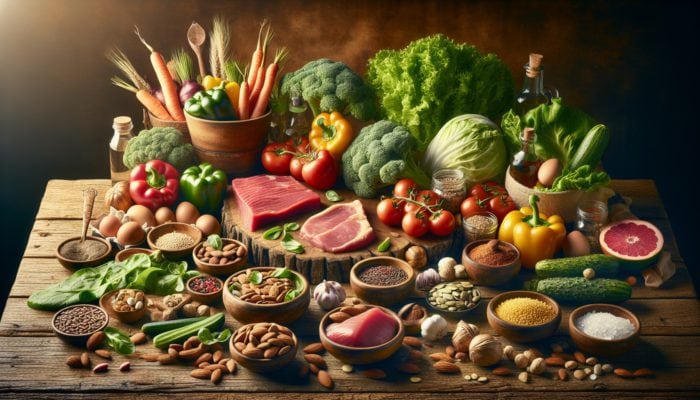
    Top Paleo Dinner Ideas for Families: Fresh paleo ingredients on a rustic table: vegetables, lean meats, nuts, seeds.

    To prepare scrumptious paleo dinners that cater to the tastes of an entire family, the focus should be on utilizing whole, unprocessed foods that nourish and energize the body. At the heart of any paleo meal lies a diverse selection of simple yet wholesome ingredients, allowing families to discover a variety of flavors while adhering to a nutritious lifestyle. By prioritizing high-quality ingredients, you not only create delectable dishes but also ensure they are packed with vital nutrients. This approach promotes family bonding, as it encourages everyone to value and enjoy the benefits of wholesome food together.

    When preparing your paleo dinners, aim to source your ingredients in their most natural forms. The following essential paleo ingredients will serve as a guide to help you create healthy, satisfying meals:

    • Lean meats (Chicken, beef, fish)
    • Fresh vegetables (leafy greens, broccoli, bell peppers)
    • Healthy fats (avocado, olive oil, coconut oil)
    • Nuts and seeds (almonds, walnuts, chia seeds)
    • Fruits (berries, apples, bananas)
    • Herbs and spices (basil, oregano, ginger)
    • Eggs
    • Coconut products (milk, flour, flakes)

    These ingredients not only provide a rich nutritional profile but also introduce an exciting variety of flavors and textures, ensuring that every family member has something they love to eat.

    Crafting Family-Friendly Paleo Dinners That Delight Everyone

    The true appeal of paleo cooking is its adaptability, enabling you to create family-friendly meals that are appealing to all age groups. By focusing on harmonized flavors and appealing textures, you can design dishes that even the most selective eaters will find irresistible. Customizing meals to accommodate individual preferences is also quite simple, making it easier to cater to various tastes within the family.

    Here are several beloved paleo recipes that are sure to please everyone at the table:

    • Sweet Potato and Beef Hash
    • Herbed Lemon Chicken with Roasted Vegetables
    • Spaghetti Squash with Turkey Bolognese
    • Stuffed Bell Peppers with Quinoa and Veggies
    • Fish Tacos with Cabbage Slaw
    • Paleo Pancakes for Breakfast-for-Dinner
    • Chicken and Vegetable Stir-Fry
    • Cauliflower Rice Fried Rice

    Each of these dishes caters to a range of tastes while ensuring that the health advantages of a paleo diet are maintained. Families can bond over the cooking process, creating opportunities for shared experiences and discussions about healthy eating practices.

    Essential Meal Preparation Techniques for Busy Households

    For busy families, preparing healthy meals can often feel like a daunting task. However, by implementing a few strategic meal prep techniques, you can significantly reduce both time and stress during the week. Efficient cooking methods, such as batch cooking, allow you to prepare multiple meals simultaneously, making it easier to adhere to a paleo lifestyle without feeling overwhelmed.

    Here are some practical meal prep techniques to consider:

    • Plan your meals for the upcoming week, focusing on paleo recipes that share similar ingredients.
    • Batch-cook protein sources like grilled chicken or roasted vegetables to use in various dishes.
    • Pre-chop vegetables and store them in airtight containers for quick access.
    • Utilize slow cookers or pressure cookers for convenient, set-and-forget meal options.
    • Prepare larger portions of meals to serve as leftovers for lunch or dinner.
    • Maintain a well-stocked pantry with staple paleo ingredients to simplify your cooking process.
    • Involve the entire family in meal preparation to make it a fun, engaging activity.
    • Designate a specific time each week for meal preparation to establish a routine.

    By adopting these strategies, families can enjoy the benefits of paleo dinners without the time constraints, ensuring healthier choices are always at hand.

    Insights on Top Paleo Dinner Ideas for Families

    Family enjoying paleo-friendly dinner of grilled meats, roasted vegetables, and salads at a rustic table.

    Success Stories of Families Embracing Paleo Dinners

    Many families have successfully made the transition to a paleo diet, experiencing remarkable enhancements in their health and overall well-being. Real-life anecdotes showcase how adopting this way of eating can profoundly impact energy levels, mood, and even family dynamics. By sharing these experiences, we can motivate others to consider the advantages of embracing paleo dinners.

    For instance, after struggling with energy dips and weight gain, the Johnson family opted for a paleo lifestyle. They began with simple meals like herbed lemon chicken paired with roasted vegetables. Not only did they enjoy the flavors, but they also experienced increased energy levels and a decrease in cravings for unhealthy snacks. In addition, they created a weekly meal plan together, turning cooking into a family bonding experience. This not only improved their dietary habits but also strengthened their familial ties as they collaborated in the kitchen.

    If you’re considering transitioning your family to paleo dinners, here are actionable steps to effectively implement these strategies:

    • Start with a few familiar recipes that can be easily modified to meet paleo standards.
    • Involve each family member in selecting meals and planning the week’s menu.
    • Experiment with new ingredients and flavors to keep meals exciting.
    • Celebrate small achievements, such as trying a new recipe or successfully meal prepping for the week.

    By taking these steps, your family can thrive on a paleo diet, enjoying the numerous health benefits it offers.

    Expert Insights on the Health Benefits of Paleo Meals

    The paleo diet is rich in nutrient-dense foods that deliver a wide array of health benefits. By emphasizing whole ingredients, families can bolster their diets with essential vitamins and minerals that are often lacking in processed food diets. Nutritional experts consistently highlight the significance of steering clear of processed foods and sugars, which contribute to various health issues, including obesity, diabetes, and heart disease.

    One of the primary benefits of a paleo diet is its focus on lean proteins, healthy fats, and an extensive selection of vegetables. These elements provide the body with the necessary nutrients for optimal functioning. For instance, lean meats deliver high-quality protein essential for muscle maintenance and repair, while healthy fats sourced from avocados and nuts encourage brain health and hormone production. Moreover, the variety of vegetables contributes a wealth of vitamins and antioxidants that help combat inflammation and support a robust immune system.

    To truly appreciate the nutritional benefits of a paleo lifestyle, consider these key points:

    • Improved feelings of fullness due to higher protein and healthy fat content, reducing the likelihood of overeating.
    • Increased energy levels stemming from stable blood sugar levels.
    • A more balanced gut microbiome, thanks to a higher intake of fiber from vegetables and fruits.
    • Reduced cravings for processed foods and sugars, fostering healthier eating habits.

    These factors collectively contribute to better overall health, making paleo dinners not just a meal option but a lifestyle change that can positively influence families for years to come.

    Practical Steps for Transitioning to Paleo Dinners
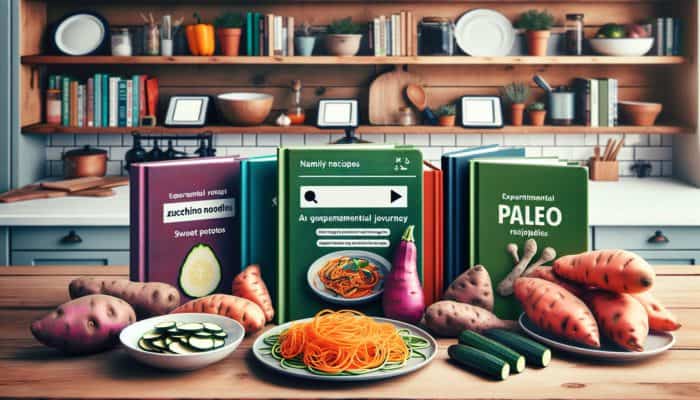
    A family kitchen with zucchini noodles, sweet potatoes, and paleo recipe books on the table.

    Transitioning to paleo dinners may appear challenging, but by taking gradual steps, families can seamlessly adjust to this healthier lifestyle. It is essential to approach the change with patience and a willingness to experiment with new flavors and ingredients. By making small modifications over time, families can develop sustainable habits without the feeling of being overwhelmed.

    Begin by selecting a couple of paleo recipes that resonate with your family’s preferences. Focus on familiar dishes that can be easily adapted to fit your needs. For example, swap traditional pasta for zucchini noodles or choose sweet potatoes over white potatoes. Slowly incorporate these changes into your meal planning while still presenting familiar favorites alongside new options.

    Here are actionable steps to facilitate the transition:

    • Start with one or two paleo meals each week and gradually increase the frequency as comfort levels rise.
    • Experiment with different cooking methods, such as roasting instead of frying, to enhance flavors.
    • Engage the family in exploring new recipes and cuisines to maintain enthusiasm around mealtime.
    • Address cravings by finding paleo-friendly alternatives, such as using almond flour for baking.

    By implementing these strategies, families can transition smoothly to a paleo diet, enjoying the journey as they discover delightful new meals together.

    Time-Saving Paleo Dinner Recipes for Busy Families

    In today’s fast-paced world, busy families often struggle to find time for preparing healthy meals. Thankfully, there are numerous paleo dinner recipes that can be prepared quickly without compromising on nutrition or flavor. Time-saving strategies can help families maintain their paleo lifestyle while simplifying the meal preparation process.

    Consider recipes that require minimal prep time and can be ready in under 30 minutes. For instance, a quick stir-fry that includes lean protein and seasonal vegetables can easily transform into a satisfying meal. Moreover, using kitchen gadgets like slow cookers or pressure cookers can drastically reduce cooking time while allowing flavors to develop beautifully.

    Here are some quick and easy paleo dinner recipes perfect for busy families:

    • One-pan lemon herb chicken with asparagus
    • Quick shrimp and broccoli stir-fry
    • Egg and veggie frittata
    • Sweet potato and black bean tacos
    • Spicy chicken lettuce wraps
    • Grilled salmon with avocado salsa
    • Simple zucchini noodles with pesto
    • Beef and vegetable kebabs

    By selecting these recipes and utilizing efficient cooking methods, families can maintain their paleo goals while ensuring that dinner serves as a time for connection and enjoyment rather than stress.

    Enhancing Family Health with Paleo Dinners

    Key Nutrients Found in Paleo Meals

    Paleo meals prioritize a diverse selection of nutrient-dense foods that promote overall health and vitality. By concentrating on whole ingredients, families can access essential nutrients often missing in processed diets. The emphasis on lean proteins, healthy fats, and a wide array of vegetables guarantees that every meal is both satisfying and healthful.

    Key nutrients featured in paleo meals include:

    • Protein: Vital for muscle growth and repair, especially crucial for active families.
    • Healthy fats: Provide energy and support brain function.
    • Fiber: Aids digestion and promotes a healthy gut.
    • Vitamins and minerals: Found in fruits and vegetables, essential for immune support.
    • Antioxidants: Combat oxidative stress and inflammation within the body.
    • Omega-3 fatty acids, sourced from fish and nuts, promote heart health.
    • Minerals such as magnesium and potassium are critical for maintaining muscle and nerve function.
    • Phytonutrients: Present in colorful fruits and vegetables, contributing to overall health.

    Incorporating a variety of these nutrients within paleo dinners not only ensures balanced meals but also establishes a foundation for improved health outcomes for the entire family.

    How the Paleo Diet Supports Effective Weight Management

    The paleo diet plays a pivotal role in weight management by emphasizing whole, unprocessed foods that promote satiety and reduce overall calorie intake. By incorporating nutrient-dense foods, families can enjoy satisfying meals that keep hunger at bay, making it simpler to maintain a healthy weight.

    A key aspect of the paleo diet is its focus on high-quality protein and healthy fats, both of which contribute to feelings of fullness. Unlike processed foods, which can cause spikes and crashes in blood sugar levels, paleo meals encourage stability, thereby curbing cravings and decreasing the likelihood of overeating.

    Consider these points on how a paleo diet supports effective weight management:

    • Whole foods are more filling, leading to reduced calorie consumption.
    • Healthy fats and proteins help regulate hormones related to hunger and satiety.
    • High fiber content from vegetables and fruits aids in digestion and supports gut health.
    • Avoiding processed foods helps eliminate added sugars and unhealthy fats that are often linked to weight gain.

    By embracing a paleo lifestyle, families can cultivate healthy eating habits that not only support weight management but also foster a positive relationship with food.

    Benefits of Paleo Dinners for Children’s Health

    Absolutely! Paleo meals provide countless advantages for children’s health, supplying essential nutrients required for their growth and development. By focusing on whole, unprocessed foods, families can significantly enhance their children’s energy, focus, and overall well-being. Reducing the intake of processed foods can lead to improved behavior and a healthier perspective on food.

    Children thrive on nutrients that support their active lifestyles. A diet rich in paleo foods can lead to better health outcomes, including improved immune function and cognitive development. Nutrient-dense meals help prevent deficiencies that could negatively impact a child’s growth and learning abilities.

    Here are some benefits of paleo dinners for children:

    • Improved energy levels due to balanced blood sugar from whole foods.
    • Enhanced focus and concentration from nutrient-rich meals.
    • A stronger immune system supported by vitamins and minerals found in fruits and vegetables.
    • Reduced hyperactivity associated with sugar and processed foods.

    By incorporating paleo meals into their diets, families can secure healthier futures, helping children develop lifelong healthy eating habits.

    Quick and Easy Paleo Dinner Ideas for Every Night

    Simplifying Cooking with One-Pot Paleo Meals

    One-pot meals are a game-changer for busy families, providing a straightforward and efficient way to prepare paleo dinners with minimal cleanup. These recipes are not only quick to make but also packed with flavor and nutrition. By consolidating ingredients and cooking methods, families can savor delightful meals without the hassle of managing multiple pots and pans.

    Look for recipes that allow for the combination of proteins, vegetables, and healthy fats in a single dish. One-pot options can include hearty soups, stews, or stir-fries that are loaded with nutrients. The convenience of one-pot meals makes them an ideal choice for weeknight dinners when time is tight.

    Here are some enticing one-pot paleo dinner recipes:

    • One-Pot Chicken and Vegetable Curry
    • Beef and Vegetable Stew
    • Chicken and Cauliflower Rice Stir-Fry
    • One-Pan Salmon with Asparagus and Sweet Potatoes
    • Simple Tomato and Basil Zucchini Noodle Soup
    • Spicy Shrimp and Vegetable Gumbo
    • Chicken and Broccoli Alfredo with Cauliflower Noodles
    • Hearty Lentil and Vegetable Chili

    By embracing the simplicity of one-pot meals, families can enjoy nutritious paleo dinners without sacrificing time or flavor, making weeknight cooking a seamless experience.

    30-Minute Paleo Dinners for Time-Crunched Families

    When schedules are tight, paleo dinners don’t have to be compromised. Numerous delicious paleo recipes can be whipped up in under 30 minutes, allowing families to relish healthy meals even on their busiest evenings. The key lies in focusing on quick-cooking ingredients and efficient cooking methods that yield satisfying results in less time.

    Consider using pre-cut vegetables, fast-cooking proteins, and simple seasonings to create meals that are not only nutritious but also bursting with flavor. Dishes that involve minimal cooking steps can help you get dinner on the table quickly while still enjoying the benefits of a paleo diet.

    Here are some quick and easy 30-minute paleo dinner ideas:

    • Sautéed Shrimp with Garlic and Broccoli
    • Quick Chicken Fajitas with Peppers and Onions
    • Ground Beef Tacos in Lettuce Wraps
    • Paleolithic Stir-Fried Vegetables with Tofu
    • Oven-Baked Fish with Lemon and Herbs
    • Egg and Spinach Breakfast Bowls
    • Grilled Chicken with Avocado Salsa
    • Zucchini Noodles with Meat Sauce

    By choosing these recipes, families can enjoy hearty and nutritious paleo meals that seamlessly fit into their busy routines, ensuring that healthy eating remains a top priority.

    Making Paleo Dinners Exciting and Engaging

    Paleo dinners can become dull if the same ingredients and flavors are repeatedly used. To keep meals interesting, it’s vital to incorporate a variety of herbs, spices, and cooking techniques that elevate the dining experience. By experimenting with different ingredients, families can explore flavors from around the globe while still following a paleo diet.

    One effective method to enhance the excitement of paleo meals is to introduce a diverse range of cuisines. This can be achieved by incorporating flavors from Mediterranean, Asian, or Latin American dishes. Additionally, varying cooking techniques, such as grilling, roasting, or stir-frying, can provide different textures and tastes that keep meals fresh and enticing.

    Here are some tips for making paleo dinners more exciting:

    • Use fresh herbs and spices to elevate flavors—think cilantro, basil, ginger, and cumin.
    • Experiment with international cuisines, such as Thai curry or Mediterranean grilled meats.
    • Incorporate a variety of textures, such as crispy, crunchy, and creamy elements.
    • Try new vegetables or fruits each week to introduce different flavors.
    • Utilize various cooking techniques to enhance the experience—grilling, roasting, or slow cooking.
    • Get creative with sauces and dressings that complement your meals.
    • Involve family members in selecting recipes, allowing everyone to contribute their unique preferences and tastes.

    By making these adjustments, families can transform paleo dinners into exciting culinary adventures that everyone eagerly anticipates.

    Affordable Paleo Dinner Recipes That Fit Your Budget

    Maintaining a paleo diet doesn’t have to be prohibitively expensive. With careful planning and creativity, families can whip up delicious and nutritious paleo dinners that are budget-friendly. The key is to focus on affordable ingredients and straightforward recipes that deliver maximum flavor without compromising health.

    Start by selecting budget-friendly protein sources, such as chicken thighs or ground turkey, which can be utilized in a variety of dishes. Additionally, seasonal vegetables often come at a lower price and can enhance meals while providing essential nutrients. Planning meals around sales and seasonal produce can significantly reduce grocery expenses.

    Here are some affordable paleo dinner recipes to consider:

    • Budget Chicken Stir-Fry with Seasonal Veggies
    • Ground Beef and Sweet Potato Casserole
    • Egg and Vegetable Scramble
    • Slow-Cooked Beef and Vegetable Stew
    • Roasted Vegetable and Quinoa Salad
    • Simple Fish Tacos with Cabbage Slaw
    • One-Pot Coconut Curry with Chickpeas
    • Stuffed Peppers with Brown Rice and Ground Meat

    By embracing these budget-friendly options, families can enjoy the advantages of a paleo lifestyle without straining their finances, ensuring that healthy eating is accessible for everyone.

    Paleo Dinner Ideas for Efficient Leftovers and Meal Prep

    Maximizing efficiency in the kitchen is essential for busy families, and one effective approach is preparing paleo dinners that work well for leftovers or can be prepped in advance. This not only saves time but also reduces food waste, allowing families to savor healthy meals throughout the week.

    Consider preparing larger portions of meals that can be easily reheated or repurposed into new dishes. For example, a roasted chicken can be served for dinner one night and then shredded for salads or wraps the following day. Leftover roasted vegetables can be incorporated into omelets or soups, ensuring nothing goes to waste.

    Here are some paleo dinner ideas perfect for leftovers or meal prep:

    • Slow-Cooked Beef Stew—ideal for dinner and lunch the next day.
    • Roasted Chicken—great for sandwiches or salads later in the week.
    • Vegetable Frittata—can be enjoyed warm or cold.
    • Stuffed Peppers—made in bulk and easily reheated.
    • Soup-based meals—can be frozen and stored for future use.
    • Grilled vegetables—perfect for adding to meals throughout the week.
    • Curry dishes—flavors often improve when reheated.
    • Chili—easily doubles and freezes well for future dinners.

    By incorporating these paleo meal prep strategies, families can simplify their weeknight cooking while enjoying delicious and nutritious meals that align with their dietary goals.

    The Benefits of Cooking Paleo Dinners Together as a Family

    Strengthening Relationships Through Family Cooking

    Cooking together as a family can significantly enhance relationships, fostering a sense of teamwork and collaboration. The kitchen becomes a space for connection, where laughter and conversation flourish as everyone participates in preparing paleo dinners. This shared experience cultivates cherished memories while teaching valuable life skills to children.

    By engaging children in the cooking process, families can promote open communication and deepen connections. As they work together on meal preparation, children learn the value of healthy eating habits and develop a greater appreciation for the food they consume. This cooperative approach nurtures emotional bonds, creating a supportive and loving environment.

    Here are some emotional benefits of family cooking:

    • Encourages communication and teamwork among family members.
    • Creates opportunities for shared experiences and memorable moments.
    • Builds valuable life skills in children, such as cooking and nutrition.
    • Promotes healthy eating habits through family involvement.

    By making cooking a family affair, you can not only strengthen relationships but also instill healthy habits that can last a lifetime—all while enjoying the delicious results of your efforts in the form of paleo dinners.

    Skills Children Can Learn from Cooking Paleo Meals

    Cooking paleo meals provides a valuable opportunity for children to acquire a variety of essential life skills. From meal planning and nutrition to kitchen safety, children can gain confidence and independence in the kitchen while learning about healthy eating habits. These skills can yield lasting benefits that extend well beyond mealtime.

    Involvement in cooking encourages creativity as children experiment with a range of flavors and ingredients. Moreover, they develop critical thinking skills as they learn to follow recipes, measure ingredients, and adjust cooking times. This hands-on experience also teaches responsibility as they learn to clean up after cooking and take ownership of their contributions to family meals.

    Here are some educational benefits of cooking with kids:

    • Understanding nutrition and the importance of whole foods.
    • Developing cooking skills and awareness of kitchen safety.
    • Encouraging creativity through experimentation with flavors.
    • Fostering teamwork and collaboration within the family.

    By involving children in the cooking process, families can instill healthy habits while equipping them with essential life skills that will serve them well into adulthood.

    Encouraging Healthier Eating Habits Through Cooking Together

    Involving the entire family in meal prep can significantly influence healthier eating choices. By cooking together, families develop a deeper understanding of where their food comes from and the nutritional value of what they consume. This awareness often leads to more mindful eating habits, making healthier choices a natural part of daily life.

    When children actively participate in preparing paleo dinners, they are more likely to appreciate the flavors and textures of whole foods. This involvement fosters curiosity about different ingredients and encourages them to try new tastes. As they become accustomed to healthier options, they are less likely to gravitate towards processed foods or sugary snacks.

    Here are ways family cooking influences dietary habits:

    • Promotes awareness of food sources and their nutritional benefits.
    • Encourages positive conversations around healthy eating.
    • Fosters curiosity about new ingredients and flavors.
    • Develops confidence in trying new foods and recipes.

    By making cooking a family affair, families can create a supportive environment that promotes healthier eating habits, ultimately fostering a love for nutritious paleo meals.

    Effective Strategies for Paleo Dinner Ideas for Families

    Real-World Examples of Successful Paleo Meal Planning

    Effective meal planning is crucial for adhering to a paleo diet. By examining real-world examples of successful meal planning strategies, families can discover inspiration and actionable steps to create balanced meals that align with their dietary goals. Learning from the experiences of others can provide valuable insights into practical meal planning techniques that yield positive results.

    One inspiring example is the Lee family, who embraced paleo cooking after seeking healthier options. They dedicated time each week to plan their meals, focusing on recipes that utilized similar ingredients. This strategy not only simplified grocery shopping but also allowed them to explore a wide range of flavors without wasting food. By setting aside Sundays for meal prep, they built a stockpile of healthy options, ensuring that paleo dinners were always ready to go.

    To effectively implement your meal planning, consider these strategies:

    • Plan meals for the week, focusing on recipes that utilize similar ingredients.
    • Involve all family members in selecting meals to encourage engagement.
    • Set aside specific times for meal prep to establish a routine.
    • Utilize leftovers creatively to minimize waste and keep meals interesting.

    By adopting these strategies, families can streamline their meal planning, ensuring that paleo dinners are both delicious and achievable within their busy lives.

    Understanding the Cost-Effectiveness of Paleo Dinners

    A common misconception surrounding the paleo diet is that it is inherently expensive. However, with proper planning and a mindful approach, paleo dinners can be both economical and nutritious. By analyzing the potential costs of paleo ingredients and budgeting effectively, families can enjoy healthy meals without overspending.

    The key to maintaining a budget-friendly paleo diet lies in selecting affordable ingredients and focusing on seasonal produce. Buying in bulk, planning meals around sales, and utilizing local farmers’ markets can significantly lower grocery costs. Furthermore, opting for versatile ingredients that can be used in multiple recipes allows for greater flexibility and reduces waste.

    Here are some expert insights on the financial aspects of paleo dining:

    • Buying in bulk can significantly reduce the cost of pantry staples such as nuts and seeds.
    • Seasonal fruits and vegetables often come at a lower price and offer peak flavor.
    • Meal planning helps minimize food waste, enabling families to maximize their grocery budget.
    • Utilizing less expensive proteins, such as chicken thighs or ground meats, can help manage costs.

    By understanding the financial implications of paleo dinners, families can navigate their budgets effectively while enjoying nutritious meals that support their health.

    Incorporating Variety in Paleo Dinners

    Maintaining variety in paleo dinners is essential to keep meals exciting and satisfying. By exploring diverse recipes and ingredients, families can avoid the monotony that often arises from repetitive meal planning. Incorporating new flavors and cuisines can spark creativity in the kitchen while adhering to the principles of a paleo lifestyle.

    To keep meals fresh, consider rotating recipes and trying new cooking techniques. Engaging the family in the recipe selection process can lead to discovering new favorites together. Additionally, exploring different cultural cuisines can introduce unique flavors that make paleo dinners even more delightful.

    Here are actionable steps to incorporate variety in paleo dinners:

    • Rotate meal options weekly, introducing a new recipe or ingredient each time.
    • Explore international cuisines, incorporating flavors from different cultures.
    • Experiment with various cooking techniques to change textures and tastes.
    • Encourage family members to suggest their favorite dishes, fostering excitement around meal planning.

    By implementing these strategies, families can create diverse and enjoyable paleo dinners that keep everyone looking forward to mealtime.

    Time-Saving Techniques for Preparing Paleo Dinners

    Time-saving techniques are crucial for families dedicated to preparing paleo dinners while managing busy schedules. By adopting efficient cooking methods and utilizing kitchen gadgets, families can streamline their meal preparation processes, ensuring that healthy options are always within reach.

    One effective time-saving technique is batch cooking, where larger quantities of staple ingredients or meals are cooked in advance. This not only reduces cooking time during the week but also allows for quick reheating of nutritious meals. Additionally, employing kitchen tools like slow cookers, pressure cookers, and food processors can significantly decrease prep time and enhance flavor development.

    Here are some time-saving techniques for preparing paleo dinners:

    • Batch cook proteins and vegetables on weekends for easy meal assembly during the week.
    • Utilize slow cookers for set-and-forget meals that develop rich flavors.
    • Invest in a food processor to expedite time-consuming tasks, such as chopping or blending.
    • Keep a well-organized pantry stocked with staples that simplify meal assembly.

    By employing these time-saving methods, families can simplify paleo dinner preparations, making healthy eating achievable and enjoyable even on the busiest days.

    Paleo Dinner Ideas for Picky Eaters

    Making Paleo Meals More Appealing to Children

    Making paleo meals enticing for children requires a touch of creativity and a sense of fun. By incorporating vibrant colors, interesting textures, and engaging presentations, parents can capture children’s interest in healthy dining. Involving kids in the cooking process can also ignite curiosity and excitement about the meals being prepared.

    Consider using fun shapes or arranging food in visually appealing patterns to make paleo dinners more engaging. Incorporating dips or sauces can also add an element of fun, making healthy options more attractive. Encouraging children to assist in cooking allows them to take ownership of their meals, increasing the likelihood that they will enjoy what they have helped create.

    Here are some tips for making paleo meals more kid-friendly:

    • Incorporate colorful vegetables and fruits to attract their attention.
    • Use fun shapes with cookie cutters to create interesting food forms.
    • Involve kids in the cooking process to increase their investment in the meal.
    • Serve meals with healthy dips or sauces to enhance appeal.

    By employing these strategies, families can transform paleo dinners into enjoyable experiences that children will look forward to, ultimately fostering a love for nutritious foods.

    Paleo-Friendly Substitutes for Common Ingredients

    For families navigating picky eaters, having a repertoire of paleo-friendly substitutes can make all the difference. By swapping out common non-paleo ingredients for healthier alternatives, families can create meals that satisfy specific dietary restrictions or preferences without sacrificing flavor.

    For example, using almond flour instead of traditional flour can provide similar textures for baking while adhering to paleo standards. Similarly, coconut milk can replace dairy milk in recipes, ensuring that creamy flavors remain intact while avoiding lactose. These substitutions allow families to maintain familiar flavors while embracing healthier options.

    Here’s a list of common paleo-friendly ingredient swaps:

    • Almond flour for traditional wheat flour
    • Coconut milk for dairy milk
    • Zucchini noodles for pasta
    • Honey or maple syrup for refined sugars
    • Cauliflower for rice or grains
    • Coconut oil for vegetable oil
    • Chia seeds or flaxseeds instead of eggs in baking
    • Avocado for mayonnaise

    By incorporating these substitutes into paleo dinners, families can enjoy familiar meals while maintaining their commitment to a healthy lifestyle.

    Incorporating Nutritious Ingredients in Paleo Dinners

    Incorporating nutritious ingredients into paleo meals without overpowering flavors is an effective strategy for families with picky eaters. Techniques such as pureeing vegetables or finely chopping them into dishes can enhance the nutritional value of meals while keeping them delicious and appealing.

    For instance, pureed vegetables can be added to sauces, smoothies, or soups to provide added nutrients without significantly altering the overall taste. Similarly, finely chopping greens or adding grated vegetables to meatballs or burgers can enhance the nutritional profile without drawing attention to their presence.

    Here are some recipes for hiding nutritious ingredients in paleo meals:

    • Pureed cauliflower added to mashed potatoes for enhanced creaminess and nutrients.
    • Grated carrots or zucchini in meatloaf or burgers.
    • Spinach or kale can be added to smoothies with fruits.
    • Blended vegetables in sauces, such as tomato sauce with pureed carrots.

    By employing these techniques, families can ensure that paleo dinners are both nourishing and appealing to even the fussiest eaters.

    Seasonal Paleo Dinner Ideas for Every Time of Year

    Utilizing Seasonal Produce in Paleo Dinners

    Incorporating seasonal produce into paleo meals not only enhances flavor but also promotes optimal nutrition. Seasonal ingredients are often fresher and more affordable, making them an ideal choice for families striving to maintain a healthy paleo lifestyle. By embracing seasonal cooking, families can create meals that reflect the natural bounty available throughout the year.

    When planning your meals, consider the fruits and vegetables that are in season in your area. This not only supports local farmers but also allows families to enjoy ingredients at their peak flavor and nutritional value. For example, incorporating summer tomatoes into salads or using winter squash in hearty dishes can bring a delightful variety to paleo dinners.

    Here are some seasonal produce options to incorporate into your paleo meals:

    • Summer: Zucchini, tomatoes, bell peppers, and corn.
    • Fall: Pumpkin, sweet potatoes, Brussels sprouts, and apples.
    • Winter: Kale, butternut squash, citrus fruits, and root vegetables.
    • Spring: Asparagus, peas, radishes, and fresh herbs.

    By utilizing seasonal ingredients, families can enjoy vibrant and flavorful paleo dinners that nourish the body while celebrating the changing seasons.

    Paleo Dinner Ideas for Different Seasons

    Adapting paleo dinners to reflect the seasons can enhance meal enjoyment and provide a diverse range of flavors throughout the year. By focusing on seasonal ingredients, families can create dishes that not only taste great but also offer optimal nutrition.

    Consider how different ingredients shine in each season. For instance, hearty meals featuring winter squashes and root vegetables can warm chilly evenings, while fresh salads with summer produce can offer refreshing lightness during hot months. Adapting meals based on seasonal availability can also help families avoid monotony, keeping mealtimes exciting.

    Here are some paleo dinner ideas for various times of the year:

    • Summer: Grilled vegetable skewers with lean meats and fresh salads.
    • Fall: Roasted butternut squash soup with a side of leafy greens.
    • Winter: Slow-cooked beef stew with seasonal root vegetables.
    • Spring: Light chicken and asparagus stir-fry with fresh herbs.

    By embracing the flavors of each season, families can enjoy diverse and nutritious paleo dinners that celebrate the best of what nature has to offer.

    Preserving Seasonal Ingredients for Year-Round Use

    Preserving seasonal ingredients can be an excellent way to extend the life of fresh produce, ensuring that families can enjoy their favorite flavors throughout the year. Techniques such as freezing, fermenting, or dehydrating can enhance the versatility of paleo meals, making it easy to incorporate seasonal ingredients even when they are out of season.

    Freezing is a fantastic method for preserving vegetables and fruits. By blanching vegetables before freezing, families can maintain their color, texture, and nutritional value. Fermenting seasonal produce, such as pickling cucumbers or fermenting tomatoes, can introduce exciting flavors and probiotic benefits, enhancing the overall nutritional profile of meals.

    Here are some effective preservation methods for seasonal ingredients:

    • Freezing: Blanch and freeze vegetables like green beans or broccoli.
    • Fermenting: Create your own pickles or sauerkraut from seasonal produce.
    • Dried: Dehydrate fruits or vegetables, such as apples or tomatoes, for snacks and meals.
    • Jarring: Make jams or preserves from seasonal fruits for later use in desserts or as a breakfast treat.

    By employing these preservation techniques, families can enjoy the benefits of seasonal produce all year long, enhancing their paleo dinners with fresh flavors regardless of the season.

    Frequently Asked Questions

    What is the paleo diet?

    The paleo diet emphasizes consuming whole, unprocessed foods similar to those eaten by our ancestors. It focuses on lean meats, fish, fruits, vegetables, nuts, and seeds, while avoiding grains, legumes, and processed foods.

    Are paleo dinners suitable for families?

    Absolutely! Paleo dinners can be nutritious and appealing for families, offering a variety of flavors and textures that cater to all ages. The emphasis on whole foods promotes healthy eating habits.

    How can I make paleo meals kid-friendly?

    To make paleo meals kid-friendly, incorporate colorful vegetables, involve kids in the cooking process, and serve meals with fun dips. Creative presentation can also make meals more appealing.

    What are some affordable paleo ingredients?

    Affordable paleo ingredients include chicken thighs, seasonal vegetables, canned fish, eggs, and bulk grains like quinoa. Shopping sales and local markets can also help reduce costs.

    Can I meal prep paleo dinners?

    Yes, meal prepping paleo dinners is an excellent way to save time and ensure healthy meals are always ready. Batch-cook proteins and vegetables, and store them for easy assembly throughout the week.

    How can I add variety to my paleo meals?

    To add variety, experiment with different herbs, spices, and cuisines. Rotate recipes and introduce new ingredients to keep meals exciting and engaging for your family.

    What are some quick paleo dinner ideas?

    Quick paleo dinner ideas include stir-fries, one-pan meals, and salads. Focus on quick-cooking proteins and pre-chopped vegetables to speed up meal preparation.

    How does the paleo diet support weight management?

    The paleo diet supports weight management by promoting satiety through whole foods high in protein and healthy fats, thereby reducing cravings for processed foods and sugars that contribute to weight gain.

    Can children benefit from the paleo diet?

    Yes, children can benefit from the paleo diet by receiving essential nutrients for growth and development. Whole foods support energy levels and focus, fostering healthier eating habits.

    How can I involve my family in cooking?

    Involve your family in cooking by assigning specific tasks, exploring new recipes together, and encouraging everyone’s input in meal planning. This fosters teamwork and makes mealtime enjoyable.

    Check out our awesome updates on Facebook!

    The post Top Paleo Dinner Ideas for Families: Quick and Easy Meals appeared first on https://cookinggods.com

    The Article Paleo Dinner Ideas: Quick and Easy Family Meals Was Found On https://limitsofstrategy.com


  • Cooking for Picky Eaters: Simple Tips for Success

    Cooking for Picky Eaters: Simple Tips for Success

    Explore the Complexities of Picky Eating Habits

    Key Factors That Shape Picky Eating Patterns

    How to Cook for Picky Eaters Easily: A table with various foods showing different textures and aromas, reflecting a picky eater's sensory sensitivities and past aversions.

    The phenomenon of picky eating behavior can stem from a variety of influences, making meal planning and food preparation a complex endeavor. A significant contributor to these behaviors is sensory sensitivity, where certain flavors, textures, or aromas may overwhelm the individual or induce discomfort. Additionally, previous negative encounters with particular foods can lead to lasting aversions. Gaining insight into these characteristics is essential for designing meals that meet the preferences of picky eaters. Key factors influencing picky eating include:

    • Genetics: Some individuals may inherit an increased sensitivity to bitter or strong flavors.
    • Negative Past Experiences: Unpleasant interactions with specific foods can create long-lasting aversions.
    • Texture Sensitivities: Certain textures, like mushy or crunchy, can deter picky eaters from trying new options.
    • Limited Exposure: Growing up in environments with a restricted variety of foods can hinder acceptance of new flavors.
    • Personality Traits: Those with higher levels of anxiety may be less inclined to experiment with unfamiliar foods.
    • Parental Influence: Family attitudes and behaviors surrounding food can significantly shape eating habits.

    Understanding these underlying causes is crucial for creating strategies that promote a more varied diet, ultimately transforming mealtime from a daunting task into a pleasurable experience.

    Strategies for Identifying Specific Food Aversion in Picky Eaters

    Many picky eaters exhibit distinct food aversions that greatly impact their willingness to try new dishes. Recognizing these aversions is vital for successful meal planning, as it ensures that new foods are offered in an appealing way. Common aversions typically include:

    • Vegetables: Picky eaters often avoid vegetables, especially greens like spinach or broccoli.
    • Seafood: The smell and texture of fish and shellfish can be significant deterrents.
    • Spicy Foods: Spices may overwhelm delicate taste buds, leading to avoidance.
    • Mixed Dishes: Foods that combine various ingredients or include sauces can intimidate picky eaters.
    • Unusual Textures: Foods that are slimy, gritty, or lumpy are often rejected.
    • Certain Fruits: Some fruit textures, such as those of bananas or overly ripe peaches, may be unappealing.

    By identifying these aversions early, you can curate a more enticing menu that encourages culinary exploration without overwhelming picky eaters.

    Understanding the Evolution of Picky Eating Over Time

    The habits associated with picky eating can evolve as individuals grow and encounter new experiences. As children mature, their palates usually broaden, and adults may develop tastes shaped by changing lifestyles or dietary needs. Keeping track of these changes is essential for adjusting cooking methods and meal strategies. Signs that picky eating behaviors are shifting may include:

    – An increased curiosity about different foods, often sparked by peer influence or media exposure.
    – A growing eagerness to try new items, especially when they are presented in an enjoyable or engaging manner.
    – Increased participation in discussions about food preferences and a willingness to sample new dishes.
    – Positive reactions to new flavors when they are introduced alongside familiar favorites.

    Recognizing these indicators allows for modifications in meal strategies that can facilitate a smoother and more enjoyable transition for everyone involved.

    Effective Cooking Strategies for Picky Eaters Made Simple

    A chef preparing a colorful meal in a serene kitchen, surrounded by eager picky eaters.

    Expert-Recommended Techniques for Preparing Meals for Picky Eaters

    Professionals suggest a variety of techniques to enhance meals for picky eaters. Gradually introducing new foods is among the most effective methods. This approach involves slowly incorporating small portions of unfamiliar ingredients alongside known favorites, thereby minimizing intimidation. For example, if a child enjoys pasta but is reluctant about vegetables, consider adding finely chopped carrots to the sauce. Moreover, engaging picky eaters in the meal preparation process can greatly enhance their interest in trying new dishes. Practical examples of these techniques include:

    Cooking Workshops: Families can host cooking workshops where children can experiment with diverse ingredients, increasing their likelihood of tasting what they’ve prepared.
    Tasting Parties: Organizing tasting events featuring various foods allows picky eaters to sample small portions without feeling pressured.
    Food Challenges: Creating friendly competitions centered around trying new foods can encourage picky eaters to step beyond their comfort zones while adding an enjoyable element.

    By implementing these expert techniques, you foster an inviting atmosphere that promotes openness and experimentation with food.

    Customizing Recipes to Cater to Picky Eaters’ Preferences

    Adapting recipes is a practical approach to enhancing their appeal for picky eaters, focusing on alterations in texture, flavor, and presentation. Simple modifications can dramatically affect a dish’s acceptance, such as changing the cooking method or incorporating familiar flavors into new recipes. Actionable steps for refining popular recipes include:

    Texture Adjustments: If a dish is excessively crunchy or mushy, consider baking instead of frying, or steaming vegetables to achieve the ideal tenderness without compromising their structure.
    Flavor Tweaks: Reduce spices in recipes that might be overwhelming. For instance, when preparing chili, begin with mild seasonings, allowing individuals to add heat according to their preference.
    Incorporating Familiar Ingredients: Use components that picky eaters already enjoy. For example, if they’re fond of cheese, adding it to a new vegetable dish could enhance its appeal.
    Creating Dips and Sauces: Pairing new foods with familiar dips or sauces can entice picky eaters to sample items they might otherwise avoid.

    By customizing recipes to align with the tastes of picky eaters, you can transform mealtime into a less stressful and more enjoyable experience.

    Best Practices for Introducing New Foods to Picky Eaters

    Family enjoying a casual dinner, introducing new fruits with apple slices, smiling and curious.

    Introducing new foods to picky eaters can be a gradual process that requires patience and persistence. Experts recommend beginning with small portions, especially with foods that resemble what the individual already enjoys. For instance, if they love apples, consider offering apple slices alongside a new fruit variety. Timing is also essential; introducing new foods in a relaxed atmosphere, such as during family gatherings or casual dinners, can foster a more open attitude. The best practices for introducing new foods include:

    Pairing New with Familiar: Serve new foods alongside favorites, establishing a comforting contrast.
    Offering Choices: Allow picky eaters to select from two or three new options, providing them with a sense of control.
    Frequent Exposure: Present new foods repeatedly without pressure. Research indicates that multiple exposures are often necessary for acceptance.
    Positive Reinforcement: Celebrate small achievements, such as trying a new food, which encourages a willingness to explore further.

    By implementing these practices, you can cultivate a nurturing environment that encourages curiosity and openness to new foods over time.

    The Benefits of Meal Planning for Picky Eaters

    Effective meal planning serves as a robust strategy for managing picky eaters, providing structure while ensuring a variety of options. By incorporating different flavors and textures, meal planning alleviates the stress of mealtimes and keeps food interesting. Involving picky eaters in the planning process can also enhance their willingness to try new meals. A sample weekly meal plan could include:

    Monday: Whole grain pasta with a mild tomato sauce, complemented by grated cheese and a side of carrot sticks.
    Tuesday: Baked chicken tenders paired with sweet potato fries and a honey mustard dip.
    Wednesday: Tacos filled with seasoned meat or beans, allowing for individual assembly.
    Thursday: Stir-fried vegetables with rice, featuring familiar flavors like soy sauce.
    Friday: Homemade pizza topped with a variety of ingredients, allowing picky eaters to choose their toppings.
    Saturday: Breakfast for dinner with scrambled eggs, toast, and assorted fruit.
    Sunday: Family cooking night where everyone contributes to the meal, fostering teamwork and new experiences.

    By thoughtfully planning meals, you can ensure a diverse range of nutrients while catering to the tastes and preferences of picky eaters, making mealtime more enjoyable for everyone involved.

    Understanding the Importance of Food Presentation for Picky Eaters

    The visual appeal of food significantly influences a picky eater’s willingness to try new dishes. The way food is presented can transform a mundane meal into an enticing experience, encouraging exploration and acceptance. Experts recommend that creative plating, colorful arrangements, and fun shapes can enhance the appeal of meals. Tips on effective food presentation techniques include:

    Vibrant Colors: Use a variety of colorful fruits and vegetables, as visually appealing dishes are inherently more inviting.
    Fun Shapes: Utilize cookie cutters for fruits, sandwiches, or cheese, transforming them into fun shapes that appeal to younger eaters.
    Layering: Create visually appealing layers in dishes, such as parfaits with yogurt, fruit, and granola, which can attract interest.
    Themed Meals: Design meals around specific themes or favorite characters, igniting excitement and curiosity about trying new foods.

    Incorporating these presentation strategies can turn mealtime into an enjoyable experience, encouraging picky eaters to embrace new flavors and textures with enthusiasm.

    Creating a Comprehensive Meal Plan for Picky Eaters

    Crafting a Balanced Weekly Menu for Picky Eaters

    Developing a well-structured weekly menu is crucial to ensure picky eaters receive the necessary nutrients while enjoying their meals. It’s important to include a variety of food groups to provide balanced nutrition without overwhelming the individual. You can ensure a diverse nutrient intake in a picky eater’s diet by incorporating:

    Proteins: Include lean meats, poultry, fish, beans, and legumes to supply essential protein.
    Whole Grains: Opt for brown rice, whole grain bread, or oats to deliver fiber and energy.
    Fruits and Vegetables: Aim for a colorful variety, ensuring essential vitamins and minerals are included.
    Dairy or Alternatives: Incorporate milk, yogurt, or plant-based alternatives for calcium and vitamin D.

    Creating a menu that includes a mix of these components can help meet nutritional needs while catering to individual preferences. Balance also involves allowing some flexibility, enabling room for personal choices and tastes.

    Effective Meal Planning Techniques for Picky Eaters

    Successful meal planning requires a thorough understanding of the picky eater’s preferences and nutritional requirements. Strategies can include preparing meals in advance, involving picky eaters in the selection process, and emphasizing simplicity. Tips for planning meals that picky eaters will enjoy include:

    Theme Nights: Establish themed dinner nights, such as “Taco Tuesdays” or “Pizza Fridays,” to introduce excitement.
    Batch Cooking: Prepare larger quantities of a few core recipes and freeze portions for easy access during busy weeknights.
    Flexible Recipes: Choose recipes that allow for substitutions based on individual preferences, such as pizza with a variety of topping options.
    Incorporate Feedback: Regularly seek feedback from picky eaters about meals, adjusting plans based on their responses.

    By implementing these strategies, you can create a meal planning routine that caters to picky eaters while ensuring they receive the essential nutrients necessary for healthy growth and development.

    Introducing Variety to Meals for Picky Eaters

    Incorporating variety into meals is crucial for preventing monotony and encouraging picky eaters to try new foods. The key lies in introducing variety without overwhelming them. Strategies to introduce variety without causing stress include:

    Rotating Ingredients: Use a rotating schedule for staple ingredients, ensuring different combinations each week. For example, if using chicken, vary the cooking style or sauces to create fresh flavors.
    Seasonal Produce: Incorporate seasonal fruits and vegetables; this not only adds variety but also introduces new flavors based on what is fresh and available.
    Themed Dishes: Explore international cuisines that introduce new ingredients in familiar formats, such as sushi rolls using preferred fillings or quesadillas with chosen ingredients.
    Small Portions: Offer a small sample of a new food alongside a familiar dish. This helps ease the transition without pressuring the eater.

    By thoughtfully introducing variety, picky eaters may gradually expand their palates, leading to a more diverse diet over time.

    Cooking Techniques Tailored for Picky Eaters

    Simple Cooking Methods That Appeal to Picky Eaters

    Utilizing simple cooking methods can significantly reduce the intimidation factor for picky eaters. Techniques such as steaming, baking, or roasting are often more approachable and can enhance flavors without overwhelming textures. The benefits of using these cooking methods include:

    Preserved Nutrients: Steaming vegetables retains their nutrients better than boiling, making them healthier options.
    Milder Flavors: Baking and roasting can amplify sweetness in vegetables like carrots or sweet potatoes, increasing their appeal.
    Less Fuss: Simple methods often require fewer ingredients and steps, reducing meal prep time and complexity.
    Versatility: Many foods can be adjusted based on availability or preference, allowing for creativity while maintaining simplicity.

    By selecting straightforward cooking methods, you can create meals that are both nutritious and appealing to picky eaters.

    Making Food Visually Inviting for Picky Eaters

    Enhancing the visual appeal of food can significantly influence a picky eater’s willingness to experiment with new dishes. Engaging the senses through color and shape can create an inviting atmosphere around mealtime. Creative presentation ideas include:

    Colorful Plates: Utilize a range of vibrant fruits and vegetables for a visually stimulating meal.
    Shape Variety: Employ tools such as cookie cutters to create fun shapes or skewers to present food on sticks, adding a playful element.
    Layering: Present food in layers, such as parfaits or layered salads, enhancing visual appeal and intrigue.
    Garnishes: Use fresh herbs or edible flowers to brighten dishes, adding an enticing touch.

    These presentation techniques can transform ordinary meals into visually captivating experiences, encouraging picky eaters to try new foods.

    Adjusting Flavors and Textures for Picky Eaters

    Modifying flavors and textures is essential when catering to picky eaters. By making subtle changes to a dish, you can create variations that are more agreeable to their tastes. Techniques for adjusting flavors and textures include:

    Mild Seasonings: Start with herbs and spices that are not overpowering. Gradually introduce more intense flavors as acceptance grows.
    Texture Modification: For textures that may deter eating, try pureeing or finely chopping foods to create a more palatable experience. For example, blending vegetables into a sauce can mask unwanted textures.
    Combining Foods: Mixing familiar foods with new ones, such as adding spinach to a smoothie along with banana, can conceal flavors that may be rejected.
    Experimentation: Encourage experimenting with different cooking methods to determine which textures are preferable for each individual. Baking may yield a different mouthfeel compared to frying.

    By delicately adjusting flavors and textures, you can better cater to picky eaters while still introducing them to a broader variety of foods.

    Engaging Picky Eaters in the Cooking Process

    Involving picky eaters in the cooking process can significantly enhance their willingness to try new foods. Engaging children or adults in meal preparation allows them to take ownership and fosters a sense of curiosity about their food. Effective strategies to engage picky eaters in the kitchen include:

    Assigning Tasks: Provide age-appropriate responsibilities, such as washing vegetables, stirring ingredients, or setting the table, making them feel included.
    Exploring Flavors: Encourage them to select herbs or spices for a dish, allowing for personalization.
    Taste Test Stations: Establish tasting stations with various ingredients to promote exploration without pressure. This can be a fun way to discover new favorites.
    Meal Prep Days: Designate a day for meal prep together, discussing food choices and methods while cooking, which can foster a more adventurous attitude towards trying new dishes.

    By actively involving picky eaters in meal preparation, you cultivate interest and openness towards different foods, making the mealtime experience much more enjoyable.

    Engaging Picky Eaters in Cooking Activities

    Methods to Involve Picky Eaters in Meal Preparation

    Engaging picky eaters in meal preparation can foster curiosity and increase their willingness to try new foods. Hands-on experience in the kitchen often translates to a deeper connection with the food they consume. Safe tasks that picky eaters can participate in include:

    Choosing Ingredients: Involve them in grocery shopping or selecting recipes, allowing them to express preferences.
    Washing and Peeling: Supervised washing or peeling of fruits and vegetables can make them feel included without much risk.
    Mixing and Stirring: Simple mixing or stirring tasks can engage them in the cooking process while making the task enjoyable.
    Setting the Table: Involve them in the dining experience by allowing them to set the table, adding a personal touch to mealtime.

    By participating in meal preparation, picky eaters may develop a positive relationship with food, opening the door to new culinary experiences.

    Educating Picky Eaters on Nutrition

    Teaching picky eaters about nutrition can positively influence their eating habits and foster a better understanding of the benefits of certain foods. Making nutrition education fun and engaging is essential for maintaining their interest. Strategies for effective nutrition education include:

    Interactive Learning: Utilize games or apps that teach about food groups, nutrients, and healthy eating in a playful manner.
    Cooking Classes: Enroll them in cooking classes that incorporate nutrition lessons, blending practical skills with educational content.
    Food Science Experiments: Conduct simple experiments that illustrate how different foods affect the body, sparking curiosity and engagement.
    Visual Aids: Create colorful charts or posters depicting the food pyramid and the benefits of various foods to serve as reminders.

    By making nutrition education interactive and enjoyable, you can cultivate a more informed and adventurous eater over time.

    Encouraging Picky Eaters to Sample New Foods

    Encouragement is essential when motivating picky eaters to explore new foods. Positive reinforcement, patience, and creativity can lead to greater acceptance and openness towards trying diverse dishes. Effective encouragement techniques include:

    Small Steps: Introduce new foods in tiny portions alongside familiar favorites, thereby reducing the intimidation factor.
    Praise and Rewards: Celebrate attempts to taste new foods with praise or small rewards to create positive associations.
    Peer Influence: Encourage interactions with other children or family members who are more adventurous eaters to foster a supportive environment.
    Food Challenges: Set friendly challenges around trying new foods, nurturing a sense of competition and enjoyment.

    By implementing these techniques, you can inspire picky eaters to broaden their culinary horizons while ensuring mealtime remains a positive experience.

    Practical Strategies for Effortless Cooking for Picky Eaters

    Effective Methods for Managing Picky Eaters

    Effective methods for managing picky eaters often revolve around consistency, patience, and gradual exposure to new foods. Real-world examples of these strategies include:

    Routine Establishment: Consistent meal times and structures can create a sense of security, making picky eaters more open to trying new foods in a predictable environment.
    Gradual Food Introduction: Introducing a new food alongside a regular favorite can ease the transition. For instance, if they enjoy mac and cheese, serve a side of broccoli to encourage acceptance without overwhelming them.
    Family Involvement: Regular family meals can create a supportive atmosphere where everyone is encouraged to sample new foods together, enhancing peer influence.
    Cooking Together: Engaging picky eaters in meal preparation can foster curiosity and make them more likely to try new dishes.

    By applying these proven strategies, you can create a nurturing environment that promotes gradual acceptance of a wider range of foods.

    Creating a More Enjoyable Mealtime for Picky Eaters

    Creating a pleasant mealtime atmosphere can significantly enhance a picky eater’s willingness to try new dishes. Actionable steps to improve the mealtime experience include:

    Fun Themes: Incorporate fun themes or creative names for dishes to spark interest, such as “Rainbow Salad” or “Monster Smoothie.”
    Involvement in Choices: Allow picky eaters to help select the menu for the week, giving them a sense of control over their meals.
    Relaxed Environment: Foster a positive atmosphere free of pressure, allowing everyone to enjoy meals and engage in casual conversation.
    Garnishing and Serving: Use colorful garnishes and creative plating to make meals visually appealing, enticing picky eaters to explore.

    By implementing these strategies, you can create a mealtime experience that is not only enjoyable but also encourages a more adventurous approach to food.

    Long-Term Benefits of Strategies for Picky Eaters

    Implementing strategies to support picky eaters can yield significant long-term benefits, such as improved eating habits and a broader palate. Expert analyses suggest these long-term impacts include:

    Nutritional Balance: Over time, introducing a variety of foods can help ensure that picky eaters receive the essential vitamins and minerals needed for healthy growth.
    Reduced Food Aversions: Gradual exposure can diminish aversions, promoting more adventurous eating habits in the future.
    Expanded Palate: Regularly trying new foods can lead to a more sophisticated palate, encouraging healthier choices as individuals age.
    Positive Relationship with Food: Cultivating a positive mealtime environment fosters a lifelong appreciation for diverse foods and cooking methods.

    By establishing these strategies early on, you lay the foundation for healthier eating habits and a more explorative approach to food.

    Involving Picky Eaters in Meal Planning Activities

    Involving picky eaters in meal planning can significantly enhance their willingness to try new foods. Practical tips for engaging them in the process include:

    Menu Creation: Allow them to choose from a list of healthy options, giving them a sense of ownership over their meals.
    Collaborative Shopping: Take picky eaters grocery shopping, encouraging them to select new fruits or vegetables to try.
    Recipe Selection: Involve them in selecting recipes, providing choices that cater to their interests while introducing new flavors.
    Feedback Loops: After meals, solicit their feedback on what they enjoyed or didn’t, adjusting plans based on their responses.

    By actively participating in meal planning, picky eaters are more likely to be open to new experiences and flavors, enhancing their culinary journey.

    Quick and Healthy Recipes for Picky Eaters

    Crafting quick and healthy recipes can cater to the tastes of picky eaters while ensuring nutritional value. Here are a few simple recipe ideas that balance appeal and nutrition:

    Veggie-Packed Omelette: Whisk eggs and pour them into a heated pan, adding finely diced vegetables like bell peppers and spinach. Cook until set, serving with a sprinkle of cheese.
    Fruit Smoothie: Blend frozen banana, spinach, and yogurt with a splash of milk or juice for a nutrient-rich smoothie that conceals greens.
    Mini Pita Pizzas: Top whole grain pita bread with tomato sauce, cheese, and preferred toppings, baking until the cheese melts for a fun and personalized meal.
    Yogurt Parfaits: Layer yogurt with granola and assorted fruit for a simple yet appealing breakfast or snack option.

    By preparing these quick and nutritious recipes, you create opportunities for picky eaters to explore different flavors while enjoying meals they are excited about.

    Addressing Challenges Associated with Picky Eating

    Strategies for Managing Food Allergies and Sensitivities in Picky Eaters

    Handling food allergies or sensitivities can complicate the landscape of picky eating. It’s essential to accommodate these needs while still appealing to picky eaters. Strategies for accommodating food allergies include:

    Ingredient Substitutions: Identify safe substitutes for allergenic ingredients, such as using almond milk instead of cow’s milk or gluten-free flour for baking.
    Clear Communication: Ensure that everyone involved in meal preparation understands the allergy and avoids cross-contamination to maintain safety.
    Educating About Allergens: Teach picky eaters about their allergies in simple terms, helping them grasp the importance of avoiding certain foods.
    Exploration of New Foods: Encourage exploration of allergen-free alternatives that are similar in taste or texture to the foods they enjoy.

    By addressing food allergies with care and creativity, you can create meals that are both safe and appealing while broadening their culinary experiences.

    Strategies for Managing Picky Eating at Social Events

    Social gatherings can pose particular challenges for picky eaters. Adequate planning can significantly ease stress during these events. Tips for managing picky eating at gatherings include:

    Pre-Event Communication: Inform hosts about dietary restrictions or preferences, allowing them to incorporate suitable options for picky eaters.
    Bringing a Familiar Dish: Consider bringing a familiar dish or snack to share, ensuring there’s at least one option they’ll enjoy.
    Encouraging Social Eating: Foster a relaxed atmosphere where trying new foods is framed as a collective experience, encouraging exploration through peer influence.
    Offering Choices: Ensure that multiple options are available, so picky eaters feel empowered to choose what they want without feeling pressured.

    By employing these strategies, you can facilitate a more enjoyable experience for picky eaters during social events.

    Overcoming Resistance to New Foods Among Picky Eaters

    Resistance to new foods is a common challenge among picky eaters, but several strategies can assist in overcoming this barrier. Gently encouraging exploration can lead to positive outcomes. Methods for motivating a picky eater to try something new include:

    Consistent Exposure: Regularly introduce new foods in a stress-free environment, aiming for multiple opportunities without pressure.
    Modeling Behavior: Engage in positive eating behaviors yourself, demonstrating enjoyment when trying new foods to create a supportive environment.
    Positive Reinforcement: Celebrate attempts to try new foods, offering praise or small rewards to reinforce the behavior.
    Pairing with Favorites: Serve new foods alongside favorites, helping to create comfort while introducing new flavors.

    By applying these techniques, you can gently encourage picky eaters to expand their palates while ensuring the process remains enjoyable and pressure-free.

    Nutritional Insights for Picky Eaters

    Ensuring Adequate Nutrient Intake for Picky Eaters

    Picky eaters may miss out on essential nutrients due to their limited food choices. Careful meal planning can ensure they receive adequate nutrition. Key nutrients that picky eaters often lack include:

    Iron: Found in meats, beans, and fortified cereals, iron is vital for healthy blood and energy levels.
    Calcium: Essential for bone health, calcium can be sourced from dairy products, leafy greens, or fortified alternatives.
    Vitamin D: Important for calcium absorption, vitamin D can be obtained through sunlight exposure and fortified foods.
    Fiber: A diet low in fruits and vegetables can lead to insufficient fiber intake, which is critical for digestive health.

    Implementing strategies that target these nutrients through creative meal planning can help mitigate gaps in a picky eater’s diet.

    Potential Health Risks Associated with Picky Eating

    Picky eating can lead to various health risks linked to nutritional deficiencies and other related issues. Common health risks include:

    Nutritional Deficiencies: A restricted diet can result in deficiencies in vital vitamins and minerals necessary for growth and development.
    Weight Issues: Picky eaters may struggle with maintaining a healthy weight due to an unbalanced diet or excessive reliance on high-calorie, low-nutrient foods.
    Digestive Problems: Insufficient fiber intake can lead to digestive issues, such as constipation or irregular bowel movements.
    Increased Anxiety Around Food: Picky eating can foster food-related anxiety, creating additional stress during mealtime and social functions.

    Recognizing these risks is crucial for developing strategies that support healthier eating habits in picky eaters.

    Supplementing Diets for Picky Eaters: When and How

    Supplements can be beneficial for filling nutritional gaps in picky eaters when necessary. It is always recommended to consult a healthcare provider before introducing supplements. Considerations for when to utilize supplements include:

    Documented Deficiencies: If blood tests reveal specific deficiencies, a healthcare provider may recommend targeted supplementation.
    Increased Dietary Needs: During growth spurts or periods of high activity, additional supplementation may help meet heightened nutrient demands.
    Limited Food Variety: If a picky eater’s diet consistently lacks essential nutrients, supplements can serve as a temporary solution until dietary improvements are implemented.

    By establishing a well-rounded approach to nutrition, including potential supplementation, you can better support picky eaters in achieving optimal health.

    Strategies for Encouraging Variety in Picky Eaters’ Diets

    Gradually introducing new foods can expand a picky eater’s diet, encouraging a broader range of flavors and nutrients. Patience and persistence are key to successfully broadening their culinary repertoire. Strategies to help introduce new foods include:

    Gradual Introduction: Present one new food at a time, serving it alongside something they already enjoy to increase acceptance.
    Positive Reinforcement: Offer encouragement and praise for trying new foods, reinforcing their willingness to explore.
    Cooking Together: Involving picky eaters in the cooking process can help them feel more connected to trying what they’ve prepared.
    Creating a Taste Book: Maintain a taste book where they can document the foods they’ve tried, including their thoughts and preferences, making the process interactive and engaging.

    Through these gentle strategies, you can successfully encourage picky eaters to broaden their diets while ensuring the experience remains enjoyable.

    Fostering Healthy Eating Habits

    Building a Positive Relationship with Food

    Creating a positive relationship with food is crucial for encouraging healthier eating habits among picky eaters. An environment that celebrates food is essential. Strategies to promote a healthy attitude towards food include:

    Emphasizing Variety: Promote the idea that food is diverse and can be enjoyable by introducing a range of flavors, textures, and cuisines.
    Incorporating Fun Activities: Engage in food-related activities, such as cooking together or visiting local farms, to nurture curiosity and excitement around food.
    Avoiding Pressure: Steer clear of forcing or coercing picky eaters to try new foods, fostering autonomy and reducing anxiety around mealtimes.
    Normalizing Mistakes: Encourage experimentation and normalize the fact that not every food will be enjoyable, fostering resilience and openness in trying again.

    By embedding these principles into daily life, you can cultivate a healthy relationship with food that lasts a lifetime.

    Setting Realistic Expectations for Picky Eaters

    Establishing realistic expectations for picky eaters can alleviate stress during mealtimes. It’s essential to approach their eating habits with understanding and patience. Considerations for setting achievable goals include:

    Gradual Changes: Recognize that changes in eating habits take time, focusing on small, incremental improvements.
    Recognizing Individual Preferences: Acknowledge that every individual is unique, and some may take longer to adapt to new foods than others.
    Celebrating Small Progress: Recognize and celebrate any attempts at trying new foods, no matter how minor.
    Flexible Meal Planning: Stay open to adjusting meal plans based on feedback, ensuring that mealtimes remain enjoyable rather than punitive.

    By managing expectations, you create a supportive environment that encourages gradual progress without the pressure of immediate change.

    Celebrating Small Victories in Picky Eating

    Recognizing and celebrating small victories can be a powerful motivator for picky eaters, reinforcing positive behaviors and encouraging further exploration. Strategies for celebrating and reinforcing positive eating behaviors include:

    Verbal Praise: Offer sincere praise during mealtimes when they try new foods, helping them feel accomplished.
    Reward Systems: Create a reward chart that tracks new foods tried, offering incentives for reaching certain milestones.
    Food Discovery Journals: Encourage them to maintain a journal documenting their food experiences, showcasing progress and preferences.
    Family Celebrations: Establish family rituals that celebrate trying new foods, such as special dinners or cooking nights.

    By recognizing these small victories, you can motivate picky eaters to continue their culinary journey toward a more adventurous and varied diet.

    Frequently Asked Questions About Picky Eating

    What is picky eating?

    Picky eating refers to a selective approach to food choices, where individuals have a limited diet and may refuse to try new or unfamiliar foods due to various reasons.

    How can I effectively encourage my child to try new foods?

    Encourage your child to try new foods by involving them in meal preparation, presenting food creatively, and offering small, low-pressure portions alongside favorites.

    What are common causes of picky eating among children?

    Common causes of picky eating include sensory sensitivities, negative past experiences with certain foods, genetics, and limited exposure to diverse cuisines.

    How can I enhance the appeal of meals for picky eaters?

    Enhancing meals involves using vibrant colors, fun shapes, and creative presentations to entice picky eaters into trying new dishes.

    What are the long-term effects of picky eating on health?

    Long-term effects of picky eating can include nutritional deficiencies, limited palate development, and potential challenges in social eating situations.

    How can I effectively involve my child in the cooking process?

    Involve your child by assigning age-appropriate tasks, letting them choose recipes, and encouraging them to experiment with flavors and ingredients.

    What are some healthy food options for picky eaters?

    Healthy options include whole grains, lean proteins, fruits, and vegetables, which are presented in fun ways, such as smoothies or mini pizzas.

    How often should I introduce new foods to picky eaters?

    Introduce new foods regularly, aiming for several exposures, as it often takes multiple attempts for picky eaters to accept new items.

    What should I do if my child has food allergies?

    If your child has food allergies, consult with a healthcare provider to identify safe substitutes and ensure a varied diet that meets their nutritional needs.

    How can I create a positive mealtime environment for my family?

    Create a positive mealtime environment by fostering a relaxed atmosphere, avoiding pressure, and engaging in enjoyable conversations about food.

    Connect with us on Facebook!

    The post How to Cook for Picky Eaters Easily: Simple Strategies appeared first on https://cookinggods.com

    The Article Cooking for Picky Eaters: Easy Strategies for Success Was Found On https://limitsofstrategy.com

  • Allergy-Friendly Family Meals for Every Occasion

    Allergy-Friendly Family Meals for Every Occasion

    Comprehensive Insights into Common Food Allergens for Effective Meal Planning

    Recognizing and Identifying Common Food Allergens for Enhanced Safety

    Common food allergens like dairy, nuts, gluten, seafood, eggs on a table with allergy warnings.

    Food allergies are increasingly prevalent, affecting millions globally, and pose serious health risks. Gaining a thorough understanding of the most common allergens, such as dairy, nuts, gluten, seafood, and eggs, is essential for effective meal planning and management. Each allergen can evoke a wide range of reactions, from minor discomfort to severe, potentially life-threatening anaphylaxis. This underscores the necessity of comprehensive knowledge and heightened awareness. Families must identify the specific allergens impacting their members, which often necessitates consultations with healthcare professionals and potentially undergoing allergy testing to ensure a secure dining experience for all individuals involved.

    For instance, dairy allergies are particularly common, especially among children, manifesting symptoms like skin rashes, respiratory complications, and gastrointestinal distress. On the other hand, nut allergies can lead to life-threatening reactions, as even minute traces of nuts can trigger severe responses. Conditions such as gluten intolerance and celiac disease complicate meal planning, requiring strict avoidance of gluten-containing grains like wheat and barley. Additionally, seafood allergies pose significant risks and necessitate careful management. By understanding these prevalent allergens, families can create a safer dining environment that protects everyone involved.

    Continuously revisiting educational resources related to food allergies, including brochures, articles, and specialized websites, offers families invaluable insights. Participating in community discussions centered on food allergies not only fosters support but also facilitates the exchange of effective coping strategies. The more knowledge you gather, the better prepared you will be to make safe choices for your family and friends, ultimately creating enjoyable mealtime experiences while minimizing the risk of allergic reactions.

    Strategies to Understand and Minimize Risks of Cross-Contamination in the Kitchen

    Cross-contamination is a major concern in kitchen environments, particularly when preparing meals for individuals with food allergies. This occurs when allergenic foods unintentionally come into contact with non-allergenic foods, resulting in the transfer of allergens without malicious intent. Such cross-contact can happen through shared utensils, cutting boards, or during cooking if equipment is not thoroughly cleaned. Recognizing these risks is crucial for implementing effective preventive measures that ensure safety.

    Proactively addressing cross-contamination risks is vital. Designating specific utensils and cooking surfaces solely for allergenic foods can significantly reduce associated dangers. For instance, using separate cutting boards—one for meats and another specifically for fruits and vegetables—can help maintain a safe cooking environment. When preparing meals that cater to allergies, it’s also important to consider the organization of allergenic foods in your pantry and refrigerator, storing them in designated areas to prevent accidental mixing.

    Establishing rigorous cleaning protocols is equally essential. After handling allergenic ingredients, always ensure thorough washing of hands, surfaces, and utensils before moving on to prepare other foods. Using separate cloths and sponges for cleaning areas that may come in contact with allergens further enhances safety. By remaining vigilant about cross-contamination risks and adopting practical strategies, families can guarantee a safe and enjoyable dining experience for everyone involved.

    Mastering the Art of Food Label Reading for Enhanced Safety

    Acquiring the skill to read food labels effectively is critical for anyone managing food allergies, as labels provide essential information about the ingredients contained in packaged foods. However, many labels employ complex terminology that can be difficult to interpret. Gaining the ability to decipher these labels empowers families to make more informed food choices and effectively avoid allergic reactions.

    In numerous regions, food manufacturers are mandated to highlight common allergens on product labels, a practice that can be lifesaving for those with allergies. Be vigilant for phrases like “may contain traces of” or “processed in a facility that handles nuts,” as these warnings indicate potential cross-contamination risks. Familiarizing yourself with allergen-related terms, such as casein for dairy or gluten for wheat, can assist in making informed decisions while shopping.

    Moreover, consider utilizing apps and websites that aid in scanning or verifying food products against comprehensive allergy databases. These resources can save time and provide peace of mind when selecting ingredients. Being meticulous about reading labels not only safeguards individuals with allergies but also cultivates a culture of awareness and safety within families and communities.

    Crafting Allergy-Safe Menus for Memorable Family Meals

    Colorful kitchen table with allergy-safe dishes, happy diverse family enjoying meal.

    Effective Weekly Meal Planning to Manage Allergies Successfully

    Creating a weekly menu that accommodates the dietary needs and preferences of all family members can be a rewarding yet complex task, especially in households where allergies are a concern. A well-structured menu not only ensures health and safety but also promotes inclusivity, encouraging participation from everyone engaged in the cooking and dining experiences.

    Start by evaluating each family member’s dietary requirements, encouraging conversations about their likes and dislikes while focusing on safe alternatives for allergenic foods. For instance, if a family member has a nut allergy, consider incorporating protein-rich snacks and meals derived from non-nut sources such as legumes or seeds. Developing a diverse menu that showcases international dishes can further engage family members’ palates while steering clear of potential allergens.

    After gathering preferences, draft a detailed menu that outlines breakfast, lunch, dinner, and snacks for the week. Assigning specific days for particular cuisines can streamline meal planning. For instance, “Meatless Monday” could feature plant-based dishes, while “Taco Tuesday” might include gluten-free tortillas or lettuce wraps. Ensure that the menu remains adaptable to accommodate unexpected guests or sudden dietary changes, as the ability to adjust can be invaluable in effectively managing food allergies.

    Innovative Substitution Techniques for Allergen-Free Cooking

    Navigating the realm of food allergies often necessitates mastering substitution techniques, enabling families to savor their favorite meals without compromising safety. The art of substitution involves recognizing safe alternatives that can mimic the taste and texture of allergenic ingredients, allowing families to enjoy culinary experiences that cater to their dietary restrictions.

    For dairy alternatives, consider using almond, soy, or oat milk in cooking and baking. These substitutes provide distinct flavor profiles and can be seamlessly integrated into recipes that traditionally call for milk. When it comes to butter, coconut oil or olive oil can serve as excellent replacements in various cooking applications. For gluten-related issues, an extensive selection of gluten-free flours, such as almond or coconut flour, are readily available and can be effectively utilized in baking or thickening sauces.

    Incorporating these substitutes not only bolsters meal safety but also introduces new flavors and textures that families may come to appreciate. Involving children in the substitution process can transform cooking into an enjoyable and educational experience. By embracing these innovative strategies, families can create delectable, allergen-free meals that everyone can relish together.

    Fostering Family Involvement in Meal Planning

    A diverse family discussing meal plans and sharing allergy-friendly recipes at a rustic table in a sunlit kitchen.

    Engaging family members in the meal planning journey is a crucial step toward crafting allergy-friendly dishes that cater to everyone’s tastes and dietary requirements. When all individuals contribute to the foods they consume, it cultivates a sense of ownership and responsibility, increasing the likelihood that they will embrace the changes necessary for managing food allergies.

    Initiate a family discussion to explore dietary preferences and needs, allowing each member to voice their favorite meals and any new recipes they wish to try together. This collaborative approach not only highlights individual preferences but also educates all family members about allergies and the significance of making safer food choices. Children, in particular, may feel more enthusiastic about trying new foods when they are actively involved in the decision-making process.

    Utilizing interactive tools, such as meal-planning apps and family bulletin boards, can enhance participation among family members. Families can take turns selecting meals for the week, rotating responsibilities, and exploring various cuisines from around the globe. This method not only diversifies the menu but also introduces everyone to global flavors and cooking techniques, enriching the overall dining experience.

    Engaging the family in meal planning fosters a supportive environment where individuals with allergies feel safe and included. This unity helps mitigate feelings of isolation or frustration while promoting creativity in the kitchen, ultimately making mealtimes enjoyable and stress-free.

    Exploring Allergen-Free Recipes for Safe Dining Experiences

    Investigating and utilizing recipes that are devoid of common allergens can notably enhance the culinary experience for families navigating food allergies. The extensive variety of allergen-free recipes available empowers families to explore a world of flavors while maintaining safety during mealtime. There’s no need to sacrifice taste when preparing meals that meet specific dietary requirements.

    Begin by curating a collection of allergen-free recipes from reliable sources, such as cookbooks or online platforms dedicated to allergy awareness. Seek out recipes featuring whole, unprocessed ingredients, as these are often less likely to harbor hidden allergens. Dishes such as quinoa salad with roasted vegetables, coconut curry with chickpeas, or gluten-free pasta with a robust tomato sauce can provide nutritious and flavorful options for all family members.

    Experimenting with cuisines from diverse cultures can also yield fantastic allergen-free recipes. For example, Asian dishes can frequently be adapted by swapping soy sauce with coconut aminos, while Mediterranean meals often include legumes and fresh vegetables, making them naturally allergen-friendly.

    Encouraging family members to participate in the cooking process by trying new recipes cultivates confidence in the kitchen while strengthening family bonds, as everyone collaborates to create flavorful, allergen-free meals. By utilizing these recipes, families can continue to relish delightful mealtimes while prioritizing health and safety.

    Developing Adaptable Menus for Various Occasions

    Life is inherently unpredictable, and dietary needs may change unexpectedly. Therefore, acquiring the ability to adapt menus swiftly for surprise guests or alterations in dietary requirements is an invaluable asset for any home cook. Flexibility in meal planning is crucial to ensure that everyone can enjoy mealtimes without the concern of allergen exposure.

    Start by establishing a core menu consisting of staple meals that can be easily modified based on available ingredients or individual dietary preferences. For instance, a simple vegetable stir-fry can be tailored according to what’s available in the fridge or pantry, allowing for various proteins or sauces to accommodate different allergies. Maintaining a diverse stock of allergen-free staples, including gluten-free grains, legumes, and an assortment of fresh produce, enhances your adaptability.

    When unexpected guests arrive, consider setting up a build-your-own meal station, such as taco or salad bars, where everyone can select their preferred ingredients. This approach promotes inclusivity and allows guests to choose what they feel comfortable eating while minimizing allergy risks.

    By practicing menu adaptability, families can create meals that cater to various dietary restrictions while embracing spontaneity and creativity. This flexibility cultivates a relaxed atmosphere during mealtimes, ensuring that everyone can savor delicious food without concern.

    Implementing Safe Cooking Techniques for Allergy Management

    Effective Strategies to Prevent Cross-Contact in the Kitchen

    Preventing cross-contact is critical when preparing allergy-friendly meals in the kitchen. By employing safe cooking techniques, you can ensure that allergenic ingredients do not inadvertently come into contact with safe ones, thereby minimizing the risk of allergic reactions.

    One effective strategy is to assign specific utensils, pots, and pans for allergenic foods. This includes using separate cutting boards for meats and vegetables to prevent any residue from transferring. When cooking with shared equipment, always prepare allergen-free items first, ensuring thorough cleaning before handling any allergenic foods.

    Implementing a ‘clean as you go’ approach can also be beneficial. By maintaining an organized workspace, you not only reduce the likelihood of cross-contact but also create a more efficient cooking process. Regularly cleaning surfaces between tasks and using separate containers for raw and cooked foods can significantly enhance safety.

    Another critical aspect is ensuring that all family members are educated about these practices. Teaching everyone the importance of preventing cross-contact fosters a collaborative approach to food safety in the kitchen. This collective awareness creates a supportive environment for individuals managing food allergies, allowing for enjoyable and safe mealtime experiences.

    Selecting Allergen-Free Cooking Methods to Ensure Safety

    The cooking methods you choose can significantly impact the safety and enjoyment of allergy-friendly meals. Several techniques are particularly suited for preparing allergen-free dishes, ensuring that flavors shine through without compromising safety.

    Steaming is an excellent technique that preserves the nutrients of fresh vegetables while ensuring they remain free from allergens. This method can be applied to a range of dishes, from steamed broccoli to dumplings filled with allergen-free ingredients. Grilling is another fantastic option, imparting a smoky flavor without the risk of cross-contact, especially if separate grills or grill pans are utilized.

    When baking, it’s important to consider alternative methods that do not rely on traditional allergenic ingredients. For example, using egg substitutes like flaxseed meal or chia seeds can provide the necessary binding in recipes, allowing cakes and cookies to retain their texture without eggs or dairy.

    Incorporating these allergen-free cooking methods not only enhances the safety of your meals but also ignites creativity in the kitchen. By exploring different techniques, families can develop a diverse repertoire of dishes that everyone can enjoy.

    Establishing Effective Cleaning and Sanitizing Routines in the Kitchen

    Maintaining a clean kitchen environment is essential for minimizing the risk of allergen exposure. A comprehensive cleaning and sanitizing routine is crucial to ensuring that surfaces, utensils, and equipment remain free from allergens.

    Begin by implementing a regular cleaning schedule that includes daily cleaning of frequently used surfaces like countertops, cutting boards, and stovetops. Consider utilizing dedicated cleaning supplies for allergen-free cooking areas to avoid cross-contamination.

    Sanitizing represents another critical component of this process. After cleaning, use food-safe sanitizing solutions to ensure that surfaces are not only clean but also devoid of allergens. Pay special attention to high-contact areas, such as door handles, sink faucets, and kitchen appliances.

    Encouraging all family members to participate in the cleaning process cultivates a sense of responsibility for the kitchen environment. By maintaining a clean and safe space, families can significantly reduce the risk of allergic reactions while promoting healthy, enjoyable mealtimes.

    Implementing Proper Food Storage Techniques for Allergen Safety

    Utilizing effective storage methods for allergy-friendly foods is vital to maintaining safety in your kitchen. Proper food storage can help prevent allergen cross-contamination while ensuring that ingredients remain fresh and safe for consumption.

    Start by organizing your pantry and refrigerator to keep allergenic and non-allergenic foods separate. Use clear, labeled containers to store each type of food, making it easier to identify safe items at a glance. This practice can prevent accidental use of allergenic ingredients during meal preparation.

    When storing leftovers, ensure they are placed in sealed containers to avoid contamination. Labeling these containers with the date and contents can help prevent confusion and ensure that food is consumed within safe timeframes.

    Regularly reviewing your pantry for expired or spoiled foods is also crucial for food safety. Discard any items that are past their prime to avoid unintentional use. By employing these proper food storage techniques, families can enhance their safety measures and enjoy peace of mind during meal preparation.

    Creating Nutritious and Balanced Meals While Managing Allergies

    Strategies for Balancing Nutrients in Allergy-Friendly Meals

    Crafting meals that are both nutritious and balanced while accommodating food allergies presents a challenge that can be met through careful planning and creativity. A balanced diet is essential for overall health, ensuring that individuals receive the necessary vitamins, minerals, and energy required for daily activities.

    Focus on integrating a variety of food groups into each meal. For instance, when preparing a dinner plate, aim for a combination of lean proteins, whole grains, and an abundance of colorful vegetables. Quinoa or brown rice can serve as a nutritious base, topped with grilled chicken or tofu, and accompanied by a medley of sautéed vegetables. This approach not only provides essential nutrients but also keeps mealtime visually appealing and appetizing.

    In instances where certain food groups are eliminated due to allergies, it’s critical to identify alternative sources of nutrients. For example, individuals with dairy allergies can turn to fortified plant-based milks and yogurts to obtain calcium and vitamin D. Similarly, gluten-free grains can be enriched with additional protein and fiber by incorporating legumes and seeds into meals.

    Regularly consulting with a healthcare professional or nutritionist can help ensure that dietary needs are met, especially for individuals with allergies. By prioritizing nutrient balance, families can create healthy, satisfying meals that cater to each person’s needs, promoting overall wellness and vitality.

    Incorporating Variety for Exciting Meal Experiences

    Keeping meals interesting is essential for overall family satisfaction, particularly when managing food allergies. By introducing variety into your meal planning, you not only keep things exciting but also ensure nutritional diversity, which is vital for a well-rounded diet.

    One effective way to introduce variety is by exploring international cuisines. Each culture offers unique flavor profiles and ingredient combinations that can be adapted to fit allergy-friendly requirements. For example, Indian cuisine can provide rich, spiced lentil dishes that are naturally gluten-free, while Mediterranean fare often features hearty salads that are both nutritious and delicious.

    Another strategy is to regularly rotate main ingredients. Instead of relying solely on chicken or beef, explore alternative protein sources such as fish, legumes, or plant-based meats. This diversification not only broadens flavors but also introduces new nutrients essential for health and well-being.

    Don’t forget to experiment with various cooking methods as well. Techniques like steaming, roasting, grilling, and sautéing can all yield different textures and tastes using the same ingredients. By continuously exploring and incorporating variety into meals, families can create a culinary adventure that keeps everyone engaged and enthusiastic about food.

    Addressing Diverse Dietary Needs Within the Family

    Meeting the dietary needs of all family members, particularly those with allergies, necessitates careful planning and consideration. It is essential to foster an inclusive environment where everyone feels valued and secure regarding their food choices.

    Begin by gathering comprehensive information about each family member’s dietary needs. This involves identifying specific food allergies, intolerances, or dietary preferences, such as veganism or vegetarianism. Once you have a clear understanding, aim to create meals that can easily accommodate these needs without overwhelming the cook.

    Incorporating versatility into meals simplifies this process. For example, a base dish like a grain bowl can have various toppings or proteins tailored to individual preferences. This approach allows you to prepare one main dish while letting family members customize their plates based on their dietary requirements.

    Regularly engaging in open discussions about food preferences and allergies fosters a positive atmosphere around mealtime. By ensuring that dietary needs are met, families can create a supportive and enjoyable dining experience while promoting health and well-being for all individuals involved.

    Delicious Allergy-Friendly Recipes for Every Occasion

    Creative and Healthy Breakfast Ideas for All Ages

    Breakfast is often referred to as the most important meal of the day, and crafting allergy-friendly options can be both enjoyable and nutritious. A variety of recipes can cater to different allergies while ensuring a wholesome start to the day.

    Consider preparing oatmeal using gluten-free oats as a base. Top it with fresh fruits like berries or bananas, along with seeds such as chia or flaxseed, which provide healthy fats and dietary fiber. For those with nut allergies, substitute nut butter with sunflower seed butter, which offers a similar creamy texture without the allergen risk.

    Smoothies represent another excellent breakfast choice. Blend your favorite fruits with dairy-free milk, spinach, and a scoop of protein powder for a quick and nourishing meal. This allows for endless variations; simply swap out ingredients based on availability or individual preferences.

    For a more substantial breakfast, consider making pancakes using gluten-free flour and mashed banana. These simple, allergen-free pancakes can be served with maple syrup or a drizzle of honey, providing a delightful morning treat. By experimenting with various ingredients and recipes, families can create breakfast options that are safe, nutritious, and delicious.

    Exciting Lunch and Dinner Options for Safe Dining

    Crafting allergy-friendly lunch and dinner recipes can be both creative and fulfilling, allowing families to explore diverse cuisines without compromising safety. A well-planned meal can encompass a variety of flavors while remaining free of common allergens.

    For lunch, consider creating a quinoa salad loaded with vibrant vegetables such as bell peppers, cucumbers, and cherry tomatoes. Dress it with a simple olive oil and lemon vinaigrette for a refreshing, nutrient-dense meal. This dish is easily adaptable; add chickpeas or grilled chicken for extra protein, catering to various dietary needs.

    For dinner, explore options like stuffed bell peppers or zucchini boats filled with quinoa, black beans, and spices. These dishes are not only visually appealing but also allow for creativity in flavor combinations. You can adjust the filling based on family members’ preferences, ensuring that each individual has a dish they will enjoy.

    Another fantastic option is stir-frying a medley of vegetables with gluten-free soy sauce and serving it over rice or quinoa. This dish can be customized to include various proteins while remaining allergen-free. By offering a range of options for lunch and dinner, families can enjoy meals that are safe, satisfying, and exciting.

    Wholesome Snacks and Desserts for All Ages

    Snacks and desserts can often pose challenges for families managing allergies, but with creativity, they can be both enjoyable and safe. Crafting allergen-friendly snacks and desserts allows for wholesome indulgence without the worry of allergic reactions.

    For snacks, consider creating energy balls using oats, seeds, and dried fruits. These can be easily customized to suit different tastes and dietary restrictions, providing a quick energy boost between meals while being packed with nutrients.

    When it comes to desserts, fruit-based options can be both healthy and delightful. Consider preparing a fruit salad with a drizzle of honey and a sprinkle of cinnamon for added flavor. If cravings for baked goods arise, opt for allergen-free cookies made with gluten-free flour, coconut oil, and natural sweeteners like maple syrup.

    These desserts can become a family affair, allowing everyone to participate in the baking process. Encourage creativity by letting family members choose their favorite mix-ins, such as allergen-free chocolate chips or dried fruits. By exploring snack and dessert options, families can create enjoyable treats that everyone can safely indulge in.

    Navigating Dining Out with Food Allergies

    Effectively Communicating Allergies While Dining Out

    Effectively articulating food allergies while dining out is crucial for ensuring safety and enjoyment during meals. Whether you’re at a restaurant or a friend’s home, clearly stating dietary needs can help prevent potential allergic reactions and foster a supportive dining atmosphere.

    Start by informing the restaurant staff about any allergies as soon as you arrive. Clearly articulate your allergies and inquire about the restaurant’s policies regarding cross-contamination. Many establishments are accustomed to accommodating food allergies and can provide guidance on selecting safe options.

    When reviewing the menu, don’t hesitate to ask detailed questions about ingredients and preparation methods. Inquire about how dishes are cooked and whether any allergens may be present. For instance, ask if fries are cooked in shared oil with allergenic items. This level of diligence helps ensure that the meals prepared are safe for consumption.

    If dining with friends or family, inform them of your allergies beforehand, so they can support you in making safe choices. Open discussions about food allergies foster understanding and create a more inclusive dining experience for everyone involved.

    Selecting Safe Restaurants for Dining Out

    Choosing restaurants that can accommodate dietary restrictions is crucial for a hassle-free dining experience. Researching and selecting establishments that prioritize food safety can significantly impact managing food allergies.

    Look for restaurants with dedicated allergen-friendly menus or those that clearly mark dishes accommodating specific dietary needs. Many restaurants now provide allergy information on their website or through apps, streamlining the evaluation of options before arriving.

    Consider opting for smaller, family-owned establishments where the staff is often more knowledgeable about the ingredients they serve. These venues may be more willing to accommodate special requests and adjust meals to meet your dietary needs.

    Always check reviews and testimonials from other diners with food allergies. Their experiences can provide valuable insights into how effectively a restaurant handles allergenic foods and their commitment to customer safety. By taking proactive steps in selecting safe dining venues, families can confidently enjoy restaurant outings without fear of allergic reactions.

    Managing Allergic Reactions While Dining Out

    Knowing how to respond to allergic reactions while dining out is essential for individuals with food allergies. While it’s vital to take every precaution to avoid reactions, emergencies can occur, making preparedness necessary.

    Start by carrying emergency medications such as antihistamines or auto-injectors, particularly for severe allergies. Before dining out, ensure that everyone in your party knows where these medications are stored and how to use them in case of an emergency.

    In the unfortunate event of an allergic reaction, it’s important to remain calm. Assess the severity of the reaction and administer medication if necessary. For mild reactions, antihistamines may suffice, while severe reactions requiring an auto-injector should be addressed immediately. Seek medical attention promptly, regardless of the severity, as allergic reactions can escalate rapidly.

    Educating family and friends about your allergic reactions can further enhance safety. When dining out together, encourage them to be vigilant and supportive, reinforcing the importance of adhering to allergen safety protocols. This collaborative approach creates a safer environment for everyone involved, ensuring that individuals with food allergies feel secure while dining out.

    Preparation Tips Before Dining Out with Allergies

    Preparation is key when planning to dine out with food allergies. Taking proactive steps before leaving home can enhance safety and ensure a more enjoyable experience.

    Start by familiarizing yourself with the restaurant’s menu and allergen information in advance. This allows you to plan your meal and reduces anxiety about making last-minute decisions upon arrival. If possible, call the restaurant beforehand to discuss your dietary needs and confirm their ability to accommodate your allergies.

    Consider bringing along a list of your allergies and any preferred substitutes. Presenting this information to the staff can facilitate clear communication and minimize misunderstandings. This level of transparency can help ensure that your meal is prepared safely.

    Encouraging family members to accompany you in these preparations fosters a united front. Discussing potential meal choices and promoting supportive behaviors while dining out can enhance everyone’s dining experience. By being well-prepared, you can confidently enjoy meals out without the fear of allergic reactions.

    Thoroughly Reading Menus and Ingredients When Dining Out

    A careful examination of menus and ingredients is essential for individuals with food allergies when dining out. Understanding how to navigate restaurant menus can significantly reduce the risk of allergic reactions.

    When reviewing a menu, look for dishes that are naturally free from allergens. Many restaurants now provide detailed descriptions of their meals, highlighting any potential allergens. If the menu lacks specificity, do not hesitate to ask the waiter or chef for clarification.

    Inquire about preparation methods, as cross-contact can occur during cooking. Confirm whether any allergens are present in sauces, dressings, or other accompaniments. By being diligent and asking the right questions, you can make informed choices and select safer options.

    Encourage family members to assist in this process by sharing the responsibility of reading and discussing menu options. This collaborative approach not only fosters a supportive environment but also helps everyone better understand the importance of allergen safety. By taking the time to read menus and inquire about ingredients, families can confidently navigate dining out.

    Promoting Education and Raising Awareness About Food Allergies

    Empowering Children Through Allergy Education

    Teaching children about food allergies is a fundamental aspect of fostering understanding, safety, and compassion. By educating them about allergies in an age-appropriate manner, you empower children to make informed choices and advocate for their health.

    Begin by explaining what food allergies are and how they can affect their bodies. Use simple, relatable language and scenarios, such as feeling unwell after consuming specific foods. This helps children understand the importance of avoiding allergens in a manner they can grasp.

    Encourage open conversations regarding allergies, allowing children to express their feelings and ask questions. Role-playing scenarios, such as attending birthday parties or school lunches, can provide practical situations for children to practice self-advocacy. They can learn to ask questions about the food they’re offered and confidently communicate their dietary needs to others.

    Through education, children can develop empathy towards peers who may also have allergies or dietary restrictions. By nurturing a supportive environment that prioritizes awareness, families can foster a culture of understanding and kindness regarding food allergies.

    Informing Family and Friends to Enhance Support

    Sharing information about food allergies with family and friends is essential for creating a supportive network. Ensuring that those around you understand the implications of allergies fosters an environment where everyone can engage in mealtimes safely.

    Start by communicating openly with family members about specific allergies and their potential severity. Share details about how cross-contact can occur and offer guidance on safe food preparation practices. This knowledge empowers them to understand the importance of vigilance when hosting meals or gathering for events.

    Consider organizing an informational session or providing written resources to family and friends. This can include tips for cooking and dining out safely, as well as personal anecdotes illustrating the impact of allergies on daily life.

    Encouraging family and friends to ask questions and participate in discussions fosters a culture of openness. This collaborative approach cultivates understanding and ensures that everyone is aligned in prioritizing safety. By raising awareness among loved ones, families can create a supportive environment for individuals with food allergies.

    Contributing to Awareness on a Broader Scale

    Contributing to broader awareness of food allergies is vital for fostering understanding and support within communities. By sharing knowledge and experiences, families can help address misconceptions while advocating for safer environments for those affected by food allergies.

    Consider participating in community events or allergy awareness campaigns. These initiatives provide opportunities to engage with others and share valuable information about food allergies and their impact on daily life. Distributing flyers, hosting informational booths, or delivering talks can reach a wider audience, educating them about food allergies and safety practices.

    Social media serves as a powerful tool for spreading awareness. Sharing personal stories, resources, and educational content can help demystify food allergies and foster empathy. Engaging with local support groups or online communities can amplify your message, connecting individuals and families with similar experiences.

    By actively participating in awareness efforts, families can contribute to a more informed, compassionate community. This collective action helps ensure that individuals with food allergies feel supported and understood in their daily lives.

    Engaging Schools and Communities for Enhanced Allergy Education

    Collaborating with schools and local communities to enhance allergy education is crucial for promoting safety and understanding. By engaging with these institutions, families can work towards creating allergen-safe environments that prioritize the well-being of all students.

    Start by meeting with school administrators and staff to discuss and establish clear allergy policies. This may involve implementing training programs for teachers and cafeteria staff on recognizing and managing food allergies. Encouraging schools to adopt allergen-free zones in cafeterias can also protect vulnerable students.

    Organizing allergy-awareness days or workshops can further promote education within schools. These events can include guest speakers, demonstrations on safe food preparation, and activities for students to learn about allergies interactively.

    Engaging with local community centers is equally vital. Explore opportunities to offer educational resources, cooking classes, or collaborative events that focus on allergy awareness and safety. By working together with schools and community organizations, families can foster inclusive environments that support the needs of individuals with food allergies.

    Utilizing Media and Social Platforms to Raise Awareness

    Media and social platforms serve as powerful tools for disseminating information about food allergies and promoting supportive environments. Families can leverage these platforms to share personal stories, resources, and insights that raise awareness and understanding.

    Consider creating a blog or social media account dedicated to sharing allergy-friendly recipes, tips for safe dining, and personal experiences. Connecting with others in similar situations can foster a sense of community and provide support to those navigating food allergies.

    Participating in online discussions, forums, or support groups can also amplify your voice and assist others facing challenges. By exchanging information and resources, families can collaborate to create a more informed and supportive community.

    Utilizing media platforms to spread awareness contributes to a broader cultural understanding of food allergies, breaking down barriers and misconceptions. This proactive approach can empower individuals and families to feel supported and safe while managing allergies in their daily lives.

    Strategies for Managing Allergies at Social Events

    Successfully Navigating Parties with Allergies

    Managing food allergies when attending social events and parties can be challenging, but with the right strategies, individuals can enjoy themselves while remaining safe. Preparation is key to ensuring a worry-free experience.

    Before attending any event, it’s essential to communicate your dietary needs to the host. This conversation can help set expectations regarding food choices and allow the host to consider allergy-friendly options in their menu planning. Sharing a list of your allergies and suggesting safe alternatives can make it easier for everyone involved.

    Upon arrival at the event, take the time to survey the food options available. Identify which dishes are safe and inquire about ingredients where necessary. This proactive approach not only helps prevent accidental exposure but also fosters open communication with the host and other guests.

    Bringing a dish that you love can also enhance your experience, ensuring that you have at least one safe option to enjoy while introducing others to delicious allergy-friendly foods. By planning ahead and being proactive, individuals can attend social gatherings without fear while creating an inclusive environment for everyone.

    Frequently Asked Questions (FAQs) About Food Allergies

    What are the most common allergens found in foods?

    The most prevalent food allergens include dairy, nuts, gluten, soy, eggs, fish, shellfish, and wheat. Understanding these allergens is crucial for safely navigating meal planning and preparation.

    How can I effectively prevent cross-contamination in my kitchen?

    To prevent cross-contamination, designate specific utensils and surfaces for allergenic foods, clean thoroughly between tasks, and store allergenic ingredients separately from safe foods to ensure safety during meal preparation.

    What steps should I take if I experience an allergic reaction?

    If you experience an allergic reaction, assess its severity. For mild reactions, taking antihistamines may be sufficient; for severe reactions such as anaphylaxis, administer an epinephrine auto-injector and seek medical attention immediately.

    Are there safe alternatives available for common allergens?

    Yes, safe alternatives include almond or oat milk for dairy, gluten-free flours for wheat, and seed butters for nut allergies. Many substitutes maintain flavor and texture in recipes while accommodating dietary restrictions.

    How can I involve my family in the meal planning process?

    Engage your family by holding a meeting to discuss preferences, utilizing meal-planning apps, and rotating responsibilities to ensure everyone’s dietary needs are considered, fostering a collaborative planning experience.

    What should I look for when reading food labels?

    Check for allergen warnings such as “may contain” or “processed in a facility with,” and look for specific ingredients that may trigger allergies, such as gluten or dairy, to make informed choices.

    How can I effectively teach my child about food allergies?

    Educate your child about their food allergies using relatable scenarios, role-playing situations, and open discussions to empower them in making safe food choices and understanding the importance of allergy management.

    What are some easy allergy-friendly snack ideas?

    Simple allergy-friendly snacks include fruit salad, energy balls made from oats and seeds, or veggie sticks with hummus. These options are nutritious and safe for various dietary needs.

    How do I choose a safe restaurant for dining out?

    Select restaurants with allergen-friendly menus, check reviews from others with allergies, and call ahead to discuss your dietary needs with the staff to ensure a safe dining experience.

    What can I do to raise awareness about food allergies?

    You can raise awareness by sharing personal stories on social media, participating in community events, and educating family and friends about food allergies and their implications for safety and well-being.

    Stay updated and connect with us on Facebook!

    The post How to Make Allergy-Friendly Family Meals: A Universal Guide appeared first on https://cookinggods.com

    The Article Allergy-Friendly Family Meals: The Ultimate Guide Was Found On https://limitsofstrategy.com

  • Essential Tips for Family-Friendly Meals with Kids

    Essential Tips for Family-Friendly Meals with Kids

    Empower Children with Essential Culinary Skills through Engaging Cooking Experiences

    Select Engaging and Simple Recipes to Spark Kids’ Culinary Interest

    Top Tips for Cooking with Kids in Mind: Children joyfully cooking simple recipes in a colorful kitchen, boosting their confidence and skills.

    Engaging children in the culinary world begins by selecting recipes that are not only easy to follow but also entertaining. Opt for straightforward meals such as sandwiches or fruit salads, as these can significantly enhance their confidence and enthusiasm for participating in the cooking process. By focusing on uncomplicated dishes, children can grasp the basics of cooking without feeling overwhelmed by complex techniques or unfamiliar ingredients. This approach nurtures their culinary abilities and instills a sense of achievement as they successfully prepare meals from scratch, creating a positive association with cooking that can last throughout their lives.

    Involving children in the recipe selection process is equally essential for fostering their interest in cooking. Allowing kids to participate in meal planning can dramatically boost their engagement and excitement in the kitchen. When they feel included in the decision-making process, they are more likely to take ownership of the outcome. For instance, present a variety of options for a family meal and let them vote on their favorite dish. This interactive strategy not only enhances their involvement but also educates them about food diversity and preferences across various cultures, enriching their culinary knowledge and appreciation.

    Utilizing familiar ingredients can transform the cooking experience into a more enjoyable and less intimidating task for kids. When children recognize the ingredients they’re working with, it alleviates anxiety and enhances their willingness to experiment. Incorporating beloved foods such as bananas, peanut butter, or cheese cultivates a comfortable cooking environment. This familiarity encourages them to unleash their creativity in the kitchen and inspires curiosity about alternative ways to use these ingredients in new and exciting dishes, fostering a sense of adventure in their culinary explorations.

    Prioritize Kitchen Safety to Foster Confidence in Young Chefs

    Prioritizing safety in the kitchen is essential when including children in cooking activities. Educating kids on the proper handling of kitchen tools and appliances is crucial to prevent accidents and establish responsible cooking habits. Teach them the correct techniques for using knives, operating mixing machines, and understanding the importance of being cautious around hot surfaces. This foundational knowledge empowers them to navigate the kitchen confidently and safely, creating a secure environment for their culinary exploration while emphasizing the importance of being responsible and mindful.

    Close supervision is vital while children engage in cooking tasks. Keeping a watchful eye on them ensures adherence to safety protocols, such as maintaining a safe distance from sharp tools and hot appliances. This oversight provides an excellent opportunity to reinforce what they’ve learned about kitchen safety, offering real-time coaching and guidance. By actively participating in their cooking experience, you can help them cultivate a deep understanding of the significance of safety in the kitchen, a lesson that will serve them well throughout their lives.

    Utilizing child-safe utensils is another essential step in creating a secure cooking environment. Providing tools specifically designed for children’s use, such as plastic knives and heat-resistant bowls, can significantly reduce the risk of injury. These utensils are often easier for little hands to manage, making the cooking experience more enjoyable and less fraught with danger. Introducing them to these child-friendly tools empowers kids to take on more complex culinary tasks as their skills develop, boosting their confidence and encouraging further exploration in the kitchen.

    Transform Cooking into a Fun and Educational Adventure

    Cooking can evolve into a delightful educational adventure when approached with creativity. By integrating learning into the cooking process, children gain valuable insights into nutrition, measurements, and fundamental scientific concepts related to food preparation. For example, discussing the importance of various food groups while preparing a balanced meal can provide essential lessons on healthy eating habits. Involving them in measuring ingredients offers practical applications of math, enhancing their understanding in an enjoyable and engaging manner while fostering a love for learning.

    Incorporating cooking games can further enrich the experience, transforming a simple task into an exciting challenge. These games might include timed cooking races or themed cooking nights where kids prepare dishes from diverse countries. Such creative activities make cooking enjoyable and stimulate creativity and teamwork. By presenting cooking in a game-like context, children are more likely to feel enthusiastic about participating, turning what could otherwise seem like a chore into a fun and rewarding activity that encourages collaboration and bonding.

    Celebrating children’s achievements in the kitchen is crucial for reinforcing their efforts and successes, no matter how small. Acknowledging their hard work fosters pride and accomplishment, motivating them to continue exploring the culinary world. Whether it’s a simple ‘great job’ or a festive family meal featuring their culinary creations, recognition is vital in encouraging ongoing participation. This positive reinforcement plays an instrumental role in cultivating a lifelong love for cooking and an appreciation for the joy it brings to family and friends.

    Encourage Culinary Creativity and Exploration Among Young Cooks

    Children experimenting in kitchen, adding unique ingredients to dishes, showcasing culinary creativity.

    Encouraging children to infuse their personal touch into recipes nurtures their creativity and instills a sense of ownership over their culinary creations. Allowing them to experiment with their ideas, whether it’s adding a splash of lemon juice to a fruit salad or selecting different toppings for a pizza, transforms cooking into a dynamic and personalized process. This freedom can lead to innovative dishes that reflect their unique tastes and preferences, ultimately boosting their confidence in the kitchen as they learn to trust their instincts and express themselves.

    Introducing kids to a variety of flavors can significantly broaden their culinary horizons. Encouraging them to experiment with different herbs and spices nurtures a love for diverse cuisines and helps develop a more refined palate. Consider taking them on a flavor journey by preparing recipes from various cultures around the globe, allowing them to discover how global ingredients can enhance a dish. This exploration not only expands their taste but also fosters an appreciation for cultural diversity and global food traditions, enriching their culinary experiences and worldview.

    Teaching children how to present their dishes creatively can elevate meals into more visually appealing and enjoyable experiences. Kids can transform everyday meals into exciting visual delights by incorporating food art or themed decorations. For instance, they might create amusing faces using fruits and vegetables or arrange their meals to resemble their favorite characters. These imaginative presentations not only enhance the enjoyment of eating but also boost their pride in their culinary efforts, encouraging them to continue exploring their skills in the kitchen and share their creations with loved ones.

    Encouraging kids to experiment with new cooking techniques can enrich their culinary skills and foster creativity. Whether it’s grilling, steaming, or baking, exploring various methods allows them to appreciate the versatility of cooking. Each technique introduces new textures and flavors, helping them understand the science behind why certain methods work. Additionally, mastering different techniques equips them with the confidence to tackle more complex recipes in the future, further expanding their culinary repertoire and enhancing their overall cooking experience.

    Instill the Importance of Kitchen Cleanliness and Hygiene for Safe Cooking

    Maintaining cleanliness in the kitchen is essential, especially when involving children in cooking activities. Teaching kids to clean as they go cultivates a sense of responsibility and keeps the cooking environment tidy and hygienic. Encourage them to wipe down surfaces after spills and to put away ingredients promptly. This habit not only streamlines the cooking process but also minimizes the risk of accidents caused by clutter, fostering good organizational skills in the kitchen that will serve them well in the future.

    Emphasizing the importance of handwashing is critical for preventing the spread of germs. Instruct children to wash their hands regularly before, during, and after cooking, particularly after handling raw ingredients. This practice is a crucial lesson in personal hygiene that extends beyond the kitchen setting. Making handwashing fun—perhaps by singing a song during the wash—can encourage them to adopt this important habit enthusiastically, reinforcing the significance of cleanliness in all aspects of life and promoting healthy habits.

    Teaching children proper food storage is another vital component of maintaining kitchen cleanliness. Involving them in the correct storage of leftovers helps ensure food safety and reduces waste. Explain why certain foods must be refrigerated and how to label containers with dates. This knowledge enhances their understanding of food safety and instills respect for food and the resources required for its preparation, promoting mindful cooking practices.

    Instructing kids to use clean utensils and surfaces prevents cross-contamination during meal preparation. Encourage them to wash cutting boards and utensils between uses, particularly when switching from raw to cooked foods. This practice not only ensures food safety but also teaches them about the importance of cleanliness in the kitchen. This lesson will benefit them throughout their lives, reinforcing their understanding of hygiene and safety and ensuring a healthy cooking environment.

    Promote Teamwork and Effective Communication in Culinary Activities

    Cooking together can be a wonderful opportunity to cultivate teamwork among children. Assigning specific roles tailored to each child’s abilities and interests promotes collaboration and ensures everyone is actively engaged in cooking. For instance, one child could wash vegetables while another measures the ingredients. This division of tasks enhances efficiency and imparts valuable lessons about the importance of working together toward a shared goal, fostering a sense of community and cooperation.

    Encouraging open communication among children while they cook is essential for effective teamwork. Promoting discussions about their tasks and any challenges they encounter enables kids to coordinate their efforts and solve problems collaboratively. This dialogue enhances their social skills and allows them to express their thoughts and ideas freely, building confidence in their communication abilities and teaching them the value of collaboration, which is crucial in both cooking and life.

    Celebrating team efforts in the kitchen reinforces the significance of working together. Acknowledging the collective success of preparing a meal helps children appreciate the value of collaboration. Whether through a celebratory family meal or a fun cooking dance party once the dish is completed, these moments create cherished memories and foster a sense of community. Recognizing the contributions of each child helps instill a spirit of teamwork that will benefit them throughout their lives, both in the kitchen and beyond.

    Adapt Cooking Activities to Embrace Diverse Dietary Needs and Preferences

    Children cooking together, using almond milk and gluten-free flour, celebrating diverse dietary needs in an inclusive kitchen.

    Cooking with children often requires adaptability to accommodate individual dietary needs and preferences. Understanding these requirements, whether due to allergies, intolerances, or specific dietary practices, is crucial to ensuring that everyone can enjoy the cooking experience. Engaging children in discussions about their dietary restrictions allows for creativity in the kitchen while prioritizing health and safety, fostering an inclusive culinary environment.

    When adapting recipes, consider substituting ingredients to cater to different dietary preferences. For instance, replacing dairy with non-dairy alternatives or selecting gluten-free options ensures that all children can participate fully in cooking. This flexibility encourages children to explore various ingredients, teaching them about the diversity of food options available worldwide and fostering an inclusive atmosphere in the kitchen that celebrates diversity.

    Ensuring that everyone’s tastes are considered promotes inclusivity within the cooking experience. Involving children in discussions about their favorite foods empowers them to express their likes and dislikes, leading to a more enjoyable meal preparation process. This practice encourages open-mindedness and respect for different dietary preferences, which are essential lessons in today’s diverse culinary landscape, nurturing empathy and understanding among children.

    Finally, encouraging children to try new dishes while being mindful of their dietary restrictions teaches them to appreciate various cuisines. This exploration broadens their culinary horizons and fosters a lifelong love for cooking. By creating an inclusive environment where everyone’s dietary needs are respected and celebrated, cooking becomes more than just about food; it evolves into a celebration of community, creativity, and connection among family and friends.

    Common Questions About Cooking with Kids Addressed

    What are some simple recipes for kids to try out first?

    Start with basic recipes such as sandwiches, fruit salads, or pancakes. These uncomplicated dishes encourage children to engage with familiar ingredients while building their confidence in the kitchen, making the cooking experience enjoyable and rewarding.

    How can I ensure my child remains safe while cooking?

    Teach children the proper handling of kitchen tools, supervise closely, and provide child-safe utensils. Regularly reinforce safety guidelines to foster a secure cooking environment for young chefs, ensuring they understand the importance of kitchen safety.

    What should I do if my child is picky about their food choices?

    Involve them in meal planning and preparation. Allow them to select recipes that incorporate their favorite ingredients, encouraging them to try new foods while remaining connected to familiar tastes and flavors, which can help expand their palate.

    How can I make cooking an educational experience for my child?

    Utilize cooking to teach about nutrition, measurements, and scientific concepts. Engage children with hands-on activities that relate to their current studies or interests, making learning enjoyable and practical while enhancing their understanding of food and cooking.

    What are some entertaining cooking games for kids?

    Try timed cooking challenges, themed cooking nights, or develop a friendly competition. These activities turn cooking into a playful experience, fostering enthusiasm, teamwork, and creativity among young chefs, and making the kitchen a fun place to be.

    How can I instill food hygiene practices in my child?

    Emphasize the importance of hand washing, cleaning surfaces, and using clean utensils. Teach them about proper food storage practices to prevent spoilage and foodborne illnesses, reinforcing good hygiene habits that will benefit them throughout their lives.

    What if my child has dietary restrictions?

    Be flexible with ingredients to accommodate any allergies or intolerances. Discuss dietary needs openly and explore alternative ingredients that allow everyone to safely participate in the cooking process, ensuring a joyful cooking experience for all.

    How can cooking strengthen family bonds?

    Cooking together fosters teamwork, communication, and shared experiences. It creates lasting memories and encourages collaboration in a fun, engaging environment that nurtures family connections and strengthens relationships through shared culinary adventures.

    What are some creative methods to present food attractively?

    Encourage kids to utilize food art, create themed dishes, or arrange food in fun shapes. This approach makes meals more appealing and enhances their pride in their culinary efforts, encouraging creativity and a sense of accomplishment.

    How can I inspire my child to be more adventurous in cooking?

    Encourage experimentation with new flavors, cooking techniques, and cuisines. Celebrate their creativity and successes, reinforcing their confidence to explore culinary avenues and ideas while nurturing a lifelong passion for cooking.

    Stay connected and updated with our exciting content on Facebook!

    The post Top Tips for Cooking with Kids in Mind: A Family-Friendly Guide appeared first on https://cookinggods.com

    The Article Cooking with Kids: Essential Tips for Family-Friendly Meals Was Found On https://limitsofstrategy.com