Category: Cultural Traditions

  • Pan de Muerto: Crafting Mexico’s Day of the Dead Bread

    Pan de Muerto: Crafting Mexico’s Day of the Dead Bread

    Many individuals may not fully appreciate that Pan de muerto, meaning ‘bread of the dead’, is a revered Mexican tradition intimately tied to the lively Day of the Dead celebrations. This delightful sweet bread, often enriched with aromatic hints of anise and orange, is not merely a culinary delight; it is a heartfelt offering presented on ofrendas (altars) to honor and joyfully welcome back the spirits of beloved family members. In this detailed guide, you will discover step-by-step instructions to create your own pan de muerto, enabling you to immerse yourself in this rich cultural heritage and cultivate a connection with the cherished memories of those who have departed.

    Discover the Rich Cultural Importance of Pan de Muerto in Day of the Dead Celebrations

    Pan de muerto embodies profound traditions that connect the living with the memories of the departed during Mexico’s Day of the Dead. This extraordinary bread, typically showcased on ofrendas, serves as both a delightful treat and a meaningful offering, creating a warm atmosphere that welcomes the souls of loved ones returning for a visit. The communal act of preparing and enjoying this bread strengthens family bonds, reflecting the deep cultural ties between food, memory, and ritual. As you indulge in this sweet bread, you actively participate in the collective remembrance of those who have previously graced our lives, ensuring their spirits remain vibrant and alive through this rich tradition.

    Paying Tribute to Loved Ones: The Sweet Symbolism of Bread in Day of the Dead Festivities

    The process of making pan de muerto goes beyond simple baking; it represents a heartfelt act of remembrance and reverence. Families joyfully engage in crafting this delicious bread, often utilizing recipes that have been lovingly handed down through generations, to honor their ancestors while celebrating the cycles of life and death that eternally bind them. During this poignant occasion, the sweet, aromatic notes of anise and orange serve as sensory reminders of those who have passed, transforming this bread into a profound symbol of love and devotion, inviting the spirits to partake in the festivities with joy.

    Unpacking Symbolism in Shapes: Delving into the Meaning Behind Bread Forms

    The different shapes crafted from pan de muerto carry rich symbolism, with each form conveying deep meanings intended to honor the deceased. For instance, skull shapes signify death, while crossbones highlight the connection between the living and those who have passed. These shapes serve as tangible reminders of the life-death cycle and encourage contemplation and dialogue regarding mortality. By shaping your bread into these symbolic forms, you engage in a cultural practice that celebrates both grief and the joyful recollections of loved ones who have departed.

    Specifically, the round shape of this bread symbolizes the cycle of life, eternity, and the notion that death can herald a new beginning. The “bones” that are scattered atop the bread represent the departed, signifying their enduring presence within family bonds. With every loaf you bake, you not only honor age-old traditions but also breathe life into the stories of your ancestors, rendering pan de muerto a deeply personal and communal activity, enriched with layers of meaning and treasured memories.
    Key Ingredients That Elevate Pan de Muerto to Cultural Significance

    The charm of pan de muerto lies in its unique blend of flavors and textures, which together honor the Day of the Dead tradition. This bread is more than just a delicious treat; it stands as a poignant symbol of remembrance, crafted with care and affection. The essential ingredients, from flour to sugar, form a solid base, but it is the distinctive additions of anise and orange that elevate this bread to extraordinary levels of taste and cultural significance.

    Core Ingredients: Fundamental Components for Authentic Pan de Muerto

    At the heart of pan de muerto is a combination of simple yet vital ingredients. Flour, sugar, and yeast create the foundational structure, allowing the bread to rise into its delightful shape. The star ingredients, anise seeds and orange zest, fill the dough with fragrant notes that embody the spirit of the holiday. Together, these components yield a soft, sweet bread that honors both tradition and family, making it an unforgettable centerpiece for any ofrenda.

    The Flavor Profiles: Unraveling the Cultural Importance of Anise and Orange in Pan de Muerto

    The flavor profile of pan de muerto is deeply intertwined with Mexican culture. Anise seeds impart a warm, licorice-like essence, while orange zest contributes a bright, citrusy note that elevates the overall taste experience. These flavors go beyond mere taste; they symbolize the continuation of life and the cycle of memory, bridging the gap between the living and those who have departed. On the Day of the Dead, sharing this bread with family embodies both remembrance and celebration, creating lasting memories.

    Anise, historically cherished across various cultures, is recognized for its digestive properties and soothing aroma, making it a beloved ingredient in festive dishes. Orange, often associated with joy and vitality, adds a refreshing lift that beautifully balances the sweetness of the bread. Together, they create a sensory experience that resonates with themes of life and remembrance. Each bite evokes the warmth of family gatherings and the loving memories of those who have left us, reinforcing the connections between past and present during this poignant celebration.

    Mastering the Art of Bread Making: A Comprehensive Step-by-Step Guide to Crafting Pan de Muerto

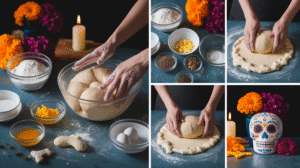
    Mixing the Key Ingredients for Pan de Muerto Begin by carefully combining 1 1/2 cups of flour, sugar, salt, yeast, anise seed, and orange zest in a large mixing bowl, ensuring an even distribution.
    Heating Liquids for a Perfect Dough Gently heat milk, water, and butter together until the butter is fully melted, then combine this mixture with the dry ingredients for a cohesive dough.
    Incorporating Eggs for Moisture and Flavor Add eggs one at a time, ensuring thorough mixing of each egg before adding the next, which will enrich the dough’s texture.
    Kneading the Dough to Achieve Perfect Consistency Knead the dough for about 10 minutes until it reaches a smooth, elastic consistency, then transfer it to a greased bowl for rising.
    First Rise: Allowing the Dough to Expand and Develop Flavor Cover the dough with a clean cloth and let it rise in a warm, draft-free area until it has doubled in size, enhancing its flavor.
    Punching Down the Dough for Texture Gently punch down the risen dough, reserving a portion for decorative shapes that will enhance the visual appeal of the final product.
    Second Rise: Preparing for the Baking Process Allow the formed shapes to rise once more for an hour prior to baking, ensuring they achieve the perfect texture and volume.

    Preparing the Dough: Expert Techniques for Achieving Success in Pan de Muerto

    Creating the ideal pan de muerto dough necessitates meticulous attention to detail at each stage. Start by ensuring your ingredients are at room temperature, particularly the eggs and butter, to promote optimal yeast activation and dough development. Gradually incorporate flour while mixing until you achieve a soft, non-sticky texture that is easy to handle. Kneading is critical; aim for at least 10 minutes to develop the gluten structure that is essential for the bread’s delightful texture. Lastly, ensure a suitable rising environment by placing the bowl in a warm, draft-free space, as this will promote the best results when baking your bread.

    Shaping Rituals: Unleashing Creativity in Forming Your Unique Pan de Muerto

    Shaping your pan de muerto is not merely a functional task; it serves as a canvas for expressing both tradition and creativity. While you can replicate traditional designs such as skulls and crossbones, feel empowered to explore custom shapes like floral motifs or intricate characters that resonate with your personal story. Each form becomes a unique tribute to your loved ones, ensuring your bread is as memorable as it is delicious. To create fascinating designs, utilize sculpting tools or your hands to shape the reserved dough into your desired forms, adding personal touches that reflect your family’s unique history and traditions.

    Perfecting the Art of Baking and Decorating Pan de Muerto for Day of the Dead Festivities

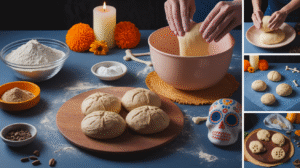
    Baking pan de muerto is an art that beautifully merges tradition with individual expression. Begin by shaping your dough into skulls, crossbones, or any creative forms that embody your desire to honor your loved ones. Your choices in decoration not only enhance the visual appeal but also encapsulate the memories and spirits you wish to celebrate. Consider using colored sugar sprinkles to add a lively touch, transforming this bread into not just a culinary treat, but a stunning centerpiece for your ofrenda, inviting admiration from all who partake.

    Perfecting the Baking Process: Essential Timing and Temperature Guidelines

    Comprehensive Timing and Temperature Guide for Baking

    Oven Temperature 350°F (175°C)
    Baking Duration 40 minutes
    First Rising Time Until dough has doubled in size (approximately 1 hour)
    Second Rising Time 1 hour

    Finishing Touches: Enhancing Flavor and Aesthetic with Glaze and Colorful Sprinkles

    Applying the finishing touches to your pan de muerto not only enhances its appearance but also elevates its flavor profile. Brush the warm bread with a sweet orange glaze made from sugar, fresh orange juice, and zest to amplify its fragrant essence and visual appeal. Once glazed, generously cover your loaf with colorful sugar sprinkles to celebrate its vibrant cultural significance, ensuring each bite becomes a delightful reminder of the festive spirit and the souls you aim to honor through this traditional bread.

    The glaze not only provides a glossy finish but also adds an extra layer of sweetness that harmonizes beautifully with the aromatic notes of anise and orange. This visual and flavorful enhancement transforms the bread into a radiant symbol of remembrance, capturing the essence of the celebration. As you apply the glaze, allow it to soak slightly into the warm bread, ensuring the colored sugar adheres beautifully, creating a whimsical decoration that is both appealing and meaningful. Revel in the festive appearance of your creation while cherishing the memories it represents.

    Embracing Cultural Traditions: The Joy of Sharing Pan de Muerto with Family and Friends

    Sharing pan de muerto is a heartwarming way to honor the memory of loved ones during Mexico’s Day of the Dead. Families often gather to enjoy the bread alongside traditional foods and beverages, fostering a festive yet reflective atmosphere that celebrates life. As you slice into the soft, sweet bread, its unique shapes symbolize the cyclical nature of life and death, allowing for both reverence and joy in remembering those who have passed on, nurturing a connection that transcends time.

    Creating a Reverent Ofrenda: Strategically Placing Bread on Altars for Maximum Impact

    To appropriately feature pan de muerto in your ofrenda, position it prominently on the altar, ideally atop a clean, white cloth to symbolize purity and respect. Adorn it with vibrant marigold flowers, candles, and cherished photographs of your loved ones. The specific shapes of the bread can be highlighted to represent the souls of the departed, ensuring it serves as a welcoming gesture for their return and a heartfelt tribute to their memory.

    Celebrating Together: The Ritual of Sharing Pan de Muerto Within the Family

    The ritual of sharing pan de muerto strengthens familial bonds and keeps the memories of loved ones alive in our hearts. Gather your family around a table filled with this delightful bread, engaging in stories and laughter about those you miss. Enjoy the fluffy texture and fragrant flavors while discussing the significance of each shape and the life of the person it represents, transforming the act of eating into a heartfelt tribute that honors their legacy.

    As you savor your pan de muerto with family, take a moment to reflect on the stories that shape your shared lives. Each bite of this sweet bread can spark conversations about treasured memories, values, and traditions passed down through generations. This sharing not only nourishes your bodies but also nurtures your connections, ensuring that the spirits of those who have departed remain ever-present in both heart and mind. Embrace the sweetness of the moment, allowing your loved ones to join in the celebration, ensuring that their memories continue to live through you and the traditions you uphold.
    Embracing the Spirit of Tradition: Final Thoughts on the Art of Preparing Pan de Muerto

    Preparing pan de muerto offers an invaluable opportunity to connect deeply with the rich cultural heritage surrounding Mexico’s Day of the Dead, all while crafting a delicious bread that pays tribute to your loved ones. By following this traditional recipe, you can immerse yourself in the delightful flavors of anise and orange, filling your home with their inviting aroma as you shape, bake, and decorate your loaves. Whether you choose to create a large centerpiece or smaller versions for sharing, this bread serves as more than just a festive treat; it stands as a meaningful homage to those who have passed on. Enjoy the process of baking and celebrating this beautiful tradition that honors the past while bringing loved ones together.

    The Article: Pan de Muerto Recipe: How to Make Mexico’s Traditional Day of the Dead Bread appeared first on https://fallinginlovewithsanmiguel.com/

    The Article Pan de Muerto: Make Mexico’s Traditional Day of the Dead Bread Was Found On https://limitsofstrategy.com
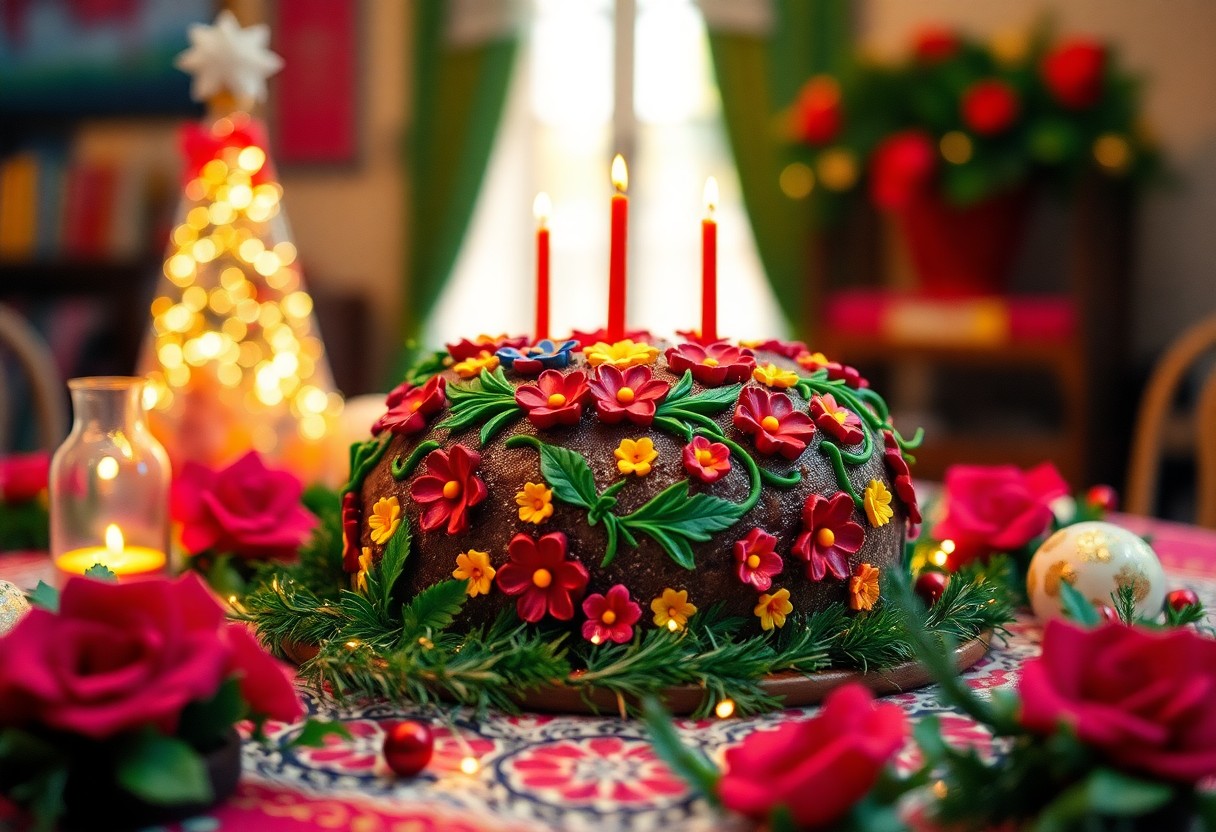
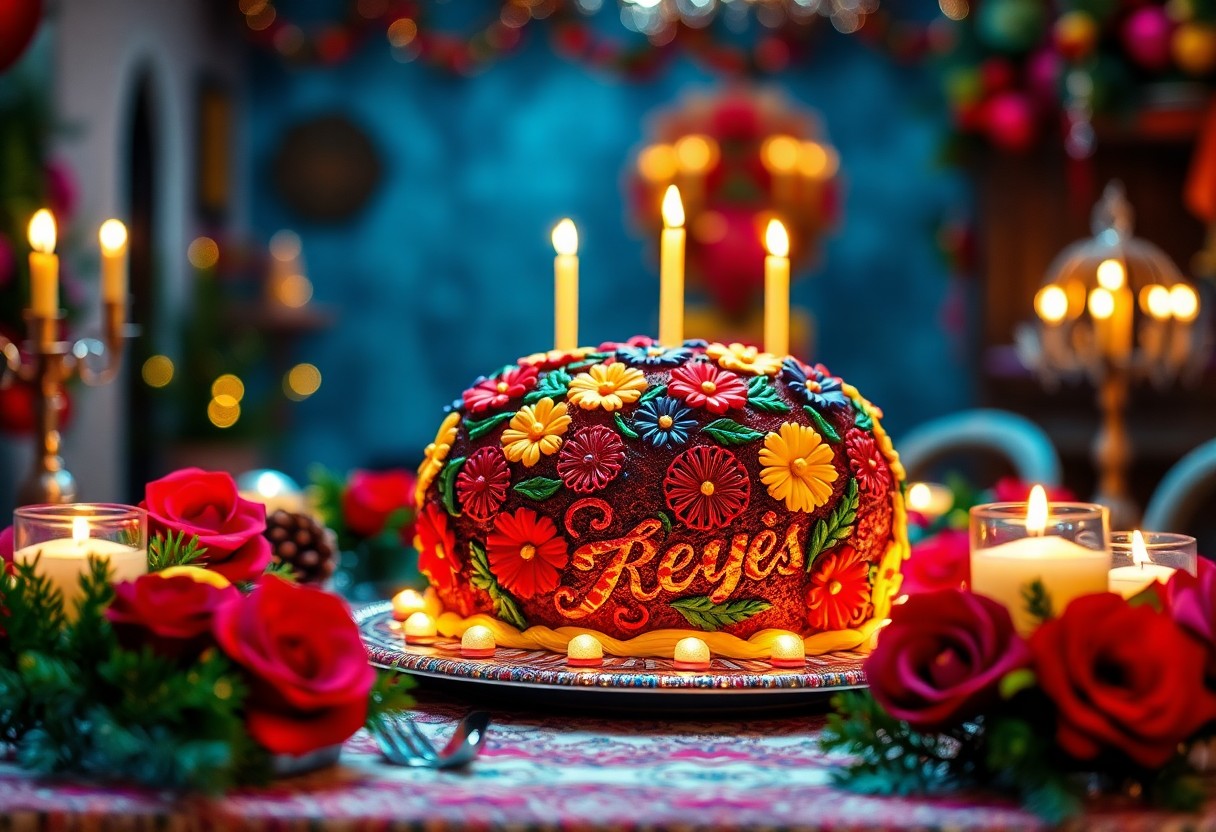
  • Rosca de Reyes: Celebrate Three Kings Day with This Tradition

    Unveil the Deep Cultural Heritage Embedded in Rosca de Reyes

    Rosca de Reyes transcends being just a festive bread; it embodies a rich celebration filled with profound cultural significance. Every year on January 6th, families gather to indulge in this delightful delicacy, symbolizing the conclusion of the holiday season and honoring the remarkable journey of the Three Wise Men. The bread’s circular shape represents the unity and eternity of God’s love, while the hidden baby doll within serves as a beacon of hope and the promise of fresh beginnings. Traditionally, the person who uncovers the doll is tasked with hosting a gathering on Candelaria, celebrated on February 2nd, thus perpetuating the spirit of community and joy that defines this lively holiday.

    Essential Ingredients That Elevate Your Rosca de Reyes Experience

    The selection of ingredients for your Rosca de Reyes is crucial in defining its authenticity and flavor profile. From the captivating aroma of cinnamon to the subtle hints of orange flower water, each ingredient tells a story. Choosing high-quality yeast is essential for achieving an ideal rise, while adding the right amount of sugar introduces a delightful sweetness to the bread. Whether you opt for traditional candied fruits or innovative twists, every decision influences both the taste and the visual allure of your Rosca, creating a feast that delights both the palate and the eyes.

    Crucial Ingredients for Crafting Authentic Rosca de Reyes Flavor

    To replicate the authentic taste of Rosca de Reyes, certain key ingredients are non-negotiable. A blend of warm milk, yeast, and eggs creates a rich, silky dough that serves as the foundation of this festive treat. The warming spices of cinnamon and anise seed deliver a sweet yet spicy warmth that perfectly captures the essence of holiday cheer. Additionally, the fragrant addition of orange flower water elevates the overall flavor profile, although it can be omitted if unavailable. This harmonious blend of flavors results in the authentic experience cherished in numerous Mexican homes.

    Enhancing Your Rosca with Unique Flavors for a Personalized Touch

    In addition to traditional ingredients, consider infusing your Rosca de Reyes with unique flavors to create a customized version. Introducing spices such as nutmeg or cardamom can add an extra layer of warmth, or you might experiment with flavored extracts like almond or lemon to brighten the overall flavor profile of the bread.

    If your goal is to create a distinctive version of Rosca de Reyes, think creatively beyond the basics. Incorporating finely grated zest from lemons or limes can provide a refreshing contrast to the sweet dough, while adding ingredients like chocolate chips or chopped nuts can introduce delightful textures and richness. For a taste of the tropics, consider mixing in coconut flakes or finely diced pineapple. Personalizing your Rosca not only highlights your culinary creativity but also transforms it into a remarkable centerpiece during your Three Kings Day celebrations.

    Step-by-Step Guide to Crafting Your Own Rosca de Reyes

    Step Description
    1. Prepare the Dough Combine warm milk and yeast; sift dry ingredients and mix with wet ingredients to create a soft dough.
    2. Knead Knead the dough until it becomes smooth and elastic, then allow it to rise until it has doubled in size.
    3. Shape the Ring Form the dough into a ring or braid; insert the baby doll before the second rise.
    4. Decorate Add candied fruits to the top and let the dough rise again prior to baking.
    5. Bake Brush with egg wash, sprinkle with sugar, then bake until golden brown and fragrant.

    Meticulously Preparing Your Dough for Optimal Results

    Begin by sprinkling yeast into lukewarm milk, allowing it to bloom for approximately ten minutes. While the yeast activates, sift together flour, sugar, salt, cinnamon, and anise seed. In a large mixing bowl, combine the yeast mixture with beaten eggs, softened butter, vanilla, orange flower water, and orange zest. Gradually incorporate the dry ingredients, ensuring you create a soft and pliable dough, adjusting with more flour if necessary to achieve the desired consistency.

    Shaping and Adorning Your Kings’ Ring for Festivity

    After allowing the dough to rise initially, punch it down and choose your preferred shape. You can create a classic circular ring by rolling the dough into a log and pinching the ends together, or opt for a braided variant by dividing the dough into three sections, rolling them into logs, and twisting them together. Remember to insert the baby doll and smooth the seam before permitting the dough to rise again. Once shaped, press an assortment of candied fruits into the surface for decorative flair.

    Allow the shaped dough to rise for an additional hour until it puffs up and doubles in size. Preparing your King’s Ring is as much about artistic expression as it is about tradition; the arrangement of the candied fruits can reflect your personal style or significant symbolism. After finalizing your design, brush the top with an egg wash and generously coat it with sugar before baking. This step guarantees a beautifully golden crust that complements the rich aroma and flavor of the sweet bread.

    The Profound Cultural Significance Behind Each Slice of Rosca de Reyes

    Each slice of Rosca de Reyes shares a unique story, intertwining the vibrant Mexican traditions with the celebration of Three Kings Day. The act of sharing this festive bread symbolizes the bonds of community and family, unifying everyone in a joyous celebration. As you partake in the festivities, you engage in a beloved ritual that has been lovingly passed down through generations, commemorating the arrival of the Three Wise Men and the conclusion of the Christmas season.

    The Symbolism Embedded in the Baby Figurine of Rosca de Reyes

    The small baby figurine hidden within the Rosca de Reyes is a potent symbol, representing the infant Jesus and the quest for safety from peril. This playful tradition embodies the hope for protection and prosperity in the year ahead. Whoever finds the doll in their slice not only assumes the role of host for the next gathering but is also enveloped by the joy and responsibility that accompany this festive holiday.

    Engaging in Traditional Celebrations Surrounding Rosca de Reyes

    Three Kings Day is celebrated with lively parades, bustling markets, and gatherings brimming with music and laughter. In San Miguel de Allende, you can fully immerse yourself in the carnival atmosphere as children dressed as the Three Wise Men fill the vibrant streets. The night before, families unite to share their hopes and dreams while preparing their shoes for gifts, creating a magical and deeply communal experience.

    During these festivities, the cultural significance of Rosca de Reyes comes alive. As you gather with loved ones to savor the bread, the sound of laughter resonates, reflecting the joy of the celebration. Local markets overflow with beautifully adorned Roscas, enticing you with their inviting appearances. The energetic atmosphere, highlighted by parades and celebrations, showcases the unity and joy that binds the community while honoring the traditions that make Three Kings Day a remarkable highlight of Mexican culture. Participating in these activities not only enhances your appreciation for the bread but also deepens your connections to the enduring traditions passed down through the years.

    Expert Recommendations for Perfecting Your Rosca de Reyes Experience

    • Utilize fresh ingredients to maximize flavors and ensure quality.
    • Ensure the dough rises properly to achieve the best texture and taste.
    • Experiment with various candied fruits to create a distinctive and visually appealing loaf.
    • Verify that the oven temperature is accurate to ensure consistent baking results.

    With these expert tips, you are sure to have a delightful Rosca de Reyes experience that will impress your guests!

    Insider Baking Secrets from Local Baking Experts

    Insights from seasoned bakers emphasize the importance of patience during the dough rising process. Allowing the dough to rise fully not only enriches the texture but also enhances the overall flavor. Many local bakers recommend covering the dough with a damp cloth to retain moisture, enabling it to rise evenly. A warm, draft-free environment is also essential for achieving that perfect fluffy consistency that is a hallmark of traditional Rosca de Reyes.

    Delicious Pairing Suggestions for Creating an Unforgettable Feast

    Enhance your Rosca de Reyes experience by pairing it with traditional Mexican hot chocolate or atole, creating a sweet and comforting feast. The rich flavor of hot chocolate perfectly complements the sweet, spiced bread, while atole serves as a warm, thick drink that elevates the festive mood. Consider adding a sprinkle of cinnamon or a dash of vanilla to your beverages for an extra layer of flavor that enhances your celebratory experience.

    Enjoying Rosca de Reyes transcends the bread itself; it encompasses the entire experience. Think about serving it alongside a variety of Mexican pastries, fresh fruits, and an assortment of warm beverages. This combination creates a festive spread that brings friends and family together, promoting sharing and storytelling as you joyously celebrate the occasion of Three Kings Day.

    Considering Your Options: Baking at Home vs. Purchasing Rosca de Reyes

    Your decision between baking your own Rosca de Reyes at home or purchasing one from a local bakery may depend on your available time, skill level, and the festive atmosphere you are seeking. Baking at home allows for a personal touch and the satisfaction of creating an authentic recipe, while buying from a bakery provides convenience and the opportunity to enjoy diverse styles and flavors crafted by local artisans.

    Optimal Times for Visiting Local Bakeries for Rosca de Reyes

    Visiting local bakeries in the days leading up to Three Kings Day is crucial for securing a fresh Rosca de Reyes. Many bakeries begin preparing their festive breads a week in advance, with the busiest times occurring just before the holiday. Be prepared for long lines, particularly on January 5th, as families eagerly anticipate this cherished tradition.

    Smart Tips for Discovering the Best Rosca de Reyes in San Miguel

    To uncover the finest Rosca de Reyes in San Miguel, seek out bakeries renowned for their quality and meticulous attention to detail. Well-regarded establishments often have a strong reputation for using premium ingredients and traditional recipes, ensuring that each bite is bursting with flavor. Don’t hesitate to ask locals for their recommendations, as they can lead you to hidden gems celebrated for their seasonal offerings.

    In San Miguel de Allende, bakeries such as La Colmena stand out for their exceptional Rosca de Reyes. Known as “The Blue Door Bakery,” it has garnered acclaim for its traditional recipes and stunning presentation. You can explore a variety of sizes and styles, ranging from classic to innovative twists, often crafted with fresh, local ingredients. Visit early to secure your ideal Rosca and immerse yourself in the joyful ambiance of the bakery, especially during this festive season.

    The Article: Rosca de Reyes Recipe: A Traditional Mexican Treat for Three Kings Day appeared first on https://fallinginlovewithsanmiguel.com/

    The Article Rosca de Reyes: A Traditional Mexican Delight for Three Kings Day Was Found On https://limitsofstrategy.com
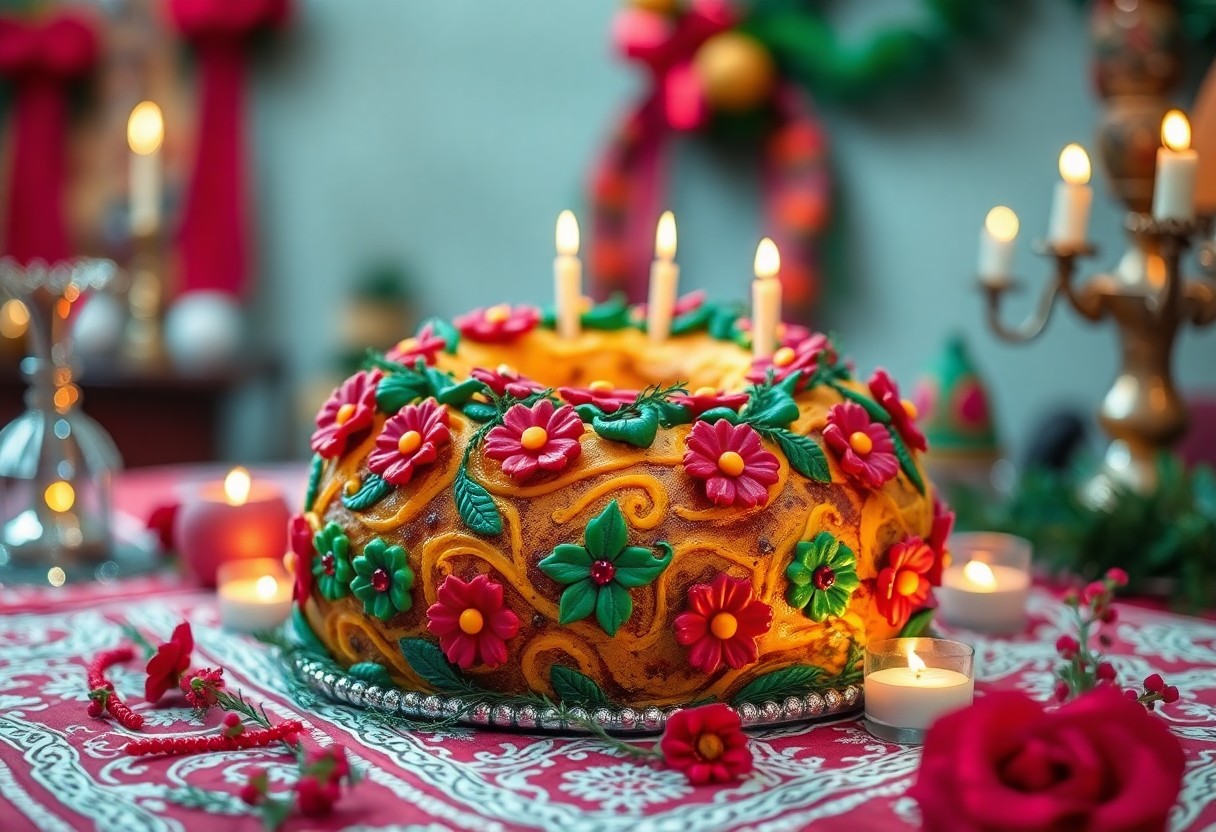
  • Rosca de Reyes: Celebrating a Delicious Tradition in San Miguel

    Rosca de Reyes: Celebrating a Delicious Tradition in San Miguel

    Immerse yourself in the lively atmosphere of San Miguel de Allende, where the enchanting celebration of Rosca de Reyes captivates both locals and tourists alike. Each year, on January 6th, this cherished sweet bread becomes the centerpiece of festivities, honoring the Feast of the Epiphany. Its circular shape symbolizes the infinite nature of love, while the surprise hidden baby Jesus figurine adds an element of thrill to the occasion. Those lucky enough to discover the figurine bear the joyful responsibility of hosting a tamales feast on February 2nd, known as Día de la Candelaria. Renowned bakeries like Kaffi and Panio are celebrated for their exquisite Roscas, making it a must-try culinary experience during your visit.

    Explore the Fascinating History Behind Rosca de Reyes

    The Rosca de Reyes has stood the test of time as a beloved symbol of festivity, intricately woven into the fabric of history. Its roots can be traced back to Europe, specifically in Spain and France, where it first emerged during the Middle Ages as a part of holiday celebrations. When Spanish colonizers brought this delightful tradition to Mexico, it seamlessly integrated with local customs, evolving into a quintessential aspect of Mexican culture. The cake’s circular design resonates with the eternal love of God, while the concealed baby Jesus figurine symbolizes the Holy Family’s escape from King Herod. In San Miguel de Allende, this tradition thrives, fostering a sense of community through shared history and delectable flavors.

    Discover the Deep Symbolism Embedded in Rosca de Reyes

    Beyond its delicious flavor, the Rosca de Reyes embodies profound symbolism that enriches its experience. Its circular shape signifies not only the unending love of God but also serves as a crown representing the Three Wise Men. Each element, from the colorful candied fruits to the hidden baby figure, tells a rich story steeped in faith, tradition, and community spirit. Sharing a Rosca with loved ones in San Miguel de Allende connects you to a time-honored celebration that beautifully intertwines European and Mexican heritage, creating a tapestry of cultural significance and joy.

    Delving into the Meaning Behind the Shape and Design of the Rosca

    Every detail of the Rosca is infused with meaning and cultural significance. Its round form is not merely a visual delight; it symbolizes eternity and the unity among family and friends. The crown-like shape pays tribute to the Three Wise Men, while the act of sharing the bread embodies the spirit of community and togetherness. In San Miguel de Allende, this enduring tradition serves as a beautiful reminder of the region’s rich cultural heritage and highlights the importance of maintaining strong community bonds, especially during festive occasions.

    Understanding the Importance of Candied Fruits in the Rosca

    Adorned with vibrant candied fruits, each Rosca de Reyes is not just a culinary delight but also a feast for the eyes. These colorful toppings symbolize the jewels found on a king’s crown, contributing both sweetness and texture to the cake. Beyond their decorative purpose, these fruits represent the wealth and gifts brought by the Three Wise Men. In San Miguel de Allende, many bakeries pride themselves on sourcing these fruits locally, adding a touch of regional pride to this time-honored tradition. The candied fruits not only enhance the flavor experience but also honor the opulence associated with the Wise Men’s offerings, making each bite a celebration of history and artistry.

    The brilliant colors of the candied fruits reflect the joy and festivity of the Epiphany celebration, enhancing the overall experience of indulging in a Rosca. When you savor a piece of this delightful treat in San Miguel de Allende, you’re not just enjoying a delicious dessert; you’re also partaking in a rich history that celebrates community, culture, and creativity.

    Unveiling the Tradition of the Hidden Baby Figurine

    Central to the Rosca experience is the hidden baby Jesus figurine, an enchanting and meaningful element of this tradition. Finding the figurine in your slice is not only an exciting surprise but also comes with a significant responsibility, as it indicates that you will host a tamales feast on Día de la Candelaria (February 2nd). This custom injects a playful sense of anticipation into the celebration, creating a shared experience among participants and strengthening community ties.

    This tradition carries deep symbolic meaning. The hidden baby represents the Holy Family’s need to safeguard Jesus from King Herod’s decree. In San Miguel de Allende, this custom fosters a spirit of community as families and friends gather to share the Rosca and celebrate together. Exercise caution when slicing the bread, as the figurine is small and poses a choking hazard if not handled with care.

    Engaging Insights and Fun Facts About Rosca de Reyes

    The tradition of Rosca de Reyes is steeped in history and rich symbolism, transcending the realm of mere culinary delight. This King’s Cake is a cultural experience that enchants both locals and visitors alike. In San Miguel de Allende, bakeries create giant roscas that can serve entire communities, transforming this celebration into a collective event. The hidden baby figurine adds an exhilarating element, as finding it means you’ll host a tamales feast on Día de la Candelaria. Some modern adaptations even include multiple figurines, adding an interactive and fun twist for everyone involved.

    Marvel at the Giant Roscas of San Miguel de Allende

    One of the most impressive spectacles during the Rosca de Reyes festivities in San Miguel de Allende is the creation of giant roscas. These monumental cakes can serve hundreds of people and often take center stage at community gatherings. Local bakeries take immense pride in crafting these oversized versions, ensuring that the cherished tradition can be enjoyed by all. Sharing a slice from such a grand rosca is not only a memorable experience but also strengthens the bonds within the community, fostering a sense of unity and celebration.

    Explore Global Variations of King’s Cake

    Across the globe, cake traditions reminiscent of Rosca de Reyes can be found in diverse cultures. For instance, in France, the Galette des Rois is a flaky puff pastry filled with almond cream, while in Spain, the Roscón de Reyes is often adorned with whipped cream. Each variant reflects unique local flavors and customs, yet they all share a common theme of celebrating the Epiphany. These international adaptations highlight the widespread appeal and cultural significance of this festive tradition.

    A closer look at these variations reveals fascinating distinctions. For example, the French Galette des Rois utilizes a fève, a small porcelain figurine, instead of the baby Jesus. Meanwhile, Portugal’s Bolo Rei incorporates dried fruits and nuts, offering a different texture and flavor profile. These adaptations illustrate how the tradition can evolve while retaining its core significance across diverse cultures, showcasing the universality of celebration and community.

    Embracing Innovative Twists on the Rosca Tradition

    Modern bakers are creatively reinterpreting the Rosca de Reyes, introducing exciting twists to the classic recipe. You might discover versions filled with chocolate, cream cheese, or dulce de leche, adding new layers of flavor that delight the palate. Some bakeries even offer gluten-free or vegan options, ensuring that the tradition remains inclusive for everyone to enjoy. These innovations maintain the relevance of the Rosca de Reyes while honoring its historical roots, bridging the gap between tradition and modern culinary preferences.

    Such variations keep the Rosca de Reyes tradition alive and thriving in today’s dynamic culinary landscape. By blending age-old customs with contemporary tastes, bakers in San Miguel de Allende and beyond are preserving the spirit of celebration while appealing to modern sensibilities. Whether you choose the traditional version or a creative twist, the Rosca de Reyes continues to spread joy, foster connections, and celebrate community.

    Embark on a Journey to Find the Best Rosca de Reyes in San Miguel de Allende

    Your exciting quest for the ultimate Rosca de Reyes in San Miguel de Allende is about to unfold. The city is home to a diverse array of bakeries and cafés that are dedicated to crafting this traditional treat with passion and authenticity. From charming family-owned panaderías to trendy modern cafés, each establishment offers a delightful selection, showcasing their unique interpretation of the classic recipe to satisfy every palate.

    Uncover the Premier Bakeries and Cafés for Rosca de Reyes

    If you’re eager to find the best spots to enjoy Rosca de Reyes, start with Kaffi, renowned for its artisanal approach, or Café Umarán, which beautifully marries tradition with contemporary flavors. Local favorites like Panio and La Colmena are celebrated for their freshly baked roscas characterized by rich, buttery textures. For an even broader selection, City Market and Panadería la Buena Vida offer both traditional and innovative variations of this festive bread, ensuring there’s something for everyone.

    Participate in Community Celebrations and Events for Rosca de Reyes

    Beyond the bakeries, San Miguel de Allende comes alive with vibrant community events celebrating Rosca de Reyes. On January 6th, you can join public gatherings at the Jardín Principal, where giant roscas are shared among locals and visitors alike. These lively events often feature music, dancing, and storytelling, allowing you to immerse yourself fully in this joyful tradition.

    Engaging in the Rosca de Reyes events in San Miguel de Allende is truly unmissable. The central square hosts grand celebrations where you can witness the ceremonial cutting of massive roscas that feed hundreds. While the hidden baby figurine may lead to unexpected responsibilities, the joy of participating in these communal festivities is unparalleled, offering you a profound connection to the local culture and its cherished traditions.

    Celebrate Rosca de Reyes Like a True Local in San Miguel de Allende

    The Rosca de Reyes transcends being just a dessert; it embodies a cultural experience that captures the essence of San Miguel de Allende. Start your celebration by inviting friends and family to share the cake on January 6th. While slicing the rosca, be mindful, as discovering the hidden baby Jesus figurine means you’ll be in charge of hosting a tamales feast on February 2nd. Pair the cake with traditional hot chocolate or atole, and relish the festive atmosphere in local bakeries or your home. Embrace the tradition by learning its rich symbolism and sharing stories about the Three Wise Men.

    How to Host an Unforgettable Tamales Feast

    If you happen to discover the baby figurine in your slice, you’ll have the delightful responsibility of hosting a tamales feast on Día de la Candelaria. This presents a wonderful opportunity to prepare or order a variety of tamales with fillings such as mole, rajas, or sweet options. Invite your friends and family to join in the celebration, and don’t forget to serve atole or champurrado alongside the tamales. This joyous feast not only continues the tradition but also strengthens your connections with the community, creating cherished memories.

    Sharing the Joy of Rosca Tradition with Loved Ones

    Making Rosca de Reyes a cherished event can be achieved by including your loved ones in the celebration. Gather everyone around the table, share the cake, and take the time to explain its symbolism while recounting stories of the Three Wise Men. Encourage children to participate, as they often delight in the thrill of searching for the hidden figurine. This tradition nurtures connections and keeps the vibrant Mexican culture alive in San Miguel de Allende.

    Like many traditions, the joy of Rosca de Reyes is amplified when shared with others. Finding the baby figurine becomes a fun challenge and a significant responsibility, as it means hosting the tamales feast. Sharing the cake with friends and family deepens relationships and creates lasting memories. In San Miguel de Allende, this tradition stands out as a highlight of the holiday season, intertwining delicious food with profound cultural significance. It’s essential to explain the symbolism to younger generations, ensuring that this cherished tradition continues to thrive for many years to come.

    Appreciating the Cultural Importance of Rosca de Reyes in Mexico

    Keep the spirit of the tradition alive by acknowledging the cultural significance of Rosca de Reyes in Mexico. Celebrated on January 6th, this delightful sweet bread marks the Feast of the Epiphany, commemorating the visit of the Three Wise Men to the infant Jesus. The circular shape symbolizes eternity, while the hidden baby figurine signifies the Holy Family’s escape from King Herod. Discovering the figurine means you’ll host a tamales feast on February 2nd, known as Día de la Candelaria. In San Miguel de Allende, this tradition unites communities, with bakeries crafting giant roscas for collective celebrations, beautifully blending faith, history, and joyful gatherings.

    Dive Into the Joy of Rosca de Reyes in San Miguel de Allende

    Now is the ideal time to immerse yourself in the rich tradition of Rosca de Reyes in San Miguel de Allende, where this festive treat serves as a unifying force for communities. The cake’s profound symbolism and historical significance elevate it beyond mere dessert; it embodies a celebration of culture and faith. Whether you indulge in it at a local bakery or share it with friends and family, the Rosca de Reyes offers a unique opportunity to connect with Mexican heritage. Plan your visit to San Miguel de Allende during the Epiphany season to savor this delightful tradition and create unforgettable memories.

    Your Questions Answered: Rosca de Reyes FAQ

    What makes Rosca de Reyes culturally significant in San Miguel de Allende?

    The Rosca de Reyes is a beloved traditional Mexican cake enjoyed on January 6th to celebrate the Feast of the Epiphany. In San Miguel de Allende, this tradition carries deep cultural and religious significance. The cake’s round shape signifies eternity, while the hidden baby Jesus figurine symbolizes the Holy Family’s escape from King Herod. Sharing the Rosca with family and friends is a cherished custom, deeply rooted in the community and its values.

    Where can I discover the finest Rosca de Reyes in San Miguel de Allende?

    San Miguel de Allende boasts a plethora of bakeries and cafés famous for their delicious Roscas. Notable locations include Kaffi on Carlos del Castillo, Café Umarán in Zona Centro, and Panio on Correo Street. La Colmena and Panadería la Buena Vida are also highly recommended for their authentic and flavorful Roscas that reflect traditional craftsmanship.

    What should I do if I find the baby Jesus figurine in my slice of Rosca?

    Finding the baby Jesus figurine in your slice of Rosca is considered a significant honor, yet it also carries the responsibility of hosting a tamales feast on February 2nd, known as Día de la Candelaria. This tradition adds a fun, communal aspect to the celebration, bringing people together to continue the festivities and deepen their connections.

    The Article: The Delicious Tradition of Rosca de Reyes in San Miguel de Allende appeared first on https://fallinginlovewithsanmiguel.com/

    The Article Rosca de Reyes: A Tasty Tradition in San Miguel de Allende Was Found On https://limitsofstrategy.com
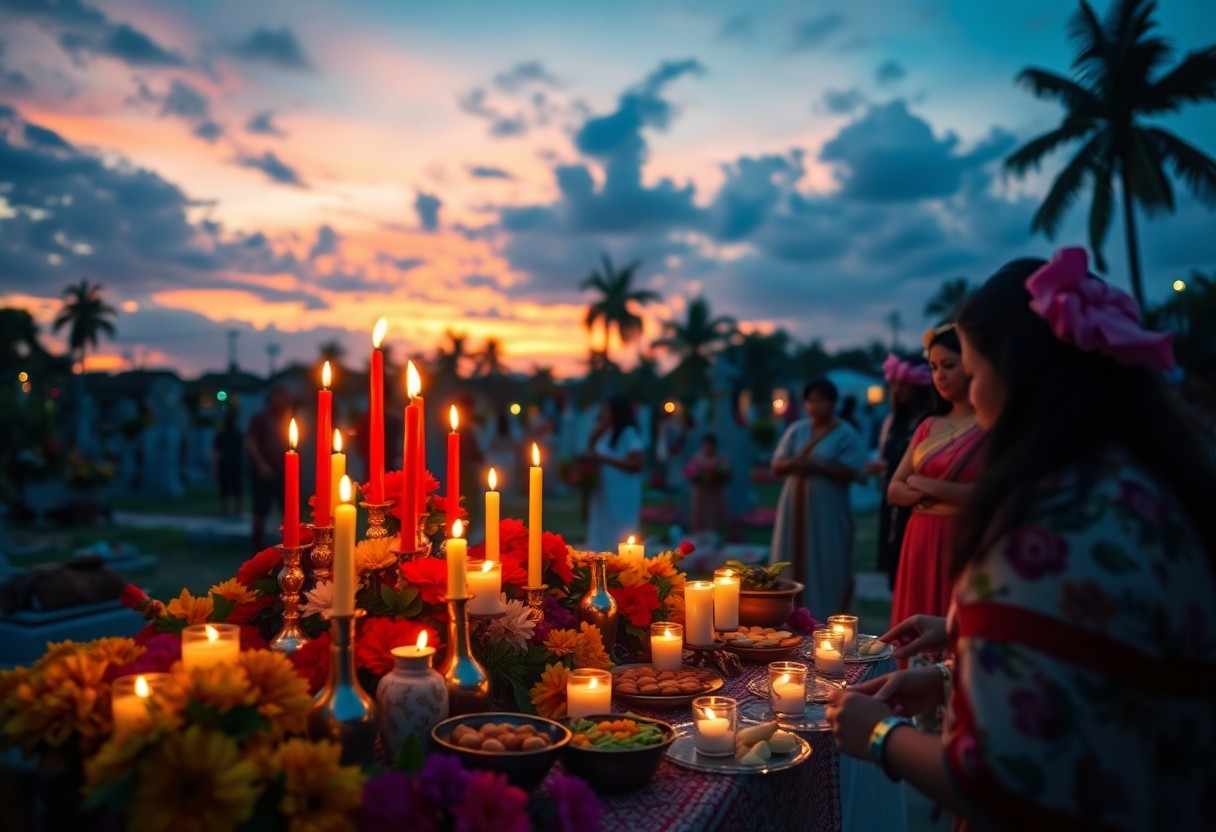
  • Los Finados in Belize: A Tribute to the Departed

    Los Finados in Belize: A Tribute to the Departed

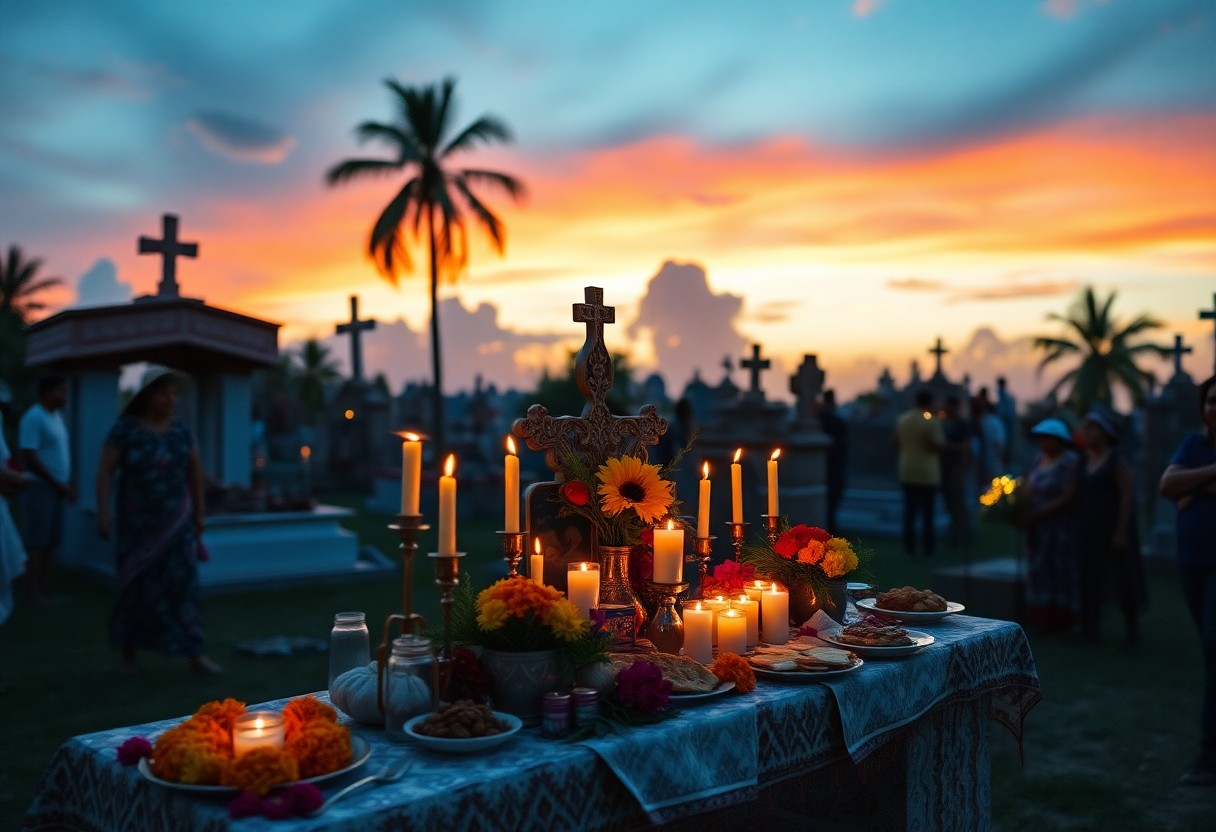
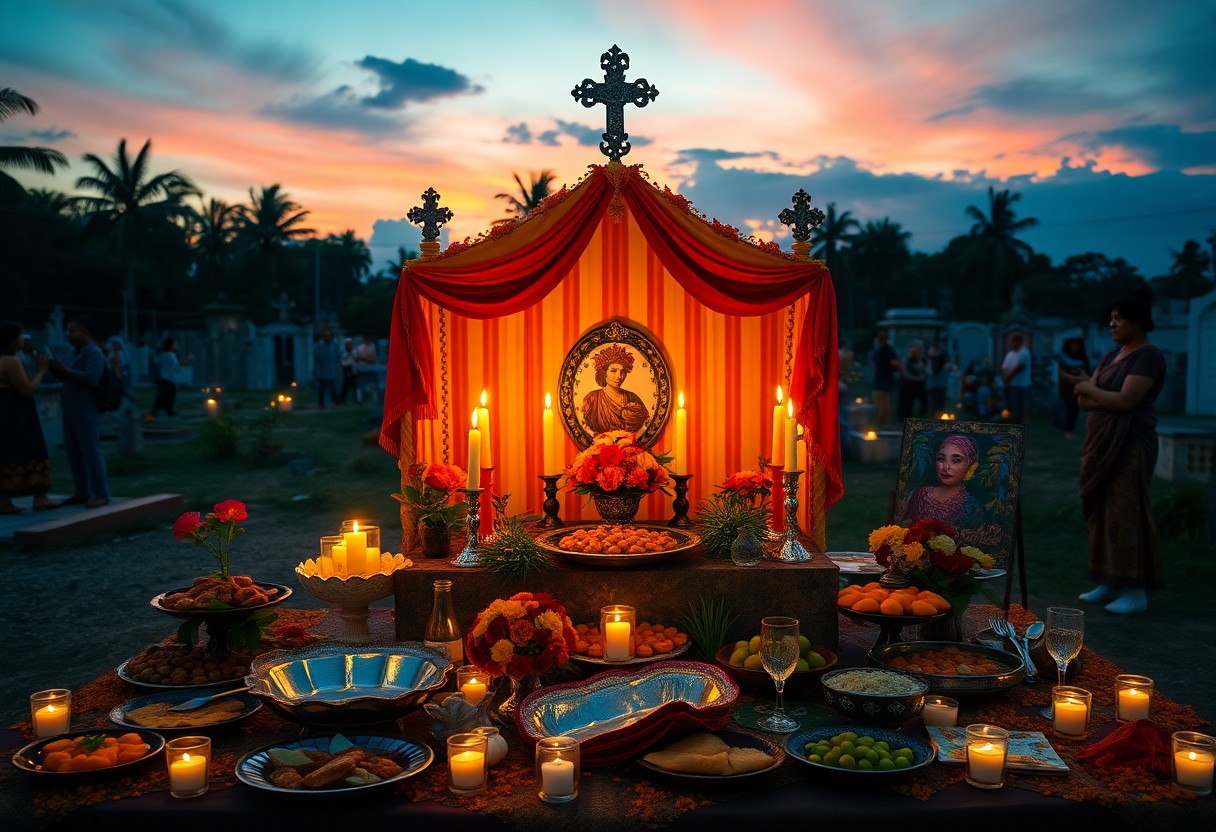
    The sacred tradition of Los Finados in Belize unfolds as departed souls return to Earth from November 1 to November 9. This remarkable celebration showcases a distinctive blend of Maya-Mestizo customs intertwined with Catholic practices in Northern and Western Belize. Families throughout the region come together to create stunning altars adorned with traditional offerings, inviting a deep exploration into this vibrant cultural celebration. You will encounter meaningful rituals, such as crafting las velas de cera (wax candles) to guide spirits home and preparing sacred dishes like ix’pasha and bollos. This nine-day observance not only honors the memory of loved ones who have passed but also reflects how Belizean communities sustain their profound connections with ancestral traditions.

    Here’s the formatted content as requested:

    Discover the Varied Celebrations of Los Finados and Their Cultural Importance

    To pay tribute to the departed in Belize, families engage in a variety of traditional ceremonies and ritual offerings throughout Los Finados. The celebrations harmoniously blend Maya-Mestizo customs with Catholic traditions, creating a rich tapestry of cultural significance. Key events during this period include:

    Celebration Type Date
    Día de los Angelitos November 1
    Día de las Animas November 2
    Daily Prayers November 3-8
    Final Procession November 9

    Día de los Angelitos: Honoring the Innocence of Departed Children

    One of the most poignant aspects of Los Finados centers around honoring children who have passed. Families create special altars decorated with toys, candies, and sweet bread, reflecting the innocence and purity of young souls. Adorned with white flowers and small angels, these altars serve as a vibrant celebration of life, providing a space for families to connect with their children’s spirits and celebrate their memories. This heartfelt tribute allows families to express their love and remembrance, fostering a sense of community as they share stories and reflect on the joy these children brought into their lives.

    Día de los Animas: A Day to Remember and Celebrate Loved Ones

    On this significant day, offerings consist of traditional foods, beverages, and personal items belonging to deceased adults. Altars are adorned with ix’pasha, bollos, and las conservas, alongside cherished photographs and meaningful possessions. A crucial tradition involves the use of las velas de cera (wax candles), made from pure beeswax, which serve as spiritual guides for the souls. Their flames indicate the presence or departure of spirits, and it is essential that these candles burn completely without being extinguished. This day serves as a powerful reminder of the enduring bond between the living and the departed, allowing families to share their grief and joy in a communal setting.

    Learning the Art of Traditional Altar Preparation for Los Finados

    Preparing an altar for Los Finados is a task that demands meticulous attention to detail and deep respect for ancient customs. Typically structured as a three-tiered arrangement, the altar symbolizes the connection between heaven, earth, and the underworld. Start your preparations at least two days before November 1st to ensure you have ample time to gather all the necessary elements, creating a sacred space that welcomes the spirits of the departed. This careful setup is not just a ritual; it is an act of love and remembrance, emphasizing the importance of honoring those who have passed.

    Essential Elements and Decorations to Create a Meaningful Altar

    The little details in your altar will make a significant impact on its composition. Essential items include las velas de cera (beeswax candles), fresh flowers (especially marigolds), copal incense, and a white tablecloth to serve as your foundation. Incorporate photos of deceased loved ones, religious imagery, and traditional foods such as ix’pasha and bollos. Additionally, ensure the presence of water, salt, and bread, as these are fundamental elements that hold great significance in the rituals. Each item is carefully chosen to honor the spirits, providing them with the comfort of familiarity and love as they journey back to visit their living relatives.

    The Spiritual Significance of Altar Item Placement and Arrangement

    The placement of items on your altar carries profound spiritual significance within Belizean tradition. The top tier represents heaven, showcasing religious symbols and photographs of the deceased. The middle tier is dedicated to offerings of food and drink, while the bottom tier features water and salt to purify the visiting souls. Each candle’s position acts as a spiritual compass, guiding souls between realms and creating a harmonious connection with the spirit world. This thoughtful arrangement fosters an atmosphere of reverence and respect, inviting the spirits to feel welcome and honored during their brief return.

    The elements on your altar work in unison to establish a powerful connection with the spiritual realm. The smoke of copal incense carries your prayers skyward, while the vibrant scent of marigolds creates a welcoming path for spirits to follow. It is important that your food and drink offerings are fresh and abundant, as these serve as spiritual nourishment for visiting souls during their journey from purgatory. This nourishment reflects the love and care that families continue to provide, even after death, reinforcing the ties that bind the living to their ancestors.

    Step-by-Step Guide to Participating in Los Finados Rituals

    To fully participate in Los Finados, it is essential to understand the specific sequence of rituals that unfold over the nine days of celebration. This process artfully combines Maya-Mestizo traditions with Catholic practices, resulting in a unique cultural experience that enriches your understanding of this sacred occasion. Each day carries its own significance and rituals, allowing for a comprehensive honoring of those who have passed.

    November 1 Día de Los Angelitos – Honoring deceased children
    November 2 Día de las Animas – Honoring deceased adults
    November 3-8 Daily prayers and offerings
    November 9 Final farewell ceremony

    Setting Up Your Altar with Purpose and Spiritual Intention

    Arranging your altar follows a specific order that reflects deep meaning. Place photos of your departed loved ones at the center, encircled by las velas de cera (beeswax candles). Incorporate religious items, fresh flowers, and traditional foods like ix’pasha and bollos across different levels. Position your altar facing east to invite the spirits to return. This intentional setup not only honors the deceased but also creates an inviting atmosphere that encourages their spirits to visit and participate in the celebration.

    Participating with Reverence in Prayer and Offering Ceremonies

    Specific sacred guidelines govern your participation in the Los Finados ceremonies. Maintain silence during food preparation, as it is believed that spirits are present in the space. Only the cook may taste the ix’pasha porridge, and it is crucial that the candles burn completely without being extinguished. This adherence to tradition enhances the spiritual experience, allowing families to feel the presence of their loved ones in a meaningful way.

    Once your offerings are in place, you will join in nine days of prayers. Observe the direction of the candle flames—if they flicker eastward, it signifies the arrival of spirits, while westward indicates their departure. The food remains untouched until after prayers, at which point you can share the meals, as the spirits have already consumed their essence. This practice not only deepens the connection with the departed but also fosters a sense of unity and gratitude among the living.

    Exploring Traditional Foods and Their Spiritual Significance During Los Finados

    Your connection to Los Finados is deeply embedded in the traditional dishes and offerings you prepare. In Belize’s Maya-Mestizo communities, food serves as a spiritual bridge that connects the living with the departed. Your offerings must consist of specific items: las conservas (stewed fruits), traditional corn-based dishes, and special beverages that your deceased loved ones cherished. Each dish is prepared with love and intention, reflecting the tastes and preferences of those who have passed.

    Highlighting Special Dishes and Their Cultural Significance in the Celebration

    As you prepare your altar, you will need to include ix’pasha, a revered purple corn porridge, and bollos, crafted from masa and ix’pelón beans. Your offerings should also encompass traditional sweets, such as bread and candies for los angelitos (little angels), along with more hearty dishes meant for adult spirits. Each item placed on the altar carries deep cultural meaning, symbolizing your respect and remembrance for those who have departed. This culinary aspect of the celebration reinforces the bond between the living and the dead, allowing families to express their love through food.

    Guidelines for Preparation and Cooking with Respect

    Even while cooking, it is important to adhere to specific traditional protocols. Maintain a quiet, reverent atmosphere as spirits are believed to be present during the preparation. Special care should be taken with the preparation of ix’pasha—only the cook may taste it before it is served after prayers. This careful approach not only honors the spirits but also elevates the overall experience of the celebration.

    Gather your family together to prepare these meaningful dishes in a sacred environment. Never blow out the wax candles with your mouth; they must burn down completely. Ensure that your cooking is finished before sunset on November 1st for children’s spirits and by November 2nd for adults, so that your offerings are fresh and welcoming for the spirits upon their arrival. This attention to detail enhances the spiritual ambiance of the celebration and emphasizes the importance of family unity during this sacred time.

    Key Considerations for Meaningful Participation in Los Finados

    When participating in Los Finados celebrations in Belize, keep in mind these essential elements. The tradition revolves around altar preparation, traditional foods, and sacred rituals. Your involvement necessitates a deep respect for both Catholic and Maya customs. Understanding the spiritual significance enhances your ability to connect meaningfully with this celebration. Approach each aspect of the festivities with reverence and curiosity, allowing for a deeper appreciation of the cultural heritage being honored.

    Understanding the Timing and Duration of Los Finados Celebrations

    Los Finados follows a precise timeline in Belize, starting with November 1st for Día de los Angelitos and culminating on November 9th. The nine-day celebration provides families ample opportunity to honor their departed through daily prayers and rituals. To participate effectively, it is crucial to grasp the specific timing for offerings and ceremonies. This structured approach allows families to fully engage in the experience, ensuring that they honor every aspect of the tradition.

    Examining the Cultural and Religious Elements of Los Finados

    Los Finados intricately blends Maya-Mestizo traditions with Catholic beliefs, creating a profound experience during this sacred celebration. You will encounter traditional elements such as ix’pasha, las velas de cera, and altar preparations that highlight this unique cultural fusion. Respecting both spiritual aspects enriches your understanding of this important tradition. Each component of the celebration serves as a reminder of the interconnectedness of life and death, allowing families to celebrate the lives of those who have passed while also embracing the lessons of their cultural heritage.

    Key components of the celebration include preparing traditional foods, setting up memorial altars, and engaging in community prayers. Notably, the crafting of beeswax candles holds special significance, as they act as spiritual guides for the departed. The combination of food offerings, prayers, and communal activities fosters a deep connection between the living and deceased members of the community, creating a space for reflection and remembrance.

    Essential Tips for Respectful Engagement in Los Finados

    For those unfamiliar with Los Finados customs, approaching this sacred celebration with the utmost respect is vital. When attending community events or visiting homes containing altars, maintain a respectful demeanor and seek permission before taking any photographs. Dress modestly, refrain from touching altar items, and adhere to local customs. Acknowledging the profound spiritual significance of Los Finados will enhance your participation in this cultural tradition and foster connection with the local community.

    Practicing Cultural Etiquette During Los Finados

    Given that Los Finados is a deeply spiritual occasion, your behavior should reflect its solemnity. Speak in hushed tones near altars and during prayers, and opt for modest and respectful attire. If you visit cemeteries or homes, consider bringing flowers or candles as offerings, but always ask for the family’s permission first. Your sincere interest in understanding this tradition will be warmly welcomed by local communities, encouraging a deeper exchange of cultural values and beliefs.

    Participating in Common Practices and Customs During the Celebration

    During your visit to Los Finados, you will observe specific customs unique to Belize. You can actively participate by assisting families in preparing traditional foods like ix’pasha and bollos, or by joining in the evening prayers. It is essential to never blow out las velas de cera (wax candles), as this act is seen as disrespectful to the spirits. These customs create a shared sense of purpose and community, reinforcing the bonds between families and their ancestors.

    This nine-day celebration invites your active participation in various customs. You can join families in placing candles along roadsides on November 9th, attend the Noche de Cuenta Cuentos, or explore the vibrant night markets. Always ensure that your presence at these events is accompanied by respect for local traditions and beliefs, enhancing the overall experience for both visitors and locals alike.

    Reflecting on the Profound Significance of Los Finados in Belize

    Upon reflection, you will find that Los Finados in Belize presents a unique opportunity to understand how Maya-Mestizo communities sustain their connections with loved ones who have departed. Through your exploration of this vibrant nine-day observance, you will uncover the rich tapestry of customs—from the preparation of traditional dishes like ix’pasha to the intentional placement of las velas de cera. Your newfound understanding of this cultural celebration reveals how Belizean communities harmoniously blend Indigenous wisdom with Catholic traditions, creating a meaningful method to honor their ancestors. Next time you find yourself in Belize during early November, you will appreciate the depth of these customs that preserve family bonds across generations, enriching the cultural landscape of this beautiful country.

    Frequently Asked Questions (FAQ) about the Meaning and Practices of Los Finados

    What are the Important Dates and Events During Los Finados in Belize?

    Los Finados in Belize spans from November 1 to November 9. The first day, known as Día de Los Angelitos, honors deceased children with special altars featuring sweets and treats. The second day, Día de los Animas, celebrates departed adults with traditional foods such as ix’pasha and bollos. The celebration culminates on November 9 with candle-lighting ceremonies along roadsides and processions at cemeteries, marking the end of the nine-day observance.

    What Traditional Foods and Items Are Featured on Los Finados Altars?

    Los Finados altars showcase a variety of traditional elements: las conservas (stewed fruits including pumpkin, papaya, and watermelon), ix’pasha (purple corn porridge), bollos (corn dough with ix’pelón beans), wax candles (las velas de cera), flowers, photographs of the departed, and religious images. Additionally, the deceased’s favorite foods and beverages are included as offerings, creating a personal and meaningful tribute that honors their memory.

    How Do Belizean Communities Continue to Celebrate and Maintain This Tradition Today?

    Communities in Northern and Western Belize preserve Los Finados through various engaging activities, including Noche de Cuenta Cuentos (storytelling nights), vibrant night markets, and altar exhibitions. The National Institute of Culture and History conducts workshops that teach traditional cooking methods and candle-making. Local celebrations are enriched with marimba music, traditional dress, and face painting, ensuring that this vital Maya-Mestizo cultural practice continues to be cherished and passed down through generations, fostering a strong sense of identity and continuity.

    The Article Remembering the Departed: Celebrating Los Finados in Belize appeared first on Belize Travel Guide

    The Article Los Finados in Belize: Honoring the Departed Was Found On https://limitsofstrategy.com