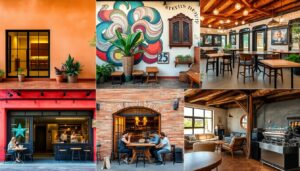
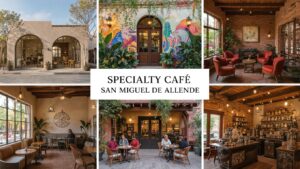
Dive Deep into the Vibrant World of Coffee Culture
What Essential Elements Define the Heart of Coffee Culture?

Coffee culture represents a rich and intricate tapestry of social interactions, shared rituals, and sensory experiences that transcend the mere act of drinking coffee. It embodies how various communities adopt coffee as a vital element of their social fabric, fostering connections, creativity, and communal bonds. Key factors that shape this vibrant coffee culture include:
- Traditions: Unique customs and practices that enhance the enjoyment of coffee.
- Atmosphere: The emotional and physical environment felt within coffee shops.
- Social Rituals: Activities that strengthen interpersonal connections among coffee lovers.
- Community Interaction: Engaging exchanges between patrons and baristas, enriching the coffee experience.
- Sustainability: The dedication to eco-friendly practices within the coffee industry.
- Quality: The essential focus on sourcing and roasting premium coffee beans.
These elements converge to create a nourishing environment where coffee is celebrated as an integral part of daily life. Cafés transform into lively hubs for conversation, kindling creativity, professional collaborations, or simply joyful moments shared among friends. Around the globe, coffee serves as a unifying force, promoting a sense of belonging among diverse groups.
The rituals surrounding coffee consumption vary widely, ranging from the meticulous preparation of traditional Turkish coffee to the uncomplicated approach of modern drip brewing. Nevertheless, the essence of coffee culture resonates most profoundly when individuals come together, sharing stories and savoring each sip in good company.
How Does Coffee Play a Pivotal Role in Everyday Routines?
For countless people, coffee is more than just a beverage; it has become an integral part of daily routines. It acts as a morning ritual that awakens the senses, a refreshing break during a busy workday, or a social touchpoint in the evenings, firmly establishing its place in the rhythm of life. This daily ritual emphasizes coffee’s role as a social lubricant, facilitating meaningful conversations and connections among individuals.
In professional settings, coffee breaks serve as vital opportunities for informal discussions, nurturing creativity and collaboration among colleagues. At home, brewing coffee can transform into a cherished ritual—an oasis of mindfulness amidst the chaos of daily responsibilities. Recognizing this significance, coffee shops worldwide curate inviting atmospheres that encourage patrons to linger, work, or socialize. This approach not only enhances customer experiences but also solidifies coffee’s cultural importance as a collective activity.
As coffee trends evolve, its role in daily life adapts to reflect changing societal dynamics and preferences. An increasing number of individuals are delving into specialty coffee and artisanal brewing techniques, deepening their daily rituals. This evolution signifies that coffee culture is not a static concept; it is a dynamic entity that grows alongside its enthusiasts.
What Historical Milestones Have Shaped the Evolution of Coffee Culture?
The fascinating history of coffee culture dates back centuries, beginning with its discovery in Ethiopia. From there, coffee journeyed through the Middle East, into Europe, and eventually reached the Americas, with each region contributing its unique flavors and customs to this beloved beverage. The emergence of coffeehouses in 17th-century Europe marked a critical turning point in this evolution, as these venues became bustling centers for intellectual discourse and social interaction, laying the foundation for contemporary coffee culture.
As coffee spread across the globe, it adopted various meanings and rituals that reflect local traditions. For example, in Italy, the espresso bar emerged as a cultural staple where patrons connect over a quick shot of espresso. Conversely, Japan cultivated a unique coffee culture that integrates elements from traditional tea ceremonies, emphasizing aesthetics and harmony in their coffee rituals. Thus, coffee serves as a cultural mirror, reflecting the diverse social norms and values of different societies.
The industrial revolution significantly transformed coffee culture, making it accessible to the masses. The introduction of instant coffee changed how people interacted with coffee, simplifying preparation but often compromising quality. Today, we witness a renewed interest in high-quality, sustainably sourced beans, indicating a collective yearning for authenticity and a resurgence of artistry in coffee-making.
What Unique Regional Variations Exist Within Coffee Culture?
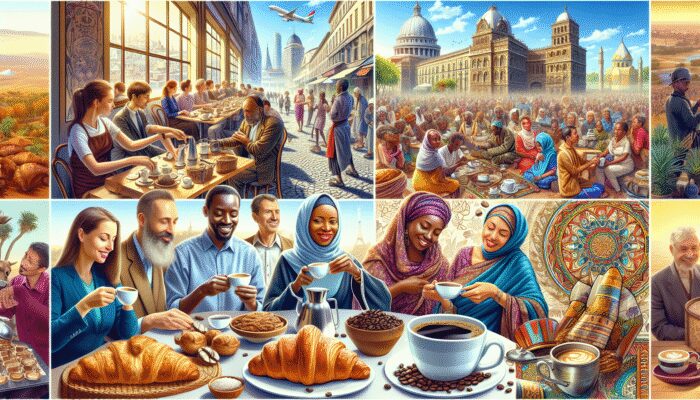
Globally, coffee culture showcases a rich array of regional variations, highlighting local customs, preferences, and brewing methods. Each area offers unique experiences shaped by its history, geography, and social dynamics. For instance, in France, café culture thrives on leisurely breakfasts featuring croissants and café au lait, where patrons often linger for hours, relishing the ambiance. In contrast, the Ethiopian coffee ceremony takes center stage, involving a multi-step process that emphasizes community and hospitality.
In the United States, the emergence of third-wave coffee has transformed public perception and consumption of coffee. Specialty coffee shops now prioritize high-quality beans and artisanal brewing methods, encouraging consumers to explore distinct flavor profiles and origins. Countries like Sweden have embraced their own variations, known as “fika,” which focus on coffee breaks as opportunities for social interaction, accompanied by quality pastries alongside coffee.
These regional variations demonstrate that coffee culture is not monolithic; it reflects local identities. The diverse brewing techniques—from South American pour-overs to Japanese siphon coffee—tell their own stories, showcasing the adaptability and enduring allure of coffee across cultures.
In-Depth Exploration of San Miguel de Allende’s Coffee Culture
How Has the Coffee Culture in San Miguel de Allende Evolved Over Time?
The evolution of coffee culture in San Miguel de Allende reflects broader global trends while also highlighting local characteristics. As the city has transformed into a vibrant destination for tourists and expatriates, its coffee culture has similarly thrived. Initially, coffee consumption in the region was heavily influenced by traditional Mexican practices, often sweetened with sugar and cinnamon. However, the influx of new residents and visitors has ignited a demand for diverse coffee experiences.
The shift toward specialty coffee has been particularly notable, with local cafés offering a variety of brewing methods, from pour-overs to cold brews, mirroring global coffee trends. Many establishments prioritize locally sourced beans, nurturing a sustainable coffee ecosystem that supports local farmers and minimizes environmental impact. This evolution is driven by changing social norms and an increasing appreciation for quality over quantity in coffee consumption.
Additionally, the role of coffee shops in San Miguel de Allende has transformed over time. Once primarily quick stops for caffeine, these establishments have evolved into social hubs where community activities flourish. Regular events, such as art exhibitions, open mic nights, and workshops, create spaces for cultural exchange and community bonding. This transformation illustrates the adaptability of coffee culture to local contexts while preserving its universal appeal.
What Current Trends Are Influencing Coffee Culture Today?
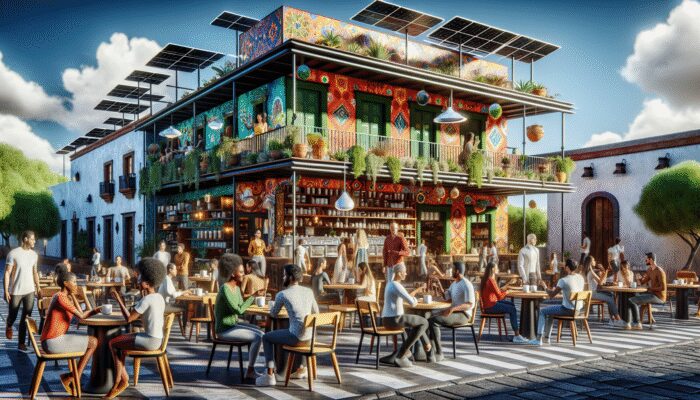
The contemporary trends shaping San Miguel de Allende’s coffee culture reflect a harmonious blend of global influences and local flavors. A notable trend is the growing emphasis on sustainability. Many cafés are committed to eco-friendly practices, from utilizing biodegradable materials to sourcing coffee beans from local, organic farms. This commitment not only attracts environmentally conscious consumers but also fosters a deeper connection between the community and local coffee producers.
Moreover, the rise of the café as a social hub is significant. In San Miguel de Allende, cafés have become essential spaces for cultural exchange, hosting events that unite people and foster relationships. Often regarded as “third places”—neither home nor work—these establishments invite individuals to connect and collaborate. Real-world examples include weekly community meetings and cultural workshops held at local coffee shops, illustrating how coffee culture transcends mere consumption.
Furthermore, the popularity of artisanal coffee preparation continues to rise. Coffee enthusiasts in San Miguel are exploring the intricacies of coffee-making, experimenting with various brewing methods to enhance flavors. This trend emphasizes a deeper appreciation for the craft of coffee-making, encouraging consumers to engage with their beverages in innovative ways.
What Is the Societal Impact of Coffee Culture?
The influence of coffee culture on society, particularly in San Miguel de Allende, is profound and multifaceted. Coffee shops serve as vital community spaces where individuals can engage, collaborate, and unleash their creativity. These establishments often become incubators for local artists, entrepreneurs, and thinkers, providing an environment that nurtures innovation and artistic expression. The inviting atmosphere of a café fosters dialogue and the exchange of ideas, acting as a catalyst for social change.
Moreover, the impact of coffee culture extends beyond individual interactions; it shapes the urban landscape and community development. As coffee shops flourish, they often stimulate the growth of surrounding businesses, creating a ripple effect that enhances the local economy. This symbiotic relationship fosters a sense of belonging and pride within the community, as residents actively engage with their local coffee culture.
Furthermore, coffee culture contributes to the overall well-being of society. Regular interactions in coffee shops can enhance social cohesion, combat loneliness, and promote a sense of community identity. The simple act of sharing a cup of coffee encourages vulnerability and openness, allowing individuals to connect on a deeper level, which is essential for nurturing a harmonious society.
Perfecting the Art of Coffee Brewing
What Key Techniques Are Necessary for Brewing the Ideal Cup of Coffee?
Brewing the ideal cup of coffee is an art that combines skill and science, requiring a delicate balance of technique and choice. Various methods yield distinct flavors and experiences, providing coffee enthusiasts the chance to explore and refine their preferences. Popular brewing methods include:
- Espresso: A concentrated coffee brewed by forcing hot water through finely-ground coffee.
- Pour-Over: A manual technique where hot water is poured over coffee grounds, allowing for precise control over brewing time.
- French Press: A method that immerses coffee grounds in hot water, allowing for full flavor extraction before pressing.
- Aeropress: A versatile tool that combines immersion and pressure for a quick and flavorful brew.
- Cold Brew: Coffee brewed with cold water over an extended period, resulting in a smooth, less acidic beverage.
- Siphon: A vacuum brewing method that offers a theatrical presentation and distinct flavor clarity.
- Turkish Coffee: Finely ground coffee simmered with water and sugar in a special pot, creating a strong and rich brew.
Each brewing method has unique requirements that directly influence the final taste. Understanding water temperature, grind size, and brew time are essential components of mastering each technique. For example, espresso demands finely ground coffee and precise pressure, while a French press thrives on coarser grounds and longer brewing durations. Mastering these techniques enhances the overall coffee experience, transforming a simple drink into a delightful ritual.
Moreover, the selection of equipment significantly influences the brewing process. High-quality tools such as burr grinders and variable temperature kettles can elevate the coffee experience, allowing for greater precision and consistency. As more coffee lovers explore home brewing, appreciation for these nuances continues to flourish, nurturing a culture of exploration and creativity.
Why Is Choosing the Right Coffee Beans Important?
The selection of coffee beans is crucial in determining the quality and flavor of the final brew. Factors such as origin, roast profile, and grind size play essential roles in crafting the perfect cup of coffee. Different regions yield beans with distinct flavor profiles; for instance, Ethiopian beans are known for their fruity and floral notes, while Colombian beans typically exhibit a balanced and nutty flavor.
Roast levels further influence flavor. Light roasts maintain the beans’ inherent traits, allowing for more pronounced acidity and brightness, while dark roasts emphasize boldness and depth, often featuring chocolatey undertones. Additionally, the grind size must be tailored to the brewing method; for example, espresso requires a fine grind, whereas French press calls for coarse grounds. This granularity directly affects extraction and, subsequently, taste.
To select the best coffee beans, one must consider factors like freshness, sourcing practices, and varietal differences. Purchasing from local roasters who prioritize sustainable sourcing can enhance not only the flavor profile but also the story behind the coffee. This conscious decision-making fosters a deeper connection between the consumer and the coffee, elevating the entire experience.
What Elevates a Barista to the Level of an Artist?
The role of a barista transcends simple coffee preparation; it embodies a blend of skill, creativity, and passion that transforms coffee-making into an art form. Baristas master a multitude of techniques, from grinding and extracting espresso to steaming milk for lattes, all while ensuring a consistent and high-quality beverage. Their ability to balance technical brewing aspects with an understanding of flavor profiles distinguishes them as true artists.
Moreover, the artistry of a barista extends to presentation. Crafting latte art serves as a visual expression of creativity that enhances the overall coffee consumption experience. Each design, whether a heart, rosette, or tulip, requires precision and practice, showcasing the barista’s dedication to their craft. This attention to detail transforms each cup into a personalized creation, inviting patrons to appreciate the beauty of their beverage.
In addition to technical prowess, baristas often serve as community builders within the coffee culture. They engage with customers, share knowledge about diverse brewing methods, and foster a welcoming atmosphere that invites conversation and connection. This relationship elevates the café experience, transforming it into a space of collaboration and cultural exchange. In this way, baristas become not just coffee preparers but vital contributors to the rich tapestry of coffee culture.
The Social Dynamics Within Coffee Culture
How Does Coffee Foster Connections Among Individuals?
At its core, coffee serves as a potent social catalyst that brings people together. The act of sharing a cup of coffee opens the door for meaningful conversations, connections, and collaborations. Whether it’s a casual meet-up with a friend or a serious business discussion over a morning brew, coffee promotes camaraderie that transcends cultural and generational boundaries.
In San Miguel de Allende, coffee shops frequently transform into gathering places where locals and tourists alike can connect. The inviting atmosphere encourages patrons to linger, promoting spontaneous interactions and discussions. This communal aspect transforms coffee consumption into a shared experience, with individuals bonding over their love for coffee and the stories that accompany it.
Moreover, coffee culture nurtures inclusivity, as people from diverse backgrounds converge in cafés. These spaces often serve as platforms for cultural exchange, allowing individuals to share experiences and perspectives over their favorite brew. This dynamic fosters a sense of belonging and unity, reinforcing the notion that coffee is more than just a drink; it is a social experience that cultivates community and connection.
What Role Do Cafés Play in Enriching Social Life?
Cafés play a crucial role in shaping social life, serving as third places where individuals can gather outside their homes and workplaces. In San Miguel de Allende, these establishments contribute to the vibrancy of community life by providing spaces for relaxation, creativity, and connection. Cafés offer neutral grounds where individuals can engage in conversations, hold meetings, or simply enjoy a moment of solitude.
The design and ambiance of cafés further enhance their role in social interaction. Thoughtfully curated interiors, comfortable seating, and inviting atmospheres create environments conducive to lingering and engaging with one another. Beyond serving coffee, these establishments frequently host community events, workshops, and art exhibitions, reinforcing their status as cultural hubs within the city.
Additionally, cafés in San Miguel de Allende foster a sense of belonging among regular patrons. Familiar faces, friendly baristas, and shared experiences form connections that extend beyond the café’s confines. This regular interaction strengthens community ties, making cafés an integral part of the local social fabric. Thus, they evolve from mere coffee-serving venues into vital spaces for community building and cultural exchange.
How Does Coffee Culture Aid in Community Building?
In the broader context of community building, coffee culture plays a vital role in fostering connections among individuals. The shared experience of enjoying coffee facilitates interactions that might not occur in other environments. In San Miguel de Allende, coffee shops are recognized for their welcoming atmospheres, which help to dismantle social barriers and encourage engagement among diverse groups.
Regular patrons often form bonds with one another and with the staff, creating a sense of belonging that is essential for community cohesion. These connections frequently extend beyond the café, as friendships formed over coffee lead to collaborations on local projects, cultural events, or artistic endeavors. This organic networking nurtures a vibrant community spirit, where individuals support each other and contribute to shared goals.
Moreover, coffee culture encourages participation in local events and initiatives, as many cafés host community gatherings, art shows, and educational workshops. These activities not only enhance community engagement but also provide platforms for individuals to express their creativity and share their talents. By nurturing these connections, coffee culture serves as a powerful tool for community building, fostering a sense of identity and pride among residents.
Research-Based Benefits of Coffee Culture in San Miguel de Allende
What Health Benefits Are Associated with Coffee Consumption?
The consumption of coffee is frequently linked to numerous health benefits that extend beyond mere enjoyment. Research suggests that regular coffee drinkers can experience a variety of positive effects on their physical and mental well-being. Some key health benefits of coffee include:
- Improved Cognitive Function: Coffee may enhance alertness and concentration.
- Reduced Risk of Certain Diseases: Regular consumption is associated with a lower risk of Parkinson’s disease and certain cancers.
- Increased Physical Performance: Caffeine can boost endurance and performance in physical activities.
- Antioxidant Properties: Coffee is rich in antioxidants that combat oxidative stress.
- Enhanced Mood: Moderate intake may lower the risk of depression.
- Metabolism Boost: Caffeine can increase metabolic rate, aiding in weight management.
These benefits contribute to the overall allure of coffee, encouraging individuals to incorporate it into their daily lives. The ritual of brewing and savoring coffee often amplifies its positive effects, as the experience itself can foster mindfulness and a sense of well-being.
In communities like San Miguel de Allende, where coffee culture is deeply embedded, these health benefits are further magnified. Individuals come together to share coffee, promoting social interactions that enhance emotional well-being. This intersection of health and social connection underscores the multifaceted advantages of coffee consumption.
What Psychological Effects Are Linked to Coffee Rituals?
The psychological impact of coffee rituals extends beyond the act of drinking coffee; it encompasses the entire experience of preparation, consumption, and socialization. Engaging in coffee rituals can promote mindfulness, providing individuals with a moment of pause in their busy lives. This intentionality enhances the benefits of coffee, as individuals savor each sip and appreciate the flavors and aromas.
Moreover, the act of preparing coffee can serve as a form of self-care. Whether it involves grinding beans, measuring water, or experimenting with brewing techniques, these activities promote focus and presence. Such engagement can lead to reduced stress and an increased sense of satisfaction with daily life. In San Miguel de Allende, where coffee culture is celebrated, individuals often share these rituals, further enhancing their psychological benefits through community interaction.
Additionally, participation in coffee culture fosters a sense of belonging and routine. Regular visits to local cafés create connections between patrons and baristas, promoting friendly interactions that enhance emotional well-being. This social aspect of coffee rituals contributes to a supportive community environment, where individuals feel valued and connected. Ultimately, these psychological effects reinforce the importance of coffee culture as a source of comfort and joy in daily life.
How Does Coffee Culture Enhance Overall Well-Being?
Engagement in coffee culture significantly enriches social well-being, providing individuals with a sense of belonging and routine that contributes to overall happiness. In San Miguel de Allende, coffee shops serve as key locations for social interaction, promoting connections among individuals who gather to share their love for coffee. This communal aspect encourages regular visits, creating a shared experience that fosters bonds between patrons and staff.
Moreover, coffee culture’s focus on quality and artisanal preparation invites individuals to explore their preferences and engage with their beverages on a deeper level. This exploration promotes mindfulness, as individuals savor the flavors and aromas of their coffee. The act of appreciating quality coffee can enhance mood and provide moments of joy amidst the chaos of daily life.
Furthermore, coffee culture often encourages participation in community events and activities. Local cafés frequently host gatherings, art shows, and workshops that bring people together, reinforcing social ties and creating opportunities for collaboration. This sense of community is vital for emotional well-being, as it combats feelings of isolation and encourages individuals to contribute to a shared purpose.
Overall, the intersection of coffee culture and community in San Miguel de Allende creates a rich environment for personal and social growth, highlighting the myriad ways that coffee enhances well-being.
The Economic Impact of Coffee Culture
What Role Do Coffee Shops Play in Local Economies?
Coffee shops serve as significant contributors to the economy, acting as vital components of local commerce. In San Miguel de Allende, the proliferation of coffee establishments contributes to job creation and stimulates economic growth. From baristas and managers to suppliers and roasters, the coffee industry provides employment opportunities that support both individuals and families.
Moreover, coffee shops attract consumers, both locals and tourists, contributing to the vitality of surrounding businesses. As people flock to cafés for their daily caffeine fix, they often explore nearby shops, restaurants, and markets, creating a thriving ecosystem of commerce. This interconnectedness highlights the importance of coffee culture in supporting local economies, as cafés become hubs for social interaction and economic activity.
In addition to direct economic contributions, coffee shops also foster entrepreneurship. Many local roasters and café owners prioritize sustainability and community engagement, encouraging innovation in sourcing, brewing, and customer service. This entrepreneurial spirit not only enhances the quality of coffee available but also reinforces the cultural identity of San Miguel de Allende.
How Does Coffee Culture Drive Economic Development?
Coffee culture serves as a powerful engine for economic growth by supporting local businesses and stimulating tourism. As the popularity of specialty coffee rises, more consumers seek unique experiences, prompting cafés to innovate and enhance their offerings. In San Miguel de Allende, this trend has led to a boom in artisanal coffee shops that prioritize quality, sustainability, and community engagement.
The economic impact of coffee culture is multifaceted. By attracting both locals and tourists, coffee shops contribute to increased foot traffic in the area, benefiting surrounding businesses. Tourists eager to explore local coffee offerings often venture beyond cafés, discovering artisan shops, galleries, and restaurants that contribute to the city’s economy. This ripple effect highlights the interdependent relationship between coffee culture and local commerce.
Moreover, coffee culture encourages support for local farmers and producers. Many cafés prioritize sourcing beans from nearby growers, fostering direct trade relationships that benefit the agricultural community. This commitment to supporting local economies enhances the overall sustainability of the coffee industry, promoting ethical practices that resonate with consumers.
What Role Does Coffee Play in Sustainable Development?
As coffee culture evolves, its role in sustainable development becomes increasingly significant. The emphasis on environmentally friendly practices in coffee production and consumption benefits both the planet and local economies. In San Miguel de Allende, many cafés prioritize sustainability through responsible sourcing, waste reduction, and ecologically conscious practices.
By supporting local farmers who practice sustainable agriculture, coffee shops contribute to the preservation of biodiversity and ecosystem health. This commitment to sustainability not only enhances the quality of coffee but also fosters community resilience, as local producers benefit from fair trade practices and direct relationships with consumers.
In addition to sourcing practices, many cafés in San Miguel implement eco-friendly operations, such as using biodegradable materials for takeout containers and promoting reusable cups. These actions resonate with consumers who prioritize environmental responsibility and contribute to a culture of sustainability not just in coffee but across the community.
Ultimately, the intersection of coffee culture and sustainable development highlights the potential for positive change within the industry, demonstrating that conscious consumption can lead to meaningful impacts on both local and global scales.
What Does the Global Trade Landscape for Coffee Beans Look Like?
The international trade of coffee beans serves as a cornerstone of the global economy, influencing livelihoods, market dynamics, and cultural exchanges. Coffee is one of the most traded commodities worldwide, with millions of people relying on its production for their economic well-being. In San Miguel de Allende, where coffee culture thrives, the implications of this trade are deeply felt.
As consumers become more aware of the origins of their coffee, the demand for ethically sourced beans has risen. This shift has prompted many cafés to prioritize direct trade relationships with growers, ensuring fair compensation and support for local farming communities. Such practices foster economic stability in coffee-producing regions and reinforce the importance of sustainable agriculture.
Moreover, the global trade of coffee beans creates opportunities for cultural exchange, as different regions showcase their unique coffee profiles and brewing methods. In San Miguel de Allende, the influx of diverse coffee offerings reflects this globalization, allowing local consumers to experience flavors from around the world while celebrating their cultural heritage.
The interconnectedness of the coffee trade also highlights the challenges faced by the industry. Price volatility, climate change, and geopolitical factors can impact coffee production and trade dynamics. As such, fostering a sustainable coffee culture in places like San Miguel de Allende becomes essential for supporting both local economies and global coffee communities.
Innovative Trends Transforming Coffee Culture
What Recent Innovations Are Reshaping the Coffee Experience?
Innovations within coffee culture continuously reshape how coffee is consumed and appreciated. In San Miguel de Allende, as well as globally, new brewing technologies, sustainable practices, and unique flavor combinations redefine the coffee experience. For example, the emergence of cold brew and nitro coffee has transformed the perception and enjoyment of coffee, offering refreshing alternatives to traditional hot brews.
Additionally, advancements in brewing equipment have made it easier for consumers to replicate café-quality coffee at home. Smart coffee machines that allow precise control over brewing parameters have gained popularity, enabling enthusiasts to explore various flavor profiles and brewing techniques. These innovations enhance appreciation for coffee, as individuals engage with their beverages on a more technical level.
Furthermore, the rise of plant-based milk alternatives has introduced exciting possibilities for flavor experimentation. Cafés in San Miguel de Allende are now incorporating ingredients like oat milk and almond milk, catering to diverse dietary preferences and creating new avenues for creativity in coffee preparation. This adaptability highlights coffee’s ability to evolve alongside changing consumer preferences, ensuring its relevance in contemporary culture.
How Is Technology Shaping the Coffee Culture Landscape?
Technology has dramatically transformed coffee culture, influencing aspects from sourcing and brewing to consumer interactions. In San Miguel de Allende, the integration of technology into coffee shops has enhanced the overall experience for both baristas and patrons. For instance, mobile ordering apps allow customers to pre-order their beverages, minimizing wait times and streamlining service.
Additionally, social media has become a vital tool for coffee shops to engage with their audiences. Platforms like Instagram and Facebook allow cafés to showcase their unique offerings, share behind-the-scenes content, and promote events. This connectivity nurtures a sense of community, encouraging customers to share their experiences and create a vibrant online presence that reflects the local coffee culture.
Moreover, advancements in brewing technology have made it easier for consumers to experiment with different methods. Home brewing kits and devices such as the Aeropress and pour-over setups have gained popularity, enabling individuals to craft their perfect cup. This democratization of coffee preparation allows for greater exploration and appreciation of flavors, reinforcing the cultural significance of coffee.
How Is Coffee Culture Adapting to Modern Changes?
As societal norms evolve, coffee culture continually adapts to reflect changing preferences and values. In San Miguel de Allende, this adaptability is evident in the growing emphasis on sustainability, quality, and community engagement within coffee establishments. Cafés are increasingly prioritizing eco-friendly practices, sourcing beans from local farmers, and engaging in direct trade relationships that benefit both consumers and producers.
Additionally, the rise of specialty coffee has prompted a shift towards artisanal preparation methods that emphasize quality and craftsmanship. Consumers are becoming more discerning, seeking out unique flavor profiles and exploring various brewing techniques. This shift reflects a broader trend towards mindfulness and appreciation of artisanal products, as individuals seek to deepen their connection with their coffee.
Ultimately, the essence of coffee culture remains unchanged: it continues to serve as a vital space for social interaction, creativity, and community building. By embracing innovations and adapting to societal shifts, coffee culture in San Miguel de Allende and beyond remains relevant and vibrant, inviting individuals to engage with their beverage in new and meaningful ways.
What Role Does Sustainability Play in Coffee Innovations?
Sustainability drives many recent innovations within the coffee industry, reflecting a growing awareness of environmental and social responsibilities. In San Miguel de Allende, cafés increasingly prioritize sustainable practices that minimize their ecological footprint while supporting local farmers and communities. This commitment is evident in sourcing choices, as many establishments seek out organic and fair-trade coffee beans, ensuring that their practices align with consumers’ values.
Furthermore, innovations in eco-friendly packaging and waste reduction are becoming hallmarks of sustainability in coffee culture. Many cafés now offer incentives for customers who bring reusable cups, significantly reducing single-use waste. Additionally, initiatives to compost coffee grounds and use biodegradable materials demonstrate a commitment to minimizing environmental impact.
These sustainable practices not only resonate with environmentally conscious consumers but also redefine the coffee experience. Patrons are increasingly aware of the stories behind their coffee, fostering a deeper connection to the beverage and the communities that produce it. By prioritizing sustainability, coffee culture in San Miguel de Allende is paving the way for a more responsible and ethical industry.
What Emerging Coffee Trends Are Influencing Cultural Dynamics?
Emerging trends in coffee preparation and consumption are reshaping the cultural landscape of coffee. In San Miguel de Allende, trends such as cold brew, nitro coffee, and coffee cocktails are gaining popularity, reflecting changing consumer preferences and lifestyles. These innovative offerings introduce new flavor profiles and experiences that enrich coffee culture and attract diverse audiences.
Cold brew has become a favorite among those seeking a refreshing alternative to traditional hot coffee. Its smooth, less acidic profile appeals to a broader audience, making it an inviting option for summer gatherings. Similarly, nitro coffee—infused with nitrogen for a creamy, beer-like texture—has captivated both coffee enthusiasts and casual drinkers alike.
Moreover, the rise of coffee cocktails has blurred the lines between traditional coffee consumption and mixology. Cafés in San Miguel are experimenting with coffee-based beverages that incorporate spirits, creating unique flavors that cater to a sophisticated palate. This trend not only showcases the versatility of coffee but also invites new demographics to engage with coffee culture in innovative ways.
As these trends continue to evolve, they will undoubtedly shape social gatherings and consumer behavior. Coffee has always been a communal experience, and the introduction of new offerings encourages exploration and connection, reinforcing the idea that coffee culture is a dynamic and ever-changing landscape.
What Lies Ahead for Coffee Culture?
What Emerging Trends Will Shape Future Coffee Consumption?
The future of coffee consumption is on the brink of transformation, influenced by emerging trends that prioritize sustainability, quality, and community engagement. In San Miguel de Allende, there is a growing focus on specialty coffee, with consumers seeking unique offerings that reflect their individual tastes and preferences. This shift towards quality over quantity indicates a broader trend within coffee culture, as individuals become more discerning in their choices.
Additionally, the integration of coffee into health and wellness routines is expected to shape future consumption patterns. As consumers increasingly seek out beverages that support their well-being, coffee’s health benefits will likely be highlighted in marketing and offerings. The connection between coffee and mindfulness practices, such as slow brewing and savoring flavors, will further enhance its appeal.
Furthermore, the rise of plant-based alternatives and innovative flavor pairings will continue to diversify the coffee experience. As consumers explore different ingredients, cafés will be encouraged to experiment with unique combinations that cater to a growing audience interested in health-conscious options.
What Factors Will Influence the Future of Coffee Culture?
The future of coffee culture will be shaped by a convergence of technological advancements, evolving consumer preferences, and global economic factors. In San Miguel de Allende, coffee shops are already embracing technology to enhance the customer experience. Innovations such as mobile ordering, smart brewing devices, and online communities will become increasingly integral to how consumers engage with coffee.
Consumer preferences will also play a substantial role in shaping coffee culture. As individuals become more conscious of their environmental impact, the demand for sustainably sourced and produced coffee will continue to rise. This shift will encourage cafés to adopt eco-friendly practices, from sourcing to packaging, ensuring that their offerings align with consumer values.
Moreover, global economic factors will influence coffee production and trade dynamics. Climate change poses a significant threat to coffee-growing regions, necessitating adaptations in cultivation techniques and sourcing practices. As the industry navigates these challenges, collaboration between producers and consumers will be essential in ensuring the sustainability of coffee culture.
How Will Coffee Culture Contribute to Future Societal Trends?
As societies evolve, coffee culture will continue to play a significant role in fostering community, creativity, and social interactions. In San Miguel de Allende and beyond, cafés will remain vital spaces for connection, where individuals gather to exchange ideas, collaborate on projects, and build relationships. The social aspect of coffee consumption will remain integral, providing a sense of belonging and community amidst the fast-paced modern world.
Moreover, coffee culture’s adaptability will enable it to embrace new trends and technologies while maintaining its core values. The emphasis on quality, sustainability, and community engagement will ensure that coffee remains a relevant and cherished aspect of daily life.
As we look to the future, coffee culture will not only thrive as an economic force but also serve as a powerful tool for social change and community building. The connections forged over a cup of coffee will continue to enrich societies, making coffee an enduring symbol of collaboration and creativity.
What Innovations Will Define the Future of Coffee Preparation and Brewing?
The future of coffee preparation and brewing is set to be defined by technological innovations that enhance the coffee experience for consumers and baristas alike. As more individuals embrace home brewing, advancements in equipment—such as smart coffee machines and precision grinders—will allow for greater control over the brewing process.
Additionally, new brewing methods and techniques will continue to emerge, expanding the range of flavors and experiences available to coffee drinkers. Techniques such as immersion brewing, siphon brewing, and advanced espresso machines will allow for experimentation and exploration, catering to the increasing curiosity of consumers.
In cafés, the integration of technology will enhance customer interaction and engagement. Baristas will leverage digital tools to streamline service, create personalized experiences, and share their passion for coffee with patrons. This fusion of technology and craftsmanship will redefine the coffee experience, inviting consumers to participate in the journey from bean to cup.
What Threats Does Climate Change Pose to Coffee Production?
Climate change presents significant challenges to coffee production, influencing the availability and quality of coffee beans worldwide. Coffee-growing regions face increasingly unpredictable weather patterns, pests, and diseases, which threaten the viability of coffee cultivation. In San Miguel de Allende, awareness of these challenges is growing, prompting cafés and consumers to advocate for sustainable practices that support coffee farmers.
As the climate continues to evolve, the coffee industry will need to adopt new cultivation techniques and sourcing strategies to ensure sustainability. This may involve exploring alternative coffee varieties that are more resilient to changing conditions, as well as investing in sustainable farming practices that preserve soil health and biodiversity.
Additionally, the impact of climate change will likely influence consumer behavior, as individuals become more aware of the challenges facing coffee producers. This growing consciousness may lead to increased demand for ethically sourced and sustainable coffee, reinforcing the importance of community engagement and support for local farmers. Ultimately, the future of coffee production will require collaboration between consumers, producers, and the industry to navigate these challenges and safeguard the future of coffee culture.
Frequently Asked Questions About Coffee Culture
What defines coffee culture?
Coffee culture encompasses the social and ritualistic aspects of coffee consumption, highlighting the interactions among communities, the traditions surrounding coffee drinking, and the overall experience of enjoying coffee.
How has coffee culture transformed over time?
Coffee culture has evolved from simple gatherings focused on brewing and drinking coffee into a rich tapestry of global traditions that reflect local customs, preferences, and innovations in preparation methods.
What health benefits are linked to coffee consumption?
Regular coffee consumption has been linked to improvements in cognitive function, a lower risk of certain diseases, enhanced physical performance, and antioxidant properties, among other benefits.
In what ways does coffee foster social connections?
Coffee acts as a social catalyst, encouraging gatherings and discussions in various settings, fostering connections and relationships among individuals who share a love for coffee.
What significance do cafés hold in social life?
Cafés serve as third places where individuals can congregate away from their homes or workplaces, providing spaces for relaxation, work, and social interaction, thereby enhancing community engagement.
How does coffee culture contribute to overall well-being?
Participation in coffee culture fosters a sense of belonging and routine, as individuals share experiences, deepen connections, and appreciate the artistry involved in coffee preparation, contributing to overall happiness.
What are the latest advancements in coffee culture?
Recent innovations in coffee culture encompass advancements in brewing technologies, the rise of sustainable practices, and the introduction of unique flavor combinations that enhance the overall coffee experience.
How is coffee culture adapting to modern changes?
Coffee culture is adapting to shifts in consumer preferences, such as the demand for sustainability and quality, while embracing new technologies and trends that enrich the experience of coffee consumption.
What effects does climate change have on coffee production?
Climate change presents significant challenges to coffee production, affecting crop viability and quality, and necessitating new cultivation techniques and sustainable practices to ensure long-term sustainability.
What importance does sustainability have within coffee culture?
Sustainability is increasingly vital in coffee culture, as consumers prioritize ethically sourced beans and eco-friendly practices, fostering a deeper connection between coffee drinkers and producers.
The Article: Coffee Culture in San Miguel de Allende: A Global Journey appeared first on https://fallinginlovewithsanmiguel.com/
The Article Coffee Culture: Exploring San Miguel de Allende’s Global Influence Was Found On https://limitsofstrategy.com