Category: Barbecue Recipes

  • Garlic Crust Smoked Beef Ribs for a Flavorful Delight

    Garlic Crust Smoked Beef Ribs for a Flavorful Delight

    Elevate Your Skills: Essential Techniques for Perfectly Smoked Beef Ribs

    Selecting the Best Quality Beef Ribs for Optimal Smoking Results
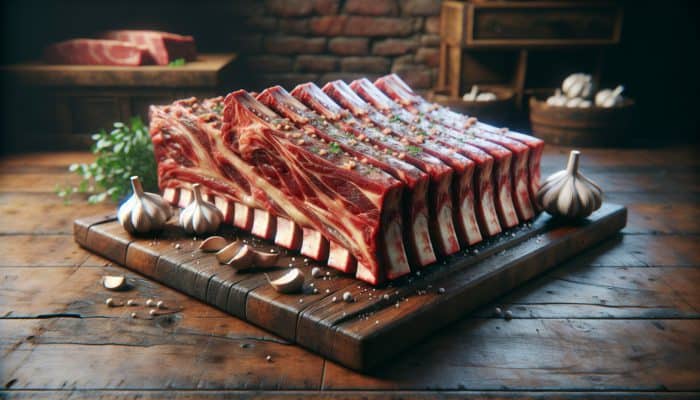
    Well-marbled beef ribs with a thick fat cap on a rustic table at a butcher shop, ready for smoking.

    Choosing premium quality beef ribs is a fundamental step in crafting deliciously smoked beef ribs, especially when you aspire to achieve a savory garlic crust. Look for ribs that exhibit a rich amount of marbling, which indicates the presence of intramuscular fat that melts away during cooking, resulting in juicy, flavorful meat. Additionally, the presence of a thick fat cap is crucial, as it helps retain moisture throughout the smoking process, ensuring your ribs remain succulent and flavorful. When sourcing your ribs, prioritize visits to local butcher shops or farmers’ markets, where you can often find superior cuts that are typically unavailable in ordinary grocery stores. Consider the size and weight of the ribs as well; larger cuts require more time to cook, so it’s essential to plan your smoking schedule accordingly.

    Furthermore, assess the appearance and color of the ribs. A vibrant, deep red hue signifies fresh, high-quality meat, while pale cuts with noticeable discoloration should be avoided. Aim for USDA Prime or Choice grades whenever possible, as these classifications typically provide the best combination of flavor and tenderness. Remember, the caliber of your beef ribs directly influences the final taste of your dish, making this selection process a vital part of your overall preparation strategy.

    Crafting an Irresistible Garlic Crust for Your Smoked Ribs

    A meticulously crafted garlic crust can elevate your smoked beef ribs, introducing a rich layer of flavor that enhances the meat’s inherent smokiness. To create the ideal garlic crust, begin by blending minced garlic with fresh herbs such as parsley or rosemary, complemented by spices like paprika and black pepper. This aromatic mixture not only amplifies the garlic flavor but also forms a flavorful barrier that traps moisture during the smoking process, ensuring your ribs remain juicy.

    Start by crushing several cloves of garlic and mixing them with a tablespoon of olive oil to produce a smooth paste. Next, add your preferred herbs and spices—approximately two tablespoons of each should suffice for a robust flavor. Feel free to customize this mixture according to your palate; for instance, introducing a pinch of cayenne pepper can add a gentle heat that enhances the overall flavor profile of the beef. Once your paste is prepared, generously coat the ribs, ensuring every surface is thoroughly covered for maximum flavor absorption.

    Allow the ribs to rest for a minimum of 30 minutes after applying the garlic crust; this step is crucial as it allows the flavors to penetrate the meat more effectively. This resting period not only boosts the overall taste but also permits the aromatic qualities of the garlic to infuse deeply into the meat. During the smoking process, the crust will form a delightful texture, yielding a caramelized exterior that beautifully contrasts with the soft, tender meat within.

    Effective Techniques for Marinating and Seasoning Beef Ribs

    Marinating your beef ribs is an essential practice that significantly enhances flavor prior to smoking. A well-balanced marinade not only infuses the meat with flavor but also aids in tenderizing it. Begin by combining a mixture of vinegar, oil, and seasonings; a foundational recipe includes one cup of apple cider vinegar, half a cup of olive oil, along with salt, pepper, smoked paprika, and brown sugar. This combination not only boosts flavor but also helps to break down the tougher fibers within the meat, resulting in a more tender outcome.

    For a more pronounced flavor, consider adding minced garlic, onion powder, and even a splash of soy sauce. The acidic components in the vinegar act to tenderize the meat, while the sugar caramelizes during the smoking process, creating a beautiful crust. Allow your marinated ribs to rest in the refrigerator for a minimum of 24 hours; this time is critical as it permits the flavors to deeply infuse into the meat.

    Here’s a list of essential marinade ingredients that can significantly enhance your beef ribs:

    • Apple cider vinegar
    • Olive oil
    • Salt
    • Black pepper
    • Smoked paprika
    • Brown sugar
    • Minced garlic
    • Onion powder

    These components work synergistically to create a marinade that not only enriches flavor but also ensures your smoked beef ribs are tender and juicy.

    Preparing Your Smoker for Optimal Performance and Flavor
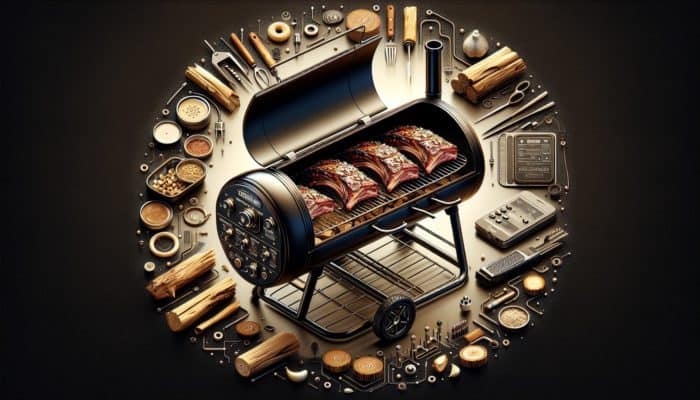
    Smoker setup with hickory and applewood chips, soaking, for beef ribs with garlic crust.

    Setting up your smoker correctly is essential for achieving even cooking and optimal flavor development in your smoked beef ribs with garlic crust. Begin by selecting the right type of wood; popular choices among seasoned pitmasters include hickory, oak, and applewood. Hickory imparts a strong, smoky flavor, while applewood delivers a sweeter, milder smoke that pairs exceptionally well with beef. Soak your wood chips or chunks in water for at least 30 minutes prior to use; this preparation helps create a consistent stream of smoke rather than a quick flare-up.

    Preheat your smoker to a stable temperature between 225°F and 250°F. This low and slow cooking technique is vital for breaking down the collagen in the meat, resulting in tender beef ribs. Incorporate water pans within the smoker to maintain humidity and regulate temperature fluctuations. Adequate airflow is equally important; adjust your vents for optimal smoke circulation while avoiding direct drafts that could dry out the meat.

    Position the ribs on the smoker grates with the bone side facing down, which protects the meat from direct heat. Throughout the smoking process, keep a close eye on the temperature to ensure it remains steady, making adjustments to vents or adding wood chips as necessary to maintain consistent heat. This meticulous attention to detail will greatly enhance the flavor and texture of your smoked beef ribs, providing a perfect canvas for your garlic crust.

    Essential Techniques for Monitoring and Allowing Your Smoked Ribs to Rest

    Monitoring the internal temperature of your smoked beef ribs is vital for achieving that ideal tender result. A reliable meat thermometer will become your best ally; insert it into the thickest part of the meat, ensuring it doesn’t contact the bone for an accurate reading. The target internal temperature for smoked beef ribs falls between 195°F and 203°F. At this range, the collagen breaks down, yielding delectably tender meat that practically falls off the bone.

    During the smoking process, closely observe the ribs to ensure they are not cooking too rapidly or drying out. This highlights the importance of maintaining a consistent temperature throughout the cooking duration. Once your ribs reach the desired temperature, allow them to rest—this crucial step should never be overlooked. Let the ribs rest for approximately 30 minutes prior to slicing. This resting period allows the juices, which have migrated to the surface during cooking, to redistribute throughout the meat, resulting in your smoked beef ribs being both more flavorful and moist when served.

    When it’s time to serve, slice between the bones for individual portions, revealing the beautifully marbled meat alongside the irresistible garlic crust. This careful monitoring and resting technique will undoubtedly enhance the dining experience, ensuring that each bite of your smoked beef ribs is rich and satisfying.

    Expert Insights for Perfectly Smoked Beef Ribs with Garlic Crust

    Achieving the Ultimate Smoke Flavor in Your Ribs
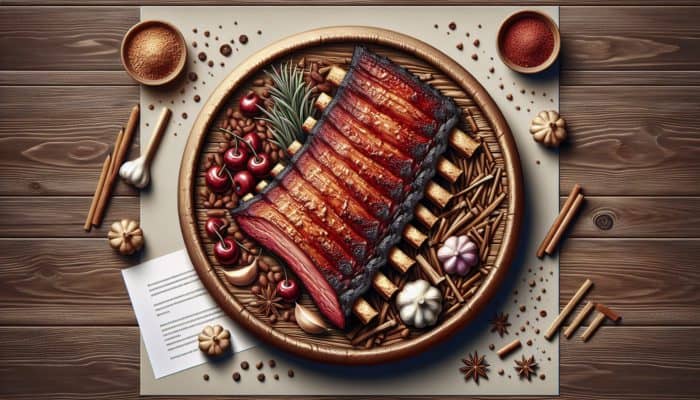
    Smoked beef ribs with garlic crust, hickory and cherry wood chips, reddish hue.

    Achieving the ideal smoke flavor in your smoked beef ribs with garlic crust necessitates a harmonious blend of wood selection and smoking technique. Different types of wood impart distinct flavors, so experimentation is key. For example, hickory offers a robust, earthy note, while cherry wood introduces mild sweetness and a beautiful reddish hue to the meat. Many seasoned pitmasters advocate for blending woods, such as pairing hickory for its strong flavor with applewood for a sweeter finish.

    Real-world examples of successful smoke flavor combinations can be found across various regional barbecue traditions. In Texas, many pitmasters prefer mesquite wood for its intense smoke, which is ideal for beef ribs. Conversely, those in the Carolinas may opt for fruit woods like peach or apple, which beautifully complement the sweetness of their barbecue sauces.

    To further enhance your smoke flavor, consider the technique of wrapping the ribs in foil during part of the cooking process, commonly referred to as the “Texas Crutch.” This method traps moisture and steam, allowing the ribs to cook more evenly while still absorbing the desired smoke flavor. Ultimately, discovering your perfect blend of woods and techniques will refine your culinary skills and lead to uniquely flavorful smoked beef ribs.

    Optimal Cooking Temperatures for Perfectly Smoked Ribs

    Maintaining the correct cooking temperature is essential for producing perfectly smoked beef ribs. The ideal temperature range generally falls between 225°F and 250°F. At this steady low heat, collagen in the meat gradually breaks down, resulting in juicy, tender ribs. Cooking at excessively high temperatures may lead to dry, tough meat, while cooking too low could prolong the process without enhancing tenderness.

    To effectively control the temperature, consider investing in a high-quality digital thermometer equipped with both ambient and probe features. Regularly check the temperature inside your smoker to make necessary adjustments to airflow and wood supply as required. Utilizing a water pan can help stabilize temperature while maintaining humidity, further preventing the meat from drying out.

    Additionally, adhere to the “low and slow” smoking method. It typically takes 6 to 8 hours to thoroughly smoke beef ribs at these temperatures. Factors affecting smoking times include rib size, smoker type, and even external temperature conditions. Always plan for additional time when smoking, as various factors can influence the cooking process. This method ensures that your smoked beef ribs are not only safe for consumption but also bursting with flavor.

    Ways to Enhance the Garlic Flavor in Your Crust

    Garlic is an incredibly versatile ingredient that can be utilized in various forms to intensify the flavor of your garlic crust on smoked beef ribs. The choice between using raw minced garlic, garlic powder, or roasted garlic can significantly impact the depth of flavor in your dish. Fresh minced garlic provides a potent punch; its strong aromatic quality infuses directly into the crust.

    Conversely, garlic powder offers a more subtle flavor; it disperses evenly and can be blended with other spices in the crust. Alternatively, roasted garlic imparts a sweet, mellow flavor, softening garlic’s sharpness into a rich, buttery taste. To prepare roasted garlic, wrap a bulb in foil and place it in the smoker for around 30 minutes until caramelized.

    To create an even more complex flavor profile, consider combining these forms—using a base of minced garlic mixed with roasted garlic paste can yield a multi-layered taste experience that enhances the overall dish. Regardless of your choice, incorporating garlic in its various forms adds an irresistible element to your smoked beef ribs, ensuring that each bite delivers a savory delight.

    Cooking Methods to Perfect Your Smoked Beef Ribs

    Smoker vs. Grill: Determining the Best Method for Cooking Beef Ribs

    When it comes to cooking beef ribs, the choice between a smoker and a grill can significantly influence your results. Smokers are specifically designed to impart flavor through slow, consistent heat over an extended period, making them ideal for achieving tender and flavorful smoked beef ribs with a garlic crust. Smokers utilize indirect heat and wood chips to create a controlled environment, allowing the meat to cook slowly while absorbing the smoke.

    In contrast, grills offer a quicker cooking experience. While they can certainly be utilized for smoking with the right technique, they generally rely on direct heat, which may not yield the same tender results. If you wish to replicate a smoked flavor on a grill, consider using a smoking box filled with wood chips or setting up a two-zone fire—one side hot for searing and the other cooler for indirect cooking.

    Ultimately, the decision between a smoker and grill depends on your desired flavor and texture. If you have the time to dedicate to low and slow cooking, a smoker is unrivaled. However, for quicker meals or if you’re hosting an event, a grill can still produce delicious ribs with proper management. Both methods have their strengths; understanding their differences empowers you to choose the right tool for your culinary endeavors.

    Determining the Ideal Smoking Duration for Flavor and Tenderness

    The smoking duration for beef ribs can vary based on several factors, including rib size, smoker type, and specific cooking temperature. Typically, you can expect to smoke beef ribs for around 6 to 8 hours at low temperatures (225°F to 250°F) to achieve optimal tenderness and flavor.

    Several factors may influence smoking time:

    • The thickness of the ribs: Thicker cuts will naturally require more time to reach the desired internal temperature.
    • Type of smoker: Different smokers may exhibit variations in heat retention and airflow, affecting cooking duration.
    • External temperatures: On colder days, you may need to adjust your smoking time to account for heat loss.
    • Desired finish: If you prefer a firmer texture, you may choose to smoke for a shorter duration, while those who enjoy fall-off-the-bone tenderness should aim for longer smoking times.

    By closely monitoring the internal temperature and adhering to these guidelines, you can strike the perfect balance for your smoked beef ribs, ensuring they are juicy, tender, and bursting with flavor.

    Resting and Serving Techniques for Your Smoked Beef Ribs

    Resting your smoked beef ribs after cooking is a critical step that should not be overlooked. Once the ribs have reached their ideal internal temperature, remove them from the smoker and allow them to rest for approximately 30 minutes. This resting period enables the juices, which have been drawn to the surface during cooking, to redistribute throughout the meat, thereby enhancing both flavor and tenderness.

    When serving smoked beef ribs, presentation plays a significant role. Slice the ribs between the bones for individual portions, showcasing the beautiful garlic crust. Pair them with complementary sides that balance the richness of the meat; options such as creamy coleslaw, baked beans, or grilled corn on the cob work exceptionally well.

    For a complete meal experience, consider offering a variety of sauces on the side, including a tangy vinegar-based sauce or a rich barbecue sauce, allowing guests to personalize their flavors. A refreshing salad can also act as a palate cleanser between bites of the rich beef ribs. By thoughtfully resting and presenting your smoked beef ribs, you can enhance the dining experience and ensure that every guest enjoys the full spectrum of flavors.

    Exploring the Nutritional Advantages of Smoked Beef Ribs

    Understanding the Nutritional Benefits of Beef Ribs

    Beef ribs not only deliver mouthwatering flavor but also provide numerous nutritional benefits, making them a valuable addition to your meals when enjoyed in moderation. They serve as a rich source of protein, essential for muscle repair and growth, providing around 20-30 grams of protein per serving, depending on portion size. Additionally, beef ribs contain vital nutrients such as iron, which supports healthy blood production, and B vitamins, which play key roles in energy metabolism and brain function.

    When incorporated into a balanced diet, beef ribs can fit well within a healthy lifestyle. It is crucial to consider portion sizes, as the fat content can be significant. However, the flavor and heartiness of beef ribs can satisfy cravings while providing nutritional benefits when paired with wholesome sides like vegetables or whole grains.

    Moreover, cooking methods such as smoking can enhance the enjoyment of beef ribs without adding excessive fat. By carefully selecting cuts and utilizing techniques like smoking, you can ensure that your beef ribs are not only a delicious treat but also a nourishing option.

    Health Benefits Associated with Garlic

    Incorporating garlic into your diet has been linked to numerous health benefits, making it an excellent addition to your smoked beef ribs with garlic crust. Garlic is renowned for its potential cardiovascular benefits; it may help lower blood pressure and improve cholesterol levels, thereby supporting heart health. Furthermore, garlic features allicin, a compound with potent antioxidant properties that can enhance immune function.

    Research indicates that regular consumption of garlic may also aid in managing inflammation and decreasing the risk of chronic diseases. Its antimicrobial properties could support digestive health by promoting a balanced gut microbiome. Including garlic in your meals not only enhances flavor but also contributes positively to your overall well-being.

    As you prepare your smoked beef ribs, consider the health benefits of garlic as a compelling reason to indulge in this rich and savory ingredient. The combination of smoky, tender beef with aromatic garlic not only tantalizes the taste buds but also provides nutritional value, making your meal both satisfying and health-conscious.

    Impact of Smoking on the Nutritional Content of Meat

    The smoking process can alter the nutritional content of beef ribs, both positively and negatively. While some vitamins may decrease in concentration due to exposure to heat and smoke, the overall nutrient profile remains beneficial. Smoking typically helps retain certain minerals and proteins, which can be advantageous when preparing meat.

    Additionally, the smoking process can infuse the meat with antioxidants present in the wood, potentially enhancing the overall health benefits of the dish. For example, compounds released from certain woods, like hickory and apple, can interact with the meat to provide added flavor while possibly contributing to health benefits.

    However, it is essential to recognize that the smoking process can also create compounds such as polycyclic aromatic hydrocarbons (PAHs) when fat drips onto hot coals. To mitigate this risk, utilizing a smoker with adequate airflow and maintaining lower cooking temperatures can be beneficial. Overall, when prepared properly, smoked beef ribs can still offer a nutritious option, especially when combined with healthy ingredients like garlic.

    Perfect Beverage Pairings for Smoked Beef Ribs with Garlic Crust

    Choosing the Right Wine and Beer for Your Ribs

    Pairing your smoked beef ribs with garlic crust with the right beverage can greatly enhance the overall dining experience. Red wines, such as Cabernet Sauvignon or Malbec, are excellent choices due to their robust flavors that can stand up to the richness of the beef. These wines typically offer tannins that complement the savory notes of the meat and can soften the perception of fat on your palate.

    If beer is your preference, dark beers such as stouts or porters are fantastic options. Their roasted malt flavors echo the smokiness of the beef, creating a harmonious balance. For those seeking lighter options, consider a hoppy IPA, which can cut through the richness while providing a refreshing contrast to the garlic crust.

    Ultimately, the right pairing is about balancing flavors; experimenting with different beverages can help you discover the perfect match for your smoked beef ribs with garlic crust. Take the time to explore local wineries or breweries that may provide unique options, contributing to a memorable meal.

    Choosing Complementary Side Dishes for Smoked Beef Ribs

    Selecting the right sides can significantly elevate your smoked beef ribs with garlic crust, creating a well-rounded dining experience. Complementary sides help balance the richness of the ribs while enhancing the overall flavor profile. Classic choices such as creamy coleslaw provide a refreshing crunch, while baked beans add a touch of sweetness that pairs beautifully with the smoky meat.

    Consider serving grilled vegetables, like zucchini, bell peppers, or corn on the cob, to add a healthy and colorful element to your plate. If you prefer a starch, creamy mashed potatoes or roasted sweet potatoes can provide a comforting foundation to accompany the bold flavors of the beef.

    A fresh salad with a tangy vinaigrette can also work wonders, cleansing the palate between bites. Here’s a list of savory side options to consider:

    • Creamy coleslaw
    • Baked beans
    • Grilled vegetables
    • Mashed potatoes
    • Roasted sweet potatoes
    • Fresh garden salad
    • Potato salad
    • Cornbread

    Each of these sides not only complements the flavors of smoked beef ribs but also enhances the overall meal experience.

    Delightful Dessert Ideas to Complete Your Meal

    Concluding your meal with a dessert can provide a satisfying finish to your smoked beef ribs with garlic crust. Given the rich and savory nature of the main dish, a lighter dessert is often more enjoyable. Fruit-based options, such as fruit tarts or sorbet, can cleanse the palate and offer a refreshing contrast.

    Consider serving a light ice cream or gelato, possibly with flavors like lemon or berry that play off the richness of the garlic. Another option is a delicate panna cotta, which can be infused with vanilla or citrus to provide a sweet but subtle finale. Here’s a list of delightful dessert ideas:

    • Fruit tarts
    • Sorbet
    • Light ice cream
    • Panna cotta
    • Lemon bars
    • Chocolate mousse
    • Cheesecake
    • Berry compote

    By thoughtfully selecting a dessert that complements the bold flavors of your main dish, you can ensure a satisfying and memorable dining experience from start to finish.

    Research-Backed Insights on Smoked Beef Ribs with Garlic Crust

    Exploring How Garlic Enhances the Flavor of Smoked Meats

    Research indicates that garlic can significantly enhance the flavor of smoked meats, including beef ribs. The unique compounds in garlic, especially allicin, contribute to a savory depth that pairs exceptionally well with the rich taste of smoked meat. This flavor enhancement is not merely anecdotal; culinary experts consistently emphasize garlic’s ability to transform a dish, particularly when it serves as a crust.

    Expert analysis reveals that the effectiveness of garlic in flavor enhancement is amplified through cooking techniques like smoking. The Maillard reaction, which occurs during cooking, plays a crucial role in caramelizing garlic, leading to more complex flavors. When applied to smoked beef ribs, this creates an enticing crust that not only heightens the taste experience but also brings out the meat’s natural flavors.

    In essence, integrating garlic into your smoked beef ribs is a culinary choice supported by both tradition and scientific understanding, making it an integral component of achieving peak flavor.

    Scientific Insights on the Effects of Smoking Meat

    Scientific investigations have explored the effects of smoking on meat, demonstrating that the process can significantly tenderize beef while imparting unique flavors. Smoking involves complex chemical reactions, including the breakdown of collagen and the interaction of meat proteins with smoke compounds. This cooking method not only enhances flavor but also contributes to meat preservation, given the antimicrobial properties of smoke.

    Moreover, smoking meat at low temperatures allows for the gradual infusion of flavor, resulting in a product that is both tender and aromatic. The type of wood used in smoking also adds its distinct taste, with different woods imparting varying levels of smokiness and sweetness. This melding of flavors is what makes smoked meat particularly appealing, resonating with consumers and chefs alike.

    Ultimately, the science behind smoking meat supports its status as a revered cooking method, particularly for dishes like smoked beef ribs with garlic crust, where flavor and tenderness are paramount.

    Health Benefits of Combining Smoking and Garlic

    Combining smoked meat with garlic can provide health benefits that extend beyond mere flavor enhancement. Garlic’s antioxidant properties have been shown to counteract some potential negative effects associated with smoking, particularly concerning the production of harmful compounds like polycyclic aromatic hydrocarbons (PAHs). The antioxidants in garlic may help neutralize oxidative stress, thereby promoting better health outcomes for consumers.

    Moreover, research indicates that garlic can support cardiovascular health, which is especially beneficial when enjoying rich, fatty cuts of meat like beef ribs. By incorporating garlic into your dish, you’re not only amplifying flavor but also adding a layer of nutritional value that promotes overall well-being.

    In this light, the combination of smoked beef ribs and garlic crust can be seen as a balanced approach to enjoying hearty flavors while remaining mindful of health implications. Such culinary choices reflect a deeper understanding of how cooking methods and ingredients interplay for both flavor and wellness.

    Exploring the Nutritional Benefits of Garlic and Beef Ribs

    Beef ribs, when paired with garlic, create a dish rich in essential nutrients. As previously mentioned, beef ribs are an excellent source of protein, iron, and B vitamins. Meanwhile, garlic adds its own nutritional profile; it contains vitamins C and B6, which are important for immune function and energy metabolism.

    Together, this combination can enhance the overall nutritional value of your meal. The protein from the beef supports muscle growth, while the iron aids in oxygen transport within the body. Garlic’s antioxidants contribute another layer of health benefits, potentially reducing inflammation and boosting overall health.

    When enjoyed in moderation and combined with healthy sides, smoked beef ribs with garlic crust can be part of a balanced diet, offering both flavor and nutrition. This dish exemplifies how culinary delights can also serve healthful purposes, making it a standout option in any culinary repertoire.

    Effective Guidelines for Storing and Reheating Smoked Beef Ribs

    Proper Storage Techniques for Leftover Smoked Ribs

    Properly storing leftover smoked beef ribs is essential for preserving their quality and flavor. Once your ribs have cooled to room temperature, transfer them to airtight containers to prevent moisture loss and contamination from other food odors. If you plan to consume them within a few days, refrigeration will suffice.

    For longer-term storage, consider wrapping the ribs tightly in plastic wrap or aluminum foil before placing them in a freezer bag. This method helps prevent freezer burn and retains the tenderness of the meat. Label the bags with the date for easy tracking.

    Keep in mind that properly stored smoked beef ribs can remain fresh in the refrigerator for about 3-4 days. If frozen, they can last for up to 6 months, allowing you to enjoy your flavorful creation long after the initial cooking. With these storage tips, you can ensure that your smoked beef ribs maintain their delicious taste and texture for future meals.

    Best Practices for Reheating Smoked Ribs without Losing Quality

    Reheating smoked beef ribs can be a delicate task, as you want to preserve the tenderness and flavor of the meat. The best method is to use low heat, mimicking the gentle cooking process originally used to prepare the ribs. Preheat your oven to around 250°F, and place the ribs in a baking dish covered with foil to retain moisture.

    For an added layer of flavor, consider brushing the ribs with a bit of barbecue sauce or beef broth before sealing them with foil. This practice helps revive flavors and prevents the meat from drying out during reheating. Heat the ribs in the oven for approximately 20-30 minutes or until they reach an internal temperature of 165°F.

    Alternatively, you can reheat them on the grill using indirect heat. If you choose this method, ensure you monitor the temperature closely, as grills can heat unevenly. This approach can also impart a slight smoky flavor, enhancing the overall experience of your already flavorful smoked beef ribs.

    Can You Freeze Smoked Beef Ribs for Later Use?

    Freezing smoked beef ribs is an excellent strategy for extending their shelf life, allowing you to savor them well beyond the initial cooking period. To freeze your ribs effectively, ensure they have cooled down completely before wrapping them in plastic wrap or aluminum foil. For added protection against freezer burn, place the wrapped ribs into a freezer-safe bag, squeezing out as much air as possible before sealing.

    Label the bags with the date and type of meat, making it easier to track your frozen items. Smoked beef ribs can be stored in the freezer for up to 6 months without a significant loss in quality. When you’re ready to enjoy them, simply transfer the ribs from the freezer to the refrigerator to thaw overnight.

    This method not only preserves flavors but also maintains the tenderness of the meat. By following these steps, you can ensure that your smoked beef ribs remain delicious even after being stored in the freezer.

    How Long Can Smoked Beef Ribs Be Stored Safely?

    Smoked beef ribs can be safely stored in the refrigerator for about 3-4 days. During this time, it’s essential to keep them in airtight containers to prevent moisture loss and minimize exposure to bacteria. Always check for any signs of spoilage, such as an off smell or discoloration, before consuming the leftovers.

    If you decide to freeze your smoked beef ribs, they can last for up to 6 months when properly wrapped and stored. While they may remain safe to eat beyond this period, the quality may diminish, leading to a less enjoyable experience.

    To ensure you’re getting the best out of your stored ribs, adhere to these timeframes, and always prioritize food safety. With these storage tips, you can enjoy your smoked beef ribs at their best, whether freshly made or from the freezer.

    Safety Tips for Reheating Smoked Ribs

    When reheating smoked beef ribs, food safety should always be a top priority. Ensure that the ribs reach an internal temperature of 165°F to eliminate any harmful bacteria that may develop during storage. A reliable meat thermometer can help you achieve this.

    Avoid reheating multiple times, as each cycle can diminish the quality of the meat and raise the risk of foodborne illness. Instead, reheat only the portions you plan to consume. Properly covering the ribs with foil in the oven or using a slow cooker can help retain moisture and flavor, resulting in a more enjoyable meal.

    By following these safety tips, you can confidently enjoy your reheated smoked beef ribs while ensuring they remain delicious and free from health risks.

    Creative Variations for Smoked Beef Ribs with Garlic Crust

    Exploring Diverse Crust Options for Your Ribs

    While a garlic crust is undeniably delicious, exploring different flavor profiles can yield exciting outcomes for your smoked beef ribs. Consider incorporating herbs and spices that beautifully complement the richness of the meat. For instance, a crust made from fresh rosemary and thyme can add a fragrant flair, while a blend of smoked paprika and cumin can introduce delightful warmth.

    You might also consider adding cheese to your crust. Mixing grated Parmesan or Pecorino Romano with garlic and herbs can create a savory, crunchy topping that enhances the flavor further. The cheese will melt and form a delightful crust, adding both texture and richness to your dish.

    Experimenting with sweet elements can also be enjoyable; consider adding a touch of brown sugar or even crushed pecans for a sweet and nutty crust. By broadening your horizons and trying different crust flavors, you can discover unique combinations that elevate your smoked beef ribs to new culinary heights.

    Other Meats That Are Ideal for Smoking

    Smoking is a versatile cooking method that extends far beyond beef ribs. Many meats can benefit from the slow, flavorful cooking techniques of smoking. Pork shoulder, for example, is a popular choice, yielding tender pulled pork that can be enjoyed in sandwiches or on its own. The natural sweetness of pork pairs beautifully with a variety of rubs and sauces.

    Chicken is another excellent option for smoking, particularly when using whole birds or quarters. The meat absorbs flavor well and has a juicy texture when cooked slowly. Fish, especially fatty varieties like salmon or trout, can also be smoked for a delightful, rich taste that emphasizes the fish’s natural flavors.

    For those looking to explore beyond traditional meats, consider smoking vegetables or even tofu for a vegetarian twist. Smoking can add unexpected depth of flavor to these ingredients, making them a fantastic addition to various dishes. The possibilities are endless, allowing you to experiment and discover new favorites in the art of smoking.

    Innovative Serving Ideas for Smoked Beef Ribs

    Presentation can greatly enhance the dining experience for your smoked beef ribs with garlic crust. Instead of serving them on a traditional platter, consider innovative serving ideas that create visual appeal and elevate the meal. For example, serving the ribs on a bed of fresh greens, such as arugula or spinach, provides a vibrant contrast to the deep color of the meat.

    Another idea is to prepare a charcuterie board featuring your smoked beef ribs alongside complementary items such as pickles, cheeses, and artisan bread. This allows guests to enjoy a variety of flavors and textures while creating a festive atmosphere.

    If you’re feeling adventurous, consider skewering the ribs with wooden sticks for a fun, interactive dining experience. This method not only simplifies serving but also adds a rustic touch to your presentation. By incorporating these creative serving ideas, you can elevate your smoking experience while delighting your guests with both sight and taste.

    Frequently Asked Questions About Smoked Beef Ribs

    What Type of Wood is Ideal for Smoking Beef Ribs?

    Hickory, oak, and applewood are popular choices for smoking beef ribs, each imparting unique flavors. Experimenting with blends can also yield delightful results.

    How Do I Determine When Smoked Beef Ribs Are Finished?

    Smoked beef ribs are done when they reach an internal temperature of 195°F to 203°F, ensuring tenderness and flavor.

    Can I Use a Gas Grill to Smoke Beef Ribs?

    Yes, you can use a gas grill for smoking by creating a two-zone fire and using wood chips in a smoker box for flavor.

    How Should I Season My Beef Ribs for Maximum Flavor?

    Seasoning can include a rub of garlic, salt, pepper, and your favorite spices. A marinade can also enhance flavor; consider vinegar, oil, and spices.

    How Long Does It Take to Smoke Beef Ribs?

    Typically, smoking beef ribs takes about 6 to 8 hours at low temperatures of 225°F to 250°F.

    What Are Some Good Side Dishes for Smoked Beef Ribs?

    Complementary sides include coleslaw, baked beans, grilled vegetables, and mashed potatoes, balancing the richness of the ribs.

    Can I Reheat Smoked Ribs in the Microwave?

    While possible, using low heat methods like the oven or grill is preferred to maintain tenderness and ensure even reheating.

    How Do I Store Leftover Smoked Beef Ribs Effectively?

    Store leftover smoked beef ribs in airtight containers in the refrigerator for 3-4 days or freeze them for up to 6 months.

    What Are the Health Benefits of Garlic?

    Garlic may support cardiovascular health, enhance immune function, and contain antioxidants that combat inflammation.

    What Can I Do with Leftover Smoked Beef Ribs?

    Leftover smoked beef ribs can be used in sandwiches, salads, tacos, or added to stews for extra flavor.

    Connect with us on Facebook!

    The Article Smoked Beef Ribs with Garlic Crust: A Flavorful Delight appeared first on https://pitmastersarsenal.com

    The Article Smoked Beef Ribs: Garlic Crust for a Flavorful Delight Was Found On https://limitsofstrategy.com
  • Smoked Spare Ribs with Bourbon Glaze for a Flavorful Meal

    Smoked Spare Ribs with Bourbon Glaze for a Flavorful Meal

    Ultimate Guide to Selecting and Smoking the Best Ribs

    A Deep Dive into the Different Types of Spare Ribs

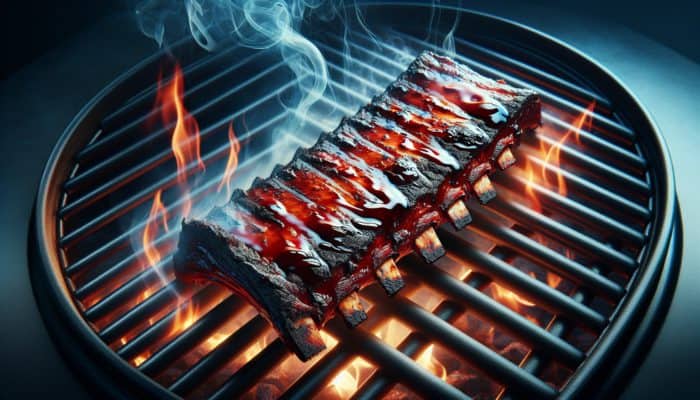
    Smoked Spare Ribs with Bourbon Glaze: St. Louis-style spare ribs glazed with bourbon, sizzling on a grill, showcasing uniform shape and rich texture.

    To create irresistible smoked spare ribs with bourbon glaze, it’s vital to familiarize yourself with the various types of spare ribs available. In the United States, the most popular varieties include St. Louis-style ribs and untrimmed spare ribs. St. Louis-style ribs are expertly trimmed, removing the sternum and cartilage, which results in a uniform shape that promotes even cooking. This meticulous trimming not only enhances visual appeal but also simplifies grilling and handling. Known for their rich, meaty flavor and impressive meat-to-bone ratio, these ribs promise to deliver a dining experience that is simply unmatched.

    Conversely, untrimmed spare ribs are identified by their higher fat content and connective tissue, which can lead to a more flavorful outcome if cooked correctly. Although they may require longer smoking times, this process can transform them into tender, juicy delights. For aspiring pitmasters looking to refine their skills, St. Louis-style ribs are often recommended due to their consistency and ease of preparation. However, culinary adventurers might prefer untrimmed spare ribs to explore their unique flavor profiles and enjoy the challenge of cooking them.

    Selecting the right type of ribs is crucial for the success of your smoked spare ribs with bourbon glaze. Important aspects such as thickness and fat content can greatly affect cooking times and flavor outcomes. Ultimately, your preference between St. Louis-style and untrimmed spare ribs will hinge on your personal taste and the cooking methods you intend to use.

    Tips for Sourcing High-Quality Spare Ribs

    Finding premium-quality spare ribs can significantly elevate your BBQ experience. In the U.S., one of the most effective ways to discover top-notch pork ribs is by visiting local butcher shops and reputable meat markets. Seek out establishments that prioritize fresh, locally sourced meats, as these often carry specialty cuts that larger grocery stores may not offer. Small-town butchers take pride in their craft and can provide St. Louis-style ribs that surpass the usual offerings.

    Another fantastic option is to explore farmers’ markets, where you can connect with local farmers who raise pigs in humane and sustainable conditions. In areas like the Midwest, which are renowned for pig farming, you can discover ribs that are bursting with flavor and quality. Don’t hesitate to inquire with your butcher about their meat sourcing practices or their top recommendations for smoking; their insights can profoundly influence your BBQ journey.

    Additionally, the emergence of online meat delivery services has revolutionized access to gourmet and specialty ribs. Brands like Snake River Farms and Crowd Cow allow you to conveniently order high-quality pork products delivered straight to your doorstep, ensuring you have the finest ingredients for your smoked spare ribs with bourbon glaze.

    Ready to Dive In?


    Crucial Techniques for Preparing Spare Ribs

    Preparation is critical before embarking on the smoking journey for your spare ribs. Start by meticulously removing the membrane from the back of the ribs. This thin layer can hinder the absorption of seasonings and smoke, so investing time in its removal is well worth the effort. Use a sharp knife along with a paper towel for a better grip, as the membrane can be quite slippery and challenging to manage.

    Once you’ve successfully removed the membrane, proceed to trim any excess fat. While some fat is essential for flavor, too much can lead to greasy ribs. Aim for a thin layer of fat that will render while cooking, keeping your smoked spare ribs with bourbon glaze moist and flavorful. When prepared properly, the ribs will yield tender, flavorful results that are sure to impress your guests.

    Seasoning is another vital aspect of the preparation process. Applying a dry rub or marinade can dramatically elevate the flavor profile of your ribs. If you opt for a dry rub, allowing the ribs to rest for at least 30 minutes after application will help the flavors meld beautifully. Alternatively, marinating the ribs overnight can infuse them with deep flavors and enhance tenderness, setting the stage for an extraordinary culinary experience.

    Perfecting the Smoking Process for Spare Ribs

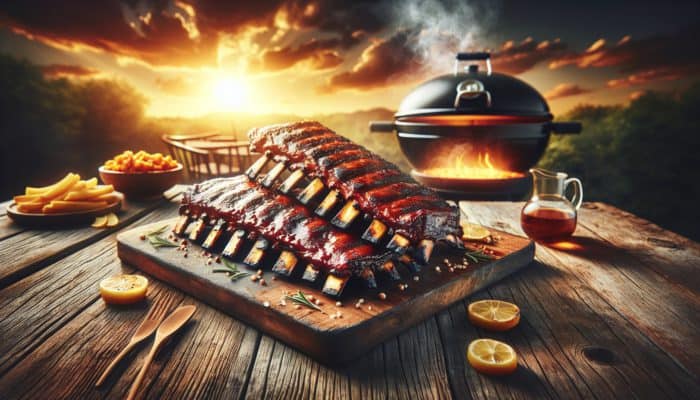
    Close-up of smoked spare ribs with sauce on a rustic table, smoky barbecue and sunset in background.

    Finding the Ideal Smoker for Your Ribs

    Selecting the right smoker is crucial for achieving delectable smoked spare ribs with bourbon glaze. In the U.S., various types of smokers are available, including offset, pellet, and electric smokers, each offering unique features and benefits. Understanding which smoker aligns best with your cooking style is essential for a successful BBQ experience.

    Offset smokers, commonly preferred in competitive BBQ settings, utilize indirect heat and wood to produce smoke. They require a bit more skill to maintain the right temperature as manual adjustments are often necessary, but the exceptional results they yield can make the effort worthwhile. If you enjoy hands-on cooking and appreciate the tradition of smoking, an offset smoker might be your perfect match.

    In contrast, pellet smokers offer a more user-friendly cooking experience, utilizing wood pellets to generate both smoke and heat. They are ideal for beginners or those who prefer a more laid-back cooking process without constant monitoring. Equipped with digital controls, you can easily set and maintain the temperature, allowing you to focus on other tasks without concern, which is particularly useful for the lengthy cooking times needed for tender ribs.

    Electric smokers represent another excellent option, especially for those with limited space or time. They provide consistent heat and smoke with minimal effort. Although some traditional BBQ enthusiasts may question their authenticity, electric smokers can still produce impressive results, particularly for those just starting their smoking adventure.

    Choosing the Right Wood for Flavorful Enhancement

    The choice of wood plays a pivotal role in shaping the flavor profile of your smoked spare ribs with bourbon glaze. Different types of wood impart unique characteristics to the meat, making your selection crucial for achieving your desired taste. For instance, hickory is a favored choice known for its bold, robust flavor, which pairs exceptionally well with pork and complements the richness of the meat beautifully.

    If you prefer a milder flavor profile, fruit woods like apple and cherry offer a sweeter, more delicate smoke. These options are perfect for those who enjoy a lighter flavor that allows the natural taste of the ribs to shine through. Don’t hesitate to experiment by mixing different woods to create a complex flavor profile that is uniquely yours; part of the joy of smoking lies in the experimentation!

    Additionally, consider the moisture content of the wood. Utilizing well-seasoned, dry wood will produce a cleaner smoke and prevent any bitter flavors from overwhelming your dish. Proper storage of your wood is vital, as damp wood can spoil the cooking experience. Ultimately, choosing the right wood will elevate your smoked spare ribs with bourbon glaze into an extraordinary culinary delight.

    Perfecting Temperature and Timing for Flawless Ribs

    Smoked spare ribs with bourbon glaze on a grill, digital thermometer showing 225°F-250°F, surrounded by smoke.

    Mastering temperature and timing is critical for achieving perfection in your smoked spare ribs with bourbon glaze. The optimal smoking temperature for ribs typically falls between 225°F and 250°F. This low-and-slow approach allows for the breakdown of connective tissues in the ribs, resulting in tender, juicy meat that melts in your mouth.

    Regularly monitoring your smoker’s temperature is essential, especially when using a traditional offset smoker, where temperature fluctuations can occur. Employing a reliable digital thermometer can help you keep track of the internal temperature and make timely adjustments as needed.

    Timing is equally crucial; ribs generally require around 5 to 6 hours to reach that ideal tenderness. One effective technique to simplify this process is the 3-2-1 method: smoke the ribs unwrapped for three hours, then wrap them in foil for two hours, and finish with one hour unwrapped to set the glaze. This approach maximizes flavor and tenderness, resulting in beautifully finished smoked spare ribs with bourbon glaze.

    Enhancing Flavor Through Meat Preparation Techniques

    Utilizing proper meat preparation techniques can significantly enhance your smoking outcomes. After trimming the ribs and removing the membrane, it’s time to season and marinate. Applying a dry rub is a simple yet impactful way to amplify the flavor of the ribs. An effective rub might include salt, pepper, paprika, brown sugar, and garlic powder, creating a harmonious balance of sweetness and spice that pairs beautifully with the bourbon glaze.

    For even deeper flavor infusion, consider marinating your ribs in a bourbon-infused marinade. This not only enriches the meat with bold flavors but also aids in tenderizing it. A marinade could feature bourbon, soy sauce, brown sugar, and an assortment of spices, allowing the ribs to absorb those delightful flavors thoroughly.

    Another critical technique is to allow your ribs to come to room temperature before placing them in the smoker. This ensures more even cooking and can shorten overall cooking time. Once your ribs are seasoned or marinated and have reached the appropriate temperature, you’re all set for an exceptional smoking experience that yields mouthwatering smoked spare ribs with bourbon glaze.

    Monitoring and Adjusting Smoke Quality for Optimal Results

    Meticulously monitoring and adjusting the smoke quality throughout the cooking process is essential for achieving perfectly smoked spare ribs with bourbon glaze. The ideal smoke should be thin and blue, indicating that the wood is burning cleanly. Avoid thick, white smoke, as this can impart a bitter taste to your meat.

    If you notice that the smoke is too intense, consider adjusting your airflow or adding fresh wood to maintain a consistent smoking environment. A well-regulated smoker will provide the right balance of heat and smoke, ensuring your ribs absorb all the delicious flavors without becoming overwhelmed.

    Moreover, keep a close watch on the internal temperature of your ribs. When the temperature reaches around 160°F, the meat will start to soften. At this point, wrapping the ribs in foil can help retain moisture while they continue cooking until they hit approximately 190°F to 203°F, where the tough collagen breaks down, resulting in that coveted fall-off-the-bone quality.

    Ultimately, mastering smoke management will elevate your BBQ skills to new heights, resulting in unforgettable smoked spare ribs with bourbon glaze that will leave friends and family clamoring for your secret recipe.

    Creating the Perfect Bourbon Glaze

    Key Ingredients and Their Optimal Ratios

    Crafting the perfect bourbon glaze is akin to creating a culinary masterpiece, requiring a meticulous balance of flavors to elevate your smoked spare ribs with bourbon glaze. The essential components typically include bourbon, brown sugar, soy sauce, and a variety of spices. A common starting ratio for a basic glaze is 1 cup of bourbon to 1 cup of brown sugar, forming a deliciously sweet and tangy foundation that harmonizes beautifully.

    Exploring additional components can lead to unique flavor profiles. Adding Dijon mustard or apple cider vinegar can introduce a tangy zest that balances the sweetness, while a splash of hot sauce can provide the perfect hint of heat. These supplementary ingredients allow you to personalize the glaze, ensuring it becomes your signature creation.

    It’s vital to avoid allowing any single ingredient to overshadow the glaze. Start with your bourbon and sugar base, gradually introducing other flavors while tasting to achieve the perfect balance. The goal is to craft a glaze that enhances the natural flavor of the ribs rather than overpowering them.

    Cooking the Bourbon Glaze to Achieve Maximum Flavor

    Cooking your bourbon glaze is a straightforward yet detail-oriented process that ensures a rich, flavorful finish, ready to coat your smoked spare ribs with bourbon glaze. Begin by combining your base ingredients in a saucepan over medium heat, stirring until the sugar completely dissolves. This step is crucial as it allows the flavors to meld beautifully.

    Once the mixture reaches a gentle simmer, reduce the heat and allow it to cook until it thickens, typically for about 10 to 15 minutes. Stir occasionally to prevent burning, as sugars can caramelize quickly. The desired result should be a syrupy consistency that clings to the back of a spoon—an unmistakable indicator that your glaze is ready for application.

    After cooking, allow the glaze to cool slightly before brushing it onto your ribs. This cooling phase not only enhances the flavors but also makes application easier, reducing the risk of burns. Once it’s ready, generously apply it to your ribs during the final stages of smoking to create a delectable, glossy coating that will leave everyone wanting more.

    Exploring Variations and Enhancements for Your Glaze

    While a classic bourbon glaze is undeniably delightful, exploring variations can elevate your smoked spare ribs with bourbon glaze to new culinary heights. Consider incorporating distinctive spices like smoked paprika or cinnamon for a warm, aromatic touch. Each addition can create complex flavor layers that enhance the overall experience of your dish.

    Experimenting with different bourbons can also yield exciting results. For instance, opting for a spiced bourbon can introduce additional depth, while a sweeter variety can amplify the glaze’s overall flavor. Alternatively, using flavored syrups or natural sweeteners like honey can modify the profile if you’re seeking a healthier twist.

    Don’t hesitate to incorporate complementary flavors such as citrus zest or even fresh herbs like rosemary or thyme. These elements can introduce an element of freshness and brightness, perfectly balancing the richness of the glaze. The key is to taste as you go, ensuring that each variation aligns with your palate and enhances your experience of smoked spare ribs with bourbon glaze.

    Storing and Repurposing Your Glaze for Future BBQs

    Properly storing your bourbon glaze is essential for maximizing its utility for future barbecues. Once cooled, transfer the glaze to an airtight container and store it in the refrigerator. When stored correctly, the glaze can last for up to two weeks, allowing you to enjoy your carefully crafted flavors multiple times.

    If you plan to reuse the glaze, gently reheat it on the stove or in the microwave to restore its luscious texture. Be cautious not to overheat it, as this can alter the flavor. If the glaze thickens too much during storage, you can always whisk in a little warm water or fresh bourbon to bring back its original consistency.

    Consider utilizing your bourbon glaze on a variety of meats and vegetables as well. It can serve as a mouthwatering marinade or finishing sauce for grilled chicken, pork tenderloin, or even grilled vegetables, transforming your summer BBQs into flavor-packed feasts. With a touch of creativity, your bourbon glaze can become a versatile staple in your culinary toolkit.

    Crafting Flavorful Rubs and Seasonings for Your Ribs

    Essential Ingredients for an Outstanding Dry Rub

    Creating a dry rub is one of the most critical steps in preparing your smoked spare ribs with bourbon glaze. A well-crafted rub enhances the meat’s natural flavors, forming a delicious crust that locks in moisture during the cooking process. Key ingredients typically include a blend of salt, sugar, paprika, black pepper, garlic powder, and onion powder. The sugar caramelizes during the smoking process, adding a sweet contrast to the savory elements, making every bite a delightful experience.

    The secret to a successful dry rub lies in achieving balance. For instance, if you prefer a sweeter profile, adjust the amount of brown sugar to suit your taste. If you’re looking for a spicy kick, consider adding cayenne pepper or chili powder to the mix. Experimentation is highly encouraged; varying ratios can lead to significantly different outcomes, so make sure to document your adjustments and refine your rub recipe until it perfectly aligns with your palate.

    Another crucial aspect is ensuring even coverage when applying the dry rub. After generously seasoning the ribs, let them rest for at least 30 minutes or ideally overnight in the refrigerator. This resting period allows the seasonings to penetrate the meat, thereby enhancing both its flavor and tenderness. A well-made rub not only elevates the flavor experience but also contributes significantly to the overall appeal of your smoked spare ribs with bourbon glaze.

    Exploring Regional Rub Styles for Unique Flavor Profiles

    Across the United States, various BBQ styles have emerged, each boasting unique flavor profiles and rubs. Understanding these regional differences can help you tailor your approach to smoking ribs. For example, Memphis-style rubs often feature a blend of sweet and smoky flavors, emphasizing sugar and spices to create a delightful crust that complements the pork’s natural taste.

    In contrast, Kansas City-style rubs are characterized by their sweetness, typically incorporating brown sugar, paprika, and a hint of cayenne for heat. This style pairs beautifully with bourbon glaze, enhancing the overall flavor of your smoked spare ribs and delivering a satisfying experience.

    Texas-style rubs tend to be simpler, focusing primarily on salt and black pepper to highlight the inherent flavors of the meat. Each regional rub style not only influences taste but also reflects local culture and history, providing a unique culinary experience with every bite of your ribs.

    Effective Techniques for Applying the Dry Rub

    Applying the dry rub to your smoked spare ribs with bourbon glaze is an art form in itself. Begin by patting the ribs dry with paper towels to eliminate excess moisture; this will help the rub adhere more effectively. Generously sprinkle the rub over the surface of the meat, ensuring even coverage on all sides.

    Using your hands, gently massage the rub into the ribs. This step is essential, as it helps embed the flavors into the meat. Don’t hesitate to be generous; the goal is to create a flavorful crust that will enhance the overall dish. The more care you take in this process, the more rewarding the flavor will be.

    After thoroughly coating the ribs, wrap them in plastic wrap and refrigerate for at least an hour or, preferably, overnight. This resting period allows the flavors to penetrate deeply, significantly impacting the final outcome. Applying the rub is not merely a step in the process; it’s a commitment to flavor that will elevate your smoked spare ribs with bourbon glaze to new heights of deliciousness.

    Expert Cooking Techniques and Pro Tips for Ribs

    The Renowned 3-2-1 Method for Smoking Ribs to Perfection

    The 3-2-1 method is a widely acclaimed technique for smoking spare ribs that maximizes flavor and tenderness, making it ideal for your smoked spare ribs with bourbon glaze. This method divides the cooking process into three distinct phases: three hours of smoking unwrapped, followed by two hours wrapped in foil, and concluding with one hour unwrapped to set the glaze.

    Start by preheating your smoker to a consistent 225°F temperature. Once the ribs are inside, resist the urge to frequently open the lid, as each opening allows heat to escape, prolonging cooking time. After the initial three hours, carefully remove the ribs and wrap them tightly in aluminum foil. This step locks in moisture and helps further tenderize the meat, creating a juicy final product.

    After two hours, unwrap the ribs and return them to the smoker, generously brushing them with your bourbon glaze. This final stage is crucial for developing a beautifully caramelized crust while allowing the smoky flavor to permeate the meat. Once completed, you’ll have succulent, tender smoked spare ribs with a bourbon glaze that will impress any BBQ enthusiast and leave your guests craving more.

    Identifying Doneness for Perfectly Cooked Ribs

    Determining the ideal doneness for your ribs is vital for achieving tender and juicy results. For smoked spare ribs with bourbon glaze, target an internal temperature of approximately 190°F to 203°F. At this stage, the meat should be tender, and the connective tissues should have broken down, resulting in that delightful fall-off-the-bone experience that everyone loves.

    Using a reliable meat thermometer is essential for accuracy. Insert it into the thickest part of the meat, avoiding contact with the bone, as this can yield an inaccurate reading. Additionally, visual indicators such as the color and texture of the meat can also signal doneness; look for a rich mahogany hue and a slight pullback from the bones, both signs that your ribs are ready to be enjoyed.

    Another telltale sign that your ribs are perfectly cooked is the bend test. Picking up the ribs with tongs should reveal that they bend easily and begin to crack slightly at the surface. This combination of internal temperature and visual cues will guide you toward achieving perfectly cooked smoked spare ribs with bourbon glaze that are sure to impress all your guests.

    Allowing Ribs to Rest and Presenting Them Beautifully

    Once your smoked spare ribs with bourbon glaze have reached the desired doneness, patience is essential. Allowing the ribs to rest for about 15 to 30 minutes before slicing is crucial for optimal juiciness. Resting enables the juices to redistribute throughout the meat, ensuring that each bite remains moist and flavorful, elevating the overall dining experience.

    When it’s time to serve, use a sharp knife to slice between the bones, creating individual ribs. Arrange them on a platter and drizzle with extra bourbon glaze if desired. Garnishing with chopped parsley or green onions can add a vibrant pop of color, enhancing the presentation and making the dish even more appetizing.

    Consider serving your ribs alongside classic BBQ sides such as coleslaw and baked beans for a complete meal. The combination of textures and flavors will create a memorable dining experience that leaves your guests eager for more. Ultimately, mastering the art of resting and serving will elevate your BBQ skills and deliver unforgettable smoked spare ribs with bourbon glaze that everyone will rave about.

    Selecting the Best Wood for Flavorful Smoking

    The type of wood you choose is pivotal in enhancing the flavors of your smoked spare ribs with bourbon glaze. Different woods impart various characteristics to the meat, allowing for a personalized smoking experience. Hickory is a favored option, known for its rich, robust flavor that pairs excellently with the sweetness of the bourbon, creating a harmonious balance.

    If you prefer a milder flavor, fruit woods like cherry and apple can provide subtle sweetness that complements the natural taste of the ribs. Mixing different woods can also create a layered flavor profile; for instance, combining hickory with cherry wood can yield a unique balance of bold and sweet notes, enhancing the overall culinary experience.

    Ensure your wood is well-seasoned, as using wet or green wood can lead to bitter flavors that detract from the taste of your ribs. Proper storage of your wood is also essential for preserving its quality. Ultimately, the right wood choice will not only enhance the flavor of your smoked spare ribs with bourbon glaze but also allow you to explore diverse flavor combinations, making each BBQ an exciting adventure.

    Incorporating Marinades and Rubs for Maximum Flavor

    Utilizing marinades and rubs in the preparation of your smoked spare ribs with bourbon glaze can create layers of flavor that elevate your dish. Begin by marinating the ribs in a mixture that includes bourbon, soy sauce, and various spices, allowing them to soak for several hours or overnight. This step not only infuses the ribs with rich flavors but also helps in tenderizing the meat, resulting in a more enjoyable eating experience.

    The dry rub, applied immediately before smoking, serves as a flavorful crust that enhances the overall taste. For optimal results, let the rub sit on the ribs for at least 30 minutes before placing them in the smoker. This resting period allows the flavors to penetrate the meat, ensuring an unforgettable BBQ experience that will have guests raving.

    Combining both techniques will yield profoundly satisfying results. The marinade creates a flavor base, while the dry rub adds texture and depth. With each bite of your smoked spare ribs with bourbon glaze, your guests will relish the harmonious blend of flavors that comes from thoughtful preparation and technique.

    Pairing Your Ribs with Perfect Sides and Drinks

    Classic BBQ Side Dishes That Enhance Your Ribs

    No BBQ is complete without a selection of classic sides to accompany your smoked spare ribs with bourbon glaze. Traditional American BBQ sides often feature coleslaw, baked beans, and cornbread. Coleslaw provides a refreshing crunch that balances the richness of the ribs, while its creaminess beautifully complements the smoky flavors inherent in the meat.

    Baked beans are a BBQ staple, offering a sweet and savory counterpoint to the ribs. Their hearty texture pairs well with the ribs, creating a comforting plate for your guests. For a Southern twist, consider incorporating bacon or sausage into the beans for added depth of flavor, making them even more irresistible.

    Cornbread is another perfect companion, providing a slightly sweet and crumbly texture that pairs excellently with BBQ. Whether served as a side or fashioned into sliders, cornbread adds a delightful contrast to the meal, making each bite of your smoked spare ribs with bourbon glaze even more enjoyable.

    Innovative Side Dishes to Elevate Your BBQ Meal

    While classic BBQ sides are essential, don’t hesitate to introduce innovative options that bring fresh flavors to the table. Grilled vegetables, such as zucchini, bell peppers, or asparagus, can add a vibrant touch to your meal while balancing the richness of the ribs. Toss them in olive oil and seasonings, then grill until charred for a delicious side that complements the main dish.

    Another creative option is a quinoa salad featuring fresh herbs, cherry tomatoes, and a light citrus dressing. This light, refreshing dish provides the perfect contrast to the hearty nature of the ribs, enhancing the overall dining experience with its bright flavors.

    For a unique twist, consider serving a slaw made from Brussels sprouts or kale, dressed with a tangy vinaigrette. These modern takes on classic sides can elevate your BBQ spread, ensuring that your smoked spare ribs with bourbon glaze shine amidst a backdrop of flavor and creativity.

    Refreshing Beverage Pairings to Complement Your Ribs

    Pairing drinks with your smoked spare ribs, accompanied by a bourbon glaze, can significantly enhance the overall dining experience. Classic iced tea, whether sweetened or unsweetened, provides a refreshing balance to the rich flavors of the meat. Consider infusing your tea with fresh herbs or citrus to add a unique twist that will delight your guests.

    Craft beers are another excellent pairing, as they complement the smoky flavors beautifully. A hoppy IPA can cut through the richness of the ribs, while a malty porter or stout can enhance the smoky sweetness of the glaze, creating a delightful harmony of flavors.

    For a non-alcoholic option, consider creating a homemade lemonade or a fruit-infused sparkling water to cleanse the palate between bites. These refreshing drinks will not only enhance the meal but also keep your guests hydrated and satisfied throughout the BBQ festivities.

    Answering Your Most Common Questions About Smoking Ribs

    What are smoked spare ribs?

    Smoked spare ribs are a cut of meat from the pork side that is slowly smoked at low temperatures, often glazed with sauce to enhance the flavor. They are celebrated for their rich taste and tender texture, making them a popular BBQ choice.

    How long does it take to smoke spare ribs?

    Typically, it takes about 5 to 6 hours to smoke spare ribs at a temperature range of 225°F to 250°F, depending on the thickness of the ribs and the specific cooking method used.

    Can I use any bourbon for the glaze?

    Yes, you can use any bourbon you prefer for the glaze. Each variety imparts different flavors, so feel free to experiment with various brands to discover unique results that suit your taste.

    What is the best way to store leftover ribs?

    To store leftover ribs, wrap them tightly in aluminum foil or plastic wrap and place them in an airtight container in the refrigerator. They can last for about 3 to 4 days before needing to be consumed or discarded.

    How do I know when my smoked ribs are done?

    Ribs are done when they reach an internal temperature of 190°F to 203°F and exhibit a tender, fall-off-the-bone texture. You can also utilize the bend test to check for doneness, ensuring they are perfectly cooked.

    What sides pair well with smoked spare ribs?

    Classic sides that complement smoked spare ribs include coleslaw, baked beans, cornbread, and grilled vegetables. Each of these dishes adds unique flavors and textures to the meal, enhancing the overall dining experience.

    Can I use a gas grill instead of a smoker?

    Yes, a gas grill can be used to smoke ribs by utilizing a smoker box filled with wood chips. This method allows you to achieve a similar smoky flavor without the need for a dedicated smoker, making it accessible for home cooks.

    How should I apply the bourbon glaze?

    Apply the bourbon glaze during the last hour of smoking, generously brushing it on the ribs. This allows the glaze to caramelize and create a delicious coating that enhances the flavor of the meat.

    What is the 3-2-1 method for smoking ribs?

    The 3-2-1 method involves smoking ribs unwrapped for three hours, wrapping them in foil for two hours, and then unwrapping them for one final hour to set the glaze. This technique maximizes both flavor and tenderness, yielding delicious results.

    Can I prepare my bourbon glaze ahead of time?

    Yes, you can make your bourbon glaze in advance. Store it in an airtight container in the refrigerator for up to two weeks, gently reheating it before use for optimal flavor when adding it to your ribs.

    Connect with us on Facebook!

    The Article Smoked Spare Ribs with Bourbon Glaze: A Flavorful Feast appeared first on https://pitmastersarsenal.com

    The Article Smoked Spare Ribs with Bourbon Glaze for a Tasty Feast Was Found On https://limitsofstrategy.com
  • Pepperoni Roll BBQ: A Smoky Delight from West Virginia

    Pepperoni Roll BBQ: A Smoky Delight from West Virginia

    Discover the Fascinating Heritage of the West Virginia Pepperoni Roll

    Dive into the Historical Roots of a Beloved Culinary Treasure

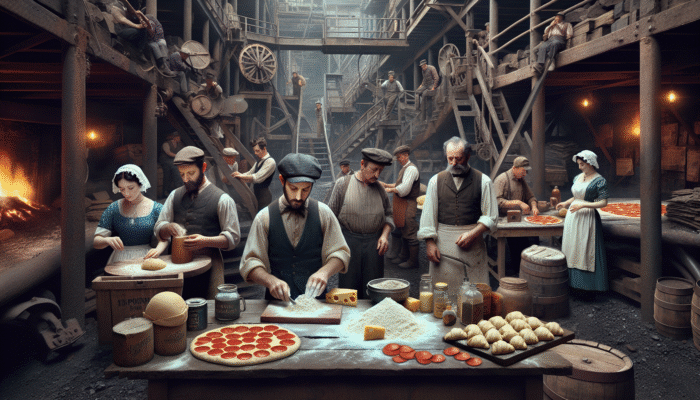
    Italian immigrants in early 20th-century West Virginia coal mines crafting the first pepperoni rolls.

    The captivating story of the West Virginia pepperoni roll BBQ begins with the resilient Italian immigrants who arrived in the coal mining regions of West Virginia during the late 1800s and early 1900s. These industrious individuals aimed to devise a quick and portable meal that would sustain them through long hours of labor underground. By creatively combining basic ingredients such as fresh bread and pepperoni, they birthed the pepperoni roll—an ingenious dish that was not only nourishing but also easy to carry, making it an ideal choice for miners needing sustenance during their demanding shifts.

    The pepperoni roll’s rich history is deeply woven into the fabric of West Virginia’s coal mining culture, where the urgent need for hearty nourishment intersected with the vibrant culinary traditions that Italian immigrants brought with them. This simple yet satisfying food quickly became an essential part of miners’ diets, symbolizing both their cultural heritage and the tireless work ethic they embodied. As time passed, what began as a humble lunchtime option evolved into a treasured regional delicacy, often shared during family meals and community celebrations, further solidifying its revered status in the culinary landscape of West Virginia.

    In contemporary times, the pepperoni roll transcends mere sustenance; it serves as a vibrant emblem of West Virginia’s cultural identity. Celebrated at various local festivals and prominently featured in restaurants, this iconic dish has evolved from its modest origins into a beloved culinary tradition that captures the essence of the state and its people, delighting the taste buds of generations past and present.

    Transformative Journey of the Pepperoni Roll Recipe Through Time

    As the fame of the West Virginia pepperoni roll BBQ expanded, its recipe underwent a significant transformation, adapting to the eclectic tastes and preferences of the local community. What began as a straightforward mixture of pepperoni and bread has now evolved into a canvas for a variety of exciting ingredients—ranging from cheese and jalapeños to an array of meats and spices. This evolution showcases the dynamic culinary landscape of West Virginia, where tradition coexists harmoniously with innovation and creativity.

    The emergence of artisanal baking and gourmet food trends has ignited further creativity in pepperoni roll recipes, with local bakers exploring diverse types of dough, including whole wheat and gluten-free variations. Furthermore, incorporating local ingredients like fresh herbs and seasonal vegetables lends a unique twist to the classic recipe. These flavorful innovations not only elevate the culinary experience but also broaden the appeal of the dish to a wider audience, all while honoring the pepperoni roll’s rich heritage.

    Additionally, the cooking methods for preparing pepperoni rolls have broadened significantly, moving away from traditional baking techniques to encompass various styles, such as grilling and smoking. These contemporary approaches deepen the flavor profile and allow home cooks and professional chefs alike to showcase their culinary creativity. Each adaptation keeps the pepperoni roll relevant in today’s culinary scene, continuously evolving to satisfy the tastes of newer generations and food enthusiasts alike.

    Understanding the Cultural Importance of the Pepperoni Roll

    The cultural significance of the West Virginia pepperoni roll BBQ extends far beyond its role as a mere food item; it encapsulates the essence of community, tradition, and resilience. As West Virginia’s official state snack, the pepperoni roll represents a source of pride for its residents, serving as a delectable reminder of the state’s rich cultural heritage. Its roots in the coal mining industry reflect the dedicated spirit of West Virginians, embodying the trials and triumphs of a hardworking population that helped shape the state’s economy.

    Local festivals and community events frequently celebrate this cherished dish, showcasing competitions that highlight the finest pepperoni rolls from the area. These gatherings foster a sense of unity, bringing families and friends together through their shared passion for food and culture. Moreover, for those who have relocated from West Virginia, the pepperoni roll often evokes nostalgic memories of home and family gatherings, serving as a delicious connection to their roots.

    Through its evolution and cultural relevance, the West Virginia pepperoni roll BBQ has woven itself into the very fabric of life in West Virginia. Whether enjoyed at a summer barbecue or during a local festival, this iconic dish continues to bring people together, bridging generations and providing a savory link to the past while celebrating the state’s heritage in every delicious bite.

    Essential Techniques for Crafting the Ultimate Pepperoni Rolls

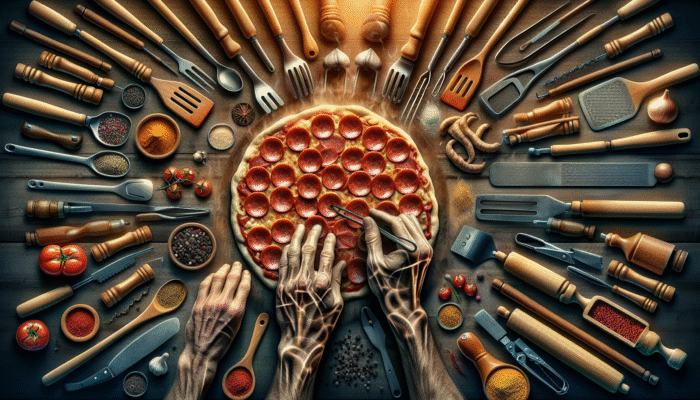
    Hands arranging pepperoni on dough with BBQ tools and spices, smoky grill in background, evening light.

    Exploring Smoking Techniques for Enhanced Flavor Depth

    To enrich the flavor profile of the West Virginia pepperoni roll BBQ, mastering smoking techniques is of utmost importance. Smoking is an art that involves using different types of hardwood to infuse the rolls with deep, smoky flavors that elevate the entire eating experience. Popular wood choices include hickory, mesquite, and applewood, each imparting unique characteristics that enhance the dish’s overall appeal and complexity.

    Hickory wood, known for its robust flavor profile, pairs beautifully with the spiciness of the pepperoni, creating a bold taste that resonates with fans of smoked cuisine. On the other hand, mesquite brings a more intense, earthy flavor that complements the richness of the pepperoni exquisitely. For those who prefer a gentler sweetness, applewood offers fruity undertones, making it especially appealing for those who enjoy a subtler smokiness in their culinary creations.

    For optimal results, maintaining precise temperature control is crucial. A smoking temperature of around 225°F to 250°F is ideal for preparing pepperoni rolls, allowing the flavors to meld together beautifully without scorching the dough. This slow-cooking method ensures that the pepperoni releases its flavorful oils, resulting in a juicy filling that permeates the bread. Using a smoker or employing indirect heat on a grill can yield outstanding results, transforming the classic pepperoni roll into a mouthwatering barbecue delight that tantalizes the taste buds.

    Beyond flavor enhancement, smoking also adds a unique tactile experience to the pepperoni roll. The outer crust develops a delightful char, enhancing the overall texture while keeping the interior moist and flavorful. Thus, smoking not only enriches taste but also elevates the pepperoni roll to a scrumptious barbecue delicacy that’s hard to resist, making it an ideal choice for any gathering or celebration.

    Grilling Techniques for Achieving Perfectly Charred Rolls

    Grilling pepperoni rolls presents an exciting opportunity to achieve that sought-after smoky flavor while imparting a delightful char to the exterior. However, this cooking method requires careful attention to heat levels and timing to avoid burning the outside. A highly effective strategy is to set up a two-zone grilling configuration, where one side of the grill is hotter for searing, while the other side remains cooler for slow cooking.

    Start by preheating your grill to medium heat, ensuring it is clean and well-oiled to prevent sticking. Position the pepperoni rolls on the cooler side of the grill, allowing them to cook evenly without direct flames. This indirect heat method ensures that the rolls are thoroughly cooked while the exterior achieves a beautiful golden-brown finish. It’s also essential to rotate the rolls periodically to prevent uneven cooking and to maintain a consistent texture throughout the grilling process.

    For an added flavor boost, consider brushing the rolls with a delightful barbecue sauce or herb-infused oil before grilling. This not only enhances the taste but also creates a beautiful glaze on the exterior. As the rolls grill, keep a watchful eye to prevent them from quickly transitioning from perfectly charred to burnt if left unattended.

    Finally, allow the grilled pepperoni rolls to rest for a few minutes after cooking. This resting period allows the flavors to meld together and ensures a juicy interior. By mastering these grilling strategies, you can create a deliciously smoky and satisfying rendition of the West Virginia pepperoni roll BBQ that will impress your guests and leave them eagerly asking for seconds.

    Utilizing Indirect Heat for Optimal Cooking Results

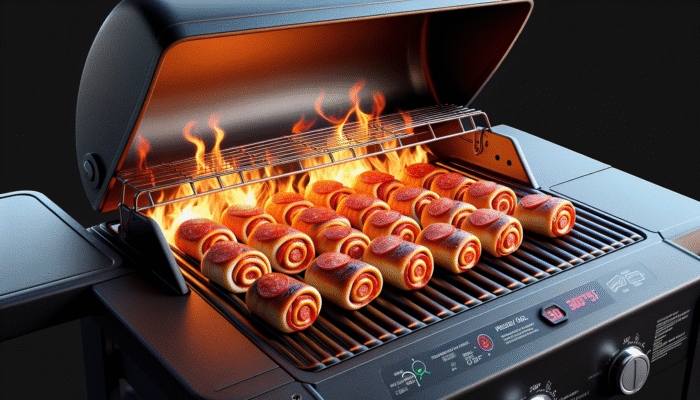
    Pepperoni rolls on grill, indirect heat at 350°F, mimicking oven baking, preserving moisture.

    Cooking pepperoni rolls using indirect heat is a technique that guarantees even cooking while preserving moisture within the rolls. This method is particularly beneficial when the rolls contain ingredients that require longer cooking times, such as cheese or additional meats. By placing the rolls away from direct flames, you create a gentle cooking environment that mimics baking in an oven.

    To implement indirect heat, arrange your grill with one side heated to high and the other side left off. Place the pepperoni rolls on the cooler side and close the lid to retain heat, allowing it to circulate evenly around the rolls. Maintaining a consistent temperature of around 350°F ensures thorough cooking without the risk of burning the outer layer, resulting in perfectly prepared rolls.

    This method not only produces a tender, juicy interior but also allows flavors to meld beautifully. As the rolls cook slowly, the pepperoni releases its oils, infusing the dough with a savory flavor that’s hard to resist. Meanwhile, the bread develops a lovely crust thanks to the indirect heat, creating a delightful contrast to the soft filling within, making each bite a truly enjoyable experience.

    Utilizing a thermometer to check the internal temperature of the rolls is a prudent practice. Aim for an interior temperature of at least 165°F to ensure that all ingredients are thoroughly cooked. By mastering this technique, you can become a pro at making the West Virginia pepperoni roll BBQ, delivering perfectly cooked rolls that are both flavorful and satisfying to savor.

    Enhancing Flavor Profiles Using Marinades

    Marinating pepperoni rolls prior to cooking is an excellent strategy to infuse them with additional flavors, transforming a straightforward dish into a culinary masterpiece. The right marinade not only enhances the taste of the pepperoni but also adds delightful complexity to the roll. Consider using a mixture of olive oil, garlic, herbs, and spices to create a robust marinade that complements the richness of the meat, intensifying the overall flavor experience.

    To marinate, combine your ingredients in a bowl or a zip-top bag, then add the pepperoni rolls, ensuring they are thoroughly coated. Refrigerate for a minimum of 30 minutes or up to several hours for maximum flavor infusion. This resting time allows the flavors to penetrate both the dough and the pepperoni, resulting in a more cohesive and flavorful bite that tantalizes the palate.

    Experimenting with various marinade flavors can yield fantastic results. For example, a zesty lemon and herb marinade adds brightness and freshness, while a spicy marinade featuring red pepper flakes and cayenne can elevate the heat level. The versatility of marinating opens the door to an array of flavor profiles, making it easy to customize the West Virginia pepperoni roll BBQ to suit your preferences and impress your guests with every delicious bite.

    When it’s time to cook, allow the rolls to come to room temperature before grilling or baking. This step ensures even cooking and helps avoid a doughy texture. The end result will be a pepperoni roll that bursts with flavor, showcasing the delightful marriage of spices and the savory goodness of the filling. Marinating not only enhances taste but also elevates the overall experience of enjoying this beloved West Virginian dish, making it truly unforgettable.

    Uncovering the Best BBQ Venues for Authentic Pepperoni Rolls

    Visiting Esteemed BBQ Establishments

    For enthusiasts of the West Virginia pepperoni roll BBQ, exploring local barbecue joints is an exhilarating adventure. West Virginia boasts several renowned establishments specializing in this iconic dish, each offering its unique interpretation of the pepperoni roll. One standout is Country Roads BBQ in Fairmont, celebrated for its smoky, tender rolls that leave diners craving more. Their secret family recipe and commitment to high-quality ingredients set them apart, ensuring that every bite is a memorable experience.

    Another beloved spot is the Pepperoni Roll Company in Morgantown, where visitors rave about their inventive variations. From cheese-stuffed options to spicy jalapeño versions, this establishment pushes the boundaries of the classic recipe, delighting taste buds with innovative twists. The company prides itself on sourcing local ingredients, ensuring that each roll bursts with fresh flavors and authenticity, contributing to the region’s rich culinary tapestry.

    For those seeking an authentic West Virginian experience, visiting these BBQ joints is essential. Each location not only serves delicious pepperoni rolls but also embodies the spirit of community and local pride. These establishments often host events and gatherings, creating a sense of camaraderie among patrons who share a love for this unique dish, making every visit a cherished occasion filled with delightful flavors and shared stories.

    Local Favorites You Must Try

    Beyond the famous BBQ joints, many small towns in West Virginia boast local eateries that serve treasured pepperoni roll BBQ specialties. In the charming town of Weston, you’ll find the beloved A & A Pepperoni Rolls, where locals sing the praises of their homemade rolls. This family-owned business has been serving the community for over thirty years, and their unwavering dedication to quality is evident in every bite. Their rolls, often served warm and fresh, are a cherished staple at local gatherings and events, embodying the essence of West Virginian comfort food and community spirit.

    In the heart of Charleston, Old Shoney’s is another hidden gem that serves a delightful version of the pepperoni roll. Patrons flock to this spot not only for the savory rolls but also for the nostalgic ambiance that transports them back in time. Each bite of their perfectly baked pepperoni roll serves as a reminder of the comfort and tradition associated with West Virginian cuisine, making it a must-visit destination for anyone seeking authentic flavors.

    Exploring these local favorites provides visitors with an opportunity to experience the heart and soul of West Virginia, where each pepperoni roll tells a story of community, tradition, and culinary heritage. These small eateries often offer a more intimate dining experience, connecting diners with the culinary roots of the region and showcasing the authenticity of West Virginia’s rich food culture, ensuring every visit is a delightful journey worth savoring.

    Seasonal Celebrations Honoring the Pepperoni Roll

    Summer in West Virginia is synonymous with festivals and fairs, many of which celebrate the state’s culinary delights, including the West Virginia pepperoni roll BBQ. Events such as the West Virginia State Fair in Lewisburg and the Mountain State BBQ Festival in Sutton often feature pepperoni roll competitions, where local chefs and home cooks present their finest renditions of this cherished dish, showcasing their culinary creativity and skills.

    These seasonal events serve not just as a feast for the senses but also as a celebration of local culture and community spirit. Attendees can sample different iterations of the pepperoni roll, from traditional recipes to innovative twists that highlight the versatility and creativity of this iconic dish. Additionally, live music, artisan vendors, and family-friendly activities create a lively atmosphere that draws people from all over the state, making these celebrations cherished summer traditions that bring everyone together.

    Participating in these events offers a chance to connect with fellow pepperoni roll enthusiasts and learn more about the dish’s rich history and significance. Through cooking demonstrations and tasting competitions, visitors gain insights into the techniques and traditions that shape the pepperoni roll, enhancing their appreciation for this West Virginian staple and the community that surrounds it, ensuring that every festival visit is a memorable experience filled with joy and culinary delight.

    Whether you’re a lifelong resident or a first-time visitor, attending these seasonal events is a fantastic way to immerse yourself in West Virginia’s food culture and experience the love and passion that goes into creating the West Virginia pepperoni roll BBQ, making every moment a celebration of flavor and tradition.

    Pairing the Pepperoni Roll BBQ with Delectable Sides

    Must-Have Accompaniments for a Memorable BBQ Feast

    No BBQ feast is complete without the ideal sides, and the West Virginia pepperoni roll BBQ pairs beautifully with classic accompaniments. Traditional favorites like coleslaw, baked beans, and potato salad not only complement the smoky flavors of the rolls but also enhance the overall meal experience, creating a harmonious balance of tastes and textures that delight the palate.

    Coleslaw, with its crunchy texture and tangy dressing, provides a refreshing contrast to the rich pepperoni roll. This classic side balances the savory flavors with a lightness that is particularly welcome during warmer months. Conversely, baked beans contribute a hearty, sweet component to the table, their richness pairing exceptionally well with the spices found in the pepperoni, making every bite a flavorful delight.

    Potato salad is yet another timeless option that offers creaminess and comfort, making it a perfect companion for BBQ dishes. Whether served cold or warm, potato salad brings a satisfying element to the meal, allowing diners to indulge in a variety of textures and flavors that enhance the overall dining experience while creating a sense of home and nostalgia.

    For a complete dining experience, consider presenting these sides in family-style platters, encouraging guests to mix and match. The combination of classic accompaniments creates a well-rounded meal that celebrates the flavors of West Virginia while enhancing the enjoyment of the pepperoni roll BBQ, making each bite a delightful adventure for everyone at the table.

    Highlighting Unique Regional Delicacies

    In addition to classic sides, West Virginia offers unique regional specialties that can elevate your pepperoni roll BBQ experience. Dishes like ramps, a wild onion native to the Appalachian region, can introduce a distinct flavor profile to the meal. When sautéed or grilled, ramps provide a delicious, garlicky punch that beautifully complements the rich pepperoni, adding an exciting new layer of flavor that guests will adore.

    Another regional favorite is pawpaws, a fruit endemic to the area often referred to as the “Appalachian banana.” While they may not be a traditional side dish, incorporating pawpaws into a fresh salad can provide a sweet, creamy contrast to the savory flavors of the pepperoni roll. This harmonious combination of sweet and savory is sure to delight your guests and introduce them to the diverse flavors found within West Virginia cuisine, making your BBQ gathering truly memorable.

    These regional specialties not only enhance the meal but also celebrate the unique culinary traditions of West Virginia. By showcasing local ingredients, you not only support the community but also provide a memorable dining experience that highlights the diversity of flavors found within the state, ensuring your BBQ gathering is one that guests will talk about long after the last bite.

    Selecting the Perfect Beverages to Enhance Your Meal

    Choosing the right beverages to accompany your West Virginia pepperoni roll BBQ can significantly elevate the overall dining experience. Local craft beers are a popular choice, offering a variety of flavors that pair wonderfully with the rich, smoky notes of the rolls. West Virginia is home to numerous breweries producing everything from hoppy IPAs to rich stouts, providing ample options for beer enthusiasts to explore and enjoy while enhancing their meal.

    For those who prefer non-alcoholic options, sweet tea is a quintessential Southern beverage that complements BBQ perfectly. Its refreshing sweetness balances the savory and spicy elements of the pepperoni roll, making it an ideal pairing, particularly during warm summer BBQs when a cold drink is most welcome.

    In addition to beer and tea, consider offering a selection of regional wines or ciders to further elevate the meal. The burgeoning wine industry in West Virginia has produced some excellent local wines that can beautifully enhance the flavors of your dishes. Experimenting with different beverages not only adds variety but also showcases the culinary offerings of West Virginia, making your BBQ gathering truly memorable and enjoyable for all.

    Incorporating Fresh Vegetables for a Well-Balanced Meal

    To create a balanced meal, consider including fresh vegetable options alongside your West Virginia pepperoni roll BBQ. Crisp salads featuring seasonal greens, tomatoes, and cucumbers provide a refreshing contrast to the hearty rolls. A simple vinaigrette dressing can enhance the flavors of the vegetables without overpowering the meal, ensuring a delightful dining experience that leaves everyone satisfied.

    Grilled vegetables, such as zucchini, bell peppers, and asparagus, also make a fantastic accompaniment. The smoky char from the grill complements the flavors of the pepperoni roll while adding a vibrant, colorful element to the plate. These fresh options not only balance the richness of the rolls but also bring a healthy aspect to your BBQ feast, making it enjoyable for all guests and promoting a well-rounded meal.

    By incorporating fresh vegetable dishes, you’ll create a well-rounded meal that satisfies a variety of palates. The combination of rich and light flavors will leave your guests feeling satisfied and happy, ensuring that your BBQ is a memorable occasion filled with delicious food and great company, where everyone enjoys a delightful culinary experience.

    Indulging in Delectable Dessert Pairings

    A delicious BBQ feast wouldn’t be complete without the perfect dessert to round off the meal. After indulging in the savory and satisfying flavors of the West Virginia pepperoni roll BBQ, a sweet treat is just what you need to cleanse the palate and provide a satisfying conclusion to the dining experience. Classic desserts like apple pie and ice cream are traditional favorites that are sure to delight and satisfy everyone at the table.

    Apple pie, with its flaky crust and warm cinnamon-spiced filling, offers a comforting finish to the meal. Pairing it with a scoop of vanilla ice cream creates a delightful contrast of temperatures and textures, making for a satisfying ending to your BBQ. The sweetness of the pie beautifully balances the savory elements experienced throughout the meal, leaving diners with a sense of contentment and joy.

    Ice cream, in general, is a versatile option that can be customized to suit various tastes. Consider offering flavors that reflect the season or local ingredients of West Virginia, such as blackberry or peach, to provide a unique twist on this classic dessert. Thoughtfully selecting dessert pairings can create a memorable BBQ experience that satisfies cravings and leaves a lasting impression on your guests, making every gathering a celebration of flavor and community.

    Health Insights and Culinary Variations for Pepperoni Rolls

    Understanding Nutritional Information for Informed Choices

    Gaining insight into the nutritional information of the West Virginia pepperoni roll BBQ is vital for making informed dietary choices. A standard pepperoni roll can vary in calorie count based on size and ingredients, typically ranging from 300 to 500 calories. A significant portion of these calories often comes from fats and sodium, particularly derived from the pepperoni itself.

    The sodium content, primarily sourced from the pepperoni, can be notably high, frequently exceeding daily recommended limits. For individuals monitoring their sodium intake, it’s imperative to enjoy pepperoni rolls in moderation or explore alternatives that offer lower sodium options. Awareness of these nutritional figures helps consumers make choices that align with their health goals while still relishing this beloved dish that holds a special place in West Virginian cuisine.

    Moreover, being conscious of ingredient choices can assist in making healthier decisions. Opting for whole grain dough and leaner cuts of meat can significantly reduce calorie and fat content. Paying attention to portion sizes also plays a crucial role in maintaining a balanced diet while still enjoying the delightful flavors of West Virginia’s culinary offerings, allowing for a satisfying meal that is both delicious and nutritious.

    Exploring Health-Conscious Alternatives for Pepperoni Rolls

    For those wishing to enjoy the West Virginia pepperoni roll BBQ without compromising their health, numerous healthier alternatives are available. One effective method to create a lighter version of the traditional dish is by using lean meats, such as turkey or chicken pepperoni. These options deliver the same flavorful experience while significantly reducing overall fat and calorie content, enabling you to indulge without guilt.

    Another consideration is the choice of dough. Whole grain or gluten-free options can be utilized to create a more nutritious roll. Whole grains provide additional fiber, aiding digestion and promoting a feeling of fullness, while gluten-free dough accommodates individuals with dietary restrictions without sacrificing taste or texture.

    Experimenting with fillings can also lead to healthier variations. Adding vegetables, such as spinach or bell peppers, not only enhances the flavor but also boosts the nutritional value of the roll. By incorporating these elements, you can create a pepperoni roll that satisfies your cravings while aligning with your health objectives, allowing everyone to enjoy this iconic dish guilt-free and with a sense of well-being.

    Dietary Adjustments for Inclusivity

    Dietary modifications for the West Virginia pepperoni roll BBQ can cater to a variety of needs, ensuring that everyone can enjoy this regional delicacy. For individuals following a gluten-free diet, utilizing gluten-free dough is an effective solution that allows them to partake in the deliciousness of the pepperoni roll without adverse health effects, ensuring inclusivity at any gathering.

    Similarly, for those adhering to low-carb or keto diets, creating a pepperoni roll with almond flour or a cauliflower crust presents a satisfying alternative. These modifications not only accommodate dietary restrictions but also introduce new flavors and textures, keeping the dish exciting and relevant for health-conscious diners seeking delicious options.

    Vegetarian and vegan options can also be explored by substituting traditional pepperoni with plant-based alternatives made from ingredients like soy or seitan. These variations cater to a growing number of consumers seeking meatless alternatives while still providing a fulfilling culinary experience that honors the spirit of the original pepperoni roll, ensuring everyone can enjoy this beloved dish.

    By embracing dietary modifications, you not only broaden the appeal of the West Virginia pepperoni roll BBQ but also showcase the adaptability of this cherished dish, ensuring it can be enjoyed by individuals with varying dietary preferences and restrictions, making every gathering inclusive and enjoyable for all.

    Practicing Portion Control for Balanced Enjoyment

    Maintaining portion control is crucial for savoring the West Virginia pepperoni roll BBQ while keeping a balanced diet. Given their rich flavors and satisfying nature, it’s easy to overindulge. Being mindful of portion sizes can help manage caloric intake without sacrificing taste or enjoyment, allowing everyone to relish in the deliciousness without feeling guilty.

    One effective strategy is to serve smaller rolls or cut larger rolls into halves or quarters. This approach allows diners to enjoy the flavors without the temptation to consume a larger portion than necessary. Additionally, pairing the pepperoni roll with a variety of sides encourages a more balanced meal, as it offers different flavors and nutrients without solely relying on the roll for satisfaction, enriching the overall dining experience.

    Encouraging mindful eating practices, such as taking the time to enjoy each bite and appreciating the flavors, can also enhance the overall dining experience. By focusing on the enjoyment of the meal rather than the quantity, individuals can relish the deliciousness of the West Virginia pepperoni roll BBQ while adhering to their health goals and maintaining a sense of balance in their diet.

    Ultimately, portion control doesn’t imply sacrificing flavor. With thoughtful strategies, you can indulge in this iconic dish while prioritizing your health and well-being, ensuring that every bite is both delicious and nourishing, creating a satisfying experience for everyone involved.

    Creating Your Own DIY Pepperoni Roll BBQ at Home

    Choosing Premium Ingredients for Maximum Flavor

    Crafting your own West Virginia pepperoni roll BBQ at home begins with the selection of high-quality ingredients. The choice of pepperoni is vital; fresh, artisanal pepperoni can significantly enhance the flavor profile. Look for local brands that prioritize quality, ensuring that the pepperoni used is rich in flavor and free from unnecessary preservatives, thereby enhancing the overall taste of your rolls and providing a truly authentic experience.

    Equally important is the dough. Opt for freshly made dough whenever possible, as it can greatly influence the texture and flavor of the final product. If you’re pressed for time, consider using store-bought dough but ensure it is crafted with wholesome ingredients. Whole wheat or gluten-free options provide a nutritious alternative while still delivering on taste, allowing you to cater to various dietary needs while still maintaining flavor.

    Adding a few extras, such as cheese or spices, can further enhance the flavor. Mozzarella or provolone cheese contributes a creamy element, while spices like garlic powder or Italian seasoning can infuse the rolls with additional depth and complexity. By carefully selecting your ingredients, you set the stage for a successful pepperoni roll BBQ experience that will impress family and friends, transforming your kitchen into a hub of deliciousness.

    Mastering Preparation Techniques for Flawless Rolls

    The preparation of the West Virginia pepperoni roll BBQ is a critical step that can determine the overall outcome of the dish. Start by rolling out your dough on a clean, floured surface, ensuring it’s evenly thick for optimal cooking. Aim for a rectangular shape, which allows for even distribution of the filling and facilitates rolling, ensuring each bite is packed with flavor.

    When placing the pepperoni, distribute it evenly across the dough, leaving a small border around the edges to prevent spillage during baking. If you’re adding cheese or other ingredients, layer them on top of the pepperoni for added richness and flavor. It’s essential to avoid overstuffing the rolls, as this can lead to uneven cooking or bursting during the baking process, making sure that each roll is beautifully cooked and satisfying.

    After securing the filling, roll the dough tightly, ensuring a snug fit. Pinching the seams closed helps seal in the flavors and prevents leakage while cooking. A well-formed roll not only looks appealing but also ensures even cooking and a delightful texture, resulting in a pepperoni roll that is both visually stunning and delicious, making it a highlight of any meal.

    Expert Cooking Tips for Crafting Perfect Rolls

    To replicate the smoky flavor of the West Virginia pepperoni roll BBQ at home, consider utilizing a backyard smoker or grill. Preheat your smoker to around 225°F, using wood chips that complement the flavors of the pepperoni, such as hickory or applewood. Cooking with indirect heat will ensure even cooking, allowing the flavors to meld beautifully and creating a truly delectable roll that impresses everyone at your table.

    If you’re using a grill, set it up for indirect cooking by placing the rolls on the cooler side. Keep the lid closed to retain heat and maintain a consistent temperature, enhancing the cooking process. Cooking time will vary based on the size of your rolls, but aim for an internal temperature of 165°F to ensure they are fully cooked and safe to enjoy, delivering a pepperoni roll that is not only flavorful but also perfectly cooked.

    For those who prefer baking, preheating your oven to 375°F works well. Arrange the rolls on a baking sheet lined with parchment paper and bake them until golden brown—approximately 15-20 minutes. The result should be a beautifully cooked pepperoni roll that is crispy on the outside and deliciously tender on the inside, showcasing the perfect blend of flavors and textures that make this dish a true delight.

    With these tips and techniques, creating a satisfying West Virginia pepperoni roll BBQ at home becomes not only achievable but also a rewarding culinary adventure that will impress everyone at your table, turning any gathering into a celebration of flavor.

    Addressing Frequently Asked Questions about Pepperoni Rolls

    What is a West Virginia pepperoni roll?

    A West Virginia pepperoni roll is a savory pastry featuring pepperoni and cheese wrapped in bread dough. It originated from Italian miners seeking a portable meal in the coalfields, quickly becoming a regional staple cherished by locals for its deliciousness and convenience.

    How did the pepperoni roll gain popularity?

    The pepperoni roll gained popularity among Italian immigrants in West Virginia’s coal mines, offering a convenient lunch option that quickly garnered local and statewide recognition, eventually becoming a symbol of West Virginia’s rich culinary heritage and cultural identity.

    How can I enhance the flavor of my pepperoni roll BBQ?

    You can enhance the flavor by smoking the rolls with different types of wood, using high-quality ingredients, and experimenting with marinades for added depth and complexity, making each bite a delightful experience that showcases the dish’s rich traditions.

    What are some classic sides to serve with pepperoni rolls?

    Classic sides include coleslaw, baked beans, and potato salad, which complement the savory flavors of pepperoni rolls perfectly, creating a well-rounded meal that satisfies various palates and preferences.

    Can I make a healthier version of a pepperoni roll?

    Yes, healthier versions can include lean meats, whole grain dough, and the addition of vegetables to increase nutritional value while maintaining taste, allowing everyone to enjoy this beloved dish without guilt while still savoring its delightful flavors.

    Where can I find the best pepperoni rolls in West Virginia?

    Some of the best pepperoni rolls can be found at local favorites like Country Roads BBQ in Fairmont and the Pepperoni Roll Company in Morgantown, both known for their delicious and authentic offerings that highlight the culinary heritage of the region.

    What beverages pair well with pepperoni roll BBQ?

    Local craft beers, sweet tea, and regional wines are great beverage choices that complement the flavors of pepperoni rolls, enhancing the overall dining experience for you and your guests while celebrating the local beverage culture.

    Is there a gluten-free option for pepperoni rolls?

    Yes, gluten-free dough can be used to make pepperoni rolls, accommodating those with gluten sensitivities and ensuring that everyone can enjoy this delicious dish without compromising their dietary needs or preferences.

    How do I grill pepperoni rolls without burning them?

    Utilize a two-zone grilling setup with indirect heat to cook the rolls evenly, rotating them regularly to prevent burning the exterior while achieving a delightful char on the outside, ensuring a perfectly cooked pepperoni roll every time.

    What desserts pair well with pepperoni roll BBQ?

    Classic desserts like apple pie and ice cream provide a sweet contrast to the savory flavors of pepperoni rolls, making for a delightful ending to your meal that guests will remember fondly and cherish long after the gathering ends.

    Connect with us on Facebook!

    The Article West Virginia Pepperoni Roll BBQ: A Smoky Delight appeared first on https://pitmastersarsenal.com

    The Article Pepperoni Roll BBQ in West Virginia: A Smoky Treat Was Found On https://limitsofstrategy.com