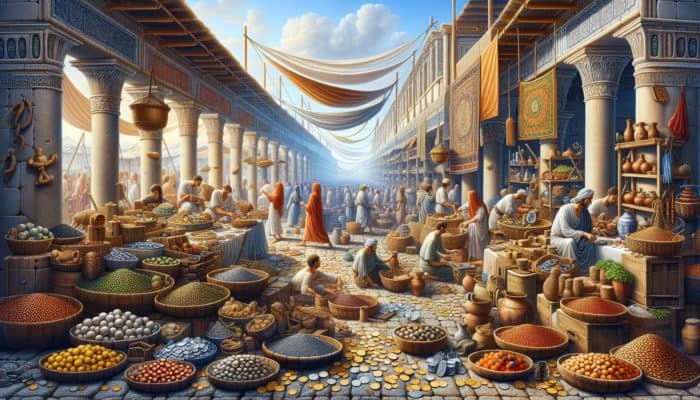
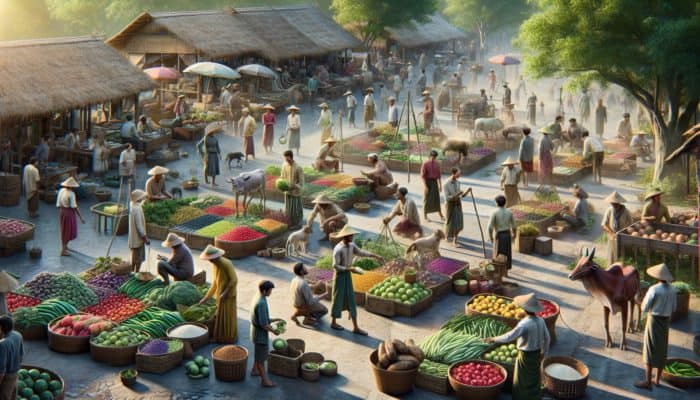
Exploring the Rise of Alternative Trade Systems During Turbulent Times
Reviving Barter and Direct Exchange Methods for Survival
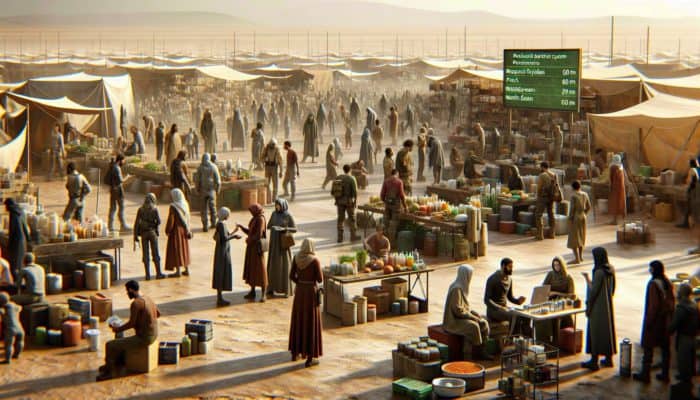
In situations where traditional monetary systems have disintegrated, the resurgence of barter and direct exchange has become a critical lifeline for communities striving for survival. This ancient practice of trading goods and services is now paramount in the domain of post-apocalyptic trade. As stable currencies fade into obscurity, individuals and communities are increasingly engaging in the physical exchange of essential items, thus transforming the trading landscape. Vital commodities—such as food, tools, and medical supplies—have effectively supplanted traditional currency. This transition not only highlights the urgent necessity for survival but also exemplifies the remarkable adaptability of human trading practices in times of crisis.
The intricate dynamics of barter are inherently tied to the human element, with trust being of utmost importance. In the aftermath of societal collapse, local communities may forge trading alliances, enabling individuals to swap surplus goods for essential items. For instance, a farmer could barter freshly harvested crops for tools crafted by a blacksmith, thereby nurturing a sense of community and interdependence. Such localized trade not only addresses urgent needs but also fortifies social bonds, which are crucial for rebuilding society amidst adversity.
The potential of digital platforms could significantly enhance barter systems by establishing decentralized marketplaces that effectively connect traders. These innovative platforms can facilitate exchanges without the need for physical currency, empowering users to showcase their goods and services to a broader audience. As technological advancements continue, the fusion of traditional bartering with digital innovations could redefine how individuals engage in post-apocalyptic trade, paving the way for a hybrid system that amalgamates the benefits of both conventional and contemporary trading practices.
Transitioning to Resource-Based Economic Models for Sustainability
In the aftermath of catastrophic events, economies may shift towards a resource-based model, concentrating on the management and distribution of essential commodities. Critical resources such as water, food, and fuel become fundamental to survival, with their accessibility shaping the emerging economic landscape of post-apocalyptic trade. Communities that successfully manage these vital resources often gain substantial influence, evolving into trading hubs or authoritative centers within their regions.
The significance of water, in particular, cannot be overstated; in many areas, it transforms into an immensely sought-after traded commodity, potentially leading to conflicts over access and supply. Regions blessed with abundant freshwater sources may flourish as thriving trade centers, attracting individuals from less fortunate areas. For instance, a community adept in rainwater harvesting or purifying contaminated sources could exchange clean water for food or energy resources, establishing a mutually beneficial arrangement that sustains both parties involved.
Moreover, ensuring food security becomes a paramount economic driver. Local agricultural initiatives, such as community gardens and permaculture projects, can emerge as pivotal trading points, enabling communities to swap surplus produce for other necessary items. This pivot towards resource-based economies underscores the importance of sustainability and collaboration, encouraging communities to prioritize local resilience over competition for dwindling resources.
The Growing Role of Digital Currencies in Contemporary Trade
As traditional monetary systems struggle to maintain their footing, the significance of digital currencies in post-apocalypse trade becomes increasingly apparent. Cryptocurrencies, including Bitcoin and Ethereum, along with blockchain technologies, introduce decentralized trading methods that operate independently of governmental oversight or banking institutions. This flexibility allows individuals to conduct transactions securely and transparently, fostering trust among traders within these new economic frameworks.
Digital currencies can offer a layer of stability in an otherwise chaotic environment. For instance, a farmer could receive payment in cryptocurrency for their goods, thereby shielding their earnings from inflation and the unpredictable nature of physical commodities. Additionally, transactions recorded on a blockchain create an immutable ledger, enhancing accountability and minimizing the risk of fraud in trading practices.
The integration of digital currencies into trade could also facilitate international exchanges. Communities worldwide might engage in trade without the complications linked to currency conversion or banking fees, utilizing cryptocurrencies to streamline transaction processes. This global perspective amplifies the potential for collaboration, enabling diverse communities to support one another through shared resources, knowledge, and skills in a post-apocalypse setting.
Tackling Challenges in Post-Apocalyptic Trade
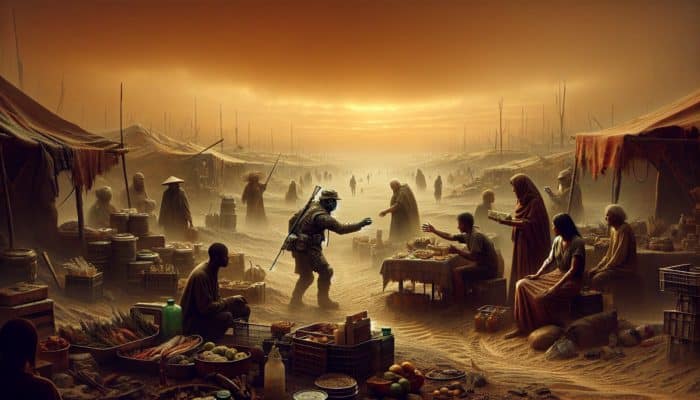
Confronting Security and Safety Issues in Trading
The collapse of societal structures often leads to increased insecurity, making safety a primary concern in post-apocalypse trade. The threat of theft and banditry can severely disrupt trade routes, deterring exchanges between communities and creating a hazardous environment. In this new reality, traders must navigate a landscape where risks are omnipresent, impacting both their physical safety and their ability to conduct business effectively.
To address these challenges, communities may implement protective strategies, such as organizing trade caravans that travel collectively for added safety. These alliances can deter potential threats, fostering camaraderie and solidarity among traders. However, the necessity for security may also give rise to warlord-like figures who exert control over trade routes and enforce tariffs, complicating the dynamics of exchange and introducing additional hurdles for traders.
For instance, a community heavily dependent on a single trade route for essential supplies may discover its vulnerability to those who control access. This scenario can create an imbalance, where communities with the means to protect their assets thrive, while others struggle for survival. Consequently, establishing secure trade networks becomes indispensable in a post-apocalypse, significantly influencing both the economy and the social fabric of the affected areas.
Addressing Infrastructure Decay to Enhance Trade Resilience
The degradation of infrastructure presents substantial obstacles to post-apocalypse trade. Roads, bridges, and communication systems may suffer damage or destruction, hampering the movement of goods and people. This deterioration complicates trade logistics and restricts access to vital resources, creating a ripple effect that impacts entire communities.
In urban environments, deteriorating infrastructure can lead to isolated neighborhoods that struggle to reach markets. Communities may become reliant on local resources, resulting in a slower and less efficient trading process. For instance, a city with devastated transportation networks might find traders using foot travel or rudimentary vehicles, significantly extending the time and effort needed to complete transactions, which can ultimately stifle economic activity.
Innovative solutions may emerge from this challenge, such as the establishment of localized trade hubs. These hubs could function as gathering points where traders come together to exchange goods, circumventing the need for extensive transportation networks. Communities may also collaborate in restoring existing infrastructure, fostering a sense of unity as they strive to rebuild a functional trading environment.
Effectively Managing Scarcity and Resource Distribution

The management of limited resources presents a formidable challenge in post-apocalypse trade. Scarcity can incite competition and conflict, as communities vie for access to essential commodities such as food, water, and energy. Effective resource management is crucial to ensure equitable distribution and to prevent societal fractures that could further destabilize the community.
Communities may adopt innovative strategies for resource management that foster cooperation rather than conflict. For instance, resource-sharing agreements can be established, enabling neighboring communities to pool their resources for mutual benefit. This collaborative spirit can help alleviate tensions and promote stability, reinforcing the role of trade as a unifying force during crises.
Furthermore, sustainable practices are essential in navigating scarcity. Communities that prioritize renewable resources or regenerative agricultural methods may find themselves at a competitive advantage in trade. By embracing sustainable practices, they can secure a consistent supply of goods while contributing to the long-term health of their environment, transforming post-apocalypse trade into a catalyst for recovery and resilience.
Overcoming Communication Breakdowns in Trading Activities
In a world where traditional communication networks have crumbled, the ability to coordinate trade becomes significantly compromised. Reliable communication is vital for negotiating deals and facilitating exchanges; however, the breakdown of technology presents a major barrier to effective post-apocalypse trade.
Re-establishing communication methods becomes a top priority for trading communities. Basic technologies such as radios, runners, or even signal fires can enable traders to communicate, albeit at a slower pace compared to modern systems. Innovative solutions may emerge, such as makeshift signaling techniques or the establishment of communication networks that link disparate communities, enhancing coordination and improving trade efficiency.
The challenges posed by communication breakdowns underscore the necessity for adaptability. Traders must devise creative solutions to overcome obstacles, such as establishing regular meeting points for information exchange. As communities learn to navigate these complexities, they may uncover new communication methods that foster collaboration and enhance the overall trading environment.
Establishing Trust in Bartering Systems
The dissolution of traditional legal systems complicates trust dynamics in post-apocalypse trade. In the absence of formal structures to enforce agreements, establishing trust is essential for successful barter transactions. This reliance on interpersonal relationships can introduce challenges, particularly in contexts where resources are limited and competition is fierce.
Communities may implement informal reputation systems to facilitate trust-building. Traders could keep records of successful exchanges, providing others with insights into their reliability. However, the inefficiencies inherent in barter systems can slow trading processes, as individuals must continuously evaluate the value and trustworthiness of their counterparts. This situation could lead to disputes, especially if the perceived value of goods fluctuates or when one party feels aggrieved.
Moreover, the psychological impact of living in a post-apocalyptic world can strain relationships, further complicating trust-building efforts. As communities grapple with trauma, fear, and uncertainty, nurturing a culture of cooperation becomes vital. Through shared experiences and transparent communication, communities can gradually rebuild trust, laying the groundwork for a more harmonious trading environment.
Seizing Opportunities for Growth and Development in Trade
Encouraging Innovation in Trading Practices
In the aftermath of societal collapse, innovation can thrive as communities adapt to new trading practices. The necessity for survival drives individuals to devise creative solutions that transform post-apocalypse trade. As traditional systems fail, inventive methods emerge, offering fresh opportunities for growth within a redefined economic landscape.
One notable area of innovation involves the establishment of local currencies tied to community resources. For example, a community abundant in agricultural produce might issue a currency valid exclusively for trading within that locality. This localized currency can enhance economic circulation and motivate residents to invest in their local economies, fostering a sense of ownership and commitment to community welfare.
Additionally, technological advancements play a crucial role in reshaping new trading practices. The rise of renewable energy sources can facilitate local production, diminishing reliance on external supply chains. For instance, a community harnessing solar energy may establish a self-sufficient system that powers local markets, enabling residents to trade goods without the constraints imposed by traditional energy sources. This innovation not only supports post-apocalypse trade but also contributes to long-term sustainability.
Strengthening Community Bonds Through Trade
Trade serves as a powerful catalyst for community building in a post-apocalypse landscape, fostering cooperation and solidarity among individuals. As communities unite to exchange goods, they forge connections that extend beyond mere transactions. This sense of belonging becomes essential in the wake of societal collapse, laying a foundation for resilience and recovery.
Local markets can evolve into vibrant hubs for community interaction, where individuals gather to trade, share stories, and cultivate relationships. Such interactions may lead to the formation of support networks, allowing residents to rely on one another for assistance during challenging times. For example, a community pooling resources for a larger trading event can strengthen its bonds, reinforcing a culture of cooperation and mutual aid that is vital for survival.
Moreover, the act of trade itself can instill a sense of pride and ownership among community members. As they collaborate to sustain their livelihoods, individuals may develop a deeper appreciation for their local environment and resources. This newfound connection encourages sustainable practices, as communities recognize the necessity of preserving their surroundings to maintain trading opportunities and enhance their quality of life.
Prioritizing Sustainability in Trading Practices
In the wake of societal collapse, the adoption of sustainable practices becomes crucial in shaping post-apocalypse trade. As communities confront limited resources, emphasizing long-term viability can drive the integration of environmentally friendly methods. Prioritizing sustainability not only addresses immediate needs but also nurtures a resilient economic system capable of withstanding future challenges.
One area where sustainability is particularly vital is in food production. Communities may embrace regenerative agricultural techniques that focus on soil health and biodiversity to ensure a steady supply of food while minimizing environmental degradation. By implementing practices such as crop rotation and permaculture, traders can establish a robust food system that supports local economies and fosters trade among neighbors.
Furthermore, incorporating renewable energy sources into trading practices can decrease reliance on fossil fuels. Communities utilizing wind, solar, or hydroelectric power can create self-sufficient trading networks, enabling them to exchange goods without the constraints of conventional energy systems. This transition not only enhances economic stability but also contributes to a healthier planet, aligning with sustainable living values and practices.
Sustainable practices also encompass ethical considerations in trade. By prioritizing fair exchanges and equitable resource distribution, communities can cultivate a culture of respect and cooperation, ultimately strengthening the foundations of post-apocalypse trade.
Leveraging Technology to Enhance Trading Systems
Establishing Effective Communication Networks
Reliable communication networks are essential for supporting post-apocalypse trade. As traditional systems falter, communities must innovate to create dependable lines of communication that facilitate trade and coordination. Without these networks, the complexities of negotiating deals and managing logistics can become overwhelming.
Communities may explore various technologies, including radios, signaling systems, or even messenger services, to enhance communication. For instance, utilizing walkie-talkies can enable traders to maintain contact over distances, ensuring that crucial information regarding resource availability and trade opportunities is shared promptly. As these networks develop, they help foster a sense of community and cooperation, ultimately enhancing the trading experience.
Moreover, the resurgence of social networks—albeit in a more rudimentary form—can reinforce community ties. Whether through in-person gatherings or more structured systems, individuals can share knowledge and resources that bolster trade initiatives. These informal networks may eventually evolve into more sophisticated systems as communities learn to collaborate effectively.
The significance of communication extends beyond mere transactions, encompassing the formation of alliances and partnerships that enable traders to tackle challenges collectively. By cultivating strong communication channels, communities can create more resilient trading environments, ultimately improving their prospects for survival and prosperity in a post-apocalypse scenario.
Embracing Technological Innovations to Enhance Trade
Technological innovation plays a crucial role in shaping the landscape of post-apocalypse trade. As communities strive to adapt to new realities, they can harness emerging technologies to facilitate trade and strengthen their economies. Innovations such as 3D printing, renewable energy solutions, and efficient transportation methods can revolutionize how goods are produced and exchanged.
For instance, 3D printing technology empowers communities to create essential items locally—from tools to medical supplies—reducing dependency on external sources. This localized production enhances self-sufficiency and streamlines trade processes, allowing individuals to barter goods with greater ease and efficiency.
Additionally, integrating renewable energy sources into trade practices can diminish reliance on conventional energy systems. Communities harnessing wind, solar, or hydroelectric power can establish self-sufficient trading networks, enabling them to exchange goods without the constraints imposed by traditional energy sources. This shift not only boosts economic stability but also contributes to a healthier planet, aligning with sustainable living ideals.
Transportation innovations, such as electric vehicles or bicycle-powered carts, can further facilitate trade by enhancing mobility and accessibility. As communities explore creative solutions to overcome physical barriers, they lay the groundwork for more efficient trading networks, ultimately fostering economic growth and resilience in a post-apocalypse environment.
Optimizing Data and Information Management in Trading Activities
In a world where resources are scarce and competition is fierce, effective data and information management is crucial for optimizing post-apocalypse trade. The ability to accurately track resources, anticipate availability, and manage trading relationships can significantly enhance a community’s trading experience and overall economic stability.
Communities may devise systems for tracking inventory and resource availability, allowing traders to make informed decisions about their exchanges. Simple databases or ledger systems can be established to record transactions, enabling individuals to monitor supply levels and identify potential trade opportunities. This data-driven approach streamlines the trading process, ensuring that communities capitalize on available resources and respond effectively to market demands.
Moreover, information management extends to understanding market dynamics and trends. By analyzing data on resource availability and demand, traders can adjust their strategies to effectively meet the needs of their communities. For instance, if a particular resource becomes scarce, traders can pivot their focus to seek alternative goods that fulfill similar requirements. This adaptability is crucial for navigating the uncertainties of post-apocalypse trade.
Additionally, fostering relationships with other trading communities can enhance information sharing and collaborative strategies. By exchanging data and insights, communities can elevate their trading practices, ultimately leading to a more resilient and interconnected trading environment. As they learn to harness data effectively, communities can better navigate the complexities of life after societal collapse.
Exploring the Social and Cultural Dimensions of Trade
Facilitating Cultural Exchange and Integration Through Trade
Trade serves as a powerful vehicle for cultural exchange and integration in a post-apocalypse context. As communities interact and exchange goods, they simultaneously share ideas, beliefs, and traditions, leading to a rich tapestry of cultural fusion. This exchange nurtures understanding and collaboration, which are essential for the reconstruction of society following collapse.
For instance, as traders from diverse backgrounds come together, they introduce unique culinary practices, crafts, and art forms. A community engaging in trade with another may adopt new cooking techniques or artistic styles, enriching their cultural landscape. Such interactions promote appreciation for diversity and encourage the blending of traditions, ultimately fortifying communal bonds and social cohesion.
Moreover, trade can lead to the establishment of cultural festivals where communities celebrate their heritage while showcasing the goods they produce. These events can become focal points for social interaction, allowing individuals to forge connections and deepen their understanding of one another. By fostering cultural exchange through trade, communities lay the groundwork for harmonious coexistence, which is vital for rebuilding societies in a post-apocalypse context.
Examining Social Hierarchies Influenced by Trading Practices
The intricate relationship between trade and social hierarchies becomes evident in a post-apocalypse landscape. As resources dwindle, trading power can shift, leading to the emergence of new social structures based on economic influence. Those who control essential goods and services may gain considerable leverage, altering community dynamics and interactions.
In this context, trading power can create a tiered society, where certain individuals or groups ascend to prominence based on their capacity to provide sought-after resources. For example, a community leader who secures reliable access to clean water may exert considerable influence, making decisions that impact the entire population. This imbalance can foster tensions, as individuals compete for access to resources and opportunities within their community.
To address these evolving social hierarchies, communities may need to prioritize equity and inclusivity in their trading practices. Establishing systems that promote fair exchanges and prevent exploitation is critical for nurturing a sense of social cohesion. By prioritizing the welfare of all members, communities can mitigate the potential for conflict and ensure that trade serves as a unifying force rather than a source of division.
Furthermore, recognizing the value of diverse skills and contributions can help level the social playing field. By acknowledging and appreciating the unique talents of individuals, communities can foster collaboration and cooperation, ultimately leading to a more resilient society in the face of adversity.
Addressing Ethical Considerations in Trading Practices
As communities navigate the complexities of post-apocalypse trade, ethical considerations play a crucial role in shaping their interactions. In a world where resources are limited, issues of fairness, exploitation, and responsibility become paramount. Communities must contend with the moral implications of their trading practices, ensuring that they promote equity and justice.
For instance, the potential for exploitation rises in environments characterized by high vulnerability. Traders must remain vigilant to ensure that their exchanges do not take advantage of those in desperate situations. Establishing ethical guidelines that prioritize fairness can help prevent abuses and foster a culture of mutual respect within trading relationships.
Moreover, the importance of transparency cannot be overstated. Open communication regarding the value of goods, resource availability, and potential risks enhances trust among trading partners. By fostering a culture of honesty and accountability, communities can reinforce the ethical foundations of their trading practices, ultimately leading to more harmonious interactions and a thriving trading environment.
Additionally, communities may explore opportunities for ethical sourcing, prioritizing sustainable practices that benefit both people and the environment. By aligning their trade with ethical considerations, communities can cultivate a sense of responsibility, ensuring that their actions reflect their values and contribute to the well-being of their neighbors and the planet.
Preserving Cultural Identity Through Trade Interactions
Trade not only facilitates the exchange of goods but also plays a vital role in safeguarding cultural identities in a post-apocalypse world. As communities navigate the challenges of survival, their cultural practices and traditions may be at risk of erosion. Through trade, individuals can maintain and celebrate their heritage, fostering a sense of continuity amidst adversity.
A powerful way in which trade supports cultural preservation is through the exchange of traditional crafts and artisanal products. Communities may prioritize the production and trade of unique crafts that reflect their cultural heritage, ensuring that these practices are passed down through generations. For instance, a community renowned for its weaving traditions may establish a marketplace for handmade textiles, allowing artisans to share their skills while generating income and preserving their cultural legacy.
Moreover, trade can facilitate the sharing of stories and oral traditions among diverse communities. As individuals engage in trade, they exchange narratives that encapsulate their histories, beliefs, and values. This cultural exchange strengthens communal ties and promotes understanding, ultimately enriching the collective identity of the trading communities involved.
As cultural preservation intertwines with trade, communities may discover inventive ways to celebrate their heritage. Festivals, events, or collaborative projects can underscore the significance of cultural practices, allowing individuals to showcase their traditions while fostering cross-cultural dialogue. This emphasis on cultural preservation through trade not only strengthens community bonds but also ensures that diverse identities continue to thrive in a post-apocalypse world.
Strategies for Achieving Optimal Trade Outcomes
Establishing Trust and Building Strong Networks
In the realm of post-apocalypse trade, cultivating trust and establishing robust networks is fundamental for achieving success. As communities navigate the complexities of resource scarcity and insecurity, fostering relationships based on mutual respect can enhance trading opportunities and encourage collaboration.
One effective strategy for building trust involves establishing transparent communication channels. Traders should prioritize honesty in their exchanges, openly discussing the value of goods, potential risks, and expectations. Creating a culture of openness can alleviate fears and enhance cooperation, allowing communities to work together more effectively in their trading activities.
Additionally, forming alliances with neighboring communities can expand trading networks, creating an interdependent web that bolsters resilience. By collaborating on resource-sharing agreements or joint ventures, communities can pool their strengths and better navigate challenges. For example, a coalition of communities may establish a trading cooperative that allows them to collectively negotiate better deals and access a wider array of resources, ultimately enhancing their overall trading capacity.
Moreover, organizing regular trading events or markets can facilitate relationship-building among traders. These gatherings create opportunities for individuals to connect, share knowledge, and establish rapport. By fostering a sense of community through trade, individuals can cultivate trust, ultimately enhancing the effectiveness of their trading ventures and ensuring a more stable economic environment.
Emphasizing Adaptability and Flexibility in Trading Practices
In a world characterized by unpredictability, adaptability and flexibility are essential traits for successful post-apocalypse trade. Traders must be prepared to navigate rapidly changing circumstances while remaining resilient in the face of challenges.
A key aspect of adaptability is the ability to identify emerging opportunities. Traders should stay attuned to shifts in resource availability, market dynamics, and community needs. By responding to these changes, individuals can adjust their trading strategies and capitalize on new avenues for growth. For example, if a particular resource becomes scarce, traders can pivot towards alternative goods or services that fulfill similar requirements, ensuring their continued relevance in the marketplace.
Furthermore, being flexible in negotiations can enhance trading outcomes. This may involve exploring creative solutions that benefit all parties involved. For instance, if two communities have differing needs, they may find ways to barter goods in a manner that meets both of their requirements, fostering a spirit of collaboration that strengthens their trading relationships.
Adapting to new technologies and innovations also plays a critical role in successful trading. Traders who embrace emerging tools and methodologies can streamline their processes and improve efficiency. By remaining open to change and willing to experiment, communities can foster a culture of innovation that supports sustainable post-apocalypse trade and promotes long-term growth.
Implementing Risk Management and Mitigation Strategies
In the unpredictable landscape of post-apocalypse trade, effective risk management and mitigation strategies are essential for safeguarding communities. As they confront the uncertainties of resource scarcity, insecurity, and environmental challenges, traders must develop proactive approaches to minimize potential threats.
An essential strategy is to diversify trading partners and resources. By expanding their networks and avoiding reliance on a single supplier, communities can reduce vulnerability to disruptions. For instance, a community that trades with multiple agricultural producers can ensure a steady flow of food, even if one source is compromised. This diversification enhances stability and resilience in the face of challenges, allowing communities to navigate uncertainties more effectively.
Additionally, conducting thorough risk assessments becomes vital in navigating potential threats. Traders should evaluate their environment, considering factors such as local security, resource availability, and infrastructure conditions. By understanding the risks associated with trading routes and partnerships, communities can develop contingency plans that enable them to respond effectively to unforeseen circumstances, ensuring the continuity of their trading activities.
Moreover, establishing security measures to protect trade routes and transactions is crucial. Communities may implement community watch programs or collaborate with neighboring groups to ensure safe passage for traders. By prioritizing safety, individuals can foster a sense of confidence in their trading activities, ultimately enhancing the effectiveness of post-apocalypse trade and creating a more stable economic environment.
Imagining the Future of Trade in Post-Apocalyptic Settings
Facilitating Long-Term Economic Recovery Through Trade
The potential for post-apocalypse trade to foster long-term economic recovery is significant. As communities adapt to new realities, trade can serve as a catalyst for rebuilding and revitalizing local economies. By promoting a culture of cooperation and resource-sharing, communities lay the groundwork for sustainable growth and resilience.
One avenue for economic recovery lies in establishing local markets that prioritize community needs. These markets can facilitate the exchange of goods and services while strengthening connections among residents. As trading practices evolve, communities may discover innovative ways to support one another, cultivating a sense of shared purpose and mutual aid that is vital for recovery.
Moreover, developing resource-sharing initiatives can enhance economic stability. By pooling resources and collaborating, communities can reduce inefficiencies and ensure equitable access to essential goods. This emphasis on cooperation can create a ripple effect, as individuals recognize the importance of supporting one another in their economic ventures and foster a culture of resilience.
Additionally, the lessons learned from post-apocalypse trade can inform future economic systems. As communities reflect on their experiences, they may develop new models that prioritize sustainability, equity, and cooperation. By building on the successes and challenges of their trading practices, communities can create resilient economic frameworks that withstand future crises and contribute to long-lasting recovery.
Adapting Trade Systems to Evolving Circumstances
The evolution of trade systems in response to changing circumstances is a defining characteristic of post-apocalypse trade. As communities adjust to new realities, they can develop innovative approaches that redefine their trading practices and bolster resilience in their economies.
A key aspect of this evolution is integrating technology into trading systems. As communities adopt emerging tools and platforms, they can streamline their processes and enhance efficiency. For example, the application of blockchain technology can facilitate secure transactions and transparent record-keeping, ensuring accountability in trading practices and optimizing the overall trading experience.
Moreover, establishing decentralized marketplaces can empower individuals to connect directly with one another, bypassing traditional intermediaries. This transition enhances trading efficiency while fostering a sense of community, as individuals engage in direct exchanges. By embracing these technological advancements, communities can lay the groundwork for more resilient and efficient trade systems that support local economies.
Additionally, the evolution of trade practices may lead to the emergence of new currencies or exchange systems rooted in local resources. Communities can develop alternative currencies that reflect their unique assets, fostering a sense of ownership and commitment to local economies. This innovative approach not only enhances trading opportunities but also reinforces the importance of sustainable practices and community resilience.
As communities navigate the complexities of post-apocalyptic life, the evolution of trade systems becomes a dynamic process, reflecting the changing needs and values of society. By embracing adaptability and collaboration, individuals can shape a future where post-apocalypse trade serves as a foundation for resilience and growth, ultimately contributing to a more sustainable and equitable world.
Frequently Asked Questions About Post-Apocalypse Trade
What defines post-apocalypse trade?
Post-apocalypse trade refers to the exchange of goods and services in a world where traditional economic systems have collapsed, often characterized by barter, resource-based economies, and innovative trading practices that adapt to new realities.
How does bartering function in a post-apocalyptic environment?
Bartering involves the direct exchange of goods and services without employing currency. In a post-apocalyptic context, individuals trade tangible items like food, tools, or medical supplies based on mutual needs and trust, forming the foundation of their trading relationships.
What are the key challenges faced in trade after a societal collapse?
Challenges include security concerns, infrastructure decay, resource scarcity, communication breakdowns, and the establishment of trust within barter systems, all of which significantly impact the ability to trade effectively and sustainably.
How can technology enhance trade in a post-apocalyptic society?
Technology can support trade through improved communication networks, innovative production methods like 3D printing, and data management systems that optimize resource tracking and the management of trading relationships.
What role does trust play in trading during a post-apocalyptic setting?
Trust is essential for successful trading in a post-apocalyptic environment, as formal legal systems may be non-existent. Building trust among traders fosters cooperation, enabling fair exchanges and enhancing the sustainability of trading practices.
Can trade facilitate community reconstruction following a collapse?
Absolutely, trade encourages cooperation, strengthens social bonds, and provides essential resources, ultimately facilitating community rebuilding and resilience in a post-apocalyptic landscape.
What are examples of sustainable practices in post-apocalyptic trade?
Sustainable practices may include regenerative agriculture, ethical sourcing, and the use of renewable energy sources, focusing on long-term viability and promoting environmental health.
How can communities effectively manage scarce resources?
Communities can establish resource-sharing agreements, prioritize sustainable practices, and encourage cooperation among neighbors to ensure equitable access to essential goods, fostering a sense of community resilience.
What innovative opportunities arise from post-apocalypse trade?
Opportunities include the establishment of local currencies, adaptation of new technologies, creation of decentralized marketplaces, and fostering collaboration among communities to enhance trading practices and resilience.
What does the future of trade look like in a post-apocalyptic world?
The future of trade may involve evolving systems that prioritize sustainability, equity, and cooperation, leveraging technology and community resilience to adapt to changing conditions and sustain economic growth.
Explore our world on X!
The post Post-apocalypse Trade: A New Economic Era appeared first on Survival Bite.
The Article Trade in a Post-Apocalypse World: Embracing a New Economy Was Found On https://limitsofstrategy.com