Category: Hair Care

  • Smoothing Flyaways for Flawless Hair Effortlessly

    Smoothing Flyaways for Flawless Hair Effortlessly

    Comprehensive Insights into the Causes of Flyaways in Hair

    What are the primary contributors to the development of flyaways in hair?
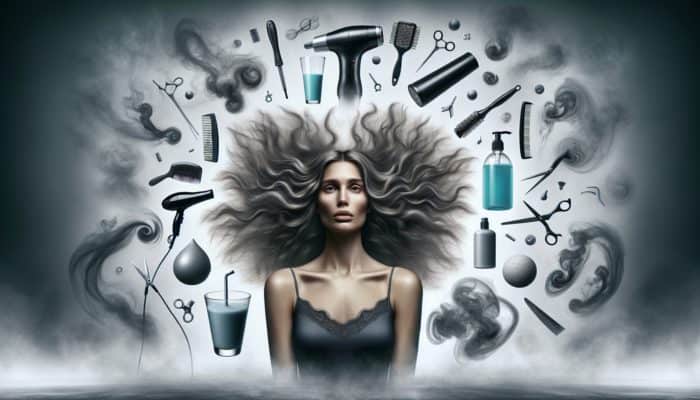
    A woman with frizzy hair in a cold, windy setting surrounded by styling tools, chemicals, and pollutants.

    Flyaways typically arise from a variety of factors that leave hair feeling dry, static, and more sensitive to humidity, ultimately creating an unkempt look. Understanding these factors is essential for successfully managing and preventing flyaways. Significant environmental influences that contribute to the development of flyaways include:

    • Cold weather: Cold air removes vital moisture from the hair, leading to brittleness and an increased likelihood of flyaways. To counteract this, utilize hydrating products and consider wearing a hat to shield your hair from harsh environmental conditions.
    • Humidity: Elevated humidity levels can cause hair to swell and frizz. To alleviate this issue, use anti-frizz serums and apply a moisture-locking spray prior to outdoor exposure.
    • Heat styling: Frequent use of heat styling tools can severely harm your hair, resulting in dryness and heightened flyaway occurrence. Always apply a heat protectant before styling to safeguard your strands from potential damage.
    • Over-washing: Washing your hair excessively can strip it of natural oils, resulting in dryness and an increase in flyaways. Aim to wash your hair every few days and incorporate dry shampoo to manage oil levels in between washes.
    • Harsh chemicals: Hair products containing sulfates or alcohol can exacerbate flyaway issues. Choose gentle, sulfate-free formulations that support the overall health of your hair.
    • Environmental pollutants: Pollution can cling to your hair, causing dullness and increased frizz. Regular cleansing and conditioning routines can help mitigate these damaging effects.
    • Damage from styling tools: Rough handling, including aggressive brushing or tight hairstyles, can lead to breakage and frizz. Utilize gentle techniques and soft hair ties to minimize damage.
    • Low humidity: Dry indoor heating can sap moisture from your hair, making it crucial to use hydrating sprays and conditioners when indoors.

    By recognizing these contributing factors, individuals can take proactive steps toward achieving smoother, more manageable hair.

    How do flyaways impact the overall aesthetic of hair?

    The presence of flyaways can substantially detract from the overall visual appeal of hair, rendering it frizzy and unkempt. This disheveled appearance can negatively influence personal style, potentially leading to feelings of discomfort or lowered self-esteem regarding one’s looks. By mastering effective techniques for managing flyaways, individuals can achieve a polished appearance that not only elevates their hairstyle but also enhances their self-confidence. A well-groomed look often correlates with professionalism and self-assurance, making it imperative to develop effective strategies for managing flyaways.

    Sleek, well-maintained strands look healthier and more vibrant. In contrast, flyaways can create an impression of neglect, which makes it essential to integrate smoothing techniques into daily hair care regimens. Investing time in taming flyaways allows individuals to enjoy the benefits of a consistently styled look, positively affecting both personal and professional interactions. Ultimately, effective flyaway management encourages ease in daily routines and promotes confidence, highlighting the significance of personal grooming practices.

    What essential techniques can be employed for controlling flyaways?

    Controlling flyaways can be achieved through straightforward yet effective techniques that require minimal effort. One of the quickest methods to smooth flyaways is by utilizing hair serums or oils. These products should be applied sparingly to the palms and then gently worked through the hair, particularly concentrating on the ends and areas where flyaways are most prevalent. This approach delivers immediate results while also aiding in maintaining hair health by preventing over-application of products.

    Another effective technique involves using a fine-tooth comb or a boar bristle brush. Lightly combing through the hair helps redistribute natural oils, which can significantly reduce the visibility of flyaways. Additionally, adopting hairstyles that naturally minimize flyaways, such as sleek ponytails or buns, can be beneficial. These styles secure hair in place and prevent individual strands from becoming unruly throughout the day.

    Incorporating a lightweight hairspray can serve as an effective finishing touch in the smoothing process. A quick spritz helps hold hair in place and prevents flyaways from reappearing. For those who prefer a more natural approach, a small amount of lotion or hand cream can also provide a quick fix. Lightly applying such products can create an effective solution for stubborn strands, ensuring that hair remains smooth and stylish all day long.

    How can you select the right products to effectively smooth flyaways?
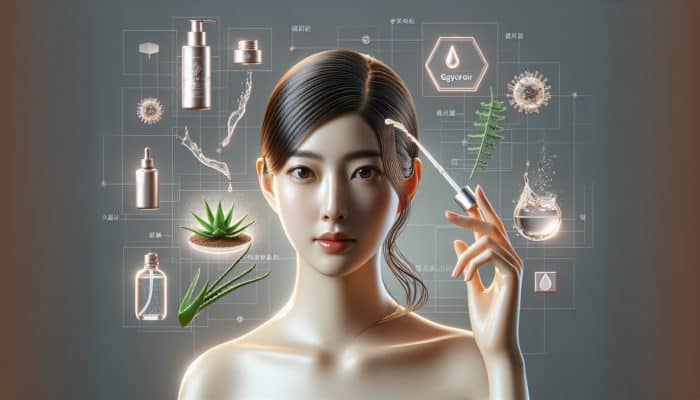
    Woman applying lightweight serum with glycerin and aloe vera to smooth flyaways, achieving a sleek look.

    Choosing the right products to combat flyaways is crucial for achieving the desired smoothness while preserving hair health. When selecting smoothing products, it is vital to take into account your specific hair type. For fine hair, lightweight serums or oils are optimal, as they provide necessary moisture without weighing down the hair. Formulations containing humectants, such as glycerin or aloe vera, effectively lock in moisture while reducing static, a primary cause of flyaways.

    For individuals with thicker hair types, heavier oils or creams may prove more effective, as they deliver additional moisture and control. Ingredients like argan oil or shea butter can help tame unruly strands while enhancing overall hair texture and shine. It is essential to apply these products sparingly, since excessive application can lead to greasiness or buildup that detracts from the hair’s overall appearance.

    Furthermore, frizz-control sprays or leave-in conditioners can greatly improve the situation, providing a protective layer against environmental factors contributing to flyaways. Look for products that advertise humidity resistance, as these are specifically formulated to counteract the effects of moisture in the air, ultimately preventing flyaways from forming. Many brands offer tailored solutions that cater to specific hair concerns, so experimenting with various options can help you discover the ideal product for your hair type.

    What advanced techniques can be adopted for long-term flyaway management?

    For those seeking sustainable solutions to effectively manage flyaways, incorporating advanced techniques into hair care routines can be advantageous. One recommended approach is to use heat styling tools in conjunction with protective sprays. When utilizing tools like straighteners or curling irons, applying a heat protectant is essential, as it creates a barrier against damage from high temperatures. This practice not only helps combat flyaways but also enhances the overall texture and health of the hair over time.

    Another advanced technique involves opting for layered haircuts. By integrating layers, hair can appear more voluminous while simultaneously diminishing the chances of flyaways. Layered cuts allow for improved movement and can prevent hair from becoming weighed down. Regular visits to a stylist for trims also contribute to maintaining hair health, as split ends can exacerbate frizz and flyaway issues.

    Establishing a consistent deep conditioning routine is equally vital. Regularly treating hair with hydrating masks or treatments can significantly improve its moisture retention capabilities, which is key to preventing flyaways. Additionally, protecting hair from environmental stressors, such as sun exposure or pollution, can be achieved through UV protectants or hats, ensuring that hair remains smooth and healthy in diverse settings.

    What strategies can you implement to effortlessly smooth flyaways?

    What essential steps should beginners take to manage flyaways?

    For individuals new to the process of smoothing flyaways, establishing a straightforward routine can simplify the task considerably. Start with clean, damp hair, as this is the ideal state for product application. After washing, gently towel-dry to remove excess moisture without causing friction that can lead to further flyaways.

    Next, select a suitable product, such as a lightweight serum or leave-in conditioner. Apply a small amount to your palms, then run your hands through your hair, concentrating on the ends where flyaways are most evident. This technique ensures even product distribution while avoiding an overly greasy appearance.

    Utilizing a wide-tooth comb to gently detangle hair is advisable. This method reduces the risk of breakage and further aggravation of flyaway strands. Once detangled, style your hair as desired, opting for styles that naturally hold hair in place, such as braids or loose buns.

    Incorporating these essential steps into a daily routine can cultivate a seamless flow that minimizes the appearance of flyaways. Over time, this will reinforce healthy hair practices, making the management of flyaways second nature and less cumbersome in daily grooming.

    Which products are considered the most effective for smoothing flyaways?

    When aiming to effectively reduce flyaways, selecting the right products can significantly improve outcomes. Lightweight serums are often regarded as the go-to solution for many, as they deliver smoothing benefits without weighing hair down. Look for serums containing silicones, which create a protective barrier to seal in moisture and reduce static. Products such as argan oil or jojoba oil can also provide nourishment while combating frizz.

    Another highly effective choice is anti-frizz sprays. These sprays are specifically formulated to address flyaways and often include ingredients that offer humidity resistance. Products infused with natural extracts, such as coconut or aloe vera, not only smooth hair but also contribute to overall health and shine.

    Leave-in conditioners also serve as an excellent option, delivering additional hydration and making hair more manageable. When selecting leave-in products, choose those that cater to your specific hair type—whether fine, thick, or curly—to achieve optimal results.

    In addition to these products, consider integrating a lightweight mousse. Mousse can add volume and texture, ensuring that hair remains styled throughout the day while effectively keeping flyaways at bay. By incorporating a combination of these products based on personal preferences and hair type, individuals can achieve better outcomes, making maintenance effortless.

    What daily maintenance routines can effectively manage flyaways?

    Implementing a daily maintenance routine is vital for minimizing flyaways. One effective practice is the use of hydrating sprays throughout the day. A quick spritz can refresh your hair and combat noticeable flyaways that may arise due to environmental factors. These sprays are particularly beneficial when transitioning from indoors to outdoors, where changes in humidity can exacerbate flyaway issues.

    In addition to hydrating sprays, utilizing a silk or satin pillowcase can significantly aid in managing flyaways during sleep. These materials create less friction than cotton, resulting in reduced breakage and frizz. It’s also advisable to loosely wrap or tie hair at night to further prevent tangling and damage, thus maintaining hair smooth and manageable.

    Incorporating regular touch-ups with your chosen products is another essential aspect of daily maintenance. Depending on your hair type and the products used, you may need to reapply serums or oils during the day for optimal control. This consistency not only helps maintain smoothness but also reinforces the habit of caring for your hair daily.

    Lastly, consider scheduling regular appointments for professional treatments, such as deep conditioning or keratin smoothing treatments, to support the overall health of your hair and reduce the occurrence of flyaways. By weaving these practices into daily routines, individuals can enjoy a consistently polished appearance without excessive effort.

    What expert insights can assist in effortlessly smoothing flyaways?

    How do professionals effectively manage flyaways?

    Professionals often employ specific methods to achieve seamless results when addressing flyaways. One of the initial steps they recommend is ensuring that hair is in optimal condition before styling. This entails using a nourishing shampoo and conditioner to hydrate and prepare the hair adequately.

    When it comes to styling, experts suggest utilizing a combination of tools and products. For example, stylists frequently use a round brush while blow-drying hair to create smoothness and volume. This technique enhances control over flyaways, as the heat helps to set the style while the brush smooths the strands simultaneously.

    Using a high-quality flat iron can also be an effective strategy for taming flyaways. Professionals typically advise applying a heat protectant before using heat to ensure that the hair remains healthy while achieving a sleek finish. After straightening, a light serum or finishing spray can be utilized to lock in smoothness and shine.

    Moreover, many stylists advocate for the use of a finishing cream or wax for the final touches. These products can be used sparingly to address any persistent flyaways without the risk of creating an overly greasy appearance. By following these professional techniques, individuals can achieve smooth hair with minimal effort while enhancing the overall finish of their style.

    What advanced product recommendations should be taken into account?

    For optimal control of flyaways, experts recommend specific product formulations that cater to various hair types and concerns. For fine hair, lightweight smoothing serums containing silicones can be particularly effective. Brands such as Moroccanoil or Ouai offer options that provide hydration without weighing hair down, ensuring that flyaways are tamed while maintaining volume.

    For those with thicker or coarser hair, a heavier cream or oil, such as SheaMoisture’s Coconut & Hibiscus Curl Enhancing Smoothie, can provide the necessary moisture and control. These products work not only to smooth flyaways but also to enhance curl definition and overall texture.

    Additionally, products like Living Proof’s No Frizz line are celebrated for their ability to combat humidity, making them an excellent choice for individuals residing in areas with unpredictable weather. These advanced formulations create a barrier against environmental stressors, providing long-lasting smoothness.

    For more comprehensive care, incorporating treatments like Olaplex’s No. 3 Hair Perfector can significantly improve hair health and resilience against flyaways. Regular use can lead to substantial enhancements in texture and manageability, ensuring that hair remains effortlessly smooth over time. By integrating these expert-recommended products into their routines, individuals can achieve salon-quality results at home.

    What long-term strategies can ensure success in smoothing flyaways?

    Sustained habits are essential for maintaining smooth hair and preventing the resurgence of flyaways. One key strategy that specialists recommend is consistent hydration. Regularly utilizing deep conditioning treatments or hydrating masks can significantly enhance the moisture retention capabilities of hair. This is particularly crucial for those with dry, brittle hair prone to flyaways.

    Additionally, experts advocate for regular trims every six to eight weeks. This practice helps eliminate split ends that can exacerbate frizz and flyaways. Keeping hair healthy through trims not only prevents breakage but also maintains the overall appearance of the hair.

    Introducing a balanced diet rich in vitamins and minerals can also play a pivotal role in promoting hair health. Nutrients such as biotin, omega-3 fatty acids, and vitamins A, C, and E support strong, smooth hair. Drinking ample water is equally important, as hydration impacts overall hair condition.

    Furthermore, adapting hair care routines to suit seasonal changes is crucial. For example, during winter, incorporating heavier oils or creams can counteract the drying effects of indoor heating. Conversely, summer may require lighter products to avoid buildup from heat and humidity. By implementing these tailored strategies, individuals can maintain effortless smoothness and ensure their hair remains vibrant and manageable throughout the year.

    Which tools are essential for effectively smoothing flyaways?

    Why is it important to choose specific brushes for flyaway management?

    The selection of brushes is critical in reducing static and effectively managing flyaways. A high-quality brush, particularly those with natural bristles, can help distribute natural oils from the scalp down through the hair, promoting a smoother appearance. Brushes with boar bristles are especially effective, as they can gently smooth hair without causing breakage.

    When selecting a brush, it is important to consider the hair type. For fine hair, a paddle brush can offer gentle detangling without generating static. In contrast, those with thicker hair may benefit from a wide-tooth comb or a detangling brush designed to glide through knots without causing damage.

    Moreover, using a brush with anti-static technology can further diminish frizz. Many brands now offer brushes with silicone bristles that help to reduce static electricity, ensuring that hair remains smooth and manageable. This selection process is crucial for simplifying styling and minimizing flyaways, making hair care routines more straightforward for everyday use.

    How can you select effective styling aids for controlling flyaways?

    Choosing the right styling aids is essential for effectively managing flyaways. Various tools and products are available that can help control frizz and maintain smoothness. For example, diffusers are excellent for individuals with curly or wavy hair, as they help to distribute heat evenly while enhancing natural texture without causing frizz.

    Additionally, selecting styling aids that cater to specific hair needs can yield better results. For those experiencing excessive flyaways, lightweight finishing sprays designed to combat humidity can be invaluable. These products create a protective layer around the hair, keeping flyaways at bay.

    When selecting tools, consider those that promote healthy styling techniques, such as heat protectant sprays and silicone-based serums. These products not only help manage flyaways but also safeguard hair from damage. Ultimately, choosing the right styling aids based on hair type and desired outcomes leads to better results and a more enjoyable styling experience.

    What alternatives can be considered for sensitive hair types?

    For individuals with sensitive hair or scalp, opting for gentler options for smoothing flyaways is paramount. Here are some key benefits of this approach:

    • Reduced irritation: Gentle products prevent scalp irritation, which can worsen flyaway issues.
    • Minimized damage: Softer styling tools, such as wide-tooth combs, help reduce breakage and protect fragile strands.
    • Natural ingredients: Products with natural ingredients are less likely to cause adverse reactions while providing effective smoothing.
    • Hydration focus: Gentle conditioners and treatments keep hair moisturized, reducing the likelihood of flyaways caused by dryness.
    • Ease of use: Simplified routines with minimal products can prevent overwhelm for those with sensitive hair.
    • Long-term health: Prioritizing gentle care leads to better overall health, making hair less prone to flyaway issues.

    By opting for alternatives that focus on sensitivity, individuals can enjoy healthier hair while effectively managing flyaways.

    What are the research-supported benefits of effortlessly smoothing flyaways?

    What improvements in hair health can be observed?

    Implementing proper smoothing techniques can lead to substantial improvements in hair health. Research indicates that reducing flyaways through effective practices can minimize breakage, which is often a primary cause of unhealthy hair. For example, consistent use of hydrating products has been shown to enhance the moisture content of hair, resulting in a shinier appearance and greater manageability.

    Real-world examples highlight how individuals who adopt these techniques report a noticeable reduction in frizz and an increase in shine. By focusing on moisture retention and using protective products, the overall texture of hair improves, leading to a healthier look. Furthermore, studies show that regular deep conditioning treatments can enhance hair strength and elasticity, preventing damage and promoting lasting smoothness.

    As a result, individuals can enjoy not just aesthetic benefits but also improved hair health through a dedicated smoothing routine.

    How does smoothing flyaways influence styling longevity?

    Evidence suggests that effectively smoothing hair can extend the longevity of styles. Research in hair care shows that implementing smoothing techniques leads to less frizz and a more polished look, meaning styles hold better throughout the day. Utilizing the right products, such as smoothing serums or anti-frizz sprays, plays a crucial role in maintaining hair’s sleek appearance even in less-than-ideal weather conditions.

    Trusted strategies from professionals suggest that those who regularly engage in smoothing practices can enjoy longer-lasting styles without the need for constant touch-ups. This not only saves time but also enhances the overall styling experience, allowing individuals to feel confident in their hair for extended periods.

    By prioritizing these methods, individuals can achieve neat, controlled styles that endure in various environments, making the effort of smoothing flyaways worthwhile.

    How does smoothing flyaways enhance confidence?

    Smoothing flyaways can have a profound impact on personal confidence. When hair appears polished and well-maintained, individuals often report feeling more self-assured in their appearance. Psychological studies suggest that an individual’s perception of their hair directly correlates with their self-esteem.

    Smoothing flyaways results in a finished look that reflects attention to personal grooming, which can elevate one’s overall disposition in social and professional settings. Consistent routines that yield visible results can foster a positive self-image, empowering individuals to engage more freely and confidently with others.

    Experts agree that the psychological benefits of maintaining smooth hair extend beyond aesthetics, contributing to a greater sense of self-worth. This interplay between appearance and confidence underscores the importance of establishing effective hair care routines focused on smoothing flyaways.

    Why is effortless smoothing essential for hair care?

    What role does effortless smoothing play in daily hair care routines?

    Incorporating effortless smoothing techniques into daily hair care routines plays a critical role in simplifying personal grooming. By minimizing the time and effort required to manage flyaways, individuals can streamline their daily rituals, allowing for a more efficient morning routine.

    Effortless smoothing ensures that hair looks polished with minimal intervention, which is particularly beneficial for those with busy lifestyles. This key aspect of hair care not only saves time but also promotes a sense of control over one’s appearance, making it an essential component of daily grooming habits.

    Moreover, establishing a routine that prioritizes effortless smoothing contributes to the overall health of hair. Consistent practices lead to better moisture retention and improved texture, ultimately reinforcing positive hair care behaviors over time.

    How can common pitfalls be avoided for better management of flyaways?

    Avoiding common pitfalls is essential for maintaining smooth hair and preventing the resurgence of flyaways. One prevalent mistake is the overuse of products, which can lead to buildup and exacerbate flyaway issues. Recognizing this error is crucial for adopting better practices.

    Another common misstep is neglecting to adjust hair care routines based on seasonal changes. For instance, failing to switch to heavier creams during winter can result in dry, frizzy hair. Adapting techniques to suit current conditions ensures lasting results and reduces the need for frequent interventions.

    Furthermore, improper brushing techniques can contribute to the formation of flyaways. It’s important to use the right tools and gentle methods to avoid causing damage to hair. By being mindful of these pitfalls and making necessary adjustments, individuals can enjoy smoother, healthier hair with minimal effort.

    What benefits do smoothing techniques provide for different hair types?

    Effortless smoothing methods can be tailored to suit various hair types, ensuring that everyone can achieve smooth hair without complications. For fine hair, lightweight serums and oils work best, as they provide moisture without weighing hair down.

    For thick or coarse hair, using heavier creams or oils can help manage flyaways effectively. Additionally, individuals with curly hair can benefit from using leave-in conditioners and styling creams that enhance curl definition while combating frizz.

    Moreover, these methods can be customized to address specific concerns, such as humidity control or hydration. By adapting effortless smoothing techniques to suit individual hair types, everyone can enjoy the benefits of smooth, manageable hair, enhancing overall satisfaction and confidence.

    What maintenance tips can help achieve smooth hair?

    How often should you reapply products to manage flyaways?

    Regular reapplication of smoothing products can significantly enhance the management of flyaways throughout the day. Depending on the longevity of the product and environmental conditions, touch-ups may be necessary every few hours.

    For instance, if using a lightweight serum, consider reapplying when your hair feels dry or if static becomes an issue. This timing strategy helps maintain smoothness and shine, preventing unexpected frizz that can develop during the day.

    In humid conditions, it may be beneficial to apply anti-frizz sprays or hydrating mists to combat increased moisture in the air. By adopting a mindful approach to product reapplication, individuals can enjoy controlled, smooth hair from morning to night.

    What natural remedies can be utilized for smoothing flyaways?

    For those interested in gentle, home-based solutions, various natural remedies can offer effective smoothing benefits. Oils like coconut or olive oil can be applied to the ends of the hair to provide hydration and shine, combating dryness that leads to flyaways.

    Additionally, aloe vera gel can serve as a lightweight styling aid, offering moisture without heaviness. Simply apply a small amount to targeted areas to tame frizz and enhance overall smoothness.

    Another option is to create a DIY leave-in conditioner by mixing equal parts water and conditioner in a spray bottle. This solution can be lightly spritzed throughout the day to refresh and hydrate hair, helping to maintain smoothness naturally.

    By experimenting with these natural remedies, individuals can discover effective, accessible options for ongoing hair care that align with their personal preferences.

    How can seasonal adjustments enhance consistent smoothness?

    Adapting hair care techniques to align with seasonal changes is crucial for maintaining consistently smooth hair. Here are some key benefits of this approach:

    • Enhanced moisture retention: Adjusting to heavier creams in winter can combat dryness caused by indoor heating.
    • Humidity control: Switching to lightweight products during summer helps prevent buildup and frizz from humidity.
    • Protection from environmental factors: Incorporating UV protectants during summer months shields hair from sun damage.
    • Reduced static: Using anti-static sprays in colder months can help manage flyaways caused by dry air.
    • Customized solutions: Tailoring routines allows for addressing specific issues that arise with each season, ensuring healthy hair year-round.

    By making these seasonal adjustments, individuals can keep hair smooth and manageable with minimal effort, maintaining their desired look throughout the year.

    What are the proper brushing techniques for sustaining smooth hair?

    Implementing proper brushing techniques is fundamental for maintaining smooth hair. Using the right tools, such as a wide-tooth comb or a boar bristle brush, can significantly minimize breakage and tangles.

    When brushing, it’s advisable to start from the ends and gradually work your way up to the roots. This method prevents pulling and reduces the risk of damage. Additionally, brushing hair when it is slightly damp can help prevent static, leading to a smoother finish.

    Incorporating gentle strokes and avoiding aggressive pulling can help maintain hair health over time. By selecting appropriate brushes and adopting these gentle techniques, individuals can ensure long-term smoothness and health, making daily care straightforward and effective.

    How can you effectively manage hydration and moisture?

    Balancing hydration levels is essential for maintaining smooth hair. Utilizing hydrating products, such as conditioners and serums, helps lock in moisture and prevent frizz. It is crucial to select products that align with your hair type to achieve optimal results.

    Incorporating regular hydration treatments into your routine can also significantly improve the overall health of your hair. Look for masks or treatments that focus on moisture retention and contain rich nourishing ingredients.

    Additionally, adjusting routines based on hair type can further promote smoothness. For instance, fine hair may require lighter formulations, while thicker hair benefits from more intensive moisturizing products. By prioritizing hydration and moisture management, individuals can enjoy a glossy finish and support overall hair health through consistent application.

    What are the frequently asked questions regarding flyaways?

    What are flyaways?

    Flyaways refer to small, unruly strands of hair that stick out from the rest of the hair, often caused by dryness, static, or humidity.

    How can I effectively prevent flyaways?

    Preventing flyaways involves keeping hair well-moisturized, avoiding heat damage, and using the right products tailored to your specific hair type.

    Which products are the most effective for smoothing flyaways?

    Lightweight serums, anti-frizz sprays, and hydrating leave-in conditioners are highly effective options for managing flyaways.

    How often should I apply smoothing products?

    Reapply smoothing products as needed, typically every few hours, especially in humid conditions, to maintain smoothness throughout the day.

    Can natural remedies effectively help with flyaways?

    Yes, natural remedies such as coconut oil, aloe vera, and homemade leave-in conditioners can effectively tame flyaways.

    Which hair types are most prone to flyaways?

    All hair types can experience flyaways, but those with fine, dry, or damaged hair may be more susceptible to this issue.

    How can I manage flyaways during the winter months?

    In winter, it is beneficial to use heavier creams and hydrating sprays to combat dryness caused by indoor heating and cold air.

    Are there specific brushes that can help with managing flyaways?

    Yes, using brushes with natural bristles, like boar bristle brushes, can help distribute oils and effectively smooth flyaways.

    How does humidity impact the formation of flyaways?

    Humidity can cause hair to swell and frizz, making flyaways more pronounced; therefore, using anti-frizz products can be particularly beneficial during humid conditions.

    What should I avoid doing to reduce flyaway issues?

    Avoid over-washing your hair, using harsh chemicals, and applying excessive amounts of product, as these actions can exacerbate flyaway problems.

    Connect with us on Facebook!

    The Article: Smoothing Flyaways Effortlessly: Tips for Perfect Hair appeared first on Amitys Hair Salon.

    The Article Effortlessly Smoothing Flyaways for Perfect Hair Was Found On https://limitsofstrategy.com

  • Protecting Hair from Environmental Stress: Key Strategies

    Protecting Hair from Environmental Stress: Key Strategies

    Comprehensive Strategies to Shield Your Hair from Environmental Damage

    What Are the Key Environmental Factors Causing Hair Damage and How Can You Combat Them?

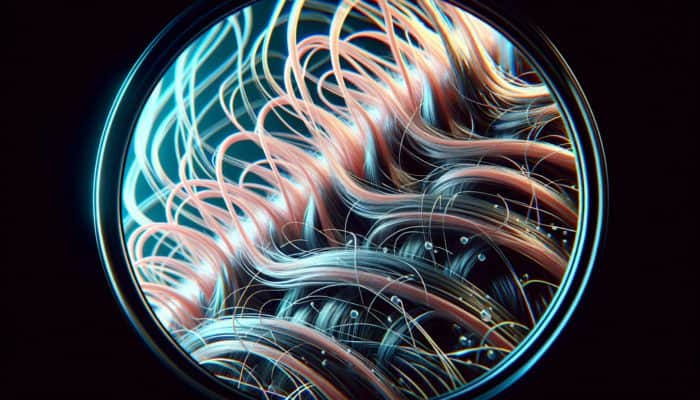
    Shielding Hair From Environmental Stress: Damaged hair strands under microscope showing effects of pollution, UV rays, humidity; contrasted with healthy, protected hair.

    Recognizing the effects of environmental stress on your hair is essential for preserving its natural beauty and health. A variety of factors contribute to environmental damage, such as pollution, UV rays, humidity, and extreme weather fluctuations. These elements can create serious problems like dryness, breakage, and a lackluster appearance marked by diminished shine. By identifying these threats, you can create effective plans to counteract their damaging impact and maintain the allure of your hair.

    • Pollution
    • UV rays
    • Humidity
    • Extreme temperatures
    • Chlorine and saltwater
    • Harsh winds
    • Indoor heating and air conditioning
    • Product buildup

    These environmental stressors can gradually undermine the natural integrity of your hair. For instance, pollution leaves toxic residues on both the hair and scalp, which can irritate the skin and result in lasting harm. Additionally, UV rays can damage the protein composition of hair, leading to fragility and color degradation. Humidity notoriously alters hair texture, making it swell and become frizzy, ultimately impacting its appearance and behavior. Thus, identifying and addressing these environmental challenges is vital for maintaining vibrant, healthy hair.

    Investigating the Impact of Pollution on Your Hair Health: What Are the Potential Risks?

    The detrimental effects of pollution on hair health are profound and deserve serious consideration. Pollutants such as dust, smoke, and chemical residues cling to hair strands and the scalp, forming a layer of grime that irritates the skin and weakens hair follicles. Over time, continuous exposure can lead to various issues, including compromised hair structure, increased breakage, and scalp disorders like dandruff or dermatitis. Acknowledging these risks is essential for implementing effective protective tactics.

    Furthermore, toxins from polluted environments can disturb the natural oil balance of the scalp, resulting in either greasy or dry hair, both of which are detrimental to overall hair health. Regular exposure to these harmful elements can leave hair looking dull and lifeless. Therefore, it is crucial to adopt protective measures against environmental stressors to maintain the hair’s inherent vitality and health.

    How Do UV Rays Compromise Hair Structure and What Protective Measures Can You Take?

    While UV rays are vital for our body’s vitamin D synthesis, they also pose a significant threat to hair health. These rays penetrate the hair shaft, breaking down the essential proteins that maintain its structure. This breakdown can result in brittleness, making hair more prone to breakage and split ends. Additionally, prolonged exposure to UV rays can cause color fading, especially in dyed or highlighted hair, ultimately diminishing its vibrancy and overall appeal.

    The consequences of UV exposure extend beyond surface effects; they alter the internal makeup of hair, weakening it from the inside out. This deterioration can be exacerbated by neglecting protective measures, such as using UV-filtered hair products or wearing hats when outdoors. Establishing a routine that includes UV protection is essential for sustaining hair health, especially for those living in sunny climates or spending extended periods outdoors.

    How Can You Effectively Address Humidity’s Impact on Hair Texture and Frizz?

    Person with curly hair using anti-frizz serum in humid environment to maintain sleek look.

    Elevated humidity levels can drastically alter hair texture, exacerbating frizz and complicating styling efforts. When humidity rises, hair absorbs moisture from the air, causing the hair shaft to expand. This expansion disrupts the smooth cuticle layer, resulting in frizzy, unmanageable hair that can be challenging to style, leaving individuals feeling dissatisfied with their hair’s appearance.

    Beyond increasing frizz, humidity can adversely affect hair’s overall aesthetic, making it appear limp and lifeless. For those with naturally curly or textured hair, humidity may enhance volume while simultaneously creating chaotic curls that are tough to control. To counteract the negative effects of humidity, it is essential to use appropriate hair care products. Look for anti-frizz serums or humidity-resistant sprays that form a protective barrier against moisture, helping you maintain a sleek and polished look, even in less-than-ideal weather.

    Proven Techniques for Safeguarding Your Hair from Environmental Dangers

    What Are the Most Effective Strategies for Hair Protection Against Environmental Influences?

    To effectively protect your hair from environmental stress, experts advise adopting a holistic approach that combines protective products with mindful lifestyle changes. A comprehensive hair care regimen should include a range of products specifically formulated to shield against environmental elements. For example, leave-in conditioners and hair oils can help retain moisture while also establishing a protective barrier against harsh weather conditions.

    In practical terms, a solid routine might involve applying a UV-protective spray before engaging in outdoor activities, particularly during hiking trips or beach outings. In urban environments, where pollution is prevalent, individuals may find it beneficial to use a cleansing shampoo that effectively removes impurities and revitalizes hair health. By proactively and consistently implementing these protective measures, individuals can significantly enhance their hair’s resilience against environmental stressors.

    Additionally, incorporating protective hairstyles—such as braids or buns—can further minimize exposure to environmental hazards. These styles not only keep hair secure but also shield it from wind, sun, and other damaging factors. Consistency in utilizing these protective strategies is essential for maintaining vibrant, resilient hair throughout the changing seasons.

    How Can Nutritional Choices Improve Hair Resilience and Strength?

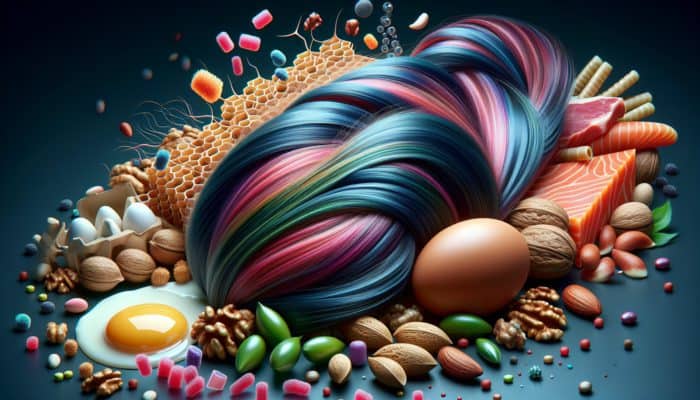
    A still life of nutrient-rich foods symbolizing strong, healthy hair strands.

    Your dietary choices significantly influence your hair’s resilience against environmental stressors. A balanced diet abundant in vitamins and minerals is crucial for fortifying hair from within. Specific nutrients, including vitamins A, C, D, E, B-complex vitamins, as well as minerals like zinc and iron, are particularly advantageous for sustaining hair health. Acknowledging the significance of nutrition in hair care can greatly enhance your hair’s strength and overall appearance.

    For instance, omega-3 fatty acids, found in fish, walnuts, and flaxseeds, promote a healthy scalp by supplying essential oils that nourish hair follicles. Foods rich in antioxidants, such as berries and leafy greens, help combat oxidative stress instigated by exposure to environmental pollutants. This internal nourishment translates into stronger, healthier hair, better equipped to endure external challenges. By prioritizing a nutrient-rich diet, individuals can cultivate an environment conducive to healthy hair growth and resilience.

    Moreover, hydration plays a crucial role that should not be neglected. Drinking adequate amounts of water daily helps maintain hair hydration, which is vital for preventing dryness and brittleness. By consciously opting for nutrient-dense foods and ensuring sufficient hydration, individuals can create an optimal environment for their hair to thrive, even amidst environmental stressors.

    What Is the Significance of Antioxidants in Supporting Hair Health?

    Antioxidants serve as essential allies in combating environmental stress and its effects on hair health. These compounds function by neutralizing free radicals—unstable molecules that can inflict oxidative damage on cells, including hair follicles. When hair is subjected to pollutants, UV rays, and other stressors, oxidative stress can accelerate hair deterioration, resulting in thinning and premature greying. Understanding the importance of antioxidants allows individuals to make informed decisions regarding their hair care routines.

    Incorporating antioxidants into both your diet and hair care regimen provides substantial benefits. Foods such as berries, nuts, and green tea are excellent sources of antioxidants, helping protect hair from the inside out. Furthermore, many hair care products now feature antioxidants like vitamins C and E, which provide a shield against environmental damage while promoting overall health. This proactive approach preserves the natural shine of hair and enhances its vitality, rendering it less prone to environmental harm.

    Everyday Practices to Protect Hair from Environmental Harm

    Why Is Consistent Hair Washing Vital for Combating Environmental Stress?

    Regular hair washing is fundamental to maintaining healthy hair, particularly in environments filled with pollutants and other damaging elements. Cleansing the hair effectively removes accumulated dirt, oil, and product buildup that can weigh it down and lead to unhealthy scalp conditions. However, the washing frequency should be customized to individual hair types and lifestyles to ensure it meets specific needs.

    For those residing in urban areas with elevated pollution levels, washing hair every 2 to 3 days may be necessary to keep it clean and free from contaminants. In contrast, individuals with drier hair types may find that washing once a week suffices to avoid stripping natural oils. Below is a recommended hair washing frequency based on different hair types:

    • Oily hair: every 1-2 days
    • Normal hair: every 2-3 days
    • Dry hair: once a week
    • Curly hair: once a week or bi-weekly
    • Colour-treated hair: every 3-4 days

    Choosing a shampoo that aligns with your hair type is crucial for effectively removing impurities without causing additional dryness or damage. Following up with a conditioner tailored to your hair’s needs will help maintain moisture balance and provide protection against environmental stressors, ensuring your hair remains healthy and resilient.

    How Do Protective Hair Products Shield Against Environmental Damage?

    Utilizing protective hair products is an essential step in safeguarding your hair from environmental stressors. These products create a robust barrier that protects hair from harmful elements while preserving its natural moisture and shine. A well-rounded collection of products should include leave-in conditioners, UV protectants, and moisture-locking oils that work synergistically to provide comprehensive defense against environmental threats.

    For example, a quality leave-in conditioner can assist in detangling hair while shielding it from heat damage during styling. Conversely, a UV protectant is invaluable for individuals spending extended periods outdoors. Furthermore, incorporating a deep conditioning treatment into your routine can replenish lost moisture and rejuvenate damaged strands, ensuring your hair remains vibrant and healthy.

    Integrating these protective products could involve applying a UV protectant before heading out on a sunny day or using a nourishing oil post-wash to lock in hydration. These proactive measures are crucial for maintaining hair health and appearance, especially for those frequently exposed to harsh environmental conditions.

    How Does Hair Styling Affect Protection from Environmental Stressors?

    Hair styling significantly influences whether your hair is better protected or left vulnerable to environmental stressors. Certain hairstyles provide necessary protection, while others may expose hair to more damage. For instance, styles that secure hair, such as braids or buns, can help shield it from wind and UV exposure, thereby reducing the risk of breakage, making them ideal for those concerned about maintaining their hair health.

    Conversely, opting for loose hairstyles, especially in windy conditions, can lead to tangling and damage. Additionally, excessive use of heat styling tools, such as straighteners and curling irons, can strip hair of moisture and compromise its structure. It is essential to find a balance between styling for aesthetics and employing protective strategies to ensure hair remains healthy and vibrant.

    Utilizing heat protectants before applying heat styling tools is crucial for safeguarding hair from damage. Moreover, rotating hairstyles and allowing hair breaks from constant styling can prevent adverse effects. The goal should be to maintain your desired look while protecting your hair from environmental stressors.

    Why Is Regular Trimming Important for Maintaining Healthy Hair?

    Regular trimming is often overlooked in hair care but plays a crucial role in promoting healthier hair growth and overall vitality. Consistent trims eliminate split ends and prevent further breakage, which environmental stressors can exacerbate. Scheduling routine maintenance helps keep hair in optimal condition, reducing the risk of damage that could compromise its overall health and appearance.

    Experts suggest scheduling trims every 6 to 8 weeks, though individuals with faster-growing hair may benefit from more frequent cuts. This routine not only maintains the hair’s shape and style but also encourages healthy growth by removing damaged sections that could impede progress. Consistency in trimming fosters an environment where hair can thrive, minimizing the impact of environmental stressors over time.

    How Does a Balanced Diet Contribute to Hair Health?

    A balanced diet is fundamental for enhancing hair strength and vitality, directly influencing its resilience against environmental damage. Nutrient-rich foods provide the essential vitamins and minerals necessary for robust hair growth, making dietary choices pivotal in maintaining hair health. By prioritizing a diverse range of nutrient-dense foods, individuals can significantly improve their hair’s overall condition and resilience.

    Specifically, foods high in biotin, such as eggs, nuts, and legumes, promote hair growth, while iron-rich foods, including leafy greens and lean meats, enhance scalp circulation. Additionally, a diet rich in antioxidants combats oxidative stress, shielding hair from the damaging effects of pollution and UV exposure. Incorporating a variety of fruits and vegetables into daily meals will yield further benefits, keeping hair healthy and vibrant.

    By focusing on a nutrient-rich diet, individuals can enhance their hair’s resistance to environmental stressors while maintaining its vitality and strength over time. This holistic approach to hair care fosters an environment where hair can flourish, promoting long-lasting health and resilience.

    What Advantages Does Regular Exercise Offer for Hair Health and Growth?

    Regular exercise provides numerous benefits for overall health, including significant advantages for hair health. Engaging in physical activity boosts blood circulation, which nourishes hair follicles and encourages healthier hair growth. Enhanced circulation facilitates the delivery of essential nutrients to hair, improving its strength and resilience. Understanding the connection between exercise and hair health can motivate individuals to incorporate physical activity into their routines.

    Moreover, exercise effectively alleviates stress, a known contributor to hair loss and thinning. By managing stress levels through regular physical activity, individuals can support their hair’s overall health. Whether through aerobic exercises, strength training, or yoga, the key is to find enjoyable activities that can be consistently maintained.

    Incorporating regular exercise into your routine also enhances overall physical and mental well-being, contributing to a positive body image and self-esteem. By prioritizing fitness, you not only improve your overall health but also create an environment that supports your hair’s long-term resilience and vitality.

    FAQs: Frequently Asked Questions About Hair Care and Protection

    How often should I wash my hair to minimize environmental damage?

    The frequency of washing your hair depends on your hair type. Generally, oily hair may necessitate washing every 1-2 days, while normal hair might be fine with every 2-3 days. Dry hair can often be washed once a week to maintain its health.

    What are the critical ingredients to seek in protective hair products?

    Look for antioxidants, UV filters, moisturizing agents, natural oils, protein treatments, and heat protectants to effectively shield your hair from environmental stressors.

    Can my diet affect the resilience of my hair?

    Yes, a diet rich in vitamins, minerals, and healthy fats can strengthen hair from within, enhancing its resilience to environmental stressors and promoting overall health.

    What signs should I look for that indicate environmental factors are stressing my hair?

    Indicators of environmentally stressed hair include dryness, brittleness, loss of shine, and scalp irritation. Addressing these symptoms promptly can help restore hair health and vitality.

    Are there specific hairstyles that provide more protection?

    Yes, protective hairstyles like braids or buns can shield hair from wind and UV exposure, reducing the likelihood of breakage and damage, making them particularly beneficial for individuals focused on hair health.

    How can I alleviate scalp irritation caused by environmental stress?

    To reduce scalp irritation, opt for gentle, soothing products, maintain cleanliness with regular washing, and consider treatments with calming ingredients such as aloe vera or tea tree oil.

    What lifestyle changes can I implement to boost my hair’s health?

    Incorporate hydration, a balanced diet, regular exercise, stress management practices, and adequate sleep into your routine to significantly enhance hair health and resilience.

    How can I determine if my hair products are effective?

    Effective hair products should improve shine, texture, and manageability while reducing damage and environmental stress. Monitor your hair’s condition over time to evaluate product performance and make adjustments as necessary.

    What impact do UV rays have on hair health?

    UV rays can break down hair’s protein structure, leading to brittleness and color fading. Utilizing UV protectants can help shield hair from these damaging effects, preserving its integrity and appearance.

    Is it beneficial to regularly use a deep conditioning treatment?

    Yes, employing a deep conditioning treatment weekly or bi-weekly can restore moisture and repair damage, particularly for those exposed to environmental stressors, ensuring healthy, vibrant hair.

    Connect with us on Facebook!

    The Article: Shielding Hair From Environmental Stress: Universal Tips appeared first on Amitys Hair Salon.

    The Article Protecting Hair from Environmental Stress: Essential Tips Was Found On https://limitsofstrategy.com

  • Protecting Hair: Essential Tips Against Environmental Stress

    Protecting Hair: Essential Tips Against Environmental Stress

    Comprehensive Strategies to Shield Your Hair from Environmental Damage

    What Are the Primary Contributors to Environmental Hair Harm and How Can You Combat Them?

    Shielding Hair From Environmental Stress: Damaged hair strands under microscope showing effects of pollution, UV rays, humidity; contrasted with healthy, protected hair.

    Recognizing the effects of environmental stress on your hair is essential for sustaining its health and vitality. Numerous elements contribute to environmental damage, such as pollution, UV rays, humidity, and extreme weather conditions. These factors can lead to severe problems like dryness, breakage, and a lack of shine. By pinpointing these threats, you can formulate effective strategies to counteract their damaging impacts and maintain the beauty of your hair.

    • Pollution
    • UV rays
    • Humidity
    • Extreme temperatures
    • Chlorine and saltwater
    • Harsh winds
    • Indoor heating and air conditioning
    • Product buildup

    These environmental stressors can gradually compromise the natural integrity of your hair. For instance, pollution deposits harmful toxins on the hair and scalp, irritating the skin and causing long-term damage. Additionally, UV rays can weaken the protein structure of hair, increasing brittleness and causing color to fade. Humidity is notorious for altering hair texture, causing it to swell, become frizzy, and complicate styling. Therefore, recognizing and addressing these environmental challenges is vital for preserving vibrant and healthy hair.

    Investigating the Impact of Pollution on Hair Health: What Are the Risks?

    The detrimental effects of pollution on hair health are significant and deserve serious attention. Pollutants like dust, smoke, and chemical residues cling to hair strands and the scalp, creating a layer of dirt that irritates the skin and weakens hair follicles. Prolonged exposure can lead to various issues, including weakened hair structure, increased breakage, and scalp conditions such as dandruff or dermatitis. Understanding these risks is essential for adopting effective protective strategies.

    Moreover, toxins found in polluted environments can disrupt the natural oil balance of the scalp, resulting in either greasy or dry hair, both of which negatively impact overall hair health. Regular exposure to these harmful agents can leave hair looking dull and lifeless. Therefore, implementing effective protective measures against environmental stressors is crucial to maintaining the hair’s natural vitality and health.

    How Do UV Rays Compromise Hair Structure and What Protective Measures Can You Take?

    While UV rays are vital for synthesizing vitamin D in our bodies, they also pose a grave threat to hair health. These rays penetrate the hair shaft, breaking down essential proteins fundamental to its structure. This degradation can lead to brittleness, making hair more prone to breakage and split ends. Prolonged exposure to UV rays can also cause color fading, especially for dyed or highlighted hair, ultimately diminishing its vibrancy and overall appeal.

    The impact of UV exposure extends beyond superficial damage; it alters the internal composition of hair, weakening it from within. This decline can be exacerbated by neglecting protective strategies like using UV-filtered hair products or wearing hats when spending time outdoors. Establishing a regimen that incorporates UV protection is crucial for preserving hair health, particularly for those living in sunny climates or spending considerable time outdoors.

    How Can You Tackle Humidity’s Effects on Hair Texture and Frizz?

    Person with curly hair using anti-frizz serum in humid environment to maintain sleek look.

    High humidity can significantly disrupt hair texture, heightening frizz and complicating styling efforts. When humidity levels rise, hair absorbs moisture from the air, causing the hair shaft to swell. This swelling disrupts the smooth cuticle layer, resulting in frizzy, unmanageable hair that can be frustrating to style and might leave individuals feeling dissatisfied with their hair’s appearance.

    In addition to exacerbating frizz, humidity can detrimentally affect hair’s overall look, making it appear limp and lifeless. For those with naturally curly or textured hair, humidity can enhance volume while simultaneously creating unruly curls that are difficult to manage. To counteract the adverse effects of humidity, utilizing the right hair care products is crucial. Look for anti-frizz serums or humidity-resistant sprays that form a protective barrier against moisture, helping you maintain a sleek and polished look, even in challenging weather conditions.

    Proven Techniques for Safeguarding Your Hair from Environmental Stressors

    What Are the Most Effective Strategies for Protecting Hair Against Environmental Influences?

    To effectively protect your hair from environmental stress, experts advocate adopting a comprehensive approach that merges protective products with thoughtful lifestyle changes. A well-rounded hair care routine should consist of a variety of products specifically designed to defend against environmental elements. For example, leave-in conditioners and hair oils can help retain moisture while establishing a protective shield against harsh weather conditions.

    Practically, a robust routine may include applying a UV-protective spray before engaging in outdoor activities, particularly during excursions or beach outings. In urban settings, where pollution is a common issue, individuals may benefit from using a cleansing shampoo that effectively removes impurities and revitalizes hair health. By proactively and consistently implementing these protective measures, individuals can greatly enhance their hair’s resilience against environmental stressors.

    Additionally, incorporating protective hairstyles, such as braids or buns, can further reduce exposure to environmental hazards. These styles not only keep hair secure but also shield it from wind, sun, and other harmful factors. Consistency in applying these protective strategies is essential for sustaining vibrant, resilient hair throughout the changing seasons.

    How Can Your Nutrition Strengthen Hair Resilience and Durability?

    A still life of nutrient-rich foods symbolizing strong, healthy hair strands.

    Your diet plays a crucial role in your hair’s resilience against environmental stressors. Consuming a balanced diet abundant in vitamins and minerals is vital for fortifying hair from the inside out. Specific nutrients, including vitamins A, C, D, E, and B-complex vitamins, along with minerals like zinc and iron, are particularly advantageous for maintaining hair health. Acknowledging the significance of nutrition in hair care can greatly enhance your hair’s strength and overall appearance.

    For instance, omega-3 fatty acids, found in fish, walnuts, and flaxseeds, nourish the scalp by providing essential oils that support hair follicles. Foods rich in antioxidants, such as berries and leafy greens, combat oxidative stress caused by exposure to environmental pollutants. This internal nourishment translates to stronger, healthier hair that is better equipped to endure external challenges. By prioritizing a nutrient-rich diet, individuals can cultivate an environment conducive to healthy hair growth and resilience.

    Furthermore, hydration is a critical factor that should not be overlooked. Drinking adequate water daily keeps hair hydrated, which is essential for preventing dryness and brittleness. By consciously choosing nutrient-dense foods and ensuring proper hydration, individuals can create an optimal environment for their hair to thrive, even in the face of environmental stressors.

    What Role Do Antioxidants Play in Enhancing Hair Health?

    Antioxidants are vital allies in the battle against environmental stress and its effects on hair health. These compounds neutralize free radicals—unstable molecules that can inflict oxidative damage to cells, including hair follicles. When hair encounters pollutants, UV rays, and other stressors, oxidative stress can accelerate hair deterioration, leading to thinning and premature greying. Understanding the importance of antioxidants can empower individuals to make informed choices regarding their hair care routines.

    Incorporating antioxidants into both your diet and hair care regimen offers significant benefits. Foods such as berries, nuts, and green tea are excellent sources of antioxidants, helping to protect hair from the inside out. Additionally, many hair care products now contain antioxidants like vitamins C and E, which help shield hair from environmental damage while promoting overall health. This proactive approach not only preserves the natural shine of hair but also enhances its vitality, making it less susceptible to environmental harm.

    Everyday Routines to Protect Hair from Environmental Damage

    Why Is Regular Hair Washing Essential for Combatting Environmental Stress?

    Regular hair washing is a cornerstone of hair health, especially in environments filled with pollutants and other damaging elements. Cleansing the hair effectively removes accumulated dirt, oil, and product buildup that can weigh it down and contribute to unhealthy scalp conditions. However, the frequency of washing should be personalized to suit individual hair types and lifestyles to ensure it effectively meets personal needs.

    For those living in urban areas with high pollution levels, washing hair every 2 to 3 days may be necessary to keep it clean and free of pollutants. Conversely, individuals with drier hair types may find that washing once a week is sufficient to avoid stripping natural oils. Here is a recommended hair washing frequency based on various hair types:

    • Oily hair: every 1-2 days
    • Normal hair: every 2-3 days
    • Dry hair: once a week
    • Curly hair: once a week or bi-weekly
    • Colour-treated hair: every 3-4 days

    Choosing a shampoo that suits your hair type is crucial for effectively removing impurities without causing further dryness or damage. Following up with a conditioner tailored to your hair’s needs will help maintain moisture balance and provide protection against environmental stressors, ensuring your hair remains healthy and resilient.

    How Do Protective Hair Products Shield Against Environmental Damage?

    Utilizing protective hair products is a critical step in safeguarding your hair from environmental stressors. These products create a robust barrier that protects hair from damaging elements while preserving its natural moisture and shine. An effective lineup of products should include leave-in conditioners, UV protectants, and moisture-locking oils that work together to provide comprehensive defense against environmental threats.

    For example, a high-quality leave-in conditioner can help detangle hair while shielding it from heat damage during styling. On the other hand, a UV protectant is invaluable for those spending considerable time outdoors. Additionally, integrating a deep conditioning treatment into your routine can replenish lost moisture and restore vitality to damaged strands, ensuring your hair remains healthy and vibrant.

    Incorporating these protective products could involve applying a UV protectant before heading out for a sunny day or using a nourishing oil after washing to lock in hydration. These proactive steps are essential for maintaining hair health and appearance, particularly for individuals regularly exposed to harsh environmental conditions.

    How Does Hair Styling Affect Protection from Environmental Stressors?

    Hair styling significantly influences whether your hair is better protected or more vulnerable to environmental stressors. Certain hairstyles can provide essential protection, while others may leave hair more susceptible to damage. For instance, secured styles like braids or buns can help shield hair from wind and UV exposure, thereby reducing the risk of breakage, making them ideal for those concerned about hair health.

    Conversely, opting for loose hairstyles, especially in windy conditions, can lead to tangling and damage. Furthermore, excessive use of heat styling tools, such as straighteners and curling irons, can strip hair of moisture and weaken its structure. It is vital to balance styling for aesthetics while employing protective measures to ensure hair remains healthy and vibrant.

    Using heat protectants before applying heat styling tools is essential for preserving hair from damage. Additionally, rotating hairstyles and allowing breaks from constant styling can prevent detrimental effects. The goal should be to maintain your desired look while protecting your hair from environmental stressors.

    Why Is Regular Trimming Essential for Healthy Hair Maintenance?

    Regular trimming is a frequently overlooked aspect of hair care that plays a crucial role in promoting healthier hair growth and overall vitality. Consistent trims help eliminate split ends and prevent further breakage, which environmental stressors can exacerbate. Scheduling routine maintenance helps keep hair in optimal condition, reducing the likelihood of damage that could compromise its overall health and appearance.

    Experts typically recommend scheduling trims every 6 to 8 weeks, although individuals with faster-growing hair may benefit from more frequent cuts. This routine not only maintains the hair’s shape and style but also encourages healthy growth by removing damaged sections that could hinder progress. Consistent trimming fosters an environment where hair can flourish, mitigating the impact of environmental stressors over time.

    How Does a Balanced Diet Support Hair Health?

    A balanced diet is crucial for supporting hair strength and vitality, directly influencing its resilience to environmental damage. Nutrient-rich foods provide the essential vitamins and minerals required for robust hair growth, making dietary choices critical to maintaining hair health. By prioritizing a diverse array of nutrient-dense foods, individuals can significantly enhance their hair’s overall condition and resilience.

    In particular, foods rich in biotin, such as eggs, nuts, and legumes, promote hair growth, while iron-rich foods, such as leafy greens and red meat, enhance scalp circulation. Furthermore, a diet high in antioxidants helps combat oxidative stress, protecting hair from the damaging effects of pollution and UV exposure. Incorporating a variety of fruits and vegetables into daily meals will provide additional benefits, helping keep hair healthy and vibrant.

    By focusing on a nutrient-rich diet, individuals can enhance their hair’s resistance to environmental stressors while maintaining its vitality and strength over time. This holistic approach to hair care fosters an environment where hair can thrive, promoting long-term health and resilience.

    What Signs Suggest Your Hair Is Experiencing Environmental Stress?

    How to Identify Dryness and Brittleness in Hair?

    Identifying the signs of hair affected by environmental stress is crucial for implementing effective care. One of the most apparent indicators is dryness, which manifests as a rough texture and a lack of moisture. Brittle hair often breaks easily and lacks elasticity, resulting in split ends and an overall unhealthy appearance. Understanding these signs empowers individuals to take swift action to restore hair health.

    These symptoms are typically exacerbated by exposure to environmental factors such as sunlight, wind, and high pollution levels. When hair is exposed to these stressors without adequate protection, it can rapidly lose its natural oils, leading to a significant decline in health. To address these issues, a targeted hair care routine should focus on restoring moisture and strengthening hair through nourishing treatments and protective measures.

    How to Recognize Loss of Hair Shine and What It Signifies?

    A marked decline in shine is often a clear indicator of environmental damage. Hair that appears dull may suffer from a lack of moisture and nutrients or from exposure to harmful pollutants. When environmental stressors strip hair of its natural oils, it loses its luster, appearing lifeless and unhealthy. Recognizing these signs is crucial for restoring your hair’s vibrancy.

    Restoring shine involves a combination of proper hair care and protective measures. This could include using shine-enhancing serums, incorporating regular conditioning treatments, and ensuring adequate hydration through diet and water intake. Furthermore, minimizing exposure to damaging factors such as excessive heat styling and harsh chemicals can significantly improve the overall appearance of your hair. By adopting a proactive approach, individuals can effectively restore and retain the desired shine in their hair.

    What Are the Indicators of Scalp Irritation and How Can You Address Them?

    Scalp irritation is another significant sign of environmental stress that can impact overall hair health. Symptoms such as itchiness, redness, and flakiness often indicate exposure to pollutants, harsh weather conditions, or unsuitable hair products. When environmental stressors compromise the health of the scalp, hair follicles can weaken, leading to hair loss or stunted growth. Recognizing these signs is essential for effective scalp care.

    Identifying the root cause of scalp irritation is crucial. This may involve switching to gentler hair care products devoid of harsh chemicals or implementing a routine that includes soothing scalp treatments. Maintaining a clean scalp through regular washing and removing buildup from styling products is equally important in promoting scalp health.

    Incorporating soothing ingredients such as aloe vera or tea tree oil can help alleviate irritation and ensure a balanced scalp environment that supports healthy hair growth. Taking these steps will not only improve the condition of your scalp but also enhance overall hair vitality and resilience against environmental stressors.

    Scientific Evidence Supporting the Benefits of Protecting Hair from Environmental Stress

    How Does Hair Protection Improve Overall Hair Quality?

    Protecting your hair from environmental stressors can lead to substantial enhancements in its quality and appearance. By employing protective measures and products, individuals can maintain optimal moisture levels, strengthen hair, and improve texture. This proactive approach results in hair that looks healthier, feels softer, and is less prone to damage. Understanding these benefits can encourage individuals to prioritize hair protection within their daily routines.

    One actionable step involves incorporating a comprehensive hair care routine that includes protective products tailored to individual needs. For instance, individuals might use a protective spray prior to exposure to UV rays or apply a deep-conditioning treatment to restore moisture after a day outdoors. The cumulative effects of these strategies will manifest in the hair’s improved quality over time, reinforcing the importance of consistent hair care practices.

    Moreover, consistently applying protective measures can also help maintain color vibrancy for those with dyed hair. Preserving this color and overall shine is critical for individuals seeking to enhance their appearance without compromising hair health. Ultimately, prioritizing hair protection yields noticeable benefits, significantly contributing to long-term hair quality and resilience.

    What Long-Term Outcomes Can You Expect from Committing to Hair Protection?

    The long-term effects of effective hair protection strategies can be profound. Regularly shielding hair from environmental stressors prevents cumulative damage that can lead to hair loss and chronic health issues. By prioritizing protection, individuals can enjoy healthier, fuller hair over the years, dramatically enhancing their overall appearance and confidence. Understanding the lasting impact of hair protection can inspire individuals to commit to their hair care routines.

    Consistently utilizing protective products, such as heat protectants and UV shields, helps preserve hair’s natural structure and strength. These habits can ultimately lead to more manageable, resilient hair that can withstand everyday challenges. Furthermore, limiting exposure to harsh elements fosters a healthier scalp environment, promoting better hair growth and reducing the likelihood of conditions such as dandruff or irritation.

    A long-term commitment to hair protection not only enhances current hair health but also lays a foundation for future resilience against environmental stressors. By making informed choices regarding hair care, individuals can significantly improve the quality and longevity of their hair.

    Can Hair Protection Reduce Hair Loss and Promote Growth?

    Investing in hair protection can greatly minimize hair loss by mitigating the harmful effects of environmental stressors. When hair is shielded from pollutants, UV rays, and other damaging elements, it remains healthier and more resilient, ultimately encouraging better growth. Understanding the link between protection and hair health empowers individuals to take proactive measures for their hair.

    By implementing protective strategies, individuals can prevent damage caused by daily exposure to harsh conditions. This includes using protective products, adopting a nourishing diet, and maintaining a balanced hair care routine. The cumulative impact of these strategies can lead to a noticeable reduction in hair loss over time, enabling individuals to achieve their desired hair goals.

    Moreover, protecting hair from environmental stressors can also decrease the risk of scalp irritation and conditions that may contribute to hair shedding. By nurturing an environment conducive to healthy hair follicles, individuals can support optimal hair growth and overall vitality. Therefore, prioritizing hair protection not only enhances hair quality but also significantly contributes to its longevity and health.

    Choosing the Right Products for Optimal Hair Protection

    What Ingredients Should You Look for in Protective Hair Products?

    Selecting the right hair protection products is essential for effectively combating environmental stressors. When evaluating products, seek ingredients specifically formulated to shield hair from damage. Key components often found in effective hair protection products include:

    • Antioxidants (e.g., vitamins C and E)
    • UV filters (e.g., ethylhexyl methoxycinnamate)
    • Moisturizing agents (e.g., hyaluronic acid, glycerin)
    • Natural oils (e.g., argan oil, coconut oil)
    • Protein treatments (e.g., hydrolyzed silk, keratin)
    • Soothing agents (e.g., aloe vera, chamomile)
    • Heat protectants (e.g., dimethicone, phenyl trimethicone)
    • Anti-frizz ingredients (e.g., silicone-based compounds)

    These ingredients work together to create barriers against environmental damage, lock in moisture, and maintain overall hair health. For instance, UV filters protect against the harmful effects of sunlight, while antioxidants combat oxidative stress caused by pollution. Understanding these key components can assist individuals in selecting the most effective products for their hair care regimen.

    When choosing products, consider your hair type and specific needs. Tailoring your choices to fit your unique hair structure will yield the best results in protecting against environmental stressors, ensuring that your hair remains healthy and vibrant.

    How to Interpret Product Labels and Claims for Better Choices?

    Understanding product labels is essential for selecting the most effective protective products for your hair. Look for clarity in the ingredient list, especially regarding key protective components. Additionally, claims related to UV protection, moisture retention, and damage repair should be supported by specific ingredients that align with those promises.

    Be cautious of ambiguous terms like “natural” or “organic,” as these may not guarantee effectiveness against environmental stressors. Instead, focus on products with clear, concise claims backed by evidence in their ingredient composition. This scrutiny will ensure that you choose products that deliver the protection your hair needs while enhancing its overall health.

    Moreover, understanding the purpose of each ingredient can help you make educated choices. For example, if you’re seeking protection against heat damage, prioritizing products that contain heat protectants will be crucial. By proactively assessing product claims, you can effectively curate a hair care regimen that emphasizes protection and health, ensuring your hair remains resilient and beautiful.

    How to Seamlessly Integrate Protection into Your Hair Care Routine?

    Incorporating protective products into your daily hair care routine is vital for establishing a solid defense against environmental stressors. Start by evaluating your current routine and identifying areas where you can integrate protective measures to enhance your hair’s health. This proactive approach can significantly improve the overall condition of your hair.

    For example, using a UV protectant spray before heading outdoors can provide immediate defense against the sun’s damaging rays. Additionally, incorporating a leave-in conditioner post-wash can help lock in moisture and shield against humidity-related frizz. Recognizing the significance of these steps can motivate individuals to be diligent in their hair care practices.

    Consider scheduling specific times throughout the week for treatments, such as deep-conditioning masks or protein treatments, to further boost hair resilience. Establishing a consistent schedule for these protective measures will yield long-term benefits, allowing your hair to flourish despite environmental challenges. By prioritizing these practices, individuals can foster a sense of care and commitment to maintaining the integrity of their hair.

    How Often Should You Use Protective Products for Maximum Effectiveness?

    The frequency with which you employ protective products largely depends on your hair type and the level of exposure to environmental stressors. For those regularly exposed to harmful elements such as sun, pollution, or heat styling, consistent application is key to maintaining hair health. Understanding these needs is essential for effective hair care.

    For example, using a UV protectant should become a daily habit if you spend significant time outdoors. Similarly, incorporating a leave-in conditioner or anti-frizz product with each wash will help build a protective barrier against humidity and other damaging factors. This routine is vital for ensuring your hair remains healthy and vibrant.

    Conversely, deep-conditioning treatments can be performed weekly or bi-weekly, depending on your hair’s specific needs. Those with dry or damaged hair may benefit from more frequent applications, while individuals with naturally oily hair may find that less frequent treatments suffice. Ultimately, listening to your hair’s needs and adjusting the frequency of protective product usage accordingly will ensure your hair remains resilient and well-protected against environmental stressors.

    How to Customize Protection Strategies for Different Hair Types for Optimal Results?

    Choosing the right protective measures is essential for catering to the unique needs of various hair types. Each type—straight, wavy, curly, or coily—has distinct properties that require tailored care to shield against environmental stressors effectively. Understanding these variations can significantly enhance the effectiveness of your hair care routine.

    For instance, those with curly hair often benefit from richer, moisture-packed products that combat dryness and frizz. Look for creams and oils that provide added hydration and definition while protecting against humidity. On the other hand, straight hair types may require lighter serums that offer protection without weighing the hair down.

    Moreover, individuals with color-treated hair should seek products specifically formulated to preserve color vibrancy while providing UV protection. This consideration helps maintain the hair’s integrity while shielding it from environmental damage. By understanding the unique characteristics of your hair type, you can select protective products that align with its needs, ultimately enhancing resilience against environmental stressors and promoting healthier hair overall.

    Making Lifestyle Adjustments for Healthier Hair: Key Approaches

    Why Is Hydration Vital for Hair Health and Resilience?

    Hydration is a fundamental pillar of hair health, playing a crucial role in maintaining moisture levels and resilience against environmental stressors. When the body is adequately hydrated, it reflects in the condition of the hair, leading to improved texture and strength. Conversely, dehydration can result in dry, brittle hair that is more susceptible to damage. Understanding the significance of hydration empowers individuals to make better choices regarding their hair.

    To enhance hair hydration, aim to drink sufficient water throughout the day. The general recommendation is eight 8-ounce glasses, but individual needs may vary depending on factors such as activity level and climate. Additionally, consider adding hydrating foods to your diet, such as cucumbers, watermelon, and leafy greens, to support overall hydration levels and hair health.

    Using hydrating hair products can also help retain moisture. Look for shampoos, conditioners, and leave-in treatments that include hydrating ingredients like hyaluronic acid and glycerin. These will help lock in moisture and protect hair from drying and damage caused by environmental stressors. By prioritizing hydration, individuals can greatly enhance the overall health and appearance of their hair.

    How Does Stress Management Affect Hair Health and Growth?

    Stress management is vital for overall hair health, as prolonged stress can lead to hair thinning and loss. When under stress, the body produces hormones such as cortisol, which can negatively impact hair follicles and disrupt the natural hair growth cycle. Understanding the effects of stress on hair health is essential for developing effective coping strategies.

    Incorporating stress-reducing practices into your daily routine can significantly enhance hair health. Techniques such as mindfulness meditation, yoga, or regular physical activity not only alleviate stress but also promote better overall well-being. Engaging in these activities can enhance blood circulation, delivering vital nutrients to hair follicles and supporting healthier hair growth.

    Establishing a consistent stress management practice also provides psychological benefits, contributing to greater self-esteem and a positive body image. This holistic approach fosters an environment where hair can thrive, providing a comprehensive solution for maintaining its health and vitality. By prioritizing stress management, individuals can significantly enhance their hair’s resilience and overall condition.

    What Is the Significance of Sleep in Hair Protection and Growth?

    Getting adequate sleep is crucial for repairing and rejuvenating the body, including your hair. During sleep, the body undergoes essential restorative processes, including cell regeneration and hormone regulation, both of which are vital for maintaining healthy hair. Lack of sleep can lead to increased stress levels, poor circulation, and hormonal imbalances, all of which can negatively impact hair health. Understanding the importance of sleep can motivate individuals to prioritize rest.

    To support optimal hair growth and protection, aim for 7-9 hours of quality sleep each night. Creating a relaxing bedtime routine that promotes restful sleep, such as limiting screen time before bed and ensuring a comfortable sleep environment, can be beneficial. These practices will not only benefit hair health but also contribute to overall physical and mental well-being.

    Moreover, consider sleeping on a silk or satin pillowcase, which can reduce friction and prevent hair breakage. By prioritizing sleep and establishing effective bedtime habits, individuals can support their hair health while enhancing their overall quality of life.

    How Does Diet Affect Hair Strength and Resilience Against Environmental Stress?

    A well-balanced diet rich in essential nutrients is paramount for supporting hair strength and resilience. Nutrients such as proteins, vitamins, and minerals are critical for maintaining hair structure and promoting healthy growth. Consuming a variety of whole foods ensures your body has the building blocks it needs to support robust hair. Understanding the relationship between diet and hair health can significantly affect your hair’s overall condition.

    Key nutrients for hair health include biotin, found in eggs and nuts; omega-3 fatty acids, abundant in fatty fish; and iron, available in lean meats and leafy greens. Each of these nutrients contributes to overall hair health, promoting thickness, shine, and resilience against environmental stressors. Incorporating a colorful array of fruits and vegetables into meals will also provide antioxidants that combat oxidative stress, further supporting hair health.

    By focusing on a nutrient-rich diet, individuals can enhance hair’s resistance to environmental stressors while maintaining its vitality and strength. This comprehensive approach to hair care fosters an environment where hair can flourish, ultimately improving its quality and resilience over time.

    The Benefits of Regular Exercise for Hair Health and Growth

    Regular exercise offers numerous benefits for overall health, including significant advantages for hair health. Engaging in physical activity boosts blood circulation, which nourishes hair follicles and promotes healthier hair growth. Improved circulation allows for better delivery of essential nutrients to hair, enhancing its strength and resilience. Understanding the connection between exercise and hair health can motivate individuals to incorporate physical activity into their routines.

    Moreover, exercise serves as an effective means to reduce stress, a known contributor to hair loss and thinning. By managing stress levels through regular physical activity, individuals can support the overall health of their hair. Whether through aerobic exercise, strength training, or yoga, the key is to find enjoyable activities that can be consistently maintained.

    Integrating regular exercise into your routine can also enhance overall physical and mental well-being, contributing to a positive body image and self-esteem. By prioritizing fitness, you not only improve your overall health but also create an environment that supports your hair’s long-term resilience and vitality.

    FAQs: Common Questions About Hair Care and Protection

    How often should I wash my hair to prevent environmental damage?

    The frequency of washing your hair depends on your hair type. Typically, oily hair may require washing every 1-2 days, while normal hair might be fine with every 2-3 days. Dry hair can often be washed once a week to maintain its health.

    What are the key ingredients to look for in protective hair products?

    Look for antioxidants, UV filters, moisturizing agents, natural oils, protein treatments, and heat protectants to effectively shield your hair from environmental stressors.

    Can diet influence my hair’s resilience?

    Yes, a diet rich in vitamins, minerals, and healthy fats can strengthen hair from within, enhancing its resilience to environmental stressors and promoting overall health.

    What signs indicate that environmental factors are stressing my hair?

    Signs of environmentally stressed hair include dryness, brittleness, loss of shine, and scalp irritation. Addressing these symptoms promptly can help restore hair health and vitality.

    Are there specific hairstyles that offer more protection?

    Yes, protective hairstyles like braids or buns can shield hair from wind and UV exposure, reducing the likelihood of breakage and damage, making them ideal for individuals concerned about hair health.

    How can I minimize scalp irritation caused by environmental stress?

    To reduce scalp irritation, use gentle, soothing products, maintain cleanliness with regular washing, and consider treatments with calming ingredients such as aloe vera or tea tree oil.

    What lifestyle adjustments can I make to enhance my hair’s health?

    Incorporate hydration, a balanced diet, regular exercise, stress management practices, and adequate sleep into your routine to significantly enhance hair health and resilience.

    How can I determine if my hair products are effective?

    Effective hair products should improve shine, texture, and manageability while reducing damage and environmental stress. Monitor your hair’s condition over time to evaluate product performance and adjust as necessary.

    What is the impact of UV rays on hair health?

    UV rays can break down hair’s protein structure, leading to brittleness and color fading. Using UV protectants can help shield hair from these damaging effects, preserving its integrity and appearance.

    Is it beneficial to use a deep-conditioning treatment regularly?

    Yes, using a deep-conditioning treatment weekly or bi-weekly can replenish moisture and repair damage, especially for those exposed to environmental stressors, helping ensure healthy, vibrant hair.

    Connect with us on Facebook!

    The Article: Shielding Hair From Environmental Stress: Universal Tips appeared first on Amitys Hair Salon.

    The Article Protecting Hair from Environmental Stress: Essential Tips Was Found On https://limitsofstrategy.com

  • Building Volume in Fine Hair: Tips and Techniques

    Building Volume in Fine Hair: Tips and Techniques

    Mastering Fine Hair: Characteristics, Challenges in Volume, and Effective Solutions

    What Influences the Texture of Fine Hair?

    Building Volume in Fine Hair: Close-up of fine hair strands showing delicate texture and volume, influenced by genetics, age, and health.

    To effectively enhance volume in fine hair, it is essential to grasp its distinct characteristics. The texture of fine hair is primarily a result of genetics, but it is influenced by several additional factors that shape its structure and volume. Understanding these elements is crucial for anyone aiming to manage or amplify their hair’s volume effectively. Typically, each fine hair strand has a smaller diameter, which contributes to its fragile and delicate appearance. Moreover, factors like age and overall health can significantly impact hair texture, often making it more susceptible to damage as one ages. Below are some common reasons behind fine hair:

    • Genetics: Inherited characteristics primarily determine hair thickness and density.
    • Age: Hair tends to thin with age, leading to finer strands.
    • Health: Nutritional deficiencies and medical conditions can weaken and thin hair.
    • Hormonal Changes: Life events such as pregnancy or menopause can alter hair texture.
    • Environmental Influences: Prolonged exposure to harmful UV rays and pollution can adversely affect hair quality, causing it to appear finer.
    • Heat Damage: Regular use of styling tools can compromise the integrity of hair strands.

    By identifying the underlying factors contributing to fine hair, individuals can make educated choices regarding their hair care and styling methods. Addressing these challenges can help reduce their impact and improve the management of fine hair over time.

    The Science of Hair Volume: Key Knowledge for Enhancement

    The volume of hair is mainly influenced by the diameter of the hair shaft and the density of hair follicles on the scalp. Understanding this biological principle is vital when selecting suitable products and techniques to enhance volume. The capacity of each hair follicle to produce multiple strands, along with the overall density of follicles, significantly affects the perceived thickness and fullness of hair. Essential biological factors that impact hair volume include:

    • Hair Shaft Diameter: Thicker hair strands tend to create a fuller appearance.
    • Follicle Density: The total number of hair follicles on the scalp contributes to overall hair thickness and volume.
    • Hair Growth Cycle: The duration of the growth phase affects how much hair is present at any given time.
    • Humidity Levels: Moisture in the atmosphere can temporarily change the structure and volume of hair.
    • Product Build-Up: The accumulation of styling products can weigh hair down, leading to reduced volume.
    • Scalp Health: Keeping the scalp healthy is crucial for optimal hair growth and volume.

    By mastering these biological concepts, individuals can tailor their hair care routines to effectively enhance the volume of their fine hair with targeted products and strategies.

    Why Is Volume Crucial for Individuals with Fine Hair?

    For those with fine hair, achieving volume transcends mere aesthetics; it acts as a vital confidence booster while significantly impacting personal style. Enhanced volume not only elevates the overall appearance of hair but also makes it look thicker and healthier. This aspect is especially important for individuals who may feel restricted by the natural texture of their hair. With increased volume, a wider array of styling options becomes available, allowing for creative hairstyles that might seem out of reach with fine hair. Ultimately, recognizing the significance of volume fosters a proactive attitude towards hair care and styling, resulting in improved self-esteem and personal satisfaction.

    Proven Strategies to Boost Volume in Fine Hair

    A hairstylist in a modern salon using volumizing products to create a bouncy hairstyle from fine hair.

    Effective Techniques to Amplify Volume

    Haircare professionals frequently showcase innovative techniques that successfully enhance volume in fine hair. These practical methods serve as a valuable resource for anyone aiming to achieve similar results. For example, applying a volumising mousse to damp hair is a popular technique that sets the stage for effective styling. Following this, using a diffuser while blow-drying can amplify natural curls and texture, resulting in hair that looks fuller and more vibrant.

    Another effective strategy is through the art of strategic layering. By incorporating layers, hairstylists can remove excess weight from the ends of the hair, allowing for natural lift at the roots. For instance, a client with fine hair who opted for a layered bob not only added depth to their hairstyle but also expanded their styling options.

    To achieve similar outcomes, consider implementing these actionable steps:

    • Apply volumising products to damp hair for immediate volume enhancement.
    • Utilize a diffuser while blow-drying to emphasize waves and curls.
    • Incorporate layers to create natural lift and movement.
    • Experiment with hair accessories, such as clips or bands, to add height and dimension.

    These practical insights can effectively guide those with fine hair in achieving their desired volume and overall style.

    What Do Professionals Recommend for Enhancing Volume?

    Selecting the right products is essential for boosting volume in fine hair, and experts emphasize the importance of using a variety of shampoos, conditioners, and styling products specifically formulated to add body and lift. These products often contain ingredients that not only strengthen hair but also provide vital moisture and support.

    Here are some top expert-recommended products to consider for enhancing volume:

    • Volumising Shampoo: Opt for formulas enriched with protein to strengthen hair.
    • Lightweight Conditioner: Choose silicone-free options to avoid weighing hair down.
    • Volumising Mousse: Ideal for establishing structure and fullness in hair.
    • Texturising Spray: Offers lift and a tousled effect for a stylish finish.
    • Root Lifting Foam: Specifically targets roots for immediate height and volume.
    • Dry Shampoo: Refreshes volume and adds texture between washes.

    Choosing the right combination of these products, tailored to individual hair needs, can dramatically enhance the volume and overall health of fine hair.

    How Can Professionals Tailor Volume Strategies for Individual Needs?

    A stylist customizing a volume-enhancing hair care routine in a modern salon, explaining scalp health.

    Consulting with haircare professionals can provide invaluable insights tailored specifically to individual hair types and concerns. Personalization is crucial, as techniques that work for one individual may not be effective for another due to differences in hair texture, density, and scalp health. Experts typically conduct comprehensive evaluations, considering factors like hair porosity, existing damage, and lifestyle, to formulate customized strategies.

    For example, a stylist may suggest a specific routine that includes a personalized cleansing regimen, followed by targeted treatments aimed at enhancing volume. This might involve using particular serums or styling aids that cater to individual needs. Additionally, professionals can educate clients on the importance of maintaining a healthy scalp, which is vital for optimal hair growth and volume.

    Collaborating with experts enables a personalized approach, ensuring that volume-building strategies are both effective and sustainable, leading to long-lasting results.

    DIY Techniques for Volume Enhancement at Home

    What DIY Strategies Can Effectively Boost Hair Volume?

    Increasing volume at home can be both enjoyable and rewarding, with numerous DIY methods that are simple to prepare and apply. These natural treatments often utilize commonly found household ingredients, allowing individuals to create effective solutions for their fine hair.

    Effective DIY methods to consider include:

    • Avocado and Olive Oil Mask: Blend mashed avocado with olive oil for a nourishing treatment that adds moisture and volume.
    • Egg White Treatment: Whip egg whites and apply them to the hair for added protein and lift.
    • Coconut Milk Rinse: Use coconut milk as a final rinse post-shampooing to enhance shine and volume.
    • Apple Cider Vinegar Rinse: Dilute with water for a clarifying rinse that removes product build-up and promotes lift.
    • Gelatin Hair Mask: Combine gelatin with water to create a protein-rich mask that strengthens and volumizes hair.
    • Green Tea Spray: Brew green tea, allow it to cool, and mist it onto hair to boost volume and promote overall health.

    These DIY methods are not only budget-friendly but also encourage a natural approach to volumizing fine hair, stimulating experimentation with various ingredients and techniques.

    How to Use Heat Styling Tools for Maximum Volume?

    When used correctly, heat styling tools can significantly enhance volume in fine hair. However, it is essential to understand the proper techniques to avoid damage while achieving the desired lift. Always start by applying a heat protectant to shield hair from thermal damage, creating a protective barrier that preserves its health.

    For blow-drying, consider using a round brush. This tool lifts hair at the roots while curling the ends for a bouncy finish. To achieve maximum volume, section the hair and dry from the roots upwards, ensuring each section receives adequate attention and heat.

    Alternatively, using a curling iron or wand can create beautiful waves that enhance overall volume. For best results, loosely wrap sections of hair around the barrel, holding for a few seconds before releasing. The goal is to create movement without tight curls, as loose waves naturally contribute to a fuller appearance.

    Finally, after styling, a light mist of volumising spray can help set the look and ensure that the volume lasts throughout the day. Mastering these techniques opens up a world of styling possibilities while enhancing the overall look of fine hair.

    The Importance of Brushing Techniques for Volume Enhancement

    Brushing techniques can significantly impact the volume and lift of fine hair, creating the illusion of greater fullness. The right approach involves understanding movements and directions that contribute to a more voluminous appearance. Start by using a brush with widely spaced bristles to avoid tangling and breakage.

    Begin by flipping your head upside down and gently brushing from the nape of the neck toward the roots. This method helps lift the hair off the scalp, providing an instant boost. Additionally, consider using a teasing brush for added height at the crown. By taking small sections of hair and backcombing near the roots, you can achieve significant, lasting volume.

    Proper care for your brushes is also essential. Regular cleaning removes product build-up, ensuring optimal performance. Combining effective brushing techniques with the right products can create a voluminous style that feels effortless and chic.

    Top Products for Optimizing Volume in Fine Hair

    What Ingredients Should You Seek in Volume-Enhancing Products?

    When choosing products specifically designed to enhance volume in fine hair, the ingredient list can provide valuable insight into their effectiveness. Certain components are known to help lift and thicken hair while also offering essential nourishment and care. Look for products containing:

    • Biotin: A crucial B-vitamin that strengthens hair and promotes growth.
    • Collagen: Assists in thickening hair strands, improving overall density and appearance.
    • Polyquaternium: A polymer that adds body and hold without weighing hair down.
    • Sea Salt: Provides texture and grip, enhancing the natural volume of hair.
    • Hydrolysed Proteins: Fortify the hair shaft, making it more resilient and voluminous.
    • Aloe Vera: Adds moisture without heaviness, promoting overall hair health and volume.

    By focusing on products with these beneficial ingredients, individuals can more effectively target their volume-building goals, ensuring that their fine hair receives both care and enhancement.

    How Do Volumising Shampoos and Conditioners Work?

    Volumising shampoos and conditioners are specially formulated to lift hair at the roots and add body, making them essential for individuals with fine hair. These products feature lightweight formulations that cleanse without stripping away natural oils, which are crucial for maintaining healthy hair.

    The mechanics behind volumising products generally involve ingredients that coat the hair strands, creating a thicker appearance. A quality volumising shampoo may contain thickeners that expand upon application, while conditioners are designed to hydrate without adding weight.

    Understanding how these products function allows individuals to use them effectively. Applying volumising shampoo directly to the scalp and massaging in circular motions can stimulate circulation and enhance lift. Following up with a lightweight conditioner, focusing on the mid-lengths and ends, ensures that hair remains healthy and manageable without compromising volume.

    With the right approach, volumising shampoos and conditioners can significantly enhance the fullness and vitality of fine hair.

    The Role of Styling Products in Enhancing Volume for Fine Hair

    Styling products play a crucial role in adding immediate volume to fine hair. From mousses to sprays, using the right product can create the illusion of thickness and lift, transforming flat hair into a full-bodied appearance. For example, volumising mousse is a popular choice as it provides hold and structure without heaviness.

    When applying mousse, focus on the roots. Distributing the product evenly through damp hair allows it to work effectively during styling. After application, using a diffuser or blow dryer can amplify the volume, setting the foundation for a voluminous style.

    Texturising sprays also offer excellent options, enhancing volume while creating a tousled, effortlessly chic look. These sprays can be applied to dry hair to refresh styles and add lift throughout the day. By understanding how to utilize these styling products effectively, individuals can achieve maximum volume and enjoy a fuller, more vibrant hairstyle.

    Research-Backed Benefits of Enhancing Volume in Fine Hair

    What Does Research Reveal About Volume and Hair Health?

    Research indicates that increasing volume can significantly improve the overall health and appearance of fine hair. Enhanced volume is not merely about aesthetics; it often correlates with stronger, healthier hair. Studies show that hair with greater volume tends to resist damage better, as it is less susceptible to breakage compared to flat, lifeless hair.

    Moreover, volumising treatments typically include nourishing ingredients that promote hair health. This combination of increased volume and improved health can create a positive feedback loop, where healthy hair naturally appears fuller. Acknowledging this connection is vital for anyone looking to enhance their hair’s vitality and bolster their confidence levels.

    The advantages of maintaining volume extend beyond visual appeal; individuals frequently report feeling more self-assured and empowered. By understanding the relationship between volume and hair health, individuals can be inspired to adopt effective volume-building strategies.

    How Does Increased Volume Influence Hair-Related Confidence?

    Numerous studies highlight a strong link between enhanced hair volume and elevated confidence levels. For those with fine hair, achieving volume can transform not only their appearance but also significantly boost their self-esteem. The psychological benefits associated with feeling confident in one’s hairstyle are profound, often resulting in a more positive self-image.

    Individuals with fine hair often express concerns regarding its texture and styling limitations. However, when volume is achieved, it creates a sense of freedom, enabling a broader range of styling options and an improved overall look. This newfound confidence can extend to interpersonal interactions, affecting how individuals present themselves in various social situations.

    Understanding the psychological impact of volume on hair-related confidence can motivate individuals to explore various techniques and products, empowering them to take control of their hair journey and self-image.

    Expert Tips for Long-Term Volume Preservation

    Maintaining volume over time necessitates a thoughtful approach and commitment to hair care. Experts emphasize the importance of regular trims to eliminate split ends and prevent hair from appearing flat or lifeless. Additionally, integrating nourishing treatments that support hair health is crucial for keeping fine hair voluminous and vibrant.

    Consistently assessing the products used is equally important. As hair evolves with changing seasons and lifestyle factors, so should the products. Experts often recommend conducting a hair health audit every few months to determine what is working effectively and what may need adjustments. For instance, switching to a lighter conditioner during warmer months can help avoid excessive weight.

    Implementing these expert recommendations can lead to sustained volume, allowing individuals with fine hair to consistently enjoy a healthy, full-bodied look.

    How Can Increased Volume Broaden Hairstyling Options?

    Enhanced volume in fine hair opens up a wide variety of styling possibilities, making it easier to experiment with different looks. With added lift, individuals can achieve hairstyles that may have previously seemed unattainable, such as voluminous updos or textured waves.

    For example, a classic high ponytail can appear more dynamic with additional volume, creating a chic and polished finish. Similarly, loose beachy waves can offer a carefree yet sophisticated look, suitable for any occasion. The ability to manipulate volume allows individuals to express their style more freely, adapting their hair to suit various moods and events.

    Moreover, volume provides a foundation for layering and texture, adding depth that can transform a basic style into something extraordinary. Embracing volume encourages creative freedom in hairstyling, motivating individuals to explore and enhance their unique looks.

    What Are the Most Effective Products for Adding Volume to Fine Hair?

    Research points to several effective products specifically designed to enhance volume in fine hair. These products typically feature lightweight formulas and hair-boosting ingredients that can create a noticeable difference in appearance. Some top recommendations include volumising shampoos and conditioners, which set the foundation by cleansing and hydrating without adding unnecessary weight.

    Additionally, volumising sprays and mousses are excellent for providing immediate lift and texture. These products can be applied to damp hair to create a base for styling or to dry hair for a refresh throughout the day.

    It is also important to consider styling gels and creams that offer hold while maintaining the desired volume. Selecting the right combination of these products can significantly enhance fine hair’s volume, ensuring a healthy and vibrant look.

    Styling Techniques to Maintain Volume

    How to Achieve Volume Across Different Hairstyles?

    Attaining volume varies across different hairstyles, and understanding how to adapt techniques can yield stunning results. For instance, when opting for a sleek ponytail, incorporating backcombing at the crown can create an elegant lift, enhancing sophistication without compromising the overall style.

    For loose waves, utilizing a curling wand while wrapping sections away from the face can amplify volume. This technique promotes movement and body, resulting in a fuller appearance. Additionally, when creating braids, leaving some hair loose at the crown can provide an effortless, voluminous effect that contrasts nicely with the sleekness of the braid.

    Even in basic styles, small adjustments can lead to significant improvements. Using bobby pins to create subtle lifts at the roots or opting for a side part instead of a center part can instantly enhance the volume and dimension of various hairstyles.

    Maintaining volume across different styles requires experimentation and adaptation, enabling individuals to maximize the potential of fine hair, regardless of the desired look.

    The Significance of Layering for Volume Enhancement

    Layering serves as a fundamental technique for building volume in fine hair, as it adds dimension and movement while removing excess weight from the ends. By strategically cutting layers, stylists can create lift at the roots and improve the hair’s overall fullness.

    For example, a layered bob can dramatically transform fine hair, boosting bounce and movement. Layers help distribute weight more evenly, fostering natural lift and preventing hair from appearing flat. Furthermore, incorporating feathered layers can soften the look while adding a playful touch.

    Knowing how to communicate layering preferences to a stylist is crucial. Discussing desired volume and movement can lead to customized layering techniques that cater to individual hair types and styling preferences. Overall, layering not only enhances volume but also offers versatility in styling options.

    Strategies for Preserving Volume Overnight

    Maintaining volume overnight can be challenging, but with the right strategies, it is entirely achievable. One effective method is to loosely braid or twist hair before bedtime. This technique helps prevent tangling while encouraging natural waves and volume by morning.

    Another helpful tip is to utilize a silk or satin pillowcase. These materials reduce friction, helping to maintain hair integrity while sleeping. Additionally, consider applying a volumising mousse before braiding to set the style and provide extra hold overnight.

    A final suggestion is to use a high, loose bun or the pineapple method to keep hair off the face while promoting natural lift. This approach allows hair to maintain its shape and volume, ensuring a refreshed look upon waking. Implementing these tips can significantly enhance overnight volume retention, providing a stunning start to each day.

    Common Mistakes to Avoid When Building Volume

    What Common Mistakes Should You Avoid While Trying to Build Volume?

    When striving to increase volume in fine hair, several common mistakes can hinder progress. One frequent error is overloading hair with products, resulting in a weighed-down and flat appearance. Fine hair requires lightweight formulas that enhance volume without adding unnecessary heaviness.

    Another common mistake is neglecting scalp health. A healthy scalp is vital for optimal hair growth, and product build-up in this area can obstruct volume achievement. Regular exfoliation and cleansing are crucial for maintaining scalp health and promoting volume.

    Moreover, employing incorrect styling techniques can obstruct volume-building efforts. For instance, pulling hair too tightly during styling can create tension, leading to limpness. It is crucial to allow for natural movement and lift.

    Recognizing these mistakes can guide individuals in their volume-building journey, helping them adopt effective practices that genuinely enhance the fullness of their fine hair.

    How to Prevent Overloading Fine Hair with Products?

    Overloading fine hair with products is a common misstep that can significantly reduce volume. To avoid this, start by using small amounts of each product and gradually increase until you find the right balance. Heavy creams and oils can be particularly detrimental, so it is wise to use lightweight gels or sprays specifically formulated for volumizing.

    Another effective strategy is to apply products mainly to the roots rather than the lengths. By concentrating on areas that need lift, individuals can achieve maximum volume without weighing down the hair. Additionally, establishing a regular cleansing routine can help eliminate any build-up.

    Consider incorporating a reset day into your regimen, utilizing a clarifying shampoo to remove excess product. This practice allows fine hair to breathe and regain its natural volume. By maintaining a mindful approach to product usage, individuals can consistently enjoy voluminous, vibrant hair.

    The Risks Associated with Excessive Heat Styling for Fine Hair

    Excessive heat styling poses significant risks for fine hair, leading to damage that can impair volume development and overall health. Over time, repeated exposure to high temperatures can render hair brittle and more susceptible to breakage, ultimately hindering volume-building opportunities.

    To mitigate these risks, it is essential to adopt a balanced approach to heat styling. Always apply heat protectant products before using heat tools, creating a barrier against damage. Consider alternative styling methods that do not require heat, such as braiding damp hair to create waves or using foam rollers for added volume.

    When heat styling is necessary, ensure that tools are set to the lowest effective temperature. This practice minimizes the risk of damage while still allowing for styling versatility. Embracing healthy heat practices fosters stronger, more resilient hair, ultimately enabling better volume retention and styling options.

    Optimizing Lifestyle and Diet for Healthier, Voluminous Hair

    How Does Diet Influence Hair Volume?

    A balanced diet rich in specific nutrients is vital for promoting healthier, more voluminous hair. Certain vitamins and minerals are essential for hair growth and strength, directly impacting its overall appearance. Proteins, the building blocks of hair, are crucial for maintaining thickness and volume.

    Incorporating foods high in omega-3 fatty acids, such as salmon and walnuts, can nourish hair follicles and promote a healthy scalp. Additionally, vitamins A and C found in fruits and vegetables support sebum production, which can enhance shine and volume.

    Iron and zinc are also crucial; they help prevent hair loss and support growth. Foods like spinach and lentils serve as excellent sources. By prioritizing a nutrient-rich diet, individuals can promote optimal hair health, leading to enhanced volume and vitality.

    The Importance of Hydration for Hair Health

    Proper hydration is essential for maintaining the health and volume of fine hair. Dehydration can lead to brittle, lifeless hair that lacks elasticity and volume. Drinking sufficient water daily supports overall bodily functions, including hair health, as hydrated hair is stronger and more resilient.

    In addition to drinking water, consider incorporating hydrating foods such as cucumbers and watermelon into your diet. Topical treatments like hydrating masks or oils can also help lock in moisture, promoting a healthier appearance.

    Understanding the significance of hydration encourages individuals to take proactive steps in their haircare routine, ensuring fine hair remains vibrant, voluminous, and full of life.

    Lifestyle Choices That Impact Hair Volume

    Lifestyle choices significantly affect hair volume and overall health. Factors such as smoking and high-stress levels can adversely impact hair quality, leading to increased breakage and reduced volume. Reducing stress through mindfulness practices or regular exercise can foster better hair health.

    Moreover, ensuring adequate sleep is essential for hair regeneration. Lack of sleep can result in hormonal imbalances that may affect hair growth and volume. By making positive lifestyle choices, individuals can promote healthy hair and achieve and maintain the volume they desire.

    By adopting mindful habits, individuals can cultivate an environment conducive to hair health, ultimately leading to fuller, more vibrant hair.

    The Role of Exercise in Promoting Hair Volume

    Regular physical activity greatly enhances blood circulation, nourishing hair follicles and promoting healthier, more voluminous hair. Increased blood flow delivers essential nutrients and oxygen to the scalp, supporting optimal hair growth and volume.

    Furthermore, exercise helps manage stress levels, which is crucial since chronic stress can lead to hair loss and diminished volume. Incorporating activities such as yoga or aerobic exercises can enhance overall well-being, contributing not only to physical health but also to better hair health.

    Integrating regular exercise into one’s routine can be a beneficial step towards achieving and maintaining voluminous hair, fostering a holistic approach to health and beauty.

    Frequently Asked Questions

    What hairstyle is best for fine hair?

    Layered cuts and textured styles work best for fine hair, creating the illusion of volume and movement without adding weight.

    How often should fine hair be washed?

    It is generally recommended to wash fine hair 2-3 times a week to avoid stripping natural oils, which can lead to limpness.

    Can oils be applied to fine hair?

    Yes, but it is advisable to use lightweight oils sparingly, focusing on the ends to avoid weighing the hair down.

    What products should be avoided for fine hair?

    Avoid heavy creams and waxy products, as they can weigh hair down and diminish volume.

    How can I naturally boost hair volume?

    Incorporate a balanced diet, regular scalp massages, and the appropriate products to promote natural hair volume.

    Does diet genuinely influence hair volume?

    Absolutely, a nutrient-rich diet can strengthen hair and promote a fuller appearance, thereby increasing volume.

    Are there specific vitamins that support hair volume?

    Yes, vitamins A, D, E, and the B-complex vitamins, such as biotin and niacin, are beneficial for hair health and volume.

    How can I protect my fine hair from damage?

    Use a heat protectant, avoid excessive heat styling, and select gentle haircare products to minimize damage.

    Can dry shampoo enhance volume?

    Yes, dry shampoo can add texture and lift to fine hair, making it an excellent tool for volume enhancement.

    What is the best method to style fine hair for volume?

    Utilizing volumising products, blow-drying with a round brush, and creating loose waves can significantly elevate volume.

    Connect with us on Facebook!

    The Article: Building Volume in Fine Hair: Techniques and Tips appeared first on Amitys Hair Salon.

    The Article Techniques and Tips for Building Volume in Fine Hair Was Found On https://limitsofstrategy.com

  • Salon Extensions: Essential Guide to Melting Tools

    Salon Extensions: Essential Guide to Melting Tools

    Your Complete Guide to Choosing the Right Melting Tools for Hair Extensions in Salons

    What Are Melting Tools and Why Are They Crucial for Hair Extensions?

    Choosing Melting Tools for Salon Extensions: Various melting tools in a salon setting for applying hair extensions, showing keratin bonds and tape-ins on diverse hair types.

    In the world of the salon industry, melting tools serve as indispensable instruments that enable the precise and effective application of hair extensions. These tools are integral to achieving a flawless blend between the extensions and the client’s natural hair, resulting in a look that is not only visually captivating but also enhances the ease and durability of the extensions. The market boasts a diverse array of melting tools, each tailored to meet specific extension techniques and accommodate various hair types. Whether dealing with keratin bonds, tape-ins, or alternative methods, selecting the right melting tool is essential for ensuring the success of the extension application process.

    When choosing a melting tool, it is vital to evaluate its compatibility with the materials used for the extensions. Ensuring this compatibility guarantees optimal performance, leading to a robust bond that endures over time. Melting tools differ significantly regarding temperature settings, safety features, and user-friendliness, making it crucial for salon professionals to make informed decisions that address the diverse needs of their clients.

    Explore the Various Types of Melting Tools Available for Salons

    The realm of melting tools encompasses a broad spectrum of devices that can be categorized into heat-based tools and ultrasonic tools. Among the most commonly used in salons are heat-based melting tools, such as glue guns and melting wands. These tools utilize controlled heat to bond extensions to natural hair, proving particularly effective for keratin-based extensions. They empower stylists to apply heat directly to the bond, ensuring a strong attachment that bolsters durability.

    In contrast, ultrasonic melting tools leverage sound waves to generate vibrations that gently heat the bond without direct contact. This innovative method is especially advantageous for delicate hair types, as it minimizes the potential for heat damage while forming a strong bond. Furthermore, advanced models frequently feature adjustable temperature settings and ergonomic designs, catering to the varied needs of stylists working in diverse environments. Selecting the appropriate type of melting tool hinges on the specific extension method being employed and the stylist’s individual application approach.

    Discover the Numerous Benefits of Utilizing Melting Tools

    The application of melting tools in the realm of hair extensions provides a vast array of benefits that significantly elevate the quality of services offered in salons. One of the most noteworthy advantages is the natural look and feel they confer. Clients actively seek extensions that blend seamlessly with their natural hair, and the right melting tool can facilitate this integration, creating an appearance that is markedly more authentic. Such aesthetic enhancement is vital for ensuring client satisfaction and fostering long-term loyalty.

    Moreover, utilizing melting tools can substantially improve operational efficiency within salons. Traditional methods of applying extensions can be labor-intensive and time-consuming. However, with the right tools, stylists can complete procedures more efficiently, allowing for an increased number of clients to be accommodated in a single day. Additionally, extensions applied with melting tools often demonstrate improved durability and longevity, providing clients with excellent value for their investment. Ultimately, these advantages contribute to a more enjoyable experience for clients during and after the extension application process.

    Essential Considerations When Choosing Melting Tools for Hair Extensions

    Infographic displaying melting tools for hair extensions with labeled diagrams and key features.

    What Key Considerations Should You Keep in Mind When Selecting Melting Tools?

    When it comes to selecting melting tools for applying hair extensions, several vital factors must be considered to ensure optimal performance and client satisfaction. The first aspect to focus on is the specific type of hair extensions you primarily work with, as different extension methods may require particular tools to achieve the best possible results.

    Additionally, ease of use plays a crucial role; tools that are intuitive and comfortable can significantly enhance stylist efficiency. Safety features are equally important, as these protect both the stylist and the client from potential accidents or damage. Key factors to assess include:

    • Compatibility with various extension types
    • Temperature control settings
    • Ergonomic design to improve handling
    • Durability and overall build quality
    • Brand reputation and customer reviews
    • Availability of replacement parts
    • Pricing and warranty options

    By thoroughly evaluating these elements, salon professionals can select melting tools that align with their operational requirements, thereby enhancing the quality of their services.

    How Can You Evaluate the Quality of Melting Tools?

    Evaluating the quality of melting tools is essential for achieving a professional finish and ensuring client safety during extension applications. To assess quality, begin by examining the tool’s durability; high-quality materials and construction are indicators of a product built to last. Precision is another critical component; tools that heat evenly and maintain consistent temperatures can significantly influence the bonding process, ensuring that extensions adhere effectively without causing damage to natural hair.

    Real-world examples of quality assessment include scrutinizing reviews and feedback from other professionals in the industry. Tools that receive positive testimonials often indicate reliable performance. Moreover, consider conducting hands-on tests whenever feasible, as feeling the weight and grip of the tool can provide valuable insight into its usability. Checking for safety features, such as automatic shut-off mechanisms and temperature controls, is equally important, as these elements enhance the overall safety of the application process.

    Why Is Comprehensive Training Essential for Effective Use of Melting Tools?

    A stylist expertly applies hair extensions using melting techniques in a modern salon, enhancing client trust and satisfaction.

    Comprehensive training in the application of melting tools is crucial for achieving optimal outcomes and maintaining client trust. Stylists who receive thorough training are better prepared to navigate the complexities of various melting techniques, ensuring that they can apply extensions with both precision and skill. This level of expertise not only enhances the quality of the services provided but also builds client confidence, making them more likely to return for future services.

    Moreover, adequate training reduces the risk of accidents or errors during the application process. Understanding best practices, such as managing heat and applying bonds correctly, can help prevent damage to both the extensions and the client’s natural hair. Salons that prioritize training often find their reputation improves, as satisfied clients share their experiences, leading to a growing clientele. Investing in ongoing education and training opportunities is essential for any salon committed to delivering high-quality extension services.

    What Are the Latest Innovations in Melting Tools for Salon Use?

    The realm of melting tools for salon use is continuously evolving, with new technologies and innovations enhancing their efficiency and safety. Recent advancements include the introduction of cordless melting tools, which provide stylists with greater freedom of movement during applications. This innovation significantly improves the working environment by eliminating the limitations imposed by cords, thus increasing flexibility.

    Additionally, innovations in temperature management technologies ensure that melting tools maintain consistent heat levels tailored to various extension materials. Some modern tools feature digital displays that allow for precise temperature adjustments, catering to different hair types and extension methods. These advancements not only enhance bond quality but also improve client comfort by minimizing the risk of overheating.

    Furthermore, manufacturers are increasingly focusing on ergonomic designs that reduce strain on stylists’ hands and wrists, fostering better working conditions during prolonged use. Staying informed about these innovations can give salons a competitive advantage, enabling them to offer the best possible services to their clients.

    How to Effectively Maintain and Care for Melting Tools?

    Maintaining melting tools is essential for preserving their performance and longevity. Regular upkeep not only ensures optimal functionality but also enhances client safety during the application process. To keep melting tools in excellent condition, adhere to these essential guidelines:

    1. Thoroughly clean the tools after each use to eliminate any residue from extension adhesives.
    2. Store tools in a designated area, away from direct sunlight and moisture.
    3. Regularly inspect for signs of wear and tear, including frayed cords or damaged heating elements.
    4. Follow the manufacturer’s guidelines for specific care recommendations, including calibration and safety checks.

    By implementing a consistent maintenance routine, salons can extend the life of their melting tools and ensure they remain reliable assets in their service offerings. An effective maintenance and care regimen directly contributes to the overall quality of the salon experience for clients.

    How Do Melting Tools Function?

    Understanding the Fundamental Principles Behind Melting Tools

    Melting tools operate based on essential principles, utilizing either heat or ultrasonic wave energy to bond extensions to natural hair, ensuring seamless integration. In the case of heat-based tools, controlled heat softens the adhesive in the extensions, allowing it to melt and fuse with the client’s hair. This process requires precision; overheating can cause damage, while insufficient heat can result in weak bonds.

    Conversely, ultrasonic melting tools employ sound waves to create vibrations that gently heat the bond. This technique evenly distributes heat across the area, minimizing the risk of hair damage while achieving a secure attachment. Understanding these principles is vital for stylists, as it empowers them to select the appropriate tool and technique based on their clients’ specific needs and the types of extensions being utilized.

    What Varied Technologies Are Employed in Melting Tools?

    Melting tools utilize various technologies, each designed to cater to specific hair types and extension methods. The most common technology is heat fusion, which applies direct heat to the adhesive in keratin bonds, facilitating a secure attachment to the natural hair. This method is particularly effective for clients with thicker hair, as it creates a robust bond that can withstand daily styling.

    Another significant technology is ultrasonic bonding, which provides a gentler approach by utilizing sound waves to generate heat without direct contact. This method is ideal for finer hair types or sensitive scalps, as it significantly reduces the risk of heat-related damage. Furthermore, some advanced melting tools incorporate infrared technology, ensuring precise heating while maintaining consistent temperatures, which further enhances the bonding process.

    Each technology possesses unique benefits, making it essential for salon professionals to understand the distinctions. By selecting the appropriate technology based on hair type and desired outcomes, stylists can ensure optimal performance and client satisfaction.

    What Safety Features Should You Look for in Melting Tools?

    Modern melting tools come equipped with a range of safety features designed to protect both stylists and clients during the extension application process. One of the most significant advancements is temperature control, which enables stylists to adjust heat levels according to the specific adhesive and hair type being utilized. This feature is critical for preventing heat damage to natural hair and for ensuring effective, safe bonding.

    Another prevalent safety feature is the automatic shut-off function, which deactivates the tool after a predetermined period of inactivity. This function prevents accidents and ensures that the tool does not overheat while not in use, further safeguarding against potential hazards.

    Additionally, many high-quality melting tools now incorporate insulated handles that provide a comfortable grip while preventing heat transfer to the stylist’s hands. These safety features contribute to a more secure working environment and promote confidence among stylists as they work on their clients.

    How to Choose the Ideal Melting Tool for Your Salon’s Specific Requirements?

    Selecting the right melting tool is a critical decision influenced by various factors, including hair type, desired outcomes, and budget considerations. The first step is to evaluate the primary types of hair extensions you offer in your salon. If keratin bonds are your main focus, a high-quality heat-fusion tool may be the best option. Conversely, if you cater to clients with finer hair, exploring ultrasonic tools could provide a gentler alternative that ensures a secure bond while minimizing the risk of damage.

    Next, contemplate the desired results and the techniques you aim to achieve. Some tools are designed for specific bonding methods, so understanding the requirements of each technique will guide you in making an informed decision. Lastly, evaluate your budget; while investing in high-quality tools may necessitate a higher upfront cost, the long-term benefits in durability and performance can yield significant returns.

    By thoughtfully considering these aspects, you can select the melting tool that best aligns with your salon’s needs and enhances the quality of your extension services.

    What Maintenance Routines Should You Implement for Melting Tools?

    To guarantee that melting tools function effectively, regular maintenance and care are crucial. Cleaning tools after each use is paramount; removing adhesive residue prevents build-up that can hinder performance over time. Utilize a soft cloth and the manufacturer’s specified cleaning solutions to avoid damaging sensitive components.

    Proper storage is equally essential; tools should be kept in a designated area, safeguarded from moisture and extreme temperatures. Regularly inspect tools for signs of wear and tear, such as frayed cords or damaged heating elements. Addressing these issues promptly can prevent further damage and ensure safety during use.

    Following the manufacturer’s maintenance and care guidelines can significantly extend the lifespan of your melting tools. By implementing these practices, salons can maintain optimal performance and reliability, ultimately contributing to enhanced client satisfaction.

    What Are the Key Advantages of Using Melting Tools?

    Achieving Superior Aesthetics with Melting Tools

    The application of melting tools in hair extension processes greatly enhances the aesthetic appeal of the final results. These tools allow for a seamless blend between the extensions and the client’s natural hair, creating a more realistic appearance that clients desire. Clients often seek extensions that do not appear artificially attached, and the precise application facilitated by melting tools allows for a flawless finish that exceeds expectations.

    Moreover, melting tools empower stylists to craft a diverse range of styles and textures, catering to varied client preferences. This versatility enriches the overall client experience, as stylists can personalize extensions to meet individual styles and needs. With the right melting tool, the fusion of extensions can be virtually undetectable, leaving clients feeling confident and satisfied with their new look.

    The enhanced aesthetics achieved with melting tools not only elevate client satisfaction but also significantly contribute to the salon’s reputation. When clients receive high-quality results that fulfill their expectations, they are more inclined to return and recommend the salon to friends and family, thereby driving business growth and establishing a loyal clientele.

    Boosting Time Efficiency in Salon Services through Melting Tools

    The utilization of melting tools during the extension application process significantly enhances time efficiency in salon services. Traditional methods of applying extensions can be laborious and time-consuming, often requiring several hours to achieve satisfactory results. However, with advanced melting tools, stylists can complete the task more swiftly, enabling them to accommodate a greater number of clients in a single day.

    The speed at which extensions can be applied directly impacts the salon’s productivity and profitability. By reducing the time spent on each application, salons can increase their turnover rate and schedule more appointments throughout the day. This increased efficiency benefits both stylists and clients, as clients appreciate shorter appointment times while still enjoying high-quality service.

    Moreover, time efficiency can significantly enhance the overall client experience. Clients often lead busy lives, and the ability to receive quality extension services promptly can elevate their satisfaction. As a result, the use of melting tools not only streamlines the application process but also strengthens the salon-client relationship.

    Ensuring Durability and Longevity of Extensions with Melting Tools

    Extensions applied using melting tools are renowned for their durability and longevity, providing clients with superior value for their investment. The precise bonding techniques facilitated by these tools create a secure attachment, minimizing the likelihood of extensions slipping or falling out prematurely. This reliability is particularly crucial for clients who seek long-lasting results from their hair extensions.

    Furthermore, extensions applied with high-quality melting tools tend to withstand everyday wear and tear better. Clients can engage in their usual activities without concern that their extensions will become loose or damaged. This durability not only enhances client satisfaction but also establishes the salon as a trusted provider of high-quality services.

    The salon’s reputation also benefits from this durability. When clients experience the advantages of long-lasting extensions, they are more likely to return for future services and recommend the salon to others. This organic word-of-mouth marketing is invaluable for cultivating a loyal client base and ensuring the salon’s long-term success.

    Enhancing Client Comfort During Extension Application

    Client comfort is a critical consideration throughout the extension application process, and the use of melting tools significantly improves this aspect. The advanced techniques employed by melting tools facilitate a smoother application process, alleviating discomfort and irritation commonly associated with traditional methods. Clients appreciate the gentle, precise bonding enabled by these tools, leading to a more enjoyable salon experience.

    Additionally, the ergonomic designs of many modern melting tools contribute to increased comfort for stylists as well. Lightweight, easy-to-handle tools reduce physical strain on the stylist, enabling them to provide a more relaxed, efficient service. This synergy between client and stylist comfort cultivates a positive atmosphere in the salon, encouraging clients to return for future services.

    Ultimately, the increased comfort provided by melting tools not only enhances clients’ immediate experience during extension applications but also strengthens their overall satisfaction with the salon’s services. Happy clients are more likely to share their positive experiences with others, contributing to the salon’s success.

    Embracing Versatility in Styling Options with Melting Tools

    Melting tools offer remarkable versatility, enabling stylists to cater to a diverse array of client preferences and hair types. With the capability to create an abundance of looks—ranging from voluminous waves and sleek straight styles to intricate updos—stylists can effectively utilize melting tools to achieve the desired aesthetic for each client. This versatility significantly enriches the overall salon experience, as clients are offered a broader selection of styles.

    Moreover, the adaptability of melting tools extends to various extension methods. Whether employing keratin bonds, tape-ins, or other styles, the right melting tool can facilitate multiple application techniques, empowering stylists to experiment and innovate. This creative freedom not only keeps the stylist engaged but also allows for the exploration of new trends and techniques within the industry.

    The ability to offer a wide range of styling options contributes to client satisfaction, as clients often seek unique and personalized looks. By harnessing the versatility of melting tools, salons can position themselves as leaders in creative extension applications, attract a diverse clientele, and foster loyalty among existing customers.

    Effective Strategies for Selecting Melting Tools for Hair Extensions

    How to Select the Most Suitable Melting Tool for Your Salon?

    Choosing the right melting tool for your salon requires a strategic approach that aligns with the specific needs of your client base and the services you offer. Start by evaluating the types of hair extensions you frequently utilize. If keratin or tape-in extensions are your primary focus, selecting a melting tool explicitly designed for these methods will yield the best results.

    Next, assess the tool’s compatibility with your existing salon equipment and overall workflow. Consider how the tool’s size, weight, and design will integrate into your salon’s operations. An ergonomic design that promotes comfort during extended use can significantly enhance stylist efficiency and the overall experience for clients.

    It is also essential to consider the training requirements associated with each tool. Some melting tools may necessitate specialized training or certifications for effective use. Investing in tools that your team can master quickly will enhance the quality of your services and bolster client confidence.

    Lastly, evaluate the long-term value of the melting tool. While high-quality tools may have a higher initial cost, their durability and performance can ultimately yield significant savings over time. Prioritizing tools that offer warranties or service agreements can provide additional peace of mind, ensuring your investment is secure. By adhering to these actionable steps, salon owners can make informed decisions that enhance their service offerings and client satisfaction.

    Why Is Investing in High-Quality Melting Tools Essential?

    Investing in high-quality melting tools is a critical decision that can yield long-term benefits for your salon. Although the upfront cost of premium tools may be higher, the advantages in durability, performance, and client satisfaction often far outweigh the initial investment. High-quality melting tools are typically crafted from superior materials, ensuring they withstand the rigors of daily use without compromising performance.

    These tools frequently feature advanced technologies, such as precise temperature control and ergonomic designs, which enhance the application process and promote client comfort. Furthermore, investing in reputable brands with established track records can provide reassurance regarding the quality and reliability of the tools.

    Opting for high-quality melting tools can also improve client satisfaction and retention. When clients receive exceptional results with durable, well-applied extensions, they are more likely to return and recommend the salon to their friends. This positive word of mouth can significantly influence the salon’s growth and reputation in the competitive beauty industry.

    Additionally, high-quality tools generally come with superior customer support and warranty options, providing salon owners with added peace of mind. By prioritizing quality in tool selection, salons can position themselves for ongoing success.

    How to Stay Informed About the Latest Melting Tool Technologies?

    Remaining updated on the latest advancements in melting tool technologies is essential for any salon aiming to stay competitive and provide high-quality services. The beauty industry is in a state of constant evolution, and innovations in melting tools can revolutionize the extension application process. Regularly reviewing new products and technologies allows salon owners and stylists to make informed choices that enhance their service offerings.

    Attending industry events, trade shows, and workshops can yield valuable insights into the latest tools and techniques. These gatherings often showcase cutting-edge products and facilitate networking opportunities, allowing professionals to share best practices with their peers. Engaging with industry publications and online forums can also keep stylists updated on trends and innovations in melting tools.

    By embracing new technologies, salons can improve their efficiency, enhance client satisfaction, and differentiate themselves from competitors. Implementing tools that incorporate the latest innovations can lead to superior bonding techniques, increased safety, and improved overall results for clients.

    Ultimately, staying abreast of advancements in melting tool technologies ensures that salons maintain a reputation for quality and expertise, attracting new clients and retaining existing ones.

    How to Evaluate the Cost-Effectiveness of Melting Tools?

    When selecting melting tools for your salon, assessing their cost-effectiveness is crucial to ensure a wise investment. Start by analyzing the initial purchase price in relation to the tool’s features, durability, and brand reputation. While a lower-cost option may seem appealing, it is essential to consider whether the tool will meet your performance and longevity expectations.

    Next, evaluate the long-term value of the melting tool. High-quality tools may have a higher upfront cost, but their durability and performance can yield significant savings over time. A reliable tool will require less frequent replacement and maintenance, ultimately reducing ongoing expenses for the salon.

    Additionally, consider the productivity improvements that high-quality tools can offer. Faster application times can lead to increased client turnover, enhancing the salon’s revenue potential. Calculate the potential earnings per hour for different melting tools to inform decisions on which will provide the best return on investment.

    By taking a comprehensive approach to evaluating the cost-effectiveness of melting tools, salon professionals can ensure they make selections that align with their budget while also enhancing the quality and efficiency of their services.

    Best Practices for Caring for Melting Tools

    How to Properly Clean and Maintain Melting Tools?

    Proper cleaning and maintenance of melting tools are essential to ensuring optimal performance and longevity. Regular maintenance not only extends the life of the tools but also enhances the quality of extension applications. Begin by cleaning melting tools after each use; removing any residual adhesive or product is crucial to prevent build-up that can impair functionality.

    Utilize a soft cloth and the manufacturer-recommended cleaning solutions to avoid damaging sensitive components. It is vital to ensure that the tool is completely cool before cleaning to prevent accidents. Moreover, inspect the tool for any signs of wear or damage, such as frayed cords or malfunctioning heating elements, and address these issues promptly to maintain safety and efficiency.

    Storing melting tools correctly is also vital; keep them in a designated, safe area that protects them from moisture and direct sunlight. Following the manufacturer’s guidelines for specific maintenance requirements ensures that the tools continue to perform optimally. By adhering to these cleaning and maintenance practices, salon professionals can ensure that their melting tools remain reliable and effective assets in their service offerings.

    How to Troubleshoot Common Issues with Melting Tools?

    Troubleshooting common issues with melting tools is a vital skill for salon professionals to ensure smooth operations and maintain client satisfaction. A frequent problem is uneven heating, which can lead to inadequate bond application. To resolve this, first check that the tool is operating correctly: ensure it is fully heated and calibrated according to the manufacturer’s instructions.

    Another common issue is the tool failing to reach the desired temperature. In such cases, inspect the power source and cord for any damage, and verify that the settings are appropriately adjusted. If the tool continues to underperform, consider reaching out to the manufacturer for guidance or service options.

    Additionally, stylists may encounter issues with adhesive residue build-up on the tool. Regular cleaning after each use is essential to prevent this problem from affecting performance. If residue persists, utilizing specialized cleaning solutions designed for melting tools can help restore functionality.

    By understanding how to troubleshoot these common issues, salon professionals can minimize disruptions during service and ensure a high-quality experience for their clients.

    When Should You Replace Your Melting Tools?

    Recognizing when to replace melting tools is crucial for maintaining high-quality service standards in your salon. Regular inspections of your tools can help identify signs of wear and tear, such as frayed cords, damaged heating elements, or inconsistent performance. If the tool shows any of these issues, it may be time to consider a replacement to ensure client safety and satisfaction.

    Moreover, if you notice a significant decline in the bond quality achieved with the tool, it may indicate that the heating element or other components are failing. In such cases, replacing the tool can help restore the level of service your clients expect and deserve.

    Another indicator that it may be time to replace your melting tools is if they lack the necessary features to meet evolving industry standards or client needs. As new technologies emerge, keeping your tools up to date can enhance your salon’s reputation and service offerings. Ultimately, being proactive about replacing melting tools ensures that your salon maintains high standards of quality and professionalism.

    Frequently Asked Questions About Melting Tools for Hair Extensions

    Which Melting Tools Are Most Effective for Hair Extensions?

    The most effective melting tools vary based on the type of extensions utilized, but high-quality heat fusion and ultrasonic tools are frequently favored. Brands such as Great Lengths and Hot Heads are often recommended for their reliability and performance.

    What Maintenance Practices Are Necessary for Melting Tools?

    To maintain melting tools, thoroughly clean them after each use, store them properly, and regularly inspect for signs of wear and tear. Adhering to manufacturer guidelines for care is also crucial.

    Are Melting Tools Appropriate for All Hair Types?

    Melting tools can be used on a variety of hair types, but it is essential to select the appropriate technology. For fine hair, ultrasonic tools are recommended for a gentler approach, while heat fusion may be suitable for thicker hair.

    How Long Can Extensions Applied with Melting Tools Last?

    Extensions applied with melting tools can last anywhere from several weeks to months, depending on the quality of the application, the client’s haircare routine, and the type of extensions used.

    Are Melting Tools Safe for My Hair?

    Yes, when used correctly, melting tools are safe for hair. Modern tools frequently include safety features such as temperature control and automatic shut-off to prevent overheating and damage.

    How Do Ultrasonic Melting Tools Operate?

    Ultrasonic melting tools utilize sound waves to generate vibrations that gently heat the adhesive in extensions, creating a secure bond without direct contact.

    What Distinguishes Heat Fusion from Ultrasonic Bonding?

    Heat fusion relies on direct heat to melt the adhesive, while ultrasonic bonding utilizes sound waves to generate heat evenly. Ultrasonic methods are generally gentler on hair, minimizing the risk of damage.

    How Can I Choose the Right Melting Tool for My Salon?

    To select the right melting tool, consider the types of extensions you use, the tool’s features, compatibility with your salon setup, and the training required for effective use.

    What Should I Do If My Melting Tool Isn’t Heating Properly?

    If your melting tool isn’t heating properly, check the power source and settings. If the problem persists, inspect for damage and consult the manufacturer’s guidelines or customer support.

    Can Melting Tools Be Used for Additional Hair Services?

    While melting tools are primarily designed for applying hair extensions, some tools can also be utilized for other applications, such as bonding hairpieces or adding volume with specific techniques.

    Connect with us on Facebook!

    The Article: Choosing Melting Tools for Salon Extensions: A Comprehensive Guide appeared first on Amitys Hair Salon.

    The Article Melting Tools for Salon Extensions: Essential Selection Guide Was Found On https://limitsofstrategy.com

  • Postpartum Hair Support: Essential Recovery Tips and Insights

    Postpartum Hair Support: Essential Recovery Tips and Insights

    Exploring the Causes and Impact of Postpartum Hair Loss

    What Are the Key Factors Contributing to Postpartum Hair Loss?

    Adopting Postpartum Hair Support: A new mother looking concerned at her thinning hair in a mirror, surrounded by fallen strands, depicting postpartum hair loss.

    Adopting Postpartum Hair Support: Postpartum hair loss is a widespread concern among many new mothers after giving birth, mainly due to significant hormonal fluctuations that take place in the body. These substantial changes in hormone levels can disrupt the regular hair growth cycle, resulting in noticeable hair shedding and a decrease in hair volume. Although this temporary condition can be distressing for many women, understanding that it is a natural reaction as the body readjusts after pregnancy is crucial.

    The major hormonal shifts associated with postpartum hair loss include:

    • Decrease in estrogen levels
    • Fluctuation in progesterone levels
    • Alterations in thyroid hormone production
    • Increased prolactin levels due to breastfeeding

    These hormonal transformations typically occur during the first few months after delivery, as the body gradually makes its way back to its pre-pregnancy state. While experiences vary among individuals, it is common for many women to notice some degree of hair thinning, particularly around the crown and temples. By understanding these underlying factors, new mothers can empower themselves to take proactive measures in managing this aspect of their postpartum recovery journey.

    What Are the Biological Phases of Hair Growth and Their Relevance?

    Grasping the biological phases of hair growth cycles is vital for effectively addressing postpartum hair loss. The hair growth cycle is composed of three distinct stages: the anagen (growth) phase, the catagen (transitional) phase, and the telogen (resting) phase. During the anagen phase, hair grows actively for several years; this is followed by the catagen phase, which lasts a few weeks in which hair stops growing and begins to shrink. Finally, in the telogen phase, lasting about three months, hair is shed, making way for new growth.

    For women after pregnancy, the hormonal surge experienced during pregnancy prolongs the anagen phase, resulting in thicker hair as more strands remain in this growth stage. However, after childbirth, a significant number of hair follicles quickly transition to the telogen phase, causing temporary hair loss. Understanding this cycle helps mothers manage their expectations and adopt informed strategies for postpartum hair care.

    How Long Can You Expect Postpartum Hair Loss to Last?

    Postpartum hair loss usually initiates between three and six months after giving birth and can persist for up to a year. The specific duration varies significantly based on individual hormonal levels, overall health, and lifestyle choices. For most women, hair shedding typically peaks around four months postpartum and then gradually subsides.

    It’s important to keep in mind that while this experience can be unsettling, it is usually a temporary situation. Regular monitoring of hormonal health, potentially through consultations with healthcare providers, can offer new mothers insights into their personal circumstances. Adjusting hair care routines to align with these natural cycles can further encourage recovery and enhance hair vitality.

    What Effective Techniques Can Help Manage Postpartum Hair Loss?

    A serene mother massaging her scalp with oils, surrounded by nourishing foods and gentle hair care products.

    Effectively managing postpartum hair loss necessitates a thoughtful combination of gentle hair care techniques, nutritional support, and stress management strategies. Cultivating a nurturing environment for your hair is essential. Here are some actionable strategies for mothers navigating this journey:

    • Opt for a gentle shampoo and conditioner free from harsh chemicals.
    • Incorporate a balanced diet that is rich in essential vitamins and minerals.
    • Consider scalp massages to stimulate blood circulation and promote hair growth.
    • Limit heat styling and chemical treatments that can damage hair.

    Consulting a healthcare provider for personalized advice can further customize these strategies to individual needs. They may recommend specific supplements or treatments to support hair recovery post-pregnancy, ensuring a holistic approach to regaining hair health.

    When Is It Essential to Seek Medical Advice for Postpartum Hair Loss?

    While postpartum hair loss is generally recognized as a normal and temporary condition, certain situations warrant seeking medical advice. If hair loss is severe, accompanied by other concerning symptoms like scalp irritation or persistent itching, or continues beyond a year after childbirth, consulting a healthcare professional becomes imperative.

    A thorough assessment can help identify underlying issues such as thyroid problems or nutritional deficiencies that may be affecting hair health. Early intervention not only facilitates effective treatment but also provides peace of mind, allowing new mothers to focus on their recovery without added stress or concern.

    Expert Recommendations for Enhancing Postpartum Hair Health

    What Hair Care Practices Are Most Effective for New Mothers?

    Caring for postpartum hair requires a deliberate and gentle strategy. The best practices prioritize preserving hair integrity while promoting regrowth. New mothers should choose products specifically formulated to address the unique needs of postpartum hair. Opting for shampoos and conditioners devoid of sulfates and parabens can significantly improve hair health.

    Additionally, incorporating rich, nourishing ingredients is crucial. Look for products that contain Biotin, keratin, and natural oils, such as argan or jojoba. These elements can fortify the hair shaft, enhance elasticity, and improve overall shine and luster. It is advisable to steer clear of products filled with silicones and alcohol, as these can lead to dryness and potential breakage.

    Beyond selecting the right products, gentle handling of hair remains essential. When detangling, always utilize a wide-tooth comb, especially on wet hair, to minimize breakage. Patience is key; adopting a minimalist styling routine can help alleviate stress on hair, allowing it to recover naturally and effectively.

    How Does Nutrition Affect Postpartum Hair Health?

    Nutrition plays a pivotal role in supporting postpartum hair health. A well-balanced diet abundant in essential nutrients can nourish hair follicles and enhance overall well-being during the postpartum period. Vital nutrients include protein, which forms the building blocks of hair; iron, which is crucial for oxygen transport to hair roots; and vitamins A, C, and E, known for their antioxidant properties and roles in promoting healthy hair growth.

    For instance, incorporating foods such as lean meats, legumes, nuts, and leafy greens provides the necessary nutrients for optimal hair health. Real-world experiences indicate that mothers who focus on nutrient-dense meals often report enhanced hair vitality and reduced shedding. Furthermore, maintaining proper hydration is critical; water aids in nutrient absorption and helps sustain moisture balance within the hair.

    New mothers should consider consulting a registered dietitian to tailor their dietary changes to personal preferences and lifestyles, ensuring adequate support for both hair and overall health during this transformative phase.

    What Role Does Stress Management Play in Hair Recovery?

    Stress management is an essential component of supporting hair health during the postpartum period. Elevated stress levels can exacerbate hair loss, making it crucial for new mothers to adopt effective stress-reduction techniques. Mindfulness practices such as meditation and yoga can greatly enhance emotional well-being, allowing mothers to relax and prioritize self-care.

    Engaging in regular physical activity serves as another effective method for managing stress. Exercise releases endorphins, which can elevate mood and improve overall mental health. Moreover, prioritizing adequate sleep is critical; lack of sleep can lead to increased stress levels, further contributing to hair loss.

    Establishing a routine that includes stress management practices can lead to a holistic recovery approach. New mothers should consider scheduling “me time” for relaxation or engaging in hobbies that bring joy, fostering a nurturing environment for both themselves and their hair.

    Creating Effective Hair Care Routines for New Mothers

    How to Select the Right Shampoo and Conditioner for Postpartum Hair?

    Selecting the proper shampoo and conditioner is crucial for fostering healthy hair during the postpartum period. Opt for products that are free from harsh chemicals, which can damage delicate hair. Ingredients such as biotin and keratin are especially beneficial, as they help fortify hair and promote growth.

    Key ingredients to avoid include:

    • Sulfates, which strip natural oils
    • Parabens, linked to hormonal disruptions
    • Alcohol, which can lead to dryness
    • Fragrance, which may irritate sensitive scalps

    When selecting products, consider those labeled as “gentle” or “sensitive.” Many brands now offer ranges specifically designed for postpartum hair, acknowledging the unique needs of mothers. Regularly alternating between shampoos can also be beneficial, as this prevents the hair from becoming accustomed to a single product, maintaining its vitality.

    Why Is Regular Hair Trimming Essential for Postpartum Care?

    Regular trims are a vital aspect of maintaining hair health, particularly for new mothers. While it might seem counterintuitive to cut hair during a time of loss, trimming can actually foster healthier growth by eliminating split ends and preventing further breakage.

    Most experts recommend scheduling trims every six to eight weeks to sustain hair health. This routine supports even growth and helps keep hair looking fresh and well-managed. New mothers should prioritize this care to ensure that their hair remains in the best possible condition as it regrows.

    Furthermore, finding a stylist who understands postpartum hair concerns can provide additional insights into care tailored specifically for the unique challenges mothers face. Investing in a good trim can significantly enhance the appearance and feel of hair, positively impacting overall self-esteem.

    What Is the Optimal Frequency for Washing Hair During the Postpartum Period?

    Finding the right balance when it comes to hair washing is essential for postpartum hair health. Washing too frequently can strip natural oils, resulting in dryness and potential damage, while infrequent washing can lead to buildup and an unhealthy scalp environment.

    As a general guideline, many new mothers discover that washing their hair two to three times a week is optimal. This frequency allows natural oils to nourish the hair while preventing excessive product buildup. When washing, it’s important to use lukewarm water to avoid drying out the scalp and hair.

    Incorporating dry shampoo between washes can be an effective way to maintain freshness without over-washing. This is particularly useful for mothers managing busy schedules. Ultimately, understanding personal hair needs and adjusting washing frequency accordingly can lead to healthier, more vibrant hair.

    What Advantages Come with Implementing Postpartum Hair Support?

    How Can Hair Care Boost Self-Esteem and Confidence for New Mothers?

    Postpartum hair loss can profoundly affect a new mother’s self-esteem and body image. Many women feel less attractive or confident during this transitional phase, making it crucial to adopt supportive hair care practices. Effective hair support not only helps restore hair volume but also enhances confidence during this sensitive time.

    By establishing a consistent hair care regimen that prioritizes health and nourishment, mothers can reclaim their sense of self as they navigate the challenges of new motherhood. Simple actions, such as regular trims and using high-quality products, can lead to noticeable improvements, fostering a positive self-image.

    Additionally, engaging in community support groups or online forums can offer further encouragement and shared experiences, reminding mothers that they are not alone in this journey. Building a strong support network can significantly enhance overall well-being during the postpartum period.

    How Does Consistent Care Improve Overall Hair Health?

    Establishing a structured hair support routine can lead to lasting benefits that extend beyond the immediate postpartum phase. A consistent regimen that includes proper nutrition, gentle hair care, and stress management promotes stronger, healthier hair that can thrive in the long term.

    As mothers dedicate time to nurturing their hair, they often notice improvements in overall hair quality, including shine, strength, and volume. These benefits can positively impact daily life, as healthier hair contributes to a more polished appearance and boosts confidence in both personal and professional spheres.

    Continuing to focus on hair health beyond the postpartum period ensures that mothers maintain the progress achieved during their recovery, paving the way for a long-term commitment to self-care and well-being.

    How Can Proactive Strategies Shorten the Duration of Hair Loss?

    One of the most significant advantages of implementing effective postpartum hair support is the ability to shorten the duration of hair loss. With the right strategies, new mothers can proactively manage their hair health, minimizing the timeframe they experience shedding.

    Utilizing a combination of proper hair care, nutrition, and stress management can create an environment conducive to hair regrowth. By supporting hormonal balance through dietary adjustments and self-care practices, mothers may find that they can more effectively mitigate the effects of postpartum hair loss.

    Additionally, seeking professional guidance can provide customized recommendations that cater to individual needs. This proactive approach not only accelerates recovery but also empowers mothers to take control of their hair health during a time that can often feel overwhelming.

    Exploring Natural Remedies to Combat Postpartum Hair Loss

    What Home Remedies Can Effectively Support Hair Health?

    Natural remedies present gentle and effective solutions for promoting hair health after childbirth. Many mothers turn to home remedies that are safe and easily integrated into their daily routines. Some of the most effective remedies include:

    • Coconut oil: Renowned for its moisturizing properties, it can be applied directly to the hair and scalp.
    • Aloe vera: A soothing agent that promotes scalp health and alleviates irritation.
    • Onion juice: Rich in sulfur, it can enhance hair growth by improving blood circulation.
    • Egg mask: High in protein, it nourishes the hair and enhances strength.

    Preparation methods for these remedies are straightforward. For coconut oil, warm a small amount and gently massage it into the scalp, leaving it on for a minimum of 30 minutes before rinsing it out. Aloe vera can be applied directly from the leaf, while onion juice can be extracted and utilized in a similar manner. Egg masks require mixing eggs with a small amount of olive oil and applying them to damp hair before rinsing thoroughly.

    These remedies offer a holistic approach to hair care, allowing mothers to utilize readily available ingredients that can naturally nourish their hair.

    What Are the Benefits of Incorporating Essential Oils into Hair Care?

    Integrating essential oils into a hair care routine can significantly enhance postpartum hair health. Oils such as lavender, rosemary, and peppermint are recognized for their stimulating properties that can promote hair growth and improve scalp health.

    Lavender oil not only provides a calming aroma but has also been shown to stimulate hair follicles, promoting growth. Rosemary oil is noted for its capacity to enhance circulation and nourish hair roots. Peppermint oil offers a refreshing sensation and can stimulate blood flow to the scalp, thereby aiding in hair regrowth.

    To use essential oils effectively, they should be diluted with a carrier oil, such as jojoba or almond oil, before application to the scalp. Regular massage with these blends can amplify their benefits, promoting relaxation and contributing to an overall sense of well-being.

    How Can You Utilize Herbs in Your Hair Care Routine?

    Herbs can be instrumental in supporting postpartum hair health when integrated into daily routines. Herbs such as fenugreek and nettle are known for their hair-nourishing properties and can be used in various forms, from teas to hair masks.

    Fenugreek seeds can be soaked overnight, blended into a paste, and used as a hair mask for added nourishment and conditioning. Nettle tea, rich in vitamins and minerals, can be consumed daily to support hair health from within. These natural ingredients provide gentle support without harsh chemicals or additives.

    Incorporating herbs into one’s routine not only enhances hair health but also fosters a connection with nature, encouraging a holistic approach to self-care that many new mothers find empowering.

    Research-Based Insights on the Benefits of Postpartum Hair Support

    What Does Current Research Indicate About Postpartum Hair Loss?

    Research confirms that postpartum hair loss is a common and temporary condition affecting many new mothers. Studies indicate that hormonal changes play a critical role in this phenomenon, and while it may feel overwhelming, the majority of women experience recovery within the first year following childbirth.

    Key findings suggest that employing specific hair care routines can positively influence recovery timelines. For instance, incorporating regular scalp massages and nutritional supplements rich in biotin and other essential vitamins can effectively support hair regrowth.

    By grasping the science behind postpartum hair loss, mothers can adopt evidence-based practices tailored to their individual needs. This informed approach not only aids in managing hair loss but also empowers new mothers to take charge of their hair health recovery.

    How Do Hormonal Treatments Impact Hair Health?

    Hormonal treatments can significantly influence hormonal fluctuations post-birth, potentially reducing hair loss. Understanding the appropriate treatment options is critical, as individual needs may vary. Healthcare professionals can guide mothers toward therapies that align with their hormonal profiles, ensuring a customized approach to hair health.

    For many women, hormone-regulating medications or supplements can offer the necessary balance to support hair regrowth while addressing other postpartum concerns. Regular follow-up appointments with healthcare providers can ensure that mothers receive ongoing support throughout this journey.

    Moreover, lifestyle adjustments, including dietary changes and stress management techniques, can complement hormonal treatments to create a comprehensive strategy for optimal hair health.

    What Are the Long-Term Benefits of Postpartum Hair Care?

    Implementing a supportive hair care routine during the postpartum phase can yield lasting benefits for hair health and density. Establishing good habits early on, such as using quality hair care products and maintaining a nutritious diet, lays the groundwork for healthier hair in the long run.

    Research indicates that women who prioritize hair health during the postpartum stage often report enduring improvements in hair quality, even years later. Continuing to focus on nutrition, regular trims, and gentle hair care practices can prevent future issues and maintain the advantages gained during recovery.

    By recognizing the importance of this period, mothers can establish sustainable routines that support hair health long after the initial postpartum phase, contributing to overall well-being and confidence in their appearance.

    How to Select the Most Suitable Hair Support Products

    What Key Ingredients Are Essential in Hair Care Products?

    Selecting the right hair support products involves understanding which ingredients can effectively promote hair health. Ingredients such as biotin, collagen, and keratin are known to enhance hair strength and encourage growth.

    Biotin, a B vitamin, is essential for keratin production, while collagen helps maintain hair structure. Keratin, as a primary component of hair, can significantly improve elasticity and reduce breakage. When shopping for hair care products, look for labels that highlight these beneficial ingredients to ensure you choose items that actively support hair health.

    Moreover, considering the entire formulation is crucial; avoid products with potentially harmful additives that may counteract the benefits of these key ingredients. By prioritizing quality formulations, mothers can better support their hair recovery during the postpartum phase.

    How to Decipher Product Claims and Marketing Messages?

    Navigating the extensive landscape of hair care products can be confusing, especially with the multitude of claims manufacturers make regarding hair growth and support. It’s vital to differentiate between marketing hype and scientifically proven ingredients.

    Many products claim to promote hair growth, but not all contain effective concentrations of key ingredients. Reviewing ingredient lists and seeking products that provide transparency about their formulations can help mothers make informed decisions.

    Furthermore, understanding how products work and their role in supporting hair health can empower women to select the most suitable items for their needs, enhancing trust in the hair care process.

    Why Is Professional Guidance Important in Hair Care?

    Consulting with a dermatologist or trichologist is invaluable for new mothers seeking the most appropriate hair support products. These experts can offer personalized recommendations based on individual hair types, concerns, and postpartum needs.

    Professional guidance can streamline the selection process, ensuring mothers choose products that align with their specific hair and scalp conditions. Additionally, specialists can provide valuable insights into effective techniques and routines that support hair health, extending beyond product selection.

    Moreover, regular check-ins with a healthcare provider can ensure that any underlying issues are addressed, allowing mothers to maintain optimal hair health throughout the postpartum journey.

    How to Tailor Hair Care to Your Unique Hair Type and Concerns?

    Different hair types and specific concerns, such as thinning or damage, require tailored product selections. Understanding your unique hair needs is crucial when choosing items that effectively address those concerns.

    For fine hair, lightweight formulas that provide volume without weighing down strands are ideal. In contrast, for thick or textured hair, moisturizing products that offer deep hydration can be beneficial. Mothers should also consider their scalp health; selecting products that cater to sensitive or oily scalps can enhance overall results.

    Engaging in self-assessment and understanding how various products impact hair can lead to more successful outcomes. By prioritizing individual hair needs, mothers can create a comprehensive hair care routine that supports long-term health and vitality.

    Implementing Lifestyle Changes to Enhance Postpartum Hair Health

    How Does a Balanced Diet Contribute to Healthy Hair?

    A balanced diet is foundational for supporting overall health, including hair health. New mothers should prioritize consuming a diverse array of nutrient-rich foods that promote hair vitality. Key nutrients to incorporate include protein for hair structure, iron for oxygen transport, and vitamins A, C, and E for their antioxidant properties.

    Foods such as lean meats, fish, nuts, seeds, and a variety of colorful fruits and vegetables can provide the essential nutrients necessary for healthy hair. Cooking at home allows mothers to control their meals, making it easier to prioritize nutrition.

    By implementing small, sustainable changes, mothers can create a dietary plan that supports hair health and enhances overall well-being. Regularly incorporating nutrient-dense foods can lead to noticeable improvements in hair quality and strength.

    What Are the Benefits of Regular Exercise for Hair Health?

    Engaging in regular exercise plays a significant role in promoting hair health by enhancing blood circulation, which in turn nourishes the hair follicles. Improved circulation allows essential nutrients to reach the scalp, supporting robust hair growth.

    Moreover, exercise serves as an effective method for managing stress, which can adversely impact hair health. Participating in physical activity releases endorphins, contributing to improved mood and overall mental health.

    For new mothers, finding suitable exercise routines that fit within their schedules is crucial. Activities like walking, yoga, or joining a postnatal fitness class provide opportunities to connect with other mothers while nurturing both physical and emotional well-being.

    Why Is Sleep Critical for Hair Regrowth?

    Adequate sleep is an often-overlooked yet vital factor in hair regrowth. Sleep is essential for the body’s repair processes, including those that promote hair health. During sleep, the body undergoes various recovery processes, allowing cells to regenerate and facilitating effective hair growth.

    For new mothers, prioritizing sleep can be challenging, but establishing a consistent sleep routine can significantly benefit hair health. Creating a calming bedtime environment and resting whenever possible can help improve sleep quality.

    By recognizing the importance of rest, mothers can support not only their hair health but also their overall well-being. Integrating naps or sharing caregiving responsibilities can help facilitate better sleep, allowing for optimal recovery during the postpartum phase.

    How Can Stress Management Enhance Hair Health?

    High stress levels can contribute to hair loss, making it vital for new mothers to adopt effective stress management strategies. Techniques such as meditation, yoga, and mindfulness can significantly enhance emotional well-being, alleviating the stress commonly associated with new motherhood.

    Setting aside time each day for relaxation or engaging in activities that bring joy can create mental space, fostering a nurturing environment for both mothers and their hair. Additionally, having a strong support network can provide emotional relief, allowing mothers to share experiences and burdens.

    By prioritizing mental health alongside physical care, mothers can create a holistic approach to postpartum recovery, supporting hair regrowth and overall well-being.

    What Is the Role of Hydration in Maintaining Healthy Hair?

    Maintaining adequate hydration is essential for overall health and plays a crucial role in hair health. Proper hydration helps maintain moisture levels within the hair, promoting elasticity and reducing breakage. Dehydration can result in dry, brittle hair, making it imperative for new mothers to prioritize fluid intake.

    Aiming for sufficient water consumption throughout the day can support hair vitality and enhance overall bodily functions. Including water-rich foods, such as fruits and vegetables, can also contribute to daily hydration levels.

    Consistency in hydration practices supports not only hair health but also skin health and overall bodily functions, making it a simple yet effective change for mothers seeking to improve their postpartum recovery.

    Strategies for Sustaining Hair Health Beyond the Postpartum Phase

    What Ongoing Habits Should You Maintain After the Postpartum Period?

    Maintaining good hair health habits beyond the postpartum phase is essential for ongoing vitality. Practices such as regular trims, using gentle products, and continuing a nutritious diet should be sustained to ensure long-term hair wellness.

    Establishing a consistent hair care routine that includes tailored products can enhance hair quality, while continued focus on diet and hydration supports overall health. Regularly assessing hair health and adjusting routines as needed can further promote strong, healthy hair.

    By integrating these habits into daily life, mothers can create a sustainable approach to hair care that continues to yield benefits long after the postpartum phase has concluded.

    Why Is Continuous Hair Care Important for Long-Term Health?

    Continuous hair care is crucial for preventing future issues and maintaining the benefits gained during the postpartum period. Continuing to implement nurturing practices, such as using quality products and scheduling regular appointments with professional stylists, can ensure that hair remains healthy and vibrant.

    Investing time in hair care can help sustain the progress made during recovery and prevent potential setbacks. Staying informed about new products and techniques can also contribute to long-term hair health, enabling mothers to adjust their routines as necessary.

    Ultimately, prioritizing hair care as an ongoing commitment fosters a sense of self-care and well-being, empowering mothers to embrace their beauty and confidence.

    How to Monitor Your Hair Health Over Time?

    Regularly monitoring hair health can help maintain and improve its condition over time. Paying attention to changes in hair texture, density, and overall health empowers mothers to identify any potential issues early on.

    Keeping a hair diary or using a mobile app can assist in tracking changes and identifying patterns that may warrant adjustments in care routines. Regular assessments can also encourage mothers to celebrate their hair’s progress, reinforcing a positive self-image and confidence.

    Engaging in discussions with professionals about any concerns can provide additional insights and support, ensuring that mothers feel equipped to manage their hair health effectively.

    How to Adapt Hair Care as You Progress Through Life?

    As women age, their hair health naturally changes. Adjusting hair care routines to accommodate shifts in hair texture and health ensures continued vitality. Recognizing signs of aging hair, such as increased dryness or thinning, can prompt necessary adaptations in product choices and care techniques.

    For example, switching to more hydrating products or incorporating treatments focusing on strengthening can support aging hair. Additionally, maintaining open communication with stylists about changing needs can lead to tailored advice that enhances hair quality and overall well-being.

    By embracing adaptability in hair care as they age, mothers can ensure that their hair remains a source of pride and confidence throughout life, celebrating the beauty of their unique journey.

    Frequently Asked Questions About Postpartum Hair Loss

    What Is Postpartum Hair Loss?

    Postpartum hair loss refers to a common condition where new mothers experience significant hair shedding, typically due to hormonal changes after childbirth. This condition is often temporary and resolves within a year.

    How Can I Effectively Manage Postpartum Hair Loss?

    Managing postpartum hair loss involves gentle hair care, maintaining a balanced diet rich in essential nutrients, and implementing stress management techniques. Consulting with healthcare providers for personalized advice is also beneficial.

    When Does Postpartum Hair Loss Typically Begin?

    Postpartum hair loss usually begins around three to six months after childbirth, peaks around the four-month mark, and may last for up to a year.

    Are There Specific Foods That Can Help Enhance Hair Health Postpartum?

    Indeed, foods high in protein, iron, and vitamins A, C, and E can support hair health. Options like lean meats, fish, nuts, seeds, and a variety of fruits and vegetables are excellent choices.

    What Natural Remedies Can I Use to Address Hair Loss?

    Natural remedies such as coconut oil, aloe vera, onion juice, and egg masks can be beneficial for supporting hair health. These remedies can easily be incorporated into a regular hair care routine.

    Do Essential Oils Actually Aid in Hair Growth?

    Yes, essential oils like lavender, rosemary, and peppermint can stimulate hair growth and improve scalp health when used in a diluted form.

    How Often Should I Wash My Hair During the Postpartum Period?

    Most experts recommend washing hair two to three times a week to maintain natural oils while preventing buildup. Adjusting this frequency according to personal hair needs is essential for achieving optimal results.

    When Should I Seek Medical Advice Regarding Hair Loss?

    If hair loss is severe, accompanied by other concerning symptoms, or persists beyond a year after childbirth, it’s important to consult a healthcare professional for proper evaluation and treatment.

    How Can I Improve My Overall Hair Health After Childbirth?

    Enhancing overall hair health postpartum involves a combination of proper nutrition, hydration, regular trims, and gentle hair care practices that focus on nourishing and protecting the hair.

    What Lifestyle Changes Can I Implement to Support Hair Health?

    Lifestyle changes that support hair health include maintaining a balanced diet, engaging in regular exercise, ensuring adequate sleep, practicing stress management techniques, and staying well-hydrated.

    Connect with us on Facebook!

    The Article: Adopting Postpartum Hair Support: A Universal Guide appeared first on Amitys Hair Salon.

    The Article Postpartum Hair Support: Your Essential Guide to Recovery Was Found On https://limitsofstrategy.com

  • Essential Tips for Strengthening Weak Hair Strands

    Essential Tips for Strengthening Weak Hair Strands

    Discover Key Nutrients That Enhance Hair Strength and Resilience

    Understand the Role of Protein in Promoting Optimal Hair Health

    Strengthening Weak Hair Strands: A colorful illustration of a hair strand made of keratin proteins, surrounded by eggs, nuts, and fish.

    Strengthening weak hair strands is essential for maintaining vibrant locks. Protein acts as a fundamental building block that supports the strength of each hair strand. The primary protein component in hair is keratin, which plays a crucial role in providing structure and durability. Insufficient protein intake can lead to hair that is brittle and prone to breakage. Therefore, it is essential to include a variety of protein-rich foods in your diet to improve hair health. Consider these key protein sources that can significantly boost hair strength:

    • Eggs
    • Fish, particularly salmon and mackerel
    • lean meats such as chicken and turkey
    • Legumes, including lentils and chickpeas
    • Nuts and seeds, especially walnuts and flaxseeds
    • Dairy products, such as Greek yoghurt and cottage cheese
    • Quinoa, recognized as a complete plant-based protein
    • Tofu and tempeh for those following vegetarian or vegan diets

    These nutrient-dense foods not only deliver essential proteins but also provide additional nutrients beneficial for overall hair health. For instance, the omega-3 fatty acids found in fatty fish nourish the scalp, while zinc from legumes and nuts plays a vital role in hair repair and growth. By ensuring a balanced intake of these protein sources, you can significantly improve the strength and resilience of your delicate hair strands.

    Why Are Vitamins and Minerals Essential for Maintaining Healthy Hair?

    Vitamins and minerals are indispensable for sustaining the strength and vitality of hair. Among the most crucial vitamins for hair health are Biotin, vitamin D, and vitamin E, along with essential minerals like iron and zinc. For example, biotin is widely recognized for its ability to strengthen hair and stimulate growth. A deficiency in these vital nutrients can lead to hair that appears dull and brittle, rendering it more susceptible to breakage. To enrich your diet with the right vitamins and minerals, consider incorporating these foods:

    • Spinach and other leafy greens that provide iron and vitamins A and C
    • Carrots and sweet potatoes rich in beta-carotene, which converts into vitamin A
    • Avocados packed with vitamin E, which improves blood circulation to the scalp
    • Shellfish, especially oysters, known for their high zinc content
    • Citrus fruits like oranges and kiwis, which are rich in vitamin C, facilitating iron absorption
    • Seeds, such as sunflower seeds, abundant in vitamin E
    • Fortified cereals that often include added biotin and other essential vitamins
    • Berries, loaded with antioxidants and vitamin C

    These nutrients work synergistically to strengthen hair at the cellular level, ensuring not only strength but also shine and overall vitality. By focusing on a diet rich in these vital nutrients, individuals can effectively combat the challenges associated with fragile hair strands.

    How Does Hydration Affect Hair Vitality?

    Proper hydration is crucial for maintaining hair strength, as it plays a significant role in keeping the hair shaft moisturized and preventing dryness. When hair becomes dehydrated, it loses its elasticity, becoming brittle and vulnerable to damage. To ensure that your hair remains properly hydrated, it is essential to adopt a comprehensive approach that includes both internal and external hydration strategies. Consuming an adequate amount of water daily is foundational; aim for at least eight glasses, adjusting based on your activity level and environmental factors.

    Integrating hydrating foods into your diet also supports hair moisture levels. Foods such as watermelon, cucumbers, and oranges are high in water content, contributing to your overall hydration. Additionally, consider utilizing hydrating hair products containing ingredients like aloe vera, glycerin, or hyaluronic acid, which attract and retain moisture within the hair.

    Regularly applying deep conditioning treatments or hair masks can provide an extra infusion of hydration, allowing hair strands to absorb essential moisture and nutrients. Maintaining proper hydration is not only about drinking water; it also involves creating a balanced routine that includes hydrating foods and effective hair care products.

    Implement Expert Strategies to Fortify Fragile Hair Strands

    A hand holding a weak hair strand with nourishing oils and hair care products on a pastel background.

    Follow Professional Recommendations for Effective Hair Care Routines

    Experts in the hair care industry consistently emphasize the importance of a dedicated regimen designed to strengthen weak hair strands. Many professionals recommend conducting a thorough evaluation of your current hair condition to identify specific issues, such as dryness or damage. An effective daily hair care routine should include gentle cleansing, conditioning, and the application of protective products.

    For instance, a recommended routine may involve using a sulfate-free shampoo that cleanses the hair without stripping it of its natural oils, followed by a nourishing conditioner that adds moisture and strength. Professionals frequently suggest applying heat protectant sprays before styling to safeguard hair from damage caused by heat tools. Real-world examples illustrate how adherence to such routines can significantly enhance hair strength over time.

    Moreover, regular trims are essential for removing split ends, which can compromise the integrity of hair strands. Hair specialists often advocate for incorporating a weekly deep conditioning treatment or hair mask to provide intensive moisture and repair. By adhering to these expert recommendations, individuals can actively work toward reinforcing their weak hair strands.

    What Scientific Evidence Supports Hair Strengthening Techniques?

    Scientific research has unveiled various methods to reinforce weak hair strands, focusing on both topical treatments and dietary adjustments. One significant discovery is the efficacy of topical applications that contain specific proteins and amino acids mimicking the natural structure of hair. Treatments enriched with hydrolysed proteins can notably enhance hair elasticity and strength, thereby reducing the risk of breakage.

    Additionally, advancements in hair care have led to the development of serums and treatments infused with ingredients like biotin and keratin. These components are scientifically validated to nourish and strengthen hair from the exterior. For a practical approach, individuals should seek products labeled with these beneficial ingredients and integrate them into their regular hair care routines.

    Beyond topical treatments, dietary modifications can also play a crucial role in addressing hair health issues. Scientific studies consistently link adequate consumption of vitamins and minerals, particularly biotin and vitamin D, to improved hair strength. A balanced diet abundant in these nutrients promotes healthy hair growth and resilience. As research continues to advance, staying informed about the latest scientific findings can empower individuals to make knowledgeable choices regarding their hair care.

    What Treatments Do Dermatologists Recommend for Weak Hair?

    A dermatologist applies minoxidil and prepares a PRP injection for weak hair treatment in a clinic.

    Dermatologists often provide invaluable insights into specialized treatments designed for individuals with weak hair strands. A commonly recommended option is the use of minoxidil, a topical solution clinically proven to stimulate hair growth and strengthen existing strands. This FDA-approved treatment is particularly effective for thinning hair and is available in various formulations.

    Moreover, dermatologists frequently emphasize the advantages of professional hair treatments, such as PRP (Platelet-Rich Plasma) therapy. This innovative procedure involves drawing a small amount of blood, processing it to concentrate the platelets, and subsequently injecting the concentrated platelets into the scalp to stimulate hair follicles. Research has shown promising outcomes in enhancing hair density and strength with this method.

    Additionally, dermatologists may recommend regular scalp treatments or chemical peels, which can help eliminate buildup and improve overall scalp health, thereby promoting stronger hair growth. These expert insights highlight the importance of consulting a healthcare professional for personalized recommendations that address individual hair concerns, ensuring the most effective path to strengthening weak hair strands.

    How Does Diet Affect Hair Strength?

    Identify Top Nutrient-Rich Foods That Support Hair Health

    The relationship between diet and hair strength is profound, as the body requires a variety of nutrients to support healthy hair growth and resilience. Including foods rich in essential vitamins, minerals, and proteins can significantly enhance hair health. Some of the most beneficial foods to consider are:

    • Fatty fish such as salmon, which is abundant in omega-3 fatty acids
    • Spinach and other leafy greens, loaded with iron and vitamins A and C
    • Sweet potatoes, high in beta-carotene, which supports a healthy scalp
    • Nuts, particularly walnuts and almonds, known for their high vitamin E content
    • Eggs, providing biotin and protein essential for strengthening hair
    • Berries, which are rich in antioxidants and vitamin C
    • Legumes, offering plant-based protein along with iron
    • Whole grains, supplying B vitamins and fiber

    These nutrient-dense foods work synergistically to cultivate strong, healthy hair. For example, the omega-3 fatty acids found in fatty fish not only nourish hair follicles but also contribute to scalp health, helping to alleviate dryness. Incorporating a diverse range of fruits and vegetables ensures a broad spectrum of vitamins and minerals, which are essential for maintaining hair strength and preventing breakage.

    Which Harmful Nutrients Should Be Avoided for Optimal Hair Health?

    While emphasizing beneficial nutrients is crucial for hair health, it is equally important to recognize dietary components that can negatively affect hair strength. Certain harmful nutrients may hinder hair growth and contribute to weakness. Trans fats and excessive saturated fats, commonly found in processed foods, can lead to inflammation and diminish circulation to the scalp, adversely affecting hair health.

    Furthermore, consuming excessive sugar can trigger hormonal imbalances that may exacerbate hair loss. Diets high in refined carbohydrates can cause spikes in blood sugar levels, potentially leading to hair thinning over time. Additionally, certain preservatives and additives frequently found in processed foods can disrupt nutrient absorption, further detracting from hair health.

    To optimize hair strength, individuals should aim to minimize the intake of these detrimental nutrients. Instead, focusing on whole, nutrient-dense foods will create an environment conducive to strong hair growth and overall well-being.

    How Does Nutrition Impact Hair Structure and Quality?

    A balanced diet significantly affects the structure and health of hair strands. The nutrients consumed are integral to the formation and maintenance of keratin, the primary protein that composes hair. An inadequate intake of essential vitamins and minerals can weaken hair structure, resulting in strands that are more prone to breakage and damage.

    Proteins from dietary sources help fortify the hair shaft, providing the necessary building blocks for resilience. Biotin, found in foods such as eggs and nuts, is crucial for keratin synthesis, which directly influences hair strength and texture. Additionally, vitamins A, C, and E contribute to maintaining healthy hair by promoting adequate oil production and protecting strands from environmental stressors.

    Moreover, hydration plays a pivotal role in the cellular structure of hair. A well-hydrated body ensures that nutrients are effectively transported to hair follicles, promoting optimal growth and strength. In essence, a diet rich in diverse nutrients not only enhances the appearance of hair but also fortifies its structure, making it essential for anyone looking to strengthen weak hair strands.

    Why Is Proper Hydration Crucial for Hair Strength?

    The link between hydration and hair strength is critical. Sufficient water intake is necessary for maintaining the moisture balance in hair strands, which directly impacts their health and resilience. Well-hydrated hair demonstrates greater elasticity, is less susceptible to breakage, and shows an improved overall appearance.

    To maintain adequate hydration, it is essential to strive for a sufficient amount of water intake daily. A general guideline suggests aiming for eight glasses, but individual hydration needs may vary based on activity levels and environmental conditions. Additionally, incorporating hydrating foods like cucumbers, oranges, and melons can contribute to overall hydration levels.

    Utilizing hydrating hair products can further enhance moisture retention. Look for shampoos and conditioners that contain humectants such as glycerin or aloe vera, which draw moisture into the hair. Regularly applying deep conditioning masks can also improve hydration, allowing hair to effectively absorb vital moisture and nutrients. By prioritizing hydration, individuals can significantly enhance the strength and health of weak hair strands.

    The Importance of Supplements for Strengthening Hair

    Certain supplements can play a vital role in enhancing hair strength, particularly for individuals who may not receive adequate nutrients through their diet alone. Vitamins like biotin, vitamin D, and folic acid have gained recognition for their effectiveness in promoting hair health. Biotin, often referred to as the “hair vitamin,” is essential for keratin synthesis and is available in supplement form for those needing an additional boost.

    Minerals such as zinc and iron are equally critical, as they contribute to hair structure and growth. A deficiency in zinc can lead to hair loss, while iron is essential for maintaining healthy blood circulation to the scalp. Omega-3 fatty acids, found in capsule form, can also promote scalp health and reduce inflammation, supporting stronger hair.

    When incorporating supplements into your regimen, it is vital to consult with a healthcare professional to determine appropriate dosages and ensure they align with individual health needs. These targeted supplements can provide the necessary support for strengthening weak hair strands and fostering overall hair vitality.

    Adopt Daily Practices for Stronger Hair

    Employ Gentle Techniques to Handle Hair with Care

    Implementing gentle hair handling techniques is vital for preventing breakage and preserving the strength of weak hair strands. Using aggressive brushing or styling methods can cause significant damage, particularly for individuals with fine or fragile hair. To maintain hair health, begin by using a wide-toothed comb to detangle wet hair, as it is more vulnerable to breakage when damp.

    Avoid pulling at knots; instead, gently work through them, starting from the ends and gradually moving up to the roots. Additionally, limiting the use of hair ties and clips that can create tension and lead to breakage is advisable. Opting for fabric-covered hair ties can help reduce this risk.

    When styling, consider air-drying rather than relying on heat tools, as excessive heat can weaken hair strands over time. If heat styling is necessary, always apply a heat protectant spray to shield hair from potential damage. By adopting these gentle handling techniques, individuals can significantly minimize the risk of breakage and maintain their hair’s integrity, promoting overall strength.

    Implement Best Practices for Washing Your Hair Effectively

    Establishing an effective hair-washing routine is crucial for enhancing hair strength and promoting overall health. The key to a successful regimen lies in both the frequency and technique of washing. Ideally, hair should be washed two to three times a week, depending on hair type and oil production. Over-washing can strip the scalp of its natural oils, leading to dryness and brittleness.

    When washing, begin by thoroughly wetting the hair with lukewarm water, which helps open the hair cuticles for optimal cleansing. Use a gentle, sulfate-free shampoo, applying it mainly to the scalp while massaging in circular motions to avoid tangling. It is essential to rinse thoroughly to remove all product residue.

    Next, apply a nourishing conditioner tailored to your hair type, focusing on the mid-lengths and ends. Allow it to sit for a few minutes to penetrate the hair shaft, then rinse with cool water to seal the cuticles. This technique enhances shine and reduces frizz. Incorporating a weekly deep conditioning treatment can further boost moisture and strength. By following an effective washing routine, individuals can significantly improve the health and strength of their hair.

    Utilize Protective Styles for Enhanced Hair Resilience

    Protective styling techniques are essential for minimizing damage to fragile hair strands and enhancing overall hair health. These styles reduce manipulation, shielding hair from environmental stressors and preventing breakage. Some of the most effective protective styling approaches include braiding, twists, and updos.

    Braids, whether simple or intricate, can secure hair and lessen the need for daily styling, thus minimizing damage. Twists offer a low-maintenance yet stylish option. Additionally, updos such as buns or ponytails can effectively protect the ends of hair, especially when secured loosely to avoid tension.

    It is advisable to rotate protective styles to prevent stress on the same areas of hair. Regularly moisturizing hair while in protective styles also helps maintain hydration levels, ensuring strands remain healthy. Furthermore, salon treatments, such as adding weaves or wigs, can serve as protective measures, allowing natural hair to rest and recover. By integrating these protective styling techniques into daily routines, individuals can create a nurturing environment that promotes stronger hair.

    Identify the Most Effective Hair Products for Weak Strands

    Select Shampoos and Conditioners that Strengthen Your Hair

    Choosing the right shampoo and conditioner can significantly impact the strength of weak hair strands. When selecting these products, it is crucial to look for specific ingredients recognized for their strengthening properties. Shampoos containing keratin, hydrolysed proteins, and amino acids help fortify the hair shaft while cleansing. Avoiding sulfates is essential, as they can strip natural oils and cause dryness.

    Conditioners should focus on hydrating and nourishing the hair. Ingredients like argan oil, shea butter, and aloe vera are excellent for providing moisture and enhancing strength. Additionally, seek conditioners with silicones that can help seal the hair cuticle, reducing frizz and enhancing shine.

    Incorporating a leave-in conditioner can further enhance daily hydration and protection. The combination of these products, tailored to individual hair types, can create a solid foundation for strengthening weak hair strands and mitigating damage.

    Explore the Benefits of Strengthening Serums and Oils for Optimal Results

    Integrating strengthening serums and oils into your hair care regimen can provide an additional layer of support for weak hair strands. These products are formulated with concentrated ingredients that can penetrate the hair shaft, delivering nourishment and protection. Oils such as coconut oil, jojoba oil, and argan oil are particularly renowned for their ability to hydrate and strengthen hair.

    For instance, coconut oil is celebrated for its unique ability to penetrate the hair shaft due to its small molecular structure, providing deep conditioning and minimizing protein loss. Jojoba oil closely resembles natural scalp oils, making it an excellent moisturizer that supports scalp health. Argan oil is rich in antioxidants and fatty acids that enhance shine while minimizing frizz.

    When applying serums, it is advisable to do so on damp hair to allow for better absorption. Focusing on the ends, which are often the driest and most damaged part of the hair, can help prevent breakage. Regular application of these strengthening serums and oils can lead to significantly improved hair health and resilience.

    Why Are Leave-In Treatments Essential for Maintaining Hair Health?

    Leave-in treatments play a pivotal role in maintaining hair strength throughout the day. These products are designed to be applied after washing and left in your hair, providing ongoing nourishment and protection. The benefits of using leave-in treatments are manifold, as they assist in detangling hair, reducing frizz, and delivering hydration.

    Look for leave-in conditioners that contain ingredients such as keratin, panthenol, and natural oils to enhance hair health. Keratin aids in rebuilding the hair’s structural integrity, while panthenol adds moisture and shine. Natural oils, like argan or coconut oil, provide continuous hydration and protect hair from environmental stressors.

    To effectively incorporate leave-in treatments, apply them to damp hair after washing, concentrating on mid-lengths and ends. This method ensures that hair receives continuous hydration and strength throughout the day, making leave-in treatments an essential aspect of any hair care routine aimed at reinforcing weak strands.

    Utilize Protein Treatments for Effective Hair Repair

    Protein treatments are an essential component of hair care for individuals aiming to repair and strengthen weak hair strands. These treatments contain hydrolysed proteins that penetrate the hair shaft, effectively rebuilding its structure and enhancing elasticity. Regular application of protein treatments can significantly boost hair strength, thereby reducing the likelihood of breakage.

    When selecting a protein treatment, look for products that include ingredients such as keratin, wheat protein, or silk amino acids. Keratin is particularly effective for rebuilding hair, while wheat protein aids in strengthening and fortifying. Silk amino acids contribute to softness and shine, creating a comprehensive treatment experience.

    Typically, protein treatments should be utilized every 4-6 weeks, depending on the condition of the hair. It is essential to follow up with a deep conditioning treatment after a protein treatment to replenish moisture and restore balance. By incorporating these protein treatments into a hair care regimen, individuals can effectively repair weak strands and promote overall hair strength.

    Scientific Insights on Strengthening Weak Hair Strands

    Research Highlighting Effective Ingredients for Hair Strengthening

    Research has uncovered numerous ingredients that effectively fortify weak hair strands. Among these, hydrolysed proteins have been shown to enhance hair elasticity and significantly reduce breakage. Studies indicate that when applied topically, hydrolysed keratin can penetrate the hair shaft, effectively replenishing lost proteins and increasing strength.

    Another promising ingredient is biotin, which has gained popularity for its role in promoting hair health. Research suggests that biotin supplementation may lead to improved hair growth and thickness, especially in individuals experiencing hair thinning. Additionally, studies have demonstrated that vitamins A, C, and E possess antioxidant properties that protect hair from oxidative stress, thereby contributing to overall strength.

    Furthermore, omega-3 fatty acids have been shown to support scalp health and enhance hair density. These findings highlight the importance of selecting hair care products that incorporate scientifically proven ingredients, allowing individuals to effectively strengthen weak hair strands.

    Understanding the long-term benefits of consistent hair-strengthening practices can inform more informed hair care decisions. Research indicates that individuals who maintain a routine of using nourishing products and protective styles experience improved hair health over time. This diligent care can lead to stronger, shinier hair that is less prone to breakage and overall damage.

    Moreover, studies suggest that adhering to a balanced diet rich in vitamins, minerals, and proteins not only enhances hair strength but also promotes growth. The long-term benefits of prioritizing hair care include increased resilience against environmental factors, reduced hair loss, and an improved overall appearance.

    It is essential to note that while immediate results may be visible, the cumulative effects of long-term care can lead to transformative changes in hair health. By investing in a comprehensive hair care routine, individuals can enjoy lasting benefits that contribute to overall hair vitality.

    How Does Strengthening Weak Hair Lead to Improved Growth?

    Strengthening weak hair strands can positively influence hair growth, as damaged hair is often more susceptible to breakage, hindering growth. Research indicates that when hair is fortified through proper nutrition, hydration, and the use of restorative products, it becomes less prone to damage and loss.

    Regularly employing strengthening treatments can enhance hair resilience, enabling strands to grow longer and healthier. Additionally, maintaining a healthy scalp environment is vital for optimal growth. Products that promote scalp health, combined with a nutrient-rich diet, create ideal conditions for hair to thrive.

    In essence, focusing on strengthening weak hair strands not only enhances the quality and appearance of hair but also supports a healthier growth cycle. By establishing a robust hair care routine, individuals can witness substantial improvements in hair growth, overall health, and vitality.

    Key Lifestyle Factors Influencing Hair Strength

    How Effective Stress Management Contributes to Hair Health

    Stress is a significant factor that can adversely impact hair strength, leading to conditions like telogen effluvium, where hair falls out prematurely. Effectively managing stress is crucial for sustaining healthy hair. Techniques that have proven beneficial for both mental well-being and hair health include:

    • Meditation and mindfulness practices to reduce anxiety
    • Regular physical activity, which elevates mood and diminishes stress
    • Deep breathing exercises to enhance relaxation
    • Engaging in hobbies or creative pursuits to distract from stressors
    • Establishing a consistent sleep routine to improve overall health
    • Connecting with friends and family for social support
    • Limiting caffeine and alcohol intake, which can heighten stress
    • Practicing time management techniques to alleviate overwhelm

    Incorporating these stress management strategies can create a more conducive environment for hair growth and strength. By prioritizing mental well-being, individuals can help mitigate the negative effects of stress on hair health, allowing for a more robust and resilient mane.

    Why Is Quality Sleep Essential for Hair Strength?

    Adequate sleep plays a vital role in maintaining healthy hair, as it enables the body to undergo critical repair processes. During sleep, the body produces growth hormones that assist in tissue repair, including the growth of hair follicles. Insufficient sleep can lead to various health issues, including impaired hair growth and increased hair loss.

    To optimize hair health, aim for 7-9 hours of quality sleep each night. Practicing good sleep hygiene, such as establishing a consistent sleep schedule, creating a comfortable sleep environment, and limiting screen time before bed, can enhance sleep quality.

    Individuals who prioritize restful sleep often report improved overall hair health, including increased shine and reduced breakage. Establishing a bedtime routine that promotes relaxation can significantly contribute to better sleep and, consequently, stronger hair.

    How Does Regular Exercise Impact Hair Vitality?

    Regular exercise is another lifestyle factor that positively influences hair vitality. Engaging in physical activity enhances blood circulation, which improves the delivery of essential nutrients to hair follicles. This increased circulation can lead to healthier hair growth and enhanced strength.

    Types of exercise that are beneficial for hair health include cardiovascular activities, such as running, cycling, or swimming, as well as strength training that helps build overall fitness. Aim for at least 150 minutes of moderate exercise each week to reap the benefits.

    Moreover, exercise has the added advantage of reducing stress levels, further contributing to healthier hair. By incorporating regular physical activity into daily routines, individuals can support not only their physical fitness but also the health and vitality of their hair.

    What Role Does Nutrition Play in Hair Strength?

    Nutrition plays a vital role in hair strength, with a balanced diet rich in essential vitamins and minerals being crucial for optimal hair health. Key nutrients that support hair strength include proteins, iron, zinc, and vitamins A, C, and E. Foods that provide these nutrients should be staples in a hair-healthy diet.

    Protein sources, such as lean meats, legumes, and dairy, not only contribute to hair structure but also supply the necessary amino acids for healthy growth. Iron-rich foods, like spinach, lentils, and fortified cereals, enhance oxygen delivery to hair follicles, promoting hair growth.

    A diet inclusive of colorful fruits and vegetables ensures a wide array of antioxidants, which protect hair from oxidative stress. By prioritizing nutrition, individuals can significantly improve their hair strength and overall health, fostering a more resilient mane.

    Get Answers to Common Questions About Hair Health

    What foods should I eat to strengthen my hair?

    Foods rich in protein, omega-3 fatty acids, vitamins A, C, and E, along with minerals like zinc and iron, are excellent for bolstering hair strength. Incorporate fish, nuts, leafy greens, eggs, and berries into your diet.

    How often should I wash my hair for optimal strength?

    Washing your hair two to three times per week is generally recommended to maintain strength. Over-washing can strip natural oils, leading to dryness and breakage.

    Can stress impact hair health?

    Yes, stress can significantly affect hair health, leading to conditions such as hair loss. Effective stress management techniques, such as meditation and exercise, can help maintain hair strength.

    What role do protein treatments play in hair care?

    Protein treatments aid in repairing and strengthening weak hair strands by replenishing lost proteins and improving elasticity. Regular use can reduce breakage and enhance overall hair health.

    Are there specific vitamins that promote hair growth?

    Vitamins such as biotin, vitamin D, and vitamin E play crucial roles in promoting hair growth and strength. Including these in your diet or as supplements can be beneficial.

    How does hydration affect hair strength?

    Proper hydration is essential for hair strength, as it helps keep hair moisturized and prevents brittleness. Drinking adequate water and using hydrating hair products are key.

    What benefits do leave-in conditioners offer?

    Leave-in conditioners provide ongoing moisture and protection for hair throughout the day. They help detangle hair, reduce frizz, and enhance overall hydration, contributing to strength.

    Can exercise improve hair health?

    Yes, regular exercise enhances blood circulation, promoting the delivery of nutrients to hair follicles. It also reduces stress, which can positively impact overall hair strength and vitality.

    How does sleep influence hair health?

    Adequate sleep is crucial for hair health, as it allows the body to repair tissues, including hair follicles. Quality sleep promotes the growth and overall vitality of hair.

    What are some effective protective styling methods?

    Effective protective styling methods include braids, twists, and updos. These styles minimize manipulation and protect hair from environmental damage, promoting overall strength.

    Connect with us on Facebook!

    The Article: Strengthening Weak Hair Strands: Universal Tips appeared first on Amitys Hair Salon.

    The Article Strengthening Weak Hair Strands: Essential Tips for Repair Was Found On https://limitsofstrategy.com
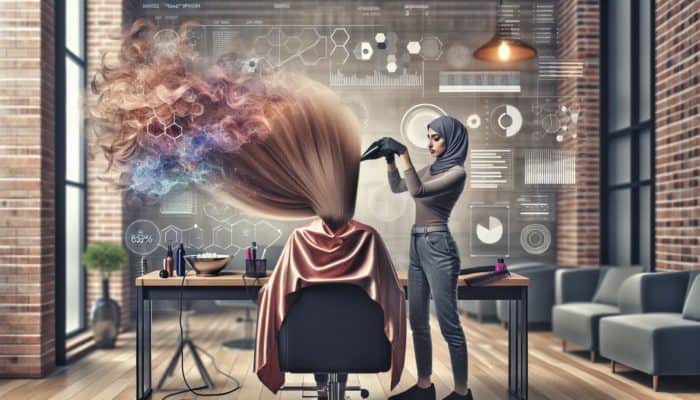
  • Essential Tips for Repairing Weak Hair Strands

    Essential Tips for Repairing Weak Hair Strands

    Discover Key Nutrients That Enhance Hair Strength and Durability

    Uncover How Protein Influences Hair Health

    Strengthening Weak Hair Strands: A colorful illustration of a hair strand made of keratin proteins, surrounded by eggs, nuts, and fish.

    Strengthening Weak Hair Strands: Protein is a fundamental element in preserving the strength of hair, as it constitutes the essential building blocks of each hair strand. The predominant protein in hair is keratin, which is vital for its structure and resilience. Insufficient protein intake can result in hair that is fragile and susceptible to breakage. Therefore, it is crucial to integrate a diverse array of protein-rich foods into your diet to promote optimal hair health. Notable protein sources that can greatly enhance hair strength include:

    • Eggs
    • Fish, particularly salmon and mackerel
    • Lean meats such as chicken and turkey
    • Legumes, including lentils and chickpeas
    • Nuts and seeds, especially walnuts and flaxseeds
    • Dairy products, such as Greek yoghurt and cottage cheese
    • Quinoa, recognized as a complete plant-based protein
    • Tofu and tempeh for those adhering to vegetarian or vegan diets

    These nutrient-rich foods not only supply essential proteins but also provide additional nutrients that are advantageous for overall hair health. For instance, the omega-3 fatty acids present in fatty fish nourish the scalp, while zinc from legumes and nuts plays a crucial role in hair repair and growth. By ensuring a balanced intake of these protein sources, you can greatly enhance the strength and resilience of your delicate hair strands.

    What Makes Vitamins and Minerals Vital for Hair Health?

    Vitamins and minerals are essential for maintaining strong and healthy hair. Among the most important vitamins for hair vitality are Biotin, vitamin D, and vitamin E, along with critical minerals such as iron and zinc. For example, biotin is well-known for its ability to strengthen hair and promote growth. A deficiency in these vital nutrients can result in hair that appears lackluster and brittle, making it more vulnerable to damage. To enrich your diet with the right vitamins and minerals, consider incorporating these foods:

    • Spinach and other leafy greens that are rich in iron and vitamins A and C
    • Carrots and sweet potatoes loaded with beta-carotene, which converts into vitamin A
    • Avocados filled with vitamin E, which enhances blood circulation to the scalp
    • Shellfish, particularly oysters, recognized for their high zinc content
    • Citrus fruits like oranges and kiwis, which are rich in vitamin C, facilitating iron absorption
    • Seeds, such as sunflower seeds, abundant in vitamin E
    • Fortified cereals that frequently contain added biotin and other essential vitamins
    • Berries, packed with antioxidants and vitamin C

    These nutrients synergistically work together to fortify hair at the cellular level, ensuring not only strength but also shine and overall vitality. By concentrating on a diet abundant in these essential nutrients, individuals can effectively tackle the challenges associated with fragile hair strands.

    How Does Hydration Affect Hair Vitality?

    Maintaining proper hydration is crucial for hair strength, as it significantly impacts the moisture levels within the hair shaft and helps prevent dryness. When hair becomes dehydrated, it loses its elasticity, becoming brittle and susceptible to damage. To keep your hair adequately hydrated, it is essential to adopt a comprehensive approach that includes both internal hydration through water intake and external hydration strategies through hair care products. Aim to consume at least eight glasses of water daily, adjusting this amount based on your activity level and environmental conditions.

    Integrating hydrating foods into your diet also plays a vital role in maintaining moisture levels in your hair. Foods such as watermelon, cucumbers, and oranges are high in water content, contributing to overall hydration. Furthermore, consider using hydrating hair products that contain ingredients like aloe vera, glycerin, or hyaluronic acid, which are known to attract and retain moisture within the hair.

    Regularly applying deep conditioning treatments or hair masks can provide an extra boost of hydration, allowing hair strands to absorb essential moisture and nutrients effectively. Maintaining proper hydration is not solely about drinking water; it also involves creating a balanced routine that incorporates hydrating foods and effective hair care products.

    Proven Strategies for Reinforcing Fragile Hair Strands

    A hand holding a weak hair strand with nourishing oils and hair care products on a pastel background.

    Expert Recommendations for Effective Hair Care Routines

    Experts in the hair care industry consistently stress the importance of a dedicated routine aimed at fortifying weak hair strands. Many professionals recommend conducting a thorough assessment of your current hair condition to pinpoint specific issues, such as dryness or damage. An effective daily hair care regimen should encompass gentle cleansing, conditioning, and the application of protective products.

    For instance, a suggested routine may involve utilizing a sulfate-free shampoo that cleanses the hair without stripping it of its natural oils, followed by a nourishing conditioner that adds moisture and strength. Professionals often advise applying heat protectant sprays prior to styling to shield hair from damage caused by heat tools. Real-world examples illustrate how adhering to such routines can significantly improve hair strength over time.

    Moreover, regular trims are crucial for eliminating split ends, which can undermine the integrity of hair strands. Hair specialists frequently advocate for incorporating a weekly deep conditioning treatment or hair mask to provide intensive moisture and repair. By following these expert recommendations, individuals can actively work toward bolstering their weak hair strands.

    How Does Scientific Evidence Support Hair Strengthening Techniques?

    Scientific research has unveiled various methods to reinforce weak hair strands, focusing on both topical treatments and dietary adjustments. One significant finding is the effectiveness of topical applications that include specific proteins and amino acids that mimic the natural structure of hair. Treatments enriched with hydrolysed proteins can notably improve hair elasticity and strength, thereby reducing the risk of breakage.

    Additionally, advancements in hair care have led to the creation of serums and treatments infused with ingredients such as biotin and keratin. These components are scientifically validated to nourish and strengthen hair from the outside. For a practical approach, individuals should seek products containing these beneficial ingredients and incorporate them into their regular hair care routines.

    Beyond topical treatments, dietary modifications can also play a significant role in addressing hair health issues. Scientific studies consistently link sufficient intake of vitamins and minerals, particularly biotin and vitamin D, to improved hair strength. A well-rounded diet rich in these nutrients encourages healthy hair growth and resilience. As research continues to evolve, staying informed about the latest scientific findings empowers individuals to make informed decisions regarding their hair care.

    What Treatments Are Dermatologists Suggesting for Weak Hair?

    A dermatologist applies minoxidil and prepares a PRP injection for weak hair treatment in a clinic.

    Dermatologists often provide invaluable insights into specialized treatments tailored for individuals with weak hair strands. A commonly recommended option is the use of minoxidil, a topical solution clinically proven to encourage hair growth and strengthen existing strands. This FDA-approved treatment is particularly effective for thinning hair and comes in various formulations.

    Moreover, dermatologists frequently highlight the benefits of professional hair treatments, such as PRP (Platelet-Rich Plasma) therapy. This innovative procedure involves drawing a small amount of blood, processing it to concentrate the platelets, and subsequently injecting the concentrated platelets into the scalp to stimulate hair follicles. Research has shown promising outcomes in enhancing hair density and strength with this technique.

    Additionally, dermatologists may recommend routine scalp treatments or chemical peels, which can help eliminate buildup and enhance overall scalp health, thereby fostering stronger hair growth. These expert insights underscore the importance of consulting a healthcare professional for personalized recommendations that address individual hair concerns, ensuring the most effective strategies for strengthening weak hair strands.

    How Does Diet Influence Hair Strength?

    Identify Top Nutrient-Rich Foods That Support Hair Health

    The relationship between diet and hair strength is profound, as the body requires a variety of nutrients to promote healthy hair growth and resilience. Including foods rich in essential vitamins, minerals, and proteins can substantially enhance hair health. Some of the most beneficial foods to consider are:

    • Fatty fish like salmon, which is rich in omega-3 fatty acids
    • Spinach and other leafy greens, loaded with iron and vitamins A and C
    • Sweet potatoes, high in beta-carotene, which supports a healthy scalp
    • Nuts, particularly walnuts and almonds, known for their high vitamin E content
    • Eggs, providing biotin and protein essential for strengthening hair
    • Berries, which are rich in antioxidants and vitamin C
    • Legumes, offering plant-based protein along with iron
    • Whole grains, supplying B vitamins and fiber

    These nutrient-dense foods work together to nurture strong, healthy hair. For example, the omega-3 fatty acids found in fatty fish not only nourish hair follicles but also contribute to scalp health, alleviating dryness. Incorporating a diverse array of fruits and vegetables ensures a broad spectrum of vitamins and minerals, which are essential for maintaining hair strength and preventing breakage.

    Which Harmful Nutrients Should Be Avoided for Optimal Hair Health?

    While highlighting beneficial nutrients is essential for hair health, it is equally important to recognize dietary components that can negatively impact hair strength. Certain harmful nutrients may hinder hair growth and contribute to weakness. Trans fats and excessive saturated fats, commonly found in processed foods, can lead to inflammation and reduce blood flow to the scalp, adversely affecting hair health.

    Moreover, consuming excessive sugar can trigger hormonal imbalances that may worsen hair loss. Diets high in refined carbohydrates can cause spikes in blood sugar levels, potentially resulting in hair thinning over time. Additionally, certain preservatives and additives frequently found in processed foods can disrupt nutrient absorption, further detracting from hair health.

    To optimize hair strength, individuals should aim to minimize the intake of these detrimental nutrients. Instead, focusing on whole, nutrient-rich foods will create an environment conducive to strong hair growth and overall wellness.

    In What Ways Does Nutrition Influence Hair Structure and Quality?

    A balanced diet significantly impacts the structure and health of hair strands. The nutrients consumed are integral to the formation and maintenance of keratin, the primary protein that constitutes hair. An inadequate intake of essential vitamins and minerals can weaken hair structure, resulting in strands that are more susceptible to breakage and damage.

    Proteins from dietary sources help fortify the hair shaft, providing the necessary building blocks for resilience. Biotin, found in foods such as eggs and nuts, is crucial for keratin synthesis, which directly influences hair strength and texture. Moreover, vitamins A, C, and E contribute to maintaining healthy hair by promoting adequate oil production and protecting strands from environmental stressors.

    Furthermore, hydration plays a pivotal role in the cellular structure of hair. A well-hydrated body ensures that nutrients are effectively transported to hair follicles, promoting optimal growth and strength. In essence, a diet rich in diverse nutrients not only enhances the appearance of hair but also fortifies its structure, making it essential for anyone looking to strengthen weak hair strands.

    Why Is Proper Hydration Vital for Hair Strength?

    The connection between hydration and hair strength is crucial. Adequate water intake is necessary for maintaining moisture balance in hair strands, which directly impacts their health and resilience. Well-hydrated hair exhibits greater elasticity, is less prone to breakage, and presents an improved overall appearance.

    To maintain sufficient hydration, it is essential to strive for an adequate daily water intake. A general guideline suggests aiming for eight glasses, but individual hydration needs may vary based on activity levels and environmental conditions. Additionally, incorporating hydrating foods like cucumbers, oranges, and melons can enhance overall hydration levels.

    Utilizing hydrating hair products can further improve moisture retention. Seek out shampoos and conditioners that contain humectants such as glycerin or aloe vera, which draw moisture into the hair. Regularly applying deep conditioning masks can also enhance hydration, enabling hair to absorb vital moisture and nutrients effectively. By prioritizing hydration, individuals can significantly boost the strength and health of weak hair strands.

    What Role Do Supplements Play in Strengthening Hair?

    Certain supplements can play a pivotal role in enhancing hair strength, particularly for individuals who may not receive adequate nutrients through their diet alone. Vitamins like biotin, vitamin D, and folic acid have gained recognition for their effectiveness in promoting hair health. Biotin, often referred to as the “hair vitamin,” is essential for keratin synthesis and is available in supplement form for those needing an extra boost.

    Minerals such as zinc and iron are equally critical, as they contribute to hair structure and growth. A deficiency in zinc can lead to hair loss, while iron is essential for maintaining healthy blood circulation to the scalp. Omega-3 fatty acids, available in capsule form, can also promote scalp health and reduce inflammation, supporting stronger hair.

    When incorporating supplements into your regimen, it is essential to consult with a healthcare professional to determine appropriate dosages and ensure they align with individual health needs. These targeted supplements can provide the necessary support for strengthening weak hair strands and fostering overall hair vitality.

    Daily Practices for Achieving Stronger Hair

    Gentle Techniques to Handle Hair with Care

    Implementing gentle hair handling techniques is crucial for preventing breakage and preserving the strength of weak hair strands. Aggressive brushing or styling methods can cause significant damage, especially for those with fine or fragile hair. To maintain hair health, begin by using a wide-toothed comb to detangle wet hair, as it is more vulnerable to breakage when damp.

    Avoid pulling at knots; instead, gently work through them, starting from the ends and gradually moving up to the roots. Additionally, it is advisable to limit the use of hair ties and clips that can create tension and lead to breakage. Opting for fabric-covered hair ties can help minimize this risk.

    When styling, consider air-drying rather than relying on heat tools, as excessive heat can weaken hair strands over time. If heat styling is necessary, always apply a heat protectant spray to shield hair from potential damage. By adopting these gentle handling techniques, individuals can significantly reduce the risk of breakage and maintain their hair’s integrity, promoting overall strength.

    Best Practices for Effectively Washing Your Hair

    Establishing an effective hair-washing routine is vital for enhancing hair strength and promoting overall health. The key to a successful regimen lies in both the frequency and technique of washing. Ideally, hair should be washed two to three times a week, depending on hair type and oil production. Over-washing can strip the scalp of its natural oils, leading to dryness and brittleness.

    When washing, begin by thoroughly wetting the hair with lukewarm water, which helps open the hair cuticles for optimal cleansing. Use a gentle, sulfate-free shampoo, applying it primarily to the scalp while massaging in circular motions to avoid tangling. It is crucial to rinse thoroughly to eliminate any product residue.

    Next, apply a nourishing conditioner tailored to your hair type, focusing on the mid-lengths and ends. Allow it to sit for a few minutes to penetrate the hair shaft, then rinse with cool water to seal the cuticles. This technique enhances shine and reduces frizz. Incorporating a weekly deep conditioning treatment can further boost moisture and strength. By following an effective washing routine, individuals can significantly improve the health and strength of their hair.

    Utilizing Protective Styles to Enhance Hair Resilience

    Protective styling techniques are essential for minimizing damage to fragile hair strands and enhancing overall hair health. These styles reduce manipulation, shielding hair from environmental stressors while preventing breakage. Some of the most effective protective styling approaches include braiding, twists, and updos.

    Braids, whether simple or intricate, can secure hair and lessen the need for daily styling, thus minimizing damage. Twists offer a low-maintenance yet stylish option. Furthermore, updos such as buns or ponytails can effectively protect the ends of hair, especially when secured loosely to avoid tension.

    It is advisable to rotate protective styles to prevent stress on the same areas of hair. Regularly moisturizing hair while in protective styles also helps maintain hydration levels, ensuring strands remain healthy. Additionally, salon treatments, such as incorporating weaves or wigs, can serve as protective measures, allowing natural hair to rest and recover. By integrating these protective styling techniques into daily routines, individuals can foster a nurturing environment that promotes stronger hair.

    Which Hair Products Are Most Effective for Weak Hair?

    Selecting Shampoos and Conditioners to Fortify Your Hair

    Choosing the right shampoo and conditioner can greatly influence the strength of weak hair strands. When selecting these products, it is crucial to look for specific ingredients recognized for their strengthening properties. Shampoos containing keratin, hydrolysed proteins, and amino acids help reinforce the hair shaft while cleansing. Avoiding sulfates is essential, as they can strip natural oils and lead to dryness.

    Conditioners should focus on hydrating and nourishing the hair. Ingredients like argan oil, shea butter, and aloe vera are excellent for providing moisture and enhancing strength. Additionally, seek conditioners with silicones that can help seal the hair cuticle, reducing frizz and improving shine.

    Incorporating a leave-in conditioner can further enhance daily hydration and protection. The combination of these products, tailored to individual hair types, can create a solid foundation for strengthening weak hair strands and mitigating damage.

    Using Strengthening Serums and Oils for Optimal Results

    Integrating strengthening serums and oils into your hair care regimen can provide an extra layer of support for weak hair strands. These products are formulated with concentrated ingredients that can penetrate the hair shaft, delivering nourishment and protection. Oils such as coconut oil, jojoba oil, and argan oil are particularly known for their ability to hydrate and strengthen hair.

    For instance, coconut oil is celebrated for its unique ability to penetrate the hair shaft due to its small molecular structure, providing deep conditioning and minimizing protein loss. Jojoba oil closely resembles natural scalp oils, making it an excellent moisturizer that supports scalp health. Argan oil is rich in antioxidants and fatty acids that enhance shine while reducing frizz.

    When applying serums, it is advisable to do so on damp hair to allow for better absorption. Focusing on the ends, which are often the driest and most damaged part of the hair, can help prevent breakage. Regular application of these strengthening serums and oils can lead to significantly improved hair health and resilience.

    Why Are Leave-In Treatments Critical for Hair Health?

    Leave-in treatments can play a vital role in maintaining hair strength throughout the day. These products are designed to be applied after washing and left in your hair, providing ongoing nourishment and protection. The benefits of using leave-in treatments are numerous, as they assist in detangling hair, reducing frizz, and delivering hydration.

    Look for leave-in conditioners that contain ingredients such as keratin, panthenol, and natural oils to enhance hair health. Keratin aids in rebuilding the hair’s structural integrity, while panthenol adds moisture and shine. Natural oils, like argan or coconut oil, provide continuous hydration and protect hair from environmental stressors.

    To effectively incorporate leave-in treatments, apply them to damp hair after washing, concentrating on mid-lengths and ends. This method ensures that hair receives continuous hydration and strength throughout the day, making leave-in treatments a crucial aspect of any hair care routine aimed at reinforcing weak strands.

    Utilizing Protein Treatments for Effective Hair Repair

    Protein treatments are an essential part of hair care for individuals aiming to repair and strengthen weak hair strands. These treatments contain hydrolysed proteins that penetrate the hair shaft, effectively rebuilding its structure and enhancing elasticity. Regular application of protein treatments can significantly boost hair strength, thereby reducing the likelihood of breakage.

    When selecting a protein treatment, look for products that contain ingredients such as keratin, wheat protein, or silk amino acids. Keratin is particularly effective for rebuilding hair, while wheat protein helps strengthen and fortify. Silk amino acids contribute to softness and shine, creating a comprehensive treatment experience.

    Typically, protein treatments should be utilized every 4-6 weeks, depending on the condition of the hair. It is essential to follow up with a deep conditioning treatment after a protein treatment to replenish moisture and restore balance. By incorporating these protein treatments into a hair care regimen, individuals can effectively repair weak strands and promote overall hair strength.

    Scientific Insights on Enhancing Weak Hair Strands

    Research Highlighting Effective Ingredients for Hair Strengthening

    Research has revealed numerous ingredients that effectively fortify weak hair strands. Among these, hydrolysed proteins have been shown to improve hair elasticity and significantly reduce breakage. Studies indicate that when applied topically, hydrolysed keratin can penetrate the hair shaft, effectively replenishing lost proteins and increasing strength.

    Another promising ingredient is biotin, which has gained popularity for its role in promoting hair health. Research suggests that biotin supplementation may lead to improved hair growth and thickness, especially in individuals experiencing hair thinning. Additionally, studies have demonstrated that vitamins A, C, and E possess antioxidant properties that protect hair from oxidative stress, thereby contributing to overall strength.

    Furthermore, omega-3 fatty acids have been shown to promote scalp health and enhance hair density. These findings highlight the importance of selecting hair care products that incorporate scientifically proven ingredients, allowing individuals to effectively strengthen weak hair strands.

    Understanding the long-term benefits of consistent hair-strengthening practices can inform more informed hair care decisions. Research indicates that individuals who maintain a routine of using nourishing products and protective styles experience improved hair health over time. This diligent care can lead to stronger, shinier hair that is less prone to breakage and overall damage.

    Moreover, studies suggest that adhering to a balanced diet rich in vitamins, minerals, and proteins not only enhances hair strength but also promotes growth. The long-term benefits of prioritizing hair care include increased resilience against environmental factors, reduced hair loss, and an improved overall appearance.

    It is essential to note that while immediate results may be visible, the cumulative effects of long-term care can lead to transformative changes in hair health. By investing in a comprehensive hair care routine, individuals can enjoy lasting benefits that contribute to overall hair vitality.

    How Does Strengthening Weak Hair Lead to Improved Growth?

    Strengthening weak hair strands can have a positive influence on hair growth, as damaged hair is often more vulnerable to breakage, which hinders growth. Research indicates that when hair is fortified through proper nutrition, hydration, and the use of restorative products, it becomes less susceptible to damage and loss.

    Regularly using strengthening treatments can enhance hair resilience, allowing strands to grow longer and healthier. Additionally, maintaining a healthy scalp environment is vital for optimal growth. Products that promote scalp health, combined with a nutrient-rich diet, create ideal conditions for hair to flourish.

    In essence, focusing on strengthening weak hair strands not only improves the quality and appearance of hair but also supports a healthier growth cycle. By establishing a robust hair care routine, individuals can witness significant advancements in hair growth, overall health, and vitality.

    Key Lifestyle Factors That Influence Hair Strength

    How Effective Stress Management Enhances Hair Health

    Stress is a considerable factor that can negatively impact hair strength, leading to conditions like telogen effluvium, where hair falls out prematurely. Effectively managing stress is crucial for sustaining healthy hair. Techniques that have proven beneficial for both mental well-being and hair health include:

    • Meditation and mindfulness practices to alleviate anxiety
    • Regular physical activity, which boosts mood and reduces stress
    • Deep breathing exercises to enhance relaxation
    • Engaging in hobbies or creative pursuits to distract from stressors
    • Establishing a consistent sleep routine to improve overall health
    • Connecting with friends and family for emotional support
    • Limiting caffeine and alcohol intake, which can heighten stress
    • Practicing time management techniques to alleviate feelings of overwhelm

    Incorporating these strategies for stress management can create a more favorable environment for hair growth and strength. By prioritizing mental health, individuals can help mitigate the negative effects of stress on hair health, allowing for a more robust and resilient mane.

    Why Is Quality Sleep Essential for Hair Strength?

    Adequate sleep plays a vital role in maintaining healthy hair, as it enables the body to undergo critical repair processes. During sleep, the body produces growth hormones that assist in tissue repair, including the growth of hair follicles. Insufficient sleep can lead to various health issues, including impaired hair growth and increased hair loss.

    To optimize hair health, aim for 7-9 hours of quality sleep each night. Practicing good sleep hygiene, such as establishing a consistent sleep schedule, creating a comfortable sleep environment, and limiting screen time before bed, can enhance sleep quality.

    Individuals who prioritize restful sleep often report improved overall hair health, including increased shine and reduced breakage. Establishing a bedtime routine that promotes relaxation can significantly contribute to better sleep and, consequently, stronger hair.

    The Positive Impact of Regular Exercise on Hair Vitality

    Regular exercise serves as another lifestyle factor that positively influences hair vitality. Engaging in physical activity enhances blood circulation, which improves the delivery of essential nutrients to hair follicles. This increased circulation can lead to healthier hair growth and greater strength.

    Types of exercise that benefit hair health include cardiovascular activities, such as running, cycling, or swimming, as well as strength training, which helps build overall fitness. Aim for at least 150 minutes of moderate exercise each week to reap the benefits.

    Moreover, exercise has the added advantage of reducing stress levels, further contributing to healthier hair. By incorporating regular physical activity into daily routines, individuals can support their physical fitness and the health and vitality of their hair.

    Why Is Nutrition Critical for Hair Strength?

    Nutrition plays a vital role in hair strength, with a balanced diet rich in essential vitamins and minerals being crucial for optimal hair health. Key nutrients that support hair strength include proteins, iron, zinc, and vitamins A, C, and E. Foods providing these nutrients should be staples in a hair-healthy diet.

    Protein sources, including lean meats, legumes, and dairy, not only contribute to hair structure but also supply the necessary amino acids for healthy growth. Iron-rich foods, such as spinach, lentils, and fortified cereals, enhance oxygen delivery to hair follicles, promoting hair growth.

    A diet inclusive of colorful fruits and vegetables ensures a wide array of antioxidants, which protect hair from oxidative stress. By prioritizing nutrition, individuals can significantly improve their hair strength and overall health, fostering a more resilient mane.

    What Are Common Questions About Hair Health?

    What foods should I eat to strengthen my hair?

    Foods rich in protein, omega-3 fatty acids, vitamins A, C, and E, along with minerals like zinc and iron, are excellent for bolstering hair strength. Incorporate fish, nuts, leafy greens, eggs, and berries into your diet.

    How often should I wash my hair for optimal strength?

    Washing your hair two to three times per week is generally recommended to maintain strength. Over-washing can strip natural oils, leading to dryness and breakage.

    Can stress impact hair health?

    Yes, stress can significantly affect hair health, leading to conditions such as hair loss. Effective stress management techniques, including meditation and exercise, can help maintain hair strength.

    What role do protein treatments play in hair care?

    Protein treatments aid in repairing and strengthening weak hair strands by replenishing lost proteins and improving elasticity. Regular use can reduce breakage and enhance overall hair health.

    Are there specific vitamins that promote hair growth?

    Vitamins such as biotin, vitamin D, and vitamin E play crucial roles in promoting hair growth and strength. Including these in your diet or as supplements can be beneficial.

    How does hydration impact hair strength?

    Proper hydration is essential for hair strength, as it helps keep hair moisturized and prevents brittleness. Drinking adequate water and using hydrating hair products are key.

    What benefits do leave-in conditioners offer?

    Leave-in conditioners provide ongoing moisture and protection for hair throughout the day. They help detangle hair, reduce frizz, and enhance overall hydration, contributing to strength.

    Can exercise improve hair health?

    Yes, regular exercise enhances blood circulation, promoting nutrient delivery to hair follicles. It also reduces stress, positively impacting overall hair strength and vitality.

    How does sleep influence hair health?

    Adequate sleep is crucial for hair health, as it allows the body to repair tissues, including hair follicles. Quality sleep promotes hair growth and overall vitality.

    What are some effective protective styling methods?

    Effective protective styling methods include braids, twists, and updos. These styles minimize manipulation and protect hair from environmental damage, promoting overall strength.

    Connect with us on Facebook!

    The Article: Strengthening Weak Hair Strands: Universal Tips appeared first on Amitys Hair Salon.

    The Article Strengthening Weak Hair Strands: Essential Tips for Repair Was Found On https://limitsofstrategy.com

  • Postpartum Hair Support: Essential Tips for Recovery

    Postpartum Hair Support: Essential Tips for Recovery

    Understanding the Causes and Solutions for Postpartum Hair Loss

    What Are the Main Factors Contributing to Postpartum Hair Loss?

    A new mother looking concerned at her thinning hair in a mirror, surrounded by fallen strands, depicting postpartum hair loss.

    Postpartum hair loss is a common issue that many new mothers encounter after giving birth, primarily attributed to significant fluctuations in hormones within the body. These rapid changes in hormonal levels can disrupt the normal hair growth cycle, resulting in excessive hair shedding and decreased hair thickness. Although this temporary situation can be distressing for many women, it is crucial to recognize that it is a natural reaction as the body gradually returns to its pre-pregnancy state. Understanding these changes can help alleviate some concern and anxiety during this transitional phase.

    The primary hormonal shifts leading to postpartum hair loss include:

    • Decrease in estrogen levels
    • Fluctuation in progesterone levels
    • Alterations in thyroid hormone production
    • Increased prolactin levels due to breastfeeding

    These hormonal variations typically manifest during the initial months following childbirth as the body slowly transitions back to its pre-pregnancy condition. While experiences differ among individuals, the majority of women will notice some degree of hair thinning, especially around the crown and temples. By grasping these underlying factors, new mothers can feel more empowered to take proactive measures in tackling this aspect of their postpartum healing journey.

    What Are the Biological Phases of Hair Growth and Their Implications?

    Gaining insight into the biological mechanisms that govern the hair growth cycles is vital for effectively addressing postpartum hair loss. The hair growth cycle comprises three distinct phases: the anagen (growth) phase, the catagen (transitional) phase, and the telogen (resting) phase. During the anagen phase, hair actively grows for several years, promoting fullness and density. This is followed by the catagen phase, which lasts a few weeks, during which hair growth ceases, and the hair strand begins to shrink. Finally, in the telogen phase, lasting approximately three months, hair is shed to make way for new growth.

    For postpartum women, the hormonal surge experienced during pregnancy can prolong the anagen phase, resulting in thicker hair as more strands remain in this growth stage. However, after childbirth, a significant number of hair follicles can rapidly transition into the telogen phase, leading to temporary hair loss. Understanding this cycle equips mothers with the knowledge to manage their expectations and adopt informed strategies for hair care during this transitional period.

    What Is the Expected Duration of Postpartum Hair Loss?

    Postpartum hair loss generally commences between three to six months following childbirth and can persist for up to a year. The specific duration varies significantly based on individual hormonal levels, overall health, and lifestyle factors. For many women, hair shedding typically peaks around four months post-delivery before gradually subsiding.

    It is crucial to keep in mind that, although this experience can be unsettling, it is largely temporary. Monitoring hormonal health, possibly through consultations with healthcare providers, can offer new mothers valuable insights into their unique situations. Adapting hair care routines to align with these natural cycles can further facilitate recovery and enhance hair health.

    What Effective Strategies Can Help Manage Postpartum Hair Loss?

    A serene mother massaging her scalp with oils, surrounded by nourishing foods and gentle hair care products.

    Successfully managing postpartum hair loss necessitates a thoughtful combination of gentle hair care practices, nutritional support, and stress management techniques. Creating a nurturing environment for your hair is essential. Here are some practical strategies for mothers navigating this journey:

    • Opt for a gentle shampoo and conditioner that are free from harsh chemicals.
    • Incorporate a well-balanced diet rich in essential vitamins and minerals.
    • Consider scalp massages to improve blood circulation and stimulate hair growth.
    • Limit the use of heat styling and chemical treatments that could damage hair.

    Consulting with a healthcare provider for personalized recommendations can refine these strategies to meet individual needs. They may suggest specific supplements or treatments to support hair recovery post-pregnancy, ensuring a holistic approach to restoring hair health.

    When Should You Seek Medical Attention for Postpartum Hair Loss?

    While postpartum hair loss is typically a normal and temporary condition, there are instances where seeking medical attention becomes necessary. If hair loss is excessive, accompanied by additional worrisome symptoms such as scalp irritation or persistent itchiness, or continues beyond a year after childbirth, consulting a healthcare professional is essential.

    A thorough evaluation can help rule out underlying issues such as thyroid problems or nutritional deficiencies that may be impacting hair health. Early intervention not only aids in effective treatment but also provides peace of mind, allowing new mothers to focus on their recovery without added stress or concern.

    Expert Tips for Enhancing Postpartum Hair Health

    What Are the Best Hair Care Practices for New Mothers?

    Caring for postpartum hair requires a deliberate and gentle approach. The best practices focus on maintaining hair integrity while promoting regrowth. New mothers should choose products specifically formulated to address the delicate needs of postpartum hair. Selecting shampoos and conditioners free from sulfates and parabens can significantly enhance overall hair health.

    Additionally, incorporating rich, nourishing ingredients is vital. Look for products that contain biotin, keratin, and natural oils such as argan or jojoba. These components can strengthen the hair shaft, improve elasticity, and enhance overall shine. It is advisable to avoid products packed with silicones and alcohol, as these can lead to dryness and potential breakage.

    Moreover, treating hair gently is crucial. When detangling, always use a wide-tooth comb, especially on wet hair, to minimize breakage. Patience is essential; adopting a minimalist styling routine can help reduce stress on hair, allowing it to recover naturally and effectively.

    How Does Nutrition Impact Postpartum Hair Health?

    Nutrition plays a fundamental role in supporting postpartum hair health. A well-balanced diet rich in essential nutrients can nourish hair follicles and promote overall well-being during the postpartum phase. Key nutrients include protein, which is critical for hair structure; iron, which aids in oxygen transport to hair roots; and vitamins A, C, and E, known for their antioxidant properties and roles in facilitating healthy hair growth.

    For example, incorporating foods such as lean meats, legumes, nuts, and leafy greens can provide the necessary nutrients for optimal hair health. Real-world experiences suggest that mothers focusing on nutrient-rich meals often report enhanced hair vitality and decreased shedding. Additionally, staying hydrated is crucial; water supports nutrient absorption and helps maintain moisture balance in the hair.

    It is advisable for new mothers to consult with a registered dietitian to tailor dietary modifications that align with personal preferences and lifestyles, ensuring adequate support for both hair and overall health during this transformative period.

    What Is the Connection Between Stress Management and Hair Recovery?

    Managing stress is a critical aspect of supporting hair health during the postpartum phase. Elevated stress levels can worsen hair loss, making it essential for new mothers to adopt effective stress-reduction techniques. Mindfulness practices such as meditation and yoga can significantly enhance emotional well-being, enabling mothers to relax and focus on self-care.

    Engaging in regular physical activity is another effective strategy for stress management. Exercise releases endorphins, which can elevate mood and overall mental health. Furthermore, prioritizing adequate sleep is vital; insufficient sleep can lead to increased stress levels, further contributing to hair loss.

    Establishing a routine that incorporates stress management practices can lead to a comprehensive approach to recovery. New mothers should consider scheduling “me time” for relaxation or participating in hobbies that bring joy, fostering a nurturing atmosphere for both themselves and their hair.

    Creating Effective Hair Care Routines for New Mothers

    How to Select the Best Shampoo and Conditioner for Postpartum Hair?

    Choosing the right shampoo and conditioner is essential for promoting healthy hair during the postpartum period. Opt for products that are free from harsh chemicals that can harm delicate hair. Ingredients such as biotin and keratin are particularly beneficial as they can strengthen hair and stimulate growth.

    Key ingredients to avoid include:

    • Sulfates, which can strip away natural oils
    • Parabens, associated with hormonal disruptions
    • Alcohol, which can cause dryness
    • Fragrance, which may irritate sensitive scalps

    When selecting products, look for those labeled as “gentle” or “sensitive.” Many brands now offer lines specifically created for postpartum hair, recognizing the unique needs of mothers. Regularly alternating between shampoos can also be beneficial, as this prevents the hair from becoming accustomed to a single product and maintains its vitality.

    Why Are Regular Hair Trims Essential?

    Regular trims are a vital aspect of maintaining hair health, particularly for new mothers. While it may seem counterproductive to cut hair during a time of loss, trimming can actually encourage healthier growth by removing split ends and preventing further breakage.

    Most experts recommend scheduling trims every six to eight weeks to sustain hair health. This routine not only supports even growth but also keeps hair looking fresh and well-maintained. New mothers should prioritize this care to ensure their hair remains in optimal condition as it regrows.

    Additionally, finding a stylist who understands postpartum hair concerns can provide further insights into care tailored specifically for the unique challenges mothers face. Investing in a quality trim can significantly enhance how hair feels and looks, positively influencing overall self-esteem.

    What Is the Ideal Frequency for Washing Hair During the Postpartum Period?

    Finding the right balance in hair washing is crucial for postpartum hair health. Washing too frequently can strip natural oils, leading to dryness and potential damage, while infrequent washing can result in buildup and an unhealthy scalp environment.

    As a general guideline, many new mothers find that washing their hair two to three times a week is optimal. This frequency allows natural oils to nourish the hair while preventing excessive product accumulation. When washing, it is important to use lukewarm water to avoid drying out the scalp and hair.

    Incorporating dry shampoo between washes can be an effective way to maintain freshness without over-washing. This is particularly useful for mothers managing busy schedules. Ultimately, understanding personal hair needs and adjusting washing frequency accordingly can lead to healthier, more vibrant hair.

    What Are the Benefits of Postpartum Hair Support?

    How Can Hair Care Improve Self-Esteem and Confidence?

    Postpartum hair loss can significantly impact a new mother’s self-esteem and body image. Many women feel less attractive or confident during this transitional period, making it vital to adopt supportive hair care practices. Effective hair support not only helps restore hair volume but also enhances confidence during this sensitive time.

    By establishing a consistent hair care routine that emphasizes health and nourishment, mothers can reclaim their sense of self while navigating the challenges of new motherhood. Simple actions like regular trims and using quality products can lead to visible improvements, fostering a positive self-image.

    Additionally, participating in community support groups or online forums can provide further encouragement and shared experiences, reminding mothers that they are not alone in this journey. Building a strong support network can greatly enhance overall well-being during the postpartum period.

    How Does Consistent Care Contribute to Overall Hair Health?

    Implementing a structured hair support routine can yield lasting benefits that extend beyond the immediate postpartum phase. A consistent regimen that includes proper nutrition, gentle hair care, and stress management promotes stronger, healthier hair that can thrive in the long term.

    As mothers dedicate time to nurturing their hair, they often notice enhancements in overall hair quality, including shine, strength, and volume. These benefits can positively influence daily routines, as healthier hair contributes to a more polished appearance and increased confidence in personal and professional environments.

    Focusing on hair health beyond the postpartum period ensures that mothers preserve the progress achieved during their recovery, paving the way for a long-term commitment to self-care and well-being.

    How Can Proactive Approaches Reduce the Duration of Hair Loss?

    One of the most significant advantages of implementing effective postpartum hair support is the ability to shorten the duration of hair loss. With the right strategies, new mothers can proactively manage their hair health, minimizing the length of time they experience shedding.

    Utilizing a combination of appropriate hair care, nutrition, and stress management can create an environment conducive to hair regrowth. By supporting hormonal balance through dietary modifications and self-care practices, mothers may find effective ways to mitigate the effects of postpartum hair loss.

    Additionally, seeking professional guidance can provide tailored recommendations that cater to individual needs. This proactive approach not only accelerates recovery but also empowers mothers to take control of their hair health during a time that can often feel overwhelming.

    Exploring Natural Remedies for Postpartum Hair Loss

    What Home Remedies Are Effective for Improving Hair Health?

    Natural remedies can offer gentle and effective solutions for supporting hair health postpartum. Many mothers turn to home remedies that are safe and easily incorporated into their daily routines. Some of the most effective remedies include:

    • Coconut oil: Known for its moisturizing properties, it can be directly applied to the hair and scalp.
    • Aloe vera: A soothing agent that promotes scalp health and alleviates irritation.
    • Onion juice: Rich in sulfur, it can enhance hair growth by improving blood circulation.
    • Egg mask: High in protein, it nourishes the hair and strengthens it.

    Preparation methods for these remedies are straightforward. For coconut oil, gently warm a small amount and massage it into the scalp, leaving it on for at least 30 minutes before washing out. Aloe vera can be applied directly from the leaf, while onion juice can be extracted and used similarly. Egg masks require mixing eggs with a little olive oil and applying them to damp hair before rinsing out.

    These remedies provide a holistic approach to hair care, enabling mothers to utilize readily available ingredients that can naturally nourish their hair.

    What Are the Benefits of Using Essential Oils in Hair Care?

    Incorporating essential oils into a hair care routine can significantly enhance postpartum hair health. Oils such as lavender, rosemary, and peppermint are renowned for their stimulating properties, which can promote hair growth and improve scalp health.

    Lavender oil not only offers a calming aroma but has also been shown to stimulate hair follicles, encouraging growth. Rosemary oil is celebrated for its ability to enhance circulation, nourishing hair roots. Peppermint oil provides a refreshing sensation and can stimulate blood flow to the scalp, aiding hair regrowth.

    To use essential oils effectively, they should be diluted with a carrier oil, such as jojoba or almond oil, before application to the scalp. Regularly massaging with these blends can amplify their benefits, promoting relaxation and contributing to an overall sense of well-being.

    How Can You Incorporate Herbs into Your Hair Care Routine?

    Herbs can serve as a beneficial component in supporting postpartum hair health when integrated into daily routines. Herbs like fenugreek and nettle are known for their hair-nourishing properties and can be utilized in various forms, from teas to hair masks.

    Fenugreek seeds can be soaked overnight, blended into a paste, and applied as a nourishing hair mask. Nettle tea, which is rich in vitamins and minerals, can be consumed daily to support hair health from the inside out. These natural ingredients offer gentle support without the use of harsh chemicals or additives.

    Incorporating herbs into one’s routine not only enhances hair health but also fosters a connection with nature, encouraging a holistic approach to self-care that many new mothers find empowering.

    Research-Based Insights on the Benefits of Postpartum Hair Support

    What Do Current Studies Indicate About Postpartum Hair Loss?

    Research indicates that postpartum hair loss is a common and temporary condition experienced by numerous new mothers. Studies affirm that hormonal changes play a significant role in this phenomenon, and while it may feel overwhelming, most women observe recovery within the first year following childbirth.

    Key findings suggest that employing specific hair care routines can positively influence recovery timelines. For instance, incorporating regular scalp massages and nutritional supplements rich in biotin and other essential vitamins can effectively support hair regrowth.

    By understanding the science behind postpartum hair loss, mothers can adopt evidence-based practices that align with their individual needs. This knowledgeable approach not only assists in managing hair loss but also empowers new mothers to take charge of their hair health recovery.

    How Do Hormonal Treatments Affect Hair Health?

    Hormonal treatments can significantly aid in stabilizing hormonal fluctuations post-birth, potentially reducing hair loss. Understanding the appropriate treatment options is essential, as individual needs may differ. Healthcare professionals can guide mothers toward therapies that align with their hormonal profiles, ensuring a personalized approach to hair health.

    For many women, hormone-regulating medications or supplements can provide the necessary balance to support hair regrowth while also addressing other postpartum concerns. Regular follow-up appointments with healthcare providers can ensure that mothers receive ongoing support throughout this journey.

    Additionally, lifestyle adjustments, including dietary changes and stress management techniques, can complement hormonal treatments, promoting a comprehensive strategy for optimal hair health.

    What Are the Long-Term Advantages of Postpartum Hair Care?

    Implementing a supportive hair care routine during the postpartum period can yield long-lasting benefits for hair health and density. Establishing good habits early on, such as using quality hair care products and maintaining a nutritious diet, lays the groundwork for healthier hair in the long run.

    Research suggests that women who prioritize hair health during the postpartum phase often report enduring improvements in hair quality, even years later. Continued focus on nutrition, regular trims, and gentle hair care practices can prevent future issues and preserve the advantages gained during recovery.

    By recognizing the importance of this period, mothers can establish sustainable routines that support hair health long after the initial postpartum phase, contributing to overall well-being and confidence in their appearance.

    Choosing the Right Hair Support Products

    What Essential Ingredients Should You Seek in Hair Care Products?

    Selecting the right hair support products involves understanding which ingredients can effectively enhance hair health. Ingredients such as biotin, collagen, and keratin are known to strengthen hair and promote growth.

    Biotin, a B vitamin, is crucial for keratin production, while collagen helps maintain hair structure. Keratin, being a primary component of hair, can significantly improve elasticity and reduce breakage. When shopping for hair care products, look for labels that highlight these beneficial ingredients to ensure you choose items that actively support hair health.

    Moreover, considering the overall formulation is vital; avoid products with potentially harmful additives that may counteract the benefits of these key ingredients. By prioritizing quality formulations, mothers can better support their hair recovery during the postpartum phase.

    How to Interpret Product Claims and Marketing Messages?

    Navigating the vast array of hair care products can be perplexing, especially with the multitude of claims manufacturers make regarding hair growth and support. It is crucial to differentiate between marketing hype and scientifically supported ingredients.

    Many products assert to promote hair growth, but not all possess effective concentrations of key ingredients. Reviewing ingredient lists and seeking products that provide transparency about their formulations can help mothers make informed decisions.

    Furthermore, understanding how products work and their role in supporting hair health can empower women to select the most suitable items for their needs, enhancing trust in the hair care process.

    Why Is Professional Guidance Essential for Hair Care?

    Consulting with a dermatologist or trichologist is invaluable for new mothers seeking the most suitable hair support products. These specialists can provide personalized recommendations based on individual hair types, concerns, and postpartum needs.

    Professional guidance can streamline the selection process, ensuring mothers choose products that align with their specific hair and scalp conditions. Additionally, specialists can offer insights into effective techniques and routines that support hair health beyond product selection.

    Moreover, regular check-ins with a healthcare provider can ensure that any underlying issues are addressed, allowing mothers to maintain optimal hair health throughout the postpartum journey.

    How to Consider Your Unique Hair Type and Concerns?

    Different hair types and specific concerns, such as thinning or damage, require tailored product selections. Understanding your unique hair needs is crucial when choosing items that effectively address those concerns.

    For fine hair, lightweight formulas that provide volume without weighing down strands are ideal. Conversely, for thick or textured hair, moisturizing products that offer deep hydration can be beneficial. Mothers should also consider their scalp health; selecting products that cater to sensitive or oily scalps can enhance overall results.

    Engaging in self-assessment and understanding how different products impact hair can lead to more successful outcomes. By prioritizing individual hair needs, mothers can create a comprehensive hair care routine that supports long-term health and vitality.

    Implementing Lifestyle Changes to Enhance Postpartum Hair Health

    What Is the Essential Role of a Balanced Diet?

    A balanced diet is fundamental in supporting overall health, including hair health. New mothers should focus on consuming a diverse array of nutrient-rich foods that promote hair vitality. Key nutrients to incorporate include protein for hair structure, iron for oxygen transport, and vitamins A, C, and E for their antioxidant properties.

    Foods such as lean meats, fish, nuts, seeds, and a variety of colorful fruits and vegetables can provide the essential nutrients necessary for healthy hair. Cooking at home allows mothers to have control over their meals, making it simpler to prioritize nutrition.

    By implementing small, sustainable changes, mothers can create a dietary plan that supports hair health and enhances overall well-being. Regularly incorporating nutrient-dense foods can lead to noticeable improvements in hair quality and strength.

    How Does Regular Exercise Benefit Hair Health?

    Engaging in regular exercise plays a significant role in promoting hair health by enhancing blood circulation, which nourishes hair follicles. Increased circulation allows essential nutrients to reach the scalp, supporting robust hair growth.

    Moreover, exercise serves as an excellent method to manage stress, a factor that can adversely affect hair health. Participating in physical activity releases endorphins, contributing to improved mood and overall mental health.

    For new mothers, discovering suitable exercise routines that fit within their schedules is crucial. Activities like walking, yoga, or joining a postnatal fitness class can provide opportunities to connect with other mothers while nurturing both physical and emotional well-being.

    What Is the Critical Role of Sleep in Hair Regrowth?

    Adequate sleep is often overlooked yet crucial for hair regrowth. Sleep is vital for the body’s repair processes, including those that promote hair health. During sleep, the body undergoes various recovery processes, allowing cells to regenerate and facilitating effective hair growth.

    For new mothers, prioritizing sleep can be challenging, but establishing a consistent sleep routine can significantly benefit hair health. Creating a calming bedtime environment and resting whenever possible can improve sleep quality.

    By recognizing the importance of rest, mothers can support not only their hair health but also their overall well-being. Integrating naps or sharing caregiving responsibilities can help facilitate better sleep, allowing for optimal recovery during the postpartum phase.

    How Does Managing Stress Support Hair Health?

    High stress levels can contribute to hair loss, making it vital for new mothers to adopt effective stress management strategies. Techniques such as meditation, yoga, and mindfulness can significantly enhance emotional well-being, alleviating the stress often associated with new motherhood.

    Setting aside time each day for relaxation or engaging in activities that bring joy can create mental space, fostering a nurturing environment for both mothers and their hair. Additionally, having a strong support network can provide emotional relief, allowing mothers to share experiences and burdens.

    By prioritizing mental health alongside physical care, mothers can create a holistic approach to postpartum recovery, supporting hair regrowth and overall well-being.

    What Is the Importance of Hydration for Healthy Hair?

    Maintaining adequate hydration is essential for overall health and plays a critical role in hair health. Proper hydration helps maintain moisture levels within the hair, promoting elasticity and reducing breakage. Dehydration can lead to dry, brittle hair, making it imperative for new mothers to prioritize fluid intake.

    Aiming for sufficient water consumption throughout the day can support hair vitality and enhance overall bodily functions. Including water-rich foods, such as fruits and vegetables, can also contribute to daily hydration levels.

    Consistency in hydration practices supports not only hair health but also skin health and overall bodily functions, making it a simple yet effective change for mothers seeking to improve their postpartum recovery.

    Strategies for Maintaining Hair Health Beyond the Postpartum Phase

    What Habits Should You Continue After Postpartum?

    Sustaining good hair health habits beyond the postpartum period is crucial for ongoing vitality. Practices such as regular trims, using gentle products, and continuing a nutritious diet should be maintained to ensure long-term hair wellness.

    Establishing a consistent hair care routine that includes tailored products can enhance hair quality while continued focus on diet and hydration supports overall health. Regularly assessing hair health and adjusting routines as needed can further promote strong, healthy hair.

    By integrating these habits into daily life, mothers can create a sustainable approach to hair care that continues to yield benefits long after the postpartum phase has concluded.

    Why Is Continuous Hair Care Important?

    Ongoing hair care is essential for preventing future issues and maintaining the benefits gained during the postpartum period. Continuing to implement nurturing practices, such as using quality products and scheduling regular appointments with professional stylists, can ensure that hair remains healthy and vibrant.

    Investing time in hair care can help sustain the progress made during recovery and prevent potential setbacks. Staying informed about new products and techniques can also contribute to long-term hair health, allowing mothers to adapt their routines as necessary.

    Ultimately, prioritizing hair care as an ongoing commitment fosters a sense of self-care and well-being, empowering mothers to embrace their beauty and confidence.

    How to Monitor Hair Health Over Time?

    Regularly monitoring hair health can aid in maintaining and improving its condition over time. Paying attention to changes in hair texture, density, and overall health allows mothers to identify any potential issues early on.

    Keeping a hair diary or using a mobile app can help track changes and identify patterns that may warrant adjustments in care routines. Regular assessments can also empower mothers to celebrate their hair’s progress, reinforcing a positive self-image and confidence.

    Engaging in conversations with professionals about any concerns can offer additional insights and support, ensuring that mothers feel equipped to manage their hair health effectively.

    How to Adapt Hair Care as You Progress Through Life?

    As women age, their hair health naturally evolves. Adjusting hair care routines to accommodate changes in hair texture and health ensures continued vitality. Recognizing the signs of aging hair, such as increased dryness or thinning, can prompt necessary adaptations in product choices and care techniques.

    For example, switching to more hydrating products or incorporating treatments that focus on strengthening can support aging hair. Additionally, maintaining open communication with stylists about changing needs can lead to tailored advice that enhances hair quality.

    By embracing adaptability in hair care as they age, mothers can ensure that their hair remains a source of pride and confidence throughout life, celebrating the beauty of their unique journey.

    Frequently Asked Questions About Postpartum Hair Loss

    What Is Postpartum Hair Loss?

    Postpartum hair loss refers to a common condition in which new mothers experience significant shedding of hair, usually due to hormonal changes following childbirth. This condition is often temporary and resolves within a year.

    How Can I Effectively Manage Postpartum Hair Loss?

    Managing postpartum hair loss involves gentle hair care, maintaining a balanced diet rich in essential nutrients, and implementing stress management techniques. Consulting with healthcare providers for personalized advice is also beneficial.

    When Does Postpartum Hair Loss Typically Begin?

    Postpartum hair loss generally starts around three to six months after childbirth, peaking around the four-month mark and may last for up to a year.

    Are There Specific Foods That Can Enhance Hair Health Postpartum?

    Yes, foods high in protein, iron, and vitamins A, C, and E can support hair health. Options like lean meats, fish, nuts, seeds, and a variety of fruits and vegetables are excellent choices.

    What Natural Remedies Can I Use to Address Hair Loss?

    Natural remedies such as coconut oil, aloe vera, onion juice, and egg masks can be beneficial for supporting hair health. These remedies can easily be incorporated into a regular hair care routine.

    Do Essential Oils Really Aid in Hair Growth?

    Indeed, essential oils like lavender, rosemary, and peppermint can stimulate hair growth and enhance scalp health when used appropriately in a diluted form.

    How Frequently Should I Wash My Hair During the Postpartum Period?

    Most experts recommend washing hair two to three times a week to maintain natural oils while preventing buildup. Adjusting this frequency based on personal hair needs is essential for optimal results.

    When Should I Seek Medical Advice Regarding Hair Loss?

    If hair loss is severe, accompanied by other concerning symptoms, or persists beyond a year after childbirth, it’s important to consult a healthcare professional for proper evaluation and treatment.

    How Can I Improve My Overall Hair Health After Childbirth?

    Enhancing overall hair health postpartum involves a combination of proper nutrition, hydration, regular trims, and gentle hair care practices focused on nourishing and protecting hair.

    What Lifestyle Changes Can I Implement to Support Hair Health?

    Lifestyle changes that support hair health include maintaining a balanced diet, engaging in regular exercise, ensuring adequate sleep, practicing stress management techniques, and staying well-hydrated.

    Connect with us on Facebook!

    The Article: Adopting Postpartum Hair Support: A Universal Guide appeared first on Amitys Hair Salon.

    The Article Postpartum Hair Support: Your Essential Guide to Recovery Was Found On https://limitsofstrategy.com
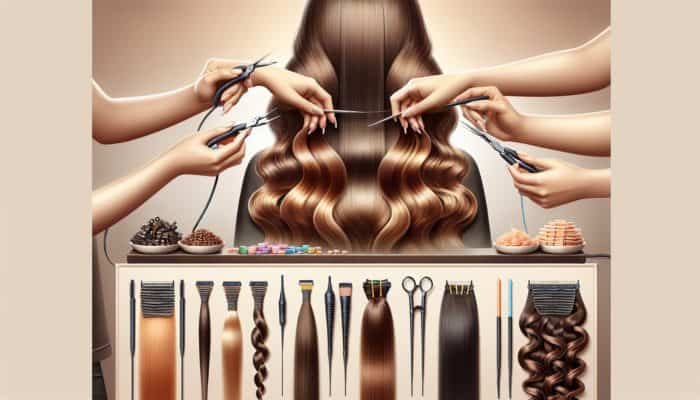
  • Big Kizzy Razors: Your Ultimate Guide to Hair Extensions

    Big Kizzy Razors: Your Ultimate Guide to Hair Extensions

    Master the Art of Refining Big Kizzy Razors for Optimal Cutting Efficiency

    Discover the Unique Features and Benefits of Big Kizzy Razors

    Big Kizzy razors with precision blades cutting through materials, showcasing efficiency and design.

    Big Kizzy razors are top-tier cutting instruments designed to expertly shape and extend a spectrum of materials with remarkable precision. Their innovative design, coupled with robust construction, facilitates meticulous cutting and seamless integration, establishing them as indispensable tools across various crafting and manufacturing industries. Understanding the primary functionalities of these razors is essential for honing your skills and maximizing performance in diverse applications. Key features that distinguish Big Kizzy razors include:

    • Ergonomically designed handles for enhanced comfort and control during use
    • Long-lasting blades engineered to retain sharpness for extended periods
    • Customizable cutting settings suited for different materials and tasks
    • Lightweight design that promotes effortless maneuverability
    • Interchangeable blades for increased versatility and adaptability
    • Integrated safety mechanisms that reduce the risk of accidents
    • Corrosion-resistant materials that extend the lifespan of the tool

    Enhance Performance Through Essential Refining Techniques

    Employing effective refining techniques is crucial for elevating the performance and durability of Big Kizzy razors. By mastering these techniques, you not only ensure that your tools function at their best, but you also enhance the outcomes of your projects using these razors. Learning and applying refining strategies can significantly enhance your work, providing a competitive advantage across numerous applications. Common refining techniques that you should consider include:

    • Sharpening blades regularly to sustain cutting efficiency and precision
    • Cleaning and lubricating components to ensure optimal performance
    • Adjusting settings according to specific materials and tasks
    • Conducting regular inspections and replacing worn or damaged parts
    • Implementing proper storage techniques to safeguard against damage
    • Participating in training on advanced techniques to optimize effectiveness

    Essential Materials for Effective Refining of Big Kizzy Razors

    A range of materials is essential for effectively refining Big Kizzy razors. Having the right tools is the initial step toward successfully maintaining these vital instruments. Below is a detailed list of materials necessary for the proper refinement of Big Kizzy razors:

    • Sharpening stones or files specifically designed for honing blades
    • cleaning solvents formulated to eliminate residue and contaminants
    • Lubricating oil to facilitate smooth operation of moving parts
    • Replacement blades that maintain optimal cutting performance
    • Protective gloves for safe handling during maintenance
    • Storage cases designed to shield against environmental damage
    • Measurement tools for achieving precise adjustments

    Gain Expert Insights on Refining Big Kizzy Razors for Extensions

    A master barber refining a large Kizzy razor, surrounded by hair extension tools in a salon.

    Real-World Examples Showcasing the Benefits of Refined Big Kizzy Razors

    Examining real-world examples of refined Big Kizzy razors provides invaluable insights into the refining process. Experienced professionals have illustrated how effective refining techniques not only extend the lifespan of the tool but also enhance the quality of work produced. For instance, a professional hair extension stylist reported that by consistently refining their Big Kizzy razors, they achieved more precise cuts, which resulted in reduced fraying of extension materials. This enhancement not only improved the visual quality of the extensions but also shortened installation times, demonstrating how a well-maintained razor can significantly boost overall efficiency.

    In another scenario, an industrial designer employed refined Big Kizzy razors for intricate cuts in composite materials. The precision gained through thorough sharpening and alignment resulted in components fitting together seamlessly, which led to decreased production time and minimized material waste. These examples underscore the importance of refining techniques and their relevance across various fields, encouraging users to adopt similar practices for improved results.

    Step-by-Step Guide for Beginners in Razor Refinement

    Initiating the journey of refining Big Kizzy razors may seem daunting for beginners; however, following clear, actionable steps can lead to swift achievement of professional outcomes. Here’s a straightforward guide to refining these essential tools:
    1. Assess the Condition: Begin by examining the razor for any noticeable wear and tear. Identify areas needing attention, such as dull blades or loose components.
    2. Clean Thoroughly: Utilize suitable cleaning solvents to remove dirt or adhesive residue from both the blades and handle. This ensures optimal cutting performance.
    3. Sharpen Blades: Use sharpening stones or files to hone the blades while maintaining a consistent angle to preserve the integrity of the blade.
    4. Lubricate Moving Parts: Apply an appropriate lubricant to pivot points and any moving components to enhance functionality and prevent rusting.
    5. Test the Razor: After refining, conduct a test cut on compatible materials to ensure the razor meets your standards; make adjustments as necessary.
    6. Implement Regular Maintenance: Establish a routine for refining, encompassing cleaning, sharpening, and inspecting the razor to ensure long-term durability.

    By adhering to these steps, beginners can refine their skills and produce professional-grade extensions using optimally refined Big Kizzy razors.

    Common Refinement Mistakes to Avoid for Optimal Results

    A neglected Big Kizzy razor with a dull, uneven blade on a cluttered workbench, surrounded by cleaning tools and sharpening stones.

    Recognizing common mistakes in refining Big Kizzy razors is vital to prevent frustration and wasted efforts. A frequent error is neglecting regular maintenance; users often overlook routine cleaning and sharpening, resulting in diminished performance over time. Another prevalent pitfall involves improper sharpening techniques. Many beginners may apply excessive pressure or fail to maintain the correct angle, leading to uneven blades that can yield jagged cuts.

    Additionally, using inappropriate lubricants can lead to debris buildup or corrosion, ultimately compromising the tool’s functionality. It is essential to select lubricants specifically designed for the materials used in Big Kizzy razors. Finally, improper storage can lead to dullness or damage; storing them in damp environments or without protective cases is inadvisable. Awareness of these common mistakes can streamline the refining process, ensuring that the tools remain in optimal condition.

    Advanced Techniques for Superior Razor Refinement

    Exploring advanced techniques can significantly enhance the quality of extensions produced with Big Kizzy razors. One effective method involves using honing guides, which help maintain a consistent angle during sharpening, resulting in sharper and more precise blades. Another advanced technique incorporates specialized sharpening systems that utilize diamond abrasives for quicker and more effective honing.

    Moreover, applying a polishing compound after sharpening can improve blade smoothness and reduce friction during cuts, leading to cleaner edges. For those seeking to elevate refinement further, integrating digital measuring tools allows for exact adjustments, ensuring blades are perfectly aligned and enhancing overall cutting performance. Finally, incorporating feedback loops into the refining process—where users evaluate the outcomes of their refinements and make incremental adjustments—can lead to continued improvements in technique. These advanced methods not only enhance the effectiveness of the razors but also empower users to achieve higher standards in their work.

    Proven Strategies for Successful Extensions Using Refined Big Kizzy Razors

    Choosing the Best Extension Material for Optimal Outcomes

    Selecting the appropriate material for extensions is critical for achieving successful results. Different materials possess distinct properties that can significantly influence the final product. When choosing extension materials, consider factors such as compatibility with the refined Big Kizzy razors, the intended use of the extensions, and the desired aesthetic finish.

    For instance, human hair extensions may require more careful handling and cutting techniques compared to synthetic alternatives, which can often be thicker and more durable. The texture and density of the material will also impact selection; lighter materials might provide better volume, while heavier materials may be better suited for length. Conducting tests on sample pieces can offer insights into how well the material responds to the cutting capabilities of the razor, enabling informed decisions that enhance the final outcome.

    Best Practices for Efficient Use of Refined Razors

    Maximizing the efficiency of refined Big Kizzy razors ensures consistent, high-quality results in your projects. Implementing best practices is essential for achieving the desired outcomes in extensions. Firstly, always commence with a clean surface and ensure that the razors are properly sharpened before use. This prevents fraying and promotes smooth cuts.

    Secondly, employ a steady, controlled motion when cutting; avoid rushing the process to minimize the risk of uneven cuts or accidents. Utilizing a guide or template can also enhance precision, particularly for intricate designs. Additionally, ensure you’re using the correct blade setting for the material; different thicknesses may require different adjustments on the razor.

    Finally, maintain a clean workspace to prevent any contaminants from affecting the quality of your work. Regularly inspect the razor during use, checking for any signs of wear or damage that may require immediate attention. By adhering to these best practices, users can guarantee that their refined Big Kizzy razors deliver optimal performance and outstanding results.

    Ensuring Long-Term Quality of Extensions

    Maintaining the quality of extensions is vital for long-term satisfaction and durability. Proper care and maintenance techniques can significantly extend the life of your work. Start by routinely inspecting the extensions for any signs of wear or damage. Promptly addressing issues, such as fraying or tangling, can prevent further deterioration.

    Cleaning the extensions according to the material type is crucial; for hair extensions, gentle washing with appropriate products can help maintain their appearance. When using refined Big Kizzy razors for cuts, ensure that the edges are clean and neat, as this will reduce the risk of damage to the extensions over time.

    Additionally, storage plays a critical role; keeping extensions in a cool, dry place, preferably in protective cases, prevents matting and tangling. Finally, when applying the extensions, use the refined razors to ensure precise cuts that do not compromise the quality of the material. By practicing these maintenance techniques, users can guarantee their extensions remain in excellent condition, providing lasting enjoyment and satisfaction.

    Innovative Methods for Refining Big Kizzy Razors

    Advanced Techniques to Elevate Your Razor Refinement Process

    Utilizing advanced refining techniques can elevate the performance of your Big Kizzy razors to exceptional levels. One of the most effective methods is the use of electric sharpening tools, which ensure uniform sharpening across the blade, minimizing manual effort while achieving precise angles. Another technique involves utilizing ceramic honing rods, which can maintain sharpness between sharpening sessions, prolonging the razor’s lifespan.

    Additionally, applying finer grit sharpening materials can yield smoother edges, reducing friction during use and enhancing the overall cutting experience. Employing a rotating honing system can also provide better control over the sharpening process, allowing users to achieve specific angles effortlessly. Integrating heat treatment into the refining process can further enhance the durability of the blades, making them less susceptible to wear and tear.

    Lastly, embracing digital calibration tools can assist in achieving exact measurements for angle adjustments. These advanced techniques not only enhance the refining process but also significantly improve the overall functionality and reliability of Big Kizzy razors, empowering users to achieve superior results.

    Troubleshooting Common Refining Issues Effectively

    Encountering challenges during the refining process is common; knowing how to troubleshoot these problems can save time and effort. A frequent issue is dull blades, which can hinder performance. In this case, thorough sharpening using the appropriate tools is necessary. If the blades are chipped or damaged, it may be more effective to replace them entirely rather than attempting to sharpen.

    Another common problem is improper alignment, which can lead to uneven cuts. Users should regularly check the alignment of the blades and make necessary adjustments to ensure they are parallel and centered. If the razor is difficult to operate, consider lubricating the moving parts with suitable oils to facilitate smooth action.

    Lastly, if there are signs of rust or corrosion, immediate cleaning and treatment with rust inhibitors are essential. Regular maintenance and timely troubleshooting can significantly extend the life of Big Kizzy razors, ensuring they remain reliable tools in your arsenal.

    The Importance of Precision in Advanced Refining Techniques

    Precision is paramount in advanced refining methods for Big Kizzy razors. Acknowledging its significance can lead to achieving desired outcomes, especially when working with materials that require meticulous cutting techniques. Inaccurate sharpening can lead to substandard performance and may not only affect the quality of the cut but also present safety risks.

    Employing tools like digital calipers can enhance precision when adjusting blade angles, allowing for consistent results across various projects. Maintaining a steady hand and using the appropriate technique while sharpening ensures that the angle remains uniform, which is essential for achieving sharp edges.

    Moreover, incorporating precision measuring tools in the cutting process can assist in achieving exact lengths and angles, improving the overall quality of the extensions produced. By prioritizing precision in refining, users can unlock the full potential of their Big Kizzy razors, resulting in exceptional outcomes that meet professional standards.

    Benefits of Using Refined Big Kizzy Razors for Superior Extensions

    Advantages of Refined Razors Compared to Unrefined Options

    Refined Big Kizzy razors offer numerous advantages over their unrefined counterparts, significantly boosting the quality and efficiency of your work. Firstly, the precision achieved through regular sharpening and maintenance leads to cleaner cuts, which reduces the risk of fraying at material edges. This results in a more polished and professional appearance in extensions.

    Secondly, refined razors typically exhibit improved durability, as regular maintenance prevents wear and damage that could compromise their function. Consequently, this translates to lower replacement costs, as well-maintained tools last longer.

    Another advantage is the enhanced ease of use; a well-refined razor requires less effort during cutting, making the process more efficient for users. Lastly, refined razors promote greater safety; sharper blades that operate smoothly minimize the risk of accidents during use. Overall, transitioning to refined Big Kizzy razors is a strategic investment that yields significant dividends in both quality and efficiency.

    How Refined Razors Enhance the Quality of Extensions

    The quality of extensions can see substantial improvement through the use of refined Big Kizzy razors. The precise cuts achieved with sharp, well-maintained blades lead to neater edges, enhancing not only the aesthetic appeal but also ensuring a more robust bond during attachment. This meticulous cutting reduces the risk of splitting or damaging fibers, which is critical when working with delicate materials.

    Refined razors also enable users to achieve a variety of styles and techniques necessary for creating custom extensions tailored to individual needs. As a result, the versatility and adaptability of refined razors allow for greater creativity and innovation in extension design. Additionally, the improved performance of refined razors translates into a smoother application process, minimizing the time required to achieve the desired results.

    In essence, the superior quality of extensions produced with refined Big Kizzy razors not only elevates the user’s work but also enhances client satisfaction, making it an indispensable tool in the extension industry.

    Improving the Durability of Extensions with Refined Razors

    Durability is a critical factor concerning extensions, and refined Big Kizzy razors can significantly influence the longevity of your work. The sharpness and precision of refined blades mitigate the risk of damaging the material during the cutting process. By ensuring clean, accurate cuts, users prevent fraying and wear that can compromise the integrity of the extensions over time.

    Furthermore, the ability to make precise adjustments when working with refined razors allows for a tighter fit and enhanced adhesion of extensions. This helps alleviate stress on the materials, contributing to their longevity. Additionally, regular maintenance of the razors ensures they remain in optimal condition, enabling users to achieve consistent results that bolster overall durability.

    It is crucial to recognize that investing in refined Big Kizzy razors not only enhances the initial quality of extensions but also ensures they withstand the rigors of daily wear, providing lasting satisfaction for users and clients alike.

    Enhancing Extension Comfort with Refined Razors

    Refined Big Kizzy razors can significantly improve the comfort of extensions, making them more pleasant to wear. The precise cuts ensure that the edges of the extensions are smooth and devoid of roughness, which can cause irritation against the scalp or skin. By utilizing refined razors, users can achieve the ideal length and fit, resulting in a seamless integration that feels natural.

    Moreover, when extensions are cut accurately, there tends to be less weight and bulk at the attachment points, alleviating discomfort during wear. This becomes particularly important for clients who may wear extensions for prolonged periods.

    Additionally, the ability to customize and tailor extensions with refined razors facilitates a more personalized fit, further enhancing comfort levels. Ultimately, the improved comfort associated with refined Big Kizzy razors not only elevates the user experience but also contributes to higher client satisfaction and loyalty.

    The Cost-Effectiveness of Using Refined Razors for Extensions

    Utilizing refined Big Kizzy razors can prove to be more cost-effective over time. Although the initial investment in quality tools and refining techniques may seem substantial, the savings accrued from reduced replacement costs and improved efficiency are considerable. Refined razors lead to fewer errors during cutting, minimizing material waste and ensuring that each extension can be fully utilized.

    Additionally, the longevity of refined razors decreases the frequency of replacements and repairs, further contributing to overall cost savings. When users invest in proper maintenance, they can significantly extend the life of their tools, allowing them to function effectively over time without the need for frequent replacements.

    The enhanced quality of work produced with refined razors also translates to higher client satisfaction, potentially leading to increased business and referrals. Consequently, the cost-effectiveness of refined Big Kizzy razors extends beyond mere financial savings, encompassing broader benefits of quality and client trust.

    Research-Backed Benefits of Refining Big Kizzy Razors for Extensions

    Insights from Research on the Benefits of Refined Razors

    Research provides valuable insights into the benefits of refining Big Kizzy razors, confirming that proper maintenance and sharpening techniques lead to enhanced performance and longevity. Studies indicate that sharper blades yield cleaner cuts, reducing the likelihood of fraying materials, which is critical for extensions used in both hair and textile applications.

    Furthermore, research highlights that tools maintained in optimal condition tend to exhibit greater durability, which reduces the frequency of replacements and associated costs. Insights from industry findings also suggest that consistent performance enhances user confidence and satisfaction, creating a positive feedback loop that encourages further refinement practices.

    Understanding these research-backed benefits informs best practices in refining techniques, encouraging users to prioritize regular maintenance and care to achieve the best possible outcomes.

    Utilizing Research to Enhance Your Refining Process

    Applying research to your refining process can significantly optimize results. By understanding specific techniques that lead to sharper blades, users can focus their efforts on honing and sharpening methods that are empirically proven to enhance performance. Research often outlines the most effective materials and tools for sharpening, guiding users in selecting optimal options for their Big Kizzy razors.

    Additionally, studies emphasizing the importance of regular maintenance provide a clear framework for establishing routines that prevent wear and tear. Users can refer to findings on common issues and their solutions, allowing for effective troubleshooting.

    By leveraging research effectively within the refining process, users can enhance their skills, improve the longevity and performance of their tools, and ultimately achieve superior outcomes in their work with Big Kizzy razors.

    Long-Term Advantages of Using Refined Razors

    The long-term benefits of using refined Big Kizzy razors can justify the effort involved in regular maintenance and refining practices. Over time, investing in refining yields substantial returns in terms of tool performance, longevity, and overall quality of work. Users who consistently maintain and refine their razors often find they require fewer replacements, leading to significant savings in the long run.

    Additionally, the enhanced quality of extensions produced with refined razors can lead to greater client satisfaction and loyalty, resulting in increased business opportunities. As users become well-known for their quality work, word-of-mouth referrals can expand their clientele, further increasing profitability.

    Moreover, the confidence gained from using well-maintained tools allows for greater creativity and experimentation in design, encouraging artists and professionals to push the boundaries of their work. Ultimately, the long-term benefits of using refined Big Kizzy razors extend beyond mere financial considerations, fostering a culture of excellence and continuous improvement within the crafting and extension industries.

    Practical Applications of Refined Big Kizzy Razors

    Common Applications Across Various Industries for Refined Razors

    Refined Big Kizzy razors boast a wide array of applications across multiple fields. In the hair extension industry, these razors are invaluable for achieving clean cuts that enhance the overall aesthetics and durability of the extensions. Professionals in salons utilize them for precise layering and texturizing, resulting in natural-looking styles.

    Additionally, these razors are extensively used in the textile sector for cutting intricate patterns in fabrics with minimal fraying, ensuring high-quality outcomes in garment production. Artists and crafters also leverage refined razors for detailed work in paper, leather, and various other materials, facilitating intricate designs and projects.

    Moreover, industrial applications benefit from the precision of refined razors in creating components for machinery and equipment, where accuracy is paramount. The versatility of refined Big Kizzy razors makes them essential tools for anyone in need of precision cutting across a myriad of applications.

    Effectively Adapting Refined Razors for Diverse Projects

    Adapting refined Big Kizzy razors for various projects can significantly enhance their utility. Understanding the unique requirements of each project is essential; different materials may necessitate specific blade settings or cutting techniques. For instance, when working with thicker materials like leather, users may need to modify the blade angle and pressure to achieve optimal results, while lighter materials may require a gentler touch.

    Additionally, employing different cutting methods—such as slicing versus shearing—can yield varied effects, allowing users to experiment with styles and finishes. Customizing the razor’s settings for specific tasks ensures that each project benefits from the optimal performance of the tool.

    Furthermore, integrating additional accessories, such as stabilizers or guides, can enhance versatility, providing support for intricate cuts and designs. By being adaptable and attentive to the needs of each project, users can maximize the effectiveness of their refined Big Kizzy razors, unlocking new creative possibilities.

    Case Studies Highlighting Successful Utilization of Refined Razors

    Case studies can illustrate the successful application of refined Big Kizzy razors, providing insightful examples of their effectiveness. One notable case involved a luxury hair extension brand that adopted refined razors for their production process. By implementing regular sharpening practices, the brand observed a significant enhancement in the quality of their extensions, leading to a 30% increase in customer satisfaction rates. Clients reported fewer issues with fraying and wear, which directly correlated with the improved cutting precision.

    Another example comes from a fashion designer who utilized refined razors for creating intricate garment patterns. The designer found that by adopting advanced refining techniques, they could achieve cleaner edges, which reduced the time required for post-cutting adjustments. This efficiency not only saved costs but also enabled the designer to focus on creativity rather than corrections.

    These case studies highlight not only the effectiveness of refined Big Kizzy razors but also the tangible benefits they can bring to a variety of projects and industries, encouraging others to embrace refining techniques for improved outcomes.

    Reliable Strategies for Effective Refinement of Big Kizzy Razors for Extensions

    Strategies to Ensure Consistent Results in Razor Refinement

    Achieving consistent results is essential for professional outcomes, and reliable strategies can help ensure this consistency when refining Big Kizzy razors. Establishing a routine that includes regular sharpening, cleaning, and inspection guarantees that the razors maintain their functionality over time.

    Implementing a maintenance checklist can serve as a valuable tool, reminding users of the essential steps needed to keep the razors in peak condition. This checklist should encompass items such as checking blade sharpness, cleaning after each use, and lubricating moving parts regularly.

    Additionally, documenting the results of each refining session can provide insights into which techniques yield the best outcomes, allowing for the optimization of future practices. Engaging with a community of users can also foster the sharing of tips and strategies, reinforcing a culture of continuous improvement that ultimately enhances the results achieved with refined Big Kizzy razors.

    Implementing a Comprehensive Refining Routine

    Implementing a comprehensive refining routine can streamline your process, improving efficiency and outcomes with Big Kizzy razors. Begin by establishing a regular maintenance schedule, ideally after a certain number of uses or at specific intervals, such as weekly or monthly. This proactive approach prevents wear and maintains the razors in optimal shape.

    Start with an inspection, checking each razor for visible damage or dullness. Clean the blades thoroughly to remove any adhesive residue or materials that may have accumulated during use. Following this, employ sharpening techniques suited to the type of blade while ensuring consistent angles are maintained.

    Incorporate lubrication as part of the routine to facilitate smooth operation, and store the razors in protective cases to prevent damage when not in use. Lastly, regularly review the outcomes of your work; this reflection can highlight areas for improvement in your refining process, ensuring that you continually adapt and enhance your routine.

    Expert Tips for Optimizing Your Refining Techniques

    Expert tips can significantly optimize your refining techniques with Big Kizzy razors. One crucial piece of advice is to invest in high-quality sharpening tools, as the right equipment can make a notable difference in the effectiveness of your sharpening efforts.

    Additionally, maintaining a steady hand and applying consistent pressure during sharpening helps achieve uniform blades, ensuring better performance during cuts. It’s also beneficial to practice sharpening on less critical materials before progressing to your primary razors, allowing you to hone your skills with minimal risk.

    Another tip is to experiment with various sharpening angles; different materials may respond better to specific angles, leading to improved results. Engaging with other professionals in your field can also provide new insights and techniques that may enhance your refining process.

    Finally, keeping a detailed log of your refinements can help track what works best, enabling you to refine your approach continually. These expert tips empower users to maximize the performance of their Big Kizzy razors, leading to superior outcomes in their projects.

    Selecting the Right Tools for Effective Refining

    Choosing the appropriate tools is essential for effective refining of Big Kizzy razors. First, identify the primary needs of your refining process; for instance, if sharpening is a significant focus, invest in high-quality sharpening stones or electric sharpeners that offer precision and consistency.

    For cleaning, select solvents that are safe for the materials of your razors, ensuring no damage occurs during maintenance. Lubricants should be compatible with the metals used, preventing corrosion while enhancing the smooth operation of moving parts.

    Consider additional accessories such as honing guides or angle finders that assist in maintaining the correct blade angles during sharpening. These tools can significantly improve the consistency of your results.

    Lastly, ensure you have proper storage solutions, such as cases or racks, to safeguard your razors from environmental damage when not in use. By carefully selecting the right tools for refining, users can enhance their overall effectiveness and efficiency in maintaining their Big Kizzy razors.

    Best Practices for Maintaining and Storing Refined Razors

    Proper maintenance and storage are key to preserving the quality of refined razors, and establishing best practices in these areas can significantly extend their lifespan. Regular maintenance should encompass cleaning the blades after each use, removing any residue or debris to prevent corrosion and maintain sharpness.

    Lubrication of the moving parts is crucial; applying a suitable lubricant ensures that the razor operates smoothly and efficiently, reducing wear over time. Regularly inspect the razors for signs of damage or dullness, addressing any issues promptly to prevent further deterioration.

    When it comes to storage, choose cases or racks that provide protection from dust, moisture, and impact. Storing razors in a secure, dry environment helps maintain their quality and prevents unnecessary wear. Additionally, organizing your storage space can facilitate easy access, allowing for quicker maintenance routines.

    By prioritizing proper maintenance and storage, users can ensure that their refined Big Kizzy razors remain in excellent condition, ready for optimal performance when needed.

    Future Trends in Refining Big Kizzy Razors for Enhanced Extensions

    Innovations Expected in Refining Techniques

    Innovations in refining techniques are set to revolutionize the use of Big Kizzy razors, making the process more efficient and effective. One anticipated trend is the advancement of automated sharpening systems that utilize AI technology to determine the optimal sharpening angles and techniques based on blade type and material.

    Additionally, the development of smart tools equipped with sensors could provide real-time feedback on sharpness and performance, alerting users when maintenance is required. These innovations could significantly enhance the precision and consistency of refinements.

    Another emerging trend is the integration of environmentally friendly materials and practices in the manufacturing of razors and sharpening tools. As sustainability becomes a priority, the industry may shift towards biodegradable or recyclable materials that maintain performance standards.

    By staying informed about these innovations, users can adapt quickly, ensuring they continue to benefit from the latest advancements in refining techniques for Big Kizzy razors.

    Material Innovations and Their Impact on Refining Techniques

    Advancements in materials are likely to have a profound impact on the refining process for Big Kizzy razors. The development of high-performance alloys and composites can result in blades that are not only sharper but also more durable and resistant to wear. This may necessitate a shift in refining techniques to accommodate these new materials, requiring updated sharpening tools and methods to maintain their performance.

    Moreover, the introduction of new synthetic materials may lead to an increased demand for specialized refining techniques tailored to these unique properties. As materials evolve, users will need to adapt by learning about their behavior and how best to refine them for optimal results.

    Additionally, advancements in coating technologies may result in blades that require less frequent sharpening, thereby impacting traditional refining routines. Staying abreast of these material advancements will enable users to optimize their refining processes, ensuring they maximize the performance of their Big Kizzy razors in line with industry trends.

    Future Outlook for Big Kizzy Razors

    The future of Big Kizzy razors appears promising, with ongoing innovations and enhancements poised to elevate their functionality. As users demand higher performance standards and versatility, manufacturers will likely respond with refined designs and cutting-edge technologies.

    The focus on user-friendly features, such as adjustable settings and ergonomic designs, will continue to enhance the user experience. Moreover, the increasing emphasis on sustainability may drive a trend towards more eco-friendly materials and practices in the production of Big Kizzy razors, reflecting the growing consumer awareness of environmental issues.

    As the industry evolves, users can anticipate a shift towards greater customization options, allowing for tools tailored to individual preferences and specific needs. Overall, the future of Big Kizzy razors is bright, promising advanced technologies and superior performance that will redefine standards in the extension industry.

    Frequently Asked Questions About Big Kizzy Razors

    What materials are best for refining Big Kizzy razors?

    The most effective materials for refining include sharpening stones, cleaning solvents, lubricating oils, and replacement blades. These tools ensure optimal performance and longevity of your Big Kizzy razors.

    How often should I sharpen my Big Kizzy razors?

    The frequency of sharpening relies on usage; however, it is generally advisable to sharpen your razors after every 10-15 uses or whenever you notice a decline in cutting performance.

    What common mistakes should I avoid when refining?

    Avoid neglecting regular maintenance, using incorrect sharpening angles, failing to lubricate moving parts, and improper storage, as these can all compromise the performance of your razors.

    Can refining Big Kizzy razors save me money?

    Absolutely, refining can save you money over time by extending the life of your razors, reducing the need for replacements, and improving work efficiency, which can lead to increased business opportunities.

    What is the best way to clean my Big Kizzy razors?

    Utilize a suitable cleaning solvent to remove residue and contaminants, followed by thorough drying. Ensure that moving parts are lubricated to maintain smooth operation.

    How do I know when to replace my razor blades?

    Replace blades when you observe a decline in cutting effectiveness, visible damage, or when sharpening fails to improve performance. Regular inspection will help identify these signs early.

    What are the benefits of using refined razors for hair extensions?

    Refined razors deliver cleaner cuts, minimize fraying, enhance the overall aesthetics of extensions, and improve long-term durability, leading to higher client satisfaction.

    Can I use refined razors on different materials?

    Yes, refined Big Kizzy razors are versatile and can be used on various materials; however, adjustments to blade settings and cutting techniques may be necessary depending on the material’s properties.

    What are advanced techniques for refining my razors?

    Advanced techniques include using electric sharpeners, honing guides, and polishing compounds, as well as incorporating digital measuring tools for precise adjustments to blade angles.

    How can I maintain the quality of my extensions long-term?

    To maintain the quality of extensions, regularly inspect for wear, clean appropriately, store them in protective cases, and apply refined razors for precise cuts to prolong their lifespan.

    Connect with us on Facebook!

    The Article: Refining Big Kizzy Razors For Extensions: A Comprehensive Guide appeared first on Amitys Hair Salon.

    The Article Big Kizzy Razors for Extensions: The Ultimate Refinement Guide Was Found On https://limitsofstrategy.com