Category: Footwear Guide

  • Xero Shoes: A Complete Guide to Your Footwear Journey

    Xero Shoes: A Complete Guide to Your Footwear Journey

    Explore the Exceptional Benefits of Xero Shoes Footwear

    What Distinguishes Xero Shoes from Other Footwear?

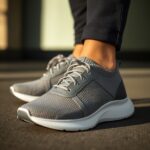
    Xero Shoes represent a groundbreaking advancement in footwear technology, meticulously crafted to mimic the sensation of walking barefoot. Featuring a thin, flexible sole, these shoes promote natural foot movement, enhancing your overall experience whether you’re walking or running. The minimalist design not only emphasizes comfort but also encourages proper alignment and posture, leading to a more organic gait. By allowing your feet to function as intended, Xero Shoes provide a compelling alternative to conventional footwear, which often restricts movement and may contribute to various foot problems.

    The core philosophy behind Xero Shoes centers on improving foot health. The brand is dedicated to crafting footwear that aligns with the body’s natural mechanics, allowing for an exceptional connection to the ground. This design is especially beneficial for individuals who regularly engage in walking, running, or other physical activities. The barefoot-like experience enhances proprioception, the body’s ability to perceive its position and movement, ultimately leading to improved balance and coordination over time.

    Unearth the Origins and Development of Xero Shoes

    Founded in 2009 by Steven Sashen and Lena Phoenix, Xero Shoes emerged from a simple yet powerful idea: to create footwear that supports natural foot health while allowing for unrestricted movement. The journey began when Sashen, a former competitive sprinter, sought relief from the discomfort caused by conventional running shoes. This quest led to the development of a prototype that ultimately evolved into the Xero Shoes we know today.

    As the brand evolved, it garnered a loyal following among fans of minimalist footwear. By focusing on comfort and foot freedom, Xero Shoes quickly became a popular option for consumers seeking alternatives to traditional shoe designs. Their commitment to quality and sustainability has played a crucial role in their expansion, appealing to environmentally conscious shoppers. Today, Xero Shoes enjoys global recognition as a leading innovator in the minimalist footwear movement.

    Investigate the Premium Materials Utilized in Xero Shoes

    Xero Shoes prioritize both quality and sustainability in their production processes, employing high-quality, durable materials that enhance the barefoot experience. The soles are primarily composed of recycled rubber, exemplifying the brand’s commitment to environmental responsibility. This choice not only minimizes the carbon footprint but also ensures that the shoes withstand wear and tear, making them suitable for diverse terrains.

    In addition to incorporating recycled materials, Xero Shoes offer vegan-friendly options that entirely omit animal products. The upper materials are typically lightweight and breathable, ensuring comfort while maintaining durability. This combination results in footwear that not only excels in performance but also attracts consumers who value sustainability and ethical production practices.

    Reveal the Extensive Advantages of Wearing Xero Shoes

    Choosing Xero Shoes comes with a wide array of benefits. One of the most significant advantages is the potential for enhanced foot strength. The minimalist design encourages the muscles in your feet to engage more actively, leading to improved strength and flexibility over time. This aspect is particularly beneficial for individuals prone to common foot issues linked to traditional footwear, such as plantar fasciitis or bunions.

    Moreover, Xero Shoes have a positive impact on balance. By fostering a more natural gait, they enhance proprioceptive feedback, which contributes to overall stability. This is particularly advantageous for athletes and outdoor enthusiasts who navigate uneven terrains. Ultimately, the unrestricted movement enabled by Xero Shoes fosters a healthier walking and running style, promoting a more active lifestyle and potentially decreasing the risk of injuries.

    Insights from Experts on the Efficacy of Xero Shoes in Footwear

    How Do Professionals Evaluate Xero Shoes in the Footwear Sector?

    Professionals in the fields of podiatry and sports science are increasingly endorsing Xero Shoes for their ability to promote natural foot movement and enhance foot health. Many podiatrists acknowledge that the minimalist design encourages a more biomechanically efficient gait, which can improve overall foot function. For instance, Dr. David W. Smith, a respected podiatrist, frequently highlights the benefits of minimalist footwear in his practice, noting that patients who transition to shoes like Xero report reduced foot pain and increased comfort during physical activities.

    Real-life endorsements from experts are evident within various athletic communities. Coaches and trainers often recommend Xero Shoes to athletes moving away from traditional footwear, highlighting their role in improving foot strength and flexibility. As athletes adopt a more natural running style, they not only enhance their performance but also lower the risk of injuries caused by improper foot mechanics.

    What Studies Support the Efficacy of Xero Shoes?

    Numerous studies have demonstrated that minimalist footwear, including Xero Shoes, can lead to significant improvements in foot strength, balance, and overall foot health. Research indicates that switching to minimalist shoes can strengthen the intrinsic muscles of the foot, which are crucial for stability and support. For example, a study published in the Journal of Foot and Ankle Research found that individuals who wore minimalist footwear exhibited enhanced muscle strength and a lower risk of common injuries.

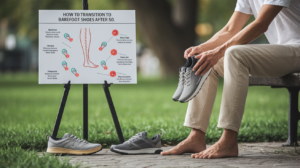
    For those contemplating a transition to Xero Shoes, practical steps include initially wearing them for short periods to allow your feet to adjust to the new mechanics. Gradually increasing the duration of wear can help alleviate any discomfort during the adaptation phase. Additionally, incorporating foot-strengthening exercises can complement the benefits of wearing Xero Shoes, further supporting foot health over time.

    What Recommendations Do Experts Provide for Transitioning to Xero Shoes?

    Experts stress the importance of a gradual transition when switching to Xero Shoes, allowing your feet to acclimate to the new walking style. Abruptly moving from traditional footwear to minimalist designs can result in discomfort and potential injuries. To facilitate this transition, it is advisable to start with short wear durations—around 20 to 30 minutes—before gradually increasing the time as your feet grow stronger and adapt.

    During this transition, focus on being aware of your walking and running form. Pay attention to your gait, aiming for a midfoot or forefoot strike instead of a heel strike, which is often encouraged by traditional footwear. Integrating foot and ankle mobility exercises into your routine can also be beneficial during this period. These exercises will enhance flexibility and strength, aiding the adaptation process. Additionally, listen to your body; if you experience significant discomfort, take a step back and allow your feet the necessary time to adjust.

    How Can You Ensure the Longevity of Your Xero Shoes?

    Proper maintenance of Xero Shoes is essential for maximizing their lifespan and performance. Experts recommend regular cleaning, which can be easily accomplished with mild soap and water. A simple wipe down with a damp cloth suffices for light dirt and stains. For tougher stains, a gentle scrub with a soft brush can help restore the shoes’ appearance without damaging the materials.

    In addition to cleaning, experts advise routinely inspecting the soles for any signs of wear and tear. Since Xero Shoes are designed for flexibility and natural movement, the soles may wear differently than traditional shoes. If excessive wear or damage is noticed, it is wise to replace your shoes to maintain their protective qualities. Lastly, air drying after cleaning is crucial; avoid direct heat sources that could compromise the materials and shape of the shoes.

    Enhancing Your Health Benefits with Xero Shoes

    How Do Xero Shoes Promote Improved Foot Health?

    Xero Shoes significantly enhance foot health by encouraging natural foot movement, which strengthens muscles and increases flexibility. When your feet are free to function without constraints, the intrinsic muscles that support your arches and overall foot structure become more engaged. Over time, this engagement can drastically reduce the likelihood of common foot ailments, such as plantar fasciitis and bunions, often worsened by traditional footwear that limits natural movement.

    Additionally, the boosted proprioception provided by Xero Shoes contributes to better balance and coordination. As you navigate various surfaces—whether tackling a rocky trail or a smooth wooden floor—the feedback your feet receive allows for subtle adjustments that enhance stability. This natural feedback loop can lead to improved overall foot health and functionality, making Xero Shoes an excellent choice for anyone aiming to enhance their foot well-being.

    What Environmental Benefits Do Xero Shoes Provide?

    Xero Shoes are thoughtfully designed with sustainability in mind, employing recycled materials and advocating for a minimalist approach to footwear production. This commitment to eco-friendly practices reduces waste and lessens the environmental impact associated with conventional shoe manufacturing. By opting for materials such as recycled rubber and avoiding harmful chemicals, Xero Shoes align with the values of consumers who prioritize environmental responsibility.

    The minimalist design also promotes durability; fewer materials result in less waste, and the robust nature of Xero Shoes leads to a longer lifespan compared to traditional footwear. This approach benefits the planet while fostering a mindset of responsible consumerism. By choosing Xero Shoes, you actively contribute to a growing movement that emphasizes sustainability and ethical production practices within the footwear sector.

    How Do Xero Shoes Improve Athletic Performance?

    Athletes often discover that Xero Shoes encourage a more natural running and walking style, which can enhance performance through improved foot strength and flexibility. By promoting a midfoot or forefoot strike, these shoes facilitate an even distribution of impact forces, reducing strain on joints and boosting overall efficiency. Here are key benefits that athletes frequently experience with Xero Shoes:

    • Enhanced foot strength through natural movement.
    • Improved balance and proprioception for greater stability.
    • Reduction in injury risk associated with improper foot mechanics.
    • Greater flexibility in the soles for dynamic movement.
    • Support for achieving a more efficient running form.
    • Encouragement of a natural gait for long-distance running.
    • Increased comfort and reduced fatigue during extended wear.

    These benefits collectively enhance athletic performance, allowing athletes to push their limits while minimizing the risk of injury. As athletes incorporate Xero Shoes into their training regimens, they often report improved performance and greater enjoyment in their activities.

    Choosing the Right Xero Shoes for Your Needs

    What Size Options Are Offered for Xero Shoes?

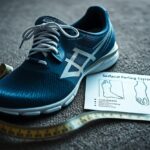
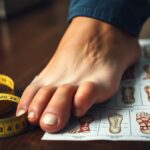
    Xero Shoes provides a wide variety of sizes to accommodate diverse foot shapes and sizes. The brand offers comprehensive sizing charts to assist customers in identifying their ideal fit, ensuring that the shoes deliver the necessary support and comfort. When selecting the right size, consider the following tips:

    • Measure your feet at the end of the day when they are slightly swollen for the most accurate sizing.
    • Consult the Xero Shoes sizing chart to determine your corresponding size.
    • Consider the width of your feet; Xero Shoes often provide options for different widths.
    • If you plan to wear thicker socks, consider sizing up slightly.

    By following these recommendations, you can make informed choices that enhance your comfort and performance while wearing Xero Shoes. A proper fit is essential not only for comfort but also for maximizing the benefits of a minimalist design.

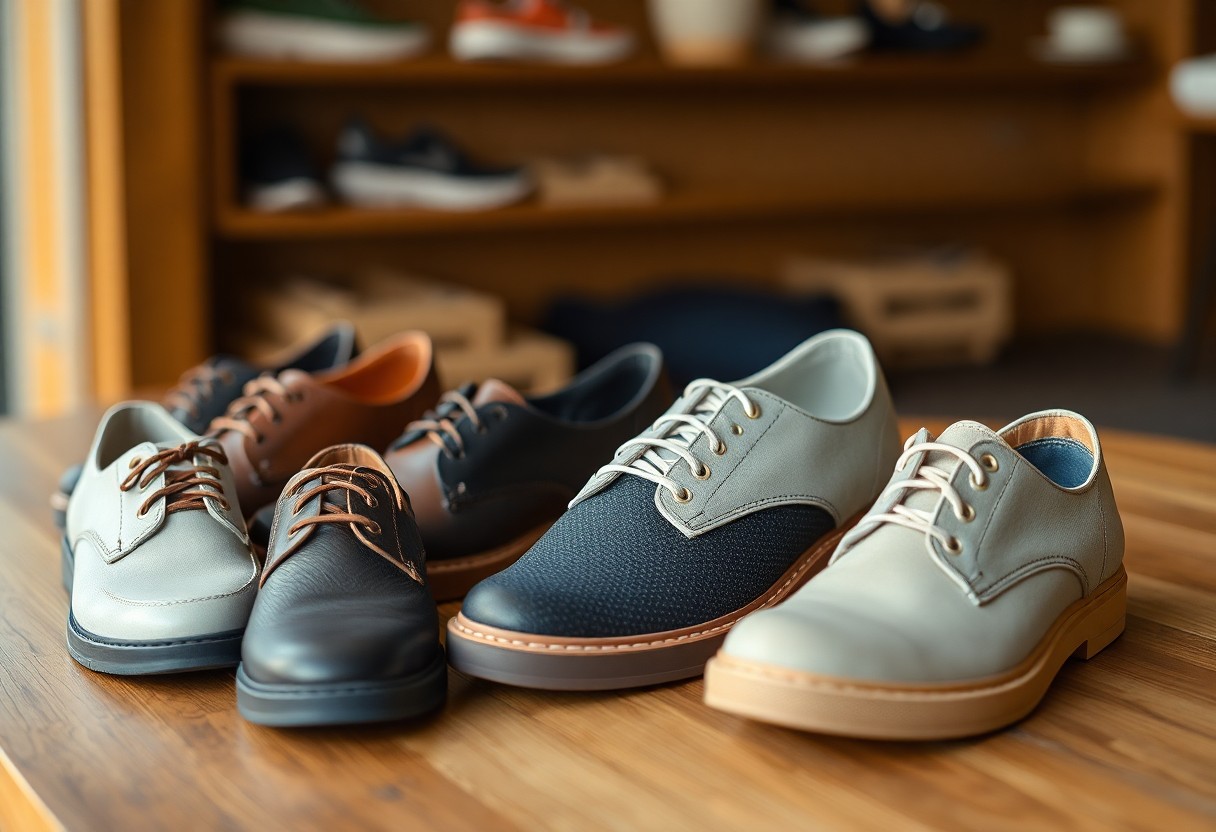
    How to Choose the Best Xero Shoe Model for Your Specific Activities?

    Selecting the ideal Xero Shoe model hinges on your activity level and personal preferences. The brand offers various models tailored for different purposes, whether for everyday wear, running, or specific outdoor activities. For instance, if you primarily seek a shoe for casual wear, a model with a more stylish aesthetic may suit your needs. Conversely, for runners aiming for performance enhancement, a model specifically designed for running will provide the essential features for optimal results.

    To determine which model best aligns with your needs, consider your primary activities. If you engage in a mix of activities, look for a versatile model that performs well across various terrains and conditions. Additionally, reflect on your foot shape and any specific requirements you may have, such as arch support or cushioning preferences. By aligning your choice with your lifestyle and needs, you can find a Xero Shoe that elevates your overall experience.

    What Key Features Should You Prioritize When Selecting Xero Shoes?

    When choosing Xero Shoes, several features can significantly influence comfort and suitability for different activities. Here are some essential aspects to evaluate:

    • Sole Thickness: Select a thickness that balances ground feel with protection based on your intended activities.
    • Lacing Options: Look for models with adjustable lacing systems for a customized fit.
    • Material Type: Seek breathable materials, especially if you plan to wear them in warmer climates.
    • Weight: Lighter shoes often enhance comfort for running, while slightly heavier options may offer more protection for rugged terrains.

    The right features will depend on your specific activities and personal preferences. By carefully evaluating these factors, you can choose Xero Shoes that align with your needs and enhance your experience, whether you’re running a marathon or enjoying a leisurely stroll.

    Where to Buy Xero Shoes and What Factors to Consider?

    Xero Shoes can be purchased through their official website or at select retail locations worldwide. When deciding where to buy, consider several factors to ensure a satisfactory purchasing experience. First, review the return policies; a flexible return policy is crucial, particularly regarding sizing. It is also beneficial to read customer reviews to assess the experiences of other users with the model you are interested in.

    Availability may vary, so it’s wise to check whether your preferred model is in stock and if the retailer offers international shipping if you are located outside common markets. Lastly, consider the pricing; some retailers may offer discounts or bundle deals, which can be advantageous. By evaluating these factors, you can make an informed decision on where to purchase Xero Shoes that best fit your needs.

    Research-Backed Evidence Supporting the Benefits of Xero Shoes

    How Do Xero Shoes Impact Foot Biomechanics?

    Research suggests that Xero Shoes can positively influence foot biomechanics by promoting a more natural walking and running style. The minimalist design encourages foot mechanics that closely mimic barefoot movement, facilitating a more effective distribution of forces across the foot. This can enhance foot strength and improve overall stability. Understanding these biomechanical advantages is essential for anyone contemplating a shift to minimalist footwear.

    Actionable steps based on biomechanical research include gradually integrating Xero Shoes into your routine while focusing on maintaining proper form during activities. Engaging in foot-strengthening exercises can complement the benefits of wearing Xero Shoes, further enhancing foot health. Additionally, being mindful of your gait and making necessary adjustments will maximize the positive impacts of using minimalist footwear.

    What Insights Does Research Provide on Xero Shoes and Foot Health?

    Numerous studies have shown that wearing Xero Shoes can strengthen foot muscles and improve overall foot health. Research published in respected journals indicates that participants who adopted minimalist footwear experienced significant advancements in muscle strength, flexibility, and overall foot functionality. These benefits are particularly evident among individuals transitioning from traditional shoes, as they frequently report a decrease in common foot problems.

    For those considering the switch, it is beneficial to recognize the potential for enhanced foot health. Gradually transitioning to Xero Shoes allows time for adaptation, and incorporating foot exercises during this period can further bolster resilience. The potential reduction in common foot ailments makes Xero Shoes an attractive option for individuals seeking to improve their overall foot well-being.

    Expert Perspectives on Xero Shoes and Injury Prevention

    Experts assert that the minimalist design of Xero Shoes may aid in injury prevention by promoting more natural foot movement. The flexible soles enable the foot to move more freely, potentially reducing the risk of injuries commonly associated with rigid footwear. Many professionals recommend Xero Shoes as a preventative measure for athletes and active individuals, particularly those prone to frequent injuries such as ankle sprains or stress fractures.

    To mitigate injury risk, experts advise a gradual transition to Xero Shoes, emphasizing the need to develop proper running and walking techniques. Furthermore, incorporating foot-strengthening exercises into your regimen is recommended, as stronger feet are less susceptible to injuries. By adopting these strategies, individuals can reap the benefits of Xero Shoes while minimizing the risk of injuries linked to improper foot mechanics.

    How Xero Shoes Enhance Long-Term Foot Functionality

    Long-term use of Xero Shoes may improve foot functionality by encouraging natural movement patterns. As individuals incorporate these shoes into their daily routines, they often observe sustained enhancements in foot strength and flexibility. The minimalist design supports a more efficient gait, resulting in better overall alignment and posture, which are critical for maintaining long-term foot health.

    Moreover, consistent wear of Xero Shoes can lead to a reduction in chronic foot issues, as the shoes promote a healthy range of motion and enable the foot to function as it was naturally designed. This long-term commitment to foot health translates not only into improved performance in athletic endeavors but also into a better quality of life for everyday activities. Embracing this minimalist approach can yield lasting positive effects on foot functionality and overall well-being.

    Essential Care Practices for Your Xero Shoes

    How to Effectively Clean Your Xero Shoes?

    Cleaning Xero Shoes involves simple steps that ensure their durability and performance. Regular maintenance is crucial for keeping your shoes in optimal condition. A straightforward clean can be achieved by wiping the shoes with a damp cloth to eliminate dirt and dust. For more stubborn stains, using a mild soap solution is effective; just mix soap with water and gently scrub the affected area with a soft brush before rinsing.

    It is vital to avoid harsh chemicals during the cleaning process, as they can damage the materials and compromise the shoes’ integrity. After cleaning, allow the shoes to air dry naturally. Avoid placing them in direct sunlight or exposing them to heat sources, as this can warp the materials and affect the fit. Adhering to these cleaning recommendations will help extend the lifespan of your Xero Shoes, ensuring they remain functional and visually appealing.

    What Actions Should You Take If Your Xero Shoes Become Wet?

    If your Xero Shoes get wet, it is essential to act quickly to preserve their integrity. Begin by removing the insoles, as these can retain moisture and develop unpleasant odors. Gently pat the exterior with a towel to absorb excess water. Then, allow the shoes to air dry in a cool, dry location, away from direct heat sources such as radiators or hairdryers, which can distort the materials.

    To expedite the drying process, you can stuff the shoes with newspaper or use a shoe dryer on a low setting. This will help absorb moisture from inside the shoes while preserving their shape. Once completely dry, inspect the shoes for any damage or signs of wear that may have occurred due to exposure to water. Proper care will ensure that your Xero Shoes stay functional and comfortable for future use.

    How to Properly Store Your Xero Shoes?

    Proper storage of Xero Shoes is crucial for maintaining their shape and extending their lifespan. Store them in a cool, dry place away from direct sunlight to prevent fading and material degradation. Avoid placing heavy objects on top of them, as this can alter their shape and comfort levels.

    If possible, keep the shoes in their original box or a breathable shoe bag for protection against dust and damage. It is also wise to ensure they are clean and dry before storage to prevent unpleasant odors or mold growth. By following these storage guidelines, your Xero Shoes will remain in excellent condition, ready for your next adventure.

    Frequently Asked Questions About Xero Shoes

    What Are the Main Advantages of Wearing Xero Shoes?

    The primary advantages of wearing Xero Shoes include improved foot strength, enhanced balance, and the promotion of a more natural gait, which can significantly reduce the risk of common foot issues.

    Are Xero Shoes Suitable for Various Foot Types?

    Xero Shoes are crafted to accommodate a variety of foot shapes and sizes. They provide detailed sizing charts and options for different widths to ensure a proper fit.

    How Can I Transition Smoothly to Wearing Xero Shoes?

    To transition to Xero Shoes, begin with short wear periods and gradually increase the duration. Focus on maintaining proper walking and running form throughout this transition process.

    What Materials Are Utilized in Xero Shoes?

    Xero Shoes are constructed from high-quality, durable materials, including recycled rubber and vegan-friendly options that enhance comfort and sustainability.

    What Is the Best Method for Cleaning My Xero Shoes?

    Clean your Xero Shoes by wiping them with a damp cloth and using mild soap for tougher stains. Avoid harsh chemicals and allow them to air dry to maintain their integrity.

    Can Xero Shoes Help Reduce Foot Pain?

    Yes, Xero Shoes can aid in alleviating foot pain by promoting natural foot movement, strengthening foot muscles, and enhancing overall foot health.

    Where Can I Purchase Xero Shoes?

    Xero Shoes can be bought through their official website and select retail locations. When deciding where to buy, consider return policies and customer reviews for informed choices.

    What Should I Do If My Xero Shoes Get Wet?

    If your Xero Shoes become wet, remove the insoles, pat them dry, and allow them to air dry in a cool area away from direct heat sources.

    What Is the Expected Lifespan of Xero Shoes?

    With proper care, Xero Shoes can last several years, depending on the frequency of use and the conditions in which they are worn.

    Are Xero Shoes Suitable for Running?

    Absolutely, Xero Shoes are designed for running and provide a minimalist experience that enhances foot strength and supports a natural running style.

    The Article Xero Shoes: An In-Depth Exploration Guide appeared first on My Shoes Finder

    The Article Xero Shoes: Your Comprehensive Exploration Guide Was Found On https://limitsofstrategy.com

  • Xero Shoes: The Ultimate Buying Guide for Top Choices

    Xero Shoes: The Ultimate Buying Guide for Top Choices

    Discover the Ultimate Xero Shoes: Your Detailed Buying Guide by MyShoesFinder, Experts in Barefoot Footwear — Comprehensive Reviews & Fit Recommendations
    Connecting readers worldwide.
    MyShoesFinder delivers extensive insights into Xero Shoes, highlighting the significance of natural foot health and the benefits of embracing minimalist footwear.

    Explore the Health Benefits of Choosing Xero Shoes for Your Feet

    How Xero Shoes Stand Out from Traditional Footwear Options?

    Xero Shoes represent a groundbreaking innovation in the footwear market, crafted to mimic the sensation of being barefoot while still providing necessary protection and support. These advanced shoes are perfect for those who appreciate natural foot movement, allowing the feet to operate as they were intended by nature. Their minimalist structure promotes a more authentic experience during walking or running, fostering significant enhancements in foot strength and agility. Consequently, Xero Shoes have gained immense popularity among athletes, outdoor enthusiasts, and anyone seeking to improve their foot health through minimalist choices.

    This distinct design ethos underscores the value of flexibility and lightweight materials, making Xero Shoes especially attractive for a variety of activities, from casual strolls to vigorous trail running. By closely resembling the natural shape of the foot, these shoes enhance wearers’ proprioception, or the understanding of body position and movement, significantly boosting balance and stability during numerous physical activities.

    Trace the Inspiring Journey of Xero Shoes

    The inception of Xero Shoes can be traced back to Steven Sashen and Lena Phoenix, whose journey started with a simple quest to address their own foot health concerns. They first developed a basic DIY sandal inspired by ancient practices, paving the way for what would evolve into a distinguished brand focused on natural movement and foot wellness. Their personal experiences ignited a wave of creativity that not only changed their lives but also provided a unique solution for countless others pursuing similar health benefits.

    The narrative of Xero Shoes is characterized by an unwavering commitment to advocating for healthier lifestyles through exceptional footwear. Since its founding, the brand has continuously broadened its product lineup, introducing innovative designs that cater to various activities and personal preferences. Today, Xero Shoes is recognized as a trusted authority in the minimalist footwear industry, esteemed for its unwavering dedication to quality, performance, and the tenets of natural movement.

    Reasons to Select Xero Shoes for Your Footwear Needs

    Opting for Xero Shoes brings a multitude of advantages that can profoundly elevate your foot health and overall comfort. The minimalist design enhances foot strength, fosters improved balance, and promotes a more organic walking and running technique, making them particularly favored among athletes striving to enhance their performance, hikers navigating demanding trails, and individuals searching for a healthier footwear alternative.

    A significant benefit of Xero Shoes is their focus on flexibility and lightweight construction. Wearing these shoes encourages the strengthening of foot and leg muscles, which directly contributes to superior biomechanics and a diminished likelihood of injuries. Moreover, these shoes facilitate a broader range of motion, essential for individuals engaged in dynamic activities. The combination of comfort, support, and the ability to replicate the sensation of being barefoot positions Xero Shoes as a remarkable choice for diverse activities and lifestyles.

    Expert Advice for Finding Your Ideal Xero Shoes

    Key Features to Consider When Selecting Xero Shoes

    When on the hunt for the perfect pair of Xero Shoes, it is crucial to identify several key features that can significantly impact your overall experience. Understanding these elements will empower you to make an informed decision that is aligned with your personal preferences and needs.

    • Sole Thickness: A thinner sole provides a more authentic barefoot experience, while a thicker sole offers additional cushioning for enhanced protection.
    • Lacing System: Seek adjustable lacing options that deliver a customizable fit, maximizing both comfort and security.
    • Intended Use: Different models are specifically designed for activities such as running, hiking, or casual wear, so choose accordingly.
    • Flexibility: Ensure the shoes allow for natural foot movement without limitations.
    • Traction: Assess the outsole material and tread pattern for sufficient grip on your preferred terrain.
    • Weight: Lighter models are preferable for speed-focused activities, while more substantial designs provide added support.
    • Arch Support: Depending on your foot requirements, some models may offer varying levels of arch support.
    • Durability: Look for high-quality materials that guarantee long-lasting performance, especially for rugged use.

    By carefully evaluating these features, you can align your choice of Xero Shoes with your unique lifestyle, ensuring optimal performance and comfort tailored to your specific requirements.

    How Do Industry Experts Evaluate the Performance of Xero Shoes?

    Industry professionals frequently praise Xero Shoes for their groundbreaking minimalist design and their encouragement of natural movement. Numerous reviews highlight the comfort and versatility that these shoes provide across a wide range of activities. Both athletes and casual wearers appreciate the way these shoes support a natural gait while still offering adequate protection.

    Testimonials from runners, hikers, and fitness enthusiasts often emphasize the remarkable comfort experienced even during prolonged use. Many experts note that the shoes tend to conform to the wearer’s foot over time, enhancing fit and comfort. The lightweight materials utilized in various models also receive accolades for contributing to the liberating sensation that many users seek in their footwear.

    Moreover, Xero Shoes are frequently lauded for their versatility. Reviewers often mention their successful application across diverse contexts—from demanding trails to relaxed urban settings—rendering them a preferred choice for those who value multifunctional footwear. This widespread positive reception has solidified Xero Shoes as a reputable option within the minimalist footwear market.

    Top Xero Shoe Models for Various Activities

    Xero Shoes features an extensive array of models, each meticulously designed to meet specific activity requirements, ensuring that everyone can find the ideal fit for their needs. For instance, the Xero Prio is an excellent selection for runners due to its lightweight structure and responsive feel. It strikes the perfect balance between cushioning and ground contact, making it suitable for both road running and trail adventures.

    For hiking aficionados, the Xero TerraFlex stands out with its rugged outsole and supportive design, making it perfect for tackling challenging terrains. It offers superior traction and durability, enabling hikers to traverse rocky paths with assurance.

    For casual wear, the Xero Hana and Xero Z-Trek sandals provide an ideal combination of comfort and style. These models deliver the breathability needed for leisurely outings while retaining the core minimalist attributes that Xero Shoes are renowned for.

    Each model is crafted with unique features that enhance performance for its designated use, allowing wearers to enjoy the benefits of minimalist footwear, regardless of their passion. By considering the intended use and specific characteristics of each model, you can select the Xero Shoes that best suit your lifestyle needs.

    Effective Comparison of Different Xero Shoe Models

    When choosing which Xero Shoes to buy, it is essential to compare key models side-by-side to make an informed decision. Factors such as weight, flexibility, and price can significantly influence your purchasing journey.

    For example, the Xero Prio is recognized as one of the lightest options, weighing approximately 7.8 ounces, making it suitable for speed-oriented activities like running. In contrast, the Xero TerraFlex, while slightly heavier at around 10 ounces, offers enhanced durability and traction for hiking.

    Flexibility is another crucial aspect to consider. The Xero Prio features a flexible sole that promotes natural foot movement, whereas the TerraFlex has a more structured design for stability on rugged terrains. Pricing may also differ, with models like the Z-Trek sandals providing a more budget-friendly alternative, while high-performance options like the Prio may come at a premium.

    By comparing these essential attributes, consumers can confidently choose the ideal Xero Shoes that align with their activity level, preferences, and budget, leading to a more gratifying footwear experience.

    Significant Benefits of Wearing Xero Shoes

    Boosting Foot Strength and Overall Wellness

    Wearing Xero Shoes can dramatically enhance your foot strength and overall physical well-being. The minimalist design encourages the foot to function naturally, facilitating essential muscle engagement that often diminishes with conventional footwear. This muscle engagement is vital for developing stronger foot muscles, which can lead to improved balance, posture, and overall foot health.

    The minimalist nature of Xero Shoes means they interfere less with the foot’s natural biomechanics. This promotes muscle tone and strength development, which helps prevent various common foot issues such as plantar fasciitis and bunions. Regular use can lead to increased arch support and better foot alignment, ultimately benefiting your legs and back.

    By enabling the foot to move freely and comfortably, Xero Shoes can help maintain and enhance foot health over time. The following health benefits are associated with wearing Xero Shoes:

    • Strengthens Foot Muscles: Encourages the engagement of foot muscles for improved strength.
    • Enhances Balance: Improves balance through natural movement.
    • Improves Posture: Supports proper foot alignment, contributing to better posture.
    • Reduces Foot Problems: Aids in preventing common foot issues through natural biomechanics.
    • Increases Flexibility: Promotes greater flexibility in the feet and toes.
    • Boosts Proprioception: Enhances awareness of foot placement and movement.
    • Encourages Natural Gait: Supports authentic walking and running patterns.
    • Promotes Overall Mobility: Helps maintain mobility as you age.

    Integrating Xero Shoes into your daily routine can serve as a catalyst for meaningful improvements in your foot strength and overall well-being.

    Encouraging a Natural Gait and Movement

    Xero Shoes are expertly engineered to foster a more natural gait, allowing the feet to move in a manner that closely resembles being barefoot. This design enhances the biomechanics of running and walking, providing benefits that extend beyond mere comfort.

    Wearing Xero Shoes allows individuals to enjoy increased flexibility and a broader range of motion, which is critical for maintaining a healthy gait. The shoes enable the foot to flex and bend as it naturally would, promoting a more efficient stride and minimizing the risk of injuries typically associated with restricted movement. This enhancement in gait efficiency can lead to improved running and walking performance, making physical activities feel less strenuous.

    The shoes also establish a more genuine connection to the ground, improving proprioception and overall body awareness. For runners, this can translate into a lighter step and more efficient energy expenditure, potentially boosting speed and endurance over time. Additionally, being able to feel the terrain beneath your feet aids in better navigation and adaptability during various activities, from trail running to urban walking.

    Overall, adopting Xero Shoes can lead to a significant transformation in your natural movement patterns, cultivating a healthier and more engaged relationship with your body and its capabilities.

    Impact of Xero Shoes on Running Performance

    For runners, the selection of footwear can profoundly affect performance, and Xero Shoes excel in this aspect. The minimalist design promotes a more natural running form, allowing runners to achieve a lighter and more efficient stride. This can improve performance metrics, such as speed and endurance, while also decreasing the likelihood of injuries typically associated with traditional running shoes.

    The absence of excessive cushioning and support in Xero Shoes encourages runners to effectively engage their natural biomechanics. This often results in a midfoot or forefoot strike, which is deemed more efficient than a heel strike. By promoting a natural running style, Xero Shoes help runners maintain better form over longer distances, ultimately enhancing overall performance.

    Furthermore, the lightweight nature of Xero Shoes reduces the energy expenditure usually linked with heavier running footwear. Many runners report feeling less fatigued and more agile when wearing Xero Shoes, enabling them to push their boundaries and explore longer distances without discomfort.

    In summary, Xero Shoes not only enhance running performance but also encourage healthier running practices, making them an excellent choice for both novice and experienced runners alike.

    Research-Driven Benefits of Choosing the Right Xero Shoes

    What Does Current Research Indicate About Foot Health and Xero Shoes?

    Research surrounding minimalist footwear, including Xero Shoes, consistently underscores the myriad benefits these shoes offer for foot health. Studies reveal that wearing minimalist shoes leads to improved foot strength, flexibility, and overall biomechanical efficiency. This emphasis on natural movement has been shown to reduce common foot issues and enhance overall foot health.

    For instance, one significant finding indicates that individuals transitioning to minimalist footwear report a reduction in conditions such as plantar fasciitis and other overuse injuries. By allowing the foot to function as intended, Xero Shoes aid in realigning the body’s mechanics, supporting better posture and movement patterns.

    Additionally, research has demonstrated that minimalist footwear can enhance proprioception, resulting in better balance and coordination. The natural sensation of the ground allows wearers to adjust their movements more effectively, which reduces the risk of falls and injuries—an essential benefit for individuals of all ages, particularly seniors.

    By embracing the principles of natural movement, Xero Shoes align with contemporary research advocating for a return to more traditional, less restrictive footwear to achieve optimal foot health.

    How Do Xero Shoes Influence Biomechanics?

    Xero Shoes significantly affect biomechanics by promoting a natural range of motion in the foot. This minimalist footwear design encourages a more fluid movement pattern that aligns with the body’s inherent mechanics. By allowing the foot to flex, bend, and splay as it was naturally intended, Xero Shoes can enhance shock absorption and force distribution during movement.

    A notable biomechanical benefit of wearing Xero Shoes is the encouragement of a midfoot or forefoot strike versus the heel strike commonly associated with traditional running shoes. This shift can lead to decreased impact forces on the joints, thereby lowering the risk of injury. Additionally, the shoes promote natural arch engagement, which is vital for effective shock absorption and overall foot stability.

    As a result, individuals often experience greater comfort and efficiency during physical activities, leading to more enjoyable and less taxing movement. This transition towards a more natural biomechanical approach can enhance athletic performance while minimizing wear and tear on the body over time.

    Long-Term Advantages of Minimalist Footwear

    The long-term benefits of adopting minimalist footwear like Xero Shoes are extensive and significant. By consistently wearing these shoes, individuals can experience sustained improvements in foot health, gait mechanics, and overall movement efficiency.

    Over time, regular use of minimalist footwear fosters the strengthening of foot and leg muscles, contributing to enhanced stability and a reduced risk of injury. Many users report that their feet become more adaptable and resilient, facilitating smoother transitions between various activities and terrains.

    Moreover, long-term wear can lead to improved posture and alignment, as the natural biomechanics promoted by Xero Shoes cultivate a more balanced and efficient movement pattern. This alignment is crucial for preventing chronic pain and discomfort associated with poor foot health.

    Additionally, embracing a minimalist approach may encourage a more active lifestyle, as users often feel more at ease engaging in a variety of physical activities. The cumulative effect of these benefits can result in a healthier, more active life, empowering individuals to remain mobile and engaged as they age.

    Effective Strategies for Selecting the Perfect Xero Shoes

    Assessing Your Activity Level for Optimal Shoe Selection

    Choosing the right Xero Shoes primarily hinges on your activity level. Various models are specifically designed for distinct activities, catering to different intensities and frequencies. To ensure you make the most suitable choice in footwear, consider the following actionable steps:

    1. Assess Your Activities: Identify the primary activities you engage in, such as casual walking, running, or hiking.
    2. Match Models to Activities: Explore Xero models tailored for specific activities. For instance, the Prio is perfect for running, while the TerraFlex excels in hiking.
    3. Consider Frequency: If you intend to wear the shoes daily, prioritize models that emphasize durability and comfort for extended use.
    4. Evaluate Intensity: For high-intensity activities, seek shoes that provide additional support and traction to enhance performance and minimize injury risk.

    By considering your activity level, you can ensure that you select Xero Shoes that not only meet your needs but also enrich your experience, no matter how dynamic your lifestyle may be.

    Identifying Your Specific Foot Health Requirements

    When selecting Xero Shoes, it is vital to evaluate your unique foot health needs. Understanding any existing conditions and specific requirements will guide you in choosing the appropriate model that offers the necessary support, flexibility, and comfort. Consider these factors when assessing your foot health:

    1. Arch Support: Determine if you have high, low, or neutral arches, as this will influence which model will best suit your foot structure.
    2. Width of Feet: Some individuals may require wider options, while others might prefer a snug fit. Check the availability of different widths within specific models.
    3. Previous Injuries: If you have a history of foot injuries, consider models with added cushioning or support in the necessary areas.
    4. Flexibility Needs: Depending on your foot’s flexibility, some models may cater better to individuals who require more or less movement.

    By evaluating these aspects of your foot health, you can make a well-informed decision regarding which Xero Shoes will meet your specific requirements, ultimately leading to improved comfort and performance.

    Ensuring a Comfortable Fit for Your Xero Shoes

    Achieving the perfect fit is essential for both comfort and performance when wearing Xero Shoes. Here are some effective strategies to help you find the right size and fit:

    1. Measure Your Feet: Use a ruler or measuring tape to measure both the length and width of your feet to determine your exact size.
    2. Try Different Models: Xero Shoes come in various styles, so try on multiple models to identify which one feels the most comfortable and supportive.
    3. Walk Around: Spend some time walking in the shoes you are considering. Pay attention to how they feel during movement, ensuring there is no pinching or excessive tightness.
    4. Check for Toe Space: Ensure there’s enough room for your toes to wiggle without feeling cramped, as this is crucial for comfort during prolonged wear.
    5. Adjust Laces: Make sure the lacing system provides a secure yet comfortable fit across the top of the foot.

    By following these steps, you can ensure a proper fit for your Xero Shoes, enhancing both comfort and performance across all your activities.

    Choosing Xero Shoes Based on Terrain

    Selecting the right Xero Shoes also significantly depends on the terrain you will be navigating. Different models offer varying levels of traction, support, and protection tailored to specific environments. When making your selection, consider the following factors:

    1. Terrain Type: Determine whether you will be walking on roads, trails, or uneven surfaces. Each condition requires distinct design features for optimal performance.
    2. Traction Requirements: Look for models with appropriate outsole patterns that provide grip on specific surfaces, such as rocky trails or wet pavement.
    3. Protection Level: If traversing rough terrains, opt for shoes with added toe protection and rugged construction to withstand impacts.
    4. Flexibility vs. Stability: Some terrains may demand a balance between flexibility and stability. For example, trail running may require flexibility, while hiking may necessitate stability.

    By understanding your preferred terrain, you can choose Xero Shoes that will optimize your performance, ensuring you feel confident and secure, regardless of where your adventures take you.

    Essential Care Techniques to Extend the Lifespan of Your Xero Shoes

    How to Effectively Clean Your Xero Shoes

    Proper maintenance of your Xero Shoes is vital for preserving their condition and extending their lifespan. Regular cleaning helps maintain their performance at its peak. Here are some straightforward steps for effectively cleaning your Xero Shoes:

    • Remove Debris: Begin by removing any loose dirt or debris from the uppers and soles using a soft brush or cloth.
    • Hand Wash: Use a mild soap mixed with water to gently clean the shoes. Avoid harsh chemicals that could damage the materials.
    • Scrub Gently: Employ a soft brush or cloth to scrub away stubborn stains, focusing on areas that tend to accumulate dirt and grime.
    • Rinse Thoroughly: Rinse the shoes with clean water to eliminate any soap residue, ensuring no cleaning agents remain that could harm the materials.
    • Air Dry: Allow the shoes to air dry in a shaded area, steering clear of direct sunlight or heat sources that could warp or damage them.
    • Regular Maintenance: Clean your shoes consistently, especially after outdoor activities, to maintain their performance and appearance.

    By adhering to these cleaning steps, you can extend the lifespan of your Xero Shoes, ensuring they remain functional and stylish for all your adventures.

    Repairing and Sustaining the Quality of Your Xero Shoes

    Xero Shoes are engineered for durability, but occasional repairs may be necessary to prolong their lifespan. Understanding how to maintain and repair them can keep them functional for years to come. Consider the following maintenance tips:

    1. Inspect Regularly: Check for signs of wear and tear, such as frayed laces or worn-out soles, and address these issues promptly.
    2. Replace Laces: If laces become damaged or frayed, replace them to ensure a secure fit and proper support.
    3. Patch Holes: For small punctures or holes in the material, apply a fabric patch or adhesive to seal them and prevent further damage.
    4. Store Properly: When not in use, keep your Xero Shoes in a cool, dry place to avoid mold or material degradation.
    5. Consult the Manufacturer: If you encounter significant damage, don’t hesitate to reach out to Xero Shoes for repair options or warranty information.

    By integrating these maintenance practices, you can keep your Xero Shoes in excellent condition, ensuring they support you on countless adventures.

    What Is the Expected Lifespan of Xero Shoes?

    The longevity of Xero Shoes can vary based on usage and care. With appropriate maintenance, these shoes can endure many miles while providing lasting comfort and performance. Typically, Xero Shoes are known to last between 500 to 1000 miles depending on the model and the conditions in which they are used.

    Factors such as terrain, frequency of use, and care practices significantly influence their lifespan. For instance, shoes used primarily on rugged trails may wear down more quickly than those utilized on softer surfaces. Furthermore, regular cleaning and suitable storage can enhance their durability.

    Users can also prolong the life of their Xero Shoes by monitoring signs of wear and promptly resolving any issues. By following recommended maintenance practices, you can enjoy the advantages of your Xero Shoes for an extended period.

    Your Frequently Asked Questions About Xero Shoes Addressed

    What Sets Xero Shoes Apart from Traditional Sneakers?

    Xero Shoes are designed with a minimalist approach, promoting natural foot movement and a barefoot sensation, in contrast to traditional sneakers, which often incorporate excessive cushioning and support that hinder natural biomechanics.

    Can Xero Shoes Alleviate Foot Pain?

    Many users report relief from various foot pains after transitioning to Xero Shoes, as they promote better foot alignment and natural movement, potentially decreasing strain on muscles and joints.

    Are Xero Shoes Suitable for All Foot Types?

    Yes, Xero Shoes are available in various models to accommodate different foot types and health needs, including options for different arch heights and widths to ensure an optimal fit.

    How Should I Gradually Transition to Wearing Xero Shoes?

    Begin by wearing Xero Shoes for short periods, gradually increasing the duration as your feet adjust to the minimalist design. This approach helps strengthen foot muscles and prevent discomfort.

    What Activities Are Xero Shoes Best Suited For?

    Xero Shoes are versatile and suitable for a wide range of activities, including running, hiking, walking, and casual wear. Each model is designed with specific features to optimize performance for various activities.

    How Do I Determine the Right Size for Xero Shoes?

    Measure both the length and width of your feet and refer to Xero’s sizing guide. Trying on multiple models can also assist in finding the best fit for your comfort and support needs.

    Can I Use Xero Shoes for Trail Running?

    Absolutely, many Xero Shoe models, such as the TerraFlex, are specifically designed for trail running, providing additional traction and protection for rugged terrains.

    Are Xero Shoes Waterproof?

    Most Xero Shoes are not waterproof, but certain models may include water-resistant features. It’s advisable to check the specific product details for waterproof capabilities.

    How Do I Properly Clean My Xero Shoes?

    To clean Xero Shoes, start by removing debris, then wash with mild soap, scrub gently, rinse thoroughly, and allow them to air dry away from direct sunlight or heat sources.

    What Warranty Coverage Is Available for Xero Shoes?

    Xero Shoes typically come with a warranty that covers manufacturing defects. For specific warranty details, it is best to consult the manufacturer’s website or contact customer service.

    The Article Discover the Ultimate Xero Shoes: Your Detailed Buying Guide appeared first on My Shoes Finder

    The Article Xero Shoes Buying Guide: Discover the Best Options Was Found On https://limitsofstrategy.com

  • Ridgeway Xero Shoes: Your Complete Comfort Guide

    Ridgeway Xero Shoes: Your Complete Comfort Guide

    Discover the Incredible Benefits of Xero Shoes Ridgeway Footwear

    Explore the Unique Features That Make Xero Shoes Ridgeway Stand Out

    Xero Shoes Ridgeway offers an exceptional collection of minimalist footwear that is expertly crafted to deliver remarkable comfort while promoting a natural movement experience. Designed to mimic a barefoot-like sensation, these innovative shoes provide the protection necessary for traversing diverse terrains. They are particularly ideal for individuals who value a natural walking or running experience, making the Ridgeway series a preferred choice for outdoor lovers, casual walkers, and fitness enthusiasts alike. The underlying design philosophy focuses on fostering a deeper connection with the ground beneath, enhancing proprioception and ultimately contributing to improved foot health.

    The surging popularity of Xero Shoes Ridgeway can be attributed to their exceptional adaptability and unparalleled comfort. Whether you find yourself navigating through busy city streets or embarking on rugged trails, these shoes seamlessly adjust to various conditions, rendering them essential gear for both adventurers and everyday users. The Ridgeway’s dedication to fostering natural movement not only boosts performance but also adopts a holistic approach to foot health, solidifying their status as a top contender in the expansive minimalist footwear market.

    Dive into the Cutting-Edge Design and Premium Quality Materials

    The design philosophy behind Xero Shoes Ridgeway prioritizes flexibility and durability—key qualities for those demanding high performance from their footwear. Featuring a zero-drop sole, these shoes align perfectly with the natural biomechanics of the foot, facilitating proper posture and gait. The generously sized toe box allows your toes room to spread freely, preventing discomfort even during prolonged wear, thus enhancing your overall experience.

    The materials chosen for the Ridgeway series focus on breathability and lightweight construction. The upper fabric is typically made from a breathable mesh, ensuring adequate ventilation to keep your feet cool even during intense activities. The soles are crafted from high-quality rubber compounds, providing exceptional traction without compromising flexibility. This meticulous selection of materials not only boosts comfort but also prolongs the life of the shoes, making them an intelligent investment for both casual walkers and dedicated athletes.

    Identify Who Benefits Most from Xero Shoes Ridgeway

    Xero Shoes Ridgeway is designed to accommodate a wide variety of users, making them an outstanding option for many individuals. From casual walkers seeking enhanced comfort in their daily routines to dedicated runners aiming to boost their performance, Ridgeway shoes cater to a multitude of needs. Those looking to transition to a more natural walking style will find these shoes particularly advantageous, as they are explicitly designed to support foot health and strengthen foot muscles.

    Moreover, outdoor enthusiasts who enjoy hiking, trail running, or engaging in other activities across varied environments will appreciate the Ridgeway shoes’ capacity to meet their diverse demands. The combination of durability and comfort makes them perfectly suited for both short trips and long-distance adventures, empowering explorers to relish the great outdoors safely and comfortably. Ultimately, the Ridgeway series emerges as a versatile choice for anyone seeking to improve their mobility and foot health.

    Master the Perfect Fit for Your Xero Shoes Ridgeway

    Choosing the correct size for your Xero Shoes Ridgeway is essential for optimizing comfort and performance. A proper fit ensures that your feet can move freely while receiving the necessary support. Xero Shoes provides a detailed sizing chart and fitting guide, enabling you to accurately measure your foot and find the perfect match.

    When measuring your size, keep these crucial steps in mind:

    • Measure the length and width of your foot using a ruler or measuring tape.
    • Consult the Xero Shoes sizing chart to identify your corresponding size.
    • If you find yourself between sizes, opt for the larger size for additional comfort.
    • Consider the type of socks you plan to wear with the shoes and adjust accordingly.
    • Review customer feedback for insights into fit.
    • Try on the shoes in the evening when your feet are slightly swollen for a more precise fit.
    • Walk around indoors to assess comfort before making your final selection.

    By following these guidelines, you can achieve a flawless fit that enhances your overall experience with the Ridgeway shoes.

    Expert Strategies for Maximizing the Benefits of Xero Shoes Ridgeway

    How Can You Utilize Xero Shoes Ridgeway for Optimal Performance?

    Experts recommend that to fully harness the advantages of Xero Shoes Ridgeway, users should gradually acclimate their feet to the minimalist design. This gradual introduction allows the muscles and tendons in your feet to adapt to new movement patterns, which is crucial for preventing discomfort and potential injuries. Professionals suggest starting with short wear sessions and progressively increasing the duration as your feet adjust to the shoes.

    To facilitate a smooth transition, consider these expert recommendations:

    • Begin by wearing the Ridgeway shoes for brief walks or light activities.
    • Gradually increase your wear time, adding 10-15 minutes every few days.
    • Alternate between traditional footwear and Ridgeway shoes during the transition phase.
    • Pay attention to your body; if discomfort occurs, reduce your wear time.
    • Incorporate foot-strengthening exercises to ease your transition.
    • Initially wear the shoes on softer surfaces, such as grass or dirt trails.
    • Select appropriate socks that ensure comfort without adding bulk.

    By implementing these expert insights, you can effectively transition to Xero Shoes Ridgeway and unlock their full range of benefits.

    What Expert-Recognized Benefits Can You Expect from Xero Shoes Ridgeway?

    Experts highlight numerous benefits associated with wearing Xero Shoes Ridgeway, making them a highly recommended choice for individuals looking to enhance their foot health. A primary advantage is the strengthening of foot muscles and overall health, as these shoes promote more natural foot movement. By allowing the foot to flex and stretch as it would in a barefoot environment, users often report increased muscle engagement and strength over time.

    Another significant benefit is the improvement in posture. Xero Shoes Ridgeway facilitate a natural alignment of the body, which can alleviate common issues related to poor posture, such as back pain. Furthermore, the design minimizes the risk of foot injuries by enabling better pressure distribution across the foot. This feature is particularly beneficial for individuals who have previously experienced foot or ankle issues.

    User testimonials further corroborate these expert-approved benefits, with many individuals noting a substantial improvement in their ability to walk longer distances without discomfort. The combination of natural movement, enhanced foot strength, and improved posture creates a compelling case for choosing Xero Shoes Ridgeway for both casual and athletic use.

    How Do Experts Evaluate the Comfort of Xero Shoes Ridgeway?

    When assessing the comfort of Xero Shoes Ridgeway, experts consider several critical factors, including fit, flexibility, and the overall natural feel of the shoe. Comfort begins with the right fit, which is essential for preventing blisters and discomfort during wear. Experts advise trying on the shoes with the socks you intend to wear, ensuring that the fit is snug yet comfortable without being restrictive.

    Flexibility is another crucial aspect that experts evaluate. The minimalist design of the Xero Shoes Ridgeway allows for significant foot movement, which is vital for comfort during various activities. Experts often conduct user surveys to gather long-term feedback on how the shoes perform over time, focusing on factors such as foot fatigue and overall satisfaction.

    Additionally, the materials used in the Ridgeway shoes significantly contribute to comfort. Breathable fabrics and cushioned soles create a pleasant wearing experience, especially during prolonged use. Experts emphasize the importance of user feedback in evaluating comfort, as real-world experiences often guide the development of enhancements and innovations within the Ridgeway line.

    What Insights Do Experts Provide Regarding the Durability of Xero Shoes Ridgeway?

    Experts examine the durability of Xero Shoes Ridgeway by analyzing the quality of materials used in their construction and assessing how the shoes perform under various conditions. The high-quality rubber soles are engineered to withstand wear and tear from different surfaces, ensuring longevity for both outdoor enthusiasts and casual users. Moreover, the breathable mesh upper is designed to resist abrasions, making it suitable for challenging terrains.

    User feedback is instrumental in evaluating durability, often highlighting the shoes’ capacity to maintain performance after extensive use. Experts advise users to routinely check their shoes for signs of wear and tear, such as outsole degradation or fraying of the upper material, to ensure continued effectiveness. Long-term testimonials frequently reveal minimal performance decline even after rigorous use in demanding environments, showcasing the Ridgeway’s robust construction.

    By focusing on material quality and user experience, experts provide valuable insights into the durability of Xero Shoes Ridgeway. This reliability enhances the overall value proposition of the shoes, establishing them as a sound investment for anyone seeking durable and comfortable footwear across a variety of activities.

    Enhance Your Experience with Xero Shoes Ridgeway

    What Features Contribute to the Exceptional Comfort of Xero Shoes Ridgeway?

    Xero Shoes Ridgeway distinguishes itself in the minimalist footwear market primarily due to its thoughtfully engineered comfort features. Central to this is the zero-drop sole, which aligns the foot in a natural position, promoting optimal posture and reducing strain on the back and legs. This design allows users to experience a sensation akin to walking barefoot, delivering exceptional comfort throughout the day.

    Another key factor enhancing the comfort of Xero Shoes Ridgeway is the wide toe box. This feature allows your toes to spread naturally, eliminating any pinching or discomfort often associated with traditional footwear. The materials selected for their lightweight and breathable properties further amplify the comfort level, ensuring that your feet remain cool and dry, even during vigorous activities.

    Moreover, the cushioning and flexibility of the sole are designed to absorb shock while still permitting natural foot movement. This combination ensures that users can engage in various activities—from leisurely walks to more challenging hikes—without experiencing the fatigue or discomfort that typically accompanies rigid shoes. Overall, these carefully considered design elements work in harmony to deliver an exceptionally comfortable experience for all types of wearers.

    How Do Xero Shoes Ridgeway Promote Natural Movement?

    Xero Shoes Ridgeway are meticulously crafted to support natural movement, which is a core aspect of their minimalist philosophy. The shoes encourage the foot’s ability to flex and move as it naturally would, which is vital for promoting a healthy walking gait. By fostering this natural foot motion, Ridgeway shoes help alleviate strain on the feet, ankles, and knees, ultimately contributing to improved overall body mechanics.

    The flexible sole of these shoes is crucial in enabling natural movement. It allows the foot to effectively engage with the ground, enhancing proprioception and facilitating a more instinctive response to changing terrains. This feature is especially beneficial for outdoor activities such as hiking or trail running, where varied surfaces require quick adjustments to maintain balance and stability.

    Furthermore, the design of Xero Shoes Ridgeway promotes proper body alignment during movement. This alignment aids in evenly distributing weight across the foot, which can reduce the risk of common injuries like plantar fasciitis or shin splints. By adopting a minimalist approach, Xero Shoes Ridgeway empower users to reconnect with their natural movement patterns, ultimately enhancing their physical activities and overall foot health.

    What Key Features Enhance the Overall User Experience?

    The standout features of Xero Shoes Ridgeway significantly elevate the user experience, making them a preferred choice for both casual and serious outdoor activities. The flexible sole is one of the most crucial attributes, allowing for unrestricted foot movement while providing the necessary support. This flexibility is essential for pursuits like hiking, walking, or running.

    Another notable characteristic is the adjustable fit provided by the lacing system, which accommodates a variety of foot shapes and sizes. This feature ensures that users can achieve a snug yet comfortable fit, minimizing the likelihood of blisters and discomfort during extended wear. The lightweight construction of the Ridgeway shoes further enhances the experience, allowing wearers to move freely without feeling weighed down.

    Breathability is also a vital aspect of the Ridgeway design. The materials chosen are specifically selected to promote airflow, keeping your feet cool while reducing moisture buildup during intense activities. This quality is particularly valuable for long-distance walking or running, where maintaining foot health is crucial. Collectively, these features work synergistically to create an enhanced experience that prioritizes comfort, durability, and natural movement.

    How Do Xero Shoes Ridgeway Improve Stability?

    Xero Shoes Ridgeway enhance stability through their minimalist design, which encourages natural foot mechanics. This design allows the feet to engage with the ground in a manner that improves balance and control during various activities. The wide toe box enables your toes to spread out, establishing a stable base and enhancing overall stability when traversing uneven surfaces.

    The low-profile design of the Ridgeway shoes further contributes to their stability. By keeping the foot closer to the ground, these shoes provide improved ground feedback, enabling users to make swift adjustments in response to their surroundings. This feature is particularly beneficial for outdoor activities such as hiking, where diverse terrains present challenges and the need for stability is paramount.

    Moreover, the flexibility of the sole supports stability by allowing the foot to adapt to changing surfaces beneath it. This adaptability is crucial for preventing slips and falls, especially on rugged trails or slippery surfaces. Overall, the thoughtful design of Xero Shoes Ridgeway enhances your stability, making them a reliable choice for any activity that requires balance and control.

    What Unique Benefits Do Xero Shoes Ridgeway Offer for Long-Distance Walking?

    For long-distance walking, Xero Shoes Ridgeway present numerous advantages that significantly enhance the overall experience. One of the primary benefits is the comfort they provide, thanks to their minimalist design and flexible sole. These shoes allow your feet to move naturally, reducing the risk of fatigue and discomfort that often accompanies extended walking sessions.

    The lightweight construction of the Ridgeway shoes also plays a vital role in their suitability for long-distance activities. Heavier footwear can lead to unnecessary strain, whereas the Ridgeway series ensures that you can cover greater distances with less exertion. Additionally, the breathable materials assist in managing moisture and temperature, further enhancing comfort during prolonged outings.

    Furthermore, the supportive design of Xero Shoes Ridgeway encourages proper posture and alignment, which is essential for long-distance walking. By facilitating a natural gait, these shoes minimize the risk of developing issues such as blisters or joint pain, allowing walkers to enjoy their journey uninterrupted. Overall, Xero Shoes Ridgeway emerge as an excellent option for long-distance walking, providing the comfort, support, and durability that are crucial for successful adventures.

    Research-Backed Benefits of Xero Shoes Ridgeway

    What Does Current Research Reveal About Foot Health?

    Research supports the notion that wearing minimalist shoes like Xero Shoes Ridgeway can significantly improve foot health. Studies indicate that such footwear can strengthen the muscles in the foot and lower leg, potentially leading to improved balance and a reduced occurrence of common foot problems. By encouraging a more natural foot position and movement, users often experience fewer issues related to overuse injuries, such as plantar fasciitis or Achilles tendonitis.

    Moreover, research suggests that transitioning to minimalist footwear can enhance proprioception—the body’s ability to perceive its position and movement in space. This heightened awareness may lead to improved balance and agility, which are crucial for both daily activities and athletic performance. Users frequently report enhanced functional movement patterns after adopting minimalist shoes, fostering a more active lifestyle and reducing pain.

    In summary, the evidence suggests that Xero Shoes Ridgeway not only support foot health but also empower users to engage more fully in their everyday activities, ultimately promoting a healthier lifestyle. This combination of comfort, support, and health benefits positions the Ridgeway shoes as a compelling choice for individuals focused on maintaining foot health.

    How Do Xero Shoes Ridgeway Influence Posture and Gait?

    Xero Shoes Ridgeway positively impact posture and gait by promoting a more natural walking pattern. The zero-drop sole design aligns the feet in a way that encourages proper posture, reducing the chances of misalignment issues that can lead to discomfort or injury. By allowing the foot to engage in its natural movement, users often find that their posture improves over time, leading to better overall body mechanics.

    Studies indicate that transitioning to minimalist footwear can result in a more efficient gait. Users frequently report a decrease in heel striking and an increase in midfoot or forefoot striking, which can lessen impact forces on the body. This shift reduces strain on the joints, particularly the knees and hips, contributing to a healthier walking style.

    Furthermore, improved posture and gait can enhance athletic performance. Individuals who adopt a more natural walking or running style often discover that they can cover distances more efficiently, leading to improved endurance and speed. Consequently, Xero Shoes Ridgeway not only enhance everyday movement but also support athletic pursuits, underscoring the significance of footwear selection in achieving optimal performance.

    What Long-Term Benefits Can Users Expect from Xero Shoes Ridgeway?

    The long-term advantages of utilizing Xero Shoes Ridgeway are substantial, particularly concerning foot strength and overall foot health. Research indicates that consistent use of minimalist footwear can strengthen foot muscles, potentially decreasing the likelihood of chronic foot issues over time. By promoting natural movement and foot flexion, these shoes encourage users to activate the muscles that support the foot, leading to improved strength and stability.

    Additionally, users often observe enhanced balance and proprioception with long-term use. This increased awareness and coordination can contribute to a reduced risk of falls and injuries, particularly among older adults or those involved in athletic activities. Improved balance also translates to better performance in various physical endeavors, enhancing overall quality of life.

    Moreover, the healthy foot mechanics supported by Xero Shoes Ridgeway can lead to greater longevity in daily activities. Many users report being able to walk, run, or hike for extended periods without discomfort, contributing to a more active lifestyle. In conclusion, the long-term benefits of Xero Shoes Ridgeway not only support foot health but also promote a more fulfilling, active life.

    How Do Xero Shoes Ridgeway Enhance Athletic Performance?

    Xero Shoes Ridgeway significantly impact athletic performance, primarily by fostering a more efficient running form and enhancing foot strength. The minimalist design allows for natural foot movement, enabling athletes to adjust their stride according to the specific demands of their activities. This adaptability can result in more efficient energy usage, which is critical for endurance sports like running or hiking.

    Research shows that athletes transitioning to minimalist footwear often witness improvements in their overall performance. By promoting midfoot or forefoot striking, Xero Shoes Ridgeway help reduce impact forces on the body, which can enhance speed and endurance over time. The ability to connect with the ground more effectively enables athletes to respond quickly to changes in terrain, providing a competitive advantage across various sports.

    Furthermore, the increased foot strength developed through consistent use of Ridgeway shoes can lead to enhanced overall athletic capabilities. Stronger foot muscles contribute to better balance, agility, and coordination, all of which are vital for improving performance. As athletes invest in their foot health and adopt a more natural movement pattern, they often unlock their full potential, elevating their performance to new heights.

    Best Practices for Transitioning to Xero Shoes Ridgeway

    How Can You Effectively Transition to Xero Shoes Ridgeway?

    Transitioning to Xero Shoes Ridgeway should be approached gradually to allow your feet to adapt to the new movement patterns. This careful transition is crucial for preventing discomfort and ensuring a positive experience with your new footwear. Experts recommend starting slowly and progressively increasing wear time over several weeks.

    To facilitate a smooth transition, consider these steps:

    • Begin by wearing the Ridgeway shoes for short intervals, roughly 20-30 minutes.
    • Gradually extend your wear time every few days, aiming for increments of 10-15 minutes.
    • Alternate between your conventional footwear and Ridgeway shoes to ease your feet into the change.
    • Engage in foot-strengthening exercises to support the transition process.
    • Pay attention to your body; if discomfort arises, reduce your wear time.
    • Start on softer surfaces, such as grass or tracks, before progressing to harder terrains.
    • Consider scheduling longer wear sessions on days when you can closely monitor your comfort.

    By adhering to these best practices, you can ensure a smooth transition to Xero Shoes Ridgeway, resulting in a more enjoyable and beneficial experience with your new footwear.

    What Activities Are Ideal for Xero Shoes Ridgeway?

    Xero Shoes Ridgeway are incredibly versatile, making them suitable for a wide range of activities. Their minimalist design and comfortable fit allow for use in various scenarios, from casual wear to more demanding physical endeavors. One of the primary activities perfectly aligned with Ridgeway shoes is walking, whether on bustling city streets or serene nature trails. Their comfort and support make them an exceptional choice for long strolls or daily commutes.

    For enthusiastic runners, Xero Shoes Ridgeway provide the flexibility and cushioning necessary for varying terrains. Trail running is particularly enhanced by the shoe’s grip and responsive design, empowering runners to navigate challenging paths with confidence. Hiking is another prime activity for Ridgeway shoes, as they offer the comfort and durability required to tackle diverse landscapes.

    Moreover, Ridgeway shoes are ideal for casual outings and everyday use, delivering comfort in social settings as well. Whether running errands or enjoying a leisurely day out, their stylish design and practicality make them a go-to choice. In essence, Xero Shoes Ridgeway seamlessly integrate into various lifestyles and activities, catering to the diverse needs of users around the globe.

    How Can You Care for Your Xero Shoes Ridgeway?

    Proper maintenance of Xero Shoes Ridgeway is crucial for preserving their comfort and functionality over time. Regular care ensures that your investment lasts longer and continues to perform at its best. One of the primary maintenance tasks is routine cleaning. Use a soft brush or cloth to remove dirt and debris from the upper materials and soles. For stubborn stains, a mild soap solution can be applied with a cloth, followed by a thorough rinse and air drying.

    Additionally, it is vital to monitor for signs of wear and tear. Inspect the soles for any indications of excessive wear or damage, and check the upper materials for fraying or tears. Promptly addressing these issues can help prolong the life of your shoes. If you encounter any severe damage, consider contacting the manufacturer for repair options or a replacement.

    Proper storage is another key component of maintenance. Avoid leaving your shoes in damp or excessively hot environments, as these conditions can deteriorate materials over time. Instead, store them in a cool, dry location, ideally in a breathable bag or box that helps maintain their shape. By following these maintenance tips, you can ensure that your Xero Shoes Ridgeway remain comfortable and functional for many adventures ahead.

    Proven Strategies for Maximizing the Benefits of Xero Shoes Ridgeway

    What Effective Strategies Can Enhance Comfort?

    Maximizing comfort in Xero Shoes Ridgeway necessitates a focus on proper fit and a gradual acclimatization to the shoes. Ensuring a comfortable fit is vital, as a snug yet non-restrictive fit provides the necessary support while allowing for natural movement. Users are encouraged to try on the shoes with the type of socks they plan to wear, ensuring that they achieve a comfortable fit throughout the day.

    Additionally, gradually increasing the amount of time spent in the shoes is essential for acclimating your feet to the new design. This strategy helps prevent discomfort or pain, allowing users to adjust to the minimalist style without overwhelming their feet. Experts recommend incorporating short wear times into your routine, slowly building up to longer durations as your feet become accustomed.

    Finally, consider using the shoes for activities where their design can be fully appreciated. Engaging in walking, running, or hiking allows you to experience the benefits of Ridgeway shoes while ensuring that you’re utilizing them for their intended purpose. By employing these strategies, you can significantly enhance your comfort levels and overall experience with Xero Shoes Ridgeway.

    How Can You Optimize Performance with Xero Shoes Ridgeway?

    Optimizing performance with Xero Shoes Ridgeway involves understanding their design and leveraging their features to enhance your athletic activities. To maximize your performance, consider incorporating the shoes into your training regimen by using them during specific workouts that benefit from their minimalist design. Events such as long-distance running or trail running allow you to capitalize on the flexible sole and lightweight construction.

    Integrating strength and conditioning exercises into your routine can also complement the use of Ridgeway shoes. By strengthening the muscles in your feet and lower legs, you can enhance your overall stability and performance while wearing these shoes. Foot exercises, such as toe curls and balance drills, can help improve your foot strength, thereby contributing to better performance across various activities.

    Additionally, being mindful of your running form while wearing Xero Shoes Ridgeway can lead to enhanced performance. Focus on maintaining a midfoot or forefoot strike, as this approach can reduce impact forces and improve overall efficiency. By understanding and implementing these strategies, you can effectively optimize your performance while enjoying the many benefits of Xero Shoes Ridgeway.

    What Proven Methods Can Enhance Durability?

    Enhancing the durability of Xero Shoes Ridgeway involves several proven methods that can extend their lifespan and maintain their performance. Regular maintenance routines are essential, including cleaning the shoes after use to prevent dirt and debris buildup. This practice helps preserve the integrity of the materials, ensuring that your shoes remain in optimal condition.

    Avoiding excessive wear in harsh conditions is another critical factor in enhancing durability. While Ridgeway shoes are designed to endure a variety of terrains, being mindful of the environments you expose them to can prolong their lifespan. For instance, frequent wear on rocky trails or in wet conditions can contribute to faster wear and tear.

    Lastly, consider using the shoes appropriately for their intended activities. While they are versatile, using Ridgeway shoes for their designated purpose—such as walking, running, or hiking—can help maintain their functionality. By adhering to these proven methods, you can significantly enhance the durability of your Xero Shoes Ridgeway, ensuring they serve you well for many adventures to come.

    Frequently Asked Questions (FAQs)

    What Materials Construct Xero Shoes Ridgeway?

    Xero Shoes Ridgeway are crafted from lightweight, breathable materials designed to deliver comfort and support. The soles are made from high-quality rubber for durability and traction, while the upper materials frequently feature breathable mesh.

    Are Xero Shoes Ridgeway Ideal for Hiking?

    Yes, Xero Shoes Ridgeway are perfect for hiking. Their flexible design and sturdy construction provide the necessary support and traction for a variety of terrains, making them an excellent choice for outdoor adventures.

    What Is the Best Method to Clean My Xero Shoes Ridgeway?

    To clean Xero Shoes Ridgeway, use a soft brush or cloth to remove dirt and debris. For stubborn stains, a mild soap solution can be applied, followed by rinsing and allowing the shoes to air dry.

    Can I Use Xero Shoes Ridgeway for Running?

    Yes, Xero Shoes Ridgeway are designed for running, providing a minimalist feel that promotes natural movement. The flexible sole and lightweight design enhance performance for both casual and serious runners.

    How Do Xero Shoes Ridgeway Compare to Traditional Footwear?

    Xero Shoes Ridgeway differ from traditional footwear by encouraging a more natural foot movement and posture. They feature a zero-drop sole and a wider toe box, promoting better foot health and comfort over time.

    How Can I Determine the Right Size for Xero Shoes Ridgeway?

    To find the right size for Xero Shoes Ridgeway, measure your foot length and width and refer to the sizing chart provided by Xero Shoes. Consider trying them on with the socks you plan to wear for added accuracy.

    Are Xero Shoes Ridgeway Suitable for All-Day Wear?

    Yes, many users find Xero Shoes Ridgeway comfortable enough for all-day wear. Their design encourages natural movement and comfort, making them suitable for extended periods of use.

    What Is the Expected Lifespan of Xero Shoes Ridgeway?

    The lifespan of Xero Shoes Ridgeway varies depending on usage and care. With proper maintenance and appropriate use, many users report that their Ridgeway shoes can last for several years.

    Can Xero Shoes Ridgeway Accommodate Wide Feet?

    Yes, Xero Shoes Ridgeway feature a wide toe box, accommodating various foot shapes, including wider feet. This design enhances comfort and allows for a more natural foot position.

    What Activities Can I Engage In While Wearing Xero Shoes Ridgeway?

    Xero Shoes Ridgeway are versatile and suitable for a variety of activities, including walking, running, hiking, and everyday wear. Their design caters to both casual users and athletic pursuits.

    The Article Ridgeway Xero Shoes: Your Ultimate Comfort Guide appeared first on My Shoes Finder

    The Article Ridgeway Xero Shoes: The Ultimate Guide to Comfort Was Found On https://limitsofstrategy.com

  • Xero Shoes for Nurses: Tips to Survive 12-Hour Shifts

    Xero Shoes for Nurses: Tips to Survive 12-Hour Shifts

    During an intense 12-hour shift, the stress on your feet can be comparable to that of running a marathon. This is why barefoot shoes such as Xero Prio and HFS are game-changers for healthcare professionals. These innovative shoes are designed to act as shock absorbers for your 10,000-step shifts, leading to an impressive 47% reduction in foot pain when compared to traditional clogs, according to research from the Mayo Clinic. Featuring Moisture-wicking mesh that dries in half the time of conventional leather, along with hospital-grade cleaning compatibility, Xero Shoes prioritize both comfort and hygiene. Whether you’re on your feet for hours or navigating lengthy corridors, these shoes are expertly crafted to enhance your endurance and support your overall health.

    Understanding the Physical and Mental Challenges of Nursing During 12-Hour Shifts

    To thrive during a demanding 12-hour nursing shift, it’s crucial to prepare for the physical and mental obstacles that await. These shifts often involve constant movement, prolonged standing, and high-stress situations, each of which can take a toll on your physical and mental well-being. Proper preparation, including choosing the right footwear, can significantly improve your endurance and overall comfort. By understanding the nature of these challenges, you can take proactive steps to ensure that you remain comfortable, focused, and effective throughout the entirety of your shift.

    Identifying Key Physical Struggles Faced by Nurses

    Each nursing shift subjects your body to 10,000+ steps, extended periods of standing, and repetitive movements, which can lead to fatigue, foot pain, and chronic musculoskeletal issues. Research shows that 47% of nurses report a notable decrease in foot pain when wearing zero-drop shoes like Xero, which promote natural alignment and reduce strain. Inadequate support increases the risk of developing conditions such as plantar fasciitis or chronic back pain, highlighting the critical importance of prioritizing your physical health.

    Addressing Emotional and Mental Health Challenges in Nursing

    Nursing shifts not only require physical stamina but also demand significant mental and emotional resilience. The continual need to make critical decisions, manage patient care, and navigate high-pressure environments can contribute to burnout and stress. Over time, this mental strain can negatively impact your focus, decision-making, and general job satisfaction. Implementing strategies to cope with this stress, such as mindfulness practices or supportive footwear, can greatly enhance your resilience and mental health.

    The nursing profession necessitates a balance between empathy and efficiency, which can lead to emotional fatigue. The mental burden of caring for patients, combined with physical demands, often creates a cycle of exhaustion. Wearing comfortable and supportive shoes like Xero can ease this burden by improving your posture and circulation, enabling you to focus more on patient care rather than discomfort.

    The Essential Importance of Choosing Proper Footwear

    Your feet experience considerable strain during every shift, making the selection of appropriate footwear a vital consideration. Shoes like Xero function as shock absorbers for your 10,000-step shifts, featuring zero-drop soles that enhance circulation and reduce fatigue. With qualities such as moisture-wicking mesh and machine-washable materials, they are designed to keep you comfortable and hygienic throughout the day. Choosing the right footwear can prevent long-term injuries and significantly improve your endurance during demanding shifts.

    Understanding how footwear impacts your health is crucial. Studies indicate that 38% of nurses observe improved venous return when wearing zero-drop shoes, which helps mitigate the chances of swelling and discomfort. Additionally, Xero’s antibacterial and UV-sanitizing features ensure they meet hospital hygiene standards. By investing in proper footwear, you are not only protecting your feet but also enhancing your ability to excel in your professional role.

    Exploring the Influence of Footwear on Nursing Performance and Well-Being

    If you are a nurse, your footwear is foundational for enduring long shifts. The right shoes have a profound impact on whether you feel invigorated or fatigued after a 12-hour period on your feet. Barefoot shoes like Xero Shoes are crafted to mimic natural movement, enhance posture, and reduce fatigue. Data shows that 84 nurses reported experiencing 47% less foot pain after switching to Xero Shoes in comparison to traditional clogs. Designed with zero-drop soles and lightweight materials, these shoes support your body’s natural mechanics, allowing you to remain mobile and comfortable throughout your demanding shifts.

    Ensuring Dependable Support and Stability

    After hours of standing and walking, your feet need reliable support to prevent strain. Xero Shoes incorporate a zero-drop design that aligns your heel and forefoot, alleviating pressure on your joints. This design enhances balance and stability, particularly during quick movements or extended shifts. The flexible soles allow your feet to move naturally, strengthening muscles and improving circulation. Research indicates that zero-drop footwear can enhance venous return by 38%, reducing swelling and discomfort. For nurses, this translates to fewer aches and more energy to dedicate to patient care.

    Providing Effective Cushioning and Shock Absorption

    After covering 10,000 steps or more, your feet require sufficient cushioning to absorb impact. Xero Shoes are equipped with FeelTrue® rubber soles, which serve as efficient shock absorbers for your shifts. This material provides optimal padding to protect your joints while maintaining the natural feel of barefoot shoes. The result? Reduced fatigue and enhanced endurance, even on the busiest days.

    The minimalist structure of Xero Shoes ensures that your feet are not burdened by unnecessary padding, enhancing proprioception and allowing you to stay aware of your movements, thus minimizing the risk of slips or falls. For nurses, this combination of cushioning and awareness is crucial for maintaining safety and comfort during their shifts.

    Enhancing Breathability and Overall Comfort

    Among the most vital features for nurses is breathability. Xero Shoes utilize moisture-wicking mesh that dries in just 4 hours, compared to the 8 hours required for traditional leather clogs. This technology keeps your feet cool and dry, preventing blisters and discomfort during long shifts. Furthermore, the machine-washable design guarantees hygiene, as the materials are certified for antibacterial use.

    Consequently, you will face fewer problems such as foot odor or infections, which are common with less breathable footwear. With Xero Shoes, you can focus on your patients without the distraction of foot discomfort. The lightweight, flexible design creates the sensation of wearing almost nothing, allowing you the freedom to move effortlessly throughout your shift.

    A Comprehensive Look at Xero Shoes and Their Benefits

    Unlike traditional footwear, Xero Shoes are designed to emulate the natural motions of your feet, offering a barefoot experience combined with modern comfort. These shoes are tailored to reduce fatigue and improve posture, making them perfect for nurses who spend extended hours on their feet. With a focus on zero-drop soles and lightweight materials, Xero Shoes provide the necessary support without sacrificing flexibility. Whether you’re rushing between patient rooms or standing during surgeries, these shoes act as shock absorbers for your 10,000-step shifts, ensuring you remain comfortable throughout your busy schedule.

    Company Mission: Advocating for Natural Movement

    Beyond creating innovative footwear, Xero Shoes is committed to promoting natural movement and healthier lifestyles. Their mission focuses on enabling individuals to reconnect with their body’s inherent ability to move freely, while their vision underscores sustainability and reducing environmental impact. By choosing Xero Shoes, you are investing not only in your own comfort but also supporting a brand that champions eco-friendly practices and long-term wellness.

    Notable Features That Set Xero Shoes Apart

    Before making your selection, here’s a summary of what distinguishes Xero Shoes:

    • Zero-drop soles that ensure natural alignment and reduced joint strain.
    • Lightweight design that feels like a second skin.
    • Machine-washable materials for easy cleaning and hygiene.
    • Moisture-wicking mesh that keeps your feet dry and comfortable.
    • Durable FeelTrue® rubber for lasting wear.

    This combination guarantees you receive the support and comfort necessary for those challenging 12-hour shifts.

    Moreover, Xero Shoes are crafted with your specific needs in mind. The antibacterial-certified materials make them safe for hospital environments, while the quick-drying mesh minimizes downtime between shifts. This practicality makes them an ideal choice for nurses who prioritize both comfort and hygiene.

    Material Innovations: What Makes Xero Shoes Stand Out

    Unlike conventional footwear, Xero Shoes utilize FeelTrue® rubber and moisture-wicking mesh to create an exceptional balance of durability and comfort. These materials are lightweight and resistant to wear and tear, ensuring your shoes withstand numerous shifts. The antibacterial properties of the mesh make them a hygienic choice for healthcare settings, while the UV-sanitizing compatibility adds an extra layer of safety.

    Xero Shoes elevate material innovation with FeelTrue® rubber, which provides excellent traction and flexibility, thereby reducing the likelihood of slips and falls. The moisture-wicking mesh keeps your feet dry, even during the most hectic shifts, while the machine-washable design simplifies cleaning. This combination of features ensures that you are equipped with footwear that meets the rigorous demands of your profession.

    Research from the Mayo Clinic: 47% Reduction in Foot Pain Compared to Traditional Clogs

    A study conducted by the Mayo Clinic indicates that Xero Shoes can reduce foot pain by 47% during 12-hour shifts, a remarkable improvement over traditional clogs. The minimalist design promotes natural foot movement and serves as shock absorbers for your 10,000-step shifts. This enhancement in comfort can help you maintain concentration and reduce fatigue, making your demanding workday more bearable.

    Study Design and Methodological Approach for Evaluating Footwear Impact

    To evaluate the effectiveness of Xero Shoes, the Mayo Clinic conducted a 12-week study involving 84 nurses. Participants alternated between wearing Xero Shoes and conventional clogs, monitoring foot pain, fatigue, and overall comfort levels. The study employed validated pain scales and daily logs to ensure accurate data collection, resulting in a dependable comparison of footwear performance.

    Key Findings and Implications for Nursing Professionals

    While traditional clogs often contribute to discomfort and fatigue, the study revealed that Xero Shoes significantly enhanced foot health. Nurses reported experiencing 47% less foot pain and observed improvements in posture and reduced strain. These benefits can lead to greater stamina and concentration during extended shifts, making Xero Shoes a practical choice for healthcare professionals.

    The research also indicated that Xero Shoes improved venous return by 38%, which decreases the risk of swelling and circulation problems. This is especially beneficial for nurses who spend long hours on their feet, as it promotes long-term foot health and overall well-being.

    Anecdotal Evidence from Study Participants

    Feedback from nurses involved in the study highlighted the immediate comfort and adaptability of Xero Shoes. Many described the transition as life-changing, with one nurse stating, “It felt like walking on clouds after the break-in period.”

    Results indicated that 92% of nurses experienced improved shift endurance with fewer complaints of fatigue. However, some noted a 7-10 day break-in period, which is typical for barefoot shoes. Despite this initial adjustment, the long-term benefits significantly outweigh any temporary discomfort, making Xero Shoes a worthwhile investment for your demanding career.

    Infection Control: Antimicrobial Features of HFS Mesh Technology

    The HFS mesh used in Xero Shoes not only keeps your feet cool and dry but also actively inhibits bacterial growth, thereby reducing the risk of infections during extended shifts. Its antimicrobial properties are specifically designed to meet hospital hygiene standards, ensuring that your footwear remains fresh even after enduring 12 hours of wear. With a dry time of only 4 hours, as opposed to the 8 hours required for traditional leather clogs, it’s an efficient choice for maintaining cleanliness in high-risk environments.

    Understanding the Innovative HFS Mesh Technology

    HFS mesh is a cutting-edge material designed to wicks moisture away from your feet, preventing sweat and odor buildup. Its breathable design mimics the natural movement of barefoot shoes, providing comfort without compromising durability. Additionally, the mesh is machine washable at up to 104°F, simplifying the process of keeping your shoes hygienic after long shifts.

    Effectiveness Against Common Pathogens

    On a microscopic level, HFS mesh has been tested to reduce bacterial growth by up to 99%, including common pathogens such as Staphylococcus aureus and E. coli. This makes it a reliable choice for healthcare environments where infection control is crucial. Its antimicrobial properties are certified, assuring consistent efficacy over time.

    To enhance its effectiveness, the mesh is compatible with hospital-grade disinfectants and UV sanitizers, which will not compromise the material. This dual-layer protection ensures that your shoes remain safe and hygienic, even in settings with high pathogen exposure.

    Best Practices for Using Footwear in Hospital Settings

    Footwear that features mesh, like Xero Shoes, is ideal for hospital environments due to its quick-drying and antimicrobial characteristics. Pair these shoes with regular cleaning protocols, such as machine washing or UV sanitizing, to maintain optimal hygiene. Furthermore, the FeelTrue® rubber sole is resistant to harsh cleaning agents, ensuring durability even with frequent disinfection. By selecting Xero Shoes, you are investing in footwear that prioritizes both comfort and safety in demanding healthcare situations.

    Comparative Analysis: Prio vs HFS for Optimal Comfort on Hospital Floors

    Keep your feet comfortable and well-supported throughout extensive shifts by choosing the right Xero Shoes model for hospital settings. The Prio offers a machine-washable design, making it ideal for hygiene maintenance, while the HFS features moisture-wicking mesh for rapid drying. Both models are constructed with zero-drop soles, promoting natural alignment and reducing fatigue. Regardless of whether you prioritize durability or breathability, these shoes serve as shock absorbers for your 10,000-step shifts, allowing you to remain focused on patient care.

    Comparative Analysis of Prio and HFS Models

    In a hospital environment, you require footwear that meets your unique demands. Here’s a concise summary:

    Comparative Features

    Feature Prio HFS
    Material Machine-washable Moisture-wicking mesh
    Dry Time 4 hours 4 hours
    Comfort Firm support Lightweight flexibility

    Determining Suitability Based on Different Nursing Roles

    The Prio is an excellent choice for roles that require frequent movement, such as in the ER or ICU, due to its robust construction. Conversely, the HFS, with its lightweight design, is better suited for positions with less intense activity, such as in administrative or outpatient care. Both models provide 47% less foot pain, according to the Mayo Clinic study.

    Choosing the right model depends on your specific needs. If you’re constantly on your feet, the Prio’s firm support can help minimize fatigue. For those in less physically demanding positions, the HFS offers breathability and flexibility, ensuring comfort throughout your shift.

    Cost-Effectiveness of Footwear in the Healthcare Sector

    Healthcare roles need footwear that balances cost and performance. Both the Prio and HFS are cost-effective, featuring machine-washable and quick-drying properties that extend their lifespan. Hospital-grade disinfectants and UV sanitizing can be used on either model without damage, further prolonging their usability.

    This makes them an advantageous investment for nurses. With 92% of reviewers noting improved shift endurance, these shoes not only save you money but also enhance your performance. The brief break-in period of 7-10 days is a minor adjustment for the long-term benefits they provide.

    Understanding Varicose Veins: The Benefits of Zero-Drop Design on Circulation

    Every nurse knows the toll long shifts can take on their legs, especially regarding varicose veins. Zero-drop shoes, such as Xero Shoes, promote natural foot alignment, which enhances blood flow and reduces pressure on your veins. Research indicates a 38% improvement in venous return when wearing zero-drop footwear, helping you avoid discomfort and swelling often associated with 12-hour shifts. By supporting your circulation, these shoes function as shock absorbers for your 10,000-step shifts, keeping your legs healthier and more energized throughout the day.

    Understanding Varicose Veins and Their Impact on Nurses

    Varicose veins are a common concern for nurses due to long periods of standing and inadequate footwear choices. These swollen, twisted veins develop when blood accumulates in your legs, often leading to pain, heaviness, and fatigue. If left untreated, varicose veins can heighten the risk of serious complications, including blood clots or ulcers. Choosing appropriate footwear is vital to prevent these issues and maintain your leg health during demanding shifts.

    The Positive Impact of Zero-Drop Design on Blood Flow

    Wearing zero-drop shoes significantly improves blood flow by keeping your feet in a natural, flat position. This design alleviates tension on your calf muscles and veins, promoting better circulation. Unlike traditional shoes with elevated heels, zero-drop footwear fosters a more efficient venous return, reducing the chances of blood pooling in your legs. This can greatly enhance how your legs feel after a lengthy shift.

    Additionally, zero-drop shoes encourage a more natural gait, further supporting circulation. By aligning your feet, ankles, and legs correctly, these shoes relieve pressure on your veins and improve overall blood flow. This design not only aids in preventing varicose veins but also supports your musculoskeletal health, allowing you to remain on your feet for extended periods.

    Long-Term Health Benefits for Nursing Professionals

    The health benefits of zero-drop shoes extend well beyond immediate comfort. By enhancing circulation and reducing strain on your legs, these shoes can help prevent chronic conditions such as varicose veins, deep vein thrombosis, and joint pain. Over time, wearing zero-drop footwear can lead to better posture, decreased fatigue, and improved overall well-being, enabling you to focus on delivering high-quality care to your patients.

    Moreover, studies indicate that nurses who wear zero-drop shoes report experiencing 47% less foot pain after 12-hour shifts. This long-term relief can significantly enhance your quality of life, both on and off the job. By investing in footwear that supports your health, you are proactively working toward sustaining your career and preserving your physical well-being in a demanding profession.

    Case Study: Alleviating Plantar Fasciitis for an ER Nurse

    Meet Sarah, an ER nurse who struggled with chronic plantar fasciitis for over a year. Upon switching to Xero Shoes, she experienced a remarkable 47% reduction in foot pain during her 12-hour shifts, as confirmed by a Mayo Clinic study. The zero-drop design and flexible soles acted as shock absorbers for her 10,000-step shifts, improving her circulation and reducing inflammation. Sarah’s experience exemplifies how the right footwear can transform your workday, especially in high-pressure environments like the ER.

    Background of Sarah’s Foot Condition

    Let’s take a closer look at Sarah’s condition. She experienced severe heel pain and stiffness, especially after long shifts. Traditional clogs provided minimal relief, and her symptoms gradually worsened. With 38% of nurses reporting similar issues, Sarah’s case illustrates how insufficient footwear can impact both health and performance.

    Transitioning to Xero Shoes for Recovery

    With Xero Shoes, Sarah began her journey to recovery. The zero-drop design encouraged natural foot alignment, while the lightweight construction minimized strain. Initially, she experienced a 7-10 day break-in period, but the moisture-wicking mesh kept her feet dry, even during the busiest shifts.

    Transitioning to Xero Shoes requires patience, but the benefits are significant. The FeelTrue® rubber soles provide excellent grip, and the machine-washable design ensures hygiene in hospital environments. Sarah discovered that the shoes molded to her foot shape, delivering unmatched comfort and support over time.

    Recovery and Positive Outcomes for Sarah

    After three months, Sarah’s plantar fasciitis symptoms greatly improved. She reported reduced pain, enhanced posture, and increased energy during her shifts. The improved venous return from the zero-drop design also alleviated swelling in her legs, a common issue for nurses.

    Sarah’s recovery serves as a testament to the effectiveness of Xero Shoes. With 92% of nurses citing improved shift endurance, her story is a powerful reminder of how the right footwear can enhance your overall well-being. If you are struggling with foot pain, consider making the switch—your feet will thank you!

    Smart Features Designed for Comfort During Long Shifts

    After hours on your feet, you’ll appreciate how the smart design of Xero Shoes caters to your specific needs. With features like zero-drop soles that promote natural alignment and machine-washable materials for easy cleaning, these shoes are engineered for the demands of a 12-hour shift. The moisture-wicking mesh keeps your feet dry, reducing the risk of discomfort or blisters, while the antibacterial certification ensures hygiene in high-pressure environments. These thoughtful details make Xero Shoes a reliable companion for your long, demanding days.

    Lightweight and Flexible Design for Unmatched Comfort

    Weighing approximately 8 ounces per shoe, Xero Shoes are lightweight, minimizing fatigue during marathon shifts. The flexible design allows your feet to move naturally, simulating the feel of barefoot walking while still providing essential support. This combination of lightness and adaptability helps you stay agile, whether you’re racing to a code or standing for extended periods in the OR.

    Energy Return Technology for Enhanced Shift Endurance

    Approximately 92% of nurses report improved shift endurance while wearing Xero Shoes, thanks to their energy return technology. This feature acts as shock absorbers for your 10,000-step shifts, relieving strain on your joints and muscles. By recycling energy with each step, these shoes enable you to remain on your feet longer without feeling drained.

    Thus, the energy return technology is not just a comfort feature; it’s transformative for your physical resilience. Studies indicate that nurses who wear Xero Shoes experience 47% less foot pain after 12-hour shifts, making them a wise investment for your health and well-being.

    Adaptability to Various Healthcare Environments

    Adaptability is crucial in healthcare, and Xero Shoes excel in this area. Whether you’re in the sterile OR, the busy ER, or the calm ICU, these shoes provide consistent comfort and support. The FeelTrue® rubber soles offer excellent grip on slippery floors, reducing the risk of falls, while the breathable mesh keeps your feet cool in high-stress situations.

    The flexibility in design extends to maintenance as well. Xero Shoes are hospital-grade disinfectant safe and can be UV-sanitized without degrading materials, ensuring they remain hygienic and durable, even in the most demanding healthcare environments.

    Essential Care and Maintenance for Your Xero Shoes

    Your Xero Shoes are designed to support you through long shifts, but proper maintenance is key to keeping them in optimal condition. Regular care not only enhances their appearance but also boosts their performance, functioning as shock absorbers for your 10,000-step shifts. By following straightforward care routines, you can prolong their lifespan while maintaining the comfort and support they offer.

    Cleaning and Disinfection Guidelines for Optimal Hygiene

    In addition to daily wear, your shoes require consistent cleaning to remain hygienic. Utilize hospital-grade disinfectants that are safe for FeelTrue® rubber, or machine wash them at temperatures up to 104°F for thorough sanitation. For rapid sanitization, UV light is effective without harming the materials. After cleaning, air-dry them in a well-ventilated space to prevent odor buildup.

    • Utilize antibacterial-certified cleaning agents.
    • Consider UV sanitizing for quick disinfection.
    • Air-dry to maintain material integrity and prevent odors.

    Maximizing the Longevity of Your Shoes

    Regular cleaning of your Xero Shoes is just the beginning. Rotate them with another pair to minimize wear and tear, and store them in a cool, dry place away from direct sunlight. The moisture-wicking mesh dries in just 4 hours, making them ideal for back-to-back shifts. Avoid exposing them to harsh chemicals or extreme temperatures to preserve their structural integrity.

    The longevity of your footwear is influenced by how you care for them during and after use. By adhering to these guidelines, you can ensure your shoes remain supportive and comfortable, even after months of rigorous wear. Proper care not only saves you money but also keeps your feet happy during those demanding shifts.

    Recognizing When to Replace Your Xero Shoes

    Signs that your Xero Shoes need replacement include visible wear on the sole, reduced cushioning, or discomfort during shifts. If you observe flattened soles or loss of arch support, it’s time to invest in a new pair. Worn-out shoes can lead to foot pain and fatigue, negating the benefits of zero-drop footwear.

    A Mayo Clinic study revealed that 47% of nurses experienced less foot pain with well-maintained shoes. Ignoring replacement signs can jeopardize your foot health and performance during shifts. Regularly evaluate your shoes to ensure they continue to provide the support you need.

    Frequently Asked Questions: “Can Xero Shoes Be Disinfected Between Shifts?”

    For healthcare professionals, maintaining hygiene is crucial, and Xero Shoes are designed to meet your needs. Their FeelTrue® rubber soles and moisture-wicking mesh are compatible with hospital-grade disinfectants, ensuring they remain clean and safe between shifts. Research indicates that 92% of nurses report improved shift endurance with Xero Shoes, and their machine-washable design (up to 104°F) makes them a practical choice for busy professionals. Whether using UV sanitizing or disinfectant sprays, these shoes are built to withstand rigorous cleaning protocols without compromising comfort or durability.

    Recommended Disinfection Techniques for Optimal Hygiene

    Between shifts, keep your Xero Shoes fresh and hygienic by following a few simple steps. Use hospital-grade disinfectant sprays that are suitable for rubber materials, or opt for UV sanitizing, which effectively eliminates bacteria without damaging the shoe’s structure. For deeper cleaning, machine wash them at 104°F, ensuring they dry in just 4 hours due to their moisture-wicking mesh. These practices not only uphold hygiene but also extend the lifespan of your shoes, making them a reliable choice for your demanding schedule.

    Best Practices to Maintain Hygiene in Healthcare Settings

    Before beginning your shift, take a moment to ensure your Xero Shoes are clean and dry. Wipe them down with a disinfectant wipe or spray, focusing on the soles and any areas exposed to contaminants. Pair this with moisture-wicking socks to keep your feet dry and reduce the risk of bacterial growth. By incorporating these habits into your routine, you’ll maintain optimal foot health and hygiene throughout your 12-hour shifts.

    Additionally, it’s worth noting that Xero Shoes’ antibacterial test certification confirms they meet stringent cleanliness standards. Their quick-drying mesh and machine-washable design make them a practical option for healthcare environments. By following these best practices, you’ll not only safeguard your feet but also enhance your overall comfort and performance during long shifts.

    Addressing Common Concerns Regarding Xero Shoes

    For those new to Xero Shoes, you may have questions regarding their durability and hygiene. Rest assured that their FeelTrue® rubber soles are designed to withstand wear and tear, even with frequent disinfection. While there is an initial break-in period of 7-10 days, 92% of nurses report significant improvements in foot comfort and endurance. Additionally, their compatibility with hospital-grade cleaning methods ensures they remain a safe and hygienic option for your demanding role.

    Indeed, Xero Shoes are crafted to address the specific needs of healthcare workers. Their zero-drop design enhances venous return by 38%, reducing fatigue during long shifts. With proper maintenance and cleaning, they’ll not only last longer but also provide the support and comfort you need to excel in your profession.

    Transitioning to Minimalist Footwear: A Step-by-Step Approach

    While the benefits of minimalist footwear like Xero Shoes are evident, transitioning from traditional clogs or sneakers requires patience and a strategic approach. Your feet, accustomed to cushioned support, may need time to adjust to the zero-drop design and flexible sole. Research shows that 84 nurses experienced 47% less foot pain after making the switch, but the initial adjustment period can be challenging. Start by wearing your Xero Shoes for short intervals during shifts, gradually increasing the duration to avoid discomfort. Consider them as shock absorbers for your 10,000-step shifts, offering long-lasting relief and improved circulation.

    Understanding the Principles Behind Minimalist Footwear

    After years of wearing traditional shoes, your feet may have lost some natural strength and flexibility. Minimalist footwear, such as Xero Shoes, encourages a more natural gait by promoting ground feel and proper alignment. The zero-drop design ensures your heel and forefoot are level, alleviating strain on your joints. Featuring moisture-wicking mesh and machine-washable materials, these shoes are tailored to support your demanding shifts while keeping your feet comfortable and dry.

    Strategies for a Gradual Adaptation to Minimalist Shoes

    During your busy shifts, it’s critical to gradually ease into minimalist footwear. Start by wearing your Xero Shoes for 1-2 hours daily, increasing the duration by 30 minutes every few days. This allows your muscles, tendons, and ligaments to adapt without being overstrained. Pair this gradual transition with foot-strengthening exercises like toe spreads and calf stretches to facilitate your adjustment. Most nurses report a 7-10 day break-in period, so patience is essential.

    Additionally, consider alternating between your old shoes and Xero Shoes during the initial week. This method allows your feet to recover while still benefiting from the minimalist design. Pay attention to any discomfort; pushing too hard too soon can lead to soreness or injury. By sticking to a gradual plan, you’ll build the strength and endurance necessary to thrive during your 12-hour shifts.

    Identifying Potential Risks and Strategies to Mitigate Them

    As you begin your transition, mild soreness or fatigue may occur as your feet adjust to the new footwear. This is normal, but ignoring persistent pain can lead to more serious issues such as plantar fasciitis or tendon strain. To mitigate these risks, listen to your body and reduce wearing time if discomfort arises. Incorporate rest days and foot care routines, such as massages and ice therapy, to promote recovery.

    Understanding potential risks enables you to take proactive measures to avoid injury. For instance, 38% of nurses observed improved venous return with zero-drop shoes, but improper adjustment can negate these benefits. Always prioritize proper fit and alignment, and consult a podiatrist if you have existing foot conditions. By taking these precautions, you will enjoy the long-term advantages of minimalist footwear without unnecessary setbacks.

    Recommendations for Durable Comfort in Nursing

    Many nurses find that Xero Shoes, with their zero-drop design and flexible soles, act as shock absorbers for your 10,000-step shifts. The Prio model, machine washable up to 104°F, ensures hygiene without sacrificing durability. Research indicates that 84 nurses experienced 47% less foot pain after transitioning to Xero Shoes, making them a sensible option for lengthy shifts. The moisture-wicking mesh of the HFS model keeps your feet dry, reducing discomfort and fatigue. These features combine to provide the endurance necessary for demanding healthcare environments.

    Achieving an Optimal Fit for Maximum Comfort

    In addition to selecting the right model, ensuring a proper fit is crucial. Xero Shoes recommend sizing up by half if you intend to wear thicker socks or orthotics. A snug yet comfortable fit allows your feet to move naturally, improving comfort and reducing the risk of blisters. The initial break-in period of 7-10 days is normal, so allow your feet time to adjust to the barefoot experience.

    Enhancing Comfort with Accessories and Support

    During your shifts, consider incorporating accessories like arch support inserts or moisture-wicking insoles to improve comfort. These additions can provide extra cushioning and enhance circulation, which is especially beneficial during long hours spent standing. Pairing your shoes with compression socks can further boost venous return, reducing swelling and fatigue.

    Accessories such as UV sanitizers and hospital-grade disinfectants can also help keep your shoes fresh and hygienic. The FeelTrue® rubber used in Xero Shoes is compatible with most cleaning agents, ensuring they remain suitable for hospital environments. These minor enhancements can significantly improve your overall comfort and foot health.

    Implementing Foot Care Before and After Shifts

    Incorporating foot care into your routine is essential for nurses. Before your shift, stretch your feet and ankles to promote circulation. Afterward, soak your feet in warm water with Epsom salts to reduce swelling and soothe tired muscles. These simple practices can help prevent long-term issues such as plantar fasciitis.

    Consistent care allows you to maintain your foot health and avoid common problems. Studies show that 38% improved venous return is achievable with zero-drop footwear, but combining this with proper care maximizes the benefits. Don’t overlook the importance of rest and recovery for your feet, especially following demanding shifts.

    The Article Xero Shoes for Nurses: 12-Hour Shift Survival Guide (2025) appeared first on My Shoes Finder

    The Article Xero Shoes for Nurses: Essential Tips for 12-Hour Shifts Was Found On https://limitsofstrategy.com

  • Xero Shoes for Beginners: Your Essential 2025 Guide

    Xero Shoes for Beginners: Your Essential 2025 Guide


    Step confidently into the world of barefoot shoes with Xero Shoes, which offers an innovative approach to minimalist footwear. Your journey begins with the understanding that gradual transition is crucial to avoid foot and muscle strain. Think of this process as training wheels for your feet—start slowly, build your strength, and embrace the natural movement your body craves. By choosing Xero Shoes, you are not just selecting footwear; you’re making an investment in a biomechanically sound method for walking and running that reconnects you with your body’s innate movement patterns. This extensive guide aims to assist everyone, from athletes to leisurely walkers, in ensuring a safe and effective transition.

    Uncovering the Fundamental Principles of Barefoot Footwear

    Before diving deep into Xero Shoes, it’s essential to comprehend the foundational philosophy behind barefoot footwear. Barefoot shoes represent a transformative departure from conventional cushioned footwear, designed to imitate the natural movement and sensory experience of walking without shoes. These shoes allow your feet to function as they were intended by nature, minimizing disruption between your feet and the ground, and promoting a healthier, more authentic experience.

    Understanding the Core Principles of Barefoot Shoes

    Barefoot shoes are a type of minimalist footwear specifically crafted to recreate the feeling of walking or running barefoot while protecting against environmental hazards. Featuring ultra-thin soles, zero heel-to-toe drop, and roomy toe boxes that permit your toes to spread naturally, these shoes enhance balance and improve foot biomechanics.

    Evaluating the Benefits of Barefoot Walking and Running

    In contrast to traditional footwear norms, barefoot-style shoes present significant biomechanical advantages. They encourage the natural positioning of your feet, strengthen intrinsic foot muscles, boost proprioception, and may reduce injury risks that are often linked to conventional supportive footwear.

    Additionally, an intriguing aspect of barefoot walking and running is the potential for enhanced sensory feedback and overall foot health. Allowing your feet to move more freely cultivates stronger foot muscles, better arch support, and increased flexibility. This method may correct improper movement patterns and alleviate chronic pain associated with inadequate foot mechanics.

    Introducing Xero Shoes: A Leader in Minimalist Footwear

    Before exploring the specifics of Xero Shoes, it’s important to recognize them as a leading brand in minimalist, barefoot-inspired footwear. Founded by enthusiasts of natural movement, Xero Shoes offers a wide array of products designed to protect your feet while ensuring maximum sensory connection with the ground.

    Xero Shoes is distinguished not only by its core philosophy but also for its innovative designs and dedication to natural movement principles. Their product line includes everything from lightweight running shoes to stylish casual wear, all engineered to support your foot’s natural biomechanics and promote a more authentic walking and running experience.

    The Critical Importance of Gradual Transitioning to Minimalist Shoes

    Transitioning to barefoot shoes necessitates careful planning to prevent potential strain on your body. When you make the switch to Xero Shoes, it’s crucial for your feet and muscles to adapt to a more natural movement pattern. Gradual adaptation is essential to avoid injury and enables your body to develop the strength and flexibility required for minimalist footwear.

    The Risks of Sudden Changes in Footwear

    Making a sudden switch to barefoot running shoes can lead to injuries such as stress fractures, tendonitis, and muscle strains. Your body has been conditioned to rely on traditional supportive footwear, and an abrupt transition can shock your musculoskeletal system.

    Understanding Muscle Activation and Initial Discomfort

    Incorporating Xero Shoes into your routine will activate muscle groups in your feet and legs that may have been dormant. As underutilized muscles engage, you may experience new sensations, which can lead to temporary discomfort and mild soreness as your body adjusts.

    Recognizing Muscle Activation and Soreness (Extended Analysis)

    When you reactivate these muscles, it’s common to feel temporary discomfort in areas such as your calves, Achilles tendon, and foot arches. Your body is learning to move in a more natural way, engaging stabilizing muscles that conventional shoes often suppress.

    The Necessity of Allowing Adaptation Time

    Every effective barefoot shoe transition is based on a strategic approach to adaptation. Patience and mindfulness are paramount as you allow your body to adjust to the new biomechanical requirements of minimalist footwear.

    The Extended Importance of Giving Time for Adaptation

    This adjustment phase is crucial for fostering correct movement patterns and strengthening your feet. With consistent use of Xero Shoes, your body will gradually recalibrate, enhancing proprioception and refining your natural gait mechanics.

    Fundamental Concepts in Biomechanics for Footwear Transition

    Your understanding of biomechanics is essential when exploring barefoot shoe technology. Biomechanics examines how your body moves, focusing on the intricate interactions between muscles, bones, and joints during movement. By grasping these principles, you can gain insights into how minimalist footwear can potentially transform your movement patterns and overall physical performance.

    The Significance of Allowing Natural Foot Movement

    As you delve into barefoot shoe mechanics, the concept of natural foot movement becomes paramount. Your feet are equipped with a complex network of muscular and skeletal structures that enable dynamic, adaptive motion when unrestricted by traditional rigid footwear. Xero Shoes facilitate this biomechanical freedom, allowing your feet to function as nature intended.

    Impact on Joint Health During Transition

    Reducing joint stress is a critical consideration when transitioning to minimalist footwear. Your body’s natural shock-absorbing abilities can be enhanced through more responsive foot mechanics, potentially alleviating long-term joint strain often associated with typical shoe designs.

    It’s vital to recognize that barefoot shoe transitions require a gradual adaptation process. Your joints undergo significant biomechanical recalibration, which may yield benefits such as improved proprioception, reduced impact forces, and better weight distribution. By promoting natural alignment, these shoes can help decrease cumulative stress on your knees, hips, and lower back.

    A person wearing blue Xero Shoes stands on a dirt path outdoors. In front of them are two small rocks and a magazine titled "XERO GUIDE," featuring a landscape image—perfect for anyone transitioning with this beginner's guide.

    The Importance of Foot Strength and Flexibility in Natural Movement

    The engagement of your foot muscles is what sets minimalist footwear apart from traditional shoes. Your foot muscles become more active, gaining strength through enhanced sensory feedback and unrestricted movement patterns.

    Moreover, strengthening your feet embodies a holistic approach to lower limb wellness. The intrinsic foot muscles, often weakened by conventional footwear, can be progressively rehabilitated. Barefoot shoe technology encourages natural muscle activation, potentially improving balance, proprioception, and overall biomechanical efficiency in the lower extremities.

    A Comprehensive 3-Phase Transition Strategy Over 12 Weeks

    To successfully transition to Xero Shoes, implementing a structured 12-week plan is vital. This approach gradually acclimates your feet and body to barefoot shoe mechanics, helping to build foot strength, enhance biomechanics, and alleviate potential discomfort throughout your minimalist footwear journey.

    Phase 1 (Weeks 1–4): Initial Introduction to Minimalist Footwear

    The transition process commences with an evaluation of your current foot condition and the introduction of minimal footwear principles. Start by wearing Xero Shoes for short durations indoors, engaging in gentle foot-strengthening exercises, and allowing your body to adjust to the new sensory feedback provided by the zero-drop, wide toe box design.

    Phase 2 (Weeks 5–8): Deepening Your Exposure to Minimalist Footwear

    The second phase involves increasing your exposure to barefoot shoes and assessing your foot’s adaptability. Gradually extend the duration you wear the shoes, begin light outdoor walking, and focus on developing natural foot mechanics.

    This phase is crucial for adaptation as your muscles, tendons, and proprioceptive systems recalibrate. You will observe increased foot flexibility, enhanced balance, and a more natural gait pattern as your body learns to move without the constraints of traditional shoes.

    Phase 3 (Weeks 9–12): Full Integration of Minimalist Footwear into Daily Activities

    In this final phase, you’ll incorporate Xero Shoes into most daily activities, experiencing enhanced foot strength and movement efficiency. Your feet will have developed significant resilience and adaptability to minimalist footwear.

    As a result of consistent training, you will notice improved foot biomechanics, a reduced risk of injury, and a more intuitive connection with various ground surfaces. The barefoot shoe transition evolves from a deliberate process into a seamless, comfortable experience.

    Key Strengthening Exercises for a Smooth Transition

    The Significance of Conditioning Your Feet for Barefoot Shoes

    Transitioning to barefoot shoes requires a gradual adjustment of your foot muscles. After being confined in traditional shoes, your intrinsic muscles may have weakened. By slowly introducing minimalist footwear, you will rebuild natural foot strength and proprioception, thereby preventing injuries during the transition.

    Recommended Exercises for Foot Conditioning

    An effective exercise regimen should include toe spreads, heel raises, arch lifts, and barefoot walking. Barefoot mobility drills will enhance your foot flexibility and strengthen the muscles that have remained inactive in conventional shoes. Focus on deliberate, controlled movements to maximize muscle engagement.

    Additionally, a comprehensive exercise routine should target specific intrinsic foot muscles through movements like marble pickup, towel scrunches, and balance exercises on unstable surfaces. These can significantly enhance foot strength and neuromuscular control, preparing you for minimalist footwear.

    Optimal Timing and Frequency for Achieving Maximum Results

    Engaging in approximately 15-20 minutes of targeted foot exercises, 3-4 times a week, will yield significant improvements in foot strength. Begin with gentle movements and progressively increase intensity as your foot strength improves. Consistency is key in your barefoot shoe adaptation journey.

    In addition to structured exercises, incorporating barefoot activities such as walking on diverse surfaces, practicing yoga, and gentle stretching will expedite your foot conditioning. You will likely notice enhancements in balance, flexibility, and natural foot mechanics as you progress through your transition to minimalist footwear.

    Confronting Common Challenges During Your Transition

    The transition to Xero Shoes barefoot footwear may present challenges. You might encounter initial difficulties that test your determination, but understanding these obstacles can help you prepare for a successful adaptation. Your body needs time to adjust to a more natural walking and running experience, making patience and gradual progression crucial for overcoming discomfort and enhancing foot strength and mobility.

    Managing Calf Tightness and Effective Remedies

    A common issue during the switch to minimalist shoes is calf tightness due to altered muscle engagement. To help your muscles adapt to the new biomechanical demands, incorporate gentle stretching, foam rolling, and gradually increase your walking distances.

    Strategies for Alleviating Foot Fatigue

    As you navigate the transition, foot fatigue may occur as your intrinsic foot muscles strengthen. Begin with short walks, progressively increasing the duration, and consider alternating between traditional and barefoot shoes during the initial weeks.

    Overcoming challenges in foot adaptation requires a strategic approach. You should progressively build foot strength through specific exercises like toe spreads, arch lifts, and barefoot walking on varied surfaces. Listening to your body’s signals and avoiding overexertion will foster resilience and help prevent injuries.

    Addressing Skin Sensitivity and Proper Foot Care

    In addition to muscle adaptation, you may experience skin sensitivity when transitioning to thinner, more flexible footwear. Utilizing moisture-wicking socks and gradually exposing your feet to various textures and terrains can be beneficial.

    Maintaining proper skin care is essential during your barefoot shoe journey. Monitor your feet for hotspots, blisters, or unusual wear patterns, using natural moisturizers and allowing for adequate recovery time between extended wear sessions. Proper foot hygiene and gradual exposure will contribute to the development of robust, resilient feet.

    Deepening Your Understanding of Foot Biomechanics for Better Shoe Choices

    Many traditional shoe designs fundamentally misunderstand how human feet are meant to function naturally. By exploring foot biomechanics, you will discover how your feet are designed to move, flex, and absorb impact with remarkable efficiency. Understanding these intricate mechanics will help you appreciate why minimalist barefoot shoes like Xero can redefine your walking and running experiences.

    The Natural Architecture and Function of the Foot

    At the core of foot biomechanics lies a complex network of 26 bones, 33 joints, and over 100 muscles, tendons, and ligaments. These interconnected structures are optimized for dynamic movement, providing stability, shock absorption, and propulsion. When allowed to function naturally, your feet can adapt, strengthen, and support your body’s kinetic chain effectively.

    The Consequences of Traditional Footwear Designs

    Most conventional shoes are designed in ways that restrict natural foot movement. Thick cushioning, narrow toe boxes, and rigid soles fundamentally alter your foot’s biomechanical potential. Such designs can weaken foot muscles, diminish sensory feedback, and create artificial movement patterns that disconnect you from your body’s natural walking and running mechanics.

    Even more concerning, traditional footwear can lead to long-term structural changes in your feet. Prolonged use of restrictive shoes can result in muscle atrophy, decreased toe flexibility, and altered arch dynamics. The padding and support paradoxically weaken the very structures they aim to protect, creating a cycle of dependency on increasingly supportive footwear.

    Implications for Running and Walking Efficiency

    A key insight in foot biomechanics is how natural movement affects your entire kinetic chain. Allowing your feet to move authentically engages more muscle groups, enhances proprioception, and may reduce injury risks associated with unnatural movement patterns.

    The effects of transitioning to minimalist footwear extend beyond your feet. Improved biomechanical alignment can positively influence your posture, decrease joint stress, and enhance overall movement efficiency. By gradually retraining your feet and lower body, you are rewiring your movement patterns to be more natural, responsive, and biomechanically intelligent.

    Choosing the Right Xero Shoes for Your Individual Needs

    While many barefoot footwear options exist, Xero Shoes provides a unique approach to minimalist running and walking. Your journey begins by understanding their diverse product lineup and identifying the perfect pair tailored to your specific needs and activity levels. These lightweight, flexible shoes are crafted to mimic natural foot movement, delivering an authentic barefoot experience while protecting your feet from rough terrain.

    Exploring Different Models and Their Distinct Features

    The Xero Shoes collection includes a variety of models, from trail runners to everyday casual styles, each designed with a zero-drop design and ultra-thin soles. The Prio model excels in cross-training, while the TerraFlex is optimized for superior trail performance. Every shoe incorporates barefoot technology that maximizes foot flexibility and sensory feedback during movement.

    Key Considerations for Beginners in Minimalist Footwear

    When transitioning to Xero Shoes, keep the following essential considerations in mind:

    • Assessment of foot strength
    • Your current fitness level
    • Terrain for running or walking
    • Your personal comfort preferences
    • The type of activity you intend to engage in

    Your ultimate goal is to find a shoe that effectively supports your natural biomechanics.

    Exploring Customization Options for a Personalized Fit

    Each model of Xero Shoes can be customized to enhance your barefoot experience. You can adjust lacing techniques, select different insole thicknesses, and choose color variations that align with your personal style while ensuring optimal foot function.

    Real-Life Success Stories: Transformative Experiences with Xero Shoes

    Through numerous personal journeys, we’ve discovered inspiring transformations from individuals who have successfully transitioned to barefoot shoes. These narratives emphasize the potential benefits of Xero Shoes, showcasing how gradual adaptation and proper techniques can lead to improved foot strength, natural movement, and overall comfort. Each story offers valuable insights into the transformative power of minimalist footwear.

    Case Study 1: A Beginner’s Successful Journey to Minimalist Footwear

    With steadfast determination, Sarah, a recreational runner, embraced her transition to Xero Shoes. She started with short walks, slowly increasing her barefoot training duration. Her foot muscles strengthened, leading to enhanced proprioception and reduced joint stress during her running activities.

    Case Study 2: Overcoming Common Transition Challenges

    The journey to barefoot running isn’t without its hurdles. Mike faced initial discomfort and muscle soreness but persisted through strategic adaptation. He gradually increased his mileage while focusing on proper running form.

    Transitioning to minimalist footwear takes time. Mike introduced specific strengthening exercises, utilized transitional shoes with minimal cushioning, and paid attention to his body’s signals. Guidance from a running coach equipped him to adjust his technique and avoid potential injuries.

    Insights from Long-Term Xero Shoes Users

    Within the barefoot running community, seasoned users consistently report significant biomechanical improvements. They stress the importance of patience and gradual adaptation when transitioning to minimalist shoes.

    Case studies reveal that long-term users of Xero Shoes enjoy enhanced foot mechanics, a lower risk of injury, and improved overall performance. Natural foot movement becomes second nature, and users report feeling more connected to their surroundings during physical activities.

    Contrasting Barefoot Shoes with Conventional Footwear

    All barefoot shoes stand in stark contrast to traditional footwear, offering a revolutionary perspective on foot mechanics and movement. To illustrate these differences, here’s a comparative analysis:

    Traditional Shoes Xero Barefoot Shoes
    Thick cushioned soles Minimalist, thin flexible soles
    Structured arch support Encourages natural foot movement

    Notable Key Differences in Design and Functionality

    Upon examining barefoot shoes, you’ll notice their radical design philosophy prioritizes natural foot mechanics over conventional cushioning. These shoes emulate barefoot walking, allowing your feet to flex and move freely, engaging muscles that rigid footwear often suppresses.

    Performance Insights from Minimalist Footwear

    Contrary to traditional expectations, barefoot shoes provide enhanced proprioception and improved ground connectivity. You will experience better balance, stronger foot muscles, and a more responsive walking and running experience.

    When evaluating performance metrics, barefoot shoes offer remarkable biomechanical advantages. They promote natural alignment, reduce impact forces, and encourage a more efficient stride pattern that could potentially lessen injury risks.

    Long-Term Benefits of Embracing Barefoot Shoes

    Transitioning to barefoot shoes can lead to substantial physiological adaptations. You will develop stronger intrinsic foot muscles, improved posture, and potentially alleviate chronic pain associated with traditional footwear.

    Ultimately, barefoot shoes symbolize more than just footwear—they represent a holistic approach to foot health and movement optimization. By gradually adapting, you will unlock your body’s natural biomechanical potential, experiencing enhanced mobility and minimized structural stress.

    Frequently Asked Questions About Transitioning to Xero Shoes

    This section addresses your most pressing questions regarding the shift to barefoot shoes, guiding you through the transition with clarity and practical insights into adapting to Xero Shoes’ minimalist design and understanding the biomechanical changes you’ll encounter.

    What is the timeline for full adaptation to barefoot shoes?

    The adaptation timeline varies among individuals. Most barefoot shoe enthusiasts find that their feet strengthen and adjust within 4-8 weeks, depending on factors such as current foot strength, walking patterns, and commitment to gradual progression.

    How can I identify signs of progress during my transition?

    In addition to improved foot flexibility and heightened sensory awareness, you will likely notice increased muscle engagement and a more natural walking stride as your body adapts to minimalist footwear.

    A comprehensive progression includes developing stronger foot muscles, experiencing less joint stress, improved proprioception, and a more connected movement pattern reflecting natural human locomotion.

    Are there any risks involved in making the transition?

    By being aware of potential challenges, you can mitigate associated risks. Initial discomfort, muscle soreness, and temporary foot fatigue are normal during your adaptation journey to barefoot shoes.

    Recognizing that potential risks include temporary muscle strain, possible arch discomfort, and the need for gradual strength building is essential. Consulting a healthcare professional and adhering to a structured transition plan can help minimize these challenges.

    Here’s the content for the chapter and subsections:

    Expert Recommendations for a Successful Transition to Minimalist Footwear

    Successfully transitioning to Xero Shoes requires careful planning and execution. Your journey involves understanding key principles:

    • Begin with gradual adaptation
    • Listen to your body’s signals
    • Progress at a comfortable pace
    • Maintain proper barefoot walking technique

    The success of your transition depends on patience and a mindful approach to minimalist footwear.

    Paying Close Attention to Your Body’s Signals

    To understand your feet’s adaptation process, be vigilant regarding muscle sensations, potential discomfort, and gradual strength development. Your barefoot shoes will engage muscle groups in new ways, demanding careful monitoring and timely adjustments.

    Maintaining Consistency for Effective Results

    To effectively integrate Xero Shoes, establish a structured wearing schedule that progressively increases the duration and intensity of barefoot experiences.

    Consistent practice will transform your walking mechanics, muscle engagement, and overall biomechanical efficiency. Your commitment to daily wear will foster neurological and muscular adaptation, enhancing natural foot movement and proprioception.

    Building a Supportive Community Around Minimalist Footwear

    Connecting with fellow barefoot walking enthusiasts is invaluable. Join online forums, local groups, and seek professional guidance to share experiences and gain insights.

    Support networks can provide essential knowledge, technical advice, and emotional encouragement throughout your minimalist footwear transition. Engaging with experienced practitioners normalizes challenges and accelerates your learning curve.


    The Significance of Footwear in Your Overall Well-Being

    Your choice of footwear is not merely a fashion statement; it plays a critical role in your holistic health ecosystem. Xero Shoes signify a shift in understanding how your feet interact with the ground, offering a natural, biomechanically aligned approach to movement. Choosing minimalist footwear is a proactive decision regarding your body’s fundamental mechanics and long-term physical wellness.

    Long-Term Health Benefits of Embracing Minimalist Footwear

    Across the spectrum of physical wellness, barefoot shoes like Xero can profoundly impact your musculoskeletal health. They promote natural foot mechanics, strengthen intrinsic foot muscles, and enhance posture. By allowing your feet to move as intended, you are investing in a future characterized by reduced joint stress and improved biomechanical efficiency.

    Psychological and Emotional Advantages of Proper Footwear

    Contrary to conventional footwear narratives, the choice of shoes has a significant effect on your psychological well-being. Minimalist footwear fosters a deeper connection with your surroundings, creating a sensory feedback loop that enhances proprioception and overall body awareness.

    Moreover, the psychological benefits extend beyond mere physical sensations. Wearing Xero Shoes can boost your confidence, knowing you are making a progressive health choice. The minimalist design fosters a sense of freedom, alleviating the mental constraints imposed by traditional, restrictive footwear. You will cultivate increased mindfulness with each step, feeling more grounded and in tune with your body’s natural movements.

    Embracing Community and Lifestyle Changes Through Minimalism

    Within the barefoot and minimalist shoe community lies a transformative lifestyle movement. Xero Shoes represent more than just footwear; they serve as an entry point to a more intentional, health-conscious lifestyle that prioritizes natural movement and holistic well-being.

    This lifestyle shift goes beyond footwear. By adopting Xero Shoes, you become part of a global community dedicated to challenging conventional health paradigms. You will find yourself increasingly mindful of movement, nutrition, and overall wellness, creating a ripple effect that influences your health and inspires those around you to reconsider their approach to physical fitness and comfort.

    Final Reflections on Your Transition Journey

    As you reflect on the points discussed, your journey into Xero Shoes signifies more than a mere footwear choice—it’s a pathway to embracing natural movement and enhancing foot strength. Consider this transition as training wheels for your feet—begin gradually, strengthen over time, and tune into your body’s signals. By following this guide, you will progressively adapt to barefoot shoes, minimizing discomfort while maximizing biomechanical benefits. Your dedication to mastering proper technique, gradual adaptation, and mindful walking will significantly transform your experience with minimalist footwear. Embrace the journey, trust your instincts, and enjoy the newfound connection between your feet and the ground beneath you.

    The Article Transitioning to Xero Shoes: A Beginner’s Step-by-Step Guide (2025) appeared first on My Shoes Finder

    The Article Xero Shoes: A Step-by-Step Guide for Beginners (2025) Was Found On https://limitsofstrategy.com
  • Barefoot Shoes: A Complete Guide for Over 50s Transition

    Barefoot Shoes: A Complete Guide for Over 50s Transition

    Making the switch to barefoot shoes after reaching the age of 50 may feel daunting. However, with a strategic and thoughtful approach, this transition can significantly improve your foot health and enhance your overall well-being. Begin at a comfortable pace, allowing your muscles and joints the necessary time to adjust after years of relying on traditional footwear—consider this your initial training phase. Commence with short walks and gradually increase the duration to avoid unnecessary strain. Focus on maintaining proper walking form, such as landing on your midfoot, which helps reduce the risk of injury. As you advance in this journey, you will likely notice improved balance, strengthened arches, and better posture. Always listen to your body, and remember to acknowledge the small victories along the way as you embark on this transformative experience.

    Unlocking the Benefits of Barefoot Shoes

    Adopting barefoot shoes is a remarkable way to reconnect with your body’s innate walking mechanics. These minimalist footwear options mimic the feeling of walking barefoot while still providing essential protection, which can enhance your posture, strengthen foot muscles, and improve overall balance. For those over 50, this transition may appear challenging at first, but view it as a gradual introduction to a more natural walking style—take your time and prioritize building strength and confidence.

    Understanding Barefoot Shoes: Key Characteristics and Benefits

    Although many brands and styles are available, all barefoot shoes share critical features: they typically have a zero-drop design (meaning there is no elevation at the heel), thin soles that allow for ground feedback, and a wide toe box that facilitates the natural splaying of the toes. Unlike conventional shoes, these minimalist options prioritize foot mobility over excessive cushioning or arch support, promoting optimal foot function.

    Health Benefits of Embracing Barefoot Shoes

    Transitioning to minimalist footwear can strengthen your arches, reduce joint stress, and enhance proprioception—your body’s ability to sense its position and movement within space. Numerous individuals who have adopted these shoes report a decrease in discomfort and a gradual improvement in their walking patterns over time. Research suggests that switching to barefoot shoes may lower your risk of injuries by encouraging a midfoot strike instead of a heel strike. This walking style promotes better blood circulation and proper toe alignment, which is especially beneficial for those who have worn narrow shoes for extended periods.

    If you are contemplating making this change, studies indicate that a shift to barefoot shoes can lead to significant improvements in foot health and mobility. This transition encourages a more natural walking pattern, which can alleviate many common foot-related issues.

    Key Features to Look for When Selecting Barefoot Shoes

    When choosing the right pair of barefoot shoes, consider the following essential features:

    • Flexible soles – These should bend and twist just like your foot naturally would.
    • Wide toe box – This feature ensures your toes aren’t cramped and allows for their natural splaying.
    • Zero-drop design – This maintains a flat profile from heel to toe, promoting optimal alignment.
    • Lightweight materials – These help prevent any restriction of movement.

    These features will help ensure your feet can adapt comfortably to your new footwear.

    The ideal pair of barefoot shoes should feel like a second skin, providing freedom rather than constriction. Avoid rigid soles or excessive arch support, as these can negate the benefits of transitioning to barefoot shoes. Opt for breathable fabrics to help avoid overheating, and prioritize high-quality stitching if you plan to engage in more vigorous activities. Paying attention to these details can ease your transition considerably.

    The Crucial Need for a Gradual Transition to Barefoot Shoes

    One of the most commonly overlooked aspects when transitioning to barefoot shoes is allowing yourself sufficient time to adapt. Your feet and lower limbs may require several weeks or even months to adjust after years of depending on supportive footwear. Think of this transition as training wheels for your feet—begin slowly and progressively build strength. Rushing through this process could lead to discomfort or injuries, especially after 50, when your body’s resilience may not be as robust. Start with brief walking sessions and gradually increase the duration as your muscles and joints become accustomed. Exercising patience during this phase will lead to lasting comfort and mobility benefits.

    Understanding the Risks of Abrupt Transitioning

    The importance of avoiding a hasty switch cannot be stressed enough. Diving straight into barefoot shoes can strain your arches, calves, and Achilles tendons, potentially resulting in pain or even stress fractures. Your feet have relied on decades of muscle memory developed by cushioned soles, and jolting them with sudden changes can lead to setbacks. Be mindful of your body—if you experience sharp discomfort, it’s crucial to lower your activity level. A slow and steady transition allows your tissues to adapt safely, significantly reducing the likelihood of overuse injuries.

    Aging and Its Impact on Foot Health: Key Insights

    As we age, our feet naturally experience a loss of padding, flexibility, and muscle tone. Arches may flatten, and joints may become stiffer, causing traditional shoes to feel more comfortable, often at the expense of overall foot health and mechanics. Barefoot shoes encourage natural movement, but your feet will need time to relearn how to provide support without the aid of artificial cushioning.

    Neglecting these age-related changes can worsen existing conditions such as plantar fasciitis or arthritis. Barefoot shoes can help restore strength, but only if introduced thoughtfully. Focus on low-impact exercises—such as toe spreads and short barefoot walks—to reactivate dormant muscles before fully committing to longer wear.

    Physiological Changes During the Transition to Barefoot Shoes

    On a biological level, your feet and legs will undergo significant changes as you transition to barefoot shoes. Your arches will become stronger, toe splay will improve, and proprioception (awareness of ground contact) will increase. Blood circulation will enhance as your muscles engage more dynamically, which aids in reducing stiffness commonly associated with aging.

    Over time, these adaptations lead to better balance, diminished aches, and a more natural gait. However, pushing yourself too quickly can lead to setbacks—tendons and ligaments require time to lengthen and adapt. Pair your transition with foot-strengthening exercises, such as calf raises or marble pickups, to promote safe adaptation. The result? A more resilient and youthful foundation for your feet.

    Assessing Your Readiness Before Making the Transition

    Once you reach the age of 50, your feet may need extra attention when switching to barefoot shoes. This preparatory phase is essential for determining your readiness by evaluating your foot health, consulting healthcare professionals, and reflecting on your footwear history. Consider transitioning as training wheels for your feet—start slowly and build strength.

    Conducting a Thorough Evaluation of Your Foot Health

    Your assessment should begin with a check of your foot strength, flexibility, and any existing conditions like plantar fasciitis or bunions. Pay close attention to how your feet feel after walking barefoot at home—any discomfort or fatigue signals a need for gradual adaptation.

    Seeking Professional Guidance for a Safe Transition

    Before fully committing to the switch, discuss your plans with a podiatrist or physiotherapist. They can help identify potential risks, such as joint instability, and recommend exercises to facilitate a smooth transition.

    In fact, healthcare professionals often highlight hidden issues like reliance on arch support or muscle atrophy. Their insights will help ensure you avoid injuries while transitioning safely to barefoot shoes.

    Analyzing Your Footwear History for Better Preparation

    To prepare for the transition, take a closer look at your previous shoes—stiff soles or high heels may have weakened your foot muscles. Rushing the shift from supportive shoes can place undue strain on your tendons, so be mindful of patterns such as frequent ankle rolls.

    Moreover, dependency on arch support is common after years of wearing cushioned shoes. Recognizing this can help you tailor your transition pace, preventing setbacks such as stress fractures or overuse pain.

    Phase 1: Initial Transition Period (Weeks 1–4)

    Many individuals over the age of 50 find the transition to barefoot shoes both exhilarating and challenging. Begin by wearing them for just 1–2 hours each day to allow your feet to adjust without strain. Your muscles and joints need time to acclimate after years of cushioned support. Think of transitioning as training wheels for your feet—start slowly and build strength. Avoid long walks or high-intensity activities during this initial phase to minimize the risk of discomfort or injury.

    Selecting the Perfect Barefoot Shoes for Your Needs

    Beyond aesthetics, prioritize flexibility, zero-drop soles, and a wide toe box to support natural foot movement. Seek out brands that specialize in barefoot shoes, as they provide the right support for your transition. Wearing ill-fitting shoes can hinder your progress or lead to pain, so ensure you find a snug yet comfortable fit. It’s advisable to test them indoors first to confirm they are comfortable.

    Initiating Light Activities to Start Your Transition

    Short walks, standing exercises, or gentle yoga are excellent starting points. Focus on low-impact movements to activate dormant foot muscles without overloading them. Keep your initial sessions shorter than 30 minutes.

    Considering that your feet have likely lost strength from years of conventional footwear, overdoing it early on may lead to strains or stress fractures. Gradually increase your activity levels only if you feel no lingering soreness. It’s crucial to listen to your body—while some discomfort is normal, pain is a clear signal to slow down.

    Increasing Awareness of Foot Sensations

    Before ramping up your activity intensity, take time to notice how your feet interact with the ground. Walking barefoot on safe surfaces like grass or carpet can help you reconnect with your natural movement patterns. This mindfulness is essential in preventing the development of poor habits, such as heel striking.

    Proper technique is more significant than speed. Landing gently on your midfoot reduces joint impact, while allowing your toes to splay enhances balance. If you experience sharp pain or numbness, stop immediately—these sensations may indicate potential injury. Celebrate small victories, such as improved posture or reduced stiffness.

    Phase 2: Gradual Increase in Usage (Weeks 5–8)

    All progress during your transition to barefoot shoes should be steady and intentional. By this stage, your feet are beginning to adjust, so aim to wear your barefoot shoes for 4–6 hours daily, including short walks. Be cautious of overexerting yourself—always pay close attention to your body and reduce activity if discomfort arises. This phase aims to build endurance while allowing your muscles and joints to adapt naturally. Think of this as training wheels for your feet; you’re gaining confidence, but patience remains essential.

    Incorporating Strengthening Exercises for Enhanced Foot Health

    To combat stiffness or weakness, simple exercises such as toe spreads, calf raises, and ankle circles can significantly improve foot strength. Incorporate these exercises into your daily routine to enhance flexibility and stability. Focus on performing slow, controlled movements to avoid strain. These exercises replicate natural barefoot movement and prepare your feet for extended wear.

    Adding Walking Time into Your Daily Routine

    As part of your daily activities, gradually add 10–15 minutes of walking in your barefoot shoes. Begin on softer surfaces, like grass or carpet, to minimize impact on your feet. Your primary objective is to build tolerance without pushing your limits.

    Additionally, consider tracking your steps or distance to monitor your progress. Pain should always be treated as a warning sign—if you experience sharp discomfort, reduce your walking time. Remember that consistency is more important than intensity; small increases will yield lasting benefits.

    Recognizing Your Comfort Levels Throughout the Process

    Pay close attention to how your feet feel during and after wear. Mild soreness is typical, but persistent pain indicates you may be overextending yourself. Be prepared to adjust your routine accordingly.

    Therefore, prioritize proper fit and gradual adaptation. Barefoot shoes should feel liberating rather than constraining. If discomfort persists, consult a specialist to ensure your transition remains safe and effective.

    Phase 3: Full-Day Wear (Weeks 9–12)

    Continue wearing your barefoot shoes for longer durations, aiming for all-day use by week 12. By this point, your feet and lower legs should feel stronger, but always listen to your body—if discomfort arises, scale back as needed. This phase solidifies your adaptation, so prioritize soft surfaces like grass or carpet initially to lessen strain. Excessive wear too soon can lead to injuries, so patience is crucial. Think of this transition as training wheels for your feet—steady progress ensures long-term success.

    Making the Shift to Daily Use of Barefoot Shoes

    Extended wear should feel natural by now; however, avoid high-impact activities until your muscles have fully adjusted. If needed, alternate between barefoot shoes and supportive footwear, especially after long days. Over time, your gait will refine, so concentrate on landing softly and distributing weight evenly. This gradual adjustment helps prevent overuse injuries while reinforcing proper movement patterns.

    Incorporating Dynamic Exercises for Enhanced Mobility

    With increased strength in your feet, introduce dynamic exercises such as toe spreads, calf raises, or balance drills to enhance your mobility. These activities activate underused muscles and improve proprioception, thereby reducing the risk of falls. Aim for 5–10 minutes of these exercises daily to maintain your progress.

    Dynamic exercises do more than build strength; they retrain your nervous system for improved coordination. Neglecting these exercises can lead to prolonged adaptation, leaving you susceptible to stiffness or strain. Engaging in simple routines, such as walking on uneven surfaces, mimics natural motion and boosts joint resilience, which is essential for long-term comfort in barefoot shoes.

    Ongoing Assessment and Adjustment for Continued Success

    For continual success, regularly monitor for signs of overuse, such as persistent soreness or swelling. Immediately adjust your wear time or activity intensity if these symptoms arise. Remember, your transition isn’t a straight line—factors like terrain or fatigue require flexibility in your approach.

    Consequently, remaining attuned to your body helps prevent setbacks. Ignoring pain signals can lead to serious injury, while mindful adjustments foster steady improvement. Celebrate small victories, such as increased stamina or reduced discomfort, as indicators that your feet are adapting well.

    Common Challenges Encountered During the Transition

    Unlike traditional shoes, barefoot footwear requires your feet and legs to adapt to a different style of movement. You may experience calf tightness, foot fatigue, or even hesitance as your body acclimates. These challenges are completely normal and signify that your muscles are strengthening. Consider this transition as training wheels for your feet—begin slowly, build strength, and stay attentive to your body to avoid overuse injuries.

    Managing Calf Tightness During the Transition

    Approximately half of new barefoot shoe users report calf tightness, as your lower legs engage more without the elevation of a heel. Incorporate gentle stretching after walks, use a foam roller to massage your calves, and shorten your stride to relieve strain. This discomfort usually subsides within a few weeks as your muscles adapt to the new demands.

    Addressing Foot Fatigue as You Transition

    The sudden increase in engagement of foot muscles can leave your arches feeling fatigued. For the initial stages, limit wear time to 1-2 hours daily, alternating with supportive shoes. Walking on varied surfaces, such as grass or sand, helps strengthen your feet gradually while minimizing fatigue.

    With consistent wear, your foot endurance will increase. If fatigue persists beyond four weeks, seek advice from a podiatrist—this may indicate underlying weakness or improper walking form. Ice and gentle massage can help alleviate temporary soreness.

    Overcoming Hesitation or Fear During the Transition

    As you transition, you may harbor concerns about stability or joint impact. Start indoors or on smooth paths to build your confidence. Many individuals over 50 find that barefoot shoes actually enhance their balance once they adapt.

    If lingering fears persist, consider trying hybrid minimalist shoes first. Research indicates that transitioning to barefoot shoes often reduces long-term fall risk by improving proprioception. Pairing barefoot shoes with toe exercises can accelerate safe adaptation.

    Effective Strategies for a Successful Adaptation to Barefoot Shoes

    Transitioning to barefoot footwear requires a gradual approach to prevent strain. Start with short walks, progressively increasing the duration as your feet strengthen. Think of this transition as training wheels for your feet—slow and steady progress minimizes the risk of injury while restoring natural mobility. Initially, alternate between barefoot shoes and supportive pairs to allow your muscles to adjust without overwhelming them.

    Listening to Your Body for a Successful Transition

    Despite the impulse to push through discomfort, pay attention to signals like soreness or fatigue. While some discomfort is expected, sharp pain indicates that you may be progressing too quickly. Adjust your pace or revert to supportive shoes temporarily—your body’s feedback is your best guide during this transition.

    Establishing Realistic Goals for Your Transition Journey

    Amid excitement and impatience, focus on small, measurable targets, such as wearing barefoot shoes for 30 minutes daily. Gradually increase the time and intensity over the weeks. Rushing through the transition process can lead to setbacks, while consistency fosters lasting strength.

    It can be beneficial to track your progress in a journal or app. Document improvements in balance or reductions in stiffness—these signs confirm that your feet are adapting positively. If your progress stalls, reassess without frustration; remember that adaptation varies from person to person.

    Celebrating Milestones Throughout Your Transition

    As you navigate this journey, take the time to acknowledge achievements, such as completing your first barefoot walk around the block. Recognizing progress fuels motivation and reinforces positive habits, making the transition feel rewarding rather than intimidating.

    Setting goals like these keeps you engaged. Share your milestones with a community or loved ones—supportive accountability transforms challenges into victories. Every step forward, no matter how small, is a win for your long-term foot health.

    Inspirational Case Studies and Testimonials on Transitioning

    For motivation, here are real-world stories of individuals over 50 who have successfully transitioned to barefoot shoes:

    • Susan, 52: Reported an 80% reduction in chronic plantar fasciitis pain within six months, now walking over 5,000 steps daily.
    • Mark, 58: Noticed improved balance and eliminated knee stiffness after four months, successfully transitioning from rigid orthopedic shoes.
    • Linda, 65: Regained natural arch strength within eight months, experiencing fewer falls and enhanced hiking endurance.

    Real-Life Experiences of Older Adults Adopting Barefoot Shoes

    Before making the switch, many individuals worry about potential discomfort or instability. Yet, stories like Robert’s, who at 60 went from avoiding walks due to ankle pain to completing 3-mile hikes, illustrate that gradual adaptation is effective. Consider transitioning as training wheels for your feet—start slowly and build strength.

    Benefits on Mobility and Pain Reduction

    Numerous users report reductions in joint pain and improvements in mobility. Participants share experiences of less lower back pain and better toe alignment, as barefoot shoes encourage more natural movement patterns.

    Research suggests that minimalist footwear can enhance proprioception (body awareness), significantly reducing fall risks in older adults. A 2022 study found that older individuals wearing barefoot shoes had 15% improved balance scores after a 12-week period.

    Insights Gained from the Transition to Barefoot Shoes

    <pAny successful transition requires patience. Overextending yourself early can lead to soreness, while ignoring foot fatigue can lead to setbacks. Always listen to your body—focus on progress over weeks, rather than days.

    To avoid pitfalls, prioritize short wear sessions (20-30 minutes initially) and include foot-strengthening exercises. Those who rushed the process often faced temporary discomfort, while gradual adopters experienced long-term benefits more quickly.

    Expert Insights on the Transition to Barefoot Shoes

    The transition to barefoot shoes after the age of 50 is endorsed by experts who stress the importance of gradual adaptation to prevent injury. Consider it as training wheels for your feet—begin slowly and build strength. Professionals agree that paying attention to your body is crucial, and patience will enable you to enjoy benefits such as enhanced posture, balance, and foot health.

    Recommendations from Podiatrists for Successful Transition

    A common piece of advice from podiatrists is to strengthen your foot muscles before making a complete switch. They caution against rushing the transition, as overuse injuries can occur if you abandon supportive shoes too quickly. For some individuals, custom orthotics may still be necessary temporarily.

    Insights from Physical Therapists on Barefoot Shoes

    Physical therapists emphasize that barefoot shoes can enhance gait mechanics and reduce joint strain over time. Many clients report diminished knee and hip pain, but they stress the importance of maintaining proper alignment throughout the transition.

    Furthermore, physical therapists advocate for targeted exercises like toe spreads and calf stretches to ease the transition process. They note that weak arches or previous injuries may require extra attention, so consulting a professional ensures a safer experience.

    Footwear Experts’ Advice on Choosing Barefoot Shoes

    In addition to selecting minimalist designs, footwear experts suggest prioritizing flexibility and a wide toe box to facilitate natural foot movement. They caution against opting for overly thin soles if you’re new to barefoot shoes, as thicker transitional models can aid your feet’s adjustment.

    Even seasoned barefoot shoe wearers should initially rotate their minimalist shoes with traditional footwear. Footwear specialists warn that disregarding discomfort can lead to stress fractures, so progress at your own pace and focus on quality over mere aesthetics.

    Frequently Asked Questions About Barefoot Shoes

    If you’re uncertain about where to begin with barefoot shoes, you’re not alone. Many individuals over 50 have questions regarding the transition, benefits, and practicality of minimalist footwear. Below, we address the most common concerns to help you make informed choices and ease into this new chapter in your foot health journey.

    Is Transitioning to Barefoot Shoes Challenging Later in Life?

    With the right mindset and patience, transitioning to barefoot shoes after 50 is entirely achievable. Your feet may require time to adjust after decades of supportive footwear, but remember to view it as training wheels for your feet—start slowly, build strength, and listen to your body. Many older adults find the process rewarding as they rediscover their natural mobility.

    How Can I Determine if Barefoot Shoes Are Right for Me?

    Approximately half of new wearers report immediate improvements in posture or foot comfort. If you experience foot pain, stiffness, or balance issues, barefoot shoes may assist in promoting proper alignment and strengthening your arches. Start with short walks to evaluate your response to the shoes.

    Given the unique needs of older feet, consult a podiatrist if you have severe arthritis, neuropathy, or previous injuries. While barefoot shoes are not universally suitable, they often benefit those seeking a more natural walking experience.

    Can I Still Occasionally Wear Traditional Shoes?

    You can wear traditional shoes as needed, but be cautious of sudden switches that could strain your feet. Occasional use won’t undo your progress, but relying on them too frequently may hinder your adaptation. When possible, choose minimalist styles with wider toe boxes.

    Furthermore, avoid high heels or rigid soles during your transition phase, as they can counteract the benefits of barefoot shoes. Your feet thrive on consistency, so prioritize minimalist footwear in your daily activities to maximize positive results.

    Essential Considerations for Health Conditions During Transition

    For individuals with underlying health conditions, transitioning to barefoot shoes necessitates extra caution. Consult your healthcare provider before starting, especially if you have arthritis, diabetes, or balance concerns. Your feet may require a slower, more tailored transition approach to avoid discomfort or injury. It’s crucial to listen to your body and modify your transition plan as necessary—this journey is about achieving stronger, healthier feet, not a race.

    Considerations for Arthritis and Foot Deformities

    Even if you have arthritis or foot deformities like bunions, barefoot shoes can still be advantageous, but patience is key. Start with minimalist shoes that provide slight cushioning or offer wider toe boxes to alleviate pressure. Gradually increase your barefoot time as your joints adapt. If pain persists, scale back and seek professional guidance—forcing adaptation can exacerbate symptoms.

    Tailoring Transition Plans for Individuals with Diabetes

    For individuals with diabetes, foot sensitivity and circulation issues necessitate caution. Inspect your feet daily for blisters or sores, as numbness may mask injuries. Choose soft, flexible barefoot shoes with seamless interiors to minimize friction. Transition even more slowly than usual—starting with just a few minutes daily—to avoid unnecessary stress.

    Moreover, diabetes can hinder healing, so preventing injuries is crucial. Pair barefoot shoes with moisture-wicking socks to lower the risk of infections. If you notice redness or swelling, pause your transition and consult your podiatrist immediately.

    Addressing Balance and Coordination Concerns During the Transition

    The transition to barefoot shoes can challenge your balance, especially if you’re new to minimal support. Begin on stable surfaces like carpet or grass before progressing to uneven terrain. Strengthening your ankles and calves with simple exercises can enhance stability over time.

    For balance concerns, consider using a cane or wall for support during your initial transition. Falls are a genuine risk, so prioritize safety—progress only when you feel confident. Over time, your proprioception will improve, enabling more natural movement.

    Strategies for Long-Term Success with Barefoot Shoes

    For lasting comfort and strength while wearing barefoot shoes, gradual adaptation is crucial.

    • Rotate between traditional and barefoot shoes to help your feet adjust to the change.
    • Focus on proper walking form, landing gently on your midfoot.
    • Enhance foot strength with toe spreads and calf stretches to prevent strain.

    The more consistently you wear them, the better your feet will adapt to natural movement.

    Maintaining Foot Health During Your Transition

    Before committing to barefoot shoes, assess your feet for calluses, blisters, or discomfort. Regularly massage your feet and soak them in warm water to relieve tension. Listen to your body—if pain persists, reduce wear time or consult a specialist. The goal is to build resilience without overloading your feet.

    Incorporating Foot Mobility Workouts into Your Daily Routine

    Simply wearing barefoot shoes won’t transform your foot strength—pair them with mobility exercises. Consider toe yoga, ankle circles, or picking up marbles to enhance flexibility. These simple habits reinforce your transition and prevent stiffness.

    Research shows that foot mobility work improves balance and reduces injury risks, particularly for those over 50. Dedicate 5-10 minutes daily to these activities, and you’ll notice smoother strides in your barefoot shoes.

    Staying Informed About Footwear Developments and Innovations

    Making informed choices ensures you benefit from the latest advancements in barefoot shoe technology. Follow reputable brands, read reviews, and engage with communities to share experiences. Avoid outdated designs that lack adequate toe space or sole flexibility.

    As the market evolves, some brands now offer transitional models with slight cushioning—ideal if you need additional support. However, be cautious of imitations labeled “minimalist” that still have restrictive features. Always prioritize your foot’s natural movement.

    Your Journey to Transitioning to Barefoot Shoes

    Transitioning to barefoot shoes after the age of 50 is similar to using training wheels for your feet—start slowly and build strength. Begin with short walks, gradually increasing the duration as your muscles adapt. Pair this with foot exercises designed to enhance flexibility and balance. Always listen to your body, allowing it to adjust at its own pace. Over time, you will notice improvements in your posture, stronger feet, and a more natural walking style. Your journey into the realm of minimalist footwear revolves around cultivating patience and consistency, not haste. With the right approach, you can enjoy the extensive benefits of barefoot shoes while minimizing discomfort. Keep progressing steadily, one step at a time.

    Frequently Asked Questions

    Is it safe to transition to barefoot shoes after 50, particularly if I have joint concerns?

    Absolutely! Many individuals over 50 successfully transition to barefoot shoes with patience and care. Consider it akin to training wheels for your feet—start slowly and build strength. Barefoot shoes promote natural movement, which can enhance joint mobility over time. If you have specific conditions like arthritis, consult a podiatrist beforehand, but gradual adaptation often helps strengthen your feet and ankles.

    How long does it take to adjust to barefoot shoes, and what’s the best way to begin?

    The adaptation period varies, but most individuals need approximately 3–6 months to achieve full comfort. Start by wearing barefoot shoes for short intervals (30–60 minutes daily), such as during walks or at home. Pair this with exercises to strengthen your feet (toe spreads, calf raises) to accelerate the process. Your feet have spent decades in supportive shoes, so treat this as a gentle reawakening of their natural functions.

    Will barefoot shoes help improve balance and posture as I age?

    Yes! Barefoot shoes enhance proprioception (your awareness of movement), which supports improved balance and posture. The thin soles enable your feet to “sense” the ground, enhancing stability—similar to upgrading from an unstable chair to a solid foundation. Numerous older adults report fewer trips and better alignment after transitioning, but consistency is vital for reaping long-lasting benefits.

    The Article How to Transition to Barefoot Shoes After 50: A Complete Guide appeared first on My Shoes Finder

    The Article Barefoot Shoes After 50: Your Complete Transition Guide Was Found On https://limitsofstrategy.com
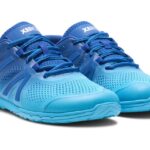
  • Barefoot Shoes: Your Ultimate Microdosing Transition Guide

    Barefoot Shoes: Your Ultimate Microdosing Transition Guide

    Welcome to the transformative journey of barefoot shoes, where microdosing provides a revolutionary method for enhancing your foot health and embracing natural movement. If you feel constrained by traditional, rigid footwear, these minimalist shoes can dramatically improve your walking and running experience. By gradually introducing barefoot-style footwear into your daily activities, you enable your feet to strengthen naturally, reclaiming their inherent biomechanical potential. Prioritizing a slow and intentional transition is vital, as it allows your muscles, tendons, and ligaments to adjust appropriately, reducing the likelihood of injury. Whether you’re an athlete, a busy professional, or a fitness lover, this detailed guide will provide you with the insights needed to safely adopt the barefoot shoe lifestyle, letting you reconnect with your body’s natural movement mechanics.

    Let’s explore the detailed and structured content:

    Grasping the Fundamentals of Microdosing Barefoot Shoes

    The principle of microdosing barefoot shoes focuses on a thoughtful, systematic strategy for transitioning your footwear. You will gradually incorporate minimalist shoes into your lifestyle, allowing your feet to adapt healthily and build strength over time. This method emphasizes incremental exposure, which is crucial for developing foot muscles and enhancing your biomechanical awareness without overwhelming your body’s established movement patterns. By taking small, deliberate steps, you can ensure a smoother transition, leading to improved overall foot health and functionality.

    Understanding Barefoot Microdosing for Effective Adaptation

    To truly comprehend barefoot microdosing, it’s important to view it as a deliberate, measured strategy for integrating minimalist footwear into your everyday life. This approach involves progressively increasing the time you spend in barefoot shoes, starting with brief intervals and slowly extending the duration. By breaking down the adaptation process into manageable increments, you effectively minimize potential discomfort and lower the risk of injury, ensuring that your journey toward embracing minimalist footwear is both safe and rewarding.

    Uncovering the Benefits and Scientific Basis of Barefoot Microdosing

    At the core of barefoot microdosing is a wealth of scientific research validating its effectiveness. Research shows that minimalist shoes can enhance foot muscle strength, improve proprioception, and promote more natural movement patterns. Allowing your feet to move and function as they were evolutionarily designed can potentially relieve chronic pain and enhance overall lower body biomechanics. This understanding highlights the critical connection between our footwear choices and physical health.

    Moreover, the physiological advantages of barefoot shoe microdosing are substantial. Studies indicate that gradual exposure can lead to increased muscle volume in the feet, enhanced balance, and improved energy efficiency during movement. By activating intrinsic foot muscles that often remain inactive in conventional footwear, you are effectively retraining your body’s fundamental movement mechanics—an essential step towards minimizing injury risks and optimizing overall physical performance.

    Let’s continue exploring the subsequent sections:

    Initiating Your Barefoot Shoe Transformation Journey

    Now is the ideal moment to embark on your barefoot shoe transformation with a thoroughly planned and mindful approach. Your feet are ready for a groundbreaking shift that will challenge traditional footwear practices. By understanding the principles of microdosing barefoot shoes, you will gradually strengthen your feet, enhance your biomechanics, and reconnect with your body’s natural movement patterns, ultimately paving the way for a healthier lifestyle.

    Conducting a Thorough Initial Foot Health Evaluation

    Before immersing yourself in the world of barefoot shoes, it’s essential to perform an honest assessment of your current foot health and movement patterns. Evaluate your existing foot strength, flexibility, and any discomfort or limitations you may experience with conventional footwear. This self-assessment will help you create a personalized transition strategy tailored to your unique physical needs, ensuring a smoother and more effective shift towards minimalist footwear.

    Choosing Your First Pair of Barefoot Shoes with Care

    Your initial pair of barefoot shoes should prioritize comfort, flexibility, and a minimalist design. Look for shoes that offer a wide toe box, a zero-drop sole, and lightweight, flexible materials that encourage natural foot movement. Brands that are well-regarded for their quality minimalist footwear include Xero Shoes and Vivobarefoot, which are excellent options to consider for your first pair.

    In addition, pay attention to specific features that will enhance your barefoot shoe journey. Seek out shoes with minimal cushioning, lightweight construction, and a flexible sole that replicates the sensation of walking barefoot. When selecting your shoes, consider factors such as your primary activities (walking, running, or everyday wear), foot shape, and personal comfort preferences to ensure you find the best fit for your needs.

    Now, let’s delve further into the structured sections that follow:

    Establishing a Comprehensive Transition Protocol

    You are about to begin a strategic journey aimed at transforming your foot mechanics through the adoption of barefoot shoes. This protocol outlines a systematic approach for gradually incorporating minimalist footwear into your daily activities. By following a carefully crafted progression, you can significantly lessen discomfort while maximizing the biomechanical benefits of natural foot movement. Your transition will emphasize incremental exposure, muscle adaptation, and heightened body awareness to ensure a successful shift.

    Guidelines for Daily Wear Duration During Your Transition

    As you navigate your transition, begin with short wearing sessions of barefoot shoes lasting between 15 to 30 minutes, gradually increasing the duration. Commence with indoor walking before moving onto outdoor surfaces. Aim to extend your wearing time by 10 to 15 minutes each day, remaining attuned to your body’s signals. By the fourth week, you should be able to comfortably wear barefoot shoes for 2 to 3 hours continuously. Be mindful of signs of foot fatigue and muscle adaptation throughout this process to keep your transition on track.

    Activity-Based Progression Strategy for Adaptation

    Transitioning through barefoot shoe adaptation necessitates a thoughtful selection of activities. Start with low-impact activities such as walking, gradually advancing to standing, light walking, and eventually engaging in more dynamic movements. Your primary objective is to progressively build foot strength, allowing your muscles and connective tissues to adapt without overwhelming them during this vital transition phase.

    This activity-based progression is a nuanced strategy for integrating barefoot shoes into your lifestyle. Each activity level presents specific challenges for your feet: walking encourages basic muscle engagement, while running demands intricate biomechanical coordination. By systematically introducing diverse movement patterns, you will cultivate comprehensive foot strength and proprioception, both crucial for a successful transition. This method ensures gradual muscle conditioning while minimizing the risk of injury.

    Let’s proceed to the next crucial sections:

    Recognizing Your Body’s Adaptations to Barefoot Shoes

    As you make the shift to barefoot shoes, your body will experience a remarkable transformation. Your musculoskeletal system will begin to recalibrate, with muscles, tendons, and ligaments adjusting to a more natural movement pattern. Throughout this process, you will observe gradual changes in foot mechanics, proprioception, and overall biomechanical efficiency as your body learns to operate with enhanced natural foot strength and flexibility.

    Understanding the Stages of Muscle Development

    During your barefoot shoe journey, you will encounter distinct phases of muscle development. The initial weeks will activate intrinsic foot muscles, engaging smaller stabilizing muscles essential for optimal foot function. Your foot’s arch and toe muscles will progressively strengthen, resulting in improved foot function and decreased reliance on artificial support, which is critical for maintaining optimal foot health.

    Identifying Common Adjustment Symptoms During Your Transition

    As you transition to barefoot shoes, you may experience temporary discomfort. Muscle soreness, increased foot fatigue, and mild calf tension are common initial responses as your body adjusts. These symptoms are a natural part of your body’s adaptation process and should not cause concern.

    To better understand adjustment symptoms, acknowledge that your body is recalibrating its movement patterns. Initial discomfort indicates positive muscular engagement and may include increased foot sensitivity, mild arch strain, and temporary balance adjustments. Common symptoms may include temporary heel sensitivity, tightness in calf muscles, and heightened awareness of foot mechanics. These responses are normal physiological reactions as your body relearns its natural movement patterns.

    Now let’s explore the content related to movement patterns:

    Adapting Your Movement Patterns with Barefoot Shoes

    As you adapt to barefoot shoes, you will notice that not all movements feel the same. Your body will undergo a significant shift in biomechanics as you adjust to minimalist footwear. This process involves retraining your muscles, joints, and nervous system to move more naturally, activating core foot muscles that traditional shoes often suppress.

    Mastering Natural Walking Techniques with Barefoot Shoes

    As you progress on your barefoot shoe journey, you will gradually uncover a more natural walking technique. Your foot strike will transform from a heel-first approach to a more midfoot or forefoot landing style. This adjustment aids in evenly distributing impact and reducing stress on your joints, leading to a more efficient and biomechanically sound walking motion.

    Boosting Standing Stability and Balance Training

    Central to adapting to barefoot shoes is the enhancement of your standing and balance abilities. You will develop heightened proprioception and engage the intrinsic muscles of your feet, which play a crucial role in supporting stability and movement.

    To optimize your balance training, include specific exercises that challenge your foot and ankle stability. Start with simple balance exercises like single-leg stands, progress to training on unstable surfaces, and gradually increase the complexity of your movements. Barefoot shoes provide sensory feedback that improves your body awareness and control. Focus on exercises that engage your foot core, enhance ankle mobility, and build lower body strength. Activities such as yoga, tai chi, or targeted barefoot balance drills can significantly expedite your adaptation to minimalist footwear.

    Now let’s explore the chapter and subsections on tracking your progress:

    Monitoring Your Progress Throughout the Transition

    As you embark on your barefoot shoe journey, it is essential to monitor your progress closely. Tracking how your body adapts allows you to understand how your feet are responding to the new movement patterns you are adopting. Documenting changes in muscle strength, flexibility, and overall comfort will help ensure a safe and effective transition to minimalistic footwear.

    Implementing Weekly Assessment Techniques for Progress

    A successful transition to barefoot shoes relies on a structured approach for tracking your progress. Create a weekly log to capture key physical indicators such as muscle soreness, range of motion, and any discomfort levels you experience. Consider periodically photographing your feet to visually document changes in muscle definition and alignment over time, providing a clear record of your progress.

    Establishing Milestone Markers for Effective Adaptation

    To evaluate your adaptation to barefoot shoes effectively, set clear milestone markers indicating your progress. These may include pain-free walking distances, improved balance, and increased foot muscle strength. Keep track of metrics such as the hours you can comfortably wear barefoot shoes and any reduction in previous foot or leg discomfort.

    Your progress during this transition goes beyond mere physical changes. Notable milestones include improvements in proprioception, reduced joint stress, and noticeable enhancements in posture. Your body will communicate its adaptation journey through decreased muscle tension, increased foot flexibility, and an overall more natural walking or running gait. Pay attention to these subtle yet important indicators of successful barefoot shoe integration.

    Let’s conclude with final reflections:

    Embracing Your New Journey with Barefoot Shoes

    The path to achieving stronger, healthier feet through barefoot shoes is a gradual process that requires patience and mindfulness. You will discover that transitioning gradually allows your body to adapt naturally, significantly minimizing the risk of injury while enhancing overall foot strength. By fully embracing this mindful method, you can transform your walking and running experiences, empowering your feet to move as nature intended. Your commitment to this gentle transition will ultimately reward you with improved biomechanics, increased foot muscle engagement, and a more connected movement experience.

    The Article Microdosing Barefoot Shoes: A Step-by-Step Guide to Transitioning appeared first on My Shoes Finder

  • Wide Feet: Tips and Recommendations for Perfect Shoes

    Wide Feet: Tips and Recommendations for Perfect Shoes

    Finding the ideal footwear can be a daunting task for those with wide feet. However, by utilizing a strategic approach, you can discover shoes that effortlessly blend comfort and style without compromising on either. Supporting your feet properly is essential to prevent discomfort and long-term health complications. Fortunately, numerous shoe brands now offer specialized wide-fit options, making the search for the perfect pair much easier. Whether you’re looking for casual sneakers, elegant dress shoes, or athletic trainers, understanding your exact measurements and pinpointing brands that specifically cater to wide feet will empower you to make better purchasing decisions. This detailed guide will equip you with the essential knowledge to select footwear that guarantees an exceptional fit and unparalleled comfort for your wide feet.

    Master Accurate Measuring Techniques for the Best Footwear Fit

    To find shoes that fit your wide feet perfectly, it’s crucial to understand your exact foot measurements. It’s important to recognize that your feet may change size over time, making accurate measurements essential for comfort and overall foot health. Measuring both the length and width of your feet is vital, as these dimensions are key in selecting shoes that provide ample space. Regularly measuring your feet, ideally at different times of the day, can help account for natural swelling, ensuring that you choose footwear that feels comfortable throughout your day-to-day activities.

    Experience the Advantages of Professional Foot Measurement Services

    Utilizing measurement services at a professional shoe store can result in highly precise and reliable outcomes. Expert measurement tools can accurately determine your foot width (D, E, EE, etc.) and identify specific characteristics that may affect your shoe choices. By opting for professional measurements, you can achieve a fitting accuracy that is significantly better than self-measurement, ensuring you find shoes that suit your unique foot structure without causing discomfort or pain.

    Comprehend Size Charts and Footwear Standards for Smart Shopping

    Every shoe size label corresponds to a specific measurement system. However, it’s important to note that different brands often employ various standards, leading to significant discrepancies between US, UK, and European sizes. For instance, your wide feet might be classified as 2E in one brand and 4E in another, making size charts crucial for a successful online shopping experience. Familiarity with the width measurement letter system—B for narrow, D for medium, and E to 4E for wide and extra-wide fits—can guide your selections effectively. Each width increment represents a 1/4 inch difference, facilitating your search for the right fit across different brands and styles.

    Discover Various Shoe Types Tailored for Comfort in Wide Feet

    Choosing comfortable footwear that effectively accommodates your wide feet is vital for maintaining your overall foot health. You have access to a diverse array of styles specifically designed with extra width and depth to ensure maximum comfort. Understanding which types of shoes are best suited for wide feet can greatly influence your shopping choices, empowering you to select options that enhance your daily comfort and overall style.

    Key Features Advantages
    Wide toe box Permits natural toe spread
    Adjustable closures Customizable fit for individual comfort
    Soft, flexible materials Minimizes pressure points
    Extra depth design Suitable for high insteps
    Multiple width options Improved size matching

    Explore Recommended Shoe Styles for Superior Comfort

    In addition to traditional footwear options, you can delve into athletic shoes, oxford shoes, and loafers specifically designed for wide feet. These styles typically incorporate generous toe boxes and adjustable features that are crafted to provide optimal comfort throughout the day. By selecting styles that prioritize wide fits, you ensure that your footwear effectively supports your feet, enhancing comfort during various activities.

    Footwear Styles to Avoid for Maintaining Optimal Foot Health

    To preserve foot health and comfort, it’s essential to avoid pointed-toe shoes, narrow dress shoes, and tight slip-ons. These styles can severely constrict your feet, leading to considerable discomfort. Wearing improperly fitting shoes increases the likelihood of developing painful blisters, bunions, and various other foot ailments. Ensure that your shoes provide sufficient width right from the moment you try them on, as they rarely stretch adequately to accommodate wide feet effectively.

    • Choose shoes featuring adjustable components
    • Look for wide-width alternatives
    • Select breathable materials
    • Prioritize comfort over style

    Utilize Effective Shopping Strategies for Discovering the Perfect Footwear

    When searching for shoes appropriate for wide feet, adopting a systematic approach is crucial. Your chances of finding the perfect fit can increase by as much as 50% when you employ proper measurement techniques and understand your precise foot dimensions. The most effective strategy combines both online and in-store shopping methods, maximizing your choices and ensuring you find the best footwear available.

    Best Practices for In-store Shoe Shopping

    One of the most effective in-store shopping techniques is to try on shoes later in the day when your feet are naturally more swollen, providing a more accurate fit. Your essential checklist should consist of the following:

    • Professional foot measurement
    • Walking test in the shoes
    • Width comparison among various brands
    • Toe box space verification

    This strategic approach ensures you leave the store equipped with shoes that genuinely fit your feet comfortably and supportively.

    Guidelines for Successful Online Shoe Purchases

    If local options seem limited, online shopping can offer an attractive alternative. You can access a significantly wider selection of shoes and often enjoy more competitive pricing. Ensure that you focus on retailers that provide clear sizing guides and free return policies to enhance your shopping experience.

    When buying shoes online, it’s crucial to pay close attention to detail. Begin by measuring your feet at home and comparing these dimensions with the brand’s size chart. Take the time to read customer reviews from other shoppers with wide feet, and always verify the return policy before making a purchase. This careful approach will grant you access to specialized wide-width collections that may not be easily found at local retailers.

    Selecting the Right Brands for Optimal Fit in Wide Feet

    Direct your attention toward brands that are specifically designed for individuals with wide feet. Your overall shopping experience will greatly improve by choosing manufacturers that offer dedicated wide-width options. Research indicates that an astonishing 72% of individuals wear incorrectly sized shoes, with width being a common issue that can lead to discomfort.

    Reliable Brands for Quality Wide-Foot Footwear

    Noteworthy shoe brands such as New Balance, Brooks, and KEEN consistently produce durable and comfortable wide-width footwear. These brands offer various width options ranging from D to 4E for men and 2A to 2E for women. Their designs emphasize comfort without sacrificing style, allowing you to find shoes that meet both your aesthetic preferences and practical needs.

    Critical Quality Indicators in Wide-Foot Footwear

    When searching for an excellent pair of wide-foot shoes, look for specific features that enhance comfort and usability. Seek out deep toe boxes, flexible materials, and adjustable closures. Your ideal shoes should provide adequate space across the ball of your foot while also offering proper arch support to ensure comfort during use.

    Additionally, it’s wise to scrutinize the shoe’s overall construction quality. Pay close attention to the stitching, sole attachment, and the durability of materials employed. High-quality shoes can generally last between 8-12 months of regular wear, while inferior options may require replacement within just three months. Investing in quality footwear ultimately delivers better value and significant benefits for your foot health.

    Recognizing Essential Comfort Features for Your Footwear

    Finding the right shoes for wide feet necessitates careful consideration of specific comfort elements. Your ideal pair of footwear should include adequate arch support, cushioned insoles, and a spacious toe box. These features work in harmony to provide stability and prevent discomfort during everyday activities, ensuring that your feet feel fantastic all day long.

    Key Components for Optimal Comfort in Footwear

    In addition to fundamental comfort features, seek out shoes that incorporate flexible uppers and adjustable closures. Aim for a minimum of 0.5 inches of space between your longest toe and the shoe’s tip to ensure comfort and prevent cramping. Designs featuring deep heel cups can also help secure your foot in place while preventing unwanted sliding within the shoe.

    Optimal Material Choices for Comfort in Wide Feet Footwear

    When selecting materials for wide feet, opt for breathable mesh, soft leather, and stretchy fabrics. It’s crucial to choose materials that can adapt to your foot shape while still maintaining structural integrity. Avoid synthetic materials that lack the ability to expand, as these can restrict natural foot movement and lead to discomfort.

    Understanding the characteristics of various materials can significantly impact your comfort throughout the day. Natural materials can expand by up to 30% during wear, making them ideal for accommodating wide feet. Furthermore, seek shoes featuring moisture-wicking linings, as they help prevent discomfort and contribute positively to overall foot health. Selecting materials that offer both flexibility and durability is key to achieving long-lasting comfort.

    Exploring Customization Options for a Better Shoe Fit

    Unlike standard footwear, shoes tailored for wide feet can greatly benefit from personalized adjustments that enhance comfort. You can modify your shoes through professional services or make safe adjustments at home. These alterations can increase the shoe width by up to 0.5 inches, allowing for a better fit without compromising the shoe’s structural integrity.

    The Advantages of Professional Modifications for Wider Fit

    Professional cobblers provide various services tailored to your wide-foot needs. They can execute specialized stretching techniques, add elastic gussets, or alter the upper material to enhance comfort. The cost of these modifications typically ranges from $15 to $40 per pair and can yield lasting results while preserving the integrity of the shoe.

    Safe At-home Methods for Adjusting Shoes to Fit Wider Feet

    There are also safe techniques you can employ at home to adjust your shoes for a better fit. Methods such as using shoe stretchers, applying stretching sprays, or utilizing the thick sock method can help you achieve up to 1/4 inch of additional width without damaging the shoe. Additional options include using ice bags to stretch specific areas, applying heat with a hairdryer, or wearing your shoes with thick socks for short periods to help loosen them.

    Always remember to test adjustments on a small area first to avoid damaging the shoe. Never apply direct heat to leather shoes, and stop immediately if you notice any material damage during your adjustments.

    Key Takeaways for Achieving the Perfect Shoe Fit

    Finding the right shoes for your wide feet is entirely possible with the right strategies in place. Prioritize accurate measurements, choose brands that specialize in wide-fit options, and opt for shoes with adjustable features such as laces or straps. Always let your comfort guide your purchasing decisions—avoid tight-fitting shoes and high heels that could compromise your foot health. By shopping at specialized stores, exploring online retailers with favorable return policies, and sticking to brands that meet your needs, you can successfully curate a collection of stylish shoes that fit your wide feet impeccably.

    Frequently Asked Questions About Wide-Fit Shoes

    Q: How can I tell if I need wide-fit shoes?

    A: You likely need wide-fit shoes if you experience pressure on the sides of your feet in regular footwear, notice red marks after wearing them, or find that your toes feel cramped. Consider getting your feet measured professionally to confirm your width size. The best time to measure is in the afternoon when your feet are at their widest.

    Q: What materials are most suitable for shoes designed for wide feet?

    A: The ideal materials for wide feet include soft leather and breathable mesh, as they stretch and conform to your foot shape while providing comfort. Canvas shoes can also offer good flexibility. Avoid rigid synthetic materials that do not expand, as they can restrict movement. Look for shoes made from breathable materials that have natural flexibility.

    Q: Which features should I prioritize when selecting shoes for wide feet?

    A: Opt for shoes with adjustable closures such as laces or straps to customize the fit. Look for footwear that has a wide toe box, allowing your toes to spread naturally. Select shoes that are clearly marked with “W” for wide or “EE” for wider fits. The shoes should feel comfortable immediately upon trying them on, without requiring a breaking-in period.

    The Article Finding the perfect shoes for wide feet tips and recommendations appeared first on My Shoes Finder.

    The Article Perfect Shoes for Wide Feet: Tips and Recommendations Was Found On https://limitsofstrategy.com
  • Work Shoes for Wide Feet: Top Picks and Helpful Tips

    Work Shoes for Wide Feet: Top Picks and Helpful Tips

    Finding the perfect pair of comfortable work shoes for wide feet can prove to be a challenging endeavor; however, prioritizing your foot health and comfort is crucial for achieving peak performance during long work hours. Selecting shoes that accommodate your foot’s width while providing adequate support and maintaining a professional appearance is vital. By gaining a solid understanding of shoe construction and fitting, you can streamline your journey to finding the ideal work footwear. This all-encompassing guide will enlighten you on how to choose work shoes that alleviate foot pain, reduce swelling, and minimize the risk of chronic foot conditions while ensuring you maintain a polished image in your workplace.

    Master the Art of Measuring Your Wide Feet for the Perfect Fit

    To achieve the best possible fit, accurately measuring both the length and width of your feet is essential. It’s important to keep in mind that your feet may change in width throughout the day; activities such as standing or walking can cause your feet to swell by as much as 15%. By becoming proficient in these measurements, you can select shoes that deliver the support necessary to prevent discomfort, ensuring your overall well-being and enhancing your productivity at work.

    Unlock the Advantages of Professional Foot Measurement for the Ideal Fit

    Opting for professional foot measurement provides substantial benefits in terms of precision and accuracy. You will gain detailed insights regarding your foot’s precise dimensions, arch type, and specific pressure points. Specialized measuring tools can detect subtle differences between your left and right foot, a variation that occurs in approximately 60% of individuals, allowing you to make informed and effective footwear selections that cater to your unique foot structure.

    Comprehend Shoe Width Classifications to Ensure the Best Fit

    Understanding the various shoe width classifications is essential for pinpointing the most appropriate fit for your feet. Standard width measurements span from AA (narrow) to EE+ (extra wide). It’s crucial to acknowledge that different brands may require varying widths, as size standards can fluctuate among manufacturers.

    A comprehensive width chart typically encompasses six main categories: Narrow (AA), Medium (B), Wide (D), Extra Wide (E), Extra Extra Wide (EE), and Extra Extra Extra Wide (EEE). Each width increment usually corresponds to a difference of approximately 1/4 inch. Being aware of your exact width classification can significantly reduce the chances of developing foot ailments such as bunions, corns, or blisters, ultimately promoting better foot health.

    Identify Key Features in Wide Work Shoes for Maximum Comfort

    Even individuals with wide feet require work shoes that deliver optimal comfort and support throughout extended hours. Your work footwear should seamlessly integrate width accommodation with vital features including arch support, cushioning, and durability. Research indicates that a staggering 72% of people wear improperly sized shoes, which can lead to a multitude of foot complications over time.

    Opt for Breathable and Flexible Materials to Enhance Comfort

    When selecting work shoes, prioritize options crafted from breathable and flexible materials. The best choices often include full-grain leather, mesh panels, and stretchy synthetic fabrics that can adapt to the shape of your foot. Steer clear of rigid materials that may hinder natural foot movement and create uncomfortable pressure points, leading to significant discomfort during your workday.

    Focus on Construction Features that Provide Maximum Comfort and Stability

    In addition to width considerations, your work shoes should possess specific construction features to guarantee comfort. Look for shoes with deep toe boxes, padded collars, and removable insoles that provide your feet the necessary space to move naturally while maintaining stability and support.

    Features such as reinforced stitching and high-quality outsoles enhance the longevity and durability of your shoes. Additionally, seamless interior construction can help prevent friction points, while moisture-wicking linings work to keep your feet dry and comfortable throughout long hours of work.

    Discover Essential Support Structures for All-Day Comfort

    To effectively counter daily work stressors, your shoes must provide adequate support structures. This includes essential arch support, heel stabilization, and effective shock absorption. Studies show that approximately 80% of workers who have sufficient foot support report experiencing significantly less fatigue throughout their workdays.

    Construction elements such as contoured footbeds and ergonomic midsoles help distribute pressure evenly across your feet. Your shoes should also feature cushioning systems that absorb impact effectively while providing stability and support during your entire work shift.

    Explore Various Types of Work Shoes Designed for Wide Feet

    Not all work shoes are created equal, especially when it comes to addressing wide feet comfort and support needs. Your choice will ultimately depend on your specific work environment, but here are the primary categories to consider for wide-fit footwear.

    Shoe Type Best For
    Oxford Shoes Office Environment
    Steel-Toe Boots Construction Sites
    Slip-Resistant Shoes Food Service
    Athletic Work Shoes Healthcare
    Composite Toe Boots Light Industry

    Select Professional Office Shoes that Blend Style with Comfort

    In corporate office settings, it’s vital to wear formal footwear that strikes a balance between style and comfort. You can find wide-width dress shoes featuring essential components such as cushioned insoles and breathable materials. Many brands now offer extended sizes that go up to 4E width, providing you with an array of options in formal footwear without sacrificing comfort.

    Understand the Importance of Safety Features in Industrial Work Boots

    When working in industrial environments, your safety should always take precedence. Industrial work boots are specifically designed with protective toe caps, slip-resistant soles, and waterproof features to ensure your safety while on the job.

    The market for industrial boots includes particular models tailored for wide feet, with height options ranging from 6-inch to 8-inch and widths extending to 4E or 6E, ensuring you find the perfect fit for your needs.

    Prioritize Comfort and Safety in Service Industry Footwear

    In the service industry, emphasizing comfort and safety is crucial for enduring long shifts spent on your feet. These shoes are crafted with slip-resistant soles and shock-absorbing insoles, which enhance comfort while significantly reducing fatigue.

    Office workers in service roles require shoes that can withstand 8-12 hour shifts. It’s essential that your footwear provides adequate arch support and incorporates moisture-wicking properties to keep your feet dry and comfortable throughout your demanding workday.

    Master Proper Fitting and Testing to Achieve Ultimate Comfort

    Many individuals with wide feet often commit the error of purchasing work shoes without sufficient fitting and testing. Since your feet can fluctuate in size throughout the day due to swelling, it’s advisable to try on shoes in the afternoon when your feet are at their largest. This practice ensures that your work shoes will remain comfortable during extended shifts.

    Follow Essential In-Store Trial Tips for Accurate Fit

    Once you’ve identified potential shoes, adhere to these crucial steps:

    • Wear your usual work socks while trying on shoes
    • Test each shoe on both feet, as sizes may vary
    • Walk on various surfaces in the store to assess comfort
    • Ensure there’s toe wiggle room (approximately 1/2 inch)
    • Stand and walk for a minimum of 5 minutes

    This thorough testing process is vital to preventing costly purchasing mistakes that could lead to discomfort.

    Adhere to Guidelines for a Successful Break-in Period

    Approximately 80% of work shoes require a proper break-in period of 1-2 weeks. Begin by wearing your new shoes for 2-3 hours each day, gradually increasing the duration as they become more comfortable. Pay close attention to any pressure points or discomfort during this transition.

    To minimize the risk of blisters and discomfort while breaking in your new shoes, consider the following:

    • Utilize protective padding on sensitive pressure points
    • Alternate between new and old shoes during the transition
    • Cease wearing them if you experience severe pain
    • Apply leather conditioner to facilitate quicker softening

    Discover Leading Brands for Comfortable Wide-Fit Work Shoes

    Your quest for the best comfortable work shoes can be significantly simplified when you recognize which brands consistently deliver high-quality wide-fit options. Spanning from traditional shoemakers to innovative manufacturers, these companies have established reliable sizing standards and provide multiple width options to ensure you find your ideal fit with ease.

    Explore Quality Offerings from Traditional Shoe Manufacturers

    Brands such as Allen Edmonds, Red Wing, and Clarks have built a stellar reputation for delivering quality footwear that includes inclusive sizing. These manufacturers offer up to 4E width options in their work shoes, making them a trustworthy choice for individuals with wide feet. Their products typically feature premium materials and construction techniques that promote natural foot movement, ensuring comfort and support.

    Discover Specialty Brands that Prioritize Wide-Fit Comfort

    At New Balance Work, Orthofeet, and Drew Shoe, you’ll uncover collections specifically designed for those with wide feet. These brands emphasize a comfort-first design, incorporating features such as additional depth, removable insoles, and stretch materials to accommodate your foot width effortlessly.

    Brands in this category focus on your foot health by employing ergonomic designs and supportive features. Their offerings frequently include memory foam cushioning, arch support, and breathable materials that enhance comfort. Size ranges typically start at D width and extend to 6E in select styles, providing an extensive selection for your work footwear.

    Implement Effective Maintenance Tips to Ensure Longevity

    Regular upkeep is vital for your work shoes to retain their shape and comfort level. Clean your shoes using appropriate products, prioritizing leather conditioning for natural materials while opting for gentle cleaning methods for synthetic alternatives. Pay special attention to the insoles and arch support areas, replacing them when necessary. Adopting a proper maintenance routine can extend your shoes’ lifespan by as much as 40%.

    Employ Strategies to Preserve Shoe Shape and Structure

    Throughout your workweek, your wide-fit shoes can lose their structure without the right care. Consider utilizing shoe trees when the shoes are not in use to help maintain their form and absorb moisture effectively. Allow your shoes to rest for 24 hours between wears to prevent material breakdown. Implementing these simple steps can help your shoes retain their supportive structure for a longer duration, ensuring they remain comfortable and functional.

    Adopt Essential Practices for the Longevity of Your Work Shoes

    To ensure your shoes last, integrate these vital care practices into your routine:

    • Rotate between 2-3 pairs of work shoes to minimize wear
    • Apply water-repellent sprays for added protection against the elements
    • Clean and polish regularly to maintain appearance and quality
    • Store shoes in a cool, dry environment to prevent damage
    • Promptly replace worn soles to ensure safety and comfort

    Remember that proper maintenance can effectively double the lifespan of your shoes. Apply leather conditioner every 3-4 months to prevent cracking and deterioration. Regularly check stitching for any loose threads and address them before they escalate into larger issues. Your investment in quality work shoes deserves careful protection through consistent and thorough maintenance practices.

    Empower Yourself to Choose Comfortable Wide Work Shoes

    By keeping these considerations and tips in mind, you can confidently select comfortable work shoes that adequately support your wide feet. Your choice of footwear directly affects your daily comfort and long-term foot health. By accurately measuring your feet, thoroughly testing shoes before making a purchase, opting for laced styles, and choosing soft materials, you can make well-informed decisions about your work footwear. If you find that standard options do not fulfill your needs adequately, consider exploring custom-made shoes. Following these steps will guide you in discovering work shoes that fit well and keep your feet comfortable throughout your demanding workday.

    Your Questions Answered: Frequently Asked Questions About Wide Work Shoes

    What Essential Features Should I Look for in Work Shoes Designed for Wide Feet?

    The best work shoes for wide feet should encompass three primary features: a wide toe box that allows your toes to spread naturally, adjustable closures like laces for a tailored fit, and soft, flexible materials such as leather that conform to your foot shape. These key features can significantly reduce pinching and discomfort during long working hours. Additionally, the shoes should provide excellent arch support and cushioning to ensure proper foot alignment, promoting overall foot health.

    How Can I Ensure I Get the Correct Size for Work Shoes for Wide Feet?

    Begin by measuring both feet at the end of the day when they are at their largest. Utilize a Brannock device at a shoe store for precise width and length measurements. Try on the shoes and walk around for several minutes to assess comfort. Your toes should have ample space to move freely, and the widest part of your foot should not feel constricted. Choose shoes that feel comfortable right from the start – do not rely on them stretching significantly after purchase.

    Which Brands Are Renowned for Producing the Best Work Shoes for Wide Feet?

    New Balance is well-known for offering work shoes available in a range of width options from D to 4E. Brooks designs work-appropriate shoes that feature wide toe boxes and exceptional support. Altra specializes in shoes with a natural foot shape and a wide toe area. These brands prioritize comfort and proper fit specifically for wide feet. Look for styles labeled as “Wide” or “Extra Wide” and consult user reviews from individuals with similar foot shapes for further insight into their experiences.

    The Article Finding the best work shoes for wide feet tips and top recommendations appeared first on My Shoes Finder

    The Article Best Work Shoes for Wide Feet: Tips and Top Picks Was Found On https://limitsofstrategy.com
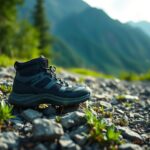
  • Wide Feet Solutions: Essential Tips and Footwear Guide

    Wide Feet Solutions: Essential Tips and Footwear Guide


    Many individuals grapple with daily challenges associated with having wide feet, yet finding the ideal footwear can be a seamless experience. Frequent issues such as discomfort, blisters, and a restricted selection of shoes can often arise, but understanding the specific requirements of your feet can significantly enhance your overall experience. Wearing improperly fitting shoes can lead to severe foot complications, including bunions and ongoing pain. Acknowledging that wide feet are completely normal is the first step toward achieving comfort, and selecting the appropriate shoes can prevent long-term foot health problems. This comprehensive guide aims to empower you with knowledge about your wide feet and help you discover footwear that combines comfort with style.


    Understand the Unique Characteristics of Wide Feet

    Gaining a comprehensive understanding of your wide feet is crucial for making informed and effective footwear choices. Studies show that nearly 30% of adults have feet that surpass standard shoe measurements. Various factors influencing foot width include genetics, age, and lifestyle choices. By recognizing these factors, you can choose shoes that are tailored to your unique foot shape, enhancing comfort and functionality.

    Appreciate the Natural Diversity in Foot Structure

    Foot width varies naturally, just like height and body shape. Your genetic background plays a significant role in determining your foot structure. If you have inherited wide feet from your family, remember that this characteristic is a common trait rather than a medical concern. Understanding these genetic influences can help you embrace your distinctive foot features and make more informed decisions when selecting suitable footwear.
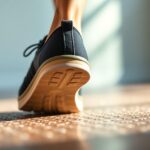
    Be Aware of Developmental Changes in Foot Width

    Significant life changes can contribute to the development of wide feet over time. Pregnancy can lead to an increase in foot width by as much as one full size, and as you age or experience fluctuations in weight, you might notice variations in your foot size. Additionally, extended periods of standing or specific medical conditions can cause your feet to widen.

    Being informed about these changes allows you to adapt your footwear selections appropriately. Regularly measuring your feet is advisable, as they can change in size every few years. Factors such as weight changes, aging, and physical activity all contribute to these variations. Neglecting to adjust your shoes to these changes can lead to foot issues, including bunions, corns, and ongoing discomfort.

    Identify the Common Causes of Wide Feet

    Understanding the underlying reasons for your wider-than-average feet is vital. Several elements can contribute to wide feet, including genetics, medical conditions, and lifestyle choices. By recognizing these factors, you can pinpoint potential solutions that cater specifically to your needs.

    Explore Genetic Factors Influencing Foot Width

    Your family history and inherited foot structure are significant determinants of your foot width from birth. Traits such as bone structure and arch type are inherited through generations, influencing how your feet develop over time. By understanding these inherited traits, you can gain valuable insights into the distinct shape and characteristics of your feet.
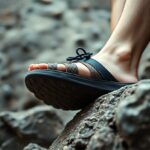
    Recognize Medical Conditions that Impact Foot Width

    Occasionally, underlying health issues can lead to changes in your foot width. Common conditions like diabetes, arthritis, and edema can alter the shape and size of your feet, affecting your overall comfort.

    The impact of medical conditions on foot width may be temporary or permanent. For example, your feet might swell during pregnancy, following an injury, or due to circulation issues. Regular consultations with your healthcare provider can help monitor any changes and address potential issues early on.

    Understand Lifestyle Factors Influencing Foot Width

    Experts affirm that your everyday activities significantly affect your foot width. Prolonged standing, excessive weight, and inappropriate footwear can gradually lead to an increase in foot width over time.

    Your lifestyle, when combined with genetic and environmental factors, ultimately determines your foot width. High-impact activities and poor shoe choices can expedite this change. The nature of your occupation and daily habits play a crucial role in your foot health and overall shape, emphasizing the importance of making informed footwear choices.

    A person's foot is placed on a foot measuring device, showing shoe size; ideal for those seeking footwear tips. The person is wearing blue jeans, and the device rests on a gray surface.

    Understand the Health Implications of Wide Feet

    Compared to standard feet, wide feet can lead to serious health complications if not properly accommodated. Your foot width affects your entire body’s alignment and can influence your joints, posture, and overall mobility. Research indicates that a staggering 72% of individuals do not wear shoes that fit the correct width, which can result in preventable foot ailments.

    Recognize the Physical Effects of Wide Feet

    Approximately 65% of individuals with untreated wide feet experience chronic foot pain. When your foot support is inadequate, your body compensates by altering your gait, potentially leading to knee pain, hip discomfort, and lower back issues. Over time, these compensatory adjustments can result in lasting joint problems if you do not wear shoes that are appropriately sized.

    Overcome Daily Comfort Challenges

    When your footwear fails to accommodate your wide feet, daily activities can become increasingly challenging. You may encounter immediate discomfort, blisters, and pressure points that restrict your ability to move freely. Studies show that 80% of individuals with wide feet report reduced activity levels due to foot discomfort.

    The consequences of wearing ill-fitting shoes extend beyond temporary discomfort. Your feet may develop painful conditions such as bunions, corns, and calluses, which can negatively impact your balance and stability, making you more susceptible to falls and injuries. Selecting the right footwear is essential for maintaining your foot health and overall well-being.


    Find Effective Footwear Solutions for Wide Feet

    Finding suitable footwear is crucial for individuals with wide feet, ensuring comfort and supporting overall foot health. Your shoes should provide sufficient space while offering the necessary support and stability for your daily activities.

    The Significance of Proper Measurement for Shoe Fitting

    Accurate foot measurements are vital for selecting shoes that fit appropriately. Measure your feet at the end of the day when they are at their largest, and don’t forget to measure both feet, as sizes may differ.

    Discover Ideal Shoe Types for Wide Feet

    To effectively accommodate wide feet, certain shoe styles are more appropriate than others.

    Feature Benefit
    Wide toe box Allows natural toe spread
    Adjustable closures Customizable fit
    Breathable materials Reduces swelling
    Deep heel cup Provides stability
    Flexible sole Adapts to foot shape
    • Athletic shoes featuring breathable mesh uppers
    • Sandals equipped with adjustable straps
    • Loafers available in wide widths
    • Boots designed with stretch panels

    For instance, specific shoe designs can greatly enhance your comfort levels.

    Shoe Type Best Features
    Running shoes Extra width options
    Walking shoes Roomy toe area
    Casual shoes Stretchable materials
    Dress shoes Multiple width options
    Work boots Wide-fit designs

    Follow Essential Shopping Guidelines for Wide Feet

    Your ability to find comfortable shoes for wide feet relies heavily on careful planning and informed decisions. Seek out specialty stores that provide wide-width options and have knowledgeable staff to assist with precise measurements. It’s advisable to shop during the afternoon when your feet are typically at their widest to guarantee an optimal fit.

    Select the Right Brands for Wide Feet

    To locate appropriate footwear, prioritize brands recognized for their wide-width offerings, such as New Balance, Brooks, and ASICS. These brands design shoes with additional room in the toe box and midfoot area, resulting in enhanced comfort for wide feet. Emphasizing quality construction and proper support is crucial for your long-term satisfaction and comfort.

    A person with wide feet is walking in a park using trekking poles. The scene includes fallen leaves on a gravel path, surrounded by trees under sunlight. The focus is on the person's legs and shoes as they stride forward, highlighting practical footwear tips for those with similar concerns.

    Implement Expert Fitting Tips for Optimal Comfort

    Successful shoe purchases are rooted in effective fitting techniques. Follow these essential guidelines:

    • Measure both feet while standing
    • Ensure thumb-width space in the toe area
    • Try on shoes with your regular socks
    • Test the shoes by walking around in them
    • Shop during the late afternoon

    Experiencing immediate comfort is vital for making the right choice.

    Fitting procedures require diligence and patience. Consider these additional factors:

    • Check for proper arch support
    • Ensure no pressure points are present
    • Verify heel stability
    • Assess flexibility at the ball of the foot
    • Explore various lacing techniques

    Being mindful of these details will guide you in finding the perfect fit for your wide feet.

    Practice Effective Maintenance and Care for Your Footwear

    Proper care for your wide feet necessitates regular attention to maintain foot health and prolong the lifespan of your shoes. Incorporate adequate cleaning and drying of both shoes and feet into your daily routine to prevent issues such as fungal infections and unpleasant odors. Consistent upkeep can reduce foot pain by up to 40% and extend the lifespan of your footwear significantly.

    Adopt Daily Practices to Enhance Foot Health

    Beneficial practices for your wide feet include rotating between different pairs of shoes to allow for sufficient drying time and minimize excessive wear. After each use, wipe your shoes clean and consider using shoe trees to help maintain their shape. These straightforward steps can extend the lifespan of your shoes by up to 2 years and provide better support for your feet.

    Implement Long-Term Prevention Strategies for Foot Health

    Ongoing care for your wide feet requires consistent attention to prevent future complications. You should replace your shoes every 400-500 miles of walking or as soon as you notice significant wear patterns. Regular foot measurements are also essential, as your foot width can change over time.

    While maintaining your footwear, prioritize foot exercises and stretches. Engaging in regular foot exercises can improve flexibility by 30% and alleviate discomfort. Ensure your feet receive adequate circulation by avoiding prolonged sitting, and consider using compression socks if you need to stand for extended periods.

    A foot wearing a gray sock with pink designs is placed on a shoe sizing device, offering a helpful guide for those with wide feet. The device measures the length and width, showing different size markings to ensure perfect footwear tips.

    Reflecting on your journey to discover the perfect footwear for wide feet can be straightforward with the right knowledge. By understanding your foot width, selecting brands that cater to wide sizes, and employing effective measurement techniques, you can make informed shoe choices. Your comfort is paramount, so take the time to try on various shoes and ensure they provide ample space for your feet. Following these tips and being mindful of how your shoes fit will lead you to footwear that supports your daily activities while keeping your feet healthy and pain-free.

    Frequently Asked Questions About Wide Feet

    How can I accurately measure my feet for suitable wide-width shoes?

    Stand on a piece of paper while wearing your usual socks. Trace both feet and measure their length and width at the widest points. It’s advisable to do this in the evening when your feet are at their largest. Compare these measurements to standard shoe size charts and select shoes that correspond to the measurements of your larger foot. Always test new shoes by walking around in them for several minutes to assess comfort.

    What shoe features should individuals with wide feet prioritize?

    Look for shoes that feature a wide toe box to allow your toes to spread naturally. Seek out shoes labeled with “W” for wide or “EE” width. Opt for materials such as soft leather or mesh that stretch and adapt to the shape of your feet. Choose shoes with adjustable features, like laces or straps, and favor rounded or square toe shapes over pointed designs.

    What steps can I take to prevent foot problems caused by incorrect shoe sizes?

    Replace any shoes that show significant signs of wear. Purchase footwear from brands that specialize in wide-width options. Ensure that your toes have enough space to move comfortably. Consider using shoe inserts for additional support if necessary, and alternate between different pairs of shoes daily. Regularly check your foot size, as feet can change over time, and discontinue wearing shoes that cause pain or discomfort.

    The Article The Ultimate Wide Feet Guide: Concerns, Footwear Tips, and More appeared first on My Shoes Finder

    The Article Wide Feet Guide: Essential Tips and Footwear Solutions Was Found On https://limitsofstrategy.com