Category: Water Management

  • Water Collection Systems for Sustainable Living Solutions

    Water Collection Systems for Sustainable Living Solutions

    Comprehensive Guide to Water Collection Systems for Effective Water Management

    What Essential Features Define Water Collection Systems?
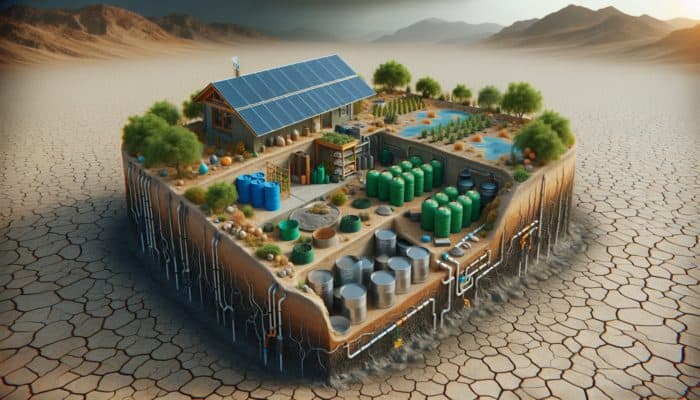
    Water Collection Systems: Diverse water collection systems capturing and storing rainwater in a drought-afflicted landscape.

    Water collection systems encompass a diverse range of sophisticated technologies and methodologies specifically designed to capture, store, and utilize water derived from various sources, with a primary emphasis on rainwater. These systems are crucial for sustainable management of precious water resources, particularly in areas grappling with water scarcity. By implementing these systems, communities can significantly alleviate the repercussions of drought while also reducing reliance on municipal water supplies, thereby fostering a more efficient approach to water resource utilization. Through the collection of natural precipitation and runoff, these systems provide safe water suitable for various purposes, including irrigation, landscaping, and, with the right treatment, even for potable use. Their adaptability positions them as vital instruments in promoting responsible water consumption practices.

    The performance of water collection systems can vary significantly across different regions worldwide, heavily influenced by local climatic conditions and the particular needs of surrounding communities. For example, tropical areas with abundant rainfall can effectively utilize rooftop systems, whereas arid regions may depend more on methods designed to capture surface runoff. Each water collection system is meticulously engineered to cater to the specific environmental and social factors of the communities they serve, thus providing flexible solutions to an array of water-related challenges.

    Exploring the Different Types of Water Collection Systems

    A diverse selection of water collection systems is accessible, each specifically designed to address the unique requirements arising from varying geographical and climatic conditions. Each system possesses distinctive features that enhance its effectiveness in particular settings. The three primary types of systems include:

    • Rooftop Systems: These systems expertly gather rainwater from roofs, channeling it through gutters into storage tanks for repurposing. Their effectiveness makes them particularly popular in urban environments, where they capitalize on existing infrastructure.
    • Surface Collection Systems: These systems gather water from land surfaces, such as ponds or swales, where accumulated rainfall or runoff can be harnessed. They are especially beneficial in agricultural settings for irrigation and more.
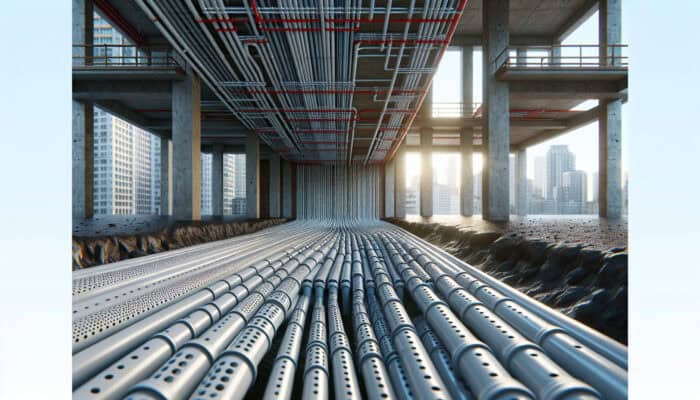
    • Subsurface Systems: This category focuses on tapping into groundwater through perforated pipes or trenches, proving effective in regions with abundant groundwater resources that can be accessed without contamination risks.

    Each system serves a specific purpose based on environmental conditions and intended applications, enabling communities around the globe to adopt practices that significantly enhance water sustainability and security.

    What Are the Key Advantages of Implementing Water Collection Systems?

    The implementation of water collection systems offers a multitude of benefits that go beyond simple water conservation. By effectively capturing and utilizing rainwater, communities can experience substantial reductions in their reliance on municipal water sources. This transition leads to significant savings on water bills and eases the burden on overwhelmed water treatment facilities.

    Furthermore, these systems positively contribute to environmental sustainability. By reducing runoff and diminishing the need for extensive stormwater management infrastructure, they help protect local ecosystems from degradation. In regions dealing with water scarcity, such as parts of Africa and the Middle East, water collection systems are indispensable for ensuring that communities consistently have access to this vital resource. Beyond the immediate advantages of conserving water, these systems also raise awareness about the importance of sustainable water practices, fostering a cultural shift toward responsible water management.

    What Mechanisms Ensure the Efficient Operation of Water Collection Systems?

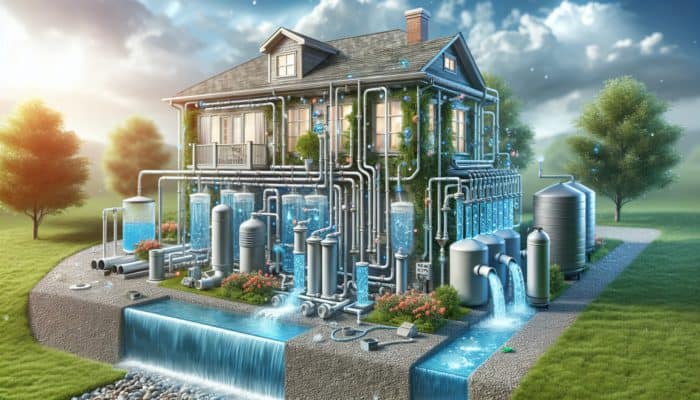
    Cross-section of a modern water collection system showing filtration, storage, and distribution in a sustainable community.

    Understanding the Crucial Components of Water Collection Systems

    The effective functionality of water collection systems relies on several critical components that work together to effectively capture, store, and distribute water. The main elements include:

    • Catchment Surfaces: These designated areas, such as roofs or paved surfaces, serve as the primary locations for water collection.
    • Conveyance Systems: This includes gutters, pipes, and channels that transport water from the catchment area to storage facilities, ensuring efficient flow.
    • Storage Tanks: Tanks or cisterns function as reservoirs for the collected water, safeguarding it from contamination and evaporation to maintain quality.
    • Treatment Units: Depending on the intended use of the water, it may require filtration and treatment to guarantee safety for consumption or irrigation purposes.

    Each component is carefully designed to meet the specific demands of the water collection system, ensuring maximum efficiency. The interaction among these elements is crucial for achieving high performance and sustainability in water management practices.

    What Steps Are Essential for Establishing a Water Collection System?

    Setting up an effective water collection system entails several systematic steps that guarantee its proper function. The process begins with a comprehensive site assessment aimed at identifying the most suitable installation location. This evaluation encompasses an analysis of the topography, rainfall patterns, and existing structures that can be strategically utilized.

    Following the site assessment, the next step involves system design, which includes selecting appropriate materials and determining the layout for the catchment surfaces, conveyance systems, and storage facilities. It is crucial to size components correctly to accommodate peak rainfall events, ensuring sufficient water storage capacity. Once the design is approved, the installation phase commences, where components are constructed or assembled according to the predetermined plan.

    Lastly, regular maintenance is imperative to ensure the longevity and efficiency of the system. This includes routine inspections for leaks, clogs, and water quality monitoring, along with cleaning catchment surfaces and storage tanks. By adhering to these essential steps, communities can establish effective and reliable water collection systems that sustainably meet their water needs.

    What Maintenance Strategies Are Vital for Water Collection Systems?
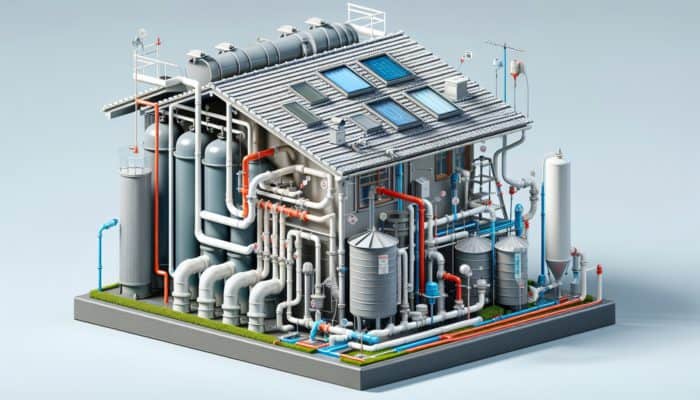
    Diagram of water collection system with labeled components under maintenance inspection.

    Maintenance is a critical aspect of sustaining the operational effectiveness of water collection systems. Regular inspections and interventions can identify common issues such as leaks, contamination, and blockages before they escalate into major problems. For instance, roof gutters should be routinely cleaned to prevent debris accumulation that obstructs water flow.

    Leaks within the piping system can result in significant water loss and should be rectified immediately. Regular evaluations of storage tanks are equally essential; sediment buildup can compromise water quality and necessitate thorough cleaning and maintenance. Furthermore, treatment units must be monitored closely to ensure they are functioning effectively, as any malfunction can jeopardize the safety of the collected water.

    Effective troubleshooting practices not only involve identifying potential issues but also implementing preventive measures. This may include installing filters to reduce contamination risks, employing seals to prevent leaks, or integrating smart monitoring systems that alert operators to any irregularities in water flow or quality. By prioritizing maintenance, communities can enhance the longevity and reliability of their water collection systems.

    What Varieties of Water Collection Systems Are Available?

    As previously noted, a multitude of water collection systems has been specifically tailored to suit different environments and requirements. Each system is ingeniously designed to optimize water harvesting efficiently and effectively. Rooftop systems are particularly prevalent in urban settings, where roof space is available for collection. Conversely, surface collection systems are often deployed in rural areas, especially for agricultural needs.

    Subsurface systems, which tap into groundwater resources, are advantageous in regions with a high water table and minimal contamination risks. Other innovative solutions, such as rain gardens and permeable pavements, further enhance water collection by allowing rainwater to filter naturally into the ground while supporting local flora and fauna.

    Ultimately, the selection of a system will depend on various factors, including local climate conditions, available technology, and community needs. By thoughtfully choosing the appropriate type, communities can optimize their water collection efforts, ensuring a sustainable and reliable water supply.

    What Are the Advantages and Challenges Associated with Water Collection Systems?

    The implementation of water collection systems presents substantial benefits, particularly regarding water conservation and cost savings. Communities that successfully adopt these systems can significantly decrease their reliance on municipal water supplies, leading to lower water bills and reduced pressure on local infrastructure.

    Moreover, these systems promote a culture of sustainability, encouraging individuals to engage more consciously in their water usage. The environmental benefits are far-reaching; by capturing rainwater, these systems help mitigate stormwater runoff, which can lead to flooding and water pollution. However, challenges do exist, such as initial setup costs and ongoing maintenance requirements. Communities must also address potential water quality concerns to ensure the collected water is safe for its intended purposes. Despite these challenges, the long-term advantages of water collection systems far surpass the drawbacks, making them a worthwhile investment for sustainable water management.

    Expert Insights on Optimizing Water Collection Systems

    What Best Practices Should Be Followed for Designing Effective Water Collection Systems?

    Effective design of water collection systems is crucial for maximizing their efficiency and durability. Best practices highlight the need to understand local climatic conditions, as these factors directly influence rainfall patterns and collection potential. For instance, regions experiencing heavy monsoon seasons may require larger catchment surfaces and storage capacities to accommodate peak rainfalls, while areas with inconsistent rainfall can benefit from more compact systems.

    The selection of materials is equally important; utilizing durable, corrosion-resistant materials can significantly enhance system longevity and minimize maintenance costs. Additionally, accurately sizing tanks and pipes ensures that systems can meet both average and peak water demands without experiencing overflow or shortages. An exemplary case of effective system design can be observed in the implementation of rainwater harvesting across urban areas in Singapore, where a combination of rooftop systems and underground storage efficiently collects rainwater in a densely populated setting.

    In summary, adhering to these best practices during the design phase leads to the development of resilient water collection systems capable of adapting to changing environmental conditions and evolving community needs.

    What Innovations Are Transforming Water Collection Technology?

    The field of water collection systems is witnessing remarkable advancements that enhance operational efficiency and sustainability. Cutting-edge filtration technologies have emerged, facilitating the effective purification of harvested rainwater, making it safe for drinking and agricultural applications. Smart monitoring systems equipped with sensors now provide real-time data on water levels, quality, and system performance, thus allowing for proactive maintenance measures to be implemented efficiently.

    Moreover, the incorporation of eco-friendly materials in system construction is gaining traction. Rainwater harvesting systems are increasingly being integrated with renewable energy sources, such as solar panels, to power pumps and filtration units, thereby reducing the carbon footprint associated with water collection. Innovations in modular design also facilitate scalability, enabling communities to expand their systems as their needs evolve. These developments not only enhance the functionality of water collection systems but also reflect a broader commitment to sustainable water management practices on a global scale.

    What Current Trends Are Influencing Water Collection Systems?

    The latest trends in water collection systems indicate a shift toward more integrated and community-focused approaches. One notable trend is the increased use of green infrastructure, such as bioswales and rain gardens, which assist in slowing down and capturing stormwater while simultaneously enhancing urban aesthetics.

    Additionally, there is a growing emphasis on community-based water management initiatives that empower local populations to take control of their water resources. These collaborative approaches foster engagement and encourage a deeper understanding of sustainable water practices. The integration of water collection systems with renewable energy solutions has also become increasingly common, reflecting a holistic perspective on sustainable development.

    As communities progressively recognize the importance of water conservation, these trends signify a collective commitment to enhancing water sustainability and resilience amidst climate change and resource scarcity.

    Evaluating the Environmental Impact of Water Collection Systems

    How Do Water Collection Systems Promote Environmental Conservation?

    Water collection systems play a vital role in promoting environmental conservation. By capturing rainwater and reducing reliance on traditional water sources, these systems lessen the demand on natural water resources, thereby aiding in the preservation of aquatic ecosystems. This is especially critical in regions where over-extraction of water has led to habitat degradation.

    Furthermore, by minimizing stormwater runoff, water collection systems help prevent soil erosion and protect water quality in nearby rivers and lakes. This not only supports local biodiversity but also fortifies the resilience of ecosystems under pressure from urbanization and climate change. The benefits of these systems extend beyond immediate water conservation; they foster a healthier environment and contribute to a more sustainable future for all.

    How Can Effective Water Collection Systems Reduce Carbon Footprint?

    The integration of water collection systems into comprehensive water management strategies can significantly lower a community’s carbon footprint. By reducing reliance on municipal water treatment and distribution, these systems decrease the energy consumption typically associated with these processes. Water collection systems can play a crucial role in diminishing greenhouse gas emissions, particularly in areas where energy for water treatment is derived from fossil fuels.

    Moreover, by promoting local water utilization, these systems can alleviate the infrastructural demands for extensive water distribution networks, ultimately leading to reduced energy costs related to pumping and treating water sourced from distant locations. In the context of global initiatives aimed at combating climate change, implementing efficient water collection systems represents a proactive approach to sustainable living and environmental stewardship.

    What Role Do Water Collection Systems Play in Advancing Sustainability?

    Water collection systems are essential for achieving sustainability goals across multiple sectors. They facilitate water conservation, minimize waste, and promote responsible water use within communities. By harnessing rainwater, these systems provide an alternative water source that alleviates the pressure on dwindling freshwater supplies.

    Moreover, their implementation can cultivate a culture of sustainability, encouraging individuals and organizations to prioritize eco-friendly practices in their daily operations. As communities increasingly acknowledge the importance of sustainable water management, the role of water collection systems is poised to expand, highlighting their necessity in developing resilient and sustainable communities.

    Analyzing the Economic Benefits of Water Collection Systems

    How Can Water Collection Systems Generate Cost Savings?

    Implementing water collection systems can lead to substantial cost savings for both individuals and communities. By capturing and utilizing rainwater, households can significantly lower their water bills, especially in regions where water costs are elevated. The diminished dependence on municipal water sources alleviates the burden on local utilities, resulting in lower costs for all stakeholders involved.

    In addition to savings on water bills, these systems can considerably reduce expenses associated with water treatment and infrastructure maintenance. For example, agricultural communities adopting water collection practices can lower their irrigation costs while simultaneously enhancing crop yields. As demand for sustainable water management solutions continues to grow, the economic advantages of water collection systems become increasingly evident, making them an attractive option for both urban and rural settings.

    What Economic Benefits Do Water Collection Systems Provide to Local Communities?

    The economic advantages of water collection systems extend beyond individual cost savings, positively impacting entire communities. These systems can create job opportunities in installation, maintenance, and system design, thereby fostering local economic growth. Furthermore, communities that implement effective water collection systems often experience an increase in property values, as homes equipped with such systems tend to attract prospective buyers.

    Moreover, communities with robust water collection systems enjoy improved water security, which is vital for local industries and agriculture. The assurance of a reliable water supply can stimulate economic growth and investment, creating a stable environment conducive to business development. As communities prioritize sustainable water practices, the broader economic benefits become clear, contributing significantly to the overall well-being of local populations.

    What Funding Opportunities Are Accessible for Water Collection Projects?

    Investing in water collection systems can unveil a multitude of funding opportunities for communities and organizations. Many government bodies offer grants and incentives aimed at encouraging water conservation and sustainable practices. Environmental organizations frequently provide financial support for initiatives focused on enhancing water management systems.

    Private investors are increasingly recognizing the value of sustainable water solutions and are forging potential partnerships to fund innovative water collection technologies. By exploring these funding avenues, communities can strengthen their water collection infrastructure, resulting in improved resilience and sustainability in water management. As investment in water collection systems continues to grow, so do the opportunities for communities to develop sustainable solutions tailored to their specific needs.

    Looking Ahead: The Future Landscape of Water Collection Systems

    What Factors Will Shape the Future of Water Collection Systems?

    The future of water collection systems will be influenced by a convergence of technological advancements, escalating water scarcity, and increased awareness of sustainability issues. As climate change exacerbates water shortages globally, the demand for efficient water management solutions is expected to rise significantly. This urgency will drive innovations in system design and functionality, focusing on optimizing resource utilization while minimizing environmental impacts.

    Moreover, advancements in technology, including smart sensors and data analytics, will play a pivotal role in revolutionizing water collection practices. These tools will enable precise monitoring and management of water resources, allowing communities to respond proactively to changing conditions. As these factors converge, the future of water collection systems will undoubtedly reflect a decisive shift toward sustainable and resilient water management practices.

    How Can Water Collection Systems Integrate with Other Sustainable Practices?

    The integration of water collection systems with other sustainable practices signifies a holistic approach to environmental management. For instance, combining water collection with renewable energy solutions, such as solar or wind power, can enhance system efficiency while simultaneously reducing carbon footprints. This synergy allows communities to leverage multiple sustainable resources, thus enhancing their resilience against climate change.

    Additionally, water collection systems can be integrated into green building practices, where sustainable architecture utilizes water harvesting technologies to optimize overall building efficiency. This comprehensive strategy not only maximizes resource utilization but also fosters a culture of sustainability that encourages communities to adopt environmentally responsible practices across various sectors.

    What Innovations Will Redefine Water Collection Technology in the Future?

    The trajectory of water collection technology suggests a future characterized by enhanced efficiency, automation, and innovation. As technological advancements continue to unfold, we can anticipate the emergence of advanced materials and systems that improve the durability and functionality of water collection mechanisms. Innovations such as self-cleaning surfaces and automated monitoring systems will facilitate seamless operations and maintenance, alleviating the burden on communities.

    Furthermore, a growing emphasis on data-driven solutions will enable more precise water management, allowing systems to adapt in real-time to fluctuations in weather patterns and water demand. As these advancements materialize, water collection systems will become more accessible, scalable, and effective, solidifying their role in sustainable water management practices on a global scale.

    How Will Policies and Regulations Impact the Evolution of Water Collection Systems?

    Government policies and regulations will significantly shape the future landscape of water collection systems. As governments worldwide prioritize sustainable water management, regulatory frameworks will promote the adoption of water collection practices. Incentives, such as tax breaks and grants for installation, will encourage communities to invest in these systems.

    Moreover, regulations concerning stormwater management and water conservation may mandate the integration of water collection systems into new developments. By establishing policies that support sustainable water practices, governments can play a crucial role in fostering the widespread adoption of water collection systems, ultimately contributing to global efforts to ensure water sustainability.

    How Can Communities Get Involved in Water Collection Initiatives?

    Engaging communities and the public in water collection initiatives is essential for fostering awareness and encouraging collaborative action. Community-driven programs advocating for water collection practices can enhance public understanding of the importance of sustainable water management. Educational campaigns and workshops can empower individuals to adopt water-saving measures in their homes and businesses, promoting a more sustainable approach to water use.

    Public engagement results in more effective and locally tailored solutions. Involving community members in the planning and implementation of water collection systems ensures their unique needs and concerns are addressed. As communities become more engaged in water management, they develop a sense of ownership and responsibility for their water resources, leading to lasting cultural shifts towards sustainability.

    Answers to Common Questions About Water Collection Systems

    What Are the Key Elements of a Water Collection System?

    The key components include catchment surfaces, conveyance systems, storage tanks, and treatment units. Each component plays a crucial role in efficiently capturing, transporting, and storing water.

    How Can Water Collection Systems Benefit Urban Areas?

    Urban areas can experience decreased demand on municipal water supplies, lower water bills, and improved stormwater management. These systems contribute to sustainability and climate resilience.

    What Maintenance Is Required for Water Collection Systems?

    Regular maintenance involves cleaning gutters and tanks, inspecting for leaks, and monitoring water quality to ensure optimal performance. This ensures the system operates efficiently and has a prolonged lifespan.

    Are There Any Limitations to Water Collection Systems?

    Limitations include initial setup costs, potential water quality issues, and varying efficiency based on local rainfall patterns. Addressing these challenges is vital for the effective implementation of this initiative.

    Can Water Collection Systems Be Integrated with Other Technologies?

    Yes, they can be integrated with renewable energy systems and smart technology for monitoring and automation, enhancing their overall efficiency and sustainability.

    What Are the Environmental Benefits of Water Collection Systems?

    Water collection systems help reduce runoff, prevent soil erosion, and decrease the demand on natural water resources, contributing to ecological balance and biodiversity.

    How Do Water Collection Systems Contribute to Economic Savings?

    They lower water bills, reduce infrastructure costs, and minimize the need for expensive water treatment, resulting in significant economic benefits for communities and individuals.

    What Innovations Are Shaping the Future of Water Collection Systems?

    Innovations include advanced filtration technologies, smart monitoring systems, and modular designs that enhance efficiency, sustainability, and adaptability.

    How Can Communities Promote Water Collection Practices?

    Communities can promote water collection practices through educational programs, public workshops, and incentives for homeowners to install collection systems.

    What Role Do Policies Play in Promoting Water Collection Systems?

    Government policies can incentivize the adoption of water collection systems through grants, tax credits, and regulations that mandate sustainable practices in new developments.

    Explore our world on X!

    The post Water Collection Systems: Essential Solutions for Sustainability appeared first on Survival Bite.

    The Article Water Collection Systems: Key Solutions for Sustainable Living Was Found On https://limitsofstrategy.com


  • Yard Drainage Services for Efficient Water Management in Burnaby

    Yard Drainage Services for Efficient Water Management in Burnaby

    Exceptional Yard Drainage Solutions by Pacific Blue Mechanical & Plumbing, Your Reliable Plumbing Experts for Residential and Commercial Needs
    Proudly serving Burnaby and the broader British Columbia region. Over 500 positive reviews on Google.
    Pacific Blue specializes in professional yard drainage services that proficiently manage water flow and safeguard your property from potential damages.

    Comprehensive Guide to Yard Drainage Solutions for Homeowners

    Understanding the Importance of Yard Drainage

    Efficiently managing yard drainage in Burnaby is essential for maintaining a healthy landscape and preventing severe property damage. Properly implemented drainage systems significantly reduce the risks associated with water pooling, which can cause detrimental effects on both your lawn and home structure. Establishing an effective drainage solution is vital not only for the vitality of your yard but also for preserving the structural integrity of your residence. Common indicators that you may require yard drainage solutions include:

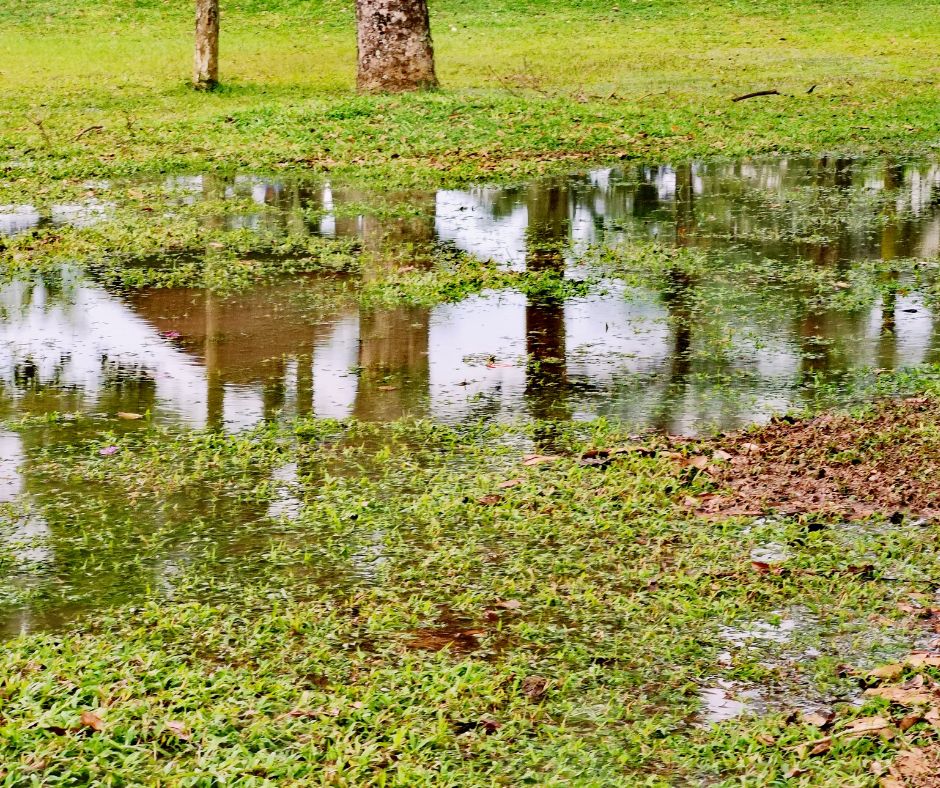
    • Water pooling after substantial rainfalls
    • Soggy soil that remains wet for prolonged periods
    • Erosion affecting soil stability and plant health
    • Foundation damage caused by excessive moisture
    • Unpleasant odours stemming from stagnant water
    • Increased pest infestations in waterlogged regions

    Neglecting these signs can lead to escalating issues, making it imperative for homeowners to explore effective yard drainage solutions promptly.

    The Critical Role of Proper Drainage for Your Property’s Safety

    The significance of effective yard drainage cannot be emphasized enough; it plays a crucial role in protecting your property from costly damages. A well-designed drainage system efficiently channels surface water away from your home, mitigates soil erosion, and enhances the overall aesthetic appeal of your landscape. Without sufficient drainage, properties are at risk of foundation compromise, mould proliferation, and diminished property value. Furthermore, proficient drainage fosters a healthier lawn and garden by preventing root rot and ensuring optimal soil conditions, ultimately enhancing your property’s resale potential.

    Identifying the Need for Professional Yard Drainage Services

    Recognizing the warning signs that your yard requires professional drainage services is the initial step in safeguarding your valuable property. If you frequently notice persistent water pooling, particularly following rainfall, or if particular areas remain soggy long after a storm, these may indicate underlying drainage issues. Additionally, signs of erosion, mudslides, or visible water damage around your foundation should prompt you to pursue professional yard drainage services without delay. Do not ignore these indicators; early intervention can prevent extensive and costly repairs in the future.

    Exploring Various Types of Yard Drainage Systems

    Yard Drainage Solutions in Burnaby: A vibrant garden featuring French drains, dry wells, and swales for effective yard drainage.

    Enhancing Water Management Through French Drains

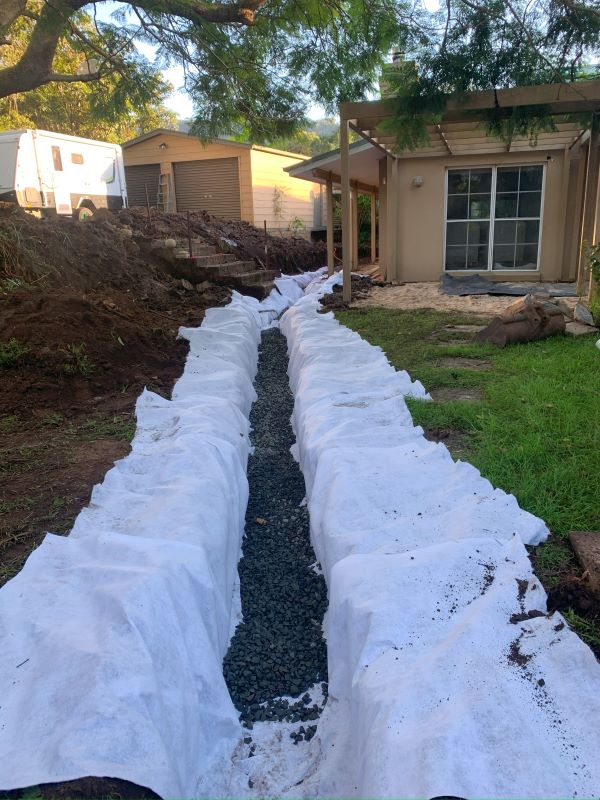
    Among the most effective systems for managing excessive water is the French drain. This drainage solution consists of a trench filled with gravel or rocks, incorporating a perforated pipe that redirects both surface and groundwater away from areas where it is not wanted. French drains are particularly advantageous in regions like Burnaby, where heavy rainfall can saturate the ground and destabilize it. Their design facilitates efficient collection and transportation of water, significantly diminishing the likelihood of pooling and flooding in your yard. Proper installation is critical; the trench must be sloped to promote optimal water flow, ensuring that all collected water is effectively diverted away from your property.

    Improving Your Yard Drainage System with Dry Wells

    Dry wells represent another highly effective strategy for managing yard drainage, especially for homeowners facing substantial stormwater runoff. These underground structures are crafted to gather and temporarily store excess water, enabling it to gradually permeate into the surrounding soil. They function adeptly in areas prone to heavy rainfall, providing a means to control runoff without overburdening local drainage systems. Implementing dry wells can significantly enhance the overall effectiveness of your yard drainage strategy, prolong the lifespan of your landscaping, and minimize the risk of water damage to your home.

    Utilizing Natural Features: Swales and Berms for Efficient Drainage Management

    Beautiful swales and strategically placed berms in a lush yard, guiding and redirecting water flow for eco-friendly drainage solutions.

    Swales and berms provide natural and cost-effective solutions for managing yard drainage. Swales are shallow channels designed to guide water flow, while berms are elevated areas that redirect water away from essential sections of your property. Together, these landscaping elements can effectively manage surface runoff and reduce erosion while enhancing the aesthetic appeal of your yard. Employing these features not only aids in drainage management but also creates unique visual elements, promoting an eco-friendly approach to managing water across your property.

    Understanding How Your Yard Drainage System Functions

    The Process of Water Collection and Redirection Explained

    Yard drainage systems are meticulously designed to collect water from various sources, both surface and subsurface, and redirect it away from vital areas. This process is crucial for preventing soil pooling and erosion. Key components of a drainage system typically include:

    • Drainage pipes
    • Gravel or rock for effective filtration
    • Catch basins to gather runoff
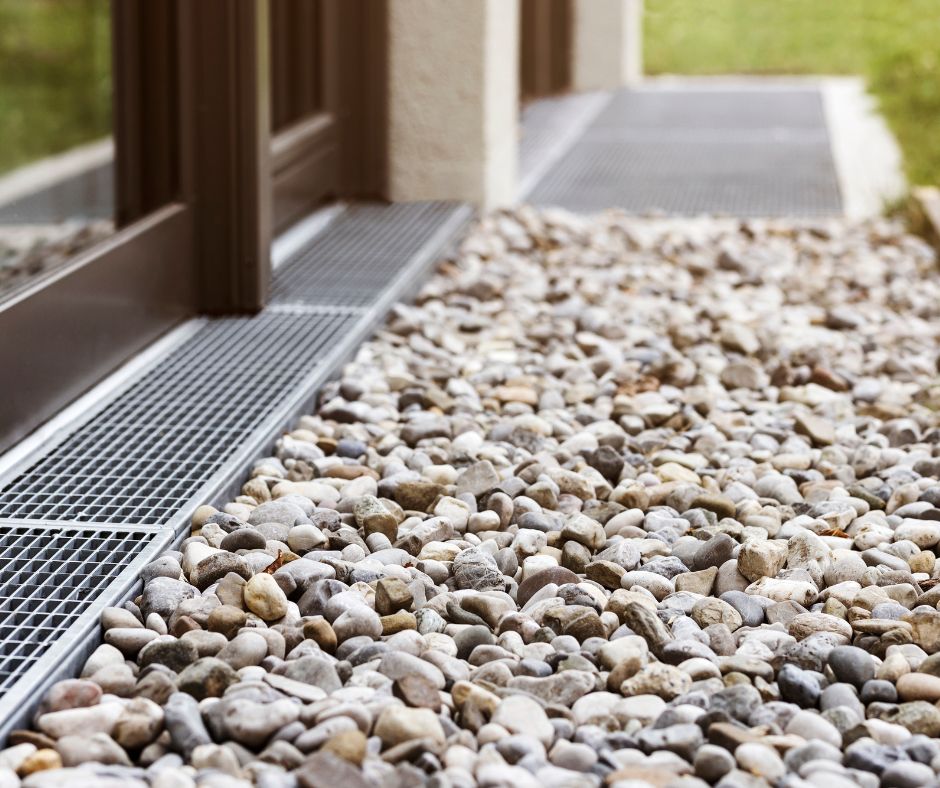
    • Channel drains for managing surface water
    • Retention or detention ponds for larger properties

    Each component plays a vital role in ensuring that water is effectively moved away from critical areas, preserving the integrity of your landscape and home.

    The Impact of Gravity and Slope on Drainage Design

    Understanding the topography of your yard is crucial for effective yard drainage. The principle of gravity plays a fundamental role; water naturally flows downhill, and leveraging this fact will facilitate the design of an efficient drainage system. Proper grading is essential to ensure that water moves away from your home rather than accumulating around it. This requires a thorough assessment of your property to identify optimal slopes for redirecting water. Additionally, considering the unique characteristics of your yard—such as soil type and existing landscaping elements—will inform the design and implementation of your drainage solutions.

    Essential Maintenance Practices for Your Drainage System

    Regular maintenance of yard drainage systems is vital for their longevity and performance. This involves routine checks for debris accumulation, clogs, and ensuring that water flows smoothly through the system. Clearing leaves, mud, and other blockages from drainage areas can prevent unwanted backups and ensure peak performance. Seasonal inspections will help identify potential issues before they escalate, ensuring your drainage system remains effective throughout the year. Committing to routine maintenance will extend the lifespan of your drainage solutions and protect your property from water damage.

    The Advantages of Engaging Professional Yard Drainage Services

    Benefits of Professional Installation for Your Yard Drainage System

    Choosing professional installation for your yard drainage system guarantees that it is designed and executed with precision, resulting in improved efficiency and durability. Professionals bring extensive experience and expertise to the project, ensuring that every aspect—from site assessment to material selection—is addressed meticulously. Moreover, professional services often include warranties, providing peace of mind that your investment is protected. With expert guidance, you can also learn about additional strategies to enhance your yard’s drainage, ensuring that your system meets both your current needs and future considerations.

    Boosting Property Value with Effective Drainage Solutions

    A well-maintained yard featuring appropriate drainage can significantly impact your property’s market value. Potential buyers are frequently deterred by signs of water damage, such as mould or foundation issues, which can originate from inadequate drainage. Conversely, an effective drainage system enhances your home’s overall appeal, reflecting a commitment to care and maintenance. This visual attractiveness, combined with the functional advantages of a well-drained yard, can make your property more competitive in the housing market. Therefore, investing in professional yard drainage services not only safeguards your home but also serves as a strategic investment in its future value.

    How Effective Drainage Prevents Water Damage

    One of the most significant advantages of a well-designed yard drainage system is its ability to prevent water from accumulating around your home’s foundation. This protection is crucial in minimizing the risks associated with structural damage and mould growth, which can lead to expensive repairs and health concerns. A properly installed drainage system directs excess water away from sensitive areas, significantly reducing the likelihood of water damage. Additionally, maintaining proper drainage prevents erosion, ensuring that your landscaping remains intact and your outdoor spaces stay usable and enjoyable throughout the year.

    Expert Insights into Yard Drainage Services Available in Burnaby

    Local Climate Considerations for Drainage Solutions

    Burnaby’s unique climate, characterized by wet winters and dry summers, necessitates customized drainage solutions that cater to local weather patterns. The heavy rainfall experienced during the winter months can overwhelm standard drainage systems, making it essential to consider robust options, such as French drains or dry wells. Local experts in yard drainage services can offer invaluable insights into optimal materials and designs tailored for these conditions. For instance, successful installations around Burnaby Park have utilized natural swales and dry wells, effectively managing stormwater while preserving the park’s natural beauty.

    Best Practices for Installing Yard Drainage Systems

    When installing yard drainage systems in Burnaby, adhering to best practices is critical. This process begins with a comprehensive site assessment, evaluating the specific drainage needs based on your property’s topography and soil composition. Employing proper grading techniques is essential to ensure water flows away from your home and sensitive areas. Utilizing high-quality materials is equally significant; relying on durable pipes and appropriate gravel can extend the lifespan of your drainage system. Collaborating with experienced professionals who understand local conditions ensures that installations are both effective and compliant with local regulations.

    Common Challenges in Yard Drainage and Effective Solutions

    Many homeowners in Burnaby face common yard drainage challenges, such as heavy clay soil that retains moisture and steep slopes that complicate water redirection. To effectively tackle these issues, it is essential to understand the unique characteristics of your yard. Enhancing organic matter in the soil can improve drainage while supporting root-vegetation growth and facilitating moisture absorption. In situations involving steep slopes, terracing or constructing retaining walls can help manage water flow. Seeking customized solutions from local drainage experts will provide actionable strategies to overcome these challenges, ensuring your yard remains functional and visually appealing despite its natural obstacles.

    Choosing a Reputable Drainage Contractor for Your Project

    Selecting a reputable drainage contractor in Burnaby is a crucial step toward ensuring high-quality service and satisfactory results. Start by verifying the contractor’s credentials and experience in the field. Look for reviews and testimonials from previous clients to assess their reputation. A trustworthy contractor should conduct a comprehensive assessment of your property, detailing the recommended solutions and materials to be utilized. It is also advisable to request examples of past projects to gauge the quality of their work. Finding the right contractor will lay the groundwork for a successful and effective yard drainage system.

    Strategies for Sustained Performance of Your Drainage System

    To maintain the long-term performance of your yard drainage system, regular maintenance is essential. Key maintenance tasks include clearing debris from drains and catch basins, checking for potential clogs, and ensuring that water flows freely through the system. Seasonal inspections allow you to identify issues early, facilitating timely repairs before they escalate into larger problems. Additionally, homeowners should familiarize themselves with the specific maintenance requirements of their installed systems, as different types of drainage solutions may have distinct needs. Following these guidelines will help preserve the system’s effectiveness and extend its lifespan.

    DIY vs. Professional Yard Drainage Services: A Thorough Comparison

    Evaluating the Pros and Cons of DIY Drainage Projects

    While DIY yard drainage projects can offer a cost-effective solution, they come with their own set of challenges. On the positive side, undertaking drainage projects yourself can save money and allow for personal customization of your design. However, without the necessary knowledge and expertise, DIY installations may not yield effective results, potentially leading to future complications. Incorrectly installed systems could exacerbate existing water issues or create new problems altogether. Therefore, while DIY projects can be rewarding, it is essential to weigh the potential risks against your skills and the complexity of the task at hand.

    When to Seek Professional Assistance for Drainage Needs

    If you feel uncertain about your yard’s drainage requirements or if prior DIY efforts have not yielded satisfactory results, it may be wise to seek professional assistance. A qualified drainage expert can conduct a thorough assessment of your property, identifying specific issues and proposing tailored solutions to address them. Their expertise not only aids in designing an effective drainage plan but also ensures that installations comply with local regulations and standards. When facing persistent drainage problems or planning extensive landscaping renovations, professional guidance can provide clarity and confidence in your decisions.

    Financial Considerations: DIY vs. Professional Drainage Solutions

    When evaluating yard drainage options, it is essential to consider the financial implications of both DIY and professional services. DIY drainage projects may initially appear to have lower upfront costs, but they can result in significant expenses if poorly executed systems require extensive repairs later. In contrast, professional services entail higher initial costs but often prove to be more economical in the long run, as they deliver quality installations backed by warranties. Considering the potential for future repairs and the value added to your property through professional installations is essential when making your decision.

    Selecting the Premier Yard Drainage Service Provider

    Key Factors to Consider in a Service Provider

    When searching for a yard drainage service provider, various key factors should be meticulously considered to ensure quality and reliability. Seek out companies with extensive experience in the field and positive reviews from past clients. Proper licensing and insurance are also crucial, as they protect you against liability in the event of accidents during the project. A comprehensive assessment of your property should be integral to their offering, allowing for tailored solutions that address your specific drainage needs. Ultimately, a reputable provider should prioritize customer satisfaction and transparency throughout the entire process.

    Essential Questions to Ask Before Hiring a Drainage Contractor

    Before finalizing your decision, asking the right questions can help clarify the capabilities and reliability of potential drainage service providers. Inquire about their experience with similar projects, the materials they typically use, and the anticipated timeline for project completion. It is also valuable to ask how they handle unexpected issues that may arise during the installation. Understanding their warranty policies and aftercare service options will provide insight into the level of support you can expect post-installation. Engaging in this dialogue ensures that you are making an informed decision regarding your yard drainage needs.

    Evaluating Quotes and Proposals Effectively

    When assessing quotes and proposals from yard drainage service providers, consider the scope of work, proposed materials, and the provider’s reputation. A comprehensive proposal should outline each component of the project, allowing you to understand exactly what you are paying for. Pay careful attention to transparency in pricing and the inclusion of any potential additional costs that may arise during the work. Comparing multiple quotes will provide a clearer picture of market rates and help you gauge the quality of service offered by different providers.

    Importance of Checking References and Previous Work

    To verify the credibility of a drainage service provider, checking their references and reviewing past projects is a crucial step. Reach out to former clients to gain insights into their experiences regarding aspects such as artistry, adherence to timelines, and post-installation service. Requesting photographs or site visits of completed projects can further illustrate the quality of their work. This due diligence ensures that you select a provider with a proven track record of delivering high-quality yard drainage solutions.

    Research-Backed Benefits of Yard Drainage Services in Burnaby

    Enhancing Soil Health with Effective Drainage Practices

    Effective yard drainage plays a pivotal role in improving soil health. By preventing waterlogging, proper drainage ensures that plant roots receive essential oxygen and nutrients necessary for robust growth. Waterlogged conditions can lead to root rot and a decline in the overall vitality of your yard. Furthermore, well-drained soil allows for better aeration, promoting nutrient absorption and fostering a vibrant ecosystem. Addressing drainage issues creates a thriving environment for your landscape, benefiting both its aesthetic appeal and overall health.

    Reducing Pest Infestations with Efficient Drainage

    Excess moisture in your yard can attract various pests, including mosquitoes, termites, and other insects that thrive in wet conditions. By implementing effective yard drainage, you can reduce standing water and significantly minimize the risk of pest infestations. Controlling moisture levels creates an unwelcoming environment for these unwanted visitors, leading to a more pleasant outdoor experience. Efficient drainage not only protects your property from structural damage but also contributes to a healthier, pest-free landscape, enhancing your overall quality of life.

    Enhancing Landscape Aesthetics Through Proper Drainage Solutions

    A well-drained yard significantly boosts the aesthetic appeal of your landscape. Continuous water pooling creates unsightly patches and can lead to erosion, detracting from the overall beauty of your property. Proper drainage prevents these issues, ensuring your yard remains vibrant and visually appealing. Healthy, thriving plants and a clean, well-maintained landscape foster an inviting atmosphere and enhance curb appeal. Therefore, investing in yard drainage services is a proactive measure that yields dividends in both visual attractiveness and property value.

    Essential Maintenance Recommendations for Yard Drainage Systems

    The Importance of Regular Inspections

    Conducting regular inspections of your yard drainage system is essential for its long-term effectiveness. This involves checking for visible signs of clogs, damage, and ensuring that water flows unobstructed through pipes and drains. Regular assessments facilitate the early detection of potential issues, enabling prompt repairs before they escalate into larger, more costly problems. Homeowners should make it a practice to clear debris from drainage areas, particularly after heavy storms, to maintain optimal performance and prolong the lifespan of the system.

    Key Maintenance Tasks to Perform Regularly

    Essential maintenance tasks for your yard drainage system include clearing debris from catch basins and drains, checking for clogs, and ensuring proper water flow. These routine activities can prevent major issues and extend the life of your drainage system. Additionally, homeowners should periodically inspect pipes for signs of wear or damage and promptly carry out necessary repairs. Establishing a regular maintenance schedule will help ensure your drainage system functions effectively and that your yard remains healthy and vibrant.

    When to Seek Professional Help for Drainage Issues

    If ongoing problems with your yard drainage system arise, it may be time to consult a professional. Indicators that professional intervention is necessary include recurring flooding, frequent clogs, or visible damage to your drainage system. Experts possess the knowledge to diagnose issues that may not be apparent to the untrained eye and can offer tailored solutions to rectify these problems. Engaging professionals ensures that your drainage system continues to perform optimally, safeguarding your property from potential water damage and maintaining the health of your landscape.

    Creating a Seasonal Maintenance Schedule for Your Drainage System

    Establishing a seasonal maintenance schedule for your yard drainage system ensures it remains in peak condition throughout the year. In spring, clear debris from drains and conduct thorough inspections following winter. Summer is an ideal time to identify and address any standing water problems. In the fall, ensure that leaves and other debris are removed to prevent clogging during the winter months. During winter, check for ice blockages and confirm that drainage areas function correctly. This proactive approach helps maintain system efficiency and extends the lifespan of your drainage solutions.

    Preventive Strategies to Tackle Common Drainage Issues

    Implementing preventive measures is crucial for minimizing common yard drainage issues. Utilizing landscape fabric can help prevent soil erosion and clogging in drainage systems. Ensuring proper grading guarantees that water flows away from critical areas, while planting deep-rooted vegetation can help absorb moisture and avoid erosion. Additionally, regular maintenance, including debris removal and clog checks, reduces the risk of water pooling. By adopting these proactive steps, homeowners can minimize the chances of drainage issues and maintain a flourishing landscape.

    Frequently Asked Questions (FAQs) About Yard Drainage

    What is yard drainage and its purpose?

    Yard drainage refers to specialized systems designed to manage water flow and prevent pooling in your yard, ensuring a healthy lawn while protecting against property damage.

    How can I determine if I need yard drainage services?

    Signs include persistent pooling water, soggy soil, erosion, and visible damage to your foundation or landscape, indicating the need for professional assessment.

    What types of yard drainage systems are most common?

    Common systems include French drains and dry wells, which effectively manage excess water.

    Why is professional installation important for drainage systems?

    Professional installation ensures that yard drainage systems are designed and executed correctly, maximizing their effectiveness and longevity.

    What maintenance does a yard drainage system require to function properly?

    Key maintenance tasks include regular inspections, debris clearing, checking for clogs, and ensuring proper water flow to prevent issues.

    Can I install yard drainage myself, and what should I consider?

    While DIY installations can save money, they require knowledge and skill; improper installations may lead to more significant issues later on.

    How can I select the right drainage contractor for my project?

    Look for experience, positive reviews, proper licensing, and a comprehensive assessment approach when selecting a drainage service provider.

    What are the key benefits of yard drainage systems?

    Benefits include preventing water damage, enhancing property value, improving soil health, and reducing pest infestations.

    How does effective yard drainage impact property value?

    A well-maintained yard with efficient drainage can significantly enhance curb appeal and market value, attracting potential buyers.

    What signs indicate drainage problems in a yard?

    Common signs include excessive moisture, pooling water, erosion, and damage to landscaping or structures, all of which suggest the need for effective drainage solutions.

    Connect with us on Facebook for more updates!

    Presented By: Yard Drainage Solutions in Burnaby

    The Article: Yard Drainage Services in Burnaby: Solutions for Water Management First Published On: https://pacificbluemechanical.ca/

    The Article Yard Drainage Services: Effective Water Management in Burnaby Was Found On https://limitsofstrategy.com
  • Crawl Space Drainage Solutions in Port Coquitlam

    Crawl Space Drainage Solutions in Port Coquitlam

    Expert Crawl Space Drainage Solutions by Pacific Blue Mechanical & Plumbing, Your Trusted Plumbing Professionals
    Serving the community of Port Coquitlam and throughout British Columbia. Boasting 500 positive Google reviews.
    Pacific Blue specializes in comprehensive solutions for crawl space drainage, effectively managing moisture and preventing potential structural challenges.

    Evaluate Your Crawl Space Drainage Needs for Enhanced Home Safety

    Identifying Prevalent Issues in Crawl Spaces

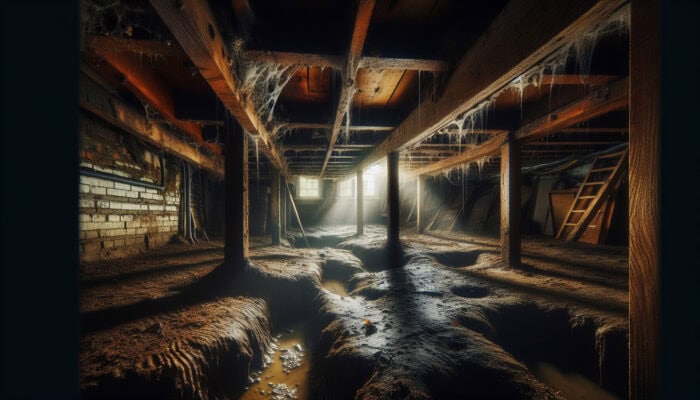
    Crawl Space Drainage Services in Port Coquitlam: Dimly lit crawl space with visible moisture, mold, structural damage, and pests.

    Crawl Space Drainage Services in Port Coquitlam: Crawl spaces are frequently associated with various issues that can jeopardize the safety and structural integrity of your home. One of the most critical concerns is moisture accumulation, which can lead to severe problems such as mold growth, structural degradation, and pest infestations. Homeowners in Port Coquitlam must be particularly vigilant about these risks, as the region’s climate often leads to elevated moisture levels. Below are some common issues frequently found in crawl spaces:

    • Moisture buildup
    • Mold and mildew development
    • Structural damage to support beams and joists
    • Pest infestations, including rodents and insects
    • Odours and indoor air quality issues
    • Wood rot and decay
    • Soil erosion around the foundation
    • Foundation cracks and shifting

    Taking swift action to tackle these issues is essential for avoiding costly repairs and maintaining your home’s value. Regular inspections and proactive maintenance are vital for effectively managing these risks, ensuring the longevity of your property.

    The Importance of a Reliable Drainage System for Your Home

    Establishing a dependable drainage system is crucial for any residence, especially in areas like Port Coquitlam, where heavy rainfall can result in significant water accumulation. An effective drainage system serves as a barrier against water infiltration into crawl spaces, safeguarding the structural integrity of your foundation and enhancing the overall safety of your home. The key benefits of installing a reliable drainage system include:

    • Preventing moisture accumulation
    • Minimizing the risk of mold and mildew
    • Enhancing home value through improved structural integrity
    • Boosting indoor air quality
    • Protecting against pest infestations
    • Extending the lifespan of your home’s foundation
    • Reducing the likelihood of expensive repairs
    • Improving the comfort and livability of your home

    Investing in a high-quality drainage system is more than just a matter of comfort; it is a vital step in protecting your property from potential water damage and ensuring sustainable living conditions for years to come.

    Steps for Effectively Assessing the Condition of Your Crawl Space

    Conducting regular assessments of your crawl space is essential for identifying potential issues before they escalate into significant concerns. Ideally, these inspections should occur at least once a year or following substantial weather events. Here’s a detailed guide for evaluating the condition of your crawl space:

    1. Visual Inspection: Start by examining the crawl space entry for signs of water damage, mold, or pest activity. Look for puddles, stains, and unusual odours that may signal trouble.
    2. Moisture Check: Use moisture meters to accurately gauge humidity levels, aiming to keep readings below 60%.
    3. Insulation Inspection: Assess insulation for any signs of dampness or mold. Damaged insulation should be replaced promptly to prevent further complications.
    4. Foundation Examination: Check the foundation walls and floor for cracks. While minor cracks may be repairable, larger ones should warrant a professional evaluation.
    5. Ventilation Assessment: Ensure that vents are clear and functioning properly; effective ventilation is essential for moisture control.
    6. Drainage System Review: Inspect existing drainage mechanisms, such as Sump Pumps or French drains, to confirm they operate effectively.

    Conducting these assessments routinely can help maintain a healthy crawl space and prevent future issues, ensuring your home remains safe and structurally sound.

    Insights from Experts on Crawl Space Drainage Services in Port Coquitlam

    Diagram illustrating a crawl space with expertly installed drainage systems in a Port Coquitlam home.

    Defining Expertise in Crawl Space Drainage Solutions

    Professionals specializing in crawl space drainage possess extensive experience and specialized knowledge necessary for effectively tackling drainage challenges. They understand the unique environmental conditions prevalent in Port Coquitlam and can offer customized solutions tailored to your home’s specific needs. Many experts have worked on residences dealing with chronic moisture issues and can implement systems designed specifically for high-humidity environments. Examples of expert interventions include:

    – Installing advanced sump pump systems that efficiently remove excess water.
    – Designing tailored drainage solutions incorporating French drains that expertly redirect water away from the foundation.
    – Implementing waterproofing strategies using vapour barriers that effectively seal out humidity from the crawl space, thereby safeguarding your home.

    Choosing a qualified expert can significantly impact the durability and effectiveness of your crawl space drainage system, ensuring optimal performance and peace of mind.

    Expert Diagnostic Techniques for Crawl Space Drainage Issues

    Experts employ a variety of advanced tools and methodologies to accurately diagnose crawl space drainage problems. Their diagnostic process typically involves a comprehensive examination of both visible and hidden issues. Here’s a step-by-step overview of their diagnostic approach:

    1. Initial Consultation: Experts usually begin with a discussion regarding any noticeable issues you’ve encountered, such as unpleasant odours or visible moisture.
    2. Comprehensive Inspection: This includes checking for visible cracks, mold, and assessing the state of existing drainage systems.
    3. Moisture Measurement: Utilizing specialized equipment, experts can measure humidity levels within your crawl space, identifying areas with excessive moisture.
    4. Soil Testing: In certain situations, testing the soil surrounding the foundation can provide insights into drainage problems, especially if the soil is improperly graded.
    5. Ventilation Evaluation: Experts will inspect the ventilation system to ensure it effectively circulates air, a crucial factor in moisture control.

    Understanding these diagnostic methods enables homeowners to appreciate the importance of hiring professionals for crawl space assessments, ensuring effective solutions that last.

    Choosing the Right Expert for Your Crawl Space Drainage Needs

    An expert inspecting a damp crawl space with modern drainage tools, ensuring quality and compliance with codes.

    Selecting the right professional for crawl space drainage services is vital for ensuring quality workmanship and peace of mind. When evaluating potential service providers, consider the following criteria:

    • Years of experience in crawl space drainage
    • Positive customer reviews and testimonials
    • Relevant certifications and licenses
    • Knowledge of local building codes and regulations
    • Detailed quotes with clear pricing transparency
    • Warranty offerings for services provided
    • Comprehensive service options, including ongoing maintenance
    • Technology and tools utilized in installations

    A qualified expert will not only resolve your current drainage challenges but also provide valuable insights and preventive measures for the future, ensuring your investment is well-protected and your home remains safe.

    Recommended Crawl Space Drainage Solutions from Industry Experts

    Experts often recommend a variety of effective strategies to address crawl space drainage issues. These solutions are designed to minimize water accumulation and protect your home from moisture damage. Commonly advised options include:

    Sump Pumps: These devices are essential for removing excess water from crawl spaces, particularly in low-lying areas vulnerable to flooding.
    French Drains: Installed around the foundation’s perimeter, these drains efficiently redirect water away from the crawl space.
    Vapour Barriers: These barriers prevent moisture from infiltrating the crawl space, significantly lowering humidity levels and inhibiting mold growth.
    Gravel Drainage Systems: These systems facilitate the redirection of surface water and improve drainage around your foundation.
    Downspout Extensions: Properly directing rainwater away from the foundation keeps the crawl space dry and minimizes water intrusion.

    Real-world case studies reveal that implementing these solutions can significantly enhance the health of your crawl space and prevent costly damage, ultimately safeguarding your property for years to come.

    Understanding the Components of Crawl Space Drainage Systems

    Essential Elements of a Comprehensive Crawl Space Drainage System

    A well-designed crawl space drainage system comprises numerous critical components that play essential roles in effective moisture management. Understanding these elements empowers homeowners to make informed decisions about their drainage solutions. Key components include:

    • Sump Pumps
    • French Drains
    • Vapor Barriers
    • Drains and Piping
    • Gravel and aggregate materials
    • Drainage Mats
    • Foundation Walls
    • Downspout Extensions

    Each component works together to form a cohesive system that prevents water accumulation. For instance, sump pumps work in conjunction with French drains to efficiently expel water, while vapour barriers serve to shield against humidity infiltration, ensuring the integrity of your crawl space and protecting your home.

    Step-by-Step Installation Process for Drainage Systems

    Installing a crawl space drainage system is a complex procedure that requires professional expertise to ensure maximum effectiveness. The primary steps generally followed during the installation process include:

    1. Site Assessment: Professionals evaluate the crawl space and surrounding area to determine the most suitable drainage solutions tailored to your specific needs.
    2. Crawl Space Preparation: This involves clearing debris, inspecting for structural issues, and ensuring the area is accessible for the installation team.
    3. Drainage Component Installation: French drains, sump pumps, and other components are installed following best practices to ensure optimal functionality.
    4. Sealing and Waterproofing: Vapour barriers are installed to effectively cut off moisture sources, preventing dampness from entering the crawl space.
    5. Testing the System: After installation, the entire system is tested to verify it meets performance standards and operates as intended.

    Each of these steps is crucial in ensuring a successful installation and protecting your home from potential water damage, thereby preserving its value and safety.

    Maintenance Strategies for Optimal Drainage System Performance

    Proper maintenance of your crawl space drainage system is vital for its longevity and effectiveness. Here are straightforward tips to ensure your system remains in excellent condition:

    1. Regular Inspections: Conduct inspections every six months to verify that all components are functioning correctly and check for visible signs of moisture.
    2. Clean Drainage Systems: Regularly clear any debris from drains to prevent blockages that could lead to water accumulation.
    3. Test Sump Pumps: Periodically check sump pumps by pouring water into the pit to confirm they activate as expected and function correctly.
    4. Monitor Humidity Levels: Use a hygrometer to keep track of indoor humidity levels, targeting a range of 30-50% to inhibit mold growth.
    5. Inspect Seals and Barriers: Regularly check vapour barriers and seals for signs of wear or damage, replacing them when necessary.

    By adhering to these maintenance strategies, homeowners can ensure that their crawl space drainage systems remain effective, preventing potential problems down the line and ensuring peace of mind for their families.

    Exploring the Benefits of Professional Crawl Space Drainage Services

    Key Advantages of Hiring Professionals for Drainage Solutions

    Engaging professionals for crawl space drainage services offers numerous benefits that can greatly enhance your drainage solutions. Professionals possess the required expertise to navigate the complexities of drainage systems, ensuring compliance with local regulations while delivering high-quality workmanship. Key benefits include:

    • Expert assessment of crawl space conditions
    • Installation of high-quality drainage solutions
    • Compliance with local building codes
    • Warranty on services provided
    • Access to specialized tools and technology
    • Long-term savings through effective solutions
    • Expert advice and recommendations for ongoing maintenance
    • Peace of mind knowing the job is done right

    Investing in professional services ultimately leads to a more reliable drainage system, providing long-lasting protection for your home and enhancing your overall quality of life.

    Enhancing Your Home’s Value Through Proper Drainage

    A well-maintained crawl space drainage system can significantly elevate your home’s market value. Prospective buyers often hesitate to invest in properties with a history of moisture-related issues or drainage complications. Effective drainage not only preserves the structural integrity of the home but also enhances its overall appeal. The advantages of proper drainage concerning home value include:

    Increased Buyer Confidence: A home equipped with a robust drainage system reassures buyers regarding its condition.
    Lower Insurance Premiums: Properties with effective moisture control may qualify for reduced insurance rates due to less risk.
    Enhanced Curb Appeal: Proper drainage minimizes erosion and water pooling, maintaining the aesthetics of your property.
    Longevity of the Home: Properly managed drainage prolongs the life of the home’s foundation and structure, making it more attractive to prospective buyers.

    Overall, homeowners who invest in effective drainage solutions not only protect their homes but also potentially boost their resale value, ensuring a worthwhile investment in their property.

    Health Hazard Prevention Through Effective Drainage Services

    Effective crawl space drainage services play a vital role in safeguarding your family’s health. Inadequate drainage can lead to mold and mildew growth, which pose significant health risks, especially for individuals with respiratory conditions. The benefits of professional drainage services include:

    Reduction of Mold Growth: Properly managed drainage prevents conditions conducive to mold growth, thereby protecting your family from related health risks.
    Improved Indoor Air Quality: An efficient drainage system lowers humidity levels, contributing to better air quality throughout the home.
    Minimized Allergens: Effective drainage reduces the presence of allergens like dust mites and mold spores, promoting a healthier living environment.
    Peace of Mind: Knowing your home is protected against moisture-related health hazards instills a sense of security and well-being.

    By investing in professional drainage services, homeowners actively contribute to creating a healthier living space for themselves and their loved ones, making it a vital consideration for any homeowner.

    Structural Damage Prevention Through Effective Drainage

    Proper drainage is essential in preventing water accumulation that can compromise your home’s foundation and overall structure. Over time, accumulated moisture can lead to severe issues such as foundation cracks, shifting, and wood rot, jeopardizing your home’s safety. Effective drainage protects your property by:

    Preventing Soil Erosion: Well-designed drainage systems channel water away from the foundation, minimizing soil erosion and reducing settling risks.
    Mitigating Water Accumulation: Sump pumps and French drains work together to eliminate excess water, preventing it from pooling around the foundation.
    Extending the Life of Your Foundation: By effectively managing water levels, homeowners can prolong the lifespan of their foundation and reduce the frequency of costly repairs.
    Enhancing Structural Integrity: Keeping the crawl space dry ensures that structural components remain intact, preventing sagging and warping over time.

    Effective drainage not only preserves your home’s structural integrity but also saves you from the financial burden of extensive repairs, making it an essential aspect of responsible homeownership.

    Proven Strategies for Effective Crawl Space Drainage Services in Port Coquitlam

    Best Practices for Installing Drainage Systems

    Implementing best practices during drainage system installation is crucial to ensuring long-lasting and effective solutions. Professionals should adhere to industry standards to guarantee the quality of their work. Best practices encompass:

    • Conducting thorough assessments prior to installation
    • Utilizing high-quality materials that can withstand local environmental conditions
    • Following local building codes and regulations
    • Ensuring adequate slope and grading around the foundation
    • Incorporating maintenance access points for future inspections
    • Installing backup systems, such as battery-operated sump pumps
    • Employing proper sealing and waterproofing techniques
    • Documenting the installation process for future reference

    Adhering to these best practices not only enhances the drainage system’s effectiveness but also extends its lifespan, ensuring that your investment pays off over time.

    Strategies for Optimizing Your Drainage System Performance

    Optimizing your drainage system can significantly extend its lifespan and improve its overall effectiveness. Homeowners can implement various strategies to enhance performance, including:

    1. Regular Maintenance: Conduct routine inspections and cleanings to ensure that all components function properly and are free from blockages.
    2. Upgrade Components: Consider upgrading to higher-efficiency sump pumps or drainage materials that outperform standard options.
    3. Monitor Water Flow: Regularly check that water is flowing unobstructed through drains and away from the foundation.
    4. Adjust Grading: Ensure that the grading around your home effectively directs water away from the foundation, reducing the risk of accumulation.
    5. Implement Landscaping Solutions: Utilize landscaping techniques, such as rain gardens or swales, to further manage runoff and drainage around your home.

    By taking these proactive steps, homeowners can ensure their drainage systems continue to function effectively over time, minimizing the risk of future issues and maintaining a safe living environment.

    Ensuring Long-Term Effectiveness of Your Drainage System

    To maintain the long-term effectiveness of your crawl space drainage system, adopting a proactive maintenance strategy is crucial. Here are several expert recommendations for keeping your drainage system functional:

    1. Scheduled Inspections: Set a schedule for regular inspections, ideally every six months, to catch early signs of problems before they escalate.
    2. Prompt Repairs: Address issues immediately, whether it involves replacing a malfunctioning sump pump or clearing a blocked drain.
    3. Document Performance: Maintain records of inspections and maintenance to track performance and identify patterns indicating underlying issues.
    4. Educate Yourself: Stay informed about the latest technologies and methods in crawl space drainage, which can provide insights for potential upgrades.
    5. Engage Professionals: Consult with drainage experts periodically to ensure your systems remain optimized and compliant with current standards.

    These strategies will help maintain the efficiency of your drainage system, ensuring it continues to provide effective protection for your home.

    Common Challenges Encountered in Crawl Space Drainage Installations

    Installing crawl space drainage systems can present various challenges, and understanding these obstacles can help homeowners prepare for potential issues. Common challenges faced during drainage installation include:

    Access Limitations: Tight or confined crawl spaces can complicate installation, necessitating specialized tools and techniques to navigate.
    Soil Conditions: Heavy clay or rocky soil can hinder excavation and installation processes, occasionally requiring additional equipment.
    Water Table Variability: Seasonal fluctuations in water tables can influence drainage requirements and affect installation strategies.
    Existing Structures: Pre-existing structures or utilities within the crawl space may need to be navigated or accommodated during installation.
    Climate Factors: Weather conditions can delay installation timelines, especially in areas prone to heavy rainfall or snow.

    By recognizing these challenges, homeowners can collaborate with professionals to devise effective solutions and ensure successful installations that meet their needs.

    Identifying the Right Drainage Service Provider in Port Coquitlam

    Selecting a dependable drainage service provider is essential for successful installation and ongoing maintenance. When choosing a drainage service in Port Coquitlam, consider the following criteria:

    • Years of experience in crawl space drainage services
    • Customer reviews and case studies showcasing successful projects
    • Licensing and insurance coverage
    • Transparency in pricing, including estimates and warranties
    • Technologies and techniques utilized during installation
    • Post-installation support and maintenance offerings
    • Approach to environmental considerations and sustainability
    • Availability for consultations and follow-up services

    Evaluating these factors will help homeowners select a drainage provider that meets their specific needs, ensuring quality work and peace of mind throughout the process.

    Financial Considerations for Crawl Space Drainage Installation

    Factors Influencing the Cost of Drainage Installation

    The cost of installing a crawl space drainage system can vary significantly based on several factors. Understanding these variables can assist homeowners in budgeting more effectively. Key factors influencing drainage costs include:

    • Size of the crawl space
    • Complexity of the required drainage system
    • Type and quality of materials used
    • Local labour rates and availability of professionals
    • Accessibility of the crawl space
    • Existing drainage issues that may necessitate additional work
    • Permitting and inspection costs
    • Geographical considerations, such as soil type and climate conditions

    By considering these factors, homeowners can gain a clearer understanding of the overall costs associated with installing a new drainage system, allowing for better financial planning and decision-making.

    Budgeting for Professional Drainage Services

    Creating an effective budget for professional drainage services involves careful planning and consideration of various factors. Here’s how to financially prepare for drainage projects:

    1. Get Multiple Quotes: Obtain estimates from several drainage service providers to gauge market rates and the scope of services.
    2. Factor in Contingencies: Set aside a contingency fund of around 10-20% of your total budget for unforeseen complications or additional repairs.
    3. Prioritize Needs vs. Wants: Identify essential services and materials versus optional upgrades or additional features that may enhance the system.
    4. Consider Financing Options: Explore financing avenues, such as home improvement loans or payment plans, to ease the financial burden.
    5. Monitor Ongoing Costs: Account for future maintenance expenses to ensure sustained effectiveness and avoid larger repairs in the future.

    By following these budgeting strategies, homeowners can approach their drainage projects with confidence and clarity, ensuring successful outcomes and financial stability.

    Exploring Affordable Drainage Solutions

    Several cost-effective drainage solutions exist that balance budget constraints with the need for quality outcomes. Exploring these options can help homeowners achieve effective drainage without overspending. Some affordable drainage solutions include:

    DIY Drainage Improvements: Simple actions like grading the landscape or clearing existing drains can dramatically enhance drainage at minimal cost.
    Basic Sump Pumps: Investing in a reliable, entry-level sump pump can facilitate essential water removal without a hefty financial commitment.
    French Drains: These can be installed at a relatively low cost, particularly when integrated with existing drainage systems to improve performance.
    Regular Maintenance: Committing to routine maintenance can prevent larger problems and costs in the future, ensuring the system remains effective and efficient over time.

    By considering these affordable solutions, homeowners can make informed investments in their drainage systems while staying within budgetary limits.

    Identifying Signs That Indicate You Need Crawl Space Drainage

    Recognizing Moisture and Mold Problems

    Early identification of moisture and mold issues is crucial for effective intervention and prevention. Here are some telltale signs that may indicate drainage problems in your crawl space:

    • Visible mold growth on surfaces
    • Musty odours emanating from the crawl space
    • Condensation forming on pipes or walls
    • Dark stains or discoloration on wooden beams
    • Peeling paint or wallpaper within the home
    • Elevated humidity levels measured with a hygrometer
    • Frequent water stains on foundation walls
    • Presence of pests such as termites or rodents

    If you observe any of these indicators, it is essential to promptly assess the situation and consider seeking professional assistance for a comprehensive evaluation and remediation.

    Indicators of Structural Damage from Inadequate Drainage

    Structural damage can arise from inadequate drainage, leading to severe consequences for your home. Recognizing early signs of these issues can make a significant difference. Common indicators of structural damage include:

    Visible Cracks: Hairline cracks in walls or ceilings may signify foundation shifting due to water damage.
    Sagging Floors: Uneven or sagging floors can indicate compromised support structures, potentially resulting from moisture issues.
    Bulging Walls: Walls that appear to bulge or bow outward often indicate excessive moisture or pressure from water buildup.
    Doors and Windows Sticking: Difficulty in opening or closing doors and windows may suggest shifting frames caused by foundation movement.
    Separation of Trim: Gaps between trim and walls or ceilings can signify structural instability and require immediate attention.

    Identifying these structural damage indicators early can save homeowners from costly repairs and ensure the safety of their living environment.

    When to Seek Professional Assistance for Drainage Issues

    Knowing when to reach out to professionals for drainage issues can prevent minor problems from escalating into major concerns. Homeowners should seek professional help when:

    1. Signs of Moisture Persist: If moisture or mold is present despite initial attempts to address the issue.
    2. Structural Damage is Apparent: Visible signs of structural damage necessitate immediate professional assessment to avert hazards.
    3. Drainage Systems Fail: If existing systems, such as sump pumps or drains, are not functioning effectively and require repair or replacement.
    4. Frequent Water Accumulation Occurs: Regular pooling of water in or around the crawl space requires professional evaluation and intervention to prevent further complications.
    5. Health Concerns Arise: Any health issues related to air quality or mold exposure should prompt immediate action from professionals.

    Timely intervention from experts can safeguard your home and family from the adverse effects of inadequate drainage, ensuring a safe and healthy living environment.

    Comparing DIY and Professional Crawl Space Drainage Solutions

    Can Homeowners Successfully Install Drainage Systems Independently?

    While DIY projects can be appealing, installing drainage systems is generally best left to professionals due to the complexities involved. However, understanding the feasibility of self-installation can help homeowners evaluate their options. Risks associated with DIY drainage installation include:

    1. Lack of Expertise: Without specialized knowledge, homeowners may overlook critical factors that could influence system performance and effectiveness.
    2. Improper Installation: Mistakes during installation can lead to inadequate drainage, resulting in costly repairs down the line.
    3. Compliance Issues: DIY installations may fail to adhere to local building codes, potentially leading to legal and safety concerns.
    4. Limited Tools: Professionals have access to specialized tools and equipment that may not be readily available to the average homeowner, hindering effective installation.

    While enthusiastic DIYers can manage minor drainage improvements, significant installations require professional expertise to ensure safety and compliance.

    Advantages of Professional Installation for Drainage Systems

    Opting for professional installation of your crawl space drainage system offers numerous advantages that can enhance overall effectiveness. Professionals bring valuable expertise and resources to the project, including:

    • Higher quality materials and products
    • Precision in installation techniques to ensure durability
    • Knowledge of local building codes to guarantee compliance
    • Efficient troubleshooting and problem-solving abilities
    • Warranty coverage and service guarantees for peace of mind
    • Access to advanced diagnostic technology for accurate assessments
    • Long-term cost savings through preventive measures and proper installation
    • Comprehensive post-installation support and maintenance offerings

    By choosing professional installation, homeowners can ensure a reliable and efficient drainage system that effectively protects their property in the long run, providing invaluable peace of mind.

    When is DIY Adequate for Drainage Tasks?

    In specific situations, homeowners may find that DIY solutions are adequate for certain drainage challenges. Recognizing when it’s safe to tackle drainage tasks independently allows for effective action. Scenarios where DIY may be sufficient include:

    1. Simple Grading Adjustments: Modifying the landscape around the home to promote drainage can usually be accomplished without professional assistance.
    2. Clearing Existing Drains: Simple tasks like removing debris or leaves from visible drains can enhance drainage without requiring specialized skills.
    3. Insulation Replacements: Replacing damaged insulation in a crawl space can often be achieved by homeowners with basic DIY knowledge.
    4. Basic Sump Pump Maintenance: Performing routine checks and maintenance on existing sump pumps may be feasible for those with some technical understanding and experience.

    Recognizing these scenarios empowers homeowners to take ownership of minor tasks while leaving more complex installations and repairs to the experts.

    Future Trends in Crawl Space Drainage Solutions

    Emerging Innovations in Drainage Technology

    The field of drainage technology is continuously evolving, with innovations directed at enhancing efficiency and effectiveness. Homeowners should stay informed about emerging technologies that could benefit their drainage systems. Key innovations on the horizon include:

    Smart Sump Pumps: These advanced pumps utilize IoT technology to monitor water levels and alert homeowners of potential issues via smartphone notifications, enhancing responsiveness and management.
    Advanced Waterproofing Materials: New materials designed to improve waterproofing capabilities are being developed for better moisture management, offering enhanced protection for homes.
    Integrated Drainage Systems: Systems that combine multiple drainage solutions into a cohesive design are emerging, offering improved performance and efficiency.
    Eco-Friendly Solutions: Innovations focused on sustainable practices, such as rainwater harvesting systems, are becoming more accessible to homeowners, promoting environmentally friendly drainage options.

    By staying abreast of these trends, homeowners can make informed decisions regarding their drainage systems and optimize their investments for future resilience.

    Impacts of Climate Change on Drainage Needs

    Climate change is expected to have significant implications for drainage requirements, particularly in areas like Port Coquitlam, where weather patterns are continuously evolving. Key potential impacts include:

    Increased Rainfall: More frequent and intense rainfall events can overwhelm existing drainage systems, necessitating upgrades and enhancements to protect properties.
    Rising Water Tables: Changes in groundwater levels may require homeowners to reassess drainage strategies and implement more robust solutions to manage increased water levels effectively.
    Flood Risks: As flood risks heighten, homeowners may need to invest in more comprehensive drainage solutions to safeguard their properties from potential flooding and water damage.

    Understanding these potential changes can help homeowners prepare for future drainage challenges and adapt their systems accordingly for increased resilience.

    Steps Homeowners Can Take to Prepare for Future Drainage Challenges

    Proactive measures can assist homeowners in staying ahead of drainage issues arising from climate change or other factors. Here are steps to prepare for future drainage challenges:

    1. Upgrade Existing Systems: Regularly assess and upgrade older systems to ensure they meet changing conditions and increased demands for efficient drainage.
    2. Invest in Smart Technologies: Consider incorporating smart drainage solutions that provide real-time monitoring and alerts for potential issues, enhancing responsiveness and management.
    3. Educate Yourself: Stay informed about local environmental changes and drainage trends to make informed decisions about your home’s drainage needs.
    4. Create an Emergency Plan: Develop a strategy for flooding or heavy rains that outlines actionable steps to protect your property and minimize damage.
    5. Engage with Professionals: Consult with drainage experts to ensure your systems are equipped to handle future challenges, providing peace of mind and effective solutions.

    Taking these proactive steps can significantly strengthen your home’s resilience against potential drainage problems, ensuring long-term safety and stability for you and your family.

    Frequently Asked Questions About Crawl Space Drainage

    How often should I inspect my crawl space for drainage issues?

    It is advisable to inspect your crawl space at least once a year or after significant weather events to identify potential issues early and address them promptly.

    What are the indicators of poor drainage in my crawl space?

    Indicators include visible moisture, mold growth, musty odours, and structural damage such as cracks in walls or sagging floors that require immediate attention.

    What is the average cost of installing a crawl space drainage system?

    Costs can vary based on factors like size, complexity, and materials, but homeowners should generally budget several thousand dollars on average for installation.

    Can I install a drainage system myself?

    While some minor improvements can be accomplished through DIY methods, significant installations are best left to professionals due to their complexity and potential risks involved.

    What advantages does a sump pump provide?

    A sump pump effectively removes excess water from crawl spaces, preventing moisture buildup and protecting your home from water-related damage over time.

    How can I maintain my drainage system effectively?

    Regular inspections, debris removal, sump pump testing, and humidity level monitoring are key steps for ensuring the ongoing effectiveness of your drainage system.

    Are eco-friendly drainage solutions available?

    Yes, options like rainwater harvesting systems and permeable paving can help manage drainage sustainably while minimizing environmental impact.

    What should I do if I discover mould in my crawl space?

    If mould is present, it is crucial to address the moisture issue immediately and consider hiring professionals to assess and remediate the mould effectively.

    How does inadequate drainage affect my home’s market value?

    Poor drainage can significantly reduce your home’s value by increasing the risk of structural damage and moisture-related health risks, making it essential to address.

    What is a vapour barrier, and is it necessary?

    A vapour barrier is a material designed to prevent moisture from entering the crawl space. It is generally recommended for homes in humid climates to guard against mould formation and maintain structural integrity.

    Connect with us on Facebook!

    Presented By: Crawl Space Drainage in Port Coquitlam

    The Article: Crawl Space Drainage Services in Port Coquitlam: Your Solution First Published On: https://pacificbluemechanical.ca/

    The Article Crawl Space Drainage Services: Solutions in Port Coquitlam Was Found On https://limitsofstrategy.com
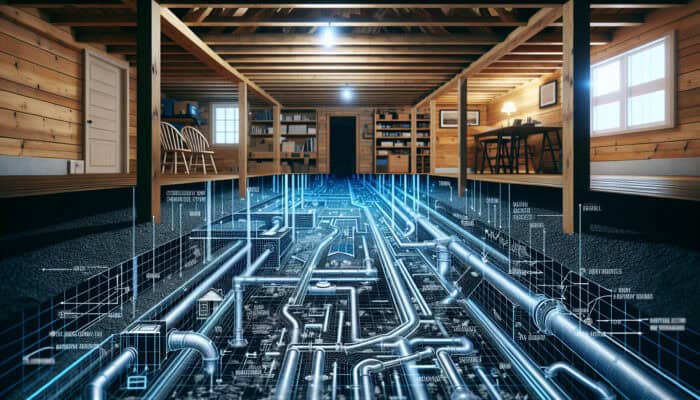
  • Crawl Space Drainage Solutions to Combat Yaletown Moisture

    Crawl Space Drainage Solutions to Combat Yaletown Moisture

    Comprehensive Strategies for Effective Crawl Space Drainage in Yaletown, Vancouver

    Understanding the Essential Elements of Crawl Space Drainage Systems

    A cutaway view of a Yaletown home's crawl space with an advanced drainage system removing excess water.

    Crawl space drainage systems are fundamental for the effective removal of surplus water beneath residential properties, playing a crucial role in preventing issues such as mold growth, structural degradation, and various moisture-related challenges that can threaten a home’s integrity. In the distinctive climatic environment of Vancouver, particularly in Yaletown, the intersection of urban development with natural water sources makes it imperative to have a reliable drainage solution. A typical crawl space drainage system includes:

    • Drainage pipes designed to effectively channel water away from the foundational structure of the home.
    • Gravel or aggregate layers that facilitate the efficient movement of water.
    • French drains that gather and redirect water away from the property effectively.
    • Sumps and sump pumps that actively remove accumulated water.
    • Moisture barriers that help prevent vapor intrusion, maintaining a dry environment.
    • Ventilation systems that significantly enhance air quality within the crawl space.

    Establishing a well-designed crawl space drainage system is vital for preserving the structural integrity of homes in Yaletown, particularly due to the region’s frequent heavy rainfall and high moisture levels throughout the year. By implementing effective drainage measures, homeowners can protect their properties from various moisture-related threats, ensuring a safer and healthier living environment.

    The Importance of Efficient Drainage Solutions for Yaletown Homeowners

    The distinctive climate of Yaletown, characterized by a blend of wet winters and warm summers, along with its urban landscape, necessitates the implementation of robust drainage solutions. The area’s specific soil conditions, often identified by dense clay content, can worsen water retention issues, heightening the risks of flooding and potential water damage. Homeowners must consider these environmental factors to shield their properties from possible water damage while preserving the long-term value of their investments. Efficient drainage systems not only protect homes from structural complications but also help alleviate health risks associated with mold and damp environments, thus ensuring a safe living space for all residents.

    Enhancing Home Value and Comfort Through Crawl Space Drainage Services in Yaletown

    Leveraging crawl space drainage services can significantly improve the overall value and comfort of homes in Yaletown. Homeowners gain numerous advantages from these services, including:

    • Prevention of mold growth and enhancement of indoor air quality.
    • Protection against structural damage and high repair costs.
    • Increased property value and overall market appeal.
    • Improved comfort levels within living spaces.
    • Reduction of pest infestations that thrive in damp conditions.

    Ultimately, investing in crawl space drainage services is a critical decision for homeowners in Yaletown, ensuring that their properties remain safe, healthy, and valuable over time.

    Expert Perspectives on Crawl Space Drainage Solutions in Yaletown, Vancouver

    Cross-section of a Yaletown home's crawl space with innovative drainage solutions and city skyline.

    Identifying Unique Drainage Requirements in Yaletown

    The drainage needs in Yaletown are particularly unique due to its urban landscape and the close proximity to the waters of False Creek. The combination of high-density living and the natural water table presents specific challenges that demand tailored solutions. Local professionals frequently note that homes near water bodies are at an increased risk of flooding, especially during heavy rainfall events. For example, a property located on Hamilton Street faced ongoing moisture issues due to its low-lying position and insufficient drainage slope. To address this concern, experts implemented a customized drainage system featuring French drains and a sump pump to effectively manage water ingress and prevent flooding.

    This scenario highlights the importance of understanding local geography and environmental conditions when developing effective drainage strategies. The unique characteristics of Yaletown underscore the necessity for homeowners to seek advice from local professionals who possess an in-depth understanding of the area and its specific challenges.

    Expert Evaluation Methods for Assessing Crawl Space Drainage Needs

    Professionals utilize a comprehensive, multi-step approach when evaluating crawl space drainage requirements. Initially, they conduct a detailed visual inspection of the crawl space to identify signs of water intrusion, mold growth, and structural damage. This assessment is typically enhanced by taking moisture readings with specialized equipment to measure humidity levels and detect any standing water in the area.

    Homeowners can prepare for a professional assessment by taking a few proactive steps:

    • Clear the crawl space of any debris or obstacles to facilitate the inspection process.
    • Ensure that vents and access points are unobstructed for effective evaluation.
    • Document any previous moisture issues or flooding incidents to provide context for the assessment.
    • Compile a list of any observed concerns to discuss with the expert.

    By following these recommendations, homeowners can ensure that the inspection process is thorough and efficient, allowing experts to provide tailored recommendations based on the specific conditions present in the crawl space.

    Latest Technological Innovations in Crawl Space Drainage

    Smart pump and moisture sensors in crawl space, activating and alerting smartphone for moisture control.

    Recent technological advancements in crawl space drainage systems have revolutionized how homeowners address moisture-related challenges. Innovations such as smart pumps equipped with sensors that detect rising water levels and automatically activate are gaining popularity. These systems provide real-time alerts to homeowners via smartphones, keeping them informed of any potential issues as they arise.

    Additionally, moisture sensors that continuously monitor humidity levels and can activate ventilation systems are becoming more prevalent, further improving moisture control in crawl spaces. Experts emphasize that these advancements not only enhance the efficiency of drainage systems but also provide homeowners with peace of mind, knowing they have proactive measures in place to combat moisture effectively.

    Maintenance Tips for Effective Crawl Space Drainage in Yaletown

    Routine maintenance is vital for ensuring the long-term effectiveness of crawl space drainage systems, especially considering the humid climate in Yaletown. Local experts recommend several essential maintenance tips that homeowners should integrate into their routines:

    • Conduct regular inspections to identify any signs of water intrusion or mold.
    • Clean drainage pipes and gutters to prevent blockages that lead to water accumulation.
    • Check sump pumps for proper operation and maintain the sump pit by keeping it clean.
    • Monitor humidity levels using a hygrometer to ensure they remain within safe limits.

    By diligently following these maintenance practices, Yaletown residents can effectively mitigate potential problems and prolong the lifespan of their crawl space drainage systems, ultimately protecting their homes from moisture-related complications.

    Step-by-Step Process for Installing Crawl Space Drainage in Yaletown, Vancouver

    Key Steps for Successful Crawl Space Drainage Installation

    The installation of a crawl space drainage system involves several critical steps that must be executed with precision to ensure optimal functionality. The process typically commences with a comprehensive site assessment, during which professionals evaluate the specific conditions of the crawl space as well as the surrounding environment. Following this assessment, excavation is performed to create appropriate channels for effective water flow.

    The primary steps involved in the installation process include:

    • Conducting a thorough site assessment and detailed inspection.
    • Excavating the crawl space to prepare for drainage installation.
    • Laying drainage pipes and installing French drains as necessary.
    • Setting up sump pumps and drainage systems tailored to the property’s unique needs.
    • Backfilling and compacting soil around the installation to guarantee stability.
    • Installing moisture barriers and ensuring proper ventilation for optimal conditions.

    This meticulous approach ensures that the drainage system is well-equipped to manage water effectively, significantly minimizing the risk of future moisture-related issues and ensuring that the home remains dry and safe.

    Typical Duration for Installation of Crawl Space Drainage Systems

    The timeline for installing crawl space drainage systems can vary based on several factors, including the size of the crawl space and the complexity of the drainage solutions required. Homeowners can generally expect the installation process to take anywhere from a few days to a week. A straightforward installation in a smaller crawl space may be completed within two to three days, while larger or more intricate systems could extend the timeline.

    During this period, homeowners should be prepared for some degree of disruption, including noise and the presence of workers on their property. However, the long-term benefits of having a reliable drainage system in place far outweigh these temporary inconveniences, providing peace of mind that their home is protected from moisture-related problems.

    What to Anticipate During the Installation of Your Drainage System

    Homeowners can expect several factors during the installation of their crawl space drainage system. First and foremost, some noise is unavoidable due to excavation and equipment usage. It’s essential for homeowners to communicate openly with the installation team about any concerns regarding potential disruptions that may arise during the process.

    Moreover, a temporary disruption of access to the crawl space is likely. Homeowners may need to make arrangements to limit access to the area during the installation process. Despite these inconveniences, the installation team will strive to complete the work efficiently while minimizing disturbances to the household.

    Ultimately, the assurance of having a well-functioning drainage system will provide homeowners with peace of mind, knowing they are taking proactive steps to protect their investment and ensure a healthy living environment.

    Identifying Common Crawl Space Issues and Solutions for Yaletown Residents

    Common Crawl Space Challenges Encountered by Yaletown Residents

    Residents of Yaletown often face several common crawl space challenges, primarily stemming from the region’s elevated moisture levels. Typical issues include water pooling that can lead to flooding, mold growth due to excessive dampness, and structural damage resulting from prolonged exposure to moisture. Many of these challenges can be detected early through regular inspections and vigilance for warning signs.

    Homeowners should remain alert for indicators such as discoloration on walls or floors, musty odors, and increased humidity levels within the crawl space. Early detection of these signs is crucial for preventing more severe issues from developing, ultimately safeguarding the home’s overall integrity and longevity.

    Proactive Measures to Prevent Crawl Space Problems

    Preventing crawl space complications in Yaletown involves proactive strategies and consistent maintenance. Homeowners should consider investing in routine inspections to identify potential problems early on. During these inspections, experts can evaluate the crawl space, checking for water intrusion and assessing the effectiveness of existing drainage systems.

    Additionally, maintaining proper drainage systems, ensuring that downspouts direct water away from the foundation, and regularly cleaning gutters can significantly reduce water retention. Implementing a moisture barrier and ensuring adequate ventilation are also effective strategies to prevent mold growth and moisture-related complications. By remaining vigilant and addressing concerns promptly, homeowners can greatly reduce the risk of experiencing serious crawl space problems that could adversely affect their properties.

    Effective Solutions for Addressing Existing Crawl Space Problems

    Addressing existing crawl space issues often requires a tailored, multi-faceted approach. Solutions can vary from installing comprehensive drainage systems to utilizing dehumidifiers and applying moisture barriers to combat dampness effectively. For example, if a homeowner is grappling with persistent water pooling, they might consider the installation of a French drain system that collects excess water and channels it away from the property. In cases involving mold growth, professional remediation services may be necessary to treat the affected areas, followed by installing a dehumidifier to maintain optimal humidity levels.

    Ultimately, collaborating with professionals who possess a deep understanding of the unique challenges posed by Yaletown’s environment is essential for identifying the most effective solutions for existing crawl space issues, ensuring that homes remain safe and healthy.

    When to Seek Professional Help for Crawl Space Challenges

    Homeowners should consult professional assistance for crawl space issues when DIY solutions fail to yield desired results or when there are signs of significant structural damage or health hazards, such as mold. If a homeowner notices persistent moisture, water pooling, or the presence of mold spores, it is crucial to consult experts who are well-versed in Yaletown’s specific challenges.

    Professional help is also advisable if there are visible signs of sagging floors or cracks in the foundation, as these can indicate more serious underlying problems. Engaging professionals ensures comprehensive assessments are conducted, with appropriate measures taken to safeguard the home and its occupants against potential hazards.

    Selecting the Ideal Crawl Space Drainage Service Provider in Yaletown, Vancouver

    Key Qualities to Look for in a Crawl Space Drainage Service Provider

    Choosing the right crawl space drainage service provider is crucial for ensuring the long-term durability and effectiveness of your drainage system. Homeowners should prioritize finding a provider with extensive experience in the industry, particularly one familiar with the specific challenges that properties in Yaletown face.

    Important qualities to consider include:

    • A proven track record supported by positive customer reviews and testimonials.
    • Local expertise and a comprehensive understanding of Yaletown’s unique environment.
    • Transparent pricing structures and detailed service offerings.
    • Availability of warranties covering both materials and workmanship.

    By focusing on these attributes, homeowners can make informed decisions that lead to effective solutions and satisfactory service, ultimately ensuring their crawl space drainage needs are adequately met.

    How to Verify the Credibility of a Service Provider

    Verifying the credibility of a crawl space drainage service provider involves several essential steps to ensure you are selecting a reputable company. Homeowners should check for necessary licenses and certifications, confirming that the provider is authorized to operate in Vancouver and complies with local regulations.

    Additionally, requesting references from previous clients can provide valuable insights into the quality of work and customer satisfaction levels. Online reviews and testimonials can also serve as indicators of the provider’s reputation within the community. By conducting thorough research and due diligence, homeowners can confidently choose a service provider that meets their specific needs and expectations.

    Key Questions to Ask Potential Service Providers

    When interviewing potential service providers for crawl space drainage services, homeowners should come prepared with questions that address their unique needs and concerns. Important inquiries might include:

    • What is your experience with drainage systems in Yaletown?
    • What types of drainage systems do you recommend for my specific concerns?
    • Can you provide detailed estimates, including materials and labor costs?
    • What warranties do you offer on your work and materials?

    These questions will assist homeowners in assessing the provider’s expertise and responsiveness, ultimately leading to a more informed decision regarding their crawl space drainage solutions.

    Research-Supported Advantages of Crawl Space Drainage Solutions in Yaletown, Vancouver

    Enhancing Overall Home Health with Crawl Space Drainage

    Crawl space drainage systems play a pivotal role in improving overall home health by significantly reducing moisture levels. High moisture content within homes can lead to concerning issues such as mold growth, which poses serious health risks for residents, including respiratory issues and allergies. By implementing effective drainage systems, homeowners can mitigate these risks, maintaining optimal humidity levels and preventing water accumulation.

    For instance, residents in Yaletown who have invested in crawl space drainage services report noticeable improvements in indoor air quality, leading to healthier living conditions. This enhancement can greatly elevate the overall comfort and well-being of the household, showcasing the intrinsic value of effective drainage solutions in maintaining a healthy home environment.

    Financial Advantages Associated with Crawl Space Drainage Services

    Investing in crawl space drainage services can yield significant long-term financial benefits for homeowners. Proper drainage systems help avert costly repairs stemming from water damage, mold remediation, and structural issues. By addressing potential problems proactively, homeowners can save thousands of dollars in emergency repairs while preserving their property’s value.

    To illustrate potential savings, homeowners should consider the average costs associated with mold removal and structural repairs, which can easily escalate into tens of thousands. By investing in effective drainage solutions, homeowners can protect their investments and enhance their property’s value over time, ensuring a sound financial decision.

    Impact of Crawl Space Drainage on Energy Efficiency

    Crawl space drainage also significantly contributes to enhancing a home’s energy efficiency. Excess moisture in the crawl space can lead to inefficiencies within heating and cooling systems, as they must work harder to maintain comfortable indoor temperatures. By effectively managing moisture, homeowners can optimize their HVAC systems, resulting in reduced energy consumption and lower utility bills.

    Experts assert that homes with properly maintained crawl space drainage systems frequently experience a noticeable decrease in energy costs, demonstrating the interconnectedness of home health, energy efficiency, and effective drainage solutions.

    Ongoing Maintenance and Care for Crawl Space Drainage Systems in Yaletown, Vancouver

    Recommended Frequency for Inspecting Crawl Space Drainage Systems

    Regular inspections are crucial for ensuring that crawl space drainage systems continue to function effectively over time. Industry professionals recommend that homeowners conduct thorough inspections annually to evaluate the system’s performance and identify any potential issues.

    During these inspections, experts can assess the condition of drainage pipes, sump pumps, and moisture barriers, identifying wear and tear or blockages that might compromise the system’s efficiency. By adhering to this annual schedule, homeowners in Yaletown can proactively manage their drainage systems and protect their properties from moisture-related risks.

    Essential Routine Maintenance Tasks to Perform

    To ensure the ongoing effectiveness of crawl space drainage systems, homeowners should engage in regular maintenance tasks. Key tasks include:

    • Checking and cleaning drainage pipes to prevent blockages that may impede water flow.
    • Monitoring sump pumps for proper operation and clearing any debris from the sump pit.
    • Inspecting moisture barriers for any signs of damage or deterioration.
    • Regularly measuring humidity levels to ensure they remain within acceptable ranges.

    These maintenance tasks can often be performed by homeowners themselves, empowering them to take an active role in protecting their crawl spaces and maintaining optimal conditions, ultimately contributing to the longevity of their drainage systems.

    Signs Indicating the Need for Maintenance

    Homeowners should remain vigilant for signs indicating that their crawl space drainage system may require maintenance. Common indicators include:

    • Visible water pooling in the crawl space.
    • Elevated humidity levels detected through monitoring equipment.
    • Musty odors or visible signs of mold growth.
    • Unusual noises emanating from sump pumps or drainage systems.

    If any of these indicators are observed, it is imperative to address them promptly to prevent more serious issues from developing and ensure a healthy home environment.

    Real-Life Experiences and Insights from Yaletown, Vancouver Homeowners

    Success Stories from Yaletown Residents After Crawl Space Drainage Services

    Many Yaletown homeowners have experienced remarkable transformations after investing in crawl space drainage services. One notable case involved a single-family residence on Drake Street, where persistent moisture led to significant mold growth and unpleasant odors. Following the installation of a comprehensive drainage system, including a sump pump and French drains, the homeowner reported a substantial decrease in humidity levels and a revitalized indoor atmosphere, significantly enhancing their quality of life.

    Another homeowner located on Pacific Boulevard shared that the installation of moisture barriers, combined with routine maintenance, resulted in a noticeable increase in property value, with potential buyers expressing heightened interest due to the home’s improved health and structural integrity.

    These compelling success stories underscore the effectiveness of investing in crawl space drainage solutions tailored to the unique challenges faced in Yaletown, showcasing the transformative impacts on homeowners’ lives.

    Insights from Local Experts on Crawl Space Drainage

    Local experts emphasize the critical importance of professional crawl space drainage services for homeowners in Yaletown. Experienced contractors frequently highlight that many homes in the region were constructed without adequate moisture management systems, rendering them vulnerable to water damage. They advocate for customized solutions, as generic systems often fail to address the unique environmental factors present in the area.

    Experts also stress the necessity of ongoing maintenance and inspections to guarantee long-term efficacy. They encourage homeowners to prioritize these services, noting that those who do often enjoy healthier living conditions alongside enhanced property values, reinforcing the value of effective drainage solutions.

    The Impact of Crawl Space Drainage Solutions on Property Values

    Numerous testimonials from Yaletown homeowners illustrate the positive effects of crawl space drainage services on property values. Many homeowners report that, after investing in comprehensive drainage systems, their properties not only retained their value but actually appreciated significantly due to enhanced health and safety features.

    Real estate agents in Yaletown have observed that homes equipped with effective drainage solutions tend to attract more buyers, as prospective owners recognize the long-term advantages of avoiding moisture-related issues. This trend highlights the vital role that drainage services play in safeguarding investments and boosting marketability in a competitive housing market.

    Frequently Asked Questions About Crawl Space Drainage Solutions

    What is the typical cost of crawl space drainage services in Yaletown?

    The average cost can vary depending on the complexity of the system and specific services required, typically ranging from $2,000 to ,000. This investment can save homeowners from future costly repairs.

    How long can crawl space drainage systems be expected to last?

    With proper maintenance, crawl space drainage systems can last anywhere from 10 to 30 years, depending on the materials used and environmental factors, making them a long-term solution to moisture control.

    Is it feasible to install a crawl space drainage system on my own?

    While DIY installations are possible, they may not effectively address specific environmental challenges. Consulting professionals is often advisable for optimal results, ensuring that the system is tailored to your home’s needs.

    What are the indicators of a malfunctioning crawl space drainage system?

    Signs of a faulty system include water pooling, persistent musty odors, wall discoloration, and malfunctioning sump pumps. Addressing these signs promptly can prevent more severe issues.

    Is having a sump pump in my crawl space essential?

    A sump pump is often crucial in Yaletown to manage water accumulation effectively, particularly in areas prone to flooding, ensuring that your crawl space remains dry and safe.

    How can I enhance ventilation in my crawl space?

    Improving ventilation can be achieved by installing vents, ensuring adequate airflow, and utilizing fans as necessary to reduce humidity levels, creating a healthier environment.

    What steps should I take if I discover mold in my crawl space?

    Address mold immediately by seeking professional assistance for removal and consider installing a drainage system to prevent future growth, ensuring a safe living environment.

    How often should I conduct inspections of my crawl space?

    Annual inspections are recommended to check for moisture issues, ensure proper drainage function, and evaluate overall condition, helping to maintain the integrity of your home.

    Should I be concerned about insects in my crawl space?

    Yes, elevated moisture levels can attract pests. Maintaining a dry and well-ventilated crawl space can help minimize this risk, protecting your home from infestations.

    What strategies work best to prevent water damage in my crawl space?

    The most effective prevention methods include installing a reliable drainage system, adhering to regular maintenance schedules, and consistently monitoring humidity levels to protect your home from moisture-related challenges.

    Connect with us on Facebook!

    The Article: Crawl Space Drainage Services in Yaletown, Vancouver: Your Solution to Moisture Problems First Published On: https://pacificbluemechanical.ca/

    The Article Crawl Space Drainage Solutions for Moisture in Yaletown Was Found On https://limitsofstrategy.com
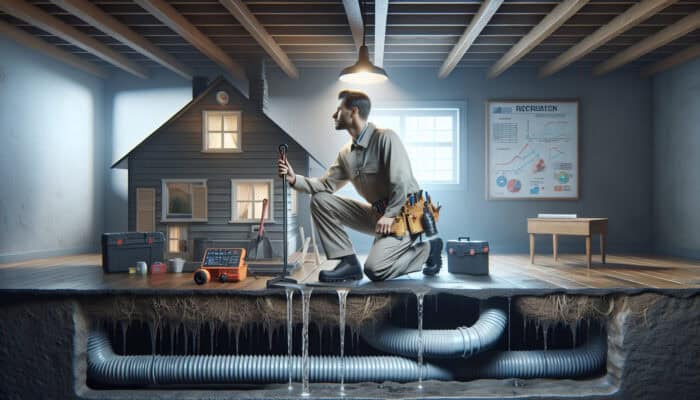
  • Sump Pump Services: Reliable Solutions for Squamish Homes

    Sump Pump Services: Reliable Solutions for Squamish Homes

    Safeguard Your Home: Why Sump Pump Services Are Essential for Protection Against Water Damage

    Understanding Sump Pumps: Their Functionality and Importance in Home Safety

    Sump Pump Services in Squamish: A sump pump in a basement actively removing water with a clear hose, effectively lowering water levels against a rainy Squamish backdrop.

    Sump Pump Services in Squamish: Sump pumps are crucial devices that serve to protect homes from the devastating effects of <a href="https://limitsofstrategy.com/mould-growth-speed-key-insights-after-water-damage/">water damage</a>, particularly in regions that experience high water tables or frequent rainfall. These systems are typically installed in basements or crawl spaces and are designed to activate automatically to expel excess water, thereby significantly reducing the risks associated with flooding and water accumulation. The need for sump pumps is particularly pronounced in areas like Squamish, where regular rain can lead to water pooling around the foundations of homes. By understanding how these pumps operate, homeowners can better appreciate the importance of having a reliable system in place to combat potential flooding issues.

    The primary role of a sump pump is to ensure that basements remain dry by redirecting water away from the structure of the home. When water levels in the sump pit reach a predetermined threshold, the pump activates, effectively removing the unwanted water. This process is essential not only for preventing mould growth and structural damage but also to avoid costly repairs that can result from water intrusion. For homeowners in Squamish, investing in sump pump installation is a proactive measure that protects their property and ensures a dry, livable environment.

    Why You Should Choose Professional Installation for Your Sump Pump

    Opting for professional installation of your sump pump is vital to guarantee optimal efficiency and reliability over time. There are numerous advantages to having trained experts handle the installation, which significantly enhances the system’s long-term performance. First and foremost, professional installers ensure that the sump pump is set up in alignment with local building codes and manufacturer specifications, which is crucial for maximizing the pump’s efficiency and overall functionality.

    Furthermore, professionals can offer tailored recommendations for the most suitable type of sump pump based on your specific circumstances, taking into account the unique environmental factors prevalent in the Squamish area. This personalized service not only enhances performance but often comes with warranties that protect homeowners from potential future service costs due to improper installation. Relying on experienced technicians also guarantees that the installation process runs smoothly, minimizing disruptions to the homeowner’s daily routine.

    Additionally, hiring professionals for your sump pump installation brings peace of mind. Knowing that a qualified specialist has executed the setup significantly reduces the likelihood of errors that could lead to operational failures down the line. Essentially, investing in professional installation results in a durable and dependable sump pump system capable of effectively managing water intrusion.

    Spotting the Need for Sump Pump Services: Key Indicators to Watch For

    Being able to recognize the signs that indicate a need for sump pump services is essential for homeowners, particularly in a wet climate like Squamish. One of the most obvious indicators is the sight of water pooling around your home’s foundation. This accumulation serves as a clear warning that your sump pump may not be functioning properly, which could lead to flooding in the basement.

    Another warning sign is if the sump pump itself shows indications of malfunction. If the pump fails to activate during heavy rain or produces unusual sounds, it is critical to seek a professional evaluation. Visible signs of water damage in the basement, such as wall discoloration or a persistent musty odour, can also signify serious problems that require immediate intervention. Regularly monitoring for these indicators can help prevent extensive damage and costly repairs.

    Homeowners should also consider the age of their sump pumps. Typically, most pumps have a lifespan of approximately 5 to 10 years, depending on usage and maintenance. If your pump is approaching this age range and is exhibiting inefficiencies, it might be time to contemplate replacement or professional servicing. Addressing these concerns promptly can save substantial time and money by preventing further damage to your home.

    The Essential Nature of Regular Maintenance and Inspection for Your Sump Pump

    A technician in a blue uniform inspecting and cleaning a sump pump in a basement before the rainy season.

    Regular maintenance and inspection of sump pumps are critical practices to ensure they function at peak efficiency. Homeowners are strongly advised to schedule annual evaluations, ideally prior to the rainy season, to assess their pump’s performance. During these inspections, qualified technicians will look for signs of wear and tear, check the pump’s power supply, and clean the sump pit to eliminate any debris that could obstruct its operation.

    One of the most vital aspects of maintenance involves testing the pump’s performance. This can be accomplished by pouring water into the sump pit to observe if the pump activates and drains effectively. Additionally, inspecting the discharge line for blockages is essential, as clogs can impede the pump’s ability to expel water. Addressing these issues early can prevent unexpected failures when the pump is needed most.

    Moreover, ensuring that the sump pump’s electrical connections are secure and intact is another preventive measure. Loose wires or corroded connections can lead to power failures. Homeowners are also encouraged to consider investing in a battery backup system to guarantee that the pump continues to operate during power outages, which are common during severe weather in Squamish. Overall, committing to regular maintenance not only extends the life of the sump pump but also enhances its reliability.

    Insights from Experts on Sump Pump Services in Squamish

    The Unique Challenges of Sump Pump Installations in Squamish

    The distinctive climate and geographical features of Squamish present specific challenges for the installation and maintenance of sump pumps. The region experiences significant rainfall, especially during fall and winter, which heightens the risk of flooding. Furthermore, its proximity to the mountains can result in runoff and excess moisture accumulation around homes.

    Some of the key challenges faced by sump pump services in Squamish include:

    • High water tables that are common during the rainy season
    • Clay-heavy soils that retain moisture
    • Seasonal snowmelt contributing to increased runoff
    • Steep terrain that facilitates rapid water flow
    • Frequent power outages during storm events
    • Possible ice formation in drainage lines
    • Limited accessibility for maintenance due to geographic factors

    Understanding these elements is crucial for homeowners when selecting an appropriate sump pump system. Solutions must be tailored to local conditions to ensure that installed systems can effectively handle the typical water volume for the region. Professionals who are well-acquainted with Squamish’s specific environmental challenges are better equipped to guide homeowners in choosing optimal sump pump options, resulting in more reliable and efficient systems.

    Recommended Frequency for Professional Servicing of Your Sump Pump

    A technician inspecting a sump pump in a basement, equipped with tools and a checklist, alongside a calendar indicating annual reminders.

    To maintain optimal functionality, homeowners should ideally service their sump pumps at least once a year. This annual check-up facilitates early detection of potential issues before they escalate into larger problems. However, the frequency of service may vary based on factors such as the pump’s usage, the specific environment, and any past complications encountered with the system.

    In addition to annual servicing, homeowners should consider scheduling maintenance after severe weather events, particularly following heavy rain or snowmelt. During such periods, the pump may experience significant stress, increasing the risk of premature wear or failure. An actionable maintenance checklist should include checking the pump’s power supply, testing the float switch, inspecting the discharge line for clogs, and cleaning the sump pit to prevent debris from interfering with the pump’s operation.

    For those living in particularly wet areas or who have previously faced flooding, it may be wise to increase servicing frequency to biannual checks. Additionally, homeowners should consistently monitor their sump pump’s performance during heavy rainfall events. Timely identification of issues can save considerable repair costs, ensuring that basements remain dry and secure.

    Expert Recommendations on Reliable Sump Pump Brands

    In the realm of sump pumps, expert recommendations frequently highlight several brands celebrated for their reliability, performance, and customer satisfaction. Brands such as Zoeller, Wayne, and Liberty Pumps consistently receive high praise for their quality and durability, particularly in challenging environments like Squamish.

    Zoeller pumps are recognized for their robust construction and dependability, making them a preferred choice for homeowners seeking long-lasting performance. The Wayne line is noted for its innovative designs and energy efficiency, making it a top recommendation due to its user-friendly features and straightforward installation. Meanwhile, Liberty Pumps has developed a strong reputation with its range of high-performance pumps capable of handling heavy workloads, appealing to homeowners with specific high-volume requirements.

    Experts advise homeowners to consider factors such as the pump’s horsepower, material construction, and warranty options when selecting a brand. Additionally, reading reviews and feedback from other homeowners can provide valuable insights into real-world performance. Ultimately, choosing a reputable sump pump brand is crucial for ensuring peace of mind and preventing flooding incidents.

    Innovative Trends Transforming Sump Pump Technology

    The sump pump industry is continuously evolving, with manufacturers introducing innovative technologies designed to enhance performance and reliability. A significant advancement is the integration of smart technology, with many modern sump pumps now featuring Wi-Fi connectivity. This allows homeowners to monitor their pumps remotely via smartphone applications, enabling them to receive alerts about potential issues and take immediate action if necessary.

    Energy-efficient models are also gaining traction as homeowners prioritize environmental awareness. These pumps consume less electricity while delivering high performance, thereby reducing overall energy costs. Furthermore, advancements in battery backup systems have led to longer life and enhanced reliability during power outages, which are common during storm events in Squamish.

    Additional innovations include pumps equipped with backup alarms and advanced float switch designs that improve functionality and minimize the risk of malfunctions. Such technologies are particularly beneficial in regions prone to heavy rainfall, where prompt water removal is essential. Staying informed about these advancements can help homeowners choose sump pumps that not only meet their current needs but also adapt effectively to future challenges.

    Troubleshooting Common Sump Pump Issues: A Homeowner’s Guide

    Troubleshooting common sump pump issues is essential for ensuring reliable operation, particularly during severe weather events. The first step in addressing problems is to verify whether the pump is receiving power. Homeowners should check to see that the circuit breaker hasn’t tripped and that the pump is securely connected. If power is available but the pump remains inactive, it may indicate a faulty float switch or mechanical failure that requires professional evaluation.

    Another frequent issue is clogging. Over time, debris can accumulate in the sump pit or the discharge line, obstructing the pump’s operation. Homeowners should periodically inspect these areas and clear any visible blockages. If water is not being expelled from the system, it may necessitate removing the pump, cleaning it thoroughly, and checking for clogs in the discharge line.

    Lastly, unusual noises during operation can suggest mechanical problems. Rattling or grinding sounds may indicate that components are worn or damaged. If troubleshooting does not resolve the issue, it is advisable to consult a professional. Timely attention to these problems can mitigate further damage and ensure that the sump pump operates effectively when it is most needed.

    Diverse Sump Pump Services Offered in Your Area

    Professional Installation Services for Reliable Sump Pumps

    Expert installation of sump pumps is a key step in ensuring that the system operates effectively and efficiently. The installation process typically begins with an assessment of the home’s specific requirements, taking into account the unique characteristics of the Squamish area, such as soil type and water table levels.

    The key steps involved in the installation procedure include:

    • Conducting a site assessment to determine the optimal location for the sump pit
    • Excavating the pit and preparing the surrounding environment
    • Installing the sump basin and pump
    • Connecting the discharge line to direct water away from the foundation
    • Testing the pump to confirm proper functionality
    • Providing homeowners with maintenance and operational instructions
    • Offering warranties and guarantees for the installation work

    Professional installers possess the expertise and knowledge necessary to address specific challenges, ensuring that the sump pump is installed according to best practices and local building codes. This meticulous attention to detail enhances the pump’s performance and prolongs its lifespan, providing homeowners with peace of mind.

    Moreover, investing in professional installation can significantly reduce the risk of future issues, as experienced technicians are well-equipped to avoid common pitfalls that DIY installations might encounter. Ultimately, engaging professional services guarantees that your sump pump is prepared to handle the demands posed by Squamish’s climate.

    Thorough Maintenance and Repair Services for Optimal Sump Pump Performance

    Regular maintenance and prompt repair services are vital for maximizing the lifespan of sump pumps and ensuring they function effectively. Maintenance services typically involve a comprehensive inspection of the pump’s components, including the motor, float switch, and discharge line. This proactive strategy helps identify and address potential issues before they escalate into pump failure.

    Repairs may become necessary if certain components wear out or malfunction. Common repair services include replacing faulty floats, fixing electrical connections, and unclogging discharge lines. Technicians are trained to quickly diagnose issues, minimizing disruption and preventing water damage during repairs.

    Homeowners should also consider seasonal maintenance, particularly before periods of heavy rainfall or snowmelt. Ensuring that the sump pump is ready for increased demand can prevent costly water damage. Many service providers offer maintenance packages that include regular check-ups and priority service during high-demand periods, providing an added layer of security for homeowners.

    In summary, investing in regular maintenance and timely repairs is a crucial aspect of owning a sump pump. Homeowners in Squamish can enjoy the peace of mind that comes from knowing their systems are functioning optimally, especially during the rainy seasons.

    Understanding the Costs Associated with Sump Pump Services

    Gaining insight into the costs related to sump pump services is vital for homeowners planning for installation, maintenance, or repairs. The overall cost can vary significantly based on several factors, including the type of sump pump, the complexity of the installation, and the service provider’s pricing structure.

    On average, the cost of installing a sump pump can range from CAD 1,000 to CAD 3,500, depending on the type of pump and installation requirements. Furthermore, battery backup systems or more advanced models can escalate the overall cost. Maintenance service visits typically range from CAD 100 to CAD 300, depending on the extent of the checks performed.

    Repair costs can also vary widely, with minor repairs costing around CAD 100 and more substantial issues potentially reaching thousands if major components require replacement. Homeowners are encouraged to obtain multiple quotes from service providers to ensure competitive pricing.

    Ultimately, understanding these costs equips homeowners to budget for necessary services and make informed decisions regarding their sump pump systems. Investing in proper maintenance and timely repairs can lead to significant long-term savings by preventing extensive water damage and costly repairs.

    Selecting the Right Service Provider for Your Sump Pump Needs

    Key Qualifications to Look for in a Sump Pump Service Provider

    Choosing the right sump pump service provider is essential for ensuring high-quality installation and maintenance. Homeowners should seek providers with relevant certifications and hands-on experience in the industry. Certifications indicate that technicians have undergone training and possess knowledge of the latest technologies and best practices in sump pump services.

    Moreover, positive customer reviews and testimonials can offer valuable insights into a provider’s reliability and the quality of their work. Homeowners should look for companies with a strong reputation within the community, as local providers often have a better understanding of the specific challenges and needs faced by Squamish residents compared to those from outside the area.

    An equally important qualification is a valid license and insurance. A licensed contractor signifies compliance with local regulations and building codes, while insurance protects homeowners from liability in case of accidents or damages occurring during the service process. By prioritizing these qualifications, homeowners can ensure they select a trustworthy and competent service provider.

    The Advantages of Local Expertise in Sump Pump Services

    Local expertise is an invaluable asset when it comes to sump pump services in Squamish. Providers operating within the area possess firsthand knowledge of the unique environmental challenges homeowners face, such as soil composition, water table levels, and local weather patterns. This expertise allows them to recommend tailored solutions that effectively meet specific needs.

    Local service providers are also more familiar with regional building codes and regulations, ensuring that installations comply and that homeowners avoid potential fines or complications in the future. Furthermore, their understanding of common plumbing issues in the area enables them to anticipate problems and offer proactive solutions.

    Choosing a local expert can also lead to improved customer service and quicker response times. In emergencies, such as pump failures during heavy rain, having a local technician available can make a significant difference. Homeowners are encouraged to support local businesses and benefit from the advantages of working with professionals who truly understand the unique challenges posed by the Squamish climate.

    How to Obtain Multiple Quotes for Sump Pump Services

    Obtaining multiple quotes is an effective strategy for homeowners looking to select the right sump pump service provider. This approach allows for price and service comparisons, ensuring that homeowners receive the best value for their investment. To begin, homeowners should research local service providers and compile a list of reputable companies.

    When requesting quotes, it is essential to provide each provider with the same information regarding the sump pump’s requirements and existing conditions. This ensures that all quotes are based on comparable services, facilitating a fair comparison of prices. Additionally, homeowners should inquire about each provider’s qualifications, warranties, and specific services included in the quote.

    Homeowners should also consider not just the price but the quality of service. A lower quote may not always be the best option if it is associated with a lack of experience or poor customer reviews. By carefully evaluating both cost and quality, homeowners can make informed decisions that align with their needs.

    Research-Driven Benefits of Sump Pump Services in Squamish

    How Sump Pumps Effectively Prevent Flooding in Residential Properties

    Sump pumps play a critical role in flood prevention by actively removing water from around a home’s foundation. This function is especially vital in areas like Squamish, where heavy rainfall and elevated water tables can lead to substantial water accumulation. By operating effectively, sump pumps help maintain a dry basement and safeguard the home from potential water damage.

    Real-world examples highlight the effectiveness of sump pumps in flood management. During the rainy season, homeowners with installed sump pumps frequently report that their basements remain dry and free from moisture. In contrast, those without sump pumps often experience water pooling, resulting in damage to flooring, walls, and personal belongings. This proactive approach to water management is essential for preserving the structural integrity of homes in regions with high moisture levels.

    Moreover, sump pumps contribute to healthier indoor environments by preventing mould growth, which thrives in damp conditions. By keeping basements dry, sump pumps significantly reduce the risk of health issues related to mould exposure, making them an indispensable component of home maintenance in Squamish.

    Long-Term Advantages of Having a Sump Pump

    The long-term benefits of sump pumps extend far beyond mere flood prevention. One of the most significant advantages is the reduced risk of water damage, which can lead to costly repairs and renovations. Homes equipped with reliable sump pump systems experience fewer instances of water intrusion, thereby protecting the property’s overall value.

    Additionally, having a sump pump can decrease the likelihood of mould growth, contributing to a healthier home environment. This aspect is particularly crucial in areas with high humidity, where mould can pose serious health risks to residents. By maintaining a dry basement, sump pumps ensure high air quality and safeguard the health of occupants.

    Another long-term benefit includes the potential increase in property value. Homes with sump pumps and well-maintained basements are often more attractive to potential buyers. The presence of a sump pump can be seen as a proactive measure that signals to buyers that the home has been well-maintained, thereby enhancing its marketability and appeal.

    In conclusion, the long-term benefits of sump pumps are multifaceted, encompassing financial savings, health improvements, and increased property value. Investing in a quality sump pump system is a strategic decision for homeowners in Squamish.

    What Research Reveals About Sump Pump Reliability

    Research indicates that properly maintained sump pumps have a high success rate in preventing basement flooding. Studies have shown that routine maintenance and regular inspections significantly enhance a pump’s reliability and longevity. When homeowners commit to these practices, the likelihood of unexpected failures during critical weather events decreases dramatically.

    Moreover, data from homeowners who have invested in sump pump systems reveal that those who engage in proactive maintenance experience significantly fewer flooding incidents compared to those who neglect this aspect. This correlation underscores the importance of both installation and ongoing care in ensuring the effectiveness of sump pumps.

    Understanding the reliability of sump pumps can provide homeowners with peace of mind. Knowing that a well-maintained pump can effectively manage water accumulation during severe weather empowers homeowners to take the necessary precautions to protect their homes. Investing time and resources in a sump pump system is a proactive measure that yields long-term benefits.

    Common Sump Pump Problems and Their Effective Solutions

    Main Causes of Sump Pump Failures

    Sump pump failures can arise from various issues, making it crucial for homeowners to be aware of potential problems. Common causes of failures include:

    • Power outages that disrupt the pump’s operation
    • Clogged pumps or discharge lines that impede water flow
    • Mechanical failures due to wear and tear
    • Improper installation resulting in performance issues
    • Faulty float switches that fail to activate the pump
    • Overwhelming water influx during heavy rainfall
    • Lack of regular maintenance and inspections

    Recognizing these causes is essential for homeowners, as proactively addressing them can prevent costly flooding and damage. For instance, ensuring the availability of a backup power source can mitigate issues during outages, while routine inspections can help identify clogs before they lead to malfunctions.

    Understanding these common failure causes allows homeowners to act preemptively. Installing a battery backup or maintaining a clean sump pit can significantly reduce the risk of failure. By implementing preventive measures, homeowners can maintain the reliability of their sump pump systems.

    How to Troubleshoot a Malfunctioning Sump Pump

    Basic troubleshooting is vital for homeowners experiencing issues with their sump pumps. The initial step is to check for power. It is crucial to ensure that the pump is plugged in and that the circuit breaker has not tripped. If power is available but the pump is not operational, it may indicate a mechanical failure.

    Another common troubleshooting step is inspecting the float switch. If the float is stuck or obstructed, it may prevent the pump from activating. Clearing any debris from the sump pit and ensuring that the float moves freely can often resolve this issue. Additionally, checking the discharge line for clogs can prevent water from being expelled effectively.

    For pumps that are operational but emitting unusual noises, it’s essential to be attentive to signs of mechanical problems. If rattling or grinding is heard, this may necessitate professional assessment and repair. Homeowners should document any observed issues and the troubleshooting steps they undertake before contacting a professional, ensuring they are well-informed and prepared.

    In summary, troubleshooting a malfunctioning sump pump involves several critical checks. By following these steps, homeowners may resolve minor issues and maintain the functionality of their sump pump systems.

    When to Seek Professional Assistance for Sump Pump Issues

    Recognizing when to call a professional for sump pump issues is crucial for homeowners. If basic troubleshooting steps fail to resolve the problem, or if the homeowner feels uncertain about the issue, it is advisable to consult a professional. Attempting to fix complex issues without adequate knowledge can lead to further damage and increased repair costs.

    Additionally, homeowners should not hesitate to seek assistance in emergencies, such as during heavy rainfall when the pump fails to activate. Professionals can quickly assess the system, identify the issue, and implement repairs to prevent flooding. The peace of mind that comes from knowing experts are addressing the situation is invaluable.

    Regular maintenance services also provide an opportunity for homeowners to consult professionals about any concerns or observed issues. Technicians can offer recommendations on the best course of action to ensure the sump pump remains in optimal working condition. Overall, recognizing the signs that indicate the need for professional assistance is critical for maintaining the reliability of sump pump systems.

    Future Trends in Sump Pump Technology

    Innovations Shaping the Future of Sump Pumps

    The sump pump industry is witnessing exciting innovations that aim to enhance efficiency and user experience. A notable trend is the emergence of smart sump pumps equipped with Wi-Fi connectivity. These advanced systems enable homeowners to monitor their sump pumps remotely through smartphone applications, receiving real-time alerts about water levels, pump activity, and maintenance needs. This capability ensures that homeowners can respond quickly should any issues arise.

    Energy-efficient models are also gaining traction, with manufacturers prioritizing designs that minimize electricity consumption while maximizing performance. These advancements not only lower utility costs but also align with the increasing demand for sustainable home solutions. Additionally, systems with integrated battery backups are becoming more prevalent, providing reliable operation even during power outages, which frequently occur during severe weather events.

    Another trend is the development of pumps with enhanced clog-resistant designs. Manufacturers are focusing on creating systems that can handle debris more effectively, reducing the risk of clogs and ensuring uninterrupted operation. This innovation is particularly advantageous in areas like Squamish, where natural debris can often infiltrate sump pits.

    Overall, these innovations reflect a commitment to advancing sump pump technology. Homeowners should stay informed about these developments, as they can significantly improve the reliability and efficiency of their sump pump systems.

    Climate Change and Its Impact on Sump Pump Needs

    As climate change continues to alter weather patterns, homeowners in Squamish may encounter more frequent and severe flooding events. This shift is likely to increase the demand for effective sump pump solutions to protect homes from water damage. Increased rainfall, along with changing snowmelt patterns, raises the stakes for homeowners, who must ensure their sump pump systems can handle the heightened water influx.

    The implications of climate change suggest that homeowners may need to reassess their sump pump systems. This could involve upgrading to more powerful pumps, investing in battery backups, or enhancing drainage systems to manage runoff more effectively. Awareness of these trends can help homeowners prepare and adapt their systems to meet evolving challenges.

    Moreover, recognition of climate change may drive homeowners to adopt more sustainable practices, including eco-friendly sump pump solutions that minimize energy consumption. This consideration aligns with the broader movement toward sustainable home design and can significantly influence future developments in sump pump technology.

    In summary, climate change is likely to have a significant impact on sump pump needs. Homeowners in Squamish should remain vigilant and proactive in adapting their systems to safeguard against future flooding events.

    The Role of Sump Pumps in Sustainable Home Design

    Sump pumps are increasingly recognized for their role in sustainable home design, contributing to overall water management and damage prevention. As homeowners prioritize environmental responsibility, sump pumps can be integrated into broader green technologies that promote efficiency and sustainability.

    By preventing water damage and minimizing the need for extensive repairs, sump pumps help reduce waste and extend the lifespan of home structures. Additionally, energy-efficient models contribute to lower carbon footprints by consuming less electricity, aligning with the objectives of sustainable living.

    Sump pumps can also be paired with rainwater harvesting systems, enabling homeowners to manage excessive rainfall more effectively while conserving water for outdoor use. This integration exemplifies the potential for innovative solutions that strike a balance between flood prevention and environmental stewardship.

    In conclusion, sump pumps offer considerable benefits to sustainable home design by protecting against water damage, reducing energy consumption, and promoting more efficient water management practices. As homeowners strive to create sustainable living spaces, the importance of sump pumps will undoubtedly grow.

    Enhancing Sump Pump Functionality Through IoT Integration

    The integration of Internet of Things (IoT) technology into sump pump systems is revolutionizing their functionality. IoT-enabled sump pumps allow homeowners to remotely monitor their systems, receiving real-time updates on performance, water levels, and maintenance needs through smartphone applications. This connectivity empowers homeowners to take swift action should any issues arise, ensuring continuous protection against flooding.

    Furthermore, IoT integration facilitates predictive maintenance, where the system can alert homeowners to potential issues before they escalate into significant problems. By analyzing data from the pump’s operation, these smart systems can predict when maintenance is required, allowing homeowners to schedule inspections proactively.

    Additionally, IoT-connected sump pumps can seamlessly integrate with broader home automation systems. This integration enables enhanced control over the pump’s operation, allowing for the scheduling of automatic tests and adjustments based on weather forecasts. Homeowners can ensure their sump pump is always primed for optimal performance, especially during heavy rainfall events.

    Ultimately, the advent of IoT technology marks a significant advancement in sump pump functionality. Homeowners can enjoy greater peace of mind and enhanced control over their systems, contributing to more effective water management in Squamish’s unique climate.

    Frequently Asked Questions About Sump Pumps

    What Is the Function of a Sump Pump?

    A sump pump is a device installed in basements or crawl spaces to remove accumulated water and prevent flooding. It helps maintain a dry environment within homes, particularly in areas prone to heavy rainfall.

    How Frequently Should Sump Pumps Be Serviced for Optimal Performance?

    Sump pumps should ideally be serviced at least once a year. However, homeowners may need to increase the frequency of inspections based on local climate conditions and pump usage.

    What Are Common Signs of Sump Pump Malfunction?

    Common signs of a malfunctioning sump pump include unusual noises, failure to activate during heavy rainfall, water pooling around the foundation, and visible signs of water damage in the basement.

    What Are Typical Costs Associated with Sump Pump Services?

    Costs for sump pump services can vary widely, with installation ranging from CAD 1,000 to CAD 3,500 and maintenance services typically costing between CAD 100 and CAD 300 per visit.

    How Can I Select the Right Sump Pump for My Home?

    Choosing the right sump pump involves assessing your home’s specific needs, considering the local climate, and reviewing the durability and efficiency of various brands before making a purchase.

    What Should I Look for in a Sump Pump Service Provider?

    Look for providers with appropriate certifications, positive customer reviews, and local expertise. Ensure they have experience with sump pump installations and maintenance specific to your area.

    Can Sump Pumps Help Prevent Mould Growth in Homes?

    Yes, sump pumps play a significant role in preventing mould growth by keeping basements dry. A dry environment discourages mould development, contributing to a healthier indoor atmosphere.

    What Are the Latest Innovations in Sump Pump Technology?

    Recent innovations include smart sump pumps with IoT integration for remote monitoring, energy-efficient models, and advanced clog-resistant designs, enhancing performance and user experience.

    How Does Climate Change Affect Sump Pump Needs?

    Climate change can lead to increased rainfall and flooding, necessitating more robust sump pump solutions. Homeowners may need to upgrade their systems to manage higher water influx effectively.

    When Should I Contact a Professional for Sump Pump Issues?

    Contact a professional if basic troubleshooting fails to resolve the issue, if you notice unusual noises, or if the pump fails to activate during heavy rainfall to prevent potential flooding damage.

    Connect with us on Facebook for More Information!
    Presented By: Sump Pump in Squamish

    The Article: Sump Pump Services in Squamish: Reliable Solutions First Published On: https://pacificbluemechanical.ca/

    The Article Sump Pump Services: Dependable Solutions in Squamish Was Found On https://limitsofstrategy.com

  • Crawl Space Drainage Solutions for Delta, Canada

    Crawl Space Drainage Solutions for Delta, Canada

    Your Ultimate Guide to Effective Crawl Space Drainage Solutions in Delta

    Understanding the Critical Role of Crawl Space Drainage in Delta Homes

    Crawl Space Drainage Services in Delta: Crawl space beneath a house in Delta with drainage systems removing excess water during heavy rainfall.

    When we talk about crawl space drainage, we refer to a vital process focused on the effective removal of excess water from the area located beneath a building. This essential procedure is critical for safeguarding against moisture-related damage, which can significantly compromise the structural integrity of homes throughout Delta. Given the local climate’s propensity for heavy rainfall, having a robust crawl space drainage system isn’t merely advantageous; it is imperative for sustaining a healthy living environment. Neglecting this crucial element can lead to dire consequences over time. The common issues that crawl space drainage services target include:

    • Mould and mildew growth
    • Wood rot causing structural damage
    • Pest infestations in the crawl space
    • Unpleasant odours</b due to moisture
    • Declining indoor air quality that can adversely affect health
    • Foundation problems stemming from water accumulation

    By implementing a thorough drainage solution, homeowners can effectively shield their properties from a variety of issues associated with water buildup, ensuring a safer and healthier living condition.

    Call Pacific Blue Mechanical for Crawl Space Drainage Services in Delta

    Why Proper Drainage Is Essential for Homes in Delta

    Proper drainage is crucial for homes in Delta due to the unique climate and soil characteristics in the area, which can lead to significant water accumulation beneath residences. The region experiences a pronounced wet season, and without appropriate drainage solutions, this excess water can infiltrate the crawl space, resulting in issues such as mould, mildew, and lasting structural damage. Homeowners must stay vigilant and learn to identify the signs that indicate the need for drainage services. Key indicators include:

    • Visible water accumulation beneath the house
    • Presence of mould or mildew on walls or circulating in the air
    • Musty odours detected within the crawl space
    • Cracks or bulges appearing in walls
    • Increased pest activity around the property
    • Elevated indoor humidity levels leading to discomfort

    Timely recognition of these symptoms can save homeowners from incurring costly repairs and mitigate health risks associated with prolonged exposure to moisture, safeguarding both their home and well-being.

    Discover the Benefits of Professional Crawl Space Drainage Services

    Hiring professional crawl space drainage services is essential for effective water management, significantly reducing the chances of costly repairs and potential health hazards linked to excess moisture. Experts utilize specialized equipment and techniques tailored to the unique conditions of Delta homes, ensuring a thorough resolution of drainage challenges. Key benefits of engaging professional services include:

    • Expert evaluation and diagnosis of specific drainage problems
    • Installation of high-quality, durable drainage systems designed for longevity
    • Long-term solutions that require minimal maintenance
    • Increased property value and marketability resulting from improved conditions
    • Enhanced indoor air quality, significantly lowering health risks
    • Adherence to local building codes and regulations, ensuring safety

    Investing in expert drainage solutions not only protects homeowners’ properties but also enriches their overall living experience, leading to a healthier and more enjoyable home environment.

    Implementing Effective Crawl Space Drainage Solutions in Delta

    Cross-section of Delta crawl space with drainage system including French drains, sump pumps, and moisture barriers.

    Step-by-Step Guide to Crawl Space Drainage System Installation

    The installation of crawl space drainage systems involves several crucial steps designed to prevent water accumulation beneath homes. Initially, professionals carry out a comprehensive site evaluation to determine the most effective drainage strategy. This may include digging trenches, laying drainage pipes, or installing sump pumps. The primary objective is to redirect water away from the foundation towards designated drainage areas. The typical installation process encompasses:

    • Thorough site assessment and analysis of drainage requirements
    • Excavation of trenches for drainage pipe installation
    • Placement of perforated pipes or installation of sump pumps for efficient water removal
    • Backfilling trenches with gravel or similar filtering materials to promote drainage
    • Installation of waterproofing membranes where necessary to prevent moisture intrusion
    • Final inspection and rigorous testing of the entire drainage system

    By meticulously following these steps, professionals ensure that the drainage system is optimally positioned to handle excess water effectively, significantly reducing the risk of future complications.

    Key Components of a Reliable Crawl Space Drainage System

    A well-designed crawl space drainage system consists of several vital components that work together to manage water flow effectively. Understanding these elements helps homeowners appreciate the importance of professional installation. Essential components include:

    • Perforated drainage pipes that facilitate unobstructed water flow
    • Gravel beds that filter and direct water away from the structure
    • Sump pumps that actively remove water from the crawl space environment
    • Waterproofing membranes that inhibit moisture intrusion
    • Drainage mats that promote efficient water flow
    • Inspection ports that allow for easy maintenance access

    These components are designed to work in harmony, ensuring that water is effectively redirected and that the crawl space remains dry and structurally sound, providing peace of mind for homeowners.

    Typical Duration for Crawl Space Drainage Installation Process

    Construction worker installing crawl space drainage system in a cramped, dimly lit area with rocky soil.

    The timeframe for installing crawl space drainage systems can vary significantly based on several factors, including the size of the area and the complexity of the system being installed. Homeowners can generally expect the installation to take anywhere from a few days to up to a week. Factors influencing this timeline encompass soil type, crawl space accessibility, and the presence of existing infrastructure that may complicate the installation process. For instance, rocky or clay-heavy soils might necessitate more extensive excavation, potentially lengthening the project duration. Homeowners should consult with professionals to gain a more accurate estimate based on their specific situations.

    Long-Term Benefits of a Well-Designed Crawl Space Drainage System

    The benefits of implementing a proper crawl space drainage system are extensive and significant. Most importantly, effective drainage prevents moisture-related issues such as mould, mildew, and structural deterioration. Improved indoor air quality stands as another vital advantage, positively impacting the health of the home’s occupants. The long-term benefits associated with maintaining a dry crawl space include:

    • Enhanced structural integrity of the home, ensuring safety
    • Extended lifespan of the foundation, reducing future repair costs
    • Lower energy expenses due to improved insulation
    • Minimized pest-related issues, enhancing comfort
    • Increased property value, making it more attractive to potential buyers
    • Peace of mind for homeowners regarding their investment

    Investing in a reliable drainage system not only protects the home but also contributes to a healthier living environment for everyone residing within.

    Ensuring Effective Maintenance of Your Crawl Space Drainage System

    Regular maintenance of a crawl space drainage system is essential to guarantee its long-term effectiveness. Homeowners should adopt a proactive approach by conducting routine checks and cleanings as needed. Important maintenance tasks encompass:

    • Inspecting and cleaning drainage pipes to prevent clogs
    • Verifying that sump pumps are functioning properly and have backup power options
    • Monitoring regularly for signs of water accumulation or damage
    • Maintaining appropriate grading around the foundation to direct water away
    • Cleaning gutters and downspouts to prevent overflow
    • Scheduling annual professional inspections for thorough evaluations

    By committing to these maintenance practices, homeowners can extend the lifespan of their drainage systems and safeguard their homes against moisture-related complications, ensuring a secure and comfortable living environment.

    Expert Insights on Crawl Space Drainage Solutions in Delta

    Common Challenges Encountered by Professionals in Drainage Installation

    Professionals working within the crawl space drainage sector frequently face a variety of challenges during installation. Situations such as uneven terrain, existing utility lines, and varying soil types can complicate the necessary drainage solutions. For example, rocky soil may obstruct excavation efforts, requiring specialized equipment and techniques. Additionally, if utility lines are located beneath the surface, professionals must navigate these carefully to avoid damage and ensure safety. A notable instance involved a project where the team had to develop a customized drainage plan due to steep slopes and a high water table. Such challenges necessitate an experienced approach, highlighting the importance of hiring qualified professionals capable of adapting to the unique conditions prevalent in Delta properties.

    Preparing Your Home for a Smooth Drainage Installation Process

    Homeowners can take several preparatory steps to facilitate a smoother drainage installation process, potentially lowering costs. First and foremost, clearing the area around the foundation and ensuring unobstructed access to the crawl space can expedite the work. Additionally, discussing any concerns or past issues with the service provider can yield valuable insights that help tailor the installation to meet specific needs. Actionable preparation steps include:

    • Removing debris and landscaping elements near the foundation
    • Ensuring access to all crawl space entry points
    • Documenting any previous water issues or repairs for reference
    • Consulting professionals about specific soil and environmental conditions
    • Reviewing project timelines and setting clear expectations
    • Establishing a budget and timeline for project completion

    By taking these proactive measures, homeowners can create an environment conducive to the installation team, leading to a more efficient and effective drainage solution that meets their needs.

    Recent Innovations Transforming Drainage Technology

    The field of drainage technology is continually evolving, offering homeowners innovative solutions that enhance efficiency and sustainability. Recent advancements include smart sump pumps equipped with remote monitoring capabilities, allowing homeowners to track system performance in real-time. Eco-friendly materials are increasingly popular, contributing to environmentally responsible construction practices. Moreover, advanced waterproofing solutions have emerged, providing greater durability and resistance to moisture intrusion. Experts emphasize that these innovations not only enhance the efficiency of drainage systems but also ensure compliance with contemporary environmental standards, reinforcing a commitment to sustainable building practices.

    Value Added by Professional Crawl Space Drainage Services

    Engaging professional crawl space drainage services yields numerous advantages that extend beyond simple installation. These experts guarantee that systems are installed correctly, optimizing their long-term effectiveness while minimizing the risk of future complications. One substantial benefit is that professionally installed drainage systems can prevent costly repairs in the future, such as foundation damage or extensive mould remediation. Additionally, professionals are skilled at navigating local building codes and environmental regulations, ensuring compliance while providing an extra layer of security for homeowners regarding their investments.

    Understanding the Impact of Local Regulations on Crawl Space Drainage in Delta

    Local regulations and building codes play a significant role in shaping the design and implementation of crawl space drainage systems in Delta. These regulations often specify particular requirements for drainage solutions, including the materials permitted and the installation processes that must adhere to environmental standards. Professionals in the field are well-versed in these regulations, ensuring that installations comply while effectively meeting homeowners’ needs. This expertise not only shields homeowners from potential legal issues but also guarantees the long-term efficacy of the drainage system installed.

    A Comprehensive Look at Costs Associated with Crawl Space Drainage in Delta

    Factors Influencing the Costs of Drainage Services

    The costs related to crawl space drainage services can vary significantly based on several factors. The size of the area requiring drainage, the complexity of the system to be installed, and the accessibility of the site are primary influences. Additionally, the type of soil, existing conditions that may necessitate repairs, and any additional waterproofing measures can substantially impact the overall pricing. Homeowners should consider the following factors when budgeting for drainage services:

    • Size of the crawl space and drainage area requiring attention
    • Soil type and condition (e.g., rocky or clay-heavy)
    • Accessibility of the crawl space (e.g., confined spaces versus easy access)
    • Complexity of the required drainage solution
    • Need for additional repairs or waterproofing measures
    • Time of year (seasonal demand can affect pricing)

    By understanding these variables, homeowners can better prepare for the financial aspects of their drainage projects, ensuring they are adequately equipped to address their needs.

    Effective Strategies for Budgeting Drainage Services

    Budgeting for drainage services requires careful planning and consideration of both immediate and long-term costs. Homeowners should account for installation expenses as well as potential ongoing maintenance costs. Setting aside a dedicated budget for routine maintenance is crucial for the long-term success of the drainage system. Homeowners can effectively budget by:

    • Obtaining detailed quotes from multiple service providers
    • Comparing services offered and their associated costs
    • Considering potential long-term savings by preventing water damage
    • Allocating funds for routine inspections and maintenance
    • Exploring available financing options that may ease costs
    • Reviewing any warranties or service plans offered by contractors

    By thoughtfully planning and budgeting, homeowners can ensure their drainage needs are met without unexpected financial strain, allowing for a more manageable investment.

    Available Financing Options for Drainage Projects

    Yes, many companies specializing in crawl space drainage services offer financing plans or payment options to make these essential services more accessible to homeowners. Financing can be particularly advantageous for those who may not have the full amount available upfront but recognize the urgency of addressing drainage issues. Homeowners should inquire about available financing options, seeking plans that provide flexible payment terms and interest rates. Additionally, some companies may partner with financial institutions to facilitate easier payment options, enabling homeowners to prioritize the health and safety of their homes without undue financial burden.

    Long-Term Advantages of Investing in Crawl Space Drainage Solutions

    Investing in crawl space drainage extends beyond immediate concerns and signifies a long-term commitment to both financial stability and health. Proper drainage systems prevent structural damage, potentially saving homeowners substantial amounts in repair costs over time. Furthermore, effective drainage mitigates the risk of mould growth, which can pose serious health threats to occupants. The long-term benefits of such investments encompass:

    • Preservation of the home’s structural integrity, ensuring safety
    • Reduction in energy costs due to improved insulation
    • Increased property value, making the home more appealing to buyers
    • Minimized health risks associated with mould and poor air quality
    • Long-lasting peace of mind for homeowners regarding their investment
    • Potential for lower insurance premiums due to reduced risk

    These benefits highlight the necessity of proactively addressing crawl space drainage issues, leading to significant savings and enhanced living conditions over time.

    Key Maintenance Practices for Crawl Space Drainage Systems in Delta

    Signs Indicating Maintenance Is Required

    Identifying the signs that maintenance is needed for a crawl space drainage system is crucial to prevent major issues from developing. Homeowners should remain vigilant and proactive, as early detection can avert substantial repair costs. Warning signs that maintenance may be necessary include:

    • Water pooling around the foundation or within the crawl space
    • Slow drainage or backups in the drainage system
    • Unusual sounds emanating from sump pumps or drainage pipes
    • Visible mould growth or musty odours within the space
    • Cracks or shifts developing in the foundation
    • Increased indoor humidity levels that compromise comfort

    These symptoms should prompt immediate action to consult with a professional, as unresolved issues can escalate into more severe and costly repairs, jeopardizing the integrity of the home.

    Recommended Inspection Frequency for Drainage Systems

    To ensure optimal performance, drainage systems should undergo annual inspections. However, homeowners in regions prone to heavy rainfall or flooding may require more frequent inspections to preempt potential issues. Regular maintenance not only aids in early problem identification but also guarantees that the system operates at peak efficiency. During inspections, professionals will assess the functionality of sump pumps, check for clogs in drainage pipes, and evaluate the overall condition of the drainage system. By prioritizing these inspections, homeowners can mitigate the risk of significant damage and maintain a healthy living environment.

    Best Practices for Maintaining Drainage Systems Efficiently

    Implementing best practices for the maintenance of crawl space drainage systems is essential for ensuring long-term functionality. Homeowners can adopt several effective strategies to guarantee their systems remain in optimal condition:

    • Regularly clean gutters and downspouts to prevent overflow and effectively direct water away
    • Maintain proper grading around the home to promote effective drainage
    • Inspect and clean drainage pipes routinely to avoid clogs
    • Check sump pumps for proper operation and battery backup functionality
    • Promptly address any signs of water accumulation
    • Schedule annual professional inspections for comprehensive evaluations

    By adhering to these best practices, homeowners can prolong the lifespan of their drainage systems and protect their properties from moisture-related complications, ensuring a secure and comfortable living environment.

    Success Stories: Transformative Crawl Space Drainage Initiatives in Delta

    Transformative Impact of Crawl Space Drainage on a Delta Home

    A recent case involved a Delta home grappling with significant moisture challenges due to inadequate drainage. Homeowners reported persistent mould growth, dampness in the crawl space, and unpleasant odours infiltrating their living environment. Following a comprehensive assessment, a customized drainage system was implemented, leading to a dramatic enhancement in living conditions. The outcome was a dry, healthy crawl space that significantly improved indoor air quality. The installation included perforated pipes and a sump pump, effectively redirecting water away from the foundation and preventing future moisture-related issues. The homeowners expressed satisfaction, noting an immediate improvement in air quality and overall comfort within their home.

    Challenges Overcome During This Drainage Project

    During the aforementioned drainage project, professionals encountered several challenges, including rocky soil that complicated excavation efforts and limited access to the crawl space due to existing landscaping. To address these concerns, the team utilized specialized excavation equipment and modified the drainage plan to accommodate the existing landscape. By employing a flexible approach and innovative solutions, they successfully installed a drainage system that met the homeowners’ needs. This experience underscores the importance of adaptability and expertise in overcoming environmental challenges during drainage projects.

    Long-Term Benefits Experienced by Homeowners Post-Installation

    After the successful installation of the drainage system, the homeowner enjoyed numerous long-term benefits. Most notably, the crawl space remained consistently dry, effectively eliminating the risk of mould and significantly improving indoor air quality. Additionally, the enhanced insulation led to reduced energy costs, while the overall property value increased due to this proactive investment. With peace of mind concerning the structural integrity of their home, the homeowners felt a renewed sense of comfort and security. This case exemplifies how effectively addressing drainage issues can yield substantial returns on investment, creating a healthier living environment.

    Customizing the Drainage System for Specific Delta Properties

    The drainage solution for the Delta property was meticulously tailored to address the site’s unique environmental conditions and challenges. Professionals conducted a thorough assessment of the soil type and moisture levels, determining the optimal configuration for the drainage system. This included utilizing a combination of perforated pipes and a sump pump, strategically positioned to manage water flow efficiently. Furthermore, waterproofing membranes were incorporated to provide an extra layer of protection against moisture intrusion. This customized approach ensured optimal performance, emphasizing the significance of personalized solutions in drainage projects.

    Key Lessons Learned from This Crawl Space Drainage Initiative

    Key takeaways from the Delta crawl space drainage project highlighted the necessity of conducting a comprehensive site assessment and the need for flexibility when addressing unique challenges. The experience underscored the importance of adapting strategies to specific site conditions for professionals. Involving homeowners in the decision-making process proved invaluable, as it ensured that the final solution aligned with their expectations and requirements. These insights can serve as vital lessons for future drainage projects, fostering a proactive and collaborative approach to problem-solving.

    Selecting the Right Crawl Space Drainage Service Provider in Delta

    Essential Qualities to Look for in a Service Provider

    Choosing the right crawl space drainage service provider is critical for the success of your project. Homeowners should seek several essential qualities that signify a professional and reliable service. Experience plays a pivotal role; providers with a solid track record in the Delta area will be well-versed in local conditions and challenges. Certifications and licensing ensure that the company adheres to industry standards. Positive reviews and testimonials from previous clients can offer valuable insight into the quality of service provided. Additionally, a reputable provider should demonstrate a clear understanding of the unique drainage needs specific to Delta homes, offering comprehensive and customized solutions tailored to these needs.

    Verifying the Credibility of a Drainage Company

    Confirming the credibility of a drainage company stands as a critical step before making a decision. Homeowners should ensure that contractors are properly licensed and insured, protecting them from liability in case of accidents during the work. Reading testimonials and reviews from previous clients can also provide insights into the company’s reputation. Pursuing affiliations with professional organizations, such as industry associations, can further assure homeowners of quality service. Additionally, requesting references and examples of past projects can offer valuable insights into the company’s expertise and approach to drainage solutions.

    Essential Questions to Ask Potential Service Providers

    When evaluating potential service providers for crawl space drainage services, asking the right questions can help homeowners make informed decisions. Inquire about the company’s experience with similar projects and their familiarity with local conditions. It’s essential to understand the materials they plan to use, as this can impact the durability of the system. Homeowners should also discuss warranty options and the company’s plan of action in case issues arise during or after installation. Finally, understanding their approach to addressing unexpected challenges can provide insight into their adaptability and expertise, ensuring homeowners feel secure in their choice.

    Frequently Asked Questions (FAQs)

    What Is the Function of a Crawl Space Drainage System?

    A crawl space drainage system is specially designed to efficiently remove excess water from beneath a home, preventing moisture-related damage and ensuring a healthy living environment.

    Why Is Crawl Space Drainage Vital in Delta?

    Crawl space drainage is essential in Delta due to the region’s wet climate, which can lead to water accumulation and mould growth if not effectively managed.

    How Can I Determine If I Require Crawl Space Drainage Services?

    Signs indicating a need for drainage services include water pooling, mould growth, musty odours, and visible cracks in the foundation.

    What Does the Installation Process Entail?

    The installation process typically involves site assessment, excavation, laying drainage pipes, and installing sump pumps to divert water away from the foundation.

    How Long Does the Installation Generally Take?

    The installation time can vary but generally ranges from a few days to a week, depending on the area size and the complexity of the system.

    What Maintenance Is Necessary for Drainage Systems?

    Regular maintenance involves cleaning drainage pipes, inspecting sump pumps, and ensuring proper grading around the foundation to direct water away from the structure.

    What Are the Costs Associated with Crawl Space Drainage?

    Costs can differ based on the area size, soil conditions, and installation complexity, with multiple factors influencing overall pricing.

    Are Financing Options Available for Drainage Services?

    Yes, many companies provide financing plans to make drainage services more accessible to homeowners concerned about upfront costs.

    What Are the Long-Term Advantages of a Crawl Space Drainage System?

    Long-term benefits include preventing structural damage, reducing mould growth, increasing property value, and improving indoor air quality.

    How Often Should I Inspect My Crawl Space Drainage System?

    It is advisable to inspect crawl space drainage systems annually, with more frequent checks in areas prone to heavy rainfall or flooding.

    Connect with us on Facebook!
    Presented By: Crawl Space Drainage in Delta

    The Article: Crawl Space Drainage Services in Delta: Your Canadian Solution First Published On: https://pacificbluemechanical.ca/

    The Article Crawl Space Drainage Services: The Canadian Solution in Delta Was Found On https://limitsofstrategy.com
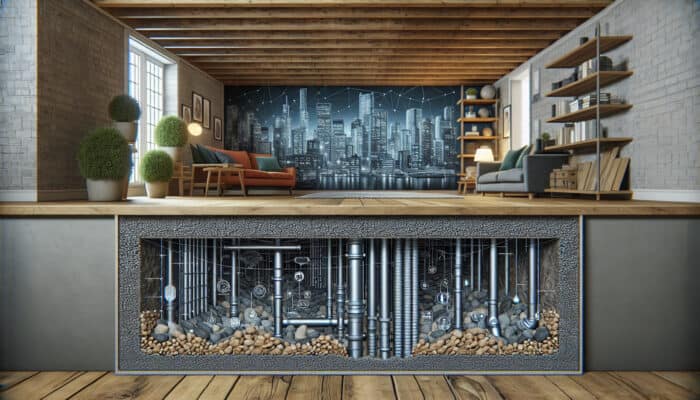
  • Weeping Tile Services: The Premier Choice in Richmond, Canada

    Weeping Tile Services: The Premier Choice in Richmond, Canada

    Explore Expert Weeping Tile Services Designed Specifically for Homeowners in Richmond

    Understanding Weeping Tiles: Their Functionality and Importance in Effective Drainage Systems

    Weeping Tile Services in Richmond: A network of perforated PVC pipes around a building's foundation collecting and redirecting groundwater.

    Gaining a solid understanding of Weeping Tile Services in Richmond is essential for homeowners aiming to protect their properties. Weeping tiles are integral components of modern drainage systems, specifically engineered to manage groundwater effectively around building foundations. These perforated pipes, predominantly made from PVC, are designed to collect excess water and redirect it away from structures, which is indispensable for preventing water damage and ensuring the structural integrity of your home. By alleviating hydrostatic pressure, weeping tiles are crucial for maintaining foundational stability and promoting the overall health of the building, safeguarding it against moisture-related issues.

    The advantages of weeping tiles are numerous and significantly impactful:

    • Prevention of Water Damage: They act as a reliable barrier against flooding and moisture-related challenges in basements.
    • Preservation of Structural Integrity: By regulating soil moisture levels, they contribute to a stable foundation.
    • Cost-Effectiveness: They mitigate the risk of costly repairs resulting from water damage.
    • Enhanced Property Value: A well-maintained drainage system can greatly elevate the market value of a property.
    • Improved Indoor Air Quality: They significantly lower the risk of mould and mildew growth by effectively managing moisture levels.
    • Long-Term Durability: When installed correctly, a weeping tile system can last for many years without significant issues.

    For homeowners in Richmond, understanding the functionality and benefits of weeping tiles is vital, particularly in light of the region’s climate, which can present notable groundwater challenges.

    The Essential Role of Ongoing Weeping Tile Maintenance in Ensuring Optimal Performance

    Regular maintenance of weeping tiles is imperative for ensuring that your drainage system operates at peak efficiency. Neglecting these critical systems may lead to clogs caused by silt and debris, resulting in insufficient drainage and potentially expensive repairs. Without routine inspections, homeowners risk unforeseen water damage, which could have easily been averted through timely maintenance.

    Signs that indicate your weeping tile system may need maintenance include:

    • Water Pooling: The accumulation of water around the foundation or in basements is a clear indication of potential drainage issues.
    • Cracks in Walls: Noticeable fissures in the foundation or basement walls may signal underlying drainage problems.
    • Excessive Moisture: High humidity levels or dampness in lower levels of your home can point to drainage issues.
    • Unpleasant Odours: Musty smells suggest the presence of mould or mildew, indicative of moisture management issues.

    These warning signs necessitate immediate inspection and maintenance to rectify potential problems before they escalate into more serious concerns.

    Step-by-Step Guide to Installing Weeping Tiles: Key Considerations

    The installation process for weeping tiles is a detailed, multi-step procedure that demands careful planning and execution. It typically begins with excavating a trench around the perimeter of the building’s foundation. Once the trench is appropriately prepared, the weeping tile is positioned at the optimal depth, ensuring a slope away from the foundation to facilitate effective drainage. After the installation, gravel is laid over the tiles to enhance drainage while preventing soil infiltration into the system.

    Proper installation is paramount; if performed incorrectly, the system may fail to function efficiently, leading to water accumulation and subsequent damage. Generally, the installation process can range from one to three days, depending on the property’s size and the complexity of the existing drainage system. Homeowners are strongly encouraged to engage skilled professionals to guarantee a successful installation.

    In-Depth Analysis of Weeping Tile Services Available in Richmond

    Cross-section of weeping tile system under suburban home in Richmond, with technicians working nearby under cloudy sky.

    Benefits of Hiring Professional Weeping Tile Services in Richmond

    Opting for professional weeping tile services in Richmond brings a multitude of benefits. Experts in this field ensure that both installation and maintenance tasks are executed with precision, significantly reducing the likelihood of water damage due to improper handling. These professionals possess the extensive expertise necessary to accurately diagnose and resolve issues that may arise, thereby effectively safeguarding your property.

    For example, successful weeping tile installations in Richmond often highlight how a properly executed system can transform previously flooded basements into dry, functional spaces. One notable project involved a historic home that had faced recurrent flooding. After a thorough assessment, a professional team installed an advanced weeping tile system that adeptly redirected water away from the foundation, preserving the home’s structural integrity while enhancing its overall value.

    Moreover, professionals are equipped with the essential tools and technology to swiftly identify potential problems, saving homeowners both time and money in the long run. Their expertise not only maximizes system efficiency but also provides peace of mind, ensuring that your home remains protected from water damage.

    Common Issues Faced with Weeping Tiles: What to Look For

    Despite their effectiveness, weeping tiles can encounter various challenges. Common problems include clogs, cracks, and faulty installations. Clogs can develop due to the accumulation of silt, roots, or other debris, which significantly hampers the system’s functionality. Additionally, cracks in the pipes may lead to leaks, while improper installation can result in inadequate drainage, causing water to pool around the foundation.

    Common causes of weeping tile failure include:

    • Poor Installation: An incorrect slope or depth can lead to ineffective drainage.
    • Soil Erosion: Shifting soil may expose weeping tiles, increasing the risk of damage.
    • Debris Accumulation: Leaves, silt, and roots can obstruct drainage holes, compromising performance.
    • Age: Older systems may deteriorate over time due to wear and tear.

    Regular inspections are essential for the early detection of these issues, allowing for timely repairs and maintenance to keep your system functioning effectively.

    Key Considerations When Selecting the Best Weeping Tile Service Provider

    A weeping tile service provider in Richmond working on a residential drainage system, surrounded by satisfied clients and community recommendations.

    Choosing a reputable weeping tile service provider in Richmond is critical for ensuring quality service and effective results. When selecting a provider, prioritize those with extensive experience and a solid reputation within the community. Personal referrals from friends or neighbors can also be invaluable in guiding your decision.

    To verify the credentials of a weeping tile service provider, consider taking the following steps:

    • Check Certifications: Ensure they possess the necessary licenses and certifications.
    • Read Reviews: Look for customer testimonials and online reviews to assess their reputation.
    • Request References: Ask previous clients for references to evaluate their satisfaction levels.
    • Inquire About Experience: Opt for a provider with specific expertise in weeping tiles and drainage solutions.

    Making an informed decision can lead to reliable service that effectively protects your home from potential water damage.

    How Weeping Tiles Shield Homes from Water Damage in Richmond

    Mechanisms Employed for Effective Water Diversion: How Weeping Tiles Work

    The method by which weeping tiles prevent water damage is both straightforward and remarkably effective. Weeping tiles collect groundwater through their perforated surfaces, channeling excess water away from the foundation. This diversion is essential in preventing water from infiltrating basements or crawl spaces, which could lead to significant structural issues and health risks due to the growth of mould and mildew.

    If water is not properly redirected, it can create increased pressure against the foundation walls, resulting in cracks, structural shifts, and even potential foundation failure over time. By ensuring effective water redirection, weeping tiles play a pivotal role in maintaining a dry and safe living environment for homeowners.

    Enhancing Foundation Stability: The Role of Weeping Tiles

    By effectively managing both ground and surface water around the foundation, weeping tiles significantly contribute to maintaining soil stability. Balancing moisture levels in the soil is crucial; excessive water can lead to soil expansion and pressure against the foundation, while insufficient moisture can cause soil shrinkage and settling.

    The type of soil surrounding the foundation plays a substantial role in the performance of weeping tiles. For instance, clay soils are prone to retaining water and expanding, thus exerting additional pressure on the foundation. In contrast, sandy soils drain quickly and are less likely to create such complications. Homeowners should carefully consider soil types when designing their drainage systems, as this directly impacts the effectiveness of weeping tiles in fulfilling their intended function.

    Long-Term Benefits of Implementing Weeping Tile Systems

    A well-functioning weeping tile system provides substantial long-term advantages, particularly in extending the lifespan of a building’s foundation. With effective drainage measures in place, homeowners can expect significant reductions in moisture-related issues that often lead to costly repairs and maintenance.

    The long-term cost savings associated with weeping tile systems include:

    • Reduced Repair Costs: Preventing water damage leads to fewer repairs over time.
    • Lower Insurance Premiums: Maintaining a dry home can help lower homeowners’ insurance costs.
    • Increased Property Value: A well-maintained property typically commands a higher resale value.
    • Extended Lifespan of the Home: Proper drainage contributes to the overall durability and longevity of the structure.

    Investing in a high-quality weeping tile system is not merely a protective measure; it represents a strategic decision for homeowners aiming to safeguard their investments over the long term.

    Identifying Signs of Weeping Tile Failure in Richmond

    How to Spot Visible Water Pooling Around Your Home

    Visible water pooling around the foundation or within the basement is one of the most concerning signs that your weeping tile system may be failing. When water accumulates in these areas, it often indicates that the weeping tiles are either clogged or damaged, hindering proper drainage. Promptly addressing visible water pooling is essential; ideally, homeowners should take action within 24 hours to prevent further complications.

    If left unaddressed, pooling water can lead to severe damage, including mould growth and structural issues. Homeowners should act swiftly by contacting a professional to evaluate the situation and implement necessary repairs or maintenance.

    Interpreting Elevated Moisture Levels: Implications for Your Weeping Tile System

    Increased moisture levels in the basement or lower living areas can also signify issues with the weeping tile system. High humidity or noticeable dampness indicates that moisture is not being adequately diverted, which could lead to mould growth and health problems for the home’s occupants.

    Homeowners can monitor moisture levels using tools such as hygrometers or moisture meters, which provide readings of humidity in the air and moisture content in materials. Consistently high readings should trigger a thorough inspection of the weeping tiles to identify and rectify the underlying problem.

    Understanding Consequences of Foundation Cracks and Shifts

    Cracks in the foundation or noticeable shifts in the building’s structure are serious indicators that may suggest weeping tile failure. Water pressure against the foundation can inflict significant damage over time, leading to costly repairs. Distinguishing between weeping tile-related cracks and other foundation issues can be challenging; however, cracks that appear suddenly or are accompanied by water seepage are often linked to drainage problems.

    Homeowners should closely monitor any changes in their foundation and consult professionals for a thorough inspection to ensure the structural integrity of the building remains intact.

    Effective Strategies for Weeping Tile Services in Richmond

    Implementing Regular Inspection and Maintenance Schedules: A Proactive Approach

    Establishing a consistent inspection and maintenance schedule for weeping tiles is a vital strategy for preventing major issues. Annual checks are highly recommended to ensure optimal system performance. During these inspections, professionals can identify potential problems before they escalate into costly repairs.

    To develop an effective maintenance schedule, homeowners should:

    • Set Annual Appointments: Schedule inspections at the same time each year for consistency in maintenance.
    • Document Findings: Keep records of inspections and any maintenance performed for future reference.
    • Monitor Conditions: Observe any changes in drainage performance or signs of foundation integrity issues.
    • Consult Experts: Hire professionals with expertise in weeping tile systems for thorough assessments.

    This proactive approach not only ensures the longevity of the drainage system but also provides peace of mind for homeowners, knowing they are protected from potential water issues.

    The Importance of Upgrading Outdated Weeping Tile Systems for Enhanced Performance

    As technology progresses, older weeping tile systems may become outdated, failing to meet current standards or showing signs of damage. Upgrading to modern systems can significantly enhance efficiency and prevent future water damage.

    When considering an upgrade, homeowners should evaluate the cost-benefit ratio. While initial expenses may be higher, the long-term savings from reduced risks of water damage and lower maintenance demands often justify the investment. Consulting with professionals can provide valuable insights into the best options available for upgrading weeping tiles.

    Emergency Repair Services for Weeping Tiles: What Homeowners Should Know

    Access to emergency repair services is invaluable when weeping tile systems fail unexpectedly. Quick response times are critical in mitigating damage from sudden failures. Homeowners should ensure they have contact information for trusted local services that specialize in weeping tile repairs.

    If you suspect an emergency with your weeping tiles, the first step is to assess the situation promptly. Be vigilant for any visible water pooling, unusual moisture levels, or foundation issues, and reach out to a professional immediately. Taking swift action can help limit damage and ensure repairs are executed effectively.

    Why Professional Installation of New Weeping Tile Systems Is Essential for Success

    When installing new weeping tile systems, hiring experienced professionals is crucial to ensuring proper installation and optimal performance. A well-executed installation not only enhances the effectiveness of the drainage system but also prevents future problems related to improper drainage.

    When selecting a professional installation service, homeowners should consider:

    • Experience and Expertise: Choose a company with a proven track record in weeping tile installations.
    • Client Testimonials: Seek feedback from previous customers to gain insights into the quality of service.
    • Warranty and Guarantees: Ensure a warranty is provided for both materials and workmanship.
    • Transparent Pricing: Look for providers who offer clear and detailed estimates without hidden fees.

    These criteria will help ensure that the new installation functions effectively for years to come, providing reliable moisture management for your property.

    Optimal Drainage Solutions for Existing Landscapes: Enhancing Environment and Efficiency

    Customized drainage solutions can significantly enhance existing landscapes while preventing water accumulation and erosion. By collaborating with experts, homeowners can design drainage systems that seamlessly integrate with their outdoor spaces, thereby protecting the property from water damage.

    To improve landscapes while optimizing drainage, homeowners should consider:

    • Grading Adjustments: Ensure that the grading directs water away from the foundation effectively.
    • Installing French Drains: Utilize French drains for efficient water diversion in landscaped areas.
    • Creating Rain Gardens: Implement rain gardens to absorb excess rainwater and promote biodiversity.
    • Using Permeable Paving: Incorporate permeable materials to allow water to seep through and mitigate runoff.

    These strategies will not only enhance the landscape’s beauty but also safeguard the home from water-related issues, ensuring a resilient and visually appealing outdoor environment.

    Financial Considerations for Weeping Tile Services in Richmond

    Factors Influencing the Cost of Weeping Tile Installation: A Comprehensive Overview

    Several factors significantly influence the costs associated with installing weeping tiles. The size of the property is a primary consideration; larger homes typically require more extensive drainage systems. Additionally, the type of soil can profoundly affect installation costs. For example, rocky or clay soils may necessitate more extensive excavation and preparation work.

    Professional assessments are invaluable in providing accurate cost estimates, as they take into account existing conditions and potential complications. On average, homeowners in Richmond can expect installation costs to range from $3,000 to $8,000, depending on these influencing factors.

    Anticipating Maintenance and Repair Costs for Weeping Tiles: Budgeting Essentials

    Understanding the costs associated with maintaining and repairing weeping tile systems is essential for effective budget planning. Regular maintenance is generally less expensive than repairs resulting from negligence. Homeowners should budget for annual inspections and routine cleaning, which can often be conducted at a relatively low cost.

    Typically, homeowners can expect to spend between $150 and $500 annually on maintenance. However, if repairs are necessary, costs can increase significantly, underscoring the importance of regular upkeep to avoid unexpected expenses.

    Cost-Saving Strategies for Weeping Tile Services: Maximizing Your Investment

    Homeowners can implement numerous strategies to save money on weeping tile services without sacrificing quality. For instance, engaging in DIY maintenance is an effective way to minimize costs. Tasks such as clearing debris from surface drains or monitoring for visible signs of failure can often be managed by homeowners themselves.

    Additional cost-saving strategies include:

    • Investing in Quality Materials: Durable materials can reduce long-term replacement costs.
    • Comparative Shopping: Obtain multiple estimates from various contractors to find the best deal.
    • Annual Maintenance Checks: Schedule regular inspections to catch issues early.
    • Participating in Local Workshops: Attend workshops to learn DIY maintenance tips and best practices.

    By adopting a proactive approach, homeowners can effectively maintain their systems while saving money in the long run.

    How Different Weeping Tile Materials Impact Cost and Performance

    The variety of materials used for weeping tiles comes with different costs and durability levels, which can significantly affect overall project expenses. PVC, clay, and concrete are among the most commonly used materials, each offering unique advantages and disadvantages.

    PVC is lightweight and resistant to corrosion, making it a preferred choice for many homeowners. Clay tiles, while durable, may be more susceptible to cracking. Conversely, concrete provides strength but can be heavier and more challenging to install.

    Homeowners should consider:

    • Cost: Generally, PVC is the most economical choice, whereas clay can be more expensive.
    • Durability: Concrete offers longevity but may be prone to cracking over time.
    • Ease of Installation: PVC is easier to install than heavier materials, such as concrete.
    • Maintenance Requirements: PVC and clay typically require less maintenance than concrete options.

    Understanding these differences empowers homeowners to make cost-effective choices tailored to their specific drainage needs.

    Exploring Financial Assistance Options for Weeping Tile Installation

    Homeowners in Richmond may discover various financial assistance options and incentives designed to support the installation of weeping tiles. Local programs frequently offer grants, rebates, or financing options to encourage homeowners to invest in effective drainage solutions.

    Types of financial aid available may include:

    • Government Grants: Investigate municipal or provincial grants aimed at preventing water damage.
    • Rebates on Installation Costs: Some programs provide rebates for new installations.
    • Low-Interest Financing: Explore financing options that facilitate affordable payment plans.
    • Tax Incentives: Certain improvements might qualify for tax deductions, offering additional savings.

    Exploring these financial options can significantly lower the out-of-pocket expenses associated with weeping tile installation, making it a more attainable investment for homeowners.

    Common Inquiries Regarding Weeping Tiles: Your Questions Answered

    What Are the Primary Functions of Weeping Tiles?

    Weeping tiles are specialized perforated pipes utilized for managing groundwater around building foundations. Their primary function is to prevent water damage and maintain structural integrity by effectively diverting excess moisture away from the foundation.

    How Often Should Weeping Tiles Be Inspected for Optimal Performance?

    It is highly recommended to inspect weeping tiles at least once a year to ensure they are functioning correctly and to catch any potential issues before they escalate into more serious problems.

    Is DIY Installation of Weeping Tiles a Viable Option?

    While DIY installations are possible, hiring professionals is generally advised to ensure proper installation, which guarantees optimal performance and longevity of the drainage system.

    What Signs Should You Look for Indicating Weeping Tile Failure?

    Signs of failure include visible water pooling, increased moisture levels in the basement, and cracks in the foundation, which may indicate serious issues with the drainage system.

    How Can I Effectively Maintain My Weeping Tiles?

    Regular maintenance involves clearing debris from surface drains, scheduling annual inspections, and monitoring for signs of damage or blockage to ensure the system remains effective and efficient.

    What Is the Average Cost for Weeping Tile Installation in Richmond?

    The average cost for weeping tile installation in Richmond typically ranges from $3,000 to $8,000, depending on factors such as property size and soil conditions.

    Are There Different Materials Available for Weeping Tiles?

    Yes, common materials include PVC, clay, and concrete, each offering different costs, durability, and maintenance requirements that homeowners should consider.

    What Should I Do If I Notice Water Pooling Around My Foundation?

    If you observe water pooling, it’s essential to contact a professional immediately to assess the weeping tile system and determine the necessary repairs or maintenance to prevent further damage.

    Can Upgrading My Weeping Tile System Help Save Money?

    Upgrading to modern systems can enhance efficiency and reduce long-term maintenance and repair costs associated with outdated or damaged systems.

    Are There Financial Incentives for Installing Weeping Tiles?

    Yes, homeowners may have access to government grants, rebates, or financing options that can help offset the costs of installing weeping tile systems, making it a financially viable choice.

    Connect with us on Facebook!

    The Article: Weeping Tile Services in Richmond: Your Canadian Solution First Published On: https://pacificbluemechanical.ca/

    The Article: Weeping Tile Services: Your Richmond Solution from Canada first appeared on https://writebuff.com

    The Article Weeping Tile Services: Richmond’s Ultimate Canadian Solution Was Found On https://limitsofstrategy.com

  • Rainwater Harvesting: Sustainable Solutions for Water Needs

    Rainwater Harvesting: Sustainable Solutions for Water Needs

    Unlocking the Potential of Rainwater Harvesting for Sustainable Water Management

    Understanding Rainwater Harvesting and Its Essential Benefits

    Rainwater Harvesting: A modern rainwater harvesting system in a rural setting, collecting water from a large roof into storage tanks.

    rainwater harvesting refers to the strategic collection and storage of rainwater that falls on rooftops and other suitable surfaces, designed to serve a variety of purposes. This environmentally friendly technique not only promotes the conservation of essential water resources but also diminishes dependence on conventional water supplies, which is vital in regions experiencing water scarcity. Effectively capturing rainwater allows communities to bolster their water supply systems, thereby mitigating the adverse effects of drought and unpredictable water availability. The rainwater collection procedure commences as precipitation occurs, directing the water into a specialized collection system. This stored water can be reused for numerous applications, including irrigation, drinking, and industrial processes. The global shift towards the adoption of rainwater harvesting continues to gain momentum as more individuals acknowledge its critical role in resource conservation and sustainable living practices.

    The rainwater harvesting process begins with the rainfall, redirecting the water into a specialized collection system designed for optimal capture and storage. This stored water can be utilized in various ways, including irrigation for gardens, safe drinking options, and industrial applications. The growing acceptance of rainwater harvesting systems worldwide illustrates a significant societal transition towards sustainability and prudent resource management, showcasing a collective dedication to environmentally responsible practices that benefit current and future generations.

    Exploring the Multifaceted Benefits of Rainwater Harvesting

    The benefits of rainwater harvesting extend well beyond mere water conservation; they encompass a wide range of economic, environmental, and social advantages. To begin with, this practice can dramatically decrease water expenses, especially in urban environments where municipal water costs can be exorbitant. By harnessing collected rainwater for non-potable uses, such as landscape irrigation and toilet flushing, both households and businesses can significantly lessen their dependence on municipal water sources, yielding substantial financial savings over time.

    Additionally, the environmental sustainability promoted by rainwater harvesting is noteworthy. It plays a crucial role in replenishing local groundwater reserves, controlling stormwater runoff, and mitigating erosion and flooding risks in urban areas. These ecological benefits foster healthier ecosystems and enhance local biodiversity. Furthermore, during periods of drought, the availability of a self-sustaining water supply provides reassurance and fortifies communities against the uncertainties associated with climate change, showcasing the adaptability and resilience of those who implement these systems.

    Identifying Effective Techniques for Rainwater Collection

    There are numerous methods available for rainwater harvesting, each providing unique benefits that are tailored to specific environmental conditions. The rooftop collection system is among the most widely used approaches, where rainwater is gathered from building rooftops via gutters and downspouts. This method proves particularly efficient in urban areas, where large rooftops can capture significant volumes of rainfall. Alternatively, ground catchments are employed, utilizing larger surface areas to collect water from the ground, making this approach more suitable for rural landscapes.

    Moreover, rainwater collection can also be effectively executed from paved surfaces, allowing urban settings to redirect stormwater into storage systems. Each collection method offers its own considerations, including costs, maintenance requirements, and adherence to local regulations. A comprehensive understanding of these methodologies enables individuals and organizations to select the most appropriate approach that meets their specific needs and local conditions, ensuring optimal functionality and efficiency in their rainwater harvesting systems.

    Maximizing the Uses of Collected Rainwater Across Different Environments

    Rainwater harvesting in diverse settings for sustainability: residential irrigation, toilets, laundry; commercial landscapes, cooling systems.

    The potential applications of rainwater harvesting are vast and versatile, serving multiple functions across a variety of settings. In residential settings, harvested rainwater can be employed for irrigation, toilet flushing, and laundry, thereby promoting sustainable water use in everyday life. In commercial contexts, businesses can adopt systems that not only reduce water expenses but also enhance their sustainability initiatives by utilizing rainwater for maintaining landscapes or cooling systems in industrial operations.

    Agricultural applications of rainwater harvesting are particularly crucial in global water management strategies. Farmers can leverage collected rainwater for crop irrigation, especially in regions prone to drought, enhancing crop resilience while decreasing reliance on over-exploited groundwater sources. The adaptability of rainwater harvesting highlights its importance as a sustainable solution to a wide array of water-related challenges that society faces today.

    Understanding the Operational Components of Rainwater Harvesting Systems

    Key Elements Essential to a Rainwater Harvesting System

    A standard rainwater harvesting system consists of several critical components that collaborate to guarantee effective collection, storage, and utilization of rainwater. The first element is the gutter and downspout system, which channels rainwater from rooftops into a designated storage tank. The proper design and placement of these components are paramount for maximizing water collection while minimizing contamination risks and ensuring system longevity.

    Following this, the storage tank acts as a reservoir for the collected rainwater, providing users with access to water when needed. Filtration systems are indispensable for maintaining water cleanliness and safety, efficiently removing debris, leaves, and other contaminants before they enter the storage tank. Finally, the distribution network, which comprises pipes and valves, facilitates the delivery of harvested rainwater to various applications, such as irrigation or household uses. Each component must be meticulously selected and maintained to optimize the overall functionality of the system.

    Step-by-Step Guide to Installing a Rainwater Harvesting System

    Blueprint of rainwater harvesting system installation around a suburban home, showing water flow and testing.

    The installation of a rainwater harvesting system involves several critical steps that ensure its effectiveness and durability. The first step consists of conducting a thorough site assessment, evaluating factors such as roof area, rainfall patterns, and intended uses for the collected water. Based on this assessment, the appropriate components must be selected, including gutters, storage tanks, and filtration systems to ensure optimal performance.

    • Conduct a thorough site assessment to identify optimal collection methods.
    • Select components suited to local conditions and specific needs.
    • Install gutters and downspouts to efficiently channel rainwater into collection tanks.
    • Establish a filtration system to guarantee water purity before storage.
    • Position storage tanks for convenient access and ease of maintenance.
    • Connect the distribution network to ensure effective utilization of harvested water.
    • Conduct a system test post-installation to identify any leaks or issues.

    Engaging professional installation services can significantly enhance system performance, ensuring that all components function seamlessly and cohesively. Once installed, it is crucial to educate users on system maintenance practices to ensure maximum efficiency and durability over time, safeguarding the investment made in the rainwater harvesting system.

    Strategies for Maintaining the Longevity of Rainwater Harvesting Systems

    Regular maintenance is essential for preserving the efficiency and longevity of rainwater harvesting systems. This includes routine inspections and cleaning of gutters and downspouts to prevent blockages caused by debris, leaves, or sediment buildup. A well-maintained collection system significantly enhances both the quality and quantity of harvested water, ensuring that it remains a reliable resource for users.

    In addition to regular cleaning, it is vital to inspect the filtration system regularly. Filters should be routinely replaced or cleaned to prevent any contamination of the stored water. Monitoring storage tanks for signs of damage or contamination is also crucial, with periodic water quality testing recommended to ensure safety for its intended applications. Establishing a maintenance schedule and diligently keeping records can facilitate early identification of any issues, ensuring the system operates at peak performance and continues to provide high-quality water.

    Professional Insights on Optimal Practices for Rainwater Harvesting

    Expert Recommendations for Ensuring Quality of Harvested Rainwater

    To ensure the safety and usability of harvested rainwater, experts advocate for regular water quality testing. This practice is crucial for identifying potential contaminants that could pose health risks to users. Depending on the intended application—whether for irrigation or drinking—specific quality standards must be adhered to in order to ensure the water is safe and effective for its intended use.

    • Test water for contaminants such as bacteria, heavy metals, and nitrates.
    • Implement effective filtration systems to eliminate impurities and enhance safety.
    • Consider employing UV light or chemical disinfection methods for potable applications.
    • Regularly monitor pH levels to ensure water is suitable for its intended use.

    Moreover, maintaining the cleanliness of collection surfaces and storage tanks is imperative to prevent contamination. Experts recommend proactive measures, such as installing first-flush diverters, which can significantly enhance water quality by redirecting the initial runoff that is often more contaminated. By following these expert recommendations, users can ensure that harvested rainwater remains a safe and valuable resource, contributing positively to their water management practices.

    Innovative Technologies Transforming Rainwater Harvesting Practices

    The domain of rainwater harvesting is witnessing rapid technological advancements that significantly improve system efficiency and user experience. Innovations such as smart sensors for real-time monitoring are becoming increasingly common. These sensors can measure water levels, assess quality, and even notify users when maintenance is required, optimizing both convenience and performance of the rainwater harvesting systems.

    Furthermore, advanced filtration technologies are emerging, utilizing materials like activated carbon or membrane filters to enhance the quality of collected rainwater. Integrated storage solutions are also being developed to maximize space efficiency, facilitating the seamless integration of rainwater harvesting systems within urban environments. Collectively, these advancements streamline the harvesting process while enhancing user-friendliness and effectiveness, making rainwater harvesting systems more accessible than ever before.

    Learning from Successful Case Studies in Rainwater Harvesting Implementation

    Analyzing successful implementations of rainwater harvesting systems can provide invaluable insights into effective practices and potential challenges. For example, a residential community in California has successfully integrated a rainwater harvesting system, achieving an impressive reduction in water bills by up to 50%. By utilizing rooftops and shared storage tanks, this community exemplifies how collaborative initiatives can amplify benefits for all involved.

    In another notable instance, an agricultural project in Australia employed rainwater harvesting techniques to irrigate crops during dry seasons. By capturing and storing rainwater, farmers were able to sustain their yields while reducing their reliance on expensive groundwater supplies. These case studies underscore the practical benefits of rainwater harvesting, highlighting its potential for water conservation, cost savings, and resilience amidst climate variability.

    Assessing the Environmental Impact of Rainwater Harvesting

    Understanding the Environmental Benefits of Rainwater Harvesting

    The environmental advantages of rainwater harvesting are extensive and multifaceted. By alleviating the demand on conventional water sources, rainwater harvesting conserves natural ecosystems that frequently face threats from over-extraction and pollution. Furthermore, it reduces stormwater runoff, which can lead to soil erosion, flooding, and the degradation of water quality in local waterways.

    When rainwater is effectively captured and utilized, it can significantly reduce the pressure on urban drainage systems, which often become overwhelmed during heavy rainfall. This not only mitigates the risk of flooding but also enhances the quality of water that eventually enters rivers and lakes, thereby benefiting aquatic ecosystems. By promoting sustainable water management practices, rainwater harvesting contributes positively to the overall health of the environment.

    Mitigating Carbon Emissions Through Effective Rainwater Harvesting Strategies

    Implementing rainwater harvesting systems can play a vital role in reducing the carbon footprint associated with water usage. Traditional methods of water supply, including treatment and distribution, require significant energy inputs, contributing to increased greenhouse gas emissions. By utilizing harvested rainwater, individuals and businesses can substantially decrease their reliance on energy-intensive municipal water services.

    In regions where energy costs are directly linked to water treatment—particularly in urban areas—incorporating rainwater harvesting can yield significant energy savings. This not only reduces operational expenses but also contributes to broader climate change mitigation efforts. As awareness of environmental issues continues to escalate, rainwater harvesting stands out as a crucial strategy for lowering carbon footprints and promoting sustainable living practices.

    Advancing Sustainable Development Goals with Rainwater Harvesting

    Rainwater harvesting plays a pivotal role in advancing global sustainable development objectives. Encouraging water conservation and responsible resource management aligns with initiatives aimed at ensuring water accessibility and sustainable sanitation for all. This practice not only benefits individual households but also enhances community resilience and sustainability.

    Urban areas, in particular, reap considerable benefits from rainwater harvesting, as it reduces flooding risks and improves water security. Capturing and utilizing rainwater allows cities to enhance their infrastructure while alleviating strain on existing water supply systems. Moreover, local governments and organizations are increasingly recognizing the importance of rainwater harvesting in their development planning, embedding sustainable practices within regional policies that foster long-term benefits.

    Enhancing Local Biodiversity through Rainwater Harvesting Practices

    By replenishing groundwater supplies and maintaining soil moisture levels, rainwater harvesting supports habitats conducive to local flora and fauna, thereby enhancing biodiversity in both urban and rural areas. By providing a reliable water source, rainwater harvesting systems can nourish local ecosystems that may struggle during dry spells or drought conditions, promoting healthier habitats.

    For instance, rainwater harvesting in community gardens can create microhabitats for various species, including birds and beneficial insects. In agricultural settings, utilizing harvested rainwater can improve crop health and resilience, encouraging a more biodiverse farming environment. Implementing rainwater harvesting not only aids in conserving water but also plays a significant role in preserving the ecological balance that is essential for thriving ecosystems.

    Exploring the Financial Benefits of Rainwater Harvesting Systems

    Realizing Cost Savings Through Efficient Rainwater Harvesting

    One of the most compelling financial advantages of rainwater harvesting is the potential for substantial savings on water bills. In many urban areas, where water costs can be quite high, utilizing harvested rainwater for non-potable applications, such as irrigation and toilet flushing, can dramatically reduce expenses. Households and businesses alike may experience a noticeable decrease in their overall financial obligations over time, making rainwater harvesting an attractive solution.

    While the initial investment in a rainwater harvesting system may appear considerable, this expense can often be offset by the long-term savings it generates. Many users find that their payback period can be as short as three to five years, depending on local water rates and system capacity. Additionally, as awareness of water scarcity continues to rise, adopting rainwater harvesting may also enhance property values by bolstering sustainability credentials, making it a wise investment for both financial and environmental reasons.

    Evaluating the Return on Investment (ROI) for Rainwater Harvesting Systems

    Several factors, including local water rates, system size, and intended applications, can influence the return on investment (ROI) for rainwater harvesting systems. In regions where water costs are particularly steep, the ROI can be especially promising, as the direct capture of rainwater leads to lower utility bills and significant savings.

    Furthermore, the size of the system is a crucial element in evaluating ROI. Larger systems, which may incur higher initial costs, frequently yield greater returns over time, particularly in agricultural settings where consistent irrigation is critical for maintaining crop health. Many users conclude that the savings achieved through rainwater harvesting justify the initial investment, making it a financially sound choice in the long run, while also contributing positively to sustainability efforts.

    Exploring Financial Support and Incentives for Rainwater Harvesting Initiatives

    A variety of funding options and incentives exist to promote the adoption of rainwater harvesting systems. Numerous governments and local authorities offer grants, rebates, and tax incentives aimed at making the initial investment more feasible for households and businesses. These initiatives seek to encourage sustainable water management practices and can significantly reduce the financial barriers associated with implementing rainwater harvesting.

    Additionally, certain non-governmental organizations (NGOs) and environmental groups provide financial assistance or low-interest loans to support the installation of rainwater harvesting systems. These funding opportunities broaden access to rainwater harvesting, motivating more individuals and communities to invest in sustainable water solutions that yield benefits for both the environment and their financial situations.

    Addressing Challenges in Rainwater Harvesting Implementation

    Identifying Common Challenges in Rainwater Harvesting Systems

    While rainwater harvesting presents numerous advantages, several challenges may hinder its successful implementation. The initial costs associated with purchasing and installing a rainwater harvesting system can be a significant barrier, particularly for low-income households. Furthermore, the ongoing maintenance requirements can deter potential users who may lack the necessary knowledge or resources to manage the system effectively and ensure its longevity.

    Another prominent challenge lies in ensuring the quality of the harvested water. Without proper filtration and regular maintenance, collected rainwater can become contaminated, posing health risks to users. Potential users must also be aware of local regulations governing rainwater harvesting, as compliance can sometimes complicate the installation process. Addressing these challenges is crucial for the successful adoption and sustainability of rainwater harvesting systems, enabling communities to reap the many benefits these systems offer.

    Innovative Solutions to Navigate Rainwater Harvesting Challenges

    Creative solutions are emerging to tackle the common obstacles associated with rainwater harvesting. Modular systems that are user-friendly and easy to install can significantly reduce initial costs and simplify the installation process. These systems can often be tailored to meet user requirements, making them more accessible to a diverse range of households and communities.

    Moreover, advancements in filtration technologies and educational programs focused on system maintenance can empower users to manage their systems effectively and confidently. Community workshops and comprehensive informational resources can provide essential training, ensuring that users are well-equipped to maintain their rainwater harvesting systems. By proactively addressing these challenges, more individuals can embrace the myriad benefits of rainwater harvesting, contributing to sustainable water management practices.

    Best Practices for Maximizing the Efficiency of Rainwater Harvesting Systems

    To optimize the performance of rainwater harvesting systems, adherence to best practices is essential. Regular maintenance, including the cleaning of gutters and inspecting tanks, is crucial for maintaining both water quality and system longevity. Proper sizing of system components is equally important; systems that are inadequately sized may fail to capture sufficient rainwater, while oversized systems could lead to unnecessary expenses and maintenance burdens.

    • Establish a consistent maintenance schedule to clean and inspect all components of the system.
    • Select the appropriate size and type of tank based on local rainfall patterns and anticipated usage requirements.
    • Ensure compliance with local regulations and guidelines governing rainwater harvesting practices.
    • Install first-flush diverters to improve water quality by discarding the initial runoff that may be contaminated.

    By following these best practices, users will not only improve system performance but also contribute to the sustainability of local water resources. Cultivating a culture of responsible water management will ensure the enduring success of rainwater harvesting initiatives, enabling communities to thrive sustainably.

    Frequently Asked Questions About Rainwater Harvesting

    What is the primary objective of rainwater harvesting?

    The main goal of rainwater harvesting is to collect and store rainwater for subsequent reuse, thereby reducing reliance on traditional water sources while promoting sustainable water management practices that benefit both individuals and the environment.

    How can rainwater harvesting lead to financial savings?

    Utilizing harvested rainwater for non-potable applications can significantly lower water bills, especially in regions with high municipal water rates, providing cost-effective solutions for households and businesses.

    What are the essential components of a rainwater harvesting system?

    Key components of a rainwater harvesting system include gutters, downspouts, storage tanks, filtration systems, and a distribution network to ensure efficient collection, storage, and utilization of harvested rainwater.

    How often should rainwater harvesting systems be maintained?

    Regular maintenance is recommended, including checks on gutters, filters, and tanks at least every other year, to ensure optimal performance and water quality over time.

    Is harvested rainwater safe for human consumption?

    With appropriate filtration and treatment, harvested rainwater can be made safe for drinking; however, regular testing is advisable to ensure compliance with safety standards for potable water.

    What are some common challenges associated with rainwater harvesting?

    Common challenges include initial installation costs, ongoing maintenance requirements, and ensuring water quality, all of which must be effectively managed for successful implementation of rainwater harvesting systems.

    Can rainwater harvesting systems be effectively utilized in urban environments?

    Yes, rainwater harvesting is particularly effective in urban areas, as it leverages rooftops and paved surfaces to capture significant volumes of rainwater, providing an efficient water management solution.

    What innovative technologies are currently used in rainwater harvesting?

    Innovations in rainwater harvesting include smart sensors for real-time monitoring and advanced filtration systems designed to enhance the efficiency and usability of harvested rainwater.

    How does rainwater harvesting contribute to environmental sustainability?

    Rainwater harvesting alleviates pressure on conventional water resources, minimizes stormwater runoff, and aids in preserving local ecosystems, thereby promoting overall environmental health and sustainability.

    What types of funding options are available for those interested in rainwater harvesting systems?

    Many governments provide grants, rebates, and tax incentives to encourage the adoption of rainwater harvesting systems, making the initial investments more accessible for interested individuals and businesses.

    Join us on our journey on X!

    The post Rainwater Harvesting: Sustainable Water Solutions appeared first on Survival Bite.

    The Article Rainwater Harvesting for Sustainable Water Solutions Was Found On https://limitsofstrategy.com
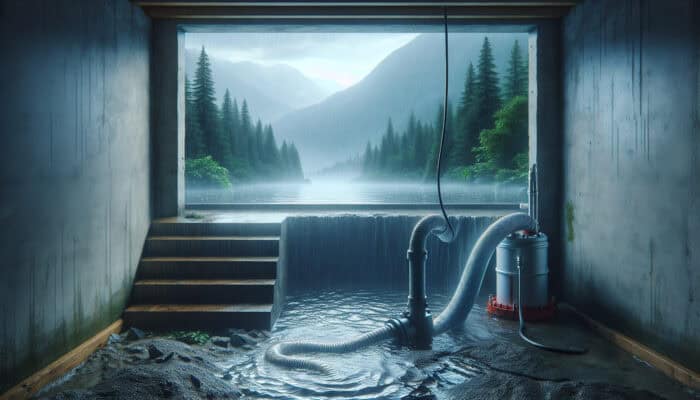
  • Water Storage Solutions: Key Containers for Your Requirements

    Water Storage Solutions: Key Containers for Your Requirements

    Comprehensive Guide to Selecting the Right Water Storage Containers for Every Scenario

    Uncover the Advantages of Lightweight Plastic Water Storage Solutions

    Durable polyethylene water containers available in various sizes, from 1-gallon to 55-gallon, suitable for household and emergency use.

    Water storage containers crafted from plastic provide an exceptionally versatile and lightweight option, making them ideal for daily tasks and emergency preparedness. These containers are available in an array of sizes and shapes, catering to a wide spectrum of needs—from compact 1-gallon jugs perfect for day trips to substantial 55-gallon tanks designed for extensive home water conservation. Typically made from polyethylene, a material celebrated for its strength and durability, these containers are engineered to securely hold water for prolonged durations, significantly reducing the risk of breakage or leaks. This reliability offers peace of mind, whether you’re gearing up for a picnic or bracing for a natural disaster.

    One of the standout features of plastic containers is their remarkable portability. Many designs are equipped with integrated handles, making them easy to transport, whether you’re setting up camp in a national park or stocking supplies in anticipation of emergencies. The lightweight nature of plastic ensures that even the larger containers remain manageable when filled with water. This characteristic is particularly advantageous for adventurers who require a dependable water source without the burden of cumbersome equipment.

    However, it’s crucial to select high-quality plastic containers. Not all plastics are created equal; certain varieties may leach harmful chemicals into the water, especially when exposed to heat or sunlight. Choosing BPA-free options is essential for guaranteeing that your water stays safe and devoid of toxins. This decision is vital for your family’s health, particularly during emergencies or for everyday use.

    Explore Durable Metal Containers for Long-Term Water Storage Solutions

    Metal water storage containers, primarily constructed from stainless steel or aluminum, are highly esteemed for their exceptional durability and long-lasting nature. These containers are designed to withstand significant temperature variations, making them suitable for both hot and cold environments. In industrial contexts, metal containers are frequently employed to hold water that needs to be maintained at specific temperatures, thereby ensuring its quality and safety for various applications.

    A key advantage of using metal containers is their ability to preserve water quality over extended periods. Unlike plastic, which can absorb unpleasant odors and flavors, stainless steel is resistant to corrosion and maintains the freshness of the water. This property is particularly critical in both residential and commercial settings, where high water quality is non-negotiable. Additionally, many stainless steel options are designed with insulating features, which help retain water at a stable temperature, ensuring access to refreshing cool water on hot days or warm water during winter.

    Moreover, metal containers are generally regarded as more environmentally friendly compared to plastic counterparts. They are fully recyclable, allowing for repurposing without any degradation in quality. This aspect appeals to eco-conscious consumers eager to minimize their ecological footprint while ensuring safe and reliable water storage solutions.

    Optimize Your Space with Innovative Collapsible Water Storage Containers

    Collapsible Water storage containers are revolutionizing the way individuals manage limited space or embark on outdoor adventures. These creative designs can be easily folded when empty, making them exceptionally space-efficient. They are perfect for camping trips, hiking excursions, or inclusion in emergency preparedness kits, designed for effortless transport without sacrificing functionality.

    Typically made from flexible materials such as robust plastics or resilient fabrics, these containers expand to hold various volumes, usually between 5 and 10 gallons. Their lightweight design ensures that even children or seniors can handle them with ease. Many models feature user-friendly handles and spouts, ensuring accessibility for users of all ages.

    Despite their lightweight and collapsible nature, these containers are engineered to resist punctures and abrasions, ensuring reliability even in challenging conditions. Numerous collapsible options are designed to double as water purification systems, enabling adventurers to treat water sourced from natural environments safely.

    While particularly popular with outdoor enthusiasts, collapsible containers also provide significant value in urban settings where storage space is limited. They can be conveniently tucked away in closets or under beds, ready for deployment during water shortages or emergencies, providing users with invaluable peace of mind.

    Essential Materials Used in Water Storage Solutions

    Modern water storage tank showcasing cross-section of stainless steel, concrete, and PVC materials with blue water.

    Polyethylene: A Reliable Material for Dependable Water Storage

    Polyethylene is one of the most widely used materials in the production of water storage containers. Renowned for its exceptional durability and chemical resistance, polyethylene is a safe choice for holding drinking water and is extensively utilized in households, schools, and emergency preparedness kits globally. This material can withstand a broad range of temperatures without degrading, making it suitable for diverse climates, from scorching deserts to frigid mountain environments.

    The versatility of polyethylene also extends to its recyclability. Many manufacturers prioritize sustainability by creating containers from recycled polyethylene, thus minimizing environmental impact. This eco-conscious approach aligns with the growing global trend toward sustainable living, allowing consumers to confidently choose water storage solutions that are both effective and responsible.

    Furthermore, polyethylene containers can be molded into various shapes and sizes to accommodate different storage needs. From small personal jugs to large tanks capable of holding hundreds of gallons, polyethylene’s adaptability makes it a preferred choice for both residential and commercial applications. The lightweight nature of this material enhances its practicality, facilitating easy transportation and handling.

    Stainless Steel: The Superior Choice for Water Storage Solutions

    Stainless steel plays a pivotal role in the manufacturing of water storage containers, celebrated for its outstanding resistance to corrosion and its ability to maintain water quality. Unlike plastic, stainless steel does not leach harmful chemicals into water, making it ideal for long-term storage. This quality is particularly vital in areas where water purity is a significant concern, such as regions with limited access to safe drinking water.

    The robust nature of stainless steel containers allows them to endure harsh environmental conditions, from extreme heat to frigid temperatures. They are frequently utilized across various industries, including healthcare and food service, where maintaining stringent hygiene standards is paramount. Many modern healthcare facilities depend on stainless steel containers to store purified water, ensuring it remains uncontaminated.

    Additionally, stainless steel containers often come with insulation properties that help keep water at a stable temperature over extended periods. This feature proves especially useful for outdoor activities like camping or hiking, where access to hot or cold water can significantly enhance the overall experience. With thoughtful design, these containers can also be aesthetically pleasing, making them a popular choice for home decor.

    As sustainability gains importance, many consumers are opting for stainless steel options due to their recyclability and durability. Choosing stainless steel containers not only benefits users but also positively impacts the environment by reducing reliance on single-use plastics.

    Prioritizing Safety with BPA-Free Plastic Containers

    Clear BPA-free plastic water container filled with sparkling water on a rustic table, surrounded by lush greenery.

    When selecting water storage containers, opting for BPA-free plastics is crucial for safety. BPA, or bisphenol A, is a chemical commonly found in traditional plastics that can leach into food and beverages, posing potential health risks. By choosing containers made from BPA-free materials, consumers can store water confidently, free from concerns about harmful chemical exposure.

    BPA-free plastics are specifically engineered to withstand environmental factors without degrading. They do not absorb unwanted odors or flavors, ensuring that stored water retains its pure taste. This quality is particularly vital in regions where clean drinking water is scarce or during emergencies when stored water may need to last longer than usual.

    These plastics are available in various designs and sizes, catering to a diverse range of container requirements. From compact 1-gallon bottles ideal for personal hydration to larger tanks designed for family use or emergencies, BPA-free plastics fulfill various needs. Furthermore, many BPA-free products are lightweight and portable, making them the perfect choice for outdoor activities such as hiking, camping, and traveling.

    As consumer demand for safe and environmentally friendly products rises, manufacturers are increasingly focused on creating innovative BPA-free options. This ongoing innovation ensures that consumers can find high-quality, eco-conscious solutions that meet their water storage needs without compromising health or safety.

    Comprehending Water Storage Container Sizes and Capacities

    Compact Solutions: Small Water Storage Containers for Personal Use

    Small water storage containers, typically ranging from 1 to 5 gallons, are ideal for personal use and emergency preparedness. Their compact size allows for effortless handling and transport, making them suitable for daily hydration needs. Whether embarking on a day hike or preparing for a short camping trip, these containers provide a convenient solution for carrying enough water to stay hydrated.

    In urban settings, small containers are invaluable for households that may experience water shortages or interruptions. Storing a few gallons of water in advance can make a significant difference during emergencies, such as natural disasters or plumbing failures. Many families opt for BPA-free plastic or stainless steel options to ensure that the water remains clean and safe for consumption.

    Moreover, these small containers often feature user-friendly elements. Many are equipped with convenient spouts or flip-top lids, facilitating easy pouring. This feature is particularly beneficial for children or elderly individuals who may struggle with heavier containers. Their manageable size also means they can be conveniently stored in kitchens, cupboards, or even car trunks, ensuring accessibility when needed.

    The versatility of small containers extends beyond hydration. They are also effective for various purposes, such as storing water for pets or even as part of a DIY irrigation system for urban gardens. This multifunctionality enhances their appeal, making them a wise choice for environmentally conscious consumers looking to maximize their storage solutions.

    Balanced Convenience: Medium-Sized Water Containers

    Medium-sized water storage containers, typically ranging from 5 to 20 gallons, strike an ideal balance between capacity and portability. This size is particularly well-suited for families, providing ample water for daily use while remaining manageable for transport. Whether for picnics, family outings, or emergency preparedness, medium containers serve as a reliable water source.

    In emergencies, these containers can be essential for households striving to maintain a steady water supply. Experts recommend storing at least one gallon of water per person per day for emergencies, making medium containers ideal for families with multiple members. They can be quickly filled and stored in accessible locations, ensuring that water is readily available when needed most.

    Additionally, medium containers are often made from robust materials, ensuring that they can withstand occasional drops or impacts. Many designs incorporate features such as reinforced handles, spigots, or stackable designs, enhancing their usability and efficiency. This makes them an excellent option for those seeking both functionality and convenience in their water storage solutions.

    For outdoor enthusiasts, medium containers are also highly sought after for camping trips and longer adventures where access to clean water may be limited. They can be easily transported in vehicles or carried in trailers, providing a practical solution for maintaining hydration in remote areas.

    Large Capacity Solutions for Significant Water Storage Needs

    Large water storage containers, typically designed to hold over 20 gallons, are perfect for substantial household needs or community water storage requirements. These containers are often utilized in regions prone to drought or natural disasters, where maintaining a reliable water supply is crucial. With their significant capacity, larger containers can store enough water to support families for days, ensuring that every member has access to clean drinking water.

    In agricultural contexts, large water containers are vital for irrigation systems. Farmers depend on these containers to store water for crops, especially in arid regions where water resources are limited. The durability of these containers ensures that they can withstand outdoor elements while providing a steady supply for agricultural needs.

    Another application for large containers is in emergency preparedness. Many organizations recommend maintaining substantial water reserves available in case of natural disasters. These containers can be quickly filled and sealed, providing a secure storage solution that can last for extended periods. The ability to store large volumes of water not only addresses hydration needs but also supports essential activities such as cooking and hygiene.

    Thanks to advancements in design, many larger containers now feature enhancements that improve usability. Some include built-in wheels for easy transportation, while others are equipped with advanced filtration systems to ensure the water remains clean. This combination of capacity and functionality makes large containers an indispensable component of both residential and commercial water storage strategies.

    Extra-Large Containers for Comprehensive Water Storage Solutions

    Extra-large water storage containers are engineered to hold over 100 gallons of water, making them an exceptional choice for industrial applications or large-scale water storage solutions. These containers are crucial for businesses requiring extensive water resources, such as manufacturing plants, construction sites, or agricultural operations. The capacity to store vast volumes ensures that operations run smoothly without interruptions due to water shortages.

    In residential scenarios, extra-large containers can significantly benefit families living in rural areas or regions susceptible to water scarcity. These containers can be integrated into rainwater harvesting systems, capturing and storing rainwater for future use. This practice not only conserves water but also promotes sustainable living habits.

    Despite their size, many modern extra-large containers are designed for user-friendliness. Many are equipped with maintenance holes for easy access and cleaning, as well as built-in filtration systems to maintain water quality. These enhancements make it feasible for individuals and families to effectively manage their water reserves.

    Moreover, the demand for extra-large containers is increasing as communities recognize the importance of preparedness in the face of climate change and unpredictable weather patterns. Having a substantial water supply readily available can provide peace of mind during emergencies or prolonged periods of drought.

    Portable Water Storage Containers for On-the-Go Hydration

    Portable water storage containers, typically ranging from 1 to 10 gallons, are essential for individuals seeking mobility without sacrificing water storage capabilities. Designed for easy transport, these containers are ideal for outdoor activities like camping, hiking, or road trips. Their lightweight design and manageable sizes make them suitable for individuals of all ages, ensuring everyone can stay hydrated while on the move.

    These containers often feature ergonomic handles or straps, allowing users to carry them comfortably. Many models also incorporate spouts or easy-pour designs, enhancing usability, especially in outdoor settings where convenience is paramount. For instance, a portable container can be quickly filled from a stream or tap and then utilized to serve water at a campsite.

    In addition to recreational use, portable containers are invaluable for emergency preparedness kits. Keeping a few filled and ready to go can significantly impact during crises, providing immediate access to water. Their compact size allows for easy storage in vehicles or closets, ensuring accessibility whenever needed.

    Moreover, many of these containers are designed with safety in mind. They are made from non-toxic materials that ensure water remains safe to drink. This consideration is particularly critical in emergencies where water quality is of utmost importance. By investing in portable containers, individuals can prepare for both everyday adventures and unexpected emergencies.

    Essential Maintenance and Cleaning for Water Storage Containers

    Establish a Consistent Cleaning Routine for Water Storage Containers

    Maintaining the cleanliness of water storage containers is vital for preventing bacterial growth and ensuring the safety of drinking water. Establishing a consistent cleaning routine is crucial, especially for containers designated for long-term storage. A straightforward yet effective method involves using mild soap and warm water to thoroughly clean the interior surfaces, followed by a comprehensive rinse to remove any soap residue.

    It is advisable to clean containers at least every six months or more frequently if they are used for storing water that may sit for extended periods. Even if the water appears clear, bacteria can thrive in unnoticed residues or contaminants. Regular cleaning is essential for ensuring that water remains fresh, safe, and free from unpleasant odors.

    In a world where access to clean water is paramount, dedicating time to maintain water storage containers serves as a proactive measure that can prevent health issues down the line. For households, this means routinely inspecting containers, cleaning them thoroughly, and storing them in cool, dark places to minimize the risk of algae or bacterial growth.

    For outdoor enthusiasts, keeping portable containers clean is equally important. After returning from a camping trip, thoroughly cleaning and drying the containers is critical to avoid cross-contamination. This simple habit not only prolongs the life of the container but also safeguards your health, ensuring that each refill is safe and refreshing.

    Effective Sanitizing Techniques to Ensure Water Safety

    To further enhance the safety of water storage containers, periodic sanitization is essential. A common method involves using a bleach solution: mix one teaspoon of unscented liquid bleach per quart of water, fill the container, and allow it to sit for a minimum of 30 minutes. This process effectively kills pathogens that may reside within the container, ensuring the water remains safe for consumption.

    Alternatively, vinegar can serve as a natural sanitizer. An equal parts solution of water and white vinegar can be used to scrub the interior of the container, effectively disinfecting without leaving harmful residues. After sanitizing, thoroughly rinse the container with clean water to eliminate any remaining cleaning agents, guaranteeing that your next fill is safe and pure.

    Experts recommend sanitizing water storage containers before long-term storage and following each use. This practice is particularly crucial for containers used in emergency preparedness, where the quality of stored water could be a matter of health and safety. Implementing a consistent sanitizing routine not only enhances safety but also helps maintain the integrity of the container itself.

    Keeping a log of each cleaning and sanitizing session can be beneficial for households that rely on stored water. This practice ensures that you stay ahead of potential contamination issues, allowing for timely maintenance and monitoring of your water resources.

    Inspection and Replacement: Key to Optimal Water Safety

    Regular inspection of water storage containers is essential for maintaining water safety and quality. During inspections, look for signs of wear and tear, such as cracks or leaks that can compromise the container’s integrity. Containers showing signs of damage should be replaced immediately to avert contamination or loss of stored water.

    Additionally, it is advisable to periodically inspect the seals and lids of containers. A poorly sealing lid can allow contaminants to infiltrate the container, undermining the safety of the stored water. Ensuring that seals are airtight not only preserves water quality but also prevents spills during transportation or handling.

    For households with multiple containers, implementing a rotation system is beneficial. Using older containers first while keeping new ones in reserve helps track which containers are in use and ensures that stored water is consumed within safe time frames.

    Ultimately, vigilance is key regarding water storage. By regularly inspecting, cleaning, and replacing containers, individuals can ensure continuous access to safe and potable water, whether for daily use or in the event of an emergency.

    Understanding Safety Regulations in Water Storage

    Complying with Drinking Water Standards for Safe Storage

    Ensuring that water storage containers meet drinking water standards is crucial for public health. Various organizations, including the Environmental Protection Agency (EPA) in the United States, set guidelines that dictate the materials and designs suitable for storing potable water. Adhering to these standards is essential for preventing contamination and ensuring public health safety.

    When selecting containers, consumers should look for labels or certifications indicating that the product meets safety standards for drinking water. Many reputable manufacturers provide information about the compliance of their products with these regulations, enabling consumers to make informed choices. Failure to adhere to these standards can lead to harmful chemicals leaching into the water, resulting in serious health risks.

    In many areas, local regulations may specify requirements for water storage, particularly in rural or underserved communities. Understanding these regulations can help individuals and organizations ensure that their water storage solutions are compliant and safe for consumption.

    Regularly reviewing and understanding local and international water safety standards can also benefit those involved in community or industrial water storage solutions. By staying updated on the latest regulations, organizations can avoid legal complications while ensuring the safety of their water supplies.

    Using Food-Grade Materials for Safe Water Storage

    Utilizing food-grade materials for water storage containers is essential to prevent contamination. Food-grade materials, such as certain plastics and stainless steel, are specifically designed to withstand storage rigors without leaching harmful chemicals into their contents. Choosing containers labeled as food-safe ensures that you are using products that meet rigorous health and safety standards.

    This designation becomes especially important during emergencies or when storing water for prolonged periods. Consumers should exercise caution when using non-food-grade containers, as they may contain additives that could compromise water quality. It is vital to verify that any container intended for storing drinking water is made from materials explicitly designated as safe for food contact.

    Additionally, using food-grade materials contributes to overall health and well-being. Many public health organizations recommend using food-safe containers as part of a broader strategy for maintaining hygiene and safety in water storage practices. This simple step can prevent a range of potential health issues associated with poor water quality.

    As consumers become increasingly aware of the importance of safe materials, manufacturers are responding by developing innovative, environmentally friendly options that meet food-grade standards. This trend towards sustainability ensures that individuals can find containers that not only keep water safe but also align with their values.

    The Importance of Labeling and Certification in Water Storage Products

    When selecting water storage containers, it’s essential to pay close attention to labeling and certification. Containers displaying certifications from recognized organizations signify compliance with safety and quality standards, assuring customers of the product’s reliability. Certifications may include NSF International or the American National Standards Institute (ANSI), indicating that containers have undergone rigorous testing.

    Proper labeling helps users understand the intended use of containers, ensuring they are suitable for storing drinking water. This information is invaluable in preventing accidental misuse and ensuring that the containers are utilized correctly. Consumers should always read labels carefully, looking for indications of material safety, capacity, and intended usage.

    Furthermore, with the growing awareness of sustainability, many manufacturers now include information about the environmental impact of their products on labels. This transparency helps consumers make informed choices while promoting responsible practices within the industry.

    For businesses and organizations involved in water storage, adhering to labeling regulations and maintaining certifications is crucial. Compliance fosters consumer trust and minimizes potential legal liabilities associated with product safety.

    Handling Hazardous Materials with Care

    For those storing and handling hazardous substances, understanding the proper procedures for water storage containers is essential. Containers used for hazardous materials must be clearly labeled and comply with specific regulatory guidelines to prevent contamination or accidents. This is particularly important in industrial settings, where hazardous chemicals may be stored near water resources.

    Organizations are encouraged to develop comprehensive safety protocols for handling and storing hazardous materials. This includes training employees to recognize and respond to potential spills or leaks, as well as understanding the correct use of protective equipment. By fostering a culture of safety and compliance, organizations can mitigate risks associated with hazardous materials.

    Regular inspections of storage containers are also critical for safety. Ensuring that containers are intact and free from leaks can prevent contamination of water supplies and reduce the risk of dangerous exposures. Adhering to established safety guidelines not only protects the environment but also ensures the health and safety of individuals who may come into contact with these materials.

    Implementing risk assessment strategies can further enhance safety in environments where hazardous materials are present. By evaluating potential hazards and developing mitigation plans, organizations can create safer working conditions for employees and communities.

    Conducting Regular Inspections and Maintenance

    Conducting regular inspections and maintenance of water storage containers is fundamental to ensuring safe water supply management. Scheduled inspections help identify wear and tear, structural weaknesses, or contamination risks that could compromise water quality. Regular maintenance routines can prevent costly replacements and ensure that water remains safe for consumption.

    During inspections, users should pay close attention to the seals, caps, and interior surfaces of containers. Signs of wear, such as cracks or discoloration, can indicate the need for repairs or replacement. Keeping detailed records of inspections and maintenance actions can help track the history of each container, facilitating timely replacements when necessary.

    Additionally, maintaining a clean environment around water storage areas is crucial. Keeping containers free from debris and potential contaminants ensures that the stored water remains pure and uncontaminated. Regular maintenance routines should also include cleaning the surrounding areas to avoid attracting pests or creating unsanitary conditions.

    Community and public health organizations often recommend implementing comprehensive water safety programs that include routine inspections and maintenance. By fostering a culture of safety, organizations can ensure that water remains a reliable and safe resource for all.

    Diverse Uses and Applications of Water Storage Containers

    Essential Water Storage for Emergency Preparedness

    In times of crisis, having a reliable water supply is paramount for survival, making water storage containers a critical component of emergency preparedness kits. Experts recommend storing at least one gallon of water per person per day for a minimum of three days to ensure adequate hydration during natural disasters, power outages, or other emergencies.

    Families can greatly benefit from establishing a well-organized system for their water storage. This involves regularly checking expiration dates on stored water, maintaining clean and sanitized containers, and ensuring they are easily accessible. Having a designated emergency water supply can significantly reduce anxiety during crises, providing peace of mind knowing that essential hydration is readily available.

    In addition to personal preparedness, communities can bolster their resilience by investing in shared water storage solutions. Local governments and organizations can collaborate to establish community water reserves, ensuring residents have access to clean drinking water during widespread emergencies. This communal approach not only strengthens community ties but also fosters a shared sense of accountability for water resources.

    Furthermore, regular training and drills on emergency preparedness can aid individuals and communities in responding effectively to crises. By familiarizing people with proper storage practices, they can ensure that their water storage containers are ready for use in emergencies, ultimately saving lives and enhancing overall community resilience.

    Water Storage Solutions for Outdoor Activities

    Outdoor enthusiasts around the globe rely on water storage containers for camping, hiking, and other adventurous pursuits. These containers provide essential hydration on the go, ensuring that individuals can enjoy their activities without the risk of dehydration. Portable containers, in particular, are invaluable for carrying water to remote locations where access to clean water may be limited.

    Many campers and hikers prefer lightweight, collapsible containers that are easy to pack and transport. These containers can be filled at water sources along the way, allowing users to immerse themselves in nature while meeting their hydration needs. A reliable water storage solution not only enhances the outdoor experience but also promotes safety, as staying hydrated is crucial for maintaining energy levels during physical activities.

    In addition to personal hydration, outdoor enthusiasts often utilize water storage containers for food preparation and cooking. Access to clean water for washing hands, cooking meals, or cleaning utensils is essential for maintaining hygiene while enjoying the great outdoors. Many portable containers are designed with features such as spouts or easy-pour lids, making food preparation more convenient.

    Furthermore, investing in high-quality, durable containers is essential for outdoor activities. High-density polyethylene (HDPE) or stainless steel options are recommended for their resilience and ability to endure the rigors of outdoor conditions. Choosing the right containers ensures that adventurers can focus on their experiences rather than worrying about water supply issues.

    Water Storage in Agricultural and Industrial Applications

    In agricultural and industrial settings, the demand for water storage containers is considerable. Large-scale farming operations require reliable water storage for irrigation systems, ensuring that crops receive the necessary moisture to thrive. With climate change impacting rainfall patterns, having access to stored water can be a game-changer for farmers in drought-prone areas.

    Industrial facilities also benefit from robust water storage solutions for various processes. Whether for cooling systems, cleaning, or manufacturing, maintaining a steady water supply is crucial for operational efficiency. Large containers, often exceeding 100 gallons, are typically used in these settings, enabling businesses to manage their water resources effectively.

    Selecting appropriate materials is essential in these applications. Containers made from food-grade plastics or stainless steel are preferred to ensure that stored water remains uncontaminated. Additionally, many agricultural operations are adopting sustainable practices by utilizing rainwater harvesting systems, which further enhance their water storage capabilities.

    Furthermore, as industries increasingly focus on sustainability, the implementation of smart water storage systems is on the rise. These systems allow for real-time monitoring of water levels and quality, facilitating more efficient water management practices that benefit both the environment and productivity.

    Household Water Storage Solutions for Everyday Use

    For households, water storage containers serve as a practical solution for daily use and emergency preparedness. Many families choose to keep a supply of stored water for various purposes, including cooking, drinking, and hygiene. This is especially important in regions where access to clean water is sporadic or during emergencies, when the water supply may be disrupted.

    Investing in quality containers ensures that water remains safe and fresh for consumption. Households can benefit from using BPA-free plastic or stainless steel containers designed for long-term storage. The ability to maintain a clean and safe water supply enhances the overall quality of life for families, contributing to their health and well-being.

    Additionally, families with garden irrigation systems can use stored water for maintaining their plants. Utilizing water storage containers for gardening not only conserves water but also ensures that plants receive adequate moisture during dry spells. This practice promotes sustainability and responsible water management at the household level.

    Moreover, homeowners can create a well-organized storage system for their water containers, ensuring they are easily accessible for daily use or emergencies. Establishing a routine for checking and refreshing stored water can guarantee that families always have access to safe and clean drinking water.

    Medical and Laboratory Water Storage Requirements

    In medical and laboratory environments, maintaining a supply of clean water is essential for various procedures and experiments. Water storage containers are often used to hold distilled or sterilized water, providing a critical resource for maintaining hygiene standards in healthcare facilities. The quality of stored water can significantly impact patient care, making it crucial for hospitals and clinics to invest in reliable storage solutions.

    Many healthcare facilities utilize stainless steel containers due to their resistance to corrosion and ability to maintain water quality. These containers help ensure that the water used in medical procedures remains uncontaminated, safeguarding patient health. In laboratory settings, the purity of water is equally important, as it can affect the outcomes of experiments and tests.

    Moreover, the use of advanced filtration systems in water storage containers enhances safety in medical and laboratory applications. Many modern systems feature built-in filters that remove impurities, providing an additional layer of protection and ensuring that the stored water meets stringent quality standards.

    Furthermore, training staff on proper handling and storage practices is crucial in these environments. Ensuring that employees understand the importance of maintaining clean and safe water supplies can help prevent contamination and enhance overall operational efficiency in healthcare and laboratory settings.

    Assessing the Environmental Impact of Water Storage Solutions

    Prioritizing Sustainability in Water Storage Solutions

    Choosing sustainable water storage containers is essential for reducing environmental impact. Many manufacturers now prioritize eco-friendly materials, such as recycled plastics or sustainable metals, in their container designs. This shift towards sustainability not only helps minimize waste but also appeals to consumers who prioritize environmentally responsible products.

    Additionally, by selecting reusable containers, consumers can significantly reduce their reliance on single-use plastics, which contribute to pollution and landfill waste. Reusable containers are designed for longevity, allowing users to store and transport water repeatedly without the environmental costs associated with disposable options.

    Moreover, embracing sustainable practices in water storage extends beyond individual choices. Communities can adopt collective strategies, such as rainwater harvesting systems, utilizing local resources to reduce dependency on municipal water supplies. This approach not only conserves water but also promotes a sense of community stewardship towards shared resources.

    Organizations that prioritize sustainability can also focus on implementing energy-efficient practices in their production and distribution processes. Using renewable energy sources in manufacturing processes further reduces the carbon footprint associated with water storage containers, contributing to a more sustainable future.

    Recycling Options for Water Storage Containers

    Many water storage containers are designed with recyclability in mind, enabling consumers to dispose of them responsibly at the end of their lifecycle. Recycling plastic containers helps reduce waste and conserve resources by allowing materials to be repurposed into new products. Many municipalities have established recycling programs that accept clean plastic containers, making it easy for consumers to participate.

    Stainless steel containers are also highly recyclable, contributing to the circular economy by minimizing waste. Recycling metals conserves energy and reduces the environmental impact of extraction and processing. By choosing recyclable containers, consumers play a crucial role in promoting responsible waste management practices.

    Additionally, some manufacturers have implemented take-back programs for their products, encouraging consumers to return containers for recycling. This proactive approach not only ensures proper disposal but also fosters a culture of sustainability within the community.

    Individuals can further their commitment to environmental responsibility by educating themselves on local recycling guidelines and participating in community clean-up initiatives. By advocating for proper waste disposal, consumers can help drive positive change in their communities.

    Strategies for Reducing Plastic Waste in Water Storage

    With growing concerns about plastic pollution, reducing plastic waste through the use of water storage containers is more crucial than ever. Opting for reusable, durable containers is a proactive step individuals can take to mitigate the environmental impact of single-use plastics. By investing in high-quality containers designed to last, consumers can significantly decrease their plastic consumption while ensuring access to safe drinking water.

    Communities can also benefit from initiatives that encourage the use of reusable containers. Public awareness campaigns that highlight the importance of reducing plastic waste can inspire individuals to make more sustainable choices. For example, local governments can promote refill stations for water, allowing citizens to fill their reusable containers instead of purchasing bottled water.

    Furthermore, businesses can adopt sustainable practices by offering discounts or incentives for customers who bring their reusable containers. This encourages a cultural shift towards sustainability while fostering customer loyalty.

    Participating in community events that focus on reducing plastic waste can further amplify the impact. By engaging in clean-up drives or educational workshops, individuals can raise awareness about the importance of minimizing plastic use, ultimately contributing to healthier ecosystems.

    Enhancing Energy Efficiency in Water Storage Solutions

    The energy efficiency of water storage containers plays a significant role in minimizing their environmental impact. Many modern containers are designed to optimize energy use, particularly when integrated into systems for heating or cooling water. For instance, insulated containers help maintain water temperatures, reducing the need for additional energy inputs.

    Organizations that produce or distribute water can also implement energy-efficient practices throughout their operations. Utilizing renewable energy sources in manufacturing processes or transportation can significantly reduce the carbon footprint associated with water storage containers.

    Consumers can also contribute by selecting containers that promote energy efficiency. Choosing products designed with insulation or built-in filtration systems can help minimize energy consumption, ultimately benefiting both the environment and user convenience.

    Engaging in discussions about energy efficiency in public forums can further promote awareness and encourage collective action. By advocating for sustainable practices in local communities, individuals can help drive positive environmental changes.

    Reducing Carbon Footprint through Thoughtful Choices

    Reducing the carbon footprint associated with water storage containers is essential for promoting sustainability. Individuals can take proactive steps by selecting products made from recycled or renewable materials, emphasizing the importance of eco-friendly practices. Additionally, the manufacturing process can significantly impact carbon emissions, making it crucial for companies to adopt energy-efficient practices.

    Investing in local production facilities can also reduce the carbon footprint associated with transportation. By sourcing water storage containers locally, consumers can support regional economies while minimizing the environmental impact of shipping products over long distances.

    Furthermore, educating communities about the benefits of reducing carbon emissions can inspire collective action. Consumers can advocate for sustainable practices, such as implementing rainwater harvesting systems or utilizing solar-powered water storage solutions, to promote environmental responsibility.

    By engaging in discussions about climate change and advocating for sustainable solutions, individuals can contribute to a broader movement focused on reducing carbon footprints and promoting environmental stewardship.

    Innovations Shaping the Future of Water Storage

    Integrating Smart Technology into Water Storage Containers

    The field of water storage containers is advancing with the incorporation of smart technology. These modern containers are equipped with sensors that monitor water quality and levels, providing users with real-time data. Smart containers can alert individuals when it’s time to refill or sanitize, ensuring that stored water remains safe and suitable for consumption.

    For households, smart containers enhance the ease of managing water supplies. Users can receive notifications on their smartphones, reminding them to check water levels or cleanliness. This technology is particularly beneficial for families with children or elderly members who may require continuous access to clean water.

    In industrial applications, smart technology facilitates efficient water management. Companies can monitor usage patterns, identify leaks, and optimize storage, leading to enhanced productivity and reduced waste. This innovative approach not only conserves resources but also contributes to overall sustainability goals.

    As the demand for smart solutions grows, manufacturers are likely to develop more advanced features for water storage containers. Innovations such as integrated purification systems or solar-powered filtration may revolutionize how individuals and organizations manage their water resources.

    Utilizing Solar Power for Water Storage Solutions

    Utilizing solar energy for water storage containers represents a significant step towards sustainability. These systems harness the power of the sun to purify and store water, offering an eco-friendly solution for communities lacking access to clean water sources. Solar-powered systems can be particularly beneficial in remote areas where traditional water supply infrastructure is lacking.

    These systems often include solar panels that drive filtration processes, ensuring that water is treated before it is stored. This not only enhances water quality but also reduces reliance on fossil fuels for purification and storage needs. Deploying solar-powered systems can help communities achieve self-sufficiency and resilience, particularly in regions vulnerable to climate change.

    Furthermore, advancements in solar technology continue to improve the efficiency and affordability of these systems. As more individuals and organizations seek sustainable solutions, the popularity of solar-powered water storage containers is likely to grow, benefiting both the environment and public health.

    Investing in research and development for solar-powered technologies can lead to innovative applications, further enhancing the accessibility of clean water resources. By promoting these sustainable solutions, communities can foster resilience and encourage environmental stewardship.

    The Advantages of Modular Designs in Water Storage Solutions

    Innovative modular designs for water storage containers are reshaping how individuals and organizations approach water management. These containers can be assembled or disassembled as needed, allowing users to customize their storage solutions based on specific requirements. This flexibility is particularly beneficial for urban environments where space is often limited.

    Modular designs enable users to create larger systems by connecting smaller units, accommodating varying needs. For instance, a family may require a compact solution for daily hydration but may expand their storage for emergency preparedness. This adaptability ensures that users are always equipped with the right amount of water, regardless of circumstances.

    Additionally, modular systems can enhance accessibility for rural or underserved communities. By employing local production methods, communities can develop tailored solutions that fit their unique water storage challenges. Modular designs promote community engagement and foster a sense of ownership over local resources.

    As the demand for innovative solutions grows, manufacturers are likely to invest in developing advanced modular systems that integrate smart technology and sustainable materials. This evolution will further enhance the efficiency and effectiveness of water storage containers, benefiting users worldwide.

    Frequently Asked Questions about Water Storage Solutions

    What are the best materials for water storage containers?

    The best materials for water storage containers include food-grade plastics, stainless steel, and BPA-free options. These materials ensure that stored water remains safe and free from harmful contaminants.

    How often should I clean my water storage containers?

    It is recommended to clean your water storage containers at least every six months, or more frequently if they are used regularly. Regular cleaning helps prevent bacterial growth and maintains water quality.

    Can I use any plastic container for water storage?

    No, not all plastic containers are suitable for water storage. It is essential to use containers made from food-grade or BPA-free materials to prevent chemical leaching and ensure safety.

    How long can I store water in containers?

    Water can be stored in properly sealed containers for up to six months. However, it is advisable to rotate the water supply every three months to ensure freshness.

    What size water storage container should I use for emergencies?

    For emergencies, it is recommended to have at least one gallon of water per person per day. Medium to large containers (5 to 20 gallons) are ideal for households, while smaller containers (1 to 5 gallons) are suitable for personal use.

    How do I sanitize my water storage containers?

    To sanitize your containers, use a solution of one teaspoon of unscented bleach per quart of water. Fill the container, let it sit for at least 30 minutes, then rinse thoroughly with clean water.

    Are collapsible containers effective for water storage?

    Yes, collapsible containers are effective for storing water, particularly in camping and emergencies. They are lightweight, portable, and can be easily stored when not in use.

    What should I look for in a portable water storage container?

    When selecting a portable water storage container, consider materials that are lightweight, easy-to-use spouts, and durable designs. Ensure the container is made from food-safe materials for safe drinking water.

    How can I reduce my environmental impact with water storage?

    To reduce environmental impact, choose reusable containers, opt for eco-friendly materials, and participate in recycling programs. Additionally, consider rainwater harvesting systems for sustainable water management.

    What innovations are shaping the future of water storage?

    Innovations in water storage include smart containers with sensors for monitoring water quality, solar-powered purification systems, and modular designs that allow for customizable storage solutions. These advancements enhance efficiency and sustainability in water management.

    Explore more with us on X!

    The post Water Storage Containers: Essential Solutions appeared first on Survival Bite.

    The Article Water Storage Solutions: Essential Containers for Your Needs Was Found On https://limitsofstrategy.com

  • Stormwater Drain Solutions in Wollongong: Key Causes Explained

    Stormwater Drain Solutions in Wollongong: Key Causes Explained

    In-Depth Analysis of the Factors Leading to Blocked Stormwater Drains

    Blocked stormwater drains can stem from a variety of both natural elements and structural issues, including the buildup of leaf debris, penetration by tree roots, and occurrences of pipe collapse. Signs of a blockage typically manifest as sluggish water drainage, noticeable pooling of water around drainage grates, strange gurgling sounds from the pipes, or water backing up into your home after rainfall. To effectively address these issues, start by removing any visible surface debris and thoroughly inspect for potential pipe blockages. If problems persist, it may be wise to consider installing a French drain system, which can efficiently redirect excess water away from your home’s foundations, preventing costly damage.

    In times of heavy rainfall, your stormwater management system is engineered to divert water away from your property effectively. However, when drains become obstructed, water can quickly accumulate, leading to flooding in gardens, potential harm to your home’s foundations, and even water infiltration into basements or subfloors. Homeowners in Wollongong, particularly those residing on sloped properties or in areas with clay-heavy soil, may find that blocked stormwater drains present a recurring challenge that necessitates ongoing vigilance to avert expensive repairs.

    Whether your drainage grate is overflowing or your backyard resembles a swamp after each rainstorm, this comprehensive guide will delve into the various causes of such blockages, provide step-by-step instructions for effective clearing, and offer guidance on when advanced solutions, like a French drain system, might be required. By gaining insight into these factors, you can take proactive measures to maintain your property’s drainage systems effectively.

    Call: 0416 101 022

    Get A Free Quote

    Identifying Common Causes of Blocked Stormwater Drains in Wollongong

    1. The Role of Leaf Litter and Garden Debris in Drain Blockages

    During inclement weather, organic materials such as leaves, bark, and mulch can wash into surface grates, creating a natural barrier that hinders water flow. Without consistent maintenance and cleaning, these obstructions can build up quickly, especially in lush suburbs like Keiraville, Figtree, or Mt Keira. Homeowners must be proactive in clearing these areas to prevent flooding and potential water damage, ensuring that stormwater systems function effectively and efficiently.

    2. How Invasive Tree Roots Compromise Drainage Systems

    Mature trees develop extensive root systems that often seek moisture sources, leading them to infiltrate and damage PVC or clay pipes. Over time, this intrusion can limit water flow and trap additional debris within the pipes, creating serious blockages. Such root infiltrations require immediate action, as they can result in costly repairs and further detriment to your stormwater infrastructure.

    3. The Risks of Pipe Collapse and Silt Accumulation in Older Drainage Systems

    Older stormwater systems, particularly those in homes built before 2000, are vulnerable to problems such as collapsed pipes, improper fall angles, or excessive sediment buildup. These issues often remain hidden until a significant rain event occurs, leading to unexpected failures that can cause significant property damage. Regular inspections and maintenance are essential for identifying and addressing these weaknesses before they escalate into major concerns.

    4. The Impact of Improper Surface Grading on Water Drainage

    Inadequate grading of your yard, where the slope does not direct water away from your home, can lead to water pooling near walls and grates, increasing the likelihood of flooding. Even a well-functioning stormwater pipe may struggle to manage excess water if the surface does not promote effective drainage. Conducting routine assessments of your property’s grading can help mitigate these problems, ensuring that water flows away from critical areas and reducing the risk of damage.

    Recognizing the Signs of a Blocked Stormwater Drain

    • Surface water pooling around grates or downpipes
    • Gurgling or bubbling sounds during rainfall
    • Water overflowing from gutters or drainage pits
    • Soggy lawns or spongy soil persisting days after rainfall
    • Basement or garage flooding following storms

    Key Steps for Successfully Clearing a Blocked Stormwater Drain

    1. Start by Removing Surface Debris
    Initiate your drain clearing process by eliminating leaves, silt, and other debris from grates, pits, and downpipe guards. Often, the blockage can be traced to materials just beneath the surface cover, making this an essential first step in the clearing process.

    2. Flush the Line with High-Pressure Water
    Utilize a high-pressure hose or jetter to effectively clear shallow blockages. However, if you notice the system beginning to back up, stop operations immediately, as applying more pressure may worsen a collapsed section of the pipe, leading to additional complications.

    3. Use a Drain Camera for Comprehensive Inspection
    A licensed plumber can perform a thorough inspection of stormwater pipes using a CCTV drain camera. This advanced technology reveals cracks, blockages, or misaligned connections that may be causing drainage problems, allowing for precise and efficient repairs.

    4. Engage Professionals for Addressing Tree Root Blockages
    If tree roots are identified as the blockage’s source, pipe relining might be the most effective long-term solution, as it seals the pipe without necessitating excavation. If you’re uncertain about the best approach, our Wollongong drainage specialists can provide an accurate diagnosis and efficiently resolve blocked systems.

    When is it Essential to Install a French Drain System?

    French drains are innovative subsurface drainage systems specifically designed to divert water away from your property. These systems consist of a gravel-filled trench containing a perforated pipe, which is set at a slight gradient to transport water toward a designated discharge point, ensuring efficient drainage and reducing water accumulation.

    Optimal Situations for French Drain Implementation:

    • Yard flooding occurs even with properly functioning downpipes
    • Water pooling near retaining walls or foundations
    • Driveway runoff overwhelms existing surface drains
    • Sloped blocks where water channels downhill

    Our team specializes in creating and installing custom French drain systems in Wollongong, tailored to accommodate local soil conditions, slope, and rainfall patterns, ensuring optimal performance and durability of your drainage system.

    Comparative Evaluation: French Drains vs. Traditional Stormwater Systems

    Feature Stormwater Drain French Drain
    Handles Roof Runoff ✔ ❌
    Handles Groundwater ❌ ✔
    Installed Under Grass ❌ ✔
    Requires Surface Inlet ✔ Optional
    Best For Surface Flow ✔ Partial
    Best For Subsoil Drainage ❌ ✔

    Effective Strategies for Preventing Future Stormwater Drain Blockages

    • Thoroughly clear gutters and grates prior to the storm season
    • Install leaf guards on downpipes to reduce debris entry
    • Schedule annual drain jetting or camera inspections to maintain system integrity and functionality
    • Avoid planting trees near underground drainage lines to prevent root intrusion
    • Ensure lawn gradients slope away from structures to promote effective water drainage

    Essential Recommendations for Wollongong Homeowners regarding Stormwater Management

    Blocked stormwater drains can represent more than just a minor inconvenience; they pose significant risks to your home’s structural integrity. Issues such as flooded footings, damp basements, and persistent water pooling suggest an overloaded or malfunctioning drainage system that requires immediate attention and resolution.

    If clearing surface debris does not remedy the issue, there may be a more serious underlying concern within your pipes or the overall water management strategy of your property. This is where expert design and drainage solutions become invaluable in protecting your home from moisture-related damage.

    Do not postpone addressing these concerns until the next flooding incident occurs. If your yard is retaining water, your drainage pits are overflowing, or you suspect tree roots infiltrating your lines, contact our team today for a professional inspection.
    We will accurately diagnose the issue and, if necessary, design a customized French drain or pipe solution specifically tailored to your site’s requirements.

    Call: 0416 101 022

    Get A Free Quote

    The Article: Blocked Stormwater Drains: Causes and Solutions in Wollongong first appeared on https://writebuff.com

    The Article Stormwater Drain Solutions: Causes in Wollongong Was Found On https://limitsofstrategy.com