Category: Home Safety

  • Hazardous Item Rules for Safe Home Clearance Guidelines

    Hazardous Item Rules for Safe Home Clearance Guidelines

    Navigating the Complexities of Managing Hazardous Items in House Clearance

    Defining Hazardous Items and Their Critical Impact on Health and Environment
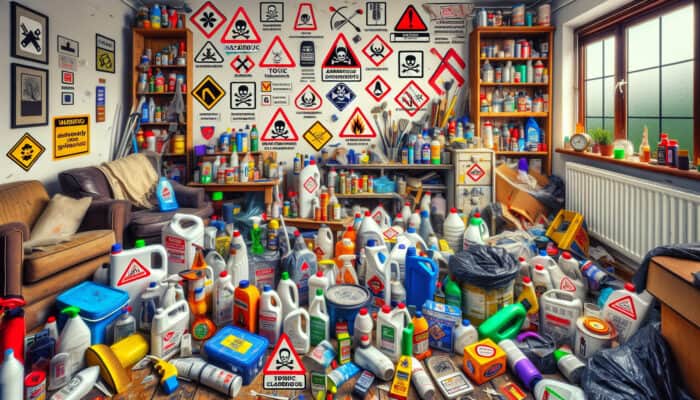
    Hazardous Item Rules for House Clearance: UK house clearance scene with hazardous items like toxic chemicals, flammable substances, explosives, and household products with warning labels.

    When addressing the topic of hazardous items, it is necessary to recognize that these materials include a wide array of substances that present considerable dangers to human health, safety, and the overall health of our environment. These perilous materials encompass toxic chemicals, flammable substances, hazardous gases, and even explosives, all of which require meticulous management during house clearance activities. In the UK, implementing effective waste management strategies is crucial, especially concerning materials that could adversely affect individuals and ecological systems. For instance, everyday household items, which might seem innocuous, such as certain cleaning products and paints, could contain hazardous elements. Recognizing these potential threats is vital for anyone engaged in house clearance to ensure adherence to current regulations and to protect the health and safety of everyone involved.

    In typical domestic environments, a variety of hazardous items can be discovered. Discarded paint cans often contain lead or volatile organic compounds (VOCs), which can pose serious health risks if not disposed of appropriately. Likewise, batteries—especially lead-acid and lithium-ion types—harbor toxic metals that can seep into soil and water supplies if improperly discarded in landfills. Additionally, expired medications and specific types of electronic waste can release harmful toxins into the environment if not managed correctly. Awareness of these hazardous items and their implications is essential for executing effective clearance operations that comply with existing regulations governing hazardous items during house clearance.

    Systematically Identifying and Safeguarding Against Common Household Hazards

    Throughout the house clearance process, it is imperative for both homeowners and professionals to be vigilant in identifying common household hazards. Items such as paints, solvents, batteries, pesticides, and cleaning agents frequently contain harmful chemicals that necessitate special handling protocols. For example, many paints contain solvents that emit dangerous fumes, adversely affecting overall health and well-being. The improper disposal of these materials not only poses health risks but can also result in significant legal consequences under UK waste management regulations, which are designed to safeguard the public and the environment from potential hazards.

    Moreover, household batteries, whether rechargeable or single-use, possess the potential to leak toxic substances if damaged or improperly disposed of. This reality highlights the critical need for educating all household members about potential hazards and the importance of following proper disposal methods. The repercussions of mishandling these items extend beyond immediate dangers; they can lead to hefty fines or legal repercussions if regulations are not observed. Thus, recognizing common household hazards is a vital first step in any successful clearance operation, ensuring compliance with the overarching framework of hazardous item rules for house clearance.

    Deciphering Legal Definitions and Classifications of Hazardous Items

    The legal classification of hazardous items is governed by several regulations that outline their management and disposal protocols. In the UK, the Control of Substances Hazardous to Health (COSHH) Regulations provide a thorough framework for identifying, assessing, and managing hazardous substances. These regulations categorize items based on their potential risks, thereby guiding how they should be handled from the moment they are identified during a clearance operation. This legal framework is crucial for ensuring safety and compliance in all clearance activities.

    For instance, substances are classified into different categories based on their physical characteristics and associated health hazards. Some items, like certain cleaning products, may be labeled as irritants, whereas others, such as aerosols or flammable liquids, may be classified as highly flammable. Familiarity with these classifications is essential for individuals undertaking house clearances, ensuring compliance with legal requirements aimed at protecting public health and the environment. By adhering to these classifications, professionals can ensure compliance with the hazardous item rules for house clearance, thereby safeguarding themselves and the broader community.

    Recognizing Hazardous Materials in Workplace Settings

    Workers in protective gear handling hazardous workplace materials with safety protocols and signage.

    The awareness of hazardous materials extends beyond residential spaces into workplace environments, where the presence of chemicals and other dangerous substances can pose serious risks to employees’ health and safety. Common examples of hazardous materials in workplaces include cleaning agents, chemicals utilized in manufacturing processes, and a variety of industrial substances. Proper identification and safe handling of these materials are critical in any operational setting to ensure compliance with health and safety regulations.

    Employers are required to provide safety data sheets (SDS) for hazardous materials, detailing essential information such as handling guidelines, potential hazards, and emergency protocols. Moreover, training employees on the safe usage and storage of these materials is vital for minimizing accidents and ensuring compliance with health and safety regulations. Neglecting these safety measures can result in severe penalties and legal actions, underscoring the importance of understanding both workplace and home hazardous item guidelines. This awareness is essential for creating a safe working environment.

    Training programs and workshops deliver vital education on these subjects, ensuring that individuals working in potentially hazardous environments are well-informed and adequately prepared. Consequently, integrating knowledge of workplace hazardous materials into broader discussions of hazardous item management reinforces the necessity of adhering to hazardous item rules for house clearance, regardless of whether the context is residential or professional.

    Understanding Your Legal Responsibilities for Managing Hazardous Items

    Essential UK Legislation Governing Hazardous Item Management

    Understanding the legal framework surrounding hazardous items is vital for anyone involved in house clearance. The UK has established a comprehensive set of laws designed to regulate the handling, storage, and disposal of hazardous materials. The Control of Substances Hazardous to Health (COSHH) Regulations comprise a crucial piece of legislation that outlines the management of hazardous substances to protect both workers and the public from potential harm.

    Additionally, the Environmental Protection Act 1990 specifies the legal responsibilities regarding waste management and disposal, including regulations specific to hazardous waste. Under these laws, individuals and businesses must adhere to strict guidelines concerning the classification and disposal of hazardous items, ensuring that these materials do not end up in landfills or other inappropriate locations. This compliance is essential for safeguarding public health and environmental integrity.

    Failure to comply with these regulations can lead to severe repercussions, including hefty fines and even criminal charges. Therefore, understanding the relevant legislation is crucial for anyone engaged in house clearance. Not only does it facilitate safer practices, but it also aligns operations with the necessary hazardous item rules for house clearance that aim to protect public health and the environment from the threats posed by hazardous waste.

    The Importance of Licensing and Training in Hazardous Waste Management

    Person in protective gear with license beside truck, managing hazardous waste safely and legally.

    To legally and safely manage hazardous items during house clearance, individuals and companies must acquire the necessary licensing and training. The Environment Agency mandates that those involved in the transportation and disposal of hazardous waste obtain the appropriate permits and certifications, showcasing a commitment to safety and adherence to established legal standards. This licensing is crucial for ensuring that all operations comply with safety protocols.

    Training programs are essential for educating workers about the risks associated with hazardous materials and the procedures for their safe handling. Such training typically encompasses vital topics, including the proper use of personal protective equipment (PPE), emergency response strategies, and methods for identifying hazardous substances. This knowledge is crucial for minimizing risks during clearance operations.

    Moreover, the competencies gained through training not only safeguard individuals but also significantly enhance the overall efficiency of clearance operations. By ensuring that every team member is well-informed and equipped to manage hazardous materials, companies can effectively mitigate risks. In this way, adhering to training and licensing requirements forms a foundational element of the hazardous item rules for house clearance, prioritizing safety and environmental integrity.

    The Consequences of Non-Compliance with Hazardous Item Regulations

    Non-compliance with the regulations governing the handling of hazardous items carries serious consequences. Individuals and businesses that fail to adhere to UK laws may face significant fines, legal action, and reputational harm. The penalties for mishandling hazardous materials can include criminal charges, particularly when negligence leads to environmental damage or public health crises, which can have lasting effects on communities and ecosystems.

    For instance, if hazardous waste is improperly disposed of and contaminates local water supplies, the responsible party could confront not only financial penalties but also civil lawsuits from affected individuals. Furthermore, regulatory bodies frequently conduct inspections to ensure compliance, and violations can prompt immediate action, including the cessation of operations until corrective measures are implemented.

    Recognizing the risks associated with non-compliance emphasizes the necessity of adhering to the hazardous item rules for house clearance. Therefore, it is imperative for all individuals involved in house clearance to be acutely aware of their legal responsibilities and the potential consequences of neglecting these obligations.

    Implementing Safe Practices for the Effective Removal and Disposal of Hazardous Items

    Essential Preparation and Safety Equipment for Hazardous Item Management

    Prior to engaging with any hazardous items during house clearance, thorough preparation is essential. This preparation involves not only understanding the types of materials being handled but also ensuring that personnel are equipped with the appropriate safety gear. Personal protective equipment (PPE), which includes gloves, goggles, and respirators, is vital for preventing exposure to harmful substances and ensuring the safety of all individuals involved in the clearance process.

    The significance of utilizing appropriate tools cannot be overstated. For example, specialized containers for transporting hazardous waste are crucial as they help ensure that materials remain secure and do not pose risks during transit. Additionally, having a first aid kit readily available is advisable in case of accidental exposure or injury. Training personnel in the correct usage of PPE is essential for enhancing safety and reducing the likelihood of mishaps during clearance operations.

    Preparation also entails conducting a thorough risk assessment of the area to identify potential hazards and strategizing a safe approach to clearing hazardous items. This proactive stance not only protects individuals but also aligns operational practices with the hazardous item rules for house clearance, creating a safer environment for everyone involved in the clearance process.

    Using Designated Disposal Facilities and Services for Hazardous Waste

    When it comes to disposing of hazardous items, engaging specialized facilities equipped to handle such waste is non-negotiable. In the UK, designated hazardous waste sites adhere to strict protocols to ensure safe disposal and compliance with relevant regulations. Collaborating with these facilities guarantees that hazardous materials are treated with the utmost care, thereby minimizing the risk of environmental contamination and ensuring public safety.

    Individuals and businesses involved in house clearances need to research local disposal options, as different facilities may have varying capabilities and acceptance criteria. Some facilities may even mandate that hazardous items be pre-sorted or packaged in specific ways to guarantee safe disposal. Understanding these requirements is crucial for effective waste management.

    Utilizing these specialized services not only facilitates compliance with the hazardous item rules for house clearance but also protects communities from the dangers posed by improperly managed hazardous waste. As public awareness of environmental issues continues to grow, reliance on accredited disposal services reflects a commitment to ecological responsibility and safety.

    Complying with Transport and Storage Regulations for Hazardous Items

    Transporting and storing hazardous items is governed by stringent regulations designed to prevent accidents and ensure public safety. In the UK, the Carriage of Dangerous Goods and Use of Transportable Pressure Equipment Regulations delineate the guidelines for the safe transportation of hazardous materials. These regulations stipulate that items must be accurately classified, labeling must be precise, and vehicles must be equipped with necessary safety features to minimize risks during transport.

    Before transport, hazardous items must be packed using suitable materials to prevent leaks or spills. Additionally, the use of vehicles specifically designed for carrying hazardous waste is often mandated to enhance safety. Understanding these regulations is crucial for compliance and safety, as breaches can lead to severe penalties and potential environmental harm.

    For storage, hazardous items must be kept in secure, well-ventilated areas that are clearly marked and inaccessible to unauthorized individuals. Facilities managing hazardous waste must follow specific storage guidelines, such as employing bunded areas to contain spills and leaks. By adhering to transport and storage regulations, those engaged in house clearance can minimize risks and operate within the framework of hazardous item rules for house clearance that prioritize safety and environmental stewardship.

    Identifying Hazardous Items in Domestic Settings

    Implementing Effective Visual Inspection Techniques for Hazardous Materials

    Identifying hazardous items within a home requires keen observation and a comprehensive understanding of potential risks. Visual inspection techniques play a vital role in this identification process. Homeowners and clearance professionals should be vigilant in looking for specific labels and symbols that indicate hazards, such as the Globally Harmonised System (GHS) pictograms, which provide essential visual cues regarding the nature of the risks associated with particular substances.

    Common household items to inspect include cleaning products, paints, and chemicals stored in garages or sheds. Unusual packaging, such as bulging containers or rusted metal cans, can also signal that the contents may be hazardous. Additionally, many household items, such as batteries and electronic devices, often have specific disposal guidelines due to their potentially harmful components. Recognizing these guidelines is crucial for safe management.

    Proper identification of these items not only facilitates safer clearance practices but also aligns with the overarching hazardous item rules for house clearance. By incorporating thorough visual inspection techniques, individuals can significantly reduce the risks associated with mishandling hazardous materials, thereby enhancing safety during clearance operations.

    Enhancing Identification with Advanced Detection Equipment

    While visual inspections form a fundamental aspect of identifying hazardous items, utilizing detection equipment can significantly enhance the identification process. Various tools are available to detect hidden or unmarked hazardous materials that may not be easily visible to the naked eye. For instance, chemical detection kits can identify toxic substances in products that lack clear labeling, thereby improving safety during the clearance process.

    Moreover, portable gas detectors can pinpoint the presence of harmful gases in confined spaces, ensuring that any risks are identified before clearance activities commence. Employing these technologies is particularly crucial for older properties, where the history of materials used may be unknown or undocumented. Understanding these risks is essential for effective clearance operations.

    By utilizing detection equipment, house clearance professionals can mitigate risks associated with hazardous items. This proactive approach not only aligns with the hazardous item rules for house clearance but also enhances overall safety and compliance during the clearance process, safeguarding both workers and the environment.

    Engaging with Hazardous Waste Management Experts

    In situations where hazardous items are identified but the associated risks remain unclear, consulting with professionals is vital. Experts in hazardous waste management provide invaluable support during house clearance operations. They possess the knowledge and training necessary for safely identifying and handling hazardous materials, ensuring compliance with all relevant regulations and best practices.

    Professional services often include comprehensive environmental assessments that evaluate the risks associated with hazardous materials. By conducting thorough evaluations, professionals can recommend appropriate actions for the safe removal and disposal of hazardous materials. Furthermore, their expertise can significantly reduce the likelihood of accidents, ensuring the safety of all individuals involved in the clearance process.

    Engaging with experts not only guarantees compliance with the hazardous item rules for house clearance but also promotes a culture of safety that protects both individuals and the environment. In scenarios where hazardous materials pose a potential threat, the peace of mind provided by professional consultation is invaluable and essential for ensuring safe practices.

    Empowering Household Members Through Education on Hazardous Items

    Education plays a critical role in effectively managing hazardous items within a home. Teaching family members about the dangers associated with specific household products and how to identify them can significantly reduce risks. Awareness of hazardous materials empowers individuals to handle them safely and understand the significance of proper disposal methods, fostering a culture of safety within the household.

    Creating informative resources, such as charts or guides detailing common household hazards, can facilitate learning and increase awareness. Engaging in discussions about the potential risks of products like cleaning agents, pesticides, and batteries can encourage responsible behavior when handling such items. Involving children in these conversations fosters lifelong safe practices regarding hazardous materials, ensuring they carry this knowledge into adulthood.

    By educating household members, families can cultivate a safer home environment that adheres to the hazardous item rules for house clearance. This proactive and informative approach not only reduces the chances of accidents but also reinforces the importance of safety and responsibility in managing hazardous items effectively.

    Implementing Safe Storage and Disposal Practices for Hazardous Materials

    Proper storage and disposal of hazardous items are crucial steps in maintaining a safe home environment. To mitigate risks, hazardous materials should be stored in appropriately labeled containers designed to withstand leaks and spills. Additionally, storing items in cool, well-ventilated areas away from direct sunlight and heat sources can prevent reactions that may lead to accidents or exposure to harmful substances.

    For proper disposal, it is essential to follow local regulations and guidelines regarding hazardous waste. Many local councils operate designated drop-off points for hazardous items, including paints, batteries, and chemicals. Engaging with these services ensures that hazardous materials are disposed of responsibly, thereby minimizing the risk of environmental contamination and protecting public health.

    By implementing safe storage and disposal methods, homeowners can significantly mitigate risks associated with hazardous items, aligning their practices with the overarching framework of hazardous item rules for house clearance. This commitment to safety not only protects the household but also contributes to broader environmental stewardship and the well-being of the community.

    Learning from Case Studies and Real-World Examples of Hazardous Item Management

    Examining Historical Incidents to Highlight Risks and Consequences

    Numerous historical incidents in the UK underline the critical importance of adhering to hazardous item rules during house clearance. One notable case involved the improper disposal of asbestos-containing materials in a residential area, which posed significant health risks for residents and resulted in expensive remediation efforts. Asbestos, once a popular construction material, presents serious health threats when disturbed, contributing to diseases such as mesothelioma and asbestosis, both of which can have devastating effects on individuals and families.

    In another example, a local council faced backlash after hazardous chemicals were discovered in a landfill site. The dumping of these substances not only endangered public health but also led to legal ramifications for those engaged in the clearance operation. These incidents underscore the potential dangers associated with mishandling hazardous items and highlight the importance of adhering to safety regulations during house clearance activities.

    By analyzing such historical events, individuals and clearance professionals can derive valuable lessons about the necessity of compliance with legal standards and the potential consequences of negligence. This awareness reinforces the significance of strict adherence to hazardous item rules during house clearance, ultimately promoting safer communities and enhancing public trust in waste management practices.

    Showcasing Successful Clearance Operations: Best Practices in Action

    There are remarkable examples of successful clearance operations that emphasized safety and compliance with hazardous item regulations. In one instance, a team tasked with clearing an old industrial site meticulously followed procedures for identifying and disposing of hazardous materials, including solvents and heavy metals. By engaging qualified professionals and utilizing appropriate detection equipment, the team successfully mitigated risks throughout the operation, ensuring that all hazardous materials were handled safely and in accordance with regulations.

    This operation not only complied with all relevant regulations but also set a benchmark within the community for best practices in hazardous waste management. The team’s thorough and proactive approach served as a model for future clearance operations, emphasizing the importance of adhering to hazardous item rules for house clearance and fostering a culture of safety and compliance.

    By sharing these success stories, communities can encourage responsible practices during house clearance operations, reinforcing the message that safety and compliance should always be prioritized for the benefit of public health and environmental protection.

    Extracting Lessons Learned and Establishing Best Practices for Hazardous Item Management

    From historical incidents and successful operations, key lessons can be distilled that inform best practices for house clearance involving hazardous items. One crucial lesson is the importance of thorough planning and risk assessment before any clearance operation. By identifying potential hazards early on, teams can implement effective strategies to mitigate risks, thereby ensuring the safety of all personnel involved.

    Additionally, cultivating a culture of safety among all team members is essential. Regular training and education can empower workers to recognize hazardous materials and comprehend safe handling practices. Furthermore, collaborating with professionals for consultation can provide invaluable insights that enhance overall safety and compliance, establishing a robust framework for safe operations.

    Implementing these best practices not only aligns with hazardous item rules for house clearance but also promotes a safer environment for all parties involved. By learning from past experiences, both individuals and organizations can enhance their waste clearance operations, reducing risks and fostering community trust in waste management practices.

    International Comparisons: Gaining Insights from Global Practices

    Examining hazardous item clearance practices in other countries can yield valuable insights for improving UK operations. For instance, countries such as Germany and Sweden have developed robust systems for managing hazardous waste, including stringent regulations and innovative recycling initiatives. These nations often prioritize public education on hazardous materials, empowering residents to engage responsibly with waste management and promoting safety at the community level.

    Conversely, some regions may struggle with enforcing hazardous waste regulations, resulting in significant environmental challenges and public health risks. By analyzing these international practices, the UK can identify areas for enhancement, such as improving educational outreach and developing more comprehensive disposal facilities that meet local community needs.

    Drawing parallels and contrasts with these global approaches can inform the evolution of UK policies related to hazardous item management. Ultimately, fostering a global perspective on waste management aligns with the overarching goal of maintaining public health and environmental integrity, reinforcing the necessity of robust regulations for hazardous item disposal during house clearance that safeguard communities and ecosystems.

    Accessing Essential Resources and Information on Hazardous Items

    Engaging with Government and Regulatory Bodies for Expert Guidance

    In the UK, numerous governmental and regulatory bodies provide critical guidance on the management of hazardous items. The Environment Agency serves as a key resource, offering extensive information on hazardous waste classification, disposal methods, and compliance with regulations. Their website features comprehensive guidance documents, including best practices for the safe disposal and handling of hazardous materials, ensuring that individuals and businesses have access to essential information.

    Moreover, local councils often provide resources and information about local disposal facilities and regulations specific to hazardous waste management. Engaging with these governmental resources is vital for anyone involved in house clearance, as they offer essential insights and support for compliance with hazardous item rules for house clearance.

    Regularly consulting these agencies ensures that individuals and businesses remain informed about evolving regulations and best practices, thereby contributing to safer communities and responsible hazardous waste management.

    Exploring Training and Certification Programs for Hazardous Waste Management

    A variety of training and certification programs are available for individuals involved in the handling and disposal of hazardous items. These programs educate participants on safe practices, legal requirements, and emergency response strategies, ensuring that they are thoroughly prepared to manage hazardous materials effectively. Organizations such as the National Waste Management Association and local training providers offer courses tailored to specific industries and needs, providing essential knowledge for safe operations.

    Obtaining certification not only enhances an individual’s qualifications but also signifies a commitment to safety and compliance with the hazardous item rules for house clearance. By investing in training, professionals can equip themselves with the necessary skills to navigate the complexities of hazardous waste management effectively, ensuring safe practices are upheld in all operations.

    Furthermore, continuous professional development is crucial in this field, as regulations and best practices evolve. Staying informed and trained ensures that individuals and organizations can manage hazardous items safely and responsibly, fostering a culture of safety and compliance.

    Utilizing Online Guides and Manuals for Hazardous Item Management

    In addition to formal training, numerous online guides and manuals provide accessible resources for managing hazardous items during house clearance. These resources frequently offer detailed instructions on identification, handling, storage, and disposal of hazardous materials, ensuring that individuals are well-informed about best practices. Websites of regulatory bodies and environmental organizations often publish these guides, making them readily available to the public, thus supporting community education.

    Utilizing these online resources can enhance understanding and awareness of hazardous item management. Moreover, many guides include checklists and step-by-step procedures that facilitate safer clearance practices. By integrating this information into clearance operations, individuals and teams can better align with the hazardous item rules for house clearance, promoting a culture of safety and compliance in waste management practices.

    Identifying Local Waste Disposal Facilities for Hazardous Items

    Locating local waste disposal facilities that accept hazardous materials is a crucial aspect of responsible waste management. Many councils operate designated drop-off points specifically for hazardous items, such as paints, batteries, and chemicals. It is essential for individuals involved in house clearance to research and identify these facilities to ensure proper disposal of hazardous waste and adherence to local regulations.

    Local waste management services frequently provide information about accepted materials, operating hours, and any applicable disposal fees. Engaging with these services not only facilitates compliance with regulations but also contributes to environmental protection by ensuring that hazardous items are disposed of safely and responsibly.

    By knowing where to dispose of hazardous materials, individuals can significantly reduce the risks associated with improper disposal, reinforcing the importance of adhering to hazardous item rules for house clearance and ensuring community safety and ecological integrity.

    Connecting with Environmental and Safety Organizations for Support

    Numerous environmental and safety organizations focus on promoting safe and eco-friendly waste management practices. Groups such as the Waste and Resources Action Programme (WRAP) and the Royal Society for the Prevention of Accidents (RoSPA) provide valuable resources and information regarding hazardous waste management. These organizations frequently publish best practices, case studies, and educational materials aimed at raising awareness about hazardous items and promoting safe practices within communities.

    By connecting with these organizations, individuals involved in house clearance can access a wealth of knowledge that can enhance their understanding of hazardous materials management. Furthermore, these groups often organize workshops and events that provide opportunities for networking and professional development, fostering a sense of community among waste management professionals.

    Engaging with environmental and safety organizations fosters a commitment to sustainability and safety, ensuring that practices align with the hazardous item rules for house clearance. This connection not only improves individual practices but also contributes to wider community efforts to protect public health and the environment from the dangers posed by hazardous waste.

    Frequently Asked Questions about Hazardous Items and Their Management

    What constitutes hazardous items?

    Hazardous items are materials that pose risks to health, safety, or the environment, including chemicals, gases, and certain household products that necessitate special handling and disposal procedures.

    How can I accurately identify hazardous items in my household?

    To identify hazardous items, look for labels or symbols indicating hazards, check for unusual packaging, and consider utilizing detection equipment for uncovering hidden materials that may not be easily visible.

    What regulations govern the management of hazardous items in the UK?

    Key regulations include the Control of Substances Hazardous to Health (COSHH) Regulations and the Environmental Protection Act 1990, which delineate proper handling, storage, and disposal of hazardous materials to protect public health and the environment.

    What are the penalties for non-compliance with hazardous item rules?

    Yes, non-compliance can lead to fines, legal action, and significant penalties, especially if public health or the environment is endangered due to improper handling or disposal of hazardous materials.

    What safety equipment should I use when dealing with hazardous items?

    Essential safety gear includes gloves, goggles, respirators, and protective clothing to minimize exposure to hazardous substances and ensure personal safety during clearance operations.

    Where can I safely and responsibly dispose of hazardous items?

    Many local councils operate designated drop-off points for hazardous waste, including paints, batteries, and chemicals, to ensure safe and compliant disposal of these materials.

    What training is available for the safe and effective handling of hazardous materials?

    Various training programs and certification courses are offered by organizations like the National Waste Management Association, focusing on safe handling and disposal practices to equip individuals with the necessary skills and knowledge.

    How can I educate my family about hazardous items and their dangers?

    Provide information on common household hazards, create educational materials, and involve family members in discussions about safety and proper disposal methods to raise awareness and encourage responsible behavior.

    What steps should I take if I discover hazardous materials in my home?

    Consult with professionals for safe identification and handling, and ensure compliance with local hazardous waste disposal regulations to mitigate risks associated with hazardous materials in your home.

    What are the best practices for effectively managing hazardous waste?

    Implement thorough planning, conduct risk assessments, use appropriate safety gear, and consult professionals to ensure compliance with hazardous item rules for house clearance, prioritizing safety and environmental protection.

    Connect with us on Facebook!

    The Article: Hazardous Item Rules for House Clearance: Essential Guidelines Was First Found At https://birminghamhouseclearance.com

    The Article Hazardous Item Rules: Essential Guidelines for Home Clearance Was Found On https://limitsofstrategy.com


  • Prepper Home Security: Key Tips and Strategies for Safety

    Prepper Home Security: Key Tips and Strategies for Safety

    Strengthen Your Home’s Security with Effective Physical Barriers and Fortifications

    Enhance Your Property’s Perimeter with Durable Fencing and Robust Gates

    Prepper Home Security: A high steel fence and secure gates around a prepper home, enhancing security in a suburban setting.

    To significantly enhance prepper home security, it is vital to establish a secure perimeter, which plays a crucial role in deterring unwanted intruders. Begin by selecting robust materials such as steel or pressure-treated wood for your fencing and gates, as these materials provide superior durability and longevity. Opt for designs that promote clear visibility of the surrounding area, allowing for the early detection of any suspicious behavior. Furthermore, ensure that your gates are equally strong and equipped with tamper-resistant locking mechanisms, providing an additional layer of protection. Homeowners across various locales, from suburban neighborhoods in the United States to rural regions in Australia, can greatly boost their security by implementing these physical barriers, resulting in increased safety and peace of mind.

    Installing fencing is not merely about aesthetics; it is an integral component of your security strategy. Ensure that the fence is anchored several feet into the ground to deter intruders from attempting to dig underneath. Height is another critical factor—ideally, fences should be at least six feet tall to prevent easy climbing. Consider incorporating decorative spikes or pointed tops to further discourage potential intruders, creating a psychological barrier that deters unlawful entry. Additionally, planting natural elements like thorny bushes along the fence line can enhance security while adding beauty to your landscape.

    However, the effectiveness of your security measures hinges not just on the physical barriers you install but also on their strategic placement. Conduct a thorough assessment of your property to identify vulnerable areas—these may include hard-to-see corners or sections that may require taller or reinforced fencing. Consulting with local security professionals can provide tailored insights based on your specific region and climate, ensuring that your fencing strategy is not only effective but also compliant with local regulations and standards.

    Boost Your Safety with Reinforced Doors and Windows

    Doors and windows are often the most vulnerable access points in any home, making it imperative to invest in reinforced materials for these areas as a vital part of a comprehensive prepper home security strategy. Consider opting for steel doors or solid wood doors that are equipped with additional deadbolts, as these significantly reduce the likelihood of forced entry. Homeowners, whether situated in bustling urban settings or tranquil rural areas, should prioritize the strength of their doors as a foundational aspect of their overall security plan.

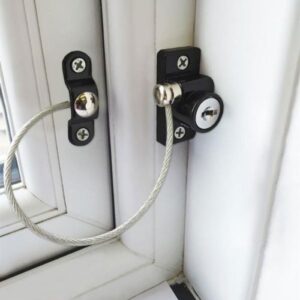
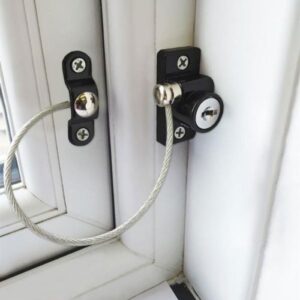
    Windows also require particular attention. Utilizing laminated or tempered glass can substantially increase the difficulty for intruders attempting to break in compared to standard glass. Consider installing locks that necessitate keys for added security. Many security experts recommend applying window film, which helps hold shattered glass fragments together, making break-ins more challenging and providing homeowners with precious seconds to react in emergencies.

    The installation approach is equally critical in fortifying these entry points. Ensure that door frames are sturdy and securely fastened to the walls, providing resistance against forced entry attempts. For windows, installing security screens or grilles can combine functionality with aesthetic appeal, offering peace of mind without compromising the exterior charm of your home.

    Furthermore, enhancing these access points with alarm systems that activate upon unauthorized openings can serve as a crucial line of defense. Such systems not only alert homeowners to intrusions but also can notify local authorities, ensuring a swift response during emergencies.

    Create Safe Rooms and Panic Areas for Emergency Situations

    Designating safe rooms or panic areas is an essential aspect of prepper home security. These specific spaces provide a secure haven during emergency situations, including home invasions or natural disasters. Ideally, a safe room should be located away from entry points such as doors and windows, creating a stronghold where residents can stay protected until help arrives.

    When planning your safe room, consider reinforcing the walls and doors to withstand potential threats. Stock the room with essential supplies such as water, non-perishable food, first aid kits, and communication devices to maintain contact with emergency services. Having a backup power source, like a battery-powered generator, ensures the room remains functional even during power outages, significantly enhancing your preparedness for any scenario.

    Globally, families are increasingly prioritizing the construction of safe rooms, recognizing the importance of being ready for emergencies. In urban environments, existing closets or basements can effectively serve as panic areas, while rural homes might dedicate a portion of their basement or build an additional structure in the yard for extra security and peace of mind.

    Equipping these safe areas with communication devices, such as a dedicated landline or walkie-talkies, enables continuous contact with the outside world, enhancing your overall sense of security. Additionally, developing a family plan that includes the safe room’s location and protocols for accessing it during emergencies can ensure all members are prepared to respond quickly and effectively.

    Enhance Security Deterrence with Effective Lighting and Surveillance

    Motion-sensor lights and surveillance cameras enhancing security at a prepper home at night.

    Crime deterrence relies heavily on visibility, making security lighting and surveillance an essential part of a solid prepper home security strategy. Utilizing motion-sensor lights can illuminate dark areas around your property, significantly reducing the risk of intruders finding hiding spots. Position these lights near entry points and along pathways to enhance safety, particularly in neighborhoods lacking sufficient lighting at night.

    Incorporating surveillance cameras can dramatically enhance your home security. Strategically placing cameras to cover all entry points and vulnerable spots, such as garages and backyards, creates a comprehensive monitoring system. Ensure these cameras are equipped with night vision capabilities to capture clear footage in low-light conditions. Homeowners globally, from lively urban centers to quiet suburbs, have discovered that the mere presence of visible cameras can effectively deter criminal activity.

    Regular maintenance of both lighting and camera systems is crucial to ensure optimal operation when needed. Schedule routine checks on batteries and wiring for motion sensors and cameras to guarantee constant functionality. Many modern systems are now compatible with smartphone applications, allowing homeowners to monitor their properties remotely and receive immediate alerts when motion is detected.

    Integrating your lighting and surveillance systems into a smart home setup provides enhanced control and convenience. Smart home applications enable you to schedule lighting or receive instant notifications, creating the illusion that your property is occupied even when you are away, thus further bolstering security.

    Implement Comprehensive Surveillance and Monitoring Systems

    Maximize Your Security with Strategically Positioned CCTV Cameras

    CCTV cameras are foundational in modern home security systems for preppers. The effectiveness of these systems, however, hinges on their strategic placement throughout your property. It is critical to cover all entry points, including front and back doors, garages, and any windows that may serve as easy targets for intruders. Additionally, consider positioning cameras in less visible but vulnerable areas, such as side entrances or pathways leading toward the home.

    When selecting cameras, opt for high-definition models capable of capturing clear images both during the day and at night. Many homeowners now prefer cameras that feature two-way audio, allowing communication with anyone near the camera, whether it’s a delivery person or a potential intruder. The ability to monitor real-time video feeds from anywhere in the world significantly enhances peace of mind for homeowners, allowing them to keep tabs on their properties remotely.

    Furthermore, consider how your camera system integrates with other security measures. For instance, connecting your CCTV system with alarm notifications can provide dual layers of security. Any detected movement can trigger alerts, enabling immediate action, whether that’s notifying authorities or monitoring the situation yourself.

    It’s essential to communicate the presence of CCTV cameras through visible signage. This not only acts as a deterrent but also signals that your home is under surveillance, discouraging potential intruders who prefer softer targets.

    Strengthen Security with Motion Sensors and Alarm Systems

    Prepper home with motion sensors and alarms indoors and outdoors, lights triggered by outdoor sensors, system tuned to detect human movement.

    Motion sensors and alarms significantly enhance prepper home security by providing immediate alerts in case of unauthorized movement. These systems can be installed both indoors and outdoors, creating a comprehensive network that detects activity in critical areas. Outdoor motion sensors can trigger both lights and alarms, making it much harder for intruders to approach unnoticed.

    When implementing motion sensor technology, consider adjusting sensitivity settings to meet your specific needs. These systems can differentiate between human movement and that of smaller animals, thereby reducing false alarms. A well-calibrated system will bolster your security without causing unnecessary disturbances in your household.

    Indoor motion sensors are particularly valuable in high-traffic areas of the home. When combined with an alarm system, they can provide alerts not only to homeowners but also to local authorities. This rapid response capability can be crucial, especially in areas with high crime rates where every second counts.

    Regular testing of motion sensors and alarms is vital to ensure they function correctly. Homeowners should establish a routine schedule to verify that all systems are operational, which includes checking battery life and connectivity to alarm systems.

    Additionally, integrating your alarm system with a mobile application enables real-time monitoring and alerts. This transparency empowers homeowners to stay on top of their security even when away from home, maintaining a sense of control over their property.

    Stay Informed with Remote Monitoring and Alerts

    In our fast-paced world, effective prepper home security encompasses remote monitoring systems that offer real-time alerts and updates. Homeowners can greatly benefit from surveillance technologies that allow monitoring via smartphones or computers, providing peace of mind and enabling them to keep an eye on their property from anywhere globally.

    These systems often utilize cloud-based storage solutions, offering secure access to video footage and alerts sent directly to your devices. Some advanced systems also feature facial recognition technology, allowing homeowners to quickly identify visitors or potential threats.

    Moreover, remote monitoring systems can integrate seamlessly with smart home technology. For instance, smart locks can enable homeowners to remotely lock or unlock doors, ensuring that trusted individuals can access their homes even when they are not present. This not only enhances security but also increases convenience, particularly for families with multiple caregivers or service providers.

    Furthermore, alerts can be customized according to your preferences. For example, you can set notifications for specific times or activities, such as when your children return home from school. This level of control can significantly enhance your household’s safety and management.

    As smart home technology becomes increasingly prevalent, investing in secure systems that protect your data from potential cyber threats is essential. Always opt for reputable brands and ensure that your systems are regularly updated to defend against vulnerabilities.

    Elevate Your Security with Advanced Access Control Systems

    Implementing access control systems is crucial for enhancing the security of a prepper’s home. These systems manage entry and exit points, ensuring that only authorized individuals gain access to your property. Keyless entry systems, which utilize keypads or smartphone applications, have gained popularity due to their convenience and enhanced security features.

    These systems eliminate the need for physical keys, which can be easily lost or stolen, allowing for straightforward management of who can enter your home. Homeowners can grant temporary access to family members, service providers, or guests without compromising overall security. The ability to change access codes regularly adds an additional layer of protection and flexibility.

    Biometric locks represent another innovative solution in access control, using fingerprint or facial recognition technology to permit entry. These systems are particularly effective in homes with multiple residents, ensuring that only authorized individuals can enter specific areas. Biometric locks are increasingly popular worldwide, catering to the growing demand for enhanced home security.

    Moreover, integrating access control systems with surveillance cameras provides an additional layer of security. For instance, if unauthorized entry is detected, the system can alert homeowners while simultaneously recording the event. This integration creates a comprehensive security approach adaptable to various scenarios.

    As smart home technology continues to evolve, exploring advanced features within access control systems will enable users to gain greater control and flexibility. Implementing such measures can significantly enhance security and provide peace of mind, especially for those living in high-risk areas.

    Maximize Security with Video Analytics and Recognition Technologies

    Incorporating video analytics and facial recognition technology can elevate your prepper home security measures to unprecedented levels of efficiency and effectiveness. These systems analyze video feeds in real-time, identifying patterns and detecting unusual behaviors. This advanced technology can alert homeowners to potential threats before they escalate, helping to prevent break-ins or vandalism.

    Facial recognition software enhances security by enabling homeowners to automatically identify visitors. If the system recognizes a face that is not on the approved list, it triggers an alert that allows for immediate action. This feature is especially beneficial for families and individuals who frequently receive guests or service personnel, streamlining monitoring while enhancing safety.

    Moreover, video analytics can significantly reduce false alarms. By distinguishing between human movements and inanimate objects, these systems focus on genuine threats, allowing homeowners to react appropriately without unnecessary stress. This capability not only improves response times but also maintains trust in your security system.

    The implementation of these advanced technologies is becoming increasingly common worldwide, providing users with enhanced control over their home security. While these systems may entail higher initial costs, the investment pays dividends in the form of increased safety and peace of mind.

    Training and proper usage of these systems are crucial. Homeowners should familiarize themselves with the features and functionalities to maximize the benefits, ensuring that their prepper home security strategy is as robust as possible.

    Implement Effective Access Control and Security Measures

    Revolutionize Your Home Security with Keyless Entry Systems

    Transforming home security, keyless entry systems represent a significant advancement for home security for preppers. These systems eliminate the need for traditional keys, dramatically reducing the risks of lockouts and unauthorized access. With the ability to use keypads or smartphone applications, homeowners can easily grant or revoke access to individuals, ensuring convenience for families and service providers alike.

    Installation of keyless entry systems can be approached in various ways, from smart locks that connect to home Wi-Fi networks to standalone systems operating independently. Many homeowners appreciate the convenience of remotely managing access—granting entry to friends, family, or service personnel without needing to be physically present. This level of control allows for seamless management, particularly in busy households.

    The security features integrated within these systems are also noteworthy. Numerous keyless entry systems are equipped with features such as temporary access codes, easily shared with trusted individuals. These codes can be programmed to expire after a set period, further enhancing home security and providing peace of mind.

    Additionally, users should remain vigilant about data security, especially when connecting smart locks to Wi-Fi networks. It’s essential to choose reputable brands that prioritize cybersecurity and offer regular updates to protect against hacking attempts. A strong password and multi-factor authentication can further enhance security.

    Globally, keyless entry systems are increasingly perceived as a smart investment for homeowners looking to enhance their security measures while enjoying modern technological conveniences. As homeowners worldwide embrace these systems, the need for additional layers of security becomes paramount.

    Enhance Your Protection with Biometric Locks and Safes

    The rise of biometric locks and safes represents a significant evolution in prepper home security, offering unparalleled levels of access control. By utilizing unique physical traits such as fingerprints or retinal scans, these systems ensure that only authorized individuals can unlock doors or safes, making them an excellent choice for securing valuables.

    Biometric locks prove especially advantageous in households with multiple residents. Unlike traditional keys, which can be lost or duplicated, biometric systems offer a level of security that is difficult to replicate. Homeowners can program multiple fingerprints into the lock, allowing family members easy access while keeping unauthorized individuals at bay. This technology is gaining traction across various regions, from urban centers in North America to suburban communities in Europe.

    When it comes to securing valuable items, biometric safes provide similar benefits. These safes not only deter theft but also offer an added layer of protection against accidental access by children or unauthorized guests. Many modern biometric safes are designed to be fireproof and waterproof, ensuring that crucial documents and valuables are secure from both theft and environmental hazards.

    However, while biometric technology offers numerous advantages, homeowners must remain aware of potential vulnerabilities. Regularly updating the software of these systems and ensuring they are battery-operated or have a reliable backup power source can help mitigate these risks and enhance overall security.

    Overall, the integration of biometric technology into home security systems reflects a growing trend in secure living, appealing to those seeking advanced solutions for their prepper home security needs.

    Implement Visitor Screening and Verification for Enhanced Safety

    Establishing protocols for visitor screening and verification is a crucial aspect of prepper home security. These measures can prevent unauthorized entry, ensuring that only trusted individuals gain access to your home, thereby creating a safer environment for all residents.

    Incorporating visitor management systems can streamline the verification process. Such systems often include applications that allow residents to monitor who is at their door, enabling them to communicate with guests remotely. This feature enhances security by allowing homeowners to assess whether to grant access before physically opening the door.

    Another effective strategy involves creating a secure entry protocol. This may include asking for identification from visitors or requiring appointments to be made in advance. For neighborhoods where deliveries are common, informing delivery personnel of specific entry procedures can enhance security while ensuring convenience.

    Moreover, educating all household members about visitor protocols reinforces security measures and ensures a consistent approach to visitor management. Children, in particular, should be trained to recognize and respond appropriately to unknown visitors, fostering a culture of awareness and caution.

    As technology advances, many homeowners are adopting smart doorbell systems equipped with cameras and two-way audio capabilities. These devices allow for real-time communication and visual verification, ensuring that residents can confirm the identity of their visitors from anywhere, making them invaluable in any prepper home security strategy.

    Prepare for Emergencies with Strategic Planning

    Develop Comprehensive Emergency Communication Plans

    Creating robust emergency communication plans is essential for effective prepper home security. These plans ensure that family members can coordinate their actions during a crisis, fostering a sense of safety and clarity when every second counts.

    Establishing a communication hierarchy is fundamental. Designate a primary point of contact for family members to reach out to during emergencies, whether that’s a family member or a close friend living nearby. This structure streamlines communication and reduces confusion during stressful situations.

    Regularly practicing emergency protocols is critical. Conduct drills to familiarize all family members with the plans, ensuring they know how to reach their designated contacts and what steps to take during various emergencies. Whether it’s a natural disaster, a home invasion, or a medical emergency, familiarity with the plan can significantly reduce panic and improve response times.

    In today’s digital age, utilizing technology for communication can enhance preparedness. Many families are now using group messaging apps that allow instant communication and updates among all members. Additionally, it’s essential to have alternate communication methods in case traditional networks fail, such as walkie-talkies or satellite phones.

    Building relationships within your community can also aid in emergency response. Establishing neighborhood networks can enhance support systems during crises, providing additional resources and communication channels.

    Being proactive in your approach to emergency planning can make a significant difference in your family’s safety and readiness. By regularly reviewing and updating your communication plans, you can ensure that your household is well-prepared for any situation that may arise.

    Identify and Practice Evacuation Routes and Drills

    Identifying and consistently practicing evacuation routes is a crucial aspect of prepper home security. Homeowners should assess their properties and establish clear escape paths leading to designated safe locations. These routes should be prepared for various scenarios, including fires, natural disasters, or home intrusions.

    Regular drills are essential to ensure that everyone in the household knows how to evacuate swiftly and safely. Conducting these practices not only familiarizes family members with the routes but also highlights any potential obstacles that could impede a safe exit.

    When planning evacuation routes, consider multiple exits from each room, especially in high-risk areas of the home. Establish safe meeting points outside where family members can regroup after evacuating. This preparation is vital for homes with children, elderly residents, or individuals with mobility challenges.

    Incorporating technology can further enhance evacuation planning. Many families now utilize mobile applications that provide maps, emergency contacts, and alerts for nearby emergencies. These resources are invaluable for families who may be traveling or away from home, ensuring that everyone has access to crucial information.

    Ultimately, preparation is crucial to the success of evacuation plans. Regularly revisit and update these routes to reflect any changes in your home or community, ensuring that your family remains ready for any emergency.

    Maintain Comprehensive First Aid and Medical Supplies

    Maintaining a well-stocked first aid kit and medical supplies is an essential component of prepper home security. During emergencies, having immediate access to medical supplies can prevent minor injuries from escalating into serious health issues, thus ensuring the well-being of all household members.

    Begin by assessing the specific needs of your household members. Include essential items such as bandages, antiseptics, gauze, and over-the-counter medications for common ailments. For families with children or pets, tailoring your first aid kit to address their specific needs is crucial for effective medical response.

    Regularly check and replenish your first aid supplies to ensure everything is up to date. Many items have expiration dates, and consistently rotating your stock will ensure that you are always prepared for emergencies, thereby enhancing your household’s safety.

    Additionally, consider investing in specialized training for household members. First aid and CPR courses can empower family members to act confidently during emergencies, providing crucial assistance until professional help arrives. Many communities offer these courses, making them accessible to everyone.

    Incorporating a first aid plan into your emergency communication strategy can further enhance your security measures, ensuring that everyone knows who is responsible for managing medical emergencies and how to access the first aid kit.

    Ultimately, a proactive approach to medical preparedness is vital in enhancing your home’s overall security and resilience in the face of unexpected situations.

    Conduct Regular Emergency Training and Education

    Regular training sessions and educational programs can significantly bolster prepper home security efforts. Knowledge and preparedness empower families to respond effectively during emergencies, ensuring safety and reducing panic.

    These training sessions should cover a variety of critical topics, including basic first aid and CPR, as well as specific training on handling emergencies such as fires or natural disasters. Collaborating with local emergency services to facilitate workshops can provide valuable insights and resources for your community.

    Engaging all family members in these educational sessions ensures that everyone is equipped with the knowledge to act confidently in emergencies. Involving children in age-appropriate training encourages responsibility and situational awareness, fostering a security-minded household.

    Beyond family training, consider extending your education to your wider community. Organizing neighborhood workshops can enhance collective preparedness and build a support network among neighbors. These programs can focus on emergency response, communication strategies, and even basic self-defense techniques.

    Regularly reviewing and updating your training programs based on local risks or recent emergency events can ensure that your knowledge remains current and applicable. This commitment to continuous learning significantly enhances your community’s resilience against crises.

    The benefits of ongoing emergency training and education cannot be overstated. By fostering a culture of preparedness, you create a secure environment for your family and community, one that is ready to face whatever challenges arise.

    Establish a Dedicated Crisis Management Team

    Forming a dedicated crisis management team can elevate your prepper home security strategy. This team should comprise responsible family members or trusted friends who can take charge during emergencies, ensuring that everyone is aware of their roles and responsibilities.

    The team’s primary focus should be on coordinating preparedness efforts, from developing communication plans to organizing training sessions. By assigning specific roles, such as a point of contact for external communication or a safety coordinator responsible for managing evacuation protocols, you create a clear structure for response during emergencies.

    Regular meetings of the crisis management team are essential for reviewing protocols, assessing potential risks, and refining plans based on changing circumstances. This proactive approach can help identify vulnerabilities in your home security and enhance overall preparedness.

    Additionally, involving local resources, such as emergency services or community leaders, can provide further insight into effective crisis management strategies. Establishing relationships with these entities ensures that your team remains informed about regional risks and available support systems.

    The effectiveness of your crisis management team hinges on its ability to adapt and respond to various scenarios. Through regular training and collaboration, you can cultivate a strong sense of preparedness within your household, ensuring you are ready for any situation that may arise.

    Enhance Your Perimeter Defense and Deterrence Strategies

    Utilize Strategic Landscaping Techniques for Enhanced Security

    Utilizing landscaping techniques for home security is an often-overlooked yet effective strategy for enhancing prepper home security. Thoughtful landscaping can bolster your property’s defenses while simultaneously creating an appealing environment that deters potential intruders.

    Start by assessing the visibility of your property. Maintaining clear sightlines is crucial, as overgrown shrubs and trees can create hiding spots for potential intruders. Trim vegetation around windows and near entry points to enhance visibility for homeowners and their neighbors alike, fostering a safer community.

    Incorporating thorny bushes or dense shrubs along the perimeter can deter intruders from attempting to breach your property. For instance, planting rose bushes or holly can create a natural barrier that is not only beautiful but also functional in terms of security.

    Lighting plays a vital role in landscaping for security. Integrating outdoor lighting around your property, particularly along walkways and entrances, not only improves aesthetics but also enhances safety and visibility at night. Motion-sensor lights can illuminate dark corners, further discouraging unauthorized access and creating a welcoming environment.

    Additionally, consider using natural barriers such as decorative fences or stone walls that provide both security and aesthetic appeal. These structures can enhance the perceived value of your property while deterring potential threats and fostering a sense of community vigilance.

    Overall, thoughtful landscaping serves as both a protective measure and an enhancement to your home’s curb appeal. By integrating security features within your outdoor design, you create a welcoming yet secure environment that promotes safety.

    Implement Effective Lighting and Illumination Strategies

    Proper lighting is a key component of an effective prepper home security strategy. It serves as a deterrent against intruders and enhances safety for both residents and visitors. When executed correctly, lighting can create a well-illuminated environment that reduces hiding spots and increases visibility at night, promoting a secure atmosphere.

    Consider implementing motion-sensor lighting that activates when movement is detected. These lights can be strategically placed near entry points, driveways, and dark corners of your yard to illuminate potentially vulnerable areas. The sudden onset of light can deter would-be intruders and alert homeowners to any suspicious activity.

    In addition to motion sensors, incorporating smart lighting systems allows homeowners to control their outdoor lighting remotely. This technology can enhance security by enabling users to turn lights on or off from a distance, creating the illusion that someone is home—even when they are away, further deterring potential threats.

    Another effective approach is to use pathway lighting to guide visitors safely to your front door while simultaneously illuminating the area around your home. This not only enhances aesthetics but also improves security, creating a welcoming atmosphere that conveys a commitment to safety.

    Regular maintenance of outdoor lighting systems is crucial to ensure their effectiveness. It is essential to routinely check bulbs, clean fixtures, and replace any damaged components. An effective lighting system not only heightens security but also provides peace of mind for homeowners, contributing to a safe living environment.

    Ultimately, the combination of strategically placed lighting and smart technology creates a formidable layer of protection for your home, enhancing your overall preparedness and promoting community safety.

    Utilize Warning Signs and Decoys to Deter Intruders

    In the realm of home security, perception plays a crucial role. Utilizing warning signs and decoys can significantly enhance prepper home security by creating the illusion of a well-protected property, deterring potential intruders before they even approach.

    Strategically placed signs indicating a security system in place can deter potential intruders. These signs communicate to would-be criminals that your home is monitored, increasing the risk of being caught. Such a simple measure can drastically reduce the likelihood of a break-in, reinforcing the importance of visible security.

    Incorporating decoy items, such as fake cameras or security lights, can further enhance the perception of security. While they may not provide the same level of protection as real systems, they can still create doubt in the minds of potential intruders, making them think twice before attempting to breach your property.

    Additionally, consider using signage that emphasizes community watch programs or neighborhood security initiatives. This not only enhances your home’s security but also fosters a sense of community vigilance, encouraging neighbors to look out for one another.

    While these measures may not comprise the core of a comprehensive security system, they serve as effective deterrents. The psychological impact of perceived security can be just as important as the physical barriers you have in place.

    By integrating warning signs and decoys into your overall security strategy, you create an environment that signals preparedness and vigilance, effectively dissuading potential threats from targeting your home.

    Strengthen Community and Neighborhood Security Initiatives

    Join or Establish Neighborhood Watch Programs for Enhanced Security

    Participating in or establishing neighborhood watch programs can significantly enhance prepper home security efforts. These community initiatives foster cooperation and vigilance, creating a united front against potential threats and enhancing safety for all residents.

    Neighborhood watch programs encourage residents to take an active role in their security. Members are trained to observe and report suspicious activities, creating an environment of mutual support. The act of neighbors looking out for each other not only enhances safety but also fosters relationships within the community, building trust and camaraderie.

    Effective communication is a cornerstone of these programs. Utilizing social media platforms or neighborhood apps allows residents to share information easily, from reporting suspicious activities to organizing community events. These communication channels keep residents informed and involved in local security matters, promoting a sense of responsibility.

    Regular meetings and training sessions can enhance the effectiveness and preparedness of neighborhood watch programs. These gatherings offer residents the opportunity to discuss concerns, share tips, and develop strategies to improve community safety. Collaborating with local law enforcement can also provide valuable insights and resources for residents, strengthening community ties.

    In areas with high crime rates, the presence of a neighborhood watch can significantly reduce incidents. By creating a collective sense of responsibility and vigilance, these programs empower communities to take charge of their safety and security.

    Ultimately, establishing or joining a neighborhood watch program can create a safer living environment, reinforcing the importance of community in enhancing prepper home security and fostering a supportive network.

    Develop Communication Networks and Alert Systems for Community Safety

    Setting up communication networks and alert systems within your community is crucial for enhancing prepper home security. These systems enable residents to quickly share information and respond to potential threats as a united community, fostering a cohesive response to emergencies.

    Utilizing digital platforms, such as neighborhood apps or social media groups, can provide real-time updates regarding safety concerns or unusual activities. These platforms foster a sense of community awareness and encourage residents to remain vigilant, keeping security at the forefront of everyone’s mind.

    In addition to digital communication, establishing a notification chain can ensure effective responses to emergencies. Each household can designate a point of contact who swiftly relays information to neighbors, ensuring that everyone is aware of any potential threats or emergencies and can take appropriate action.

    Regular community meetings can also enhance communication networks. These gatherings offer residents the opportunity to discuss security concerns, share best practices, and foster relationships that can be invaluable in times of crisis, thereby strengthening community bonds.

    Collaborating with local law enforcement can further bolster communication efforts. Establishing direct lines of communication with local police departments enables residents to receive timely updates on local crime trends and strategies for prevention, enhancing community preparedness.

    The importance of efficient communication cannot be overstated in ensuring community safety. By developing robust communication networks, neighborhoods can create a supportive environment that prioritizes vigilance and prepares residents for any potential emergencies.

    Build Mutual Aid and Support Systems for Enhanced Resilience

    Developing mutual aid and support systems within the community can significantly enhance prepper home security. These systems create a network of support and resources, ensuring that residents can rely on one another during emergencies and fostering a spirit of cooperation.

    Identifying local resources is the first step in building a strong support system. This may include local businesses, community organizations, or even individual residents with specific skills. Collaborating with these entities can provide additional resources and support during crises, enhancing overall community resilience.

    Establishing clear lines of communication and access to support services is essential. Residents should know who to contact for assistance during emergencies, whether it be for medical help, shelter, or other resources, ensuring that everyone feels secure and supported.

    Regular community events can foster connections among residents, encouraging them to get to know their neighbors. This sense of community and trust enhances the effectiveness of mutual aid systems, as residents are more likely to seek help from those they know and trust.

    Moreover, creating a community resource directory can be beneficial. This directory can include contact information for local services, volunteer opportunities, and emergency contacts, ensuring that everyone in the community has access to essential support and information.

    Ultimately, mutual aid and support systems serve as valuable safety nets within communities. By fostering collaboration and resource-sharing, residents can enhance their collective security and resilience during emergencies.

    Prioritize Cybersecurity and Digital Protection Measures

    Secure Your Smart Home Devices Against Cyber Threats

    As homes become increasingly connected through smart technology, securing these devices is crucial to maintaining a prepper’s home security. Vulnerabilities in smart home devices can provide easy access points for cybercriminals, putting your home and personal information at risk if left unprotected.

    Start by assessing all smart devices in your home, including security cameras, smart locks, thermostats, and lighting systems. Ensure that each device is protected by a strong, unique password. Avoid using default passwords, which are often easily guessed and widely known, thereby increasing vulnerability to attacks.

    Regularly updating your devices is crucial for maintaining security. Manufacturers frequently release firmware updates that address vulnerabilities and enhance functionality. Set a reminder to check for updates regularly or enable automatic updates whenever possible, ensuring your devices remain secure and current.

    Utilizing secure Wi-Fi networks is another essential step in protecting your smart home devices. Ensure that your home network is secured with WPA3 encryption. Additionally, consider creating a separate network for your smart devices, isolating them from your main network and reducing the risk of unauthorized access to sensitive information.

    Finally, educating all household members on digital safety is vital. Develop guidelines for using smart devices, such as avoiding sharing passwords or clicking on suspicious links. This knowledge empowers everyone to take an active role in maintaining their home’s digital security and safeguarding their information.

    By prioritizing the security of smart home devices, homeowners can enhance their overall prepper home security strategy, safeguarding their homes against both physical and digital threats in today’s interconnected world.

    Frequently Asked Questions Regarding Home Security

    What components make up a prepper home security system?

    A prepper home security system comprises various measures and technologies designed to protect a home from intrusions and emergencies. This includes physical barriers, surveillance systems, access control, and emergency preparedness strategies tailored to individual needs.

    How can I improve my home security without spending a lot?

    Enhancing home security on a budget can be achieved by reinforcing doors and windows, installing motion-sensor lights, utilizing DIY security systems, and participating in local neighborhood watch programs to strengthen community vigilance and support.

    Which type of fencing is best for home security?

    Durable materials, such as steel or pressure-treated wood, are ideal for home security fencing. Ensure the fence is at least six feet high, with reinforced gates and no gaps that could allow easy climbing or access, creating a secure environment.

    How often should I test my security alarms?

    Security alarms should be tested at least once a month to ensure they are functioning properly. Regular checks help identify any issues and provide peace of mind that your system is ready when needed, enhancing overall security.

    What steps can I take to prepare for a natural disaster at home?

    Preparing for a natural disaster involves creating an emergency plan, stocking essential supplies, and practicing evacuation routes to ensure safety. Regular training and community collaboration can also enhance overall preparedness and response capabilities.

    What should be included in my first aid kit?

    A comprehensive first aid kit should contain bandages, antiseptics, gauze, scissors, adhesive tape, pain relievers, and any specific medications required by family members, ensuring readiness for medical emergencies.

    How effective are motion sensors in deterring crime?

    Motion sensors are highly effective in deterring crime as they activate lighting and alarms upon detecting movement, alerting homeowners and potentially scaring off intruders before they can act, thereby significantly enhancing security.

    Can smart home devices be hacked?

    Yes, smart home devices can be vulnerable to hacking if not properly secured. Strong passwords, regular updates, and secure Wi-Fi networks are essential to protect against unauthorized access and maintain overall security.

    What is the purpose of a safe room?

    A safe room is a fortified area within a home designed for occupants to retreat to during emergencies, such as home invasions or natural disasters, providing security and protection until help arrives.

    How do I start a neighborhood watch program?

    To initiate a neighborhood watch program, gather interested residents, meet to discuss safety concerns, establish effective communication methods, and collaborate with local law enforcement to access resources and guidance, fostering a sense of community safety.

    Explore our world on X!

    The post Prepper Home Security: Essential Tips and Strategies appeared first on Survival Bite.

    The Article Essential Tips and Strategies for Prepper Home Security Was Found On https://limitsofstrategy.com

  • Childproofing Basements for Ultimate Safety Tips

    Childproofing Basements for Ultimate Safety Tips

    Secure Staircases and Entrances to Ensure a Safe Environment for Your Children

    Staircases present significant risks for young children, particularly in homes that include basements. To effectively childproof these critical areas, it is vital to secure staircases and entrances using the best methods to childproof basements. By implementing these strategies, parents can create a safer environment that minimizes the potential for accidents, significantly enhancing the overall safety of the home.

    By proactively identifying and addressing these potential hazards, parents can cultivate a living space that not only reduces the likelihood of accidents but also fosters a sense of security. This commitment to safety serves to protect children from various dangers while simultaneously granting parents priceless peace of mind, empowering families to fully enjoy their home environments without the persistent worry of unforeseen accidents.

    Boost Child Safety with Effective and Reliable Safety Gates

    safety-1st-baby-gates-south-africaSafety gates are indispensable barriers that should be strategically installed at both the top and bottom of basement staircases. By choosing durable safety gates, you can significantly mitigate the risk of accidental falls. When selecting safety gates, focus on those that comply with established safety standards and are user-friendly for adults while remaining challenging for little ones to operate.

    In South Africa, there are a plethora of options available for parents, including pressure-mounted gates, which are perfect for situations where drilling into walls is not an option. It’s essential to select a gate that is sufficiently tall and comes with a childproof latch to enhance safety. Regular inspections of these gates are crucial to ensure they maintain their security, particularly in high-traffic areas where they are frequently used.

    By establishing a dependable barrier, you not only safeguard inquisitive toddlers but also assist in defining their play areas. Teaching children the purpose of these safety gates can further enhance their compliance with safety measures and increase their understanding of designated safe spaces within the home.

    Exploring local home improvement stores in South Africa, such as Builders Warehouse or Leroy Merlin, can provide a diverse range of safety gate options tailored to your specific requirements, thus reinforcing both safety and practicality for your household.

    Conduct Regular Inspections to Ensure Handrails are Secure and Safe

    Loose handrails on staircases can pose severe risks, potentially leading to serious accidents. Conducting thorough inspections of handrails in your basement is paramount to ensure they are firmly secured. The height of these handrails is equally crucial; they should be easily reachable for children while providing adequate support for adults traversing the stairs.

    If necessary, reinforce handrails to ensure they can adequately support the weight of a child pulling themselves up, thus significantly enhancing safety for everyone who uses them. In South Africa, many homes feature distinctive architectural designs, which may necessitate customized solutions for handrail installation. Hiring a qualified contractor or handyman can ensure that handrails not only meet safety standards but also contribute positively to the overall aesthetic of your home.

    Regular inspections and maintenance of handrails are critical, as they play a significant role in establishing a safer living environment for your children, while also providing parents with peace of mind regarding their safety and well-being.

    Utilize Non-Slip Mats for Enhanced Safety in Your Home

    non-slip-carpet-strips-for-stairs-dark-grey

    non-slip-carpet-strips-for-stairs-dark-grey

    Non-slip mats are a crucial element in preventing slips and falls, particularly on staircases and at entrances. In South Africa, where unpredictable weather conditions can lead to wet and slippery surfaces, the likelihood of accidents increases significantly.

    Investing in high-quality non-slip mats specifically designed for stair use is crucial. Aim for mats with rubber backing to ensure they remain securely in place, providing the necessary grip for both children and adults. These mats should also be easy to clean, as high foot traffic can lead to dirt accumulation, potentially compromising safety. Regularly inspecting and replacing worn-out mats is necessary to maintain their effectiveness and protective qualities.

    Additionally, consider installing non-slip strips on your stairs to further enhance safety. These strips not only improve grip but also serve as visual indicators for children, highlighting safe areas to step and thereby fostering a safer environment.

    Ensure Adequate Lighting to Enhance Safety on Staircases and Entrances

    Proper lighting can drastically reduce the risk of accidents on staircases and at entrances. Inadequate lighting creates a hazardous environment, particularly during the evening when visibility is limited. Installing bright LED lights along staircases and entrances can dramatically enhance safety and security.

    Motion sensor lights offer added convenience by automatically illuminating pathways when someone approaches, ensuring these areas remain well-lit at all times. Using warm-toned lights can also create a welcoming atmosphere while improving safety. Take the time to review the lighting in your basement and consider adding additional fixtures where necessary to optimize visibility.

    Where possible, incorporating natural light through large windows or skylights can also contribute to creating safer, more inviting spaces for families and children alike, further enhancing the overall safety of your home.

    Conduct Routine Inspections of Staircases to Maintain Safety Standards

    Regular inspections of staircases are crucial for upholding safety standards. Frequently checking for damage, such as loose steps, worn carpeting, or any signs of wear and tear, is essential, and addressing these issues promptly can prevent accidents.

    In South Africa, where homes may experience varied weather conditions, including heavy rains, it is vital to check for water damage or erosion to ensure the ongoing safety of your stairs. Establishing a comprehensive maintenance schedule is necessary for keeping your stairs safe throughout the year. This schedule should include checking for wear on handrails, ensuring non-slip mats are intact, and confirming that lighting is functioning optimally.

    Documenting any repairs or maintenance performed can assist in tracking changes and confirming that safety remains a top priority in your home, ultimately fostering a safer environment for your entire family.

    Implement Comprehensive Electrical Safety Measures to Protect Your Family

    Maintaining electrical safety is of utmost importance in every household, especially in basements where wiring may be more exposed to various potential hazards. The best methods to childproof basements must incorporate rigorous electrical safety measures to protect children from dangers that could lead to severe injuries or even fatalities.

    Install Outlet Covers and Tamper-Resistant Switches for Enhanced Protection

    plug-outlet-covers-south-africa

    baby-proof-plug-protectors-dream-baby-south-africa

    Unprotected electrical outlets can easily attract children’s curiosity, often leading to dangerous situations. Installing tamper-resistant electrical outlets is a proactive measure that can prevent children from inserting objects into sockets, thereby significantly reducing the risk of electric shocks and other hazards.

    These outlets come equipped with built-in shutters that only open when a two-pronged plug is inserted, adding an additional layer of safety. In conjunction with tamper-resistant outlets, consider using outlet covers for any unused sockets in your home. This simple yet effective solution can provide peace of mind, especially in a basement where children may spend considerable amounts of time.

    Regular inspections of outlets for signs of wear or damage are crucial, as frayed wires or exposed connections can pose serious safety risks that should be addressed immediately to ensure a secure environment.

    Conceal Loose Cords and Wires to Eliminate Potential Hazards

    Loose cords and wires can present both a tripping hazard and a source of intrigue for children. To effectively mitigate these risks, consider using cord concealers to hide cables along walls and baseboards. These products can prevent children from pulling on cords, which may lead to accidents or injuries.

    In South Africa, where many homes feature unique layouts, investing in custom cable management solutions may be necessary to suit your specific space. Additionally, using furniture to block access to cords can serve as an effective strategy to keep children safe.

    Regularly inspect cords for any signs of damage or wear, and replace them promptly to ensure the ongoing safety of your home environment, thus maintaining a secure atmosphere for your family.

    Utilize Surge Protectors to Safeguard Your Electrical Devices

    Surge protectors are essential, especially in older homes where electrical systems may not meet contemporary safety standards. Installing surge protectors on all electronic devices can prevent damage caused by power surges, which can pose significant dangers not only to devices but also to children.

    These devices serve to shield children from potential electrical hazards while also protecting your appliances from damage due to unexpected power fluctuations. When selecting surge protectors, opt for models that offer additional features, like circuit breakers or warning lights, as this added layer of protection can provide peace of mind for families. Conduct regular checks on your surge protectors to ensure they are functioning correctly, and replace any that show signs of wear or malfunction to maintain optimal safety.

    Conduct Routine Inspections of Electrical Appliances for Safety

    Electrical appliances require consistent inspections to guarantee they remain safe for everyday use. Regularly check for frayed wires, damaged plugs, or any signs of overheating to prevent accidents. Unplugging appliances when not in use is a good practice, and educating children about the importance of not touching or playing with these devices is essential to prevent injuries.

    In South Africa, where load shedding can affect the performance of electrical appliances, being vigilant can help mitigate risks. Implementing a regular check-up routine for your appliances will not only enhance safety but also prolong their lifespan, ensuring they remain functional and safe for your family.

    If any appliances display signs of damage, consulting a qualified electrician for repairs or replacements is imperative to ensure all safety standards are upheld, thereby protecting your family from potential hazards.

    Ensure Furniture and Fixture Safety in Your Basement for Child Well-Being

    The furniture and fixtures present in your basement can potentially create various hazards, particularly for children exploring their surroundings. Adopting the best methods to childproof basements must involve securing furniture and fixtures to prevent accidents and injuries that could arise from accidental tipping or falling objects, ensuring the safety of your little ones.

    Secure Heavy Furniture to Prevent Tipping Incidents and Enhance Safety

    Anchoring heavy furniture is crucial in preventing tipping accidents, which can lead to serious injuries. Items such as bookshelves, cabinets, and tall dressers should be securely fastened to the wall to prevent them from falling over. Most hardware stores in South Africa offer anchoring kits that are easy to install and highly effective for this purpose.

    When anchoring furniture, ensure you carefully follow the manufacturer’s guidelines for installation. Additionally, the placement of heavy furniture is vital; avoid positioning these items in areas where children can easily climb or reach. Regular inspections of anchored furniture are necessary to ensure it remains securely fastened, checking for any signs of wear or damage that could compromise safety.

    Utilize Corner Guards to Protect Against Sharp Edges and Enhance Safety

    childproof-foam-corner-guards-assorted-colors

    childproof-foam-corner-guards-assorted-colors

    Sharp corners on tables and counters can lead to painful bumps and bruises for children. Applying corner guards is an effective strategy to mitigate this risk. These protective covers are straightforward to install and can absorb impact, making falls less likely to result in serious injuries.

    In South Africa, corner guards are available in various materials, including rubber and foam, allowing you to select options that align with your aesthetic preferences while enhancing safety. Regularly check these guards for wear and replace them as necessary to maintain a safe environment for children, ensuring their safety during play.

    Secure Cabinets and Drawers with Child-Proof Locks for Enhanced Protection

    Child-proof locks are essential for cabinets and drawers that contain hazardous materials or sharp objects. Installing these locks can prevent children from accessing potentially dangerous items, such as cleaning supplies, tools, or medications, thereby significantly enhancing safety throughout your home.

    When selecting locks, consider options that are easy for adults to operate but challenging for children. Regularly assess the effectiveness of these locks, as wear and tear can diminish their safety features over time. Engaging children in discussions about the dangers of certain items can also help them learn to respect safety boundaries within the home environment, thereby fostering a safer living space.

    Implement Non-Slip Mats Under Furniture to Improve Safety

    Non-slip mats should not be limited to staircases; they are equally important under furniture to prevent slipping and sliding. Mats placed underneath rugs and furniture can significantly reduce the risk of accidents by providing a stable grip on hard surfaces. Look for mats made from materials specifically designed to adhere securely and prevent slipping.

    In homes with children, these mats should be regularly checked for cleanliness and signs of wear. Maintaining a tidy environment will help prevent dirt buildup that can lead to slippery surfaces. By using non-slip mats, you can enhance the overall safety of your basement, providing a stable foundation for children to play and explore without fear of accidents.

    Regularly Check Furniture Stability to Ensure Safety for Your Children

    Routine inspections of furniture for stability are essential to ensure that it does not pose a risk to children. Wobbly tables, chairs, or benches can lead to falls and serious injuries. Assess furniture thoroughly, tightening screws and bolts where necessary to ensure they are secure and stable for everyday use.

    In homes with children, teaching them safe play practices around furniture is crucial. Encouraging children to sit rather than climb on furniture will help mitigate risks associated with falls. If any furniture shows significant wear or instability, consider replacing it with more robust options designed for family use, ensuring a safer environment for everyone in the household.

    Select Safe Flooring and Surface Materials for Your Basement

    The choice of flooring and surface materials in your basement can profoundly affect safety for children. Implementing the best methods to childproof basements involves selecting flooring solutions that minimize hazards and create a safe, welcoming space for your little ones to play.

    Opt for Soft Flooring to Cushion Falls and Enhance Safety

    Choosing soft flooring materials such as carpeting or padded flooring can significantly cushion falls and decrease the likelihood of injuries during playtime. In designated play areas, soft surfaces create a safer environment for children to explore without the risk of serious injury from hard floors.

    Seek carpets or mats made from non-toxic materials that are also durable and easy to clean, ensuring both safety and practicality. In South Africa, where homes feature unique designs, it’s important to select flooring that complements your aesthetic while prioritizing safety throughout the home.

    Consider options that are water-resistant, particularly in basements prone to dampness. A well-planned flooring choice can create a warm, inviting space that encourages play and exploration while ensuring safety for your children.

    Conduct Routine Hazard Inspections on Flooring Surfaces

    Regular inspections of the flooring for hazards should be a routine aspect of home safety practices. Loose tiles, uneven surfaces, or damaged carpeting can pose significant risks for children, leading to trips and falls. Address these issues promptly to maintain a safe play area for your family.

    Create a checklist for regular inspections to ensure that every surface is evaluated for potential safety hazards. If you identify any issues, consult professionals for repairs or replacements, particularly in cases where extensive work is needed to restore safety standards to your home.

    Maintain Clear Floors to Prevent Trips and Falls in Your Basement

    Keeping floor spaces clear is essential for preventing trips and falls. Ensure that toys, clutter, and other items are not left scattered around. Encourage children to assist in tidying up their play areas to instill a sense of responsibility for their surroundings, promoting a safer environment for everyone in the household.

    Establishing designated storage solutions for toys can help keep the area organized. In South Africa, consider using colorful bins or crates that engage children and motivate them to put away their belongings after playtime, ensuring a neat and safe space for everyone.

    Prioritize Window and Door Safety to Enhance Childproofing Measures

    Windows and doors are critical areas that require special attention when childproofing a basement. The best methods to childproof basements must include effective measures to ensure that these structures do not pose risks to children, providing a safe living environment for all family members.

    Install Window Guards to Prevent Falls and Enhance Child Safety

    child-proof-window-restrictor-col-blackWindow guards can be a vital safety feature, particularly for ground-level windows. They prevent children from falling out while playing near open windows, significantly enhancing safety and security within the home. Ensure that guards are installed according to safety guidelines and allow for easy escape in case of emergencies, striking a balance between security and accessibility.

    In South Africa, many security companies offer professional installation services for window guards that comply with local safety regulations. Regular inspections of these guards are critical to ensure they remain secure and effective; promptly addressing any damages or wear is necessary to maintain optimal safety for your children.

    Utilize Door Stoppers to Prevent Injuries from Slamming Doors

    Door stoppers can effectively prevent doors from slamming shut, which can lead to injuries, particularly to young children’s fingers. Installing these devices on interior doors, especially those leading to staircases, enhances overall safety within your home. Choose door stoppers that are sturdy, user-friendly, and suitable for your specific door types to maximize their effectiveness.

    Consider incorporating soft-close mechanisms on doors where applicable. This feature can provide additional safety by preventing doors from slamming shut, thus offering peace of mind for parents of young children who may be nearby.

    Conduct Regular Inspections for Broken Glass on Windows and Doors

    Regular inspections of windows and doors for broken or cracked glass are essential for maintaining safety within your home. Broken glass can lead to severe injuries, and even small cracks can compromise the safety of your household. Address any damaged glass immediately through repair or replacement to maintain a secure and safe environment for your family.

    In South Africa, where weather conditions can significantly affect the integrity of glass, proactive checks should be a routine part of home maintenance. Consulting professionals for repairs ensures that safety standards are upheld, protecting your family from potential hazards associated with broken glass.

    Design a Safe and Engaging Play Area for Your Children

    Creating a safe play area in your basement is vital for keeping children engaged without compromising their safety. Implementing the best methods to childproof basements requires thoughtful design choices that foster creativity while ensuring security for your little ones during playtime.

    Create a Designated Safe Play Zone with Appropriate Furnishings

    Designating a specific area for play, furnished with soft furnishings and age-appropriate toys, is an excellent way to encourage safe play. Use rugs or soft mats to visually outline boundaries for play zones, providing a comfortable and secure environment for children to enjoy without fear of injury.

    In South Africa, consider incorporating local themes into your play area design to create an engaging atmosphere that resonates with children. Using colors and patterns inspired by local culture can make the space inviting and familiar, enhancing the overall experience for your children. Regularly rotating toys can also keep the area interesting and stimulating, encouraging creativity and engagement during play.

    Incorporate Soft Furnishings for Comfort and Enhanced Safety

    Integrating soft furnishings such as bean bags and cushions can create a comfortable and safe play environment for children. These items can absorb impact during play, making falls less likely to result in injuries. Ensure that all soft furnishings are made from non-toxic materials, prioritizing children’s health and safety while they play and explore.

    Additionally, involve children in discussions about the boundaries of their play within the designated area. Teaching them about the importance of maintaining a tidy play space will instill a sense of responsibility for their surroundings, fostering a culture of safety within the home environment.

    Keep Hazardous Items Out of Designated Play Areas for Safety

    Ensuring that play areas are free from hazardous items such as tools, chemicals, or heavy objects is critical for child safety. Conduct regular checks to remove any items that could pose risks to children, maintaining a safe and secure environment for play. Utilizing storage solutions with child-proof locks can further enhance safety by keeping hazardous materials securely out of reach.

    Designating specific storage areas for toys and ensuring that any hazardous items are stored away from play zones will create a safer and more secure environment for children to enjoy their playtime without fear of accidents.

    Prepare for Emergencies Effectively to Ensure Family Safety

    Preparing for emergencies is crucial in any household, and this is particularly important in homes with children. Implementing the best methods to childproof basements must also encompass effective emergency planning to ensure everyone knows how to respond appropriately in various scenarios.

    Develop a Comprehensive Emergency Plan for Your Family

    Creating a comprehensive emergency plan ensures that all family members know precisely what to do in different emergency situations, including fires, medical emergencies, and natural disasters. Regularly reviewing and practicing these scenarios with children is vital, as it makes them aware of the safety protocols designed to protect them during crises.

    In South Africa, where natural disasters such as floods or storms can occur, tailoring your emergency plan to suit local conditions is crucial. Equip your basement with emergency kits that contain first-aid supplies, flashlights, and essential items that can be quickly accessed during a crisis, ensuring preparedness for various emergencies and enhancing overall family safety.

    Teach Children Essential Safety Protocols for Emergencies

    It is essential to educate children about relevant safety protocols in the event of an emergency. Teaching them how to dial local emergency numbers, identify exits, and recognize potential hazards can empower them in critical situations. Role-playing emergency scenarios can help them practice these skills in a safe, controlled environment, reinforcing their understanding of safety measures.

    Involving children in discussions about safety encourages them to ask questions and share their concerns. This dialogue can build confidence and understanding regarding the importance of safety measures within the home, equipping them with the knowledge they need to respond effectively in emergencies.

    Conduct Regular Emergency Drills to Reinforce Preparedness

    Regular emergency drills are an excellent way to reinforce preparedness within your household. Schedule yearly drills for fire safety, evacuation, or other critical scenarios to ensure that everyone knows their roles during an emergency and can respond effectively. In South Africa, consider incorporating local emergency services in these drills to educate children on how to respond appropriately in real situations.

    Familiarizing children with real-world emergency protocols will better prepare them to handle unexpected situations confidently and effectively, ultimately enhancing their safety and well-being within your home.

    Address Common Safety Questions Regarding Childproofing Your Home

    What are the most effective methods to childproof basements?

    The most effective methods to childproof basements include securing staircases, ensuring electrical safety, anchoring heavy furniture, utilizing non-slip mats, and creating safe designated play areas that are free from hazards, thus promoting a safe environment for children.

    How can I enhance the safety of my basement stairs for children?

    To enhance the safety of basement stairs, install safety gates, check for loose handrails, use non-slip mats, ensure proper lighting, and conduct regular inspections for wear and tear to maintain a safe environment for your family.

    Are there specific toys I should avoid in the basement?

    It is advisable to avoid toys with small parts, sharp edges, or hazardous materials. Always ensure that toys are age-appropriate, free from any choking hazards, and safe for children to use during play.

    What steps should I take if I discover broken glass in the basement?

    If you find broken glass, immediately clear the area and ensure that children do not enter. Repair or replace the glass as soon as possible to restore safety and prevent potential injuries.

    How often should I check for electrical hazards in my basement?

    It is advisable to inspect your basement for electrical hazards at least every six months. Look for frayed wires, damaged plugs, and any signs of wear on electrical devices to maintain a safe environment for your family.

    What types of flooring are best for creating a child-friendly basement?

    Soft flooring materials, such as carpeting or padded mats, are ideal for a child-friendly basement, as they cushion falls and provide a comfortable area for children to play safely without fear of injury.

    How can I educate my children about safety in the basement?

    Teach your children about safety by discussing the importance of staying away from hazardous areas, practicing emergency drills together, and involving them in creating and adhering to safety rules within the home.

    Which types of furniture should I anchor in the basement?

    Anchor heavy furniture items such as bookshelves, cabinets, and dressers to the wall to prevent tipping accidents, especially in areas where children frequently play or explore, thus enhancing safety.

    Why is it essential to establish a designated play area in the basement?

    A designated play area helps contain play activities, reducing clutter and minimizing the risk of accidents while providing a safe environment for children to explore and enjoy themselves without fear of injury.

    What key elements should be included in an emergency plan for a basement?

    An emergency plan for a basement should include evacuation routes, emergency contact information, first-aid supplies, and protocols for various emergencies, such as fire or floods, to ensure family safety and preparedness during crises.

    Follow us for more tips on Instagram!

    The article Best Ways to Childproof Basements: A Comprehensive Guide was first published on: https://www.babyproof.co.za

    The Article Childproofing Basements: Top Tips for Safety Was Found On https://limitsofstrategy.com

  • Childproofing Basements: Essential Safety Tips

    Childproofing Basements: Essential Safety Tips

    Implement Effective Childproofing Techniques to Safeguard Staircases and Entrances for Your Children

    Staircases in homes can present significant hazards for young children, particularly in residences with basements. To ensure a safe environment, it is crucial to adopt the best methods to childproof basements, which include effectively securing staircases and entrances. Implementing these strategies can significantly reduce the risk of accidents and injuries, providing a safer home for your children to explore.

    Taking proactive measures as a parent can greatly enhance the safety of your home, substantially lowering the risk of mishaps. This dedication not only protects children from potential dangers but also brings peace of mind to parents, enabling families to enjoy their living spaces without the constant worry of unforeseen hazards. The more you invest in creating a safe environment, the more your family can thrive in a secure and nurturing home.

    Boost Child Safety by Installing Sturdy Safety Gates at Strategic Locations

    safety-1st-baby-gates-south-africaSafety gates serve as essential barriers installed at both ends of basement staircases. By placing robust safety gates, you can significantly reduce the likelihood of accidental falls. When selecting safety gates, prioritize those that adhere to recognized safety standards, ensuring that they are user-friendly for adults while remaining challenging for toddlers to operate.

    In South Africa, a variety of options are available, including pressure-mounted gates that are perfect for situations where wall drilling is not an option. Ensure that the chosen gate is tall enough and comes with a childproof latch for enhanced security. Regular maintenance and inspections are critical to confirm that these gates remain secure, especially in high-traffic areas where they are frequently used.

    Creating a reliable barrier not only safeguards inquisitive toddlers but also assists in defining their play areas. Teaching children about the significance of these safety gates can encourage them to respect safety measures while enhancing their understanding of safe zones within the home, ultimately contributing to a more secure living environment.

    Exploring local home improvement stores in South Africa, such as Builders Warehouse or Leroy Merlin, can provide you with a wide range of safety gate options tailored to your specific needs, effectively improving both safety and convenience in your household.

    Perform Regular Checks and Secure Loose Handrails for Enhanced Safety

    Loose handrails on staircases can lead to serious accidents, including falls. Therefore, it is imperative to conduct thorough inspections of handrails in your basement to ensure they are firmly attached and secure. The height of handrails is also crucial; they should be easily reachable for children while providing adequate support for adults, ensuring that everyone can navigate the stairs safely.

    Reinforcing handrails when necessary is vital to guarantee that they can support the weight of a child pulling themselves up, thereby enhancing safety for all users. The importance of a well-secured handrail cannot be overstated, as it serves as a critical support feature in preventing falls.

    In South Africa, where many homes display distinctive architectural designs, custom solutions for handrail installations may be essential. Enlisting a qualified contractor or handyman can ensure that handrails meet safety standards while enhancing the overall aesthetic appeal of your home. This combination of safety and style is key in maintaining a welcoming atmosphere.

    Routine inspections and maintenance of handrails are indispensable, as they play a pivotal role in creating a safer living environment for your children and providing reassurance to parents regarding their safety. A well-maintained handrail system is a small but significant step towards a safer home.

    Utilize Non-Slip Mats to Prevent Slips and Falls Effectively

    non-slip-carpet-strips-for-stairs-dark-grey

    non-slip-carpet-strips-for-stairs-dark-grey

    Non-slip mats are vital for preventing slips and falls, especially on staircases and at entrances. Given South Africa’s unpredictable weather conditions, surfaces can quickly become wet and slippery, increasing the risk of accidents. Investing in high-quality non-slip mats specifically designed for stair use is essential. Look for mats with rubber backing to ensure they stay in place and provide the necessary grip for safety.

    These mats should be easy to clean, as high foot traffic can lead to dirt accumulation that compromises safety. Regular checks and timely replacement of worn-out mats are crucial to maintaining their effectiveness. Additionally, consider installing non-slip strips on the stairs to further enhance safety. These strips not only improve grip but also provide visual cues for children, indicating where it is safe to step.

    Ensure Sufficient Lighting to Improve Staircase and Entrance Safety

    Proper lighting can significantly reduce the chances of accidents occurring on staircases and at entrances. Insufficient lighting creates a hazardous environment, especially at night when visibility is compromised. Installing bright LED lights along staircases and entrances can greatly enhance safety and visibility, making it easier for everyone to navigate these areas.

    Motion sensor lights provide additional convenience by automatically illuminating pathways when someone approaches, ensuring these areas are well-lit at all times without requiring manual operation. In addition to enhancing visibility, using warm-toned lights can create a safe and inviting atmosphere. Regularly evaluate the lighting in your basement and consider adding extra fixtures where necessary to brighten up darker areas.

    Whenever possible, incorporating natural light through large windows or skylights can also contribute to creating safer and more welcoming spaces for families and children alike, allowing for a healthier and brighter indoor environment.

    Conduct Routine Inspections of Staircases to Uphold Safety Standards

    Regular inspections of staircases are crucial for maintaining safety standards. Make it a habit to frequently check for any damages, such as loose steps, worn carpeting, or any signs of deterioration, and address these issues promptly to prevent accidents. In South Africa, where homes may experience diverse weather conditions, including heavy rainfall, checking for water damage or erosion is particularly important to ensure your stairs remain safe for use.

    Establishing a comprehensive maintenance schedule is vital to ensure your stairs remain safe throughout the year. This schedule should encompass checking for wear on handrails, confirming that non-slip mats are intact, and ensuring that lighting is functioning optimally. Regular documentation of repairs or maintenance performed can help track changes over time, reinforcing that safety remains a priority in your home.

    Implement Comprehensive Electrical Safety Measures in Your Home for Optimal Protection

    Electrical safety is a top priority in any household, particularly in basements where wiring may be more exposed to potential accidents. The best methods to childproof basements must include stringent electrical safety measures designed to protect children from hazards that could lead to severe injuries or even fatalities.

    Install Outlet Covers and Tamper-Resistant Switches for Enhanced Safety

    plug-outlet-covers-south-africa

    baby-proof-plug-protectors-dream-baby-south-africa

    Unprotected electrical outlets can pique children’s curiosity, often leading to dangerous situations. Installing tamper-resistant electrical outlets is a proactive measure that can prevent children from inserting objects into sockets, significantly lowering the risk of electric shocks. These outlets are equipped with built-in shutters that only open when a two-pronged plug is inserted, providing an essential layer of safety.

    In addition to tamper-resistant outlets, consider using outlet covers for any unused sockets in your home. This straightforward yet effective solution can offer peace of mind, especially in a basement where children might spend considerable time. Regular inspections of outlets for signs of wear or damage are essential, as frayed wires or exposed connections pose serious safety risks and should be addressed immediately before they lead to accidents.

    Conceal Loose Cords and Wires to Prevent Accidents

    Loose cords and wires can be both a tripping hazard and a source of intrigue for children. To effectively mitigate these risks, consider using cord concealers to hide cables along walls and baseboards. Such products can prevent children from pulling on cords, which may lead to accidents or injuries. Keeping cords organized and hidden can significantly reduce the potential for mishaps in your home.

    In South Africa, where many homes feature unique layouts, investing in custom cable management solutions may be necessary to suit your space. Additionally, utilizing furniture to block access to cords can also be an effective strategy in keeping children safe. Regular inspection of cords for any signs of damage or wear, along with prompt replacements, is crucial to ensure ongoing safety in your home environment.

    Utilize Surge Protectors to Enhance Electrical Safety

    Surge protectors are essential for households, particularly those in older homes where electrical systems may not meet contemporary safety standards. Installing surge protectors on all electronic devices can prevent damage from power surges, which can pose significant dangers to both children and appliances. These devices protect children from potential electrical hazards while also safeguarding your appliances from damage caused by unexpected power fluctuations.

    When selecting surge protectors, look for models with additional features, such as circuit breakers or warning lights, as this added layer of protection provides peace of mind. Regularly check your surge protectors to ensure they are functioning properly, replacing any that show signs of wear or malfunction to maintain optimal safety standards in your home.

    Conduct Regular Inspections of Electrical Appliances for Safety

    Electrical appliances require routine inspections to ensure they remain safe for use. Regularly examine appliances for frayed wires, damaged plugs, or any signs of overheating. Unplugging appliances when not in use and teaching children the importance of avoiding contact with these devices can help prevent accidents. Awareness and caution are key components of maintaining a safe environment.

    In South Africa, where load shedding can impact the performance of electrical appliances, being mindful of this can help mitigate risks associated with appliance malfunction. Establishing a regular check-up routine for your appliances will not only enhance their safety but also extend their lifespan. If you discover any appliances showing signs of damage, consult a qualified electrician for necessary repairs or replacements to ensure safety standards are upheld.

    Guarantee Furniture and Fixture Safety in Your Basement

    The furniture and fixtures in your basement can present various hazards, particularly for children exploring their surroundings. Adopting the best methods to childproof basements involves securing furniture and fixtures to prevent accidents and injuries that could arise from accidental tipping or falling objects.

    Anchor Heavy Furniture to Prevent Tipping Hazards

    Securing heavy furniture is vital to preventing tipping incidents that can lead to serious injuries. Items such as bookshelves, cabinets, and tall dressers should be firmly fastened to the wall to prevent them from toppling over. Most hardware stores in South Africa offer anchoring kits that are simple to install and highly effective for this purpose.

    When anchoring furniture, ensure you adhere closely to the manufacturer’s installation guidelines. Additionally, the placement of heavy furniture is crucial; avoid positioning these items in areas where children can easily climb or reach them. Regularly check anchored furniture to confirm it remains securely fastened, inspecting for any signs of wear or damage that could compromise safety.

    Utilize Corner Guards to Protect Against Sharp Edges

    childproof-foam-corner-guards-assorted-colors

    childproof-foam-corner-guards-assorted-colors

    Sharp corners on tables and counters can result in painful bumps and bruises for children. Applying corner guards is an effective way to reduce this risk. These protective covers are easy to install and can absorb impact, making falls less likely to cause serious injuries. In South Africa, corner guards come in various materials, including rubber and foam, allowing you to select an option that complements your décor while enhancing safety. Regularly check these guards for wear and replace them as necessary to maintain a safe environment for children.

    Secure Cabinets and Drawers with Child-Proof Locks for Added Safety

    Child-proof locks are essential for cabinets and drawers containing hazardous materials or sharp objects. Installing these locks can prevent children from accessing potentially dangerous items, such as cleaning supplies, tools, or medications, thus significantly enhancing safety. When selecting locks, consider options that are user-friendly for adults but challenging for children to operate. Regular assessments of these locks are crucial, as wear and tear can diminish their safety features over time.

    Engaging children in discussions about the dangers of specific items can further aid them in learning to respect safety boundaries within the home environment. Educating them about the importance of safety can nurture a sense of responsibility in their interactions with household items.

    Implement Non-Slip Mats Under Furniture to Enhance Safety

    Non-slip mats should not only be confined to staircases; they are equally vital under furniture to prevent slipping. Placing mats beneath rugs and furniture can significantly decrease the risk of accidents by providing a stable grip on hard surfaces. Look for mats made from materials specifically designed to adhere securely and prevent slipping. In homes with children, these mats should be routinely checked for cleanliness and signs of wear. By maintaining a clean environment, you can prevent dirt buildup that may lead to slippery surfaces. Utilizing non-slip mats enhances the overall safety of your basement, providing a stable foundation for children to play and explore.

    Regularly Check Furniture Stability to Ensure Safety Assurance

    Routine inspections of furniture for stability are essential to ensure that it does not pose a risk to children. Wobbly tables, chairs, or benches can lead to falls and injuries. Thoroughly assess furniture, tightening screws and bolts as needed to ensure they are secure and stable. In homes with children, teaching them safe play practices around furniture is crucial. Encouraging children to sit rather than climb on furniture will help mitigate risks associated with falls. For any furniture that exhibits significant wear or instability, consider replacing it with more robust options designed for family use, ensuring a safer environment for everyone.

    Select Safe Flooring and Surface Materials for Enhanced Child Safety

    The choice of flooring and surface materials in your basement can profoundly impact child safety. Implementing the best methods to childproof basements involves selecting appropriate flooring solutions that minimize hazards and create a safe, inviting space for children.

    Opt for Soft Flooring to Cushion Falls and Enhance Safety

    Choosing soft flooring materials like carpeting or padded flooring can significantly cushion falls and reduce the likelihood of injuries. In play areas, soft surfaces provide a safer environment for children to explore without the risk of serious injury. Look for carpets or mats made from non-toxic materials that are durable and easy to clean, ensuring both safety and practicality. In South Africa, where many homes feature unique designs, it’s essential to select flooring that complements your décor while prioritizing safety. Consider options that are water-resistant, particularly in basements prone to dampness to create a warm, inviting space that encourages play and exploration while ensuring safety.

    Conduct Routine Hazard Inspections on Flooring to Maintain Safety

    Regular inspections of the flooring for hazards should be a standard aspect of home safety. Loose tiles, uneven surfaces, or damaged carpeting can pose significant risks for children, leading to trips and falls. Address these issues promptly to maintain a safe play area for your family. Create a checklist for regular inspections to ensure that every surface is evaluated for potential safety hazards. If you identify any issues, consult professionals for repairs or replacements, particularly in cases where extensive work is needed to restore safety standards and protect your children.

    Maintain Clear Floors to Prevent Trips and Falls

    Keeping floor spaces clear is critical for preventing trips and falls. Make sure that toys, clutter, and other items are not left lying around. Encourage children to assist in tidying up their play areas to instill a sense of responsibility for their surroundings, promoting a safer environment for everyone. Establishing designated storage solutions for toys can help keep the area organized. In South Africa, consider using colorful bins or crates that engage children and motivate them to put away their belongings after playtime, ensuring a neat and safe space.

    Prioritize Window and Door Safety for Effective Childproofing

    Windows and doors are critical areas requiring special attention when childproofing a basement. The best methods to childproof basements must include effective measures to ensure that these structures do not pose risks to children, thereby providing a safe living environment.

    Install Window Guards for Enhanced Child Safety

    child-proof-window-restrictor-col-blackWindow guards are essential safety features, especially for ground-level windows. They prevent children from falling out while playing near open windows, significantly enhancing safety. Ensure that guards are installed according to safety guidelines and allow for easy escape in emergencies, maintaining a balance between security and accessibility.

    In South Africa, many security companies offer professional installation services for window guards that comply with local safety regulations. Regular inspections of these guards are essential to ensure they remain secure and effective, addressing any damages or wear promptly to maintain optimal safety standards.

    Utilize Door Stoppers to Prevent Injuries

    Door stoppers can effectively prevent doors from slamming shut, which can lead to injuries, particularly to fingers. Installing these devices on interior doors, especially those leading to staircases, enhances overall safety within a home. Choose door stoppers that are sturdy, easy to use, and suitable for your specific door types. Additionally, consider adding soft-close mechanisms to doors when possible, as this feature can offer extra safety by preventing doors from slamming shut, thus providing peace of mind for parents of young children who may be in proximity to swinging doors.

    Regularly Inspect for Broken Glass on Windows and Doors

    Conducting regular inspections of windows and doors for broken or cracked glass is essential for maintaining safety. Broken glass can lead to severe injuries, and even small cracks can compromise your home’s safety. Immediately repair or replace any damaged glass to maintain a secure and safe environment for your family. In South Africa, where weather conditions can significantly affect the integrity of glass, proactive checks should be a routine part of home maintenance. Consulting professionals for repairs ensures adherence to safety standards, protecting your family from potential hazards.

    Design a Safe and Engaging Play Area for Children

    Creating a safe play area in your basement is crucial for keeping children engaged and entertained without compromising their safety. Implementing the best methods to childproof basements necessitates thoughtful design choices that foster creativity while ensuring security for your little ones.

    Create a Designated Safe Play Zone for Children

    Designating a specific area for play, furnished with soft furnishings and age-appropriate toys, is an excellent strategy to encourage safe play. Use rugs or soft mats to visually outline boundaries for play zones, providing a comfortable and secure environment for children to enjoy. In South Africa, consider incorporating local themes into your play area design to create an engaging atmosphere that resonates with children. Utilizing colors and patterns inspired by local culture can make the space feel inviting and familiar. Regularly rotating toys can also keep the area interesting and exciting, stimulating creativity and engagement among children.

    Incorporate Soft Furnishings for Comfort and Safety

    Incorporating soft furnishings such as bean bags and cushions can create a comfortable and safe play environment. These items can absorb impact during play, making falls less likely to result in injury. Ensure that all soft furnishings are made from non-toxic materials, prioritizing children’s health and safety while they play. Additionally, engage children in discussions about the boundaries of their play within the designated area. Teaching them about the importance of maintaining a tidy play space will instill a sense of responsibility for their surroundings and promote a culture of safety within the home.

    Keep Hazardous Items Out of Play Areas for Maximum Safety

    Ensuring that play areas are free from hazardous items such as tools, chemicals, or heavy objects is critical for child safety. Conduct regular checks to remove any items that could pose risks to children, maintaining a safe environment for play. Utilizing storage solutions with child-proof locks can further enhance safety by keeping hazardous materials securely out of reach. Designating specific storage areas for toys and ensuring that any hazardous items are stored away from play zones will create a safer and more secure environment for children to enjoy their playtime.

    Effectively Prepare for Emergencies to Ensure Safety

    Preparing for emergencies is crucial in any household, especially in homes with children. Implementing the best methods to childproof basements must also encompass effective emergency planning to ensure that everyone knows how to respond appropriately in various situations.

    Develop a Comprehensive Emergency Plan for Your Family

    Creating a comprehensive emergency plan ensures that all family members know exactly what to do in different emergency scenarios, including fires, medical emergencies, and natural disasters. Regularly reviewing and practicing these scenarios with children is vital, as it makes them aware of the safety protocols in place to protect them. In South Africa, where natural disasters such as floods or storms can occur, tailoring your emergency plan to suit local conditions is crucial. Equip your basement with emergency kits that contain first-aid supplies, flashlights, and essential items that can be quickly accessed during a crisis, ensuring preparedness for various emergencies.

    Teach Children Essential Safety Protocols for Emergencies

    Children must be educated about relevant safety protocols in the event of an emergency. Teaching them how to dial local emergency numbers, identify exits, and recognize potential hazards can empower them in critical situations. Role-playing emergency scenarios can help them practice these skills in a safe, controlled environment, reinforcing their understanding of safety measures. Involving children in discussions about safety encourages them to ask questions and share their concerns. This dialogue can build confidence and understanding regarding the importance of safety measures within the home, equipping them with the knowledge they need to respond effectively in emergencies.

    Conduct Regular Emergency Drills to Reinforce Preparedness

    Regular emergency drills are an excellent way to reinforce preparedness within your household. Schedule yearly drills for fire safety, evacuation, or other critical scenarios to ensure that everyone knows their roles during an emergency and can respond effectively. In South Africa, consider incorporating local emergency services in these drills to educate children on how to respond appropriately. Familiarizing children with real-world emergency protocols will better prepare them to handle unexpected situations confidently and effectively, ultimately enhancing their safety and well-being.

    Common Safety Questions Answered for Your Peace of Mind

    What are the most effective methods to childproof basements?

    The most effective methods to childproof basements include securing staircases, ensuring electrical safety, anchoring heavy furniture, using non-slip mats, and creating designated safe play areas that are free from hazards, ensuring a comprehensive approach to safety.

    How can I enhance the safety of my basement stairs for children?

    To enhance the safety of basement stairs, install safety gates, check for loose handrails, use non-slip mats, ensure proper lighting, and conduct regular inspections for wear and tear to maintain a secure environment for children to navigate.

    Are there specific toys I should avoid in the basement?

    It is advisable to avoid toys with small parts, sharp edges, or hazardous materials. Always ensure that toys are age-appropriate, free from any choking hazards, and safe for children to use, promoting safety during playtime.

    What steps should I take if I discover broken glass in the basement?

    If you find broken glass, immediately clear the area and ensure that children do not enter. Repair or replace the glass as soon as possible to restore safety and prevent potential injuries from sharp shards.

    How often should I check for electrical hazards in my basement?

    It is advisable to inspect your basement for electrical hazards at least every six months. Look for frayed wires, damaged plugs, and any signs of wear on electrical devices to maintain a safe environment for your children.

    What types of flooring are best for creating a child-friendly basement?

    Soft flooring materials, such as carpeting or padded mats, are ideal for a child-friendly basement, as they cushion falls and provide a comfortable area for children to play safely, enhancing their overall safety and comfort.

    How can I educate my children about safety in the basement?

    Teach your children about safety by discussing the importance of staying away from hazardous areas, practicing emergency drills together, and involving them in creating and adhering to safety rules within the home for maximum effectiveness.

    Which types of furniture should I anchor in the basement?

    Anchor heavy furniture items such as bookshelves, cabinets, and dressers to the wall to prevent tipping accidents, especially in areas where children frequently play or explore, ensuring their safety.

    Why is it essential to establish a designated play area in the basement?

    A designated play area helps contain play activities, reducing clutter and minimizing the risk of accidents while providing a safe environment for children to explore and enjoy their playtime safely.

    What key elements should be included in an emergency plan for a basement?

    An emergency plan for a basement should include evacuation routes, emergency contact information, first-aid supplies, and protocols for various emergencies such as fire or floods to ensure the safety of your family during critical situations.

    Follow us for more tips on Instagram!

    The article Best Ways to Childproof Basements: A Comprehensive Guide was published first on: https://www.babyproof.co.za

    The Article Childproofing Basements: Top Tips for Safety Was Found On https://limitsofstrategy.com

  • Childproofing Basements: Essential Safety Tips to Know

    Childproofing Basements: Essential Safety Tips to Know

    Ensure Optimal Child Safety by Securing Staircases and Entrances Effectively

    Press Play To Listen in Afrikaans:

    Staircases present considerable hazards for young children, particularly in homes that incorporate basements. To ensure child safety, it is essential to adopt the best strategies for childproofing basements by effectively securing all staircases and entrances. A comprehensive approach to childproofing not only offers protection for children but also cultivates a tranquil living environment for parents. This allows families to enjoy their homes without the persistent anxiety associated with potential accidents and injuries.

    By proactively taking safety measures, parents can foster a nurturing atmosphere that drastically minimizes the risk of accidents and injuries. This ongoing commitment to safety not only protects children but also grants families peace of mind, allowing them to relish their home spaces without the perpetual concern of lurking dangers.

    Boost Child Safety with Strong Safety Gates Installation

    safety-1st-baby-gates-south-africaInstalling robust safety gates at both the top and bottom of basement staircases serves as a critical barrier for child safety. These gates can significantly reduce the risk of accidental falls, allowing parents to feel more secure within their home environment. When choosing safety gates, it is vital to opt for options that meet recognized safety standards, ensuring they are user-friendly for adults while remaining challenging for curious little ones.

    In South Africa, a diverse range of gate options is available, including pressure-mounted gates that are particularly beneficial in situations where wall drilling may not be possible. It is crucial to select gates that are adequately tall and equipped with childproof latches to enhance security. Regular inspections should be made to confirm these gates remain securely in place, particularly in high-traffic areas where they are frequently used.

    By establishing effective barriers, you not only safeguard inquisitive toddlers but also help delineate their safe play areas. Moreover, educating children about the purpose of these safety gates promotes adherence to safety practices, while nurturing their understanding of secure spaces within the home environment.

    Visiting local home improvement stores in South Africa, such as Builders Warehouse or Leroy Merlin, will provide you with a plethora of safety gate options tailored to your specific needs, ultimately enhancing safety and convenience within your household.

    Conduct Frequent Inspections to Secure Loose Handrails

    Loose handrails on staircases can lead to severe accidents and injuries. Therefore, it is imperative to perform thorough inspections of handrails in your basement to verify they are securely attached. The appropriate height of these handrails is equally important; they should be easily accessible for children while providing adequate support for adults.

    When necessary, reinforce handrails to ensure they can support the weight of a child pulling themselves up, thereby enhancing safety for users of all ages. In South Africa, many homes feature unique architectural designs, which may necessitate custom solutions for effective handrail installation. Collaborating with a qualified contractor or handyman guarantees that handrails not only meet safety standards but also enhance the overall aesthetic of your home.

    Regular inspections and maintenance of handrails are vital, as they significantly contribute to creating a safer living environment for your children while also providing parents peace of mind regarding their safety.

    Implement Non-Slip Mats to Maximize Safety

    non-slip-carpet-strips-for-stairs-dark-grey

    non-slip-carpet-strips-for-stairs-dark-grey

    Non-slip mats are crucial for preventing slips and falls, particularly on staircases and at entrances. In South Africa, the unpredictable weather can lead to wet and slippery surfaces, significantly increasing the risk of accidents. Investing in high-quality non-slip mats specifically designed for stair use is essential; seek mats that feature rubber backing to ensure they stay securely in place and provide the necessary grip.

    These mats should also be easy to clean, as high foot traffic can lead to dirt accumulation that may compromise safety. Regularly check and replace old or worn-out mats to ensure they remain effective. Furthermore, consider installing non-slip strips on stairs to further enhance safety. These strips not only improve grip but also serve as visual indicators for children, clearly marking safe stepping areas.

    Ensure Sufficient Lighting for Staircases and Entrances

    Proper lighting substantially reduces the risk of accidents on staircases and at entrances. Inadequate lighting creates hazardous conditions, especially during evening hours when visibility is compromised. Installing bright LED lights throughout staircases and entrances can greatly enhance safety by effectively illuminating these areas.

    Utilizing motion sensor lights adds convenience by automatically lighting pathways when someone approaches, ensuring these areas are well-lit at all times. Beyond enhancing visibility, warm-toned lights contribute to a welcoming atmosphere, making spaces feel safe and inviting. Assess your basement’s lighting and consider adding extra fixtures where necessary to create a well-lit environment.

    When feasible, incorporating natural light through large windows or skylights can also promote safer, more inviting spaces for families and children. This harmonious blend of artificial and natural lighting is vital in maintaining visibility and safety throughout your home.

    Regularly Inspect Staircases for Safety Improvements

    Conducting routine inspections of staircases is essential in maintaining high safety standards. Regularly check for damages such as loose steps or worn-out carpeting, and promptly address any signs of wear and tear. In South Africa, where homes experience varied weather conditions, including heavy rain, it is crucial to check for water damage or erosion to ensure the safety of your stairs.

    Establishing a comprehensive maintenance schedule is vital for keeping your stairs safe year-round. This schedule should include checking for wear and tear on handrails, ensuring non-slip mats are intact, and verifying that lighting is functioning optimally. Documenting any repairs or maintenance performed can assist in tracking changes over time and ensuring safety remains a priority in your home.

    Implement Robust Electrical Safety Protocols in Your Home

    Electrical safety is of utmost importance in any household, particularly in basements where wiring may be more exposed to potential hazards. The best practices for childproofing basements must include stringent electrical safety measures to protect children from potential dangers that could lead to severe injuries or even fatalities.

    Utilize Outlet Covers and Tamper-Resistant Switches for Enhanced Safety

    plug-outlet-covers-south-africa

    baby-proof-plug-protectors-dream-baby-south-africa

    Unprotected electrical outlets can easily attract children’s curiosity, often resulting in dangerous situations. Installing tamper-resistant electrical outlets is a proactive measure that effectively prevents children from inserting objects into sockets, thereby significantly reducing the risk of electric shocks. These outlets are equipped with built-in shutters that only open when a two-pronged plug is inserted, providing an additional layer of safety.

    In addition to tamper-resistant outlets, consider using outlet covers for any unused sockets within your home. This simple yet effective solution can offer peace of mind, especially in a basement where children may spend considerable time. Regular inspections of outlets for signs of wear or damage are essential, as frayed wires or exposed connections can pose serious safety risks that should be addressed immediately.

    Conceal Loose Cords and Wires to Mitigate Risks

    Loose cords and wires can be both a tripping hazard and a source of intrigue for children. To effectively mitigate these risks, consider using cord concealers to hide cables along walls and baseboards. These products can prevent children from pulling on cords, which may lead to accidents or injuries. In South Africa, where many homes feature unique layouts, investing in custom cable management solutions may be necessary to suit your space. Additionally, utilizing furniture to block access to cords can serve as an effective strategy.

    Regular inspections of cords for signs of damage or wear should be carried out, and any damaged cords should be replaced promptly to ensure your home environment remains safe for children. Implementing these measures not only protects your children but also enhances the overall safety of your living space.

    Employ Surge Protectors for Improved Electrical Safety

    Surge protectors are essential, particularly in older homes where electrical systems may not meet contemporary safety standards. Installing surge protectors on all electronic devices helps prevent damage caused by power surges, which can pose significant dangers. These devices not only protect children from potential electrical hazards but also safeguard your appliances from damage due to unexpected power fluctuations.

    When selecting surge protectors, look for models that offer additional features, such as circuit breakers or warning lights. This added layer of protection provides peace of mind. Conduct regular checks on your surge protectors to verify they function correctly, and replace any that show signs of wear or malfunction to maintain optimal safety in your home.

    Conduct Routine Inspections of Electrical Appliances for Safety

    Electrical appliances require routine inspections to ensure they remain safe for use. Regularly check for frayed wires, damaged plugs, or any signs of overheating that could lead to dangerous situations. Unplug appliances when they are not in use, and educate children about the importance of not touching or playing with these devices to prevent accidents.

    In South Africa, where load shedding can impact the performance of electrical appliances, awareness of potential risks is crucial. Implementing a regular check-up routine for your appliances will not only enhance safety but also prolong their lifespan. If any appliances show signs of damage, consult a qualified electrician for repairs or replacements to ensure safety standards are upheld.

    Ensure Furniture and Fixture Safety in Your Basement

    The furniture and fixtures in your basement can present various hazards, particularly for children exploring their surroundings. Adopting the best strategies to childproof basements must involve securing furniture and fixtures to prevent accidents and injuries that could arise from accidental tipping or falling objects.

    Anchor Heavy Furniture to Prevent Tipping Hazards

    Securing heavy furniture is critical in preventing tipping incidents that can result in serious injuries. Items such as bookshelves, cabinets, and tall dressers must be securely fastened to the wall to prevent them from toppling over. Most hardware stores in South Africa offer easy-to-install anchoring kits that are effective for this purpose.

    When anchoring furniture, closely follow the manufacturer’s installation guidelines. Additionally, the placement of heavy furniture is vital; avoid positioning these items in areas where children can easily climb or reach. Regular inspections of anchored furniture should be conducted to ensure they remain securely fastened, checking for any signs of wear or damage that could compromise safety.

    Utilize Corner Guards to Protect Against Sharp Edges

    childproof-foam-corner-guards-assorted-colors

    childproof-foam-corner-guards-assorted-colors

    Sharp corners on tables and counters can lead to painful bumps and bruises for children. Applying corner guards is an effective strategy to mitigate this risk. These protective covers are easy to install and can absorb impact, making falls less likely to result in serious injuries. In South Africa, corner guards are available in various materials, including rubber and foam, allowing you to select an option that complements your aesthetic preferences while enhancing safety. Regularly check these guards for wear and replace them as necessary to maintain a safe environment for children.

    Secure Cabinets and Drawers with Child-Proof Locks

    Child-proof locks are essential on cabinets and drawers containing hazardous materials or sharp objects. Installing these locks can effectively prevent children from accessing potentially dangerous items, such as cleaning supplies, tools, or medications, thereby significantly enhancing safety. When selecting locks, consider options that are easy for adults to operate but challenging for children.

    Regularly assess the effectiveness of these locks, as wear and tear can diminish their safety features over time. Engaging children in discussions about the dangers of certain items can also help them learn to respect safety boundaries within the home environment, creating a culture of safety.

    Implement Non-Slip Mats Under Furniture for Enhanced Stability

    Non-slip mats should not be limited to staircases; they are equally important under furniture to prevent slipping. Mats placed underneath rugs and furniture can significantly reduce the risk of accidents by providing a stable grip on hard surfaces. Look for mats made from materials specifically designed to adhere securely and prevent slipping.

    In homes with children, these mats should be regularly checked for cleanliness and signs of wear. Maintaining a clean environment will help prevent dirt buildup that can lead to slippery surfaces. By using non-slip mats, you can enhance the overall safety of your basement, providing a stable foundation for children to play and explore safely.

    Regularly Check Furniture Stability for Safety Assurance

    Routine inspections of furniture for stability are essential to ensure that it does not pose a risk to children. Wobbly tables, chairs, or benches can lead to falls and injuries. Assess furniture thoroughly, tightening screws and bolts where necessary to ensure they are secure and stable. In homes with children, teaching them safe play practices around furniture is crucial. Encouraging children to sit rather than climb on furniture will help mitigate risks associated with falls.

    If any furniture shows significant wear or instability, consider replacing it with more robust options designed for family use, ensuring a safer environment for everyone.

    Select Safe Flooring and Surface Materials for Maximum Protection

    The choice of flooring and surface materials in your basement can profoundly impact safety for children. Implementing the best strategies to childproof basements involves selecting appropriate flooring solutions that minimize hazards and create a safe, inviting space.

    Opt for Soft Flooring to Cushion Falls and Enhance Safety

    Choosing soft flooring materials such as carpeting or padded flooring can significantly cushion falls and reduce the likelihood of injuries. In play areas, soft surfaces create a safer environment for children to explore without the risk of serious injury. Look for carpets or mats made from non-toxic materials that are also durable and easy to clean, ensuring both safety and practicality.

    In South Africa, where many homes feature unique designs, it’s essential to select flooring that complements your aesthetic while prioritizing safety. Consider options that are water-resistant, particularly in basements prone to dampness. A well-planned flooring choice can create a warm, inviting space that encourages play and exploration while ensuring safety.

    Conduct Routine Hazard Inspections on Flooring for Safety

    Regular inspections of the flooring for potential hazards should be a routine aspect of home safety. Loose tiles, uneven surfaces, or damaged carpeting can pose significant risks for children, leading to trips and falls. Address these issues promptly to maintain a safe play area for your family. Create a checklist for regular inspections to ensure that every surface is evaluated for potential safety hazards.

    If you identify any issues, consult professionals for repairs or replacements, particularly in cases where extensive work is needed to restore safety standards. Being proactive about flooring safety is key to preventing accidents in the home.

    Maintain Clear Floors to Minimize Trips and Falls

    Keeping floor spaces clear is crucial for preventing trips and falls. Ensure that toys, clutter, and other items are not left lying around. Encourage children to assist in tidying up their play areas to instill a sense of responsibility for their surroundings, promoting a safer environment for everyone. Establishing designated storage solutions for toys can help keep the area organized.

    In South Africa, consider using colorful bins or crates that engage children and motivate them to put away their belongings after playtime, ensuring a neat and safe space for play. Maintaining an organized environment is essential for reducing hazards and ensuring children’s safety.

    Prioritize Window and Door Safety for Effective Childproofing

    Windows and doors are critical areas that require special attention when childproofing a basement. The best strategies to childproof basements must include effective measures to ensure that these structures do not pose risks to children, thus providing a safe living environment.

    Install Window Guards for Enhanced Child Safety

    child-proof-window-restrictor-col-blackWindow guards can be an essential safety feature, particularly for ground-level windows. They effectively prevent children from falling out while playing near open windows, thereby significantly enhancing safety. Ensure that guards are installed according to safety guidelines and allow for easy escape in emergencies, maintaining a balance between security and accessibility.

    In South Africa, many security companies offer professional installation services for window guards that comply with local safety regulations. Regular inspections of these guards are vital to ensure they remain secure and effective, addressing any damages or wear promptly to maintain optimal safety.

    Utilize Door Stoppers to Prevent Injuries

    Door stoppers are effective in preventing doors from slamming shut, which can cause injuries, particularly to fingers. Installing these devices on interior doors, especially those leading to staircases, enhances overall safety within a home. Choose robust door stoppers that are easy to use and suitable for your specific door types.

    Consider adding soft-close mechanisms to doors where applicable. This feature can provide additional safety by preventing doors from slamming shut, thereby offering peace of mind for parents of young children who may be nearby.

    Regularly Inspect for Broken Glass on Windows and Doors

    Conducting regular inspections of windows and doors for broken or cracked glass is essential for maintaining safety. Broken glass can lead to severe injuries, and even small cracks can compromise the safety of your home. Immediately repair or replace any damaged glass to ensure a secure and safe environment for your family.

    In South Africa, where weather conditions can significantly affect the integrity of glass, proactive checks should be routine in home maintenance. Consulting professionals for repairs ensures that safety standards are upheld, protecting your family from potential hazards.

    Design a Safe and Engaging Play Area for Children

    Creating a safe play area in your basement is essential for keeping children engaged without compromising their safety. Implementing the best strategies to childproof basements requires thoughtful design choices that foster creativity while ensuring security for your little ones.

    Create a Designated Safe Play Zone

    Designating a specific area for play, furnished with soft furnishings and age-appropriate toys, is an excellent way to encourage safe play. Utilize rugs or soft mats to visually outline boundaries for play zones, providing a comfortable and secure environment for children to enjoy. In South Africa, consider incorporating local themes into your play area design to create an engaging atmosphere that resonates with children.

    Using colors and patterns inspired by local culture can make the space feel inviting and familiar. Regularly rotating toys can also keep the area interesting, stimulating creativity and engagement among children.

    Incorporate Soft Furnishings for Comfort and Safety

    Integrating soft furnishings such as bean bags and cushions can create a comfortable and safe play environment. These items can absorb impact during play, making falls less likely to result in injury. Ensure that all soft furnishings are made from non-toxic materials, prioritizing children’s health and safety while they play.

    Additionally, engage children in discussions about the boundaries of their play within the designated area. Teaching them about the importance of maintaining a tidy play space will instill a sense of responsibility for their surroundings and promote a culture of safety within the home.

    Keep Hazardous Items Out of Play Areas for Enhanced Safety

    It is critical to ensure that play areas are free from hazardous items such as tools, chemicals, or heavy objects. Conduct regular checks to remove any items that could pose risks to children, thus maintaining a safe environment for play. Utilizing storage solutions with child-proof locks can enhance safety by keeping hazardous materials securely out of reach. Designating specific storage areas for toys and ensuring that any hazardous items are stored away from play zones will create a safer, more secure environment for children.

    Effectively Prepare for Emergencies in Your Household

    Preparing for emergencies is crucial in any household, especially those with children. Implementing the best strategies to childproof basements must also encompass effective emergency planning to ensure everyone knows how to respond appropriately in various situations.

    Develop a Comprehensive Emergency Plan for Your Family

    Creating a comprehensive emergency plan ensures that family members know exactly what to do in different emergency scenarios, including fires, medical emergencies, and natural disasters. Regularly reviewing and practicing these scenarios with children is essential, as it makes them aware of the safety protocols in place to protect them.

    In South Africa, where natural disasters such as floods or storms can occur, tailoring your emergency plan to suit local conditions is vital. Equip your basement with emergency kits that contain first-aid supplies, torches, and essential items that can be quickly accessed during a crisis, ensuring preparedness for various emergencies.

    Teach Children Essential Safety Protocols for Emergencies

    It is essential to educate children about relevant safety protocols in the event of an emergency. Teach them how to dial local emergency numbers, identify exits, and recognize potential hazards, empowering them in critical situations. Role-playing emergency scenarios can help them practice these skills in a safe, controlled environment, reinforcing their understanding of safety measures.

    Involving children in discussions about safety encourages them to ask questions and share their concerns. This dialogue builds confidence and understanding regarding the importance of safety measures within the home, equipping them with the knowledge they need to respond effectively in emergencies.

    Conduct Regular Emergency Drills for Preparedness

    Regular emergency drills are an excellent way to reinforce preparedness within your household. Schedule yearly drills for fire safety, evacuation, or other critical scenarios to ensure that everyone knows their roles during an emergency and can respond effectively. In South Africa, consider incorporating local emergency services in these drills to educate children on how to respond appropriately.

    Familiarizing children with real-world emergency protocols will better prepare them to handle unexpected situations confidently and effectively, ultimately enhancing their safety and well-being.

    Frequently Asked Safety Questions Addressed

    What are the most effective methods to childproof basements?

    The most effective methods to childproof basements include securing staircases, ensuring electrical safety, anchoring heavy furniture, using non-slip mats, and creating safe designated play areas that are free from hazards.

    How can I enhance the safety of my basement stairs for children?

    To enhance the safety of basement stairs, install safety gates, check for loose handrails, use non-slip mats, ensure proper lighting, and conduct regular inspections for wear and tear to maintain a safe environment.

    Are there specific toys I should avoid in the basement?

    It is advisable to avoid toys with small parts, sharp edges, or hazardous materials. Always ensure that toys are age-appropriate, free from any choking hazards, and safe for children to use.

    What steps should I take if I discover broken glass in the basement?

    If you find broken glass, immediately clear the area and ensure that children do not enter. Repair or replace the glass as soon as possible to restore safety and prevent potential injuries.

    How often should I check for electrical hazards in my basement?

    It is advisable to inspect your basement for electrical hazards at least every six months. Look for frayed wires, damaged plugs, and any signs of wear on electrical devices to maintain a safe environment.

    What types of flooring are best for creating a child-friendly basement?

    Soft flooring materials, such as carpeting or padded mats, are ideal for a child-friendly basement, as they cushion falls and provide a comfortable area for children to play safely.

    How can I educate my children about safety in the basement?

    Teach your children about safety by discussing the importance of staying away from hazardous areas, practicing emergency drills together, and involving them in creating and adhering to safety rules within the home.

    Which types of furniture should I anchor in the basement?

    Anchor heavy furniture items such as bookshelves, cabinets, and dressers to the wall to prevent tipping accidents, especially in areas where children frequently play or explore.

    Why is it essential to establish a designated play area in the basement?

    A designated play area helps contain play activities, reducing clutter and minimizing the risk of accidents while providing a safe environment for children to explore and enjoy.

    What key elements should be included in an emergency plan for a basement?

    An emergency plan for a basement should include evacuation routes, emergency contact information, first-aid supplies, and protocols for various emergencies such as fire or floods to ensure family safety.

    Follow us for more tips on Instagram!

    The article Best Ways to Childproof Basements: A Comprehensive Guide was published first on: https://www.babyproof.co.za

    The Article Childproofing Basements: Top Tips for Safety Was Found On https://limitsofstrategy.com

  • Gas Leak Detection for Your Wollongong Home: Quick Response Tips

    Gas Leak Detection for Your Wollongong Home: Quick Response Tips

    Identify the Key Indicators of a Gas Leak in Your Home to Ensure Safety

    Being aware of the common signs of a gas leak is crucial to safeguard yourself and those around you. If you detect a strong odor that resembles rotten eggs, hear a hissing or whistling noise near your gas appliances or piping, notice yellow or orange flames instead of the usual blue, or frequently suffer from unexplained headaches or dizziness, these could indicate serious gas leak issues. Additionally, dead plants near outdoor gas lines may signal a significant problem. If you notice any of these concerning signs in your Wollongong residence, it is essential to immediately shut off your gas supply at the meter, open windows for ventilation, and contact a licensed gasfitter without delay for professional help.

    Call: 0416 101 022

    Get A Free Quote

    Knowing When to Call a Gasfitter for Urgent Assistance During a Gas Leak

    Encountering a gas leak is a critical situation that requires immediate attention; do not hesitate to act. A single spark can transform a normal household environment into a perilous zone. Gas leaks can originate from various sources, such as faulty connections, aging appliances, or even corrosion in underground gas lines. Quick identification and prompt action are vital to preventing injuries, property damage, or even disastrous outcomes. Homes in Wollongong, particularly those equipped with older gas heaters or poorly ventilated systems, face heightened risks if their gas systems are not regularly inspected. This comprehensive guide will equip you with the necessary knowledge to recognize a gas leak, the immediate actions to take, and when to reach out to a licensed gasfitter for urgent repairs.

    Recognizing the Major Signs Indicating a Gas Leak in Your Home

    1. Detecting the Distinctive Odor of Rotten Eggs as a Gas Leak Warning

    Although natural gas is odorless in its pure state, suppliers intentionally add a compound called mercaptan, which produces a strong, sulfur-like odor, to assist in leak detection. If you suddenly notice a distinct smell that mimics rotten eggs, it is critical to take this warning seriously. This unmistakable scent acts as an urgent alert that gas may be leaking within your home, demanding immediate action to ensure the safety of everyone present.

    2. Listening for Hissing or Whistling Noises Near Your Gas Appliances

    A key indicator of a gas leak can be the sound of gas escaping under pressure from a pipe or hose, which often produces a soft yet noticeable hissing noise. If you hear such sounds near your gas appliances or in the vicinity of gas lines, it could signify a leak. Always remain vigilant and investigate any unusual noises, as they can represent a significant safety risk that requires immediate professional evaluation.

    3. Noticing Flames with Unusual Colors in Your Gas Appliances

    Gas cooktops and heaters are designed to burn with a clean, bright blue flame. If you observe that the flames are yellow or orange, or if they flicker erratically, this may indicate incomplete combustion, potentially caused by gas leaks or blockages within the system. Observing such discolored flames is a critical warning sign that something is amiss with your gas appliances, necessitating immediate investigation to prevent further complications.

    4. Experiencing Unexplained Physical Symptoms Among Family Members

    If you or your household members frequently experience headaches, dizziness, nausea, or fatigue while indoors, these symptoms could be indicative of gas exposure or a buildup of carbon monoxide in an enclosed space. Such reactions are serious and should not be dismissed. It is essential to recognize these symptoms and take the necessary precautions, as they may signal a hazardous situation that requires urgent attention from a licensed gasfitter.

    5. Observing Wilting Houseplants or Dying Outdoor Vegetation as a Gas Leak Indicator

    Gas leaks that occur near outdoor gas lines or under slab connections can lead to the gradual decline of nearby plants and vegetation. This occurs because the escaped gas displaces oxygen in the soil, making it difficult for plants to flourish. If you notice wilting or dying houseplants or outdoor vegetation in proximity to these areas, it may suggest a gas leak that requires immediate evaluation by a qualified professional.

    Essential Steps to Take If You Suspect a Gas Leak in Your Home

    1. Immediately Shut Off the Gas Supply to Prevent Further Risks
    Locate your gas meter and turn the valve clockwise to shut off the gas supply to your home. This valve is typically positioned on an exterior wall, either at the front or side of the residence. Acting swiftly at this stage is crucial for ensuring safety and minimizing potential dangers associated with gas leaks.

    2. Avoid Using Any Electrical Devices to Prevent Ignition
    Do not switch on lights, appliances, or any electrical outlets. Even the tiniest spark from an electronic device can ignite leaked gas, leading to potentially catastrophic consequences. Maintain a safe distance from any electrical sources until the situation is fully assessed and deemed safe.

    3. Open All Windows and Doors for Effective Ventilation
    Ensuring proper airflow is vital for mitigating the dangers associated with gas accumulation. Open all windows and doors to facilitate the circulation of fresh air; cross-breezes are particularly effective in dispersing accumulated gas. This step is crucial for reducing the concentration of gas present in the air and enhancing the safety of your environment.

    4. Refrain from Attempting Repairs Yourself to Ensure Safety Compliance
    Only licensed gasfitters are legally authorized to repair or reconnect gas systems in NSW. Any attempt to tamper with the system can introduce further risks and may void your insurance policies. It is essential to leave repairs to qualified professionals who possess the necessary expertise and training to handle gas systems safely.

    5. Contact a Licensed Gasfitter Immediately for Professional Assistance
    If you suspect a gas leak, reach out to a licensed gasfitter for emergency response services in Wollongong and surrounding suburbs. Contact CS Plumbing’s licensed gas services or our 24/7 emergency plumbing team for prompt and professional assistance to address the issue effectively.

    Understanding Compliance with NSW Gas Safety Regulations to Protect Your Home

    In New South Wales, all gasfitting work must adhere to the Gas and Electricity (Consumer Safety) Act 2017, which ensures that the highest safety standards are maintained. All gas work must be conducted by a licensed gasfitter to comply with these essential regulations and guarantee the safety of gas systems.

    After any regulated work is completed, it is advisable to request a Certificate of Compliance to confirm that all safety standards have been met. As a homeowner in Wollongong, you hold the legal responsibility for ensuring that your gas appliances and installations are maintained and repaired exclusively by licensed professionals, thereby minimizing potential risks associated with gas usage.

    Proactive Measures to Prevent Future Gas Leaks in Your Home

    • Schedule annual gas safety inspections, particularly before the winter heating season, to ensure your systems are functioning safely.
    • Replace old flexible gas hoses and bayonet fittings that appear cracked or brittle to avert potential leaks and hazards.
    • Keep vents and exhausts clear of obstructions to guarantee optimal airflow and prevent gas buildup.
    • Regularly inspect for corrosion on outdoor connections, especially after heavy rainfall or exposure to coastal environments, to maintain system integrity.
    • Utilize only branded, certified gas appliances to ensure optimal safety and efficiency in your home.
    Call: 0416 101 022

    Get A Free Quote

    The Article: Detect and Respond to a Gas Leak in Your Wollongong Home first appeared on https://writebuff.com

    The Article Gas Leak Detection and Response for Your Wollongong Home Was Found On https://limitsofstrategy.com

  • Tips On How To Childproof Your Kitchen

    Tips On How To Childproof Your Kitchen

    Childproofing your kitchen is vital for your children’s safety. Here are a few tips to efficiently childproof your kitchen: a more comprehensive explanation is found below the summary tips …

    1. Secure Cabinets and Drawers: Use childproof locks or latches on cupboards and drawers containing cleaning supplies, sharp tools, or potentially hazardous goods.
    2. Stove Safety: Install cooker knob covers to keep kids from accidentally turning on the burners. Consider installing stove guards or shields to prevent access to hot areas. When cooking, utilize back burners and turn the pot handle inside to keep kids from grasping them.
    3. Oven Safety: Install an oven lock to keep kids from opening the oven door. Keep the oven door closed while not in use, and wear oven mitts to handle hot things.
    4. Secure Trash Bins: Use a childproof lock or store the trash bin in a cabinet with a childproof lock to keep youngsters from accessing it and potentially coming into contact with hazardous things.
    5. Childproof Appliances: Small appliances such as toasters, blenders, and coffee makers should be unplugged and stored out of reach while not in use. For larger appliances like microwaves and dishwashers, use appliance locks or safety straps to keep them secure.
    6. Cover Electrical Outlets: Install outlet covers or protectors on all electrical outlets to keep children from putting things in them.
    7. Store Sharp Objects Safely: Knives, scissors, and other sharp objects should be stored in locked drawers or high cabinets where children cannot access them. Consider using knife blocks or blade guards to safely store blades…
    8. Secure Refrigerator and Freezer: To keep youngsters out of the refrigerator and freezer, use childproof locks or latches on the doors.
    9. Remove Hazardous Items: Keep hazardous materials such as cleaning supplies, detergents, chemicals, and prescriptions out of children’s access and sight. Consider putting them in high cabinets with childproof locks, or a locked cabinet.
    10. Avoid Tablecloths and Placemats: Avoid using tablecloths and placemats that children can pull down, which could cause hot food or dishes to spill on them.
    11. Supervise: While childproofing is critical, supervision is also necessary. Always supervise small children in the kitchen, especially when cooking or using appliances.
    12. Educate: Teach youngsters about kitchen safety precautions and the dangers of specific objects and appliances. Encourage them to ask for assistance if they require something from the kitchen.

    Childproof Your Kitchen

    Secure Cabinets and Drawers

    To safeguard your children’s safety, secure your kitchen cupboards and drawers. Using childproof locks or latches on cupboards and drawers prevents youngsters from reaching potentially dangerous goods such as cleaning supplies, sharp objects, and even tiny kitchen appliances.

    Childproof locks or latches are available in a variety of forms, including magnetic locks, sticky locks, and sliding locks, so you may select the solution that best meets your needs and preferences. Magnetic locks, for example, use magnets to securely close cabinets and require a unique key to unlock. Adhesive locks are attached directly to the inside of cabinet doors, making them inaccessible to young children. Sliding locks include a mechanism that prevents cabinets from being fully opened unless a specific action is performed, such as hitting a button or sliding a latch.

    When installing childproof locks or latches, make sure they’re correctly installed and securely connected to the cabinets or drawers. Carefully follow the manufacturer’s instructions to guarantee proper and effective installation.

    Begin by determining which cabinets and drawers present the greatest risk to your child’s safety. Cabinets and drawers storing cleaning supplies, sharp objects such as knives and scissors, and potentially poisonous goods such as pharmaceuticals or chemicals should be given first consideration when childproofing. Consider fastening cabinets or drawers that contain small items that could cause choking hazards or products that children should not be able to access, such as plastic bags or small kitchen gadgets.

    Regularly inspect the locks or latches to ensure they are working properly and have not gotten loose or damaged over time. As your child develops and becomes more interested and adventurous, you may need to modify or improve your childproofing methods to provide a safe environment.

    Stove Safety

    Stove safety is critical when childproofing your kitchen, as the stove poses various threats to small children. Installing cooker knob covers, which are designed to prevent children from accidentally turning on the burners, is an excellent safeguard. These covers often enclose the stove knobs, necessitating a specialized turning motion that young children are unlikely to master. Installing these covers provides an additional layer of protection against burns or fires caused by unattended stove use.

    Consider installing stove guards or shields to further restrict access to hot sections of the stove. These guards are often made of heat-resistant materials and can be positioned around the stove’s perimeter to provide a physical barrier between youngsters and hot surfaces. Stove guards are especially beneficial for gas stoves since exposed flames pose an added risk.

    When cooking, it is essential to use the back burners whenever possible. This simple change can greatly minimize the danger of burns or accidents because it puts hot pots and pans away from the front of the stove, which youngsters are more prone to reach. Also, remember to flip the pot handles inward while cooking. This protects toddlers from mistakenly gripping the handles and spilling hot contents on themselves or tipping the pots over.

    Incorporating these stove safety steps into your kitchen childproofing approach will significantly reduce the chance of burns, fires, and other stove-related incidents. However, it is crucial to note that supervision is still required while children are in the kitchen, particularly when cooking is being done. You may make your children’s culinary exploration and learning safer by combining proactive safety measures with attentive supervision.

    Oven Safety

    Oven safety is critical when childproofing your kitchen because ovens can represent serious hazards to young children if not properly secured and supervised. Installing an oven lock is an important precaution to take since it prevents minors from accessing the oven door without adult supervision. These locks are often attached to the oven door and unlock with a specified action, such as pressing a button or turning a key. Installing an oven lock creates a barrier that prevents youngsters from reaching the oven and hurting themselves.

    In addition to using an oven lock, keep the oven door closed whenever the oven is not in use. Even when the oven is switched off, residual heat from prior use can cause burns in curious toddlers. Keep the oven door closed and locked to prevent children from mistakenly opening it and coming into touch with hot surfaces.

    When handling hot objects from the oven, always use oven mitts or potholders to keep your hands from burning. Teach youngsters never to touch the oven or its door, especially when it is in use or has just been used. Establish clear rules regarding kitchen safety and the dangers of hot appliances to help children understand why they should avoid using the oven.

    Secure Trash Bins

    Securing garbage cans is an often ignored component of kitchen childproofing, but it is critical for preventing youngsters from accessing potentially hazardous materials or objects. One practical solution is to use a childproof lock made exclusively for trash cans. These locks are often attached to the garbage bin’s lid and need a specific action to open, such as pressing a button or turning a key. Installing a childproof lock on the garbage bin creates a barrier that prevents small children from opening it and coming into contact with its contents.

    Another solution is to keep the garbage can in a cabinet with a child-proof lock. This not only keeps toddlers from directly accessing the trash, but it also hides the bin out of sight, decreasing the possibility of curiosity-driven investigation. Choose a cabinet with a sturdy locking mechanism that tiny toddlers will find difficult to bypass.

    It’s also important to evaluate the type of trash can you use. Choose bins with lids that securely latch closed to keep youngsters from quickly opening them. In addition, avoid using bins with foot pedals or other features that small children could operate.

    Educate children on the importance of not playing with or using the trash can. Teach them that the contents of the bin may be contaminated or even harmful, and encourage them to seek adult assistance if they need to rid of something.

    Childproof Appliances

    Childproofing your kitchen appliances is vital for providing a safe environment for your children. Small equipment such as toasters, blenders, and coffee machines can pose a variety of hazards to curious children. When these appliances are not in use, disconnect them and keep them out of reach of youngsters. This avoids unintentional burns, electric shocks, and other accidents that could occur if minors tamper with or operate the appliances without supervision.

    Consider designating a cupboard or shelf in a higher area to properly store small appliances when not in use. Make sure cords are securely put away to keep toddlers from pulling on them or tripping over them.

    Larger appliances, such as microwaves and dishwashers, may require additional steps to maintain optimal security. Appliance locks or safety straps can be used to secure these appliances to the wall or adjoining cabinets, keeping them from toppling over or being pulled open by children. These locks are usually simple to install and provide additional peace of mind knowing that your appliances are securely fastened.

    When using kitchen appliances, always supervise children closely and educate them about the potential dangers of these gadgets. Encourage kids to remain away from appliances while in use and to seek adult assistance if they require it.

    To ensure the safety of appliances, assess them regularly for signs of wear or damage and replace or repair them as necessary. By taking proactive steps to childproof your kitchen equipment, you can reduce the likelihood of accidents and provide a safer place for your children to explore and learn.

    Cover Electrical Outlets

    Covering electrical outlets is an important step in childproofing your kitchen because open outlets represent a considerable risk of electric shocks or accidents to small children. Installing outlet covers or guards on all electrical outlets helps to keep youngsters from inserting things into them, lowering the chance of accidents and injury.

    Outlet covers come in a variety of styles, including plug-in, sliding, and screw-on covers. Plug-in covers are simple to install; simply plug them into the outlet, forming a barrier that protects minors from accessing the electrical contacts. Sliding covers use a sliding mechanism to allow adults to access the outlet while keeping it covered while not in use. Screw-on covers are more durable and require screws to hold them to the outlet plate.

    When choosing outlet covers, be sure they are appropriately made for your outlet type and are difficult for children to remove or tamper with. Look for covers that are both safe and long-lasting.

    Inspect all outlets in your kitchen, including those on worktops, walls, and kitchen islands, and cover each one to guarantee complete childproofing. Furthermore, consider installing tamper-resistant outlets, which have built-in shutters that prevent access to the electrical connections unless both prongs of a plug are inserted simultaneously.

    Regularly inspect outlet covers to verify they are securely fastened and have not become loose or damaged over time. Replace any coverings that show signs of wear or damage to ensure that your childproofing procedures are still effective.

    By covering electrical outlets in your kitchen, you provide a safer place for your children to explore and play, lowering the likelihood of electrical mishaps and injuries.

    Store Sharp Objects Safely

    Storing sharp things safely is critical in any kitchen, especially if children are present. Knives, scissors, and other sharp objects can cause serious damage if not properly stored. One efficient way is to keep these products in locked drawers or high cabinets out of reach of children. Lockable drawers give an extra degree of security, preventing youngsters from accessing sharp objects even if they manage to open the drawer.

    Alternatively, consider placing sharp goods in high cabinets that youngsters cannot reach without adult assistance. Choose cabinets with secure locking systems, or install childproof locks or latches to keep children from opening them.

    Knife blocks are another great solution for securely storing knives while keeping them freely accessible to adults. Knife blocks have slots that keep knives securely in place, preventing them from slipping out or being taken by minors. Keep knife blocks out of children’s reach by placing them on counters or in high cabinets.

    Consider utilizing blade guards or sheaths to protect knives’ sharp edges when not in use. Blade guards act as a protective barrier, reducing the risk of unintentional cuts or accidents while using or storing blades. Choose blade guards that fit tightly over the blades and are constructed of robust, food-safe materials.

    Educate children on the dangers of sharp objects and the significance of never handling knives or scissors without adult supervision. Encourage kids to seek adult assistance if they require sharp tools for any reason.

    Secure Refrigerator and Freezer

    Securing your refrigerator and freezer is an important part of childproofing your kitchen because these machines hold potentially toxic materials and can represent several threats to young children. Childproof locks and latches are helpful tools for stopping youngsters from entering the refrigerator and freezer without adult supervision.

    Childproof locks or latches for refrigerators and freezers exist in a variety of styles, including adhesive locks, strap locks, and sliding locks. Adhesive locks are physically attached to the refrigerator or freezer door and need a specific action, such as pressing a button or turning a key, to unlock. Strap locks use adjustable straps to wrap around appliance doors, preventing them from being opened by young children. Sliding locks use a mechanism to keep the door closed and require an adult to slide or press a button to open it.

    When installing childproof locks or latches, make sure they are securely fastened to the refrigerator and freezer doors and resistant to tampering by children. Follow the manufacturer’s directions closely to guarantee correct installation and performance.

    In addition to installing childproof locks or latches, children should be educated about the dangers of entering the refrigerator and freezer without adult supervision. Teach kids that these gadgets contain food and beverages that are potentially hazardous for them to consume or handle without assistance. Encourage kids to ask an adult for permission before accessing the refrigerator or freezer.

    Inspect the childproof locks or latches regularly to verify they are in good working order and have not become loose or damaged. Replace any locks or latches that show indications of wear or are no longer effective at locking the appliance doors.

    By installing childproof locks or latches on your refrigerator and freezer, you may help prevent mishaps and keep potentially toxic products out of the reach of young children, resulting in a safer kitchen environment for your family.

    Remove Hazardous Items

    Removing harmful things from your kitchen is critical for providing a safe atmosphere for your children. Cleaning products, detergents, chemicals, and medicines can all be dangerous if consumed or handled improperly by young children. Proper storage is critical to preventing mishaps and keeping these things out of children’s reach.

    One successful way is to put hazardous materials in high cabinets that youngsters cannot reach without adult assistance. Choose cabinets with secure locking systems, or install childproof locks or latches to keep children from opening them. Place products in the highest cabinets possible to decrease the chance of curious children gaining access to them.

    Alternatively, try using a secured cabinet designed expressly for keeping hazardous materials. Lockable cabinets give an extra layer of security, preventing minors from accessing the contents even if they manage to open the cabinet door. Choose a cabinet with a strong lock and keep the key or combination in a secure area out of reach of children.

    Always store hazardous materials in their original containers, with labels intact. This helps to avoid accidental ingestion or misuse and enables adults to readily identify the contents in the event of an emergency.

    Regularly inspect cabinets and lockable storage spaces to ensure that dangerous products are properly secured and that no items have been misplaced or left within children’s reach. Replace any locks or latches that show indications of wear or are no longer effective at stopping entry.

    Avoid Tablecloths and Placemats

    Avoiding tablecloths and placemats that children can pull down is an important kitchen safety consideration. While tablecloths and placemats can enhance the appearance of your dining area, they can also represent a threat if not used properly, especially with young children around.

    Children are naturally curious and may try to pull on tablecloths or placemats, particularly if they notice something intriguing on the table. This motion may cause the tablecloth or placemat and its contents, such as hot food or dishes, to fall onto the youngster, resulting in burns or injury.

    To reduce this risk, try using tablecloths and placemats that are securely fixed or attached to the table. Tablecloths with clips or weights on the edges can assist prevent youngsters from easily pulling them off the table. Alternatively, use tablecloths made of heavier materials that are less likely to slip or shift when dragged on.

    Another alternative is to use table runners rather than entire tablecloths. Table runners may decorate your table while decreasing the amount of cloth that youngsters can grab.

    If you want to use placemats, choose ones that stick to the table surface or are meant to stay in place securely. Some placemats have suction cups or nonslip backing that keeps them firmly in place, reducing the danger of spills or mishaps.

    Supervise

    While childproofing solutions in the kitchen are critical for reducing risks and establishing a safer environment, supervision is still an essential component of kitchen safety, particularly when young children are present. No amount of childproofing can replace the watchful eye of a responsible adult, and supervision is required to keep children safe and out of harm’s way.

    When children are in the kitchen, especially during food preparation or when appliances are in operation, adults must be there and actively involved in overseeing them. This entails keeping a tight eye on children’s activities to ensure they do not wander into potentially harmful locations or come into contact with dangerous objects or substances.

    When cooking, it is critical to closely supervise children to avoid mishaps with hot surfaces, boiling liquids, sharp instruments, and other kitchen risks. Keep children away from the cooker and oven when cooking, and teach them the dangers of touching hot surfaces or reaching for pots and pans on the hob.

    Even with childproofing safeguards in place, children can be unpredictable, and accidents can occur in an instant. Supervision enables adults to respond swiftly in the event of an emergency, such as spills, accidents, or other catastrophes, and to provide prompt assistance or first aid as needed.

    Furthermore, monitoring allows adults to teach youngsters about kitchen safety regulations and practices, building healthy habits that will help them stay safe as they grow and gain independence in the kitchen.

    Educate

    Educating children about kitchen safety is an important part of childproofing and creating a safe environment in the home. Parents and carers may empower children to make informed decisions and reduce risks in the kitchen by teaching them about kitchen safety precautions and the potential dangers linked with various objects and appliances.

    Begin by outlining fundamental kitchen safety regulations and principles in an age-appropriate style. Teach youngsters the value of washing their hands before handling food, avoiding hot surfaces and appliances, and using utensils and appliances properly and responsibly.

    Show how to handle knives, scissors, and other sharp objects safely, emphasizing the necessity of keeping fingers and hands away from blades and using cutting tools only under adult supervision. Furthermore, teach children about the potential dangers of electrical appliances and the need to never introduce things into electrical outlets or running appliances without adult supervision.

    Encourage youngsters to ask for help if they need something from the kitchen rather than trying to get it alone. When unclear on how to operate a specific product or appliance safely, emphasize the importance of asking questions and seeking assistance.

    Use interactive games and demonstrations to reinforce important safety principles and engage children in the learning process. Practice fire safety drills with your children and educate them on how to respond in the event of a kitchen fire or any emergency.

    By taking the time to educate children about kitchen safety, parents and carers encourage them to become responsible and confident in their abilities to navigate the kitchen safely. This proactive approach not only helps to reduce accidents and injuries but also teaches children vital life skills that they can carry into adulthood.

    References

    1. American Academy of Pediatrics. (2020). Home Safety: Kitchen. HealthyChildren.org. https://www.healthychildren.org/English/safety-prevention/at-home/Pages/Kitchen-Safety.aspx
    2. Protect Your Children: Store & Use Medicines Safely | Patient Safety : https://www.cdc.gov/patientsafety/features/safe-medicine-children.html
    3. Childproofing Your Home: https://www.nsc.org/community-safety/safety-topics/child-safety/childproofing-your-home

    The post Tips On How To Childproof Your Kitchen appeared first on Totally Babies.


    The Article Tips On How To Childproof Your Kitchen Was Found On https://limitsofstrategy.com
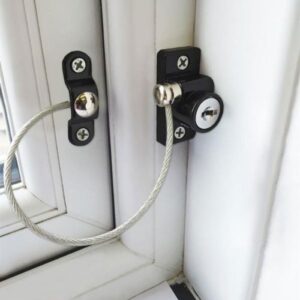
  • 2023 Home Security UK: The Wonders Keeping Your Home Safe

    2023 Home Security UK: The Wonders Keeping Your Home Safe

    2023 Home Security UK: The Wonders Keeping Your Home Safe

    Section 1: Introduction

    The Importance of Home Security

    When it comes to Home Security and the security of your loved ones, there is no compromise. In the ever-evolving landscape of home security, it’s vital to keep up with the latest developments. Welcome to the first part of our comprehensive guide to home security in the UK 2023: The latest wonders for keeping your home safe”. In this section we look at the importance of home security, examine the different types of home security systems, consider the financial implications and provide guidance on choosing the perfect security solution for your needs.

    Why is home security important?

    Your home is your sanctuary and ensuring its safety is of paramount importance. Here are the reasons:

    • Rest: Knowing your home is secure lets you relax, even when you’re not at home.
    • Deterrence: Visible security measures can deter potential intruders.
    • Protection: Protects your loved ones and valuables.
    • Crime Prevention: Home security systems play an important role in reducing crime rates in the neighbourhood.

    What types of home security systems are there?

    Home security systems have come a long way. Today, you can choose from a variety of options, including:

    • Smart Home Security Systems: Using the latest technology for added protection.
    • Wireless Security Systems: Easy to install and flexible in placement.
    • Video Doorbells: Provide visual screening of visitors.
    • Motion Sensors: Detect unauthorised movement.
    • Door and window sensors: Warn of unauthorised entry.
    • Glass breakage detectors: Detect forced entry through windows.
    • Flood detectors: Protect against water damage.
    • Fire alarm: Ensuring safety in the event of a fire.

    How much does a home security system cost?

    The cost of a home security system can vary significantly depending on your preferences and requirements. Factors to consider include the type of system, the number of sensors and devices, monitoring fees and installation costs. To get a better idea of what fits your budget, read on.

    How do I choose the right security system for my needs?

    Choosing the ideal security system for your home can be a difficult task. To make an informed decision, consider the following:

    • Consider your budget: Determine how much you are willing to invest in home security.
    • Think about your lifestyle: Assess your daily routine and how often you are away from home.
    • Evaluate your security needs: Consider factors such as the presence of pets, and children and the safety of your neighbourhood.

    In the next section, we will look at the latest trends in home security in the UK, exploring smart home security systems, wireless solutions, video doorbells, motion detectors and more. Stay tuned to discover groundbreaking innovations that can make your home safer than ever.

    Next up: The latest wonders of home security in the UK.

    2023 Home security in the UK: the latest wonders for keeping your home safe

    Section 2: The latest trends in home security in the UK

    In the rapidly evolving home security landscape, it is crucial to keep up with the latest innovations to keep your home and loved ones safe. In this section, we look at the latest trends that are changing the way we think about home security in the UK.

    Smart security systems

    Smart security systems have revolutionised the way we protect our homes. These systems, often equipped with artificial intelligence (AI), offer an unprecedented level of control and automation. Here’s what you need to know:

    • Integration: Many smart systems integrate seamlessly with your existing home automation devices such as lighting, thermostats and voice assistants like Amazon Alexa or Google Assistant.
    • Remote access: With a mobile app, you can monitor and control your security system from anywhere in the world, giving you peace of mind even when you’re miles away.
    • Customisation: Tailor your security settings to your lifestyle. Get real-time alerts and notifications on your smartphone so you’re always in the know.

    Wireless security systems

    Goodbye to cumbersome wiring and complicated installations. Wireless security systems have gained popularity because of their simplicity and versatility. Here’s what sets them apart:

    • Easy installation: These systems are often simple to install, saving you time and money on professional installations.
    • Scalability: Wireless systems can be easily expanded or adapted as your security needs change.
    • Reliability: Advanced encryption technologies ensure that wireless signals are secure and protect your system from hacking.

    Home Security

    Video doorbells

    Video doorbells have become an essential part of modern home security. These devices offer more than just the ability to see who is knocking on your door.

    • Visual verification: See visitors in real-time and communicate with them via your smartphone to enhance your home’s first line of defence.
    • Parcel Theft Prevention: Receive alerts when parcels are delivered and monitor them until you can safely collect them.
    • Evidence Preservation: In the unfortunate event of a security incident, the recorded footage can be invaluable to law enforcement.

    Motion Sensors, Door and Window Sensors, Glass Break Detectors

    Intrusion detection has never been so sophisticated. State-of-the-art sensors provide precision and accuracy to secure your home:

    • Motion Sensors: These sensors detect even the slightest movement in your home and trigger alarms or alerts.
    • Door and window sensors: You will be notified immediately if a door or window is opened – an important function to deter burglars.
    • Glass breakage detectors: Detect the characteristic sound of breaking glass and warn you of potential burglars.

    Flood and fire detectors

    Protecting your home goes beyond burglaries. Flood and fire alarms are essential to protect against other disasters:

    • Flood alarms: Place them near potential water sources such as sinks, toilets and basements to get early warning of leaks or flooding.
    • Fire alarms: These devices can detect changes in smoke and heat and buy vital time to leave the house in the event of a fire.

    These latest trends in home security in the UK show that technology is advancing all the time, offering homeowners an unprecedented level of protection. It’s crucial that you choose the right combination of devices to suit your specific security needs and lifestyle.

    In the next section, we’ll show you how to choose the perfect home security system to suit your needs. Whether it fits your budget, you have pets or you live in a high-crime area, we have the right one for you. Let’s dive into Section 3: How to choose the right home security system.

    2023 Home Security UK: The Wonders Keeping Your Home Safe

    Chapter 3: How to Choose the Right Home Security System

    Selecting the ideal home security system is a crucial step in protecting your home against potential threats. In this section, we’ll guide you through the decision-making process and help you make an informed choice that fits your budget, lifestyle and security needs.

    Consider your budget

    Budgetary constraints play an important role in determining the type of home security system you can afford. Here are some important points to consider:

    • Monthly costs: Some security systems include monthly monitoring fees. Consider whether these charges fit comfortably into your budget.
    • Initial costs: Determine the initial investment required for the security system and its components. Compare the prices of different providers to find the best offer.
    • Long-term commitment: Look out for long-term contracts that may tie you to a particular provider. Make sure the terms are favourable and flexible.

    Think about your lifestyle

    Your lifestyle and daily routines should influence your choice of security system. Consider this as follows:

    • Frequent absences: If you are frequently away from home due to work, travel or other commitments, you may need a system with robust remote monitoring capabilities.
    • Pets and children: Consider the presence of pets or children in your home. Some systems allow you to set up pet-friendly motion detectors to avoid false alarms.
    • Domotic Integration: If you are interested in home automation and want your security system to seamlessly integrate with your smart home devices, choose a compatible system.

    Determine your security needs

    Determining your specific security needs is perhaps the most important aspect of choosing the right system. Ask yourself the following questions:

    • Local crime rate: Find out about the crime rate in your area. If you live in an area with a high crime rate, you should opt for a more comprehensive security system.
    • Entrance points: Identify vulnerable access points to your home, such as doors, windows and garage entrances. Make sure the system you choose adequately covers these areas.
    • Wanted features: Consider what features you want in a security system. Do you prefer video surveillance, alarm systems or a combination of both?

    Questions

    Q1: Are affordable security systems effective?

    A1: Yes, there are affordable security systems that offer reliable protection. It is important to research and compare options to find a system that meets your needs and budget.

    Q2: Can I install a security system if I rent my home?

    A2: Yes, many security systems are designed for renters and can be installed without damaging the property. Look for wireless and DIY options.

    Q3: Do I need professional monitoring for my security system?

    A3: Professional monitoring provides 24/7 surveillance and immediate response to alarms. Whether you need this depends on your security priorities and budget.

    Q4: What if I have special security needs, such as a home office or a valuable art collection?

    A4: If you have special security needs, it is advisable to consult with security experts who can tailor a system to your specific needs.

    Closing Section 3

    Choosing the right security system for your home is an important decision that you should definitely take time to carefully consider your budget, lifestyle and security needs. In the next section, we will look at the practicalities of installing a home security system, whether you choose to install it yourself or hire a professional. So let’s move on to Section 4: How to install a home security system.

    2023 Home Security UK: The Latest Wonders for Keeping Your Home Safe

    Section 4: How to Install a Home Security System

    After you have carefully selected the ideal home security system for your needs, the next step is installation. In this section, we’ll guide you through the installation process, whether you choose to install it yourself or hire a professional. A safe home is just a few steps away.

    Do it yourself or hire a professional?

    The first decision you need to make when installing is whether to do it yourself or enlist the help of a professional installer. Here’s what to look for in each option:

    DIY installation

    • Cost-effective: DIY installation can save you money on installation costs.
    • Flexibility: You have control over the installation schedule and can make adjustments as needed.
    • Skill requirements: Make sure you are comfortable with technical tasks and following instructions.

    Professional installation

    • Experience: Professionals are experienced and knowledgeable and ensure a flawless and error-free installation.
    • Warranty: Some security systems offer extended warranties when professionally installed.
    • Time savings: Installation is often quicker when done by professionals, reducing downtime.

    What materials do you need?

    Before you jump into the installation process, make sure you have all the necessary materials and tools on hand. The following checklist will help you prepare:

    • Security System Kit: Make sure you have the main control panel, sensors, cameras and any other components that go with your chosen system.
    • Assembly materials: Depending on the system, you may need brackets, screws, dowels and adhesive strips.
    • Tools: You may need a drill, screwdriver and other basic hand tools.
    • Internet connection: If your system relies on an internet connection, ensure your Wi-Fi is stable and reliable.
    • Smartphone or computer: You will need a device to install and configure your security system.

    How long does the installation take?

    The installation time can vary considerably and depends on several factors:

        • Complexity of the system: More complex systems with multiple components may take longer.
        • Experience: If you are familiar with technology and DIY projects, you can complete the installation more quickly.
        • Professional help: Hiring a professional can significantly reduce the installation time.

    Frequently asked questions

    Question 1: Can I switch from DIY to professional installation if I encounter difficulties during the process?

    A1: Yes, many security system providers offer the option to switch to professional installation if you encounter difficulties with DIY installation.

    Question 2: Are there any safety precautions to follow during installation?

    A2: Always follow safety guidelines and turn off the power when working with electrical components. If you are unsure, consider professional installation.

    Question 3: What if I have technical problems during installation?

    A3: Contact your security system provider’s customer service department for assistance. They can often help you with any problems.

    Question 4: Is a professional installation safer than a DIY installation?

    A4: A professional installation ensures that the system is set up correctly, minimising the risk of errors. However, many DIY installations are also safe if done with care.

    Completing Section 4

    Installing your home security system is a crucial step in ensuring the safety of your home and loved ones. Whether you choose to install it yourself or have it professionally installed, it is important to follow the manufacturer’s instructions carefully. Once your system is ready to use, you can familiarise yourself with the features and improve the security of your home.

    In the next section, you will learn how to use your security system effectively, for example by arming and disarming it, setting up alarms and using mobile apps to control it. Continue with Section 5: How to use a home security system.

    2023 Home Security in UK: The latest wonders for your home security

    Section 5: How to use a home security system

    Congratulations on the successful installation of your home security system! In this section, we will show you how to use your system effectively to keep your home safe. Arming and disarming your system, setting up alarms, and using mobile apps for control are all important aspects of maximising the benefits of your security system.

    Arming and disarming

    One of the key features of your home security system is the ability to arm and disarm it when needed. Here’s how:

    Arm the system

        1. Absence mode: When you leave the house, select the absence mode. This activates all sensors and alerts you to suspicious activity.
        2. Stay mode: Use stay mode when you are at home but want to protect some areas, such as the perimeter of doors and windows. The motion detectors in these areas are usually deactivated.

    Disable system

        1. Enter your code: To disable the system, enter your security code on the control panel or in the mobile app.
        2. Key fobs or remotes: Some systems offer key fobs or remotes that allow you to easily activate and deactivate the system without having to enter a code.

    Set up alerts

    Alerts are an important aspect of home security systems as they inform you of unusual activity. Here’s how to set up alerts effectively:

        • Intrusion alerts: Set your system to send immediate alerts to your smartphone or email when a sensor is triggered.
        • Environment alerts: For systems with flood or fire detectors, make sure alerts are set to notify you of potential disasters.
        • Customised alarms: With many systems, you can set the alarms according to your preferences, e.g. time of day or specific sensors.

    Use mobile app

    Mobile apps have become an integral part of modern home security systems, offering convenience and control at the touch of a button. Here’s how to get the most out of them:

    Installation and setup

        1. Download the app: Find the official app for your security system in your device’s app shop and download it.
        2. Create an account: Follow the setup instructions to create an account and link your security system.

    Control and monitoring

        1. Real-time monitoring: Use the app to monitor your home in real-time, including live camera feeds and sensor status.
        2. Remote control: Arm or disarm your system remotely, wherever you are.
        3. Alarm management: Receive and manage alarms directly on your mobile device to quickly respond to any security event.

    Customisation

        1. Customised settings: Adjust settings to your preferences, such as customising alarm sounds or notification schedules.
        2. User access: If multiple family members use the system, you can set up separate user profiles with their own access codes.

    Frequently asked questions

    Question 1: Can I set up alarms for specific sensors or areas of my home?

    A1: Absolutely you can.

    Question 2: What should I do if I receive an alarm indicating a possible burglary?

    A2: If you receive a burglary alarm, contact authorities immediately and follow your system’s emergency protocol.

    Question 3: Are mobile apps available for all home security systems?

    A3: Many home security system providers offer mobile apps, but compatibility may vary. Check with your provider for app availability.

    Question 4: Can I control my security system with voice commands using virtual assistants like Alexa or Google Assistant?

    A4: Some systems offer integration with virtual assistants so you can control your security system with voice commands.

    Closing Section 5

    When you master the features of your security system, such as arming and disarming, setting alarms and using mobile apps, you can take control of your home security. With these tools, you can quickly respond to any security event and ensure the protection of your loved ones and property.

    Call Benn Lock and Safe Ltd on (01733) 55 27 28 Today!

    The post 2023 Home Security UK: The Wonders Keeping Your Home Safe first appeared on The Marketing Tutor.

    The Article 2023 Home Security UK: The Wonders Keeping Your Home Safe First Appeared ON
    : https://ad4sc.com

  • Unlocking Peace of Mind: Benn Lock and Safe Ltd

    Unlocking Peace of Mind: Benn Lock and Safe Ltd

    Unlocking Peace of Mind: Benn Lock and Safe Ltd, the Best Cambridgeshire Locksmiths

    Best Cambridgeshire Locksmiths. When it comes to protecting our homes and businesses, a reliable locksmith is essential. In Cambridgeshire, one name, in particular, stands out: Benn Lock and Safe Ltd. With its impeccable track record and commitment to customer satisfaction, the company has earned a reputation as one of the best locksmiths in the region. In this article, we will go into the reasons why Benn Lock and Safe Ltd should be your first choice for all your locksmith needs.

    Experience and expertise:
    Benn Lock and Safe Ltd have a team of highly qualified and experienced locksmiths who have been operating in Cambridgeshire for over 45 years. Their extensive knowledge and experience mean they can tackle any locksmith challenge, from simple lock repairs to installing complex security systems. Their technicians are trained to keep up to date with the latest industry trends and technologies so that they can offer the most effective and efficient solutions to their customers.

    Wide range of services:
    One of the key factors that set Benn Lock and Safe Ltd apart from its competitors is its wide range of locksmith services. Whether you need help with your home, business, or car, Benn Lock and Safe Ltd is there for you. From lockouts and lock repairs to locksmith services and lock installation, no job is too big or too small for their experienced team. They also specialise in advanced security systems, including CCTV installations, access control systems and electronic locks, providing comprehensive security solutions for businesses of all sizes.

    Unlocking Peace of Mind: Benn Lock and Safe Ltd, the Best Cambridgeshire Locksmiths

    24/7 Emergency Service:
    Emergencies can happen at any time, and when they affect your locks or security systems, you need immediate help. Benn Lock and Safe Ltd understands the urgency of such situations and offers a 24/7 emergency locksmith service. The rapid response team is always on standby to help you when you need it most. Whether you’ve locked yourself out of your home in the middle of the night or your business has been burgled, you can count on Benn Lock and Safe Ltd to be there quickly to ensure your safety and restore your peace of mind.

    Commitment to customer satisfaction:
    At Benn Lock and Safe Ltd, customer satisfaction is at the heart of everything we do. They understand the importance of building lasting relationships with their customers and their commitment to exceptional service is evident in every interaction. From the moment you contact Benn Lock and Safe Ltd, their friendly and professional staff will guide you through the entire process, answering all your questions and addressing any concerns you may have. They take the time to understand your specific needs and tailor their services accordingly to provide you with customised solutions that meet your requirements.

    Reputation and reliability:
    When it comes to choosing a locksmith, trust is key. Benn Lock and Safe Ltd have earned a good reputation in Cambridgeshire thanks to its integrity, reliability and transparency. Benn Lock and Safe Ltd are fully licensed, insured and accredited by the relevant industry bodies, giving you peace of mind that you are dealing with professionals who adhere to the highest standards of quality and ethics. Their long list of satisfied clients and positive reviews are a testament to their exceptional service and unwavering commitment to excellence.

    When it comes to locksmiths in Cambridgeshire, Benn Lock and Safe Ltd is head and shoulders above the competition. With their experience, expertise, a wide range of services, 24/7 emergency service, commitment to customer satisfaction and impeccable reputation, they are the ideal choice for all your locksmith needs. Trust Benn Lock and Safe Ltd to provide you with top-notch security solutions and give you the peace of mind you deserve.

    Benn Lock and Safe Ltd: your trusted partner for securing your property in Cambridgeshire.

    In today’s world, it is more important than ever to ensure the safety of our property. To protect your home or business in Cambridgeshire, you need a trusted partner who can provide you with reliable and effective security solutions. You’ve come to the right place with Benn Lock and Safe Ltd, the region’s leading locksmith. In this article, we will continue to go over the reasons why Benn Lock and Safe Ltd is the best choice for securing your property in Cambridgeshire.

    Bespoke security solutions:
    Every property has unique security requirements and Benn Lock and Safe Ltd understand this. Benn Lock and Safe Ltd understands this and offers bespoke solutions tailored to your specific needs. Whether you need a complete security system for your commercial property or want to improve the security of your home, Benn Lock and Safe Ltd’s expert team will assess your property and recommend the most appropriate security measures. From high-security locks and access control systems to surveillance cameras and alarm systems, they have the expertise to design and implement a robust security plan that fits within your budget and gives you the peace of mind you deserve.

    Quality products and cutting-edge technology:
    Benn Lock and Safe Ltd believe that security should never be compromised. That’s why the company only works with high-quality products and cutting-edge technology. The security equipment is sourced from reputable manufacturers who are known for their reliability and durability.

    By using the latest security technologies, they ensure that their customers benefit from state-of-the-art solutions that offer maximum protection. Whether it is a sophisticated biometric access control system or an advanced CCTV surveillance system, Benn Lock and Safe Ltd remain at the forefront of developments in the industry to provide the highest level of security to their customers.

    Qualified and reliable technicians:
    Benn Lock and Safe Ltd’s team of technicians are not only highly qualified and experienced but also undergo rigorous background checks and extensive training. When it comes to the security of your property, you need professionals you can trust. All technicians employed by Benn Lock and Safe Ltd are not only experts in their field but also have a proven record of integrity and reliability. They approach every job with professionalism and attention to detail, ensuring that security measures are installed correctly and work to their optimum.

    Fast and efficient service:
    When it comes to security, time is of the essence. Benn Lock and Safe Ltd understands the urgency of security issues and provides a fast and efficient service to its customers. Whether you need immediate lock repairs, lockout assistance or urgent security system installations, the team at Benn Lock and Safe Ltd is always eager to respond quickly to your needs. With 24/7 availability and quick response times, you can rely on Benn Lock and Safe Ltd to promptly resolve any security issue, minimise downtime and ensure the safety of your property.

    Long-term customer care:
    Benn Lock and Safe Ltd’s commitment to its customers goes beyond initial installation or service. Benn Lock and Safe Ltd strive to build long-term relationships and provide ongoing support to its customers. Whether you have questions about the operation of your security system, need maintenance services, or would like to upgrade your security measures in the future, Benn Lock and Safe Ltd are always there for you. Their friendly and knowledgeable customer service team is just a phone call away, ready to offer advice and assistance whenever you need it.

    Conclusion:

    In a world where security is paramount, Benn Lock and Safe Ltd are emerging as the ultimate partner in protecting your property in Cambridgeshire. With bespoke security solutions, high-quality products, state-of-the-art technology, skilled technicians, fast service, and round-the-clock customer support, Benn Lock and Safe Ltd offer a complete package that guarantees you the security and peace of mind you deserve. Trust Benn Lock and Safe Ltd to identify the specific needs of your property and provide you with bespoke security measures to suit your requirements and budget. When you work with Benn Lock and Safe Ltd, you can rest assured that your property will be protected by the best in the business.

    Call Benn Lock and Safe Ltd on (01733) 55 27 28 Today!

    The post Unlocking Peace of Mind: Benn Lock and Safe Ltd, the Best Cambridgeshire Locksmiths first appeared on The Marketing Tutor.

    The post Unlocking Peace of Mind: Benn Lock and Safe Ltd appeared first on https://gqcentral.co.uk

    The Article Unlocking Peace of Mind: Benn Lock and Safe Ltd First Appeared ON
    : https://ad4sc.com

  • Door Lock Maintenance And Its Importance To You

    Door Lock Maintenance And Its Importance To You

    Door lock maintenance and its importance to you

    Maintaining the integrity of the door locks is a critical component of any property’s overall security system. They’re vital in preventing criminals from gaining access to your property. However, door locks are mechanical devices just like any other, and when they break it can be a major hassle and even put your safety at risk.

    Locks on doors are a crucial feature of any safe and secure structure.

    Keeping your door locks in excellent working order requires regular maintenance. Maintenance of the locks, such as keeping them clean and lubricated, may extend their useful lives and keep them from becoming stuck or difficult to open. And because little problems may be fixed before they balloon into expensive ones, maintenance is a great way to save cash.

    Be careful with locks.

    The front door of a home or company, for example, will see a lot more wear and tear than a back office door, thus, it will require more frequent maintenance. Maintaining your door locks is a wise investment that will provide you peace of mind that your home is protected and your locks perform as they should.

    Door lock maintenance and its importance to you

    How to maintain your door locks

    Anybody may easily perform the maintenance necessary for the locks on their doors. These are some things you can do to maintain the integrity of your locks:

    Remove any dirt or debris that may have accumulated within the lock, which may make turning the key a chore. If dust has settled within the keyhole, blow it out with compressed air or wipe it clean with a cotton swab.

    Put a dab of silicone-based lubricant on the key, put it into the lock, and spin it a few times to spread the oil throughout the lock.

    Check the striking plate, which is the metal plate on the door frame that the latch fits into. Losing the tightness of the screws that keep the striker in place might make it difficult to close the door. Maintain a regular inspection schedule and tighten the screws as needed.

    Ultimately, you should try the lock by turning the key to ensure it locks and opens without any problems. It’s best to have a professional locksmith inspect the lock and perform any required repairs if you encounter any resistance or trouble.

    Your door locks will last longer and function better if you follow these guidelines.

    Signs that your door lock needs maintenance

    When your door lock requires repair, you’ll want to act fast. If you disregard these warnings, you run the risk of the lock jamming or breaking, which poses a security risk to your home. The following are some of the most noticeable indications that it’s time to have your door lock serviced:

    Trouble in locking or unlocking a door might indicate that the lock needs to be serviced. The lock’s mechanism may be damaged or clogged with dirt and debris.

    If you turn your key in the lock and it doesn’t turn very easily, it may indicate that the lock mechanism is worn and needs to be serviced.

    When turning the key in the lock, if you hear a squeaking sound, it may be because the lock is dry and needs to be lubricated. Premature wear on the lock can be prevented with regular lubrication.

    If the door handle seems loose or wobbles, this might mean that the screws holding it in place aren’t tight enough. The door’s lock mechanism may become misaligned as a result, making locking and unlocking it a hassle.

    Benn Lock and Safe Ltd: The best locksmith service in Peterborough, UK

    Door lock issues of a serious kind may be avoided and home security maintained if you keep an eye out for these warning signals and have Benn Lock and Safe Ltd take care of them as soon as possible.

    Benn Lock and Safe Ltd guarantee your peace of mind about the security of your home or business.

    Benn Lock and Safe Ltd. is the firm to contact if you need a dependable locksmith in Peterborough. They have been in business for over 35 years, making them the go-to locksmith for any and all of your needs, whether at home, at the office, or on the road.

    If you use Benn Lock and Safe Ltd, you can be assured that professionals will meet your security needs. Expert locksmiths are on staff at this establishment; they know their way around every lock, from the most basic to the most sophisticated.

    The staff has cutting-edge resources at their disposal, allowing them to serve consumers quickly and effectively. They value their customers highly and work hard to ensure their complete pleasure.

    24 hours a day, 7 days a week emergency service

    As problems with locks can arise at any moment, day or night, Benn Lock and Safe offer 24/7 emergency services. The experts at Benn Lock and Safe Ltd understand how critical it is to act swiftly in such instances. Clients may rely on the company’s round-the-clock emergency support when an unexpected problem arises.

    Your emergency crew will arrive promptly to help you if you’ve misplaced your keys, locked yourself out, or require lock repair. Mobile units are ready to respond to any emergency, and the qualified crew can analyse the issue and provide a remedy promptly.

    Mobile units are equipped for all types of emergencies.

    Affordable and easily accessible locksmith services are a core value of Benn Lock and Safe Ltd. You may rest assured that the quality of their work will never be compromised while still enjoying their low costs.

    Customers may be certain that there will be no surprises when it comes to billing, thanks to the company’s philosophy of straightforward pricing. In addition, they provide free, no-obligation price quotes to help consumers decide whether or not to use their services.

    There is no hidden cost or fee.

    Customer satisfaction.

    The staff at Benn Lock and Safe Ltd takes great pleasure in the attention they give to each individual client. They appreciate that each client has certain preferences and expectations and work hard to meet those demands individually.

    The staff is helpful and kind, and they listen carefully to their clients’ issues before providing individualised answers. The consistently high ratings and compliments they receive from their clientele attest to their dedication to their pleasure.

    Conclusion

    If you’re looking for a reliable locksmith in Peterborough, UK, go no further than Benn Lock and Safe Ltd. They’ve earned their reputation as a go-to locksmith service in the region because of their knowledge, reliability, prompt response to emergencies, fair pricing, and attention to customer needs.

    The post Door lock maintenance and its importance to you first appeared on The Marketing Tutor.

    The post Door Lock Maintenance And Its Importance To You appeared first on https://gqcentral.co.uk

    The Article Door Lock Maintenance And Its Importance To You First Appeared ON
    : https://ad4sc.com