Category: Home Cleaning

  • Green Cleaning Tips for a Fresh Home Post-Clearance in the UK

    Green Cleaning Tips for a Fresh Home Post-Clearance in the UK

    Explore the Essential Benefits of Green Cleaning in the UK

    What Defines Green Cleaning Practices?

    Sunlit kitchen: person in sustainable attire cleans counters with biodegradable sprays and reusable cloths, surrounded by plants and recycling bins.

    Green cleaning embodies a profound commitment to environmentally friendly methods of maintaining cleanliness. This approach employs products and techniques that significantly reduce environmental impact. In the UK, where the urgency for sustainability grows stronger each day, embracing green cleaning practices is crucial for households and businesses alike. The core principles of green cleaning include:

    • Utilizing non-toxic and biodegradable cleaning products.
    • Minimizing water consumption during cleaning activities.
    • Implementing robust waste management practices.
    • Opting for reusable cleaning tools instead of disposable items.
    • Enhancing indoor air quality by steering clear of harsh chemicals.
    • Adopting energy-efficient cleaning methods.
    • Supporting local manufacturers offering sustainable cleaning solutions.

    By concentrating on these key principles, both individuals and businesses can play a significant role in creating a healthier environment for everyone.

    Why Is Green Cleaning Essential After Clearing a House?

    After a house clearance, the necessity for comprehensive cleaning becomes paramount; however, it is crucial to choose methods that prioritize the safety of both inhabitants and the planet. Green cleaning not only ensures a pristine space but also fosters a healthy living environment. The benefits of implementing green cleaning practices after a clearance are numerous:

    • Eradicating toxic residues left by conventional cleaning products.
    • Creating a safer setting for children and pets.
    • Improving overall air quality within the residence.
    • Minimizing the ecological footprint associated with cleaning activities.
    • Supporting local eco-friendly businesses and sustainable products.
    • Enhancing the visual appeal of the area in an environmentally responsible way.

    Choosing green cleaning methods aligns environmental responsibility with effective cleaning, making it a smart choice post-house clearances.

    What Are the Current UK Regulations on Cleaning Products?

    In the UK, there are stringent regulations that govern the use of cleaning products, aimed at protecting public health and the environment. The Chemical Regulations 2013 (REACH) plays a pivotal role in managing and regulating hazardous substances. Furthermore, the Environmental Protection Act 1990 stipulates that cleaning products must not adversely affect the environment. Adhering to these regulations is vital, especially for commercial cleaning services and businesses, as non-compliance can result in severe penalties and damage to reputation. Understanding these regulations empowers homeowners and businesses to select compliant, eco-friendly products that meet safety standards.

    How Can Green Cleaning Improve Households Throughout the UK?

    A cheerful UK family in a bright kitchen with eco-friendly cleaning products, plants, and sunlight, symbolizing health and savings.

    The benefits of adopting green cleaning practices in UK households are extensive, reaching far beyond mere environmental advantages. Green cleaning techniques typically lead to healthier indoor environments, devoid of toxic chemicals that can trigger allergies and respiratory concerns. By minimizing exposure to irritants, families can promote the overall well-being of all household members. Additionally, green cleaning often results in long-term financial savings; eco-friendly products are usually more concentrated, requiring smaller amounts for effective cleaning. Consequently, investing in high-quality green products can lead to reduced overall cleaning expenses.

    What Actionable Steps Can UK Residents Take to Embrace Green Cleaning Practices?

    For UK residents to effectively adopt green cleaning practices, they should concentrate on actionable steps that can seamlessly integrate into their daily routines. Firstly, product selection is critical; choosing certified organic and eco-friendly brands helps to avoid harmful chemicals. Effective waste management strategies, including recycling and composting, should be prioritized. Moreover, developing a well-organized cleaning checklist that outlines specific tasks while incorporating green practices can be immensely beneficial. For instance, using vinegar and baking soda for surface cleaning not only saves money but also provides a safe alternative to chemical cleaners. By applying these actionable tips, individuals can profoundly influence their cleaning habits.

    Expert Recommendations for Optimal Green Cleaning Practices Following a House Clearance

    What Are the Most Effective Green Cleaning Methods?
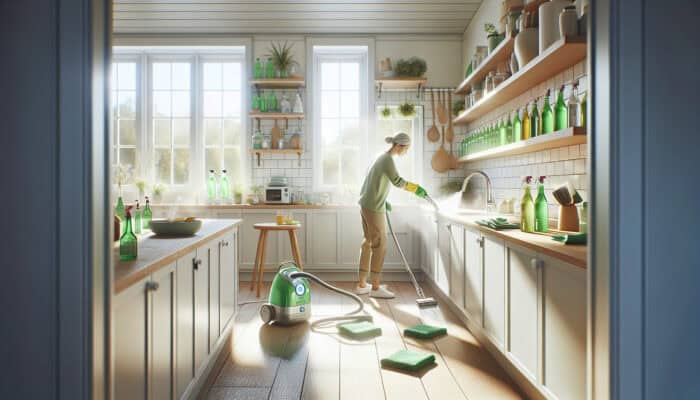
    A person in green attire steam cleans kitchen countertops, with microfiber cloths, open windows, and eco-friendly bottles nearby.

    Implementing effective green cleaning practices requires a well-planned approach tailored to the specific challenges encountered in post-house clearance situations. One of the most efficient techniques is steam cleaning, which utilizes high-temperature steam to sanitize surfaces without the need for harsh chemicals. This method not only provides thorough cleaning but also effectively kills germs, making it an ideal choice for high-traffic areas such as kitchens and bathrooms. Additionally, using microfiber cloths can significantly enhance cleaning effectiveness; these cloths adeptly trap dust and dirt, thereby reducing reliance on chemical agents. Ensuring proper ventilation during the cleaning process is also essential, as it allows fresh air to circulate and minimizes indoor pollutants. Regularly evaluating and updating cleaning supplies to reflect a commitment to sustainability is another best practice that ensures continued eco-friendly cleaning.

    How Can You Achieve Comprehensive Results with Green Cleaning?

    To ensure thorough green cleaning, particularly after a house clearance, adopting a systematic approach is crucial. Begin by conducting a detailed assessment of the space to identify high-traffic and heavily soiled areas that require immediate attention. Implementing a zone cleaning strategy can be advantageous; this involves dividing cleaning tasks by room or area, allowing for focused efforts and more manageable workloads. Utilizing eco-friendly cleaning products, such as those derived from plant-based ingredients, ensures effectiveness while prioritizing safety. Furthermore, facilitating clear communication among team members involved in the cleaning process can enhance efficiency and ensure that everyone adheres to best practices. Ultimately, committing to these steps can lead to a successful green cleaning initiative.

    What Are the Most Recommended Products for Effective Green Cleaning?

    When selecting products for green cleaning, it is crucial to choose those that are both effective and environmentally responsible. In the UK, numerous brands offer eco-friendly cleaning solutions that comply with strict safety and environmental standards. Examples include biodegradable laundry detergents, all-purpose cleaners formulated from natural ingredients, and non-toxic disinfectants. Brands like Ecover and Method have gained recognition for their commitment to sustainability and performance. Additionally, crafting homemade cleaning solutions using common household items like vinegar, baking soda, and essential oils can be both economically savvy and environmentally friendly. Familiarizing oneself with product labels and certifications can further assist in making informed choices that align with green cleaning goals.

    How to Prepare Your Home for Effective Green Cleaning

    How Can You Evaluate Your Home’s Cleaning Needs?

    Assessing a home’s cleaning requirements after a clearance involves a comprehensive examination of various areas that may have been overlooked. Begin by identifying spaces that require special attention, such as kitchens where food residues may linger or bathrooms that might be susceptible to mould. Key areas to scrutinize include:

    • Kitchen appliances and countertops.
    • Bathroom surfaces, including tiles and fixtures.
    • Living room carpets and upholstery.
    • Bedrooms, emphasizing linens and dust accumulation.
    • Outdoor areas like patios, which may necessitate thorough cleaning.
    • Storage spaces that may harbor allergens.
    • Cleaning equipment, ensuring it is eco-friendly and effective.

    By systematically reviewing these areas, homeowners can develop a customized cleaning plan that addresses specific needs while adhering to green cleaning principles.

    What Tools Should You Select for Efficient Green Cleaning?

    Choosing the right tools for green cleaning is essential for achieving efficiency and effectiveness. In the UK, eco-friendly options are widely accessible, and investing in high-quality tools can significantly enhance cleaning efforts. Microfiber cloths are invaluable; they capture dust and dirt effectively without requiring chemical sprays. Moreover, a high-quality steam cleaner can deliver a chemical-free deep clean for a variety of surfaces. Other essential tools include reusable mop heads designed for eco-friendly cleaning solutions and natural bristle brushes for scrubbing surfaces. Opting for tools made from sustainable materials, such as bamboo, also supports eco-friendly practices. By thoughtfully selecting the right tools, homeowners can significantly improve their green cleaning practices.

    How to Establish a Sustainable Green Cleaning Schedule?

    A well-structured cleaning schedule is vital for ensuring consistent and thorough cleaning, especially following a house clearance. To create an effective schedule, start by categorizing cleaning tasks into manageable daily, weekly, and monthly segments. Daily tasks may include wiping down kitchen surfaces and vacuuming high-traffic areas, while weekly tasks could involve deep cleaning bathrooms and dusting living spaces. Including monthly deep cleaning activities, such as washing windows and decluttering storage spaces, ensures that no area of the home goes unaddressed. Aligning the schedule with specific eco-friendly practices, such as using green products and tools, can further enhance its effectiveness. By adhering to a structured schedule, homeowners can sustainably maintain a clean and healthy environment.

    What Are the Environmental Benefits of Green Cleaning Following a House Clearance?

    What Environmental Advantages Does Green Cleaning Provide?

    Green cleaning methods offer substantial environmental benefits that are particularly pertinent within the UK context. By prioritizing biodegradable and non-toxic cleaning products, households effectively lessen the number of harmful chemicals entering the ecosystem. This is crucial, as many conventional cleaning agents can contaminate water supplies and endanger local wildlife. Additionally, green cleaning practices often require less water, contributing to essential water conservation efforts amidst the UK’s increasing focus on sustainability. By implementing efficient recycling and waste management strategies, individuals can help reduce landfill waste associated with cleaning activities. These collective efforts foster a healthier environment, making green cleaning a vital choice for eco-conscious individuals.

    What Health Benefits Are Linked to Green Cleaning for UK Residents?

    The health advantages of green cleaning for UK residents are significant, primarily due to reduced exposure to harmful chemicals that are often found in traditional cleaning products. These chemicals can lead to a variety of health issues, including allergies, respiratory problems, and skin irritations. Green cleaning products, which are frequently composed of plant-based ingredients, provide safer alternatives that improve indoor air quality while ensuring effective sanitation. Families can feel reassured knowing their homes are free from toxic substances, fostering a healthier living environment for children and pets alike. Moreover, the absence of harsh chemical fumes contributes to a more pleasant atmosphere, enhancing overall well-being.

    How Is Green Cleaning Cost-Effective for Homeowners?

    Opting for green cleaning can prove to be remarkably cost-effective for UK homeowners in the long run. While some eco-friendly products may initially seem pricier, their concentrated formulations often require smaller quantities, thereby extending usage over time. This not only extends the product’s lifespan but also reduces the frequency of purchases. Furthermore, investing in sustainable cleaning tools, like reusable cloths and natural brushes, can lead to substantial savings compared to disposable alternatives. By utilizing green cleaning methods, homeowners can also lower potential health-related expenses, as a cleaner environment typically correlates with fewer allergies and illnesses. Therefore, green cleaning emerges as both a responsible choice and a financially wise one.

    How Does Adherence to Regulations and Certifications Impact Green Cleaning?

    Green cleaning practices frequently align with UK regulatory standards, providing an added layer of compliance that enhances property value and tenant satisfaction following a clearance. Numerous eco-friendly products receive certifications from organizations such as the British Institute of Cleaning Science, confirming they meet stringent environmental and safety criteria. This compliance signifies a commitment to sustainability and can positively influence property valuation, especially in a market increasingly favoring eco-friendliness. Properties that adhere to green cleaning regulations are more appealing to prospective buyers and tenants, making green cleaning an essential consideration for property management.

    How to Successfully Implement Green Cleaning Strategies After a House Clearance

    What Steps Should You Follow to Effectively Implement Green Cleaning Strategies?

    Successfully incorporating green cleaning strategies requires a well-structured plan that integrates eco-friendly practices into daily cleaning routines. Start by taking inventory of existing cleaning supplies, discarding any harmful or non-compliant products. Transitioning to green alternatives can be facilitated through local eco-friendly shops or online retailers that specialize in sustainable goods. Establishing a community cleaning group can also encourage collaboration; sharing resources and experiences streamlines the adoption of green cleaning practices. Additionally, dedicating time to education—via workshops or online courses focused on green cleaning methods—can enhance knowledge and skills. By committing to these strategies, individuals can effect meaningful changes that benefit both their homes and the environment.

    What Common Pitfalls Should You Avoid in Green Cleaning?

    Steering clear of common mistakes in green cleaning can significantly amplify the effectiveness of cleaning efforts. A prevalent error is assuming that all “natural” products are equally effective; it is essential to research and select products that have proven efficacy. Failing to read product labels can lead to unintended use of harmful ingredients, making diligence crucial. Another common mistake is neglecting to adjust cleaning techniques to suit specific surfaces; for example, using abrasive cleaners on delicate materials can result in irreversible damage. Additionally, overlooking the importance of ventilation during the cleaning process can cause air quality issues. By being mindful of these common pitfalls, individuals can optimize their green cleaning practices for superior results.

    How Can You Maintain High Standards of Green Cleaning?

    Maintaining high standards of green cleaning after a clearance is vital for ensuring ongoing sustainability in cleaning practices. Establishing a routine for regularly reviewing and replenishing eco-friendly cleaning supplies helps avoid the temptation to revert to traditional products. Moreover, creating a feedback loop within households or cleaning teams can enhance accountability; sharing observations and suggestions fosters a culture of continuous improvement. Participating in periodic training sessions to keep everyone informed about the latest green cleaning techniques and products is also beneficial. Finally, setting long-term sustainability goals, such as reducing waste or increasing the use of renewable resources, can help maintain a strong focus on green cleaning standards.

    What Green Cleaning Techniques Are Effective for Different Areas?

    What Are the Best Green Cleaning Tips for Kitchens?

    The kitchen, often regarded as the heart of the home, demands meticulous cleaning due to food safety concerns. Implementing green cleaning techniques in this essential space begins with decluttering; removing unnecessary items simplifies the cleaning process. Natural solutions like vinegar and baking soda effectively tackle grease and stubborn stains without resorting to harsh chemicals. To disinfect surfaces, a mixture of water combined with lemon juice and essential oils not only provides cleaning potency but also imparts a refreshing aroma. Furthermore, using a reusable cloth or sponge minimizes waste while ensuring surfaces are thoroughly cleaned. Regularly washing reusable items in hot water enhances sanitation, thereby promoting a healthier cooking environment.

    How to Apply Green Cleaning Strategies in Bathrooms?

    Bathrooms present unique challenges for green cleaning, particularly due to the prevalence of mould and mildew. Proper ventilation is crucial to combat these issues; ensuring adequate airflow can help prevent mould growth. A mixture of baking soda and water serves as an effective scrub for surfaces, removing soap scum and mildew without relying on harsh chemicals. For toilet cleaning, eco-friendly products specifically formulated for sanitizing can be utilized; these often contain plant-based ingredients that are gentler on the environment. Maintaining regular cleaning routines, such as daily surface wipes and weekly deep cleans, can significantly reduce build-up and promote a clean, healthy bathroom atmosphere.

    What Green Cleaning Techniques Are Recommended for Living Areas?

    Maintaining living areas through green cleaning techniques is essential for fostering a healthy atmosphere. Regular vacuuming with a vacuum equipped with a HEPA filter effectively removes allergens while ensuring minimal environmental impact. Dusting with reusable microfiber cloths captures dust particles without the need for chemical sprays. Incorporating houseplants naturally enhances air quality while adding aesthetic appeal. When cleaning carpets, opting for eco-friendly carpet shampoos can effectively eliminate dirt without compromising indoor air quality. Scheduling periodic deep cleans, including washing soft furnishings, further improves cleanliness and comfort in living spaces.

    What Green Cleaning Recommendations Are Effective for Bedrooms?

    Bedrooms benefit significantly from green cleaning, promoting a restful environment conducive to sleep. Prioritizing allergen reduction is critical; regularly washing bedding in hot water and using hypoallergenic mattresses and pillows can aid in achieving this. Natural air fresheners, such as essential oils or bowls of baking soda, can replace synthetic sprays, maintaining a pleasant aroma without harmful chemicals. Dusting surfaces and vacuuming carpets with eco-friendly products can help prevent dust accumulation. Additionally, adhering to a consistent cleaning schedule reinforces cleanliness, creating a space that is both inviting and healthy.

    What Are the Best Green Cleaning Practices for Outdoor Areas?

    Outdoor spaces require green cleaning techniques to promote environmental protection while maintaining aesthetic appeal. Regularly clearing debris from patios and gardens minimizes clutter and promotes proper care. To clean outdoor furniture, a simple mixture of soap and water effectively removes dirt without harming plants or wildlife. When tending to gardens, opting for organic products for pest control and fertilization can help safeguard local ecosystems. Additionally, composting yard waste and using natural mulch contributes to a healthier garden environment. By prioritizing sustainable practices in outdoor cleaning, individuals can enhance their surroundings while promoting environmental responsibility.

    How Does Green Cleaning Influence Property Value in the UK?

    What Are the Long-Term Benefits for Property Value?

    Green cleaning practices can significantly enhance the long-term value of a property, particularly in a market increasingly focused on sustainability. Properties consistently maintained using eco-friendly cleaning methods demonstrate a commitment to environmental stewardship, which can attract prospective buyers. Green cleaning often leads to better preservation of surfaces and materials, reducing wear and tear over time. As properties improve energy efficiency and indoor air quality, they generally experience increased desirability and value. Furthermore, showcasing adherence to green cleaning standards can differentiate a property in a competitive market, appealing to responsible buyers interested in sustainable living.

    What Immediate Advantages Does Green Cleaning Offer for Property Appeal?

    The immediate appeal of a property can be greatly enhanced through dedicated green cleaning efforts. A clean, fresh-smelling environment is inviting and can leave a lasting positive impression on potential buyers during viewings. Green cleaning not only boosts aesthetics but also diminishes visible allergens and contaminants, creating a healthier atmosphere. Properties that emphasize cleanliness using eco-friendly methods frequently receive higher evaluations from real estate agents, leading to increased demand. Investing time and resources into maintaining a pristine environment is a wise strategy, making green cleaning a crucial approach to property management.

    What Case Studies Highlight the Link Between Green Cleaning and Property Value?

    Numerous case studies throughout the UK illustrate the positive correlation between green cleaning and property value. For instance, a residential property in London that adopted eco-friendly cleaning practices experienced a 15% increase in market value over three years. The owners attributed this growth to the property’s enhanced appeal and improved overall maintenance standards. Similarly, a property management company focusing on green cleaning reported higher tenant satisfaction rates, resulting in reduced turnover and increased rental prices. These case studies demonstrate the tangible benefits of prioritizing green cleaning in property management, showcasing its potential to enhance value and attract buyers or tenants.

    How Are Property Market Trends Shaped by Green Cleaning?

    Green cleaning practices increasingly shape property market trends across the UK, with sustainability emerging as a primary concern for buyers. As awareness of environmental issues grows, prospective homeowners prioritize properties that exhibit eco-friendly practices, including green cleaning. This trend is evident in the rising demand for properties featuring energy-efficient appliances, sustainable materials, and reduced environmental footprints. Real estate developers responding to this trend are integrating green cleaning standards into their maintenance protocols, recognizing that these practices can bolster property value and appeal. Consequently, the market is evolving, with sustainability becoming a critical factor in property decisions.

    What Role Do Regulatory Compliance and Certification Play in Property Value?

    Regulatory compliance and green cleaning certifications can significantly enhance property value and desirability in the UK market. Properties adhering to environmental standards often attract buyers who prioritize sustainability and social responsibility. Obtaining certifications from recognized organizations can instill confidence in potential buyers regarding the quality and safety of the property. Many eco-conscious buyers are willing to pay a premium for homes that demonstrate compliance with green cleaning regulations, recognizing the long-term benefits associated with sustainable living. Investing in green cleaning measures not only supports regulatory compliance but also positions properties favorably in an increasingly competitive market.

    Where Can You Find Resources for Green Cleaning in the UK?

    How to Discover Eco-Friendly Cleaning Products?

    Finding suitable green cleaning products in the UK can be accomplished through various channels. Local health food stores and eco-shops typically offer a selection of eco-friendly cleaning supplies, emphasizing sustainable and biodegradable options. Moreover, many supermarkets now feature dedicated sections for organic and green products, simplifying access to environmentally responsible alternatives for shoppers. Online retailers such as Ethical Superstore and Big Green Smile provide extensive ranges of green cleaning products, often accompanied by customer reviews to aid purchasing decisions. Engaging with local farmers’ markets can also yield homemade cleaning solutions or tips for crafting your own eco-friendly products.

    What Educational Resources Are Available for Green Cleaning?

    Educational resources can significantly enhance understanding and implementation of green cleaning practices. Online platforms such as the UK Green Building Council offer a wealth of information regarding eco-friendly cleaning methods and products. Additionally, many community centers and local councils host workshops on sustainable living, often including segments focused on green cleaning. Books and publications centered on eco-friendly practices can also be invaluable; titles like “Green Clean: The Environmentally Friendly Home” provide practical tips and insights. Engaging with these resources can empower UK residents to make informed choices regarding their cleaning habits.

    How Can Community Support Boost Green Cleaning Initiatives?

    Community support plays a crucial role in enhancing green cleaning efforts within the UK. Local environmental groups and organizations frequently organize clean-up events and workshops that promote sustainable practices. Participating in community initiatives can foster collaboration and knowledge sharing among residents. Additionally, online forums and social media groups focused on eco-friendly living provide a platform for exchanging experiences and tips. Libraries often host events related to sustainability, further strengthening community ties while advocating for green cleaning. By engaging with these community resources, individuals can bolster their green cleaning initiatives and contribute to a broader movement toward sustainability.

    What Are the Most Common Questions About Green Cleaning?

    What is green cleaning?

    Green cleaning refers to cleaning methods that utilize eco-friendly products and practices, prioritizing sustainability and minimizing environmental impact.

    Why should I opt for green cleaning after a house clearance?

    Green cleaning ensures a safe and eco-friendly environment post-clearance, eliminating harmful residues and promoting healthier living conditions.

    What regulations govern cleaning products in the UK?

    The UK has regulations, such as REACH and the Environmental Protection Act, that ensure cleaning products are safe and environmentally responsible.

    How can green cleaning benefit my health?

    Green cleaning reduces exposure to harmful chemicals, improving indoor air quality and lowering the risk of allergies and respiratory issues.

    What are the financial benefits of green cleaning?

    Although some green products may appear pricier upfront, their concentrated formulations and durability often lead to long-term savings on cleaning supplies.

    How can I implement green cleaning practices at home?

    Start by selecting eco-friendly products, creating a cleaning schedule, and adopting sustainable practices, such as recycling and reducing waste.

    What essential tools are needed for green cleaning?

    Microfiber cloths, steam cleaners, natural brushes, and reusable mops are essential tools for effective green cleaning.

    What specific challenges does green cleaning face in bathrooms?

    Bathrooms often experience mould and mildew growth, which can be effectively managed using natural cleaning solutions and proper ventilation.

    How does green cleaning impact property value?

    Green cleaning practices can enhance property value by reflecting a commitment to sustainability, attracting environmentally conscious buyers.

    Where can I find green cleaning products in the UK?

    Green cleaning products can be found in local eco shops, supermarkets with dedicated sections, and online retailers specializing in sustainable goods.

    Connect with us on Facebook!

    The Article: Green Cleaning Tips Post-House Clearance: UK Guide Was First Found At https://birminghamhouseclearance.com

    The Article Green Cleaning Tips: Your UK Guide After House Clearance Was Found On https://limitsofstrategy.com


  • Cleaning Travertine: Essential Tips for Best Results

    Cleaning Travertine: Essential Tips for Best Results

    Master the Art of Cleaning Travertine: Key Insights and Essential Strategies:

    • Travertine is a stunning natural stone recognized for its elegance, yet it necessitates specialized care to preserve its allure.
    • This comprehensive guide provides invaluable insights that encompass everything from daily cleaning practices to tackling tough stains.
    • Discover which tools and cleaning solutions are safe for use, as well as those to avoid, to safeguard your travertine.
    • Protect your stone by adhering to expert recommendations on sealing, drying, and preventing irreversible damage.
    • Ideal for both homeowners and professionals, whether managing countertops or bathroom surfaces.

    Exploring the Versatile Applications of Travertine in Homes Across the UK

    Travertine is an extraordinary natural stone derived from mineral deposits formed in hot springs, celebrated for its distinct beauty and properties. Its rising popularity in UK homes is due to its versatility and timeless elegance, making it an excellent choice for both decorative and functional uses. This in-depth examination will explore the different types of travertine found in UK residences, its myriad benefits, the challenges homeowners may encounter, and essential maintenance strategies to ensure it retains its beauty and practicality over time.

    Identifying the Different Types of Travertine Available for Your Home

    Examples of filled and unfilled travertine in diverse colours and textures suitable for both indoor and outdoor use.

    In the UK, travertine is available in a diverse range of varieties, each characterized by its distinct color, texture, and finish. The main categories include filled and unfilled travertine. Filled travertine has been treated to seal its natural voids, resulting in a smoother surface that is ideal for high-traffic areas. In contrast, unfilled travertine maintains its natural texture, making it a popular choice for outdoor settings like gardens and patios, where it adds rustic charm. Understanding these types is crucial, as each variety has specific cleaning requirements. For instance, filled travertine is generally easier to maintain due to its smooth surface, while unfilled travertine can trap dirt and grime in its natural cavities, necessitating a more detailed cleaning approach.

    Another important distinction is in the finishes: honed versus polished. Honed travertine features a matte finish, making it practical for everyday use. On the other hand, polished travertine presents a glossy surface that enhances color vibrancy but may be more susceptible to scratches and etching from acidic substances. Knowing the specific type of travertine in your home can significantly impact your cleaning methods, assisting you in maintaining its exquisite beauty without causing any damage.

    Exploring the Significant Benefits of Choosing Travertine for Your Home

    Travertine offers a plethora of advantages, establishing it as an exceptional choice for any UK residence. To begin, its aesthetic appeal is striking; the natural variations in color and texture create a warm and inviting atmosphere. Whether utilized for flooring, countertops, or wall cladding, travertine infuses a touch of luxury into any space. Beyond its visual allure, travertine is remarkably durable. With the right care, it can endure the rigors of daily life, making it suitable for both residential and commercial environments.

    Moreover, travertine functions as a natural insulator, aiding in temperature regulation and enhancing energy efficiency within homes. In colder months, travertine retains heat, while during warmer seasons, it remains cool to the touch, ensuring comfort throughout the year. Additionally, it is an environmentally sustainable choice; as a natural stone, it is more eco-friendly compared to synthetic alternatives, aligning with contemporary sustainability practices.

    Another notable advantage of travertine is its versatility. It complements a wide range of design styles, from traditional to modern, enabling homeowners to express their unique aesthetics. Furthermore, travertine is suitable for both indoor and outdoor applications, facilitating a seamless design flow throughout various areas of the home.

    Recognizing Common Challenges Faced by Travertine Owners

    Despite its many benefits, travertine is not without its challenges. A common issue encountered by UK homeowners is staining. Due to its porous nature, travertine can absorb spills from substances like coffee, wine, or cleaning agents. If these stains are not addressed promptly, they can severely affect the stone’s appearance. Additionally, etching can occur when acidic materials come into contact with travertine, resulting in dull patches that detract from its beauty.

    Another concern is the potential for discoloration over time, especially in high-traffic areas or locations exposed to sunlight. This discoloration can give the stone a worn appearance, even if its structural integrity remains intact. Furthermore, the grout lines associated with travertine installations may become stained or develop mold, requiring special attention during cleaning.

    In the UK, fluctuating weather conditions and indoor humidity can also foster the growth of mold or mildew on travertine surfaces, particularly in bathrooms or kitchens. Understanding these challenges is vital for homeowners, enabling them to take proactive measures to prevent long-term damage to their travertine installations.

    Implementing Essential Maintenance Strategies for Travertine

    A travertine floor in a UK home being cleaned and sealed for maintenance and shine.

    Establishing a consistent maintenance routine is crucial to ensure that travertine in UK homes retains its pristine condition. First, it is important to implement a thorough cleaning regimen. Regularly using a soft-bristled broom or a vacuum cleaner will help eliminate dust and dirt on a daily basis. Mopping with a pH-neutral cleaner specifically designed for natural stone will help maintain its shine without harming the surface.

    In addition to routine cleaning, homeowners should consider applying a sealant to their travertine surfaces. Sealing provides a protective barrier against stains and moisture, extending the stone’s lifespan. In the UK, resealing should occur every one to three years, depending on the level of usage and exposure to the elements.

    Lastly, it is crucial to address any stains or discoloration as soon as they arise. A simple mixture of baking soda and water can be effective for minor stains. However, for deeper, more stubborn stains, professional cleaning services may be necessary to restore the stone’s original beauty and integrity.

    Overall, a thorough understanding of travertine’s characteristics and the implementation of a robust maintenance routine will ensure it remains a stunning focal point in UK homes for many years.

    Step-by-Step Guide for Effectively Cleaning Travertine Surfaces

    Proper preparation is critical for achieving the best results when cleaning travertine surfaces. This section outlines the essential steps, from gathering required supplies to ensuring safety and conducting pre-cleaning inspections, to facilitate a successful cleaning experience in UK homes.

    Gathering Essential Cleaning Supplies for Optimal Travertine Care

    When cleaning travertine, having the right supplies at your disposal is essential. Homeowners can find numerous effective cleaning products at UK retailers specifically designed for the care of natural stone. Begin with a pH-neutral cleaner, as harsh chemicals can damage the stone’s surface. Reputable brands such as Lithofin and GranQuartz offer excellent options tailored to the unique properties of travertine.

    In addition to a suitable cleaner, homeowners will require soft cloths or mops to avoid scratching the surface during cleaning. Microfiber cloths are particularly effective as they are gentle yet efficient at capturing dust and grime. A soft-bristled broom or vacuum cleaner is also indispensable for daily maintenance.

    Having baking soda and water readily available is advantageous for addressing stains, as this mixture can effectively lift minor stains without harming the travertine. Furthermore, it may be worthwhile to invest in a high-quality stone sealer suitable for both indoor and outdoor use, ensuring that your travertine surfaces remain protected long after cleaning procedures are completed.

    Prioritizing Safety Precautions During the Cleaning Process

    Person in protective gear cleaning travertine floor, testing solution, with warning signs in a UK home.

    Safety should always be a top priority when cleaning travertine in UK homes. It is advisable to wear appropriate personal protective equipment, such as gloves and eye protection, especially when handling cleaning products. Ensure the cleaning area is well-ventilated to avoid inhaling fumes, particularly if using commercial cleaners containing potent chemicals.

    Testing any cleaning solution on a small, inconspicuous area before applying it to the entire surface is also crucial. This precaution ensures that the product does not cause discoloration or damage to the travertine. Additionally, be mindful of wet floors to minimize the risk of slipping; consider placing warning signs or barriers around the cleaning area as necessary.

    If faced with heavy stains or extensive cleaning tasks, seeking professional assistance may be beneficial. Experienced cleaners understand the specific needs of travertine and can provide tailored solutions while ensuring that safety standards are adhered to throughout the cleaning process.

    Conducting a Comprehensive Pre-Cleaning Inspection of Travertine Surfaces

    Before beginning the cleaning process, it is vital to carry out a thorough inspection of the travertine surfaces. Start by assessing the overall condition of the stone, looking for cracks, chips, or signs of wear. Addressing these issues early can help prevent further damage during cleaning and maintenance.

    Next, identify which areas require special attention. For example, high-traffic zones may need more thorough cleaning than less frequented sections. Take note of any persistent stains or discoloration that may require special treatment or professional assistance.

    Lastly, consider the surrounding environment. Ensure that furniture and decorative items are removed from the cleaning area to prevent damage. Preparing the area this way will streamline the cleaning process and contribute to more effective outcomes, resulting in beautifully maintained travertine surfaces.

    Proven Techniques for Effectively Cleaning Travertine Floors

    Cleaning travertine floors requires a thoughtful approach to retain their beauty and durability. This section explores daily maintenance routines, effective deep cleaning techniques, strategies for stain removal, the importance of sealing, and methods for repairing any damage that may occur in UK homes.

    Establishing a Consistent Daily Maintenance Routine for Travertine Floors

    Maintaining travertine floors on a daily basis is crucial for prolonging their lifespan and keeping them looking their best. Begin by sweeping or vacuuming regularly to remove dirt and debris that can lead to scratches. A soft-bristled broom or a vacuum cleaner equipped with a hard floor attachment is ideal, as it will not damage the surface. Sweeping and mopping should follow as the next critical step. Use a pH-neutral cleaner mixed with warm water to create a gentle cleaning solution. Employ a damp mop—avoiding soaking the floor, as excess water can seep into the porous travertine and cause damage over time. Aim to mop at least once a week, or more frequently in high-traffic areas, to prevent dirt accumulation.

    Furthermore, placing mats or rugs at entry points can significantly minimize the amount of dirt and grit that gets onto your travertine floors. Regularly cleaning these mats will further enhance your daily maintenance routine, ensuring your floors remain clean and inviting.

    Implementing Effective Deep Cleaning Techniques for Travertine Floors

    While daily upkeep is essential, periodic deep cleaning is necessary to keep travertine floors in top condition. Start by removing furniture and items from the floor to provide complete access for cleaning. Next, vacuum thoroughly to eliminate accumulated dirt and dust.

    For deep cleaning, apply a mixture of warm water and a pH-neutral cleaner with a mop. Avoid acidic or abrasive cleaners, as they can etch the stone and lead to dullness. A poultice made from baking soda and water can be applied to stubborn stains, left to sit for several hours, and then gently scrubbed off.

    If your travertine floors are heavily soiled, consider using a steam cleaner specifically designed for natural stone. This approach can effectively lift dirt and grime without the need for harsh chemicals. However, exercise caution and ensure the steam cleaner is compatible with travertine, as excessive heat can damage the stone if not used properly.

    Utilizing Effective Stain Removal Techniques for Travertine Floors

    Stains on travertine floors can be frustrating for homeowners. To prevent spills from setting in, prompt action is essential when addressing them. For minor stains, create a paste from baking soda and water, apply it to the stain, and allow it to sit for a few hours before wiping clean.

    A commercial stone cleaner may be necessary for more stubborn stains, such as oil or wine. Always follow the manufacturer’s instructions and test the product on a small area first. In certain situations, it may be beneficial to enlist professional assistance, particularly for deep-set stains that require advanced removal techniques.

    Moreover, incorporating preventative measures into your routine, such as using coasters under beverages and promptly cleaning up spills, can save you time and effort when managing potential stains on your travertine floors.

    Understanding the Importance of Sealing Travertine Floors

    Sealing travertine floors is a vital aspect of ongoing maintenance, providing a protective layer against stains and wear. In the UK, sealing is recommended every one to three years, depending on foot traffic and exposure to moisture. A high-quality stone sealer penetrates the porous surface, preventing liquids from being absorbed and causing stains.

    Before applying a sealer, ensure the floor is thoroughly cleaned and completely dry. Use a soft cloth or roller to apply the sealer according to the manufacturer’s instructions. Be mindful to cover the entire surface evenly to avoid streaks or missed areas.

    After sealing, allowing the product to cure adequately is crucial. Depending on the specific product used, this may take anywhere from a few hours to several days. To ensure optimal results, avoid mopping or exposing the floor to water during this curing period. Regularly sealing your travertine floors enhances their durability and preserves their natural beauty.

    Effectively Repairing Damaged Travertine Floors

    Even with the best care, chips and cracks can occur in travertine floors. Addressing these issues promptly is vital to maintaining the stone’s aesthetic appeal. Many UK home improvement stores offer a travertine repair kit for minor chips, which typically contains epoxy resin and color-matching powder, enabling homeowners to seamlessly fill the damaged area.

    For larger cracks, consulting a professional may be advisable. Experts can assess the damage and recommend the most appropriate course of action, whether it involves a simple fix or a more extensive restoration. Additionally, regular inspections will help identify any damage early, preventing further deterioration.

    When undertaking travertine repairs, ensure that the surrounding area is clean and dry to promote proper adhesion. After completing the repair, allow sufficient time for the materials to cure before resuming regular floor use. With timely maintenance, you can preserve the beauty and longevity of your travertine floors.

    Effective Strategies for Thoroughly Cleaning Travertine Walls

    Travertine walls can significantly elevate the elegance of any space, but they require regular cleaning and maintenance to keep them looking their best. This section outlines routine cleaning methods, strategies for tackling grime buildup, and polishing techniques to ensure your travertine walls remain stunning in UK homes.

    Creating a Regular Cleaning Regimen for Your Travertine Walls

    Regular cleaning of travertine walls is essential for preserving their beauty and preventing grime accumulation. Start by dusting the walls with a soft cloth or using a duster to remove cobwebs or dust particles. This preliminary step helps to avoid dirt being ground into the stone during the cleaning process.

    Next, prepare a cleaning solution by mixing warm water with a pH-neutral cleaner. Using a soft sponge or cloth, gently wipe down the travertine surface, ensuring not to saturate the stone. It is crucial to avoid acidic cleaners or harsh chemicals, which can etch and damage the stone’s finish.

    For areas that experience higher moisture levels, such as bathrooms, consider implementing a cleaning routine that includes wiping down the walls after each use. This practice helps to prevent the buildup of soap scum and mildew, keeping your travertine walls looking fresh and clean.

    Tackling Grime Buildup on Travertine Walls

    Over time, grime can accumulate on travertine walls, particularly in areas exposed to moisture or cooking vapors. To address this buildup, begin with a thorough inspection of the affected areas. For light grime, a mixture of warm water and a few drops of dish soap can lift dirt without harming the stone.

    For tougher grime, consider using a stone-safe degreaser. Apply the product according to the manufacturer’s instructions, allowing it to sit for a few minutes to break down the soil. Use a soft-bristled brush or sponge to gently scrub the area, rinsing with clean water to remove any residue.

    If mildew or mold is present, a diluted solution of water and white vinegar can be effective. However, it is imperative to test this on a small, inconspicuous area first, as vinegar can damage the finish on polished travertine. Once cleaned, ensure the area is thoroughly dried to prevent future growth.

    Applying Polishing Techniques for Enhanced Shine on Travertine Walls

    Regular polishing is recommended to maintain the shine of travertine walls. Begin by ensuring that the walls are clean and free from dust and grime. A specially formulated stone polish compatible with travertine is ideal for this purpose; these products are widely available in UK home improvement stores.

    Apply the polish using a soft cloth or applicator pad, working in small sections and buffing the surface gently in circular motions. This technique enhances the shine and helps to fill in minor scratches, improving the overall appearance of the wall.

    Consider polishing your travertine walls every 6-12 months, depending on exposure to dirt and moisture. This routine will help preserve their beauty and ensure they remain a stunning feature in your home.

    Cleaning and Maintaining Exquisite Travertine Countertops

    Travertine countertops are a luxurious addition to any kitchen or bathroom, but they require careful maintenance to remain immaculate. This section discusses everyday cleaning practices, prompt spill response strategies, and techniques for restoring the shine of travertine countertops in UK homes.

    Establishing an Everyday Cleaning Routine for Your Travertine Countertops

    A consistent daily cleaning routine is vital for maintaining the beauty of travertine countertops. To remove crumbs and spills, begin by wiping the surface with a damp cloth or sponge. A soft cloth helps avoid scratching the stone while ensuring food particles do not accumulate.

    For deeper cleaning, opt for a pH-neutral cleaner explicitly formulated for natural stone. Apply the cleaner using a soft cloth, following the manufacturer’s instructions. Rinse thoroughly with warm water to eliminate any residue that could dull the surface over time.

    It is advisable to clean countertops after each use, particularly in kitchens where spills are common. Regular maintenance keeps the surface looking great and helps prevent staining and etching from acidic substances, which can be detrimental to travertine.

    Taking Immediate Action on Spills on Travertine Countertops

    Quick action is critical when it comes to spills on travertine countertops. Whether it’s wine, sauce, or acidic substances like lemon juice, immediate cleaning can prevent stains or etching. Blot the area with a soft cloth for liquid spills to absorb as much liquid as possible. Avoid wiping, as this can spread the spill and increase the risk of staining.

    A poultice made from baking soda and water can be applied for spills that have already set in. Cover the area with plastic wrap and allow it to sit for 24 hours to absorb the stain. Afterwards, gently scrub the area with a soft cloth and rinse with warm water.

    Preventing spills is equally essential. Using coasters under beverages and avoiding placing acidic foods directly on the countertop can substantially reduce the risk of damage. Proactively caring for your travertine countertops will ensure they remain beautiful in your home.

    Restoring the Shine of Your Travertine Countertops

    Over time, travertine countertops can lose their lustrous shine due to daily wear and tear. To restore their original beauty, thoroughly clean the surface to remove dirt and grime. After cleaning, apply a stone polish designed explicitly for travertine. These polishes are readily available in many UK stores and can significantly enhance the natural sheen of the stone.

    Apply the polish in small sections using a soft cloth or applicator pad, buffing in circular motions. This process helps fill in micro-scratches and improve the stone’s overall surface. Allow the polish to dry according to the manufacturer’s instructions, typically around 30 minutes.

    For long-lasting results, consider sealing your countertops after polishing. Sealing creates a protective barrier that helps maintain shine and prevent stains, ensuring that your travertine countertops remain a stunning focal point in your kitchen or bathroom.

    Cleaning and Maintaining Outdoor Travertine Surfaces

    Outdoor travertine surfaces, such as patios and pathways, require consistent care to withstand the elements while retaining their beauty. This section discusses effective cleaning and maintenance strategies for outdoor travertine, how to protect it from adverse weather conditions, and how to implement seasonal maintenance routines in UK gardens.

    Maintaining Your Outdoor Patios and Pathways with Care

    Given their exposure to the elements, cleaning outdoor travertine patios and pathways requires a slightly different approach than that used for indoor surfaces. Begin by clearing the area of any furniture and debris. A leaf blower or broom can effectively remove leaves, dirt, and other loose materials.

    For regular cleaning, mix warm water with a pH-neutral cleaner and gently scrub the surface with a soft-bristled broom. Pay special attention to areas where grime tends to build up. Rinse thoroughly with a hose to ensure that no cleaning residue remains on the stone.

    For a more comprehensive deep clean, particularly in the spring, consider using a pressure washer fitted with a wide nozzle. However, exercise caution when setting the pressure; too high can damage the stone. Always test the pressure washer on a small area first to ensure the safety of your travertine.

    Protecting Outdoor Travertine from Harsh Weather Elements

    Safeguarding outdoor travertine from UK weather conditions is essential for maintaining its appearance and longevity. One of the most effective methods of protecting your travertine is through sealing. A high-quality stone sealer creates a barrier against moisture and prevents staining from rain and snow.

    Additionally, consider placing outdoor mats or rugs in high-traffic areas to minimize wear and tear. These mats can be easily cleaned and help capture dirt before it contacts the travertine surface.

    During colder months, take precautions to prevent frost damage by promptly removing any standing water. Ice can cause cracking or compromise the integrity of the stone, making it essential to keep surfaces dry throughout the winter for long-term maintenance.

    Implementing Seasonal Maintenance for Your Outdoor Travertine

    Seasonal maintenance is crucial for preserving outdoor travertine surfaces throughout the year. In spring and autumn, conduct a thorough cleaning to eliminate debris from seasonal changes. This is also an excellent opportunity to inspect your travertine for any signs of wear or damage.

    During the summer, remain vigilant about grime and mildew, especially in shaded areas where moisture can linger. Regular cleaning and using a mildew-preventative solution can help keep your surfaces immaculate.

    In winter, regular snow and ice removal is critical. Use a plastic shovel to avoid scratching the surface, and refrain from using rock salt, which can damage natural stone. By implementing these seasonal routines, you can ensure your outdoor travertine remains a beautiful feature of your garden for years to come.

    Engaging Professional Cleaning Services for Your Travertine in the UK

    While regular cleaning and maintenance are essential for travertine surfaces, there may come a time when hiring professional cleaning services becomes necessary. This section discusses when to seek professional assistance, how to select the right service, and what to expect during a professional cleaning session in UK homes.

    Identifying the Right Time to Hire Professionals for Travertine Care

    Homeowners should consider enlisting professional cleaning services when confronted with extensive stains, heavy grime buildup, or significant damage to their travertine surfaces. If routine cleaning efforts fail to restore the stone’s luster or persistent discoloration becomes apparent, it is wise to consult an expert.

    Additionally, professional cleaning is recommended for larger areas, such as extensive outdoor patios or commercial spaces. These professionals possess advanced equipment and specialized products that can achieve results far superior to what is possible with standard household cleaners.

    If you are uncertain about the appropriate cleaning methods or products to use, seeking professional guidance is advisable. Experts can assess your travertine’s condition and recommend tailored solutions that ensure its longevity and aesthetic appeal.

    Selecting the Most Suitable Cleaning Service for Your Needs

    When choosing a professional travertine cleaning service in the UK, conducting thorough research is essential. Start by asking for recommendations from friends, family, or neighbors who have previously utilized such services. Look for companies that specialize in stone care and boast a solid reputation within the community.

    Read online reviews and testimonials to gauge customer satisfaction and the quality of their work. It’s also advisable to inquire about their cleaning methods and products to ensure they align with your preferences, particularly regarding the use of non-toxic and environmentally friendly cleaners.

    Once you’ve narrowed your options, request quotes to compare pricing and the services offered. A reputable company should provide a clear understanding of what their services entail, including timelines and any warranties or guarantees on their work.

    What to Expect During a Professional Cleaning Session for Your Travertine

    During a professional travertine cleaning session, homeowners can anticipate a thorough inspection of their surfaces before cleaning begins. The technician will assess the stone for any damage, stains, or areas requiring special attention.

    The cleaning process will generally involve a deep clean using specialized equipment and products tailored for travertine. This specialized cleaning may include steam cleaning, scrubbing, or the application of a poultice for stain removal. Homeowners should be informed about each step to ensure transparency and satisfaction.

    Upon completion of the cleaning, the technician may recommend sealing the stone for added protection. Homeowners can expect to receive care instructions and maintenance tips to help them preserve their travertine surfaces in the future. Engaging professional services can significantly enhance the beauty and longevity of travertine in UK homes.

    Long-Term Strategies for Maintaining Travertine in UK Homes

    Ongoing maintenance of travertine surfaces is crucial for preserving their beauty and functionality over time. This section highlights preventive measures homeowners can implement to keep travertine surfaces in optimal condition, ensuring they remain a stunning feature in UK residences.

    Implementing Effective Preventive Measures for the Longevity of Travertine

    Establishing preventive measures is vital for maintaining travertine surfaces. Begin by implementing a routine that includes regular dusting and mopping with pH-neutral cleaners. This practice helps prevent the accumulation of dirt and stains from setting in.

    Utilizing coasters under beverages and placing mats at entry points will significantly reduce the risk of scratches and stains. In kitchens, use cutting boards and avoid placing hot pots directly on the surface to prevent etching and other damage.

    Consider scheduling professional cleanings every few years, especially in high-traffic areas. These services will provide deep cleaning and resealing of your travertine, ensuring its longevity. By prioritizing preventive maintenance, UK homeowners can enjoy the beauty of their travertine surfaces for many years to come.

    Addressing Common Questions Regarding Travertine Maintenance

    What is the recommended cleaning frequency for travertine floors?

    Travertine floors should be cleaned regularly, with a deeper clean scheduled weekly to maintain their appearance.

    Can I safely use vinegar to clean travertine?

    It’s best to avoid vinegar due to its acidity, which can etch and damage travertine surfaces. Instead, opt for pH-neutral cleaners specifically formulated for stone.

    What is the most effective method for removing stains from travertine?

    Utilize a baking soda paste for minor stains or seek professional assistance for tough, deep-set stains that require more advanced techniques for removal.

    How can I protect my outdoor travertine from winter weather conditions?

    Seal your outdoor travertine and promptly remove snow and ice using a plastic shovel to prevent scratching and potential damage.

    What type of sealer is considered best for travertine surfaces?

    A high-quality, breathable stone sealer designed explicitly for travertine is ideal for protecting against stains and moisture infiltration.

    Can I polish my travertine countertops on my own?

    To restore travertine’s shine and enhance its appearance, you can apply a stone polish formulated for it using a soft cloth.

    How do I prevent mould from forming on my travertine walls?

    Regularly clean your travertine walls and ensure they are well-ventilated to inhibit moisture buildup, which can lead to mould growth.

    Is it safe to use a pressure washer on my outdoor travertine surfaces?

    Yes, but ensure you use a low-pressure setting and a wide nozzle to prevent damage to the stone during the cleaning process.

    How frequently should I reseal my travertine surfaces?

    Resealing should occur every one to three years, depending on the foot traffic level and moisture exposure of your surfaces.

    What should I do if my travertine is chipped or damaged?

    For minor chips, utilize a repair kit. For more significant damage, consult a professional stone restoration service to ensure proper repair techniques are used.

    The post Master the Art of Cleaning Travertine: Key Insights and Essential Strategies appeared first on https://tilecleaningsurrey.co.uk

    The Article Cleaning Travertine: Your Essential Guide for Best Results appeared first on https://fabritec.org

    The Article Cleaning Travertine: The Ultimate Tips for Top Results Was Found On https://limitsofstrategy.com

  • Eco-Friendly Flat Clearing Tips for the UK

    Eco-Friendly Flat Clearing Tips for the UK

    Master Eco-Friendly Flat Clearing Techniques for Sustainable Living

    Understanding the Core Principles of Eco-Friendly Flat Clearing

    A serene eco-friendly flat clearing scene with items sorted for recycling, reusing, and reducing waste, featuring sustainable materials and green plants.

    Embracing eco-friendly flat clearing signifies a dedication to utilizing sustainable methods and materials throughout the decluttering process. This practice aims to minimize environmental harm through the fundamental principles of recycling, reusing, and reducing waste. By integrating eco-conscious techniques, individuals can not only organize their living spaces but also contribute positively to the environment. The goal transcends mere item removal; it encompasses a holistic approach that respects the planet while promoting responsible consumption habits.

    Practicing eco-friendly flat clearing requires a thoughtful strategy when dealing with personal belongings. It encourages evaluating what can be repurposed or donated rather than hastily discarding items into landfills. This method also scrutinizes the lifecycle of materials and the repercussions of their disposal. By prioritizing environmentally responsible practices, homeowners can significantly reduce their carbon footprint and foster a culture of sustainability within their communities.

    Uncover the Multifaceted Benefits of Green Clearing Practices

    The advantages of adopting green clearing methods are extensive, extending beyond environmental benefits to encompass economic and social rewards. Primarily, green clearing plays a pivotal role in drastically reducing landfill waste, which is a growing concern in the UK. Each item that is reused or recycled contributes to diminishing the volume of waste that fills landfills, thereby extending their operational lifespan and decreasing the need for new landfill sites.

    Additionally, selecting eco-friendly waste disposal methods leads to a significant reduction in individual carbon footprints. This approach mitigates greenhouse gas emissions typically associated with waste management and resource extraction. Moreover, integrating these sustainable practices into daily life can inspire others to adopt similar habits, fostering a ripple effect of positive change within local communities.

    Furthermore, engaging in green clearing can provide financial benefits over time. By choosing to donate or reuse items, individuals can save on disposal costs and potentially earn money by selling unwanted goods. This approach not only benefits the environment but also supports financial savings, making eco-friendly flat clearing a win-win situation.

    Step-by-Step Guide to Kickstart Your Green Clearing Journey

    Embarking on your green clearing journey requires a structured approach to ensure efficiency and effectiveness. Begin by thoroughly assessing the contents of your flat, determining which items are essential, which can be recycled, and which can be donated or sold. This initial evaluation serves as the foundation for the entire clearing process.

    Planning effectively is crucial, as it helps set realistic objectives and timelines. Gather necessary resources such as eco-friendly cleaning supplies, recycling bags, and donation bins. Here’s a straightforward list of initial actions to undertake for a successful green clearing journey:

    • Conduct a thorough evaluation of all items in your flat, identifying those to keep, recycle, or discard.
    • Create a detailed plan and timeline to guide the clearing process.
    • Collect eco-friendly supplies, including bins, bags, and sustainable cleaning products.
    • Set specific times to address each room, ensuring a manageable workload.
    • Consider inviting family or friends to assist, making the process more enjoyable.
    • Research local recycling and donation facilities to clarify your options.

    Starting small and gradually incorporating more green practices into your routine will make your journey more approachable and sustainable.

    Gain Expert Insights on Eco-Friendly Flat Clearing Practices

    A serene UK flat interior with eco-friendly cleaning tools and lush green plants.

    Real-Life Success Stories of Effective Green Clearing

    Examining real-life examples can provide invaluable insights into effective eco-friendly flat clearing practices in the UK. One notable case involves a family in Brighton that undertook a significant decluttering project. They focused on rehoming items through local charities and online marketplaces, ultimately donating over 80% of their unwanted belongings. They utilized local recycling centres for materials that couldn’t be reused, significantly reducing their overall waste footprint.

    Another inspiring example is a shared flat in London that adopted a zero-waste philosophy. The residents organized a community swap event, where they exchanged items with friends and neighbors, fostering a strong sense of community while diverting items from landfills. This approach not only helped clear their flat but also promoted sustainability within their social circles.

    Here’s a bullet list of key case studies showcasing successful green clearing efforts throughout the UK:

    • The Brighton family donating 80% of their belongings to local charities.
    • Residents of London flats hosting a community swap event.
    • A single professional in Manchester utilizing eBay to sell unwanted items sustainably.
    • A retired couple in Edinburgh creatively repurposing old furniture for new uses.

    These examples illustrate the myriad of ways individuals can effectively clear their flats while making eco-friendly choices.

    Identifying Challenges in Your Green Clearing Journey

    Despite the clear advantages of green clearing, several challenges may arise during the process. A significant hurdle is locating recycling facilities that accept various materials, particularly in urban areas where options can be limited. This often requires time and research to identify the appropriate centres for specific items, which can be discouraging for those eager to declutter their flats.

    Effectively managing time throughout the clearing process can also pose a challenge. With busy schedules, allocating adequate time for thorough sorting and disposal can be difficult. This necessitates strategic planning and prioritization to ensure that the project remains manageable and doesn’t become overwhelming.

    Moreover, finding solutions for non-recyclable items can be frustrating. Discovering innovative alternatives for items that cannot be recycled often requires creativity and resourcefulness. It can be tempting to simply discard these items, but environmentally conscious individuals should explore alternative options.

    Overcoming these challenges demands proactive planning, staying informed about local services, and maintaining motivation throughout the clearing journey.

    Actionable Steps to Enhance Your Green Clearing Efficiency

    Person sorting items into bins for keeping, recycling, donating, disposing, using eco-friendly products, at a community center.

    To achieve effective green clearing, it’s essential to implement practical steps that facilitate the process. Begin by sorting items into categories: those to keep, recycle, donate, or dispose of. This initial sorting stage is crucial, as it establishes the groundwork for your entire clearing effort.

    Utilizing eco-friendly cleaning products during the clearing process is also critical. Opt for natural cleaning supplies that are biodegradable and non-toxic to minimize environmental impact. Additionally, consider donating usable items to local charities, thereby extending the lifespan of products while supporting those in need.

    Here’s a bullet list of actionable steps for effective green clearing:

    • Sort items into ‘keep’, ‘recycle’, ‘donate’, and ‘dispose’ categories.
    • Utilize eco-friendly cleaning products to maintain a sustainable environment.
    • Donate usable items to local charities and organizations.
    • Consider selling items online through platforms like eBay or local apps.
    • Arrange for the recycling of materials such as paper, plastics, and metals at local centres.
    • Document your progress to stay motivated and track your achievements.

    By following these actionable steps, you can significantly enhance the effectiveness of your green clearing efforts and contribute to a more sustainable lifestyle.

    Selecting Eco-Friendly Clearing Services: What to Consider

    Choosing professional clearing services that prioritize environmental sustainability requires careful evaluation. Begin by researching local companies that specialize in eco-friendly practices, as not all clearing services are committed to green methods. Look for companies that possess certifications or affiliations with recognized environmental organizations.

    During interviews with potential service providers, ask specific questions that reveal their commitment to eco-friendly practices. Inquire about their recycling policies, how they handle hazardous materials, and whether they donate usable items. Confirming that they have a transparent process for responsible waste disposal is essential.

    Additionally, consider reading reviews and testimonials from previous clients to gauge their experiences with the company. Positive feedback can indicate that a service provider is both trustworthy and effective in implementing eco-friendly approaches.

    Making an informed decision regarding clearing services can ensure that your flat clearing aligns with your sustainability goals and supports businesses that value environmental responsibility.

    Understanding the Environmental Impact of Green Clearing

    The environmental impact of green clearing is profound, contributing positively to various ecological aspects. One significant effect is the reduction of waste generated during the clearing process. By prioritizing recycling and repurposing, individuals can substantially decrease the volume of waste sent to landfills, which are major contributors to greenhouse gas emissions.

    A key benefit of green clearing is the reduction of carbon emissions. By choosing to recycle and reuse materials, the demand for new production decreases, which in turn lowers the energy consumption associated with manufacturing processes. This shift towards a more circular economy promotes environmental sustainability and conserves natural resources.

    Furthermore, embracing green clearing practices encourages a communal shift towards sustainability. When individuals share their experiences and motivate others to adopt eco-friendly methods, it creates a broader movement towards responsible consumption and waste management. This collective effort fosters a culture of sustainability, enhancing community awareness and engagement in environmental issues.

    Understanding the environmental impact of green clearing can inspire individuals to take action and adopt long-term, sustainable practices.

    Proven Strategies for Sorting and Organizing Your Belongings

    Effective Categorization Techniques for Green Clearing

    Organizing items is a crucial step in the green clearing process. Effective sorting entails grouping belongings into specific categories that facilitate informed decision-making regarding their future use. The primary categories include recycle, reuse, donate, and dispose. This method not only streamlines the clearing process but also ensures valuable items are not overlooked.

    Utilizing labels and bins can enhance organization and efficiency during this stage. Clearly marking containers with categories helps maintain focus and prevents confusion. It’s advisable to tackle one room at a time, as this keeps the process manageable and less overwhelming.

    Here’s an effective approach for categorizing items:

    • Identify items you regularly use and wish to keep.
    • Separate items that are in good condition but no longer serve a purpose.
    • Designate a bin for recyclables to ensure proper sorting of materials.
    • Allocate a space for items that can be repurposed or creatively reused.

    By categorizing belongings methodically, you can maximize efficiency and ensure a comprehensive approach to eco-friendly flat clearing.

    Best Practices for Dealing with Unwanted Furniture Sustainably

    Unwanted furniture presents a unique challenge during the clearing process. However, there are several eco-friendly options for addressing these items that can significantly reduce environmental impact. First, consider donating furniture to local charities or organizations that accept used items. Many charities, such as the British Heart Foundation or the Salvation Army, will collect furniture directly from your home, making this option both convenient and impactful.

    Selling second-hand furniture is another viable option. Platforms like Gumtree or Facebook Marketplace enable individuals to list their items for sale, encouraging reuse and providing others with affordable alternatives. This approach not only contributes to a circular economy but can also generate some income.

    For items that are damaged or cannot be donated or sold, consider creatively repurposing them. Old wooden furniture can be transformed into garden planters or artwork, allowing you to extend its lifecycle while minimizing waste. Avoiding landfill disposal should be a priority; instead, explore imaginative solutions to maximize the usefulness of your unwanted furniture.

    Tips for Efficient Sorting of Your Belongings

    Efficiently sorting belongings can greatly enhance the overall green clearing process. To streamline your efforts, it’s advisable to adopt a systematic approach. Start by choosing a specific space or room to focus on, ensuring the task does not become overwhelming. Sorting items room by room allows for a more organized process and prevents feeling daunted by the sheer volume of belongings.

    Utilizing clear containers for sorting can aid in visibility and organization. Seeing items in bins rather than scattered around makes it easier to decide their fate. Allocate specific times for sorting sessions, dedicating uninterrupted periods to focus on this task. Breaking the process into smaller, manageable tasks helps prevent burnout and maintain momentum.

    Furthermore, consider enlisting help from friends or family members. Having support not only makes the sorting process more enjoyable but can also provide fresh perspectives on what items to keep or let go.

    By implementing these tips, you can enhance efficiency in sorting and make significant progress in clearing your flat quickly.

    Recycling and Disposal Practices in the UK

    Identifying Local Recycling Facilities for Effective Practices

    Identifying local recycling facilities is a critical step in ensuring that your green clearing efforts yield effective results. Numerous councils across the UK offer comprehensive recycling services tailored to various materials. Commonly recycled items include glass, paper, plastic, and electronics. Research your local council’s website to determine what materials are accepted and where recycling centres are located.

    For instance, in London, the Recycle Now initiative provides guidance on local recycling options, while councils in smaller towns often list facilities on their websites. It’s important to note that some councils offer curbside recycling services, allowing residents to conveniently dispose of recyclables without needing to visit a centre.

    In addition to standard recycling, consider participating in community recycling events or initiatives. Many communities host collection drives for specific materials, such as e-waste or textiles, making recycling accessible and straightforward.

    Here are some types of materials and common recycling locations in the UK:

    • Glass: Local bottle banks or recycling centres.
    • Paper: Curbside collection or local recycling points.
    • Plastics: Designated recycling bins or centres accepting mixed plastics.
    • Electronics: Local e-waste recycling facilities or community collection events.

    Understanding where to recycle different materials ensures that your efforts positively impact the environment.

    Safe Handling of Hazardous Waste: Best Practices

    Handling hazardous waste necessitates diligence and adherence to local regulations to ensure safety and environmental protection. Hazardous waste encompasses items such as batteries, chemicals, and electronic devices, which pose risks if disposed of improperly. It’s crucial to identify and segregate these materials during your flat clearing efforts to prevent accidents and environmental harm.

    Follow local guidelines for hazardous waste disposal, as these can vary from one council to another. Many councils provide designated drop-off points for hazardous materials, ensuring they are managed safely and responsibly. For example, residents can often find local disposal facilities for batteries or chemicals listed on their council websites.

    It is imperative to never mix hazardous waste with regular rubbish or recyclables, as this can contaminate other materials and pose health risks. Always use appropriate containers for storage until you can dispose of them safely.

    Engaging in safe practices for hazardous waste management not only protects your community but also contributes to overall environmental sustainability.

    Creative Solutions for Non-Recyclable Items

    When confronted with non-recyclable items, creative solutions can be implemented to minimize environmental impact. While it may be tempting to discard these items, exploring options for upcycling, repurposing, or donating can significantly reduce waste. Start by assessing the condition of the items and considering whether they can be transformed into something useful.

    One approach is to upcycle items by turning them into new products. For instance, old glass jars can be repurposed as storage containers, while wooden pallets can be transformed into furniture or garden displays. This method not only prevents waste but also fosters creativity and innovation.

    If upcycling isn’t feasible, consider donating non-recyclable items to specialized facilities that may accept them. Some charities and community organizations focus on reusing materials, even if they are not traditionally recyclable. Make sure to check their guidelines before donating.

    Whenever possible, minimize landfill use; aim to keep as many items in circulation as possible. Here’s a bullet list of options for dealing with non-recyclable items:

    • Explore upcycling possibilities to transform items into new uses.
    • Donate to specialized facilities that accept non-traditional materials.
    • Consider creative projects that can breathe new life into old items.
    • Reach out to friends or family who may find use for the items.

    Taking these steps can help ensure that non-recyclable items do not unnecessarily contribute to landfill waste.

    How to Engage in Community Recycling Programs Effectively

    Participating in community recycling programs is an excellent way to contribute to local sustainability efforts while enhancing your own green cleaning practices. Many communities offer various initiatives aimed at collecting recyclables, educating residents on recycling practices, and hosting events to promote environmental awareness. To get involved, start by researching what programs exist in your area.

    Local councils typically provide information on community recycling initiatives, which may include workshops, collection drives, or educational sessions regarding proper recycling. Joining local social media groups can also be an effective way to stay informed about events and initiatives related to sustainability.

    Volunteering at community recycling events can provide firsthand experience and insight into the importance of recycling. Additionally, these events often foster a sense of community, connecting you with like-minded individuals who share your commitment to the environment.

    Here are some steps to participate in community recycling programs:

    • Research local recycling initiatives through your council’s website.
    • Join community groups or forums focused on sustainability.
    • Attend workshops or events to learn more about recycling practices.
    • Volunteer at collection drives to actively contribute to community efforts.

    Engaging in community recycling initiatives can enhance your understanding of sustainability while making a positive impact on your local environment.

    The Importance of Proper Waste Disposal in Environmental Protection

    The impact of proper disposal cannot be overstated; it plays a vital role in protecting both the environment and public health. When waste is disposed of correctly, it reduces pollution, conserves resources, and ensures that hazardous materials are managed safely. Proper recycling and disposal practices can significantly diminish the amount of waste that ends up in landfills, where it can release harmful substances into the soil and water.

    Moreover, correct disposal practices promote a healthier community. By managing waste responsibly, we mitigate the risks associated with exposure to toxic materials, contributing to better air and water quality. This is particularly crucial in densely populated areas, where improper disposal can have widespread effects.

    Understanding the environmental and health benefits of correct waste disposal encourages individuals to engage in responsible practices. When people recognize the significance of proper disposal, they are more likely to embrace sustainable behaviors.

    Effective Strategies for Clearing a UK Flat Sustainably

    Implementing Proven Green Clearing Techniques

    Various green clearing techniques have emerged in the UK, each offering unique benefits and effectiveness. Minimal waste approaches focus on reducing the volume of items disposed of by promoting reuse and recycling. For example, the “one in, one out” principle encourages conscious consumption, where individuals commit to letting go of one item for every new item acquired. This mindset cultivates mindfulness and helps maintain less clutter over time.

    Another effective technique is the “30-day declutter challenge,” which motivates individuals to eliminate a specific number of items each day for a month. This method is not only effective for clearing space but also instills lasting habits of mindful consumption and decluttering.

    Utilizing eco-friendly materials is another essential strategy in green clearing. When purchasing storage solutions or organizing tools, opt for sustainable materials such as bamboo, recycled plastic, or biodegradable products. These choices ensure that even new items contribute positively to sustainability efforts.

    The effectiveness of these techniques lies in their ability to instill a sense of responsibility and awareness regarding consumption patterns. By incorporating these strategies into your clearing process, you can significantly enhance your commitment to sustainability.

    Strategies for Waste Reduction During the Clearing Process

    Minimizing waste during the clearing process requires a proactive mindset and a commitment to sustainable practices. Start by repairing items whenever feasible; small repairs can extend the life of objects, reducing the need for new purchases. Before discarding items, consider whether they can be reused or repurposed for a different function. For example, old clothing can be transformed into cleaning rags or quilts, while broken furniture can be salvaged for parts.

    Utilizing eco-friendly packing materials is also crucial during the clearing process. Opt for biodegradable packing tape, recycled boxes, or reusable bags instead of single-use plastics. This small change can significantly reduce waste generated during your clearing journey.

    Composting organic waste is another effective strategy for minimizing waste, especially during kitchen clean-outs. By composting fruit and vegetable scraps, you can divert a considerable amount of waste from landfills while creating nutrient-rich soil for gardening.

    Here are additional strategies to minimize waste during clearing:

    • Repair items instead of discarding them when possible.
    • Utilize eco-friendly packing materials for any items that need transporting.
    • Consider composting organic waste to reduce landfill contributions.
    • Encourage friends or family to take items you no longer need.

    By adopting these waste-minimization strategies, you can significantly enhance your eco-friendly flat clearing efforts.

    The Long-Term Advantages of Embracing Green Clearing Practices

    The long-term benefits of green clearing extend beyond the immediate satisfaction of a decluttered space. One of the most significant advantages is the sustained reduction of environmental impact. Embracing green clearing practices fosters a lifestyle that prioritizes sustainability, leading to reduced waste generation and a smaller carbon footprint over time.

    Moreover, the financial savings associated with green clearing can be considerable. By choosing to reuse and recycle, individuals can save money on disposal fees and even generate income through selling unwanted items. This financial advantage contributes to a more sustainable lifestyle, encouraging individuals to think critically about their consumption habits.

    Lastly, green clearing sets a positive example for others, promoting a culture of sustainability within communities. When individuals share their eco-friendly practices and inspire others to join the movement, it creates an influential ripple effect that can lead to broader changes in community attitudes towards waste and consumption.

    Engaging in green clearing is not merely a one-time effort; it represents a commitment to long-term, sustainable living that benefits both individuals and the environment.

    Utilizing Eco-Friendly Cleaning Products and Methods Effectively

    Selecting the Best Eco-Friendly Cleaning Products for Your Home

    Choosing eco-friendly cleaning products is essential for maintaining a sustainable lifestyle while decluttering. The best products are biodegradable, non-toxic, and packaged in recyclable materials to minimize environmental impact. Brands such as Ecover and Method are popular in the UK for their dedication to sustainability and effectiveness.

    When selecting cleaning products, look for certifications such as those from the Soil Association or EcoCert, which indicate that the products meet specific environmental standards. It’s also advisable to avoid products containing harsh chemicals, as these can be detrimental to both health and the environment.

    Incorporating eco-friendly cleaning products into your routine ensures that while you are clearing, you are also promoting a healthier living environment. Additionally, these products often outperform traditional cleaners, offering effective solutions without the negative consequences of toxic chemicals.

    Creating Your Own Eco-Friendly Cleaning Solutions: A Simple Guide

    Making your own green cleaning solutions is a straightforward and cost-effective way to maintain a clean, eco-friendly flat. Natural ingredients such as vinegar, baking soda, and essential oils can be combined to create effective cleaning solutions that are safe for both your home and the planet.

    Here are some simple DIY cleaning solution recipes to get you started:

    • All-Purpose Cleaner: Mix equal parts water and vinegar in a spray bottle. Add a few drops of essential oil for fragrance.
    • Glass Cleaner: Combine two cups of water, half a cup of vinegar, and a teaspoon of dish soap in a spray bottle.
    • Heavy-Duty Scrub: Create a paste with baking soda and water for scrubbing tough stains.
    • Fabric Freshener: Mix one cup of water and a few drops of your favorite essential oil in a spray bottle.

    These homemade solutions are effective, environmentally friendly, and often cheaper than conventional cleaning products. By opting for DIY cleaning solutions, you can further enhance your eco-friendly lifestyle during the cleaning process.

    The Advantages of Utilizing Eco-Friendly Cleaning Methods

    The benefits of employing eco-friendly cleaning methods extend beyond environmental responsibility; they also encompass health and economic advantages. By selecting natural cleaning solutions, individuals reduce their exposure to harmful chemicals commonly found in traditional cleaners. This is particularly important for families with children or pets, where safety is a top priority.

    Moreover, eco-friendly cleaning methods often prove to be more cost-effective in the long run. Many natural ingredients, such as vinegar and baking soda, are inexpensive and multipurpose, reducing the need for multiple specialized products. This not only saves money but also simplifies the cleaning process.

    Utilizing eco-friendly methods contributes positively to the environment by minimizing chemical runoff and pollution. It supports the health of ecosystems, ensuring a cleaner and safer planet for future generations.

    Incorporating these practices into your cleaning routine aligns with a broader commitment to sustainability, enhancing both your living environment and overall well-being.

    Practical Approaches for Donating and Selling Unwanted Items

    Top Places to Donate Unwanted Items Across the UK

    Donating unwanted items is a fantastic way to clear your flat while supporting those in need. Numerous reputable charities operate throughout the UK, offering collection services and drop-off points for a variety of goods. The British Heart Foundation, Oxfam, and the Salvation Army are notable organizations that accept donations ranging from clothing and furniture to electronics and household items.

    Many of these charities also provide convenient collection services, allowing individuals to schedule pickups directly from their homes. This service is particularly beneficial for larger items, such as furniture, which can be cumbersome to transport.

    Additionally, seek out local charity shops or community organizations that may have specific needs. For instance, some shelters may accept items like bedding, kitchenware, or toiletries. Understanding the needs of these organizations can help ensure that your donations make the most significant impact.

    Here are some specific places to consider donating unwanted items in the UK:

    • British Heart Foundation – accepts furniture, clothing, and household goods.
    • Oxfam – focuses on clothing, books, and music.
    • Salvation Army – collects a wide range of items, including furniture and appliances.
    • Local charity shops often welcome donations and contribute directly to their local communities.

    Donating unwanted items not only benefits others but also reinforces a culture of giving and sustainability.

    Responsible Selling: Best Practices for Unwanted Items

    Selling unwanted items can be an effective way to declutter while earning some extra cash. Online platforms such as eBay, Gumtree, and local selling apps provide accessible avenues for listing items. When selling, it’s crucial to accurately describe the condition of items and provide clear photographs to attract potential buyers.

    Consider the environmental impact of shipping items if applicable. Opt for local buyers whenever possible to minimize transportation emissions. Encouraging pickup rather than shipping can significantly reduce your carbon footprint associated with the sale.

    Additionally, ensure that the items you are selling are in good condition and suitable for resale. If items are damaged or worn, it may be more beneficial to donate or recycle them rather than attempting to sell. This aligns with sustainable practices and reinforces the importance of responsible consumption.

    Here are some tips for selling items responsibly:

    • Utilize online platforms like eBay or Gumtree to reach a wider audience.
    • Provide accurate descriptions and quality photos of items for sale.
    • Encourage local pickup to reduce transportation emissions.
    • Consider donating damaged items instead of attempting to sell.

    By following these guidelines, selling unwanted items can contribute positively to your green clearing efforts.

    Key Considerations for Responsible Donation and Selling Practices

    When deciding to donate or sell unwanted items, several factors should be considered to ensure responsible practices. Firstly, assess the condition of items carefully; only donate or sell items that are in good shape and can serve a purpose for others. Items that are broken or excessively worn should be recycled or upcycled rather than sold or donated.

    It’s also important to consider the needs of potential recipients. Research the specific items that charities, shelters, or thrift shops require, and tailor your donations accordingly. This ensures that your contributions are genuinely helpful and meet the needs of those receiving them.

    Additionally, think about the environmental impact of transportation. Choose methods that align with green practices, such as donating to local charities that provide pickup services or selling items to local buyers to minimize shipping emissions.

    Here are some considerations for donating or selling unwanted items:

    • Assess the condition of items before donating or selling.
    • Research the needs of potential recipients to ensure relevance.
    • Consider the environmental impact of transportation choices.
    • Opt for local charities or buyers to reduce emissions associated with travel.

    Taking these factors into account can help ensure that your efforts align with sustainable practices and contribute positively to your community.

    Final Steps for Sustaining an Eco-Friendly Lifestyle

    Successfully Wrap Up Your Green Clearing Process

    Concluding your green clearing process involves a thorough review of the steps you’ve taken and the outcomes achieved. Start by ensuring that all items have been sorted accordingly—those to keep, recycle, donate, or dispose of should be clearly defined. Documenting your progress not only serves as a record of your efforts but also allows you to celebrate your achievements, reinforcing positive behaviors.

    Once every item has been accounted for, double-check that all recyclable materials are ready for collection or drop-off. Ensure donations are scheduled for pickup and delivered to local charities. If any items need to be disposed of, make sure they are directed to the appropriate facilities.

    Taking time to reflect on your process can provide valuable insights for future decluttering efforts. Consider what strategies worked well and what could be improved, allowing you to refine your approach for the next time. This retrospective look helps to embed eco-friendly practices into your lifestyle.

    Tips for Maintaining a Committed Green Lifestyle Post-Clearing

    Maintaining a green lifestyle after completing your flat clearing is crucial for sustaining the positive changes you’ve made. Continue to recycle and compost wherever possible, ensuring that waste is managed responsibly. Invest in eco-friendly products and practices to support your commitment to sustainability.

    Regularly assess your belongings and adopt a mindful approach to consumption. Implement strategies such as the “one in, one out” rule to prevent clutter from accumulating again. By fostering habits of conscious consumption, you can maintain a decluttered space while supporting environmental well-being. Engaging with your community can further reinforce your commitment to a green lifestyle. Participate in local sustainability initiatives, workshops, or discussions to share knowledge and learn from others. This fosters a sense of community and encourages collective efforts towards sustainability.

    Here are some tips to help maintain your green lifestyle:

    • Continue recycling and composting regularly.
    • Invest in eco-friendly products and sustainable practices.
    • Implement “one in, one out” rules to manage clutter effectively.
    • Engage with local sustainability initiatives to learn and contribute.

    By embedding these practices into your daily routine, you can support a lasting commitment to sustainability and responsible living.

    Continuous Benefits of Embracing a Green Lifestyle

    The ongoing benefits of a green lifestyle are extensive, positively impacting both individual well-being and the environment. One immediate advantage is the reduction of your environmental footprint. By consistently practicing sustainability, individuals contribute to the preservation of natural resources and the mitigation of climate change effects.

    Financial savings are another significant benefit associated with a green lifestyle. By embracing practices such as recycling, reusing, and repairing, individuals can reduce expenditures related to waste disposal and the purchase of new items. This can lead to long-term financial stability and encourage mindful spending.

    Moreover, a green lifestyle promotes health and well-being. Eco-friendly products reduce exposure to harmful chemicals, improving indoor air quality. Living in a decluttered, organized space can also enhance mental clarity and reduce stress.

    Here are some key ongoing benefits of a green lifestyle:

    • Reduced environmental footprint leading to a healthier planet.
    • Financial savings from responsible consumption and reduced waste.
    • Improved health through decreased exposure to harmful substances.
    • Enhanced mental clarity and well-being in a clutter-free environment.

    Committing to a green lifestyle not only enriches your life but also contributes to a more sustainable future for all.

    Inspiring Others to Embrace a Green Lifestyle

    Motivating others to adopt a green lifestyle begins with sharing your journey and experiences. Utilize social media platforms to document your green clearing efforts, showcasing the positive impacts and changes you’ve made. By being transparent about your challenges and successes, you can motivate others to start their own sustainability journeys.

    Organizing community workshops or discussions can provide a platform for sharing knowledge and strategies. Engaging with local groups focused on sustainability may also enhance your reach and impact. Sharing tips and resources can empower others to embrace eco-friendly practices within their own lives.

    Encouraging friends and family to join you in green initiatives can create a supportive network, fostering collective efforts toward sustainability. Whether it’s participating in local clean-up events or starting a community garden, these shared experiences can solidify commitment to green living.

    To inspire others effectively, consider the following approaches:

    • Share your journey and experiences on social media platforms.
    • Organize workshops or discussions to share knowledge and strategies.
    • Engage with local sustainability groups to amplify your impact.
    • Encourage friends and family to participate in green initiatives together.

    By taking these steps, you can cultivate a broader movement towards sustainability and inspire positive change in your community.

    Frequently Asked Questions About Eco-Friendly Flat Clearing

    What does eco-friendly flat clearing involve?

    Eco-friendly flat clearing involves using sustainable methods to declutter your flat while minimizing environmental impact, focusing on recycling, reusing, and reducing waste.

    Why is green clearing important for individuals and the environment?

    Green clearing is vital as it reduces landfill waste, lowers carbon footprints, promotes sustainable living, and can lead to cost savings over time.

    How do I begin my green clearing process effectively?

    Start by assessing your belongings, planning your approach, and gathering necessary resources. Begin small, categorize items, and gradually implement eco-friendly practices.

    What challenges might I encounter during green clearing?

    Challenges include locating recycling facilities, managing time effectively, and dealing with non-recyclable items. Planning and resourcefulness can help navigate these obstacles.

    How can I choose eco-friendly clearing services?

    Research local companies that prioritize sustainability, look for certifications, and inquire about their recycling policies and handling of hazardous materials.

    What options do I have for unwanted furniture?

    Consider donating to charities, selling second-hand items, or creatively repurposing items. Avoid landfill disposal whenever feasible to reduce environmental harm.

    Where can I recycle different materials in the UK?

    Local recycling centres and council services typically accept materials such as glass, paper, plastics, and electronics. Research your council’s website for specific information.

    What should I do with non-recyclable items?

    Explore upcycling, repurposing, or donating non-recyclable items to specialized facilities—minimize landfill use by investigating creative solutions.

    How can I participate in community recycling programs?

    Join local recycling initiatives, attend workshops, and volunteer for community collection drives to engage actively in sustainability efforts in your area.

    What are the ongoing advantages of living a green lifestyle?

    Ongoing benefits include a reduced environmental footprint, financial savings, improved health, and enhanced mental clarity from a clutter-free environment.

    Connect with us on Facebook!

    The Article: Clearing a UK Flat Greenly: Eco-Friendly Tips Was First Found At https://birminghamhouseclearance.com

    The Article Eco-Friendly Tips for Clearing a UK Flat Was Found On https://limitsofstrategy.com

  • Clearing a UK Home: Your Efficient Summer Guide

    Clearing a UK Home: Your Efficient Summer Guide

    Effective Strategies for Streamlining Your Home Clear-Out Process

    Thoroughly Evaluating Your Living Space for a Successful Clear-Out

    Carefully assessing what to retain and what to eliminate is an essential aspect of efficiently clearing a UK home during the summer. Every area in your home, from the living room to the kitchen, bedrooms, and even the attic, contains items that may no longer serve a purpose or are simply occupying precious space. Initiate your evaluation by systematically exploring each room, compiling a comprehensive list of items that can be discarded. Reflect on whether each item has practical use, brings joy, or possesses sentimental significance. If an item fails to meet any of these criteria, it’s a prime candidate for disposal, donation, or sale, ultimately improving your home’s functionality and visual appeal.

    Adopt the “one-year rule” as a guideline—if you haven’t utilized an item in the past twelve months, it may be time to part ways with it. This rule is especially useful for seasonal items like winter coats or holiday decorations. In addition to your personal evaluation, contemplate your future space requirements: Are you expecting a new family member? Will you be downsizing soon? Such considerations can profoundly influence your decision-making process. Numerous charities in the UK, including Oxfam and the British Heart Foundation, are eager to accept donations, simplifying the process of giving your unwanted items a new purpose while enhancing your home’s organization.

    Strategically Planning Your Time for an Effective Clear-Out

    The timing of your clear-out can significantly influence its success. During the summer months, when temperatures can rise, it is advisable to schedule your decluttering sessions during the cooler parts of the day. Early mornings or late afternoons are ideal for working in a more comfortable environment, preventing the sweltering heat from draining your energy and focus.

    Creating a structured timeline can also be incredibly beneficial, as it allows you to break the project into manageable parts. Assign specific days for tackling particular rooms or categories of items. By dividing your clear-out into segments, you can maintain concentration and momentum, which helps to avoid feelings of being overwhelmed. Implementing a timer to establish focused work intervals—like 25 minutes of clearing followed by a 5-minute break—can significantly boost your productivity. This method, known as the Pomodoro Technique, encourages intense focus while preventing burnout due to heat.

    Essential Supplies for a Smooth and Efficient Clear-Out

    Before embarking on your clear-out journey, gathering all necessary supplies is crucial to ensure a seamless process. Must-have items include bins or boxes for sorting, labels to clearly categorize donations, sales, and rubbish, as well as cleaning supplies to tidy up after items are removed from your home.

    Investing in durable, reusable containers can facilitate easier handling of items while reducing waste from single-use bags. Additionally, make sure your supply list encompasses packing tape, markers, and cleaning wipes, ensuring that everything you need is readily available to avoid interruptions. Opt for biodegradable or eco-friendly cleaning products, as these align with the sustainability values embraced by many in the UK today. By preparing your supplies in advance, you’ll enjoy a seamless and efficient clear-out experience when efficiently clearing a UK home during the summer.

    Enlisting Assistance for a Collaborative and Enjoyable Clear-Out

    A lively decluttering party with friends, family, children, and pets, enjoying refreshments and sorting items together in a cozy home.

    Clearing out a home can feel like an overwhelming task, but it doesn’t have to be a solitary activity. Inviting friends or family to assist can significantly lighten the burden and transform the experience into a more enjoyable event. This teamwork not only accelerates the process, as multiple hands can address different tasks simultaneously, but it also nurtures bonding and shared experiences.

    Consider hosting a decluttering party where participants are encouraged to bring refreshments. This approach can turn an otherwise mundane chore into a lively social event. To motivate your helpers, think about treating them to lunch or planning a celebratory gathering after the clear-out. If you have children or pets, involving them in the process can teach valuable organizational skills while emphasizing the importance of decluttering. By including others, you’ll enhance not only the efficiency of your clear-out but also create lasting memories together.

    Effective Methods for Managing Various Types of Items

    Organizing Your Wardrobe: Efficient Strategies for Clothing and Textiles

    Clothing often constitutes a significant portion of household clutter. When efficiently clearing a UK home during the summer, dedicating time to sorting through these items is essential. Start by categorizing clothing into three distinct piles: keep, donate, and discard. For those garments you decide to retain, consider seasonal storage solutions. The summer months offer an excellent opportunity to assess winter clothing, as you can quickly identify items that went unworn during the previous winter season.

    Numerous charities across the UK, such as Oxfam or the British Heart Foundation, are always in need of second-hand clothing. Donating garments that are still in good condition not only assists those in need but also promotes sustainable fashion practices. Additionally, consider exploring local community groups or online platforms like Freecycle to give away items you no longer require, thereby extending their life cycle.

    When addressing textiles such as linens and curtains, evaluate their condition and usability. If they exhibit signs of stains or damage, it may be best to dispose of them. For items that are still in good shape, think about creative repurposing—old bedsheets, for instance, can be transformed into cleaning rags or donated to local animal shelters, thus extending their life and utility.

    Strategically Managing Bulky Furniture and Other Large Items

    Modern living room with large furniture being evaluated for disposal; UK recycling center visible through window.

    Large furniture pieces can present significant challenges during your home clear-out. Begin by carefully evaluating each item—does it fit your current lifestyle and decor? If the answer is no, it’s time to explore your options. For disposing of or selling unwanted furniture, UK recycling centres serve as excellent resources. Many local councils provide facilities where you can drop off larger items, ensuring they are recycled responsibly and sustainably.

    Online marketplaces, such as Gumtree or Facebook Marketplace, offer convenient platforms for selling or giving away furniture. When listing items, be sure to include clear photographs and detailed descriptions to attract potential buyers. Furthermore, consider local charity shops that may offer collection services for larger pieces. This not only aids in decluttering your home but also supports your community.

    Be mindful of the logistics involved in transporting large items to their new destinations. Measure your furniture to confirm that it can fit through doorways and into vehicles, and check the collection policies of any recycling or donation centres in advance to avoid any last-minute complications.

    Responsible Disposal of Electronics and Appliances for a Sustainable Home

    With rapid advancements in technology, it’s easy for electronic devices to accumulate, often becoming obsolete or unused. When efficiently clearing a UK home during the summer, take inventory of your electronics—old laptops, gadgets, or appliances that no longer serve a purpose can quickly clutter your living space.

    In the UK, specific recycling schemes are in place for electronics, such as the Waste Electrical and Electronic Equipment (WEEE) directive, which mandates that businesses dispose of electronic waste responsibly. Look for local collection points or recycling events in your vicinity, as many retailers also offer take-back services for old devices when purchasing new products.

    Moreover, consider donating functioning electronics to charities or schools. Items like old mobile phones can be refurbished and put to beneficial use, contributing positively to environmental sustainability. Always ensure that any personal data is securely wiped from devices before disposal or donation, thereby protecting your privacy throughout the process.

    Curating and Organizing Your Collection of Books and Media

    Books and media can accumulate rapidly, transforming into an overwhelming mass of clutter. When you’re efficiently clearing a UK home during the summer, take the time to sort through your collection methodically. Start by categorizing them into keep, donate, or sell piles. For books that have been cherished and read, consider donating them to local libraries or charities like the Salvation Army, which often accept literary donations.

    If you possess a collection of DVDs or CDs, you may find that many individuals now prefer streaming services. Consider selling these items on platforms like eBay or at local bookshops that buy second-hand media. Not only does this free up space, but it can also generate some extra cash for your efforts.

    For the books and media you choose to keep, invest in attractive shelving solutions that enhance your living space while keeping everything organized. This strategy not only creates a more inviting environment but also simplifies locating items when needed, ultimately improving your overall home experience.

    Optimizing Disposal Methods for Unwanted Items

    Maximizing the Resources Available at Local Recycling Centres

    Local recycling centres serve as essential resources for effectively managing waste when efficiently clearing a UK home during the summer. Each council across the UK operates facilities that accept a variety of materials, ensuring responsible disposal of unwanted items. Begin by visiting your local council’s website to locate designated recycling centres in your area.

    These centres generally accept a wide range of materials, from textiles to electronics and garden waste. By segregating your items prior to your visit, you can streamline the disposal process and reduce your carbon footprint. Many councils also offer specific days for bulky waste collection, allowing residents to dispose of larger items without hassle.

    Engaging in recycling not only benefits the environment but also fosters a sense of community responsibility. Taking the time to recycle as much as possible contributes to a more sustainable future for the UK, nurturing a greener environment for everyone involved.

    Supporting Charitable Organizations Through Generous Donations

    Donating items to charities presents a mutually beneficial scenario when efficiently clearing a UK home during the summer. Not only do you declutter your space, but you also provide essential support to those in need. Numerous charities welcome a diverse range of items, from clothing and furniture to household goods.

    Before donating, ensure that your items are in good condition and comply with the charity’s guidelines. Certain charities, such as Oxfam or Shelter, have specific requirements regarding the types of items they accept. This process also provides a valuable opportunity to learn more about your local charities and the vital support they offer to your community. Many organizations even provide collection services, making it incredibly convenient to donate larger items directly from your home.

    Consider organizing a donation drive within your community. By rallying your neighbors to contribute to a common cause, you can amplify your impact while fostering a spirit of generosity among community members.

    Transforming Unwanted Items into Cash through Effective Selling

    Turning clutter into cash is an appealing aspect of efficiently clearing a UK home during the summer. With numerous online platforms available, selling unwanted items has never been easier. Websites like eBay, Gumtree, and Facebook Marketplace enable you to reach a broad audience without requiring physical store space.

    When listing items, ensure to capture high-quality photographs and provide detailed descriptions to attract potential buyers. Highlight any unique features or benefits that could appeal to buyers. For larger items, consider hosting a yard sale or participating in local car boot sales to engage directly with your community, enhancing both your sales potential and social connections.

    Remember to research the market value of your items to ensure you set competitive prices. The excitement of selling items can provide added motivation in your decluttering journey, while also putting some extra cash in your pocket to reward your efforts.

    Implementing a Composting System for Effective Organic Waste Management

    Establishing a composting system is an excellent strategy for managing kitchen and garden waste while efficiently clearing a UK home during the summer. Composting enriches your garden soil and reduces landfill waste, making it a sustainable practice that benefits both your home and the environment. Start by designating a compost bin in your garden or utilizing a compost tumbler for easier mixing.

    Ensure you understand what materials can and cannot be composted to maximize your efforts. Food scraps such as vegetable peels, fruit cores, and coffee grounds can quickly decompose into nutrient-rich compost. Avoid including dairy products, meat, and oily foods, which can attract unwanted pests and create unpleasant odors.

    In addition to kitchen waste, incorporate garden clippings, fallen leaves, and even old newspapers into your compost mix. This not only aids in effective waste management but also creates a valuable resource for your garden, promoting healthy plant growth and contributing to a more sustainable lifestyle.

    Ensuring Comfort During Your Clear-Out Process

    Enhancing Airflow Through Proper Ventilation

    Effective ventilation is crucial during a summer clear-out, especially in sweltering heat. To maintain a comfortable environment while efficiently clearing a UK home during the summer, open windows and doors whenever possible, particularly during the cooler morning or evening hours. This practice allows for a refreshing breeze to circulate through your home, making the process more bearable and enjoyable.

    Consider utilizing fans to enhance air circulation. Strategically placing them in rooms can create a wind tunnel effect, significantly lowering the perceived temperature. If you have access to an attic or basement, ensure these areas are well-ventilated as well; stale air can contribute to discomfort and fatigue during your clear-out.

    Furthermore, if you’re using cleaning products, ensure that any strong odors can dissipate quickly by keeping windows open. A well-ventilated space not only improves comfort but also promotes a healthier atmosphere by reducing dust and pollutants, ultimately ensuring a more pleasant clearing experience.

    Prioritizing Hydration Throughout Your Clear-Out

    Staying hydrated is vital when efficiently clearing a UK home during the summer. The heat can quickly deplete your energy levels, making it easy to overlook the importance of drinking water. Keep a bottle of water nearby at all times to encourage regular hydration, as staying hydrated is essential for maintaining your stamina and overall well-being.

    Consider infusing your water with fruits like lemon or cucumber for added flavor, which can enhance your hydration experience and make drinking water more enjoyable. Set reminders to take water breaks, particularly after periods of intense clearing or sorting. Hydration is key to sustaining your energy levels, allowing you to maintain momentum as you tackle your clear-out effectively.

    Another creative way to stay hydrated is by enjoying hydrating snacks, such as watermelon or cucumber slices. Not only do these options provide hydration, but they also offer a refreshing energy boost during your clear-out, making the process more enjoyable and less exhausting.

    The Significance of Regular Breaks for Sustained Energy Levels

    Regular breaks are essential during a clear-out, especially in summer. It can be tempting to push yourself too hard, but remember that sustainable progress is the ultimate goal. A well-timed break allows you to recharge, both mentally and physically, ensuring you maintain a steady pace throughout the process of efficiently clearing a UK home during the summer.

    Schedule short breaks every 25-30 minutes to stretch, hydrate, or simply relax. Use this time to step outside for fresh air, which can help rejuvenate your focus and uplift your mood. If you’re clearing out in the company of friends or family, turn breaks into moments of socializing—share a laugh, enjoy a snack, or regroup on your accomplishments together.

    Setting a timer for breaks can help you remain disciplined, ensuring you don’t lose track of time. A balanced approach enhances productivity without compromising your well-being, making the entire clear-out an enjoyable experience that you can look back on fondly.

    Addressing Seasonal Challenges During Your Clear-Out

    Effectively Managing Heat and Humidity During Your Clear-Out

    Summer heat and humidity can present significant challenges when efficiently clearing a UK home during the summer. To combat rising temperatures indoors, consider utilizing fans or portable air conditioners. Placing a bowl of ice in front of a fan can create a makeshift air cooler that provides relief from the oppressive heat.

    Adjust your working hours to avoid the peak heat of the day, focusing on early mornings or late afternoons for your clear-out tasks. If your home tends to trap heat, consider using reflective window films or shades to minimize heat absorption, ensuring a more comfortable working environment.

    If humidity levels are high, take extra care with items that may be affected. For example, paper items like photographs or books can suffer in humid conditions. Keep these items stored in dry areas, and if feasible, use dehumidifiers to help control moisture levels within your home, thereby protecting your belongings from potential damage.

    Protecting Your Belongings from Sun Damage During the Clear-Out

    The summer sun can cause fading and damage to your belongings, making it crucial to protect items during your clear-out. When efficiently clearing a UK home during the summer, be mindful of direct sunlight exposure, particularly for textiles and wooden furniture that can be adversely affected.

    Whenever possible, relocate items into shaded areas or indoors while you work to minimize sun exposure. For any pieces you intend to keep, consider applying protective coatings specifically designed for wood to prevent sun damage. Investing in UV-blocking window films can also be beneficial in shielding your belongings from harmful rays, preserving their beauty and functionality for years to come.

    Consider storing sensitive items in opaque boxes or containers to protect them from sunlight. This not only helps prevent fading but also ensures that your belongings remain in optimal condition long after your clear-out is concluded, making your space more enjoyable and functional.

    Effectively Managing Pests and Insects During Your Clear-Out

    Summer often brings the unwelcome presence of pests and insects, making it imperative to manage these nuisances during your clear-out. When efficiently clearing a UK home during the summer, be vigilant for any signs of infestation and take proactive measures to prevent pests from making your home their habitat.

    Begin by sealing any cracks or gaps in windows and doors to deter insects from entering your home. Regularly check for signs of pests, particularly in storage areas like attics and basements, where they may find ideal hiding spots. Employing UK-approved pest control methods—such as traps or natural deterrents—can aid in managing any issues that arise during your clear-out.

    Additionally, ensure that food items are stored appropriately and that rubbish is disposed of promptly to minimize attractants for pests. Maintaining a clean and orderly home can significantly reduce the likelihood of infestations during your clear-out, helping you create a more pleasant and comfortable living environment.

    Successfully Finalizing Your Clear-Out Process

    Conducting a Thorough Deep Clean of Your Home After Clearing Out

    Once you have successfully cleared out unwanted items, conducting a comprehensive deep clean of your space is essential. This step revitalizes your home and makes the newly available areas more inviting. When efficiently clearing a UK home during the summer, consider using summer-friendly cleaning products, focusing on biodegradable and eco-conscious options that align with sustainable practices.

    Start cleaning from the top down—dust ceiling fans, light fixtures, and shelves before moving on to surfaces and floors. Pay particular attention to corners and hidden areas that might have collected dust during your clear-out. As you clean, consider engaging family members and friends to assist, thus speeding up the process while making it a collaborative effort that strengthens relationships while enhancing your living space.

    After completing the cleaning process, open windows to allow fresh air to circulate throughout the home. This simple action can reinvigorate the atmosphere and contribute to a pleasant environment, making your home feel truly rejuvenated and welcoming.

    Organizing and Structuring Remaining Items for Maximum Efficiency

    With the clutter gone, the next step is to systematically organize the items you’ve chosen to keep. Implement smart storage solutions to maximize your space and maintain a tidy environment. Utilize clear bins for visibility and label everything for easy identification when you need to find specific items, ensuring a functional and efficient living space.

    Consider vertical storage options such as shelves or hooks, which can help you utilize wall space effectively, freeing up valuable floor area. In the kitchen, drawer organizers can keep utensils sorted, while in the living room, decorative boxes can serve dual purposes as storage while enhancing your décor, creating a harmonious and stylish environment.

    Creating a system that aligns with your lifestyle will help maintain the organized space you’ve achieved through your clear-out. Regularly revisit your organization methods to prevent clutter from accumulating again, ensuring your home remains a calming sanctuary that promotes relaxation and well-being.

    Celebrating Your Achievements After Completing the Clear-Out

    After successfully completing your clear-out, take a moment to celebrate your accomplishment. Clearing a home is no small achievement, and recognizing your hard work is crucial. Plan a small reward for yourself—this could be a summer outing with friends, a relaxing day at home, or even a special treat you’ve been eyeing, reinforcing the positive aspects of decluttering.

    By celebrating your success, you reinforce the positive aspects of decluttering. Consider documenting your journey through photographs or a journal, capturing before-and-after shots of your space. This can serve as motivation for future decluttering efforts, reminding you of the satisfaction that comes with maintaining a clean and organized home, inspiring continuous improvement in your living environment.

    Reflecting on Your Clear-Out Journey for Future Improvement

    Once the dust has settled from your clear-out, take the time to reflect on what you’ve learned throughout the process. Assess what strategies were effective and what challenges you encountered, which will help inform your approach for future organization and decluttering efforts, ultimately enhancing your skills and efficiency.

    Reflecting on your journey can unveil insights into your consumption habits and how you perceive material possessions. Perhaps you’ve recognized the importance of quality over quantity or discovered a newfound appreciation for a minimalist lifestyle. Use these reflections as a foundation for maintaining a clutter-free environment moving forward, guiding your future decisions regarding possessions.

    Incorporating regular decluttering sessions into your schedule will help keep your space organized. Establishing habits of mindful consumption—carefully considering new purchases—will ensure that your home remains a sanctuary of peace and order, promoting long-term well-being and contentment in your living environment.

    Common Questions About Home Clear-Outs Answered

    What types of items can I donate during my clear-out?

    You can donate clothing, furniture, household goods, books, and electronics that are in good condition. Charities like Oxfam and the British Heart Foundation frequently accept a variety of items, contributing to social good while helping you declutter.

    How should I responsibly dispose of large items?

    To responsibly dispose of large items, utilize local recycling centres or online marketplaces to sell or donate them. Many charities also provide pick-up services for larger donations, making the process convenient and efficient.

    What should I do with obsolete electronics?

    Obsolete electronics can be recycled at designated WEEE collection points. Consider donating functioning devices to charities, ensuring to wipe any personal data beforehand to protect your privacy and security.

    How can I keep my home cool while clearing out?

    To maintain a cool environment, open windows for ventilation, utilize fans, and schedule your clear-out during the cooler parts of the day. Staying hydrated is also essential for comfort, helping you remain energized and focused.

    What are the best practices for composting?

    Best practices for composting include collecting kitchen scraps such as fruit peels and vegetable waste, adding dry materials like leaves, and ensuring proper aeration by regularly turning the compost to promote decomposition.

    How can I sustain motivation during a clear-out?

    Sustaining motivation can be achieved by setting small goals, enlisting the support of friends or family, and rewarding yourself after completing each stage of the clear-out process, making it a more enjoyable experience.

    Are there any health considerations to keep in mind during a clear-out?

    Yes, be mindful of dust, allergens, and potential strains from lifting heavy items. Wear appropriate clothing, use protective gear if necessary, and take regular breaks to manage fatigue and ensure your health during the process.

    What should I do with sentimental items?

    For sentimental items, consider taking photos to preserve memories while letting go of physical items. Alternatively, keep a select few that truly hold significance for you, maintaining a balance between sentimentality and functionality.

    How often should I declutter my home?

    Aim to declutter your home at least twice a year, aligning with seasonal changes. Regularly reassess items quarterly to prevent the accumulation of clutter, ensuring your home remains a serene and organized space.

    How can I make the clear-out process enjoyable?

    Transform the clear-out process into a fun event by playing music, inviting friends over, and turning it into a social gathering. Set challenges or rewards to enhance the experience, making decluttering a positive and engaging activity.

    Connect with us on Facebook!

    The Article: Clearing a UK Home in Summer Efficiently: A Seasonal Guide Was First Found At https://birminghamhouseclearance.com

    The Article Efficiently Clearing a UK Home: Your Summer Guide Was Found On https://limitsofstrategy.com