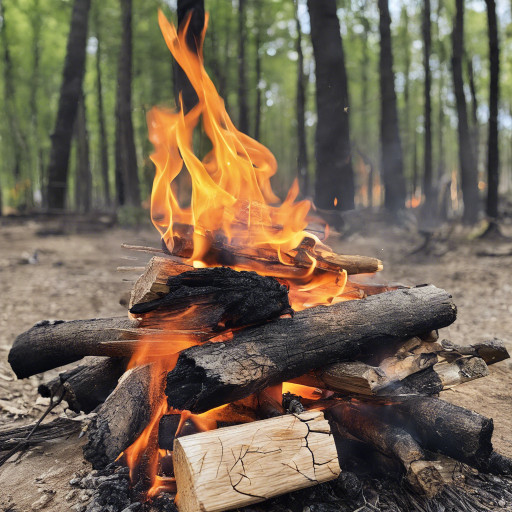
Category: Fire Safety

  • Defensible Space for Wildfire: Protect Your Home Effectively

    Defensible Space for Wildfire: Protect Your Home Effectively

    How to Create an Effective Wildfire Defensible Space Around Your Home

    What Is the Concept of Wildfire Defensible Space?

    Wildfire Defensible Space is a carefully curated and strategically planned area surrounding homes and properties designed to significantly lower the risk of fire damage from wildfires. This essential concept is crucial for safeguarding structures, particularly in regions vulnerable to wildfires. Establishing defensible space involves more than just clearing the surroundings; it encompasses a holistic approach to managing vegetation that reduces flammability and mitigates fire intensity. This process requires meticulous selection of plant types and appropriate spacing, ensuring the landscape is resilient and well-prepared against fire threats.

    Key strategies for developing effective wildfire defensible space comprise:

    • Creating a non-combustible zone directly adjacent to your home.
    • Employing robust vegetation management techniques, including regular pruning and removal of dead or dying plants.
    • Incorporating fire-resistant plants into your landscaping to enhance safety.
    • Maintaining a designated clearance distance from structures to help prevent fire spread.
    • Conducting regular assessments and making necessary adjustments based on plant growth and seasonal variations.
    • Utilizing less flammable mulch and managing ground cover effectively.
    • Designing accessible zones for fire department entry during emergencies.
    • Promoting community awareness and involvement in defensible space initiatives.

    Recognizing the importance of establishing suitable defensible space is a vital first step in creating a robust defense against wildfires, significantly increasing your property’s resilience against fire threats.

    Uncover the Benefits of Establishing Defensible Space

    The advantages of creating defensible space around your property extend well beyond basic wildfire protection. One major benefit is the considerable reduction in fire damage risk. By maintaining a well-managed defensible zone, the likelihood of a fire igniting near your home diminishes significantly. Furthermore, insurance companies often categorize properties with effective defensible spaces as lower-risk, which can lead to reduced premiums, ultimately saving homeowners money over time.

    Moreover, defensible spaces can positively impact property values. Prospective buyers are increasingly aware of wildfire risks, particularly in high-risk areas, and a well-defined defensible space can enhance a property’s attractiveness. Beyond financial implications, defensible spaces also contribute to community safety. When multiple homes within a neighborhood adopt defensible space practices, the entire area becomes more robust against fire, fostering a collective sense of security and vigilance among residents.

    In addition, creating defensible space can improve the aesthetic appeal of outdoor environments. By incorporating fire-resistant plants and carefully managing vegetation, homeowners can cultivate a visually pleasing landscape that not only provides enjoyment but also acts as a protective measure against wildfires. Thus, the benefits of defensible space encompass functional, economic, and communal dimensions, making it a critical aspect of property management in fire-prone areas.

    How to Conduct a Thorough Risk Assessment of Your Property

    Performing a comprehensive assessment of your property’s wildfire risk involves a detailed evaluation of various factors, such as the type of vegetation, terrain characteristics, and proximity to combustible materials. Start by thoroughly inspecting your property and surrounding environments. Pay close attention to the plant species present, as certain varieties are significantly more flammable than others. Non-native grasses and specific shrubs can increase fire risk, especially in arid conditions.

    Next, assess the terrain. Slopes can exacerbate fire behavior, as flames tend to travel more rapidly uphill. Properties located on steep inclines necessitate more stringent defensible space measures. Evaluating the immediate environment for potential fuel sources is crucial; any materials that can ignite or carry flames toward your home should be addressed promptly.

    Lastly, consider the proximity of your home to neighboring structures. Homes that are positioned too closely together can facilitate fire spread, requiring more aggressive defensible space strategies. It is wise to consult with local fire authorities or forestry experts to gain insights tailored to your specific location. By understanding your property’s unique risk factors, you can develop a customized defensible space plan that effectively mitigates wildfire threats.

    Insights from Experts on Creating Wildfire Defensible Space

    A serene yard with lush vegetation, illustrating wildfire defensible space as advised by experts.

    What Expert Recommendations Exist for Establishing Defensible Space?

    Experts advocate for a tiered approach to creating defensible space, incorporating multiple management zones tailored to varying vegetation types and fire risks. The area closest to the home, often referred to as Zone 1, should emphasize the establishment of a non-combustible buffer. This can be accomplished by removing all flammable materials and ensuring adequate distance is maintained between vegetation and the structure. Using concrete patios, gravel, or stone surfaces can serve as effective non-combustible barriers.

    As you move outward into Zone 2, typically extending 5 to 30 feet from the home, the focus transitions to vegetation management, prioritizing fire-resistant plants. This area should feature well-spaced trees and properly maintained shrubs that exhibit lower ignition tendencies. For instance, using deciduous trees instead of conifers can be beneficial, as the resinous nature of conifers heightens flammability.

    In larger areas classified as Zone 3, which may extend up to 100 feet from structures, a comprehensive vegetation management plan becomes crucial. This may involve creating fuel breaks, thinning dense vegetation, and ensuring adequate spacing between larger trees to prevent crown fires. Real-world examples, particularly from communities in California, illustrate that properties with well-defined defensible space zones sustained significantly less damage during wildfires than those lacking such planning. Implementing expert recommendations can greatly enhance fire safety for residents.

    How Frequently Should You Maintain Your Defensible Space?

    Consistent maintenance of your defensible space is vital for its effectiveness in reducing fire risk. Experts suggest evaluating and updating your defensible space at least once a year, ideally in early spring before the fire season begins. This proactive approach allows homeowners to address any overgrowth or vegetation changes that could compromise fire safety.

    During these maintenance checks, prioritize removing dead or dying plants, as these can act as prime fuel for wildfires. Pruning trees and shrubs to create suitable spacing and reduce ladder fuels—vegetation capable of carrying fire from the ground to the canopy—is essential. Homeowners should also remove any debris, such as leaves and twigs, from rooftops and gutters, as these can ignite and spread fire to the structure.

    In addition to annual evaluations, it is advisable to conduct more frequent maintenance after significant weather events, such as storms or droughts, which can alter the landscape and increase fire risks. Establish a detailed maintenance schedule that includes specific tasks like pruning, clearing, and assessing plant health. This disciplined approach not only ensures a safer environment but also helps maintain your property’s aesthetic appeal.

    What Are the Latest Research Findings on Defensible Space?

    A suburban home with a clear, vegetation-free zone to reduce wildfire spread, firefighters nearby.

    Recent studies emphasize the critical importance of maintaining defensible space to reduce wildfire intensity as it approaches a home. Research indicates that properties with well-managed defensible spaces can experience slower rates of fire spread and diminished fire intensity, providing homeowners with a better chance of securing their homes. For example, fire scientists have demonstrated that defensible space can effectively influence fire behavior, allowing sufficient time for evacuation and firefighting efforts.

    Moreover, ongoing research highlights the significance of community-wide initiatives in developing effective defensible spaces. Collaborative efforts where neighborhoods join forces to improve fire safety have produced promising outcomes. These community initiatives often include sharing resources for vegetation management and organizing clean-up days to uphold defensible space standards.

    The effectiveness of various defensible space strategies continues to evolve with the emergence of new technologies. Drones and satellite imagery are increasingly employed to monitor vegetation health and assess risk factors with greater accuracy. Homeowners can also benefit from specific applications that offer guidance on maintaining defensible space, streamlining the process. Staying informed about the latest research findings not only enhances individual preparedness but also fosters a culture of proactive wildfire safety within communities.

    How Can Technology Support Your Defensible Space Development?

    Technology is becoming an invaluable resource for creating and maintaining defensible spaces. Drones equipped with high-resolution cameras provide aerial perspectives of properties, allowing homeowners to evaluate their landscapes from a unique vantage point. This capability greatly enhances the identification of flammable vegetation and areas needing attention, thereby improving risk assessment processes.

    In addition, satellite imagery can help track changes in vegetation health over time, alerting homeowners to potential fire hazards. Numerous applications designed for wildfire management offer tailored advice on creating defensible spaces, including plant selection and maintenance schedules. These digital tools can guide users through the vegetation management process and remind them of critical seasonal tasks.

    Furthermore, technology can encourage community involvement. Online platforms can connect neighbors for collaborative initiatives, enabling residents to work together on developing a unified defensible space strategy. Communities can organize workshops or informational sessions through virtual meetings, sharing best practices and resources to enhance collective fire resilience. By leveraging technology, homeowners and communities can stay informed and proactive in their wildfire defense efforts, ultimately leading to safer living environments.

    What Role Do Local Regulations Play in Defensible Space Creation?

    Local regulations significantly influence the standards and practices required for establishing defensible space. Many jurisdictions have implemented specific guidelines that outline minimum requirements for vegetation management, including clearance distances from structures and approved plant lists. Adhering to these regulations is crucial for effective wildfire protection, as they often reflect the unique fire risks and environmental conditions of the area.

    Understanding local laws can also present homeowners with incentives, such as tax credits or grants, for implementing defensible space measures. For instance, some municipalities may provide financial assistance for removing hazardous vegetation or installing fire-resistant landscaping materials. Staying informed about these regulations not only ensures compliance but also strengthens community-wide fire safety strategies.

    Moreover, local fire authorities frequently offer resources and support for residents seeking to create defensible spaces. Fire departments may host workshops or provide consultations to assist homeowners in assessing their properties and developing tailored defensible space plans. By engaging with local regulations and fire services, homeowners can establish effective defensible spaces that align with community standards and contribute to collective wildfire preparedness.

    A Step-by-Step Guide to Establishing Your Defensible Space

    How to Initiate Planning for Your Defensible Space

    Planning your defensible space begins with a meticulous assessment of your property. Start by mapping your landscape and identifying zones where vegetation management is crucial. Understanding the different zones—Zone 1 (closest to the home), Zone 2 (intermediate), and Zone 3 (further out)—is vital in this planning phase. Each zone requires specific treatments to effectively mitigate fire risks.

    In Zone 1, the emphasis should be on creating a non-combustible buffer. This area extends approximately 5 feet from your home and should be void of any flammable materials, including mulch and dead vegetation. Instead, consider incorporating hardscaping elements such as gravel or stone pathways, and utilize fire-resistant plants like succulents and ornamental grasses.

    As you transition into Zone 2, typically ranging from 5 to 30 feet from the home, a different strategy is implemented. Here, vegetation management involves thinning out shrubs and trees, creating space between them to impede fire spread. Aim for a combination of fire-resistant plants that enhance beauty without significantly increasing fire risk. For instance, opting for deciduous trees can be advantageous, as they generally exhibit lower flammability compared to resinous evergreens.

    In Zone 3, the focus shifts to broader vegetation management strategies. This area can extend up to 100 feet from the home and should include regular thinning of trees and brush to reduce fuel loads. By meticulously planning each zone, you can create a well-structured defensible space that not only protects your property but also enhances its overall landscape appeal.

    Essential Tools and Equipment for Creating Defensible Space

    Establishing defensible space requires specific tools and equipment to effectively manage vegetation and enhance safety. Essential tools include pruning shears and loppers for trimming branches and shrubs. These handheld tools are vital for maintaining vegetation in Zones 1 and 2, ensuring that plants are appropriately spaced to minimize fire risk.

    For larger vegetation, a chainsaw may be necessary. Chainsaws are particularly useful for managing overgrown trees that pose a threat to your property. However, exercising caution is crucial; proper training and safety equipment, such as gloves, eye protection, and sturdy footwear, are essential when operating this machinery.

    In addition to cutting tools, homeowners should consider investing in a leaf blower or rake to clear debris, as fallen leaves and twigs can be highly flammable. Regularly removing these materials from rooftops, gutters, and surrounding areas is vital for maintaining defensible space. Furthermore, conducting thorough assessments requires a reliable ladder to inspect hard-to-reach areas, ensuring no potential hazards are overlooked.

    By equipping yourself with the appropriate tools and adhering to safety standards, you can effectively create and maintain a defensible space that mitigates wildfire risks while preserving the beauty of your property.

    Effectively Implementing Your Defensible Space Plan

    To successfully implement your defensible space plan, begin with Zone 1, the area closest to your home. This zone needs immediate attention; start by removing all flammable materials, such as dead plants, wood piles, and combustible landscaping features. This initial step is critical, as it establishes a non-combustible buffer between your home and potential wildfire threats.

    Once Zone 1 is cleared, systematically progress outward to Zone 2. Manage vegetation by strategically pruning trees and shrubs to create space and reduce ladder fuels, which can help prevent fire from reaching the canopy. Aim for a distance of at least 5 to 10 feet between the tops of shrubs and the branches of trees to minimize the potential for fire spread.

    As you advance to Zone 3, focus on broader vegetation management strategies. This area necessitates regular attention to ensure that tree canopies are adequately spaced and that the overall fuel load is kept under control. Implementing a regular maintenance schedule is essential; include clearing brush, trimming trees, and addressing any potential fire hazards identified during assessments.

    A bullet list of steps for implementing a defensible space plan includes:

    • Commence with Zone 1; remove all flammable materials.
    • Prune trees and shrubs in Zone 1 to create adequate spacing.
    • Expand to Zone 2, ensuring proper distances between plants.
    • Implement management practices for Zone 3, focusing on tree spacing and brush clearing.
    • Regularly assess and adjust plans according to seasonal changes.
    • Engage neighbors in community efforts to create a cohesive defensible space strategy.

    By diligently following these steps, homeowners can create an effective defensible space that not only protects their property but also enhances community fire resilience.

    Ongoing Maintenance of Your Defensible Space

    Maintaining your defensible space is crucial for its ongoing effectiveness against wildfire threats. Regular maintenance includes tasks such as pruning, clearing debris, and monitoring plant health. The frequency of maintenance can significantly influence the overall success of your defensible space strategy.

    Begin by assessing your defensible area at least once a year, ideally in spring, before the wildfire season begins. This evaluation will help you identify overgrown or dying vegetation that needs attention. Consistent pruning of trees and shrubs can help manage their height and spacing, thus reducing the risk of fire spreading to your home.

    Clearing away debris is another critical aspect of maintaining defensible space. Seasonal changes can lead to an accumulation of fallen leaves and twigs, posing a significant fire hazard. Ensure gutters and roofs remain free of these materials, and maintain a clean perimeter around your home where fire could take hold.

    Additionally, keep a close eye on your plants’ health, as unhealthy plants can elevate fire risk. Replace any flammable species with fire-resistant varieties and ensure that plants are appropriately spaced to minimize fire spread. By establishing a consistent maintenance routine and adjusting your strategies based on seasonal conditions, you can keep your defensible space effective for years to come.

    Understanding the Legal and Regulatory Framework of Defensible Space

    Understanding and complying with local regulations is essential when creating defensible space. Many jurisdictions have established specific guidelines outlining the necessary vegetation management practices to enhance fire safety. These regulations may specify minimum clearance distances from structures and prescribe acceptable plant species that are less likely to ignite.

    Failing to comply with local regulations can lead to fines or penalties, highlighting the importance of awareness for homeowners. Additionally, many fire districts offer resources and assistance to help residents meet these requirements. Engaging with local fire authorities can also provide insights into the unique risks of your area and how best to address them.

    Moreover, some regions may offer incentives for homeowners who take proactive steps to establish defensible space. These incentives could include financial assistance or tax breaks for implementing fire-safe landscaping practices. Staying informed about these opportunities can enhance your efforts while minimizing costs associated with defensible space management.

    Community engagement in understanding and following local regulations can further strengthen fire safety measures. By working collaboratively, neighborhoods can collectively enhance their defensible spaces, fostering a culture of preparedness and resilience against wildfires. Recognizing the legal aspects of defensible space creation is essential for effective wildfire protection and overall community safety.

    Avoiding Common Mistakes in Creating Defensible Space

    What Are the Consequences of Neglecting Regular Maintenance?

    One of the most common mistakes homeowners make when establishing defensible space is neglecting regular maintenance. Overgrown vegetation can quickly undermine the effectiveness of a defensible space strategy, rendering previous efforts ineffective. Without ongoing attention, plants may become too dense, increasing fire risk and creating ladder fuels that facilitate fire spread to tree canopies.

    Establishing a maintenance schedule is crucial to mitigating this risk. Regular checks should be conducted to ensure that vegetation is appropriately managed, particularly during peak growth periods. Simple tasks, such as pruning and clearing debris, can significantly enhance the safety of your defensible space.

    Failing to address maintenance needs not only jeopardizes fire safety but can also lead to a decrease in property value. Homes situated in areas with neglected defensible spaces may become less appealing to potential buyers, who are increasingly aware of wildfire risks. Thus, committing to consistent upkeep is essential for protecting your home and maintaining its market value.

    What Are the Risks of Incorrect Plant Selection?

    Choosing inappropriate plants can dramatically elevate fire risk in your defensible space. Highly flammable species, particularly those with resinous or oily characteristics, should be avoided, especially in the zones closest to the home. Selecting fire-resistant plants is paramount for establishing a safe and visually appealing landscape.

    Incorporating native plants that have adapted to local conditions can enhance the effectiveness of your defensible space. These plants tend to be more resilient to local pests and diseases and typically require less maintenance. Additionally, native species are generally less flammable and provide essential habitats for local wildlife.

    Educating yourself about plant flammability ratings is key to making informed decisions. Many resources are available online or through local extension services that can help homeowners choose appropriate fire-resistant plants. By avoiding improper plant selection, you can significantly reduce the risk of fire threats to your home while enhancing the ecological health of your landscape.

    How Ignoring Professional Guidance Can Impact Your Efforts

    Another common mistake is disregarding professional advice when planning and executing defensible space. Many homeowners may presume they know best and overlook the valuable insights that experts can provide. Ignoring professional recommendations can lead to ineffective, indefensible spaces that do not adequately address fire risk.

    Engaging with local fire authorities, forestry experts, or landscape professionals can provide personalized guidance tailored to your property. These experts can assess your specific landscape and recommend effective strategies to enhance fire safety. Their experience can help you avoid common pitfalls and implement measures that align with best practices.

    Furthermore, collaborating with professionals ensures that your defensible space plan is both practical and effective. They can offer insights into local fire behavior, vegetation management techniques, and regulatory compliance. By valuing professional advice, homeowners can create a defensible space that substantially improves their fire safety posture.

    Failing to Distinguish Between Zones: A Critical Error

    Neglecting to differentiate between zones in your defensible space can severely compromise its effectiveness. Each zone requires tailored management strategies that cater to distinct fire risks. Overlooking the individual needs of each zone can result in inadequate fire defenses, allowing flames to spread more easily to structures.

    In Zone 1, for instance, creating a non-combustible area is essential. In contrast, Zones 2 and 3 require an understanding of how to manage vegetation density, tree spacing, and plant types. By overlooking the distinctions among these zones, homeowners may inadvertently create conditions that increase fire risk instead of mitigating it.

    To avoid this mistake, it is crucial to educate yourself about the specific needs and management strategies for each defensible space zone. Engaging with local fire experts can clarify how to effectively manage each area, ensuring that your defensible space provides optimal protection against wildfire threats.

    What Are the Risks of Underestimating Clearance Distances?

    Underestimating the recommended clearance requirements from your home can leave it vulnerable to wildfire threats. Many homeowners may not fully grasp the importance of maintaining adequate distances between vegetation and structures. Insufficient clearance can heighten the likelihood of fire spreading to your property, thereby putting lives and property at risk.

    Local regulations often specify particular clearance distances based on fire risk zones. These distances can vary; typically, homeowners are advised to maintain at least 30 feet of clearance from flammable vegetation to their homes. Understanding and adhering to these guidelines is crucial for ensuring that your defensible space is effective.

    Regularly assessing the distances between your home and the plants is an essential maintenance task. As plants grow, they may encroach on the recommended clearance zones, necessitating pruning or removal to maintain safety. By recognizing the importance of clearance requirements, homeowners can better protect their properties from wildfire risks.

    Best Practices for Wildfire Defensible Space

    What Are the Recommended Practices for Each Zone’s Creation?

    Establishing effective defensible space necessitates adherence to best practices tailored for each zone. Begin by focusing on Zone 1, which extends up to 5 feet from your home. This area should be non-combustible; utilize gravel, stone, or concrete surfaces to prevent any flammable materials from accumulating. Additionally, avoid using mulch and ensure that any landscaping features are fire-resistant.

    In Zone 2, which typically spans from 5 to 30 feet from the home, integrate a mix of fire-resistant plants. Prune trees and shrubs to maintain proper spacing and reduce the density of potential fuels. Aim for a design that encourages low-growing vegetation, which is less likely to carry fire. Consider incorporating deciduous trees, as they tend to be less flammable than evergreens.

    Zone 3, extending from 30 feet to 100 feet, requires more extensive vegetation management. Thinning trees and brush can significantly reduce fuel loads, while maintaining adequate spacing between tree canopies can prevent the upward spread of fire. Regular assessments of this zone are crucial to ensure that it remains effective. Best practices emphasize a proactive and planned approach to managing each zone, ultimately enhancing fire safety for residents.

    How to Promote Community Engagement in Defensible Space Initiatives

    Engaging your community is an effective strategy to enhance the efficacy of defensible space efforts. Start by organizing workshops that educate residents about wildfire risks and the significance of defensible spaces. These gatherings can serve as platforms for sharing resources and best practices, fostering a culture of preparedness.

    Consider collaborating with local fire departments to offer community training sessions on creating and maintaining defensible space. By inviting experts to share their knowledge, residents can learn valuable strategies to protect their homes. Initiatives such as neighborhood clean-up days can encourage collective action, where residents join forces to manage vegetation and clear debris.

    Creating a neighborhood watch program focused on wildfire preparedness can also strengthen community engagement. Promote regular meetings to discuss fire safety issues, share concerns, and develop a cohesive action plan. By fostering a sense of community responsibility, residents can collectively enhance their defensible spaces, leading to a safer environment for everyone.

    What Are the Long-Term Advantages of Establishing Defensible Space?

    The long-term benefits of establishing defensible space are multifaceted, extending beyond immediate fire protection. One of the most significant advantages is the reduction in fire risk, which enhances property safety. Homes with well-maintained defensible spaces are less susceptible to wildfire damage, offering homeowners peace of mind.

    Additionally, properties with effective defensible spaces often see increased market value. Buyers are becoming increasingly aware of wildfire risks, and homes with established fire safety measures can attract more interest. Lower insurance premiums are another long-term benefit, as insurers favor properties that demonstrate proactive wildfire risk mitigation.

    Moreover, defensible space contributes to overall community resilience. In regions where multiple properties adopt defensible space practices, enhanced fire safety fosters a collective sense of security. Communities that prioritize defensible space not only protect individual homes but also strengthen their overall preparedness and response capabilities when wildfires threaten.

    Real-world examples illustrate the tangible long-term benefits of defensible space. Communities in areas like California and Australia have experienced significant reductions in fire damage through collective efforts to create and maintain defensible spaces. By investing in these practices, residents can enjoy lasting protection and peace of mind.

    Maintaining and Updating Your Defensible Space: Key Strategies

    What Should Be Included in a Regular Maintenance Schedule?

    Establishing a regular maintenance schedule is essential for keeping your defensible space effective. The schedule should encompass specific seasonal checks and tasks designed to maintain the integrity of your fire safety measures. Ideally, conduct a thorough inspection at least once a year, with additional checks following significant weather events or periods of rapid vegetation growth.

    During these inspections, focus on pruning overgrown plants, removing dead foliage, and addressing any changes in vegetation conditions. Regularly clearing leaves and debris from your roof and gutters is also a critical task that should be part of your maintenance checklist. Setting reminders for these tasks can help ensure that your defensible space remains a priority.

    Incorporating seasonal adjustments based on local weather patterns can further enhance your maintenance efforts. For instance, after a particularly wet season, vegetation may grow more rapidly, necessitating more frequent attention. By establishing and adhering to a regular maintenance schedule, homeowners can keep their defensible spaces effective and safeguard their properties against wildfire threats.

    How to Adapt Your Defensible Space to Changing Conditions?

    Adapting your defensible space plan to changing conditions is crucial for maintaining its effectiveness. Wildfire risk can fluctuate due to various factors, including weather patterns, vegetation growth, and local fire behavior. Remaining flexible and responsive to these changes is vital for ongoing fire safety.

    Following periods of significant rainfall, for instance, vegetation may grow extensively, creating new fire hazards. Regular assessments of your defensible space can help identify these changes and inform necessary adjustments. This adaptability may include additional pruning, removing excess vegetation, or altering your landscaping plan to incorporate more fire-resistant species.

    Additionally, remain aware of evolving local fire regulations and recommendations. Fire authorities may update guidelines based on new research or changing environmental conditions. Staying informed about these updates can ensure that your defensible space remains compliant and effective. By proactively adapting your defensible space plan, you can safeguard your home against the ever-changing threat of wildfires.

    What Indicators Suggest Your Defensible Space Needs Updating?

    Recognizing the signs that your defensible space requires updating is crucial for maintaining its effectiveness. One of the most apparent indicators is overgrown vegetation. If plants appear dense or unkempt, it signifies that your defensible space may need immediate attention to reduce fire risks.

    Changes in local fire risk can also signal the need for updates. For example, if your area experiences an increase in wildfire activity or shifts in local fire behavior, you may need to reassess your defensible space. Additionally, damage from weather events, such as storms or droughts, can impact plant health and increase fire hazards.

    Conducting regular assessments allows homeowners to identify these signs early, enabling prompt action to maintain effective defensible spaces. Updating your defensible space as conditions change not only ensures ongoing protection but also enhances your property’s overall aesthetic and value.

    Frequently Asked Questions

    What Is the Definition of Wildfire Defensible Space?

    Wildfire defensible space is a designated area surrounding a home where vegetation and combustible materials are managed to minimize wildfire risks and protect structures from fire damage.

    Why Is It Important to Create Defensible Space?

    Creating defensible space is vital for reducing fire risk, enhancing property value, and improving overall community safety in areas susceptible to wildfires.

    How Often Should I Maintain My Defensible Space?

    It is recommended to assess and maintain your defensible space at least once a year, with more frequent checks during peak growth seasons or following severe weather events.

    What Tools Are Necessary for Creating Defensible Space?

    Essential tools for creating defensible space include pruning shears, loppers, chainsaws, leaf blowers, and safety gear such as gloves and eye protection.

    Which Plants Are Best for Defensible Space?

    Selecting fire-resistant plants such as succulents, ornamental grasses, and deciduous trees is crucial for establishing an effective defensible space.

    How Can Technology Aid in Defensible Space Management?

    Technology, including drones and apps, can assist in monitoring vegetation health, planning defensible spaces, and guiding maintenance schedules.

    What Common Mistakes Should Be Avoided When Creating Defensible Space?

    Common mistakes include neglecting maintenance, improper plant selection, ignoring professional advice, and underestimating clearance requirements from structures.

    Can Community Efforts Enhance Defensible Space Initiatives?

    Yes, engaging the community in defensible space efforts fosters collaboration, shares resources, and strengthens collective fire readiness and resilience.

    What Steps Should I Take If My Defensible Space Needs Updating?

    If your defensible space requires updating, assess the vegetation for overgrowth, replace flammable plants, and adjust your maintenance practices based on current fire risk conditions.

    Are Local Regulations in Place Regarding Defensible Space?

    Yes, many areas have specific regulations outlining defensible space requirements, including minimum clearance distances and approved plant species.

    Discover more on X!

    The post Wildfire Defensible Space: Protecting Your Home appeared first on Survival Bite.

    The Article Defensible Space for Wildfire: Safeguard Your Home Was Found On https://limitsofstrategy.com


  • Chimney Starter Safety Tips for Safe and Effective Use

    Chimney Starter Safety Tips for Safe and Effective Use

    Master Your Grilling Techniques by Selecting the Ideal Chimney Starter

    Gaining a thorough understanding of how to utilize a chimney starter safely is crucial for anyone who aspires to excel in the art of charcoal grilling. Whether you are a highly experienced grill master or a casual weekend barbecue enthusiast, having comprehensive knowledge about the various types, sizes, and vital safety features associated with chimney starters can significantly enhance your grilling experience. This foundational knowledge not only builds your confidence but also guarantees that you operate your chimney starter with safety in mind. By making an informed choice, you can elevate your grilling skills and consistently enjoy mouthwatering meals.

    Explore the Wide Variety of Chimney Starters Available Today

    How to Use a Chimney Starter Safely: A steel chimney starter on a wooden table in a backyard, with newspaper and charcoal, surrounded by greenery and distant state park views.

    As you delve into the world of chimney starters, you will typically come across two main categories: metal and electric. Metal chimney starters, which are generally made from robust steel, are popular due to their affordability and reliability. These starters are particularly well-suited for outdoor use, as they do not depend on an external power source, making them excellent for grilling in secluded locations like state parks or your own cozy backyard. Many grilling aficionados appreciate the traditional method of igniting charcoal using crumpled newspaper or lighter cubes, a classic technique that has stood the test of time among grillers.

    Conversely, electric chimney starters offer a modern alternative, featuring heating elements that ignite charcoal quickly and efficiently. While they may come with a higher price tag, these starters eliminate the need for lighter fluids, providing enhanced control over the grilling process. This can be particularly advantageous during bustling weekends when you need to fire up your grill without unnecessary delays. By weighing the benefits and drawbacks of each type, you can identify the chimney starter that best aligns with your grilling style and preferences.

    Choosing the Ideal Size and Capacity for Optimal Grilling Performance

    Selecting the appropriate size and capacity for your chimney starter is vital for effective grilling practices. Generally, a chimney starter should be filled to around 2/3 or 3/4 of its total capacity with charcoal. If you frequently host larger gatherings, opting for a larger capacity starter can be exceedingly beneficial, allowing you to produce enough charcoal to meet your grilling needs. In contrast, smaller chimney starters are perfect for intimate barbecues, enabling you to ignite just the right amount of charcoal without wastage.

    It is essential to choose a chimney starter that corresponds with the size of your grill. For instance, a compact kettle grill may not require the same capacity chimney starter as a larger offset smoker. By carefully evaluating your grilling habits and preferences, you can create a more enjoyable and efficient grilling experience, allowing you to focus on refining your technique rather than worrying about uneven heat distribution or cooking results.

    Need a Quick Recap of Key Points?


    Key Safety Features to Look for in a Reliable Chimney Starter

    Prioritizing safety is of utmost importance when learning how to effectively use a chimney starter. As you browse for a chimney starter, make sure to choose models that come equipped with heat-resistant handles and a stable base. These features are crucial for preventing accidents, helping to reduce the risks associated with burns and spills. A well-designed chimney starter ensures that it remains upright during use, which is particularly critical when transferring hot charcoal to your grill.

    Additionally, consider investing in a starter that incorporates a spark guard or chimney cap, which can help contain embers and minimize flare-ups. This feature is especially important for outdoor grilling, particularly in dry conditions or during fire season, as these safety measures not only protect your grill but also safeguard the surrounding environment. By selecting a high-quality chimney starter that emphasizes safety, you can enjoy your grilling sessions with reduced risk and enhanced peace of mind.

    Prioritize User-Friendliness and Easy Maintenance for a Hassle-Free Grilling Experience

    Modern chimney starter with quick-ignition and removable ash catcher, compactly stored in outdoor kitchen.

    To achieve a seamless grilling experience, choose a chimney starter that is both user-friendly and low-maintenance. Look for models that ignite quickly, ideally within 15-20 minutes, allowing you to start grilling sooner. Furthermore, a chimney starter equipped with a removable ash catcher simplifies cleanup, letting you focus on what matters most: the delicious meals you are preparing.

    Also, consider the storage options available for your chimney starter. Compact designs or those featuring removable components are significantly easier to store when grilling season comes to an end. The less time you spend on maintenance, the more time you can devote to grilling mouthwatering dishes for your friends and family. A convenient chimney starter not only enhances your grilling experience but also encourages more frequent use, ultimately leading to improved grilling skills over time.

    Creating a Safe and Efficient Grilling Environment

    A well-organized and secure grilling workspace is crucial for effective grilling. Before igniting your charcoal, it’s essential to ensure that your cooking area is optimized for both performance and safety. Taking proactive steps to prepare your workspace will significantly enhance your grilling experience, allowing you to concentrate on the flavors and techniques involved in safely using a chimney starter.

    Establishing a Designated and Safe Grilling Area

    Start by clearing the space surrounding your grill. This includes removing any flammable materials and debris, such as paper products, foliage, or other combustible items. A clean workspace not only minimizes fire hazards but also improves ventilation, which is vital for effective charcoal ignition.

    Consider creating a specific grilling zone, perhaps on a patio or deck, positioned away from buildings or overhanging branches. This not only enhances safety but also elevates your culinary aesthetics. By establishing a dedicated space for grilling, you create an inviting atmosphere for family and friends to gather around, making the entire experience even more enjoyable and memorable.

    Ensuring Stability for Your Chimney Starter During Use

    A chimney starter on a concrete surface with bricks and pavers for stability and safety.

    Stability is paramount when using a chimney starter. Always place your starter on a stable, heat-resistant surface. Suitable materials include concrete, brick, or stone, as these can withstand high temperatures without melting or catching fire. Avoid using wooden surfaces or plastic tables, as they may lack the required stability or heat resistance necessary for safe grilling.

    Moreover, ensure that your grill is level and secure to prevent accidents. If you are grilling on an inclined surface, take measures to stabilize both the grill and chimney starter by using bricks or pavers to create a flat area. A solid foundation enhances overall safety and improves your grilling experience.

    Protecting Your Grilling Area from Wind Effects

    Wind can significantly affect grilling safety and efficiency. Strong gusts can lead to flare-ups or uneven burning of charcoal, complicating the process of achieving the ideal sear on your meats. While preparing your workspace, consider using a windscreen or positioning your grill in a spot that shields the chimney starter from strong winds.

    Take into account the prevailing wind direction in your area and adjust your grill’s placement accordingly. For instance, if you are grilling in a coastal town known for breezy conditions, angling your grill away from the wind can help maintain a consistent cooking temperature. By implementing these precautions, you gain greater control over your flames and enhance your chances of achieving consistently delicious grilling results.

    Filling Your Chimney Starter with Charcoal for Optimal Efficiency

    Now that your workspace is prepared, it’s the perfect time to fill your chimney starter. Knowing the correct amount and type of charcoal to use is crucial for achieving successful grilling outcomes. This step plays a vital role in ensuring that your charcoal ignites properly and reaches the ideal cooking temperature for your favorite barbecue dishes.

    Calculating the Right Amount of Charcoal for Your Needs

    The amount of charcoal you fill your chimney starter with can significantly impact your grilling results. For most grilling needs, a chimney starter should be filled to roughly 2/3 to 3/4 of its capacity. This level ensures there is enough charcoal to ignite and maintain stable heat throughout your grilling session.

    Overfilling the chimney starter can lead to various complications, such as uneven heat distribution or charcoal spilling out during ignition. This not only poses a potential fire hazard but can also prolong cooking times. If you are uncertain about how much charcoal to use, take into consideration the duration of your grilling session and the specific foods you plan to prepare, adjusting the amount accordingly to achieve the best results.

    Selecting the Appropriate Type of Charcoal to Match Your Grilling Goals

    Choosing the right type of charcoal is equally important for your grilling success. The two primary types are Lump charcoal and briquettes. Lump charcoal is renowned for its quick ignition and hotter burn, delivering a distinctive smoky flavor that many grilling enthusiasts cherish. It is particularly suitable for high-temperature cooking methods, such as searing steaks and burgers.

    In contrast, briquettes offer a more consistent burn and are generally easier to stack in your chimney starter. They are ideal for prolonged cooking sessions, such as those involving briskets or pork shoulders, where maintaining even and controlled heat is crucial. Understanding the characteristics of each type of charcoal can help you tailor your grilling experience, achieving optimal results while refining your culinary skills and enhancing your flavor profiles.

    Implementing Techniques to Prevent Overfilling Your Chimney Starter

    Avoiding overfilling your chimney starter is critical for ensuring safety and efficiency. An overfilled starter can cause charcoal to spill out during ignition, creating potential hazards that could lead to burns or uncontrolled fires. A reliable guideline is to fill your chimney starter to the recommended height and refrain from exceeding it.

    If you find yourself with excess charcoal after a grilling session, consider storing it properly for future use instead of overstuffing your chimney starter. This approach not only promotes safety but also ensures you are prepared for your next grilling adventure without wasting resources. By practicing proper filling techniques, you can maximize grilling efficiency while minimizing the risk of accidents.

    Igniting Your Chimney Starter for Optimal Charcoal Combustion

    Once the chimney starter is filled, it’s time to ignite the charcoal. This crucial step requires careful attention and adherence to safety protocols. Knowing the best practices for lighting your chimney starter will significantly enhance your grilling experience and teach you how to use a chimney starter safely and effectively.

    Identifying Effective Methods for Igniting Charcoal

    The traditional method for igniting charcoal in a chimney starter involves using crumpled newspaper or lighter cubes. When using newspaper, ensure it is crumpled loosely enough to promote airflow, which aids in the rapid spread of flames. Place the crumpled paper securely at the bottom of the starter, ensuring it adequately covers the base.

    Alternatively, lighter cubes provide a modern solution that allows for quick ignition without the hassle. Simply place one or two cubes beneath your chimney starter, light them, and watch as the charcoal ignites. This method is particularly advantageous in windy or damp conditions, where traditional newspaper may struggle to ignite effectively. Selecting the right ignition method based on your environmental factors will streamline your grilling process.

    Implementing Safe Lighting Practices for Your Grilling Setup

    When lighting your chimney starter, safety should always be your primary concern. Ignite the chimney from a safe distance, using a long lighter or matches to prevent burns. It’s essential to maintain a safe posture while igniting, ensuring that you stay clear of any flames or sparks that may occur during the lighting process.

    In addition to safe lighting techniques, consider wearing protective gloves to shield your hands from heat. This precaution allows you to handle the lighting process confidently while minimizing the risk of injury. By adhering to safety protocols, you create a secure environment for yourself and those around you as you embark on your grilling journey.

    Monitoring the Charcoal Ignition Process for Optimal Consistency

    After lighting the chimney starter, it’s vital to closely monitor the ignition process. Ensure that the charcoal ignites evenly, which is typically indicated by orange flames and smoke rising from the top of the chimney. Achieving an even burn is essential for maintaining consistent heat, which is crucial for obtaining perfect grilling results.

    If you notice areas that aren’t catching fire, gently shake the chimney to redistribute the charcoal. This action facilitates better airflow and encourages even burning. By remaining attentive during this phase, you can effectively manage the ignition process and prepare for the next steps in your grilling adventure.

    Embrace the Value of Patience During the Charcoal Ignition Phase

    After successfully lighting your chimney starter, patience becomes a vital trait. Allowing the charcoal to reach the right temperature requires careful observation, and understanding this phase will empower you on your journey to learn how to use a chimney starter safely.

    Recognizing the Importance of Patience in Grilling

    Letting the charcoal burn until it is covered with a layer of gray ash is essential for successful grilling. This process usually takes around 15-20 minutes. During this time, resist the impulse to rush; pouring the charcoal too soon can lead to uneven cooking or, in worse cases, undercooked food.

    Consider utilizing this waiting period to prepare your grill and season your meats or vegetables. This way, when the charcoal is ready, you can seamlessly transition into grilling without any delays. The waiting phase is a crucial part of the grilling process, allowing the charcoal to reach its optimal cooking temperature.

    Avoiding the Premature Use of Charcoal for the Best Results

    It can be tempting to use charcoal that hasn’t fully ignited, especially when hunger strikes. However, pouring in partially lit charcoal can create uneven cooking conditions and prolong cooking times. Patience is your ally—wait for that perfect layer of gray ash to form before transferring the charcoal to your grill.

    By allowing the charcoal to ignite completely, you create an ideal grilling environment where heat levels remain consistent, and cooking times are predictable. The result will be a more gratifying and successful grilling experience, impressing your guests with your culinary skills.

    Practicing Safe Handling Techniques for Hot Charcoal

    As the charcoal ignites, implementing proper safety measures is crucial. Always wear heat-resistant gloves when handling the chimney starter to avoid burns. The exterior of the chimney can become extremely hot, so protect your hands with gloves specifically designed for grilling.

    When it’s time to pour the charcoal into the grill, exercise great care to maintain a steady grip and prevent tipping the chimney. This step is essential for avoiding accidents and ensuring safety, allowing you to pour the hot charcoal without spilling it around your grilling workspace. Prioritizing safety during this phase is vital for both your well-being and your overall grilling experience.

    Transferring Charcoal into the Grill with Precision and Care

    Once the charcoal is fully ready, it’s time to pour it into the grill. This transition requires finesse and precision to maintain safety while achieving the heat levels necessary for outstanding grilling results.

    Employing Proper Techniques for Transferring Charcoal

    When pouring lit charcoal into the grill, aim for a steady, controlled movement. Position the chimney starter over the grill’s charcoal chamber and gently tilt it to allow the charcoal to cascade evenly. An even distribution of charcoal ensures that heat will circulate properly, providing consistent cooking temperatures across the entire grill.

    If you are using different types of charcoal, consider layering them for a unique flavor profile. For instance, you might place lump charcoal at the bottom for a hotter burn and briquettes on top for longer-lasting heat. This technique allows you to customize your grilling experience while ensuring optimal temperature distribution, leading to delicious results.

    Strategies to Prevent Flare-Ups During the Transfer Process

    Flare-ups are a common challenge when transferring lit charcoal. To prevent this, pour slowly and steadily, allowing the charcoal to enter the grill without overwhelming the airspace. This method reduces the likelihood of hot embers jumping out and minimizes the risk of burns or fires.

    Keep a close eye on the charcoal as you pour; if you observe any significant flare-ups, step back and allow the flames to subside before continuing. Mastering the pouring technique ensures a safe and enjoyable grilling experience, enabling you to focus on preparing your favorite dishes without unnecessary distractions.

    Effectively Reusing Your Chimney Starter After Grilling

    After pouring the charcoal and completing your grilling session, allow the chimney starter to cool completely before storing it. This precaution is critical; a hot chimney starter can pose a serious fire hazard if stored improperly, especially if placed on combustible surfaces.

    Once cooled, use a brush or scraper to remove any remaining ash or residue from the chimney starter. Proper maintenance extends the lifespan of your equipment and prepares it for your next grilling adventure. A clean chimney starter is not only safer but also more effective, ensuring that your charcoal ignites effortlessly during future grilling sessions.

    Emphasizing the Importance of Using Safety Gear

    When handling hot charcoal, wearing heat-resistant gloves and protective eyewear is imperative. Even after pouring, embers may pop or fly out unexpectedly. By using the appropriate safety gear, you significantly reduce the risk of burns and injuries, allowing you to concentrate on crafting delicious grilled meals without unnecessary worry.

    As you grow more confident with the grilling process, always keep in mind the importance of using safety gear. Familiarizing yourself with these practices will enhance your confidence in grilling, encouraging you to explore new techniques while adhering to necessary safety standards.

    Maximizing Airflow for Ideal Grilling Conditions

    Proper airflow is essential for achieving and maintaining optimal grilling temperatures. After pouring the charcoal into the grill, arrange the coals to promote airflow. This arrangement might involve creating a pyramid shape or spacing the coals apart to allow air to circulate freely.

    Efficient airflow not only helps sustain heat but also contributes to even cooking, enhancing the flavor and texture of your grilled foods. Understanding the dynamics of airflow in relation to charcoal will elevate your grilling skills, unlocking delicious results and rewarding experiences that you and your guests will cherish.

    Implementing Key Safety Measures for Grilling Success

    As you embark on your grilling adventures, prioritizing safety is essential. By following specific safety precautions, you can enjoy the art of grilling while minimizing risks to yourself and those around you.

    Establishing Safe Boundaries for Children and Pets

    During grilling sessions, it’s vital to keep children and pets at a safe distance from the grill and chimney starter. Set up a designated grilling zone that is off-limits to children and pets, ensuring they are safely entertained away from potential hazards. This practice not only protects them from burns or accidents but also allows you to focus entirely on the grilling process without distractions.

    Consider implementing barriers or safety gates to create a clear boundary around your grilling area. By taking these precautions, you foster a safe environment for everyone while minimizing the risk of accidents during your grilling sessions.

    Implementing Safe Storage Practices for Charcoal

    When it comes to storing charcoal, it is crucial to keep it in a cool, dry location, away from direct sunlight and moisture. This precaution helps prevent the charcoal from becoming damp, which can negatively impact its ignitability. Consider using a dedicated storage bin that allows for ventilation, ensuring that moisture does not accumulate.

    Always inspect your storage containers for any signs of damage or deterioration. Selecting high-quality bins and employing proper storage techniques ensures that your charcoal remains effective and ready for your next grilling adventure.

    Properly Disposing of Ashes for Safety

    After your grilling session, disposing of ash properly is critical for safety. Allow the ashes to cool completely before disposing of them in a metal container. Never place hot ash in a plastic bag or container, as this could lead to a fire.

    Consider recycling the ash by using it in your garden, as it can provide essential nutrients for plants. Proper disposal not only promotes safety but also encourages eco-friendly practices in your grilling routine. By adhering to these disposal guidelines, you can ensure a safe conclusion to your grilling experience while promoting environmental responsibility.

    Always Keep a Fire Extinguisher Nearby During Grilling

    Lastly, ensure that a fire extinguisher is readily accessible when grilling. Familiarize yourself with its location and ensure it is easy to access in case of an emergency. Knowing how to effectively use a fire extinguisher can save lives and property, providing you peace of mind as you enjoy your grilling sessions.

    By following these safety precautions, you can enhance your grilling experience while minimizing risks. Embracing safety ensures that you can concentrate on what truly matters: crafting mouthwatering dishes that bring friends and family together.

    Frequently Asked Questions About Chimney Starters

    What is a chimney starter, and how does it function?

    A chimney starter is an efficient device designed to ignite charcoal for grilling purposes. It allows for a quick and uniform burn without the need for lighter fluid, enhancing your overall grilling experience.

    What is the best method for cleaning my chimney starter?

    To effectively clean your chimney starter, allow it to cool completely. Then, use a brush or scraper to remove any ashes and residue. Store it in a dry place to prevent rust and ensure longevity.

    Is it safe to use a chimney starter indoors?

    No, chimney starters should only be utilized outdoors due to the risk of carbon monoxide buildup and potential fire hazards, ensuring a safe grilling environment.

    Can I use lighter fluid along with a chimney starter?

    Using lighter fluid with a chimney starter is generally discouraged, as it can lead to flare-ups and uneven burns. Instead, opt for newspaper or lighter cubes for ignition.

    How long does it typically take for charcoal to be ready when using a chimney starter?

    Usually, it takes about 15-20 minutes for charcoal to ignite and become ready for grilling when utilizing a chimney starter effectively.

    What types of charcoal are suitable for use with a chimney starter?

    Both lump charcoal and briquettes can be utilized in a chimney starter, depending on your desired heat levels and flavor profiles for your grilled dishes.

    Should I wear gloves while using a chimney starter?

    Yes, wearing heat-resistant gloves is essential for safeguarding your hands when handling a chimney starter, especially during the pouring process.

    What can I do to prevent flare-ups while grilling?

    To mitigate flare-ups, maintain a controlled pouring speed when transferring charcoal and keep a safe distance from hot surfaces and open flames.

    Can I reuse charcoal that has been partially burned?

    Yes, partially burned charcoal can be reused. Allow it to cool and store it properly for future grilling sessions to minimize waste and maximize efficiency.

    What should I do if my charcoal fails to ignite?

    If your charcoal does not ignite, ensure proper airflow, check your ignition method, and consider using dry newspaper or fresh lighter cubes for improved results.

    Connect with us on Facebook for additional grilling tips and tricks!

    The Article How to Use a Chimney Starter Safely: Essential Tips appeared first on https://pitmastersarsenal.com

    The Article Chimney Starter Safety: Essential Tips for Safe Use Was Found On https://limitsofstrategy.com
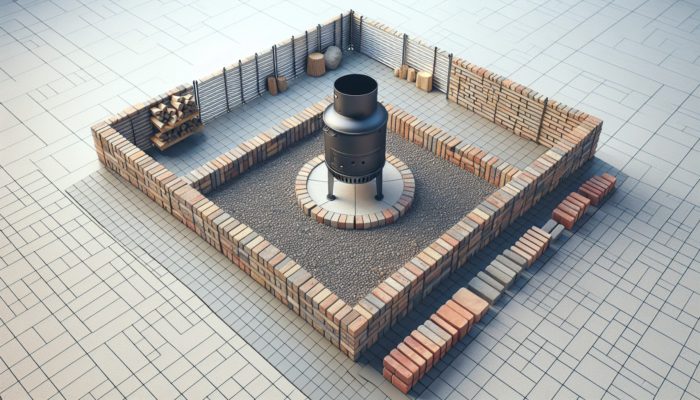
  • Surviving a Forest Fire: Key Tips and Strategies

    Surviving a Forest Fire: Key Tips and Strategies

    Essential Steps for Successful Forest Fire Survival Planning

    Develop a Comprehensive Fire Safety Action Plan

    Surviving a Forest Fire: A family reviewing a fire safety map with escape routes and safe zones in a forest, using walkie-talkies.

    When preparing for the potential dangers of forest fire survival, meticulous planning is your most effective defense. Creating a detailed fire safety action plan is essential for those residing in or near forested regions. This plan should outline specific escape routes that are easily accessible, as well as clearly marked safe zones where your family can reconvene if you become separated. Additionally, appointing emergency contacts and establishing a reliable communication protocol is crucial for ensuring everyone knows how to react during a fire emergency. Each family member must be aware of this plan, fully comprehending their roles and responsibilities should a fire situation arise.

    Furthermore, it is advisable to conduct regular evacuation drills to reinforce your family’s preparedness. Engaging in this practical exercise will not only provide you with valuable experience but also assist in pinpointing any weaknesses in your current strategy. Familiarity with your local geography is paramount, as it can greatly influence your evacuation routes and overall safety. Different areas present unique challenges, such as steep hills or narrow pathways, making specific escape routes potentially more dangerous than others.

    Lastly, it is vital to routinely review and update your fire safety plan. Factors such as changes in local vegetation, updates in fire regulations, or shifts in family dynamics may necessitate adjustments. Maintaining a flexible and comprehensive fire safety strategy will significantly enhance your chances of surviving a forest fire.

    Gather a Critical Emergency Preparedness Kit

    The peace of mind derived from assembling a well-equipped emergency kit is invaluable when confronting the dangers posed by a forest fire. Your kit should contain essential items, including potable water, non-perishable food supplies, a reliable flashlight, spare batteries, and a fully stocked first aid kit. These resources are critical for sustaining you during an unforeseen evacuation, providing necessary support until you can reach a secure location.

    As you compile items for your kit, be sure to consider your family’s unique requirements. This includes incorporating necessary medications, supplies for pets, and important documents securely stored in waterproof containers. Additionally, including local maps and a portable phone charger can prove advantageous, as maintaining connectivity and access to vital information is often crucial in emergency scenarios.

    Moreover, it is essential to store your emergency kit in a location that is easily accessible to all family members. Ensure that everyone knows its location and can retrieve it quickly, especially under pressure. Regularly check the contents of your kit and replace any expired items to keep it up-to-date. A thoroughly equipped emergency kit serves as a foundational element of your fire preparedness strategy, significantly enhancing your ability to navigate the challenging circumstances associated with surviving a forest fire.

    Stay Updated on Current Fire Conditions and Alerts

    In our information-driven society, staying aware of weather conditions and fire alerts is vital for effective forest fire survival. Leverage technology by downloading apps that deliver real-time updates about fire conditions in your vicinity. Local news agencies and emergency services often have active social media channels dedicated to emergency notifications, making them invaluable resources for timely information.

    Establish a consistent routine for monitoring weather forecasts and fire advisories, particularly during peak fire risk seasons. Understanding the environmental factors that can lead to wildfire outbreaks, such as dry conditions, strong winds, and high temperatures, will enable you to evaluate your surroundings and make informed decisions regarding your safety.

    Additionally, engage with your local community for further insights. Local fire departments frequently offer informational sessions focused on fire prevention and preparedness strategies. By taking proactive measures and remaining well-informed, you position yourself to act promptly to safeguard yourself and your loved ones from the devastating effects of a forest fire.

    Immediate Actions to Take During a Forest Fire Emergency

    Firefighters combating a forest fire with flames, smoke, and emergency vehicles at dusk.

    Execute a Safe and Efficient Evacuation

    Prompt and decisive action is crucial when confronted with the threat of a forest fire. If local authorities issue evacuation orders, it is imperative to comply without delay. Panic can lead to perilous situations; thus, it is essential to remain calm and adhere to the established evacuation routes. These routes are specifically designed to offer the safest and least congested paths away from the approaching fire.

    Before departing, ensure that you gather your emergency kit along with any essential personal belongings. While driving, it’s important to stay focused: do not attempt to retrieve items that are replaceable. Your top priority should always be the safety of yourself and your loved ones.

    Once you are on the road, avoid navigating through smoke and flames. Visibility can diminish rapidly, and the likelihood of encountering fallen trees or other hazards increases significantly. Tune into local radio stations for the latest traffic updates and emergency information. A well-coordinated evacuation is crucial for minimizing the risk of injury and increasing your chances of surviving a forest fire.

    Implement Effective Personal Protection Techniques

    When faced with the immediate threat of a wildfire, personal protection becomes paramount. Inhaling smoke and ash can cause serious health issues; therefore, donning protective clothing, such as long-sleeved shirts and pants made from natural fibers, is highly recommended. This type of attire provides a barrier against intense heat and flying embers.

    To protect your respiratory health, consider using a damp cloth or mask to cover your nose and mouth. This simple precaution can significantly reduce your inhalation of harmful particulate matter. If possible, wear goggles to shield your eyes from heat and debris.

    Furthermore, finding appropriate shelter is crucial for personal safety. Ideally, seek refuge in a cleared area devoid of combustible materials or near a body of water if feasible. Staying low to the ground will help you avoid inhaling smoke, as heat tends to rise. By adopting these critical precautions, you can greatly improve your chances of surviving a forest fire amidst the turmoil of a raging wildfire.

    Pinpoint Secure Shelter Locations

    Person submerged in lake for safety during forest fire, near fire-resistant building with closed entries, in cleared area.

    In critical situations during a forest fire, identifying safe shelter can be a matter of survival. If evacuation is not possible, look for a cleared area free of combustible materials—this might include recently cleared land or locations near bodies of water.

    Submerging yourself in a lake or river can provide immediate relief from the heat and smoke, but ensure it is safe to enter before doing so. While submerged, keep your head above water and only surface for air when absolutely necessary. If you can find a sturdy, fire-resistant building, seek refuge inside, closing all doors and windows to prevent smoke infiltration.

    Utilizing natural resources can also be beneficial. Look for low-lying areas, such as ditches, where the fire may not reach directly. Your goal should be to minimize exposure to flames and heat while awaiting rescue or the opportunity to evacuate. Finding adequate shelter is a crucial tactical decision in the daunting effort to survive a forest fire.

    Effective Survival Strategies During a Forest Fire

    Establish a Firebreak to Enhance Protection

    Creating a firebreak is a crucial tactic for those facing the threat of a forest fire. By clearing away vegetation and debris surrounding your shelter, you create a protective buffer zone designed to prevent the fire from advancing directly to your location. This proactive measure can significantly increase your chances of surviving a forest fire.

    Clear at least 30 feet of land around your shelter to implement an effective firebreak. Remove flammable materials such as leaves, twigs, and wood piles. Utilize tools like rakes or hoes to ensure a thorough clearing. The wider the firebreak, the better your chances of maintaining safety.

    If time permits, consider digging a trench to help contain smaller fires. The goal is to create a barrier that limits the flames’ ability to spread. However, be aware that creating a firebreak does not guarantee complete safety; its effectiveness can be influenced by the fire’s intensity and the prevailing wind conditions. By remaining vigilant and aware, you can make informed decisions that enhance your chances of survival.

    Effectively Utilize Nearby Water Sources

    When faced with the terrifying reality of a forest fire, leveraging nearby water sources can be a lifesaving strategy. If you are in proximity to a lake, river, or swimming pool, these bodies of water can assist in dampening your clothing and surroundings, thereby reducing the risk of ignition.

    Soaking your clothes in water lowers your body temperature and increases your chances of surviving a forest fire by making you less flammable. If time allows, continually wet the area where you are taking shelter. This creates a cooler zone that can better withstand the heat of the encroaching fire.

    Water can also be strategically used for creating makeshift fire barriers. If you have access to a bucket or container, use it to transport water to douse the ground near your shelter or keep flammable materials moist. Always remain mindful of your surroundings, as rapid changes in wind can alter the fire’s path. By effectively utilizing available water resources, you can significantly enhance your chances of survival.

    Maintain a Low Profile and Move Swiftly

    When smoke and flames threaten your safety, quick movement is essential. Staying low to the ground helps you avoid inhaling harmful smoke. Since smoke rises, crawling or ducking provides access to cleaner air.

    As you navigate your way to safety, remain alert to your surroundings. Fire activity can rapidly transform the landscape, and fallen trees and embers may introduce additional dangers. Being conscious of your environment while moving quickly can enhance your odds of surviving a forest fire.

    Remember the importance of following a direct route. Do not hesitate to change directions if you encounter barriers; your priority should always be to find an unobstructed escape path. Be prepared for the unexpected, as fire dynamics can shift quickly. Staying low and moving rapidly can greatly increase your chances of reaching safety.

    Safety Measures Following a Forest Fire

    Carefully Evaluate the Surrounding Situation

    Once the immediate threat of the forest fire has diminished, assessing your surroundings becomes crucial. Take the time to evaluate the safety of your location, checking for hazards such as fallen trees, smoldering embers, and unstable structures. The aftermath of a fire can be misleading; what may seem safe could hide unseen dangers.

    Proceed with caution, avoiding traversing burned areas unless you are confident they are stable. Look for signs of recent fire activity; smoldering ash can reignite under the right conditions. If you are uncertain about your safety, it is wise to seek guidance from emergency services before taking any further actions.

    Before making any decisions regarding your property or belongings, prioritize your safety. Insurance providers often require photographic evidence of damage, so if it is safe, document the situation. Your immediate well-being should always take precedence as a clear mind is essential for effective decision-making in the aftermath of the chaos caused by a forest fire.

    Seek Prompt Medical Attention

    Surviving a forest fire can leave both physical and emotional scars. If you or anyone in your group has sustained injuries, seeking medical care without delay is vital. Burns, smoke inhalation, and respiratory issues can develop post-exposure, even when symptoms are not immediately apparent.

    Contact emergency services or proceed to the nearest hospital if you or others exhibit visible injuries. The sooner you receive treatment, the better your recovery prospects. Remember that burns can worsen over time if not treated properly, so do not underestimate any injuries.

    Even if you feel fine, it’s wise to consult a healthcare professional. Smoke inhalation can lead to long-term respiratory complications, making a thorough examination essential. Your health should be the top priority after enduring the chaos of a forest fire, and seeking medical attention is critical for your recovery journey.

    Promptly Notify Relevant Authorities

    Once you have ensured your immediate safety, it is vital to inform authorities about your situation. Contact emergency services to report your location and any uncontrolled fires. They can offer tailored guidance and assistance, enhancing your safety and that of others in the vicinity.

    Keep in mind that local fire departments and emergency services may experience significant pressure during a wildfire crisis. Nevertheless, your report can assist them in prioritizing resources and responding effectively. The more information they have, the better prepared they will be to manage the aftermath.

    Additionally, establishing connections with local community resources can provide further support. Many regions have organizations dedicated to disaster recovery, which can help navigate the complexities of post-fire recovery. By remaining engaged with authorities, you contribute to a broader initiative to ensure community safety and recovery.

    Thoroughly Secure Your Surroundings

    Protecting your property and the surrounding areas after a forest fire is equally important. If it is safe to do so, extinguish small fires and smoldering embers around your property. Utilize water or soil to ensure that no residual heat remains that could potentially reignite.

    Remove hazardous materials or debris that could pose additional risks. If you have access to firefighting tools, use them effectively to secure your area. Create barriers to restrict access to unsafe zones, especially if nearby areas remain vulnerable.

    Furthermore, collaborating with neighbors can yield significant benefits. Work together to clear debris and monitor for potential hazards, fostering a sense of community while improving safety. By effectively securing the area, you not only protect your property but also contribute to the recovery of the wider landscape following the impacts of a forest fire.

    Strategies for Long-Term Recovery After a Forest Fire

    Rebuild and Restore Affected Areas

    The aftermath of a forest fire often leaves communities facing the daunting task of rebuilding. The first step in the recovery process is assessing the damage to structures. Whether homes, businesses, or community centers have been affected, the focus should be on creating a safer and more resilient environment.

    Engage with local contractors experienced in fire recovery for valuable insights into materials and construction practices that enhance fire resistance. To mitigate future risks, incorporate fire-resistant landscaping features, such as non-flammable plants and strategically placed rocks.

    Equally important is addressing the emotional recovery of individuals and communities. Many people will have lost not only their homes but also cherished possessions. Establishing support networks can facilitate healing and provide a platform for sharing experiences and resources during this challenging time.

    The journey to recovery may be long and arduous, but by focusing on rebuilding with resilience, communities can emerge stronger from the devastation wrought by a forest fire.

    Prioritize Emotional Health and Well-Being

    The emotional impact of surviving a forest fire can be profound, often manifesting as anxiety, grief, and even PTSD. Seeking counseling or engaging with support groups can be instrumental in navigating the complex emotions that arise after such traumatic experiences.

    Communities often organize group therapy sessions or workshops to provide a safe space for individuals to share their experiences and feelings. The healing power of connection should not be underestimated; relating to others who have faced similar challenges fosters understanding and solidarity.

    Additionally, consider contacting mental health professionals specializing in disaster recovery. They can offer tailored coping strategies and resources to assist in managing the emotional aftermath of the experience. Prioritizing emotional well-being is essential on the long road to recovery, and support is readily available for those who seek it.

    Implement Proactive Fire Prevention Strategies

    Preventing future forest fires necessitates a proactive approach. After recovering from a fire, take the time to implement fire prevention measures around your property. This may involve clearing dry brush and debris, maintaining firebreaks, and creating defensible space around structures.

    Community initiatives can also play a significant role in fire prevention. Collaborate with local organizations to promote awareness and education regarding fire safety practices. Participate in community clean-up days to remove flammable materials from shared spaces, fostering a collective sense of responsibility for wildfire prevention.

    Investing in local fire services is equally critical. Advocate for funding and resources to enhance firefighting capabilities, ensuring communities are well-prepared to respond to future fire threats. By taking concerted action, you can help reduce the risk of experiencing another devastating forest fire.

    Explore Financial Recovery and Assistance Resources

    The financial repercussions of a forest fire can be overwhelming. Begin by reviewing your insurance policies to understand your coverage options. Contact your insurance provider promptly to report damages and initiate the claims process.

    In addition to insurance, investigate local disaster relief funds and assistance programs available for those affected by forest fires. Numerous organizations offer financial aid to support recovery efforts, covering everything from immediate needs to long-term rebuilding expenses.

    Creating a budget for recovery costs is essential. Factor in expenses such as temporary housing, repairs, and emotional support services. By planning and budgeting effectively, you can regain control over your financial situation and pave the way for a successful recovery journey.

    Building Community Preparedness and Resilience

    Share Knowledge and Raise Awareness

    Disseminating knowledge and experiences concerning fire safety can significantly enhance community resilience. Organizing informational sessions or workshops in your area can empower others to prepare for and survive forest fires.

    Consider partnering with local fire departments to provide expert-led education on fire prevention strategies and emergency preparedness. Equipping community members with practical skills and knowledge enables everyone to actively participate in their safety.

    Social media platforms can also be effective tools for raising awareness. Establish community groups focused on fire safety, where information can be shared and experiences discussed. By fostering a culture of preparedness, you enhance collective resilience against the threat of forest fires.

    Engage in Community Fire Drills

    Participating in community fire drills is a critical aspect of preparedness. These drills simulate real-life scenarios, allowing residents to practice evacuation routes and emergency procedures in a controlled environment.

    Taking part in these drills helps identify areas for improvement in both individual and collective response strategies. Encourage participation from all community members, ensuring everyone understands their roles and responsibilities during a fire emergency.

    Effective communication is key during drills. Establish clear channels to share information and updates, ensuring all participants are informed and prepared. Regularly scheduled drills cultivate familiarity and confidence, ultimately enhancing community readiness for emergencies.

    Support Local Fire Safety Initiatives and Programs

    Backing local fire prevention and response initiatives is crucial for building community resilience. Volunteer your time or resources to organizations focused on fire safety education, emergency preparedness, and recovery efforts.

    Consider donating to local fire departments or community organizations that provide training and resources for residents. Your contributions can help enhance preparedness and response capabilities, ensuring communities are better equipped to face wildfire threats.

    Participating in local initiatives fosters a sense of collective responsibility. By working together, communities can establish a robust support system that enhances safety and preparedness for all residents, ultimately improving the chances of surviving a forest fire.

    Addressing Environmental Consequences Following a Fire

    Evaluate Environmental Damage and Impact

    Assessing the environmental impact of a forest fire is essential for long-term recovery. The aftermath of a fire can drastically affect wildlife, vegetation, and ecosystems. Evaluating the damage facilitates informed decision-making regarding restoration efforts.

    Start by observing the effects on local flora and fauna. Numerous species depend on healthy ecosystems for their survival, and fire can disrupt these delicate balances. Collaborate with local environmental organizations to conduct assessments and develop restoration plans.

    Additionally, consider the quality of soil and water following a fire. Fires may lead to erosion and runoff that could jeopardize nearby water sources. Monitoring these changes is critical for long-term ecological health, and taking proactive measures can help mitigate future impacts.

    Frequently Asked Questions on Forest Fire Preparedness

    What key elements should I include in my fire safety plan?

    Your fire safety plan should include escape routes, emergency contacts, and designated meeting points for family members to regroup safely.

    What essential items should I have in my emergency preparedness kit?

    An effective emergency kit should contain water, non-perishable food, first aid supplies, flashlights, batteries, and personal medications to ensure comprehensive preparedness.

    How can I stay informed about fire threats in my area?

    Keep an eye on local news, weather applications, and social media channels for real-time fire alerts and updates regarding potential threats in your vicinity.

    What should I do if I cannot evacuate during a fire?

    Seek shelter in a cleared area or near a body of water, protect your skin and respiratory system, and remain low to avoid inhaling smoke and harmful particulates.

    How can I effectively create a firebreak on my property?

    Clear vegetation and debris around your shelter, aiming for a 30-foot radius to limit the potential for fire spread and enhance safety.

    What steps should I take if I experience smoke inhalation during a fire?

    Seek medical attention immediately if you experience breathing difficulties, as smoke inhalation can lead to serious respiratory complications if left untreated.

    How can I secure my property after a fire incident?

    Extinguish small fires, remove hazardous materials, and establish barriers to prevent further risks to your property and enhance safety.

    What emotional impacts might I face after surviving a forest fire?

    Survivors may experience anxiety, grief, or PTSD; seeking counseling or joining support groups can greatly assist in emotional recovery.

    What proactive measures can I take to prevent future forest fires?

    Implement fire prevention strategies, such as clearing brush, maintaining firebreaks, and participating in community awareness programs to enhance safety.

    What financial assistance resources are available for fire recovery?

    Look into local disaster relief funds, insurance claims, and community assistance programs to effectively support your recovery efforts.

    Explore our world on X!

    The post Surviving a Forest Fire: Essential Tips and Strategies appeared first on Survival Bite.

    The Article Essential Tips and Strategies for Surviving a Forest Fire Was Found On https://limitsofstrategy.com

  • Urban Fire Escape Plans: Key Safety Tips for City Residents

    Urban Fire Escape Plans: Key Safety Tips for City Residents

    Effective Approaches for Crafting Urban Fire Escape Plans That Ensure Safety

    Assessing and Identifying Fire Hazards in Urban Settings

    Dense urban skyline with high-rises on fire, showing rapid spread and firefighting challenges.

    Urban environments pose distinct challenges regarding fire safety. The high density of people, the close proximity of buildings, and the presence of numerous flammable materials significantly increase the risk of fire incidents. Fires in these urban settings tend to spread rapidly compared to those in rural areas, making it essential for residents to remain vigilant about potential hazards. Contributing factors include the use of outdated construction materials, insufficient fire breaks, and limited access for emergency responders, all of which heighten these risks. Furthermore, urban areas contain a diverse array of businesses, each contributing unique fire hazards, from busy commercial kitchens to heavy industrial machinery.

    Additionally, the presence of tall buildings complicates the development of effective fire escape strategies. While these structures are typically equipped with various fire safety features, their height can obstruct viable escape routes. The abundance of combustible materials found in urban homes, such as furniture and electronics, can exacerbate the spread of fire. Recognizing and understanding these risks is critical for crafting urban fire escape plans that prioritize safety and preparedness, ensuring that every resident knows how to respond effectively in the event of a fire.

    The Essential Requirement for a Comprehensive Fire Escape Strategy

    An all-encompassing fire escape strategy is indispensable for ensuring safety in urban living environments. A well-defined plan equips all residents with the essential knowledge of how to react during a fire emergency, significantly improving their chances of survival. Without a structured plan, panic can easily set in, unleashing chaos and confusion that could have disastrous consequences in critical situations.

    An effective urban fire escape plan should explicitly outline designated escape routes and establish safe meeting points outside the building for all residents to gather. It is crucial that the plan accommodates varying mobility levels, ensuring that children, the elderly, and individuals with disabilities have tailored strategies that meet their specific needs. Regular reviews and practice of the escape plan are vital, reinforcing its importance and ensuring that every family member, including pets, comprehends the necessary steps to take during an emergency.

    Navigating Legal Responsibilities and Compliance with Building Safety Regulations

    Understanding the legal responsibilities and building codes associated with fire safety is essential for urban residents. Many cities enforce stringent regulations concerning critical fire safety equipment, including smoke alarms, fire extinguishers, and sprinkler systems. Familiarity with these regulations is not merely about compliance; it is a vital aspect of personal safety and the well-being of the community.

    Building codes typically specify the required number and types of exits within residential buildings and dictate construction materials aimed at minimizing fire hazards. Residents should take the initiative to engage with local fire departments or building management to verify that their homes comply with these safety standards. Being aware of these regulations empowers residents to advocate for necessary improvements or upgrades in their buildings, ultimately fostering a safer living environment for everyone.

    Creating Your All-Encompassing Urban Fire Escape Strategy

    Urban fire escape plan with cityscape, showing routes from high-rises, vibrant emergency equipment.

    Developing a Detailed Home Floor Plan for Enhanced Fire Safety

    Creating an accurate floor plan is crucial for the development of effective urban fire escape plans. Start by sketching the layout of your home, marking all exits, windows, and potential fire hazards clearly. This visual representation will be an invaluable resource during an emergency, enabling residents to quickly assess their escape options and make informed decisions.

    When mapping out your home, it is vital to pinpoint the most efficient escape routes. Identify the fastest paths to exits and ensure these routes remain unobstructed at all times. Regularly revisiting and updating this floor plan is essential to reflect any changes in your living space, such as new furniture placements or renovations. Moreover, discussing the plan with every household member will guarantee that everyone understands the layout and their specific roles during an emergency, fostering a shared sense of responsibility.

    Implementing Multiple Exit Strategies for Enhanced Safety

    Incorporating multiple escape routes is vital for effective fire safety planning in urban environments. Many buildings in densely populated areas may primarily feature one main exit, which could become blocked or compromised during a fire emergency. Therefore, identifying additional exits is crucial to ensure that all residents can evacuate safely.

    Exits should include doors and accessible windows that can effectively function as alternative escape routes. It is essential to verify that these exits can be easily opened and accessed by all residents. Regularly practicing the use of these alternate exits can help familiarize residents with their escape options, thereby reducing panic during a real emergency. Additionally, fostering communication with neighbors about potential exits can cultivate a sense of community support, enhancing the overall safety of the area in the event of a fire.

    Addressing Unique Challenges in High-Rise Fire Escape Planning

    Residents escaping a high-rise fire using fire-resistant stairwells, with elevators out of service.

    High-rise buildings present distinct challenges when it comes to fire escape planning. Their significant height may impede conventional escape routes, making it essential to devise alternative strategies. Residents of tall buildings should familiarize themselves with the fire safety features integrated into their structures, including fire-resistant stairwells and alarm systems designed for rapid response.

    In the event of a fire, it is generally advised to use stairs instead of elevators, as elevators can malfunction or pose dangers during fire emergencies. Developing a plan that considers the specific layout of a high-rise building, including any unique or notable routes, is critical for effective evacuation. Additionally, staying informed about the building’s evacuation procedures enables residents to respond swiftly and efficiently when emergencies arise.

    Implementing Practical Drills and Training for Optimal Fire Preparedness

    Conducting Regular Fire Drills to Enhance Readiness

    Routine fire drills are an essential element of any urban fire escape plan. These drills prepare residents for unforeseen emergencies, ensuring that everyone can respond calmly and effectively during a fire. It is advisable that these drills occur at least quarterly, allowing residents to refresh their knowledge and adapt to any changes in their living situations.

    During a drill, simulate an emergency by activating an alarm and practicing the designated escape routes. It is vital to encourage all participants to treat the exercise seriously, approaching it as a real-life situation to reinforce the gravity of preparedness. After each drill, gather feedback from participants to identify areas needing improvement, such as confusing escape routes or obstacles that could hinder evacuation. Such evaluations are crucial for optimizing fire safety strategies.

    Customizing Fire Escape Plans for Children and Seniors

    Tailoring fire escape plans to accommodate children and elderly residents ensures that everyone can evacuate safely during emergencies. Children may not fully grasp the significance of fire safety, making it essential to engage them through fun and interactive storytelling techniques that illustrate the dangers of fire and reinforce the appropriate actions they should take during an emergency.

    Special consideration must also be given to mobility challenges faced by elderly residents. It is essential to confirm that exits are easily accessible and to teach them how to signal for help when necessary. Regularly reviewing the escape plan with these vulnerable groups can instill a sense of confidence and ensure they feel adequately prepared for a fire emergency, which is crucial for their safety.

    Leveraging Technology to Enhance Fire Safety Measures

    In today’s digital era, technology can significantly enhance fire safety and escape planning. Numerous applications and tools are available to assist residents in practicing their fire escape strategies. For instance, some apps allow users to create digital floor plans and receive alerts for scheduled fire drills.

    Moreover, smart home devices can play a pivotal role in fire safety. Smoke detectors integrated with home automation systems can send alerts directly to residents’ mobile devices, ensuring they are informed of potential dangers even when away from home. Incorporating these technological solutions into your urban fire escape plans can provide an added layer of security and peace of mind, reinforcing residents’ confidence in their preparedness.

    Essential Fire Safety Equipment and Resources for Urban Dwellers

    Understanding the Critical Role of Fire Extinguishers

    Fire extinguishers are a vital component of any fire safety strategy. Understanding the different types—such as water, foam, dry powder, and CO2 extinguishers—can greatly enhance their effectiveness during emergencies. Each type of extinguisher is designed to combat specific classes of fire, making it crucial to select the right one for your environment.

    Placement of fire extinguishers is equally important; they should be easily accessible and strategically located near potential fire hazards, such as kitchens or electrical panels. Routine maintenance checks are essential to ensure that extinguishers are fully charged and operational. Familiarizing all household members with the correct usage of a fire extinguisher empowers them to act decisively when faced with a fire emergency, contributing to overall safety.

    The Indispensable Importance of Smoke Alarms and Detectors

    Smoke alarms and detectors are vital for early fire detection, providing critical time for evacuation. Best practices for installation include placing smoke alarms on every level of the home, particularly near sleeping areas where they can serve their purpose most effectively. It is also advisable to test alarms monthly and replace batteries at least once a year to ensure optimal functionality.

    Residents should proactively replace smoke alarms every ten years, as their effectiveness diminishes over time. Keeping a detailed record of maintenance activities is essential to ensure that your fire safety measures remain current and effective. Incorporating smart smoke detectors that send alerts to mobile devices can further enhance fire safety in urban settings, ensuring residents stay informed of potential dangers.

    Assembling an Emergency Kit for Fire Preparedness

    A comprehensive urban fire escape plan should include an emergency kit stocked with essential supplies. This kit can prove crucial during a fire, providing residents with the necessary tools to manage the situation until professional help arrives. Key items to include in your emergency kit are first-aid supplies, bottled water, non-perishable food items, a flashlight, and a whistle for signaling.

    Additionally, consider storing essential documents, such as identification and insurance information, in a waterproof container for easy access. Regularly reviewing and updating your emergency kit will ensure its contents remain functional and ready for use whenever needed. This level of preparedness can offer peace of mind and bolster confidence in your fire escape strategy, significantly enhancing safety.

    Learning from Historical Urban Fire Incidents for Better Preparedness

    Extracting Valuable Lessons from Past Urban Fire Cases

    Examining historical urban fire incidents is invaluable for refining your fire escape strategies. Analyzing notorious fires, such as the Grenfell Tower tragedy, reveals critical lessons about the importance of building regulations, fire safety equipment, and effective evacuation procedures. These incidents often expose weaknesses in existing fire protocols, prompting necessary reforms and improvements.

    By studying these events, residents can identify potential pitfalls within their urban fire escape plans. For instance, ensuring that escape routes remain consistently unobstructed and knowing where to locate emergency equipment can significantly enhance safety during a fire. Regular discussions about these lessons within communities can foster a culture of vigilance and preparedness, allowing residents to stay proactive and informed.

    Celebrating Success Stories of Effective Fire Escape Plans

    Numerous success stories illustrate how well-executed fire escape plans have saved lives in urban environments. For example, during a recent high-rise fire in London, residents credited their well-rehearsed escape strategy for ensuring a swift evacuation. Thanks to routine drills and a thorough understanding of their building’s layout, all residents were able to exit safely and alert emergency services promptly.

    These success narratives serve as powerful reminders of the impact of preparedness on safety. By sharing these stories within communities, residents can inspire one another to take fire safety seriously and implement their urban fire escape plans, reinforcing a collective commitment to safety and readiness.

    Avoiding Common Pitfalls in Fire Safety Preparedness

    Despite good intentions, common errors can undermine fire safety efforts. A frequent mistake is neglecting to review and update fire escape plans regularly. As living situations change, so too should escape strategies. Another common error is assuming that a single exit will be sufficient; relying solely on one escape route can be perilous in an emergency.

    Additionally, failing to create tailored plans for vulnerable individuals, such as children and seniors, can lead to dangerous situations during crises. Ensuring that every resident understands their roles and responsibilities during an emergency is crucial for effective evacuation. By avoiding these pitfalls, residents can significantly enhance their fire safety preparedness and ensure the well-being of everyone in their community.

    Fostering Community Collaboration for Enhanced Fire Safety

    Building Strong Relationships with Neighbors to Improve Fire Safety

    Collaborating with neighbors is essential for enhancing fire safety in urban environments. Establishing strong relationships with those living nearby enables coordinated efforts during fire emergencies. Initiating conversations about fire escape plans helps ensure everyone understands their roles and responsibilities within the community, fostering a culture of mutual support and safety.

    Consider organizing community meetings to discuss fire safety strategies, share experiences, and establish a neighborhood watch for fire-related emergencies. By recognizing each other’s needs and escape routes, residents can create a supportive network that enhances overall safety. A united community can effectively respond to fire emergencies, ensuring that everyone can evacuate safely and efficiently.

    Proactively Engaging with Building Management for Fire Safety Improvements

    Residents should actively engage with building management to ensure that fire safety measures align with legal requirements. Regular audits of fire safety equipment, such as smoke detectors and extinguishers, should be conducted to verify compliance with building codes and standards.

    Residents also have the right to advocate for regular fire drills and training sessions to ensure all tenants are familiar with the emergency protocols. Maintaining open lines of communication with management can improve fire safety measures and foster a proactive fire safety culture within the building, benefiting all residents.

    Enhancing Community Preparedness Through Coordinated Fire Drills

    Organizing community fire drills can significantly boost fire safety awareness and preparedness in urban settings. These large-scale exercises enable residents to practice evacuation procedures collectively, fostering camaraderie and shared responsibility for safety.

    To successfully organize a community drill, collaborate with local fire departments for guidance and access to resources. Promoting the event through flyers and community boards can encourage participation and engagement. After the drill, gather feedback to identify areas for improvement, ensuring that everyone feels confident in their escape plans. Community engagement in fire safety ultimately leads to a more prepared and resilient urban population, ready to handle emergencies effectively.

    Developing Psychological Preparedness for Fire Emergencies

    Strategies for Managing Panic During a Fire

    Panic can be an individual’s greatest adversary amid the chaos of a fire emergency. Learning techniques to maintain calmness can be instrumental in executing an effective urban fire escape plan. Mindfulness and breathing exercises can help individuals focus and maintain clarity during a crisis, which is essential for making rational decisions.

    Additionally, familiarizing oneself with the escape plan through regular drills can help alleviate anxiety. When individuals know what to expect, they are less likely to panic and can act more decisively. Encouraging open discussions about fire safety can also demystify the experience, allowing residents to approach the topic confidently rather than fearfully, which is crucial for fostering a proactive safety culture.

    Commitment to Continual Education on Fire Safety Protocols

    It is essential for all urban residents to engage in continuous education about fire safety. Various resources are available, including workshops provided by local fire departments, online courses, and informational brochures that can significantly enhance understanding of fire risks, appropriate safety equipment, and emergency protocols.

    Participating in community seminars can also provide valuable insights and connect residents with fire safety experts. Staying informed empowers individuals to make sound decisions during fire emergencies, ultimately improving the effectiveness of their urban fire escape plans and fostering a culture of preparedness within communities.

    Building Confidence Through Regular Fire Drill Practices

    Consistently practicing fire escape plans can help build confidence among residents. The more familiar individuals are with their escape routes, the more instinctive their reactions will be when faced with an emergency. Incorporating enjoyable activities into drills, such as time trials or team challenges, can make practicing more engaging and less intimidating, motivating residents to participate actively.

    Encouraging family members to assume different roles during drills fosters teamwork and ensures everyone understands their responsibilities. This approach builds confidence and promotes a sense of community and support during emergencies, ultimately improving overall preparedness and safety.

    Adapting Urban Fire Escape Plans to Contemporary Challenges

    Addressing Fire Risks Associated with Climate Change

    Climate change is increasingly influencing fire risks in urban environments. Rising temperatures can result in more frequent and severe fires, necessitating a thorough reevaluation of urban fire escape plans. Residents must remain vigilant about the potential for wildfires, especially in urban areas that border natural landscapes, where risks are heightened.

    Adapting to these changes may involve integrating more robust fire safety measures, including the use of fire-resistant building materials and improved landscaping strategies to create defensible spaces. Community awareness initiatives can also promote understanding of how climate change impacts fire risks, encouraging proactive behavior among residents, which is essential for enhancing overall safety.

    Leveraging Smart Home Technology to Enhance Fire Safety

    Incorporating smart home technology can substantially bolster fire safety in urban settings. IoT (Internet of Things) devices can provide real-time alerts regarding smoke or fire, enabling residents to react swiftly even when they are not at home. Smart thermostats and smoke detectors can be programmed to work in tandem, automatically notifying emergency services when a fire is detected, thus expediting response times.

    Integrating these technologies into your urban fire escape plan can provide peace of mind and enhance security. Staying informed about the latest advancements in home safety technology empowers residents to make informed decisions regarding their fire safety measures, ultimately improving their preparedness for emergencies.

    The Significance of Urban Planning in Fire Safety Initiatives

    Urban planning plays a crucial role in ensuring fire safety within densely populated areas. City designs that prioritize fire breaks, provide accessibility for emergency services, and ensure adequate water supply for firefighting can significantly mitigate fire risks. Residents should advocate for fire-safe urban planning initiatives and collaborate with local authorities to ensure that their communities are constructed with safety as a priority.

    Participating in local planning meetings and voicing concerns about fire safety can lead to more informed decisions that benefit everyone. By fostering a culture of fire safety awareness within urban planning discussions, residents can contribute to creating safer environments for all members of the community, ultimately enhancing public safety.

    Frequently Asked Questions About Fire Safety and Preparedness

    What Steps Should You Take If You Find Yourself Trapped During a Fire?

    If you become trapped during a fire, stay low to minimize smoke inhalation, cover your mouth with a cloth, and signal for help from a window. If possible, use your phone to contact emergency services and inform them of your situation.

    How Can You Provide Assistance to Others During a Fire Emergency?

    If it is safe to do so, assist your neighbors in evacuating, particularly older individuals or those with disabilities. Ensure that everyone is aware of the escape routes and encourage calm communication throughout the evacuation process.

    When Should You Contact Emergency Services in the Event of a Fire?

    Contact emergency services immediately upon discovering a fire or if smoke is visible. Do not delay until you have evacuated; alert authorities without hesitation to ensure a swift response.

    How Frequently Should Fire Drills Be Conducted?

    Fire drills should be conducted quarterly to ensure all residents are well-acquainted with escape routes and procedures. Regular practice reinforces knowledge and preparedness, thereby enhancing overall safety within the community.

    What Are the Optimal Locations for Installing Smoke Alarms?

    Install smoke alarms on every level of your home, particularly outside sleeping areas. Ensure that they are positioned high on walls or ceilings for optimal detection capabilities.

    What Measures Can You Take to Enhance Fire Safety in Your Home?

    Enhance fire safety by minimizing clutter, utilizing fire-resistant materials, and ensuring that smoke alarms and extinguishers are easily accessible and regularly maintained for effective performance.

    What Essential Items Should Be Included in an Emergency Kit?

    An emergency kit should contain a first-aid kit, bottled water, non-perishable food items, a flashlight, batteries, and important documents stored in a waterproof container for easy access.

    How Can Technology Improve Fire Safety Measures?

    Technology can enhance fire safety through smart smoke detectors that send alerts to your mobile device and home automation systems that provide real-time updates during emergencies, enhancing overall safety and responsiveness.

    What Are the Legal Requirements Concerning Fire Safety?

    Legal requirements vary by location but generally encompass the installation of smoke alarms and fire extinguishers, as well as adherence to building codes concerning fire safety measures.

    How Can You Stay Informed About Fire Safety Resources?

    Stay informed by checking with local fire departments for workshops, attending community seminars, and accessing online resources that provide up-to-date fire safety information.

    Explore our world on X!

    The post Urban Fire Escape Plans: A Crucial Guide for City Residents appeared first on Survival Bite.

    The Article Urban Fire Escape Plans: Essential Safety Tips for City Dwellers Was Found On https://limitsofstrategy.com

  • Igniting A Fire Without Matches

    Igniting A Fire Without Matches

    Igniting a Fire Without Matches is a Survival Skill

    As people interested in survival, we know the significance of being ready for any circumstance. Having the knowledge and abilities necessary to construct a fire without the use of matches can be a game-changer in a variety of situations, including being abandoned in the wilderness or facing a tragedy. Having the ability to master fire is one of the most important survival skills to have because it can be used to prepare food, provide light, and offer warmth. You will be equipped with the knowledge you need to live in the most difficult conditions by reading this blog post, in which we will discuss the art of lighting a fire without the use of matches.

    fire without matches

    Understanding the Basics: The Fire Triangle

    It is essential to understand the basic concepts that regulate fire before delving into building fire strategies. Fuel, heat, and oxygen are the three components that make up the fire triangle. Combustion cannot occur without these three components. We have the ability to produce and control fire through the manipulation of these ingredients.

    a) Fuel: The fuel is the initial component of the fire triangle. Items such as dry leaves, twigs, branches, and any other flammable items found in the wild can fall into this category. In order to successfully fire something, it is essential to become familiar with the resources that are available in your area.

    b) Heat:  Heat constitutes the second component. Providing an ignition source that generates sufficient heat is of the utmost importance. Alternative means, like striking a spark or causing friction, can generate the necessary heat in the event that matches are unavailable.

    c) Oxygen:  Finally, oxygen is what makes the fire burn. Once ignition has been achieved, it is imperative to ensure that there is an adequate flow of air to maintain the fire’s flames.

    Choosing the Right Fire-Building Technique

    Once you have a firm grasp of the fundamentals, it is time to investigate the many methods that can be used to construct a fire without matches. Let us look into some of the most dependable and efficient methods, which are as follows:

    Friction-based Methods

    1. Hand Drill:
    The process of hand drilling includes rubbing two sticks together in order to generate friction, which will eventually result in the formation of an ember. Find a dry, straight stick made of hardwood to use as the spindle for the drill and another softer piece of wood to use as the base (fireboard). Heat is generated through the application of downward pressure and the rapid rotation of the spindle between your palms, resulting in the formation of coal that can catch fire with your tinder.

    2. Bow Drill:
    A spindle and a fireboard are both necessary components of the bow drill technique, which is quite similar to the hand drill. With this technique, a cord is wound around the spindle, and then it is looped around a bow. The action of moving the bow back and forth while exerting pressure causes the spindle to revolve, which in turn generates the heat that is required to create an ember. Following that, the ember can be transferred to your tinder bundle.

    Spark-based Methods

    1. Flint and Steel:
    The use of flint and steel is a time-honored way of lighting a fire that has the potential to be quite successful. The use of a piece of flint in conjunction with a piece of hardened steel results in the production of sparks. When aimed at a bundle of tinder, these sparks have the potential to ignite the bundle.

    2. Ferrocerium Rod:
    Scraping a ferrocerium rod with a sharp edge produces extremely hot sparks, similar to those produced by a knife. This technique is commonly favored among survivalists. The use of this strategy provides a dependable approach to lighting your tinder and beginning a fire.

    Lens-based Methods

    1. Magnifying Glass:
    Through the utilisation of the sun’s power, a magnifying glass has the ability to concentrate sunlight into a specific area, so producing sufficient heat to ignite a bundle of tinder. This strategy is most effective on days that are bright and sunny.

    2. Ice Lens:
    Even when the temperature is below freezing, ice can be utilized as a lens to concentrate sunlight. It is possible to generate sufficient heat to start a fire by forming a block of ice into the shape of a lens and allowing sunlight to pass through it.

    Building the Fire

    After successfully igniting your Tinder, it is time to construct and tend to the fire you have created. To help you out, here are some suggestions:

    a) Tinder, Kindling, and Fuel:
    You need to ensure that you have a sufficient quantity of tinder, a very combustible material that rapidly ignites. There are many examples, such as dried grass, bark, or leaves. Begin by adding little twigs, also known as kindling, to the fire in order to provide fuel for it to grow. Larger chunks of wood are added to the fire as it grows stronger, which causes the fire to steadily expand in size and increase the amount of heat it produces.

    b) Fire Pit or Fire Lay:
    Establishing a fire pit or fire lay can be of use in shielding the fire from the effects of wind and dampness. In order to stop the fire from spreading further, you can either arrange stones or dig a shallow pit.

    c) Fire Safety:
    When building a fire, safety should always be your top priority. Take precautions to ensure that the fire is contained within the area that has been defined, maintaining a safe distance from flammable objects and never leaving the fire unattended. Keep in mind that once you have finished, you should completely put out the fire by pouring water over the ashes and agitating them until they are completely cooled.

    Practice Makes Perfect

    The ability to build a fire without using matches is a skill that calls for practice and patience. You should try to improve your skills by practicing them, experimenting with various materials, and developing self-assurance in your capabilities. By engaging in consistent practice, you will be able to confidently start a fire in the event that you find yourself in a survival situation. This fire will keep you warm and give you light and a sense of security.

    Mastering the Art of Building A Fire Without Matches

    You are one step closer to becoming a true survivalist now that you have understood the methods that may be used to start a fire without the use of matches. It is important to keep in mind that survival skills, such as making a fire, involve knowledge, practice, and the capacity to adapt. Continue to experiment with a variety of approaches, become familiar with your environment, and focus on improving your skills. Your chances of surviving even the most difficult circumstances increase with each additional skill you bring to your arsenal.

    Always be ready to adjust your behavior in response to changing conditions and ensure you are well-informed. A fundamental survival talent you should aim to perfect is building a fire without using matches. This is only one of the many essential survival skills. The more you push yourself outside your comfort zone and increase your understanding of survival techniques, the more resilient you will become in the face of any challenge.

    The post Igniting A Fire Without Matches appeared first on Survivalbite.

    The post Igniting A Fire Without Matches appeared first on https://gqcentral.co.uk


    The Article Igniting A Fire Without Matches First Appeared ON
    : https://ad4sc.com