Category: Energy Efficiency

  • Solar-Powered Appliances for Efficient Cooking: A Quick Guide

    Solar-Powered Appliances for Efficient Cooking: A Quick Guide

    Unlock the Advantages and Effective Techniques of Solar-Powered Cooking

    Understanding Solar-Powered Cooking: Mechanisms and Functionality
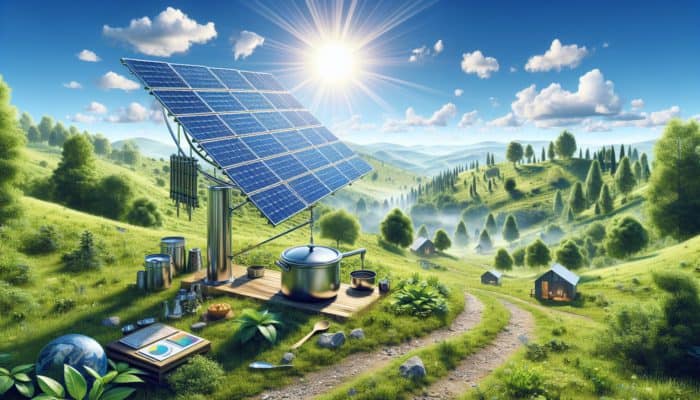
    How to Cook with Solar-Powered Appliances: A solar cooker on a sunny hillside cooking stew, surrounded by greenery and a clear sky, symbolizing sustainability.

    Solar-powered cooking utilizes the vast energy of the sun to effectively heat and prepare meals, providing an eco-friendly and sustainable alternative to conventional cooking methods. As awareness of climate change grows and the push for cleaner energy alternatives intensifies, solar cooking stands out as a revolutionary approach to decrease reliance on fossil fuels and lower carbon emissions. This cooking method is particularly beneficial in areas with limited or unreliable electricity access, offering a reliable means of meal preparation while harnessing a free and renewable resource. By embracing solar energy for cooking, we actively contribute to a more sustainable future, enjoying delicious home-cooked meals that are gentle on our planet.

    Discover the Various Types of Solar Cookers to Suit Your Culinary Needs

    There exists a diverse range of solar cookers, each uniquely crafted to cater to specific cooking requirements and adapt to different environmental conditions. Familiarizing yourself with these various types will aid in selecting the ideal solar cooker that complements your lifestyle and culinary ambitions.

    • Box Cookers: These insulated boxes utilize flat reflective panels to channel sunlight into a cooking chamber, making them perfect for slow-cooking and baking tasks.
    • Panel Cookers: Built with reflective panels that direct sunlight into a pot, panel cookers are lightweight and portable, making them ideal for outdoor activities like camping.
    • Parabolic Cookers: These cookers concentrate sunlight onto a single focal point, achieving high temperatures quickly, making them superb for frying and boiling.
    • Solar Ovens: Specifically designed for baking, these ovens can achieve higher temperatures and efficiently manage a variety of dishes.

    Choosing the right type of solar cooker hinges on factors such as the specific meals you wish to prepare, your local climate conditions, and how frequently you plan to use the cooker. Each type offers unique benefits, paving the way for delectable culinary creations powered solely by solar energy.

    Explore the Compelling Reasons to Consider Solar Cooking and Its Benefits

    Solar cooking provides a wealth of advantages that extend far beyond mere meal preparation. It represents a sustainable practice that contributes to environmental preservation while encouraging a healthier lifestyle. Here are some of the most impactful benefits:

    • Energy Savings: Solar cooking diminishes dependence on traditional energy sources, which translates into lower utility bills and significant savings over time.
    • Environmental Advantages: It effectively reduces greenhouse gas emissions and curtails air pollution, contributing to a cleaner and healthier atmosphere.
    • Reliable Cooking During Power Outages: Solar cooking offers a dependable method for meal preparation during emergencies when electricity may be unavailable.
    • Encouragement of Sustainable Practices: It fosters the use of renewable energy, instilling a sense of responsibility towards environmental stewardship.

    By adopting solar cooking practices, individuals not only promote energy independence but also bolster community resilience, making it an excellent choice for families and individuals aiming for a greener, more sustainable lifestyle.

    Effective Strategies for Optimal Use of Solar Cookers to Achieve Delicious Results
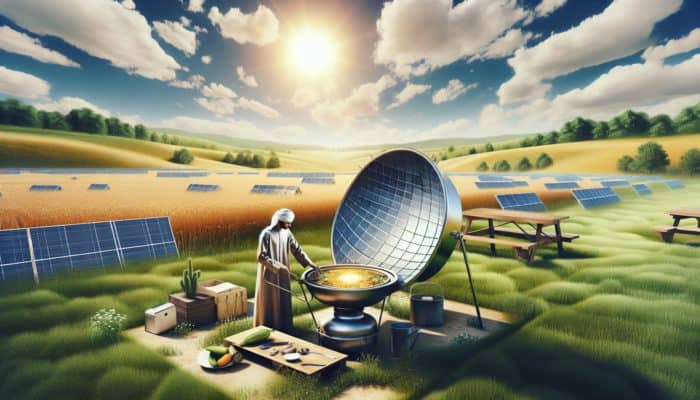
    A person adjusting a solar cooker in a sunny field to cook a meal, surrounded by greenery.

    To maximize the effectiveness of a solar cooker, adhere to a few straightforward guidelines to ensure optimal performance and delightful culinary results. Begin by selecting a location that enjoys direct sunlight, ideally a spot that receives consistent sunlight throughout the cooking duration. Securely set up your cooker, ensuring it is stable and correctly oriented to efficiently capture sunlight.

    As your meal cooks, regularly adjust the cooker’s angle to maintain direct exposure to the sun. Depending on the specific type of solar cooker, preheating may be beneficial before placing your food inside, which can improve overall cooking efficiency.

    Timing plays a crucial role; solar cookers typically require longer cooking durations compared to conventional methods due to their slower heat absorption. Closely monitor your food, utilizing a thermometer to check for doneness, particularly with meats and baked goods. With practice, you will master the art of solar cooking, relishing a diverse range of meals prepared using the sun’s energy.

    Global Practices of Solar Cooking: A Look at Its Implementation Worldwide

    Solar cooking has garnered international attention, demonstrating its adaptability and effectiveness in diverse environmental contexts. In rural regions of Africa, for instance, communities have embraced solar cookers to lessen their dependence on firewood, resulting in decreased deforestation and improved air quality.

    In countries like India and Brazil, solar cooking initiatives have been introduced in schools and community kitchens, showcasing how solar cookers can efficiently serve large populations. A notable example is the Solar Cooking Project in Rajasthan, India, where thousands of households have successfully integrated solar cookers, greatly improving their health while reducing household expenses.

    Even urban areas benefit from solar cooking, with city residents utilizing rooftop gardens to harness solar energy for their culinary needs. These examples highlight the positive influence of solar cooking on local communities and the environment, paving the way for a sustainable future globally.

    Understanding the Mechanics of Solar Cooking: The Conversion Process

    Exploring the Principles Behind Solar Energy Conversion in Cooking
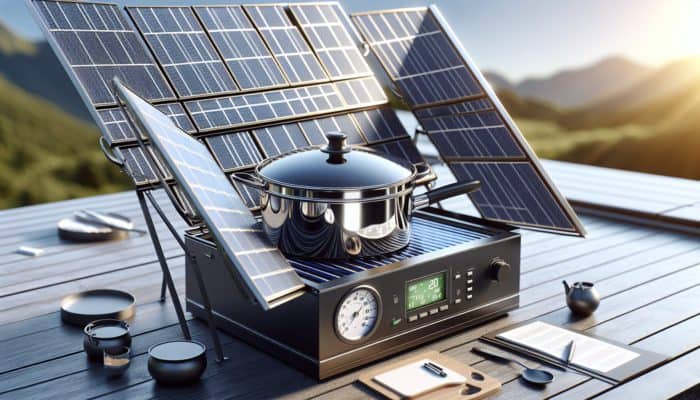
    A solar cooker with reflective panels, dark pot, insulated chamber, and thermometer in a sunny outdoor setting.

    Solar cooking functions based on the essential principles of solar energy conversion, where sunlight is transformed into heat through reflective surfaces and insulated cooking chambers. The primary components of solar cookers comprise:

    • Reflective Panels: These surfaces capture and direct sunlight towards the cooking area, maximizing heat absorption for efficient cooking.
    • Insulated Cooking Chamber: This chamber retains heat, ensuring that food cooks evenly and thoroughly throughout the entire cooking process.
    • Cooking Pots: Dark-colored pots are preferred as they absorb more heat, enhancing the cooking process and overall efficiency.
    • Thermometers: Essential tools for monitoring internal temperatures, ensuring food safety during the cooking process.

    The efficacy of solar cookers largely relies on their design, positioning, and the intensity of available sunlight. By effectively capturing solar energy, solar cookers can reach cooking temperatures suitable for a wide variety of dishes, making them a viable option for sustainable cooking methods.

    Strategies to Enhance the Efficiency of Solar Cooking for Optimal Results

    Enhancing the efficiency of solar cooking is vital for achieving the best culinary outcomes. Position your cooker in a location that receives direct sunlight for extended periods, particularly during peak sunlight hours, to boost its performance.

    Utilizing dark-colored pots can significantly improve heat absorption; therefore, select cookware that optimizes thermal efficiency. Furthermore, consider wind protection; employing a windbreak can help maintain consistent cooking temperatures, especially in breezy conditions, ensuring that your food cooks evenly.

    Regular maintenance of your solar cooker is crucial for ensuring optimal performance. Check for any signs of wear and tear, clean the reflective surfaces periodically to ensure maximum sunlight absorption, and store the cooker properly when not in use. By following these suggestions, you can enhance your solar cooking experience and explore a multitude of culinary possibilities.

    Diverse Dishes You Can Prepare Using a Solar Cooker: Exploring Its Versatility

    Indeed, solar cookers are remarkably versatile and can be employed to prepare a wide range of dishes. From hearty stews and soups to baked goods like bread and cakes, the options are nearly limitless.

    However, it’s essential to understand that cooking durations may vary significantly when compared to traditional methods. Certain recipes may require adjustments to accommodate the slower cooking process typical of solar cookers. For instance, stews benefit from prolonged, slow cooking to meld flavors beautifully, while baked goods may need specific modifications to ingredient ratios and cooking times.

    Experimentation is key; begin with straightforward recipes and gradually incorporate more intricate dishes as you gain confidence in your cooker’s performance and capabilities. This adaptability transforms solar cooking into not just a practical solution but also an exhilarating culinary adventure filled with discovery and creativity.

    Insights from Experts: Best Techniques and Practices for Solar Cooking

    Valuable Guidance from Seasoned Solar Cooking Enthusiasts

    Experienced solar cooks often possess a wealth of knowledge that can guide newcomers through the learning curve associated with solar cooking. A common piece of advice is to start cooking early in the day, allowing ample time for meals to be prepared without the pressure of diminishing sunlight as the day wears on.

    Experimentation is essential; many seasoned cooks recommend trying various recipes and adjusting cooking times accordingly. For example, one solar cook in Australia shared her success in baking a cake using a box cooker, discovering that preheating the cooker for around 30 minutes resulted in an even bake and delightful texture.

    Keeping a cooking journal is also a beneficial practice; documenting what works and what doesn’t can lead to successful recipes over time. Additionally, joining online solar cooking communities can provide further support and inspiration, allowing you to share your experiences and learn from others in the solar cooking sphere.

    Challenges You May Face While Practicing Solar Cooking

    While solar cooking presents numerous advantages, it also comes with its own unique challenges. The most significant factor is dependence on weather conditions; overcast skies or rainy days can severely limit cooking efforts and outcomes.

    To effectively navigate these challenges, it’s wise to have alternative cooking methods ready, especially for individuals living in areas with unpredictable weather patterns. Additionally, planning meals for sunny days will help maximize the benefits and effectiveness of solar cooking.

    Longer cooking durations can also pose a challenge; understanding how to adapt recipes to accommodate the slower cooking process is crucial for success. Engaging with experienced solar cooks can provide practical solutions to common obstacles, empowering you to optimize your solar cooking experiences and outcomes.

    Expert Recommendations for Maintaining Your Solar Cooker for Longevity

    Proper maintenance is vital for ensuring the longevity and optimal performance of solar cookers. Experts suggest several key practices to ensure your solar cooker functions effectively throughout its lifetime.

    Begin by regularly cleaning the reflective surfaces with a soft cloth to maintain maximum sunlight absorption. Additionally, inspect for any signs of wear and tear, especially on the hinges or seals, as these can significantly impact performance and cooking results.

    When not in use, store your cooker in a cool, dry location away from direct sunlight to prevent material degradation over time. It’s also advisable to check the cooking pots for scratches or damage, as these can hinder cooking efficiency. By following these guidelines, you can enhance your solar cooker’s functionality and lifespan, ensuring many successful cooking experiences in the future.

    Key Advantages of Embracing Solar-Powered Cooking

    Exploring the Environmental Benefits of Solar Cooking

    Solar cooking serves as a powerful mechanism in reducing greenhouse gas emissions, marking it as a crucial element in the ongoing fight against climate change. By embracing solar energy, individuals can significantly lessen their dependence on non-renewable energy sources, thereby contributing to a meaningful reduction in their carbon footprint.

    As more individuals adopt solar cooking practices, the collective impact can yield substantial environmental benefits. For instance, communities that transition to solar cooking report fewer instances of deforestation, as the demand for firewood diminishes significantly.

    Moreover, solar cooking promotes cleaner air quality by eliminating the smoke produced by traditional cooking methods. This benefit is especially significant in developing nations, where indoor air pollution from cooking fuels poses serious health risks to vulnerable populations. Through solar cooking, individuals not only enhance their culinary experiences but also contribute to global efforts aimed at combating climate change and preserving the environment.

    Health Benefits Linked to Solar Cooking Practices

    Utilizing solar cookers can offer numerous health benefits, primarily by reducing indoor air pollution associated with conventional cooking methods. Traditional cooking fuels, such as wood and charcoal, emit harmful pollutants that can adversely impact respiratory health and overall well-being.

    By transitioning to solar cooking, individuals can significantly improve air quality within their homes, resulting in healthier living environments for families. Furthermore, outdoor solar cooking encourages a more active lifestyle, allowing families to enjoy meals in natural settings, which can boost mental well-being and strengthen family bonds.

    Solar cooking also promotes safer food preparation methods, as the consistent heat generated can minimize the risk of bacterial contamination in foods. Encouraging a shift toward solar cooking can lead to enhanced health outcomes, particularly in communities where traditional cooking methods are prevalent.

    Economic Benefits of Adopting Solar Cooking Practices

    Solar cooking not only advances environmental sustainability but also offers significant economic advantages. By harnessing solar energy for culinary purposes, individuals can markedly lower their energy expenses and reduce their dependence on costly fuels.

    For families in developing regions, solar cooking serves as a cost-effective alternative to purchasing firewood or kerosene, leading to substantial savings over time. These savings can be redirected toward other essential needs such as education, healthcare, or nutrition.

    Additionally, solar cooking can stimulate local economies as communities embrace this sustainable practice. By investing in solar cookers, countries can promote local manufacturing and create job opportunities, thereby contributing to economic growth while fostering environmental stewardship.

    Exploring the Versatility and Convenience of Solar Cookers

    Solar cookers are incredibly versatile, offering various cooking methods that enhance flexibility in meal preparation. From baking to slow cooking, solar cookers can accommodate diverse culinary styles, making them suitable for a wide array of international cuisines.

    The convenience of solar cookers lies in their portability and ease of use. Many models are lightweight, making them easily transportable for outdoor events, camping excursions, or picnics. This portability encourages outdoor cooking experiences, facilitating social gatherings and community bonding over meals prepared using the sun’s energy.

    Moreover, the ability to cook multiple dishes simultaneously adds to their convenience. For example, one can bake bread while simmering a delightful stew, effectively optimizing time and resources. This versatility makes solar cookers an attractive option for those looking to sustainably enhance their cooking repertoire while enjoying the benefits of solar energy.

    Educational Opportunities Offered by Solar Cooking Practices

    Solar cooking serves as an effective educational tool, fostering awareness and understanding of renewable energy sources among individuals. By engaging with solar cooking practices, individuals can learn about solar energy principles, energy conservation, and sustainability.

    In educational settings, solar cookers can be integrated into science curricula, offering hands-on learning experiences for students of all ages. For example, school projects may involve constructing simple solar cookers, allowing students to explore concepts such as thermodynamics, energy transfer, and environmental science through practical activities. Additionally, solar cooking workshops can enhance community engagement, encouraging participants to share experiences and learn from one another. This collaborative approach not only improves culinary skills but also deepens understanding of sustainable practices, nurturing a generation that values environmental responsibility and proactive participation in climate solutions.

    Essential Guidelines for Successful Solar Cooking

    How to Select the Ideal Solar Cooker for Your Culinary Needs

    Choosing the perfect solar cooker is vital for maximizing your solar cooking experience. Start by assessing your cooking needs; contemplate the types of meals you plan to prepare, as different cookers offer varying capabilities tailored to specific dishes.

    Portability is another crucial factor to consider. If you intend to travel or use your cooker at outdoor events, opt for a lightweight, foldable model that can be easily packed and transported. Cooking capacity is equally significant; larger families or groups may require a cooker with a broader cooking area to efficiently accommodate multiple dishes.

    Lastly, consider your budget. While some solar cookers can be quite affordable, investing in a high-quality model can enhance longevity and efficiency over time. Researching reviews and seeking recommendations can greatly assist in making an informed decision that best suits your lifestyle and culinary aspirations.

    Adapting Cooking Techniques for Optimal Results with Solar Cookers

    Cooking with solar cookers necessitates a shift in techniques compared to traditional methods. The key to success lies in embracing slow cooking; most solar cookers operate effectively at lower temperatures over extended periods, requiring adjustments in your approach.

    Preheating your solar cooker can also play a vital role in achieving optimal results. Allowing the cooker to warm up adequately before adding food can significantly enhance cooking efficiency and overall results. Selecting the right cookware is equally important; opt for dark, heavy pots that retain heat well, maximizing the overall cooking process.

    Incorporating techniques such as covering pots with lids helps trap heat and moisture, ensuring food cooks evenly and thoroughly. Flexibility with recipes is crucial; adjusting cooking times and methods can lead to delicious outcomes that cater to the unique characteristics of solar cooking. Embracing these techniques can transform your solar cooking experience into a delightful culinary journey.

    Safety Precautions to Observe When Using Solar Cookers

    Safety is paramount when participating in solar cooking practices. Always wear protective gloves when handling hot cookware, as solar cookers can reach high temperatures that may cause burns. Ensuring proper ventilation during the cooking process is also essential; if you’re using a solar oven, ensure it’s situated in a well-ventilated area to prevent overheating.

    Position your solar cooker away from flammable materials to minimize any risk of fire. It’s also advisable to keep a fire extinguisher or a bucket of water nearby as a precautionary measure during cooking. Finally, always supervise children and pets around the cooker to ensure their safety throughout the cooking experience. By adhering to these safety measures, you can enjoy the myriad benefits of solar cooking while minimizing potential risks.

    Envisioning the Future of Solar-Powered Cooking: Trends and Innovations

    Emerging Innovations in Solar Cooking Technology to Anticipate

    The future of solar-powered cooking appears bright, driven by ongoing technological advancements that enhance efficiency and user-friendliness. Recent innovations have led to the creation of materials that improve heat retention while maintaining lightweight designs, facilitating portability for users.

    New solar cooker models now feature built-in thermometers and timers, allowing for more precise cooking experiences. Ongoing research into high-efficiency reflective materials has also yielded significant improvements in sunlight capture, making solar cooking more accessible and effective for a broader audience.

    These innovations present exciting possibilities for culinary creations, enabling users to explore diverse cooking styles with greater ease. As technology continues to evolve, solar cooking is set to become an increasingly popular choice for environmentally conscious individuals and families seeking to adopt sustainable living practices.

    Integrating Solar Cooking with Other Renewable Technologies for Enhanced Efficiency

    The integration of solar cooking with other renewable energy technologies is emerging as a promising trend, enhancing the versatility and efficiency of solar-powered cooking solutions. For instance, combining solar cookers with photovoltaic systems can provide a more comprehensive energy solution, enabling users to harness solar energy for both cooking and electricity needs.

    Moreover, innovations such as solar thermal collectors can augment cooking processes by providing hot water for food preparation, further expanding the capabilities and functionalities of solar cookers. These integrations not only enhance efficiency but also promote a holistic approach to sustainable living that encompasses multiple aspects of energy usage.

    As communities increasingly adopt solar cooking alongside other green technologies, a more integrated and sustainable lifestyle can be achieved, paving the way for a future where renewable energy sources play a central role in our everyday lives and culinary practices.

    The Significance of Solar Cooking in Sustainable Living Practices

    Solar cooking is pivotal in promoting sustainable living, marking a significant transition toward eco-friendly practices that reduce reliance on fossil fuels and other non-renewable energy sources. By embracing solar cooking, individuals actively contribute to reducing carbon emissions and fostering a cleaner, healthier environment.

    Incorporating solar cooking into daily routines encourages communities to engage with renewable energy practices, cultivating a culture of sustainability that can inspire future generations. Furthermore, by utilizing solar cookers, families can enhance their energy independence, decreasing dependence on external energy sources that may not be sustainable in the long run.

    As more individuals adopt solar cooking, a ripple effect is created, encouraging others to explore how they can integrate renewable energy into their daily lives. The collective impact of solar cooking can lead to transformative changes in energy consumption patterns, promoting a more sustainable lifestyle for both current and future generations.

    The Global Adoption and Impact of Solar Cooking Initiatives

    The global adoption of solar cooking is experiencing remarkable growth, with increasing recognition of its advantages in both developed and developing nations. In regions facing energy shortages, solar cookers provide a reliable and sustainable cooking solution, significantly impacting local communities and their culinary practices.

    Countries such as Nepal and Kenya have embraced solar cooking as a means to mitigate deforestation and address the health risks associated with traditional cooking fuels. These initiatives not only enhance energy access but also empower communities by reducing the time spent gathering firewood and alternative fuels.

    As awareness grows, solar cooking is becoming a vital component of global sustainability efforts. By decreasing carbon footprints and promoting cleaner cooking alternatives, solar cooking contributes to a more resilient and environmentally friendly future. The movement toward solar cooking exemplifies how simple innovations can lead to significant positive changes worldwide, fostering a sustainable and eco-conscious society.

    Common Inquiries Regarding Solar Cooking: FAQ

    What constitutes a solar cooker?

    A solar cooker is a device that harnesses sunlight to cook food by converting solar energy into heat, offering a sustainable alternative to traditional cooking methods while promoting eco-friendly practices.

    Can I use any pot with a solar cooker?

    While various pots can be utilized, it is advisable to select dark, heavy cookware that absorbs heat efficiently, improving the overall cooking process and outcomes in solar cooking.

    How long does it take to cook food in a solar cooker?

    Cooking durations may vary depending on the type of food and the solar cooker’s efficiency; however, generally, expect longer cooking times compared to conventional cooking methods.

    Can solar cookers function on cloudy days?

    Solar cookers can operate on cloudy days, but their efficiency is significantly reduced. It is advisable to plan your cooking on sunny days for optimal results and performance.

    What is the best way to clean my solar cooker?

    To clean your solar cooker, gently wipe down the reflective surfaces with a soft cloth. Ensure that all cooking pots are thoroughly washed after each use to maintain hygiene and optimal performance.

    Are solar cookers safe for kitchen use?

    Yes, solar cookers are safe when used correctly. Always use protective gloves when handling hot items and ensure the cooker is positioned away from flammable materials to minimize risks.

    Can I bake using a solar cooker?

    Yes, many solar cookers are capable of baking bread, cakes, and other baked goods, making them versatile for various cooking methods and culinary styles.

    What are the main benefits of solar cooking?

    The advantages of solar cooking include reduced energy costs, decreased environmental impact, improved air quality, and the ability to cook during power outages, making it a practical choice for many.

    Do solar cookers require regular upkeep?

    Yes, regular maintenance, such as cleaning reflective surfaces and checking for wear, is vital to ensure optimal performance, longevity, and reliability of solar cookers.

    Where can I purchase a solar cooker?

    Solar cookers can be bought online through various retailers or specialized eco-friendly stores, which often offer a wide range of models to cater to different needs and preferences.

    Stay updated with our latest news and insights by visiting our Facebook page!

    The post How to Cook with Solar-Powered Appliances: A Guide appeared first on https://cookinggods.com

    The Article Solar-Powered Appliances: A Guide to Cooking Efficiently Was Found On https://limitsofstrategy.com
  • Heat Pumps vs. Solar Hot Water Efficiency Comparison

    Heat Pumps vs. Solar Hot Water Efficiency Comparison

    When choosing the ideal hot water system for your residence, it’s essential to evaluate various factors that extend beyond just functionality. Modern systems prioritize energy efficiency, which not only leads to substantial long-term savings but also aligns with evolving technologies like solar power and smart home integration. In Queensland, homeowners frequently face a choice between two highly sought-after options: solar hot water systems and heat pumps. A comprehensive understanding of the features and advantages of these systems can empower you to make a well-informed decision tailored to your household’s requirements, ensuring you select the most effective solution for your needs.

    Both solar hot water systems and heat pumps present energy-efficient alternatives when compared to conventional electric storage or gas systems. However, these systems operate on different principles and are tailored to meet various household demands, climate conditions, and financial considerations. In this article, we will delve into an in-depth analysis of the distinctive traits of each system while spotlighting the rising preference for heat pump systems among homeowners who prioritize efficiency and cost-effectiveness.

    Plumbers Caboolture27

    Understanding the Mechanisms of Solar Hot Water and Heat Pump Systems

    Comprehensive Overview of Solar Hot Water Systems
    Solar hot water systems utilize meticulously engineered roof-mounted collectors designed to capture energy from the sun. This harvested solar energy is then used to heat water stored in a specialized tank, providing an environmentally friendly hot water solution for daily use. Most systems are integrated with a backup heating method, either electric or gas, ensuring a consistent supply of hot water even during cloudy conditions or periods of high demand. This feature guarantees that your household’s comfort and convenience are maintained year-round.

    In-Depth Explanation of Heat Pump Hot Water Systems
    Unlike solar hot water systems that rely on sunlight, heat pumps function independently of solar availability. They extract heat from the ambient air through a refrigeration cycle and transfer this heat to water within a storage tank. This thermal transfer process is akin to the reverse operation of an air conditioning unit. Heat pump systems do not necessitate rooftop installations, simplifying the setup process and making them more accessible for a broader range of homes, particularly those with space constraints or roofing challenges.

    Comparing Efficiency and Performance of Hot Water Systems

    Performance Factor Solar Hot Water System Heat Pump System
    Requires direct sunlight exposure
    Functions well in shaded environments
    Available for use during nighttime
    Requires roof space for setup
    Performs consistently in winter conditions ✓ (especially in Queensland)
    Eligible for Small-scale Technology Certificates/rebates
    Compatible with solar photovoltaic systems ✗ (standalone unit)

    Note: In the warm climate of Queensland, heat pumps maintain high efficiency throughout the year, establishing themselves as a reliable and practical solution for homeowners.

    CALL 1300 793 962

    GET A QUOTE

    Essential Considerations for Installation and Maintenance of Hot Water Systems

    The installation of solar hot water systems necessitates the meticulous placement of collectors on your roof, a procedure that can become complex, particularly in older residences or those with limited roof access. Factors such as shading, roof orientation, and pitch significantly affect the system’s performance, making thorough planning and evaluation vital. Furthermore, the placement of the storage tank and associated plumbing may restrict configuration choices, resulting in a more complicated installation experience compared to other systems.

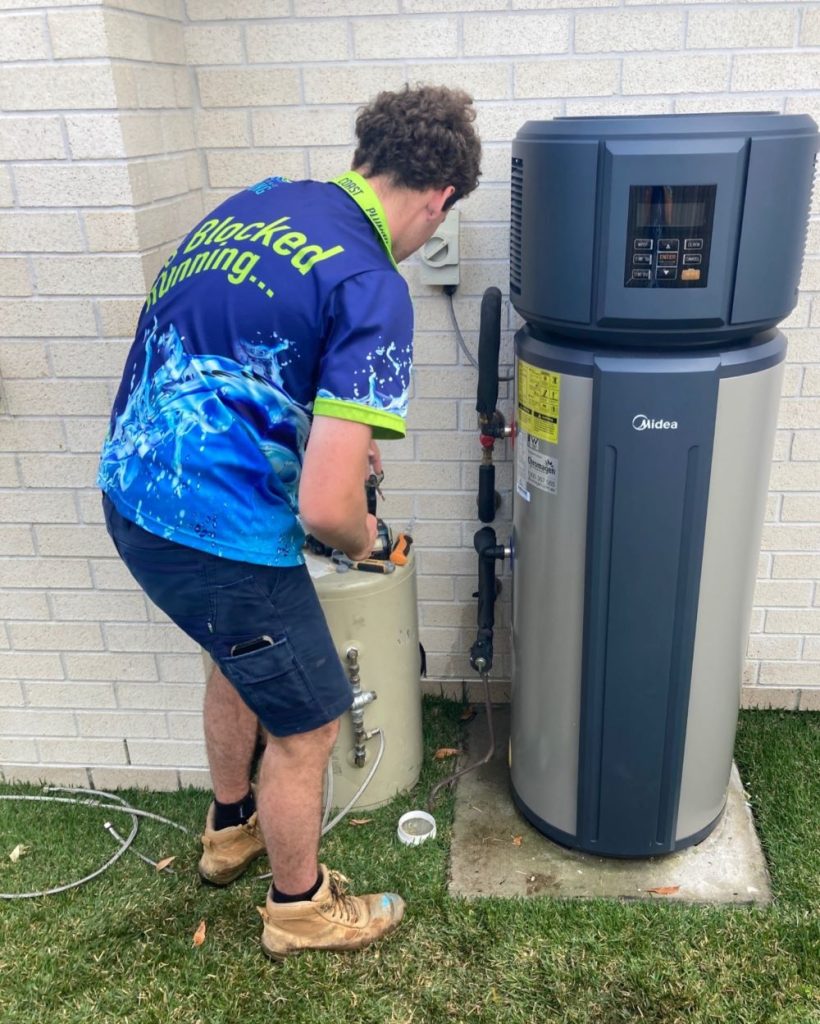
    On the other hand, heat pumps are usually installed at ground level and are available in either integrated or split configurations, occupying a space comparable to that of a traditional electric tank. Their installation does not require any components on the roof, thereby simplifying the setup process and making it more manageable for homeowners. Additionally, maintenance for heat pumps tends to be less intricate, as they are less exposed to UV rays and severe weather conditions, leading to reduced frequency and costs associated with upkeep.

    Maximize Your Financial Savings by Choosing the Right Hot Water System

    Both solar hot water systems and heat pumps are effective in reducing energy expenditures. However, heat pumps often yield greater savings for households that:

    • Experience limited sunlight throughout the day and require a dependable hot water source
    • Utilize hot water during early morning or late evening hours when energy costs may be elevated
    • Already possess rooftop solar PV systems and aim to boost their energy self-consumption
    • Prefer not to rely on roof structures or avoid penetrating roof tiles for installation

    Since heat pumps operate using electricity, they can be programmed to function during peak solar generation hours. This adaptability makes them an excellent complement to existing solar panel systems. Instead of sending surplus energy back to the grid at a lower feed-in tariff, homeowners can utilize their solar power directly to heat water efficiently, thus maximizing both cost-effectiveness and energy savings.

    Evaluating Upfront Costs and Available Incentives for Hot Water Systems

    Both solar hot water systems and heat pumps qualify for Small-scale Technology Certificates (STCs), significantly decreasing the purchase price and making them more accessible for homeowners. The quantity of STCs available is contingent on various elements such as geographical location, system size, and efficiency ratings. Additionally, heat pump installations can be eligible for specific rebates in Queensland through the Energy Efficient Communities Program, which differ based on household characteristics and the installation type.

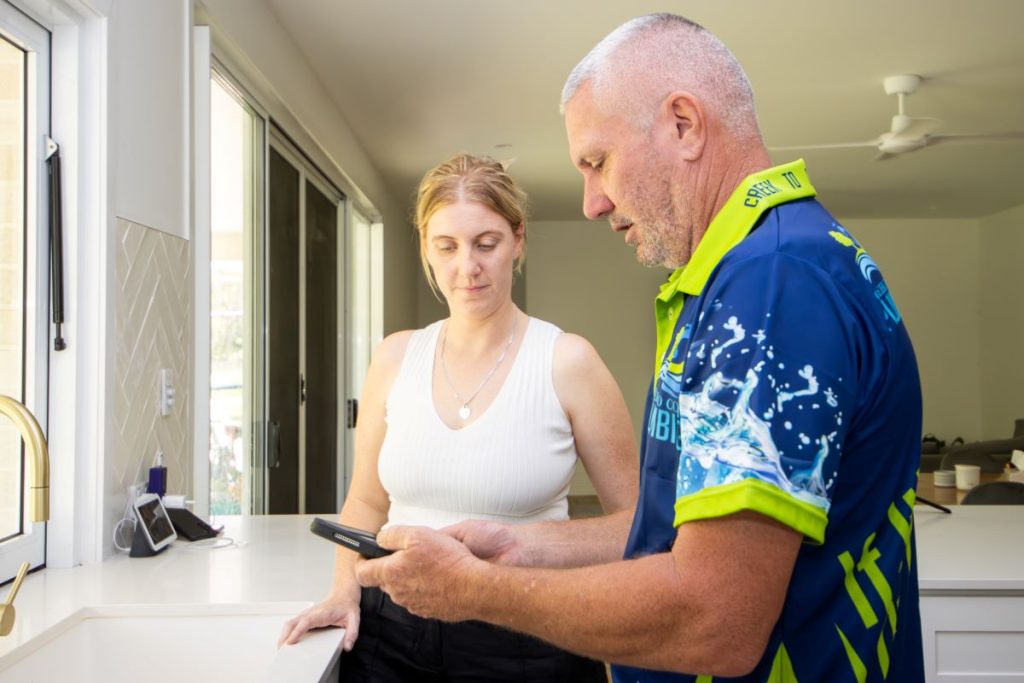
    To effectively navigate these rebate opportunities, it is highly recommended to consult with a certified installer like Creek to Coast Plumbing, who can provide expert guidance on eligible systems and assist with the rebate application process. This ensures that you enjoy all possible savings as part of your installation service.

    Choosing the Optimal Hot Water System for Queensland Homes

    In the coastal regions of Queensland, including the Sunshine Coast and Moreton Bay, heat pumps frequently outperform solar hot water systems due to their consistent efficiency, ease of installation, and compatibility with solar energy technologies. They are particularly beneficial for homes that experience shading or have semi-sunny conditions, and they work exceptionally well in residences equipped with battery storage or smart controllers that optimize energy consumption.

    Plumber Near Me20

    Assessing the Best Hot Water System Options for Your Needs

    While solar hot water systems continue to be a viable option, particularly for homes with unshaded, north-facing roofs that have high daily hot water demands, heat pump systems provide a more versatile and comprehensive solution for many homeowners throughout Queensland. They deliver reliable performance, simplified installation processes, and seamless integration with current solar PV systems, making them a valuable investment for energy-conscious households.

    If you are considering an upgrade, we invite you to explore our Heat Pump Hot Water Systems Installation Page for further information or to request a tailored quote that addresses your specific requirements.

    CALL 1300 793 962

    GET A QUOTE

    The Article: Heat Pumps vs Solar Hot Water: Which is Superior? first appeared on https://writebuff.com

    The Article Heat Pumps vs. Solar Hot Water: A Comparison of Efficiency Was Found On https://limitsofstrategy.com

  • LED Lighting Installation Tips for Lower Energy Bills

    LED Lighting Installation Tips for Lower Energy Bills

    Discover How to Achieve Remarkable Energy Efficiency by Transitioning to LED Lighting Solutions

    Transitioning from conventional halogen or incandescent lighting to modern LED lighting can lead to a striking decrease in household lighting energy consumption by as much as 60%. LEDs not only offer a significantly longer lifespan but also produce much less heat and require only a fraction of the electricity when compared to traditional lighting technologies. According to the Australian Department of Industry, Science, Energy and Resources, LEDs represent the most efficient lighting solution currently available, making this upgrade essential for households focused on energy conservation.

    Lighting Install

    Maximize Your Home’s Efficiency by Embracing LED Lighting Solutions Today

    As the phase-out of halogen and incandescent bulbs progresses, alongside the declining popularity of CFLs, countless households still dependent on these outdated lighting technologies are unwittingly wasting money. In older suburbs like Narre Warren and Rowville, where many homes continue to operate these inefficient fixtures, upgrading to LED lighting emerges as one of the most immediate, impactful, and cost-effective strategies for significantly lowering electricity bills. This is not merely a marketing tactic; the savings achieved through this upgrade are bolstered by various government initiatives that aim to promote energy efficiency and conservation.

    This comprehensive guide delves into the operational mechanics of LED lighting, outlines the substantial cost savings you can expect, and showcases how Direct Point Electrical expertly installs safe, smart, and future-proof lighting systems customized to meet your home’s specific needs.

    Explore the Compelling Benefits of LED Technology: Energy Efficiency, Longevity, and Enhanced Safety

    LEDs (Light Emitting Diodes) utilize advanced semiconductor technology to efficiently convert electrical energy into visible light. Unlike traditional incandescent or halogen bulbs, LEDs are remarkably energy-efficient, wasting nearly no energy in the form of heat. This outstanding efficiency not only results in lower energy bills but also significantly enhances safety within your home, making LEDs an exceptional lighting option for any household seeking to improve both functionality and safety.

    Uncover the Key Advantages of Upgrading to LED Lighting

    • Achieve up to 60% reduction in energy consumption compared to halogen lighting solutions, translating to significant savings.
    • Benefit from an impressive lifespan of 25,000 to 50,000 hours, far exceeding the ~1,000 hours typical for incandescent bulbs, thus reducing replacement frequency.
    • Enjoy cooler operation, dramatically lowering potential fire hazards, particularly in ceiling cavities where heat buildup can be a concern.
    • Take advantage of dimmable options and compatibility with smart home technologies, seamlessly integrating with most home automation platforms for personalized lighting control.
    • Experience immediate brightness with no warm-up time required, providing instant illumination when you need it.

    For additional information, refer to the source: Energy.gov.au.

    Calculate Your Impressive 60% Energy Savings with LED Lighting Solutions

    On average, Australian households allocate approximately 8–15% of their total energy bill to lighting. By replacing 20 halogen downlights (consuming 50W each) with 20 LED equivalents (operating at just 10W each), you can drastically reduce lighting consumption from 1,000W down to 200W, achieving an astonishing 80% reduction in wattage.

    When considering variations in usage and potential dimming, most households typically observe authentic 50–60% savings on their lighting-related energy expenses, making this upgrade even more attractive.

    To illustrate, consider the following example:

    • Before LED Upgrade: $300 annually on lighting
    • After LED Upgrade: Approximately ~$120 annually
    • Annual Savings: $180
    • Typical Payback Period: Generally under 18 months

    Identify Key Areas for Your LED Installation to Maximize Energy Efficiency

    We strongly recommend prioritizing installations in the high-usage areas of your home, which include:

    • Kitchens (where task lighting and downlights provide optimal visibility for cooking and food preparation)
    • Living areas (with ambient and dimmable options that create a versatile lighting atmosphere)
    • Bathrooms (utilizing waterproof IP-rated fittings to enhance safety in moisture-prone environments)
    • Hallways and stairs (featuring motion sensor and low-voltage options for added convenience and energy efficiency)
    • Outdoor lighting (including floodlights, security spots, and garden features that enhance your property’s appearance and safety)

    Furthermore, we can assist in upgrading garage, patio, or shed lighting, ensuring safe installations with IP-rated and corrosion-resistant fittings designed to withstand various weather conditions.

    For additional information, please explore our lighting page.

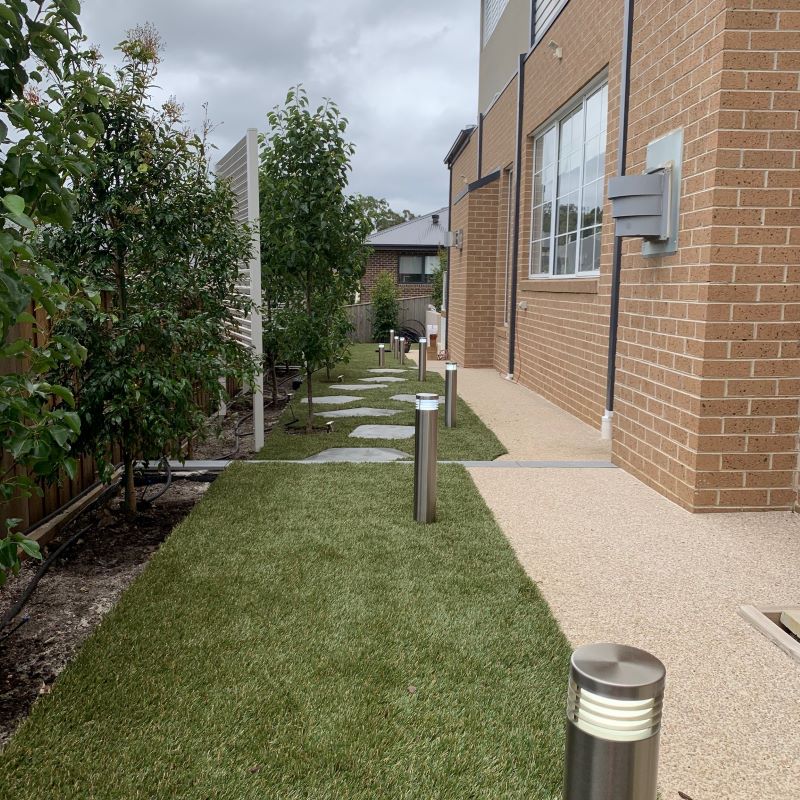
    Outdoor Lighting

    Understand Quality Standards in LED Installation for Optimal Performance and Safety

    It’s essential to recognize that not all LEDs are created equal. We have experienced issues with budget installations that flicker, fail prematurely, or even cause circuit interruptions. At Direct Point Electrical, we exclusively utilize approved fittings that adhere to AS/NZS 60598.1 standards and are registered with the Equipment Safety Scheme (EESS).

    Our rigorous installation process ensures:

    • Compatible dimmers and drivers for smooth operation and an enhanced user experience
    • Appropriate beam angles tailored for each room type to maximize functionality and lighting effectiveness
    • Fire-rated recessed housings where required to ensure safety in all installations
    • Separation from insulation according to AS/NZS 3000 Clause 4.5 to prevent overheating and potential hazards
    • Switchboard RCD protection when new circuits are integrated, providing an additional layer of safety

    Effortlessly Integrate Smart Lighting Solutions into Your Home Automation System

    Modern LED lighting systems can seamlessly connect with:

    • Motion sensors that optimize energy savings by automatically adjusting lighting based on occupancy
    • Daylight sensors that automatically modify lighting levels based on the availability of natural light
    • Smart switches or voice control options that enhance your lighting experience and convenience
    • Scene scheduling capabilities via mobile applications, allowing you to customize your lighting based on personal preferences

    For those eager to implement smart home solutions, we specialize in installing systems that are compatible with:

    • Google Home
    • Amazon Alexa
    • Apple HomeKit

    For further assistance, please check out our Home Automation Wiring service, which can streamline your home’s lighting and automation systems.

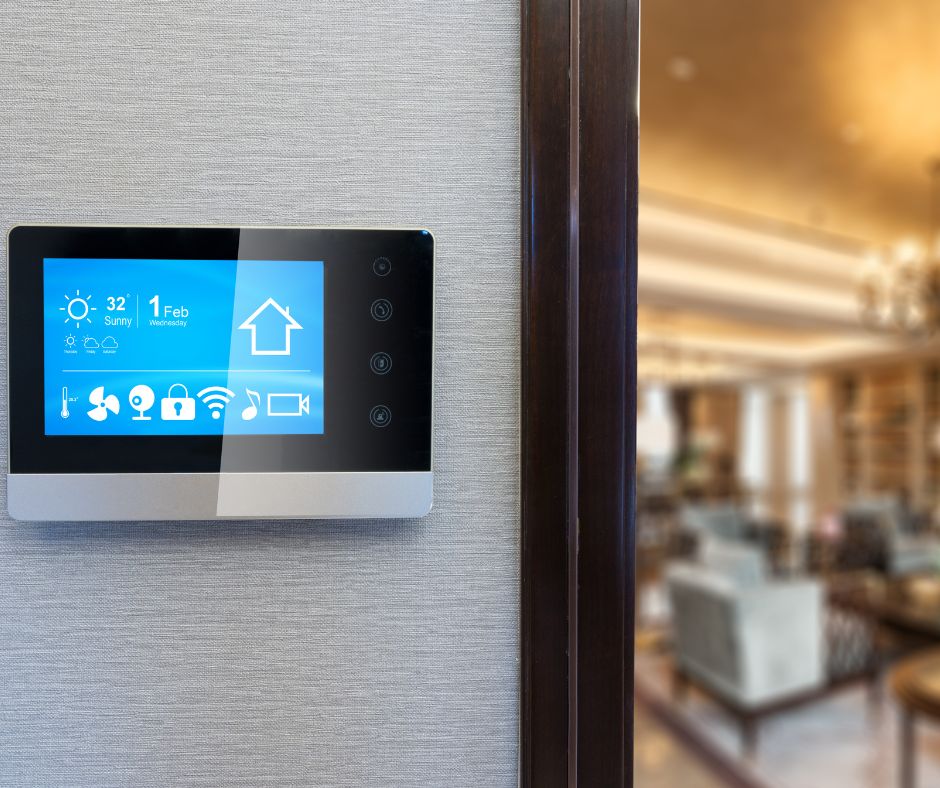
    home automation

    Maximize Your Energy Savings by Exploring Rebates and Energy Efficiency Programs Available in Victoria

    Through the Victorian Energy Upgrades (VEU) program, many households may qualify for subsidized lighting upgrades, particularly when replacing non-compliant or high-wattage fixtures. While the availability of rebate offers can fluctuate, we are more than willing to assess your eligibility for these beneficial programs. For detailed information on this initiative, visit: EnergySaver.vic.gov.au.

    Avoid Common Pitfalls in LED Installations for Optimal Lighting Performance

    • Using non-dimmable LEDs on dimmer circuits can lead to malfunction and compromised performance.
    • Installing low-quality, off-brand fittings can result in significant safety hazards and diminished functionality.
    • Overloading existing transformers can cause failures or hazardous conditions, necessitating careful consideration.
    • Incorrect IP ratings in wet zones can present serious safety risks and should be avoided at all costs.
    • Insufficient spacing from insulation increases the risk of overheating, which can lead to dangerous situations.

    All of our work is fully licensed, and we provide a Certificate of Electrical Safety (COES) for every LED installation completed, ensuring peace of mind and compliance with all safety standards.

    Discover Valuable Resources for Additional Information on LED Lighting Solutions

    Find Answers to Your Frequently Asked Questions About LED Lighting Solutions

    Do LEDs genuinely provide significant electricity savings?

    Absolutely. LEDs consume approximately 80–90% less energy compared to traditional light bulbs. As a result, most households typically enjoy savings of 50–60% on their lighting energy consumption, making this switch a financially wise investment.

    Can I simply replace the bulbs, or is rewiring necessary?

    This depends on your current setup. If you’re using plug-in LED bulbs, no rewiring is required. However, integrated LED downlights may necessitate new fittings or transformers to ensure optimal performance and safety.

    Are LEDs superior to CFLs?

    Indeed. LEDs boast a longer lifespan, achieve instant brightness upon activation, and do not contain hazardous materials like mercury, which is a concern with CFLs that are being phased out to comply with energy standards.

    Can LED lights be dimmed?

    Yes, but only if you utilize compatible dimmable models along with approved dimmer switches to guarantee proper functionality and performance.

    Is it necessary to hire a licensed electrician for LED installations?

    Yes, especially when installing recessed downlights or modifying circuits, as DIY electrical work is illegal in Victoria and can pose significant safety risks.

    Begin Your Journey Towards Energy-Efficient LED Lighting Solutions Today

    Upgrading to LED lighting is one of the fastest and most effective ways to drastically reduce your energy costs without sacrificing comfort or aesthetic value. Whether you are in the process of renovating, retrofitting an existing space, or constructing a new one, we are here to help you secure the most efficient and compliant lighting system tailored to your specific needs.

    For prompt, professional installation and innovative design solutions, reach out to Direct Point Electrical—your trusted lighting specialists catering to Melbourne’s outer eastern suburbs.

    Call Us

    Get A Quote

    The Article: LED Lighting Installation Tips for Lower Power Bills first appeared on https://writebuff.com

    The Article LED Lighting Installation Tips to Reduce Energy Costs Was Found On https://limitsofstrategy.com

  • VEU Rebates for Heat Pump Installations Explained

    VEU Rebates for Heat Pump Installations Explained

    Essential Steps for Conducting a Comprehensive Heat Pump Site Assessment

    To identify the most suitable Heat Pump System customized for your unique property, our expert team starts by posing a series of insightful qualifying questions aimed at collecting crucial information. We also request detailed photographs of your existing hot water system to fully understand its current condition and configuration. In situations where capturing images is not possible, our experienced professionals will carry out an exhaustive on-site evaluation. This thorough assessment is vital, as it allows us to accurately gauge the specific needs of your property. Consequently, we can ensure that the heat pump system is perfectly sized and strategically installed to deliver maximum efficiency and performance, thereby optimizing your investment.

    • Photograph of the current Hot Water System (HWS) in its installation environment, including the exterior area surrounding it
    • Image of the compliance plate for reference
    • Picture of the switchboard to ascertain its proximity to the HWS, which aids in electrical planning
    • Information regarding the number of bedrooms in the house and the total number of residents
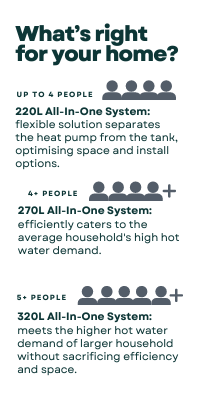
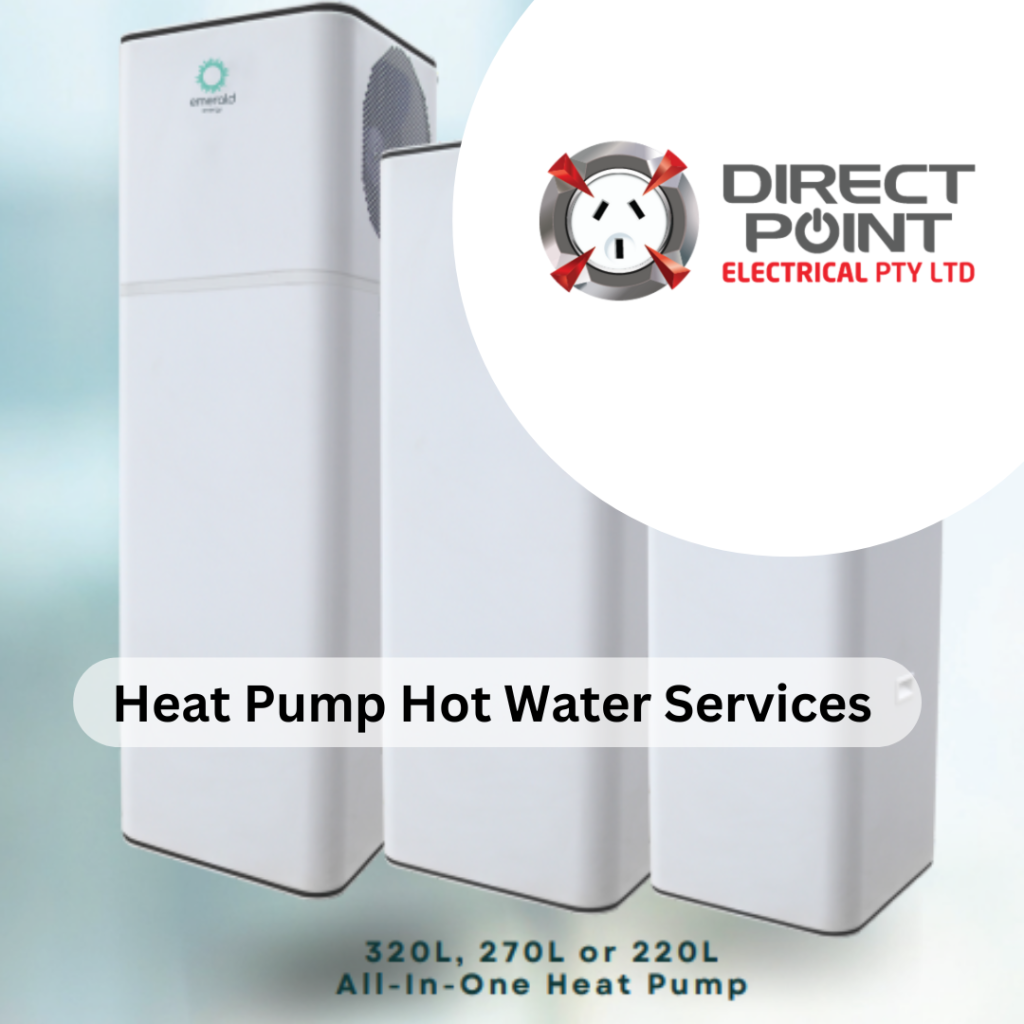
    Model Number Emerald Energy Heat Pump Size
    EE-HWS-A1-220 220L All-in-one
    EE-HWS-A1-220E 220L All-in-one w/E-Heater
    EE-HWS-A1-270 270L All-in-one
    EE-HWS-A1-270E 270L All-in-one w/E-Heater
    EE-HWS-A1-320 320L All-in-one
    EE-HWS-A1-320E 320L All-in-one w/E-Heater

    When choosing the appropriate model, it’s crucial to take into account environmental factors, particularly if your property is situated in a location prone to frost.

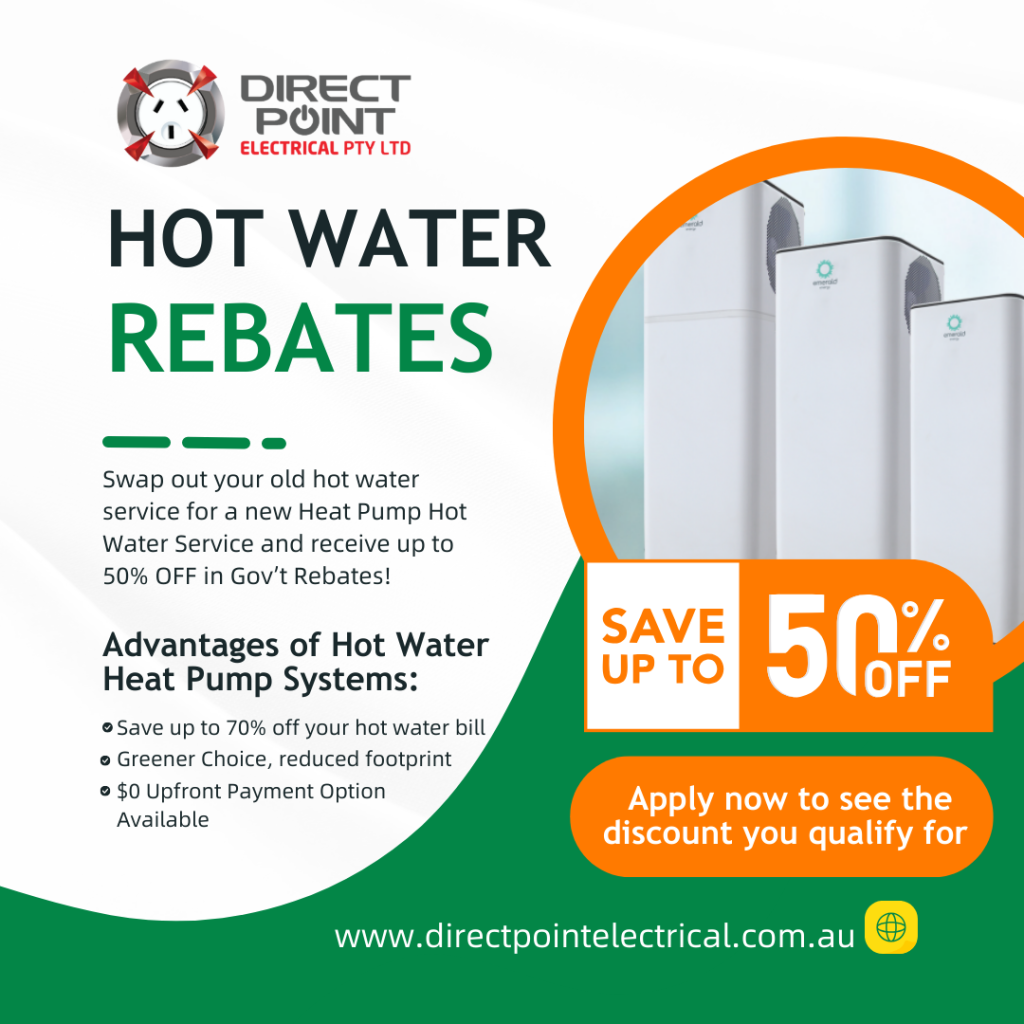
    Heat Pump Advertisement

    Professional Installation Services Customized for Your Heat Pump Solutions

    • Safe removal and eco-friendly disposal of the existing unit at an EPA-approved recycling facility
    • Delivery and secure installation of the new heat pump unit(s) to ensure longevity
    • Complete electrical installation, including necessary connections and an Electrical Certificate of Safety for your peace of mind
    • Professional plumbing installation, accompanied by a Victoria Building Authority (VBA) Certificate verifying compliance
    • Final commissioning and a thorough handover for residents, featuring a demonstration of controls and essential maintenance guidance, including setup for remote access via mobile devices for troubleshooting if necessary.
    Picture1

    Essential Maintenance Services for Optimal Heat Pump Efficiency

    The Emerald Energy heat pump systems are designed to require minimal maintenance; however, regular upkeep is essential for ensuring peak functionality and extending the system’s lifespan. Emerald Energy advises conducting maintenance at least once a year to keep your system operating at its best and to avert any potential issues that could arise from neglecting necessary care.

    Annual routine maintenance typically includes a series of critical tasks:

    • Filter Cleaning: Regular cleaning or replacement of filters is essential based on usage patterns. This step is vital to prevent clogging, which can significantly impair airflow and overall efficiency of the system.
    • Outdoor Coil Maintenance: The outdoor unit must remain clear of debris, dirt, and overgrown vegetation to ensure efficient heat exchange. Cleaning the coils and fans when they become dirty will significantly enhance system performance and help prevent damage to critical components.
    • Annual Professional Servicing: A qualified technician should perform an annual service to inspect the unit’s operation, check for refrigerant leaks, lubricate motors, and ensure that all electrical connections are secure and clean. Additionally, the ducts and airflow need to be evaluated for any blockages.
    • Thermostat Functionality Check: It’s crucial to verify that the thermostat is functioning correctly, especially if the system features multistage functionalities. This helps prevent the less efficient backup heating system from activating unnecessarily.

    Request Your Tailored Quote for Our Comprehensive Maintenance Services

    Maximize Your Savings with VEU Rebates:

    Understanding VEU Rebates for Heat Pump Installations

    1. Heat Pump Hot Water Systems: Rebates are available for homeowners who upgrade from traditional electric or gas water heaters to heat pump water heaters, which are renowned for their superior energy efficiency. These rebates are specifically designed to reduce initial installation costs, making the transition to a more sustainable system more affordable.
    2. Space Heating/Cooling Systems: Installing an energy-efficient heat pump for both heating and cooling can also qualify for VEU rebates. These modern systems use significantly less electricity compared to traditional electric heaters or older reverse-cycle air conditioners, which translates into substantial long-term savings.

    Key Reasons for the Implementation of VEU Rebates for Heat Pumps

    The Victorian government offers VEU rebates for heat pumps for several compelling reasons:

    • Encouraging Energy Efficiency: Heat pumps are significantly more energy-efficient than traditional heating and cooling systems, requiring less electricity to generate the same amount of heating or cooling.
    • Reducing Greenhouse Gas Emissions: By promoting the adoption of heat pumps, which produce lower carbon dioxide emissions compared to conventional gas or electric heating methods, the government aims to substantially decrease greenhouse gas emissions and support the state’s climate objectives.
    • Facilitating Cost Savings: These energy-efficient systems lead to reduced energy bills for both households and businesses, making energy savings accessible to a more extensive audience.

    Essential Criteria for VEU Rebate Eligibility for Heat Pump Installations

    1. Eligible Products: To qualify, the heat pump system must be listed as an approved product under the VEU program. You can verify the eligibility of your product by consulting the VEU’s official register.
    2. Installation by Accredited Providers: The installation must be performed by an accredited provider or an individual working under their supervision. Only installations completed by approved providers are eligible for the rebate.
    3. Replacement of Inefficient Systems: For water heating, rebates are usually available for replacing inefficient electric or gas water heaters. For space heating, they often apply when outdated heating systems, such as older electric or gas heaters, are replaced.
    4. Eligibility for Residential and Business Applications: Both residential and commercial property owners can apply for rebates, although the specific amounts may vary based on property type and system size.
    5. Meet Installation Standards: The heat pump system must adhere to specific installation and performance criteria to qualify, including certain energy performance standards.

    Guide to the Application Process for the VEU Rebate

    • As an accredited provider of the rebate, we handle the entire application process for you. All you need to do is verify the new installation at your property. We will apply the applicable discount on your invoice and manage the rest!

    Discover the Rebate Opportunities Available through Solar VIC

    The Solar Victoria rebate for hot water systems includes incentives for the installation of heat pump hot water systems. This initiative is part of the broader Solar Homes Program, which aims to assist Victorian households in reducing their energy costs and minimizing their overall carbon footprint.

    Details of the Solar Victoria Rebate for Hot Water Heat Pumps

    1. Rebate Amount:
      Eligible households can receive rebates of up to $1,000 for the installation of a heat pump hot water system. This financial assistance is designed to mitigate the initial costs associated with transitioning from traditional electric or gas water heating systems to more energy-efficient heat pumps.
    2. Eligibility Criteria:
      To qualify for the rebate, both the household and the heat pump system must meet specific requirements:
      • Property Requirements:
        • The property must be located in Victoria and must either be an existing home or a new build.
        • The applicant must be the owner-occupier of the property in question.
      • Income Cap:
        The household must have a combined annual taxable income of less than $180,000.
      • Existing Water Heater:
        The rebate is available for households replacing an existing electric, LPG, or gas water heater that is over 12 years old.
      • Limit of Rebates:
        The applicant must not have previously received a Solar Homes rebate (for solar panels, solar batteries, etc.), though exceptions may apply if you are applying for a different type of rebate (such as battery or hot water).
      • Authorized Product and Installer:
        The heat pump system must be approved by Solar Victoria, and the installation must be conducted by a qualified technician who is also an accredited installer under the program.
    Veu Rebate Advert Heat Pumps

    Step-by-Step Guide to Applying for the Solar Victoria Hot Water Heat Pump Rebate

    1. Check Eligibility:
      Confirm that both your household and the heat pump system you wish to install meet the eligibility requirements set forth by the program. Ensure the product is listed on the Solar Victoria-approved product list.
    2. Obtain a Quote from an Accredited Installer:
      Secure a quote from a Solar Homes-accredited plumber or installer for your installation. The installer must be registered with Solar Victoria to ensure your rebate application is valid.
    3. Submit Your Rebate Application:
    4. Installation Process:
      Once your rebate is approved, coordinate the installation with your accredited provider. The rebate amount is usually deducted directly from your installation cost, allowing you to pay a reduced amount upfront.
    5. Final Documentation Submission:
      After installation, you must provide final documentation, including a certificate of compliance from the installer, to complete the rebate process.

    If you wish to apply for the Solar VIC Rebate for your home, contact us today. As accredited installers under the VEU Scheme, we can provide you with a comprehensive, no-obligation quote. Upon your confirmation, we’ll send you a link from Solar VIC to verify your eligibility for the Rebate.

    Frequently Asked Questions About the Hot Water Heat Pump Changeover Scheme in Victoria

    1. What do the hot water heat pump rebate programs under the VEU and Solar Victoria entail?
    The Victorian Energy Upgrades (VEU) and Solar Victoria programs provide attractive rebates for homeowners who replace outdated, inefficient water heaters with modern, energy-efficient heat pump systems. These rebates aim to lower upfront installation costs, helping you save money while also decreasing your energy consumption and carbon footprint.

    2. What kind of savings can I expect from the hot water heat pump rebate?
    Eligible households can receive up to:

    • $1,000 through the Solar Victoria program.
    • Additional discounts available through the VEU scheme, depending on the size and type of heat pump installed.

    These rebates can significantly reduce the overall costs associated with transitioning to a heat pump hot water system.

    3. What are the qualifications for the hot water heat pump rebate?
    To qualify for the rebate, you must:

    • Be a Victorian homeowner or landlord.
    • Have a household taxable income of less than $180,000 annually.
    • Be replacing an existing electric, LPG, or gas water heater that is 12 years or older.
    • Utilize an accredited installer and install a product that is approved under the VEU or Solar Victoria program.

    4. Is it necessary to replace my old water heater to qualify for the rebate?
    Yes, the rebate specifically applies when you replace an outdated, inefficient electric, gas, or LPG water heater with a new energy-efficient heat pump system. This initiative aligns with the state’s goals to decrease greenhouse gas emissions by fostering the adoption of more efficient technologies.

    5. What exactly is a heat pump hot water system?
    A heat pump hot water system utilizes renewable energy sourced from air to heat water, offering exceptional energy efficiency compared to traditional electric or gas water heaters. It operates similarly to a reverse-cycle air conditioner, transferring heat into water rather than air.

    6. How much can I save on energy bills with a heat pump water heater?
    A heat pump water heater can potentially decrease your water heating energy costs by up to 70% compared to a standard electric storage water heater. The actual savings will vary based on your household’s hot water usage and the effectiveness of the installed system.

    7. What distinguishes the VEU from the Solar Victoria rebates?
    Both programs provide financial incentives for upgrading to energy-efficient systems, yet they focus on different areas:

    • The VEU Scheme offers rebates aimed at reducing greenhouse gas emissions through various energy-efficient upgrades, including heat pump water heaters.
    • The Solar Victoria program is designed for homeowners, providing specific rebates for the installation of heat pumps and solar hot water systems.

    If you meet the eligibility requirements, you can apply for both rebates, further lowering your installation costs.

    8. Am I responsible for applying for the rebate myself?
    No, the rebate application process is straightforward. As an accredited provider, we will manage all rebate paperwork for you. Typically, the rebate is applied as a discount on your installation cost, allowing you to pay less upfront.

    9. Can I receive a rebate if I’m renting or if the property is a rental?
    Yes, as a landlord, you can apply for the rebate to install a heat pump water heater in your rental property. However, renters themselves are not eligible unless they own the property. Landlords must adhere to the same income and property conditions as owner-occupiers.

    10. What is the estimated time for installing a heat pump hot water system?
    Installation durations may vary based on property specifics, but the majority of installations can typically be completed within one day. We aim to make the entire process efficient and minimally disruptive to your daily routine.

    11. Are there additional rebates or incentives available?
    Beyond the VEU Scheme and Solar Victoria rebates, other state or federal energy-saving incentives may also be available. Contact us to discuss the various options available to maximize your savings.

    12. How do heat pump systems perform in colder climates?
    Modern heat pump water heaters are designed to operate effectively even in lower temperature environments. While their efficiency may slightly diminish in extreme cold, they continue to be significantly more effective than traditional electric or gas systems throughout the year.

    13. Are heat pump hot water systems noisy?
    No, heat pump systems are typically engineered to be very quiet. They operate with less noise compared to many other household appliances, and the sound produced by the outdoor unit is minimal and unobtrusive.

    14. Which brands of heat pump systems do you install?
    We offer a broad range of trusted, high-quality heat pump systems. All products we install comply with the VEU and Solar Victoria programs to ensure they meet stringent energy-efficiency standards.

    Heat Pump Installations And VEU Rebates

    The Article: VEU Rebates for Heat Pump Installations Explained first appeared on https://writebuff.com

    The Article VEU Rebates Explained for Heat Pump Installations Was Found On https://limitsofstrategy.com

  • Benefits of Energy Efficient Homes for Homeowners

    Benefits of Energy Efficient Homes for Homeowners

    It is becoming increasingly important for homeowners to find ways to save energy and money in their homes. Energy efficient homes are a great way to cut costs, reduce your environmental impact and ensure a comfortable living environment all year round. This article will provide an overview of the benefits of energy efficiency in the home, and key tips on how to create an energy efficient home. It will discuss topics such as measuring energy usage, improving insulation, installing smart thermostats, and more.

    Energy efficient homes are becoming more and more important for homeowners because they help save money on utility bills, improve the quality of life and increase the resale value of your home.

    They also reduce greenhouse gas emissions, which are a major cause of climate change. The National Association of Home Builders reports that modern home buyers are both financially savvy and eco-conscious.

    Save Money on Your Utility Bills

    If you’re looking for a way to save money on utility bills, energy efficient homes are the way to go. They offer a number of benefits, including lower energy costs and increased home value.

    Compared to other forms of home improvement, implementing energy efficiency measures can be expensive, but the payoff can be significant. For example, upgrading your attic insulation can save you hundreds of dollars on your heating and cooling costs each year.

    The first step in reducing your utility bill is to get an energy audit from a professional. This will help you identify areas that need attention and provide solutions for your problems.

    A few simple changes can make a big difference in your home’s energy efficiency, such as replacing old light bulbs with energy-efficient alternatives or installing a programmable thermostat. A programmable thermostat will automatically lower the temperature during peak times and keep it at a more comfortable level while you’re away or asleep.

    affordable ac repair la mesa

    Another way to reduce your utility bill is to insulate your water heater. This will ensure that you don’t lose heat when it reheats the water. It will also help you cut down on your electricity and gas usage, which can lead to even more savings.

    There are a number of ways to make your home more energy efficient, from installing solar panels to changing out your appliances for newer models that use less electricity. The most important thing is to find a solution that will work for you.

    Buying appliances that are ENERGY STAR certified is a good idea for many people, because they come with government rebates and incentives. These incentives are designed to encourage people to purchase more energy-efficient products.

    Energy efficient homes can also help you stay warm or cool when the power goes out. One study found that an energy efficient home will maintain a more comfortable temperature when the power is out than a typical single-family home.

    You can start saving on your utility bill by switching to energy-efficient light bulbs and insulating your home. There are also other small, inexpensive upgrades that you can do to improve your energy efficiency.

    Improve the Quality of Life for Homeowners

    Energy efficient homes offer homeowners many benefits, including improved comfort, better health and reduced energy bills. They also help reduce the impact of climate change and decrease a home’s carbon footprint.

    Moreover, energy efficient homes can be more comfortable to live in and look more attractive to buyers. These homes are often outfitted with high-efficiency lighting, appliances and other features that not only save energy but also add value to the home.

    Improved thermal comfort is a key benefit of energy efficient homes because they allow people to stay warm in the winter and cool in the summer without spending as much on heating and cooling. Insulation and air-tight construction prevent drafts from entering and exiting the home, making it feel more livable year-round.

    In addition, high insulation levels and proper ventilation improve indoor air quality by controlling incoming and outgoing air, reducing mold growth and mildew. This is particularly important for those with allergies, asthma and seniors.

    Furthermore, energy efficient homes can be more affordable to maintain because they use less electricity or gas for heating and cooling systems. It is estimated that a typical family can save up to $1,500 in utility bills every year by building an energy efficient home.

    These savings can be used to pay for other improvements, such as new flooring or a more attractive kitchen. And if you sell your home, you can expect to see a significant increase in its resale value due to the energy efficiency upgrades that were installed.

    A recent study found that homeowners who had undergone weatherization and energy efficiency upgrades had positive experiences. They reported that their homes were warmer and quieter, allowing them to rest more comfortably. They also reported lower energy bills and that their homes felt more insulated than before.

    These results suggest that energy efficiency upgrades can be a viable intervention to mitigate the various challenges facing low income households. However, larger scale research is needed to fully understand the long-term implications of these upgrades.

    Increase the Resale Value of Your Home

    Energy efficient homes are becoming increasingly popular with homebuyers. It’s no wonder: They help homeowners save money on utility bills and improve the quality of life for their families. In addition, a number of these features can also increase the resale value of your home.

    If you are preparing to put your home on the market, consider making energy efficiency upgrades. These improvements can pay for themselves over time as you recoup your investment and reduce your energy costs.

    New appliances, for example, can add considerable value to your home by reducing the amount of electricity used in your household. Additionally, these upgrades can enhance the aesthetic appeal of your kitchen.

    The Energy Star program is a good place to start when it comes to improving the energy efficiency of your home. It’s free to join, and it offers a range of resources that can help you make more informed decisions about your energy use.

    It’s also worth considering installing solar panels on your home. These can significantly reduce your energy bill, improve your home’s resale value and help protect the environment.

    According to the US Green Building Council, an Energy Star-certified home can sell for up to 8 percent more than a non-energy-efficient home. This can be an attractive incentive for buyers, and can result in a faster sale.

    In addition to lowering your energy bills, these types of upgrades can make your home more comfortable and durable. They can also improve your home’s air quality, which is especially important for those who suffer from respiratory illnesses or allergies.

    These improvements aren’t as expensive as some other renovations, and you may even recoup your expenses after you sell your home. In fact, some studies have shown that a single upgrade can increase the resale value of a home by up to 10 percent.

    To maximize your home’s resale potential, make sure to document the installation of these energy-efficient improvements and share them with your listing agent. You can also consider obtaining third-party certifications for your home, such as ENERGY STAR, Earthcraft, and Pearl.

    Reduce the Carbon Footprint of Your Home

    There are many ways to reduce your home’s carbon footprint, ranging from simple changes like switching to LED light bulbs and energy efficient appliances to more substantial measures such as deep retrofits. Even small changes can make a big difference, reducing your household bills and reducing carbon emissions by up to 70%.

    One of the simplest ways to reduce your home’s carbon footprint is by insulating your home effectively. This will allow you to keep your house warm in the winter and cool in the summer, reducing your energy costs.

    Another way to reduce your energy consumption is by unplugging items that are not in use, such as unused lamps, televisions and other appliances. You can also turn your thermostat down a few degrees in the winter and up a few degrees in the summer to save energy.

    Your home’s heating and cooling are two of the biggest contributors to your home’s carbon emissions. This is why you should try to insulate your loft and walls and ensure that you have proper weather stripping on windows and doors.

    Using energy-efficient appliances such as furnaces and air conditioners will help you to significantly reduce your home’s carbon footprint. You can also recycle and compost your waste, which will decrease the amount of waste that ends up in landfills.

    When you choose a low-carbon building material for your new home, such as cork, hemp, bamboo or straw bales, you’re making a huge contribution to the environment. The more traditional materials that have been used for home construction for many years take up a lot of energy to produce and ship. There is  a trend now to replace these materials with ones that are made from natural or renewable resources which are a great way to reduce your carbon footprint.

    Making simple lifestyle changes like eating less meat and dairy products can also reduce your carbon footprint, especially when you consider the energy it takes to grow, raise and transport them. You can also cut down on your food consumption by eating more whole grains, vegetables and fruits, which require a lot less energy to produce than meat and dairy.
    home renovation
    There are many ways to reduce your carbon footprint, but the most important thing is to change your lifestyle. These changes can be small but every little step will help reduce your carbon emissions and ultimately help to fight climate change if everyone else tales similar small steps we can together make a big difference.

    In conclusion, energy efficient homes are a great way to save money, reduce your carbon footprint, and help protect the environment. There are many ways to make your home more energy-efficient without having to invest in expensive or complicated renovations. Simple changes like changing light bulbs, switching out appliances, using motion sensors for lights and making sure your windows are properly sealed can go a long way in reducing energy costs. Investing in solar panels and other renewable energy sources can also be beneficial in the long run.

    The Article Benefits of Energy Efficient Homes for Homeowners First Appeared ON
    : https://ad4sc.com

  • 5 Electrical Improvements for Your House or Business to Save Money

    5 Electrical Improvements for Your House or Business to Save Money

    Implementing electrical improvements to your house or company might help you save money in the long term. You may minimize your monthly energy expenditures while increasing the value of your house by investing in energy-efficient solutions. Updating might also assist in avoiding future costly repairs and upkeep. In this post, we’ll look at how electrical upgrades may help you save money on bills, maintenance, and other costs associated with running a more efficient house or company.

    Most Common Electrical Upgrades to Save Money

    Don’t ignore electrical changes if you want to save money and enhance your house. These simple modifications can significantly influence your power expenses and allow you to live more comfortably.

    Generally, your home’s electrical panel should be replaced every 25 to 40 years. Unfortunately, it is not always obvious when it is time to upgrade.

    1. Upgrade Your Wiring

    You may save money on your energy costs by upgrading your electrical system. It may also assist you in remaining secure and keeping your house in good shape for your family.

    If you own a house, you’re undoubtedly used to the aggravation that comes with paying hefty power bills. Because your appliances and other gadgets require money to operate, you want to discover ways to reduce your power use as much as possible.

    Reliable Electricians Glendale AZ

    The easiest method to accomplish this is to upgrade your electrical system. Older homes were not built to manage the power required by today’s technologies. For example, an older house may only have 60amps of electricity, but contemporary equipment demands 100amps.

    Schedule an examination with a competent electrician to see whether your wiring needs to be upgraded. This includes an in-depth examination of your home’s circuits, switches, and outlets.

    During this examination, your electrician will search for weak connections, damaged wires, and other problems. If they see any issues, an electrician will advise you to get them repaired or replaced.

    As you intend to add more appliances to your house, it is a good time to consider updating your wiring. Getting extra dedicated circuits and outlets installed for your new appliances will help you save money on energy expenditures.

    Updating your electrical system may be a large undertaking, so getting it correctly the first time is critical. The electrician will be able to walk you through the process and ensure that your home is completely functioning after the repair is finished.

    2. Upgrade Your Switches and Outlets

    Although we are all aware that outdated switches and outlets are a concern, many homeowners fail to fix their houses’ electrical wiring when it is in need of an upgrade. Fortunately, there are various simple methods to save money by improving your home’s switch and outlet configuration.

    Aged outlets pose a significant safety risk while reducing the efficiency of the electrical system. To avoid this, you should always replace an old outlet with a new one.

    Thankfully, replacing an outdated outlet is as simple as purchasing and installing a new one. But, if you are unsure about doing it yourself, contact a professional electrician.

    Some outlets are more expensive than others; you must incorporate this into your budget. GFCI outlet improvements, for example, cost between $7 and $25 per, including labor charges for installation.

    Upgrading your outlet to a high-voltage outlet, which may deliver more power for larger appliances like electric dryers and stoves, is another more expensive alternative. These excellent investments will pay for themselves long-term through decreased energy expenses.

    Smart outlets are a popular update allowing homes to save energy by only turning on lights when needed. These may be controlled by a smart device, such as an Amazon Echo or Google Home, and are particularly handy in modern houses with a high number of tablets and smartphones.

    These receptacles typically have USB connections that may be used to charge your tablet or smartphone, considerably reducing the amount of electricity you consume when away from home. This improvement will also make charging many devices at once easier and will save you money on your monthly electricity expenses.

    3. Upgrade Your Electrical Panel

    Every day, new “must-have” electronic items require power to function. Your home’s electrical panel must meet these power requirements. It’s known as a “service panel.”

    Updating your service panel is one of the simplest methods to save money on your electric bill while increasing the value of your house. Updating your panel might also help you keep your home safe from electrical fires.

    It’s fairly unusual for older homes to have panels that are no longer certified for today’s energy consumption. If your panel is over 30 years old, or you believe it is, call an expert electrician to explore possibilities for updating it.

    The service panel is the main control center for your home’s electrical system. It houses circuit breakers, fuses, and switches that regulate the power flow to each outlet in your home.

    A common panel is rated at 200 amps, which should cover most of your home’s requirements. But, if your home has a large HVAC unit or many appliances that consume a lot of electricity, upgrading the service panel may be essential.

    The cost of upgrading a service panel is determined by the quantity of work required to finish the job. The more materials that are used, the greater the cost.

    Before making this decision, you should consult with an experienced electrician regarding your home’s present load and the necessary amp rating for your property. This will verify that your new panel can manage your home’s electrical load and safeguard it from potential difficulties.

    A service panel update can increase your electrical system’s power capacity and make it safer for you to utilize all of the newest electronics in your house. It will also give a more regular power flow throughout your home, allowing you to avoid tripping breakers and damaging costly items.

    4. Upgrade Your Appliances

    You may save money on your energy cost by upgrading your appliances, but you must consider your budget as well as the recommended lifespan of each piece of equipment. You should also choose ENERGY STAR-certified models to qualify for federal and local subsidies.

    Modern appliances are more efficient than older ones, which means they consume less energy and cost less to operate. Furthermore, they provide innovative features that make home duties easier and safer.

    Modern refrigerators, for example, include smart capabilities that allow you to manage temperature, lighting, and food expiry dates with your smartphone. Sanitize mode, delayed start, and kid lock are now standard features on dishwashers, all of which assist in safeguarding you from fires and leaks.

    The main advantage of updating your appliances is that they are more energy efficient. Switching to more energy-efficient equipment can reduce your power cost by more than 20%, allowing you to stick to your monthly budget.

    Appliances not only save energy, but they also add value to your property. Whether you want to sell or renovate your house, improving your appliances will boost its overall attractiveness and help it sell faster.

    In addition to lowering your power cost, upgrading old equipment may help to make the world a better place for future generations. In fact, since the National Appliance Energy Conservation Act was established, the majority of American households have saved $500 on their power bills.

    5. Upgrade Your Lighting

    Lighting improvements are an excellent method for homeowners to save money while increasing the value of their houses. These money-saving electrical changes are not only simple to implement, but they also greatly influence a space’s entire look and feel.

    If your existing lighting fixtures are outdated and inefficient, they will consume more energy than you require. Instead, switch to LED light bulbs, which consume less energy and last longer.

    Several jurisdictions provide LED lighting incentives, so it’s a wonderful way to save money immediately. These savings will be reflected in your power bill, so it’s a worthwhile investment.

    Updating your lights can help your company save money while also keeping staff and customers safe. This is especially true if you have an indoor location to use during bad weather.

    Ensuring the new lighting system will fulfill your requirements is also critical. The fixture’s quality should be satisfactory and give enough illumination to provide a comfortable environment for those who work or shop in the facility.

    Whether you’re a homeowner or a commercial property manager, educating yourself about your lighting upgrade alternatives is critical. It will not only save you money in the long term, but it will also assist in boosting the operation of your firm.

    Finally, electrical upgrades may be an excellent investment for any house or company. Updating old wiring and installing energy-efficient lighting can help you save money on energy expenditures while also lowering the danger of an electrical fire. Not only that, but it may boost resale value and enhance overall home safety. Consultation with a skilled electrician is a wonderful approach to identifying which upgrades are most beneficial to you. Making efforts toward more efficient power consumption today is critical for living sustainably tomorrow.

    The Article 5 Electrical Improvements for Your House or Business to Save Money First Appeared ON
    : https://ad4sc.com

  • 5 Best Electrical Upgrades to Save Money in Your Home or Business

    5 Best Electrical Upgrades to Save Money in Your Home or Business

    Making electrical upgrades to your home or business can be a great way to save money in the long run. By taking the time to invest in energy-efficient solutions, you can reduce your monthly energy costs and increase the value of your property. Upgrading can also help to prevent costly repairs and maintenance down the road. In this article, we’ll look at how you can use electrical upgrades to save money on bills, maintenance, and other costs related to running an efficient home or business.


    Most Common Electrical Upgrades to Save Money

    If you’re looking to save money and improve your home, don’t overlook electrical upgrades. These simple changes can make a big impact on your electricity costs and help you live more comfortably.

    As a rule, you should replace your home’s electrical panel every 25 to 40 years. However, it’s not always clear when it’s time for an upgrade.

    1. Upgrade Your Wiring

    Upgrading your electrical system can help you save money on your energy bills. It may also help you stay safe and keep your home in top condition for your family.

    If you own a home, you’re probably familiar with the frustration that comes with paying high electric bills. Your appliances and other electronics cost money to run, so you want to find ways to save as much as possible on your power costs.

    Reliable Electricians Glendale AZ

    The best way to do this is by upgrading your wiring system. Older homes were not designed to handle the electricity that’s needed for today’s technology. For instance, an older house might only have 60amps of voltage compared to the 100amps that newer appliances require.

    You can find out if your wiring needs an upgrade by scheduling an inspection with a qualified electrician. This will include a thorough evaluation of the circuits, switches, and outlets in your home.

    During this inspection, your electrician will look for loose connections, broken wires, and other issues. If they see any problems, your electrician will recommend that you have them repaired or replaced.

    A good time to consider upgrading your wiring is when you’re planning to add more appliances to your home. Having more dedicated circuits and outlets installed for your new appliances will help you save on the costs of running those appliances.

    Upgrading your electrical system can be a big project, so it’s important to get it right the first time. Your electrician will be able to guide you through the process so that your house is fully functional once the project is complete.

    2. Upgrade Your Switches and Outlets

    We all know that outdated switches and outlets are a problem, but many homeowners neglect to upgrade their homes’ electrical wiring when they are in need of an update. Thankfully, there are several easy ways to save money by upgrading your home’s switch and outlet setup.

    Aging outlets are a big safety hazard and make the electrical system less efficient at the same time. To prevent this, you should always replace your aging outlet with a new one.

    Fortunately, updating your old outlet can be as simple as purchasing a new one and putting it in place. But if you’re not confident doing it yourself, call a professional electrician.

    Some outlets are pricier than others, and you’ll need to factor this into your budget. For example, GFCI outlet upgrades cost between $7 and $25 each, plus the labor costs involved in installing them.

    Another pricier option is upgrading your outlet to a high-voltage outlet, which can provide more power for larger appliances like electric dryers and ranges. These are a good investment, and they will pay for themselves in the long run with lower energy bills.

    Smart outlets are a popular upgrade that help homeowners cut down on their energy usage by only turning the lights on when they’re actually needed. They can be controlled by a smart device, such as an Amazon Echo or Google Home, and are especially useful for modern homes with lots of tablets and smartphones.

    These receptacles are usually equipped with USB ports that can be used to power your tablet or smartphone, which will significantly reduce the amount of electricity you use while you’re away from home. This upgrade will also make it easier to charge multiple devices at once, and it will save you money on your monthly utility bills.

    3. Upgrade Your Electrical Panel

    Every day, there are new “must-have” electronic devices that need power to operate. Your home’s electrical panel needs to be able to accommodate these power demands. It’s called a “service panel.”

    Upgrading your service panel is one of the easiest ways to help you save money on your electric bill and increase your property’s value. Upgrading your panel can also make it easier to keep your house safe from electrical fires.

    It’s not uncommon for older homes to have panels that are no longer rated for the modern energy demands of everyday living. If you have a panel that’s older than 30 years old, or you suspect your home’s panel is outdated, contact an experienced electrician to discuss options for upgrading your panel.

    Your service panel is the main control center for your home’s electrical system. It contains circuit breakers, fuses, and switches that control electricity to each outlet in your home.

    A typical panel is rated at 200 amps, which should meet most of your home’s needs. However, if your home has a large HVAC unit or you have multiple appliances that use a lot of power, it may be necessary to upgrade the service panel.

    The cost of a service panel upgrade depends on the amount of work needed to complete the project. The more materials that are involved, the higher the cost will be.

    You’ll want to ask an experienced electrician about your home’s current load and determine the proper amp rating for your home before making this decision. This will ensure that your new panel can handle the electrical load of your home and protect it from future problems.

    A service panel upgrade will enhance the power capacity of your electrical system and make it safer for you to use all of the latest devices in your home. It will also provide a more consistent flow of power to your entire home, which will help you avoid tripping breakers and damaging expensive appliances.

    4. Upgrade Your Appliances

    Upgrading your appliances can help you save money on your energy bill, but you have to consider your budget and the recommended lifespan of each appliance. You’ll also want to make sure that you buy ENERGY STAR-certified models, so you can take advantage of federal and local rebates.

    Newer appliances are more efficient than older ones, which means they use less power and cost you less to run. Plus, they come with advanced features that make household tasks easier and safer.

    For example, modern refrigerators come with smart functions that let you control temperature, lighting, and food expiration dates using your smartphone. Even dishwashers are now equipped with sanitize mode, delayed start, and child lock, all of which help protect you from fires and leaks.

    But the most important benefit of upgrading your appliances is that they are more energy efficient. Upgrading to more energy-efficient appliances can lower your utility bill by more than 20 percent, which can help you stay within your monthly budget.

    Besides being energy-efficient, appliances also look great and add value to your home. Whether you’re thinking about selling or renovating your home, upgrading your appliances will increase its overall appeal and help it sell faster.

    In addition to helping you save money on your electric bills, replacing outdated appliances can be a good way to make the planet a better place for future generations. In fact, a majority of American consumers have saved $500 on their utility bills since the National Appliance Energy Conservation Act was passed.

    5. Upgrade Your Lighting

    Lighting upgrades are a great way for homeowners to save money and increase the value of their home. These electrical upgrades to save money are not only easy to complete, but they also have a significant impact on the overall look and feel of a room.

    If your current lighting fixtures are old and inefficient, they will use more energy than you need. Instead, you can upgrade your light bulbs to LED ones that use less energy and last longer.

    Many states offer rebates on LED lighting, so it’s a great way to start saving money immediately. These savings will be reflected in your electricity bill, so it’s an investment that will pay for itself.

    locksmith-in-peterboroughUpgrading your lighting can help your business save money and keep employees and customers safe at the same time. This is especially true if you have an indoor space that can be accessed during inclement weather.

    It’s also important to make sure that the new lighting system will be capable of meeting your needs. The quality of the fixture should be adequate, and it should also provide sufficient illumination to create a pleasant environment for people who work or shop in the building.

    Whether you’re a homeowner or a commercial property manager, it’s important to take the time to learn about your options when it comes to upgrading your lighting. Not only will it save you money in the long run, but it will also help to improve your business’s performance.

    In conclusion, electrical upgrades can be a great investment for any home or business. Upgrading outdated wiring and installing energy-efficient lighting can save money on energy costs and reduce the risk of electrical fires. Not only that, but it can also increase resale value and improve the overall safety of your property. Consulting with a professional electrician is a good way to determine which upgrades make the most sense for you. Taking steps towards efficient electricity use today is an important step towards sustainable living tomorrow.

    The post 5 Best Electrical Upgrades to Save Money in Your Home or Business appeared first on https://gqcentral.co.uk

  • Top 5 Benefits of LED Lighting for Your Home or Business

    Top 5 Benefits of LED Lighting for Your Home or Business

    There are many benefits of LED lighting. LED lighting is more energy efficient than traditional lighting, which can save you money on your energy bill. LED lights also last longer than traditional lights, so you won’t have to replace them as often. LED lights are also safer than traditional lights because they don’t contain harmful chemicals like mercury.
    LED lighting is a great way to save money and energy. So if you’re looking for a more efficient and longer lasting light, LED is the way to go.

    Benefits of LED Lighting

    Using LED lighting is not only beneficial for the environment, but it also helps you save money. LED lighting is efficient, durable, and can last for years. It has many other benefits, such as energy efficiency and noise reduction. You can learn more about these benefits below.

    Reliable Electricians in Santa Maria AZ

    Energy Efficiency

    Compared to other forms of lighting, LED lighting uses less energy to produce the same amount of light. It uses up to 90% less energy than other forms of lighting, thereby saving the city money.

    LED lights are available in a variety of styles and designs. They are more durable and offer a longer life than most other forms of lighting. They are ideal for parking lots, warehouses, gymnasiums, and office buildings.

    Among the most important benefits of LED lighting are the savings. LED bulbs are becoming more affordable, and installation pay-back periods are short. In addition, LED lighting provides the opportunity to save on air conditioning and water costs. These savings can add up to $10,000 per year.

    LED lighting is gaining popularity and has already helped to lower the energy use of many buildings. It is not a miracle technology, however. LED lighting uses less energy, requires less maintenance, and improves the quality of lighting.

    Longevity

    Having long-lasting lighting is one of the many benefits of using LEDs. In fact, LED lighting has a long lifespan and is more energy efficient than most traditional light sources.

    LEDs are a solid-state technology that uses electricity to jump between two alloys. Unlike conventional light sources, LEDs don’t produce heat, so they don’t burn out as quickly. In addition, LEDs don’t emit harmful chemicals. They also are highly recyclable, so they’re better for the environment.

    LEDs are also much more power efficient than incandescent light sources. They consume 90% less energy and emit less heat. This is a huge advantage and can help you cut power costs.

    Another benefit of LEDs is that they’re designed to withstand harsh conditions. This makes them ideal for outdoor settings, such as in gardens or patios. They’re also designed to be impact-resistant, which means they won’t get damaged as easily.

    Quality of Light

    Using LED lighting is a way to improve the quality of light in your home or business. This type of lighting saves energy, reduces waste light, and can provide a better work environment. It can also help lower your utility bills.

    LEDs use about 75% less energy than incandescent bulbs. This means less waste light and fewer costs to operate. They also last for much longer. LEDs can last up to 50,000 hours, while incandescent light bulbs typically last just a few hundred hours.

    LED lighting also has a higher color rendering index (CRI) rating, which improves the accuracy of the light’s replication of colors. This makes it easier for workers to see and increase visibility in your facility.

    LEDs are also safer. Unlike incandescent bulbs, LEDs don’t have a warm-up period and don’t shatter or produce toxic materials. They also don’t use mercury, which is found in many traditional lighting sources.

    Flexibility

    Compared to traditional lights, LED lights are more flexible, efficient, and environmentally friendly. They also reduce energy usage and help keep temperatures consistent. LEDs are also resistant to shock and vibrations and are 100% recyclable. Using LEDs also allows for customized lighting decor.

    In addition to the many advantages of LED lighting, it is also a cost-effective solution. It is also easy to install. LEDs are available in a range of colors and hues. Some products even offer brightness adjustment. You can control the lights from your smartphone, and you can monitor energy usage in your home.

    LED lighting is also versatile, as it can be used in any location, indoors or outdoors. This makes it a great choice for parks and outdoor recreation spaces.

    Noise Reduction

    hiring a handymanUsing LED lighting is an excellent way to reduce noise. Not only does it reduce noise pollution, but it also improves workplace performance.

    LED lights are safe, efficient, and reliable. These advantages make them suitable for nearly any application. They are also energy efficient and environmentally friendly. These factors can help you attract socially conscious consumers.

    While LEDs are still expensive, their costs are falling with each year. In the long run, they will save you a lot of money on your utility bills.

    LEDs are also more energy efficient. This means that LEDs can save you twice as much electricity as CFLs. Traditional lighting sources turn 90% of their energy into heat. This heat can be hazardous to the air and plants. LEDs use almost no heat.

    The post Top 5 Benefits of LED Lighting for Your Home or Business appeared first on https://gqcentral.co.uk

  • Create Energy-Saving Habits

    Create Energy-Saving Habits

    Create Energy-Saving Habits

    Our electricity consumption is frequently inefficient, and we regard energy conservation as a costly and time-consuming endeavor.

    We may be unintentionally wasting energy and adding to greenhouse gas emissions. When not in use, everyone should get into the habit of turning off appliances, light bulbs, and fans.

    Energy conservation will benefit both our lifestyle and our finances.

    It should be highlighted that the use of renewable energy sources raises electricity prices. Climate change is accelerating, as are the threats that come with it, which is worrying. Is it necessary to form habits in order to save energy? Yes, that is necessary.

    Science shows that there is a growing need for a sustainable ecosystem all around us.

    When we begin to care about a sustainable environment, our worldview shifts. We also become completely aware of our actions. We need less energy to do the same tasks when we practice energy-saving behaviors.

    However, in order to improve our energy efficiency, we must be conscious of how much energy we use and waste on a daily basis.

    How to Form Energy-Saving Habits

    1. Cover your kettle and pot with a lid: We frequently leave the pot or kettle on the heat without covering it. Cook with caution despite the pressure from now on; use a lid on your pot and watch the meal finish quickly and with less energy. Energy is used by a hot pot or kettle.

    2. Be aware of leaky faucets: A faucet can drip most of the time, and we can leave it running for nearly a month before calling a plumber. We are more inclined to turn off the water if we consider the cost of our water bill or the lifespan of our water pump.

    When showering, brushing their teeth, or shaving, some people keep the water running. This is an erroneous method. We squander a lot of water, yet when we turn off the faucet, we save water. It is recommended to wash in a bowl to reduce water waste.

    3. Use energy-saving bulbs: If you still have regular light bulbs, replace them immediately with energy-saving bulbs. They use an exceptionally large amount of electricity. As a result, your energy consumption will be significantly lowered. Some individuals may be apprehensive about the cost of energy-saving bulbs, but the investment is well worth it.

    4. Know when to open and close your curtains: It’s advisable to draw your curtains and blinds in front of your windows at night and open them during the day. Open your windows and blinds during the day to let in plenty of fresh air.

    holding lightbulb

    This both heats the space and removes odors. It also allows for the sun, particularly early morning sun, which provides vitamin D.

    Raising the blinds at night keeps the heat in and keeps us safe from inclement weather. We save money because of the health benefits. It is best to keep the blinds closed throughout the summer. This keeps the sun from warming the planet. When you leave the house, though, close your curtains.

    5. Use light-reflecting materials to paint the house: The next time you repaint, use semi-gloss or semi-gloss paint on the wall surfaces. Because this type of paint reflects light, you may illuminate your rooms with fewer light bulbs.

    6. Use energy-efficient appliances: Using energy-efficient appliances saves money. It is best to replace old appliances with new ones. Look for the Energy Star label when choosing energy-efficient equipment.

    The Energy Star label guarantees that the equipment consumes less energy. Energy-efficient appliances typically use half the amount of energy than regular appliances use.

    7. Unplug the device when not in use: Many people wonder, “How will this affect my energy savings?” Appliances plugged into a wall outlet use very little energy even when the switch is turned off and they are not in use. Unplugging the equipment is therefore the best solution. This will assist to extend the life of the device.

    8. Home automation: If you automate your home and employ intelligent home controls, you will have more control.

    You can turn off the light bulb you forgot to turn off from anywhere using your cell phone or laptop.

    If you can afford smart integration, this is a great way to keep your home appliances from turning on when you are not home. The control of your home will be in your hands.

    If we use these new behaviors, we will benefit the environment. We can assist lessen global warming and its repercussions in this way. We will benefit personally as well, such as decreased energy expenses and possibly avoiding health concerns.

    The post Create Energy-Saving Habits appeared first on https://gqcentral.co.uk

  • Quick Energy-Saving Tips

    Quick Energy-Saving Tips

    Quick Energy-Saving Tips

    Quick Energy-saving Tips: Follow our advice and recommendations for simple ways to save energy, cut costs, and reduce your carbon footprint.

    There are numerous methods to make the most of your space, whether you are a homeowner, a private or social tenant, a student, or a family member living with you.

    We are all responsible for how much energy we use in our homes. Take a look at this quick tip to learn how you may save up to £356 on your annual expenses.

    Recognize your utility bill. The data on an average energy bill can be confusing, but understanding it can help you gain control of your home’s energy consumption.

    Turn off Standby Mode.

    Remember to turn off any appliances that are on standby after you are finished using them, and you will save approximately £55 each year.

    Almost all electrical devices can be unplugged without interfering with their programming. A standby saver or intelligent socket, which allows you to turn off all of your appliances at once, may be worth investigating.

    Consult the owner’s manual if you have any questions regarding a particular device. Some satellite and digital TV recorders may require you to leave them plugged in in order to keep track of the programmes you want to record.

    quick energy saving tips

    Keep Draughts out of Windows and Doors

    Heat is lost through draughts at doors and windows, gaps in the floor, and the chimney unless your home is brand new.

    Professionally sealing windows and doors, as well as repairing cracks in flooring and baseboards, can cost around £200 but save around £40 per year on energy bills. Homemade draught-proofing is far less expensive.

    Turn out the lights.

    Turn off the lights when you’re not in or out of a room. Every year, this strategy can save you roughly £20 on your energy expenditures.

    You might save even more money if you replace all of your home’s lighting with LED bulbs.

    Take Care of Your Laundry

    You can save roughly 28 pounds in energy costs each year by using your washing machine more carefully:

    Rather than using higher heat, wash your clothes on a 30-degree cycle.

    Reduce your washing machine usage by one wash every week for a year.

    Use the Tumble Dryer as little as possible.

    Avoid using the clothes dryer and instead dry your clothes on clothes racks indoors or outside in warm weather to save £55 per year.

    Cut down on the amount of time you spend in the shower.

    Limiting your shower time to 4 minutes will save an average household £65 per year on energy bills.

    Switch to a shower instead of a bath.

    While some of us like a long bath, taking a 4-minute shower once a week can save you £11 on your energy bill.

    Be Astute in the Kitchen

    The kettle is one of the most widely used kitchen gadgets. Many of us, though, will admit to boiling more water than we need on occasion.

    By not overfilling the kettle, you can save £11 on your annual electricity cost.

    You may also add an aerator to your existing kitchen faucet to reduce water consumption without interfering with the wash or rinse function. An aerator is a small device with tiny holes that attaches to the spout of your faucet. It is affordable and simple to install, and it can save you £22 per year.

    routine

    Fill up the Dishwasher

    Running a dishwasher while it’s full is an excellent method to save water. By reducing your dishwashing usage by one cycle each week for a year, you can save £14.

    Boost your insulation.

    Adequate hot water tank insulation is critical: even if you only have thin spray foam or a weak 25mm jacket, you can save £35 per year by upgrading to an 80mm British Standard jacket.

    Insulating your hot water tank, pipes, and radiators is a simple and easy way to reduce your utility bills.

    Water conservation at home

    Many of us may be unaware that our household water consumption contributes to our energy costs and carbon impact.

    You may save money by pumping, heating, and purifying water with less energy. (If you have a water metre), your energy use and costs, your impact on the local environment, and your carbon dioxide (CO2) emissions.

    Water and energy are intricately intertwined. Most of us, however, underestimate the amount of energy needed by water companies to clean and pump water to homes. Scottish Water, for example, is the country’s largest electricity consumer.

    What is the best way to use water?

    We all need water and use it in different ways in our houses. When cooking, washing hands, showering, and bathing, the litres quickly add up. We can save water and CO2 by cutting our hot water consumption while also lowering our electricity costs.

    Coldwater is used for everything from cleaning and gardening to washing cars and flushing toilets. Reduced use can lower our water costs (if we have a water metre) as well as the CO2 emissions from pumping fresh water and cleaning wastewater.

    Heating Of Water

    Did you know that domestic water heating accounts for roughly 4% of total carbon emissions in the UK?

    The hot water in your home is most likely heated by one of two systems: a combi boiler or a hot water cylinder.

    Boiler with many functions

    A combi boiler generates hot water instantly, removing the need for a hot water tank. Natural gas, oil, LP gas, or electricity can all be used to power the combi boiler.

    A hot water tank

    It is preferable to employ an electric or renewable heating system. Your property will most likely have a hot water tank if you have a normal boiler rather than a combination boiler.

    Nobody enjoys squandering water. Many of us, however, are unaware that water consumption contributes to energy bills.

    You may save money and prevent water waste by making easy modifications to your water usage.

    The post Quick Energy-Saving Tips appeared first on https://gqcentral.co.uk