Category: Cultural Exploration

  • Belize Cultural Guide: Discover the Richness of Its People

    Belize Cultural Guide: Discover the Richness of Its People

    Comprehensive Belize Cultural Guide by XamanekBelize: Exploring Unique Itineraries, Accommodations & Activities
    Supporting readers with insights into the vibrant culture and traditions that define Belize and its people.
    XamanekBelize provides profound insights into the cultural values and social principles that shape life in Belize.

    Immerse Yourself in the Intricate Cultural Values and Beliefs of Belize

    Uncover the Fundamental Principles That Define Belizean Society

    Understanding the foundational values that guide daily life and social norms in Belize is crucial for grasping its rich cultural tapestry. These core principles encompass community, respect, and harmony, which guide interpersonal relationships and shape the dynamics of community life. Belize is a vibrant melting pot of cultures, showcasing a rich mosaic of ethnic groups including Mestizo, Creole, Garifuna, and Maya. This diversity engenders a value system that prioritizes strong interpersonal connections and communal support, with family bonds and respect for elders fostering an environment that emphasizes collective welfare over individual pursuits.

    Furthermore, the presence of strong communal bonds is evident in everyday life, particularly through the celebration of achievements and the resolution of conflicts. In many towns and villages, community gatherings convene to address local issues, nurturing a sense of belonging and mutual support among residents. For anyone aiming to engage authentically with the people of Belize, understanding these cultural values is essential, as it lays the foundation for respectful and enriching interactions.

    Investigate the Essential Role of Family in Shaping Belizean Cultural Identity

    Family structures play a pivotal role in influencing cultural identity and social organization within Belize. The concept of family extends beyond immediate relatives, encompassing a wider network of extended family members. This interconnectedness guarantees the transmission of traditions, responsibilities, and cultural practices through generations. Regular family gatherings serve not only as occasions for celebration but also as forums for education and the sharing of cultural heritage.

    In numerous Belizean communities, family hierarchies significantly impact decision-making processes, often involving elders who are consulted for their wisdom and guidance. Traditional roles within households may dictate various responsibilities, reflecting the cultural emphasis on respect and duty. Celebratory occasions, such as weddings and holidays, witness families coming together, showcasing traditional attire and culinary practices that reinforce cultural continuity and identity.

    Moreover, nurturing close-knit relationships cultivates an environment where cultural values can thrive. These interactions are vital for the emotional and social development of younger generations, ensuring that the cultural heritage remains vibrant and relevant within the community.

    Investigate the Influence of Religion on Daily Life in Belize

    Religion plays a significant role in shaping cultural practices and community events throughout Belize. The predominant faiths include Roman Catholicism, various Protestant denominations, and the lasting influence of indigenous spiritual traditions. Religion is deeply interwoven with daily life, influencing moral values and community interactions. Major religious celebrations, such as Christmas and Easter, are celebrated with great enthusiasm, featuring unique local customs that reflect the essence of Belizean culture.

    For many Belizeans, spirituality transcends formal religious observance and permeates daily life, evident in practices such as household prayers and active participation in communal worship. This intrinsic connection fosters a sense of communal solidarity, as religious gatherings often serve as social occasions where individuals share not only their faith but also their life stories. Recognizing this dimension of Belizean culture can significantly enrich interpersonal relationships, as acknowledging and respecting religious beliefs is fundamental to social engagement.

    Ultimately, the impact of religion on cultural practices illustrates the profound role that faith plays in shaping values and community dynamics. As individuals navigate pivotal life events—such as births, marriages, or deaths—religious customs provide a framework that honors traditions and fosters bonds within the community.

    Evaluating the Impact of Education on Belizean Cultural Values
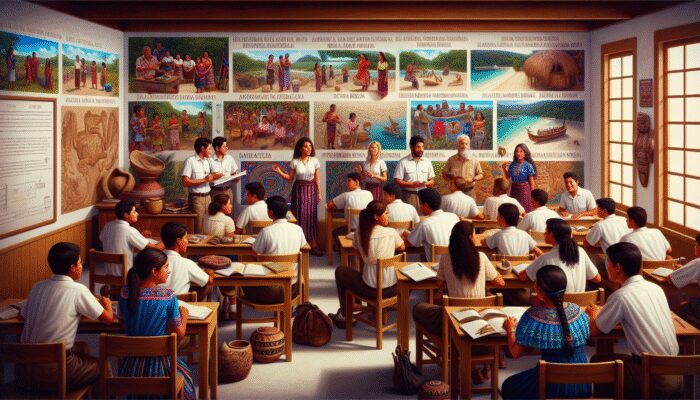
    Belizean students learning about local history and traditions in a culturally rich classroom.

    The education system in Belize not only mirrors but also actively shapes cultural values, significantly influencing how future generations perceive and uphold societal norms and traditions. From primary to tertiary levels, educational frameworks prioritize academic excellence while instilling cultural pride and ethical values. Schools frequently integrate local history and traditions into their curricula, fostering a robust sense of identity among students.

    Moreover, education provides a platform for critical thinking and awareness of global issues, empowering young people to navigate and appreciate diverse cultures. This holistic approach ensures that while students learn about their heritage, they also cultivate an understanding of the broader world, promoting inclusivity and respect for differences.

    Teachers and community leaders play a crucial role in this educational framework, imparting values that reflect Belizean culture. Various programs and community initiatives emphasize character education, reinforcing the importance of respect, honesty, and diligence.

    As educational methods evolve, understanding the intersection between education and culture becomes essential for cultivating a future generation that values both local heritage and global citizenship.

    Celebrating the Vibrant Traditional Arts and Cultural Expressions in Belize

    Traditional arts, including music, dance, and crafts, serve as vital expressions of cultural identity and heritage in Belize. The unique styles and forms of artistic expression often mirror the diverse backgrounds of the population, showcasing influences from African, Mayan, and Spanish traditions. For instance, the drumming and dance rituals from the Garifuna community illustrate a remarkable blend of cultural influences, forming an integral part of their identity and community gatherings.

    Additionally, craftsmanship in Belize transcends mere artistic endeavor; it acts as a storytelling medium and a means of preserving history. Artisans frequently utilize locally sourced materials to create pieces that embody both the beauty and narratives of their cultural heritage. Techniques such as weaving, pottery, and wood carving are handed down through generations, ensuring that traditional skills and customs remain vibrant and alive.

    The significance of art in culture cannot be overstated. It serves as a medium for cultural expression and preservation, allowing communities to celebrate their unique identities. Art festivals and exhibitions provide local artists with platforms to showcase their work, fostering community pride and reinforcing cultural connections.

    In essence, traditional arts and crafts not only reflect individual creativity but also symbolize the collective history and values of Belizean society. They are vibrant forms of expression that contribute to a shared cultural experience, uniting individuals in the celebration of their unique heritage.

    Expert Perspectives: A Cultural Guide to Understanding the People of Belize

    Uncovering the Historical Context and Cultural Evolution of Belize
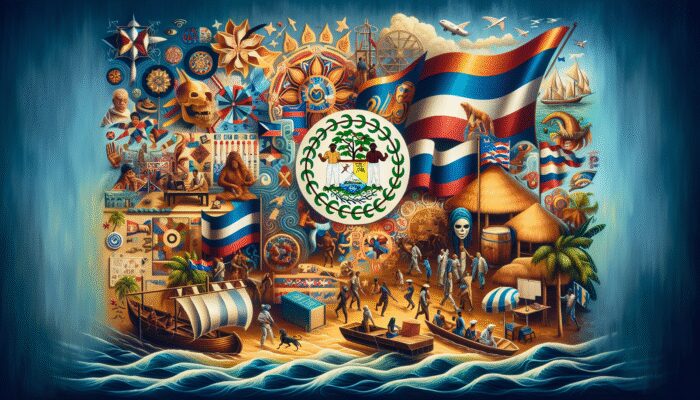
    A tapestry illustrating Belize's cultural evolution with Creole, Garifuna, and colonial influences, reflecting modern identity.

    Historical events have profoundly shaped the cultural practices and beliefs of Belize. The impacts of colonialism, the quest for independence, and the fusion of various ethnicities have resulted in a rich and evolving cultural landscape. For example, the establishment of Creole and Garifuna cultures illustrates the dynamic nature of Belize’s heritage, where history intricately intertwines with contemporary identity.

    Belize’s colonial history has left an indelible mark on its societal structures and cultural expressions. Events such as British colonization and the subsequent struggle for independence have instilled a deep sense of resilience and pride among Belizeans. This historical context is essential for appreciating the complexities of identity and the ongoing dialogues surrounding culture and heritage.

    How Do Cultural Practices Adapt Over Time in Belize?

    Cultural practices in Belize are not static; they evolve in response to societal changes. Understanding this adaptation is key to appreciating the dynamic nature of culture. Several factors influence cultural adaptation, including:

    • Globalization: Exposure to international cultures through media and travel.
    • Technological Advancements: The integration of technology into daily life and communication.
    • Migration: The movement of people leading to cultural exchange and fusion.
    • Societal Changes: Shifts in values and norms due to socio-economic factors.
    • Education: Increased awareness and appreciation for diverse cultures.
    • Political Influences: Changes in governance and policies affecting cultural expression.

    These factors illustrate how Belizean culture is influenced by both internal and external dynamics, leading to innovative expressions of tradition and modernity. As individuals and communities navigate these changes, they often find ways to honor their heritage while adopting new practices, enriching the overall cultural landscape.

    What Are the Effects of Cultural Exchange on Belizean Society?

    Cultural exchange can yield both enrichment and challenges within Belize’s society. Through interactions with diverse cultures, Belizeans broaden their perspectives, enhancing their appreciation for diversity. This exchange encourages creativity, innovation, and collaboration, as individuals draw inspiration from various customs and practices.

    Conversely, cultural exchange can also present challenges, such as the potential for cultural dilution or the loss of traditional practices. It is essential for Belizeans to navigate these dynamics thoughtfully, striking a balance between embracing new ideas and preserving their rich cultural heritage. Understanding these impacts fosters a deeper appreciation of the complexities surrounding cultural dynamics and societal integration in Belize.

    Experience the Vibrancy of Traditional Arts and Crafts in Belize

    Discover the Techniques and Materials Utilized in Belizean Crafts

    Traditional arts and crafts in Belize are deeply rooted in cultural heritage, showcasing unique skills and local resources. Various techniques, including hand-weaving, pottery, and wood carving, reflect the artistic traditions passed down through generations. Artists often utilize materials sourced from their immediate environment, such as clay, wood, and natural fibers, enriching their creations while reinforcing their connection to the land.

    For example, the art of basket weaving, commonly practiced by the Maya, utilizes abundant palm fronds found in the region. This craft is not only functional but also represents intricate patterns and designs that embody cultural significance. Pottery, another traditional craft, frequently features symbols that reflect the history and beliefs of the artisans. The continued use of traditional techniques ensures that cultural narratives are preserved while also allowing room for personal expression.

    This integration of local materials and techniques speaks to the sustainability of Belizean arts, as artisans adapt to maintain their relevance in a changing world. Their dedication to preserving traditional skills illustrates a strong commitment to cultural continuity and identity.

    Understanding the Importance of Art in Belizean Culture

    Art serves as a profound medium for cultural expression and preservation in Belize, playing a crucial role in maintaining and celebrating cultural identity. It encompasses diverse forms, from visual arts to performing arts, each contributing to the rich cultural narrative of the nation. Through artistic expression, communities convey their histories, values, and aspirations, creating a collective memory that shapes their identity.

    Moreover, art allows for the exploration of contemporary issues while remaining deeply rooted in tradition. For instance, modern Belizean artists often blend traditional themes with contemporary techniques, sparking dialogue about cultural evolution and social change. This dynamic interplay between tradition and modernity ensures that Belize’s cultural heritage remains vibrant and relevant in today’s global context.

    The significance of art extends beyond aesthetic appreciation; it functions as a vehicle for community engagement and dialogue. Art festivals and exhibitions offer opportunities for individuals to come together, fostering unity and celebrating shared identity. Through the lens of culture, art becomes a powerful tool for both individual expression and collective storytelling.

    Examining the Influence of Crafts on Community Identity in Belize

    Crafts are not merely products; they symbolize community pride and identity in Belize. Each craft embodies shared history and values, reflecting the unique characteristics of the community from which it originates. For instance, traditional Mayan pottery is not only handcrafted but also narrates stories of ancestral practices, while Garifuna musical instruments represent cultural resilience and continuity.

    Crafts foster a sense of pride among artisans, as they play a crucial role in preserving cultural heritage. Local markets and festivals often showcase these crafts, providing artisans with opportunities to connect with their communities while promoting cultural awareness. This exchange contributes to a collective identity, reinforcing social bonds and celebrating the diversity of Belizean society.

    The influence of crafts extends beyond aesthetics; they also serve as a means of economic empowerment for artisans, enabling them to sustain their livelihoods while preserving their cultural practices. This dual role of crafts as both a source of identity and economic viability underscores their significance in Belizean society.

    Research-Backed Benefits of Understanding Belizean People: A Detailed Cultural Guide

    Enhancing Your Cross-Cultural Communication Skills for Better Engagement

    Improving cross-cultural communication is essential for fostering meaningful interactions in diverse environments. Actionable steps include actively listening to others, practicing empathy, and acknowledging cultural differences. By becoming aware of various communication styles, individuals can navigate cultural nuances and foster deeper connections with Belizeans.

    Moreover, engaging in cultural exchanges, such as attending local events or participating in community activities, can enhance your understanding and respect for different customs. This proactive approach ensures that communication transcends mere word exchange, fostering the sharing of experiences and values that enrich interpersonal relationships.

    What Are the Advantages of Cultural Awareness in Belize?

    Cultural awareness fosters empathy and understanding, which are pivotal for nurturing better personal and professional relationships. By being cognizant of cultural differences, individuals can navigate interactions with greater sensitivity, reducing misunderstandings and conflicts. This awareness enhances collaboration in multicultural environments, leading to more productive relationships in both social and business contexts.

    Furthermore, cultural awareness encourages appreciation for diversity, promoting an inclusive atmosphere where individuals feel valued. This sense of belonging boosts morale and positively contributes to community dynamics, resulting in enriched social interactions that strengthen societal ties.

    Promoting Cultural Preservation Through Engagement with Local Traditions and Practices

    Understanding cultural nuances is vital for promoting cultural preservation in Belize. By valuing and respecting local traditions, individuals contribute to the sustainability of cultural practices that are at risk of fading. Engaging with local communities and supporting traditional arts and crafts nurtures the environment in which these cultural expressions thrive.

    Moreover, education plays a critical role in cultural preservation. By integrating local history and traditions into educational curricula, future generations can appreciate their heritage and become advocates for its continuation. This proactive approach ensures that cultural practices are not only celebrated but also actively preserved for years to come.

    Enhancing Tourism Experiences Through Cultural Understanding and Respect

    Understanding the culture of Belize enhances the experiences of tourists, promoting respect and appreciation for local customs and traditions. Tourists who actively engage with local communities and participate in cultural events develop deeper connections to the places they visit. This engagement enriches their travel experiences beyond mere sightseeing, allowing them to immerse themselves in the daily lives of Belizeans.

    Additionally, businesses in the tourism sector can benefit from this cultural understanding by offering authentic experiences that reflect local values and traditions. Such initiatives foster responsible tourism, ensuring that visitors contribute positively to the communities they interact with while preserving the rich cultural heritage of Belize.

    Experiencing the Festivities and Cultural Celebrations of Belize

    Discover the Major Cultural Events and Their Significance

    Festivals and celebrations are essential expressions of culture within Belize, marking significant historical or seasonal events through unique customs and traditions. Events such as Garifuna Settlement Day and the Belize Carnival exemplify the vibrancy of Belizean culture, highlighting the importance of community participation and cultural pride.

    For instance, Garifuna Settlement Day, celebrated on November 19th, commemorates the arrival of the Garifuna people in Belize. This event not only honors their rich heritage but also promotes awareness of their contributions to Belizean culture. Traditional dancing, music, and culinary offerings are integral to the festivities, reinforcing cultural identity and community cohesion.

    These celebrations serve as platforms for cultural exchange, where diverse groups unite to honor shared histories while showcasing their unique traditions. Understanding these events is crucial for appreciating the richness of Belizean culture and the values they represent.

    How Do Celebrations Reflect Core Cultural Values in Belize?

    Celebrations in Belize reflect the cherished cultural values within society, showcasing what is prioritized among its people. Events often emphasize community, family, and tradition, illustrating the importance of collective experience and support. This communal aspect is especially evident during major holidays and festivals, where widespread participation reinforces social bonds among residents.

    For example, during Christmas, Belizeans engage in various traditions that highlight family togetherness and generosity. Festive meals, communal gatherings, and acts of kindness are emblematic of the values that underpin Belizean culture. Such celebrations foster unity and a sense of belonging, allowing individuals to connect with their heritage and one another.

    Ultimately, these cultural expressions serve as reminders of the values that shape Belizean identity, encouraging individuals to uphold and celebrate their traditions while fostering a sense of pride within the community.

    Encouraging Active Community Participation in Cultural Festivities

    Festivities in Belize often engage the entire community, fostering a sense of unity and shared cultural identity. Community participation can take various forms, including:

    • Organizing local events and parades to celebrate cultural heritage.
    • Volunteering for community service projects during festive seasons.
    • Participating in traditional performances and artistic displays.
    • Contributing to the preparation of communal meals, showcasing local cuisine.
    • Engaging in storytelling sessions that share local legends and history.
    • Creating community decorations that reflect cultural symbols and values.
    • Encouraging local businesses to promote cultural products and services.
    • Involving younger generations in planning and executing events.

    Through these activities, communities reinforce their cultural identity while fostering connections among residents. This involvement not only enriches the festive experience but also strengthens the social fabric, ensuring that cultural traditions are actively preserved and celebrated.

    Language and Communication: The Heart of Belizean Culture

    Understanding the Languages and Dialects Commonly Spoken in Belize

    Language is a key component of cultural identity in Belize, with a rich tapestry of languages and dialects in use. The official language is English, but many Belizeans also speak Spanish, Creole, Garifuna, and various Mayan languages. This linguistic diversity reflects the country’s multicultural heritage and the blending of various ethnic identities.

    The prevalence of different dialects often highlights regional and social nuances, contributing to a deeper understanding of Belizean culture. For instance, Creole English, while rooted in English, incorporates elements of African languages and local vernacular, showcasing the unique identity of the Creole community. Understanding these linguistic dimensions is essential for engaging effectively with Belizean culture and fostering meaningful interactions.

    Exploring the Role of Language in Belizean Culture

    Language transcends being a mere communication tool; it serves as a carrier of cultural values and history in Belize. Through language, individuals communicate their identities, traditions, and worldviews, shaping and reflecting cultural narratives. The nuances of language provide insights into community norms, beliefs, and social structures, making it a vital aspect of cultural expression.

    Moreover, storytelling and oral traditions are integral to Belizean culture, often transmitted through language. Folktales, proverbs, and songs encapsulate life lessons and cultural values, ensuring that wisdom is passed down through generations. This oral heritage fosters a sense of belonging, connecting individuals to their roots while reinforcing community identity.

    Understanding the role of language in culture enables individuals to appreciate the depth and richness of Belizean heritage, fostering connections that transcend mere communication.

    Recognizing the Significance of Non-Verbal Communication Cues in Belizean Interactions

    Non-verbal cues play a crucial role in understanding cultural communication in Belize, often conveying messages that words alone cannot express. Body language, gestures, and facial expressions enrich social interactions, adding layers of meaning to communication. For instance, maintaining eye contact can signify respect and attentiveness, while a warm smile often indicates friendliness and openness.

    Additionally, the use of space and physical proximity in conversations can vary among cultural groups in Belize. Understanding these non-verbal cues is essential for navigating social interactions, as they can indicate comfort levels and relational dynamics. Being attuned to these signals allows individuals to engage more effectively, fostering deeper connections and mutual respect among community members.

    In essence, non-verbal communication enhances the richness of cultural exchange, enabling a more profound understanding of Belizean customs and social etiquette.

    Answers to Common Questions About Belizean Culture

    What are the primary cultural values in Belize?

    The primary cultural values in Belize include community, respect for elders, strong family ties, and a deep connection to heritage. These values are reflected in social interactions and community dynamics, guiding behavior and relationships among individuals.

    In what ways does family shape cultural identity in Belize?

    Family plays a crucial role in shaping cultural identity by fostering strong ties, passing down traditions, and reinforcing social structures that influence daily life and interactions within communities.

    What role does religion play in the culture of Belize?

    Religion significantly influences cultural practices, community events, and moral values, often guiding daily routines and shaping major life milestones within Belizean society.

    How does education impact cultural values in Belize?

    Education impacts cultural values by integrating local history and traditions into curricula, fostering a deeper appreciation for heritage while promoting critical thinking and awareness of global issues.

    What traditional arts are significant in Belize?

    Significant traditional arts in Belize include music, dance, crafts such as pottery and weaving, and visual arts that reflect the country’s diverse cultural heritage and artistic expression.

    How do festivals mirror Belizean cultural values?

    Festivals mirror Belizean cultural values by emphasizing community, family connections, and the celebration of heritage through shared traditions and communal participation in various events.

    What benefits come from cultural awareness?

    Cultural awareness fosters empathy, understanding, and respect for diversity, enhancing personal and professional relationships while promoting inclusivity and harmony within society.

    How can tourists enrich their experience in Belize?

    Tourists can enrich their experience in Belize by engaging with local communities, participating in cultural events, and respecting local customs to foster meaningful connections and enhance their travel experiences.

    Which languages are commonly spoken in Belize?

    The commonly spoken languages in Belize include English, Spanish, Creole, Garifuna, and various Mayan languages, reflecting the country’s multicultural heritage and linguistic diversity.

    Why is non-verbal communication important in Belizean culture?

    Non-verbal communication is important in Belizean culture as it conveys emotional nuances and social cues essential for building trust and understanding in interpersonal interactions, enhancing overall communication effectiveness.

    The Article Belize Cultural Guide: Understanding Its Diverse People appeared first on Belize Travel Guide

    The Article Belize Cultural Guide: Exploring the Richness of Its People Was Found On https://limitsofstrategy.com
  • Cultural Heritage Journey Through the Deep South

    Discover the Rich Cultural Heritage Drive of the Deep South with RentaCar24.org: Compare Rental Cars at Airport & City Locations
    Empowering travelers with car rental choices worldwide.
    Uncover budget-friendly car rental options online that offer insights into cultural heritage routes, enriching travelers’ understanding of significant historical narratives and regional customs.

    Embark on a Journey to Discover Cultural Heritage Drives

    Understanding Cultural Heritage Drives: Their Importance for Travelers

    A cultural heritage drive is an enriching experience that immerses participants in the historical and cultural landmarks of a region, providing invaluable insights into its past and present. These drives invite travelers to connect with the unique stories that shape a community’s identity, fostering a deeper appreciation of the area. Essential elements that characterize a cultural heritage drive include:

    • Historical landmarks and significant sites that tell a story
    • Cultural narratives and compelling tales that resonate
    • Local traditions and customs that reflect community values
    • Interactive experiences and hands-on workshops that engage
    • Community engagement and active participation that builds connections
    • Ethnic cuisines and local culinary traditions that tantalize
    • Art and music that showcase the region’s vibrant heritage

    Travelers embark on these drives not only to witness visually stunning sights but to forge meaningful connections with the rich history and dynamic culture of a place. These journeys reveal the essence of a community, encouraging personal growth and facilitating cross-cultural exchanges.

    Exploring the Key Benefits of Engaging with Cultural Heritage

    Delving into cultural heritage goes beyond mere sightseeing; it cultivates a profound understanding and appreciation of the myriad histories and traditions, fostering a sense of connection and belonging among individuals. The educational advantages of engaging with cultural heritage are both substantial and varied:

    • Increased awareness of historical contexts and their significance
    • Enhanced appreciation for intercultural relationships and exchanges
    • Development of critical thinking skills through the analysis of historical events
    • Strengthened community bonds through shared narratives and experiences
    • Opportunities for experiential learning and personal enrichment
    • Promotion of empathy and understanding toward diverse cultures
    • Encouragement of lifelong learning about various cultural backgrounds

    By immersing themselves in cultural heritage, individuals expand their knowledge base while contributing to a more interconnected global community. This engagement fosters respect for diversity and inspires active participation in the preservation of cultural legacies.

    Strategies for Planning an Unforgettable Cultural Heritage Drive

    Effective planning is essential for maximizing the experience of a cultural heritage drive. This process involves selecting scenic routes, suitable accommodations, and engaging activities that align with the overarching theme of the drive. Here are some crucial tips for planning your journey:

    • Research historical and cultural sites along your chosen route to enhance your experience
    • Focus on local experiences rather than typical tourist attractions
    • Collaborate with local guides for authentic insights and personalized recommendations
    • Design flexible itineraries that allow for spontaneous exploration and discovery
    • Include cultural festivals or events in your travel schedule for added engagement
    • Choose accommodations that reflect the local heritage and hospitality
    • Prepare for diverse transportation needs throughout your journey

    A well-organized cultural heritage drive not only enhances your learning experience but also deepens your connection to the communities you visit. Thoughtful preparation ensures that every moment spent on the drive is enriching and meaningful, allowing for an immersive adventure that resonates long after the journey concludes.

    Exploring Some of the Most Famous Cultural Heritage Drives Around the World

    Globally, there are numerous renowned cultural heritage drives that invite travelers to explore unique histories and rich cultures. These drives showcase the intricate tapestry of human experience, highlighting diverse cultural narratives and traditions. Noteworthy drives include:

    • The Silk Road: Connecting East and West through trade and cultural exchange
    • The Inca Trail: A breathtaking journey through ancient Incan history in Peru
    • Route 66: An iconic American highway reflecting mid-century culture and history
    • The Wine Roads of France: Discovering vineyards and the culinary heritage of the region
    • The Camino de Santiago: A spiritual pilgrimage with deep historical significance in Spain
    • The Ring Road: A scenic drive around Iceland, rich in natural beauty and cultural experiences
    • The Great Ocean Road: Showcasing Australia’s coastal heritage and indigenous culture

    Each of these drives offers a unique perspective, allowing travelers to immerse themselves in local customs, histories, and identities. These journeys create lasting memories and cultivate a deeper appreciation for the diverse cultures that enrich our global landscape.

    Expert Insights on the Cultural Heritage Drive in the USA’s Deep South

    Key Factors for a Successful Cultural Heritage Drive

    The effectiveness of a cultural heritage drive hinges on several vital factors, including gripping narratives, well-preserved sites, and immersive experiences. Successful drives often weave together local stories that resonate with participants. For example, the Mississippi Blues Trail effectively highlights the significance of blues music in cultural history, showcasing specific sites linked to legendary musicians and their enduring legacies. The incorporation of music festivals, walking tours, and workshops enhances the drive’s appeal and provides visitors with a multifaceted experience.

    Another exemplary drive is the Civil Rights Trail, which explores pivotal locations of the civil rights movement throughout the Southern United States. This drive not only offers historical context but also sparks discussions on contemporary issues, engaging visitors in meaningful ways. By immersing participants in profound stories of struggle and triumph, these drives leave lasting impressions that resonate deeply with each traveler.

    Cultural heritage drives that emphasize community participation and storytelling create impactful experiences and foster connections between visitors and local residents, enriching the overall journey. These connections not only enhance the visitor’s understanding but also empower communities to share their narratives more widely.

    How Communities Can Benefit from Cultural Heritage Drives

    Cultural heritage drives offer numerous advantages for local communities, creating opportunities for economic growth, preserving traditions, and enhancing community pride. Communities can leverage these drives by adopting actionable strategies such as:

    • Engaging local artisans and performers to showcase authentic crafts and arts
    • Developing educational programs for schools that emphasize local cultural heritage
    • Creating partnerships with tourism boards to effectively promote the drive
    • Incorporating community feedback into the planning process for relevant experiences
    • Organizing local events and festivals that align with the drive
    • Utilizing social media to highlight local stories and attractions
    • Encouraging local businesses to offer heritage-related experiences

    By capitalizing on the cultural heritage drive, communities can enhance their economic vitality while fostering pride in their unique histories and traditions. These initiatives not only bolster local economies but also strengthen community bonds, reinforcing a sense of belonging and identity.

    Challenges in Organizing Cultural Heritage Drives

    Organizing cultural heritage drives presents several challenges that must be addressed. Key issues include securing funding, maintaining historical sites, and effectively managing visitor traffic. To tackle funding concerns, organizations can seek grants from arts and cultural foundations, collaborate with local businesses, and engage community stakeholders to support initiatives. Establishing a robust financial foundation is essential for the sustainability of these drives.

    Site maintenance is critical for preserving the authenticity and integrity of cultural landmarks. Communities can form preservation societies aimed at educational outreach and volunteer efforts to maintain these sites. Visitor management is equally important; implementing sustainable tourism practices can help mitigate the negative impacts of increased foot traffic, ensuring that cultural sites remain accessible and preserved for future generations.

    Expert analysis suggests that fostering strong relationships with local stakeholders and involving them in the planning process can alleviate many of these challenges, ensuring the drive is sustainable and beneficial for all parties involved. By cultivating collaboration, communities can create a supportive environment that nurtures cultural heritage.

    The Historical Significance of Cultural Heritage Drives

    Insights Gleaned from Historical Sites

    Historical sites serve as living testimonials to past societies, revealing their achievements, struggles, and cultural practices. From ancient ruins to preserved colonial towns, these sites impart valuable lessons that can be applied to modern life. For instance, analyzing sites like the Acropolis in Greece or Machu Picchu in Peru allows contemporary society to reflect on the ingenuity and adaptability of past civilizations.

    Understanding the historical context of these sites fosters an appreciation for cultural diversity and underscores the necessity of preservation. Furthermore, these insights encourage individuals and communities to engage with their history, shaping their identities and influencing their decisions in the present. By reflecting on the past, we can navigate the complexities of our contemporary world more effectively.

    Engaging with historical sites also provides insights into social justice movements, economic systems, and artistic expressions, enabling modern societies to confront ongoing challenges with greater awareness and empathy. These interactions can inspire individuals to become advocates for cultural preservation and appreciation.

    Techniques for Effective Preservation of Historical Sites

    Successful preservation of historical sites encompasses a blend of conservation, restoration, and public education efforts. Techniques range from employing advanced materials for restoration to implementing sustainable practices that protect the sites from environmental degradation. For example, the meticulous restoration of the Cologne Cathedral in Germany illustrates how careful conservation can revive historical structures while maintaining their integrity.

    Public education plays a vital role; communities can organize workshops and guided tours to raise awareness about preservation’s significance. Local governments and organizations can also develop training programs for artisans and craftspeople, ensuring that traditional techniques are passed down through generations. This educational approach fosters a culture of appreciation for heritage among community members.

    Ongoing research, collaboration between experts, and community engagement are essential to improving preservation techniques, creating robust strategies that honor the past while addressing contemporary needs. By prioritizing preservation efforts, communities can ensure that their historical sites remain vibrant and relevant for future generations.

    Influence of Historical Sites on Modern Culture

    Historical sites profoundly shape contemporary art, architecture, and societal values. These sites serve as reference points for understanding shared histories and cultural identities. For example, the Pyramids of Giza not only inspire architectural endeavors but also give rise to entire genres of literature and media that reflect on ancient civilizations.

    Moreover, historical sites often act as catalysts for dialogue, prompting discussions around identity, heritage, and the enduring impact of history on our lives. They challenge individuals to reevaluate their relationships with the past, fostering a deeper understanding of their cultural roots. This introspection can lead to a more inclusive narrative that honors diverse experiences and perspectives.

    The influence of historical sites extends to modern architectural practices, where designers draw inspiration from past aesthetics while integrating contemporary functionality. This synergy between history and modernity enriches cultural expressions and promotes sustainable approaches to urban development, ensuring that the legacy of the past informs the future.

    Enhancing Community Engagement Through Cultural Heritage

    Inspiring Community Participation through Cultural Heritage Drives

    Cultural heritage drives can act as powerful catalysts for community engagement, motivating local members to actively participate in preservation efforts and cultural events. By integrating local traditions into these drives, communities foster a sense of ownership and pride. For instance, involving local artists and musicians in the programming not only showcases their talents but also reinforces community bonds. These connections can lead to a more vibrant cultural landscape.

    Moreover, organizing cultural festivals that coincide with the heritage drive can further engage community members. These events provide individuals with opportunities to share their stories and traditions, creating a lively atmosphere that celebrates local culture. Encouraging community members to volunteer as guides or storytellers enhances the visitor experience while deepening their connection to their heritage. This involvement engenders a strong sense of belonging among residents.

    Involving local schools in these initiatives can amplify community engagement significantly. Educational programs encouraging students to explore local history can instill pride and a sense of responsibility toward their cultural heritage. By nurturing the next generation’s relationship with their heritage, communities ensure the continuity of their cultural narratives and traditions.

    The Role of Education in Cultural Heritage Awareness

    Education about cultural heritage is essential for fostering appreciation and understanding among younger generations. Schools can integrate cultural heritage into their curricula by organizing field trips to historical sites, inviting local speakers, and engaging students in hands-on projects that explore their community’s history. This approach not only enhances students’ learning experiences but also cultivates a sense of belonging and responsibility toward their cultural roots.

    Innovative teaching methods, such as project-based learning, can immerse students in local culture. For instance, students might research their local history and present their findings through creative projects like documentaries or art exhibits. This engagement can ignite a passion for heritage preservation among youth, inspiring them to become advocates for their cultural narratives.

    Furthermore, partnerships between schools and local cultural organizations can provide invaluable resources and expertise, enriching the educational experience. By emphasizing cultural heritage in education, communities can ensure that future generations cherish and preserve their unique histories. This commitment to education empowers individuals to take an active role in cultural preservation and community engagement.

    Celebrating Cultural Diversity through Cultural Heritage Drives

    Cultural heritage drives highlight the rich tapestry of human history and culture, promoting inclusivity and understanding among diverse communities. These drives serve as platforms to celebrate various cultural expressions, showcasing the artistic, culinary, and social contributions of different groups. Events like multicultural festivals, art exhibitions, and food fairs can be organized to celebrate this diversity, allowing participants to engage with a range of traditions and practices. These celebrations foster appreciation for the richness and variety of cultural diversity.

    Creating spaces for dialogue and exchange during these events fosters respect and understanding among different communities. Encouraging community members to share their cultural stories can bridge gaps and build connections between diverse groups. For example, storytelling sessions or workshops led by local artisans can provide insights into varied cultural practices, enriching the experience for all participants. These interactions can help cultivate a sense of shared community.

    Promoting inclusivity within cultural heritage drives also involves recognizing underrepresented voices and histories. By actively seeking to include marginalized communities, these drives can contribute to a more comprehensive understanding of cultural heritage, fostering unity in diversity. Such inclusivity strengthens the fabric of society while celebrating the multifaceted nature of human experience.

    The Impact of Technology on Cultural Heritage Preservation

    Technology offers innovative avenues for preserving and sharing cultural heritage, enhancing community engagement through digital platforms. For instance, virtual reality experiences can transport users to historical sites, allowing them to explore these locations from anywhere in the world. These experiences not only broaden access to heritage but also stimulate interest among younger audiences. This technological engagement can revitalize cultural narratives and enhance their relevance.

    Digital archiving is another crucial aspect of technology’s impact. Communities can utilize digital tools to preserve oral histories, photographs, and artifacts, ensuring that future generations have access to vital cultural narratives. Social media platforms can amplify these efforts, allowing communities to share their heritage stories with a global audience, thus fostering wider engagement. This digital presence can enhance community visibility and engagement.

    Moreover, technology can facilitate collaboration among different communities, enabling joint projects that celebrate shared heritage. By leveraging technology, communities can create dynamic, interactive experiences that connect individuals to their cultural roots and inspire ongoing engagement with their heritage. This connectivity can strengthen communal bonds and foster a sense of community.

    Research-Backed Benefits of Cultural Heritage Drives in the USA’s Deep South

    Psychological Advantages Offered by Cultural Heritage Drives

    Cultural heritage drives can significantly enhance mental well-being by providing a sense of connection to the past and promoting mindfulness. Engaging with historical sites and stories can evoke feelings of belonging and identity, which are vital for psychological health. For instance, individuals who visit heritage sites often report feeling more grounded and connected to their roots, reducing feelings of isolation. This emotional connection plays a crucial role in improving mental health.

    Research indicates that exploring cultural heritage improves cognitive functions and emotional well-being. Real-world examples demonstrate that people who participate in cultural heritage activities, like community festivals or guided historical tours, often experience heightened levels of happiness and decreased anxiety. These activities provide meaningful engagement that promotes psychological resilience and overall mental wellness.

    By immersing themselves in cultural narratives, individuals can develop a deeper appreciation for their histories and those of others, enhancing empathy and understanding. These psychological benefits underscore the importance of promoting cultural heritage drives as a means to support mental health and community well-being. This focus on mental wellness can lead to healthier, more cohesive communities.

    Economic Impact of Cultural Heritage Drives

    Cultural heritage drives can serve as powerful economic engines, stimulating local economies through tourism and related industries. They attract visitors eager to experience local culture, arts, and gastronomy, providing opportunities for local businesses to thrive. For example, in the Deep South, heritage drives often focus on culinary experiences, drawing food enthusiasts who contribute to the local economy. These drives can significantly boost revenue streams for communities.

    To maximize the economic impact of cultural heritage drives, local governments and organizations can develop comprehensive marketing strategies that showcase unique cultural experiences. Collaborating with tourism boards can enhance visibility, drawing attention to lesser-known sites and stories that enrich the heritage narrative. This strategic marketing can help diversify local economies and attract a broader audience.

    Moreover, creating partnerships with local businesses to offer combined packages—such as guided tours that include meals at local restaurants—can further boost revenue. By prioritizing cultural heritage in economic development strategies, communities can create a sustainable model that benefits both residents and visitors. This collaborative approach fosters economic resilience and growth.

    Fostering Social Cohesion through Cultural Heritage Drives

    Cultural heritage drives can strengthen social bonds by bringing people together to celebrate shared histories. These drives create opportunities for individuals to connect over common experiences and narratives, nurturing a sense of unity and belonging. Community events that coincide with cultural heritage drives facilitate interaction among diverse groups, promoting social cohesion and understanding. These connections can enhance community identity and solidarity.

    Expert analysis suggests that involving community members in planning and executing these drives can enhance ownership and pride. Engaging local leaders, artists, and historians helps reflect the community’s unique identity, ensuring that the narratives shared resonate with participants. This engagement can lead to a more authentic representation of cultural heritage and foster deeper connections among community members.

    Moreover, shared experiences during cultural heritage drives can lead to the formation of lasting friendships and networks, further reinforcing social bonds. By emphasizing inclusivity and collaboration, cultural heritage drives serve as catalysts for community building and social harmony. This focus on connection can transform communities into more cohesive and supportive environments.

    Educational Value of Cultural Heritage Drives

    Cultural heritage drives offer immense educational opportunities, enhancing understanding of history and culture. They immerse participants in the narratives that have shaped societies, fostering deeper connections to the past. Educational programs associated with these drives can include interactive workshops, guided tours, and lectures by local historians. These enriching experiences provide a rich context for understanding contemporary issues and challenges.

    Specific educational initiatives, such as collaborative projects with universities or schools, allow students to engage actively with their local history. These programs can involve research projects, community presentations, or even the creation of digital resources that document local heritage. This engagement promotes critical thinking and creativity among students, ensuring that they develop a robust understanding of their cultural identity.

    The impact of these educational programs extends beyond individual learning; they contribute to the broader community’s understanding of its cultural identity. By integrating educational components into cultural heritage drives, communities can ensure that the knowledge and appreciation of their history are passed down through generations. This educational focus fosters a culture of lifelong learning and engagement with local heritage.

    How Cultural Heritage Drives Contribute to Preservation Efforts

    Cultural heritage drives play a vital role in preserving historical sites and traditions. By attracting visitors and raising awareness, these drives can generate essential funds for preservation efforts. For instance, entrance fees, donations, and merchandise sales from heritage drives can be reinvested into maintaining and restoring local sites. These financial contributions are crucial for sustaining cultural landmarks and ensuring their longevity.

    Effective strategies for preservation through tourism involve creating sustainable practices that protect heritage while accommodating visitors. This can include implementing visitor caps, promoting off-peak travel, and providing educational programming that emphasizes the importance of preservation. These strategies ensure that cultural sites remain intact while allowing for responsible tourism that benefits both visitors and local communities.

    Engaging local communities in these preservation efforts is crucial. By fostering a sense of ownership and pride in their heritage, residents are more likely to participate in preservation initiatives. Additionally, partnerships with conservation organizations can enhance the effectiveness of preservation efforts, ensuring that cultural heritage remains intact for future generations. This collaborative approach strengthens community ties and promotes a shared commitment to heritage preservation.

    Leveraging Technology in Cultural Heritage Drives

    Enhancing Cultural Heritage Drives with Technology

    Technology can significantly enhance cultural heritage drives by providing interactive experiences, virtual tours, and educational resources that engage participants. For example, mobile applications can streamline navigation and offer audio guides, allowing visitors to explore cultural sites at their own pace while receiving rich contextual information. This technological integration enhances the overall visitor experience and fosters deeper connections to cultural narratives.

    One effective tool is augmented reality, which overlays digital information onto physical locations. This technology can bring historical narratives to life, offering immersive experiences that deepen understanding and appreciation. Communities can employ augmented reality to create engaging storytelling experiences that resonate with visitors of all ages. By appealing to diverse audiences, augmented reality can attract more participants and enhance the cultural heritage drive.

    Additionally, technology can facilitate real-time interaction between participants and local guides, enriching the educational experience. By utilizing platforms that allow for live Q&A sessions or discussions, visitors can gain direct insights from those who know the culture best, enhancing their overall experience. This interaction fosters a deeper connection to the heritage being explored and encourages ongoing engagement.

    The Role of Digital Preservation in Cultural Heritage

    Digital tools can play a transformative role in preserving and sharing cultural heritage with a broader audience. Initiatives such as digitizing archival materials, creating comprehensive databases of historical sites, and developing online exhibitions make cultural heritage accessible to people worldwide. This accessibility broadens the reach of cultural narratives and enhances public engagement.

    By utilizing social media platforms and digital storytelling, communities can share their heritage narratives and engage a global audience. Documenting local histories through video, photography, and oral history projects can preserve these narratives for future generations while fostering a sense of global community. This digital engagement can inspire worldwide interest in local cultures and traditions.

    Moreover, integrating digital preservation into cultural heritage drives can enhance visitor experiences. For instance, providing access to virtual tours allows individuals unable to travel to engage with local heritage, fostering wider appreciation for diverse cultures. This inclusivity strengthens connections across geographical boundaries and promotes cultural exchange.

    Emerging Trends in Cultural Heritage Drives

    Emerging technologies and trends will undoubtedly shape the future of cultural heritage drives, making them more accessible and engaging. Innovations such as virtual reality and gamification are transforming how individuals interact with cultural heritage, creating immersive learning experiences that captivate audiences. These trends can attract younger generations who seek interactive engagement and meaningful experiences.

    Expect to see an increase in personalized experiences tailored to individual preferences, leveraging data analytics to create custom itineraries. This trend will enable participants to explore cultural heritage at their own pace, enhancing the overall experience. Personalization can lead to deeper connections with the content and make cultural exploration more meaningful.

    Furthermore, sustainability will be at the forefront of future drives, with an emphasis on eco-friendly practices and community involvement. By prioritizing sustainable tourism, cultural heritage drives can protect the very sites they celebrate while promoting responsible travel behaviors among participants. This focus on sustainability can strengthen the commitment to heritage preservation and create a positive impact on the environment.

    Transformative Power of Augmented Reality in Cultural Heritage Drives

    Augmented reality (AR) can be a powerful tool in enhancing the experience of cultural heritage drives. By overlaying digital content onto physical locations, AR can provide visitors with interactive storytelling elements that deepen their understanding of the culture and history associated with each site. This technology creates a more engaging experience for participants and fosters a sense of wonder.

    For example, using AR applications, visitors can see historical reenactments, view 3D models of long-gone structures, or access multimedia content that enriches their connection to the narratives being shared. This technology not only makes cultural heritage more engaging but also appeals to younger generations who are accustomed to digital interaction. This appeal can broaden the audience for cultural heritage and attract more visitors.

    Communities can implement AR by collaborating with tech developers to create user-friendly applications that enhance the visitor experience. By integrating augmented reality into cultural heritage drives, communities can attract more visitors and provide immersive experiences that showcase their unique histories. This innovation can lead to increased tourism and community engagement.

    Sharing Personal Experiences and Narratives from Cultural Heritage Drives

    Personal Stories from Cultural Heritage Drives

    Participants in cultural heritage drives often share personal stories that highlight the emotional and transformative power of these experiences. These narratives can range from discovering ancestral roots to gaining insights into unfamiliar cultures. For example, a traveler might recount how visiting a family’s ancestral home during a cultural heritage drive led to a profound understanding of their identity and history. Such journeys can be deeply moving and impactful, creating lasting memories.

    These personal stories inspire others by demonstrating the potential for cultural heritage drives to foster connections and broaden perspectives. They can serve as powerful testimonials, encouraging others to embark on similar journeys of exploration and discovery. These narratives can create a ripple effect, motivating others to engage with their heritage and learn more about their cultural backgrounds.

    Moreover, these personal stories often highlight the impact of community engagement, as participants recount how interactions with locals enriched their experiences. Sharing these narratives can create a sense of belonging and encourage others to explore their own cultural roots. By fostering these connections, cultural heritage drives can unite communities and promote cultural understanding.

    The Influence of Cultural Heritage Drives on Perspectives

    Cultural heritage drives can profoundly impact individuals, fostering a deeper appreciation for history and culture. Participants often report a heightened awareness of their cultural identity and a greater understanding of others. This process can lead to transformative experiences that shape personal values and perspectives. Engaging with cultural narratives can provoke introspection and strengthen one’s connection to their heritage.

    For instance, individuals might come to understand the significance of local traditions or historical events that they previously overlooked. This engagement can lead to a newfound respect for cultural diversity and encourage individuals to become advocates for preservation and cultural understanding. These insights can be life-changing, prompting individuals to take active roles in their communities.

    Moreover, the social connections forged during these drives can have lasting effects. Individuals often form friendships and networks that extend beyond their immediate experience, creating a sense of community that persists long after the drive concludes. These relationships can be instrumental in encouraging ongoing engagement with cultural heritage, fostering a culture of shared responsibility and appreciation.

    Ways to Share Your Cultural Heritage Drive Experience

    Sharing experiences from cultural heritage drives through blogs, social media, and personal narratives can inspire others to embark on their journeys. By documenting their travels, individuals can highlight unique cultural insights, share personal reflections, and promote lesser-known heritage sites. This sharing can broaden the audience for cultural heritage and encourage more people to appreciate their local histories.

    Visual storytelling through photography or video can be particularly impactful, allowing audiences to engage with cultural heritage in dynamic ways. Utilizing platforms like Instagram or YouTube can attract a broader audience, fostering interest and encouraging others to explore their local heritage. This visual engagement can create a sense of excitement and curiosity about cultural narratives.

    Furthermore, individuals can participate in community forums or cultural events to share their experiences directly. These interactions not only inspire others but also contribute to a collective narrative surrounding cultural heritage, reinforcing its significance in our global community. By sharing stories, individuals can help preserve cultural narratives for future generations and promote understanding across cultures.

    Frequently Asked Questions About Cultural Heritage Drives

    What defines a cultural heritage drive?

    A cultural heritage drive is an immersive journey that explores the historical and cultural landmarks of a region, providing profound insights into its past and present. These drives foster a deeper understanding of the cultural landscape and community narratives.

    What benefits arise from exploring cultural heritage?

    Exploring cultural heritage enhances understanding, fosters appreciation of diverse histories, and creates a sense of connection among individuals and communities. This engagement cultivates respect for cultural diversity and encourages meaningful interactions.

    How should I plan a cultural heritage drive?

    Effective planning involves researching historical sites, prioritizing local experiences, engaging with local guides, and maintaining flexibility in your itinerary. This thoughtful approach ensures a richer, more immersive experience.

    What are some popular cultural heritage drives globally?

    Notable drives include the Silk Road, Camino de Santiago, and Route 66, each offering unique insights into various cultures and histories. These drives serve as gateways to understanding diverse traditions and shared human experiences.

    How can communities benefit from cultural heritage drives?

    Cultural heritage drives can boost local economies, foster community pride, and preserve traditions, leading to enhanced social cohesion and a stronger local cultural landscape. This impact strengthens community identity and resilience.

    What challenges are encountered in organizing cultural heritage drives?

    Challenges include securing funding, site maintenance, visitor management, and ensuring community involvement while promoting sustainable practices. Addressing these issues is crucial for the successful development and execution of cultural heritage drives.

    How do historical sites impact contemporary culture?

    Historical sites influence modern art and architecture, shape societal values, and serve as catalysts for cultural dialogue and understanding. They play a vital role in shaping cultural identity and fostering shared narratives.

    In what ways can technology enhance cultural heritage drives?

    Technology can provide interactive experiences, virtual tours, and educational resources, making cultural heritage more engaging and accessible. This innovation enriches visitor experiences and broadens the reach of cultural narratives.

    What psychological benefits do cultural heritage drives offer?

    Cultural heritage drives can enhance mental well-being by fostering a sense of connection to the past and promoting mindfulness. This engagement supports emotional health and nurtures a sense of belonging.

    How can I share my cultural heritage drive experience?

    Sharing experiences through blogs, social media, and personal stories can inspire others to explore cultural heritage and engage with their local histories. This sharing fosters community connections and promotes cultural understanding.

    Connect with us on Facebook!

    The Article: Deep South Cultural Heritage Drive: A Timeless Journey appeared first on https://rentacar24.org/

    The Article Cultural Heritage Drive in the Deep South: A Timeless Journey Was Found On https://limitsofstrategy.com
  • Leaving San Miguel de Allende: Discovering Paradise’s Hurdles

    Leaving San Miguel de Allende: Discovering Paradise’s Hurdles

    Here’s a comprehensive analysis of the evolving landscape in San Miguel de Allende:

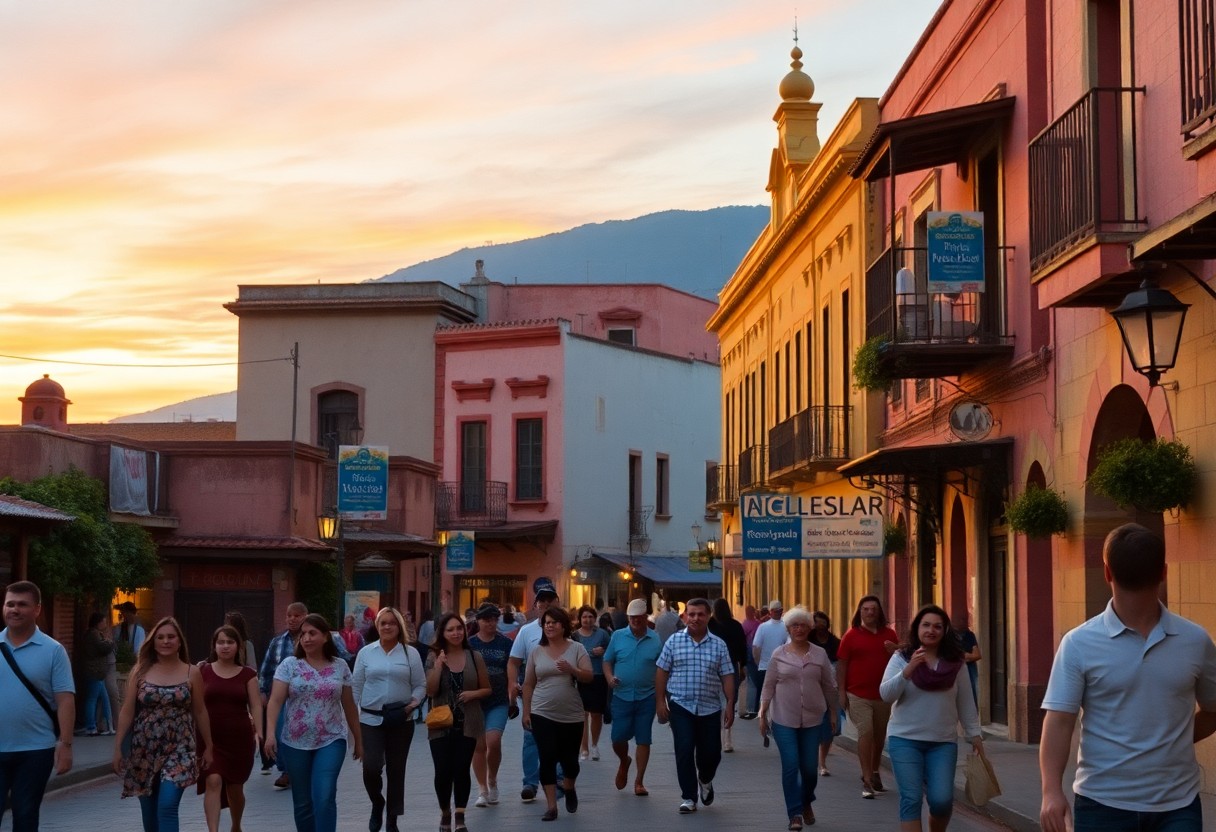
    The reality of San Miguel de Allende’s expat paradise losing its charm is increasingly visible. Renowned for its vibrant streets and artistic elegance, this city is currently facing critical challenges that are causing both long-time residents and newcomers to reconsider their choices. Your aspiration to live in this enchanting Mexican colonial gem is being confronted by harsh realities, including rising living expenses, increasing crime rates, and overburdened infrastructure. While the city’s scenic beauty remains breathtaking, the everyday realities of life here are becoming more daunting. The community, once celebrated for its friendliness, is witnessing significant demographic changes, raising concerns about whether San Miguel de Allende can continue to hold its legendary allure.

    Unveiling the Allure of San Miguel de Allende

    To truly appreciate the captivating charm of San Miguel de Allende, one must recognize its extraordinary blend of colonial grace and modern energy. This UNESCO World Heritage site attracts travelers and expatriates with its stunning colonial architecture, picturesque cobblestone streets, and vibrant cultural scene. You will be captivated by the city’s remarkable capability to retain its historical splendor while offering contemporary experiences that make it a unique travel destination.

    Celebrating Historical Significance and Heritage

    San Miguel de Allende, with origins dating back to the 16th century, serves as a vibrant representation of Mexican colonial heritage. As you wander through its charming streets, you tread upon the paths once walked by Spanish conquistadors, surrounded by meticulously preserved baroque structures and breathtaking churches. The city’s architectural beauty and historical importance make it a profound destination for those eager to engage with Mexico’s rich cultural history.

    Honoring the Flourishing Artistic Community

    The significance of San Miguel de Allende’s artistic reputation cannot be overstated. Here, you will discover a vibrant creative community that draws artists, painters, sculptors, and writers from all corners of the globe. The city features an abundance of galleries, art workshops, and educational institutions that foster an inspiring environment, nurturing creativity and artistic expression throughout the city.

    Diving deeper into San Miguel’s artistic scene reveals a rich and diverse cultural landscape. You will meet international artists collaborating with local talents, resulting in a remarkable fusion of styles and techniques. Institutions such as the Instituto Allende and various art centers provide workshops, exhibitions, and collaborative spaces, positioning the city as a hub for artistic exploration and innovation on an international scale.

    Engaging in Rich Cultural Experiences

    To fully experience San Miguel de Allende is to embrace a world of vibrant cultural experiences. Here, you will participate in lively festivals, traditional music performances, culinary showcases, and local celebrations that reflect the city’s rich and diverse cultural tapestry. The blend of indigenous, colonial, and contemporary influences creates a remarkable cultural environment.

    The allure of cultural experiences in San Miguel extends far beyond typical tourism. You will find opportunities to engage with local communities, take part in traditional ceremonies, and explore deep-rooted customs that provide enlightening insights into Mexican culture. Activities such as cooking classes, language exchanges, and community events foster authentic connections, enriching your understanding of this extraordinary destination.

    Analyzing the Cost of Living in San Miguel de Allende

    While San Miguel de Allende has long been regarded as a sanctuary for expatriates, the rapidly rising cost of living has become a significant deterrent for many residents. The economic landscape has shifted dramatically, making it increasingly difficult for both locals and foreigners to maintain their lifestyles in this once-affordable Mexican jewel.

    Investigating the Surge in Housing Prices

    Upon examining the housing market, you will find that property values have increased by over 50% in recent years. The enchanting colonial homes and appealing real estate options have attracted international buyers, driving prices beyond the reach of many long-time residents.

    Understanding Inflation and Daily Living Costs

    No discussion about living expenses would be complete without addressing the notable inflation impacting everyday costs. Essentials such as groceries, utilities, and basic services have seen significant price increases, placing considerable strain on your budget and financial planning.

    For instance, you may encounter price hikes ranging from 10-25% annually across various sectors. Costs for food, transportation, and healthcare have become particularly burdensome, with local markets and services reflecting these dramatic economic shifts.

    Comparative Analysis of Living Expenses in Different Locations

    A thorough examination of living costs reveals stark contrasts between San Miguel and other Mexican cities:

    Location Average Monthly Cost
    San Miguel de Allende $1,800
    Guanajuato $1,200
    Merida $1,400

    By analyzing this comparative data, it becomes evident that San Miguel de Allende is significantly more expensive. The elevated costs reflect its international reputation, vibrant artistic community, and appeal to tourists, but this also results in financial strain for residents seeking affordable living options.

    Tourism Dynamics and Their Impact on Local Life

    For years, San Miguel de Allende has evolved from a peaceful colonial town into a bustling international hub. You will observe how tourism has dramatically transformed the city’s economic and social framework, presenting both opportunities and challenges for local residents. The surge in visitor numbers has fundamentally altered the traditional dynamics of community life, compelling locals to adapt to an increasingly globalized environment.

    Navigating the Challenges of Mass Tourism

    Above the charming streets, you can witness the overwhelming effects of mass tourism. The influx of visitors has resulted in soaring housing prices, making it increasingly difficult for local families to afford living in their own neighborhoods. You will see how rental properties and Airbnb options have replaced long-term residential housing, effectively displacing traditional community structures.

    Shifts in Local Traditions Due to Modernization

    The impact of modernization is profoundly felt in San Miguel’s cultural fabric. You will notice how traditional festivals and customs are being commercialized and altered to cater to tourists, often losing their authentic essence. Local artisans and performers frequently find themselves adapting to visitor expectations rather than preserving genuine cultural expressions.

    To comprehend the extent of cultural transformation, it is essential to recognize how tourism has fundamentally reinterpreted local traditions. Festivals that were once deeply rooted in community significance now serve as spectacles for international audiences, with choreographed performances replacing organically celebrated cultural events. Artisan crafts have shifted from functional community artifacts to marketable souvenirs designed primarily for tourists.

    Community Adaptations and Responses to Change

    As you stroll along the cobblestone streets, you will witness varied community responses to these changes. Some residents embrace the economic opportunities, while others feel increasingly marginalized. Emerging local organizations are striving to protect cultural integrity and negotiate a balanced approach to tourism development.

    The community’s response is diverse and complex. Grassroots movements are developing strategies to preserve cultural authenticity while benefiting from tourism. Innovative young entrepreneurs are creating business models that harmonize tourist interests with local traditions, paving a sustainable path that honors both economic needs and cultural heritage.

    Understanding Shifts in the Housing Market

    Following substantial changes in San Miguel de Allende’s real estate market, you will observe significant shifts affecting property values and market dynamics. The previously stable housing market has undergone unprecedented transformations, as international buyers and local sellers reshape the economic landscape. You might notice how these developments create both opportunities and challenges for property owners and prospective investors in this historic Mexican city.

    The Rise of Expat Homebuyers and Its Impact

    Demand from international buyers has significantly driven up property values in San Miguel de Allende. You will find that expatriates from North America and Europe increasingly view this city as an attractive investment location, resulting in higher real estate prices and altered neighborhood demographics. Understanding these market trends can enhance your insight into the city’s evolving economic landscape.

    Dynamics of the Rental Market and Its Challenges

    The influx of expatriates has substantially shifted rental market conditions, creating competitive pricing structures and limited availability for long-term residents. You might see how short-term vacation rentals are replacing traditional housing options, posing significant challenges for local families seeking affordable accommodations.

    A crucial aspect of San Miguel’s rental market involves the economic stratification emerging from these changes. You will notice how international investment is creating a dual housing ecosystem, where high-end properties cater to affluent expatriates while local residents face mounting housing challenges.

    Understanding Motivations Behind Selling Property

    Throughout San Miguel de Allende, property owners are influenced by various economic and personal factors when considering selling their homes. You may encounter motivations ranging from capitalizing on market appreciation to adjusting to changing personal circumstances or investment strategies.

    Beyond individual motivations, broader market trends are also shaping property sales. You will discover that economic uncertainties and shifting global migration patterns significantly impact homeowners’ decisions to list their properties, contributing to a dynamic and unpredictable real estate environment in this renowned Mexican city.

    Urban Development and Gentrification: A Double-Edged Sword

    After years of rapid transformation, San Miguel de Allende is experiencing significant urban sprawl that dramatically alters its traditional landscape. You may see how international investors and developers are reshaping the city’s architectural character, introducing modern complexes and luxury developments that starkly contrast with the historic colonial aesthetic. These changes are pushing the boundaries of the city’s historical character, creating tensions between preservation and modernization.

    Transformations in Infrastructure and Their Implications

    At the core of urban development, you will witness substantial infrastructure changes reconfiguring San Miguel’s urban landscape. New roads, expanded utilities, and improved transportation networks are taking shape, reflecting the city’s growing international appeal. While these modifications may enhance connectivity, they also challenge the city’s traditional infrastructure and create intricate dynamics for existing residents.

    Effects of Gentrification on Local Businesses

    As gentrification accelerates, local businesses face unprecedented challenges. Traditional shops and family-owned establishments are increasingly pressured by upscale boutiques, multinational chains, and tourism-oriented enterprises. You will witness a gradual transformation of commercial landscapes that prioritize foreign investment over local economic sustainability.

    Due to the economic pressures of gentrification, many long-standing local businesses struggle to maintain their economic viability. Rising rental costs, intensified competition from international brands, and shifting consumer demographics create a challenging environment for traditional entrepreneurs. You might observe a systematic erosion of San Miguel’s authentic economic ecosystem.

    The Displacement of Long-Term Residents

    The displacement of long-term residents has emerged as a notable consequence of urban redevelopment. You will see how escalating property values and increasing living expenses compel many local families to relocate, fundamentally changing the city’s social fabric and cultural composition.

    Local communities are experiencing profound social upheaval as generational residents are priced out of neighborhoods they have inhabited for decades. You might observe how this displacement not only affects individual families but also threatens the cultural continuity and social networks that have historically defined San Miguel de Allende’s unique identity.

    Confronting Environmental and Climate Issues

    Many residents are increasingly alarmed about the environmental challenges facing San Miguel de Allende. Climate change is significantly impacting the local ecosystem, placing unprecedented pressures on your daily life and community sustainability. You will notice significant changes in environmental conditions that are making the once-idyllic location increasingly difficult to inhabit.

    Addressing Water Scarcity: A Growing Concern

    The natural water resources of San Miguel de Allende are rapidly depleting. Groundwater levels are declining at an alarming rate, forcing you to confront the possibility of water shortages. Your community faces significant challenges in maintaining an adequate water supply, with municipal resources becoming increasingly strained and unpredictable.

    Encountering Extreme Weather Patterns and Their Impact

    Water-related extreme weather events are becoming more frequent and severe. Unprecedented drought conditions coupled with sudden, intense rainfall disrupt your daily life. You will witness increasingly erratic climate scenarios challenging traditional living expectations in this region.

    Understanding the intricacies of San Miguel’s shifting weather requires careful analysis. Climate models predict increasingly unpredictable precipitation patterns, with extended dry spells followed by intense, destructive rainfall events. You will observe significant changes that challenge agricultural practices, urban infrastructure, and community resilience.

    Impact on Agricultural Practices and Food Security

    Water scarcity is wreaking havoc on local agricultural practices. Traditional farming methods are becoming unsustainable, forcing you to face significant economic and food security challenges. The local agricultural community is undergoing unprecedented transformation and potential collapse.

    Due to extended environmental stress, agricultural productivity is dramatically diminishing. You will notice a sharp decline in crop yields, with traditional agricultural zones becoming less viable. Local farmers are compelled to adapt or abandon their generational lands, causing profound socioeconomic disruptions in San Miguel de Allende’s rural landscape.

    Addressing Safety and Security Challenges

    Not everything that glitters is gold in San Miguel de Allende. You may find yourself grappling with unexpected security concerns that disrupt the picturesque facade of this expat haven. The rising fears regarding personal safety and community well-being have become critical factors prompting residents to reevaluate their commitment to this once-idyllic destination.

    Examining Crime Rates and Security Incidents

    Safety statistics in San Miguel de Allende reveal a complex landscape of urban risk. You may notice an uptick in petty crimes, property break-ins, and occasional violent incidents that disturb the town’s serene image. Local data indicates a growing trend in criminal activities that could make you feel vulnerable in your own neighborhood.

    Shifts in Community Sentiment Regarding Safety

    Between whispers and open conversations, you’ll sense a palpable shift in community sentiment. Residents are becoming increasingly cautious, sharing personal narratives that illustrate the nuanced picture of safety challenges in San Miguel de Allende.

    As time progresses, you might notice a growing unease among locals and expatriates alike. The perception of safety has evolved from a carefree environment to one necessitating heightened awareness. Neighborhood watch groups, security consultations, and personal protection strategies have become more standard.

    Changes in Law Enforcement Dynamics and Community Trust

    Community responses to security challenges have highlighted significant gaps in local law enforcement. You may find that police resources and response times are becoming increasingly strained, presenting potential risks for residents and visitors alike.

    Indeed, the landscape of local law enforcement in San Miguel de Allende has undergone considerable transformations. You might observe a reduced police presence, limited investigative capabilities, and challenges in maintaining consistent community safety protocols. These systemic issues contribute to the growing concerns about personal and collective security in the region.

    Healthcare Services: Challenges and Accessibility

    Once again, you will find that San Miguel de Allende’s healthcare landscape presents significant challenges. The city’s medical infrastructure struggles to meet the comprehensive needs of both locals and expatriates. While the town appears picturesque, you might quickly discover that healthcare accessibility and quality are not as idyllic as the vibrant streets suggest. Your expectations of robust medical services could be swiftly challenged by the limitations of local healthcare systems.

    Evaluating the Quality of Medical Facilities

    Behind the charming facade, medical facilities in San Miguel de Allende often fall short of international standards. You may encounter basic clinics with limited equipment and outdated technologies. Your medical care might feel rudimentary compared to what you expect from North American or European healthcare systems. Although functional, these facilities may not provide the comprehensive diagnostic and treatment capabilities you would anticipate in more developed medical environments.

    Availability of Specialized Medical Services

    Services for specialized medical treatments are notably scarce in San Miguel de Allende. You might face significant challenges when seeking advanced medical interventions or treatments for complex conditions. The local healthcare ecosystem primarily focuses on primary and basic secondary care, leaving you with limited options for specialized medical needs.

    It becomes increasingly clear that specialized medical services are a significant concern for expatriates. When you require advanced treatments such as oncology, neurosurgery, or complex cardiac interventions, you’ll likely need to travel to larger cities like Mexico City or Guadalajara. This necessity for medical travel can be both financially and emotionally taxing, potentially complicating your long-term healthcare planning.

    Considering Expat Health Insurance Options

    The availability of comprehensive health insurance for expatriates adds another layer of complexity to the situation. You will find that many international insurance plans offer limited coverage in San Miguel de Allende. Your existing health insurance might not fully translate into effective medical protection in this region, requiring careful navigation of local healthcare landscapes.

    Indeed, health insurance for expatriates in San Miguel de Allende necessitates thorough research and strategic planning. You will need to evaluate various insurance options that provide both local and international medical coverage. Your approach should include understanding evacuation protocols, assessing coverage for pre-existing conditions, and identifying which local and international medical facilities are included in your insurance network.

    Understanding Evolving Community and Social Dynamics

    Despite the picturesque charm of San Miguel de Allende, you will find that community dynamics are changing. The influx of expats has dramatically reshaped the social landscape, creating tensions between long-time residents and newcomers. You might perceive a growing sense of disconnection, where the once-tight-knit community feels increasingly fragmented and defined by economic and cultural disparities.

    Expat Integration and Local Community Interaction

    Behind friendly interactions, you will uncover significant challenges in achieving genuine cultural integration. Language barriers and socioeconomic differences create invisible divisions between expatriates and local residents. You may observe that while some expats strive to engage, many remain within isolated social circles, limiting meaningful cross-cultural connections.

    Transformations in Social Interactions and Community Fabric

    The traditional social fabric of San Miguel de Allende is undergoing rapid and potentially irreversible transformations. You will witness how rising property values and tourism are reshaping neighborhood interactions, eroding long-standing community structures in favor of more transient, economically stratified relationships.

    As a result, the social ecosystem in San Miguel de Allende is experiencing profound shifts. Gentrification is fundamentally altering neighborhood compositions, with local families gradually being displaced by wealthier expatriates and tourists. You might observe how traditional community networks are being systematically dismantled, replaced by more commercially driven social interactions that prioritize economic exchange over authentic human connection.

    Emergence of Expat Support Networks and Their Isolation

    Expat communities have developed their own parallel support systems, often excluding local residents from these resource networks. You will find that these self-contained social groups provide comfort and assistance primarily to their members, creating additional layers of social segregation.

    With the rise of these exclusive support networks, you’ll notice a complex social landscape emerging. Expatriate communities are establishing sophisticated, self-sustaining ecosystems that offer comprehensive services ranging from healthcare referrals to social events, effectively creating a parallel society within San Miguel de Allende that operates with minimal integration with the local population.

    Sharing Personal Experiences in San Miguel de Allende

    Once again, personal narratives reveal the intricate reality behind San Miguel de Allende’s picturesque image. You might discover that living here isn’t always the idyllic experience portrayed in travel publications. Your expectations can quickly clash with the daily challenges of expatriate life, including cultural adaptation, unexpected costs, and social dynamics that may not be immediately apparent during a brief visit.

    Stories of Departure and Transition: Personal Journeys

    Within many expats’ journeys lie tales of unforeseen transitions. You will hear stories of individuals who initially fell in love with San Miguel’s allure but gradually uncovered discrepancies between their dreams and reality. Your romantic vision may confront practical considerations such as healthcare limitations, rising living costs, and the potential isolation from your original support network.

    Reflections on Life After San Miguel: A Transformative Experience

    Above all, leaving San Miguel signifies a profound personal journey. You might experience a blend of relief and nostalgia, recognizing that your time here was transformative yet finite. Your perspective evolves, seeing the city as a chapter in your life rather than a permanent destination.

    Considering the broader implications, your post-San Miguel life entails deep introspection. You will likely reflect on the lessons learned, the personal growth achieved, and the cultural insights gained. Your understanding of expatriate life becomes more nuanced, acknowledging both the challenges and opportunities presented by such significant geographical and cultural shifts.

    Guidance for Prospective Movers: Preparing for Change

    At first glance, San Miguel de Allende appears captivating. However, you should approach your potential move with thorough research and realistic expectations. Your decision must balance romantic ideals with practical considerations, recognizing that paradise comes with its complexities.

    Preparing for departure requires thorough preparation. You will want to conduct extensive research, connect with current and former expatriates, and visit multiple times before making a permanent relocation. Your strategy should encompass understanding local bureaucracy, healthcare systems, financial implications, and cultural subtleties. Networking with experienced expats can offer invaluable insights into navigating the complexities of living in San Miguel de Allende.

    The Emergence of Digital Nomads in San Miguel de Allende

    Currently, digital nomads are reshaping San Miguel de Allende’s environment, introducing a wave of remote workers who view your city as an ideal workspace. You will notice an increasing number of professionals leveraging high-speed internet and affordable living costs to foster a flexible lifestyle. These location-independent workers are transforming the social and economic dynamics, establishing San Miguel as a premier destination for remote work.

    The Escalating Trend of Remote Work: A New Era

    Approximately 60% of digital nomads are choosing San Miguel de Allende as their temporary home, drawn by your city’s captivating colonial architecture and vibrant cultural offerings. You will find professionals from tech, design, and creative fields setting up temporary workspaces in cafes, co-working spaces, and rental apartments, fundamentally altering the conventional work environment.

    Economic Benefits Brought by Digital Nomads

    About digital nomads are injecting significant economic stimulus into San Miguel. You will see them spending on local services, dining in restaurants, renting apartments, and supporting small businesses. Their presence is creating new economic opportunities, particularly in hospitality and service sectors.

    With the influx of digital nomads, you will witness a nuanced economic transformation. These remote workers generally possess higher disposable incomes compared to traditional tourists, leading to increased spending in local markets, restaurants, and service industries. Their extended stays contribute to more stable revenue streams for local businesses, potentially driving property values and creating job opportunities in supporting sectors.

    Balancing Work-Life Integration with Local Culture

    As they navigate between cultural immersion and professional productivity, digital nomads are finding a delicate balance in San Miguel. You will observe them integrating local traditions while maintaining their global work connections, cultivating a unique hybrid lifestyle that respects and adapts to the local community.

    In addition to economic impacts, digital nomads are facilitating cultural exchange. You will see them learning Spanish, participating in local festivals, and engaging with community events. This interaction fosters mutual understanding, potentially bridging cultural gaps and nurturing a more inclusive environment in San Miguel de Allende.

    Looking Ahead: Envisioning the Future of San Miguel de Allende

    Unlike in previous decades, San Miguel de Allende finds itself at a crucial turning point of transformation. Your understanding of this destination’s future will depend on complex socio-economic factors that are rapidly reshaping its landscape. The city’s trajectory hinges on finding a balance between international appeal and local sustainability, which could determine whether it remains a vibrant cultural hub or devolves into another over-gentrified tourist destination.

    Anticipating Development Patterns and Urban Changes

    Below the surface of current trends, San Miguel de Allende is undergoing significant urban transformation. You can expect ongoing infrastructure expansions, increased real estate development, and broader economic diversification. These changes might attract more international investors while simultaneously challenging the city’s traditional architectural and cultural integrity.

    Potential Decline in Expat Attraction: Emerging Challenges

    Before dismissing potential shifts, you should acknowledge emerging challenges within the expat community dynamics. Rising living expenses and increasing competition could diminish San Miguel’s previous allure for international residents seeking affordable, picturesque living environments.

    For instance, recent economic pressures have created substantial barriers for newcomers. Property prices have surged dramatically, complicating entry into the housing market. Rental markets have become increasingly competitive, with local and international investors driving prices upward. Additionally, infrastructure strain and growing local resentment toward foreign populations may further complicate the expat experience.

    Preserving Local Identity Amid Rapid Change

    For San Miguel de Allende, safeguarding cultural authenticity presents a delicate balancing act. You will witness ongoing efforts to protect traditional practices, architectural heritage, and community structures amid rapid internationalization.

    With heightened global attention, local authorities and community leaders are implementing strategic preservation initiatives. These initiatives include strict architectural conservation regulations, cultural education programs, and policies designed to safeguard indigenous art forms and traditions. You might observe a concerted effort to integrate international influences while preserving the city’s unique character, ensuring that San Miguel de Allende remains a living cultural ecosystem rather than merely a museum-like tourist attraction.

    Exploring Alternatives to San Miguel de Allende for Expats

    All expats seeking new horizons have a plethora of destinations to consider beyond San Miguel de Allende. You will discover emerging communities that offer similar cultural richness, lower living costs, and vibrant international communities. Guanajuato, Querétaro, and smaller colonial towns present enticing alternatives with unique characteristics that may perfectly align with your lifestyle preferences.

    Identifying Other Expanding Expat Hotspots

    On the radar of international residents, cities like Mérida in Yucatán and Puerto Vallarta are gaining traction. You will find these locations offer affordable living, rich cultural experiences, and welcoming expatriate communities that foster a sense of belonging and adventure.

    Evaluating Relocation Considerations: Making Informed Decisions

    By weighing multiple factors, you can make an informed decision regarding your potential new home. Healthcare accessibility, climate, infrastructure, and local community dynamics are critical elements that will shape your expatriate experience.

    For example, each potential destination presents unique challenges and opportunities. You will want to research visa requirements, local healthcare quality, internet connectivity, and proximity to international airports. Understanding the nuanced differences between locations can significantly influence your long-term satisfaction and comfort.

    Comparing Costs Among Destinations: An Informative Analysis

    To help you navigate potential relocation options, here’s a comparative analysis:

    Location Monthly Cost Estimate
    San Miguel de Allende $1,500 – $2,500
    Mérida $1,000 – $1,800
    Querétaro $1,200 – $2,000

    Expat communities provide valuable insights into living expenses. Consider the following comprehensive cost analysis:

    Expense Category Comparative Cost Range
    Rent 20-40% Lower in Alternative Cities
    Utilities 15-25% More Affordable
    Healthcare Significant Cost Savings Potential

    Frequently Asked Questions About San Miguel de Allende

    Q: What factors are prompting expats to leave San Miguel de Allende despite its reputation as a cultural haven?

    A: The rising cost of living, surging real estate prices, and increasing gentrification are driving many expatriates away from San Miguel de Allende. The city’s popularity has transformed local economic dynamics, making daily expenses significantly higher than they were a decade ago. Foreigners who initially sought an affordable lifestyle now face housing costs comparable to mid-tier U.S. cities.

    Q: How has the influx of international residents affected San Miguel de Allende’s original community and cultural landscape?

    A: The substantial expatriate population has fundamentally altered San Miguel’s social fabric. Local Mexican residents are experiencing displacement, heightened living costs, and cultural dilution. Traditional neighborhoods are being reshaped by luxury renovations and international-style businesses, gradually eroding the authentic community character that initially attracted foreigners.

    Q: What economic and social challenges are contributing to the recent exodus from San Miguel de Allende?

    A: Economic pressures include skyrocketing property taxes, competitive rental markets, and reduced purchasing power for both locals and international residents. Social challenges involve cultural misunderstandings, limited integration between expatriate and Mexican communities, and increasing tensions around neighborhood transformations. These factors create an unsustainable environment for long-term settlement, prompting many to seek alternative destinations with more balanced cultural and economic ecosystems.

    The Article: Why People Are Leaving San Miguel de Allende: The Other Side of Paradise appeared first on https://fallinginlovewithsanmiguel.com/

    The Article Leaving San Miguel de Allende: Unveiling Paradise’s Challenges Was Found On https://limitsofstrategy.com
  • European Road Trip Adventures: Explore History and Culture

    European Road Trip Adventures: Explore History and Culture

    As you embark on planning your European road trip, get ready for an adventure filled with breathtaking landscapes, visits to iconic landmarks, and the discovery of hidden gems. Choosing car rental options allows you the flexibility to select a vehicle that perfectly aligns with your budget and comfort needs. This ensures a smooth and enjoyable journey as you traverse the continent. Experience the stunning beauty of the Loire Valley or immerse yourself in the rich tapestry of history found in Europe’s historic cities. With exquisite cuisine and exhilarating adventures awaiting at every corner, your European road trip is bound to be an unforgettable experience that you will cherish for years to come.

    Discover the Exciting Variety of European Road Trip Experiences

    The allure of a European road trip lies in its incredible diversity, enabling you to choose an itinerary that resonates with your unique interests and passions. Whether you prefer a scenic drive through enchanting countryside vistas, a city break to soak in famous landmarks, or a food and wine tour to indulge in local culinary delights, there’s a perfect road trip option for everyone. Here are some engaging travel routes to consider:

    • Scenic drive: Discover Europe’s magnificent landscapes, traversing breathtaking regions from the Alps to the stunning coastal routes of France and Italy, where you can enjoy picturesque views at every turn.
    • City break: Explore world-renowned cities like Paris, Rome, and Amsterdam, diving deep into their rich history, vibrant culture, and thrilling entertainment options that these urban hubs offer.
    • Food and wine tour: Indulge in local specialties and exquisite wines in celebrated regions known for their gastronomy, such as Tuscany, Provence, and Bordeaux, creating unforgettable culinary experiences.
    • Adventure road trip: Engage in thrilling outdoor activities like hiking, biking, or skiing in the majestic mountains of Switzerland, Austria, or Germany, perfect for adventure enthusiasts.
    • Cultural heritage tour: Journey through insightful museums, historic landmarks, and UNESCO World Heritage sites scattered across Europe, enriching your understanding of the continent’s diverse heritage.
    Type of Road Trip Description
    Scenic Drive Discover Europe’s breathtaking landscapes, spanning from the majestic Alps to the exquisite coastal routes found in France and Italy, where every twist and turn reveals nature’s beauty.
    City Break Immerse yourself in iconic cities like Paris, Rome, and Amsterdam, uncovering their fascinating history, vibrant culture, and diverse entertainment options that create an unforgettable urban experience.
    Food and Wine Tour Experience local culinary delights and fine wines in regions celebrated for their gastronomy, such as Tuscany, Provence, and Bordeaux, allowing your taste buds to explore the essence of European cuisine.
    Adventure Road Trip Partake in exhilarating activities like hiking, biking, or skiing in the picturesque mountains of Switzerland, Austria, or Germany, where the stunning landscapes beckon outdoor enthusiasts.
    Cultural Heritage Tour Explore a variety of museums, historical landmarks, and UNESCO World Heritage sites that reflect Europe’s rich cultural tapestry, enhancing your appreciation of the continent’s history.

    When planning your trip, it’s crucial to rent a car tailored to your financial situation and preferences. Additionally, take into account the cost of fuel, accommodation, and food during your travels. Conducting research on the best car rental options and booking in advance can help secure your desired vehicle, ensuring a seamless travel experience.

    Embrace the Thrill of Summer Road Trips Throughout Europe

    Summer road trips present an exhilarating opportunity to experience warm weather and extended daylight hours, making it the ideal time to explore Europe’s stunning outdoor attractions. From beautiful beaches to majestic mountains and scenic routes, summer allows travelers to immerse themselves in the best of Europe’s natural beauty and vibrant outdoor culture, fostering memorable adventures that can last a lifetime.

    Experience the Enchanting Charm of Winter Road Trips in Europe

    While winter may bring challenging roadway conditions due to snow and ice, it also offers a unique opportunity to enjoy Europe’s festive atmosphere, visit cozy ski resorts, and explore enchanting Christmas markets. The winter season transforms the landscape into a snow-covered wonderland, creating a cozy and inviting experience for travelers. However, it’s crucial to prepare for potential harsh weather conditions such as heavy snowfall and icy roads. Taking necessary precautions—like checking the weather forecast and driving cautiously—is essential for ensuring your safety. Renting a vehicle equipped with four-wheel drive and snow tires can significantly enhance your driving experience during the winter months.

    Essential Strategies for a Successful European Road Trip

    As you gear up for your road trip across Europe, consider these invaluable strategies and tips to enhance your travel experience and ensure a smooth journey:

    • Select a dependable and comfortable vehicle that offers excellent fuel efficiency, ensuring ample space for both luggage and passengers for a comfortable ride.
    • Determine the optimal time to embark on a road trip in Europe, typically from May to June or September to October, when the climate is favorable and tourist attractions are less crowded, allowing for a more enjoyable experience.
    • Plan your road trip budget ahead of time, taking into account expenses such as car rental, fuel, accommodation, and food, ensuring you have a realistic understanding of your travel costs.

    By following these tips, you will be well-prepared to enjoy a fantastic road trip experience that meets your expectations and desires.

    Identify the Best Seasons for a Memorable European Road Trip

    One of the finest periods for embarking on a road trip in Europe is during the months of May to June, as well as September and October. These months feature mild and pleasant weather, with average temperatures ranging from 20°C to 30°C (68°F to 86°F), making your travel experience enjoyable while exploring the picturesque landscapes that Europe has to offer.

    Choosing the Optimal Vehicle for Your European Road Trip

    When selecting the perfect vehicle for your road trip, consider opting for a compact SUV or a mid-sized car that boasts good fuel efficiency while providing ample space for both luggage and passengers.

    Your road trip success hinges significantly on selecting the appropriate vehicle. Make sure to choose a reliable and comfortable car that aligns with your budget and preferences. You can conveniently rent a car from reputable companies that offer a diverse selection of vehicles tailored to your travel requirements, ensuring a smooth and enjoyable journey.

    Calculating Your Road Trip Budget to Ensure a Great Experience

    The most effective way to estimate your road trip budget involves considering all associated costs, including car rental, fuel, accommodation, and food. For a seven-night road trip in France, you can expect costs to range between £1000 to £1525 per person, depending on your travel choices and preferences.

    Effective trip planning is vital to ensuring a successful and enjoyable road trip experience. By carefully considering your budget, accommodation, and transportation options in advance, you can avoid any unpleasant surprises. This meticulous planning allows you to focus on savoring the scenic routes, historical landmarks, and rich local culture that Europe has to offer, creating lasting memories.


    A Comprehensive Step-by-Step Guide to Planning Your Ultimate Road Trip

    Streamlining your road trip planning can be achieved by breaking down the process into essential steps. The following table outlines the key components to consider:

    Step Description
    1. Booking Your Flights and Accommodation Conduct thorough research to book your flights and accommodation in advance, ensuring availability and securing the best possible prices for a hassle-free experience.
    2. Researching and Booking Your Rental Car Select a reliable and comfortable vehicle that aligns with your budget and preferences, making your reservation ahead of time to avoid inflated prices and ensure availability.
    3. Crafting a Detailed Itinerary Plan your route meticulously, identifying the places you wish to visit, and create a daily schedule that maximizes your trip’s potential and enjoyment.

    When

    Efficiently Booking Your Flights and Accommodation

    , compare prices and options to discover the best fit for your budget and preferences. Online travel agencies and booking platforms can simplify this process significantly, giving you more time to focus on your travel plans.

    For

    Thoroughly Researching and Booking Your Rental Car

    , consider factors such as fuel efficiency, comfort, and reliability. Renting a vehicle from a reputable company ensures a smooth travel experience, and booking in advance can help you secure the best rates while avoiding last-minute rushes.

    Planning your road trip involves considering the type of car rental that best fits your needs. Depending on your budget and preferences, options range from compact SUVs to regular-sized cars. Ensure you book your car rental in advance to secure availability and avoid last-minute price hikes that could strain your budget.


    Creating a Flexible and Engaging Itinerary for Maximum Enjoyment

    Focus on mapping out your route and establishing a daily schedule that allows you to explore at your leisure. Utilize online resources or travel guides to uncover the best places to visit and activities to engage in, tailoring your itinerary to align with your interests and ensuring you maximize your trip’s enjoyment.

    Additionally, flexibility is key when crafting an itinerary. While it’s beneficial to research and schedule activities in advance, leaving space for spontaneity can lead to unexpected and delightful experiences. This approach not only enriches your journey but also fosters lasting memories that you’ll cherish long after your trip.

    Key Factors to Consider When Planning Your European Road Trip

    All travelers should keep in mind several critical factors when planning their European road trip, including budget, car rental, road conditions, and language barriers. Here are some vital considerations to enhance your travel experience:

    • Estimating your road trip budget accurately to ensure you have adequate funds for your journey
    • Choosing the most suitable car rental for your specific needs, ensuring comfort and reliability.
    • Researching road conditions and potential traffic issues that could affect your travel plans.
    • Understanding language and cultural barriers present in various countries to enhance your interactions with locals.

    By acknowledging these factors, you can better prepare for a successful and enjoyable trip through Europe, creating memories that will last a lifetime.

    Understanding Europe’s Climate and Weather Conditions for Better Planning

    Similar to other continents, Europe exhibits a diverse climate, characterized by warm summers and cool winters, along with moderate rainfall throughout the year. This variability highlights the importance of packing layers to accommodate changing weather conditions and ensure comfort during your travels.

    Navigating Road Conditions and Traffic Issues for a Smooth Journey

    Road infrastructure in Europe is generally well-maintained; however, traffic congestion can pose challenges, particularly during peak travel seasons. Therefore, it’s vital to plan your route carefully and stay updated on any changes before embarking on your journey to avoid unnecessary delays.

    For instance, avoiding major cities during rush hour and utilizing a GPS or map for navigation can effectively help you steer clear of traffic jams and construction delays. This foresight contributes to a smooth and enjoyable trip, allowing you to focus on the journey ahead.

    Overcoming Language and Cultural Barriers for a Richer Experience

    Undoubtedly, language and cultural differences can present challenges while traveling in Europe. However, taking the time to learn a few basic phrases and researching local customs can significantly enhance your ability to connect with locals and enrich your overall travel experience.

    A solid understanding of local etiquette and cultural norms can help you avoid unintended offenses and foster positive interactions with those you meet, which in turn makes your trip more enjoyable and memorable, allowing you to immerse yourself more deeply in each destination.

    Evaluating the Advantages and Disadvantages of a European Road Trip

    While embarking on a European road trip can be a thrilling adventure, it’s essential to weigh the advantages and disadvantages before commencing your journey. Below is a breakdown of the pros and cons to help you make an informed decision about this travel style:

    Pros Cons
    Scenic routes and diverse landscapes to explore Traffic and parking challenges, especially in urban areas
    Cultural experiences and historical landmarks to visit Fuel costs and tolls that can accumulate
    Flexibility to create your own itinerary and schedule Language barriers and navigation issues that may arise
    Opportunities to try local cuisine and wines along the way Accommodation costs and availability can vary
    Meeting new people and making friends during your travels Time constraints and fatigue due to long drives

    When considering renting a car for your European road trip, it’s useful to know that the average daily rental rate in Paris sits around €76. Additionally, be sure to factor in the cost of fuel, with the average price per liter around £1.89. For an 800 km seven-night road trip in France, anticipate costs to range from £1000 to £1525 per person, depending on your selected accommodations and meal choices throughout your journey.

    Advantages: Scenic Routes, Cultural Experiences, and Itinerary Flexibility

    One of the standout benefits of a European road trip is the chance to explore scenic routes and experience the diverse landscapes that this continent has to offer. From the stunning Loire Valley to the awe-inspiring Alps, you’ll have the opportunity to witness some of nature’s most spectacular creations, making every moment on the road worthwhile.

    Considerations: Traffic, Parking, and Fuel Costs to Keep in Mind

    However, dealing with traffic and parking can often be frustrating, particularly in busy cities like Paris. Be prepared for the implications of fuel costs and tolls, which can quickly accumulate, impacting your overall travel budget.

    Another major consideration involves the fluctuating cost of fuel, which can vary significantly based on the country and region you’re traveling through. To manage these expenses effectively, consider renting a car known for its fuel efficiency. Stay informed about the average fuel prices in each destination on your itinerary. Additionally, don’t overlook the potential costs associated with tolls and parking fees, which can add up. Awareness of these potential downsides will empower you to better plan your trip and optimize your European road trip adventure.

    Create Your Ideal European Road Trip Itinerary for Maximum Enjoyment

    For many travelers, creating a detailed itinerary is paramount to fully enjoying their European road trip. You can select from a variety of routes, each rich with its own unique charm and attractions that pique your interests.

    Discover Northern France: Itinerary Highlights Featuring Honfleur, Giverny, and Versailles

    Explore the captivating Honfleur, the historic Giverny, and the magnificent Versailles, covering a total distance of 868 km. This route promises to immerse you in the beauty and history of Northern France.

    Explore Additional European Itineraries: Germany, Austria, Italy, and Beyond

    Additionally, venture into other European countries, such as Germany, Austria, and Italy, each offering a unique fusion of history, culture, and adventure that will enhance your travel experience.

    For example, you can rent a car and traverse the breathtaking Alps, visit iconic landmarks like the Eiffel Tower or the Colosseum, or explore the charming towns and villages nestled in the Italian countryside. With a car rental, you gain the freedom to craft your own itinerary and maximize your European road trip experience, allowing for a journey tailored to your desires.

    Final Reflections on Your European Road Trip Adventure

    In summary, you have now uncovered the ultimate European road trip experience. By renting a car, you can navigate through France, Germany, Austria, and Italy, relishing in awe-inspiring landscapes, rich history, and delectable cuisine. With a suitable vehicle and an effective budget plan, you are set to embark on an unforgettable journey, visiting both iconic landmarks and hidden treasures along the way that will leave you with lasting memories.

    Your Questions Answered: Comprehensive FAQ on European Road Trips

    What is the ideal time frame for a road trip in Europe?

    The optimal time to embark on a road trip in Europe is from May to June, as well as September and October. These months provide perfect weather conditions, less crowded attractions, and better travel deals, making your experience more enjoyable. It’s advisable to avoid August due to heavy traffic and many closed businesses that can hinder your travel plans.

    Which type of vehicle is best suited for a European road trip?

    A compact SUV or a regular-sized car equipped with good fuel efficiency, air conditioning, and built-in navigation is perfect for a European road trip. Select a vehicle that aligns with your budget and comfort preferences, and consider renting from a reputable company to ensure a smooth and enjoyable journey throughout your travels.

    How do I effectively estimate my road trip budget for Europe?

    To accurately estimate your road trip budget in Europe, you must consider accommodation, food, fuel, and car rental costs. The average price for a mid-range hotel room is approximately €129 per night, while a rental car can cost around €76 per day. Fuel prices average about £1.89 per liter, and for every 100km, you’ll need around 6 liters. For an 800 km seven-night road trip in France, the estimated cost is about £1000 to £1525 per person, depending on your travel preferences and choices.

    The Article: European Road Trip: Embark on a Journey Through History, Culture, and Adventure appeared first on https://