Category: Animals & Pets

  • Why Are Bats and Vampires so Inextricably Linked?

    Why Are Bats and Vampires so Inextricably Linked?

    Why Are Bats and Vampires so Inextricably Linked?

    Why Are Bats and Vampires so Inextricably Linked: Have you ever wondered why bats are so closely associated with vampire folklore that you can still see them in the twenty-first century?

    Was it all Stoker’s fault?

    Or, if you’ll allow the irony, did the great nineteenth-century author bring to light myths and customs whose origins had gone into the shadows of history?

    Let us look into Folklore.

    Vampires first appear in Sumerian and Babylonian legends around 4,000 years ago.

    These tales were then passed down through Assyria, Greece, China, India, and the ancient European continent. In early Slavic communities, a bat hovering above an unburied corpse was supposed to reanimate the recently deceased into a vampire (particularly in Romania).

    This is commonly cited as the most plausible (albeit debatable) origin of the bat-vampire relationship. This link could also be explained by mediaeval art, which depicted devils with bat wings, baby-like cherubs, and majestic angels with dove or eagle wings.

    The world of flying creatures is nearly totally dominated by beautiful feathers and plumage.

    With its skeletal, leathery wings, the bat, on the other hand, was an obvious subject to choose for an unnatural and horrifying opposition.

    why are bats and vampires linked

    Literature from the past

    Bats were associated with cryptic and supernatural gothic literature as dark animals of the night long before Bram Stoker’s writings.

    The Vampyre, the first entire work about a vampire in English, was written in 1816 by John William Polidori as part of a competition involving Polidori, Mary Shelley, Lord Byron, and Percy Shelley. (The novel Frankenstein was inspired by the same competition.)

    Varney the Vampire (also known as “The Feast of Blood,” 1845), which was published fifty years before Dracula in the tremendously popular “Penny Dreadful” horror books of the time, has an image of a bat-like vampire.

    The story Vikram and the Vampire was inspired by the Hindu folktale “Baital Pachisi” (1870). The Baital is a vampire-like demon that appears as a large, bat-like creature hanging upside down from a tree.

    Baital Pachisi was initially written down in Sanskrit in the early 11th century, however, it is based on previously lost oral traditions.

    While writing Dracula in the 1890s, Stoker came across a newspaper item about vampire bats in a New York newspaper, which had a direct impact on the narrative. “I haven’t seen anything destroyed that quickly since I was riding a horse out in the sticks.”

    One of those ‘vampire’ bats had attacked her in the middle of the night, and she didn’t have enough blood to get up.” Quincey Morris, Dracula

    Stoker, like many other writers before and after him, perhaps underestimated the size of the vampire bat or believed that a strong narrative was more important than truth.

    Stoker invented the concept of a vampire disguised as a bat (or possibly a wolf). Count Dracula frequently disguises himself as a gigantic bat fluttering outside Lucy’s window.

    bats

    The “authentic” vampire bat

    When Spanish explorers first saw the blood-sipping, mouse-sized bats in their natural habitat of Central and South America, they dubbed them “vampires” (literally, “blood-drunk”) because they were the only known species of bat that fed solely on the blood of their prey, which was usually small mammals and livestock.

    Bat information

    Only three of the world’s more than 1,300 bat species are vampire bats: the common (Desmodus rotundus), the white-winged (Diaemus youngi), and the hairy-legged (Diaemus aculeatus) (Diphylla ecaudata).

    A Venezuelan research team discovered an anticoagulant glycoprotein previously unknown in vampire bats. This anticoagulant, dubbed “draculin,” has the potential to contribute to the development of new drugs to combat heart disease and stroke.

    The Wildlife and Countryside Act of 1981 and the Conservation Regulations of 1994 both protect bats as a species.

    According to data, all bat species have declined over the last 100 years, particularly since the 1960s.

    Bats are an important species in their tropical and desert habitats. If bats did not pollinate and disseminate seeds, many local ecosystems would collapse.

    Because bats are the primary predators of nocturnal insects, they control many of the most irritating pests. One bat can swallow up to 3,000 flying insects per night during the summer.

    In the aftermath of contemporary vampire novels, the transformation from vampire to bat (and back again) has mostly been forgotten.

    It is rarely associated with today’s throngs of adolescent bloodsuckers, who congregate in high schools and graveyards. Count Dracula would be unimpressed.

    The post Why Are Bats and Vampires so Inextricably Linked? appeared first on https://gqcentral.co.uk

  • The Dos and Don’ts of Indoor Catnip Cultivation

    The Dos and Don’ts of Indoor Catnip Cultivation

    The Dos and Don’ts of Indoor Catnip Cultivation

    The Dos and Don’ts of Indoor Catnip Cultivation: Do you want to find out how to grow catnip (Nepeta cataria)? Why wouldn’t you be? Millions of videos of beautiful kitties freaking out about the green gunk can be found on Instagram.

    Catnip, on the other hand, isn’t just for cat owners; it’s also a terrific addition to any window herb garden and may be enjoyed by humans. Catnip tea can help with both stress and digestion.

    Learn how to grow this lovely herb here.

    Catnip propagation is an easy way to grow this lovely herb. There are four choices. Each is described in greater detail below:

    Seeds

    Catnip seedlings develop faster when they are layered. A 12- to 24-hour soak increases germination. Many gardeners recommend freezing seeds for an hour or two before putting them in water. This is something more you could try. After stratifying, sow the seeds 1/4 inch deep in a seed mix. They germinate in about 5 to 20 days.

    Instead of planting catnip from seed, get a few transplants from a nearby nursery.

    Cuttings

    Planting 4 to 6 cm long stems below the leaf node in rich, damp potting soil is a rapid technique to replicate catnip during the growth season. To increase the chances of success, spray rooting hormone on the cut ends.

    Layering

    Layering flexible and immature catmint stems allows you to quickly produce new plants. The hidden stem nodes will allow the roots to grow quickly. Use permeable potting soil and keep the plant in a well-lit, warm location. This method works nicely in the spring and fall. Check out this article from the University of Florida to have a better understanding of the subject.

    Division

    Catmint can be reproduced by division if it is lush and established. Excess dirt can be removed from the soil by removing the plant. Using a sharp tool, cut the root ball into one or two neat sections. Place the multiplied plants in different pots.

    Choose a container with a depth and width of at least 8 inches. This will allow the plant to thrive and grow. When the plant outgrows its current pot, repot it into a one to two size larger container (10 to 12 inches). Divide the root ball in two and place them in separate pots before repotting to acquire extra catmints.

    Quick tips

    When growing this herb for your pet, use a larger container and put numerous plants together.

    Planters made of brittle materials, like clay pots, should be avoided.

    Catnip can be grown alongside other plants.

    Catnip can be cultivated in conjunction with other herbs that have similar growing requirements, such as hyssop, mint, sorrel, and nasturtium. Catmint roots, on the other hand, spread quickly and choke out neighbouring plants.

    The Dos and Don’ts of Growing Catnip

    Allow as much sunshine as possible to reach your plant. Too little sunshine makes the plant limp and hinders the formation of new growth.

    Place the plant in well-draining soil to avoid root rot. If the soil retains too much moisture, problems will arise.

    Cut catnip

    Fertilize once a month.

    Distribute your catnip. Who doesn’t want some more catnip? Place a snip in a pot filled with new dirt. If you give the cutting enough light and water, it will sprout again.

    Collect the leaves for your feline pal. Use them immediately or hang them to dry.

    Allow your plants some breathing space. Make sure there is enough room between the pots for the catnip to breathe.

    Plant catnip in your garden. Catnip grows well on a balcony or in a garden.

    What not to do when cultivating catnip

    Bring home a bug-infested plant. Before you bring your new baby home, meticulously inspect the catnip you intend to buy at the nursery for pests.

    Allow your catnip to mature. Remove any budding stems to encourage the plant to thrive.

    Allow unrestricted access to your feline companion. Cats will destroy your plant by rubbing up against it or sitting on it, but they will not overdose on it. Consider growing it in a hanging pot.

    Float the catnip. Make sure your content has drainage holes! Standing water at the bottom of a closed container might be fatal to your plant.

    Allow moisture to build up on the leaves. This encourages the growth of pests and mould. Concentrate on the soil rather than the foliage when watering.

    Don’t worry if you forget to water. Catmint heals well when given plenty of water.

    Potting soil is recyclable. If you have lost a plant to a fungus or bug, it is possible that it is still living in the soil. Before using the pot again, remove the infected mixture and thoroughly clean it with hot soap and water.

    Catnip does not bother cats as long as the leaves are not crushed. Crushing the leaves releases the essential oil’s aroma, which attracts cats, forcing them to brush up against and nibble on the plant.

    Keep catnip out of reach of your cat if you grow it for culinary purposes.

    According to numerous research, catnip has a euphoric effect on 70 to 80 percent of cats.

    Did you realise that? Catnip cannot cause addiction in cats. When they’ve had enough of the plant, they turn away from it and refuse to eat or play with it.

    The post The Dos and Don’ts of Indoor Catnip Cultivation appeared first on https://gqcentral.co.uk

  • How to Begin an Animal Rescue Organization

    How to Begin an Animal Rescue Organization

    How to Begin an Animal Rescue Organization

    How to Begin an Animal Rescue Organization: Many people who care about animals and wish to help others seek to start an animal rescue.

    The reality of animal rescue can be far more difficult and frightening than the initial fantasy. That is why it is vital to research and plan the steps required to establish an animal rescue.

    Determine the nature of the animal rescue.

    Some animal rescue organizations accept all pets, but others focus on a specific breed or species. It is best to begin with one kind of animal and work with animals you are already familiar with.

    One common mistake that eager rescuers make is going into rescue without understanding anything about the breed or species of choice, as well as their history.

    Before you start, make sure you understand the animal’s needs in terms of activity and exercise, behaviour, nutrition, and other things. In addition to learning about your selected animal, search for other shelters across the country that work with that species or breed(s) and invite them to share their experiences with you.

    They can provide you with valuable advice on what they wish they had known before beginning work and how to get your rescue on the right track.

    What are you going to do with the animals?

    Then you should think about where you’ll put the needy animals.

    If you rescue smaller animals, such as chinchillas or reptiles, you may be allowed to keep them in your home.

    Larger animals, such as dogs, cats, and horses, are more likely to require shelter or a foster home.

    A veterinarian or boarding facility near you may be able to give you space to house the animals in your rescue in some cases.

    Before taking animals, always have a shelter strategy in place, and only accept animals that you genuinely have room for. Newer animal rescue organizations can quickly become overcrowded with animals they can’t care for because they take in too many animals and find it difficult to say no.

    Find out about local regulations.

    What local, county, or state laws must you follow?

    These can be quite liberal in some areas, while in others, special permits are required to establish a sanctuary.

    Many towns also have restrictions on how many animals can live in a home, which may prevent you from taking a large number of foster dogs. Inquire about the rules and whether there are any noticeable exclusions for people seeking for a place to live with a pet.

    It would be beneficial if you additionally examined breed and species rules, as you may be working with breed-specific legislation or reptiles and exotic animals that are not permitted in your area.

    You should also be aware of any zoning rules that may relate to your rescue operation.

    How are you going to pay for the rescue?

    Animal rescue and treatment are both costly. New animal rescue organizations do not usually consider all of the costs:

    Food, toys, bedding, cages, training equipment, and other essentials must be provided.

    Vet fees can be quite costly for shelters, quickly depleting your bank account. You can build a relationship with a veterinarian to negotiate a discount, but routine and emergency operations will still be expensive.

    Marketing costs include the purchase of a domain and the maintenance of a website, the printing of pamphlets to advertise your animals, and the creation of t-shirts for volunteers in some shelters.

    The legal fees include filing 501c3 paperwork, hiring an attorney, and various federal, state, and municipal legal documents.

    Transportation costs include gas, car maintenance, and insurance.

    Your ambulance service will need liability insurance as well as maybe insurance for special events such as adoption days.

    Fundraising and grants

    Most animal rescue organizations solicit donations to help cover their costs, but you should be aware that this entails a great amount of work. You should have a strategy in place for how you expect to accomplish this, as well as a “plan B” for how you want to finance animal care if the anticipated donations do not materialize.

    Some organizations provide grants, but if you don’t know what you’re doing, you’ll need someone to assist you to draft the grant applications, and success isn’t certain because there is a lot of competition for these funds.

    Grants can be found in the following places:

    Grants can be found on the websites of the Association for Animal Welfare Advancement and RedRover.

    The Doris Day Animal Foundation supports animal rescue organizations, especially those that help older dogs.

    The foundations of Petco and PetSmart Charities support animal rescue organizations and shelters.

    Bissell’s pet charity gives out grants.

    The ASPCA funds specialized projects and predator control programs at animal shelters.

    Maddie’s Fund and the American Humane Association fund animal shelters, rescues, and community animal rescue organizations.

    Visit the CharityPaws website to get a list of over 50 organizations that support animal shelters and rescues.

    financial procedures

    It would be beneficial if you determined where you will acquire funds to cover your shelter’s expenses and how you will manage your shelter’s finances.

    This indicates that you need to set up an accounting system and, preferably, use software like Quickbooks to assist you with this work.

    If you are in financial trouble, it is preferable to seek the help of an accountant or professional bookkeeper, either for a fee or to find one willing to give their services.

    puppys

    Who will collaborate with you?

    Running a rescue organization, no matter how little, on your own is nearly impossible. Volunteers will be needed to help with animal intake, transportation, interviewing potential adopters, visiting adoption fairs, maintaining your website and social media, and a variety of other responsibilities.

    In addition to these volunteers, you will need a network of people in your neighbourhood to work with.

    It is critical to have a good working connection with a veterinary clinic, local animal control, and public shelter staff.

    If you work with dogs or cats, you should also build relationships with professional trainers and behavioural specialists who can help you with problems that arise while the animals are in your care or when they are adopted.

    Networking with local pet specialists can help your organization gain the attention of potential adopters and donors. Contacts include pet groomers, pet store employees, pet sitters, and dog walkers.

    If you work with exotic animals, consider cooperating with a local herpetological society or zoo. Local businesses are also excellent networking targets since they may be able to provide you with funds, adoption day locations, and corporate-sponsored volunteers.

    Consider volunteers who have the relevant skills.

    Make a list of all the skills you need, and then think about who you know who can fill that role or who you can find in the community.

    Some positions and individuals to consider are:

    Fundraiser

    Event planner

    Lawyers

    Accountants

    Entrepreneurs

    Potential board members

    Website designers

    Social media experts

    Media representatives from the local area

    You should anticipate being inundated with calls and emails from pet owners looking for a home for their pets as soon as your shelter is recognized.

    If these requests are outrageous and you don’t have enough space or money to take in animals, you’ll need a strong stomach and thick skin to say no.

    Running a shelter is both difficult and rewarding.

    Starting an animal shelter might be a difficult endeavour.

    Because they begin taking in animals before contemplating the foundations of running a non-profit, newcomers are typically overwhelmed and frustrated.

    They may potentially fail if too many animals are accepted too soon.

    The key to effective animal rescue is to take your time, conduct considerable research, get feedback from other animal rescues, and organize all paperwork, methods, and staff first.

    Make sure you have clear goals and that you take frequent breaks to assess what is working and what needs to be improved.

    Slowly taking these steps will allow you to build a rescue operation that will save many lives and produce happy families for years to come.

    Brought To You By – AHM Articles

    The post How to Begin an Animal Rescue Organization appeared first on https://gqcentral.co.uk

  • Aspects Of The Seagull Are Unique

    Aspects Of The Seagull Are Unique

    Aspects Of The Seagull Are Unique.

    Aspects Of The Seagull Are Unique: An example of a coastal bird, the seagull lives along the coast and is one of the world’s most persistent and skilled gatherers.

    There are about 50 known species found throughout the world. The most well-known species are the European and American Herring Gulls, but the entire family is quite diverse.

    This page will teach fascinating facts about the gull’s appearance, behaviour, and food.

    Eagle vs gull

    Gulls have some superficial similarities to eagles, such as a big body and hooked beak. However, they are not considered birds of prey. They are more closely related to alcids, plovers, and other shorebirds than eagles, kites, and vultures.

    Amazing facts about gulls!

    The gull is regarded as one of the most intelligent birds on the planet. Some birds tear open a mussel shell by dropping it on a rock. Other people have been seen baiting fish with bread.

    One of the most remarkable things about gulls is that they can recall new food-finding tactics gulls pass on their knowledge to the next generation..

    Gulls, unlike most animals, can drink both fresh and saline water. The salt can be collected by a specific gland immediately above the eyes and then flushed out through the nostrils.

    Gulls have a tiny claw halfway up their lower leg to perch on high ledges without slipping off.

    Where can I find the gull?

    Most gulls live along the coast, particularly in the northern hemisphere.

    During the non-breeding season, some gulls migrate further inland but remain near the coastlines.

    Nests of gulls

    Most gulls build their nests in a deep depression in the ground (or on cliffs) out of plants, feathers, rope, and even plastic.

    It is frequently placed near a rock, log, or bush to protect the nest from predators.

    The gull’s scientific name

    Laridae is the scientific name for the gull family. It is taken from the Latin word for a seabird, Larus.

    Dimensions, look, and behaviour.

    Gulls can be identified by their enormous, massive bodies, sinewy legs, lengthy wings, and powerful beaks that culminate in a hook.

    Their bodies are usually coated in white, grey, or even black plumage, although the colour of the head varies by species. While American and European herring gulls have white heads, certain species, such as Franklin’s Gull, Lesser Black-backed Gull, and Swallow-tailed Gulls, have blackheads.

    During the winter, the head plumage often turns mottled grey (or, if initially black, white). Gulls can range from 11 to 30 inches from head to tail, depending on the species.

    Gulls are found in loose, dispersed colonies along the shore. The colony may consist of a few pairs or thousands of birds.

    Breeding pairs stay in their territory and protect it from intruders, although they also congregate to hunt and graze. Foraging is a noisy activity that requires constant movement and noise.

    Each bird essentially fights for its survival. They frequently take food from other animals and one another.

    Gulls use a variety of cries to demonstrate hostility, identify mating partners, warn the colony of a threat, and settle territorial disputes.

    Chicks will also beg their parents for food.

    seagull

    Timing and migration patterns

    During the winter, the majority of gull species move south. Some birds migrate only a few kilometres in pursuit of better feeding grounds, while others travel thousands.

    The Franklin’s Gull, migrating from Canada to South America every year, may make the longest journey.

    Diet

    The majority of gulls are carnivores who supplement their diet with plant leftovers. They frequently hunt on anything floating on the surface of the water, beach, or land.

    These courageous birds may even steal food from a human’s hand.

    What does the gull consume?

    Gulls consume a wide variety of foods. Fish, insects, earthworms, molluscs, rodents, small reptiles and amphibians, fruits and seeds, and even other birds and their eggs make up their diet.

    They hunt in the same areas every day or soar high into the air and dive to get their prey. They cannot, however, dive beyond the sea’s surface.

    Breeding, childbirth, and moulting

    The breeding season for gulls occurs in early spring, once they have returned to the exact location from their annual migration.

    They usually mate for life with the same spouse and can reinforce their attachment by feeding on each other. After mating, the female produces up to three eggs each year.

    For roughly a month, the parents alternate incubating the egg while the other parent forages.

    One to two months after hatching, the parents feed the chicks until they have developed their complete plumage.

    Compared to adult birds’ solid-coloured feathers, many juvenile birds have speckled brown feathers. Sexual maturity takes several years typically.

    Many species have been known to live for up to 30 years; the oldest documented example was a 49-year-old White-headed Gull.

    The post Aspects Of The Seagull Are Unique appeared first on https://gqcentral.co.uk

  • Wound Care for Cats: What You Need to Know

    Wound Care for Cats: What You Need to Know

    Wound Care for Cats: What You Need to Know

    How to Treat a Wound

    Wound Care for Cats: What You Need to Know:  Cats, like any other animal, are prone to minor injuries. Many wounds, bruises, and abrasions (scrapes) are not hazardous and heal rapidly. Other wounds may require sutures and more immediate emergency care.

    What to Look out For

    Fresh wounds typically exhibit one or more of the following characteristics:

    Bleeding

    Swelling

    Hair is missing

    Skin that has been cut, scratched or torn

    Limping

    Tenderness or discomfort

    If a fresh wound is not seen, it can grow infected. In addition to swelling and discomfort, you may have the following symptoms:

    • The wound’s discharge (pus)
    • Affections (a collection of pus under the skin)) and the hole in the skin that results when the abscess ruptures and drains
    • Fever symptoms (e.g., lethargy and ears that feel hot to the touch)

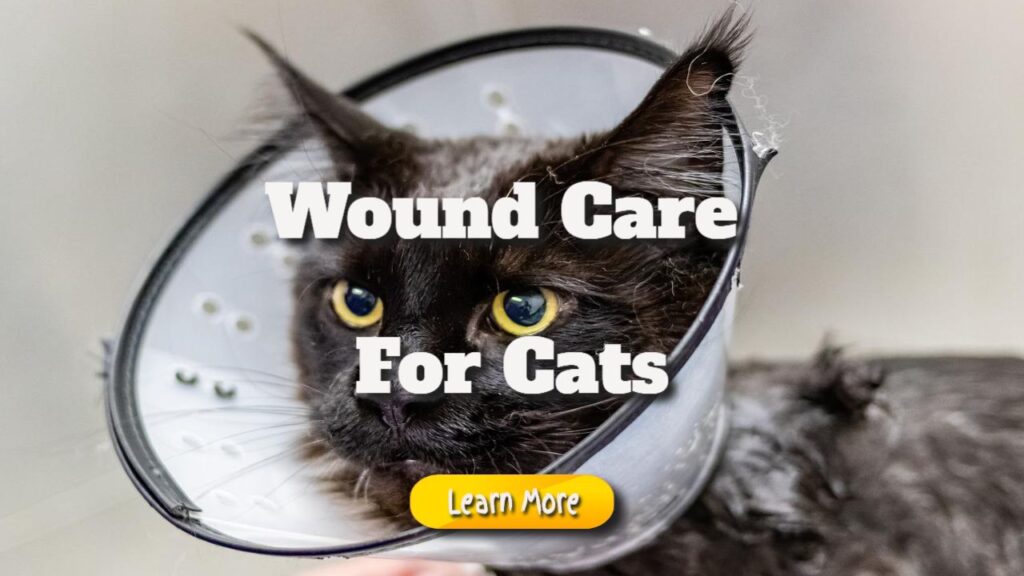
    wound care for cats


    The Root Cause

    Wounds can result from being hit or bumped by hard or sharp objects, dodging cars, being attacked by animals, or other risks.

    Urgent Attention

    Your cat will ultimately define what you can accomplish at home. You may only be able to wrap your cat in a towel or place him in a carrier and take him straight to the clinic.

    However, if your cat allows it, you may do a few things, particularly if going to your veterinarian takes some time.

    Applying direct pressure to a bleeding cut is the most effective approach to halt it.

    After covering the incision with sterile gauze or a clean towel, apply pressure to it.

    It may take 5 to 10 minutes for the bleeding to stop. When this happens, tape the gauze in place since removing it may cause the clot to dissolve and the bleeding to restart.

    Look for any more wounds.

    If there is no bleeding and the cut (laceration) or abrasion (graze) appears small, clean the wound. Gently clean the wound with an antiseptic solution or plain water, then flush the solution over the wound’s surface with a syringe or similar equipment.

    Diluting concentrated store-bought solutions containing the active ingredient povidone-iodine or chlorhexidine diacetate yields antiseptic solutions.

    Because they induce tissue damage, alcohol and hydrogen peroxide should not be used on wounds. Povidone should be diluted to the consistency of weak tea, and chlorhexidine should be diluted to the consistency of pale blue.

    If the laceration is long or deep, or if it is a puncture wound, clean the edges as described above, but do not aggravate the incision. Allow the veterinarian to take care of it.

    Take your cat to the vet after you’ve done everything you can.

    Veterinary Assistance

    Diagnosis

    Your veterinarian will examine your cat thoroughly and assess any wounds that are identified. Your cat will also be examined for any symptoms of the disease. The cat’s hair must be shaved for a comprehensive examination. X-rays may be required for some wounds. The test may also necessitate sedation.

    wounded cat


    Treatment

    Treatment’s key goals are to prevent infection and speed healing. Different sorts of wounds demand different techniques to achieve these objectives. In most cases, sedation or anesthetic will be required to heal the wounds safely and painlessly.

    For minor scrapes and cuts, a thorough washing and sometimes a little skin adhesive to hold the wound borders together is usually all that is required.

    Prolonged and deep wounds require careful cleaning to ensure there are no foreign bodies in the wound, as well as a complete assessment to determine the degree of injury.

    If the incision is less than 12 hours old and not heavily contaminated, suturing is likely.

    Puncture wounds, especially those caused by animal attacks, frequently involve significant damage beneath the skin that is not visible at first. Following the removal of foreign bodies, these wounds must be thoroughly investigated and meticulously cleaned with large amounts of antiseptic solution.

    To repair tissue damage that has occurred at deeper depths of the incision, surgical intervention may be required.

    Meanwhile, puncture wounds and wounds that are more than 12 hours old, contaminated, or showing signs of infection, abscessed, or lacking considerable skin are not routinely sutured.

    Instead, they are bandaged until the wound heals or becomes healthy enough that sutures can help the wound instead of trapping infection in it.

    Large or deep wounds, contaminated wounds, or wounds with several punctures may necessitate the use of a Penrose drain. This flexible rubber tube drains excess contaminated tissue fluid while allowing an antiseptic solution to flooding through the wound.

    Your veterinarian will prescribe antibiotics and possibly pain medicines for your cat, which you will need to provide at home.

    The vast majority of cats are released within 24 hours of their arrival.

    The most essential thing you can do for your cat after you get home is to provide proper care. Fortunately, it normally only takes one to two weeks.

    Good Care Involves

    Avoiding your cat licking, biting, or scratching at wounds, stitches, bandages, or drainage This may need the use of an Elizabethan collar.

    Keep dressings clean and dry, and replace them as directed by your veterinarian. At first, this could be up to two or three times per day.

    If your cat is refusing to cooperate, you may need to return to the clinic to have them replaced. If the dressings become wet, or if you notice an odor, rubbing, or an increase in drainage (or if the drainage persists), take your cat to the vet.
    If the cat is unable to lick it away, apply a thin layer of antibiotic ointment to the wound edges once or twice daily.

    Ascertain that your cat is receiving all prescribed medications. If you are experiencing trouble administering it, contact your veterinarian.

    The typical post-vet regimen is as follows unless the wounds are serious or there are complications:

    Penrose drains are removed 3 to 5 days after installation.
    Sutures are usually removed 10 to 14 days after they are put in.
    Antibiotics are normally prescribed for a period of 7 to 10 days.

    If pain medication is required, it is normally given for 5 to 7 days.

    Dressings may be applied for 24 hours or several weeks, depending on the severity of the lesion.

    The dressing is changed at least once daily at first; later in the healing period, longer intervals between dressing changes are possible.

    If a wound, particularly a puncture wound, is not identified and antibiotics are not administered, an abscess may form, resulting in the symptoms described above.

    Abscesses form in 10 to 14 days and are usually not visible until they rupture. An abscess needs another trip to the vet.

    Prevention

    Because cats are more prone to be injured when they run around uncontrollably outside, the best preventative measure is to either keep the cat indoors or confine it to a safe, confined area.

    The post Wound Care for Cats: What You Need to Know appeared first on https://gqcentral.co.uk

  • Pleco Care Instructions – the Giant Armored Catfish

    Pleco Care Instructions – the Giant Armored Catfish

    Pleco Care Instructions – the Giant Armored Catfish

    Pleco Care Instructions The Giant Armored Catfish: Do you want to keep your aquarium clean with a sucker catfish? Many people choose plecostomus catfish (or plecos) automatically because they believe they will magically suck up all the fish droppings and detritus in the aquarium.

    Let’s talk about these lovely creatures, their care requirements, and whether plecos are the right fish for you before you get one.

    What precisely are plecos?

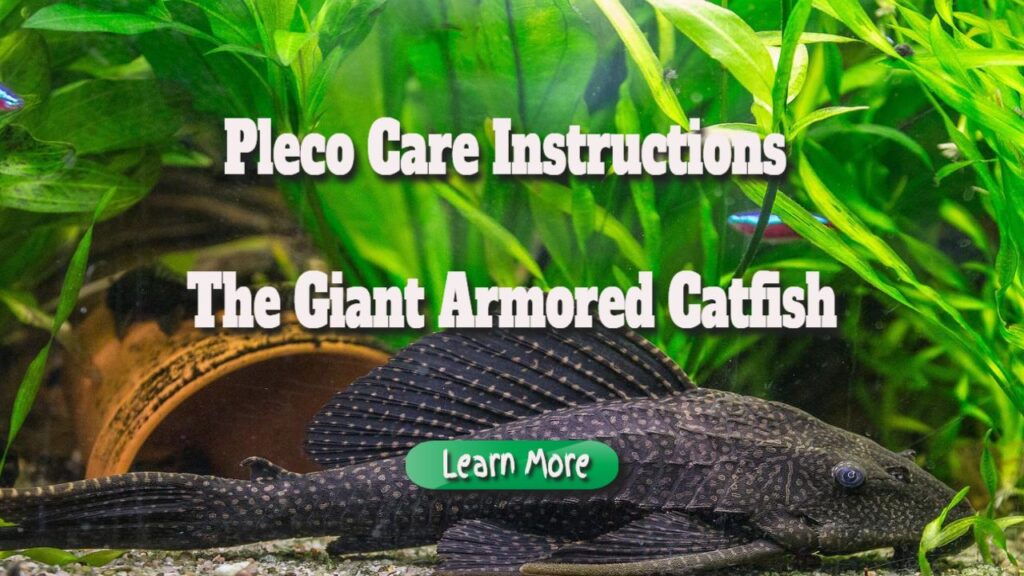
    The Loricariidae family of armored sucker catfishes native to Central and South America is known by the common name Plecostomus. The common Pleco (Hypostomus plecostomus) is a low-cost cleaning fish that is widely available in pet stores.

    This 3-inch newborn grows to be over 2 feet tall with a voracious appetite over time (and a corresponding amount of waste).

    We strongly advise against purchasing giant fish unless you intend to keep them for the rest of their lives, as releasing them is nearly impossible.

    You should also not release your lovely carp into the wild because it is a highly invasive species capable of wreaking havoc on the environment.

    There are, thankfully, much smaller plecos that are better suited to the average home aquarium. Bristlenose, rubber-lipped, and clown plecos are all beautiful catfish that grow to be 4 to 6 inches long.

    They are slightly more expensive than standard plecos, but their smaller size and lower food need more than makeup for it.

    pleco care instructions

    Are plecos easy to care for?

    Their water parameters are similar to those of other tropical fish. They prefer a heated aquarium with temperatures ranging from 74 to 80 °F (23 to 27 °C) and a pH range of 6.5 to 7.8.

    Most plecos are nocturnal, so they prefer hiding places or covers that keep them out of the sun.

    You will also need to keep the tank clean on a regular basis to keep nitrate levels at 40 ppm or lower.

    The 4- to 6-inch plecos mentioned above can be housed in tanks containing 20 to 29 gallons of water or more. The common Pleco, on the other hand, should probably start in a 75-gallon tank and work their way up to 180 or even 500 gallons.

    These enormous aquariums are out of reach for the average fishkeeper. As a result, we strongly advise staying with smaller species.

    What do pleco fish eat?

    Despite their reputation as cleaner fish, scavengers, and algae eaters, plecos need to be fed on a regular basis with high-quality fish food.

    Consider it similar to having a pet dog. Yes, the dog will eat scraps from the bottom, but it should still be fed natural dog food on a daily basis.

    Catfish, too, require real food that meets their nutritional needs. The majority of people feed them algal wafers. Most plecos, however, prefer balanced meals with a variety of items, such as frozen bloodworms and Repashy gel food.

    Learn about your particular species because not all pleco fish consume the same foods. Some eat algae and plants, while others enjoy rasping on driftwood, and still others need more protein. (While many plleißefish are harmless to plants, plleißefish have been observed occasionally nibbling on sword plants.)

    Because most splice fish are nocturnal, feeding them after the lights have been turned off allows them to feed while the other fish are less active.

    We frequently hear the following complaint from new Pleco owners: “I’m not sure what happened to my fish. I fed him an algal waffle every night “. Let’s go back to our dog analogy.

    If you feed your puppy one cup of food per day, he will most likely need more as an adult. To maintain its larger physique, your adult Pleco will require more food than a juvenile. As a general rule, aim for a round stomach.

    If the belly is sunken and the fish is underweight, increase the amount of food.

    If the abdomen is too enlarged, the fish may be overeating or constipated as a result of too many food residues in the tank. If you notice a lot of long, stringy pleco excrement, nitrates are probably building up in dangerous amounts, so vacuum the substrate and change the water.

    aquarium plecotomus catfish

    Do plecos consume fish feces?

    As previously stated, plecos have varying feeding preferences, but none of them consume only fish feces. While they will consume some fish feces while digging in the substrate, it is insufficient to keep them alive.

    Remember that plecos are living creatures that require proper nutrition, not just cleaners.

    What fish can coexist with plecos?

    Plecos get along with almost any peaceful fish that isn’t too big to eat. Also, do not place fish that are small enough to fit in the Pleco’s mouth.

    These catfish are typically scavengers who will not consume other animals unless they have already died. There have been reports of plecos sucking on other fish’s mucus layer. However, this appears to be more common in malnourished larger pleco fish.

    You should be fine if you keep a smaller pleco and feed it well.

    Is it possible to keep two or more plecos in the same tank?

    It’s all up to you. Some species (particularly males) can be aggressive toward other bottom dwellers or their own kind. To investigate their behavior and learn about the experiences of other aquarists.

    Smaller species, such as the Bristle Tail Catfish, can be kept in groups if there are more females than males and enough tunnels and hiding places for everyone to pick a favorite.

    Finally, choose a Pleco that will fit in your aquarium when fully grown. Read online publications and join social media groups to learn about their care and nutrition needs.

    The post Pleco Care Instructions – the Giant Armored Catfish appeared first on https://gqcentral.co.uk

  • Can I Purchase a Kitten? What You Should Be Aware Of

    Can I Purchase a Kitten? What You Should Be Aware Of

    Can I Purchase a Kitten? What You Should Be Aware Of

    Can I Purchase a Kitten? What You Should Be Aware Of: When you buy a kitten, you are committing to a specific roommate for the next ten years or more.

    So pay close attention because this is a major commitment! To make the best option, consider three factors: the perfect type of cat, the optimal breeder, and the right kitten from the litter.

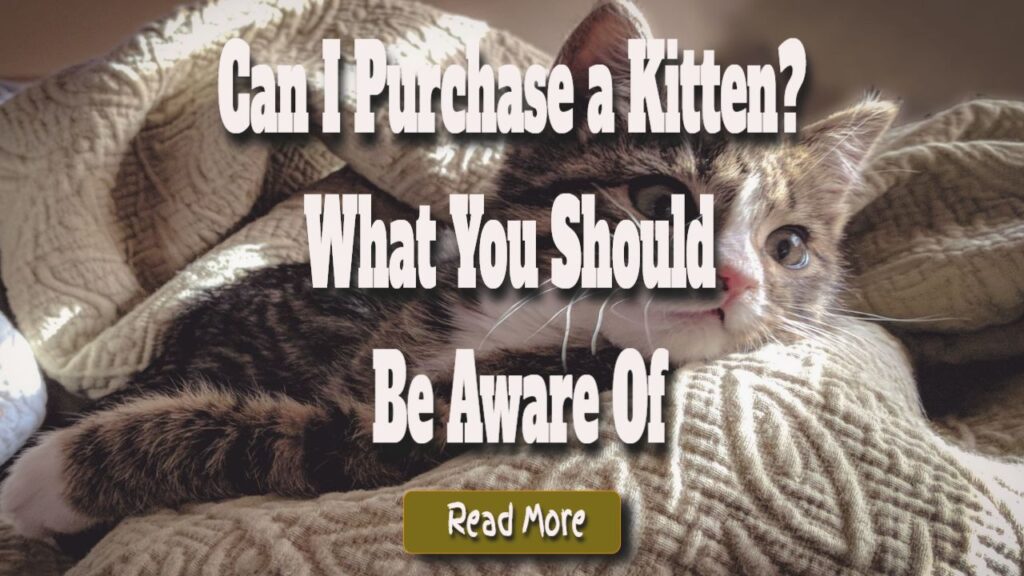
    can i purchase a kitten

    Match your kitty to your way of life.

    Every kitten is appealing, but they don’t stay little for long! While every cat has quirks, the breed may tell you a lot about the attitude and temperament you can expect once your kitten grows into a full-grown cat.

    So, before you go out seeking for a kitten to love, consider the following:

    Will someone be present, or will your cat be left alone most of the time?

    What kind of cat do you wish to get?

    Do you have the time to completely groom yourself? What do you think about cat hair on furniture?

    Do you already have pets such as cats or dogs?

    Do you want a cat that gets along well with children?

    Once you’ve identified this, you can look into the various breeds that will best suit your requirements. Our cat breed guides will assist you in getting started.

    The most noticeable breed characteristics are found in pedigreed cats. Current estimates indicate that four out of every five cats in the UK are not. When choosing a pet, look into the breeding history of the kitten’s parents, as this may reveal information about the kitten’s personality.

    Choosing the Best Cat Breeder

    If you choose a kitten from a respectable breeder that knows what they’re doing, the kitten you bring home is much more likely to be healthy and have a good demeanor.

    So, if the mother was well cared for before and after birth if the birthing quarters are clean and tidy, and if the breeder (especially if it’s a pedigreed cat) is aware about the necessities of that breed, these are all strong indicators.

    Cut catnip

    Here are some things to watch for.

    Discover the internet and social media. Local cat clubs are frequently able to provide thorough information about trustworthy breeders (and those to avoid). Visit the Facebook pages and forums of the clubs.

    It’s a one-way street. It’s comforting to know that the breeder is concerned about the type of household the puppies will be placed in!

    In the future, the breeder will be able to choose the best kitten from the litter depending on your specifications.

    Limit pedigreed cats to one or two breeds. Anything above that suggests you’re dealing with a “kitten farm,” which grows large numbers of often sick kittens for profit.

    You’re aware of the kitten’s lineage. They are well-versed in the temperament and health conditions of the mother and father.

    They are aware of the breed’s requirements. This is critical: if the breed is predisposed to certain hereditary illnesses, they may show that the parents were examined.

    The mother’s health checks are current.

    They can provide proof that the mother has had all of her vaccines and dewormings.

    The kittens had been dewormed.

    Because parasites can be passed on to kittens through their mothers’ milk, this is an important aspect of caring for young kittens. If there is no trace of deworming, you should avoid this breeder.

    black cat playing

    A pleasant household setting.

    It is ideal for mother and kitten to play and eat in a regular home with lots of human contacts and a clean, safe environment. A kitten who has already lived in a typical home with different people, guests, televisions, vacuum cleaners, and washing machines has a better chance of successfully adjusting to a new home.

    From the litter, the kitten was chosen.

    Kittens are normally weaned at eight weeks of age. They should ideally stay with their mother until they are at least 12 weeks old. So, ideally, you’re dealing with kittens who are at least three months old. By this point, their personalities should have developed, and you should be able to detect any health issues.

    Is their health good? Look for these indicators.

    skin and coat The coat should be velvety with no bald spots. Dark dirt stains (which suggest a flea infestation!) should be avoided.

    It should not be overly thick or too thin in terms of thickness. The ribs should not be evident, nor should the tummy be firm or protruding.

    The nose, ears, and eyes A runny nose or discharge should be avoided. A runny nose, coughing, and sneezing may be caused by a simple infection, but they can also be symptoms of a more serious respiratory problem.

    Teeth.

    By this point, the kitten should be eating solid food. The teeth should be dazzling white, and the gums pink.

    A neat back end. There are no signs of diarrhea!

    Personality is critical.

    Reduce yourself to their level! If the kitten has been socialized, it should be curious and interested in you rather than afraid of you.

    They enjoy being made fun of. A kitten’s suspicion is normal at first, but hissing, biting, or shaking may indicate hostility or serious nervousness.

    Playtime. The amount of time they spend playing with each other indicates whether or not the little guy will get along with other cats (or kids!) in your home.

    The post Can I Purchase a Kitten? What You Should Be Aware Of appeared first on https://gqcentral.co.uk

  • What Is Catnip – What Is Its Purpose

    What Is Catnip – What Is Its Purpose

    What Is Catnip – What Is Its Purpose

    Traditional/ethnobotanical application

    What Is Catnip – What Is Its Purpose: Catnip leaves and shoots have been used to flavor sauces, soups, and stews, as well as fruit table wines and liqueurs.

    According to the General Irish Herbal, catnip leaves and blooms were utilized in herbal drinks as early as 1735. The herb was used to treat intestinal spasms and indigestion, produce sweating, encourage menstruation, function as a sedative, and boost appetite.

    The herb has also been used to treat diarrhea, colic, colds, and cancer. Catnip tea was used to treat mental illnesses, stomach issues, rashes, and colds in Appalachia.

    To cure respiratory diseases, the dried leaves were smoked, and a poultice was used externally to relieve swelling. In the early 1900s, the flowering tops and leaves caused menstruation to be delayed.

    In the 1960s, catnip was allegedly smoked for its euphoric effects.

    what is catnip what is its purpose (1)

    What exactly is catnip, and why has it become so popular?

    Catmint, or Nepeta cataria, is a member of the mint family and is frequently referred to as catnip.

    Catnip can now be found all over the world, including the United States and Canada, while it was formerly solely found in Central Europe and Asia.

    In the 18th century, it was thought that settlers carried cuttings to the United States.

    Catnip, like other mints, can be grown in pots or in the garden.

    A powerful alkaloid present in the herb’s leaves and stems is nepetalactone. The aroma of this essential oil attracts cats to the plant, encouraging them to engage in purring, rolling, and vocalizations.
    Nepetalactone and other active compounds found in catnip may be beneficial to humans as well.

    The Sleep Benefits of Catnip

    One of the most common applications of catnip is as a sleep aid.

    The main active element in catnip, nepetalactone, is extremely similar to the valepotriates found in valerian, another popular sleep aid. It has a calming effect on people and can be used to treat sleep disorders including insomnia.

    Because of its soothing and gentle character, catnip is an excellent sleep aid for youngsters. Its use may help to relieve tension headaches.

    Anxiety and stress reduction

    There are numerous applications for catnip’s stress-relieving and sedative properties.

    Herbalists have long maintained that it can assist relieve symptoms of nervous system diseases, and it is commonly found in herbal teas to help individuals relax.

    Catnip promotes relaxation and can aid in the treatment of chronic stress, anxiety, and poor mental health.

    It is also an effective natural nerve agent for children and, in some situations, can assist to control hyperactivity.

    Treatment for cough, cold, and fever.

    Catnip has traditionally been used to treat colds and other diseases.

    Catnip, along with other herbs like licorice root and mullein, is often used as a natural cough and sore throat remedy.

    According to studies, it possesses antispasmodic and bronchodilator effects that can aid with coughs and asthma.

    Catnip is also a diaphoretic herb. Diaphoretics help the body sweat off fevers by increasing perspiration, and they help the body rid itself of infection faster.

    Do you have a sore throat, a cold, or a cough? To improve your respiratory system, try this tea with catnip. If you have a fever, make a catnip tea with other herbs like peppermint and yarrow and drink it all day.

    The digestive advantages of catnip

    Catnip’s antispasmodic properties help with stomach problems and cramping.

    It is also a carminative, which means it relaxes gas and can aid with constipation and bloating—the anti-inflammatory effects of catnip aid in the relief of stomach aches and discomfort.

    A catnip infusion can be given directly to babies’ stomachs. Tea can aid those with unsettled stomachs as well as pregnant women. with morning sickness in order to alleviate colic

    anti-inflammatory and analgesic qualities

    Catnip’s anti-inflammatory properties make it a helpful treatment for both internal and exterior pain alleviation and inflammation reduction.

    Catnip has traditionally been used to alleviate pain conditions such as arthritis, gout, headaches, and aching muscles.

    Menstrual cramps, migraines, and stomach pain can all be relieved with catnip tea. It can also be used topically or in a bath to relieve muscle pain and stiffness.

    Catnip is one of the main herbs in this postpartum relief tea, and it is said to help with pain and cramping produced by uterine contractions after childbirth.


    catnip wax melts coming soon

    The Skin Advantages of Catnip

    Catnip contains antimicrobial effects, as well as relaxing and anti-inflammatory benefits.

    As a result, it can help treat skin infections and speed up the healing of small wounds and cuts.

    Catnip can be used topically as an ointment or extract for skin diseases, but it is also commonly recommended as a tea for hives by herbalists.

    The Health Advantages of Catnip

    Making tea is one of the most basic methods to reap the benefits of catnip:

    Boiling water with 1-2 teaspoons of dried catnip

    Before filtering and drinking, sterilize and eat the herbs in the tea for at least 15 minutes.

    If you don’t like catnip on its own, try it with peppermint, lemon balm, or red raspberry leaves.

    Catnip extract is also available as an ointment or bath component.
    Precautions and side effects

    Catnip is a relatively safe herb (for both cats and humans).

    Due to its mild sedative properties, catnip can cause sleepiness. It is recommended that you start with catnip at night and watch how you react.

    Allergic reactions, dyspepsia, and headaches are common adverse effects.

    Catnip should be avoided by women who have a pelvic inflammatory illness or have heavy menstrual cycles. Menstruation is caused by the herb, which may aggravate both conditions.

    Stop using catnip two weeks before surgery, and consult with your doctor if you are on any medications or have a medical problem.

    Have you ever experimented with catnip?

    Catnip is beneficial to both humans and cats, so it may be the next natural remedy you experiment with.

    Catnip tea can help you sleep, ease your digestion, and get rid of a cough.

    Because of its mild nature, catnip is an excellent cure for alleviating tension and anxiety in youngsters.

    Grow your own catnip or purchase dried catnip to explore with!

    The post What Is Catnip – What Is Its Purpose appeared first on https://gqcentral.co.uk

  • Surprising Facts About Catnip Use

    Surprising Facts About Catnip Use

    Surprising Facts About Catnip Use

    What exactly is Catnip?

    Surprising Facts About Catnip Use: Catnip is a member of the mint family of herbs. It’s more than just a plant that makes cats happy. Catnip has long been used as a tea to aid digestion and relaxation, and it also works well as a mosquito repellent.

    What happens when it comes to cats? To understand this, you must first be acquainted with cats. The vomeronasal organ, also known as Jacobson’s organ, is a second organ located on the roof of a cat’s mouth.

    That’s why cats have such a good sense of smell; they pick up scents (sometimes with their mouths open and lips apart, giving the appearance of having come across something foul-smelling), and the information is transmitted directly to their brains, where it is interpreted.

    surprising facts about catnip use

    1. Catnip is a herb that is related to the mint family. Nepeta cataria is its scientific name.

    2. Catnip is often referred to as cat herb or Catnip.

    3. It originated in Europe and was imported to the United States and other countries (where it now flourishes like a weed!).

    4. Nepetalactone, a substance found in Catnip, is responsible for your cat’s familiar “high.”

    5. Catnips high only lasts around 10 minutes. After then, your cat will become accustomed to it, and you will have to wait around two hours for her to be receptive to the effects of Catnip once more!

    6 Although it is frequently compared to LSD or marijuana, Catnip is generally not toxic to cats and cannot be overdosed on.

    Catnip is well-known to everyone who has a cat. It comes in sprays, plants, dried, and toy forms! Here are some intriguing facts about Catnip that you may not know.

    Do you want to try something fresh and exciting for your next project?

    Perhaps you want to wow your friends and family with something unique.

    Perhaps you want to surprise your clients with something they haven’t considered! Have you ever thought about integrating catnip into one of your products?

    Catnip, for sure! What will drive your adorable little cats mad!

    Catnip has several uses, including medication, food and beverages, bath and body products, skincare, soap making, and even hair care!

    Catnip has so many wonderful uses, especially in bath and body products! Catnip can be found in a variety of bath and body products, including face masks, scrubs, lotions, soaps, ointments, creams, shampoos and conditioners, and bath teas.

    Catnip, when used in soap, aids in the healing of several skin disorders such as acne and contributes to relaxation.

    Catnip can also help with hair maintenance. It conditions, smoothes, and hydrates hair.

    Catnip can also be used to treat dandruff caused by an infected scalp. Catnip acts as a natural astringent, tightening lax skin and muscles.

    In nature, it is also an antiseptic and disinfectant. It even slows the aging process, heals acne, and speeds up wound healing and regeneration.

    orange butterfly

    Catnip also has numerous therapeutic properties.

    Catnip can help relieve period cramps, pains, and spasms in women, and it can also help females with delayed cycles start their menstrual cycles.

    It can be used to treat colds, flu, swine flu, rheumatism, arthritis, indigestion, worms, insomnia, flatulence, diarrhea, colic, anxiety, fever, hives, measles, upset stomach, and hyperactivity.

    Catnip can also be used to treat hemorrhoids and as a compress to relieve body edema.

    It can also help cure inflammation and edema caused by airborne allergies, colds and flu, and even excessive alcohol consumption.

    Catnip has antibacterial, antimicrobial, disinfecting, antispasmodic, antifungal, anesthetic, and sedative properties.

    It can even aid with a variety of nervous system issues such as Alzheimer’s, vertigo, and Parkinson’s disease.

    Did you know Catnip may be used to ward off insects, mice, rats, and bugs? Or that it has been used to flavor love potions?

    Cats respond to this perfume in a variety of ways: they may become more vivacious and active, friendlier, or relaxed and happy.

    Inhaling Catnip produces a hyperactive state, however, ingesting it produces a more calm state.

    Cats may also experience pain relief and anxiety decrease. In rare cases, catnip may make certain cats more aggressive.

    Catnip can be a fun activity for cats as well as a therapeutic technique for anxiety reduction, such as separation anxiety.

    It’s also worth noting that, contrary to popular belief, Catnip does not work on all cats! While statistics vary, it is plausible to assume that more than half of all cats (about 60%) respond to Catnip.

    This appears to be due to genetic factors; some cats lack the genetic traits that generate catnip reactions.

    A fascinating truth is that cats in Australia have a stronger resistance to this green shrub (i.e., no reaction).

    It attracts cats while repelling bugs!

    Nepetalactone, the central element in Catnip, is an effective insect repellant! You can keep itching bugs away by growing some of this plant in your garden, but it may attract the neighborhood kitties!

    organic-fine-cut-catnip-1-300x169

    Is Catnip harmful?

    The quick answer is that it can be dangerous if you don’t know how to obtain Catnip. To be safe, only buy imported Catnip if you are completely aware of the risks.

    Catnip isn’t harmful in and of itself, however, some cats love it and others just roll around in it. Catnip can help with digestion.

    As with other things, though, too much of a good thing may be dangerous. Catnip in excess might cause digestive problems in your cat.

    If your cat likes Catnip, he may try to open the package that contains it. If your cat consumes too much Catnip at once, it may experience indigestion and vomiting.

    Their behavior is similar to that of an overdose, and while terrifying, it is not life-threatening. This is also why concentrated catnip oils should be avoided.

    Because the active ingredient in catnip is an oil found in the leaves, it degrades over time. The oils in ancient Catnip volatilize and dry up, rendering the herb ineffective. It, like any other tea, spice, or herb in your kitchen, loses its potency as it ages.

    By the way, you don’t have to worry about addiction. Catnip is not more addictive than any other recreational item, nor does it create withdrawal symptoms. It is only a passing pleasure for your feline companion.

    You can use Catnip to either stimulate or rest your cat, depending on how he reacts.

    The effects of catnip last about 10 to 15 minutes after you give it to your cat. She may not reap the benefits of the plant for another hour or two.

    Catnip has the ability to make your cat sleepy or energetic!

    Catnip provides a stimulating and euphoric effect when inhaled by your cat. When she consumes a few pieces, though, it usually has a relaxing and sedative effect! While the effect lasts just around 10 minutes, the kitten takes 1 to 2 hours to react again.

    Catnip is not harmful to all cats!

    The nepetalactone reaction is an inherited trait that affects around 70% of cats! Catnip can influence even enormous cats like tigers and lions! It is risk-free and does not lead to addiction!

    While Catnip can cause strange behavior, it is not harmful to your cat. Just make sure it’s organic to avoid the irritating pesticides.

    Consuming Catnip, according to American legend, will turn the sweetest person into the meanest person!

    The post Surprising Facts About Catnip Use appeared first on https://gqcentral.co.uk

  • Training Lovebirds in the Early Stages

    Training Lovebirds in the Early Stages

    Training Lovebirds in the Early Stages

    Training Lovebirds in the Early Stages Depending on the personality of your new bird, where it has previously lived, its age, and how it is introduced to your home, the first few days at home with your new bird may be quite straightforward or a little uncomfortable for the bird.

    Birds are highly adaptive, and if you’ve created a friendly environment for them, they should have no issue settling in.

    Allow the bird a few hours to adjust to its new surroundings when you initially bring it home.

    Don’t try to play with the bird straight immediately; he has to locate the food and water bowls as well as an appropriate perch. He might also want to play with his new toy.

    Many people recommend that you don’t play with the bird too much in the first few days, although this depends on the bird.

    training lovebirds in the early stages

    If you have a young friendly bird who enjoys playing with your hands, you should do this.

    Allow time for a rescue bird or an elderly bird with limited hand and foot skills to become acquainted with its environment and new family.

    Learn about your bird’s personality without making assumptions about him.

    Is he self-sufficient, or will he require training? Is he interested in eating healthy, or do you need to teach him to be open to new experiences?

    Don’t expect it to be the same as your other birds or birds of the same species. Each bird is distinct.

    Examine your bird’s new home to confirm that everything works properly.

    Is he terrified of a particular toy?

    Are the perches properly positioned?

    Are the bird’s food and drink tainted?

    Is he in a position where he can readily access them?

    Please pay attention to how the bird travels around in its environment. If something needs to be repaired, do so as soon as possible.

    lovebird on perch

    A fearful bird is not the same as a timid bird, but a timid bird may appear fearful.

    If you don’t focus on it, a shy bird will show some interest in family life.

    Is the bird keeping an eye on what you’re doing?

    Is he content to entertain himself as you wander about the room?

    He may not be used to human contact, but he is intrigued by what you have to give.

    A fearful bird may crawl to the back of its cage to observe you to see if you are as nasty as you appear.

    If you offer a snack to the shy bird, it may be hesitant to accept it. This is a great bird to have because he wants to join your flock but is wary of his new surroundings.

    Begin by acquainting this bird with your presence. Allow him time to acclimatize to family life before you place any expectations on him.

    It is permissible to bring your hand closer to the cage to deliver food and drink to the bird, but not to touch him.

    By whispering to it, you can avoid establishing direct eye contact with it. Make no obvious movements. The idea is to make the bird aware of your presence.

    Once the bird has become accustomed to your presence, gently touch it on the chest or head, then slowly withdraw your hand.

    You want the bird to learn that your engagement is not frightening and could possibly be enjoyable. Rep this procedure until the bird is accustomed to the interaction.

    Once the bird has become accustomed to being lightly stroked, attempt to encourage it to climb on your finger or, at the very least, let you scratch its head.

    You can gradually encourage the bird to become your friend if you move gently and without fear. Your proximity and touch should become a habit for the bird rather than something imposed on it gradually.

    Allow the bird some time to get to know you instead of expecting an immediate response.

    Taming a Fearful Bird

    A terrified bird is not accustomed to being touched by humans. Perhaps it was raised by its parents rather than being hand-fed, was taken in the wild, or spent so much time as a “breeding bird” that it forgot what human touch is like.

    Perhaps the previous owners did not touch the bird, or the bird has a history of unpleasant human interactions.

    In either event, this bird must first develop trust in its new environment and human group.

    A terrified bird may twirl around the cage as you enter the room. Clinging to the back of the cage increases the chances of him staring at you nervously and being eerily silent so you don’t see him.

    If there is someone close, he will freeze in place. Terrorized birds may hiss, snap their beaks, and make other scary noises when you service their cage. He has no interest in you. He want for you to leave.

    Handle a terrified bird with the same caution as a shy bird. Handle this bird with care and avoid attempting to “tame” it.

    Allow the bird a few weeks to adjust to its new surroundings.

    When you’re ready to handle the bird, proceed with caution. If you believe you’ve been bitten, instead of engaging the bird with your hands, attempt “stick training.”

    Wear no gloves! Gloves frighten birds and make them fear your hands even more.

    Furthermore, if you use gloves to tame your bird, you will have to start over if you wish to use your ungloved hand since the bird will be terrified of your hand because it is so used to the glove.

    Do not try to tame the bird until he has become accustomed to his new surroundings.

    Allow him to eat and drink as much as he wants. During the first several weeks, try not to modify his environment too much.

    You’ll notice signals that the bird is ready for a closer look after a while.

    When you enter the room, he will feed or preen himself, be curious when you operate the cage, and even approach when you offer him a treat. It’s time to go a step farther and find out what the bird will accept.

    Progress slowly with this type of taming, and the bird should ultimately feel at ease with the thought of having a human friend, or so we hope!

    Perching Programs

    The Step Up is critical to your bond with your bird and may one day save his life. The “Step Up” is straightforward: your birds will perch on your finger or hand.

    Birds are born knowing nothing about how to achieve this. As a result, you’ll need to teach them. Because it mimics a perch, the bird will immediately step onto your finger.

    Some birds, on the other hand, learn at a much faster rate than others. Baby birds learning to fly will notice this right away.

    When you have a newborn bird, it normally comes to you and knows precisely what you want it to do. Every time you give your finger or hand, repeat “Stand up” to encourage the technique.

    It’s not difficult to teach a bird how to stand. Place your bird on a perch or your finger instead of a flat surface. As a “perch,” use your second finger or hand to offer light pressure to the bird’s lower chest/belly area, causing it to feel off balance.

    When a bird loses its equilibrium, it normally lifts one of its feet.

    Remove your finger from under the foot with care. The bird will cling to your finger with one foot while balancing on the perch with the other if you elevate your foot. “Get on with it,” you say. Rep this several times a day until your bird realizes that “Step up” implies “stand on your hand.”

    Keep the following points in mind as you learn this behavior: First, ensure that your hand is a sturdy perch. If you’re concerned about the bird on your palm, he will be as well.

    If you falter or drop the bird out of fear, it will remember and may refuse to climb back onto your palm or bite you.

    Also, practice the Step up with both hands at the same time. If you train it with your right hand, the bird may be apprehensive to walk up to you with your left. Remember that birds are creatures of habit, therefore try to train the behavior in a range of environments.

    Once the bird has mastered walking on your hand, have friends and family members repeat the activity, making sure they can safely hold the bird.

    Your bird’s stick training

    Pole training is similar to “step up” training, however, you use a perch or dowel instead of your hand. For certain birds, this may be the first kind of step-up training; perhaps the bird is a little hand-shy or prone to biting; however, stick training should come after hand taming for the majority of birds.

    Choose two or three different shaped sticks or dowels, at least one of which should be exceptionally long. The idea is that if you ever need to rescue your bird from a high place, he will be much easier to rescue if he has been stick trained.

    Stick training will almost probably be a breeze for your darling bird. Sticks may frighten other birds.

    That’s fine; you just need to acclimate the bird to the presence of the sticks. Start by putting the sticks throughout the room. For a week, keep them a few feet away from the cage.

    Then, gradually bring the sticks closer to the cage until they almost touch it. Move the sticks to the top of the cage or even inside the cage once the bird has become accustomed with its surroundings.

    Allow the bird to interact with the sticks if it so desires. Then, urge your bird to balance softly and comfortably on the stick. It should no longer be an issue at this point.

    Once you’ve persuaded the bird to stand on the pole, employ the “ladder technique.” You tell the bird to land on your hand, then the stick, then your hand, and so on until the game becomes a game.

    Do this for a few minutes multiple times a day, but don’t overburden your bird. Try other species with varying colors and textures once the bird has mastered climbing onto a perch or dowel.

    Use caution when utilizing slippery perches, since a bird may be afraid to step on a slick surface. Repeat a few times a week to reinforce the behavior.

    A program that acknowledges and rewards outstanding behavior.

    If you’re familiar with positive reinforcement training for dogs, you should know that it may also be used to educate lovebirds. Positive reinforcement is very effective with cognitive species such as birds.

    Positive reinforcement aims to reward positive conduct while ignoring negative behavior.

    In an ideal environment, when unwanted behavior is not rewarded, undesirable behavior declines, and desirable behavior increases. The key to employing this strategy with lovebirds is to rapidly determine the desired behavior that needs to be rewarded and then select the suitable incentive.

    Some birds might get a treat, while others might get some attention.

    Here’s an example of how to use this technique: Assume a bird is calling at you to pay attention.

    You’ve determined that the crying isn’t the result of the parrot being unwell, lonely, or injured. Screaming is usually rewarded in parrots; when the bird screams, the owner may scream back or face the bird – ah! Screaming gets a lot of people’s attention!

    The bird isn’t aware that your yelling is a reprimand. He believes that your yelling is a wonderful way for you to join the yelling party.

    When you yell at the bird, it encourages you to yell more. To end the yelling, you must reinforce the peaceful moments.

    A quiet parrot is easy to dismiss or overlook. Instead of disregarding the quiet intervals, approach the parrot and say, “Good silence!”

    If you do this enough times, the bird will learn that when it is calm and playing by itself, it receives more attention than when it is screeching.

    Remember that you cannot simply ignore the shouting and calm periods; lonely parrots should yell to attract attention. If you pay enough attention to a quiet parrot, it will have less need to cry for attention.

    This method has the ability to impact any form of behavior, even individual conduct!

    A Lovebird’s Discipline

    It is impossible to punish a bird. Yes, it is right. It isn’t possible. It just does not work. Lovebirds are instinctual and habitual creatures, and the word “punishment” means something very different to them than it does to us.

    Punishment for them includes not receiving what they desire, despite the fact that they must acquire what they seek in order to properly learn.

    Several traditional “punishments” have been around for a long time and have proven useless. Here are a couple of examples of this:

    Water should be sprayed on the bird.

    This approach satisfies one of three requirements.

    The bird believes it is bath time, which many birds like.
    The bird develops a fear of water.
    Although the water shock stops the movement, the bird does not learn and resumes its behavior. Water splashing is intended to be “aversion therapy,” but it does not work on birds.

    with a flapping beak

    The beak is a sensitive part that should be handled with care. Please do not tap or flick your bird’s beak to punish it.

    Some birds enjoy gently tapping their beaks, however, this is done for bonding rather than punishment.

    pair of lovebirds

    Drop or wiggle

    When a bird bites the hand, it is standing. The owner will either wiggle or drop the bird. This is not a penalty. This is done to protect the bird from future bites and to teach the bird not to bite.

    So, squirming or dropping to avoid a bite is appropriate if done delicately, as long as you understand it is not punishment.

    Force

    Never use physical force on a bird. This is animal cruelty, and the birds will only learn to dread you.

    Instead of constantly pointing out what the lovebird is doing incorrectly, start pointing out and appreciating what the parrot is doing correctly. As a result of this, the bird will learn much more than “punishment.”

    Toilet training

    Lovebirds, contrary to popular thought, can be successfully toilet trained.

    It just takes a little time and effort, but it’s a lot easier than you think.

    Potty training can be accomplished in a variety of ways; you must select the best one for you.

    The verbal cue

    You can teach your bird a vocal cue for “business,” giving you control over when and where the “business” is done in the future.

    Choose an appropriate cue or phrase, such as “Go poop” or “Bombs away.” When you notice your bird getting ready to do its business, pronounce the cue word and lavishly praise it.

    Eventually, the bird will associate the trigger word with the term “business.”

    When you provide the signal, the bird should drop the bomb in the location you select.

    The physical manifestation

    If you want your bird to land on something specific, such as a paper plate or a piece of newspaper, prepare the paper ahead of time and then wait for the bird.

    If you do this many times, the bird will understand that you are expecting a “deal” when the paper is under it. You can also use a verbal hint to enhance this strategy.

    Remember that if a bird “accidents,” you should not “punish” or reprimand it. This is unavoidable.

    Training is not a precise science. Each bird is unique, and some may never develop this habit, but others may pick it up quickly.

    Caution: If you are too harsh in teaching your bird to “go” when you issue the command, he may become ill if he “holds it in” for too long.

    Potty training should not be overly strict. Allow the bird to “go” freely in and around the cage.

    The post Training Lovebirds in the Early Stages appeared first on https://gqcentral.co.uk