Category: Animals & Pets

  • Homemade Treats for Picky Cats: Tasty Recipes

    Homemade Treats for Picky Cats: Tasty Recipes

    Discover Your Cat’s Flavor Preferences for Homemade Treats

    What Flavor Profiles Do Cats Crave the Most for Their Treats?

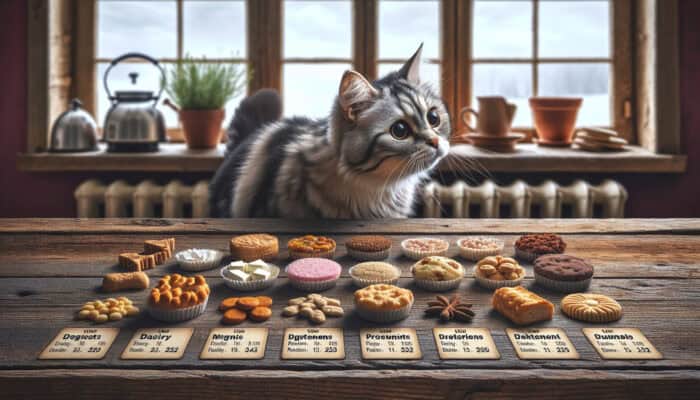
    A cat with a discerning look surrounded by savory treats like fish, chicken, and liver on a rustic wooden table.

    Cats possess distinctive and sophisticated taste preferences that set them apart from humans and other pets. These furry companions typically show a strong inclination towards savory flavors and particular textures, which are vital elements to consider when crafting homemade treats. Gaining insights into these preferences can immensely improve your capacity to create snacks that even the most selective cats will find irresistible. Below is a curated list of typical feline flavor inclinations designed to assist you in your treat-making journey:

    • Meaty flavors, especially chicken, beef, and fish
    • Umami-rich ingredients like tuna and liver
    • Creamy textures from items such as yogurt or pureed foods
    • Natural fats that enhance flavor, including salmon oil
    • Herbs such as catnip, which can entice even the choosiest cats
    • Soft and moist ingredients that create a delightful mouthfeel
    • Crispy textures that some cats enjoy chewing

    Understanding these flavor preferences not only aids in crafting successful recipes but also guarantees that the treats are enjoyable and satisfying for your feline companion. The complexity of feline taste is frequently underestimated; cats can be surprisingly picky about their food. Thus, experimenting with various combinations is crucial for uncovering what truly excites your cat’s palate.

    How Does Aroma Impact a Cat’s Food Preferences?

    Cats rely heavily on their sense of smell to gauge whether a food item is appealing. This sensory ability is incredibly important, as an enticing aroma can significantly boost the desirability of a treat. Unlike humans, who may be drawn to colorful presentations or artistic plating, cats are primarily influenced by the scents that waft into their nostrils. Therefore, when preparing homemade treats, prioritizing aromatic ingredients can be an effective strategy to attract a finicky eater.

    The olfactory receptors in a cat’s nose are considerably more sensitive than those in humans, allowing even subtle scents to spark their interest. Ingredients like fish, poultry, and certain cat-friendly herbs can release strong aromas that resonate with their natural instincts. When crafting treats, consider including ingredients known for their robust scents, such as tuna, chicken broth, and a sprinkle of catnip.

    Moreover, the cooking method can influence the aroma of these treats. Techniques such as baking or dehydrating can intensify scents, making them more enticing. You might discover that simply warming a treat or serving it fresh from the oven can create an irresistible appeal. Prioritizing the scent profile of your homemade treats is essential when catering to your cat’s discerning taste.

    Why Is Texture Crucial in Cat Treats?

    The texture of cat treats can profoundly affect a cat’s interest in them. Some cats may prefer crunchy options, while others lean towards softer, chewier varieties. Understanding your cat’s texture preference is critical for ensuring that your homemade treats are well-received rather than rejected.

    Cats exhibit diverse preferences regarding how food feels in their mouths. A crunchy texture might appeal to cats that thrive on the act of chewing, while a softer texture may attract those with sensitive gums or dental issues. When crafting your homemade treats, it’s wise to explore various textures to discover what delights your cat the most.

    For example, if you opt to bake treats, be mindful of baking time to achieve the perfect level of crunchiness. Conversely, if you desire a softer texture, consider recipes that incorporate pureeing or moist ingredients. Finding the right balance between texture and consistency can greatly influence your cat’s acceptance of the treats. Your goal should be to create something that is not only flavorful but also enjoyable to chew and consume.

    Expert Tips for Crafting Homemade Treats for Fussy Cats

    A person making gourmet cat treats in a cozy kitchen, surrounded by curious cats and ingredients.

    What Ingredients Should You Choose for Cat Treats?

    Selecting the right ingredients is of utmost importance when preparing homemade cat treats. The components should be safe, nutritious, and enticing to cats. To ensure your treats are both delicious and healthful, consider these actionable steps for selecting the best ingredients:

    • Opt for high-quality protein sources such as chicken, fish, or turkey.
    • Include healthy fats from sources like fish oil or olive oil.
    • Add small amounts of cat-safe vegetables such as pumpkin or peas.
    • Use whole grains sparingly, like oats or brown rice, for added texture.
    • Avoid toxic ingredients like onions, garlic, and chocolate.
    • Select low-carb ingredients to align with a cat’s natural dietary needs.
    • Choose fresh, organic produce to enhance nutritional value.

    By adhering to these guidelines, you can create a variety of tasty treats that cater to your cat’s unique preferences. Each ingredient not only contributes flavor but also provides essential nutrients that support your cat’s overall health. Furthermore, being mindful of ingredient sources can help you avoid preservatives and fillers often found in commercial cat treats.

    It is also wise to monitor any allergies or sensitivities your cat may have when introducing new ingredients. Gradually incorporating new components can help you identify any potential issues. Always ensure that the treats you create not only delight your cat’s palate but also promote their health and well-being.

    How Can You Ensure Nutritional Balance in Treats?

    When crafting homemade treats, it is crucial to complement a cat’s diet without causing nutritional imbalances. Ensuring that the treats you prepare are nutritionally sound is essential for your cat’s health. As obligate carnivores, cats primarily require a diet centered around meat, making it vital to understand their specific nutritional needs when creating healthy treats.

    When developing your homemade treats, keep the following guidelines in mind to maintain nutritional balance:

    • Include a primary protein source as the main ingredient.
    • Add essential fatty acids for a healthy coat and skin.
    • Incorporate small amounts of vitamins and minerals, such as taurine, which is vital for heart health.
    • Limit carbohydrates since cats do not require them in large quantities.
    • Utilize fresh ingredients to maximize nutritional content.
    • Consult veterinary resources or professionals to address specific dietary requirements.
    • Keep treats to a small percentage of the overall diet—ideally about 10% or less.

    Maintaining nutritional balance is crucial to prevent issues such as obesity, digestive disturbances, and other health complications. Monitoring the total caloric intake from treats is essential. Always consult with a veterinarian to ensure your homemade treats align with your cat’s specific dietary needs, particularly if they have any underlying health concerns.

    Remember, homemade treats should enhance rather than replace your cat’s regular meals. They should serve as a reward or an occasional snack that brings joy without compromising health.

    What Common Allergens Should Be Avoided in Cat Treats?

    Cat sniffing homemade treats labeled with allergens like dairy and proteins on a rustic table.

    Some cats may suffer from food allergies or sensitivities, which should be considered when creating homemade treats. Common allergens such as dairy or certain proteins can trigger adverse reactions, making it essential to be cautious with your ingredient choices. Identifying and avoiding these allergens can greatly enhance your cat’s overall health and prevent discomfort.

    When preparing homemade treats, keep the following common allergens in mind to avoid:

    • Dairy products, including milk and cheese, which many cats cannot digest.
    • Wheat and gluten, which can cause digestive issues in some felines.
    • Poultry, especially if your cat has a history of poultry sensitivities.
    • Fish, which may also provoke allergic reactions in certain cats.
    • Eggs, as they can be problematic for some felines.
    • Artificial additives and preservatives found in commercial ingredients.
    • Certain legumes, which can lead to gastrointestinal distress.

    To ensure your homemade treats are safe and enjoyable, it is advisable to monitor any adverse reactions your cat may exhibit towards specific ingredients. This proactive approach can assist you in tailoring future treat recipes to avoid potential triggers. By being cautious and attentive, you can create a variety of delicious options that cater to your cat’s dietary needs while keeping them happy and healthy.

    Delicious Recipes for Homemade Cat Treats

    Quick and Easy Tuna Treats for Cats

    Tuna is a favorite among many cats and serves as an excellent primary ingredient for homemade treats. This straightforward recipe combines canned tuna, egg, and flour to create delectable, bite-sized morsels that your picky eater is sure to love. Here’s how to prepare these delightful treats:

    • Preheat your oven to 350°F (175°C).
    • In a mixing bowl, combine one can of drained tuna, one beaten egg, and one cup of whole wheat flour.
    • Mix thoroughly until a dough forms, adding water as needed to achieve the right consistency.
    • Roll the dough into small balls or flatten it and cut into shapes using a cookie cutter.
    • Place the treats on a baking sheet lined with parchment paper.
    • Bake for approximately 10-12 minutes, or until golden brown.
    • Allow them to cool completely before serving to your cat.

    These tuna treats are not only easy to prepare but also packed with protein, making them a nutritious option for your feline companion. Ensure that the tuna you use is packed in water rather than oil to maintain a healthy fat content. Your cat will likely find these treats irresistible, making them a staple in your homemade treat rotation.

    Tempting Chicken and Catnip Treats

    The combination of chicken and catnip creates an irresistible treat that many cats simply cannot resist. This recipe is easy to follow and can be customized with different herbs to keep things engaging. Here’s how to prepare these delightful chicken treats:

    • Start by cooking one chicken breast thoroughly, either by boiling or baking.
    • Once cooked, shred the chicken into small pieces and place it in a mixing bowl.
    • Add ½ cup of oat flour and one tablespoon of dried catnip to the bowl.
    • Mix until well combined, adding a small amount of chicken broth if the mixture is too dry.
    • Form small balls or flatten the mixture and cut it into shapes.
    • Preheat your oven to 350°F (175°C) and bake the treats for 15-20 minutes.
    • Let them cool before offering them to your cat.

    These treats not only provide a delicious reward but also include catnip, which can induce a euphoric effect in many cats. This combination ensures that your cat enjoys the flavor while also having a fun and engaging experience when indulging in these treats.

    Nutritious Salmon and Sweet Potato Bites

    Salmon is another fantastic ingredient that delivers essential omega-3 fatty acids, while sweet potatoes offer a healthy carbohydrate source. This recipe is both nutritious and delicious for cats and is simple to prepare. Here’s how to create these tasty treats:

    • Preheat your oven to 350°F (175°C).
    • Bake one medium sweet potato until soft; allow it to cool and then mash it in a bowl.
    • Add one can of drained salmon (in water) to the mashed sweet potato.
    • Mix in one cup of oat flour until a dough forms, adjusting with more flour if necessary.
    • Roll the dough into small balls or flatten and cut into shapes.
    • Place on a parchment-lined baking sheet and bake for 20-25 minutes.
    • Cool completely before serving to your cat.

    This recipe combines two highly appealing ingredients and provides a healthy boost to your cat’s diet. The omega-3 fatty acids present in salmon contribute to healthy skin and a shiny coat, while sweet potatoes are an excellent source of fiber, aiding in digestion.

    What Strategies Can Enhance Treat Appeal for Cats?

    What Shapes and Sizes Do Cats Prefer for Treats?

    Cats often display preferences for specific shapes or sizes of treats. Experimenting with different forms can help you identify what your cat enjoys the most. The shape and size of treats can significantly influence a cat’s willingness to engage with them, making it worthwhile to explore various options.

    Most cats are attracted to smaller, bite-sized treats that they can easily pick up and chew. You may also find that your feline friend has a preference for specific shapes, such as small squares, stars, or even fish-shaped treats. By varying the shapes and sizes, you not only keep your cat engaged but also introduce an element of fun into treat time.

    When crafting treats, keep these tips for shapes and sizes in mind:

    • Opt for small, bite-sized pieces for easy consumption.
    • Utilize cookie cutters to create fun and engaging shapes.
    • Observe your cat’s reactions to different shapes and sizes.
    • Make some larger treats for puzzle toys or interactive play.

    Ultimately, the objective is to discover shapes and sizes that excite your cat. Through experimentation, you can enhance the overall experience, making treat time more enjoyable and interactive for both you and your furry friend.

    Why Is Presentation Crucial for Treats?

    The presentation of treats can significantly influence a cat’s interest. Treat presentation can vary widely, from the type of container used to the serving method, and can make a notable difference in how appealing the treats appear to your cat.

    Using colorful, visually appealing containers or bowls can capture a cat’s attention and create an engaging experience. You might also consider hiding treats in puzzle toys or using treat-dispensing balls to encourage mental stimulation as your cat works to retrieve them. Rotating the types of containers or presentation styles can keep things fresh and exciting.

    To enhance treat presentation, consider these strategies:

    • Employ varied containers, such as colorful bowls or treat dispensers.
    • Change up the presentation methods regularly to maintain interest.
    • Serve treats at different times and locations to create anticipation.
    • Pair treats with interactive play sessions to maximize engagement.

    Creating a dynamic and engaging treat experience can motivate your cat to savor these homemade delights even more. By turning treat time into a special event, you strengthen your bond with your cat while ensuring they remain excited about their treats.

    How Can Treats Be Effective Training Tools?

    Treats can serve as powerful tools in training, rewarding desired behaviors and reinforcing positive actions. This approach not only enhances your cat’s skills but also deepens the connection between you and your feline companion.

    Using treats as training aids can help establish a routine and create a fun learning environment. Begin with basic commands or behaviors, such as “sit” or “come,” and reward your cat with a treat upon successfully executing the task. This positive reinforcement motivates your cat to repeat the desired behavior, making training sessions enjoyable for both of you.

    Here are some tips for utilizing treats as training aids:

    • Select small, highly appealing treats for quick rewards.
    • Establish a consistent training schedule to reinforce learning.
    • Be patient and encouraging, using treats to celebrate achievements.
    • Gradually reduce treat rewards as your cat becomes proficient in the behavior.

    Training with treats not only teaches your cat new skills but also fosters a unique bond based on trust and positive interactions. By incorporating homemade treats into training sessions, you ensure that both learning and indulgence occur with love and attention.

    The Scientific Benefits of Homemade Treats for Selective Cats

    What Nutrients Do Homemade Treats Provide for Optimal Health?

    Homemade treats can be tailored to include specific nutrients that benefit cats, such as taurine and various vitamins. By choosing the right ingredients, you can create treats that appeal to their taste while providing essential health advantages.

    Nutrients that can be included in homemade treats consist of:

    • Taurine, essential for heart and eye health.
    • Omega-3 fatty acids for maintaining a healthy coat and skin.
    • Vitamins A and E for immune support and overall well-being.
    • Fiber from vegetables to promote digestion.
    • Minerals like calcium and phosphorus for strong bones.
    • Antioxidants that help combat free radicals.
    • Hydration through moisture-rich ingredients.

    By being intentional about the nutrients you incorporate, you can ensure that your homemade treats not only satisfy your cat’s cravings but also provide significant health benefits. This nutritional customization is one of the primary advantages of making homemade treats over relying on commercial options.

    Recognizing these benefits can inspire pet owners to invest time in preparing healthy, nutrient-rich treats that cater to their cats’ distinct needs. Ultimately, this approach nurtures a deeper sense of care for their feline companions.

    How Do Homemade Treats Influence Cat Health?

    Regularly feeding homemade treats can yield positive effects on health, such as improved digestion and coat condition. The ingredients chosen for these treats can significantly impact your cat’s overall well-being, establishing a solid foundation for a healthy diet.

    Homemade treats made from fresh ingredients provide numerous benefits. For instance, the absence of fillers and preservatives typically found in commercial treats reduces the risk of allergic reactions and gastrointestinal issues. Moreover, utilizing high-quality proteins and healthy fats from sources like chicken or fish bolsters muscle health and energy levels.

    Here are some health benefits associated with homemade treats:

    • Improved coat condition due to omega fatty acids.
    • Enhanced digestive health from fiber-rich ingredients.
    • Stronger immune function with added vitamins and nutrients.
    • Reduced risk of obesity through portion-controlled homemade selections.
    • Lower likelihood of food allergies and sensitivities.
    • Positive impact on dental health through crunchy textures.

    These health benefits can motivate pet owners to prioritize homemade treats as part of their pet’s diet. By focusing on their feline friends’ well-being, owners can promote a healthier lifestyle while strengthening the bond they share with their cats.

    What Psychological Benefits Do Treats Provide to Cats?

    Treats can offer psychological advantages, such as reducing stress and enhancing bonding time with owners. Homemade treats serve not only as rewards but also as tools for enriching your cat’s environment and improving their quality of life.

    Providing treats can create a positive association between your presence and enjoyable experiences for your cat. This can help alleviate anxiety, particularly in multi-pet families or during stressful situations like vet visits. Treat time can become a bonding moment between you and your feline friend, reinforcing your connection.

    Consider these psychological advantages of treats:

    • Promotes positive reinforcement during training sessions.
    • Encourages interactive play and engagement.
    • Helps combat boredom with stimulating treat puzzles.
    • Provides comfort during stressful times with familiar flavors.
    • Fosters trust between you and your cat through shared experiences.
    • Creates enjoyable routines that your cat eagerly anticipates.

    By acknowledging the emotional and psychological aspects associated with treat-giving, you can significantly enhance your cat’s life. This understanding fosters a nurturing relationship, ensuring that both you and your feline companion benefit from the rewarding experience of sharing homemade treats.

    How Can Homemade Treats Cater to Picky Eaters?

    Homemade treats provide the flexibility to customize ingredients to suit the unique preferences of picky cats, increasing the chances that they will eat and enjoy their food. The ability to tailor ingredients to your cat’s likes is a significant benefit of crafting treats at home.

    For picky eaters, even minor adjustments can make a substantial difference. From varying flavor profiles to experimenting with different textures, homemade treats offer endless possibilities. You may discover that incorporating a favorite ingredient, such as a specific protein or herb, can make a treat completely irresistible.

    To cater to picky eaters, consider these strategies:

    • Incorporate their preferred protein sources, like chicken or salmon.
    • Utilize different cooking techniques to enhance flavors and textures.
    • Experiment with various seasonings, such as catnip or parsley.
    • Adjust treat sizes to align with their chewing preferences.

    By focusing on your cat’s individual tastes and preferences, you can create treats that excite them and promote enthusiastic eating. This level of customization can be especially crucial for cats that may struggle with traditional food options, ensuring they receive the nutrition they need while relishing every bite.

    Best Practices for Storing and Preserving Homemade Treats

    What Are the Optimal Storage Techniques for Homemade Treats?

    Proper storage is vital for extending the shelf life of homemade treats. Keeping them in airtight containers in a cool, dry environment is essential for preserving their freshness and preventing spoilage. The manner in which you store your treats can significantly affect their quality over time, so it is important to follow best practices.

    To ensure your homemade treats remain safe and enjoyable, consider these storage methods:

    • Use airtight containers crafted from glass or BPA-free plastic.
    • Store treats in a cool, dark location, away from direct sunlight.
    • Keep treats moisture-free to prevent mold growth.
    • Consider refrigerating treats containing perishable ingredients for added safety.

    Implementing these practices allows you to enjoy homemade treats for a longer period without sacrificing quality. Additionally, proper storage helps maintain the nutritional benefits of your homemade creations, ensuring they remain a healthy option for your furry friend.

    How Long Can Homemade Treats Be Kept Safely?

    The shelf life of homemade treats varies based on their ingredients and storage methods. Understanding how long treats can be safely stored is essential for maintaining their quality and ensuring your cat enjoys them at their best.

    Typically, homemade treats can last anywhere from one week to several months, depending on their composition. Treats made with fresh proteins or moisture-rich ingredients generally have a shorter shelf life compared to those made with dry components.

    To maximize the shelf life of your treats, consider the following guidelines:

  • Soft treats containing moist ingredients last about 1-2 weeks in the refrigerator.
  • Hard, dry treats can last up to a month at room temperature.
  • Freezing treats can extend their shelf life for several months.
  • Regularly inspect stored treats for signs of spoilage, such as off-smells or mold.

By being mindful of these storage considerations, you can ensure that the treats you prepare remain fresh and enjoyable for your cat, providing them with delicious snacks for an extended duration.

How to Properly Freeze Treats for Longevity?

Freezing treats is an excellent method for preserving their freshness and nutritional value. This approach is particularly beneficial for making treats in bulk and storing them for future use. Freezing not only prolongs the shelf life but also allows you to prepare a variety of flavors to keep your cat interested.

To effectively freeze your homemade treats, follow these steps:

  • Let treats cool completely before freezing.
  • Arrange treats in a single layer on a baking sheet to freeze individually.
  • Once frozen, transfer the treats to airtight containers or freezer bags.
  • Label containers with the date and contents for easy identification.

By freezing treats, you can create a supply that enables you to offer fresh, homemade snacks whenever you desire. This is especially advantageous for busy pet owners who want to ensure their cat always has something tasty available.

Why Is Proper Labeling and Dating Crucial for Stored Treats?

Proper labeling and dating are essential for tracking the freshness and shelf life of treats. This practice ensures that you use them before they spoil, allowing you to maintain quality and safety in your homemade cat treats.

When labeling treats, consider these tips:

  • Include the date of preparation on the label.
  • Note any specific ingredients or flavors for easy identification.
  • Utilize clear, waterproof labels to prevent smudging.
  • Regularly check stored treats for freshness based on the date.

This practice promotes better organization and ensures that you provide your cat with the freshest treats possible. By keeping track of your homemade creations, you can minimize waste and maximize enjoyment for your feline friend.

How to Reheat and Serve Stored Treats Effectively?

Learn the best methods for reheating stored treats to retain their taste and texture. Proper serving techniques can enhance the enjoyment of homemade treats, making them more appealing to your cat.

When serving treats, consider these techniques:

  • Gently warm treats in the microwave for a few seconds to enhance aroma.
  • Serve treats at room temperature for optimal texture.
  • Utilize interactive feeding toys to make serving more engaging.
  • Pair treats with regular meal times to create a routine.

These serving techniques can help elevate the treat experience for your cat, making treat time an occasion they eagerly anticipate. By focusing on presentation and temperature, you can enhance the overall appeal of your homemade creations.

Frequently Asked Questions About Homemade Cat Treats

Can I Use Human Foods to Create Homemade Treats for My Cat?

Yes, you can use human food as long as it is safe for cats. Ingredients like chicken, fish, and certain vegetables can be incorporated, but avoid toxic foods like onions or chocolate.

How Often Can I Give My Cat Homemade Treats?

Treats should ideally comprise no more than 10% of your cat’s daily caloric intake. Regularly offering treats is fine, but moderation is key to maintaining a balanced diet.

Are There Ingredients to Avoid in Homemade Cat Treats?

Yes, avoid toxic ingredients such as onions, garlic, chocolate, and excessive dairy. Always check for common allergens specific to your cat.

How Can I Determine If My Cat Enjoys a Homemade Treat?

Watch your cat’s response. If they devour it enthusiastically and seem excited, they likely enjoy it. Disinterest or refusal may indicate they are not a fan.

Can I Create Treats for Cats with Food Allergies?

Absolutely! You can customize ingredients to avoid allergens. Use safe proteins, grains, and vegetables that your cat can tolerate.

Do Homemade Treats Require Refrigeration?

It depends on the ingredients. Treats made with perishable items should be refrigerated, while dry treats can be stored at room temperature in an airtight container.

Why Are Homemade Treats Better Than Store-Bought Options?

Homemade treats eliminate preservatives and fillers, allowing for fresh, high-quality ingredients tailored to your cat’s tastes and health needs.

Can I Freeze Homemade Cat Treats?

Yes! Freezing is an excellent way to extend the shelf life of treats. Just ensure they are well-packaged to prevent freezer burn.

What Are Some Good Protein Sources for Cat Treats?

Excellent protein sources include chicken, turkey, fish (such as salmon or tuna), and even certain organ meats rich in nutrients.

How Can I Maximize Treat Appeal for My Cat?

Experiment with shapes, sizes, and aromas. Use favorite ingredients, present them in fun ways, and pair them with play to increase their attractiveness.

Connect with us on Facebook!

The Article Homemade Treats for Picky Cats: Delicious Recipes First Published On https://elgatoencasa.com

The Article Delicious Recipes for Picky Cats: Homemade Treats Was Found On https://limitsofstrategy.com

  • RV Living With Pets: Essential Tips for Dog and Cat Owners

    RV Living With Pets: Essential Tips for Dog and Cat Owners

    Essential Steps for Preparing Your RV for Traveling with Pets

    Selecting the Ideal RV Size for You and Your Furry Companions

    A cozy RV interior designed for pets with space to play, sleep, and store supplies, in a serene camping scene.

    Choosing the appropriate RV size is essential for creating a comfortable living environment that meets the needs of both you and your beloved pets. Your furry friends need enough space to move around freely and feel secure. When selecting the right RV size, it’s important to take several factors into account. These considerations will not only enhance your comfort but also ensure a delightful experience for your pets during travel.

    • Space for Movement: Ensure that there is sufficient room for your pets to stretch, play, and interact without feeling confined.
    • Storage Capacity: Look for RVs with ample storage options to accommodate essential pet supplies, including food, toys, and grooming items.
    • Sleeping Areas: Choose RVs that provide designated sleeping spaces capable of comfortably housing both you and your pets.
    • Weight Limitations: Confirm that the RV’s weight capacity can handle the additional weight of your pets and their belongings.
    • Ventilation: Select an RV that boasts excellent ventilation to ensure proper air circulation, which is crucial for your pets’ comfort.
    • Accessibility: Ensure there are convenient access points for your pets to enter and exit the RV with ease.
    • Outdoor Space: Whenever feasible, opt for an RV that facilitates the setup of outdoor, pet-friendly areas for relaxation.

    By considering these crucial factors, you can create a practical environment that caters to your furry friends’ needs, ensuring they feel at home as you embark on your adventures on the road.

    Creating a Safe and Comfortable Living Space for Your Pets

    Establishing a pet-friendly living environment within your RV is vital for the safety and well-being of your furry companions. Designating specific areas for sleeping and play can significantly help your pets adapt to their new surroundings. Important safety features to incorporate include safety nets over windows, secure latches on cabinets, and non-slip mats to prevent slips and falls, enhancing your pets’ comfort during travel.

    Consider setting up a cozy nook for your pets to relax in, equipped with their favorite blankets or beds. This familiar area serves as a sanctuary, providing comfort during downtime. Furthermore, utilizing baby gates can help establish boundaries, keeping your pets safe from potentially hazardous areas, such as the kitchen or the driver’s seat while traveling.

    Investing in a pet seatbelt or a secure crate for transit ensures that your pets remain safe during travel. Regularly inspect the RV for potential hazards, such as exposed wires or sharp objects, and make necessary adjustments to eliminate risks. By proactively creating a secure environment, you enable your pets to enjoy the RV lifestyle just as much as you do.

    Effective Pet-Proofing Techniques for Your RV

    Pet-proofing your RV is a critical step in preventing accidents and ensuring the safety of your cherished furry companions. Start by securing loose items that could become projectiles during travel or sudden stops, including decorative items, kitchen utensils, and anything else that may fall due to excited pets.

    Cover sharp edges wherever possible to minimize the risk of injury. This can be accomplished by installing corner guards or soft padding. Additionally, consider implementing pet-safe barriers to prevent them from jumping onto countertops or tables, which could lead to accidents and injuries.

    Another effective strategy involves removing or securing toxic plants, cleaning supplies, and other hazardous materials. Install safety latches on cabinets to keep pets from accessing potentially harmful items. By taking these preventive measures, you can create a safer RV environment that provides peace of mind while traveling with your pets.

    Daily Life in an RV with Your Pets

    A cozy RV interior with a person, dog, and cat lounging, filled with personal touches and travel mementos.

    Establishing a Consistent Feeding and Hydration Schedule for Your Pets

    Creating a reliable routine for feeding your pets while living in an RV is crucial for maintaining their health and hydration levels. Always ensure your pets have access to fresh water, which can be easily achieved with spill-proof bowls or portable water dispensers designed specifically for travel.

    Consider these practical tips to maintain optimal hydration for your pets while on the road:

    • Frequent Water Breaks: Stop regularly to offer water, especially during hot days or after vigorous activities.
    • Keep Water Cool: Use insulated water bottles to ensure that your pets’ water remains cool and refreshing.
    • Monitor Intake: Keep track of how much water your pets drink, adjusting their routine as necessary.
    • Portable Water Systems: Consider investing in a portable pet water system for convenience during travel.

    When it comes to feeding your pets, maintaining a consistent diet is vital to avoid digestive issues. Pack enough food to last throughout your trip, plus a little extra for unforeseen delays. Using an airtight container helps preserve food freshness and protects it from pests. By prioritizing both feeding and hydration, you can ensure your pets remain healthy and happy throughout your travels.

    How to Integrate Exercise and Playtime for Your Pets While Traveling

    Incorporating daily exercise routines for your pets is crucial for their physical and mental well-being while living in an RV. Dogs require regular walks, while cats benefit from playtime that stimulates their natural instincts and keeps them engaged and entertained.

    Here are the best ways to keep your pets active while on the road in an RV:

    • Daily Walks: Allocate time each day for walks in safe, pet-friendly areas, such as parks or nature trails.
    • Interactive Toys: Bring along engaging toys that challenge your pets mentally, like puzzle feeders or treat-dispensing balls.
    • Designated Play Areas: Set up outdoor play spaces at rest stops with leashes or fenced areas, allowing pets to run freely.
    • Agility Training: Create a mini agility course using travel-friendly equipment to engage your pets in a fun way.

    By actively involving your pets in exercise and play, you significantly enhance their quality of life on the road. It also provides a wonderful opportunity for bonding and enjoying the great outdoors together, fostering a deeper connection between you and your pets.

    Strategies for Efficiently Managing Pet Waste in Your RV

    RV at campsite, owner using biodegradable bags to clean up after dog, disposing into portable container amidst greenery.

    Effectively managing pet waste while living in an RV is essential for maintaining cleanliness and ensuring a pleasant environment for everyone. Establishing a responsible system for disposing of pet waste keeps your RV clean and demonstrates respect for the areas you visit.

    To manage pet waste efficiently while living in an RV, consider these strategies:

    • Designated Waste Bags: Always carry biodegradable waste bags to clean up after your pets during walks or at campsites.
    • Portable Waste Containers: Utilize a portable waste container to store used bags until you can dispose of them properly.
    • Regular Disposal: Locate disposal stations at campsites or parks to ensure proper disposal of pet waste.
    • Training: Train your pets to relieve themselves in designated areas to simplify the cleanup process.

    By implementing these strategies, you can maintain a clean and pleasant RV environment while being a responsible pet owner on the road. This not only benefits your pets but also enhances the overall enjoyment of your travel experience.

    Expert Insights on RV Living with Cats and Dogs

    Understanding the Behavioral Considerations of Pets in RVs

    The RV lifestyle can significantly influence your pets’ behavior, particularly during the initial adjustment phase. Understanding these behavioral changes is essential for fostering a harmonious living environment. For instance, some pets may experience anxiety or stress due to the confined space and frequent changes in scenery.

    Common behavioral issues may include excessive barking, whining, or restlessness. To address these concerns, consider practical examples and solutions. For a dog that barks excessively when parked, creating a designated quiet area with their favorite blanket can help them feel more secure and relaxed. If a cat shows signs of anxiety, providing vertical spaces with shelves or carriers enables them to feel safe and in control of their environment.

    Maintaining a consistent daily routine, encompassing feeding, walks, and play sessions, can help your pets feel more secure during your travels. By recognizing and thoughtfully addressing behavioral issues, you can create a positive RV experience for your pets, enhancing their happiness and overall well-being.

    How to Ensure Your Pets’ Health and Veterinary Care While Traveling

    Maintaining your pets’ health on the road is vital for their overall well-being. Planning for regular veterinary check-ups and emergency care is essential, especially when traveling far from home. Developing a comprehensive healthcare plan involves identifying local veterinary clinics along your travel route to ensure quick access to medical attention if needed.

    Here are actionable steps to ensure your pets’ health while living in an RV:

    • Veterinary Records: Keep a portable folder containing your pets’ medical records and vaccination history for easy access during your travels.
    • Emergency Contacts: Compile a list of emergency veterinary clinics along your travel routes for quick reference in case of emergencies.
    • Flea and Tick Prevention: Regularly utilize preventive treatments to protect your pets from parasites, especially in wooded areas.
    • Regular Check-ups: Schedule veterinary visits when passing through towns with reputable clinics to maintain essential health checks.

    By proactively planning for veterinary care, you can swiftly address health concerns and keep your pets happy and healthy throughout your travels, allowing you to enjoy your adventures together.

    Training Techniques for a Successful RV Experience

    Training your pets to adapt to the RV environment is essential for a successful journey. Effective training methods minimize stress for both you and your pets, ensuring an enjoyable travel experience for everyone involved. Begin by introducing your pets to the RV before embarking on longer trips, allowing them to explore the space at their own pace.

    Some effective training techniques include:

    • Gradual Exposure: Spend short periods inside the RV, gradually increasing the time to help them acclimate comfortably.
    • Basic Commands: Reinforce essential commands like ‘sit,’ ‘stay,’ and ‘down’ to maintain control in new environments.
    • Positive Reinforcement: Use treats and praise to encourage good behavior, especially during travel to keep them calm and composed.
    • Practice Travel: Take short trips to help your pets get used to the motion and sounds of traveling in an RV.

    By employing these training strategies, your pets can adapt more easily to life on the road, creating a harmonious living experience for everyone involved. The more comfortable they feel, the more enjoyable your RV adventures will be.

    Comprehensive Guide to Traveling with Cats and Dogs in Your RV

    Packing Essential Supplies for Your Pet’s Travel Needs

    Preparing a detailed checklist of items for your pets is essential for a successful journey. Having the right supplies ensures your pets are comfortable and well-cared for while you travel. Below are must-have items to include for pet travel:

    • Food and Water Bowls: Collapsible bowls for easy storage and convenience during travels.
    • Leashes and Harnesses: Durable and comfortable options for safe outdoor exploration.
    • Pet Medications: Keep any necessary medications on hand for quick access during emergencies.
    • Travel Beds: Provide a familiar and comfortable sleeping space for your pets during the journey.
    • Toys: Bring your pets’ favorite toys to keep them entertained during long drives.
    • Grooming Supplies: Essentials like brushes and wipes to maintain hygiene while on the road.
    • First Aid Kit: Include pet-specific items to address minor injuries or emergencies.

    By packing these essential items, you can ensure your pets are comfortable and happy while traveling, minimizing stress for everyone involved. A well-prepared trip can significantly enhance your enjoyment of the journey together.

    Managing Long Journeys with Pets: Essential Tips for Comfort

    Planning for long drives with pets requires special attention to their comfort and security. It’s imperative to keep your pets calm and entertained during lengthy travel hours. Here are the best practices for managing long journeys with your furry friends:

    Start by creating a comfortable space for your pets in the RV. Utilize pet seat covers or secure crates with seatbelts for safety during transit. Regular breaks every couple of hours are crucial, allowing your pets to stretch their legs, relieve themselves, and hydrate properly.

    Additionally, consider playing soothing music or providing interactive toys to keep your pets engaged. Monitoring their behavior can help you identify if they are feeling anxious or restless, enabling you to address their needs promptly. By paying attention to their comfort and engagement, you set up a successful travel experience for both you and your furry companions.

    Accommodating Your Pets’ Needs While Traveling

    Meeting your pets’ needs during travel is essential for their comfort and overall well-being. Regular stops for breaks not only benefit your pets but also provide opportunities for you to stretch and take a break from driving.

    To ensure your pets’ comfort during travel, consider these effective strategies:

    • Scheduled Stops: Plan for frequent breaks every two to three hours to allow your pets to relieve themselves and stretch.
    • Safe Zones: Create secure areas where pets can relax during breaks, such as outdoor mats or shaded spots.
    • Hydration Stations: Always have water readily available and offer it during stops to keep your pets hydrated throughout the journey.
    • Comfort Items: Bring along their favorite blankets or toys to create familiar spaces wherever you go.

    By maintaining their comfort and meeting their needs, you can ensure a smoother road trip for both you and your pets, making every journey enjoyable and memorable.

    The Benefits of RV Living with Pets

    Deepening Bonds with Your Pets Through Shared Travel Experiences

    RV living presents unique opportunities to strengthen your bond with your pets. Sharing experiences and adventures while traveling enhances the relationship you have with your furry companions. The joint exploration of new environments creates lasting memories, whether it’s hiking a scenic trail or relaxing by a picturesque campsite.

    The RV lifestyle allows you and your pets to discover new sights and sounds together. Engaging in activities such as outdoor yoga sessions or quiet evenings by the campfire fosters deep connections. By including your pets in these enriching experiences, you enhance their lives and yours, building lifelong bonds based on shared adventures and mutual enjoyment.

    The Flexibility and Freedom of RV Living with Pets

    One of the most significant advantages of RV living with pets is the incredible flexibility it offers. You can travel wherever you desire while bringing your pets along for the journey. This allows your pets to experience new environments, enriching their lives with a variety of sights, scents, and sounds.

    The joy of exploring different parks, trails, and natural wonders with your pets is truly unmatched. You can create a personalized travel itinerary that accommodates both your needs and those of your pets, ensuring that everyone is well taken care of. The freedom of RV living also means you can choose pet-friendly locations, allowing your furry companions to enjoy the great outdoors just as much as you do.

    Cost-Effective Approaches for Pet Care on the Road

    RV living can be a budget-friendly solution for managing pet care while traveling. By taking responsibility for their daily care yourself, you can save on expenses typically associated with boarding or pet-sitting services. This approach allows you to maintain control over your pets’ care and comfort.

    You can prepare homemade meals for your pets, reducing food costs while allowing you to have better control over their diets. Additionally, grooming your pets yourself during stops can help minimize expenses and keep them looking their best. Many RV parks offer affordable amenities that are pet-friendly, enabling you to stick to a budget while ensuring your pets receive excellent care throughout your travels.

    Enhancing Your Pets’ Health and Well-Being Through RV Living

    RV living promotes your pets’ physical and mental health through outdoor activities and new experiences. Exposure to fresh air and natural environments encourages active lifestyles, helping to keep your pets fit and happy. Regular hikes, walks, and playtime outside contribute to improved physical fitness, while the stimulation from new surroundings enhances their mental health and overall well-being.

    Taking your pets on exciting adventures encourages them to explore, play, and interact with the world around them. The change of scenery can also alleviate boredom, significantly reducing the likelihood of behavioral issues. Overall, RV living can greatly enhance your pets’ quality of life, contributing to their health, happiness, and overall well-being.

    Ensuring Pet Safety in Your RV: Key Strategies

    Preventing Escapes During Travel: Effective Strategies

    Preventing your pets from escaping during travel or stops is crucial for their safety. Ensuring your RV is secure mitigates the risks of escape. Start by installing secure windows with screens that allow for ventilation while preventing pets from slipping out.

    To further prevent escapes, utilize pet seatbelts or secure crates during travel. Always ensure that the RV doors are closed and locked whenever you stop to avoid any unexpected incidents. Additionally, utilize leashes and harnesses during outdoor excursions to keep your pets safe and secure.

    By implementing these preventive measures, you can protect your pets from potential dangers while traveling in your RV, ensuring a safer journey for everyone.

    Preparing for Emergencies with Your Pets: A Comprehensive Approach

    Planning for emergencies is critical to ensuring your pets’ safety during RV living. Create a comprehensive emergency kit specifically for your pets that includes essential items. This kit should contain food, water, first aid supplies, necessary medications, and identification tags to keep them secure.

    In the event of an accident or natural disaster, knowing the locations of nearby veterinary clinics and emergency services can make a significant difference. Regularly review your emergency plan with your pets to ensure they’re familiar with the routine and know what to expect. By preparing in advance, you can confidently navigate any unexpected situations that may arise during your travels, keeping your pets safe and secure.

    Dealing with Extreme Weather Conditions: Important Tips

    Protecting your pets from extreme temperatures and weather conditions is vital while RV living. During hot weather, ensure your pets are never left unattended in the RV since temperatures can rise rapidly, leading to heat-related health issues. Use fans or air conditioning to maintain a cool interior, and provide plenty of water to keep them hydrated.

    In colder conditions, ensure your pets have adequate bedding and warmth, especially at night. Invest in pet jackets or blankets to provide extra warmth during chilly weather. By proactively addressing extreme weather concerns, you can keep your pets safe and comfortable, regardless of the conditions outside.

    Maintaining a Clean RV with Pets: Effective Strategies

    Creating a Consistent Cleaning Schedule

    Establishing a routine for cleaning your RV is essential when living with pets. Pet-related messes can accumulate quickly, making consistency key to maintaining a hygienic environment. Focus on areas where your pets spend the most time, such as sleeping zones and play areas, ensuring they are kept clean and inviting.

    Best practices for maintaining cleanliness with pets include:

    • Daily Spot Checks: Quickly address any messes or spills as they occur to prevent buildup and maintain hygiene.
    • Regular Vacuuming: Invest in a portable vacuum to effectively manage pet hair and dander.
    • Wipe Down Surfaces: Use pet-safe cleaning products to frequently clean surfaces, ensuring a healthy living space.
    • Weekly Deep Clean: Schedule a weekly deep clean, including washing pet bedding and wiping down all surfaces for a fresh environment.

    By implementing a regular cleaning schedule, you can maintain a welcoming environment for both your pets and yourself, keeping your RV in excellent condition and ensuring it remains a pleasant place to live.

    Effective Techniques for Odor Control in Your RV

    Managing odors within the RV is essential when living with pets. Utilizing pet-safe products can help keep your living space smelling fresh and pleasant while ensuring your pets’ safety and comfort.

    To effectively control pet odors in an RV, consider implementing the following strategies:

    • Air Purifiers: Use pet-friendly air purifiers to reduce odors and improve air quality, creating a fresher environment.
    • Baking Soda: Sprinkle baking soda in areas prone to odors, allowing it to sit before vacuuming to neutralize smells.
    • Essential Oils: Use pet-safe essential oils to freshen the air; however, ensure they are safe for pets before use.
    • Regular Laundering: Wash pet bedding and blankets frequently to prevent odor buildup and maintain cleanliness.

    By incorporating these techniques, you can maintain a pleasant atmosphere in your RV, ensuring it remains a comfortable haven for both you and your pets while on the road.

    Grooming and Hygiene Practices for Pets in an RV

    Maintaining your pets’ grooming and hygiene is essential for keeping your RV clean and comfortable. Regular grooming not only helps reduce shedding but also contributes to your pets’ overall health and well-being.

    Essential grooming tasks for pets living in an RV include:

    • Regular Brushing: Depending on their breed, brush your pets regularly to manage shedding and maintain healthy coats.
    • Bathing: Use pet-friendly shampoos for periodic baths, especially after outdoor activities, to maintain cleanliness.
    • Nail Trimming: Keep your pets’ nails trimmed to prevent scratches and damage to the RV’s interior.
    • Dental Care: Use dental chews or brushes to maintain oral hygiene, which is often neglected but essential for their health.

    By prioritizing grooming and hygiene, you not only keep your pets comfortable but also maintain a clean RV environment, enhancing your overall travel experience.

    Best Practices for Managing Pet Waste

    Implementing effective strategies for managing pet waste inside and outside the RV is vital for maintaining cleanliness. Utilizing designated waste bags for outdoor disposal and a portable litter box for indoor use can help keep everything organized and hygienic.

    Best practices for disposing of pet waste while traveling include:

    • Dispose Properly: Always dispose of waste in designated areas to respect local regulations and maintain cleanliness.
    • Use Biodegradable Bags: Opt for environmentally friendly waste bags to reduce your impact on the environment.
    • Frequent Maintenance: Check and clean the litter box or waste bags regularly to prevent odors and ensure cleanliness.
    • Encourage Good Habits: Train your pets to relieve themselves in specific areas to simplify cleanup and maintain order.

    By staying proactive about pet waste management, you can enjoy the RV lifestyle while ensuring a clean and pleasant environment for everyone aboard.

    Selecting Pet-Friendly Flooring and Surfaces for Your RV

    Choosing durable and easy-to-clean flooring and surfaces is essential for RVs shared with pets. Selecting materials that can withstand pet wear simplifies cleaning and helps maintain the aesthetic appeal of your RV.

    When selecting pet-friendly flooring, consider options such as:

    • Vinyl Flooring: Waterproof and easy to clean, vinyl is durable against scratches and spills, making it an ideal choice.
    • Tile: Offers durability and easy maintenance, perfect for high-traffic areas where pets frequent.
    • Carpet Tiles: Allow for easy replacement of individual sections when damaged, providing a practical solution for pet owners.
    • Laminate: Offers a wood-like appearance while being resistant to scratches and stains, combining style and functionality.

    By carefully selecting flooring and surfaces that are pet-friendly, you can enjoy your RV while minimizing maintenance and keeping it looking great throughout your travels.

    Common Questions About RV Living with Pets

    Is it safe to leave my pets alone in the RV while exploring?

    It is generally not advisable to leave pets alone in the RV for extended periods, particularly in unfamiliar environments. Always ensure they receive appropriate supervision or consider bringing them along when possible to keep them safe and comfortable.

    What are the best travel bowls for pets?

    Collapsible silicone bowls are popular for traveling, as they are lightweight, easy to store, and durable. They can be used for both food and water, making them versatile and practical for your trips.

    What strategies can I use to keep my pets calm during long drives?

    Keeping your pets calm can be achieved through regular breaks, engaging toys, and calming music. Familiar blankets or toys can also provide comfort during travel, helping them feel secure in the RV.

    Are there pet-friendly RV parks available?

    Yes, many RV parks offer pet-friendly accommodations. Research online or call ahead to confirm specific pet policies and available amenities to ensure a suitable environment for your pets.

    What vaccinations do my pets need for RV travel?

    Ensure your pets are up to date on their routine vaccinations. Rabies vaccinations are often required for travel in many locations, along with other vaccinations based on your travel destination.

    Can I take my cat on an RV trip?

    Absolutely! Many cats adapt well to RV life. Ensure you have a secure crate, familiar items, and plenty of safe spaces for them to explore for an enjoyable experience.

    How can I find pet-friendly hiking trails?

    Various apps and websites enable you to filter for pet-friendly trails. Local tourism boards and outdoor recreation websites often provide comprehensive lists of trails where pets are welcome.

    Should I use a harness for my pets during travel?

    Yes, using a harness can help keep your pets secure during travel. Seatbelt harnesses are available that can be attached to your RV’s seatbelt system for added safety and protection.

    What should I do if my pet gets sick on the road?

    If your pet shows signs of illness, locate a veterinary clinic immediately. Keep a list of emergency contacts and hospitals ready for quick access during your travels to ensure prompt care.

    How can I minimize pet hair in my RV?

    Frequent grooming and using lint rollers can help manage pet hair effectively. Investing in a quality vacuum cleaner designed for pet hair can also assist in keeping your RV clean and tidy.

    Connect with us on Facebook!

    The Article RV Living With Cats And Dogs: A Universal Guide First Published On https://elgatoencasa.com

    The Article RV Living With Pets: The Ultimate Guide for Cat and Dog Owners Was Found On https://limitsofstrategy.com

  • Digging Habits of Jack Russell Terriers: Key Insights

    Digging Habits of Jack Russell Terriers: Key Insights

    Mastering the Digging Instincts of Jack Russell Terriers for Better Behavior

    What Drives the Common Digging Behavior in Jack Russell Terriers?

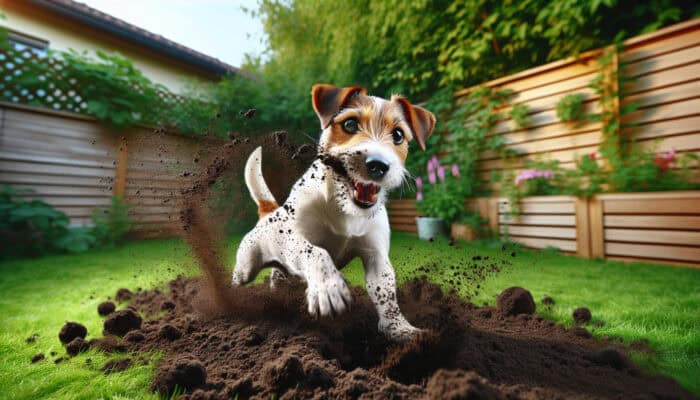
    Jack Russell Terrier digging energetically in a lush backyard, driven by hunting instincts.

    Jack Russell Terriers are famous for their high energy and curiosity, traits that originate from their role as hunters. Bred to pursue small game like foxes and rabbits, these dogs often dig as a part of their instinctual hunting behavior. Understanding the reasons behind this digging is essential for dog owners who wish to manage it effectively. The main motivations for a Jack Russell’s digging include their innate hunting instincts, boredom due to insufficient mental stimulation, excess energy, or a desire for comfort and exploration. They might also dig to escape enclosures, attract attention, or alleviate stress and anxiety.

    By grasping these underlying motivations, pet owners can adopt targeted strategies to mitigate unwanted digging behavior. This proactive approach not only promotes a well-behaved dog but also facilitates better integration within the home, decreasing the risk of property damage while safeguarding the dog’s health and well-being.

    How Do Genetic Traits Influence Jack Russell Terriers’ Digging Behavior?

    The genetic composition of Jack Russell Terriers significantly influences their behaviors, including their digging tendencies. The breed has been selectively bred over generations for its hunting skills, which have instilled certain behavioral traits. Understanding these genetic predispositions offers valuable insights into the behavior of individual dogs, enabling owners to better anticipate and manage their digging habits. By recognizing the inherited traits that drive their behavior, pet owners can effectively customize their training and management techniques to align with their dog’s natural tendencies.

    How Can You Identify the Digging Triggers for Your Jack Russell?

    Recognizing the specific triggers that lead to your Jack Russell’s digging behavior is vital for implementing effective behavior modification strategies. Observing your dog in different environments can provide critical insights into what prompts their digging. Possible triggers may include the presence of other animals, changes in their daily routine, or specific stimuli in their surroundings. By maintaining a detailed record of these observations, owners can devise personalized responses aimed at minimizing unwanted digging behaviors. This awareness of triggers fosters a more harmonious living environment for both the dog and the household.

    Proven Techniques to Train Your Jack Russell Terrier to Manage Digging

    Jack Russell Terrier digging in designated sand pit, owner nearby giving thumbs-up.

    Effective training serves as a powerful tool for managing the inherent digging instincts of a Jack Russell Terrier. By employing proven training techniques, owners can redirect this behavior towards more acceptable outlets. Consistent commands paired with rewards for positive actions can lead to significant behavioral improvements over time. Implementing training methods that emphasize redirection, such as establishing designated digging areas, encourages healthier digging habits while minimizing unwanted behavior in non-designated spaces. This structured approach enhances the overall relationship between the owner and the dog, fostering a balanced and fulfilling existence.

    Expert Techniques to Effectively Manage Jack Russell Terrier Digging Habits

    What Are the Most Effective Training Methods for Controlling Digging Behavior?

    Successfully training Jack Russells to manage their digging behavior requires positive reinforcement and consistency. Here are actionable steps to enhance your training process:

    • Establish clear commands specifically targeting digging behavior.
    • Reward your dog with treats and praise when they dig in designated areas.
    • Redirect digging behavior by introducing alternative, constructive activities such as playing fetch.
    • Maintain patience and consistency throughout all training sessions.

    By incorporating these training methods, you can instill better digging habits in your dog, creating a structured environment that accommodates their natural instincts while minimizing disruption within the household.

    How Can You Successfully Redirect Your Jack Russell’s Digging Behavior?

    Redirecting your Jack Russell’s digging behavior requires a tailored, multifaceted approach that considers their unique energy levels and instincts. One effective strategy involves providing alternative outlets for their excess energy. Engaging them in interactive play, such as retrieving games or agility training, can significantly lessen their propensity to dig. Additionally, introducing puzzle toys that encourage mental engagement can keep their focus on constructive activities, steering their attention away from unwanted digging behaviors. This proactive approach cultivates a more harmonious living environment by channeling your dog’s energy into positive pursuits.

    What Role Does Regular Exercise Play in Managing Digging Behavior?

    Regular exercise holds immense importance in managing the digging instincts of Jack Russell Terriers. Engaging these dogs in physical activities, such as extended walks or vigorous play sessions, can significantly reduce their inclination to dig. For example, Jack Russells that enjoy frequent hikes or playtime in dog parks tend to exhibit less pent-up energy, resulting in a marked decline in digging behaviors at home. Exercise not only tires them physically but also stimulates their minds, effectively curtailing their natural digging instincts while promoting overall health and well-being.

    Practical Strategies for Managing Jack Russell Terrier Digging in the Home Environment

    How to Create a Dig-Free Zone Inside Your Home?

    Establishing a dig-free zone indoors is an effective method for managing your Jack Russell’s digging tendencies. This clearly defined area should be reinforced with physical barriers or distractions, such as pet gates or strategic furniture arrangements. Providing a variety of toys and engaging activities within this zone can significantly diminish the temptation for your dog to dig elsewhere. Monitoring your Jack Russell in this designated space is crucial, rewarding them for adhering to the dig-free guidelines and gently redirecting them if they venture toward prohibited areas.

    What Strategies Can Help Protect Your Furniture from Digging Damage?

    To safeguard your furniture from a Jack Russell’s digging tendencies, consider implementing a combination of deterrents and strategic furniture placement. Utilizing slipcovers or protective barriers can shield your upholstery, while employing sprays formulated to deter chewing or digging may prove effective. Moreover, arranging your furniture to limit access to potential digging spots helps maintain the integrity of your furnishings. This proactive management strategy ensures a more harmonious coexistence between your dog and your living space.

    How Does Positive Reinforcement Help Curb Digging Behavior in Jack Russells?

    Positive reinforcement is a highly effective technique for curbing digging behavior in Jack Russell Terriers. By rewarding your dog when they refrain from digging in undesired areas, you reinforce the desired behavior. For instance, offering treats or verbal praise when they opt to engage with toys instead of digging creates a positive association between good behavior and rewards. This method not only reduces unwanted digging but also strengthens the bond between you and your Jack Russell, fostering a trusting and cooperative relationship.

    Research-Backed Advantages of Jack Russell Terrier Digging Behavior

    How Does Digging Promote Mental Stimulation for Jack Russells?

    Engaging in digging activities provides essential mental stimulation for Jack Russells, keeping their minds sharp and actively engaged. This natural behavior allows them to explore their surroundings, which is critical for their cognitive health. Digging encourages problem-solving skills and exploration, contributing positively to their overall mental well-being. Creating safe digging outlets, such as fenced digging areas or designated spots in the yard, can fulfill their instinctual needs while ensuring they remain mentally stimulated and satisfied.

    How Can Digging Act as a Form of Physical Exercise for Jack Russells?

    Digging can serve as a beneficial form of physical exercise for Jack Russells. This breed thrives on physical activity, and the act of digging engages various muscle groups, enhancing their overall fitness and health. Allowing your Jack Russell to dig in designated areas promotes a healthy weight and reduces the risk of obesity-related health issues. By providing appropriate digging outlets, you support a healthy lifestyle while satisfying their natural instincts, ensuring they remain active and healthy.

    Why Is Digging Considered a Natural Behavior for Jack Russell Terriers?

    Digging is an inherent behavior for Jack Russells, reflecting their deeply embedded hunting instincts. Allowing your dog to engage in this natural behavior within safe boundaries positively contributes to their overall well-being. Recognizing that digging serves as a form of self-expression helps owners appreciate their dog’s needs more fully. By providing designated digging areas, owners can strike a balance between allowing natural behaviors and maintaining a well-kept home, ensuring both the dog’s happiness and the owner’s peace of mind.

    How Does Digging Provide Stress Relief for Jack Russells?

    Digging serves as a significant outlet for stress relief in Jack Russells, promoting a calmer demeanor. When confronted with anxiety or environmental stressors, engaging in digging can help them release pent-up energy while providing a sense of comfort. Establishing safe spaces for digging can alleviate anxiety and support emotional well-being. By understanding this aspect of their behavior, owners can cultivate environments that foster calmness and minimize stress-related digging, leading to a more harmonious household.

    How Can Digging Strengthen Social Bonds Between Dogs and Owners?

    Digging can also enhance social bonds between Jack Russells and their owners or fellow dogs. Participating in digging activities together, such as supervised digging in designated areas or engaging in interactive play that includes digging, can strengthen these relationships. This shared experience fosters trust and encourages communication, deepening the bond between the dog and their human companions. By incorporating such activities into your routine, you enhance not only your dog’s well-being but also the quality of your relationship with them.

    Essential Tools and Techniques for Effectively Managing Jack Russell Terrier Digging

    What Are the Most Effective Digging Deterrents You Can Use?

    When managing digging behaviors in Jack Russells, effective deterrents can play a crucial role. Various products can discourage unwanted digging, including:

    • Sprays specifically formulated to deter chewing and digging.
    • Physical barriers such as fencing or dig-proof mats.
    • Motion-activated devices that emit sounds or spray water to deter digging.
    • Natural ingredient repellents that effectively discourage digging.

    Utilizing these methods can help protect your yard and home, ensuring that your Jack Russell engages in more appropriate activities. Combining these deterrents with consistent training can lead to notable improvements in managing their digging behavior, creating a more pleasant living environment for everyone involved.

    How Can You Effectively Set Up Digging Boxes for Your Jack Russell?

    Digging boxes provide an excellent outlet for your Jack Russell to dig without damaging your garden or home. To set up a digging box effectively, select a specific area in your yard, fill it with sand or loose soil, and encourage your dog to dig there. Adding toys or treats to the digging box can further entice your Jack Russell to explore this designated space. Regular maintenance of the box and reinforcing positive digging behavior within it can cultivate a healthy outlet for their instincts, keeping both your dog and your property safe.

    What Training Aids Can Assist in Controlling Digging Behavior?

    Several training aids can assist in managing a Jack Russell’s digging behavior. The most effective tools include:

    • Clickers for reinforcing positive behaviors and training.
    • Leash training to help manage their movements outdoors.
    • Treats for rewarding desired behaviors after successful redirection.
    • Interactive toys that keep them engaged and mentally stimulated.

    Incorporating these aids into your training routine can enhance your ability to control and modify digging behaviors effectively, promoting a harmonious living environment for both your dog and the household.

    How Can You Guide Your Jack Russell’s Digging Behavior to Appropriate Areas?

    Redirecting a Jack Russell’s digging behavior to suitable areas can be accomplished through multiple strategies. First, it is crucial to provide a specific, enjoyable place for them to dig, such as a designated digging box or area in the yard. Second, engaging them in interactive activities like fetch or agility exercises can help channel their energy into non-destructive behaviors. Lastly, consistently rewarding them whenever they dig in the correct areas reinforces this desired behavior, making it clear where they are allowed to express their digging instincts.

    Long-Term Strategies for Effectively Managing Digging in Jack Russell Terriers

    How to Set Consistent Routines for Your Jack Russell’s Well-Being?

    Creating consistent routines can significantly assist in managing a Jack Russell’s digging behavior over time. A structured daily schedule that includes regular exercise, playtime, and training sessions helps your dog feel secure and engaged. This predictability reduces anxiety and diminishes the likelihood of digging as a reaction to boredom or stress. Incorporating activities that cater to their natural instincts, such as scent games or digging in designated areas, further reinforces positive behaviors and fosters a balanced lifestyle for your dog.

    Why Is It Crucial to Monitor Progress and Adjust Your Strategies?

    Monitoring your Jack Russell’s digging behavior and adjusting strategies accordingly is vital for effective long-term management. Keeping track of any changes in their digging frequency or triggers provides insights into what strategies are successful and what requires modification. Recognizing progress—such as less frequent digging in unwanted areas or successful engagement in designated digging spots—allows for timely adjustments to training methods. This ongoing evaluation ensures that your strategies remain effective and aligned with your dog’s evolving needs and circumstances.

    How Can You Strengthen the Bond with Your Jack Russell?

    A strong bond between you and your Jack Russell significantly influences their behavior. Building trust through regular interaction, training, and shared activities enhances your dog’s emotional security, making them less likely to dig out of anxiety or boredom. Engaging in fun, interactive play and spending quality time together fosters this connection, leading to improved behavior and a deeper understanding of their needs. This bond not only enhances your dog’s happiness but also contributes to a more fulfilling relationship.

    What Are Positive Reinforcement Techniques and Their Advantages?

    Implementing positive reinforcement techniques to encourage desired behaviors can effectively reduce digging in Jack Russells. Identifying what motivates your dog—be it treats, praise, or toys—can enhance the impact of positive reinforcement. For example, rewarding your Jack Russell immediately after they dig in a designated area reinforces this behavior, while ignoring or redirecting them from unwanted digging minimizes the likelihood of repetition. This balanced approach cultivates a positive learning environment, enabling both you and your dog to thrive together.

    How to Create Designated Areas for Digging in Your Jack Russell’s Environment?

    Providing a specific spot for your Jack Russell to dig can satisfy their instinctual needs while protecting your home and garden. Training them to utilize this area involves consistent reinforcement and positive experiences. Introducing digging toys or burying treats in the designated area can entice them to explore and engage in digging activities there. Over time, with continuous positive reinforcement, your Jack Russell will learn to associate digging with the allocated space, promoting healthier and more acceptable behaviors.

    Addressing Common Questions About Jack Russell Digging Behavior

    What Are the Primary Causes of Digging in Jack Russells?

    Jack Russells dig for a variety of reasons, including boredom, instinctual hunting behavior, and the need to relieve stress. Understanding these triggers can help mitigate unwanted digging and promote a healthier lifestyle for your dog.

    Can You Train a Jack Russell to Curb Their Digging Behavior?

    Yes, consistent training combined with positive reinforcement can effectively modify digging behavior. Redirecting them to suitable digging areas and rewarding desired behaviors are key strategies in this process.

    How Much Daily Exercise Should a Jack Russell Terrier Get?

    Jack Russells require at least 30 to 60 minutes of exercise each day. Regular physical activity is vital for their mental and physical health, which helps reduce their urge to dig and keeps them happy.

    Are Digging Boxes a Suitable Solution for Jack Russells?

    Absolutely, digging boxes provide a safe and enjoyable outlet for Jack Russells to dig. They fulfill their natural instincts while protecting your home and garden from unwanted digging behaviors.

    What Are Some Effective Deterrents for Digging?

    Common digging deterrents include sprays that discourage digging, physical barriers, and motion-activated devices that effectively deter unwanted behavior. These tools contribute to maintaining a peaceful environment.

    How Can I Tell If My Jack Russell Is Bored?

    Signs of boredom in Jack Russells may include excessive digging, destructive behavior, or persistent barking. Engaging them in stimulating activities can help alleviate these issues and keep them mentally active.

    Is Indoor Digging Considered Normal for Jack Russells?

    While it is natural for Jack Russells to dig, especially during play, excessive indoor digging may indicate boredom or anxiety. Providing appropriate outlets for their energy is essential to maintain a well-behaved dog.

    Is It Possible to Completely Eliminate a Jack Russell’s Digging Behavior?

    While entirely eliminating digging behavior may be challenging, it can be effectively managed through training, redirection, and offering suitable outlets for their natural instincts.

    What Should I Do If My Jack Russell Digs in the Garden?

    If your Jack Russell digs in the garden, redirect their digging to a designated area. Use barriers, deterrents, and positive reinforcement to manage this behavior effectively and protect your garden.

    How Can I Strengthen My Relationship with My Jack Russell?

    Strengthening your bond involves regular interaction, playtime, and training. Engaging in shared activities and providing positive experiences fosters trust and improves behavior, creating a more harmonious relationship.

    Connect with us on Facebook for additional insights and community support!

    The Article Jack Russell Terrier Digging Habits: A Comprehensive Guide First Published On https://elgatoencasa.com

    The Article Jack Russell Terrier Digging Habits Explained: Essential Insights Was Found On https://limitsofstrategy.com

  • Treat Pouches for Pet Training: Your Essential Guide

    Treat Pouches for Pet Training: Your Essential Guide

    Ultimate Guide to Using Treat Pouches for Optimizing Pet Training Effectiveness

    What Are Treat Pouches and How Do They Significantly Improve Pet Training?

    A person using a waist-worn treat pouch to access treats easily during dog training.

    Treat pouches are specially designed carriers that securely store pet treats, making them readily accessible during training sessions. Typically worn around the waist or attached to a belt, these pouches offer trainers the convenience required for effective interactions with their pets. The compact design of treat pouches allows trainers to maintain their focus on their dogs without the distraction of searching through bags for rewards. This immediate accessibility enables timely reinforcement, which is crucial for effective learning and behavior modification, facilitating a more engaging training experience for both the trainer and the pet.

    Moreover, treat pouches extend beyond simple storage; they offer functionality tailored for various pet training scenarios. Whether you are working with an energetic puppy or reinforcing commands with an experienced dog, having a treat pouch readily available can significantly enhance the training experience. As a professional trainer, I have personally observed how having treats within reach transforms the dynamics of training sessions, fostering effective communication and interaction between the trainer and the pet.

    Exploring the Wide Range of Treat Pouches Available in Today’s Market

    The variety of treat pouches available in the market is truly impressive. They come in numerous styles, featuring options with multiple compartments, adjustable straps, and materials like nylon or leather. Each type of pouch is crafted to meet specific training needs and personal preferences. For example, pouches with multiple compartments allow trainers to store various treats, catering to different training scenarios. This organizational feature is particularly advantageous when addressing specific commands or behaviors that require diverse rewards.

    Adjustable straps significantly enhance the versatility of treat pouches, allowing for a customized fit that accommodates various body types and preferences. Furthermore, the material used for the pouch plays a pivotal role in its durability and ease of maintenance. nylon pouches are typically lightweight and waterproof, making them ideal for outdoor training, while leather options provide a classic aesthetic and exceptional durability. The choice of pouch can greatly impact the trainer’s comfort level and the overall effectiveness of each training session.

    Why Are Treat Pouches Essential for Achieving Positive Training Results?

    The role of treat pouches in pet training is critical and cannot be underestimated. They serve as a consistent source of treats, which is essential for delivering immediate rewards during training sessions. This immediacy is vital as it helps reinforce positive behaviors exactly when they happen, establishing a clear connection between the desired action and the reward. Such reinforcement accelerates the learning process while fostering motivation in pets, leading to significantly improved training outcomes.

    Additionally, treat pouches contribute to creating a reliable training routine. By having treats readily accessible, trainers can focus on the pet’s behavior instead of wasting valuable time searching for rewards. This efficiency streamlines the training process, fostering a more engaging and productive environment. A well-timed reward has a profound influence on a pet’s understanding of commands, resulting in quicker mastery of desired skills and behaviors. Ultimately, this enhances the overall training experience for both the trainer and the pet, solidifying their bond.

    How to Choose the Ideal Treat Pouch for Your Specific Training Needs?

    A person comparing a nylon and leather treat pouch outdoors on a training field.

    Selecting the perfect treat pouch is essential for maximizing the effectiveness of your training sessions. Consider several factors to ensure the pouch aligns with your specific training needs and personal preferences. Begin by assessing the size; a pouch that is too large may become cumbersome, whereas a smaller one might not hold enough treats for extended training periods.

    Next, evaluate the material of the pouch. Nylon pouches are lightweight and often water-resistant, making them ideal for outdoor training environments. In contrast, leather pouches boast a classic appearance and typically offer superior durability. The number of compartments is also critical; a pouch with multiple compartments allows better organization and quick access to various treats, which is particularly useful when utilizing different rewards for distinct commands.

    Lastly, consider how easy the pouch is to maintain. A pouch that can be easily cleaned will assist in maintaining hygiene throughout your training activities. Look for pouches with removable linings or those that are machine-washable for added convenience. By carefully weighing these factors, you can choose a treat pouch that not only enhances your training experience but also seamlessly integrates into your routine.

    Best Practices for Effectively Using and Caring for Treat Pouches

    Proper use and maintenance of treat pouches are essential for ensuring their longevity and cleanliness. Start by cleaning your treat pouch regularly. Most pouches can be wiped down with a damp cloth or rinsed under running water, especially after outdoor training sessions where dirt and moisture may accumulate. For a thorough cleaning, follow the manufacturer’s care instructions, as many pouches feature removable liners that can be machine-washed for convenience.

    Another critical aspect of maintenance is consistently refilling the pouch with fresh treats to avoid using stale rewards, which can dampen your pet’s enthusiasm for training. When not in use, store the pouch in a dry, cool location to preserve both the treats and the pouch material. Regularly inspect the pouch for any signs of wear and tear. Ensure that straps are secure and that zippers or closures are functioning correctly. By diligently maintaining your treat pouch and using it appropriately, you can extend its lifespan and keep your training sessions hygienic and effective.

    Expert Insights on Optimizing Treat Pouches for Pet Training Success

    How Do Professionals Recommend Utilizing Treat Pouches for Maximum Effectiveness?

    Pet training experts suggest several strategies for utilizing treat pouches effectively during training sessions. Keeping treats readily accessible allows trainers to reward pets immediately for desired behaviors, significantly enhancing reinforcement and motivation. Real-world examples from seasoned trainers illustrate various effective methods for using treat pouches.

    Consider implementing these key recommendations:

    • Always keep the pouch filled to ensure treats are available for immediate reinforcement.
    • Utilize high-value treats for challenging behaviors to boost motivation and engagement.
    • Practice precise timing; reward your pet within seconds of the desired behavior for optimal effects.
    • Vary the types of treats used to sustain your pet’s interest and excitement during training.
    • Incorporate the pouch into playtime to make training enjoyable rather than a chore.
    • Use the pouch in various environments to help generalize learned behaviors across different settings.
    • Train in short, focused sessions to keep your pet engaged without overwhelming them.
    • Provide ample praise alongside treats to build your pet’s confidence and reinforce positive experiences.

    These strategies are grounded in the practical realities of training pets. By applying these recommendations, trainers can leverage the full potential of treat pouches, leading to improved training outcomes.

    What Essential Features Should You Look for in a Quality Treat Pouch?

    Experts highlight several vital features to consider when selecting treat pouches for optimal training effectiveness. Durability stands as a top priority; a pouch constructed from high-quality materials can withstand the daily demands of use, especially in high-energy training environments. Additionally, ease of access is crucial. A pouch that opens easily and allows for quick retrieval of treats can significantly enhance the training experience, minimizing distractions and keeping the focus centered on the pet.

    Maintaining freshness for treats is another important feature that experts emphasize. Pouches designed with secure closures prevent treats from going stale, ensuring that every reward remains appealing. Some pouches even incorporate waterproof linings, which are advantageous during outdoor training sessions in varying weather conditions.

    Consider these recommended features when selecting a treat pouch:

    • Durable materials capable of withstanding wear and tear.
    • Multiple compartments for organizing different types of treats.
    • Water-resistant or washable options for easy cleaning.
    • Adjustable straps for a secure and comfortable fit.
    • Quick-access openings for streamlined reward delivery.
    • Reflective elements for safety during evening training sessions.
    • Designs with additional storage for clickers, whistles, or other training tools.
    • Lightweight options for ease of use during lengthy training sessions.

    By focusing on these features, trainers can select high-quality treat pouches that facilitate effective training and enhance the overall experience for both pets and trainers.

    Expert Recommendations for Maintaining Treat Pouches for Extended Use

    To ensure the longevity and hygiene of treat pouches, experts recommend adhering to essential maintenance practices. Regular cleaning is crucial, as treats can leave residues and odors that promote bacterial growth. Depending on the material, pouches can often be wiped down or rinsed, while those with removable linings may be machine washable.

    Another important maintenance tip involves storing treats appropriately. Keeping treats in airtight containers before placing them in the pouch can help maintain their freshness, ensuring they remain enticing rewards for your pet. Avoid using moisture-laden treats that could spoil quickly; opting for dry, durable options is generally best.

    Additionally, inspect the pouch regularly for signs of wear and tear. Look for frayed straps, broken zippers, or any other damage that could compromise its functionality. If any components appear damaged, consider replacing the pouch to maintain a high level of training quality.

    Finally, remember to adapt your maintenance routine to your frequency of use. For trainers who engage in daily training sessions, more frequent cleaning may be necessary. By adhering to these expert maintenance tips, trainers can keep their treat pouches in excellent condition, ensuring they continue to enhance training sessions effectively.

    How Treat Pouches Transform Pet Training Sessions

    What Unique Benefits Do Treat Pouches Provide During Training?

    Treat pouches offer numerous advantages that elevate the quality and effectiveness of training sessions. The primary benefit is the quick and easy access to treats, allowing for timely rewards that are essential for reinforcing positive behaviors. This immediacy is crucial for effective learning, as pets are more likely to connect their actions with the rewards they receive when those rewards are delivered promptly.

    In addition to enhancing immediate reinforcement, treat pouches improve the overall flow of training sessions. Trainers can maintain focus on their pets without the distraction of searching for treats, making it easier to capture and reward behaviors as they occur. This fluidity not only boosts the efficiency of training but also contributes to a more engaging experience for both the trainer and the pet.

    Furthermore, utilizing treat pouches fosters a positive and rewarding training environment. When pets associate training with immediate rewards, they are more likely to stay motivated and eager to learn. This positive reinforcement strengthens the bond between the trainer and the pet, laying a solid foundation for more advanced training in the future.

    Can Treat Pouches Truly Enhance Training Efficiency?

    Absolutely, treat pouches can significantly boost training efficiency. By having treats readily available, trainers can focus on their pets’ behaviors instead of fumbling for rewards. This streamlined approach creates a more cohesive training environment where the emphasis remains on teaching and reinforcing desired behaviors.

    A key aspect of efficient training is the ability to deliver rewards at the right moment. Treat pouches facilitate this by providing immediate access to treats, which is critical for positive reinforcement. This immediacy not only helps pets understand which behavior is being rewarded but also fosters a sense of excitement and anticipation during training.

    Moreover, using a treat pouch encourages trainers to develop a more structured training routine. With treats always at hand, trainers are less likely to overlook rewarding moments, ensuring that every desired behavior is acknowledged. This consistency is vital for effective learning, as it reinforces the connection between behavior and reward, leading to quicker skill acquisition.

    Do Treat Pouches Contribute to Consistent Training Practices?

    Certainly, treat pouches play a pivotal role in promoting consistency in training sessions. By providing a reliable source of treats that is always within reach, trainers can maintain a steady stream of rewards, ensuring that positive behaviors are consistently reinforced. This predictability is essential for effective training, as pets learn best when outcomes for their actions are reliable and expected.

    Utilizing a treat pouch helps trainers establish a routine where every desired behavior is recognized and rewarded. This not only reinforces the behavior but also creates a strong learning environment where pets feel secure and confident. The predictability of receiving treats for good behavior encourages pets to actively engage in the training process, knowing their efforts will be acknowledged.

    Furthermore, the consistent use of treat pouches supports a structured training approach. Trainers can vary the types of rewards or the timing of treats while still relying on the pouch for accessibility. This adaptability enhances the training experience, boosting the pet’s engagement and willingness to learn. The added consistency provided by treat pouches can significantly improve the overall effectiveness of training sessions, leading to better outcomes.

    Research-Backed Insights on the Benefits of Treat Pouches for Pet Training

    What Does Research Reveal About the Effectiveness of Treat Pouches?

    Studies have shown that utilizing treat pouches can greatly enhance the success rate of training by enabling immediate reinforcement of desired behaviors. Research indicates that when rewards are delivered promptly, pets are more likely to connect their actions with the rewards they receive. This immediate feedback loop is vital for effective learning in animal training.

    Moreover, the convenience of treat pouches allows trainers to maintain focus on their pets during sessions, enhancing the overall training atmosphere. A study involving various training methodologies revealed that trainers using treat pouches could offer more consistent rewards, leading to improved behavior retention among pets. This finding underscores the importance of accessibility and efficiency in training practices.

    Additional research suggests that treat pouches can create a more engaging training experience for pets. When rewards are readily available, trainers can seize teachable moments, thereby increasing the frequency of positive interactions during training sessions. The heightened engagement and motivation fostered by treat pouches contribute to higher rates of learning and skill acquisition.

    How Do Treat Pouches Influence Pet Behavior?

    Treat pouches significantly impact pet behavior, primarily through their role in delivering consistent and timely rewards. Research indicates that pets trained with treat pouches typically show improved responsiveness to commands and quicker learning. This enhancement can be attributed to the clear association formed between their actions and the rewards given, reinforcing desired behaviors.

    Additionally, the use of treat pouches promotes a more interactive training experience. Pets are motivated by the immediate availability of treats, resulting in increased enthusiasm and engagement during training sessions. When pets link training with rewards, they are more likely to actively participate, fostering a positive and productive learning environment.

    The psychological effect of treat pouches is noteworthy. The anticipation of receiving treats can elevate a pet’s confidence and eagerness to learn, enhancing their overall behavior. This positive reinforcement solidifies a stronger bond between the trainer and the pet, paving the way for more advanced training techniques in the future.

    Are There Long-Term Benefits to Using Treat Pouches?

    Long-term studies indicate that pets trained with treat pouches tend to retain learned behaviors more effectively than those trained without them. The immediate reinforcement provided by treat pouches strengthens the connection between desired behaviors and rewards, leading to more sustained positive outcomes over time. As pets continue to receive immediate feedback, they are more likely to remember the commands and skills they have acquired.

    Moreover, the structured and consistent training facilitated by treat pouches helps pets develop a clearer understanding of their roles and expectations. This clarity minimizes confusion and frustration during training, contributing to a more harmonious relationship between the trainer and the pet. The positive experiences linked to treat pouches also lay the groundwork for ongoing learning and development as pets grow more confident in their abilities.

    Furthermore, the continual use of treat pouches can assist in preventing behavioral issues that may arise from a lack of reinforcement. When pets receive regular feedback for their actions, they are less likely to engage in unwanted behaviors, as they comprehend the boundaries established by their trainers. This long-term reinforcement results in well-adjusted and well-behaved pets, fostering a positive training atmosphere for years to come.

    Selecting the Right Treat Pouch for Your Pet’s Unique Needs

    What Key Factors Should You Consider When Choosing a Treat Pouch?

    Choosing the right treat pouch is crucial for optimizing your training sessions. Evaluate several factors to ensure it aligns with your specific training requirements and preferences. Start with the size of the pouch; a pouch that is too large can become cumbersome and distracting, while one that is too small may not accommodate enough treats for longer training periods.

    Next, assess the material. Different materials offer varying levels of durability and ease of cleaning. Nylon pouches are typically lightweight and water-resistant, making them suitable for outdoor use, while leather options provide durability and a classic aesthetic. Your choice of material can significantly affect the pouch’s user-friendliness.

    The number of compartments is another essential consideration. Pouches with multiple compartments enable better organization of different types of treats, simplifying the process of providing rewards for various behaviors. Lastly, evaluate how the pouch fits with your training style. Some trainers prefer a simple design for quick access, while others may opt for a pouch with extra storage for training tools like clickers or whistles.

    By thoroughly assessing these factors, you can select a treat pouch that not only meets your training needs but also enhances the overall experience for both you and your pet.

    How Do Material Choices Affect the Usability of Treat Pouches?

    The material of a treat pouch greatly influences its usability and overall effectiveness during training sessions. Different materials present unique benefits and drawbacks, impacting pouch selection based on individual needs and training environments. For instance, nylon pouches are lightweight, water-resistant, and typically feature easy-to-clean surfaces, making them ideal for outdoor training sessions in various weather conditions. Their durability ensures they withstand daily use, while their breathability helps keep treats fresh.

    Conversely, leather pouches provide a classic appearance and exceptional durability. They often age gracefully, developing a unique character over time. However, leather may require more maintenance to keep it clean and in optimal condition. While not as water-resistant as nylon, high-quality leather pouches offer a premium feel and may appeal to trainers who value both style and functionality.

    Canvas is also a favored option for treat pouches, recognized for its sturdiness and versatility. It strikes a balance between durability and ease of cleaning, making it suitable for various training environments. Some trainers might prefer pouches made from eco-friendly materials, catering to environmentally conscious consumers.

    Ultimately, when selecting a treat pouch, consider how the choice of material aligns with your training routine and environment. The usability of the pouch can greatly influence the efficiency and effectiveness of your training sessions, so choose wisely.

    Are There Treat Pouches Specifically Designed for Different Types of Pets?

    Indeed, there are treat pouches specifically designed with the unique needs of different pets in mind. For example, treat pouches intended for dogs often emphasize features like larger compartments to accommodate bigger treats or multiple pockets for varied reward types. These pouches typically focus on functionality, allowing for quick access to treats during training sessions.

    In contrast, treat pouches designed for cats may prioritize a more compact size and utilize softer materials that are gentle on their skin. Some cat treat pouches are also designed to attach to play equipment or harnesses, making it easier to reward cats during interactive play sessions or training exercises.

    Moreover, certain treat pouches incorporate features tailored to various training styles. For instance, pouches designed for agility training may have reinforced openings for quick access while on the move, while those meant for obedience training might focus on secure closures to prevent accidental spills during longer sessions.

    By understanding the specific requirements of your pet and the training activities you plan to engage in, you can choose a treat pouch that enhances both functionality and accessibility, leading to more productive training experiences.

    Effective Strategies for Optimizing the Use of Treat Pouches in Training

    How to Seamlessly Integrate Treat Pouches into Your Training Routine?

    Integrating treat pouches into your training routine can significantly enhance the efficiency and effectiveness of your sessions. Begin by familiarizing your pet with the pouch itself. Allow them to sniff and explore it before training starts so they associate it with positive experiences. Next, always keep the pouch filled with high-value treats that your pet enjoys, ensuring immediate reinforcement is available during training sessions.

    Make it a habit to incorporate the pouch into your daily routine, using it during walks, playtime, and general interactions. This practice enables your pet to develop a positive association with the pouch, which can enhance engagement during training. Remember to reward your pet with treats from the pouch whenever they exhibit desirable behaviors, reinforcing good habits throughout the day rather than limiting rewards to specific training sessions.

    When structuring your training routine, aim for short, focused sessions that capture your pet’s interest. Use the treat pouch to reward correct behaviors immediately, keeping the training dynamic and engaging. To further integrate the pouch, consider utilizing it for various types of rewards, such as treats, praise, or toys, depending on your pet’s preferences. This multifaceted approach ensures your pet remains engaged and motivated, ultimately leading to a more successful training experience.

    What Advanced Techniques Can Enhance the Effectiveness of Treat Pouches?

    Implementing advanced techniques for utilizing treat pouches can elevate your training sessions and assist in achieving more complex behaviors. One highly effective strategy is to introduce variable reinforcement schedules. Instead of rewarding every desired behavior, vary the frequency of treats. This unpredictability keeps your pet engaged and encourages them to continue performing the behavior while anticipating a reward.

    Another technique involves pairing treat pouches with clicker training. Clicker training can enhance the effectiveness of treat pouches by providing a clear auditory signal that marks the exact moment a desired behavior occurs. Once your pet hears the click, they can associate it with an immediate treat from the pouch, reinforcing the learning process.

    You can also use treat pouches for scent training or tracking exercises. By placing small amounts of treats inside the pouch, you can teach your pet to rely on their sense of smell to find rewards, creating an enjoyable and interactive training session. This method encourages pets to engage with their environment while developing valuable skills.

    Additionally, consider using treat pouches alongside agility training equipment. Quick access to rewards motivates pets as they navigate obstacles, reinforcing their confidence and enhancing their performance. These advanced techniques can maximize the benefits of treat pouches, leading to a more successful and enriching training experience.

    How to Tackle Common Challenges Associated with Treat Pouches?

    Addressing common challenges with treat pouches is essential for maintaining their functionality and ensuring a smooth training experience. One frequent issue is treats becoming stale. To mitigate this, regularly refill the pouch with fresh treats and consider using airtight containers for storage between sessions. This practice will help keep treats appealing and maintain your pet’s enthusiasm for training.

    Another common concern involves the pouch becoming too bulky or cumbersome. To remedy this, choose a pouch that fits comfortably around your waist and allows for easy movement. Opt for lightweight designs that won’t hinder your mobility during training sessions. If your current pouch feels unwieldy, consider investing in a more streamlined option that offers quick access without excess bulk.

    Trainers sometimes encounter issues with the closure mechanisms of treat pouches. If zippers or Velcro closures malfunction, ensure that the pouch is in good condition and not worn out. If necessary, replace the pouch to maintain a reliable training tool. Additionally, keep the pouch away from excessive moisture or dirt, which can interfere with its functionality.

    Lastly, if your pet appears uninterested in the treats, reevaluate the types of rewards you’re using. Experiment with different treats to discover what excites your pet the most. Ensuring that rewards are enticing keeps your pet motivated and engaged during training.

    How Do Different Types of Treat Pouches Enhance Training Effectiveness?

    Various types of treat pouches can significantly boost training effectiveness by catering to specific training needs and environments. For example, treat pouches with multiple compartments enable trainers to organize different types of treats, simplifying the process of rewarding pets for specific behaviors. This organization enhances a structured training approach, ensuring pets receive appropriate reinforcement for their actions.

    Pouches designed for outdoor use often incorporate waterproof features, enabling trainers to conduct sessions in diverse environments without worrying about spoilage. This versatility is critical for maintaining the freshness of treats, particularly during outdoor training sessions. Trainers can focus on their pets without the distraction of concerns about the treats.

    Adjustable straps are another notable feature in treat pouches, allowing for a customized fit that can improve comfort during training sessions. A well-fitted pouch minimizes distractions and enables trainers to move freely while providing immediate rewards to their pets. This fluidity of movement can enhance the overall training experience, making it more enjoyable for both the trainer and the pet.

    Finally, treat pouches that include safety features, such as reflective elements for evening training or reinforced closures to prevent accidental spills, can further enhance training effectiveness. By selecting a treat pouch that aligns with specific training goals and environments, trainers can optimize their sessions and achieve better outcomes.

    What Are the Best Practices for Cleaning and Caring for Treat Pouches?

    Cleaning and maintaining treat pouches are vital for ensuring their longevity and hygiene, ultimately enhancing the training experience. Start by regularly inspecting the pouch for any signs of wear or damage. Check straps and closures to ensure they remain functional, replacing the pouch if necessary to maintain quality.

    Cleaning the pouch should be a frequent task, especially after outdoor training sessions where dirt and moisture can accumulate. Most pouches can be wiped down with a damp cloth, while those with removable linings may be machine washable. Always adhere to the manufacturer’s cleaning instructions to ensure proper care and avoid damaging the material.

    Properly store treats to prolong their freshness and prevent spoilage. Keeping treats in airtight containers before placing them in the pouch helps maintain their appeal. Additionally, avoid using moisture-laden treats that may spoil quickly; instead, opt for dry, durable options that will stay fresh longer.

    Finally, adopt a routine where you clean the pouch after every few training sessions or as needed based on usage frequency. Regular cleaning not only maintains hygiene but also cultivates a positive training environment, ensuring that both trainers and pets enjoy their interactions. By following these best practices, you can keep your treat pouch in excellent condition, ready for effective training at any time.

    Frequently Asked Questions About Treat Pouches

    What Are Treat Pouches Used for in Pet Training?

    Treat pouches are utilized to store and provide easy access to rewards during pet training sessions, facilitating immediate reinforcement of desired behaviors.

    How Do I Clean My Treat Pouch?

    Most treat pouches can be wiped down with a damp cloth, and those with removable linings may be machine washable. Always adhere to the manufacturer’s care instructions for optimal maintenance.

    Can I Use Treat Pouches for Different Types of Pets?

    Yes, treat pouches can be used for various types of pets, with some designed specifically for dogs or cats to meet their unique requirements.

    What Should I Consider When Choosing a Treat Pouch?

    Consider factors such as size, material, number of compartments, and how the pouch fits with your training style when selecting a treat pouch.

    Are There Any Safety Features to Look for in Treat Pouches?

    Look for treat pouches with safety features such as reflective elements for nighttime training and secure closures to prevent accidental spills.

    How Do Treat Pouches Enhance Training Sessions?

    Treat pouches enhance training sessions by providing quick access to rewards, allowing for immediate reinforcement of desired behaviors, which improves learning efficiency.

    What Types of Materials Are Commonly Used for Treat Pouches?

    Common materials for treat pouches include nylon for its lightweight and waterproof properties, leather for durability and aesthetics, and canvas for versatility.

    How Often Should I Replace My Treat Pouch?

    Replace your treat pouch when you notice significant wear or damage, or when it no longer provides the functionality needed for effective training.

    Can Treat Pouches Help with Behavioral Issues?

    Yes, treat pouches can help prevent behavioral issues by providing consistent reinforcement for desired behaviors, reducing confusion and promoting positive interactions.

    What Are Some Tips for Using Treat Pouches Effectively?

    Fill the pouch with high-value treats, keep it accessible during training, and reward behaviors immediately to maximize the effectiveness of treat pouches in training sessions.

    Connect with us on Facebook!

    The Article Treat Pouches for Pet Training: Essential Guide First Published On https://elgatoencasa.com

    The Article Pet Training with Treat Pouches: A Must-Have Guide Was Found On https://limitsofstrategy.com

  • Pet Car Accident Response: A Must-Have Guide for Owners

    Pet Car Accident Response: A Must-Have Guide for Owners

    Essential Steps to Take Immediately After Your Pet Suffers a Car Accident

    Conducting a Detailed Health Assessment of Your Pet

    Right after your pet experiences a car accident, your primary duty is to carry out a thorough evaluation of your pet’s health status. Look for visible injuries such as bleeding, labored breathing, or indications of loss of consciousness. This critical assessment is essential for determining the urgency of the situation. If your pet seems distressed, it is imperative to stay calm and refrain from moving them unless they are in immediate danger, such as from oncoming traffic. This careful approach can help prevent exacerbating any potential injuries.

    Examine your pet closely for visible wounds including cuts, swelling, or fractures. Additionally, pay attention to their behavior; signs such as whimpering or clear signs of pain indicate that urgent medical attention is necessary. If your pet is unconscious, check their vital signs, including breathing and a heartbeat. If they are not breathing, be prepared to administer CPR if you have received training. Prioritizing your pet’s safety and comfort during this critical evaluation phase is of utmost importance.

    Creating a Safe and Secure Environment at the Accident Scene

    Establishing a secure environment at the site of a pet car accident is absolutely essential. Turn on your vehicle’s hazard lights to alert other drivers and use any available reflective gear to enhance visibility. This action not only protects your safety but also safeguards your pet and other individuals on the road. If possible, move your vehicle to a secure area away from traffic to avert additional accidents. In heavy traffic situations, it may be safer to keep your pet inside the vehicle until help arrives, particularly if they have sustained severe injuries.

    Designate a secure area to care for your pet. If your pet is anxious or frightened, they may inadvertently pose a risk to themselves and others. Utilize a leash or harness to restrain them if they are conscious. Ensure that bystanders or other drivers maintain a safe distance while you evaluate your pet’s condition. Remember, maintaining calmness and focus during such high-stress situations can significantly influence the outcome for your beloved pet.

    Why Reaching Out to Veterinary Emergency Services Is Vital

    Contacting emergency veterinary services is an essential step following a pet car accident. Reach out to a veterinary professional immediately; prompt veterinary care can drastically enhance your pet’s chances of recovery. When making the call, provide clear and concise details about your location and describe your pet’s condition as accurately as possible, mentioning any visible injuries and behavioral changes.

    In many areas, dedicated emergency veterinary services operate around the clock. Knowing how to reach them can save precious time during a crisis. Make it a habit to save the contact information for local animal hospitals on your phone for quick access. Being prepared in advance can significantly reduce panic during emergencies, ensuring you can secure the necessary help for your pet without delays.

    How to Effectively Administer First Aid to Your Pet

    If you have received training in first aid, providing basic care to your pet right after an accident can be invaluable. Start by applying pressure to any bleeding wounds to effectively manage blood loss. If your pet seems to be in pain, consider using a muzzle to prevent any bites, as they may react instinctively due to fear. In the case of severe bleeding, elevating the injured area while applying pressure can help manage the situation until veterinary professionals arrive.

    Throughout this process, it is crucial to remain gentle and calm. Speak softly to your pet to help them relax, as their anxiety can worsen their condition. Even if you lack formal first aid training, your presence can provide comfort and reassurance to your pet. If you’re unsure how to provide specific care, focus on maintaining their stability and calmness until professional assistance arrives.

    Why It Is Important to Document the Accident Scene

    Documenting the accident scene is vital for legal and insurance-related purposes. Start by taking clear photographs of your pet’s injuries, the vehicles involved, and any relevant road signs or signals. This documentation can serve as critical evidence in case of disputes regarding liability or insurance claims. Be sure to capture images from various angles to provide a comprehensive view of the situation.

    Additionally, gather contact information from any witnesses present during the accident. Their testimonies can support your case and provide further details that may be crucial later. Take notes on the circumstances leading up to the accident, including the time, location, and contributing factors such as weather conditions. This meticulous documentation can play a significant role in navigating insurance claims and ensuring your pet receives the necessary care and support.

    Professional Insights on Responding to Pet-Related Car Accidents

    Veterinary Recommendations for Immediate Pet Care

    Veterinarians emphasize the importance of immediate care following a pet car accident. Taking swift action can greatly influence your pet’s recovery and chances of survival. Common veterinary recommendations include:

    • Check your pet’s vital signs without delay.
    • Ensure the pet is in a secure environment away from traffic.
    • Control any bleeding by applying direct pressure to wounds.
    • Perform CPR if the pet is unresponsive.
    • Keep your pet calm and comfortable until help arrives.
    • Avoid attempting to treat serious injuries at home.
    • Be prepared to provide detailed information to the veterinarian upon arrival.
    • Consider using a leash or muzzle to prevent further injury or escape.

    For instance, a case study from a veterinary clinic demonstrated how a dog involved in a minor collision was stabilized with prompt first aid before reaching the hospital. The owners had followed basic first aid guidelines, which helped maintain the dog’s vital signs and ultimately led to a full recovery. Such examples highlight the necessity of knowing the appropriate actions to take immediately after an incident.

    What Should You Do if Your Pet Is Unconscious?

    If your pet is unconscious, it is essential to act swiftly yet calmly. Start by checking for breathing and a pulse. If they are unresponsive and not breathing, perform CPR if you are trained. This process involves checking for any obstructions in their airway and administering rescue breaths as necessary. Time is critical in these scenarios, as every second counts.

    Even if your pet appears to be breathing shallowly or irregularly, immediate veterinary care is vital. It is advisable to have someone else call for emergency help while you provide care to your pet. When assistance arrives, be prepared to give the veterinarian all pertinent information about the incident and your pet’s condition. Your prompt and informed response can be pivotal in ensuring your pet receives the care they require without unnecessary delays.

    How Can You Safely Transport an Injured Pet?

    Transporting an injured pet requires careful consideration to prevent worsening their injuries. If you must move your pet, use a sturdy, flat surface like a board or blanket to create a makeshift stretcher. This method allows you to keep your pet stable and secure during transport. Ensure they are gently secured to minimize movement, which is particularly crucial for pets with potential spinal injuries.

    During the transport process, maintain a calm demeanor. Your pet can sense your stress, which may increase their anxiety. Speak softly and reassuringly to comfort them. If possible, enlist someone to assist you during transport, allowing one person to drive while the other tends to the pet’s needs. Always remember that the goal is to reach a veterinary clinic as quickly and safely as possible, ensuring they receive the critical care they require.

    Legal and Financial Considerations After a Pet Accident

    Understanding Liability in Pet Accidents

    Understanding liability in pet accidents can be a complex matter. Determining who is responsible for the accident is essential, as it can heavily influence insurance claims and potential legal proceedings. If your pet was involved in an accident that resulted in damage or injury to another party, liability may fall on you as the owner, depending on local laws and circumstances. Conversely, if another vehicle struck your pet, the driver’s responsibility may also be a factor.

    In many jurisdictions, pet owners have a legal obligation to keep their animals controlled. This includes ensuring they are securely restrained while traveling and not allowed to roam freely. Familiarizing yourself with local laws regarding pet ownership can clarify your responsibilities and protect you in case of accidents. If your pet caused an accident, consulting a legal professional can provide guidance on the next steps to take.

    Understanding Insurance Coverage for Pet Injuries

    Insurance coverage for pet injuries is another critical aspect to consider following an accident. Many pet insurance policies provide coverage for accident-related injuries, including emergency treatments. However, the extent of coverage can vary significantly between policies, so it is vital to review your plan carefully. Look for policies that offer comprehensive coverage for accidents, as well as any exclusions that may apply.

    Inquire about the claims process as soon as possible after an accident. Having the necessary documentation, including veterinary records and accident reports, will streamline the process and ensure you receive appropriate compensation for your pet’s care. Keeping all receipts related to your pet’s treatment is also beneficial, as these may be required for reimbursement or claims against another party’s insurance.

    How to Manage Veterinary Expenses After an Accident

    Managing veterinary costs after a pet car accident can be a daunting task, especially when unexpected emergency care is necessary. To prepare for potential high costs, consider establishing a payment plan with your veterinarian. Many clinics offer financing options that allow you to spread payments over time, easing the immediate financial burden following the incident.

    Seek financial assistance from pet welfare organizations or charities that support pet owners in need. Some organizations provide grants or funding specifically for emergency veterinary care, which can be crucial in a crisis. Additionally, researching pet insurance that covers emergency care can offer peace of mind for future incidents and help effectively mitigate costs.

    Strategies to Minimize the Risk of Future Pet Car Accidents

    Implementing Effective Pet Restraints in Vehicles

    Investing in pet restraints is a vital step in preventing future car accidents involving your pets. Options such as pet seat belts, harnesses, or carriers can effectively secure your pet during travel, keeping them safe and preventing them from becoming projectiles in the event of an accident. Understanding the various types of restraints available will help you choose the most suitable option for your pet’s size and behavior.

    Pet seat belts are designed to attach to your vehicle’s existing seat belts, providing stability without overly restricting movement. Carriers can also be a secure option, particularly for smaller pets, as they offer a safe space while ensuring they are restrained. Additionally, it is essential to train your pet to feel comfortable and secure in their restraint, which can reduce anxiety during travel and improve safety overall.

    Training Your Pet for Safe and Stress-Free Travel

    Training your pet for safe travel is a proactive way to minimize the risk of accidents. Teaching your pet to remain calm and stay in their designated area while in the vehicle is essential. Utilizing positive reinforcement techniques, such as treats and praise, can help your pet associate car travel with positive experiences. Gradually introducing your pet to the car and taking short trips can also help them acclimate.

    Incorporate commands like “stay” or “settle” to reinforce the desired behavior during travel. Regularly practicing these commands can instill good habits, making your pet more compliant during car rides. If your pet shows signs of stress during travel, consider using calming products, such as anxiety wraps or pheromone sprays. By focusing on training, you not only enhance safety but also create a more enjoyable experience for both you and your pet.

    The Importance of Regular Vehicle Maintenance

    Ensuring regular vehicle maintenance is a critical factor in reducing the risk of accidents. A well-maintained vehicle is less likely to experience mechanical failures that could endanger both you and your pet. Regularly check essential components, including brakes, tires, and lights, to ensure they function correctly. This simple step can prevent unexpected breakdowns or accidents while you’re on the road.

    Consider enrolling in a maintenance program with your vehicle’s manufacturer or a trusted mechanic to keep everything in optimal condition. Additionally, familiarize yourself with your vehicle’s owner manual to understand specific maintenance recommendations. By staying proactive about vehicle upkeep, you not only protect your pet but also enhance your overall driving safety.

    Providing Emotional Support for Pets and Their Owners

    Recognizing Signs of Trauma in Your Pet

    Identifying the signs of trauma in your pet following a car accident is crucial for providing effective emotional support. Pets may react differently to trauma, so it is essential to monitor their behavior closely. Common signs include increased anxiety, sudden aggression, withdrawal from social interactions, or changes in their eating and sleeping patterns. Being vigilant in observing these behaviors can help you address any emotional distress they may be experiencing.

    For example, a pet that was previously sociable may become withdrawn or fearful after an accident, indicating they require extra support and reassurance. Pay close attention to their interactions with other pets and people. If you notice significant behavioral changes that persist, consulting a veterinarian or a professional animal behaviorist may be beneficial to explore appropriate interventions.

    How to Comfort Your Pet After an Accident

    Providing comfort to your pet after an accident is essential for their emotional recovery. Create a calm environment by minimizing noise and distractions, which can help alleviate anxiety. Incorporate familiar items, such as their favorite blankets or toys, into their recovery space to provide a sense of security. Spending quality time with your pet can also be immensely beneficial, as your presence can offer reassurance during this challenging time.

    Engage in gentle activities that foster bonding, such as light petting or soothing vocalizations. Avoid overwhelming your pet with too much stimulation, as they may still be processing their experience. Instead, encourage rest and create a safe space where they can feel secure and loved. As your pet begins to recover emotionally, continue to monitor their progress and adjust your approach based on their needs.

    Seeking Emotional Support for Yourself as a Pet Owner

    As a pet owner, it is essential to prioritize your emotional well-being after a pet car accident. The aftermath can be overwhelming, and seeking support is a healthy way to cope with feelings of guilt or anxiety that may arise. Consider talking to a counselor or therapist who understands the bond between pets and their owners. This professional guidance can provide strategies to manage your emotions effectively.

    Joining support groups for pet owners can also be a valuable resource. Sharing experiences with others who have faced similar situations can foster a sense of community and understanding. Online forums and local meetups can provide both emotional support and practical advice on navigating the challenges of pet care post-accident. Remember, you are not alone, and reaching out for help can significantly enhance your coping process.

    What Are the Potential Long-Term Health Effects on Pets After Accidents?

    Common Injuries and Their Treatments

    Post-accident, pets can sustain various injuries, including fractures, internal injuries, and brain trauma. Each type of injury necessitates specific treatments tailored to the pet’s condition. For instance, fractures may require surgical intervention or immobilization through casts or splints. Internal injuries, such as organ damage, need immediate veterinary attention and may involve surgical procedures to repair the damage.

    Brain trauma can manifest through a variety of symptoms, and treatment may include medications to reduce swelling or manage pain. Rehabilitation therapy is often recommended to assist in recovery from severe injuries. The overall approach to treatment will depend on the severity and type of injury, emphasizing the importance of prompt professional evaluation following an incident. Regular follow-up visits are essential to monitor recovery and adjust treatments as necessary.

    How to Monitor Your Pet’s Recovery Progress

    Monitoring your pet’s recovery after an accident is crucial to ensuring they heal properly. Follow your veterinarian’s instructions meticulously regarding medications, rest, and physical activity. Regular check-ups are essential, as they allow your vet to assess your pet’s progress and make any necessary adjustments to their recovery plan.

    Keep a log of your pet’s behavior and any changes you observe, as this information can be beneficial during veterinary visits. If your pet exhibits signs of pain or discomfort, contact your veterinarian immediately to discuss these concerns. Staying proactive about your pet’s health can facilitate a smoother recovery and ensure they receive the best care possible.

    Preventing Complications During Your Pet’s Recovery

    Preventing complications during your pet’s recovery is vital for their overall well-being. Follow all veterinary advice meticulously to avoid issues such as infections or further injury. Maintain a clean and quiet recovery environment, minimizing exposure to dirt and stressors that could hinder healing. Limit your pet’s activity according to your veterinarian’s recommendations to prevent unnecessary strain on their injuries.

    • Provide a clean and comfortable recovery space.
    • Limit physical activity to prevent re-injury.
    • Monitor for any signs of infection, such as redness or swelling.
    • Ensure your pet takes prescribed medications as directed.
    • Keep follow-up appointments with the veterinarian.
    • Offer nutritious food to support healing.
    • Be aware of behavioral changes that may indicate complications.
    • Maintain regular communication with your vet regarding your pet’s progress.

    By staying vigilant and adhering to guidelines, you can significantly enhance your pet’s recovery prospects and contribute to their long-term health.

    Research-Backed Benefits of Prompt Responses to Pet Car Accidents

    Improved Survival Rates for Pets

    Taking immediate action after a pet car accident can significantly enhance survival rates. Quick responses, such as assessing injuries, contacting veterinary services, and administering first aid, are crucial in stabilizing your pet’s condition. The faster the response, the higher the likelihood of a favorable outcome. For example, studies indicate that pets receiving immediate medical attention have notably better survival rates compared to those who experience delays in treatment.

    To increase your pet’s chances of survival post-accident, keep a first aid kit accessible in your vehicle and educate yourself on basic pet first aid techniques. Practicing quick mental checklists for emergencies can also help you act promptly when it matters most. By being prepared, you enhance your ability to make timely decisions that can save your pet’s life.

    Reduced Long-Term Health Complications

    Proper response and care following a pet car accident can mitigate long-term health issues. For instance, pets that receive immediate and appropriate treatment for internal injuries have better prospects for recovery and fewer complications in the future. Delayed treatment can lead to chronic conditions, prolonged pain, and other health challenges that adversely affect your pet’s quality of life.

    In many cases, early intervention not only aids in healing but also minimizes the need for extensive future treatments. Therefore, recognizing the importance of swift action and maintaining open communication with your veterinarian can significantly influence your pet’s health trajectory after an accident.

    Enhanced Emotional Well-Being for Pets and Owners

    Effectively handling accidents can enhance the emotional well-being of both pets and their owners. Pets that receive timely medical care and emotional support tend to have better recovery experiences. They are less likely to develop behavioral issues stemming from trauma, such as anxiety and fear. For owners, knowing they acted decisively and effectively can alleviate feelings of guilt and anxiety, fostering a stronger bond with their pets.

    • Improved trust between pets and owners.
    • Reduced anxiety and stress for both parties.
    • Greater likelihood of positive behavioral changes in pets.
    • Increased emotional resilience for owners.

    Creating an environment where both pets and owners feel supported and understood can lead to a healthier, happier relationship. Your ability to respond effectively to challenges can reinforce this bond and contribute to overall well-being.

    Preparing for Pet Emergencies: Essential Steps

    Creating a Comprehensive Emergency Kit for Your Pet

    Assembling an emergency kit for your pet is a proactive measure that can be life-saving during a crisis. Your kit should include essential items such as first aid supplies, including antiseptics and bandages, medications, and your pet’s medical records. Don’t forget to pack food, water, and a collapsible bowl, as well as any comfort items your pet may need during stressful situations.

    Additionally, include a flashlight, spare leash, and any necessary contact information for your veterinarian. Regularly check your emergency kit to ensure that items are current and in good condition. By being prepared with a comprehensive kit, you can respond swiftly and effectively to emergencies, minimizing stress for both you and your pet.

    What Information Should You Have Ready for Emergencies?

    Having the right information readily accessible can significantly expedite treatment during emergencies. Keep your pet’s medical records, including vaccination history and any pre-existing health conditions, organized and easily accessible. This documentation can be vital for veterinary professionals who need to quickly assess your pet’s needs.

    Moreover, maintain a list of emergency contacts, including your veterinarian’s phone number and any 24/7 animal hospitals in your area. Having this information on hand allows you to act quickly without wasting valuable time searching for it during a crisis. Ensuring you have these details prepared can make all the difference in providing your pet with prompt and effective care.

    Practicing Emergency Drills for Preparedness

    Practicing emergency drills can greatly enhance your preparedness for real-life situations. Regularly simulating emergencies ensures that both you and your pet know what to do, reducing panic and confusion during actual crises. These drills can involve safely restraining your pet, locating your emergency kit, and practicing transporting your pet to a designated safe area.

    It is advisable to conduct these drills periodically to reinforce the knowledge and skills needed to respond effectively in emergencies. Familiarity with the process can help you maintain a clear head when it matters most, ensuring that both you and your pet remain as safe as possible during unexpected events.

    Identifying Local Emergency Services for Pets

    Knowing the locations and contact details of nearby veterinary clinics, animal hospitals, and emergency pet services is essential for quick responses during crises. Research these services ahead of time and keep a list readily available in your emergency kit or on your phone. Familiarize yourself with their hours of operation, especially for those that provide 24/7 services.

    Consider visiting these facilities beforehand to understand their services and environment, which can ease anxiety for both you and your pet during emergencies. Being aware of local resources ensures you can act promptly, providing your pet with the care they need without delay when accidents occur.

    Planning for Evacuation with Your Pet

    Developing a plan to safely evacuate with your pet in emergencies is crucial for both your safety and your pet’s well-being. Consider transport options that will accommodate your pet, whether it’s your vehicle or a designated pet-friendly transportation service. Ensure you have a secure carrier or harness to keep your pet safe during transit.

    Additionally, identify temporary shelters that accept pets in case of evacuations due to natural disasters or other emergencies. Keep a list of these locations handy in your emergency kit, along with any necessary supplies your pet may need for a temporary stay. By preparing an evacuation plan in advance, you can provide a sense of security for both you and your pet, ensuring a smoother transition during emergencies.

    Accessing Community and Professional Resources for Pet Care

    Finding a Veterinarian Specializing in Emergency Care

    Researching veterinarians who offer 24/7 emergency services is crucial for pet owners. Always keep their contact information handy, as emergencies can occur at any hour. Utilize online directories or local animal hospitals to locate these specialized vets. Check reviews and testimonials to ensure you select a reliable service.

    Some regions have dedicated emergency animal hospitals that operate round the clock, while others may have specific veterinarians who provide after-hours services. Being proactive in finding these resources can make a significant difference in your pet’s care during an emergency, ensuring they receive prompt attention when they need it most.

    Utilizing Online Pet Health Communities for Support

    Joining online pet health communities can provide invaluable resources for pet owners. These platforms often share experiences, advice, and support regarding various aspects of pet care, including handling emergencies. You can learn about best practices, ask questions, and connect with others who have faced similar situations.

    Participation in these communities can not only enhance your knowledge but also provide emotional support from fellow pet owners who understand the challenges you may encounter. Leverage these connections to gather insights and foster a network of support that can aid in your pet care journey.

    Accessing Pet First Aid Courses for Essential Knowledge

    Enrolling in pet first aid courses is a proactive step that can equip you with the knowledge needed to respond effectively to emergencies. These courses cover essential topics such as administering CPR, controlling bleeding, and handling choking incidents. Many organizations offer in-person and online courses, making it accessible to everyone.

    Having a solid foundation in pet first aid not only prepares you for unexpected situations but also boosts your confidence in managing emergencies. This training can make a significant difference in your pet’s outcome following an accident or medical crisis, ensuring you are equipped to act quickly and effectively when it matters most.

    Frequently Asked Questions About Pet Accidents

    What is the first step I should take after a pet car accident?

    Immediately contact emergency services for veterinary assistance and assess your pet’s condition without moving them unless necessary for safety.

    How can I determine if my pet is injured after an accident?

    Look for signs such as bleeding, limping, difficulty breathing, or unresponsiveness. Monitor their behavior closely for any unusual changes.

    Is it safe to move my injured pet after an accident?

    Only move your pet if they are in immediate danger. Otherwise, it’s best to keep them still until veterinary help arrives.

    What basic first aid can I provide to my pet in an emergency?

    You can apply pressure to stop bleeding, check for breathing, and keep your pet calm. Avoid giving food or water until a vet assesses them.

    Do pet insurance policies cover injuries from accidents?

    Many pet insurance policies offer coverage for accident-related injuries, but it’s essential to check your specific policy for details.

    How can I prevent future car accidents involving my pet?

    Using pet restraints, training your pet for safe travel, and maintaining your vehicle can significantly reduce the risk of future accidents.

    Are there emotional effects on pets following a car accident?

    Yes, pets may experience trauma, anxiety, or behavioral changes. Monitoring their behavior and providing comfort is essential for recovery.

    What items should I include in a pet emergency kit?

    Include first aid supplies, medications, food, water, a blanket, and your pet’s medical records in your emergency kit.

    How often should I practice emergency drills with my pet?

    Regularly practicing emergency drills, at least once a month, ensures both you and your pet are prepared for real-life situations.

    Where can I find an emergency veterinarian nearby?

    Use online directories or ask your regular veterinarian for recommendations to find nearby emergency veterinary services.

    Connect with us on Facebook!

    The Article Car Accident Response for Pets: Essential Guide First Published On https://elgatoencasa.com

    The Article Pet Car Accident Response: Your Essential Guide Was Found On https://limitsofstrategy.com

  • Understanding Independent Cats and Their Thriving Solitude

    Understanding Independent Cats and Their Thriving Solitude

    Understanding the Significance of Cat Independence for Their Well-being

    What Factors Influence the Solitary Behavior of Cats?

    Cats, being naturally solitary animals, possess an intrinsic independence that has its roots in their evolutionary history as solitary hunters. Unlike social animals that thrive within groups, cats have developed survival techniques that emphasize their reliance on natural instincts, stealth, and cleverness to catch prey. This inherent solitary nature dramatically influences their behavior, social interactions, and self-assurance as they navigate different environments. The traits that define their independence are vital components of their survival strategies, honed and perfected over centuries.

    The key characteristics of solitary cats include several traits, such as:

    • Self-sufficiency: Cats have an extraordinary ability to hunt and groom themselves, making them exceptionally adapted for a solitary lifestyle.
    • Territorial instincts: These animals instinctively mark and defend their territories, highlighting their need for personal space.
    • Minimal social dependency: Unlike dogs, cats do not depend on a social pack for emotional support and thrive on their own.
    • Curiosity and exploration: Cats enjoy exploring their surroundings in solitude, reflecting their adventurous spirit and confidence.
    • Selective communication: Cats determine when to vocalize with humans or other felines, illustrating their autonomous behavior.
    • Play behavior mimicking hunting: Their play often reenacts hunting actions, allowing them to practice essential survival skills in a controlled setting.

    These characteristics collectively highlight why cats prefer solitude, providing them with both comfort and essential conditions for their overall health and well-being.

    Understanding the Advantages of Solitude for Cats

    Cats reap numerous benefits from their independent lifestyles, particularly concerning stress management and overall health. Their ability to enjoy periods of solitude enables them to engage in self-care routines such as grooming and resting, which are vital for maintaining their mental and physical health. With the freedom to be alone, cats can align their daily activities with their natural rhythms, which is essential for sustaining balance and optimal health.

    One significant advantage of solitude is the reduction of stress. Cats often feel overwhelmed in bustling environments or when competing for attention from other pets. By having the option to retreat into solitude, they can decompress and recharge, leading to improved emotional stability. This is particularly important in a world filled with various stimuli, from loud noises to unpredictable interactions with other animals, which can easily overwhelm their sensitive natures.

    Furthermore, independence fosters resilience in cats. When accustomed to being alone, they develop problem-solving skills and become better equipped to adapt to changes in their environments. This ability to navigate challenges without relying on others enhances their independence and boosts their confidence. Ultimately, solitude serves as a sanctuary for cats, enhancing their overall well-being and enabling them to thrive across various settings.

    How Do Cats Exhibit Their Independent Characteristics?

    Cats display their independence through various behaviors that underscore their self-sufficient nature. One of the most notable demonstrations of independence is their hunting instinct, a skill inherited from their wild ancestors. Even domesticated cats frequently exhibit hunting behaviors, such as pouncing on toys or stalking imaginary prey throughout their homes. This instinctual behavior emphasizes their capacity for self-care, fulfilling their need for autonomy and control over their environments.

    Grooming serves as a vital expression of a cat’s independence. Cats dedicate a significant amount of time to grooming, not only for hygiene but also as a source of comfort and relaxation. This self-care ritual is essential for maintaining their health and well-being, reinforcing their solitary nature. By choosing when and how much to groom, cats affirm control over their own care and hygiene.

    Moreover, exploring their surroundings exemplifies another aspect of a cat’s independent spirit. Cats possess an inherent curiosity and often venture into new areas to investigate their environments. This exploratory behavior stimulates their minds and satisfies their instinctual need for territorial examination. By engaging in solitary exploration, cats bolster their confidence and self-sufficiency, marking their territory and asserting their independence in the process.

    The Essential Role of Territory in Feline Independence

    A majestic cat confidently standing in its lush, well-defined territory, surrounded by scent markings and scratch posts.

    Territory is crucial to a cat’s independence. As inherently territorial animals, cats instinctively mark and defend their spaces, a behavior deeply entrenched in their evolutionary history. This territoriality grants them control over their environments, which is essential for their sense of security. By claiming territory, cats empower themselves, dictating their interactions with both their surroundings and other animals.

    Territorial marking occurs through various methods, including scent marking, scratching, and vocalizations. These behaviors effectively communicate their presence to other cats, delineating their space and establishing boundaries. By securing a territory, cats enhance their self-sufficiency; they can hunt, rest, and play without interference from others. This independence is vital for their emotional health, fostering a sense of belonging and safety in their environments.

    In multi-cat households, territorial behavior continues to manifest, even in shared spaces. Each cat typically carves out its own niche, utilizing vertical spaces like shelves or cozy hiding spots to create personal retreats. This practice reinforces their independence, allowing them to retreat when feeling overwhelmed. Understanding a cat’s territorial nature is essential for fostering a harmonious living environment that respects their need for solitude while encouraging positive inter-cat relationships.

    Effective Strategies to Maintain Independence in Multi-Cat Households

    In multi-cat households, each feline often clings to its independence, exhibiting behaviors that reflect their intrinsic solitary tendencies. While cats can coexist and form social bonds with one another, their need for individual space remains paramount. Owners frequently observe their cats establishing personal routines that allow them to maintain their autonomy within the shared living space.

    In a multi-cat setting, cats naturally seek out areas of solitude where they can interact with their environment on their terms. They might select specific spots for resting, exploring, or playing that are distanced from their housemates. This behavior underscores their need for independence and personal territory, which is essential for their mental health. By allowing cats to dictate their interactions and choose when to socialize, owners can create an atmosphere of respect and understanding among their pets.

    Furthermore, establishing a predictable routine can significantly enhance the independence of cats in multi-pet households. Regular feeding times, play sessions, and quiet hours provide structure while respecting each cat’s individual preferences. This balance allows cats to enjoy companionship when they desire it while also having the freedom to retreat and recharge when necessary. Creating distinct spaces for each cat, equipped with personal toys and perches, ensures that their independence is honored within the dynamic of a multi-cat home.

    Expert Insights on the Independent Nature of Cats

    What Do Experts Say About Cats’ Preferences for Solitude?

    A serene cat lounging alone in a sunlit room, embodying solitude and contentment.

    Veterinarians and animal behaviorists consistently highlight the significance of solitude for cats, recognizing it as a natural inclination that benefits both their mental and physical health. Experts assert that a cat’s independent nature is not merely a personality trait; rather, it serves as a fundamental component of their well-being. Solitary behaviors enable them to self-regulate, manage stress, and avoid conflicts with other pets.

    Dr. John Bradshaw, a respected cat behaviorist, has long advocated for a deeper understanding of cats’ intrinsic behaviors, explaining that their solitary tendencies are often misinterpreted by owners. For instance, many cats will retreat during stressful situations rather than confront them, reinforcing their need for solitude. This instinctual response is crucial for maintaining mental health and well-being, as it allows cats to escape potential threats and recharge their emotional batteries.

    Numerous real-world examples support this understanding, as veterinarians have observed that cats permitted to explore their environments and retreat when necessary experience fewer behavioral problems compared to those in overstimulating settings. The concept of a “safe space” is often emphasized in veterinary practices, highlighting that providing areas where cats can feel secure and independent contributes to reducing anxiety and promoting a healthier lifestyle.

    As awareness of feline behavior continues to evolve, the narrative surrounding cats’ independence is also shifting. Owners are increasingly encouraged to recognize their cats’ needs for solitude, leading to improved relationships between humans and their feline companions.

    How Can Cat Owners Foster Their Pets’ Independence?

    Supporting a cat’s independence involves creating an environment that respects their need for solitude while nurturing their natural behaviors. Cat owners play a crucial role in understanding and accommodating their pet’s preferences, ultimately enhancing the bond between cat and owner. One effective strategy is to provide designated spaces where cats can retreat when they require a break from social interaction.

    This can be achieved through various means, such as creating cozy hiding spots, installing vertical climbing areas, and offering engaging toys that keep them entertained without constant human interaction. Cats thrive in environments where they have the choice to socialize or be alone, so providing options for both scenarios is essential.

    Moreover, interactive toys that stimulate their hunting instincts can be particularly beneficial. Puzzle feeders, for example, encourage cats to work for their food, providing both physical and mental stimulation while allowing them to enjoy their independence. This kind of enrichment nurtures self-sufficiency, as it mirrors the natural behavior of hunting for sustenance.

    Respecting a cat’s need for solitude is another essential aspect of supporting their independence. Identifying when a cat desires solitude is vital. Signs such as retreating to a favorite resting spot or displaying low-key behaviors, such as slow blinking, indicate that a cat is comfortable and content in its independence. By observing these cues and allowing for alone time, owners not only contribute to their cat’s happiness but also foster a deeper, more trusting relationship.

    What Are the Indicators of a Happy, Independent Cat?

    A joyful, independent cat displays several hallmark behaviors that reflect its contentment and overall well-being. One of the most prominent signs is purring, which indicates relaxation and satisfaction. When a cat purrs, especially while engaging in self-care activities like grooming, it is a clear sign that the feline feels secure and at ease in its environment.

    Relaxed body language also serves as a telltale indicator of a happy cat. When a cat sits or lies down with its body stretched out, tail relaxed, and ears forward, it signals comfort and independence. Conversely, a tense cat or one displaying defensive postures may be feeling stressed or threatened. Observing how a cat carries itself can provide valuable insights into its emotional state.

    Engaging in self-initiated activities is another sign of a well-adjusted, independent cat. Whether it is playing with a toy, exploring a new area, or simply lounging in a favorite sunbeam, these actions reflect a cat’s confidence in its surroundings. An independent cat often entertains itself, demonstrating its ability to thrive without constant interaction or stimulation from its owners.

    Ultimately, happy, independent cats exhibit a balance of social and solitary behaviors. By allowing them the space to express themselves freely and respecting their autonomy, owners can ensure that their feline companions lead fulfilling lives that honor their innate independence.

    Managing Social Interactions While Upholding Feline Independence

    How Do Cats Navigate Social Interactions and Maintain Their Independence?

    Despite their solitary nature, cats possess the capacity to form social bonds with other cats and humans. Their interactions, however, typically occur on their terms, reflecting their autonomous character. For instance, cats may approach humans for affection or play, but they are equally likely to retreat when they feel the need for solitude. This nuanced social engagement showcases their independence, as they can choose when to connect and when to disengage.

    Feline social interactions can vary widely, ranging from playful exchanges with other cats to affectionate moments shared with their human companions. Cats often establish their social hierarchies through subtle gestures, such as head-butting or rubbing against one another, signaling trust and familiarity. Interestingly, these interactions can also reinforce their independence. By choosing when to engage, cats maintain a sense of control over their social experiences.

    Moreover, social interactions tend to be brief. Cats may opt for short play sessions or moments of affection, followed by periods of isolation, a behavioral pattern that emphasizes their independent spirit. This selective socializing enables them to enjoy companionship while still honoring their need for alone time. Recognizing this balance between socialization and solitude is essential for understanding and supporting a cat’s emotional needs.

    Ultimately, the ability to engage socially while remaining independent is a hallmark of feline behavior, emphasizing their unique approach to relationships. This dynamic fosters a greater sense of autonomy in cats, allowing them to thrive in both solitary and social contexts, which is crucial for their overall well-being.

    What Role Does Solitude Play in Feline Social Dynamics?

    Solitude plays an essential role in feline social dynamics, enabling cats to effectively regulate their interactions with others. Unlike social animals that thrive on constant engagement, cats benefit from the ability to manage their social encounters, retreating when necessary to maintain emotional equilibrium. This self-regulation is vital for their overall mental health and reflects their independent nature.

    The capacity to choose solitude helps cats avoid potential conflicts with other animals. By having the option to disengage from social situations, they can minimize stress and anxiety. This aspect of solitude is particularly significant in multi-cat households, where competition for resources such as food and space can lead to tension. Cats capable of retreating to personal spaces are less likely to engage in territorial disputes, fostering a more harmonious living environment.

    Additionally, solitude allows cats to recharge emotionally. After social interactions, they may require time alone to process their experiences and decompress. This downtime is crucial for their mental well-being, enabling them to return to social engagements feeling refreshed and ready to interact again. By acknowledging the importance of solitude in their social dynamics, owners can create environments that respect their cats’ needs, promoting healthy relationships among all pets in the household.

    Ultimately, the interplay between solitude and social dynamics underscores the complexity of feline behavior. Understanding this balance can lead to more compassionate and informed approaches to cat care, ensuring that their independence is honored while still supporting social bonds.

    The Effects of Solitude on Multi-Cat Households

    In multi-cat households, the availability of solitude significantly contributes to the overall harmony and well-being of the feline residents. Each cat maintains its independence, often seeking out personal spaces where they can relax and recharge away from their housemates. This behavior is crucial for preventing conflicts and fostering peaceful coexistence among the cats.

    Cats are territorial by nature, and providing ample solitary spaces ensures that each cat can establish its own territory within the shared environment. Areas equipped with climbing structures, cozy hideaways, and designated resting spots allow each cat to claim its own space, minimizing competition for resources and reducing stress. When cats feel secure in their territories, they are less likely to engage in aggressive behaviors or territorial disputes.

    Furthermore, solitude aids in behavioral regulation among multi-cat households. Cats that have access to personal spaces can choose when to socialize and when to retreat, enhancing their emotional well-being. This choice is vital for their mental health, as it allows them to manage their interactions according to their comfort levels. For instance, a cat that prefers solitude may retreat to a quiet corner when feeling overwhelmed, avoiding potential conflicts with more social housemates.

    Recognizing and supporting the need for solitude in multi-cat settings is crucial for maintaining balance. Owners can help by observing their cats’ behaviors and ensuring that they have access to safe spaces where they can escape when necessary. By respecting each cat’s independence, owners can create a harmonious living environment that nurtures emotional health and fosters positive relationships among their feline companions.

    How Does Socialization Influence a Cat’s Independence Needs?

    Socialization plays a significant role in shaping a cat’s need for solitude, influencing their comfort levels in various social contexts. Well-socialized cats tend to exhibit confidence in their interactions with humans and other animals, leading to a more relaxed approach to social engagements. However, this does not eliminate their need for solitude; rather, it can help to balance their social and solitary behaviors.

    Cats that have been positively socialized from a young age are more likely to seek out companionship and playful interactions. They may engage in social play with other cats or humans without overwhelming stress. Yet, the need for solitude remains a fundamental aspect of their nature. These well-adjusted cats will still seek time alone to recharge, demonstrating that socialization does not negate their independent tendencies.

    Conversely, less socialized cats may exhibit a heightened need for solitude. Cats that have had limited interactions with humans or other animals might feel more anxious in social situations, leading them to retreat more often when feeling overwhelmed. Their comfort levels can be significantly influenced by the quality of their social experiences. Providing positive interactions and respecting their boundaries can help ease their anxiety, gradually allowing them to feel more secure in social settings while still honoring their need for alone time.

    Ultimately, socialization and solitude are interconnected elements of a cat’s behavior, influencing how they navigate their environments. Understanding this dynamic helps owners create supportive spaces that cater to both social needs and the need for independence, ensuring that all cats can thrive in their unique ways.

    Can Solitude Improve a Cat’s Mental Health?

    Solitude can significantly enhance a cat’s mental health by providing a stress-free environment that allows them to decompress and recharge. As inherently independent creatures, cats thrive when given the opportunity to retreat into their own spaces when feeling overwhelmed. This ability to choose solitude plays a crucial role in their overall well-being, reducing anxiety and promoting emotional stability.

    When cats have access to quiet places where they can be alone, they can engage in self-soothing behaviors. Activities such as grooming, napping, and exploring their surroundings at their own pace help them manage stress effectively. For instance, a cat that feels anxious in a bustling household may find solace in a cozy nook, facilitating a sense of security and comfort.

    Furthermore, solitude allows cats to process their experiences and regulate their emotions. Just as people benefit from alone time to reflect and recharge, cats require similar opportunities to maintain their mental health. By minimizing overstimulation from their environment, cats can avoid becoming overwhelmed and maintain a balanced emotional state.

    Recognizing the positive impact of solitude on a cat’s mental health is crucial for owners. By creating an environment that supports their need for independence and offers opportunities for alone time, owners can help their cats thrive emotionally. Providing safe spaces and respecting their desire for solitude ultimately contributes to a happier, healthier feline companion.

    Research Insights on the Benefits of Cat Independence

    What Health Benefits Does Solitude Provide for Cats?

    Research has indicated that solitude can lead to various health benefits for cats, particularly in terms of reducing stress and anxiety levels. Allowing cats to retreat into their own spaces enables them to manage their emotional responses to their surroundings more effectively. This ability to control their environment is essential for maintaining both mental and physical health.

    Studies suggest that cats exposed to constant social interaction may experience elevated stress levels, leading to a range of health issues, including behavioral problems and physical ailments. In contrast, providing opportunities for solitude allows cats to rest and recuperate, promoting improved overall health outcomes. This connection between solitude and health is paramount, as it enables cats to recharge and recover from their daily activities.

    Moreover, solitude allows cats to engage in self-care routines, such as grooming and sleeping. Regular grooming is essential for maintaining a cat’s coat and skin health, while adequate sleep is crucial for their immune system and cognitive function. Time spent alone enables them to focus on these vital activities without distractions, contributing to their overall well-being.

    Expert analysis highlights that accommodating a cat’s need for solitude can lead to healthier behavioral patterns. When cats feel secure in their environments, they are less likely to exhibit stress-related behaviors, such as aggression or excessive vocalization. By recognizing the importance of solitude in their health, owners can create environments that promote positive outcomes for their feline companions.

    What Do Studies Reveal About Cats’ Independence and Overall Well-being?

    Numerous studies indicate that a cat’s independence is intricately linked to its overall well-being. Research shows that cats thrive when given the freedom to choose their activities and social interactions, allowing them to maintain a sense of control over their environment. This autonomy is fundamental for their mental health, as it enables them to engage with their surroundings on their terms.

    One study found that cats allowed to explore their environments freely exhibited less stress and anxiety compared to those confined to limited spaces. The ability to make decisions about their activities, such as when to socialize or retreat, is crucial for their emotional health. By fostering independence, owners can help cats develop resilience and confidence, leading to improved well-being.

    Additionally, studies highlight the relationship between a cat’s independence and its behavioral health. Cats that have the opportunity to engage in solitary play and exploration often display fewer behavioral issues, such as scratching or marking territory. This correlation underscores the importance of respecting their independent nature, as it directly impacts their happiness and satisfaction with life.

    Ultimately, the research reinforces the notion that embracing a cat’s independence is key to promoting their overall well-being. By allowing them the space and freedom to express their solitary tendencies, owners can foster healthier, happier feline companions.

    What Psychological Benefits Do Cats Gain from Solitude?

    Cats derive significant psychological advantages from spending time alone, as solitude allows them to process their environment and experiences. Unlike social animals that thrive on constant interaction, cats benefit from moments of introspection and self-reflection. This autonomy is essential for their mental health, enabling them to navigate their surroundings with confidence and comfort.

    One psychological benefit of solitude is the reduction of anxiety. Cats with access to quiet spaces can escape overwhelming stimuli, preventing stress from accumulating. This ability to retreat into solitude helps them maintain emotional equilibrium, providing a safe haven where they can decompress and recharge.

    Additionally, spending time alone encourages cats to engage in self-directed activities, such as play and exploration. When left to their own devices, they often invent games and initiate their own hunting behaviors. This self-initiated play fosters creativity and cognitive development, as cats learn to adapt and interact with their environment independently.

    Moreover, solitude supports emotional regulation. Cats can manage their responses to stressors and establish healthy boundaries when they have the option to be alone. This aspect of solitude empowers them, enhancing their self-esteem and confidence. By recognizing the psychological benefits of solitude, owners can create environments that promote mental well-being, ultimately leading to happier and healthier cats.

    Strategies for Promoting Independence in Your Cat

    What Techniques Can Help Enhance Feline Independence?

    Encouraging independence in cats involves providing them with opportunities to explore, hunt, and play autonomously. Owners can implement various techniques to nurture this vital trait, creating an environment that supports their cats’ need for solitude and self-sufficiency.

    Effective techniques for fostering independence include:

    • Puzzle feeders: These engage a cat’s hunting instincts, allowing them to work for their food, which promotes mental stimulation and self-sufficiency.
    • Vertical spaces: Providing shelves or cat trees enables cats to climb and explore their environments independently, enhancing their confidence.
    • Interactive toys: Toys designed for solo play can enhance a cat’s confidence and self-reliance, allowing them to entertain themselves.
    • Hidden treats: Distributing treats around the house encourages exploration and self-directed hunting behavior, satisfying their instincts.
    • Designated quiet areas: Creating spaces where cats can retreat fosters a sense of security and autonomy, allowing them to recharge.
    • Routine autonomy: Allowing cats to dictate their play and rest times reinforces their independence and control over their environment.
    • Outdoor access: If safe, providing supervised access to outdoor spaces can promote exploration and self-sufficiency while satisfying their curiosity.
    • Training sessions: Engaging in short training sessions can enhance cognitive abilities while allowing them to assert their independence.

    By incorporating these techniques, owners can help their cats thrive independently, ensuring that their natural instincts are respected and nurtured.

    The Importance of Environmental Factors in Supporting a Cat’s Solitude

    Creating an environment that supports solitude is crucial for fostering a cat’s independence. An ideal space will offer various options for retreat, allowing cats to seek out quiet areas when they need to decompress. This environment should provide both safety and stimulation, balancing the need for solitude with opportunities for exploration and engagement.

    One effective way to promote solitude is by providing hiding spots. Cats naturally gravitate toward enclosed spaces where they can feel secure. By incorporating boxes, cat tunnels, or designated cat beds in quiet areas, owners create safe havens for their pets. These spots allow cats to retreat from the hustle and bustle of daily life, enhancing their sense of security and comfort.

    Additionally, quiet areas where cats can rest undisturbed are essential. Soft bedding and cozy corners in low-traffic zones encourage them to relax without interruption. It is also important to minimize noise and distractions in these spaces, creating a conducive environment for solitude and reflection.

    Vertical space is another key component of their environment. Cats enjoy climbing and exploring at different heights, so providing shelves, cat trees, or window perches can enhance their ability to choose when to engage with their surroundings. The combination of vertical and horizontal spaces allows cats to exercise autonomy, facilitating a healthy balance between socializing and retreating.

    Ultimately, fostering an environment that supports solitude is critical for nurturing a cat’s independence. By recognizing and adapting to their preferences, owners can create spaces where cats feel safe, secure, and empowered to express their unique personalities.

    How to Identify When a Cat Needs More Independence

    Recognizing when a cat requires more independence involves paying close attention to behavioral cues. Cats communicate their needs through subtle signs, and being attuned to these signals can help owners adjust their approaches to better support their feline companions.

    One common sign that a cat needs more independence is excessive meowing or vocalization. If a cat frequently vocalizes, it may be a signal that they feel overwhelmed or crave alone time. Providing them with opportunities to retreat into solitude can help alleviate this stress and restore their balance.

    Hiding behaviors can also indicate a need for more independence. If a cat is choosing to hide more often or avoiding social interactions, it may be seeking the comfort of solitude. Creating designated spaces where they can feel secure encourages them to engage in their natural independence and promotes their well-being.

    Aggressive behaviors or sudden changes in temperament may also signal a cat’s need for more solitude. If a typically friendly cat begins to exhibit signs of irritability or aggression, it could be a response to overstimulation or feeling crowded. Adjusting the environment to allow for more space and opportunities for retreat can help mitigate these behaviors and restore harmony.

    By recognizing these signs, owners can create a more supportive environment that respects their cat’s need for independence. This not only fosters a healthier relationship between cat and owner but also ensures that the feline has the autonomy it needs to thrive in a balanced and fulfilling life.

    The Future of Cat Independence

    How Will Cats’ Independence Evolve Over Time?

    As our understanding of feline behavior continues to deepen, the ways we support cats’ independence may undergo significant changes. Future trends in pet ownership and environmental design will likely focus on enhancing the autonomy and well-being of cats, acknowledging their need for solitude as a crucial aspect of their lives.

    Innovations in pet products and technology will play a vital role in this evolution. For instance, smart devices that monitor a cat’s activity levels and provide interactive play options can help owners cater to their pets’ independent play needs. Additionally, products designed specifically to enhance a cat’s environment, such as modular furniture that allows for climbing and exploration, will support their natural instincts and independence.

    Moreover, as awareness of feline welfare grows, greater emphasis will be placed on creating environments that reflect their independent nature. This includes designing homes with multiple retreat options, ensuring that cats have access to quiet spaces where they can recharge. By prioritizing their independence, owners can foster healthier lifestyles for their feline companions and ensure their emotional needs are met.

    The future will likely see a more profound respect for cats’ unique behaviors and needs, leading to better care practices that support their independence. Owners will increasingly recognize the benefits of allowing cats to thrive independently, promoting their physical and mental health in ways that align with their natural instincts.

    How Do Changing Lifestyles Impact Cats’ Solitude Requirements?

    Shifts in human lifestyles can significantly influence cats’ solitude, particularly as more people work from home and spend extended periods in their living environments. While this change can offer more opportunities for interaction, it is essential to recognize that cats still require their independence and time alone, even in an era of increased companionship.

    With owners present more frequently, it is crucial to maintain a balance that respects a cat’s need for solitude. Cats can easily become overstimulated in environments with constant human activity, leading to stress and behavioral issues. Owners should be mindful of their cats’ cues, allowing them to retreat to quiet spaces when they need a break from social interaction.

    Additionally, the presence of remote work and lifestyle changes offers a chance for owners to enrich their cats’ environments. Enhancing their solitude with engaging activities, such as interactive toys or puzzle feeders, can encourage independent play while minimizing stress. This balance ensures that cats remain stimulated and content, even as their owners are home more frequently.

    Ultimately, adapting to these changing lifestyles while respecting a cat’s need for solitude is crucial for their well-being. Owners must strive to create environments that support their pets’ independence while also accommodating the realities of modern living, ensuring that cats have the space and freedom to thrive.

    What Lessons Can We Learn from Cats’ Independent Nature?

    Cats’ independent nature imparts valuable lessons about resilience, self-sufficiency, and the importance of personal space. Observing how cats navigate their environments can inspire humans to appreciate the significance of autonomy in their lives and relationships.

    One key lesson from cats is the value of setting boundaries. Cats innately understand when they need space and are not afraid to assert their needs. This behavior serves as a reminder that everyone, including humans, requires personal time to recharge and maintain emotional health. By embracing the necessity of solitude, individuals can cultivate healthier relationships with themselves and others.

    Additionally, cats exemplify the importance of self-sufficiency. Their ability to thrive independently encourages humans to explore their own resourcefulness and adaptability. In an increasingly interconnected world, fostering independence can lead to greater confidence and resilience in facing challenges.

    Lastly, cats teach us about the significance of personal space. Their instinctual need for solitude highlights the importance of respecting boundaries, both for themselves and for others. By appreciating and honoring the need for personal space, individuals can foster healthier interactions and relationships in their own lives.

    In essence, the lessons learned from cats’ independent nature can be applied across various aspects of life, promoting emotional health, self-awareness, and respectful interactions with both people and animals.

    Technological Innovations Supporting Cat Independence

    Emerging technologies are poised to enhance cats’ independence in innovative ways, promoting their autonomy while supporting emotional well-being. Smart pet products, such as automated feeders, interactive toys, and monitoring systems, allow cats to engage with their environments independently, even when their owners are away.

    Smart feeders can dispense food at scheduled intervals, allowing cats to maintain their routines without relying on human intervention. This independence contributes to their overall well-being, as it mimics the natural feeding behaviors observed in the wild. By empowering cats to manage their eating habits, owners can foster self-sufficiency and autonomy.

    Interactive toys equipped with sensors can provide stimulation and entertainment, encouraging cats to play independently. These toys often respond to a cat’s movements, mimicking the unpredictability of hunting, which is essential for their mental health. By engaging with these toys, cats can explore their environments and satisfy their natural instincts without needing constant human interaction.

    Additionally, monitoring technologies can track a cat’s activity levels and behavioral patterns, allowing owners to better understand their pets’ needs. This data can inform adjustments to their environments, ensuring that cats have access to adequate opportunities for solitude and independent play. By embracing these technological advances, owners can enhance their cats’ independence while fostering a sense of security and well-being.

    Ultimately, the integration of technology into pet care will continue to evolve, providing new ways to support feline independence. By prioritizing their needs and incorporating innovative solutions, owners can create enriching environments that reflect and honor their cats’ innate behaviors.

    The Role of Cat Independence in Conservation Initiatives

    Understanding and supporting cats’ independent nature is crucial in the context of conservation efforts, particularly regarding feral cat populations and wildlife protection. Recognizing the self-sufficient behaviors of cats can inform more effective management strategies that consider their natural instincts and environmental roles.

    Feral cats are proficient hunters, and their independence allows them to thrive in diverse environments. However, this behavior poses challenges for wildlife conservationists, as feral cat populations can impact local ecosystems. Understanding their hunting behaviors and territorial needs can aid in developing humane management strategies that balance feline welfare with the protection of vulnerable wildlife species.

    Conservation efforts increasingly adopt approaches that respect the independent nature of cats, focusing on population control methods that do not compromise their well-being. Programs that promote TNR (trap-neuter-return) initiatives allow feral cats to continue living in their environments while preventing overpopulation. By recognizing their autonomy, these programs can create sustainable solutions that benefit both cats and local ecosystems.

    Additionally, education around responsible pet ownership and the importance of spaying and neutering can help prevent the influx of unwanted cats into the wild. By understanding the implications of feline independence, individuals can actively contribute to preserving both domestic and wildlife populations.

    In summary, supporting feline independence is essential to ongoing conservation efforts. By acknowledging and respecting their natural behaviors, we can create strategies that benefit both cats and the ecosystems they inhabit.

    Frequently Asked Questions About Cats and Their Independence

    What Are the Indicators of an Independent Cat?

    Indicators of an independent cat include self-directed play, seeking solitude when feeling overwhelmed, and engaging in grooming behaviors. They often prefer to explore their environment alone and may vocalize less when content, showcasing their autonomy.

    Can Cats Exhibit Both Social and Independent Behaviors?

    Yes, cats can demonstrate both social and independent behaviors. They often choose when to interact with humans or other pets while still valuing their alone time, showcasing their unique balance of independence and social interaction.

    How Can I Support My Cat’s Independence?

    Support your cat’s independence by providing safe spaces for solitude, engaging toys for solo play, and allowing them to dictate their social interactions. Respect their boundaries and routines to foster self-sufficiency and emotional well-being.

    Do All Cats Need Solitude?

    While most cats benefit from solitude to some degree, individual preferences can vary. Some cats may desire more social interaction than others, so it’s essential to observe their behavior and adjust your approach accordingly.

    Is It Normal for Cats to Hide?

    Yes, it is normal for cats to hide, especially when feeling overwhelmed or stressed. Hiding is a natural behavior that allows them to feel secure and recharge in their own space, reinforcing their independent nature.

    How Does Solitude Affect a Cat’s Behavior?

    Solitude can positively impact a cat’s behavior by reducing stress and anxiety. Cats that have access to alone time often exhibit fewer behavioral issues and are more emotionally balanced, which enhances their overall well-being.

    What Should I Do If My Cat Becomes Aggressive?

    If your cat exhibits aggression, it may be a sign of stress or overstimulation. Provide them with safe spaces to retreat and ensure that their environment allows for independence and solitude to help mitigate these behaviors.

    Can Socialization Reduce a Cat’s Need for Solitude?

    Socialization can influence a cat’s need for solitude, but it does not eliminate it. Well-socialized cats may seek less solitude, but they still require time alone for emotional well-being and to maintain their independence.

    How Can I Tell If My Cat Is Happy?

    Signs of a happy cat include relaxed body language, contented purring, and active engagement in play or exploration. A happy cat will also seek affection on their terms, demonstrating confidence and comfort within their environment.

    What Impact Does Owning Multiple Cats Have on Their Independence?

    Owning multiple cats can positively influence their independence, as each cat can establish its own territory. However, it’s essential to provide spaces for solitude to prevent stress and promote harmony among housemates, ensuring each cat’s needs are met.

    Connect with us on Facebook!

    The Article Cats Are Independent Loners: Why They Thrive Alone First Published On https://elgatoencasa.com

    The Article Independent Cats: Understanding Their Thriving Solitude Was Found On https://limitsofstrategy.com

  • Immune Boosting Foods for Pets: Key Nutrients You Need

    Immune Boosting Foods for Pets: Key Nutrients You Need

    Enhance Your Pet’s Wellness with Powerful Immune-Boosting Foods

    What Constitutes Immune-Enhancing Foods for Pets?

    A vibrant bowl of pet food with blueberries, carrots, and spinach, surrounded by energetic dogs and cats in a cheerful kitchen.

    Immune-enhancing foods comprise specialized nutrients and ingredients that are meticulously formulated to significantly strengthen the immune system of pets, enabling them to combat diseases more effectively. By incorporating these nutrient-packed foods into their daily meals, pet owners can greatly enhance their furry companions’ overall health and resilience against a variety of illnesses. Here are some standout examples of immune-boosting foods that provide substantial health benefits for pets:

    • Blueberries
    • Spinach
    • Salmon
    • Sweet potatoes
    • Broccoli
    • Chicken
    • Carrots
    • Pumpkin

    These nutrient-rich foods are loaded with essential vitamins and minerals that are vital for fortifying a pet’s immune system. When intelligently included in a balanced diet, these ingredients can profoundly impact the overall health and vitality of pets.

    How Do Immune-Enhancing Foods Contribute to Pet Health?

    Immune-enhancing foods deliver a concentrated array of vitamins, minerals, and antioxidants that are crucial for maintaining a robust immune system. These foods actively work to reduce inflammation, improve cellular function, and bolster the body’s capability to fend off harmful pathogens. For instance, foods rich in vitamin C, such as blueberries and spinach, are known to enhance immune function by promoting the production of white blood cells, which are essential for fighting infections.

    Moreover, the antioxidants found in these foods are instrumental in combating free radicals that can induce oxidative stress, a detrimental condition that weakens immune responses. This dual action not only heightens the effectiveness of the immune system but also promotes better overall health and vitality in pets.

    Discover the Health Advantages of a Nutrient-Dense Diet

    A diet abundant in immune-enhancing foods can lead to numerous benefits, including enhanced overall health, quicker recovery from illnesses, and increased vitality in pets. When pets consume foods rich in essential nutrients, they are likely to experience sustained energy levels, a lustrous coat, and a decreased risk of chronic diseases.

    Additionally, this nutrient-dense diet fortifies the body’s natural defenses against pathogens, helping pets to avoid prevalent health issues such as infections and allergies. With the right nutrition, pets may also enjoy longer lifespans and maintain an active lifestyle, enabling them to thrive in their environments.

    Essential Nutrients for Optimal Immune System Function

    A vibrant still life of immune-boosting foods like citrus, garlic, ginger, and greens on a rustic table with vitamins.

    The Critical Importance of Vitamins in Immune Support

    Vitamins are indispensable for sustaining a vigorous immune system in pets. Key vitamins such as A, C, and E are particularly significant due to their ability to support various cellular functions and antioxidant activities. For instance, vitamin A is essential for preserving healthy skin and mucous membranes, which serve as the first line of defense against pathogens.

    Vitamin C, widely acknowledged for its immune-boosting properties, facilitates the production and functionality of immune cells, while vitamin E acts as a potent antioxidant that safeguards cell membranes from damage. Ensuring pets receive sufficient amounts of these essential vitamins through their diet can considerably enhance their resistance to infections and promote overall well-being.

    Understanding the Vital Role of Minerals in Immune Function

    Minerals like zinc and selenium are crucial for immune functionality, supporting the production and activity of immune cells. Zinc is integral to the development and proper functioning of various immune cells, including neutrophils and macrophages, which play a pivotal role in the body’s defense against infections.

    On the other hand, selenium has been shown to amplify the immune response and mitigate inflammation. Pet owners should prioritize incorporating mineral-rich foods such as fish, nuts, and seeds to guarantee their pets receive adequate amounts of these essential nutrients, contributing to a robust immune system and overall health.

    How Antioxidants Enhance Immune Function?

    A vibrant shield of antioxidant-rich fruits and vegetables protecting a healthy, glowing pet.

    Antioxidants play a significant role in safeguarding the body from damage inflicted by free radicals, which can jeopardize the immune system if not kept in check. They neutralize these harmful molecules, preventing oxidative stress that can result in cellular damage. Foods rich in antioxidants, such as colorful fruits and vegetables, are an excellent addition to any pet’s diet.

    Incorporating a diverse range of antioxidant-rich foods not only supports immune health but also enhances overall vitality and longevity in pets. By focusing on nutrient-dense options, pet owners can significantly boost their pets’ ability to resist illnesses and maintain optimal health.

    Expert Insights on the Advantages of Immune-Enhancing Foods for Pets

    Real-Life Success Stories Highlighting the Impact of Immune-Boosting Diets

    Real-life success stories vividly illustrate how specific diets have positively transformed immune health in pets, providing practical insights for pet owners. Numerous pet owners have reported remarkable health improvements in their pets following a transition to diets enriched with immune-boosting foods. Here are some compelling success stories:

    • Max, a dog who frequently battled infections, flourished after his owner added salmon and sweet potatoes to his diet.
    • Lucy, a cat, experienced a striking increase in energy levels with a diet rich in blueberries and spinach.
    • Charlie, a senior dog, noticed a significant reduction in allergy symptoms after incorporating pumpkin and carrots into his meals.
    • Rover, a rescue dog, underwent a remarkable health transformation after being fed a balanced diet abundant in chicken and broccoli.

    These real-life examples underscore the tangible benefits associated with immune-boosting diets, inspiring pet owners to make informed dietary decisions for their beloved companions.

    Step-by-Step Guide to Effectively Incorporate Immune-Enhancing Foods

    Providing clear, actionable steps can empower pet owners to seamlessly integrate immune-boosting foods into their pet’s diet effectively and safely. Start by gradually introducing new ingredients, mixing small portions of immune-boosting foods with your pet’s regular meals.

    Consider the following practical steps:

    1. Research: Explore various immune-boosting foods and their specific health benefits for your pet.
    2. Start Slow: Introduce one new food at a time to monitor for any adverse reactions or allergies.
    3. Balance: Ensure that the new foods complement proteins, fats, and carbohydrates to maintain overall nutrition.
    4. Monitor Health: Observe your pet’s energy levels, coat condition, and overall wellness as dietary changes are made.

    By following these steps, pet owners can create a comprehensive diet that promotes immune health while ensuring their pets remain happy and healthy.

    What Do Experts Say About the Connection Between Diet and Immunity?

    Experts offer valuable insights into how diet directly influences the immune system, empowering pet owners to make informed choices. Nutritionists emphasize that a balanced diet abundant in essential nutrients is fundamental for a robust immune response. They highlight the synergistic effects of specific nutrients, where vitamins, minerals, and antioxidants work in harmony to enhance immune function.

    For instance, a combination of vitamin C and zinc can dramatically boost the production of immune cells, while omega-3 fatty acids possess anti-inflammatory properties that can reduce the risk of chronic diseases. By adopting a holistic approach to pet nutrition, experts guide pet owners in selecting the most beneficial foods to support their pet’s immune health.

    Smart Strategies for Adding Immune-Enhancing Foods to Your Pet’s Diet

    Which Foods Are Essential to Enhance Your Pet’s Meals?

    Incorporating nutrient-rich foods like blueberries, spinach, and salmon can significantly elevate your pet’s immune system due to their high nutrient density. These foods are not only delicious but also packed with essential vitamins and minerals critical for maintaining optimal health.

    Consider adding these immune-boosting foods to your pet’s meals:

    • Blueberries: Loaded with antioxidants and vitamin C.
    • Spinach: Rich in vitamins A, C, and E, as well as iron.
    • Salmon: Abundant in omega-3 fatty acids, known for their anti-inflammatory advantages.
    • Sweet Potatoes: A fantastic source of beta-carotene and fiber.
    • Broccoli: Packed with vitamins C and K, supporting overall health.
    • Chicken: A high-quality source of essential protein and amino acids.
    • Carrots: Rich in beta-carotene and fiber, beneficial for digestive health.
    • Pumpkin: Supplies fiber and antioxidants that promote gut health.

    Integrating these foods into your pet’s diet can be a fun and creative process, allowing pet owners to experiment with diverse recipes and feeding techniques.

    How to Transition Your Pet to a Nourishing Diet?

    Gradually introducing new foods is vital to prevent digestive upset and assist your pet in adapting to a diet rich in immune-enhancing nutrients. Begin by mixing a small portion of the new food with your pet’s current diet, steadily increasing the amount of the new food over a week or two.

    Pay close attention to your pet during this transition, noting any signs of gastrointestinal distress, such as diarrhea or vomiting. If any issues arise, slow down the transition process or consult your veterinarian for guidance. This careful approach ensures that your pet remains comfortable while adjusting to their new, healthier diet.

    What Are the Indicators of a Healthy Immune System in Pets?

    Indicators of a healthy immune system in pets include vibrant energy levels, a shiny coat, and swift recovery from minor health issues. Pets with a robust immune response generally exhibit enthusiasm for play, a healthy appetite, and minimal occurrences of infections or diseases.

    Additionally, a glossy coat often signifies good nutritional status, which is vital for skin health and overall well-being. Regular veterinary check-ups can provide further insights into your pet’s immune health, ensuring they remain in optimal condition.

    How Frequently Should You Incorporate Immune-Enhancing Foods in Their Diet?

    Incorporate immune-boosting foods into your pet’s meals at least 3 to 4 times a week to sustain optimal health and immune function. Consistency is paramount; ensuring that these nutrient-rich foods are a regular feature of your pet’s diet can yield significant health benefits over time.

    Consider preparing meals in batches to facilitate the regular mixing of these foods. The objective is to establish a balanced diet that not only supports immunity but also offers a variety of flavors and textures that keep your pet excited during mealtimes.

    Popular Immune-Enhancing Foods for Pets

    Nutrient-Dense Fruits and Vegetables for Immune Support

    Fruits and vegetables such as apples, carrots, and kale are abundant in vitamins and antioxidants that fortify the immune system. These foods are not only nutritious but also provide essential fiber that aids in digestion.

    Incorporating a variety of fruits and vegetables can help ensure a comprehensive range of nutrients. For example, apples are rich in vitamins A and C, while carrots contain high levels of beta-carotene, which the body converts into vitamin A. Kale, often hailed as a superfood, is packed with antioxidants that can enhance immune functionality.

    By presenting a colorful assortment of these foods, pet owners can ensure their pets receive a well-rounded diet that supports immune health and vitality.

    The Essential Role of Protein in Immune Health

    Proteins sourced from chicken, turkey, and fish provide essential amino acids crucial for immune health. Proteins serve as the building blocks of the body and are vital for the synthesis of antibodies and immune cells.

    Chicken and turkey are easily digestible protein sources, making them suitable for pets of all ages, including those with sensitive stomachs. Fish, particularly fatty varieties like salmon, not only provides high-quality protein but also includes omega-3 fatty acids renowned for their anti-inflammatory properties. Incorporating these protein sources into your pet’s diet can fortify their immune system while enhancing overall wellness.

    Which Supplements Can Support Immune Health?

    Supplements such as omega-3 fatty acids and probiotics can significantly boost the immune system when incorporated into a pet’s diet. Omega-3 fatty acids, commonly found in fish oil, have been shown to support immune function by reducing inflammation and promoting overall health.

    Probiotics, which consist of beneficial bacteria, help maintain a balanced gut microbiome, essential for a healthy immune system. A well-functioning gut enhances nutrient absorption and strengthens immune responses. When considering supplements, it is important to consult with a veterinarian to determine the appropriate types and dosages tailored to your pet’s specific needs.

    Research-Backed Benefits of Immune-Enhancing Foods for Pets

    Scientific Studies on Nutrients and Immune Function

    Research consistently demonstrates that certain nutrients, including vitamin C and zinc, notably enhance immune function in pets. Numerous studies indicate that pets consuming diets rich in these nutrients exhibit improved resistance to infections and quicker recovery times from illnesses.

    For example, supplementation with vitamin C has been correlated with increased white blood cell counts, essential for combating infections. Similarly, zinc plays a critical role in the production and activity of immune cells, thereby enhancing overall immune health. These findings underscore the importance of incorporating nutrient-rich foods into pets’ diets to promote robust immune function.

    Long-Term Advantages of Immune-Enhancing Diets

    Long-term studies suggest that pets adhering to immune-boosting diets encounter fewer health challenges and enjoy longer, healthier lives. Consistently providing a diet rich in essential nutrients can significantly diminish the likelihood of chronic diseases, enhancing both quality of life and longevity.

    Pets fed balanced diets filled with immune-boosting ingredients tend to maintain healthier weights, display better energy levels, and experience lower rates of illness. This highlights the long-term benefits of investing in nutritious foods for pets, ultimately leading to happier and healthier companions.

    What Do Experts Concur About Immune-Enhancing Foods?

    Experts unanimously agree that a diet abundant in immune-boosting foods can lead to improved overall health and disease resistance in pets. With a deeper understanding of the relationship between nutrition and immune health, veterinarians and pet nutritionists advocate for incorporating a diverse range of nutrient-dense foods into pets’ diets.

    They emphasize the importance of providing not just macronutrients like proteins and fats, but also micronutrients such as vitamins and minerals that are crucial for a well-functioning immune system. By prioritizing immune health through diet, pet owners can make informed choices that enhance their pets’ quality of life.

    Addressing Risks and Considerations in Diets

    How to Identify Allergies and Sensitivities in Pets?

    Certain pets may exhibit allergies or sensitivities to specific immune-boosting foods, making careful selection and monitoring essential. It is vital for pet owners to gradually introduce new foods, observing for any signs of allergic reactions, such as itching, swelling, or gastrointestinal disturbances.

    If allergies are suspected, consulting with a veterinarian for appropriate testing and dietary guidance is advisable. By remaining vigilant about potential food sensitivities, pet owners can tailor their pets’ diets to ensure both safety and health benefits.

    What Are the Risks of Over-Supplementation?

    Over-supplementing with vitamins and minerals can lead to toxicity and health complications, making moderation crucial. Many pet owners mistakenly believe that higher amounts of beneficial substances yield better results, but this is not always accurate. Certain vitamins, like A and D, can become toxic in excessive quantities, leading to serious health issues for pets.

    To prevent over-supplementation, pet owners should focus on providing a balanced diet rich in natural food sources rather than relying solely on supplements. This ensures that pets receive the necessary nutrients without the risk of excessive intake.

    How to Achieve a Balance Between Immune-Boosting Foods and Regular Diet?

    Achieving harmony between immune-boosting foods and a pet’s regular diet is essential to ensure they receive all necessary nutrients without excess. Pet owners should aim for a diverse diet that includes proteins, carbohydrates, fats, and a wide array of vitamins and minerals.

    Integrating immune-boosting foods should complement, not replace, regular meals. By gradually introducing these foods and maintaining a balanced nutritional profile, pet owners can optimize their pets’ health without compromising their overall dietary needs.

    Proven Strategies for Including Immune-Boosting Foods in Your Pet’s Diet

    How to Customize Diets to Meet Individual Pet Needs?

    Customizing diets based on the specific requirements and health conditions of different pets can amplify the benefits of immune health. Factors such as age, breed, weight, and existing medical conditions significantly influence the ideal diet.

    For example, senior pets may require more easily digestible proteins and joint-supporting nutrients, while younger, active pets may thrive on higher energy foods. Collaborating with a veterinarian or pet nutritionist can assist pet owners in creating personalized diets that address their pets’ unique needs and promote immune health.

    What Do Experts Say About the Connection Between Diet and Immune Function?

    Expert insights provide a deeper understanding of how diet impacts immune health, empowering pet owners to make informed decisions. Professionals in veterinary nutrition emphasize the superiority of whole, fresh foods over processed options, advocating for diets that prioritize high-quality ingredients.

    These insights often elucidate specific nutrient ratios and the interrelationships between various dietary components. Understanding these nuances enables pet owners to make choices that significantly benefit their pets’ immune systems, leading to improved health outcomes.

    What Practical Tips Can Enhance Daily Feeding Routines?

    Practical tips can assist pet owners in effectively and consistently integrating immune-boosting foods into daily feeding routines. Here are several strategies to consider:

    1. Meal Prep: Prepare meals in advance, incorporating a mix of immune-boosting foods to simplify feeding time.
    2. Rotate Ingredients: Regularly vary the fruits and vegetables to provide diverse nutrients and keep meals exciting.
    3. Use Treats Wisely: Utilize immune-boosting foods as healthy treats to reinforce positive behaviors while enhancing nutrition.
    4. Monitor Portions: Keep track of portion sizes to prevent overfeeding while ensuring pets receive adequate nutrients.

    By implementing these tips, pet owners can effortlessly incorporate immune-boosting foods into their pets’ diets, fostering enduring health benefits.

    Highlighting Key Ingredients for Immune Support

    Identifying and discussing the advantages of specific ingredients that bolster immune health can guide pet owners in selecting suitable foods. Key ingredients to focus on include:

    • Vitamin-rich fruits and vegetables
    • Lean proteins such as chicken and turkey
    • Omega-3 rich fish
    • Whole grains for fiber
    • Fermented foods for probiotics
    • Healthy fats like flaxseed oil
    • Legumes for additional protein sources
    • Bone broth for enhanced nutrients and flavor

    By understanding these essential ingredients and their benefits, pet owners can make informed choices that strengthen their pets’ immunity and overall health.

    Monitoring and Adjusting Your Pet’s Diet for Immune Health

    How to Evaluate Your Pet’s Health and Dietary Intake?

    Regular veterinary check-ups and monitoring your pet’s energy levels and coat condition are crucial for assessing their health and the effectiveness of their diet. Observing changes in behavior, weight fluctuations, and overall vitality can yield valuable insights into how well your pet responds to dietary modifications.

    Moreover, maintaining a pet health journal can assist in tracking food intake, changes in activity levels, and any health issues that may arise. Documenting these details enables pet owners to communicate effectively with veterinary professionals and make necessary adjustments to their pets’ diets.

    When Is It Time to Reassess Your Pet’s Diet?

    It may be necessary to adjust your pet’s diet if you notice signs of illness, weight changes, or indications that their immune system seems compromised. For instance, if a normally lively pet becomes lethargic or displays signs of discomfort, it may signal the need to evaluate their nutritional intake.

    Consulting with a veterinarian can provide guidance on the best course of action, whether that involves altering the types of food, adjusting portion sizes, or incorporating specific supplements. Being proactive in dietary adjustments can help maintain optimal health and support a healthy immune system.

    What Should You Do If Immune-Boosting Foods Aren’t Producing Results?

    If immune-boosting foods do not seem to deliver the desired results, consult with a veterinarian to explore other health issues or dietary modifications. It is vital to rule out any underlying medical conditions that might be affecting your pet’s immune response.

    Veterinarians can recommend specific diagnostics or tests to determine if other factors are involved. They may also propose alternative dietary strategies or additional treatments to enhance your pet’s health. Addressing these concerns early is crucial for ensuring a robust immune system and overall well-being.

    Frequently Asked Questions (FAQs) About Immune-Enhancing Foods

    What Are the Top Immune-Boosting Foods for My Pet?

    Some of the most effective immune-boosting foods for pets include blueberries, salmon, sweet potatoes, spinach, and chicken. These foods are rich in vitamins, minerals, and antioxidants that enhance the immune system and promote overall health.

    How Often Should I Include Immune-Enhancing Foods in My Pet’s Meals?

    Aim to incorporate immune-boosting foods into your pet’s diet at least 3 to 4 times a week. Consistency is crucial for maintaining optimal immune health and overall well-being.

    Can All Pets Consume the Same Immune-Boosting Foods?

    Not all pets can safely consume the same foods due to allergies or sensitivities. It is essential to tailor immune-boosting options to meet your pet’s specific needs and consult a veterinarian if you are uncertain.

    What Symptoms Indicate That My Pet’s Immune System Is Compromised?

    Symptoms of a weakened immune system in pets include frequent infections, lethargy, poor coat health, and slow recovery from illnesses. If you observe these signs, consult a veterinarian for further assessment.

    Are There Risks Associated with Immune-Enhancing Foods?

    Yes, some pets may have allergies to specific immune-boosting foods. Additionally, over-supplementation can lead to toxicity, so moderation is key when introducing new foods into your pet’s diet.

    How Can I Identify if My Pet Has an Allergy to a New Food?

    Signs of an allergic reaction may include itching, swelling, gastrointestinal upset, and behavioral changes. If you suspect an allergy, discontinue the new food and consult with a veterinarian for guidance.

    Can I Depend on Supplements Instead of Immune-Boosting Foods?

    While supplements can provide benefits, whole foods offer a broader range of nutrients and health advantages. It is best to combine both for optimal health unless otherwise advised by a veterinarian.

    How Can I Determine If My Pet’s Diet Is Balanced?

    A balanced diet should consist of appropriate proportions of proteins, carbohydrates, fats, vitamins, and minerals. Regular veterinary check-ups and monitoring your pet’s health can help assess dietary balance and overall wellness.

    What Should I Do If My Pet Refuses Immune-Enhancing Foods?

    If your pet is hesitant to eat immune-boosting foods, consider blending them with familiar favorites or offering them in various forms, such as purees or treats. Patience and gradual introduction can ease acceptance.

    How Crucial Is Hydration When Feeding Immune-Enhancing Foods?

    Hydration is vital for all pets, especially when incorporating new foods. Ensure your pet has constant access to fresh water to support digestion and overall health.

    Connect with Us on Facebook!

    The Article Immune Boosting Foods for Pets: Essential Nutrients: First Published On https://elgatoencasa.com

    The Article Immune Boosting Foods: Essential Nutrients for Pets Was Found On https://limitsofstrategy.com

  • Comprehensive Health Apps for Your Furry Friends’ Records

    Comprehensive Health Apps for Your Furry Friends’ Records

    Explore the Game-Changing Advantages of Utilizing Health Apps for Your Pet’s Medical Records

    Health apps tailored for managing pet records serve as vital digital resources designed specifically to aid pet owners in effectively overseeing and tracking the health and medical histories of their beloved companions. These innovative applications provide a thorough platform that seamlessly connects pet owners with veterinarians, ensuring that detailed health records are always accessible at their fingertips. The surging popularity of these apps stems from a growing need for efficient, organized, and easily retrievable solutions for overseeing pet health. In the following sections, we will examine some of the essential features typically found in health apps dedicated to pet records:

    Essential Features of Health Apps for Pet Records That Every Responsible Pet Owner Must Be Aware Of

    The effectiveness and functionality of health apps for pet records depend on their diverse features that cater to the unique requirements of pet owners. A significant benefit is the ability to meticulously track vaccination schedules and medication regimens. This crucial feature notifies pet owners when their furry friends are due for vaccinations or need medication refills, which is vital for maintaining optimal health. Furthermore, these applications facilitate the storage of a pet’s health history, encompassing past illnesses, surgeries, and allergies, making it easier to share complete information with veterinarians during visits.

    Another important feature is the appointment scheduling capability, which assists pet owners in keeping track of upcoming veterinary visits or health check-ups. Numerous applications also promote direct communication with veterinary practices, enhancing the overall management experience for pet owners. With an emphasis on user-friendly interfaces, these apps ensure that even those who may not be very tech-savvy can navigate them comfortably. Strong data security remains a priority, safeguarding sensitive pet health information from unauthorized access.

    Enhancing Pet Care Through Health Apps: The Key Benefits of Using Health Apps for Pet Records

    Embracing health apps for pet records provides numerous benefits that substantially improve the management of pet care. A primary advantage is the precise tracking of vaccination and medication schedules. This functionality enables pet owners to keep their furry companions updated with essential health requirements, effectively reducing the risk of health complications due to missed doses or vaccinations. This proactive approach to health management fosters a sense of responsibility and attentiveness among pet owners.

    Additionally, having a comprehensive health history and medical records stored digitally grants pet owners quick access during emergencies or routine veterinary visits. This level of accessibility can save valuable time, especially in urgent situations, leading to more efficient and effective care. Centralizing pet health information improves organization and accessibility, empowering pet owners to manage their pets’ health more effectively.

    What Key Aspects Should You Evaluate When Selecting the Ideal Health App for Pet Records?

    What Essential Features Should You Look For in a Health App?

    A smartphone displaying a health app with pet records, vet integration, and multi-pet management, with a vet and pets in the background.

    When choosing the perfect health app for pet records, it is vital to pinpoint features that will best serve both the pet’s and owner’s needs. Seek out applications that offer a balanced mix of functionality, security, and user-friendliness. Important features to prioritize include:

    • User-friendly interface
    • Secure data storage
    • Integration with veterinary services
    • Customizable health tracking
    • Alerts and reminders
    • Data export options
    • Emergency contact support
    • Multi-pet management capabilities

    An intuitive user-friendly interface must enable pet owners from all technological backgrounds to navigate the app effortlessly, allowing them to access and input information with ease. Security features are essential due to the sensitivity of health data; therefore, look for apps that incorporate robust encryption measures and comply with data protection regulations. Furthermore, integration with veterinary services is crucial, as it encourages seamless communication and data sharing between pet owners and veterinarians, resulting in better-coordinated care and a more informed approach to health management.

    Why Is User Experience and Interface Design Critical in Health Apps?

    The user experience (UX) and interface design of a health app for pet records significantly influence its overall effectiveness. A well-crafted app should feature an intuitive layout that prioritizes ease of navigation. Users must be able to input health data, schedule appointments, and access vital information without facing obstacles. A complicated interface can lead to frustration and underutilization of the app’s features. Therefore, a streamlined design that emphasizes essential functionalities keeps users engaged and satisfied.

    Moreover, accessibility features are crucial for accommodating users with diverse needs. Options like larger text sizes, high-contrast modes, and voice commands can greatly enhance usability for older pet owners or those with disabilities. Regular updates and user feedback should guide design improvements, ensuring that the app adapts to meet the evolving needs of its users. Ultimately, fostering a positive user experience is essential for the long-term success and adoption of health apps for pet records.

    What Security and Privacy Measures Are Essential for Pet Health Apps?

    When selecting a health app for pet records, the security and privacy of pet health data are of utmost importance to pet owners. Given the sensitive nature of the information being stored, apps must implement stringent security measures to protect against unauthorized access and data breaches. Essential security features to look for include data encryption, two-factor authentication, and regular security audits. These protective measures cultivate trust and confidence in the app, allowing users to feel secure when sharing their pets’ health information.

    Another critical consideration is compliance with data protection regulations, which may vary by region. Pet owners should verify that the app adheres to relevant laws, such as the General Data Protection Regulation (GDPR) for users in Europe or the Health Insurance Portability and Accountability Act (HIPAA) in the United States. This compliance guarantees that the app follows strict guidelines regarding user data collection, storage, and sharing. Protecting your pet’s data not only secures their health information but also lets pet owners use the app with peace of mind.

    Expert Opinions on the Value of Health Apps for Pet Records

    A vet and pet owner reviewing pet health records on a tablet in a clinic, with app icons visible.

    What Do Veterinarians Think About the Use of Health Apps?

    Veterinarians often provide valuable insight into the usability and effectiveness of health apps for pet records. Many veterinary professionals acknowledge the potential of these apps to enhance communication between pet owners and their clinics. For instance, Dr. Sarah Thompson, a veterinarian with over ten years of experience, states, “Health apps have transformed how we monitor our patients’ care. They enable pet owners to maintain accurate records, significantly enhancing our ability to offer personalized treatment.”

    Veterinarians also emphasize that these apps promote proactive health management. They appreciate features such as vaccination reminders and medication tracking, which encourage pet owners to adhere to health protocols. Dr. James Lee, a veterinary surgeon, notes that “The integration of health apps can lead to better compliance with treatment plans, ultimately resulting in healthier pets.” This professional feedback highlights the importance of aligning app functionalities with the needs of veterinary practices, fostering a collaborative approach to pet healthcare.

    How Do Health Apps Enhance Veterinary Care Delivery?

    Health apps can greatly improve veterinary care by streamlining communication, increasing data accessibility, and encouraging informed decision-making. For example, when pet owners can easily share health records and medical histories through an app, veterinarians are better positioned to make informed decisions regarding diagnoses and treatments. The immediacy of information fosters a collaborative environment where pet owners and veterinarians work together to achieve better health outcomes for their pets.

    Additionally, health apps facilitate ongoing engagement between pet owners and veterinary practices. By sending reminders for vaccinations and check-ups directly through the app, pet owners are more likely to comply with recommended health schedules. This continuous follow-up can lead to the early detection of health issues, minimizing the risk of serious complications in the future. In summary, health apps not only empower pet owners but also boost the effectiveness of veterinary care, ultimately benefiting both pets and their caregivers.

    Real-Life Success Stories Demonstrating the Impact of Health Apps on Pet Care

    Real-world case studies illustrate the positive effects of health apps on pet care and health management. A significant example is the launch of the Pet Health Tracker App by a veterinary clinic in Australia, which allowed pet owners to log their pets’ health data and access veterinary consultations directly from the app. After its introduction, the clinic reported a 30% increase in appointment adherence, leading to improved health outcomes for pets. Pet owners expressed feeling more empowered in managing their pets’ health, as they could effortlessly monitor trends and share information with their veterinarians.

    Another success story features the management of chronic conditions in pets. A case involving a dog diagnosed with diabetes demonstrated how the owner utilized an app to track insulin administration and monitor blood sugar levels. With the app’s assistance, they effectively maintained the dog’s health, resulting in fewer veterinary visits and improved overall well-being. Such case studies showcase how health apps can enhance pet health management and encourage proactive care, ultimately leading to healthier pets and greater peace of mind for their owners.

    What Key Features Should Be Incorporated in Pet Health Apps?

    Health apps designed for pets must incorporate a variety of features that cater to the needs of both pet owners and veterinarians. Critical functionalities include tracking vaccination records, which allows pet owners to actively monitor immunizations and prevent lapses in essential healthcare. Furthermore, medication reminders are crucial; they ensure pets receive the correct dosages at the correct times, thereby enhancing adherence to treatment plans.

    Appointment scheduling represents another necessary feature that enables pet owners to conveniently book visits, reducing missed appointments and improving overall care continuity. The inclusion of health trend tracking allows owners to monitor their pet’s health over time, facilitating the swift identification of potential issues. Moreover, integrating veterinary software enhances data flow, making it easier for healthcare professionals to deliver timely care. In summary, a comprehensive health app should prioritize features that improve user experience while enhancing the quality of care for pets.

    User Experiences with Pet Health Apps: Insights and Feedback

    User testimonials provide invaluable insights into the effectiveness of health apps for pet records. Many pet owners share positive experiences, highlighting how these apps have streamlined their health management processes. For example, a pet owner named Emily remarked, “Since I started using the health app, I never miss my cat’s vaccination appointments. The reminders are incredibly helpful, and I feel more in control of her health.” This sentiment resonates with many who value the proactive approach to pet care facilitated by these applications.

    While most feedback is favorable, some users have encountered challenges, such as difficulties during initial setup or integration with their veterinary clinics. Nevertheless, the consensus remains that the benefits significantly outweigh initial hurdles. By addressing these challenges through effective customer support and user education, app developers can enhance user experiences and foster greater satisfaction. Overall, these testimonials affirm that health apps have a substantial impact on pet care, encouraging pet owners to remain engaged and informed.

    Enhancing Communication with Veterinarians Using Health Apps

    Health apps can significantly improve communication between pet owners and veterinarians, leading to more efficient care delivery. To facilitate effective communication, pet owners should utilize features such as messaging systems or direct data sharing within the app. Regular updates regarding pet health, including behavioral changes or noticeable symptoms, can be communicated through these channels, enabling veterinarians to provide tailored advice swiftly.

    Additionally, pet owners can take proactive measures to improve communication. For example, keeping a record of questions or concerns within the app can lead to more productive discussions during veterinary visits. Furthermore, utilizing appointment follow-ups through the app ensures that ongoing issues or treatment plans are closely monitored. By employing technology to streamline communication, pet owners and veterinarians can collaborate more effectively, resulting in enhanced pet care outcomes.

    Fostering Data-Driven Decision Making in Veterinary Care

    Data-driven decision-making is vital for effective veterinary care, and health apps play a crucial role in this process. By providing comprehensive health data, these apps empower veterinarians to make informed decisions regarding treatment plans and health management strategies. For instance, the ability to analyze vaccination history, medication adherence, and health trends allows veterinarians to identify potential issues sooner and implement preventive measures accordingly.

    Health apps also enable pet owners to contribute valuable insights about their pets’ behaviors and health symptoms. By monitoring changes in behavior or physical condition, owners can supply crucial information to their veterinarians, enhancing the overall effectiveness of care delivered. The integration of analytics tools within health apps can further support this data-driven approach, allowing both pet owners and veterinarians to visualize trends and make informed health decisions that improve outcomes for pets.

    Real-Life Examples Highlighting the Impact of Health Apps

    Numerous case studies demonstrate how health apps have positively influenced pet care and health management. For example, a pet owner utilizing a health app to manage their diabetic cat’s insulin regimen effectively tracked blood sugar levels and medication dosages. This proactive management resulted in fewer emergency vet visits and a substantial improvement in the cat’s overall health condition.

    Another example features a veterinary clinic that adopted a health app for pet records, resulting in heightened client engagement. The clinic reported a 40% increase in clients utilizing preventive care services due to reminders and educational resources offered through the app. Expert analysis suggests that these results stem from the app’s ability to foster ongoing communication and promote a culture of proactive health management among pet owners. Such real-life examples underscore the effectiveness of health apps in transforming pet healthcare.

    How Do Health Apps for Pet Records Operate?

    Simplifying Data Collection and Entry in Health Apps

    Health apps for pet records simplify the processes of data collection and entry, making it easy for pet owners to maintain accurate health records. Typically, pet owners can manually input essential information, such as vaccination dates, medication schedules, and health history directly into the app. This method allows for personalized record-keeping that reflects each pet’s unique health journey.

    Additionally, many health apps feature functionalities that streamline data entry. For instance, automatic data import from veterinary clinics enables pet owners to access their pets’ health records without manual data entry. This integration not only saves time but also minimizes the risk of human error in record-keeping. Consequently, pet owners can ensure that their pets’ health information is current and accurately reflects their medical history.

    Efficient Data Storage and Management in Health Apps

    Data storage and management are critical components of health apps for pet records, as they ensure that sensitive information is stored securely and remains readily accessible. Many health apps utilize cloud-based storage solutions, allowing pet owners to access their pets’ health information from any location and device. This capability is especially beneficial during travel or emergencies, as pet owners can quickly retrieve essential health data.

    Effective data organization is also vital for smooth management. Health apps typically categorize information by type, such as vaccinations, medications, and health history, enabling users to locate specific records with ease. Furthermore, regular backups and security protocols protect against data loss, ensuring that health records remain safeguarded while being readily available for veterinary consultations or emergencies.

    Integrating Health Apps with Other Health Services

    Health apps for pet records frequently integrate with other health services, enhancing the overall efficiency of pet healthcare management. A significant advantage of this integration is the seamless data sharing between pet owners and veterinary clinics. When health apps connect with veterinary software, clinics can receive real-time updates about a pet’s health status, enabling them to provide informed care tailored to specific needs.

    Moreover, integration with wearable pet devices enhances the capabilities of health apps. These devices can monitor vital health metrics such as heart rate or activity levels, providing real-time data that can be shared with veterinarians. Such collaborative technology fosters a holistic view of a pet’s health, promoting preventive measures and proactive care. Overall, the integration of health apps with other health services optimizes pet healthcare, enhancing experiences for both owners and veterinarians.

    Ensuring Data Accessibility and Sharing in Health Apps

    The ability to access and share health data is one of the key advantages of health apps for pet records. Pet owners can quickly retrieve critical information, such as vaccination records or treatment histories, ensuring they are prepared for any veterinary consultations or emergencies. This accessibility encourages a proactive approach to pet health management, allowing owners to stay informed and actively involved in their pets’ care.

    Moreover, health apps often include sharing capabilities, enabling pet owners to easily communicate health information with veterinarians. By providing access to a pet’s medical history, owners can ensure that veterinarians have all the necessary details to make informed decisions. This sharing of health records not only enhances communication but also streamlines the veterinary visit process, ultimately leading to more effective and timely care for pets.

    What Benefits Do Health Apps for Pet Records Provide?

    Improving Health Monitoring for Pets

    Health apps for pet records significantly enhance health monitoring for pets. By offering features that facilitate tracking vaccinations and medications, pet owners can ensure they adhere to recommended schedules. This proactive approach to pet healthcare helps prevent lapses that could lead to serious health complications, such as missed vaccinations or incorrect medication dosages.

    Additionally, these apps can send regular reminders for health checks, ensuring pets receive timely veterinary care. By monitoring health trends over time, pet owners can identify potential issues early on, facilitating prompt intervention. The ability to track changes in behavior, appetite, or physical condition through these apps empowers owners to take an active role in their pets’ health management, ultimately leading to better overall care.

    Enhancing Emergency Preparedness for Pet Owners

    In emergencies, having immediate access to a pet’s health records can be crucial for effective treatment. Health apps significantly enhance emergency preparedness by securely storing critical information that pet owners can swiftly retrieve when needed. Features such as emergency contact information and health data sharing capabilities facilitate seamless communication with veterinarians or emergency clinics during crises.

    Moreover, by keeping health records up-to-date, pet owners can ensure that vital information—such as allergies, chronic conditions, and current medications—is readily available. This preparedness can expedite care in stressful situations, leading to better outcomes for pets. The peace of mind that comes from knowing that all essential health information is organized and accessible can be invaluable for pet owners.

    Achieving Cost and Time Efficiency with Health Apps

    Health apps for pet records provide significant cost and time efficiency benefits for pet owners. By proactively managing their pets’ health needs, owners may reduce the frequency of veterinary visits, thereby saving both time and money. Efficient health management allows pet owners to address concerns promptly, often preventing more severe issues that necessitate veterinary intervention.

    Furthermore, health apps streamline health management processes, significantly reducing the time spent organizing appointments, tracking medications, and maintaining health records. With automated reminders and straightforward access to information, pet owners can focus more on their pets rather than administrative tasks. This enhanced efficiency benefits pet owners and allows veterinarians to devote more time to patient care, improving the overall quality of service.

    The Significance of Regular Health Check Reminders

    Regular health check reminders are a vital feature of health apps for pet records, ensuring that pets receive timely care. These reminders help pet owners stay informed about upcoming vaccinations, wellness exams, and other essential health checks, promoting a proactive approach to pet healthcare. By receiving notifications directly through the app, owners are less likely to overlook important appointments, contributing to improved health outcomes for their pets.

    Moreover, these reminders can be customized based on individual pet needs, enabling owners to tailor their health management plans effectively. This customization fosters a sense of responsibility and engagement in pet care, empowering owners to take a hands-on approach in monitoring their pets’ health. Ultimately, regular health check reminders enhance the overall quality of care for pets, ensuring they receive the necessary attention throughout their lives.

    Monitoring Health Trends Over Time with Health Apps

    Tracking health trends over time is another significant advantage of health apps for pet records. Pet owners can monitor various health metrics, such as weight, activity levels, and dietary habits, allowing them to identify patterns that may indicate potential health issues. This continuous monitoring promotes a proactive mindset, enabling early intervention for any emerging concerns.

    For instance, if a pet’s weight begins to fluctuate, owners can adjust their diet or exercise routines accordingly, potentially preventing obesity-related health problems. Additionally, health apps often provide data visualization tools, making it easier to interpret trends and communicate findings with veterinarians. By offering a comprehensive view of a pet’s health over time, these apps empower pet owners and enhance the overall quality of care.

    Research-Backed Benefits of Health Apps for Pet Records

    Insights from Studies on the Effectiveness of Health Apps

    Research indicates that health apps can positively influence pet health outcomes by improving monitoring and care. Key findings from various studies reveal that pet owners who utilize health apps report higher levels of engagement in managing their pets’ health. This increased involvement often leads to better adherence to recommended vaccination and medication schedules, ultimately enhancing overall pet well-being.

    Moreover, studies demonstrate that health app users experience higher satisfaction rates and improved communication with veterinary clinics. The ease of tracking health data and sharing it with professionals fosters a more collaborative approach to pet care, resulting in more tailored treatment plans. Such research underscores the effectiveness of health apps in promoting proactive health management among pet owners.

    Long-Term Health Management Strategies Through Health Apps

    Long-term health management represents another essential aspect that health apps for pet records address effectively. These apps are particularly beneficial in managing chronic conditions, such as diabetes or arthritis, as they enable pet owners to consistently monitor vital health metrics. Features that facilitate regular tracking of symptoms, medication schedules, and veterinary visits empower owners to take charge of their pets’ health over time.

    By promoting preventive health measures, health apps can help avert serious health issues from developing. For instance, by identifying trends in a pet’s health data, owners can consult with veterinarians to implement dietary or lifestyle changes that improve their pets’ quality of life. In summary, these apps serve as essential tools for ensuring the long-term health and well-being of pets.

    Research on Data Privacy and Security in Health Apps

    Data privacy and security are critical concerns for health app users, and research highlights the significance of compliance with data protection regulations. Many health apps adhere to strict guidelines, ensuring that sensitive health information is collected, stored, and shared securely. Compliance with regulations such as GDPR and HIPAA not only protects pet health data but also builds trust among users, increasing app adoption rates.

    Research also suggests that strong data privacy and security measures lead to higher user satisfaction and engagement. When pet owners are confident that their health information is secure, they are more likely to use health apps regularly, resulting in better health outcomes for their pets. Consequently, developers must prioritize security and privacy features to effectively foster user trust and loyalty.

    Impact of Health Apps on Pet Health Outcomes: Research Findings

    Research indicates that health apps can significantly impact pet health outcomes by improving monitoring and care. Key findings from these studies include a notable increase in adherence to veterinary recommendations among app users. By utilizing these digital tools, pet owners are more likely to stay on top of vaccinations and medications, leading to healthier pets and fewer preventable health issues.

    These findings emphasize the efficacy of health apps in fostering proactive health management among pet owners. By promoting user engagement and providing valuable health insights, these apps stand to significantly enhance the quality of care for pets globally.

    Emerging Trends in Health Apps for Pet Records

    Technological Advancements Shaping the Future of Health Apps

    The future of health apps for pet records looks promising, with various technological advancements on the horizon. One noteworthy trend is the integration of artificial intelligence (AI) and machine learning capabilities. These technologies will empower apps to analyze pet health data more effectively, delivering personalized care recommendations based on individual pet profiles. Such advancements may facilitate predictive analytics, identifying potential health issues before they arise and prompting preventive measures.

    Furthermore, advancements in mobile and wearable technology will enhance the capabilities of health apps. Wearable devices that monitor pet activity levels, heart rates, or even sleep patterns can integrate seamlessly with health apps, providing a comprehensive view of a pet’s well-being. This integration will empower pet owners to make more informed decisions and foster proactive health management.

    User-Centric Design Innovations for Enhanced Engagement

    As the demand for health apps continues to grow, user-centric design innovations will become increasingly essential. Future apps may offer more personalized and customizable features to meet the diverse needs of pet owners. By allowing users to tailor their experience, developers can enhance engagement and satisfaction, ultimately leading to better health management for pets.

    Moreover, incorporating gamification elements into health apps can boost user engagement and encourage regular use. By rewarding owners for adhering to health schedules or completing health check-ups, apps can create a fun and motivating environment for pet care. This playful approach can potentially lead to improved health outcomes for pets, as owners become more invested in their well-being.

    Challenges and Solutions in the Health App Landscape

    As health apps for pet records continue to evolve, developers must address potential challenges that may arise. One major concern is ensuring data privacy and security, especially as technology advances and collects more sensitive information. App developers must implement robust security measures to protect user data and comply with regulations, fostering trust among users.

    Another challenge is user retention. With numerous apps available in the market, developers must focus on creating unique features and user experiences that distinguish their applications. Continuous updates, incorporation of user feedback, and ongoing engagement strategies will be crucial for maintaining user interest and ensuring that pet owners derive maximum value from the app.

    Future Integration with Veterinary Services

    Future health apps may integrate more directly with veterinary services, allowing for real-time data sharing and appointment scheduling. Such integration can enhance pet care by enabling veterinarians to monitor their patients’ health remotely and provide timely recommendations. This real-time communication fosters a collaborative approach to pet healthcare, ultimately improving outcomes for pets.

    Moreover, automated reminders and alerts can assist pet owners in staying on top of their pets’ health needs, ensuring they remain engaged in their care. By streamlining communication between pet owners and veterinarians, these integrated systems can contribute to more effective health management strategies and a deeper understanding of individual pet health needs.

    Advancements in Data Privacy and Security for Health Apps

    As health apps continue to collect sensitive data, future trends will focus on strengthening privacy measures and security protocols to safeguard both pet and owner information. Developers must prioritize compliance with evolving data protection regulations, ensuring that user data is collected, stored, and shared securely.

    Moreover, employing advanced encryption methods and two-factor authentication will enhance security and build user trust. As data breaches become increasingly prevalent in the digital landscape, prioritizing security will be critical for app developers aiming to retain user confidence and promote adoption.

    Frequently Asked Questions (FAQs) Regarding Health Apps for Pet Records

    What Are Health Apps for Pet Records?

    Health apps for pet records are digital platforms designed to assist pet owners in tracking and managing their pets’ health information, including vaccinations, medications, and medical histories.

    How Can Health Apps Benefit My Pet’s Health?

    Health apps provide benefits such as improved health monitoring, enhanced emergency preparedness, and better organization of veterinary records, leading to more proactive pet care.

    What Features Should I Prioritize When Choosing a Pet Health App?

    Key features to consider include user-friendly design, data security, vaccination and medication tracking, appointment scheduling, and integration with veterinary services.

    Are Health Apps Secure for Storing Sensitive Pet Information?

    Most health apps prioritize security, utilizing encryption and complying with data protection regulations to ensure that sensitive pet health information is well protected.

    Can Health Apps Integrate with Veterinary Clinics for Seamless Communication?

    Yes, many health apps have the capability to integrate with veterinary clinics, facilitating seamless data sharing and communication between pet owners and veterinarians.

    What Factors Should I Consider When Selecting the Right Health App for My Pet?

    To choose the right app, evaluate factors such as user experience, essential features, security measures, and how well the app integrates with your veterinary services.

    What Role Do Reminders Play in Health Apps for Pets?

    Reminders help pet owners stay on track with vaccination schedules and medication doses, ensuring that pets receive timely healthcare and preventing lapses in treatment.

    Can I Monitor My Pet’s Health Trends Over Time Using an App?

    Yes, health apps often feature capabilities that allow pet owners to monitor and track their pets’ health trends over time, aiding in the early identification of potential issues.

    What Are the Anticipated Future Trends in Health Apps for Pets?

    Future trends include advancements in AI and machine learning, enhanced user-centric designs, improved data privacy and security measures, and direct integration with veterinary services.

    Can Health Apps Assist in Effectively Managing Chronic Conditions in Pets?

    Absolutely, health apps can play a significant role in managing chronic conditions by enabling pet owners to track symptoms, medication schedules, and health metrics consistently, promoting better long-term care.

    Connect with us on Facebook!

    The Article Health Apps for Pet Records: Comprehensive Solutions First Published On https://elgatoencasa.com

    The Article Pet Records: Comprehensive Health Apps for Your Furry Friends Was Found On https://limitsofstrategy.com

  • Pet Health Screenings: Vital Care for Rescued Animals

    Pet Health Screenings: Vital Care for Rescued Animals

    Understanding the Critical Role of Health Screenings for Rescue Pets

    What Are the Common Health Challenges Faced by Rescue Pets?

    Rescue pets often come from troubled backgrounds that can lead to a range of serious health issues. These animals might experience neglect, malnutrition, and insufficient veterinary care, which can create numerous health vulnerabilities. Common health challenges include malnutrition, which can drastically hinder their growth and weaken their immune system, increasing susceptibility to infections. Conditions like untreated upper respiratory infections or skin issues can worsen quickly if not diagnosed and treated with regular health screenings. Additionally, parasites, both internal and external, are commonly found in rescue animals and can lead to severe health consequences if not addressed promptly.

    Timely identification through health screenings is essential to prevent these health issues from worsening or becoming chronic. Regular veterinary check-ups facilitate early detection of underlying conditions, allowing for swift interventions and appropriate treatments. For instance, a simple blood test can uncover the presence of parasites or infections, enabling veterinarians to prescribe necessary medications and avert further health complications.

    What Are the Key Advantages of Regular Health Screenings for Rescue Pets?

    Regular health screenings present numerous benefits that dramatically enhance the quality of life for rescue pets. By identifying and addressing health concerns early, screenings can avert the onset of chronic conditions resulting from untreated ailments. The key advantages of routine health screenings encompass:

    • Early detection of health issues
    • Elevated overall quality of life for pets
    • Lower veterinary costs in the long run
    • Increased lifespan of pets
    • Enhanced emotional connections between pets and their caregivers
    • Improved peace of mind for pet families
    • Preventive measures to avoid serious health complications

    These advantages underscore that prioritizing health screenings is not just a proactive choice but a fundamental aspect of responsible pet ownership. By committing to regular check-ups, pet owners actively contribute to the long-term health and happiness of their beloved companions.

    How Frequently Should Rescue Pets Undergo Health Screenings?

    The recommended frequency for health screenings in rescue pets varies significantly based on several factors, including the pet’s age, overall health, and medical history. Generally, veterinarians advise conducting thorough health screenings shortly after adoption to create a health baseline for the animal. Following this initial evaluation, the frequency of subsequent screenings may depend on the specific needs of the pet.

    For younger and generally healthy rescue pets, annual screenings are typically adequate for monitoring their health. However, older pets or those with pre-existing medical conditions may need more frequent evaluations, possibly every six months or even quarterly. A veterinarian can offer personalized recommendations based on comprehensive assessments, ensuring that the rescue pet receives optimal care as they grow older and their health needs change.

    What Procedures Should Be Anticipated During a Health Screening for Rescue Pets?

    A veterinarian performing a detailed health check on a rescue dog in a clinic.

    During a health screening, rescue pets undergo a comprehensive evaluation to gauge their overall health status. Typically, the veterinarian begins with an extensive physical examination, assessing vital signs such as heart rate and body temperature. This examination helps veterinarians identify visible signs of illness or distress. Following this, they may perform additional diagnostic tests, including blood work, which can uncover underlying health issues that may not be evident during the physical assessment.

    In some instances, advanced diagnostic tools like X-rays or ultrasounds might be utilized to gain deeper insights into a pet’s health condition. These assessments are crucial for identifying problems such as bone abnormalities or organ dysfunction. Throughout the screening process, pet owners can expect clear communication from the veterinarian, who will discuss findings and outline any necessary follow-up actions. This collaborative approach ensures that pet owners remain informed about their pet’s health and the available treatment options.

    Valuable Insights on the Significance of Health Screenings for Rescue Pets

    What Health Screening Protocols Are Recommended by Veterinarians for Rescue Pets?

    Veterinarians consistently highlight the vital importance of comprehensive health screenings for rescue pets immediately after their adoption. Establishing a health baseline is essential for monitoring any changes over time. For example, a rescue dog that has endured neglect may exhibit underlying issues such as dental disease or heartworm, which can be detected during the initial screening process.

    Numerous real-life instances illustrate how early screenings have positively impacted outcomes for rescue pets. For instance, a shelter dog named Max was diagnosed with a severe heartworm infestation during his initial screening, leading to timely treatment that ultimately saved his life. Such proactive interventions not only enhance the health of the pet but also empower owners to make informed decisions regarding their care.

    How Can Pet Owners Effectively Prepare for Health Screenings?

    A pet owner organizing medical records and observing their rescue dog's behavior at home, with a vet's checklist.

    Effective preparation is essential for maximizing the benefits of a rescue pet’s health screening. Owners should compile any available medical history, including vaccination records and details of past treatments, to provide the veterinarian with a comprehensive background of the pet’s health. It is equally important for owners to observe their pet’s behavior and document any unusual symptoms, such as changes in appetite, energy levels, or mood swings.

    To prepare effectively, owners can take several actionable steps:

    • Gather all relevant medical documents
    • Create a list of observed behaviors or symptoms
    • Prepare questions to discuss with the veterinarian
    • Ensure the pet is calm and comfortable for the examination

    By being proactive and well-informed, pet owners can significantly enhance the thoroughness of the screening process, ultimately leading to improved health outcomes for their pets.

    What Advanced Technologies Are Used in Health Screenings?

    Advancements in veterinary medicine have resulted in substantial improvements in screening technologies, greatly enhancing the diagnostic capabilities available for rescue pets. Innovations such as digital X-rays and ultrasound provide highly detailed images that can reveal critical information about a pet’s internal health. Digital X-rays, for example, produce rapid imaging with reduced radiation exposure, allowing veterinarians to quickly diagnose conditions like fractures or tumors.

    Conversely, ultrasound technology offers real-time imaging of soft tissues, which is particularly advantageous for evaluating organ health and identifying issues such as tumors or fluid accumulation. The integration of these advanced technologies into routine screenings is essential for rescue pets, as they equip veterinarians with the necessary tools to make accurate diagnoses and develop tailored treatment plans. Consequently, these innovations not only improve individual pet care but also contribute to overall advancements in veterinary practices, resulting in healthier outcomes for animals globally.

    How Do Health Screenings Influence Adoption Rates for Rescue Pets?

    What Is the Impact of Health Screenings on the Adoption Process?

    Health screenings play a vital role in the adoption process for rescue pets. They inspire confidence in prospective adopters by confirming that the pet they are considering is healthy, thereby increasing the chances of successful adoption. The reassurance that comes from knowing a pet has undergone a thorough evaluation and received necessary treatments builds trust among potential owners.

    Health screenings can boost adoption rates in several ways, including:

    • Demonstrating the shelter’s commitment to animal welfare
    • Providing potential adopters with documented health records
    • Reducing perceived risks associated with adopting a rescue pet
    • Encouraging well-informed decision-making by prospective adopters

    By proactively addressing health concerns, shelters can create a culture of transparency and trust, making it easier for potential adopters to envision welcoming a rescue pet into their homes.

    Can Health Screenings Help Lower Return Rates for Adopted Pets?

    One of the most significant advantages of implementing thorough health screenings is their ability to reduce the return rates of adopted pets. Many animals are returned to shelters due to unexpected health issues that could have been identified prior to adoption. By ensuring that rescue pets are healthy and free from major ailments before adoption, shelters can significantly decrease the chances of these pets being returned for health-related reasons.

    For example, a recent case study showed that a local shelter that instituted comprehensive health screenings experienced a 30% reduction in return rates within the first year. This not only enhances the well-being of the pets but also strengthens the shelter’s reputation within the community, leading to increased interest in adoptions overall.

    What Are the Long-Term Advantages of Health Screenings for Adopted Pets?

    Adopted pets that receive regular health screenings benefit from numerous long-lasting advantages that contribute to their overall health and happiness. One of the most significant benefits is the increased likelihood of living longer, healthier lives. Routine screenings help detect potential health issues early, allowing for timely treatments that can prevent severe conditions from developing.

    Moreover, healthy pets are more likely to form strong emotional bonds with their new families, leading to a more enjoyable and fulfilling pet ownership experience. For instance, studies have indicated that families with pets receiving regular health check-ups reported higher satisfaction levels in their pet ownership experiences, underscoring the emotional rewards of investing in a pet’s health. By prioritizing health screenings, owners not only enhance their pet’s quality of life but also foster a deeper, more meaningful relationship.

    How Can Health Screenings Influence Adoption Decisions?

    Health screenings play a crucial role in shaping adoption decisions, as they provide essential insights into a pet’s current health status. This information empowers potential adopters to make informed choices, alleviating the uncertainty often associated with adopting rescue animals. Clear communication of screening results and recommendations from veterinarians can significantly increase an adopter’s confidence.

    When shelters present detailed health records, including any treatments administered during the screening process, it assures potential adopters that they are making a responsible choice. For instance, an adopter may be more inclined to adopt a pet that has received a clean bill of health compared to one with ambiguous health issues. Ultimately, health screenings equip adopters with vital information, ensuring they feel confident in their decision to welcome a rescue pet into their family.

    Do Health Screenings Influence Shelter Operating Policies?

    Regular health screenings can significantly affect shelter policies and practices. By establishing comprehensive health management programs, shelters can promote better health outcomes for the animals in their care. This not only enhances the welfare of rescue pets but can also lead to increased adoption rates, as potential adopters recognize a commitment to animal health.

    Additionally, shelters that prioritize health screenings often build stronger partnerships with local veterinarians, ensuring that pets receive consistent, high-quality medical care. This collaboration boosts the overall effectiveness of shelter operations, resulting in improved animal welfare and community trust. Consequently, shelters can become models for best practices in animal care, shaping policies and regulations on a broader scale, ultimately benefiting rescue pets worldwide.

    What Financial Aspects Are Associated with Health Screenings?

    What Are the Typical Costs of Initial Health Screenings?

    The costs associated with initial health screenings for rescue pets can vary widely based on factors such as geographical location, the specific tests conducted, and the pricing structure of the veterinary clinic. Generally, initial screenings encompass fundamental tests like blood work, vaccinations, and a physical examination.

    On average, the costs for initial screenings can include:

    • Physical examination: $50-$100
    • Blood tests: $75-$150
    • Vaccinations: $20-$50 each
    • Fecal tests for parasites: $25-$50

    While these expenses may seem considerable, they are crucial for ensuring the long-term health of rescue pets. Investing in an initial health screening can ultimately save money by preventing the emergence of serious health issues.

    What Ongoing Expenses Should Be Expected for Health Screenings?

    Ongoing health screenings may incur additional costs based on the pet’s health needs and the recommended frequency of check-ups. Typically, following the initial screening, routine annual check-ups are advisable for most pets, which may range from $100 to $200 each year. However, pets with existing conditions may require more frequent visits or specialized tests, which can elevate overall expenses.

    Moreover, ongoing costs can include regular vaccinations, flea and tick prevention, and any medications necessary for managing chronic conditions. Owners should prepare for these potential financial commitments to ensure their rescue pets remain healthy and free from preventable illnesses.

    Are Financial Assistance Programs Available for Health Screenings?

    Numerous organizations and community initiatives offer financial support to assist with health screening costs for rescue pets, making veterinary care more accessible for potential adopters. Many animal welfare organizations provide grants or low-cost clinics specifically designed to help low-income families secure medical care for their pets.

    Additionally, some shelters collaborate with local veterinarians to offer subsidized health screenings for newly adopted pets, ensuring that all rescue animals receive essential medical attention without placing undue financial burdens on their new families. By exploring these resources, pet owners can help ensure their rescue companions receive appropriate health care, promoting their long-term well-being.

    Research-Backed Benefits of Health Screenings for Rescue Pets

    What Do Studies Reveal About the Impact of Health Screenings?

    Numerous studies have confirmed the positive effects of regular health screenings on both the life expectancy and quality of life of rescue pets. Research indicates that pets receiving routine health evaluations tend to experience fewer health complications, leading to longer and healthier lives. For instance, a landmark study found that dogs undergoing annual health check-ups had a 20% higher life expectancy than those who did not receive regular evaluations.

    These findings highlight the importance of preventive care, particularly for rescue pets that may have begun their lives with existing health issues. By prioritizing health screenings, pet owners can significantly enhance their pets’ overall health outcomes, ultimately leading to a more fulfilling life together.

    How Do Health Screenings Contribute to Public Health Initiatives?

    Health screenings for rescue pets play a vital role in preventing the spread of zoonotic diseases, which can transfer between animals and humans. By identifying and treating health problems in rescue animals, veterinarians help minimize the risk of outbreaks that pose threats to public health.

    Conditions such as rabies and leptospirosis can present serious health challenges for both animals and humans. Routine screenings ensure that rescue pets are vaccinated and healthy, reducing the chances of these diseases spreading within communities. By prioritizing the health of rescue pets through regular screenings, the public benefits from a healthier environment, reinforcing the interconnectedness of animal health and community welfare.

    What Psychological Benefits Do Pet Owners Gain from Health Screenings?

    The psychological advantages of knowing that a rescue pet is healthy cannot be overstated. Pet ownership comes with inherent stressors, and the reassurance that a pet is well cared for can provide significant peace of mind for owners. Regular health screenings alleviate concerns regarding potential health issues, ultimately enhancing the bond between pet and owner.

    Additionally, caring for a pet’s health fosters a sense of responsibility and connection. Owners who actively engage in their pet’s well-being through health screenings often report higher levels of satisfaction and emotional fulfillment in their relationships with their pets. This emotional stability contributes not only to the owner’s well-being but also promotes a harmonious household environment.

    How Can Health Screenings Lead to Long-Term Savings on Veterinary Expenses?

    Early detection through health screenings can have significant financial implications for pet owners, ultimately reducing their expenses on veterinary bills over time. Addressing health issues in their infancy prevents minor problems from escalating into major, costly treatments. For example, a straightforward screening can reveal early signs of dental disease, enabling preventive measures that can avoid expensive dental procedures later on.

    Moreover, the costs associated with treating chronic conditions resulting from neglect can be exorbitant. By investing in regular health screenings, owners can ensure their pets remain healthy, reducing the likelihood of unexpected and costly medical emergencies. This proactive approach enhances the pet’s quality of life and safeguards the owner’s financial commitment to their furry companion.

    What Are the Best Practices for Implementing Health Screenings?

    How Should Veterinarians Carry Out Health Screenings?

    Veterinarians play a crucial role in facilitating effective health screenings for rescue pets. A comprehensive physical examination should serve as the foundation of the screening process, enabling the veterinarian to evaluate the pet’s overall health. This includes checking for signs of distress, evaluating body condition, and measuring vital signs such as heart rate and respiration.

    After the physical examination, necessary tests, including blood work, fecal examinations, and vaccinations, should be conducted based on the pet’s specific health needs. Clear communication with the pet owner is vital throughout the process, enabling a comprehensive understanding of the pet’s health status and the necessary next steps. By adhering to these best practices, veterinarians can provide effective, personalized care that enhances the well-being of rescue pets.

    What Indicators Should Owners Look for During a Health Screening?

    When attending a health screening, pet owners should be attentive to several key indicators of a thorough examination. Firstly, a comprehensive physical examination should be conducted, with the veterinarian checking for any abnormalities or concerns. Owners should seek clear communication from the veterinarian regarding their pet’s health status and any findings, as understanding these elements is crucial for informed decision-making.

    Additionally, follow-up recommendations are essential. Owners should expect discussions regarding vaccination schedules, necessary follow-up tests, and general health maintenance advice. By ensuring that the screening process is comprehensive, pet owners can actively engage in their pet’s health journey and make informed choices regarding their care.

    Can At-Home Health Checks Enhance Professional Screenings?

    At-home health checks can serve as an effective complement to professional screenings, enabling pet owners to monitor their rescue pet’s health between veterinary visits. Regularly observing their pet for changes in behavior, appetite, or physical condition allows owners to catch potential issues early. Simple practices, such as checking for lumps, monitoring dental health, or tracking weight changes, can provide valuable insights into the pet’s overall well-being.

    However, it is essential to remember that home health checks should not replace professional screenings. While they can enhance overall health monitoring, professional evaluations are critical for accurate diagnostics and treatment. By combining both approaches, pet owners can create a comprehensive strategy for maintaining the health of rescue pets.

    How Often Should Health Screenings Be Conducted?

    Health screenings should generally be performed annually for most pets, but the frequency may vary based on age, health status, and specific veterinary recommendations. Young, healthy pets typically require less frequent evaluations, while older pets or those with underlying health issues may need more regular assessments, potentially every six months.

    By adhering to an appropriate screening schedule, pet owners can ensure their companions receive the necessary care throughout their lives. Consulting with a veterinarian can help establish a customized health management plan, maximizing the likelihood of a long, healthy life for rescue pets.

    What Role Do Vaccinations Play in Health Screenings?

    Vaccinations are a vital component of health screenings, providing essential protection against preventable diseases. During health screenings, veterinarians should review existing vaccination records and administer any necessary vaccines to ensure that rescue pets remain current on their immunizations.

    These vaccinations protect pets from serious illnesses, such as distemper, parvovirus, and rabies, which can pose significant health risks. Additionally, ensuring that pets are vaccinated as part of their health screenings contributes to public health by minimizing the spread of zoonotic diseases. By prioritizing vaccinations during health screenings, pet owners can safeguard their pets’ health while also contributing to the welfare of their communities.

    How Can Shelters Create Effective Health Screening Programs?

    What Resources Are Essential for Conducting Health Screenings in Shelters?

    To implement effective health screenings, shelters must equip themselves with several essential resources. Firstly, trained staff is crucial for conducting thorough evaluations and accurately interpreting results. Investing in ongoing education and training for shelter personnel enhances their capacity to identify health issues and provide appropriate care.

    Additionally, shelters require access to necessary medical equipment, such as diagnostic tools for blood tests and imaging technologies. Funding is also vital to cover the expenses associated with screenings, ranging from staff training to medical supplies. By securing these resources, shelters can establish robust health screening programs that prioritize the welfare of rescue pets.

    How Can Shelters Collaborate with Veterinarians for Effective Screenings?

    Shelters can significantly enhance their health screening efforts by forming partnerships with local veterinarians. These collaborations enable shelters to leverage the expertise and resources available in the veterinary community, thereby improving the quality of care provided to rescue pets. For instance, local veterinarians can conduct initial health screenings and follow-up care for newly adopted pets, ensuring that they receive comprehensive health evaluations.

    Moreover, joint community outreach programs can be developed to educate potential adopters about the importance of pet health. By partnering with veterinarians, shelters can implement more effective screening protocols, ultimately leading to improved health outcomes and increased adoption rates.

    What Challenges Are Associated with Establishing Screening Programs in Shelters?

    Implementing effective health screening programs in shelters presents various challenges. Limited resources often constitute the most significant barrier, as many shelters operate on tight budgets and may lack the funding necessary to establish comprehensive health screening protocols. Additionally, the high demand for shelter services can strain available staff, making it difficult to allocate the necessary time and attention to health screenings.

    Ongoing training and support for shelter staff are also crucial to ensure that they are well-prepared to identify health issues and provide appropriate care. Overcoming these challenges requires strategic planning and collaboration with community resources, enabling shelters to develop effective health screening programs that benefit both rescue pets and potential adopters.

    Proven Strategies for Effective Health Screenings in Rescue Pets

    What Are the Best Approaches for Conducting Health Screenings?

    To ensure effective health screenings for rescue pets, several strategies can be implemented. First, establishing routine annual check-ups as standard practice for all pets allows for consistent monitoring of health status. Vaccinations should also be an integral part of these screenings, providing essential protection against preventable diseases.

    Moreover, developing tailored health plans based on the individual needs of pets can significantly enhance the effectiveness of screenings. For instance, pets with known health conditions may require specialized tests or more frequent evaluations. Shelters and pet owners should work collaboratively to create these personalized health plans, ensuring that every pet receives appropriate care tailored to their unique situation.

    By adhering to these strategies, pet owners and shelters can foster a proactive approach to pet health, improving outcomes for rescue animals and contributing to a healthier community.

    How Can Owners Advocate for Their Pet’s Health Effectively?

    Pet owners can play a crucial role in advocating for their pet’s health by staying informed and actively engaged in their care. This can be achieved by asking questions during health screenings and discussions with veterinarians, seeking clarity on any findings or recommendations.

    Furthermore, owners should actively participate in their pet’s health management by adhering to recommended vaccination schedules and preventive care routines. By taking an active role in their pet’s health journey, owners demonstrate their commitment to their pet’s well-being, fostering a strong bond and ensuring a high quality of life.

    What Is the Role of Community Programs in Supporting Health Screenings?

    Community programs play a significant role in facilitating health screenings for rescue pets, providing vital support to both shelters and pet owners. These initiatives often focus on increasing accessibility to veterinary care, particularly for low-income families or areas with limited resources.

    For example, mobile veterinary clinics can offer on-site health screenings and vaccinations, reducing barriers to care for underserved communities. Additionally, community outreach programs can raise awareness about the importance of health screenings and promote responsible pet ownership practices. By fostering collaboration between shelters, veterinary professionals, and community organizations, these programs contribute to improved health outcomes for rescue pets and enhance the overall welfare of animals in the region.

    Frequently Asked Questions (FAQs)

    What Should I Expect During My Rescue Pet’s Health Screening?

    During a health screening, you can expect a comprehensive physical examination, monitoring of vital signs, and possible diagnostic tests such as blood work or X-rays to assess your pet’s overall health.

    How Often Should I Schedule Health Screenings for My Rescue Pet?

    Generally, rescue pets should undergo health screenings annually, but older pets or those with existing health issues may require more frequent evaluations, possibly every six months.

    Can I Perform Health Checks at Home?

    Yes, regular at-home health checks can help monitor your pet’s well-being, but they should complement, not replace, professional veterinary screenings.

    Are Financial Assistance Programs Available for Health Screenings?

    Yes, many organizations provide financial assistance programs to help cover the costs of health screenings for rescue pets, making veterinary care more accessible.

    Do Health Screenings Affect Adoption Rates?

    Yes, health screenings can significantly enhance adoption rates by assuring potential adopters of the pet’s health condition and minimizing perceived risks.

    What Common Health Issues Should I Be Aware of in Rescue Pets?

    Common health issues in rescue pets include malnutrition, infections, dental disease, and parasites due to their previous living conditions.

    How Can I Prepare for My Rescue Pet’s Health Screening?

    Gather any available medical history, observe and note any behavioral changes or symptoms, and prepare questions to discuss with the veterinarian during the screening.

    What Vaccinations Should My Rescue Pet Receive During Health Screenings?

    Vaccinations during health screenings typically include core vaccines such as rabies, distemper, and parvovirus, which protect against serious diseases.

    How Can Shelters Improve Their Health Screening Programs?

    Shelters can enhance health screening programs by securing necessary resources, training staff effectively, and partnering with local veterinarians for comprehensive care.

    What Long-Term Benefits Do Regular Health Screenings Provide for Adopted Pets?

    Regular health screenings lead to healthier, longer lives for adopted pets, enhancing their well-being and fostering stronger bonds with their new families.

    Connect with us on Facebook!

    The Article Rescue Pet Health Screenings: Essential Care for Adopted Animals First Published On https://elgatoencasa.com

    The Article Pet Health Screenings: Essential Care for Rescued Animals Was Found On https://limitsofstrategy.com

  • Outdoor Safety Tips for American Shorthairs: A Must-Read Guide

    Explore the Fascinating Outdoor Behaviors of American Shorthairs

    Discover How American Shorthairs Interact with Outdoor Environments

    The American Shorthair is celebrated for its remarkable ability to adapt to various environments, revealing either a sense of curiosity or caution when faced with the great outdoors. Each cat demonstrates unique reactions shaped by their individual personalities and prior experiences with the outside world. For example, a cat accustomed to safe outdoor adventures may exhibit eagerness to further explore, while one that has predominantly lived indoors might approach new encounters with trepidation. Below are some typical behaviors that American Shorthairs display during their first explorations outdoors:

    • Curiosity about new sights, sounds, and scents.
    • Caution when approaching unfamiliar objects or areas.
    • Vocalization, which may signify excitement or anxiety.
    • Hunting behaviors, such as stalking and pouncing.
    • Seeking refuge or hiding when startled.
    • Exploring with slow, deliberate movements.
    • Strong territorial instincts manifesting as marking behaviors.
    • Desire to return indoors after brief excursions.

    These observable behaviors emphasize the blend of instinct and adaptability that defines American Shorthairs. Gaining insight into these reactions is crucial for cat owners who wish to create enjoyable and safe outdoor experiences for their feline companions.

    Understanding the Role of Socialization in Outdoor Safety for Cats

    Effective socialization is fundamental in enhancing an American Shorthair’s ability to safely navigate outdoor environments. Early exposure to a variety of stimuli equips these cats with the confidence needed to explore without fear. Properly socializing your cat prepares it for the myriad elements encountered outdoors. Here are some key socialization strategies to consider:

    • Gradually introduce your cat to diverse environments, including different surfaces and sounds.
    • Encourage positive interactions with other well-behaved pets.
    • Expose your cat to a wide range of people to ensure favorable experiences.
    • Utilize treats and praise to reinforce positive associations with the outdoor setting.
    • Consider ‘field trips’ outside while contained, allowing exploration without risks.
    • Slowly increase the complexity of outdoor settings to build confidence.
    • Monitor your cat’s body language to assess comfort levels.
    • Implement routine outdoor exposure to normalize the experience.

    By prioritizing socialization, owners can significantly enhance their American Shorthair’s ability to confront outdoor challenges, ensuring that excursions are both enjoyable and safe for everyone involved.

    Recognizing Instinctual Behaviors in Outdoor Cats

    Understanding the instinctual behaviors exhibited by American Shorthairs is vital for ensuring their safety while outdoors. These cats possess inherited instincts that drive them to hunt, explore, and establish territory. Recognizing these behaviors allows owners to create secure outdoor experiences. Some common instinctual behaviors to observe include:

    1. Hunting Instincts: American Shorthairs often display a strong tendency to chase birds, insects, or small mammals. Owners must be vigilant about this instinct and supervise their cats to mitigate potential dangers associated with hunting.

    2. Territorial Marking: Cats frequently feel compelled to mark their territory, potentially leading them to venture further from home. Understanding this behavior can assist owners in keeping their cats within safe boundaries.

    3. Fear Responses: Sudden movements or loud noises can trigger a flight response. Recognizing this can help owners create a more peaceful outdoor environment for their cats.

    4. Social Interactions: Their inherently social nature may prompt engagement with other animals. Owners should intervene if interactions become aggressive or overly assertive, maintaining a safe environment for all.

    By understanding these instinctual behaviors, owners can take proactive measures to create a secure outdoor space for their American Shorthairs, minimizing risks while allowing them the joy of exploration.

    Effective Training Techniques for Safe Outdoor Adventures

    Training your American Shorthair for safe outdoor adventures is crucial for ensuring both their enjoyment and safety. Implementing structured training techniques enables cats to build confidence and learn how to navigate their environment effectively. Here are several effective training methods to consider:

    • Leash Training: Start with a harness specifically designed for cats and practice walking indoors before venturing outside. Gradually introduce them to the outdoors while on a leash, allowing exploration under your guidance.
    • Recall Commands: Teach your cat to respond to commands like “come” using treats as rewards. This is essential for ensuring your cat returns when called, particularly in open areas.
    • Gradual Exposure: Begin with short outdoor sessions, slowly increasing the duration as your cat becomes more comfortable. This approach helps prevent overwhelming them.
    • Positive Reinforcement: Use treats and praise to reinforce good behaviors during outdoor sessions. This encourages cats to engage positively with their surroundings.
    • Obstacle Course Training: Create a small obstacle course in your yard to enhance your cat’s agility and confidence in navigating different terrains.
    • Interactive Play: Engage your cat with toys that mimic prey. This encourages their natural hunting instincts in a controlled manner, enriching outdoor experiences.
    • Use of Safe Toys: Provide toys that are safe for outdoor use, keeping your cat entertained and focused during exploration.
    • Supervised Exploration: Always accompany your American Shorthair on outdoor adventures until they demonstrate confidence and reliability in their behaviors.

    By implementing these training techniques, owners can help ensure their American Shorthair’s outdoor explorations are safe, enjoyable, and enriching, contributing to a positive outdoor experience.

    Expert Recommendations for Ensuring American Shorthairs’ Outdoor Safety

    Insights on the Benefits of Outdoor Cat Enclosures

    Experts frequently advocate for the use of outdoor enclosures, commonly known as catios, as a secure method for American Shorthairs to experience the outdoors. These structures allow cats to enjoy the sights and sounds of nature while protecting them from potential dangers such as predators and traffic. Many pet owners have reported increased happiness in their cats after introducing a catio, with noticeable shifts toward more relaxed behaviors and decreased stress levels. Enclosures come in various designs, ranging from simple window boxes to intricate multi-level structures that encourage climbing and play. When designing or purchasing an enclosure, keep the following features in mind:

    • Secure Materials: Ensure the structure is made from durable, predator-proof materials to withstand the elements and protect your cat.
    • Ample Space: Provide sufficient space for the cat to move comfortably and engage in play, promoting a healthy lifestyle.
    • Enrichment Items: Incorporate shelves, scratching posts, and toys to stimulate your cat’s curiosity and keep them active.
    • Weather Protection: Include shaded areas and shelter from rain and wind to ensure your cat remains comfortable in various weather conditions.
    • Viewpoints: Allow for panoramic views of the surroundings, enhancing your cat’s outdoor experience and keeping them entertained.
    • Access to the House: Design the enclosure for easy access, facilitating smooth transitions between indoor and outdoor environments.
    • Safety Locks: Ensure that all entrances are equipped with secure locks to prevent accidental escapes.
    • Integration with Landscaping: Incorporate plants and natural elements to create a more appealing outdoor atmosphere, enriching your cat’s experience.

    By investing in a thoughtfully designed outdoor enclosure, owners can significantly enhance their American Shorthair’s safety while granting them access to the joys of nature, leading to a happier and healthier pet.

    Essential Steps for Safeguarding Your Cat Outdoors

    Ensuring the safety of American Shorthairs in outdoor environments requires a combination of training, supervision, and the creation of secure spaces. Here are several actionable steps that owners can implement to protect their beloved pets:

    1. Create a Safe Outdoor Space: Designate a specific area for your cat to explore, free from traffic and potential hazards. Utilize fencing or natural barriers to define this safe space.

    2. Regular Training: Implement consistent training techniques that reinforce positive behavior in outdoor settings. This helps your cat feel secure and responsive to commands.

    3. Supervised Outdoor Time: Accompany your cat during outdoor excursions, especially until they are acclimated to their environment. This allows for immediate intervention if necessary.

    4. Identification: Ensure your cat has proper identification, such as a collar with an ID tag, and consider a microchip for added safety. This is crucial in case they escape or become lost.

    5. Routine Health Checks: Schedule regular veterinary visits to keep vaccinations current and address any potential health concerns. This minimizes the risk of disease transmission from outdoor exposure.

    6. Establish Boundaries: Train your cat to recognize boundaries, using leashes or designated safe zones to prevent wandering into dangerous areas.

    7. Observe Local Wildlife: Be aware of local wildlife that may pose risks to your cat. Understanding your area’s ecosystem can aid in making informed decisions about outdoor access.

    8. Emergency Preparedness: Have a plan in place for dealing with emergencies, including how to transport your cat to a veterinarian if needed.

    By following these steps, owners can greatly enhance their American Shorthair’s safety while allowing them to enjoy the benefits of outdoor exploration, fostering a secure and enjoyable experience.

    The Importance of Veterinary Care in Outdoor Safety

    Regular veterinary care is essential for maintaining the health and safety of American Shorthairs that spend time outdoors. Keeping your cat up-to-date on vaccinations is crucial, as outdoor environments can expose them to various diseases. Veterinary recommendations often emphasize the importance of specific vaccinations for outdoor cats, including:

    1. Feline Leukemia Virus (FeLV): This virus is primarily spread through close contact, making vaccination vital for outdoor cats to prevent potential infections.

    2. Feline Immunodeficiency Virus (FIV): Similar to FeLV, this virus can be transmitted through bites, underscoring the necessity of vaccinations for outdoor cats to stay protected.

    3. Rabies: Rabies vaccinations are often mandated by law and are critical for preventing this fatal disease, especially in areas where wildlife may be present.

    4. Panleukopenia: This highly contagious disease can be life-threatening, particularly for younger cats. Vaccination helps develop immunity and protect your cat’s health.

    5. Regular Check-ups: Scheduling routine health check-ups allows veterinarians to monitor your cat’s health and provide preventive care, including flea and tick treatments essential for outdoor cats.

    6. Behavioral Assessments: Vets can offer insights into behavior changes that may arise from outdoor experiences, assisting owners in addressing any issues promptly.

    7. Parasite Control: Outdoor cats face a higher risk of parasites, including fleas, ticks, and worms. Regular deworming and flea control treatments are vital for their health and well-being.

    8. Dietary Advice: Discussing dietary needs with your veterinarian ensures that your American Shorthair maintains optimal health, particularly with increased outdoor activity.

    By prioritizing veterinary care, owners can significantly enhance their American Shorthair’s health and well-being, providing peace of mind while allowing their cats to explore the outdoors safely.

    Preparing Your American Shorthair for Outdoor Adventures

    Key Preparatory Steps Before Allowing Your Cat Outside

    Preparing your American Shorthair for outdoor excursions involves several critical steps to ensure their safety and health. Before letting your cat venture outside, thorough preparations are essential. Here are some necessary pre-outdoor steps:

    • Health Check: Schedule a visit to the veterinarian to confirm that your cat is healthy, up-to-date on vaccinations, and free from any parasites that could affect their well-being.
    • Identification: Equip your cat with a collar that has an ID tag containing your contact information, and consider microchipping for added security in case they wander off.
    • Secure the Environment: Ensure that the outdoor space is free from hazards, such as toxic plants, sharp objects, and potential escape routes that could put your cat at risk.
    • Leash and Harness Training: Start training your cat to wear a harness and walk on a leash, providing you with control over their movements and ensuring their safety in outdoor settings.
    • Gradual Introduction: Begin with short outdoor sessions in a controlled environment, gradually increasing exposure as your cat becomes more comfortable with the outdoor experience.
    • Safe Play Area: Designate a secure area in your yard or utilize an outdoor enclosure to allow for exploration without the risks associated with open spaces.
    • Monitor Weather Conditions: Check the weather before outdoor excursions to ensure it is suitable for your cat, avoiding extreme temperatures that could cause distress.
    • Observe Behavior: Pay attention to your cat’s body language and reactions to the outdoors, adjusting plans accordingly to ensure their comfort and enjoyment.

    By taking these preparatory steps, owners can equip their American Shorthairs for positive outdoor experiences, ensuring their safety and enjoyment while exploring the world around them.

    Training Techniques to Enhance Outdoor Readiness

    Training your American Shorthair for outdoor readiness involves teaching essential commands and behaviors necessary for safe exploration. Consistency and patience are key components of effective training. Here are some crucial techniques to consider:

    1. Basic Commands: Start with fundamental commands such as “sit,” “stay,” and “come.” Use treats and praise to reinforce these commands, making them enjoyable and rewarding for your cat.

    2. Leash Training: Begin introducing a harness and leash indoors, allowing your cat to acclimate to the sensation. Gradually progress to leash training in a secure outdoor area, rewarding your cat for walking calmly beside you.

    3. Boundary Training: Use visual markers or physical barriers to establish boundaries in your outdoor space. Teach your cat to recognize these limits using consistent commands and rewards.

    4. Gradual Exposure: Introduce your cat to outdoor settings gradually, starting with short sessions in low-distraction areas. Extend the duration and complexity of outings as your cat becomes more comfortable with the environment.

    5. Interactive Play Outdoors: Engage your cat in playtime with toys that mimic prey, fostering their natural hunting instincts while keeping them focused during outdoor explorations.

    6. Desensitization: If your cat shows fear of specific outdoor stimuli, spend time desensitizing them to these elements. Allow your cat to observe from a distance, gradually decreasing the distance as they become more comfortable with the triggers.

    7. Socialization with Other Pets: Introduce your cat to other well-socialized pets in controlled environments. Positive interactions can build their confidence and enhance their ability to navigate outdoor situations effectively.

    8. Frequent Practice: Regular outdoor practice sessions will solidify the behaviors learned during training, helping your American Shorthair respond reliably to your cues during outings.

    Implementing these training techniques ensures that your American Shorthair is well-prepared for safe outdoor experiences while fostering a strong bond between owner and cat.

    Essential Gear for Outdoor Exploration

    Equipping your American Shorthair with the appropriate gear is vital for ensuring their safety during outdoor explorations. The right equipment can enhance their experience while minimizing potential risks. Here are essential items to consider:

    • Harness and Leash: A well-fitted harness is crucial for outdoor activities. Choose one specifically designed for cats to prevent escape and ensure comfort during exploration.
    • ID Collar: An easily identifiable collar with an ID tag is essential for all outdoor cats, providing a quick way for others to contact you if your cat goes missing.
    • GPS Tracker: Utilizing a GPS collar or tracker can provide real-time location information, allowing you to monitor your cat’s whereabouts during outdoor adventures and ensuring peace of mind.
    • Comfortable and Secure Carrier: A sturdy carrier is essential for safe transportation to and from outdoor areas, ensuring your cat’s comfort and security during travel.
    • Reflective Gear: Invest in reflective collars or gear to enhance visibility during low-light conditions, ensuring that your American Shorthair is easily seen by others during outdoor excursions.
    • Water Bottle and Bowl: Hydration is important during outdoor activities. Carry a portable water bottle and bowl to keep your cat hydrated while exploring.
    • Flea and Tick Prevention: Utilize topical treatments or collars to protect your cat from fleas and ticks, especially when exploring grassy or wooded areas where these pests are common.
    • First Aid Kit: Assemble a first aid kit specifically for your cat, including essentials such as antiseptic wipes, bandages, and any prescribed medications that may be necessary in case of an emergency.

    By providing your American Shorthair with the right gear, you can significantly enhance their safety and enjoyment during outdoor explorations, allowing them to embrace the world around them with confidence and security.

    Identifying Common Risks and Effective Mitigation Strategies

    Key Risks Faced by Outdoor Cats

    Outdoor cats, including American Shorthairs, are exposed to numerous risks that can jeopardize their safety and health. Understanding these dangers is crucial in developing effective strategies for risk mitigation. Some primary threats include:

    1. Traffic Hazards: Roads present a significant risk to outdoor cats, as vehicles can come unexpectedly. Cats may lack the skills necessary to navigate busy streets safely, increasing their chances of accidents.

    2. Predators: Larger wildlife, such as coyotes, hawks, or even dogs, can pose threats to outdoor cats. Familiarity with local wildlife is essential for assessing risks and ensuring safety.

    3. Disease Exposure: Outdoor environments expose cats to various diseases, including Feline Leukemia, Feline Immunodeficiency Virus, and parasites like fleas and ticks that can impact their health.

    4. Toxic Plants and Substances: Numerous common plants and household substances are toxic to cats. Outdoor exploration may lead to accidental ingestion of harmful items that can cause severe health issues.

    5. Extreme Weather Conditions: Outdoor cats are vulnerable to harsh weather, such as extreme heat or cold, which can lead to heatstroke or hypothermia if not properly managed.

    6. Accidental Injuries: Cuts, scrapes, or broken bones can occur outdoors, especially when navigating rough terrains or interacting with other animals that may be aggressive.

    7. Escape Risks: Cats may become frightened and bolt, increasing their chances of getting lost or injured while trying to find their way back home.

    8. Overexertion: Cats may overexert themselves while exploring, leading to exhaustion or injury, particularly if they are not accustomed to physical activity or outdoor environments.

    By recognizing these common dangers, owners can take proactive measures to protect their American Shorthairs during outdoor excursions, ensuring their safety and well-being throughout their adventures.

    Strategies for Protecting Against Predators

    Protecting American Shorthairs from predators is essential for ensuring their safety during outdoor adventures. Predatory threats vary by location, making it important for owners to understand the wildlife in their specific areas. Here are several strategies to effectively mitigate these risks:

    1. Supervised Outings: Always accompany your cat during outdoor adventures. Supervision allows for immediate intervention if any potential threats arise, keeping your cat safe.

    2. Utilize Enclosures: Consider building or purchasing an outdoor enclosure, such as a catio, which can shield your cat from both aerial and ground predators while still allowing them to enjoy the outdoors safely.

    3. Designate Safe Zones: Create specific areas in your yard where your cat can explore that are secure from potential predators. Fencing can help define these spaces effectively, providing an added layer of protection.

    4. Introduce Scare Tactics: Use noise deterrents, such as motion-activated alarms or reflective objects, to deter potential predators from approaching your yard and keep your cat safe during outdoor time.

    5. Monitor Wildlife: Be aware of local wildlife that may pose risks. Understanding their behavior can help establish safe routines for outdoor time, reducing the likelihood of encounters.

    6. Outdoor Gear: Equip your cat with reflective collars or brightly colored gear to increase visibility and deter predators from approaching your cat during their outdoor explorations.

    7. Training for Escape: Teach your cat to respond quickly to commands, which allows you to call them back effectively in case of an approaching predator, ensuring their safety.

    8. Observe Peak Activity Times: Be mindful of the times when predators are most active, typically dawn and dusk. Scheduling outdoor time during safer hours can significantly reduce the risk of encounters with wildlife.

    By implementing these strategies, owners can significantly enhance their American Shorthair’s safety from predators, allowing them to explore the outdoors with reduced risks and greater peace of mind.

    Managing and Preventing Disease Exposure

    Disease prevention is a fundamental aspect of keeping American Shorthairs safe when they venture outdoors. Outdoor environments can expose cats to a variety of pathogens, making effective disease management strategies crucial for their health and well-being. Here are key considerations for preventing disease exposure:

    1. Vaccination Protocols: Ensure that your cat is up-to-date with all vaccinations recommended by your veterinarian, including those against Feline Leukemia, Feline Immunodeficiency Virus, and rabies, to protect them from common diseases.

    2. Regular Health Check-ups: Schedule routine veterinary visits to monitor your cat’s health and detect any potential issues early. Regular check-ups help maintain optimal health and address concerns promptly.

    3. Flea and Tick Prevention: Use preventive products to protect your cat from fleas and ticks, which can transmit diseases. Regularly check your cat for any signs of infestations, ensuring their comfort and safety.

    4. Limit Exposure to Wild Animals: Discourage interaction with wild animals, as they can carry various diseases. Keeping your cat supervised and within defined boundaries helps minimize these encounters and potential health risks.

    5. Monitoring Behavior: Pay attention to any changes in your cat’s behavior. Signs of illness, such as lethargy or loss of appetite, may indicate exposure to infectious agents that require prompt veterinary attention.

    6. Preventative Care: Discuss parasite control and preventive medications with your veterinarian to ensure your cat is protected from common outdoor threats and potential health issues.

    7. Educate Yourself: Stay informed about local disease outbreaks affecting feline populations. Understanding the risks in your area can guide your preventive measures and help keep your cat safe.

    8. Hydration and Nutrition: Ensure your cat is well-hydrated and receives a balanced diet, as proper nutrition supports their immune system, making them less susceptible to illnesses that could arise from outdoor exposure.

    By prioritizing disease management strategies, owners can significantly reduce the risks associated with outdoor exposure for their American Shorthairs, promoting a healthy and safe outdoor experience while they explore.

    Mitigating Traffic Hazards for Outdoor Cats

    Protecting American Shorthairs from traffic hazards is a crucial aspect of outdoor safety. Traffic presents one of the most significant risks for outdoor cats, and owners can take proactive steps to minimize these dangers. Here are effective strategies to reduce traffic hazards:

    1. Supervised Outdoor Time: Always accompany your cat during outdoor excursions, especially in areas near roads. Supervision allows for immediate intervention if your cat gets too close to traffic and helps keep them safe.

    2. Establish Safe Zones: Create defined outdoor spaces in your yard that are away from roadways. Use fencing or landscaping to create barriers that keep your cat safe from traffic-related accidents.

    3. Leash Training: Train your American Shorthair to walk on a leash, allowing you to maintain control over their movements while outside. Start practicing in a secure area away from traffic to build their confidence.

    4. Teaching Boundary Limits: Use visual boundaries, such as fences or markers, to teach your cat where they can safely explore. Reinforce these boundaries with consistent training to ensure their understanding.

    5. Use Reflective Gear: Equip your cat with reflective collars or apparel to enhance visibility in low-light conditions, ensuring they are seen by drivers and pedestrians, reducing the risk of accidents.

    6. Routine Check-ins: Frequently check on your cat during outdoor time to ensure they remain within safe boundaries and away from potential traffic hazards, allowing for quick intervention if necessary.

    7. Observe Traffic Patterns: Be aware of traffic patterns in your area, including peak hours and busy roads. Schedule outdoor time during quieter times to further reduce risks associated with traffic.

    8. Teach Emergency Commands: Train your cat to respond to commands promptly, which is essential in emergencies when quick action is needed to keep them away from roads and potential dangers.

    By implementing these strategies, owners can significantly reduce the risks associated with traffic for their American Shorthairs, allowing for safer outdoor experiences while exploring their surroundings.

    Preventing Accidental Injuries at Home and in the Yard

    Creating a safe environment for American Shorthairs requires addressing potential hazards that could lead to accidental injuries both indoors and outdoors. Preventive measures can considerably reduce the risk of injuries, ensuring your cat remains safe while exploring their surroundings. Here are essential strategies to prevent accidents:

    1. Secure Hazardous Areas: Identify and restrict access to areas in your home and yard that pose potential hazards, such as garages, basements, or storage areas that may contain dangerous items.

    2. Remove Toxic Plants: Educate yourself about plants that are toxic to cats and remove them from your yard. Common toxic plants include lilies, azaleas, and oleander, which can cause serious health issues.

    3. Protective Fencing: Use secure fencing to create boundaries in your yard, preventing your cat from wandering into dangerous areas or encountering wildlife that may pose threats.

    4. Check for Sharp Objects: Regularly inspect your yard for sharp objects or debris that could cause cuts or injuries, such as broken glass, nails, or gardening tools that should be stored safely.

    5. Monitor Play Areas: Ensure that any play structures or toys are safe and appropriate for outdoor use. Regularly inspect them for wear and tear to prevent accidents during playtime.

    6. Provide Shade and Shelter: Ensure that your outdoor space has shaded areas and shelter to protect your cat from extreme weather conditions or potential dangers that may arise during outdoor time.

    7. Educate Yourself on Local Wildlife: Understanding the local wildlife in your area can help you identify potential threats and take necessary precautions to keep your cat safe from harm.

    8. Create Indoor Safe Spaces: Designate specific areas indoors where your cat can safely retreat if they feel overwhelmed or need a break from outdoor stimuli, ensuring they have a secure space to relax.

    By implementing these preventive measures, owners can significantly reduce the risk of accidental injuries for their American Shorthairs, creating a secure environment that encourages safe outdoor exploration and enjoyment.

    Research-Backed Benefits of Outdoor Safety for American Shorthairs

    Health Benefits of Spending Time Outdoors for American Shorthairs

    Outdoor time offers numerous benefits for American Shorthairs, contributing positively to their physical and mental well-being. Engaging with the natural environment provides various advantages supported by observations from feline behaviorists and pet owners alike. Here are the primary benefits of outdoor time for American Shorthairs:

    1. Physical Exercise: Outdoor exploration promotes physical activity, helping to prevent obesity and fostering overall fitness. Cats that engage in play and exploration are more likely to maintain a healthy weight and strong muscles.

    2. Mental Stimulation: The diverse sights, sounds, and smells of the outdoors offer cats a rich sensory experience, enhancing mental engagement and reducing boredom. This stimulation helps prevent behavioral issues often associated with indoor-only living.

    3. Encouragement of Natural Behaviors: Allowing your American Shorthair to explore outdoors encourages natural behaviors such as hunting, climbing, and foraging, which are essential for their overall psychological health and well-being.

    4. Socialization Opportunities: Outdoor experiences can enhance socialization skills, permitting cats to encounter different people, animals, and environments. This exposure can lead to improved behavior and adaptability in various situations.

    5. Stress Reduction: Exposure to nature has been shown to alleviate stress levels in both humans and animals. Outdoor time can reduce anxiety and promote relaxation in American Shorthairs, contributing to their overall happiness.

    6. Improved Mood: Just as humans benefit from outdoor activity, cats may experience mood enhancements from engaging with their surroundings, leading to increased happiness and contentment in their daily lives.

    7. Enhanced Bonding: Spending time outdoors together strengthens the connection between owner and cat. Shared experiences create lasting memories and foster a sense of trust and companionship that enhances the human-animal bond.

    8. Behavioral Enrichment: The outdoor environment offers endless opportunities for exploration and play, leading to enhanced behavioral enrichment and overall happiness for your American Shorthair.

    By recognizing these benefits, owners can make informed decisions about allowing their American Shorthairs outdoor access, promoting their health and well-being through safe exploration.

    Health Impacts of Outdoor Activity on Your Cat

    Regular outdoor activity can significantly influence the overall health of American Shorthairs, contributing to physical fitness and mental well-being. Engaging in outdoor exploration offers various health benefits that are essential for maintaining a balanced lifestyle. Here are some key impacts of outdoor activity on your cat’s health:

    1. Weight Management: Outdoor activity helps cats burn calories, which is essential for managing weight and preventing obesity. Engaging in physical play reduces the risks associated with weight-related health issues and promotes a healthy lifestyle.

    2. Muscle Development: Climbing, jumping, and running during outdoor play contribute to muscle development and strength. Regular outdoor activity promotes a healthy, toned physique that supports overall fitness.

    3. Cardiovascular Health: Physical activity enhances cardiovascular health by promoting better circulation and heart function. Active cats are less likely to develop heart-related issues, contributing to a longer, healthier life.

    4. Reduced Stress Levels: Outdoor time can lower stress levels by providing an outlet for energy and anxiety. Reduced stress is linked to improved immune function and overall health, enhancing your cat’s quality of life.

    5. Enhanced Immune System: Engaging with the natural environment exposes cats to beneficial bacteria and diverse settings, which can strengthen their immune systems and enhance overall health and resilience.

    6. Behavioral Benefits: Outdoor activity can lead to improvements in behavior, reducing instances of aggression or anxiety. Healthy outdoor engagement often translates into calmer behavior at home, benefiting both the cat and the owner.

    7. Social Interaction: Opportunities to encounter other animals and people during outdoor activities can promote social skills, leading to better-adjusted feline companions that thrive in various settings.

    8. Mental Health Benefits: The stimulation provided by outdoor environments can help combat boredom and mental decline, contributing to a happier, more engaged cat that enjoys life to the fullest.

    By understanding the positive impact of outdoor activity on health, owners can prioritize outdoor exploration as a vital element of their American Shorthair’s lifestyle, promoting overall wellness and happiness.

    Behavioral Improvements Linked to Outdoor Access

    Access to outdoor environments can lead to significant behavioral improvements in American Shorthairs, enhancing their quality of life. Observations from cat owners and behaviorists indicate that outdoor access can foster positive changes in behavior. Here are some behavioral improvements associated with outdoor exploration:

    1. Reduced Aggression: Allowing cats to explore outdoors can alleviate pent-up energy and frustration, leading to fewer instances of aggressive behavior towards other pets or humans, creating a more harmonious home environment.

    2. Enhanced Curiosity: Outdoor environments stimulate curiosity and encourage exploration, fostering a sense of adventure and playfulness in American Shorthairs as they discover new sights and smells.

    3. Improved Social Skills: Exposure to various stimuli, including other animals and people, can enhance social skills and reduce fear-based behaviors, resulting in a more adaptable and confident cat that interacts well with others.

    4. Increased Contentment: The ability to engage in natural behaviors such as hunting and climbing contributes to overall happiness, leading to a more content and well-adjusted feline that enjoys life to the fullest.

    5. Better Stress Management: Outdoor time provides an outlet for stress relief, allowing cats to cope better with potential anxieties and leading to a calmer demeanor at home, benefiting their overall well-being.

    6. Enhanced Focus: Outdoor exploration fosters mental engagement, which can improve focus and attention spans during playtime, leading to more interactive sessions with their owners and enhancing their bond.

    7. Less Destructive Behavior: Boredom can lead to destructive behaviors in cats, but outdoor access significantly reduces these tendencies as cats find entertainment and enrichment in their environment.

    8. Positive Interaction with Owners: Shared outdoor experiences strengthen the bond between owner and cat, enhancing communication and cooperation during play and exploration, leading to a more fulfilling relationship.

    By providing access to the outdoors, owners can witness remarkable behavioral improvements in their American Shorthairs, leading to happier, healthier lives filled with exploration and joy.

    Creating a Secure Outdoor Environment for Your Cat

    Steps to Design a Safe Outdoor Space

    Designing a safe outdoor space for your American Shorthair is essential to allow them to explore while minimizing risks. A well-planned outdoor environment provides a protected area that encourages natural behaviors while ensuring their safety. Here are key considerations for creating a secure outdoor space:

    1. Secure Fencing: Install a sturdy fence to define the boundaries of your outdoor space, preventing your cat from wandering off or encountering potential dangers. Ensure the fence is tall enough to deter jumping and designed to withstand wear and tear.

    2. Enclosed Areas: Consider building a catio or outdoor enclosure that allows your cat to enjoy the outdoors safely. Well-designed enclosures can protect against wildlife and traffic while providing an enriching environment.

    3. Natural Barriers: Utilize landscaping elements, such as hedges or shrubs, to create natural barriers while allowing your cat to experience the sights and smells of the outdoors safely.

    4. Safe Surfaces: Choose appropriate surfaces for the outdoor area, such as grass, gravel, or rubber mats, to prevent slips and injuries. Avoid sharp or uneven surfaces that may cause harm to your cat.

    5. Sheltered Spaces: Incorporate sheltered areas within the outdoor space, such as shaded spots or small structures, providing your cat with a safe retreat from extreme weather conditions and potential dangers.

    6. Enrichment Features: Add climbing structures, perches, and scratching posts to encourage exercise and engagement. These features cater to your cat’s natural instincts while keeping them entertained and active.

    7. Water Sources: Ensure access to fresh water in the outdoor space, particularly during warm weather. Provide a shaded drinking station to encourage hydration and keep your cat comfortable.

    8. Regular Maintenance: Keep the outdoor space clean and free from debris, sharp objects, or toxic plants to ensure a safe environment for your American Shorthair to explore and enjoy.

    By thoughtfully designing a safe outdoor space, owners can create an enriching and secure environment that allows their American Shorthair to thrive while exploring the great outdoors.

    Enhancing Safety Through Plants and Landscaping

    Incorporating plants and landscaping features into your American Shorthair’s outdoor environment can enhance safety while creating an aesthetically pleasing space. However, it is crucial to choose non-toxic plants and design features that promote your cat’s well-being. Here are key considerations for using plants and landscaping safely:

    1. Select Non-Toxic Plants: Research and choose plants that are safe for cats, avoiding common toxic options such as lilies, azaleas, and certain types of ivy. Consider safe alternatives like cat grass, spider plants, and pet-safe herbs to enrich their outdoor experience.

    2. Create Natural Shade: Use trees or tall shrubs to provide natural shade in your outdoor space, protecting your cat from excess heat and sun exposure during outdoor play, ensuring their comfort.

    3. Incorporate Climbing Opportunities: Plant climbing-friendly options, such as catnip or honeysuckle, which can attract your cat and provide natural stimulation while ensuring safety in their environment.

    4. Avoid Sharp Edges: When landscaping, eliminate sharp-edged plants or any features that could potentially cause injuries. Focus on soft foliage and rounded edges to enhance safety for your cat.

    5. Designated Play Areas: Create specific areas with safe ground cover, such as mulch or grass, where your cat can play freely without risking injury from rough terrain or hazardous objects.

    6. Use Decorative Fencing: Decorative fencing can enhance the aesthetic appeal of your garden while serving as a barrier to keep your cat safe from potential dangers outside their designated play area.

    7. Consider Scented Plants: Incorporate plants that appeal to cats, such as catmint or valerian, to provide sensory stimulation and enhance their outdoor experience, making it more enjoyable.

    8. Regular Maintenance: Regularly inspect the plants in your outdoor environment, removing any dead or dying foliage to prevent accidental ingestion and ensuring a safe space for your cat to explore.

    By thoughtfully selecting and utilizing plants and landscaping features, owners can create a captivating and safe outdoor space for their American Shorthairs, enhancing their enjoyment while minimizing risks associated with outdoor exploration.

    Incorporating Safe Play Structures for Your Cat

    Incorporating safe play structures into your American Shorthair’s outdoor space is crucial for fostering exercise, exploration, and entertainment. These structures cater to their natural instincts while ensuring a secure environment for play. Here are some ideas for incorporating safe play structures:

    1. Cat Trees: Install cat trees designed for outdoor use, allowing your American Shorthair to climb, scratch, and explore at various heights, stimulating their natural climbing behaviors and engaging their senses.

    2. Tunnels: Use tunnels to create engaging pathways for your cat to explore. These structures add an element of adventure, encouraging exercise and play while keeping them entertained.

    3. Scratching Posts: Provide scratching posts to satisfy your cat’s instinct to scratch while protecting other outdoor surfaces. Choose durable materials designed for outdoor use to withstand weather conditions and promote longevity.

    4. Obstacle Courses: Set up a small obstacle course with ramps, jumps, and crawl spaces to challenge your cat physically while promoting agility and confidence in navigating different terrains.

    5. Interactive Toys: Incorporate outdoor-safe toys that encourage play and exercise. Options such as balls or feather wands can stimulate their hunting instincts and enhance their outdoor experience.

    6. Water Features: Consider adding a small water feature, such as a shallow pond or fountain, where your cat can drink and play, enriching their outdoor experience while providing hydration.

    7. Enrichment Stations: Create designated areas with various activities, such as puzzles or treat-dispensing toys, to keep your cat mentally stimulated while outdoors and encourage exploration.

    8. Regular Inspections: Regularly inspect all play structures for wear and tear, ensuring that they remain safe and secure for your cat’s usage, promoting a safe outdoor environment.

    By thoughtfully incorporating safe play structures into the outdoor environment, owners can create a stimulating, enriching space for their American Shorthairs, promoting exercise, exploration, and overall enjoyment.

    Protective Measures Against Predators

    Implementing protective measures against predators is essential for safeguarding your American Shorthair during outdoor excursions. Understanding local wildlife and taking proactive steps can significantly reduce risks. Here are effective protective measures to consider:

    1. Supervised Outdoor Time: Always accompany your cat when outdoors, allowing for immediate intervention if potential threats arise. Supervision is the first line of defense against predators, ensuring their safety.

    2. Outdoor Enclosures: Use outdoor cat enclosures, such as catios, to protect your cat from predators while allowing them to enjoy fresh air and stimulation in a safe environment.

    3. Secure Fencing: Install secure fencing around your yard to create physical barriers that deter larger predators. Ensure the fence is tall enough to prevent climbing and escape.

    4. Motion-Activated Alarms: Consider installing motion-activated alarms or lights in your yard to deter nocturnal predators and alert you to any approaching threats, enhancing security during outdoor time.

    5. Reflective Gear: Equip your cat with reflective collars or harnesses to enhance visibility, making it easier to spot them in low-light conditions and reducing the likelihood of predator encounters.

    6. Educate Yourself on Local Wildlife: Research local predators that may pose risks, such as coyotes or hawks. Understanding their behaviors can help you create targeted safety measures to protect your cat.

    7. Training for Emergency Responses: Teach your cat to respond quickly to commands, enabling you to call them back immediately if you perceive potential threats, ensuring their safety during outdoor adventures.

    8. Avoid Letting Your Cat Out During Peak Hours: Be mindful of the times when predators are most active, typically during dawn and dusk. Limit outdoor time during these hours to reduce risks associated with wildlife encounters.

    By implementing these protective measures, owners can create a secure outdoor environment for their American Shorthairs, allowing them to enjoy the outdoors while minimizing threats from predators.

    Ensuring Adequate Supervision and Monitoring

    Regular supervision and monitoring are vital components of ensuring the safety of American Shorthairs during outdoor experiences. Being vigilant allows owners to respond quickly to potential hazards and maintain a secure environment. Here are essential strategies for effective supervision and monitoring:

    1. Designate Outdoor Time: Set specific outdoor times when you can actively supervise your cat, ensuring that they are never left unsupervised during explorations to keep them safe.

    2. Use Technology for Monitoring: Consider utilizing surveillance cameras or motion sensors in your yard to monitor your cat’s activities when you cannot be outside with them, enhancing security and peace of mind.

    3. Frequent Check-Ins: Regularly check on your cat during outdoor time to assess their behavior and ensure they remain within safe boundaries, allowing for quick intervention if necessary.

    4. Maintain Proximity: Stay within close range to your cat during outdoor excursions, enabling you to respond effectively to any unexpected situations that may arise.

    5. Observe Body Language: Pay attention to your cat’s body language for signs of stress or discomfort. Understanding their behavior allows you to act quickly if needed to ensure their safety.

    6. Establish Safe Zones: Create designated safe areas where your cat can retreat if they feel overwhelmed or threatened, ensuring they always have a secure space to go when needed.

    7. Use a Leash: Utilize a leash and harness if allowing your cat to explore new areas. This provides control and allows for safe exploration while minimizing risks during outings.

    8. Emergency Preparedness: Always have a plan in case of emergencies, including quick access to veterinary contacts and transportation options if your cat needs immediate care.

    By implementing these strategies for supervision and monitoring, owners can ensure their American Shorthairs remain safe and secure during outdoor adventures, allowing for enjoyable exploration while minimizing risks.

    Proven Strategies for Enhancing Outdoor Safety for American Shorthairs

    Effective Strategies for Outdoor Safety

    Proven strategies for American Shorthair outdoor safety encompass a combination of training, environmental management, and healthcare. These methods have been tested and validated to enhance the safety and well-being of cats during outdoor excursions. Here are effective strategies to consider:

    1. Training and Socialization: Invest time in training and socializing your American Shorthair to enhance their confidence and adaptability in outdoor environments. This includes leash training and exposure to various stimuli.

    2. Utilize Outdoor Enclosures: Consider building or purchasing a catio or outdoor enclosure that allows your cat to enjoy the outdoors safely, protecting them from predators and hazards while enriching their experience.

    3. Regular Veterinary Care: Maintain routine veterinary visits for vaccinations and health checks, ensuring your cat is protected against diseases and parasites that they may encounter outdoors.

    4. Supervised Outdoor Time: Always supervise your cat during outdoor activities to prevent accidents and enable immediate intervention if necessary. This is the best way to mitigate risks associated with outdoor exploration.

    5. Create Safe Outdoor Spaces: Designate specific areas in your yard for outdoor activities, utilizing secure fencing and landscaping elements to create a safe environment for exploration.

    6. Use Identification: Equip your cat with a collar that has an ID tag and consider microchipping for added security, helping to ensure they can be returned home if lost.

    7. Emergency Preparedness: Develop a comprehensive plan for potential emergencies, including knowing how to handle injuries and having a first aid kit available for your cat when needed.

    8. Monitor Behavior: Regularly observe your cat’s behavior during outdoor excursions, allowing you to detect signs of distress or discomfort quickly and make adjustments as needed for their safety.

    By adopting these proven strategies, owners can significantly enhance the safety and well-being of their American Shorthairs during outdoor adventures, promoting enjoyable and secure experiences for both the cats and their owners.

    Balancing Freedom and Safety for Your Cat

    Balancing an American Shorthair’s desire for freedom with their need for safety is a complex challenge that requires thoughtful planning and implementation. Achieving this balance involves providing opportunities for exploration while mitigating risks. Here are expert analyses on how to effectively balance these aspects:

    1. Structured Outdoor Time: Designate specific times for outdoor exploration, ensuring that your cat has the freedom to engage with their environment while ensuring supervision and safety.

    2. Outdoor Enclosures: Consider investing in a secure outdoor enclosure, allowing your cat to experience nature without the risks associated with unrestricted outdoor access.

    3. Training for Safety: Implement training techniques that promote safety, reinforcing commands and behaviors that encourage your cat to stay close and respond to your cues effectively.

    4. Create Safe Zones: Establish safe areas within your yard where your cat can explore freely, minimizing the risk of exposure to potential dangers while allowing for enjoyment.

    5. Quality Time Outdoors: Spend quality time outdoors with your cat, engaging in play and exploration together. This strengthens your bond while allowing them the freedom to explore in a safe environment.

    6. Limit Exposure to Wildlife: Be mindful of local wildlife and their potential threats. Adjust your cat’s outdoor time to avoid peak activity hours for predators to ensure their safety.

    7. Monitor Behavior: Pay attention to your cat’s behavior during outdoor time. If they seem stressed or overwhelmed, re-evaluate the environment and make necessary adjustments to ensure their comfort.

    8. Incorporate Technology: Utilize GPS trackers or monitoring devices to keep an eye on your cat’s location and activity, allowing for greater freedom without compromising safety.

    By thoughtfully balancing freedom and safety, owners can provide their American Shorthairs with enriching outdoor experiences while prioritizing their well-being and security.

    Long-Term Safety Planning for Outdoor Cats

    Long-term safety planning for American Shorthairs involves ongoing assessments and adjustments to ensure their continued safety during outdoor explorations. As circumstances change, it is essential to remain proactive in addressing potential risks. Here are actionable steps for long-term planning:

    1. Regular Environmental Assessments: Periodically evaluate your outdoor space for safety, identifying and mitigating any new hazards that may arise over time, ensuring a secure environment for your cat.

    2. Ongoing Training: Continue training your cat as they grow and develop. Reinforce positive behaviors and commands to ensure their safety during outdoor adventures and enhance their adaptability.

    3. Routine Health Check-ups: Schedule regular veterinary visits to monitor your cat’s health and update vaccinations as needed, ensuring they remain protected against outdoor dangers and illnesses.

    4. Adjust Outdoor Time: Monitor your cat’s behavior and outdoor experiences, adjusting the duration and frequency of outdoor time as necessary based on their comfort level and safety.

    5. Emergency Preparedness: Regularly review and update your emergency plan, ensuring that you are prepared for any unforeseen circumstances that may arise during outdoor excursions.

    6. Community Awareness: Stay informed about local wildlife activity and potential risks in your area, adapting your outdoor routines accordingly to maximize safety for your American Shorthair.

    7. Continuous Enrichment: Provide ongoing enrichment opportunities in your outdoor space, ensuring your cat remains engaged and stimulated while minimizing risks associated with boredom and inactivity.

    8. Monitoring Technology: Utilize technology, such as GPS trackers or surveillance cameras, to enhance monitoring capabilities and keep your cat safe during outdoor explorations.

    By implementing these long-term safety planning strategies, owners can ensure that their American Shorthairs remain secure and healthy while enjoying the benefits of outdoor activities and exploration.

    Enhancing Outdoor Safety with Technology

    Utilizing technology can greatly enhance outdoor safety for American Shorthairs, providing peace of mind for owners while allowing their cats the freedom to explore. Several technological advancements can aid in monitoring and protecting your cat outdoors. Here are effective ways to implement technology for improved safety:

    1. GPS Trackers: Equip your American Shorthair with a GPS collar or tracker, allowing you to monitor their location in real time. This helps prevent loss and enables you to track their movements during outdoor excursions.

    2. Surveillance Cameras: Install outdoor cameras to monitor your cat’s activities in the yard. This provides an additional layer of security and allows you to observe their behavior remotely, ensuring their safety.

    3. Motion Sensors: Utilize motion-activated lights or alarms to deter predators or alert you to any movements in the yard. This technology can provide an added layer of safety during nighttime outdoor time, keeping your cat secure.

    4. Smart Collars: Consider investing in smart collars that offer various features, including activity tracking, health monitoring, and location services, providing a comprehensive overview of your cat’s well-being.

    5. Home Automation Systems: Integrate outdoor monitoring with home automation systems, enabling you to control lights, alarms, and cameras from your smartphone, enhancing convenience and security.

    6. Interactive Pet Cameras: Use interactive cameras that allow you to communicate with your cat while you’re away, helping to soothe them and monitor their behavior in real-time.

    7. Weather Monitoring: Utilize weather apps or devices to stay informed about local weather conditions, ensuring that you can adjust outdoor access based on temperature and weather changes to keep your cat safe.

    8. Health Monitoring Devices: Consider health monitoring devices that track your cat’s activity levels and overall health, helping to identify any potential issues that may arise from outdoor exploration.

    By implementing these technological solutions, owners can significantly enhance the outdoor safety of their American Shorthairs, allowing them to enjoy the benefits of exploration while ensuring their well-being and security.

    Frequently Asked Questions about American Shorthair Outdoor Safety

    Can American Shorthairs Be Trained to Walk on a Leash?

    Yes, American Shorthairs can be trained to walk on a leash. Begin with a harness designed for cats and gradually introduce outdoor environments to make the experience enjoyable and safe for your cat.

    Is It Safe for American Shorthairs to Roam Outdoors Freely?

    Allowing American Shorthairs to roam freely can expose them to numerous dangers, including traffic, predators, and diseases. Supervised outdoor time is recommended for their safety and well-being.

    What Are the Benefits of Outdoor Enclosures for Cats?

    Outdoor enclosures, or catios, provide a safe space for cats to enjoy the outdoors without the risks of predators or traffic, enhancing their overall well-being and happiness.

    How Often Should I Take My American Shorthair Outdoors?

    The frequency of outdoor excursions can vary based on your cat’s comfort level and health. Start with short sessions and gradually increase as they become more comfortable with the outdoor environment.

    What Precautions Should I Take During Extreme Weather?

    During extreme weather, it’s best to keep your American Shorthair indoors. Ensure they have access to shaded areas and fresh water during warmer days to prevent overheating.

    Are There Specific Plants I Should Avoid in My Garden?

    Yes, avoid planting toxic plants such as lilies, azaleas, and oleander, as these can pose serious health risks to your American Shorthair if ingested.

    How Can I Prevent My Cat from Escaping My Yard?

    Ensure your yard is securely fenced and consider building an outdoor enclosure. Supervise your cat during outdoor time and train them to recognize boundaries to prevent escapes.

    What Should I Do If My Cat Gets Lost Outdoors?

    If your cat gets lost, search your immediate area first, check local shelters, and utilize social media groups for lost pets. Having a microchip increases the chances of being reunited with your cat.

    How Can I Tell If My Cat Is Stressed Outdoors?

    Signs of stress in cats include hiding, excessive vocalization, and aggressive behavior. Monitor their body language closely during outdoor time to ensure their comfort and well-being.

    What Vaccinations Does My Cat Need for Outdoor Safety?

    Critical vaccinations for outdoor cats include Feline Leukemia, Feline Immunodeficiency Virus, and rabies, as these protect against common diseases in outdoor environments.

    Connect with us on Facebook!

    The Article American Shorthair Outdoor Safety: Essential Tips First Published On https://elgatoencasa.com

    The Article Outdoor Safety Tips for American Shorthairs: Essential Guide Was Found On https://limitsofstrategy.com