Category: Dog Training

  • Puppy Play Biting Prevention: Effective Strategies to Stop It

    Puppy Play Biting Prevention: Effective Strategies to Stop It

    Understanding and Managing Puppy Play Biting Behavior Effectively

    Discover the Motivations Behind Playtime Biting in Puppies

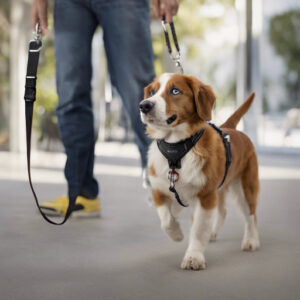
    A playful puppy with teething toys, surrounded by other puppies in a cozy room, learning bite inhibition.

    Puppies frequently exhibit biting during play, driven by their innate instincts and the natural teething process. As developing canines, they explore their environment using their mouths, a critical aspect of their growth and development. This biting behavior is a vital part of their interaction with littermates, helping them refine essential <a href="https://elgatoencasa.com/burmese-cat-socialization-tips-a-comprehensive-guide/">social skills</a> and learn about personal boundaries. For instance, if a puppy bites another too hard, the affected puppy might yelp and pull away, illustrating to the biter the concept of bite inhibition. Additionally, the discomfort of teething often causes puppies to gnaw on various items, including human hands. Recognizing these natural behaviors is essential for pet owners aiming to manage their puppy’s biting effectively.

    Moreover, playful biting is usually accompanied by signals of joy, such as wagging tails, enthusiastic barks, and a clear eagerness to engage in fun activities. Puppies do not intend to cause harm; rather, they are in a phase of learning and exploration, trying to make sense of their surroundings. Therefore, it is crucial for owners to interpret this behavior as a normal part of their puppy’s development instead of viewing it as an act of aggression. By addressing this behavior appropriately, owners can help their puppies grow into well-adjusted dogs that comprehend what constitutes acceptable behavior during play and interactions.

    Recognizing Playful Biting vs. Aggressive Biting: Key Indicators

    Distinguishing between playful biting and aggressive biting is critical for managing your puppy’s behavior effectively. Signs indicating playful biting include a relaxed posture, a wagging tail, and gentle mouthing that does not cause pain. During playful interactions, puppies typically display enthusiasm by bouncing around and inviting you to join their fun. Their play is characterized by soft nips rather than hard bites, emphasizing their intent to engage rather than to inflict harm.

    By identifying these signs, pet owners can discern when their puppy is merely enjoying playtime versus when their behavior may escalate into aggression. If a puppy exhibits tense body language, raised hackles, or growls while biting, it is crucial to intervene, as these signals suggest a shift in their emotional state. Owners should closely monitor their puppies during playtime, as their actions and responses will provide valuable insights into their emotional well-being at that moment. Learning to differentiate these behaviors empowers you to respond effectively, ensuring a safe and enjoyable play environment for both you and your puppy.

    Identifying Excessive Biting: Signs and Solutions

    Recognizing when a puppy’s biting becomes excessive is essential for preventing future behavioral issues. If a puppy’s bite inflicts pain, breaks the skin, or is accompanied by growling or snapping, it clearly signifies that the biting has crossed into excessive territory. Additionally, closely observing your puppy’s body language during play is vital. If they appear overly excited, with a tail wagging excessively, their biting attempts may become more aggressive, indicating that it is time to intervene and redirect their behavior.

    When confronted with rough biting, redirecting the puppy’s focus to appropriate chewing options, such as toys or treats, can be very effective. It is equally important to cease play immediately if the biting escalates beyond acceptable limits. By taking these actions, you convey to your puppy that rough play is inappropriate and that gentle interactions are preferred. Establishing these boundaries early on is crucial for ensuring they grow into well-mannered adult dogs that can engage positively with both humans and other dogs.

    Effective Strategies for Preventing Play Biting in Puppies

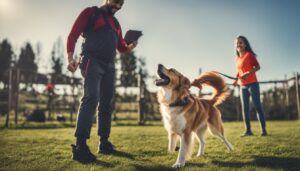
    A playful puppy with toys and training tools in a bright room, guided by a trainer.

    Proven Techniques to Discourage Play Biting Behavior

    Effectively preventing play biting in puppies requires a comprehensive and systematic approach. One of the most successful techniques involves redirecting your puppy’s attention to suitable chew toys. When puppies begin to bite, presenting them with a chew toy teaches them what is appropriate to chew on, as opposed to human skin. Additionally, using positive reinforcement strategies can strengthen good behavior. When a puppy engages in gentle play, rewarding them with treats or verbal praise encourages them to continue exhibiting this desirable behavior.

    Here are several essential techniques to help effectively prevent play biting:

    • Redirect biting to toys as soon as it begins.
    • Utilize positive reinforcement for gentle play behaviors.
    • Teach bite inhibition through yelping or withdrawing attention.
    • Establish a consistent routine for training sessions.
    • Engage puppies in regular exercise to channel excess energy.
    • Incorporate training games that involve following commands.
    • Use distraction techniques, such as noise or movement.
    • Exercise patience and consistency in your training approach.

    Implementing these strategies can significantly reduce unwanted play biting while simultaneously fostering a stronger bond between puppy and owner, ultimately enhancing training effectiveness.

    Long-Term Benefits of Early Training for Puppies

    Beginning training early for puppies, especially regarding the prevention of play biting, provides numerous long-term advantages. One of the most significant benefits is the prevention of future behavioral issues. Puppies that learn proper play etiquette are more likely to mature into adult dogs who exhibit good manners and refined social skills. By instilling these fundamental lessons early, you lay the groundwork for well-adjusted behavior across various situations, including interactions with other animals and humans.

    Furthermore, early training fosters a stronger bond between the puppy and its owner. This relationship is built on trust, communication, and mutual understanding, ensuring that the dog feels secure and cherished. Additionally, training that emphasizes the prevention of play biting contributes to a more enjoyable and harmonious home environment. Dogs that know how to engage in gentle play are less likely to cause injuries to children or adults, making them more welcome in various social settings.

    The long-term benefits of early play biting prevention training include:

    • Decreased likelihood of developing aggressive behaviors.
    • Enhanced socialization skills with other dogs and people.
    • A stronger bond between owner and pet based on trust.
    • Reduced risk of behavioral issues in adulthood.
    • Greater enjoyment during playtime for both puppy and owner.
    • Improved adaptability to new environments and situations.
    • Increased confidence in the puppy as they mature.
    • Overall enhancement of the quality of life for both the dog and owner.

    By prioritizing these training efforts, you ensure a brighter and more fulfilling future for your puppy.

    Immediate Actions to Take When Intervening with Play Biting

    A puppy looks up during play as owner says "no" and holds a chew toy in a living room.

    Immediate intervention is crucial when addressing play biting. If a puppy bites too hard, calmly saying “no” in a firm yet gentle tone is essential. This verbal cue communicates to the puppy that their behavior is unacceptable. Following this, it is important to withdraw your attention; stopping play altogether and ignoring the puppy for a brief moment effectively indicates that biting results in the cessation of fun and interaction.

    Furthermore, providing an appropriate chew toy immediately after a biting incident can redirect their energy and focus. This not only teaches them what is acceptable to chew on but also reinforces positive chewing habits. Consistency in your response to biting is vital. Each time the puppy bites too hard, the same steps should be followed to ensure they comprehend the consequences of their actions. Over time, they will learn that gentle play is rewarded while rough play leads to the loss of attention and playtime.

    Here are some actionable steps for immediate intervention:

    • Use a firm “no” to indicate that biting is unacceptable.
    • Withdraw attention immediately after a bite occurs.
    • Provide a chew toy to effectively redirect their focus.
    • Maintain consistency in your response to biting behavior.
    • Practice short training sessions to reinforce learning.
    • Encourage gentle play through positive reinforcement tactics.
    • Monitor interactions with children to prevent potential injuries.
    • Stay calm and patient throughout the training process.

    By implementing these strategies consistently, you will foster better behavior from your puppy while creating a healthy environment for both play and learning.

    Strategies for Effectively Discouraging Play Biting

    Utilizing Toys to Redirect Puppy Biting Behavior

    Utilizing toys to redirect biting behavior in puppies has shown to be highly effective. When a puppy starts to nibble on your hand or clothing, immediately offering a chew toy provides them with an appropriate outlet for their biting instincts. This method teaches them that toys are acceptable targets for their playful nips. A variety of toys, including rubber chew toys, rope toys, or plush toys, can cater to different puppy preferences and chewing styles, keeping their interest piqued.

    When selecting toys for redirection, it is essential to choose options that are safe and durable. Supervised playtime with toys allows you to monitor how your puppy interacts with them, ensuring they do not ingest any materials. Incorporating toys into your daily routine, such as during training or while entertaining guests, can help establish a clear association between play and appropriate chewing. If your puppy shows interest in a toy, encourage them to engage with it by playing tug-of-war or fetch, reinforcing the idea that toys are more enjoyable than human hands.

    Consider these strategies for redirecting biting through toys:

    • Introduce a variety of chew toys to discover your puppy’s favorites.
    • Rotate toys regularly to maintain their interest and excitement.
    • Utilize toys during training sessions as rewards for good behavior.
    • Encourage interactive play with toys to strengthen your bond.
    • Proactively replace hands with toys when play begins.
    • Employ toys that promote healthy chewing habits.
    • Provide toys that stimulate mental engagement, like puzzle toys.
    • Supervise playtime to prevent accidental swallowing of toy parts.

    By consistently redirecting their attention to toys, you’ll effectively diminish unwanted biting behaviors and channel their energy into more positive activities.

    The Impact of Positive Reinforcement in Puppy Training

    Positive reinforcement plays a crucial role in shaping desirable behaviors in puppies, especially in discouraging play biting. By rewarding good behavior with treats, praise, or extra playtime, you establish a positive association in the puppy’s mind. When a puppy interacts gently during play, immediate reinforcement encourages them to repeat that behavior. This approach nurtures a more responsive and well-mannered dog over time, which is essential for maintaining a harmonious relationship.

    In addition to treats, verbal praise and affection work wonders in reinforcing gentle play. Puppies thrive on their owners’ approval, and acknowledging their good behavior strengthens the bond between you. For instance, if your puppy chooses to chew on a toy instead of your hand, shower them with praise such as “good boy/girl!” or offer a favored treat. This creates a clear understanding that gentle play is rewarded, while rough play leads to the withdrawal of attention and playtime.

    Consider these positive reinforcement strategies:

    • Reward gentle play immediately with treats or praise.
    • Establish a cue word for good behavior, such as “gentle.”
    • Create a rewards system for consistent gentle play behavior.
    • Use affection, such as petting or cuddles, as a reward.
    • Incorporate training games that include rewards for calm behavior.
    • Maintain a cheerful and enthusiastic demeanor in your responses to good behavior.
    • Vary rewards to keep the puppy engaged and motivated.
    • Encourage the puppy to try out new toys while praising their efforts.

    By implementing positive reinforcement consistently, the puppy will learn the value of gentle interactions, leading to a well-adjusted adult dog.

    Implementing Time-Outs Effectively During Training

    Using time-outs can be an effective strategy for managing play biting in puppies. When a puppy bites too hard, removing them from the play situation immediately teaches them that such behavior has consequences. This brief separation period allows the puppy to calm down and understand that biting disrupts the fun. Executing time-outs calmly and consistently is crucial to avoid creating fear or anxiety in the puppy.

    In practice, find a quiet space where the puppy can temporarily retreat. This area should be devoid of distractions and comfortable, ensuring the puppy doesn’t feel punished but instead has the opportunity to regroup. After a short duration, you can resume play, but with a renewed emphasis on gentle interactions. The key is to keep time-outs brief – just a minute or two is sufficient to convey the message without causing distress.

    Here are some effective practices for implementing time-outs:

    • Establish a designated quiet area for time-outs.
    • Introduce time-outs immediately following excessive biting.
    • Keep time-outs short to avoid confusion or anxiety.
    • Return to play once the puppy calms down and is ready for gentle interactions.
    • Ensure the time-out area is comfortable and safe for the puppy.
    • Clearly communicate that biting behavior results in time-outs.
    • Reinforce gentle play after a time-out to encourage better behavior.
    • Observe for any patterns that may lead to biting to prevent future incidents.

    Implementing time-outs effectively teaches your puppy the significance of gentle interactions while maintaining a positive atmosphere during training.

    Research Insights on the Importance of Preventing Play Biting

    Expert Opinions on Puppy Behavioral Development

    Preventing play biting in puppies is essential for nurturing their overall behavioral development. Behavioral experts assert that puppies taught bite inhibition and appropriate play manners are likely to exhibit fewer aggressive tendencies as adults. Early interventions can profoundly influence a puppy’s outlook, resulting in healthier relationships with both humans and other dogs. Through consistent training, these puppies learn socially acceptable behaviors, which are crucial for their integration into diverse environments.

    When puppies engage in constructive play, they develop vital skills such as impulse control and social awareness. This development equips them with the necessary tools to navigate interactions with other dogs and people throughout their lives. Puppies that are effectively trained to manage their biting are less likely to demonstrate fear-based or aggressive responses when faced with new experiences or challenges.

    Consider the following aspects of behavioral development:

    • Positive play experiences encourage healthy social interactions.
    • Puppies trained to inhibit biting develop better impulse control.
    • Early training fosters increased confidence in new situations.
    • Social skills gained reduce the likelihood of aggressive behaviors.
    • Preventing play biting leads to smoother transitions into adulthood.
    • Encouraging gentle play boosts emotional well-being in puppies.
    • Developing social awareness ensures puppies are more adaptable.
    • Constructive playtime promotes cooperative behavior with other dogs.

    Investing in early play biting prevention creates a solid foundation that supports a balanced and well-behaved adult dog.

    The Impact of Early Intervention on Adult Behavior

    Early intervention in play biting significantly shapes a dog’s behavior as an adult. Research indicates that puppies who receive training to prevent biting develop into more manageable and socially adept adult dogs. By addressing biting behavior at a young age, the chances of aggression and behavioral problems later in life diminish. Puppies learn how to interact appropriately with humans and other dogs, leading to positive social experiences as they mature.

    Moreover, early intervention helps instill a sense of security and trust in the puppy. When they comprehend what is expected of them during play and receive praise for their appropriate behavior, they are less likely to develop anxiety or fear-based reactions. This confidence translates into their interactions, making them more friendly and approachable in various social settings.

    Consider these points regarding the impact of early intervention:

    • Reduced aggressive tendencies in adulthood.
    • Enhanced social skills and adaptability in various environments.
    • Improved trust and bonding between dog and owner.
    • Lower risk of developing anxiety or fear-based behaviors.
    • Better management of stress in new situations.
    • Increased likelihood of successful training in other areas.
    • More harmonious relationships with other pets.
    • Positive reinforcement creates a robust foundation for continued learning.

    By prioritizing early intervention, you’re paving the way for your puppy to experience a bright future filled with positive interactions and relationships.

    Findings on the Long-Term Effects of Play Biting Prevention

    Numerous studies indicate that puppies trained to prevent play biting tend to grow into more manageable and less aggressive adult dogs. Research highlights that early training not only lowers aggressive tendencies but also fosters a more balanced temperament in adult dogs. Puppies equipped with bite inhibition skills are better prepared for social interactions, which leads to improved overall behavior and quality of life.

    Additionally, these studies demonstrate that the skills learned during early training sessions have lasting impacts. Adult dogs that had positive early experiences are more likely to thrive in various environments, whether at home, around children, or during interactions with other dogs. They are generally easier to manage and more adaptable, which is crucial for maintaining a peaceful household.

    Key takeaways from relevant studies include:

    • Long-term reduction in aggressive behaviors.
    • Improved adaptability in diverse settings.
    • Enhanced socialization skills with both humans and other pets.
    • Positive early training experiences lead to well-adjusted adult dogs.
    • Stronger owner-pet bonds due to consistent training.
    • Decreased likelihood of behavior-related issues later in life.
    • Increased confidence in various social situations.
    • Overall improvement in the dog’s quality of life.

    Investing time and effort into early training can yield significant rewards, not just for the puppy but also for the entire family.

    Enhancing Training Success Through Play Biting Prevention

    Preventing play biting in puppies can greatly enhance training success in other areas. When puppies learn to control their biting behavior, they become more focused and responsive during training sessions. Their ability to concentrate and engage without distractions makes it easier for owners to teach commands and essential skills. By addressing play biting early, you create a positive learning environment that fosters successful training outcomes.

    Additionally, puppies not preoccupied with biting are more likely to be attentive during training sessions. They can fully engage with their owners, absorbing commands and expectations more effectively. This heightened attentiveness leads to quicker learning and a more enjoyable training experience for both puppy and owner, reinforcing their bond and trust.

    Consider these points that illustrate how preventing play biting enhances training success:

    • Greater focus during training sessions allows for more effective learning.
    • Improved responsiveness to commands when biting behavior is controlled.
    • Reduction in distractions leads to a more productive training atmosphere.
    • Stronger bonds formed through positive training experiences.
    • Increased enjoyment during training sessions fosters a love for learning.
    • Puppies develop a sense of accomplishment from mastering commands.
    • Clear communication of expectations leads to better compliance.
    • Positive experiences in training encourage lifelong learning.

    By addressing play biting behavior, you establish the groundwork for exceptional training success, cultivating a well-rounded and obedient adult dog.

    The Role of Play Biting Prevention in Socialization

    Effectively preventing play biting plays a crucial role in socialization, influencing how puppies interact with humans and other dogs. Puppies that are taught proper play behavior are more likely to display friendly and approachable behavior, which is essential for their integration into various social environments. Without proper training, puppies may develop habits that lead to fear or aggression, hindering their ability to socialize effectively.

    Furthermore, well-socialized puppies are more resilient in new situations. They learn to navigate encounters with other dogs and people without fear of reprisal or anxiety due to their biting behavior. This adaptability allows them to thrive in dog parks, family gatherings, and other social contexts, promoting a confident and joyful demeanor.

    Consider these aspects of how preventing play biting aids in socialization:

    • Encourages positive interactions with other dogs and humans.
    • Reduces fear and anxiety during social encounters.
    • Facilitates smoother introductions to new environments.
    • Promotes friendly behavior rather than aggressive tendencies.
    • Instills confidence in puppies regarding their social skills.
    • Enhances enjoyment in group activities and playdates.
    • Fosters teamwork and cooperation among dogs during play.
    • Ensures a more harmonious living situation in multi-pet households.

    Preventing play biting is not merely about correcting behavior; it is a vital component of ensuring your puppy develops the skills necessary for a well-rounded and fulfilling life.

    Avoiding Common Mistakes in Play Biting Prevention

    The Consequences of Inconsistent Training on Puppy Behavior

    Inconsistent training can be detrimental to a puppy’s understanding of acceptable behavior. When owners fail to apply the same rules or responses to biting, it creates confusion for the puppy. They may struggle to comprehend why they are sometimes rewarded for biting and other times punished. This inconsistency can lead to frustration and anxiety for the puppy, making it more challenging to achieve desired outcomes in training.

    Moreover, inconsistent responses can inadvertently reinforce unwanted behaviors. For example, if a puppy bites during play and receives attention from their owner, they may learn that biting gets them what they want, whether it’s playtime or affection. Over time, this can create a cycle of confusion and misbehavior, hindering the puppy’s overall development and their relationship with their owner.

    Consider the impacts of inconsistent training:

    • Creates confusion around acceptable versus unacceptable behavior.
    • Reinforces unwanted biting behaviors inadvertently.
    • Leads to frustration and anxiety for both the puppy and owner.
    • Hinders the establishment of a clear training routine.
    • Increases the likelihood of behavioral issues later in life.
    • Weakens the bond between owner and puppy due to misunderstandings.
    • Delays the learning process, making it harder to train.
    • Prolongs the duration of unwanted behaviors requiring correction.

    Maintaining consistency in training methods is essential to effectively combat play biting and foster a positive learning environment for your puppy.

    The Risks of Punishing Biting Behavior

    Punishing biting can lead to a host of negative consequences for both the puppy and the owner. When punishment is the primary method for correcting biting behavior, it can foster fear and anxiety within the puppy. Dogs that associate punishment with play or interactions may become fearful of their owners, leading to a breakdown in trust. This fear can escalate and result in more severe behavioral issues, including aggression or withdrawal.

    Moreover, punishment does not instruct the puppy on what they should do instead of biting. Without proper redirection or guidance, they may continue to bite or find alternative, potentially harmful outlets. Positive reinforcement serves as a more effective and humane approach that encourages desired behaviors without instilling fear or anxiety, promoting a healthy, trusting relationship between the puppy and owner.

    Consider these dangers of punishing biting behavior:

    • Fosters fear-based reactions, leading to anxiety.
    • Decreases trust between puppy and owner.
    • Increases the likelihood of defensive aggression.
    • Does not teach acceptable alternative behaviors.
    • Makes training less enjoyable for the puppy.
    • Can lead to avoidance behaviors in the puppy.
    • Prolongs the duration of unwanted behaviors without resolution.
    • Reduces overall motivation for the puppy to engage in training.

    Choosing positive reinforcement over punishment will nurture a healthier learning environment, resulting in a well-behaved and confident puppy.

    Addressing a Puppy’s Needs to Prevent Worsening Biting Behavior

    Disregarding a puppy’s essential needs can exacerbate play biting behavior. Puppies require ample exercise, mental stimulation, and appropriate outlets for their natural behaviors, including chewing. When these needs go unmet, they can become overly energetic or bored, leading to increased biting during play as a means of seeking attention or entertainment. A lack of physical activity, in particular, results in pent-up energy that manifests as rough play.

    Moreover, teething can cause discomfort for puppies, prompting them to chew on anything available, including human hands and clothing. Providing suitable chew toys and engaging in regular exercise addresses their needs, thereby reducing the likelihood of unwanted biting behaviors. Meeting these fundamental needs is essential to maintaining a healthy and balanced puppy.

    Consider these approaches to avoid worsening biting behavior:

    • Ensure daily exercise through walks and interactive play.
    • Provide stimulating toys to engage their minds.
    • Incorporate training sessions to keep them mentally challenged.
    • Be attentive to teething needs with appropriate chewing options.
    • Establish a routine that includes both physical and mental activities.
    • Monitor playtime to prevent overstimulation.
    • Offer socialization opportunities with other dogs.
    • Maintain a consistent schedule for meals and activities.

    By proactively addressing a puppy’s needs, owners can significantly reduce the occurrence of play biting and foster a more harmonious environment.

    Strengthening Your Relationship Through Effective Training

    Enhancing the Puppy-Owner Relationship Through Training

    Training serves as a powerful tool for strengthening the bond between a puppy and its owner. Through consistent training sessions, owners can cultivate a relationship built on trust, communication, and mutual understanding. The shared experiences during training create a strong emotional connection, allowing the puppy to feel secure and confident in their relationship with their owner.

    Moreover, training sessions provide opportunities for positive interactions. When a puppy successfully learns a new command or demonstrates good behavior during training, rewarding them with praise or treats reinforces the positive bond. This process not only builds a sense of achievement for the puppy but also deepens the owner’s affection, creating a cycle of positive reinforcement that strengthens the relationship over time.

    Consider these aspects of how training enhances the bond:

    • Fosters trust and communication between owner and puppy.
    • Encourages positive interactions and shared experiences.
    • Creates a safe environment for learning and growth.
    • Strengthens emotional connections through reward-based learning.
    • Instills confidence in the puppy through successful training efforts.
    • Enhances the owner’s investment in their puppy’s development.
    • Promotes teamwork and cooperation during training sessions.
    • Encourages ongoing engagement and learning throughout the dog’s life.

    By prioritizing training, owners not only equip their puppies with essential skills but also cultivate a strong and lasting bond that benefits both parties.

    Incorporating Play into Training for Greater Engagement

    Integrating play into training sessions makes learning enjoyable for puppies. When training feels like a game, puppies are more likely to engage and actively participate. This approach ensures that training does not become a mundane task but rather a fun and rewarding experience, thereby strengthening the bond between puppy and owner.

    Utilizing toys, treats, and playtime as rewards during training encourages positive associations with learning. For instance, when a puppy successfully follows a command, rewarding them with a game of fetch or tug-of-war reinforces their desire to engage in training. This method not only makes learning enjoyable but also helps puppies link obedience with fun activities.

    Consider these strategies for incorporating play into training:

    • Use toys as rewards for completing training tasks successfully.
    • Incorporate fun games that reinforce learning, such as hide-and-seek.
    • Mix in play breaks during training sessions to keep engagement high.
    • Utilize positive reinforcement to celebrate achievements.
    • Create a relaxed atmosphere that encourages exploration and play.
    • Encourage puppy participation through interactive playtime.
    • Tailor games to suit your puppy’s interests and energy levels.
    • Maintain a balance between play and structured training to maximize learning.

    By integrating play into training, you enhance the learning experience, ensuring that your puppy remains engaged and eager to learn.

    The Significance of Patience and Consistency in Puppy Training

    Patience and consistency are paramount in achieving successful puppy training. Puppies, like all young learners, require time to grasp new concepts and behaviors. Training them without patience can lead to frustration for both the puppy and the owner, potentially hindering the training process. Allowing time for the puppy to process and understand your expectations ensures a smoother path to successful learning.

    Additionally, maintaining a consistent approach is crucial for reinforcing positive behaviors. When training methods and responses to biting behaviors remain steady, puppies learn what is expected of them more quickly. Inconsistent signals can confuse them and lead to setbacks in their learning journey. By fostering an environment of patience and consistency, you create a supportive atmosphere that allows your puppy to thrive.

    Consider these key aspects regarding patience and consistency:

    • Allow ample time for puppies to learn and adapt to training.
    • Respond consistently to behaviors to reinforce expectations.
    • Use clear commands and cues to avoid confusion.
    • Practice regular training sessions to maintain continuity.
    • Stay calm and composed, even during challenging moments.
    • Celebrate small victories to encourage continued learning.
    • Provide regular feedback to guide your puppy’s progress.
    • Be mindful of your puppy’s mood and energy levels during training.

    By embodying patience and consistency, you equip your puppy with the tools they need to succeed while cultivating a trusting and respectful relationship.

    Implementing Effective Positive Reinforcement Techniques

    Positive reinforcement techniques are vital in shaping desirable behaviors in puppies. By rewarding good behavior with treats, praise, or playtime, you create a positive learning environment that encourages the puppy to repeat those behaviors. This method fosters a strong bond between puppy and owner, as the puppy associates training with enjoyable experiences.

    For effective use of positive reinforcement, it is important to reward behaviors immediately after they occur. This clarity helps the puppy make connections between their actions and the rewards they receive. Additionally, varying the types of rewards can keep training fresh and exciting, maintaining the puppy’s interest and motivation to learn.

    Consider these effective positive reinforcement strategies:

    • Use high-value treats that your puppy loves to encourage participation.
    • Incorporate praise and affection alongside treat rewards.
    • Vary rewards to maintain engagement during training.
    • Utilize clicker training to signal desired behaviors effectively.
    • Reward small successes to build confidence in the puppy.
    • Be enthusiastic in your praise to make training enjoyable.
    • Ensure rewards are given immediately to reinforce learning.
    • Encourage playtime as a reward for successful training sessions.

    By implementing positive reinforcement techniques consistently, you cultivate a happy and motivated puppy, enhancing their learning and behavior in a supportive manner.

    Adapting Training to Suit Your Puppy’s Unique Personality

    Understanding and adapting training methods to suit your puppy’s unique personality is crucial for effective learning. Every puppy has individual traits, ranging from energy levels to learning styles. By recognizing these differences, you can create personalized training sessions that resonate with your puppy, making them more enjoyable and effective.

    For instance, high-energy puppies may benefit from training sessions that incorporate physical activity, while more laid-back pups may prefer a calmer approach. Tailoring your methods ensures that the training process is engaging and rewarding, reinforcing positive behaviors while strengthening the bond between you and your puppy.

    Consider these strategies for tailoring training:

    • Observe your puppy’s reactions to different training techniques.
    • Adjust the pace of training based on your puppy’s engagement level.
    • Incorporate elements of play that align with their interests.
    • Utilize more challenging tasks for intelligent or energetic puppies.
    • Provide a calming environment for shy or anxious puppies.
    • Be flexible with your methods to accommodate their learning style.
    • Encourage exploration to stimulate mental engagement.
    • Foster a balance between fun and discipline in training sessions.

    By tailoring training to your puppy’s unique personality, you create a supportive and effective learning environment that nurtures their growth and development.

    Frequently Asked Questions (FAQs) About Puppy Play Biting

    Understanding Play Biting in Puppies

    Play biting refers to the behavior exhibited by puppies when they nip or bite during playful interactions. It is a natural behavior arising from their instincts and the teething phase, often characterized by wagging tails and relaxed body postures.

    How to Prevent My Puppy from Biting During Play

    Preventing biting involves redirecting their focus to toys, using positive reinforcement for gentle play, and teaching bite inhibition through consistent training techniques.

    When to Intervene If My Puppy Bites Too Hard

    Intervention is necessary when a puppy’s biting causes pain, breaks the skin, or is accompanied by aggressive body language, such as growling or snapping.

    Effective Toys for Preventing Play Biting

    Yes, durable chew toys, rope toys, and interactive puzzle toys can effectively redirect biting behavior. Offering these toys during play promotes appropriate chewing habits.

    The Role of Socialization in Preventing Play Biting

    Socialization helps puppies learn proper play behaviors and boundaries. By interacting with other dogs and humans, puppies develop essential skills that mitigate aggressive tendencies.

    Is Punishment Effective in Stopping Play Biting?

    Punishment is generally ineffective and can lead to fear and anxiety. Positive reinforcement is a more humane and successful approach to shaping desired behaviors.

    How to Assess If My Puppy’s Biting Is Excessive

    If your puppy’s biting causes pain, breaks the skin, or is accompanied by aggressive behaviors, it indicates that their biting is too rough and requires addressing.

    Long-Term Benefits of Training for Play Biting Prevention

    Long-term benefits include reduced aggressive tendencies, improved social skills, a stronger bond with the owner, and a well-adjusted adult dog.

    Incorporating Play into Training Sessions

    Incorporating play can be done by using toys as rewards, mixing training with fun games, and maintaining an engaging atmosphere that keeps your puppy motivated.

    Why Consistency Is Important in Training My Puppy

    Consistency helps puppies understand expectations and reduces confusion. It establishes clear rules and reinforces learning, leading to more effective training outcomes.

    Connect with Us on Facebook for More Tips!

    The Article Play Biting Prevention in Puppies: Essential Tips First Published On https://elgatoencasa.com

    The Article Puppy Play Biting Prevention: Key Strategies for Success Was Found On https://limitsofstrategy.com


  • Bonding Exercises for Puppies to Strengthen Relationships

    Bonding Exercises for Puppies to Strengthen Relationships

    Transform Your Puppy’s Development with Engaging Bonding Activities

    Explore Varied Bonding Exercises to Strengthen Your Connection with Your Puppy

    A joyful puppy and owner playing fetch in a lush park with other dogs, people, and an obstacle course under a clear blue sky.

    Engaging in bonding exercises involves a variety of specially designed activities that enhance the connection between puppies and their owners. Such interactive experiences foster a deep sense of trust and companionship, both of which are crucial for the emotional well-being of both pets and their caregivers. By diligently participating in these bonding exercises, you lay the groundwork for a robust, healthy relationship right from the onset. Some popular activities that effectively bring owners and puppies together include:

    • Engaging play sessions that captivate both the puppy and owner
    • Training exercises that utilize positive reinforcement strategies
    • Fun obstacle courses that foster physical activity and encourage exploration
    • Socialization outings to parks or other pet-friendly locations
    • Shared moments of relaxation, such as cuddling or gentle grooming
    • Exciting games like hide and seek that stimulate mental engagement
    • Simplistic fetch or retrieval games that promote teamwork and collaboration
    • Exploring new environments to enhance their experiences

    These bonding activities not only strengthen the connection between owners and their puppies but also support the development of essential skills that puppies need as they transition into well-adjusted adult dogs.

    The Importance of Early Bonding for Your Puppy’s Lifelong Development

    Creating a strong emotional connection between a puppy and their owner during the early stages of development is essential for long-term success. Early bonding establishes a solid foundation that significantly impacts a puppy’s behavior and obedience as they mature. Key benefits derived from nurturing this bond from the beginning include:

    • Increased trust and security between the puppy and owner
    • Enhanced social skills, resulting in improved interactions with other animals and humans
    • Reduction of anxiety and fear-driven behaviors
    • A greater likelihood of obedience and responsiveness to commands
    • Creation of a positive training experience
    • Encouragement of emotional stability and self-confidence

    These advantages highlight the importance of the initial weeks following the arrival of a puppy, marking this period as critical for fostering a lifelong partnership rooted in mutual respect and understanding.

    Optimal Timing for Initiating Bonding with Your Puppy

    Bonding should commence immediately upon welcoming your new puppy into your home, typically around 8 weeks of age. Initiating this bonding process at an early stage maximizes its beneficial effects on your puppy’s overall growth and development. Indicators that your puppy is ready to bond include a curious demeanor, enthusiasm to explore their surroundings, and a willingness to engage with you. Puppies often display attachment through eye contact, closely following their owner, or exhibiting excitement during interactions. Recognizing these signs allows you to tailor your bonding strategies effectively, ensuring a rewarding and engaging experience for both you and your puppy.

    Utilizing Play to Fortify Your Bond with Your Puppy

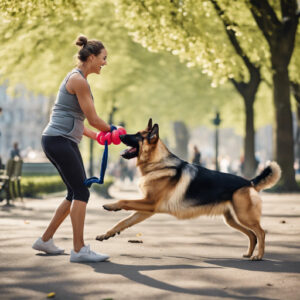
    A joyful owner and energetic puppy playing fetch and tug-of-war in a park, enhancing their bond.

    Incorporating play into your daily routine is among the most effective methods for deepening the bond with your puppy. Engaging in playful activities promotes positive interactions while solidifying the trust between you and your furry companion. Specific games such as fetch and tug-of-war serve as enjoyable outlets for energy while creating shared experiences that enhance your connection. Toys like squeaky balls or interactive puzzle toys are excellent for stimulating your puppy’s mind and promoting hands-on interaction. By dedicating specific time each day for focused play, you can strengthen the emotional ties while establishing a routine that puppies thrive on, making playtime an eagerly anticipated and fulfilling part of their day.

    Exploring Diverse Bonding Exercises for Puppies

    Engaging in Physical Activities to Strengthen the Bond

    Participating in physical activities, such as fetch or tug-of-war, presents a fantastic opportunity for puppies to release pent-up energy while simultaneously reinforcing the bond through shared experiences. Different breeds possess various energy levels and play styles, making it essential to select activities that cater to your puppy’s unique needs. For example, high-energy breeds like Border Collies thrive on vigorous games that challenge their agility and stamina, while smaller or less active breeds may prefer gentler play. Engaging in these physical activities not only aids the puppy in learning coordination and discipline but also fortifies the bond through teamwork and shared enjoyment, transforming every play session into a cherished experience.

    Engaging in Mental Stimulation Activities to Strengthen the Bond

    A puppy and owner engaging in various mental stimulation activities like puzzles, hide-and-seek, obstacle courses, and clicker training.

    Participating in mental stimulation exercises plays a pivotal role in captivating a puppy’s mind while simultaneously nurturing a deeper connection with their owner. Activities such as puzzle toys, scent games, and basic training sessions provide intellectual challenges that enhance learning and obedience. Here are some effective mental stimulation exercises that are suitable for puppies:

    • Food-dispensing toys that promote problem-solving skills
    • Hide-and-seek games utilizing toys or treats to spark interest
    • Basic command training sessions that foster obedience and focus
    • Scent-tracking exercises where puppies follow a food trail
    • Interactive games requiring communication with the owner
    • Obstacle courses that challenge both mental and physical skills
    • Clicker training for effective behavior reinforcement
    • Teaching new tricks to maintain their interest and enthusiasm

    These exercises not only improve obedience but also cultivate a stronger bond through shared learning experiences, creating a rewarding atmosphere for both you and your puppy.

    Socialization Activities That Cultivate Trust

    Socialization activities are crucial for introducing puppies to new environments and experiences, assisting in reducing fear and anxiety while building trust with their owners. Tailoring socialization activities to meet a puppy’s personality is essential; for instance, more timid puppies may benefit from gradual introductions to new experiences, whereas outgoing puppies might thrive in busy environments. Activities such as puppy playdates, visits to pet-friendly cafes, or excursions to the park expose your puppy to a variety of sights, sounds, and smells. Consistent and positive interactions during these activities enhance their comfort level and strengthen the bond with you, nurturing a more confident and adaptable pet.

    Insights from Experts on Effective Bonding Exercises

    Real-Life Success Stories Highlighting the Impact of Bonding

    Experts frequently share inspiring anecdotes of successful bonding exercises that have transformed relationships between puppies and their owners. A common scenario involves a timid puppy who, through a series of positive reinforcement training sessions and engaging bonding games, gradually becomes more confident and trusting. Owners can replicate similar exercises at home by allocating specific times for training and play, maintaining a positive demeanor, and utilizing rewards to encourage engagement. For instance, creating a sequence of brief training sessions interspersed with play can maximize effectiveness, making bonding an enjoyable and enriching experience for both parties involved.

    Expert Analysis on the Long-Term Benefits of Bonding for Puppies

    Experts have conducted thorough analyses on the profound effects of bonding exercises on a puppy’s behavior, emotional health, and overall well-being. Research indicates that puppies who engage in regular bonding activities exhibit lower levels of anxiety and fear while demonstrating enhanced obedience. Long-term benefits of consistent bonding exercises include reinforcing secure attachment styles, improving emotional regulation skills, and fostering resilience when encountering new challenges. As puppies mature, this solid foundation of trust translates into a more harmonious coexistence, ensuring that both the owner and puppy can navigate life’s ups and downs together with confidence and ease.

    Actionable Steps to Effectively Bond with Your Puppy

    To guarantee that bonding exercises yield effective results, experts recommend specific steps for owners, such as establishing a routine, exercising patience, and recognizing that progress may take time. Setting a consistent schedule for bonding activities, like morning walks or evening play sessions, can significantly reinforce the relationship. Additionally, owners should attentively observe their puppy’s responses and adjust activities as needed. Being patient and allowing the puppy to set the pace will foster trust and comfort, enabling both the owner and puppy to thrive in their bonding journey while cherishing every moment spent together.

    The Value of Professional Training for Enhanced Bonding

    Professional training can greatly enhance the bonding experience between puppies and their owners. Experts suggest that enrolling in training classes can provide invaluable guidance on effective communication and strategies for building trust. When selecting a trainer, it is crucial to find someone who employs positive reinforcement techniques and has experience working with puppies. Integrating professional techniques into home routines, such as practicing commands learned in class during playtime, can help reinforce the bond. The insights gained from professional trainers empower owners to cultivate a more cohesive and trusting relationship with their puppies, setting the foundation for lifelong companionship.

    Discovering the Major Benefits of Bonding Exercises for Puppies

    Enhancing Your Puppy’s Emotional Well-Being

    Bonding exercises significantly enhance a puppy’s emotional health, instilling feelings of security and love—two fundamental components essential for their emotional development and overall happiness. Signs indicating a puppy’s improved emotional state may include increased playfulness, eagerness to explore, and a calmer demeanor during new experiences. Regularly engaging in bonding activities fosters feelings of safety and affection that are vital for a puppy’s growth and development. By observing these signs, owners can further tailor their bonding strategies to effectively nurture their puppy’s emotional health and happiness.

    Enhancing Behavior and Promoting Obedience

    Puppies that consistently participate in bonding exercises tend to display improved behavior and heightened obedience, as they learn to trust and respond to their owners’ commands. Incorporating bonding exercises into training routines can directly address specific behavioral concerns, such as jumping or excessive barking. For example, employing bonding games that reward calm behaviors can reinforce desired actions, ultimately creating a more well-mannered puppy. This positive reinforcement not only strengthens the bond but also establishes a solid foundation for effective communication and understanding between owner and puppy, fostering a more harmonious household.

    Building Confidence and Resilience in Your Puppy

    Bonding exercises can immensely boost a puppy’s confidence and resilience, equipping them to handle new situations and challenges effectively. Regularly engaging in playful and positive interactions allows puppies to develop trust in both their abilities and their owners. Owners can gauge increases in their puppy’s confidence by observing their willingness to explore, their reactions to unfamiliar stimuli, and their overall enthusiasm for various activities. By intentionally introducing challenges in a supportive environment, owners can foster resilience, ensuring their puppy matures into a well-adjusted adult dog capable of thriving in diverse situations.

    Tackling Common Challenges in Bonding Exercises

    Strategies for Managing Distractions During Bonding Sessions

    Distractions can significantly impede bonding exercises by diverting a puppy’s attention away from the activity and their owner. To minimize distractions, owners should choose quieter environments for bonding activities, especially during the initial stages. Strategies such as using a favorite toy to capture attention, issuing clear commands, and gradually introducing new environments can help maintain focus. Establishing a dedicated space for bonding activities can also reduce external stimuli, allowing puppies to engage more fully in the process and making every bonding session more effective and enjoyable.

    How to Overcome Resistance from Your Puppy During Bonding Exercises

    Some puppies may resist bonding exercises due to fear or lack of interest, necessitating patience and innovative approaches from their owners. Identifying the underlying cause of resistance is vital; this could stem from unfamiliar environments, overwhelming stimuli, or simply a lack of engagement. Owners should closely observe their puppy’s body language and adjust activities accordingly, perhaps by gradually introducing new games or pairing exercises with high-value treats. This tailored approach can help reduce resistance and encourage more enthusiastic participation in bonding activities, making the experience enjoyable for both owner and puppy.

    Maintaining Consistency in Bonding Activities for Long-Term Success

    Consistency is critical in bonding exercises, yet it can be challenging for owners to maintain a regular schedule. To ensure consistency, owners can utilize tools like calendars or mobile apps to set reminders for bonding activities. Additionally, linking bonding exercises to existing routines, such as playtime after meals or walks, can ensure they become an integral part of daily life. Establishing a family commitment to the bonding schedule can also help everyone contribute, ensuring that puppies receive regular, quality interaction that strengthens their bond with all household members while enhancing their social skills.

    Best Practices for Successful Bonding Exercises with Your Puppy

    Creating a Safe Environment for Bonding Activities

    A safe environment is essential for effective bonding exercises, as it allows puppies to feel secure and focus on the activity at hand. Key elements that enhance safety include removing hazards such as electrical cords and small objects that could be swallowed, providing a comfortable area for play, and ensuring that the space is free from distractions. Using soft mats or blankets can create a soothing atmosphere, encouraging puppies to engage more freely. The more comfortable and secure a puppy feels, the more they will open up to bonding exercises, leading to a more rewarding experience.

    Incorporating Positive Reinforcement in Bonding Activities

    Utilizing positive reinforcement, such as treats or praise, is crucial for encouraging puppies to engage in bonding exercises and strengthening their bond with their owners. Owners should identify what motivates their puppy—whether it’s delicious treats, toys, or verbal praise—and incorporate these rewards into bonding activities. Using a consistent cue when offering rewards helps puppies connect their actions with positive outcomes, reinforcing desired behaviors. Over time, this method not only enhances the bond but also lays a solid foundation for effective training and communication, fostering a deeper connection between owner and puppy.

    Tailoring Bonding Exercises to Meet Individual Puppy Needs

    Every puppy is unique, so bonding exercises should be customized to their personality, energy level, and interests. Owners should carefully observe their puppy’s preferences—whether they enjoy physical play, mental challenges, or socializing with other pets or people. Factors such as breed characteristics, age, and previous experiences should also guide the selection of activities. Customizing bonding exercises not only keeps the puppy engaged but also ensures that the activities are both enjoyable and effective, leading to a stronger connection between owner and puppy that fosters lasting companionship.

    Research-Backed Insights on the Impact of Bonding Exercises for Puppies

    The Long-Term Effects of Bonding Exercises on Puppy Development

    Research indicates that bonding exercises have a significant long-term impact on a puppy’s cognitive, emotional, and social development. Studies suggest that puppies who consistently engage in positive bonding activities tend to exhibit enhanced social skills, better emotional regulation, and improved learning abilities as they grow. Real-world examples illustrate how continuous engagement with owners during formative stages leads to well-adjusted adult dogs. Emphasizing early bonding practices can guide owners to create experiences that nurture healthy development over time, ensuring that puppies evolve into happy, well-adjusted companions.

    How Bonding Exercises Benefit Puppy Health

    Bonding exercises can positively influence a puppy’s physical health, contributing to a stronger immune system and overall well-being. Engaging in regular physical and mental activities promotes good health by keeping puppies active and stimulating their minds. Actionable steps for incorporating health-focused bonding activities include varying the types of physical exercises, introducing new environments, and ensuring consistent interaction during playtime. This holistic approach not only enhances the bond between owner and puppy but also supports healthy growth and development, paving the way for a vibrant and active life.

    The Influence of Bonding Exercises on the Owner-Puppy Relationship

    Studies indicate that bonding exercises fortify the relationship between puppies and their owners, leading to improved communication and understanding. Experts analyze that the shared experiences gained through bonding activities contribute to a mutual sense of trust and security. Owners can gauge the strength of this relationship by observing their puppy’s responsiveness to commands, their willingness to explore new situations, and their overall demeanor during interactions. As the bond deepens, both puppies and owners enjoy a more fulfilling and harmonious companionship, enriching their lives together.

    Incorporating Bonding Exercises into Your Daily Life

    Seamlessly Integrating Bonding into Everyday Activities

    Bonding exercises can be effortlessly woven into daily routines, maximizing their effectiveness during activities such as walks or mealtimes. Owners can transform walks into bonding opportunities by allowing their puppies to explore new scents while providing praise for desired behaviors. Mealtimes can also become bonding moments by incorporating training exercises or using puzzle feeders to encourage engagement. By intentionally integrating bonding exercises into existing routines, owners can help their puppies develop a sense of security and connection throughout their daily lives, promoting a strong and lasting relationship.

    Finding Balance Between Bonding and Other Responsibilities

    Owners often encounter challenges in balancing bonding exercises with other life responsibilities, necessitating effective time management and prioritization. To ensure sufficient time for bonding, owners can schedule specific periods dedicated to bonding activities, treating them as essential appointments. Employing time-saving strategies, such as combining exercise with play or involving pets in family activities, can also create bonding opportunities. By recognizing the importance of bonding in their puppy’s development, owners are more likely to prioritize these exercises amid their busy lives, ensuring their puppies receive the love and attention they deserve.

    Making Bonding a Family Activity to Enhance Socialization

    Involving the entire family in bonding exercises not only boosts a puppy’s socialization but also strengthens the bond with all household members. Family-friendly activities such as group puppy training sessions or collective playtimes create shared experiences that foster connection among family members. Engaging children in simple tasks, such as filling treat-dispensing toys or participating in training, cultivates responsibility and empathy. By making bonding a family affair, puppies benefit from diverse interactions, further enriching their emotional and social development while ensuring a well-rounded upbringing.

    Assessing the Effectiveness of Your Bonding Exercises

    Identifying Positive Behavioral Changes in Your Puppy

    Owners can evaluate the success of bonding exercises by observing positive changes in their puppy’s behavior, such as increased obedience, reduced anxiety, and enhanced engagement. Specific behavioral changes indicating successful bonding may include a puppy’s eagerness to participate during activities, improved responsiveness to commands, and a more relaxed demeanor in the presence of their owner. Acknowledging and celebrating these milestones can reinforce positive experiences and encourage ongoing bonding efforts, making each achievement a stepping stone toward a deeper relationship.

    Monitoring Your Puppy’s Development Over Time

    Tracking a puppy’s progress over time, whether through a journal or an app, can assist owners in evaluating the effectiveness of bonding exercises and making necessary adjustments. Keeping detailed notes on behaviors before and after bonding activities can provide valuable insights into what approaches work best for the puppy. Owners can also monitor the frequency and types of bonding exercises to ensure a varied and stimulating experience. This method allows for a more informed approach, enabling owners to adapt their strategies based on observed progress and continue nurturing a meaningful bond.

    Seeking Professional Insights for Continuous Improvement

    Consulting with veterinarians or professional trainers can offer valuable insights into the success of bonding exercises, suggesting areas for improvement. Owners should approach professionals with specific questions regarding their puppy’s progress, behaviors observed during bonding activities, and overall health. This collaborative approach enhances the owner’s understanding of their puppy’s needs while fostering a supportive network that encourages ongoing development and effective bonding practices, ensuring that both owner and puppy thrive in their journey together.

    Common Questions About Bonding Exercises

    What types of bonding exercises can I engage in with my puppy?

    Bonding exercises are activities specifically designed to enhance the relationship between puppies and their owners, focusing on trust and companionship through interactive play, training, and shared experiences.

    Why is early bonding with my puppy so important?

    Early bonding establishes a strong foundation for a lifelong relationship, leading to improved behavior, obedience, and emotional stability as your puppy matures.

    When should I start bonding with my puppy?

    Bonding should commence as soon as your puppy arrives in its new home, usually around 8 weeks of age, to maximize the positive effects on their overall development.

    What are some effective activities to promote bonding?

    Effective bonding activities include engaging play sessions, training exercises, social outings, and shared relaxation times like cuddling or grooming.

    How do bonding exercises positively affect my puppy’s behavior?

    Puppies that engage in bonding exercises often display improved behavior and increased obedience, as they learn to trust and respond to their owners’ commands more effectively.

    Can bonding exercises help alleviate anxiety in my puppy?

    Yes, bonding exercises can significantly reduce anxiety by instilling a sense of security and trust in puppies, leading to improved emotional well-being.

    What role do professional trainers play in enhancing bonding?

    Professional trainers can provide guidance on effective bonding strategies and techniques, helping owners to improve their relationship with their puppies.

    How can I measure the success of my bonding exercises?

    Success can be assessed by observing positive behavioral changes in your puppy, tracking progress over time, and seeking feedback from professionals regarding your puppy’s development.

    What challenges might arise during bonding exercises?

    Common challenges include distractions, puppy resistance due to fear or lack of interest, and maintaining consistency in bonding activities.

    How can I make bonding exercises a family affair?

    Involving the entire family in bonding exercises enhances socialization for the puppy and strengthens relationships through group activities and shared responsibilities.

    Connect with us on Facebook!

    The Article Bonding Exercises for Puppies: Strengthening Connections First Published On https://elgatoencasa.com

    The Article Bonding Exercises for Puppies to Enhance Connections Was Found On https://limitsofstrategy.com

  • How to Leash Train Your Beagle

    How to Leash Train Your Beagle

    Tricks For Good Leash Walking? – How To Leash Train Your Beagle In San Mateo – California

    This training will take a bit of time and perseverance on your part, but at the end, you’ll have a happy puppy who knows what he requires to do on a walk and can be strolled by any member of your family. While it’s advantageous to train all pups to walk on a leash, it’s especially important to leash train your beagle pup.

    You want to end the session before they get disappointed and reward them with enjoyable playtime. It’s never ever too early to begin leash training your Beagle pup, just make certain you adjust your expectations for his young age. Development slowly and make it part of your everyday play. To begin you’ll just require a couple of products.

    How To Train A Beagle – 8 Training Tips & 4 Mistakes In Fargo - North DakotaA Guide To Teaching Your Puppy To Walk On A Lead … In Wichita – Kansas

    Leash training is an essential milestone in every pet dog’s (and dog parent’s) life. Discover how to get your pup strolling on the leash in no time, with these pointers, for more serene walks together. If you have actually ever met one, you most likely know. It is necessary for you and your dog’s safety, as well as that of the individuals around you.

    So let’s take a moment here to appreciate just how really vital it is. Here are a number of factors: If your dog pulls on the leash, you’ll probably get frustrated. This aggravation might trigger you to lose your temper, or frown at needing to walk the pet in the very first place.

    How To Train Your Beagle: The Best Methods And Tips In Garland – Texas

    How To Train A Dog Or Puppy To Walk On A Leash In Ann Arbor – Michigan

    And all these things have a negative effect on your relationship with your furry friend. Your pet will get frustrated too if they always seem like they “need to” stress against their leash. This might cause your dog behaving strongly, or merely getting stressed out. In this state, your dog is more most likely to threaten other pet dogs.

    It could cause injury to their neck, and put stress on their joints. The stress in a leash (loose vs tight) is necessary due to the fact that it helps interact with your pet dog. If the leash all of a sudden goes taut, it might suggest your pet dog is scared, or all set to eliminate. Similarly, how you hold the leash will interact to your dog how you are feeling.

    Ensure your dog or puppy can use their new device conveniently it should not be too heavy or disruptive. Next, connect the leash to the collar or harness while your pup is within, and let them get familiarized with it. Focus your pet’s attention somewhere else not on the collar or leash so that wearing becomes force of habit.

    How To Train A Beagle – Training Tips & Mistakes In Richmond – California

    You do not pull your canine, and they do not pull you. Rather, your canine is trained to stroll. Follow the actions listed below to train your dog to stroll on a loose leash: Start practicing inside your home in the beginning, without the leash. Call your pet to your side, and then reward them with a reward.

    When they meet you at your side again, give another reward. Repeat this workout strolling around your home, up until your pet dog has actually caught on and is excitedly awaiting their next reward. Repeat these actions, but this time with the collar or harness and leash on. As soon as your canine has actually mastered loose leash strolling inside, take them outdoors.

    With this method,, whichever is finest for you. Your pet needs to keep to your rate, and stop when you stop. Heeling is best used in special scenarios when your pet requires to remain close by. For your everyday dog strolls, it might be too limiting to their motion and exercise.

    Reward them when they’re beside you. To keep your dog at your side, continue rewarding them regularly without moving. Take an advance, entice your pet dog once again with a reward, and reward them once they’re at your side. Continue to do this as you move around but just reward your pet when they are at your side.

    Video training course

    How To Train Your Dog To Walk Nicely On The Lead In Savannah – Georgia

    How To Train Your Beagle (With Pictures) In Provo – Utah

    Mix things up a bit. For instance, choose up the speed, or stop randomly and only reward your pet dog when they’re at your side. When your pet consistently remains at hand, you can teach them the “heel” hint. Say it as soon as and reward your dog when they come to your side.

    Repeat the above outdoors until your canine has actually mastered heeling. Your pet dog might be uncooperative at some time during the leash training procedure. However do not let let you lose your cool. Follow these pointers while your canine is still discovering their finest leash walking etiquette: Plays tug-o-war, pulls on the leashStop strolling immediately.

    Leash Training: How To Train A Dog Or Puppy To Walk On ... In San Angelo - TexasHow To Train A Beagle To Hunt: Two Effective Methods In Bakersfield – California

    Just call them back over to you, applaud them when they come, and then continue strolling. Don’t keep walking when your pup is pulling on the leash as it might hurt them. Pulling is an indication that your pet needs more exercise.Lunges for instance, after a bird or squirrel, reroute your canine’s attention with a treat, if possible, before they lunge.

    Are Beagles Easy To Train? Life With A Beagle In Durham – North Carolina

    For instance, the paragraph listed below discusses a few of the guidelines relating to pet dogs in Franklin County, Ohio. Visit your local government’s website to find the local dog laws in your location. And naturally,. Neglecting canine leash requirement laws can have serious effects including high fines and potentially even jail time.

    With it, you can track your dog anytime, in genuine time, no matter how far they wander. Keep in mind, whatever you do, attempt to stay calm and be patient with your pet. With the suggestions listed below and a consistent effort, together you will master the art of walking on the leash in no time.

    Beagle Puppy Training Timeline: How To Train & Raise A ... In Tampa - FloridaHow To Train A Dog Or Puppy To Walk On A Leash In Long Beach – California

    Beagle young puppies are known for their adorable and adorable characters, which make them a popular option for households. However, lots of potential owners wonder if beagle puppies are difficult to train. The answer to this question is not simple, as it depends on a range of factors. Comprehending beagle young puppies and their breed qualities is essential when it pertains to training them.

    Leash training is a crucial milestone in every pet’s (and dog moms and dad’s) life. In this state, your pet dog is more likely to threaten other dogs.

    Beagle Training For Successful Rabbit Hunting – Stone Creek In Norfolk – Virginia

    Follow the steps below to train your dog to walk on a loose leash: Start practicing inside the house at first, without the leash. Follow these tips while your canine is still discovering their finest leash walking rules:  Plays tug-o-war, pulls on the leash. Stop walking immediately.

    Pulling is a sign that your canine requires more exercise. Lunges for example, after a bird or squirrel, redirect your pet’s attention with a treat, if possible, before they lunge.

    Frequently Asked Questions

    Q1: At what age should I start leash training my beagle puppy?

    A: You can start introducing your beagle puppy to a collar and leash as early as 8 weeks old. However, formal leash training can begin around 10-12 weeks when they have more focus and control.

    Q2: How long does it typically take to leash train a beagle?

    A: The time it takes to leash train a beagle varies depending on the individual dog and consistency of training. With daily practice, you can see significant improvements within 2-4 weeks, but mastery may take several months.

    Q3: Are harnesses better than collars for leash training beagles?

    A: Harnesses can be beneficial for beagles, especially those prone to pulling. They distribute pressure more evenly across the chest, reducing strain on the neck. However, some trainers prefer collars for better control. Choose based on your beagle’s needs and behavior.

    Q4: How do I stop my beagle from eating everything during walks?

    A: Teach and reinforce the “leave it” command. Carry high-value treats to redirect your beagle’s attention. Ensure your dog is well-exercised before walks to reduce scavenging behavior. If the problem persists, consider using a basket muzzle during walks.

    Q5: What if my adult beagle has never been leash trained before?

    A: It’s never too late to start leash training. Begin with the basics as you would with a puppy, but be prepared for a potentially longer adjustment period. Patience and consistency are key. You may need to work more on breaking established habits.

    Recommended Resources

    For more information on beagle care and training, check out these authoritative sources:

    1. American Kennel Club – Beagle
    2. The Beagle Club of America
    3. Association of Professional Dog Trainers


    The Article: How to Leash Train Your Beagle Was Found On https://happypetsgroomingtable.com/

    The Article How to Leash Train Your Beagle First Appeared ON
    : https://ad4sc.com

    The Article How to Leash Train Your Beagle Was Found On https://limitsofstrategy.com
  • Free Workshop to Train Your Dog Online

    Free Workshop to Train Your Dog Online

    Introducing an innovative free online dog training workshop is transforming how pet owners approach obedience and behaviour. This comprehensive program encompasses a wide range of activities, including indoor games, puzzles, and outdoor adventures. It seamlessly incorporates training sessions into daily exercise routines. In addition, it provides expert advice on organising enjoyable dog playdates and engaging in one-of-a-kind fitness activities. This workshop offers valuable techniques for boosting cognitive engagement, strengthening critical thinking skills, and enhancing interpersonal communication. This online resource is designed to assist dog owners in creating a comprehensive training experience that combines proven techniques with practical applications. Delving into these techniques can greatly enhance your furry friend’s conduct and discipline.

    Main Points

    • Provides expert advice on integrating physical activity with training techniques to enhance behaviour and mental stimulation.
    • Offers strategies for adequate socialisation during playdates and group interactions.
    • Provides strategies for seamlessly incorporating training into everyday tasks to ensure continuous skill development.
    • Illustrates the effective utilisation of indoor games and puzzles to improve obedience and problem-solving abilities.
    • Provides expert advice on enhancing outdoor experiences by effectively managing leash control and impulse management.

    Indoor Games and Puzzles

    Free_Online_Dog_Training_Workshop_1_0001 Free Online Dog Training Workshop

    8-970-x-250-Banner-K9TI Free Online Dog Training Workshop

    Many people underestimate the value of indoor games and puzzles as practical dog training tools.

    By including these activities in our training regimen, we have observed a notable improvement in a dog’s mental stimulation and obedience skills. Interactive toys, for example, can captivate dogs for extended periods, enhancing their problem-solving skills and curbing destructive behaviours.

    Scent games are a highly effective way to enhance a dog’s innate tracking abilities. We frequently scatter treats throughout our home, motivating our pets to rely on their sense of smell to find them. Not only does this provide entertainment, but it also helps to sharpen their focus and concentration.

    Obedience puzzles can be a valuable tool for reinforcing basic training for dogs. These puzzles require dogs to perform specific commands to access rewards, helping to solidify their training.

    Hide-and-seek is another valuable game we utilise. It enhances the connection between the dog and the owner by instructing them on the importance of the “stay” and “come” commands.

    Engaging in challenges that require dogs to problem-solve and access treats from specially designed containers can help foster patience and persistence.

    Outdoor Adventures

    Although indoor games and puzzles are beneficial, outdoor adventures bring a fresh perspective to dog training.

    Including outdoor activities in your dog’s routine is highly beneficial to improve their obedience and behaviour in various environments. When exploring hiking trails, it’s crucial to master leash control and impulse management, especially in situations involving wildlife or fellow hikers.

    Taking your dog to the beach can be a great way to test their focus and reinforce the training techniques they learnt in our workshop.

    Going on camping trips provides an excellent opportunity to enhance your connection with your furry friend and assess their composure in new environments.

    Exploring parks provides a valuable opportunity for dogs to interact with other canines and humans in a controlled environment, which can lead to decreased anxiety and better behaviour in public settings.

    Going on nature walks can be a great way to train your dog to respond to recall commands and practise off-leash obedience. It helps them learn to stay focused even when distracted by enticing scents and sounds.

    Training Sessions as Exercise

    Free_Online_Dog_Training_Workshop_1_0002 Free Online Dog Training Workshop

    Training sessions can bring numerous advantages to your dog’s daily exercise routine. Our research has shown that incorporating physical activity with training techniques can effectively exhaust your furry friend while strengthening desired behaviours. These sessions offer a valuable opportunity for mental stimulation, crucial for maintaining a well-rounded and contented canine companion.

    By incorporating behaviour modification exercises during walks or playtime, we can address various needs simultaneously. For example, incorporating leash manners into your walks not only provides physical exercise but also allows you to enhance your dog’s socialisation skills. This method is highly effective for energetic dogs with difficulty concentrating during conventional training sessions.

    Consistency is crucial in these integrated sessions. We suggest incorporating brief and regular training sessions into your dog’s exercise regimen. This approach ensures a sustained level of interest and guards against mental exhaustion. Remember that the objective is to incorporate training into your dog’s everyday routine seamlessly.

    By implementing these techniques, you will likely observe enhancements in your dog’s behaviour and responsiveness.

    The Online Dog Training Workshop provides valuable techniques to enhance the impact of these exercise-training combinations, guaranteeing your dog receives comprehensive physical and mental stimulation.

    5-New-336-x-280-Banner-Ads Free Online Dog Training Workshop

    Playdates With Canine Friends

    Organising playdates with other dogs who exhibit good behaviour can be a great way to strengthen the social skills acquired during the Online Dog Training Workshop.

    We have discovered that these interactions are beneficial for reinforcing proper dog behaviour and improving socialisation abilities in real-life situations. When arranging playdates, it’s crucial to prioritise your dog’s safety by selecting suitable environments and companions.

    During these meetups, we can witness the fascinating world of canine communication, observing how dogs effortlessly communicate through their body language and vocalisations. This presents a chance to utilise the skills acquired during the workshop, guaranteeing that our dogs stay composed and receptive to instructions even in exhilarating scenarios.

    Understanding the dynamics of group interactions during canine playdates is crucial. It requires constant attention and the ability to step in if necessary.

    It is advisable to begin with individual playdates before moving on to larger gatherings. This systematic approach enables dogs to develop self-assurance and enhance their interpersonal abilities.

    Unique Fitness Activities

    Free_Online_Dog_Training_Workshop_1_0003 Free Online Dog Training Workshop

    In addition to regular playdates, we have found that incorporating unconventional fitness activities can significantly amplify the advantages of the Online Dog Training Workshop. Integrating agility courses into our training program enhances our dogs’ physical fitness while reinforcing their obedience and focus. This approach aligns with Dr Alexa Diaz’s emphasis on impulse control.

    We have discovered that incorporating canine yoga sessions, although not the usual approach, effectively fosters a sense of tranquillity in environments with high distractions. This is a crucial objective of the workshop. Exploring different approaches, like incorporating various toys or adding obstacles, enhances the workshop’s methods for keeping attention even from afar.

    Engaging in scent games allows our canine companions to tap into their natural instincts while also reinforcing the principles of focused behaviour taught in the workshop. These activities effectively prevent undesirable behaviours such as excessive barking or running out the door.

    Our obedience hikes integrate the workshop’s leash-training techniques with real-world distractions, reinforcing our dogs’ obedience to a service dog level.

    7-New-336-x-280-Banner-Ads Free Online Dog Training Workshop

    Frequently Asked Questions

    How long does the online workshop typically take to complete?

    Our workshop has been carefully crafted to offer maximum flexibility. Although the length of time may differ, most participants typically finish it in a matter of weeks. Our training schedule accommodates your needs, allowing you to learn at your own pace. Plus, our online platform makes it incredibly convenient to access the training materials whenever and wherever you want. Based on participant feedback, we provide a completion certificate.

    Will I be able to access the training materials once the workshop concludes?

    Indeed, we offer continuous access to workshop materials and resources even after the workshop is over. Our training program has been meticulously crafted to incorporate valuable participant feedback, guaranteeing ongoing support. You will be equipped with the necessary tools to strengthen and enhance your dog’s training well into the future.

    Can puppies and senior dogs attend the workshop?

    Indeed, our techniques have been carefully crafted to cater to individuals of all age groups. We specialise in addressing puppy behaviour and meeting the unique needs of senior dogs, tailoring our training methods accordingly. Our method prioritises the development of socialisation skills in younger dogs, considering any health limitations that older dogs may have. This approach guarantees successful outcomes for all dogs.

    Does the workshop cover any training techniques specific to different dog breeds?

    We specialise in addressing the specific traits of different breeds through customised behaviour modification and socialisation techniques. Although our methods have applications, we consider each breed’s unique traits and training difficulties. Our reinforcement methods can be customised to accommodate different breeds’ unique learning styles and tendencies.

    What equipment or tools are required to participate in the workshop?

    It is highly advisable to have the necessary training equipment, such as treats, a leash, and a clicker. Various leash types can be beneficial. You’ll need a suitable training space, but our approach emphasises techniques that can be done without extensive tools or equipment.

    5-970-x-250-Banner-K9TI Free Online Dog Training Workshop

    The Article: Free Online Dog Training Workshop Was Found On https://happypetsgroomingtable.com/

    The Article: Free Workshop to Train Your Dog Online Was Found On https://ai.ezi.gold

    The Article Free Workshop to Train Your Dog Online Was Found On https://limitsofstrategy.com

  • Dogtra 200NCPT Electronic Dog Training Collar

    Dogtra 200NCPT Electronic Dog Training Collar

    81ABi0MEXZL._AC_SL1500_-213x300 Dogtra 200NCPT Electronic Dog Training Collar

    Experience the incredible transformation in my dog-training journey with the Dogtra 200NCPT Electronic Dog Training Collar. Discover the impressive array of features: With 100 levels of stimulation, a waterproof design, and an impressive half-mile range, this product offers a range of features to meet your needs.

    I never expected to own a sophisticated device for dog training, let alone be amazed by it. Yet there I was, holding onto the remote of the Dogtra 200NCPT Electronic Dog Training Collar, hoping it would transform my dog into a well-behaved companion.

    This collar was more than just an ordinary accessory; it symbolised hope for those with adorable yet sometimes frustrating furry companions.

    The impressive half-mile range offered freedom, while the extensive selection of 100 stimulation levels exceeded all expectations.

    And what’s even better? This product is resistant to water. That’s a real game-changer for a dog like mine who sees puddles as sacred bathing spots.

    Discover the Dogtra 200NCPT Electronic Dog Training Collar.

    Have you ever found yourself in the middle of a sunny afternoon, playfully chasing your beloved pet around the neighbourhood, using a dog whistle in hopes of gaining their attention and cooperation? Please come. Are you available?

    If you find this situation amusing, then allow me to introduce you to my new companion: the Dogtra 200NCPT Electronic Dog Training Collar. This fantastic device has transformed my struggles with dog training into victories.


    My First Encounter: The Curious Box

    I must confess that I had doubts before clicking the purchase button. An electronic dog collar that seemed almost too good to be true promised a lot.

    The product name can be pretty lengthy: “Dogtra 200NCPT Electronic Dog Training Collar with Remote for Small Dogs to Large Dogs – 2640 ft range, Vibration, Tone, 100 Stimulation Levels, Safety Lock, Waterproof, Rechargeable, PetsTEK Edition.” It’s hard not to be intrigued.

    Upon its arrival, my curiosity was immediately sparked. There it was, elegantly packaged in a modern box, with all the accessories you would anticipate from a high-quality electronic device. I was immediately impressed by the sleek and user-friendly design of the remote trainer. We will discuss this impressive product in detail later.

    The Marvel of Technology: The Training Modes71mo0SMLcHL._AC_SL1000_-300x297 Dogtra 200NCPT Electronic Dog Training Collar

    This e-collar offers three training modes: vibration, tone, and stimulation.

    Now, let me assure you these words are not just empty rhetoric.

    Every mode has its unique purpose and provides different levels of intensity.

    This device covers you if your furry friend requires a subtle prompt to focus or a compelling reminder to stick by your side.

    Pager Vibration with Exceptional Performance

    The vibration setting is my preferred option for making minor adjustments. It’s similar to a gentle reminder from a close friend when you drift off during a movie. No harm done; it’s simply a gentle reminder to remain focused on the task.

    The Tone Mode

    Additionally, there is the tone mode. Picture a captivating sound capturing your dog’s focus, diverting their attention from any mischievous activities they may be engaged in—it’s truly enchanting. This feature proved helpful when my beloved pet appeared more captivated by the feline next door than paying attention to me.


    728x90-EasyWay-Animated Dogtra 200NCPT Electronic Dog Training Collar


    Nick and Continuous Stimulation

    The activation types are the big guns now. There are nick and constant flavours, and the amount of zinger ranges from 1 to 100.

    Nick mode sends a short, sharp pulse, and Continuous mode sends a regular stream that can be lengthened. This tool is a game-changer for those stubborn times when nothing else will work.

    Safety First: The Level Lock Switch71Dpg5lNHoL._AC_SL1500_-300x296 Dogtra 200NCPT Electronic Dog Training Collar

    One of my biggest worries about any correction device was that it would overstimulate me by chance. What if I misspelt and set the collar to 50?

    Dogtra also thought about this, which is good. For safety, the Level Lock switch is like the holy grail. Hold down the tone button and then flip the lock switch down.

    You locked the current level to make sure that no changes are made by mistake that turn your training into a shock fest.

    It’s a training collar for dogs of all sizes and shapes.

    A dog over 12 pounds with a neck size between 12 and 24 inches can wear this training collar. It can also be used on small to big dogs. That’s a lot of different kinds of our four-legged friends! If you have a lively Chihuahua or a beautiful Golden Retriever, the Dogtra 200NCPT can handle them.

    Made to Work in Any Setting

    It doesn’t matter what the weather is like; your Dogtra will be safe. It’s waterproof, which made me feel better because my dog loves to splash in every pond within five miles.

    The control system has a rechargeable battery and a throwaway battery that you can use instead. Plus, the charge lasts longer than I thought it would!

    61Rk-Vr3p7L._AC_SL1500_-300x296 Dogtra 200NCPT Electronic Dog Training CollarAt Home, Yard, or Park

    This collar works great everywhere, whether you’re teaching your dog to behave at the park, sit nicely in the living room, or chase tennis balls in the backyard.

    It has a half-mile range, so your dog can run around while following your commands.

    The Ergonomic Remote

    I used to have trouble using remote tools and felt like I needed a third person to help me. But this remote fits nicely in my hand and has all the buttons I can use in one hand.

    The Rheostat Dial, Tone, Vibration Pager, Nick, and Continuous Correction buttons are all easy to use.

    Dial for Rheostat

    The Rheostat Dial is a better name for a dial that lets you change the amount of stimulation. It’s very simple but works very well, like the power setting on your car radio. It doesn’t matter what; you can turn it up or down.

    American Support, Korean Craftsmanship

    Let’s talk customer service. It’s a rare pleasure to deal with a company that offers top-notch USA-based support. Whether by phone or email, their assistance is both quick and effective.

    The Dogtra 200NCPT also comes with a one-year warranty and a 30-day satisfaction guarantee. Knowing that this stellar piece of technology is crafted in South Korea gave me extra confidence in its quality.

    The Verdict: Dogtra 200NCPT Training Collar61niNq423IL._AC_SL1500_-217x300 Dogtra 200NCPT Electronic Dog Training Collar

    If you’re having trouble training your dog, consider getting the Dogtra 200NCPT Electronic Dog Training Collar with Remote. Its features make training easier, safer, and more valuable.

    This gadget stands out because it has different modes and levels of strength, an easy-to-use remote control, and excellent safety features.

    But don’t believe me. Try it out and let the results speak for themselves. The Dogtra 200NCPT isn’t just another tool; it changes everything.

    If you liked this piece, please give it a clap, leave a comment, and sign up for my Medium email to get more dog training and other news and tips. Let’s make the world better for fluffy friends, one wag at a time.


    728x90-EasyWay-Animated Dogtra 200NCPT Electronic Dog Training Collar


    The Article: Dogtra 200NCPT Electronic Dog Training Collar Was Found On https://happypetsgroomingtable.com/

    The Article: Dogtra 200NCPT Electronic Dog Training Collar Was Found On https://ai.ezi.gold

    The Article Dogtra 200NCPT Electronic Dog Training Collar Was Found On https://limitsofstrategy.com
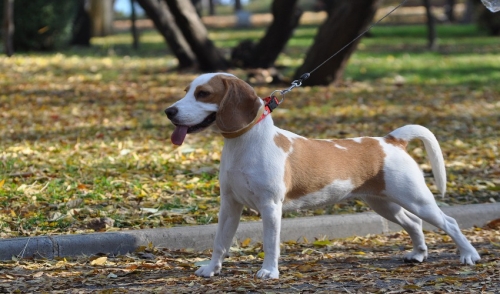
  • Tips for Peaceful Pet Ownership: Stopping Dog Barking

    Tips for Peaceful Pet Ownership: Stopping Dog Barking

    dog barking behaviourUnderstand the Canine Language: Identifying Why Your Dog is Barking

    Mastering canine sign language is essential in developing a mutually beneficial relationship with your canine friend. Dogs have various vocalizations, from barking to other nonverbal clues like facial expressions and body language.

    Finding the source of your dog’s excessive barking is the first step in stopping it.

    There are several reasons why dogs bark. Dogs might show signs of hunger, boredom, worry, or even sheer excitement when they see an old acquaintance again.

    The environment can have a significant impact on a dog’s barking behaviour.

    When feeling threatened or overwhelmed, a dog’s primary mode of communication is to bark. When left alone, dogs frequently bark to show distress or warn others of danger.

    Recognize Different Bark Types and What TRecognizePay close attention to your dog’s barking; it could tell you a lot about its mental and physical health. Barking may convey a wide range of emotions in dogs, from joy to sadness.

    Knowing what triggers your dog’s barking might help you meet its requirements while minimizing its barking. Finding out what minimizingequencies and conditions cause your dog to bark is the best approach to addressing its requirements and ending its barking.

    If a dog barks at a medium level, it’s typically because it’s terrified or wants attention. Recognizing the signs and responding appropriately helps you deal with your dog’s excessive barking, which can be annoying.

    Effective Training Techniques to Control Your Dog’s Barking

    Effective dog training techniques

    You may now teach your dog to quit barking after identifying the cause.​

    You must be patient and trustworthy while teaching your pet, so the process goes smoothly.

    When dogs are properly trained, they not only behave much better, but their owners’ lives become much more peaceful and enjoyable as a consequence.​

    Dogs learn that constantly barking isn’t cool after a while and seek alternative communication methods.​


    728 x 90


    Use Positive Reinforcement

    Positive reinforcement is an excellent tool for dog trainers. When your friend stops barking, you tell them to congratulate them and give them their favourite treat.​

    Maintain a constant training regimen by rewarding good behaviour and discouraging bad behaviour. Dogs learn and obey routines and standards when their owners are consistent.​

    Every dog has its preferred toy or treats as a reinforcement during training. Adding a little more TLC to your training sessions will help them go more smoothly.​mental stimulation

    Physical Exercise and Mental Stimulation: Essential Elements to Halt Problematic Barking

    Any dog that is active and happy is good. A dog’s tendency to bark excessively is inversely proportional to its mental health, which is correlated with its physical health.​

    Excessive barking in dogs is often caused by boredom and pent-up energy; regular physical exercise can help ease these issues.​

    Anxieties and destructive inclinations can be better managed with regular walks, outdoor play, and appropriate chew toys.​

    Actionable Tips for Keeping Your Dog Mentally Engaged

    Ensure your dog has a stimulating environment to help him develop his brain. Puzzle toys that challenge your pet’s thinking, hidden treats, and toy rotation are all great ways to keep their environment exciting and active.​

    Every day, play with your dog and take them on adventures, whether to a new park or to learn some instructions. This will keep their mind busy and interested. Minimizing boredom results in a decrease in barking.​

    Explore the Role of Professional Help: Veterinary and Behavioural Experts

    vet help for barking

    If your dog’s barking persists after you’ve exhausted the previously stated solutions, it could be time to consult a professional.​

    Your dog’s annoying barking can have a medical cause or be a long-term behavioural issue that requires the help of a dog trainer.​

    Veterinarians conduct thorough physical examinations to detect and treat medical issues, such as hormone imbalances or throat problems, that might be the cause of excessive barking.​

    Behaviour analysis and modification experts can design a unique training programme for your dog and handle more complicated behavioural difficulties.​

    Working With a Professional: What to Expect?

    The first step in hiring a dog trainer is for them to observe your pet, assess its needs, and create a personalized training plan.

    Regularly, the professional will teach your dog new commands, assess your progress, and adjust the programme as needed. Not only will you receive training, but you will also receive guidance and instructions for use outside of class time.​

    Questions commonly asked:

    Why does my dog bark incessantly?

    Barking can signify enthusiasm, fear, boredom, or hunger in dogs. It’s a really basic kind of communication for them. If your dog’s barking continues, it may be time to see an expert or look into other environmental stresses.​

    Can daily exercise reduce my dog’s barking?

    Regular exercise can be helpful in controlling excessive barking because it reduces boredom and releases surplus energy.​

    What is positive reinforcement in dog training?

    Use positive reinforcement techniques if you want your dog to continue acting positively. A toy, praise, or treat might serve as an incentive.​

    Do professional trainers guarantee to stop my dog’s barking?

    Expert dog trainers may use their knowledge and expertise to develop unique training programmes for each dog. While they can’t promise that your dog will stop barking altogether, they can greatly assist.​

    How can mental stimulation help in reducing my dog’s barking?

    Keeping his mind active and engaged may keep your dog from becoming emotionally unstable and eventually barking excessively.​

    References:

    American Kennel Club – Understanding Why Dogs Bark

    American Society for the Prevention of Cruelty to Animals


    728 x 90


    The post Guide to Peaceful Pet Ownership: Techniques to Stop Your Dog Barking appeared first on Ultimate Guide To Dog Care.

    The post Tips for Peaceful Pet Ownership: Stopping Dog Barking appeared first on Ai Ninja Toolbox.

    The Article Tips for Peaceful Pet Ownership: Stopping Dog Barking Was Found On https://limitsofstrategy.com

  • How to Fix Common French Bulldog Potty Training Issues

    How to Fix Common French Bulldog Potty Training Issues

    How to Fix French Bulldog Potty Training Issues

    French Bulldogs, also known as Frenchies, are excellent companions thanks to their gentle nature and irresistibly cute looks. Training a French Bulldog to use the toilet can be quite a task for individuals new to caring for Frenchie puppies.

    To effectively establish good habits and maintain a clean and organised home, toilet training is crucial.

    I can offer some guidance if you’re interested in potty training a French Bulldog, regardless of their age. This detailed guide will systematically cover frequently asked questions and practical suggestions for tackling obstacles.

    french bulldogUnderstanding Your French Bulldog’s Needs

    Understanding your puppy’s needs is crucial before starting the toilet training journey with your French Bulldog.

    Because of their small bladders, French Bulldog puppies must urinate often, especially if they are younger than 12 weeks old.

    Creating a consistent bathroom routine for your Frenchie can be pretty beneficial, whether you designate a specific spot in your yard or use a puppy pad.

    French Bulldogs are well known for their obedience, although they may sometimes exhibit a bit of defiance.

    educating your pet to use the restroom

    Consistency and positive reinforcement are crucial when teaching your pet to use the restroom.

    Practice patience when your dog has accidents, and rejoice in their successes.

    It’s important to remember that each puppy’s progress can differ. Ensuring a positive interaction will help foster a stronger bond between you and your Frenchie.

    Consistent Potty Training RoutineEstablishing a Consistent Potty Training Routine

    Establishing a consistent schedule is crucial to ensure successful toilet training.

    It is advisable to take your French Bulldog puppy outside for bathroom breaks every two to three hours after meals, naps, and playtime.

    Consistently using a specific command, such as “Go potty,” and having a designated area can help teach your puppy to associate the command with the desired behaviour.

    Creating and sticking to a consistent schedule is the most effective method for managing your puppy’s bathroom needs.

    Create a consistent schedule for feeding and keep track of your Frenchie’s bathroom patterns to identify any recurring patterns.

    Teaching your dog to associate specific times and places with going potty will significantly improve their toilet training experience.

    Choosing the Right Potty Training Method

    Use puppy pads, a designated box, or a specific outdoor spot to potty train your French Bulldog.

    The best approach will depend on your dog’s needs and the environment you live in.

    Puppy pads can be helpful if you have limited space to walk your dog outside, like in an apartment.

    Choosing the Right Potty Training Method

    Gradually transition your Frenchie to outdoor potty breaks to avoid confusion and help them develop good habits as they grow older.

    Another option for toilet training is using a potty box lined with grass or recycled newspapers.

    Creating a designated outdoor toilet area in your yard is highly recommended if you can access one easily.

    Consistency is vital when taking your Frenchie out for a potty break. Make sure always to bring him to the designated spot.

    Using positive reinforcement strategies such as praise and food can be highly effective in teaching your pet to use the toilet in the correct spot.

    Addressing Common Potty Training SetbacksPotty Training Setbacks

    Regrettably, accidents happen, regardless of how cautious one may be.

    One common issue is that French Bulldogs may have accidents in undesirable locations, such as carpets or furniture.

    If you want to ensure that your dog doesn’t return to the same spot, thoroughly clean the area with an enzymatic cleanser.

    Consistency is crucial when it comes to handling obstacles during toilet training.

    Make sure your Frenchie adheres to the planned schedule and receives rewards for using the toilet in the designated area.

    If you’re looking for expert guidance and support, it might be worth considering the help of a professional dog trainer. They can provide personalised advice and assistance to address any ongoing issues you may be facing.

    Positive Reinforcement Techniques

    Positive reinforcement is the most effective way to toilet-train a French Bulldog.

    Once your cherished pet successfully uses the toilet in the designated area, show them affection, commendation, and treats.

    Implementing this approach will help them develop a positive association with the desired behaviour, increasing the likelihood of repeating it.

    Being punctual and consistent is crucial when using positive reinforcement tactics.

    successful potty training

    To achieve practical potty training, it is crucial to have treats on hand and be ready to reward your Frenchie when they use the designated area promptly.

    Through consistent training and positive reinforcement, it is possible to gradually reduce your pet’s reliance on treats while effectively reinforcing good behaviour.

    Common signs your puppy needs toiletCommon Signs Your French Bulldog Needs to Go Potty

    To effectively teach your French Bulldog to use the restroom, it is essential to develop an understanding of the cues your dog displays, both in terms of their physical and behavioural indicators. Here are some common indicators:

    • Engaging in behaviours such as sniffing the ground or circling a specific area
    • Whining, barking, or scratching at the door
    • Restlessness or sudden changes in behaviour
    • Assuming a potty position by squatting

    When you notice these behaviours, it’s essential to promptly guide your Frenchie to their designated bathroom spot and use your preferred toilet command.

    Through consistent and dedicated training, your furry companion will learn to communicate their needs, allowing you to save valuable time and energy.

    Addressing Accidents and Setbacks

    Mistakes are bound to happen during potty training a puppy, especially if it is still young.

    Stay calm and avoid scolding your French Bulldog if it has an accident indoors. Employ an enzymatic cleanser to eliminate lingering odours that may attract your dog to revisit the same spot.

    Urinary tract infections

    Urinary tract infections and anxiety can sometimes be factors impacting your Frenchie’s potty training progress or frequency of accidents.

    Visit your vet to ensure your dog’s health. If you need additional assistance, consider hiring a professional dog trainer.

    Trending FAQs:

    How much time does it usually take to potty train a French Bulldog?

    The duration of potty training can vary depending on factors such as the dog’s age, temperament, and consistency. It can range from a few weeks to several months.

    Is crate training essential for potty training?

    Crate training is a practical approach to potty training, as it allows for better supervision and helps prevent accidents when you are unable to monitor your puppy actively. However, other methods can be considered, depending on personal preferences.

    Are French Bulldogs difficult to potty train?

    French Bulldogs are known for their intelligence and willingness to please, which makes them a breed that is generally easy to train. However, every dog is unique; some may need extra time and patience.

    Is it acceptable to utilise puppy pads for potty training?

    Puppy pads can be used as a temporary solution or a helpful tool during the transition period. It is recommended to gradually transition your French Bulldog to outside potty breaks to prevent them from becoming too dependent on indoor pads.

    What are some practical ways to discourage marking behaviour?

    Neutering your male French Bulldog can significantly diminish or even eliminate marking behaviour. In addition, consistent supervision, frequent potty breaks, and redirecting your dog to the designated area are essential to discourage marking tendencies.

    Comparison of Potty Training Methods for French Bulldogs

    Training Method Pros Cons Ideal Living Situation Necessary Equipment Key Steps
    Crate Training It helps prevent accidents inside; dogs avoid soiling their sleeping area Requires crate introduction and positive association, not suitable for long periods Homes where the owner can supervise and let the dog out frequently Appropriate-sized crates, treats, and praise Introduce the crate gradually, use it for short periods, and take it out immediately after release.
    Outdoor Training Ideal for dogs with access to a yard or designated outdoor space, it encourages outdoor potty habits. Needs consistent access to the outdoors, weather-dependent Homes with easy outdoor access, yards, or frequent outdoor trips Designated outdoor potty area, treats, and praise Take to designated spot consistently, use the specific potty command, and reward immediately.
    Paper Training Useful for apartment living or limited outdoor access, can transition to outdoor training later It can confuse dogs if not transitioned to outdoor training; pads need regular changing. Apartments or homes without immediate outdoor access Puppy pads, treats, and praise Place pads in a consistent spot, gradually move pads towards the door and transition to outdoors.

    This comparison provides a comprehensive overview of each potty training method’s advantages, disadvantages, suitable living conditions, essential equipment, and necessary steps.

    Approaching the task with expertise, dedication, and ample patience is crucial when potty training an adult French Bulldog or Frenchie puppy.

    Successfully potty training your French Bulldog involves understanding its unique needs, establishing a consistent schedule, choosing the proper training method, and using positive reinforcement techniques.

    It’s important to remember that every dog progresses at their own pace.

    Maintaining a patient and encouraging attitude when your French Bulldog faces challenges and celebrating their successes is essential.

    With proper training, your Frenchie will become accustomed to using the toilet in its designated area, allowing you to enjoy a clean and peaceful home.

    Establishing a strong bond with your French Bulldog involves the critical task of potty training.

    By consistently showing love and attention and providing consistent training, you can ensure a long-lasting bond with your loyal and well-behaved furry friend. Have a great time during your training!

    Sources:

    1. “French Bulldog Training.” American Kennel Club. [https://www.akc.org/dog-breeds/french-bulldog/training/]
    2. “French Bulldog Care Guide: Training Your French Bulldog.” French Bulldog Club of America. [https://www.frenchbulldogclub.org/care/]
    3. “Potty Training Basics for Bulldogs.” Bulldogology. [https://bulldogology.net/blogs/main/potty-training-bulldog-basics]

    French Bulldog includes potty training

    successful potty traing

    The Post: Common Challenges in Potty Training a French Bulldog: A Guide appeared first on Happy Pets.

    The post How to Fix Common French Bulldog Potty Training Issues appeared first on Ai Ninja Toolbox.

    The Article How to Fix Common French Bulldog Potty Training Issues Was Found On https://limitsofstrategy.com
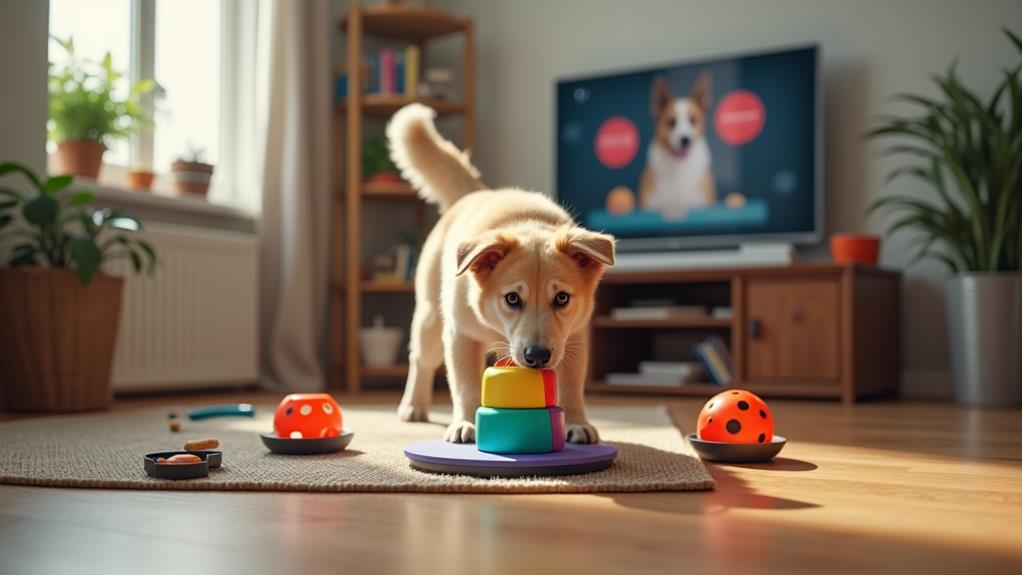
  • Training a Dog That Refuses to Walk on a Leash

    Training a Dog That Refuses to Walk on a Leash

    Dog Training a Leash-Refusing Dog

    How to effectively train a dog that refuses to walk on a leash. Mastering this skill is crucial for maintaining good dog etiquette and ensuring the well-being and safety of your beloved pet.reluctant to walk on leash

    According to the Joint World Food and Agriculture Programme of the World Health Organisation, walking is highly recommended to prevent various types of cancers and heart disease.

    Just because your furry friend doesn’t need to step on the scale doesn’t mean they can’t benefit from daily walks. It’s a simple and enjoyable way to keep them physically active and mentally stimulated.

    Throughout this article, we will discuss:

    • Understanding why your dog may be hesitant to walk on a leash
    • Getting ready for leash training: A detailed guide to help you train a dog that refuses to walk on a leash
    • Addressing common problems
    • Expert advice for mastering leash training
    • Discover the advantages of leash training

    When you’ve finished reading this guide, you’ll be equipped with the know-how and equipment needed to get your dog to walk peacefully on a loose leash – even if they initially put up quite a fight.

    As in any dog training situation, the key is patience and consistency.

    Understanding Your Dog’s Reluctance to Walk on a Leash

    Before you start leash training, understanding the reasons behind your dog’s resistance to walking on a leash is crucial.


    walk nicely by our side while on a leash

    Just like a seasoned dog trainer, we can help our furry friends understand the importance of walking calmly by our side on a leash, even if they initially see it as limiting their freedom.

    Suppose the dog is not at ease with being connected to the leash. In that case, it is unrealistic to anticipate immediate compliance with the rules and the display of proper leash behavior.

    troubleshooting dog leash issues

    Dealing with fear or anxiety

    Introducing a leash to a fearful dog may not be advisable, mainly if it is their first time encountering one.

    When confronted with an unfamiliar situation, fearful dogs may exhibit signs such as quivering, trembling, or attempting to escape.

    Insufficient Socialisation

    Ensuring that dogs are exposed to a wide range of experiences during socialization and throughout their lives is crucial to prevent them from developing uncertainty and fear.

    An environmental enrichment program typically involves providing various environments, people, and animals with which the dog can safely and engagingly interact.

    The goal is to ensure the dog is well-adjusted and comfortable in various situations. You can find more ideas for an environmental enrichment program by searching online.

    Past Unpleasant Experiences

    If a dog has had a negative experience while on a leash, such as being dragged or jerked, they may develop a negative association with the leash.

    If you want to help your dog regain confidence after a negative experience, take a deep breath and focus on creating a positive connection between the leash and walking.

    Insufficient leash training

    If dogs haven’t been properly introduced to a leash or haven’t received consistent training on walking on a leash, they may feel confused when put on one.

    They may struggle to comprehend what is expected of them and, in numerous instances, may resist the concept altogether.

    Many dogs initially view being on a leash as a form of confinement and will try to break free.

    They eagerly seek any enticing scent while strolling along the sidewalk, if possible.

    resists walking on a leash

    Medical Issues

    It’s normal for dogs sometimes to resist walking on a leash.

    It is common for dogs to engage in occasional fights, particularly when they are still adjusting to wearing a collar and walking on a leash.

    You’re not alone if your dog consistently and persistently resists walking on a leash. Your owners face this challenge.

    Some dogs we’re familiar with have been described as not enjoying or disliking being walked on a leash.

    There are instances where this behavior could be linked to underlying medical conditions such as joint pain, injuries, or illnesses that cause discomfort or even pain during walks for the dog.

    Sometimes, it’s possible to identify the exact issue with your dog’s behavior and address it directly. However, there are instances when you can’t identify any specific cause for the inappropriate behavior and need to rely on general troubleshooting techniques.

    Preparing for Leash Trainingpreparing for leash training

    It is highly recommended that you ensure you have the right tools and set up a positive environment for leash training your dog.

    Andalusian dogs may need some practice and patience when undertaking this new task. At first, they might tug on the dog’s leash enthusiastically as they eagerly explore their surroundings.

    Using a gentle yet consistent approach, it is necessary to apply leash pressure to teach these dogs how to walk nicely on a leash.

    Using outdated choke collars or any other devices that constrict a dog’s neck can cause unnecessary discomfort and harm.

    These devices can be pretty uncomfortable and even dangerous for dogs. Tight collars, for example, can restrict airflow and cause heart irregularities. This is not what any pet owner wants, especially when engaging their furry friend in doggy aerobics!

    Choosing the Right Collar and Leash

    Choosing the right leash and collar is essential for practical leash training. There are a wide range of collars to choose from, including:

    • Flat collars
    • Martingale collars
    • Head halters
    • Harnesses

    If your dog tends to lunge or pull during walks, you might want to consider using a head halter or an “easy walk” harness” instead “of the traditional collar and leash.

    These types of collars serve two crucial purposes:

    They are designed to address the issue of pulling on collars, which can be uncomfortable or harmful to dogs, especially those with sensitive skin behind their ears. Additionally, they teach dogs to walk without pulling on their human’s leash, all humans ‘sor smoother and more controlled movement.

    dog training education

    Based on my professional experience as a dog trainer, I have found that traditional leashes 4-6 feet long can often be too short for comfort. This can result in dog walkers huddling uncomfortably close to their dogs to prevent the leash from wrapping around unsuspecting human torsos as they navigate their designated route.

    troubleshoot problem issues

    Developing a Favourable Connection with the Leash

    To assist your dog in forming a favorable connection with the leash:

    • Encourage your dog to view the leash as a fun and exciting object, allowing them to play with and explore it.
    • Ensure you reward your dog with small treats and praise whenever they demonstrate positive behavior while interacting with the leash.

    Establishing a Reliable Routine

    Consistency is crucial for teaching your dog to walk on a leash without pulling. Some dogs may understand the concept quickly, while others may need additional time and practice.

    Organizing your “lessons” is crucial”l in leash training.

    You can schedule training sessions for shorter durations, such as half an hour during your lunch break or immediately after work when you have some free time. It’s essential to avoid training your dog when you’re preoccupied or in a hurry, which can be unsafe and ineffective for both you and your furry friend.

    It’s essential to navigate steps while holding onto a leash carefully, and a flag, as excitement, can sometimes lead to accidents.

    Opting for a calm and peaceful setting with minimal distractions

    Using positive reinforcement is essential for practical dog training. In this situation, the objective is to help your dog develop a positive association with the leash so that it willingly wants to wear it. However, this process requires patience and time.

    Creating a controlled environment where distractions are minimized is essential to train your dog effectively. This can be done in your backyard or a quiet park. Doing so lets your dog concentrate on the lessons you are trying to teach, particularly regarding leash manners and walking correctly.

    Step-by-Step Guide to Leash Training a Dog That Won’t Walk

    You can start the training process once your dog is Won’t for leash training.

    Follow these steps to help your hesitant dog become a confident walker on a leash.

    Begin by focusing on indoor leash training.

    Start leash training indoors in a low-distraction environment to help your dog feel at ease.

    • Encourage your dog to walk alongside you by using their preferred treats and offering praise as positive reinforcement.
    • Start with shorter distances and gradually increase the length of your indoor leashed walks as your dog gains more confidence.
      Mastering Outdoor Leash Training

    Once your dog has mastered walking on a leash indoors, it’s time to take your training to the next level and venture outdoors.

    Select a calm and peaceful spot with few interruptions for your initial outdoor stroll.
    Gradually introduce your dog to different environments, sights, and sounds as they gain more confidence while walking on a leash.

    Step-by-Step Guide to Leash Training

    Dealing with Resistance

    If your dog is hesitant to walk on the leash:

    • Use enticing rewards, such as delicious treats or engaging toys, to motivate your dog to move in the direction you want.
    • Employ a gentle approach with the leash, only applying slight pressure when needed.
    • Refrain from using force or excessive pressure when training your dog, as this can lead to increased resistance and anxiety.

    trained to walk on a leashIncreasing the Duration and Distance of Walks

    With consistent practice, the dog becomes more comfortable with the leash and develops trust in their handler.

    As dogs spend more time walking on a leash and covering greater distances, they develop increased confidence and endurance, essential qualities for any pet.

    Introducing Distractions

    Gradually introduce distractions during your leash training sessions, such as:

    • Other individuals
    • Observing dogs from a safe distance
    • Exploring unfamiliar things and encountering new sounds

    For those with dogs who struggle with walking, visual leash training can be a valuable tool for teaching your dog to focus on you and the walking experience, even in the presence of distractions.

    And who knows – your dog might surprise you by mastering the skill of dashing after all these years!

    Always remember to acknowledge and appreciate your dog’s small achievements in their journey to becoming a better walker. It’s essential to avoid pushing them too hard or for too long during training sessions, which are already brief and enjoyable.

    Troubleshooting Common Issues

    It is possible to consistently resolve common problems during leash training for dogs that refuse to walk.

    Here are a few possible concerns and their corresponding solutions:

    Dog Pulls on the Leash

    For dogs that tend to pull on the leash, a head halter or a front-attachment harness may be worth considering.

    With the right tools and training, you can effortlessly regain your dog’s focus and prevent dog-pulling walks. This will create a calm and pleasant experience for you and your canine companion.

    Dog Sits or Lies Down and Refuses to Movefinal thoughts on leash training

    When your dog sits or lays down and refuses to move, using positive reinforcement with delicious treats is usually the most effective approach.

    If that doesn’t work, you can try guiding them with the leash to encourage them to move in the opposite direction.

    It’s important to avoid pulling or dragging your dog, as this can often make it more stubborn and resistant to moving.

    Dog Is Easily Distracted

    If your dog tends to become easily distracted, it receives high-value treats to maintain focus. During dog training sessions, using “shapes” or small food treats is customary to reinforce positive behavior and encourage focused walk-ins.

    Using” these types of treats during training sessions is a practical choice, as the sight of food can quickly grab the attention of even the most easily distracted dogs.

    Pet owners can effectively teach their dogs to stay focused and avoid constant distractions by utilizing positive reinforcement training techniques and carefully balancing rewards.

    Dog Shows Fear or Anxiety

    If your dog shows signs of fear or anxiety during leash training, use desensitization techniques and positive reinforcement to help them feel more comfortable.

    Ensure that your dog is gradually introduced to the things that make them nervous, such as the leash, in a way that doesn’t cause excessive anxiety or distress. This means exposing them to low intensities where they don’t show any persistent signs of nervousness or upset.

    Give them plenty of praise when they don’t remain calm during a mild stimulus. This will help them associate their calm and confident behavior with the situation that usually makes them nervous.

    Tips for Successful Leash Training

    Tips for Successful Leash Training

    To ensure success in leash training your dog:

    • Practice patience and maintain consistency in your training endeavors.
    • Use effective methods, such as rewards and enthusiastic encouragement, to foster positive behavior.
    • Ensure your training sessions are brief and enjoyable to keep your dog interested and engaged.
    • As your dog progresses, raising the bar during training sessions is essential.
    • If you’re finding it difficult to make progress, it might be worth seeking guidance from experienced trainers.

    Benefits of Leash Trainingfinal thoughts on leash training

    Successful leash training offers numerous benefits for both you and your dog, including:

    • Enhanced safety: A dog trained to walk on a leash is less prone to running into traffic or causing other hazards.
    • Enhanced control and effective communication: Leash training enables you to establish a firmer grip on your dog and plays a vital role in fostering clear communication between you and your furry companion.
    • Building a strong bond and trust: Training sessions offer valuable opportunities to strengthen your connection with your beloved pet.
    • Walking with a well-behaved dog on a loose leash can significantly enhance your walking experience.

    Many dog owners experience the challenge of their dogs pulling on the leash and express frustration when their dogs constantly pull on the leash.

    It can be particularly frustrating when people lack understanding of why their dogs engage in such behaviour and how to address it effectively.

    When a dog pulls on the heel while walking, it typically indicates one of two things. Either the dog is not given enough space and time to walk at their own pace, or underlying behavioral issues may trigger the desire to run. These triggers include sights, sounds, smells (particularly those associated with other dogs), or emotions like fear or anxiety.

    Final Thoughts

    When faced with a dog that is resistant to walking on a leash, it may initially appear to be challenging.

    With the proper approach to walking and the right techniques, you and your pet can transform from being forewarned to being forearmed, experiencing the incredible benefits that come with it.

    It’s essential to maintain a calm and composed demeanor.

    Consistency is crucial in this situation. During the initial few sessions of the walking school, it’s important not to have unrealistic expectations for your dog or yourself.

    Gain insight into the reasons behind your dog’s reluctance to be walked on a leash – whether it’s fear of other dogs, unfamiliar surroundings, or simply exhaustion from excessive walksdog’se You have identified the issues and their uniting causes (which can sometimes be challenging to address), focus on making walks enjoyable for your dog, turning those moments into positive experiences for their overall well-being.

    • Gain insight into your dog’s motivations for not wanting to walk on a leash.
    • Prepare for training by selecting the appropriate collar and leash and ensuring a cheerful dog environment.
    • Follow a systematic training plan that begins with indoor sessions and gradually transitions to outdoor walks.
    • Address common problems by utilizing positive reinforcement and gentle guidance.
    • Maintain patience and consistency in your training endeavors

    If you’re struggling to make any headway with a stubborn dog, it may be time to consider enlisting the assistance of a skilled dog trainer.

    They provide personalized guidance to help you overcome obstacles and motivate you to get back on track.

    It’s important to remember that training your dog to walk calmly on a leash is crucial for his safety and overall happiness and for strengthening your bond with him.

    So feel free to seek assistance—whether it’s to make progress or overcome obstacles—because you might feel a bit disheartened.

    Enjoy your walk!

    refusing to walk on a leash

    FAQs

    How long does it take to train a dog that won’t walk?

    The duration needed to train a dog to walk on a leash can vary depending on the dog’s age, temperament, and past experiences. Swon’togs may make noticeable improvements after just a few training sessions, while others may need several dogs or months of consistent training to see results.

    What if my dog continues to refuse to walk on a leash?

    If your dog continues to resist walking on a leash even after consistent training, seeking guidance from experienced dog trainers or a veterinary behaviourist can be beneficial. They have the expertise to evaluate your dog’s requirements and offer personalized advice to tackle any underlying concerns.

    Can older dogs be leash-trained?

    In reality, leash training older dog dogs require more time and patience than training a young puppy. It is crucial to be patient and adapt your training methods to suit your adult dog’s physical and cognitive capabilities.

    What are the best treats for leash training?

    Optimal treats for leash training should be small, soft, and irresistibly enticing to your furry companion. Some options for treats include small pieces of cooked chicken, cheese, or commercially available training treats. Select treats your dog loves and set them aside exclusively for training sessions.

    How often should I practice leash training with my dog?

    Strive to engage in leash training with your dog in brief sessions, preferably multiple times throughout the day. Ensure that your training sessions are conducted positively and engagingly, and always conclude each session on a positive note to keep your dog motivated and enthusiastic about learning.

    Can older dogs be leash-trained

    The Post: How to Leash Train a Dog That Won’t Walk appeared first on Pet Grooming Tables.

    The post Training a Dog That Refuses to Walk on a Leash appeared first on Ai Ninja Toolbox.

    The Article Training a Dog That Refuses to Walk on a Leash Was Found On https://limitsofstrategy.com
  • Well-Behaved Puppy Training: Effective Methods

    Well-Behaved Puppy Training: Effective Methods

    Max, my hyperactive and mischievous Labrador puppy, was a constant source of entertainment the day I brought him home. The thought of puppy training came to me instantly.
    puppy training

    It was like a new daily experience, with ruined shoes, playful bites, and endless racing about the house.

    I managed to outlast him in my pursuit of being a competent dog parent through canine training, even if his repeated broken promises and sheer force of will did not convince me to enter a see-no-eviction situation with this bundle of pleasure and excitement.

    Using what could be argued as ‘effective’ techniques, such as reward-based dog training with treats, ‘Redirection,’ not pulling on the line while walking etc., etc., to puppy friendliness, along with a good dose of patience for when it’s needed (or, better yet, right now), lots of love (the most important thing), and, of course, lots of treats!

    Preparing for Your Puppy’s’ Arrival

    A new dog may bring a lot of joy into your life. However, there are many things you need to do to get ready for puppy training before that can happen.

    One of the most essential things you can do is visit the puppy at its present home regularly and bond with it through play or just being close by each other.

    You can give the puppy a bit of “ownership” over its new home by bringing along some of its bedding when it is time for it to move in with you. You can also use the pillows and blankets to teach the puppy how to lie comfortably in its new environment.

    Choosing the Right Veterinarian

    Finding a trustworthy and high-quality veterinarian for your new puppy is crucial.

    It is essential to gather information about your puppy’s previous veterinary records, if any.

    This can provide insights into the level of care the puppy has received and identify any potential health concerns that may have arisen during its early stages of life.

    When selecting a veterinarian, it’s essential to prioritize disease prevention.

    Mark your calendar with your scheduled veterinary visits, and never miss a single appointment. Staying on top of these appointments is crucial, as they are of the utmost importance.

    Why? Not taking proper precautions to keep your young dog healthy can lead to them becoming an unhealthy and unhappy pet.

    Puppy Training-Proofing Your Home

    dog training education

    Ensure that your home is a safe environment for your new furry friends before they come home. Ensure that any loose wires are appropriately secured, and take precautions to block off the stairs to prevent your puppy from venturing down them without permission. Additionally, any sharp or hazardous objects that could cause harm should be removed if not noticed. These safety-focused tasks help create a secure environment for your lively and occasionally clumsy new friend. Ensure that your home is a safe environment for your new furry friends before they come home.

    Ensure that all loose wires are appropriately secured, and take measures to block off the stairs to prevent your puppy from venturing down them without permission. Additionally, any sharp or hazardous objects that could cause harm should be removed if not noticed.

    These safety-focused tasks help create a secure environment for your lively and occasionally clumsy new friend.

    Effective Techniques For Establishing a Routine

    Maintaining a regular schedule in puppy training is essential. You establish a structured meal schedule, bathroom breaks, and recreational activities.

    This practice assists your new canine in feeling at ease and encourages independence.

    A well-organized daily routine will significantly improve your new companion’s good behavior.

    Follow these steps to promote a sense of tranquility in your furry friend!

    dog training education
    Foundational Training: The Basics

    Ensuring your puppy learns the necessary skills for good behavior is crucial.

    These commands are crucial for every puppy to learn to live peacefully and complete basic tasks. They are not just for humans but for dogs to understand and follow. These commands are essential for a well-behaved dog, whether it’s walking on a leash, responding to their name, staying calm and lying down, or not pawing at cabinets.

    Name Recognition and Recall

    Use a cheerful tone when teaching dogs to respond to their names and come when called to make dog training more enjoyable.

    It’s impressive how quickly dogs can learn the skill of seeking validation. You’re definitely on the right track!

    Utilising positive reinforcement techniques during dog training is essential for achieving successful outcomes while fostering a trust and respect-based relationship with your beloved pet.

    House-Training Techniques

    dog training behaviour

    Consistently taking your dog outside and providing positive reinforcement when he successfully goes to the right place will help him understand where he should go.

    When dogs find themselves in unfamiliar surroundings, most may need guidance regarding their behavior. Nearly 85 percent of dogs can be trained to locate a specific spot even without being physically present.

    Emphasizing the importance of rewarding your puppy in the right place helps to establish the desired behavior in their mind firmly.

    Teaching Basic Commandsteaching basic commands

    First and foremost, it’s essential to teach your new puppy the basic puppy training commands of “sit” and “stay.”

    Once you have a solid grasp of these fundamental commands, you can progress to more advanced ones.

    Your dog and those around them will appreciate the well-behaved canine companions they encounter.

    Don’t worry if it takes a few attempts. You are training your puppy to have good manners and become a well-behaved companion when interacting with others, which is crucial as they grow into adult dogs.

    dog training behaviour
    Dog Training: Positive Reinforcement

    Practical dog training involves skillfully guiding your dog’s behavior using positive reinforcement techniques.

    Using positive reinforcement techniques, we can effectively encourage good behavior in puppies while discouraging undesirable actions by simply ignoring them. This approach ensures that dog training is a pleasurable experience for both you and your furry companion.

    Clicker training is a specialized technique in positive reinforcement for dogs. Using a clicker to mark the desired behavior and rewarding the dog creates a straightforward and effective learning process.

    A deep understanding of dog psychology is essential for achieving successful training outcomes. Giving praise and attention to a dog is essential for positive puppy reinforcement. Dogs have a natural ability to understand when their behaviour is commendable and when they deserve to be rewarded.

    Testimonials from dog owners emphasize the success of positive dog reinforcement, demonstrating how this approach has enhanced their dogs’ behavior and overall well-being.

    To summarise, using positive reinforcement with puppies entails rewarding desirable behavior to promote its continuation. Effective training techniques can create a motivating environment for your puppy, making the learning process enjoyable and effective.

    dog training puppy trainingWhy Positive Reinforcement Works

    Positive dog training and puppy training behavior training yield excellent results for everyone.

    Positive reinforcement is more effective than negative methods for training dogs to behave well. The bond you develop with a dog through shared experiences establishes your authority.

    Once more, using positive methods is the key to success. By rephrasing statements and encouraging wise actions in dogs, we can guide our furry companions towards good behavior, whether through your actions with praise or without praise.

    Recognizing and reinforcing positive actions

    Timing is essential when it comes to rewards in positive training.

    It’s essential to reward the dog immediately after performing the desired behavior. This helps them make the connection between their actions and the reward. Using consistent commands such as “sit” or “come” helps all family members communicate clearly with the puppy and encourages patience while others figure it out.

    Since every dog has unique preferences, what may serve as a suitable reward for one dog may not be effective for another, particularly when it comes to food most dogs adore.

    When working with our puppies, we utilize various positive techniques such as treats, praise, and toys. As they progress, we gradually transition to relying solely on positive reinforcement, as outlined in our reinforcement menu.

    Nothing solidifies a newly formed behavior like being selective with rewards during obedience dog training.

    dog training for puppy

    Socializing and Enriching Your Puppy

    Establishing a solid social foundation during your puppy’s training is crucial for their future well-being.

    The required socialization period can vary greatly, depending on the specific breed and even the individual puppies within a litter.

    However, certain fundamental principles are crucial in helping your dog develop a solid social foundation. One of the most important principles is the “booster shot” principle.

    If you want your dog to become less reactive and more manageable as it grows with you, it is crucial not to overlook or underestimate the importance of these early experiences.

    Positive reinforcement training

    The significance of socialization

    Early socialization is crucial for raising a well-adjusted dog.

    As an experienced veterinarian, I always emphasize to my clients the importance of exposing puppies to new experiences between 8 and 11 months of age.

    Anything unfamiliar to your dog, such as new people, sounds, sights, smells, tastes, or textures, can potentially cause anxiety if your puppy hasn’t been positively trained to handle them.

    She was expertly managing and caring for pets.

    It is essential to train your puppy to become comfortable with being handled and groomed, paying particular attention to areas like the ears and paws.

    These parts can often cause puppies to feel anxious during a visit to the vet or a trip to the grooming salon.

    You can quickly improve future interactions by handling your new companion with care and establishing boundaries.

    Interactive Games and ActivitiesInteractive Games and Activities

    Engage in interactive games with your new puppy, such as “fetch” and “tug-of-war.”

    Engaging in these activities with your furry friend will keep them mentally stimulated and strengthen the bond between you.

    Engaging in puzzles and creating DIY obstacle courses can be mentally stimulating and budget-friendly.

    Puppies also enjoy treats that are challenging to access, as they capture your focus and contribute to their reputation as well-behaved companions.

    Overcoming Common Challenges

    dog training behaviour

    When you’re new to puppy training, it can be beneficial to anticipate and better prepare for some of the most common challenges many dog owners face.

    It is crucial for you and your furry companion to remain unfazed by small obstacles. Maintaining a lighthearted attitude is also essential when things don’t go according to plan.

    Throughout the upcoming months of puppy training, you will encounter numerous occasions to demonstrate your composure and patience as your adorable companion learns and relearns their lessons.

    Understanding bite inhibition

    Young dogs are naturally curious and explore their surroundings by playfully biting or chewing on objects that capture their attention.

    They seem to lack an understanding of personal space, so when they begin to bite during playtime, it can feel like a disregard for boundaries.

    Regarding play, there’s a significant distinction between puppies and humans regarding what constitutes acceptable and safe biting.

    When a person responds by not engaging or expressing discomfort instead of biting back, a young dog begins to understand that biting objects (not just other animals) is not enjoyable for humans.

    Dealing with Puppy Biting and Jumping

    It is extremely important to deal with “in-your-face” and nipping problems at an early stage of a puppy’s growth.

    That comparison may appear unusual, but it effectively highlights the seriousness of those two issues.

    Dogs with excessive tendencies in these areas require proper training to learn appropriate petting and handling behavior.

    This should be done while the opportunity is still available—before they have had a chance to advertise for several months or longer, they are not as straightforward as they appear.

    Leash Pulling and Barking

    Many dog owners face everyday issues with their dogs, including leash pulling and excessive barking.

    These characteristics can be found in various breeds or mixed breeds.

    They appear more frequently with young dogs, which is understandable as they have abundant excess energy they haven’t yet learned to control.

    Even an older dog can exhibit this behavior if its training is lacking, such as not mastering the “stay” command. You’re taking her for a walk in a highly stimulating environment, causing her to pull eagerly towards something.

    dog training for young dogs

    Final Thoughts

    Mastering puppy training requires dedication, perseverance, and unwavering commitment—but the rewards are well worth the effort.

    According to Coren, approximately half of the puppies will develop into obedient and well-mannered pets for their families. “And 90 percent will make a positive impact,” he proudly points out.

    Within two years of a puppy’s birth, specifically during the second winter of their life at around 18 months old, more than half of dogs will enter a phase of heightened energy and playfulness. While this may sound exciting, it is advisable to start training and grooming your dog within the first year.

    So, what contributes to all these positive effects on our furry friends?

    Whining occurs when dogs express their needs or frustrations in ineffective ways. It’s essential to teach them more appropriate ways to communicate and provide opportunities to practice being patient and content during various situations. This will strengthen your bond and create a positive experience for both of you.

    For those who are new to dog training, it can be difficult to understand why many dog owners rely on the expertise of professionals.

    Many pet owners take on dog training themselves, believing that they can achieve a stronger bond with their furry companions with enough effort and determination. Last week, a higher court reversed the City of Austin’s ordinance that aimed to address excessive barking.

    Many dog owners have reported improved communication with their furry friends after seeking the assistance of a licensed professional in animal behavior or dog training.

    Our legal system has recognized psychiatrists’ authority in resolving issues related to human communication, but the matter of communicating with animals has not been thoroughly explored.

    It may surprise dog owners: Research indicates that with the assistance of a skilled dog trainer, dogs can accomplish tasks that would typically require a significant amount of time, potentially spanning several months or even years and, in some cases, up to seven years!

    FAQ

    When should I start preparing for my puppy’s arrival?

    Begin preparing as soon as you know that a puppy will join your household. Stop by and introduce yourselves. Find a reputable veterinarian and create a secure environment for your furry companions.

    What are some basic training skills I should teach my puppy?

    Master the art of teaching your puppy essential training skills such as name recognition, recall, and obedience commands like sit, stay, and come. I have extensive experience in grooming dogs and have honed my skills to a professional level. Remember to prioritize house training, as it is crucial.

    Why is positive reinforcement an effective training method?

    Positive reinforcement can be a great way to encourage good behavior in your puppy and strengthen your bond.

    How important is socialization for my puppy’s development?

    It is crucial to socialize your puppy. This will help prevent them from developing fear or aggression towards others in the future. Ensure your puppy has a gradual and positive introduction to new individuals, animals, and environments.

    How do I address common puppy behaviors like biting and jumping?

    If your puppy bites too hard, it’s essential to respond firmly. Say “Ouch!” and immediately stop playing. It is important to utilize positive reinforcement techniques and maintain a consistent approach to address jumping and leash pulling effectively.

    dog training for your dog

    The Post: Puppy Training: Effective Techniques for a Well-Behaved Puppy appeared first on Happy Pets Grooming.

    The Article: Well-Behaved Puppy Training: Effective Methods appeared first on Ai Ninja.

    The Article Well-Behaved Puppy Training: Effective Methods Was Found On https://limitsofstrategy.com