Category: Dog Care

  • Joint Support for Bernese Mountain Dogs: Essential Tips

    Joint Support for Bernese Mountain Dogs: Essential Tips

    Comprehensive Strategies for Enhancing Joint Health in Bernese Mountain Dogs

    What Contributes to Joint Problems in Dogs?
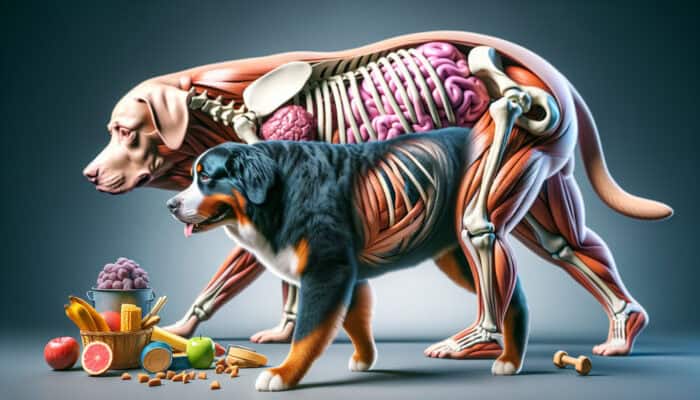
    Bernese Mountain Dog with hip and elbow dysplasia, struggling due to joint pain and obesity.

    Joint issues in Bernese Mountain Dogs stem from multiple factors, with genetics playing a pivotal role. This breed is particularly vulnerable to inherited disorders such as hip dysplasia and elbow dysplasia, which can result in severe pain and mobility challenges as they age. Furthermore, excess weight significantly increases the burden on their joints, worsening any pre-existing conditions. Regular, suitable exercise is essential for joint health; both excessive and insufficient activity can lead to deteriorating conditions. Understanding these causes is key to preventing and managing joint-related health problems in your cherished Bernese Mountain Dog.

    To prevent joint complications effectively, it’s vital to implement strategies focused on achieving an ideal weight and ensuring proper exercise. Monitoring your dog’s activity levels and preventing overexertion during play or walks is essential for protecting their joints. Avoiding high-impact activities during their growth phases is equally important, as these can place undue stress on their developing joints. Balancing their exercise routine strengthens the muscles surrounding the joints, providing better support and significantly lowering the risk of injury.

    Why Is It Essential to Detect Joint Problems Early?

    Early identification of joint issues is crucial for enhancing the quality of life for Bernese Mountain Dogs. Much like humans, dogs experience pain and discomfort that can substantially impact their overall well-being. Observing changes in your dog’s behavior and mobility can offer significant insights into their joint health. Regular check-ups with a veterinarian are vital for detecting potential problems before they escalate into more serious health concerns. A skilled veterinarian can provide customized recommendations based on your dog’s unique risk factors, guiding you towards effective preventative measures tailored to their specific needs.

    Timely detection can lead to more proactive treatment options. For instance, if your veterinarian identifies early signs of joint deterioration, they may recommend strategies for weight management, modifications to your dog’s exercise routine, or specific supplements aimed at enhancing joint health. Ignoring subtle signs of discomfort can lead to chronic pain and more severe health issues, which can ultimately diminish your pet’s quality of life. Proactive veterinary care is essential for ensuring that your Bernese Mountain Dog remains active and healthy for many years.

    How Can You Effectively Monitor Your Dog’s Joint Health?

    Carefully monitoring the joint health of your Bernese Mountain Dog is a manageable yet critical task that involves attentive observation of their mobility and behavior. Regularly checking for signs of discomfort, such as limping, hesitance to jump or navigate stairs, and fluctuations in activity levels is essential. Keeping a detailed journal to track any behavioral changes over time can help you recognize patterns and communicate effectively with your veterinarian.

    In addition to observing behaviors, establishing a routine that encourages active engagement with your dog can further assist in monitoring their joint health. Participating in enjoyable activities like walking, playing fetch, or gentle tug-of-war can provide valuable insights into their mobility and energy levels. If you notice a decline in enthusiasm or stamina, it may signal a need to consult your veterinarian. By staying vigilant and proactive, you can greatly contribute to your Bernese Mountain Dog’s joint health, ensuring a longer and more enjoyable life together.

    Professional Insights for Supporting Joint Health in Bernese Mountain Dogs

    Infographic on joint health supplements for Bernese Mountain Dogs, featuring vet examination and recommendations.

    What Do Veterinarians Recommend to Promote Joint Health?

    Veterinary professionals and canine health experts advocate for a comprehensive approach to supporting joint health in Bernese Mountain Dogs. A well-rounded strategy includes a nutritious diet, consistent physical activity, and appropriate supplements, creating a solid foundation for maintaining joint integrity. For example, many pet owners have reported positive outcomes from incorporating omega-3 fatty acids into their dog’s diet, which helps reduce inflammation and promotes overall joint health. Additionally, real-life experiences show that gradually implementing exercise routines tailored to your dog’s age and physical abilities can greatly enhance their comfort and mobility.

    Practically, this may involve collaborating with a canine nutritionist to develop a personalized meal plan that includes high-quality protein sources, essential fatty acids, and joint-supporting supplements like glucosamine and chondroitin. A professional may also recommend specific low-impact exercises, such as swimming, which minimizes stress while enhancing muscle strength and joint flexibility. Such strategies have proven transformative for numerous Bernese Mountain Dogs, allowing them to maintain their energy levels and overall happiness.

    What Nutritional Components Are Crucial for Joint Health?

    A balanced diet is fundamental to supporting joint health in Bernese Mountain Dogs. Nutritional elements rich in omega-3 fatty acids and glucosamine are particularly advantageous. Omega-3s are renowned for their anti-inflammatory properties, while glucosamine plays a vital role in ensuring cartilage health and proper joint function. Here’s a list of essential nutrients beneficial for joint health:

    • Omega-3 fatty acids
    • Glucosamine
    • Chondroitin
    • MSM (Methylsulfonylmethane)
    • Vitamin C
    • Collagen
    • Antioxidants (like vitamin E)
    • High-quality proteins

    Incorporating these nutrients into your dog’s diet can be achieved through premium commercial dog foods or by adding specific supplements. Consulting a veterinarian or pet nutritionist can provide tailored recommendations to meet your dog’s individual needs. It is vital to ensure your Bernese Mountain Dog receives nutrition from diverse sources to support not only joint health but also overall vitality and well-being.

    What Types of Exercise Are Beneficial for Joint Support?

    A Bernese Mountain Dog swimming joyfully in a serene lake at sunset.

    Engaging in controlled exercise is essential for preserving joint health in Bernese Mountain Dogs. Low-impact activities protect joint integrity while keeping your dog fit and healthy. Gentle walks, swimming, and interactive play sessions are excellent choices for your furry friend. Here’s a list of beneficial exercises that are particularly gentle on their joints:

    Understanding the appropriate duration and intensity of exercise for your dog is crucial, typically ranging from 30 to 60 minutes daily. Factors like age, size, and health status of your Bernese Mountain Dog will dictate the specific routines suitable for them. Create a safe and engaging exercise environment, gradually increasing intensity as your dog builds strength and endurance. Monitoring their response to exercise is essential; if they exhibit signs of fatigue or discomfort, adjusting their routine becomes paramount.

    Which Supplements Are Best for Supporting Joint Health?

    Supplements can significantly enhance joint health for Bernese Mountain Dogs. Glucosamine, chondroitin, and MSM are among the most recommended supplements, each offering unique benefits that improve joint function. Glucosamine aids in cartilage repair and maintenance, while chondroitin helps attract fluid to the joints, enhancing mobility and reducing stiffness. MSM is notable for its anti-inflammatory properties and can help alleviate discomfort associated with joint issues.

    When considering supplements, selecting high-quality products and consulting your veterinarian for appropriate dosages tailored to your dog’s weight and health status is crucial. Regular monitoring of your dog’s response to these supplements is important, as adjustments in dosage or different products may be necessary for some dogs. The aim is to effectively integrate these supplements into your dog’s overall health plan, ensuring they enhance joint health while also considering other factors like diet and exercise.

    How Can You Monitor and Manage Your Dog’s Joint Health Effectively?

    Monitoring your Bernese Mountain Dog’s joint health requires vigilance regarding their mobility and behavioral changes. Regular veterinary check-ups are essential for identifying any emerging issues promptly. Signs of joint complications may include limping, stiffness, decreased activity levels, or difficulty getting up after resting. If you notice these symptoms, seeking veterinary advice without delay is crucial, as early intervention can lead to more favorable management outcomes.

    In addition to professional veterinary care, tracking your dog’s daily activities can provide valuable insights into their joint health. Keeping a detailed log of their exercise routines, dietary habits, and any behavioral changes will help you and your veterinarian make informed decisions about their care. Regularly assessing your dog’s range of motion during playtime can also reveal indicators of joint comfort. By staying proactive and engaged in your Bernese Mountain Dog‘s care, you can play a critical role in promoting their joint health and overall happiness.

    Exploring Dietary Supplements for Enhanced Joint Health

    What Are the Most Effective Supplements for Joint Support?

    In the pursuit of supporting joint health in Bernese Mountain Dogs, certain dietary supplements have proven particularly effective. Glucosamine, chondroitin, and MSM are widely recognized among veterinarians and pet owners for their substantial roles in maintaining joint functionality. Glucosamine is praised for its ability to stimulate cartilage production and slow joint degeneration, while chondroitin enhances joint lubrication and minimizes inflammation. Additionally, MSM complements these benefits by providing anti-inflammatory properties that alleviate pain and discomfort.

    Many owners find that combining these supplements yields the most favorable results. For instance, a daily regimen incorporating glucosamine and chondroitin can effectively support long-term joint health, while MSM can offer relief during flare-ups or after increased activity levels. Selecting high-quality supplements with appropriate concentrations of these ingredients is crucial, as efficacy can vary significantly among products. Consulting with your veterinarian will help identify the most beneficial options for your Bernese Mountain Dog’s specific requirements.

    How to Choose the Right Supplement for Your Dog?

    Selecting the right supplement for your Bernese Mountain Dog involves understanding their unique health needs. Factors such as age, weight, activity level, and existing health concerns play a critical role in determining the best product for your pet. Look for supplements that have undergone clinical testing and contain high-quality ingredients. The presence of third-party testing certification can serve as a reliable indicator of product quality and efficacy.

    It is equally important to consider your pet’s specific requirements. For example, if your dog has food sensitivities or allergies, choosing a supplement free from common allergens becomes essential. Discussing your dog’s unique needs with your veterinarian can clarify the best options available. By being diligent in your selection process, you can effectively support your Bernese Mountain Dog’s joint health and overall well-being.

    How to Effectively Integrate Supplements into Your Dog’s Diet?

    Incorporating supplements into your Bernese Mountain Dog’s daily meals can be straightforward, ensuring they receive the joint support they require without hassle. One effective method is to mix the supplements directly into their food. This approach not only masks the flavor of the supplements but also seamlessly integrates them into their daily routine. Many owners successfully offer treats specifically designed to include joint-supporting ingredients, creating a positive and enjoyable experience for their dogs.

    Another option is to craft homemade treats that incorporate these beneficial supplements. For example, baking dog-friendly biscuits infused with glucosamine powder or adding chondroitin into a meat-based treat can be both nutritious and delightful for your dog. Regardless of the method chosen, consistency is key; ensure that the recommended dosages are given daily to achieve optimal results. By making the incorporation of supplements a rewarding experience, you can significantly enhance your Bernese Mountain Dog’s joint health.

    Exercise and Physical Activity: Crucial for Joint Health

    What Types of Exercise Are Most Beneficial for Joint Health?

    Engaging your Bernese Mountain Dog in suitable exercises is crucial for maintaining their joint health while preventing undue strain. Low-impact activities are particularly effective, allowing your dog to stay active without the risk of injury. Here’s a list of ideal exercises for your dog:

    • Swimming
    • Gentle walks
    • Low-impact fetch
    • Controlled tug-of-war
    • Obstacle courses
    • Short hikes on flat terrain
    • Yoga for dogs (Doga)
    • Stretching exercises

    Swimming stands out as one of the best activities, as it is gentle on the joints while providing a complete workout. Gentle walks help maintain cardiovascular health while promoting flexibility and mobility. Furthermore, engaging in interactive play, such as tug-of-war or gently tossing a toy, offers both mental stimulation and physical activity without the risk of high impact. It is vital to adapt your dog’s exercise regimen to their specific needs, ensuring they remain both active and comfortable.

    How Much Exercise Is Necessary for a Healthy Dog?

    Determining the appropriate amount of exercise for your Bernese Mountain Dog significantly influences their joint health and overall well-being. Typically, 30 to 60 minutes of daily exercise proves beneficial; however, this can vary based on factors like age, weight, and existing health conditions. Younger, more energetic dogs may require more vigorous activities, whereas older dogs may prefer gentler, shorter sessions.

    Being attuned to your individual dog’s signals is essential. If your Bernese Mountain Dog shows signs of fatigue or discomfort during exercise, it may be necessary to reduce the intensity or duration. Gradually increasing activity levels can help prevent joint strain, while regular breaks and hydration will ensure they do not overexert themselves. Ultimately, tailoring the exercise routine to your dog’s specific needs will promote longevity and happiness while safeguarding their joint health.

    How to Prevent Joint Strain During Exercise?

    Preventing joint strain during exercise is crucial for maintaining your Bernese Mountain Dog’s health. Implementing proper warm-up and cool-down routines can significantly reduce the risk of injury. A simple warm-up may include gentle stretching or slow-paced walking to prepare their muscles and joints for more vigorous activity. These brief sessions enhance flexibility and make subsequent exercise less taxing on their body.

    Gradually increasing activity levels is essential for preventing strain. Instead of jumping into a lengthy hike or an intense game of fetch, begin with shorter sessions and progressively build up their endurance. Monitoring their behavior during these activities will provide insights into their comfort levels. If your dog shows signs of fatigue or discomfort, it is essential to ease off and allow them adequate rest. By being mindful and intentional in your approach, you can help your Bernese Mountain Dog enjoy exercise while protecting their precious joints.

    How Does Weight Management Influence Joint Health?

    What Is the Ideal Weight for Bernese Mountain Dogs?

    Maintaining an optimal weight is crucial for the joint health of Bernese Mountain Dogs. The typical weight range for this breed generally falls between 70 and 115 pounds, but individual requirements may vary based on factors such as age, sex, and activity level. Overweight dogs endure increased stress on their joints, leading to a heightened risk of developing various joint problems and discomfort.

    Regularly monitoring your dog’s weight can help you make necessary adjustments to their diet and exercise regimen. Collaborating with your veterinarian to determine the ideal weight for your specific dog will provide a clear target to strive for. A well-managed weight not only supports joint health but can also enhance overall vitality and happiness, allowing your Bernese Mountain Dog to enjoy a longer and more active life.

    What Steps Can You Take to Achieve and Maintain a Healthy Weight?

    Achieving and maintaining a healthy weight for your Bernese Mountain Dog involves a combination of dietary management and suitable exercise. Start by evaluating their current diet, ensuring it consists of high-quality ingredients tailored to their age and activity level. Portion control is critical; using measuring cups can help prevent overfeeding, a common issue faced by many dog owners.

    Incorporating regular exercise into your dog’s routine is equally important. Activities should be enjoyable and varied to keep your dog motivated. Here’s a list of effective weight management tips:

    • Accurately measure food portions
    • Monitor treats and snacks
    • Choose high-quality dog food
    • Engage in daily exercise routines
    • Provide mental stimulation through interactive play
    • Consult with a veterinarian for a tailored plan
    • Track weight changes over time
    • Implement gradual dietary changes

    By integrating these strategies into your daily routine, you can help your Bernese Mountain Dog attain and maintain a healthy weight, ultimately promoting their joint health and overall quality of life.

    How Does Diet Influence Weight Management?

    A diet that is low in calories yet high in nutrients is essential for effectively managing your Bernese Mountain Dog’s weight. Focus on providing high-quality proteins and fiber, which help keep your dog feeling satisfied without excess calories. Incorporating fresh vegetables and healthy fats, such as those found in fish oils, can also be beneficial in helping them maintain a healthy weight while supporting joint health.

    It’s vital to avoid fillers and low-quality ingredients that provide minimal nutritional value. Instead, seek dog foods that offer a balanced composition of vitamins, minerals, and essential fatty acids. Consulting with a veterinarian can help pinpoint the most suitable diet for your dog’s specific needs, allowing you to tailor their nutritional intake effectively to manage their weight while promoting optimal joint health. By prioritizing a nutrient-rich diet, you can significantly enhance your Bernese Mountain Dog’s vitality and overall well-being.

    What Are the Warning Signs of Joint Problems in Dogs?

    How to Identify Early Symptoms of Joint Issues?

    Recognizing early symptoms of joint problems in your Bernese Mountain Dog is crucial for timely intervention. Common early indicators include limping, reluctance to move, and stiffness, particularly after periods of rest. If your dog displays signs of discomfort when climbing stairs or struggles to rise from a lying position, these may signify underlying joint issues. Early detection is essential, as it allows for more effective management and treatment options.

    Being observant and maintaining a journal of any changes in your dog’s behavior can help you spot patterns that may signal emerging joint problems. For instance, if your typically energetic dog suddenly becomes lethargic or shows disinterest in play, it is vital to investigate further. Engaging with your veterinarian regarding any observed changes ensures that potential issues are addressed promptly, improving the likelihood of successful treatment and better outcomes for your cherished Bernese Mountain Dog.

    When Should You Seek Veterinary Care for Joint Issues?

    Understanding when to seek veterinary assistance for your Bernese Mountain Dog is vital for their health and well-being. If you notice persistent signs of discomfort, such as limping or difficulty moving, it is crucial to consult your veterinarian. Delaying veterinary care can result in exacerbated joint issues, compounded pain, and increased treatment complexities in the future.

    In addition to persistent symptoms, changes in your dog’s eating or drinking habits, unexplained weight loss, or unusual behavior should also prompt a visit to the vet. Ensuring that your dog receives regular check-ups can help identify issues before they escalate. Early veterinary intervention can lead to more effective treatment options, allowing your Bernese Mountain Dog to maintain a higher quality of life.

    How to Differentiate Between Joint Issues and Other Health Problems?

    Differentiating between joint problems and other health concerns in Bernese Mountain Dogs can sometimes be challenging. Joint issues often exhibit specific symptoms such as stiffness, limping, or reluctance to engage in physical activity. However, these symptoms can also resemble those caused by muscle strains or injuries, making it essential to assess the situation carefully.

    Observing your dog’s behavior during various activities can provide valuable clues. For instance, if your dog limps primarily after vigorous play but returns to normal after resting, it may suggest a muscle strain rather than a joint issue. Consulting with your veterinarian will help clarify the diagnosis, enabling the development of an appropriate treatment plan. Understanding these distinctions is vital for ensuring your dog receives the right care at the right time, facilitating a swift recovery and better long-term outcomes.

    Research Findings on Joint Support for Bernese Mountain Dogs

    What Insights Have Research Studies Provided About Joint Health?

    Research indicates that adequate joint support can significantly enhance the quality of life for Bernese Mountain Dogs. Studies have shown that incorporating joint-supporting supplements, a balanced diet, and consistent exercise can lead to improved mobility and reduced discomfort. Real-world testimonials from dog owners highlight increased activity levels and noticeable reductions in pain after adopting a comprehensive joint care strategy.

    Furthermore, veterinary studies emphasize the importance of proactive joint health management. Dogs that receive early intervention and consistent support generally experience fewer chronic issues as they age, allowing them to remain engaged and active in their daily routines. By staying informed about the latest research, pet owners can better advocate for their dogs’ health, ensuring they receive the best possible care for their joints.

    What Are the Long-Term Advantages of Joint Care?

    Implementing long-term joint care can yield lasting benefits for Bernese Mountain Dogs, helping to prevent chronic conditions and extend their active years. Consistent support through nutrition, exercise, and supplements can delay the onset of joint degeneration and maintain mobility well into their senior years. Providing a proactive approach to joint health not only enhances your dog’s quality of life but also fosters a stronger bond between you and your pet.

    Establishing a comprehensive joint care plan involves regular monitoring and adjustments as your dog ages. It is important to account for their changing needs and consult with your veterinarian to ensure that your Bernese Mountain Dog receives the best possible support tailored to their lifestyle. By prioritizing joint health, you can significantly contribute to your dog’s happiness and vitality, allowing them to enjoy a fulfilling life alongside you.

    What Are the Latest Trends in Joint Health Research?

    Emerging trends in research are exploring innovative approaches to joint health in dogs, including the effects of genetics and personalized medicine. These advancements aim to customize joint care plans based on individual genetic profiles, potentially transforming the treatment of conditions like arthritis and dysplasia. Preliminary findings suggest that recognizing a dog’s genetic predisposition to joint issues can lead to more effective prevention and treatment strategies.

    Moreover, ongoing studies are investigating the effectiveness of various joint supplements and their specific contributions to joint health. By remaining informed about these emerging trends, pet owners can better understand their Bernese Mountain Dog’s individual needs and advocate for the most effective care options available. As the field of veterinary medicine continues to evolve, owners can anticipate improved tools and strategies for promoting joint health in their cherished pets.

    Holistic Approaches to Supporting Joint Health

    What Holistic Techniques Can Be Employed?

    Holistic methods for enhancing joint health in Bernese Mountain Dogs encompass a variety of complementary therapies that can improve overall well-being. Techniques such as acupuncture, massage, and herbal remedies can offer significant benefits alongside traditional treatments. Here’s a list of holistic approaches worth considering:

    • Acupuncture
    • Canine massage therapy
    • Herbal supplements
    • Chiropractic care
    • Physical therapy
    • Homeopathy
    • Essential oils (used cautiously)
    • Dietary adjustments (raw or whole food diets)

    These holistic approaches aim to address not only the symptoms of joint problems but also your dog’s overall health. Each method offers unique benefits, from reducing inflammation to alleviating pain and enhancing mobility. Collaborating with professionals specializing in holistic veterinary care can ensure that these methods are safely integrated into your dog’s overall health regimen.

    How Can Holistic and Traditional Care Be Combined?

    Integrating holistic and traditional care for your Bernese Mountain Dog requires a balanced approach, ensuring that both methods complement each other effectively. Start by consulting with your veterinarian about your interest in holistic treatments. They can provide invaluable insights into how these approaches can work alongside conventional medicine to create a comprehensive care plan.

    When merging both methods, it’s important to monitor your dog’s response to each treatment. For instance, if you choose to incorporate acupuncture sessions, observe how it affects their mobility and comfort levels. Gradually introducing holistic methods allows you to evaluate their effectiveness without overwhelming your dog’s system. Collaborating with health professionals can empower you to create a well-rounded care plan that benefits your dog’s joint health and overall quality of life.

    Why Is Mental Health Important for Joint Care?

    Mental well-being profoundly influences the overall health of your Bernese Mountain Dog, including their joint function. Stress and anxiety can exacerbate physical ailments, leading to heightened discomfort and decreased activity levels. Providing a calm and stable environment helps minimize stress and promotes positive mental health.

    Engaging your dog in mentally stimulating activities, such as puzzle toys or interactive games, can alleviate boredom and anxiety. Additionally, creating a comforting space for rest and relaxation allows your dog to recharge, which further supports their physical health. By prioritizing your pet’s mental well-being, you can indirectly contribute to their joint health, ensuring they remain happy and active throughout their life.

    What Are the Advantages of Yoga for Joint Health?

    Yoga, often referred to as “Doga,” is a growing trend among dog owners seeking to improve their pets’ joint health. The gentle stretching and movements involved in yoga can enhance flexibility and strength, reducing pain and stiffness in joints. Regular practice can lead to an increased range of motion and better overall joint function for your Bernese Mountain Dog.

    Incorporating yoga into your dog’s routine can be easily accomplished, even in the comfort of your own home. Participating in calming sessions together can also strengthen the bond between you and your furry companion. As with any new activity, it’s essential to monitor your dog’s comfort levels and adjust poses to ensure they remain safe and happy. By embracing yoga as part of your dog’s wellness regimen, you can significantly enhance their joint health and overall quality of life.

    Effective Strategies for Joint Support in Bernese Mountain Dogs

    What Are Proven Methods for Joint Health?

    Proven strategies for supporting joint health in Bernese Mountain Dogs encompass a holistic approach that includes regular veterinary visits, a balanced diet, and customized exercise routines. Establishing a routine that integrates these elements is vital for maintaining optimal joint health. For instance, owners who schedule regular check-ups with their vet can effectively monitor any changes in their dog’s joint condition and make necessary adjustments to their care plan.

    A balanced diet rich in essential nutrients, along with appropriate exercise, forms the cornerstone of joint support. Many owners have found success by partnering with canine nutritionists to create meal plans that meet their dog’s specific needs. In practice, this combination of nutrition and veterinary care has led to improved mobility and quality of life for numerous Bernese Mountain Dogs, underscoring the importance of a comprehensive approach to joint health.

    How to Develop a Personalized Health Plan for Your Dog?

    Creating a personalized health plan for your Bernese Mountain Dog involves assessing their specific health requirements and collaborating with professionals to devise a tailored strategy. Start by evaluating your dog’s current health status, taking into account their age, weight, and any existing joint issues. Consulting with your veterinarian can provide valuable insights into what adjustments may be required in their diet, exercise regimen, and supplement use.

    Creating a structured plan necessitates setting achievable goals, such as weight management targets and exercise timeframes. Continuously monitoring your dog’s progress and being open to modifications based on their response will ensure the plan remains effective. By adopting a proactive, individualized approach, you can significantly enhance your Bernese Mountain Dog’s joint health and overall quality of life.

    How to Monitor and Adjust Your Dog’s Health Plan Effectively?

    Regular monitoring and adjustments are vital to ensuring your Bernese Mountain Dog’s health plan remains effective. Keeping a log of their activity levels, dietary intake, and any behavioral changes will provide you and your veterinarian with the necessary information to evaluate the plan’s success. If your dog exhibits signs of discomfort or a decrease in mobility, it may indicate a need for modifications to their routine.

    Engaging in open communication with your veterinarian is essential for adapting the plan based on your dog’s evolving needs. Regular check-ins will allow for timely adjustments, whether that involves altering exercise intensity, modifying their diet, or trying new supplements. By being attentive and proactive, you can help ensure that your Bernese Mountain Dog thrives while effectively managing their joint health for the long term.

    What Is the Importance of Supplements and Medications in Joint Health?

    Supplements and medications can play a critical role in supporting Bernese Mountain Dog joint health, especially for those facing existing joint issues. Discussing the benefits and risks of various options with your veterinarian is essential for determining the best course of action. Common supplements like glucosamine and chondroitin, along with anti-inflammatory medications, may be recommended to enhance joint comfort and functionality.

    Monitoring your dog’s response to these supplements and medications is essential. If your dog experiences adverse effects or shows limited improvement, it may be necessary to discuss adjustments in dosages or explore alternative options with your veterinarian. By adopting a thoughtful and informed approach to supplements and medications, you can effectively support your dog’s joint health and overall well-being.

    Commonly Asked Questions About Joint Health in Dogs

    What Are the Typical Joint Issues in Bernese Mountain Dogs?

    Typical joint issues include hip dysplasia, elbow dysplasia, arthritis, and ligament injuries, which can greatly affect mobility and comfort.

    How Can I Identify If My Bernese Mountain Dog Is in Pain?

    Signs of pain include limping, reluctance to move, stiffness, and behavioral changes such as increased irritability or hiding.

    What Diet Is Ideal for Promoting Joint Health?

    A diet rich in omega-3 fatty acids, glucosamine, and chondroitin, along with high-quality protein and fiber, is best for promoting joint health.

    Is Exercise Crucial for Joint Health?

    Yes, controlled and low-impact exercise is essential for maintaining joint strength and flexibility, thereby reducing the risk of injury.

    How Do I Manage My Dog’s Weight Effectively?

    Implement portion control, monitor treats, engage in regular exercise, and consult your veterinarian for a tailored diet plan.

    What Supplements Are Recommended for Joint Support?

    Glucosamine, chondroitin, MSM, and omega-3 fatty acids are commonly recommended supplements for supporting joint health in dogs.

    How Often Should I Schedule Veterinary Visits for My Dog?

    Regular check-ups should be conducted at least annually, although more frequent visits may be necessary for older dogs or those with existing health issues.

    Can Holistic Methods Aid in Joint Health?

    Yes, holistic methods such as acupuncture, massage, and herbal remedies can complement traditional treatments and enhance overall well-being.

    What Are the Signs of Arthritis in Dogs?

    Signs of arthritis include difficulty rising, decreased activity, limping, and visible pain during movement.

    How Can I Incorporate Supplements into My Dog’s Diet?

    Supplements can be mixed into food, given as treats, or added to homemade recipes to ensure consistent intake.

    Connect with us on Facebook!

    The Article Bernese Mountain Dog Joint Support: Essential Tips First Published On https://elgatoencasa.com

    The Article Joint Support for Bernese Mountain Dogs: Key Tips to Know Was Found On https://limitsofstrategy.com

  • Motion Sickness Remedies for Dogs: Effective Solutions

    Motion Sickness Remedies for Dogs: Effective Solutions

    Comprehensive Guide to Understanding and Managing Motion Sickness in Dogs

    Key Factors Contributing to Motion Sickness in Dogs

    A distressed dog in a moving car, showing signs of motion sickness due to inner ear imbalance and anxiety.

    Motion sickness in dogs arises from several factors that affect their ability to cope with movement. A significant contributor is the dog’s inner ear balance system, which can struggle to interpret unfamiliar motion, leading to discomfort and distress. Additionally, anxiety often exacerbates these symptoms; dogs who feel stressed during travel tend to experience more intense episodes. Furthermore, new environments can trigger anxiety, resulting in negative reactions while on the move. Understanding these triggers is essential for pet owners who want to manage their dog’s discomfort effectively and improve their travel experiences.

    For example, if a dog consistently shows anxiety during car rides, recognizing and addressing the underlying cause can greatly diminish motion sickness symptoms. Creating a calm and soothing atmosphere in the vehicle can help alleviate their discomfort. Since each dog is unique, identifying the specific factors that contribute to their motion sickness is vital for developing a personalized and effective treatment strategy.

    Identifying the Symptoms of Motion Sickness in Dogs

    Recognizing motion sickness in dogs involves careful observation of various symptoms. The most common signs include:

    • Excessive drooling
    • Whining or persistent barking
    • Vomiting episodes
    • Restlessness or inability to settle
    • Panting or heavy breathing
    • Frequent yawning
    • Lethargy or unusual inactivity
    • Difficulty maintaining focus

    Prompt identification of these symptoms is crucial for providing timely relief to your pet. For instance, if your dog begins to drool excessively, this may signal early discomfort. Taking immediate action—whether by halting the vehicle or administering appropriate remedies—can help prevent more severe reactions, such as vomiting. Pet owners must remain vigilant and prepared to intervene as soon as they observe these warning signals.

    Steps for Accurate Diagnosis of Motion Sickness in Dogs

    Veterinarians typically diagnose motion sickness through a combination of clinical assessments and health evaluations. Pet owners can begin the diagnostic process at home by documenting their dog’s behavior during and after travel. If symptoms like vomiting or drooling occur consistently during travel, it’s likely that motion sickness is the issue. However, it’s important to consult a veterinarian to rule out other potential health problems.

    Here are some actionable steps pet owners can take to help diagnose motion sickness at home:

    • Observe your dog’s behavior during travel, noting any unusual signs.
    • Maintain a travel log that records symptoms and the duration of trips.
    • Track your dog’s reactions to varying travel conditions, such as different times of day or specific routes.
    • Consider recording your dog’s behavior before, during, and after travel to gain clearer insights.

    These preliminary observations can greatly assist your veterinarian in making a more precise diagnosis, leading to customized treatment options that cater to your dog’s specific requirements.

    Exploring Natural Remedies for Motion Sickness in Dogs

    A person in a forest path holding ginger root and sipping herbal tea, surrounded by green foliage and sunlight.

    Utilizing Ginger as a Natural Remedy for Dogs

    Ginger is widely recognized for its anti-nausea effects and can offer significant relief for dogs suffering from motion sickness. The active compounds in ginger, such as gingerol and shogaol, work by soothing the stomach and reducing inflammation. When given in small amounts, ginger can help alleviate feelings of nausea and aid digestion, making it an excellent natural remedy for discomfort related to travel.

    However, it’s crucial to consult a veterinarian before adding ginger to your dog’s diet. While ginger is generally safe for dogs, the correct dosage may vary based on the dog’s size, weight, and overall health. Typically, a small piece of fresh ginger or a sprinkle of ginger powder can be mixed into their food a few hours prior to travel. Always monitor your dog for any adverse reactions when trying this remedy for the first time.

    The Benefits of Chamomile for Dogs with Motion Sickness

    Chamomile is a gentle herb known for its calming properties. Offering chamomile to dogs can help reduce anxiety, which may indirectly ease the symptoms of motion sickness. By promoting relaxation, chamomile can make travel less stressful for your dog, leading to a more enjoyable experience for both your pet and you.

    Chamomile can be provided in various forms, including teas or supplements. When preparing chamomile tea, ensure it cools before giving it to your dog. A standard serving might involve mixing a few teaspoons of cooled chamomile tea into their water. Alternatively, chamomile supplements are available in capsule form, but it’s advisable to consult your veterinarian for the appropriate dosage tailored to your dog’s weight and health status.

    The Efficacy of Peppermint Oil for Dogs with Motion Sickness

    Dog in car wearing bandana with diluted peppermint oil, calm with diffuser mist.

    Peppermint oil is another effective remedy for dogs experiencing motion sickness. Its soothing properties can calm the stomach and alleviate feelings of nausea. However, it should be used with caution, as essential oils can be very potent and may irritate a dog’s skin or respiratory system if not applied correctly.

    When using peppermint oil, it’s essential to dilute it before applying it. A few drops mixed with a carrier oil, such as coconut or olive oil, can be applied to your dog’s collar or a bandana that they can wear during travel. Additionally, diffusing peppermint oil in the car while traveling can create a pleasant atmosphere for your dog without any direct contact with the oil. Always observe your dog’s reactions closely and discontinue use if you notice any signs of discomfort or irritation.

    Insights from Experts on Motion Sickness Remedies for Dogs

    Real-Life Success Stories of Remedies for Dogs

    Numerous veterinarians and dog owners share success stories regarding various remedies for motion sickness. For instance, a Golden Retriever named Max struggled with severe anxiety during car rides, leading to frequent vomiting. Once his owner incorporated ginger into his pre-travel routine, they observed a significant decrease in his symptoms. Additionally, Max’s owner complemented ginger use with short practice trips to help him gradually acclimate to the motion of traveling.

    Here are some successful real-world examples from dog owners:

    • A Labrador named Bella found relief from anxiety through chamomile tea before traveling.
    • A Dachshund named Charlie benefited from a gradual introduction to car travel, which significantly eased his symptoms.
    • A Border Collie named Lucy thrived with peppermint oil diffused in the car, helping her stay calm during longer journeys.
    • A Cocker Spaniel named Daisy experienced fewer vomiting incidents after using medication prescribed by her veterinarian.

    These stories illustrate that a combination of natural remedies, training, and, when necessary, medications can effectively manage motion sickness in dogs. Hearing from fellow pet owners can inspire new ideas and approaches to try.

    Expert Recommendations for Administering Remedies to Dogs

    Experts often recommend various methods for administering remedies to dogs to maximize their effectiveness. For natural remedies like ginger or chamomile, incorporating them into treats or food can make it easier for dogs to consume. For example, mixing ginger powder into a small amount of peanut butter creates a tasty treat that dogs will likely enjoy. Similarly, chamomile tea can be served in a favorite bowl to encourage hydration and relaxation.

    When it comes to medications, veterinarians typically advise administering them as directed, usually 30 minutes to an hour before travel. This timing allows the medication to achieve peak effectiveness during the journey. Some dogs may benefit from specific techniques, such as using a pill pocket or hiding the medication in a treat, to ensure they take it without resistance.

    Monitoring your dog’s response after administering any remedy is crucial. Keeping a journal of their behavior can help track what works best and allow for necessary adjustments. Establishing a routine that incorporates these remedies can foster a positive association with travel, ultimately reducing the chances of motion sickness in the long run.

    Long-Term Effects of Using Remedies for Motion Sickness

    The long-term effects of certain remedies can vary among dogs, depending on the type of remedy and the individual dog’s health status. Natural remedies like ginger and chamomile, when used appropriately, are generally safe, but should still be monitored for any signs of adverse reactions over time. Some dogs may develop a heightened tolerance, which could reduce the effectiveness of the remedy. Regular check-ups with your veterinarian can provide valuable insights into whether adjustments are necessary based on your dog’s health and response to these remedies.

    Conversely, continuous reliance on medications without proper management may lead to side effects. For instance, overuse of medications like Dramamine can cause drowsiness or gastrointestinal upset. Therefore, maintaining open communication with your veterinarian is essential to ensure that any long-term remedy remains suitable for your dog’s ongoing health and well-being.

    Examining Medications for Motion Sickness in Dogs

    Common Medications Veterinarians Recommend for Dogs

    Veterinarians frequently prescribe medications to manage motion sickness in dogs. Some commonly prescribed medications include Cerenia, which specifically targets the brain’s vomiting center, and Dramamine, known for its anti-nausea properties. These medications can provide substantial relief for dogs experiencing severe symptoms during travel.

    It is essential to consult with a veterinarian before administering any medication, as they can consider your dog’s unique health profile and provide guidance on the appropriate dosage. For example, Cerenia is typically administered at least one hour before travel to ensure maximum effectiveness, while Dramamine has different dosing instructions based on the dog’s weight. Regular follow-ups can help assess the effectiveness of the chosen medication and make adjustments as necessary.

    The Mechanism of Medications in Alleviating Motion Sickness Symptoms

    Medications for motion sickness typically function by targeting either the brain’s vomiting center or by reducing anxiety and nausea. For instance, Cerenia works by blocking signals in the brain that cause vomiting, providing direct relief from nausea. In contrast, medications like Dramamine decrease the sensitivity of the inner ear, aiding in stabilizing the balance system.

    Understanding how these medications work empowers pet owners to make informed decisions about their dogs’ treatment plans. Collaborating closely with a veterinarian ensures that the chosen medication aligns with your dog’s specific needs and positively impacts their travel experiences. A comprehensive strategy that combines medications with behavioral techniques and natural remedies often yields the best results.

    Potential Side Effects and Precautions of Motion Sickness Medications

    While medications can be effective, it’s crucial to be aware of potential side effects. Common side effects of motion sickness medications may include drowsiness, loss of appetite, dry mouth, and, in rare cases, more severe reactions. Discussing these potential side effects with your veterinarian before starting any medication is essential to ensure that the benefits outweigh the risks.

    Monitoring your dog after administering any medication is vital. If you notice any concerning symptoms or adverse reactions, consult your veterinarian immediately. Furthermore, maintaining an open dialogue with your vet about any changes in behavior or health can help adjust treatment plans over time, ensuring the best outcomes for your dog.

    Optimal Timing for Administering Medications for Motion Sickness

    Administering medications at the right time can significantly influence their effectiveness. Most veterinarians recommend giving motion sickness medications approximately 30 minutes to an hour before travel. This timing allows the medication to reach optimal levels in the bloodstream, helping to keep your dog calm and symptom-free throughout the journey.

    Establishing a travel routine that incorporates the timing of medication can also assist your dog in acclimating to the process. For example, administering the medication while your dog is relaxed can create a more positive association with travel. Always adhere to your veterinarian’s specific instructions regarding the timing and dosages of medications to ensure the best outcomes and safest travel experience.

    Behavioral Techniques to Alleviate Motion Sickness

    Gradual Exposure to Motion: A Strategy for Dogs

    One effective behavioral technique for reducing motion sickness in dogs is to gradually expose them to short car trips. This method allows dogs to adjust to motion at a comfortable pace, thus minimizing anxiety and discomfort. Start by taking your dog on brief rides around the neighborhood, gradually increasing the duration and distance as they become more accustomed to the experience.

    During these initial trips, it’s crucial to maintain a light and positive mood. Utilizing treats and praise can reinforce a sense of security and calm. For instance, bringing along their favorite toy or blanket can create a familiar environment, helping to ease any worries they may have. Closely monitoring your dog’s reactions and adjusting the exposure level if they show signs of distress or anxiety is essential for their comfort.

    Training Techniques to Reduce Motion Sickness in Dogs

    Training plays an essential role in alleviating motion sickness. By teaching your dog to associate car rides with positive experiences, you can significantly diminish their anxiety. Reward-based training methods are particularly effective; using treats and praise during car rides fosters a positive atmosphere. Begin by allowing your dog to explore the vehicle while it’s stationary, rewarding them for calm behavior.

    Once your dog is comfortable in a stationary vehicle, start the engine and reward them for remaining calm. Gradually increase exposure to motion by taking short trips and rewarding them with treats and affection. This positive reinforcement helps create a more enjoyable experience and can reshape their perception of car rides over time.

    Creating a Comfortable Environment to Minimize Travel Anxiety

    Establishing a comfortable and familiar space in the car can significantly alleviate anxiety for your dog. Just as humans benefit from familiarity, dogs experience increased comfort during stressful situations like travel. Providing them with their favorite blanket, bed, or toy can help them feel more at home, making the journey less intimidating.

    Additionally, consider the seating arrangement. Positioning your dog in a secure area, such as a dog seat belt or crate, can prevent them from feeling unstable during the ride. This setup not only enhances their comfort but also improves safety. Keeping a comfortable temperature in the car and ensuring proper ventilation can contribute further to a relaxing atmosphere, easing your dog’s motion-related distress.

    Dietary Adjustments for Managing Motion Sickness

    Foods to Avoid Before Travel to Minimize Motion Sickness

    Dietary changes can significantly impact the management of motion sickness in dogs. Certain foods may exacerbate symptoms, making it crucial to avoid heavy meals or fatty foods prior to travel. Foods high in fat or overly rich can lead to upset stomachs, increasing the likelihood of nausea during movement.

    Instead, focus on providing light meals that are easy to digest. Options like plain rice, boiled chicken, or specially formulated dog food designed to be gentle on the stomach are excellent choices. Adjusting your dog’s diet before travel can help stabilize their digestive system and reduce the risk of nausea or vomiting during the journey.

    Managing Light Meals and Hydration Before Travel

    Feeding your dog a light meal a few hours before travel can greatly aid in managing motion sickness symptoms. Ideally, the meal should be served 3-4 hours prior to departure. This timing allows for adequate digestion without leaving your dog feeling overly full or uncomfortable.

    In addition to light meals, ensuring proper hydration is crucial. Dogs can become dehydrated during travel, which can worsen feelings of nausea. Always have fresh water available in the car, and encourage your dog to drink before and during trips. Providing a stable and easy-to-drink bowl can facilitate this process, enhancing overall travel comfort.

    The Benefits of Specialized Diets for Dogs with Sensitive Stomachs

    Some dogs may benefit from specialized diets formulated for sensitive stomachs. These diets are designed to maintain digestive health and alleviate motion sickness symptoms. They typically feature easily digestible proteins and low-fat content, minimizing the risk of nausea during travel.

    Consulting with your veterinarian regarding a specialized diet can lead to tailored recommendations based on your dog’s specific needs. Implementing dietary changes, particularly before trips, can be a proactive measure to ensure your dog remains comfortable and symptom-free while traveling.

    The Importance of Meal Timing Before Travel

    Providing your dog with a light meal 3-4 hours before travel can stabilize their stomach and help mitigate motion sickness. Avoid feeding your dog right before departure, as this can lead to discomfort and increase the likelihood of vomiting during the trip.

    Planning meals in advance allows you to create a routine that aligns well with travel schedules. For example, if you have a lengthy journey ahead, consider feeding your dog earlier in the day and allowing ample time for digestion before setting off. This careful meal planning can significantly enhance your dog’s comfort while traveling.

    Incorporating Herbal Remedies and Supplements into Your Dog’s Diet

    Certain herbs and supplements, such as ginger and peppermint, can be integrated into your dog’s diet to alleviate motion sickness symptoms. Additionally, some studies suggest that vitamin B6 may help reduce nausea in dogs. Including these herbal remedies in your dog’s regular diet can provide a holistic approach to managing motion sickness.

    When introducing any new supplements, consulting your veterinarian is essential. They can provide guidance on safe dosages and ensure that the chosen remedies align with your dog’s overall health. A well-rounded approach to dietary management can help maintain your dog’s digestive health and comfort during travel.

    Research-Backed Benefits of Motion Sickness Remedies for Dogs

    Scientific Evaluations of the Effectiveness of Remedies

    Research indicates that numerous remedies can significantly reduce motion sickness symptoms in dogs. For instance, studies have shown that ginger and chamomile effectively alleviate nausea and promote relaxation. Understanding these findings empowers pet owners to make informed choices regarding remedy selection. The efficacy of ginger, in particular, has been well-documented in both canine and human populations, establishing it as a preferred natural remedy.

    Grasping the scientific basis behind these remedies equips dog owners with the knowledge necessary to choose the best options for their pets. Combining these remedies with behavioral techniques and dietary modifications can create a comprehensive strategy that effectively addresses motion sickness. The goal is to foster a synergistic effect that enhances the overall travel experience for dogs and their owners.

    How Research Studies Measure Motion Sickness in Dogs

    Studies focused on measuring motion sickness in dogs often combine observational data with physiological measurements. Researchers may observe behavioral symptoms such as drooling or vomiting under controlled travel conditions. Additionally, physiological metrics, including heart rate or cortisol levels, can provide insights into the dog’s stress response during travel.

    By understanding how these studies are conducted, pet owners can better appreciate the scientific basis for various remedies. This knowledge can inform their approach to managing their dog’s motion sickness, enabling them to select the most effective strategies based on empirical evidence.

    Promising Remedies Identified by Recent Research

    Recent research highlights several promising remedies for motion sickness in dogs. Ginger, acclaimed for its anti-nausea properties, has consistently been shown to provide relief. Chamomile and specific medications like Cerenia have also demonstrated effectiveness in alleviating symptoms. Staying informed about the latest research empowers pet owners to make educated choices regarding their dog’s care.

    Pet owners are encouraged to discuss these findings with their veterinarians to ensure they are utilizing the most effective remedies. By combining evidence-based practices with personalized care, owners can enhance their dog’s travel experiences and overall well-being.

    Preventive Measures to Combat Motion Sickness

    Effective Strategies for Pre-Trip Planning and Preparation

    Thorough pre-trip planning and preparation can greatly diminish the chances of motion sickness in dogs. Ensuring your dog is calm and comfortable before travel is crucial for minimizing anxiety and the likelihood of symptoms. Consider scheduling trips during times when your dog is naturally more relaxed, such as after exercise or during quiet moments at home.

    Additionally, familiarizing your dog with the vehicle ahead of time can help alleviate their nerves. Allowing them to explore the interior and associating it with positive experiences can set a favorable tone for the journey. Creating a cozy spot with familiar items can further enhance your dog’s comfort, making the trip more enjoyable.

    Best Practices for Traveling with Dogs by Car

    Best practices for car travel with dogs include ensuring they are securely restrained, maintaining proper ventilation, and keeping the car at a comfortable temperature. Using a dog seat belt, harness, or crate enhances safety while preventing excessive movement that may contribute to motion sickness. Additionally, ensuring good ventilation and a comfortable environment in the vehicle helps minimize anxiety and discomfort.

    Regular breaks during long journeys are also advisable. Stopping every couple of hours allows your dog to stretch their legs, hydrate, and relieve themselves, helping to alleviate any discomfort that may build up during travel. Implementing these best practices can significantly enhance your dog’s travel experience.

    The Significance of Consistency and Familiarity in Travel for Dogs

    Maintaining a consistent routine and familiarizing your dog with travel is another effective preventive measure against motion sickness. Regular short trips can help build tolerance and reduce anxiety over time. As your dog becomes accustomed to the travel experience, they are more likely to feel comfortable and confident during longer journeys.

    Incorporating a consistent routine, such as specific travel times or familiar routes, can enhance your dog’s sense of security. Associating travel with positive experiences, such as enjoyable outings or playtime at the destination, reinforces a positive attitude towards travel. Consistency is crucial in helping your dog adapt to travel and minimizing the likelihood of motion sickness.

    Monitoring and Adjusting Remedies for Motion Sickness

    Effectively Tracking Your Dog’s Response to Remedies

    Monitoring your dog’s response to various remedies is essential for identifying the most effective solution for motion sickness. Keeping a detailed record of your dog’s behavior can help reveal patterns and trends in their symptoms. Note any observations, such as the timing of symptoms, the effectiveness of remedies, and any changes in behavior or health.

    This information can guide necessary adjustments in treatment plans as needed. For instance, if a specific remedy seems to alleviate symptoms initially but becomes less effective over time, it may be necessary to explore alternative options or consult with a veterinarian for further evaluation. A thorough approach to monitoring your dog’s condition can significantly enhance their travel experiences.

    Adapting Remedies Based on Your Dog’s Health Status

    As your dog’s health evolves, adjusting the remedies being used may become necessary. Ongoing communication with your veterinarian is crucial to ensure that the chosen remedies remain safe and effective. If your dog experiences any changes in health status, such as weight fluctuations or new medical conditions, it’s vital to reassess the remedies in place.

    Additionally, dogs may develop a tolerance to certain remedies over time, which might require adjustments to dosages or the introduction of new solutions. Regular veterinary check-ups can help catch these changes early and provide an opportunity to modify treatment plans accordingly. Adapting remedies to align with your dog’s health is key to successfully managing motion sickness in the long run.

    Long-Term Management Strategies for Motion Sickness

    Effectively managing motion sickness over the long term requires continuous adjustments and monitoring. Establishing a comprehensive plan that incorporates behavioral techniques, dietary modifications, and appropriate remedies is essential. Regular veterinary check-ups allow for fine-tuning of this plan based on your dog’s evolving needs.

    Moreover, maintaining a travel journal can aid in tracking your dog’s progress and responses to various treatments. Documenting improvements or setbacks can help identify successful strategies and areas that may require further attention. With consistent care and attention, managing motion sickness can become a coordinated effort, ensuring that your dog remains comfortable and happy during travel.

    Frequently Asked Questions About Motion Sickness in Dogs

    What Are the Typical Symptoms of Motion Sickness in Dogs?

    Typical symptoms include excessive drooling, whining, vomiting, restlessness, panting, and lethargy. Recognizing these signs early is crucial for effectively managing your dog’s discomfort.

    Is Ginger Safe for Dogs Experiencing Motion Sickness?

    Yes, ginger can be safely given to dogs in small amounts. Consult your veterinarian for the appropriate dosage based on your dog’s size and health status.

    How Can I Prepare My Dog for an Extended Car Journey?

    Prepare your dog by gradually exposing them to car rides, ensuring comfort with familiar items, and avoiding feeding them immediately before the trip.

    What Medications Do Veterinarians Commonly Recommend for Motion Sickness?

    Common medications include Cerenia and Dramamine. These should only be used under the guidance of a veterinarian to ensure safety and effectiveness.

    How Can I Enhance My Dog’s Comfort in the Car?

    Ensure your dog has a comfortable space with familiar items, utilize a secure restraint system, and maintain proper ventilation in the vehicle.

    Are There Dietary Changes I Should Implement to Aid with Motion Sickness?

    Avoid heavy, fatty meals before travel and provide light meals 3-4 hours prior to the trip. Ensure hydration is maintained throughout the journey.

    What Effective Behavioral Techniques Exist for Managing Motion Sickness?

    Gradual exposure to motion, positive reinforcement training, and creating a comfortable environment in the car are effective behavioral techniques to reduce motion sickness.

    How Can I Monitor My Dog’s Reaction to Remedies for Motion Sickness?

    Keep a detailed log of your dog’s behavior and symptoms during and after travel, documenting any changes that occur with different remedies.

    What Should I Do If My Dog’s Motion Sickness Symptoms Worsen?

    If symptoms worsen, consult your veterinarian immediately. They can provide guidance on adjusting remedies or exploring alternative options.

    Can Long-Term Use of Motion Sickness Remedies Impact My Dog’s Health?

    Long-term use can have varying effects. Regular check-ups with your veterinarian are essential to ensure remedies remain effective and safe for your dog’s health.

    Connect with us on Facebook!

    The Article Motion Sickness Remedies for Dogs: Effective Solutions First Published On https://elgatoencasa.com

    The Article Motion Sickness Remedies for Dogs: Proven Solutions Was Found On https://limitsofstrategy.com

  • Great Dane Space Requirements: Essential Guidelines Explained

    Great Dane Space Requirements: Essential Guidelines Explained

    Comprehensive Insights into the Spatial Needs of Great Danes

    Effective Strategies for Creating an Ideal Indoor Environment for Your Great Dane

    A spacious modern living room designed for a Great Dane, with large windows and comfortable furniture.

    Great Danes are celebrated for their magnificent size and gentle temperament, which requires a significant amount of indoor space for their well-being. Providing a spacious living environment is not merely a luxury; it is essential for their holistic health and emotional stability. These remarkable dogs, often referred to as “gentle giants,” require ample room to roam freely and engage in playful activities without feeling constrained. A well-structured indoor area should facilitate easy movement while catering to their playful nature and relaxation needs. Ensuring your Great Dane can stretch out and move comfortably is critical for their overall happiness and health.

    When evaluating the indoor space available for your Great Dane, it’s vital to consider the overall layout of your home in detail. Open floor plans are particularly beneficial, allowing your dog to explore without hindrance. Spaces that are devoid of obstructions are optimal, as they minimize the risk of accidental bumps or falls, which can be quite painful for a dog of this size. Additionally, designating specific areas for toys and resting spots can create a sense of security and belonging for your pet. Keep in mind that your Great Dane’s happiness is closely linked to the amount of space they have to enjoy their life fully.

    Ultimately, providing a spacious indoor environment goes beyond aesthetics; it plays a pivotal role in nurturing a healthy lifestyle for your Great Dane. A thoughtfully arranged living area can profoundly impact their physical and mental well-being, resulting in a more joyful and well-adjusted canine companion.

    Essential Features for Crafting an Ideal Outdoor Space for Great Danes

    The ideal outdoor space for Great Danes must be both secure and expansive, allowing them to exercise freely and play safely. These dogs are inherently energetic and require regular physical activity to maintain their health and happiness. A fenced yard is highly recommended to prevent potential escapes, especially since Great Danes possess an adventurous spirit and a natural curiosity that can lead them into trouble if left unchecked.

    When designing your outdoor area, consider incorporating features that enhance both safety and enjoyment for your Great Dane. A lush, grassy surface is beneficial for play, providing a soft area for running and leaping, thereby minimizing the risk of injuries. Additionally, creating shaded areas can help keep your Great Dane cool and comfortable during warm weather. Introducing elements like agility equipment can also promote exercise through play, offering your dog opportunities to engage both their mind and body in physical activities.

    To ensure your outdoor space is perfectly tailored for your Great Dane, keep the following essential components in mind:

    • Secure fenced perimeter to prevent escapes
    • Safe, non-toxic plants for landscaping
    • Soft ground cover such as grass
    • Shaded structures for relief during hot weather
    • Agility equipment to encourage active play
    • Water stations for hydration
    • Clear walking paths to avoid hazards

    In summary, a well-planned outdoor space can serve as a sanctuary for your Great Dane, enhancing not only their physical fitness but also nurturing their mental health through engaging play.

    Evaluating Space Adequacy for Great Danes: A Comprehensive Approach

    Determining the adequacy of space for Great Danes involves assessing several critical factors, including the dog’s size and activity levels. Start by using a tape measure to accurately gauge the dimensions of your living area. A general guideline suggests providing at least 30 square feet of space for each Great Dane, ensuring they have enough room to move, stretch, and play comfortably without feeling crammed.

    While measuring, consider the layout of your home. Open spaces are preferable over tight areas with narrow pathways, as they allow better movement. Additionally, assess the height of your ceilings; Great Danes are tall and may require vertical space to avoid feeling confined. It is essential to incorporate resting and play areas, ensuring there is ample room for their bed, food station, and toys.

    Key measurements to keep in mind for a Great Dane include:

    • A minimum of 30 square feet of living space per dog
    • A height clearance of at least 6 feet
    • Clear walking paths free of obstacles
    • Designated areas for sleeping and eating

    In conclusion, careful measurement and thoughtful planning can help create an environment that meets the specific needs of your Great Dane, ensuring their comfort and happiness within your home.

    Designing the Perfect Sleeping Area for Your Great Dane

    A spacious, cozy bedroom for a Great Dane with a large, orthopedic dog bed and supportive pillows.

    Creating a comfortable sleeping area is essential for the well-being of Great Danes, who require adequate rest due to their size and active lifestyle. The ideal sleeping space should be spacious enough to accommodate their length while providing the necessary support to promote restful sleep. Investing in a high-quality dog bed specifically designed for large breeds is crucial, as it offers sufficient padding to help prevent joint issues, which are prevalent among larger dogs.

    Consider the location of the sleeping area as well. It should be situated in a quiet part of the house, away from bustling activities and noise sources, ensuring that your Great Dane has a peaceful environment to rest and rejuvenate. Furthermore, the area should be easily accessible, allowing your dog to settle comfortably without having to navigate through clutter or obstacles.

    To create the ideal sleeping area for your Great Dane, emphasize the following elements:

    • A large, orthopedic dog bed for adequate support
    • A quiet, low-traffic location for undisturbed rest
    • Soft bedding materials to enhance comfort
    • Easy access to water nearby for hydration
    • Temperature control to prevent drafts

    In summary, investing in a well-designed sleeping area is crucial for your Great Dane’s health and happiness, ensuring they receive the comfort necessary for restorative sleep.

    Maximizing Small Spaces for Great Danes: Clever Solutions

    Adapting smaller spaces for Great Danes can present a challenge, but with creativity and smart organization, it is entirely achievable. Even in compact homes, you can create a comfortable and accommodating environment for your Great Dane by optimizing available space. This might involve rethinking furniture arrangements or utilizing vertical space to ensure your dog has enough room to move around.

    One effective strategy is to select multi-functional furniture that serves dual purposes for both humans and dogs. For example, ottomans that open for storage can keep toys organized while providing a resting spot for your dog. Additionally, incorporating vertical shelving can free up floor space and provide your Great Dane with a cozy perch or lookout point.

    Practical tips for maximizing a smaller living area include:

    • Using foldable or stackable furniture to save space
    • Designating specific zones for your Great Dane’s belongings
    • Utilizing vertical storage solutions to maintain organization
    • Encouraging vertical play areas, like dog-friendly cat trees

    By following these strategies, even limited living spaces can become inviting environments for Great Danes, ensuring they receive the comfort and room they require to thrive.

    Expert Insights into Meeting Great Dane Space Needs

    Strategies for Enhancing Indoor Space for Great Danes

    A modern living room designed for a Great Dane with open pathways, an elevated bed, and distinct areas for play, eating, and resting.

    Enhancing indoor space for Great Danes involves thoughtfully organizing your living environment to accommodate their large size while ensuring their comfort and mobility. One effective approach is to establish open pathways that facilitate easy navigation throughout your home. This can be achieved by arranging furniture to promote flow and eliminating tight corners or obstacles that could impede movement.

    Consider investing in multi-level bedding options, such as elevated dog beds, which not only save floor space but also provide a cozy nook for your Great Dane to relax. Furthermore, creating distinct areas for play, eating, and resting can help maintain an organized environment, allowing your dog to learn the boundaries of their space more effectively.

    Real-world examples of effective space optimization include using ottomans with hidden storage for toys, allowing for a tidy living area while giving your Great Dane easy access to their favorite items. You can also designate a corner with their bed and food bowls, ensuring they have a safe and comfortable area to retreat to when needed.

    Key strategies for optimizing indoor space include:

    • Establishing open pathways for unimpeded movement
    • Implementing multi-level bedding solutions
    • Creating designated areas for play, eating, and resting
    • Incorporating furniture with built-in storage

    In essence, a well-organized indoor environment can greatly improve your Great Dane’s quality of life, allowing them to navigate comfortably while enjoying their home.

    Key Elements for Designing a Safe and Engaging Outdoor Space

    Designing an optimal outdoor space for Great Danes requires careful attention to safety and comfort. The first step is ensuring that the area is secure with robust fencing that can withstand the strength of a Great Dane. These dogs are known for their power and agility, and a sturdy fence will help prevent escapes during playtime.

    Creating an engaging outdoor environment is equally vital. Use durable materials for surfaces and play zones. Grass is a preferred option, but consider alternatives like gravel or rubber mats in high-traffic areas. Make sure the space is devoid of potential hazards, such as sharp objects or toxic plants that could pose risks during exploration.

    Actionable steps for crafting the ideal outdoor environment include:

    • Installing high, secure fencing
    • Utilizing safe, non-toxic landscaping materials
    • Creating shaded areas for hot weather relief
    • Designating play zones with soft surfaces
    • Incorporating water stations for hydration
    • Adding agility equipment for mental and physical stimulation

    Ultimately, a well-designed outdoor area will grant your Great Dane the freedom to explore and play, significantly enhancing both their physical fitness and mental well-being.

    Essential Features to Include in Your Great Dane’s Living Space

    A Great Dane’s living space should feature several essential elements that cater to their size and specific needs. Comfort is paramount; therefore, investing in a large, high-quality dog bed is critical. A bed that offers ample support will help prevent joint issues, which are common in larger breeds.

    In addition to comfortable bedding, ensure that there are multiple water stations throughout the living area. Hydration is vital for Great Danes, particularly due to their size. Having several accessible water bowls encourages regular drinking and helps maintain their health. Moreover, integrating toys and interactive equipment into the living space can keep them mentally stimulated and entertained.

    Ease of cleaning is another significant consideration. Choose materials that are resistant to stains and easy to wipe down, making it easier to maintain a hygienic environment for your Great Dane.

    Key features to incorporate into a Great Dane’s living space are:

    • Large, supportive dog bed
    • Multiple water stations for hydration
    • Accessible toys for engagement and play
    • Non-toxic, easy-to-clean surfaces
    • Safe storage for play items

    In summary, a well-equipped living space not only enhances your Great Dane’s daily life but also contributes significantly to their overall health and happiness.

    Understanding Key Factors Influencing Great Dane Space Requirements

    Impact of Age and Size on Space Needs for Great Danes

    When determining space requirements for Great Danes, it is essential to factor in both their age and size. Younger Great Danes, still in their growth phase, often need more space to play and stretch their legs. Conversely, as they mature, they may prefer quieter, cozier areas where they can rest peacefully.

    The size of your Great Dane significantly affects the space needed. Adult Great Danes typically weigh between 100 and 175 pounds, with heights ranging from 28 to 34 inches at the shoulder. Their substantial size necessitates ample room to lie down comfortably and to rise without feeling constrained.

    In conclusion, be mindful that the age and size of your Great Dane will significantly influence their space requirements. Tailoring the environment to meet these factors ensures your dog remains comfortable and content throughout their life stages.

    The Role of Activity Levels and Exercise Requirements in Space Needs

    Great Danes are known for their gentle nature, yet they are also active dogs that require regular exercise. Their activity levels greatly impact their space needs; more energetic dogs thrive in larger areas where they can run and play freely. A well-exercised Great Dane is typically happier, healthier, and less prone to behavioral problems.

    To assess a Great Dane’s activity level, observe their play style and energy within the home. If your dog enjoys running, playing fetch, or engaging in agility exercises, they will need ample space to accommodate these activities. Conversely, less active Great Danes may find satisfaction within smaller areas, provided they still have opportunities for mental stimulation and occasional exercise.

    Key factors to consider regarding a Great Dane’s activity level include:

    • Frequency of outdoor play sessions
    • Engagement with interactive toys
    • Participation in structured activities or training
    • Establishing daily walking routines

    Overall, understanding your Great Dane’s activity level will guide you in determining the appropriate space necessary to ensure their physical and mental well-being.

    Health and Special Needs: Their Influence on Space Requirements

    Health considerations can greatly impact the space requirements of Great Danes. Larger breeds, including Great Danes, are prone to specific health issues such as hip dysplasia or heart conditions. Therefore, creating a living space that accommodates any special needs your dog may have becomes crucial.

    For Great Danes with mobility challenges, ensure that the space is clear of obstacles that could cause accidents. Consider incorporating ramps for easier access to elevated areas, and ensure that their resting spots are located in quiet, low-traffic areas to reduce stress and anxiety.

    In summary, accommodating any health or special needs in your Great Dane’s living environment is essential for their comfort and quality of life. By proactively creating a safe and adaptable space, you can enhance their daily experiences and overall well-being.

    Evaluating Indoor Space Layout for Your Great Dane

    The layout and size of the indoor living environment can significantly influence a Great Dane’s comfort and overall happiness. A spacious interior is fundamental for facilitating movement and promoting an active lifestyle. Open areas are preferable, as they enable the dog to navigate freely without the risk of injury from colliding with furniture or walls.

    Considerations should also include the accessibility of essential items, such as water bowls and toys. Strategically placing these necessities throughout the living space encourages your Great Dane to drink and engage in play, contributing positively to their physical and mental health.

    When evaluating your living environment, consider the following:

    • Overall square footage available for movement
    • Furniture arrangement that promotes open pathways
    • Accessibility of water and play items
    • Quiet areas designated for resting

    In conclusion, maximizing the potential of your living space will significantly enhance your Great Dane’s daily life experience, fostering a healthy and happy companion.

    Assessing Outdoor Access and Yard Size for Great Danes

    Outdoor access is a crucial factor in determining the overall space requirements for Great Danes. These dogs flourish in environments where they can roam, explore, and interact with nature. Evaluating the size of your yard is essential to provide ample exercise space, which is vital for the physical health of your Great Dane.

    A larger yard offers opportunities for your dog to run freely, while a smaller area may necessitate alternative exercise routines, such as daily walks or trips to dog parks. Striking a balance between outdoor access and indoor space is essential to ensure that your Great Dane receives adequate physical activity.

    Consider these essential factors when assessing yard size:

    • Available square footage for running
    • Safe and secure fencing
    • Diversity of terrains for exercise
    • Accessible water sources outdoors

    In summary, ensuring your Great Dane has sufficient outdoor access and yard space is critical for their health and happiness, promoting an active lifestyle and overall well-being.

    Creating a Secure Environment for Your Great Dane

    Measures to Ensure Indoor Safety for Great Danes

    Creating a safe indoor environment for Great Danes is essential for their well-being and your peace of mind. These dogs are naturally curious, which can lead to accidents if the environment isn’t properly secured. Start by removing small objects that pose choking hazards or items that are toxic to dogs, such as certain houseplants.

    Non-slip flooring is crucial, especially given the size and weight of a Great Dane. Slippery surfaces can lead to falls, potentially causing injury. Additionally, consider using baby gates to restrict access to areas not suitable for dogs, such as staircases or rooms filled with fragile items that could break.

    Common indoor hazards for Great Danes include:

    • Small toys or objects that can be swallowed
    • Toxic houseplants
    • Cleaning supplies stored within reach
    • Sharp corners on furniture

    In summary, a safe indoor environment not only protects your Great Dane but also fosters a stress-free living space that supports their overall happiness and health.

    Securing the Outdoor Environment for Great Danes

    Securing your outdoor environment is a vital step in ensuring the safety of your Great Dane. A well-constructed fence is essential, as it helps prevent escapes and protects your dog from potential dangers in the outside world. The fence should be tall enough to deter jumping and constructed from sturdy materials that can withstand the strength of a Great Dane.

    Additionally, keeping the outdoor area clear of hazards is crucial. Regularly inspect the yard for sharp objects or toxic plants and remove them to create a safe play environment. Taking these precautions ensures your Great Dane can enjoy their outdoor time without incidents.

    To maintain a safe outdoor space, consider these strategies:

    • Install a high, secure fence
    • Regularly check for sharp objects
    • Remove any toxic plants from the yard
    • Store outdoor tools and equipment safely

    In summary, creating a secure outdoor environment provides a safe haven for your Great Dane to enjoy the outdoors while protecting them from potential hazards.

    Preparing for Emergencies with Your Great Dane

    Preparing your Great Dane’s space for emergencies is an often-overlooked aspect of responsible pet ownership. It’s essential to have a plan in place for various scenarios, including natural disasters, medical emergencies, or unexpected events. Ensure that there is a designated area for first aid supplies, such as dog-specific bandages and medications, that are easily accessible.

    Keep emergency contacts, including your veterinarian and local animal hospitals, readily available. Having these contacts in a visible location can save valuable time during a crisis. Additionally, consider developing an evacuation plan that includes your Great Dane, detailing how to safely transport them and what items to take along.

    Key steps to prepare for emergencies include:

    • Designate a space for first aid supplies
    • Keep emergency contacts easily accessible
    • Create an evacuation plan that includes your dog
    • Regularly review and update your emergency plan

    In conclusion, being proactive in your emergency preparedness can ensure your Great Dane remains safe and secure during times of crisis.

    The Importance of Socialization and Training for Safety

    Socialization and training are vital components in ensuring the safety of Great Danes across various environments. Teaching basic commands such as “sit,” “stay,” and “come” can significantly enhance your dog’s responsiveness, especially in public spaces. Positive reinforcement techniques are particularly effective for this breed, as they respond well to encouragement and rewards.

    Regular socialization with other dogs and people is equally important. Exposing your Great Dane to diverse situations can help them become more adaptable and reduce anxiety in new environments. Arrange playdates or visits to dog parks to promote safe interactions with other dogs.

    Training tips to enhance safety include:

    • Consistent use of positive reinforcement during training sessions
    • Regular socialization with other pets and people
    • Participation in obedience classes for structured learning
    • Practicing commands in varied environments to build confidence

    In summary, establishing a solid foundation in socialization and training not only keeps your Great Dane safe but also promotes positive behavior and a well-adjusted temperament.

    Benefits of Providing Adequate Space for Great Danes

    Physical Health Advantages of Sufficient Space

    Providing sufficient space for Great Danes can yield significant physical health benefits. These large dogs require ample room to exercise, which helps them maintain a healthy weight and mitigates the risks of obesity-related health issues. Regular physical activity is essential for keeping their joints healthy and preventing conditions such as hip dysplasia, which is particularly common in larger breeds.

    A spacious environment enables Great Danes to engage in various physical activities, including running, playing, and exploring. This not only aids in their physical fitness but also enhances their cardiovascular health. Adequate space contributes to a balanced lifestyle, leading to a longer, healthier life for your dog.

    Key physical health benefits of adequate space include:

    • Reduced risk of obesity and related health complications
    • Improved joint health and mobility
    • Enhanced cardiovascular fitness
    • Opportunities for spontaneous play and exploration

    In essence, providing sufficient space for your Great Dane is a critical investment in their long-term health and overall well-being.

    Enhancing Mental Well-Being Through Sufficient Space

    Mental well-being is another crucial aspect positively influenced by providing adequate space for Great Danes. These intelligent dogs thrive in environments where they can engage in physical play and explore their surroundings. An open and stimulating space allows them to express their natural behaviors, which is vital for their overall mental health.

    Having a spacious environment can alleviate stress and anxiety, as Great Danes can retreat to a safe spot when feeling overwhelmed. Play areas equipped with engaging toys and interactive equipment can also provide mental stimulation, keeping their minds sharp and active.

    Benefits for mental well-being include:

    • Reduced anxiety and stress levels
    • Enhanced problem-solving skills through play
    • Improved mood and overall happiness
    • Encouragement of natural behaviors and instincts

    In conclusion, a well-designed space that promotes mental engagement is essential for your Great Dane’s overall happiness, contributing to their emotional stability and fulfillment.

    Facilitating Socialization and Positive Behavior with Adequate Space

    Adequate space for Great Danes enhances their socialization opportunities, leading to improved interactions with people and other pets. A well-structured living environment allows them the freedom to engage in social activities without feeling confined or anxious, which is crucial for fostering a friendly and well-adjusted temperament.

    Socialization helps Great Danes become more adaptable and less fearful of new experiences. Regular interaction with other dogs and people helps them build positive behaviors and reduces the likelihood of aggressive tendencies. Conducting training sessions in open spaces can also reinforce desirable behaviors while ensuring your Great Dane feels comfortable and confident.

    Key aspects of socialization and behavior improvement include:

    • Increased opportunities for positive interactions
    • Reduced fear and anxiety in unfamiliar situations
    • Improved overall temperament and behavior
    • Enhanced confidence in various environments

    In summary, the benefits of adequate space extend beyond physical health, significantly contributing to your Great Dane’s social skills and behavioral development.

    The Importance of Supporting Muscle Development and Strength

    Having sufficient space for Great Danes is crucial for promoting muscle development and overall strength. These large dogs need regular exercise to build and maintain muscle mass, which is essential for their health and mobility. Adequate space allows them to participate in activities that encourage muscle growth, such as running, jumping, and playing.

    Open areas encourage Great Danes to explore their physical capabilities, helping them develop endurance and strength through natural movement. This not only supports their physical well-being but also enhances their agility and overall athleticism.

    Benefits of enhanced muscle development include:

    • Improved overall physical fitness
    • Strengthened joints and ligaments
    • Increased stamina and energy levels
    • Better coordination and agility

    In conclusion, providing adequate space fosters muscle development, which is essential for maintaining your Great Dane’s physical robustness.

    Improving Sleep Quality Through Sufficient Space

    A spacious environment also contributes to improved sleep quality for Great Danes. Having ample room allows them to find comfortable sleeping spots free from disturbances. A good night’s sleep is vital for maintaining their energy levels and overall health, especially for large breeds that are susceptible to certain health issues.

    A well-designed sleeping area can help create a calming atmosphere, promoting restful sleep. Additionally, having a designated space for relaxation encourages your Great Dane to retreat when they need some quiet time.

    Key aspects of improved sleep quality include:

    • Access to comfortable sleeping spots
    • Reduced disturbances from noise and activity
    • Encouragement of relaxation and downtime
    • Support for overall health and recovery

    In summary, a spacious environment directly influences your Great Dane’s sleep quality, promoting their overall well-being and health.

    Practical Strategies for Managing Space for Great Danes

    Utilizing Space-Saving Furniture Solutions

    In homes with Great Danes, selecting space-saving furniture solutions is vital for maximizing the living area. Multi-functional furniture that serves more than one purpose can significantly free up space, allowing for a more organized and comfortable environment. For example, opt for coffee tables with hidden storage to keep toys and supplies neatly tucked away, minimizing clutter.

    Another approach is to consider furniture that is easily movable or adjustable. Foldable tables and chairs can provide additional seating when necessary and be stored when not in use. This flexibility allows you to create room for your Great Dane to play without obstruction.

    Key space-saving furniture solutions include:

    • Multi-functional items, such as ottomans with storage
    • Folding or stackable chairs and tables
    • Vertical shelving for toys and supplies
    • Convertible dog beds that double as furniture

    In conclusion, implementing space-saving furniture can enhance the overall organization of your home while providing your Great Dane with the comfort and space they require.

    Daily Practices for Effective Space Management

    Maintaining an organized and clutter-free space for your Great Dane is essential for their comfort and well-being. Regularly assessing and adjusting the layout of your home can ensure that it meets your pet’s evolving needs. Keeping pathways clear allows for safe navigation, which is particularly important for a large breed like the Great Dane.

    Establishing routines for tidying up can also promote organization. Designate specific areas for toys, food, and bedding, making it easier to maintain a tidy environment. Engage in daily cleaning habits, such as vacuuming and removing potential hazards, to create a safe space for your dog.

    Key strategies for daily space management include:

    • Regularly assess and adjust the layout for optimal flow
    • Establish designated areas for your Great Dane’s personal items
    • Implement daily cleaning habits to maintain hygiene
    • Encourage a routine for putting away toys after playtime

    In summary, effective daily space management not only enhances your Great Dane’s living environment but also contributes to their safety and overall happiness.

    Cost-Effective Ways to Enhance Your Great Dane’s Space

    Enhancing your Great Dane’s space does not have to be financially burdensome. There are numerous budget-friendly ways to create a comfortable environment that suits both your needs and those of your dog. DIY projects can be an excellent method to customize their space while saving money.

    Consider creating homemade toys or repurposing materials for play areas. For instance, old tires can be transformed into play equipment, while wooden pallets can be constructed into raised beds or benches. Additionally, using affordable materials like blankets or cushions can provide cozy spots for your Great Dane to relax and feel at home.

    Key budget-friendly space enhancements include:

    • DIY projects for toys and furniture
    • Repurposing materials for new uses
    • Shopping at thrift stores for affordable options
    • Utilizing blankets and cushions for added comfort

    In essence, creative and budget-conscious enhancements can create a warm and inviting space for your Great Dane, enriching their living experience without financial strain.

    Frequently Asked Questions About Great Dane Space Requirements

    What is the minimum space requirement for a Great Dane?

    Great Danes typically require a minimum of 30 square feet of space to move comfortably, ensuring they have enough room to stretch and play freely.

    Can Great Danes live in apartments?

    Yes, Great Danes can successfully live in apartments, but they need sufficient indoor space and regular outdoor exercise to remain healthy and happy.

    How often should I exercise my Great Dane?

    Great Danes should typically engage in at least 30 to 60 minutes of exercise each day, which includes walks, playtime, and opportunities for off-leash activities in safe environments.

    What type of bed is best for a Great Dane?

    An orthopedic dog bed designed specifically for large breeds is ideal, as it provides the necessary support for their joints and ensures a comfortable resting place.

    How can I keep my Great Dane safe in the backyard?

    Install a secure, high fence, regularly inspect the area for hazards like sharp objects, and ensure there are no toxic plants present to keep your Great Dane safe while outdoors.

    Do Great Danes need a lot of socialization?

    Yes, Great Danes benefit greatly from socialization, as it helps them develop positive behaviors and reduces anxiety in unfamiliar situations.

    How can I create a safe indoor environment for my Great Dane?

    Remove small objects that could be ingested, use non-slip flooring, and ensure that all cleaning supplies and dangerous items are stored out of reach to create a secure indoor environment.

    What is the best way to manage my Great Dane’s space in a small home?

    Utilize multi-functional furniture, establish designated zones for their belongings, and keep pathways clear to maximize comfort and safety in a smaller space.

    How do I know if my Great Dane has enough exercise?

    Signs of adequate exercise include a calm demeanor indoors, a healthy weight, and an overall happy disposition. If your Great Dane appears restless or destructive, they may require additional activity.

    Can I train my Great Dane in a small space?

    Yes, you can train your Great Dane in a small area by using creative methods, including indoor obedience drills and engaging in short training sessions that focus on basic commands and behaviors.

    Connect with us on Facebook!

    The Article Great Dane Space Requirements: Essential Guidelines First Published On https://elgatoencasa.com

    The Article Space Requirements for Great Danes: Essential Guidelines Was Found On https://limitsofstrategy.com

  • Teething Toys for Young Dogs: Your Essential Guide

    Teething Toys for Young Dogs: Your Essential Guide

    Discover the Essential Benefits of Teething Toys for Your Puppy’s Growth and Well-Being

    Enhancing Your Puppy’s Dental Health with Teething Toys

    A playful puppy chews on a colorful teething toy, promoting dental health.

    Teething toys are crucial for encouraging a puppy’s oral hygiene and health, as they significantly reduce the buildup of plaque and tartar. These toys are essential during a young dog’s critical teething stage, as they help strengthen the gums and teeth. By offering a safe and enjoyable chewing outlet, teething toys foster the development of healthy dental habits early on, which are vital for a puppy’s overall well-being and quality of life.

    The dental health benefits associated with teething toys are numerous and impactful:

    • Reduction of plaque and tartar accumulation: This leads to healthier gums and teeth.
    • Strengthening of jaw muscles: Aiding overall oral health and functionality.
    • Promotion of proper tooth alignment: Ensuring correct growth and development of teeth.
    • Lowered risk of periodontal disease: Critical for maintaining lifelong dental health.

    As puppies engage with these toys, they also massage their gums, providing crucial relief during the discomfort associated with teething. This natural chewing instinct not only supports their physical development but also encourages the establishment of beneficial dental practices that will serve them throughout their lives.

    Choosing Safe and Effective Materials for Teething Toys

    Selecting the right materials for teething toys is essential for ensuring both the safety and durability of the products. Common materials utilized in teething toys include rubber, nylon, and rope, each offering unique benefits and considerations. For instance, rubber toys are generally softer and provide a satisfying chew, which reduces the likelihood of damaging young teeth. Conversely, nylon toys are sturdier and ideal for strong chewers who may easily shred softer alternatives.

    With regards to rope toys, it is vital to monitor their condition; fraying can result in the ingestion of strands, posing health risks to your puppy. Ultimately, opting for safe materials not only protects your puppy but also enhances the longevity of the toys. Here’s a summary of specific materials and their advantages:

    • Rubber: Flexible and non-toxic, making it perfect for young puppies.
    • Nylon: Extremely durable, suited for aggressive chewers.
    • Rope: Ideal for interactive play, but always monitor for wear.
    • Food-grade silicone: Soft, safe, and frequently used in teething rings.

    By understanding the pros and cons of each material, pet owners can make informed choices that align with their puppy’s chewing behavior and safety requirements.

    How Teething Toys Alleviate Anxiety and Prevent Boredom in Puppies

    Teething toys serve as effective tools for distracting puppies, helping relieve both anxiety and boredom. Young dogs often experience a wide range of emotions as they adjust to their new environments, particularly during the teething phase, which can be both uncomfortable and stressful. By providing teething toys, owners allow their puppies to channel their energy into positive chewing behaviors, significantly enhancing their overall well-being.

    When puppies interact with teething toys, they not only soothe their discomfort but also gain essential mental stimulation. Chewing on these toys reduces the likelihood of destructive behaviors, such as gnawing on furniture or shoes. Incorporating teething toys into playtime can dramatically improve a puppy’s mood and behavior. Notable benefits include:

    • Distraction from anxiety-inducing situations: Toys can effectively calm puppies during thunderstorms or separation from their owners.
    • Outlet for natural chewing instincts: They provide a safe way to satisfy these urges without causing harm.
    • Reduction of destructive behavior: This is particularly crucial during periods of boredom.
    • Encouragement of healthy play: Engaging with toys promotes social interactions with owners and other pets.

    Overall, incorporating teething toys into a puppy’s daily routine can significantly enhance their emotional health and support their development into well-adjusted adult dogs.

    Expert Recommendations for Selecting the Best Teething Toys for Your Puppy

    A playful puppy with colorful teething toys, a vet pointing at safe options in a pet store.

    Veterinary Insights on Choosing the Best Teething Toys

    Veterinarians frequently recommend specific types of teething toys tailored to a puppy’s age, size, and chewing habits. Different breeds exhibit unique needs and chewing strength, making it essential to select toys that align with their distinctive characteristics. For instance, a small breed puppy may benefit from softer rubber toys, while larger breeds might require more robust nylon options to withstand their stronger jaws.

    Veterinarians often advocate for toys that are not only safe but also engaging. Many recommend toys featuring additional elements, such as various textures or treat-dispensing capabilities, to keep puppies entertained and mentally stimulated. Real-world experiences indicate that puppies respond differently to various toys, so some trial and error may be necessary to find the perfect fit. Commonly recommended options include:

    • Soft rubber toys: Excellent for soothing gums and providing comfort during teething.
    • Durable nylon toys: Ideal for powerful chewers who need a robust and long-lasting option.
    • Interactive toys: These stimulate their minds and promote problem-solving skills.
    • Treat-dispensing toys: Combine playtime with rewards, making chewing enjoyable and rewarding.

    By consulting with veterinarians and observing a puppy’s preferences, owners can make informed decisions that enhance their puppy’s health and development.

    Finding the Perfect Teething Toy for Your Puppy

    Choosing the ideal teething toy for a puppy involves considering several factors, including size, texture, and durability. It’s crucial to ensure that the toy is suitable for their mouth size and chewing strength, which can vary significantly among different breeds. A toy that is too small can pose a choking hazard, while one that is too large may be challenging for the puppy to handle.

    To make informed decisions, pet owners can follow these actionable steps:

    • Assess the puppy’s size: Choose toys that are appropriately scaled for their breed and size.
    • Consider chewing habits: Determine whether the puppy is a gentle chewer or a more aggressive one.
    • Evaluate texture: Experiment with different textures to discover what captivates your puppy the most.
    • Check for safety: Ensure there are no small parts that could be swallowed or pose a choking risk.

    By taking the time to evaluate these factors, owners can select teething toys that not only meet their puppy’s needs but also enrich their chewing experience, leading to improved dental health and reduced anxiety.

    The Importance of Teething Toys in Successful Puppy Training

    A playful puppy chews a colorful teething toy during training, rewarded by an attentive owner in a bright room.

    Teething toys play a pivotal role in training by reinforcing positive behaviors. Incorporating these toys into training routines can effectively manage destructive chewing habits while teaching essential commands. For instance, using a teething toy as a reward during training sessions can motivate puppies to obey commands, making the learning process more enjoyable and effective.

    Additionally, teething toys can redirect a puppy’s energy into acceptable chewing behavior, reducing the likelihood of them chewing on inappropriate household items. Owners can create positive associations with these toys by actively engaging with their puppies during playtime, reinforcing the idea that teething toys are a fun and acceptable outlet for their chewing instincts. This approach offers multiple benefits:

    • Reinforces acceptable chewing behavior: This helps steer puppies away from destructive habits.
    • Enhances the bond between owner and puppy: Shared playtime fosters a deeper connection and trust.
    • Facilitates training: Rewarding good behavior with their favorite toys encourages compliance and reinforces learning.
    • Encourages mental stimulation: This is critical for a puppy’s overall development and emotional health.

    By integrating teething toys into training routines, owners can cultivate positive behaviors while simultaneously alleviating discomfort associated with teething.

    Safety Considerations When Selecting Teething Toys

    Safety is paramount when choosing teething toys for puppies. Common concerns include choking hazards, toxic materials, and the risk of ingesting small components. Paying careful attention to these factors is crucial for keeping puppies safe while they explore their environment. Owners should assess the design and material of each toy to ensure it is free from hazardous substances and that all components are securely attached.

    When selecting teething toys, the following safety considerations should be prioritized:

    • No small parts: Ensure toys do not have detachable pieces that could be swallowed or choked on.
    • Non-toxic materials: Opt for toys made from safe, non-toxic materials, free from harmful chemicals.
    • Regular inspections: Frequently check toys for signs of wear and tear, replacing them if they show damage.
    • Size appropriateness: Confirm that the toy is suitable for your puppy’s size to prevent choking hazards.

    By adhering to these safety guidelines, owners can significantly mitigate the risks associated with teething toys and provide a secure outlet for their puppies’ natural chewing instincts.

    Enhancing Your Puppy’s Dental Health with Teething Toys

    Chewing on the right teething toys can greatly enhance a puppy’s dental health. As they gnaw on these toys, they assist in removing food particles and plaque from their teeth, effectively minimizing tartar buildup. This natural action promotes healthier gums and encourages proper alignment of teeth as they grow, setting a strong foundation for lifelong dental hygiene.

    Moreover, specific types of teething toys can further elevate a puppy’s dental hygiene. For instance, toys designed with raised textures can massage the gums, providing relief during teething while simultaneously cleaning teeth. The long-term benefits include:

    • Healthier gums: This reduces the risk of periodontal disease over time.
    • Stronger teeth: This supports better chewing habits as they mature, preventing dental issues later in life.
    • Less plaque buildup: This contributes to fresher breath and overall oral health.
    • Encouragement of natural chewing instincts: This fosters overall well-being and comfort.

    By investing in high-quality teething toys, owners can promote their puppies’ immediate comfort while laying the groundwork for lifelong dental health and hygiene.

    Explore the Wide Variety of Teething Toys Available

    Selecting Chew Toys Based on Different Chewing Strengths

    Recognizing that dogs possess varying chewing strengths is essential when selecting teething toys. Puppies identified as gentle chewers may benefit from softer rubber toys, which provide comfort and relief during teething without risking damage to their developing teeth. Conversely, aggressive chewers require more durable toys that can withstand their relentless gnawing and chewing.

    Chew toys come in a diverse range of textures and hardness levels, accommodating different chewing styles. For example, soft rubber toys can soothe sore gums, while tougher nylon options are designed to endure powerful chewing. Here are some categories of chew toys based on chewing strengths:

    • Soft rubber toys: Ideal for gentle chewers, providing comfort and relief during teething.
    • Nylon toys: Durable and built to withstand aggressive chewers for long-lasting use.
    • Natural rubber: Offers a safe and flexible option for moderate chewers, encouraging healthy chewing habits.
    • Edible chew toys: Satisfy chewing urges while offering nutritional benefits, making them an enjoyable treat.

    By matching the appropriate type of chew toy to a puppy’s chewing strength, owners can help protect their teeth while providing a satisfying and safe chewing experience.

    Interactive Teething Toys for Stimulating Mental Engagement

    Interactive teething toys are designed to engage a puppy’s mind as well as their mouth, providing both mental stimulation and a physical outlet for their chewing instincts. These toys often incorporate puzzles or treat-dispensing mechanisms that challenge dogs and keep them occupied for extended periods. By adding an element of play, these toys also promote problem-solving skills and cognitive development.

    The benefits of interactive toys extend far beyond mere entertainment. They can alleviate boredom and anxiety while encouraging puppies to expend energy in a constructive manner. Some advantages of interactive teething toys include:

    • Increased mental stimulation: This leads to improved cognitive development and enhanced problem-solving skills.
    • Reduced likelihood of destructive behavior: This occurs due to boredom or lack of engagement with appropriate toys.
    • Encouragement of independent play: This allows owners to focus on other tasks without worry, knowing their puppy is occupied.
    • Enhanced bonding experiences: These occur when owners participate in playtime, strengthening the human-animal connection.

    Overall, interactive teething toys fulfill a dual purpose: they satisfy a puppy’s natural chewing urge while offering mental challenges that contribute to their holistic development and well-being.

    Evaluating Durability Ratings for Teething Toys

    Durability is a crucial consideration when selecting teething toys, as they must withstand the vigorous chewing habits of puppies. Teething toys come with various durability ratings, which assist owners in identifying options that will last longer and remain safe for use. These ratings typically depend on the materials used, construction quality, and the intended chewing strength of the toy.

    For example, toys made from hard nylon or reinforced rubber are generally rated as highly durable and suitable for aggressive chewers. Conversely, softer rubber toys might have a lower durability rating but are excellent for gentle chewers. Owners should pay attention to these ratings when selecting toys, as they can significantly influence the toy’s lifespan and safety. Important durability considerations include:

    • Material quality: Higher quality materials usually indicate better durability and safety for your puppy.
    • Design features: Toys with reinforced seams typically last longer and withstand wear and tear.
    • Manufacturer recommendations: Consider suggested chewing strengths for optimal safety and effectiveness.
    • User reviews: Insights from other pet owners can guide smart purchasing decisions, ensuring quality and durability.

    By understanding the durability ratings of teething toys, owners can make informed investments in options that are not only safe but also long-lasting, ensuring their puppies have suitable toys tailored to their needs.

    Proven Methods for Introducing Teething Toys to Puppies

    Identifying the Best Time to Introduce Teething Toys

    Introducing teething toys at the earliest opportunity can help puppies develop healthy chewing habits. The optimal time to start using these toys is typically around 3 to 4 months of age, coinciding with the onset of the teething process. This phase can be uncomfortable for them, and having the right toys readily available can alleviate discomfort while encouraging appropriate chewing behavior.

    Starting early allows puppies to associate teething toys with comfort and relief, establishing a foundation for lifelong good habits. Additionally, it helps deter them from destructive chewing on household items. The key benefits of introducing teething toys early include:

    • Pain relief during teething: This makes the process more manageable for both puppies and owners.
    • Establishment of healthy chewing habits: This begins from a young age, setting a positive precedent for their development.
    • Reduction of destructive chewing: This protects furniture and personal belongings from damage caused by chewing.
    • Encouragement of engagement and play: This fosters positive interactions between puppies and their owners, enhancing their bond.

    By proactively involving teething toys in a puppy’s early development, owners can promote their emotional and physical well-being.

    Motivating Your Puppy to Engage with Teething Toys

    Encouraging a puppy to engage with teething toys effectively involves a blend of positive reinforcement and making the toys appealing. One effective technique is to offer a small treat or reward immediately after the puppy interacts with the toy, reinforcing that behavior positively. Another successful approach is to play with the toy alongside the puppy, creating an interactive experience that nurtures interest and excitement.

    Making the toys enticing can also involve selecting those with captivating textures or sounds that grab the puppy’s attention. It’s vital to create play sessions that are enjoyable and engaging, as this will motivate the puppy to prefer the teething toys over less suitable chewing options. Here are some techniques to enhance engagement with teething toys:

    • Use treats: Reward engagement with the toy to reinforce positive associations and behaviors.
    • Play together: Actively participate in play with the toy to capture their interest and build excitement.
    • Rotate toys: Regularly introduce new toys to keep the experience fresh and exciting for your puppy.
    • Use scent: Rubbing a small amount of peanut butter or a similar scent can entice them to chew and explore.

    By employing these techniques, owners can successfully encourage their puppies to engage with teething toys, fostering healthy chewing habits and overall well-being.

    The Importance of Supervision When Puppies Use Teething Toys

    Supervision is critical when introducing puppies to teething toys to ensure their safety. As puppies explore and chew on their toys, owners should remain vigilant for signs of wear and tear, as any damaged toys can present choking hazards or lead to the ingestion of small parts. Regular monitoring helps prevent potential accidents and ensures that the toys remain safe for continued use.

    When supervising puppies, owners should also observe their behavior while interacting with the toys. Some signs may indicate that a toy is no longer safe, such as pieces breaking off or the puppy exhibiting distress while chewing. Key points for supervision include:

    • Regular inspections: Consistently check toys for any signs of damage or wear that may compromise safety.
    • Monitor playtime: Observe how your puppy interacts with each toy, noting any issues or concerns.
    • Limit unsupervised time: Avoid leaving puppies alone with toys until you are confident in their safety and durability.
    • Be proactive: Remove any damaged toys immediately to prevent potential hazards and ensure a safe play environment.

    By maintaining vigilant supervision, owners can ensure that their puppies have a safe and enjoyable teething experience while minimizing risks associated with toy use.

    Choosing the Right Teething Toys for Your Puppy

    Selecting the appropriate teething toys for puppies entails considering their size and chewing strength. It’s essential to choose toys that are suitable for the puppy’s age and stage of development, as this ensures both safety and enjoyment. Durable materials such as rubber and nylon are recommended for their longevity, while softer options are better for soothing sore gums during teething.

    When choosing toys, owners should also be mindful of their puppy’s preferences. Some may favor textured toys, while others might enjoy those that squeak or dispense treats. To make informed choices, consider these tips:

    • Size matters: Ensure toys are appropriate for your puppy’s mouth size and chewing ability to avoid choking hazards.
    • Material safety: Choose non-toxic and durable materials for safe chewing experiences that promote health.
    • Monitor preferences: Pay attention to which toys your puppy gravitates towards the most for better engagement.
    • Trial and error: It may take a few attempts to find the perfect match for your puppy’s chewing style and preferences.

    By considering these factors, owners can select teething toys that cater to their puppies’ needs, promoting healthy chewing habits and overall well-being.

    Maintaining Puppy Engagement Through Toy Rotation

    Regularly rotating teething toys is an effective strategy for keeping puppies engaged and preventing boredom. Just like humans, puppies can lose interest in the same toys if they are always available. Frequently introducing new toys can sustain their curiosity and excitement, encouraging ongoing play and interaction with their teething toys.

    Creating a rotation schedule can be simple and effective. Owners can keep a selection of toys in a designated area and alternate them every few days. This approach not only keeps the toys feeling new but also allows puppies to rediscover toys they may have overlooked. Here are some steps to effectively rotate teething toys:

    • Establish a schedule: Rotate toys every few days to keep them interesting and engaging for your puppy.
    • Group toys: Organize toys into categories based on type or texture for easy swapping and variety.
    • Observe preferences: Note which toys are favorites and rotate accordingly to maintain interest and engagement.
    • Incorporate new toys: Introduce new options periodically to keep excitement levels high and encourage exploration.

    By implementing a thoughtful rotation strategy, owners can ensure their puppies remain engaged with their teething toys, continuing to benefit from healthy chewing habits and mental stimulation.

    Research-Supported Benefits of Teething Toys for Puppies

    Impact of Teething Toys on Puppy Behavior

    Research indicates that teething toys can have a profoundly positive influence on a puppy’s behavior. By offering an acceptable outlet for their natural chewing instincts, these toys can help reduce instances of destructive chewing and alleviate anxiety. Studies have shown that puppies who engage with teething toys exhibit lower stress levels and fewer behavioral issues, resulting in a more harmonious home environment.

    Moreover, the act of chewing on appropriate toys can have calming effects, further enhancing a puppy’s overall behavior. Puppies with suitable outlets for their energy are less likely to engage in unwanted behaviors, contributing to a more balanced and well-adjusted pet. Some notable behavioral benefits include:

    • Reduced destructive chewing: Safe chewing alternatives lead to less damage in homes and belongings.
    • Less anxiety: Chewing possesses therapeutic effects, helping to soothe nervousness and agitation in puppies.
    • Improved focus: Engaging with toys can enhance concentration during training sessions, leading to better learning outcomes.
    • Encouragement of positive social interactions: Toys can foster play with other pets and humans, enhancing social skills and connections.

    With these benefits in mind, it is evident that incorporating teething toys into a puppy’s routine can lead to significant improvements in behavior, setting the stage for a well-adjusted and happy adult dog.

    Supporting Physical Development Through Teething Toys

    Teething toys significantly contribute to a puppy’s physical development by assisting in the strengthening of jaw muscles and promoting healthy teeth growth. As puppies chew on these toys, they engage various muscles in their jaws, which supports their physical health and overall growth. This activity also stimulates the gums, which is especially important during the teething phase.

    In addition to promoting dental health, teething toys encourage puppies to be physically active. Chewing can serve as a primary source of exercise for young dogs, fostering overall fitness and well-being. Some benefits of physical development include:

    • Strengthened jaw muscles: Improved muscle tone enhances their ability to chew effectively as they grow.
    • Healthy teeth growth: Proper chewing habits promote strong, well-aligned teeth as they mature.
    • Increased overall activity: Engaging with toys encourages physical play and exercise, contributing to better health.
    • Enhanced coordination: Interacting with various toys improves their motor skills and agility, fostering overall development.

    By providing suitable teething toys, owners can support their puppies’ physical development, contributing to their long-term health and vitality.

    Long-Term Advantages of Using Teething Toys

    The extended use of teething toys can yield numerous benefits for puppies, including enhanced dental health, lower veterinary bills, and improved overall behavior. As puppies transition into adulthood, maintaining positive chewing habits can significantly influence their oral hygiene, resulting in fewer dental issues and decreased frequency of vet visits, ultimately saving owners money and ensuring their pets stay healthy.

    Furthermore, the advantages of teething toys extend beyond immediate relief. Puppies that learn to chew on appropriate toys from a young age are more likely to carry those habits into adulthood. This proactive approach can lead to better behavior, including reduced destructive tendencies and a more tranquil household. Some noteworthy long-term advantages include:

    • Improved dental health: Lifelong habits formed in puppyhood lead to superior oral hygiene and fewer dental problems.
    • Reduced vet bills: Fewer dental issues result in lower healthcare costs over time, benefiting both owners and pets.
    • Better overall behavior: Puppies that learn to chew on toys tend to be calmer and less destructive as they mature.
    • Enhanced emotional well-being: Healthy chewing habits contribute to a well-adjusted pet, promoting happiness and stability.

    Ultimately, investing in high-quality teething toys provides puppies with the foundation for lifelong health and happiness, ensuring a positive experience for both pets and their owners.

    Essential Guidelines for Maintaining and Cleaning Teething Toys

    Effective Cleaning Techniques for Different Toy Materials

    Ensuring hygiene for teething toys is crucial for a puppy’s health. Different materials require tailored cleaning methods to ensure they remain safe and free from harmful bacteria. Regular cleaning is vital to prevent the accumulation of dirt and saliva, which can harbor germs and lead to health issues for your puppy.

    For rubber, nylon, and rope toys, here are customized cleaning tips:

    • Rubber: Wash with warm, soapy water and rinse thoroughly. For deeper cleaning, you can place them in the dishwasher on the top rack.
    • Nylon: Hand wash with soap and water, or follow manufacturers’ instructions for dishwasher compatibility to ensure thorough cleaning.
    • Rope: Machine wash on a gentle cycle and air dry to maintain shape and integrity while ensuring cleanliness.
    • Silicone: Clean with warm, soapy water or place in the dishwasher for thorough sterilization, ensuring they remain safe.

    By establishing a regular cleaning routine, owners can ensure their puppies enjoy safe and hygienic teething toys, significantly contributing to their overall health and well-being.

    Knowing When to Replace Teething Toys

    Regularly replacing teething toys is critical for preventing the spread of bacteria and ensuring safety. The frequency of replacement depends on the wear of the toy and the dog’s chewing habits. Toys that exhibit significant signs of wear, such as cracks, fraying, or loss of texture, should be replaced promptly to avert potential hazards like choking or ingestion of harmful pieces.

    As a general guideline, owners should inspect teething toys at least once a week for any damage. Additionally, consider replacing toys every few months or sooner if the puppy is an aggressive chewer. Factors to consider include:

    • Signs of wear: Replace toys that appear damaged or unsafe to use, ensuring ongoing safety.
    • Material durability: Some materials wear out faster than others, necessitating more frequent replacements to maintain safety.
    • Chewing habits: Aggressive chewers may require more frequent replacements than gentle chewers, so monitor usage closely.
    • Hygiene concerns: If a toy becomes excessively dirty despite cleaning, it may be time to replace it to prevent health risks.

    By keeping a close eye on the condition of teething toys and replacing them as needed, owners can maintain a safe and healthy environment for their puppies, ensuring their well-being.

    Inspecting Teething Toys for Safety Hazards

    Regularly inspecting teething toys is essential for identifying potential hazards, such as cracks or loose parts that could pose choking risks. Owners should develop a routine for checking toys, ensuring they are safe for continued use. It’s crucial to examine toys before each play session, especially after frequent usage, to prevent accidents.

    When inspecting teething toys, owners should look for signs of wear and tear. Some key points to consider include:

    • Check for cracks: Inspect for any visible fractures or breaks in the toy material that could compromise safety.
    • Examine seams: Ensure that all seams are intact and there are no loose or broken parts that could pose choking hazards.
    • Assess texture: If a toy has lost its original texture, it may no longer serve its intended purpose effectively in promoting healthy chewing.
    • Monitor for odors: Unpleasant smells can indicate the presence of bacteria, necessitating immediate cleaning or replacement.

    By implementing a regular inspection routine, owners can ensure that teething toys remain safe and enjoyable for their puppies, ultimately contributing to their health and well-being.

    Identifying Signs of Effective Teething Toys

    Recognizing Your Puppy’s Engagement with Teething Toys

    Puppies typically demonstrate interest in teething toys through active engagement, which can manifest in various behaviors. They may eagerly chew on the toys, carry them around, or show excitement when the toys are presented. These behaviors indicate that the toys are engaging and effectively meeting their chewing needs.

    Additionally, observing how puppies respond to different toys can help determine their preferences. Some may favor toys with specific textures, while others might prefer those that make sounds. Signs of interest include:

    • Active chewing: Puppies eagerly gnaw on the toys, indicating satisfaction and enjoyment in their chewing experience.
    • Caring behavior: Carrying toys around shows a sense of ownership and attachment to their favorite items.
    • Excited reactions: Tail wagging and playful behavior when presented with toys indicate enthusiasm and interest.
    • Exploring textures: Puppies may investigate toys with their mouths, seeking different sensations and feelings that captivate their attention.

    By paying attention to these signs, owners can better understand their puppies’ preferences and make informed decisions when selecting teething toys that will keep them engaged and happy.

    Indicators of Improved Dental Health in Puppies

    Enhanced dental health can be observed through several physical indicators, such as cleaner teeth, reduced bad breath, and decreased plaque buildup. As puppies engage with teething toys, they naturally help maintain their oral hygiene, leading to noticeable positive changes in their dental condition over time.

    Regular use of suitable teething toys contributes to healthier gums and teeth. Owners should monitor their puppies’ dental health and note any positive changes. Indicators of improvement include:

    • Cleaner teeth: Noticeable reduction in plaque and food debris on teeth due to regular chewing.
    • Fresh breath: Less odor indicates better oral hygiene resulting from consistent engagement with teething toys.
    • Healthier gums: Gums appear pink and healthy rather than swollen or bleeding, indicating improved dental health.
    • Reduced vet visits: Fewer dental issues lead to a decreased need for veterinary attention, saving both time and money.

    By observing these indicators, owners can assess the effectiveness of teething toys in promoting their puppies’ dental health and well-being.

    Behavioral Changes Reflecting the Effectiveness of Teething Toys

    Behavioral changes can serve as significant indicators of how effective teething toys are for puppies. When teething toys fulfill their purpose, owners may notice reductions in destructive chewing and increased calmness. Puppies provided with appropriate outlets for their chewing instincts are less likely to engage in unwanted behaviors, leading to a more harmonious home.

    Additionally, improved focus during training sessions and playtime can signal that teething toys are meeting their needs. Notable behavioral changes to look for include:

    • Less destructive chewing: Puppies are less likely to chew on furniture or other inappropriate items, preserving household items.
    • Increased calmness: A more relaxed demeanor during teething phases indicates effective toys that soothe discomfort.
    • Enhanced focus: Puppies may show improved attention during training when engaged with toys, leading to better learning outcomes.
    • Positive play behavior: Increased engagement with both toys and owners can indicate satisfaction and happiness, contributing to a strong bond.

    By observing these behavioral changes, owners can evaluate the effectiveness of the teething toys they choose for their puppies and make adjustments as necessary to enhance their experience.

    Signs of Reduced Teething Discomfort in Puppies

    Signs of reduced teething discomfort in puppies can be observed through changes in their behavior and demeanor. Typically, as teething pain lessens, puppies will show less whining, reduced pawing at the mouth, and decreased irritability. These responses indicate that the teething toys are successfully alleviating discomfort associated with the teething process, leading to happier puppies.

    Effective teething toys can help soothe sore gums and provide comfort, resulting in less anxious and more playful puppies. Owners should monitor their puppies for the following signs:

    • Less whining: A decrease in vocalizations related to discomfort signifies relief and comfort from teething.
    • Reduced pawing: Less frequent attempts to scratch or rub their mouths show improved comfort and less pain.
    • Improved playfulness: More enthusiasm during playtime and interaction reflects decreased discomfort and a happier demeanor.
    • Calmer demeanor: A noticeable reduction in anxiety or agitation indicates effective pain relief provided by teething toys.

    By tracking these signs, owners can better assess the effectiveness of the teething toys in providing relief to their puppies during the teething phase.

    Evaluating the Durability and Longevity of Teething Toys

    Durability and longevity are critical factors when evaluating the effectiveness of teething toys. Toys that can withstand prolonged chewing while maintaining their shape and functionality serve as indicators of quality and durability. A good teething toy should endure the rigors of a puppy’s chewing habits without breaking apart or losing its appeal.

    Owners should assess the durability of toys by observing how they hold up over time. Key signs of effective and durable teething toys include:

    • Resistance to wear: Toys should not show signs of excessive fraying or tearing that affect usability and safety.
    • Retention of shape: Effective toys maintain their form even after extended use and vigorous chewing, ensuring continued engagement.
    • Safe materials: Quality toys should not splinter or break into harmful pieces that could pose choking hazards for puppies.
    • Positive feedback: Reviews and experiences from other dog owners can inform smart choices and guide purchases.

    By prioritizing durability when selecting teething toys, owners can ensure that their puppies have safe and long-lasting options that meet their chewing needs while promoting their overall health and happiness.

    Efficient Techniques for Rotating Teething Toys for Puppies

    How to Effectively Rotate Teething Toys for Your Puppy

    Effectively rotating teething toys helps keep puppies engaged and prevents boredom. By establishing a systematic approach to toy rotation, owners can maintain their puppies’ interest and encourage ongoing play. An efficient rotation strategy can involve a simple schedule, where toys are swapped out every few days or weekly to keep things fresh.

    One way to implement a rotation schedule is to categorize toys based on types or textures, ensuring that puppies experience a variety of options during play. This approach not only keeps playtime exciting but also allows owners to gauge which toys their puppies prefer. Key steps for effective rotation include:

    • Establish a schedule: Decide how often to rotate toys (e.g., every few days or weekly) for optimal engagement and interest.
    • Group toys: Organize toys by type, size, or texture for easy swapping and variety in play experiences.
    • Introduce new toys: Occasionally add new options to spark excitement and interest, keeping their environment stimulating.
    • Observe preferences: Take note of which toys your puppy engages with the most and rotate accordingly to maintain interest.

    By following these strategies, owners can ensure their puppies remain excited about their teething toys, fostering healthy chewing habits and preventing boredom.

    Incorporating Teething Toys into Daily Routines for Maximum Benefit

    Integrating teething toys into daily routines can enhance their effectiveness and improve a puppy’s overall experience. By incorporating toys during playtime, mealtime, and quiet periods, owners can maximize the benefits of teething toys and ensure that their puppies are consistently engaged and stimulated.

    For instance, using teething toys as a reward during training sessions or as distractions during mealtime can create positive associations. Additionally, introducing toys during downtime can help settle puppies and reduce anxiety. Strategies for successful incorporation include:

    • Designate playtime: Set aside specific times for interactive play with teething toys to build engagement and enjoyment.
    • Use as rewards: Incorporate toys as rewards during training or positive behavior reinforcement to motivate puppies and enhance learning.
    • Offer during meals: Provide teething toys as distractions during mealtime to promote calmness and focus while eating.
    • Encourage independent play: Keep toys accessible during quiet times to promote self-soothing and exploration of their environment.

    By thoughtfully integrating teething toys into daily routines, owners can enhance their puppies’ development and well-being while fostering healthy chewing habits and emotional health.

    Best Practices for Storing Teething Toys

    Proper storage of teething toys is essential to ensure they remain clean and accessible while preventing loss or damage. Establishing a designated area for toy storage can help keep them organized and in optimal condition. Regular cleaning and maintenance are also crucial to maintaining hygiene and safety.

    Best practices for storing teething toys include:

    • Designate a storage area: Use a basket or bin specifically for teething toys to keep them organized and easily accessible for play.
    • Regular cleaning: Clean toys routinely to prevent the buildup of bacteria and ensure safety for your puppy.
    • Rotate toys: Store unused toys away and rotate them regularly to keep the experience interesting and engaging for your puppy.
    • Inspect before storage: Check for wear and tear before putting toys away to ensure they are safe for future use.

    By implementing these best practices, owners can maintain a clean and organized environment for their puppies while promoting safe and enjoyable playtime.

    Frequently Asked Questions About Teething Toys

    At what age should I start giving my puppy teething toys?

    You should start providing your puppy with teething toys around 3 to 4 months old, which is when they begin the teething process and require relief.

    How often should I clean my puppy’s teething toys?

    Teething toys should be cleaned at least once a week or more frequently if they appear dirty or worn out to ensure hygiene and safety.

    What materials are best for teething toys?

    Safe materials for teething toys include rubber, nylon, and food-grade silicone, as they are durable and non-toxic, ensuring safe chewing experiences for your puppy.

    Can teething toys help with anxiety in puppies?

    Yes, teething toys can aid in reducing anxiety by providing a comforting outlet for chewing and distracting puppies from stressors in their environment, promoting emotional stability.

    How can I tell if a teething toy is safe?

    A safe teething toy should be made from non-toxic materials, free of small parts, and appropriate for your puppy’s size and chewing strength to prevent any hazards during play.

    When should I replace my puppy’s teething toys?

    Replace teething toys when they show signs of wear, such as cracks, fraying, or if they become excessively dirty despite cleaning efforts, ensuring continued safety.

    Do teething toys really improve dental health?

    Yes, teething toys can improve dental health by helping to reduce plaque and tartar buildup while strengthening gums and teeth through regular chewing habits.

    What are the signs my puppy is interested in their teething toys?

    Signs of interest include active chewing, carrying the toys around, and displaying excitement when the toys are presented, indicating engagement and enjoyment of the toys.

    How can I encourage my puppy to use teething toys?

    Encourage use by playing with the toys, offering treats as rewards, and ensuring the toys are engaging and appealing to your puppy’s chewing instincts to foster positive behaviors.

    Do all puppies need teething toys?

    Most puppies benefit from teething toys, as they provide comfort during the teething process and promote healthy chewing habits essential for their development and well-being.

    Connect with us on Facebook!

    The Article Teething Toys for Young Dogs: Essential Guide First Published On https://elgatoencasa.com

    The Article Teething Toys: Essential Guide for Young Dogs Was Found On https://limitsofstrategy.com

  • The Ultimate Guide to Caring for Your Senior Dog: Tips and Best Practices

    The Ultimate Guide to Caring for Your Senior Dog: Tips and Best Practices

    senior Dogs

    As our beloved dog companions age, they require more attention and care to ensure they enjoy their golden years in comfort and health.

    Caring for a senior dog is a rewarding experience, but it also comes with challenges that every pet owner should be prepared for.

    In this ultimate guide, we’ll cover everything you need to know about caring for your senior dog, from dietary needs to mobility aids, and provide tips to make their senior years as happy and healthy as possible.

    Understanding the Aging Process in Dogs

    What Age is Considered Senior for a Dog?

    The term “senior” can vary depending on the breed and size of your dog. Generally, small dogs are considered senior at around 10-12 years of age, while larger breeds reach this stage by 7-9 years. Understanding when your dog enters its senior years can help you adjust its care routine.

    Common Health Issues in Senior Dogs

    As dogs age, they become more susceptible to various health issues, including:

    • Arthritis and Joint Problems: These are common in older dogs and can significantly impact mobility.
    • Cognitive Decline: Known as canine cognitive dysfunction, this condition is similar to dementia in humans and can lead to confusion and anxiety.
    • Dental Disease: Oral health issues are prevalent in senior dogs and can lead to pain and difficulty eating.
    • Kidney and Liver Disease: Organ function may decline with age, necessitating regular vet check-ups and possible dietary changes.
    • To help manage arthritis and joint problems, consider adding a Glucosamine and Chondroitin Supplement to your dog’s diet. This supplement is specially formulated to support joint health and improve mobility in senior dogs.

    Diet and Nutrition for Senior Dogs

    Adjusting Your Dog’s Diet as They Age

    As dogs age, their metabolism slows down, and their dietary needs change. It’s important to adjust their diet to prevent obesity and ensure they get the proper nutrients.

    • Lower Calories, Higher Fiber: Senior dogs often need fewer calories to maintain a healthy weight. Opt for dog food formulated for seniors, typically with fewer calories and more fiber to support digestive health.
    • Increased Protein: Contrary to older beliefs, senior dogs may benefit from increased protein to maintain muscle mass. Look for high-quality, easily digestible protein sources.
    • Joint Supplements: Supplements like glucosamine and chondroitin can help support joint health and reduce arthritis symptoms.

    Best Practices for Feeding Senior Dogs

    Feeding your senior dog requires a bit more attention to detail. Here are some tips:

    • Regular Meal Times: Stick to a consistent feeding schedule to support digestion and metabolism.
    • Smaller, Frequent Meals: If your dog has digestive issues, smaller, more frequent meals might be easier on their stomach.
    • Hydration is Key: Ensure your senior dog has constant access to fresh water, as dehydration can exacerbate health issues.
    • For a well-rounded diet, consider switching to Senior Dog Food , specifically formulated to meet the nutritional needs of aging dogs with lower calories and added fiber.

    Exercise and Mobility

    Importance of Regular Exercise for Senior Dogs

    While senior dogs may not be as energetic as they once were, regular exercise is still crucial for their overall health.

    • Low-Impact Exercises: Activities like gentle walks or swimming are excellent for maintaining mobility without putting too much strain on their joints.
    • Mental Stimulation: Engage your dog’s mind with puzzle toys or simple training exercises to keep their cognitive functions sharp.

    Mobility Aids for Senior Dogs

    If your dog is struggling with mobility, consider these aids:

    • Orthopedic Dog Beds: These beds provide extra support and cushioning for aching joints.
    • Ramps and Stairs: If your dog has trouble getting up onto furniture or into the car, ramps or pet stairs can help.
    • Harnesses and Slings: These can help you support your dog as they move around, especially on stairs or slippery surfaces.
    • Enhance your dog’s comfort with an Orthopedic Memory Foam Dog Bed, designed to relieve joint pressure and improve sleep quality.

    Veterinary Care and Regular Check-Ups

    The Importance of Regular Vet Visits

    As your dog ages, regular veterinary care becomes even more critical. Senior dogs should have check-ups at least twice yearly or more frequently if they have chronic health issues.

    • Routine Blood Work: Regular blood tests can help catch issues like kidney disease or diabetes early, improving the chances of successful treatment.
    • Dental Care: Regular dental cleanings can prevent the development of painful conditions like gum disease or tooth decay.
    • Vaccinations and Preventative Care: Senior dogs may have weaker immune systems, so keeping up with vaccinations and parasite prevention is crucial.

    Managing Chronic Conditions

    If your senior dog has been diagnosed with a chronic condition, managing it effectively is critical to maintaining their quality of life.

    • Medication Management: Ensure that all medications are given as prescribed and monitor any side effects or changes in your dog’s condition.
    • Dietary Adjustments: Your vet may recommend specific diets or supplements to support the management of chronic conditions.
    • Monitoring Symptoms: Monitor your dog’s behavior or symptoms closely and report any changes to your vet promptly.
    • To maintain your senior dog’s dental health, consider using a Canine Dental Care Kit with a toothbrush, toothpaste, and dental chews to keep their teeth clean and healthy.

    Comfort and Quality of Life

    Creating a Comfortable Living Environment

    Making small changes to your dog’s environment can significantly improve their comfort.

    • Temperature Control: Senior dogs are often more sensitive to temperature changes. Ensure they have a warm place to rest in the winter and an excellent spot during the summer.
    • Accessible Sleeping Areas: Make sure your dog’s bed is easily accessible and comfortable, ideally with supportive cushioning to ease joint pain.
    • Safe Spaces: If your dog is experiencing anxiety or cognitive decline, create a safe, quiet space where they can retreat and feel secure.

    Mental and Emotional Well-being

    Like humans, dogs can experience mental and emotional changes as they age.

    • Companionship: Spend quality time with your dog, as they may become more attached and need reassurance in their senior years.
    • Routine and Consistency: Regular exercise helps reduce anxiety and confusion, especially for dogs with cognitive decline.
    • To reduce anxiety and provide comfort, try a Calming Dog Beddesigned to soothe your dog and offer a sense of security.

    End-of-Life Care and Making Tough Decisions

    Recognizing the Signs

    It’s one of the most complex parts of being a pet owner, but it’s crucial to recognize when your dog’s quality of life is declining. Signs may include severe pain, loss of appetite, and an inability to enjoy life.

    Making the Right Decision

    When it comes time to make tough decisions about end-of-life care, consult with your vet. They can help you assess your dog’s quality of life and guide you through the decision-making process with compassion.

    Preparing for the Loss

    It’s essential to prepare yourself emotionally for the eventual loss of your pet. Consider memorializing your dog in a way that helps you cope with the grief, whether through a keepsake, a photo album, or a donation to a pet charity in their name.

    Pet owners who want to create lasting memories should consider a Pet Memorial Keepsake, such as a personalized photo frame or a paw print kit.

    FAQs About Caring for Senior Dogs

    1. How often should I take my senior dog to the vet?

    Senior dogs should visit the vet at least twice yearly, but more frequent visits may be necessary if they have chronic health conditions.

    2. What are the best types of food for senior dogs?

    Look for senior dog food formulas that are lower in calories but higher in fiber and protein. Adding joint supplements can also be beneficial.

    3. How can I tell if my senior dog is in pain?

    Signs of pain in dogs include limping, reluctance to move, changes in behavior, and vocalizations. If you suspect your dog is in pain, consult your vet.

    4. What exercises are safe for senior dogs?

    Low-impact exercises like short walks and swimming are ideal for senior dogs. Avoid strenuous activities that could strain their joints.

    5. How can I improve my senior dog’s quality of life?

    Focus on providing a comfortable living environment, regular veterinary care, and mental stimulation. Spend quality time with your dog to keep them emotionally healthy.

    The Article: The Ultimate Guide to Caring for Your Senior Dog: Tips and Best Practices Was Found On https://happypetsgroomingtable.com/

    The Article The Ultimate Guide to Caring for Your Senior Dog: Tips and Best Practices First Appeared ON
    : https://ad4sc.com

    The Article The Ultimate Guide to Caring for Your Senior Dog: Tips and Best Practices Was Found On https://limitsofstrategy.com

  • How To Take Care Of A Senior Dog: Golden Years

    How To Take Care Of A Senior Dog: Golden Years

    Understanding Your Senior Dog’s Needssenior dog care

    Knowing how to take care of a senior dog and spot the symptoms of aging is crucial when your dog reaches its senior years. Your dog may seem less energetic and sluggish than usual. Greying their once-vibrant coat, particularly around the snout, is possible. Navigating their environment may be more challenging if their vision is impaired or cloudy. Older canines often have hearing loss as well.

    Deterioration in cognitive abilities is a devastating development. Your dog could become bewildered occasionally and stop responding to your orders. Stay calm and understanding since it’s going to be tough.

    Specialized health problems also affect older canines more frequently. Conditions such as arthritis and joint discomfort may hinder their mobility. Tooth decay, gum disease, and other dental issues can make eating painful and difficult. Diseases of the heart, kidneys, and cancer tend to manifest more frequently in older dogs.

    Your senior dog can age more quickly and gracefully if you take the time to learn what they require. Visiting your vet often might help detect health problems in their early stages. Changes in eating habits and exercise programs can improve their health and happiness. Most importantly, you can make their golden years golden by showering them with love and care.

    What percentage of senior dogs develop each of these health conditions?

    Several health problems are more common in older dogs (defined as seven years of age and up), according to the AAHA. Some data on the frequency of each condition is presented here:

    Adjusting Your Senior Dog’s Diet

    Dietary requirements for dogs fluctuate with age. Discussing the matter with your veterinarian is crucial to ensuring your older dog’s continued health and happiness.

    Change to a lower-calorie diet for your sedentary dog. Doing so can lessen your risk of gaining weight and the health problems it causes. Choose meals rich in fiber for your dog’s digestive health and fullness.

    Older dogs need a diet high in protein to maintain their muscular mass. Your doctor may suggest a high-protein dog diet designed for older dogs.

    Older dogs, especially those suffering from musculoskeletal problems or cognitive loss, might benefit from supplements. Glutamine and chondroitin can help with joint discomfort and limited movement. Omega-3 fatty acids benefit the brain and may even delay cognitive deterioration.

    To prevent gastrointestinal problems, gradually introduce new foods to your senior dog’s diet. Over a week or two, gradually increase the percentage of new food by mixing it with their existing meal.

    Dietary requirements for dogs might differ from one dog to another depending on factors like breed and current health condition. Consult your doctor to ensure your older dog gets the right food.

    adjust senior dog exerciseModifying Your Senior Dog’s Exercise Routine

    As your dog ages, its activity requirements will naturally change, so it’s important to make those adjustments. Although regular exercise is essential for a senior dog’s physical and mental health, you’ll need to make some adjustments to make it safe and comfortable for him.

    To start, rather than going for a few lengthy walks per day, try going for shorter ones more often. This way, your dog may obtain the required activity without becoming too tired. If your dog shows symptoms of exhaustion, such as dragging or panting excessively, paying attention to his energy levels is essential.

    Swimming and other low-impact exercises are perfect for older dogs since they engage the entire body without putting too much strain on the joints. Look into canine hydrotherapy classes or take your water-loving dog to a dog-friendly beach if it likes being in the water.

    For older dogs, mental stimulation is as vital as physical activity. To stimulate your dog’s intellect, try using puzzle toys, mild teaching methods, and activities using his nose. This can assist them in maintaining mental acuity and delay the onset of cognitive loss.

    Because of the wear and tear on their joints, older dogs should not participate in vigorous play or exercises that require them to leap or make sharp turns. Instead, they should engage in mild pursuits such as swimming, quiet strolls, and games that stimulate the mind.

    Lastly, ensure your older dog has a soft spot to relax after a workout. Create a cozy, supportive bed in a warm and free-of-drafts room. This will allow your dog to rest and recuperate after an active day, essential for its health and happiness as it ages.

    dog rampAdapting Your Home for Your Senior Dog’s Comfort

    It is essential to make adjustments around the house to ensure your dog’s safety and comfort as they age. Several easy adjustments are as follows:

    • Install ramps or steps to simplify accessing the outdoors or furnishings. This is a lifesaver for dogs suffering from joint discomfort or arthritis.
    • Use non-slip mats on slick flooring, such as tile or hardwood. This will give your dog self-assurance and reduce its likelihood of tumbles.
    • Find a suitable height for the bowls of food and drink. Your elderly dog may feel less tension in their neck and back.
    • Make sure there’s a well-padded bed available. You could get your dog a bed with orthopedic or memory foam to ease the joint strain.

    A warm, draft-free house is a comfortable home. Make sure your older dog has a warm, cozy place to sleep, away from drafts, because they are more easily frightened by sudden changes in temperature.

    These simple adjustments can significantly improve your older dog’s quality of life. By making the necessary adjustments to your home, you can ensure your dog has all it needs to live out its elderly years comfortably.

    Staying on Top of Your Senior Dog's HealthStaying on Top of Your Senior Dog’s Health

    More than ever before, once your dog reaches its senior years, you must pay close attention to its health. You are the one who knows your dog best. Therefore, you will probably pick up any changes in their behavior or health first.

    If your dog is seven or older, you should take them in for a checkup at least every six months. Doing so will aid in the early detection of any possible health problems. At these checkups, mention any changes—big or little—in your dog’s health or behavior.

    Make sure to prioritize your oral health! To avoid the discomfort of gum disease and tooth decay, it’s essential to maintain a regular dental cleaning and brushing schedule. Your vet can teach you how to brush your dog’s teeth at home.

    Your dog’s skin and coat need constant attention. Watch for any changes in skin color, texture, or tender spots. If you observe anything unusual, consult a veterinarian.

    Keep an eye on how much water and food your dog drinks. Look for any changes in your thirst, eating habits, or frequency of restroom breaks; these can indicate potential health issues. If your dog abruptly stops eating or drinking, a trip to the clinic is in order.

    Lastly, ensure your dog’s vaccines and parasite preventatives are current. Even if your elderly dog stays indoors most of the time, it still requires health care to prevent parasites and infections.

    By being watchful and collaborating closely with your veterinarian, you can ensure your senior dog’s health and comfort during its golden years.

    end of life care for senior dogProviding End-of-Life Care for Your Senior Dog

    Prioritizing your dog’s comfort and quality of life should be your priority as they approach their golden years. Discuss openly with your vet the many alternatives for pain treatment and the times when euthanasia may be necessary.

    Keep food and water within easy reach, and make sure your older dog has a comfortable, supportive bed. During this time, shower them with lots of tender, loving care.

    Hospice care and in-home euthanasia options should be considered if your dog’s quality of life is deteriorating. Your dog can spend their last days at home with you and all of their favorite things by choosing one of these alternatives.

    When you love a pet, it’s never easy to say goodbye. Give yourself time to grieve and reflect on the wonderful times you spent with your aging dog.

    You might want to make a keepsake, like a picture album or a unique piece of jewelry, to remember them by. Contact loved ones or a support group if you need comfort at this challenging time.

    The ultimate act of love is giving end-of-life care to your senior dog. Even if it’s challenging to let go, you prioritize their needs and comfort.

    FAQ for “Understanding Your Senior Dog’s Needs”

    Q1: What are some common signs of aging in senior dogs?

    A1: As dogs enter their senior years, you may notice decreased activity, graying around the muzzle, cloudy eyes, and hearing loss. They might also experience cognitive decline, arthritis, dental issues, and more susceptibility to diseases like heart disease, kidney disease, and cancer.

    Q2: How should I adjust my senior dog’s diet to meet their changing needs?

    A2: Adjusting your senior dog’s diet involves consulting with your vet to ensure they receive adequate nutrition. Lower-calorie foods should be considered to prevent weight gain, higher fiber should be consumed for digestive health, and increased protein should be consumed to maintain muscle mass. Supplements like glucosamine, chondroitin, and omega-3 fatty acids can also support joint and cognitive health.

    Q3: What are some low-impact exercises suitable for senior dogs?

    A3: Low-impact exercises like shorter, frequent walks and swimming are ideal for senior dogs. These activities provide necessary physical activity without stressing their joints. Additionally, mental stimulation through puzzle toys, gentle training, and nose work games is beneficial for keeping their minds sharp.

    Q4: How can I make my home more comfortable for my senior dog?

    A4: To make your home senior-dog-friendly, add ramps or stairs to help them access furniture or outdoors, use non-slip mats on slippery surfaces, raise food and water bowls to a comfortable height, and provide a relaxed, supportive bed. Keeping the home warm and draft-free also ensures their comfort.

    Q5: How often should I take my senior dog to the vet for checkups?

    A5: For senior dogs (ages seven and older), it’s recommended to schedule regular vet checkups every six months. These visits help catch potential health issues early. Discuss any changes in behavior or health with your vet, keep up with dental cleanings, monitor their skin and coat, and ensure vaccinations and parasite prevention are current.

    Resources for Senior Dog Care

    You can find more information and support for caring for your senior dog through these helpful resources:

    Remember, your veterinarian is always the best resource for personalized advice on your senior dog’s care. Don’t hesitate to reach out with any questions or concerns about your aging furry friend.

    The post How To Take Care Of A Senior Dog: Golden Years appeared first on Happy Pets Grooming Table.

    The post How To Take Care Of A Senior Dog: Golden Years appeared first on Ai Ninja Toolbox.

    The Article How To Take Care Of A Senior Dog: Golden Years Was Found On https://limitsofstrategy.com
  • Explaining Dog Grooming Table Benefits

    Explaining Dog Grooming Table Benefits

    Why Would You Want To Use A Dog Grooming Table?

    As an individual who values the importance of providing top-notch grooming care for your beloved pet, you understand the pride of being a dedicated dog groomer. Proper grooming is crucial to keeping your dog’s coat in top shape and ensuring its overall health and happiness. Owning a dog grooming table can significantly enhance your grooming routine. In this blog post, we will explore the advantages of incorporating a dog grooming table into your routine and emphasise its significance as an indispensable tool.

    Enhanced Accessibility and Convenience

    A notable benefit of using a dog grooming table is improved accessibility. Expertly raising your dog to a comfortable height can eliminate the discomfort of straining your back or knees during grooming. This is especially beneficial for individuals who struggle with mobility or physical tasks, as it removes the need for bending and stooping during grooming.

    Ensuring you have a dedicated grooming area on a table ensures that all your grooming supplies, such as brushes, combs, and clippers, are easily within reach. Being organised and prepared is crucial for a successful grooming session.

    Enhancing Your Grooming Experience to the Next Level

    Improving your dog’s grooming experience involves using a grooming table to enhance visibility and make accessing your furry friend’s coat easier. With extensive knowledge in recognising and resolving grooming issues such as mats, tangles, or dirt, your furry companion will receive a thorough grooming session. The height of the grooming station is designed to minimise physical strain, resulting in a more comfortable and sustainable grooming experience over time.

    Elevating Your Grooming Experience

    It is convenient to have all of your grooming tools easily accessible. You can seamlessly switch between brushes, combs, and clippers without any interruption to your workflow or focus, improving the efficiency and effectiveness of the grooming process.

    Optimising Your Grooming Process

    Utilising a grooming table can help establish a highly efficient grooming routine. Dogs rapidly develop a positive association with the grooming table, leading to increased cooperation and relaxation during their appointments. Developing a regular schedule enables you and your beloved pet to indulge in a serene grooming experience.

    In addition to the physical benefits, there are significant mental and emotional advantages to using a grooming table. Creating a structured environment and sticking to a consistent routine can establish a strong bond of security and trust between you and your beloved pet. Grooming will become a delightful and satisfying experience for both of you.

    Want To Learn the A To Z of Dog Training and Care?

    Discover An Amazing Training System Designed for Dogs that will turn your dog into a
    Completely Obedient, Disciplined, Trained & Well-Behaved Pet in 15 Days or Less!

    Sign up for a FREE mini course on training your dog. Click Here NOW

    Prioritising Safety and Maintaining Control

    When grooming your dog, prioritising safety is essential. A dog grooming table ensures a safe and controlled environment for you and your furry friend. The table’s nonslip surface helps your furry friend stay in place while you complete your tasks. This is ideal for dogs that may feel anxious or restless during grooming sessions.

    Establishing a Secure Environment for Grooming

    For optimal safety during grooming, it is crucial to use a grooming table with a sturdy and slip-resistant surface. When using a nonslip harness for your dog, you can securely connect the grooming arms and loops to various tables. These safety harnesses are designed to keep your dog secure and prevent unnecessary movement, ensuring their safety and reducing the risk of accidents.

    With the grooming table’s superior stability and control, you can confidently groom your dog without any concerns about accidents. A private and secure environment is the perfect solution for young dogs or dogs with anxiety issues to ensure their comfort during grooming sessions.

    Reducing the chances of accidents during grooming

    Utilising a grooming table can safeguard both you and your furry companion, shielding you from any potential harm. With the raised surface, you can effortlessly find comfort and support for your back, knees, and joints, promoting a more ergonomic posture. Individuals who frequently groom their pets or spend significant time doing so will find this ergonomic advantage highly advantageous.

    Furthermore, due to the controlled environment, your dog is less prone to making sudden movements that could potentially lead to injuries while resting on a grooming table. Your pet’s grooming experience will be transformed into a delightful and calming affair.

    Effortless Manoeuvrability and Reduced Strain

    Using a grooming table can significantly improve the efficiency and ease of the grooming process. With its raised design, you’ll find it much easier to manoeuvre around your dog’s body without straining your back or contorting yourself. Grooming becomes much more manageable thanks to the reduced strain on your muscles and joints.

    Maximising Grooming Productivity

    Elevate your dog using the grooming table for a more convenient grooming experience. With the ability to access every part of their body, you can be confident in your ability to groom them effectively. This shape allows for easier grooming of those difficult-to-access areas, such as the underarms, belly, and tail.

    Enhancing Grooming Efficiency

    When dealing with a dog with a long or thick coat, the elevated platform on the grooming table provides a clear view of the entire coat. This allows for easy identification of tangles, mats, or any other cleaning issues that require your expertise. In addition, grooming tables typically feature nonslip surfaces to ensure your dog remains stable during the grooming process. Thanks to this, it becomes effortless to groom, trim, or fashion their fur without any additional effort.

    Minimising Physical Stress

    The grooming table’s design promotes comfort and reduces strain on the body during cleaning. Elevating your dog to a comfortable height allows you to maintain a natural and relaxed posture throughout the grooming process. By adopting proper techniques, individuals can significantly reduce the risk of experiencing discomfort in their back, neck, or joints, particularly if they frequently groom their dogs.

    You can enhance your dog grooming skills and minimise physical strain. When your dog is comfortable and pain-free, you can fully dedicate yourself to providing top-notch grooming care, ensuring their coat is clean, healthy, and well-maintained.

    Reduces Mess and Cleanup

    Using a dog grooming table can significantly minimise the mess created during grooming and make the cleaning process effortless. After each grooming session, wiping and sterilising the table’s flat surface is advisable, saving you the trouble of cleaning your floors or furniture. All the tools for tidying up after a grooming session, including hair clippings, stray fur, and supplies, are conveniently placed on the table.

    Streamlining the Tidying Process

    Using a grooming table can significantly simplify the cleanup process by reducing the amount of accumulated debris. The table’s sleek, non-porous surface allows for effortless cleaning and disinfection, ensuring a hygienic grooming environment. Ensuring your dog’s safety and preventing the spread of disease is crucial.

    Organise your grooming supplies with built-in storage compartments or shelves, ensuring everything stays neat and easily accessible. By organising your grooming area and keeping all your tools easily accessible, you can optimise your grooming process for maximum efficiency.

    Maintaining a Tidy Living Space

    Using a grooming table can be incredibly beneficial in keeping your home clean and free from the hair and debris that tends to get scattered around during grooming sessions. If you invest in a raised surface, you can say goodbye to the hassle of hair and grooming materials getting all over your furniture and flooring. This enclosure makes maintaining a clean and hygienic living area much more accessible after each grooming session.

    Having all your grooming supplies in one location can significantly improve the efficiency and organisation of your grooming routine. Having all the essential items readily accessible can help you save time and effort when cleaning up after grooming.

    Want To Learn the A To Z of Dog Training and Care?

    Discover An Amazing Training System Designed for Dogs that will turn your dog into a
    Completely Obedient, Disciplined, Trained & Well-Behaved Pet in 15 Days or Less!

    Sign up for a FREE mini course on training your dog. Click Here NOW

    Encourages a Strong Connection and Confidence

    A dog grooming table allows you to bond with your furry friend while enhancing their cleanliness. By consistently setting up grooming appointments, you can strengthen your bond, establish trust, and ensure that grooming is a pleasant and enjoyable experience for you and your furry companion.

    Developing a Deeper Connection

    Tabletop grooming sessions provide an excellent opportunity to bond with your dog in a structured and controlled environment. When you and your furry companion engage in grooming sessions, it can help foster a stronger bond and build trust. Once your dog develops a positive connection with the grooming table, it will eagerly anticipate future appointments with significantly reduced anxiety.

    Once your dog becomes accustomed to the elevated surface of a grooming table, future sessions will be significantly less distressing. Once your dog becomes accustomed to the grooming table, it will exhibit a greater sense of calmness and obedience.

    Developing a Successful Routine

    Developing a regular and pleasant grooming practice with a grooming table can significantly benefit your furry friend. For optimal grooming appointments, it is beneficial if your dog is accustomed to the routine and environment, as this can help reduce any potential nervousness. When you and your dog have a clear mental picture of the grooming table, your furry friend will eagerly anticipate using it, making the grooming experience more enjoyable for both of you.

    Developing a structured and enjoyable grooming routine for your dog strengthens the bond between you and your furry companion, fostering trust and cooperation. Professional grooming techniques make grooming more accessible, resulting in a stronger bond between you and your beloved pet.

    Trending FAQ grooming tables

    Trending FAQs:

    What are the benefits of using a dog grooming table for giant breeds?

    There are numerous advantages to grooming larger dogs on a grooming table. It offers a secure, reliable surface that prevents your large dog from slipping or shifting unexpectedly. With the elevated table height, grooming your large dog becomes a breeze, eliminating the need to bend over or strain yourself and reducing the risk of injury. In addition, grooming tables designed for larger dogs are durable, ensuring they can withstand heavier weights and provide secure support for your dog’s size.

    How do I choose the right grooming table for my dog?

    When selecting a cleaning table for your dog, consider a few key factors. Begin by accurately measuring and weighing your dog to ensure the table comfortably accommodates its size. To ensure safety, consider tables with adjustable height, sturdy construction, and nonslip surfaces. Consider whether a movable or stationary table would suit your needs and available space. It’s always a good idea to gather information from reviews and seek advice from fellow pet owners to make a well-informed decision.

    Are there any alternatives to using a grooming table?

    Despite its numerous advantages, there are alternatives available for individuals who may not have access to a grooming table. A sturdy bench or a large, stable table with a nonslip mat can be a reliable surface for grooming yourself. Many individuals choose to clean their dogs on the floor, which can be physically demanding. Consider utilising a grooming arm and loop attached to a secure surface, such as a table or counter, to effectively restrain your dog during cleaning.

    What safety precautions should I take when using a grooming table?

    Ensuring safety is of utmost importance when utilising a grooming table. Ensure the table is positioned on a level and sturdy surface to prevent potential accidents. Using loops and harnesses is a reliable method to ensure your dog stays securely in position during grooming sessions. It is essential to ensure your dog’s safety by not leaving them unattended on the table to prevent any potential accidents or injuries. Regularly inspect the table and its components for signs of wear and tear. Ensure the broken parts are promptly addressed to create a sense of security and comfort for your furry friend. Gradually acclimatise them to the grooming table for a smoother experience.

    How can I make grooming time more enjoyable for my dog?

    Creating a welcoming environment during cleaning time is essential to ensure a positive and stress-free cleaning experience for your dog. For optimal results in providing your dog’s comfort on the grooming table, it is recommended to introduce the table gradually, accompanied by rewards and positive reinforcement. Approach the task of cleaning your dog with a professional touch, ensuring gentleness and calmness throughout. Soothingly communicate with your furry friend to create a relaxed environment. If your dog becomes restless or anxious, giving them a break is necessary. It’s essential to conclude the lesson positively and upliftingly. Regular, brief brushing sessions can gradually acclimate your dog to grooming and reduce their anxiety over time.

    Information Sources:

    1. American Kennel Club (AKC) – Dog Grooming Tips

    2. PetMD – Dog Grooming Basics

    3. ASPCA – Dog Grooming and Coat Care

    Want To Learn the A To Z of Dog Training and Care?

    Discover An Amazing Training System Designed for Dogs that will turn your dog into a
    Completely Obedient, Disciplined, Trained & Well-Behaved Pet in 15 Days or Less!

    Sign up for a FREE mini course on training your dog. Click Here NOW

    Benefits of Using a Dog Grooming Table Explained appeared first on Pet Grooming Tables.

    The post Explaining Dog Grooming Table Benefits appeared first on Ai Ninja Toolbox.

    The Article Explaining Dog Grooming Table Benefits Was Found On https://limitsofstrategy.com

  • Cavapoo Shedding: The Truth About the Coats

    Cavapoo Shedding: The Truth About the Coats

    Understanding Cavapoo Puppies and Shedding: Unveiling the Truth About Their Coats

    Shedding Concerns for Potential Dog Owners

    You might be curious about their shedding tendencies if you consider getting a cavapoo puppy. Any experienced dog owner understands the importance of addressing shedding, especially for individuals with allergies or who prefer a pristine living space. This blog post will delve into the fascinating world of cavapoo coats and shedding, providing a comprehensive backstory.

    Understanding the Cavapoo Breed

    Origins and Traits of the Cavapoo

    Origins and Traits of the Cavapoo

    First, let’s establish the characteristics of a cavapoo to delve into the details of shedding. A cavapoo (or cavoodle) is a unique hybrid dog breed created by carefully crossing a Cavalier King Charles Spaniel with a Poodle. These adorable puppies are known for their friendly nature, hypoallergenic fur, and stunning appearance. The amount of hair a cavapoo sheds can vary from one animal to another.

    Exploring the Heritage and Characteristics of Cavapoos

    The cavapoo is a remarkable hybrid dog breed that combines the best traits of two beloved dog breeds: the Cavalier King Charles Spaniel and the Poodle. Cavaliers are highly regarded for their exceptional qualities as companions and are known for their affectionate nature and gentle disposition. On the other hand, poodles possess hypoallergenic qualities, demonstrate high intelligence, and are easily trainable. The offspring of these two breeds are expected to have lower maintenance needs when shedding and grooming while also being loyal and affectionate companions.

    The Low-Shedding Coat Myth

    Separating Truth from Myth

    The cavapoo’s reputation as a low-shedding dog is highly valued by potential buyers. Typically, there is a distinction between breeds that shed less and those that don’t. Just like humans, dogs naturally shed hair from time to time. It’s important to understand that there is no such thing as a dog that doesn’t shed at all. The cavapoo, in contrast, has a significantly lower shedding rate than other breeds.

    Understanding the Difference Between Low-Shedding and Non-Shedding

    Using the term “low-shedding” can be misleading for some individuals. Cavapoos have a lower shedding tendency than most dogs, although it is still somewhat noticeable. Their coat is characterised by longer hair and less shedding, resulting in reduced hair. Individuals who appreciate a more hygienic environment or are sensitive to allergens may find this feature attractive. It is essential to regularly groom all dogs, including those with low-shedding coats, to manage hair loss and maintain a healthy coat.

    The Influence of Genetics on Shedding

    cavoodle training

    Genetic Factors and Coat Characteristics

    Exploring Genetic Factors and Coat Characteristics

    Understanding the role of genetics is crucial in determining the amount of hair a cavapoo puppy will shed. Due to the hybrid nature of cavapoos, their coat traits can vary significantly, reflecting characteristics inherited from each parent breed. Increasing the presence of Poodle genes in the breed can dramatically reduce the shedding of a cavapoo’s coat. However, there may be a slight increase in shedding if they display more traits resembling the Cavalier King Charles Spaniel.

    Shedding Patterns: A Parentage-Based Approach

    By observing the coats of the parent dogs of a cavapoo puppy, potential owners can gain insights into the breed’s shedding tendencies. When seeking information about your future pet’s grooming needs and shedding tendencies, finding a breeder who can provide comprehensive information about the parent breeds is essential. For those seeking a cavapoo that is low on shedding, this approach could assist in identifying the perfect fit for your household.

    Coat Types in Cavapoos

    Curly, Wavy, and Straight CoatsCurly, Wavy, and Straight Coats

    The type of coat can have an impact on how much a Cavapoo sheds. As we embark on our quest for a cavapoo puppy, we shall explore various coat types that are commonly found:

    Curly Coats: The Poodle Influence

    A curly coat, similar to that of a Poodle, may help alleviate your cava poo’s shedding problem. The loose hair is less prone to sticking to your furniture and garments due to the curly texture, which is a natural catchment. Regular grooming is essential for keeping the curly coats of cavapoos healthy and free from mats.

    Wavy Coats: Achieving a Well-Balanced Shedding Level

    A Cavapoo with a wavy coat, a combination of straight and curly hair, may have a slightly higher shedding tendency than a straight-coated Cavapoo, but it will still shed less than a curly-coated one. Regular brushing is essential for shedding and preventing tangles in wavy coats, ensuring their softness and attractive structure are maintained.

    Straight Coats: The Spaniel Influence

    Some Cavapoos may have a straight coat, commonly seen in Cavalier King Charles Spaniels. These cavapoos with straight coats have minimal shedding compared to those with curly or wavy coats. Proper grooming is essential for maintaining the health and appearance of your dog’s fur.

    Managing Shedding in Cavapoo Puppies

    cavoodle video training

    With that out of the way, let’s look at some ways to control and lessen shedding in cavapoos:

    cavapoo grooming tools

    Maintaining a well-groomed coat for optimal health

    Regularly brushing your cava poo is essential for maintaining a healthy coat and keeping stray hair at bay. It is recommended to use a high-quality brush or comb that is specifically designed for your cava poo’s coat type. Regular brushing, ideally once or twice a week, will help maintain the coat’s health and appearance. This technique effectively maintains the coat’s health and shine by minimising shedding and evenly distributing the natural oils across the hair.

    Expert Grooming Services

    To effectively manage your cava poo’s shedding, it is recommended to schedule regular grooming appointments with a professional. Ideally, it would help if you took your dog to a groomer every four to six weeks. Ensure that your pet receives regular grooming to minimise the presence of loose hair in your home. These experts can also provide specialised services, such as de-shedding treatments, to minimise shedding significantly.

    Ensuring Optimal Nutrition

    Proper nutrition plays a crucial role in maintaining the health of your cava poo’s coat. Ensure that it is appropriately balanced. It is always advisable to consult a veterinarian to obtain accurate nutritional recommendations for your puppy, ensuring they receive the appropriate food. Ensuring a healthy coat and minimising shedding can be accomplished by incorporating a diet rich in omega-3 and omega-6 fatty acids.

    Taking care of your dog’s hygiene and coat is essential for their overall health and appearance.

    For optimal coat maintenance, it is recommended to regularly bathe your cava poo using a gentle, dog-friendly shampoo. However, it is essential to avoid excessive bathing as it can strip their coat of its natural oils. Typically, a bath every four to six weeks is sufficient, but the frequency of bathing your cavapoo will vary depending on its coat type and activity level.

    Expertly Handling Allergies and Shedding

    It’s important to consider that Cavapoos may not be completely hypoallergenic, which is something to keep in mind if you or someone you care about has a canine allergy. Before deciding on a cavapoo, it is advisable to spend some quality time with one to assess if it causes any allergic reactions in you or anyone else in your home. To effectively manage allergy symptoms and minimise shedding, it is essential to maintain a clean household, utilise an air purifier when necessary, and engage in regular cleaning routines.

    cavapoo obedience training

    Trending FAQs about Cavapoo Puppies and Shedding

    Are cavapoos hypoallergenic?

    Cavapoos are commonly recognised for their hypoallergenic qualities, which can reduce the likelihood of triggering allergic reactions. However, it is important to remember that allergic reactions can vary among individuals, and some may still experience symptoms despite precautions.

    How often should I brush my cava poo’s coat?

    Brushing your dog’s coat regularly, ideally once or twice a week, is highly recommended. This will help maintain a healthy coat and minimise shedding.

    Can I prevent my cavapoo from shedding altogether?

    By implementing proper grooming techniques and providing attentive care, shedding in cavapoos can be significantly minimised.

    Will neutering or spaying my cavapoo affect shedding?

    Neutering or spaying your cavapoo will not directly impact its shedding. Nevertheless, hormonal fluctuations can cause subtle changes in its coat texture, which can affect how much it sheds.

    Do cavapoos shed more during certain seasons?

    Cavapoos typically have a light-shedding pattern throughout the year, with the possibility of slightly more shedding during seasonal transitions.

    Hyperlinked Sources

    1. American Kennel Club: Cavalier King Charles Spaniel
    2. Poodle Cuts Blog: Tips to Control Shedding
    3. AnimalWised: Do Poodles Shed Hair?

    cavoodle obedience training

    The post-Cavapoo Puppies and Shedding: The Real Story Behind the Coats appeared first on Happy Pets Grooming Table.

    The post Cavapoo Shedding: The Truth About the Coats appeared first on Ai Ninja.

    The Article Cavapoo Shedding: The Truth About the Coats Was Found On https://limitsofstrategy.com

  • How to Keep Your Pug Healthy and Happy

    How to Keep Your Pug Healthy and Happy

    How to Keep Your Pug Healthy and Happy

    If you are thinking about getting a pug, I recommend completing your research first and spending some time caring for one.

    They are a highly dedicated, active, and affectionate breed – and yes, they are adorable – but they are not an accessory. Taking in a pug comes with a lot of responsibility. It’s almost as if you’re expecting a child.

    Your Social life will change over time.

    Have I mentioned that pugs are the best thing ever and that you want to spend the rest of your life with them? They are also dedicated tiny animals who follow you like shadows, making separation anxiety possible.

    It is entirely unreasonable to abandon this breed at home for extended periods. So consider how much time you have to spare or whether you can regularly rely on someone to look after your dog.

    pug 1

    Your Clothing will never be the same again.

    Fawn pugs have a double coat and stink like hell. And a lot of it. The days of going out the door in a hairless garment are long gone.

    Vacuuming becomes a daily occurrence, and you avoid transferring people out of concern that they will escape like the abominable snowman.

    They consume as if there is no tomorrow.

    With such a small species, you’d think they’d have a small amount of food, but they make a lot. This directly affects their waistline.

    They must control their food consumption and portion sizes or become obese quickly. Could you not succumb to their pleading looks? They know how to have a good time with you.

    Grim grooming may be necessary.

    Pugs’ eyes are notoriously wet. A nice juicy eyeball generally waiting to be brushed away or hastily rubbed on your clean white T-shirt.

    Clean the skin folds on your face every day. Those cute tiny folds can harbour terrible bugs, especially if Pugs dip their entire face into the food bowl while eating. Their ears also need to be cleaned, which I do with dog ear wipes.

    After experimenting with them, I recommend holding it back and going in with a Malacetic cleaning wipe.

    Avoid getting any product in your eyes by going to the back of the crease. Then, using a clean cloth, dry it well. After your workout, reward yourself with a sweet treat.

    Some pugs require frequent vet visits to empty their anal glands (this is something you can do yourself).

    Their claws should be clipped regularly. This is the worst thing you can do to a Pug. They loathe anyone who gets near their tiny little paws with those massive nail clippers and wiggle furiously to beg them to quit. Yes, good luck with that.

    pug 2Have Trouble Breathing.

    Yes, there are health issues linked with this breed. Because of their tiny snout, their airways are constrained.

    Most brachycephalic (flat-faced) breeds are less healthy than their long-nosed counterparts. This is critical since Pugs will probably require BOAS surgery to live properly (widening the nostrils and reducing the elongated soft tissue). If possible, choose a Pug with a longer nose, and do not support breeders who keep sick Pugs!

    A Pug collar is not recommended because it can further obstruct the airway. Always use a harness and an appropriate tie so that the pug can always wear its ID.

    Expensive veterinary appointments are possible.

    Pugs are prone to eye ulcers, epilepsy, skin fold infections, kidney stones, crooked teeth, and acne.

    Every pedigree has unique health issues. Check that your pet is adequately insured.

    They dislike rain.

    Or water, for that matter. No puddles, ponds, or hoses, please.

    They can be heard before they can be seen.

    Due to their shorter snout, pugs may breathe quite loudly. They snore as well. Loudly. This is a very lovable trait. Nothing rivals the sound of a pug snorting as it searches the floor for crumbs.

    They are not appropriate for long-distance running or hot summer days.

    A pug is probably not the dog for you if you want to spend long sunny days on the Cornish coast with your dog. They strive hard to keep up, but they tire easily and are best suited to frequent short walks.

    Warmer weather exacerbates Pugs’ respiratory issues. As a result, they should be maintained in the shade. DO NOT LEAVE THEM IN THE CAR. They will perish as a result of overheating.

    They don’t understand the notion of personal space.

    Is that your mug? A great place to sit.

    In the classic sense, they are not “doggy” dogs.

    Maybe it’s just my pug, but Wilma refuses to play in the park. I’ve seen other pugs chase balls and swim. That is unworthy of her. When you throw a ball to her, she runs away.

    She is hesitant to paddle in the water in warmer weather, but fetch and frisbee are out.

    That isn’t to suggest they aren’t having a wonderful time. When pugs are having fun, they sprint around the living room for 5 minutes. They like to chase.

    You will never be alone again.

    A quiet trip to the loo? Think about it again. Pugs were initially bred to entertain Chinese emperors, and they excel at it.

    They are a great breed; Wilma makes me laugh every day, and her devotion is unwavering. You should join a rescue pug adoption waiting list if you want a pug.

    Many people are surprised to learn that pugs are routinely abused. Charming, yet their beauty often causes them to be exploited as money-making breeding machines.

    Interesting Facts

    Queen Victoria, who had many pugs in the nineteenth century, strongly supported the breed.

    A ruckus is a swarm of pugs!

    Pugs are a centuries-old breed that was developed for ancient Chinese emperors.

    They were viewed as aristocracy and regular people were prohibited from owning them.

    Pugs were created to be companion dogs so they enjoy humans.

    They were not bred to work but rather to entertain their human partners.

    Adoption organisations include The Pug Dog Welfare & Rescue Association (https://pugwelfare-rescue.org.uk/) and Muffin Pug Rescue (https://www.muffinpugrescue.co.uk/).

    The post How to Keep Your Pug Healthy and Happy appeared first on https://gqcentral.co.uk

    The Article How to Keep Your Pug Healthy and Happy First Appeared ON
    : https://ad4sc.com

  • Guide To Pug Care

    Guide To Pug Care

    Guide To Pug Care

    Guide to Pug Care Pugs are cute little critters with a distinct appearance. They may be insignificant and entertaining, but you must recognise and address their specific needs to ensure their health and well-being.

    Everyone who owns or plans to acquire a pug should read our pug care guide.

    Pugs are often recognised as one of the most popular dog breeds due to their unique personality and appearance. Some people like larger dogs, while others prefer fluffy white canines that don’t shed, but we can all agree that a pug always gets all the attention.

    Whatever they accomplish, their facial expressions and funny approaches place them at the forefront. Anyone who has owned or lived with a pug will understand exactly what we mean.

    Puppies can generate many amusing disasters for individuals who own or plan to get one.

    However, regardless of how much they can entertain and lighten your day, you must know how to properly care for your Pug and offer them the best life possible.

    Although these dogs will go out of their way for their owner’s attention, they require special care to be happy and healthy.

    Due to their distinctive physical characteristics, pugs require a little additional attention from their owners to be completely healthy and clean.

    Don’t worry if you’re acquiring a pug for the first time and aren’t sure what to do or how often to groom your dog; we’re here to help.

    We will assist you at every stage of keeping your Pug healthy. This book may also be useful to owners of Pug cross breeds such as Puggles, Chihuahua Pugs, Frug, Pom-A-Pugs, Daugs, and others who have inherited many Pug qualities.

    Buying food for your Pug

    Pugs, like all dogs, enjoy eating. The big difference is the amount of activity each dog gets. Pugs aren’t the most active dog breeds in general, and if they don’t get enough exercise, they can become actual couch potatoes.

    That is why it is vital to maintain your Pug’s rations.

    Feed your adult pug once or twice a day, according to the suggested meal size.

    You may help your pug puppy’s development by feeding him appropriate food for his age. Puppies have different nutritional needs than adults and older dogs.

    As a result, please consider your puppy’s dietary needs based on his activity level and age.

    Adjusting your dog’s diet over time may be required to prevent him from developing food intolerances.

    Another reason to reconsider your Pug’s diet is if you notice him gaining weight. In this case, you should consider boosting your dog’s daily activity and examining his daily caloric intake.

    However, remember that Pugs are brachycephalic breeds, which are more prone to respiratory issues and might worsen if they are overweight.

    Another consideration for Pug owners is how many goodies they give their dogs. Because Pugs are little dog breeds, the number of treats they can consume during the day is significantly less than that of a medium-sized dog.

    Treats should not constitute more than 10% of your dog’s daily caloric intake.

    pug-

    Pug exercise is essential.

    Getting adequate exercise for your dog is the best way to keep him happy and healthy. Regular exercise and keeping your Pug in shape are necessary if you want a peaceful, satisfied pet that will not develop more prevalent behavioural disorders.

    An adult Pug needs two 15-20 minute periods of moderate exercise per day. They like playing as well. Having a variety of toys at home helps keep your Pug physically and psychologically stimulated.

    It would be ideal if you also spent time playing with your Pug daily. You and your Pug can chase each other around the house or play fetch, and your Pug will undoubtedly join in on the fun.

    Exercise is essential for all dogs, but it might be difficult for brachycephalic breeds.

    Their flat noses may fail to cool down after strenuous exercise, putting them at risk of heat stroke.

    Furthermore, walking on a humid and hot day may cause breathing difficulties and overheat.

    As a result, you should be aware of when to lessen the intensity of your workout significantly.

    Appropriate walking equipment

    A pug, unlike larger dogs, requires a harness rather than a collar when walking. Collars would make the Pug’s already challenging breathing much more difficult, something you would wish to avoid.

    Make sure you have a leash that allows you to walk your Pug on a busy, narrow sidewalk and in the park’s vast fields.

    You may also train your Pug more efficiently using the proper leash and harness.

    Instructions for Pugs

    Pugs usually respond well to basic training. Although they may not be interested in detailed training, learning basic commands should be simple because these dogs enjoy pleasing their owners.

    To guarantee that your dog genuinely learns what you are attempting to teach him, you must be nice, patient, and persistent during training, just like you would with any other dog.

    According to all modern dog behaviourists, positive reinforcement is the most effective strategy. You can easily employ this strategy by rewarding your Pug with goodies when they perfectly obey a command.

    However, while you should avoid overfeeding your dog with treats, remember that simple praise after your dog has been well-behaved is enough incentive.

    However, remember that teaching your dog entails more than simply repeating the command until you’re out of breath. To train a dog effectively, you must first understand how to engage with your pet.

    You can know when it is time to train your dog and whether he is offended by something if you understand his body language.

    Training any dog, especially pugs, will be much easier if you study human-dog communication.

    If you’re new to dog ownership and having problems dealing with your dog’s misbehaviour or teaching him directions, consider enrolling your Pug in an obedience class.

    In this manner, you may learn how to properly manage your dog while bonding with him.

    The post Guide To Pug Care appeared first on https://gqcentral.co.uk