Category: Dog Behavior

  • Digging Habits of Jack Russell Terriers: Key Insights

    Digging Habits of Jack Russell Terriers: Key Insights

    Mastering the Digging Instincts of Jack Russell Terriers for Better Behavior

    What Drives the Common Digging Behavior in Jack Russell Terriers?
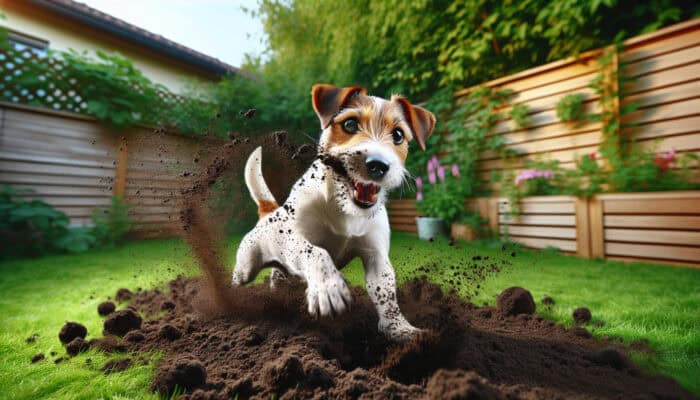
    Jack Russell Terrier digging energetically in a lush backyard, driven by hunting instincts.

    Jack Russell Terriers are famous for their high energy and curiosity, traits that originate from their role as hunters. Bred to pursue small game like foxes and rabbits, these dogs often dig as a part of their instinctual hunting behavior. Understanding the reasons behind this digging is essential for dog owners who wish to manage it effectively. The main motivations for a Jack Russell’s digging include their innate hunting instincts, boredom due to insufficient mental stimulation, excess energy, or a desire for comfort and exploration. They might also dig to escape enclosures, attract attention, or alleviate stress and anxiety.

    By grasping these underlying motivations, pet owners can adopt targeted strategies to mitigate unwanted digging behavior. This proactive approach not only promotes a well-behaved dog but also facilitates better integration within the home, decreasing the risk of property damage while safeguarding the dog’s health and well-being.

    How Do Genetic Traits Influence Jack Russell Terriers’ Digging Behavior?

    The genetic composition of Jack Russell Terriers significantly influences their behaviors, including their digging tendencies. The breed has been selectively bred over generations for its hunting skills, which have instilled certain behavioral traits. Understanding these genetic predispositions offers valuable insights into the behavior of individual dogs, enabling owners to better anticipate and manage their digging habits. By recognizing the inherited traits that drive their behavior, pet owners can effectively customize their training and management techniques to align with their dog’s natural tendencies.

    How Can You Identify the Digging Triggers for Your Jack Russell?

    Recognizing the specific triggers that lead to your Jack Russell’s digging behavior is vital for implementing effective behavior modification strategies. Observing your dog in different environments can provide critical insights into what prompts their digging. Possible triggers may include the presence of other animals, changes in their daily routine, or specific stimuli in their surroundings. By maintaining a detailed record of these observations, owners can devise personalized responses aimed at minimizing unwanted digging behaviors. This awareness of triggers fosters a more harmonious living environment for both the dog and the household.

    Proven Techniques to Train Your Jack Russell Terrier to Manage Digging

    Jack Russell Terrier digging in designated sand pit, owner nearby giving thumbs-up.

    Effective training serves as a powerful tool for managing the inherent digging instincts of a Jack Russell Terrier. By employing proven training techniques, owners can redirect this behavior towards more acceptable outlets. Consistent commands paired with rewards for positive actions can lead to significant behavioral improvements over time. Implementing training methods that emphasize redirection, such as establishing designated digging areas, encourages healthier digging habits while minimizing unwanted behavior in non-designated spaces. This structured approach enhances the overall relationship between the owner and the dog, fostering a balanced and fulfilling existence.

    Expert Techniques to Effectively Manage Jack Russell Terrier Digging Habits

    What Are the Most Effective Training Methods for Controlling Digging Behavior?

    Successfully training Jack Russells to manage their digging behavior requires positive reinforcement and consistency. Here are actionable steps to enhance your training process:

    • Establish clear commands specifically targeting digging behavior.
    • Reward your dog with treats and praise when they dig in designated areas.
    • Redirect digging behavior by introducing alternative, constructive activities such as playing fetch.
    • Maintain patience and consistency throughout all training sessions.

    By incorporating these training methods, you can instill better digging habits in your dog, creating a structured environment that accommodates their natural instincts while minimizing disruption within the household.

    How Can You Successfully Redirect Your Jack Russell’s Digging Behavior?

    Redirecting your Jack Russell’s digging behavior requires a tailored, multifaceted approach that considers their unique energy levels and instincts. One effective strategy involves providing alternative outlets for their excess energy. Engaging them in interactive play, such as retrieving games or agility training, can significantly lessen their propensity to dig. Additionally, introducing puzzle toys that encourage mental engagement can keep their focus on constructive activities, steering their attention away from unwanted digging behaviors. This proactive approach cultivates a more harmonious living environment by channeling your dog’s energy into positive pursuits.

    What Role Does Regular Exercise Play in Managing Digging Behavior?

    Regular exercise holds immense importance in managing the digging instincts of Jack Russell Terriers. Engaging these dogs in physical activities, such as extended walks or vigorous play sessions, can significantly reduce their inclination to dig. For example, Jack Russells that enjoy frequent hikes or playtime in dog parks tend to exhibit less pent-up energy, resulting in a marked decline in digging behaviors at home. Exercise not only tires them physically but also stimulates their minds, effectively curtailing their natural digging instincts while promoting overall health and well-being.

    Practical Strategies for Managing Jack Russell Terrier Digging in the Home Environment

    How to Create a Dig-Free Zone Inside Your Home?

    Establishing a dig-free zone indoors is an effective method for managing your Jack Russell’s digging tendencies. This clearly defined area should be reinforced with physical barriers or distractions, such as pet gates or strategic furniture arrangements. Providing a variety of toys and engaging activities within this zone can significantly diminish the temptation for your dog to dig elsewhere. Monitoring your Jack Russell in this designated space is crucial, rewarding them for adhering to the dig-free guidelines and gently redirecting them if they venture toward prohibited areas.

    What Strategies Can Help Protect Your Furniture from Digging Damage?

    To safeguard your furniture from a Jack Russell’s digging tendencies, consider implementing a combination of deterrents and strategic furniture placement. Utilizing slipcovers or protective barriers can shield your upholstery, while employing sprays formulated to deter chewing or digging may prove effective. Moreover, arranging your furniture to limit access to potential digging spots helps maintain the integrity of your furnishings. This proactive management strategy ensures a more harmonious coexistence between your dog and your living space.

    How Does Positive Reinforcement Help Curb Digging Behavior in Jack Russells?

    Positive reinforcement is a highly effective technique for curbing digging behavior in Jack Russell Terriers. By rewarding your dog when they refrain from digging in undesired areas, you reinforce the desired behavior. For instance, offering treats or verbal praise when they opt to engage with toys instead of digging creates a positive association between good behavior and rewards. This method not only reduces unwanted digging but also strengthens the bond between you and your Jack Russell, fostering a trusting and cooperative relationship.

    Research-Backed Advantages of Jack Russell Terrier Digging Behavior

    How Does Digging Promote Mental Stimulation for Jack Russells?

    Engaging in digging activities provides essential mental stimulation for Jack Russells, keeping their minds sharp and actively engaged. This natural behavior allows them to explore their surroundings, which is critical for their cognitive health. Digging encourages problem-solving skills and exploration, contributing positively to their overall mental well-being. Creating safe digging outlets, such as fenced digging areas or designated spots in the yard, can fulfill their instinctual needs while ensuring they remain mentally stimulated and satisfied.

    How Can Digging Act as a Form of Physical Exercise for Jack Russells?

    Digging can serve as a beneficial form of physical exercise for Jack Russells. This breed thrives on physical activity, and the act of digging engages various muscle groups, enhancing their overall fitness and health. Allowing your Jack Russell to dig in designated areas promotes a healthy weight and reduces the risk of obesity-related health issues. By providing appropriate digging outlets, you support a healthy lifestyle while satisfying their natural instincts, ensuring they remain active and healthy.

    Why Is Digging Considered a Natural Behavior for Jack Russell Terriers?

    Digging is an inherent behavior for Jack Russells, reflecting their deeply embedded hunting instincts. Allowing your dog to engage in this natural behavior within safe boundaries positively contributes to their overall well-being. Recognizing that digging serves as a form of self-expression helps owners appreciate their dog’s needs more fully. By providing designated digging areas, owners can strike a balance between allowing natural behaviors and maintaining a well-kept home, ensuring both the dog’s happiness and the owner’s peace of mind.

    How Does Digging Provide Stress Relief for Jack Russells?

    Digging serves as a significant outlet for stress relief in Jack Russells, promoting a calmer demeanor. When confronted with anxiety or environmental stressors, engaging in digging can help them release pent-up energy while providing a sense of comfort. Establishing safe spaces for digging can alleviate anxiety and support emotional well-being. By understanding this aspect of their behavior, owners can cultivate environments that foster calmness and minimize stress-related digging, leading to a more harmonious household.

    How Can Digging Strengthen Social Bonds Between Dogs and Owners?

    Digging can also enhance social bonds between Jack Russells and their owners or fellow dogs. Participating in digging activities together, such as supervised digging in designated areas or engaging in interactive play that includes digging, can strengthen these relationships. This shared experience fosters trust and encourages communication, deepening the bond between the dog and their human companions. By incorporating such activities into your routine, you enhance not only your dog’s well-being but also the quality of your relationship with them.

    Essential Tools and Techniques for Effectively Managing Jack Russell Terrier Digging

    What Are the Most Effective Digging Deterrents You Can Use?

    When managing digging behaviors in Jack Russells, effective deterrents can play a crucial role. Various products can discourage unwanted digging, including:

    • Sprays specifically formulated to deter chewing and digging.
    • Physical barriers such as fencing or dig-proof mats.
    • Motion-activated devices that emit sounds or spray water to deter digging.
    • Natural ingredient repellents that effectively discourage digging.

    Utilizing these methods can help protect your yard and home, ensuring that your Jack Russell engages in more appropriate activities. Combining these deterrents with consistent training can lead to notable improvements in managing their digging behavior, creating a more pleasant living environment for everyone involved.

    How Can You Effectively Set Up Digging Boxes for Your Jack Russell?

    Digging boxes provide an excellent outlet for your Jack Russell to dig without damaging your garden or home. To set up a digging box effectively, select a specific area in your yard, fill it with sand or loose soil, and encourage your dog to dig there. Adding toys or treats to the digging box can further entice your Jack Russell to explore this designated space. Regular maintenance of the box and reinforcing positive digging behavior within it can cultivate a healthy outlet for their instincts, keeping both your dog and your property safe.

    What Training Aids Can Assist in Controlling Digging Behavior?

    Several training aids can assist in managing a Jack Russell’s digging behavior. The most effective tools include:

    • Clickers for reinforcing positive behaviors and training.
    • Leash training to help manage their movements outdoors.
    • Treats for rewarding desired behaviors after successful redirection.
    • Interactive toys that keep them engaged and mentally stimulated.

    Incorporating these aids into your training routine can enhance your ability to control and modify digging behaviors effectively, promoting a harmonious living environment for both your dog and the household.

    How Can You Guide Your Jack Russell’s Digging Behavior to Appropriate Areas?

    Redirecting a Jack Russell’s digging behavior to suitable areas can be accomplished through multiple strategies. First, it is crucial to provide a specific, enjoyable place for them to dig, such as a designated digging box or area in the yard. Second, engaging them in interactive activities like fetch or agility exercises can help channel their energy into non-destructive behaviors. Lastly, consistently rewarding them whenever they dig in the correct areas reinforces this desired behavior, making it clear where they are allowed to express their digging instincts.

    Long-Term Strategies for Effectively Managing Digging in Jack Russell Terriers

    How to Set Consistent Routines for Your Jack Russell’s Well-Being?

    Creating consistent routines can significantly assist in managing a Jack Russell’s digging behavior over time. A structured daily schedule that includes regular exercise, playtime, and training sessions helps your dog feel secure and engaged. This predictability reduces anxiety and diminishes the likelihood of digging as a reaction to boredom or stress. Incorporating activities that cater to their natural instincts, such as scent games or digging in designated areas, further reinforces positive behaviors and fosters a balanced lifestyle for your dog.

    Why Is It Crucial to Monitor Progress and Adjust Your Strategies?

    Monitoring your Jack Russell’s digging behavior and adjusting strategies accordingly is vital for effective long-term management. Keeping track of any changes in their digging frequency or triggers provides insights into what strategies are successful and what requires modification. Recognizing progress—such as less frequent digging in unwanted areas or successful engagement in designated digging spots—allows for timely adjustments to training methods. This ongoing evaluation ensures that your strategies remain effective and aligned with your dog’s evolving needs and circumstances.

    How Can You Strengthen the Bond with Your Jack Russell?

    A strong bond between you and your Jack Russell significantly influences their behavior. Building trust through regular interaction, training, and shared activities enhances your dog’s emotional security, making them less likely to dig out of anxiety or boredom. Engaging in fun, interactive play and spending quality time together fosters this connection, leading to improved behavior and a deeper understanding of their needs. This bond not only enhances your dog’s happiness but also contributes to a more fulfilling relationship.

    What Are Positive Reinforcement Techniques and Their Advantages?

    Implementing positive reinforcement techniques to encourage desired behaviors can effectively reduce digging in Jack Russells. Identifying what motivates your dog—be it treats, praise, or toys—can enhance the impact of positive reinforcement. For example, rewarding your Jack Russell immediately after they dig in a designated area reinforces this behavior, while ignoring or redirecting them from unwanted digging minimizes the likelihood of repetition. This balanced approach cultivates a positive learning environment, enabling both you and your dog to thrive together.

    How to Create Designated Areas for Digging in Your Jack Russell’s Environment?

    Providing a specific spot for your Jack Russell to dig can satisfy their instinctual needs while protecting your home and garden. Training them to utilize this area involves consistent reinforcement and positive experiences. Introducing digging toys or burying treats in the designated area can entice them to explore and engage in digging activities there. Over time, with continuous positive reinforcement, your Jack Russell will learn to associate digging with the allocated space, promoting healthier and more acceptable behaviors.

    Addressing Common Questions About Jack Russell Digging Behavior

    What Are the Primary Causes of Digging in Jack Russells?

    Jack Russells dig for a variety of reasons, including boredom, instinctual hunting behavior, and the need to relieve stress. Understanding these triggers can help mitigate unwanted digging and promote a healthier lifestyle for your dog.

    Can You Train a Jack Russell to Curb Their Digging Behavior?

    Yes, consistent training combined with positive reinforcement can effectively modify digging behavior. Redirecting them to suitable digging areas and rewarding desired behaviors are key strategies in this process.

    How Much Daily Exercise Should a Jack Russell Terrier Get?

    Jack Russells require at least 30 to 60 minutes of exercise each day. Regular physical activity is vital for their mental and physical health, which helps reduce their urge to dig and keeps them happy.

    Are Digging Boxes a Suitable Solution for Jack Russells?

    Absolutely, digging boxes provide a safe and enjoyable outlet for Jack Russells to dig. They fulfill their natural instincts while protecting your home and garden from unwanted digging behaviors.

    What Are Some Effective Deterrents for Digging?

    Common digging deterrents include sprays that discourage digging, physical barriers, and motion-activated devices that effectively deter unwanted behavior. These tools contribute to maintaining a peaceful environment.

    How Can I Tell If My Jack Russell Is Bored?

    Signs of boredom in Jack Russells may include excessive digging, destructive behavior, or persistent barking. Engaging them in stimulating activities can help alleviate these issues and keep them mentally active.

    Is Indoor Digging Considered Normal for Jack Russells?

    While it is natural for Jack Russells to dig, especially during play, excessive indoor digging may indicate boredom or anxiety. Providing appropriate outlets for their energy is essential to maintain a well-behaved dog.

    Is It Possible to Completely Eliminate a Jack Russell’s Digging Behavior?

    While entirely eliminating digging behavior may be challenging, it can be effectively managed through training, redirection, and offering suitable outlets for their natural instincts.

    What Should I Do If My Jack Russell Digs in the Garden?

    If your Jack Russell digs in the garden, redirect their digging to a designated area. Use barriers, deterrents, and positive reinforcement to manage this behavior effectively and protect your garden.

    How Can I Strengthen My Relationship with My Jack Russell?

    Strengthening your bond involves regular interaction, playtime, and training. Engaging in shared activities and providing positive experiences fosters trust and improves behavior, creating a more harmonious relationship.

    Connect with us on Facebook for additional insights and community support!

    The Article Jack Russell Terrier Digging Habits: A Comprehensive Guide First Published On https://elgatoencasa.com

    The Article Jack Russell Terrier Digging Habits Explained: Essential Insights Was Found On https://limitsofstrategy.com

  • Jack Russell Terrier Digging Habits: A Comprehensive Guide

    Jack Russell Terrier Digging Habits: A Comprehensive Guide

    Explore the Digging Behavior of Jack Russell Terriers: Insights and Solutions

    Unraveling the Reasons Behind Jack Russell Terriers’ Digging Habits

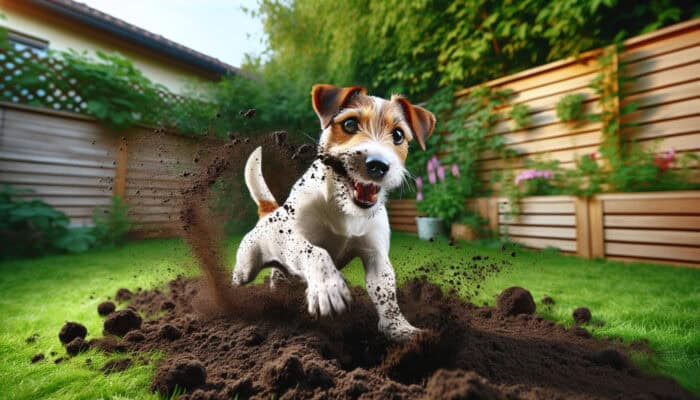
    Jack Russell Terrier digging energetically in a lush backyard, driven by hunting instincts.

    Jack Russell Terriers are well-known for their high energy and curiosity, characteristics deeply rooted in their history as hunters. Originally bred to pursue and capture small game like foxes and rabbits, these dogs often dig as they instinctively chase after their prey. Understanding why your Jack Russell engages in this digging behavior is essential for owners looking to manage it successfully. Common motivations for this behavior include primal hunting instincts, feelings of boredom due to a lack of mental stimulation, an overflow of energy, and a need for comfort, safety, or exploration. Furthermore, they might dig as an escape from confinement, seek attention, or relieve feelings of stress and anxiety.

    By identifying these diverse motivations, pet owners can implement targeted strategies to effectively address unwanted digging behaviors. This proactive approach not only leads to a well-behaved dog but also improves the dog’s integration into the family unit, ultimately reducing potential damage to property and enhancing the dog’s overall health and happiness.

    Influence of Genetics on Digging Behavior in Jack Russell Terriers

    The genetic makeup of Jack Russell Terriers significantly influences their behaviors, including their propensity to dig. The breed’s heritage includes traits that have been intentionally selected over many generations for their exceptional hunting abilities. Understanding these genetic predispositions provides valuable insights into the behavior of individual dogs, allowing owners to anticipate and manage their digging tendencies more effectively. By recognizing the hereditary factors that contribute to these behaviors, pet owners can customize their training and management strategies to better align with their dog’s natural inclinations and instincts.

    Identifying Your Jack Russell’s Digging Triggers: A Key to Effective Management

    Identifying the specific triggers that lead to your Jack Russell’s digging behavior is crucial for implementing effective behavior modification strategies. Observing your dog in various environments can reveal significant clues about what prompts their digging. Potential triggers may include the presence of other animals, alterations in their daily routine, or specific stimuli in their environment. By diligently recording these observations, owners can develop tailored responses aimed at curbing unwanted digging behaviors. This awareness of triggers empowers owners to create a more harmonious living space for both the dog and the household, ultimately improving overall well-being.

    Proven Training Techniques to Effectively Manage Digging Behavior

    Jack Russell Terrier digging in designated sand pit, owner nearby giving thumbs-up.

    Training is a powerful tool in managing the inherent digging instincts of Jack Russell Terriers. By adopting effective training techniques, owners can redirect this behavior toward more acceptable outlets. Consistently using commands and rewarding positive behaviors can lead to significant behavioral improvements over time. Incorporating training methods that emphasize redirection, such as providing specific designated digging areas, not only nurtures healthier digging habits but also minimizes unwanted behavior in inappropriate locations. This structured approach enhances the overall bond between the owner and the dog, promoting a more balanced and fulfilling coexistence.

    Expert Recommendations for Managing Jack Russell Terrier Digging Habits

    Best Practices for Training Jack Russells to Manage Digging

    To effectively train Jack Russells to control their digging behavior, positive reinforcement and consistency are essential elements. Here are actionable strategies to enhance your training process:

    • Establish clear commands specifically directed at addressing digging behavior.
    • Use treats and verbal praise as rewards when your dog digs in designated areas.
    • Redirect digging behavior by rewarding alternative, constructive activities like engaging in fetch.
    • Maintain patience and consistency throughout all training sessions to reinforce learning.

    Implementing these training methods can instill better digging habits, creating a structured environment that accommodates the dog’s natural instincts while minimizing disruptions within the household.

    Effective Strategies to Redirect Your Jack Russell’s Digging Behavior

    Redirecting your Jack Russell’s digging behavior requires a multifaceted approach tailored to their energy levels and innate instincts. One effective technique is to provide alternative outlets for their excess energy. Engaging them in interactive play, such as retrieving games or agility training, can greatly reduce their urge to dig. Additionally, introducing puzzle toys that stimulate mental engagement can keep them focused on constructive activities, effectively diverting their attention away from unwanted digging behaviors. This proactive approach fosters a more harmonious living environment by channeling the dog’s energy into positive pursuits.

    The Impact of Regular Exercise on Managing Digging Behavior

    Consistent exercise plays a vital role in managing the digging instincts of Jack Russell Terriers. Regularly engaging these dogs in physical activities, such as long walks or vigorous play sessions, can significantly diminish their need to dig. For instance, Jack Russells that enjoy frequent hikes or playtime in dog parks tend to have less pent-up energy, which leads to a decrease in digging behaviors at home. Exercise not only tires them physically but also stimulates their minds, effectively curtailing their natural digging instincts and promoting overall health and well-being.

    Practical Approaches for Managing Jack Russell Terrier Digging in Your Home

    Creating a Designated Dig-Free Zone Indoors

    Establishing a dig-free zone indoors is a practical and effective strategy for managing your Jack Russell’s digging tendencies. This designated space should be clearly marked and reinforced with physical barriers or distractions, such as pet gates or strategically arranged furniture. Providing a variety of toys and engaging activities within this zone can significantly reduce your dog’s temptation to dig elsewhere. Additionally, it’s essential to monitor your Jack Russell in this area, rewarding them for adhering to the dig-free guidelines and gently redirecting them if they stray toward prohibited locations.

    Top Strategies to Protect Your Furniture from Digging Damage

    To safeguard your furniture from a Jack Russell’s digging tendencies, you can implement a combination of deterrents and strategic furniture placement. Utilizing slipcovers or protective barriers can help shield your upholstery, while employing sprays specifically designed to deter chewing or digging may also be beneficial. Additionally, arranging your furniture to minimize access to potential digging spots can help maintain the integrity of your home furnishings. This proactive management approach ensures a more harmonious coexistence between your dog and your living space.

    Utilizing Positive Reinforcement to Curb Digging Behavior

    Positive reinforcement emerges as a highly effective technique for curbing digging behavior in Jack Russell Terriers. By rewarding your dog when they refrain from digging in inappropriate areas, you reinforce the desired behavior. For example, offering treats or verbal praise when they choose to play with toys instead of digging creates a positive association between good behavior and rewards. This method not only reduces unwanted digging but also strengthens the bond between you and your Jack Russell, fostering a more trusting and cooperative relationship centered around mutual respect.

    Exploring the Research-Backed Benefits of Jack Russell Terrier Digging

    The Importance of Digging for Mental Stimulation

    Engaging in digging activities provides crucial mental stimulation for Jack Russells, keeping their minds sharp and actively engaged. This natural behavior allows them to explore their surroundings, which is vital for their cognitive health. Digging encourages problem-solving skills and exploration, which positively contributes to their overall mental well-being. Offering safe digging outlets, such as fenced digging areas or designated spots in the yard, can fulfill their instinctual needs while ensuring they remain mentally stimulated and content.

    Digging as a Form of Physical Exercise

    Digging can serve as an excellent means of physical exercise for Jack Russells. This breed thrives on physical activity, and the act of digging engages various muscle groups, promoting their overall fitness and health. Allowing your Jack Russell to dig in designated areas can help maintain a healthy weight and mitigate the risk of obesity-related health issues. By providing appropriate digging outlets, you foster a healthy lifestyle while simultaneously satisfying their natural instincts, ensuring they remain active and healthy.

    Understanding Digging as an Inherent Behavior in Jack Russells

    Digging is an intrinsic behavior for Jack Russells, reflecting their deeply embedded hunting instincts. Allowing your dog to engage in this natural behavior within safe boundaries contributes positively to their overall well-being. Recognizing that digging serves as a form of expression can help owners appreciate their dog’s needs better. By providing designated digging areas, owners can strike a balance between allowing natural behaviors and maintaining a well-kept home, ensuring both the dog’s happiness and the owner’s peace of mind.

    Using Digging for Stress Relief

    Digging can serve as a significant outlet for stress relief in Jack Russells, promoting a calmer demeanor. When faced with anxiety or environmental stressors, engaging in digging can help them release pent-up energy and provide a sense of comfort. Creating safe spaces for digging can alleviate anxiety and foster emotional well-being. By understanding this aspect of their behavior, owners can cultivate environments that promote calmness and reduce stress-related digging, leading to a more harmonious household dynamic.

    Enhancing Social Bonding Through Digging Activities

    Digging can also strengthen social bonds between Jack Russells and their owners or other dogs. Participating in digging activities together, such as supervised digging in a designated area or engaging in interactive play that involves digging, can enhance these relationships. This shared experience fosters trust and encourages communication, deepening the bond between the dog and their human companions. By incorporating such activities into your routine, you enhance not only the dog’s well-being but also the quality of your relationship with them.

    Effective Tools and Techniques for Managing Jack Russell Terrier Digging

    Identifying the Most Effective Digging Deterrents

    When addressing digging behaviors in Jack Russells, effective deterrents can play a vital role. A range of products can discourage unwanted digging, including:

    • Sprays specifically designed to deter chewing and digging.
    • Physical barriers such as fencing or dig-proof mats.
    • Motion-activated devices that emit sounds or spray water.
    • Natural ingredient repellents that discourage digging.

    Utilizing these methods can help safeguard your yard and home, ensuring that your Jack Russell engages in more appropriate activities. The combination of these deterrents, paired with consistent training, can lead to significant improvements in managing their digging behavior, creating a more pleasant living environment for everyone involved.

    Maximizing the Benefits of Digging Boxes for Your Jack Russell

    Digging boxes provide an excellent outlet for your Jack Russell to dig without causing damage to your garden or home. To effectively set up a digging box, choose a specific area in your yard, fill it with sand or loose soil, and encourage your dog to dig there. Adding toys or treats to the digging box can further entice your Jack Russell to explore this designated space. Regular maintenance of the box and reinforcing positive digging behavior within it can cultivate a healthy outlet for their instincts, keeping both your dog and your property safe.

    Training Aids That Help Control Digging Behavior

    Several training aids can assist in managing a Jack Russell’s digging behavior. The most effective tools include:

    • Clickers for reinforcing positive behaviors.
    • Leash training to manage their movements outdoors.
    • Treats for rewarding desired behaviors after successful redirection.
    • Interactive toys that keep them engaged and mentally stimulated.

    Incorporating these aids into your training routine can enhance your ability to control and modify digging behaviors effectively, promoting a harmonious living environment for both the dog and the household.

    Redirecting Digging Behavior to Appropriate Areas

    Redirecting a Jack Russell’s digging behavior to suitable areas can be achieved through a variety of strategies. First, it is essential to provide a specific, enjoyable place for them to dig, such as a designated digging box or area in the yard. Second, engaging them in interactive activities like fetch or agility exercises can help channel their energy into non-destructive behaviors. Lastly, consistently rewarding them whenever they dig in the correct areas reinforces this desired behavior, making it clear where they are permitted to express their digging instincts.

    Long-Term Strategies for Managing Digging in Jack Russell Terriers

    Establishing Consistent Routines for Your Jack Russell

    Creating consistent routines can significantly aid in managing a Jack Russell’s digging behavior over time. Establishing a structured daily schedule that includes regular exercise, playtime, and training sessions helps your dog feel secure and engaged. This predictability reduces anxiety and decreases the likelihood of digging as a response to boredom or stress. Incorporating activities that cater to their natural instincts, such as scent games or digging in designated areas, further reinforces positive behaviors and creates a balanced lifestyle for your dog.

    The Importance of Monitoring Progress and Adjusting Strategies

    Monitoring your Jack Russell’s digging behavior and adjusting strategies accordingly is vital for effective long-term management. Keeping track of any changes in their digging frequency or triggers offers insights into what strategies are working and what may require modification. Recognizing signs of progress—such as less frequent digging in unwanted areas or successful engagement in designated digging spots—allows for timely adjustments to your training methods. This ongoing evaluation ensures that your strategies remain effective and aligned with your dog’s evolving needs and circumstances.

    Building a Strong Bond with Your Jack Russell for Improved Behavior

    A strong bond between you and your Jack Russell significantly influences their behavior. Building trust through regular interaction, training, and shared activities enhances your dog’s emotional security, making them less likely to dig out of anxiety or boredom. Engaging in fun, interactive play and spending quality time together can foster this connection, ultimately leading to improved behavior and a deeper understanding of their needs. This bond not only enhances your dog’s happiness but also contributes to a more fulfilling relationship between you and your furry companion.

    Understanding Positive Reinforcement Techniques and Their Benefits

    Implementing positive reinforcement techniques to encourage desired behaviors can effectively reduce digging in Jack Russells. Identifying what motivates your dog—whether it be treats, praise, or toys—can enhance the impact of positive reinforcement. For example, rewarding your Jack Russell immediately after they dig in a designated area reinforces this behavior, while ignoring or redirecting them from unwanted digging minimizes the likelihood of repetition. This balanced approach cultivates a positive learning environment, allowing both you and your dog to thrive together and enjoy a more harmonious existence.

    Creating Designated Digging Areas for Your Jack Russell

    Providing a specific spot for your Jack Russell to dig can satisfy their instinctual needs while protecting your home and garden. Training them to utilize this area involves consistent reinforcement and positive experiences. Introducing digging toys or burying treats in the designated area can entice them to explore and engage in digging activities there. Over time, with continuous positive reinforcement, your Jack Russell will learn to associate digging with the allocated space, promoting healthier and more acceptable behaviors that align with your expectations.

    Frequently Asked Questions About Jack Russell Digging Behavior

    What causes Jack Russells to dig?

    Jack Russells dig for numerous reasons, including boredom, instinctual hunting behavior, and the need to relieve stress. Understanding these triggers can help mitigate unwanted digging and promote a healthier lifestyle for your dog.

    Can digging behavior be trained out of a Jack Russell?

    Yes, with consistent training and positive reinforcement, digging behavior can be effectively modified. Redirecting them to appropriate digging areas and rewarding desired behaviors are key strategies in this process.

    How much exercise do Jack Russells need daily?

    Jack Russells require at least 30 to 60 minutes of exercise each day. Regular physical activity is essential for their mental and physical health, which helps reduce their urge to dig and keeps them happy and healthy.

    Are digging boxes effective for Jack Russells?

    Absolutely, digging boxes can provide a safe and enjoyable outlet for Jack Russells to dig. They satisfy their natural instincts while protecting your home and garden from unwanted digging behaviors, promoting overall well-being.

    What are some common digging deterrents?

    Common digging deterrents include sprays that discourage digging, physical barriers, and motion-activated devices that effectively deter unwanted behavior. These tools can help maintain a peaceful environment and protect your property.

    How can I tell if my Jack Russell is bored?

    Signs of boredom in Jack Russells may include excessive digging, destructive behavior, or persistent barking. Engaging them in stimulating activities can help alleviate these issues and keep them mentally active and satisfied.

    Is it normal for Jack Russells to dig indoors?

    While it is natural for Jack Russells to dig, especially during play, excessive indoor digging may indicate boredom or anxiety. Providing appropriate outlets for their energy is essential to maintain a well-behaved dog and a harmonious home environment.

    Can I completely stop my Jack Russell from digging?

    While it may be challenging to eliminate digging behavior entirely, it can be effectively managed through training, redirection, and providing suitable outlets for their natural instincts, ensuring a balanced lifestyle for your dog.

    What should I do if my Jack Russell digs in the garden?

    If your Jack Russell digs in the garden, redirect their digging to a designated area. Employ barriers, deterrents, and positive reinforcement to manage this behavior effectively and protect your garden from damage.

    How can I strengthen my bond with my Jack Russell?

    Strengthening your bond involves regular interaction, playtime, and training. Engaging in shared activities and providing positive experiences fosters trust and improves behavior, creating a more harmonious relationship between you and your dog.

    Connect with us on Facebook for more tips and community support!

    The Article Jack Russell Terrier Digging Habits: A Comprehensive Guide First Published On https://elgatoencasa.com

    The Article Jack Russell Terrier Digging Habits Explained: A Complete Guide Was Found On https://limitsofstrategy.com
  • Digging Habits of Jack Russell Terriers: A Complete Guide

    Digging Habits of Jack Russell Terriers: A Complete Guide

    Exploring the Digging Instincts of Jack Russell Terriers: Uncovering Their Behavior

    Understanding the Reasons Behind Jack Russell Terriers’ Digging Behaviors

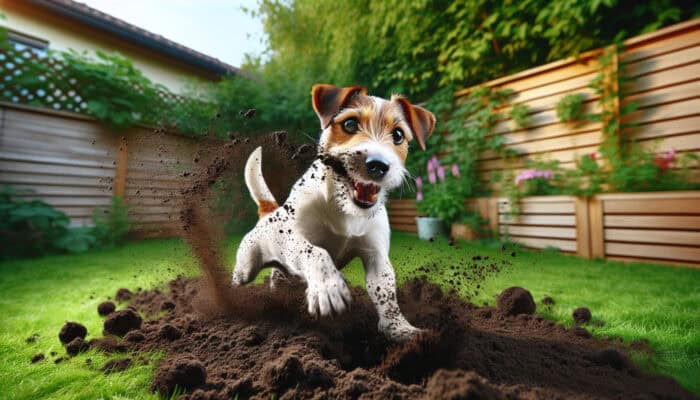
    Jack Russell Terrier digging energetically in a lush backyard, driven by hunting instincts.

    Jack Russell Terriers are renowned for their high energy and curiosity, traits that stem from their historical purpose as skilled hunters. Bred specifically to pursue and capture small game like foxes and rabbits, these dogs often display digging behaviors as they instinctively chase after their prey. To effectively manage this behavior, it’s essential for pet owners to grasp the underlying motivations that drive their dogs to dig. Common causes for a Jack Russell’s digging include their innate hunting instincts, feelings of boredom due to insufficient mental engagement, excessive energy, and a need for comfort, safety, or exploration. Furthermore, they may dig to escape confinement, seek interaction, or relieve feelings of stress and anxiety.

    By understanding these diverse motivations behind digging, dog owners can adopt focused strategies to effectively address unwanted behaviors. Such a proactive approach not only results in a well-mannered dog but also improves the dog’s integration within the household. Ultimately, this minimizes potential damage to property and enhances the dog’s overall well-being by providing a suitable outlet for their natural tendencies.

    Exploring the Influence of Genetics on Digging Behavior in Jack Russells

    The genetic makeup of Jack Russell Terriers significantly influences their behaviors, including their proclivity for digging. The breed’s lineage has been selectively bred for hunting traits over generations, which has contributed to their instinctual behaviors. Gaining insights into these genetic predispositions is essential for dog owners, as it enables them to anticipate and manage their pet’s digging tendencies more effectively. Recognizing the hereditary factors that shape these behaviors allows owners to customize their training and management techniques in alignment with their dog’s natural inclinations, ensuring a more harmonious relationship.

    How to Identify the Specific Triggers for Your Jack Russell’s Digging Behavior

    Identifying the precise triggers that lead to digging behavior in your Jack Russell is crucial for implementing effective behavior modification strategies. Observing your dog across different environments can provide valuable insights into the factors that prompt their digging. Potential triggers may include the presence of other animals, alterations in their daily routine, or specific stimuli in their surroundings. By meticulously documenting these observations, owners can formulate tailored responses aimed at curbing unwanted digging behaviors. This heightened awareness of triggers empowers owners to create a more peaceful living environment for both their dog and the household.

    Effective Training Techniques to Manage Jack Russell Terriers’ Digging Instincts

    Jack Russell Terrier digging in designated sand pit, owner nearby giving thumbs-up.

    Training is a powerful method for managing the natural digging instincts of Jack Russell Terriers. By utilizing effective training techniques, owners can redirect this behavior toward more acceptable outlets. Consistently applying commands and rewarding positive actions can lead to noticeable behavioral improvements over time. Incorporating training strategies that emphasize redirection—such as offering specific designated digging areas—not only encourages healthier digging habits but also reduces unwanted behavior in inappropriate locations. This structured approach cultivates a stronger bond between the owner and the dog, fostering a more balanced coexistence and enhancing the overall quality of life.

    Professional Guidance on Managing the Digging Habits of Jack Russell Terriers

    Implementing the Most Effective Training Strategies for Digging Management

    To successfully train Jack Russells to manage their digging behavior, positive reinforcement and consistency are vital. Here are actionable steps to improve your training approach:

    • Establish clear commands specifically aimed at addressing digging behavior.
    • Utilize treats and praise as rewards when your dog digs in designated areas.
    • Redirect digging behavior by rewarding alternative, constructive activities like playing fetch.
    • Exhibit patience and consistency throughout all training sessions.

    Implementing these training techniques can instill better digging habits, creating a structured environment that respects the dog’s natural instincts while minimizing disruptions within the household.

    Effective Strategies for Redirecting Your Jack Russell’s Digging Behavior

    Redirecting your Jack Russell’s digging behavior requires a multifaceted strategy tailored to their energy levels and instinctual tendencies. One effective approach is to provide alternative outlets for their abundant energy. Engaging them in interactive play, such as retrieving games or agility training, can significantly mitigate their urge to dig. Additionally, introducing puzzle toys that stimulate mental engagement can help keep them focused on constructive activities, steering their attention away from unwanted digging behaviors. This proactive approach fosters a more harmonious living environment by channeling the dog’s energy into positive pursuits.

    The Importance of Regular Exercise in Managing Digging Behavior

    Regular exercise is paramount in managing the digging instincts of Jack Russell Terriers. Engaging these dogs in consistent physical activities, such as long walks or vigorous play sessions, can greatly reduce their inclination to dig. For instance, Jack Russells that enjoy frequent hikes or playtime in dog parks tend to have less pent-up energy, which correlates with a decrease in digging behaviors at home. Exercise not only physically tires them but also stimulates their minds, effectively curtailing their natural digging instincts and promoting their overall well-being.

    Practical Approaches to Managing Jack Russell Terrier Digging in Your Home

    How to Create a Dig-Free Zone Inside Your Home

    Establishing a dig-free zone indoors is a practical and effective strategy for managing your Jack Russell’s digging tendencies. This designated area should be clearly marked and reinforced with physical barriers or distractions, such as pet gates or strategically arranged furniture. Providing a variety of toys and engaging activities within this zone can significantly reduce the temptation for your dog to dig elsewhere. It’s essential to monitor your Jack Russell in this space, rewarding them for following the dig-free guidelines and gently redirecting them if they venture toward prohibited areas.

    Protecting Your Furniture from Jack Russell Digging Habits

    To safeguard your furniture from a Jack Russell’s propensity to dig, you can implement a combination of deterrents and strategic furniture placement. Utilizing slipcovers or protective barriers can shield your upholstery, while employing sprays specifically designed to deter chewing or digging may also prove effective. Additionally, arranging your furniture to minimize access to potential digging spots can help maintain the integrity of your home furnishings. This proactive management approach ensures a more harmonious coexistence between your dog and your living space.

    Utilizing Positive Reinforcement to Curb Digging Behavior

    Positive reinforcement is a highly effective technique for diminishing digging behavior in Jack Russell Terriers. By rewarding your dog when they refrain from digging in inappropriate areas, you reinforce the desired behavior. For example, offering treats or verbal praise when they choose to engage with toys instead of digging creates a positive association between good behavior and rewards. This method not only reduces unwanted digging but also strengthens the bond between you and your Jack Russell, fostering a trusting and cooperative relationship.

    Research-Backed Benefits of Digging for Jack Russell Terriers

    The Role of Digging in Providing Essential Mental Stimulation

    Engaging in digging activities offers vital mental stimulation for Jack Russells, keeping their minds sharp and actively engaged. This natural behavior allows them to explore their environment, which is crucial for their cognitive health. Digging encourages problem-solving skills and exploration, contributing positively to their overall mental well-being. Providing safe digging outlets, such as fenced digging areas or designated spots in the yard, can fulfill their instinctual needs while ensuring they remain mentally stimulated and satisfied.

    Digging as a Means of Physical Exercise for Jack Russells

    Digging can also serve as a valuable form of physical exercise for Jack Russells. This breed thrives on physical activity, and the act of digging engages various muscle groups, promoting their overall fitness and health. Allowing your Jack Russell to dig in designated areas can assist in maintaining a healthy weight and reducing the risk of obesity-related health issues. By providing appropriate digging outlets, you foster a healthy lifestyle while simultaneously satisfying their natural instincts, ensuring they remain active and healthy.

    Understanding Digging as an Inherent Behavior in Jack Russells

    Digging is an intrinsic behavior for Jack Russells, reflecting their deeply rooted hunting instincts. Allowing your dog to engage in this natural behavior within safe boundaries contributes positively to their overall well-being. Understanding that digging serves as a form of expression can help owners appreciate their dog’s needs better. By providing designated digging areas, owners can strike a balance between allowing natural behaviors and maintaining a well-kept home, ensuring both the dog’s happiness and the owner’s peace of mind.

    The Connection Between Digging and Stress Relief

    Digging can serve as a significant outlet for stress relief in Jack Russells, promoting a calmer demeanor. When faced with anxiety or environmental stressors, engaging in digging can help them release pent-up energy and provide a sense of comfort. Creating safe spaces for digging can alleviate anxiety and foster emotional well-being. By understanding this aspect of their behavior, owners can cultivate environments that promote calmness and reduce stress-related digging, leading to a more harmonious household.

    How Digging Enhances Social Bonding Between Dogs and Humans

    Digging can also strengthen social bonds between Jack Russells and their owners or other dogs. Participating in digging activities together, such as supervised digging in a designated area or engaging in interactive play that involves digging, can enhance these relationships. This shared experience fosters trust and encourages communication, deepening the bond between the dog and their human companions. By incorporating such activities into your routine, you enhance not only the dog’s well-being but also the quality of your relationship with them.

    Effective Tools and Techniques for Managing Jack Russell Terrier Digging

    The Best Digging Deterrents for Your Jack Russell

    When addressing digging behaviors in Jack Russells, effective deterrents can play a pivotal role. A variety of products can discourage unwanted digging, including:

    • Sprays specifically formulated to deter chewing and digging.
    • Physical barriers such as fencing or dig-proof mats.
    • Motion-activated devices that emit sounds or spray water.
    • Natural ingredient repellents that discourage digging.

    Utilizing these methods can help protect your yard and home, ensuring that your Jack Russell engages in more appropriate activities. The combination of these deterrents, paired with consistent training, can lead to significant improvements in managing their digging behavior, fostering a more pleasant living environment for all involved.

    Setting Up Digging Boxes for Your Jack Russell

    Digging boxes provide an excellent outlet for your Jack Russell to dig without causing damage to your garden or home. To effectively set up a digging box, select a specific area in your yard, fill it with sand or loose soil, and encourage your dog to dig there. Adding toys or treats to the digging box can entice your Jack Russell to explore this designated space further. Regular maintenance of the box, along with reinforcing positive digging behavior within it, can cultivate a healthy outlet for their instincts, ensuring both your dog and your property remain safe.

    Training Aids That Help Control Digging Behavior

    Several training aids can assist in managing a Jack Russell’s digging behavior effectively. The most effective tools include:

    • Clickers for reinforcing positive behaviors.
    • Leash training to help control their movements outdoors.
    • Treats for rewarding desired behaviors after successful redirection.
    • Interactive toys that maintain their engagement and mental stimulation.

    Incorporating these aids into your training regimen can enhance your ability to control and modify digging behaviors effectively, promoting a harmonious living environment for both the dog and the household.

    Strategies for Redirecting Digging Behavior to Appropriate Locations

    Redirecting a Jack Russell’s digging behavior to suitable areas can be accomplished through various strategies. First, it is essential to provide a specific, enjoyable place for them to dig, such as a designated digging box or area in the yard. Second, engaging them in interactive activities like fetch or agility exercises can help channel their energy into non-destructive behaviors. Lastly, consistently rewarding them whenever they dig in the correct areas reinforces this desired behavior, making it clear where they are permitted to express their digging instincts.

    Long-Term Strategies for Effectively Managing Digging in Jack Russell Terriers

    Establishing Consistent Routines for Your Jack Russell

    Establishing consistent routines can significantly aid in managing a Jack Russell’s digging behavior over time. Creating a structured daily schedule that includes regular exercise, playtime, and training sessions can help your dog feel secure and engaged. This predictability reduces anxiety and decreases the likelihood of digging as a response to boredom or stress. Incorporating activities that cater to their natural instincts, such as scent games or digging in designated areas, further reinforces positive behaviors and creates a balanced lifestyle for your dog.

    The Importance of Monitoring Progress and Adjusting Your Strategies

    Monitoring your Jack Russell’s digging behavior and adjusting strategies accordingly is vital for effective long-term management. Keeping track of any changes in their digging frequency or triggers provides insights into what strategies are working and what may require modification. Recognizing signs of progress—such as less frequent digging in unwanted areas or successful engagement in designated digging spots—allows for timely adjustments to your training methods. This ongoing evaluation ensures that your strategies remain effective and aligned with your dog’s evolving needs and circumstances.

    Building a Strong Bond with Your Jack Russell

    A strong bond between you and your Jack Russell greatly influences their behavior. Building trust through regular interaction, training, and shared activities enhances your dog’s emotional security, making them less likely to dig out of anxiety or boredom. Engaging in fun, interactive play and spending quality time together can foster this connection, ultimately leading to improved behavior and a deeper understanding of their needs. This bond not only enhances your dog’s happiness but also contributes to a more fulfilling relationship.

    Understanding Positive Reinforcement Techniques and Their Benefits

    Implementing positive reinforcement techniques to encourage desired behaviors can effectively reduce digging in Jack Russells. Identifying what motivates your dog—whether it be treats, praise, or toys—can enhance the impact of positive reinforcement. For example, rewarding your Jack Russell immediately after they dig in a designated area reinforces this behavior, while ignoring or redirecting them from unwanted digging minimizes the likelihood of repetition. This balanced approach cultivates a positive learning environment, allowing both you and your dog to thrive together.

    Creating Designated Digging Areas for Your Jack Russell

    Providing a specific spot for your Jack Russell to dig can satisfy their instinctual needs while protecting your home and garden. Training them to utilize this area involves consistent reinforcement and positive experiences. Introducing digging toys or burying treats in the designated area can entice them to explore and engage in digging activities there. Over time, with continuous positive reinforcement, your Jack Russell will learn to associate digging with the allocated space, promoting healthier and more acceptable behaviors.

    Frequently Asked Questions About Jack Russell Digging Behavior

    What causes Jack Russells to dig?

    Jack Russells dig for numerous reasons, including boredom, instinctual hunting behavior, and the need to relieve stress. Understanding these triggers can help mitigate unwanted digging and promote a healthier lifestyle for your dog.

    Can digging behavior be trained out of a Jack Russell?

    Yes, with consistent training and positive reinforcement, digging behavior can be effectively modified. Redirecting them to appropriate digging areas and rewarding desired behaviors are key strategies in this process.

    How much exercise do Jack Russells need daily?

    Jack Russells require at least 30 to 60 minutes of exercise each day. Regular physical activity is essential for their mental and physical health, which helps reduce their urge to dig and keeps them happy.

    Are digging boxes effective for Jack Russells?

    Absolutely, digging boxes can provide a safe and enjoyable outlet for Jack Russells to dig. They satisfy their natural instincts while protecting your home and garden from unwanted digging behaviors.

    What are some common digging deterrents?

    Common digging deterrents include sprays that discourage digging, physical barriers, and motion-activated devices that effectively deter unwanted behavior. These tools can help maintain a peaceful environment.

    How can I tell if my Jack Russell is bored?

    Signs of boredom in Jack Russells may include excessive digging, destructive behavior, or persistent barking. Engaging them in stimulating activities can help alleviate these issues and keep them mentally active.

    Is it normal for Jack Russells to dig indoors?

    While it is natural for Jack Russells to dig, especially during play, excessive indoor digging may indicate boredom or anxiety. Providing appropriate outlets for their energy is essential to maintain a well-behaved dog.

    Can I completely stop my Jack Russell from digging?

    While it may be challenging to eliminate digging behavior entirely, it can be effectively managed through training, redirection, and providing suitable outlets for their natural instincts.

    What should I do if my Jack Russell digs in the garden?

    If your Jack Russell digs in the garden, redirect their digging to a designated area. Employ barriers, deterrents, and positive reinforcement to manage this behavior effectively and protect your garden.

    How can I strengthen my bond with my Jack Russell?

    Strengthening your bond involves regular interaction, playtime, and training. Engaging in shared activities and providing positive experiences fosters trust and improves behavior, creating a more harmonious relationship.

    Connect with us on Facebook for more tips and community support!

    The Article Jack Russell Terrier Digging Habits: A Comprehensive Guide First Published On https://elgatoencasa.com

    The Article Jack Russell Terrier Digging Habits Explained: A Complete Guide Was Found On https://limitsofstrategy.com

  • Chihuahua Social Anxiety: Top Strategies for Relief

    Chihuahua Social Anxiety: Top Strategies for Relief

    Explore the Fundamental Causes of Social Anxiety in Chihuahuas

    Identifying the Main Contributors to Social Anxiety in Chihuahuas

    A small Chihuahua trembling in a crowded park, showing signs of anxiety due to insufficient socialization and genetic factors.

    Social anxiety in Chihuahuas can arise from a complex interplay of various influences, including genetic predispositions, early life experiences, and inadequate socialization opportunities. Given their diminutive size, Chihuahuas often exhibit heightened sensitivity to their surroundings, making them more susceptible to anxiety. Puppies that lack exposure to diverse people and environments during critical developmental phases may develop fear towards unfamiliar situations or individuals. Moreover, genetic traits may play a significant role; some Chihuahuas may inherit anxiety tendencies from their parents, increasing their susceptibility to anxious feelings in social contexts.

    Understanding the underlying causes of anxiety is crucial for implementing effective interventions. By recognizing the history of a Chihuahua’s anxiety, pet owners can customize their training and socialization strategies to better address their pet’s individual needs. Creating a safe and nurturing environment where the Chihuahua feels secure can help mitigate anxiety triggers. For instance, a Chihuahua with a difficult past may require a more gradual introduction to new experiences compared to one that has experienced adequate socialization in its formative months.

    Recognizing the Signs of Social Anxiety in Chihuahuas

    Detecting the symptoms of social anxiety in Chihuahuas is essential for early intervention and effective management strategies. Common signs include excessive barking, trembling, and avoidance behaviors. Chihuahuas may bark excessively when they feel threatened or anxious, which can create distress for both the dog and its owner. Trembling often signifies fear or anxiety and may emerge when the Chihuahua encounters new stimuli or situations. Additionally, some Chihuahuas may resort to hiding or avoiding certain individuals or environments altogether, indicating their discomfort.

    Key signs to observe include:

    • Excessive barking in unfamiliar settings
    • Trembling or shaking when faced with stress
    • Avoidance of social interactions
    • Clinginess to their owner
    • Destructive behavior when left alone
    • Loss of appetite during stressful times

    Recognizing these signs early can lead to better management strategies, ultimately improving a Chihuahua’s overall quality of life.

    Understanding the Effects of Social Anxiety on Chihuahuas’ Well-Being

    Social anxiety can profoundly impact a Chihuahua’s quality of life, leading to stress-related health problems and a range of behavioral challenges. When a Chihuahua experiences anxiety, it often results in elevated stress levels, potentially causing physical health issues such as gastrointestinal problems or a compromised immune system. Moreover, behavioral complications such as aggression, fear biting, or persistent barking may develop, complicating daily life for both the Chihuahua and its owner.

    Addressing social anxiety goes beyond merely managing behaviors; it encompasses enhancing the overall well-being of the dog. When anxiety remains unaddressed, it can create a vicious cycle of stress and fear that escalates over time. For example, a fearful Chihuahua may become increasingly withdrawn as it avoids situations that trigger anxiety, leading to further isolation. On the other hand, proactively addressing these issues can empower Chihuahuas to gain confidence, allowing them to engage more fully in social interactions and activities, thereby enhancing their overall happiness and quality of life.

    Proven Strategies to Help Chihuahuas Overcome Social Anxiety

    A therapist guiding chihuahuas through social exercises in a serene park to ease their anxiety.

    Practical Techniques for Helping Chihuahuas Conquer Anxiety

    Experts endorse a variety of effective practices to assist Chihuahuas in conquering their social anxiety. Gradually exposing them to social environments is paramount; this process entails introducing your Chihuahua to new places and people in a controlled manner. For instance, begin by taking your Chihuahua to quiet parks during off-peak hours before progressing to busier locations. Implementing positive reinforcement techniques is equally crucial; rewarding your Chihuahua with treats and praise for exhibiting calm behavior can gradually build their confidence over time.

    Real-world examples of successful strategies can offer valuable insights. For example, one owner found that regularly inviting a friend over allowed their Chihuahua to acclimate to new individuals in a familiar setting, which gradually reduced its anxiety levels. Additionally, enrolling in puppy socialization classes specifically designed for anxious dogs can provide structured opportunities for social interaction under the guidance of professionals. Consistent application of these strategies can lead to significant improvements in managing anxiety in Chihuahuas.

    Supporting Your Anxious Chihuahua: Owner’s Role

    Owners are pivotal in supporting their Chihuahuas as they navigate the challenges posed by social anxiety. Creating a safe and nurturing environment is essential; this involves establishing a space where the Chihuahua feels secure and comfortable. Implementing consistent routines can also be beneficial; dogs thrive on predictability, and knowing what to expect can significantly ease anxiety. For example, setting up a regular schedule for feeding, walks, and playtime can instill a sense of stability in the Chihuahua.

    Patience is another crucial aspect of effective support. Owners must recognize that overcoming social anxiety is a gradual process, and progress may be slow. Celebrating minor victories, such as a successful meeting with a new person, can motivate both the owner and the Chihuahua. Expert analysis suggests that owner involvement in their Chihuahua’s development is vital; the bond forged through consistent support can foster an environment where the Chihuahua feels safe enough to explore new experiences.

    Leveraging Professional Help for Managing Chihuahua Anxiety

    Chihuahua receiving professional help for anxiety with trainer and veterinarian in a supportive environment.

    Seeking professional assistance can be an immensely effective strategy for managing a Chihuahua’s social anxiety. Professional trainers and veterinarians can design tailored plans and medications that cater to the dog’s specific needs. For example, a trainer may recommend specific exercises aimed at desensitizing the Chihuahua to its anxiety triggers, while a veterinarian might suggest anxiety-relief medications for more pronounced cases.

    Taking proactive steps to seek professional guidance involves researching qualified trainers who specialize in anxiety-related issues and scheduling veterinary consultations for a comprehensive assessment of your Chihuahua’s health. Confirming that the trainer or veterinarian has a reputable background and positive testimonials can foster trust and confidence in the process. Collaborating with professionals can enhance the owner’s understanding of their Chihuahua’s needs, resulting in more effective anxiety management.

    Utilizing Socialization Techniques to Alleviate Anxiety

    Implementing effective socialization techniques can significantly reduce anxiety in Chihuahuas, especially when initiated at a young age. Experts recommend controlled exposure to a diverse range of environments, sounds, and people. This includes gradually introducing the Chihuahua to various stimuli, such as car rides, different types of individuals, and varied settings while ensuring these experiences remain positive and rewarding.

    Case studies demonstrate that Chihuahuas participating in structured socialization programs exhibited decreased anxiety levels over time. One notable instance involved a Chihuahua that was fearful of strangers; through gradual exposure sessions, the dog learned to associate the presence of new individuals with positive experiences, such as treats and playtime. Keeping socialization sessions brief and enjoyable is crucial, allowing the Chihuahua to build confidence without feeling overwhelmed.

    Indicators of Progress in Chihuahua Social Anxiety Treatment

    As Chihuahuas progress in their treatment for social anxiety, several signs can indicate improvement. Owners should look for increased confidence in social settings, including a willingness to engage with new people or environments without exhibiting signs of distress. Decreased avoidance behaviors, where the Chihuahua opts to interact rather than retreat, represent another positive sign. Furthermore, increased engagement with other dogs or people, such as playing or showing curiosity, reflects higher levels of comfort.

    Experts emphasize the importance of tracking progress and celebrating small victories throughout the treatment journey. For example, if a Chihuahua that previously hid when guests visited now greets them at the door, this marks a significant improvement. Maintaining a journal to document behaviors and noteworthy changes can help owners remain motivated and informed about their Chihuahua’s progress in overcoming anxiety.

    Effective Techniques for Reducing Social Anxiety in Chihuahuas

    Identifying the Most Effective Socialization Methods

    Implementing effective socialization methods is essential for alleviating anxiety in Chihuahuas. Gradual exposure to new environments and people is necessary for desensitizing anxious behavior. Socialization classes specifically tailored for anxious dogs can provide a controlled environment for these exposures, allowing for safer interaction and learning.

    Key socialization techniques include:

    • Controlled introductions to new people and environments
    • Puppy playgroups for safe interactions
    • Short trips to various locations
    • Supervised interactions with other dogs
    • Gradual exposure to diverse sights and sounds
    • Creating positive associations with new experiences through treats

    By consistently applying these techniques, owners can help their Chihuahuas build confidence over time, effectively mitigating the impacts of social anxiety.

    Using Positive Reinforcement for Building Confidence

    Positive reinforcement serves as a crucial strategy for enhancing confidence in Chihuahuas facing social anxiety. Rewarding calm behavior with treats and praise encourages desired actions while helping the dog associate positive outcomes with previously anxiety-inducing situations. For instance, if a Chihuahua remains calm during a park visit, providing treats can reinforce this behavior and promote similar reactions in future outings.

    Consistency in positive reinforcement is vital; dogs thrive on repetition, and understanding that calm behavior leads to rewards can significantly influence their mindset. Gradually increasing the complexity of situations—such as introducing more people or more stimulating environments while continuing positive reinforcement techniques—further enhances the Chihuahua’s confidence.

    Benefits of Desensitization for Anxious Chihuahuas

    Desensitization is a technique that involves the gradual introduction of anxiety triggers to the Chihuahua in a controlled manner. The goal is to diminish the fear response over time. This process begins by identifying specific triggers that provoke anxiety, whether they are loud noises, unfamiliar individuals, or particular environments.

    Once triggers are identified, the Chihuahua is exposed to these stimuli at a low intensity. For example, if a Chihuahua is afraid of strangers, the owner might start by having a friend stand at a distance while offering treats. Gradually, as the dog becomes more comfortable, the friend can move closer, continuing to reward calm behavior. This method effectively helps the Chihuahua develop a more relaxed response towards previously anxiety-inducing situations.

    Establishing Daily Routines to Support Anxious Chihuahuas

    Creating a Calming Morning Routine for Your Chihuahua

    Establishing a calming morning routine can set a positive tone for Chihuahuas experiencing social anxiety. Engaging in gentle activities such as quiet play or relaxed cuddle sessions can facilitate a smoother transition into the day’s demands. This nurturing practice fosters a sense of security and love, cultivating a positive mindset for the Chihuahua as they begin their day.

    Incorporating structured activities, such as a brief, calming walk, can also elevate the dog’s mood. A morning walk not only provides the Chihuahua an opportunity to relieve itself but also allows for controlled exposure to their surroundings. The key is to maintain a low-stress and predictable morning routine, which can help alleviate anxiety throughout the day.

    Evening Activities to Help Reduce Anxiety in Chihuahuas

    Engaging in relaxing evening activities is essential for helping Chihuahuas unwind and decrease their anxiety levels. Activities such as gentle walks or soothing massages can assist the dog in transitioning from the hectic pace of the day to a state of relaxation. These afternoon and evening rituals foster a sense of safety and tranquility as the day comes to a close.

    Calming evening activities may include:

    • Gentle walks in peaceful areas
    • Massage or gentle petting sessions
    • Interactive toys that promote calm play
    • Calming music or ambient sounds

    Integrating these activities into the evening routine can help the Chihuahua establish a comforting atmosphere, ultimately reducing anxiety and leading to a more restful night.

    The Importance of Consistency in Daily Schedules for Chihuahuas

    Maintaining consistency in daily schedules is vital for helping Chihuahuas feel secure and alleviate anxiety. Predictable routines significantly contribute to a Chihuahua’s emotional well-being. Having set times for feeding, walks, and play creates a sense of stability and comfort, enabling the Chihuahua to anticipate daily activities.

    A reliable routine can profoundly affect a Chihuahua’s anxiety levels. For instance, if a dog knows it will go for a walk at a specific time each day, it can learn to relax and look forward to that experience. This predictability reduces anxiety surrounding uncertainty and enhances the overall quality of life for the Chihuahua.

    Incorporating Midday Breaks for Relaxation in Chihuahuas

    Taking short breaks throughout the day for activities such as napping or quiet play can help maintain a calm state in Chihuahuas and significantly lower anxiety levels. Midday breaks allow the Chihuahua to recharge, especially after engaging in stimulating activities or socialization experiences, which can be taxing for anxious dogs.

    Integrating relaxation periods into the daily routine promotes a balanced lifestyle that is essential for emotional stability. Providing a designated quiet space or cozy bed where the Chihuahua can retreat and relax during these breaks reinforces the idea that it is safe to unwind. By doing so, owners can effectively manage their Chihuahua’s anxiety levels throughout the day.

    The Role of Nutrition in Managing Chihuahua Social Anxiety

    Exploring How Diet Impacts Chihuahua Anxiety Levels

    Diet plays a crucial role in a Chihuahua’s mood and anxiety levels. Certain foods can either exacerbate or alleviate anxiety, significantly affecting the overall emotional state of the Chihuahua. A balanced diet rich in nutrients, including omega-3 fatty acids, can promote better mental health. Conversely, foods high in sugar or unhealthy fillers may create fluctuations in energy levels, contributing to anxiety.

    Incorporating calming ingredients, such as those found in specialized dog food formulations or holistic diets, can aid in managing stress. For instance, foods rich in antioxidants and vitamins can support overall well-being and foster a positive mood. Understanding the relationship between diet and a Chihuahua’s anxiety is essential for owners seeking to effectively manage their pet’s emotional health.

    Supplements to Consider for Reducing Chihuahua Anxiety

    Supplements, such as CBD oil or calming chews, can be beneficial for Chihuahuas experiencing anxiety. These supplements often contain natural ingredients known for their calming effects, offering an alternative or complementary approach to traditional anxiety management strategies. Before introducing any supplements into your Chihuahua’s diet, consulting with a veterinarian is crucial to ensure safety and suitability.

    Veterinarians can provide recommendations on specific products or formulations designed to meet the individual needs of the Chihuahua. It is essential to monitor the Chihuahua’s response to any new supplements, noting any changes in anxiety levels or behavior. Regular communication with a veterinarian can empower owners to make informed decisions regarding supplement usage.

    Foods to Avoid for Minimizing Anxiety in Chihuahuas

    Avoiding certain foods can effectively minimize anxiety in Chihuahuas. Foods high in sugar or caffeine can lead to increased anxiety and hyperactivity, making it crucial for owners to carefully read labels. Additionally, processed foods containing artificial preservatives or fillers may not provide the necessary nutrients for emotional stability.

    Consulting with a veterinarian can offer guidance on dietary adjustments that may enhance anxiety management. Understanding which ingredients to avoid helps owners make informed decisions that can positively influence their Chihuahua’s emotional health.

    Effective Strategies for Supporting Chihuahuas with Social Anxiety

    Benefits of Behavioral Therapy for Anxious Chihuahuas

    Behavioral therapy can provide significant advantages for Chihuahuas struggling with social anxiety. This approach addresses the underlying issues causing anxiety and employs methods like counter-conditioning to alter negative associations with specific stimuli. For example, if a Chihuahua fears other dogs, behavioral therapy may involve gradually introducing the Chihuahua to calm, friendly dogs in a controlled environment.

    Expert insights into the effectiveness of behavioral therapy suggest that these structured interventions can lead to lasting improvements in anxiety levels. By working with a professional, owners can gain valuable insights into their Chihuahua’s specific triggers and develop tailored strategies that address their needs. The consistent application of behavioral techniques can significantly enhance the Chihuahua’s coping mechanisms and overall well-being.

    The Role of Exercise in Managing Chihuahua Anxiety

    Regular exercise is essential for alleviating stress and anxiety in Chihuahuas. Engaging in physical activities helps release pent-up energy, leading to improved mood and mental clarity. Activities such as short walks, play sessions, or interactive games provide vital outlets for both physical and mental stimulation.

    Real-world examples of exercise routines can vary but often include structured playdates with other dogs, agility training, or simple fetch sessions. Incorporating these activities into daily routines provides Chihuahuas with both physical exercise and socialization opportunities, effectively reducing anxiety levels while promoting overall well-being and happiness.

    The Importance of Patience and Consistency in Anxiety Management

    Patience and consistency are critical when assisting Chihuahuas in overcoming social anxiety. The journey to overcoming anxiety is not immediate; it requires a long-term commitment to implementing strategies and techniques that promote gradual improvement. Owners must be prepared for setbacks and recognize that progress may be slow.

    Consistency in approach reinforces the Chihuahua’s learning and fosters trust between the dog and its owner. By maintaining a steady routine and uniformly applying techniques, owners create a safe environment for their Chihuahua to explore and develop. This long-term commitment is vital for achieving meaningful changes in the Chihuahua’s behavior and anxiety levels.

    Creating a Safe Haven for Anxious Chihuahuas

    Defining Characteristics of a Safe Home Environment for Anxious Dogs

    Establishing a safe environment for anxious Chihuahuas is essential for enhancing their emotional well-being. A safe space should offer quiet areas where the Chihuahua can retreat when feeling overwhelmed. Providing comfortable bedding and soft toys can foster a sense of security, assisting the Chihuahua in relaxing during stressful moments.

    Minimizing stressors within the home environment is equally important. This may involve setting boundaries around high-traffic areas, reducing loud noises, and ensuring a calm atmosphere. Understanding the elements that contribute to a safe home can significantly improve the comfort levels of anxious Chihuahuas, enhancing their ability to cope with stressors they encounter in daily life.

    Gradual Introduction of New Elements to Prevent Anxiety

    Introducing new elements, whether they be people, pets, or objects, requires a careful approach to prevent triggering anxiety in Chihuahuas. Gradual introductions are key; rather than overwhelming the dog with new stimuli, owners should take their time, allowing the Chihuahua to acclimate to new elements slowly and comfortably.

    For instance, when introducing a new pet into the home, it’s beneficial to keep them separated initially, allowing the Chihuahua to observe the new addition from a safe distance. Gradually, supervised introductions can take place, ensuring that positive associations are formed. This methodical approach helps prevent overwhelming the Chihuahua, minimizing the likelihood of anxious reactions.

    The Comfort of Familiarity in Alleviating Anxiety

    Familiar surroundings and routines provide immense comfort, helping alleviate anxiety in Chihuahuas. Maintaining a consistent environment allows the dog to feel secure, as familiarity often breeds confidence. Sustaining stable routines for feeding, walks, and playtime further enhances this sense of familiarity, creating a predictable and comforting atmosphere for the Chihuahua.

    When changes occur, whether due to new furniture or a temporary relocation, it’s crucial to offer the Chihuahua familiar items like their bedding or favorite toys. This practice can help mitigate anxiety during transitional periods, allowing the Chihuahua to maintain a sense of stability, even in the face of change.

    Monitoring and Adapting Chihuahua Anxiety Management Strategies

    Effective Techniques for Tracking Anxiety Management Progress

    Monitoring progress in managing anxiety is essential for understanding the effectiveness of the strategies implemented for your Chihuahua. Keeping a journal of behaviors and reactions enables owners to identify patterns and discern when specific triggers elicit anxiety. Regular evaluations of the Chihuahua’s behavior—including both positive changes and setbacks—are critical for making informed adjustments to management strategies.

    Documenting significant events, such as successful socialization sessions or instances where the Chihuahua displayed newfound confidence, can inspire both the owner and the dog. This progress tracking provides a clear overview of the most effective strategies and highlights areas needing improvement for better management.

    When to Adjust Your Approach to Managing Anxiety

    Adjusting your approach to anxiety management may become necessary if progress stalls or new issues arise. Flexibility is vital; what works for one Chihuahua may not yield results for another, and individual needs may change over time. If the Chihuahua exhibits signs of heightened anxiety or if previously effective techniques seem less beneficial, reassessing the current strategies becomes imperative.

    Consulting with a professional trainer or veterinarian can provide valuable insights into necessary adjustments. This collaborative approach ensures that the management plan remains effective and relevant to the Chihuahua’s current needs and emotional state.

    The Importance of Regular Veterinary Check-Ups for Anxiety Management

    Regular veterinary check-ups are crucial for addressing any underlying health issues that may contribute to anxiety. A veterinarian can assess the Chihuahua’s overall health and identify medical conditions that could exacerbate anxiety, such as pain or illness. Consistent monitoring allows owners to stay informed about their Chihuahua’s health, enabling them to adapt their anxiety management strategies as needed.

    Incorporating regular vet visits into the anxiety management plan ensures comprehensive care. By maintaining open communication with the veterinarian, owners can gain valuable insights into effective treatments, dietary recommendations, and behavioral strategies specifically tailored for their anxious Chihuahua.

    Frequently Asked Questions About Chihuahua Social Anxiety

    What Are Common Indicators of Social Anxiety in Chihuahuas?

    Common indicators include excessive barking, trembling, avoidance behaviors, and clinginess to owners. Early recognition of these symptoms is crucial for effective management and support.

    Can Socialization Significantly Alleviate Anxiety in My Chihuahua?

    Yes, gradual socialization can greatly reduce anxiety by exposing your Chihuahua to new environments and experiences in a controlled manner, enhancing their confidence over time.

    How Can I Create a Safe Environment for My Anxious Chihuahua?

    Establish a safe environment by creating quiet spaces, providing comfortable bedding, and minimizing stressors such as loud noises or excessive activity within the home to promote relaxation.

    What Impact Does Diet Have on Managing Chihuahua Anxiety?

    Diet plays a significant role in a Chihuahua’s mood; a balanced diet with calming ingredients can assist in managing stress and anxiety levels effectively.

    Are There Supplements That May Help My Chihuahua’s Anxiety?

    Yes, supplements like CBD oil or calming chews may be beneficial, but should always be discussed with a veterinarian prior to use to ensure safety and suitability.

    How Frequently Should I Take My Chihuahua to the Vet for Anxiety Management?

    Regular veterinary check-ups are essential, ideally every 6-12 months, or more often if your Chihuahua’s anxiety levels change or worsen, to ensure proper care.

    What Techniques Are Effective for Socializing an Anxious Chihuahua?

    Effective techniques include controlled introductions, enrolling in puppy socialization classes, and gradually exposing the dog to new stimuli while rewarding calm behavior to foster confidence.

    How Can I Track My Chihuahua’s Progress in Anxiety Management?

    Maintain a journal documenting behaviors, reactions, and notable successes or setbacks to effectively monitor progress over time, aiding in informed adjustments to strategies.

    What Should I Do If My Chihuahua Exhibits Increased Anxiety?

    If anxiety worsens, reassess your strategies, consider consulting a professional trainer or veterinarian, and remain adaptable in your approach to meet your Chihuahua’s evolving needs.

    How Long Does It Typically Take for Anxiety Management Strategies to Show Results?

    The duration varies; consistent application of strategies over weeks or months is often required to observe significant improvements in anxiety levels and behavior.

    Connect with us on Facebook!

    The Article Chihuahua Social Anxiety Help: Effective Strategies First Published On https://elgatoencasa.com

    The Article Chihuahua Social Anxiety: Effective Strategies for Relief Was Found On https://limitsofstrategy.com

  • Signs of Cognitive Decline in Dogs: Key Indicators to Spot

    Signs of Cognitive Decline in Dogs: Key Indicators to Spot

    Identifying Early Warning Signs of Cognitive Decline in Dogs

    Essential Indicators That Your Dog Might Be Experiencing Cognitive Decline

    A senior dog showing signs of confusion, sleep disturbances, and reduced activity levels at home, indicative of early cognitive decline.

    Recognizing cognitive decline in dogs is vital, as identifying these subtle yet significant behavioral shifts early can greatly enhance care strategies. Pet owners should remain vigilant for signs such as disorientation in familiar settings, changes in sleep patterns, and decreased overall activity levels. Early detection of these symptoms allows for timely interventions that can improve the dog’s health management. Key early warning signs to watch for include:

    • Disorientation in familiar environments
    • Changes in sleep patterns
    • Loss of interest in previously enjoyed activities
    • Increased feelings of anxiety or restlessness
    • Failure to recognize familiar people or pets
    • Altered eating or drinking habits
    • Reduced responsiveness to commands
    • Increased vocalization or excessive barking

    Although some signs may be attributed to normal aging, they frequently indicate more serious issues impacting cognitive health. By carefully observing your dog for these critical indicators, you can facilitate early diagnosis and apply effective management strategies that enhance their quality of life.

    Strategies to Detect Behavioral Changes in Aging Dogs

    As dogs experience cognitive decline, noticeable behavioral changes may become increasingly evident. Dogs might display heightened anxiety, experience a loss of house training, and exhibit alterations in their social interactions. For instance, a dog that once thrived in bustling environments may now feel overwhelmed, displaying signs of fear such as cowering or excessive barking in response to new situations.

    The loss of house training can create distress for both the dog and the owner. A dog that was once reliable may begin to have accidents indoors, which reflects confusion and cognitive decline. This scenario heightens stress for the dog while causing frustration for the owner, emphasizing the need for compassion and understanding during this challenging time.

    Alterations in social interactions may also become apparent, with dogs showing diminished interest in play or hesitance to engage with family members. For example, a dog that used to love cuddling might start to withdraw, preferring solitude over companionship. These changes can strain the bond between the dog and owner, underscoring the necessity of empathy throughout this difficult phase.

    Effective Monitoring Techniques for Your Dog’s Cognitive Health

    Careful observation of your dog’s behavior and health is crucial for the early detection of cognitive decline, enabling timely intervention. It’s essential to monitor shifts in behavior, appetite, and how they interact with their environment. To effectively evaluate cognitive health, consider implementing these strategies:

    • Daily monitoring of behavior and activity levels
    • Keeping a detailed journal to record changes in routine and habits
    • Regularly evaluating food and water intake
    • Noting any unusual interactions with familiar individuals and pets
    • Tracking sleep patterns and levels of restlessness
    • Observing modifications in house training habits
    • Consulting with veterinarians regarding any concerning changes
    • Utilizing technology, such as pet cameras, for enhanced monitoring

    Adopting these techniques provides a structured approach for tracking cognitive health, enabling owners to recognize patterns and changes that may signify a decline in their dog’s cognitive capabilities effectively.

    Comprehending How Cognitive Decline Impacts Daily Activities for Dogs

    An elderly dog, confused and lost in their familiar home, relies on its owner for guidance due to cognitive decline.

    Cognitive decline can significantly affect a dog’s ability to perform daily tasks, often leading to confusion and increased dependence on their owners for assistance and guidance. As cognitive functions deteriorate, dogs may struggle with familiar commands and everyday activities, creating distress for both the pet and the owner.

    For example, a dog that once moved around the home with ease may now feel disoriented in familiar spaces, leading to frustration as they fail to understand their surroundings. Additionally, dogs may have difficulty performing basic tasks, such as going outside for bathroom breaks or recognizing mealtime cues, which can worsen their cognitive challenges.

    This increased reliance alters the dynamics of the relationship between the dog and owner, necessitating more support and reassurance from the owner. It is crucial for owners to adapt to these changes with patience, fostering an environment that promotes security and comfort for their pets during this transitional phase.

    Proven Techniques to Slow the Progression of Cognitive Decline in Dogs

    Engaging dogs in mentally stimulating activities, maintaining a balanced and nutritious diet, and scheduling regular veterinary check-ups are effective techniques for slowing cognitive decline. These strategies not only promote cognitive health but also enhance the overall well-being of your pet.

    Mental stimulation can encompass a wide range of activities, including interactive toys, training sessions, and problem-solving puzzle games. Keeping your dog’s mind active is essential for preserving cognitive function and delaying the onset of more serious symptoms associated with decline.

    Providing a diet rich in antioxidants and omega-3 fatty acids can further support brain health. Foods like fatty fish, blueberries, and green leafy vegetables are excellent choices for boosting cognitive vitality. Regular veterinary check-ups are necessary for monitoring cognitive health and making adjustments to care strategies as needed to ensure optimal support for your dog.

    By incorporating these practices into your dog’s daily routine, you can significantly help maintain cognitive function for longer, ultimately enhancing their quality of life and overall happiness.

    Professional Insights on Identifying Cognitive Decline in Dogs

    What Do Veterinary Professionals Advise Concerning Cognitive Decline?

    An elderly dog with cognitive toys and a veterinarian, highlighting the importance of mental stimulation in slowing cognitive decline.

    Veterinary professionals concur that cognitive decline in dogs is a natural part of aging, akin to the process experienced by humans. They stress the importance of early intervention to effectively manage symptoms and improve quality of life. Many veterinarians acknowledge that while cognitive decline is common, proactive measures can significantly lessen its effects and enhance a dog’s overall well-being.

    For instance, Dr. John Smith, a veterinary neurologist, emphasizes that “early recognition of symptoms is crucial. Dogs that receive cognitive enrichment early tend to experience a slower progression of symptoms.” This perspective underscores the significance of engaging dogs in mentally stimulating activities to promote gradual cognitive aging.

    Additionally, case studies indicate that dogs involved in structured cognitive activities and regular social interactions tend to maintain better cognitive health. Pet owners who actively involve their dogs in stimulating activities and socialization report more favorable outcomes, highlighting the necessity of a proactive approach to cognitive health management.

    What Diagnostic Methods Do Veterinarians Use to Evaluate Cognitive Decline?

    Veterinarians utilize various diagnostic techniques to assess cognitive decline, including comprehensive blood tests, thorough neurological examinations, and detailed behavioral assessments. These methods aid in determining the extent of cognitive impairment and ruling out other potential health issues that may contribute to behavioral changes.

    Blood tests can reveal underlying health conditions, such as kidney or liver disease, that might adversely affect cognitive function. Neurological exams assess the dog’s reflexes, coordination, and sensory responses, providing critical information regarding brain health. Behavioral assessments involve observing the dog’s interactions and reactions in different environments, which is essential for accurately diagnosing cognitive impairments.

    Pet owners can greatly contribute to the diagnostic process by documenting any behavioral changes and sharing this information with their veterinarians. Keeping a comprehensive record of observations can highlight patterns crucial for accurate diagnosis and effective treatment planning.

    How Can Pet Owners Contribute to Research on Cognitive Decline?

    Dog owners play an essential role in advancing research on cognitive decline by participating in studies, reporting observations, and providing samples for research purposes. Involvement in clinical trials or studies can yield insights into new treatments and interventions that benefit not only their pets but also the broader canine community.

    For example, owners who document their dog’s behavioral changes or participate in surveys regarding cognitive health can provide researchers with valuable data. Dr. Jane Doe, a leading researcher in canine cognitive disorders, states, “Owner involvement is crucial for enhancing our understanding of cognitive decline in dogs. Their observations can lead to breakthroughs in treatment and prevention strategies.” This collaborative effort enriches the quality of research and ensures that findings are rooted in real-world experiences, resulting in more effective outcomes for dogs worldwide.

    Practical Approaches for Managing Cognitive Decline in Dogs

    Which Dietary Adjustments Can Enhance Cognitive Health?

    Making dietary adjustments is essential for supporting cognitive health in dogs, particularly as they age. Diets abundant in antioxidants and omega-3 fatty acids are known to promote brain function and help slow cognitive decline. Beneficial foods include:

    • Fatty fish such as salmon and sardines
    • Blueberries, celebrated for their high antioxidant content
    • Leafy greens like kale and spinach
    • Eggs, a great source of choline crucial for brain health
    • Pumpkin, rich in fiber and nutrients
    • Whole grains like brown rice, providing necessary energy
    • Specialized dog food formulated for cognitive support
    • Supplements containing omega-3 fatty acids

    Incorporating these foods into your dog’s diet can significantly enhance cognitive function and overall health. Transitioning to these dietary changes should be gradual to prevent gastrointestinal upset, and consulting with a veterinarian can ensure that dietary modifications align with your dog’s specific health needs.

    Why Is Consistent Exercise and Mental Stimulation Vital?

    Regular exercise and mental stimulation are crucial components of effectively managing cognitive decline in dogs. Engaging in physical activities not only keeps dogs fit but also fosters mental well-being. Activities such as puzzle toys, scent games, and regular walks offer multifaceted benefits in this regard.

    Physical exercise, such as daily walks, helps dogs maintain a healthy weight while providing opportunities for sensory engagement and exploration. Varying walking routes can introduce new sights and smells, enriching the dog’s environment and stimulating their senses.

    Mental stimulation activities can include interactive toys that challenge the dog’s problem-solving skills or training sessions that reinforce basic commands. Incorporating scent work, where dogs search for hidden treats, also engages their natural instincts. By integrating these activities into a dog’s daily routine, owners can help maintain cognitive health and strengthen their bond with their pets.

    What Medications and Supplements Are Available for Cognitive Support?

    Certain medications and supplements can assist in managing the symptoms of cognitive decline in dogs. Various options are available, including medications formulated to boost cognitive function and supplements that support brain health. Consulting a veterinarian is crucial to determine which options are suitable for each individual dog.

    Some commonly prescribed medications aim to enhance blood flow to the brain and improve neurotransmitter function. Supplements containing antioxidants, omega-3 fatty acids, and phosphatidylserine may aid in supporting cognitive health while alleviating the severity of symptoms.

    However, it is vital for owners to weigh the potential benefits and risks of these treatments. Side effects may occur, and not all dogs will respond positively to medication or supplements. Regular consultations with a veterinarian can help monitor the pet’s response and facilitate necessary adjustments to the treatment plan.

    What Are the Phases of Cognitive Decline in Dogs?

    How to Spot Early Stage Symptoms of Cognitive Decline?

    During the initial stages of cognitive decline, dogs may exhibit mild disorientation and subtle behavioral changes. Distinguishing these symptoms from normal aging can be challenging, but specific markers can help differentiate cognitive decline from typical age-associated changes.

    In this early stage, a dog might appear slightly confused when approaching familiar objects or locations, such as their bed or food bowl. They may also demonstrate minor forgetfulness, such as failing to recall a command they have known for years. While slight behavioral changes can be typical as dogs age, persistent or worsening signs may indicate cognitive decline.

    Pet owners should remain vigilant regarding these early indications. Keeping a detailed journal of observations can help identify patterns that suggest cognitive decline as opposed to mere aging, allowing for proactive measures to be taken as necessary.

    What Signs Indicate Progression to Middle Stage Symptoms?

    Middle stages of cognitive decline are characterized by more pronounced symptoms, such as increased anxiety and significant alterations in sleep patterns. Key indicators of this stage include:

    • Heightened levels of anxiety, particularly during changes in routine
    • Increased restlessness or pacing
    • Significant alterations in sleep schedules, including excessive daytime sleeping and nighttime wakefulness
    • Elevated vocalization, such as barking or whining
    • Difficulty with house training
    • More pronounced disorientation in familiar settings
    • Altered responses to familiar commands
    • Decreased interest in social interactions

    Recognizing these signs is vital for owners, as they indicate that cognitive decline is advancing and may necessitate more focused management strategies. Adjusting daily routines and engaging in consistent, comforting activities can help alleviate some of the anxiety experienced by dogs in this stage.

    What Challenges Emerge in the Late Stage of Cognitive Decline?

    In the late stages of cognitive decline, dogs may face severe disorientation, loss of house training, and difficulty with basic tasks. Managing these challenges requires a compassionate approach and a willingness to adapt to the dog’s changing needs.

    At this stage, dogs may frequently forget commands or appear lost in familiar environments, causing distress for both the pet and their owner. Indoor accidents may become more frequent, necessitating patience and understanding from owners. Dogs may also struggle with fundamental tasks such as eating or drinking, which may require additional assistance from their caregivers.

    To effectively manage these challenges, owners should establish a consistent routine that includes mealtimes, potty breaks, and playtime, providing a sense of structure for the dog. Additionally, minimizing environmental changes can help reduce anxiety and confusion. Implementing gradual adjustments can ease the burden on the dog and foster a sense of security, even as they experience cognitive decline.

    Environmental Adjustments to Assist Dogs with Cognitive Decline

    How to Create a Secure Home Environment for Dogs with Cognitive Decline?

    Modifying the home environment is essential for dogs dealing with cognitive decline. Safe adjustments may include removing hazards, adding ramps, and ensuring a calm atmosphere to alleviate anxiety.

    Owners should consider setting up a designated area for their dog that is free from clutter and potential dangers. This space should be familiar and equipped with their bed, food, and water to guarantee comfort. Furthermore, installing ramps can help dogs navigate stairs or other obstacles safely, significantly lowering the risk of falls or injuries.

    To foster a tranquil environment, owners should minimize loud noises and chaotic activities that may heighten anxiety. Soft lighting and familiar scents can also create a soothing atmosphere. These modifications help dogs feel more secure and comfortable, simplifying daily life for both pets and owners.

    How Can a Consistent Routine Benefit Dogs with Cognitive Decline?

    Establishing a consistent routine plays a crucial role in providing comfort and reducing anxiety in dogs experiencing cognitive decline. Key elements of a beneficial routine include:

    • Regular feeding times to create predictability
    • Scheduled walks to ensure consistent exercise
    • Consistent playtime to engage both mentally and physically
    • Designated relaxation periods for comfort and rest
    • Daily interaction opportunities to promote social engagement
    • Set bedtime routines to encourage restful sleep
    • Frequent potty breaks to prevent accidents
    • Regular veterinary check-ups for ongoing health monitoring

    Maintaining a structured routine helps dogs feel secure and reduces disorientation. By adhering to familiar schedules, owners can alleviate the stress of unpredictability for their pets, enhancing their overall quality of life throughout the stages of cognitive decline.

    Why Is Social Interaction and Companionship Essential for Dogs?

    Maintaining social interaction is vital for keeping a dog mentally engaged and mitigating the effects of cognitive decline. Regular companionship provides comfort and stimulation, reducing feelings of isolation that may accompany cognitive challenges.

    Owners can engage their dogs through interactive play, whether it’s fetching a favorite toy or participating in obedience training sessions. Encouraging social interaction with other pets can also enhance mental stimulation; for instance, arranging playdates with familiar canine friends allows dogs to engage in natural behaviors and socialization.

    Moreover, spending quality time with dogs through gentle petting, speaking softly, and providing attention can greatly enhance their emotional well-being. By fostering these connections, owners can help lessen the effects of cognitive decline while strengthening their bond with their pets.

    Effective Approaches for Managing Symptoms of Cognitive Decline in Dogs

    What Techniques Are Effective for Management?

    Effectively managing cognitive decline in dogs involves a combination of dietary modifications, exercise, and potential medication. Implementing these strategies requires a structured approach tailored to the individual dog’s needs and circumstances.

    Begin by introducing a diet rich in antioxidants and omega-3 fatty acids, known to support cognitive health. Consulting with a veterinarian can help you identify suitable foods and supplements to incorporate into your dog’s diet for maximum benefit.

    Exercise should be a regular component of your routine, incorporating both physical and mental activities. Engaging your dog in scent work or puzzle toys can stimulate their mind while ensuring they remain physically active, contributing to overall well-being.

    If necessary, medications prescribed by a veterinarian can assist in effectively managing symptoms. Regular assessments with the vet will allow for adjustments to the treatment plan, ensuring that the dog receives optimal care tailored to their evolving needs and health status.

    How to Evaluate the Effectiveness of Cognitive Interventions?

    Regular evaluations are essential for determining the effectiveness of interventions aimed at managing cognitive decline. Owners should monitor changes in behavior and cognitive function, looking for signs of improvement or deterioration.

    One effective method is to maintain a detailed log of the dog’s behavior, noting any positive changes or new challenges that arise. For example, if a dog shows increased responsiveness to commands or engages more actively in play, these could be indicators of successful interventions.

    Additionally, veterinarians can provide valuable insights during routine check-ups, facilitating necessary adjustments to the treatment plan as needed. Engaging in open communication with the veterinary team ensures that the dog receives the most appropriate care tailored to their individual needs.

    What Should Pet Owners Consider for Long-Term Care Planning?

    Planning for long-term care involves preparing for the potential progression of cognitive decline. Establishing a comprehensive care plan can alleviate stress and ensure that the dog receives the necessary support throughout their journey with cognitive decline.

    Considerations should include adjustments to daily routines, dietary needs, and medical treatment options. Owners should also prepare for potential changes in mobility and behaviors, creating a flexible plan that can be adapted as the dog’s condition changes over time.

    Real-world examples illustrate the importance of long-term planning. For instance, pet owners may decide to implement changes such as increasing the frequency of veterinary visits or incorporating more interactive mental exercises into their daily routine. By proactively addressing these factors, owners can enhance their dog’s quality of life while navigating the challenges presented by cognitive decline.

    How Does Cognitive Decline Affect a Dog’s Overall Quality of Life?

    Impact on Daily Activities and Routines

    Cognitive decline can significantly impact a dog’s ability to perform daily activities, resulting in frustration and a diminished quality of life. Basic functions such as eating, drinking, and recognizing cues for going outside are often severely affected.

    For example, a dog experiencing cognitive decline may forget the locations of their food and water bowls, or they may struggle to respond to cues for going outside. Such challenges can foster confusion and distress, creating a negative cycle that adversely affects the dog’s overall well-being.

    Owners need to be aware of these impacts and make necessary adjustments to help their dogs navigate daily life. Providing clear, consistent cues and maintaining a structured routine can greatly assist dogs in managing these everyday challenges, ultimately enhancing their overall quality of life.

    How Does Cognitive Decline Affect the Emotional and Social Well-Being of Dogs?

    The emotional and social well-being of dogs can be profoundly impacted by cognitive decline. Increased anxiety and alterations in social behavior often lead to emotional distress, making it crucial for owners to provide support during this challenging time.

    Dogs may exhibit signs of heightened anxiety, such as excessive barking or pacing, particularly when they feel confused or disoriented. These behaviors often stem from an inability to comprehend their surroundings, resulting in frustration and increased stress levels.

    Owners can support their dog’s emotional health by engaging in comforting behaviors, such as gentle petting, using a soothing tone, and spending quality one-on-one time together. Providing opportunities for social interaction with other pets or people can also enrich their lives, enhancing emotional well-being and facilitating positive interactions.

    What Actions Can Dog Owners Take to Improve the Quality of Life for Their Pets?

    Dog owners can significantly enhance the quality of life for pets experiencing cognitive decline by implementing environmental adjustments, maintaining consistent routines, and providing companionship. Key strategies that can make a difference include:

    • Creating a secure and familiar environment
    • Maintaining a structured daily routine
    • Incorporating mental stimulation activities
    • Providing regular physical exercise
    • Ensuring social interaction and companionship
    • Consulting with veterinarians for ongoing monitoring and support
    • Adjusting dietary needs to enhance cognitive health
    • Offering patience and understanding during challenging moments

    By employing these strategies, owners can cultivate a supportive atmosphere that enhances their dog’s quality of life and ultimately strengthens the bond they share with their pets.

    Preventive Strategies to Mitigate Cognitive Decline

    How Does Early Life Enrichment Contribute to Preventing Cognitive Decline?

    Early life enrichment plays a crucial role in preventing cognitive decline in dogs. Engaging puppies in training, socialization, and mental stimulation activities lays a solid foundation for cognitive health later in life.

    Activities such as basic obedience training and agility exercises provide mental challenges that stimulate brain development. Socialization with other dogs and people helps them cultivate emotional resilience and adaptability in various situations. Exposure to diverse environments and experiences fosters confidence, which can help reduce anxiety in older age.

    Incorporating a variety of experiences—like visits to dog parks, playdates, and training classes—can greatly enhance cognitive development. By initiating these practices early on, owners can set their dogs on a path toward healthier cognitive aging.

    Why Are Nutritional Needs Critical During Early Development?

    A well-balanced diet during a dog’s early years is essential for long-term cognitive health. Nutrients vital for cognitive development include omega-3 fatty acids, antioxidants, and essential vitamins and minerals.

    For instance, fish oil is a rich source of omega-3 fatty acids, known for supporting brain health. Antioxidants found in fruits and vegetables, such as blueberries and carrots, help combat oxidative stress that can harm brain cells and cognitive function.

    Pet owners should prioritize high-quality dog food that meets their puppy’s nutritional needs, ensuring it includes adequate levels of these vital nutrients. Consulting a veterinarian regarding dietary choices can further support cognitive development and overall health.

    How Important Are Regular Veterinary Check-Ups for Cognitive Health?

    Regular veterinary check-ups are essential for monitoring cognitive health and identifying early signs of decline. Routine examinations allow veterinarians to assess overall health and detect any cognitive issues that may arise.

    Pet owners should schedule check-ups at least once a year, with more frequent visits recommended as dogs age or if cognitive decline is suspected. During these visits, discussing any behavioral changes or concerns with the veterinarian can lead to early interventions, helping to address issues before they escalate.

    Regular assessments also provide opportunities for veterinarians to recommend preventive measures, including dietary adjustments, exercise plans, and mental enrichment strategies, ensuring that dogs maintain optimal cognitive health throughout their lives.

    Available Support and Resources for Dog Owners

    Where Can Dog Owners Find Assistance for Managing Cognitive Decline?

    Support for dog owners dealing with cognitive decline can be found through various channels, including veterinary clinics, online communities, and pet care organizations.

    Veterinary clinics often provide resources and guidance for managing cognitive health, including informational materials and referrals to specialists. Many veterinary practices also host support groups or workshops focused on cognitive decline in dogs.

    Online communities, such as social media groups or forums, offer platforms for pet owners to share experiences, ask questions, and receive advice from others facing similar challenges. Connecting with pet care organizations that focus on canine health can also provide valuable resources and support for dog owners.

    What Educational Materials and Workshops Are Available for Dog Owners?

    Educational materials and workshops can significantly enhance a pet owner’s understanding of managing cognitive decline in dogs. Books, articles, and online resources offer insights into symptoms, management strategies, and new research findings.

    Workshops led by veterinarians or canine behaviorists often cover topics related to cognitive health, providing hands-on guidance and practical tips for dog owners. Engaging in these educational opportunities empowers owners to make informed decisions regarding their pet’s care and cognitive health management.

    Many organizations also provide newsletters or online courses that focus on cognitive health, helping owners stay updated on the latest developments in pet care and research.

    How Can Dog Owners Connect with Each Other for Support?

    Connecting with fellow dog owners can provide emotional support and practical advice during challenging times. Various platforms and groups cater specifically to dog owners, fostering community and shared experiences.

    Social media platforms like Facebook host numerous groups centered around pet care, where owners can share their journeys, request advice, and find camaraderie. Local dog parks or community events also offer opportunities to connect with fellow dog owners in person.

    Additionally, joining breed-specific clubs or organizations can facilitate connections with others who understand the unique challenges associated with cognitive decline in dogs. These connections can lead to valuable friendships and support networks that enrich the caregiving experience for all involved.

    What Financial Assistance and Insurance Options Are Available for Dog Owners?

    Financial assistance and insurance options can help alleviate the burden of pet care costs, especially for owners managing cognitive decline in their dogs. Various programs and policies are available to support dog owners financially.

    Pet insurance can cover a range of expenses, including veterinary consultations and treatments for cognitive decline. Owners should carefully review policies to understand coverage details and any waiting periods that may apply.

    Additionally, some organizations offer grants or financial assistance to pet owners in need, helping to cover medical care costs. Researching local resources, including nonprofit organizations, can provide valuable information on available programs that support dog owners financially during challenging times.

    What Frequently Asked Questions Address Cognitive Decline in Dogs?

    What Are the Common Symptoms of Cognitive Decline in Dogs?

    Common signs include disorientation, changes in sleep patterns, reduced activity levels, increased anxiety, and loss of house training.

    How Can I Support My Dog Experiencing Cognitive Decline?

    Engage your dog in regular mental stimulation, provide a balanced diet, maintain a consistent routine, and consult your veterinarian for appropriate interventions to support cognitive health.

    Is Cognitive Decline in Dogs Reversible?

    Cognitive decline is generally not reversible, but early intervention and management strategies can help slow progression and enhance quality of life for your dog.

    What Types of Diets Are Beneficial for Supporting Cognitive Health in Dogs?

    Diets rich in omega-3 fatty acids, antioxidants, and vitamins, including fatty fish, blueberries, and green leafy vegetables, are beneficial for cognitive health.

    How Often Should I Schedule Veterinary Visits for My Aging Dog?

    Regular veterinary check-ups are recommended at least once a year, with more frequent visits advised if cognitive decline is suspected or observed.

    Can Supplements Aid in Managing Cognitive Decline?

    Yes, certain supplements, such as omega-3 fatty acids and antioxidants, may assist in managing cognitive decline symptoms. Consult your veterinarian for specific recommendations tailored to your dog’s needs.

    What Engaging Activities Stimulate a Dog’s Mind?

    Engaging activities include puzzle toys, scent games, obedience training, and interactive play that challenge a dog’s problem-solving skills.

    How Can I Recognize If My Dog Is Experiencing Cognitive Decline?

    Look for signs such as disorientation, changes in behavior, increased anxiety, loss of house training, and decreased interest in activities they once enjoyed.

    What Should I Do If My Dog Has Indoor Accidents?

    Be patient and understanding, review their routine, and consult your veterinarian to rule out any underlying issues contributing to the behavior.

    What Resources Are Available for Dog Owners Facing Cognitive Decline?

    Owners can find support through veterinary clinics, online communities, educational workshops, and specialized organizations focused on canine health and cognitive function.

    Connect with us on Facebook for more support!

    The Article Cognitive Decline Signs in Dogs: Universal Indicators First Published On https://elgatoencasa.com

    The Article Cognitive Decline Signs in Dogs: Key Indicators to Recognize Was Found On https://limitsofstrategy.com

  • Can A Beagle Really Be Left Alone Indoors?

    Can A Beagle Really Be Left Alone Indoors?

    Understanding Your Beagle’s Independence: Can A Beagle Be Left Alone Indoors?lonely beagle

    While a dog’s love remains unwavering and steadfast, life can present challenges for its owners, leading to difficult decisions about parting ways with their beloved furry companions. Can a beagle be left alone indoors?

    Leaving their dog can evoke guilt as if they are failing as parents, not providing enough care, or being selfish. What is the boundary between what’s considered unacceptable and acceptable when dogs eat crumbs of human food?

    We will address all of that shortly, but let’s first consider whether a dog can be content alone at home.

    Getting to Know Your Beagle’s Personality and Inclinations

    The Beagle is a unique creature. Although known for their generally friendly and easygoing nature, every dog possesses its unique personality. Understanding how your puppy’s temperament will develop and what changes during adolescence is important.

    Social connections play a vital role in our beloved pets’ overall happiness and welfare. It is essential to recognize that Beagles are not inherently more or less friendly than other breeds. However, we must acknowledge their potential to experience suffering due to loneliness.

    Naturally, dogs possess remarkable adaptability and exhibit a diverse range of individual requirements. However, their journey’s initial six to ten months are incredibly flexible and educational.

    custom dog food plan

    Nurturing Independence in Beagles: Enhancing their Ability to Be Alone

    Helping a dog become comfortable alone requires a gradual and patient approach. Change happens consistently and gradually, day after day. It is crucial to introduce the change of your Beagle being by himself in a controlled and gradual manner to help them become more comfortable with it.

    When your dog experiences severe anxiety before you leave the house, it becomes crucial to tackle this problem head-on. People often make a standard error when they try to comfort and reassure their dogs just before leaving. However, this approach can exacerbate the problem. Instead, give your dog something valuable to him only in your absence.

    One important factor to consider is that Beagles struggle with being alone due to their strong desire for companionship. Can a Beagle be left alone indoors?

    nurturing independance

    The Role of Training in Beagles’ Adaptability

    Training is crucial for Beagles, as it enables them to acquire the essential skills needed to be independent and adapt to the lifestyle of owners who are often absent. Now, let’s explore how beagles can be trained to follow specific commands and conclude with strategies for gradually and successfully increasing the time owners can leave their beagles alone.

    Proper conditioning is crucial when training a beagle to be comfortable being alone and preventing separation anxiety. Due to the Beagle’s nature as a leashed and tractive breed, it is particularly susceptible to developing separation anxiety. It is highly recommended that beagle owners start training their dogs to be comfortable being alone for short periods from the beginning. Conditioning in this context does not involve confining the Beagle in a crate for extended periods.

    How Long Can You Leave A Beagle Alone: Analyzing Duration Limits

    The amount of time your Beagle can handle being alone varies depending on age, well-being, and temperament. Puppies and elderly Beagles need a lot of attention and care. The young are similar to human infants and cannot do much alone. The older ones have more limitations due to their declining health.

    Beagles in their prime and optimal health can typically handle being alone for four to six hours. However, anything beyond that can feel like an eternity to them, leading to feelings of neglect.

    custom dog food plan

    Beagle’s Age and Duration of Solitude

    The age and overall health of your Beagle can significantly impact its ability to handle being alone. Young Beagle puppies require a significant amount of attention and positive reinforcement. It can be quite challenging for them to be separated from their human caretaker for extended periods, especially when they are accustomed to receiving frequent reassurance and verbal affection throughout the day.

    The issue emphasized by the authors in their paper is crucial as it significantly impacts numerous households that own dogs. According to the American Kennel Club, beagles are considered a unique dog breed due to their innate ability to communicate effectively in various situations. Unlike other breeds like the West Highland White Terrier, beagles rely on their exceptional communication skills to navigate life.

    Due to their friendly nature, beagles often struggle to separate themselves from their human companions.

    mischievious beagleFinal Thoughts: Balancing a Beagle’s Social Needs and Your Unique Lifestyle

    Can a Beagle be left alone indoors? Several factors, such as the dog’s age, health, training, and personality, must be considered when determining the answer. Gaining a deeper understanding of your canine companion and its needs can help you better support it during solitude.

    If you’ve worked to train your Beagle properly, it should be able to handle being alone for a few hours without any issues.

    These are the essential facts about Beagles and spending time alone indoors:

    Frequently Asked Questions

    Q1: Can I leave my Beagle puppy alone?

    A: It is generally not advisable to leave Beagle puppies alone for extended periods. They require frequent feeding, intense socialization, and consistent potty training.​

    Q2: Will my Beagle be depressed if left alone?

    A: Similar to other breeds, Beagles may experience sadness and loneliness if they are frequently left alone for extended periods.

    Q3: What are some signs my Beagle misses me?

    A: Signs of stress in dogs can manifest in various ways, such as pacing, incessant barking or howling, destructive behaviour, loss of appetite, and signs of anxiety.

    Q4: What can I do to prevent separation anxiety?

    A: Establish a serene environment and gradually extend your Beagle’s alone time to mitigate the risk of separation anxiety.

    Q5: How long can an adult Beagle be left alone?

    A: The average adult Beagle can spend four to six hours without human company.​

    Related Resources:

    1.​ Beagle Training: A Step-By-Step Guide To Crate Training, Basic Commands, and More – YourPureBredPuppy

    2.​ How To Leave a Dog Alone: 10 Simple Tips – Rover

    3.​ Dealing with a Beagle’s Separation Anxiety – Happy-Tale

    custom dog food plan

    The post Can A Beagle Be Left Alone Indoors? Appeared first on The Ultimate Guide To Dog Care.

    The post Can A Beagle Really Be Left Alone Indoors? appeared first on Ai Toolbox.

    The Article Can A Beagle Really Be Left Alone Indoors? Was Found On https://limitsofstrategy.com

  • Dogs True Loyalty is Real

    Dogs True Loyalty is Real

    Dog Devotion: Shining Examples of Dog Loyalty

    Dogs True Loyalty is Real; Several ideas about whether dogs are loyal but why it is so deep are still being presented. There are numerous, as well as, very incredible examples of just how loyal dogs are to their masters and other creatures. As pack animals, dogs have an inherent sense of loyalty to their pack and have a need for companionship, love, security, and friendship. We explore some explanations of why people owe their dog’s real sense, from basic to complicated. Cats are just as loyal to their owners as dogs, study finds. What makes hawkeye a very loyal … are cats loyal pets! science sides with the sentiment in this case.

    They want to be part of a pack, contribute to their pack, and protect their fellow pack members. As the website of science advances reported, it seems that at some point, certain genetic mutations have occurred in canines’ DNA material, leading to social and behavioural changes. To set the scene lets go back to when the dog was first domesticated. The easiest way to make a dog more loyal is to give her attention: dogs often bond with the people who spend the most time with them.

    dogs true loyalty is real

    Why Dogs Are So Loyal

    Now you might be asking yourself if certain breeds are more loyal dogs. The truth is that all dogs are pack creatures and are devoted to whomever they see as their leader. So, while some breeds may seem more affectionate or willing to please their pet parent than others, all dogs are capable of being loyal. So, if you really want to know what the most loyal dog breeds are, just a take a look at, well, any of them! the important part of getting a dog that has unconditional love for you is to properly socialize him, spend time with him and shower him with lots of love.

    For centuries, people and dogs have shared a deep bond. Recent studies of this bond suggest that there is a hormonal response in both dogs and their human owners that resembles the bond between parents and children. Dogs of all breeds and sizes would bravely defend or help the people in their pack. Some dogs, like norman the blind labrador retriever, will also show nobility and courage to help any human in need. These incredible stories of dogs saving human lives, and many more like them, reveal the loving, brave spirit of the dog and her loyalty to those she loves.

    “dogs come into our lives to teach us about love and loyalty. They depart to teach us about loss. A new dog never replaces an old dog; it merely expands the heart. If you have loved many dogs, your heart is very big. ”.

    Explore our site and read that the Shiba Inu is an ancient breed of Japan. The historical role of this independent hunter was to capture or contain game ranging from fowl and small game to wild boar. This is a very intelligent dog and an owner needs to be experienced owning this type of breed. Puppyhood can be a difficult time so early socialization and obedience classes are highly recommended. Shibas need consistent training and most will work for treats. We encourage visitors to go through our website and read the information about the breed such as how to choose a breeder, Shiba activities, and health concerns.

    Most Loyal Dog Breeds

    Picture this miniature dog looking up at you with big eyes full of love and devotion, and to have that tiny fur ball follow you around everywhere (because they will follow you around no matter where you try to go) with a frenetically wagging tail. That’s the Yorkshire terrier, or the ‘Yorkie’, and they have earned their spot as one of the 10 most loyal dog breeds due to their incredibly devoted personality, and how they seem to have a heart way bigger than their small bodies.

    No low-maintenance dog breeds list would be complete without the Australian shepherd. They are a medium-size dog with a little bit higher food requirement. The loyalty, intelligence, and obedience of this dog mean little training. Quick training means fewer messes. Their fur needs weekly brushing. The key to having a successful pet experience is education. Make sure you fully research the breeds and their individual needs before making a decision. A visit with a vet is also a good idea. Good luck!.

    There are few better ways to describe the st. Bernards than as the gentle giants they are, and they are known all over the world for being loyal and devoted to their families. They are great with children; patient like few other breeds and very gentle in their ways of being. They are playful in their own ways but move slowly due to their large bodies and impressive weight. It is one of the best family dogs, both for being compatible with young family members but also for being a loyal dog that is always looking out for everyone.

    When it comes to dogs and loyalty, some pooches will simply have a particularly loving and loyal personality. However, there are certain breeds who are known for being doggedly devoted to their owners. An Akita named hachikō is often hailed as being the world’s most loyal dog. Accustomed to going with his owner to the train station, hachikō continued to wait for him at the same spot every day for 10 years after his owner passed away.

    pug dog wrapped in a blanket

    When is a Puppy an Adult Dog?

    According to the AKC, the labrador retriever is the most popular dog in the united states. Labradors often help the disabled and blind and are military and service dogs as well. They have also prized hunting and sporting dogs.
    “they are considered the ultimate family dog, as they do well with not only children but adults as well,” says Osborne. “they do need training during puppyhood to ensure they have good behaviour and are well-mannered. Overlooking training could very well be a detriment to the livelihood of this breed.

    Not only our pets learn to read our mood from small signs; dog-lovers also become more in-tune with their four-legged pack members, over time. Before we know it, we learn to recognize the signs when our dogs are happy and showing devotion to us. A puppy or an adult dog that shows interest in our activities, following us from one room to another, gazing at our face, waiting for our slightest reaction, while eager to be petted and groom you, in return – these are just a few sure signs of having a loyal pet-companion.

    “they are considered the ultimate family dog, as they do well with not only children but adults as well,” says Osborne. “they do need training during puppyhood to ensure they have good behaviour and are well-mannered. Overlooking training could very well be a detriment to the livelihood of this breed. They again need a sense of a job and training to ensure their good behaviour. This is a medium-maintenance breed, needs minimal grooming, but is high shedding. They have a lot of endless energy, so they need daily exercise and something to do.

    The Loyalty of Dogs Told Through 20 Incredible Stories

    Most of the incredible stories of loyalty involve dogs of this breed. I have books that tell stories about GSDs coming home from far away, about waking up the owners to escape from the house during a gas leak, and even one story of a dog that broke into a house saved his owners from a burning house and jumped back into the house to save the child still sleeping.

    Loyal creatures, proud owners

    “you call to a dog and a dog will break its neck to get to you. ”
    when a dog hears its name called, it is always so exciting and does anything to get to you. The dog will do anything to get to you because you called it. Dogs are the most loyal creatures on earth and have an overpowering love for their owners.

    Perhaps, you know that dogs are considered to be the most devoted creatures in the world. Dog loyalty is something like a good example for all of us. Not all people can be such faithful to others as dogs to their owners! it’s sad, isn’t it? however, it’s up to you to decide if you want to be trusty to close people or don’t have such people near you at all!

    Why Are Dogs So Loyal?

    The Yorkie is a big dog in a very small package, and it is capable of loving you more than many much bigger dogs ever could. Once you earn their trust (which usually isn’t too hard) – you better love that Yorkshire terrier, because they will never stop loving you. Fuel your lovely loyal Yorkie with these dog foods.

    We all know dogs are loyal. It’s a thing baked right into their very “dogness. ” even though this loyalty is an identity intricately tied-in with nearly every pooch you come across, there’s one in particular whose very name has become synonymous with that spirit. Like any great story, our hero’s beginnings are rather inauspicious. Hachiko the Akita was born in 1923 on a farm in Japan. He was given a name as mundane as it gets– Hachiko means “eight” in English. Hachiko was the eighth puppy born in the litter.

    So, what makes a loyal dog?

    Pets are a beloved part of our family. Whether you own a cat or a dog or some other pet, every pet owner knows that our animals play a key role in our life. Share a pet quote to show your love. Pets make great companions. When treated right, they show a lot of love and loyalty to their owners. Most of us who have pets share a very strong bond with them. While they require lots of attention, they reward us with wonderful memories.

    If you are ever in trouble, a boxer will quickly be there to protect you and help you feel better. They are very perceptive of their owner’s emotions, which makes them a great doggy shoulder to cry on. The boxer is also somewhat wary of strangers and will protect their family members from potential intruders or other threats. It is an intelligent dog breed with overall good intuition, and they become very in sync with the person they love the most. Loyalty is one of their most prominent traits, and they prefer to spend time with their family and to get to be a part of everyday life.

    Different kinds of loyalty

    There is nothing like a dog’s love. Therefore, the expression “a man’s best friend” is a common phrase to describe a domestic dog, referring to their long history of close relations, loyalty and companionship with humans. Sometimes our needs can correspond better with certain kinds of dog breeds. If you are a very busy person who is always on the go and rarely at home, it is better that you opt for a dog who can spend some time on his own and won’t get lonely. If, on the other hand, you are looking for a best furry friend who is going to do pretty much everything with you, keep reading.

    As hunting dogs, beagles have a long history of working alongside humans. They were bred to hunt in packs, and they’re generally comfortable with all kinds of company. Beagles like being with other dogs, but their loyalty always goes to their favourite humans. They follow their families out in nature and are just as comfortable hanging out at home. Your beagle’s strong sense of smell and prey drive might get them in occasional trouble, but they’ll always be known for their strong sense of loyalty.

    spaniel dog lying with black cat

    Looking at dog psychology for answers: dogs are pack animals

    While some people believe that dogs are loyal because they rely on us for food, looking at dog psychology might show another reason. Dogs are pack animals. Dogs want to be part of a group. When you adopt a dog, you bring some kind of stability into their lives. As much as dogs want the stability that a pack provides, humans crave a pack as well. Think about your own life. Even if you don’t live with your family, you probably visit your family. If not your family, you have probably set up a network of friends where you feel like you belong.

    The dog is often referred to as the best friend of man, but why are dogs so loyal? one reason: they are pack animals and instinctively develop a close bond with their caregivers. When it comes to the question of why dogs are so loyal, there are different answers. For one thing, dogs are pack animals and regard humans as direct relatives of their family. On the other hand, the dog is in itself a very sensitive animal and shows clear signs of empathy.

    Who was Hachiko the faithful dog?

    We all know dogs are loyal. It’s a thing baked right into their very “dogness. ” even though this loyalty is an identity intricately tied-in with nearly every pooch you come across, there’s one in particular whose very name has become synonymous with that spirit. Like any great story, our hero’s beginnings are rather inauspicious. Hachiko the Akita was born in 1923 on a farm in Japan. He was given a name as mundane as it gets– Hachiko means “eight” in English. Hachiko was the eighth puppy born in the litter.

    For those of you who remember the show lassie, you probably recall how faithful the collie, lassie, was to her human, a little boy named Timmy. Native to the highland regions of Scotland, these dogs are known for being spectacular herding dogs due to their high intelligence and calm demeanour. Collies are sensitive and seem to possess the uncanny ability to know what their owners need, even before their owners are aware! collies make fantastic furry family members, as they get along well with children and other animals.

    Loyalty means having a faithful allegiance to another person or institution. Good friends are loyal and stick together no matter what. Dogs don’t like to be alone and away from their owners. According to culture evidence, dogs and humans share a strong and loving bond. They instinctually show loyalty to those who could be part of their pack. Allegiance among members of the pack would be crucial to its success.

    My wife and I were blessed to have a wonderful, playful boxer named texas. My wife had raised him since he was only six weeks old. He never left her side and faithfully slept at the foot of the bed with her pink bathrobe each night. When my wife was diagnosed with ALS and had to be moved out of our bedroom and into a hospital bed, tex still slept right by her feet for six whole months even though he barely fit. My wife was eventually moved to hospice and when I brought tex to visit her he hopped right up onto the bed and put his paws on her hand.

    What is Loyalty When It Comes to Dogs?

    Dogs really are man’s best friends but it is not just a saying. There are countless stories of canines following their masters across the world or waiting for them to come back from wars and even mourning their passing. Dogs are much more worthy of your friendship and loyalty than your human friends because they will reciprocate your love and will stay with you always. That’s why when you have a dog, you should make sure that you take good care of it. For example, alongside long walks and nutritious meals, you might also want to supplement your dog’s diet with dog vitamins to help boost your furry companion’s health.

    This big dog comes from Africa where he was developed to protect the homestead of Famers against lions and other predators. Loyalty was what was needed for a dog like that. The Boerboel could not run off and hunt, even if interesting animals happened by. Unlike a coon dog, he could not be gone for days at a time, chasing a good scent and stopping whenever he felt so inclined. These dogs were not bred to be hunters but were used as family guard dogs.

    When it comes to dogs and loyalty, some pooches will simply have a particularly loving and loyal personality. However, there are certain breeds who are known for being doggedly devoted to their owners. An Akita named hachikō is often hailed as being the world’s most loyal dog. Accustomed to going with his owner to the train station, hachikō continued to wait for him at the same spot every day for 10 years after his owner passed away.

    It’s easy to see how devoted your dog is when you come home after a long workday — or maybe just after running a quick errand — and your dog greets you at the door as if he hasn’t seen you in ages and this is the best moment of his life. But what seems more amazing is the way dogs appear to not only remember us but actively miss us during a long absence. You’ve no doubt seen the myriad internet videos of dogs being reunited with their military humans after a long tour of duty — and you’ve also no doubt shed a tear or two as you’ve witnessed the joy each dog feels at the reunion.

    Why Do Dogs Age Faster Than Humans?

    The answer is simple: you feed them! by offering your dog regular meals, you provide them security. Thousands of years ago, food security for any species would have been ideal. Dogs saw their opportunity and took full advantage of it – staying close to humans who provide them scraps. In return, they protect their new human pack. Today, the food-loyalty relationship still holds. You feed your dog, and they become more attached to you. Dogs are highly food-driven and motivated by food. That’s why we reward dogs with food when they do what we ask them.

    It’s an age-old question: why are dogs loyal? some might argue that it’s just because we give them food and shelter, but any dog lover knows there’s more to it than that. After all, we give food and shelter to hamsters and goldfish. But those animals usually aren’t quite as devoted as dogs. Pooches cry when we leave the house, jump for joy when we come home and live and breath for our affection. So why is this? exactly why are dogs so loyal to their humans?.

    You feed and shelter and take care of them, they’re entirely dependent on you. Another reason why they can be loyal is that they understand that a dog is meant to be here on earth. Why are dogs so loyal? dogs bark at all ages. The major reason being that while our relationship with dogs came from mutual hunting and protection symbiotic relationship where aggressive/uncooperative dogs would be bred out, with cats it was more ‘cool, you live in my barn and I won’t kill you.

    They want to be part of a pack, contribute to their pack, and protect their fellow pack members. As the website of science advances reported, it seems that at some point, certain genetic mutations have occurred in canines’ DNA material, leading to social and behavioural changes. To set the scene lets go back to when the dog was first domesticated. The easiest way to make a dog more loyal is to give her attention: dogs often bond with the people who spend the most time with them.

    collie dog image

    Why Dog Loyalty Is Not About Benefits

    “A dog is a man’s best friend” is a common English saying because they are more loyal than all other animals, and some say they are more loyal than people too. Dogs and humans have lived under the same roof for 15,000 years. Recently a dog named Capitan has shown us why dogs are such an iconic symbol of loyalty and friendship around the world.

    There are several theories on where your dog’s loyalty comes from and why it is so deep. Here we explore a few of the explanations for your dog’s loyalty, ranked from simple to intriguing.

    Labrador retrievers are legendary for their loyalty.
    Sitting with devotion in the window until you pull into the driveway. Stepping boldly between you and any possible threat. Your dog shows her affection and loyalty in countless ways. But why are dogs so loyal to their people? it’s a question dog lovers have long pondered, and one scientist is researching more and more.

    Any dog owner can’t describe how much their dog really means to them. Dogs have always been considered “man’s best friend”, but why is this? do you really think it is because we give them food and a place to live? dogs are one of the most loyal animals in the animal kingdom. Dogs want to be a part of a family because they are a pack animal. They want love as much as they want to be loved. Cesar Millan has one of the best articles on the loyalty of dogs and some pretty great stories of their loyalty.

    10 Tips for Loyal Dog Breeds

    For centuries, people and dogs have shared a deep bond. Recent studies of this bond suggest that there is a hormonal response in both dogs and their human owners that resembles the bond between parents and children. Dogs of all breeds and sizes would bravely defend or help the people in their pack. Some dogs, like norman the blind labrador retriever, will also show nobility and courage to help any human in need. These incredible stories of dogs saving human lives, and many more like them, reveal the loving, brave spirit of the dog and her loyalty to those she loves.

    Picture this miniature dog looking up at you with big eyes full of love and devotion, and to have that tiny fur ball follow you around everywhere (because they will follow you around no matter where you try to go) with a frenetically wagging tail. That’s the Yorkshire terrier, or the ‘Yorkie’, and they have earned their spot as one of the 10 most loyal dog breeds due to their incredibly devoted personality, and how they seem to have a heart way bigger than their small bodies.

    No low-maintenance dog breeds list would be complete without the Australian shepherd. They are a medium-size dog with a little bit higher food requirement. The loyalty, intelligence, and obedience of this dog mean little training. Quick training means fewer messes. Their fur needs weekly brushing. The key to having a successful pet experience is education. Make sure you fully research the breeds and their individual needs before making a decision. A visit with a vet is also a good idea. Good luck!.

    Now you might be asking yourself if certain breeds are more loyal dogs. The truth is that all dogs are pack creatures and are devoted to whomever they see as their leader. So, while some breeds may seem more affectionate or willing to please their pet parent than others, all dogs are capable of being loyal. So, if you really want to know what the most loyal dog breeds are, just a take a look at, well, any of them! the important part of getting a dog that has unconditional love for you is to properly socialize him, spend time with him and shower him with lots of love.


    People Also Ask; Googlecollie dog image

    What is the real meaning of loyalty?

    When you ‘google’ the word loyal , the definition is ‘giving or showing firm and constant support or allegiance to a person or institution’. … Loyalty is genuinely having their best interests at heart and ensuring that relationship is reciprocal.

    What is loyalty in simple words?

    noun, plural loy·al·ties. the state or quality of being loyal ; faithfulness to commitments or obligations. faithful adherence to a sovereign, government, leader, cause, etc. an example or instance of faithfulness, adherence, or the like: a man with fierce loyalties .

    What does FUDU mean in Punjabi?

    By “fuddu” I think you mean “phhuddu” (پھدو), at least that’s how it is pronounced in my neck of the woods. “Phhuddu” means stupid, idiot, moron, fool. It is a noun.

    What is a loyal person called?

    The definition of dependable is someone or something who is reliable and trustworthy or who can be counted on. 16. 4. true-blue. Loyal or faithful ; staunch.

    What is a loyal woman?

    adj. 1 having or showing continuing allegiance. 2 faithful to one’s country, government, etc. 3 of or expressing loyalty .

    What avoid means?

    1a : to keep away from : shun They have been avoiding me. b : to prevent the occurrence or effectiveness of avoid further delays. c : to refrain from avoid overeating.

    What does fufu mean?

    Fufu (or fufuo, foofoo, foufou) is a Twi word (language of the Akan ethnic groups in Ghana) which means ‘mash or mix’ and is a soft doughy and swallow food staple to the Akan ethnic groups in Ghana and eaten with liquid soups such as light soups, peanut butter soups, palm nut soups or Abunabun soups but now commonly …

    What does Kanjar mean?

    Calling someone Kanjar or Chuhra, Hindu or Yahudi is a slur in Pakistan. … Kanjar , traditionally, were a nomadic tribe that eventually settled in different cities of India and Pakistan. In Pakistan, their caste is associated with the prostitution business, with the women serving as prostitutes and the men as pimps.

    What Randi means?

    Randi is both a given name, and a nickname in the English language, popular in North America and Norway. … In Norway, Randi is a feminine name that emerged in the 1400s as a short form of Ragnfrid (Old Norse: Ragnfríðr). The original meaning in Old Norse is ‘God-lovable’.

    Why is being loyal important?

    On a more personal level, loyalty stands for commitment and dedication to another allowing respect and trust to flourish. Loyalty is important in both business and our personal lives. … Loyalty is valuable because it allows us to take the risk of predicting the actions and behavior of people we trust.

    How do you express loyalty?

    Loyalty is the ability to put others before yourself and stick with them in good times and bad. Show loyalty to friends, family, and significant others by being honest, trustworthy, supportive, and generous. Maintain healthy boundaries with those around you so you can be loyal to them in a productive way.

    How can you tell if someone is loyal?

    A loyal person will treat those closest to them with respect, admiration, and consideration. It may be a red flag if your partner is not as supportive or considerate of those closest to them as they could be. For example, you should consider if the person treats their friends with loyalty and consideration.

    What causes loyalty?

    Loyalty is usually seen as a virtue, albeit a problematic one. It is constituted centrally by perseverance in an association to which a person has become intrinsically committed as a matter of his or her identity.

    What is loyalty in relationship?

    Loyalty is the desire to see your partner and your relationship succeed. Everything you do, everything you say, and all that you are is invested in your relationship with your partner. You’re determined to be a successful couple living your fairy tale love story together.

    Is loyalty better than love?

    Loyalty is defined as giving or showing firm and constant support or allegiance to a person or institution. Love is an intense feeling of deep affection or a great interest and pleasure in something. You can fall in and out of love for someone.

    What does avowed mean?

    openly acknowledged or declared 1 : openly acknowledged or declared an avowed liberal/conservative. 2 : asserted to be true or real : professed their avowed purpose/goal/aim/intention.

    How do you spell avoid?

    Correct spelling for the English word ‘ avoid ‘ is [ɐvˈɔ͡ɪd], [ɐvˈɔ‍ɪd], [ɐ_v_ˈɔɪ_d] (IPA phonetic alphabet).

    How can you tell a girl is loyal?

    1. “Tell her something about yourself & request her not to disclose” If somehow you hear your secret thing what you told her, from another person, you must understand that you cannot trust her. You must understand that she told all her friends your secret words.

    Who is more loyal boy or girl?

    Women are more faithful than men. Women cheat for love; men cheat for sex. Women are less sexually adventurous than men. It’s a script that many of us – whether clinicians or Hollywood – follow when thinking about female sexuality.

    What is a loyal boyfriend?

    When you make a compromise with your significant other, you want to be faithful to him or her in every way possible. … Loyalty includes being honest about your thoughts and feelings and being committed to your partner. The following actions demonstrate what it means to be loyal in a relationship.

    What is the meaning of modus operandi?

    What Is Modus Operandi ? Modus operandi is a Latin term used in English-speaking circles to describe an individual’s or group’s habitual way of operating, which forms a discernible pattern.

    What is the moral of Little Bunny Foo Foo?

    POOF!’ Sometimes ‘bopping’ is replaced with ‘kissing’. One common ending has Little Bunny Foo Foo turned into a goon, with a pun ending ‘And the moral of the story is: Hare today, goon tomorrow.’ This form of story telling with a pun ending is also known as a feghoot.

    Is pounded yam fufu?

    Pounded Yam is a popular African dish similar to mashed potatoes but heavier. Pounded Yam is very smooth and tasty. It is often eaten with vegetable soup.

    How can you show your employer that you are loyal?

    Being Loyal to Your Employer be honest with his employer while he works for him. use good judgment in his role as an employee. put the interests of his employer above his own. protect confidential information.

    Who is loyal to me why?

    ‘ Loyal to Me ‘ is a pop song influenced by R&B ballads from the 1990s and early 2000s. Nina Nesbitt explained that she was inspired by Destiny’s Child and TLC when she wrote this song. About the topic of the song, Nina Nesbitt said that she ‘wrote this as a bit of advice for one of [her] best friends’.

    What are examples of loyalty?

    Loyalty may certainly be between two persons, but it may also be from a person to a group of people. Examples of this, which are unequivocally considered to be instances of loyalty , are loyalty by a person to his or her family, to a team that he or she is a member or fan of, or to his or her country.

    What is blind loyalty?

    The dictionary defines “ blind loyalty ” as being loyal to a person or cause despite the damage the person or cause does to oneself or others. It involves excusing bad behaviour in the name of protecting allegiance to another person. It also means caring for someone no matter what he or she does.

    What does it mean to commit to a relationship?

    A committed relationship occurs when a couple agrees upon a certain level of commitment to one another. … For example, one person might believe in open relationships , and for them, commitment means honesty about sexual partners but not necessarily sexual exclusivity. Oct 1, 2020

    What is most direct cause of customer loyalty?

    Customer experience really matters in building customer loyalty . The coveted prize today is to win customer loyalty . Loyal customers not only develop an allegiance to a company and purchase more often, they also become brand ambassadors, encouraging others to follow suit.

    Is loyalty an emotion?

    It can’t always be pleasurable, but it can always be simple. Loyalty —not a loyalty program—is an emotional state of mind. The way to drive real loyalty is to create engagement through experiences.

    Why does everyone refer to dogs as being loyal?

    The simple explanation: you give them food. The simplest explanation for your dog’s loyalty is that you give them food and shelter. … This reciprocal relationship remains in your dog’s genes and their loyalty is a by-product of it. Of course, this would mean that loyal dogs adore anyone who feeds them.

    What does it mean to be loyal to your country?

    Loyalty is when someone has been respectful to their own country . Whether it is to go overseas or pray on the 4th of July. Any acts that favor your own country are being loyal .

    What does the name Miranda mean?

    Other names . Related names . Mira, Myra, Meera, Randy, Mandy. Miranda is a feminine given name of Latin origin, meaning ‘worthy of admiration’.

    What does Moe mean in English?

    Moe (萌え, pronounced [mo.e] ( listen)) is a Japanese word that refers to feelings of strong affection mainly towards characters (usually female) in anime, manga, video games, and other media directed at the otaku market. Moe , however, has also gained usage to refer to feelings of affection towards any subject.

    What does MO stand for FBI?

    Modus operandi Modus operandi , (Latin: “operating method”, ) abbreviation Mo, in criminology, distinct pattern or manner of working that comes to be associated with a particular criminal.

    What is Mo slang?

    A modus operandi (often shortened to M.O. ) is someone’s habits of working, particularly in the context of business or criminal investigations, but also more generally. …

    Who wrote Little Bunny Foo Foo?

    Cori Doerrfeld Little Bunny Foo Foo by Cori Doerrfeld: 9781101997741 | PenguinRandomHouse.com: Books.

    What is loyalty in professional ethics?

    In general terms, the duty of loyalty means an employee is obligated to render “ loyal and faithful” service to the employer, to act with “good faith,” and not to compete with but rather to advance the employer’s interests.


    The post Dogs True Loyalty is Real appeared first on Our Animal Friends.

    The Article Dogs True Loyalty is Real First Appeared ON
    : https://gqcentral.co.uk