Unlock the Secrets of Using Popular Herbs to Revolutionize Your UK Snack Experience
Enhance Your Savoury Snacks with the Fragrant Essence of Rosemary
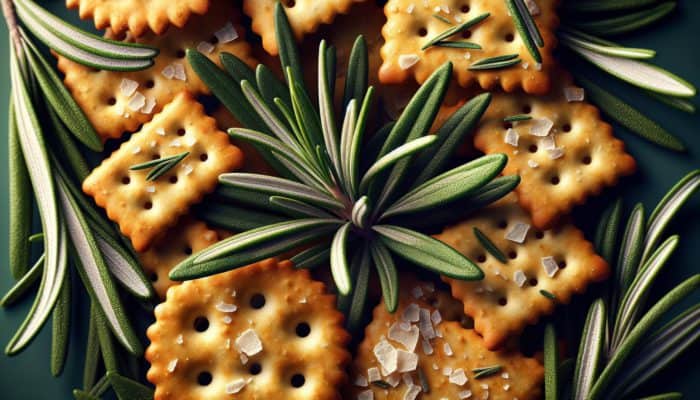
When it comes to enhancing snacks, rosemary stands out as a highly aromatic herb beloved in British cuisine. Known for its uniquely fragrant, pine-like flavour, rosemary adds a delightful twist to a variety of savoury snacks, especially crisps and crackers. Infusing these snacks with rosemary not only intensifies their flavour profile but also brings a level of sophistication that appeals to gourmet snack enthusiasts. This herb’s robust flavour beautifully complements the natural saltiness of crisps, resulting in a balanced, mouth-watering snack that is difficult to resist.
For example, crafting homemade rosemary-infused crispy potato snacks can be a simple yet rewarding endeavor. Begin by thinly slicing potatoes, tossing them in olive oil, and generously sprinkling fresh rosemary before baking them until golden and crisp. Additionally, rosemary can enhance the flavour of cheese crackers, where its earthy undertones blend perfectly with the richness of cheese. This combination not only elevates the taste but also imparts elegance, making these snacks ideal for entertaining guests or enjoying a tranquil evening at home.
In recent years, the UK has seen a rise in specialty shops showcasing gourmet rosemary-infused crisps, reflecting the herb’s increasing popularity in the snack market. By experimenting with rosemary, home cooks can create delightful culinary masterpieces, inspiring them to explore an array of flavour combinations that elevate their snacking experience.
Discover Why Mint is the Perfect Herb for Sweet Delights
Mint is celebrated for its refreshing aroma and invigorating flavour, making it a staple herb in the UK, particularly in sweet treats. This herb is often paired with desserts such as mint chocolate, after-dinner mints, and various ice creams, where it enhances the sweetness while providing a refreshing counterbalance. The bright, invigorating taste of mint pairs exceptionally well with chocolate, creating an indulgent treat that is both rich and refreshing.
Incorporating mint into sweet dishes can be done simply by adding finely chopped fresh mint leaves to chocolate bark or brownies. The vibrant green flecks not only enhance visual appeal but also release a burst of flavour with every bite, transforming an ordinary dessert into something extraordinary. Additionally, mint can be infused into syrups for cocktails or drizzled over desserts, showcasing its versatility that appeals to both children and adults alike.
The popularity of mint is further exemplified in the UK through traditional sweets like peppermint creams, where the combination of sugar and peppermint essence results in a delightful confection. As health-conscious eating continues to rise, using fresh mint in homemade treats allows for natural sweetness without the heavy reliance on added sugars, making for guilt-free indulgences.
Explore How Thyme Elevates the Flavour of Cheese-Centric Snacks
thyme captures the essence of British cuisine, often paired with rich cheese to create flavourful, satisfying snacks. The earthy, slightly minty notes of thyme harmonise beautifully with various cheeses, making it an exceptional addition to cheese straws, quiches, and cheese-based dips. Thyme-infused snacks offer a delightful complexity that elevates the simple pleasure of cheese into a gourmet experience.
To make thyme cheese straws, for instance, blend fresh thyme leaves directly into the pastry dough, introducing a delicate herbal note that resonates with each bite. Alternatively, thyme can be incorporated into cheese dips, providing a delicious accompaniment to crackers or fresh vegetables. This pairing not only delights the palate but also adds a layer of sophistication to any snack table, making it perfect for gatherings or family events.
Exploring culinary adventures with thyme can lead to exciting new flavour profiles, as it pairs exceptionally well with other herbs and spices. For example, blending thyme with garlic and cream cheese creates a rich dip that is both aromatic and irresistible. The use of thyme in cheese-based snacks beautifully encapsulates the essence of British culinary tradition, appealing to those who appreciate the subtleties of flavour.
A Comprehensive Guide to Seamlessly Incorporating Herbs into Your Snacks
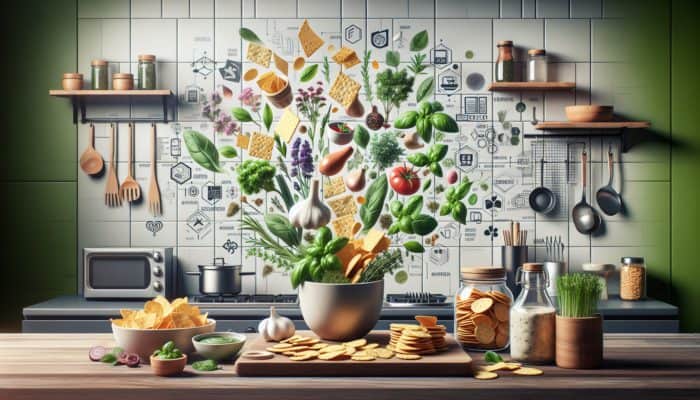
Discover the Best Herb Pairings for Different Snacks to Maximize Flavour
Incorporating herbs into snacks can dramatically elevate their flavour, but it’s essential to select the right herbs for various types of snacks. The interaction between herbs and snacks creates unique taste experiences that transform ordinary bites into culinary delights. Here’s a curated list of ideal herb-snack pairings that can enhance your next culinary adventure:
- Basil complements tomato-based crisps and snacks exceptionally well.
- Dill pairs beautifully with fish-based snacks like smoked salmon on crackers.
- Cilantro works wonders with tortilla chips and salsa.
- Chives elevate creamy dips or cheese spreads impeccably.
- Oregano enhances Italian-inspired breadsticks beautifully.
- Parsley brightens vegetable chips or fresh raw vegetables.
- Sage enriches savoury pastries or pies.
- Chili flakes provide a spicy kick to popcorn or spiced nuts.
Experimenting with these pairings can lead to delightful culinary discoveries, enabling you to identify flavours that complement one another beautifully. For example, the sweet notes of basil can enhance the tanginess of tomato-based snacks, while dill’s freshness can elevate the natural flavours of seafood. Understanding these combinations is vital for crafting snacks that not only taste wonderful but also leave a memorable impression on your guests.
Mastering Techniques for Drying and Storing Herbs for Snack Use
Properly drying and storing herbs is essential for preserving their flavour, especially when planning to incorporate them into snacks. Fresh herbs tend to lose their potency quickly, making it crucial to master the art of drying them effectively so they’re ready for use whenever inspiration strikes. Typically, the drying process involves hanging herbs in a cool, dry place, away from direct sunlight, or utilizing an oven set to a low temperature. Once dried, proper storage is paramount to preserving their flavour and aroma.
Store dried herbs in airtight containers, such as glass jars or vacuum-sealed bags, and keep them in a dark, cool location to prevent degradation. Labelling the containers with the herb’s name and drying date aids in tracking freshness. When stored correctly, dried herbs can last for up to a year, allowing you to enjoy your favourite herbs long after their growing season has ended. This practice not only saves money but ensures that home cooks have access to vibrant flavours throughout the year.
Additionally, consider freezing fresh herbs in ice cube trays filled with water or oil, creating ready-to-use herbal cubes that can be directly added to cooking or snack preparation. This method preserves the freshness of herbs, allowing their vibrant flavour to shine through in your snacks.
Utilizing Fresh Herbs to Elevate Snack Flavours
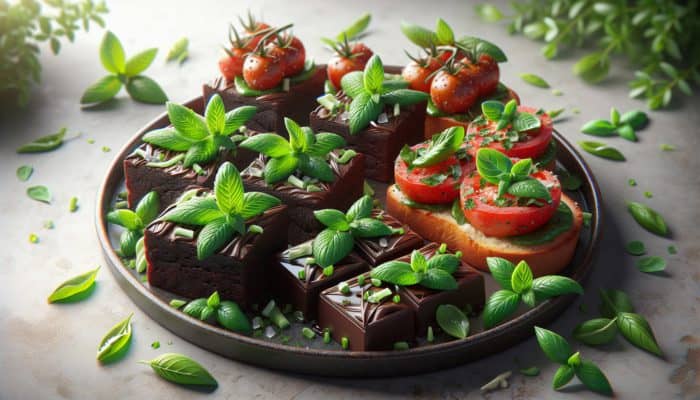
Absolutely, fresh herbs can be seamlessly integrated into snacks and are often preferred for their vibrant flavour and enticing aroma. To fully appreciate fresh herbs, it’s best to add them just before serving, as their delicate flavours can diminish with prolonged heat exposure. Fresh herbs can enhance a variety of snacks, from dips and spreads to baked goods and garnishes.
For instance, adding freshly chopped mint to chocolate brownies can provide a refreshing contrast to the dessert’s richness. Similarly, a handful of fresh basil can elevate a simple tomato bruschetta, imparting an aromatic quality that is both inviting and delicious. The key is to use the right quantity to enhance the flavour without overwhelming the dish.
Moreover, fresh herbs can be used creatively in snack presentations. Sprinkling freshly chopped chives over cream cheese on crackers or using a sprig of rosemary as a garnish for roasted nuts can elevate both the overall presentation and flavour experience. Always consider the balance of flavours when employing fresh herbs, as their potency can vary significantly depending on the type and freshness.
Strategic Approaches for Maximising the Use of Herbs in Snacks
Insights from Culinary Experts on Effectively Using Herbs in Snacks
Many chefs throughout the United Kingdom advocate for the effective use of herbs to elevate snack flavours. They understand that herbs can transform simple ingredients into gourmet experiences, enhancing not only flavour but also visual appeal. Renowned chef Michel Roux Jr. emphasizes that the right herb can add a depth of flavour that is essential in creating memorable snacks, encouraging home cooks to experiment with various combinations.
For example, chef Jamie Oliver frequently incorporates fresh herbs into his recipes, underscoring the importance of basil and parsley in Italian-inspired snacks. He suggests that even a small addition of fresh herbs can elevate a simple bruschetta or pasta dish, making it far more appealing to the palate. Chefs often advise starting with classic herb combinations and then experimenting to find personalized flavour profiles that resonate with individual tastes.
Additionally, chefs like Tom Kerridge highlight the versatility of herbs in enhancing the texture and visual appeal of snacks. They often recommend using a mix of herbs in dips and spreads, creating a complex medley of flavours that can entice even the pickiest eaters. The consensus among culinary professionals is clear: creatively using herbs is an art that can significantly enhance the enjoyment derived from snacking.
Enhancing Nutritional Value of Snacks Through Herbs for Health Benefits
Herbs serve as not just flavour enhancers but also as nutritional powerhouses that can significantly elevate the health profile of snacks. Many herbs are packed with essential vitamins, minerals, and antioxidants that contribute positively to a balanced diet. For instance, parsley is abundant in vitamins A, C, and K, while rosemary is well-known for its antioxidant properties.
Integrating herbs into snacks can transform them from mere indulgences into nutritious bites. For example, adding fresh spinach or basil to a dip can boost its vitamin content while providing a fresh explosion of flavour. Similarly, using herbs like oregano, thyme, or dill can introduce a variety of phytonutrients that support overall health and well-being.
Furthermore, incorporating herbs can promote healthier snacking habits. By opting for snacks rich in natural herb-based flavours instead of processed flavourings, consumers can make more informed choices that align with their dietary preferences. This shift not only enhances the overall snacking experience but also encourages mindfulness in food consumption.
Best Practices for Effectively Using Herbs in Snacks
To fully maximize the potential of herbs in snacks, adhering to best practices is crucial. Firstly, using high-quality, fresh herbs can significantly influence flavour. When sourcing herbs, look for vibrant, fragrant leaves that are free from wilting or browning. For dried herbs, opt for reputable suppliers to ensure potency and quality.
Another best practice is to match the herb’s strength to the snack’s flavour profile. Stronger herbs like rosemary and sage can overpower milder flavours, while delicate herbs like chives or basil should be used sparingly to avoid overwhelming the dish. It’s also important to consider the cooking method: some herbs, such as thyme and oregano, benefit from cooking, while others, such as mint and parsley, are best added fresh.
Finally, always store herbs properly to maintain their freshness. To extend the shelf life of fresh herbs, store them upright in water or wrap them in a damp paper towel. Dried herbs should be kept in airtight containers away from light and heat to preserve their flavour. Following these best practices will lead to a more enjoyable snacking experience and highlight the true potential of herbs.
Unveil the Advantages of Using Herbs in Snack Preparations
How Do Herbs Significantly Enhance Snack Flavour Profiles?
Indeed, herbs can dramatically enhance the flavour profiles of snacks, adding depth and complexity that makes them far more enjoyable to consume. The aromatic qualities of herbs can transform basic ingredients into taste sensations, creating a sensory experience that is both satisfying and intriguing. For instance, a plain potato crisp becomes a gourmet delight with the addition of fresh rosemary or thyme, elevating its tastiness and overall appeal.
Herbs offer a wide range of flavours, from the bright, zesty notes of basil to the warm, earthy tones of sage. This diverse array encourages endless creativity in the kitchen, inspiring snack enthusiasts to explore new combinations and flavours. Additionally, herbs can achieve a balance of flavours that harmonizes sweetness, saltiness, and savouriness, making for a more complex and gratifying snacking experience. For example, when paired with cheese, the herbal notes can cut through rich, creamy textures, enhancing every bite.
By incorporating a variety of herbs into snacks, cooks and consumers alike can experience a richer, more fulfilling snacking journey that excites the palate and elevates the overall culinary experience.
Can Herbs Naturally Extend the Shelf Life of Snacks?
Yes, certain herbs possess natural preservative properties that can help extend the shelf life of snacks, making them not only tastier but also more sustainable. Herbs like rosemary and oregano contain antioxidants that can inhibit bacterial and fungal growth in food products. This natural preservation approach is particularly beneficial for home cooks looking to minimize waste while maintaining quality.
Incorporating herbs into snack food production can enhance longevity without the need for artificial preservatives, appealing to health-conscious consumers. For instance, adding dried rosemary to crackers can help maintain their freshness while imparting delightful flavour. Additionally, herb-infused oils can be utilized to dress salads and vegetables, delivering both flavour and extended shelf life.
These methods not only allow snacks to be enjoyed longer but also reflect a growing demand for cleaner, more natural food options. By incorporating herbs into snack production, we can ensure our snacks remain tasty and wholesome for a longer duration.
How Do Herbs Promote Healthier Snacking Choices for Consumers?
Integrating herbs into snacks can substantially increase their nutritional value, making them a healthier choice for consumers. Many herbs are rich in vitamins, minerals, and antioxidants, contributing essential nutrients to the diet. For example, herbs like parsley and cilantro are loaded with vitamins A, C, and K, which are crucial for maintaining a balanced diet.
Moreover, utilizing fresh herbs can eliminate the need for artificial flavourings and excessive salt, resulting in snacks that are not just delicious but also align with health-conscious eating trends. By flavouring snacks with herbs instead of processed seasonings, individuals can enjoy a more natural taste while also benefiting from the health advantages of these powerful plants.
Additionally, herbs can promote digestive health and possess anti-inflammatory properties, contributing to overall well-being. Therefore, the choice to incorporate herbs into snacking habits not only enhances flavour but supports a healthier lifestyle, making them an ideal addition to any snack repertoire.
Are Herbs a Cost-Effective Solution in Snack Production Techniques?
Utilizing herbs can indeed be a cost-effective strategy in snack production, especially when compared to artificial flavourings and preservatives. Fresh herbs can often be sourced locally, reducing transportation costs and supporting local agriculture. In contrast, dried herbs typically have a long shelf life and can be purchased in bulk at reasonable prices.
Furthermore, herbs not only add flavour but also enhance the perception of quality in snacks, making them more appealing to consumers willing to invest in healthier options. For instance, snacks that feature natural ingredients and herbal infusions can command higher price points, benefiting both producers and consumers alike.
Additionally, incorporating herbs can reduce reliance on more expensive flavouring agents, leading to cost savings in production without sacrificing quality. This makes herbs an attractive choice for both home cooks and commercial producers aiming to create flavourful snacks that resonate with modern dietary preferences.
How Do Herbs Attract Health-Conscious Consumers in the Snack Market?
Herbs are undeniably appealing to health-conscious consumers, as they embody principles of clean eating and natural ingredients. The movement towards wholesome, minimally processed foods has led to an increased demand for snacks enhanced with fresh herbs, providing natural flavour without the need for artificial additives. This trend reflects a growing awareness of the importance of ingredient transparency in food choices.
Snacks that incorporate herbs are not only perceived as more nutritious but also contribute to a culinary experience that is both enjoyable and beneficial. Health-conscious consumers often seek snacks that align with their values, and those that feature herbs resonate strongly due to their health benefits and flavour-enhancing properties. For instance, products that highlight local, sustainable herbs are becoming increasingly popular in the UK market.
Thus, integrating herbs into snacks satisfies taste buds while aligning with the values of health-conscious consumers, making them a smart choice in today’s evolving food landscape.
Delicious Traditional British Snacks Enriched with Fresh Herbs
Delightful Herb-Infused Scones: A British Tradition Reimagined
Herb-infused scones represent a delightful fusion of traditional British baking and the aromatic qualities of fresh herbs. While scones are typically associated with sweet toppings like clotted cream and jam, exploring savoury options—particularly with herbs like chives or parsley—opens up a world of culinary possibilities. These savoury scones not only serve as staples in UK tea culture but also provide an excellent base for various toppings or fillings.
To create herb-infused scones, incorporate finely chopped herbs into the scone dough before baking. The outcome is a fluffy, flavour-packed scone that pairs beautifully with cheese or smoked salmon, offering a delightful twist on a classic. These scones can also be served warm as part of a festive afternoon tea spread or enjoyed as a standalone snack.
Furthermore, experimenting with different herbs allows for a thrilling array of flavours. For instance, mixing fresh rosemary into the dough can evoke the essence of the British countryside, while adding dill pays homage to coastal regions famous for their seafood. Herb-infused scones provide a versatile canvas for creativity, suitable for both casual get-togethers and formal occasions.
Elevate Flavoured Crisps with a Touch of Fresh Herbs
Flavoured crisps are a quintessential British snack, and infusing them with herbs can elevate this beloved treat to new heights. Crisps seasoned with herbs such as rosemary or thyme are gaining traction in the UK, offering a unique twist on traditional potato snacks. These herb-infused crisps not only deliver a satisfying crunch but also provide an aromatic burst of enjoyable flavour.
Creating your own herb-flavoured crisps at home can be a rewarding experience. Begin by thinly slicing potatoes, tossing them in olive oil, and sprinkling them with your desired herbs before baking until they’re crispy. The result is a homemade snack that allows for complete control over flavour and seasoning, showcasing the delightful nuances of the herbs used.
Commercially, many UK brands are beginning to recognize the appeal of herb-flavoured crisps, offering varieties that highlight local and seasonal herbs. These crisps not only satisfy cravings for salty snacks but also cater to the growing demand for gourmet options that are both delicious and innovative. Herb-flavoured crisps transcend the realm of mere snacks, inviting consumers to explore new flavours and elevate the humble crisp into a gourmet experience.
Discover the Art of Herb-Seasoned Pork Pies: A British Classic Reinvented
Pork pies are a cherished traditional British snack, and adding herbs can significantly enhance their flavour. Incorporating herbs like sage or thyme into the filling of pork pies can impart a depth of flavour that resonates with the taste of home. These herbs beautifully complement the richness of pork, creating a savoury treat beloved across the UK.
To prepare herb-seasoned pork pies, finely chop herbs and mix them into the meat filling before sealing it in pastry. The result is a juicy, flavourful pie that showcases the harmonious relationship between meat and herbs. This classic recipe can also be adapted to include additional ingredients, such as vegetables, further enhancing the snack’s nutritional profile.
The use of herbs in pork pies not only enhances flavour but also aligns with the growing trend towards artisanal, locally sourced ingredients. Producers are increasingly experimenting with herb-infused variations of this traditional snack, making it a staple at food markets and festivals throughout the UK. Whether enjoyed warm or cold, herb-seasoned pork pies deliver a comforting taste of British culinary heritage, making them a favourite for any occasion.
Innovative Approaches to Using Herbs in Snacks
Delicious Herb-Infused Popcorn for a Gourmet Snacking Experience
Popcorn is a versatile snack that can be transformed into a gourmet delight with the addition of herbs. Herb-infused popcorn offers a unique twist on this classic snack, creating an exciting flavour experience that surpasses standard butter and salt. Infusing popcorn with herbs such as rosemary or dill yields a savoury treat that is both aromatic and delicious.
To create herb-infused popcorn, pop your corn and toss it with melted butter or oil blended with finely chopped herbs. For instance, rosemary can add a fragrant, earthy quality, while dill provides a refreshing, zesty note. This method encourages endless creativity, allowing you to experiment with various herbs and spice blends to discover your perfect combination.
This snack is not only easy to prepare but also health-conscious, as it can be tailored to suit dietary preferences. By controlling the seasoning, you can create a lighter version that satisfies cravings without the guilt associated with traditional snacks. Herb-infused popcorn is perfect for movie nights or casual gatherings, providing a flavourful alternative to conventional snacks.
Crafting Delicious Herb-Infused Dips for Snack Pairings
Herb-infused dips are an excellent way to incorporate the vibrant flavours of fresh herbs into your snacking repertoire. These dips can enhance a variety of snacks, from vegetable sticks to crisps, offering a refreshing and aromatic accompaniment. Combining herbs with creamy bases or beans results in delicious dips that cater to a range of tastes. Here are some ideal herb-dip combinations to inspire your culinary exploration:
- Basil with cream cheese creates a smooth, rich dip.
- Cilantro with avocado makes for a zesty guacamole.
- Parsley with hummus adds a fresh twist.
- Chives with sour cream offers a classic dip.
- Mint with yoghurt provides a refreshing accompaniment.
- Dill with cream cheese creates a tangy spread.
- Thyme with bean dip delivers an earthy flavour.
Creating these dips allows for personalization, as you can adjust the herb quantities to suit your preferences. Additionally, they are perfect for entertaining, offering an impressive yet simple option for guests. Herb-infused dips not only provide flavour but also contribute to healthier snacking by incorporating fresh ingredients that offer nutritional benefits.
Incorporating Herbs into Snack Bars for a Unique Flavor Experience
Herbs can indeed be added to snack bars, offering a refreshing twist on traditional sweet treats. Using herbs like mint or lemon balm can introduce a unique flavour dimension that enhances the overall snacking experience. These herbs can be blended into the mixture or used as a garnish to provide a delightful surprise in every bite.
For example, incorporating fresh mint into a chocolate snack bar creates a refreshing flavour reminiscent of popular mint chocolate confections. Alternatively, lemon balm lends a light, citrusy note that brightens nut and seed-based bars. The inclusion of herbs not only amplifies flavour but also aligns with the rising trend towards natural and health-conscious snacking.
Creating herb-infused snack bars at home allows for creativity and control over ingredients, ensuring they are not only delicious but also nutritious. By using whole, natural ingredients paired with fresh herbs, you can craft bars that satisfy cravings while supporting a healthy lifestyle. This approach resonates with consumers and invites endless experimentation with flavours and textures.
Crafting Herb-Infused Crackers for Savoury Snack Enjoyment
Herb-infused crackers provide a delightful addition to any snacking platter, offering a savoury base that pairs wonderfully with cheese, spreads, or dips. Incorporating herbs like thyme or oregano into cracker recipes creates a flavourful treat that enhances the overall snacking experience. These crackers can be made at home, allowing for customization in flavour and texture.
To make herb-infused crackers, mix finely chopped herbs into the dough before rolling and baking. The result is a crispy, flavour-packed cracker that showcases the essence of the herbs used. Pairing these herb-infused crackers with creamy cheese or hummus creates a balanced snack that is sure to delight any palate.
Additionally, herb-infused crackers can be tailored to meet dietary preferences, making them accessible to a wide range of consumers. The use of herbs not only adds flavour but also embodies the trend towards more natural, wholesome ingredients. This approach to snacking celebrates the versatility of herbs and their ability to transform simple ingredients into extraordinary delights.
Seasonal Herbs for Elevating Your UK Snack Offerings
Spring Herbs That Bring Freshness and Vibrancy to Your Snacks
Spring signifies renewal and growth, and the herbs thriving during this season reflect the vibrancy of the landscape. Fresh herbs such as chives and dill are perfect for adding a burst of flavour to snacks, echoing the freshness of spring. Chives, with their mild onion flavor, can be incorporated into dips, spreads, or even cheese-based snacks, creating a delightful taste that resonates with the season.
Dill offers a refreshing, slightly tangy note that pairs beautifully with fish dishes and creamy dips. Incorporating these herbs into spring snacks captures the essence of the season and encourages the use of seasonal produce. For example, a creamy dill dip can elevate fresh vegetables, while chive-infused crackers serve as a perfect base for various spreads or cheeses.
The use of spring herbs fosters creativity in the kitchen, inspiring home cooks to experiment with flavours that celebrate the season’s bounty. These herbs not only enhance the taste of snacks but also foster a deeper connection to nature, making them a delightful addition to any spring gathering.
Summer Herbs That Refresh and Brighten Your Snack Creations
Summer herbs like basil and mint bring a refreshing element to snacks, making them ideal for warm days. Basil, with its aromatic, sweet flavour, is perfect for pairing with tomato-based snacks or for crafting vibrant dips. Celebrate summer with a classic bruschetta topped with fresh tomatoes and basil, offering a burst of flavour that captures the essence of the season.
Mint is excellent for infusing into drinks or desserts, providing a cooling sensation that is particularly appealing in hot weather. Mint-infused dips or yoghurt can also be served alongside fresh fruits and vegetables, creating a refreshing snack option for summer picnics or gatherings. The versatility of these herbs invites endless culinary possibilities, encouraging experimentation with flavours and presentations.
As summer arrives, incorporating these herbs into snacks evokes a sense of joy and celebration, resulting in an enjoyable snacking experience that reflects the season’s abundance.
Autumn and Winter Herbs for Comforting and Hearty Snacks
During the colder months, herbs like rosemary and thyme take center stage, providing warmth and comfort to snacks. These herbs are ideal for enhancing hearty dishes, making them perfect for autumn and winter snacking. Rosemary’s earthy, aromatic qualities elevate roasted nuts or crisps, while thyme pairs splendidly with creamy cheese dips, creating a comforting snack experience.
Incorporating these herbs into dishes such as winter soups or stews enhances overall flavour, resonating with the essence of the season. For instance, a rosemary-infused cracker served alongside a warming soup creates a satisfying combination that evokes feelings of comfort and nostalgia.
The use of autumn and winter herbs not only warms the palate but also aligns with the seasonal desire for hearty, nourishing snacks. These herbs can transform ordinary bites into something special, celebrating the flavours and aromas of the colder months while providing a comforting culinary experience.
Frequently Asked Questions About Using Herbs in Snacks Effectively
Which herbs are best for enhancing snack flavours?
Fresh herbs like basil, mint, rosemary, and thyme are ideal choices for enhancing snack flavours. They provide a variety of tastes that complement different ingredients effectively.
Is it possible to use dried herbs in place of fresh herbs in snack recipes?
Yes, dried herbs can replace fresh herbs, but it’s important to adjust the quantity since dried herbs are more concentrated in flavour.
What is the best way to store fresh herbs to keep them fresh longer for snacks?
To maintain the freshness of fresh herbs, store them upright in a glass of water or wrap them in a damp paper towel and place them in a plastic bag in the fridge.
What types of snacks pair well with herb-infused dips for an enjoyable experience?
Herb-infused dips pair excellently with vegetable sticks, crisps, crackers, and even bread, offering a variety of options for enjoyable snacking.
Can herbs improve the nutritional value of snacks?
Yes, incorporating herbs can enhance snacks’ nutritional value by providing vitamins and antioxidants, making them a healthier choice.
How can I add herbs to sweet snacks for extra flavour?
Herbs such as mint and lavender can be introduced to sweet snacks like cookies, brownies, or ice cream to give traditional treats a refreshing twist.
Are there herbs that should be avoided in snacks due to their strong flavours?
While most herbs can be utilized in snacks, some, particularly strong herbs such as sage, should be used sparingly to avoid overpowering other flavours.
What is the best method for drying herbs for proper storage?
To dry herbs, hang them upside down in a cool, dark place or use a dehydrator, ensuring they are completely dry before storing them in airtight containers.
Can I use herbs in gluten-free snacks for enhanced flavour?
Absolutely! Herbs can enrich the flavour of gluten-free snacks, adding depth and interest to recipes that utilize alternative flours.
How can I tell if herbs are fresh for optimal snacking?
Fresh herbs should exhibit vibrant green leaves, possess a strong aroma, and show no signs of wilting or browning. Always opt for the freshest herbs for the best flavour.
Connect with us on Facebook!
The Article: How to Use Herbs in Snacks: UK Edition appeared first on https://mcrtherapies.co.uk
The Article Herbs in Snacks: A Guide for UK Culinary Delights Was Found On https://limitsofstrategy.com
Leave a Reply